Friendship Home Association
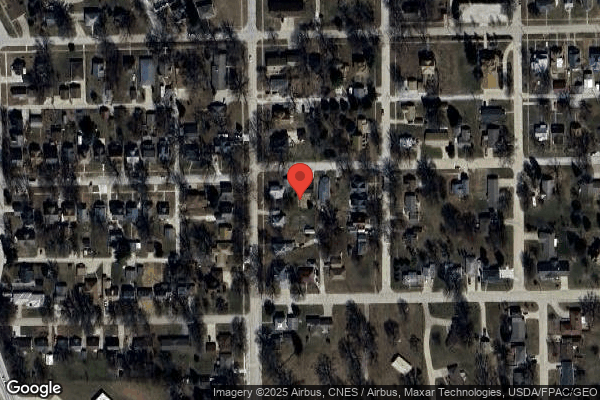
714 Division, Audubon, IA 50025 (712) 563-2651
Non profit - Corporation 46 Beds Independent Data: November 2025
Trust Grade
75/100
#27 of 392 in IA
Last Inspection: June 2025

Inspected within the last 6 months. Data reflects current conditions.

Overview

Friendship Home Association in Audubon, Iowa, has a Trust Grade of B, which means it is considered a good choice, providing solid care. It ranks #27 out of 392 nursing homes in Iowa, placing it in the top half, and is the best option among the two facilities in Audubon County. The facility is improving, as it has reduced its issues from four in 2024 to two in 2025. Staffing is rated 4 out of 5 stars, indicating a good level of care, but the turnover rate of 45% is average for the state. However, the facility has concerning fines totaling $30,227, which is higher than 84% of Iowa facilities, suggesting potential compliance issues. Specific incidents noted by inspectors include a lack of adequate supervision for residents, leading to falls and injuries, as well as failure to conduct background checks for new staff, which raises concerns about safety. Additionally, staff did not consistently serve food as per the dietary requirements for residents needing pureed diets. While the facility has strengths in its overall ratings and a commitment to improvement, these weaknesses in supervision and compliance should prompt careful consideration for families looking for care for their loved ones.

Trust Score
B
75/100
In Iowa
#27/392
Top 6%
Safety Record
Moderate
Needs review
Inspections
Getting Better
4 → 2 violations
Staff Stability
○ Average
45% turnover. Near Iowa's 48% average. Typical for the industry.
Penalties
✓ Good
$30,227 in fines. Lower than most Iowa facilities. Relatively clean record.
Skilled Nurses
○ Average
Each resident gets 34 minutes of Registered Nurse (RN) attention daily — about average for Iowa. RNs are the most trained staff who monitor for health changes.
Violations
⚠ Watch
15 deficiencies on record. Higher than average. Multiple issues found across inspections.
★★★★★
5.0
Overall Rating
★★★★☆
4.0
Staff Levels
★★★★★
5.0
Care Quality
★★★★☆
4.0
Inspection Score
Stable
2024: 4 issues
2025: 2 issues

The Good

  • 4-Star Staffing Rating · Above-average nurse staffing levels
  • 5-Star Quality Measures · Strong clinical quality outcomes
  • Full Sprinkler Coverage · Fire safety systems throughout facility
  • No fines on record
  • Staff turnover below average (45%)

    3 points below Iowa average of 48%

Facility shows strength in staffing levels, quality measures, fire safety.

The Bad

Staff Turnover: 45%

Near Iowa avg (46%)

Typical for the industry

Federal Fines: $30,227

Below median ($33,413)

Moderate penalties - review what triggered them

The Ugly 15 deficiencies on record

1 actual harm
Sept 2025 2 deficiencies
CONCERN (D) 📢 Someone Reported This

A family member, employee, or ombudsman was alarmed enough to file a formal complaint

Potential for Harm - no one hurt, but risky conditions existed

Notification of Changes (Tag F0580)

Could have caused harm · This affected 1 resident

**NOTE- TERMS IN BRACKETS HAVE BEEN EDITED TO PROTECT CONFIDENTIALITY** Based on Electronic Health Records (EHR) review, observation, document review, Medication Administration Record - Treatment Admi...

Read full inspector narrative →
**NOTE- TERMS IN BRACKETS HAVE BEEN EDITED TO PROTECT CONFIDENTIALITY** Based on Electronic Health Records (EHR) review, observation, document review, Medication Administration Record - Treatment Administration Record (MAR-TAR), staff interview and family interview the facility failed to notify the resident's representative / family / Power of Attorney (POA) for a new physicians order and change in condition when a wander guard was placed on the resident for 2 of 3 residents (Residents #2 and #3) reviewed. The facility reported a census of 42 residents. Findings include: 1. The Minimum Data Set (MDS) dated [DATE] documented Resident #2 had a Brief Interview for Mental Status (BIMS) score of 2 indicating severe cognitive impairment. The MDS also documented Resident #2 had diagnoses of dementia with psychotic disturbances and Alzheimer's disease with late onset. Review of Resident #2's undated EHR titled, Clinical Resident Profile documented Resident #2 had a POA.Observation on 9/3/25 of Resident #2 with a wander guard placed on the right lower leg.Review of Resident #2's MDS dated [DATE] documented utilization of a wander guard.Review of Resident #2's EHR titled, Clinical Physician Orders documented a physician's order started 8/14/25 to check wander guard placement every day and night shift. EHR titled, Orders also documented a physician's order started 8/14/25 to check wander guard function at bedtime.Review of Resident #2's MAR-TAR documented a physician's order started 8/14/25 to check wander guard placement every day and night shift. The MAR - TAR also documented a physician's order started 8/14/25 to check the wander guard function at bedtime.Review of Resident #2's document titled, Elopement Evaluation documented evaluation was faxed to physician with statement that Resident #2 was at risk for elopement due to wandering. Could the facility replace a wander guard device on the resident to prevent elopement with a reply from Resident #2's physician of yes dated 8/14/25.Review of Resident #2's EHR titled, Progress Report documented no notification of new order for wander guard to Resident #2's representative / Power of Attorney (POA).On 9/3/25 at 3:03 PM Resident #2's POA stated he was not aware that Resident #2 had a wander guard placed. Resident #2's POA stated he had not been notified in the last month of any wander guard placement. 2. The MDS dated [DATE] documented Resident #3 had a BIMS of 11 indicating moderate cognitive impairment. The MDS also documented Resident #3 had diagnoses of mild intellectual disabilities, major depressive disorder and generalized anxiety. Review of Resident #3's undated EHR titled, Clinical Resident Profile documented Resident #3's sister as her POA.Review of Resident #3's MDS dated [DATE] documented utilization of a wander guard.Review of Resident #3's EHR titled, Clinical Physician Orders documented a physician's order started 9/2/25 to check wander guard placement every day and night shift. The EHR titled, Orders also documented a physician's order started 9/2/25 to check wander guard function at bedtime.Review of Resident #3's MAR-TAR documented a physician's order started 9/2/25 to check wander guard placement every day and night shift. The MAR-TAR also documented a physician's order started 9/2/25 to check the wander guard function at bedtime.Review of Resident #3's fax dated 9/1/25 documented a request for an order for a wander guard with a physician's response of yes, may use wander guard dated 9/1/25.Review of Resident #3's EHR titled, Progress Report documented no notification of new order for wander guard to Resident #3's representative / Power of Attorney (POA).On 9/3/25 at 2:06 PM Resident #3's POA stated she knew that Resident #3 had a wander guard because Resident #3 talked to her about it. Resident #3's POA stated she was not notified by the facility staff that Resident #3 had a wander guard placed on her. Resident #3's POA stated Resident #3 had talked to her on the phone and was upset about the wander guard. Resident #3's POA explained that was how she found out Resident #3 had a wander guard placed. On 9/4/25 at 4:04 PM Staff A, Licensed Practical Nurse (LPN) stated she had applied a wander guard to Resident #3 because on 9/1/25 Resident #3 was trying to leave with her sister out the double doors. Staff A explained she requested the order for the wander guard from the physician and did not notify the residents representative / POA of new order or placement of the wander guard. Staff A acknowledged she should have notified Resident #3's representative / POA.On 9/3/25 at 3:11 PM the DON stated Resident #2 had a wander guard on and it was removed. The DON explained she had left it to Staff B to notify Resident #2's family. The DON acknowledged there was no documentation for family/representative/POA notification for wander guard use on Resident #2 or #3. The DON stated she would expect that there would be family notification of the wander guard placement as well as any new order for a resident at the facility. On 9/4/25 at 11:36 AM the Administrator stated the facility's expectation was the resident's family / POA would be notified of new orders, change in orders, medication changes, or incidents. The Administrator explained there would be an order from a physician for the wander guard use. The Administrator acknowledged she would expect notification to the resident's family / POA of the wander guard application. On 9/4/25 at 9:00 AM the DON explained the facility had no policy with family/POA notification of change in condition, new orders, change in orders or application of wander guard.
CONCERN (D) 📢 Someone Reported This

A family member, employee, or ombudsman was alarmed enough to file a formal complaint

Potential for Harm - no one hurt, but risky conditions existed

Accident Prevention (Tag F0689)

Could have caused harm · This affected 1 resident

**NOTE- TERMS IN BRACKETS HAVE BEEN EDITED TO PROTECT CONFIDENTIALITY** Based on clinical Medication Administration Records - Treatment Administration Records (MAR-TAR), Electronic Health Records (EHR...

Read full inspector narrative →
**NOTE- TERMS IN BRACKETS HAVE BEEN EDITED TO PROTECT CONFIDENTIALITY** Based on clinical Medication Administration Records - Treatment Administration Records (MAR-TAR), Electronic Health Records (EHR) review, document review, family interview, staff interview, and policy review the facility failed to provide adequate nursing supervision when a resident left the facility from a Chronic Confusion or Dementia Illness (CCDI) unit and walked outside into the back yard of a neighboring resident unknown to the staff for 1 of 3 residents (Resident #1) reviewed. The facility reported a census of 42. Findings include: 1. The Minimum Data Set (MDS) dated [DATE] documented Resident #1 had a Brief Interview for Mental Status (BIMS) score of 3 indicating severe cognitive impairment. The MDS documented utilization of a wander guard and wandering behavior had occurred 1-3 days reviewed for the MDS.Review of Resident #1's EHR dated 8/4/25 at 7:15 PM by Staff A, Licensed Practical Nurse (LPN) titled, Progress Notes documented that Resident #1 was found outside across the back parking lot on a private lot where a man was mowing his yard. Review of Resident #1's document dated 8/4/25 titled, Risk Management entered by Staff A documented Resident #1 went outside and was brought back in by Staff C, Registered Nurse (RN). Body assessment completed, no injuries were noted. Document further documented Staff C and Staff D came and asked Staff A if all the residents were accountable for the CCDI unit. Staff went into every room and were unable to locate Resident #1. Document continued with Staff C found Resident #1 outside, stated Resident #1 was in the yard where a man was mowing and he told Staff C that Resident #1 wanted to get on the lawn [NAME]. Reported by the man that Resident #1 had a fall.On 9/3/25 at 10:17 AM Staff D, LPN stated 8/4/25 was the first night she had ever worked at the facility and she was orientating. Staff D stated she was orientating with Staff C the night of 8/4/25. Staff D stated she was orientating upstairs at the facility. Staff D stated she was passing medications with Staff C. Staff D stated she heard an alarm going off. Staff D stated another staff told Staff C the alarm was going off downstairs on the CCDI unit. Staff D stated when she was done passing medications to the resident they were on, both of them went downstairs. Staff D stated Staff C yelled up to the nurse and CNA on the CCDI unit asking if all the residents were present or accounted for. Staff D stated Staff C then went to the right and out the door that way. Staff D stated once she was at the end of the hall she went down and she could see Staff C outside with Resident #1. Staff D explained it was a CNA that was upstairs that told them the alarm was for downstairs but did not remember which CNA. Staff D stated she did not know which door Resident #1 went out. Staff D explained Staff C brought Resident #1 back in from outside. Staff D stated Staff A was working the memory care unit on 8/4/25 as the nurse and she completed the assessment. Staff D stated when Staff C and Resident #1 was walking back; they were not on the other side of the water gutter. Staff D acknowledged the alarm went off for about 5 minutes before they responded. On 9/3/25 at 12:47 PM Staff C, RN acknowledged she worked for the facility. Staff C acknowledged that she worked upstairs the night of 8/4/25. Staff C stated she was doing the medication pass and around 6:30 PM the alarm on the CCDI unit went off. Staff C explained she went to the control box and noticed it was the wander guard alarm for the CCDI unit. Staff C acknowledged she waited a bit to see if the alarm would be responded to by the staff in the CCDI unit. Stated passed medications to a resident and when she exited the residents room a second alarm went off. Staff C explained it was a door alarm. Staff C stated she went downstairs and looked in the hallway and saw some residents walking inside the CCDI unit. Staff C acknowledged she shut the wander guard alarm off outside the double doors of the CCDI unit. Staff C explained she started walking to the door that was alarming and it had shut off. Staff C stated she then went to the CCDI unit and looked for the residents in the room and noticed Resident #1 was not in the room. Staff C explained she asked Staff E, Certified Nursing Assistant (CNA) if Resident #1 was down in the day room and Staff E said she thought Resident #1 was the resident who got out and sent Staff D down wing 5. Staff C explained she went to the employee entrance and the wing 6 alarm was going off again. Staff C stated she looked out the door and saw Resident #1 walking. Staff C stated Resident #1 had already walked across the back parking lot and onto the grass. Staff C stated when she found Resident #1 her shirt was inside out and her left arm was outside the sleeve and was missing a sock. Staff C stated she asked Resident #1 what she was doing and she told her that she wanted to get on the ride. Staff C stated the guy on the riding lawn [NAME] told her that Resident #1 had fallen. Staff C stated then Staff F, Dietary [NAME] was at the employee entrance. Staff C stated Staff F was waving at us and she brought Resident #1 back to the facility with her. Staff C stated Staff F met her at the end of the parking lot. Staff C stated Resident #1 was past the gutter in the blue house's back yard. Staff C stated Staff F helped Resident #1 with her across the gutter. Staff C stated that was when Staff A met them outside and asked if she had slipped out with Staff F on the unit and Staff F told Staff A no she had just got on the unit when she was gone. Staff C stated she called the DON and told them what was going on and to chart everything and had everyone write a statement. Staff C stated Staff A was told what to do on the unit after the elopement. Staff C stated to Staff A what the witness said and to complete an unwitnessed fall assessment on Resident #1. Staff C stated later on that day they found out that the magnetic lock was not turned on so the lock was reset for the double doors on the CCDI unit. Staff C explained when the alarm was going off everyone was supposed to respond. Staff C acknowledged she might have let the ball drop because she did not respond when she first heard the alarm. Staff C stated Staff E was standing in front of the nurses station on the CCDI unit and Staff A was standing behind the nurses station. Staff C stated when you are on the CCDI unit you could not hear the alarm for the wander guard because it was outside the double door. Staff C stated emails were sent out with education about responding to every alarm immediately after that elopement. Staff C stated there was a box placed over the switch for the magnetic lock. Staff C stated she did not direct the CNA's upstairs to respond. Staff C stated once Resident #1 was back she had staff do a head check hourly on the resident with a wander guard upstairs. Staff C stated the wander guard alarm was going off for about 3 minutes before she went to respond. Staff C explained the wander guard alarm was very loud upstairs. On 9/4/25 at 4:04 PM Staff A, LPN acknowledged she was at the facility on 8/4/25. Staff A stated she was working the CCDI unit on 8/4/25. Staff A stated she went to work and was passing pills. Staff A stated she saw 2 nurses coming up and told her the alarm was going off. Staff A stated she did not hear an alarm going off on the unit. Staff A stated the alarm was not working. Staff A stated there were 2 other staff working on the CCDI unit. Staff A stated Staff E was working on the CCDI unit with her. Staff A stated once Resident #1 returned Staff E said she heard a faint alarm. Staff A stated she asked Staff E why did you not tell me you heard an alarm?. Staff A stated Staff E did not tell her why she did not tell her about the alarm. Staff A stated Staff E appeared teary eyed as if she did something wrong. Staff A stated she told Staff E she needed to always tell her right away when she heard an alarm. Staff A stated there was only one hallway on the CCDI unit and all the resident rooms were on that hallway. Staff A stated she was in a resident's room passing medications at the time. Staff A stated some of the residents take their medications at 6PM and those were the medications she was passing. Staff A stated she did not see any resident leave or hear the double doors shut. Staff A stated the CNA's were taking care of residents at the time she thought. Staff A stated she completed the assessment on Resident #1. Staff A stated Resident #1 did not have any injuries. Staff A stated she started neuro checks and door checks. Staff A stated Resident #1 went out through the double doors. Staff A stated she did not think the double doors were locked with a magnet. Staff A stated Staff G, CNA told her that the alarm panel upstairs the magnetic lock was shut off. Staff A stated Resident #1 had made it off the unit and outside. Staff A stated she thought it would take Resident #1 about 5 minutes to get to where she made it outside. Staff A stated when the alarm went off staff should have responded immediately. Staff A stated there were 2 nurses upstairs and one of them was orientating. Staff A stated Staff C was orienting Staff D. Staff A stated Staff C stated the alarm was going off but did not tell her how long. Staff A explained that when 2 nurses were upstairs one of the nurses should have come downstairs immediately to check on the alarm. Staff A stated there were 13 residents on the CCDI unit 8/4/25. On 9/3/25 at 3:24 PM Staff E, CNA stated she was working on the CCDI unit at the facility on 8/4/25. Staff E stated she was familiar with Resident #1. Staff E stated she was talking to the nurse at the nurses station just after returning from break and she remembered an alarm but was very faint. Staff E explained she looked down the hall and saw the double doors closing. Staff E realized someone just went out the doors. Staff E stated she had heard the wander guard alarm before and just before she got to the double doors Staff C told her the alarm was going off. Staff E explained she started looking to see if all the residents were accounted for. Staff E stated Resident #1 was exit seeking that day. Staff E stated Staff C found Resident #1 out door #6 and the alarm was going off down hall 6. Staff E stated Staff C returned Resident #1 to the CCDI unit. Staff E stated she was working with Staff A on the CCDI unit that day with another CNA. Staff E stated Staff A and herself were at the nurses station talking when Staff C entered the CCDI unit looking for a missing resident. Staff E stated they were standing just outside of the nurses station at that time. Staff E stated she did not know where the other CNA was at that time. Staff E stated she did not hear anyone call down on the phone. Staff E stated the light at the nurses station was always red. Staff E acknowledged if the light would be green then the magnetic door would not be locked. Staff E explained she noticed it was green after the incident. Staff E stated usually you can hear the door alarm but not the wander guard when you are in a residents room or at the nurse station. Staff E explained the only alarm she heard was very faint. Staff E stated when an alarm goes off the staff are supposed to check rooms to ensure the residents are present. On 9/3/25 at 2:45 PM Staff F, Dietary [NAME] acknowledged she was working on 8/4/25. Staff F stated she was familiar with Resident #1. Staff F stated she was just finishing up her shift and was taking the laundry down to the laundry room. Staff F stated she was talking to Resident #1 and when the elevator door closed Resident #1 was in her room. Staff F stated about 3-5 minutes later the upstairs nurse came down and asked where Resident #1 was and told her she was just in her room. Staff F stated the nurse ran through the door. Staff F stated she put up the cart and went out the back door because she figured that she would recognize her. Staff F stated Staff C had found Resident #1 and she was in a neighbor's lawn. Staff F stated Staff C started bringing Resident #1 back. Staff F stated Resident #1 had grass on her shirt but did not appear to have an injury. Staff F explained they walked her back up to the building and then Staff A came out and they all returned Resident #1 to the CCDI unit. Staff F stated Resident #1 was on the other side of the water gutter when she came outside. Staff F stated she helped Staff C and Resident #1 cross the water gutter on the way back. Staff F stated she did not hear the alarm going off. On 9/3/25 at 11:15 AM Staff H, CNA acknowledged she was working at the facility on 8/4/25. Staff H stated she worked 6pm - 6am. Staff H stated she was working upstairs at the facility that night. Staff H stated she was on hall 1 that night and the alarm was going off and saw that it was downstairs. Staff H stated she kept trying to call them and nobody answered the phone. Staff H stated she went downstairs and Staff F told her that Resident #1 ended up getting out the door. Staff H stated the alarm was continuously going off when she came up the hall. Staff H stated she was in a resident's room at that time. Staff H stated she could not hear the alarm in the residents room. Staff H stated she was on her way with Staff I, CNA and the alarm shut off before they got in the elevator. Staff H stated she did not go downstairs. Staff H stated Staff I went downstairs. Staff H stated she did not know if any of the upstairs nurses went downstairs. On 9/3/25 at 1:39 PM Staff I, CNA stated he was down hall 2 for the evening of 8/4/25. Staff I stated he did not hear the alarm when he was in a room with a resident. Staff I stated the rule was if you are attending or completing care on a resident was to stay with the resident and then respond. Staff I stated he stayed with the resident because the resident was in a compromising situation. Staff I stated once the resident was no longer in a compromising situation he responded but other staff had already responded. Staff I stated the other staff upstairs were taking care of their own residents. Staff I stated he could hear the alarm in the room but the resident was in a situation where they could not be left. Staff I stated he knew the alarm was from downstairs. Staff I stated the alarm was going off for about 5 minutes or 10 minutes. Staff I acknowledge the alarm went off for a while before it was responded to. On 9/3/25 at 4:44 PM Staff G, CNA stated she was working on 8/4/25 upstairs at the facility. Staff G stated she knew who Resident #1 was. Staff G stated she was in a residents room when the alarm went off. Staff G stated when she made her way to the nurses station she was told by Staff H that the charge nurse had gone downstairs to answer the wander guard alarm on the CCDI unit. Staff G stated she could not hear the alarm from the residents room she was in. Staff G stated she did not know how long the alarm had been going off. Staff G stated she was not aware of any of the CNA's checking on the alarm. Staff G stated the charge nurse was trying to find out why the doors were not locking. Staff G stated she was the staff that saw that the switch was green and that was what shut off the door locks on the magnetic doors. Staff G explained the alarms are supposed to be checked promptly to determine if a resident had left. On 9/3/25 at 3:11 PM the DON stated during the investigation of Resident #1's elopement on 8/4/25 the main concern was with the response from staff. The DON stated the concern was that there was not an immediate response to the alarm. The DON stated immediate education was provided about the response. On 9/4/25 at 11:36 AM the Administrator stated during the investigation of the elopement there were concerns with the system being outdated and/or if it was working properly. The Administrator stated the nurse could have paged through the phone but if the staff were in rooms they would not have heard the page from the phone. The Administrator explained that the chances of both the wander guard alarm being faint and the magnetic lock on the double doors to the CCDI unit being deactivated was very slim but that was what occurred during the incident on 8/4/25. The Administrator explained the facility's determination was that the magnetic lock shut off button probably was hit by the monitor on the medication cart that is usually parked in front of the button. The Administrator explained now there was a clear box over the button like you would find on a thermostat. Review of Policy revised 8/5/25 titled, Friendship Home Elopement/Wandering documented the purpose was to ensure that residents who exhibit wandering behavior and/or are at risk for elopement receive adequate supervision to prevent accidents. Adequate supervision will be provided to help prevent accidents or elopements. Any staff member becoming aware of a missing resident will alert personnel using facility approved protocol. Review of undated procedure titled, Staff Education: Responding to Elopement Alarms documented the purpose was to ensure all staff respond immediately and appropriately when an elopement alarm sounds (e.g. wander guard or door alarm). Every second counted to keep the residents safe. Licensed nursing staff should respond to the origin of the alarm if known and call code wander using the overhead page or other communication tools. CNA / direct care staff should stop current tasks and immediately begin search unless a resident would be left unattended in unsafe conditions.
Aug 2024 4 deficiencies
CONCERN (D)

Potential for Harm - no one hurt, but risky conditions existed

Deficiency F0578 (Tag F0578)

Could have caused harm · This affected 1 resident

**NOTE- TERMS IN BRACKETS HAVE BEEN EDITED TO PROTECT CONFIDENTIALITY** Based on clinical document review, staff interview, and policy review the facility failed to have the correct documentation of r...

Read full inspector narrative →
**NOTE- TERMS IN BRACKETS HAVE BEEN EDITED TO PROTECT CONFIDENTIALITY** Based on clinical document review, staff interview, and policy review the facility failed to have the correct documentation of residents choice related to advanced directives for 1 of 5 residents (Resident #27) reviewed. The facility reported a census of 40 residents. Findings include: Review of the Minimum Data Set (MDS) for Resident #27 dated [DATE] revealed Resident #27 was admitted to the facility [DATE]. Review of a document titled, Iowa Physician Orders for Scope of Treatment (IPOST) dated [DATE] revealed there was a selection for Cardiopulmonary Resuscitation (CPR). This document further revealed the IPOST was signed by the Physician and Resident #27 ' s representative. Review of the Electronic Health Records (EHR) on [DATE] revealed a document titled, Clinical Physician Orders that revealed an order for Full Code status with a start date of [DATE]. Review of Resident #27 ' s Care Plan with a revision date of [DATE] revealed that Resident 27 ' s family requested DNR status. During an interview [DATE] at 8:15 AM Staff D revealed she would look in the front of the resident's chart for code status. Staff D further revealed that if a resident is a full code status there would be a heart above the bed in the resident ' s room. Staff D then revealed that Resident # 27 does not have a heart sticker above her bed. During an interview [DATE] at 9:02 AM with the Director of Nursing (DON) revealed that her expectation would be for the IPOST and the physician orders to match as to code status. Review of a facility provided policy titled, Advanced Directives dated 12/16 documented: a. Review all advance directives / IPOST to determine if there are any apparent omissions or inconsistencies so they may be cleared up with the resident.
CONCERN (E)

Potential for Harm - no one hurt, but risky conditions existed

Abuse Prevention Policies (Tag F0607)

Could have caused harm · This affected multiple residents

Based on personnel document review, facility document review, staff interview, and policy review the facility failed to implement the abuse and neglect policy by not completing background checks prior...

Read full inspector narrative →
Based on personnel document review, facility document review, staff interview, and policy review the facility failed to implement the abuse and neglect policy by not completing background checks prior to staff employment. The facility reported a census of 40 residents. Findings include: Review of background check for Staff E revealed the background check was completed 2/13/24. Review of an untitled document with staff phone number and hire dates provided by the facility revealed a hire date for Staff E of 11/30/23. During an interview 7/30/24 at 11:46 AM with the Administrator revealed that Staff E had worked at the facility prior to her being rehired 11/30/23. The Administrator further revealed she thinks that the background check got missed upon rehire and was completed again 2/13/24. The Administrator then revealed that her expectation would be for background checks to be completed prior to working at the facility. Review of a facility provided policy with a subject of background checks dated 1/29/21 documented: a. Background checks will be completed on all new hires per state regulation on the single contact repository (SING).
CONCERN (E)

Potential for Harm - no one hurt, but risky conditions existed

Menu Adequacy (Tag F0803)

Could have caused harm · This affected multiple residents

**NOTE- TERMS IN BRACKETS HAVE BEEN EDITED TO PROTECT CONFIDENTIALITY** Based on facility document review, observations, staff interview and policy review the facility failed to ensure that residents ...

Read full inspector narrative →
**NOTE- TERMS IN BRACKETS HAVE BEEN EDITED TO PROTECT CONFIDENTIALITY** Based on facility document review, observations, staff interview and policy review the facility failed to ensure that residents were served the food as listed on the menu, and failed to accurately measure the pureed food items for 3 of 3 residents reviewed. The facility reported a census of 40 residents. Findings include: According to the Week at a Glance Menu for Week 5; the lunch meal on 7/30/24 included ham loaf with pineapple sauce, potato, broccoli, bread/margarine, ice cream and milk. The pureed meal would include pureed bread with margarine. On 7/30/24 at 10:00 AM Staff A, Dietary Aide/Cook, prepared the broccoli for 3 residents that required pureed foods. She used a small hand-held mixer and said that she had added water earlier to aide in the pureeing process. After getting the vegetable to the desired consistency, she put it in the dish, covered it with tin foil and put it in the oven. Staff A then got the ham loaf out of the oven and said she had 6 mechanical soft and 3 pureed to prepare. She dished out 7 servings for mechanical soft and put that in the heating dish. She then took 4 servings of the ham loaf and placed them in the mixer. As she was mixing, she added water several times. Without measuring the volume, she put the pureed meat in the heating dish. When asked about measuring for volume so she could determine the size of serving scoop, she said that she just uses a 4-ounce (oz) scoop for the vegetables and for the meats. She said she had worked in many different places and she did not see the need to measure the volume or use the chart to determine scoop size. Staff A failed to put any bread in the pureed items, and she did not puree bread with margarine. On 7/30/24 at 11:20 AM, Staff A failed to include bread and margarine on the plates for residents in the Chronic Confusion or Dementing Illness (CCDI) unit. According to the Resident Matrix, the CCDI unit included 13 residents. On 7/30/24, none of the CCDI residents were served bread with margarine. On 7/30/24 at 11:00 AM, the Dietary Manager (DM) said that she taught staff to prepare one more serving than needed when making pureed foods. She said that they should measure the volume after pureeing to figure out the serving size. The DM said that she had talked to Staff A about using water for the pureed foods and that they were taught to use thinning fluids with nutritional value rather than water. The DM said that Staff A should have followed the menus and serve bread when it's on the menu. According to the [NAME] Brother's Puree Process (posted on the refrigerator in the kitchen): Step 1. Measure out desired number of servings into container for pureeing. Step 2. Puree the food. Step 3. Add any necessary thickener or appropriate liquid of nutrition value and flavor to obtain desired consistency. Step 4. Measure the total volume of the food after it is pureed. Step 5. Divide the total volume o the pureed food by the original number of portions. (See Puree Scoop Chart). Step 6. Heat or chill the pureed food to safe serving temperatures. According to the undated facility policy titled: Food and Nutrition Services. The dining experience would enhance each individuals quality of life through person centered dining: providing nourishing, palatable, and attractive meals that meet the individual's daily nutritional needs and food and beverage preferences.
CONCERN (E)

Potential for Harm - no one hurt, but risky conditions existed

Food Safety (Tag F0812)

Could have caused harm · This affected multiple residents

Based on observations, staff interviews and policy review the facility failed to ensure that open containers of food had been dated. Staff failed to provide safe hand hygiene procedures during meal se...

Read full inspector narrative →
Based on observations, staff interviews and policy review the facility failed to ensure that open containers of food had been dated. Staff failed to provide safe hand hygiene procedures during meal service. The facility reported a census of 40 residents. Findings include: In an observation of the walk-in refrigerator with the Dietary Manager (DM) on 7/29/24 at 9:45 AM, it was discovered that there were three large bags of shredded cheese and a bag of shredded lettuce that had been opened and half-used. The bags did not have a date written on them to indicate when they were opened. At the front of the walk-in, there was a tray cart on wheels that contained a tray of individual cups of pudding, uncovered and undated. On the top shelf, there was an opened bag of cubed cheese that had been opened, with no open date. As the DM lifted the bag, it was revealed to have some mold spots on a couple cheese cubes at on the bottom of the bag. The DM said that she expected staff to enter the open date on the bags and to pay attention to outdates. In the freezer, an open bag of what looked to be cubed meat was found on the bottom shelf. The DM said that it was cubed turkey and she acknowledged that there was no open date on the package. The walk-in freezer also had 4 bags of frozen vegetables on the top shelf, opened and not dated. She grabbed all of them to dispose of them. On 7/30/24 at 10:00 AM, in an observation of the pureed food preparation, Staff A, Dietary Aide got a ham loaf out of the oven and placed it on the counter. She failed to conduct hand hygiene. The meat had been cooking on a sheet of parchment paper and had stuck to the paper. She had difficulty getting it off the paper so she used her bare hand to pull it off and placed it in the mixer. In an observation of the lunch meal service on 7/30/24 at 11:20 AM, Staff A put a glove on her left hand, she grabbed the bag of bread to open it, and with the same gloved hand grabbed a piece of bread out of the bread bag, held the bread with that hand, buttered it and placed it on a resident's plate. She then removed the glove. Staff A performed the same process at least 4 more times through the meal services. Staff A grabbed a stack of cheese slices from the refrigerator with a glove on her left hand only, with both hands she unwrapped the plastic wrap and then reached in and grabbed a slice of cheese. Throughout the meal services, Staff A touched different surfaces and wiped her hands on her scrub top. She completed serving at 11:45 AM and failed to conduct hand hygiene throughout the entire serving. On 7/30/24 at 11:00 AM, the DM said that she found glove use to be a detriment in the kitchen because staff tended to think they can touch anything with the gloved hands and then touch the food. She preferred that staff would use tongs or unwrap the food first and then use a clean glove to touch food items. An undated facility policy titled: Food and Nutrition Services; Bare Hand Contact with Food and Use of Plastic Gloves. Gloved hands were considered a food contact surface that could get contaminated or soiled. If used, single use gloves should be used for only one task, used for no other purpose and discarded when damaged or soiled. Hands were to be washed when entering the kitchen and before putting on the single use gloves and after removing single use gloves. An undated facility policy titled: Food and Nutrition Services undated, indicated that when a food package was opened, the food item should be marked to indicate the open date. This dated would be used to determine when to discard the food. Leftovers were to be used within 72 hours or discarded.
Nov 2023 5 deficiencies
CONCERN (D)

Potential for Harm - no one hurt, but risky conditions existed

Deficiency F0836 (Tag F0836)

Could have caused harm · This affected 1 resident

**NOTE- TERMS IN BRACKETS HAVE BEEN EDITED TO PROTECT CONFIDENTIALITY** THE FOLLOWING DEFICIENCIES RELATE TO THE IOWA ADMINISTRATIVE CODE (IAC) CHAPTER 58. VA State Rule 58.12(1)l Within 30 days of a ...

Read full inspector narrative →
**NOTE- TERMS IN BRACKETS HAVE BEEN EDITED TO PROTECT CONFIDENTIALITY** THE FOLLOWING DEFICIENCIES RELATE TO THE IOWA ADMINISTRATIVE CODE (IAC) CHAPTER 58. VA State Rule 58.12(1)l Within 30 days of a resident's admission to a health care facility receiving reimbursement through the medical assistance program under Iowa Code chapter 249 A, the facility shall ask the resident or the resident's personal representative whether the resident is a veteran and shall document the response. If the facility determines that the resident is a veteran, the facility shall report the resident's name along with the names of the resident's spouse and any dependent children, as well as the name of the contact person for this information, to the Iowa department of veteran's affairs. Where appropriate, the facility first shall seek reimbursement from the identified payor source before seeking reimbursement from the medical assistance program established under Iowa Code chapter 249A. This REQUIREMENT is not met as evidenced by: Based on document review, and staff interview, the facility failed to inquire about Veterans Affairs (VA) eligibility within 30 days of admission for 3 of 3 residents reviewed (Residents #38, #40, and #41). Findings include: On 11/6/23, the Administrator reported they completed a self-report due to the facility's missed VA eligibility registry entries. 1. Resident #38's Minimum Data Set (MDS) assessment dated [DATE] listed an admission date of 5/15/23. The MDS identified a Brief Interview for Mental Status (BIMS) score of 5, indicating severely impaired cognition. Resident #38's admission Application reflected her spouse as a veteran on 5/8/23. 2. The admission MDS for Resident #40 dated 9/14/23 revealed an admission date of 9/6/23 and a BIMS score of 10 out of 15, indicating moderately impaired cognition. Resident #40 admission Application reflected her spouse as a veteran on 7/6/23. 3. The admission MDS for Resident #41 dated 10/7/23 revealed an admission date of 9/30/23 and a BIMS score of 15 out of 15, indicating completely intact cognition. Resident #41's undated admission Application reflected her spouse as a veteran. On 11/8/23 at 3:30 PM, the Administrator explained that they hired and trained Staff B in January 2023. She stated that the trainer did not ensure Staff B thoroughly understood the VA eligibility process. The Administrator reported that the resident self-identifies their VA eligibility via a self-identification on the resident's admission paperwork. She stated a record audit on 11/6/23 of all residents admitted since July 2022 revealed 7 residents who self-identified as VA eligible who were not added to the registry. Of the 7 residents, she stated 2 were ineligible due to not meeting marriage requirements and 1 passed away on hospice care within 72 hours after facility admission. She stated 1 of the 4 remaining self-identified residents (Resident #40) utilized a VA medication benefit but the facility did not add them to the registry. She stated almost all the VA eligible residents only used the medication VA benefit but recently began using another medication benefit source due to supplier problems. An undated document titled IDVA Resident Eligibility (Iowa Department of Veteran's Affairs) indicated residents who confirmed positive veteran status on the admission form were to be added to the IDVA Resident Eligibility.
CONCERN (D)

Potential for Harm - no one hurt, but risky conditions existed

Deficiency F0868 (Tag F0868)

Could have caused harm · This affected 1 resident

Based on record review and staff interview, the facility failed to ensure the required members attended the Quality Assessment and Assurance committee (QAA). The required members included: 1. The Nurs...

Read full inspector narrative →
Based on record review and staff interview, the facility failed to ensure the required members attended the Quality Assessment and Assurance committee (QAA). The required members included: 1. The Nursing Home Administer (NHA) or representative; 2. Director of Nursing (DON); 3. The Medical Director (MD) or representative; 4. The Infection Preventionist; and 5. two other members of the facility's staff present on a minimum of a quarterly basis. The facility reported a census of 43. Findings include: A facility document titled QAA Committee Minutes, dated 12/6/22 for the 4th quarter lacked attendance signatures for the Infection Preventionist. A facility document titled QAA Committee Minutes, dated 3/2/23 for the quarter December 2022 - February 2023 lacked attendance signatures for the Infection Preventionist. A facility document titled QAA Committee Minutes, dated 5/18/23 for quarter March 2023 - May 18, 2023 lacked attendance signatures for the Infection Preventionist and two (2) other staff members. A facility document titled QAA Committee Minutes, dated 8/10/23 for quarter 5/18/23 - 8/17/23 lacked attendance signatures for the Administrator or designee. It indicated the Director of Nursing (DON) also served as the facilitator. On 11/8/23 at 2:59 PM, the Administrator reported that she did not know the complete list of required QAA meeting attendees until the 11/8/23 interview. She also stated the Minimum Data Set Coordinator (MDS Coordinator) should have been her designee. An undated document titled QAA Committee Members indicated the committee members were the Medical Director (or her representative), Administrator, Director of Nursing (DON), Infection Preventionist (IP), Consultant Pharmacist, Registered Dietician, Therapy Representative, Social Services, Maintenance/Environmental, Dietary, and Activities.
CONCERN (D)

Potential for Harm - no one hurt, but risky conditions existed

Infection Control (Tag F0880)

Could have caused harm · This affected 1 resident

**NOTE- TERMS IN BRACKETS HAVE BEEN EDITED TO PROTECT CONFIDENTIALITY** Based on observation, record review, policy review, and staff interview the facility failed to provide appropriate infection pre...

Read full inspector narrative →
**NOTE- TERMS IN BRACKETS HAVE BEEN EDITED TO PROTECT CONFIDENTIALITY** Based on observation, record review, policy review, and staff interview the facility failed to provide appropriate infection prevention practices when providing suprapubic catheter cares for 1 of 2 residents (Resident #26). Findings include: Resident #26's Minimum Data Set (MDS) assessment dated [DATE] identified a Brief Interview of Mental Status (BIMS) score of 12, indicating moderate cognitive impairment. Resident #26 had an indwelling catheter. The MDS included diagnoses of obstructive uropathy, diabetes mellitus, and benign prostatic hyperplasia with lower urinary tract symptoms. During a continuous observation 11/8/23 at 7:15 AM observed Staff D, Certified Nurse's Aide (CNA), and Staff E, CNA, perform catheter care on Resident #26. During Resident #26's catheter care, Staff D got a new unpackaged catheter drainage bag, placed it on the bed sheet without a barrier, immediately picked it up, and asked Staff E to obtain a new barrier. Staff E then placed a new barrier down and they placed the previously new contaminated drainage bag onto the clean barrier. Staff D disconnected the previous catheter drainage bag and tubing, cleaned the connection port of the catheter with an alcohol swab and connected the new drainage bag. Staff D then placed a drainage sponge to the suprapubic catheter site and doffed gloves. Staff D then asked Staff E to get tape for the drainage sponge. Staff D donned new gloves and put Resident #26's underwear, pants, and shoes on. Staff D removed her gloves as Staff E returned with the tape. Staff D applied the tape with no gloves onto the top of the catheter drainage sponge to the skin. Afterwards, Staff D and Staff E assisted Resident #26 with pulling up his pants. During an interview 11/8/23 at 7:32 AM Staff D reported they always required a barrier pad for peri rags and catheter care. During an interview 11/8/23 at 9:18 AM the Director of Nursing (DON) explained that she expected staff to have a barrier placed, wear gloves at appropriate times for catheter care, and while applying tape to drainage sponges. Review of a facility provided policy titled, Urinary Catheter Care updated 11/3/23 instructed to: a. Clean the ends of the drainage bag tubing and catheter with an alcohol wipe and friction. Also, clean the tubing end of the replacement bag (if it is not a new sterile bag). Review of another facility provided policy titled, Suprapubic Cath Care with an updated date of 9/7/23, directed to: a. Apply dressing on top and secure with adhesive tape. b. Remove gloves, wash hands, thank Resident.
CONCERN (E)

Potential for Harm - no one hurt, but risky conditions existed

Deficiency F0804 (Tag F0804)

Could have caused harm · This affected multiple residents

Based on observation, staff interview, and policy review, the facility failed to provide food served by a method to maintain a safe and appetizing temperature. The facility reported a census of 43. Fi...

Read full inspector narrative →
Based on observation, staff interview, and policy review, the facility failed to provide food served by a method to maintain a safe and appetizing temperature. The facility reported a census of 43. Findings include: During a continuous observation on 11/7/23 beginning at 11:15 AM, Staff A, Dietary [NAME] (DC), obtained the temperatures of 10 menu items prior to serving residents lunch. The temperature of the pureed coleslaw measured 50.2° degrees Fahrenheit (deg F). Staff A covered the pureed coleslaw and placed it in the refrigerator. All other menu items' temperatures were within required range. At 11:30 AM, Staff A removed the pureed coleslaw from the refrigerator and check the temperature which measured 49.2° deg F. She stated it would just have to be written up. It was served to the resident at that temperature. At 11:55 AM, Staff A took the temperatures of the remaining menu items. Observed 3 menu items outside of the acceptable holding temperature: a. French Fries - post-serving temperature of 131.1° deg F b. Carrots - post-serving temperature of 107.4° deg F c. Coleslaw - post-serving temperature of 42° deg F. At 12:00 AM, Staff A reported that due to the heat level in the serving area, they had difficulty with maintaining the cold items. An undated policy titled General HACCP Guidelines for Food Safety instructed that hot holding food temperatures should be above 135° deg F; otherwise, reheat to 165° deg F for a minimum of 15 seconds. An undated policy titled Handling Cold Foods for Tray Line indicated cold food items should be chilled to less than or equal to 41° deg F and temperatures will be taken halfway through service to assure foods' temperature is maintained less than or equal to 41° deg F. On 11/8/23 at 9:50 AM, the Dietary Manager stated they expected the staff to follow the policy for food safety.
CONCERN (E)

Potential for Harm - no one hurt, but risky conditions existed

Food Safety (Tag F0812)

Could have caused harm · This affected multiple residents

Based on observation, document review, staff interview, and policy review the facility failed to store food and follow proper sanitation to prevent cross contamination and the spread of illness in acc...

Read full inspector narrative →
Based on observation, document review, staff interview, and policy review the facility failed to store food and follow proper sanitation to prevent cross contamination and the spread of illness in accordance with professional standards. The facility reported a census of 43 residents. Findings include: 1. An initial kitchen tour on 11/6/23 at 10:15 AM - 10:45 AM revealed: a. Walk in refrigerator had items open without open dates that included a bag of toffee bites, a bag of sliced American cheese, a bag of shredded parmesan cheese, a bag of cheddar cheese, a bag of mixed vegetables, a bag of carrots, a bag of lettuce, and a 20 oz. bottle of soda pop. b. Dry storage had items open without open dates that included a 25 lbs. bag of rice, 1 gallon of syrup, a bag of croutons, a bag of crispy onions, 2 bags of dry noodles, a bag of spaghetti noodles, and a bag of crushed crackers. c. Walk in freezer had items open without open dates that included a bag of frozen noodles, a bag of mixed vegetables, a bag of corn, a bag of raspberries, a bag of diced green peppers, a bag of carrots, and a bag of cubed potatoes. During the initial kitchen tour observed a printed sign hung outside of the walk-in refrigerator that directed to cover, label, and date all items. Review of undated document titled, General Food Preparation and Handling revealed leftovers must be dated, labeled, covered, cooled and stored in a refrigerator. On 10/6/23 at 10:47 AM the Certified Dietary Manager (CDM) stated that all open food items should be dated when opened. The CDM stated that all open items without a date would be discarded at that time. On 11/9/23 at 12:58 PM the Administrator stated she expected the staff to follow the outlined materials and education provided to them in the policy and procedures. The Administrator stated open items of food should have an open date when opened. 2. On 11/7/23 at 9:43 AM, observed Staff A, Dietary [NAME] (DA), clean the food preparation counter with a detergent soaked rag, then they wiped the same counter with a rag soaked in a sanitizing bucket. She performed a sanitizing solution check. She took one strip from the Hydrion QT-40 sanitizer test strip container and dipped it into the sanitizing solution. She removed the strip and noted the strip was orange. She compared it to the manufacturer's strip guide and the sanitizer concentration measured 0 parts-per-million (PPM). Staff A stated that the sanitizing solution had not been changed since the early morning. She changed the sanitizing solution but did not sanitize the food preparation counter. She then placed two plastic serving bowls on the food preparation counter and placed a serving scoop inside one bowl. The bowl turned on its side and she picked up the bowl and used it for a resident's pureed cole slaw. On 11/7/23 at 11:25 AM, Staff A used a pizza cutter to divide sandwiches and placed the cutter on the counter attached to the front of the steam table. Staff A's shirt rubbed against the blade of the cutter 4 times while she plated residents' food. She picked up the cutter and used it to finish cutting sandwiches. At 11:40 AM, Staff A grabbed a can of tomato soup with a gloved left hand and stabilized it while she opened it with the ungloved right hand. She poured the soup into a bowl and placed it in the microwave with her right hand. She returned to the steam table with the gloved left hand and placed a turkey sandwich on a resident's plate. Staff A did not perform hand hygiene or change the glove. At 11:45 AM, observed Staff A's shirt in direct contact with the top surface of the counter attached to the front of the steam table. Staff A placed a sandwich directly on the counter and used the pizza cutter to divide the sandwich. She picked up the two portions of the sandwich and placed them on the resident's plate. The counter had not been sanitized between the staff member's shirt and touching the sandwich. At 11:34 AM, Staff B, Dietary Aide (DA) served a resident tray in the dining room with ungloved hands and then returned to the serving counter. Staff B picked up a resident's plate and grabbed a gelatin bowl from the cold food holding table. She placed the bowl on the resident's plate and the bowl slid into the resident's cole slaw. At 11:50 AM, Staff A picked up hot plates with a clean dish towel and placed the towel on the counter where her shirt frequently contacted. No one sanitized the counter during the meal service. On 11/8/23 at 9:50 AM, the Certified Dietary Manager stated they expected the staff to follow the facility policy for kitchen safety and sanitation. An undated policy titled Food Safety and Sanitation directed employees to wash their hands just before they start to work in the kitchen and after smoking, sneezing, using the restroom, handling poisonous compounds or dirty dishes, and touching face, hair, other people or surfaces or items with potential for contamination.
Jul 2023 4 deficiencies 1 Harm
SERIOUS (G) 📢 Someone Reported This

A family member, employee, or ombudsman was alarmed enough to file a formal complaint

Actual Harm - a resident was hurt due to facility failures

Accident Prevention (Tag F0689)

A resident was harmed · This affected 1 resident

**NOTE- TERMS IN BRACKETS HAVE BEEN EDITED TO PROTECT CONFIDENTIALITY** Based on observation, interview with staff and family, clinical record review and facility policy review the facility failed to ...

Read full inspector narrative →
**NOTE- TERMS IN BRACKETS HAVE BEEN EDITED TO PROTECT CONFIDENTIALITY** Based on observation, interview with staff and family, clinical record review and facility policy review the facility failed to provide adequate supervision to prevent accidents for 2 of 6 residents reviewed (Resident #6 and #1). Resident #6 had periods of restlessness and would attempt to get out of bed on his own. He had many falls and it was discovered that the fall mat next to his bed was a risk hazard. The fall mat was displaced upon one unwitnessed fall when he sustained a major injury. Resident #1 had a fall while on the fall mat next to her bed so the mat had been removed. Staff continued to put the mat next to her bed after the intervention had been discontinued. The facility reported a census of 43 residents. Findings include: 1) According to the Minimum Data Set (MDS) dated [DATE], Resident #6 had a Brief Interview for Mental Status (BIMS) score of 6 out of 15 indicating a severe cognitive deficit. The MDS documented at that time, he was independent with bed mobility, transfers and walking in his room. The MDS documented he had diagnoses to incude anxiety disorder and vascular dementia. The MDS documented he wandered daily and had fallen. An MDS dated [DATE] documented Resident #6 had a change in condition and required extensive assistance with transfers, walking and toileting. The MDS documented he had internal bleeding and had fallen since last assessment. According to the Event Report dated 3/13/23 at 10:45 PM Resident #8 found sitting on the floor leaning back on the recliner next to his bed. Observed a golf ball sized raised and bleeding hematoma above his right eye and copious amounts of bright red blood around the resident on the floor and on the resident. The resident complained of a massive headache. Staff observed the resident asleep on the couch 15 minutes prior to being found on the floor. Family updated and resident sent out to the emergency room. The Emergency Department (ED) Notes dated 3/13/23 at 11:40 PM documented Resident #6 had a small traumatic subarachnoid hemorrhage to right temporal sulci. The ED Note dated 3/14/23 documented the ED does not accept intercranial bleeds and the resident was to be transferred to a local hospital. On 7/17/23 at 4:45 PM Certified Nurse Aide (CNA), Staff Q, stated she found the resident on 3/13/23 on the floor by the recliner. She said that he had been pacing a lot through the night, it was on the overnight shift and there was not a fall mat next to the bed at that time. On 7/18/23 at 7:30 AM Registered Nurse (RN) Staff A, stated the resident was sent back to the facility the next day (3/14/23) and he was not stable. When he returned, he required assistance with transfers but he continued to try to get up by himself because this was what he would do before. The Progress Notes dated 3/15/23 at 6:06 AM, documented staff found Resident #6 on the floor mat next to his bed on his right side at 5:25 AM. No injuries and denied pain at time of assessment. Resident toileted at approximately 3:30 AM and had been continent of bladder. The resident stated he was trying to get up and get a glass of water. The Care Plan for Resident #6 documented an intervention dated 3/14/23 to lower the bed and put a mattress on the floor by the bed. This intervention had been crossed through and noted that it was discontinued on 3/16/23, the changes were not timed. The Progress Notes dated 3/16/23 at 10:37 PM documented the resident had been assisted to bed by staff and exited the room at 8:49 PM. The residents call light went off at 9:01 PM and when staff entered the room found him laying on the floor, extended away from the bed on the bedside mat on his right side. It appeared as though the resident may have attempted to get out of bed and tripped over the mat edge along side of the bed and assisted in the fall. Significant bruise noted to right brow extending down to right cheekbone, purple in color and a large lump on the right frontal forehead. Resident stated he had pain in that area. Right eye swollen shut and swelling around the socket. The Event Report dated 3/16/23 at 9:01 PM showed that Resident #6 had been found on the floor with his feet under the bed. It appeared that the resident tried to get up on his own and may have tripped on the edge of the fall mat. The ED Provider Note dated 3/16/23 at 10:14 PM documented the resident presented to the ED after a fall onto his face with facial trauma and pupils 1 mm dialed bilateral. The results from a head CT documented the provider received a critical alert from radiology that the resident had sustained a traumatic hygroma (collection of cerebrospinal fluid located under [NAME] membrane of the brain) with mass effect. A Major Injury Determination form with physician signed date 3/17/23 at 3:31 AM indicated that the injury was determined to be a major injury traumatic subdural hygroma. On 7/17/23 at 3:40 PM Licensed Practical Nurse (LPN), Staff C, stated she was working on 3/16/23 when Resident #6 had a fall. She stated the resident had erratic behaviors and extreme outbursts for several days. Earlier in the day, there had been 2 aides and a nurse and the resident had required one on one supervision. He had been combative and even threw his phone across the room. At about 8:45 PM they tried putting him to bed, he had a call light touch pad in his bed that would go off if he moved around in bed and there was a floor mat next to the bed. It was about 20 minutes after they had put him to bed and his call light was going off so she sent the CNA back to check on him and that was when they found him on the floor. She stated his torso and arms were off the mat, and the bottom half of his body was on the mat. She stated she thought because of the position of his body, he would have been standing on the mat. She stated it didn't look like the mat had moved. On 7/18/23 at 9:02 CNA, Staff D stated she was the nurse on the overnight shift when the resident fell on 3/15/23. She stated she found him on his right side on the fall mat. She stated that his bed had been moved to the dining room area by the nurse's station to keep a closer eye on him, it was just her and a CNA, and they had gone to help with another resident. When they came back to the dining room area, he was on the floor. She stated the fall mat had shifted, but his entire body was on the mat. On 7/18/23 at 1:20 PM the Director of Nursing (DON) and Care Planning (CP) nurse said that after the 3/13/23 fall, they requested a physical therapy evaluation. They acknowledged that on 3/14/23 there was a CP intervention to put a fall mat next to the bed. The CP nurse stated she hadn't added that intervention but someone must've thought it was a good idea. The DON agreed that since he was independent with transfers and was up and down a lot this wasn't a good intervention. She stated that the team must've thought that it wasn't such a good idea because it had been discontinued on 3/16/23. Since the intervention had not been timed, she didn't know for sure when it had been discontinued, but assumed that it would have been during business hours, which would have been before the 3/16/23 fall. She acknowledged that the mat should not have been next to his bed on 3/16/23. 2) According to the MDS dated [DATE], Resident #1 had a BIMS score of 0 out of 15 indicating severe cognitive deficit. The MDS documented she required extensive assistance with the help of 2 staff for bed mobility, transfers, walking and toileting. The MDS documented she was not steady, and only able to stabilize with staff assistance for all transfers and walking. The MDS documented she had diagnoses to include dementia. The MDS documented she had two or more falls with no injury since the last assessment and 2 or more falls with injury since the last assessment. The Care Plan for Resident #1 dated 9/16/22 documented a high risk for falls related to advanced dementia, wandering and history of falls. The Care Plan documented extensive assist of 1 or 2 with transfers. The Care Plan directed staff with the following interventions: a. On 3/6/23 the resident had a fall in her room with injury, slid from edge of the bed. Staff lowered the bed to the floor with fall mat next to the bed. b. On 3/17/23 recliner removed from the room and replaced with one that is more stable. c. On 3/24/23 direction to staff to check the resident every hour when she was in bed. d. On 5/2/23 fall with physical therapy (PT) and occupational therapy (OT) referral (head injury). e. On 5/17/23 fall with removal of blue mat at bedside as mat slides. f. On 6/19/23 fall with staff education to have all supplies at bedside prior to starting cares. g. On 6/20/23 sit to stand for transfers and grab bars removed from toilet. The Event Report dated 5/17/23 at 9:00 PM documented Resident #1 found lying on her stomach in front of the loveseat in her room. The report documented the bed was slid away, mat tested by nurse and easily slides when foot placed on mat. The report documented the Care Plan reviewed and removed the mat beside the bed as the mat slides when feet placed on it. The Event Report dated 6/19/23 at 8:28 PM documented Resident #1 fell head first onto the floor while an aide assisted resident to bed. The report documented the bed lowered with mat next to the bed. Staff sent resident out to the hospital due to changes in neuro exam and found to have a small subdural hematoma. Resident returned to the facility. On 7/19/23 at 2:37 PM, Registered Nurse (RN), Staff P stated she just noticed that the fall mat had been taken out of the room of Resident #1. On 7/19/23 at 3:39 PM CNA, Staff I, stated Resident #1 required assistance of two. She stated that she had a mat next to her bed up until a couple of days previously, and they had been using it. On 7/19/23 at 3:55 PM LPN, Staff F stated that she was the nurse on duty when Resident #1 fell on 5/17/23. She stated she removed the mat after that fall, because it appeared to have slipped out of place. On 7/20/23 at 8:30 CNA. Staff E, stated the resident had a fall on 6/19 and the fall mat was not on the floor at the time, but it was still in the room and they were using it at night. She stated the resident would try to get up by herself and was very unsteady. On 7/20/23 at 10:44 AM the DON stated the floor mat should not have been used after it was discontinued on 5/17/23. A falls policy dated 9/22/21 documented the purpose of the policy was to ensure that if/when a resident falls a thorough assessment would be completed and appropriate documentation with interventions identified to prevent future falls. Determine potential causes for the fall and additional teaching and /or interventions to the plan of care to prevent another fall from occurring.
CONCERN (D) 📢 Someone Reported This

A family member, employee, or ombudsman was alarmed enough to file a formal complaint

Potential for Harm - no one hurt, but risky conditions existed

ADL Care (Tag F0677)

Could have caused harm · This affected 1 resident

**NOTE- TERMS IN BRACKETS HAVE BEEN EDITED TO PROTECT CONFIDENTIALITY** Based on observation, staff interviews and clinical record review the facility failed to provide regular toileting for 1 of 3 re...

Read full inspector narrative →
**NOTE- TERMS IN BRACKETS HAVE BEEN EDITED TO PROTECT CONFIDENTIALITY** Based on observation, staff interviews and clinical record review the facility failed to provide regular toileting for 1 of 3 residents reviewed (Resident #4). The resident was unable to tell staff when she needed to use the bathroom, staff were instructed to offer toileting every 2 hours. On two separate observations, it was found that she waited over 3 hours. The facility reported a census of 43 residents. Findings include: According to the Minimum Data Set (MDS) dated [DATE], Resident #4 had a Brief Interview for Mental Status (BIMS) score of 0 out of 15 indicating she is severely impaired for cognition. The MDS documented she required extensive assistance with the help of 2 staff for transfers, dressing and toileting. The MDS documented she is frequently incontinent of urine. The MDS documented she has diagnoses to include Alzheimer's disease, vascular dementia and diabetes mellitus. The Care Plan updated on 5/9/23 documented Resident #4 requires assistance with all of her activities of daily living (ADL) and directed staff to offer and assist toileting every 2 hours; must check regularly as resident was not able to tell staff that she needed to use the toilet. On 7/18/23 a continuous observation occurred as follows: a. At 2:00 PM, Resident #4 was in bed, awake and smiling. She was unable to answer questions. b. At 3:55 PM staff had not gone into her room, she was still awake and in bed and was tapping on the wall with her hand. c. At 4:18 PM she was laying awake in bed. d. At 4:28 PM Registered Nurse (RN) Staff P went and checked rooms then back to the dining room area. e. At 4:55 PM two staff went into the room and changed the resident's brief but did not put her on the toilet. On 7/19/23 a continuous observation occurred as follows: a. At 8:37 AM Resident #4 in her wheel chair at the breakfast table. b. At 9:44 AM resident moved to a recliner in front of the TV. c. At 10:34 AM resident still in the recliner, with no offer to toilet. d. At 11:12 AM, staff offered to move her closer to the music at the other side of the room, but did not offer to toilet. e. At 11:30 AM staff took her to the restroom. On 7/19/23 at 7:53 AM Certified Nurse Aide (CNA), Staff L, said that Resident #4 did use the toilet and they try to offer to put her on often, she does not tell staff when she had to urinate or defecate. On 7/20/23 at 10:44 AM, the Director of Nursing (DON) said that it was expected that staff would follow the care plan goals of toileting every 2 hours. On 7/19/23 at 11:50, the DON communicated that they did not have a specific policy on toileting routines. The standard of practice to offer toileting on rounds and as needed. She stated some residents had toileting schedules that were care planned and staff would be expected to follow the care plan.
CONCERN (D) 📢 Someone Reported This

A family member, employee, or ombudsman was alarmed enough to file a formal complaint

Potential for Harm - no one hurt, but risky conditions existed

Pharmacy Services (Tag F0755)

Could have caused harm · This affected 1 resident

Based on observations, staff interviews, facility investigation review and clinical record review the facility failed to account for all narcotic medications for 1 of 3 residents reviewed (Resident #9...

Read full inspector narrative →
Based on observations, staff interviews, facility investigation review and clinical record review the facility failed to account for all narcotic medications for 1 of 3 residents reviewed (Resident #9). On 12/17/22 it was discovered that approximately 6.5 milliliters (ml) of liquid Lorazepam for Resident #9 was missing. The facility reported a census of 43 residents. Findings include: According to the Facility Investigation, dated 12/17/22 at 11:55AM, Registered Nurse (RN) Staff Z notified the Director of Nursing (DON) that when she went to draw up a dose of liquid Lorazepam for Resident #9 there was only 0.3 ml left in the bottle. The narcotic count sheet indicated there should have been 7 ml remaining. A review of the Controlled Drug Receipt Record Disposition revealed on 12/16/23 at 12:00 noon, there was 37.5 ml of lorazepam remaining. On 7/17/23 at 10:40 AM RN Staff A stated there had been a full, unopened bottle with 30 ml and the second bottle she had counted as having 7 ml remaining on the morning of 12/17/23. During an observation on 7/17/23, a Certified Medication Aide (CMA) Staff O, completed a shift to shift electronic narcotic count check on the computer. Observed her show how the system is a blind count of narcotics with one nurse entering what is remaining and another signed off to verify. If the count is incorrect according to what had been recorded as given, the system would not allow them to continue until it was rectified. The Controlled Substance Report was generated from these entries. According to the Facility Investigation dated 12/17/22 of the missing Lorazepam, 4 of the nurses that had worked shifts before the missing drugs were discovered had been drug tested and all had negative tests. On 7/17/23 at 1:50 PM Licensed Practical Nurse (LPN), Staff N, stated she didn't remember a lot from the night before they discovered there was liquid Lorazepam missing. She stated she had gone home and was sleeping when they called her to come in and take a drug test and it was negative. She stated the count was fine when she left and when she started her shift. She thought she had drawn up one dose for Resident #9 the night before and two Certified Nurse Aides (CNA) witnessed her drawing up the medication. She stated it was effective and the resident was not lethargic. On 7/17/23 at 10:40 AM RN Staff A stated she had looked at the bottle at shift change and thought there was 7 ml in it. She later went to draw up a dose and wasn't getting anything in the syringe. She had RN Staff P look at it with her and verified there was less than a ml remaining. She called the Director of Nursing (DON) around 10:30 AM that morning. Resident #9 had a lot of agitation with screaming out and they were using the medication to help calm him. On 7/17/23 at 2:22 PM LPN Staff M stated she remembered a little about the liquid Lorazepam missing back in December. She worked just a couple of nights a week and didn't remember ever having to give a dose to Resident #9. She thought that by the time she would come in for her overnight shift, the evening shift had given him a dose so he wasn't too bad. She stated there are times when the nurses would just sign off on the narcotic count without looking or counting themselves. They would often take the word of the other nurse that all the narcotics had been accounted for. On 7/17/23 at 3:40 PM LPN Staff C stated she was not working on the day that the liquid Lorazepam had been missing. She stated the blind count of narcotics is very thorough because the amount must be correct or it won't let you proceed. One person has view of the actual pills and the other person enters information. She stated that when she worked, they always did the count with two people. In an observation on 7/24/23 at 4:55 PM, Registered Nurse, Staff A, unlocked the small refrigerator under the desk in the nurse's station which revealed that there was not a second container or lock. She confirmed that this was the process when the liquid Lorazepam had been stored for Resident #9 around 12/17/22. According to a facility policy titled; Shift Change Cart Count, the purpose of the policy was to ensure safe storage of narcotic. The narcotic supply was to be kept under 2 locks at all times. The narcotic record are reconciled physical count of remaining narcotics supply at change of each shift.
CONCERN (D) 📢 Someone Reported This

A family member, employee, or ombudsman was alarmed enough to file a formal complaint

Potential for Harm - no one hurt, but risky conditions existed

Deficiency F0760 (Tag F0760)

Could have caused harm · This affected 1 resident

**NOTE- TERMS IN BRACKETS HAVE BEEN EDITED TO PROTECT CONFIDENTIALITY** Based on clinical record review, pharmacy records, pharmacist interview, and staff interviews the facility failed to ensure that...

Read full inspector narrative →
**NOTE- TERMS IN BRACKETS HAVE BEEN EDITED TO PROTECT CONFIDENTIALITY** Based on clinical record review, pharmacy records, pharmacist interview, and staff interviews the facility failed to ensure that residents were free from medication errors for 1 of 3 residents reviewed (Resident #9). The facility reported a census of 43 resident. Findings include: According to the Minimum Data Set (MDS) dated [DATE], Resident #9 had a Brief Interview for Mental Status (BIMS) score of 0 out of 15 indicating severe cognitive deficit. The MDS documented the resident had physical behaviors directed towards others and other behavioral symptoms not directed toward others at least daily. The MDS documented the resident as independent with transfers and required extensive assistance with the help of one staff for toileting, hygiene and dressing. The Face Sheet for Resident #9 documented he had diagnoses including cerebral infarction, anxiety and chronic pain. The Care plan dated 11/22/22 documented Resident #9 received antianxiety medication, lorazepam, for management of anxiety. The Progress Note dated 11/16/22 at 6:38 PM indicated the resident was having increased behaviors and the staff contacted the emergency room provider. New orders received for management of anxiety, ativan (Lorazepam) as needed (prn). A written order dated 11/16/22 documented an order for ativan (Lorazepam) liquid 0.25 milligrams (mg) every 6 hours prn for 4 doses only for restlessness/anxiety. The electronic chart revealed the order was entered on 11/16/22 with a discontinued date of 11/22/22. The chart lacked documentation that there was a follow up order received once the 4 doses had been given. From 11/19/22-11/22/22 the Lorazepam was given 9 times without a physician's order. A written note obtained from the pharmacy showed a verbal order on 11/16/22 for Lorazepam 2 mg/ml (milligrams per milliliter) .25 every 6 hours as needed. The note did not indicate milligrams or milliliters for the dose and did not include the limit of 4 doses only. On 7/18/23 at 9:15 AM the Pharmacist stated they delivered one 30 ml bottle of liquid Lorazepam on 11/16/22 and that the order did not indicate that it was for 4 doses only. The Physician Progress Note/Order Sheet dated 11/22/22 documented the Lorazepam was increased from 0.25 mg to 0.5 mg every 4 hours as needed for acute changes in resident behavior. The electronic chart showed that the order was entered on 11/22/22 as 0.5 ml rather than milligrams. A fax communication on 12/2/22 for a 14-day review of narcotic medication written by staff as 0.5 ml every 4 hours documented the physician's response was to continue as previously ordered. The entry in the electronic chart on 12/2/22 was for 0.5 ml every 4 hours. A follow up 14-day review fax request was again written as 0.5 ml every 4 hours on 12/15/22 with the same response to continue as previously ordered. The 12/15/22 order was entered into the electronic chart in milliliters rather than milligrams. According to the Control Drug Receipt Record/Dispense form the order was written on the top of the form as 0.25 ml and 0.5 ml. The narcotic count documented the nurses were administering and counting as milliliters rather than milligrams. On 7/18/23 at 10:13 AM the Director of Nursing (DON) reviewed the telephone order that the pharmacy had on 11/16/22 and acknowledged that it did not indicate milligrams or milliliters and did not include order for 4 doses only. She stated staff should have followed up to get another order after the 4 doses had been given. When the initial order was entered in the electronic chart, it would not have a stop date so they continued to use it and the pharmacy gave them enough to continue. She acknowledged that the initial order was in milligrams and it had been transcribed incorrectly as milliliters. In a communication with the DON on 7/19/23 at 11:50 AM, she stated they did not have a specific policy for order transcribing but it was part of the nursing orientation upon hire. According to the orientation list, all orders were to be double noted by 2 nurses, checked, entered and verified for accuracy.
Understanding Severity Codes (click to expand)
Life-Threatening (Immediate Jeopardy)
J - Isolated K - Pattern L - Widespread
Actual Harm
G - Isolated H - Pattern I - Widespread
Potential for Harm
D - Isolated E - Pattern F - Widespread
No Harm (Minor)
A - Isolated B - Pattern C - Widespread

Questions to Ask on Your Visit

  • "Can I speak with families of current residents?"
  • "What's your RN coverage like on weekends and overnight?"

Our Honest Assessment

Strengths
  • • 45% turnover. Below Iowa's 48% average. Good staff retention means consistent care.
Concerns
  • • 15 deficiencies on record, including 1 serious (caused harm) violation. Ask about corrective actions taken.
  • • $30,227 in fines. Higher than 94% of Iowa facilities, suggesting repeated compliance issues.
Bottom line: Generally positive indicators. Standard due diligence and a personal visit recommended.

About This Facility

What is Friendship Home Association's CMS Rating?

CMS assigns Friendship Home Association an overall rating of 5 out of 5 stars, which is considered much above average nationally. Within Iowa, this rating places the facility higher than 99% of the state's 100 nursing homes. This rating reflects solid performance across the metrics CMS uses to evaluate nursing home quality.

How is Friendship Home Association Staffed?

CMS rates Friendship Home Association's staffing level at 4 out of 5 stars, which is above average compared to other nursing homes. Staff turnover is 45%, compared to the Iowa average of 46%. This relatively stable workforce can support continuity of care.

What Have Inspectors Found at Friendship Home Association?

State health inspectors documented 15 deficiencies at Friendship Home Association during 2023 to 2025. These included: 1 that caused actual resident harm and 14 with potential for harm. Deficiencies causing actual harm indicate documented cases where residents experienced negative health consequences.

Who Owns and Operates Friendship Home Association?

Friendship Home Association is owned by a non-profit organization. Non-profit facilities reinvest revenue into operations rather than distributing to shareholders. The facility operates independently rather than as part of a larger chain. With 46 certified beds and approximately 44 residents (about 96% occupancy), it is a smaller facility located in Audubon, Iowa.

How Does Friendship Home Association Compare to Other Iowa Nursing Homes?

Compared to the 100 nursing homes in Iowa, Friendship Home Association's overall rating (5 stars) is above the state average of 3.1, staff turnover (45%) is near the state average of 46%, and health inspection rating (4 stars) is above the national benchmark.

What Should Families Ask When Visiting Friendship Home Association?

Based on this facility's data, families visiting should ask: "Can I visit during a mealtime to observe dining assistance and food quality?" "How do you handle medical emergencies, and what is your hospital transfer rate?" "Can I speak with family members of current residents about their experience?"

Is Friendship Home Association Safe?

Based on CMS inspection data, Friendship Home Association has a clean safety record: no substantiated abuse findings (meaning no confirmed cases of resident harm), no Immediate Jeopardy citations (the most serious violation level indicating risk of serious injury or death), and is not on the Special Focus Facility watch list (a federal program monitoring the lowest-performing 1% of nursing homes). The facility has a 5-star overall rating and ranks #1 of 100 nursing homes in Iowa. While no facility is perfect, families should still ask about staff-to-resident ratios and recent inspection results during their visit.

Do Nurses at Friendship Home Association Stick Around?

Friendship Home Association has a staff turnover rate of 45%, which is about average for Iowa nursing homes (state average: 46%). Moderate turnover is common in nursing homes, but families should still ask about staff tenure and how the facility maintains care continuity when employees leave.

Was Friendship Home Association Ever Fined?

Friendship Home Association has been fined $30,227 across 5 penalty actions. This is below the Iowa average of $33,381. While any fine indicates a compliance issue, fines under $50,000 are relatively common and typically reflect isolated problems that were subsequently corrected. Families should ask what specific issues led to these fines and confirm they've been resolved.

Is Friendship Home Association on Any Federal Watch List?

Friendship Home Association is not on any federal watch list. The most significant is the Special Focus Facility (SFF) program, which identifies the bottom 1% of nursing homes nationally based on persistent, serious quality problems. Not being on this list means the facility has avoided the pattern of deficiencies that triggers enhanced federal oversight. This is a positive indicator, though families should still review the facility's inspection history directly.