Accura Healthcare of Aurelia, LLC
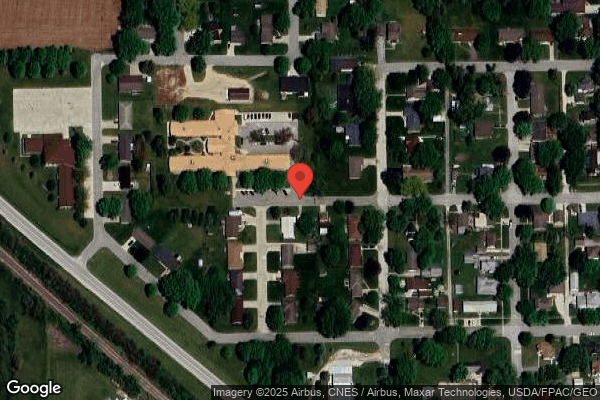
401 West Fifth Street, Aurelia, IA 51005 (712) 434-2294
For profit - Limited Liability company 44 Beds ACCURA HEALTHCARE Data: November 2025
Trust Grade
60/100
#168 of 392 in IA
Last Inspection: March 2025

Within standard 12-15 month inspection cycle. Federal law requires annual inspections.

Overview

Accura Healthcare of Aurelia has a Trust Grade of C+, indicating it is slightly above average, which suggests a decent level of care but with some room for improvement. It ranks #168 out of 392 nursing homes in Iowa, placing it in the top half of facilities statewide, and #2 out of 5 in Cherokee County, indicating that there are only a few local options that are better. The facility's performance has remained stable, as it reported four issues in both 2024 and 2025. Staffing is rated average with a 3/5 star rating and a turnover rate of 46%, which is close to the state average, meaning staff may not have long-term familiarity with residents. Notably, there have been serious concerns; for example, the facility failed to monitor and treat skin breakdown for two residents, leading to severe consequences, including an amputation. Additionally, safe transfer techniques were not properly followed for some residents, raising concerns about their safety and well-being. However, it's worth mentioning that the facility has not incurred any fines, which reflects positively on its compliance with regulations.

Trust Score
C+
60/100
In Iowa
#168/392
Top 42%
Safety Record
Moderate
Needs review
Inspections
Holding Steady
4 → 4 violations
Staff Stability
⚠ Watch
46% turnover. Above average. Higher turnover means staff may not know residents' routines.
Penalties
✓ Good
No fines on record. Clean compliance history, better than most Iowa facilities.
Skilled Nurses
○ Average
Each resident gets 31 minutes of Registered Nurse (RN) attention daily — about average for Iowa. RNs are the most trained staff who monitor for health changes.
Violations
○ Average
10 deficiencies on record. Average for a facility this size. Mostly minor or procedural issues.
★★★☆☆
3.0
Overall Rating
★★★☆☆
3.0
Staff Levels
★★★☆☆
3.0
Care Quality
★★★☆☆
3.0
Inspection Score
Stable
2024: 4 issues
2025: 4 issues

The Good

  • Full Sprinkler Coverage · Fire safety systems throughout facility
  • No fines on record

Facility shows strength in fire safety.

The Bad

3-Star Overall Rating

Near Iowa average (3.1)

Meets federal standards, typical of most facilities

Staff Turnover: 46%

Near Iowa avg (46%)

Higher turnover may affect care consistency

Chain: ACCURA HEALTHCARE

Part of a multi-facility chain

Ask about local staffing decisions and management

The Ugly 10 deficiencies on record

2 actual harm
Mar 2025 4 deficiencies 1 Harm
SERIOUS (G)

Actual Harm - a resident was hurt due to facility failures

Pressure Ulcer Prevention (Tag F0686)

A resident was harmed · This affected 1 resident

**NOTE- TERMS IN BRACKETS HAVE BEEN EDITED TO PROTECT CONFIDENTIALITY** Based on observation, interviews and record review the facility failed to monitor and treat skin breakdown to prevent worsening ...

Read full inspector narrative →
**NOTE- TERMS IN BRACKETS HAVE BEEN EDITED TO PROTECT CONFIDENTIALITY** Based on observation, interviews and record review the facility failed to monitor and treat skin breakdown to prevent worsening of ulcers for 2 of 3 resident reviewed, (Resident #3 and #21). Resident #3 had an ulcer on his toe, staff failed to contact the doctor when treatment was ineffective. The toe was eventually amputated. Resident #21 had chronic pressure areas on her bottom and found to not have treatment in place. The facility reported a census of 32 residents. Findings include: The MDS (Minimum Data Set) assessment identifies the definition of pressure ulcers: Stage I is an intact skin with non-blanchable redness of a localized area usually over a bony prominence. Darkly pigmented skin may not have a visible blanching; in dark skin tones only it may appear with persistent blue or purple hues. Stage II is partial thickness loss of dermis presenting as a shallow open ulcer with a red or pink wound bed, without slough (dead tissue, usually cream or yellow in color). May also present as an intact or open/ruptured blister. Stage III Full thickness tissue loss. Subcutaneous fat may be visible but bone, tendon or muscle is not exposed. Slough may be present but does not obscure the depth of tissue loss. May include undermining and tunneling. Stage IV is full thickness tissue loss with exposed bone, tendon or muscle. Slough or eschar (dry, black, hard necrotic tissue). may be present on some parts of the wound bed. Often includes undermining and tunneling or eschar. Unstageable Ulcer: inability to see the wound bed. 1) According to the Minimum Data Set (MDS) dated [DATE], Resident #3 had a Brief Interview for Mental Status (BIMS) score of 13 (moderate cognitive deficit.) The resident had 1, unhealed, Stage 2 pressure ulcer. The MDS dated [DATE], showed that the resident had a diabetic foot ulcer. He was totally dependent on staff for transfers, toileting and hygiene, Diagnosis included type II diabetes mellitus, dysphagia following cerebrovascular disease, hemiplegia or hemiparesis, cerebrovascular accident. The Care Plan for Resident #3, revised on 1/27/25, showed that he was non-ambulatory and non-weight bearing status and required the assist of 2 for mobility. The resident was at risk for skin impairment with a history of pressure to buttock, right toe, plantar aspect of the 5th toe. Staff were directed to follow the skin treatments as ordered by provider, check all of the body for breaks in skin and treat promptly as ordered by doctor. In an observation on 3/4/25 at 6:44 AM, Staff A Certified Nurse Aide (CNA) and Staff B, CNA prepared to transfer Resident #3 from the wheel chair to the shower chair for a shower. The resident was wearing a shirt and brief. They transferred him to the bed with the use of the Hoyer Mechanical Lift. Once he was in bed, they removed the protective boots that covered his feet up to his knees. The resident had a callous on his right foot where the great toe had been. His right shin had three scabbed areas along the top of the bone. When asked about the scrapes, the CNA's said they didn't know if that was being documented or how long he had the skin breakdown. The chart lacked documentation of the scrapes on his shin. On 3/5/25 at 10:43 AM, Staff D, Registered Nurse (RN) acknowledged that she was responsible for documenting weekly skin issues. She said that she was not aware of any skin breakdown on the right shin for Resident #3. She went into the room and looked at the area and asked the resident what happened. He said that it was from crossing his feet in bed. Staff D said that she would start a skin sheet for him and a risk management because it is scabbed. She said she hadn't been told about it, the girls hadn't told her about those spots and that should have been documented. A review of the chart revealed that on 5/6/24 at 11:50 AM, resident had been readmitted to the facility after a hospitalization with three new areas of skin breakdown. The readmission Assessment included: Right foot big toe pressure area 0.3 centimeters (cm) x 0.3 cm open area. Right foot little toe pressure area 0.8 cm x 0.5 cm. Right foot second toe scattered scabs. The following documentation was found in the Nursing Notes (NN) and on the paper documentation titled: Non-Ulcer Skin Assessment (SA) leading up to the amputation of the right great toe: a. (NN) 5/8/24, Encounter note by NP; resident post hospitalization for pneumonia and returned to facility with antibiotic therapy. had scabs on left toes and dressing on right great toe, continue orders paint scabs on toes with betadine daily and right great toe remove old dressing, cleanse with saline, apply povidone-iodine to area, skin prep to surround kin and cover with polymen and meplex tape every 2 days, monitor for worsening signs/symptoms. b. (SA) 6/4/24, 0.3 cm x 0.6 cm, wound bed is scabbed, surrounding skin color pink, surrounding tissue wound edges intact. Progress improved continue treatment plan. c. (NN) 6/5/24 Encounter note by NP; skin on toes improved. d. (SA) 6/11/24 size 0.3 cm x 0.6 cm scabbed, red and pink surrounding. improved e. (SA) 6/18/24 size 0.5 cm x 1 cm. improved treatment continued. f. (SA) 6/25/24 size 0.5 cm x 1 cm. improved treatment continued. g. (SA) 7/2/24 0.8 cm x 1 cm. wound bed scab, pink surrounding skin intact wound edges. deteriorated. (chart lacked documentation of physician contact with change). h. (SA) 7/9/24 0.6 cm x 1 cm scab, pink intact and improved i. (SA) 7/16/24 0.5 cm x 1 cm wound bed yellow, surrounding skin pink surrounding tissue fragile progress is improved j. (SA) 7/23/24 0.5 cm x 0.5 cm. surrounding tissue blanchable progress improved slough (dead tissue) yellow or white. k. (NN) Encounter note from the NP, signed on 7/25/24 at 5:02 PM, did not address foot ulcers. l. (SA) 7/30/24, 0.5 cm x 0.5 cm. yellow wound bed surrounding tissue fragile not changed m. (SA) 8/6/24 0.5 cm x 0.5 cm slough 10%, improved n. (NN) 8/13/24 at 10:59, the doctor was in the facility and antibiotic started related to cellulitis (bacterial skin infection) to right great toe. o. (SA) 8/13/24 0.5 cm x 0.5 cm. yellow wound bed, pink surrounding skin, deteriorated, started on antibiotic. A Physician Progress Note dated 8/13/24, showed that the visit diagnosis included; cellulitis and abscess (collection of pus surrounded by inflamed tissue) of toe of right foot. A breakdown to right big toe, area was wet, purulent (containing pus) with redness spreading up the foot. The patient was placed on antibiotic for 10 days. If no improvement, given his severe debility this likely could result in amputation. He had undergone amputation of previous toes due to similar circumstances. Next visit on 9/10/24 will follow closely p. (NN) 8/18/24 at 10:09 AM, Encounter note by NP, follow up to cellulitis of right toe, erythema top of right foot. q. (NN) 8/19/24 at 2:24 PM, less redness and swelling noted to right toe r. (SA) 8/20/24 not changed granulation 90%, 80% red tissue. s. (NN) 8/21/24 at 2:59 PM, no redness swelling odor or signs of infection. (According to the Medication Administration Record, the last day of antibiotic was given on 8/22/24) t. (NN) 8/23/24 at 5:49 PM, foot is slightly pink and warm, resident stated pain in ankle not foot. u. (SA) 8/24/24 0.5 cm x 0.5 cm condition not changed continue with treatment v. (SA) 9/3/24 size unchanged, wound bed white surrounding tissue pink 80% granulation, and white Progress improved w. (SA) 9/10/24, size unchanged, progress was left blank, continue treatment. x. (SA) 9/17/24, size same, progress not changed treatment continue y. (NN) 9/19/24 Encounter by the NP indicated no acute concerns expressed from nursing the documentation lacked any reference to the foot ulcers. z. (NN) 9/24/24 at 9:32 AM, call out to the Nurse Practitioner (NP) with update regards to right foot. Increased redness and drainage. May we have referral to wound nurse. aa. (SA) 9/24/24 measured 0.5 cm x 0.5 cm yellow discharge, 100% slough. Progress deteriorated. Hand written note to be seen by wound care. bb. (NN) 9/24/24 at 9:54 AM, orders for x-ray and referral to bone and joint surgeon. cc. (NN) 9/26/24 at 2:45 PM, out of facility for appointment dd. (NN) 9/26/24 at 4:17 PM resident admitted to hospital to amputate toe. A note from the NP signed on 9/24/24, showed that she spoke with the nurse about concerns that the wound on the right great toe knuckle, had drainage and redness. The resident was unable to feel his toe when it was touched. Initiated orders for a wound culture, antibiotic, x-ray and referral to wound clinic and bone specialist. According to the notes from the Bone, Joint and Sports Surgeons dated 9/26/24 at 4:32 PM, the X-rays of the right foot of Resident #3 showed erosive changes of the distal aspect of the medial proximal phalanx and proximal aspect (bone located on the bottom row) of the distal phalanx (bone at the end of toe) concerning for osteomyelitis. Sensation is diminished to the great toe, open ulceration noted to the dorsal medial aspect of right great toe at interphalangeal joint (joint between the phalanges of toe) It is covered in fibrotic slough, (yellow, tan or white, dead tissue) serous drainage (clear to yellow) present, full-thickness down to the bone measured 1.5 cm x 1.5 cm and there was visible and palpable bone (able to touch) within the wound bed. The toe was erythematous and edematous (red and swollen). Soupy, serous drainage present coming form the wound. Recommended admit to hospital tonight for Intravenous antibiotics, vascular workup and toe amputation within the next few days as long as vascular status was okay. Discussed risks with the patient, biggest risk included delayed wound healing, continued infections, possible need for further surgery and further loss of foot or limb. According to the hospital History and Physical, dated 9/26/24 at 5:33 PM, the principal presenting problem included acute hematogenous osteomyelitis (inflammation of the bone due to infection) of right foot. Presented as an open ulceration to dorsal medial aspect of the right great toe at the interphalangeal joint of the hallux, covered with fibrotic slough, as well as healthy granular tissue. Some serous drainage present. It was full-thickness down to palpable and visible bone. Measured 1.5 cm x 1.5 cm the surrounding erythema to the right great toe. Soupy, serous drainage present. On 3/5/25 at 10:26 AM, Staff D, Registered Nurse (RN) said that she was conducting skin assessments in May of 2024 and when Resident #3 came back from a hospitalization with pneumonia, he had scabs and other pressure injuries to his feet and legs. She said that they suspected that it had been caused by the foot devices that they were using at the hospital. She said that the doctors didn't ever change the treatments and the scabs kept getting moist. Staff D said that Resident #3 was always having some skin breakdown related to his diagnosis of diabetes. Staff D said that they would try a different treatment if the color, pain or discharge changed. The doctors and NP would visit monthly and they were always looking at the resident's feet but they didn't ever see a need to change the treatments. On 3/5/25 at 11:30 AM, Staff D said that Resident #3 didn't get to the wound clinic on 9/24/24 because he was sent right to the bone specialist and then onto the hospital. Staff D reviewed the skin sheets and said that there hadn't been any changes in the toe that would have alerted them to call the doctor. Even if someone had seen a change, the doctor came in once a month and he or she would have looked at the resident's skin. On 3/5/25 at 2:36 PM, Staff E, Licensed Practical Nurse (LPN) remembered when she called the NP on 9/24/24 with her concerns about Resident #3. She said that she thought it was getting worse and they hadn't changed treatment orders. It was about a week prior to the amputation that she noticed changes. She had been directed to report to the Director of Nursing, which she said she did. She said that as an LPN, she was told she was to report to an RN with skin issues. There were times when she would provide treatment and the residents dressing was not in place, or it was soiled and looked as if it hadn't been changed for a while. On 3/5/25 at 12:10 PM, the NP said she remembered the ulcer on the toe of Resident #3 and that she contacted the primary care physician for culture and a wound care referral. She acknowledged that she saw the resident on 8/15/24 for a follow up after the primary care doctor had seen the resident on 8/13 and started an antibiotic for cellulitis on the right foot. The next visit she had with him was on 9/19 but did not make reference to the foot. When asked if she had looked at the foot on the 9/19 visit, she said that whatever she had in her notes was what she provided. The NP said that when she made monthly visits, she would consult with nursing before and after the visit about concerns and stated I can only address what I'm notified of. She stated that everything that she addressed was in her notes and could not say for sure if nursing should have contacted her sooner with changes in condition or what they may have seen leading up to the amputation that could have helped catch the deterioration sooner. On 3/6/25 at 12:35 PM, the DON said that she was not working at the facility in August of 2024 but she did look at the record on the progression of the toe wound for Resident #3 and acknowledged that it was concerning the nurses hadn't noticed the deterioration sooner. The DON read the report from the bone specialist and said that there would have been some warning signs before the wound was down to the bone. She would have directed the nurses to address and reassess the treatments if there wasn't improvement in healing after two weeks of a treatment. The DON said that they have two different skin sheets, one for non-ulcer and one for when an ulcer had developed. The form to be used after ulcer development, had more detailed documentation to include odor, coloring, size etc. 2) The MDS dated [DATE], showed that Resident #21 had a BIMS score of 14 (intact cognitive ability). She required partial assistance with toileting hygiene, dressing and toilet transfers. Resident #21 was at risk for pressure ulcer, and treatments included application of nonsurgical dressing. Her diagnoses included malnutrition, depression, weakness and pressure ulcer of sacral region, Stage 2. On 3/4/25 at 10:04 AM, Staff L, CNA assisted Resident #21 in the bathroom. When asked if she had any skin breakdown, Staff L said that she didn't know of any. The resident said she did, and when she got up from the toilet the CNA acknowledged that she had some protective cream on her buttocks. Staff L wiped her bottom with a cloth and noted some redness and a small slit near the coccyx. The resident said that it did hurt and she asked the CNA for a patch. Staff L said that she could not do that, that would have to be done by the nurse, so the resident asked for a lot of cream. A review of the Orders tab in the electronic chart revealed an order dated 2/5/25 at 2:58 PM, for Mepilex (foam dressing for acute and chronic wounds) to coccyx to be changed every 3 days and as needed (PRN) until healed. A Nursing Note dated 2/3/25 at 1:33 PM, showed that the resident had an area on the inner buttocks below coccyx measured 2 cm x 0.5 cm. Review of the skin sheets found a new sheet titled: Non-ulcer Skin Assessment, started on 2/3/25, that documented an open area to inner buttock, left. The document lacked any follow up measurements or descriptions of the ulcer. On 3/5/25 at 2:48 PM, Staff E said that she applied the dressing for Resident #21 and at times, the dressing has not been on as ordered. On 3/6/25 at 12:33 PM, the DON said that at times, the wound nurse would get pulled to the floor and it may be difficult for her to get all of the assessments completed. She did not know why there wouldn't have been a follow up to measurements or documentation and staff are directed to complete treatments as ordered. On 3/6/25 at 11:11 AM, the Administrator said that they did not have a specific policy for skin assessments, but staff were directed to refer to the DIMES protocol for skin issues. Debridement Infection, Moisture Balance, Edge and Supportive Products. (DIMES) The Wound Care Guidelines included description of wounds and supportive products, but lacked information on when nursing should contact the doctor and recognize the current treatment regimen consider changing.
CONCERN (D) 📢 Someone Reported This

A family member, employee, or ombudsman was alarmed enough to file a formal complaint

Potential for Harm - no one hurt, but risky conditions existed

Resident Rights (Tag F0550)

Could have caused harm · This affected 1 resident

**NOTE- TERMS IN BRACKETS HAVE BEEN EDITED TO PROTECT CONFIDENTIALITY** Based on observation, interview and record review the facility failed to ensure that staff interacted with residents with dignit...

Read full inspector narrative →
**NOTE- TERMS IN BRACKETS HAVE BEEN EDITED TO PROTECT CONFIDENTIALITY** Based on observation, interview and record review the facility failed to ensure that staff interacted with residents with dignity and respect for 1 of 13 residents reviewed, (Resident#9). The facility reported a census of 32 residents. Findings include: According to the Minimum Data Set (MDS) dated [DATE], Resident #9 had a Brief Interview for Mental Status (BIMS) score of 14 (intact cognitive ability.) She was dependent on staff for toileting, showering and lower body dressing and required substantial assistance with toilet and sit to stand transferring. Diagnoses for Resident #9 included; anemia, hypertension, peripheral vascular disease, diabetes mellitus, osteoporosis, bipolar disorder, and fracture of the right pubis A Care Plan revised on 2/12/25, showed that Resident #9 was occasionally dependent on staff and others for meeting her emotional, intellectual, physical and social needs, and staff were to converse with the resident while providing care. Staff were to provide resident with cues, reorientation, reassurance and supervision as needed. The resident required assistance of one staff with a Wheeled [NAME] (FWW) and gait belt. On 3/4/25 at 1:35 PM, Resident #9 was sitting in her recliner. When asked about an interaction with Staff I, Certified Nurse Aide (CNA) that morning, she became fidgety and teary eyed, and said I don't want to get anyone in trouble. Resident #9 said that it was about 4:00 AM that morning when she woke up with abdominal pressure and needed to use the bathroom. The resident turned on her call light and Staff I came into the room, and with a rough tone she snapped what do you want? The resident told the CNA that she needed to use the toilet and the CNA told her that the morning staff could do it later. Resident #9 told Staff I that she was having pressure and really needed to go, so the CNA helped her out of bed into the wheel chair. Resident #9 asked her if she was going to use the gait belt and she said that's not necessary. The resident told her that the other CNA always used it, and that therapy told her they needed to use it every time, but Staff I just responded but that ain't me and proceeded to transfer her to the wheel chair then onto the toilet. She said that she prayed she wouldn't fall. Resident #9 said that once she was on the toilet Staff I yelled at her push! you need to push harder! The resident told her she was trying but she was afraid that her catheter would come out. The CNA stayed in the room for about 10 minutes while the resident was on the toilet then checked on her and said you didn't do anything, I knew you wouldn't. Resident #9 said she felt that the CNA didn't want to help her at all and the resident apologized to the CNA several times. Resident #9 said that she felt afraid when this CNA came into her room because she felt that Staff I really didn't want to take care of her and she didn't feel safe with her. On 3/5/25 at 9:50 AM, Staff I, said that around 4:00 AM Resident #9 had her call light on so she went to check on her. The resident said she needed to go to bathroom so she transferred her to the bathroom with the use of the gait belt. She continued to complain of stomach pressure and Staff I said why don't you try pushing? The resident responded nothing comes out so she waited in the room for about 10 minutes. The resident did not have a bowel movement so she told her to make sure to tell the morning girls so they could try again. She said that she put the resident back to bed with no incident and reminded her to pull her call light if she needed anything else. Staff I said that the resident thanked her several times and they had gotten along great. Staff I maintained that she did everything the resident wanted, when she was on the toilet and said she was having trouble going, she suggested that she push harder. The resident had responded; I am, I'm trying. so Staff I said she didn't think she going to go so she wiped her and assisted her back to bed. Staff I said that she suggested that the resident make sure that the morning girls knew she hadn't had a bowel movement. Staff I maintained that she always used a gait belt with transfers, she suggested that told the resident try to push harder but did not yell at her. Staff I maintained that she treated the resident with respect On 3/5/25 at 2:31 PM, Staff E, Licensed Practical Nurse (LPN) said she administered medication to Resident #9 that morning and asked the resident how she was doing. The resident told her she was still upset about an interaction that happened with Staff I earlier that morning. The resident reported that she needed to use the bathroom and the CNA didn't use the belt when she transferred her and was rude and snapped you said you gotta go, now go! On 3/5/25 at 3:05 PM, Staff K, Activities Director, said that Resident #9 told her that she put on her call light that morning because her stomach was hurting she needed to use the bathroom. When the CNA came in, she told her that it could wait till morning but the resident told her again, that she needed to go to the bathroom so she assisted her to the toilet. The aide said to her Now go! and push! She had small results, and the aide told her she didn't go much, and brought her back into bed. Staff K said that the resident was visibly upset. On 3/6/25 at 12:39 PM, The Director of Nursing (DON) said that Staff I tended to have a loud voice and she could soften her tone around residents because some were more sensitive than others. Facility policy titled: Nursing Facility Abuse Prevention, Identification, Investigation and Reporting Policy, mental abuse was the use of verbal or nonverbal conduct which causes or had the potential to cause the resident to experience humiliation, intimidation, fear, shame agitation or degradation.
CONCERN (D)

Potential for Harm - no one hurt, but risky conditions existed

Deficiency F0658 (Tag F0658)

Could have caused harm · This affected 1 resident

**NOTE- TERMS IN BRACKETS HAVE BEEN EDITED TO PROTECT CONFIDENTIALITY** Based on observation, interview and record review the facility failed to ensure staff followed physicians' orders for 2 of 13 re...

Read full inspector narrative →
**NOTE- TERMS IN BRACKETS HAVE BEEN EDITED TO PROTECT CONFIDENTIALITY** Based on observation, interview and record review the facility failed to ensure staff followed physicians' orders for 2 of 13 residents reviewed, (Resident #17 and #9). Resident #17 had an order for International Normalized Ratio (INR) blood test to be conducted on 2/13/25, staff failed to complete the blood draw. Staff were directed to report to the doctor if/when the Blood Glucose (BG) levels were out of parameters for Resident #9. The facility failed to follow through according to physician's orders. The facility reported a census of 32 residents. Findings include: 1) According to the Minimum Data Set (MDS) dated [DATE], Resident #17 had a Brief Interview for Mental Status (BIMS) score of 15 (intact cognitive ability.) He required partial assistance with toileting hygiene, showering, dressing and transfers. Resident #17 was using anticoagulant medications and his diagnoses included: atrial fibrillation, heart failure, anxiety and depression. The Care Plan updated on 2/23/25, showed that Resident #17 was at risk for falls and staff were to have gait belt in place for all transfers and ensure the resident was wearing the appropriate footwear. He had limited physical mobility related to morbid obesity and was at risk for abnormal bleeding related to routine use of anticoagulants. On 3/3/25 at 1:01 PM, Resident #17 was sitting in a wheel chair in his room, he did not have any visible bruising on his arms or legs. The resident said that in February, he had a high INR (measures the clotting time of blood.) The resident said that he had been getting regular labs but they missed one and by the time they checked it, the INR was very high. He did not have any bleeding concerns. A review of the file revealed a Nursing Note dated 2/6/25 at 3:15 PM, for a verbal order to hold warfarin and restart 3 milligrams (mg) on Saturday, recheck INR on Thursday, 2/13/25. The chart lacked documentation that the order for a recheck of the INR had been entered into the electronic chart, or that the blood test had been taken on 2/13/25. According to the Lab Administration report dated 2/24/25 at 8:56 PM high value INR of 8.5 with reference range of 0.86 - 1.18. A document titled: PT/INR Tracking spreadsheet showed the last date that the testing had been documented was on 2/5/25 with no follow up dated for the next INR. On 3/5/25 at 7:30 AM Staff F, Licensed Practical Nurse (LPN) acknowledged that she was the nurse that entered the nursing note and had taken the verbal order on 2/13/25. She remembered the resident and his unstable INRs and they were drawing labs about once a week and were making many medication changes. Staff F had only worked at the facility a few times and did not remember the process for lab draws and if they were entering them directly to the Medication Administration Record (MAR) or if they were just passing on in report to the next shift. Staff F said that she works in many different facilities and they had different processes. On 3/6/25 at 12:30 PM, the Director of Nursing (DON) said that she did a chart audit and found that the INR lab for Resident #17 had been missed on 2/13/25. She said that the nurses didn't always use the INR tracking sheet and there maybe another way to keep closer tabs on the testing and next blood draw using the Electronic Health Record. 2) According to the MDS dated [DATE], Resident #9 had a BIMS score of 14 (intact cognitive ability.) She was dependent on staff for toileting, showering and lower body dressing and required substantial assistance with toilet and sit to stand transferring. Diagnoses for Resident #9 included; anemia, hypertension, peripheral vascular disease, diabetes mellitus, osteoporosis, bipolar disorder, and fracture of the right pubis. A Care Plan revised on 2/12/25, showed that Resident #9 had diabetes and staff were directed to follow doctors' parameters for low/high blood sugars and report as directed. The resident was occasionally dependent on staff and others for meeting her emotional, intellectual, physical and social needs, and staff were to converse with the resident while providing care. Provide resident with cues, reorientation, reassurance and supervision as needed. An Order Audit Report from the electronic chart showed an order on 2/5/25 at 12:24 PM, for Accu-Chek (measures blood glucose levels) to report to the physician if/when the BG levels were greater than 350 mg/dl (milligrams per deciliters) or lower than 70 mg/dl. A review of the electronic record showed that from 2/5/25 - 3/2/25, the BG levels were outside parameters and the chart lacked documentation that the doctor had been contacted on the following dates: a. 2/6/25 at 6:40 AM BG; 367 b. 2/6/25 at 11:23 AM BG: 366 c. 2/6/25 at 7:29 PM BG; 374 d. 2/7/25 at 8:37 AM BG; 386 e. 2/7/25 at 3:14 PM BG; 370 f. 2/8/25 at 7:34 PM BG; 436 g. 2/9/25 at 6:37 AM BG; 371 h. 2/12/25 at 7:26 PM BG; 353 i. 2/13/25 at 12:46 PM BG; 365 j. 2/14/25 at 6:20 AM BG; 358 k. 2/15/25 at 7:30 PM BG; 458 l. 2/16/25 at 4:37 PM BG; 352 m. 3/1/25 at 11:35 AM BG; 351 n. 3/2/25 at 7:35 PM BG; 359 On 3/6/25 at 12:39 PM, the Director of Nursing (DON) said that she was looking through the file for Resident #9 and did see that the high blood glucose levels were not being reported to the physician. She would expect the nurses to follow the doctors' orders on the parameters. The DON said that they did not have a specific policy on reporting blood glucose to the physician.
CONCERN (D)

Potential for Harm - no one hurt, but risky conditions existed

Accident Prevention (Tag F0689)

Could have caused harm · This affected 1 resident

**NOTE- TERMS IN BRACKETS HAVE BEEN EDITED TO PROTECT CONFIDENTIALITY** Based on observation, interview and record review the facility failed to ensure safe transfer techniques with the use of a Gait ...

Read full inspector narrative →
**NOTE- TERMS IN BRACKETS HAVE BEEN EDITED TO PROTECT CONFIDENTIALITY** Based on observation, interview and record review the facility failed to ensure safe transfer techniques with the use of a Gait Belt (GB) for 1 of 3 residents reviewed, (Resident #17). The facility reported a census of 32 residents. Findings include: According to the Minimum Data Set (MDS) dated [DATE], Resident #17 had a Brief Interview for Mental Status (BIMS) score of 15 (intake cognitive ability). He required partial assistance with toileting hygiene, showering, dressing and transfers. Resident #17 had diagnoses that included: atrial fibrillation, heart failure, anxiety and depression. The Care Plan updated on 2/23/25 showed that Resident #17 was at risk for falls and staff were to have the Gait Belt in place for all transfers and to ensure the resident was wearing the appropriate footwear. Limited physical mobility related to morbid obesity. On 3/3/25 at 1:01 PM, Resident #17 was sitting in a wheel chair that did not fit well and he seemed to be sliding down. The resident said that he could stand and pivot with transfers, but he needed assistance with walking. He said that he had a fall in the shower room when he slipped to the floor. Resident #17 said that he didn't want to get the staff in trouble, but the Certified Nurse Aide (CNA) that was transferring him from the shower chair to the wheel chair hadn't used a GB. A Nursing Note dated 2/21/2025 at 11:23 PM, showed that at approximately 6:55 PM that evening, the nurse was alerted to the shower room by a CNA after Resident #17 fell after his shower. The CNA reported to the nurse that Resident #17 had been sitting on the shower chair when he went to stand up onto a dry towel in front of him, he slid out of the chair onto the floor. Upon entering shower room, the nurse noted that the resident was naked, on the floor with his legs extended in front of him. He did not have a GB around him. The intervention initiated at the time of the fall was for the CNA staff to use gait belt with all transfers. On 3/5/25 at 11:03 AM, Staff G, Registered Nurse (RN) said that she remembered when Resident #17 had the fall in the shower and that he did not have a GB applied. She said it was the expectation that staff would always use gait belt with assisted transfers. On 3/6/25 at 12:31 PM, the Director of Nursing (DON) said that the CNA should have dried the upper part of body of the resident after his shower, then put on his shirt before applying the GB. She thought that agency staff were required to complete a competency checklist before working on the floor independently. A checklist form titled: Competency for Ambulation with a Gait Belt updated on 5/11/21, showed that staff were expected to apply GB over clothing and not on bare skin and tighten so it was snug. Stand facing resident, grasp belt on each side brace knees against the resident knees, block resident feet with your feet, assist to standing position. Stand at resident's side while they gain balance and do not let go of the GB. If the learning did not meet the requirements for the competency, training must be given and competency repeated within 14 days.
Feb 2024 4 deficiencies
CONCERN (D)

Potential for Harm - no one hurt, but risky conditions existed

Comprehensive Care Plan (Tag F0656)

Could have caused harm · This affected 1 resident

**NOTE- TERMS IN BRACKETS HAVE BEEN EDITED TO PROTECT CONFIDENTIALITY** Based on clinical record, facility policy, and staff interview, the facility failed to develop care plans to reflect side effect...

Read full inspector narrative →
**NOTE- TERMS IN BRACKETS HAVE BEEN EDITED TO PROTECT CONFIDENTIALITY** Based on clinical record, facility policy, and staff interview, the facility failed to develop care plans to reflect side effects of high risk medications insulin and melatonin or an Urinary Tract Infection (UTI) for 2 of 12 residents reviewed (Residents #23 and #32). The facility reported a census of 36 residents. Findings include: 1. The MDS dated [DATE] for Resident #23 revealed a BIMS of 14 which indicated intact cognition. The MDS revealed the resident had diagnoses of diabetes mellitus, insomnia, and generalized muscle weakness. The Order Summary Report signed by a physician on 1/16/24 revealed an order for melatonin, 3 milligrams (mg) given one time per day. In a Nurses Note on 1/11/24 at 8:00 PM, Staff E, Licensed Practical Nurse (LPN) reported, in pertinent part, new order for ATB (antibiotic) for UTI. The Doctor's Orders and Progress Notes signed by an Advanced Practice Registered Nurse (ARNP on 1/11/24 revealed an order for nitrofurantoin (antibiotic) 100 mg BID (twice per day) for 5 days. The Care Plan with an initiated date of 2/7/23 did not contain information related to: a. Melatonin, including side effects. b. UTI diagnosis. The document, What's a care plan in a nursing home?, accessed on 2/07/24 at 10:48 AM from medicare.gov directed, in pertinent part, that the basic care plan include ongoing, regular assessments of a condition to see if health status has changed, with changes to the care plan as needed. In an interview on 2/07/24 at 1:50 PM, the DON reported that she will look into why the resident's infection wasn't on her care plan. When asked why melatonin was not on the resident's care plan, the DON responded by asking what should be on the resident's care plan since she had orders for melatonin. 2. The MDS assessment dated [DATE] for Resident #32 documented diagnoses of diabetes mellitus, hypertension and anemia. The MDS showed the BIMS score of 15, indicating no cognitive impairment. The MDS revealed Resident #32 had taken insulin injections the last 7 out of 7 days in the review period. Review of the Order Summary Report signed by the physician dated 2/2/24 revealed the following orders: a. Humalog injection solution sliding scale three times a day for diabetes with a start date of 11/16/23 b. Humalog kwikpen solution one time a day for diabetes with a start date of 12/5/23 c. Humalog kwikpen solution 2 times a day for diabetes with a start date of 12/4/23 d. Lantus solostar solution one time a day for diabetes with a start date of 11/16/23 Review of the February Medication Administration Record (MAR) revealed the following orders: a. Humalog injection solution sliding scale three times a day with a start date of 11/16/23 b. Humalog kwikpen solution one time a day with a start date of 12/5/23 c. Humalog kwikpen solution 2 times a day with a start date of 12/4/23 d. Lantus solostar solution one time a day with a start date of 11/16/23 Review of the Care Plan with a revision date of 1/25/24 lacked information regarding usage of insulin and signs and symptoms to watch for. Interview on 2/06/24 at 1:56 p.m., with the DON revealed she would expect the care plan to have insulin usage listed and side effects of the medication on the care plan. Interview on 2/06/24 at 3:11 p.m., with the Director of Nursing (DON) revealed the facility does not have a policy on care plans.
CONCERN (D)

Potential for Harm - no one hurt, but risky conditions existed

Deficiency F0657 (Tag F0657)

Could have caused harm · This affected 1 resident

**NOTE- TERMS IN BRACKETS HAVE BEEN EDITED TO PROTECT CONFIDENTIALITY** 2. The MDS dated [DATE] for Resident #23 revealed a BIMS of 14 which indicated intact cognition. The MDS revealed the resident h...

Read full inspector narrative →
**NOTE- TERMS IN BRACKETS HAVE BEEN EDITED TO PROTECT CONFIDENTIALITY** 2. The MDS dated [DATE] for Resident #23 revealed a BIMS of 14 which indicated intact cognition. The MDS revealed the resident had diagnoses of diabetes mellitus, insomnia, and generalized muscle weakness. The resident had 2 falls since the last comprehensive MDS assessment. The Care Plan revealed in pertinent part: a. ADL (Activities of Daily Living) Focus Area intervention initiated 2/27/23 and revised on 2/5/24 revealed that for transfers, the resident was independent with 4WW (4 wheeled walker), assist of one as needed. b. Fall Focus Area intervention initiated 1/19/24 revealed that the therapy department changed the resident to assist of 1 with transfers. In an interview on 2/07/24 at 8:45 AM, Staff A, Certified Nurse Assistant (CNA) reported the resident was an assist of 1 with personal cares, but that the resident reported that she performs cares independently instead of putting her call light on for assistance. When Staff A assisted the resident, she charted the task performed as provided with assistance, when the resident reported she performed a task independently, Staff A charts this as independently performed. Staff A reported she was not sure what level of assistance the resident required with care as she has observed the resident walking independently in the hall with only the assistance of her walker since she has required the assistance of 1 with personal cares. In an interview on 2/7/24 at 1:50 PM, the Director of Nursing (DON), reported that the resident was independent, she had required assistance of 1 for ADLs when she received physical therapy (PT) services. The DON reported that we need to update the resident's care plan now because it's not relevant any more. In an interview on 2/6/24 at 3:10 PM, the Director of Nursing (DON) reported that the facility does not have a policy for Care Plans. Based on observation, staff interview and record review, the facility failed to update the resident's care plan to accurately reflect interventions ordered by the physician and accurately list residents current assistance level for 2 of 12 residents reviewed (Residents #23 and #32). The facility reported a census of 36 residents. Findings include: 1. The Minimum Data Set (MDS) assessment dated [DATE] for Resident #32 documented diagnoses of myositis (a group of rare conditions that can cause muscles to become weak, tired and painful), generalized muscle weakness and radiculopathy (pinched nerve or injury or damage to nerve roots in the area where they leave the spine). The MDS showed the Brief Interview for Mental Status (BIMS) score of 15, indicating no cognitive impairment. The MDS revealed Resident #32 has a pressure ulcer or injury and has one or more unhealed pressure ulcers or injuries. The MDS revealed resident was dependent on staff for bed mobility and transfers to and from bed to chair, and chair to bed. Review of the Care Plan with a revision date of 1/25/24 revealed the following information: Resident #32 required assistance of 2 staff to turn and reposition in bed, required assistance of 2 staff with dressing, required assistance of 2 staff with mechanical lift for transfers, required assistance of 1 staff with all personal hygiene and was independently able to move/ wheel self in wheelchair. Review of Treatment Plan signed 2/1/24 revealed the following information: a. Continue to use ROHO cushion. b. Sit upright in wheelchair or other chair with the cushion, do not recline. c. Sit no more than 1.5 hours at a time for meals, then reposition. Other times should be in bed, on his side. d. Protein supplement per dietician. e. Heel protectors. Review of the Order Summary Report signed by the physician dated 2/2/24 revealed the following orders: a. Cleanse and dress right heel three times a week and as needed with an order date of 1/15/24. b. Head of Bed no higher than 30 degrees for skin impairment with an order date of 11/16/23. c. Magic cup for wound healing with an order date of 12/4/23. d. [NAME] hose on during the day and off at night for skin impairment with an order date of 11/16/23. e. Use of better pressure redistribution cushion, sit for no more than one two hours for meals, and reposition on side in bed, turning frequently with an order date of 1/15/24. f. Use Prevalon boots 24 hours a day, remove each shift to check for skin impairment with an order date of 1/15/24. h. When up in wheelchair pressure relief every 15 minutes for skin impairment. i. Arginaid packet daily with an order date of 12/29/23. Review of the February Treatment Administration Record (TAR) revealed the following orders: a. Cleanse and dress right heel three times a week and as needed with a start date of 1/16/24. b. Head of Bed no higher than 30 degrees for skin impairment with a start date of 11/16/23. c. Magic cup for wound healing with a start date of 12/5/23. d. [NAME] hose on during the day and off at night for skin impairment with a start date of 11/16/23. e. Use of better pressure redistribution cushion, sit for no more than one two hours for meals, and reposition on side in bed, turning frequently with a start date of 1/15/24. f. Use Prevalon boots 24 hours a day, remove each shift to check for skin impairment with an start date of 1/15/24. h. When up in wheelchair pressure relief every 15 minutes for skin impairment with a start date of 11/17/23. i. Arginaid packet daily with a start date of 12/29/23. Review of the Care Plan with a revision date of 1/25/24 revealed a focus area the resident has potential or actual impairment to skin integrity. The focus area lacked current interventions ordered by the physician. Interview on 2/06/24 at 1:55 p.m., with the DON revealed she would expect all current interventions to be listed on the care plan and would expect the interventions to be updated as they are changed.
CONCERN (D)

Potential for Harm - no one hurt, but risky conditions existed

Deficiency F0688 (Tag F0688)

Could have caused harm · This affected 1 resident

**NOTE- TERMS IN BRACKETS HAVE BEEN EDITED TO PROTECT CONFIDENTIALITY** Based on clinical record, facility policy, and staff interview, the facility failed to provide a restorative exercise program fo...

Read full inspector narrative →
**NOTE- TERMS IN BRACKETS HAVE BEEN EDITED TO PROTECT CONFIDENTIALITY** Based on clinical record, facility policy, and staff interview, the facility failed to provide a restorative exercise program for 1 of 1 resident reviewed (Resident #20). The facility reported a census of 36 residents. Findings include: The Minimum Data Set (MDS) dated [DATE] for Resident #20 revealed a Brief Interview of Mental Status (BIMS) score of 15 which indicated intact cognition. The MDS revealed the resident had diagnoses of osteoarthritis to his left knee, osteoporosis (loss of bone strength), and muscle weakness. In an interview on 2/05/24 at 10:40 AM, the resident reported that his physical therapy (PT) ended last week and that he was waiting for someone to come to his room this week to show him the exercises he is supposed to do on his own. The resident reported that he goes to a group exercise held in the facility, but that he would like individual assistance with an exercise program to maintain the progress he made in PT. The PT Discharge Summary signed by a PT on 2/1/24 directed, in pertinent part, that the resident: 1. Will continue with ambulation 5-7 times per week with 4 wheeled walker with assist of 1. 2. Will continue to do seated and standing exercises on a modified independent basis. The Care Plan intervention initiated 8/18/22 and revised 12/7/22 directed the following with ambulation: please assist to breakfast with my 4 wheeled walker, with bilateral AFO's (Ankle Foot Orthosis, medical device) on lower extremity. The Task List revealed, in pertinent part, walk to one meal a day with 4 wheeled walker, with bilateral AFO's on lower extremity. In a concurrent record review and interview on 2/07/24 at 9:42 AM, Staff A, Certified Nurse Assistant (CNA), demonstrated where she charts the tasks the resident receives. The task to walk to one meal a day was not present on Staff 's electronic charting device. Staff A reported no other place existed to chart against the task to walk the resident to one meal per day. The Clinical Record lacked documentation that the resident had assistance with seated and standing exercises on a modified independent basis after his PT discharge on [DATE]. In an interview on 2/07/24 at 1:50 PM, the Director of Nursing (DON) reported that when a resident discharged from therapy services with a restorative exercise program, she adds those to the task list for the CNAs to chart against. The DON reported that the resident was discharged from PT with only a walk to dine program. The DON reported that the electronic health record (EHR) has had some recent glitches, that may be the reason the charting for the resident's walk to dine program was not visible. When the DON was made aware that the walk to dine task started in December 2022, she responded by saying she would make sure to find the documentation and that the only location documentation existed was in the EHR. In an interview on 2/7/24 at 2:20 PM, the DON reported that the walk to dine task was entered into the EHR incorrectly and she could not produce documentation that the task occurred. The facility did not have a policy for restorative therapy.
CONCERN (E)

Potential for Harm - no one hurt, but risky conditions existed

Food Safety (Tag F0812)

Could have caused harm · This affected multiple residents

Based on observations, facility policy, 2022 Food Code, and staff interview, the facility failed to store kitchenware and utensils in a manner to prevent contamination; failed to store a measuring sco...

Read full inspector narrative →
Based on observations, facility policy, 2022 Food Code, and staff interview, the facility failed to store kitchenware and utensils in a manner to prevent contamination; failed to store a measuring scoop in a clean manner; bulk foods did not have an open date labeled; provide covered trash cans; cover food stored in a freezer. The facility reported a census of 36 residents. Findings include: Observation on 2/05/24 at 9:13 AM of dry storage room revealed: 1. Two muffin baking pans turned right side up. 2. A powdered drink mix canister with scoop inside. Observation on 2/05/24 at 9:13 AM of main area of kitchen revealed: 1. Two boxes of disposable silverware not closed. 2. Two containers of silverware without eating end of the utensil covered. 3. Shelf storing cutting boards not laying vertically. 4. Reusable and disposable dishware stored right side up and not covered. 5. Two uncovered trash cans. 6. No open date on bulk storage of sugar, flour, and breadcrumbs. 7. Utensils for food preparation and serving stored uncovered on hooks on the wall. Observation on 2/05/24 at 9:16 AM of 2 door freezer revealed a tray of individual dishes of ice cream with no cover. The 2022 Food Code directed, in pertinent part, that receptacles and waste handling units for refuse shall be kept covered inside the food establishment if the receptacle contained food resident and was not in continuous use. The Food Storage Policy dated 2021 directed in pertinent part: 1. Food will be stored in an area that is clean, dry, and free from contaminants. Food will be stored, at appropriate temperatures and by methods designed to prevent contamination or cross contamination. 2. Plastic containers with tight-fitting covers or sealable plastic bags must be used for storing grain products, sugar, dried vegetables, and broken lots of bulk foods or opened packages. All containers or storage bags must be legible and accurately labeled and dated. 3. Scoops must be provided for bulk foods (such as sugar, flour, and spices). Scoops should be kept covered in a protected area near the containers rather than in the containers. Scoops should be washed and sanitized on a regular basis. 4. All (frozen) foods should be covered, labeled, and dated. In an interview on 2/05/24 at 9:26 AM, the Dietary Manager (DM) reported she hadn't thought to date opened bulk sugar, flour, or breadcrumbs. In an interview on 2/07/24 at 1:09 PM, the Dietary Manager reported that a new dietary employee left the scoop in the container of drink mix, that she had lids to the trash cans but the lids did not have pieces to cover the trash cans, that she was the staff member that did not cover the individual portions of ice cream found in the freezer, and that she was aware that utensils and kitchenware needed to be covered.
Oct 2022 2 deficiencies 1 Harm
SERIOUS (G)

Actual Harm - a resident was hurt due to facility failures

Accident Prevention (Tag F0689)

A resident was harmed · This affected 1 resident

Based on record review, interviews and observation the facility failed to use safe transfer techniques for 2 out of 4 residents reviewed (Resident #9 and #21). The facility also failed to ensure the c...

Read full inspector narrative →
Based on record review, interviews and observation the facility failed to use safe transfer techniques for 2 out of 4 residents reviewed (Resident #9 and #21). The facility also failed to ensure the care plan fall intervention of a personal alarm was in place for 1 resident out of 4 residents reviewed for accidents/nursing supervision (Resident #11). The facility reported a census of 28. Findings Include: 1. The Minimum Data Set (MDS) assessment for Resident #9 dated 6/20/22 showed a Brief Interview of Mental Status score (BIMS) of 12 which indicated intact cognition. The MDS indicated Resident #9 required an extensive assistance of 1 person for transfers. The MDS diagnoses included weakness, heart dysrhythmias and hypertension. The Care Plan last revised on 7/1/22 documented Resident #9 required the assistance of 1 person, a gait belt and forward wheeled walker for transfers. The Progress Note dated 8/4/2022 at 10:30 PM for Resident #9 documented nurse summoned by the aide to the residents room. Upon entering the resident was observed face down on the floor with extremities stretched outward. Scant amount of blood noted on the floor upon assessment this nurse finds bone to right arm exposed. The facility called 911 for an ambulance transfer to the emergency room (ER). The Facility Investigation documented on 8/4/22 at approximately 10:40 PM, the Director of Nursing (DON), received a phone call from Staff A, Licensed Practical Nurse (LPN), stating Resident #9 had sustained a witnessed fall resulting in a fracture to her right arm. On 8/4/22 at approximately 10:30 PM, Staff B, Certified Nurses Assistant (CNA), was assisting Resident #9 to bed. Resident had her walker and was turning left to ambulate towards her bed when she lost her balance and fell forward. Staff A, LPN, asked Resident #9 what happened she stated, I fell to the floor. Staff B, CNA, was not using a gait belt at the time of the fall. The facility investigation further documented Resident #9 sustained a comminuted, obliquely oriented fracture of the distal right humeral meta-diaphysis. The distal fracture component is displaced anterolaterally by greater than a shaft width (a severely displaced fracture located at the lower end of the arm bone). The emergency room documentation dated 8/5/22 revealed the ER physician determined via X-ray Resident #9's right arm sustained a severely displaced fracture located at the lower end of the arm bone caused by the fall. The Major Injury Determination Form dated 8/6/22 revealed the ER physician classified Resident #9's right arm fracture to be a Major Injury. The Investigation Questionnaire dated 8/4/22 Staff B, CNA, asked what occurred at the time of the incident. Staff B replied, the resident walked to her bed. Gait belt not in use due to lack of judgment. In an interview on 10/19/22 at 2:53 PM, Staff B, CNA, reported on 8/4/22 she assisted Resident #9 transfer from the recliner using a walker. As Resident #9 stood, she started to fall forward. Staff B attempted to catch the resident but instead kicked the resident's walker causing the resident to fall to the ground. Staff B stated she normally used a gait belt when transferring Resident #9 but for some reason just didn't use a gait belt on this occasion. Staff B confirmed the facility followed up with her regarding gait belt education after the incident. In an interview on 10/20/22 at 7:30 AM, Staff A, LPN, stated she arrived to Resident #9's room immediately after the fall where she observed Resident #9 on the ground not wearing a gait belt. Staff A reported that she would have expected staff to use a gait belt when transferring Resident #9. The facility reported they lacked a policy regarding gait belts or transfers. In an interview on 10/20/22 at 2:36 PM, the DON stated that she would have expected staff to use a gait belt and walker when transferring Resident #9. 2. The MDS assessment for Resident #11 dated 6/6/22 for showed a BIMS of 4 which indicated severe cognitive impairment. The MDS indicated Resident #11 required an extensive assistance of 2 persons for transfers, dressing and personal hygiene. The MDS diagnoses included dementia, anxiety disorder and psychotic disorder. The Care Plan dated 6/6/22 instructed staff to use a TAB alarm on Resident #11 to alert staff when the resident attempted self-transfer. The Progress Note dated 7/18/2022 at 1:30 PM documented Resident #11 found by staff on the floor next to her wheelchair. The resident reported to staff that she fell forward when vomiting from the wheelchair. As a result Resident #11 sustained a hematoma to the left forehead. The Progress Note further documented the CNA stated she forgot to place the TAB alarm back on the resident and CNA educated about the importance of having the TAB alarm on the resident at all times. In an interview on 10/20/22 at 10:11 AM, Staff C, Registered Nurse (RN), reported she responded to Resident #11 's room when Staff D, CNA, reported the resident fell out of her wheelchair. Staff C stated she found Resident #11 on the ground next to the wheelchair with vomit beside her on the floor. Staff C noted a hematoma to the resident's forehead, however did not call for an ambulance at the request of the family. Staff C, RN, reported Staff D, CNA, failed to place the TAB alarm on the resident before the fall. Staff C said the CNAs used the TAB alarm on a consistent basis but this time Staff D forgot to place the alarm after moving the resident back to her room. In an interview on 10/24/22 at 7:25 AM, Staff D, CNA, stated she forgot to place the alarm on Resident #11 because while in the room the resident's neighbor called out for help. Staff D stated she got sidetracked and felt horrible for not placing the alarm on the resident. The facility reported they lacked a policy regarding personal or TAB alarms. In an interview on 10/19/22 at 9:37 AM, the DON explained the TAB alarm works by a pull-string that attached magnetically to the alarm with a garment attachment that clipped to the resident. When a resident leaned too far forward or attempted to stand, the string would be pulled, engage the alarm and alert staff to the resident's movement. When asked if Resident #11 should have a TAB alarm placed when she is not in bed, the DON responded, yes. The DON acknowledged the alarm could have prevented the fall. 3. The MDS assessment for Resident #21 dated 9/26/22 showed a BIMS of 3 which indicated severe cognitive impairment. The MDS indicated Resident #21 was totally dependent on staff for transfers, dressing, toilet use and personal hygiene. The MDS diagnoses included morbid obesity, Alzheimer's Disease, renal insufficiency and cancer. The Care Plan dated 10/10/22 showed transfers are to be done with assistance of 2 persons using a Hoyer (mechanical) lift. Observation on 10/19/22 at 11:14 AM showed Staff E, CNA and Staff F, CNA, prepared to move Resident #21 from the bed to the wheelchair using a EZ Way Smart Lift. The CNAs connected the sling to the machinal lifted and raised Resident #21 from the bed. As Staff F lowered the resident into the wheelchair, Staff E then readjusted the wheelchair without engaging the wheelchair breaks. As the lift shifted and moved forward Staff E struggled to hold the wheelchair in place while pulling and guiding the resident down into the wheelchair. EZ Way Smart Lift Manufacturers Instructions last updated on 8/10/18 instructed when moving the resident from the bed to the wheelchair or toilet on Step 6, #1 Position the wheelchair under the patient and lock the wheels of the wheelchair. In an interview with the DON on 10/20/22 at 3:01 PM, the DON reported that she wasn't sure if the wheelchair locks needed to be engaged when transferring a resident from the bed to a wheelchair using the EZ Way Lift. The DON stated, I don't know. I know I don't lock the breaks.
CONCERN (D)

Potential for Harm - no one hurt, but risky conditions existed

Infection Control (Tag F0880)

Could have caused harm · This affected 1 resident

Based on observation and staff interview, the facility staff failed to practiced appropriate infection control measures and provide proper hand hygiene and glove usage during perineal cares and during...

Read full inspector narrative →
Based on observation and staff interview, the facility staff failed to practiced appropriate infection control measures and provide proper hand hygiene and glove usage during perineal cares and during resident meals for 2 out of 2 residents reviewed (Resident #21 and Resident #127). The facility reported a census of 28. Finding included: Observation on 10/19/22 at 11:01 AM revealed Staff E, Certified Nursing Assistant (CNA) and Staff G, CNA, provided perineal cares to Resident #21. Staff E cleansed the front perineal area, removed gloves, wiped hands on scrubs then entered the bathroom and rinsed her hands for less than 5 seconds. Staff E then applied gloves, assisted to roll the resident onto her side to clean and remove bowel movement then with soiled gloves Staff E assisted the resident to roll to the other side, changed the bed pad, changed the brief and opened the drawer of the bedside table to obtain another package of wipes. Staff E still with soiled gloves finished wiping the resident, assisted the resident to get comfortable, put away supplies then removed the soiled gloves, wiped hands on scrubs then entered the bathroom to wash her hands. Observations on 10/19/22 at 11:14 AM during Resident #21's perineal care Staff E's waist length hair brushed against several surfaces touching a dirty bed pad, the resident's leg, a garbage bag and garbage receptacle. Staff E's hair also rested against Resident #21's perineal area after Staff E assisted the resident to roll on to her side. Observation on 10/19/22 at 12:07 PM showed Staff E, CNA's, waist length hair brushed against the table top, wheelchair and Resident #127's leg as Staff E reached under the table to adjust the resident's left wheelchair pedal during lunch. Staff E failed to perform hand hygiene then returned to the kitchen door to assist with passing lunch trays. Observations on 10/19/22 at 12:08 PM showed Staff E, CNA, did not perform hand hygiene at any time while passing trays or while assisting residents at lunch. Staff E, CNA, observed to grasp cups by the top rim as she sat the cups on the tables. The Hand Hygiene policy dated 6/16/22 instructed hand hygiene should be performed after contact with blood, body fluids or contaminated surfaces and before moving from a soiled body site to a clean body site on the same resident. In an interview on 10/20/22 at 3:10 PM, the Director of Nursing (DON), stated that she expected staff to perform proper hand hygiene between glove changes and after coming in contact with soiled surfaces. The DON also expected staff to hold cups by the handles and that hair be tied back in a manner that prevented cross contamination issues.
Understanding Severity Codes (click to expand)
Life-Threatening (Immediate Jeopardy)
J - Isolated K - Pattern L - Widespread
Actual Harm
G - Isolated H - Pattern I - Widespread
Potential for Harm
D - Isolated E - Pattern F - Widespread
No Harm (Minor)
A - Isolated B - Pattern C - Widespread

Questions to Ask on Your Visit

  • "Can I speak with families of current residents?"
  • "What's your RN coverage like on weekends and overnight?"

Our Honest Assessment

Strengths
  • • No fines on record. Clean compliance history, better than most Iowa facilities.
Concerns
  • • 10 deficiencies on record, including 2 serious (caused harm) violations. Ask about corrective actions taken.
Bottom line: Mixed indicators with Trust Score of 60/100. Visit in person and ask pointed questions.

About This Facility

What is Accura Healthcare Of Aurelia, Llc's CMS Rating?

CMS assigns Accura Healthcare of Aurelia, LLC an overall rating of 3 out of 5 stars, which is considered average nationally. Within Iowa, this rating places the facility higher than 0% of the state's 100 nursing homes. This mid-range rating indicates the facility meets federal standards but may have areas for improvement.

How is Accura Healthcare Of Aurelia, Llc Staffed?

CMS rates Accura Healthcare of Aurelia, LLC's staffing level at 3 out of 5 stars, which is average compared to other nursing homes. Staff turnover is 46%, compared to the Iowa average of 46%. This relatively stable workforce can support continuity of care.

What Have Inspectors Found at Accura Healthcare Of Aurelia, Llc?

State health inspectors documented 10 deficiencies at Accura Healthcare of Aurelia, LLC during 2022 to 2025. These included: 2 that caused actual resident harm and 8 with potential for harm. Deficiencies causing actual harm indicate documented cases where residents experienced negative health consequences.

Who Owns and Operates Accura Healthcare Of Aurelia, Llc?

Accura Healthcare of Aurelia, LLC is owned by a for-profit company. For-profit facilities operate as businesses with obligations to shareholders or private owners. The facility is operated by ACCURA HEALTHCARE, a chain that manages multiple nursing homes. With 44 certified beds and approximately 32 residents (about 73% occupancy), it is a smaller facility located in Aurelia, Iowa.

How Does Accura Healthcare Of Aurelia, Llc Compare to Other Iowa Nursing Homes?

Compared to the 100 nursing homes in Iowa, Accura Healthcare of Aurelia, LLC's overall rating (3 stars) is below the state average of 3.1, staff turnover (46%) is near the state average of 46%, and health inspection rating (3 stars) is at the national benchmark.

What Should Families Ask When Visiting Accura Healthcare Of Aurelia, Llc?

Based on this facility's data, families visiting should ask: "Can I visit during a mealtime to observe dining assistance and food quality?" "How do you handle medical emergencies, and what is your hospital transfer rate?" "Can I speak with family members of current residents about their experience?"

Is Accura Healthcare Of Aurelia, Llc Safe?

Based on CMS inspection data, Accura Healthcare of Aurelia, LLC has a clean safety record: no substantiated abuse findings (meaning no confirmed cases of resident harm), no Immediate Jeopardy citations (the most serious violation level indicating risk of serious injury or death), and is not on the Special Focus Facility watch list (a federal program monitoring the lowest-performing 1% of nursing homes). The facility has a 3-star overall rating and ranks #100 of 100 nursing homes in Iowa. While no facility is perfect, families should still ask about staff-to-resident ratios and recent inspection results during their visit.

Do Nurses at Accura Healthcare Of Aurelia, Llc Stick Around?

Accura Healthcare of Aurelia, LLC has a staff turnover rate of 46%, which is about average for Iowa nursing homes (state average: 46%). Moderate turnover is common in nursing homes, but families should still ask about staff tenure and how the facility maintains care continuity when employees leave.

Was Accura Healthcare Of Aurelia, Llc Ever Fined?

Accura Healthcare of Aurelia, LLC has no federal fines on record. CMS issues fines when nursing homes fail to meet care standards or don't correct problems found during inspections. The absence of fines suggests the facility has either maintained compliance or corrected any issues before penalties were assessed. This is a positive indicator, though families should still review recent inspection reports for the full picture.

Is Accura Healthcare Of Aurelia, Llc on Any Federal Watch List?

Accura Healthcare of Aurelia, LLC is not on any federal watch list. The most significant is the Special Focus Facility (SFF) program, which identifies the bottom 1% of nursing homes nationally based on persistent, serious quality problems. Not being on this list means the facility has avoided the pattern of deficiencies that triggers enhanced federal oversight. This is a positive indicator, though families should still review the facility's inspection history directly.