Bedford Specialty Care
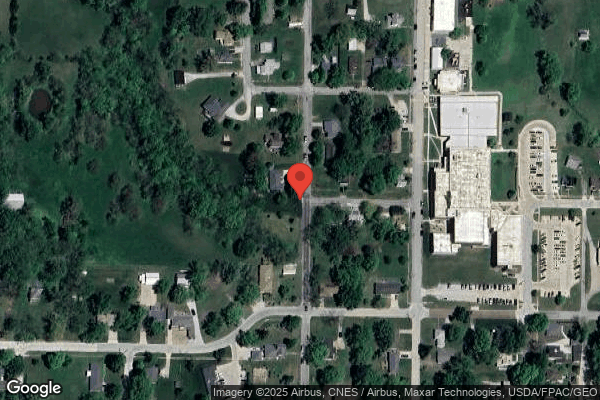
1005 West Pearl, Bedford, IA 50833 (712) 523-2161
Non profit - Corporation 39 Beds CARE INITIATIVES Data: November 2025
Trust Grade
78/100
#97 of 392 in IA
Last Inspection: July 2025

Inspected within the last 6 months. Data reflects current conditions.

Overview

Bedford Specialty Care in Bedford, Iowa has a Trust Grade of B, indicating it is a good choice for families, as it is above average but not quite excellent. It ranks #97 out of 392 facilities in Iowa, placing it in the top half of the state, and is the best option among the two facilities in Taylor County. The facility is showing improvement, having reduced its issues from 13 in 2024 to just 1 in 2025. Staffing is a strength, with a 4 out of 5-star rating and a turnover rate of 29%, which is significantly lower than the state average. However, there are concerns about RN coverage, which is less than that of 84% of Iowa facilities, and there have been specific incidents, such as failing to properly implement infection control measures and not adequately managing discontinued medications, which could pose risks to residents. Overall, while there are notable strengths, potential families should be mindful of these weaknesses.

Trust Score
B
78/100
In Iowa
#97/392
Top 24%
Safety Record
Low Risk
No red flags
Inspections
Getting Better
13 → 1 violations
Staff Stability
✓ Good
29% annual turnover. Excellent stability, 19 points below Iowa's 48% average. Staff who stay learn residents' needs.
Penalties
✓ Good
No fines on record. Clean compliance history, better than most Iowa facilities.
Skilled Nurses
⚠ Watch
Each resident gets only 27 minutes of Registered Nurse (RN) attention daily — below average for Iowa. Fewer RN minutes means fewer trained eyes watching for problems.
Violations
⚠ Watch
16 deficiencies on record. Higher than average. Multiple issues found across inspections.
★★★★☆
4.0
Overall Rating
★★★★☆
4.0
Staff Levels
★★★☆☆
3.0
Care Quality
★★★★☆
4.0
Inspection Score
Stable
2024: 13 issues
2025: 1 issues

The Good

  • 4-Star Staffing Rating · Above-average nurse staffing levels
  • Low Staff Turnover (29%) · Staff stability means consistent care
  • Full Sprinkler Coverage · Fire safety systems throughout facility
  • No fines on record
  • Staff turnover is low (29%)

    19 points below Iowa average of 48%

Facility shows strength in staffing levels, staff retention, fire safety.

The Bad

Chain: CARE INITIATIVES

Part of a multi-facility chain

Ask about local staffing decisions and management

The Ugly 16 deficiencies on record

Jul 2025 1 deficiency
CONCERN (D)

Potential for Harm - no one hurt, but risky conditions existed

Pharmacy Services (Tag F0755)

Could have caused harm · This affected 1 resident

**NOTE- TERMS IN BRACKETS HAVE BEEN EDITED TO PROTECT CONFIDENTIALITY** Based on observation, interview and clinical record review the facility failed to destroy discontinued Controlled Substances (hi...

Read full inspector narrative →
**NOTE- TERMS IN BRACKETS HAVE BEEN EDITED TO PROTECT CONFIDENTIALITY** Based on observation, interview and clinical record review the facility failed to destroy discontinued Controlled Substances (high potential for abuse) for 2 of 4 residents reviewed (Residents #2 and #6.) The facility reported a census of 30 residents. Findings include:1) According to the Minimum Data Set (MDS) dated [DATE], Resident #6 had Brief Interview for Mental Status (BIMS) score of 15 out of 15, which indicated intact cognition. The Care Plan updated on 4/9/25, showed that Resident #6 had impaired cognitive function with intermittent confusion, increased confusion, anxiety, and signs and symptoms of sundowning. Staff were to administer medication as ordered. Her diagnoses included: osteoporosis, anxiety disorder, and delirium due to known physiological condition. According to the orders tab in the electronic chart, Resident #6 had an order dated 12/20/24 at 10:45 AM for lorazepam 0.5 milligrams (mg) one tab every 12 hours As Needed (PRN.) The order was discontinued on 1/4/25.2) The MDS dated [DATE], showed that Resident #2 had a BIMS score of 14 out of 15, which indicated intact cognition. The Care Plan updated on 7/22/25, indicated that Resident #2 had behavior problems related to Alzheimer's disease. Staff were to administer behavior medications as ordered by the physician. She had the potential to become aggressive, and she was using antidepressant medication related to depression and anxiety. Her diagnoses included: kidney disease, Alzheimer's disease, depression, adult failure to thrive, and dementia with anxiety.An Order Audit Report printed on 7/31/25, showed an order dated 6/18/24 at 3:27 PM, for lorazepam 0.5mg, one tablet two times a day related to Generalized Anxiety Disorder. The order was discontinued on 6/4/25 at 6:07 PM. In an observation on 7/30/25 at 2:50 PM, Staff B, Licensed Practical Nurse (LPN) removed all of the bubble packages out of the double-locked controlled substances drawer on the medication cart. Among the PRN pills was a bubble package with 28 lorazepam 0.5mg for Resident #6 and 14 lorazepam 0.5mg for Resident #2. On 7/31/2025 at 6:55 AM, Staff A, Licensed Practical Nurse (LPN) said that when a PRN medication was discontinued, the nurses would dispose of it right away. On 7/31/2025 at 8:47 AM, the Director of Nursing (DON) said that the nurses should destroy the medication if it were a controlled substance, or send it back to the pharmacy as soon as it was discontinued. The DON was not sure why the nurses hadn't noticed that the lorazepam for Resident #2 and Resident #6 was discontinued, especially since they were counting the controlled medications every shift. The Individual Narcotic Record (INR) for Resident #6 showed that the 28 remaining lorazepam had been disposed of on 7/30/25. The INR for Resident #2 showed that the 14 remaining tabs of lorazepam 0.5mg. had been disposed of on 7/30/25. According to the facility policy titled: Controlled Substances, dated April of 2019, the purpose of the policies and procedures for monitoring controlled medications was to prevent loss, diversion or accidental exposure. The medications would be periodically reviewed and updated by the DON and consulting pharmacist. Waste and or disposal of controlled medication would be done in the presence of the nurse and a witness who also signed the disposition.
Sept 2024 2 deficiencies
CONCERN (D)

Potential for Harm - no one hurt, but risky conditions existed

Comprehensive Care Plan (Tag F0656)

Could have caused harm · This affected 1 resident

Based on observations, clinical record review, staff interviews, and policy review, the facility failed to develop and implement a comprehensive person-centered care plan for 1 (Resident #28) of 12 re...

Read full inspector narrative →
Based on observations, clinical record review, staff interviews, and policy review, the facility failed to develop and implement a comprehensive person-centered care plan for 1 (Resident #28) of 12 residents reviewed for care plans. The facility reported a census of 29 residents. Findings include: The Minimum Data Set (MDS) assessment for Resident #28, dated 8/21/24, included diagnoses of Non-Alzheimer's Dementia and malnutrition. A Brief Interview for Mental Status score of 99, indicated the resident was unable to complete the assessment indicating severe cognitive impairment for decision-making. The MDS further documented the resident wore a wander guard (bracelet on resident to activate an alarm if the resident goes out the facility door) daily. The Care Plan revised on 8/16/24 documented Resident #28 has impaired cognitive function related to dementia. The Care Plan does not include any wandering risk or use of a wander guard. Observation on 9/17/24 at 2:00 PM, Resident #28 resting on bed with wander guard on right ankle. The Electronic Health Record review for the resident revealed a wandering evaluation completed 8/20/24, with a score of 10 (high risk). Interview on 9/18/24 at 1:21 PM, Staff B, Licensed Practical Nurse stated the resident does have a wander guard as she is unpredictable. Facility policy, Care Plans, Comprehensive Person-Centered revised December 2016, documented care plan interventions are derived from a thorough analysis of the information gathered as part of the comprehensive assessment and the comprehensive, person centered care plan will incorporate risk factors associated with identified problems. Interview on 9/18/24 at 2:54 PM, the Director of Nursing stated the wander guard should have been included in the comprehensive care plan.
CONCERN (D)

Potential for Harm - no one hurt, but risky conditions existed

Infection Control (Tag F0880)

Could have caused harm · This affected 1 resident

**NOTE- TERMS IN BRACKETS HAVE BEEN EDITED TO PROTECT CONFIDENTIALITY** Based on observation, clinical record review, policy review, and staff interviews the facility failed to provide appropriate inf...

Read full inspector narrative →
**NOTE- TERMS IN BRACKETS HAVE BEEN EDITED TO PROTECT CONFIDENTIALITY** Based on observation, clinical record review, policy review, and staff interviews the facility failed to provide appropriate infection prevention practices by contaminating clean surfaces with contaminated gloves and not completing hand hygiene in accordance with standards of practice for 2 of 5 residents (Resident #25 and #28) reviewed. The facility reported a census of 29 residents. Findings included: 1. The Minimum Data Set (MDS) assessment dated [DATE] documented Resident #25 entered the facility on 7/20/24. The MDS also documented a Brief Interview for Mental Status (BIMS) of 99 indicating Resident #25 was unable to complete the interview. The MDS revealed indwelling catheter utilized by Resident #25. On 9/18/24 at 7:31 AM Staff A, Certified Nursing Assistant / Certified Medication Assistant (CNA/CMA) and Staff C, Registered Nurse (RN) entered Resident #25's room, completed hand hygiene, applied gloves, and applied gowns. Staff A cleansed Resident #25's penis with peri wipes. Staff A cleansed Resident #25's groin with the assistance of Staff C. Staff A cleansed Resident #25's catheter tubing about 6 inches down the tubing. Resident #25 assisted with turning with the help of Staff C. Resident #25 had a bowel movement. Staff A and Staff C completed cares on Residents 25's buttocks. Staff C removed right glove that had bowel movement on the glove and applied a new glove. Staff C completed no hand hygiene. Staff C returned to Resident #25 and helped apply brief to the front of the resident. Staff C removed gloves and went to sink area and looked for catheter securing device. Staff C reapplied gloves and completed no hand hygiene. Staff C applied catheter securing device to Resident #25's right leg. Staff A changed gloves, no hand hygiene completed, and returned to Resident #25. Staff A and Staff C applied pants to Resident #25. Staff A and Staff C applied mechanical lift sling. Resident #25 assisted with turning. Staff A removed gloves, obtained the mechanical lift, reapplied gloves, and completed no hand hygiene. Staff A and Staff C removed lift cloth from under Resident #25. Staff C applied a shirt to Resident #25. Gowns removed by both staff. Gloves removed by both staff. Gloves reapplied by Staff C. Staff C utilized a wash cloth to cleanse Resident #25's face. Hand hygiene completed by Staff A. Bed stripped by Staff C. Staff C left room and threw garbage and laundry in barrels. Staff C removed gloves and completed hand hygiene. On 9/18/24 at 1:29 PM the DON stated the facility's expectation was hand hygiene would be completed with all glove changes and gloves would be changed when moving from dirty / contaminated areas to clean uncontaminated areas and hand hygiene would be completed at that time as well. Review of a policy titled, Handwashing / Hand Hygiene revised 8/19 documented hand hygiene was to be completed before moving from a contaminated body site to a clean body site during resident cares, after removing gloves, and before handling clean or soiled dressings, gauze pads, etc. The use of gloves did not replace hand washing / hand hygiene. Integration of glove use along with routine hand hygiene was recognized as the best practice for preventing healthcare-associated infections. 2. An MDS assessment for Resident #28, dated 8/21/24, included diagnoses of Non-Alzheimer's Dementia and malnutrition and revealed the resident had a colostomy (opening in the stomach to attach a bag for the stool to drain in). A Brief Interview for Mental Status score of 99, indicated the resident was unable to complete the assessment indicating severe cognitive impairment for decision-making. Observation on 9/18/24 at 9:10 AM, Staff A, Certified Nurse Aide washed her hands, applied gloves and a gown. Staff A removed Resident #28's colostomy bag, then removed a cleansing wipe from the package and wiped stool from the colostomy opening. Staff A proceeded with the same gloved hands and continued to repeatedly remove more cleansing wipes from the package, wiping stool from the colostomy opening, and touching the opening of the package with the same gloved hands. Staff A removed the gloves and without completing hand hygiene, applied new gloves, applied a new colostomy bag and then removed the gloves and washed her hands. Interview on 9/18/24 at 2:57 PM, the Director of Nursing stated her expectation to not use dirty gloves to remove wipes from the package and perform hand hygiene after removing the dirty gloves and before applying new gloves.
May 2024 6 deficiencies
CONCERN (D)

Potential for Harm - no one hurt, but risky conditions existed

Transfer Notice (Tag F0623)

Could have caused harm · This affected 1 resident

Based on clinical record review, facility record review, staff interview, and policy review the facility failed to notify the Long-Term Care Ombudsman of discharge/transfer of residents as required fo...

Read full inspector narrative →
Based on clinical record review, facility record review, staff interview, and policy review the facility failed to notify the Long-Term Care Ombudsman of discharge/transfer of residents as required for 2 of 3 residents reviewed who were discharged or transferred from the facility (Residents #14, and #22). The facility reported a census of 26 residents. Findings include: 1. A Minimum Data Set (MDS) for Resident #14 dated 4/13/24, included diagnoses of renal (kidney) failure and diabetes. Review of Resident #14's clinical record census sheet revealed the resident transferred to the hospital 1/7/24 and returned to the facility 1/10/24. Review of the facility's Notice of Transfer Form to Long Care Term Ombudsman form for 1/2024 lacked documentation of Resident #14's transfer to the hospital. 2. A Minimum Data Set for Resident #22 dated 3/29/24, included diagnoses of heart failure and diabetes. Review of Resident #22's clinical record census sheet revealed the resident transferred to the hospital 11/26/23 and returned to the facility 12/4/23. Review of the facility's Notice of Transfer Form to Long Care Term Ombudsman form for 11/2023 lacked documentation of Resident #22's transfer to the hospital. Facility policy Transfer or Discharge Notice revised March 2021 documented a copy of the notice is sent to the Office of the State Long-Term Care Ombudsman at the same time the notice of transfer or discharge is provided to the resident and representative. Interview on 5/01/24 at 4:45 PM, the Administrator stated expectation to notify the Ombudsman with transfers.
CONCERN (D)

Potential for Harm - no one hurt, but risky conditions existed

Deficiency F0625 (Tag F0625)

Could have caused harm · This affected 1 resident

Based on resident interview, clinical record review, facility record review, staff interview, and policy review the facility failed to provide the resident or resident representative with a bed-hold n...

Read full inspector narrative →
Based on resident interview, clinical record review, facility record review, staff interview, and policy review the facility failed to provide the resident or resident representative with a bed-hold notice at the time of transfer for hospitalization as required for 2 of 3 residents (Residents #14, and #77). The facility reported a census of 26 residents. Findings include: 1. A Minimum Data Set (MDS) for Resident #14 dated 4/13/24, included diagnoses of renal (kidney) failure and diabetes. Review of Resident #14's clinical record census sheet revealed the resident transferred to the hospital 1/7/24 and returned to the facility 1/10/24. Resident #14's bed-hold policy/authorization dated 1/7/24 documented bed hold policy/authorization completed, printed and given to resident, representative and/or sent with hospital transfer paper work with no documentation of the resident/representative confirmation, if confirmation was given or how, and the bed-hold rate. 2. A Minimum Data Set (MDS) for Resident #77 dated 4/24/24, documented Resident #77 admitted to the facility 4/24/24. Review of Resident #77's clinical record census sheet revealed the resident was transferred to the hospital 4/27/24 and returned to the facility 4/29/24. Interview on 4/30/24 at 4:32 PM, Resident #77 and his wife stated they did not recall receiving information for a bed hold, when the resident transferred to the hospital. Resident #77's bed-hold policy/authorization dated 4/27/24 documented bed hold policy/authorization completed, printed and given to resident, representative and/or sent with hospital transfer paper work with no documentation of the resident/representative confirmation and if confirmation was given or how in formation was provided. Facility policy Bed-Holds and Returns revised March 2017, documented prior to transfers, residents or resident representatives will be informed in writing of the bed-hold and return policy. Interview on 5/01/24 at 1:31 PM, the Administrator stated the facility did not provide bed hold information to the residents or resident representative and his expectation to provide the bed hold authorization to a resident or representative when transferred out to a hospital.
CONCERN (D)

Potential for Harm - no one hurt, but risky conditions existed

Deficiency F0637 (Tag F0637)

Could have caused harm · This affected 1 resident

Based on clinical record review, staff interview, and policy review the facility failed to complete a significant change Minimum Data Set (MDS) within 14 days for a resident placed on hospice care for...

Read full inspector narrative →
Based on clinical record review, staff interview, and policy review the facility failed to complete a significant change Minimum Data Set (MDS) within 14 days for a resident placed on hospice care for 1 of 2 residents (Resident #18) reviewed. The facility reported a census of 26. Findings include: The Minimum Data Set (MDS) assessment for Resident #18 dated 3/9/24, included diagnosis of non-Alzheimer's dementia. The assessment indicated the resident had a Brief Interview for Mental Status score of 3, indicating severe cognitive impairment for decision making. Review of Resident #8's Clinical Physician Orders revealed an order for the resident to receive hospice services effective 4/4/24. On 4/30/24 at 3:41 PM, review of Resident #18's MDS list documented the status of a Significant Change started 4/18/24 and status of still in progress. Facility policy Resident Assessments revised November 2019 documented a Significant Change in Status Assessment (SCSA) is completed within 14 days of the interdisciplinary team determining that the resident meets the guidelines for decline and a SCSA is required when a resident enrolls in a hospice program. Interview on 4/30/24 at 4:20 PM, the MDS Coordinator stated she did not know a hospice significant change needed to be completed 14 days from the date placed on hospice.
CONCERN (D)

Potential for Harm - no one hurt, but risky conditions existed

Deficiency F0727 (Tag F0727)

Could have caused harm · This affected 1 resident

Based on facility document review and staff interview the facility failed to provide Registered Nurse (RN) coverage eight consecutive hours a day, seven days a week. The facility reported a census of ...

Read full inspector narrative →
Based on facility document review and staff interview the facility failed to provide Registered Nurse (RN) coverage eight consecutive hours a day, seven days a week. The facility reported a census of 26. Findings include: Review of facility's nursing schedule for 3/29/24 - 5/1/24 revealed no RN scheduled to work on 4/14/24. Interview on 5/01/24 at 4:30 PM, the Administrator confirmed the facility had no RN coverage in the building on 4/14/24 and stated the facility follows the federal regulations of RN coverage 8 hours a day and his expectation is for RN coverage 8 hours a day.
CONCERN (D)

Potential for Harm - no one hurt, but risky conditions existed

Deficiency F0836 (Tag F0836)

Could have caused harm · This affected 1 resident

**NOTE- TERMS IN BRACKETS HAVE BEEN EDITED TO PROTECT CONFIDENTIALITY** Based on clinical record review, facility document review, and staff interview, the facility failed to report a Veterans Affairs...

Read full inspector narrative →
**NOTE- TERMS IN BRACKETS HAVE BEEN EDITED TO PROTECT CONFIDENTIALITY** Based on clinical record review, facility document review, and staff interview, the facility failed to report a Veterans Affairs (VA) eligible resident to the Iowa Department of Veterans Affairs (IDVA) within 30 days of admission for 1 of 10 residents (#6) reviewed. The facility reported a census of 26 residents. Findings include: On 4/30/24, review of the VA Eligibility list revealed Resident #6 admitted to the facility on [DATE]. The admission Minimum Data Set (MDS) for Resident #6 dated 1/15/24 revealed the resident had a Brief Interview for Mental Status (BIMS) score of 08 out of 15, indicating moderately impaired cognition. It included diagnoses of a fracture around the left knee prosthesis, acute respiratory failure, and non-Alzheimer's dementia. The MDS indicated dependence with toileting, bathing, and dressing and required maximal assistance with oral and personal hygiene. The resident's Electronic Health Record (EHR) indicated the resident received Physical and Occupational Therapy (PT/OT) and listed Medicare part A as the primary payor. Review of Resident #6's Veterans Affairs Resident Eligibility Check revealed Resident #6 confirmed her spouse's positive veteran status on 1/08/24. On 5/01/24 at 7:47 AM, the Administrator stated Resident #6's VA Eligibility had not been completed until the morning of 5/01/24. He stated the facility missed completing it in a timely manner. An undated document titled IDVA Resident Eligibility (Iowa Department of Veteran's Affairs) indicated residents who confirmed positive veteran status on the admission form were to be added to the IDVA Resident Eligibility. On 5/02/24 at 7:33 am, the Business Office Manager (BOM) stated she had instructions for adding eligible residents to the IDVA eligibility list. On 5/02/24 at 7:36 am, the Administrator stated the residents' VA eligibility status should be checked and completed per regulations.
CONCERN (E)

Potential for Harm - no one hurt, but risky conditions existed

Infection Control (Tag F0880)

Could have caused harm · This affected multiple residents

**NOTE- TERMS IN BRACKETS HAVE BEEN EDITED TO PROTECT CONFIDENTIALITY** Based on observation, clinical record review, staff interviews, and policy review the facility failed to perform on-going Infect...

Read full inspector narrative →
**NOTE- TERMS IN BRACKETS HAVE BEEN EDITED TO PROTECT CONFIDENTIALITY** Based on observation, clinical record review, staff interviews, and policy review the facility failed to perform on-going Infection Control surveillance and failed to perform appropriate hand hygiene for 1 of 5 residents (Resident #77) during resident care. The facility reported a census of 26 residents. Findings include: 1. On 5/01/24 at 11:40 AM, a review of the facility's surveillance binder indicated Infection Control surveillance documentation had not been completed. A document titled Infection Control: Regulations Governing Implementation dated April 2018 indicated the facility must establish an infection prevention and control program (IPCP) that must include, at a minimum, a system of surveillance designed to identify possible communicable diseases or infections before they can spread to other persons in the facility. On 5/01/24 at 11:48 AM, the Infection Preventionist (IP) completed surveillance sheets since the facility's last survey could not be located. She stated the facility only had documentation for 2019. A facility policy titled Surveillance for Infections revised September 2017 indicated the Infection Preventionist will conduct ongoing surveillance for Healthcare-Associated Infections (HAIs) and other epidemiological significant infections that have substantial impact on potential resident outcome and that may require transmission-based precautions and other preventative interventions. It also specified the surveillance should include a review of infection control rounds or interviews. On 5/02/24 at 7:37 am, the Administrator stated infection control surveillance should be performed following Center for Medicare & Medicaid Services (CMS) guidelines and facility policy. 2. A Minimum Data Set (MDS) for Resident #77 dated 4/24/24, documented Resident #77 admitted to the facility on [DATE]. Observation on 4/30/24 at 1:40 PM, Staff A, Certified Nurse Aide entered Resident #77' s room and washed her hands and applied gloves and a gown. Staff A proceeded with gloved hands and touched the bathroom cabinet door, picked up a magazine and pencil from the floor, touched the bedside table, touched the pillowcase on the floor that was holding the catheter collection bag and proceeded with the same gloved hands to cleanse the tip of the catheter port with an alcohol swab, touching the port with the same gloves. Staff A then proceeded to empty the catheter bag into the graduate cylinder, emptied the graduate cylinder, and removed gloves and washed her hands. Facility policy titled, Catheter Care, Urinary revised September 2014 documented the purpose of this procedure is to prevent catheter-associated urinary tract infections and maintain clean technique when handling or manipulating the catheter, tubing, or drainage bag Interview on 5/1/24 at 4:00 PM, the Director of Nursing stated expectation to gather supplies and prepare area prior to washing hands, gloving, and cleansing and emptying the catheter.
Mar 2024 5 deficiencies
CONCERN (D) 📢 Someone Reported This

A family member, employee, or ombudsman was alarmed enough to file a formal complaint

Potential for Harm - no one hurt, but risky conditions existed

Free from Abuse/Neglect (Tag F0600)

Could have caused harm · This affected 1 resident

**NOTE- TERMS IN BRACKETS HAVE BEEN EDITED TO PROTECT CONFIDENTIALITY** Based on interview with residents and staff, record review and policy review the facility failed to keep residents safe from sex...

Read full inspector narrative →
**NOTE- TERMS IN BRACKETS HAVE BEEN EDITED TO PROTECT CONFIDENTIALITY** Based on interview with residents and staff, record review and policy review the facility failed to keep residents safe from sexual exploitation for 1 of 5 residents reviewed. Resident #5 participated in mental health group sessions at the hospital three times a week. The hospital provided transportation to and from the sessions and the driver became intimate with Resident #5. The facility reported a census of 26 residents. Findings include: According to the admission Minimum Data Set (MDS) dated [DATE] Resident #5 admitted to the facility on [DATE] with a Brief Interview for Mental Status (BIMS) score of 11 (moderate cognitive deficits) no behavioral symptoms. He was independent with hygiene, dressing, transfers and walking. Diagnosis included Benign Prostatic Hyperplasia (enlargement of prostate glands), non-Alzheimer's Dementia and depression. The Care Plan dated 10/14/23, indicated that Resident #5 moved to the facility from his private residence due to a decline in his cognitive abilities and he was unable to manage safely in his home. The resident was on antidepressants and had a history of trauma. Staff were to monitor for fearfulness, isolation and wandering. According to a facility investigation dated 11/18/23, on 11/18/23 at 3:45 pm., the Administrator entered the room of Resident #5 and discovered him kissing a female visitor on his bed and his hand was under her shirt. The Administrator asked the visitor to leave and she obliged. It was determined that the perpetrator met the resident at the hospital day program. She was the van driver and transported him to and from the nursing facility and hospital three times a week. The resident was participating in the program before his admission to the nursing home, and further investigation found that she visited the resident outside of the program. On 11/20/23 an addition was added to the Care Plan that Resident #5 had a history of being flirty with females, but he hadn't any inappropriate advances toward staff or peers. Staff did find him engaged in kissing and light petting of a female that provided transportation to and from psychotherapy session. Staff provided one on one supervision for the resident. On 3/13/24 at 10:40 AM, Staff G, Certified Nurse Aide (CNA) said that on 11/18/23, the charge nurse asked him to check on Resident #5 in his room because she knew that the Hospital Van Driver (HVD) had gone into the room with him. Staff G said that he went to the resident's door, knocked, and then peeked into the room. He said that Resident #5 and HVD were laying on the bed, the resident was on top of HVD and they were kissing. Resident #5 was supporting his weight with his hands on the bed like he was doing a pushup. They were fully clothed but he could not see if any parts of their clothing were open. He thought that they hadn't seen him because they didn't respond or stop. He did not say anything to them, just closed the door and immediately went to tell the Administrator (who was not longer working at the facility). On 3/12/24 at 11:28 AM, previous Administrator recalled that it was a Saturday and he just happened to be at the facility when a staff member came to him and said that there was a woman in the room with Resident #5 went to the room and found them sitting on the bed together, kissing, both were fully clothed. He thought they didn't hear the door open. He asked her leave and she did leave without incident. The did not see any open clothing. On 3/12/24 at 10:55 AM, the Program Director (PD) for Senior Life Solutions (SLS) said that she learned from the Administrator at the nursing home that HVD was in a resident's room and staff witnessed them kissing. HVD was asked to leave that day, and the next morning she came in and said that there was an allegation of abuse and she resigned. HVD told the PD that she would take Resident #5 to her farm to visit his dog and cat on weekends. HVD would sign the resident out of the nursing home to take him in her vehicle. The resident told the PD that they would find a dirt road and park but HVD maintained that they only kissed. On 3/13/24 at 4:35 PM, the Group Therapist (GT) from SLS said that after the incident, she had one individual session with Resident #5 and he referred to HVD as his girlfriend. He said he didn't understand why he wasn't allowed to see her anymore and he was very upset by that. Resident #5 said that HVD would take him out for drives and she would bring his cat to the facility to visit him. He did not say that the relationship went any further than kissing. GT said that Resident #5 would have his good and bad days but he had trouble tracking and answered questions appropriately. She said he wasn't able to make good decisions, when he was at home, he wasn't eating well, couldn't drive and needed help caring for himself. On 3/13/24 at 1:00 PM, the HVD said that she first met Resident #5 when he was still at home and she would pick him up for the group sessions. She said that there were usually 1 or 2 other clients in the van with them, but there were times when he was the only client and he liked to sit in the front seat. The first time that there was any intimate interaction between the two of them, Resident #5 had tried to kiss her in his home. When she would pick him up in the morning, he wasn't' always ready so she would go to the door to get him. One day she went in and he lunged at her and tried to kiss her. She said that he ducked and told him it was not right. She told him that she was married and not interested in that kind of a relationship. She said that he honored her wishes for a while. But, then he had to move out of his house and lost everything and he was admitted to the nursing home. HVD said that she felt sorry for him, he would cry and cry and I tried to console him with hugs, then he would kiss her on the check. She said that he had no one, he hated the facility. He would often sit in the back of the van and sob and he confided in her. She tried to get him services in his home so he wouldn't have to move out and had arranged for a nurse to come to his home and set up medications. She said that when he had to move, she took his dog because he didn't want to put him down. She also gave him a house cat that was currently at her farm. HVD said that the resident's granddaughter said that it was okay for her to come and visit him and to take him out as much as she wanted. She would bring the cat in to visit him at the nursing facility, and they had to close the door so it wouldn't get out. My heart was breaking for him. Sometimes when she was taking him back to the facility after group he would say you're taking me home, aren't' you? At times he would act fine and then he then there were times where he was forgetful. HVD said that there was another resident at the facility that she transported to the groups and when she wheeled the other resident back to her room, Resident #5 would say don't you leave without coming to say goodbye to me When she would go to his room to say he would shut the door behind her and kissed her and said now, that's goodbye, and you're all I got. At times, HVD would sit on the bed and he would knock her back to a laying position and kiss her. She maintained that he was never on top of her and there was never anything more than kissing. Resident #5 told her that the facility felt like a prison and she was worried that he would give up. She said that she would bring him lots of things, snacks and groceries, but she would do that for all of the group clients. Resident #5 would offer to pay her, but she maintained that she never took money from him. She said that on 11/18 she was sitting on the bed and he came and kissed her and knocked her back on to the bed, but her feet were not up on the bed. There was a knock on the door and the Administrator barged in and said you shouldn't be here. Resident #5 responded I love her and she loves me and we want to be together. HVD said that at the time, she was upset and didn't see the problem with her being with him. But later she realized that because of his state of mind, his dementia, it's not consensual. She understood that she got too close and believed that he needed her. On 3/14/24 at 9:51 AM, the Director of Nurse (DON) said that they have implemented new expectations for transportation staff to wait at the nurse's station and the nursing home staff would bring the resident out. They do not allow outside staff to go into resident's room unattended. According to the facility policy titled: Dependent Adult Abuse policy reviewed in November of 2019. A resident must not be subjected to abuse by anyone, including but not limited to, facility staff, other residents, consultants or volunteers, staff of other agencies serving the resident, family members or legal guardians, friends or other individuals. Sexual exploitation of a dependent adult by a caretaker is defined as any consensual or non-consensual sexual conduct with a dependent adult by a caretaker whether within a facility of program or at a location outside of the facility or program. Sexual exploitation includes but not limited to: kissing.
CONCERN (D) 📢 Someone Reported This

A family member, employee, or ombudsman was alarmed enough to file a formal complaint

Potential for Harm - no one hurt, but risky conditions existed

Report Alleged Abuse (Tag F0609)

Could have caused harm · This affected 1 resident

**NOTE- TERMS IN BRACKETS HAVE BEEN EDITED TO PROTECT CONFIDENTIALITY** Based on record and policy review and interviews the facility failed to report potential abuse for 2 of 5 residents reviewed. Re...

Read full inspector narrative →
**NOTE- TERMS IN BRACKETS HAVE BEEN EDITED TO PROTECT CONFIDENTIALITY** Based on record and policy review and interviews the facility failed to report potential abuse for 2 of 5 residents reviewed. Resident's #6 and #9 reported to staff that another resident had made sexual advances toward them. Staff failed to report these concerns to the proper state agency. The facility reported a census of 26 residents. Findings include: 1) The Minimum Data Set (MDS) dated [DATE], showed that Resident #6 had a BIMS score of 15 (intact cognitive ability). The resident had no behavioral symptoms, was independent with transferring, hygiene and dressing. Her diagnosis included anxiety disorder, depression, diabetes mellitus and muscle weakness. The Care Plan updated on 2/29/24, showed that Resident #6 had a history of abuse and requested female care givers only. She was on antidepressant medication and had psychosocial wellbeing problems related to family discord, ineffective coping. Staff were directed to allow her time to answer question and to verbalize her feelings, perceptions and fears. Staff were to approach calmly and respectfully and to encourage and assist with identification of potential solutions to problems. On 3/13/24 at 4:15 PM Resident #6 said that she remembered Resident #5 that was at the facility in November of 2023. She said he wanted to be more than friends and he tried to kiss her on the check once. She told him that she just wanted to be friends and he responded that he wanted more than that. She told him she wasn't interested. He did not get angry but he was persistent and came into her room one day, sat on the bed next to her and said we can close the door and they won't know anything is going on. Resident #6 said that she let him know that she was not interested and she told the Administrator about his advances. She said that he continued to try and had invited her to his room and they could close the door. She said that he wasn't at the facility very long. According to the census tab in the electronic chart, Resident #2 was admitted to the facility on [DATE] and discharged on 12/12/23 3) The Quarterly MDS dated [DATE] showed that Resident #9 had a BIMS score of 15 (intact cognitive ability). She did not have behavioral symptoms and she used a wheel chair for mobility. Resident #9 was totally dependent on staff for toileting, shower and dressing. Her diagnosis included: anemia, heart failure, neuropathy, anxiety disorder and depression. The Care Plan for Resident #9, updated on 1/11/24, showed that she was on antidepressants, but she was cheerful and enjoy visiting with staff and peers. On 3/14/24 at 8:58 AM, Resident #9 said that she remembered Resident #2 who was in the room next to hers. She said that it was a couple days after he had been admitted to the facility he stopped by her room. They talked a little while, then he stepped inside her room and kissed her on the forehead. She told him you don't belong in here. He left the room and it only happened one time. She said that she told a nurse. The chart lacked documentation of the incidents or follow up assessments for Resident #6 or Resident #9. On 3/14/24 at 8:20 AM, the Director of Nursing (DON) said that she was not aware that Resident #2 had made advances toward Residents #6 or #9 until 11/18/23 when they became aware of another issue with Resident #2 and implemented one on one supervision until the resident was discharged . Trauma assessment were completed for the three residents on 11/18/23. A review of the facility self-reports to the agency revealed that the two above incidents were not reported in a timely manner. A facility policy titled: Dependent Adult Abuse policy reviewed in November of 2019 showed that residents must not be subjected to abuse by anyone, including but not limited to, facility staff, other residents, consultants or volunteers, staff of other agencies serving the resident, family members or legal guardians, friends or other individuals. Sexual exploitation of a dependent adult by a caretaker is defined as any consensual or non-consensual sexual conduct with a dependent adult by a caretaker whether within a facility of program or at a location outside of the facility or program. Sexual exploitation includes but not limited to: kissing.
CONCERN (D) 📢 Someone Reported This

A family member, employee, or ombudsman was alarmed enough to file a formal complaint

Potential for Harm - no one hurt, but risky conditions existed

Investigate Abuse (Tag F0610)

Could have caused harm · This affected 1 resident

**NOTE- TERMS IN BRACKETS HAVE BEEN EDITED TO PROTECT CONFIDENTIALITY** Based on interview, record review and policy review the facility failed to investigate injuries consistent with abuse for 1 of 3...

Read full inspector narrative →
**NOTE- TERMS IN BRACKETS HAVE BEEN EDITED TO PROTECT CONFIDENTIALITY** Based on interview, record review and policy review the facility failed to investigate injuries consistent with abuse for 1 of 3 residents reviewed (Resident #2). Resident #2 sustained a femur fracture and scattered bruising, the facility failed to investigate these injuries. The facility reported a census of 26 residents. Findings include: According to the Quarterly Minimum Data Set (MDS) dated [DATE], Resident #2 was unable to complete a Brief Interview for Mental Status (BIMS) assessment (severe cognitive deficit). He was independent with sit to stand, sit to lying and toilet transfers. The Significant Change MDS dated [DATE] showed that he returned from a hospitalization, and was totally dependent on staff to assist with sit to stand, sit to lying and toileting transfers. Diagnosis for Resident #2 included; dementia, arthritis, diabetes, renal insufficiency and coronary artery disease. The Care Plan updated on 1/11/24 showed that Resident #2 was at risk for falls and had a history of falling. He required one staff assistance with the use of a walker and a gait belt. On 2/29/24 he transferred with a mechanical lift, EZ Stand. He had impaired cognitive functioning related to dementia diagnosis, was at risk for pressures, due to fragile skin. The resident was on oxygen therapy at night related to apnea (shortness of breath). Staff were directed to administer oxygen as ordered. According to a Nursing Note dated 2/7/24 at 3:30 PM, Resident #2 expressed pain in left upper quadrant of his abdomen and he went to the Emergency Department (ED). An ED discharge report dated 2/7/24 at 3:33 PM, showed that Resident #2 had constipation and a fracture of the right femur. A Nurse Practitioner (NP) note dated 2/8/24 showed that the NP saw the resident that morning regarding a major injury of right femur. She noted that the resident had severe bruising to left upper extremity on the underside of his arm. The chart lacked documentation of the bruising and lacked documentation that the femur fracture injury had been investigated. On 3/12/24 at 9:35 AM, the NP said that she remembered seeing the bruising on Resident #2 when she assessed him on 2/8/24. She told the nurse on duty, Staff D Licensed Practical Nurse (LPN), and felt that her concerns were dismissed. The nurse commented that it probably happened after the fall he had on 1/22/24. The NP said that it looked to be a more recent injury. She pointed it out to another nurse, Staff E Registered Nurse (RN), and she commented that she hadn't seen the bruising before that time. On 3/12/24 at 3:25 PM Staff C, Certified Nurse Aide (CNA) said that she observed bruising on the left shoulder and arm of Resident #2 around the time of his visit to the ED. It was in the morning right away when they told LPN Staff D, she looked at it and said she wanted to wait for Staff E to come in and assess the injury. On 3/13/24 at 7:00 AM, Staff F, CNA, said that she worked a couple of days after Resident #2 had returned from the ED. She said she noticed bruising on his shoulder, chest and left armpit area. The bruises were purple and she told a nurse but she did not know if she followed up with an assessment. On 3/12/24 at 9:50 AM Staff D said that she looked at the bruising on Resident #2 along with Staff E and the NP. She said this was the first time she saw the bruises. She described it as under his left arm, dark purple in the center and faded around the edges. Staff D said that someone told her that the injury was from the fall he had in January. A review of the clinical record revealed that the only injury documented from a fall on 1/22/24, was a skin tear to the right arm. On 3/12/24 at 9:55 AM Staff E, RN maintained that she had not observed bruising on Resident #2 with the NP on 2/8/24. She double checked the charting and reiterated that he did not have bruising to his left side on 2/8/24. On 3/14/24 at 9:51 AM, the Director of Nursing (DON) said that the new bruising discovered on 2/8/24 on Resident #2 should have been documented, along with pictures. She said that they would have done a risk management assessment at that time. The DON said that after talking to the nurses, she believed that each one of them that saw the bruising had assumed that someone else had documented and reported the injuries. The DON said that she was unsure what they could have done differently regarding the fractured femur. She said that there were no reported incidents leading up to the discovery of the injury on 2/7/24. She said that she talked to a couple of staff when they learned about the unknown injury but she had not documented these interviews or investigated any further. A facility policy titled: Investigating Resident Injuries, revised on April 2021, indicated that all resident injuries would be investigated. If an incident/accident was suspected, a nurse or nurse supervisor complete the facility approved accident/incident form. If the nursing and medial assessment determined an injury of unknown source, the investigation would follow the protocols set forth in the facility established abuse investigation guideline.
CONCERN (D) 📢 Someone Reported This

A family member, employee, or ombudsman was alarmed enough to file a formal complaint

Potential for Harm - no one hurt, but risky conditions existed

Quality of Care (Tag F0684)

Could have caused harm · This affected 1 resident

**NOTE- TERMS IN BRACKETS HAVE BEEN EDITED TO PROTECT CONFIDENTIALITY** Based on observation, interview and record review the facility failed to adequately monitor and intervene for 3 of 3 residents r...

Read full inspector narrative →
**NOTE- TERMS IN BRACKETS HAVE BEEN EDITED TO PROTECT CONFIDENTIALITY** Based on observation, interview and record review the facility failed to adequately monitor and intervene for 3 of 3 residents reviewed (Residents #2, #6 and #9). Resident #2 had fluctuating oxygen saturation, with supplemental oxygen as needed. Staff failed to assess the resident's oxygen status for a period of 4 days. Residents #6 and #9 reported to staff that a male resident made unwanted advances towards them. Staff failed to investigate and assess the residents. The facility reported a census of 26 residents. Findings include: 1) According to the Significant Change Minimum Data Set (MDS) dated [DATE], Resident #2 was unable to complete a Brief Interview for Mental Status (BIMS) assessment (severe cognitive deficit). He was on oxygen therapy and totally dependent on staff to assist with sit to stand, sit to lying and toileting transfers. Diagnosis for Resident #2 included; dementia, arthritis, diabetes, renal insufficiency, pneumonia, and coronary artery disease. The Care Plan updated on 2/29/24 showed that Resident #2 transferred with a mechanical lift, EZ Stand. He had impaired cognitive functioning related to dementia diagnosis, was at risk for pressures, due to fragile skin. The resident was on oxygen therapy at night related to apnea (shortness of breath). Staff were directed to administer oxygen as ordered. A Nursing Note dated 1/11/24 at 8:47 AM, showed that the resident returned from the hospital on an antibiotic for pneumonia. He had shortness of breath with exertion and was on supplemental oxygen to keep saturations above 90%. Notes from an Interdisciplinary Group Meeting 2/9/24 at 8:00 AM, included a Hospice documentation dated 2/2/24, that they received a fax from the doctor to clarify the oxygen order. The nursing facility had an order for oxygen only at night and when napping. However, Hospice and Primary Care Provider had orders to apply continuous oxygen. The Nurse Practitioner (NP) updated the order to the nursing facility to provide 1-2 liters continuously for comfort measures. A facility Nursing Note entered on 2/9/24 at 10:10 AM, but dated 2/2/24 at 4:07 PM, indicated that Staff E, Registered Nurse (RN), told the NP that Resident #2 was maintaining his oxygen on room air, and she requested the order for oxygen remain when sleeping only and to disregard the order she sent for continuous oxygen. The clinical record lacked Nursing Notes from 2/2/24 - 2/7/24 and lacked oxygen saturation monitoring from 2/1/24 through 2/6/24. According to a Nursing Note dated 2/7/24 at 3:30 PM the resident expressed pain in left upper quadrant of his abdomen and was nauseous. He was hyper ventilating with oxygen saturation of 88% on room air. 2) The Quarterly MDS dated [DATE], showed that Resident #6 had a BIMS score of 15 (intact cognitive ability). The resident had no behavioral symptoms, was independent with transferring, hygiene and dressing. Her diagnosis included anxiety disorder, depression, diabetes mellitus and muscle weakness. The Care Plan updated on 2/29/24, showed that Resident #6 had a history of abuse and requested female care givers only. She was on antidepressant medication and had psychosocial wellbeing problems related to family discord, ineffective coping. Staff were directed to allow her time to answer question and to verbalize her feelings, perceptions and fears. Staff were to approach calmly and respectfully and to encourage and assist with identification of potential solutions to problems. On 3/13/24 at 4:15 PM Resident #6 said that she remembered Resident #5 that was at the facility in November of 2023. She said he wanted to be more than friends and he tried to kiss her on the check once. She told him that she just wanted to be friends and he responded that he wanted more than that. She told him she wasn't interested. He did not get angry but he was persistent and came into her room one day, sat on the bed next to her and said we can close the door and they won't know anything is going on. Resident #6 said that she let him know that she was not interested and she told the Administrator about his advances. She said that he continued to try and had invited her to his room and they could close the door. She said that he wasn't at the facility very long. According to the census tab in the electronic chart, Resident #2 was admitted to the facility on [DATE] and discharged on 12/12/23 3) The Quarterly MDS dated [DATE] showed that Resident #9 had a BIMS score of 15 (intact cognitive ability). She did not have behavioral symptoms and she used a wheel chair for mobility. Resident #9 was totally dependent on staff for toileting, shower and dressing. Her diagnosis included: anemia, heart failure, neuropathy, anxiety disorder and depression. The Care Plan for Resident #9, updated on 1/11/24, showed that she was on antidepressants, but she was cheerful and enjoy visiting with staff and peers. On 3/14/24 at 8:58 AM, Resident #9 said that she remembered Resident #2 who was in the room next to hers. She said that it was a couple days after he had been admitted to the facility he stopped by her room. They talked a little while, then he stepped inside her room and kissed her on the forehead. She told him you don't belong in here. He left the room and it only happened one time. She said that she told a nurse. The chart lacked documentation of the incidents or follow up assessments for Resident #6 or Resident #9. On 3/14/24 at 8:20 AM, the Director of Nursing (DON) said that she was not aware that Resident #2 had made advances toward Residents #6 or #9 until 11/18/23 when they became aware of another issue with Resident #2 and implemented one on one supervision until the resident was discharged . Trauma Assessments were completed for the three residents on 11/18/23. According to facility policy titled: Resident Examination and Assessment reviewed in February of 2014. Staff would examine and assess resident for any abnormalities in health status which provides a basis for the care plan The policy titled: Abuse, Neglect, Exploitation and Misappropriation Prevention Program showed that staff would identify and investigate all possible incidents of abuse, neglect, mistreatment of misappropriation of resident property. The facility would protect residents from any further harm during investigations. A facility policy titled: Dependent Adult Abuse policy reviewed in November of 2019 showed that residents must not be subjected to abuse by anyone, including but not limited to, facility staff, other residents, consultants or volunteers, staff of other agencies serving the resident, family members or legal guardians, friends or other individuals. Sexual exploitation of a dependent adult by a caretaker is defined as any consensual or non-consensual sexual conduct with a dependent adult by a caretaker whether within a facility of program or at a location outside of the facility or program. Sexual exploitation includes but not limited to: kissing.
CONCERN (D) 📢 Someone Reported This

A family member, employee, or ombudsman was alarmed enough to file a formal complaint

Potential for Harm - no one hurt, but risky conditions existed

Accident Prevention (Tag F0689)

Could have caused harm · This affected 1 resident

**NOTE- TERMS IN BRACKETS HAVE BEEN EDITED TO PROTECT CONFIDENTIALITY** Based on observation, interview and record review the facility failed to prevent accidents for 1 of 3 residents reviewed (Reside...

Read full inspector narrative →
**NOTE- TERMS IN BRACKETS HAVE BEEN EDITED TO PROTECT CONFIDENTIALITY** Based on observation, interview and record review the facility failed to prevent accidents for 1 of 3 residents reviewed (Resident #2). On 2/7/24, staff sent Resident #2 to the emergency room due to abdominal pain, and an X-Ray exam revealed that the resident had a fracture to the right femur. The facility failed to investigate the injury of unknown origin. Staff transferred Resident #2 with the use of a mechanical lift, sit to stand. They kept the resident in the standing position on the lift while they cleaned his gluteal area of bowel movement (BM), and the resident became fatigued and had difficulty standing. The facility reported a census of 26 residents. Findings include: 1) According to the Minimum Data Set (MDS) dated [DATE], Resident #2 was unable to complete a Brief Interview for Mental Status (BIMS) assessment (severe cognitive deficit). He was independent with sit to stand, sit to lying and toilet transfers. An MDS dated [DATE], showed that the resident returned from a hospitalization and had impaired functional limitation in range of motion to the lower extremities. He was totally dependent on staff to assist with sit to stand, sit to lying and toileting transfers. Diagnosis for Resident #2 included; dementia, arthritis, diabetes, renal insufficiency and coronary artery disease. The care plan updated on 1/11/24 showed that Resident #2 was at risk for falls and had a history of falling. He required one staff assistance with the use of a walker and a gait belt. On 2/29/24 staff were directed to transfer the resident with a mechanical lift, Sit to Stand. He had impaired cognitive functioning related to dementia diagnosis, was at risk for pressures, due to fragile skin. The resident was on oxygen therapy at night related to apnea (shortness of breath). Staff were directed to administer oxygen as ordered. According to a nursing note dated 2/7/24 at 3:30 PM, Resident #2 expressed pain in left upper quadrant of his abdomen and was nauseous. He was hyper ventilating with an oxygen saturation of 88% on room air (normal oxygen saturation being 90% or higher). The resident was sent to the Emergency Department (ED). An ED Discharge summary dated [DATE] at 3:33 PM, showed that Resident #2 was diagnosed with constipation and a fracture of the neck of the right femur. A Major Injury Determination Form signed on 2/8/24 at 10:15 AM, showed that the resident sustained a fracture to the femoral neck right side, the incident causing the injury was unknown. He previously ambulated with the assistance of one. The NP determined that it was a major injury. A Nurse Practitioner (NP) note dated 2/8/24, showed that on that date, the NP saw Resident #2 regarding the femur fracture. She noted that the resident also had severe bruising to left upper extremity on the underside of his upper arm. The chart lacked documentation of the bruising and lacked documentation that the femur fracture injury had been investigated. 2) On 3/12/24 7:36 AM, Resident #2 was sitting on side of bed. Staff A, Certified Nurse Aide (CNA), and Staff B, CNA, prepared to transfer him with the use of the mechanical lift, Sit to Stand. The resident was incontinent of bowel and they wiped the BM off of his thighs. They slid his pants on up to his knees and applied the sling around his back. The resident had difficulty sitting up and tried to lay back onto the bed several times. Staff A and Staff B hooked the sling to the lift at 7:45 AM and elevated him to a standing position. The resident had difficulty standing so they lowered him back down to the bed. He trying to lay back down but they encouraged him to sit up and they would try to get him up again. They raised the resident up again and the resident was anxious and said I'm going to fall on my face. The CNA's encouraged him to stand tall but the resident's knees were bent and the sling was up into his arm pits, bearing much of his weight. They moved him to the bathroom, and lowered him to the toilet at 7:48 AM. Staff A and Staff B unhooked the harness while the resident was on the toilet and they continued to clean Him. Staff reapplied the sling, and at 7:55 AM they lifted the resident up. They moved the lift out of the bathroom and continued to wipe his back side. The resident became fatigued, his knees were bent and his breathing was labored. At 7:57 AM, Staff B turned away from the resident and got some cream for his bottom. Staff A said stand up Resident #2, we gotta get your brief on At 7:58 AM they applied the brief, and at 7:59 AM they lowered him into the wheel chair. On 3/14/24 at 9:51 AM, the Director of Nursing (DON) said that she was unsure what they could have done differently regarding the fractured femur. She said that there were no reported incidents leading up to the discovery of the injury on 2/7/24. She said that she talked to a couple of staff when they learned about the unknown injury but she had not documented these interviews or investigated any further. She acknowledged that the discovery of bruising on 2/8 was puzzling and troubling that it was not reported to her. None of the staff had reported incidents related to this injury either. The DON said that it was not ideal to leave a resident standing on the mechanical lift while they cleaned him. She said that it depended if the resident could tolerate standing for a period of time. A facility policy titled: Investigating Resident Injuries, revised on April 2021, indicated that all resident injuries would be investigated. If an incident/accident was suspected, a nurse or nurse supervisor complete the facility approved accident/incident form. If the nursing and medial assessment determined an injury of unknown source, the investigation would follow the protocols set forth in the facility established abuse investigation guideline. A facility policy titled: Safe Lifting and Movement of Residents revised in 2017, resident safety, dignity, comfort and medical condition would be incorporated into goals and decisions regarding the safe lifting and moving of residents.
Dec 2022 2 deficiencies
CONCERN (D) 📢 Someone Reported This

A family member, employee, or ombudsman was alarmed enough to file a formal complaint

Potential for Harm - no one hurt, but risky conditions existed

Notification of Changes (Tag F0580)

Could have caused harm · This affected 1 resident

**NOTE- TERMS IN BRACKETS HAVE BEEN EDITED TO PROTECT CONFIDENTIALITY** Based on observation, interviews, and record review the facility failed to contact family when residents had a change in conditi...

Read full inspector narrative →
**NOTE- TERMS IN BRACKETS HAVE BEEN EDITED TO PROTECT CONFIDENTIALITY** Based on observation, interviews, and record review the facility failed to contact family when residents had a change in condition for 2 of 13 residents reviewed. Resident #3 had a change in condition. Staff obtained a urinalysis per family request and then failed to contact them with the results and any new orders. Resident #84's pressure sore worsened and the facility failed to notify family. The facility reported a census of 29 residents. Findings include: The MDS (Minimum Data Set) assessment identifies the definition of pressure ulcers: Stage I is an intact skin with non-blanchable redness of a localized area usually over a bony prominence. Darkly pigmented skin may not have a visible blanching; in dark skin tones only it may appear with persistent blue or purple hues. Stage II is partial thickness loss of dermis presenting as a shallow open ulcer with a red or pink wound bed, without slough (dead tissue, usually cream or yellow in color). May also present as an intact or open/ruptured blister. Stage III Full thickness tissue loss. Subcutaneous fat may be visible but bone, tendon or muscle is not exposed. Slough may be present but does not obscure the depth of tissue loss. May include undermining and tunneling. Stage IV is full thickness tissue loss with exposed bone, tendon or muscle. Slough or eschar (dry, black, hard necrotic tissue). may be present on some parts of the wound bed. Often includes undermining and tunneling or eschar. Unstageable Ulcer: inability to see the wound bed. 1) According to the Minimum Data Set assessment tool dated 2/12/22, Resident #84 had a BIMS score of 4, which meant the resident demonstrated severe cognitive deficits. The MDS documented the resident required extensive assist of 2 staff for bed mobility and transfers and extensive assist of 1 staff toilet use and personal hygiene. The care plan updated on 4/19/22, identified Resident #84 as at risk for pressure ulcers related to weakness and decrease in mobility. The form documented the resident had a Stage II pressure on the right ear and a Stage IV pressure on their sacrum, and directed staff to document and report any changes in skin status and wound healing. Review of the clinical record revealed Resident #24 had diagnoses that included unspecified dementia with behavioral disturbances, anxiety, and muscle weakness. The record also showed she admitted to Hospice on 05/06/22. The electronic chart included the following sacral pressure sore documentation: a. On 3/24/22 at 6:36 AM, wound discovered on the sacrum which measured 0.9 centimeters (cm) total area; 2.0 cm length (L) x 0.6 cm width (L). The facility contacted the physician and the resident's family. b. On 4/5/22 at 9:29 AM, total area measured 1.3 cm; L 1.9 cm x W 0.9 cm. c. On 4/19/22 at 10:20 AM, the total area measured 2.6; L 3.8 cm x W 1.0 cm. Staff noted the sacral wound emitted a foul odor and notified the physician and the family. d. On 5/3/22 at 8:21 AM, the total area measured 6.9 cm; L 4.0 cm x W 2.5 cm. The chart lacked documentation to show the facility notified the physician or family. A nursing note on 4/20/2022 at 3:48 PM documented the physician saw Resident #84's coccyx wound, which contained dark drainage with a very foul odor. The resident reported she had pain all over and yelled when staff repositioned her. During an interview on 12/6/22 at 8:42 AM, a caregiver for Resident #84 reported the facility did not communicate very well with him about changes in resident's condition. He added the aides were up to their elbows in work and weren't able to attend to her needs (repositioning or incontinence care) in a timely manner. He stated he visited every day and found the pressure on her bottom kept getting worse as staff did not move her as often as needed and she experienced a lot of pain. He said the resident had worked in the nursing home when she was younger and told him mentioned they used honey for wound healing, so he asked the staff about trying that treatment - the facility did not contact him about what they had tried or notified family when the wound worsened. 2) According to the MDS dated [DATE], Resident #3 scored 11 on the BIMS test (moderate cognitive deficits). The resident required extensive assist of 1 staff for bed mobility, transfers and toilet use. The care plan documented Resident #3 listed diagnosis of heart disease, generalized anxiety disorder, and chronic kidney disease. The care plan showed the resident had short term memory loss related to dementia and directed staff to monitor and document changes in cognitive function. The care plan revealed the resident's son and daughter-in-law as Power of Attorney (POA). A nursing note dated 12/1/2022 at 1:44 AM showed that there was a new order for a urinalysis because the resident had been very confused and tearful. The family stated that he was not making sense. Observation on 12/5/22 at 11:54 AM, revealed Resident #3 propelled himself into his room via wheel chair. The resident appeared confused and could not answer any other questions. On 12/5/22 at 2:42 PM, Resident #3's POA reported they spent time with the resident at Thanksgiving and noticed more forgetfulness and confused. The family said they asked the facility if they could check for a urinary tract infection, but had heard nothing back whether or not the facility obtained a urine sample or if the physician gave new orders. On 12/06/22 at 2:53 PM, the Director of Nursing (DON) said the facility collected a urine sample on 12/1/22, but had no physician response as of yet. The DON reported she found no documentation to verify staff notified family. At 3:46 PM, she added she could not locate information to show the facility faxed the physician as usually the nurse documented the date and time they notified and faxed the doctor. A nursing note dated 12/6/22 at 4:03 PM showed primary care physician contacted with no new orders and family notified at that time. On 12/08/22 at 9:17 AM, the DON said they expected staff to notify families whenever a wound deteriorates and also as soon as lab results return.
CONCERN (D) 📢 Someone Reported This

A family member, employee, or ombudsman was alarmed enough to file a formal complaint

Potential for Harm - no one hurt, but risky conditions existed

Pressure Ulcer Prevention (Tag F0686)

Could have caused harm · This affected 1 resident

**NOTE- TERMS IN BRACKETS HAVE BEEN EDITED TO PROTECT CONFIDENTIALITY** Based on observations, record review, and staff and family interviews, the facility failed to ensure that residents receive care...

Read full inspector narrative →
**NOTE- TERMS IN BRACKETS HAVE BEEN EDITED TO PROTECT CONFIDENTIALITY** Based on observations, record review, and staff and family interviews, the facility failed to ensure that residents receive care and services to prevent pressure ulcers and do not develop pressure ulcers unless their clinical condition demonstrates that they were unavoidable for 2 of 13 residents reviewed. Resident #84 had a worsening pressure ulcer with an order for a new treatment on 4/21/22, but the facility did not enter the new order into the electronic record chart until 4/26/22. Resident #8 had an order for preventative measures to ensure he didn't redevelop chronic wounds. In two separate observations the treatments to the heel and legs were not in place. The facility reported a census of 29 residents. Findings include: The MDS (Minimum Data Set) assessment identifies the definition of pressure ulcers: Stage I is an intact skin with non-blanchable redness of a localized area usually over a bony prominence. Darkly pigmented skin may not have a visible blanching; in dark skin tones only it may appear with persistent blue or purple hues. Stage II is partial thickness loss of dermis presenting as a shallow open ulcer with a red or pink wound bed, without slough (dead tissue, usually cream or yellow in color). May also present as an intact or open/ruptured blister. Stage III Full thickness tissue loss. Subcutaneous fat may be visible but bone, tendon or muscle is not exposed. Slough may be present but does not obscure the depth of tissue loss. May include undermining and tunneling. Stage IV is full thickness tissue loss with exposed bone, tendon or muscle. Slough or eschar (dry, black, hard necrotic tissue). may be present on some parts of the wound bed. Often includes undermining and tunneling or eschar. Unstageable Ulcer: inability to see the wound bed. 1) According to the Minimum Data Set (MDS) assessment tool dated 8/1/22, Resident #8 scored 12 points on the Brief Interview for Mental Status (BIMS) test, which meant the resident demonstrated moderate cognitive deficits. The resident required extensive assist of 2 staff for bed mobility, transfers and toilet use. The care plan revised on 12/7/22 showed Resident #8 had a diabetic wound on his left heel upon readmission to the facility in 2022, but the wound had healed. The care plan directed staff to continue with weekly wound care and educate the resident and family of causative factors and measures to prevent skin injury. The form revealed Resident #8 had neuropathy and history of a diabetic ulcer on his left heel - diagnoses included type II diabetes, history of traumatic brain injury, and venous insufficiency. A review of the electronic record revealed the following orders: a. On 10/6/22 at 6:00 AM, apply a Mepilex Border on left heel for wound prevention b. On 10/6/22 at 6:00 AM, apply betadine solution topically to abrasions on both legs daily on day shift. c. On 6/9/22 at 6:00 PM, apply Ace wrap (bandage used to reduce swelling) to right foot - on in the morning and off at night. Observation on 12/5/22 at 3:45 PM, Resident #8 sat in an arm chair in his room wearing shorts and non-slip, ankle high stockings with his heels resting on the floor. closer observation revealed abrasions and scabs on his lower legs. The resident commented that he had bruises all over, and the nurses were not putting anything on his legs. On 12/06/22 at 3:06 PM Staff A, Licensed Practical Nurse (LPN) looked at the resident's heels and legs and verified he had no betadine on his legs, no dressing for wound prevention on his left heel, and no ace wrap on his left foot. Staff A replied that Resident #8 currently did not have any open areas, but added that she hadn't completed the morning treatments yet that day. 12/07/22 at 9:19 AM Resident #8 sat in an arm chair wearing a pair of shorts and white ankle high stockings. Observation showed he had some betadine on his legs but no padding on the left heel or ace wrap on the right foot. 2) According to the MDS dated [DATE], Resident #84 had a BIMS score of 4 (severe cognitive deficits) and required extensive assist of two staff for bed mobility and transfers. The resident required extensive assist of one staff for toilet use and personal hygiene. The care plan updated on 4/19/22 identified Resident #84 as at risk for pressure ulcers related to weakness and decrease in mobility. The resident had a Stage II pressure ulcer on his right ear and a Stage IV pressure ulcer on his sacrum, and directed staff to document and report any changes in skin status and wound healing. The care plan showed on 05/06/22, Resident #84 admitted to Hospice services and listed unspecified dementia with behavior disturbances, anxiety, and muscle weakness. Resident #84's electronic chart included the following sacral pressure sore documentation: a. On 3/24/22 at 6:36 AM, wound discovered on the sacrum which measured 0.9 centimeters (cm) total area; 2.0 cm length (L) x 0.6 cm width (L). The facility contacted the physician and the resident's family. b. On 4/5/22 at 9:29 AM, total area measured 1.3 cm; L 1.9 cm x W 0.9 cm. c. On 4/19/22 at 10:20 AM, the total area measured 2.6; L 3.8 cm x W 1.0 cm. Staff noted the sacral wound emitted a foul odor and notified the physician and the family. d. On 5/3/22 at 8:21 AM, the total area measured 6.9 cm; L 4.0 cm x W 2.5 cm. The chart lacked documentation to show the facility notified the physician or family. A nurse's note on 4/20/2022 at 3:48 PM documented the physician saw Resident #84's coccyx wound, which contained dark drainage with a very foul odor. The resident reported she had pain all over and yelled when staff repositioned her. The resident record included a written order from the doctor dated 4/21/22 to change the wound treatment to a Medihoney daily application. According to the orders tab in the electronic chart, staff did not enter the order until 4/26/22 at 6:00 AM. A nurse's note dated 4/28/2022 at 1:10 PM documented facility did not get the order until 4/25/22. On 12/08/22 at 9:17 AM the DON said that staff are expected to follow the doctor's orders as written enter the orders as soon as they obtain them.
Understanding Severity Codes (click to expand)
Life-Threatening (Immediate Jeopardy)
J - Isolated K - Pattern L - Widespread
Actual Harm
G - Isolated H - Pattern I - Widespread
Potential for Harm
D - Isolated E - Pattern F - Widespread
No Harm (Minor)
A - Isolated B - Pattern C - Widespread

Questions to Ask on Your Visit

  • "Can I speak with families of current residents?"
  • "What's your RN coverage like on weekends and overnight?"

Our Honest Assessment

Strengths
  • • No major safety red flags. No abuse findings, life-threatening violations, or SFF status.
  • • No fines on record. Clean compliance history, better than most Iowa facilities.
  • • 29% annual turnover. Excellent stability, 19 points below Iowa's 48% average. Staff who stay learn residents' needs.
Concerns
  • • 16 deficiencies on record. Higher than average. Multiple issues found across inspections.
Bottom line: Generally positive indicators. Standard due diligence and a personal visit recommended.

About This Facility

What is Bedford Specialty Care's CMS Rating?

CMS assigns Bedford Specialty Care an overall rating of 4 out of 5 stars, which is considered above average nationally. Within Iowa, this rating places the facility higher than 99% of the state's 100 nursing homes. This rating reflects solid performance across the metrics CMS uses to evaluate nursing home quality.

How is Bedford Specialty Care Staffed?

CMS rates Bedford Specialty Care's staffing level at 4 out of 5 stars, which is above average compared to other nursing homes. Staff turnover is 29%, compared to the Iowa average of 46%. This relatively stable workforce can support continuity of care.

What Have Inspectors Found at Bedford Specialty Care?

State health inspectors documented 16 deficiencies at Bedford Specialty Care during 2022 to 2025. These included: 16 with potential for harm.

Who Owns and Operates Bedford Specialty Care?

Bedford Specialty Care is owned by a non-profit organization. Non-profit facilities reinvest revenue into operations rather than distributing to shareholders. The facility is operated by CARE INITIATIVES, a chain that manages multiple nursing homes. With 39 certified beds and approximately 31 residents (about 79% occupancy), it is a smaller facility located in Bedford, Iowa.

How Does Bedford Specialty Care Compare to Other Iowa Nursing Homes?

Compared to the 100 nursing homes in Iowa, Bedford Specialty Care's overall rating (4 stars) is above the state average of 3.1, staff turnover (29%) is significantly lower than the state average of 46%, and health inspection rating (4 stars) is above the national benchmark.

What Should Families Ask When Visiting Bedford Specialty Care?

Based on this facility's data, families visiting should ask: "Can I visit during a mealtime to observe dining assistance and food quality?" "How do you handle medical emergencies, and what is your hospital transfer rate?" "Can I speak with family members of current residents about their experience?"

Is Bedford Specialty Care Safe?

Based on CMS inspection data, Bedford Specialty Care has a clean safety record: no substantiated abuse findings (meaning no confirmed cases of resident harm), no Immediate Jeopardy citations (the most serious violation level indicating risk of serious injury or death), and is not on the Special Focus Facility watch list (a federal program monitoring the lowest-performing 1% of nursing homes). The facility has a 4-star overall rating and ranks #1 of 100 nursing homes in Iowa. While no facility is perfect, families should still ask about staff-to-resident ratios and recent inspection results during their visit.

Do Nurses at Bedford Specialty Care Stick Around?

Staff at Bedford Specialty Care tend to stick around. With a turnover rate of 29%, the facility is 17 percentage points below the Iowa average of 46%. Low turnover is a positive sign. It means caregivers have time to learn each resident's needs, medications, and personal preferences. Consistent staff also notice subtle changes in a resident's condition more quickly.

Was Bedford Specialty Care Ever Fined?

Bedford Specialty Care has no federal fines on record. CMS issues fines when nursing homes fail to meet care standards or don't correct problems found during inspections. The absence of fines suggests the facility has either maintained compliance or corrected any issues before penalties were assessed. This is a positive indicator, though families should still review recent inspection reports for the full picture.

Is Bedford Specialty Care on Any Federal Watch List?

Bedford Specialty Care is not on any federal watch list. The most significant is the Special Focus Facility (SFF) program, which identifies the bottom 1% of nursing homes nationally based on persistent, serious quality problems. Not being on this list means the facility has avoided the pattern of deficiencies that triggers enhanced federal oversight. This is a positive indicator, though families should still review the facility's inspection history directly.