Bloomfield Care Center
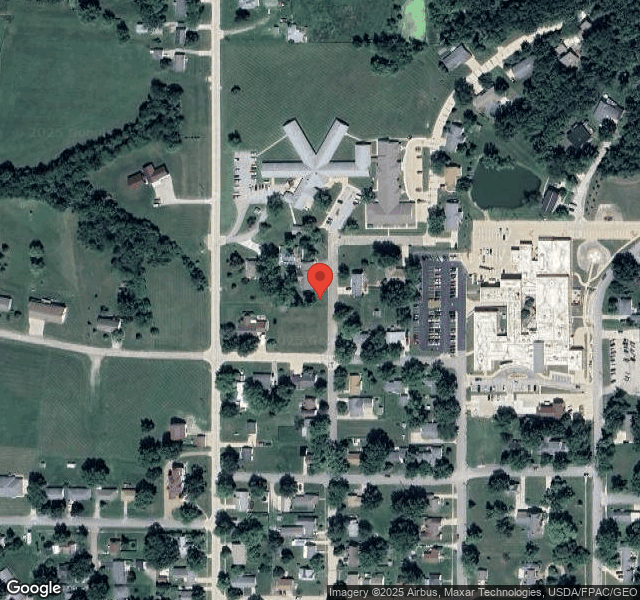
800 North Davis Street, Bloomfield, IA 52537 (641) 664-2699
For profit - Corporation 91 Beds LEGACY HEALTHCARE Data: November 2025
Trust Grade
93/100
#6 of 392 in IA
Last Inspection: September 2024

Within standard 12-15 month inspection cycle. Federal law requires annual inspections.

Overview

Bloomfield Care Center in Bloomfield, Iowa, has received an excellent Trust Grade of A, indicating it is highly recommended and performs well compared to other facilities. It ranks #6 out of 392 nursing homes in Iowa, placing it in the top tier, and is the only facility in Davis County. The center is improving, having reduced its issues from three in 2024 to two in 2025, and it boasts strong staffing ratings with a turnover rate of only 27%, significantly lower than the state average. While there have been no fines reported, which is a positive sign, concerns were noted regarding the qualifications of the Activity Coordinator and issues with discharge planning, including failure to provide proper notice and support for a resident's transition home. Overall, Bloomfield Care Center shows many strengths, but families should be aware of the identified weaknesses to make an informed decision.

Trust Score
A
93/100
In Iowa
#6/392
Top 1%
Safety Record
Low Risk
No red flags
Inspections
Getting Better
3 → 2 violations
Staff Stability
✓ Good
27% annual turnover. Excellent stability, 21 points below Iowa's 48% average. Staff who stay learn residents' needs.
Penalties
✓ Good
No fines on record. Clean compliance history, better than most Iowa facilities.
Skilled Nurses
✓ Good
Each resident gets 59 minutes of Registered Nurse (RN) attention daily — more than average for Iowa. RNs are trained to catch health problems early.
Violations
⚠ Watch
11 deficiencies on record. Higher than average. Multiple issues found across inspections.
★★★★★
5.0
Overall Rating
★★★★★
5.0
Staff Levels
★★★★★
5.0
Care Quality
★★★★☆
4.0
Inspection Score
Stable
2024: 3 issues
2025: 2 issues

The Good

  • 5-Star Staffing Rating · Excellent nurse staffing levels
  • 5-Star Quality Measures · Strong clinical quality outcomes
  • Low Staff Turnover (27%) · Staff stability means consistent care
  • Full Sprinkler Coverage · Fire safety systems throughout facility
  • No fines on record
  • Staff turnover is low (27%)

    21 points below Iowa average of 48%

Facility shows strength in staffing levels, quality measures, staff retention, fire safety.

The Bad

Chain: LEGACY HEALTHCARE

Part of a multi-facility chain

Ask about local staffing decisions and management

The Ugly 11 deficiencies on record

Jun 2025 2 deficiencies
CONCERN (D) 📢 Someone Reported This

A family member, employee, or ombudsman was alarmed enough to file a formal complaint

Potential for Harm - no one hurt, but risky conditions existed

Deficiency F0627 (Tag F0627)

Could have caused harm · This affected 1 resident

Based on clinical record review, policy review, and staff interviews, the facility failed to develop and implement a discharge plan which focused on the resident's goal to return home, in the event al...

Read full inspector narrative →
Based on clinical record review, policy review, and staff interviews, the facility failed to develop and implement a discharge plan which focused on the resident's goal to return home, in the event alternative therapy services could not be obtained for 1 of 3 residents (Resident #1) reviewed for discharge planning. The facility reported a census of 34 residents. Findings include: Review of the Minimum Data Set (MDS) assessment tool, dated 3/26/25, for Resident #1 revealed a list of diagnoses which included heart failure, diabetes (a disease which caused abnormal blood sugars), and unsteadiness on his feet. The MDS indicated the resident required partial to moderate assistance with rolling from right to left, standing, transferring, and eating; substantial to maximal assistance with showering; and dependent for toileting hygiene. The MDS Brief Interview for Mental Status score of 15 out of 15, indicated intact cognition. The MDS documented Resident #1 had an ostomy (a surgically created opening, called a stoma, on the body's surface, allowing waste to exit the body when the normal elimination process was disrupted) and received insulin (a medication used to lower blood sugars) injections. During an interview on 6/17/25 at 9:13 a.m., Resident #1's wife stated during her husband's stay they were very dissatisfied with therapy services. She stated on 4/29/25, her spouse was provided a NOMNC (Notice of Medicare Non-Coverage, written notice that Medicare providers must give beneficiaries when their Medicare covered services are ending) indicating his skilled care would no longer be available after 5/6/25. She stated her husband [Resident #1] signed the NOMNC, but she was never made aware of any appeal process. During a follow up interview on 6/18/25 at 10:35 a.m., Resident #1 wife stated she was called the day her husband got notice of skilled care ending on 5/6/25, and at some point, she declined home health services. She stated referrals were made to different facilities for further therapy. She explained she knew Medicare would not provide skilled care. Resident #1's wife stated at discharge her husband was in a wheelchair, and two aides brought him out to the car and assisted him into the vehicle. She stated the facility did not provide a wheelchair. She further explained after discharge from the facility she took her husband to a hospital. She stated he did not qualify for a hospital admission. She stated on 5/8/25 after an overnight hospital stay she picked him up and took him to a hotel as she was unable to get Resident #1 into her home due to the narrow entryway and 4 steps. Review of the Care Plan, dated 3/21/25, revealed a Focus areas to address: a. Risk of falls. b. Assistance with ADL's (activities of daily living which include tasks such as transferring, showering, eating, personal hygiene, etc.). c. Risk of nutritional status related to diabetes. d. Risk of alteration in skin integrity related to diabetes. e. PASRR (Preadmission Screening and Resident Review - an assessment used to evaluate for a serious mental illness, intellectual disability, resident offered the most appropriate setting, and needed services provided for setting). f. Psychotropic medication used related to neuropathy (pain caused by peripheral nerve damage). g. Advanced Directives. h. Resident states he never has pain. The Care Plan lacked a Focus area to address discharge goals and planning related to the resident/family members request for referrals for alternative therapy services or for his return home in the event such services could not be obtained. Review of the electronic health record (EHR) revealed a Communication - with Resident note, dated 4/29/25 at 3:58 p.m. Note Text: This nurse, and [name redacted] SW (Social Worker) spoke with the resident about NOMNC with the last day of therapy indicated as 5/6/25. Resident agreeable, sings NOMNC, and verbalizes plan is to return home 5/7/25. This nurse and [name redacted] SW ask if resident would like to us to notify wife and he is agreeable to us calling his wife. Review of a Communication -with Family/Related Party note, dated 4/30/25 at 8:31 a.m. Note Text: Spouse called at this time to inform SW that she would like information to be sent to [name of three facilities redacted] for therapy services after resident's therapy services ends here on 6\5/6/25. Resident will not be staying after services end and will discharge the morning of 5/7/25. Review of the 5/5/25 Nurse Practitioner (NP) Discharge Summary revealed a History of Present Illness section, which documented, in part . His insurance has denied continuation of skilled therapy at the facility and he prefers to transfer to another facility to continue physical therapy. He plans to discharge on Wednesday [5/7/25]. He continues to have difficulty standing and is unable to ambulate, which was necessary for him to return home where he lived with his wife. An Order Note dated 5/5/25, listed the following orders: discharge to a skilled facility on 5/7/25, PT (physical therapy) and occupational (OT) to evaluate and treat at the new facility, continue current medications and treatments. Review of a Communication with Family Related Party note, dated 5/6/25, revealed the resident's representative stated if other facilities did not accept the resident, she would take him home. Review of the EHR revealed a Instructions for Discharge document, dated 5/2/26 revealed: III. Therapy section which indicated, in part: 4. If other, please specify: Recommend 24 hour care including either home health or hospice care for follow up after SNF (Skilled Nursing Facility) d/c (discharge). Electronically signed by [name redacted] Occupational Therapist on 5/6/25. A Communication with Physician note, dated 5/7/25, listed an order to discharge to home. Review of the EHR revealed a lack of documentation to indicate assessments completed and discharge planning occurred for Resident #1 to address: a. Specific needs related to: transfer ability, safety/supervision needs, and equipment needed for safe transition to home. b. The caregiver's capacity and ability to care for the resident such as how she would assist him with transfers and if she had a support system. c. The living situation including any potential challenges or difficulties such as accommodation needed to get into the home, stairs within the home, location of bathroom, etc. d. A discussion with the resident regarding the implications and/or risks of being discharged to a location that was not equipped to meet his needs and if he felt safe returning home. During an interview on 6/18/25 at 11:46 a.m., Staff B, Registered Nurse (RN) stated the resident required quite a bit of care including transfer assistance, ostomy care, showering, and oral care. She stated his assistance needs remained pretty much the same during his stay. During an interview on 6/18/25 at 12:41 p.m., Staff A, Physical Therapy Assistant (PTA) stated the facility sometimes conducted a home assessment if the resident lived close but not always. Staff A stated the facility talked to the resident's wife about his post-discharge care and she said that she would be able to stop by the house throughout the day on days she worked. Staff A stated she did not feel that the resident should be alone. On 6/18/25 at 12:06 p.m., when queried about discharge planning for Resident #1, the MDS Coordinator stated the resident's wife requested referrals to other facilities after his discharge from this facility, however those facilities did not accept him. The MDS Coordinator stated that the resident's spouse stated if other facilities did not accept him, she would take him home. During a phone interview on 6/19/25 at 1:44 p.m., the Administrator stated the only policy the facility had related to discharge was the bed hold policy. She stated the resident's wife was insistent on taking the resident home. She stated if the Nurse Practitioner thought the resident was unsafe, he would have discharged against medical advice (AMA). She stated she didn't know if therapy carried out an assessment regarding the wife's ability to care for the resident at home or if they carried out a home assessment. The Administrator stated she felt the resident's spouse was capable of transferring him and the spouse never made any comments to them that she could not handle it. The Administrator stated she didn't see any additional paperwork other than the Discharge Instructions when asked about a discharge notice. The Administrator stated they felt that since the spouse was a nurse she could take care of him. Review of the facility policy Bed Hold and Return Policy, revised 10/2023, revealed a Purpose statement which declared To ensure that residents are made aware of facilities bed hold and return policy before and upon transfer or when taking a therapeutic leave from the facility.
CONCERN (D) 📢 Someone Reported This

A family member, employee, or ombudsman was alarmed enough to file a formal complaint

Potential for Harm - no one hurt, but risky conditions existed

Deficiency F0628 (Tag F0628)

Could have caused harm · This affected 1 resident

Based on clinical record review, policy review, and staff interview, the facility failed to provide the resident or resident's representative 30 day written notice before discharge, with instruction o...

Read full inspector narrative →
Based on clinical record review, policy review, and staff interview, the facility failed to provide the resident or resident's representative 30 day written notice before discharge, with instruction on how to appeal for 1 of 3 residents (Resident #1) reviewed for discharges. The facility reported a census of 34 residents. Findings include: Review of the Minimum Data Set (MDS) assessment tool, dated 3/26/25, for Resident #1 revealed a list of diagnoses which included heart failure, diabetes (a disease which caused abnormal blood sugars), and unsteadiness on his feet. The MDS indicated the resident required partial to moderate assistance with rolling from right to left, standing, transferring, and eating; substantial to maximal assistance with showering; and dependent for toileting hygiene. The MDS Brief Interview for Mental Status score of 15 out of 15, indicated intact cognition. The MDS documented Resident #1 had an ostomy (a surgically created opening, called a stoma, on the body's surface, allowing waste to exit the body when the normal elimination process was disrupted) and received insulin (a medication used to lower blood sugars) injections. Review of the electronic health record (EHR) revealed: a. A 4/29/25 Communication with Resident Note documented the resident received notice of his last day of therapy and stated his plan was to return home. b. A 5/5/25 Order Note listed the following orders: discharge to a skilled facility on 5/7/25, physical therapy(PT) and occupational therapy(OT) to evaluate and treat at the new facility, continue current medications and treatments. c. A 5/7/25 Communication with Physician note listed an order to discharge to home. On 6/19/25, the State Agency requested the Notice of Discharge given to the Resident #1. On 6/19/25 at 1:34 p.m., via email, the Administrator provided Resident #1's Instructions for Discharge in response to the request for a Notice of Discharge. Review of an Instruction of Discharge document in the EHR, dated 5/2/25 at 10:12 a.m., revealed: I. Social Services section: Responsible party: Name and phone number of wife/emergency contact listed. Physician in the Community: Name of primary physician in community listed, and name and phone number of primary physician in facility listed. Discharge Location: 1. Home checked. 1a. If other: Discharging home first and potential admit to another SNF. Pharmacy: Name and town of pharmacy listed. Home Health/Hospice Services:blank/no information (clinical record documented refusal of service), Medical equipment Arrangements: blank/no information listed. Psychosocial: 1. Cognitive Status: a.Alert to person, b. Alert to place and c. Alert to time checked, 2. Psychosocial needs: a. Able to communicate needs checked. 3. Mood and Behavior Patterns: No mood or behavior patterns applicable upon discharge. Comments: 0. Code Status: Full Code. 1. Resident is discharging to home before 10am May 7th, 2025. SW has sent our referrals [facility names redacted] for this resident to continue therapy services. Electronically signed on 5/6/25 by SW. II. Nursing Section: A. Summary: 1. During stay: a. Wound care, c. Medication management, e. Disease management checked. 2 - 9. Most recent weight, blood pressure, temperature, pulse, respiration, blood glucose, O2 sats (blood oxygen saturation), and pain level indicated. 10. Current Diet: Regular. 11. Oral/Eating: Set up/cueing assistance with meals indicated, B. Basic Care Needs: 1. Basic Care Needs: d. Continent, f. Requires assistance with ADL's (activities of daily living) checked. C. Medications: 1. Discharge Nurse to print Order Summary Report and reconcile with discharge orders .checked. D. Skin/Treatment: 1. Skin and treatment orders and education reviewed with patient and/or responsible party and provided within Order Summary Report checked. E. Reconciled Medication List: 1. Yes - current reconciled medication list provided to the subsequent provider. 2. Indicate route of transmission of the current reconciled medication list to subsequent provider: d. Paper-based (e.g. fax, copies, printouts) checked. 3. Provision of Current Reconciled Medication List to Resident at discharge: 1. Yes, Current reconciled medication list provided to the patient, family, and/or caregiver. 4. Indicate the route(s) of transmission .: Paper-based (e.g. fax, copies, printouts) checked. F. Nursing Instructions: Discharge Nursing: 1a. Medications have been reconciled . checked. d. Provide copy of care plan . checked. 2a. Discharge instructions and summary of care reviewed and education provided to resident and/or representative checked. b. Copy of Discharge Instructions and summary of care offered/provided to resident and/or responsible party checked. Document signed on 5/7/25 by Responsible Party Signature (resident signature), and facility MDS Coordinator and SW and summary of care offered/provided to resident and/or responsible party. Document signed on 5/7/25 by Responsible Party Signature (resident signature), and facility MDS Coordinator and SW. III. Therapy section: Therapy during my stay: 1. a.PT (physical therapy), b. OT (occupational therapy) checked. 2. Therapy discharge instruction reviewed with patient and/or responsible part checked. 3. Select all that apply: a. Therapy after discharge. c. Safety tips checked. 4. If other, please specify: Recommend 24 hour care including either home health or hospice care for follow up after SNF(Skilled Nursing Facility) d/c (discharge). Electronically signed by [name redacted] Occupational Therapist on 5/6/25. The Instructions for Discharge document did not give a 30 day notice or include information on how to appeal the discharge. The resident's clinical record lacked documentation of a discharge notice given to the resident or the resident's representative which included the following information: a. The reason for discharge b. The effective date of discharge c. An explanation of the right to appeal the discharge to the State d. The name, address (mail and email), and telephone number of the State entity which received such appeal hearing requests e. Information on how to obtain an appeal form During a phone interview on 6/19/25 at 1:44 p.m., the Administrator stated the only policy the facility had related to discharges was the bed hold policy. She stated the resident's wife was provided discharge instructions but she didn't see another form provided other than this. She stated the resident's spouse informed them he would discharge the morning of 5/7/25. Review of the facility policy Bed Hold and Return Policy, revised 10/2023, revealed a Purpose statement which declared To ensure that residents are made aware of facilities bed hold and return policy before and upon transfer or when taking a therapeutic leave from the facility.
Feb 2024 3 deficiencies
CONCERN (D)

Potential for Harm - no one hurt, but risky conditions existed

Comprehensive Care Plan (Tag F0656)

Could have caused harm · This affected 1 resident

**NOTE- TERMS IN BRACKETS HAVE BEEN EDITED TO PROTECT CONFIDENTIALITY** Based on record review and interviews, the facility failed to address the resident's Care Plan for the medical diagnosis of diab...

Read full inspector narrative →
**NOTE- TERMS IN BRACKETS HAVE BEEN EDITED TO PROTECT CONFIDENTIALITY** Based on record review and interviews, the facility failed to address the resident's Care Plan for the medical diagnosis of diabetes, and address the resident's diuretic medication for 2 of 5 residents reviewed for unnecessary medications Resident #5, #9). The facility reported a census of 41 residents. Findings include: 1. The Quarterly Minimum Data Set (MDS) assessment dated [DATE] revealed Resident #9 scored a 12 out of 15 on the BIMS (Brief Interview for Mental Status) exam, which indicated cognition moderately impaired. The MDS revealed a diagnosis of Diabetes Mellitus (DM) and the resident received insulin 7 out of 7 days. The Care Plan lacked a focus area and interventions for the diagnosis of DM. The Electronic Medical Record (EMR) revealed the following diagnosis: a. Type 2 diabetes mellitus with diabetic chronic kidney disease b. Type 2 diabetes mellitus with diabetic neuropathy, unspecified The Physician Orders revealed the following orders: a. ordered 5/16/23- Levemir flextouch subcutaneous solution pen-injector 100 unit/ml (milliliter)- inject 5 unit subcutaneously at bedtime b. ordered 8/23/22- Novolog pen fill solution cartridge 100 unit/ml- inject 16 unit subcutaneously three times a day. Give with meals/hold if <100 c. ordered 6/17/21- check blood glucose level four times a day 2. The Quarterly MDS assessment dated [DATE] revealed Resident #5 scored a 15 out of 15 on the BIMS exam, which indicated cognition intact. The MDS revealed diagnoses of heart failure and coronary artery disease. The MDS documented the resident received a diuretic. The Care Plan lacked documentation for a focus area or interventions for a diuretic. The EMR revealed the following diagnoses: a. chronic diastolic (congestive) heart failure The Physician Orders: a. ordered 9/8/23 - Lasix oral tablet 20 mg (Furosemide)- give 20 mg by mouth one time a day During an interview on 2/1/24 at 11:07 AM, the MDS Coordinator queried if a resident diabetic and on insulin if she expected it to be addressed on the care plan and she stated yes, it would be. The MDS Coordinator confirmed she didn't see it addressed on Resident #9 care plan. The MDS Coordinator queried if they addressed diuretics on the care plan and she stated yes, they should be on the care plan. The MDS Coordinator asked if Resident #5 diuretic addressed on the care plan and she stated no, and it should be on there. During an interview on 2/1/24 at 11:52 AM, the Director of Nursing (DON) queried on the expectations for diuretics being addressed on the care plan and she stated well, they don't need to be on there. The DON asked her expectation for diabetes to be addressed on the care plan, and she stated she expected if care needed done around the area. The DON asked if Resident #9 need care around the area and she stated yes, they needed to watch for hyperglycemia and hypoglycemia. During an interview on 2/1/24 at 12:38 PM, the DON stated the facility didn't have a policy for care plans. She stated that care plans were something they learned in school, and it was a standard of care.
CONCERN (D)

Potential for Harm - no one hurt, but risky conditions existed

Deficiency F0658 (Tag F0658)

Could have caused harm · This affected 1 resident

**NOTE- TERMS IN BRACKETS HAVE BEEN EDITED TO PROTECT CONFIDENTIALITY** Based on interview and record review, the facility failed to ensure insulin held per physician ordered parameters. The facility ...

Read full inspector narrative →
**NOTE- TERMS IN BRACKETS HAVE BEEN EDITED TO PROTECT CONFIDENTIALITY** Based on interview and record review, the facility failed to ensure insulin held per physician ordered parameters. The facility also failed to document if insulin, and blood glucose checks were completed for 1 of 5 residents reviewed for unnecessary medications (Resident #9). The facility reported a census of 41 residents. Findings include: The Quarterly Minimum Data Set (MDS) assessment dated [DATE] revealed Resident #9 scored a 12 out of 15 on the Brief Interview for Mental Status (BIMS) exam, which indicated cognition moderately impaired. The MDS documented a diagnosis of Diabetes Mellitus (DM), and the resident received insulin 7 out of 7 days. The Care Plan lacked a focus area, and interventions for the diagnosis of DM. The Electronic Medical Record (EMR) revealed the following diagnosis: a. Type 2 diabetes mellitus with diabetic chronic kidney disease b. Type 2 diabetes mellitus with diabetic neuropathy, unspecified The Physician Orders revealed the following orders: a. ordered 5/16/23- Levemir flextouch subcutaneous solution pen-injector 100 unit/ml (milliliter)- inject 5 unit subcutaneously at bedtime b. ordered 8/23/22- Novolog pen fill solution cartridge 100 unit/ml- inject 16 unit subcutaneously three times a day. Give with meals/hold if <100 c. ordered 6/17/21- check blood glucose level four times a day Review of the Blood Glucose/Insulin Administration Record dated December 2023 revealed Novolog 16 units administered on the following date when the blood sugar level outside of parameter; a. 12/4/23 at lunch time the blood glucose level revealed 98 mg/dl (milliliters in deciliter) Review of the Blood Glucose/Insulin Administration Record dated December 2023 revealed Levemir 5 units administration on the following dates left blank; a. 12/6/23 at bedtime b. 12/15/23 at bedtime c. 12/29/23 at bedtime Review of the Blood Glucose/Insulin Administration Record record dated December 2023 revealed the following dates the blood glucose level left blank; a. 12/6/23 at bedtime b. 12/15/23 at bedtime Review of the Blood Glucose/Insulin Administration Record dated January 2024 revealed Novolog 16 units administered on the following dates when the blood sugar level outside of parameter; a. 1/4/24 at supper the blood glucose level revealed 95 b. 1/7/24 at supper the blood glucose level revealed 95 Review of the Blood Glucose/Insulin Administration Record record dated January 2024 revealed the following dates the Novolog 16 units administration left blank; a. 1/13/24 at supper b. 1/14/24 at supper c. 1/18/24 at supper d. 1/20/24 at supper e. 1/21/24 at supper Review of the Blood Glucose/Insulin Administration Record record dated January 2024 revealed the following dates the blood glucose level left blank; a. 1/21/24 at supper During an interview on 1/31/24 at 4:10 PM, Staff A, Licensed Practical Nurse (LPN) queried if Resident #9 insulin order had parameters, and she stated no, usually they don't have parameters. Staff A informed the order revealed a parameter of 100 to hold and she looked up the medication, and stated yes, the order documented the parameters and she stated she didn't know when the parameters were ordered, and usually when the resident's blood sugars were low they called the provider. She stated if she believed she would of checked the blood sugar before she gave the insulin when the resident's reading read low. Staff A asked what the blank areas on the Blood Glucose/Insulin Administration Record, and she stated it meant they held the medication. Staff A asked if the medication held, would they document why in the progress note and she stated yes. Staff A confirmed if the medication not documented as given, it revealed the medication red on the EMR. During an interview 2/1/24 at 8:26 AM, Director of Nursing (DON) stated she spoke to the nurses who didn't document the insulin administration, and the DON stated the nurses said they remembered giving the insulin to Resident #9. The DON stated she expected nurses to follow the orders as written. The DON asked if the EMR indicated if a medication given or not and she said it would for their shift but didn't show the next shift if the medication didn't get administered unless they went back and looked. The DON stated she expected staff to be checking to make sure the medication was administered and this was something they worked on. During an interview on 2/1/24 at 12:52 PM, the Corporate Nurse Consultant reported the facility didn't have a policy for medication administration. She stated they followed standards of care and they followed the 5 rights of medication administration liked you learned in school. The Corporate Policy Manual: Personnel/Human Resources, Licensed Nursing Orientation Checklist revised on 5/2002 on the following information for medication: a. Medication Administration Record (MARS), Treatment Administration Records (TARS) b. medication errors c. Medication administration standards of practice (Intramuscular, subcutaneously, eye drops, inhalers, gastric tube)
CONCERN (D)

Potential for Harm - no one hurt, but risky conditions existed

Deficiency F0760 (Tag F0760)

Could have caused harm · This affected 1 resident

**NOTE- TERMS IN BRACKETS HAVE BEEN EDITED TO PROTECT CONFIDENTIALITY** Based on interview and record review, the facility failed to ensure the resident only received their own medications, and that t...

Read full inspector narrative →
**NOTE- TERMS IN BRACKETS HAVE BEEN EDITED TO PROTECT CONFIDENTIALITY** Based on interview and record review, the facility failed to ensure the resident only received their own medications, and that the resident received the correct physician ordered dosage of their medication for 1 of 10 resident reviewed for medication administration (Resident #5). The facility reported a census of 41 residents. Findings include: 1. The Minimum Data Set (MDS) assessment dated [DATE] revealed Resident #5 scored a 15 out of 15 on the BIMS exam, which indicated cognition intact. The MDS documented diagnoses of depression and anxiety disorder. The MDS revealed the resident took an antidepressant and antianxiety medication. The Care Plan revealed a focus area for antidepressant medication to treat depression and anxiety. The interventions revealed administration of antidepressant medications as ordered by the physician and monitored/documented side effects and effectiveness with all concerns reported. The Electronic Medical Record (EMAR) revealed the following diagnoses: a. depression, unspecified b. anxiety disorder, unspecified The Physician Orders for Resident #5 revealed the following information: c. ordered on 9/7/23 and discontinued on 9/27/23: Paxil (Paroxetine HCl (hydrochloride)) oral tablet 20 mg (milligrams)- give 20 mg by mouth one time a day d. ordered on 9/27/23: Paroxetine HCl oral tablet 30 mg- give 30 mg by mouth one time a day The Incident Report- Medication Report effective 11/26/23 at 6:59 AM revealed the following information: a. Medication Order- include medication name, dose, route, and time administered: medication wrong dose given 11/15/23, 11/16/23, 11/17/23, 11/18/23, 11/19/23, 11/20/23, 11/21/23, 11/22/23, 11/24/23, and 11/25/23. Order read Paxil order tablet 20 mg one time a day every day. b. Description of medication incident: Paxil 30 mg tablets were given orally once a day for the last 10 days c. Assessment of resident including vital signs: resident alert and oriented to person, place, time, and situation, denied pain, vitals signs within normal limits (WNL) blood pressure 117/64, pulse, 60, respirations 16 and regular, pulse oximetry saturation 97% on room air, temperature 97.1. The resident stated she been more sleepy recently. d. Physician notified (include date and time): [redacted name] call on 11/26/23 at 7:15 am e. responsible party notification (include date and time): emergency contact #1 and the Power of Attorney (POA) notified on 11/26/23 at 7:15 am The Incident Report- Medication Report effective date 1/28/24 at 8:46 PM revealed the following information: a. Medication Order- include medication name, dose, route and time to be administered: Resident given medication not prescribed to her. Seoul 300 mg, Trazadone 150 mg, Promethazine 25 mg, along with prescribed medication for her melatonin 6 mg and acetaminophen 650 mg. b. Description of medication incident: environment loud, several things going on in surrounding area. Prepared medication and took it to resident's room. The resident took the medication and discussed pain and needed muscle rub with nurse. c. Assessment of resident including vital signs: 90/52 blood pressure, temperature- 97.6, pulse 68, respirations 16, pulse oximetry saturation 92% d. Physician notification (include date and time): [redacted name] on 1/28/24 at 8:30 PM e. responsible party notification: son on 1/28/24 at 8:35 PM The Review of Resident #23 Physician Orders revealed the following medication orders: a. Promethazine HCl oral tablet- give 25 mg by mouth one time a day b. Quetiapine Fumarate (Seroquel) oral tablet- give 300 mg by mouth one time a day c. Trazadone HCl oral tablet- give 150 mg by mouth one time a day The Review of Resident #5 Physician Orders revealed the resident not prescribed Promethazine, Quetiapine, and Trazadone. During an interview on 1/29/24 at 11:42 AM, Resident #5 stated she received someone else medication. She stated she can't hardly sit up now. She stated she got a good night's sleep out of it. Resident sat on the side of her bed and ate lunch independently during the interview. During an interview on 2/1/24 at 11:52 AM, the Director of Nursing (DON) stated she spoke to the nurse after it happened and the nurse stated she made mistake and got in a hurry. The DON stated she reviewed with staff the 5 rights of medication and stated she was a [NAME] on instructing the nurses to pop the medications, and save it and not to click off the medication until they gave the medication to the resident. The DON stated she instructed the nurse to double check the resident and if in doubt stop, and check what they were doing. During an interview on 2/1/24 at 12:52 PM, the Corporate Nurse Consultant stated the facility didn't have a policy for medication administration. She stated they followed standards of care and they followed the 5 rights of medication administration liked you learned in school. During an interview on 2/1/24 at 1:37 PM, Staff B, Registered Nurse (RN) queried about the medication incident on 1/28/24 and she stated she prepared the medication and took them down to Resident #5, and talked to the resident while she administered the medications and then went back to her medication care, then she realized she given the wrong medications to Resident #5. Staff B stated she gave Resident #23 medications to Resident #5. Staff B stated Resident #23 received her correct medications later in the evening. Staff B stated the DON gave her education after the incident. Staff B asked the expectation of medication administration and she stated to follow the 5 rights to medication administration. Staff B queried how Resident #5 acted after she received the wrong medications and she stated Resident #5 slept heavily, but easily woke up, displayed slurred speech, and used her call light when needed and told the staff her needs. Staff B asked if Resident #5 looked at the medications in her cup prior to taking them and Staff B stated no, she takes the medications and at that time they talked about a muscle rub. During an interview on 2/1/24 at 1:47 PM, DON stated Resident #5 received Resident #23 medication. The DON asked her expectation on staff following the rights to medication administration and she stated she expected them to follow them. During an interview on 2/1/24 at 2:07 PM, the Provider stated she spoke to Resident #5 about the incident when she received another resident's medication and Resident #5 didn't state any concerns. The Provider queried on the expectation for staff to follow the physician orders and she stated for staff to check the name, date of birth , right time, right dose, and follow the physician orders as ordered. The Corporate Policy Manual: Personnel/Human Resources, Licensed Nursing Orientation Checklist revised on 5/2002 on the following information for medication: a. Medication Administration Record (MAR), Treatment Administration Records (TARs) b. Medication errors c. Medication administration standards of practice (Intramuscular, subcutaneously, eye drops, inhalers, gastric tube)
Aug 2022 6 deficiencies
CONCERN (D)

Potential for Harm - no one hurt, but risky conditions existed

Deficiency F0561 (Tag F0561)

Could have caused harm · This affected 1 resident

**NOTE- TERMS IN BRACKETS HAVE BEEN EDITED TO PROTECT CONFIDENTIALITY** Based on interviews, record review, and facility document review, the facility failed to allow two residents (Resident (R) 44 an...

Read full inspector narrative →
**NOTE- TERMS IN BRACKETS HAVE BEEN EDITED TO PROTECT CONFIDENTIALITY** Based on interviews, record review, and facility document review, the facility failed to allow two residents (Resident (R) 44 and R11) out of a survey sample of 20 residents, the right for self-determination and decision making, by failing to assess for capacity to ascertain the ability to consent for a potential mutual relationship. Findings include: 1. Review of the ''admission Record,'' located in the ''Profile'' tab of R 44' s' Electronic Medical Record (EMR), documented an admission date of [DATE]. R 44' s' diagnoses included chronic kidney disease, dementia in other diseases classified elsewhere with behavioral disturbance, restlessness, and agitation. Review of the R 44' s' ''Minimum Data Set'' (MDS) with an Assessment Reference Date (ARD) of [DATE] documented a ''Brief Interview for Mental Status'' (BIMS) score of six out of fifteen, which indicated the resident had severe cognitive impairment. The MDS further revealed R 44 was administered antipsychotics for two of the seven days reviewed, and antianxiety medications daily. Review of R 44' s' quarterly MDS with an ARD date of [DATE] documented a BIMS of five out of fifteen, which indicated the resident had severe cognitive impairment and was administered antipsychotic, antidepressant, and antianxiety medications daily. Review of a Progress Note, dated [DATE] at 7:12 PM, documented that a Certified Medication Aid (CMA) observed Resident# 11 sitting by another Resident#44 smiling and touching in the dining room. Residents were separated. CMA notified this nurse, and wrote a statement. The Administrator had been notified. During an observation [DATE] at 12:30 PM at the nurses' station, R 11 and R 44 were observed sitting in wheelchairs, facing one another. R11 took his hand and reached over to touch R 44 in the lap area. R11 had been observed to have his belt unbuckled, pants unbuttoned and unzipped. Registered Nurse (RN) 1 witnessed the incident at the same time and immediately came over and removed R11 to his room. RN 1 then returned and asked R 44 if R11 had touched her and she replied, ''I don't think so.'' R 11 did not appear upset but was confused about what happened. Review of a ''Behavior Note'' located in the ''Progress Note'' tab of R 44' s' EMR dated [DATE] at 12:35 PM documented as follows: ''New or Worsening Behavior Observed:: Resident had been sitting at nurse station with male resident holding each other's hands. Both residents were aware that nurse had been watching. Nurse noticed male resident starting to move hand under resident's top touching her abdomen. Nurse and Certified Nurse Assistant (CNA) walked over and redirected both residents.'' Review of R 44' s' medical record lacked documentation that R 44 had been accessed for the capacity to consent to a relationship; or care planned for a relationship with other residents. During an interview on [DATE] at 12:45 PM, RN 1 said the two residents (R11 and R 44) have had a relationship in the past. During an interview on [DATE] at 1:57 PM, Licensed Practical Nurse (LPN) 1 reported that R 44 had been forgetful but had been consensual with kissing R11. LPN1 reported that staff must watch them to make sure they do not get ''too handsy.'' LPN1 reported that R 44' s' family member had been okay with the kissing. LPN1 reported that staff did not allow R11 and R 44 to go into one another's rooms. LPN1 reported that R11 and R 44 stay mostly in the nurses' station and dining room. During an interview on [DATE] at 2:53 PM, Certified Nursing Assistant (CNA) 3 reported that R 44 and R11 had been ''caught kissing in the lobby.'' She reported the staff have told them they need to go to a private place, like R11's room. CNA3 reported that the relationship had been consensual and R 44' s' family member (F 1) had been aware and had been okay with it. During an interview on [DATE] at 3:23 PM, F 1 reported that the facility had told her about R 44' s' relationship with R11. She reported that it was awkward, but she was okay with them kissing. F 1 reported that R 44' s' face lights up when R11 had been near her. F 1 said she wants R 44 to be happy. She said she did not want R 44 to go into R11's room. During an interview on [DATE] at 4:30 PM, Activity Assistant (AA) 1 said R11 and R 44 had been ''together dating.'' She said it started in mid-June and she had been told to redirect them if anything was observed. AA 1 said she had seen them together acting (touching, kissing) as if they were ''dating.'' Observed R11 and R 44 on [DATE] at 4:35 PM in the dining room after the coloring activity. R11 self-propelled himself in the wheelchair over to where R 44 had been. R11 then rubbed her right arm and began rubbing her back. AA 1 then redirected both residents apart from each other. During an interview on [DATE] at 5:07 PM the Director of Nursing (DON), the Administrator, and Social Services Director (SSD), The DON said the first incident with R 44 and R11 had been on [DATE]. The DON reported that she had called R 44' s' family member about the two residents being attracted to one another, and had documented a late entry note today, [DATE]. The DON confirmed she had not documented anything in R 44' s' EMR until today. The DON reported that she had put a communication out to the staff about R 44 and R11 hugging and kissing after the [DATE] incident, but could not produce a copy, reporting that it had ''expired.'' The DON said she had not documented anything in the record until today because she was still ''getting things together.'' The Administrator said R11 would ''seek out affection'' from other women. The SSD said this type of situation had never come up before. The DON, Administrator and SSD all confirmed there had been no process in place to evaluate the capacity of residents to consent to physical relationships. During an interview on [DATE] at 2:11 PM CMA 1 reported that there had been a communication put out to the staff awhile ago stating it was okay for the residents to touch and kiss but should be separated if it ''went too far.'' During an interview on [DATE] at 03:02 PM, CNA3 reported that the nurse told her today, to keep R 44 and R11 apart. During an interview on [DATE] at 8:51 AM, the DON reported that she had instructed the staff on the previous day to keep R 44 and R11 separated until they can investigate the situation and determine what the course of action should be. During an interview on [DATE] 12:51 PM, the Psychiatric Nurse Practitioner (NP), reported that she had seen R 44 monthly but had never been made aware of her relationship with R11 until [DATE]. The NP reported that she did not think R 44 would have the cognitive capacity to consent for a relationship, sexual or non-sexual. The NP reported that she did not think R 44 would be able to say no to physical contact. The NP reported that the facility had called her to evaluate R 44 and R11 on [DATE]. The NP reported that R 44 did not remember the incident with R11 on [DATE] and when asked about a boyfriend, she reported that she did not have any. The NP reported that R 44 then turned the conversation toward her, asking her about her boyfriends and asking her to come up with a list of three. The NP reported then R 44 wanted to talk about their hair. On [DATE] at 12:29 PM, RN 3 reported that on [DATE], CMA 2 reported to her that she saw R11 with his hand under R 44' s' shirt around the ribcage area. She reported that they were together in the dining room. RN 3 reported that CMA 2 separated the two of them and brought R 44 to the nursing station. She reported that R11 followed them. RN 3 told them there was not going to be any of that and R 44 responded, ''what is going on here,'' and was upset they were being separated. RN 3 said CMA 2 wrote up a report of what had happened and put it in the Administrators box. RN 3 reported that when she called the Administrator and told her of the incident, the Administrator told RN 3 if they had been separated that is all she needed to do. During an interview on [DATE] 12:44 PM, CMA 2 reported that she witnessed R11 putting his hand under R 44' s' shirt one other time besides [DATE]. CMA 2 reported it had been ''a while'' ago. She reported that both times she had reported it to the nurse and had written up a report for the Administrator. During an interview on [DATE] at 1:16 PM, the Administrator said she had not been aware of any other physical contact other than hugging and kissing before [DATE]. The Administrator reported because of the physical contact under the shirt, a self-report had been sent to the state on [DATE], as a resident to resident altercation under ''other.'' During an interview on [DATE] at 1:04 PM, F 1 reported that she had been aware of one incident where R11 placed his hand under R 44' s' shirt. F 1 reported that she felt if R 44 did not want to be touched, she would let him know. F 1 reported that R 44 had enough of that in her. F 1 reported that R 44 could not remember any of the interaction with R11 but recognized him when he comes around and he makes her happy. 2. The Face Sheet for R11 indicated that the resident had been admitted on [DATE] with a diagnosis the of Alzheimer's disease. The Quarterly Minimum Data Set (MDS) with the date of [DATE], documented that the resident had a Brief Interview for Mental Status (BIMS) score of eleven out of fifteen, which indicated the resident had been moderately impaired cognitively. Review of a document provided by the facility titled Care Plan failed to indicate R11 had possible inappropriate interactions with other female residents or if his capacity to enter into a possible consensual relationship with a female resident had been determined by clinical and social service A Plan of Care Progress Note dated [DATE] documented that the resident's cognitive status changed daily with forgetfulness and confusion and days in which the resident was able to have a full conversation. There was no entry in the progress note which revealed the resident was possibly inappropriate with female residents or if he had been assessed for capacity to decide to enter into a mutual consenting relationship. Review of R11's EMR health status Progress Notes located under Prog Note tab dated [DATE] indicated the resident had been overheard to ask female residents if it was okay if he kissed them. A staff member intervened and informed the resident this had been an inappropriate comment and would pass the incident on to the next shift. Review of R11's EMR plan of care Progress Note located under Prog Note tab dated [DATE] indicated the resident's cognitive status changed daily with forgetfulness and confusion and days in which the resident was able to have a full conversation. There had been no entry in the progress note which revealed the resident had been possibly inappropriate with female residents or if he had been assessed for capacity to decide to enter into a mutual consenting relationship. Review of a document provided by the facility titled Office Clinic Notes, dated 0712/22 indicated staff reported R11 was handsy with residents and distanced during meals as an intervention. Review of R11's EMR health status Progress Note located under Prog Note tab dated [DATE] indicated a Certified Medication Assistant (CMA) observed R11 sitting next to R 44 and R11 and smiling and touching each other. The CMA immediately separated the two residents and alerted nursing. The nurse documented she notified the Administrator. Review of R11's EMR behavior Progress Note, dated [DATE] at 12:35 PM, documented that staff observed R11 placed his hand under the top of R 44 and touched her abdomen. Both the nurse and the CNA walked over to the residents and immediately separated them. Review of R11's EMR mental health Progress Note, dated [DATE] indicated the Psychiatric Nurse Practitioner (NP) had been brought in to evaluate R11 behaviors towards another female resident (R 44). During this evaluation, the resident informed the NP that he did not have a sweetheart. The notes indicated the NP asked the resident if he remembered an interaction between, he and R 44 kissing. The NP notes documented that R11 denied remembering this incident. The NP note documented that R11 had two prior incidents of touching or kissing a female resident within the past six to eight months. The note indicated staff were to continue to monitor R11 for inappropriate sexual behaviors during activities and meals and would follow up in two weeks if the behaviors persist. On [DATE] at 3:08 PM, AA 1 reported that R11 could be touchy with R 44. R 44 would seek out R11. On [DATE] at 4:57 PM, SSD reported that she had gone to speak with the residents who want to be involved in a relationship. SSD was asked how the facility determined capacity for consent. SSD stated it was a team decision. SSD stated therapists typically do not get involved with residents with a diagnosis of dementia since not much information is gleamed from the resident. SSD was asked if the relationship between R11 and R 44 was re-evaluated, and Social Services stated the facility staff met and there was an interdisciplinary team. The Administrator and the Director of Nursing (DON) had been interviewed at 5:03 PM. The Administrator and the DON reported that R11 never attempted to enter into R 44' s' room. The Administrator and the DON reported there had been no information on R11's care plan that addressed his behavior of seeking out affection with another female resident. On [DATE] at 9:10 AM, RN 1 reported that she had not seen R11 be sexually inappropriate with R 44. RN 1 reported that ii had been passed on to keep an eye on the two residents and to separate them if they were getting too close. On [DATE] at 9:23 AM, Licensed Practical Nurse (LPN) 1 reported that she had been the staff member who observed R11 reach under the sweatshirt of R 44 on [DATE]. LPN1 reported that she had seen R11 and R 44 touch each other towards the knees, and both were not being sexual. LPN1 reported that the two residents were too close for her to be comfortable, and the two of them had been separated immediately after this observation. LPN1 reported that the family member of R 44 gave permission for the two residents to kiss but not to be sexual with each other. LPN1 reported there had been multiple conversations with the two residents. LPN1 reported that R11 did not know what she was talking about when she speaks with him about the relationship between, he and R 44. On [DATE] at 3:16 PM, RN 4 reported that she had never seen R11 be sexually inappropriate with R 44 or with other female residents. RN 4 reported that she had told staff to keep an eye on R11. RN 4 reported that R11 had been a friendly man and never saw him single out a certain resident. On [DATE] at 10:01 AM, the MDS Coordinator reported R11's behavior did not reach to the level of deviant behavior. The MDS Coordinator reported that R11 was not that type of man. MDS Coordinator reported R 44 had a diagnosis of dementia but had been considered high functioning. The MDS Coordinator reported both R11 and R 44 were friendly people and the facility directed staff to keep an eye on the two. MDS Coordinator reported that the staff monitored the two residents frequently. The MDS Coordinator reported that there was no information on R11 or R 44 relationship in the care plan, and would expect information to be placed in the clinical record. The MDS Coordinator reported that both residents did not remember incidents of them being together. On [DATE] at 12:44 PM, the Psychiatric NP reported that she evaluated R11 on [DATE] and had not placed her notes in the system prior to this interview. The NP reported that R11 had been very pleasant and told her things that were not true. The NP reported that the the facility brought her in to assess R11 yesterday and had never met the resident prior to this appointment. The NP reported that the resident denied having a sweetheart and could only remember his first wife's name and not his second wife. The NP reported that R11 had been capable of entering into a consensual affectionate relationship but not R 44. The NP stated R11 had no history of sexual aggression. On [DATE] at 1:09 PM, the DON and the Nurse Consultant reported that the facility had never had an issue like this before. The Nurse Consultant stated the Physician/NP should have been involved in this.
CONCERN (D)

Potential for Harm - no one hurt, but risky conditions existed

Assessment Accuracy (Tag F0641)

Could have caused harm · This affected 1 resident

**NOTE- TERMS IN BRACKETS HAVE BEEN EDITED TO PROTECT CONFIDENTIALITY** Based on observation, record review, staff interview, and review of the Resident Assessment Instrument (RAI) Manual, the facilit...

Read full inspector narrative →
**NOTE- TERMS IN BRACKETS HAVE BEEN EDITED TO PROTECT CONFIDENTIALITY** Based on observation, record review, staff interview, and review of the Resident Assessment Instrument (RAI) Manual, the facility failed to ensure two residents out of 20 sampled residents (Resident (R) 21 and R35) had an accurate Minimum Data Set (MDS) assessment. Failure to code the MDS correctly can lead to inaccurate federal reimbursements and inaccurate assessment and care planning of the resident. Findings include: 1. Review of the RAI Manual, dated 10/01/19, documented that it is important to note here that information obtained should cover the same observation period as specified by the Minimum Data Set (MDS) items on the assessment and should be validated for accuracy (what the resident's actual status had been during that observation period) by the Interdisciplinary Team (IDT) completing the assessment. Review of R 21' s' Electronic Medical Rrecord (EMR) admission Record under the Profile tab revealed R 21 had been admitted to the facility on [DATE] with a diagnosis of unspecified dementia without behavioral disturbances. A Progress Note dated 03/13/22 documented that the resident had been found on the floor with her wheelchair tipped over next to her. The resident sustained no injuries. The Quarterly Minimum Data Set (MDS) dated [DATE] of R 21 documented a Brief Interview for Mental Status (BIMS) score could not be determined by the clinical staff. The MDS documented that the resident had short-and-long-term memory problems. The MDS documented that the resident required extensive assistance with two staff members for bed mobility and transfers. The MDS documented that the resident sustained no falls in the last two to six months prior to admission/entry or reentry. On 08/03/22 at 9:52 AM, the MDS Coordinator stated she should have answered yes to the question regarding a fall within the last two to six months. The MDS Coordinator stated she did not complete the MDS correctly for R 21. 2. The admission Record documented that Resident#35 (R35) had been admitted to the facility on [DATE] with a diagnosis of Alzheimer's disease. A Physician's Order dated 3/01/22 directed staff as follows; Risperdal (an antipsychotic) 0.25 milligrams (mg) to be administered by moth at bedtime. The Medication Administration Record (MAR) dated April 2022 documented that R35 received the physician ordered Risperdal from 04/08/22 through 04/14/22. The Quarterly MDS with an ARD of 04/14/22 documented that R35 had a BIMS score of zero out of fifteen which revealed the resident had been severely cognitively impaired. The MDS documented that the resident did not receive an antipsychotic during this assessment period. On 08/04/22 at 12:38 AM, the MDS Coordinator reported she did not document that R35 received an antipsychotic during this assessment period for April 2022, and failed to again enter this information when a modification had been created on this same date.
CONCERN (D)

Potential for Harm - no one hurt, but risky conditions existed

Deficiency F0679 (Tag F0679)

Could have caused harm · This affected 1 resident

**NOTE- TERMS IN BRACKETS HAVE BEEN EDITED TO PROTECT CONFIDENTIALITY** Based upon observation, interview, record review, and policy review, the facility staff failed to involve one of one residents r...

Read full inspector narrative →
**NOTE- TERMS IN BRACKETS HAVE BEEN EDITED TO PROTECT CONFIDENTIALITY** Based upon observation, interview, record review, and policy review, the facility staff failed to involve one of one residents reviewed for group activities as outlined in the residents care plan, and requested by the resident's health care decision maker. (Resident#41) This resulted in R#41 being left alone for hours without any social interaction. Findings include: Review of the resident's electronic medical record (EMR) documented that R#41 had been admitted to the facility on [DATE]. R#41 diagnoses included epilepsy and persistent vegetative state. Review of the Activity Reassessment and Care Plan Progress Note dated 01/29/22 documented that the activity goal had been met by the following: the resident passively participating in activities, and will continue to encourage attendance to activities of interest per the family, and staff will need to assist. Review of R#41's Annual Minimum Data Set (MDS) with the date of 07/22/21 documented that the resident had not been able to answer questions, so a family member participated in assessment, and reported that doing things with groups of people had been important. The Care Plan with revised date of 07/26/22 documented as follows; The resident would like to be out of the room and in the common area for some time each day, as a goal. A Care Conference Progress Note dated, ''7/28/2022 at 10:01 AM documented that the resident will at times look towards where sound is coming from, attends large group activities. The Care Conference Progress Note documented that the plan of care had been reviewed with the residents family member.' Review of the monthly ''Activity'' calendars provided by the facility documented the following: R41 attended zero group activities in February, March, April or May of 2022. R41 attended one group activity in June 2022. R41 attended two group activities in July 2022. There was no documentation that R41 refused activities. Observed R#41 in room in her wheelchair on 08/02/22 at 2:53 PM. A group bingo activity had been going on in the dining room. Observed R#41 in room in her wheelchair on 08/03/22 at 10:13 AM. A group coloring activity had been going on in the dining room. On 08/02/22 at 1:40 PM, the Activity Coordinator said if R#41 had been up in her wheel chair, the staff tried to get her to activities. She reported that R#41's mother wanted her in group activities. The Activity Coordinator reported that she had been working as a cook in the kitchen for the last few months so she had not been involved in activities. The Activity Coordinator stated there had two assistants to help her. On 08/02/22 at 2:57 PM, Certified Nursing Assistant (CNA) 3 reported it would be a team decision as to what activities R#41 should attend. During her month working at the facility, CNA3 reported the activity staff had not asked R#41 to be taken to an activity. CNA3 reported that she took R#41 to a movie last month thinking it would be a good activity for her to attend. On 08/03/22 at 8:47 AM, the Director of Nursing (DON) reported that it had been the responsibility of the activity's department to make sure the resident had been getting to activities. On 08/03/22 10:11 AM, the Activity Assistant (AA) 1 reported that she or the nursing staff could take R#41 to activities. On 08/03/22 at 3:00 PM, the Activity Coordinator reported that it had been the responsibility of the activity staff and the nursing staff to work together to get R#41 to group activities. The Activity Coordinator reported she did not know when she would be back working in the activity department
CONCERN (D)

Potential for Harm - no one hurt, but risky conditions existed

Deficiency F0687 (Tag F0687)

Could have caused harm · This affected 1 resident

**NOTE- TERMS IN BRACKETS HAVE BEEN EDITED TO PROTECT CONFIDENTIALITY** Based on observation, interview, and record review the facility failed to ensure one of twenty sampled residents had been provid...

Read full inspector narrative →
**NOTE- TERMS IN BRACKETS HAVE BEEN EDITED TO PROTECT CONFIDENTIALITY** Based on observation, interview, and record review the facility failed to ensure one of twenty sampled residents had been provided foot care as needed. (Resident#21). The resident had diagnoses of diabetes which had the potential to cause pain if the toenails were left untreated. Findings include: The Face Sheet for Resident#21 had documented that the resident had been admitted on [DATE] with the diagnosis of type two diabetes mellitus. The Quarterly Minimum Data Set (MDS) dated [DATE] documented that the resident had a Brief Interview for Mental Status (BIMS) score of fifteen out of fifteen, which indicated the resident had been cognitively intact. The MDS documented that the resident required extensive assistance for bed mobility, but had independent with transfers. The Residents Care Plan documented that the resident had been nutritionally at risk related. The Care Plan did not address toenail/foot care along with her diagnosis of diabetes. During an observation and interview on 08/01/22, Certified Nursing Assistant (CNA) 1 and CNA2 were in the resident's room. CNA1 removed the blanket covering the resident's feet. Two of resident's toes had been exposed from an opening from a purple cast. The two toes had nails which extended approximately one fourth inch above the tip of each toe. The left leg/foot had a TED hose (long, tight fitting stockings that place mild static pressure on the legs) on, and CNA1 pulled back the opening of the tip of the TED hose and exposed all five toes. The first three toes had toenails which extended approximately one-quarter inch of each of these toes. The fifth toe had an approximate one-quarter inch toenail which extended above the tip of the toe. Both CNA1 and CNA2 reported that they were not permitted to trim resident's toes and stated they refer the condition of the toenails to nursing. During an observation and interview on 08/03/22 at 9:32 AM, Restorative Aide (RA) 1 had been weighing the resident on a scale. RA1 exposed her toes on both feet and reported that the CNAs did not clip the toenails if a resident had diabetes and were to verbally inform the nurse. During this observation, the two toes on the right foot, exposed at an opening of the purple cast had toenails that approximately extended one quarter inch above the tip of the toes. The same was for the first three and fifth toes on the resident's left foot. During an observation and interview on 08/03/22 at 9:37 AM, the Director of Nursing (DON) confirmed the resident's toenails needed to be trimmed and was unsure if nursing would be able to do this or a podiatrist. On 08/03/22 at 12:10 PM, the Administrator reported the resident had been scheduled to see a podiatrist on 08/13/22. On 08/03/22 at 3:35 PM, the DON and the Nurse Consultant had been present. The DON reported that she was unable to locate any referral to podiatry prior the survey week. On 08/04/22 at 12:39 PM, the Administrator reported that the facility did not have a policy on foot care or activities of daily living.
CONCERN (D)

Potential for Harm - no one hurt, but risky conditions existed

Infection Control (Tag F0880)

Could have caused harm · This affected 1 resident

**NOTE- TERMS IN BRACKETS HAVE BEEN EDITED TO PROTECT CONFIDENTIALITY** Based on observation, interviews, facility policy reviews, and review of the Environmental Protection Agency (EPA) N list the fa...

Read full inspector narrative →
**NOTE- TERMS IN BRACKETS HAVE BEEN EDITED TO PROTECT CONFIDENTIALITY** Based on observation, interviews, facility policy reviews, and review of the Environmental Protection Agency (EPA) N list the facility failed to ensure housekeeping staff understood and implemented disinfecting measures for one room out of thirty-five rooms which were occupied. (Resident#39) This failure had the potential to increase the risk of exposure to infectious diseases. Findings include: The facility policy titled Cleaning Procedure for Resident Rooms, dated 02/22/08 documented as follows; Resident Rooms will be clean and clutter free to promote a healthy living environment. Resident rooms containing a resident with a resistant organism should be cleaned last using EPA approved disinfectants. Sink, faucets, faucet knobs, and soap dispensers will be cleaned daily with a disinfecting spray. Floors will be cleaned, swept, mopped, and/or vacuumed daily. If mopping, for general cleaning of a floor, use a neutral cleaner, a couple of times per week. Use white vinegar to control odors. Review of the EPA revealed .EPA does not review effectiveness of common household ingredients like vinegar or rubbing alcohol, so EPA cannot verify how well they work to kill the novel Coronavirus. EPA reviews and registers antimicrobial pesticides, which include surface disinfectant products. The Face Sheet for Resident#39 documented that the resident had been admitted to the facility on [DATE] with a diagnosis of chronic respiratory failure with hypoxia and a history of poor personal hygiene. The Care Plan dated 01/14/22 documented that the resident had a behavior of urination, and to have a bowel movement while in bed and would lay in it. The Annual Minimum Data Set (MDS) with the date of 07/14/22 documented that the resident had a Brief Interview for Mental Status (BIMS) score of fifteen out of fifteen which documented that the resident had been cognitively intact. On 08/02/22 at 11:16 AM, Housekeeper 1 had been in the hallway next to resident's room. The odor of vinegar had been present. Housekeeper 1 reported that she used vinegar to cover the smell of resident's room since the resident would urinate all over his bed and floor. Housekeeper 1 reported she did not use a disinfectant after the application of the vinegar. On 08/02/22 at 11:45 AM, the Housekeeping/Laundry Supervisor reported that the facility used a Quat (quaternary ammonium compounds) previously and the substance would not kill the urine smell. Housekeeping/Laundry Supervisor confirmed that the facility had not been using a quat substance prior to today. On 08/04/22 at 7:19 AM, the Administrator reported that Resident#39's room had been the only room that vinegar was applied to. On 08/04/22 at 11:40 AM, the Housekeeping/Laundry Supervisor reported that the facility used the vinegar on Resident#39's floor only and no other surfaces.
CONCERN (E)

Potential for Harm - no one hurt, but risky conditions existed

Deficiency F0680 (Tag F0680)

Could have caused harm · This affected multiple residents

Based on review of job qualifications and interview with staff, the facility failed to ensure that the Activity Coordinator met the requirements of the job. Findings include: On 08/04/22 at 1:51 PM, t...

Read full inspector narrative →
Based on review of job qualifications and interview with staff, the facility failed to ensure that the Activity Coordinator met the requirements of the job. Findings include: On 08/04/22 at 1:51 PM, the Human Resources Director (HDR) stated the Activity Coordinator's date of hire for the Activity Coordinator position had been on 04/16/21. The HDR reported that the Activity Coordinator had enrolled in the certification program but had not completed it. On 08/04/22 at 2:25 PM, the Administrator stated the Activity Coordinator (AC) had completed about one-third of the curriculum for certification. On 08/02/22 at 1:40 PM, the AC reported that she had been working as a cook in the kitchen for the last few months and had not been involved in activities. The AC reported that she had two assistants that assisted her, but no other staff overseeing the activities department. The AC had not been not available for a follow-up interview about her failure to complete the certification. The Activity Coordinator Job Description dated 10/12, year unknown, documented the Qualification as follows; Certification upon completion of the Activity Coordinator's orientation course, approved by the Iowa Department of Inspections and Appeals, within six months of employment.
Understanding Severity Codes (click to expand)
Life-Threatening (Immediate Jeopardy)
J - Isolated K - Pattern L - Widespread
Actual Harm
G - Isolated H - Pattern I - Widespread
Potential for Harm
D - Isolated E - Pattern F - Widespread
No Harm (Minor)
A - Isolated B - Pattern C - Widespread

Questions to Ask on Your Visit

  • "Can I speak with families of current residents?"
  • "What's your RN coverage like on weekends and overnight?"

Our Honest Assessment

Strengths
  • • Grade A (93/100). Above average facility, better than most options in Iowa.
  • • No major safety red flags. No abuse findings, life-threatening violations, or SFF status.
  • • No fines on record. Clean compliance history, better than most Iowa facilities.
  • • 27% annual turnover. Excellent stability, 21 points below Iowa's 48% average. Staff who stay learn residents' needs.
Concerns
  • • 11 deficiencies on record. Higher than average. Multiple issues found across inspections.
Bottom line: Generally positive indicators. Standard due diligence and a personal visit recommended.

About This Facility

What is Bloomfield Care Center's CMS Rating?

CMS assigns Bloomfield Care Center an overall rating of 5 out of 5 stars, which is considered much above average nationally. Within Iowa, this rating places the facility higher than 99% of the state's 100 nursing homes. This rating reflects solid performance across the metrics CMS uses to evaluate nursing home quality.

How is Bloomfield Care Center Staffed?

CMS rates Bloomfield Care Center's staffing level at 5 out of 5 stars, which is much above average compared to other nursing homes. Staff turnover is 27%, compared to the Iowa average of 46%. This relatively stable workforce can support continuity of care.

What Have Inspectors Found at Bloomfield Care Center?

State health inspectors documented 11 deficiencies at Bloomfield Care Center during 2022 to 2025. These included: 11 with potential for harm.

Who Owns and Operates Bloomfield Care Center?

Bloomfield Care Center is owned by a for-profit company. For-profit facilities operate as businesses with obligations to shareholders or private owners. The facility is operated by LEGACY HEALTHCARE, a chain that manages multiple nursing homes. With 91 certified beds and approximately 36 residents (about 40% occupancy), it is a smaller facility located in Bloomfield, Iowa.

How Does Bloomfield Care Center Compare to Other Iowa Nursing Homes?

Compared to the 100 nursing homes in Iowa, Bloomfield Care Center's overall rating (5 stars) is above the state average of 3.1, staff turnover (27%) is significantly lower than the state average of 46%, and health inspection rating (4 stars) is above the national benchmark.

What Should Families Ask When Visiting Bloomfield Care Center?

Based on this facility's data, families visiting should ask: "Can I visit during a mealtime to observe dining assistance and food quality?" "How do you handle medical emergencies, and what is your hospital transfer rate?" "Can I speak with family members of current residents about their experience?"

Is Bloomfield Care Center Safe?

Based on CMS inspection data, Bloomfield Care Center has a clean safety record: no substantiated abuse findings (meaning no confirmed cases of resident harm), no Immediate Jeopardy citations (the most serious violation level indicating risk of serious injury or death), and is not on the Special Focus Facility watch list (a federal program monitoring the lowest-performing 1% of nursing homes). The facility has a 5-star overall rating and ranks #1 of 100 nursing homes in Iowa. While no facility is perfect, families should still ask about staff-to-resident ratios and recent inspection results during their visit.

Do Nurses at Bloomfield Care Center Stick Around?

Staff at Bloomfield Care Center tend to stick around. With a turnover rate of 27%, the facility is 19 percentage points below the Iowa average of 46%. Low turnover is a positive sign. It means caregivers have time to learn each resident's needs, medications, and personal preferences. Consistent staff also notice subtle changes in a resident's condition more quickly. Registered Nurse turnover is also low at 22%, meaning experienced RNs are available to handle complex medical needs.

Was Bloomfield Care Center Ever Fined?

Bloomfield Care Center has no federal fines on record. CMS issues fines when nursing homes fail to meet care standards or don't correct problems found during inspections. The absence of fines suggests the facility has either maintained compliance or corrected any issues before penalties were assessed. This is a positive indicator, though families should still review recent inspection reports for the full picture.

Is Bloomfield Care Center on Any Federal Watch List?

Bloomfield Care Center is not on any federal watch list. The most significant is the Special Focus Facility (SFF) program, which identifies the bottom 1% of nursing homes nationally based on persistent, serious quality problems. Not being on this list means the facility has avoided the pattern of deficiencies that triggers enhanced federal oversight. This is a positive indicator, though families should still review the facility's inspection history directly.