Timely Mission Nursing Home
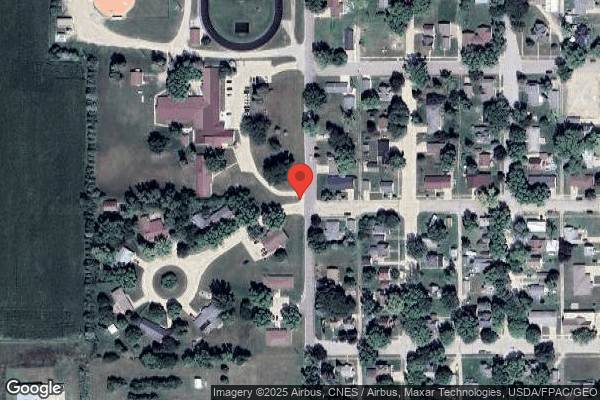
109 MISSION DRIVE, BUFFALO CENTER, IA 50424 (641) 562-2494
Non profit - Corporation 42 Beds Independent Data: November 2025
Trust Grade
90/100
#79 of 392 in IA
Last Inspection: June 2025

Inspected within the last 6 months. Data reflects current conditions.

Overview

Timely Mission Nursing Home in Buffalo Center, Iowa, has earned an excellent Trust Grade of A, indicating it is highly recommended for families seeking care. It ranks #79 out of 392 facilities in Iowa, placing it in the top half, and #2 out of 3 in Winnebago County, suggesting only one other local option is better. The facility is improving, having reduced issues from 2 in 2024 to none in 2025, and boasts a solid staffing rating of 4 out of 5 stars with a turnover rate of 36%, which is below the state average of 44%. Notably, there are no fines on record, and the home offers average RN coverage, ensuring good oversight of resident care. However, there were some concerns revealed during inspections, such as a failure to complete necessary assessments for residents after significant changes in their care and a lack of proper treatment for a resident's pressure ulcers, which indicates areas needing improvement. Overall, families should consider both the strengths and weaknesses when evaluating this facility for their loved ones.

Trust Score
A
90/100
In Iowa
#79/392
Top 20%
Safety Record
Low Risk
No red flags
Inspections
Getting Better
2 → 0 violations
Staff Stability
○ Average
36% turnover. Near Iowa's 48% average. Typical for the industry.
Penalties
✓ Good
No fines on record. Clean compliance history, better than most Iowa facilities.
Skilled Nurses
○ Average
Each resident gets 34 minutes of Registered Nurse (RN) attention daily — about average for Iowa. RNs are the most trained staff who monitor for health changes.
Violations
○ Average
6 deficiencies on record. Average for a facility this size. Mostly minor or procedural issues.
★★★★★
5.0
Overall Rating
★★★★☆
4.0
Staff Levels
★★★★☆
4.0
Care Quality
★★★★★
5.0
Inspection Score
Stable
2024: 2 issues
2025: 0 issues

The Good

  • 4-Star Staffing Rating · Above-average nurse staffing levels
  • 4-Star Quality Measures · Strong clinical quality outcomes
  • Full Sprinkler Coverage · Fire safety systems throughout facility
  • No fines on record
  • Staff turnover below average (36%)

    12 points below Iowa average of 48%

Facility shows strength in staffing levels, quality measures, fire safety.

The Bad

Staff Turnover: 36%

10pts below Iowa avg (46%)

Typical for the industry

The Ugly 6 deficiencies on record

Aug 2024 2 deficiencies
CONCERN (D)

Potential for Harm - no one hurt, but risky conditions existed

Deficiency F0637 (Tag F0637)

Could have caused harm · This affected 1 resident

**NOTE- TERMS IN BRACKETS HAVE BEEN EDITED TO PROTECT CONFIDENTIALITY** Based on record review, staff interview, and Resident Assessment Instrument (RAI) Manual the facility failed to ensure 2 of 2 re...

Read full inspector narrative →
**NOTE- TERMS IN BRACKETS HAVE BEEN EDITED TO PROTECT CONFIDENTIALITY** Based on record review, staff interview, and Resident Assessment Instrument (RAI) Manual the facility failed to ensure 2 of 2 residents (Resident #20 and #19) Significant Change Minimum Data Set (MDS) assessments were completed within 14 days of identifying a significant change occurred. The facility reported a census of 30 residents. Findings include: 1. Record review of Resident #20 revealed a Physicians Order documented the resident was discharged from hospice on 11/22/23. Record review of Resident #20 revealed that a Significant Change MDS was not completed when the resident had been discharged from hospice care. During an interview on 7/30/24 at 1:21 PM, the MDS Coordinator reported when a resident goes on or off hospice she has not done anything for MDS completion for it. She reports the facility follows the RAI Manual. During an interview on 7/30/24 at 2:08 PM, the Director of Nursing reports the facility does not have a policy for MDS. She reports the facility follows the RAI Manual. Review of the current RAI Manual dated 10/2023 on page 2-25 instructed the following: A Significant Change MDS is required to be performed when a terminally ill resident enrolls in a hospice program (Medicare-certified or State-licensed hospice provider) or changes hospice providers and remains a resident at the nursing home. The Significant Change MDS date must be within 14 days from the effective date of the hospice election (which can be the same or later than the date of the hospice election statement, but not earlier than). A Significant Change MDS must be performed regardless of whether an assessment was recently conducted on the resident. This is to ensure a coordinated plan of care between the hospice and nursing home is in place. A Medicare-certified hospice must conduct an assessment at the initiation of its services. This is an appropriate time for the nursing home to evaluate the MDS information to determine if it reflects the current condition of the resident, since the nursing home remains responsible for providing necessary care and services to assist the resident in achieving their highest practicable well-being at whatever stage of the disease process the resident is experiencing. 2. Resident #19's MDS assessment dated [DATE] identified a Brief Interview for Mental Status (BIMS) score of 12, indicating moderately impaired cognition. Review of clinical census revealed Resident #19 was admitted to hospice level of care on 11/30/23. Review of the clinical record revealed the facility did not complete a significant change MDS within 14 days of Resident #19 being admitted to hospice services. The facility completed an annual assessment with an ARD date of 12/28/23 on 1/11/24.
CONCERN (D)

Potential for Harm - no one hurt, but risky conditions existed

Pressure Ulcer Prevention (Tag F0686)

Could have caused harm · This affected 1 resident

**NOTE- TERMS IN BRACKETS HAVE BEEN EDITED TO PROTECT CONFIDENTIALITY** Based on clinical record review, staff interviews, resident interview and policy review the facility failed to assure that a res...

Read full inspector narrative →
**NOTE- TERMS IN BRACKETS HAVE BEEN EDITED TO PROTECT CONFIDENTIALITY** Based on clinical record review, staff interviews, resident interview and policy review the facility failed to assure that a resident with a pressure ulcer received treatment and services, consistent with professional standards of practice, to promote healing of two stage two pressure ulcers for 1 of 3 residents reviewed (Resident #1). The facility reported a census of 30 residents. Finding include: The Minimum Data Set (MDS) assessment identifies the definition of pressure ulcers: Stage I is an intact skin with non-blanchable redness of a localized area usually over a bony prominence. Darkly pigmented skin may not have a visible blanching; in dark skin tones only it may appear with persistent blue or purple hues. Stage II is a partial thickness loss of dermis presenting as a shallow open ulcer with a red or pink wound bed, with slough (dead tissue, usually cream or yellow in color). May also present as an intact or open/ruptured blister. Stage III is full thickness tissue loss. Subcutaneous fat may be visible but bone, tendon or muscle is not exposed. Slough may be present but does not obscure the depth of tissue loss. May include undermining and tunneling. Stage IV is full thickness tissue loss with exposed bone, tendon or muscle. Slough or eschar (dry, black, hard necrotic tissue) which may be present on some parts of the wound bed. Often includes undermining and tunneling or eschar. Unstageable Ulcer: inability to see the wound. Other staging consideration include: Deep Tissue Pressure Injury (DTPI): Persistent non-blanchable deep red, maroon or purple discoloration. Intact skin with localized area of persistent non-blanchable deep red, maroon, purple discoloration due to damage of underlying tissue. This area may be preceded by tissue that is painful, firm, mushy, boggy, warmer, or cooler as compared to adjacent skin. These changes often precede skin color changes and discoloration may appear differently in darkly pigmented skin. This injury results from intense and/or prolonged pressure and shear forces at the bone-muscle interface. Resident #1's MDS assessment dated [DATE] identified a Brief Interview for Mental Status (BIMS) score of 10, indicating moderately impaired cognition. The MDS identified Resident #1 required partial/moderate assistance with sitting up and lying down in bed. The MDS identified Resident #1 was independent with transfers and ambulation150 feet using a walker. The MDS revealed Resident #1 was occasionally incontinent of bowel and bladder. The MDS included diagnoses of hypertension (high blood pressure), diabetes mellitus, and anxiety disorder. The MDS indicated Resident #1 was not at risk for developing pressure ulcers. The MDS documented Resident #1 had a pressure reducing device for the bed. An Incident Report (IR) titled New Pressure Ulcer dated 7/9/24 documented Resident #1 complained of pain to the right buttocks. Upon examination the right inner gluteal was noted to have an open area that measured 0.5 cm (centimeters) x 0.3 cm. No bleeding noted to the open area. The IR revealed Resident #1 sat in her recliner a lot during the day and frequently did not get the right buttocks cleaned after having a bowel movement. The IR lacked documentation of a new intervention to prevent further skin breakdown/pressure areas. The Care Plan revised 7/29/24 revealed Resident #1 had a pressure ulcer on her buttocks related to not wanting to reposition. The Care Plan directed the following: a. Administer treatments as order and monitor effectiveness. b. Assess/record/monitor wound healing weekly. Measure length, width, and depth where possible. Assess and document status of wound perimeter, wound bed and healing process. Report improvements and declines to the Physician. c. Encourage Resident #1 to reposition. d. Monitor during AM/HS cares dressing to ensure it is intact and adhering. Report loose dressing to the charge nurse. e. Monitor/document/report as needed any changes in skin status: appearance, color, wound healing, signs/symptoms of infection, wound size and stage. Resident #1's Care Plan lacked information regarding pressure reducing devices to the bed or chair related to immobility and nutritional supplements to aid in wound healing. Review of Resident #1's [NAME] lacked information and direction regarding skin and pressure reduction interventions such as chair cushion, repositioning, and encouraging Resident #1 to get up and walk. The Braden Scale assessments (tool used to evaluate risk of development of a pressure ulcer) documented a score of 10-12 indicated that the resident had a high risk for pressure sore development, 13-14 meant the resident had a moderate risk, and 15-18 meant the resident had a risk for pressure ulcer development. The review of the Braden Scale assessments completed for Resident #1 from 4/2024 to 7/2024 documented scores on the following dates: 1. 7/7/24= 21 2. 4/19/24=21 Resident #1's clinical records lacked a Braden Scale assessment after the development of the stage 2 pressure ulcer. A facility form titled Wound-Weekly Observation Tool dated 7/10/24 documented Resident #1 had a stage two pressure ulcer to the right inner gluteal. The observation tool documented the area was cleansed with normal saline and a barrier cream applied. The form revealed the facility was waiting for further orders from the Physician. A facility form titled Progress Notes/Communication with the Physician dated 7/10/24 documented Resident #1 had an open area to the right inner gluteal measuring 0.5 cm x 0.3 cm. The area was cleaned and barrier cream applied. The note revealed Resident #1 sat on a cushion while in her recliner. The note documented Resident #1 frequently did not clean herself well following having a bowel movement and sat in her recliner for long periods of time to play her tablet. The Physician responded that the treatment would be for Resident #1 not to sit for long periods of time but that won't happen. The Physician did not provide/direct a treatment order for the pressure wound to the right buttocks. A Progress Note dated 7/10/24 at 10:56 AM documented fax received from the Physician regarding open area to right inner gluteal with no new orders. A Progress Note dated 7/11/24 at 1:31 AM documented Resident #1 continued to complain of discomfort to the right inner gluteal. The pressure area had redness and barrier cream applied. A Progress Note titled Skin/Wound note dated 7/11/24 at 5:17 PM documented a stage two pressure ulcer remained to the right buttock. Resident #1 reported discomfort to the area if she sat the wrong way. The note revealed the pressure ulcer was cleansed, Vaseline applied and a padded foam dressing was applied. Resident #1 reported the dressing helped a little bit. The note documented Resident #1 was educated if the dressing falls off during toileting to use the call light so the area could be redressed. The clinical record lacked a Physician order for the treatment of Vaseline and foam dressing to the pressure ulcer on the right buttocks. A Progress Note titled Nutrition/Dietary note dated 7/12/24 at 11:57 AM documented Resident #1 had a stage two pressure wound to the buttocks. The note documented Resident #1 does eat well with meals but may benefit from Arginaid (nutritional supplement used for wound healing) to assist with wound healing. Review of the clinical record revealed the dietary recommendation for Arginaid was not communicated to the Physician and was not started. A Progress Note dated 7/17/24 at 6:34 AM documented a fax was sent to the Physician requesting a treatment order for Resident #1's pressure area to the right buttocks as the area had not improved. A Progress Note dated 7/17/24 at 1:23 PM documented a fax was received with new order to apply sorbact dressing (non-absorbent wound dressing) to the pressure ulcer to right upper buttocks and to change the dressing every two days and as needed for non-adherence. A Progress Note dated 7/20/24 at 3:53 PM documented Resident #1 had her dressing changed to the right upper buttocks due to complaints of pain. The note revealed Resident #1 had a new stage two pressure ulcer to the lower coccyx and a dressing was applied to the new area. The note indicated Resident #1 had relief with the new dressing change. The progress note lacked documentation regarding the size of the new pressure ulcer and characteristics of the wound. A facility form titled Wound-Weekly observation tool dated 7/20/24 documented Resident #1 had a stage two pressure ulcer to the lower left coccyx. The tool revealed the wound was dry without any drainage. The assessment lacked documentation regarding the measurements/size of the wound, wound bed tissue, odor, periwound tissue and signs/symptoms of inflammation or infection. A Progress Note dated 7/20/24 at 3:54 PM documented a fax was sent to the Physician reporting a new stage two pressure ulcer to the lower coccyx on the left side. The note documented the facility requested a treatment order for sorbact dressing and to cover the area with a foam dressing. The Clinical Record lacked documentation Resident #1's family/resident representative was notified of the new pressure area from 7/20/24. A Progress Note dated 7/22/24 at 9:28 AM documented a fax was received with a new treatment order to apply sorbact dressing to the left side of coccyx and to change the dressing every 7 days and as needed if soiled, saturated, or falls off prior to schedule dressing change. The clinical record lacked documentation Resident #1's family/resident representative was notified of the new treatment orders. A Progress Note dated 7/22/24 at 5:33 PM documented Resident #1 continued to have an open area to coccyx and a new pad was placed in Resident #1's recliner. The note documented staff continued to encourage repositioning and walking in the hallway. Review of facility forms titled Wound-Weekly Observation Tool for Resident #1's pressure ulcer to the right buttocks revealed the pressure ulcer was measured on 7/10/24. The clinical record and wound-weekly observations tools lacked wound measurements after 7/10/24. The clinical record and the facility forms titled Wound-Weekly Observation Tool for Resident #1's pressure ulcer to the left side of the coccyx lacked wound measurements from 7/20/24 to 7/31/24. On 7/29/24 at 1:21 PM, Resident #1 reported she had a sore on her bottom and it was painful. Resident #1 reported she does not like the cushion in her recliner. She stated the cushion makes the sore on her bottom hurt more. On 7/30/24 at 10:40, Staff A, Licensed Practical Nurse (LPN) reported wounds are measured on bath days and documented either on the wound data collection form or in the skin/wound notes. On 7/30/24 at 10:30 AM, the Director of Nursing (DON) reported an Incident Report was not completed for the pressure ulcer on 7/20/24. On 7/30/24 at 12:50 PM, the DON reported Resident #1 had a chair cushion in place at the time the pressure ulcer to the right buttocks was identified. The DON reported the new skin interventions were for the staff to encourage Resident #1 to get up and walk and encourage Resident #1 to walk to breakfast. The DON reported a barrier cream was applied to the pressure area when it was first identified. The DON reported when the second pressure ulcer developed on 7/20/24 she gave Resident #1 a new air cushion but she did not think she documented it. The DON reported she would expect a physician order to be obtained for any wound treatments. On 7/30/24 at 1:28 PM, the DON acknowledged and verified she could not locate any wound measurements for the pressure ulcer to the right buttocks after 7/10/24. The DON also verified she could not locate any wound measurements for the pressure ulcer to the left lower coccyx. The DON stated she would expect pressure ulcers to be measured upon identification and weekly thereafter. The DON reported she would expect the Physician to be notified of any changes in the pressure ulcer. The DON acknowledged and verified she could not locate any family notification regarding the pressure ulcer to the left lower coccyx and the treatment order. The DON reported she had missed the email from the dietician regarding the recommendation for Arginaid and verified the recommendations were not followed up on. On 7/31/24 at 8:00 AM, Staff A, LPN reported Resident #1 does not come out for breakfast. She stated she had worked at the facility for 5 years and has not seen Resident #1 out at breakfast. She stated she eats breakfast in her room and comes out to the dining room for lunch and supper. On 7/31/24 at 9:24 AM, Staff B, Certified Nursing Assistant (CNA) stated she did not recall anything being passed in report about the need to encourage Resident #1 to get up and walk more or reposition more due to pressure ulcers. A facility policy titled Skin Integrity date 4/20 documented the policy was to ensure the resident does not develop pressure ulcers/injuries unless clinically unavoidable and that the facility provide care and services consistent with professional standards. The policy documented the facility must: *Identify whether the resident is at risk for developing or has a pressure ulcer/injury upon admission and thereafter *Evaluate resident specific risk factor and changes in the resident ' s condition that may impact the development and/or healing of the pressure ulcer/injury *Implement, monitor and modify interventions to attempt to stabilize, reduce or remove underlying risk factors and if pressure ulcer/injury present, provide treatment to heal it and prevent the development of additional pressure ulcers/injuries. The policy further documented clinicians will utilize a standardized pressure ulcer/injury risk assessment tool (i.e.braden) to assess a resident ' s pressure ulcer/injury risks: -Upon admission then, -Weekly for the first four weeks after admission, then -Monthly and -Whenever there is a change in resident ' s condition Clinicians are responsible for evaluating each existing and potential risk factor for developing a pressure injury and determining the resident ' s overall risk. It is acceptable if the clinician ' s assessment places the resident at a higher risk level than the overall score of the assessment tool based on assessment factors that are not captured by the tool. The policy documented all goals and interventions to prevent pressure ulcer/injury development as well as treatment to promote healing, prevent infection and the development of new ulcers/injuries will be included in the resident ' s comprehensive care plan developed by the interdisciplinary team following comprehensive assessment. The policy directed with each dressing change or at least weekly (and more often when indicated by wound complication or changes in wound characteristics), an evaluation of the pressure ulcer/injury should be documented. At a minimum, documentation should include the date observed and: -Location and staging -Size, depth, and the presence, location and extent of any undermining or tunneling/sinus tract -Exudate, if present: type, color, odor, and approximate amount -Pain, if present: nature and frequency -Wound bed: color and type of tissue/character including evidence of healing, or necrosis and -Description of wound edges and surrounding tissue as appropriate. -If a pressure ulcer/injury failed to show some evidence of progress toward healing within 2-4 weeks, the area and the resident ' s overall clinical condition should be reassessed. Re-evaluation of the treatment plan included determining whether to continue or modify the current interventions. The resident ' s physician must be notified/consulted regarding the status of the pressure ulcer/injury and prescribe treatment going forward, if appropriate. -Residents will be assessed for evidence of pain and appropriate measures and modifications be provided to relieve and/or diminish pain.
Aug 2023 4 deficiencies
CONCERN (D)

Potential for Harm - no one hurt, but risky conditions existed

Transfer Notice (Tag F0623)

Could have caused harm · This affected 1 resident

**NOTE- TERMS IN BRACKETS HAVE BEEN EDITED TO PROTECT CONFIDENTIALITY** Based on record review and staff interview, the facility failed to notify the Long Term Care (LTC) Ombudsman of a resident trans...

Read full inspector narrative →
**NOTE- TERMS IN BRACKETS HAVE BEEN EDITED TO PROTECT CONFIDENTIALITY** Based on record review and staff interview, the facility failed to notify the Long Term Care (LTC) Ombudsman of a resident transfer to the hospital for 1 of 2 residents reviewed for hospitalizations (Resident #3). The facility reported a census of 28 residents. Findings include: The Minimum Data Set (MDS) dated [DATE] documented Resident #3 had a re-entry date of 4/12/23 from an acute visit to the hospital. The MDS further documented a Brief Interview for Mental Status (BIMS) of 5 indicating severe cognitive impairment and the resident required extensive physical assistance with bed mobility, toilet use and transfers. Review of the census in the Electronic Health Record (EHR) for Resident #3 revealed the resident transferred to the hospital 4/8/23 and returned to the facility following the hospitalization 4/12/23. Review of Progress Notes dated 4/12/23 revealed Resident #3 returned to the facility following a hospital stay for a left femur (thigh bone) repair. Review of the facility's Notice of Transfer Form to the LTC Ombudsman for April 2023 transfers lacked Resident #3's name regarding her transfer to the hospital. On 8/16/23 at 1:16 PM the Administrator revealed the facility did not have a written policy on submitting transfers/discharges to the Ombudsman. The Administrator further revealed it was discovered in June 2023 that the social worker was not receiving information regarding all of the facility transfers.
CONCERN (D)

Potential for Harm - no one hurt, but risky conditions existed

Assessment Accuracy (Tag F0641)

Could have caused harm · This affected 1 resident

**NOTE- TERMS IN BRACKETS HAVE BEEN EDITED TO PROTECT CONFIDENTIALITY** 2. Resident #23 ' s MDS dated [DATE] documented he received an antipsychotic medication seven out of seven days in the lookback ...

Read full inspector narrative →
**NOTE- TERMS IN BRACKETS HAVE BEEN EDITED TO PROTECT CONFIDENTIALITY** 2. Resident #23 ' s MDS dated [DATE] documented he received an antipsychotic medication seven out of seven days in the lookback period. The June 2023 Medication Administration Record (MAR) lacked documentation of an antipsychotic medication given. During an interview on 8/15/23 at 12:59 p.m. the DON reported the MDS was marked for an antipsychotic medication because Resident #23 was on sertraline. The DON reported she would check with the MDS Coordinator as to why it was marked for an antipsychotic. During interview on 8/15/23 at 1:13 p.m. with the DON and the Administrator, the DON verbalized the MDS was marked wrong for the medication on the 6/30/23 MDS and the facility was working on submitting an amendment. On 8/16/23 at 1:37 p.m. the MDS Coordinator reported the facility follows the RAI manual for instructions on completing MDS assessments. The RAI manual page N-6 under Coding Instructions directs to code medications according to the pharmacological classification, not how they are being used. Based on clinical record review, staff interviews, and the 2019 Resident Assessment Instrument (RAI) manual the facility failed to accurately document and submit accurate resident Minimum Data Set (MDS) Assessment for 2 of 5 residents reviewed (Resident #21 and #23). The facility reported a census of 28 residents. Findings include: 1.The Minimum Data Set (MDS) dated [DATE] documented Resident #21 had diagnoses including diabetes mellitus, heart failure and traumatic brain injury and lacked psychiatric/mood disorder diagnoses. The MDS further documented the resident received an antidepressant 7 out of the last 7 days. Review of the Medication Administration Record (MAR) dated for June 2023 and July 2023 for Resident #21 lacked an order for and administration of an antidepressant. During an interview on 8/15/23 at 1:11 PM, the DON acknowledged the 7/5/23 MDS was coded incorrectly regarding Resident #21 and the use of an antidepressant.
CONCERN (D)

Potential for Harm - no one hurt, but risky conditions existed

Deficiency F0801 (Tag F0801)

Could have caused harm · This affected 1 resident

Based on personnel file review and staff interview, the facility failed to employ a qualified director of food and nutrition services. The facility reported a census of 28 residents. Findings include...

Read full inspector narrative →
Based on personnel file review and staff interview, the facility failed to employ a qualified director of food and nutrition services. The facility reported a census of 28 residents. Findings include: During an interview on 8/14/23 at 10:20 AM, the Dietary Manager acknowledged not having a certification in dietary management, a certification as a food service manager, an Associate ' s or Bachelor ' s degree in food service management or two or more years of experience in the position of director of food and nutrition services in a nursing facility setting. During an interview on 8/15/23 at 10:50 AM, the Administrator confirmed the Dietary Manager employed at the facility was not qualified for the position. The Administrator denied the facility has a policy for a Certified Dietary Manager. A review of the personnel file for the Dietary Manager revealed a lack of documentation for certification as a Dietary Manager or qualifications for the position of director of food and nutrition services.
CONCERN (D)

Potential for Harm - no one hurt, but risky conditions existed

Food Safety (Tag F0812)

Could have caused harm · This affected 1 resident

Based on observation, staff interviews and policy review, the facility failed to ensure open items were dated, covered and labeled. The facility further failed to ensure staff used proper food handlin...

Read full inspector narrative →
Based on observation, staff interviews and policy review, the facility failed to ensure open items were dated, covered and labeled. The facility further failed to ensure staff used proper food handling procedures to prevent possible contamination of food. The facility reported a census of 28 residents. Findings include: Observation on 8/14/23 at 10:20 AM in the main kitchen with the Dietary Manager (DM) present revealed the following: a. Open undated bag of approximately 1 gallon of cubed pepperoni. b. Open undated bag of approximately 1 gallon of chicken fried steak patties. c. Open undated bag of approximately 12 ounces of pancake mix. d. Open undated bag of approximately 12 ounces of stuffing mix. During an interview on 8/14/23 at 10:20 AM the DM revealed the items should have been dated when opened, labeled and sealed. During an interview on 8/16/23 at 3:00 PM, the DON acknowledged the items should have been dated when opened, labeled and sealed. Review of facility Food Storage policy, undated, documented under the procedure, all items must be covered, labeled and dated. The policy further documented all food that has been opened and partially used shall be dated and sealed before returning to a storage area. On 8/16/23 at 11:30 AM, Staff A, cook, was observed to be wearing food service gloves to serve the lunch meal, touching plates, ladling/tong handles and the surface of the table. Staff A used gloved hands to place bread on plates. Staff A was observed taking bread off of plates and placing the bread back into the bread container to be served to other residents. Staff A was observed to use the same gloved hand to grab green beans to remove them from a plate, and then using the gloved hand to place bread on plates. On 8/17/23 at 7:30 AM, Staff A was observed cooking breakfast without wearing food service gloves. Staff A was observed picking scrambled eggs off the head of the spatula with a bare hand and then continue to use this spatula to prepare pancakes and eggs without sanitizing the spatula or washing hands. Staff A used bare hands to remove two pancakes off a plate for one resident and place them on a plate for another resident. During an interview on 8/17/23 at 7:50 AM, Staff A acknowledged receiving training on proper food handling procedures. Staff A indicated food should be thrown away if plated in error for a resident, and food should be placed on a plate for a resident with clean and sanitized utensils, not with bare or gloved hands. During an interview on 8/17/23 at 8:05 AM, the DON acknowledged the expectation is to discard food if already plated for a resident in error. The DON further advised an expectation to wash hands and sanitize utensils after touching the head of a spatula with a hand, as well as an expectation to use utensils to plate food, not bare or gloved hands. Review of the facility Food Safety policy, undated, documented under the purpose section to ensure the facility follows proper sanitation and food handling practices to prevent the outbreak of foodborne illness. Documented under the procedure section of the policy facility employees should never use bare hand contact with any foods, ready to eat or otherwise. The use of disposable gloves is not a substitute for proper hand washing. Hands must be washed before putting on gloves and after removing gloves as well as between tasks, between handling raw meats and ready to eat foods, and between handling soiled and clean dishes.
Understanding Severity Codes (click to expand)
Life-Threatening (Immediate Jeopardy)
J - Isolated K - Pattern L - Widespread
Actual Harm
G - Isolated H - Pattern I - Widespread
Potential for Harm
D - Isolated E - Pattern F - Widespread
No Harm (Minor)
A - Isolated B - Pattern C - Widespread

Questions to Ask on Your Visit

  • "Can I speak with families of current residents?"
  • "What's your RN coverage like on weekends and overnight?"

Our Honest Assessment

Strengths
  • • Grade A (90/100). Above average facility, better than most options in Iowa.
  • • No major safety red flags. No abuse findings, life-threatening violations, or SFF status.
  • • No fines on record. Clean compliance history, better than most Iowa facilities.
  • • 36% turnover. Below Iowa's 48% average. Good staff retention means consistent care.
Concerns
  • • No significant concerns identified. This facility shows no red flags across CMS ratings, staff turnover, or federal penalties.
Bottom line: Generally positive indicators. Standard due diligence and a personal visit recommended.

About This Facility

What is Timely Mission Nursing Home's CMS Rating?

CMS assigns Timely Mission Nursing Home an overall rating of 5 out of 5 stars, which is considered much above average nationally. Within Iowa, this rating places the facility higher than 99% of the state's 100 nursing homes. This rating reflects solid performance across the metrics CMS uses to evaluate nursing home quality.

How is Timely Mission Nursing Home Staffed?

CMS rates Timely Mission Nursing Home's staffing level at 4 out of 5 stars, which is above average compared to other nursing homes. Staff turnover is 36%, compared to the Iowa average of 46%. This relatively stable workforce can support continuity of care.

What Have Inspectors Found at Timely Mission Nursing Home?

State health inspectors documented 6 deficiencies at Timely Mission Nursing Home during 2023 to 2024. These included: 6 with potential for harm.

Who Owns and Operates Timely Mission Nursing Home?

Timely Mission Nursing Home is owned by a non-profit organization. Non-profit facilities reinvest revenue into operations rather than distributing to shareholders. The facility operates independently rather than as part of a larger chain. With 42 certified beds and approximately 33 residents (about 79% occupancy), it is a smaller facility located in BUFFALO CENTER, Iowa.

How Does Timely Mission Nursing Home Compare to Other Iowa Nursing Homes?

Compared to the 100 nursing homes in Iowa, Timely Mission Nursing Home's overall rating (5 stars) is above the state average of 3.1, staff turnover (36%) is significantly lower than the state average of 46%, and health inspection rating (5 stars) is much above the national benchmark.

What Should Families Ask When Visiting Timely Mission Nursing Home?

Based on this facility's data, families visiting should ask: "Can I visit during a mealtime to observe dining assistance and food quality?" "How do you handle medical emergencies, and what is your hospital transfer rate?" "Can I speak with family members of current residents about their experience?"

Is Timely Mission Nursing Home Safe?

Based on CMS inspection data, Timely Mission Nursing Home has a clean safety record: no substantiated abuse findings (meaning no confirmed cases of resident harm), no Immediate Jeopardy citations (the most serious violation level indicating risk of serious injury or death), and is not on the Special Focus Facility watch list (a federal program monitoring the lowest-performing 1% of nursing homes). The facility has a 5-star overall rating and ranks #1 of 100 nursing homes in Iowa. While no facility is perfect, families should still ask about staff-to-resident ratios and recent inspection results during their visit.

Do Nurses at Timely Mission Nursing Home Stick Around?

Timely Mission Nursing Home has a staff turnover rate of 36%, which is about average for Iowa nursing homes (state average: 46%). Moderate turnover is common in nursing homes, but families should still ask about staff tenure and how the facility maintains care continuity when employees leave.

Was Timely Mission Nursing Home Ever Fined?

Timely Mission Nursing Home has no federal fines on record. CMS issues fines when nursing homes fail to meet care standards or don't correct problems found during inspections. The absence of fines suggests the facility has either maintained compliance or corrected any issues before penalties were assessed. This is a positive indicator, though families should still review recent inspection reports for the full picture.

Is Timely Mission Nursing Home on Any Federal Watch List?

Timely Mission Nursing Home is not on any federal watch list. The most significant is the Special Focus Facility (SFF) program, which identifies the bottom 1% of nursing homes nationally based on persistent, serious quality problems. Not being on this list means the facility has avoided the pattern of deficiencies that triggers enhanced federal oversight. This is a positive indicator, though families should still review the facility's inspection history directly.