St Anthony Nursing Home
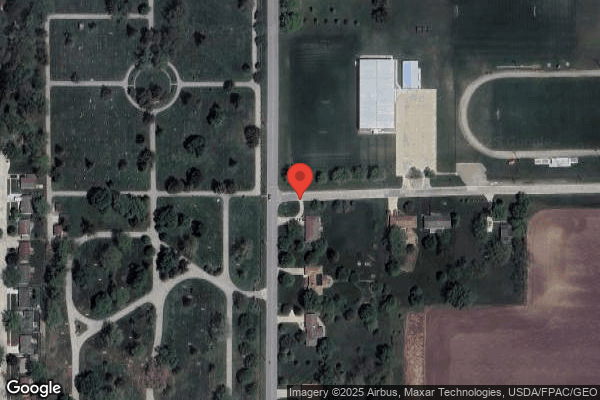
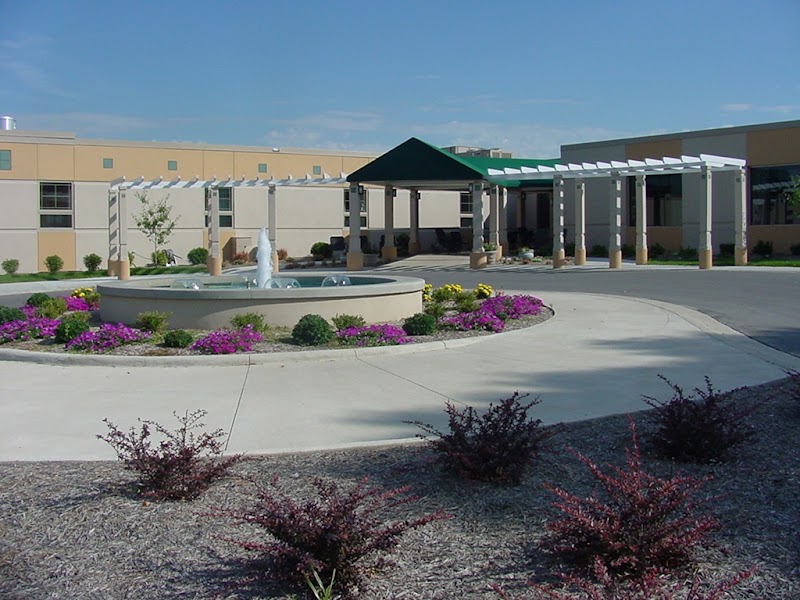
406 EAST ANTHONY STREET, CARROLL, IA 51401 (712) 794-5455
Non profit - Church related 79 Beds Independent Data: November 2025 1 Immediate Jeopardy citation
Trust Grade
31/100
#383 of 392 in IA
Last Inspection: January 2025

Within standard 12-15 month inspection cycle. Federal law requires annual inspections.

Overview

St. Anthony Nursing Home has received a Trust Grade of F, indicating significant concerns about its overall quality of care. It ranks #383 out of 392 facilities in Iowa, placing it in the bottom half of nursing homes in the state, and #4 out of 4 in Carroll County, meaning only one local option is worse. Although the facility's trend is improving, with issues decreasing from 9 in 2024 to 4 in 2025, it still reported 15 total deficiencies, including critical safety failures like using unmonitored space heaters in resident rooms and improperly securing lift slings during transfers, which resulted in a resident falling and getting injured. Staffing ratings are poor with a score of 1 out of 5, but the turnover rate is remarkably low at 0%, which is good. However, the facility has incurred $12,038 in fines, indicating some compliance issues, and it lacks RN coverage, which is concerning as RNs are crucial for identifying risks.

Trust Score
F
31/100
In Iowa
#383/392
Bottom 3%
Safety Record
High Risk
Review needed
Inspections
Getting Better
9 → 4 violations
Staff Stability
○ Average
Turnover data not reported for this facility.
Penalties
⚠ Watch
$12,038 in fines. Higher than 96% of Iowa facilities. Major compliance failures.
Skilled Nurses
○ Average
RN staffing data not reported for this facility.
Violations
⚠ Watch
15 deficiencies on record. Higher than average. Multiple issues found across inspections.
★☆☆☆☆
1.0
Overall Rating
★☆☆☆☆
1.0
Staff Levels
★★★☆☆
3.0
Care Quality
★★☆☆☆
2.0
Inspection Score
Stable
2024: 9 issues
2025: 4 issues

The Good

  • Full Sprinkler Coverage · Fire safety systems throughout facility
  • No fines on record

Facility shows strength in fire safety.

The Bad

1-Star Overall Rating

Below Iowa average (3.0)

Significant quality concerns identified by CMS

Federal Fines: $12,038

Below median ($33,413)

Minor penalties assessed

The Ugly 15 deficiencies on record

1 life-threatening
Jan 2025 4 deficiencies
CONCERN (D)

Potential for Harm - no one hurt, but risky conditions existed

Deficiency F0578 (Tag F0578)

Could have caused harm · This affected 1 resident

**NOTE- TERMS IN BRACKETS HAVE BEEN EDITED TO PROTECT CONFIDENTIALITY** Based on resident record review, staff interviews, observation and facility policy review the facility failed to verify the resi...

Read full inspector narrative →
**NOTE- TERMS IN BRACKETS HAVE BEEN EDITED TO PROTECT CONFIDENTIALITY** Based on resident record review, staff interviews, observation and facility policy review the facility failed to verify the resident's advanced directive choice documented accurately for 1 (Resident #58) of 24 residents reviewed. The facility reported a census of 76 residents. Findings include: The Resident Dashboard for Resident #58, dated [DATE], documented the resident was admitted to the facility on [DATE] and a current Code Status, Advanced Directive of Do Not Attempt Resuscitation (DNR). Resident #58's Iowa Physician Orders for Scope of Treatment (IPOST), signed by the physician [DATE], documented Cardio Pulmonary Resuscitation (CPR). Resident #58's Iowa Physician Orders for Scope of Treatment (IPOST), signed by the physician [DATE], documented DNR. Resident #58's Order Summary Report dated [DATE], documented a physician's order for DNR with order date [DATE]. Interview on [DATE] at 1:25 PM, Staff G, Registered Nurse stated all full code residents are listed on a sheet at the nurse's station, charts are purple, have star on the nametag at resident's room doorway, and have a red band on their walker or wheelchair and in an emergency situation that is the order she would look for the code status usually, depending on where the resident is. Observation on [DATE] at 3:30 PM, Resident #58 did not have a star on the name tag at room doorway, chart was green, and no red band observed on bed or wheelchair. Resident #58 was not on the Full Code list in the nurse's station. Facility policy, Advanced Directives last revised 8/2023, documented changes to the resident choices for advanced directives will be documented, included in the resident plan of care, Iowa specific documents will be updated as necessary, physician orders will be obtained to reflect new choices as applicable and all items will be communicated to staff providing resident care. Interview on [DATE] at 1:49 PM, the Director of Nursing confirmed the physician's order and IPOST did not match and her expectation to for the records to be accurate and match.
CONCERN (D)

Potential for Harm - no one hurt, but risky conditions existed

Comprehensive Care Plan (Tag F0656)

Could have caused harm · This affected 1 resident

Based on resident record review, staff interview, and facility policy review the facility failed to develop and implement a comprehensive person-centered care plan to include a resident's diagnoses an...

Read full inspector narrative →
Based on resident record review, staff interview, and facility policy review the facility failed to develop and implement a comprehensive person-centered care plan to include a resident's diagnoses and treatment for urinary tract infection two times since admission and history of within 30 days of admission for 1 resident (Resident #16) of 18 residents reviewed for care plans. The facility reported a census of 76 residents. Findings include: The Minimum Data Set (MDS) for Resident #16, dated 10/31/24, included diagnosis Non-Alzheimer's Dementia and Urinary Tract Infection (UTI) (in the last 30 days). The MDS documented the resident was frequently incontinent of urine. Resident #16's Medication Administration Record (MAR) for 11/24 - 11/30/24 documented a physician's order started 11/27/24 for Macrobid (urinary anti-infective medication) two times a day for a UTI. Resident #16's Order Summary Report dated 1/22/25, documented a physician's order dated 1/14/25 for Cefurixine (antibiotic medication) two times a day for UTI for 10 days. Resident #16's Care Plan lacked inclusion of the UTI's, treatment, and interventions to prevent/monitor. Facility policy Comprehensive Care Plan Development last revised 10/2023, revealed the Care Plan will include measurable objectives and time frames to meet the resident's medical, nursing, mental and psychosocial needs identified in the comprehensive assessment. Interview on 1/23/25 at 9:02 AM, Staff H, MDS Coordinator confirmed the UTI's were not included the resident's care plan and expectation for the UTI's to be included in the care plan.
CONCERN (D) 📢 Someone Reported This

A family member, employee, or ombudsman was alarmed enough to file a formal complaint

Potential for Harm - no one hurt, but risky conditions existed

Pharmacy Services (Tag F0755)

Could have caused harm · This affected 1 resident

**NOTE- TERMS IN BRACKETS HAVE BEEN EDITED TO PROTECT CONFIDENTIALITY** Based on observation, interview and clinical record review, the facility failed to ensure an accurate accounting of Scheduled 2 ...

Read full inspector narrative →
**NOTE- TERMS IN BRACKETS HAVE BEEN EDITED TO PROTECT CONFIDENTIALITY** Based on observation, interview and clinical record review, the facility failed to ensure an accurate accounting of Scheduled 2 (II) (high potential for abuse) controlled medications for 1 of 3 residents reviewed. On 1/3/25, staff reported that Resident #44 was missing a dose of Ativan. The facility reported a census of 76 residents. Findings include: According to the Minimum Data Set, dated [DATE], Resident #44 was rarely understood so he was unable to complete Brief Interview for Mental Status assessment. Resident #44 required substantial assistance with toileting, showering and dressing, and supervision only with chair to bed transfers and walking. The resident had disorganized thinking, hallucinations, delusions, and daily physical symptoms directed toward others such as hitting, grabbing and pushing. The Care Plan for Resident #44 showed that the resident had episodes of behaviors such as combativeness, name calling and occasional refusal of medication/care resist cares. Staff were directed to administer medication as ordered and to monitor/document for side effects and effectiveness. A Nursing Note dated 1/3/25 at 11:40 AM, showed that on the morning of 1/3/25, Staff B Licensed Practical Nurse (LPN), discovered that the number of Ativan for Resident #44 did not match the number of Ativan that had been used. The Orders tab in the electronic chart showed that Resident #44 had an order dated 5/24/24 at 4:13 PM, for lorazepam (Ativan) topical gel, 0.5 milligrams/0.25 milliliter. Apply to wrist topically every 4 hours as needed for anxiety and behaviors, And, apply to wrist topically three times a day for anxiety and behaviors; mid-morning, midafternoon and at bedtime. A Pharmacy Delivery Note, signed by Staff F, Registered Nurse (RN), showed that on 12/31/25, 45 syringes of topical Ativan had been delivered to the facility. The Resident Controlled Substance Record for Resident #44 showed that with the addition of the 45 syringes, on 12/31/24 at 6:30 PM, there were 50 total syringes. The medication was used 7 times from the time of delivery until the night of 1/2/25. Upon count on 1/3/25 at 7:30 AM, there were 42 syringes remaining. On 1/21/25 at 10:45 AM, Staff D, LPN, said that on the morning of 1/2/25, she counted the narcotics with the overnight nurse and everything had been verified. She said that looked at the Ativan syringes for Resident #44, and counted the bundles and compared to the narc sheets with no concerns. She said that when she counted again at 2:00 PM with Staff C there were no discrepancies and they had counted each syringe in the bundles. They were not in a hurry and did not get disrupted during the count. On 1/22/25 at 10:01 AM, Staff C, LPN said that when she came into work at the 2:00 PM on 1/2/25, the outgoing nurse, Staff D was in a rush and told her she didn't need to count all of the syringes. She said that she made the mistake of believing that there were 10 in each bundle and didn't verify. Staff C said that Staff D had given two doses on the day shift, but had only documented that one had been given. She said that she didn't really know what the expectation was for counting of scheduled medications. In an observation on 1/22/25 at 7:35 AM, it was discovered that Staff D had signed the Nurses; Count of Narcotics and Drugs spreadsheet for the ongoing shift at 6:00 AM and also for the outgoing nurse at 2:00 PM. On 1/22/25 at 10:17 AM, Staff B said that when she worked on the morning of 1/3/25 and counted the narcotics with the overnight nurse, (Staff A), Staff A, LPN told her that there had been one Ativan missing from one of the bundles when she counted with the outgoing nurse at 10:00 PM the night before. Staff B acknowledged that the syringes were delivered in bundles of ten, with a rubber band holding the bundle together. She said that she would always count to make sure there were 10 in each of the bundles. On 1/3/25, one of the bundles had just 9 syringes. On 1/22/25 at 10:55 AM, Staff A, LPN said that she worked the overnight shift on 1/2/25 and before she started her shift at 10:00 PM, she counted the Schedule II medications with Staff C. At that time, the number of Ativan syringes for Resident #44, did not correspond with the documentation. She looked around in the drawers and in the medication room for the missing syringe. When she did not find it, she went on with her shift, hoping that it would show up somewhere throughout the night. Staff A acknowledged that in the past, there were times that the nurses would get in a hurry with the counting between shifts, and they wouldn't always look at the bundles to confirm that there were 10 in each bundle. On 1/22/25 at 2:27 PM, Staff E, LPN said that she worked full time at the facility and was aware of the expectation to count all of the Schedule II medications at shift change. She acknowledged that there were times when the nurses would get in a hurry and not count all of the individual syringes in the bundles. On 1/22/25 at 2:13 PM, when asked why she had signed on the line for the 2:00 PM outgoing shift earlier that morning, Staff D she that she was taught to sign both lines right away. She acknowledged that the purpose of the signature would be to verify that she had counted the Schedule II drugs with another nurse. On 1/23/25 at 10:15 AM, The Director of Nursing (DON) said that the nurses were expected to sign the shift change sheet at the time that they count with the other nurse. She said that the agency staff were taught about processes and expectation at the time of orientation. According to the Orientation Checklist For Nurses, Staff C had initialed the Trainee and Trainer columns. The checklist lacked reference to an orientation on the counting and verification of Schedule II medications. According to the Facility Policy titled: Narcotic Medication Management, last reviewed on 2/2024, Narcotic counts would be conducted at shift change by the oncoming nurse and outgoing nurse. Any discrepancies would be reported immediately to the supervisor.
CONCERN (E)

Potential for Harm - no one hurt, but risky conditions existed

Food Safety (Tag F0812)

Could have caused harm · This affected multiple residents

Based on observation, staff interviews and policy review, the facility failed to ensure open items were dated, covered and labeled. The facility further failed to ensure staff used proper hand hygiene...

Read full inspector narrative →
Based on observation, staff interviews and policy review, the facility failed to ensure open items were dated, covered and labeled. The facility further failed to ensure staff used proper hand hygiene practices during lunch service while serving food. The facility reported a census of 76 residents. Findings include: 1. Observation 1/21/25 at 10:00 AM in the main kitchen with Staff I, Food and Service Director, present revealed the following: a. Two open undated bags of pasta b. Open undated bag of graham cracker crumbs During an interview 1/21/25 at 10:20 AM, Staff I stated an expectation the food is dated, labeled and sealed after it is opened. Staff I stated an intention to label and date these food items and return them to the pantry. Review of the facility Food Storage Guidelines policy, with a revision date of 12/24, documented food not served in the service of a meal will be handled safely to prevent contamination or spoilage. Unused foods are identified, labeled and dated. 2. During an observation 1/21/25, beginning at 11:30 AM, Staff J, kitchen staff, served residents lunch, plated the food without sanitizing hands in between. Observed Staff J touch the tip of a straw while taking it out of a wrapper and place it in a resident's cup, stirring the chocolate milk with the tip of the straw. Staff J opened cartons of milk for two residents, touching the inner carton where a resident drinks from. Staff J then served two residents, getting the flood plated from the steam table without sanitizing hands in between; touched the tray, dishware, serving utensils and plates, bowls. Staff J then went into the kitchen, touching handle to kitchen door, came back out of the kitchen and did not sanitize hands, began plating food for a resident. Staff J touched a hamburger bun with bare hands while cutting it in half with a knife. Staff J then served the resident, did not sanitize hands. During an observation 1/22/25, beginning at 11:15 AM, Staff K, kitchen staff, did not sanitize her hands in between serving residents. Staff K would plate the food and drinks and silverware, touching surfaces, then deliver the food to residents, touching the table, and at times assisting residents with taking the lid off of ice cream or using the resident's spoon to stir or their knife and fork to cut food. Staff K opened resident's milk cartons, touching the interior of the carton. Staff K served several residents without sanitizing her hands in between residents, touching several surfaces and plating food for residents. During an interview 1/22/25 at 1:01 PM, the Director of Nursing (DON) stated an expectation staff sanitize their hands in between serving residents, there is a hand sanitizer dispenser next to the tray cart, they are expected to put the tray used to serve a resident on the tray cart, and then sanitize their hands before getting a clean tray and serving another resident. During an interview 1/22/25 at 1:20 PM, Staff I stated an expectation staff sanitize their hands in between serving residents. Review of the facility Infection Prevention and Control/Employee Health and Hygiene/Hand Washing in Food and Nutrition policy, with a revision date of 12/24, documented food employees shall keep their hands and exposed portions of their arms clean to prevent foodborne illnesses and the spread of communicable diseases.
Jan 2024 9 deficiencies 1 IJ (1 affecting multiple)
CRITICAL (K) 📢 Someone Reported This

A family member, employee, or ombudsman was alarmed enough to file a formal complaint

Immediate Jeopardy (IJ) - the most serious Medicare violation

Accident Prevention (Tag F0689)

Someone could have died · This affected multiple residents

**NOTE- TERMS IN BRACKETS HAVE BEEN EDITED TO PROTECT CONFIDENTIALITY** Based on observations, clinical record review, resident and staff interviews, and facility policy review, the facility failed to...

Read full inspector narrative →
**NOTE- TERMS IN BRACKETS HAVE BEEN EDITED TO PROTECT CONFIDENTIALITY** Based on observations, clinical record review, resident and staff interviews, and facility policy review, the facility failed to protect residents from possible accidents and injuries. An electric space heater was used to provide supplemental heat to 3 rooms without out monitoring or supervision. Two rooms were in the Memory Care Unit with residents who had Brief Interview for Mental Status (BIMS) scores of 3 and 5 out of 15, indicating severe cognitive impairment. One resident was ambulatory and at risk for unsafe wandering per their Care Plan. Space heaters were provided on the weekend of 1/13/24 and removed 1/22/24 for 4 of 74 residents reviewed (Resident #1, #20, #30, and #173). The facility staff also failed to attach a lift sling to a mechanical lift correctly when transferring a resident, resulting in a fall with injury to 1 of 3 residents reviewed (Resident #29). These failures resulted in an Immediate Jeopardy (IJ) of the safety and welfare for the residents. The State Agency informed the facility the Immediate Jeopardy (IJ) began as of January 13, 2024 on January 23, 2024 at 1:54 P.M. The Facility Staff removed the Immediate Jeopardy on January 24, 2024 through the following actions: a. The Administrator immediately removed the space heaters and power strips and conducted a facility wide investigation and removed all additional space heaters. b. The facility updated their system wide Fire Safety Plan with the following verbiage: FIRE PREVENTION: a. Fire prevention is the primary goal of the St. [NAME] Fire Safety Plan. Cleanliness and orderliness: Trash or other combustible materials are not allowed to accumulate. Hallways are kept clear and free of clutter. b. Care: Fires are often caused by carelessness. [Facility Name Redacted] is a smoke-free campus. Patients and residents may smoke only with a Physician Order outside the facility with a signed consent form. c. All staff are alert for any variance in this policy or carelessness in disposal of smoking materials. d. Staff must exercise due care when operating electrical equipment. Items not in proper working condition must be disconnected and reported for repair. e. Staff must observe warning labels and follow established storage and usage procedures when using flammable liquids and gases. f. The use of portable space heaters is prohibited in all [ Facility Name Redacted] facilities, including non-patient care areas. g. Also all managers were emailed to remove all heaters campus wide. h. All nursing home staff were notified via the electronic health records computer program facility bulletin board. i. To prevent any recurrence a facility designee in conjunction with the Safety Office will complete a weekly safety audit for one month and then monthly for 2 months to ensure no heaters are present. The scope was lowered from a K to an E at the time of the survey after ensuring the facility removed all space heaters, implemented education and their policy and procedures. The facility reported a census of 74 residents. Findings Include: 1. The Minimum Data Set (MDS) assessment dated [DATE], documented Resident #1 with a Brief Interview for Mental Status (BIMS) of 4 indicating severe cognitive impairment. The MDS documented a diagnosis of dementia and spastic hemiplegic cerebral palsy. On 1/23/24 at 12:36 PM Resident #1 stated that she had to put a coat on because it was cold. Resident #1 stated a space heater was provided the weekend of 1/13/24 for her room. 2. The MDS dated [DATE], documented Resident #20 with a BIMS of 3 indicating severe cognitive impairment. The MDS documented a diagnosis of Alzheimer's, dementia, and a history of falling. Review of Resident #20's Care Plan dated 11/30/23 revealed the resident is ambulatory with use of a walker and at risk for injury due to unsafe wandering. 3. The MDS dated [DATE], documented Resident #30 with a BIMS of 12 indicating moderate cognitive impairment. The MDS documented a diagnosis of Alzheimer's, dementia, and difficulties in walking. On 1/23/24 at 12:26 PM, Resident #30 stated it was cold in her room the weekend of 1/13 and 1/14 and she requested a heater. Resident #30 stated the facility brought in a heater and it warmed up the room. Resident #30 stated she did not remember who brought the space heater into her room but they just removed them yesterday. 4. The MDS dated [DATE], documented Resident #173 with a BIMS of 5 indicating severe cognitive impairment. The MDS documented a diagnosis of Alzheimer's, fracture of patella (knee), and dementia. Review of Resident #173's Care Plan with a revision date of 1/10/24 revealed Resident #173 a high risk for falls and falls with major injury. Interventions to encourage Resident #173 to ask for assistance when wanting to transfer or ambulate. An observation on 1/22/24 at 3:13 PM, revealed a space heater and power strip in Resident #173's room. Observation further revealed the space heater was on and warm to the touch, with the space heater plugged into the wall outlet. A radio and cell phone were plugged into the power strip. On 1/22/24 at 4:03 PM, the Administrator stated he would remove the space heater immediately. The Administrator stated the temperature outside was cold the weekend of 1/12/24 and 1/13/24 and thought the space heaters were going to be short term. Stated the space heater should not have been in the residents' room. On 1/23/24 at 8:07 AM, the Administrator stated Charge Nurse, Staff A put the space heater in the residents' rooms over the weekend, after requesting to put the space heaters in the room. The Administrator stated the heater in the ceiling was not working appropriately that weekend. The Administrator stated the space heater does not have an automatic shut off that he was aware of. The Administrator stated the facility did not have permission to use space heaters from the State Fire Marshal. The Administrator reported Resident #173's family brought the power strip into the room. The Administrator explained an approved power strip now in the room. The Administrator stated Resident #173's family did not ask to bring the power strip into the resident's room. The Administrator reported the space heater was for temporary situations until the heat could be returned to the room. The Administrator stated space heaters were put in the resident's rooms on the weekend of 1/13/23. On 1/23/24 at 8:31 AM, Staff A, Registered Nurse RN stated she did not work the weekend of 1/13/24. Staff A stated she came in on 1/15/24 and called the Administrator and he stated that the space heaters were the temporary fix for the blizzard. Staff A stated she never requested and space heaters and thought the family brought the space heaters in. Staff A stated she never checked on the space heaters, never turned the space heaters on or off. On 1/23/24 at 8:36 AM, Staff M, Certified Nursing Assistant (CNA) stated she was aware of the space heaters. Staff M stated the residents' rooms were cold and Maintenance brought them in. Staff M stated Resident #20 and Resident #173 had space heaters in their rooms on the Memory Care Unit. Staff M reported she did not touch the space heater, or turn the space heaters on, off, or check them. Staff M explained she had talked to other staff as well as the nurse and was told Maintenance brought the space heaters down and the space heaters that were provided were acceptable to use in the residents' rooms. On 1/23/24 at 8:42 AM the Director of Nursing (DON) stated she was not aware that a space heater was in Resident #173's room, and only used in last resort incidents. The DON reported she unaware the rooms were cold. The DON explained the Administrator stated Resident #20 also had a space heater in her room. The DON stated the facility's expectation was once heat was restored to an acceptable measure that the space heaters would be removed. The DON said the facility had no protocols in place with nursing because she was unaware the space heaters were in the residents' rooms. On 1/23/24 at 9:21 AM, Staff N, Maintenance Staff stated received a phone call on the weekend of January 13th and 14th. Staff N explained there was a request from a resident and a resident's family member because the rooms were cold. Staff N reported he delivered space heaters to room [ROOM NUMBER] and 211 on the weekend of 1/13/14. Staff N stated to his knowledge the heating issue and space heaters were never followed up on. On 1/23/24 at 9:37 AM, Staff O, Facility Maintenance Director, stated he did not know if the space heaters were approved by the State Fire Marshal. Staff O reported unsure if there was an automatic shut off or tip over protection on the space heaters that were used in the residents' rooms. Staff O explained space heaters would only be used when the heating of a room had failed and only until the heating is fixed to provide appropriate temperature. Staff O said to his knowledge nobody had followed up on the space heaters placed in residents' rooms. Staff O indicated room temperatures of 69 and 70 was not an emergency but with the resident and resident's family members' requesting, space heaters were provided. Staff O stated unsure if these space heaters were approved for resident usage in resident rooms. Staff O reported he bought the space heaters and does not know if there is a policy for appropriate space heaters for resident use. During an observation on 1/23/24 at 9:40 AM, Staff O utilized the facility's radiant heat thermometer and revealed the space heaters' temperatures were recorded at 321 degrees Fahrenheit (F) inside a coil of the space heater, top of space heater registered 159 degrees (F), and 242 degrees (F) on out outside lateral portion of space heater opposite the on and off switch. On 1/23/24 at 9:42 AM, Staff P, Weekend Maintenance Staff, stated Resident #173's family member requested the space heater on the weekend of 1/13/24. Staff P stated the space heaters were taken to Resident 173's room (room [ROOM NUMBER]) and to the shared room for Resident #1 and Resident #30 (room [ROOM NUMBER]). Staff P stated the temperature was 70 degrees room [ROOM NUMBER]. Staff P reported he did not turn the space heater on high. Staff P stated he did not do any of that without a request from nursing staff. Staff P explained unsure who requested the heaters as the nurses do not always identify themselves. Staff P stated the need for the space heater was an emergency situation. Staff P stated because he always worked on the weekend he would note in the book and this would tell the on-coming day shift during the week to have them follow up to see if there was a problem with the heater or if the space heater could be removed. Staff P said he always checked the computer first prior to putting the space heaters in residents' rooms to ensure the heater is circulating as much water as it can. Staff P stated the thermostats in the resident rooms would give the room temperatures, with room [ROOM NUMBER]'s room temperature at 69 and room [ROOM NUMBER]'s room temperature at 70. Staff P explained he would have to look at the space heater to see if there was automatic shut off or tip over protection because he did not know for sure. Staff P commented he assumed if the facility had the space heaters that they were okay to use. Staff P stated he felt better with family members present in the residents' room on the Memory Unit, and as far as he knew no resident was burned or dangerously close to the space heater. On 1/23/24 at 12:38 PM, Staff Q, CNA stated residents were complaining about the facility being very cold, especially down in the Memory Care Unit on the weekend of 1/13/23. Staff Q reported she spoke with the nurse about the use of space heaters and was told by the nurse it was acceptable, but she did not think space heaters were allowed in nursing homes at all but the nurse assured her the space heaters were acceptable. Staff Q stated she did not remember which nurse she spoke to. On 1/23/24 at 12:20 PM, the Administrator stated Resident #20 had a space heater in her room as well. The Administrator explained he was previously unaware of the space heater being placed in room [ROOM NUMBER] but removed it yesterday when this was brought to his attention. The Administrator reported the facility did not have a policy for the use of space heaters, and the space heaters should not have been in the rooms on 1/22/23. Review of an untitled document referred to as Maintenance Journal, revealed that on 1/13/24 and 1/14/24 small heaters were placed in nursing home rooms [ROOM NUMBERS]. 5. According to the MDS dated [DATE], documented Resident #29 with a BIMS score of 13 out of 15, (moderate cognitive deficit). The resident identified with lower extremities impairment on both sides and required substantial assistance with transfers. The Care Plan for Resident #29 showed that she had a diagnosis of peripheral vascular disease and was at risk for numbness/tingling weakness in leg. She had self-care deficit and required assistance with Activities of Daily Living (ADL's) related to impaired balance during transitions. Resident #29 required one-person assistance with the sit to stand lift. On 1/23/24 at 9:27 AM, noted Resident #29 in a recliner chair in her room and said that she had a fall from an EZ Stand (a Sit to Stand mechanical lift) when the staff failed to ensure the loop on the sling was properly fastened in the hook. An Incident Report dated 10/23/23, documented Staff E, CNA, reported the resident fell when the sling came undone on the right side from the EZ Stand. Staff E unable to hook it back on so she lowered the resident to the floor. An intervention to prevent future falls was to ensure proper placement of sling and loops, and the DON observed staff use the EZ Stand to transfer and education was provided regarding double check proper use of sling. On 1/23/24 at 12:28 PM, Staff L, LPN, said that she was the nurse on duty when Resident #29 slid from the EZ Stand. She said that there was just one staff in the room at the time, and the aide was Agency Staff (Staff E). Staff E told the nurse that she thought a loop had ripped off the sling but they examined the sling and didn't find any rips. They determined that the loop hadn't been completely attached in the latch, the resident leaned back and fell to the floor. She said that there were no injuries. According to the Operators Instructions for EZ Way Smart Stand, staff were to attach the harness to the EZ Stand with the lift arm in lowest position, attach the harness to the hooks at the end of the EZ Stand arm using the loops at the end of the harness.
CONCERN (D)

Potential for Harm - no one hurt, but risky conditions existed

Resident Rights (Tag F0550)

Could have caused harm · This affected 1 resident

**NOTE- TERMS IN BRACKETS HAVE BEEN EDITED TO PROTECT CONFIDENTIALITY** Based on clinical record review, observations, and staff interviews, the facility failed to provide dignity by leaving a cathete...

Read full inspector narrative →
**NOTE- TERMS IN BRACKETS HAVE BEEN EDITED TO PROTECT CONFIDENTIALITY** Based on clinical record review, observations, and staff interviews, the facility failed to provide dignity by leaving a catheter bag uncovered and easily visible in the dayroom and in the bedroom to 1 of 1 resident reviewed with catheters (Resident #32). The facility reported a census of 74 residents. Findings Include: 1. The Minimum Data Set (MDS) assessment dated [DATE] documented Resident #32 had a Brief Interview for Mental Status (BIMS) score of 5 out of 15, indicating severe cognitive impairment. The MDS documented a diagnosis of fluid overload, urinary retention, overactive bladder, and urinary incontinence. Observation on 1/23/24 at 10:19 AM, revealed Resident #32 sitting in a recliner in the dayroom with a catheter bag hanging on the right side of the recliner without a privacy bag in place. Observation on 1/23/24 at 2:41 PM, revealed Resident #32 lying in bed with a catheter bag hanging from the frame of the bed on the right side without a privacy bag in place, visible from the hallway On 1/23/24 at 4:23 PM, Staff H Certified Nursing Assistant (CNA), stated Resident #32 did not have a privacy bag in place while lying in bed in her bedroom when she came onto the 2 PM - 10 PM shift. Staff H stated she put Resident #32's catheter bag in a privacy bag on the wheelchair when assisting the resident in getting up for an afternoon activity of cards. Staff H stated Resident #32's catheter bag should always be covered with a privacy bag On 1/23/24 at 4:25 PM, Staff I, CNA stated the catheter bag should also be covered with a privacy bag. On 1/23/24 at 4:29 PM the Director of Nursing, (DON), stated the privacy bag should have been in place at all times. The DON stated the facility did not have a policy on the requirements of a privacy bag for catheters.
CONCERN (D) 📢 Someone Reported This

A family member, employee, or ombudsman was alarmed enough to file a formal complaint

Potential for Harm - no one hurt, but risky conditions existed

Deficiency F0573 (Tag F0573)

Could have caused harm · This affected 1 resident

**NOTE- TERMS IN BRACKETS HAVE BEEN EDITED TO PROTECT CONFIDENTIALITY** Based on clinical record review, family and staff interviews, and facility policy review, the facility failed to provide family ...

Read full inspector narrative →
**NOTE- TERMS IN BRACKETS HAVE BEEN EDITED TO PROTECT CONFIDENTIALITY** Based on clinical record review, family and staff interviews, and facility policy review, the facility failed to provide family with requested medical records in a timely manner for 1 of 1 resident reviewed (Resident #123). The facility reported a census of 74 residents. Findings Include: According to the Minimum Data Set (MDS) assessment dated [DATE], Resident #123 had a Brief Interview for Mental Status (BIMS) score of 0 out of 15 (severe cognitive deficit.) The resident had daily behavioral symptoms such as hitting, pacing and rummaging. Resident #123 required partial assistance with eating, was dependent with toileting, required substantial assistance to transfer from sit to stand. His diagnosis included renal insufficiency, diabetes mellitus, Alzheimer's Disease, Dementia and anxiety disorder. The Care Plan updated on 10/9/23 showed that Resident #123 admitted to Hospice level of care and staff directed to administer medication and treatments as ordered and monitor for side effect and effectiveness. He had self-care deficits, required assistance with activities of daily living, impaired balance during transitions and required assistance. The resident identified with episodes of behaviors such as being combative, refusal of medications/care, resisted care, was known to hit others. On 1/25/24 at 8:05 AM, a family member for Resident #123 said that they felt that the facility did not respond timely when they requested medical records and it had taken months before they followed through. The family understood that the resident had some challenging behaviors but they were concerned that he was being over-medicated and not being thoroughly assessed. The resident had a significant decline in his functioning and they were looking for answers. On 1/25/24 at 10:54 AM, the Administrator said that initially, the family had verbally requested records and they were asked to submit a written request and they followed through and sent the filed. He said that they were working to write a nursing home policy on records request because they had been going by the hospital medical records policy which allows for a 30 day response time. He just learned that the regulation for Nursing Homes is 24 hours. A record request form signed on 12/18/23, showed that the family requested a summary of Staff and Clinic Notes, Nursing Home Documentation and Medication Administration Records. The form showed that the information was sent certified mail to the family on 12/27/23. Policy titled: Procedures for Release of Information. Policy on Patients/Families Receiving Copies of Medical Records. An Authorization of Release of Medical Information must be filled out by the patient. The record would be reviewed and completed within 7-10 business days of the request for information.
CONCERN (D)

Potential for Harm - no one hurt, but risky conditions existed

Deficiency F0658 (Tag F0658)

Could have caused harm · This affected 1 resident

**NOTE- TERMS IN BRACKETS HAVE BEEN EDITED TO PROTECT CONFIDENTIALITY** Based on clinical record review, observation, staff interviews and facility policy review, the facility failed to follow Physici...

Read full inspector narrative →
**NOTE- TERMS IN BRACKETS HAVE BEEN EDITED TO PROTECT CONFIDENTIALITY** Based on clinical record review, observation, staff interviews and facility policy review, the facility failed to follow Physicians Orders for special dietary needs for 1 of 3 residents reviewed (Resident #62). Resident #62 served a regular texture meal when the order was for pureed texture. The facility reported a census of 74 residents Findings Include: According to the Minimum Data Set (MDS) assessment dated [DATE], Resident #62 had a Brief Interview for Mental Status (BIMS) score of 0 out of 15 (severe cognitive deficit). The resident identified severely impaired, never/rarely made decisions and was totally dependent on staff for help with meals. The Care Plan dated 2/9/23, showed that Resident #62 at risk for fluid imbalance related to being dependent on staff to provide and prompt her to consume adequate fluids. She had self-care deficits and required assistance with activities of daily living. The resident was unable to effectively communicate her basic needs. In an observation on 1/23/24 at 7:51 AM, Staff F, Certified Nurse Aide (CNA) was sitting next to Resident #62 at the breakfast table and was encouraging the resident to take bites of French Toast. She put the fork up to the resident's mouth and the resident was sleepy and uninterested. A Breakfast Meal summary dated 1/23/24, showed Resident #62 to be served pureed eggs with cheese and pureed French toast. When asked about the pureed order, Staff F took the plate, went to the buffet and plated up some pureed eggs and French toast. A review of the order tab revealed an order dated 1/22/24 at 9:09 AM for regular diet, pureed texture, related to the resident being unable to chew food. On 1/25/24 at 9:00 AM, the Director of Nursing (DON) acknowledged that the CNA feeding Resident #62 simply did not look at the meal ticket before she plated up the food for breakfast. According to the facility policy titled, Long Term Care Meal Service and Feeding Assistance last reviewed on 12/23, the facility would provide each resident with a nourishing, palatable, well-balanced diet that met the daily nutritional and special dietary needs.
CONCERN (D)

Potential for Harm - no one hurt, but risky conditions existed

Respiratory Care (Tag F0695)

Could have caused harm · This affected 1 resident

**NOTE- TERMS IN BRACKETS HAVE BEEN EDITED TO PROTECT CONFIDENTIALITY** Based on clinical record review, observations, resident and staff interviews the facility failed to provide respiratory care and...

Read full inspector narrative →
**NOTE- TERMS IN BRACKETS HAVE BEEN EDITED TO PROTECT CONFIDENTIALITY** Based on clinical record review, observations, resident and staff interviews the facility failed to provide respiratory care and services in accordance with professional standards of practice for 1 of 2 residents reviewed, requiring the use of oxygen (Resident #17). The facility reported a census of 74 residents. Findings Include: 1. The Minimum Data Set (MDS) assessment dated [DATE], documented Resident #17 had a Brief Interview for Mental Status (BIMS) of 15 out of 15, indicating no cognitive impairment. The MDS documented a diagnosis of chronic obstructive pulmonary disease. On 1/23/24 at 9:02 AM Resident #17 stated she did not remember oxygen tubing changed by staff at the facility. An Observation on 1/23/24 at 9:02 AM of Resident #17's oxygen tubing revealed a date of 12/15 on the tubing. Review of Resident #17's orders revealed current order for oxygen to be delivered at 1-5 liters as needed to maintain oxygen saturations above 88% and no current order for oxygen tubing change. On 1/23/24 at 2:44 PM, Staff G stated she does not change oxygen tubing unless there was an issue. Staff G stated sometimes changing the oxygen tubing is scheduled on the resident's Medication Administration Record (MAR). Staff G stated oxygen tubing was usually scheduled to be changed on the 10 PM to 6 AM shift. On 1/23/24 at 2:48 PM, the Director of Nursing (DON) stated the oxygen tubing standard was the tubing be changed once a month. The DON explained the facility's expectation was the oxygen tubing would be changed once a month. The DON stated her expectation was the oxygen tubing should have been changed for resident #17 if the tubing was dated 12/15. The DON reported the facility does not have a policy on oxygen tubing change.
CONCERN (D) 📢 Someone Reported This

A family member, employee, or ombudsman was alarmed enough to file a formal complaint

Potential for Harm - no one hurt, but risky conditions existed

Deficiency F0726 (Tag F0726)

Could have caused harm · This affected 1 resident

**NOTE- TERMS IN BRACKETS HAVE BEEN EDITED TO PROTECT CONFIDENTIALITY** Based on clinical record review, resident and staff interviews, the facility failed to ensure that all staff were adequately tra...

Read full inspector narrative →
**NOTE- TERMS IN BRACKETS HAVE BEEN EDITED TO PROTECT CONFIDENTIALITY** Based on clinical record review, resident and staff interviews, the facility failed to ensure that all staff were adequately trained on the use of mechanical lifts for 1 of 3 residents reviewed who required a mechanical lift to be transferred (Resident #29). Resident #29 fell from the EZ Stand Lift (a Sit to Stand mechanical lift) when an Agency Staff person failed to ensure that the loop on the sling was secured with the hook. The facility did not have an orientation process in place to ensure skill competency on the use of mechanical lifts. The facility reported a census of 74 residents. Findings Include: According to the Minimum Data Set (MDS) assessment dated [DATE], Resident #29 had a Brief Interview for Mental Status (BIMS) score of 13 out of 15, (moderate cognitive deficit). The resident identified with lower extremities impairment on both sides and required substantial assistance with transfers. The Care Plan for Resident #29 showed the resident with a diagnosis of peripheral vascular disease and was at risk for numbness/tingling and weakness in leg. She had self-care deficit and required assistance with Activities of Daily Living (ADLs) related to impaired balance during transitions. Resident #29 required one-person assistance with the EZ Stand (Sit to Stand) Lift. On 1/23/24 at 9:27 AM, Resident #29, observed in a recliner chair in her room and said that she had a fall from the Sit to Stand mechanical lift when the staff failed to ensure the loop on the sling was properly fastened in the hook. A Nursing Note dated 10/23/23 at 1:07 PM, showed that while staff was getting the resident out of bed she hooked her to the Sit to Stand lift and during transfer, the sling loop came off the lift and the resident fell back. An Incident Report dated 10/23/23, showed that Staff E, Certified Nurse Aide (CNA), reported that the resident fell when the sling came undone from the Sit to Stand lift, on the right side. She was unable to hook it back on so she lowered the resident to the floor. An intervention to prevent future falls was to ensure proper placement of sling and loops. The Director of Nursing (DON) observed staff use the Sit to Stand lift to transfer and education provided regarding double check proper use of sling. On 1/23/24 at 12:28 PM, Staff L, Licensed Practical Nurse (LPN), said that she was the nurse on duty when Resident #29 slid from the EZ Stand lift. She said that there was just one staff in the room at the time, and the aide was Agency Staff, Staff E. Staff E told the nurse she thought a loop had ripped off the sling but they examined the sling and didn't find any rips. They determined that the loop hadn't been completely attached in the latch, the resident leaned back and fell to the floor. She said that there were no injuries. On 1/24/24 at 12:45 PM, the DON revealed there was not an Orientation Checklist for Agency Staff at the time of the incident with Resident #29. The DON said that they were making some changes to their procedure and using a standard Orientation Checklist.
CONCERN (D) 📢 Someone Reported This

A family member, employee, or ombudsman was alarmed enough to file a formal complaint

Potential for Harm - no one hurt, but risky conditions existed

Medication Errors (Tag F0758)

Could have caused harm · This affected 1 resident

**NOTE- TERMS IN BRACKETS HAVE BEEN EDITED TO PROTECT CONFIDENTIALITY** Based on clinical record review, staff interviews and facility policy review, the facility failed to review the use of as needed...

Read full inspector narrative →
**NOTE- TERMS IN BRACKETS HAVE BEEN EDITED TO PROTECT CONFIDENTIALITY** Based on clinical record review, staff interviews and facility policy review, the facility failed to review the use of as needed (PRN) psychotropic medications for Resident #54's PRN topical Ativan ordered 6/19/23. The facility also failed to ensure psychotropic medications are only used when the medication is necessary and PRN use is limited for Resident #123 who had a diagnosis of dementia with agitation and confusion. Resident #123 had several different as needed (PRN) psychotropic medication orders to help with the anxiety. Staff overlapped the administration of these PRN medications and the resident was found to be lethargic the next day. The facility reported a census of 74 residents. Findings Include: 1. The Minimum Data Set (MDS) assessment dated [DATE] identified Resident #54 as rarely/never understood for documentation of Brief Interview for Mental Status (BIMS). The MDS documented a diagnosis of Neurocognitive disorder with Lewy Bodies. Review of Resident #54's Physician Orders revealed Lorazepam topical gel milligram per 0.5 milliliters (mg/mL was to be applied to wrist topically every one hour as needed (PRN) for agitation ordered 6/19/23. Review of documents titled PRN Psychotropic Medication Review Sheets for Resident #54 revealed no review of PRN topical Ativan usage conducted. Review of Resident #54's Medication Administration Record (MAR) revealed topical Lorazepam was administered in the following months: a. September 2023: 8 times, after 14 day review should had been completed. b. October 2023: 4 times. c. November 2023:12 times. d. December 2023: 11 times. e. January 2024: 9 times. Review of policy titled, Medication Regimen Review last revised 10/23 revealed PRN orders for psychotropic drugs were limited to 14 days unless the attending Physician or prescribing practitioner believes that it was appropriate for the PRN order to be extended beyond 14 days and had documented the rationale in the resident's medical records and indicated the duration for the PRN order. On 1/25/24 at 10:33 AM, the Director of Nursing (DON) stated the facility had a Spreadsheet that was monitored for PRN medications and they were reviewed by Nurse Practitioners per regulations. The DON stated if there were no PRN psychotropic medication review sheets in the chart her presumption was that the topical Lorazepam was not reviewed. The DON stated the PRN topical Lorazepam should have been reviewed as a PRN at 14 days with a Nurse Practitioner. 2. According to the MDS dated [DATE], Resident #123 had a BIMS score of 0 out of 15, (severe cognitive deficit.) The resident had daily behavioral symptoms such as hitting, pacing and rummaging. Resident #123 required partial assistance with eating, was dependent with toileting, required substantial assistance to transfer from sit to stand. His diagnosis included renal insufficiency, diabetes mellitus, Alzheimer's Disease, Dementia and anxiety disorder. The Care Plan updated on 10/9/23, showed that Resident #123 admitted to Hospice level of care and staff directed to administer medication and treatments as ordered and monitor for side effect and effectiveness. The resident had self-care deficits, required assistance with activities of daily living, impaired balance during transitions and required assistance. Resident #123 identified with episodes of behaviors such as being combative, refusal of medications/care, resisted care, was known to hit others. On 1/25/24 at 8:05 AM, a family member for Resident #123 acknowledged the resident had some challenging behaviors but they were concerned that he was being over-medicated and not being thoroughly assessed. The resident had a significant decline in his functioning especially in the month of October 2023, and they were looking for answers. A review of the paper chart revealed a written order dated 9/28/23, for liquid lorazepam (Ativan, an antianxiety medication) 1 milligram (mg) every (q) 4 hours as needed (PRN) for anxiety or agitation. The order went on to indicated that staff may give lorazepam topical gel 1 mg q 4 hours as needed for anxiety or agitation if the resident was resisting the liquids. A review of the Medication Administration Record (MAR) and Nursing Notes revealed the following medication administration: a. On 10/6/23 at 6:00 PM, 0.5 mg oral Ativan given for agitation. b. On 10/6/23 at 8:49 PM, 0.5 mg. gel Ativan given. c. On 10/6/23 at 10:38 PM, 0.5 mg. oral Ativan given. d. On 10/7/23 at 12:50 AM, 0.5 mg. gel Ativan given. e. On 10/7/23 at 2:37 AM, 0.5 mg oral Ativan given. f. On 10/7/23 at 5:36 AM, 0.5 mg. gel Ativan given. g. On 10/7/23 at 6:46 AM, 0.5 mg. oral Ativan given. h. On 10/7/23 at 10:42 AM, the resident remained in bed asleep. No morning medication or breakfast administered. i. Scheduled Haldol 1 mg given at noon and in the evening. j. On 10/7/2023 1:43 PM, the resident continued sleeping throughout entire shift. Lethargic, with a blood pressure of 86/53. The resident did not have any intake of food or fluids. Neurological assessment completed. On 1/25/24 at 11:38 AM, Staff A Registered Nurse (RN) said that she worked with Resident #123 many times and she found that the Ativan gel had worked well to calm him when he was agitated. She said that the Haldol tended to cause him to be over sedated to where he couldn't even stand up. On 1/25/24 at 11:54 PM, Staff K, Licensed Practical Nurse (LPN) said that she had worked with the resident many times and he did get to a point where he was no longer standing and they were using the mechanical lift for transfers. She said she hadn't ever use the PRN Haldol, she would go to the Ativan first. On 1/25/24 at 1:07 PM, Staff B, LPN said that she did see a difference in the resident when the Haldol was being used for agitation. She said she preferred to use the Ativan. 1/25 at 12:21 PM, Staff J, RN said that she was the Hospice Nurse and when she first met with the resident in October, he was not transferring on his own. He was very drowsy, up in a chair eating very little. The son had voiced concerns about the Haldol use and they started to decrease it from 3 mg a day to 1.5 mg a day and the resident did much better. On 1/25/24 at 1:51 PM, the Director of Nursing (DON) said that the resident would go for a day without rest so it was difficult to tell if/when he would become sleepy and weak and if it was related to medication use. According to a facility policy titled: Medication Regimen Review, documented as last reviewed 10/2023. The medication regimen review was a thorough evaluation of the medication regimen of a resident with the goal of promoting positive outcomes and minimizing adverse consequences associated with medication.
CONCERN (D) 📢 Someone Reported This

A family member, employee, or ombudsman was alarmed enough to file a formal complaint

Potential for Harm - no one hurt, but risky conditions existed

Deficiency F0761 (Tag F0761)

Could have caused harm · This affected 1 resident

**NOTE- TERMS IN BRACKETS HAVE BEEN EDITED TO PROTECT CONFIDENTIALITY** Based on clinical record review, document review, and staff interviews, the facility failed to keep accurate drug records for al...

Read full inspector narrative →
**NOTE- TERMS IN BRACKETS HAVE BEEN EDITED TO PROTECT CONFIDENTIALITY** Based on clinical record review, document review, and staff interviews, the facility failed to keep accurate drug records for all controlled medications (Hydrocodone-APAP 5/325 milligram (mg)) for 1 of 3 residents reviewed (Resident #4). The facility reported a census of 74 residents. Findings Include: 1. The Minimum Data Set (MDS) assessment dated [DATE], documented Resident #4 with a Brief Interview for Mental Status (BIMS) of 15 out of 15, indicating no cognitive impairment. The MDS documented a diagnosis of multiple sclerosis, muscle spasm, and migraine. Review of Resident #4's Physician Orders revealed an order for Hydrocodone-Acetaminophen tab 5-325 mg give one tablet by mouth two times a day for pain hold if lethargic. Review of a document titled Resident's Controlled Substance Record for Resident #4 starting 12/6/23 ending 12/11/23 revealed 2 Hydrocodone-APAP 5-325 mg tablets remaining. Review of a document titled Nursing Home Medication Variance dated 12/12/23 documented 1 missing Hydrocodone-APAP 5-325 mg tablet missing from the cassette. The document revealed Staff B, Licensed Practical Nurse (LPN) and Staff C, Registered Nurse (RN) found the medication missing the morning of 12/12/23. The document revealed Staff B potentially administered medication to another resident due to Resident #4's denial of receiving or requesting a PRN dose. On 1/24/24 at 12:12 PM Staff D, Licensed Practical Nurse (LPN) stated she worked the 3 pm -11 pm shift and all counts were correct when counted on 12/11/23. Staff D stated she counted the narcotics with Staff B. On 1/24/24 12:41 PM, Staff C, RN stated she worked the morning of 12/12/23 and when narcotic count was completed the noon dose was missing of Hydrocodone-APAP 5-325 mg for Resident #4. Staff C stated the narcotic count was completed with Staff B, LPN. Staff C stated she always counted the narcotic medications when she came onto a shift. Staff C stated she notified the Director of Nursing (DON) right away. Staff C stated she looked through the medication cart drawers. Staff C stated she did not discover any cassette tabs or missing medications. Staff C stated only the nurse for that cart has access to the keys for narcotics on that cart. On 1/24/24 at 3:30 PM, Staff B, LPN stated she worked the overnight shift 12/11/23 from 10 PM till 6 AM. Staff B stated she counted medications with Staff D at 10 PM on 12/11/23 and count was correct. Staff B stated she physically counted the medications and in the morning there was one pill missing Hydrocodone-APAP 5-325 mg for Resident #4. Staff B stated that she took the fall for it but didn't really know what happened to the medication. Staff B stated she always counts all the narcotic at the beginning and end of her shifts. Staff B stated the count was correct at 10 PM and was not at 6 AM. Staff B stated she was the only person that had access to the keys to the medication cart at that time. Staff B stated she had no idea what happened to the missing medication. Staff B stated she did not take the medication. On 1/24/24 at 10:12 AM, the DON stated 6 AM - 2 PM, Staff C was counting at 6 am as the oncoming nurse. The DON stated the noon cassette (yellow cassette) was missing a dose of Hydrocodone-APAP 5-325 mg for Resident #4. The DON stated the narcotic count procedure is that the on-coming nurse counts the medications and off-going nurse ensures that the count is correct in the narcotics book. The DON stated both nurses signed the medication book. Review of the document titled, Nurses' Count Of Narcotics And Drugs revealed the count correctly counted all shifts on 12/11/23 and 12/12/23. On 1/24/24 at 2:35 PM, the DON stated the nurse in the north hall on both the am and pm shift was the only nurse that would have the key. The DON stated the facility's expectation was that medications would have been counted and administered appropriately. A request to DON was made for a facility policy on counting narcotics, with no policy provided.
CONCERN (D)

Potential for Harm - no one hurt, but risky conditions existed

Infection Control (Tag F0880)

Could have caused harm · This affected 1 resident

**NOTE- TERMS IN BRACKETS HAVE BEEN EDITED TO PROTECT CONFIDENTIALITY** Based on observation, clinical record review, staff interview, and facility policy review, the facility failed to provide approp...

Read full inspector narrative →
**NOTE- TERMS IN BRACKETS HAVE BEEN EDITED TO PROTECT CONFIDENTIALITY** Based on observation, clinical record review, staff interview, and facility policy review, the facility failed to provide appropriate infection prevention practices by not utilizing proper hand washing during administration of medications to 1 of 7 residents reviewed (Resident #59). The facility reported a census of 74 residents. Findings Include: 1. The Minimum Data Set (MDS) assessment dated [DATE], documented Resident #59 rarely/never understood for documentation of Brief Interview for Mental Status (BIMS) . The MDS documented a diagnosis of fracture of an unspecified part of neck of unspecified femur closed fracture with routine healing. An observation on 1/24/24 at 8:07 AM, revealed Staff A, Registered Nurse (RN) removed medication cassettes from the medication carts for Resident #59. Staff removed medications from medication cassettes into a medication cup. Staff A dropped an Acetaminophen tablet onto the medication cart. Staff A picked the medication up with bare hands and put the medication into the medication cup. Staff A emptied all medications from medication cassettes into the medication cup. Staff A then removed medications from the medication cup with bare hands into a medication crushing sleeve. Staff A crushed the medications in the sleeve. Staff A administered medications from the medication cup with ice cream and followed the medications with sips of water. Hand hygiene completed at end and Staff A returned to the medication cart. On 1/24/24 at 2:35 PM, the Director of Nursing (DON) stated hand hygiene should be completed when hands are contaminated and prior to and after medication administration. The DON stated the medication should have been destroyed once it came in contact with contaminated surfaces. Review of a facility policy titled, Medication Administration last revised 10/2023, revealed a goal of safe administration of resident medications and policy to ensure medication administration is done properly for all residents. Policy does not have procedures for contaminated medications.
Dec 2023 1 deficiency
CONCERN (E) 📢 Someone Reported This

A family member, employee, or ombudsman was alarmed enough to file a formal complaint

Potential for Harm - no one hurt, but risky conditions existed

Accident Prevention (Tag F0689)

Could have caused harm · This affected multiple residents

**NOTE- TERMS IN BRACKETS HAVE BEEN EDITED TO PROTECT CONFIDENTIALITY** Based on observations, clinical record review, staff interviews, and facility policy the facility failed to provide adequate sup...

Read full inspector narrative →
**NOTE- TERMS IN BRACKETS HAVE BEEN EDITED TO PROTECT CONFIDENTIALITY** Based on observations, clinical record review, staff interviews, and facility policy the facility failed to provide adequate supervision to ensure residents remained safe from another resident for 3 of 5 residents reviewed (Residents #3, #4 and #5). In addition, the facility failed to provide 1 of 5 residents reviewed with enough supervision to prevent him for attempting to hurt other residents (Resident #6). Resident #6 had physical altercations on 11/18/23 with Resident #4, 11/21/23 with Resident #5, and 11/24/23 with Resident #3. Findings include: 1. Resident #6's Minimum Data Set (MDS) assessment dated [DATE] identified him with short- and long-term memory impairments and severely impaired for decision making abilities. Resident #6 displayed altered mental status changes, inattention, and disorganized thinking. Resident #6 experienced physical behavioral symptoms directed towards others (hitting, kicking, pushing, scratching, grabbing), other behavioral symptoms not directed towards others (pacing, rummaging, verbal/vocal symptoms like screaming, disruptive sounds), and daily wandering that affected others. The MDS indicated worse symptoms since the previous assessment. Resident #6 required maximum assistance with going from sitting to standing and is dependent for oral hygiene, and personal hygiene. The MDS included diagnoses of hypertension (high blood pressure), Alzheimer's disease, Non-Alzheimer's dementia, anxiety, and depression. The Care Plan Focus dated 11/22/23, reflected that Resident #6 had behavior episodes of being combative, negative verbalizations, name calling, refusal of medications, refusal of care, resistive to cares, hit other residents, hallucinations, and/or delusions. The Interventions include: *(11/18/23) agitated, wandering unit, hitting medication cart, and walked up behind another resident and hit him on the head *(11/21/23) Conference with family to discuss interventions that will protect other residents. The Director of Nursing (DON) and Administrator agreed to give the scheduled anxiolytic a chance to provide therapeutic effectiveness, call the family immediately when behaviors started and at time of incidence to help deflect residents' behaviors. *(11/21/23) Implemented schedule anxiolytic due to 11/18/23 incident *(11/21/23) Intervention to chart shiftily and as needed regarding behaviors *(11/22/23) Resident #6 in dining room walking around, stopped, and hit another resident in the stomach, unprovoked and without an observation of agitation. *(11/24/23) The facility notified the family of the requirement for them to be with resident starting at 7:00 a.m. and until bed time to help intervene in potential altercations *(11/24/23) Resident #6 wandered the hall, walked up to another resident, and hit her in the head. No observation of provocation noted. Resident #6 told the other staff to git and swore at the staff. *Administer medications as ordered. Monitor/document for side effects and effectiveness. *Attempt nonpharmacological interventions before using as needed medications. *Intervene as necessary to protect the rights and safety of the other residents. Approach/ speak in a clam manner, divert attention if needed. Remove from the situation and take to alternate location as needed. *Minimize the potential for Resident #6's disruptive behaviors by offering tasks which that divert his attention. *Monitor behavior episodes and attempt to determine underlying cause. Consider location, time of day, persons involved, and situations. Document behavior and potential causes. *Observe and chart behaviors as necessary, then report to physician. *Observe for early warning signs of oncoming behaviors - Approach in a calm manner, call by name, remove from unwanted stimuli *Refer to psychological/psychiatric consults as indicated On 11/30/23 at 3:00 p.m., observed Resident #6 walk independent throughout the unit with family and/or staff next to the resident. Resident #6 could not recall the incidents with the other residents. The General Note dated 11/18/23 at 8:04 p.m. labeled Late Entry described Resident #6 as agitated, wandering, and banging cart into doors. The note indicated that he hit another resident on the back of their head that shift. His hits looked soft in nature. The assessment determined no injury to the other resident. The staff redirected the resident who refused his medication The Variance Report dated 11/18/23 on the 2:00 p.m. - 10:00 p.m. shift, detailed the objective description as Resident #6 walked up behind Resident #4, who sat in a Broda chair (specialized wheelchair) and began hitting Resident #4 on back of his head approximately 4-5 times for an unknown reason. Both residents had dementia and the staff described the hits as more of pat or without force. The hits did not appear to phase Resident #4. The staff removed Resident #6 from the area. The nurse's assessment of Resident #4 revealed no injuries. The General Note dated 11/21/23 at 12:30 p.m. indicated a Hospice Certified Nursing Assistant (CNA) sat with Resident #6 during meal time, he began to walk around. He stopped and pushed another resident in the stomach. The other resident maintained their balance and side stepped. The Hospice CNA stood between Resident #6 and the other resident, as they called for assistance. Resident #6 started to follow the Hospice CNA with a spoon. A second CNA interceded between the Hospice CNA and Resident #6, removing the spoon from him. Resident #6 left the dining room and began wandering the unit. The Variance Report dated 11/21/23 at 12:30 p.m., detailed the objective description as Resident #6 walked, stopped, and pushed Resident #5 in the stomach. The assessment of Resident #5 revealed no injury. Resident #5 side stepped after contact and maintained their balance. A CNA stood between Resident #5 and Resident #6 while other staff called for help. Resident #6 started to follow the staff with his arm raised with a spoon, a second CNA intervened and removed the spoon from Resident #6. After the incident, Resident #6 he left the dining room. The Variance Report dated 11/24/23 at 7:30 a.m. listed the immediate action as the facility redirected Resident #6 away from other residents, offered him fluids, food, bathroom, and one-to-one 1-1. The Behavior Note dated 11/24/23 at 8:35 a.m. reflected Resident #6 paced the halls at 7:30 a.m., he walked over to another resident sitting in the lobby, and hit her in the back of the head with an open hand. The staff redirected him away from the resident. Resident #6 walked down the hall without further incidents, then returned at 7:35 a.m., and headed towards a male resident. As Resident #6 raised his hand to swing, the nurse intervened, and attempted to redirect him away from the other residents. At that time Resident #6 raised his fist, threatened the nurse multiple times squeezing their arm, and swinging at them with the other arm. Resident #6 then pushed the nurse down the hall calling profanities at her. When out of range of other residents, he started walking away yelling back at the nurse. A visitor entered the unit and Resident #6 raised his hand at her. Resident #6's son arrived and took Resident #6 down the hall with him. The nurse called Resident #6's family and DON after the first incident. At that time, the family asked the nurse to take his blood sugar, due to him drinking a lot of water. His blood sugar measured 150 (range is 80 to 130 before a meal, and less than 180 two hours after a meal) at the time. The General Note dated 11/24/23 at 12:43 p.m., indicated Resident #6 walked the halls with his wife. Resident #6's wife went to the nurses' station to request more medication, stating the gel did not work. The nurse explained he didn't have other orders they could give him at that time. Resident #6's wife reported he pushed her away when she tried to get him to cooperate or when she followed him. She explained that he had increased agitation and aggression. She reported that he resisted everything she tried. When his son called her phone to check on Resident #6, she put the phone to his ear so he can visit with his son. He remained uncooperative so his wife returned to his room. At this time, the nurse heard her telling Resident #3 to leave the room. When the nurse got to the room, they found Resident #3 in front of Resident #6's wife with Resident #6 behind her so she could separate them. Resident #6's wife said they had a little confrontation, the nurse got Resident #3 to walk down the hall. As Resident #3 walked with the nurse he appeared emotional and said Resident #6 put his hand on her stomach. A CNA came to the room to help care for Resident #3. The General Note dated 11/24/23 at 1:18 p.m., reflected the nurse spoke to Resident #6's wife in his room. She blocked the door to prevent Resident #6 from getting out of his room. He paced around and said to get out. Resident #6's wife reported him as unsettled and kept flipping her hands around, then he moved towards her to discuss the incident with Resident #3. She stated Resident #3 came into the room and had both fists clenched holding them up at Resident #6 saying she hated him. At that time, the wife explained she got in between them. Resident #6's wife reiterated that they should have held him down and squirted the medication in his mouth. When the nurse asked if she wanted them to call the doctor to see if they could get more medication for him and she stated she wanted to speak to her son first. 2. Resident #4's MDS assessment dated [DATE], identified he had short- and long-term memory impairments with severely impaired decision-making abilities. The MDS documented the resident displaying altered mental status changes and inattention along with disorganized thinking. The MDS documented Resident #4 with physical behavioral symptoms directed towards others (hitting, kicking, pushing, scratching, grabbing,) and other behavioral symptoms not directed towards others (pacing, rummaging, verbal/vocal symptoms like screaming, disruptive sounds) directed towards others. Resident #4 required substantial maximum assistance to dependent assist with all aspects of activities of daily living. The MDS included diagnoses of hypertension (high blood pressure), Alzheimer's disease, non-Alzheimer's dementia, and traumatic brain injury. The Care Plan Focus dated 10/28/23 reflected that Resident #4 had the potential for behaviors due to episodes of unwanted, inappropriate physical, and non-physical behaviors as evidenced by resisting care both verbally and non-verbally, physically pushing items or people/staff away during multiple types of care provided. He is also known to be resistive to taking prescribed medications that may be beneficial for treating conditions that may be the cause the behavior such as anticipated pain or discomfort, thus placing him at risk for not having his needs met effectively. Interventions include: *Intervene as necessary to protect the rights and safety of the other residents. *Approach/ speak in a clam manner, Divert attention if needed. Remove from the situation and take to alternate location as needed. *Minimize the potential for disruptive behaviors by offering tasks which divert attention. Such as offering snacks, toileting/clothing changes, position changes, large or small group activities, one on one or individual activities, periods of rest, ambulation/change in activities, as he is willing and able. *Observe for early warning signs of oncoming behaviors- Approach in a call manner, call by name, remove from unwanted stimuli report significant of frequent or prolonged changes in behavior to PCP as needed for follow up care and medication review/adjustments as warranted/ordered. *TRANSFERS: 1 person assist with EZ stand. At times may need 2 persons to ensure safety if becoming agitated or resistive related to dementia. On 11/29/23 at 4:30 p.m., observed Resident #4 in a Broda chair wearing glasses, dressed in slacks, and a shirt. Resident #4 could not recall the incident with Resident #6. The Progress notes dated 11/18/23 at 8:01 p.m., documented Late Entry indicated that another resident (Resident #6) hit Resident #4 on the back of his head. Resident #4 did not appear to be upset and no injury noted. 3. Resident #5's MDS assessment dated [DATE], identified a Brief Interview for Mental Status (BIMS) score of 3, indicating severely impaired cognition. The MDS documented the resident displayed altered mental status changes, inattention, and disorganized thinking. The MDS indicated Resident #5 had verbal behaviors (threatening, screaming, cursing) directed towards others. Resident #5 walked independently throughout the unit, with no assistive devices. The MDS included diagnoses of cancer, osteoporosis, Alzheimer's disease, non-Alzheimer dementia, and anxiety. The Care Plan Focus initiated date 11/9/23, I have the potential for episodes of alteration in mood as evidenced by repetitive vocalizations/obsessions on one subject, restlessness, easily fatigued, being irritable, excessive worrying or difficulty controlling feelings of worry and having trouble falling asleep and/or staying asleep related to diagnosis of anxiety. Interventions include: *Administer medications as ordered. Monitor for side effects and effectiveness. *Monitor/ document/ report mood to determine if issues seem to be related to external causes, i.e.: Medications, treatments, concern over diagnosis *Monitor/document/report as needed any signs/symptoms of anxiety including hopelessness, excessive worrying, insomnia, repetitive anxious. *Pharmacy review of medication as indicated. On 11/30/23 at 9:30 a.m., observed Resident #5 ambulating throughout the facility independently without an assistive device. Resident #5 did not recall any incidents with Resident #6. The Progress Notes dated 11/21/23 at 1:13 p.m., reflected Resident #5 walked out of the dining room leaving her table, when another resident pushed her in the stomach. Resident #5 side-stepped and kept her balance, the staff interceded without further incident. No injuries observed from incident. The nurse called the Resident #5's husband to update regarding the incident, he voiced understanding. 4. Resident #3's MDS assessment dated [DATE], identified a BIMS score of 3, indicating severely impaired cognition. The MDS documented the no physical behavioral symptoms directed towards others (hitting, kicking, pushing, scratching, grabbing). The MDS described Resident #3 as independent with ambulation throughout the unit. The MDS included diagnoses of hypertension (high blood pressure), diabetes mellitus, arthritis, Alzheimer's disease, non-Alzheimer's dementia, anxiety, depression, and psychotic disorder (Mental disorders characterized by disconnection from reality which results in strange behavior often accompanied by disturbances of thought (excessive suspiciousness, guilt, etc.) and perception (hearing voices, seeing things, feeling things, etc.).). The Care Plan Focus dated 9/27/23, indicated that Resident #3 had unwanted and inappropriate episodes of behaviors as evidenced by frequent crying episodes with no apparent reason or cause related to vascular dementia (A condition caused by the lack of blood that carries oxygen and nutrients to a part of the brain). In addition, she has a history of agitation, making negative verbalizations, name calling, as well as refusal of medications, resisting care, attention-seeking behavior, as well as often seeking romantic interactions with other residents. Interventions include: *Administer medications as ordered. Monitor/document for side effects and effectiveness. *Approach in a calm non-aggressive manner. If gets agitated staff will ensure she is safe and leave her to calm down and attempt to reoffer the cares later. *Attempt nonpharmacological interventions before using PRN medications. *Intervene as necessary to protect the rights and safety of the other residents. *Approach/ speak in a clam manner, Divert attention if needed. Remove from the situation and take to alternate location as needed. *enjoys listening to classic country music. Observations showed her become or remain calm when provided music as a diversion. She has a tablet (electronic device) that she uses to listen to music. The facility encouraged the staff to use this avoid agitation and or promote relaxation as she allows. *is independent with ambulation. *Minimize the potential for disruptive behaviors by offering tasks which divert attention as she allows. *Observe and chart behaviors as necessary and report to physician. *Observe for early warning signs of oncoming behaviors- Approach in a call manner, call by name, remove from unwanted stimuli On 11/30/23 at 2:00 p.m., observed Resident #3 ambulating independently throughout the unit with no assistive devices. Resident #3 did not recall the incident with Resident #6 On 12/12/23 at 9:30 a.m., Staff A, CNA, and Staff B, Licensed Practical Nurse (LPN), confirmed that Resident #6 needed an increase in supervision due to the unprovoked incidents, without an increase in supervision after the first incident. On 11/12/23 at 1:15 p.m., the Director of Nursing (DON) verified Resident #6 needed more supervision due to the resident-to-resident altercations with other residents. The DON confirmed it is the facility's responsibility to keep residents supervised and safe. The undated Your Rights and Protections as a Nursing Home Resident form indicated the following: *As a nursing home resident, you have certain rights and protection under Federal and state law that helps ensure you get the care and services you need. You have the right to receive information, make your own decisions, and have your personal information kept private. *Be Treated with respect: You have the right to receive dignity and respect, as well as make your own schedule and participate in the activities you choose. *Be free from Abuse and Neglect: You have the right to be free from verbal, sexual, physical, and mental abuse. Nursing homes can't keep you apart from everyone else against your will. The nursing home must investigate and report all suspected violations within 5 working days of the incident to the proper authorities.
Oct 2022 1 deficiency
CONCERN (D)

Potential for Harm - no one hurt, but risky conditions existed

Accident Prevention (Tag F0689)

Could have caused harm · This affected 1 resident

**NOTE- TERMS IN BRACKETS HAVE BEEN EDITED TO PROTECT CONFIDENTIALITY** 2. Resident #58 ' s MDS assessment dated [DATE] identified a BIMS score of 10, indicating moderate cognitive impairment. The MDS...

Read full inspector narrative →
**NOTE- TERMS IN BRACKETS HAVE BEEN EDITED TO PROTECT CONFIDENTIALITY** 2. Resident #58 ' s MDS assessment dated [DATE] identified a BIMS score of 10, indicating moderate cognitive impairment. The MDS indicated that Resident #58 required total assistance or extensive assistance of two persons for bed mobility, transfers and toilet use. The MDS included diagnoses of Parkinson's disease and non-Alzheimer's dementia. On 10/12/22 at 11:38 AM observed Resident #58 unable to reach the call light located on the other side of the bed from where they sat in the recliner. A night stand also separated the bed and recliner that further extended the distance between Resident #58 and the call light. Resident #58's Care Plan directed the staff to: Keep the call light within reach and promptly respond to all requests. In an interview on 10/13/22 at 9:32 AM, the Administrator reported that the facility lacked a call light policy. The Administrator stated that he expected the staff to place the call light within reach of the residents. In an interview on 10/13/22 at 11:08 AM, the DON stated that she expected the staff to place the call light within reach of the resident before exiting the room. Based on observations, clinical record reviews, staff, and resident interviews the facility failed to ensure that residents were free from accidents and hazards for 2 of 4 residents reviewed (Resident #60 and #58). Resident #60 had a risk for falls and the staff failed to follow the established interventions to prevent injury. She later sustained a major injury after a fall from her bed. During an observation of Resident #58, they could not reach the call light due to it being across the room and not within reach. The facility reported a census of 69 residents. Findings include: Resident #60 ' s Minimum Data Set (MDS) assessment dated [DATE] indicated an admission date of 9/21/18. The MDS identified a Brief Interview for Mental Status (BIMS) score of 3 out of 10, indicating severe cognitive impairment. Resident #60 required extensive assistance of one person for bed mobility, transfers, toilet use, and walking. The Care Plan updated on 10/27/21 Resident #60 had impaired decision making ability related to lack of short term memory with a known history of poor recall of previously given instructions after repeated reminders or placement of visual cues. The Care Plan directed the staff the following interventions Initiated 10/8/18 Keep her call light available and answer promptly. Initiated 10/27/21 Resident #60 did not always remember to use her call light. The Care Plan Problem dated 10/27/21 indicated that Resident #60 had a risk for falls due to problems with balance, history of falls prior to her admission, impaired memory, poor safety awareness, use of antianxiety and antidepressant medications. Resident #60 had weakness in her lower legs, especially in her right leg due to a history of a proximal tibia fracture. The interventions directed the following Staff to make sure that she wore appropriate, well-fitting footwear to decrease risk of slipping. Have her sit in a recliner in the lobby to prevent her from trying to get up on her own. An intervention dated 9/15/21 instructed to not leave Resident #60 in the wheelchair in her room unattended because she would attempt to transfer without assistance. According to an incident report dated 8/6/21 at 6:30 PM the staff returned Resident #60 to her room after supper. Resident #60 attempted to self-transfer and fell in the process without staff present. Resident #60 said that she tried to get into her bed from her wheelchair. The nurse observed the foot pedals remained attached to her wheelchair with the wheels unlocked. The Nursing Note dated 8/6/21 at 6:30 PM indicated that the staff found Resident #60 on the floor between the bed and the wheelchair. The Nursing Note dated 8/9/21 at 10:42 AM documented that the staff implemented an intervention to bring Resident #60 into the lobby while in her wheelchair. The nurse directed the staff to not to leave her unattended in her wheelchair. The Incident Report dated 9/14/21 at 7:05 AM recorded that a Certified Nursing Assistant (CNA) answered the call light and found Resident #60 lying face and chest forward onto bed. Resident ' s #60 had her left knee on the wheelchair footrest. She reported that she tried to get into bed. The Nursing Note dated 9/15/21 at 11:56 AM included an intervention to not leave Resident #60 unattended in her room while in her wheelchair and to do frequent rounds on her. The Incident Report dated 1/19/22 at 1:30 PM indicated that Resident #60 had an unwitnessed fall. She went to the toilet around 12:30 PM and then put her to bed. She did not have her call light within reach and did not have on shoes or gripper socks with her antiembolic stocking (blood clot prevention sock). The intervention instructed to assure that she wore the proper footwear and to clip the call light to the resident. A Hospital X-Ray report dated 1/19/22 at 2:42 PM, documented that Resident #60 sustained a displaced intertrochanteric fracture of the left femur (broken hip). A Major Injury Determination form dated 1/19/22 at 2:30 PM indicated the Medical Doctor determined that Resident #60 sustained a major injury related to her fall. On 10/12/22 at 02:10 PM Resident #60 slept in her bed with her call light hanging down between the wall and the bed. She wore gripper socks with heel protective boots over the top of the socks. On 10/12/22 at 2:22 PM Staff A, Registered Nurse (RN), said that on 1/19/22 she worked when Resident #60 fell. She explained that Resident #60 did not typically use her call light. At times, she would remove her call light if clipped to her clothing. Staff A said that she would try to get up from the wheelchair on her own and staff would keep a walker by her bed. Staff A added that they also put a sign on her bedside table to remind Resident #60 to ask for help, but she didn't believe that Resident #60 had an understanding of the message or paid attention to the sign. On 10/12/22 at 2:58 PM Staff B, CNA, said that she assisted Staff A on 1/19/22 after Resident #60 fell. She said that Resident #60 would often try to get out of her chair or recliner. Due to that they would usually have her out in the dayroom to monitor her closely. Staff B did not think that Resident #60 knew about the call light and she did not use it. On 10/13/22 at 11:15 AM the Director of Nursing (DON) said that she expected the staff to communicate with each other at shift change regarding the residents ' interventions. She said that the staff used a communication book to write out any status changes or intervention changes. The DON explained that she did random audits to make sure that the residents had their call lights within reach.
Understanding Severity Codes (click to expand)
Life-Threatening (Immediate Jeopardy)
J - Isolated K - Pattern L - Widespread
Actual Harm
G - Isolated H - Pattern I - Widespread
Potential for Harm
D - Isolated E - Pattern F - Widespread
No Harm (Minor)
A - Isolated B - Pattern C - Widespread

Questions to Ask on Your Visit

  • "What changes have you made since the serious inspection findings?"
  • "Can I speak with families of current residents?"
  • "What's your RN coverage like on weekends and overnight?"

Our Honest Assessment

Strengths
  • • Licensed and certified facility. Meets minimum state requirements.
Concerns
  • • Multiple safety concerns identified: 1 life-threatening violation(s). Review inspection reports carefully.
  • • 15 deficiencies on record, including 1 critical (life-threatening) violation. These warrant careful review before choosing this facility.
  • • $12,038 in fines. Above average for Iowa. Some compliance problems on record.
  • • Grade F (31/100). Below average facility with significant concerns.
Bottom line: Trust Score of 31/100 indicates significant concerns. Thoroughly evaluate alternatives.

About This Facility

What is St Anthony Nursing Home's CMS Rating?

CMS assigns St Anthony Nursing Home an overall rating of 1 out of 5 stars, which is considered much below average nationally. Within Iowa, this rating places the facility higher than 0% of the state's 100 nursing homes. A rating at this level reflects concerns identified through health inspections, staffing assessments, or quality measures that families should carefully consider.
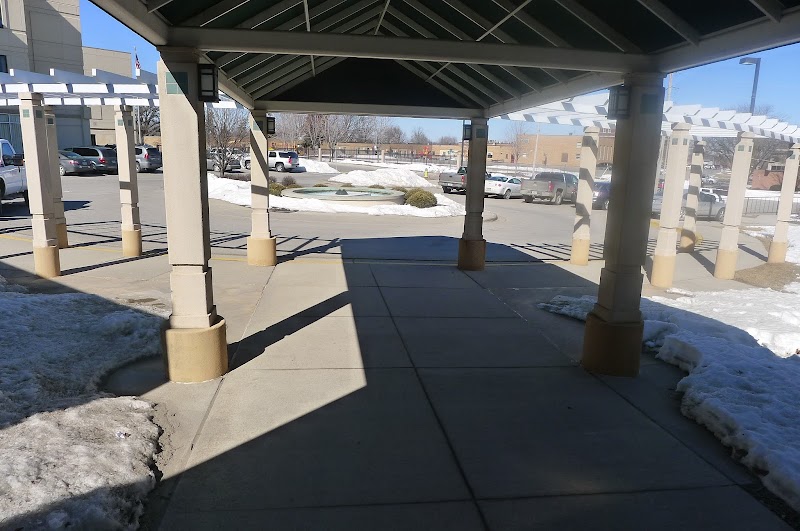
How is St Anthony Nursing Home Staffed?

CMS rates St Anthony Nursing Home's staffing level at 1 out of 5 stars, which is much below average compared to other nursing homes.

What Have Inspectors Found at St Anthony Nursing Home?

State health inspectors documented 15 deficiencies at St Anthony Nursing Home during 2022 to 2025. These included: 1 Immediate Jeopardy (the most serious level, indicating potential for serious harm or death) and 14 with potential for harm. Immediate Jeopardy findings are rare and represent the most serious regulatory concerns. They require immediate corrective action.
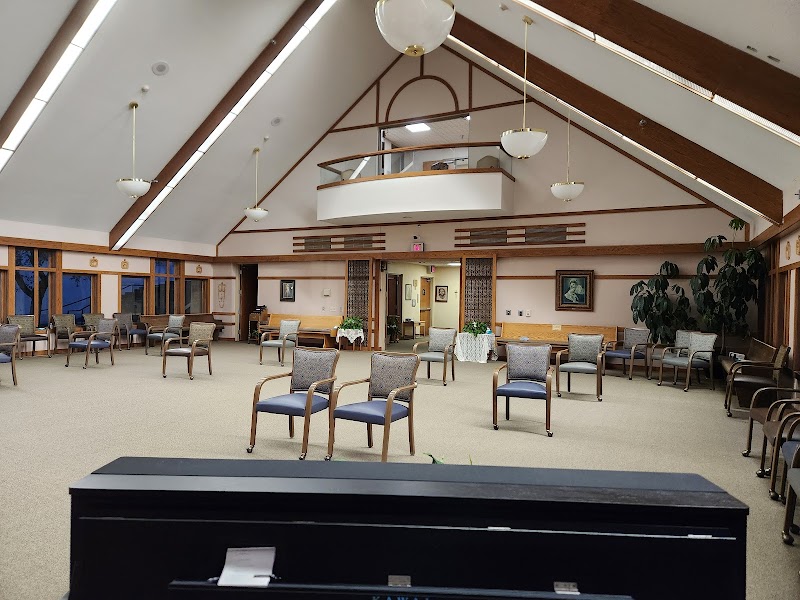
Who Owns and Operates St Anthony Nursing Home?

St Anthony Nursing Home is owned by a non-profit organization. Non-profit facilities reinvest revenue into operations rather than distributing to shareholders. The facility operates independently rather than as part of a larger chain. With 79 certified beds and approximately 73 residents (about 92% occupancy), it is a smaller facility located in CARROLL, Iowa.

How Does St Anthony Nursing Home Compare to Other Iowa Nursing Homes?

Compared to the 100 nursing homes in Iowa, St Anthony Nursing Home's overall rating (1 stars) is below the state average of 3.0 and health inspection rating (2 stars) is below the national benchmark.

What Should Families Ask When Visiting St Anthony Nursing Home?

Based on this facility's data, families visiting should ask: "What changes have been made since the serious inspection findings, and how are you preventing similar issues?" "Can you walk me through typical staffing levels on day, evening, and night shifts?" "Can I visit during a mealtime to observe dining assistance and food quality?" "How do you handle medical emergencies, and what is your hospital transfer rate?" These questions are particularly relevant given the facility's Immediate Jeopardy citations and the below-average staffing rating.

Is St Anthony Nursing Home Safe?

Based on CMS inspection data, St Anthony Nursing Home has documented safety concerns. Inspectors have issued 1 Immediate Jeopardy citation (the most serious violation level indicating risk of serious injury or death). The facility has a 1-star overall rating and ranks #100 of 100 nursing homes in Iowa. Families considering this facility should ask detailed questions about what corrective actions have been taken since these incidents.

Do Nurses at St Anthony Nursing Home Stick Around?

St Anthony Nursing Home has not reported staff turnover data to CMS. Staff turnover matters because consistent caregivers learn residents' individual needs, medications, and preferences. When staff frequently change, this institutional knowledge is lost. Families should ask the facility directly about their staff retention rates and average employee tenure.

Was St Anthony Nursing Home Ever Fined?

St Anthony Nursing Home has been fined $12,038 across 1 penalty action. This is below the Iowa average of $33,199. While any fine indicates a compliance issue, fines under $50,000 are relatively common and typically reflect isolated problems that were subsequently corrected. Families should ask what specific issues led to these fines and confirm they've been resolved.

Is St Anthony Nursing Home on Any Federal Watch List?

St Anthony Nursing Home is not on any federal watch list. The most significant is the Special Focus Facility (SFF) program, which identifies the bottom 1% of nursing homes nationally based on persistent, serious quality problems. Not being on this list means the facility has avoided the pattern of deficiencies that triggers enhanced federal oversight. This is a positive indicator, though families should still review the facility's inspection history directly.