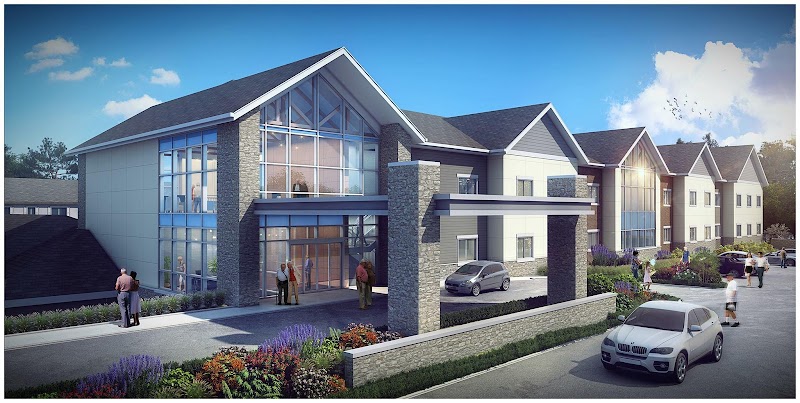

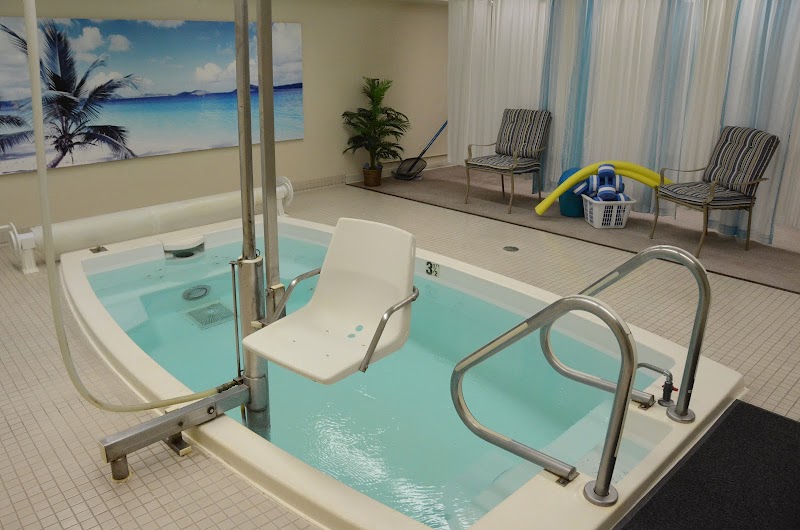
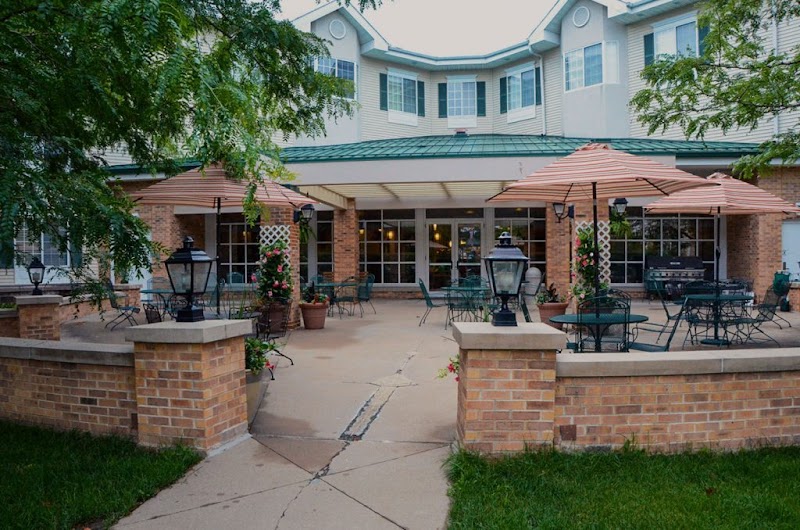
Cottage Grove Place

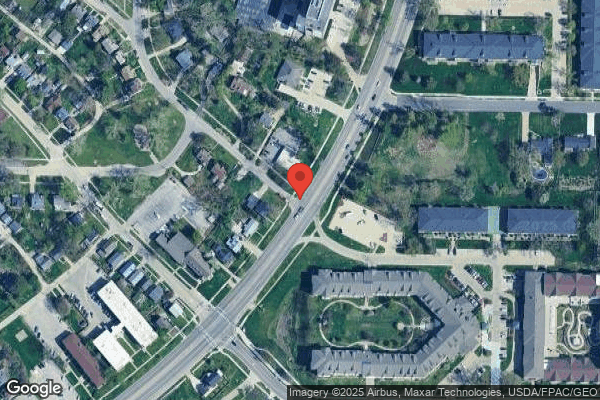
2115 First Avenue SE, Cedar Rapids, IA 52402 (319) 363-2420
Non profit - Other 64 Beds Independent Data: November 2025
Trust Grade
55/100
#262 of 392 in IA
Last Inspection: July 2024

Within standard 12-15 month inspection cycle. Federal law requires annual inspections.

Overview

Cottage Grove Place in Cedar Rapids, Iowa, has a Trust Grade of C, which means it is average - neither great nor terrible. It ranks #262 out of 392 facilities in Iowa, placing it in the bottom half, and #12 out of 18 in Linn County, indicating that there are better local options available. The facility's trend is worsening, with issues increasing from 3 in 2023 to 15 in 2024. Staffing is a strength, rated 4 out of 5 stars with a turnover rate of 38%, which is below the Iowa average. However, there are concerning incidents, such as failing to respond to door alarms that went off multiple times without staff attention, and not addressing call lights in a timely manner for multiple residents, which could affect their safety and well-being. Overall, while Cottage Grove Place has some strengths in staffing, the recent increase in issues raises concerns for families considering this facility.

Trust Score
C
55/100
In Iowa
#262/392
Bottom 34%
Safety Record
Low Risk
No red flags
Inspections
Getting Worse
3 → 15 violations
Staff Stability
○ Average
38% turnover. Near Iowa's 48% average. Typical for the industry.
Penalties
✓ Good
No fines on record. Clean compliance history, better than most Iowa facilities.
Skilled Nurses
○ Average
Each resident gets 38 minutes of Registered Nurse (RN) attention daily — about average for Iowa. RNs are the most trained staff who monitor for health changes.
Violations
⚠ Watch
20 deficiencies on record. Higher than average. Multiple issues found across inspections.
★★☆☆☆
2.0
Overall Rating
★★★★☆
4.0
Staff Levels
★★★☆☆
3.0
Care Quality
★★☆☆☆
2.0
Inspection Score
Stable
2023: 3 issues
2024: 15 issues

The Good

  • 4-Star Staffing Rating · Above-average nurse staffing levels
  • Full Sprinkler Coverage · Fire safety systems throughout facility
  • No fines on record
  • Staff turnover below average (38%)

    10 points below Iowa average of 48%

Facility shows strength in staffing levels, fire safety.

The Bad

2-Star Overall Rating

Below Iowa average (3.0)

Below average - review inspection findings carefully

Staff Turnover: 38%

Near Iowa avg (46%)

Typical for the industry

The Ugly 20 deficiencies on record

Sept 2024 2 deficiencies
CONCERN (D) 📢 Someone Reported This

A family member, employee, or ombudsman was alarmed enough to file a formal complaint

Potential for Harm - no one hurt, but risky conditions existed

Medication Errors (Tag F0758)

Could have caused harm · This affected 1 resident

Based on observation, record review, staff interview, resident interview, and policy review the facility failed to ensure psychotropic medications administered to a resident for anxiety and depression...

Read full inspector narrative →
Based on observation, record review, staff interview, resident interview, and policy review the facility failed to ensure psychotropic medications administered to a resident for anxiety and depression had matching diagnoses in the resident's electronic health record for 1 of 3 residents reviewed (Resident #6). The facility reported a census of 58 residents. Findings include: The Minimum Data Set (MDS) for Resident #6 documented an admission date of 9/20/24 and was in progress. Resident #6's Medication Administration Record (MAR) indicated the resident was taking the following: 1. Trazodone HCl oral tablet 50 MG, 25 mg by mouth at bedtime for depression/ insomnia (1/2 tab) 2. Duloxetine HCl oral capsule delayed release sprinkle 30 MG, 1 capsule by mouth two times a day for depression 3. Lorazepam Oral tablet 0.5 MG, 1 tablet by mouth three times a day for anxiety The resident's electronic health record diagnosis tab lacked diagnoses of depression and anxiety. The resident's Care Plan, with an admission date of 9/20/24, included focus areas for anxiety and depression monitoring and medication management. During an interview on 9/27/24 at 2:43 PM Resident #6 stated he was anxious, wanted to go home, and felt depressed with all of the changes in his life after his stroke. Resident #6 thought he was on medication to help him and was happy the Administrator and Social Worker put in place to have 2 people come in together to care for him. It made him feel less anxious. During the interview observed the resident tapping on the arm of the chair, fidgeting with his call light, and his eyes repeatedly darting towards the door. On 9/29/24 at 10:12 AM Staff A, LPN (Licensed Practical Nurse) stated the resident was definitely confused and anxious. His anxiety, depression, and confusion had led to the resident calling out, making false reports to his wife and staff, and made it difficult at times to help him understand and adjust to his new environment. During a meeting on 9/29/24 at 12:42 PM the Director of Nursing reviewed the resident's diagnosis list in the electronic health record and confirmed it did not include anxiety or depression. She acknowledged further investigation was needed. An undated policy titled Medication Administration Policy Template Administration of Oral Medications did not include a procedure for ensuring diagnoses for medications aligned with resident diagnoses.
CONCERN (E) 📢 Someone Reported This

A family member, employee, or ombudsman was alarmed enough to file a formal complaint

Potential for Harm - no one hurt, but risky conditions existed

Deficiency F0725 (Tag F0725)

Could have caused harm · This affected multiple residents

Based on observation, a posted notice, record review, staff interview, and family interview the facility failed to ensure sufficient staffing to respond to door alarms that sounded in the facility. Tw...

Read full inspector narrative →
Based on observation, a posted notice, record review, staff interview, and family interview the facility failed to ensure sufficient staffing to respond to door alarms that sounded in the facility. Two door alarms sounded 4 times in 14 minutes without a staff response. 34 of 58 residents in the facility scored 12/15 or lower on the Brief Interview for Mental Status (BIMS) assessment, which indicated they had moderate to severely impaired cognition. The facility reported a census of 58 residents. Findings include: On 9/28/24 beginning at 11:00 AM facility residents could participate in an activity outside. Residents, staff, and family members had access to at least 2 exits near the main entrance of the building, one leading to the wheelchair ramp and the other leading to the lobby. A plastic sign mounted on the wall to the left of the door with the ramp indicated a code was needed for the door and could be obtained by contacting the nurse at the number provided. At 11:21 AM on 9/28/24 the ramp door alarm sounded which indicated the door had been open for more than 15 seconds. At 11:24 AM, observed a resident's family member enter a code that silenced the alarm. He walked away from the door. No facility staff were observed in that area between 11:21 AM and 11:26 AM to ensure all residents were accounted for. The family member stated the alarm went off when the door was open too long and he had turned it off before. At 11:27 AM an alarm with the same tone sounded, this time at the lobby door. It was turned off at 11:28 AM. The lobby door alarm sounded again at 11:31 AM. Observed the same family member turn it off at 11:33 AM. Within a minute the alarm at the ramp door sounded. The family member cleared that alarm at 11:35 AM. No staff were present to turn off these alarms or ensure a resident had not gone outside unassisted. The family member stated he didn't see any staff so he cleared the lobby door alarm and then turned off the ramp door alarm. He explained he used the same code used to enter the building. On 9/28/24 at 11:53 AM the Director of Nursing and Administrator confirmed that the code used to enter the building is the same as the alarm shut off, this was the only way to deactivate the alarms, and that both alarms have the same tone. They did not think there was a way to run reports for the door alarms to determine how often they were going off. The Administrator stated family members should not deactivate the alarms. The Director of Nursing stated residents wearing wander guards who activated the alarm would be seen on the same TV screen where call lights were monitored. Electronic health record review revealed 34 of 58 residents scored 12 or lower on the BIMS, and 5 of them used a wander guard for safety. 14 residents lived between the dining room and the alarmed doors. 9 of them had a BIMS of 12 or lower. On 9/28/24 at 3:19 PM Staff B, CNA (Certified Nurses Aide) stated he didn't think they could hear the two door alarms by the lobby and the ramp from the dining room. He didn't know of anyone getting out recently and stated if staff heard the alarm and did not see a resident they were expected to check the grounds around the building. On 9/29/24 at 10:12 AM Staff A, LPN (Licensed Practical Nurse) stated she could not hear the door alarms from the nurse's desk or the dining room. She stated she had to be at least at the end of the hall where the lobby door was to start to hear it. Staff A said the number one priority was to check to see if any residents had left the building. She included two busy streets and around the building as part of the search area and a head count to ensure residents were all accounted for. On 9/29/24 at 12:42 PM the Administrator acknowledged the concerns with the door alarms, provided a copy of a new sign posted on the door to prevent future incidents, and stated training was started the day before. The Administrator stated they had been working with the communications company to try to improve their system.
Aug 2024 1 deficiency
CONCERN (D) 📢 Someone Reported This

A family member, employee, or ombudsman was alarmed enough to file a formal complaint

Potential for Harm - no one hurt, but risky conditions existed

Deficiency F0692 (Tag F0692)

Could have caused harm · This affected 1 resident

**NOTE- TERMS IN BRACKETS HAVE BEEN EDITED TO PROTECT CONFIDENTIALITY** Based on observation, clinical record review, resident and staff interviews, the facility failed to implement interventions to p...

Read full inspector narrative →
**NOTE- TERMS IN BRACKETS HAVE BEEN EDITED TO PROTECT CONFIDENTIALITY** Based on observation, clinical record review, resident and staff interviews, the facility failed to implement interventions to prevent weight loss for 1 of 3 resident reviewed for weight loss (Resident #2). The facility identified a census of 50 residents. Findings include: The Minimum Data Set (MDS), dated [DATE] for Resident #2, revealed a Brief Interview for Mental Status (BIMS) score of 14 out of 15 indicating no cognitive decision making abilities or impairment. Resident #2 required set up assistance with eating. No weight loss, or unknown, at the time of the assessment. Diagnoses included: anemia, hypertension, chronic pain, and malaise. The Care Plan, Nutritional Status with an initiated dated 5/7/24, I am at risk and interventions included: *has an allergy to strawberries and mushrooms. Also reports that she can't eat fungus such as bleu cheese or cruciferous vegetables. *Provide alternative foods to avoid allergens and intolerance's. *likes to snack in her room. Family brings in snacks of preference such as nuts and dried fruit. *participates in filling out her own menus. She frequently does not order enough food on her menu. Per her usual orders 2 glasses of milk for meals and reports that she mostly fills up on milk. *Dietitian assists with adding more items to her menu with known preferences and input from family. *Monitor weights per facility policy *Provide Regular Diet per physician orders *is a vegetarian, provide appropriate food choices to accommodate her food preferences. *Provide set up assistance at meals The Nursing Progress Notes revealed the following entries: 1. On 2/5/2024 Dietary-Nutrition Profile Nutrition Diagnosis: Limited food acceptance related to vegetarian. Interventions: Provide menu alternatives that meet vegetarian diet. Monitoring/Evaluation: Monitor for menu acceptance and if providing sufficient alternatives. Monitor weight trend. 2. On 3/21/2024, Weight Change, Note Text: Question accuracy of 139.6#; reweigh not obtained. Has been maintaining 146-148# Reassess weight at April monthly weights 3 On 5/7/2024, Nutrition Note Text: Quarterly Nutrition Evaluation. Diet: Regular; Vegetarian Has allergies to mushrooms and strawberries. Reports digestive discomfort with cruciferous vegetables. Intakes: 0-75% PO intakes with no notable pattern, prefers small portions, likes two glasses of milk at meals and typically fills up on that 10-500 milliliters, snacks in her room likes nuts and dried fruit. Supplements/Interventions: 2 handled cups, no straws, soup in a mug. Dining: Eats in room and in the dining room. Eats independently with set up assistance. Weights: 140# (4/1) no change/mo and down 6#/since 1/30 4. On 5/31/2024, Weight Change, Note Text: Weight is down 10# since 4/1; -10.7% wt loss x 3 month and -6.8% x 1 month. Weight loss related to decrease in meal intakes. Recently having issues with upset stomach and constipation. Nursing decreased Lortab and increased Senna. Change in meal intake also occurred around time Mirtazapine was discontinued. Question if this medication change affected her appetite. If continue to not see change after GI issues resolved may want to consider possibly starting antidepressant/appetite stimulant. At care plan conference family also brought up topic of hospice. Questions were invited and answered by Interdisciplinary Team. Recommendation/Plan: 1) Boost Plus BID. 2) Follow to see if med changes, decreased Lortab/increased Senna, help with GI issues. 3) Follow up with June monthly weight 5. On 5/31/2024, Health Status Note Text: Advanced Registered Nurse Practitioner (ARNP) approved 8 oz Boost plus BID for weight loss. Power of Attorney notified. 6. On 6/30/2024, Administration Note Text: Boost Plus 8 oz two times a day for weight loss. Resident refused to drink. 7. On 7/2/2024, Administration Note Text: Boost Plus 8 oz two times a day for weight loss. Resident refused. 8 On 7/2/2024, Administration Note Text: Boost Plus 8 oz two times a day for weight loss. Resident refused. 9. On 7/6/2024, Administration Note Text: Boost Plus 8 oz two times a day for weight loss. Resident declined boost 10. On 7/7/2024,Administration Note Text: Boost Plus 8 oz two times a day for weight loss. Resident declined stated I don't do that 11. On 7/7/2024, Administration Note Text: Boost Plus 8 oz two times a day for weight loss. Resident declined stated I don't drink that stuff 12. On 7/8/2024, Administration Note Text: Boost Plus 8 oz two times a day for weight loss, resident and daughter stated that she does not like it. 13. On 7/21/2024, Administration Note Text: Boost Plus 8 oz two times a day for weight loss. Resident declined boost stated I don't drink it. 14. On 7/21/2024. Administration Note Text: Boost Plus 8 oz two times a day for weight loss. Resident daughter stated she was not going to drink it. 15. On 7/22/2024, Administration Note Text: Boost Plus 8 oz,two times a day for weight loss. Resident refused boost. 16. On 7/25/2024, Administration Note Text: Boost Plus 8 oz two times a day for weight loss. Resident refused. 17 On 7/27/2024, Administration Note Text: Boost Plus 8 oz two times a day for weight loss. Resident refused. 18 On 7/27/2024, Administration Note Text: Boost Plus 8 oz two times a day for weight loss. Resident declined stated I don't drink that. 19. On 7/28/2024, Administration Note Text: Boost Plus 8 oz two times a day for weight loss. Resident refused. The Medication Administrator Record (MAR) dated June 2024, revealed an order for Boost Plus 8 ounces, two times a day for weight loss with a start date 5/31/24. The MAR documented the resident refused the Boost 5 times. The MAR dated July 2024, revealed the resident refused the Boost 28 times. The Electronic Health Record revealed the following weight for Resident #2: On 1/30/24, the resident weighed 146.4 pounds On 3/1/24, the resident weighed 139.6 pounds On 4/1/24, the resident weighed 140.2 pounds On 5/30/24, the resident weighed 130.6 pounds On 7/16/24, the resident weight 129.6 pounds Observation on 7/31/24, at 11:30 a.m., Resident #2 breakfast tray which had a burgundy bowl with oatmeal in it and a ½ banana that was not eaten, two burgundy mugs and two clear glasses of liquids and 3 packages of something on the tray and removed from the resident room. Resident stated that the food was not to her liking. Interview on 7/31/24 at 2:15 p.m., Resident #2 confirmed that she was a vegetarian and that she does not like meat and that the facility will give her cheese all the time, she wishes that she could have tofu, that is what she served her family when she was at home and does not understand why she cant have the foods she served at home. Resident also said that she does not like to drink the boost that she is offered, it usually comes in a berry flavor and she is allergic to strawberries and that she would like to try a different type of supplement, she knows that she is a vegetarian and that it is hard to eat meat, but the facility should be able to assist me with tofu or other forms of protein. Interview on 8/1/24 at 10:10 a.m., the facility Director of Nursing (DON) and the facility Dietician, both confirmed and verified that Resident #2 was a vegetarian and it is the facility responsibility to furnish foods appropriate for that diet and currently the facility only provides a general diet. The DON stated that the facility will speak with the resident and get a diet approved to serve the vegetarian diet to Resident #2. Interview on 8/1/24 at 11:30 a.m., The DON and facility administrator confirmed and verified that the facility has no weight loss policy and that the expectation of the dietician is to do assessments with the resident and provide the needed diet and document the dislikes/likes and to monitor the weight losses in the facility and put in place interventions to keep the resident from weight loss. The facility follows the Federal Rules and Regulations.
Jul 2024 10 deficiencies
CONCERN (D) 📢 Someone Reported This

A family member, employee, or ombudsman was alarmed enough to file a formal complaint

Potential for Harm - no one hurt, but risky conditions existed

Notification of Changes (Tag F0580)

Could have caused harm · This affected 1 resident

Based on clinical record review, policy review, and staff and resident interviews, the facility failed to notify a resident's representative of a fall, medication refusals, and a significant weight lo...

Read full inspector narrative →
Based on clinical record review, policy review, and staff and resident interviews, the facility failed to notify a resident's representative of a fall, medication refusals, and a significant weight loss for for 1 of 4 residents reviewed for a change in condition (Resident #48). The facility reported a census of 53 residents. Findings include: 1. The Minimum Data Set (MDS) assessment tool, dated 11/22/24, listed diagnoses for Resident #48 which included skin changes, diabetes, and non-Alzheimer's dementia. The MDS listed the resident's Brief Interview for Mental Status (BIMS) score as 4 out of 15, indicating severely impaired cognition. 12/18/23 eMAR Administration Notes stated the resident refused his Med Pass supplement. 12/28/23 eMAR Administration Notes stated the resident refused his donepezil (used to treat dementia), carbidopa-levodopa (used to treat Parkinson's disease, a neurological condition with affected movement), metformin (used to treat diabetes), and vinpocetine (used to treat degenerative diseases of the nervous system). The facility lacked documentation of family notification of the above refusals. 2. A 1/8/24 Health Status Note stated the resident remained on fall follow up. A 1/9/24 Health Status Note stated the resident was on fall follow ups from the previous day shift fall. Subsequent Health Status Notes/Nursing Progress Notes revealed fall follow-up assessments at the following times: 1/9/24 at 4:31 p.m., 1/10/24 at 7:35 a.m., 1/10/24 at 10:08 p.m., and 1/10/24 at 11:01 p.m. On 7/8/24, via email correspondence, the Administrator stated she could not locate a fall incident report around 1/8/24. The facility lacked documentation of family notification of the fall. 3. A 3/8/24 Physician Fax stated the resident had a significant weight loss from 172 lbs in February to 161 lbs. The facility lacked documentation of family notification of the weight loss. Care Plan entries, dated 2/9/24, stated the resident was at risk for falls and would not have any significant weight loss. On 7/8/24 at 4:17 p.m., the Director of Nursing (DON) stated the facility should notify the family of falls, medication refusals, and weight loss. The undated facility policy Reporting Resident Change in Condition, directed staff to report resident changes in condition to the physician and the family.
CONCERN (D) 📢 Someone Reported This

A family member, employee, or ombudsman was alarmed enough to file a formal complaint

Potential for Harm - no one hurt, but risky conditions existed

Deficiency F0658 (Tag F0658)

Could have caused harm · This affected 1 resident

**NOTE- TERMS IN BRACKETS HAVE BEEN EDITED TO PROTECT CONFIDENTIALITY** 3. The Minimum Data Set (MDS), dated [DATE], revealed Resident #204's diagnoses included metabolic encephalopathy, respiratory f...

Read full inspector narrative →
**NOTE- TERMS IN BRACKETS HAVE BEEN EDITED TO PROTECT CONFIDENTIALITY** 3. The Minimum Data Set (MDS), dated [DATE], revealed Resident #204's diagnoses included metabolic encephalopathy, respiratory failure with hypoxia, asthma, and pneumonia. Resident #204 had shortness of breath at rest and with exertion. Medications included antibiotic, diuretic, and Resident #204 required continuous oxygen therapy. The Care Plan, initiated 03/30/24, revealed Resident #204 required care at the facility due to a fall at home, recent hospitalization, and weakness that required skilled nursing facility cares. The Care Plan instructed nursing staff to administer all medications and treatments unless otherwise ordered by the doctor. The Post Acute Discharge Report, dated 04/18/24, informed that the reports included constitute orders and instructions for immediate care of the resident upon admission to the facility. This Report revealed an order for Prednisone 10 milligram (mg) tablet, to be given as follows: take 4 tablets for 1 day, then 3 tablets daily for 3 days, then 1 tablet daily for 3 days, then stop. The Discharge Report informed facility the next dose of Prednisone would be due on 04/19/24. The Medication Administration Record (MAR), dated April 2024, revealed an order for Prednisone 40 mg one time a day related to Chronic Obstructive Pulmonary Disease with start date of 04/19/24, coded 09 or other/see nurses notes. The MAR, dated April 2024, revealed additional order for Prednisone 30 mg one time a day for three days, with start day of 04/20/24, to be given through 04/22/24, coded 09 or other/see nurses notes. The MAR, dated April 2024, further revealed an order for Prednisone 20 mg one time a day for three days, with a start day of 04/23/24 , to be given through 04/25/24, coded 09 or other/see nurses notes on 4/23/24, a dose given on 04/24/24, and then coded 06 or hospitalized on [DATE]. Review of Nursing Progress Notes revealed the following entries: a. On 04/18/24 at 04:44 PM, Resident #204 returned to facility from Hospital. b. On 04/18/24 at 03:34 PM, Nurse Practitioner acknowledged resident's medication review without any new orders. c. On 04/19/24 at 05:56 PM, Resident #204 had loud wheezes, some relief after as needed medication given. d. On 04/21/24 at 03:40 PM, Resident #204 had scattered faint wheezes throughout the lungs with occasional non-productive cough. Nurse noted Resident #204 moving legs constantly and reported aches improved but unresolved after massage. Resident #204 mumbling. e. On 04/22/24 at 11:34 AM, Nurse called Pharmacy about missing Prednisone and told it would be sent out same day. f. On 04/23/24 at 11:26 AM, Nurse called Primary Care Provider office to report Resident #204 had not received Prednisone taper as Pharmacy had not delivered, order received to discontinue. g. On 04/23/24 at 11:17 PM, Resident #204 had scattered wheezes in the lungs, reported shortness of breath and had been anxious and talkative. h. On 04/25/24 at 06:47 AM, Resident #204 complained of shortness of breath and mid sternum chest pain. Oxygen saturation at 90% while on oxygen, nurse increased oxygen flow to 4 liters and noted Resident #204 had 24 respirations per minute with use of accessory muscles. Lung sounds had been diminished throughout with wheezes in the upper lungs and coarse crackles in the lung bases. Nurse administered an ordered inhaler and Aspirin. Resident #204 transferred to hospital via ambulance. i. On 04/25/24 at 11:18 AM, Nurse received update from hospital that Resident #204 would be admitted to hospital for pneumonia and fluid overload. The facility provided a list of medications kept on site in the emergency medication (E-kit) provided by the Pharmacy, document not dated. The list revealed Prednisone 10 mg tablet kept onsite in facility's E-kit. On 07/08/24 at 04:41 PM, Director of Nursing (DON) revealed that upon admission from Hospital, nursing staff were expected to transcribe and put resident orders into the MAR and fax the Pharmacy for medications to be delivered to facility on the next delivery. DON also revealed the facility kept an E-kit onsite at the nurses station that could be accessed if medication is not available. On 07/09/24 at 01:31 PM, the Facility Administrator revealed via Electronic mail (email), the facility had been unable to produce any evidence of physician notification of missing prednisone between 04/18/24 and 04/22/24. The facility policy titled, Physician Order Transcription Policy and Procedure, not dated, revealed that all transcribed Physician orders must be documented in the electronic medical records system, including the date, time, and identity of the healthcare professional involved and any errors, clarifications, or amendments made to the transcribed orders should be clearly documented and linked to the original order. 2. The Minimum Data Set (MDS) dated [DATE] documented Resident #33 had a Brief Interview for Mental Status (BIMS) score of 09 indicating moderate cognitive impairment. The MDS further documented the resident had diagnoses including diabetes, hypertension, depression, and end-stage renal disease. The Care Plan for Resident #33 showed she had insulin dependent Diabetes. Staff were directed to follow orders for diabetes medications as ordered by the doctor. The electronic chart showed an order dated 6/21/24 at 4:44 PM was received by the facility. The order was noted on 6/22/24 at 5:42 AM. The order was to start Novolog 7 units (short acting insulin) with each meal and to notify the physician if the blood sugar was less than 70 or greater than 400. The Medication Administration Record documented the resident did not receive insulin on 6/21/24 for the supper meal. The resident's blood sugar at supper on 6/21/24 was 246 and at breakfast on 6/22/24 was 334. Further review documented the insulin was held the evening of 6/22/24 due to blood sugar of 69. The record lacked documentation of physician being notified. During an interview on 7/01/24 at 4:08 PM, Staff A, License Practical Nurse (LPN) reported she held the insulin for Resident #33 on 6/22/24 because she thought the order read to hold if the blood sugar was less than 70. She reported she should have called the physician for further directions with the low blood sugar During an interview on 7/01/24 at 4:15 PM, the Director of Nursing (DON) reported the nurse should have called to notify the physician of the low blood sugar and then received further instructions from the physician for insulin. The facility policy titled Physician Order Transcription Policy and Procedure undated directed staff that written orders should be transcribed into the electronic medical record system promptly upon receipt. Based on clinical record review, policy review, and staff and resident interviews, the facility failed to administer medications in accordance with professional standards for 3 of 6 residents reviewed for medications (Residents #33, #203, and #204). The facility reported a census of 53 residents. Findings include: 1. The Minimum Data Set (MDS) assessment tool, dated 12/12/23, listed diagnoses for Resident #203 which included diabetes, hip fracture, and pain. The MDS listed the Brief Interview for Mental Status (BIMS) score as 15 out of 15, indicating intact cognition. On 6/30/24 at 2:58 p.m., Resident #203 stated she received medications which were ordered twice daily 6 hours apart. The December Medication Administration Record (MAR) listed an order for sulfasalazine (used to treat ulcerative colitis, the inflammation of the colon) delayed release 500 milligrams, give 3 tablets by mouth two times per day. The hours for the MAR were listed as Day and Eve. The Medication Admin Audit Report listed an order for sulfasalazine delayed release 500 milligrams, give 3 tablets by mouth two times per day. The report revealed the following: a. On 12/15/23, the resident received her 7:00 a.m. dose at 10:41 a.m. and received her 4:00 p.m. dose at 7:17 p.m. a. On 12/16/23, the resident received her 7:00 a.m. dose at 10:20 a.m. and received her 4:00 p.m. dose at 5:48 p.m. b. On 12/17/23, the resident received her 7:00 a.m. dose at 12:08 p.m. and her 4:00 p.m. dose at 7:48 p.m. The facility Medication Administration schedule stated medications were scheduled at the following times: 5:00 a.m., 6:00 a.m., 8:00 a.m., 7:00 a.m.-10:00 a.m., 11:00 a.m., 12:00 a.m., 11:00 a.m.-1:00 p.m., 2:00 p.m.-4:00 p.m., 5:00 p.m., 6:00 p.m.-8:00 p.m., 7:00 p.m., and 10:00 p.m. The schedule did not have direction for staff on when to give medications if they were scheduled twice daily (bid) and did not give direction that staff could give Day medications anytime between 6:00 a.m. and 2:00 p.m. and Evening medications anytime between 2:00 p.m. and 10:00 p.m. The resident's Care Plan did not address the resident's medications. On 7/9/24 at 8:21 a.m. via email, the Director of Nursing(DON) stated if a medication was every day and evening shift, it would be given between 6:00 a.m. and 2:00 p.m. and 2:00 p.m. and 10:00 p.m. In a follow-up 7/9/24 8:32 a.m. email, she stated in theory, they could receive a morning dose at 1:00 p.m. and an evening dose at 2:00 p.m. On 7/9/24 at 9:32 a.m. via phone, the DON stated if a medication was ordered bid and on the MAR for day and evening then staff could give the day medication any time between 6:00 a.m. and 2:00 p.m. and the evening medication anytime between 2:00 p.m. and 10:00 p.m. She stated she did not know where this direction came from as it was in place prior to the start of her time at the facility. During an interview on 7/9/24 at 10:34 a.m. Staff F Advanced Registered Nurse Practitioner(ARNP) stated if a medication was ordered bid, she would assume it would be administered around morning and supper. She stated the practice of giving the day medications between 6-2 and the evening medications between 2-10 would not be a practice she would want carried out. The undated facility policy Physician Order Transcription Policy and Procedure, stated all orders must be accurately transcribed into the medical record. The undated facility policy Medication Administration Policy Template Administration Of Oral Medications, directed staff to provide medications safely and effectively.
CONCERN (D) 📢 Someone Reported This

A family member, employee, or ombudsman was alarmed enough to file a formal complaint

Potential for Harm - no one hurt, but risky conditions existed

Quality of Care (Tag F0684)

Could have caused harm · This affected 1 resident

**NOTE- TERMS IN BRACKETS HAVE BEEN EDITED TO PROTECT CONFIDENTIALITY** 3. The Minimum Data Set (MDS), dated [DATE], revealed Resident #39 had been dependent upon staff for transfers and toilet hygien...

Read full inspector narrative →
**NOTE- TERMS IN BRACKETS HAVE BEEN EDITED TO PROTECT CONFIDENTIALITY** 3. The Minimum Data Set (MDS), dated [DATE], revealed Resident #39 had been dependent upon staff for transfers and toilet hygiene and required substantial to maximal assistance with bed mobility. Resident #39 required both scheduled and as needed pain medication and utilized opioid medication. Diagnoses included aftercare following joint replacement surgery, presence of right artificial hip joint, and periprosthetic fracture around internal prosthetic right hip joint. The Care Plan, initiated 05/03/24, revealed Resident #39 had an infection of the right hip incision site with the goal to be free from complications related to infection through the review date. The Care Plan instructed staff to follow facility policy and procedures for line listing, summarizing, and reporting infections. The Care Plan revealed Resident #39 required the antibiotic Keflex for wound infection from 05/03/24 through 05/10/24, then required the antibiotic Levaquin from 05/14/24 through 05/21/24 for possible cellulitis to incision site. The Treatment Administration Record (TAR), dated April 2024, lacked orders for wound care for right hip surgical wound. The Treatment Administration Record (TAR), dated May 2024, revealed a wound care order, initiated 05/18/24, for Calcium Alginate applied to hip wound topically every day shift and cover with foam border. The Skin and Wound Assessment, dated 04/25/24, revealed a right hip surgical wound, incision approximated, measured 12.3 centimeters (cm) by 1.9 cm. Assessment noted a non-removable dressing had been in place. A picture of the wound revealed a foam type dressing, not dated, secured with transparent film in place, the film rolled around edges, and dressing had small amount of dark yellow drainage. The Skin and Wound Assessment, dated 05/01/24, revealed right hip surgical wound, measured 17.9 cm by 2.3 cm. Assessment noted a non-removable dressing remained in place. A picture of wound revealed foam type dressing remained, not dated, secured with transparent film. Film edges rolled and dressing had moderate amount of yellow, green colored drainage. The Skin and Wound Assessment, dated 05/06/24, revealed right hip surgical wound, measured 20.9 cm by 1 cm. Assessment revealed signs of infection included redness, inflammation, and warmth present as well as light amount of purulent drainage. Assessment noted Resident #39 went to the emergency room and had surgical bandage removed. A picture of wound revealed areas of redness on both sides of incision. Review of Nursing Progress Notes revealed the following entries: a. On 04/25/24 at 03:51 PM, Resident #39 admitted to facility with surgical wound to right hip, covered with a bandage and a small area of old drainage noted on dressing. Resident #39 rated right hip pain 10 on a scale of 1 to 10. b. On 04/29/24 at 11:14 PM, Right lower extremity is warm to touch, non-pitting edema to feet. c. On 05/01/24 at 02:03 PM, weekly skin assessment completed and surgical incision remained covered with a non-removable bandage. d. On 05/02/24 at 04:46 PM, Resident #39 requested to go to Hospital after several days without bowel movement. e. On 05/02/24 at 11:23 PM, Resident #39 returned to facility from emergency room (ER) with communication that resident had superficial infection around surgical site with an order for antibiotics and instruction to follow up with Orthopedic Surgeon, continue to monitor site, and if redness or drainage worsens to return to ER. Assessment of incision site revealed separation at upper incision line, yellow tinged drainage, redness noted at top to midline incision. Noted swelling and wound felt hardened to touch. On 07/08/24 at 03:03 PM, Staff L, Registered Nurse (RN), informed that signs of wound infection would include pink or redness around wound, warmth, more drainage, and pain. Staff L stated the Primary Care Provider or Orthopedic Surgeon would need to be notified the same day or shift for any signs of surgical wound infection. On 07/08/24 at 04:41 PM, Director of Nursing (DON), revealed the expectation of Nursing staff to complete weekly wound assessment and to notify Provider immediately for signs of wound infection. The facility policy, titled Wound Care, not dated, revealed the DON is responsible for implementation of policy. Policy revealed expectation that all residents be assessed for skin breakdown on admission, routinely thereafter, and as needed. The policy instructed staff that skin breakdown would be reported to the Physician and treatment orders to be requested. Based on clinical record review, policy review, and staff and resident interviews, the facility failed to obtain a treatment order for a new skin area in a timely manner for 1 of 3 residents observed with a non-pressure skin issue(Resident #203), failed to assess and carry out a treatment for a resident with moisture associated skin damage (MASD) for 1 of 3 residents observed with a non-pressure skin concern (Resident #48), failed to assess and intervene after a resident showed signs of altered mental status for 1 of 4 residents reviewed for a change in condition (Resident #48), and failed to assess and intervene when a surgical wound showed signs of infection for 1 of 3 residents revealed with a non-pressure skin concern (Resident #39). The facility reported a census of 53 residents. Findings include: 1. The Minimum Data Set (MDS) assessment tool, dated 12/12/23, listed diagnoses for Resident #203 which included diabetes, hip fracture, and pain. The MDS stated the resident required partial to moderate assistance for rolling and transfers and listed the resident's Brief Interview for Mental Status (BIMS) score as 15 out of 15, indicating intact cognition. The resident's Care Plan did not address any skin concerns. A 12/30/23 Health Status Note stated the resident complained of her coccyx (tailbone) being sore. A 1/1/24 1:43 p.m. Nursing Progress Note stated the resident had a new area to the coccyx. The area was 2 small 0.1 centimeters (cm) round blanchable partially open areas and the facility notified the physician to request a treatment order. A 1/4/24 Physician's Order Note listed an order for Medihoney (a type of wound treatment) plus Mepilex (a foam dressing) to opened area on the coccyx. The January 2024 Medication Administration Record (MAR) listed a 1/5/24 order for Medihoney Wound/Burn Dressing, apply to coccyx topically one time per day for opened area on the coccyx. The MAR documented the dressing started on 1/5/24. The facility lacked documentation of a treatment initiated earlier than 1/5/24. 2. The MDS assessment tool, dated 11/22/24, listed diagnoses for Resident #48 which included skin changes, diabetes, and non-Alzheimer's dementia. The MDS stated the resident had no pressure ulcers and had moisture associated skin damage. The MDS listed the resident's Brief Interview for Mental Status (BIMS) score as 4 out of 15, indicating severely impaired cognition. a. A 12/26/23 Skilled Evaluation stated the resident had MASD on his buttocks A 12/30/23 Skilled Evaluation stated the resident had moisture associated skin damage (MASD). A 1/1/24 Resident Skin Report stated the resident had red open areas and displayed a diagram with an area on the left buttock circled. The December 2023 and January 2024 Treatment Administration Records (TARs) lacked documentation a skin treatment implemented for the resident's MASD. The facility lacked skin assessments from 12/30/23 to 1/16/24. A 1/16/24 Communication with Physician note stated the resident transferred to the hospital. A 2/5/24 hospital Progress Note stated the resident had a Stage 2 pressure injury (caused an open area to the top layer of the skin) to the left buttock present on admission. Care Plan entries, dated 2/9/24, stated the resident was at risk for pressure injuries and/or impairment to the skin, would be free from redness, blisters, or discoloration, and directed staff to administer treatments and monitor for effectiveness. The Care Plan did not address the resident's skin concerns prior to 2/9/24. b. A 2/9/24 Care Plan entry stated the resident had a Foley catheter (a tube which was inserted into the urinary tract to drain urine) and staff provided catheter cares. A 3/15/24 Health Status Note stated the family notified the facility that the resident had an altered mental status. The Temperature Summary report listed a 3/15/24 10:50 p.m. temperature of 99.1 degrees Fahrenheit. The facility lacked an assessment completed on 3/16/24. The facility obtained vital signs on 3/17/24 but lacked documentation of further assessments between 3/15/24 and 3/18/24 including assessments of the resident's mental status and appearance/quality of the urine in his catheter. On 3/18/24, the facility obtained an order for a urinalysis (a laboratory test of the urine). On 3/19/24, the resident's oxygen saturation was in the 80's (normal was 90 or above) and the facility transferred him to the ER. The hospital Discharge Summary Note, dated 3/21/24, stated the resident admitted from a care facility with a fever, confusion, and unresponsiveness. The resident had purulent (referring to pus) drainage from his Foley catheter. On 7/8/24 at 4:17 p.m. the Director of Nursing (DON) stated if a resident had MASD, they should carry out assessments every time there was a treatment. She stated if a resident had a skin issue, there should be a treatment in place and she would want full assessments carried out after a change in condition. In email correspondence on 7/9/24, the Administrator stated the facility did not have a specific policy for assessments and interventions. On 7/9/24 at 1:24 p.m. via email correspondence, the Administrator stated she had no additional documentation related to the Resident #48's skin assessments in January 2024 or assessments conducted between 3/15/24 and 3/18/24. The undated facility policy Wound Care stated the prevention, care, and treatment of wounds was carried out for all resident to prevent skin breakdown and stated the facility would utilize a protocol for the assessment and treatment of wounds. The facility would assess residents with compromised skin integrity no less than once per week.
CONCERN (D) 📢 Someone Reported This

A family member, employee, or ombudsman was alarmed enough to file a formal complaint

Potential for Harm - no one hurt, but risky conditions existed

Pressure Ulcer Prevention (Tag F0686)

Could have caused harm · This affected 1 resident

**NOTE- TERMS IN BRACKETS HAVE BEEN EDITED TO PROTECT CONFIDENTIALITY** Based on observation, interviews, clinical record review, and facility policy review, the facility failed to monitor and assess ...

Read full inspector narrative →
**NOTE- TERMS IN BRACKETS HAVE BEEN EDITED TO PROTECT CONFIDENTIALITY** Based on observation, interviews, clinical record review, and facility policy review, the facility failed to monitor and assess skin underneath a wander guard device which resulted in the development of a Stage 3, facility acquired, pressure injury of left inner foot for 1 of 4 residents reviewed for pressure injury (Resident #31). The facility reported a census of 53 residents. Findings include: The Minimum Data Set (MDS), dated [DATE], revealed a Brief Interview for Mental Status (BIMS) score of 13 out of 15, indicative of intact cognition. The MDS indicated Resident #31 had one unhealed stage 2 pressure injury and required pressure reducing device for chair, a turning/repositioning program, pressure ulcer care, and application of non-surgical dressing and ointments or medications. Diagnoses included: encounter for removal of internal fixation device, arthritis, osteoporosis, a mechanical complication of left knee prosthesis, and contracture of muscle in left lower leg. The Care Plan, revised 03/09/24, revealed Resident #31 identified at risk for alteration in skin integrity due to limited mobility, required assistance with toileting, incontinent of bladder, self propels in wheelchair, and had chronic pain that limited mobility with the goal to be free of alteration in skin integrity. Interventions included: notify nurse of any skin breakdown, redness, or potential complications, Resident #31 to wear heel boot, float heels when in bed, use pillows for positioning, antibiotic treatment for Methicillin Resistant Staphylococcus Aureus (MRSA) of left foot wound, wound treatments as ordered, weekly skin evaluation, and application of [NAME] Hose daily for edema in lower extremities. The Care Plan additionally revealed focus area, initiated 01/01/24, for potential to wander due to dementia diagnosis with intervention for Wander guard to be worn at all times and staff to check placement and function every shift. The Care Plan lacked identification of pressure injury. The Braden Scale Assessment for predicting pressure sore risk, dated 03/22/24, revealed Resident #31 had been at risk for pressure injury due to chair-fast activity, limited mobility, and a problem with friction or sheering. The Skin and Wound Assessment, dated 03/21/24, revealed a new medical device related pressure injury to left medial foot, acquired in-house, that measured 1.7 centimeters (cm) by 1.4 cm that presented as a scab without drainage. Assessment noted, new pressure area appeared to be from wander guard, which was removed and placed on wrist instead. Resident #31 had non-pitting edema surrounding wound with non-verbal signs of pain that included: occasionally labored breathing, repeated troubled calling out, sad/frightened/frown expression, and rigid body language with fists clenched, knees pulled up, or pulling/pushing away. No dressing or treatment applied, interventions included no foot pedals on wheelchair and heel suspension or protection device to be applied. The Skin and Wound Assessment, dated 03/27/24, revealed an unstageable medical device related pressure injury to left medial foot that measured 2.7 cm by 1.6 cm. Wound continued to present as a scab with non-attached edges with dry/flaky edematous skin surrounding wound. A film/membrane type dressing applied and notification to Provider with request to apply betadine treatment to wound. The Skin and Wound Assessment, dated 04/03/24, revealed an unstageable medical device related pressure injury to left medial foot that measured 1.6 cm by 1.4 cm and had 70% of wound filled with slough (or yellow, sticky tissue) and light amount of seropurulent drainage. Assessment noted scab had come off wound and new treatment had been requested. The Skin and Wound Assessment, dated 04/24/24, revealed a Stage 2 pressure injury to left foot that measured 1.6 cm by 1.4 cm with moderate amount of purulent drainage, a faint odor, redness and inflammation surrounding wound and rolled wound edges. Treatment included a Silvadene cream to wound covered with gauze dressing. No indication of Provider or responsible party notification with signs of infection. A picture of the wound appeared to have dry yellow tissue within wound bed, rolled wound edges, and redness surrounding outside of wound. The Skin and Wound Assessment, dated 05/01/24, revealed an unstageable medical device related pressure injury to left medial foot, that measured 1.5 cm by 1.3 cm with 100% of wound filled with slough tissue. Assessment noted wound had increased purulent drainage, redness, inflammation, warmth, and pitting edema surrounding wound. Wound progress documented as deteriorating, Provider notified and order received for antibiotic to start. The Skin and Wound Assessment, dated 05/29/24, revealed an unstageable medical device related pressure injury to left medial foot, that measured 1.6 cm by 1.6 cm, with redness, inflammation, and moderate amount of bloody drainage. Surrounding skin noted to have pitting edema extending greater than 4 cm around the wound. Treatment included calcium alginate to wound bed, calmoseptine ointment to surrounding skin, covered with film dressing. The Assessment noted wound remains the same as previous week, Provider saw on this date and started antibiotic for wound infection. The Skin and Wound Assessment, dated 07/02/24, revealed a Stage 3 medical device related pressure injury to left medial foot measured 1.3 cm by 1.1 cm with light serosanguinous drainage. Wound treatment continues with Calcium Alginate to wound bed, Calmoseptine to surrounding skin and covered with film dressing. The Medication Administration Record (MAR), dated May 2024, revealed the following antibiotic orders for wound infection: 1. Cephalexin 500 milligram (mg) four times a day for possible infection, started on 05/01/24 and ended 05/11/24. 2. Doxycycline Hyclate 100 mg given two times a day for wound infection, started on 05/28/24, and ended 06/06/24. 3. Amoxicillin-Potassium Clavulanate 500-125 mg, given two times a day for wound clinic order, started on 05/29/24 without stop date. Review of the Treatment Administration Records (TAR), for the month of March, April, and May 2024 all lacked documentation of assessment for wander guard placement and function checks. On 07/03/24 at 06:45 AM, Staff M, Licensed Practical Nurse (LPN), completed appropriate dressing change and wound care to Resident #31's left medial foot. Resident called out intermittently during procedure. On 07/03/24 at 06:55 AM, Director of Nursing (DON) revealed that Resident #31 previous had wander guard device kept on his ankle and informed that due to side sleeping and contracted legs, the wander guard began to rub, which started as a red area on the ankle. DON revealed expectation of wander guard monitoring to be documented in Electronic Health Record. The facility policy, titled Wound Care, not dated, revealed the expectation for all residents to be assessed for skin breakdown at admission, routinely thereafter, and as needed. Certified Nursing Assistants to follow skin care guidelines and observe for any changes in resident's skin or feet daily, and if changes are noted or resident reports pain, this will be reported immediately to supervising nurse. Director of Nursing listed as responsible for implementation of Wound Care policy.
CONCERN (D) 📢 Someone Reported This

A family member, employee, or ombudsman was alarmed enough to file a formal complaint

Potential for Harm - no one hurt, but risky conditions existed

Accident Prevention (Tag F0689)

Could have caused harm · This affected 1 resident

**NOTE- TERMS IN BRACKETS HAVE BEEN EDITED TO PROTECT CONFIDENTIALITY** Based on observations, interviews, and clinical record review, the facility failed to ensure adequate supervision of a resident ...

Read full inspector narrative →
**NOTE- TERMS IN BRACKETS HAVE BEEN EDITED TO PROTECT CONFIDENTIALITY** Based on observations, interviews, and clinical record review, the facility failed to ensure adequate supervision of a resident known to wander, which resulted in unsafe actions and voiding in inappropriate locations for 1 of 2 residents reviewed for accidents and hazards (Resident #34). The facility reported a census of 53 residents. Finding include: The Minimum Data Set (MDS), dated [DATE], revealed a Brief Interview for Mental Status (BIMS) score of 2 out of 15, indicating severe cognitive impairment. The MDS additionally indicated Resident #34 had continuous inattention and disorganized thinking, as well as frequent wandering behavior. Resident #34 able to transfer and ambulate independently but required staff supervision for toileting hygiene. Diagnoses included non-Alzheimer's dementia, hypothyroidism, and depression. Resident #34 required antianxiety and antidepressant medications. The Care Plan, initiated 03/13/24, revealed Resident #34 had potential for wandering and had been at risk for falls due to dementia diagnosis and independent transfer status. Care Plan instructed staff to allow wandering in spaces where Resident #34 can be safely monitored and cannot harm self. The Care Plan additionally instructed staff to assess the cause of wandering and attempted diversional activities. The Care Plan revealed that Resident #34 had been noted to sit onto the floor and get self up in a safe and gentle manner and informed that Resident #34 may suddenly squat down on the floor when needing to use restroom, staff instructed to intercede and offer toilet. The Care Plan further revealed Resident #34 can become aggressive to staff which required one on one with staff and redirection. In a Behavior Log, dated 06/10/24 through 07/09/24, staff documented Resident #34 had wandering type behavior on 23 of the 30 days recorded. A Fall Risk Evaluation, dated 06/09/24, revealed a score of 12, evaluation indicated a score greater than 10 being at high fall risk. Evaluation additionally revealed, Resident #34 had been disoriented to person, place, and time of day at all times, was ambulatory and incontinent. Resident #34 had poor vision with or without glasses and had 1 to 2 predisposing diseases that put her at risk for falls. Review of Nursing Progress Notes revealed the following entries: a. On 05/13/24 at 02:29 PM, a family member reported Resident #34 urinating on the floor of her mother's room. Director of Nursing (DON) and Primary Care Provider (PCP) notified. b. On 05/15/24 at 05:37 PM, during dinner Resident #34 pulled pants down in dining room and urinated in front of other residents, redirected to room. c. On 05/20/24 at 03:54 PM, Resident #34 observed removing pants in lounge area, redirected to room and redressed. d. On 05/30/24 at 12:27 PM, Facility attempted to call and left voicemail for family to report Resident #34 behaviors. e. On 06/05/24 at 03:00 PM, Resident #34 wandering, trying to pick up things off floor that aren't there, talking to people whom aren't there and wandering into rooms. f. On 06/11/24 at 12:41 PM, Resident #34 wandering and lying on floor at times with legs in the air, staff continued to monitor. g. On 06/17/24 at 02:40 PM, Resident #34 observed taking objects from Nurse's Station, would not comply with putting them back. Discouraged from entering other resident's rooms and wandered most of shift. h. On 06/28/24 at 03:54 PM, Resident #34 stood outside a room, talked to wall, and bent down as if to help someone at knee level. Observations on 07/01/24, at 08:55 AM Resident #34 wandered around the dining room, no staff or other residents present in area. No staff present within a viewing distance of resident due to L shaped layout of hallway. Resident #34 bent down below kitchenette island, looked into cabinets, and nearly missed bumping head on countertop when she stood back up. On 07/01/24 at 09:53 AM, Resident #34 had wandered into another resident's room, male resident began to yell, staff responded and redirected resident out of the room. On 07/01/24 at 10:00 AM, Resident #34 got onto hands and knees in hallway as staff had been in another resident's room. Resident #34 observed crawling on hands and knees attempting to pick up items from floor that had not been there, eventually she stood herself back up and continued to wander down the hallway unsupervised. On 07/01/24 at 10:11 AM, staff found Resident #34 behind nurse's station, able to redirect from area. On 07/01/24 at 01:34 PM, Resident #34 wandered around dining room following lunch, dirty dishes and used clothing protectors remained on tops of tables. No staff or other residents present in area or within visual distance of resident. Certified Nursing Staff (CNAs) noted to both be in other resident's rooms. Resident #34 moved dining room chairs and touched dirty dishes on table tops. Resident #34 stood between a dining room table and chair, pulled pants down and urinated on the floor, she then grabbed used clothing protectors from the table and wiped self front and back with used clothing protector before she pulled pants back up. Noted urine soaked on left lower pant leg and large puddle of urine on the laminate flooring in dining room. On 07/01/24 at 01:42 PM, Resident #34 continued to wander in dining room, removed an orange juice container and a tied plastic bag from the trash and placed items on kitchenette island. On 07/01/24 at 01:44 PM, Dietary staff present in dining room picked up dishes, Resident #34 grabbed a used clothing protector from table and wore it draped around her neck. Resident #34 bent down or got onto floor several times to grab at outlets on the floor or objects not there. Dietary staff did not intervene or call CNA staff for notification or assistance with behaviors. On 07/02/24 at 08:23 AM, Staff G, Licensed Practical Nurse (LPN), stated the lower level, where Resident #34 resides, typically has 1 nurse to float between upper hallway and lower hallway and indicated this was enough supervision of residents in lower level with behaviors. On 07/03/24 at 10:30 AM, Staff I, CNA, reported 2 CNA staff are needed in lower level, that 1 CNA is not enough supervision or assistance with four residents who required 2 staff assistance to transfer. Staff I informed that if a resident wandered in hallway when both CNA staff were occupied, they would ask another staff in area to monitor the wandering behaviors while CNAs were in with other residents. Staff I informed that Resident #34 had not been on a toileting program but staff try to assist with toileting every two hours and watch for cues that resident may need to use restroom. On 07/08/24 at 02:15 PM, Staff J, Medication Aide, reported the lower level did not have enough supervision since more residents have admitted . Staff J informed that 2 CNA staff are required and 1 Nurse or Medication Aide were to float from upper to lower level. Staff J reported currently there are 2 residents whom wander in and out of rooms, one of which had tried to elope on multiple occasions. Staff J stated if 2 CNA staff were occupied in a room, they would try to check on resident before and after assisting other residents. On 07/08/24 at 02:29 PM, Staff K, CNA, reported staff would attempt to assist Resident #34 to restroom every 2 hours and if resident wandered, staff would check on her and try a distraction activity before going into a room. On 07/08/24 at 04:41 PM, the Director of Nursing (DON), revealed the expectation of staff to ensure safety and attempt to redirect residents whom wander. DON also expected staff to try and remain in common area when Resident #34 wanders in the area, or provide Resident #34 with an activity when occupied with other residents.
CONCERN (D) 📢 Someone Reported This

A family member, employee, or ombudsman was alarmed enough to file a formal complaint

Potential for Harm - no one hurt, but risky conditions existed

Tube Feeding (Tag F0693)

Could have caused harm · This affected 1 resident

**NOTE- TERMS IN BRACKETS HAVE BEEN EDITED TO PROTECT CONFIDENTIALITY** Based on observation, interviews, clinical record review, and facility policy review, the facility failed to prime tubing prior ...

Read full inspector narrative →
**NOTE- TERMS IN BRACKETS HAVE BEEN EDITED TO PROTECT CONFIDENTIALITY** Based on observation, interviews, clinical record review, and facility policy review, the facility failed to prime tubing prior to administration of enteral tube feeding and further failed to ensure the head of bed had been elevated to an appropriate level throughout administration of enteral feeding for 1 of 1 residents reviewed for feeding tube treatment and services (Resident #248). The facility reported a census of 53 residents. Findings include: The Minimum Data Set (MDS), dated [DATE], revealed a Brief Interview for Mental Status (BIMS) score of 11 out of 15, indicative of moderate cognitive impairment. Diagnoses included cancer, malnutrition, and gastrostomy status. Resident #248 had documentation of coughing or choking during meals or when swallowing medications. Resident #248 required 51% or more proportion of total calories through tube feeding and 501 milliliters (mL) or more of average fluid intake per day by tube feeding. The Care Plan, initiated 06/27/24, revealed Resident #248 required tube feeding related to weight loss and cancer with the goal that resident will remain free of side effects or complications related to tube feeding. Staff instructed to check feeding tube placement and record results prior to use of tube and Administer Osmolyte 1.5 given per gravity three times per day. Resident #248 required 1 to 2 staff assistance for bed mobility and repositioning. The Medication Administration Record (MAR), dated July 2024, revealed a current order, initiated 06/27/24, for Osmolyte 1.5 (355.5 mL) enteral feeding three times a day via gastronomy tube (G-tube) by gravity. On 07/02/24 at 08:23 AM, Staff G, Licensed Practical Nurse (LPN) prepared Resident #248 tube feeing and Staff H Registered Nurse (RN) observed procedure. Staff G hung a bag for enteral feeding via pole and added 50 mL of room temperature water, tube unclamped, flush of water administered, and tube re-clamped. The tubing remained connected to Resident #248's G-tube, Staff G then poured Osmolyte nutritional supplement into the bag, unclamped the tubing, and administered 355.5 mL tube feeding. Tubing re-clamped after tube feeding administration, followed by a 50 mL water flush. Throughout administration of tube feeding, Resident #248 laid in bed, the head of bed remained slightly elevated at approximately 15 degrees. On 07/02/24 at 08:45 AM, Staff G reported they thought the head of bed had been elevated between 30 and 45 degrees. On 07/02/24 at 09:00 AM, Resident #248, observed in bed with head of bed elevated to 30 degrees at this time. On 07/08/24 at 04:41 PM, Director of Nursing (DON) revealed an expectation that tubing is primed with liquid prior to administration of tube feeding to prevent too much air entering the abdomen. The DON additionally revealed the expectation of staff to maintain resident's head of bed between 30 and 45 degrees, dependent upon how much resident can tolerate, throughout and following the administration of tube feeding. The facility policy titled Gastric Tube Feeding via Syringe (Bolus), not dated, instructed staff to elevate the head of bed at least 30 degrees during feeding and for 30 to 60 minutes after feeding unless contraindicated.
CONCERN (D) 📢 Someone Reported This

A family member, employee, or ombudsman was alarmed enough to file a formal complaint

Potential for Harm - no one hurt, but risky conditions existed

Pharmacy Services (Tag F0755)

Could have caused harm · This affected 1 resident

Based on clinical record review, policy review, and staff interview, the facility failed to ensure the provision of routine medications for 1 of 6 residents reviewed for medications (Resident #203). T...

Read full inspector narrative →
Based on clinical record review, policy review, and staff interview, the facility failed to ensure the provision of routine medications for 1 of 6 residents reviewed for medications (Resident #203). The facility reported a census of 53 residents. Findings include: The Minimum Data Set (MDS) assessment tool, dated 12/12/23, listed diagnoses for Resident #203 which included diabetes, hip fracture, and pain. The MDS listed the Brief Interview for Mental Status (BIMS) score as 15 out of 15, indicating intact cognition. The December 2023 Medication Administration Record (MAR) listed a 12/7/23 order for Rybelsus (a medication used to improve blood sugars) 7 milligrams daily. A Pharmacy Invoice, dated 12/31/23, listed a 12/6/23 order for Rybelsus. On 7/1/24 at 2:02 p.m., Resident #203 stated when she first arrived they had to use one of her own Rybelsus medications because they did not have it available. On 7/2/24 at 2:42 p.m., the pharmacy Director of Operations stated the pharmacy filled the resident's Rybelsus prescription on 12/6/23 but the facility did not sign for it until 12/8/23. He stated the pharmacy called the facility on 12/6/23 in order to get approval for the medication due to its cost. He stated they waited for the Director of Nursing to call them back and then called again on 12/7/23. He stated they received approval on 12/7/23 and the facility signed for the medication on 12/8/23. On 7/8/24 at 4:17 p.m., the Director of Nursing (DON) stated when they had an admission, they would fax the pharmacy and if the medication was expensive and required verification, they would do so. For skilled residents, the facility had to pay for those medications. The facility admission packet contained an undated section Freedom of Choice Pharmacy Services which stated the facility contracted with a pharmacy to provide pharmaceutical services to residents.
CONCERN (D) 📢 Someone Reported This

A family member, employee, or ombudsman was alarmed enough to file a formal complaint

Potential for Harm - no one hurt, but risky conditions existed

Deficiency F0825 (Tag F0825)

Could have caused harm · This affected 1 resident

Based on clinical record review, policy review, and staff interviews, the facility failed to ensure the provision of Speech Therapy services for 1 of 1 residents reviewed for therapy services (Residen...

Read full inspector narrative →
Based on clinical record review, policy review, and staff interviews, the facility failed to ensure the provision of Speech Therapy services for 1 of 1 residents reviewed for therapy services (Resident #48). The facility reported a census of 53 residents. Findings include: The Minimum Data Set (MDS) assessment tool, dated 11/22/23, listed diagnoses for Resident #48 which included skin changes, diabetes, and non-Alzheimer's dementia. The MDS listed the resident's Brief Interview for Mental Status (BIMS) score as 4 out of 15, indicating severely impaired cognition. a. The Speech Therapy SLP Evaluation, dated 11/24/23, stated the resident's certification period was 11/24/23-12/21/23 for a duration of 6 weeks at a frequency of 12 times. A review of the Speech Therapy Treatment Encounter Notes revealed the resident received therapy on the following days: 11/24/23 11/28/23 12/5/23 12/12/23 12/20/23 12/26/23 The facility lacked documentation the resident received additional Speech Therapy treatments during the above certification period. b. The Speech Therapy SLP Evaluation, dated 2/13/24 , stated the resident's certification period was 2/13/24-3/13/24 for a duration of 30 days at a frequency of 8 times. A 2/25/24 Health Status Note stated the resident discharged to the hospital. A 3/1/24 Discharge Summary stated the resident discharged from therapy due to a discharge to the hospital. The facility lacked documentation of further Speech Therapy treatments completed between 2/13/24 and 2/25/24. A 2/13/24 Care Plan entry stated the resident received Speech Therapy for evaluation and treatment. An untitled, undated facility policy stated therapists would provide rehabilitation services in accordance with physician orders. On 7/8/24 at 11:59 a.m., the Director of Therapy stated if a resident had an order for 12 visits during the certification period, staff should carry out that number of visits. She stated they had trouble staffing speech therapists. She stated she was not sure why the resident was not seen by therapy between 2/13/24 and 2/25/24. On 7/8/24 at 4:17 p.m., the Director of Nursing (DON) stated therapy should carry out the number of days/visits ordered.
CONCERN (E) 📢 Someone Reported This

A family member, employee, or ombudsman was alarmed enough to file a formal complaint

Potential for Harm - no one hurt, but risky conditions existed

ADL Care (Tag F0677)

Could have caused harm · This affected multiple residents

**NOTE- TERMS IN BRACKETS HAVE BEEN EDITED TO PROTECT CONFIDENTIALITY** 3. The Minimum Data Set (MDS), dated [DATE], revealed a Brief Interview for Mental Status (BIMS) score of 2 out of 15, indicatin...

Read full inspector narrative →
**NOTE- TERMS IN BRACKETS HAVE BEEN EDITED TO PROTECT CONFIDENTIALITY** 3. The Minimum Data Set (MDS), dated [DATE], revealed a Brief Interview for Mental Status (BIMS) score of 2 out of 15, indicating severe cognitive impairment. The MDS additionally indicated Resident #34 had continuous inattention and disorganized thinking, as well as frequent wandering behavior. Resident #34 was able to transfer and ambulate independently but required staff supervision for toileting hygiene. Diagnoses included non-Alzheimer's dementia, hypothyroidism, and depression. Resident #34 required antianxiety and antidepressant medications. The Care Plan, initiated 03/13/24, revealed Resident #34 had potential for wandering and had been at risk for falls due to dementia diagnosis and independent transfer status. The Care Plan instructed staff to allow wandering in spaces where Resident #34 can be safely monitored and cannot harm self. The Care Plan additionally instructed staff to assess the cause of wandering and attempt diversional activities. The Care Plan revealed that Resident #34 had been noted to sit onto the floor and get self up in a safe and gentle manner and informed that Resident #34 may suddenly squat down on the floor when needing to use restroom, staff instructed to intercede and offer toilet. In a Behavior Log, dated 06/10/24 through 07/09/24, staff documented Resident #34 had wandering type behavior on 23 of the 30 days recorded. Review of Nursing Progress Notes revealed the following entries: a. On 05/13/24 at 02:29 PM, a family member reported Resident #34 urinating on the floor of her mother's room. Director of Nursing (DON) and Primary Care Provider (PCP) notified. b. On 05/15/24 at 05:37 PM, during dinner Resident #34 pulled pants down in dining room and urinated in front of other residents, redirected to room. c. On 05/20/24 at 03:54 PM, Resident #34 observed removing pants in lounge area, redirected to room and redressed. d. On 05/30/24 at 12:27 PM, Facility attempted to call and left voicemail for family to report Resident #34 behaviors. e. On 06/05/24 at 03:00 PM, Resident #34 wandering, trying to pick up things off floor that aren't there, talking to people whom aren't there and wandering into rooms. f. On 06/11/24 at 12:41 PM, Resident #34 wandering and lying on floor at times with legs in the air, staff continued to monitor. g. On 06/17/24 at 02:40 PM, Resident #34 observed taking objects from Nurse's Station, would not comply with putting them back. Discouraged from entering other resident's rooms and wandered most of shift. h. On 06/28/24 at 03:54 PM, Resident #34 stood outside a room, talked to wall, and bent down as if to help someone at knee level. On 07/01/24 at 08:55 AM, Resident #34 wandered around the dining room, no staff or other residents present in area. No staff present within a viewing distance of resident due to L shaped layout of hallway. Resident #34 bent down below kitchenette island, looked into cabinets, and nearly missed bumping head on countertop when she stood back up. On 07/01/24 at 09:53 AM, Resident #34 had wandered into another resident's room, male resident began to yell, staff responded and redirected resident out of the room. On 07/01/24 at 10:00 AM, Resident #34 got onto hands and knees in hallway as staff had been in another resident's room. Resident #34 observed crawling on hands and knees attempting to pick up items from floor that had not been there, eventually she stood herself back up and continued to wander down the hallway unsupervised. On 07/01/24 at 10:11 AM, staff found Resident #34 behind nurse's station, able to redirect from area. On 07/01/24 at 01:34 PM, Resident #34 wandered around dining room following lunch, dirty dishes and used clothing protectors remained on tops of tables. No staff or other residents present in area or within visual distance of resident. Certified Nursing Assistants (CNAs) noted to both be in other resident's rooms. Resident #34 moved dining room chairs and touched dirty dishes on table tops. Resident #34 stood between a dining room table and chair, pulled pants down and urinated on the floor, she then grabbed used clothing protectors from the table and wiped self front and back with used clothing protector before she pulled pants back up. Noted urine soaked on left lower pant leg and large puddle of urine on the laminate flooring in dining room. On 07/02/24 at 08:23 AM, Staff G, Licensed Practical Nurse (LPN), stated the lower level, where Resident #34 resides, typically has 1 nurse to float between upper hallway and lower hallway and indicated this was enough supervision of residents in lower level with behaviors. On 07/03/24 at 10:30 AM, Staff I, CNA, reported 2 CNA staff are needed in lower level, that 1 CNA is not enough supervision or assistance with four residents who required 2 staff assistance to transfer. Staff I informed that if a resident wandered in hallway when both CNA staff were occupied, they would ask another staff in area to monitor the wandering behaviors while CNAs were in with other residents. Staff I informed that Resident #34 had not been on a toileting program but staff try to assist with toileting every two hours and watch for cues that resident may need to use restroom. On 07/08/24 at 02:29 PM, Staff K, CNA, reported staff would attempt to assist Resident #34 to the restroom every 2 hours and if resident wandered, staff would check on her and try a distraction activity before going into a room. On 07/08/24 at 04:41 PM, the Director of Nursing (DON), revealed the expectation of staff to ensure safety and attempt to redirect residents whom wander. The DON also expected staff to try and remain in common area when Resident #34 wanders in area or provide Resident #34 with an activity when occupied with other residents. Based on observations, interviews, and chart review the facility failed to offer toileting on a timely basis and failed perform proper hand hygiene and proper personal protective equipment guidelines to prevent the spread of potential infection and germs during incontinence cares for 2 of 3 residents reviewed (Residents #21, #27). In an observation it was discovered that Resident #21 was left in her chair for over 4 hours before offered toileting. Also, the facility failed to provide baths to residents per the resident's desired frequency for 1 of 4 residents reviewed (Resident #48). Facility further failed to put interventions in place to prevent voiding in inappropriate locations for 1 of 2 residents reviewed for wandering behavior (Resident #34). The facility reported a census of 53 residents. Findings include: 1. The Minimum Data Set (MDS) dated [DATE] documented Resident #21 was always incontinent of bowel and bladder. The MDS documents the resident was dependent with toileting, personal hygiene, transfers, and dressing. The MDS further documented the resident had diagnoses including dementia, hypertension, depression, and anxiety. The Care Plan for Resident #21 indicated that she had bladder incontinence due to diagnosis of dementia and needed staff to perform all her toileting cares. The following was an ongoing observation of Resident #21 on 07/02/24: 6:35 AM Resident observed sitting by the nurse's station in a wheelchair 9:25 AM Staff took resident from by the nurse's station to the dining room for breakfast 9:55 AM staff took resident back to sit by the nurse's station in the wheelchair 10:00 AM Staff took resident to the activity room. 10:45 AM Resident took from activity back to her room to be checked and changed. During an observation on 7/02/24 at 10:45 AM Staff B and Staff C, Certified Nursing Assistants (CNAs) performed incontinence cares on Resident #21. Staff C put a barrier under supplies. Staff C performed peri cares on the front wiping from front to back using only one area of the washcloth for each wipe. Staff B and Staff C rolled the resident onto her left side to proceed to do cares on the backside. The first wipe with the washcloth noted bowel movement on it and Staff C noted resident was having a bowel movement. Staff C placed the washcloth in the plastic bag. During this time Staff C touched the residents bedding and then went to her recliner and touched the recliner to grab a clean brief then place it under the resident still wearing the same dirty gloves. She then removed the gloves and did hand hygiene. At 10:55 AM resident was done having a bowel movement so Staff B and Staff C proceeded put on new gloves then roll the resident to her left side and proceed to clean the resident. Staff C wiped toward the front and not from front to back during peri care. Staff C then assisted the resident to her right side and Staff B proceeded to clean the right side. Staff B also wiped from back to front on the backside. Once the brief was on Staff B and Staff C removed their gloves and did hand hygiene. During an interview on 7/02/24 at 11:00 AM, the Director of Nursing (DON) reported Staff did not change their gloves from clean to dirty and should have. She further reported residents are to be toileted every two to three hours. During an interview on 7/02/24 at 2:20 PM, The DON verbalized the facility does not have a peri care or toileting policy. 2. The Minimum Data Set (MDS) dated [DATE] documented Resident #27 was always incontinent of bowel and bladder. The MDS documented the resident was dependent with toileting, personal hygiene, transfers, and dressing. The MDS further documented the resident had diagnoses including Alzheimer's disease, stage 3 pressure ulcer to left heel, depression, and anxiety. The Care Plan for Resident #27 indicated that she had bladder incontinence due to diagnosis of dementia and needed to be checked and changed by staff. During an observation on 7/2/24 at 10:15 AM, Staff D and Staff E, CNAs took Resident #27 from the dining room to lay down to be checked and changed. Staff D and Staff E did hand hygiene and applied gloves. Staff D began cleaning the resident from front to back using a new wipe each time she wiped. She put the wipes on the bed with no barrier underneath. Staff D wiped from front to back. Once the front was cleaned both Staff D and Staff E assisted resident to her left side. Staff D then pulled out the dirty brief and set it on the bed with no barrier underneath. Staff D then wiped the back-side wiping front to back with a new wipe each time and placing the dirty wipes on top of the dirty brief on the bed. Staff D without changing her dirty gloves then grabbed the clean brief and put it under the resident. While putting the brief under the resident Staff D touched the bedding with the dirty gloves. Staff D and Staff E secured the brief and pulled up the bedding and Staff D still was wearing the dirty glove. Staff D and Staff E removed the gloves and did hand hygiene. An interview on 7/02/24 at 10:25 AM, the DON reported the Staff D should have changed her gloves between dirty to clean and should not have put the dirty brief and wipes on the bed. 4. The MDS (Minimum Data Set) assessment tool, dated 11/22/23, listed diagnoses for Resident #48 which included diabetes, non-Alzheimer's dementia, and Parkinson's. The MDS stated the resident required substantial assistance for rolling, partial/moderate assistance for showering, and was dependent on staff for transfers. The MDS listed the residents Brief Interview for Mental (BIMS) score as 4 out of 15, indicating severely impaired cognition. The Documentation Survey Report v2 reports for 11/1/23-12/31/23 documented the resident received baths/showers on 11/25/23, 11/29/23, 12/5/23, 12/7/23, 12/9/23, 12/23/23, and 12/28/23. The facility lacked documentation of additional baths provided during 11/1/23-12/31/23. A 2/9/24 Care Plan entry stated the resident required the assistance of 1 staff for showers. On 7/8/24 at 4:17 p.m., the Director of Nursing(DON) stated residents should receive a shower at at minimum of two times per week. The undated facility policy Activities of Daily Living(ADL) Care Policy and Procedure, stated residents would receive appropriate assistance with their ADLs including bathing, toileting, positioning, and transferring. On 7/9/24 at 1:24 p.m. via email correspondence, the Administrator stated she had no additional documentation related to baths provided during this time frame.
CONCERN (E) 📢 Someone Reported This

A family member, employee, or ombudsman was alarmed enough to file a formal complaint

Potential for Harm - no one hurt, but risky conditions existed

Deficiency F0725 (Tag F0725)

Could have caused harm · This affected multiple residents

**NOTE- TERMS IN BRACKETS HAVE BEEN EDITED TO PROTECT CONFIDENTIALITY** Based on observation, resident, family, and staff interviews the facility failed to respond to call lights in a timely manner fo...

Read full inspector narrative →
**NOTE- TERMS IN BRACKETS HAVE BEEN EDITED TO PROTECT CONFIDENTIALITY** Based on observation, resident, family, and staff interviews the facility failed to respond to call lights in a timely manner for 5 of 5 residents reviewed (Residents #42, #44, #251, #39, #203, #48 ). Facility reported a census of 53 residents. Findings include: 1. Resident #44's Minimum Data Set (MDS) assessment dated [DATE] identified a Brief Interview for Mental Status (BIMS) score of 13 out of 15, indicating intact cognition. The MDS documented Resident #44 required substantial/maximal (the helper does more than half the effort. The helper lifts or holds trunk or limbs and provides more than half the effort) assistance for, toileting, bathing, and lower body dressing. The MDS listed diagnoses include hip fracture, hepatic encephalopathy, other cirrhosis of liver, and obesity. The Care Plan initiated on 5/30/2024 identified Resident #44 as alert and oriented. The Care Plan identified Resident #44 as needing assistance with transferring, toileting, bathing, and repositioning. On 07/01/24 at 1:27 PM, observed Resident #44 call light on. Staff answered the call light at 1:45 PM. 2. Resident #42's Minimum Data Set (MDS) assessment dated [DATE] identified a Brief Interview for Mental Status (BIMS) score of 7 out of 15, indicating moderate cognitive impairment. The MDS documented Resident #42 as dependent (helper does all of the effort. Resident does none of the effort to complete the activity. Or, the assistance of 2 or more helpers is required for the resident to complete the activity). The MDS listed diagnoses of osteomyelitis, cancer, heart failure, pneumonia, and septicemia. The Skilled Evaluation dated 07/02/24 documented mental status as alert & oriented x3, communicated verbally, speech is clear, is able to understand and be understood when speaking. The Care Plan initiated on 5/6/24 documented that Resident #42 needed help with activities of daily living and required assist of 1 with bed mobility, transfers, walking, and toileting. During an interview on 6/30/24 at 12:32 PM, Resident #42 reported he sometimes waits between 20-45 minutes for staff to respond to his call light. Observed on 7/2/24 at 6:42 AM, an active call light for Resident #42. Staff answered the call light at 7:00 AM. 3. The Clinical admission assessment dated [DATE] for Resident #251 documented Alert & Oriented x3, communicated verbally, speech is clear, is able to understand and be understood when speaking. The Resident #251 admission Record listed diagnoses of hemiplegia and hemiparesis following cerebral infarction affecting left non-dominant side, morbid (severe) obesity due to excess calories, and body mass index (BMI) 45-49.9. The Care Plan initiated on 6/26/24 identified cognition as orientated and required assistance of 2 people for toileting, bed mobility, and repositioning. During an interview on 6/30/24 at 12:29 PM with Resident #251, resident reported the facility is short staffed and it takes too long to answer call lights. During an interview on 7/2/24 at 2:09 PM, Director of Nursing (DON) reported staff should answer call lights within 15 minutes. DON reported the facility has no call light audits and their system does not save data. During an interview on 7/03/24 at 9:31 AM, the Administrator reported the facility has not audited call lights in a while and the system does not have reports to show call light times. Administrator reported staff should answer call lights in 15 minutes or less. 4. The Minimum Data Set (MDS) assessment tool, dated 11/22/23, listed diagnoses for Resident #48 which included skin changes, diabetes, and non-Alzheimer's dementia, and listed the resident's Brief Interview for Mental Status (BIMS) score as 4 out of 15, indicating severely impaired cognition. On 7/3/24 at 11:15 a.m., via phone, Resident #48's representative stated staff did not answer call lights in a timely manner when his father was in a room in the basement. He stated staff could not visualize the call light and at times they had to wait 35 minutes to 1 hour. 5. The MDS assessment tool, dated 12/12/23, listed diagnoses for Resident #203 which included diabetes, hip fracture, and pain. The MDS listed the Brief Interview for Mental Status(BIMS) score as 15 out of 15, indicating intact cognition. On 7/1/24 at 2:02 p.m., via phone, Resident #203 stated she had to wait 20 minutes for staff to respond to her call light when she had to go to the bathroom.
Feb 2024 2 deficiencies
CONCERN (D) 📢 Someone Reported This

A family member, employee, or ombudsman was alarmed enough to file a formal complaint

Potential for Harm - no one hurt, but risky conditions existed

Pressure Ulcer Prevention (Tag F0686)

Could have caused harm · This affected 1 resident

**NOTE- TERMS IN BRACKETS HAVE BEEN EDITED TO PROTECT CONFIDENTIALITY** Based on clinical record review, staff and family interviews, the facility failed to appropriately assess and document skin alte...

Read full inspector narrative →
**NOTE- TERMS IN BRACKETS HAVE BEEN EDITED TO PROTECT CONFIDENTIALITY** Based on clinical record review, staff and family interviews, the facility failed to appropriately assess and document skin alteration for one of three residents reviewed with pressure ulcers (Resident #4). The facility reported a census of 48 residents. Findings Include: 1. The admission Minimum Data Set (MDS) dated [DATE] for Resident #4, revealed the resident had severe cognitive impairment, required extensive assistance to transfer from one surface to another, failed to ambulate and had bowel and bladder incontinence. The MDS indicated the resident with a current Stage II pressure ulcer upon admission. The MDS dated [DATE] revealed Resident #4 with one unhealed Stage II pressure ulcer and diagnoses including diabetes, renal insufficiency, arthritis, anemia and muscle weakness. The Discharge MDS dated [DATE] indicated the resident without unhealed pressure ulcers. The Care Plan identified the resident at a risk for alteration in skin integrity and instructed staff to complete visual skin evaluations, provide treatments as ordered by the physician, provide a pressure reducing mattress, cushion to his chair and offload his heels. The Physician Orders dated 8/10/2023 included, Zinc Oxide external paste to buttocks, apply to left buttocks as needed for wound care as needed/soiling. The facility Skin Evaluations included: a. On 6/20/2023 - Left buttocks area - Moisture Associated Skin Damage (MASD), incontinence, area measured 0.2 centimeters (cm) in length by 0.2 cm in width, no depth. Left ischial area -1 cm by 1 cm. b. On 6/29/2023 - Left buttocks 5 cm by 2.3 cm. Merged into one area from two previous areas. Scant, active drainage. MASD from urine incontinence. Primary Care Physician (PCP) notified. c., On 7/7/2023 - Left buttocks 4.5 cm by 1.0 cm. No active drainage. Weekly Skin Assessments included documentation from 7/12/2023 - 8/29/2023. a. On 9/5/23 - Left buttock has declined, red without active drainage. Incontinent bowel and bladder, measured 3.0 cm by 2.0 cm. b. On 9/12/2023 - Right buttock MASD, new skin area, red without active drainage. Treatment request to area two times a day (BID) until healed. c. On 9/12/2023 - Left buttock MASD, peri wound condition, erythema (red). New issue. Right buttock MASD. Fax out for treatment. Measurement - 2.0 by 1.0 cm. Fax to Physician on 9/15/2023 - Resident went to [Facility Name Redacted] at 10:00 AM. Ate minimal breakfast. Son aware. Morning treatments completed before resident left. Daughter in law aware of resident leaning forward. Information provided by the care center the resident transferred to admission Assessment on 9/15/2023 included: a. Resident arrived at 11:24 AM with son. Arrived slumped over in wheel chair and hard to arouse. Incontinent loose bowel. Blood Pressure - 100/58, Temperature 97.3 degrees Fahrenheit. b. Skin assessment - two pressure wounds to sacrum, purple/red and unstageable. Sacrum - 9.29 cm by 5.63 cm. Unstageable, obscured full thickness skin tissue loss with slough/eschar (dead tissue). The Resident Transfer Form from transfer facility to the new facility on 9/15/2023 recorded Resident #4 with MASD upon admission to the new facility to his groin and it had resolved with the use of Calmoseptine. (ointment). The Transfer Form reported the resident had bowel and bladder incontinence, progressed dementia and usually unable to make needs known. On 1/29/2024 at 1:30 PM, Resident #4's son revealed the resident passed away two days after admission to the new facility and the resident arrived with an open wound. The new facility received notes from the transfer facility, but they failed to document the severity of the wounds. The facility lacked assessment of the wounds, and the facility failed to notify him of the severity of the wounds. On 1/29/2024 at 4:00 PM, Staff D, Director of Nursing (DON) of the new facility, reported when Resident #4 arrived at the facility on 9/15/2023, they were not aware of the condition of his wound. The resident had an unstageable pressure sore, Stage II to his sacrum with slough and redness. The wound measured 9.2 cm by 5.6 cm. The resident leaned forward upon arrival in the transport van. The resident's son accompanied him and stated the resident had previous unresponsive episodes. Staff D revealed their staff called the previous facility, they were told the resident had MASD. The transfer facility's information spoke of the MASD to the resident's groin on admission but it had resolved. The resident's son indicated he had not been made aware of the wound condition. On 1/29/2024 at 3:00 PM, Staff C, Licensed Practical Nurse (LPN) revealed she provided skin treatments about five minutes before the resident left for new facility. The resident had MASD to the buttocks with no top layer of skin, and bloody drainage which made it difficult to apply the cream. Staff C revealed she had not seen the wound prior and it measured approximately 4 cm round. Staff C made the transport driver aware that the resident leaned forward and needed someone with him in the van. Staff C said she would have notified the resident's daughter in law, present at the time of transfer, of the resident's condition. On 1/29/2024 at 3:15 PM, Staff E, Registered Nurse (RN) indicated she completed some of the transfer form when Resident #4 transferred to the new facility. She would have sent the resident's Care Plan, Medication Administration Record (MAR) and Treatment Administration Record (TAR), and would have informed them of the resident's treatments. On 2/5/2024 at 10:00 AM, Staff E reported the resident discharged in a hurry, and had no knowledge of the resident's buttock wounds when she completed the transfer form. The former DON did the weekly Skin Evaluations and would have updated the family. On 1/30/2024 at 10:50 AM, Staff F, Social Worker reported Resident #4's family made a sudden decision to move the resident elsewhere. The resident declined very swiftly. Staff F made sure the resident looked good when he was discharged .
CONCERN (D) 📢 Someone Reported This

A family member, employee, or ombudsman was alarmed enough to file a formal complaint

Potential for Harm - no one hurt, but risky conditions existed

Deficiency F0760 (Tag F0760)

Could have caused harm · This affected 1 resident

**NOTE- TERMS IN BRACKETS HAVE BEEN EDITED TO PROTECT CONFIDENTIALITY** Based on clinical record review, staff interviews, and facility policy review, the facility failed to follow Physician's Orders ...

Read full inspector narrative →
**NOTE- TERMS IN BRACKETS HAVE BEEN EDITED TO PROTECT CONFIDENTIALITY** Based on clinical record review, staff interviews, and facility policy review, the facility failed to follow Physician's Orders that resulted in a medication error for one of nine residents reviewed (Resident #3). The facility reported a census of 48. Findings Include: 1. According to the Minimum Data Set (MDS) dated [DATE], Resident #3 required assistance with transfers, eating and dressing. The resident had severe cognitive impairment and diagnoses including Parkinson's Disease, dementia and chronic pain. The resident's Care Plan revealed the resident with a history of falls and anxiety. The Care Plan directed staff to administer medications including Ativan, Benadryl and Haldol (ABH) cream as directed. The Care Plan instructed staff to educate resident/family of risks, benefits, side effects and toxic symptoms. The Physician Orders dated 11/7/2023 included ABH cream - Ativan 1 milligram (mg)/ Benadryl 12.5 mg/ Haldol 2 mg Gel - apply 0.1 milliliters (ml) (2 clicks) topically to volar aspect of wrist, behind ear or inner ankle every two hours as needed (PRN) for anxiety/restlessness. The resident's November Medication Administration Record (MAR) revealed Staff A, Certified Medication Aide (CMA) administer ABH cream at 5:24 p.m. on November 11. The Controlled Drug Receipt Record/Disposition Form revealed Staff A, administered 3.1 ml on November 11, 2023 with no time documented. The facility Daily Assignment Sheet revealed Staff A worked alone on the 500 unit, where Resident #3 resided during the evening shift on 11/11/2023 from 2 PM - 10:30 PM. The facility Medication Error Report dated 11/13/2023 included: Resident #3 in room [ROOM NUMBER] received 1 ml of ABH cream three times during the eight hour shift on 11/11/2023. Staff A, Medication Aide reported the error and documented she misread the dose on the MAR and Narcotic Sheet as 1 ml and not 0.1 ml. The form indicated staff notified Hospice and family on 11/13/2023. On 2/5/2024 at approximately 10:45 a.m., Staff A verified she administered the wrong dose of ABH cream to Resident #3 on 11/11/2023. She made a visual error and read the order as 1.0 ml instead of 0.1 ml. The resident had increased behaviors during the evening shift on 11/11/2023 and she should have documented that she administered three separate doses on the MAR and Narcotic Sign-Out Sheet. Staff A worked alone on the resident's unit that evening and the resident had increased behaviors and eventually called the On-Call Nurse to come and assist with supervising the resident. Staff A reported she assessed the need to administer PRN medication and assessed the effectiveness. The increased administration of ABH cream had no effect on the resident's behaviors that evening. On 2/5/2024 at approximately 11:50 a.m., Staff B, Advanced Registered Nurse Practitioner (ARNP) indicated the amount of ABH cream Resident #3 received on 11/11/2023 could have potentially harmed her. The amount the resident received was 10 times the prescribed amount. Staff B questioned the facility's policy regarding Medication Aides administering PRN medications. On 2/5/2024 at 11:30 a.m., Staff C, Licensed Practical Nurse (LPN) reported Staff A called her to come and assist with supervising Resident #3 on 11/11/2023. Staff A reported she had administered PRN medications and they were not helping with the resident's anxiety and behaviors. Staff C indicated the Medication Aides should notify a nurse prior to administering any PRN medication. Staff C reported the resident had no adverse reaction after receiving the wrong dose of ABH cream. On 2/5/2024 at 12:01 p.m., the Administrator reported Staff A had no disciplines in her personnel file and the facility had monthly meetings where they discuss medication administration and other nursing duties. The Director of Nursing (DON) at the time of the incident no longer worked at the facility. The facility Administering Medication Policy included: Medications should be administered in a safe and timely manner, and as prescribed with directions at the following points of the policy: 1. Only persons licensed or permitted by this state to prepare, administer and document the administration of the medications may do so. 20. As required or indicated for a mediation, the individual administering the mediation will record in the resident's medical record he following items a. The date and time the medication was administered; b.The dosage; c. The route of administration; d. The injection site if applicable; e. Any complaints or symptoms for which the drug was administered; f. Any results achieved and when those results were observed; and g. The signature and title of the person administering the drug. The facility's undated Medication Aide Job Description supervised by Charge Nurse/DON included: a. The Medication Aide administers orals, topical and rectal medications to residents as ordered by a physician, in accordance with state and federal rules and regulations. b. The Medication Aide will operate within the constraints of established policy and procedures consistent with accepted/allowed standards of practice relevant to certification. General Functions Section: a. Assumes accountability for the compliance with Federal, State and other regulations within the scope of control and of which informed. Resident Care and Service Section: a. Administers medications under the supervision of a licensed nurse as ordered by a physician, in accordance with the state and federal regulations and consistent with facility policy. b. Administers PRN medications in accordance with state and federal regulations and consistent with facility policies; Documenting the reason and response to such medications in a timely manner. c. Assures the five rights is followed in the administration of medications with error rates within acceptable limits. d. Accounts for narcotics in accordance with policies and procedures in compliance with all appropriate rules/regulations. e. Observes and verbally reports to the Charge Nurse accurate and timely information concerning assigned residents such as a change in condition, lack of response or resistance to care, special problems or unusual incidents, residents needs or requests, behavioral or psychosocial concerns; documents in writing according to established policy and procedures as requested.
May 2023 3 deficiencies
CONCERN (D)

Potential for Harm - no one hurt, but risky conditions existed

Comprehensive Care Plan (Tag F0656)

Could have caused harm · This affected 1 resident

**NOTE- TERMS IN BRACKETS HAVE BEEN EDITED TO PROTECT CONFIDENTIALITY** Based on clinical record review and staff interviews, the facility failed to address a medical diagnosis on the Care Plan for 1 ...

Read full inspector narrative →
**NOTE- TERMS IN BRACKETS HAVE BEEN EDITED TO PROTECT CONFIDENTIALITY** Based on clinical record review and staff interviews, the facility failed to address a medical diagnosis on the Care Plan for 1 of 12 residents reviewed for Care Plans (Resident #18). The facility reported a census of 45. Findings Include: The Minimum Data Set (MDS) assessment dated [DATE] revealed Resident #18 scored 15 out of 15 on a Brief Interview for Mental Status (BIMS) exam, which indicated cognition intact. The MDS documented the diagnosis of Type II DM (diabetes mellitus) with hyperglycemia and the resident received insulin 7 out of 7 days. The Care Plan dated 2/14/23 failed to reveal documentation of a focus problem and interventions for Type II DM. The Physician Orders are the following: a. Basaglar KwikPen U-100 Insulin 100 unit/ml (milliliter) (3 ml) subcutaneous every day- ordered on 2/28/23 b. Blood glucose checks two times weekly ordered on 2/6/23. During an interview on 5/3/23 at 3:57 PM, Staff A, MDS Coordinator queried on the expectations of diabetes being Care Planned and she stated yes, generally. Staff A informed Resident #18 Care Plan reviewed and the Care Plan didn't address the diagnosis of diabetes. Staff A reviewed the Care Plan and confirmed the Care Plan didn't address the diagnosis of diabetes. During an interview on 5/4/23 at 12:10 PM, the Director of Nursing (DON) queried on the expectations of diagnosis of diabetes being addressed on the Care Plan and she stated absolutely it should be on there. During an interview on 5/4/23 at 12:45 PM, the Administrator stated the facility followed Center for Medicaid and Medicare Services (CMS) guidelines and didn't have a policy for Care Planning.
CONCERN (D)

Potential for Harm - no one hurt, but risky conditions existed

Deficiency F0657 (Tag F0657)

Could have caused harm · This affected 1 resident

**NOTE- TERMS IN BRACKETS HAVE BEEN EDITED TO PROTECT CONFIDENTIALITY** Based on clinical record review, staff and resident interviews, the facility failed to consistently provide Care Conferences on ...

Read full inspector narrative →
**NOTE- TERMS IN BRACKETS HAVE BEEN EDITED TO PROTECT CONFIDENTIALITY** Based on clinical record review, staff and resident interviews, the facility failed to consistently provide Care Conferences on a quarterly basis for 2 of 3 residents reviewed for Care Conferences (Resident #10, Resident #37). The facility reported a census of 45. Findings Include: 1. The Minimum Data Set (MDS) assessment dated [DATE], revealed Resident #10 scored 13 out of 15 on a Brief Interview for Mental Status (BIMS) exam, which indicated intact cognition. The facility documentation lacked evidence a Care Conference occurred with the resident and the resident's family members with the Care Plan revision on 8/8/22. The facility documentation lacked evidence a Care Conference occurred with the resident and the resident's family members with the Care Plan revision on 3/27/23. During an interview on 5/1/23 at 12:09 PM, Resident #10 stated she hadn't discuss Care Conferences with the facility for a long time. 2. The Minimum Data Set (MDS) assessment dated [DATE] revealed Resident #37 scored 15 out of 15 on a Brief Interview for Mental Status (BIMS) exam, which indicated cognition intact. During an interview on 5/1/23 at 12:12 PM, Resident #37 stated the facility didn't conduct Care Conferences with them. The facility documentation lacked evidence a Care Conference occurred with the resident and the resident's family with the Care Plan revision on 1/22/23. During the interview on 5/3/23 at 9:46 AM, Staff A, MDS Coordinator asked for documentation for Resident #10 and #37 Care Conferences. Staff A presented documentation from a Care Conference completed in 11/10/22 for Resident #10. Staff A stated Resident #10's Care Conference in March canceled due to the resident being hospitalized for a day and the facility didn't reschedule it. Staff A stated Resident #37 spoke to Social Services all the time concerning Resident #10's (family to Resident #37) care and she didn't know if a formal meeting completed with Resident #37 for his Care Plan. During an interview on 5/3/23 10:17 AM, Resident #37 stated the facility never spoke to him about his care and they knew his goal of Resident #10 getting out of there. He stated he could take care of himself. Resident #37 stated he only remembered one time a Care Conference completed concerning Resident #10 and he invited himself because he wanted to discuss a concern. He stated someone came in every couple of weeks and asked about the food and the care they received, and he considered more of a customer service concerns. During an interview on 5/3/23 at 11:02 AM, Staff B, Social Services asked how often Care Conferences are completed and she stated quarterly. Staff B asked how the staff knew they completed Care Conferences with the resident and their families and she stated Staff A, MDS Coordinator set up a calendar and they filled out Care Conference Sheets. Staff B stated some residents refused their Care Conference and they couldn't make them do them. Staff B queried if refusal got documented and she stated no, but she could do that. Staff B stated the last official Care Conference for Resident #10 completed in November 2022. During an interview on 5/3/23 at 11:22 AM, Staff A queried if Care Plan revisions included the residents and she stated yes, except for Resident #37, they didn't do one with him. During an interview on 5/3/23 at 4:01 PM, Staff A stated she didn't find anymore paperwork for Care Conferences for Resident #10 or #37. She stated a Care Conference was scheduled on 12/13/22, but then canceled and not rescheduled. During an interview on 5/4/23 at 12:10 PM, the Director of Nursing (DON) queried on the expectations of Care Conferences being completed quarterly and she stated they should be done and if a resident didn't receive one, the facility should touch base with them and seen if issues needed to be addressed. During an interview on 5/4/23 at 12:45 PM, the Administrator stated the facility followed Center for Medicaid and Medicare Services (CMS) guidelines and didn't have a policy for Care Conferences.
CONCERN (D)

Potential for Harm - no one hurt, but risky conditions existed

Accident Prevention (Tag F0689)

Could have caused harm · This affected 1 resident

**NOTE- TERMS IN BRACKETS HAVE BEEN EDITED TO PROTECT CONFIDENTIALITY** Based on clinical record review, review of Fall Incident and Investigation Reports, observations and staff interviews, the facil...

Read full inspector narrative →
**NOTE- TERMS IN BRACKETS HAVE BEEN EDITED TO PROTECT CONFIDENTIALITY** Based on clinical record review, review of Fall Incident and Investigation Reports, observations and staff interviews, the facility failed to ensure fall interventions were consistently implemented for one of one resident reviewed for falls (Resident #40). The facility reported a census of 45 residents. Findings Include: The admission Minimum Data Set (MDS) Assessment for Resident #40 dated 2/13/23 revealed the resident scored 9 out of 15 on a Brief Interview for Mental Status (BIMS) exam, which indicated the resident had moderately impaired cognition. Per this assessment the resident had fallen in the last month prior to admit, entry, or reentry. The resident also had a fracture related to a fall in the six months prior to admit. entry, or reentry. The Care Plan dated 2/10/23 documented, in part, Resident #40 is at risk for Falls due to decreased mobility, new surgery, use of walker, and episodes of confusion. Has had falls at home prior to his fall sustaining the fracture. The Interventions per the Care Plan included the following: a. (Active 2/10/23): Complete nursing admission evaluation and calculate fall risk score. b. (Active 2/10/23): Evaluate resident's ability to understand instructions provided. If Resident #40 requests wine or whiskey, offer him ginger ale or lemon lime soda, this makes him happy and he does not get upset. c. (Active 2/10/23): Identify resident specific interventions to aid in the prevention of falls and communicate intervention via the resident summary and nursing assistant assignment sheet. d. (Active 2/10/23): Place call light and most frequently used items within resident reach. e. (Active 2/10/23): Provide resident orientation to room and call light. f. (Active 2/13/23): fall: 02/10/2023 Offer to assist Resident #40 to the dining room for mealtime. As of 4/26/2023 He is propelling himself to the dining room when he is ready to eat and socialize. g.(Active 2/14/23): FALL: 2/14/2023 Gripper socks on at night keep walker near him at all times, therapy is ambulating with him using the walker, but Resident #40 prefers to be independent in the wheelchair. h. (Active 2/23/23): FALL: 2/22/2023 Therapy to look at walker use/ type . done Gripper socks, or non-slip soled shoes to be on at all time. no bare feet. i. (Active 4/4/23): FALL: 4/3/2023 Make sure his urinal is always within reach, when in his room. Taking an antibiotic for urinary tract infection (UTI), culture is pending. 4/5, culture shows MRSA (Methicillin-resistant Staphylococcus aureus), moved to isolation room this was resolved. The Fall Risk assessment dated [DATE] noted high risk for falls as greater to equal to a score of 51. Resident #40 scored 75 on the assessment. The Fall Incident and Investigation Report dated 2/14/23 revealed the resident's description of the event: I was in bed and I just fell. The Fall Incident and Investigation report documented the resident was barefoot. Review of the Investigation Summary and Final Action Plan section of the report documented gripper socks on @ night-keep walker within reach at all times. It had been documented the resident had been alert and oriented prior to the event. The Fall Incident and Investigation Report dated 2/22/23 documented, resident got out of bed and walked [illegible] hallway with walker and fell. The Fall Incident and Investigation report documented the resident was barefoot and did not have shoes on. Per the Investigation Summary and Final Action Plan section of the report documented, in part, ensure gripper socks are on at all times. Per the documentation, Resident #40 had been alert prior to the event. The Progress Note dated 2/22/23 at 9:27 PM authored by Staff C, Registered Nurse (RN) documented, At 2000 (10:00 p.m.), Resident got out of bed and walked into hallway with walker and fell. RN asked him what he was doing and he stated walking to another room. He was found laying on his Right Side, denies pain to the Right Side but states 2/10 to Left Hip, as needed (PRN) Tramadol given at 2115 (9:15 PM). Rug Burn to left Elbow, 1 centimeter (cm) x 1 cm, cleansed with normal saline (NS), applied Triple Antibiotic Ointment (TAO) and Band-Aid. Fall was unwitnessed so neuros started, 1st set-B/P (blood pressure)-128/80, P (pulse)-98, R (respirations)-20, T (temperature) -97.4, O2 (oxygen saturation)-95% RA (room air). Resident was assisted up with gaitbelt and assist x 3 and put in a wheelchair. Will continue to monitor. On 5/03/23 at 1:49 PM, Resident #40 observed in the therapy gym and participated in exercises. A grippy sock was visible and the resident had footwear on. On 5/3/23 at 4:52 PM during an interview with Staff C, Registered Nurse (RN), Staff C had been queried if she had worked when Resident #40 had fallen. Staff C acknowledged she had done so. Per Staff C, the resident had come out of his room, she had been at the Nursing Station and Resident #40 had been coming out of his room. Staff C explained that she had heard a clump, and the resident had got up out of his wheelchair and fell right where the doors opened. Staff C had been queried if a wheelchair or walker had been used and did not recall. During an interview on 5/4/23 at 10:11 AM, the Administrator had been queried as to the root cause of Resident #40's fall on 2/22/23. The Administrator explained the first problem had been the resident had gotten up unassisted. Per the Administrator, the resident had been barefoot and did not have any appropriate footwear on. The Administrator explained she believed this had been identified as the biggest issue. On 5/4/23 at 11:27 AM, the facility's Director of Nursing acknowledged the socks should have been on. The Facility Policy titled Falls, review date 1/6/23, documented directions at the following points: 9. Complete the Fall Investigation and the Fall Assessment Record. 10. Determine potential causes for the fall and add teaching and/or interventions to the plan of care to prevent another fall from occurring.
Oct 2021 2 deficiencies
CONCERN (D)

Potential for Harm - no one hurt, but risky conditions existed

Incontinence Care (Tag F0690)

Could have caused harm · This affected 1 resident

Based on clinical record review, observation, facility policy review, and staff interview, the facility failed to provide complete Based on clinical record review, observation, facility policy, and st...

Read full inspector narrative →
Based on clinical record review, observation, facility policy review, and staff interview, the facility failed to provide complete Based on clinical record review, observation, facility policy, and staff interview, the facility failed to provide complete incontinence care for two of six residents reviewed who required assistance with peri-care (Residents #26 and #192). The facility reported a census of 41 residents. Findings included: 1. The Minimum Data Set (MDS) assessment, dated 7/23/21, recorded Resident#26 had diagnoses that included hypertension (high blood pressure), benign prostatic hyperplasia, hyperlipidemia (high cholesterol), cerebrovascular accident (stroke), and hypothyroidism. The assessment documented the resident experienced urinary incontinence frequently and bowel incontinence occasionally. The resident required the assistance of two staff for toilet use. The resident's Care Plan, with a goal date of 12/8/21, documented he had bowel incontinence and altered bladder elimination and episodes of incontinence. The Care Plan instructed to monitor for incontinence and change his briefs as needed. An observation on 10/6/21 at 3:08 PM revealed Staff A, certified medication aide (CMA), and Staff B, certified nurse's aide (CNA) assisted Resident #26 up with use of a mechanical stand-up lift to the restroom for toilet use. The staff assisted resident with gloves hands to the toilet. Staff A pulled Resident #26's pants down and Staff B lowered the resident onto the toilet. Staff A reported the resident's Depends brief as soiled, detached it from resident and discarded the brief into the trash. Without changing gloves or washing hands, Staff A took a new Depends and placed it on the resident. After the resident finished going to the restroom, Staff B stood Resident #26 up with the mechanical lift. Staff A utilized a wipe to wipe the resident's bottom, but did not wipe his hips. Staff A discarded the wipe into the trash, and without changing gloves or washing her hands, cleansed the resident's anterior perineal (peri) area and penis. Staff A discarded the wipe into the trash and without removing her gloves, she then pulled up the resident's new Depends brief and pants. Review of an undated policy for Peri-care instructed that staff are expected to wash the front of the resident first and wash from front to back. Staff are expected to remove gloves and wash hands after cares and then re-apply gloves to apply briefs and/or adjust clothing. Review of an undated policy for Handwashing directed that staff are to wash hands after contact with bodily fluids, contaminated items or surfaces, contact with a resident, initiating a clean procedure, and after removal of gloves. During an interview on 10/6/21 at 5:10 PM, the MDS Coordinator reported that after watching peri-cares with Resident #26, she educated Staff A on how to properly perform peri cares with regards to gloves and hand washing. 2. The MDS assessment for Resident #192, dated 9/24/21, documented his diagnoses included chronic obstructive pulmonary disease, arthritis, and multiple rib fractures. The MDS identified the resident required limited assistance of one staff for bed mobility, toilet use, personal hygiene and extensive assistance of one staff for transfers and dressing. The MDS recorded a Brief Interview for Mental Status score of 15, indicating no cognitive impairment. During an observation on 10/5/21 at 9:20 AM, Staff C, CNA, assisted Resident #192 to transfer from the wheelchair to the toilet. Resident was allowed time on toilet to have a bowel movement. Staff C washed her hands, applied gloves, and wiped between resident's buttocks folding the wipe with each swipe. Staff C used a new wipe, wiped between right side of his groin and leg from front to back two times, and then wiped between left side of groin and leg two times all with the same side of the same wipe, which contaminated the resident's skin. Staff C then removed her gloves, performed no hand hygiene, and assisted resident to the wheelchair, touching the resident's pull-up and clothing. Review of undated policy for Peri-care directed to wash the anal area from front to back, using a different area of the wash cloth or wipe for each swipe; and remove gloves, apply sanitizer, assist the resident to apply briefs if used and/or adjust clothing. During an interview on 10/7/21 at 12:49 PM, the Director of Nursing stated the expectation to use a new wipe for each swipe or fold the cloth to a new side for each swipe.
CONCERN (D)

Potential for Harm - no one hurt, but risky conditions existed

Infection Control (Tag F0880)

Could have caused harm · This affected 1 resident

Based on clinical record review, observation, staff interview, and facility policy review, the facility failed to ensure the staff used appropriate infection control standards of practice to protect f...

Read full inspector narrative →
Based on clinical record review, observation, staff interview, and facility policy review, the facility failed to ensure the staff used appropriate infection control standards of practice to protect from potential infection, by not performing proper hand hygiene/changing gloves with wound and toileting care and touching the tip of the catheter outlet valve to the container for one (# 33) of three residents reviewed. The facility reported a census of 41 residents. Findings include: 1. The Minimum Data Set (MDS) assessment for Resident #33, dated 9/13/21, documented diagnoses that included of hip fracture, Non-Alzheimer's dementia, and pressure ulcers of right and left heel. The MDS identified the resident needed the extensive assistance of one staff for dressing and personal hygiene; extensive assist of two staff for bed mobility and transfers, and as dependent on two staff for toilet use. The MDS documented the resident had an indwelling urinary catheter. The MDS also recorded he had a Brief Interview for Mental Status (BIMS) score of 5, indicating severe cognitive impairment for decision making. a. During an observation on 10/6/21 at 2:02 PM, Staff D, Registered Nurse (RN) entered the resident's room and placed wound treatment supplies on a barrier on a bedside table. Staff D applied hand sanitizer and gloves. Staff D cut the old dressing wrap off the resident's right foot with scissors, placed the scissors on the barrier, and removed her gloves. Staff D did not perform hand hygiene, and used the same scissors (not cleaned) to cut Mepilex AG (a medicated foam wound pad) for both the right and left heel wound treatments. Staff D washed her hands, applied gloves, cleansed the right wound with normal saline liquid, removed her gloves and performed hand hygiene. Staff D applied new gloves and cleansed the resident's left wound with normal saline liquid. Staff D did not change gloves or perform hand hygiene, and then applied the new Mepilex AG dressing to the left heel wound and wrapped the resident's foot and heel. Staff D removed her gloves, applied hand sanitizer, applied new gloves, and completed the treatment to the right heel wound. Staff D then disposed of trash and placed the soiled scissors into her pocket. Staff D then removed gloves and washed her hands. The facility policy titled Infection Prevention, Handwashing, dated 3/15, instructed that hands must be washed after the following, including, but not limited to: contact with wounds, initiating a clean procedure and/or removal of gloves b. During an observation on 10/5/21 at 8:43 AM, Staff E, Certified Nurse Aide (CNA) and Staff C, CNA transferred Resident #33, with a lift, from the wheelchair to the toilet for a bowel movement. Staff C washed her hands, applied gloves, and provided cares, folding the wipe and using a new side for each swipe. Staff C removed her gloves, performed no hand hygiene, and then assisted to transfer Resident #33 to the recliner, touching the resident, lift and lift straps. c. During an observation on 10/6/21 at 8:07 AM, Staff F, CNA entered Resident #33's room, washed her hands and applied gloves. Staff F placed a urine graduate on a paper towel on the floor. Staff F cleaned the tip of the catheter bag outlet valve with an alcohol swap and drained the urine from the catheter bag into the graduate, touching the tip of the catheter outlet valve to the inside of the graduate 3 times during the process. Staff F cleaned the tip with an alcohol swab and placed the catheter bag in the dignity bag. Staff F emptied and rinsed the graduate, removed gloves, and washed her hands. Review of undated facility policy titled Catheter Drainage Bags- Drain and Clean instructed not to touch the tip of the valve or let it touch the container. During an interview on 10/7/21 at 12:52 PM, the Director of Nursing (DON) stated the expectation to cleanse scissors with an alcohol wipe and change gloves/perform hand hygiene when going from dirty to clean tasks. The DON also stated the expectation of hand hygiene after cares and before touching other items and a catheter valve tip should not touch the inside of the graduate when emptying.
Understanding Severity Codes (click to expand)
Life-Threatening (Immediate Jeopardy)
J - Isolated K - Pattern L - Widespread
Actual Harm
G - Isolated H - Pattern I - Widespread
Potential for Harm
D - Isolated E - Pattern F - Widespread
No Harm (Minor)
A - Isolated B - Pattern C - Widespread

Questions to Ask on Your Visit

  • "Can I speak with families of current residents?"
  • "What's your RN coverage like on weekends and overnight?"

Our Honest Assessment

Strengths
  • • No major safety red flags. No abuse findings, life-threatening violations, or SFF status.
  • • No fines on record. Clean compliance history, better than most Iowa facilities.
  • • 38% turnover. Below Iowa's 48% average. Good staff retention means consistent care.
Concerns
  • • 20 deficiencies on record. Higher than average. Multiple issues found across inspections.
  • • Grade C (55/100). Below average facility with significant concerns.
Bottom line: Mixed indicators with Trust Score of 55/100. Visit in person and ask pointed questions.

About This Facility

What is Cottage Grove Place's CMS Rating?

CMS assigns Cottage Grove Place an overall rating of 2 out of 5 stars, which is considered below average nationally. Within Iowa, this rating places the facility higher than 0% of the state's 100 nursing homes. A rating at this level reflects concerns identified through health inspections, staffing assessments, or quality measures that families should carefully consider.

How is Cottage Grove Place Staffed?

CMS rates Cottage Grove Place's staffing level at 4 out of 5 stars, which is above average compared to other nursing homes. Staff turnover is 38%, compared to the Iowa average of 46%. This relatively stable workforce can support continuity of care. RN turnover specifically is 64%, which is notably high. RNs provide skilled clinical oversight, so turnover in this role can affect medical care quality.

What Have Inspectors Found at Cottage Grove Place?

State health inspectors documented 20 deficiencies at Cottage Grove Place during 2021 to 2024. These included: 20 with potential for harm.

Who Owns and Operates Cottage Grove Place?

Cottage Grove Place is owned by a non-profit organization. Non-profit facilities reinvest revenue into operations rather than distributing to shareholders. The facility operates independently rather than as part of a larger chain. With 64 certified beds and approximately 56 residents (about 88% occupancy), it is a smaller facility located in Cedar Rapids, Iowa.

How Does Cottage Grove Place Compare to Other Iowa Nursing Homes?

Compared to the 100 nursing homes in Iowa, Cottage Grove Place's overall rating (2 stars) is below the state average of 3.0, staff turnover (38%) is near the state average of 46%, and health inspection rating (2 stars) is below the national benchmark.

What Should Families Ask When Visiting Cottage Grove Place?

Based on this facility's data, families visiting should ask: "Can I visit during a mealtime to observe dining assistance and food quality?" "How do you handle medical emergencies, and what is your hospital transfer rate?" "Can I speak with family members of current residents about their experience?"

Is Cottage Grove Place Safe?

Based on CMS inspection data, Cottage Grove Place has a clean safety record: no substantiated abuse findings (meaning no confirmed cases of resident harm), no Immediate Jeopardy citations (the most serious violation level indicating risk of serious injury or death), and is not on the Special Focus Facility watch list (a federal program monitoring the lowest-performing 1% of nursing homes). The facility has a 2-star overall rating and ranks #100 of 100 nursing homes in Iowa. While no facility is perfect, families should still ask about staff-to-resident ratios and recent inspection results during their visit.

Do Nurses at Cottage Grove Place Stick Around?

Cottage Grove Place has a staff turnover rate of 38%, which is about average for Iowa nursing homes (state average: 46%). Moderate turnover is common in nursing homes, but families should still ask about staff tenure and how the facility maintains care continuity when employees leave.

Was Cottage Grove Place Ever Fined?

Cottage Grove Place has no federal fines on record. CMS issues fines when nursing homes fail to meet care standards or don't correct problems found during inspections. The absence of fines suggests the facility has either maintained compliance or corrected any issues before penalties were assessed. This is a positive indicator, though families should still review recent inspection reports for the full picture.

Is Cottage Grove Place on Any Federal Watch List?

Cottage Grove Place is not on any federal watch list. The most significant is the Special Focus Facility (SFF) program, which identifies the bottom 1% of nursing homes nationally based on persistent, serious quality problems. Not being on this list means the facility has avoided the pattern of deficiencies that triggers enhanced federal oversight. This is a positive indicator, though families should still review the facility's inspection history directly.