Heritage Specialty Care
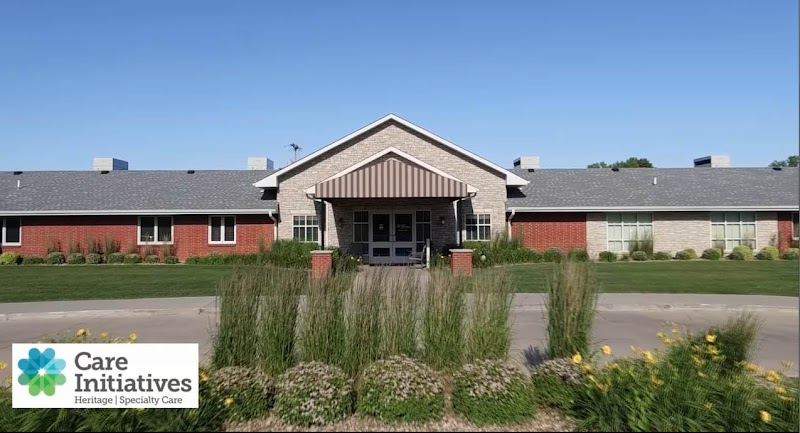
200 Clive Drive SW, Cedar Rapids, IA 52404 (319) 396-7171
Non profit - Corporation 171 Beds CARE INITIATIVES Data: November 2025 2 Immediate Jeopardy citations
Trust Grade
0/100
#355 of 392 in IA
Last Inspection: May 2025

Inspected within the last 6 months. Data reflects current conditions.

Overview

Heritage Specialty Care in Cedar Rapids, Iowa, has received a Trust Grade of F, indicating poor performance with significant concerns. Ranked #355 out of 392 facilities in Iowa, they are in the bottom half of the state, and #16 out of 18 in Linn County, meaning only one local option is worse. The facility's situation is worsening, with the number of issues identified increasing from 11 in 2024 to 17 in 2025. While staffing is rated as a strength with 4 out of 5 stars and a turnover rate of 47%, which is average, the facility has faced concerning fines totaling $59,855. Critical incidents include allowing a resident to leave the facility without proper consent, failing to supervise residents adequately to prevent wandering, and administering medications incorrectly, all of which raise serious safety and care quality concerns.
Trust Score
F
0/100
In Iowa
#355/392
Bottom 10%
Safety Record
High Risk
Review needed
Inspections
Getting Worse
11 → 17 violations
Staff Stability
⚠ Watch
47% turnover. Above average. Higher turnover means staff may not know residents' routines.
Penalties
✓ Good
$59,855 in fines. Lower than most Iowa facilities. Relatively clean record.
Skilled Nurses
○ Average
Each resident gets 36 minutes of Registered Nurse (RN) attention daily — about average for Iowa. RNs are the most trained staff who monitor for health changes.
Violations
⚠ Watch
57 deficiencies on record. Higher than average. Multiple issues found across inspections.
★☆☆☆☆
1.0
Overall Rating
★★★★☆
4.0
Staff Levels
★★☆☆☆
2.0
Care Quality
★☆☆☆☆
1.0
Inspection Score
Stable
2024: 11 issues
2025: 17 issues

The Good

  • 4-Star Staffing Rating · Above-average nurse staffing levels
  • Full Sprinkler Coverage · Fire safety systems throughout facility
  • No fines on record

Facility shows strength in staffing levels, fire safety.

The Bad

1-Star Overall Rating

Below Iowa average (3.0)

Significant quality concerns identified by CMS

Staff Turnover: 47%

Near Iowa avg (46%)

Higher turnover may affect care consistency

Federal Fines: $59,855

Above median ($33,413)

Moderate penalties - review what triggered them

Chain: CARE INITIATIVES

Part of a multi-facility chain

Ask about local staffing decisions and management

The Ugly 57 deficiencies on record

2 life-threatening 6 actual harm
Aug 2025 5 deficiencies
CONCERN (D) 📢 Someone Reported This

A family member, employee, or ombudsman was alarmed enough to file a formal complaint

Potential for Harm - no one hurt, but risky conditions existed

Deficiency F0658 (Tag F0658)

Could have caused harm · This affected 1 resident

**NOTE- TERMS IN BRACKETS HAVE BEEN EDITED TO PROTECT CONFIDENTIALITY** Based on clinical record review, staff and resident interviews, observations and policy review the facility failed to administer...

Read full inspector narrative →
**NOTE- TERMS IN BRACKETS HAVE BEEN EDITED TO PROTECT CONFIDENTIALITY** Based on clinical record review, staff and resident interviews, observations and policy review the facility failed to administer medications as ordered for one of three residents reviewed (Resident #8). The facility reported a census of 118 residents. Findings include: The Minimum Data Set (MDS) dated [DATE] revealed Resident #8 had an admission date of 8/12/25. The resident had a Brief Interview for Mental Status score of 9 out of 15, which revealed moderate cognitive impairment. The resident had diagnoses which included Non-Alzheimer's Dementia, Traumatic Brain Injury and anxiety. The resident required partial/moderate assistance with activities of daily living. Review of the Facility Incident Report dated 8/12/25 at 11:53 am revealed the following: Resident #8 received another's medication in error on 8/13/25 during morning medication pass. The Incident Report revealed the facility received a phone call from the pharmacy provider reporting they sent the wrong medications for Resident #8. The pharmacy placed another resident's medications (a resident not at the facility) into the medication bubble pack with Resident #8's name on the bubble pack. The pharmacy sent 4 medication bubble packs for Resident #8 which included: Diltiazem ER (extended release) 360 milligrams (anti-hypertensive), Furosemide 20 milligrams (diuretic), Lisinopril 10 milligrams (anti-hypertensive) and Potassium ER 20 milligrams (supplement to treat low potassium). Review of the resident's physician orders dated 8/12/25 revealed the resident had the following medication orders: Amlodipine 10 milligrams one time daily (anti-hypertensive)Aspirin EC (enteric coated) 81 milligrams daily (blood thinner)Fluoxetine HCL 10 milligrams daily (anti anxiety) Lisinopril 20 milligrams 2 tablets daily (anti-hypertensive)Pravastatin Sodium 40 milligrams daily (high cholesterol)A review of the Facility's Progress Notes revealed the following notation regarding the medication error dated 8/13/25 at 12:00am: The Medical Provider notified of the medications. Hourly vitals initiated from the time the medication was given per medical provider. The daughter became aware. During an interview with Staff G-LPN (Licensed Practical Nurse) on 8/20/25 at 12:45 pm, the staff stated he worked on the day shift of 8/13/25 on Resident #8's unit. He went into her room and offered her the morning medications. He reported she took the medications whole with water. The process he did to pass her medications; he checked each medication he gave against the medication administration record for the resident, compared them to make sure he gave the correct medications. He said the medications in the card matched the [Electronic Health Record] medication administration record. He stated at about 10:00 am Staff H-LPN/Assistant Director of Nurses (ADON) approached him and asked if he gave Resident #8 her medications earlier, he said he had. Staff G stated Staff H told him he gave the resident the wrong medications. Staff G pulled up the resident's medication administration record at that time, Staff G stated it was a different one from the one he saw earlier. Staff G stated he knew that [Electronic administration record] had made some errors recently. He stated he gave Resident #8 her medications between 7:30-8:00 am that morning. He stated he had no idea how the electronic medication record got changed. During an interview with Staff H at 8/19/25 at 2:30 pm., Staff H stated she got a call from their pharmacy provider pharmacist, and they reported they sent the resident the wrong medications to the facility which was discovered at the pharmacy level. Staff G gave the incorrect medications to the resident on 8/13/25 at 8:13 am. When Staff H asked the nurse about the medications, he had already given the medications. He said he looked at the meds and claimed the medications in the card with Resident #8's on them matched the medication administration record. The resident was given Lasix, diltiazem, lisinopril and potassium in error. Staff H stated she examined the medication cards for Resident #8 prior to sending them back to the pharmacy and stated each card was missing 1 pill. She stated the medication cards had Resident #8's name on them but they were not the resident's medications. If Staff G would have compared the medication cards to the electronic medication administration record he would have recognized the error prior to giving the resident the wrong medications. During an interview with a Pharmacy Representative on August 25, 2025 at 8:40 regarding Resident #8's medication error. The Pharmacist stated they sent the wrong medication to the facility on 8/12/25. They discovered the error the following morning at about 10:00 am and alerted the facility. The Pharmacist spoke to Staff H and reported the error. Staff H removed 4 medication bubble packs to return to the pharmacy. The 4 bubble packs were each missing 1 pill which he indicated were given to Resident #8 that morning. A review of the Facility Policy titled Administering Medications dated as last revised April 2019 had documentation of the following: a. As required or indicated for a medication, the individual administering the medication records in the resident's medical record. aa. The date and time the medication was administered;bb. The dosage;cc. The route of administration;dd. The injection site (if applicable);ee. Any complaints or symptoms for which the drug was administered;ff. Any results achieved and when those results were observed;gg. The signature and tile of the person administering the drug;b. Medications ordered for a particular resident may not be administered to another resident, unless permitted by State law and facility policy and approved by the Director of Nursing Services.
CONCERN (D) 📢 Someone Reported This

A family member, employee, or ombudsman was alarmed enough to file a formal complaint

Potential for Harm - no one hurt, but risky conditions existed

ADL Care (Tag F0677)

Could have caused harm · This affected 1 resident

**NOTE- TERMS IN BRACKETS HAVE BEEN EDITED TO PROTECT CONFIDENTIALITY** Based on observation, staff and resident interviews, and clinical record review the facility failed to offer toileting assistanc...

Read full inspector narrative →
**NOTE- TERMS IN BRACKETS HAVE BEEN EDITED TO PROTECT CONFIDENTIALITY** Based on observation, staff and resident interviews, and clinical record review the facility failed to offer toileting assistance for one of three residents reviewed. (Resident #3). The facility reported a census of 118 residents.Findings include:The Minimum Data Set (MDS) dated [DATE] revealed Resident #3 had no memory impairment, required partial assistance for transfers from one surface to another and had diagnoses including stroke and hemiplegia. The Care Plan revealed the resident had a fall risk dated 10/12/2024, and it directed staff to encourage the use of a call light and ensure it is within reach.On 7/30/2025, Staff B, CNA (Certified Nursing Assistant) reported when she arrived to work, she heard the resident calling out for assistance and rattling the bed rail. Staff B observed the resident's call light on the wall and out of reach. The resident had been incontinent of bowel and bladder. The Facility Incident Report dated 7/30/2025 included the resident reported the third shift aide failed to provide assistance when he had incontinent bowel and bladder. He could not call for help since the call light was out of reach. Staff assessed the resident and failed to identify a skin issue.On 8/18/2025 at 10:00 am the resident reported the incident occurred one time. He had no recall of the staff involved and no further concerns.On 8/20/2025 at 10:28 am, Staff C, DON (Director of Nursing) reported the morning Resident #3 did not have his call light within reach and called out for help, he had incontinent bowel. He reported to staff the night shift aide failed to place his call light within reach after she had been in there previously. She placed the call light on the box, on the wall. The resident was independent in his room and at times staff put it out of his way so he didn't roll over it. They re-educated staff and focused on what defines abuse and customer service.On 8/20/2025 at approximately 11 am, Staff B, CNA reported working at the facility since February, 2025, full time on the day shift from 6 am - 2 pm. Normally, staff did a room to room report with the night shift, however on July 30th, they did not do a room to room report. She entered the front door and walked down the hall to the nurse's station when she heard Resident #3 shaking his bed rail, and calling hey. That was what he did if he dropped his call light or cannot get to it. Staff B observed the resident with incontinent bowel and bladder. She asked him what was going on since he was normally continent. He reported someone put him into bed and took his call light. Staff B observed the call light on the wall, on top of the call light box. Staff B provided cares, transferred him to his chair and asked Staff G, ADON (Assistant Director of Nursing) to speak to him. The facility Activities of Daily Living (ADLs), Supporting, revised March 2018 included: Residents will provided with care, treatment and services as appropriate to maintain or improve their ability to carry out activities of daily living (ADLs). Residents who are unable to carry out activities of daily living independently will receive the services necessary to maintain good nutrition, grooming and personal and oral hygiene .1. Residents will be provided with care, treatment and services to ensure that their activities of daily living (ADLs) do not diminish unless the circumstances of their clinical condition(s) demonstrate that diminishing ADLs are unavoidable .2. Appropriate care and services will be provided for residents who are unable to carry out ADLs independently, with the consent of the resident and in accordance with the plan of care, including appropriate support and assistance with: . c. Elimination (toileting).
CONCERN (E) 📢 Someone Reported This

A family member, employee, or ombudsman was alarmed enough to file a formal complaint

Potential for Harm - no one hurt, but risky conditions existed

Deficiency F0558 (Tag F0558)

Could have caused harm · This affected multiple residents

**NOTE- TERMS IN BRACKETS HAVE BEEN EDITED TO PROTECT CONFIDENTIALITY** Based on observation, clinical record review, staff and resident interviews, and facility policy, the facility failed to ensure ...

Read full inspector narrative →
**NOTE- TERMS IN BRACKETS HAVE BEEN EDITED TO PROTECT CONFIDENTIALITY** Based on observation, clinical record review, staff and resident interviews, and facility policy, the facility failed to ensure each resident had the call light accessible for Resident #3, Resident #6, and for multiple residents observed in resident rooms. The facility reported a census of 118 residents. Findings include: 1.The MDS (Minimum Data Set) dated 7/24/2025 revealed Resident #6 had no cognitive impairment, required moderate assistance of staff to transfer from bed to chair and had a history of falls. The resident had diagnoses including heart failure and neoplasm of the pelvis. The resident's care plan reported the resident had a history of falls. It directed staff to encourage the resident to use the call light. Observation on 8/18/2025 at 8:25 am revealed the resident sat up in bed eating breakfast. The resident's soft touch call light sat on the bedside stand out of reach, and the bed control sat on the floor. The resident indicated she could not reach the call light and stated she would yell for help if needed. 2.The MDS dated [DATE] revealed Resident #3 had no memory impairment, required partial assistance for transfers from one surface to another and had diagnoses including stroke and hemiplegia. The Care Plan revealed the resident had a fall risk dated 10/12/2024, and it directed staff to encourage the use of a call light and ensure it is within reach. On 7/30/2025, Staff B, CNA (Certified Nursing Assistant) reported when she arrived to work, she heard the resident calling out for assistance and rattling the bed rail. Staff B observed the resident's call light on the wall and out of reach. The resident had been incontinent of bowel and bladder. The Facility Incident Report dated 7/30/2025 included the resident reported the third shift aide failed to check and change him and he could not call for help since the call light was out of reach. Staff assessed the resident and failed to identify a skin issue. The facility educated staff and disciplined the night shift aide assigned to the resident. On 8/18/2025 at 10:00 a.m. the resident verified the incident occurred one time.The facility policy titled Answering the Call Light revised March 2021 included: .5. When the resident is in bed or confined to a chair be sure the call light is within easy reach of the resident.3. Observations on 8/18/25 during a facility wide call light audit at 8:35 am-8:54 am revealed the following: a. At 8:35 am, the call light in room [ROOM NUMBER] C 27 noted to be hanging on the wall, the resident in bed without access to her call light. b. At 8:37 am, the call light in room [ROOM NUMBER] C 26 not assessable to the resident, the resident in bed, the call light on the floor next to the resident's bed.c. At 8:43 am, the call light in room [ROOM NUMBER] B 43 the call light in the top drawer not accessible to the resident as the resident rested in bed.d. At 8:45 am, the call light in room [ROOM NUMBER] B 16 noted on the floor. The resident in bed eating breakfast, the resident asked where the call light was, she stated she had no idea.e. At 8:47 am, the call light is noted to be hanging on the wall, the resident in his wheelchair. The call light not assessable to the resident. f. At 8:47 am, the call light noted to be hanging on the wall. The resident is sitting in his wheelchair watching TV. The call light was not assessable to the resident.
CONCERN (E) 📢 Someone Reported This

A family member, employee, or ombudsman was alarmed enough to file a formal complaint

Potential for Harm - no one hurt, but risky conditions existed

Safe Environment (Tag F0584)

Could have caused harm · This affected multiple residents

Based on observation, maintenance record review, staff interviews, and facility policy review, the facility failed to provide a clean and homelike environment. The facility reported a census of 118 re...

Read full inspector narrative →
Based on observation, maintenance record review, staff interviews, and facility policy review, the facility failed to provide a clean and homelike environment. The facility reported a census of 118 residents. Findings include: Observation on 8/18/25 at 8:00 am revealed a large, blackened area on the carpet in the main lobby area, located between the conference room and Administrator's office. The blackened area measured approximately 15 feet long by 6 feet wide. Observation on 8/19/25 at 8:46 am revealed the carpet at the entrance of the skilled unit coming from Station 3 had a darkened area which measured approximately 13 feet long by 3 feet in width. On 8/20/2025 at 10:25 a.m., Staff C, DON (Director of Nursing) reported when she first started in June, the facility had a resident who had a visitor who brought some things in from home, and they discovered bed bugs. They isolated the belongings, bagged them up, and treated the room. On 8/20/2025 at 11:25 am, Staff D, the Corporate Director of Facilities manager, revealed the facility had the carpet cleaned two times in the last six months, two months ago and then within the last six weeks. When they found bed bugs in a room, they followed facility policy and procedure. The facility notified him, and staff removed the resident from his room and provided a shower. They bagged and laundered his clothing and relocated the resident to another room for that night. They bagged everything in the room, and laundered and dried it at 160 degrees. The facility had a contract to pests. They pulled light and plug covers, and removed furniture from the room. If the facility owned the chair in the room, it was put in the dumpster. If the family owned the chair they worked with the family and treated the chair. Room was left empty for 24 hours and rechecked by the contracted company. On 8/20/2025 at 11:41 am, Staff E, Maintenance reported station 4 had bed bugs in a room. Staff took the resident to the shower room, bagged the clothing, moved him to another room, and the contracted company came. They had not had further issues. The resident had bed bugs at home and family came into the building and brought clothing from home. They asked family to refrain from bringing in clothing and they took care of the issue at home. [Contracted company name redacted] came quarterly and as needed. Housekeeping has control of the carpet cleaning. On 8/20/2025 at 12:05 pm, Staff F, Housekeeping Supervisor reported the facility had a commercial company clean the facility carpet. At this point, the carpet was worn down and cleaning was not very effective. They were working on replacing the carpet, but they had not identified when it would get completed. The most recently provided service on August 7. They planned to remove the carpet and install laminate flooring. The facility had four housekeepers during the day and two on the evening shift. Daily housekeeping tasks included the cleaning of each bathroom, wiping down handrails, toilets, and everything a resident touched. Housekeeping staff deep cleaned one room every day, stripped and wax floors in the fall, and buffed floors every Tuesday. During an interview with Staff A, Maintenance Supervisor at 8:10 am, Staff A stated the corporation had a plan to replace the dirty carpet but it won't probably happen until next year.
CONCERN (E) 📢 Someone Reported This

A family member, employee, or ombudsman was alarmed enough to file a formal complaint

Potential for Harm - no one hurt, but risky conditions existed

Deficiency F0865 (Tag F0865)

Could have caused harm · This affected multiple residents

Based on the Centers for Medicare and Medicaid Services (CMS) Statement of Deficiencies form, the facility Quality Assurance and Performance Improvement (QAPI) Plan, and staff interview the facility f...

Read full inspector narrative →
Based on the Centers for Medicare and Medicaid Services (CMS) Statement of Deficiencies form, the facility Quality Assurance and Performance Improvement (QAPI) Plan, and staff interview the facility failed to carry out Quality Assurance activities to ensure effective measures had been taken to correct deficiencies and prevent their ongoing prevalence. The facility reported a census of 118 residents. Findings include:The CMS 2567, dated June 12, 2025 reflected deficiencies identified for medication administration. The current complaint survey, conducted 8/18/2025 - 8/26/2025 also identified the above concern. In an interview on 8/20/2025 at 2:00 pm, the Administrator explained the QAPI team met monthly to discuss the Performance Improvement Projects (PIP) and quarterly with the full team. Data was collected via an online program, suggestion boxes, grievance forms, and when the [State Agency] found a deficiency. The facility prioritized the issues that impinged on residents' quality of life or rights. She explained there was a PIP in place for the previous survey deficiency but they were still struggling.On 8/20/2025 at 10:30 a.m., the DON (Director of Nursing) reported the QAPI team reviewed medication administration rights, reports of refusals and missed medications, and continue to do audits for the last survey ending in June. The facility QAPI Plan received from the administrator on 8/25/2025 included: Our companies written QAPI Plan provides guidance for our overall quality improvement program. QAPI activities and outcomes will be on the agenda of every staff meeting. The QAA (Quality Assessment and Assurance) committee will report all activities to the governing body during their regularly scheduled meetings. The QAA committee will have responsibility for reviewing data, suggestions, and input from residents, staff, family members and other stakeholders. The QAA committee will prioritize opportunities for improvement and determine which performance improvement projects will be initiated. When an issue or problem is identified that is not systemic and does not require a performance improvement project, the QAA committee will decide how to correct the issue or problem. These corrections may include an easy decision, corrective action plan, or rapid improvement cycle.
Jun 2025 3 deficiencies 3 Harm
SERIOUS (G) 📢 Someone Reported This

A family member, employee, or ombudsman was alarmed enough to file a formal complaint

Actual Harm - a resident was hurt due to facility failures

Deficiency F0658 (Tag F0658)

A resident was harmed · This affected 1 resident

**NOTE- TERMS IN BRACKETS HAVE BEEN EDITED TO PROTECT CONFIDENTIALITY** Based on observation, record review, resident, family and staff interview, the facility failed to administer medications as orde...

Read full inspector narrative →
**NOTE- TERMS IN BRACKETS HAVE BEEN EDITED TO PROTECT CONFIDENTIALITY** Based on observation, record review, resident, family and staff interview, the facility failed to administer medications as ordered for two of three residents reviewed (Residents #2 and #3). The facility reported a census of 118 residents. Findings include: 1. The Minimum Data Set (MDS) dated [DATE] identified Resident #2 as cognitively intact with a BIMS (Brief Interview for Mental Status) score of 14 and had the following diagnoses: Heart Failure, Coronary Artery Disease, Wound Infection, and Diabetes Mellitus. The MDS also identified Resident #2 to be totally dependent on staff assistance for oral hygiene, toileting hygiene, lower body dressing, and transfers from bed to chair or toilet. A review of the Facility Incident Report dated 5/23/25 at 6:30 AM, had documentation of the following: Resident #2 received Resident #7's medications in error. Resident #2 did not have a profile picture on file, no name tag on door, and was responding to the name for Resident #7 during conversation that morning. Resident #2 was given Resident #7's medications as follows: Tylenol, Buspirone, Cetirizine, Lamotrigine, Magnesium Oxide, Meloxicam, Mupirocin, Prednisolone Acetate eye drops, Risperidone, Sertraline, Topiramate, and Vitamin D3. Resident #2 became lethargic afterward. A review of Resident #7's Medication Administration Record revealed the following scheduled medications were ordered: a. Cetirizine HCl Oral Tablet 10 mg (milligrams) Give 1 tablet by mouth one time a day for runny nose/congestion. b. Meloxicam Oral Tablet 15 mg Give 1 tablet by mouth one time a day for Inflammation. c. Sertraline HCl Oral Tablet 50 mg Give 1 tablet by mouth one time a day related to Anxiety Disorder (side effects can include feeling sleepy or tired). d. Vitamin D3 Oral Tablet 125 mcg (micrograms) Give 1 tablet by mouth one time a day related to Vitamin D Deficiency. e. Lamotrigine Oral Tablet Give 100 mg by mouth two times a day related to Epilepsy. (Side effects can include dizziness, difficulty with balance, coordination). f. Magnesium Oxide Oral Tablet Give 400 mg by mouth two times a day for Supplementation (Side effects can include dizziness, heart arrhythmia - abnormal heart rhythm). g. Prednisolone Acetate Ophthalmic Suspension 1% Instill 1 drop in both eyes two times a day for Inflammation. h. Risperdal Oral Tablet 4 mg Give 4 mg by mouth two times a day related to Schizoaffective Disorder. (Side effects can include: drowsiness, dizziness). i. Topiramate Oral Tablet 100 Give 1 tablet by mouth two times a day related to Epilepsy (Side effects can include: dizziness, tiredness and fatigue). j. Buspirone HCl Oral Tablet 15 mg Give 1 tablet by mouth three times a day related to Anxiety Disorder (Side effects can include: dizziness and fatigue). k. Acetaminophen Tablet 325 mg Give 2 tablets by mouth four times a day for elevated temperature; pain. A review of Resident #2's MARs revealed Resident #2 also received the following: a. Amlodipine Besylate Oral Tablet 10 mg Give 1 tablet by mouth one time a day related to Essential Hypertension. b. Ascorbic Acid Tablet 500 mg Give 1 tablet by mouth one time a day related to unspecified severe protein-calorie malnutrition. c. Aspirin 81 Oral Tablet Chewable 81 mg Give 1 tablet by mouth one time a day related to Peripheral Vascular Disease. d. Bupropion HCl Oral Tablet Give 300 mg by mouth one time a day related to Major Depressive Disorder. e. Cholecalciferol Oral Tablet 50 mcg (2000 UT) Give 1 tablet by mouth one time a day related to unspecified severe protein-calorie malnutrition. f. Clopidogrel Bisulfate Oral Tablet 75 mg Give 1 tablet by mouth one time a day related to Peripheral Vascular Disease. g. Ferrous Sulfate Tablet 325 mg Give 1 tablet by mouth one time a day for supplementation Iron Deficiency. h. Fluconazole Oral Tablet 100 mg Give 5 tablets by mouth one time a day for infection. i. Furosemide Oral Tablet 20 mg Give 1 tablet by mouth one time a day related to Chronic Systolic Congestive Heart Failure. j. Lactobacillus Rhamnosus Oral Capsule Give 1 capsule by mouth one time a day for at high risk for diarrhea. l. Pantoprazole Sodium Oral Tablet Delayed Release 40 mg Give 1 tablet by mouth one time a day related to GERD (Gastro-Esophageal Reflux Disease). m. Polyethylene Glycol 3350 Powder Give 17 grams by mouth one time a day for constipation. n. Sennosides-Docusate Sodium Tablet 8.6-50 mg Give 1 tablet by mouth one time a day for Constipation. o. Tamsulosin HCl Oral Capsule 0.4 mg Give 2 capsules by mouth one time a day for urinary retention. p. Venlafaxine HCl ER Oral Capsule Extended Release 24 Hour 150 mg Give 1 capsule by mouth one time a day related to Anxiety Disorder. q. Fluticasone-Salmeterol Inhalation Aerosol Powder Breath Activated 250-50 mcg/act 2 puffs inhale Orally two times a day related to COPD (Chronic Obstructive Pulmonary Disease). r. Levetiracetam Oral Tablet 250 mg Give 1 tablet by mouth two times a day for seizure. s. Magnesium Oxide Oral Tablet 400 mg Give 1 tablet by mouth two times a day for hypomagnesemia. t. Metoprolol Tartrate Oral Tablet 50 mg Give 1 tablet by mouth two times a day related to Essential Hypertension. u. Ziprasidone HCl Oral Capsule 40 mg Give 1 capsule by mouth two times a day related to Anxiety Disorder. v. Gabapentin Capsule 300 mg Give 1 capsule by mouth three times a day for phantom limb syndrome. w. Acetaminophen Tablet 325 mg Give 2 tablets by mouth every 4 hours as needed for Elevated Temperature; Pain. Do not exceed maximum dose of 3000 mg daily. (had already received Resident #7's 650 mg of Acetaminophen). A review of the Facility Progress Notes revealed the following: 5/23/25 at 9:05 AM Medication error occurred. Resident notified of medication error. No known allergies to medicine given. Vital signs taken at 9:00 AM 110/60, temperature 98.2, heart rate 70, respiratory rate 14, oxygen saturation 90% on room air. Resident alert. 5/23/25 at 10:00 AM Reassessed during bladder scan. Alert, lethargic, but able to arouse. Able to communicate back to nurse that he understands he is getting a bladder scan. Oral fluids offered. Physician Assistant notified of medication error and ordered to monitor and send to the hospital if level of consciousness becomes worse. 5/23/25 at 12:00 PM Increased lethargy, blood pressure 99/54, heart rate 66, respiratory rate 12 and oxygen saturation 88% on room air. Pupils constricted with increased confusion noted when he spoke. Sent to the hospital per ambulance. Family notified of resident being sent to the hospital. A review of the Hospitalist Note dated 5/23/25 had documentation of the following: Presented on 5/23/25 with a recent bilateral BKA (below the knee amputation) with unintentional medication ingestion. Per report he received both his home medications in the morning as well as medications that are supposed to be given to another resident. Management included: a. ICU for close hemodynamic monitoring b. Telemetry, monitor QTC and QRS. c. Received sodium bicarb in Emergency Department, per discussion with nursing and poison control, poison control recommended sodium bicarb infusion as well as potassium, target Magnesium greater than 2, Potassium level greater than 4. d. Will review with pharmacy and hold home offending medications until safe to resume. On 5/28/25, The Care Plan identified Resident #2 with the problem of being at risk for adverse reaction related to polypharmacy. He takes multiple medications with black box warnings. He had a recent accidental medication administration episode. The Care Plan had the following interventions: a. Monitor for possible signs and symptoms of adverse drug reaction: falls, weight loss, fatigue, incontinence, agitation, lethargy, confusion, agitation, depression, poor appetite, constipation, gastric upset. b. Review pharmacy consult recommendations, and follow up as indicated. In an interview on 6/9/25 at 11:38 AM, Resident #2's Family Member reported the following: a. The nursing home did call her to report that he had received another resident's medications. They let the doctor know, he said to keep an eye on him. b. Later he developed a rash and had trouble breathing. c. He was later admitted to the hospital and stayed for four days. In an interview and observation on 6/10/25 at 7:50 AM, Resident #2 reported he had been given someone else's medication. The pills looked identical, but they gave him the wrong ones. The nurse asked him what his name was and called him by the right name. They sent him to the hospital and kept him for 4 days. After he received those other medications, he got more sleepy and the nurse said his pupils were pinpoint. Resident #2 sat up in bed and appeared to be awake and alert, wearing a clean hospital gown with a wound vac in place to the left stump (he had bilateral amputations below the knee) and an indwelling catheter in a dignity bag below the bladder level. He was properly positioned and appeared comfortable. In an interview on 6/10/25 at 2:04 PM, Staff E, RN reported the following: a. Before administering meds to a resident, the nurse or CMA (Certified Medication Aide) should make sure you have the right resident, use identifying data such as birth date, picture, and have them verbally confirm their information is correct if they are able to do that, check right dose, route, medicine, time and reason they are taking it and right documentation. b. On 5/23/25 at 9:05 AM she recalled Staff G, RN reported she made a medication error. Staff G called the physician assistant right away. He told her to continue to monitor him, take his vitals and if he has increasing lethargy or stupor or difficult to arouse. Call him if worsening. c. When Staff E entered the room after lunch, for a dressing change, Resident #2 was difficult to arouse. His color was normal, respirations were a little lower than his usual, but not alarmingly low. He was in the hospital for at least 5 or 6 days. d. The error could have been prevented by slowing down and double checking and making sure you have the right person to start with. She would take the card and compare to the MAR (Medication Administration Record) and do each med that way twice. e. Typically, when assigned to give meds on the skilled unit, at the most there are 30 residents. Recently we have 15 to 18 residents in the skilled unit. In an interview on 6/10/25 at 1:50 PM, Staff F, CNA reported the following: on 5/23/25 after lunch, Resident #2 looked sleepy. She was not sure what caused that. He wasn't really responding to us when we would call out his name. She reported it to the nurses right away. In an interview on 6/10/25 at 2:42 PM, Staff G, RN reported the following: a. Before administering medications to a resident, the nurse/CMA should follow the 5 rights of administration, right dose, time, route, patient, medications. b. In May 2025 (she could not recall the exact date, but remembered she wrote it on her statement for the incident report), she accidentally gave Resident #2 another resident's (Resident #7's) medications before breakfast. c. She had to give medications to 13 residents that day. d. There were a lot of call lights on, there was only one nurse (Staff G) and one CNA and the second nurse did not arrive until 8:00 AM. She wanted to catch up with med pass and give pain meds when she arrived. e. At 8:30 AM, she went to do a bladder scan on him and noticed he was pretty lethargic, we did a sternal rub, he was talking, he said when EMS (Emergency Medical Services) came to pick him up, he didn't want to go to the hospital, but he had trouble staying awake. Then I notified the provider, the physician assistant who was on call. The EMTs (Emergency Medical Technicians) arrived before lunch and took him to the hospital. f. The error could have been prevented if she did not let all the distractions overwhelm her. She should have gone through the 5 rights and she should have notified the provider immediately when she made the mistake. If you are the nurse on the floor, you are considered the charge nurse. In an interview on 6/12/25 at 9:57 AM, the Director Of Nursing reported he felt the cause of the above medication error was due to human error, complicated by the failure to properly identify the correct resident prior to administration of medication. 2. The Minimum Data Set, dated [DATE] identified Resident #3 as cognitively intact with a BIMS (Brief Interview for Mental Status) score of 14 and had the following diagnoses: Coronary Artery Disease, Heart Failure, and Diabetes Mellitus. The MDS also identified Resident #3 as independent with all activities of daily living. On 6/6/25, the Care Plan identified Resident #3 with the problem of having Diabetes Mellitus and provided signs and symptoms of hypo/hyperglycemia, however, it failed to direct staff to double check the amount of insulin to be administered. During an observation of a medication pass, Resident #3 received the wrong dose of insulin. On 6/10/25 at 12:45 PM, Staff J, RN drew up Aspart Insulin 12 units. Upon entering Resident #3's room, she informed her that her blood glucose was 213 and she had insulin for that. Staff J administered 12 units of Aspart insulin to Resident #3. A review of the June 2025 Medication Administration Record revealed an order for Novolog (Aspart) Insulin Inject 15 units subcutaneously in the afternoon related to Type 2 Diabetes Mellitus with lunch. Hold if lunch is not eaten. Novolog (Aspart) Insulin Inject as per sliding scale: Inject as per sliding scale: if 150 - 199 = 1 unit; 200 - 249 = 2 units; 250 - 299 = 3 units; 300+ Notify provider, subcutaneously three times a day for Diabetes. Administer even if the patient is NPO (Add to pre-meal insulin) In an interview on 6/12/25 at 10:25 AM, Staff J, RN reported the following: a. She did admit she drew up 13 units b. She could not recall if the order was supposed to be for 15 units. c. She worked the dementia wing that morning and had to work long term care in the afternoon. This makes it difficult when they switch halls in the middle of the shift. In an interview on 6/12/25 at 11:00 AM, the DON verified the correct amount of insulin that Resident #3 should have received on 6/10/25 at 12:45 PM should have been Aspart a total of 15 units for the scheduled dose and an additional 2 units for the sliding scale. The total amount that should have been given should have been 17 units. A review of the Facility Policy titled: Administering Medications dated as last revised April 2019 had documentation of the following: a. As required or indicated for a medication, the individual administering the medication records in the resident's medical record: aa. The date and time the medication was administered; bb. The dosage; cc. The route of administration; dd. The injection site (if applicable); ee. Any complaints or symptoms for which the drug was administered; ff. Any results achieved and when those results were observed; and gg. The signature and title of the person administering the drug. b. Medications ordered for a particular resident may not be administered to another resident, unless permitted by State law and facility policy, and approved by the Director of Nursing Services.
SERIOUS (G) 📢 Someone Reported This

A family member, employee, or ombudsman was alarmed enough to file a formal complaint

Actual Harm - a resident was hurt due to facility failures

Quality of Care (Tag F0684)

A resident was harmed · This affected 1 resident

**NOTE- TERMS IN BRACKETS HAVE BEEN EDITED TO PROTECT CONFIDENTIALITY** Based on record review, family and staff interview, and facility policy review, the facility failed to properly assess and inter...

Read full inspector narrative →
**NOTE- TERMS IN BRACKETS HAVE BEEN EDITED TO PROTECT CONFIDENTIALITY** Based on record review, family and staff interview, and facility policy review, the facility failed to properly assess and intervene after administration of a rapid acting insulin (without consuming the meal) to 1 of 3 residents reviewed with orders for insulin (Resident #1). This resulted in the resident becoming unresponsive with a blood glucose of 25 and being sent to the hospital. The facility reported a census of 118 residents. Findings include: The Minimum Data Set, dated [DATE] identified Resident #1 as severely cognitively impaired with a BIMS (Brief Interview for Mental Status) score of 0 and had the following diagnoses: Heart Failure, Urinary Tract Infection, and Diabetes Mellitus. The MDS identified Resident #1 was dependent on staff assistance for most activities of daily living with the exception of eating and oral hygiene. Observations of Resident #1 could not be completed as she was still hospitalized during the investigation. On 5/17/25, the Care Plan identified Resident #1 with the problem of using insulin/hypoglycemic medications related to diabetes and directed staff to monitor blood glucose as ordered. The Care Plan failed to direct staff on the need to observe for signs of hypoglycemia (low blood sugar) or hyperglycemia (high blood sugar), or list actions to take if the resident presented signs of either one. A review of the Incident Report dated 6/4/25 at 3:30 PM revealed the following: Incident Description: Resident had her lunch at bedside table, the Nurse asked the resident to eat and uncovered her food for her then proceeded to administer her ordered insulin and SSI (sliding scale insulin) prior to the resident eating. Resident later found to be hypoglycemic with a blood sugar ranging from 25-35 prior to EMS arrival. Facility notified of allegation of abuse made by the Hospital for Neglect related to hypoglycemic occurrence. Level of Consciousness: Comatose (Un-arousable to verbal or physical stimuli) Statements by staff: Staff I, CNA (written 6/9/25) I brought the residents tray in her room. I know she will only eat if she is sitting up but the resident kept refusing to get up stating she needed a minute and she just woke up. I helped readjust her in bed and helped sit her up. I place the food in front of her and verbally prompted the resident. Staff B, RN (written 6/9/25) I reported for my shift and began preparing for it and someone called to us to check on Resident #1. We walked in and she was not responding, checked her vital signs and were stable but not waking up so I told Staff A, RN to get the glucometer to check her blood sugar, it was 25. I sent the CMA for Staff C,LPN/ADON and she got the Glucagon for me and I administered it. Follow up blood sugar was 35. Staff A, RN (written 6/9/25) I first saw the resident in the daytime, she was talkative and responded to questions. I administered her AM insulin. Around lunch time when she was due to get more insulin I gave her the insulin when she had her tray in front of her. I verbally told her to eat and opened the plate for her, I also told Staff I, CNA to make sure she ate and that they did not pick up her tray to give her more time to eat. I was not able to check on the resident again myself due to assisting other residents. I followed after Staff B, RN into Resident #1's room as I was gathering the supplies to check blood sugar. The blood sugar was 25 and Staff B administered the Glucagon. EMS came and assisted taking the resident. A review of the Progress Notes revealed the following: 6/4/25 at 2:51 PM Vital signs completed and within normal limits. No significant changes noted or reported. The resident resting in bed with eyes closed. 6/4/25 at 4:09 PM Unresponsive. Vital signs documented were dated and timed 6/4/25 at 9:17 AM. Blood glucose at 3:30 PM was 35. The Progress Note did not have documentation of the initial blood glucose of 25 as identified in the Incident Report, or what time the ambulance arrived and transported the resident to the hospital. There was no documentation on 6/4/25 from 3:53 AM until 2:51 PM. A review of the June 2025 Medication Administration Records and Physician Orders had documentation of the following: a. Insulin Lispro Injection Solution Inject 5 unit subcutaneously three times a day, scheduled as AM, Mid Morning, and PM. b. On 6/4/25, doses for AM and Mid morning were signed out as given c. Insulin Lispro Injection Solution (Insulin Lispro) Inject as per sliding scale: if blood glucose 150 - 200 = give 2 units; 201 - 250 = 4 units; 251 - 300 = 6 units; 301 - 350 = 8 units; 351 - 400 = 10 units; 401 - 450 = 12 units > 450 Notify provider., subcutaneously three times a day for diabetes. d. On 6/4/25 AM blood glucose was 205 and received 4 units . On 6/4/25 the mid morning blood glucose was 192 and received 2 units. e. There was no documentation to show Glucagon was given. A review of the Hospitalist note dated 6/4/25 at 7:24 PM had documentation of the following: Today patient received 17 units Humalog around 11:30 AM upon receiving her lunch meal. She did not eat any of this meal. Her son came in around 3:30 PM and noted she was minimally responsive. Blood sugar was found to be 25. Brought to the ER per EMS. Glucose 37. In an interview on 6/10/25 at 11:24 AM, Staff A, LPN reported the following: a. On 6/4/25, before Resident #1 was sent to the hospital, Staff A administered 5 units of her scheduled insulin and an additional 2 units for sliding scale (for a total of 7 units). b. She administered the insulin at 12:30 PM. Lunch was served at 12:00 and when she administered the insulin, her lunch was still untouched. Staff A reminded Resident #1 that her lunch was there and she needed to eat. She was awake and alert at that time. c. Staff A did not see Resident #1 after she administered the above insulin. d. Staff A had already given report to the oncoming shift, Staff B, RN when another staff member reported Staff A should check on Resident #1. Staff A went to the room after 3:00 PM. Staff B was in the room checking her vital signs. e. She could not recall if Resident #1 was alert or lethargic. When Staff A checked her blood sugar, it was 26. She asked Staff C, ADON if she could find some Glucagon. Staff B gave Resident #1 the Glucagon. f. Afterward, Staff A left the room to call 911 while Staff B and Staff C stayed with the Resident #1 until the ambulance arrived. In an interview 6/10/25 at 11:40 AM, Staff B, RN reported the following: a. The process at the facility is to administer insulin with or after the meals. b. When a resident has a blood glucose below 50 and if non-responsive, the nurse should give Glucagon, check the blood sugar again after 15 minutes. c. If the resident is still unresponsive after Glucagon, the nurse should call the ambulance. d. She could not recall if Resident #1 had a history of refusing meals. e. On 6/4/25, Staff B was scheduled to work second shift. When she arrived to Resident #1's room, she was non-responsive. She grabbed her stethoscope and checked her vitals which were all normal. When she checked her blood sugar it was 25. After that she gave her Glucagon and she called the ambulance. Her color was pale pink and her skin was clammy. She tried calling out her name, rubbed her chest and she was still unresponsive. f. After she gave the Glucagon, the ambulance was already at the facility. g. If a resident does not eat after insulin was given, she would check her again after 20 minutes. She could not recall when Staff A gave the insulin or when Resident #1 was checked again. h. Staff B saw Resident #1 last at 3:10 PM. In an interview on 6/10/25 at 11:58 AM, Staff C, LPN/ADON reported the following: a. The process at the facility is to administer insulin normally with meals, unless the doctor orders it differently. b. She could not recall when Resident #1's insulin was ordered to be given. c. If a resident has a blood glucose below 50 and is unresponsive, the nurse should give Glucagon IM (intramuscularly). d. Resident #1 did have a history of refusing to eat, but she does better if the staff help her sit up in the chair. e. Before Resident #1 was sent to the hospital on 6/4/25, Staff C was in her office when Staff A reported Resident #1's blood sugar was 27. They both ran to Resident #1's room and she was unresponsive with her son at the bedside. Her skin was clammy. f. Staff B tried to rub her chest to wake her up. She moved her head, but never opened her eyes. Staff C then ran to get the Glucagon which she gave to Staff B to administer. They rechecked her blood sugar afterward and it was only 30. g. Staff C ran to get another Glucagon from Station 1's E-kit, however, by the time she arrived to the room, the paramedics were already there. h. If she knew the resident did not eat lunch after she gave the insulin, she would expect the nurse to recheck Resident #1 within 15 to 30 minutes. She was not sure if Staff A had rechecked Resident #1 after she gave the insulin. i. The nurse should have checked the resident's blood sugar before giving the insulin, recheck the resident after giving the insulin within 15 to 20 minutes. If the blood sugar is still low and the resident is awake, give the resident some snacks or milk. This should be documented in the nurse's notes. In an interview on 6/10/25 at 10:04 AM, the resident's family member reported the following: a. When he came to visit Resident #1, she was incoherent, she did not open her eyes, she was cold to the touch. Her left arm and face was cold. She was unresponsive and had agonal breathing. (he is a CPR instructor). She had no concept of anything. She was lying on her back which is unusual, she likes to sleep on her side. There was no color to her at all. When he came in it was about 3:20 PM. b. When he arrived, the nurses said they couldn't get her to wake up after they gave her insulin before she ate her lunch. They said it was given at 11:38 AM. And her orders were to give the insulin after her meal because they're supposed to count carbs. This is the standard for her. c. When the nurses arrived, all they did was check her blood sugar, no one checked her vital signs or checked her pupils. He performed a sternal rub to arouse her and had asked Staff D to clear her airway. Staff D left the room and did not return until 10 to 15 minutes later. d. He could not understand why she wasn't sitting up in the chair for lunch. She rarely refuses to eat when she's up in the chair. e. The nurses admitted that they didn't check on her for 4 hours. They did not do a post check on her. On 6/10/25 10:37 AM, in an attempt to contact the Medical Director, the Physician's Assistant answered the call. When asked if the above incident could have been prevented, he responded his interaction with Resident #1 was that she was decisional and cognitively intact enough that she should have eaten after she was given her insulin. If the lunch tray was in front of her and she was cognitively intact, she would have been able to eat. He did not have any reason to suspect that she was cognitively compromised that time. In an interview on 6/10/25 at 3:08 PM, Staff D, CNA/CMA reported the following: a. When asked what are signs that she would need to report to the nurse if a resident has a low blood sugar would be pale skin, unresponsive, fruity breath, clammy skin. b. On 6/4/25, Resident #1 had been in bed all day, she received insulin before she had lunch and at 3:10 PM, Staff B and Staff D checked her blood sugar because she was unresponsive. They checked her vitals and they were fine, then we checked her blood sugar. Her blood sugar was 26. They gave her some type of shot for diabetic people when they have low blood sugar. Staff B tried calling her name, touching her arm, but she was not able to open her eyes or respond. She looked like she was in a deep sleep. She was pale, clammy. c. Resident #1 usually will eat her meals when she sits up in her wheelchair. In an interview on 6/10/25 at 3:18 PM, Staff H, CNA reported the following: a. When asked what are signs that she would need to report to the nurse if a resident has a low blood sugar would be the resident would be sweating, dizzy, unresponsive. b. On 6/4/25, she recalled that the CMA/nurse gave Resident #1 her medications. Staff H brought in her lunch tray and Resident #1 said she did not want to eat. The next thing she remembered was they took her to the hospital. c. After she served her lunch tray, she did not see Resident #1 afterward as she was sent to work in another unit. d. Resident #1 usually does better and will eat if she's sitting up in a chair. In an interview on 6/11/25 at 8:46 AM, Staff I, CNA reported the following: a. When asked what are signs that she would need to report to the nurse if a resident has a low blood sugar, the resident would be unresponsive, not acting like usual, words sluggish, not moving how they should be, if food and drinks haven't been touched, skin pale and dry, drowsy. b. Before Resident #1 was sent to the hospital on 6/4/25, she recalled she brought in her lunch tray between 11:00 AM to 12:00 PM. She was sitting up in bed. Her right arm was very swollen and she reported this to Staff A, RN. c. After she brings in a resident's room tray, she would usually check the resident within 30 minutes to an hour. She checked on Resident #1 again between 12:00 and 1:00 PM and she was sleeping again. She did not touch anything off her tray. She woke her up and asked if she was going to eat anything and told her she needs to eat because she's diabetic. She kept saying she was tired and was trying to get up. She was told you can't force the residents to do anything they didn't want to. She offered her multiple times to have her eat. I left her tray in her room and I helped dietary pick up the rest of the room trays. d. She did not go in there again after she picked up her room tray because there were a lot of call lights going off. When she left for the day, it was 2:20 PM, Resident #1 was still in her room sleeping. e. Resident #1 does better if she sits up in the chair. Staff I admitted she should have sat her up in the chair, maybe she would have eaten more. She did not think that was addressed on her Care Plan. In an interview on 6/11/25 at 12:03 PM, the Director of Nursing reported the following: a. On 6/4/25, Staff A, RN gave Resident #1 scheduled Lispro 5 units and sliding scale Lispro 2 units and the amount she received after 11:30 was a total of 7 units of Lispro. For the entire day, she received a total of 16 units. b. Resident #1 did not eat her lunch after she was given the noon insulin. c. The order did not specify when to give the insulin, nursing judgement would be to administer it with meals. d. He was notified about the incident and arrived to her room at 3:30 PM and Staff B, RN had already given her Glucagon. e. He would have expected the nurse to recheck Resident #1 after giving insulin within 15 to 30 minutes afterward and would have expected her to chart that in the progress notes. f. When asked what he felt the cause of the error was, he reported, he did not think there was an error. The resident had requested her tray, she said she was going to eat, she had the food in front of her. She didn't eat. He would have expected the nurse to recheck the resident within 20 or 30 minutes. g. When asked if he thought the error could have been avoided, he reported he did not think the nurse had sufficient reasoning to believe Resident #1 would refuse to eat her food. The facility policy titled: Management of Hypoglycemia dated as last revised November 2020 had documentation of the following: 1. For hypoglycemia (<54 mg/dL): a. Administer Glucagon (intranasal, intramuscular, or as provided); b. Notify the provider immediately; c. Remain with the resident; d. Place resident in a comfortable and safe place (bed or chair); e. Monitor vital signs; and f. Recheck blood glucose in 15 minutes (as above). 2. If a resident has hypoglycemia and is unresponsive: a. Administer Glucagon (intranasal, intramuscular if order to do so); b. Notify the provider immediately. c. Remain with the resident. d. Place resident in a comfortable and safe place (bed or chair); and e. Monitor vital signs. 3. Documentation Document the resident's blood glucose before intervention. Note blood sugar after each administration of rapid-acting glucose and the follow-up blood sugar. Record the resident's level of consciousness before and after intervention. Document provider instructions.
SERIOUS (G) 📢 Someone Reported This

A family member, employee, or ombudsman was alarmed enough to file a formal complaint

Actual Harm - a resident was hurt due to facility failures

Deficiency F0760 (Tag F0760)

A resident was harmed · This affected 1 resident

**NOTE- TERMS IN BRACKETS HAVE BEEN EDITED TO PROTECT CONFIDENTIALITY** Based on observation, record review, resident, family and staff interview, the facility failed to administer medications as orde...

Read full inspector narrative →
**NOTE- TERMS IN BRACKETS HAVE BEEN EDITED TO PROTECT CONFIDENTIALITY** Based on observation, record review, resident, family and staff interview, the facility failed to administer medications as ordered for two of three residents reviewed (Residents #2 and #3). The facility reported a census of 118 residents.Findings include:1. The Minimum Data Set (MDS) dated [DATE] identified Resident #2 as cognitively intact with a BIMS (Brief Interview for Mental Status) score of 14 and had the following diagnoses: Heart Failure, Coronary Artery Disease, Wound Infection, and Diabetes Mellitus. The MDS also identified Resident #2 to be totally dependent on staff assistance for oral hygiene, toileting hygiene, lower body dressing, and transfers from bed to chair or toilet.A review of the Facility Incident Report dated 5/23/25 at 6:30 AM, had documentation of the following:Resident #2 received Resident #7's medications in error.Resident #2 did not have a profile picture on file, no name tag on door, and was responding to the name for Resident #7 during conversation that morning. Resident #2 was given Resident #7's medications as follows: Tylenol, Buspirone, Cetirizine, Lamotrigine, Magnesium Oxide, Meloxicam, Mupirocin, Prednisolone Acetate eye drops, Risperidone, Sertraline, Topiramate, and Vitamin D3. Resident #2 became lethargic afterward.A review of Resident #7's Medication Administration Record revealed the following scheduled medications were ordered:a. Cetirizine HCl Oral Tablet 10 mg (milligrams) Give 1 tablet by mouth one time a day for runny nose/congestion.b. Meloxicam Oral Tablet 15 mg Give 1 tablet by mouth one time a day for Inflammation.c. Sertraline HCl Oral Tablet 50 mg Give 1 tablet by mouth one time a day related to Anxiety Disorder (side effects can include feeling sleepy or tired).d. Vitamin D3 Oral Tablet 125 mcg (micrograms) Give 1 tablet by mouth one time a day related to Vitamin D Deficiency.e. Lamotrigine Oral Tablet Give 100 mg by mouth two times a day related to Epilepsy. (Side effects can include dizziness, difficulty with balance, coordination).f. Magnesium Oxide Oral Tablet Give 400 mg by mouth two times a day for Supplementation (Side effects can include dizziness, heart arrhythmia - abnormal heart rhythm).g. Prednisolone Acetate Ophthalmic Suspension 1% Instill 1 drop in both eyes two times a day for Inflammation.h. Risperdal Oral Tablet 4 mg Give 4 mg by mouth two times a day related to Schizoaffective Disorder. (Side effects can include: drowsiness, dizziness).i. Topiramate Oral Tablet 100 Give 1 tablet by mouth two times a day related to Epilepsy (Side effects can include: dizziness, tiredness and fatigue).j. Buspirone HCl Oral Tablet 15 mg Give 1 tablet by mouth three times a day related to Anxiety Disorder (Side effects can include: dizziness and fatigue).k. Acetaminophen Tablet 325 mg Give 2 tablets by mouth four times a day for elevated temperature; pain.A review of Resident #2's MARs revealed Resident #2 also received the following:a. Amlodipine Besylate Oral Tablet 10 mg Give 1 tablet by mouth one time a day related to Essential Hypertension.b. Ascorbic Acid Tablet 500 mg Give 1 tablet by mouth one time a day related to unspecified severe protein-calorie malnutrition.c. Aspirin 81 Oral Tablet Chewable 81 mg Give 1 tablet by mouth one time a day related to Peripheral Vascular Disease.d. Bupropion HCl Oral Tablet Give 300 mg by mouth one time a day related to Major Depressive Disorder.e. Cholecalciferol Oral Tablet 50 mcg (2000 UT) Give 1 tablet by mouth one time a day related to unspecified severe protein-calorie malnutrition.f. Clopidogrel Bisulfate Oral Tablet 75 mg Give 1 tablet by mouth one time a day related to Peripheral Vascular Disease.g. Ferrous Sulfate Tablet 325 mg Give 1 tablet by mouth one time a day for supplementation Iron Deficiency.h. Fluconazole Oral Tablet 100 mg Give 5 tablets by mouth one time a day for infection.i. Furosemide Oral Tablet 20 mg Give 1 tablet by mouth one time a day related to Chronic Systolic Congestive Heart Failure.j. Lactobacillus Rhamnosus Oral Capsule Give 1 capsule by mouth one time a day for at high risk for diarrhea.l. Pantoprazole Sodium Oral Tablet Delayed Release 40 mg Give 1 tablet by mouth one time a day related to GERD (Gastro-Esophageal Reflux Disease).m. Polyethylene Glycol 3350 Powder Give 17 grams by mouth one time a day for constipation.n. Sennosides-Docusate Sodium Tablet 8.6-50 mg Give 1 tablet by mouth one time a day for Constipation.o. Tamsulosin HCl Oral Capsule 0.4 mg Give 2 capsules by mouth one time a day for urinary retention.p. Venlafaxine HCl ER Oral Capsule Extended Release 24 Hour 150 mg Give 1 capsule by mouth one time a day related to Anxiety Disorder.q. Fluticasone-Salmeterol Inhalation Aerosol Powder Breath Activated 250-50 mcg/act 2 puffs inhale Orally two times a day related to COPD (Chronic Obstructive Pulmonary Disease).r. Levetiracetam Oral Tablet 250 mg Give 1 tablet by mouth two times a day for seizure.s. Magnesium Oxide Oral Tablet 400 mg Give 1 tablet by mouth two times a day for hypomagnesemia.t. Metoprolol Tartrate Oral Tablet 50 mg Give 1 tablet by mouth two times a day related to Essential Hypertension.u. Ziprasidone HCl Oral Capsule 40 mg Give 1 capsule by mouth two times a day related to Anxiety Disorder.v. Gabapentin Capsule 300 mg Give 1 capsule by mouth three times a day for phantom limb syndrome.w. Acetaminophen Tablet 325 mg Give 2 tablets by mouth every 4 hours as needed for Elevated Temperature; Pain. Do not exceed maximum dose of 3000 mg daily. (had already received Resident #7's 650 mg of Acetaminophen).A review of the Facility Progress Notes revealed the following:5/23/25 at 9:05 AMMedication error occurred. Resident notified of medication error. No known allergies to medicine given. Vital signs taken at 9:00 AM 110/60, temperature 98.2, heart rate 70, respiratory rate 14, oxygen saturation 90% on room air. Resident alert.5/23/25 at 10:00 AMReassessed during bladder scan. Alert, lethargic, but able to arouse. Able to communicate back to nurse that he understands he is getting a bladder scan. Oral fluids offered. Physician Assistant notified of medication error and ordered to monitor and send to the hospital if level of consciousness becomes worse.5/23/25 at 12:00 PMIncreased lethargy, blood pressure 99/54, heart rate 66, respiratory rate 12 and oxygen saturation 88% on room air. Pupils constricted with increased confusion noted when he spoke. Sent to the hospital per ambulance. Family notified of resident being sent to the hospital.A review of the Hospitalist Note dated 5/23/25 had documentation of the following:Presented on 5/23/25 with a recent bilateral BKA (below the knee amputation) with unintentional medication ingestion. Per report he received both his home medications in the morning as well as medications that are supposed to be given to another resident.Management included:a. ICU for close hemodynamic monitoringb. Telemetry, monitor QTC and QRS.c. Received sodium bicarb in Emergency Department, per discussion with nursing and poison control, poison control recommended sodium bicarb infusion as well as potassium, target Magnesium greater than 2, Potassium level greater than 4.d. Will review with pharmacy and hold home offending medications until safe to resume.On 5/28/25, The Care Plan identified Resident #2 with the problem of being at risk for adverse reaction related to polypharmacy. He takes multiple medications with black box warnings. He had a recent accidental medication administration episode. The Care Plan had the following interventions:a. Monitor for possible signs and symptoms of adverse drug reaction: falls, weight loss, fatigue, incontinence, agitation, lethargy, confusion, agitation, depression, poor appetite, constipation, gastric upset.b. Review pharmacy consult recommendations, and follow up as indicated.In an interview on 6/9/25 at 11:38 AM, Resident #2's Family Member reported the following:a. The nursing home did call her to report that he had received another resident's medications. They let the doctor know, he said to keep an eye on him.b. Later he developed a rash and had trouble breathing.c. He was later admitted to the hospital and stayed for four days.In an interview and observation on 6/10/25 at 7:50 AM, Resident #2 reported he had been given someone else's medication. The pills looked identical, but they gave him the wrong ones. The nurse asked him what his name was and called him by the right name. They sent him to the hospital and kept him for 4 days. After he received those other medications, he got more sleepy and the nurse said his pupils were pinpoint. Resident #2 sat up in bed and appeared to be awake and alert, wearing a clean hospital gown with a wound vac in place to the left stump (he had bilateral amputations below the knee) and an indwelling catheter in a dignity bag below the bladder level. He was properly positioned and appeared comfortable.In an interview on 6/10/25 at 2:04 PM, Staff E, RN reported the following:a. Before administering meds to a resident, the nurse or CMA (Certified Medication Aide) should make sure you have the right resident, use identifying data such as birth date, picture, and have them verbally confirm their information is correct if they are able to do that, check right dose, route, medicine, time and reason they are taking it and right documentation.b. On 5/23/25 at 9:05 AM she recalled Staff G, RN reported she made a medication error. Staff G called the physician assistant right away. He told her to continue to monitor him, take his vitals and if he has increasing lethargy or stupor or difficult to arouse. Call him if worsening.c. When Staff E entered the room after lunch, for a dressing change, Resident #2 was difficult to arouse. His color was normal, respirations were a little lower than his usual, but not alarmingly low. He was in the hospital for at least 5 or 6 days.d. The error could have been prevented by slowing down and double checking and making sure you have the right person to start with. She would take the card and compare to the MAR (Medication Administration Record) and do each med that way twice.e. Typically, when assigned to give meds on the skilled unit, at the most there are 30 residents. Recently we have 15 to 18 residents in the skilled unit.In an interview on 6/10/25 at 1:50 PM, Staff F, CNA reported the following: on 5/23/25 after lunch, Resident #2 looked sleepy. She was not sure what caused that. He wasn't really responding to us when we would call out his name. She reported it to the nurses right away.In an interview on 6/10/25 at 2:42 PM, Staff G, RN reported the following:a. Before administering medications to a resident, the nurse/CMA should follow the 5 rights of administration, right dose, time, route, patient, medications.b. In May 2025 (she could not recall the exact date, but remembered she wrote it on her statement for the incident report), she accidentally gave Resident #2 another resident's (Resident #7's) medications before breakfast.c. She had to give medications to 13 residents that day.d. There were a lot of call lights on, there was only one nurse (Staff G) and one CNA and the secondnurse did not arrive until 8:00 AM. She wanted to catch up with med pass and give pain meds when she arrived.e. At 8:30 AM, she went to do a bladder scan on him and noticed he was pretty lethargic, we did a sternal rub, he was talking, he said when EMS (Emergency Medical Services) came to pick him up, he didn't want to go to the hospital, but he had trouble staying awake. Then I notified the provider, the physician assistant who was on call. The EMTs (Emergency Medical Technicians) arrived before lunch and took him to the hospital.f. The error could have been prevented if she did not let all the distractions overwhelm her. She should have gone through the 5 rights and she should have notified the provider immediately when she made the mistake. If you are the nurse on the floor, you are considered the charge nurse.In an interview on 6/12/25 at 9:57 AM, the Director Of Nursing reported he felt the cause of the above medication error was due to human error, complicated by the failure to properly identify the correct resident prior to administration of medication.2. The Minimum Data Set, dated [DATE] identified Resident #3 as cognitively intact with a BIMS (Brief Interview for Mental Status) score of 14 and had the following diagnoses: Coronary Artery Disease, Heart Failure, and Diabetes Mellitus. The MDS also identified Resident #3 as independent with all activities of daily living.On 6/6/25, the Care Plan identified Resident #3 with the problem of having Diabetes Mellitus and provided signs and symptoms of hypo/hyperglycemia, however, it failed to direct staff to double check the amount of insulin to be administered.During an observation of a medication pass, Resident #3 received the wrong dose of insulin. On 6/10/25 at 12:45 PM, Staff J, RN drew up Aspart Insulin 12 units. Upon entering Resident #3's room, she informed her that her blood glucose was 213 and she had insulin for that. Staff J administered 12 units of Aspart insulin to Resident #3.A review of the June 2025 Medication Administration Record revealed an order for Novolog (Aspart) Insulin Inject 15 units subcutaneously in the afternoon related to Type 2 Diabetes Mellitus with lunch. Hold if lunch is not eaten.Novolog (Aspart) Insulin Inject as per sliding scale:Inject as per sliding scale: if 150 - 199 = 1 unit; 200 - 249 = 2 units; 250 - 299 = 3 units; 300+ Notify provider, subcutaneously three times a day for Diabetes. Administer even if the patient is NPO (Add to pre-meal insulin)In an interview on 6/12/25 at 10:25 AM, Staff J, RN reported the following:a. She did admit she drew up 13 unitsb. She could not recall if the order was supposed to be for 15 units.c. She worked the dementia wing that morning and had to work long term care in the afternoon. This makes it difficult when they switch halls in the middle of the shift.In an interview on 6/12/25 at 11:00 AM, the DON verified the correct amount of insulin that Resident #3 should have received on 6/10/25 at 12:45 PM should have been Aspart a total of 15 units for the scheduled dose and an additional 2 units for the sliding scale. The total amount that should have been given should have been 17 units.A review of the Facility Policy titled: Administering Medications dated as last revised April 2019 had documentation of the following:a. As required or indicated for a medication, the individual administering the medication records in the resident's medical record:aa. The date and time the medication was administered;bb. The dosage;cc. The route of administration;dd. The injection site (if applicable);ee. Any complaints or symptoms for which the drug was administered;ff. Any results achieved and when those results were observed; andgg. The signature and title of the person administering the drug.b. Medications ordered for a particular resident may not be administered to another resident, unlesspermitted by State law and facility policy, and approved by the Director of Nursing Services.
May 2025 4 deficiencies
CONCERN (D)

Potential for Harm - no one hurt, but risky conditions existed

Respiratory Care (Tag F0695)

Could have caused harm · This affected 1 resident

**NOTE- TERMS IN BRACKETS HAVE BEEN EDITED TO PROTECT CONFIDENTIALITY** Based on observation, record review, and staff interview the facility failed to change oxygen tubing on 1 out of 1 concentrator ...

Read full inspector narrative →
**NOTE- TERMS IN BRACKETS HAVE BEEN EDITED TO PROTECT CONFIDENTIALITY** Based on observation, record review, and staff interview the facility failed to change oxygen tubing on 1 out of 1 concentrator for residents with physician orders for oxygen (Resident #14). The facility reported a census of 118 residents. Findings include: The Minimum Data Set (MDS) dated [DATE] for Resident #14 indicated a Brief Interview for Mental Status (BIMS) score of 15 which indicates no cognitive impairment. It further indicated diagnoses including: chronic obstructive pulmonary disease (COPD), respiratory failure, and anxiety. The MDS indicated Resident #14 required moderate assist from staff for transfers, bathing, dressing, and personal hygiene. Review of the Care Plan dated 4/22/24 revealed Resident #14 altered respiratory status and utilizes oxygen. Observed Resident #14 on 05/20/25 at 10:36 AM with oxygen on in their wheelchair at 1.5 liter per nasal cannula from a tank. The tubing did not have a label with date tubing was changed. The oxygen concentrator in residents room had a label with the date 5/5/25 tubing was changed. On 05/21/25 at 11:26 AM the oxygen concentrator tubing in Resident #14 room date labeled 5/5/25 and the tubing on the tank on the wheelchair still did not have a date. On 05/21/25 at 12:42 PM Staff E, Registered Nurse (RN) stated the oxygen tubing should be changed but unsure how often, I know we have a policy for that. We mark the tubing with the date, time, and initial it has been changed. The concentrator and tank tubing on the wheelchair should be changed. On 05/21/25 at 1:17 PM Staff E, RN clarified the tubing for oxygen should be changed every week. She reviewed the policy and it directs the staff to change it weekly. On 05/22/25 at 11:01 AM the Director of Nursing (DON) states the tanks and the concentrator tubing for oxygen should be changed weekly and it should be labeled with the date and initials. The facility provided a policy titled Departmental (Respiratory Therapy) - Prevention of Infection revised 2011 which directed to change the oxygen cannula and tubing every seven (7) days, or as needed.
CONCERN (D)

Potential for Harm - no one hurt, but risky conditions existed

Menu Adequacy (Tag F0803)

Could have caused harm · This affected 1 resident

Based on observation, clinical record review, menu review, and staff interview, the facility failed to ensure residents on a pureed diet received the correct portion sizes and food items in accordance...

Read full inspector narrative →
Based on observation, clinical record review, menu review, and staff interview, the facility failed to ensure residents on a pureed diet received the correct portion sizes and food items in accordance with the menu for 1 of 1 meal observed. The facility reported a census of 118 residents. Findings include: The Diet Type Report listed 4 residents with an order for a pureed diet. On 5/20/25 at 10:00 a.m., Staff C, Dietary Services Manager Assistant stated he would prepare puree Salisbury steak for 6 residents but stated he would make 1 extra. Staff C placed 7 steaks, 3 slices of bread, and gravy into the food processor, ground this up, and placed it into a graduate which measured 3 cups. Staff C stated he wanted the total amount to be 5 cups so he added 3 more steaks, hot water, and 2 more sliced of bread. He then poured the mixture into the graduate which measured 6 cups. Staff C then looked at the Pureed Diet Portion Sizes/Scoops poster on the wall and stated he would use a #8 scoop (4 ounce). The Pureed Diet Portion Sizes/Scoops chart directed staff to utilize 2 #8 scoops for 6 cups divided by 6 servings. During the noon meal service on 5/20/25, Staff D, Dietary Staff used 1 #6 scoop (5 1/3 ounce) to serve the pureed meat. Staff D served residents on a pureed diet Salisbury steak, carrots, and bread but did not serve them whipped potatoes. During the service Staff D stated those on a pureed diet did not receive potatoes. The Cycle Day 17 Lunch Menu directed staff to serve the following items to residents receiving a pureed diet: 1 serving whipped potatoes, 1 (3) ounce serving Salisbury steak, half cup serving of pureed roasted carrots. On 5/22/25 at 12:05 p.m. the Registered Dietician stated the facility did not have policies regarding the puree and mechanical soft process. She stated when carrying out the puree process, staff would measure the total volume and then look at the chart to determine the scoop size. She stated the residents on a pureed diet should have received mashed potatoes. On 5/21/25 at 1:17 p.m., the Dietary Manager stated staff should utilize the chart for scoop sizes. He stated he expected residents to receive the correct portion sizes.
CONCERN (D)

Potential for Harm - no one hurt, but risky conditions existed

Deficiency F0883 (Tag F0883)

Could have caused harm · This affected 1 resident

**NOTE- TERMS IN BRACKETS HAVE BEEN EDITED TO PROTECT CONFIDENTIALITY** Based on clinical record review, policy review, and staff interview the facility failed to follow the Center for Disease Control...

Read full inspector narrative →
**NOTE- TERMS IN BRACKETS HAVE BEEN EDITED TO PROTECT CONFIDENTIALITY** Based on clinical record review, policy review, and staff interview the facility failed to follow the Center for Disease Control and Prevention (CDC) 2025 Adult Immunization Schedule for pneumococcal vaccination for 1 of 5 residents sampled (Resident #41). The facility identified a census of 118 residents. Findings include: Resident #41 Electronic Healthcare Record (EHR) Census documented admission to the facility on 1/09/23. The EHR Immunization Record documented Resident #41 received a pneumococcal 23 vaccination on 10/15/2017 at the age of 54. A Consent for Pneumococcal Vaccination signed by Resident #41 on 1/09/23 showed the Resident circled she accepted to receive the vaccination. An Order Summary Report signed by the Provider on 10/08/24 showed an active order as of 1/09/23 for a pneumococcal vaccination to be administered if applicable. A 11/30/2024 9:31 Pharmacy Consultant Review Progress Note recommended a Prevnar 20 vaccination. A 12/28/2024 4:49 PM Pharmacy Consultant Review Progress Note recommended for nursing to get the consents for the vaccines and enter them into the EHR. The CDC 2025 Adult Immunization Schedule for Pneumococcal Vaccination for adults age [AGE] or over directed when the pneumococcal 23 is the only pneumococcal vaccination received, then one dose of PCV15, PCV20, or PCV21 should be offered at least 1 year after the last PPSV23 dose. On 5/20/25 at approximately 4:00 PM Staff A, Administrator reported Resident #41 had not received an updated pneumococcal vaccination. An Email dated 5/20/25 at 3:50 PM from the Pharmacist documented she had completed vaccination screening in December 2024. Resident #41 was under the age of 65 and had received a prior pneumococcal vaccination which was sufficient at that time. The Pharmacist further noted with the latest Association for Professionals in Infection Control and Epidemiology (ACIP) recommendations that came out in October 2024, it (updating pneumococcal vaccination) had been overlooked and she took responsibility for the oversight. The Pharmacist documented Resident #41 was eligible for a Capvaxive 21 or Prevnar 20 vaccine at that time. During an interview on 5/21/25 at 4:18 PM the Infection Preventionist verbalized she wasn't sure who was responsible for the pneumococcal status review as part of the admission process. The pharmacy had documented Resident #41 as not eligible for pneumococcal vaccination based on the 2024 CDC Immunization schedule the last time she reviewed the vaccinations. The pneumococcal vaccinations didn't happen, but should have. The Pneumococcal Policy revised October 2019 documented all residents would be offered the pneumococcal vaccine to aide in preventing pneumonia/pneumococcal infections. The Policy Interpretation and Implementation directed the following: a. Prior to or upon admission, residents will be assessed for eligibility to receive the pneumococcal vaccine series, and when indicated, will be offered the vaccine series within thirty (30) days of admission to the facility unless medically contraindicated or the resident has already been vaccinated. b. Assessments of pneumococcal vaccination status will be conducted within five (5) working days of the resident's admission if not conducted prior to admission. The Policy failed to address who was responsible for assessing resident eligibility for pneumococcal vaccinations.
CONCERN (E)

Potential for Harm - no one hurt, but risky conditions existed

Food Safety (Tag F0812)

Could have caused harm · This affected multiple residents

Based on observation, clinical record review, policy review, and staff interview, the facility failed to consistently monitor the functioning of the dishwasher and failed to ensure adequate kitchen sa...

Read full inspector narrative →
Based on observation, clinical record review, policy review, and staff interview, the facility failed to consistently monitor the functioning of the dishwasher and failed to ensure adequate kitchen sanitation for 2 of 2 kitchen observations. The facility reported a census of 118 residents. Findings include: 1. The initial kitchen tour on 5/19/25 at 10:05 a.m. revealed the following concerns: a. A fan above the hand washing sink was covered with mesh and a thick layer of dust covered the mesh and the fan blades. The fan blew toward the left hand side of the dishwasher where clean dishes emerged. b. Staff B, Dietary Staff washed dishes and when requested to test the functioning of the dishwasher she obtained a strip but then stated she did not know how to complete the test. Staff B stated she did not test the machine that morning before doing breakfast dishes. The Dietary Manager was present and could not locate a log of dishwasher function tests. c. The top of the dishwasher was covered with yellow chunks of debris. d. The fire suppression system spigots had dust particles hanging from them. The Dish Machine Temperature Log for May 2025 directed staff to check the wash and rinse temperatures and parts per million (PPM) sanitizer concentration prior to each meal. The log lacked documentation staff carried this out for breakfast, lunch, and dinner from 5/15/25 to 5/17/25, for lunch and dinner on 5/18/25, and for breakfast on 5/19/25. A follow-up up visit to the kitchen on 5/20/25 at 12:57 p.m. revealed the following concerns. a. Dust remained on the fire suppression system spigots. b. Dust remained on the fan which blew toward the clean side of the dishwasher. The facility policy Sanitization, revised October 2008, stated the facility would maintain food service areas in a clean and sanitary manner and directed staff to wash all equipment to remove debris using hot water or chemical sanitizing solutions. The facility policy Dishwashing Machine Use, revised March 2010, stated the operator would check temperatures with each dishwashing cycle. On 5/21/25 at 1:17 p.m., the Dietary Manager stated moving forward, staff would check the dishwasher every day. He stated they would train all staff regarding this. He said he did not like the fans blowing toward the clean side of the dishwasher and agreed this was not a good set up.
Mar 2025 3 deficiencies
CONCERN (D) 📢 Someone Reported This

A family member, employee, or ombudsman was alarmed enough to file a formal complaint

Potential for Harm - no one hurt, but risky conditions existed

Quality of Care (Tag F0684)

Could have caused harm · This affected 1 resident

**NOTE- TERMS IN BRACKETS HAVE BEEN EDITED TO PROTECT CONFIDENTIALITY** Based on observation, clinical record review, policy review, and resident and staff interviews, the facility failed to assess an...

Read full inspector narrative →
**NOTE- TERMS IN BRACKETS HAVE BEEN EDITED TO PROTECT CONFIDENTIALITY** Based on observation, clinical record review, policy review, and resident and staff interviews, the facility failed to assess and document follow up skin assessments for 1 of 4 residents reviewed (Resident #1). The facility reported a census of 131 residents. Findings include: The Minimum Data Set (MDS) assessment dated [DATE] revealed Resident #1 had diagnoses that included anemia, congestive heart failure, chronic kidney disease (stage 5) requiring dialysis, right femur fracture, diabetes, and depression. The MDS indicated the resident required extensive assistance with toileting, positioning, and transfers, had skin tears and was at risk for pressure ulcers. Resident #1 received antidepressant, diuretic, and antiplatelet medications during the observation period. The Care Plan initiated 1/16/25 with a revision date of 2/3/25 revealed the resident had impairment to the right upper leg related to a surgical incision with a goal of no complications related to skin impairment. Interventions included monitoring for and documentation of location, size, and treatment of skin injuries and weekly treatment documentation to include measurement of each area of skin breakdown, type of tissue and exudate, and any other notable changes or observations to the skin. Review of the Skin and Wound Evaluations revealed no evaluation was completed on Resident #1's initial admission on [DATE] or his re-admission on [DATE]. A Skin and Wound Evaluation form was completed on 2/13/25 at 8:14 AM that revealed a bruise was noted to Resident #1's spine that was present on admission on [DATE] but noted the exact date as 2/13/25. No measurements were documented. A Skin and Wound Evaluation form was completed on 2/20/25 at 7:17 AM that revealed a bruise was noted to Resident #1's spine that was present on admission on [DATE] but noted the exact date as 2/20/25. No measurements were documented and the bruise was noted to be resolved at that time. On 2/8/25 the facility Progress Notes stated Resident #1 declined admission skin assessment and pictures. Staff were to re-attempt in the morning. A Wound Evaluation was completed on 2/9/25 for a bruise to Resident #1's spine. It documented the bruise was present on admission dated 2/3/25 and measured 20.86 cm in length and 14.16 cm in width with the area measuring 232.38 cm 2. The Progress Notes lacked documentation of the source of the bruise or notification of the emergency contact. A Wound Evaluation was completed on 2/13/25 for a bruise to Resident #1's spine. It documented the bruise was present on admission but the area was not assessed. There was a picture taken of a note that stated dialysis. This indicated it was not assessed because the resident was out of the facility at dialysis. In an observation on 2/19/25 at 7:54 AM, Resident #1 was lying in bed on his right side. He lifted his shirt to show the surveyor the bruise on his back. A faint bruise that was approximately baseball size remained on the center of his lower back over his spine. He denied any pain to the area and stated he was unaware he had a bruise until the hospital emergency department brought it to his attention during his visit on 2/13/25. In an interview on 2/20/25 at 12:08 PM, Staff A, Certified Nursing Assistant (CNA), reported she did not remember ever seeing a large bruise on Resident #1's back. She stated the resident never complained of the gait belt being painful or hurting his back. Staff A stated she had assisted him with his morning cares so she had seen his back and had assisted him to change his shirt while in his chair and did not remember seeing a bruise. She reported if she would have noted a bruise she would have reported it to the nurse. In an interview on 2/20/25 at 2:07 PM, the Director of Nursing (DON) and the Regional Director of Clinical Services reported they had talked with Staff B, Registered Nurse (RN) and she reported she had not seen Resident #1 on his re-admission date of 2/3/25. In a phone interview on 2/24/25 at 11:56 AM, Staff B, RN, reported it was the responsibility of any nurse finding a skin issue to assess, document, and photograph the area. She reported she was the nurse who assessed and photographed the bruise to Resident #1's back on 2/9/25. Staff B, noted the nurse who re-admitted the resident had documented the resident had non-pressure wounds but had no description of what or where the wounds were. She decided to assess the resident's skin and document any skin issues even though they were found about 1 week prior. She stated that was why she put present on admission. Staff B stated she did not know of the bruise to Resident #1 lower back prior to 2/9/25 and found it when checking over his skin. She reported skin assessments were to be completed weekly and if a resident was out of the facility at an appointment or dialysis, it should be completed upon their return. In an interview on 2/24/25 at 1:23 PM Staff C, RN reported she was the one responsible for the Wound Evaluation on 2/13/25 and 2/20/25. She stated she did not assess the wound on 2/13/25 as the resident was at dialysis on that date. She stated she took the picture of dialysis so it didn't appear the assessment was not completed in a timely manner per their policy. Staff C stated there is no expectation of other nurses to complete the evaluation when the resident returned to the facility. She was unsure of where the bruise to Resident #1's spine came from but suspected it was from a fall he had here at the facility. In an interview on 2/25/25 at 11:50 AM, the DON stated it was the expectation all non-pressure skin issues be assessed minimally on a weekly basis until healed and if the resident was not available for the assessment, a nurse follow-up and complete the assessment upon their return. In a facility provided policy titled Prevention of Pressure Injuries last revised 4/2020, it stated staff were to: 1. Conduct a comprehensive skin assessment upon (or soon after) admission, with each risk assessment, as indicated according to the resident's risk factors, and prior to discharge. 2. Inspect the skin on a daily basis when performing or assisting with personal care or activities of daily living (ADLs) and weekly usually on the first scheduled bath day of the week, if any new issue noted complete the risk management and skin and wound evaluation.
CONCERN (D) 📢 Someone Reported This

A family member, employee, or ombudsman was alarmed enough to file a formal complaint

Potential for Harm - no one hurt, but risky conditions existed

Accident Prevention (Tag F0689)

Could have caused harm · This affected 1 resident

**NOTE- TERMS IN BRACKETS HAVE BEEN EDITED TO PROTECT CONFIDENTIALITY** Based on observation, clinical record review, staff, resident, and family interviews, and policy review, the facility failed to ...

Read full inspector narrative →
**NOTE- TERMS IN BRACKETS HAVE BEEN EDITED TO PROTECT CONFIDENTIALITY** Based on observation, clinical record review, staff, resident, and family interviews, and policy review, the facility failed to provide a safe transfer for 1 of 4 residents reviewed (Resident #10). The facility failed to utilize a gait belt during a 2 person transfer as directed by the Care Plan. The facility reported a census of 131 residents. Findings include: The admission Minimum Data Set (MDS) dated [DATE] documented Resident #10 had a Brief Interview for Mental Status (BIMS) score of 8, indicating moderately impaired cognition. The MDS indicated the resident carried diagnoses that included non-displaced bicondylar fracture of left tibia, dementia, and Alzheimer's disease. Resident #10 was wheelchair dependent and required moderate assistance for toileting, extensive assistance for bathing, dependent on staff for personal hygiene, and maximum assistance with transfers. The resident received antianxiety, Opioid, and antiplatelet medication. Review of Resident #10's Care Plan dated 1/22/25 revealed a focus area for Activities of Daily Living (ADL) with a goal the resident would participate during her ADLs as her condition allowed. Per the Care Plan resident was dependent on the assistance of 2 staff for a stand and pivot transfer and she was to be non weight bearing on the left lower extremity. Review of residents Progress Notes revealed: 1. 1/23/25 at 10:31 AM - Nursing/therapy communication - Resident to be transfer assist of 2 for stand pivot transfers. No ambulation. Non weight bearing to left lower extremity. 2. 2/5/25 at 7:33 PM - Skilled Evaluation - Resident transfers with assist of 1 staff and is non compliant with non weight bearing status to left lower extremity. 3. 2/10/25 at 11:26 PM - Focused Evaluation - Resident requires the assist of 1 for transfers. In an interview on 2/27/25 at 1:40 PM, Staff D, Certified Nursing Assistant (CNA) reported she assisted Resident #10 to the bathroom on 2/23/25 with the assistance of Staff E, Registered Nurse (RN). She stated the family had requested they get the resident up and take her to the bathroom. She reported they transferred her from her bed to the wheelchair, the wheelchair to the toilet, the toilet back to the wheelchair, and then the wheelchair back to her bed. Staff D, CNA stated she had to put her arms around her from the front (like a bear hug) and lifted her out of the chair and turned her towards the toilet due to her being combative. She reported she did the same thing when she took her off the toilet and when they transferred her back into bed. She acknowledged they did not use a gait belt for the transfers. She reported her normal transfer was to use a gait belt and a walker to transfer her. She stated the resident was fighting and so stiff and would not assist with the transfers at all. She stated they lifted her from under her arms to get her to stand up from the toilet and then she bear hugged her again to get her into the wheelchair and then again to transfer her from the wheelchair back into the bed. In an interview on 2/27/25 at 3:23 PM, Staff E, RN reported the family had come to her on 2/23/25 and asked her to take Resident #10 to the bathroom. She and Staff D, CNA went into the resident's room to assist her. When they approached the resident, she seemed to be in pain and was combative. She reported they used 2 staff to complete a pivot transfer from the bed to the wheelchair and wheelchair to toilet. Another CNA assisted Staff D, CNA to put Resident #10 back to bed. She stated the resident was combative the entire time and seemed to be in pain. In an interview on 3/3/25 at 9:37 AM with Staff F, RN with the hospice agency caring for the resident, she stated the family had voiced concerns with the transfer of the resident to the bathroom on 2/23/25. They reported they felt the staff was rough with the resident and did not use a gait belt for the transfer. In an interview on 3/3/35 at 11:58 AM with Resident #10's daughter, she stated she had requested staff assist the resident to the bathroom. She reported she could tell her Mom was in a lot of pain but she declined to use her brief for toileting. She reported 2 staff came in to assist the resident to the bathroom. Her mom did not have the immobilizer on her left lower extremity at the time of the transfer as she frequently declined to wear it. She reported the 2 staff members transferred her to the wheelchair without using a gait belt and it did not go well. She stated her Mom was yelling out in pain with the transfer and while in the wheelchair. In an interview on 3/5/25 at 1:43 PM, the Director of Nursing (DON) stated it was the expectation the staff use a gait belt for all 2 person transfers if the resident allowed. Review of facility provided policy titled Safe Lifting and Movement of Residents stated staff responsible for direct resident care will be trained in the use of manual (gait/transfer belts, lateral boards) and mechanical lifting devices.
CONCERN (D) 📢 Someone Reported This

A family member, employee, or ombudsman was alarmed enough to file a formal complaint

Potential for Harm - no one hurt, but risky conditions existed

Deficiency F0697 (Tag F0697)

Could have caused harm · This affected 1 resident

**NOTE- TERMS IN BRACKETS HAVE BEEN EDITED TO PROTECT CONFIDENTIALITY** Based on observation, record review, staff and family interviews, and policy review the facility failed to complete pain assessm...

Read full inspector narrative →
**NOTE- TERMS IN BRACKETS HAVE BEEN EDITED TO PROTECT CONFIDENTIALITY** Based on observation, record review, staff and family interviews, and policy review the facility failed to complete pain assessments as directed, update Narcotic Records with changes in medication prescriptions, and complete follow up assessments when pain interventions were ineffective for 1 of 3 residents reviewed (Resident #10). The facility reported a census of 131 residents. Findings include: Resident #10 was admitted to Heritage Specialty Care on 1/22/25 for aftercare following a left tibial plateau fracture sustained sometime in the 3 weeks prior to her hospitalization from multiple falls at home. The resident was moved from the Rehab Unit to the Chronic Confusion or Dementing Illness (CCDI) Unit on 2/13/25 due to exit seeking and wandering behaviors. The resident was admitted to hospice care on 2/21/25 for vascular dementia. The admission Minimum Data Set (MDS) dated [DATE] documented Resident #10 had a Brief Interview for Mental Status (BIMS) score of 8, indicating moderately impaired cognition. The MDS indicated the resident carried diagnoses that included non-displaced bicondylar fracture of left tibia, dementia, and Alzheimer's disease. Resident #10 was wheelchair dependent and required moderate assistance for toileting, extensive assistance for bathing, dependent on staff for personal hygiene, and maximum assistance with transfers. The resident indicated pain 3-4 days in the previous 5 days The resident received antianxiety, Opioid, and antiplatelet medication. The Care Plan dated 1/22/25 indicated a focus area for Activities of Daily Living (ADL). Interventions included Resident #10 was dependent on a wheelchair for mobility and was to be non ambulatory due to being non weight bearing to the left lower extremity per physician order (resident was noted to be noncompliant with this). The resident was dependent with the assistance of 2 staff for toileting, and was dependent with the assistance of 2 and a stand pivot non weight bearing to left lower extremity for transfers. The resident had a focus area related to the use of opioid medications due to pain. Interventions included administering opioid medication as prescribed by the physician and to monitor for side effects such as sedation, dizziness, nausea, vomiting, constipation, and respiratory distress. A focus area related to pain from fractures of the left knee, multiple lumbar compression fractures with some being newer and some chronic in nature was also present. Interventions included to evaluate the effectiveness of pain interventions routinely. Monitor, document, and report to the nurse as needed any signs or symptoms of nonverbal pain and to notify the physician if interventions were unsuccessful or if the resident's complaint was a significant change from their past experience of pain. The Medication Administration Record/Treatment Administration Record (MAR/TAR) for February 2025 revealed the following pain/anxiety/agitation related orders for Resident #10: 1. Lorazepam Concentrate 2 milligrams/milliliter (MG/ML) Give 0.25 ml by mouth at bedtime for anxiety and sleep -Start Date 02/21/2025 at 8:00 PM - Discontinue (D/C) 2/24/25 at 3:42 PM 2. Lorazepam Oral Tablet 0.5 MG Give 1 tablet by mouth two times a day related to dementia -Start Date 01/22/2025 at 4:00 PM - D/C 2/24/25 at 3:42 PM 3. Morphine Sulfate (Concentrate) Oral Solution 100 MG/5 ML Give 0.5 ml by mouth four times a day for pain -Start Date 02/24/2025 at 7:00 AM - D/C Date 02/24/2025 at 2:52 PM 4. Acetaminophen Tablet 325 MG Give 2 tablets by mouth every 6 hours as needed for elevated temperature or pain DO NOT EXCEED MAX DOSE OF 3000 MG DAILY. -Start Date 01/22/2025 at 3:43 PM - D/C Date 02/18/2025 11:14 AM - Used 5 times (effective x 4 and unknown x 1) 5. Acetaminophen Tablet 325 MG Give 2 tablets by mouth every 6 hours as needed for elevated temperature or pain DO NOT EXCEED MAX DOSE OF 3000 MG DAILY. - Start Date 02/18/2025 11:15 AM - D/C Date 02/24/2025 at 3:42 PM (Not used) 6. Ativan Oral Tablet 0.5 MG (Lorazepam) Give 1 tablet by mouth one time only for increased agitation until 02/20/2025 11:59 PM -Start Date 02/20/2025 11:15 PM (Given at 12:12 AM on 2/21/25) 7. Lorazepam Concentrate 2 MG/ML Give 0.25 ml by mouth every 2 hours as needed for anxiety Behavior Codes: 1= (specify), 2=(specify), 3=(specify), 4=See Progress Notes (PN) Intervention Codes: 1=(specify), 2= (specify), 3=(specify), 4=See PN -Start Date 02/21/2025 7:02 PM -D/C Date 02/24/2025 at 7:56 AM (Used x 1 and was ineffective) 8. Lorazepam Concentrate 2 MG/ML Give 0.25 ml by mouth every 2 hours as needed for anxiety for 14 Days Behavior Codes: 1= Restless, 2= Anxious , 3= Agitated, 4=See PN Intervention Codes: 1= offer snack , 2= offer fluids, 3= Reposition, 4=See PN -Start Date 02/24/2025 8:00 AM -D/C Date 02/24/2025 at 3:42 PM (used x 1) 9. Lorazepam Oral Concentrate 1 MG/0. 5 ML Give 1 ml by mouth one time only for severe pain - Start Date 02/24/2025 1:00 PM -D/C Date 02/24/2025 at 3:42 PM (Given at 1330) 10. Morphine Sulfate (Concentrate) Oral Solution 100 MG/5 ML Give 0.25 ml by mouth every 2 hours as needed for pain/dyspnea (shortness of breath) -Start Date 02/21/2025 7:00 PM -D/C Date 02/23/2025 at 10:29 PM (Used 3 times - Ineffective x 2 and Unknown x 1) 11. Morphine Sulfate (Concentrate) Oral Solution 100 MG/5 ML Give 0.5 ml by mouth every 2 hours as needed for pain or dyspnea (shortness of breath) -Start Date 02/24/2025 10:30 PM -D/C Date 02/24/2025 2:52 PM (Not used) 12. Morphine Sulfate Oral Solution 20 MG/5 ML Give 1 ml by mouth every 1 hour as needed for severe pain -Start Date 02/24/2025 3:45 PM -D/C Date 02/24/2025 at 3:43 PM (Not used) 13. Morphine Sulfate Oral Solution 20 MG/5 ML Give 1 ml orally one time only for severe pain - Start Date 02/24/2025 1:00 PM -D/C Date 02/24/2025 at 3:42 PM - (Given at 1329) 14. Oxycodone HCl Capsule 5 MG Give 1 capsule by mouth every 6 hours as needed for moderate to severe pain -Start Date 01/22/2025 4:31 PM -D/C Date 02/24/2025 at 3:42 PM (Given 14 times in February. All were effective except 3 which were unknown) 15. Check pain level every shift for Pain -D/C Date 02/24/2025 1542 Review of the MAR/TAR for Resident #10 for February 2025 revealed the following medications were given and found to be ineffective with no further interventions documented: Lorazepam Concentrate 2 MG/ML Give 0.25 ml by mouth every 2 hours as needed for anxiety - Medication was given on 2/23/25 at 3:55 AM and found to be ineffective Morphine Sulfate (Concentrate) Oral Solution 100 MG/5 ML Give 0.25 ml by mouth every 2 hours as needed for pain/dyspnea - Medication was given on 2/21/25 at 8:31 PM and documented as unknown if effective, given on 2/23/25 at 3:24 AM and documented as ineffective and given on 2/23/25 at 5:15 PM and documented as ineffective. Review of the MAR/TAR for Resident #10 for February 2025 revealed an order to check the resident's pain level every shift. The MAR/TAR lacked documentation of a pain assessment being completed on the following dates and shift: 1. 2/1/25 on the day shift 2. 2/5/25 on the evening shift 3. 2/8/25 on the evening and night shifts 4. 2/12/25 on the day and night shifts 5. 2/13/25 on the evening shift 6. 2/15/25 on the night shift 7. 2/21/25 on the evening and night shift 8. 2/22/25 on the evening shift 9. 2/23/25 on the day shift Review of the facility's Individual Narcotic Record for Resident #10 revealed one sheet for the resident's Lorazepam order and one sheet for the resident's Morphine order. 1. The Lorazepam sheet was dated 2/21/25 and had the order written as Lorazepam 2 mg/ml Give 0.25 ml by mouth at bedtime. The facility did not start a new Individual Narcotic Record for the changes in the Lorazepam orders. 2. The Morphine sheet was dated 2/21/25 and had the order written as Morphine sulfate 100 mg/5 ml Give 0.25 mg by mouth every 2 hours as needed. The facility did not start a new Individual Narcotic Record for the changes in the Morphine orders. Review of the Progress Notes for Resident #10 revealed falls on the following dates: 1. 2/9/25 at 1:35 PM - Fall in the bathroom - Left eyebrow bleeding, hematoma left forehead, skin tear to left upper extremity forearm. The family declined transfer to the emergency department. Advanced Registered Nurse Practitioner (ARNP) notified. 2. 2/18/25 at 7:00 PM - Witnessed fall by Certified Nursing Assistant (CNA). The resident was walking and lowered self to the floor. No injuries. No pain or discomfort. 3. 2/20/25 at 8:55 PM - Found lying on her right side next to the bed, her walker next to her. No new injuries noted. 4. 2/20/25 at 10:21 PM - Attempted to self transfer, missed the wheelchair and landed on the floor on her buttocks. No injuries noted. 5. Fall 2/21/25 at 9:45 AM - Found lying on floor with head on a pillow by CNA next to roommates bed by the door. No pain reported. No injuries. Range of motion (ROM) to extremities with limitation on left lower extremity related to previous fracture and immobilizer in place. Review of x-ray results dated 2/24/25 of the left femur related to uncontrolled pain revealed an acute commuted left intertrochanteric fracture with foreshortening and varus evaluation. In a phone interview on 2/27/25 at 11:23 AM, a family member of Resident #10 stated she did not feel the resident ever got good pain relief while at the facility. The pain got progressively worse from 2/21/25 to 2/23/25 and felt the facility did not do anything about it. In a phone interview on 3/3/25 at 9:37 AM, Staff F, Registered Nurse (RN) reported the family's biggest concern was that her pain was very unmanaged. It was felt the facility was not giving the resident pain medication as ordered and was not keeping up on her pain control. The resident began having increased pain on Sunday morning 2/23/25 and that later in the day, it didn't look like pain medication was being given as ordered. Morphine was increased at that time. In a phone interview on 3/3/25 at 11:58 AM, another family member of Resident #10 reported she did not feel the facility was giving the resident pain medication that was scheduled for her. She felt the family should not have to advocate for the resident to get the pain medication and that the facility should have been assessing and giving the medications as ordered and in a timely fashion. She felt the resident was in terrible pain on Monday 2/24/25 when they got to the facility. In a phone interview on 3/3/25 at 12:48 PM, a friend of the resident reported they had asked the staff on Sunday 2/23/25 to give the resident some pain medication related to her increased pain but were denied by staff stating the resident was unable to have any more pain medication for another 1 to 2 hours. She stated it was disturbing to see how little the staff cared that the resident was in such pain. In an interview on 3/5/25 at 12:55 PM, the Director of Nursing (DON) stated it was the expectation that staff start a new Individual Narcotic Record each time a narcotic prescription was changed. The Individual Narcotic Record for each medication would include scheduled and as needed medication if necessary . He further stated it was the expectation that if an as needed medication was given for pain and was assessed to be ineffective, the staff were to follow up with further pain medication if applicable, try other interventions, and/or notify the provider for further direction. In a facility provided policy titled Pain Assessment and Management with a revision dated of 3/2020, stated pain management was a multidisciplinary care process that included the following: 1. Assessing the potential for pain; 2. Recognizing the presence of pain; 3. Identifying the characteristics of pain; 4. Addressing the underlying causes of the pain; 5. Developing and implementing approaches to pain management; 6. Identifying and using specific strategies for different levels and sources of pain; 7. Monitoring for the effectiveness of interventions; and 8. Modifying approaches as necessary. It further stated acute pain (or significant worsening of chronic pain) should be assessed every 30 to 60 minutes after the onset and reassessed as indicated until relief is obtained.
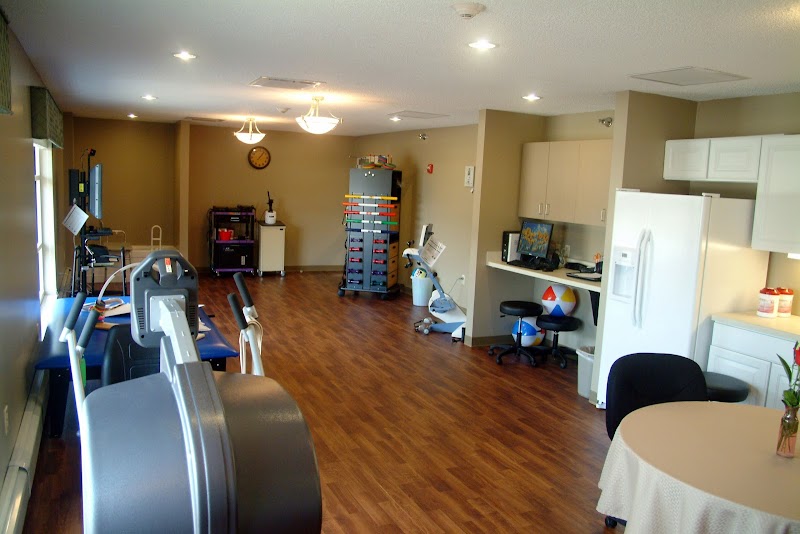
Feb 2025 2 deficiencies
CONCERN (D) 📢 Someone Reported This

A family member, employee, or ombudsman was alarmed enough to file a formal complaint

Potential for Harm - no one hurt, but risky conditions existed

Deficiency F0658 (Tag F0658)

Could have caused harm · This affected 1 resident

**NOTE- TERMS IN BRACKETS HAVE BEEN EDITED TO PROTECT CONFIDENTIALITY** Based on clinical record review, staff and resident interviews, observations, and policy review, the facility failed to follow p...

Read full inspector narrative →
**NOTE- TERMS IN BRACKETS HAVE BEEN EDITED TO PROTECT CONFIDENTIALITY** Based on clinical record review, staff and resident interviews, observations, and policy review, the facility failed to follow physician's orders for wound treatments for 1 of 4 residents reviewed (Resident #4). The facility reported a census of 134 residents. Findings include: According to the Minimum Data Set (MDS) dated [DATE], Resident #4 had diagnoses which included non-pressure chronic lower leg ulcers, diabetes, renal insufficiency, stroke, and heart failure. According to the Brief Interview for Mental Status (MDS) score, the resident had a score of 15, which indicted the resident had intact cognitive ability. The MDS indicated the resident received daily dressing changes. Review of Resident #4's Care Plan dated 1/20/25, informed staff the resident had impaired skin to both lower extremities with open wounds. The Care Plan directed the staff to monitor and document location, size, and treatment of skin injury. Observation on 2/4/25 at 10:00 am revealed the resident sitting in a recliner as Staff A-LPN removed his soiled bilateral wound dressings. Also present in the room at this time was the resident's Wound Physician who makes weekly rounds to monitor the healing progress of the wounds. Staff A-LPN removed the bilateral lower leg wound dressings, she acknowledged both dressings have a date of 2/2/25 written on them which indicated the dressings were last changed on Sunday, February 2, 2025. Review of a Physician's order dated 1/28/25 included the following wound care orders: a. Wound Care to the left lower extremity, cleanse the area with normal saline, pat dry, apply Vaseline gauze to areas, cover with an absorbent pad, wrap with kerlix and secure with tape every day shift. a. Wound Care to the right lower extremity, cleanse the area with normal saline, pat dry, apply Vaseline gauze to areas, cover with an absorbent pad, wrap with kerlix and secure with tape every day shift. Review of Resident #4's Treatment Administration Records revealed the staff failed to complete the daily dressing change ordered on 1/29/25, 1/30/25, and 2/3/25. During an interview with the Resident on 2/4/25 at 10:00 am., the resident stated the staff told him they did not do his wound treatments yesterday because they did not have enough staff to do the dressing change. During an interview with the resident's Wound Physician on 2/4/25 at 10:20 am, the physician stated it is very important the staff change his dressings daily as she has ordered to prevent infections. The Physician stated this is not the first time the staff has failed to complete the daily dressing change. During an interview with Staff B-RN on 2/4/25 at 11:00 am, Staff B stated she worked the day shift on 2/3/25 and was responsible for the dressing change for Resident #4. Staff B-RN stated she did not do the dressing change because she left her shift early and did not have time to do the dressing changed before she left. Staff B-RN stated she passed it on to the nurse who relieved her, stating it must not have been done. Review of a September 2017 policy for Ulcer/Skin Breakdown stated that during resident visits, the physician will evaluate and document the progress of wound. The physician will help guide the care plan as appropriate, especially when wounds are not healing as anticipated or new wounds develop despite existing interventions. The physician will order pertinent treatments for treating a wound; for example, pressure reduction surfaces, wound cleansing and debridement approaches, dressings (occlusive, absorptive, etc.), and application of topical agents.
CONCERN (E) 📢 Someone Reported This

A family member, employee, or ombudsman was alarmed enough to file a formal complaint

Potential for Harm - no one hurt, but risky conditions existed

Safe Environment (Tag F0921)

Could have caused harm · This affected multiple residents

**NOTE- TERMS IN BRACKETS HAVE BEEN EDITED TO PROTECT CONFIDENTIALITY** Based on record reviews, interviews, policy reviews, and observations the facility failed to maintain a clean, homelike, and saf...

Read full inspector narrative →
**NOTE- TERMS IN BRACKETS HAVE BEEN EDITED TO PROTECT CONFIDENTIALITY** Based on record reviews, interviews, policy reviews, and observations the facility failed to maintain a clean, homelike, and safe environment. The facility reported a census of 134 residents. Observations on 2/3/25 at 9:05 am with Staff A-LPN revealed the following: a. Observation at 9:10 am revealed 15 4-person tables and 1-6 person table with black metal bases, each table base revealed dust accumulation and dried food particles splattered on the bases of each table. b. Observation at 9:20 am revealed at the entrance of the skilled unit across from the nurses station, the base of the North pillar had exposed insulation material with approximately 1/2 of the original wood covering noted to be missing. c. Observation at 9:30 am revealed the bottom of the wall directly next to the janitors closet on 3-B Hall revealed a hole in the wall behind and directly above the rubber baseboard. The hole measured approximately 12 inches long and 6 inches high. Staff B states this is probably the result of a resident driving an electric wheelchair, running into the wall. d. Observation at 9:35 am, the south dining room had 14-4 person tables with black metal bases, each table base revealed dust accumulation and dried food particles splattered on the base of each table. e. Observation at 9:45 am revealed the door to resident rooms 1-C-20, 1-C-24 and 1-C-28 had a piece of dark burgundy hard plastic sticking out from the bottom of the door. The hard plastic appeared jagged with rough edges exposed. f. Observation at 9:48 am, revealed the radiator cover had fallen off the radiator in room [ROOM NUMBER]-A-5. During an interview with Staff C-Maintenance Supervisor on 2/4/25 at 10:17 am, Staff C stated the radiator covers come off frequently on Station 2, he stated he does rounds and checks them daily Monday-Friday. He reports room [ROOM NUMBER]'s radiator cover comes off about every other day. He reports maintenance staff work Monday-Friday but not on the weekends, so the radiator covers do not get checked on the weekend. Staff C stated the resident room doors are checked about 1 time a month. Review of the logs failed to identify what the maintenance staff checked and only had a check mark which indicated they checked them. The last door check completed on January 6, 7, & 8 of 2025, he stated he cannot remember the condition of those doors during that check. Observation on 2/3/25 at 1:30 pm of room [ROOM NUMBER] on Station 4. It was noted on the floor between the window and the bed, a large amount of brown crumbly food items, black pieces of a plastic fork, brown spot on the carpet, a used Foley catheter that remained connected to the urine drainage bag which contained approximately 400 cc of dark urine. There were several open food containers noted on the bed side stand and a full glass of milk. Staff D-Housekeeping Supervisor stated the resident transferred to the hospital on 1/31/25 and housekeeping staff failed to clean the room. During an interview with the Staff D-Housekeeping Supervisor on 2/3/25 at 1:54 pm, Staff D stated she had 3 staff assigned to housekeeping this past weekend. She indicated each housekeeper are to clean their usual wings and then work together on Station 4. She replied apparently they didn't work together as this room did not get cleaned. Review of a Homelike Environment Policy dated February 2021 stated the residents are to be provided with a safe, clean, comfortable, and homelike environment and encouraged to use their personal belongs to the extent possible.
Nov 2024 2 deficiencies
CONCERN (D) 📢 Someone Reported This

A family member, employee, or ombudsman was alarmed enough to file a formal complaint

Potential for Harm - no one hurt, but risky conditions existed

Deficiency F0658 (Tag F0658)

Could have caused harm · This affected 1 resident

**NOTE- TERMS IN BRACKETS HAVE BEEN EDITED TO PROTECT CONFIDENTIALITY** Based on clinical record review, staff and resident interviews, and observations the facility failed to send a resident's medica...

Read full inspector narrative →
**NOTE- TERMS IN BRACKETS HAVE BEEN EDITED TO PROTECT CONFIDENTIALITY** Based on clinical record review, staff and resident interviews, and observations the facility failed to send a resident's medications for an off campus appointment for 1 of 8 residents reviewed (Resident #2). The facility reported a census of 144 residents. Findings include: According to the Minimum Data Set (MDS) dated [DATE], Resident #2 had diagnoses which include debility, cardiac respiratory condition, heart failure, renal failure, diabetes, and Chronic Obstruction Pulmonary Disease. The resident had a Brief Interview for Mental Status score of 14 which indicated she was alert and oriented. The resident required partial assistance of 1 staff for transfers and ambulation, and substantial assistance for dressing. Review of the Care Plan dated 12/22/2023 informed the staff the resident had diabetes mellitus and to administer the diabetic medications according to the physician's orders. Review of a Physician's Order dated 7/18/24 directed staff to administer Insulin Aspart Solution 4 units subcutaneous three times a day for diabetes with meals. During an interview with Resident #2 on 11/19/24 at 8:30 am, the resident stated she went to visit an adult day care center on 11/13/24, a place she will be attending after her discharge. She stated the staff at the facility did not send her noon insulin for her. During an interview with Staff A-RN on 11/18/24 at 2:00 pm, Staff A admitted she didn't send the resident's insulin to the Adult Day Center on 11/13/24, she stated she sent all other medications but forgot the insulin. She stated she was the only nurse working her unit and it was very busy. During an interview with Staff C-RN/ADON on 11/18/24 at 1:45 pm, the staff shared she received a call from the Adult Day Center informing they do not have Resident #2's insulin for her noon dose. Staff C told them she would get a one time order to hold the insulin for that time. During an interview with Staff B-RN/DON on 11/19/24 at 10:30 am, Staff B stated the nurse should have sent the resident's insulin with her in the morning when leaving but did get an order to hold the noon dose of insulin she missed.
CONCERN (D) 📢 Someone Reported This

A family member, employee, or ombudsman was alarmed enough to file a formal complaint

Potential for Harm - no one hurt, but risky conditions existed

Respiratory Care (Tag F0695)

Could have caused harm · This affected 1 resident

**NOTE- TERMS IN BRACKETS HAVE BEEN EDITED TO PROTECT CONFIDENTIALITY** Based on clinical record review, staff and resident interviews and observations, the facility failed to provide adequate oxygen ...

Read full inspector narrative →
**NOTE- TERMS IN BRACKETS HAVE BEEN EDITED TO PROTECT CONFIDENTIALITY** Based on clinical record review, staff and resident interviews and observations, the facility failed to provide adequate oxygen services for 1 of 8 residents reviewed (Resident #2). The facility reports a census of 144 residents. Findings include: According to the Minimum Data Set (MDS) dated [DATE], Resident #2 had diagnoses which include debility, cardiac respiratory condition, heart failure, renal failure, diabetes, and Chronic Obstruction Pulmonary Disease. The resident had a Brief Interview for Mental Status score of 14 which indicated she was alert and oriented. The resident required partial assistance of 1 staff for transfers and ambulation, and substantial assistance for dressing. The resident utilized oxygen therapy. Review of the Care Plan dated 12/22/2023 informed the staff the resident utilizes oxygen therapy related to ineffective air exchange. The Care Plan directed the staff to administer oxygen to the resident as ordered. During an interview with Resident #2 on 11/19/24 at 8:30 am, the resident stated she went to visit an adult day care center on 11/13/24 that she will be attending after her discharge. She stated the staff at the facility did not send enough oxygen with me and they had to call an ambulance and send me to the hospital. The resident said her husband informed the staff that she would be leaving at 7:30 am and return approximately at 2:30 that day on 11/13/24. The resident stated they said her oxygen dropped low that day but stated she could not tell and thought maybe she had some tightness in her chest. On 11/18/24 at 3:20 pm an interview with a staff member from the Adult Day Care Center indicated that during her visit the staff noted the resident's oxygen saturation levels were trending down into the 70's. Upon examination the oxygen tank the resident brought to the visit was empty. The Day Center called the facility to report she had low oxygen levels and reported they do not stock oxygen for resident use at the facility, each resident is responsible to bring their own with them. The Adult Day Care staff called 911 to get assistance for the resident. Review of a local hospital report dated 11/13/24 at approximately 3:00 pm revealed the following: Patient is a [AGE] year-old female presenting today via EMS from Heritage care facility because she ran out of oxygen. Staff reported to EMS that she did not have enough oxygen in her tank to supply her with her chronic 2 L that she is on, and she desatted to 75% on room air. They then called EMS. There seems to be a lot of logistical confusion between EMS, patient and her husband, and Heritage regarding why she was sent to the emergency room, and why she did not have her oxygen adequately supplied. Currently, patient reports she feels fine and is just a little bit tired. During an interview with Staff A-RN on 11/18/24 at 2:00 pm, the staff stated she thought the resident would be leaving at 7:30 am and returning between 12:30-1:00 pm. The nurse stated she checked the oxygen when she left and the resident had approximately 1/2 of a tank, she used E tanks running at 2 liters per minute. She reported the Adult Day Center called about 1:00 pm to inform the facility of her condition and they sent her to the emergency room. When asked Staff A-RN how long a full E size oxygen canister would last running at 2 liters, Staff A stated she didn't know. During an interview on 11/18/24 at 3:39 pm with the facilities oxygen supply company, the spokesman stated an E size canister would last approximately 5 hours running at 2 liters, it could vary slightly depending on the resident's respiration rate but not affect it drastically. During an interview with Staff B-RN/Director of Nurses on 11/18/24, the D.O.N. stated the resident's husband made almost all of her appointments and then alerts the staff to provide transportation. Staff B stated she received a phone call from the Adult Day Center and informed the D.O.N. that Resident #2 ran out of oxygen, her oxygen levels were low and could the facility bring another tank for her. The D.O.N. stated they could not get there fast enough, to hang up and call 911 so she could get oxygen. During an interview with Staff C-RN/Assistant Director of Nurses on 11/18/24 at 1:45 pm. Staff C stated she got a call sometime around lunch from the Adult Day Center that Resident #2 ran out of oxygen and they had to call 911. Staff C stated she thought the resident was going to a psychiatric appointment and didn't know she was going to an Adult Day Care Center on 11/13/24. Staff C/RN asked how long a full E size canister would last running at 2 liters stated she did not know. The Oxygen Administration Policy dated October 2010 failed to instruct staff how to prepare a resident prior to leaving the facility to assure their oxygen needs are met.
Oct 2024 2 deficiencies
CONCERN (D) 📢 Someone Reported This

A family member, employee, or ombudsman was alarmed enough to file a formal complaint

Potential for Harm - no one hurt, but risky conditions existed

Quality of Care (Tag F0684)

Could have caused harm · This affected 1 resident

**NOTE- TERMS IN BRACKETS HAVE BEEN EDITED TO PROTECT CONFIDENTIALITY** Based on clinical record review, staff and resident interviews, and observations the facility failed to follow a physician's ord...

Read full inspector narrative →
**NOTE- TERMS IN BRACKETS HAVE BEEN EDITED TO PROTECT CONFIDENTIALITY** Based on clinical record review, staff and resident interviews, and observations the facility failed to follow a physician's order for wound treatment for 1 of 3 residents reviewed (Resident #4). The facility reported a census of 143 residents. Findings include: According to the Minimum Data Set (MDS) dated [DATE], Resident #4 had diagnoses which included Non-traumatic brain dysfunction, Parkinson's, dementia, chronic pain, and a history of falls. The resident could ambulate independently in her room with the aide of a wheeled walker. The resident had a Brief Interview for Mental Status score of 11 which indicated moderate cognitive impairment. The MDS indicated the resident had 1 fall since the prior assessment completed on 7/5/24 which resulted in skin tears. Review of the Care Plan dated 8/19/24, the family reported the resident had a fall in her room but had the ability at that time to get herself up from the floor. The Care Plan directed the staff to remind the resident to use the call light to ask for assistance and identified the resident as a fall risk. The Care Plan informed staff the resident ambulated with the assist of 1 staff. Observation on 10/14/24 at 10:45 am, Resident #4 was sitting on the bed in her room. Observations of the resident's right forearm revealed a white circle bandage dated 10/12/24 with initials of Staff D, LPN, observations of the resident's left forearm revealed a white circle bandage dated 10/12/24 with initials of Staff D written in black pen. Observation on 10/15/24 at 2:55 pm with Staff A, Director of Nurses (DON) observed the resident's right and left forearm bandages, both white circle bandages were dated 10/12/24 with initials of Staff D written on the bandages in black pen. Review of the October Treatment Administration Record revealed Resident #4 had 2 wound orders: a. Wound care to skin tear on the left forearm once daily. To cleanse the wound with normal saline, pat dry, paint with skin prep around the wound and cover with Tegaderm Foam Adhesive every day shift until healed. Ordered on 10/2/24. b. Wound care to skin tear on right upper extremity, cleanse wound with normal saline, pat dry, paint with skin prep around the wound and apply Tegaderm Foam Adhesive every other day until healed. Ordered on 10/2/24. Review of the October Treatment Administration Record revealed the following: a. The staff failed to complete the wound care to the resident's left forearm and right upper extremity on 10/4/24. b. Staff D signed off she completed the wound care to the resident's left forearm and the right upper extremity on 10/12/24. c. Staff E, CMA signed off on the treatment sheet they completed the left forearm dressing change for the resident on 10/13/24 day-shift. d. Staff B signed off on the treatment sheet she completed the left forearm and right upper extremity dressing on 10/14 and 10/15/24. During an interview with Staff B, Licensed Practical Nurse (LPN), on 10/15/24 at 2:45 pm, Staff B was questioned about the date on Resident #4's bilateral arm dressings which had a date of 10/12/24. Staff B quickly responded she hadn't gotten around to doing the dressing change yet and then stated, oh is it due today? Review of a Corrective Action Form dated 10/15/24, Staff B, LPN, received disciple on that date for documenting on 10/14 and 10/15 that daily skin treatments were completed but the bandages noted on the resident's arm on 10/15/24 revealed a date of 10/12/24. The form stated the staff not only failed to complete the treatments as ordered but falsified the documents to show they were completed. During an interview with Staff A, DON, on 10/16/24 at 2:10 pm, Staff A acknowledged the dressing observed on 10/15 in fact had a date on them of 10/12/24. Staff A stated she would expect the staff to complete physician's orders as prescribed. Review of a Administration Medications policy dated April 2019 directs the staff to administer medications in accordance with prescribers orders, including any required time frames.
CONCERN (D) 📢 Someone Reported This

A family member, employee, or ombudsman was alarmed enough to file a formal complaint

Potential for Harm - no one hurt, but risky conditions existed

Deficiency F0725 (Tag F0725)

Could have caused harm · This affected 1 resident

**NOTE- TERMS IN BRACKETS HAVE BEEN EDITED TO PROTECT CONFIDENTIALITY** Based on clinical record review, staff and resident interviews, and observations the facility failed to answer resident call lig...

Read full inspector narrative →
**NOTE- TERMS IN BRACKETS HAVE BEEN EDITED TO PROTECT CONFIDENTIALITY** Based on clinical record review, staff and resident interviews, and observations the facility failed to answer resident call lights within 15 minutes of activation for 2 of 6 residents reviewed (Residents #4 and #10). The facility reported a census of 143 residents. Findings include: 1. According to the Minimum Data Set (MDS) dated [DATE], Resident #4 had diagnoses which included Non-traumatic brain dysfunction, Parkinson's, dementia, chronic pain, and a history of falls. The resident could ambulate independently in her room with the aide of a wheeled walker. The resident had a Brief Interview for Mental Status score of 11 which indicated moderate cognitive impairment. Review of the Care Plan dated 8/19/24 the family reported the resident had a fall in her room and had the ability at that time to get herself up from the floor. The Care Plan directed the staff to remind the resident to use the call light to ask for assistance. Observation on 10/14/24 at 10:45 am revealed Resident #4 sitting on her bed, the room was dark, the curtains were pulled. At the foot of the bed was a wheeled walker. An interview with the resident at this time revealed she was frustrated because the staff fail to answer her call light timely, she stated due to her disease she sometimes needs assistance going to the bathroom and the staff just do not answer her call light so she has to go to the bathroom by herself. She reported she has had several falls in her room going to the bathroom. The resident activated her call light with the Surveyor present at 10:55 am. Staff C, Certified Nurses Aide (CNA), answered the resident's call light at 11:18 am - 23 minutes after the call light was activated. During an interview with Staff C, Certified Nurses Aide to inquire why the staff took 23 minutes to answer the resident's call light, the staff stated she was walking back from her lunch when she noted Resident #4's call light on. She stopped to inquire what she needed. The aide stated they have 4 staff on this hall but 2 were at lunch, 1 aide was doing a 1:1 with a resident so that left only 1 staff to answer the call lights at that time. 2. According to the MDS dated [DATE], Resident #10 had a BIMS score of 15 which indicated she was alert and oriented and able to give accurate information. The resident had diagnoses which include paraplegia and neuromuscular dysfunction. The resident required total assistance to transfer, toilet, and for personal hygiene needs. During an interview on 10/14/24 at 11:06 am, Resident #10 revealed last weekend she had to wait for 1 hour for the staff to answer her call light, she was wanting to get out of bed for a meal. She stated it is a constant problem in the facility, the staff do not answer the resident call lights for a long time. Observation of the resident's room revealed a white wall clock hanging directly over her bed, visible to her while in bed. During an interview with Staff A, Director of Nurses on 10/16/24 at 4:00 pm, the DON stated the floor nurses audit the resident call lights to assure the staff answer their call lights timely. Staff A stated she expects the staff to answer the resident's call lights within 15 minutes of activation.
Aug 2024 7 deficiencies 1 Harm
SERIOUS (G)

Actual Harm - a resident was hurt due to facility failures

Deficiency F0697 (Tag F0697)

A resident was harmed · This affected 1 resident

**NOTE- TERMS IN BRACKETS HAVE BEEN EDITED TO PROTECT CONFIDENTIALITY** Based on observations, interviews, and record review, the facility failed to provide pain medication when scheduled for 1 of 1 r...

Read full inspector narrative →
**NOTE- TERMS IN BRACKETS HAVE BEEN EDITED TO PROTECT CONFIDENTIALITY** Based on observations, interviews, and record review, the facility failed to provide pain medication when scheduled for 1 of 1 residents that wore a Fentanyl patch (opioid medication) (Resident #109), resulting in this resident reporting being in severe pain. This resident was to have a Fentanyl patch applied on 8/19/24 at 1800. It was not applied until the morning of 8/21/24. The facility reported a census of 140 residents. Findings include: A Minimum Data Set (MDS) dated [DATE] documented Resident #109's diagnoses included Malignant Neoplasm of tongue (cancer), hip fracture, and depression. A Brief Interview for Mental Status score was documented as 12 out of 15, which indicated moderately impaired cognition. This MDS documented that Resident #109 experienced pain almost constantly in the prior 5 days. On 08/19/24 at 10:55 a.m., Resident #109 was sitting on her bed in a private room. This resident stated she was in pain. Stated her mouth hurt and she had a broken hip. A Progress Note dated 8/19/24 at 2:17 p.m., documented that a call was received from the pharmacy concerning the Fentanyl patch order denial by the provider, and the provider wanted to talk with the facility. The ADON (Assistant Director of Nursing) was informed. A Doctor's Order dated 8/19/24 at 7:06 p.m., directed staff to hold the Fentanyl patch for 3 days until 8/22/24. The reason for this hold was documented as the pharmacy would like to speak with physician prior to next order being sent. This Order was written by Staff K, Licensed Practical Nurse (LPN). On 8/21/24 10:06 a.m., Staff G, ADON stated she was not told that pharmacy wanted to talk to the provider regarding the Fentanyl patch. She acknowledged the Progress Note stated that the ADON was notified but stated she was not. This ADON stated she did not know the Fentanyl patch was being held. She looked up the order and verified that it was being held. This ADON said if she would have known about the pharmacy wanting to talk with the provider, she would have called the Hospice physician and not the facility's provider as the Hospice physician manages Resident #109's medications. When told that this resident had complained of pain on 8/19/24, this ADON acknowledged the concern that Resident #109 did not receive her Fentanyl patch at the scheduled time on 8/19/24 at 6:00 p.m., and still had not received the patch. On 8/21/24 at 10:21 a.m., the facility's Physician's Assistant (PA) stated he became aware of the pharmacy sending a request to talk to a physician yesterday morning. He stated he sent a new script for the Fentanyl yesterday morning, 8/20/24. Hospice wanted me to manage Resident #109's Fentanyl patch. This PA stated what happened was the pharmacy had requested the Hospice physician for a new script for the Fentanyl patch, but since this PA is the one who manages the Fentanyl patch he needed to put the new script in. This PA stated he was managing her Fentanyl patch and Hospice was managing her morphine and Haldol, pretty much everything else. He stated the pharmacy called him on the morning of 8/20/24 and that is when he sent the script for the Fentanyl patch to be filled. On 8/21/24 at 10:45 a.m., Staff L, Hospice Social Worker, stated she was in a lot of pain and the nurse came in and gave her some morphine and then put on her regularly scheduled patch. Staff L stated she overheard staff saying something about Resident #109 not having her patch on so they got an order to restart it again today. On 8/21/24 at 11:00 a.m., Resident #109 rated her pain at an 8 out of 10 with 0 being no pain and 10 being the worst pain. She stated the pain was in her mouth and her hip and leg. She had facial grimacing and rubbed her leg. On 8/21/24 at 11:15 a.m., the Nurse Consultant, acknowledged the concern regarding this resident going without her Fentanyl patch from 8/19/24 at 6:00 p.m. to 8/21/24 at 10:30 a.m. She also acknowledged that the facility's provider wrote a prescription for the Fentanyl patch yesterday morning 8/20/24, and it wasn't put in until 10:20 a.m. on this day 8/21/24. On 8/21/24 at 12:14 p.m., Staff K stated the pharmacist sent an electronic request. She stated she did write the order to hold the Fentanyl patch. Staff K stated she did not call the provider. Staff K stated another nurse wrote a fax or a note on the provider's clipboard. Staff K stated she wrote the order to hold the Fentanyl because it showed up in the medication administration record to apply the patch and she did not have the Fentanyl patch to apply. So she wrote the order to hold it until the provider could see the note from the other nurse. When asked if Resident #109 appeared to be in pain that night, Staff K stated that Resident #109 said she was in severe pain that night. Staff K stated she did give her the scheduled morphine but did not give her any PRN (as needed) morphine. Staff K stated Resident #109 has had a lot of pain, since she had fallen and broken her hip. She said her pain had worsened and since she was in Hospice they don't want to fix the fracture. A Pain policy revised on 9/2017 directed the following: Physicians shall help manage individuals with pain, including identification and management of causes. Outcomes 1. Pain will be identified and managed appropriately. 2. Factors that cause or exacerbate pain or increase the risks of having pain will be identified and addressed, to the extent possible. 3. Pain medications will be ordered and used appropriately. Recognition 1. The physician and staff will identify individuals who have pain or who are at risk for having pain. This includes reviewing known diagnoses and conditions that commonly cause pain; for example, degenerative joint disease, rheumatoid arthritis, osteoporosis (with or without fractures), diabetic neuropathy, oral or dental pathology, and post-stroke syndromes. It also includes a review of any current treatments for pain, including any complementary and non-pharmacologic treatments. 2. The staff and physician will identify the characteristics (severity, location, intensity, frequency, duration, etc.) of pain. Staff should use a consistent pain assessment approach appropriate to the resident/patient's cognitive level. 3. The staff and physician will evaluate how pain is affecting mood, activities of daily living, sleep, and quality of life, as well as contributing to complications such as deconditioning, gait disturbances, social isolation, and falls. Diagnosis/Cause Identification 4. The physician will help identify causes of pain; for example, by reviewing the patient's history, examining the patient directly, and having a sufficiently detailed discussion with the patient and staff. 5. The physician will help identify the extent to which underlying causes of pain can be addressed or reversed. 6. The physician will order appropriate tests as needed to help clarify aspects of pain (location, cause, etc.). For example, an x-ray may help to identify the cause of joint pain. Treatment/Management 7. With input from the resident/patient to the extent possible, the physician and staff will establish goals of pain treatment; for example, freedom from pain with minimal medication side effects, less frequent headaches, or improved functioning, mood, and sleep. 8. The physician will order appropriate non-pharmacologic interventions and medications to address the individual's pain, consistent with recognized protocols and guidelines. Generally, and to the extent possible, an analgesic regimen should utilize the simplest regimen and lowest risk medications before using more problematic or higher risk approaches. Opioid use-especially, but not solely, related to the management of chronic non-cancer pain-should be consistent with relevant information about the limitations and risks of such medications. 9. Staff will provide the elements of a comforting environment and appropriate physical and complementary interventions; for example, local heat or ice, repositioning, and massage. 10. For the individual who is receiving opioid analgesics, the physician will order measures to prevent constipation. Monitoring 11. The staff will reassess the individual's pain and its consequences at regular intervals; for example, at least each shift for unstable or increasing pain or significant changes in levels of chronic pain, and at least weekly for stable chronic pain. Review should include frequency, duration, and intensity of pain; ability to perform activities of daily living (ADLs), sleep pattern, mood, behavior, and participation in activities. 12. The staff will evaluate and report the resident / patient's use of standing and PRN analgesics. Depending on the characteristics of pain, the physician may start with PRN doses or supplement standing doses with PRN doses for breakthrough pain. If there are more than occasional analgesic requests, the physician will consider changing to regular administration of at least one analgesic with another medication for PRN use, increasing the standing dose of an existing analgesic, switching to another analgesic, and/or adding non-pharmacological measures. 13. Periodically the physician will evaluate and summarize the status of an individual with pain, including active conditions that exacerbate pain, consequences or complications of pain, and effectiveness of current interventions for pain. 14. The staff and physician will monitor for adverse effects of pain medications such as gastrointestinal bleeding from non-steroidal anti-inflammatory drugs (NSAIDs), or anorexia, confusion, lethargy or severe constipation related to opioids. The physician will adjust medications accordingly, based on effectiveness and side effects. 15. If the resident/patient's pain is complex or not responding to standard interventions, the attending physician may consider additional consultative support. If a consultant is involved in managing pain, the attending physician will maintain an active role by reviewing the consultant's recommendations, addressing medical issues that affect pain, monitoring for complications related to treatment, and evaluating subsequent progress. The physician should not simply defer to the consultant for all pain-related issues. 16. If pain is stable and the underlying cause is resolved or it is unclear whether a source of pain remains, the physician will consider a trial reduction or elimination of analgesic medication; for example, reduce the standing dose of an analgesic and see if there is any increase in pain-related symptoms or increased use of PRN analgesics. Reductions in opioid analgesics are especially important in light of their limited efficacy in the treatment of chronic non-cancer pain and their many diverse significant side effects. Based on results of attempted dose reductions, the physician should document a clinically significant rationale for not attempting further analgesic reduction. It should not just be assumed that the absence of pain symptoms implies the need for indefinite analgesic administration. Sometimes a trial tapering or discontinuation of analgesics is indicated to determine if current medications or doses are still needed.
CONCERN (D)

Potential for Harm - no one hurt, but risky conditions existed

Deficiency F0658 (Tag F0658)

Could have caused harm · This affected 1 resident

**NOTE- TERMS IN BRACKETS HAVE BEEN EDITED TO PROTECT CONFIDENTIALITY** Based on observation, clinical record review, policy review, resident and staff interviews, the facility failed to follow physic...

Read full inspector narrative →
**NOTE- TERMS IN BRACKETS HAVE BEEN EDITED TO PROTECT CONFIDENTIALITY** Based on observation, clinical record review, policy review, resident and staff interviews, the facility failed to follow physician orders for 1 of 1 resident's reviewed for catheter care (Resident #71). The facility identified a census of 140 residents. Findings include: The Minimum Data Set (MDS) assessment dated [DATE] showed a Brief Interview for Mental Status (BIMS) score of 15 out of 15 indicating intact cognition. The MDS documented Resident #71 as dependent upon staff for toileting and utilized an indwelling urinary catheter for diagnosis of neurogenic bladder. The Care Plan dated 7/08/24 detailed the use of a urinary catheter. The Care Plan lacked direction to the staff on changing the urinary catheter per the physician orders. During an interview on 8/20/24 at 7:28 AM Resident #71 reported his catheter had not been changed in at least four weeks. He had brought it to Staff F, License Practical Nurse (LPN) attention, but she no longer worked at the facility. Observation at this time revealed Resident #71 lying in bed with a urinary catheter draining clear yellow urine to a urinary drainage bag that hung from the right side of the resident bed in a privacy bag. Observation on 8/21/24 at 7:38 AM revealed Resident #71 lying in bed with the urinary catheter draining clear yellow urine to a urinary drainage bag that hung off the right side of the bed in a privacy bag. An 8/21/24 review of the Order Summary Report provided by the facility showed the Provider approved Resident #71's order on 6/04/24 which included an order to change the indwelling Foley catheter 14 French bulb size, 10 cubic centimeters (cc) monthly every 28 days on the evening shift. An 8/21/24 review of Resident #71 Treatment Administration Record (TAR) revealed Resident #71 due for the monthly catheter change on the evening shift on 8/02/24. The 8/02/24 catheter change order was signed off of the MAR as U indicating unknown. Review of the Progress Notes on 8/21/24 revealed a Progress Note dated 8/5/2024 at 10:37 PM documenting Resident #71 refused to have his catheter changed requesting the catheter change be moved to the day shift in order for the staff to monitor for complications. The Progress Note detailed the facility submitted a request to Mercy geriatrics for an order change. A 8/6/2024 4:33 PM Communication with Physician Note documented the Provider responded with an order to schedule the Foley catheter change to be changed in the AM per the resident request to begin 8/06/24. Further review of Resident #71 Progress Notes on 8/21/24 revealed no Progress Note documentation since 8/06/24 showing Resident #71 had his Foley catheter changed per the physician's orders. On 8/21/24 at 11:57 AM Staff A, License Practical Nurse (LPN) reported Resident #71 has a physician order to get his Foley catheter changed every 28-30 days. She reported it is scheduled to be done on second shift as he is more awake in the evenings. The August 2024 TAR documented the new physician order dated 8/06/24 to change the Foley catheter monthly, every 28 days on the day shift with the catheter change scheduled for 8/07/24. The 8/07/24 catheter change had not been signed off as completed as of 8/21/24 at 3:00 PM. On 8/21/24 at 3:07 PM Staff A, LPN, reported the charge nurse is responsible for noting physician orders that are returned on their shift. If a fax comes in at the end of shift, the next charge nurse coming on would note the orders. She reported once she notes the physician order, the physician order goes to a folder to go through a double check process. A second nurse is responsible for double noting the physician order. During an interview on 8/21/24 at 3:15 PM Staff G, Assistant Director of Nursing (ADON) reported the charge nurse notes the physician orders as they come in during the shift. As an ADON and support, she will assist with noting the physician orders as needed. She writes a note in the Progress Notes that a new order was received and notifies the family. All physician orders go through a double check system. If the second and third shift nurses have time, they will complete the double noting of the orders. If they don't have time, then she will double note the orders. At 3:18 PM Staff G reviewed Resident #71 August 2024 TAR catheter change order. She voiced according to the TAR Resident #71 catheter had not been changed. Staff G checked with Staff A on the physician order. Staff A reported that the new order in the computer had been entered in the computer by Staff G. After reviewing with Staff A, Staff G confirmed that Resident #71 Foley catheter had not been changed since the new order came in on 8/06/24. During an interview on 8/21/24 at 3:41 PM the Director of Nursing reported she expects the nurses to follow the physician orders. The Medication Orders Policy revised 2014 under recording orders directed treatment order should specify the treatment, frequency and duration of the treatment. The policy lacked direction as to who was responsible to implement the physician orders or oversee the implementation of the physician orders.
CONCERN (D)

Potential for Harm - no one hurt, but risky conditions existed

Pressure Ulcer Prevention (Tag F0686)

Could have caused harm · This affected 1 resident

**NOTE- TERMS IN BRACKETS HAVE BEEN EDITED TO PROTECT CONFIDENTIALITY** Based on observations, interviews, and record reviews, the facility failed to do weekly measurements and assessments on 1 of 2 r...

Read full inspector narrative →
**NOTE- TERMS IN BRACKETS HAVE BEEN EDITED TO PROTECT CONFIDENTIALITY** Based on observations, interviews, and record reviews, the facility failed to do weekly measurements and assessments on 1 of 2 residents with pressure ulcers (Resident #37). Resident #37 did not receive the weekly assessments between 7/10/24 when he was seen at a wound clinic to 8/20/24 when an assessment was done at the facility. The facility reported a census of 140 residents. Findings include: Staging of a PU/PI is performed to indicate the characteristics and extent of tissue injury, and should be conducted according to professional standards of practice. Determining whether damage to the skin and underlying tissue is a PI or PU depends on the staging of the damaged tissue. See stages below. NOTE: Regardless of the staging system or wound definitions used by the facility, the facility is responsible for completing the MDS utilizing the staging guidelines found in the RAI Manual. Stage 1 Pressure Injury: Non-blanchable erythema of intact skin Intact skin with a localized area of non-blanchable erythema (redness). In darker skin tones, the PI may appear with persistent red, blue, or purple hues. The presence of blanchable erythema or changes in sensation, temperature, or firmness may precede visual changes. Color changes of intact skin may also indicate a deep tissue PI (see below). Stage 2 Pressure Ulcer: Partial-thickness skin loss with exposed dermis Partial-thickness loss of skin with exposed dermis, presenting as a shallow open ulcer. The wound bed is viable, pink or red, moist, and may also present as an intact or open/ruptured blister. Adipose (fat) is not visible and deeper tissues are not visible. Granulation tissue, slough and eschar are not present. This stage should not be used to describe moisture associated skin damage including incontinence associated dermatitis, intertriginous dermatitis (inflammation of skin folds), medical adhesive related skin injury, or traumatic wounds (skin tears, burns, abrasions). Stage 3 Pressure Ulcer: Full-thickness skin loss Full-thickness loss of skin, in which subcutaneous fat may be visible in the ulcer and granulation tissue and epibole (rolled wound edges) are often present. Slough and/or eschar may be visible but does not obscure the depth of tissue loss. The depth of tissue damage varies by anatomical location; areas of significant adiposity can develop deep wounds. Undermining and tunneling may occur. Fascia, muscle, tendon, ligament, cartilage and/or bone are not exposed. If slough or eschar obscures the wound bed, it is an Unstageable PU/PI. Stage 4 Pressure Ulcer: Full-thickness skin and tissue loss Full-thickness skin and tissue loss with exposed or directly palpable fascia, muscle, tendon, ligament, cartilage or bone in the ulcer. Slough and/or eschar may be visible on some parts of the wound bed. Epibole (rolled edges), undermining and/or tunneling often occur. Depth varies by anatomical location. If slough or eschar obscures the wound bed, it is an unstageable PU/PI. Unstageable Pressure Ulcer: Obscured full-thickness skin and tissue loss Full-thickness skin and tissue loss in which the extent of tissue damage within the ulcer cannot be confirmed because the wound bed is obscured by slough or eschar. Stable eschar (i.e. dry, adherent, intact without erythema or fluctuance) should only be removed after careful clinical consideration and consultation with the resident ' s physician, or nurse practitioner, physician assistant, or clinical nurse specialist if allowable under state licensure laws. If the slough or eschar is removed, a Stage 3 or Stage 4 pressure ulcer will be revealed. If the anatomical depth of the tissue damage involved can be determined, then the reclassified stage should be assigned. The pressure ulcer does not have to be completely debrided or free of all slough or eschar for reclassification of stage to occur. Other staging considerations include: · Deep Tissue Pressure Injury (DTPI): Persistent non-blanchable deep red, maroon or purple discoloration Intact skin with localized area of persistent non-blanchable deep red, maroon, purple discoloration due to damage of underlying soft tissue. This area may be preceded by tissue that is painful, firm, mushy, boggy, warmer or cooler as compared to adjacent tissue. These changes often precede skin color changes and discoloration may appear differently in darkly pigmented skin. This injury results from intense and/or prolonged pressure and shear forces at the bone-muscle interface. The wound may evolve rapidly to reveal the actual extent of tissue injury, or may resolve without tissue loss. If necrotic tissue, subcutaneous tissue, granulation tissue, fascia, muscle or other underlying structures are visible, this indicates a full thickness pressure ulcer. Once a deep tissue injury opens to an ulcer, reclassify the ulcer into the appropriate stage. Do not use DTPI to describe vascular, traumatic, neuropathic, or dermatologic conditions. · Medical Device Related Pressure Ulcer/Injury: Medical device related PU/PIs result from the use of devices designed and applied for diagnostic or therapeutic purposes. The resultant pressure injury generally conforms to the pattern or shape of the device. The injury should be staged using the staging system. · Mucosal Membrane Pressure Ulcer/Injury: Mucosal membrane PU/PIs are found on mucous membranes with a history of a medical device in use at the location of the injury. Due to the anatomy of the tissue, these ulcers cannot be staged. A Treatment Administration Record dated August 2024, directed staff to do the following treatment: Sacrum (tailbone region) Wound: cleanse wound and peri-skin with saline or baby shampoo, prep peri-wound with skin prep. Moisten 2 inches of Kerlix (gauze) with 0.125% Dakins (topical disinfectant), wring out excess solution and pack into the wound. Cover with sacral heart dressing one time a day related to PRESSURE ULCER OF SACRAL REGION, STAGE 4. This treatment had a start date of 06/14/24. A Minimum Data Set, dated [DATE], documented that Resident #37's diagnoses included heart failure, cancer, depression, and non-Alzheimer's dementia. A Brief Interview for Mental Status documented a score of 11 out of 15, which indicated moderately impaired cognition. This MDS documented that this resident had one Stage 4 Pressure Ulcer and one Unstageable Ulcer. This resident was dependent on staff for bed mobility, transfers, and toileting. On 8/20/24 at 2:02 p.m., Staff G, Assistant Director of Nursing (ADON) stated that she does not think his wounds gets measured weekly, but did not know for sure. She stated he is followed by the wound clinic and his wife wants him to be followed by wound clinic. This ADON stated the wife said it's like their date night time and gives her husband an opportunity to get outside of the facility. The ADON thought this resident goes to the wound clinic every 2 weeks. A Wound Evaluation for a Stage 4 Coccyx dated 7/7/24, was done by the facility. A Healing Center Progress Note dated 7/10/24, was done by the wound clinic. On 8/20/24 at 4:11 p.m., the Director of Nursing (DON), stated they were gathering all the measurements, but it didn't appear that we were doing weekly measurements on his PUs. On 8/20/24 at 4:31 p.m., the DON confirmed the facility had not been assessing and measuring the wound weekly. This DON stated they now have identified the issue and had measured the wounds on this day. A Wound Evaluation for a Stage 4 Coccyx was done on 8/20/24 by the facility. A Ulcers/Skin Breakdown revised September 2017, directed the following: Physicians shall help prevent and manage pressure ulcers, consistent with established guidelines. 1. Incidence of new pressure ulcers will be minimized to the extent possible. 2. Healing of existing pressure ulcers will be optimized to the extent possible. 3. The facility will be able to show that failure of a pressure ulcer to heal was medically unavoidable. Recognition 1. The nursing staff and practitioner will assess and document an individual's significant risk factors for developing pressure ulcers; for example, immobility and medical instability. 2. The staff and practitioner will examine the skin of newly admitted residents/patients for evidence of existing pressure ulcers and other skin conditions. 3. The physician will help the staff identify the type (for example, arterial or stasis ulcer) and characteristics (presence of necrotic tissue, status of wound bed, etc.) of an ulcer. 4. The physician will help identify and define any complications related to pressure ulcers. Diagnosis/Cause Identification 5. The physician will help identify factors contributing or predisposing residents/patients to skin breakdown; for example, medical comorbidities such as poorly controlled diabetes or congestive heart failure, overall medical instability, cancer or sepsis causing a catabolic state, and macerated or friable skin. 6. The physician will clarify the status of relevant medical issues; for example, whether there is a soft tissue infection or just wound colonization, whether the wound has necrotic tissue, and the impact of comorbid conditions on healing an existing wound. Treatment/Management 7. The physician will order pertinent treatments for treating a wound; for example, pressure reduction surfaces, wound cleansing and debridement approaches, dressings (occlusive, absorptive, etc.), and application of topical agents. 8. The physician will help identify any medical interventions related to wound management; for example, treating a soft tissue infection surrounding an ulcer, removing necrotic tissue, addressing comorbid medical conditions, managing pain related to the wound or to wound treatment, etc. Although poor nutritional status is associated with increased risk of pressure ulcer development, no specific nutritional interventions clearly prevent or heal pressure ulcers. Beyond trying to maintain a stable weight and providing approximately 1.2-1.5 gm/kg protein daily, there are no routine pressure ulcer-specific nutritional measures for those with or at risk for developing a pressure ulcer. Any nutritional supplementation should be based on realistic appraisal of an individual's current nutritional status and minimizing any medications and conditions that may be affecting appetite and weight (see policy on Nutrition (Impaired)/Unplanned Weight Loss or Gain). 9. The physician will help staff identify the likelihood of wound healing, based on a review of pertinent factors; for example: Healing or Prevention Likely: The resident/patient's underlying physical condition, prognosis, personal goals and wishes, care instructions, and ability to cooperate with the treatment plan make wound healing and subsequent wound prevention realistic. Healing or Prevention Uncertain: Healing may be delayed or may occur only partially; wounds may occur despite appropriate preventive efforts. Healing or Prevention Unlikely: The resident/patient is likely to decline or die because of his/her overall medical instability; wounds reflect the individual's overall medical instability; an existing wound is unlikely to improve significantly; additional wounds are likely to occur despite preventive efforts. 10. As needed, the physician will help identify medical and ethical issues influencing wound healing; for example, the impact of end-stage heart disease or decline of artificial nutrition and hydration by the resident/patient or family. Advance directives or current medical orders may limit the scope, intensity, duration, and selection of various interventions. Monitoring 11. During resident/patient visits, the physician will evaluate and document the progress of wound healing-especially for those with complicated, extensive, or poorly healing wounds. This should be based on looking at the wound periodically and on reviewing pertinent information about the patient. 12. The physician will help guide the care plan as appropriate, especially when wounds are not healing as anticipated or new wounds develop despite existing interventions. Healing may be delayed or may not occur, or additional ulcers may occur because of unmodifiable factors or because of care-related process problems. Current approaches should be reviewed for whether they remain pertinent to the resident/patient's medical conditions, are affected by factors influencing wound development or healing, and the impact of specific treatment choices made by the resident/patient or a substitute decision-maker.
CONCERN (D)

Potential for Harm - no one hurt, but risky conditions existed

Accident Prevention (Tag F0689)

Could have caused harm · This affected 1 resident

**NOTE- TERMS IN BRACKETS HAVE BEEN EDITED TO PROTECT CONFIDENTIALITY** Based on observations, interviews, and record review, the facility failed to ensure residents were smoking in approved areas for...

Read full inspector narrative →
**NOTE- TERMS IN BRACKETS HAVE BEEN EDITED TO PROTECT CONFIDENTIALITY** Based on observations, interviews, and record review, the facility failed to ensure residents were smoking in approved areas for 1 of 1 resident reviewed (Resident #184). Resident #184 was observed smoking on facility grounds. The facility was a smoke free campus. The facility reported a census of 140 residents. Findings include: Resident #184 did not have a current MDS as she readmitted to the facility on [DATE]. A Care Plan initiated on 8/8/24, directed staff that this resident used tobacco. The goal was that Resident #184 would adhere to the tobacco/smoking policies of the facility. A Smoking Evaluation was to be done upon admission and as needed. Resident #184 was to be educated on the facility's tobacco / smoking policy(s). On 8/19/24 at 3:34 p.m., Resident #184 wheeled herself down the hall in her wheelchair carrying a pack of cigarettes. Resident #184 stated she does smoke. She said she could smoke whenever she wanted. Resident #184 stated she had asked staff before and they have said they were too busy but this did not happen very often. On 8/19/24 at 1:10 p.m., Resident #184 signed herself out on a sign out book at 1:00 p.m., Staff then let the resident out the exit door on the back side of unit 4. Resident #184 then went to the sidewalk independently, staff did not accompany her. She then wheeled herself to the side walk between the building and the parking lot, lit her cigarette and smoked. When asked how she put her cigarette out, this resident stated she put it out on the sidewalk and then disposed of it in the trash can outside the exit door. On 8/20/24 at 1:48 p.m., the Director of Clinical Operations stated the facility is a non smoking facility. She stated that if residents want to smoke they need to leave the grounds. She clarified that off the grounds means on the opposite side of the facility's parking lots where it becomes the city's property. When asked if the sidewalk nearest the building to unit 4 was considered city property, she stated it was not. When told about the above observation, she said they would need to talk with the resident again. When told there was no receptacle where Resident #184 smoked, this staff stated there wouldn't be a receptacle because this is a smoke free campus. On 8/20/24 at 2:07 p.m., the Administrator stated he would go back down and talk with Resident #184 again. He stated they do smoking assessments on individuals who want to smoke to ensure they are safe to make if off grounds. He stated they do have a smoking policy which essentially directs that this is a non smoking facility/grounds. A Nursing Safe Smoking Evaluation dated 8/8/24, documented the following: 1. Facility Smoking Policy: a. Smoke Free A. Vision 1. Does the resident have a visual deficit? (Such as use of glasses, macular degeneration, blindness in one or both eyes) b. No 1a. Specify B. Cognitive 1. Ability to communicate understanding of smoking standard procedure; including: residents are not permitted to keep cigarettes, E-cigarettes, pipes, tobacco or any other smoking articles in their possession. Disposable safety lighters are permitted only, and are stored with smoking articles. Matches or other forms of lighters are prohibited. a. Yes 2. Demonstrates ability to make his/her own decisions in relation to daily activities? a. Yes 3. Comments (no comments) C. Dexterity 1. Demonstrates the ability to hold cigarette safely? a. Yes 2. Demonstrates ability to maintain control of cigarette if physically distracted (i.e. bumped)? a. Yes 3. Demonstrates ability to light his/her cigarette safely? a. Yes 4. Demonstrates appropriate use of an ashtray (i.e. does not drop ashes on self, floor, furniture, ect)? a. Yes 5. Demonstrates ability to let go of cigarette and then retrieve it appropriately? a. Yes 6. Demonstrates ability to appropriately extinguish cigarette? a. Yes 7. Comments (no comments) D. Safety 1. Does the resident use O2? b. No 2. Has the resident demonstrated non-compliance with smoking policy requirements? b. No E. Assessment 1. Which one best describes the resident? a. Independent Smoker F. Adaptive Equipment 1. Resident need for adaptive equipment (check all that apply): f. None 1a. Specify G. Care Plan 1. Select the focus, goal and appropriate interventions. Focus: Tobacco Use Goal: I will adhere to the tobacco/smoking policies of the facility. Intervention: Conduct Smoking Evaluation on admission and PRN. Intervention: Educate Resident/Responsible Party on the facility's tobacco / smoking policy(s). A Smoking Policy-Residents revised in July 2017, documented: Smoking Policy - Residents Policy Statement This facility shall establish and maintain safe resident smoking practices. Policy Interpretation and Implementation 1. Upon admission, residents shall be informed of the facility smoking policy, including designated smoking areas, and the extent to which the facility can accommodate their smoking or non-smoking preferences. 2. If allowed by the facility, Smoking is only permitted in designated resident smoking areas, which are located outside of the building. Electronic cigarettes are not permitted inside. Otherwise, smoking is not allowed inside the facility under any circumstances. 3. Oxygen use is prohibited in smoking areas. 4. Metal containers, with self-closing cover devices, are available in smoking areas. 5. Ashtrays are emptied only into designated receptacles. 6. The resident will be evaluated on admission to determine if he or she is a smoker or non-smoker. If a smoker, the evaluation will include: a. Ability to smoke safely with or without supervision (per a completed Safe Smoking Evaluation). 7. The staff shall consult with the Attending Physician and the Director of Nursing Services to determine if safety restrictions need to be placed on a resident's smoking privileges based on the Safe Smoking Evaluation. 8. A resident's ability to smoke safely will be re-evaluated quarterly, upon a significant change (physical or cognitive) and as determined by the staff. 9. Any smoking-related privileges, restrictions, and concerns (for example, need for close monitoring) shall be noted on the care plan, and all personnel caring for the resident shall be alerted to these issues. 10. The facility may impose smoking restrictions on a resident at any time if it is determined that the resident cannot smoke safely with the available levels of support and supervision. 11. Any resident with restricted smoking privileges requiring monitoring shall have the direct supervision of a staff member, family member, visitor or volunteer worker at all times while smoking. 12. Residents who have independent smoking privileges are permitted to keep cigarettes, e-cigarettes, pipes, tobacco, and other smoking articles in their possession. Only disposable safety lighters are permitted. All other forms of lighters, including matches, are prohibited. 13. Residents are not permitted to give smoking articles to other residents. 14. Residents without independent smoking privileges may not have or keep any smoking articles, including cigarettes, tobacco, etc., except when they are under direct supervision. 15. Staff members and volunteer workers are not permitted to purchase and/or provide any smoking articles for residents. 16. This facility maintains the right to confiscate smoking articles found in violation of our smoking policies. 17. Confiscated resident property will be itemized and ultimately returned to the resident, or his or her legal representative. When the property is returned will be determined during a meeting with the resident or representative regarding the circumstances that led to the confiscation.
CONCERN (D)

Potential for Harm - no one hurt, but risky conditions existed

Menu Adequacy (Tag F0803)

Could have caused harm · This affected 1 resident

**NOTE- TERMS IN BRACKETS HAVE BEEN EDITED TO PROTECT CONFIDENTIALITY** Based on observation, clinical record review, document review, resident and staff interviews, the facility failed to honor resid...

Read full inspector narrative →
**NOTE- TERMS IN BRACKETS HAVE BEEN EDITED TO PROTECT CONFIDENTIALITY** Based on observation, clinical record review, document review, resident and staff interviews, the facility failed to honor resident choice of meal items for 1 of 1 resident sampled (Resident #113). The facility identified a census of 140 residents. Findings include: The Minimum Data Set (MDS) assessment dated [DATE] showed a Brief Interview for Mental Status (BIMS) score of 15 out of 15 indicating intact cognition. The MDS identified Resident #113 with a significant weight gain and a diagnosis of lupus, anemia, and end stage renal disease. During an interview on 8/20/24 at 8:49 AM Resident #113 reported she has chosen to eat a vegetarian diet and the staff are not supporting her choice of diet. They served her an Italian club sandwich the other day with meat sauce. Other days they served her a hot dog or a hamburger. She related her physician ordered diet is a low sodium diet, but she has made it clear to the staff that she doesn't want to eat meat as she isn't digesting the meat well. On 8/21/24 at 7:45 AM Resident #113 reported they usually bring her scrambled eggs for breakfast and she has told them she cannot eat eggs. She usually just eats fruit loops and drinks chocolate milk. Resident #113 voiced she had not eaten breakfast yet. During an interview on 8/21/24 at 9:29 AM Staff C, Dietary Aide (DA) reported she was aware that Resident #113 voiced she didn't want to eat meat since she had returned from the hospital. She verbalized Resident #113 had not eaten meat for about six weeks, then last week she asked for chicken at one of the meals, which she gave her. She was aware that the resident had requested no meat. Staff C reported she served Resident #113 oatmeal, fruit loops, sausage links, and chocolate milk on her breakfast tray. On 8/21/24 at 9:31 AM Staff D, DA reported she also knew that Resident #113 had requested no meat since she had come back from the hospital. On 8/21/24 at 9:40 AM Resident #113 sat in her motorized wheelchair in her room getting ready to eat breakfast. She had a meal tray of oatmeal, fruit loops cereal, two glasses of chocolate milk, and scrambled eggs. She stated she will not eat the scrambled eggs and they know not to send her any eggs. She stated she doesn't recall ever requesting to eat chicken in the past few weeks. She stated the staff could have her confused with other residents as there are a lot of residents here. Her stomach couldn't handle digesting chicken. Resident #113 stated at least she could eat her fruit loops and chocolate milk. A 8/21/24 review of Resident #113 Care Plan lacked documentation of Resident #113 request to eat a vegetarian diet or not to be served meat and eggs. A 8/07/24 2:30 PM Dietary Note documented Resident #113 on a low sodium diet, regular texture, thin liquids diet. The note lacked documentation of Resident #113 choice or preferences to be served vegetarian food items or that she requested not to be served meat or eggs. During an interview on 8/21/24 at 12:07 AM Staff A License Practical Nurse (LPN) reported she talked to the Dietician and Dietary Services Manager (DSM) both about Resident #113. She doesn't know if there is a designated person that goes over the menu with the residents, but dietary staff take the menu's out and go over it with the residents to see what they want. Staff A reported Resident #113 stated multiple times she wanted to be served a vegetarian diet. The kitchen generally does not serve her meat, but they do serve her eggs and she will not eat eggs. Resident #113 has requested a vegetarian diet for the past month. Staff A voiced she talked to the DSM that Resident #113 did not like scrambled or poached eggs. Staff A couldn't remember if the Dietician was there at the time, but she is in the facility weekly. A review of Resident #113 meal cards from 9/19/24 to 8/21/24 revealed the following: a. 8/19/24 breakfast meal card, 2 fried eggs. b. 8/19/24 lunch meal card, 3 ounces (oz.) homemade meatloaf c. 8/19/24 dinner meal card, 4 oz. roast beef sandwich d. 8/20/24 breakfast meal card, 2 scrambled eggs e. 8/20/24 lunch meal card, 3 oz baked fish f. 8/20/24 dinner meal card, 1 turkey sandwich g. 8/21/24 breakfast meal card, one 1 fried egg. h. 8/21/24 lunch meal card, 4 oz. roasted turkey. The Alerts on the meal cards was blank and the meal cards lacked documentation of Resident #113 food choices/preferences. During an interview on 8/21/24 at approximately 1:18 PM the Administrator reported part of the problem is the Housekeeping Manger is transitioning into the kitchen as the Dietary Manager and so residents are not getting asked about food choices prior to each meal. He reported Resident #113 is not being asked about her food choices prior to the meal. He reported a small group of residents are trialing a new process and only a small amount of residents are being asked about food choices. On 8/21/24 at 1:22 PM Staff E, Food Service Director reported she was aware that Resident #113 had requested no meat. She talked to Resident #113 about her breakfast meal and Resident #113 requested fruit loops and chocolate milk as she will not eat eggs. Staff E reported she had not added the preference to not serve meat or eggs on Resident #113 meal ticket as the resident had requested chicken before, but she was aware the resident had recently requested no meat. On 8/21/24 at 1:23 PM the Administrator reported he had not been made aware of Resident #113 request to not have meat served for her meals. On 8/21/24 at 2:20 PM Resident #113 reported she had been served the turkey as part of her lunch meal. Observation revealed an approximate 3-4 ounces portion of turkey on a piece of bread with mashed potatoes on the resident's plate. Resident #113 reported she could not eat the turkey. During an interview on 8/21/24 at 4:33 PM the Dietician reported that she had just been informed today (8/21/24) that Resident #113 didn't want meat. Prior, she heard Resident #113 would only take certain kinds of meat, but not that she wouldn't eat meat. When a resident is admitted , she fills out the dietary assessment and the DSM fills out the dietary preferences. Since the facility has a gap in the DSM position, the activity coordinator had been filling out the dietary preferences. The Dietician pulled up Resident #113 dietary slip and confirmed her dietary preference did not include no meat or eggs. She confirmed that Resident #113 admitted to the facility in March 2024. She expects staff to fill out a dietary communication form to inform the kitchen or the dietary staff to inform her if a resident has requested dietary changes. Once informed, she would update the residents meal card. If there is not enough information, she will go collect the information once she is back in the facility or have the DSM go get the information updated. She expressed the communication has been difficult due to the gap in the DSM position. The Food and Nutritional Services Policy dated 2001 documented each resident is provided with a nourishing, palatable, well-balanced diet that meets his or her daily nutritional and special dietary needs, taking into consideration the preferences of each resident. The Policy Interpretation and Implementation further directed the following: 1. The multidisciplinary staff, including nursing staff, the attending physician and the dietician will assess each resident's nutritional needs, food likes, dislikes and eating habits, as well as physical, functional, and psychosocial factors that affect eating and nutritional intake and utilization. 2. Reasonable efforts will be made to accommodate resident choices and preferences. 3. Food and nutrition services staff will inspect food trays to ensure that the correct meal is provided to each resident, the food appears palatable and attractive. 4. If an incorrect meal is provided to a resident or a meal does not appear palatable, nursing staff will report it to the food service manager so that a new food tray can be issued.
CONCERN (E)

Potential for Harm - no one hurt, but risky conditions existed

Safe Environment (Tag F0584)

Could have caused harm · This affected multiple residents

**NOTE- TERMS IN BRACKETS HAVE BEEN EDITED TO PROTECT CONFIDENTIALITY** Based on observation, clinical record review, document review, and staff interview, the facility failed to maintain a clean, hom...

Read full inspector narrative →
**NOTE- TERMS IN BRACKETS HAVE BEEN EDITED TO PROTECT CONFIDENTIALITY** Based on observation, clinical record review, document review, and staff interview, the facility failed to maintain a clean, homelike environment. The facility reported a census of 140 residents. Findings include: 1. A Brief Interview for Mental Status (BIMS) score Evaluation Scoring Report provided by the facility on 8/19/24 detailed Resident #61 and Resident #71 with BIMS scores of 15 out of 15 indicating intact cognition. On 8/19/24 at 2:15 PM Resident #61 reported his room just got cleaned today because the State was here. He reported it had been approximately three weeks since his floors has been cleaned in the room. The rooms are just plain dirty. Resident #61's roommate also chimed in and said, everything he is saying is true. Observation at this time reveal a black built up substance splattered across the floor in front of the bedside stand and the bed. The black substance could be scraped up off the floor but did not come up easily. The Surveyor noted a housekeeper had her cart parked in front of Resident #61 room mid-morning cleaning the room. Staff J housekeeper at that time reported the resident rooms were cleaned daily. Further observation of the room revealed the left window screen popped out of the frame approximately two inches at the bottom. A cobweb stretched approximately 8 inches in length by 4 inches wide along the bottom of the window between the screen and the outside window. The Surveyor ran a finger down the window frame and a layer of thick gray dust came up. Resident #61 responded, I told you. A heavy dust layer noted on the room window blinds. Multiple cobwebs ran from the right window to the blinds and cobwebs ran from the bottom of the right window frame all the way up the entire window greater than 24 inches. Inspection of the bathroom revealed two approximate 12 inch hairs hanging off the front right side of the toilet seat with a 3 centimeters (CM) x 3 CM yellow substance dried on the backside of the toilet seat. On 8/20/24 at 7:40 AM Resident #71 reported they do clean his room, usually once a day. They sweep, mop and take out the trash. Despite that, he voiced his room is just not clean. He is being treated for an eye infection and he feels that it is all the dust in the room. He reported the blinds have a heavy layer of dust and there are cobwebs in the windows. They don't clean the windows. He reported the floors aren't always cleaned. Observation at this time revealed a heavy layer of dust on the window blinds. The surveyor ran a finger along the blinds which revealed a large gray built up of dust. The right window had a cobweb approximately 3 inches by 5 inches running in the lower corner of the window and a cobweb 2 inches by 4 inches in the middle window at the right lower corner. The floor had a plastic cup, Kleenex, straw wrapper on the floor with dust along the floorboards. Observation on 8/21/24 at 7:30 AM revealed Resident #71 room unchanged with heavy dust on the blinds, cobwebs in the windows, and dust along the floorboards. On 8/21/24 at 9:22 AM observation of Resident #61 room remained unchanged with cobwebs in the windows and heavy dust remain in the resident's room. The black substance remained stuck down to the floor in front of Resident #61 bedside table. A review of the August 2024 Deep Clean Schedule showed Resident #61 room scheduled for deep clean on 8/14/24. A review of the Quality Control Form Housekeeping Department Deep Clean Check List signed off by Staff J on 8/09/13 from 9:10 AM to 10:05 AM documented she deep cleaned the following areas: shower, toilet, shelf, light fixtures, toilet handle bars and wall bars, sink faucet and sink counter, sink counter and drawers, soap dispenser, paper towel dispenser, mirror, washcloth/towel bar holders, dresser/drawers, bed head and foot board/frame/mattress, bed control cord and call light cords, pictures/white board/bulletin boards, window and frame, window curtains/window blinds, chairs, wheelchair and walker, television (TV) and TV mount, bed table, telephone, trash containers, privacy curtains and tracks, plumbing, wall and wall vents, ceiling and ceiling vents, closet and closet doors, and floors. The entry door, bathroom door, heating vents, baseboards and sprinklers were not signed off. A 8/21/24 11:37 AM review of the August 2024 Deep Clean List showed Resident #61 room scheduled for deep clean on 8/07/24. A review of the Quality Control Form Housekeeping Department Deep Clean Check Lists submitted by the Housekeeping Manager lacked any documentation Resident #71 room had the deep clean performed as scheduled. On 08/21/24 at 9:26 AM no housekeeping carts noted on the station 3 hallways cleaning at this time. On 8/21/24 at 9:43 AM the housekeeping cart noted parked in front of room [ROOM NUMBER]A11 in Station 3. Observation 8/21/24 at 10:03 PM showed the housekeeper cleaning room [ROOM NUMBER]A8 and a caution wet floor sign in 3A11 room doorway. room [ROOM NUMBER]A10 did not have a wet floor sign indicating the floor had not been mopped. At 10:04 AM Staff J pushed her housekeeping cart up the hallway to room [ROOM NUMBER]A6 after cleaning room [ROOM NUMBER]A8. Staff J did not place a wet floor sign in room [ROOM NUMBER]A doorway to indicate the floor was wet from being mopped. Staff J observed cleaning high touch areas in room [ROOM NUMBER]A6 by the sink. At 10:11 AM observed housekeeper sweeping the floor of room [ROOM NUMBER]A. Staff J moved her housekeeping cart down to the Station 3 dining room. Staff J did not mop room [ROOM NUMBER]A6. During an interview on 8/21/24 at 10:20 AM the Housekeeping/Laundry Supervisor reported the housekeepers do deep cleaning every month. She makes out a deep clean schedule for them to follow and they have a cleaning list they have to sign off. Deep cleaning consists of dusting the lights, above the curtains, ceiling vents/ light fixtures, bars of the bed, cleaning under the bed and dressers. She verbalized the floors are stripped and waxed in September. 08/21/24 10:23 AM Staff J reported they clean all the resident rooms daily. She stated they clean the bathroom toilets, high touch areas in the bathroom, sweep and mop the floor, empty trash and clean anything else that looks like it needs cleaning. On 8/21/24 11:56 AM Staff A, Licensed Practical Nurse (LPN) reported residents have complained to her that their floors are not being mopped. During an interview on 8/21/24 at 1:06 AM the Housekeeping/Laundry Supervisor reported she expects the deep cleaning schedule to be followed and completed. She explained the window cleaning would consist of taking the window curtains down cleaning and dusting the blinds if the window has blinds. The staff are to remove the window screen and clean the windows. She stated if there were cobwebs between the screen and window, the staff should clean as part of the deep cleaning. She reported she did not have signed off records for some of the station 3 rooms as not all the staff had submitted their records. She did not have deep clean records for June or July 2024, but she knew that the rooms had been cleaned as she would go back and inspect the rooms. She further reported they do not have a daily cleaning sign off list, but the expectation is all resident rooms are sweep and mopped. During an interview on 8/22/24 at 9:30 AM the Housekeeping/Laundry Supervisor reported she had not found any documentation to show the staff signed Resident #71 room had been deep cleaned for August 2024. She also had not found any documentation to support the deep cleaning had been completed for any of the station 3 resident rooms for June or July 2024. The Cleaning and Disinfecting Resident Rooms Policy revised August 2013 directed the housekeeping staff in the following: a. Walls, blinds and window curtains in resident areas would be cleaned when the surfaces are visibly contaminated or soiled. b. Floor mopping solution will be replaced every three resident rooms, or changed no less often than at 60 minute intervals. The Resident Room Cleaning Procedure lacked direction on frequency of mopping resident room floors and lacked direction on cleaning the windows. 2. Upon initial walk through of Station 3 on 8/19/24 from 11:00 AM to 1:00 PM noted many unmade resident beds throughout the station. On 8/19/24 at 3:38 PM room [ROOM NUMBER]B17 Resident #38 unmade bed visible from the hallway. The bed had a fitted sheet over the mattress with a turning sheet and two paper chux (disposable absorbent pads) visible at the center of the bed. The room had a strong urine odor. The two paper chux noted to have saturated urine visible. Both paper chux had approximate 8 inches by 4 inches of circular tan-brown drainage within the saturation of the paper chux. The bottom fitted sheet observed with dried yellow/tan drainage approximately 4 inches by 12 inches running across the bed. Fitted bottom sheet with 6 inch by 16 inch area of urine soaked through the bottom sheet into the mattress. Resident #38 observed dressed, sitting up in the wheelchair eating snacks in the dining room. During an observation on 8/20/24 at 4:20 PM room [ROOM NUMBER]B17 room door wide open. Resident #38 bed observed with a large amount of tan drainage, approximately 8 inches by 7 inches across a lift sheet on the bed and two paper chux laying on the bed both with large amount of tan drainage approximately 6 inches by 7 inches on each paper chux. Resident #38 observed dressed, sitting up in the wheelchair watching television in the dining room. During a Station 3 Walk through on 8/21/24 at 8:18 AM the following observations were made: a. room [ROOM NUMBER]B17 room door wide open, bed unmade with a fitted bottom sheet on the bed and a turning sheet in the middle of the bed. Resident #38 observed dressed, sitting up in the wheelchair in the dining room. Resident #38 Minimum Data Set (MDS) assessment dated showed a Brief Interview of Mental Status (BIMS) score of 4 out of 15 indicating severe cognitive loss. b. room [ROOM NUMBER]B10 vacant, room door wide open, bed with a fitted sheet and a top sheet thrown over the bed, visible from the hallway. During a station 3 walk through on 8/21/24 at 10:21 AM the following observations were made: a. room [ROOM NUMBER]B18 door wide open to the room with bed unmade, positioning sheet and paper chux visible laying on top of the unmade bed. b. room [ROOM NUMBER]B19 door wide open, bed unmade with fitted sheet only on the bed. c. room [ROOM NUMBER]B17 door wide open, bed unmade with fitted sheet and positioning sheet visible on unmade bed. On 8/21/24 at 1:42 PM the following observations were made on Station 3: a. room [ROOM NUMBER]B20 door wide open with bed not made. b. room [ROOM NUMBER]B18 door wide open, bed with a fitted bottom sheet and a turn sheet on bed only. At 1:45 PM Staff I, left room and stated she would get the aides to lay him down. 1:46 PM staff I, Assistant Director of Nursing (ADON) came down to assist the resident to bed. c. room [ROOM NUMBER]B19 door wide open, bed with a fitted sheet and a turn sheet on the bed. No resident admitted to the room. d. room [ROOM NUMBER]B17 room door wide open, bed with a fitted bottom sheet on the bed with a turning sheet in the center of the bed. The Director of Nursing (DON) walked through the hallway and did not address any of the unmade beds. On 8/21/24 at 4:12 PM Staff H, Certified Nursing Assistant (CNA) reported the beds are to be made up daily. She didn't know why the beds are not being made. Staff H then reported if the resident is independent, they usually make their own beds, then came back and said they will make their beds if the resident asks them to do it. On 8/21/24 at 4:16 PM Staff A, Licensed Practical Nurse (LPN) verbalized the resident beds are to be made when the resident gets up. She reported it is probably not homelike for the beds not to be made, unless the resident does not want their bed made. When asked if there are residents that request not to have their beds made, Staff A responded no. During an interview on 8/21/24 at 4:22 PM the DON voiced that beds are part of Activities of Daily Living (ADLs) services and should be made, unless the bed is going to be stripped due to bath days. She reported that would not support a homelike environment. The Homelike Environment Policy revised February 2021 documented resident's are provided with a safe, clean, comfortable and homelike environment. The facility staff and management maximizes, to the extent possible, the characteristics of the facility that reflect a personalized, homelike setting. These characteristics include a clean, sanitary and orderly environment.
MINOR (B)

Minor Issue - procedural, no safety impact

Deficiency F0582 (Tag F0582)

Minor procedural issue · This affected multiple residents

Based on facility document review, staff interview, and policy review, the facility failed to comply with all applicable Federal Regulations regarding Medicare requirements governing billing practices...

Read full inspector narrative →
Based on facility document review, staff interview, and policy review, the facility failed to comply with all applicable Federal Regulations regarding Medicare requirements governing billing practices by failing to serve Skilled Nursing Facility (SNF) Advanced Beneficiary Notice (ABN) forms 48 hours before the resident ended skilled services for 2 of 3 residents reviewed for liability and appeal notices (Residents #112 and #122). The facility identified a census of 140 residents. Findings include: Review of facility documentation for Resident #112 revealed the resident received Medicare benefits for skilled services 6/10/24 through 6/21/24. The facility failed to provide the required SNF ABN (CMS form 10055), to inform the resident of the potential liability if skilled serves continued, 48 hours prior to skilled services ending. Review of facility documentation for Resident #122 revealed the resident received Medicare benefits for skilled services 4/3/24 through 4/23/24. The facility failed to provide the required SNF ABN (CMS form 10055), to inform the resident of the potential liability if skilled serves continued, 48 hours prior to skilled services ending. In an interview on 8/22/24 at 10:56 AM, the Administrator stated the facility identified during a mock survey in July, the ABN's were not being completed correctly since their long-term social worker retired. It was his expectation the Notice of Medicare Non-Coverage (NOMNC) and ABN be given at the same time. Now that the issue had been identified they planned to initiate audits and talk about them in their morning meetings and he would also be adding it to Quality Assurance to monitor for compliance. In a facility provided policy titled Medicare Advanced Beneficiary Notice dated 4/21, it stated the following: If the admissions coordinator or business office manager believes (upon admission or during the resident's stay) that Medicare (Part A of the Fee-for-Service Medicare Program) will not pay for an otherwise covered skilled service(s), the resident (or representative) is notified in writing why the service(s) may not be covered and of the resident's potential liability for payment of the non-covered service(s). a. The facility issues the Skilled Nursing Facility Advanced Beneficiary Notice (CMS form 10055) to the resident prior to providing care that Medicare usually covers, but may not pay for because the care is considered not medically reasonable and necessary, or custodial. b. The resident (or representative) may choose to continue receiving the skilled services that may not be covered, and assume financial responsibility.
Nov 2023 2 deficiencies
CONCERN (D) 📢 Someone Reported This

A family member, employee, or ombudsman was alarmed enough to file a formal complaint

Potential for Harm - no one hurt, but risky conditions existed

Deficiency F0658 (Tag F0658)

Could have caused harm · This affected 1 resident

**NOTE- TERMS IN BRACKETS HAVE BEEN EDITED TO PROTECT CONFIDENTIALITY** Based on clinical record review and staff interviews, the facility to follow Physician Orders for one of three residents reviewe...

Read full inspector narrative →
**NOTE- TERMS IN BRACKETS HAVE BEEN EDITED TO PROTECT CONFIDENTIALITY** Based on clinical record review and staff interviews, the facility to follow Physician Orders for one of three residents reviewed (Resident #10). The facility reported a census of 139. Findings Include: The Minimum Data Set (MDS) Assessment Tool, dated 11/16/2023 revealed Resident #10 with no cognitive impairment, relied on staff assistance for transfers from one surface to another and had a history of falls. The resident had diagnoses including closed fractures of the right tibia and left femur, diabetes and congestive heart failure. The Care Plan directed staff to transfer the resident using a Hoyer mechanical lift with two person assistance. The resident admitted to the facility 11/12/2023 from the hospital. The resident's Discharge Instructions included a scheduled follow-up appointment for the resident to see the Orthopedic Physician on Friday, 11/17/2023 at 1:00 p.m. The resident's Progress Notes dated 11/17/2023 failed to reveal staff sent the resident to the scheduled physician visit. On 11/30/2023 at 4:20 p.m., Staff A, Director of Nursing (DON) reported Resident #10 admitted to the facility on [DATE] with a follow up orthopedic appointment on 11/17/2023. Staff A revealed the facility failed to send the resident to the scheduled appointment, and found no reason as to why.
CONCERN (D) 📢 Someone Reported This

A family member, employee, or ombudsman was alarmed enough to file a formal complaint

Potential for Harm - no one hurt, but risky conditions existed

Accident Prevention (Tag F0689)

Could have caused harm · This affected 1 resident

**NOTE- TERMS IN BRACKETS HAVE BEEN EDITED TO PROTECT CONFIDENTIALITY** Based on clinical record review, observations and staff interviews, the facility failed to adequately provide supervision to kee...

Read full inspector narrative →
**NOTE- TERMS IN BRACKETS HAVE BEEN EDITED TO PROTECT CONFIDENTIALITY** Based on clinical record review, observations and staff interviews, the facility failed to adequately provide supervision to keep two of three residents reviewed free from a resident to resident altercation. (Residents #7 and #8). The facility reported a census of 139 residents. Findings Include: 1. The Minimum Data Set (MDS) dated [DATE] revealed Resident #8 failed to complete the Brief Interview for Mental Status (BIMS) indicating cognitive impairment and ambulated with supervision. The MDS reported the resident had no behaviors during the look back period and had diagnoses including dementia and hypertension. On 11/20/2023 the Care Plan added: observe for the potential that the resident may try to redirect other residents himself and remind him to allow staff to do so. On 11/26/23 the Care Plan documented the resident struck another resident in his room. On 11/29/2023 the Care Plan indicated staff applied a stop sign across resident's door. It also directed staff to redirect other residents away from his room when observed in the area, rearrange lounge furniture to deter wandering residents from the resident's room. A facility Incident Report dated 11/17/2023 involving Resident #8 and another resident included: A resident on the Dementia Unit attempted to enter Resident #8's closed room door. Resident #8 got up from a nearby chair and pushed the resident's arm away from the door. Resident #8 appeared to be confused as to why the resident attempted to enter his room. Nearby staff immediately intervened. There were no other reported incidents. Review of a facility Incident Report dated 11/26/2023 included: a. Summary of alleged incident: Staff C, Certified Nursing Assistant/Certified Medication Aide (CNA/CMA) alerted the Staff B, Licensed Practical Nurse (LPN) on the Memory Care Unit that she observed Resident #8 moving swiftly towards his room and said he saw a resident in his room. Staff C left the room she attended and heard a smack as she walked towards Resident #8's room. When Staff C entered the room she observed Resident #7 on the floor. Resident #8 said she better stay out of his room. Staff C immediately intervened and separated the residents. b. Conclusion: Resident #8 became agitated that Resident #7 entered his room. Resident #8 attempted to get Resident #7 out of his room before staff arrived. Both residents were separated and assessment showed slight redness to Resident #7's neck but no injury was noted to either resident. Neither resident were able to recall the incident after it occurred. Interventions of 1:1 supervision, a stop sign physically mounted on Resident #8's door, and rearrangement of common area furniture. Staff report the interventions appeared to be working. Review of Resident #8's Physician's Progress Note dated 11/27/2023 included: The patient was involved in an altercation over the weekend where he became physical. The unwitnessed incident revealed another resident on the locked unit had wandered into his room and he became physical with the other resident. No injuries were reported. After nursing intervention and redirection, patient calmed and there were no further incidents reported over the weekend after one on one monitoring. Patient has not had a history of aggression or agitation and remains on the locked unit secondary to his severe cognitive impairment. Patient had no recollection of the events and denied any acute issues or concerns at this time. Plan: This is likely an isolated incident related to cognitive impairment/dementia diagnosis. As he does not have any history of this and had no further issues after appropriate nursing intervention and redirection, will continue to monitor very closely for now. Observation on 11/28/2023 at 12:45 p.m. revealed Resident #8 in the dining room with staff nearby. The resident required no assistance with eating. After lunch, Staff F, CNA escorted the resident to the television lounge and sat next to him. The resident ambulated without assistance and appeared pleasant and cooperative with staff. 2. The MDS dated [DATE] revealed Resident #7 with severe cognitive impairment, ambulated independently and had physical, verbal and wandering behaviors. The MDS reported the resident had diagnoses including anxiety, depression and dementia. The Care Plan indicated Resident #7 with the potential for agitation with other residents and threatened to harm them when unhappy with them initiated on 2/11/2022. The Care Plan directed staff to offer diversion activities, and redirect any inappropriate behaviors and away from other residents when becoming agitated with their behaviors. Observation on 11/27/2023 at 12:55 p.m., revealed Resident #7 in her room, laying on the bed, awake and alert. The resident appeared alert, pleasant and verbalized in a nonsensical manner. The Daily Staffing Worksheet dated 11/26/2023 revealed day shift staffing on Station II, the Dementia Unit had one Nurse, one Medication Aide and four CNA's. Another aide arrived at 1:00 p.m. The facility identified 14 ambulatory residents in the Dementia Unit with wandering behaviors. On 11/28/2023 at 1:55 p.m., Staff B, LPN reported working at the facility in the Dementia Unit on Sunday, November 26 on the day shift. At around 11:00 a.m., while passing noon medications, Staff C, CNA/CMA, called for her. She reported hearing a smack in Resident #8's room, rushed in and observed Resident #7 falling to the floor. That day, there were to residents with 1:1 staff observation. Two CNA's worked the floor, Staff D and E, one on each hall and Staff A, DON and Staff B, LPN. Usually, the unit has 6 aides. That day there were 4. After the incident involving the two residents, another aide came to provide 1:1 supervision for Resident #8. Resident #7 wanders and ambulates independently, and Resident #8 does not like people wandering into his room. A couple of weekends ago, Resident #8 hit another resident after she walked into his room. The resident had no injury. Staff B indicated the unit had approximately 38 residents. On 11/28/2023 at 2:15 p.m., Staff F, CNA reported she worked on Sunday, November 26th on the day shift from 6:00 a.m. - 2:00 p.m Staff G and Staff E, CNA's were assigned to 1:1 supervision with two residents. Staff F, CNA and Staff I, CNA worked the floor. On Sunday the facility had a lot of staff call in and not report for work. Staff F worked on the unit A hall alone. Resident #8 resided on A hall and Resident #7 resided on B hall. Resident #7 wandered about the unit with staff attempting to redirect her. Staff F indicated at the time of the incident on 11/26/23, she had left the unit to take a break. On 11/28/2023 at 2:30 p.m., Staff E, CNA reported working at the facility in the dementia unit for over two years. On Sunday the 26th Staff E did 1:1 supervision with a female resident. Staff E spent most of the day in the resident's room. Staffing consisted of a nurse, medication aide and four aides on 11/26. Two of the aides were assigned to do 1:1's. Three of the aides were on B hall and one on A hall. Resident #8 usually reported to staff when someone entered his room. Resident #8 had dementia with frequent nonsensical verbalization. Resident #7 wandered about the unit when out of her room, and often raised her voice at people. Staff attempt to redirect her and had to remind her to use her walker. On Sunday, a unit aide went to station 4 because of a call in. Staffing is usually pretty good with two aides on both hallways in addition to the 1:1's. On 11/28/2023 at 2:35 p.m., Staff G, CNA reported working in the Dementia Unit on Sunday, November 26th on the day shift. Staff G did 1:1 resident supervision. Staff G had no observation of Resident #7 and #8. Resident #7 had a history of wandering into other resident's rooms. The facility had staffing issues on November 26. On 11/28/2023 at 2:38 a.m. , Staff I, CNA reported she just started working at the facility with Sunday the 26th being her first day. Staff I did not observe anything between Resident #7 and #8. It happened very fast. They were short staffed that day. At the time of the incident, they were busy getting people up for lunch. On 11/28/2023 at 3:45 p.m., Staff C, CNA/CMA reported working at the facility for 6 weeks. On Sunday, November 26th, Staff C worked in the Dementia Unit on the day shift. While she administered a treatment in another resident's room, she observed Resident #7 quickly walk past the room, followed by Resident #8. Resident #8 said that bitch is walking in my room. Staff C yelled out, removed her gloves gloves, ran out of the room, and heard a slap. Staff C heard Resident #7 say ouch, you are trying to kill me. Staff C entered the room and saw Resident #7 on the floor in the fetal position. Resident #8 said she needs to stay out of my room. Resident #7 wanders and had a history of going into other resident rooms. Resident #8 had a prior incident with another resident about 2 to 3 weeks prior. Staffing on 11/26/23 consisted of a nurse and four aides. Two of the aides were assigned to do 1:1's. After the incident, another aide came to do 1:1's with Resident #8. On 11/30/2023 at 9:55 a.m., Staff A, Director of Nursing (DON) reported working at the facility since November 27, 2023. From her understanding, the unit typically staffed 4 CNA's plus extra staff to provide 1:1's. The facility had two less staff in the unit on 11/26/23 according to the schedule. Activities Staff rotate through the weekend. According to the activities schedule, no activities staff worked in the dementia unit over the weekend. After the incident occurred, staff put a sign on Resident #8's door with his name and a STOP sign. They also rearranged the furniture in the TV room to deter wanderers, without impeding anyone's ability to get to their rooms. Staff said it seemed to work so far. In reference to the incident involving Resident #8 and the resident who went into Resident #8's room on the 18th. The resident who went into the room did not have a fall, but there was an altercation without injury. Resident #8 will have 1:1 supervision until they feel comfortable, until the physician sees him, and they review his medications. Staff need to feel comfortable that the deterrents work. Resident #8 is an exit seeker and therefore resided in the locked unit. On 11/30/2023 at 10:35 a.m., Staff J, Activities and Memory Care Unit Program Coordinator, reported working in the facility for 3 months. Staff J typically worked Monday through Friday, mainly in the Memory Care Unit. They try to have someone from activities in the facility on the weekends to provide activities. Staff J did not work the weekend of 11/25/23 and 11/26/2023. If no Activities Staff are at the facility, the aides help out. A review of the November Activities Schedule revealed no scheduled activity for Saturday and Catholic communion on Sunday, November 26. Staff J indicated Activities Staff rotated working on the weekends for four hours either on Saturday or Sunday. On 11/30/2023 at 10:55 a.m. , Staff K, Activities Staff reported working at the facility primarily from 8:00 a.m.-4:30 p.m. on Stations 1, 3 and 4. Staff K worked on Saturday, November 25, 2023 from 8:00 a.m. until noon with volunteers helping with an activity. No Activities Staff worked on Sunday, November 26, 2023. Staff rotate weekends, and one staff works for four hours either Saturday or Sunday. On 11/30/2023 at 11:00 a.m., Staff L, Activities Staff revealed she did not work at the facility on 11/25/2023 - 11/26/2023. On 11/30/2023 at 11:05 a.m., Staff M, Administrator reported he worked at the facility since October 9, 2023. On Sunday, November 26th, Resident #7 entered Resident #8's room. Staff C assisted a resident in another room and saw the two residents briskly walk. Resident #8 said something like she's in my room. Staff heard a sound resembling a slap. The incident occurred around 11:10 a.m., and Staff B, LPN called immediately to the room. The investigation revealed Staff C, CNA/CMA heard the slap and observed Resident #7 on the ground. From that time until 1:00 p.m., staff closely observed Resident #8 until another aide arrived and did the 1:1 observation. Staff continue to do the 1:1 observation. Staff put a STOP sign on Resident #8's door and he eventually agreed to it thus far. Staff rearranged the furniture in the area to deter residents from his room. Resident #7 wanders into other resident's rooms. The facility filed a report to the State Agency. Another incident occurred that involved Resident #8 and anther resident. A Dietary Aide observed a resident attempt to open Resident #8's door. Resident #8 sat nearby in the lounge and got up and swatted the resident's arm. Staff initially put a STOP sign on #8's door, but he refused and took it down. Resident #8 is known as the hall monitor with territorial tendencies. The facility reported that incident to the State Agency also. Staff thought it may further agitate him to do a 1:1. We only had a short time in between the two incidents. Activities staff rotate Saturdays and Sundays. On Sunday the facility had had staff call in. The facility put out premium pay; they tried to get more staff.
Nov 2023 8 deficiencies
CONCERN (D) 📢 Someone Reported This

A family member, employee, or ombudsman was alarmed enough to file a formal complaint

Potential for Harm - no one hurt, but risky conditions existed

Resident Rights (Tag F0550)

Could have caused harm · This affected 1 resident

**NOTE- TERMS IN BRACKETS HAVE BEEN EDITED TO PROTECT CONFIDENTIALITY** Based on clinical record review, observations, staff interviews, and policy review, the facility failed to provide privacy and d...

Read full inspector narrative →
**NOTE- TERMS IN BRACKETS HAVE BEEN EDITED TO PROTECT CONFIDENTIALITY** Based on clinical record review, observations, staff interviews, and policy review, the facility failed to provide privacy and dignity with dressing (Resident #55) and failed to ensure privacy of a urinary bag by omitting a dignity cover (Resident #4) for 2 out of 5 residents reviewed for dignity. The facility reported a census of 138 residents. Findings include: 1. The Minimum Data Set (MDS), dated [DATE] for Resident #55, revealed a Brief Interview for Mental Status (BIMS) score of 8 out of 15, indicative of moderate cognitive impairment. The MDS documented the following active diagnoses: medically complex conditions, Alzheimer's Disease, dementia, Diabetes Mellitus with polyneuropathy, bilateral primary Osteoarthritis of the knee, abnormalities of gait and mobility, and unsteadiness on feet. The MDS revealed Resident #55 required limited assistance of one staff for dressing, personal hygiene, toileting, and transferring. The Care Plan, revised on 9/29/23, identified a focus area for Activities of Daily Living (ADL's) with the goal that the resident will continue to participate during ADL's as condition allows, interventions included: Assistance of one staff for dressing upper and lower body, assistance of one staff for transfers, toileting, and personal hygiene. The Therapy to Nursing Note, dated 10/25/23, revealed the recommendation for Resident #55 to be assist of one staff for all tasks. On 10/31/23 at 8:28 AM, observation of Staff N, Physical Therapist, approach Resident #55 in the hallway and offered to give her pants and a sweater, resident was sitting in her personal nightgown in the hallway. Staff N went into Resident #55's room and grabbed pants and a sweater. Staff N put pants on Resident #55 while she was in the hallway. Pants were pulled up while gown was lifted, Staff N then assisted Resident #55 into a wheelchair and took resident into her room. On 11/01/23 at 1:02 PM, interviewed Director of Nursing (DON) who informed that a resident should not be dressed into the hallway and stated therapist should have taken resident into her room to begin with. Review of facility policy titled Dignity, revised February 2021, revealed the expectation that staff promote, maintain, and protect resident privacy, including bodily privacy during assistance with personal care and during treatment procedures. 2. The MDS for Resident #4 dated 9/8/23, listed diagnoses of neurogenic bladder and dementia. The BIMS score of 99 indicated an inability to complete the interview. The MDS reflected Resident #4 suffered with short and long tern memory problems and severe difficulty with decision making skills. On 10/30/23 at 3:10 PM, Resident # 4 lay in her bed while her uncovered half full catheter bag hung on the side of the bed. On 11/02/23 at 2:28 PM, Resident # 4 in her bed as the 1/2 full of urine uncovered catheter bag hung on the side of her bed viewable from the door. On 11/02/23 at 2:29 PM, Staff T, Medication Aid reported the catheter bag needed a dignity cover over the drainage bag. On 11/02/23 at 2:30 PM, Staff E, Assistant Director of Nursing (ADON), reported the catheter bag needed a cover over it. On 11/02/23 at 2:43 PM, Staff M, ADON reported she just put that out for supplies this week she is frustrated as to where it went On 11/2/23 at 2:50 PM, the Director of Nursing (DON) confirmed she expected the catheter bag covered with a dignity bag all the time. The facility policy titled Dignity dated 2/2023, directed demeaning practices and standards of care that compromise dignity are prohibited. Staff are to promote dignity and assist resident; for example: a. Helping the resident to keep urinary catheter bags covered.
CONCERN (D)

Potential for Harm - no one hurt, but risky conditions existed

Deficiency F0658 (Tag F0658)

Could have caused harm · This affected 1 resident

2. The MDS for Resident #55, dated 9/27/23, documented a BIMS score of 8 out of 15, indicative of moderate cognitive impairment. The MDS revealed the following active diagnoses: medically complex cond...

Read full inspector narrative →
2. The MDS for Resident #55, dated 9/27/23, documented a BIMS score of 8 out of 15, indicative of moderate cognitive impairment. The MDS revealed the following active diagnoses: medically complex conditions, Diabetes Mellitus (Type 2), hyperlipidemia, and Alzheimer's Disease. The Care Plan, revised on 7/20/23, identified a focused area for potential nutrition risk related to Alzheimer's type dementia, Diabetes Mellitus, variable intakes, depression, and weight loss with the intervention to monitor results of ordered labs. Facility recorded weights revealed on 4/02/2023, the resident weighed 169.6 pounds and on 10/02/2023, the resident weighed 143.6 pounds, a negative 15.33% loss, significant weight loss. The facility provided previous laboratory results of a Comprehensive Metabolic Panel (CMP) and Complete Blood Count (CBC), dated 6/09/23. The lab report indicated Resident #55 had low red blood cells, low calcium, low protein, low albumin, and a high Blood Urea Nitrogen/Creatinine ratio which may indicate poor kidney function. Also noted on the lab report that Resident #55 was sent to the Emergency Department 6/11/23 per daughter request for Intravenous (IV) fluids and returned to facility. A Physician's Order Note, dated 9/07/23, revealed laboratory orders received to draw a Basic Metabolic Panel (BMP), used to check fluid balance and electrolytes, and an order to draw glycated hemoglobin (Hgb A1C) used to check an average of blood sugar control over the past 2-3 months. The Medication Administration Record (MAR) from September 2023, revealed the order for BMP and Hgb A1C labs one time only for one day to be completed between the dates of 9/08/23-9/09/23. No documentation of order completion, refusal, hold, or discontinuation indicated on the MAR. A Provider Comprehensive Encounter Note, dated 10/04/23, revealed that the Primary Care Provider recently ordered for Hgb A1C to be completed and confirmed with the Laboratory, that this hadn't been completed. The Nurses Notes indicated on 11/01/23, new verbal order received from the Provider to obtain a Hgb A1C and BMP on the next lab day. On 10/30/23 at 10:09 AM, observation of Resident #55 lying in bed, appearance of skin is very pale and gray in color. On 11/01/23 at 3:08 PM, Staff M, Assistant Director of Nursing (ADON), confirmed that labs ordered on 9/07/23 had not been completed or charted as a resident refusal. 3. The MDS, signed 9/30/23, revealed Resident #73, BIMS score of 14 out of 15, indicative of intact cognition. The MDS, signed 10/02/23, revealed the following active diagnoses: Progressive Neurological Conditions, Multiple Sclerosis, seizure disorder or epilepsy, depression, asthma, muscle wasting and atrophy. The Care Plan, initiated 1/23/23, revealed the focus area for impaired cognitive function with an intervention to administer medications as ordered. The Resident Transfer Form, completed 10/25/23, indicated Resident #73 being non-ambulatory and required full staff assistance (dependent) for transfers, toileting, and dressing. Independent for eating. The Form notified receiving facility that Resident #73 had a risk for swallowing precautions. On 10/31/23 at 12:50 PM, observation of a plastic medication cup containing 2 white tablets left in front of Resident #73 on top of the overbed table. Resident #73 informed that pills had been left for her to take and stated pills had been in front of her for no more than an hour. Resident #73 reported pills had often been left in the room for her to take independently. On 10/31/23 at 1:40 PM, interviewed Staff P, Licensed Practical Nurse (LPN), who informed they were unaware of an assessment to be completed for residents to self-administer medications. Staff P stated no residents they were aware of could self-administer medications. On 11/01/23 at 10:33 AM, interviewed Staff M, Assistant Director of Nursing (ADON), who informed that no medications should be left unattended in a resident's room. ADON stated Resident #73 could not safely take pills independently. On 11/01/23 at 10:59 AM, interviewed Director of Nursing (DON), who informed that assessments for residents to self-administer medications would be completed upon admission. DON confirmed that no residents currently are able to self-administer medications and stated no residents should have pills left in their room. Review of the facility policy titled, Self Administration of Medication, revised in 2021, revealed that if deemed safe and appropriate for a resident to self-administer medications, this is documented in the Medical Record and Care Plan and the decision that a resident can safely self-administer medications is reassessed periodically based on changes in the resident's medical and or decision-making status. Based on clinical record review, observations, resident, family member, and staff interviews, and facility policy review, the facility failed to ensure services being provided to residents met professional standards of quality by failing to follow physician's orders for 3 of 3 residents reviewed (Residents #31, #55, and #73). The facility reported a census of 138. Findings Include: 1. The Minimum Data Set (MDS) for Resident #31 dated 10/23/23, documented diagnoses of anemia, peripheral vascular disease, and hypertension. MDS Section C documented a Brief Interview for Mental Status (BIMS) score of 15 out of 15, indicative of intact cognition. A Progress Note labeled Nurses Note, dated 9/19/23 at 4:23 PM, documented a vascular surgery appointment on 10/30/23 for fistula placement and noted to hold the medication 3 days prior to surgery. The Medication Administration Record (MAR) for October 2023 listed Apixaban (blood thinner) Oral Tablet 5 milligrams (mg) should be administered twice a day and included an order to hold the medication from 10/26/23 to 10/29/23 and from 10/30/23 to 10/31/23. The same document revealed Apixaban was given to the resident by Staff G, Certified Medication Aide (CMA) in the evening on 10/29/23. During an interview on 10/30/23 at 11:15 AM, a relative of Resident #31 stated she met the resident at his procedure appointment, and they sent him away because the medication had not been held. She stated this upset the resident. An observation and interview on 10/30/23 at 11:16 AM with the resident confirmed he was supposed to have a procedure completed that day to place a fistula for Dialysis. He reported being upset that staff gave him the medication when they were not supposed to and stated his Dialysis would be put off. On 11/01/23 at 12:01 PM Staff F, the Assistant Director of Nursing (ADON) for hall 4, verified the resident was not able to have his fistula placed on 10/30/23 due to the medication not being held the day before. When the appointment was rescheduled, Staff F stated she asked about holding the medication because there was not an order before. A policy titled Documentation of Medication Administration revised April 2007 indicated a MAR documented all medications administered and documentation must include reason(s) why a medication was withheld, not administered, or refused. A policy titled Medication Orders revised November 2014 revealed that a current list of orders must be maintained in the EMR (electronic medical record) of each resident and the purpose of the procedure is to establish uniform guidelines for receiving and recording orders.
CONCERN (D) 📢 Someone Reported This

A family member, employee, or ombudsman was alarmed enough to file a formal complaint

Potential for Harm - no one hurt, but risky conditions existed

ADL Care (Tag F0677)

Could have caused harm · This affected 1 resident

**NOTE- TERMS IN BRACKETS HAVE BEEN EDITED TO PROTECT CONFIDENTIALITY** Based on clinical record review, observation, resident, family and staff interviews the facility failed to assist a resident to ...

Read full inspector narrative →
**NOTE- TERMS IN BRACKETS HAVE BEEN EDITED TO PROTECT CONFIDENTIALITY** Based on clinical record review, observation, resident, family and staff interviews the facility failed to assist a resident to shave and failed to provide appropriate peri-care for 1 of 4 residents reviewed for activities of daily living (ADLs) (Resident #25). The facility identified a census of 138 residents. Findings Include: Resident #25's Minimum Data Set (MDS) assessment dated [DATE] showed a Brief Interview for Mental Status (BIMS) score of 12 out of 15, indicating moderate cognitive loss. The resident required extensive assistance of two staff for bed mobility, transfer, dressing, toileting and personal hygiene. The MDS documented Resident #25 as frequently incontinence of bowel and bladder. The MDS listed a diagnosis of Non-Alzheimer's Dementia. The ADL Care Plan revised 3/15/23 detailed Resident #25 required assistance for ADL's and mobility. The Care Plan lacked intervention or direction to the staff on shaving Resident #25. The Care Plan directed the staff to provide a check and change before and after meals, and offer bedpan, dated 8/30/23. An Occupational Discharge summary dated [DATE] documented Resident #25 required moderate assistance for hygiene and grooming tasks while sitting in front of mirror for organization and planning, for proper sequencing, for safe and efficient use of assistive devices and for safety awareness with ability to right self to achieve/maintain balance in order to facilitate ability to live in environment with least amount of supervision and assistance. On 10/30/23 at 10:15 AM, Resident #25 sat in a wheelchair in the lounge listening to live music in a room full of other residents. Resident #25 had approximately 1/4 inch hair growth above his upper lip and along the facial beard line. On 10/31/23 at 8:15 AM, Resident #25 sat in the wheelchair eating breakfast in the dining room. Resident #25 noted with 1/4 inch whisker stubble above the upper lip and along the beard line down to the mid neck. Other random residents sat eating breakfast in the dining room. During an interview on 10/30/23 at 1:45 PM, Resident #25 reported he likes to be clean shaven. He has an electric razor but they only give it to him every few weeks. Observation at this time revealed 1/4 inch hair stubble above the upper lip and along the facial beard line down to the mid neck. Resident #25 verbalized staff had not offered him his razor this morning to shave. During an interview on 10/31/23 at 11:10 AM, a family member of Resident #25 reported he had always liked to be clean shaven. She reported she had brought the resident a brand new electric razor approximately three weeks ago, but she hadn't been able to get the razor out of the plastic so she just left the new razor in the package in his room. On 10/31/23 at 11:33 AM, Resident #25 reported he had not been offered to shave this morning. He stated he had gotten a new razor approximately three weeks ago and he did get the razor out of the plastic packaging, but he could not shave because the staff had not set him up in front of a mirror to be able to shave himself. On 11/01/23 at 8:35 AM, Resident #25 sat in the hallway in his wheelchair with 1/4 whisker visible to his upper lip and along the beard line down to his mid chin. He reported he had asked several aides about shaving this morning and none of them did anything about it. On 11/01/23 at 11:07 AM, Resident #25 sat in the television lounge and exhibited 1/4 inch whisker growth above his upper lip and along his beard line down to his mid neck. A Review of the Progress Notes on 11/01/23 revealed Resident #25 refused his baths on 10/31/23, 10/10/23, 8/21/23 and on 8/14/23 the Progress Notes documented he did not get a bath. The 8/14/23 Progress Notes did not detail the resident refused a bath. A review of the October 2023 ADL Self-Care-Shower/Bath Task Record documented Resident #25 only refused a shower/bath on 10/10/23. The Task Record documented Resident #25 as independent with bathing activities, no assistance from helper at 8:10 PM on 10/31/23. A Progress Note dated 10/26/23 showed an updated BIMS conducted revealed a score of 13 indicating intact cognition. During an observation on 11/01/23 at 12:00 PM, Resident #25 laid in bed and Staff A, Certified Nursing Assistant, (CNA) wearing gloves pulled down the front of Resident #25 incontinence brief, took a cleansing wipe from the package and cleansed using one swipe along the residents low abdomen. Staff A then took a second cleansing cloth and using a back and forth motion three times cleansed the left side of the residents groin area, then using a third cleansing wipe used multiple back and forth motions to cleanse around the scrotum and then around the resident's penis. Staff A then took a fourth cleansing cloth and repeated the up and down, back and forth motion to clean the right side of the resident's groin. Staff A assisted Staff B, CNA, rolled the resident to his left side using a turning sheet to turn the resident. Staff A touched the turning sheet with her dirty gloves to turn the Resident. Staff A removed a urine filled dirty brief from under the resident's bottom and proceeded to touch the cleansing cloth package to obtain cleansing cloths to cleanse the resident's right buttock and hip. Staff A then went into Resident #25's bathroom and obtained a tube of barrier cream. Still wearing her dirty gloves, she opened the barrier cream, applied to her right dirty gloved hand and used the same dirty glove to apply barrier cream to the resident's bottom. Staff A and Staff B rolled Resident #25 to his right side using the turning sheet. Staff A using her dirty gloves placed a clean brief under the Resident's right hip, then assisted the resident to roll to his back so Staff A and B could finish fastening the brief. Staff A and B assisted the resident to roll side to side pull up his shorts and to reposition the Hoyer sling back under the resident. Staff A touched the Resident's clothing and Hoyer sling with the dirty gloves. Staff A and B failed to cleanse the left full buttock and hip. On 11/01/23 at 12:27 PM, Staff C, CNA explained after you start washing the peri-area the gloves are dirty. The gloves have to be changed before you touch any clean items. She had been trained to work from clean to dirty and cleanse front to back. She had been trained to use one motion for each wipe, not back and forth motions. On 11/10/23 at 2:30 PM, Staff B reported they shave the male residents on their scheduled bath days or if the resident requests to be shaved. On 11/01/23 at 2:37 PM, Resident #25 yelled loudly in the hallway in front of the Nurses Station three times I didn't get the shave I had been promised. On 11/01/23 at 2:40 PM, Staff D, Certified Medication Aide (CMA) reported it just depends on how fast the resident's facial hair grows. Sometimes the family members shave the residents. He didn't know what the facility policy required for shaving. During an observation on 11/01/23 at 2:46 PM, Staff D told Resident #25 he would shave him. At 2:49 PM Resident #25 stated to Staff E, Assistant Director of Nursing (ADON) why should I go back to my room, they won't shave me anyway. Staff D verbalized to give him a few more minutes he was charting. At this time, Staff E instructed Staff D to to shave Resident #25 first, then chart later. Observation on 11/01/23 at 2:50 PM, revealed Staff D took Resident #25 back to his room to assist with shaving per the instruction of Staff E ADON. On 11/01/23 at 2:52 PM, Staff E verbalized she expected the men to be shaved almost everyday depending on hair growth. They definitely should be shaved on their shower days at a minimum. She reported she expected the staff to perform peri-cares front to back, from clean to dirty and to change gloves and perform hand hygiene between the glove changes. She voiced she expected staff to cleanse the whole peri-area. During an interview on 11/02/23 at 11:09 AM, the Interim Director of Nursing (IDON) reported they don't really have a specific policy regarding shaving residents. It is basic from nursing school and CNA training, shaving should be done as part of daily ADL's. She expects at a minimum, the men should be shaved on bath days. At 11:13 AM the (IDON) explained they go through a lot of education regarding peri-cares and they do annual peri-care videos for skills competency. She expects the CNA's to wash front to back, cleanse from clean to dirty, change gloves and perform hand hygiene when required during peri-cares. The Activities of Daily Living (ADLs) Supporting Policy revised march 2018 documented a Policy Statement Resident's will be provided with care, treatment and services as appropriate to maintain or improve their ability to carry out ADL's. Residents who are unable to carry out activities of daily living independently will receive the services necessary to maintain good grooming. The Policy Interpretation and Implementation directed the following: 1. Residents will be provided with care, treatment and services to ensure that their activities of daily living (ADLs) do not diminish unless the circumstances of their clinical condition(s) demonstrate that diminishing ADLs are unavoidable. a. The existence of a clinical diagnosis or condition does not alone justify a decline in a resident's ability to perform ADLs. b. Unavoidable decline may occur if he or she: (1) Has a debilitating disease with known functional decline; (2) Has suffered the onset of an acute episode that caused physical or mental disability and is receiving care to restore or maintain functional abilities; and/or (3) Refuses care and treatment to restore or maintain functional abilities and: (a) the resident and or representative has been informed of the risk and benefits of the proposed care or treatment; and (b) he or she has been offered alternative interventions to minimize further decline; and; (c) the refusal and information are documented in the resident's clinical record. 2. Appropriate care and services will be provided for residents who are unable to carry out ADLs independently, with the consent of the resident and in accordance with the plan of care, including appropriate support and assistance with: a. Hygiene (bathing, dressing, grooming, and oral care); b. Mobility (transfer and ambulation, including walking); c. Elimination (toileting); d. Dining (meals and snacks); and e. Communication. The Perineal Care Policy, revised February 2018, provided by the facility detailed the purpose of the procedure is to provide cleanliness and comfort to the resident, to prevent infections and skin irritation and to observe the resident's skin condition. The Steps in the Procedure instructed the staff in the following: 1. Place the equipment on the bedside stand. Arrange the supplies so they can be easily reached. 2. Wash and dry your hands thoroughly. 3. Fill the wash basin one-half (1/2) full of warm water. Place the wash basin on the bedside stand within easy reach, or place cleansing wipes within reach. 4. Fold the bedspread or blanket toward the foot of the bed. 5. Fold the sheet down to the lower part of the body. Cover the upper torso with a sheet. 6. Raise the gown or lower the pajamas. Avoid unnecessary exposure of the resident's body. 7. Put on gloves. 8. Ask the resident to bend his or her knees and put his or her feet flat on the mattress. For a male resident: a. Wet washcloth and apply soap or skin cleansing agent, or use cleansing wipes. b. Wash perineal area starting with urethra and working outward. c. Retract foreskin of the uncircumcised male. d. Wash and rinse urethral area using a circular motion. e. Continue to wash the perineal area including the penis, scrotum and inner thighs. f. Thoroughly rinse perineal area in same order, using fresh water and clean washcloth. g. If the resident has an indwelling catheter, hold the tubing to one side and support the tubing against the leg to avoid traction or unnecessary movement of the catheter. h. Gently dry perineum following same sequence. i. Reposition foreskin of uncircumcised male. j. Remove gloves and sanitize/wash hands. k. Ask the resident to turn on his side with his upper leg slightly bent, if able. l. Use new washcloth and apply soap or skin cleansing agent, or use cleansing wipes. m. Wash and rinse the rectal area thoroughly, including the area under the scrotum, the anus, and the buttocks. n. Dry area thoroughly. 9. Discard disposable items into designated containers. 10. Remove gloves and discard into designated container. 11. Wash and dry your hands thoroughly. 12. Reposition the bed covers. Make the resident comfortable. 13. Place the call light within easy reach of the resident. 14. Clean wash basin and return to designated storage area. 15. Clean the bedside stand. 16. Wash and dry your hands thoroughly. A resident's ability to perform ADLs will be measured using clinical tools, including the MDS. Functional decline or improvement will be evaluated in reference to the Assessment Reference Date (ARD) and the following MDS definitions: a. Independent - Resident completed activity with no help or staff oversight at any time during the last 7 days. b. Supervision - Oversight, encouragement or cueing provided 3 or more times during the last 7 days. Limited Assistance - Resident highly involved in activity and received physical help in guided maneuvering of limb(s) or other non-weight bearing assistance 3 or more times during the last 7 days. d. Extensive Assistance - While resident performed part of activity over the last 7 days, staff provided weight-bearing support. e. Total Dependence - Full staff performance of an activity with no participation by resident for any aspect of the ADL activity. Resident was unwilling or unable to perform any part of the activity over entire 7-day look-back period. 6. Interventions to improve or minimize a resident's functional abilities will be in accordance with the resident's assessed needs, preferences, stated goals and recognized standards of practice. 7. The resident's response to interventions will be monitored, evaluated and revised as appropriate.
CONCERN (D)

Potential for Harm - no one hurt, but risky conditions existed

Deficiency F0698 (Tag F0698)

Could have caused harm · This affected 1 resident

Based on clinical record review and staff interview, the facility failed to ensure Pre and Post Dialysis Assessments were completed each Dialysis day for 1 of 1 resident (Resident #52) reviewed. The f...

Read full inspector narrative →
Based on clinical record review and staff interview, the facility failed to ensure Pre and Post Dialysis Assessments were completed each Dialysis day for 1 of 1 resident (Resident #52) reviewed. The facility reported a census of 138 residents. Findings Include: Physician Orders for Resident #52 include an order for hemodialysis on Monday and Friday. The orders also included check vital signs pre and post Dialysis every Monday and Friday. The clinical record lacked documentation of Pre-Dialysis Treatment Vital Signs on Monday, October 16, 2023. The clinical record lacked documentation of Post Dialysis Treatment Vital Signs on the following days: a. Monday, September 4. b. Monday, September 11. c. Friday, October 6. d. Monday, October 9. e. Monday, October 16. f. Friday, October 27. g. Monday, October 30. During an interview on 10/31/23 at 3:24 PM, the Director of Nursing (DON) stated staff were to check vitals Pre-Dialysis treatment. She stated staff were to check vitals and the shunt site Post Dialysis. She acknowledged there were days that only 1 assessment completed. She stated her expectation was that both assessments be done on every Dialysis day.
CONCERN (E)

Potential for Harm - no one hurt, but risky conditions existed

Infection Control (Tag F0880)

Could have caused harm · This affected multiple residents

Based on observation, clinical record review, door sign review and staff interview, the facility failed to use the required Personal Protective Equipment (PPE) when entering rooms of COVID positive re...

Read full inspector narrative →
Based on observation, clinical record review, door sign review and staff interview, the facility failed to use the required Personal Protective Equipment (PPE) when entering rooms of COVID positive residents for 3 of 3 residents (Residents #81, #92 and #124) reviewed in their rooms. The facility further failed to ensure a COVID positive resident that was out in common areas of the facility was wearing a mask up over her nose and mouth for 1 of 1 resident (Resident #51) reviewed. The facility reported a census of 138 residents. Findings Include: 1. A Progress Note dated 10/22/23 written at 5:18 PM, documented Resident #51 was complaining of congestion. The resident's COVID test came back positive. Physician Orders for Resident #51 included enhanced contact precautions dated 10/22/23. The Care Plan interventions for Resident #51 included maintain isolation as ordered. Resident not following in room restriction, refuses to wear mask when out of room. Encourage to follow guidelines, attempt to keep to keep other residents away from me. 2. A Progress Note dated 10/22/23 written at 4:52 PM, documented Resident #81 was complaining of a stuffy nose, sore throat and increased tiredness. The resident's COVID test came back positive. The Progress Note written on 10/22/23 at 5:12 PM, documented isolation precautions in place. Physician Orders for Resident #81 included enhanced contact precautions dated 10/22/23. The Care Plan interventions for Resident #81 included maintain isolation as ordered. 3. A Progress Note dated 10/22/23 written at 4:16 PM documented Resident #92 was complaining of stuffy nose, sinus drainage and increased tiredness. The resident's COVID test came back positive. The progress note written on 10/22/23 at 5:13 PM documented isolation precautions in place. Physician Orders for Resident #92 included enhanced contact precautions dated 10/22/23. The Care Plan interventions for Resident #92 included maintain isolation as ordered. 4. A Progress Note dated 10/22/23 written at 5:05 PM documented Resident #124 was complaining of a stuffy nose, sinus drainage and increased tiredness. The resident's COVID test came back positive. The progress note written on 10/22/23 at 5:12 PM documented isolation precautions in place. Physician orders for Resident #124 included enhanced contact precautions dated 10/22/23. The Care Plan interventions for Resident #124 included maintain isolation as ordered. During an observation on 10/30/23 at 11:48 AM, Resident #51 was sitting in her wheelchair in the dining room. She was wearing a regular surgical mask, with it pulled down below her mouth. A male resident was sitting in his wheelchair next to her and visitors were walking by. No staff member encouraged the resident to pull her mask up or return to her room. During an observation on 10/30/23 at 12:05 PM, the room doors were open for Residents #51, #81, #92 and #124. Each room door for Residents #51, #81, #92 and #124 had a sign posted directing staff to wear an N-95 mask, eye shield, gloves, gown and use disposable or dedicated equipment in the room. It further directed staff to disinfect reusable equipment before use on a different person. During an observation on 10/30/23 at 12:18 PM, Staff Q, Housekeeper, entered Resident #81's room, wearing only gloves for PPE. She did not wear a gown, N-95 mask, or eye shield and did not use dedicated equipment. She cleaned the bathroom, returned to her cart in the hall. She took the broom into the room and swept the entire room and spoke to Resident #81. She exited the room and put the broom pad on in a bag with other soiled broom pads and returned the broom handle to the cart. She removed her gloves and performed hand hygiene. She entered the room across the hall to clean She did not disinfect the broom handle prior to use in the next room. During an observation on 10/30/23 at 12:36 PM, Staff S, Certified Nursing Assistant (CNA) entered Resident #92's room wearing a gown, N-95 mask over her surgical mask, and gloves. She did not wear an eye shield. During an observation on 10/30/23 at 12:37 PM, Resident #51 was sitting at a table with 2 male residents. At 12:44 PM, the resident was asked to move to an empty table. She had a mask hanging over one ear, not covering her nose or mouth. During an observation on 10/31/23 at 9:56 AM, Staff R, Cook, entered Resident #124's room. She wore no PPE. She removed Resident #124's meal tray from the room, placed it on the cart with the other used meal trays and entered the room next door. She did not perform hand hygiene after leaving Resident #124's room or prior to entering the room next door. During an interview on 10/31/23 at 10:03 AM, The Director of Nursing (DON) stated her expectations for entering a COVID positive resident's room were to wear the PPE that is posted on the door and wash hands before leaving the room. She stated the required PPE included an N-95 mask, face shield, gown and gloves. She would expect the door to be closed for the residents that are COVID positive. She explained that Resident #51 is confused and does wander but staff are to encourage her to wear her mask. During an observation on 10/31/23 at 3:21 PM, the door to Resident #8's room was open.
CONCERN (F) 📢 Someone Reported This

A family member, employee, or ombudsman was alarmed enough to file a formal complaint

Potential for Harm - no one hurt, but risky conditions existed

Deficiency F0801 (Tag F0801)

Could have caused harm · This affected most or all residents

Based on record review and staff interview the facility failed to have a properly certified nutrition professional and/or director who met the required qualifications in the time frame allowed. The fa...

Read full inspector narrative →
Based on record review and staff interview the facility failed to have a properly certified nutrition professional and/or director who met the required qualifications in the time frame allowed. The facility reported a census of 138 residents. Findings Include: A document titled Continuing Education from a local college with a transaction date of 10/30/23 documented Staff H, Food Service Director, was enrolled in a Dietary Manager certification program beginning 1/08/2024. During an interview with Staff H on 10/30/23 at 9:49 AM he indicated he did not have a current Dietary Manager certification, had enrolled in the Certified Dietary Manager (CDM) course, and would start his training in January. He stated the Dietician came to the facility one day per week. An interview with the Administrator on 11/2/23 at 8:02 AM confirmed he was aware Staff H did not have a current CDM and was enrolled in the course beginning in January.
CONCERN (F) 📢 Someone Reported This

A family member, employee, or ombudsman was alarmed enough to file a formal complaint

Potential for Harm - no one hurt, but risky conditions existed

Food Safety (Tag F0812)

Could have caused harm · This affected most or all residents

Based on observation, facility policy review, and staff interview the facility failed to prepare foods under sanitary conditions for 2 of 2 kitchen observations. The facility reported a census of 138 ...

Read full inspector narrative →
Based on observation, facility policy review, and staff interview the facility failed to prepare foods under sanitary conditions for 2 of 2 kitchen observations. The facility reported a census of 138 residents. Findings Include: 1. The initial kitchen observation on 10/30/23 at 9:24 AM revealed the following: a. The Handwashing sink did not have paper towels, and the sink basin contained a wet wash rag, a wrapper, and a Styrofoam cup. b. The food preparation area lacked filled sanitizer buckets. Food was wiped from surfaces with dry rags. A green food product was noted under breadstick pans placed on the surface after they were cleaned. c. The dishwasher chemical did not read on the test strip. Staff H, Food Service Director, was not able to determine how long the chemical had been missing from the cycle. The temperature gauge read between 148 and 150 degrees. d. Staff I, Cook, wore gloves to fill a water pitcher at the dishwashing sink, lifted a lid and used a utensil to stir food, touched pans of bread, and wiped a food service area without proper hand hygiene. 2. The second kitchen observation on 10/31/23 revealed the following: a. At 11:08 AM, observed Staff I clean a food preparation surface with a dry rag, put the rag under his arm, and touched the side of his pants with his gloved left hand without proper hand hygiene. b. The Handwashing sink lacked paper towels. c. At 11:24 AM, Staff H ran items through the dishwasher without the chemical component fixed. d. At 11:35 AM, Staff J, Dietary Staff, touched fruit cups and lids, plastic bags, a cupboard door, and a door handle without proper hand hygiene. Fruit juice splashed on his right hand, he wiped it on his right pant leg, and he continued serving. e. At 11:55 AM, observed Staff K and Staff L, Dietary Staff wearing hair nets that did not fully cover their hair. Staff L touched her braids and picked up a plate without practicing hand hygiene. An interview on 10/31/23 at 1:03 PM, with Staff I, confirmed that staff sometimes thought of gloves as a barrier but he was aware they still needed to complete hand hygiene and glove changes. During an interview on 10/31/23 at 1:05 PM, Staff H acknowledged braids were not properly covered with hair nets and stated he expected all staff to have their hair covered when food was being served. He stated he had a discussion with staff about improving hand hygiene and was working on training new staff. Staff H also stated the dishwasher repair company would arrive that day. A policy titled Sanitization revised October 2008 documented food service areas should be maintained in a clean sanitary manner. Sanitizing of environmental surfaces must be performed with a chlorine solution, quaternary ammonium compound, or iodine solution. Between uses, cloths and towels used to wipe kitchen surfaces would be soaked in containers filled with approved sanitizing solution. Low temperature dishwashing machines with chemical sanitization require a wash temperature of 120 degrees and a final rinse of 50 parts per million hypochlorite for at least 10 seconds. All machines would be used per manufacturer guidelines. A policy titled Handwashing/Hand Hygiene revised August 2019 documented that the facility considered hand hygiene the primary means to prevent the spread of infections. The use of gloves does not replace hand washing/hand hygiene. Integration of glove use along with routine hand hygiene is recognized as the best practice for preventing healthcare-associated infections.
CONCERN (F) 📢 Someone Reported This

A family member, employee, or ombudsman was alarmed enough to file a formal complaint

Potential for Harm - no one hurt, but risky conditions existed

Deficiency F0865 (Tag F0865)

Could have caused harm · This affected most or all residents

Based on record review, staff interviews and the facility's Quality Assurance Performance Improvement (QAPI) Plan the facility failed to implement a successful QAPI program for six repeated citations....

Read full inspector narrative →
Based on record review, staff interviews and the facility's Quality Assurance Performance Improvement (QAPI) Plan the facility failed to implement a successful QAPI program for six repeated citations. The facility reported a census of 138 residents. Findings Include: 1. Review of the Statements of Deficiencies and Plan of Correction dated 5/6/22, identified the following deficiencies: F550 - Dignity. F698 - Dialysis. F812 - Kitchen Cleanliness F880 - Infection Control. The Plan of Correction reflected the QAPI to monitor for compliance and address addition intervention as indicated. 2. The Statements of Deficiencies and Plan of Correction dated 10/5/22, identified deficiencies as follows: F677 - Activities of Daily Living (ADL). F812 - Kitchen Cleanliness. F880 - Infection Control. The Plan of Correction identified the QAPI team to monitor for compliance. 3. The Statements of Deficiencies and Plan of Correction dated 11/30/22, identified deficiencies as follows: F658 - Professional Standards. F865 - QAPI Program. The Plan of Correction identified the QAPI team to monitor for compliance. 4. The Statements of Deficiencies and Plan of Correction dated 9/14/23, identified deficiencies as follows: F812 - Kitchen Cleanliness. The Statements of Deficiencies dated 11/2/23, included the following repeat deficiencies: F550 - Dignity. F658 - Professional Standards. F677 - ADL care. F698 - Dialysis. F812 - Kitchen Cleanliness. F880 - Infection Control. On 11/02/23 at 1:50 PM, the Administrator confirmed a pattern of identified deficiencies. The facility QAPI plan undated, identified the the Quality Assurance Assessment (QAA) committee will have the responsibility for reviewing data, suggestions, and input from residents,staff, family members, and other stakeholders. The QAA committee will prioritize opportunities for improvement and determine which performance improvement projects will be initiated. When an issue or problem is identified that is not systemic and does not require a performance improvement project, the QAA committee will decide how to correct the issue or problem. Theses correction may include an easy decision, corrective action plan, or a rapid improvement cycle.
Aug 2023 5 deficiencies 1 IJ
CRITICAL (J) 📢 Someone Reported This

A family member, employee, or ombudsman was alarmed enough to file a formal complaint

Immediate Jeopardy (IJ) - the most serious Medicare violation

Accident Prevention (Tag F0689)

Someone could have died · This affected 1 resident

**NOTE- TERMS IN BRACKETS HAVE BEEN EDITED TO PROTECT CONFIDENTIALITY** Based on clinical record review, staff interviews, family interviews, resident interviews, policy review, and observations the f...

Read full inspector narrative →
**NOTE- TERMS IN BRACKETS HAVE BEEN EDITED TO PROTECT CONFIDENTIALITY** Based on clinical record review, staff interviews, family interviews, resident interviews, policy review, and observations the facility failed to provide adequate supervision for 2 of 5 residents reviewed for adequate supervision (Resident #21 and #26). The facility failed to ensure the resident's safety by allowing Resident #21 to leave the facility with a male friend without the consent and knowledge of the resident's Guardian and failed to ensure a resident's safety by failing to complete a thorough search of the premises after a Wander guard alert system sounded. These failures resulted in possible endangerment for both residents, therefore causing an Immediate Jeopardy (IJ) to the health, safety and security of two residents. The facility reported a census of 152 residents. On August 1, 2023 at 1:39 pm, the State Survey Agency (SA) informed the facility of the staff's failure to ensure a cognitively impaired resident's Guardian gave permission for their loved one to leave the locked Dementia unit with a male visitor creating an Immediate Jeopardy situation, which began on July 22, 2023. The SA informed the facility they removed the immediacy on August 2, 2023 at 10:26 am. when the facility staff implemented the following Corrective Actions: a. Education completed with nursing staff and agency staff on the Leave of Absence procedure. Education where to find the resident representative in Point Click Care. Education on discharging a resident with medications when placed on a leave status. b. Resident log to be implemented on each unit for resident's going on a leave of absence. c. Report run on current residents with low BIMS' scores and ensured primary contact listed in clinical record. d. Visitors log implemented and visitors to sign in and out of the facility. e. Signs placed on main entrances doors for all visitors to sign in and out of the building when visiting. On August 15, 2023 at 3:15 pm, the State Survey Agency informed the facility of the staff's failure to ensure a cognitively impaired resident did not elope from the facility due to facility staff shutting off the Wander guard alert system without a thorough search of the premises which began on August 10, 2023. The SA informed the facility they removed the immediacy on August 15, 2023 when the facility implemented the following Corrective Actions: a. Employee involved in incident received corrective action. b. Resident was assisted back into the facility immediately after he was seen by a staff member. c. Risk management completed, resident assessment completed with no injuries including a skin assessment. d. Family and MD notified of incident. e. Wander guard was in place and functioning. f. Verified orders to assure order in place to replace Wander guard every 90 days, and check placement/functioning of monitoring device was being completed every shift. g. Door that resident went out was checked and the door alarm and Wander guard alarm checked and was functioning. h. Resident BIMS evaluation current and scored a 12 (moderately impaired). i. Internal investigation initiated, witness statements gathered. j. Staff education initiated regarding wandering/elopement policy and responding to door alarms on 8/14/23. k. Elopement drills conducted. Findings include: 1. According to Resident #21's face sheet upon admission to the facility, the resident had diagnoses which included Dementia with behavioral disturbances, Chronic Obstructive Pulmonary Disease, dysphagia-pharyngoesphageal phase (swallowing problems), suicidal ideation's, alcohol abuse, and major depressive disorder. The face sheet revealed the resident had an admission date of 2/8/2022 and directly admitted to the secure locked unit. The resident's daughter is the emergency contact person as well as her appointed Guardian. According to the Quarterly Minimum Data Set (MDS) dated [DATE], Resident #21 had a Brief Interview for Mental Status (BIMS) score of 6 which indicated severe cognitive ability. The resident moved about the unit independently and completed Activities of Daily living independently with oversight from the staff. The resident experienced 1 fall since admission without injury and receives antidepressant and antipsychotic medications daily. Review of a Care Plan dated 3/2/22 indicated the resident resisted cares and refuses to allow staff to help her at times. The Care Plan informed the staff Resident #21's daughter is her Guardian and emergency contact. The Care Plan alerted the staff that on 7/22/23 the resident went out with a family member, she and the family member did not have a clear return plan and the local police department was notified. Review of a Progress Note by Staff A-RN dated 7/22/23 indicated at approximately 1:00 pm the resident had a visitor arrive at the facility. Resident #21 told the staff her former brother-in-law was coming to the facility to see her. The front desk contacted Station 2 nurses station to alert staff the visitor had arrived. When the visitor arrived to the unit, the resident had her purse and a bag in hand. The male visitor carried the bags and they left the unit together. The nurse indicated she was unaware the resident had not signed out of the unit either at Station 2 or at the front desk. At approximately 9:50 pm Staff A-RN contacted the charge nurse to report Resident #21 had not yet returned from her visit and they do not have any contact information of the male visitor who took the resident out of the facility. Review of a Progress Note by Staff B-LPN/Assistant Director of Nurses dated 7/22/23 at 10:34 pm revealed she received a phone call from Resident #21's responsible nurse who reported the resident left the facility today and has not yet returned. Staff B-LPN placed a phone call to the resident's guardian to request a phone number for the male visitor who took the resident out of the facility on the day shift. The guardian stated she did not have the telephone number but possibly her brother did. Staff B requested the guardian call her brother to get the telephone number. Review of a Progress Note by Staff B-LPN/ADON dated 7/22/23 at 11:40 pm, the guardian stated her brother contacted the male visitor who indicated he would have the resident back at the facility by midnight. Review of a Progress Note dated 7/23/23 at 6:08 am, Staff B-LPN alerted the local police department, informing them of Resident #21's failure to return to the facility. Review of a Progress Note by Staff C-RN dated 7/23/23 at 10:49 am, Resident #21 returned to the facility today at 10:30 am. The note indicated the resident refused to have an assessment completed upon return to the facility. Staff C-RN falsely documented Resident #21 did have permission from her son to go out of the facility with the male visitor the day prior. Review of a Progress Note dated 7/23/23 at 12:10 pm by Staff C-RN, the staff nurse indicated several hours after the resident returned to the facility at 10:30 am, she made a comment she wanted to die. The staff placed the resident on 15 minute checks for closer supervision. Staff C-RN stated she contacted the Primary Care Physician regarding the comment on 7/23/23 at 12:05 pm. During an interview with Resident #21's Son on 7/31/23 at 4:00 pm revealed the son did not give permission for his mother to leave the facility with her former Brother-in-law on 7/22/23. The Son stated he was made aware his mother failed to return to the facility on 7/22, he called her the following morning at the former Brother-in-law's home and informed her she had to return to the facility that morning. During an interview with Resident #21's guardian and contact person on 7/31/23 at 2:00 pm, the guardian stated she received a phone call from Staff B-LPN/ADON on 7/22 at 10:15 pm, she was informed her mother hadn't returned from a off grounds visit with her former Brother-In-Law. The guardian made Staff B aware that she had no knowledge her mother went anywhere off the unit nor did she give permission for her to leave the facility. She stated she then received a call the following day to inform her that they placed her mother on 15 minute checks for suicidal ideation's. The guardian stated she spoke to the Administrator and Director of Nurses on Monday, 7/24/23 asking them if they reported the incident to the Department of Inspections and Appeals, they made the comment they thought this was an authorized visit. The guardian informed them this was not an authorized visit, she did not approve the visit. She voiced frustration with the lack of communication with her regarding the details of the incident with her mother. During an interview with the Primary Care Provider on 8/2/23 at 11:06 am, the PCP stated she was on call the weekend of the incident and did not receive any notification that the resident left the building with her former Brother-in-law on 7/22/23 and failed to return until the following morning. She stated the resident would have missed several doses of her antidepressant and antipsychotic medications which would not make her feel well. The PCP also stated the resident is on a pureed diet and is a choking hazard. The PCP continued to say she is sure the resident's guardian would not have been okay with her mother going out of the building with the male visitor due to her history of alcohol and drug misuse. During an interview with Staff D-Registered Dietician (RD) on 8/2/23 at 1:07 pm, the RD stated the resident is on a physician ordered pureed diet and is at risk of choking. During an interview with Staff C-RN on 8/2/23 at 8:20 am, the RN stated she worked on the locked Dementia Unit with an Agency RN on dayshift, 7/22/23. Staff C stated she was the primary nurse on A Hall and not responsible for Resident #21's care that day. Staff C stated earlier in the morning of 7/22 she witnessed Staff A-RN assist Resident #21 with a phone call. Later in the morning (time unknown by Staff C) the receptionist called back to the unit, alerting them Resident #21 had a visitor at the front entrance. Staff C asked an aide to take the resident to greet the visitor at the entrance. Staff E-Certified Nurses Aide (CNA) walked the resident to the entrance to greet her visitor and they all returned to the locked unit. The male visitor approached Staff C-RN and informed her he was taking Resident #21 out of the facility. Staff C stated she inquired if the resident could leave the unit with the male. Staff A-RN told Staff C-RN that yes the resident could go out of facility. Staff C stated she assumed everything was taken care of and the resident could go with the male visitor. When the resident and male visitor left the unit, the resident had her purse and bags of personal belongings. Staff C handed the sign out log to the male visitor who put his name and address on the form. The Resident and the male visitor left the unit together. Staff C-RN stated she did not send any medications or give the resident and male friend any instructions, stating she was not the primary nurse for Resident #21. Staff C-RN stated she worked on the locked Dementia Unit the following day (7/23), when she arrived on the unit the next morning a local police officer was on the unit speaking with Staff B-Assistant Director of Nurses. Staff C learned at that time the resident failed to return to the facility on 7/22/23. The police officer informed the staff he was going to put out a missing persons report if she did not return soon. Staff C indicated the resident returned back to the facility at approximately 10:30 am, upset about having to return to the facility. Staff C-RN stated she was terminated from her employment at the facility on 7/25/23 but does not understand the reason. Staff C did admit the failure was partially because she did not call the resident's guardian to get permission for the leave. Staff C-RN stated Staff A-RN was an agency nurse but thought she had taken care of everything prior to the resident leaving the facility. Staff C-RN admitted she knew the resident had a guardian prior to this incident but again stated she was not the resident's primary nurse and she figured the other nurse took care of everything. During an interview with Staff E-CNA on 8/1/23 at 9:00 am, Staff E stated she was working the day shift (7/22) on the locked Dementia Unit. She was in the hall when she was approached by the resident and a male visitor. Both the resident and the male visitor had plastic bags with the resident's belongings, she indicated about 6 bags of belongings between both of them. The male visitor approached Staff E and asked her for the door code. Staff E did not give them the code but opened the door herself after asking both nurses, is it okay to let them out, they have a lot of bags. Both of the nurses replied yes, Staff E clarified the answer a second time and again they replied yes. Staff E entered the code and the resident and male visitor left the unit together. Staff C-RN informed Staff E they said they would be back before midnight. Staff E stated why would they have a lot of bags, it looked like they were moving out. Staff E finished her shift that day at 10:30 pm, the resident had not yet returned to the facility when she went home. Staff E returned to work the following day at 6:00 am and learned the resident had not returned to the facility as she said she would. Staff E stated the resident returned the morning of 7/23, she appeared like herself but very upset about having to return to the facility. Staff E-CNA was glad to see her back as she was worried she was dead somewhere, that she may have choked on regular food stating the resident receives a pureed diet or that maybe she drank alcohol or took some street drugs. During an interview with Staff A-RN on 8/2/23 at 9:00 am, Staff A stated she was an agency nurse assigned to work the dayshift on 7/22/23 in the locked Dementia Unit. She indicated on 7/22 Resident #21 was talking about getting a visit from her former Brother-in-Law that day and excited to see him. At approximately 12:30 pm, the Charge Nurse Staff C-RN informed Staff A she was going to take Resident #21 up to the front entrance to greet a male visitor, but at the last minute she asked a CNA to escort her. The aide escorted the resident to the entrance and shortly returned with the resident and male visitor to the unit. Staff A indicated she heard the male visitor say to Staff C-RN that he was taking the resident out. The two left the unit, the male visitor noted to be carrying several bags of the resident's belongings. Staff A overheard the male visitor state to Staff C-RN that he would have the resident back in several hours. Staff A stated she assumed since Staff C-RN worked at the facility full time she took care of the arrangements for the leave. Staff A-RN stated Staff C-RN ended her shift at 2:00 pm leaving Staff A-RN to work the unit alone until the end of the evening shift. Staff A passed medications to other residents but kept watching the clock, awaiting the return of Resident #21. At approximately 6:45 pm the resident still had not returned to the facility and hoped she would return soon as she did not have any of her medications for lunch or evening. Staff A-RN stated she pulled up the resident's face sheet and noted the male visitor was not listed on the form, so she did not have any contact information to call the visitor to inquire about the whereabouts of the resident. Staff A checked the sign out sheet and the resident did not sign out prior to leaving the building. Staff A called Staff F-LPN/Charge Nurse and alerted her of the situation and the resident was seen leaving with several bags of belongings. Staff A voiced her concern to Staff F concerned that the resident had not yet returned. Staff F directed Staff A to call Staff B-LPN/Assistant Director of Nurses to alert her of the situation. Staff A indicated at the end of her shift she gave report to the on-coming nurse and informed her if the resident did not return by morning they are to alert the local police department. Staff A-RN stated Staff C-RN was responsible to verify if the resident had the appropriate approval to leave the unit because she was the Charge Nurse. During an interview with Staff E-LPN/Charge Nurse on 7/22/23 evening shift. Staff E stated she received a phone call from Staff A-RN informing her we have a problem. She informed Staff E Resident #21 left on the day shift and had not yet returned to the facility. Staff E directed the RN to call Staff B-LPN/Assistant Director of Nurse. Staff A notified Staff B at 9:52 pm. Staff E stated Staff B asked her who took out the resident? replied a male visitor. Staff B asked who gave them permission to leave, Staff E replied Staff C-RN gave permission. Staff E stated she came back to the unit that day about 1:00 pm for another reason and met Resident #21 and a male visitor at the door trying to leave. Staff E asked Staff C-RN if it was alright for them to leave, Staff C stated yes. Staff E stated she had never seen this male visitor before and has never known the resident to leave the building with anyone before today. Staff C stated the resident and male visitor indicated they would return before midnight on 7/22. During an interview with Staff G-RN/Director of Nurses on 8/1/23 at 8:30 am, the DON revealed she received a phone call from Staff B-LPN/ADON on 7/22/23 at 10:00 pm, she informed the DON a male visitor took Resident #21 out of the facility without family approval or knowledge and had not yet returned. The DON stated the male visitor was not on the resident's face sheet to visit and should have not been allowed to leave the facility without the guardian's permission or knowledge. Staff G stated she spoke to the resident's guardian about the situation on 7/22/23, the guardian stated she should have been notified and she would not allowed her Mother to leave with the male visitor. During an interview with Staff B-LPN/ADON on 7/31/23 at 1:30 pm, the staff stated she worked on Saturday, 7/22/23 in her office, directly next door to the locked Dementia Unit. Staff B stated she knew the resident could only leave the unit with her daughter/guardian or her son. The policy for allowing residents off the unit is the facility staff must check the resident's face sheet to see if the person is on the approved list of visitors and if able to take the resident out of the unit. If the name of the visitor is not on the face sheet the staff must call the resident's responsible person to get permission. Staff B-LPN stated the resident resides on the locked unit and a reasonable staff person should have checked to assure they have permission to visit off the unit. Staff B shared she received a phone call the night of 7/22 at about 9:50 pm alerting her to the situation, the resident left the facility with a male visitor and had not yet returned. Staff B contacted the residents guardian in an attempt to get a contact number for the male visitor who took the resident out, the guardian did not have it but thought possibly her brother did. The resident's son alerted of the situation, texted the male visitor and confirmed the resident was with the male friend. The facility made aware the location of the resident. The local police were contacted early in morning of 7/23 and arrived to the facility at approximately 5:50 am to take the report. During an interview with Staff H-Certified Medication Aide on 7/31/23 at 3:00 pm, Staff H stated on 7/22/23 at about 1:30 pm he witnessed Resident #21 and a male visitor walking down the hall with several bags of clothing. He reported he did not see her leave but worked until 8:00 pm that night on the locked unit and she did not return while he was working that day. Staff H reported coming to work the next morning (7/23) and was told in morning report she failed to return yesterday. At about 10:30 am Staff H made phone contact with the resident, the resident stated she was at a friends house and was not returning to the facility. The resident gave Staff H the address of the male friend. Staff H asked to speak to the resident's friend, Staff H informed the male friend the resident needed to return to the facility. The resident's male friend kept saying she refuses to return, Staff H stated if she does not return the facility the police will get involved. Staff H reported the resident returned approximately about 11:00 the morning of 7/23. The male visitor dropped the resident off at the front door, gave her a kiss and quickly ran away. Staff H shared the resident kept verbalizing she was not going to stay at the facility and repeatedly packed her bags to leave again. Monday morning (7/24) Staff H asked Staff C-RN how the resident was allowed to leave the facility, Staff C stated it was Staff A-RN's fault, she approved her leaving. Review of a police report dated 8/23/23 revealed that at 1:00 pm on 7/22/23 a staff nurse allowed Resident #21 to leave the building with a male friend. The male friend was not on the approved list of visitors. Staff B-LPN/ADON informed the officer the facility had standard procedure that if someone was not on the list they need to contact the guardian or emergency contact person listed and get approval. The nurse informed the officer no one contacted the guardian. The officer told the guardian if her mother is not returned back to the facility by noon 7/23 he will file a missing persons report. Review of a policy dated 9/2017 titled Orders Related to Leaves of Absence from the Facility, the policy informs staff that nursing staff shall authorize leaves of absence appropriately, including medications, equipment or services that the resident may required during their absence from the facility. The policy states the residents will be able to have appropriate leaves, once the resident's responsible party, power of attorney has been verified. Residents will not experience problems due to the lack of medications while on leave. 2. According to Resident #26's Minimum Data Set (MDS) dated [DATE], the resident had diagnoses which included fractures, coronary artery disease, diabetes mellitus, chronic obstructive pulmonary disease, functional quadriplegia, and falls with injuries. The Resident had a Brief Interview for Mental Status (BIMS) score of 12 which indicates moderate cognitive impairment. The resident had total dependence of 2 staff for transfers and extensive assistance of 2 staff for dressing and personal hygiene, impairment of both lower limbs and utilizes a wheelchair for moving about the facility. The resident did not walk. Review of the Care Plan dated 3/27/23 with a revision noted on 8/15/23, informed the staff Resident #26 is an elopement risk and likes to go outside. The Care Plan indicated the resident sometimes leaves the facility unattended and directed the staff to be alert to his wandering behaviors and distract him from wandering by offering him diversions. The Care Plan indicated the resident wore a Wander guard alert system and directed staff to change the Wander guard every 90 days or as needed. Review of an Incident Report dated 8/14/23 Resident #26 eloped from the facility on 8/10/23. The report indicated the resident noted to be exit seeking and went out the Station 4 door. At the time of the elopement, information relayed from a staff member revealed they did not feel the incident was an elopement because staff were with him. The Administrator reviewed the incident on 8/14/23 and determined it was an elopement, the facility began a correction action plan, which included all staff elopement re-education initiated, an internal investigation initiated, elopement drills conducted, review of the resident's Care Plan, the residents family and Primary Care Physician notified of the elopement on 8/14/23 at 7:10 pm. During staff interviews the resident stated at the time of the incident he wanted to go outside for some fresh air. Staff identified a predisposing situation factor was the resident had active exit seeking behaviors. During an interview with Resident #26 on 8/15/23 at 1:00 pm, the resident questioned about the day he recently left the building, he stated he cannot remember the date but does remember going outside. When asked how he got out of the building he stated he left the building with a family member but does not know who they were and could not identify them if he saw them again. He stated he sat outside alone and liked being outside. Review of a Progress Noted dated 8/14/23 at 7:09 pm revealed the following entry: On 8/10/23 Resident #26 noted to be exit seeking and went out the facility door on station 4. Information obtained at the time of the alleged incident it was not felt to be an elopement and no injury was noted to resident. No further investigation was identified as necessary at that time. It was brought up to the administrator as an alleged elopement during a complaint survey on 8/14/23. The residents Primary Care Physician and wife were notified. During an interview with Staff L, Traveling Administrator on 8/16/23 at 7:00 am, the Administrator stated the incident with Resident #26 eloping from the building occurred on 8/10/23. She stated she became aware on 8/14/23 at 1 pm of a different version regarding the elopement. She was initially told on 8/10/23 by Staff G-RN the resident went outside the building but had a staff member with him, so she felt at that time no further investigation needed to be done. She stated on 8/14/23 she learned of another story, the resident noted alone outside in his wheelchair, without staff present. Staff L began another investigation and interviewed Staff G-RN again, during the second interview on 8/14/23, Staff G-RN admitted she turned off the Wander guard alarm without going outside to see if any residents were outside. During an interview with Staff G-RN on 8/14/23 at 12:00 pm, Staff G stated she was working on Station 4 on 8/10/23. She was in a resident room when she came out finding a group of people standing at the Station 4 entrance. She indicated the Wander guard alarm was sounding. She went to the door and attempted to shut off the alarm but did not know the Wander guard alarm code to deactivate the alarm. Staff M-Physical Therapist gave her the Wander guard code and at that time she shut off the sounding alarm. Staff G stated she did not go thru the vestibule and out the outside door to check to see if any residents were in the area. She stated she only glanced out the interior door while shutting off the alarm. She left the area and continued working. She went toward the nurses station and noted Staff N-RN running down the hall. Staff N stated Resident #26 is outside alone in the parking lot. Staff asked Resident #26 who let him outside, he stated a family member but doesn't know who. During a second interview with Staff G-RN on 8/14/23 at 1:20 pm, Staff G stated she shut off the Wander guard alarm using the key pad on the left side of the 1st door. She stated it was approximately 20 minutes later when she noted Staff N-RN running down the hall, stating Resident #26 is outside alone. Staff G stated the incident happened on 8/10/23 at approximately 11:00 am. Review of Staff G-RN personal file revealed a Corrective Action Form dated 8/15/23, review of the corrective action form revealed the staff received disciplinary action due to the following: On 8/10/23 Staff G-RN did not follow elopement wandering policy. She disengaged the alarm and did not complete a full investigation. During an interview with Staff N-RN on 8/15/23 at 11:00 am, Staff N stated she was making rounds on 8/10/23 with Housekeeping Supervisor on the south west hall on Station 4. She looked out the window and saw Resident #26 sitting outside alone in his wheelchair. The resident noted to be sitting at the south end of the parking lot, no one around him while there. She ran down the hall and outside to retrieve the resident. When she approached the exit door the alarms were not sounding. She brought the resident back into the building, at the time they entered thru the Station 4 doors the Wander guard alarm sounded. The resident has a Wander guard placed on the bottom of his wheelchair. Staff N inquired who wheeled him out, the resident replied he did not know. During an interview with Staff O-Housekeeping Supervisor on 8/15/23 at 1:40 pm, Staff O stated she was making rounds with Staff N-RN on 8/10/23 sometime late morning. They were on the B Hall of Station 4 when they looked out the window. Staff O asked Staff N if that was Resident #26 sitting out in the parking lot, Staff N confirmed it was the resident. Staff N and Staff O ran to the parking lot and noted the resident sitting in his wheelchair alone, without his oxygen on. Staff N and O returned the resident to the building. When they left the building to retrieve the resident the door alarms were silent, upon return into the building the Wander guard alarm sounded. Staff O stated about 10 minutes prior to seeing the resident outside she heard the Wander guard alarm sound but was quickly silenced. During an interview with Staff M-PT on 8/14/23 at 2:00 pm, Staff M stated he was walking down the hall and heard the Wander guard alarm sounding. He stated someone was by the door so he thought the situation was handled and he proceeded to the PT room. He stated Staff G-RN stood by the door and asked him for the Wander guard code to enable her to shut off the alarm, he gave her the code and walked off. Staff M stated there had been several times lately he noticed the resident wheel himself towards the exit door but staff intervene and bring him back to the day room. Review of a Wandering and Elopements Policy dated March 2019. The policy statement included the facility will identify residents who are at risk of unsafe wandering and strive to prevent harm while maintaining the least restrictive environment for residents. The policy directs the staff to check resident's Wander guard devices daily for proper functioning. If a resident is missing, the staff are to initiated the elopement/missing resident emergency procedure: determine if the resident is out on an unauthorized leave, if resident not authorized to leave, initiate a search of the building and premises and if not located, notify the appropriate people. When the resident returns to the facility, the Director of Nursing Services or Charge Nurse will examine the resident for injuries, contact the attending physician and report findings and condition of the resident, notice to the resident's legal representative, notify search teams the resident was found, complete an incident report and document relevant information in the resident's medical record.
CONCERN (E) 📢 Someone Reported This

A family member, employee, or ombudsman was alarmed enough to file a formal complaint

Potential for Harm - no one hurt, but risky conditions existed

Safe Environment (Tag F0584)

Could have caused harm · This affected multiple residents

**NOTE- TERMS IN BRACKETS HAVE BEEN EDITED TO PROTECT CONFIDENTIALITY** Based on clinical record review, staff and resident interviews, and observations the facility failed to keep 5 of 5 resident sho...

Read full inspector narrative →
**NOTE- TERMS IN BRACKETS HAVE BEEN EDITED TO PROTECT CONFIDENTIALITY** Based on clinical record review, staff and resident interviews, and observations the facility failed to keep 5 of 5 resident showers free of black substance. The facility reported a census of 152 residents. Findings include: Tour of Station 1, Station 2, and Station 3 shower rooms on 8/7/23 at 2:30 pm with Staff P-Assistant Housekeeping Supervisor revealed the following: a. Station 3-A Hall shower floor noted to have a black substance around the perimeter of the shower floor. Staff P stated it was an ongoing problem but does appear to need re-caulked. b. Station 1 shower room located directly across from room [ROOM NUMBER] noted to have black substance around the perimeter of the shower floor. c. Station 1 shower room located directly across from Room B-10 noted to have black substance around the perimeter of the shower floor. d. Station 2 shower room located directly across from room [ROOM NUMBER] noted to have black substance around the perimeter of the shower floor. e. Station 2 shower room located directly across from room [ROOM NUMBER] noted to have black substance around the perimeter of the shower floor. During an interview with Staff J-Maintenance Supervisor on 8/7/23 at 2:36 pm, Staff J stated he could not remember the last time the shower floors were re-caulked, he would have to look it up. Review of a hand written note dated 6/7/22 provided by Staff J indicated on that day the staff cleaned and re-caulked shower room floors. The note does not indicate which shower rooms were cleaned. Staff J verified the 6/7/22 date is accurate.
CONCERN (E) 📢 Someone Reported This

A family member, employee, or ombudsman was alarmed enough to file a formal complaint

Potential for Harm - no one hurt, but risky conditions existed

Pharmacy Services (Tag F0755)

Could have caused harm · This affected multiple residents

**NOTE- TERMS IN BRACKETS HAVE BEEN EDITED TO PROTECT CONFIDENTIALITY** Based on clinical record review, staff and resident interviews, observations, and facility policy review the facility failed to ...

Read full inspector narrative →
**NOTE- TERMS IN BRACKETS HAVE BEEN EDITED TO PROTECT CONFIDENTIALITY** Based on clinical record review, staff and resident interviews, observations, and facility policy review the facility failed to maintain Individual Narcotic Records which matched documentation in the residents' Medication Administration Records for 4 of 4 residents reviewed (Resident #25, #28, #29, #35). The facility reported a census of 152 residents. Findings include: 1. The Minimum Data Set (MDS) assessment dated [DATE] for Resident #25 revealed the resident had a (Brief Interview for Mental Status (BIMS) score of 15 out of 15 which indicated the resident had intact cognitive ability. A Discharge summary dated [DATE] revealed the resident had an order for Oxycodone 5 milligrams 1 tablet every 6 hours for pain upon discharge from a local hospital. Noted directly under the Oxycodone order was a hand written verbal order by Staff N-RN directing the staff to discontinue the Oxycodone. Review of Resident #25's facility Physician Orders failed to include an order for Oxycodone 5 milligrams as needed for pain. Review of the resident's Individual Narcotic Record indicated Resident #25 received 28 Oxycodone 5 milligram tablets from the pharmacy at the facility on 6/30/23. The record indicated the staff signed out 6 narcotic tablets to dispense to the resident. Review of the Medication Administration Record dated July 1-July 31, 2023 revealed the resident received Oxycodone 5 milligrams once in July which occurred on 7/12/23. During an interview with Staff N-RN on 8/9/23 at 2:00 pm revealed on 7/12/23 she was present in the residents room completing a wound dressing. Staff Q-RN entered the resident's room and stated to the resident here is your Oxycodone PRN. The resident swallowed the pill in front of both nurses. Staff N then inquired why Staff Q administered the medication as it was discontinued on admission. Staff Q stated the medication was present in the medication cart so she gave it and has given it to her 5 times prior to this day. Staff N stated upon examination of the MAR the Oxycodone had not been documented for the previous 5 doses. 2. Review of Resident #28's Minimum Data Set assessment dated [DATE] revealed a BIMS score of 13 which indicated intact cognitive ability. The resident's Order Summary Report indicated the orders were active as of 6/26/23 and failed to include an order for Oxycodone 5 milligram tablet every 6 hours as needed for pain. The resident had an admission date to the facility on 6/26/23. Review of the resident's Individual Narcotic Record 7/1/23 revealed the resident received 12 Oxycodone 5 milligram tablets on 7/1/23 and 60 tablets on 7/7/23. Review of Resident #28's July and August 2023 Medication Administration Record revealed the staff failed to document the administration of 4 doses of Oxycodone; 7/12, 7/14, 7/28 and 8/1/23 on the MAR. 3. Review of Resident #29's Minimum Data Set assessment dated [DATE] revealed a BIMS score of 15 which indicated intact cognitive ability. The Medication Administration Record dated July 1-31, 2023 revealed the resident had an order for Hydrocodone-Acetaminophen tablet 7.5-325 milligrams every 12 hours as needed for pain ordered on 11/21/22. Resident #29's Individual Narcotic Record revealed the resident received 55 tablets on 7/18/23. The record revealed the staff signed out 2 doses for the resident on 7/30/23. Review of the Medication Administration Record dated July 1-31, 2023 revealed the resident received only one dose of Hydrocodone-Acetaminophen on 7/30/23, the record did not reflect the second dose administered to the resident on 7/30/23 at 10:45 am. as reflected on the Individual Narcotic Record. 4. Review of the Minimum Data Set assessment dated [DATE] revealed Resident #35 had a BIMS score of 8 which indicated moderate cognitive impairment. Review of the Order Summary Report for Resident #35 revealed the resident had an order for Oxycodone HCL tablet 5 milligrams by mouth every 6 hours as needed for pain ordered on 5/27/23. Review of the Individual Narcotic Record revealed the resident received 12 Oxycodone 5 milligram tablets on 5/27/23 from the pharmacy. The record revealed the staff signed out Oxycodone tablets on 6/2 at 6:30 am and 1230, 6/5 at 8:00 am and 6/7 at 1:30 pm. Review of the Medication Administration Record dated 6/1-6/30/23 revealed the staff failed to sign off the 6/2 doses, the 6/5 dose, and the 6/7 dose. Review of a facility policy Administering Oral Medications dated October 2010 directed the staff to verify there is a physician's order for the medication prior to administration and directs the staff to document what was dispensed and any related instructions.
CONCERN (E) 📢 Someone Reported This

A family member, employee, or ombudsman was alarmed enough to file a formal complaint

Potential for Harm - no one hurt, but risky conditions existed

Deficiency F0761 (Tag F0761)

Could have caused harm · This affected multiple residents

Based on clinical record review, staff and resident interviews, and observations the facility failed to complete a shift to shift narcotic count to ensure an accurate narcotic medication count. The fa...

Read full inspector narrative →
Based on clinical record review, staff and resident interviews, and observations the facility failed to complete a shift to shift narcotic count to ensure an accurate narcotic medication count. The facility reported a census of 152. Findings include: Observation on 8/9/23 at 10:15 am revealed Staff R-Agency RN counting medications with Staff N-RN on Station 4. Staff R had an incorrect narcotic count for Resident #36. Staff R-RN picked up a pen and signed out the resident's Hydrocodone tablet that she gave at an earlier time that morning. Staff R stated she didn't have time to sign out the narcotic medication earlier when she gave it so she is signing it off now. Observation of the July 2023 Controlled-Drug Count Records sheets for Station 2 revealed the staff failed to count narcotic medications with the on coming/off going staff 31 times from 7/1-7/22/23. Observations of the July 2023 Controlled Drug-Count Records sheets for Station 3-B Hall revealed the staff failed to count narcotic medications with the on coming/off going staff 24 times from 7/1-7/31/23. Observations of the July 2023 Controlled Drug-Count Records sheets for Station 4-B Hall revealed the staff failed to count narcotic medications with the on coming/off going staff 37 times from 7/1-7/13/23. During an interview with Staff N-RN/ADON on 8/9/23 at 10:30 am, Staff N stated she expects the nurses to count the narcotics when they start their shift and when they end their shift as they pass the narcotic keys on to the on coming nurse. They are to sign their names on the Controlled Drug-Count Record sheet after counting.
CONCERN (E) 📢 Someone Reported This

A family member, employee, or ombudsman was alarmed enough to file a formal complaint

Potential for Harm - no one hurt, but risky conditions existed

Food Safety (Tag F0812)

Could have caused harm · This affected multiple residents

Based on clinical record review, staff and resident interviews, observations, and policy review the facility failed to maintain the kitchen in a clean and sanitary manner. The facility reported a cens...

Read full inspector narrative →
Based on clinical record review, staff and resident interviews, observations, and policy review the facility failed to maintain the kitchen in a clean and sanitary manner. The facility reported a census of 152. Findings include: Observations revealed on 8/16/23 at 11:10 am an August 2023 Cleaning Schedule without any signatures on the form. Staff S-Traveling Dietary Manager admitted things are not getting cleaned as they should, stating we have a lot of work to do in regards to training the staff on cleaning responsibilities. The cleaning schedule assigns the day and evening cooks and dietary aides to tasks they are responsible to clean. During a tour of the main kitchen on 8/16/23 at 11:10 am with Staff S-Travel Dietary Manager revealed a microwave with dried food and dried liquids inside of the microwave and food on the top and sides of the Robo Coupe food processor. During an interview with Staff L-Traveling Administrator on 8/8/23 at 7:30 am, Staff L stated the facility has not had a full time Dietary Manager since mid July. They have utilized Dietary Managers from other Care Initiatives facilities to fill in until Staff S-Traveling Dietary Manager arrived on 8/7/23. Review of a Sanitization Policy dated October 2008 stated the food service area shall be maintained in a clean and sanitary manner. All kitchens, kitchen areas and dining areas shall be kept clean, free from litter and rubbish and protected from rodents, roaches, flies and other insects. All utensils, counters, shelves and equipment shall be kept clean, maintained in good repair.
Jun 2023 6 deficiencies 1 Harm
SERIOUS (G) 📢 Someone Reported This

A family member, employee, or ombudsman was alarmed enough to file a formal complaint

Actual Harm - a resident was hurt due to facility failures

Free from Abuse/Neglect (Tag F0600)

A resident was harmed · This affected 1 resident

**NOTE- TERMS IN BRACKETS HAVE BEEN EDITED TO PROTECT CONFIDENTIALITY** Based on observation, interview, and record review the facility failed to ensure residents remained free from resident to reside...

Read full inspector narrative →
**NOTE- TERMS IN BRACKETS HAVE BEEN EDITED TO PROTECT CONFIDENTIALITY** Based on observation, interview, and record review the facility failed to ensure residents remained free from resident to resident physical altercations for 2 of 15 residents reviewed for abuse (Resident #15, Resident #16), resulting in Resident #15's transfer to the hospital and fracture of the right radius following a resident to resident incident. The facility reported a census of 148 residents. Findings include: 1. The Minimum Data Set (MDS) assessment for Resident #15 dated 5/12/23 revealed the resident had moderately impaired cognitive skills for daily decision making. The Care Plan dated 3/28/23 documented, I am an elopement risk/wanderer related to being disoriented to place. I have dementia and do not recognize the need to be here. I have tried to push my way into other residents rooms and made them mad. I have been pushed by another resident. I have been struck by another resident when trying to enter their room. I pound on the exit doors at times and can be difficult to redirect. Interventions per the Care Plan documented the following: a. Initiated 11/24/20: Observe for the potential that I may wander. Redirect me away from other residents room and exits b. Initiated 6/15/22: Observe the potential that I may not choose to walk on opposite sides of the hall of other residents, resulting in me walking straight towards them, redirect me as needed. c. Initiated 11/24/20: Offer me distractions when I think that I need to leave such as a snack or activity to do. d. Initiated 11/24/20: Place a Wanderguard on me as needed. Check and change it per facility policy e. Initiated 5/24/21: Provide a safe environment for me to wander in. f. Initiated 11/24/20: Provide reassurance that my family knows where I am when I am looking for them g. Initiated 1/25/22: Redirect me away from other residents rooms as needed. Remind me why I should not enter them. Provide a distraction as needed. h. Initiated 11/11/22: Redirect me away from other residents who appear upset with me. i. Initiated 3/28/23: Try to redirect me away from exit doors when I am pounding on them or hitting them with my walker. The Care Plan dated 5/19/23 documented, I may have been pushed down by another resident, unwitnessed. I sustained a major injury. The Social Services Note dated 3/16/23 at 1:12 PM documented, in part, [Resident #15] remains alert and oriented to her name and can locate her room at times. She is disoriented to time scoring 4 on the BIMS (Brief Interview of Mental Status) for this assessment. She does not retain reality orientation when given. [Resident #15] voiced several mood concerns, when asked, but may not have fully understood the questions. She wanders about the memory care unit much of the day attempting to open the exit doors. She will pound on them at times. The Orders-Administration Note dated 3/17/23 at 11:48 PM documented, [Resident #15] is pacing and exit seeking, showed aggressive behaviors towards other residents. Review of a summary for a Facility Reported Incident (FRI), undated, which involved Resident #15 and Resident #16 documented the following: On 3/25/2023 at 1930 (7:30 PM), [Resident #16] was noted to push [Resident #15] away from her door resulting in [Resident #15] falling. The Nurses Note dated 3/25/23 at 8:51 PM documented, Saw the resident who initiated the physical aggression pushed down the resident who received the physical aggression and fell on the floor in the hallway via CCTV camera. Went to the resident and found her assisted by 2 CNA's (Certified Nursing Assistants) to stand her up with a walker. The resident is confused. Unable to describe the incident and situation. She is alert and oriented x 1. Denies hitting her head on hard objects. No skin injury and physical injury noted. The Nurses Note dated 5/4/23 at 9:24 AM documented, Called [Family Member, Name Redacted] which is her POA (power of attorney) and voiced concerns about [Resident #15's] behavior the last couple of days with her trying to elope and her aggressive behavior towards staff and other patients. [Family Member Name Redacted] said she would come visit [Resident #15] and maybe call the doctor to look at a med review due to the medications she's on doesn't seem to be working. The Encounter Note dated 5/5/23 at 12:00 AM documented, Faculty states that patient has mostly compliant with recommendations for brain rest and she is returning more back to her baseline. They do note however that they have underlying concerns for her worsening behavioral expressions especially with regard to aggression agitation and verbal assault. She is starting to work more toward physical aggression as well. Discussion with patient's [Family Member, Name Redacted] Today reveals she has had some concerns along this line as well for some time now. The Encounter Note dated 5/8/23 at 12:00 AM documented, She has also had persistent increasing agitation and aggressive behaviors over the last few weeks and months. The Nurses Note dated 5/8/23 at 8:17 PM documented, I was doing my documentation at the Nurses station when I heard a commotion at the lounge area and when I looked at CCT camera, I saw one Resident on the floor. I went there and Resident [Resident #15] was lying down and touching the back of her head. her walker is just near her. Another Resident ([Matching first name of Resident #16])was standing in front of her and saying I Did not pushed her. Resident was assessed from head to toe, she has a bump at the back of her head. She said it is very painful. Also her tailbone hurts. Vital signs taken and recorded, stable. She was assisted x 2 using a gaitbelt back to her bed. ROM (Range of motion) are intact. Informed Dr. [Name Redacted] and got an order to send her to [Hospital Name Redacted] ER for further evaluation because of her head bump .Ambulance picked her up at 20:00 (8:00 PM) to go to [Hospital Name Redacted] ER. The Nurses Note dated 5/9/23 at 1:49 AM documented, Resident comes from [Hospital Name Redacted] center after a fall that led her to ER for evaluation. As this nurse is getting a report the resident was already back from hospital. Neurological assessments are normal, a small bump on back back head is still present. The Encounter Note dated 5/12/23 at 12:00 AM documented, in part, the following: she continues to demonstrate intermittently violent and aggressive behavior with agitation. She is a wander and exit seeker at baseline with lifelong history of anxiety and underlying drive to be continuously moving which needs to be factored into the observation of the dementia related behavioral expressions. The Orders-Administration Note dated 5/16/23 at 2:55 AM noted Resident #15 had been exit seeking. The SPN-Focused Evaluation note dated 5/16/23 at 4:17 AM documented, in part, Moves all extremities per self, ambulating in hallway with walker at beginning of shift, banging on exit doors. Difficult to redirect at that time. The Encounter Note dated 5/17/23 at 12:00 AM documented, in part, the following; [age redacted]-year-old female seen today at [Name Redacted] nursing facility for close follow-up after initiation of antipsychotic Seroquel for intervention of significant agitation and aggression in setting of severe Alzheimer's dementia. Per nursing report patient has had positive response after initiation of the above pharmacological intervention and has been less aggressive and combative toward other residents and staff. She continues to demonstrate wandering and exit seeking behavior however per her family discussion she has always been a bit like this and they are not concerned with that behavior necessarily. The Nurses Note dated 5/17/23 at 1:20 PM documented, Resident observed in upright seated position on the floor in unit 2, hallway B by the end of the hallway/exit door. Resident reports that another resident ([Initials Redacted, match those of Resident #16]) knocked her down. Resident reported pain in her left hip, left elbow and right dorsal hand. Resident assessed and found to have swelling et pain in her left elbow, shortening of her left leg and pain. Resident noted to have small skin tear to right hand with a hematoma to top of right hand. Upon c/o (complained of) pain in hip during assessment, CNA (Certified Nursing Assistant) instructed to remain with resident and RN went to phone PCP (Primary Care Physician) for further instruction. VORB to send resident to ER for further evaluation of c/o pain. Resident transferred to [Hospital Name Redacted] ER via [Ambulance Company Name Redacted]. Review of a FRI summary for a second incident between Resident #15 and Resident #16, undated, revealed the following: At approximately 1330 (1:30 PM) hours [Resident #15] was sitting at the nurse's station with nurse [Staff P, Assistant Director of Nursing (ADON) ] when resident [Name redacted other resident] walked by without his walker. When nurse [Staff P] went to intervene with [Name redacted other resident], [Resident #15] wandered to hallway B and began pounding on doors. According to resident [Another resident name redacted], [Resident #16] reported that [Resident #15] was driving her crazy, so she pushed her. As a result of the fall and the resident reporting pain in her left hip, left elbow and right dorsal hand and swelling in her left elbow, physician ordered she be sent to the ER (Emergency Room]. ER assessed resident and returned with no injuries. Both residents remain in the [specific area of facility redacted] unit. [Resident #15] is on 1:1 line of sight intervention until IDT (interdisciplinary team) has a chance to review other more appropriate interventions. Social worker at hospital told the DON (Director of Nursing that there were no new injuries and that they were sending her back to the facility. In fact, she came back to the facility with her [family member] with a splint on her Rt (right) wrist as a result of a fracture to the Rt. wrist. Nurse contacted the hospital to determine the diagnosis and orders. Hospital advised that they X-rayed: bilateral hips, bilateral knees, pelvic and right wrist. All X-rays were negative except for a closed Colles fracture of the right radius. The Witness Statement signed by Staff P, ADON for an incident date of 5/17/23 documented, On 5/17/23 at 1320 (1:20 PM), a resident came to me and states: [Resident #15] is on the floor by the door. I went to the exit door on B hall, found the resident lying on the floor by the wall, the walker on the other side of the hallway. [Resident #16] came out of her room this nurse asked: what happened here? [Resident #15] replied pointing at [Resident #16]: She pushed me. [Resident #16] states: you are too much, you make a lot of noise, you came to me that's why I pushed you. This nurse told [Resident #16]: you can not put your hands on anybody. Prior to the incident, [Resident #15] was wandering, pushing on doors, wanted to go home. This nurse redirected [Resident #15] several times, ambulated with resident, offered the resident to sit down, the resident refused, states: I have to go home, resident offered to use the bathroom, she refused. The Nurses Note dated 5/17/23 at 4:40 PM documented, Resident came back from the Hospital accompanied by her [Family Member]. She has a split on the right wrist and with diagnosis of Closed Colles Fracture of right radius. She needs to wear the Velcro wrist splint up and about for the next 1 month. The Encounter Note dated 5/19/23 at 12:00 AM documented, in part, the following: [age redacted]-year-old female seen today at [Facility Name] nursing facility for close follow-up after recent ER visit. 2 days ago, after our last visit, patient had an altercation with another resident and was pushed to the floor. She suffered a right wrist fracture at that time. Review of X-Ray results for x-ray of the right wrist minimum three views exam end date 5/17/23 at 3:16 PM, documented the following impression: a. A nondisplaced impacted fracture of the distal radius is strongly suspected. b. Probable fracture through the base of the ulnar styloid process. The Clinician's History per the X-Ray report documented, pain and <sic> [NAME] following a fall. The History Reported to Technologist section of the report documented, pain and swelling post fall per ED. pt has hematoma ulnar aspect of posterior wrist. Observation on 5/31/23 at 12:25 PM revealed Resident #15 laying in their room in bed. When queried about how others treated her who lived or stayed at the facility, whether she had been pushed, or recently being hurt, the resident responded she was treated ok, and denied being pushed or hurt recently. 2. The MDS for Resident #16 dated 4/27/23 revealed the resident scored 14 out of 15, which indicated intact cognition. Per this assessment, the resident had verbal behaviors directed towards others. The Care Plan initiated 2/8/23 documented the following for Resident #16: I have the potential for a poor mood state. I have a diagnosis of anxiety, depression, OCD (Obsessive Compulsive Disorder) and schizophrenia. I have a history of smoking. 1/22 I have been poked by another resident and poked her back. I have pushed another resident who was trying to enter my room to redirect them. I was hit by another resident on 9.8.22 in the dining room. I cuss and yell at times. I pushed a resident who was making noise near my room twice. I may have pushed another resident to the floor and caused them a major injury. The Nurses Note dated 3/25/23 at 9:24 PM documented, Saw the incident via CCTV camera, the resident who initiated the physical aggression pushed down the resident who received the physical aggression and fell on the floor in the hallway. Went to the resident who initiated the physical aggression and found her inside her room. She stated the resident who received the physical aggression banging the door in her room with a walker, so she open the door and pushed down the other resident. The resident is alert and oriented x 2. No injuries noted. Separated the resident who initiated the physical aggression from the resident who received the physical aggression. The Nurses Note dated 3/27/23 at 8:34 PM documented,[Name Redacted] ARNP (Advanced Registered Nurse Practitioner) was informed of [Resident # 16's] altercation with another Resident. No new orders made. The Incident Report for Resident #16 dated 5/17/23 at 1:20 PM documented, [Resident #16] admitted to RN (Registered Nurse) that she got mad at [Resident #15's initials] (another resident) for making banging noises with the exit door handle so she shoved her down. Attempted to educate resident that physical aggression is not appropriate and she stated she should've knocked her out and then upon RN assessing [Resident #15] for injury, [Resident #16] reported that [Resident #15] was probably just faking it anyways. Unable to redirect [Resident #16] or assess vitals at time of incident. [Resident #16] denies any injury rec'd other than she was annoyed with [Resident #15] making noise. Immediate intervention: separated residents. Residents normally don't share a living space/bathroom or interact on a routine basis. On 5/31/23 at 12:47 PM, observation revealed Resident #16 in her room seated on her bed. Resident #16 explained there was one resident she didn't get along with, mentioned the first name of Resident #15, and explained the lady would come and pound on the back door. Per Resident #16, some of the incidents had been pretty bad. Resident #16 described pounding on the backdoor with a walker, she (Resident #16) had told her don't do that anymore, and person had fallen back and hurt themselves. When queried about prior situations, Resident #16 said there had been nothing before that. Resident #16 explained the other person came to her hall and she didn't know what to do about it. On 6/1/23 at 10:05 AM, Staff Q, RN, had been queried about Resident #16's behaviors. Per Staff Q, the resident kept to herself and her roommate for the most part, and had some behaviors and got irritated easily. Staff Q explained she had been at the facility when she had shoved the other resident. When queried as to which date she had been referring to, Staff Q responded May 17th. Per Staff Q, an aide had called down the hallway and said she had shoved another resident down. Staff Q acknowledged it was difficult redirecting the resident's behaviors. Per Staff Q, she asked Resident #16 what did she do to shove her down, and the response given had been rattling the door, and Resident #16 said she should have shoved her harder. Staff Q identified Resident #15 as the resident who had been pushed. Per Staff Q, she had not seen the incident, and there was an aide when it happened. Per Staff Q, Resident #15 had been sent out. When queried what the hospital had found, Staff Q responded a right wrist fracture on Resident #15. When queried if she had been aware of previous incidents since she had been at the facility between the two residents, Staff Q explained she was not aware. On 6/1/23 at approximately 12:15 PM, Staff P had been queried about incidents between Resident #15 and Resident #16. Staff P explained she had been approached by Resident #16's roommate who had come to her and said someone was on the floor. Staff P asked where, a response had been given over there, and Resident #15 had been on the floor by the exit door, and a worker had been standing by the last room. Resident #15 had been in the floor in the middle of the hallway on her back. Staff P explained she had asked the CNA to get the nurse, and the nurse came to start assessing the resident. Per Staff P, Resident #16 came out, and had stood at the doorway. Per Staff P she had asked Resident #16 what had happened, and Resident #16 said she came to my room banging, banging, bang. Staff P explained per Resident #16 she was just too much. Staff P explained the following information provided by Resident #16: Resident #16 acknowledged shoving the other resident, but did not push the resident hard and had just pushed her to go away from the door. Staff P explained Resident #15 bumped on the door with sundowning, and explained Resident #15 wanted to go home bumping on the doors and wanted to exit and go. When queried about prior incidents between the residents, Staff P explained she knew she had pushed her and [Resident #15] had fallen. Per Staff P, this had occurred in the hallway, she did not recall how it happened, and confirmed Resident #15 had been pushed by Resident #16 prior to the current incident (noted to be 5/17/23). On 6/1/23 at 12:48 PM, Staff R, RN, had been queried about the incident which occurred 5/8 for Resident #15. When queried if she knew how the resident had fallen, Staff R responded no. Staff R explained she did not witness it, and could not assume the resident had been pushed or something. Staff R explained Resident #16 had been in front of the resident standing and holding the walker, and Resident #15 had been on the floor. When queried about other incidents, Staff R explained Resident #15 banging the door, and explained Resident #16 had been very irritated with that and shouting at her. Staff R explained they had not worked at the time of the last altercation. The Facility Policy titled Abuse, Neglect, Exploitation and Misappropriation Prevention Program revised 4/21 documented, Residents have the right to be free from abuse, neglect, misappropriation of resident property and exploitation. This includes but is not limited to freedom from corporal punishment, involuntary seclusion, verbal, mental, sexual or physical abuse, and physical or chemical restraint not required to treat the resident's symptoms.
CONCERN (D) 📢 Someone Reported This

A family member, employee, or ombudsman was alarmed enough to file a formal complaint

Potential for Harm - no one hurt, but risky conditions existed

Accident Prevention (Tag F0689)

Could have caused harm · This affected 1 resident

**NOTE- TERMS IN BRACKETS HAVE BEEN EDITED TO PROTECT CONFIDENTIALITY** Based on observation, interview, and record review the facility failed to ensure adequate supervision to prevent falls for a res...

Read full inspector narrative →
**NOTE- TERMS IN BRACKETS HAVE BEEN EDITED TO PROTECT CONFIDENTIALITY** Based on observation, interview, and record review the facility failed to ensure adequate supervision to prevent falls for a resident with a history of falls when the resident had five unwitnessed and one witnessed fall in March 2023, two unwitnessed falls in April 2023, sustained multiple head injuries related to falls, and had been transferred to the hospital following a fall for one of five residents reviewed for supervision (Resident #3). The facility reported a census of 148 residents. Findings include: The Minimum Data Set (MDS) assessment for Resident #3 dated 2/26/23 revealed the resident scored 5 out of 15 on a Brief Interview for Mental Status (BIMS) exam, which indicated the resident had severely impaired cognition. Per this assessment, the resident required the extensive assistance of one person for bed mobility and transfer, and used a walker and wheelchair for mobility. Section J of the assessment revealed Resident #3 had fallen in the last month and in last two to six months prior to admission, entry, or reentry. The Care Plan dated 2/20/23 revised on 3/30/23 documented, I am at risk for falls. I often transfer without assist. Interventions per the Care Plan listed in order of date initiated included the following: : a (Date Initiated: 2/20/23): Encourage me to use my call light for assistance b. (Date Initiated 2/20/23): Make sure I am wearing appropriate non skid footwear c. (Date Initiated 2/20/23): Monitor me for unsteady gait d.(Date Initiated 2/20/23): I need a safe environment without clutter. e. (Date Initiated 2/24/23): Non skid strips in front of toilet f. (Date Initiated 2/27/23): Encourage me to wear non skid footwear g.(Date Initialed 3/4/23): Auto lock brakes h. (Date Initiated 3/21/23): Take resident to the toilet before lying down i. (Date Initiated 3/23/23): Have activities evaluate for preferences. PT/OT (physical therapy/occupational) evaluation. j. (Date Initiated 3/24/23): PT/OT evaluation k. (Date Initiated 3/25/23): Family to provide pajamas of preference l. (Date Initiated 3/28/23): Soft touch call light j. (Date Initiated 4/17/23): Offer to ambulate after meals as able Review of Fall Risk Assessments for Resident #3 present in the resident's electronic health record lacked documentation assessments had been completed between the time period of 2/24/23 and 3/22/23 for Resident #3. The Progress Note dated 3/4/2023 at 3:11 PM documented, in part, Resident fell and hit his head, sustained laceration, and bleeding to the back of his head. Resident MD (Medical Doctor) was notified, and gave an order to send resident to the hospital for more evaluation. [Ambulance Company] was called and picked up resident. Resident was transported to [Hospital Name Redacted]. Review of the Incident Report dated 3/4/23 at 3:00 PM for an unwitnessed event in the resident's room documented the following Incident Description: Resident fell and hit his head, sustained laceration, and bleeding to the back of his head. Resident MD was notified, and gave an order to send resident to the hospital for more evaluation. The resident description section documented Resident #3 had been unable to give a description. The Incident Report documented the resident had a laceration to the back of the head. The sections on the report to complete for the resident's mental status, predisposing environmental factors, predisposing physiological factors, and predisposing situation factors had not been completed. The bottom of the report documented, auto lock brakes to wheelchair. Review of Emergency Department (ED) Triage Notes for a date of service 3/4/23 at 3:17 PM documented, in part, Pt (patient) presents to ER (Emergency Room) from [Name Redacted] via [Ambulance Company] for unwitnessed ground level fall. Per EMS, staff told them that pt was not acting like himself today prior to fall, unable to elaborate .Pt states it was an accident and he just fell,, pt unable to state what made him fall. Pt has abrasion to left posterior occipital, mild bleeding. Review of the Physician Assistant (PA) Note dated 3/6/23 for purpose of emergency room (ER) follow up documented, in part, the following for Resident #3: Seen today for follow up from visit to ER after fall in facility. Pt (patient) was trying to ambulate unassisted and fell backward without attempt to catch himself or cushion his fall. Head hit and bounced off the floor. Taken to ER, workup was reassuring-discharged in stable condition-no change to baseline mentation/activity per nursing report, does have contusion to occipital scalp that is tender but otherwise unremarkable. The Focused Evaluation Note dated 3/18/23 at 10:42 AM documented the following for Resident #3: Pleasantly confused; easily redirected. Continuously trying to stand and self transfer without applying brakes. Very HOH (hard of hearing). Denies pain/disc. No s/sx (signs/symptoms) of pain/disc. The Incident, Accident, Unusual Occurrence Note dated 3/19/23 at 9:15 PM documented, in part, Roommate notified staff that resident had ambulated to bathroom independently and had fallen in bathroom. Upon entering room, resident sitting in bathroom with back against wall and facing toilet. Resident is known to stand at toilet while urinating and urine noted on the floor and toilet seat. [NAME] in bathroom with resident. Denies pain/disc; no s/sx of pain/disc. No injuries noted. Head to toe assessment completed. Neuro checks initiated d/t (due to) unwitnessed. Assisted from floor to wheelchair by staff without issue. The Incident Report for an un-witnessed event dated 3/19/23 at 8:30 PM revealed the resident had been oriented to person, had predisposing physiological factors which included gait imbalance, impaired memory, need to void, and noted the resident had been confused. The predisposing situation factor marked ambulating without assist, improper footwear, and recent room change. The other info section documented, Resident wearing regular socks without grippers on the bottom. Resident stands to urinate is unsteady. The Nurses Note dated 3/22/23 at 7:53 PM documented, in part, Writer witnessed resident stand up and walk to the table next to his, before being able to make it to resident writer witnessed resident fall backwards onto his buttocks and then his back. Resident did not hit his head. Immediately assessed resident and assisted him back to WC (wheelchair). The Incident Report dated 3/22/23 revealed the resident had a witnessed fall in the dining room. Per the Incident Report, predisposing physiological factors included impaired memory and the resident had been confused. The predisposing situation factor documented ambulating without assist. Review of a Fall Risk Evaluation for Resident #3 dated 3/22/23 documented the resident scored 17 on the assessment. The assessment noted a score of 10 or greater indicated high risk. The assessment marked that Resident #3 had been disoriented times three at all times, and had three or more falls in the past three months. The assessment also noted Resident #3 had a balance problem while walking and standing, had a change in gait pattern when walking through doorway, had been jerking or unstable when making turns, and required the use of an assistive device. The Incident, Accident, Unusual Occurrence Note dated 3/23/23 at 7:45 AM documented, CNA (Certified Nursing Assistant) entered room to deliver breakfast tray to roommate and resident standing on his own side of the room with just one gripper sock on and nothing else with skin tear noted to left forearm. Resident told CNA that he had fallen this morning and that's how he got the skin tear. Denies pain/disc. No further injuries noted. Resident states, I fell in the bathroom but I'm okay. Head to toe assessment completed. Skin tear cleansed and covered and tx (treatment)order requested .Neuro (neurological) checks initiated d/t unwitnessed. The Incident Report dated 3/23/23 revealed the resident had an unwitnessed event in the resident room. Per the Incident Report, Resident #3 was oriented to person, predisposing physiological factors included the need to void, gait imbalance, and impaired memory. Ambulating without assist had been selected as a predisposing situation factor. The Nurses Note dated 3/25/23 at 11:53 PM documented, in part, Nurse was alerted to resident room by CNA, CNA was rounding and found resident laying at the foot of his bed, in prone position with no clothing and only a brief on. Immediately assessed resident and noted 1.2 cm (cm) lac to L (left) scalp, area cleaned and tx applied. Neuros initiated. Resident baseline at this time. Neuros initiated. [Name Redacted] notified of new skin injury and unwitnessed fall no new orders at this time, continue to monitor neuros. The Incident Report dated 3/25/23 at 11:40 PM for an un-witnessed event in the resident's room revealed the resident sustained a laceration to the top of the scalp. The Incident Report noted predisposing physiological factors included impaired memory/weakness/fainted, and noted the resident had been confused. The predisposing situation factor noted ambulating without assist, and had selected wanderer. Review of the Physician Assistant (PA) note dated 3/25/23 for Chief Complaint/Reason for Visit of fall with injury documented, Pt (patient) had an unwitnessed fall last night and a subsequent skin tear of the left forearm. Pt has underlying dementia advanced dementia and unable to verbalize/recount the events leading up to the fall. It occurred in his bathroom. The Nurses Note dated 3/28/23 at 1:15 AM documented, As this nurse is doing a round checking on resident, hears someone yelling for help help, and starts looking when the noise is coming from. On arrival in resident's room resident is laying on floor, facing the floor, the torso off the floor, supported by distal parts of upper extremities and elbows, low extremities flat on the floor. On assessment resident [NAME] <sic>hitting the head, AROM (active range of motion), no rotation, deformity noted. Resident states he hits the right lateral ABD (abdomen). Resident has a wet brief twisted just above ankles. On this site, note a mild purple dark bruise of 6 cm x 2 cm, but it appears to be old. This nurse is not sure if it is an old bruise. vitals are as follow: T (temperature) 97.6, P (pulse) 86, R (respirations) 16, BP (blood pressure) 154/74, O2 (oxygen) Sat 97%RA (room air). Resident is assisted by three staff to get back in bed, and he is given a new brief. Call light left within reach, and bed in low position. The Incident Report dated 3/28/23 at 1:15 AM for an unwitnessed event in the resident's room documented the immediate action taken had been checking on the resident frequently. Per this assessment, the resident had been oriented to person, situation, and time. Predisposing physiological factors documented gait imbalance, and noted the resident had been incontinent. The predisposing situation factor selected revealed ambulating without assist. The notes section of the incident report documented, Resident was incontinent and did not use the call button for assistance. Soft touch call light. The PA note dated 3/31/23 for Chief Complaint/Reason for Visit as fall with injury documented, Pt had an unwitnessed fall early this morning/last night. He was found on all fours, supported on forearms/elbows. New bruise to right arm. Pt has underlying advanced dementia and unable to recount/verbalize events leading up to the fall. It occurred in his bathroom. The PA note also documented the following per the Assessment and Plan section: 2. Vascular Dementia: advanced-already at maximum interventions for fall precautions-communicated with DON (Director of Nursing) that next step would be escalated supervision at night vs (versus) transfer to a memory unit capable of 1:1 (one to one) care, continue to monitor. The Nurses Note dated 4/3/23 at 3:57 AM documented, Resident awake and out in common area for a few hours during this shift. @ (at) 0030 (12:30 AM), roommate used call light to report resident out of bed walking to the bathroom and rummaging through closet. Resident says he's ready to get up for the day. Nurse assisted resident with getting dressed and resident was assisted out to common area and offered a snack and drink. Resident randomly got up out of wheelchair several times in effort to walk around. Resident frustrated with antilock breaks on wheelchair, as he cannot force chair to back up (which is why he stands up). Resident pleasant and cooperative with staff during this shift. Resident requested to go to bed at 0350 (3:50 AM). At this time, resident is resting in bed with eyes closed, respirations even and unlabored. Call light within reach. Nursing staff rounding on resident frequently. The Incident, Accident, Unusual Occurrence Note dated 4/15/2023 at 1:00 PM documented, Staff notified by another resident in the dining room that this resident had fallen in the hallway. Resident had ambulated from wheelchair at table in dining room to just past double doors on A Hall on Station 3 where resident was lying on stomach on floor propped up on his elbows. ROM (range of motion) x 4 WNL (within normal limits). Abrasion noted to left side of forehead. No bleeding noted. Resident denies pain/disc. Neuro checks WNL. VSS (vital signs stable). Head to toe assessment completed. Neuro checks initiated. The Incident Report dated 4/15/23 at 1:00 PM documented the same information as the Incident, Accident, Unusual Occurrence Note dated 4/15/23. The Incident Report also revealed the resident had sustained an abrasion to the face, had been oriented to person, and had predisposing physiological factors of gait imbalance and impaired memory. The predisposing situational factor marked documented ambulating without assist. The Incident, Accident, Unusual Occurrence Note dated 4/16/23 at 7:15 PM documented, This nurse was notified by CNA that resident was on the floor. Upon walking down the hallway, this nurse observed [Resident Initials] sitting cross legged, leaning to his R (right) side, in the middle of his doorway. Resident A/O (alert and oriented) x 2; no change from baseline. This nurse took vitals and did a skin assessment. VSS. Assessment unremarkable. No injuries noted at this time. Denies pain or discomfort. Resident was lifted back into WC by staff A(assist)x 3 and brought out to the dining area for further monitoring. Resident has intermittent confusion, but redirectable. Staff sitting with resident. No further concerns noted. Will continue to monitor. The Incident Report dated 4/16/23 at 7:15 PM for an unwitnessed event in the resident room. Predisposing environmental factors selected included poor lighting and furniture. Predisposing physiological factors selected included gait imbalance and noted the resident had been confused. The predisposing situational factor noted the resident had been ambulating without assist. Observation on 5/10/23 at 9:07 AM revealed Resident #3 seated in his wheelchair at a table in the dining room. Observation revealed the dining room was near the Station 3 area of the facility, and a nursing station was present which looked onto the dining room. Resident #3 was the only resident present at the table. When queried how long he had resided at the facility, Resident #3 responded for three to four years. Review of the resident's clinical record revealed the resident had resided at the facility for a few months. The resident did not have food in front of him at the table. Staff had been observed at medication carts down the hallways from the dining room. No staff had been observed at the nursing desk, which overlooked the dining room, at the time of observation. On 5/25/23 at 9:11 AM, when queried about Resident #3, Staff K, Certified Nursing Assistant (CNA) explained the first time she had worked with the resident had been today. When queried if the resident tried to get up on his own, Staff K acknowledged the resident did so. Staff K explained the resident sat at a table in the dining room for meals and would try to stand. Per Staff K, the resident said he was stretching. When queried as to the frequency of CNA rounds, Staff K explained they occurred pretty close to every two hours. On 5/25/23 at 10:39 AM when queried about Resident #3, Staff L, Licensed Practical Nurse (LPN) explained when the resident first moved, they had been very restless. Staff L explained the resident had settled very well. Per Staff L, the resident had ambulated by themselves and would take themselves to the bathroom without using their call light. When queried as to current time, Staff L explained this occurred every once in a while, and explained the resident had been steadier on his feet. Staff L explained there had been discussion the resident was close to being able to walk by himself. Staff L explained Resident #3 loved to stand and stretch his legs, and would say he was practicing/exercising. Per Staff L, the resident would ask for a walker, and had gotten better with that. Staff L explained the resident had confusion when first moving. Per Staff L, during the day, Resident #3 rarely wanted to lay down, and if he did lay down he would be checked often. Staff L explained during the day the resident loved to be up, and loved group exercises. Staff L explained the resident did not sleep much during the day, and was usually in the common area. When queried as to how they would be aware if the resident was looked at more frequently, Staff L responded the report sheet. On 5/25/23 at 1:30 PM, the Director of Nursing (DON) had been queried about paperwork completed by a nurse when a resident fell. Per the DON, risk management was completed in the electronic health record system, and there was a note and assessment that went with it. If there had been skin impairment, a Braden scale would be completed or edited. If the resident fell, fall, pain, and therapy communication would be done. When queried as to a separate fall investigation, the DON explained each fall was reviewed, it would be checked, the care plan had been updated, and interventions in place. Per the DON, the interdisciplinary team would come together and discuss and make sure every area had should have been updated had been updated. The DON had been asked about supervision for Resident #3. On 5/30/23, the DON explained there was no true documentation she located, and she would discuss with corporate. On 5/31/23 at 10:18 AM, Staff O, Regional Director of Clinical Services, explained she was not aware if the Regional Nurse for the facility had been aware of the increased supervision (per the note). Staff O explained for supervision at night that staff were always doing walking rounds and that would be considered increased supervision. Staff O acknowledged they would see if they could find additional documentation. On 5/31/23 at 3:0 PM, Staff G, Former DON, had been queried about increased supervision for Resident #3. Per Staff G, she acknowledged the resident had a number of falls and care plan adjustments had been made. When queried about increased monitoring, Staff G explained regular rounding occurred every couple hours, and other than that there had been nothing specific. When queried about what had been documented in the note by the Physician Assistant, Staff G explained one to one would not be provided unless there had been an incident or situation where they had to do so, and explained the resident was not appropriate for memory care. The Facility Policy titled Falls-Clinical Protocol, revised 3/18, documented, in part, the following: 1. Based on the preceding assessment, the staff and physician will identify pertinent interventions to try to prevent subsequent falls and to address the risks of clinically significant consequences of falling.
CONCERN (D) 📢 Someone Reported This

A family member, employee, or ombudsman was alarmed enough to file a formal complaint

Potential for Harm - no one hurt, but risky conditions existed

Respiratory Care (Tag F0695)

Could have caused harm · This affected 1 resident

**NOTE- TERMS IN BRACKETS HAVE BEEN EDITED TO PROTECT CONFIDENTIALITY** Based on observation, interview, and record review the facility failed to provide prompt assessment and intervene in a timely ma...

Read full inspector narrative →
**NOTE- TERMS IN BRACKETS HAVE BEEN EDITED TO PROTECT CONFIDENTIALITY** Based on observation, interview, and record review the facility failed to provide prompt assessment and intervene in a timely manner for a resident with Chronic Obstructive Pulmonary Disease (COPD) and Chronic Respiratory Failure with Hypoxia who had requested a breathing treatment, and failed to perform routine monitoring of vital signs which included oxygen saturation and respiratory rate for one of three residents reviewed for respiratory care (Resident #1). The facility reported a census of 148 residents. Findings include: The Minimum Data Set (MDS) assessment for Resident # 1 dated 2/20/23 revealed the resident scored 11 out of 15 on a Brief Interview for Mental Status (BIMS) exam, which indicated the resident had moderately impaired cognition. Per this assessment, the resident had diagnoses of Chronic Obstructive Pulmonary Disease and chronic respiratory failure with hypoxia. The assessment revealed the resident did not have oxygen while not a resident or while a resident. The Care Plan dated 3/30/23 documented, I have altered respiratory status/difficulty breathing related to COPD (Chronic Obstructive Pulmonary Disease). The intervention dated 3/30/23 documented, Monitor for signs and symptoms of respiratory distress and report to MD (Medical Doctor) as needed: increased respirations; decreased pulse oximetry; increased heart rate (tachycardia); restlessness; diaphoresis; headaches; lethargy; confusion; hemoptysis; cough; pleuritic pain; accessory muscle usage; skin color changes to blue/grey. The Physician Order dated 2/20/23 documented, Ipratropium-Albuterol Inhalation Solution 0.5-2.5 (3) MG/3 ML (milliliter) with directions for 1 vial inhale orally every 4 hours as needed for Wheezing related to COPD. The Progress Note dated 2/24/23 at 8:07 AM authored by Staff A, Licensed Practical Nurse (LPN) documented the following: 0445-0530 (4:45 AM to 5:30 AM) Nurse completed med pass on station [area where Resident #1 resided], no notifications from said resident were made aware to nurse during this time frame, and no call lights to noted to be going off while completing morning med pass. At 0545 writer was informed that resident in question wanted a PRN (as needed) breathing treatment since he was awake. Writer was completing her morning med pass on station [another area of facility] and administering PRN medication to residents on a different station. Day shift nurse came to station to take report and count at 0558 (5:58 AM) , this nurse counted med cart and passed report to oncoming nurse, and at 0615 (6:15 AM). OMT (Oral Medication Technician) from station [area where Resident #1 resided] hollered down the hallway that another resident was on the floor at 0615 (6:15 AM), nurse went to complete full body assessment and to start neuro assessments on said resident. Nurse finished assessment and VS (vital signs) at 0625 (6:25 AM) VS entered into computer. Nurse received a call at 0630 (6:30 AM) from EMS (Emergency Medical Services) stating that they had received a call from a man who was in the west side of the building and was extremely upset at this time. CNA's (Certified Nursing Assistants) and nurse on floor started to check rooms to find that resident who had called EMS. At 0635 (6:35 AM) EMS entered station [area where Resident #1 resided] at that time stating they needed to go to room [Room Number for Resident # 1].Nurse looked at call light notification system, no alert was on for room [Room Number for Resident #1]. Upon entering the room resident in [Room Number for Resident #1] was noted to be sitting next to his bed on the left side. Resident was assisted to his bedside chair with writer and CNA assisting. Nurse administered breathing tx (treatment) at this time. EMS checked resident out and it was noted that resident O2 (oxygen) was 96% via NC (nasal cannula). Resident stated that he was hot and that he wanted his window open that's why he tried to walk from his bed. Resident also stated that he has had his call light on for more then 2 hours. EMS instructed resident to continue to call emergency services for assistance rather then his call light if he feels more comfortable. Writer spoke with resident about letting management know about his want to be closer to the nurses station. On 5/9/23 at 11:31 AM during a telephone interview with Staff A, LPN, Staff A had been queried about the situation, and explained she had worked 2:00 PM to 10:00 PM, and 10:00 PM to 6:00 AM on the day. Per Staff A, around 5:45 AM to 5:50 AM, an aide had told her Resident #1 wanted a PRN. Per Staff A, she had told the staff to give her another minute as she had another resident waiting and had been passing medications. Per Staff A, at 5:50 AM /5:57 AM, another staff had asked to do report and the keys, to which Staff A had agreed. Then, Staff A had been notified of a different situation, the phone had rung and a page had occurred which had been Emergency Medical Services (EMS). Next, she and another staff had checked rooms, and then EMS had been at the facility. Staff A explained EMS knew of the resident when they got to the facility. The Progress Note dated 2/24/23 by Staff A documented EMS had entered the area of the facility where the resident resided at 6:35 AM, after which the resident's breathing treatment had been administered and the resident's oxygen saturation had been checked. Staff A explained she and EMS had walked down together, and the resident had been sitting next to the bed on the floor trying to get in the chair. Per Staff A, the resident's oxygen had been in place and the resident had been seen on the left side of the bed. When queried where she would chart vitals (vital signs), Staff A responded in the vitals tab or focused assessment. Review of the resident's documented oxygen saturations per the vitals tab lacked a documentation of a saturation for 2/24/23. Review of documented respirations per the vitals tab did not include documentation for 2/24/23. The Focused Assessment for Resident #1 dated 2/24/23 at 5:45 AM included vital signs from 2/23/23, the day prior. Review of the February Medication Administration Record (MAR) for Resident #1 for the date of 2/24/23 lacked documentation of a PRN breathing treatment on 2/24/23, although the Progress Note documented the treatment had been given. On 5/8/23 at approximately 1:12 PM, Resident #1 had been observed in his room. The resident had a nasal cannula applied, however the indicator on the display had showed on the red. Staff were then notified, and the resident's pulse ox had been assessed at 96%. On 5/11/23 at 11:06 AM, when queried about vital signs, the facility's Director of Nursing (DON) explained residents on a specific area of the building, noted to be where Resident #1 resided, would have vitals per shift that would come along with an evaluation. The DON explained vitals would be charted in the skilled eval note. Although the resident was getting off of skilled care, the DON acknowledged the resident would get focused charting because of his oxygen, and acknowledged he (Resident #1) would definitely get an oxygen saturation per shift. The DON acknowledged skilled evaluations and focused evaluations would be done per shift, and acknowledged the facility had three shifts. The DON acknowledged moving from skilled to basic the resident would still need regular charting. On 5/11/23 at 12:55 PM, Staff E, Social Services Coordinator, explained the resident had been skilled on 3/1/23. Review of documentation in the resident's record revealed his skilled services were ending on 5/4/23. Review of Skilled Evaluations, which included a section for vital sign documentation, for Resident #1 revealed one evaluation had been completed on 4/26/23, 4/27/23, 4/28/23, none on 4/29/23, and one on 4/30/23. Review of Focused Evaluations, which included a section for vital sign documentation, for Resident #1 revealed no evaluations had been completed 4/26/23, one had been completed 4/27/23, none had been completed 4/28/23, and one had been completed on 4/29/23. Review of oxygen saturation and respirations present in the vitals section of the electronic health record lacked documentation between 4/4/23 and 5/7/23. On 5/25/23 at 1:43 PM when queried about the timeliness from when a resident requested a breathing treatment to when the resident had been seen, the DON responded it would depend on the patient. The DON responded within 10 to 15 minutes in their opinion, and said as soon as wrapped up with what they were doing they would go to that person. When queried if it would be appropriate to count the cart before going to the resident, the DON responded it depended on the person, and staff should know their residents to know if the resident could wait or really had been having trouble breathing. The DON acknowledged that she would have wanted staff to pause what they had been doing if safe or send the oncoming nurse. The DON had been notified about the approximate 45 minute timeline. The DON acknowledged they should have been a little bit quicker. The Facility Policy titled Acute Changes in Condition, revision date 9/2017, documented, in part, the following per the Outcomes section: 1. Acute changes of condition will be identified and managed properly. 3. Residents/patients with acute changes of condition will not experience preventable decline in condition while being treated in the facility.
CONCERN (E) 📢 Someone Reported This

A family member, employee, or ombudsman was alarmed enough to file a formal complaint

Potential for Harm - no one hurt, but risky conditions existed

Report Alleged Abuse (Tag F0609)

Could have caused harm · This affected multiple residents

Based on interview, record review, and facility policy review the facility failed to ensure allegations of abuse had been reported to the State Agency within required regulatory time frames for four o...

Read full inspector narrative →
Based on interview, record review, and facility policy review the facility failed to ensure allegations of abuse had been reported to the State Agency within required regulatory time frames for four of five Facility Reported Incidents (FRIs) which involved eight of nine residents reviewed (Resident #2, Resident #5, Resident #6, Resident #7, Resident #15, Resident #16, Resident #17, Resident #18). The facility reported a census of 148 residents. Findings include: 1. Review of the Facility Reported Incident (FRI) summary, undated and unsigned, for Resident #2 documented, in part, On 4/4/2023 at approximately 1600 (4:00 PM) [Staff F, Assistant Director of Nursing (ADON)] and DON (Director of Nursing) [Staff G, prior DON] told me that they had received a report from [Resident #2] of a bruise on her wrist caused by a staff member who was rough with her because she didn't want to go to the bathroom. Apparently, this was reported to them on Monday 3/27/2023 but [Staff G, prior DON] forgot to tell me or [Staff M, Assistant Administrator] about the allegation. Review of a statement by Staff F, Assistant Director of Nursing (ADON), undated, documented, in part, On March 27th while rounding on station 1, Nurse [Staff I, Licensed Practical Nurse (LPN)] pulled me aside to tell me about [Resident #2]. [Staff I] stated that [Staff H, Certified Medication Aide (CMA)] (OMT?) (Oral Medication Technician) told her that [Resident #2] had a bruise on her wrist. When asked about it [Resident #2] stated that during the night she had put on her light and when it was answered by the cna (Certified Nursing Assistant), she got ruff <sic> with her and told her that she puts her light on too much .I did notice a purplish bruise on her and when I asked her what had happened [Resident #2] stated that she had to go to the bathroom during the night and that she guessed that she has to go to the bathroom a lot as the cna that answered her light told her that she turns her light on too much at night. And then grabbed her wrist to get her back into bed. On 5/23/23 at 12:49 PM, the time the incident had been reported to the State Agency had been requested via email message to the facility's Administrator. The Administrator provided an email response on 5/23/23 at 12:57 PM which revealed it had been reported to the State Agency on 4/4/2023 at 7:15 PM. On 5/25/23 at 11:56 AM during an interview with the Administrator about the Facility Reported Incident for Resident #2, the Administrator acknowledged it should have been reported immediately, and the Administrator ended up finding out several days later. 2. Review of a Final Investigation Report for Narcotic Diversion, unsigned and not dated, revealed the following per the Timeline section: 3/28/2023 @ (at) 1400 (2:00 PM): [Staff A], LPN (Licensed Practical Nurse) and [Staff C], LPN notified the Administrator that they were concerned that Staff B, LPN had signed out PRN narcotics for 3 alert and oriented residents that rarely take them. [Staff A] and [Staff C] reported that they had interviewed the 3 residents (Resident #5, Resident #6, and Resident #7) and all 3 reported that they did not ask for, nor did they receive the PRN pain medication that were signed out as administered by [Staff B]. Review of Intake Information for the Facility Reported Incident (FRI) revealed a submission date of 3/28/23 at 6:03 PM. On 5/30/23 at 1:27 PM when queried whether the FRI should have been reported in a two hour window or not, the Administrator responded he believed all crimes needed to be reported within two hours. 3. Review of a FRI summary for a second incident between Resident #15 and Resident #16, undated, revealed the following: At approximately 1300 (1:30 PM) hours [Resident #15] was sitting at the nurse's station with nurse [Staff P, Assistant Director of Nursing (ADON) ] when resident [Name redacted other resident] walked by without his walker. When nurse [Staff P] went to intervene with [Name redacted other resident], [Resident #15] wandered to hallway B and began pounding on doors. According to resident [Another resident name redacted], [Resident #16] reported that [Resident #15] was driving her crazy, so she pushed her. As a result of the fall and the resident reporting pain in her left hip, left elbow and right dorsal hand and swelling in her left elbow, physician ordered she be sent to the ER (Emergency Room]. ER assessed resident and returned with no injuries. Both residents remain in the [specific area of facility redacted] unit. [Resident #15] is on 1:1 line of sight intervention until IDT (interdisciplinary team) has a chance to review other more appropriate interventions. Social worker at hospital told the DON (Director of Nursing that there were no new injuries and that they were sending her back to the facility. In fact, she came back to the facility with her [family member] with a splint on her Rt (right) wrist as a result of a fracture to the Rt. wrist. Nurse contacted the hospital to determine the diagnosis and orders. Hospital advised that they X-rayed: bilateral hips, bilateral knees, pelvic and right wrist. All X-rays were negative except for a closed Colles fracture of the right radius. Review of Self Report documentation for the incident documented the approximate date and time occurred as 5/17/23 at 1:30 PM, and the incident had been submitted 5/17/23 at 6:57 PM. On 6/1/232 at 1:43 PM when queried about a two hour reporting window, the Administrator acknowledged the concern. The Facility Policy titled Abuse, Neglect, Exploitation or Misappropriation-Reporting and Investigating revised 4/21 revealed, 1. If resident abuse, neglect, exploitation, misappropriation of resident property or injury of unknown source is suspected, the suspicion must be reported immediately to the administrator and to other officials according to state law 3. Immediately is defined as: a. within two hours of an allegation involving abuse or result in serious bodily injury. 3. The Progress Note written on 5/30/23 at 3:00 PM with an effective date of 5/29/23 at 3:38 PM for Resident #17 documented the resident was slapped by another resident at 2:00 PM. Resident #17 received a 1.5 x 2.0 cm slightly raised purple discoloration at the outer corner of her left eye. The facility reported the incident to the Department of Inspections and Appeals on 5/30/23 at 2:32 PM.
CONCERN (E) 📢 Someone Reported This

A family member, employee, or ombudsman was alarmed enough to file a formal complaint

Potential for Harm - no one hurt, but risky conditions existed

Investigate Abuse (Tag F0610)

Could have caused harm · This affected multiple residents

Based on observation, record review, staff interview, and facility policy review the facility failed to thoroughly investigate an allegation of rough treatment and failed to perform a thorough and com...

Read full inspector narrative →
Based on observation, record review, staff interview, and facility policy review the facility failed to thoroughly investigate an allegation of rough treatment and failed to perform a thorough and comprehensive investigation for alleged narcotic drug diversion by a staff member for 7 of 15 residents reviewed for abuse (Resident #2, Resident #7, Resident #9, Resident #11, Resident #12, Resident #13, Resident #14). The facility reported a census of 148 residents. Findings include: 1. The Minimum Data Set (MDS) assessment for Resident #2 dated 1/19/23 revealed the resident scored 9 out of 15 on a Brief Interview for Mental Status (BIMS) exam, which indicated the resident had moderately impaired cognition. Per this assessment, the resident required the limited assistance of one person physical assist for toilet use. Review of a summary for a Facility Reported Incident (FRI) which involved Resident #2 documented, in part, the following: On 4/4/2023 at approximately 1600 (4:00 PM) hours Nurse [Staff F, Assistant Director of Nursing (ADON)] and DON (Director of Nursing) [Staff G, former DON] told me that they had received a report from [Resident #2] of a bruise on her wrist caused by a staff member who was rough with her because she didn't want to go to the bathroom .Both nurses report that the skin assessment they completed found no bruising. The summary documented the facility had been unable to substantantiate abuse or neglect. The FRI Summary did not specify which wrist, left or right, had allegedly been bruised. Review of a statement dated 4/5/23, no time documented, authored by Staff I, Licensed Practical Nurse (LPN) revealed, in part, On 3/27/23-OMT (Oral Medication Technician) [Staff H] reported to this nurse resident noted c (with) bruise to wrist. OMT states resident reported an staff member grabbed her wrist, because she was going to the toilet too much and going on her own. Spoke c resident-Resident a staff member grabbed her wrist, Resident would 0 (zero with line through it) describe resident. She stated she didn't want to get anybody in trouble. Review of a statement by Staff F, undated, documented, in part, On March 27th while rounding on station 1, Nurse [Staff I, Licensed Practical Nurse (LPN)] pulled me aside to tell me about [Resident #2]. [Staff I] stated that [Staff H, Certified Medication Aide (CMA)] (OMT?) (Oral Medication Technician) told her that [Resident #2] had a bruise on her wrist. When asked about it [Resident #2] stated that during the night she had put on her light and when it was answered by the cna, she got ruff <sic> with her and told her that she puts her light on too much. I had Staff I point [Resident #2] out to me in the dining room and went to look at her. I did notice a purplish bruise on her and when I asked her what had happened [Resident #2] stated that she had to go to the bathroom during the night and that she guessed that she has to go to the bathroom a lot as the cna that answered her light told her that she turns her light on too much at night. And then grabbed her wrist to get her back into bed. The statement lacked documentation as to the time of day the resident had been observed in the dining room, or documentation as to whether the observation had been made around a specific meal time on 3/27/23. Review of a nursing skin observation tool dated 3/27/23 at 10:20 AM documented the resident did not have any new skin issues, however, statements included as part of the FRI did not document what time staff had observed the resident with a bruise. Review of the nursing schedule dated 3/27/23 revealed Staff H and Staff I had been scheduled to work day shift on 3/27/23. Review of Progress Notes for Resident #2 present in the electronic health record lacked documentation between the dates of 3/20/23 and 3/31/23. Observation on 5/11/23 at 12:06 PM revealed Resident #2 in bed and appeared to be resting, with their call light in reach. On 5/23/23 at 10:20 AM, Staff F had been queried further about their statement. Staff F explained the OMT had notified the nurse who had notified her (Staff F). Staff F explained she had reported to the DON (Staff G, Former DON). When queried as to which of the resident's wrists she spoke of, Staff F expained if it did not specify she would have no idea at this point. When queried as to the timeframe, whether around a meal time or not, Staff F explained she could not remember. Per Staff F, she wanted to say it had been in the morning, and was not sure if the resident had been waiting for breakfast or it could have been after. When queried whether the resident gave a description of the CNA, Staff F responded no. When queried where the bruise had been located on the resident's wrist, Staff F could not recall. When queried if the bruise had ben present when she had seen the resident, Staff F confirmed it had been. When queried as to the size, Staff F explained it had been on the wrist area and had not been up the resident's arm or anything like that. When queried as to further clarification of the alleged incident occurring at night, whether evening shift or night shift, Staff F explained the resident could not specify. When queried as to whether she had filled out paperwork following discovery of the bruise, Staff F acknowledged she had not done so. When queried as to how she would address this situation if it occurred at present time, Staff F responded she would tell the Administrator, would give the DON a heads up, and would have picture taken and would document it. When queried where it would be documented, Staff F responded under the skin and wound tab. On 5/25/23 at 11:56 AM during an interview with the Administrator about the Facility Reported Incident for Resident #2, the Administrator had been queried if anyone had told him the resident had a bruise. Per the Administrator, it had been something along the lines of the hospital or a family member. The Administrator acknowledged for bruises, injury of unknown origin they needed to know about it and there should be a process to report to the DON, and follow up if could point to an origin or a logical reason for the bruise. The Administrator acknowledged he would report those. When queried as to whether location (left or right) would normally be included, the Administrator acknowledged it would be. When queried as to information about the time of day of occurrence would be included, the Administrator responded it would be. When queried as to how additional staff members were identified for interview, the Administrator responded he was not sure how Staff M, Assistant Administrator had chosen, but he would hope the schedule was looked at for who worked and cared for them in that timeframe. On 5/25/23 at 12:12 PM when queried about the additional staff statement, Staff M explained he selected people who worked on that station (area of facility). When queried as to whether he had spoken to one CNA staff, Staff M confirmed this. When queried if he had asked the staff interviewed if they had seen the resident with a bruise, Staff M responded he believed he did, and added it into the question he had asked the staff. It was noted upon review of the additional staff interviews, it was not specifically documented whether or not the resident had been seen with a bruise. 2. Review of the Final Investigation Report for Narcotic Diversion documented the following specifically regarding Resident #7's medication: [Staff B] signed out a PRN Norco at 0645 on 3/26/23, then signed out an additional Norco at 0950. Both are signed out on the MAR. [Resident #7] does get Norco scheduled TID (three times per day). [Staff B] has signed out a PRN Norco for [Resident #7] 2 other times (3/12 @ 0657 (6:57 AM) and 3/17 @ 0930 (9:30 AM). All other PRN Norcos have been signed out during the 3rd shift hours as resident has coverage during the day with the TID order. The facility's investigation lacked documentation of discrepancies in documentation for the date of 3/21/23. Review of Resident #7's Individual Narcotic Record for Norco 5/325 one tab three times per day and one tab every four hours PRN (as needed) revealed Staff B had signed out one tablet of Norco on 3/21/23 at 0700 (7:00 AM), 0955 (9:55 AM), and 1300 (1:00 PM). Resident #7's MAR for March 2023 lacked documentation Staff B had administered a PRN dosage of the medication on 3/21/23. 3. The MDS assessment for Resident #9 dated 2/14/23 revealed the resident scored 15 out of 15 on a BIMS exam, which indicated intact cognition. The Physician Order dated 3/6/23 revealed Resident #9 had been ordered Percocet Oral Tablet 5-325 MG with instructions to give 1 tablet by mouth every 6 hours as needed for mild/moderate pain. The Final Investigation Report for Narcotic Diversion summary did not include Resident #9. The resident's Individual Narcotic Record for Percocet had been contained in the Facility Reported Incident (FRI) file. The FRI file lacked documentation of an interview completed with Resident #9. Review of the Individual Narcotic Record for Resident #9 revealed Staff B had signed out a dose of Percocet for Resident #9 on the following dates and times: a.3/11/23 at 07:45 AM: One tablet had been signed out. The resident's MAR lacked documentation of administration of the medication. b. 3/12/23 at 6:50 AM and 1:30 PM: one tablet had been signed out at each time. The MAR lacked documentation the dose removed at 6:50 AM had been administered. c.3/21/23 at 7:00 AM and 1:00 PM: one tablet of the medication had been signed out at each time. The MAR lacked documentation the dose removed at 1:00 PM had been administered to the resident. Further review of Resident #9's Individual Narcotic Record for Percocet with instructions for one every six hours PRN revealed the following discrepancies between the number of tablets signed out on the Individual Narcotic Record for the day versus the number of tablets signed out on the resident's March 2023 and April 2023 MAR. The following discrepancies were identified: a. 3/8/23: 1 dose signed out on Narcotic Record, 2 doses charted on MAR b. 3/11/23: 1 dose signed out on Narcotic Record, no dose charted on MAR c. 3/12/23: 2 doses signed out on Narcotic Record, 1 dose charted on MAR d. 3/21/23: 2 doses signed out on Narcotic Record, 1 dose charted on MAR e. 4/21/23: 1 dose signed out on Narcotic Record, no dose charted on MAR 4. The MDS assessment for Resident #11 dated 1/5/23 revealed the resident scored 15 out of 15 on a BIMS exam, which indicated intact cognition. The Physician Order dated 6/21/21 through 4/3/23 revealed an order for Hydrocodone-Acetaminophen Tablet 5-325 MG with instructions to give 1 tablet by mouth every 4 hours as needed for Pain - Severe related to Chronic Respiratory Failure with Hypoxia. Review of the Individual Narcotic Record for Resident #11 revealed Staff B had signed out a dose of Norco 5/325 MG for Resident #11 on the following dates and times: a. 3/12/23 at 7:00 AM and 11:10 AM: one tablet had been signed out at each time. The MAR lacked documentation the dose removed at 7:00 AM had been administered to the resident. b. 3/21/23 at 6:35 AM and 11:40 AM: one tablet had been signed out at each time. The MAR lacked documentation the dose removed at 6:35 AM had been administered to the resident. c. 3/26/23 at 9:35 AM and 1:35 PM: one tablet had been signed out at each time. The MAR lacked documentation either dose had been administered to the resident. The Final Investigation Report for Narcotic Diversion summary did not include Resident #11. Further review of Resident #11's Individual Narcotic Record for Norco with instructions for one every four hours PRN revealed the following discrepancies between the number of tablets signed out on the Individual Narcotic Record for the day versus the number of tablets signed out on the resident's March 2023 MAR. The following discrepancies were identified: a. 3/3/23: 5 doses signed out on Narcotic Record, 2 doses charted on MAR b. 3/4/23: 6 doses signed out on Narcotic Record, 2 doses charted on MAR c. 3/10/23: 5 doses signed out on Narcotic Record, 3 doses charted on MAR d. 3/12/23: 5 doses signed out on Narcotic Record, 4 doses charted on MAR e. 3/13/23: 6 doses signed out on Narcotic Record, 5 doses charted on MAR f. 3/21/23: 6 doses signed out on Narcotic Record (however one given on 3/22/23), 4 doses charted on MAR g. 3/23/23: 4 doses signed out on Narcotic Record, 3 doses charted on MAR h. 3/26/23: 6 doses signed out on Narcotic Record, 3 doses charted on MAR i. 3/27/23: 5 doses on Narcotic Record, 4 doses charted on MAR j. 3/28/23: 5 doses charted on Narcotic Record, 4 doses charted on MAR 5. The MDS assessment for Resident #12 dated 3/20/23 revealed the resident scored 15 out of 15 on a BIMS exam, which indicated intact cognition. The Physician Order dated 3/14/23 revealed an order for Hydrocodone-Acetaminophen Tablet 5-325 MG with instructions to give 1 tablet by mouth every 8 hours as needed for Pain. Review of the Individual Narcotic Record for Resident #12 revealed Staff B had signed out a dose of the medication for Resident #12 on 3/25 at 7:00 AM, which had decreased the amount remaining by one. The MAR lacked documentation the medication had been administered. The Final Investigation Report for Narcotic Diversion summary did not include Resident #12. Further review of Resident #12's Individual Narcotic Record for Hydrocodone APAP (Acetaminophen) with instructions for one tab every eight hours PRN revealed the following discrepancies between the number of tablets signed out on the Individual Narcotic Record for the day versus the number of tablets signed out on the resident's March 2032 MAR. The following discrepancies were identified: a. 3/17/23: 1 dose signed out on Narcotic Record, no dose charted on MAR b. 3/20/23: 1 dose signed out on Narcotic Record, no dose charted on MAR c. 3/22/23: 1 dose signed out on Narcotic Record, no dose charted on MAR d. 3/23/23: 2 doses signed out on Narcotic Record, no doses charted on MAR e. 3/25/23: 2 doses signed out on Narcotic Record, 1 dose charted on MAR f. 3/27/23: 1 dose signed out on Narcotic Record, no dose charted on MAR g. 3/28/23: 1 dose signed out on Narcotic Record, no dose charted on MAR 6. The MDS assessment for Resident #13 dated 1/6/23 revealed the resident scored 15 out of 15 on a BIMS exam, which indicated intact cognition. The Physician Order dated 10/8/22 documented, Tramadol HCl Tablet 50 MG with directions to give 1 tablet by mouth every 6 hours as needed for Pain control AND Give 1 tablet by mouth one time a day for Pain control. Review of the Individual Narcotic Record for Resident #13 revealed Staff B had signed out a dose of the medication for Resident #13 on 3/21/23 at 9:00 AM, which had decreased the amount remaining by one. The MAR lacked documentation the medication had been administered. The Final Investigation Report for Narcotic Diversion summary did not include Resident #13. Further review of Resident #13's Individual Narcotic Record for Tramadol with instructions for one tab every evening and one every six hours PRN revealed the following discrepancies between the number of tablets signed out on the Individual Narcotic Record for the day versus the number of tablets signed out on the resident's March 2032 MAR. The following discrepancies were identified: a. 3/18/23: 3 doses signed out on Narcotic Record, 1 scheduled and 1 PRN dose charted on MAR b. 3/20/23: 3 doses signed out on Narcotic Record, 1 scheduled and 1 PRN dose charted on MAR c. 3/21/23: 1 dose signed out on Narcotic Record at 9:00 AM, and next entry with no date and time documented one dose removed, 1 scheduled and no PRN doses charted on MAR d. 4/2/23: 3 doses signed out on Narcotic Record, 1 scheduled and 1 PRN dose charted on MAR e. 4/3/23: 3 doses signed out on Narcotic Record, 1 scheduled and 1 PRN dose charted on MAR f. 4/4/23: 1 dose signed out on Narcotic Record, 1 scheduled and 1 PRN dose charted on MAR g. 4/6/23: no doses signed out on Narcotic Record, 1 scheduled and 1 PRN dose charted on MAR 7. The MDS assessment for Resident #14 dated 2/8/23 revealed the resident scored 1 out of 15 on a BIMS exam, which indicated severely impaired cognition. The Physician Order for Resident #14 dated 8/23/21 revealed the following: Tramadol HCl Tablet 50 MG with instructions to give 1 tablet by mouth two times a day for chronic pain AND Give 1 tablet by mouth every 4 hours as needed for chronic pain. Review of the Individual Narcotic Record for Resident #14 revealed Staff B had signed out a dose of Tramadol for Resident #14 on 3/18/23 at 7:19 AM and 12:30 PM, which had decreased the amount remaining by one each time. Only one dose had been charted on the resident's MAR. Staff B had also signed out a dose of Tramadol for the resident on 3/20/23 at 805 AM and 1:00 PM. Only one dose had been charted on the resident's MAR. Further review of Resident #13's Individual Narcotic Record for Tramadol revealed the following discrepancies between the number of tablets signed out on the Individual Narcotic Record for the day versus the number of tablets signed out on the resident's March 2032 MAR. The following discrepancies were identified: a. 3/3/23: 3 doses signed out on the Narcotic Record, 2 doses charted on the MAR b. 3/11/23: 3 doses signed out on the Narcotic Record, 2 doses charted on the MAR c. 3/14/23: 3 doses signed out on the Narcotic Record, 2 doses charted on the MAR d. 3/18/23: 3 doses signed out on the Narcotic Record, 2 doses charted on the MAR e. 3/25/23: 3 doses signed out on the Narcotic Record, one dose marked with code on MAR for other/see progress note without explanation, one dose charted as administered On 5/30/23 at 12:51 PM, Staff N, former Administrator/Regional Director of Operations (RDO) explained the following about their involvement in the Facility Reported Incident: Per Staff N, she helped collect the data, and collected the narcotic sheets. Staff N explained she got statements for the two nurses who had come forward and had brought the concern, as well as from Staff B. Staff N explained she had helped the current Administrator wrap it up. In terms of the conclusion, Staff N explained that there had been only one that had been way out of line and had not received a PRN in several months, then received a PRN. Staff N explained the rest of them had gotten PRNs here and there, and it could have happened and there had not been enough to be one-hundred percent sure the staff took the meds. When queried how residents had been identified, Staff N explained those came from the nurses that had come forward with the concern. Staff N explained that the nurses had come and said there had been a concern which needed to be addressed. When queried if Staff N had interviewed anyone else (other than the two nurses and Staff B), Staff N explained she had not. Per Staff N, the current Administrator had done the notification to the police and Staff G, former DON, had looked at the MARs. Per Staff N, the summary had been a joint effort. When queried if staff who had worked with Staff B had been interviewed, Staff N responded other than the two nurses she did not know, and she had not done so. When queried about residents interviewed, Staff N responded the nurses had already spoken to residents and she had not done other resident interviews. When queried if she had observed the same practice from other staff members in terms of discrepancies, Staff N responded she had specifically looked at Staff B. When queried as to which units had been impacted by Staff B's practices, Staff N responded Station one and Station three had been brought forth. When queried about the findings for Resident #9, who had controlled substance documentation in the FRI file, Staff N responded she did not recall. When queried if any other residents had been reviewed for the identified practice, Staff N responded she did not know. On 5/30/23 at 1:27 PM, the current Administrator had been queried as to his involvement in the FRI. Per the Administrator, they did not remember doing anything for the FRI, and said that Staff N had submitted it. The current Administrator had been queried as to expansion of the sample if the incident were to occur in present time. Per the Administrator, a number one reminder to staff included the need to determine if something was widespread. The Administrator was unable to speak to additional interviews that had been completed. On 5/31/23 at approximately 3:10 PM, Staff G, Former DON, had been queried as to their involvement in the FRI of alleged drug diversion. Staff G explained it had been mostly completed by the Administrator and Staff N. Staff G explained they had checked and all the counts had been correct. When queried if she had been aware of greater than three residents where there had been inconsistencies between the MAR versus the controlled sheet, Staff G responded she was not aware. When queried about other staff and discrepancies between the MAR and controlled sheet, Staff G responded not that she was aware of, and explained she was aware of one nurse. The Facility Policy titled Abuse, Neglect, Exploitation or Misappropriation-Reporting and Investigating revised 4/21 revealed, 1. All allegations will be thoroughly investigated. The administrator initiates all investigations. The policy also documented the following: 7. The individual conducting the investigation as a minimum: a. reviews the documentation and evidence; b. reviews the resident's medical record to determine the resident's physical and cognitive status and at the time of the incident and since the incident; c. observes the alleged victim, including his or her interactions with staff and other residents ; d. interviews the person(s) reporting the incident; e. interviews any witnesses to the incident; f. interviews the resident (as medically appropriate) or the resident's representative; g. interviews the resident's attending physician as needed to determine the resident's condition; h. interviews staff members (on all shifts) who have had contact with the resident during the period of the alleged incident; i. interviews the resident's roommate, family members, and visitors; j. interviews other residentsto whom the accused employee provides care or services; k. reviews all events leading up to the alleged incident; and l. documents the investigation clearly and thoroughly
CONCERN (E) 📢 Someone Reported This

A family member, employee, or ombudsman was alarmed enough to file a formal complaint

Potential for Harm - no one hurt, but risky conditions existed

Pharmacy Services (Tag F0755)

Could have caused harm · This affected multiple residents

Based on clinical record review, staff interview, and facility policy review the facility failed to maintain Individual Narcotic Records which matched documentation in the residents' Medication Admini...

Read full inspector narrative →
Based on clinical record review, staff interview, and facility policy review the facility failed to maintain Individual Narcotic Records which matched documentation in the residents' Medication Administration Record (MAR) to account for narcotic medications for 8 of 8 residents reviewed for narcotic records (Resident #5, Resident #6, Resident #7, Resident #9, Resident #11, Resident #12, Resident #13, Resident #14). The facility reported a census of 148 residents. Findings include: 1. The Minimum Data Set (MDS) assessment for Resident #5 dated 1/17/23 revealed the resident scored 15 out of 15 on a Brief Interview for Mental Status (BIMS) exam, which indicated the resident had intact cognition. The Physician Order dated 11/13/22 documented, oxyCODONE-Acetaminophen Tablet 7.5-325 MG (milligram) with instructions to give 1 tablet by mouth every 4 hours as needed for moderate to severe pain. Review of the Final Investigation Report for Narcotic Diversion, undated, documented the following specifically regarding Resident #5's medication: [Staff B] signed out a PRN Percocet at 0930 on 3/18/23. The Percocet is signed out on the Narcotic record, but is not signed out on the MAR (Medication Administration Record). [Staff B] also signed out a Percocet on 3/13 @ (at) 0900, but did not sign it out on the MAR either. [Resident #5] had not received a PRN Percocet since 1/19/2023 prior to these 2 administrations. Review of the Resident #5's Individual Narcotic Record confirmed one tablet had been signed out on 3/13 at 9:00 AM and on 3/18/23 at 09:30 AM, however the resident had no doses of PRN Oxycodone-Acetaminophen Tablet 7.5-325 MG signed out on the MAR for March 2023. 2. The MDS assessment for Resident #6 dated 3/17/23 revealed the resident scored 13 out of 15 on a BIMS assessment, which indicated the resident had intact cognition. The Physician Order for Resident #6 dated 11/1/21 revealed the resident had been prescribed Tramadol HCl Tablet 50 MG (milligrams) with instructions to give 1 tablet by mouth every 6 hours as needed for pain. Review of the Final Investigation Report for Narcotic Diversion documented the following specifically regarding Resident #6's medication: [Staff B] signed out a PRN Tramadol at 0700 (7:00 AM) and 1340 (1:40 PM) on 3/26/23. Both are signed out on the narcotic record, but only the 0700 one is signed out on the MAR. [Staff B] has signed out a PRN Tramadol for [Resident #6] 2 other times (3/17 @ (at) 0750 (7:50 AM) and 3/21 @ 0835 (8:35 AM), with the 17th being signed out on the MAR also, but the 21st not signed out on the MAR. All other PRN Tramadol have been signed out at varying times of the day. Review of Resident #6's Individual Narcotic Record confirmed one tablet of medication had been removed on 3/26/23 at 7:00 AM and one tablet at 1:40 PM, which had dropped the total number of pills remaining (count) by one both times. The resident's March 2023 MAR confirmed only the 7:00 AM dose had been signed on the resident's MAR that day. The Individual Narcotic Record confirmed one dose had been removed on 3/21/23 at 8:35 AM, and showed the count had decreased by one. The dosage pulled on 3/21/23 had not been documented on the resident's MAR. 3. The MDS assessment for Resident #7 dated 1/24/23 revealed the resident scored 15 out of 15 on a BIMS exam, which indicated the resident had intact cognition. Review of the Final Investigation Report for Narcotic Diversion documented the following specifically regarding Resident #7's medication: [Staff B] signed out a PRN Norco at 0645 on 3/26/23, then signed out an additional Norco at 0950. Both are signed out on the MAR. [Resident #7] does get Norco scheduled TID (three times per day). [Staff B] has signed out a PRN Norco for [Resident #7] 2 other times (3/12 @ 0657 (6:57 AM) and 3/17 @ 0930 (9:30 AM). All other PRN Norcos have been signed out during the 3rd shift hours as resident has coverage during the day with the TID order. Review of Resident #7's Individual Narcotic Record for Norco 5/325 one tab three times per day and one tab every four hours PRN (as needed) revealed Staff B had signed out one tablet of Norco on 3/21/23 at 7:00 AM, 9:55 AM and 1:00 PM. Review of Resident #7's MAR for March 2023 lacked documentation Staff B had administered a PRN dosage of the medication on 3/21/23. The last tablet of the medication for Resident #7 had been removed on 3/26/23 at 1:00 PM. The log lacked documentation in the nurses signature section for who had removed the medication. 4. The MDS assessment for Resident #9 dated 2/14/23 revealed the resident scored 15 out of 15 on a BIMS exam, which indicated intact cognition. The Physician Order dated 3/6/23 revealed Resident #9 had been ordered Percocet Oral Tablet 5-325 MG with instructions to give 1 tablet by mouth every 6 hours as needed for mild/moderate pain. The Final Investigation Report for Narcotic Diversion summary did not include Resident #9. The resident's Individual Narcotic Record for Percocet had been contained in the Facility Reported Incident (FRI) file. The FRI file lacked documentation of an interview completed with Resident #9. Review of the Individual Narcotic Record for Resident #9 revealed Staff B had signed out a dose of Percocet for Resident #9 on the following dates and times: a. 3/11/23 at 07:45 AM: One tablet had been signed out. The resident's MAR lacked documentation of administration of the medication. b. 3/12/23 at 06:50 (650 AM) and 13:30 (1:30 PM): one tablet had been signed out at each time. The resident's MAR lacked documentation the dose removed at 6:50 AM had been administered. c. 3/21/23 at 0700 (7:00 AM) and 1300 (1:00 PM): one tablet of the medication had been signed out at each time. The resident's MAR lacked documentation the dose removed at 1:00 PM had been administered to the resident. Further review of Resident #9's Individual Narcotic Record for Percocet with instructions for one every six hours PRN revealed the following discrepancies between the number of tablets signed out on the Individual Narcotic Record for the day versus the number of tablets signed out on the resident's March 2023 and April 2023 MAR. The following discrepancies were identified: a. 3/8/23: 1 dose signed out on Narcotic Record, 2 doses charted on MAR b. 3/11/23: 1 dose signed out on Narcotic Record, no dose charted on MAR c. 3/12/23: 2 doses signed out on Narcotic Record, 1 dose charted on MAR d. 3/21/23: 2 doses signed out on Narcotic Record, 1 dose charted on MAR e. 4/21/23: 1 dose signed out on Narcotic Record, no dose charted on MAR 5. The MDS assessment for Resident #11 dated 1/5/23 revealed the resident scored 15 out of 15 on a BIMS exam, which indicated intact cognition. The Physician Order dated 6/21/21 through 4/3/23 revealed an order for Hydrocodone-Acetaminophen Tablet 5-325 MG with instructions to give 1 tablet by mouth every 4 hours as needed for Pain - Severe related to Chronic Respiratory Failure with Hypoxia. Review of the Individual Narcotic Record for Resident #11 revealed Staff B had signed out a dose of Norco 5/325 MG for Resident #11 on the following dates and times: a. 3/12/23 at 7:00 AM and 11:10 AM: one tablet had been signed out at each time. The MAR lacked documentation the dose removed at 7:00 AM had been administered to the resident. b. 3/21/23 at 6:35 AM and 11:40 AM: one tablet had been signed out at each time. The MAR lacked documentation the dose removed at 6:35 AM had been administered to the resident. c. 3/26/23 at 9:35 AM and 1:35 PM: one tablet had been signed out at each time. The MAR lacked documentation either dose had been administered to the resident. Further review of Resident #11's Individual Narcotic Record for Norco with instructions for one every four hours PRN revealed the following discrepancies between the number of tablets signed out on the Individual Narcotic Record for the day versus the number of tablets signed out on the resident's March 2023 MAR. The following discrepancies were identified: a. 3/3/23: 5 doses signed out on Narcotic Record, 2 doses charted on MAR b. 3/4/23: 6 doses signed out on Narcotic Record, 2 doses charted on MAR c. 3/10/23: 5 doses signed out on Narcotic Record, 3 doses charted on MAR d. 3/12/23: 5 doses signed out on Narcotic Record, 4 doses charted on MAR e. 3/13/23: 6 doses signed out on Narcotic Record, 5 doses charted on MAR f. 3/21/23: 6 doses signed out on Narcotic Record (however one given on 3/22/23), 4 doses charted on MAR g. 3/23/23: 4 doses signed out on Narcotic Record, 3 doses charted on MAR h. 3/26/23: 6 doses signed out on Narcotic Record, 3 doses charted on MAR i. 3/2723: 5 doses on Narcotic Record, 4 doses charted on MAR j. 3/28/23: 5 doses charted on Narcotic Record, 4 doses charted on MAR 6. The MDS assessment for Resident #12 dated 3/20/23 revealed the resident scored 15 out of 15 on a BIMS exam, which indicated intact cognition. The Physician Order dated 3/14/23 revealed an order for Hydrocodone-Acetaminophen Tablet 5-325 MG with instructions to give 1 tablet by mouth every 8 hours as needed for Pain. Review of the Individual Narcotic Record for Resident #12 revealed Staff B had signed out a dose of the medication for Resident #12 on 3/25 at 7:00 AM, which had decreased the amount remaining by one. The MAR lacked documentation the medication had been administered. Further review of Resident #12's Individual Narcotic Record for Hydrocodone APAP (Acetaminophen) with instructions for one tab every eight hours PRN revealed the following discrepancies between the number of tablets signed out on the Individual Narcotic Record for the day versus the number of tablets signed out on the resident's March 2032 MAR. The following discrepancies were identified: a. 3/17/23: 1 dose signed out on Narcotic Record, no dose charted on MAR b. 3/20/23: 1 dose signed out on Narcotic Record, no dose charted on MAR c. 3/22/23: 1 dose signed out on Narcotic Record, no dose charted on MAR d. 3/23/23: 2 doses signed out on Narcotic Record, no doses charted on MAR e. 3/25/23: 2 doses signed out on Narcotic Record, 1 dose charted on MAR f. 3/27/23: 1 dose signed out on Narcotic Record, no dose charted on MAR g. 3/28/23: 1 dose signed out on Narcotic Record, no dose charted on MAR 7. The MDS assessment for Resident #13 dated 1/6/23 revealed the resident scored 15 out of 15 on a BIMS exam, which indicated intact cognition. The Physician Order dated 10/8/22 documented, Tramadol HCl Tablet 50 MG with directions to give 1 tablet by mouth every 6 hours as needed for Pain control AND Give 1 tablet by mouth one time a day for Pain control. Review of the Individual Narcotic Record for Resident #13 revealed Staff B had signed out a dose of Tramadol for Resident #13 on 3/21/23 at 9:00 AM, which had decreased the amount remaining by one. The MAR lacked documentation the medication had been administered. Further review of Resident #13's Individual Narcotic Record for Tramadol with instructions for one tab every evening and one every six hours PRN revealed the following discrepancies between the number of tablets signed out on the Individual Narcotic Record for the day versus the number of tablets signed out on the resident's March 2032 MAR. The following discrepancies were identified: a. 3/18/23: 3 doses signed out on Narcotic Record, 1 scheduled and 1 PRN dose charted on MAR b. 3/20/23: 3 doses signed out on Narcotic Record, 1 scheduled and 1 PRN dose charted on MAR c. 3/21/23: 1 dose signed out on Narcotic Record at 9:00 AM, and next entry with no date and time documented one dose removed, 1 scheduled and no PRN doses charted on MAR d. 4/2/23: 3 doses signed out on Narcotic Record, 1 scheduled and 1 PRN dose charted on MAR e. 4/3/23: 3 doses signed out on Narcotic Record, 1 scheduled and 1 PRN dose charted on MAR f. 4/4/23: 1 dose signed out on Narcotic Record, 1 scheduled and 1 PRN dose charted on MAR g. 4/6/23: no doses signed out on Narcotic Record, 1 scheduled and 1 PRN dose charted on MAR 8. The MDS assessment for Resident #14 dated 2/8/23 revealed the resident scored 1 out of 15 on a BIMS exam, which indicated severely impaired cognition. The Physician Order for Resident #14 dated 8/23/21 revealed the following: Tramadol HCl Tablet 50 MG with instructions to give 1 tablet by mouth two times a day for chronic pain AND Give 1 tablet by mouth every 4 hours as needed for chronic pain. Review of the Individual Narcotic Record for Resident #14 revealed Staff B had signed out a dose of Tramadol for Resident #14 on 3/18/23 at 7:19 AM and 12:30 PM, which had decreased the amount remaining by one each time. Only one dose had been charted on the resident's MAR. Staff B had also signed out a dose of Tramadol for the resident on 3/20/23 at 805 AM and 1:00 PM. Only one dose had been charted on the resident's MAR. Further review of Resident #14's Individual Narcotic Record for Tramadol revealed the following discrepancies between the number of tablets signed out on the Individual Narcotic Record for the day versus the number of tablets signed out on the resident's March 2032 MAR. The following discrepancies were identified: a. 3/3/23: 3 doses signed out on the Narcotic Record, 2 doses charted on the MAR b. 3/11/23: 3 doses signed out on the Narcotic Record, 2 doses charted on the MAR c. 3/14/23: 3 doses signed out on the Narcotic Record, 2 doses charted on the MAR d. 3/18/23: 3 doses signed out on the Narcotic Record, 2 doses charted on the MAR e. 3/25/23: 3 doses signed out on the Narcotic Record, one dose marked with code on MAR for other/see progress note without explanation, one dose charted as administered On 5/10/23 at 8:39 AM, when queried where they would chart PRN narcotic medication, Staff D, Assistant Director of Nursing (ADON) acknowledged she would chart in the the computer under PRN medication and in the narcotic book. On 5/11/23 at 3:41 PM when queried where PRN narcotic medication would be signed out/documented, Staff A responded in the narcotic book and in the [electronic health record system] in the MAR. On 5/23/23 at approximately 10:30 AM when queried where they would chart a PRN narcotic, Staff F, ADON responded they would chart in the narc (narcotic) book and the computer under PRN. When queried if the charting would prompt an effectiveness follow up, Staff F responded it would. On 5/25/23 at 10:39 AM Staff L, Licensed Practical Nurse (LPN) had been queried as to whether in their role as a floor nurse, they would have reason to compare the MAR to the Individual Narcotic Record. Staff L responded that if she went to give a PRN, she would look at the MAR first to see if it had been signed out too soon or on the previous shift. Staff L explained that if it looked like it had been awhile they would look at the narcotic book. Per Staff L, a PRN was always signed in the narcotic book, and every once in a while was not signed in the MAR. Staff L explained if they noticed a scheduled not signed out they looked at the MAR, and would look at a nurses note or something. When queried if this had been something she had encountered recently (MAR vs. narcotic book discrepancy), Staff L responded it had been occasional. On 5/25/23 at 1:51 PM when queried if the controlled substance log should match the eMAR, the Director of Nursing (DON) acknowledged it should. When queried if this had come up in terms of discrepancies observed, the DON explained it had not. Review of the Facility Policy titled Handling of Controlled Substances dated February 2023 documented, in part, the following: 8. Each Schedule II medication at the facility will be recorded on two forms: a. Controlled Drug Receipt/Proof-of-Use/Disposition form -The total quantity received from pharmacy and all subsequent doses administered to the resident will be recorded on the Controlled Drug Receipt/Proof-of-Use/Disposition form. -Every time a dose is given, the Nursing Staff/CMA (Certified Medication Aide) will enter the date and time, dose given, the Nursing Staff/CMA's signature/initial, and the balance remaining in the container. If the resident refuses the medication, destroy the refused dose per guidelines Disposal of Medications and Medical-Related Equipment/Products and Destruction of Controlled Substances. -Document in the eMAR (electronic medication administration record)
Feb 2023 1 deficiency 1 Harm
SERIOUS (G) 📢 Someone Reported This

A family member, employee, or ombudsman was alarmed enough to file a formal complaint

Actual Harm - a resident was hurt due to facility failures

Accident Prevention (Tag F0689)

A resident was harmed · This affected 1 resident

**NOTE- TERMS IN BRACKETS HAVE BEEN EDITED TO PROTECT CONFIDENTIALITY** Based on clinical record review, staff and resident interviews and observations the facility failed to provide appropriate super...

Read full inspector narrative →
**NOTE- TERMS IN BRACKETS HAVE BEEN EDITED TO PROTECT CONFIDENTIALITY** Based on clinical record review, staff and resident interviews and observations the facility failed to provide appropriate supervision to prevent 5 falls which resulted in 3 fractures for 1 of 7 residents sampled (Resident #7). The facility reported a census of 147. Findings include: According to the admission Minimum Data Set (MDS) dated [DATE], Resident #7 had diagnoses which included; diabetes-type 2, dementia, chronic kidney disease, thyroid disorder and arthritis. The resident ambulated about the unit independently without assistive devices, could toilet themselves and perform hygiene tasks independently. The Resident had a Brief Interview for Mental Status (BIMS) score of 7 which indicated severe cognitive impairment. The resident resided on the locked CCDI unit (Chronic Confusion and Dementing Illness Unit). Review of the Care Plan initiated on 10/7/2022 informed the staff Resident #7 had a risk for falls upon admission. The Care Plan directed the staff to encourage the resident to use his call light and obtain a Physical and Occupational Therapy consultation and treat as necessary. Further review of the Care Plan noted the following changes: On 11/2/2022 the care plan indicated staff should encourage wearing appropriate footwear and review for antiemetic use (anti nausea medications), on 11/15 the care plan directed the staff to assist the resident to the bathroom before laying down in bed and on 12/4/22 the care plan directed staff to add auto locking brakes to the residents' wheelchair. Review of an undated care plan obtained from Staff A-RN on 2/8/2023 indicated on 1/18/2023 the staff moved the resident closer to the nurses station but failed to indicate which unit. Review of the Progress Notes revealed Resident #7 had an admission date of 10/6/2022 to the CCDI unit within the facility. Review of the Progress Notes revealed the resident had the following falls: a. On 11/2/2022 the resident had 2 unwitnessed falls, the second fall of the day, the resident lost his balance in the bathroom, fell to the floor and complained of severe left hip pain. The staff called Emergency Medical Services (EMS) and transported resident to a local hospital. The resident sustained a left greater trochanter fracture of left hip (hip fracture) and admitted to the hospital. The resident returned to the facility on [DATE]. b. On 11/10/2022 the resident returned from the local hospital after being treated for a hip fracture, within 45 minutes of his return the resident had an unwitnessed fall and complained of left hip pain. EMS summoned and transported the resident to a local emergency room for evaluation. The resident sustained an extension to the greater trochanteric fracture, which involved the intertrochanteric region extending toward the less trochanter fracture. The resident admitted to the hospital and had surgical repair of the fractured left hip. c. On 12/4/2022 the resident had an unwitnessed fall, complaining of left hip pain. d. On 12/15/2022 the resident had an unwitnessed fall in his room. The resident complained of severe left hip pain. EMS summoned and transferred the resident to a local emergency room. Upon assessment the resident found to have a new, acute fracture of the left proximal femur in the subtrochanteric region and further distally in the proximal 3rd of the femoral diaphysic near the distal portion of the hardware. The resident had surgical repair of fracture on 12/16/2022 and returned to the facility on [DATE]. The resident returned to the facility on a no weight bear status and used a wheelchair to move about the unit. e. On 12/27/2022 the resident had an unwitnessed fall and complained of severe left hip pain. EMS personal summoned and transferred the resident to a local emergency room. The emergency room x-rays revealed a nondisplaced oblique fracture of the medical mid left femoral shaft that could be acute and the resident is noted to have stable mild osteoarthritis of both hips. The resident returned to the facility the same day with an order for a orthopedic consultation as soon as possible. The resident stated to staff he had been up walking and fell onto the floor. Review of the Primary Care Provider note dated 1/10/2023 indicated Resident #7 has a history of left femur fracture on 11/2/22, worsened after a fall on 11/10/22 which required surgical repair. The resident again hospitalized on [DATE] with a new acute fracture and underwent another surgical repair. The resident discharged back to the facility for therapies and fell again on 12/27/22. The images of 12/27 showed a concern for another acute fracture, the resident discharged back to the facility with a follow up visit ordered with an orthopedic specialist. The resident remains no weight bear on the left leg and requires assistance of 2 staff for transfers. During an interview with Staff A-RN/MDS Coordinator on 2/8/23 at 10:15 am, Staff A stated she is responsible for the care plan changes and interventions for Resident #7. She stated he has had a lot of falls with fractures. Review of the residents falls and interventions completed with Staff A-RN, she stated the resident has had a total of 6 falls since admission. The following interventions were added to the resident's care plan: a. The resident had a fall on 11/2/22 which resulted in a fracture. The intervention put in place for the resident included a medication review for nausea. b. The resident had a fall on 11/10/22 which resulted in a fracture. The intervention put in place is to offer him to use the bathroom prior to laying down in bed. c. The resident had a fall on 12/4/22, the intervention put in place included adding auto lock breaks on his wheelchair. d. The resident had a fall on 12/15/22 which resulted in a fracture, the staff failed to put additional interventions in place. e. The resident had a fall on 12/27/22, the intervention included to move the resident to a different room in the facility. During the interview regarding the lack of interventions after the 12/15/2022 fall, Staff A stated she didn't put any new interventions in place for the resident, she guessed she missed that. During an interview with Staff B-Director of Nurses on 2/8/23 at 11:00 am, Staff B stated the care plan interventions were not effective as the resident continued to fall. The D.O.N. stated she does not think offering a resident to go to the toilet prior to laying down is an effective interventions as the staff should have already been doing this. During an interview with Staff C-LPN Unit Manager on 2/8/23 at 8:30 am, Staff C stated Resident #7 had frequent falls. He has fallen many times and has had 3 fractures as a result of the falls. She stated the resident was independent prior to this first fracture and has not walked independently since. She stated the resident has dementia, is impulsive and cannot remember to ask for help as per a care plan intervention. Observation on 2/7/23 at 11:50 am revealed the resident sitting on his bed in his room. The resident stated he cannot remember his falls but did state he cannot get up any more by himself and said his legs are not any good anymore. Review of a facility generated list of falls from 11/1/2022 thru 2/3/2023 revealed the facility had a total of 135 falls during this time frame, 42 were witnessed falls and 93 unwitnessed falls reported. Review of a Falls and Fall Risk policy dated 2017 directed staff to assess the resident to identify and implement pertinent interventions to try to prevent subsequent falls and to address the risks of clinically significant consequences of falling.
Dec 2022 2 deficiencies
CONCERN (D) 📢 Someone Reported This

A family member, employee, or ombudsman was alarmed enough to file a formal complaint

Potential for Harm - no one hurt, but risky conditions existed

Report Alleged Abuse (Tag F0609)

Could have caused harm · This affected 1 resident

**NOTE- TERMS IN BRACKETS HAVE BEEN EDITED TO PROTECT CONFIDENTIALITY** Based on clinical record review, staff and resident interviews, and facility policy review, the facility failed to report an inc...

Read full inspector narrative →
**NOTE- TERMS IN BRACKETS HAVE BEEN EDITED TO PROTECT CONFIDENTIALITY** Based on clinical record review, staff and resident interviews, and facility policy review, the facility failed to report an incident of a resident to resident altercation (Residents #15 and #16). The facility reported a census of 139 residents. Findings Include: 1. The Minimum Data Set (MDS) Assessment Tool dated 12/12/2022 revealed Resident #15 with no memory impairment, required extensive assistance to transfer from one surface to another and used a wheel chair for mobility. The Care Plan identified the resident used a mechanical lift for all transfers, had a risk for falls initiated 6/10/2022 and directed staff to provide a safe environment without clutter and encourage to use call light. On 12/1/2022 the Care Plan documented the resident received anticoagulant medication and directed staff to monitor for side effects including unusual bruising, bleeding gums, purpura and changes in mental status, and effectiveness. The 11/9/2022 Progress Notes failed to include documentation regarding a resident to resident altercation between Resident #15 and #16. On 12/8/2022, Staff B, Licensed Practical Nurse (LPN) documented in the Progress Notes at 5:04 p.m. an incident involving Resident #15 and Resident #16. On 12/9/2022 at 9:37 a.m., an unidentified staff struck out the Progress Note and labeled it incorrect documentation. During an interview on 12/13/2022 at 10:40 a.m., Resident #15 reported Resident #16 hit her several times. One incident occurred while Resident #15 spoke to her sister on the phone. Resident #16 wheeled up to her and hit her knee cap. Resident #15 said ouch and her sister asked why. Resident #15 indicated Resident #16 had hit her on the arm several times but never left a bruise. The last time, Resident #15 sat near the Nurse's Station with her coat on and the nurse nearby, Resident #16 pinched Resident #15 on the upper arm and she could feel it even though she had her coat on. Sometimes Resident #15 reported, she had to holler to get staff's attention if Resident #16 was getting too close. Resident #15 revealed she did not want it to happen anymore, and she tries to avoid Resident #16, but it happens too fast at times. Observation on 12/14/2022 at 2:45 p.m. revealed Resident #15 had no visible marks or bruises on her left upper arm. 2. The MDS dated [DATE] revealed Resident #16 with severely impaired cognitive skills for daily decision making, required limited assistance of two staff for transfers, supervision or oversight of two staff for locomotion, and used a wheel chair for mobility. The Care Plan revealed the resident had diagnoses including traumatic subarachnoid hemorrhage with loss of consciousness, and identified the potential for a poor mood state due to diagnosis of brain injury after motor vehicle accident, anxiety and depression. The Care Plan had entries documented on the following times: a. On 11/2/2022 the Care Plan added: assist resident to listen to music as needed, it can be calming. b. On 11/9/2022 the resident hit another resident. c. On 11/10/2022 the Care Plan added: Observe for the potential that I may become angry with other residents and want to strike them, redirect me away from others as needed. d. On 12/09/2022 the facility provided the resident with a radio. e. On 12/10/2022 the Care Plan directed staff to observe for mood state and try to locate the source of the poor mood when observed, and report any significant changes in mood state to appropriate staff and/or Medical Doctor (MD). The Progress Notes dated 11/9/2022 at 4:39 p.m., revealed Staff B, LPN received a one time physician order for Seroquel, 25 milligrams (mg), an antipsychotic, and gave Atvian, an antianxiety medication, related to resident hitting other residents on the unit, Physician and Nurse Manager notified. On 11/10/2022 at 10:49 staff received a new Physician Order to increase the resident's Seroquel to 50 mg two times a day. On 12/8/2022, Staff B, LPN documented in the Progress Notes at 5:04 p.m. an incident involving Resident #15 and Resident #16. On 12/9/2022 at 9:37 a.m., an unidentified staff struck out the Progress Note and labeled it incorrect documentation. The Incident Descriptions dated 11/9/2022 revealed Resident #16 rolled her wheel chair towards Resident #15, and before Staff U, Registered Nurse (RN) could get down the hall, Resident #16 hit Resident #15 with an open hand on the left forearm. No injuries noted at the time of the incident. Staff separated the residents and Resident #15 stated this is the last time she is going to hit me?. The Self Report included Resident #15 stated her coat cushioned the hit and although she felt the hit, it was not hard enough to cause injury. Corrective Action Description: The two residents were immediately separated with additional awareness to monitor Resident #16 throughout the next several hours. The Incident Description documented on 12/8/2022 at 3:00 p.m. by Staff B, LPN and struck out on 12/9/2022 at 9:36 a.m. The report included Staff B heard commotion behind her while getting medications ready, and witnessed Resident #16 had her hand wrapped around Resident #15's left biceps and was saying repeatedly stay out of my house. Staff B immediately separated the residents, assessed the area and found no marks or bruising, Physician, Director of Nursing (DON), Facility Manager, notified. During an interview on 12/12/2022 at 3:30 p.m., Staff B, LPN reported on 12/8/2022 Resident #16 had her hand around Resident #15's biceps and said Stay the F--- out of my house. Staff B separated them, assessed the residents, reported it to the director of nursing, assistant director of nursing and completed an incident report regarding the unwanted touch. Staff B indicated this was the second incident between the two residents. Staff B noted the Incident Report and the Progress Note regarding the incident were struck out by Staff V, Interim DON. Staff B indicated any unwanted touching from one resident towards another needed to be reported to the Department of Inspections and Appeals (DIA) and let them determine what needs to be done. On 12/13/2022 at 8:50 a.m. Staff V, RN/Interim Director of Nursing, reported Staff B told her what happened between Resident #15 and Resident #16. Staff B reported Resident #16 was the aggressor and grabbed Resident #15's arm and it left no marks and there was no aggression. Staff V reported to Staff W, Administrator and they decided they were not required to report the incident to DIA. Staff V let Staff B know they would not be reporting it and Staff B indicated she would be charting on the incident. On 12/9/2022 Staff V and Staff W reviewed reports in Point Click Care and Staff W directed Staff V to strike out the Incident Report. When she did that, it also struck out the Progress Note since the two were linked. On 12/13/2022 at 9:10 a.m., Staff W, Administrator reported she directed Staff V to strike out the Incident because it documented physical aggression and since the incident did not involve hitting or clawing, she decided it needed to be labeled other. If Resident #16 would have clawed, slapped or left a mark, the facility would have reported it to DIA. On 12/13/2022 at 1:30 p.m., Staff U, Interim Assistant Director of Nursing (ADON) reported on 11/9/2022 as she walked down the hall, she observed Resident #16 grab Resident #15's forearm before she could reach her. Resident #15 went to her room and reported she would tell her family. Staff U made out an Incident Report because it was a resident to resident altercation. A facility must report all resident to resident incidents to DIA. Music calms Resident #16, and if someone rolls past her, crossing her line of vision, she will roll towards them, cuss at them and possibly grab them. If a resident hits or pinches another resident, staff need to complete an Incident Report. Review of the facility Abuse, Neglect, Exploitation or Misappropriation - Reporting and Investigating Policy dated April, 2021 and received 12/13/2022 at approximately 2:30 p.m. included: a. All reports of resident abuse (including injuries of unknown origin), neglect, exploitation, or theft/misappropriation of resident property are reported to local, state and federal agencies (as required by current regulations) and thoroughly investigated by facility management. b. Findings of all investigations are documented and reported. c. The policy failed to include resident to resident altercations/abuse. Review of the Weekly Risk Meeting Worksheet dated 11/17/2022, revealed the facility reviewed the resident to resident altercation between Resident #15 and Resident #16 with no further concerns. Review of the All Staff Meeting conducted on 11/17/2022, included Abuse Reporting of all potential incidents to the On-Call Nurse and Administrator. All abuse allegations will result in an investigation of all parties involved. The revised Abuse Policy received 12/13/2022 at 3:30 p.m. from Staff W included: Policy Interpretation and Implementation: The resident abuse, neglect and exploitation prevention program consists of a facility-wide commitment and resource allocation to support the following objectives: 1. Protect residents from abuse, neglect, exploitation or misappropriation of property by anyone including, but not necessarily limited to: B., other residents.
CONCERN (E) 📢 Someone Reported This

A family member, employee, or ombudsman was alarmed enough to file a formal complaint

Potential for Harm - no one hurt, but risky conditions existed

Deficiency F0676 (Tag F0676)

Could have caused harm · This affected multiple residents

**NOTE- TERMS IN BRACKETS HAVE BEEN EDITED TO PROTECT CONFIDENTIALITY** Based on clinical record review, staff and resident interviews and policy review, the facility failed to provide 2 baths a week ...

Read full inspector narrative →
**NOTE- TERMS IN BRACKETS HAVE BEEN EDITED TO PROTECT CONFIDENTIALITY** Based on clinical record review, staff and resident interviews and policy review, the facility failed to provide 2 baths a week for 5 of 11 residents reviewed (Resident #8, #10, #11, #12 and #15). The facility reported a census of 139. Findings Include: 1. According to the Minimum Data Set (MDS) dated [DATE], Resident #8 with diagnoses which included renal sufficiency, diabetes mellitus, hip fracture and Non-Alzheimer's Dementia. The resident had a Brief Interview for Mental Status (BIMS) score of 7 out of 15, which indicated impaired cognitive ability. The resident required extensive assistance of 2 staff for transfers, bed mobility, walking in the room, dressing and toilet use. The MDS indicated the resident required physical help in parts of the bathing activity with staff assistance. Review of the Care Plan dated 10/7/2022 directed staff to provide assistance with activities of daily living due to limited mobility and to assist the resident with bathing. Review of the Documentation Survey Report (Bath Sign-Off Sheets) for Resident #8 directed staff to provide assistance with bathing on Saturday and Wednesdays. Review of the November 2022 Bath Sign-Off Sheets revealed the staff failed to give the resident 1 bath out of 8 bathing opportunities. Review of the December 2022 Bath Sign-Off Sheets revealed the staff failed to give the resident 2 out of 3 bathing opportunities. Review of the resident's Progress Notes from 11/1-12/13/2022 failed to include documentation the resident refused their baths at any time during this time frame. 2. Review of the admission Record dated 8/31/2022, Resident #10 with diagnoses which included Unspecified Dementia, diabetes, schizophrenia disorder and anxiety. According to the MDS dated [DATE] the resident had severe cognitive ability and required supervision of 1 staff for baths. The MDS indicated the resident required physical help in part of the bathing activity with help of 1 staff. Review of the Care Plan dated dated 9/6/2022 directed the staff to cue/assist the resident with dressing, bathing and personal hygiene cares. Review of the Documentation Survey Reports (Bath Sign-Off Sheets) directed the staff to bathe the resident Tues and Friday on the day shift and required assistance of 1 staff. Review of the November 2022 Bath Sign-Off Sheets revealed the staff failed to provide the resident a bath 3 out of 8 opportunities. Review of the December 2022 Bath Sign-Off Sheets revealed the staff failed to provide the resident 2 out of 3 bathing opportunities. Review of the resident's Progress Notes from 11/1-12/13/2022 failed to include documentation the resident refused their baths at any time during this time frame. 3. According to the admission Record dated 12/31/2021, Resident #11 with diagnoses which included metabolic encephalopathy, dementia, alcohol dependence, major depressive disorder. Review of the MDS dated [DATE] revealed the resident with a BIMS score of 99 which indicated severe cognitive ability. The resident requires supervision of 1 staff for ambulation and extensive assistance of 1 staff for personal hygiene. Resident #11 requires physical help for transfers only. Review of the Care Plan dated 12/14/2021 revealed the resident requires assists of staff for activities of daily living related to cognitive loss. The Care Plan directed staff to assist the resident with bathing and informs them she likes to wear bilateral ear plugs to avoid getting water in her ears. Review of the resident's Progress Notes from 11/1-12/13/2022 failed to include documentation the resident refused their baths at any time during this time frame. Review of the Documentation Survey Report directed staff to provide bathing assistance on Tuesday and Fridays on the day shift. Review of the November 2022 Documentation Survey Report (Bath Sign-Off Sheets) revealed the staff failed to provide a bath for the resident 2 out of 9 bathing opportunities. Review of the December 2022 Documentation Survey Report (Bath Sign-Off Sheets) revealed the staff failed to provide 1 out of 3 baths for the resident. 4. According to the admission Record dated 11/15/2022, Resident #12 with diagnoses which included Vascular Dementia. Review of the MDS dated [DATE], revealed the resident with a BIMS of 10 which indicated impaired cognitive ability. The resident independently walked about the unit and could take herself to the toilet. The resident had total dependence with bathing with supervision of 1 staff. Review of the Care Plan dated 2/14/2022 revealed the resident requires staff assistance for bathing and directed the staff to provide cues/assistance with bathing. Review of the resident's Progress Notes from 11/1-12/13/2022 failed to include documentation the resident refused their baths at any time during this time frame. Review of the Documentation Survey Report (Bath Sign-Off Sheets) informed the staff the resident is scheduled to have a bath on Monday and Thursday evening with assist of 1 staff. Review of the November 2022 Documentation Survey Report (Bath Sign-Off Sheets) revealed the staff failed to give the resident a bath 2 out of 8 bathing opportunities. 5. According to the admission Record 12/13/2022, Resident #15 with diagnoses which included fracture of left tibia, diabetes, kidney disease. Review of the MDS dated [DATE], Resident #15 with a BIMS of 15 which indicated she is alert and oriented and gives accurate information. The resident utilizes a wheel chair for movement about the facility, requires extensive assistance of 2 staff for toilet use and limited assistance of 2 staff for personal hygiene and has total dependence on staff for showering. Review of the Care Plan dated 6/2/21 revealed the resident required staff assistance with activities of daily living and directed the staff to assist the resident with personal hygiene and bathing tasks. Review of the resident's Progress Notes from 11/1-12/13/2022 failed to include documentation the resident refused her baths at any time during this time frame. Review of the Documentation Survey Report (Bathing Sign -Of Sheet) informed the staff the resident is scheduled to take a bath on Tuesday and Friday day shift. Review of the November 2022 Documentation Survey Report (Bath Sign-Off Sheets) revealed the staff failed to provide a bath for 6 out of 9 bathing opportunities. Review of the December 2022 Documentation Survey Report (Bath Sign-Off Sheets) revealed the staff failed to provide a bath 2 out of 3 bathing opportunities. During an interview with Resident #15 on 12/12/22 at 11:55 a.m., the resident reported she is supposed to get her baths in the afternoon, she rarely refuses her showers and states she is not always offered 2 baths a week. The resident stated they don't ask me if I want a bath, they just don't do one. During an interview with the Administrator on 12/14/2022 at 1:00 p.m., regarding the lack of resident baths, she stated she realized baths were not always done after she reviewed the bath records provided to Surveyor upon request. During an interview with Staff X, Licensed Practical Nurse (LPN) on 12/14/2022 at 11:30 a.m., Staff X stated if baths are not completed on the assigned day, they staff will try to do them the next day but not always. Review of the Bath, Shower-Tub Policy dated February 2018 states the purpose of this procedure was to promote cleanliness, provide comfort to the resident and to observe the condition of the resident's skin. The policy directed the staff to date and time when the shower was performed and to inform the nurse if the resident refuses.
Nov 2022 5 deficiencies 1 IJ
CRITICAL (J) 📢 Someone Reported This

A family member, employee, or ombudsman was alarmed enough to file a formal complaint

Immediate Jeopardy (IJ) - the most serious Medicare violation

Accident Prevention (Tag F0689)

Someone could have died · This affected 1 resident

**NOTE- TERMS IN BRACKETS HAVE BEEN EDITED TO PROTECT CONFIDENTIALITY** Based on observations, clinical record review, staff and resident interviews, the facility failed to supervise two residents ade...

Read full inspector narrative →
**NOTE- TERMS IN BRACKETS HAVE BEEN EDITED TO PROTECT CONFIDENTIALITY** Based on observations, clinical record review, staff and resident interviews, the facility failed to supervise two residents adequately to prevent elopements from the facility for two of seven residents reviewed with elopement/wandering risks (Residents #1 and #3) and also failed to take immediate and appropriate action on 9/26/2022 to a hazard in the environment when a staff member pulled a gun out of her purse, waived it in the air and stated she would take matters into her own hands if the facility did not take care of it. This failure resulted in an Immediate Jeopardy (IJ) to the health, safety, and security of the residents. The facility reported a census of 151 residents. Findings Include: 1. The Minimum Data Set (MDS) assessment dated [DATE] revealed Resident #1 with severely impaired cognitive skills for daily decision making, required limited assistance of two staff for transfers and ambulation, and had no wandering behaviors. The resident had diagnoses including dementia, major depressive disorder and weakness. The Care Plan initiated 5/23/22 revealed the resident had a risk for falls, required assistance of one staff for transfers and used a wheel chair for mobility. On 9/11/2022 the Care Plan added the resident had an elopement/wanderer risk related to disoriented to place and history of attempt to leave the facility unattended. It directed staff to distract the resident, place a monitoring device that sounds when leaving the building and resident transferred to the Memory Unit. The Wandering Evaluation dated 8/18/2022 revealed the resident had a low risk for wandering. The Facility Investigation Report included: On Sunday, 9/11/2022, staff observed Resident #1 outside of the building on the sidewalk of the parking lot near the front entrance, unsupervised and in his wheel chair. Staff failed to hear alarms at the time of the incident. The resident had no monitoring device. Staff A, Housekeeping Supervisor, observed the resident at approximately 3:05 p.m. and wheeled him/her back into the building. The climatologist reported the temperature on 9/11/2022 at 3:00 p.m. was 79 degrees. On 10/25/2022 at 9:15 a.m., Staff A reported the resident seemed to be enjoying the outdoors, and she brought the resident back inside the building. Staff A had never witnessed the resident attempt to exit the building prior. On 10/24/2022 at 2:30 p.m., Staff B, Registered Nurse (RN) reported the resident's family visited the resident around lunch time, and they usually take the resident outside. Around 2:00 p.m. - 3:00 p.m., Staff A wheeled the resident to the Nurse's Station. The resident did not have a wander-guard device on at the time. Staff B completed a wandering evaluation and found the resident at high risk, and the resident moved to the Memory Unit. Staff B indicated the resident had no prior attempts to exit the facility unsupervised. Observation on 10/24/2022 at 12:25 p.m., revealed the resident sat in a wheel chair with a wander guard bracelet on his left wrist. The resident reported he had been outside recently with his walker. On 10/25/2022 at 8:20 a.m., the resident sat at the side of his bed eating his breakfast. A family member sat in the chair near the resident and reported the resident did not have a wander guard prior to his elopement, and family usually takes him outside when they visit. Family knew how to enter the code to silence the alarm. The resident verbalized he knew to go outside through the door and he would have to put numbers in but did not know the code. 2. The MDS dated [DATE] revealed Resident #3 with severely impaired cognitive skills for daily decision making, transferred and ambulated independently with a walker, had wandering behaviors, and diagnosis included Alzheimer's disease. The Care Plan documented the resident had an elopement risk/wanderer risk related to being disoriented to place, and a lack of understanding regarding the need to be at the facility. It directed staff to assist the resident to locate her room and offer diversion activities. The Care Plan directed staff to redirect from other resident's rooms as needed and if wanders away from unit, stay with the resident and gently persuade her to walk back to the designated area. On 10/26/2017 staff placed a wander guard on the resident. On 9/7/2022 the Care Plan documented the resident moved to the Memory Unit. The Order Summary Report included an order for staff to place a wander guard and change every three months and as needed, dated 12/7/2017. The Treatment Administration Record dated 9/6/2022 revealed staff signed off check placement and function of wander guard on all three shifts. Staff changed the wander guard on 8/16/2022. Progress Notes dated 9/5/2022 at 1:12 p.m., revealed the resident attempted to exit the facility times two. Staff had visual contact with the resident the entire time, and easily redirected her. Family reported they had a conference scheduled for September 20, 2022 to discuss plan of care. Staff discussed possible relocation to the Memory Unit for safety, but family was unsure if the unit would be an appropriate placement. Resident is aware this is her home but does not understand why it is unsafe for her to leave. The Checklist for Wander guard Monitors revealed maintenance checked the wander guard on the Service Entrance Door on 9/6/2022. The Facility Investigation Report revealed on 9/6/2022 at 5:05 p.m., staff observed Resident #3 outside, unsupervised behind the building by a staff member who was on station four, through a window, attempting to enter the building through a different door. Staff immediately went out and assisted the resident inside, and the wander guard sounded. On 9/7/2022, maintenance increased the volume on the service entrance door, changed the door so it latches and requires a key to get back into the building, and alarm panel changed so staff is required to cancel the alarm at the door versus the Nurse's Station. The Incident Report included the resident stated she only wanted to go outside. On 10/25/2022 at 8:50 a.m., Resident #3 sat in a recliner in her room, in the Memory Unit. The resident reported no concerns with staff treatment as she dressed herself. She appeared pleasant and calm. On 10/25/2022 at 10:30 a.m., Staff D, Certified Nursing Assistant (CNA) indicated on 9/6/2022, the resident walked up to her and Staff E, Business Office Manager and said she wanted to go outside. They told the resident they would take her out later, gave her a piece of candy and she seemed satisfied. Staff D immediately went to Station Four to weigh a resident and she heard knocking, and saw the resident standing by the door. Staff D ran and assisted the resident inside through the service entrance door. The resident's walker sat on the inside of the door and the wander guard alarm sounded after they were about four feet inside the door. About four to five minutes passed from when Staff D last saw the resident. The facility fixed the latch on the door so sit required a key to enter the door. On 10/25/2022 at 2:00 p.m., Staff E reported on 9/6/2022, the resident came to the office door and said she wanted to go outside. The resident went down the hall and must have returned. Staff E failed to hear the alarm. The Business Office door is near the service entrance door. On 10/25/2022 at 5:10 p.m., Staff F, RN (Registered Nurse) reported working on 9/6/2022 and at the time Resident #3 exited the building she would have heard the alarm if it sounded since she was in a nearby room. Staff F interviewed the CNA's and nobody heard the alarm sound. Now, that alarm cannot be turned off at the Nurse's Station, staff have to physically go to the door and turn off the alarm. The Wandering and Elopements Policy revised March 2019 included: The facility will identify residents who are at risk of unsafe wandering and strive to prevent harm while maintaining the least restrictive environment for residents. 3. During an interview on 10/25/2026 at 3:15 p.m., Staff G, Scheduling Coordinator, reported an incident occurred on 9/26/2022 that involved a firearm in the facility. Staff I, CNA came to the facility around 9:30 - 10: 00 a.m., and came to Staff H, Human Resources (HR) and Staff G's office to complete a written statement related to an argument with another staff member that occurred the evening prior. During the conversation with Staff G and Staff H, Staff I removed a small firearm from her purse, and waived it in the air without aiming at anyone, and eventually placed the gun back into her purse. Staff G and Staff H left Staff I in their office, went to a meeting and when they returned Staff I remained in the office. When they left for lunch, Staff I exited the building. After lunch, Staff G notified the Administrator and the facility went into lock down with police presence for a week. Staff G and Staff H received verbal education regarding the necessity of reporting a firearm immediately. On 10/26/2022 at 9:30 a.m., Staff G indicated after she reported the incident, police arrived, and she gave a verbal statement. The Administrator printed off a sheet of paper listing the different emergency codes. The Administrator never directed Staff G to write a witness statement. The facility layout revealed the HR office is adjacent to the Station Four Skilled Unit. During a phone interview on 10/25/2022 at 5:30 p.m., Staff H, HR reported she resigned from the facility and last worked on 10/19/2022. Staff H recounted what occurred on 9/26/2022, Staff I, CNA came to her office around 9:30 a.m. and wrote a statement and also called compliance. Staff G, Scheduling Coordinator and Staff H left the office around 10:30 a.m. to attend a meeting and when they returned Staff I was still in the office. During the conversation, Staff I pulled a gun out of her bag and said if you don't handle it, I'll take care of it myself. Staff H never felt threatened, though she had concern for residents. Staff I never pointed the gun at anyone, she just wanted to tell her side of the story. Staff I felt she was being treated unfairly. Around 11:30 a.m., Staff G and Staff H left the building for lunch and Staff H assumed Staff I also left. During lunch, Staff G communicated with Staff H and decided they should report the incident. After lunch, Police arrived and she gave them a verbal statement. Staff H never received re-education or discipline from the facility regarding reporting a firearm. The Administrator never directed Staff H to write a witness statement. During a phone interview on 10/26/2022 at 10:30 a.m., Staff J, Interim Administrator revealed Staff K, Interim Director of Nursing (DON) came to his office on 9/26/2022 after a morning meeting and indicated there had been a gun in the building an hour or two before they were told. Staff J notified the police, they arrived and interviewed Staff G and Staff H. Staff J contracted the police to provide twenty-four hour surveillance for a week following the incident. The facility had an elopement one week prior to this, and they printed off the emergency codes and did various drills. Staff were not to allow Staff I back in the building. During a phone interview 10/26/2027 at 11:42 a.m., Staff K, Interim DON reported Staff E, Business Office Manager (BOM) called her into the office with Staff G. Staff G revealed Staff I had a gun earlier, not an active shooter, and she made no threats. Staff K told the Staff J and the police were called. They gathered Department Heads, put the building into lock down and nobody was allowed in. The police interviewed Staff G and Staff H, and then indicated they could not charge anyone because Staff I did not threaten anyone, and came to the facility to write a statement. Staff G and Staff H left Staff I alone in their office when they attended a meeting, and Staff I left the building around 11:30 a.m. Staff K reported Staff G and Staff H both received verbal education. They did not get statements, the police did. Staff K reported the facility never completed an Investigation that included an Incident Report and Witness Statements. During an interview on 10/25/2022 at 4:30 p.m., Staff L, Corporate RN reported Staff G and Staff H should have reported the firearm immediately, they had Emergency Preparedness training on Relias, a computer based training program. During an interview on 10/26/2022 at 11:30 a.m., Staff M, Licensed Practical Nurse (LPN) indicated she observed Staff I prior to her leaving the building on 9/26/2022. Staff I gave Staff M a hug as she passed noon medications. After lunch they went into lock down. She did not recall receiving re-education on what to do if they observed someone with a firearm, however she would have immediately reported it. They did a lot of elopement drills and were highly educated on that. During an interview on 10/25/2022 at 5:00 p.m., Staff F, RN reported she spoke with Staff I about 30-40 minutes before they went into lock down. Staff I walked around, talked to staff and said her good-[NAME]. Staff were not re-educated on what to do if they observed someone with a gun, but she knew to notify a supervisor immediately and call 911. The Corrective Action Form dated 9/26/2022 documented the facility terminated Staff I on 9/26/2022 because she brought a firearm into the facility and showed the weapon to multiple staff. Police were called. Corrective Action: The facility Corporation does not allow firearms on the property. Per policy, possession of a weapon is immediate termination. Staff I is not allowed on the property. Review of the local Police Investigation Report dated 9/26/2022 included: a. Date/Time found: 11:15 a.m. b. Date/Time reported: 1:15 p.m. c. Upon officer's arrival, Staff J, Administrator advised they had an employee come in who had a firearm and the building had to go into lock-down as a result of this. Two witnesses, Staff G and Staff H were interviewed. Staff H stated Staff I came to the office to give a statement about an incident that occurred between her and another employee the day before. Staff I was very upset that she had been suspended and during the course of the conversation, Staff I reached into her purse and pulled out a small black handgun, showed it and made a statement that was along the lines of she would defend herself and that she would handle her own problems. Staff I never pointed the handgun at Staff H or the other witness and she did not threaten anyone. She simply showed it to them and placed it back into her purse. Staff H did not personally feel threatened but was worried for the safety of the people in the Nursing Home. d. Staff G stated Staff I came in, upset about the fight she was involved in the day before, and upset she was the one suspended and had to leave at that time. Staff I came in with her hood up and sunglasses on, presumably because she did not want to be seen. Staff G stated Staff I is not very stable, meaning she is quick to get angry, emotional, is very irrational and does not handle certain situations very well. Staff I made a statement about how she was not one to mess with and around this time is when she took the firearm out of her purse which Staff G described as a small black handgun and showed it to Staff G and Staff H and did not threaten them with it and did not point it in their direction, but simply pulled it out of her purse, showed it to them, and then put it away. Staff G also advised there have been other issues with Staff I in the past with her anger and aggression. e. The officer went to Staff I's residence and attempted to make contact with her, get a statement and possibly look at her firearm but there was no car in the driveway and no answer at the door. She did call the officer back and gave a statement about what happened. She stated that she went to work to speak with HR about the incident that happened and she was trying to tell them her side of the story. She felt very unsafe and worried she may get jumped in the parking lot and that is why she had her handgun on her. She felt safe enough with HR that she could reveal to them that she carried a firearm. This was simply to show how scared she had been at work and would defend herself if necessary. She did not threaten anyone with the gun. She was advised she was not welcome back on the property. Review of the Firearms and Other Weapons Policy revised April, 2007 included: a. Policy Statement: Our facility prohibits employees, residents, visitors, vendors or others from possessing firearms or other weapons while in/on our facility's premises. b. Policy Interpretation and Implementation: An employee who suspects an individual of carrying a weapon should not confront the individual, but should immediately contact the security officer or supervisor and inform him/her suspicions. (Note: Should these staff members not be available, contact the local police department for assistance). Page 29 of the Employee Handbook updated 5/2022 included: Safety Rules: All safety incidents (no matter how minor) must be immediately reported to the supervisor. Employees are then required to complete an Employee Incident Report and Employee Statement before the end of their shift. The State Agency informed the facility of the Immediate Jeopardy (IJ) on 10/27/2022 at 9:15 a.m. The facility removed the Immediate Jeopardy on 10/27/2022 through the following actions: a. A facility wide staff re-education on how to recognize an emergency and when/what to report to facility leadership immediately. b. Emergency management codes and procedures were hung throughout the facility. c. When leadership is aware of the hazard to the environment, immediate actions will be taken to ensure facility residents are protected from possible harm, such as placing the building on lock-down, notifying the police, determine if outside security is needed, and issuing any warrants as necessary. d. All current in facility agency staff have been educated and new agency staff will be educated via the Agency Staff Orientation Checklist. e. All new facility staff are educated via the handbook and Relias training. f. Signage is posted outside all doors throughout the building relative to the facilities policies governing the possession of firearms or other weapons while in or on the facility's premises. The scope lowered from a J to D at the time of the survey after ensuring the facility implemented education and their policy and procedures.
CONCERN (D) 📢 Someone Reported This

A family member, employee, or ombudsman was alarmed enough to file a formal complaint

Potential for Harm - no one hurt, but risky conditions existed

Deficiency F0658 (Tag F0658)

Could have caused harm · This affected 1 resident

**NOTE- TERMS IN BRACKETS HAVE BEEN EDITED TO PROTECT CONFIDENTIALITY** Based on clinical record review and staff interviews the facility failed to administer medications in accordance to the Physicia...

Read full inspector narrative →
**NOTE- TERMS IN BRACKETS HAVE BEEN EDITED TO PROTECT CONFIDENTIALITY** Based on clinical record review and staff interviews the facility failed to administer medications in accordance to the Physician's Orders for 1 of 7 residents reviewed (Resident #4). The facility reported a census of 151. Findings Include: According to the admission Record dated 10/25/2022, Resident #4 had diagnoses which included compression fracture of the vertebra, lung disease, severe morbid obesity, borderline personality and muscle wasting and atrophy. Review of the Minimum Data Set (MDS) dated [DATE], indicated the resident had a Brief Interview for Mental Status (BIMS) score of 15 which indicated the resident gave accurate information and is alert and oriented. The resident required extensive assistance of 2 staff for bed mobility, transfers, dressing and toilet use, the resident did not walk. Review of Resident #4's Care Plan dated 5/25/2021, the Care Plan directed the staff to administer medications and treatments as ordered by the Physician. Review of a Physician's Order dated 9/15/2022 indicated the resident had a blister to her left foot and the physician ordered the staff to apply iodine to the area, no dressing to be applied to area. Review of the September 2022 Treatment Administration Record revealed the staff failed to complete the resident's left foot blister treatments 4 out of 23 opportunities. During an interview with Staff L-Registered Nurse (RN)/Nurse Consultant on 10/25/22 at 2:35 pm, Staff L stated she cannot find a reason in the Progress Notes reviewed why these treatment were not completed per order, she stated she expects medications and treatments to be completed per physician orders. Review of Administration Medications policy dated April 2019 directs staff to administer medications in a safe and timely manners and as prescribed.
CONCERN (D) 📢 Someone Reported This

A family member, employee, or ombudsman was alarmed enough to file a formal complaint

Potential for Harm - no one hurt, but risky conditions existed

Deficiency F0725 (Tag F0725)

Could have caused harm · This affected 1 resident

**NOTE- TERMS IN BRACKETS HAVE BEEN EDITED TO PROTECT CONFIDENTIALITY** Based on clinical record review, observations, and staff interviews, the facility failed to answer resident call lights in a rea...

Read full inspector narrative →
**NOTE- TERMS IN BRACKETS HAVE BEEN EDITED TO PROTECT CONFIDENTIALITY** Based on clinical record review, observations, and staff interviews, the facility failed to answer resident call lights in a reasonable amount of time for 1 of 7 sampled residents (Resident #5). The facility reported a census of 151. Findings Include: According to the admission Record dated 4/15/2022, Resident #5 has diagnoses which include polyosteoarthritis, depressive disorder, Diabetes and low back pain. Review of the Minimum Data Set (MDS) dated [DATE], the staff identified the resident had a Brief Mental Status score of 15 which indicated the resident gave accurate information. The resident required extensive assistance of 1 staff for bed mobility and toilet use, the resident utilizes a walker to move about her room. Review of the resident's Care Plan dated 4/15/2022, revealed the resident required assistance with her activities of daily living due to limited mobility and pain. The Care Plan directed staff to assist with toileting and routine repositioning. Observation on 10/24/2022 at 10:00 a.m., the Surveyor noted the resident with her call light on (light on above the door) and was yelling out for help. The Surveyor entered the room to inquire about the yelling, the resident stated she has had her call light on for over 40 minutes and needs to use the toilet badly. Surveyor left the resident room and requested staff provide assistance to the resident. During an interview with Staff N-Registered Nurse (RN)/MDS coordinator regarding the resident's call light being on for an extended time. Staff N stated the staff are trained to watch for the lights above the door but there is no sound on the call light system, they are expected to answer the call lights timely.
CONCERN (F) 📢 Someone Reported This

A family member, employee, or ombudsman was alarmed enough to file a formal complaint

Potential for Harm - no one hurt, but risky conditions existed

Deficiency F0865 (Tag F0865)

Could have caused harm · This affected most or all residents

Based on record review, staff interviews and Policy review, the facility failed to ensure the Quality Assurance and Performance Improvement (QAPI) program functioned in a consistent and effective mann...

Read full inspector narrative →
Based on record review, staff interviews and Policy review, the facility failed to ensure the Quality Assurance and Performance Improvement (QAPI) program functioned in a consistent and effective manner that focused on indicators of the outcomes of care and quality of life for the residents. The facility reported a census of 151 residents. Findings Include: On 11/01/2022 at approximately 10:00 a.m., Staff T, Administrator presented a copy of the Quality Assurance Committee Meeting Sign in sheet dated October 19, 2022. Staff T reported no further committee meeting sign in sheets for the last 12 months could be found. On 11/01/2022 at 11:30 a.m., Staff L, Corporate Registered Nurse (RN) reported they failed to locate other QAPI sign in sheets to verify quarterly meetings were held. The facility Quality Assurance and Performance Improvement (QAPI) Program - Governance and Leadership Policy dated March 2020 included the following under points: 1. The Administrator, whether a member of the QAPI Committee or not, is ultimately responsible for the QAPI Program, and for interpreting its results and findings to the governing body. 7. The committee meets at least quarterly, or more often as necessary. Committee members are reminded of meeting day, time and location via email at least two business days prior to the meeting.
MINOR (C) 📢 Someone Reported This

A family member, employee, or ombudsman was alarmed enough to file a formal complaint

Minor Issue - procedural, no safety impact

Deficiency F0888 (Tag F0888)

Minor procedural issue · This affected most or all residents

Based on personnel record review, staff interviews and policy review, the facility failed to assure each staff member had at least one dose of the COVID-19 vaccine or had a pending or granted request ...

Read full inspector narrative →
Based on personnel record review, staff interviews and policy review, the facility failed to assure each staff member had at least one dose of the COVID-19 vaccine or had a pending or granted request for an exemption prior to working with residents for 5 of 25 staff reviewed. The facility reported a census of 151. Findings Include: Review of 25 sampled Staff Vaccination Status revealed the following: a. Staff O-Housekeeping/Laundry Aide with a hire date of 9/16/2022. Review of the employee file revealed the staff filed a request for Exemption from the COVID-19 vaccination on 9/19/2022. Review of the form on 10/31/2022 revealed the Corporation failed to approve or deny the exemption request. Review of Staff O's employee punch report revealed the staff work a total of 156 hours without proof of a vaccination or approval/denial of the waiver request. b. Staff P-Dietary Aide with a hire date of 10/13/2022. Review of the employee file revealed the staff filed a request for Exemption from the COVID-19 Vaccination on 10/14/2022. Review of the form on 10/31/2022 revealed the Corporation failed to approve or deny the exemption request. Review of Staff P's employee punch report revealed the staff worked a total of 60 hours from 10/14-10/28/2022 without proof of a vaccination or approval/denial of the waiver request. c. Staff Q-Nursing Assistant had a hire date of 6/27/2022. Review of the employee file revealed the staff filed a request for Exemption from the COVID-19 Vaccination on 6/27/2022. Review of the form on 10/31/2022 revealed the Corporation failed to approve or deny the exemption request. Review of Staff Q's employee punch report revealed the staff worked a total of 348 hours from 6/27-10/28/22 without proof of a vaccination or approval/denial of the waiver request. d. Staff R-Housekeeping/Laundry aide had a hire date of 9/29/2022. Review of the employee file revealed the facility failed to have the employee file an exemption from the COVID-19 vaccination due to staff member not being vaccinated for Covid 19. Review of the Employee Punch Report revealed the staff member worked 30.5 hours from 9/29-10/28/2022 without proof of a vaccination or an exemption from the vaccination. e. Staff S-Dietary Aide had a hire date of 10/16/2022. Review of the employee file revealed the facility failed to have the employee file an exemption from the COVID-19 vaccination due to the staff member not being vaccinated for COVID-19. Review of the Employee Punch report revealed the staff worked 97 hours from October 7-October 28, 2022 without proof of a vaccination or an exemption from the vaccination. During an interview with Staff E- Business Office Manager on 10/31/2022, she stated the former Human Resource Director used to take care of the exemptions from vaccinations but since she left things have not been completed. Staff E admitted that Staff R and Staff S did not even fill out the paper work for an exemption upon hire so they have not been done. During an interview on 10/31/2022 at 11:00 a.m , Staff L-Registered Nurse (RN)/Nurse Consultant reported since July of 2022 there have been 8 staff who have tested positive for COVID-19 and 22 residents who have tested positive for COVID-19 since September 2022. Staff L provided the corporate Employee and Provider SARS-CoV2 (COVID-19) Vaccine Policy dated October 5, 2022. The Policy directs all new employees and providers must show proof that they have received at least one dose of a 2-dose vaccination series or request an exemption prior to working for the corporation. During an interview with Staff Q on 11/1/2022, revealed the staff wore a mask at all times in the facility until the mask mandate changed, she now wears a mask only in resident rooms but not in the halls or the break room.
Understanding Severity Codes (click to expand)
Life-Threatening (Immediate Jeopardy)
J - Isolated K - Pattern L - Widespread
Actual Harm
G - Isolated H - Pattern I - Widespread
Potential for Harm
D - Isolated E - Pattern F - Widespread
No Harm (Minor)
A - Isolated B - Pattern C - Widespread

Questions to Ask on Your Visit

  • "What changes have you made since the serious inspection findings?"
  • "Can I speak with families of current residents?"
  • "What's your RN coverage like on weekends and overnight?"

Our Honest Assessment

Strengths
  • • Licensed and certified facility. Meets minimum state requirements.
Concerns
  • • Multiple safety concerns identified: 2 life-threatening violation(s), 6 harm violation(s), $59,855 in fines, Payment denial on record. Review inspection reports carefully.
  • • 57 deficiencies on record, including 2 critical (life-threatening) violations. These warrant careful review before choosing this facility.
  • • $59,855 in fines. Extremely high, among the most fined facilities in Iowa. Major compliance failures.
  • • Grade F (0/100). Below average facility with significant concerns.
Bottom line: Trust Score of 0/100 indicates significant concerns. Thoroughly evaluate alternatives.

About This Facility

What is Heritage Specialty Care's CMS Rating?

CMS assigns Heritage Specialty Care an overall rating of 1 out of 5 stars, which is considered much below average nationally. Within Iowa, this rating places the facility higher than 0% of the state's 100 nursing homes. A rating at this level reflects concerns identified through health inspections, staffing assessments, or quality measures that families should carefully consider.
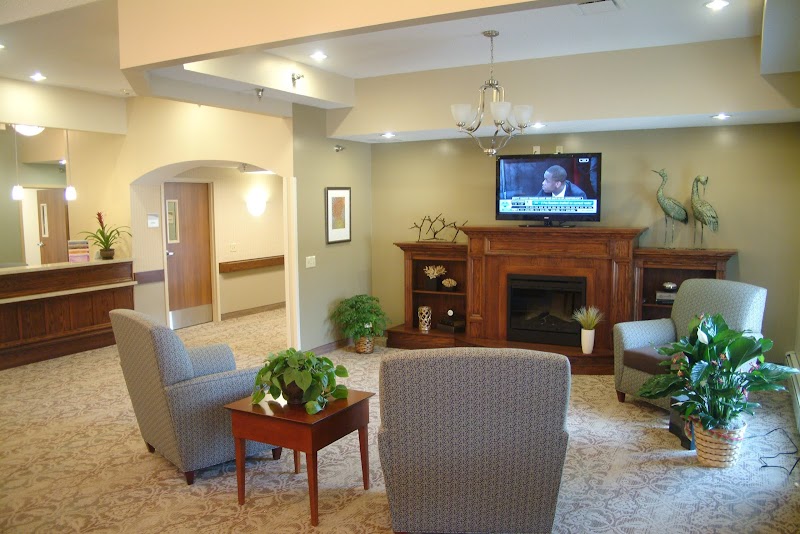
How is Heritage Specialty Care Staffed?

CMS rates Heritage Specialty Care's staffing level at 4 out of 5 stars, which is above average compared to other nursing homes. Staff turnover is 47%, compared to the Iowa average of 46%.

What Have Inspectors Found at Heritage Specialty Care?

State health inspectors documented 57 deficiencies at Heritage Specialty Care during 2022 to 2025. These included: 2 Immediate Jeopardy (the most serious level, indicating potential for serious harm or death), 6 that caused actual resident harm, 47 with potential for harm, and 2 minor or isolated issues. Immediate Jeopardy findings are rare and represent the most serious regulatory concerns. They require immediate corrective action.

Who Owns and Operates Heritage Specialty Care?

Heritage Specialty Care is owned by a non-profit organization. Non-profit facilities reinvest revenue into operations rather than distributing to shareholders. The facility is operated by CARE INITIATIVES, a chain that manages multiple nursing homes. With 171 certified beds and approximately 119 residents (about 70% occupancy), it is a mid-sized facility located in Cedar Rapids, Iowa.

How Does Heritage Specialty Care Compare to Other Iowa Nursing Homes?

Compared to the 100 nursing homes in Iowa, Heritage Specialty Care's overall rating (1 stars) is below the state average of 3.0, staff turnover (47%) is near the state average of 46%, and health inspection rating (1 stars) is much below the national benchmark.

What Should Families Ask When Visiting Heritage Specialty Care?

Based on this facility's data, families visiting should ask: "What changes have been made since the serious inspection findings, and how are you preventing similar issues?" "Can I visit during a mealtime to observe dining assistance and food quality?" "How do you handle medical emergencies, and what is your hospital transfer rate?" "Can I speak with family members of current residents about their experience?" These questions are particularly relevant given the facility's Immediate Jeopardy citations.

Is Heritage Specialty Care Safe?

Based on CMS inspection data, Heritage Specialty Care has documented safety concerns. Inspectors have issued 2 Immediate Jeopardy citations (the most serious violation level indicating risk of serious injury or death). The facility has a 1-star overall rating and ranks #100 of 100 nursing homes in Iowa. Families considering this facility should ask detailed questions about what corrective actions have been taken since these incidents.

Do Nurses at Heritage Specialty Care Stick Around?

Heritage Specialty Care has a staff turnover rate of 47%, which is about average for Iowa nursing homes (state average: 46%). Moderate turnover is common in nursing homes, but families should still ask about staff tenure and how the facility maintains care continuity when employees leave.

Was Heritage Specialty Care Ever Fined?

Heritage Specialty Care has been fined $59,855 across 2 penalty actions. This is above the Iowa average of $33,677. Fines in this range indicate compliance issues significant enough for CMS to impose meaningful financial consequences. Common causes include delayed correction of deficiencies, repeat violations, or care failures affecting resident safety. Families should ask facility leadership what changes have been made since these penalties.

Is Heritage Specialty Care on Any Federal Watch List?

Heritage Specialty Care is not on any federal watch list. The most significant is the Special Focus Facility (SFF) program, which identifies the bottom 1% of nursing homes nationally based on persistent, serious quality problems. Not being on this list means the facility has avoided the pattern of deficiencies that triggers enhanced federal oversight. This is a positive indicator, though families should still review the facility's inspection history directly.