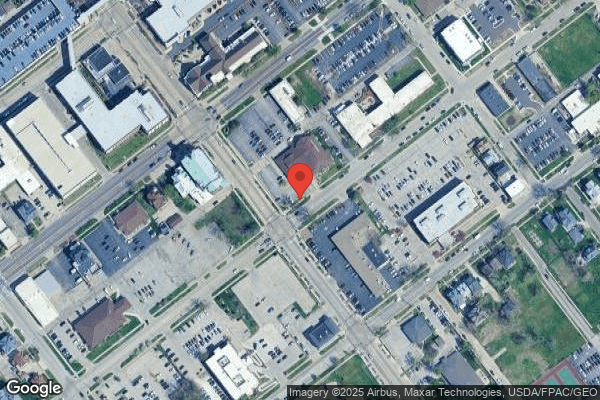


Living Center West

1050 4TH AVENUE SE, CEDAR RAPIDS, IA 52403 (319) 366-8714
Non profit - Corporation 94 Beds Independent Data: November 2025 3 Immediate Jeopardy citations
Trust Grade
0/100
#281 of 392 in IA
Last Inspection: September 2024

Within standard 12-15 month inspection cycle. Federal law requires annual inspections.

Overview

Families researching Living Center West in Cedar Rapids, Iowa should be aware that the facility has received a Trust Grade of F, indicating significant concerns about its operations and care quality. Ranked #281 out of 392 facilities in Iowa, it falls in the bottom half, and #15 out of 18 in Linn County, meaning only a few local options are worse. While the facility is showing improvement in its trend, reducing issues from 27 in 2024 to just 2 in 2025, it still has major shortcomings, including a concerning 66% staff turnover rate and $72,070 in fines, which is higher than 86% of Iowa facilities. On a positive note, it has excellent quality measures, rated 5 out of 5, and it previously had more RN coverage than most facilities; however, critical incidents, including failures to prevent and report sexual exploitation of residents, highlight serious safety and oversight issues that families should consider carefully.

Trust Score
F
0/100
In Iowa
#281/392
Bottom 29%
Safety Record
High Risk
Review needed
Inspections
Getting Better
27 → 2 violations
Staff Stability
⚠ Watch
66% turnover. Above average. Higher turnover means staff may not know residents' routines.
Penalties
✓ Good
$72,070 in fines. Lower than most Iowa facilities. Relatively clean record.
Skilled Nurses
○ Average
RN staffing data not reported for this facility.
Violations
⚠ Watch
32 deficiencies on record. Higher than average. Multiple issues found across inspections.
★★☆☆☆
2.0
Overall Rating
★☆☆☆☆
1.0
Staff Levels
★★★★★
5.0
Care Quality
★★☆☆☆
2.0
Inspection Score
Stable
2024: 27 issues
2025: 2 issues

The Good

  • 5-Star Quality Measures · Strong clinical quality outcomes
  • Full Sprinkler Coverage · Fire safety systems throughout facility
  • No fines on record

Facility shows strength in quality measures, fire safety.

The Bad

2-Star Overall Rating

Below Iowa average (3.0)

Below average - review inspection findings carefully

Staff Turnover: 66%

19pts above Iowa avg (46%)

Frequent staff changes - ask about care continuity

Federal Fines: $72,070

Well above median ($33,413)

Moderate penalties - review what triggered them

Staff turnover is elevated (66%)

18 points above Iowa average of 48%

The Ugly 32 deficiencies on record

3 life-threatening 4 actual harm
Jan 2025 2 deficiencies
CONCERN (D) 📢 Someone Reported This

A family member, employee, or ombudsman was alarmed enough to file a formal complaint

Potential for Harm - no one hurt, but risky conditions existed

Deficiency F0583 (Tag F0583)

Could have caused harm · This affected 1 resident

Based on interviews, clinical record review, facility investigation, and facility policy review, the facility failed to protect resident's right to privacy for 1 of 3 residents reviewed for resident r...

Read full inspector narrative →
Based on interviews, clinical record review, facility investigation, and facility policy review, the facility failed to protect resident's right to privacy for 1 of 3 residents reviewed for resident rights when staff took video of a resident and posted it to social media (Resident #1). The facility reported a census of 70 residents. Findings include: The Minimum Data Set (MDS) assessment, dated 10/23/24, revealed Resident #1 had a Brief Interview for Mental Status (BIMS) score of 12 out of 15, indicating moderate cognitive impairment. Resident #1's diagnoses included Schizophrenia, moderate intellectual disability, and depression. The Care Plan, initiated 7/09/24, revealed Resident #1 had impaired cognition related to moderate intellectual disability, Schizophrenia, and Major Depressive Disorder. The facility submitted a self-reported incident on 11/12/24 at 10:58 to the Department of Inspections, Appeals, and Licensing (DIAL) for video of Resident #1, taken by Staff A, Certified Nursing Assistant (CNA) on 11/11/24, and posted to a social media platform (Snapchat). Review of the facility internal investigation revealed a statement of incident, signed and dated on 11/12/24 by Staff A. Staff A wrote that on 11/11/24, they were joking with resident while eating an ice cream cone and had asked if it was good and how he was eating it. Staff A's statement informed the video was taken at approximately 4:30 PM and the resident was joking saying no as he smiled and showed his teeth. Staff A's statement revealed the video was posted to their private Snapchat story. Review of an 8 second video submitted by the facility showed Resident #1 holding an ice cream cone, he appeared to be sitting in a wheelchair in the hallway and was without dentures in place. A female voice said, let me see your teeth, Resident #1 responded no, and then smiled without teeth as a female voice laughed. Review of Staff A personnel file revealed a document titled Confidentiality Agreement, signed and dated by Staff A on 8/16/23 which agreed not to take any photographs or recordings of residents in any nature and not post any information resident's personal or health related information on any form of social media. Staff A personnel file additionally revealed a document titled, Dependent Adult Abuse Policy Review, which attested understanding of obligation to report to supervisor any potential abuse as defined in the Abuse Prevention, Identification, and Reporting Policy, signed by Staff A and dated 8/16/23. Disciplinary Report Form, dated 11/14/24, revealed termination of Staff A's employment due to video taken of resident and posted to Snapchat in violation of the facility's abuse policy for personal degradation signed by the Director of Nursing and Facility Administrator. On 1/08/25 at 3:50 PM, Staff B, former Director of Nursing (DON), stated that on 11/11/24 at approximately 8:00 PM she received a text message, with screen-shot of the video, from Staff C, former Assistant Director of Nursing (ADON) which informed her that Staff A had posted video of Resident #1 to their Snapchat story. Staff B stated that she showed this to the Facility Administrator the following day and that the facility decided to suspend Staff A while conducting an internal investigation. On 1/09/24 at 09:40 AM, Staff C, former ADON, stated she had witnessed the video of Resident #1 posted by Staff A on Staff A's Snapchat story and notified Staff B through a text message. Staff C informed that Staff A did not send video directly to Staff C, but posted it to a Snapchat story in which anyone on Staff A's friends list could have seen the video. On 1/09/25 at 10:45 AM, Facility Administrator stated she found out about video of Resident #1 posted by Staff A on 11/12/24 around 10:00 AM, when Staff B, notified her of the incident. Facility Administrator revealed she then reported incident to DIAL and began an internal investigation of the incident which included staff and resident interviews for potential abuse, disciplinary action of Staff A, and all staff education of the facility's abuse/personal degradation policy. The facility policy, titled Nursing Facility Abuse Prevention, Identification, Investigation, and Reporting Policy, dated July 2024, revealed the prohibition of staff from taking part in acts that result in personal degradation, including the taking or using any type of equipment to take, keep, or distribute photographs and/or recordings on social media or through multimedia messages. The policy defined personal degradation as a willful act or statement by a caretaker intended to shame, degrade, humiliate, or otherwise harm, the personal dignity of a reasonable person and includes the taking, transmission, or display of an electronic image of a dependent adult by a caretaker, or where the caretaker knew or reasonably should have known the act would cause shame, degradation, humiliation, or harm to the personal dignity or a reasonable person.
CONCERN (D) 📢 Someone Reported This

A family member, employee, or ombudsman was alarmed enough to file a formal complaint

Potential for Harm - no one hurt, but risky conditions existed

Report Alleged Abuse (Tag F0609)

Could have caused harm · This affected 1 resident

Based on interviews, facility investigation review, and facility policy review, the facility failed to report to the state agency within 2 hours of knowledge of an abuse allegation for 1 of 3 resident...

Read full inspector narrative →
Based on interviews, facility investigation review, and facility policy review, the facility failed to report to the state agency within 2 hours of knowledge of an abuse allegation for 1 of 3 residents reviewed for resident's rights (Resident #1). The facility reported a census of 70 residents. Findings include: The Minimum Data Set (MDS) assessment, dated 10/23/24, revealed Resident #1 had a Brief Interview for Mental Status (BIMS) score of 12 out of 15, indicating moderate cognitive impairment. Resident #1's diagnoses included Schizophrenia, moderate intellectual disability, and depression. The facility submitted a self-reported incident on 11/12/24 at 10:58 AM to the Department of Inspections, Appeals, and Licensing (DIAL) for video of Resident #1, taken by Staff A, Certified Nursing Assistant (CNA) on 11/11/24, and posted to a social media platform (Snapchat). Review of facility internal investigation revealed a statement of incident, signed and dated on 11/12/24 by Staff A. Staff A wrote that on 11/11/24, they were joking with a resident while eating an ice cream cone and had asked if it was good and how he was eating it. Staff A's statement informed the video was taken at approximately 4:30 PM and the resident was joking saying no as he smiled and showed his teeth. Staff A's statement revealed the video was posted to their private Snapchat story. Review of an 8 second video submitted by the facility showed Resident #1 holding an ice cream cone, he appeared to be sitting in a wheelchair in the hallway and was without dentures in place. A female voice said, let me see your teeth, Resident #1 responded no, and then smiled without teeth as a female voice laughed. On 1/08/25 at 3:50 PM, Staff B, former Director of Nursing (DON), stated that on 11/11/24 at approximately 8:00 PM she received a text message, with screen-shot of the video, from Staff C, former Assistant Director of Nursing (ADON) which informed her that Staff A had posted the video of Resident #1 to their Snapchat story. Staff B stated that she showed this to the Facility Administrator the following day and that the facility decided to suspend Staff A while conducting an internal investigation. On 1/09/24 at 09:40 AM, Staff C, former ADON, stated she had witnessed the video of Resident #1 posted by Staff A on Staff A's Snapchat story and notified Staff B through a text message. Staff C informed that Staff A did not send video directly to Staff C, but posted it to a Snapchat story in which anyone on Staff A's friends list could have seen the video. On 1/09/25 at 10:45 AM, Facility Administrator stated she found out about the video of Resident #1 posted by Staff A on 11/12/24 around 10:00 AM, when Staff B, notified her of the incident. Facility Administrator revealed she then reported incident to the state agency and began internal investigation of incident, which included staff and resident interviews for potential abuse, disciplinary action of Staff A, and all staff education of the facility ' s abuse/personal degradation policy. The facility policy, titled Nursing Facility Abuse Prevention, Identification, Investigation, and Reporting Policy, dated July 2024, revealed the prohibition of staff from taking part in acts that result in personal degradation, including the taking or using any type of equipment to take, keep, or distribute photographs and/or recordings on social media or through multimedia messages. The policy instructed that all allegations of resident abuse shall be reported to the Department of Inspections, Appeals, and Licensing (D.I.A.L), not later than 2 hours after the allegation is made.
Sept 2024 5 deficiencies
CONCERN (D)

Potential for Harm - no one hurt, but risky conditions existed

Deficiency F0578 (Tag F0578)

Could have caused harm · This affected 1 resident

**NOTE- TERMS IN BRACKETS HAVE BEEN EDITED TO PROTECT CONFIDENTIALITY** Based on observation, clinical record review, policy review, and staff interview the facility failed to maintain accurate advanc...

Read full inspector narrative →
**NOTE- TERMS IN BRACKETS HAVE BEEN EDITED TO PROTECT CONFIDENTIALITY** Based on observation, clinical record review, policy review, and staff interview the facility failed to maintain accurate advance directive records based on resident preference for 1 of 8 residents reviewed (Resident #4). The facility reported a census of 66 residents. Findings include: The Minimum Data Set (MDS) for Resident #4 dated [DATE] documented the resident scored 15 on a Brief Interview for Mental Status (BIMS) exam, which indicated intact cognition. It further revealed diagnoses of coronary artery disease, chronic respiratory failure with hypoxia (not enough oxygen in the blood), and asthma. On [DATE] at 9:50 AM a document titled Policy for Resuscitative Services/Cardiopulmonary Resuscitation (CPR) dated [DATE] was located in front of the resident's chart. It documented that in the event respirations or pulse would cease for Resident #4, she requested CPR be performed. During the same chart review the resident's Iowa Physician's Orders for Scope of Treatment (IPOST), signed [DATE] and located in the resident's chart behind the Resuscitative Services document, indicated if the resident did not have a pulse and was not breathing, staff should not attempt CPR. An entry in the electronic health record (EHR) dated [DATE] at 17:43 titled Health Status Note revealed the care provider called Resident #4's daughter to update her about changing the IPOST to a code status of DNR, comfort measures only, with no feeding tube and she was in agreement with the change. On [DATE] at 2:00 PM when asked about code status Staff A, Licensed Practical Nurse (LPN) stated he would look for it in the front of the resident's chart. He reported there was not a code status book or other location for advance directive information. Observed Staff A look in the front of Resident #4's chart, where he pointed at the request for CPR to be performed. When showed the discrepancy between that document and the IPOST behind it, Staff A indicated he would have looked at the first form and was not aware they were different. At 12:11 PM on [DATE] a follow up with Staff A determined the facility was working to ensure the correct document was in the resident's file. A policy, titled Advanced Directives Policy and dated [DATE], documented the intent of the facility to implement the terms of resident Advanced Directives in accordance with the appropriate direction of the resident, Power of Attorney, or resident's physician. The procedure included information that revoked advance directives should be removed from the resident's medical record and placed in an administrative file to avoid any misunderstanding.
CONCERN (D)

Potential for Harm - no one hurt, but risky conditions existed

Deficiency F0660 (Tag F0660)

Could have caused harm · This affected 1 resident

**NOTE- TERMS IN BRACKETS HAVE BEEN EDITED TO PROTECT CONFIDENTIALITY** Based on record review, resident and staff interviews, and policy review the facility failed to address the resident's goals for...

Read full inspector narrative →
**NOTE- TERMS IN BRACKETS HAVE BEEN EDITED TO PROTECT CONFIDENTIALITY** Based on record review, resident and staff interviews, and policy review the facility failed to address the resident's goals for discharge for 1 of 1 residents reviewed (Resident #52). The facility reported a census of 66 residents. Findings include: The Minimum Data Set (MDS) report dated 8/08/24 for Resident #52 indicated a Brief Interview for Mental Status (BIMS) score of 12/15 indicating moderate cognitive impairment. The MDS further indicated diagnoses including: alcohol cirrhosis of the liver with ascites (scar and fluid buildup), non-Alzheimer's dementia, and Diabetes Mellitus. The Care Plan for Resident #52 updated 7/11/22 noted the resident needed 24-hour care related to cognitive loss. It instructed staff to arrange for care conferences and review discharge plans quarterly and as needed. It further encouraged the resident/family/POA to share concerns. A review of the clinical record and Electronic Health Record revealed they lacked documentation pertaining to Durable Power of Attorney or mental capacity documents to indicate the resident was unable to make his own medical decisions. The Discharge Planning Review- v2 dated 6/28/24 documented Resident #52's family goal was to have the resident stay in the facility long term. It further documented the resident had alcohol-induced dementia diagnosed which impairs judgment and safety awareness. It indicated the need for supervision for Activities of Daily Living along with medication management. It reported the resident was unable to meet basic and critical care needs in a lower level of care setting. The Nursing Communication note dated 7/22/24 documented the resident verbalized wanting to get out of here saying he's too young to be here, he wants to work, [NAME] the lawn, have a beer, and is too self-sufficient to be here. The Psychosocial Note dated 8/12/24 reported the resident went to the Social Services office and wanted to know about discharge. The social worker suggested the resident speak to his family as staff was not in the position to make that decision. The note dated 9/06/24 documented a case consultation with the Managed Care Organization caseworker in which discharge plans were reviewed and no changes were made. In an interview on 9/16/24 at 1:29 PM Resident #52 noted he wanted to go home and had not seen the social worker to discuss this. In an interview on 9/17/24 at 9:42 AM the Social Worker explained he encouraged the resident to speak to his family as they would need to have a big part in his leaving and they said he can't return home. He acknowledged the resident does not have a guardian or designated decision maker. Thus far he had only encouraged the resident to talk to family about this; he did not start any other discharge planning. He confirmed the resident was not evaluated for his mental capacity to make decisions. In an interview on 9/18/24 at 2:57 PM the Administrator explained Resident #52 had a BIMS of 12 and his family was involved with his Plan of Care but was now non-responsive. She noted the facility collaborated as a team to determine if a discharge plan was appropriate or not, and relied on the medical provider's input as well. If they think someone will eventually not be capable of making decisions they have the resident designate who they want to be DPOA. If they come in already compromised they work with family to try and get a guardian appointed. Non-relatives who are willing to take guardianship usually have a full caseload. She acknowledged she was not sure if guardianship was attempted for the resident, and that the Social Worker would know for sure. The facility policy titled Transfer/Discharge Criteria, revised 2/01/20 lacked any direction regarding discharge planning according to resident goals or determination of medial decision-making capacity as it relates to discharge planning.
CONCERN (D)

Potential for Harm - no one hurt, but risky conditions existed

Accident Prevention (Tag F0689)

Could have caused harm · This affected 1 resident

Based on record review, staff and resident interviews, and policy review the facility failed to implement its policy to ensure the safety of both smoking and non-smoking residents (Resident #65). The ...

Read full inspector narrative →
Based on record review, staff and resident interviews, and policy review the facility failed to implement its policy to ensure the safety of both smoking and non-smoking residents (Resident #65). The facility reported a census of 66 residents. Findings include: The Minimum Data Set (MDS) report dated 6/26/24 for Resident #65 indicated a Brief Interview for Mental Status (BIMS) score of 14/15 indicating no cognitive impairment. The MDS further indicated diagnoses including: Wernicke's Encephalopathy (difficulty waking, abnormal eye movements, confusion), bipolar disorder, and tremor. The Smoking Safety Screen dated 8/27/24 documented Resident #65 was able to smoke without supervision off campus. It indicated the need for the facility to store his lighter and cigarettes for safety. In an interview on 9/16/24 at 10:40 AM the resident reported he buys and keeps his own cigarettes and lighter in his room. He confirmed he smokes by himself whenever he wants. In an interview on 9/17/24 at 11:08 AM Staff A, Licensed Practical Nurse (LPN) explained most times residents keep their smoking supplies with them, not at the nurse's station. He confirmed they do not keep Resident #65's smoking supplies. In an interview on 9/17/24 at 11:18 AM Staff B, LPN explained nurses don't really control resident smoking supplies. They are not kept on the medication carts or in the medication rooms. Residents keep the supplies in their rooms. In an interview on 9/17/24 at 11:10 AM the MDS coordinator explained the smoking safety screening is done quarterly. Nurses are to keep the lighters and cigarettes in their cart. There shouldn't be any residents keeping their own supplies. It be should either at the nurse's station or the locked medication room. In an interview on 9/18/24 at 2:53 PM the Administrator explained the smoking residents were told they needed to keep their materials with the nurse in the lock box. Safety risks for other confused residents were explained and education was provided to families as well. Residents have been non-compliant so they discussed getting lock boxes for resident rooms. They have not gotten them because the residents again agreed to keep their supplies with the nurses. It is technically a non-smoking facility but if they are alert and oriented, and have the assessment to be safe to do so, they are allowed to smoke off campus. The facility policy titled Smoking, revised 8/30/23 instructed residents choosing to leave the premises to smoke to store smoking materials in an area not easily accessible to others.
CONCERN (D)

Potential for Harm - no one hurt, but risky conditions existed

Deficiency F0698 (Tag F0698)

Could have caused harm · This affected 1 resident

Based on interviews, clinical record review, and facility policy review the facility failed to complete pre and post dialysis assessments that included site assessment for 1 of 1 dialysis residents re...

Read full inspector narrative →
Based on interviews, clinical record review, and facility policy review the facility failed to complete pre and post dialysis assessments that included site assessment for 1 of 1 dialysis residents reviewed (Resident #16). The facility reported a census of 66 residents. Findings include: The Medication Administration Record (MAR) for Resident #16 dated 7/2024, listed a diagnosis of chronic kidney disease, stage 4 (SEVERE) end stage renal disease. The MAR directed vital signs (VS) before and after dialysis every Monday, Wednesday, Friday. The MAR failed to direct staff to assess the dialysis site after return from dialysis. The Medication Administration Record (MAR) for Resident #16 dated 8/2024, directed vital signs before and after dialysis every Monday, Wednesday, Friday. The MAR failed to direct staff to assess the dialysis site after she returned from dialysis. The Medication Administration Record (MAR) for Resident #16 dated 9/2024, the MAR directed vital signs before and after dialysis every Monday, Wednesday, Friday. The MAR failed to direct staff to assess the dialysis site after she returned from dialysis. The Care Plan dated 1/9/24, addressed Resident#16 needed hemodialysis related to end stage renal disease. The Care Plan directed assess access site (right upper extremity) as ordered. The Psychosocial Note dated 9/12/2024 at 2 PM, revealed a Brief Interview for Mental Status score of 11, mild cognitive impairments. The Nurses Progress Note dated 9/6/24, at 6:04 PM, 9/4/24 at 6:04 PM, 8/30/24 at 2:54 PM, 7/26/24 at 10:26 PM, 7/24/24 at 12:05 PM, and 7/17/24 at 12:39 PM, lacked an assessment of the dialysis site. The facility lacked documentation of the Hemodialysis Communication form's dated 7/10/24, 8/2/24, 8/12/24, 8/23/24, 8/26/24, 8/28/24, 9/2/24, 9/9/24, 9/11/24, 9/13/24, and 9/16/24. The Order Review dated 9/19/24, identified the location of dialysis every Monday, Wednesdays, Fridays with a Pick up time at 05:45 AM. The orders lacked direction to assess the site post dialysis. 09/18/24 01:44 PM Staff C, Registered Nurse (RN) revealed upon Resident#16's return from dialysis she checked her vitals and documents on the Dialysis Communication form and looked at the sheet they send with her to see if they changed anything. On 09/18/24 at 2:03 PM the Restorative Licensed Practical Nurse (LPN) reported when a resident comes back and before they go to dialysis the nurses check vitals and the bruit and thrill and doc in the MAR. On 9/18/24 at 2:27 PM the Assistant Director of Nursing (ADON) reported the nurses need to check the vitals when a resident comes back from dialysis and put them on the sheet or could be on the MAR. On 9/19/24 at 8:10 AM the Director of Nursing (DON) reported the nurses are expected to check residents vitals before and after dialysis and check the bruit and thrill before dialysis. She said the don't listen after dialysis due to the bandage. The DON reported they look at the dressing when they come back but the don't document that anywhere. 09/19/24 10:15 AM the ADON reported that staff are expected to document vitals pre and post dialysis in the MAR and on the sheet and some note in the Progress Note. The facility Dialysis Binder held a document titled Binder Expectations undated that directed: All Hemodialysis forms will remain inside the binder. All Hemodialysis forms will be completed in full (no blanks). Management team will audit binder for completion. Only management team will remove Hemodialysis forms to file in Pt chart. Process: The nurse: 1. Pre-treatment (Tx) VS assessment (Complete the entire facility section except post vitals, Print your name and date/time of completion) 2. Include appointment packet with facesheet and medication list. 3. Post Tx VS/assessment when resident returns 4. Enter VS assessment in MAR and chart in Progress notes. The facility policy titled Dialysis Care dated 2/2/17, directed nursing shall provide direct visual monitoring of the access site before and after dialysis. Nursing shall provide ongoing monitoring and care of the resident's vascular access site.
CONCERN (E)

Potential for Harm - no one hurt, but risky conditions existed

Deficiency F0865 (Tag F0865)

Could have caused harm · This affected multiple residents

Based on the Centers for Medicare and Medicaid Services (CMS) Statement of Deficiencies forms, the facility Quality Assessment and Performance improvement (QAPI) Plan, and staff interview the facility...

Read full inspector narrative →
Based on the Centers for Medicare and Medicaid Services (CMS) Statement of Deficiencies forms, the facility Quality Assessment and Performance improvement (QAPI) Plan, and staff interview the facility failed to carry out Quality Assurance (QA) activities to ensure effective measures had been taken to correct deficiencies and prevent their ongoing prevalence. The facility reported a census of 66 residents. Findings include: The CMS 2567, dated 1/18/24 listed, in part, the following concerns: F689, F698 The current survey, conducted 9/16/24-9/19/24 also identified the above concerns. In an interview on 9/19/24 at 12:27 PM the Administrator explained she did not know if the facility put plans in place to address the deficiencies from the previous survey. There was nothing handed off when the previous administrator left. A review of the facility QAPI Program Policies and Procedures, undated revealed the following: The QAA Committee functions under the facility's governing body and is responsible for developing and implementing appropriate plans of action to correct deficiencies identified, regularly review, and analyze data under QAPI and drug regimen review, and act on available data to make improvements. To ensure the planned changes/interventions are implemented and effective in achieving and sustaining improvements, our organization chooses indicators/measures that tie directly to the new action and conducts ongoing periodic measurement and review to ensure that the new action has been adopted and is performed consistently.
Jul 2024 6 deficiencies 3 IJ
CRITICAL (J) 📢 Someone Reported This

A family member, employee, or ombudsman was alarmed enough to file a formal complaint

Immediate Jeopardy (IJ) - the most serious Medicare violation

Free from Abuse/Neglect (Tag F0600)

Someone could have died · This affected 1 resident

**NOTE- TERMS IN BRACKETS HAVE BEEN EDITED TO PROTECT CONFIDENTIALITY** Based on observation, clinical record review, policy review, and staff and resident interviews, the facility failed to prevent s...

Read full inspector narrative →
**NOTE- TERMS IN BRACKETS HAVE BEEN EDITED TO PROTECT CONFIDENTIALITY** Based on observation, clinical record review, policy review, and staff and resident interviews, the facility failed to prevent sexual exploitation for 1 of 1 resident reviewed for abuse (Resident #10). After a staff member observed Staff A, Activities Director, and Resident #10 kissing in the activity room, they left the room leaving the two of them alone in the room. No one reported the witnessed event to members of administration until several weeks later and the facility didn't terminate Staff A until 6/17/24. In addition, the facility learned on 2/29/24 that Resident #10 stated he and Staff A kissed and she locked the door of the activity room so they could be alone. The facility failed to have documentation of an investigation into the situation, nor did they separate Staff A from Resident #10 or the other residents after 2/29/24. This deficient practice resulted in an Immediate Jeopardy to the health and safety of residents who resided at the facility. The facility reported a census of 74 residents. The State Agency informed the facility of the Immediate Jeopardy (IJ) on 7/25/24 at 9:30 AM The IJ began on 2/29/24. The facility staff removed the immediacy on 6/14/24 through the following actions: a. Previous Administrator employment at Living Center [NAME] ended 3/18/24. b. The facility suspended Staff A on 6/10/24. c. The facility terminated Staff A's employment on 6/17/24. b. The facility carried out abuse prevention education for all staff on 6/10/24. d. The facility sent the nurse home immediately on 6/10/24. e. The facility notified the agency the nurse couldn't return to the facility on 6/10/24 f. The facility retrained all of the staff on the Abuse Policy and Procedures (including reporting, prevention, etc.). specifically highlighting sexual exploitation completed by Administrator and Clinical Leadership on 6/10/24. g. Mental Health counseling offered to Resident #10. h. Weekly visits with Resident #10 and Social Worker initiated 6/14/24. i. Interviewed all cognitively intact residents to verify they facility didn't have other affected residents on 6/11/24. j. The facility notified Resident #10's provider and responsible party on 6/10/24. k. The facility reviewed and updated Resident #10's Care Plan l. Monthly Staff In-services to occur to provide education and retraining as needed. m. Grievance procedures implemented 5/21/24 and continued education provided at June and July in services and resident council. The scope lowered from a J to D at the time of the survey after ensuring the facility implemented education and their policy and procedures. Findings include: Resident #10's Minimum Data Set (MDS) assessment dated [DATE] identified a Brief Interview for Mental Status (BIMS) score of 13, indicating intact cognition. Resident #10 required supervision or touching assistance with showering/bathing. The MDS included diagnoses of non-Alzheimer's dementia, anxiety disorder, and depression. The Nursing Facility Abuse Prevention, Identification, Investigation, and Reporting Policy, dated October 2022, stated all residents had the right to be free from abuse and defined abuse to include sexual exploitation. The policy stated sexual exploitation was consensual or nonconsensual sexual conduct with a dependent adult by a caretaker and stated it included but not limited to kissing. The Care Plan Focus dated 8/4/23 reflected Resident #10 required 24 hour care related to the inability to care for himself in the community. The Care Plan Focus dated 8/21/23 indicated Resident #10 had impaired cognitive function, dementia, or impaired thought processes related to his diagnoses of dementia, [NAME]'s encephalopathy (a disease of the brain which caused symptoms which included confusion), and psychotropic drug use. The Interventions directed the staff to keep Resident #10's routine consistent and try to provide consistent care givers as much as possible in order to decrease confusion. The Care Plan Focus initiated 9/29/23 and revised 6/12/24 identified Resident #10 had signs and symptoms of mood distress as evidenced by verbalizing feeling down, depressed, or hopeless related to diagnoses for depression, anxiety, and dementia. In email correspondence, sent to Staff D, former Administrator, on 2/29/24 at 2:47 PM, Resident #10's Guardian (RR #10) stated Resident #10 declared his love for Staff A. RR #10 explained Resident #10 told him, they tried to figure out how to go out on dates together. Resident #10 told RR #10 they kissed each other and Staff A locked the activity room door so they could have privacy. Resident #10 said Staff A talked about her husband and reported problems in their relationship. Resident #10 stated he intended to protect Staff A and asked RR #10 for help facilitating the relationship so they could spend more time alone. Resident #10 stated they had to hide their relationship because of Staff A's employment. Resident #10 declared his love for Staff A. He never had this in his life before and he wanted to nurture it. He explained he would like to get married. In email correspondence, sent to RR #10 on 3/1/24 at 10:37 AM, Staff D responded they would address it immediately. The facility lacked documentation of an investigation into the concerns reported in the 2/29/24 email from RR #10 and lacked documentation they reported the concerns to the State Agency. The History and Physical, dated 5/1/24 reflected the hospital staff received limited history from Resident #10 due to his cognitive impairment. The report listed Resident #10 had [NAME] Korsakoff Syndrome (a condition which caused impaired memory). A statement dated 6/10/24, written by Staff B, Certified Medication Aide, (CMA), indicated on 5/7/24, when she looked for Resident #10 to give his medication, she noticed the activity room door slightly cracked. As Staff B looked in, she saw Resident #10 and Staff A kissing each other on the mouth. Staff B gave Resident #10 his medication and quickly left the room. Staff A found Staff B and asked her not to say anything, adding it would not happen again. Staff B reported the situation to Staff C, Registered Nurse (RN), after Staff A left the building. A statement dated 6/10/24, written by Staff C stated at the end of April or Early May (2024) Staff B told her she saw Resident #10 and Staff A making out. Staff C said she directed Staff B to report it to the Director of Nursing (DON). On or around 5/31/24, Staff C observed Resident #10 talking on the phone to Staff A around 7:00 PM. A statement dated 6/10/24, written by the DON, stated she notified RR #10 of the alleged incident. RR #10 explained while hospitalized in December 2023, the hospital staff saw text messages between Resident #10 and Staff A where he declared his love for her. RR #10 added Resident #10 told her about his relationship with Staff A. They would close the activity room door, kiss, and Staff A would tell him about her marital problems. RR #10 stated she emailed Staff D regarding the concerns on 3/1/24. In a written interview on 6/10/24, Resident #10 denied kissing Staff A. A statement dated 6/10/24, written by the DON, stated Resident #10 called her and said he lied about what they talked about earlier because he didn't want to get Staff A or himself in trouble. Resident #10 explained Staff A called him that evening and told him to be honest about things. A statement dated 6/10/24, written by Staff A, stated she had a relationship with Resident #10 for over 6 months now and it still continued. The note stated when Staff A left to go home, she gave Resident #10 a hug and just a smack on his cheek. The note stated no other staff or residents knew about the relationship. They started to become close around the end of November when he spent time with her in the activity room. The Health Status Note dated 6/10/24 at 7:05 PM indicated the facility had a report of someone witnessing Resident #10 and a staff member kissing in the activity room. Resident #10 denied any sexual contact or intimate relationship and stated they were just friends. Upon interview, the staff member admitted to the allegations and walked out of the facility. The Psychosocial Note dated 6/14/24 at 3:14 PM identified He was open to discussing his relationship with staff member Staff A and named them by name. He voiced frustration over the many questions over the matter and feeling that no one believed him that this incident is making a mountain out of a mole hill. He said he spent a lot of time with Staff A helping in the activity office. He said they became friends and that he liked them, even felt love for them but stated nothing sexually happened. He said he is okay with the questions, but worried about the impact of the situation on Staff A. Resident #10 said he is open to further visits to help with processing. Post-Traumatic Stress Disorder (PTSD) form completed with positive results for PTSD but related to a situation in his past. Staff A's Personnel Record listed a termination date of 6/17/24. The Psychosocial Note dated 6/20/24 at 3:18 PM described Resident #10 as tearful about the facility firing Staff A. He stated if he didn't come to the facility, she would still have her job. He stated he didn't go to the activity room to color because of the sadness it brought him, so he colored in the lounge. He felt coloring helped him cope with the grief and guilt over the situation. He reported still having contact with Staff A via phone and text. He stated Staff A's spouse didn't care for her so he thought that led to his relationship with her. He stated he feared the facility would kick him out of the facility due to the situation. The Psychosocial Note dated 6/25/24 at 11:44 AM reflected Resident #10 had a meeting with staff for support, and reported he had a difficult morning. He still felt some blame but also anger over the situation. He said he had nightmares about the issue. He reported crying a lot, and trying to forget Staff A but he didn't really want. He has removed Staff A name and number from his phone. Resident #10 also shared that he is angry at Staff A spouse because he didn't care for Staff A and Staff A didn't love the spouse. Resident #10 said he didn't think the meeting helped him, but thought it gave him an opportunity to talk out some of his thoughts. On 7/22/24 at 2:35 PM watched Resident #10 propel himself down the hall in his wheelchair. On 7/23/24 at 2:48 PM, Resident #10 stated Staff A became pregnant and couldn't work at the facility anymore. He said they had a close relationship, but said they had no kissing involved. He stated they would text and call each other on the phone. He added they each had problems, so that was what friends did. He said they hugged as friends, kissed as friends, and had a light kiss on the cheek. He didn't think of that as an affair. He stated she closed the door to keep other people out, so they could work on projects. On 7/23/24 at 3:35 PM the Administrator stated Resident #10 struggled with the situation between him and Staff A. She described him as all over the map and his mood could go from a low to a high. She stated he had a time with her out of the picture. She indicated she had a hard time watching him as started to accept it and struggle. She described him as a lot quieter. She stated Staff B reported to Staff C that she saw Resident #10 and Staff A kissing on the lips in the activity room. Staff B stated Staff C told her not to worry about it. The Administrator stated she found out when Staff C told Staff F, CNA, about it a couple of weeks later. The Administrator stated when she met with Staff A, she told her she had a relationship with Resident #10 for 6 months, they loved each other, and had a kiss. She stated they had Staff A leave the building, then they talked to residents and staff. She stated initially Resident #10 denied it but then later that day he admitted to it. The Administrator stated RR #10 stated she reported it before and sent an email to Staff D. The Administrator said she couldn't find a follow up to the email. On 7/24/24 at 11:59 AM via phone, Staff B stated she tried to find Resident #10 to give him his medications and saw the activity room door cracked. When she looked in the room she saw Resident #10 in his wheelchair with Staff A sitting on his knee in the middle of a long kiss on the mouth. She said when Staff A looked up, she went in and gave Resident #10 his medications. She quickly left because she (Staff B) felt embarrassed. Staff B stated a few minutes later when Staff A found her, she asked her not to tell anyone, and added they wouldn't do that anymore. Staff B stated she waited for Staff A to leave the building, then told Staff C. Staff C told her not to tell anyone. She explained she didn't hear anything else about it until she got a call about a month later. On 7/24/24 at 3:00 PM Resident #15, Resident #10's roommate, stated he told the Social Worker that morning he did a bad thing. He said he saw Staff A on Sunday at a picnic and she gave him some pictures to give to Resident #10. Resident #15 stated he gave the items to Resident #10. Resident #10 told him that he loved Staff A in a romantic way, he saw them hold hands but not kiss. Resident #15 said Resident #10 use to get up early and go to the activity room, but he no longer did that since Staff A left. He stated Resident #10 talked about her all of the time. During the conversation, Resident #15's phone rang and he said the call came from Staff A. Resident #10 said the number of the person calling, and it matched Staff A's phone number in her personnel record. On 7/24/24 at 4:44 PM, the Social Worker reported the situation with Staff A had a lot of impact on Resident #10. He stated he felt guilty and didn't feel like going to the activity room anymore. He talked to him about mental health counseling and he agreed to go. He stated Resident #10's cognition fluctuated and he didn't know if he could consent (for the kiss). On 7/24/24 at 4:53 PM, the Assistant Director of Nursing (ADON) said she noted a difference in Resident #10 since the situation with Staff A. She described him as more withdrawn, tearful, and didn't engage in activities as he did in the past. On 7/25/24 at 8:19 AM via phone, Staff D denied that someone reported to her that Resident #10 stated he kissed Staff A and she locked the door of the activity room for them to be alone. She didn't recall receiving an email on 2/29/24 about the situation and stated such allegations would be reportable. She stated the only thing that someone reported to her was that Resident #10 sent Staff A heart emojis and that isn't reportable. On 7/25/24 at 10:05 AM, the Administrator stated she suspended Staff A on 6/10/24 and she didn't return to the building. The facility terminated her on 6/17/24. On 7/25/24 at 10:18 AM, via phone, Staff C explained Staff B reported that she saw Staff A kissing a resident. Staff B told her Staff A took care of it, so Staff C thought that Staff A turned herself in. On 7/25/24 at 11:54 AM via phone, RR #10 stated when hospitalized last November, the hospital nursing staff saw him texting things like heart emojis to Staff A. RR #10 explained they reported it to Staff D. They told RR #10 the facility brought in Staff A, looked at her phone, and talked to her about boundaries. In February (2024), RR #10 went with Resident #10 when he had a procedure. He reported they gave him sedatives and described him as loopy. RR #10 stated Resident #10 told her that he had a romantic relationship with Staff A and they kissed. RR #10 reported this to the Administrator via email at the time, the Administrator told her she would address it. RR #10 didn't hear anything else about it. RR #10 said after the alleged witnessed kiss, Resident #10 became very anxious and upset that someone accused him of things. Resident #10 didn't understand what they accused him of. Resident #10 only had one other girlfriend in his life and he felt like he would never have a relationship. RR #10 stated she felt it was more meaningful for him than for Staff A. The facility lacked documentation of an investigation into the alleged text messages sent from Resident #10 to Staff A in November 2023. On 7/29/24 at 1:30 PM, the DON stated Staff F reported the alleged kiss to the ADON. She said the incident happened weeks prior and the agency nurse didn't report it until later. She explained since the incident, staff have reported him as more depressed, not himself, and changed his routine. She said he didn't participate in activities as much and liked his solitude. She stated Resident #10 stayed in his room more. On 7/29/24 at 4:09 PM, the Administrator stated she expected residents to be free from abuse and staff should treat them like their own loved one. After an allegation of abuse, the facility would remove the alleged perpetrator from all residents and report it to the State Agency.
CRITICAL (J) 📢 Someone Reported This

A family member, employee, or ombudsman was alarmed enough to file a formal complaint

Immediate Jeopardy (IJ) - the most serious Medicare violation

Report Alleged Abuse (Tag F0609)

Someone could have died · This affected 1 resident

**NOTE- TERMS IN BRACKETS HAVE BEEN EDITED TO PROTECT CONFIDENTIALITY** Based on observation, clinical record review, policy review, staff, and resident interviews, the facility failed to report an al...

Read full inspector narrative →
**NOTE- TERMS IN BRACKETS HAVE BEEN EDITED TO PROTECT CONFIDENTIALITY** Based on observation, clinical record review, policy review, staff, and resident interviews, the facility failed to report an allegation of sexual exploitation for 1 of 1 resident reviewed for abuse (Resident #10). On 5/7/24 a staff member observed Staff A, Activities Director, and Resident #10 kissing in the activity room. No one reported the witnessed event to members of administration until 6/10/24. The facility suspended Staff A on 6/10/24 and terminated her on 6/17/24. The deficient practice resulted in an Immediate Jeopardy to the health and safety of residents who resided at the facility. The facility reported a census of 74 residents. The State Agency informed the facility of the Immediate Jeopardy (IJ) on 7/25/24 at 9:30 AM The IJ began on 2/29/24. The facility staff removed the immediacy on 6/10/24 through the following actions: a. Previous Administrator employment at Living Center [NAME] ended 3/18/24. b. The facility suspended Staff A on 6/10/24. c. The facility terminated Staff A's employment on 6/17/24. b. The facility carried out abuse prevention education for all staff on 6/10/24. d. The facility sent the nurse home immediately on 6/10/24. e. The facility notified the agency the nurse couldn't return to the facility on 6/10/24. f. The facility retrained all of the staff on the Abuse Policy and Procedures (including reporting, prevention, etc.)specifically highlighting sexual exploitation completed by Administrator and Clinical Leadership on 6/10/24. The scope lowered from a J to D at the time of the survey after ensuring the facility implemented education and their policy and procedures. Findings include: Resident #10's Minimum Data Set (MDS) assessment dated [DATE] identified a Brief Interview for Mental Status (BIMS) score of 13, indicating intact cognition. Resident #10 required supervision or touching assistance with showering/bathing. The MDS included diagnoses of non-Alzheimer's dementia, anxiety disorder, and depression. The Nursing Facility Abuse Prevention, Identification, Investigation, and Reporting Policy, dated October 2022, stated all residents had the right to be free from abuse and defined abuse to include sexual exploitation. The policy stated sexual exploitation was consensual or nonconsensual sexual conduct with a dependent adult by a caretaker and stated it included but not limited to kissing. The policy stated the facility would report all allegations of abuse immediately to the State Agency not later than 2 hours after receiving the report of the allegation. The Care Plan Focus dated 8/4/23 reflected Resident #10 required 24 hour care related to the inability to care for himself in the community. The Care Plan Focus dated 8/21/23 indicated Resident #10 had impaired cognitive function, dementia, or impaired thought processes related to his diagnoses of dementia, Wernicke's encephalopathy (a disease of the brain which caused symptoms which included confusion), and psychotropic drug use. The Interventions directed the staff to keep Resident #10's routine consistent and try to provide consistent care givers as much as possible in order to decrease confusion. The Care Plan Focus initiated 9/29/23 and revised 6/12/24 identified Resident #10 had signs and symptoms of mood distress as evidenced by verbalizing feeling down, depressed, or hopeless related to diagnoses for depression, anxiety, and dementia. In email correspondence, sent to Staff D, former Administrator, on 2/29/24 at 2:47 PM, Resident #10's Guardian (RR #10) stated Resident #10 declared his love for Staff A. RR #10 explained Resident #10 told him, they tried to figure out how to go out on dates together. Resident #10 told RR #10 they kissed each other and Staff A locked the activity room door so they could have privacy. Resident #10 said Staff A talked about her husband and reported problems in their relationship. Resident #10 stated he intended to protect Staff A and asked RR #10 for help facilitating the relationship so they could spend more time alone. Resident #10 stated they had to hide their relationship because of Staff A's employment. Resident #10 declared his love for Staff A. He never had this in his life before and he wanted to nurture it. He explained he would like to get married. In email correspondence, sent to RR #10 on 3/1/24 at 10:37 AM, Staff D responded they would address it immediately. The facility lacked documentation into the concerns reported in the 2/29/24 email from RR #10 indicating they reported the concerns to the State Agency. A statement dated 6/10/24, written by Staff B, Certified Medication Aide, (CMA), indicated on 5/7/24, when she looked for Resident #10 to give his medication, she noticed the activity room door slightly cracked. As Staff B looked in, she saw Resident #10 and Staff A kissing each other on the mouth. Staff B gave Resident #10 his medication and quickly left the room. Staff A found Staff B and asked her not to say anything, adding it would not happen again. Staff B reported the situation to Staff C, Registered Nurse (RN), after Staff A left the building. A statement dated 6/10/24, written by Staff C stated at the end of April or Early May (2024) Staff B told her she saw Resident #10 and Staff A making out. Staff C said she directed Staff B to report it to the Director of Nursing (DON). On or around 5/31/24, Staff C observed Resident #10 talking on the phone to Staff A around 7:00 PM. A statement dated 6/10/24, written by the DON, stated she notified RR #10 of the alleged incident. RR #10 explained while hospitalized in December 2023, the hospital staff saw text messages between Resident #10 and Staff A where he declared his love for her. RR #10 added Resident #10 told her about his relationship with Staff A. They would close the activity room door, kiss, and Staff A would tell him about her marital problems. RR #10 stated she emailed Staff D regarding the concerns on 3/1/24. In a written interview on 6/10/24, Resident #10 denied kissing Staff A. A statement dated 6/10/24, written by the DON, stated Resident #10 called her and said he lied about what they talked about earlier because he didn't want to get Staff A or himself in trouble. Resident #10 explained Staff A called him that evening and told him to be honest about things. A statement dated 6/10/24, written by Staff A, stated she had a relationship with Resident #10 for over 6 months now and it still continued. The note stated when Staff A left to go home, she gave Resident #10 a hug and just a smack on his cheek. The note stated no other staff or residents knew about the relationship. They started to become close around the end of November when he spent time with her in the activity room. The Health Status Note dated 6/10/24 at 7:05 PM indicated the facility had a report of someone witnessing Resident #10 and a staff member kissing in the activity room. Resident #10 denied any sexual contact or intimate relationship and stated they were just friends. Upon interview, the staff member admitted to the allegations and walked out of the facility. The Psychosocial Note dated 6/14/24 at 3:14 PM identified He was open to discussing his relationship with staff member Staff A and named them by name. He voiced frustration over the many questions over the matter and feeling that no one believed him that this incident is making a mountain out of a mole hill. He said he spent a lot of time with Staff A helping in the activity office. He said they became friends and that he liked them, even felt love for them but stated nothing sexually happened. He said he is okay with the questions, but worried about the impact of the situation on Staff A. Resident #10 said he is open to further visits to help with processing. Post-Traumatic Stress Disorder (PTSD) form completed with positive results for PTSD but related to a situation in his past. Staff A's Personnel Record listed a termination date of 6/17/24. The Psychosocial Note dated 6/20/24 at 3:18 PM described Resident #10 as tearful about the facility firing Staff A. He stated if he didn't come to the facility, she would still have her job. He stated he didn't go to the activity room to color because of the sadness it brought him, so he colored in the lounge. He felt coloring helped him cope with the grief and guilt over the situation. He reported still having contact with Staff A via phone and text. He stated Staff A's spouse didn't care for her so he thought that led to his relationship with her. He stated he feared the facility would kick him out of the facility due to the situation. The Psychosocial Note dated 6/25/24 at 11:44 AM reflected Resident #10 had a meeting with staff for support, and reported he had a difficult morning. He still felt some blame but also anger over the situation. He said he had nightmares about the issue. He reported crying a lot, and trying to forget Staff A but he didn't really want. He has removed Staff A name and number from his phone. Resident #10 also shared that he is angry at Staff A spouse because he didn't care for Staff A and Staff A didn't love the spouse. Resident #10 said he didn't think the meeting helped him, but thought it gave him an opportunity to talk out some of his thoughts. On 7/22/24 at 2:35 PM watched Resident #10 propel himself down the hall in his wheelchair. On 7/23/24 at 2:48 PM, Resident #10 stated Staff A became pregnant and couldn't work at the facility anymore. He said they had a close relationship, but said they had no kissing involved. He stated they would text and call each other on the phone. He added they each had problems, so that was what friends did. He said they hugged as friends, kissed as friends, and had a light kiss on the cheek. He didn't think of that as an affair. He stated she closed the door to keep other people out, so they could work on projects. On 7/23/24 at 3:35 PM the Administrator stated Resident #10 struggled with the situation between him and Staff A. She described him as all over the map and his mood could go from a low to a high. She stated he had a time with her out of the picture. She indicated she had a hard time watching him as started to accept it and struggle. She described him as a lot quieter. She stated Staff B reported to Staff C that she saw Resident #10 and Staff A kissing on the lips in the activity room. Staff B stated Staff C told her not to worry about it. The Administrator stated she found out when Staff C told Staff F, CNA, about it a couple of weeks later. The Administrator stated when she met with Staff A, she told her she had a relationship with Resident #10 for 6 months, they loved each other, and had a kiss. She stated they had Staff A leave the building, then they talked to residents and staff. She stated initially Resident #10 denied it but then later that day he admitted to it. The Administrator stated RR #10 stated she reported it before and sent an email to Staff D. The Administrator said she couldn't find a follow up to the email. On 7/24/24 at 11:59 AM via phone, Staff B stated she tried to find Resident #10 to give him his medications and saw the activity room door cracked. When she looked in the room she saw Resident #10 in his wheelchair with Staff A sitting on his knee in the middle of a long kiss on the mouth. She said when Staff A looked up, she went in and gave Resident #10 his medications. She quickly left because she (Staff B) felt embarrassed. Staff B stated a few minutes later when Staff A found her, she asked her not to tell anyone, and added they wouldn't do that anymore. Staff B stated she waited for Staff A to leave the building, then told Staff C. Staff C told her not to tell anyone. She explained she didn't hear anything else about it until she got a call about a month later. On 7/24/24 at 3:00 PM Resident #15, Resident #10's roommate, stated he told the Social Worker that morning he did a bad thing. He said he saw Staff A on Sunday at a picnic and she gave him some pictures to give to Resident #10. Resident #15 stated he gave the items to Resident #10. Resident #10 told him that he loved Staff A in a romantic way, he saw them hold hands but not kiss. Resident #15 said Resident #10 use to get up early and go to the activity room, but he no longer did that since Staff A left. He stated Resident #10 talked about her all of the time. During the conversation, Resident #15's phone rang and he said the call came from Staff A. Resident #10 said the number of the person calling, and it matched Staff A's phone number in her personnel record. On 7/24/24 at 4:44 PM, the Social Worker reported the situation with Staff A had a lot of impact on Resident #10. He stated he felt guilty and didn't feel like going to the activity room anymore. He talked to him about mental health counseling and he agreed to go. He stated Resident #10's cognition fluctuated and he didn't know if he could consent (for the kiss). On 7/24/24 at 4:53 PM, the Assistant Director of Nursing (ADON) said she noted a difference in Resident #10 since the situation with Staff A. She described him as more withdrawn, tearful, and didn't engage in activities as he did in the past. On 7/25/24 at 8:19 AM via phone, Staff D denied that someone reported to her that Resident #10 stated he kissed Staff A and she locked the door of the activity room for them to be alone. She didn't recall receiving an email on 2/29/24 about the situation and stated such allegations would be reportable. She stated the only thing that someone reported to her was that Resident #10 sent Staff A heart emojis and that isn't reportable. On 7/25/24 at 10:05 AM, the Administrator stated she suspended Staff A on 6/10/24 and she didn't return to the building. The facility terminated her on 6/17/24. On 7/25/24 at 10:18 AM, via phone, Staff C explained Staff B reported that she saw Staff A kissing a resident. Staff B told her Staff A took care of it, so Staff C thought that Staff A turned herself in. On 7/25/24 at 11:54 AM via phone, RR #10 stated when hospitalized last November, the hospital nursing staff saw him texting things like heart emojis to Staff A. RR #10 explained they reported it to Staff D. They told RR #10 the facility brought in Staff A, looked at her phone, and talked to her about boundaries. In February (2024), RR #10 went with Resident #10 when he had a procedure. He reported they gave him sedatives and described him as loopy. RR #10 stated Resident #10 told her that he had a romantic relationship with Staff A and they kissed. RR #10 reported this to the Administrator via email at the time, the Administrator told her she would address it. RR #10 didn't hear anything else about it. RR #10 said after the alleged witnessed kiss, Resident #10 became very anxious and upset that someone accused him of things. Resident #10 didn't understand what they accused him of. Resident #10 only had one other girlfriend in his life and he felt like he would never have a relationship. RR #10 stated she felt it was more meaningful for him than for Staff A. The facility lacked documentation of an investigation into the alleged text messages sent from Resident #10 to Staff A in November 2023. On 7/29/24 at 9:05 AM Staff A stated they became close because as Activity Director, she made sure the residents came to activities and participated. When she first met him, he expressed confusion about being in the facility and they didn't have activities for him to do. She stated he began activities and spent most of those days in the activity room. She stated they became close probably around November of 2023. They shared information with each other about their family and they became close. They ended up being close friends and gave each other advice. She stated their relationship became too close. She stated she worked at the facility for 10 years and never abused anyone. She stated a kiss happened once. It was 4:45 PM, as she left for the day, she gave everyone a hug. When she told Resident #10 about her leaving, she gave him a hug, he held onto her a little longer, pulled her in, and kissed her. She stated Resident #10 kissed her on the mouth and pulled her back again. She described it as just one kiss, a couple of quick smacks on the mouth. She reported standing during the kiss and as he sat in his wheelchair. She stated the CMA walked in and saw this. After, Staff A stated she found the CMA and apologized to her for having seen that. The CMA said not to worry about it and she wouldn't say anything. Staff A denied asking the CMA not to say anything. She stated she held hands with Resident #10 before this, as a friend, but stated she held hands with other residents too. She stated Resident #10 told her he loved her a while ago. He knew about her about her being married. He told her he wanted to be with her. She told him that nothing was going to happen (between them). She said when she first met Resident #10, he thought they met prior to him being at the facility. Staff A stated that she never met him before though. She stated when he didn't sleep, he became very confused. Sometimes he thought he was her husband. She stated she sometimes sent him heart emojis and he sent her heart emojis but in friendship and not romantically. She texted him hearts when she thought he was down. She told him she loved him as a friend, her best friend. When he told her, he needed more than that, she tried to block him from her phone a couple of times. She stated he left voicemails and would become crying mad, asking why she hid from him. She stated this occurred prior to when someone observed them kiss. She denied shutting the door to the activity room. She denied having contact with Resident #10 or calling Resident #15 the previous week. She did meet Resident #15 at a picnic last week and gave him books on anxiety to give to Resident #10. She felt Resident #10 had more depression. She stated she didn't want Resident #10 to feel she turned her back on him. She stated she hadn't communicated with him for a couple of months since they suspended her. When she told him that she wasn't coming back, he got very mad, apologized, and blamed himself. On 7/29/24 at 1:14 PM Staff G, Licensed Practical Nurse (LPN), reported Resident #10 expressed he missed Staff A. On 7/29/24 at 1:30 PM, the DON stated Staff F reported the alleged kiss to the ADON. She said the incident happened weeks prior and the agency nurse didn't report it until later. She explained since the incident, staff have reported him as more depressed, not himself, and changed his routine. She said he didn't participate in activities as much and liked his solitude. She stated Resident #10 stayed in his room more. On 7/29/24 at 4:09 PM, the Administrator stated she expected residents to be free from abuse and staff should treat them like their own loved one. After an allegation of abuse, the facility would remove the alleged perpetrator from all residents and report it to the State Agency.
CRITICAL (J) 📢 Someone Reported This

A family member, employee, or ombudsman was alarmed enough to file a formal complaint

Immediate Jeopardy (IJ) - the most serious Medicare violation

Investigate Abuse (Tag F0610)

Someone could have died · This affected 1 resident

**NOTE- TERMS IN BRACKETS HAVE BEEN EDITED TO PROTECT CONFIDENTIALITY** Based on observation, clinical record review, policy review, staff, and resident interviews, the facility failed to investigate ...

Read full inspector narrative →
**NOTE- TERMS IN BRACKETS HAVE BEEN EDITED TO PROTECT CONFIDENTIALITY** Based on observation, clinical record review, policy review, staff, and resident interviews, the facility failed to investigate an allegation of sexual exploitation and separate an alleged perpetrator of sexual exploitation from other residents for 1 of 1 resident reviewed for abuse (Resident #10). When a staff member observed Staff A, Activities Director, and Resident #10 kissing in the activity room. No one reported the witnessed event to members of administration until several weeks later. At that time, the facility suspended Staff A and then terminated her employment on 6/17/24. In addition, the facility learned Resident #10 reported on 2/29/24 he and Staff A kissed and she locked the door of the activity room so they could be alone. In addition, the facility learned on 2/29/24 that Resident #10 stated he and Staff A kissed and she locked the door of the activity room so they could be alone. After learning of either incident, the facility failed to report the incident to the Department of Inspections, Appeals, and Licensing (DIAL or State Agency) until 6/10/24. In addition, the facility failed to separate Staff A from Resident #10 or other residents after 2/29/24. This deficient practice resulted in an Immediate Jeopardy to the health and safety of residents who resided at the facility. The facility reported a census of 74 residents. The State Agency informed the facility of the Immediate Jeopardy (IJ) on 7/25/24 at 9:30 AM The IJ began on 2/29/24. Facility staff removed the Immediate Jeopardy on 6/14/24 through the following actions: a. Previous Administrator employment at Living Center [NAME] ended 3/18/24. b. The facility suspended Staff A on 6/10/24. c. The facility terminated Staff A's employment on 6/17/24. b. The facility carried out abuse prevention education for all staff on 6/10/24. d. The facility sent the nurse home immediately on 6/10/24. e. The facility notified the agency the nurse couldn't return to the facility on 6/10/24 f. The facility retrained all of the staff on the Abuse Policy and Procedures (including reporting, prevention, etc.) specifically highlighting sexual exploitation completed by Administrator and Clinical Leadership on 6/10/24. g. Interviewed all cognitively intact residents to verify they facility didn't have other affected residents on 6/11/24. h. The facility notified Resident #10's provider and responsible party on 6/10/24. i. Grievance procedures implemented 5/21/24 and continued education provided at June and July in services and resident council. The scope lowered from a J to D at the time of the survey after ensuring the facility implemented education and their policy and procedures. Findings include: Resident #10's Minimum Data Set (MDS) assessment dated [DATE] identified a Brief Interview for Mental Status (BIMS) score of 13, indicating intact cognition. Resident #10 required supervision or touching assistance with showering/bathing. The MDS included diagnoses of non-Alzheimer's dementia, anxiety disorder, and depression. The Nursing Facility Abuse Prevention, Identification, Investigation, and Reporting Policy, dated October 2022, stated all residents had the right to be free from abuse and defined abuse to include sexual exploitation. The policy stated sexual exploitation was consensual or nonconsensual sexual conduct with a dependent adult by a caretaker and stated it included but not limited to kissing. The facility would investigate the alleged incident and implement measures to prevent further potential abuse of residents during the investigation by suspending the employee, removing the employee from a resident contact area, or in rare instances, separating the employee from Resident #10 alleged to have been abused, but allowing the employee to care for and have contact with other residents if there was a second employee who remained with and accompanied the employee accused of abuse at all times. The Care Plan Focus dated 8/4/23 reflected Resident #10 required 24 hour care related to the inability to care for himself in the community. The Care Plan Focus dated 8/21/23 indicated Resident #10 had impaired cognitive function, dementia, or impaired thought processes related to his diagnoses of dementia, Wernicke's encephalopathy (a disease of the brain which caused symptoms which included confusion), and psychotropic drug use. The Interventions directed the staff to keep Resident #10's routine consistent and try to provide consistent care givers as much as possible in order to decrease confusion. In email correspondence, sent to Staff D, former Administrator, on 2/29/24 at 2:47 PM, Resident #10's Guardian (RR #10) stated Resident #10 declared his love for Staff A. RR #10 explained Resident #10 told him, they tried to figure out how to go out on dates together. Resident #10 told RR #10 they kissed each other and Staff A locked the activity room door so they could have privacy. Resident #10 said Staff A talked about her husband and reported problems in their relationship. Resident #10 stated he intended to protect Staff A and asked RR #10 for help facilitating the relationship so they could spend more time alone. Resident #10 stated they had to hide their relationship because of Staff A's employment. Resident #10 declared his love for Staff A. He never had this in his life before and he wanted to nurture it. He explained he would like to get married. In email correspondence, sent to RR #10 on 3/1/24 at 10:37 AM, Staff D responded they would address it immediately. The facility lacked documentation of an investigation into the concerns reported in the 2/29/24 email from RR #10. A statement dated 6/10/24, written by Staff B, Certified Medication Aide, (CMA), indicated on 5/7/24, when she looked for Resident #10 to give his medication, she noticed the activity room door slightly cracked. As Staff B looked in, she saw Resident #10 and Staff A kissing each other on the mouth. Staff B gave Resident #10 his medication and quickly left the room. Staff A found Staff B and asked her not to say anything, adding it would not happen again. Staff B reported the situation to Staff C, Registered Nurse (RN), after Staff A left the building. A statement dated 6/10/24, written by Staff C stated at the end of April or Early May (2024) Staff B told her she saw Resident #10 and Staff A making out. Staff C said she directed Staff B to report it to the Director of Nursing (DON). On or around 5/31/24, Staff C observed Resident #10 talking on the phone to Staff A around 7:00 PM. A statement dated 6/10/24, written by the DON, stated she notified RR #10 of the alleged incident. RR #10 explained while hospitalized in December 2023, the hospital staff saw text messages between Resident #10 and Staff A where he declared his love for her. RR #10 added Resident #10 told her about his relationship with Staff A. They would close the activity room door, kiss, and Staff A would tell him about her marital problems. RR #10 stated she emailed Staff D regarding the concerns on 3/1/24. A statement dated 6/10/24, written by Staff A, stated she had a relationship with Resident #10 for over 6 months now and it still continued. The note stated when Staff A left to go home, she gave Resident #10 a hug and just a smack on his cheek. The note stated no other staff or residents knew about the relationship. They started to become close around the end of November when he spent time with her in the activity room. The Health Status Note dated 6/10/24 at 7:05 PM indicated the facility had a report of someone witnessing Resident #10 and a staff member kissing in the activity room. Resident #10 denied any sexual contact or intimate relationship and stated they were just friends. Upon interview, the staff member admitted to the allegations and walked out of the facility. The Psychosocial Note dated 6/14/24 at 3:14 PM identified he felt comfortable discussing his relationship with Staff A. He voiced frustration over the many questions over the matter and feeling that no one believed him that this incident is making a mountain out of a mole hill. He said he spent a lot of time helping in the activity office. He said they became friends and that he liked them, even felt love for them but stated nothing sexually happened. He said he is okay with the questions, but worried about the impact of the situation on Staff A. Resident #10 said he is open to further visits to help with processing. Post-Traumatic Stress Disorder (PTSD) form completed with positive results for PTSD but related to a situation in his past. Staff A's Personnel Record listed a termination date of 6/17/24. The Psychosocial Note dated 6/20/24 at 3:18 PM described Resident #10 as tearful about the facility firing Staff A. He stated if he didn't come to the facility, she would still have her job. He stated he didn't go to the activity room to color because it brought him sadness, so he colored in the lounge. He felt coloring helped him cope with the grief and guilt over the situation. He reported still having contact with Staff A via phone and text. On 7/22/24 at 2:35 PM watched Resident #10 propel himself down the hall in his wheelchair. On 7/23/24 at 2:48 PM, Resident #10 stated Staff A became pregnant and couldn't work at the facility anymore. He said they had a close relationship, but said they had no kissing involved. He stated they would text and call each other on the phone. He added they each had problems, so that was what friends did. He said they hugged as friends, kissed as friends, and had a light kiss on the cheek. He didn't think of that as an affair. He stated she closed the door to keep other people out, so they could work on projects. On 7/23/24 at 3:35 PM the Administrator stated Staff B reported to Staff C that she saw Resident #10 and Staff A kissing on the lips in the activity room. Staff B stated Staff C told her not to worry about it. The Administrator stated she found out when Staff C told Staff F, CNA, about it a couple of weeks later. The Administrator stated when she met with Staff A, she told her she had a relationship with Resident #10 for 6 months, they loved each other, and had a kiss. She stated they had Staff A leave the building, then they talked to residents and staff. She stated initially Resident #10 denied it but then later that day he admitted to it. The Administrator stated RR #10 stated she reported it before and sent an email to Staff D. The Administrator said she couldn't find a follow up to the email. On 7/24/24 at 11:59 AM via phone, Staff B stated she tried to find Resident #10 to give him his medications and saw the activity room door cracked. When she looked in the room she saw Resident #10 in his wheelchair with Staff A sitting on his knee in the middle of a long kiss on the mouth. She said when Staff A looked up, she went in and gave Resident #10 his medications. She quickly left because she (Staff B) felt embarrassed. Staff B stated a few minutes later when Staff A found her, she asked her not to tell anyone, and added they wouldn't do that anymore. Staff B stated she waited for Staff A to leave the building, then told Staff C. Staff C told her not to tell anyone. She explained she didn't hear anything else about it until she got a call about a month later. On 7/25/24 at 8:19 AM via phone, Staff D denied that someone reported to her that Resident #10 stated he kissed Staff A and she locked the door of the activity room for them to be alone. She didn't recall receiving an email on 2/29/24 about the situation and stated such allegations would be reportable. She stated the only thing that someone reported to her was that Resident #10 sent Staff A heart emojis and that isn't reportable. On 7/25/24 at 10:05 AM, the Administrator stated she suspended Staff A on 6/10/24 and she didn't return to the building. The facility terminated her on 6/17/24. On 7/25/24 at 10:18 AM, via phone, Staff C explained Staff B reported that she saw Staff A kissing a resident. Staff B told her Staff A took care of it, so Staff C thought that Staff A turned herself in. On 7/25/24 at 11:54 AM via phone, RR #10 stated when hospitalized last November, the hospital nursing staff saw him texting things like heart emojis to Staff A. RR #10 explained they reported it to Staff D. They told RR #10 the facility brought in Staff A, looked at her phone, and talked to her about boundaries. In February (2024), RR #10 went with Resident #10 when he had a procedure. He reported they gave him sedatives and described him as loopy. RR #10 stated Resident #10 told her that he had a romantic relationship with Staff A and they kissed. RR #10 reported this to the Administrator via email at the time, the Administrator told her she would address it. RR #10 didn't hear anything else about it. RR #10 said after the alleged witnessed kiss, Resident #10 became very anxious and upset that someone accused him of things. Resident #10 didn't understand what they accused him of. Resident #10 only had one other girlfriend in his life and he felt like he would never have a relationship. RR #10 stated she felt it was more meaningful for him than for Staff A. The facility lacked documentation of an investigation into the alleged text messages sent from Resident #10 to Staff A in November 2023. On 7/29/24 at 1:30 PM, the DON stated Staff F reported the alleged kiss to the ADON. She said the incident happened weeks before and the agency nurse didn't report it until later. On 7/29/24 at 4:09 PM, the Administrator stated she expected residents to be free from abuse and staff should treat them like their own loved one. After an allegation of abuse, the facility would remove the alleged perpetrator from all residents and report it to the State Agency.
CONCERN (D) 📢 Someone Reported This

A family member, employee, or ombudsman was alarmed enough to file a formal complaint

Potential for Harm - no one hurt, but risky conditions existed

Deficiency F0583 (Tag F0583)

Could have caused harm · This affected 1 resident

**NOTE- TERMS IN BRACKETS HAVE BEEN EDITED TO PROTECT CONFIDENTIALITY** Based on observation, clinical record review, policy review, and staff interviews, the facility failed to ensure privacy by leav...

Read full inspector narrative →
**NOTE- TERMS IN BRACKETS HAVE BEEN EDITED TO PROTECT CONFIDENTIALITY** Based on observation, clinical record review, policy review, and staff interviews, the facility failed to ensure privacy by leaving a resident exposed for several minutes during incontinence cares for 1 of 7 residents reviewed for dignity (Resident #6). The facility reported a census of 74 residents. Findings: Resident #6 Minimum Data Set (MDS) assessment dated [DATE] identified a Brief Interview for Mental Status (BIMS) score of 15, indicating intact cognition. Resident #6 required total assistance from staff for toileting hygiene. The MDS included diagnoses of anxiety disorder, depression, and weakness. The Care Plan Focus, dated 4/8/24, indicated Resident #6 experienced bladder incontinence related to impaired mobility, obesity, and overactive bladder. The Interventions directed the staff to use incontinence products to promote hygiene and dignity. On 7/23/24 at 1:25 PM, Staff E, Certified Nursing Assistant (CNA), and Staff F, CNA, transferred Resident #6 to the bed with a mechanical lift, as the Director of Nursing (DON) observed. Staff E and Staff F pulled down Resident #6's pants. Staff E unfastened her incontinent brief and pulled the brief down in front, exposing Resident #6's frontal perineal area (referring to the frontal genital area). Staff F stated she would go and find a large sized brief. Staff F and the DON left the room. Staff E waited for approximately 2 minutes and then proceeded to clean Resident #6's frontal perineal area. Approximately 2 minutes later, the DON returned to the room, and reported Staff F would be back with a few more items. Approximately 2 minutes later, Staff F returned with a pan of water on a rolling bedside table. Staff E utilized the pan of water and the cloths to complete Resident #6's perineal cleansing. Several minutes elapsed from the time Staff F and the DON left the room until Staff E completed the remainder of Resident #6's perineal cares. During this time, Resident #10 laid in bed without a drape with her frontal perineal area exposed. The facility policy Residents' [NAME] of Rights revised December 2023, stated residents had the right to personal privacy during personal care. On 7/29/24 at 1:14 PM Staff G, Licensed Practical Nurse (LPN), stated if staff stepped away from a resident for a few moments they should drape them for privacy. On 7/29/24 at 1:30 PM the Director of Nursing (DON) stated if staff stepped away from an exposed resident, they should cover the resident up. She stated she thought the staff member waited to perform cares because the facility directed staff when the facility had State Surveyors in the building, the needed to wait for a member of administration to proceed with cares. She stated if the staff waited, they should cover the resident.
CONCERN (D) 📢 Someone Reported This

A family member, employee, or ombudsman was alarmed enough to file a formal complaint

Potential for Harm - no one hurt, but risky conditions existed

Comprehensive Care Plan (Tag F0656)

Could have caused harm · This affected 1 resident

**NOTE- TERMS IN BRACKETS HAVE BEEN EDITED TO PROTECT CONFIDENTIALITY** Based on observation, clinical record review, and staff interview, the facility failed to follow the care plan to provide a pres...

Read full inspector narrative →
**NOTE- TERMS IN BRACKETS HAVE BEEN EDITED TO PROTECT CONFIDENTIALITY** Based on observation, clinical record review, and staff interview, the facility failed to follow the care plan to provide a pressure reducing cushion for 1 of 3 residents reviewed with a pressure ulcer (Resident #11). The facility reported a census of 74 residents. Findings: 1. Resident #11 Minimum Data Set (MDS) assessment dated [DATE] identified a Brief Interview for Mental Status (BIMS) score of arthritis, non Alzheimer's dementia, and weakness. The MDS stated Resident #10 required partial to moderate assistance for rolling right to left, substantial to maximum assistance for showering and transfers, and was dependent of staff for toileting hygiene. The MDS listed a Brief Interview for Mental Status (BIMS) score as 5 out of 15, indicating severely impaired cognition. The Care Plan Focus dated 6/27/23, reflected Resident #11 had a risk for skin breakdown related to impaired mobility, incontinence, and weakness. The Care Plan Focus, dated 6/12/24, indicated Resident #11 had a pressure reducing cushion to the chair. The Braden Scale for Predicting Pressure Sore Risk, dated 7/18/24, identified Resident #11 at risk for the development of pressure sores. The Wound/Skin Healing Records revealed Resident #11 had a Stage 2 (partial thickness loss of skin) pressure ulcer on the coccyx (tailbone) with an onset date of 6/11/24 which measured 0.5 centimeters (cm) x 0.2 cm x 0.1 cm. (length x width x depth). The Subsequent Wound/Skin Health Record measurements included: a. 6/17/24 0.8 cm x 0.5 cm x 0.1 cm b. 6/24/24 0.5 cm x 0.4 cm x 0.1 cm c. 7/1/24 0.8 cm x 0.4 cm x 0.2 cm d. 7/8/24 0.6 cm x 0.3 cm x 0.2 cm e. 7/15/24 0.5 cm x 0.3 cm x 0.1 cm f. 7/22/24 0.5 cm x 0.2 cm x 0.1 cm Observations on the following dates/times revealed Resident #11 in her wheelchair with no cushion under her: 7/23/24 at 8:44 AM, 12:16 PM and 12:41 PM 7/24/24 at 8:10 AM On 7/24/24 at 2:38 PM, Staff G, Licensed Practical Nurse (LPN), measured a wound on Resident #11's coccyx as 0.5 cm x 0.3 cm x 0.2 cm. The wound had a yellow center and red edges. On 7/29/24 at 1:14 PM Staff G stated Resident #11 should always have a cushion in her chair, she had an incontinent episode and they had to switch it out. She stated the staff should replace the cushion in the chair in a timely manner. On 7/29/24 at 1:30 PM the Director of Nursing (DON) stated Resident #11 had a cushion in her wheelchair but stated she didn't know why she didn't have it the week before. She stated they could be cleaning it or the staff could have failed to place it in the chair. She stated they had extra cushions (if one became soiled). The facility policy Pressure Ulcer Prevention Program, effective 6/7/17, directed the facility would provide care to promote the prevention and healing of pressure ulcers. The policy indicated the most effective means of preventing skin breakdown included relief of pressure on the skin and directed staff to utilize pressure redistribution devices.
CONCERN (D) 📢 Someone Reported This

A family member, employee, or ombudsman was alarmed enough to file a formal complaint

Potential for Harm - no one hurt, but risky conditions existed

Deficiency F0865 (Tag F0865)

Could have caused harm · This affected 1 resident

Based on review of Quality Assurance and Performance Improvement (QAPI) meeting documentation, policy review, and staff interview, the facility failed to carry out Quality Assurance (QA) activities to...

Read full inspector narrative →
Based on review of Quality Assurance and Performance Improvement (QAPI) meeting documentation, policy review, and staff interview, the facility failed to carry out Quality Assurance (QA) activities to obtain feedback, use data, and act to conduct structured, systematic investigations and analysis of underlying causes or contributing factors of problems affecting facility wide processes that impact quality of care, quality of life, and resident safety. The facility reported a census of 74 residents. Findings: The Centers for Medicare and Medicaid Services (CMS) 2567, dated 1/18/24, listed, in part, the following concerns: F550, F600 The CMS 2567, dated 6/6/24, listed, in part, the following concerns: F550 The current survey, conducted 7/22/24 7/29/24, also identified the above concerns. A 1/17/24 Performance Improvement Project (PIP) Inventory document stated all staff would complete abuse prevention training and the current phase of the PIP was monitoring. The document listed the indicators and measures tracked to show improvement to include better treatment noted to residents by family, staff, and residents. The facility In Service Agenda for 5/21/24 included the topics of resident rights and the abuse policy/procedures. The QA Committee Meeting Sign in, dated 6/19/24, listed a PIP Team Report for Abuse. The facility lacked further documentation of QAPI/QA program activities related to resident treatment or abuse prevention. The facility lacked evidence of an ongoing QAPI program related to the above areas including a process of addressing how the committee would conduct the activities necessary to identify and correct quality deficiencies. The facility lacked do documentation of monitoring or evaluating the effectiveness of corrective action/ performance improvement activities and revision as needed. On 7/29/24 at 4:09 PM, when queried about QA activities from January to June 2024 which addressed dignity or abuse prevention, the Administrator stated they all had staff abuse training which had a completion deadline of 2/1/24. In February 2024, they educated all staff regarding de escalation techniques and resident rights. She stated in May, they talked to staff regarding resident rights, grievances, and conducted abuse education on 6/10/24. The Administrator stated she would email all QA activities related to dignity and abuse prevention to the survey team. The facility's QAPI Plan, updated 7/19/18, indicated the plan provided guidance for the overall quality improvement program . The plan reflected the facility utilized a systematic approach to determine when they needed an in depth analysis to fully understand identified problems, causes of the problems, and implications of a change. The facility would implement the plan, evaluate the results, and analyze the outcome.
Jun 2024 5 deficiencies
CONCERN (D) 📢 Someone Reported This

A family member, employee, or ombudsman was alarmed enough to file a formal complaint

Potential for Harm - no one hurt, but risky conditions existed

Deficiency F0658 (Tag F0658)

Could have caused harm · This affected 1 resident

**NOTE- TERMS IN BRACKETS HAVE BEEN EDITED TO PROTECT CONFIDENTIALITY** Based on clinical record review, interviews, and policy review the facility failed to ensure catheter care orders were in place ...

Read full inspector narrative →
**NOTE- TERMS IN BRACKETS HAVE BEEN EDITED TO PROTECT CONFIDENTIALITY** Based on clinical record review, interviews, and policy review the facility failed to ensure catheter care orders were in place for 1 of 3 residents reviewed for catheter care (Resident #1). The facility reported a census of 83 residents. Findings include: Resident #1's Minimum Data Set (MDS) assessment dated [DATE] identified a Brief Interview for Mental Status (BIMS) score of 15, indicating intact cognition. Resident #1 required supervision or touch assistance with transfers, standing up from bed, and mobility. The MDS reflected diagnoses of benign prostatic hyperplasia, chronic kidney disease, and respiratory failure. The Care Plan Focus dated 4/29/24 indicated Resident #1 had a urinary catheter. The Focus lacked interventions for cleaning the catheter site, changing the catheter bag, or changing the catheter. Neither the Medication Administration Record (MAR) or the Treatment Administration Record (TAR) documented an order to change the indwelling urinary catheter on a schedule or as needed before 5/13/24, (27 days after admission). The MAR and TAR printed at 9:58 AM on 5/28/24 lacked documentation of orders to change the catheter bag. The Order Note dated 5/13/24 at 2:42 PM indicated Resident #1 didn't have orders entered for care of the indwelling urinary catheter. The nurse contacted the Nurse Practitioner for orders at that time. On 5/28/24 at 5:59 PM the Administrator stated the only time the facility monitored fluid intake or urine output for residents with a catheter was if there was a provider's order. On 5/29/24 at 1:55 PM the Director of Nursing stated the facility entered orders at admission and found an RN to do the admission assessment. Sometimes that was her or the Assistant Director of Nursing, or the charge nurse. She further stated that there was no documentation of emptying the bags, tracking fluid intake, or measuring urine output that might have caught missing orders. An interview with Staff K, Licensed Practical Nurse (LPN) on 5/30/24 at 10:18 AM revealed there were no orders in place for catheter care or maintenance when the resident began complaining of pain on 5/13/24, so he had to call the nurse practitioner to establish care. He had to find supplies, put together a makeshift catheter kit, and was able to get it changed later that day. He stated someone dropped the ball on making sure the orders were in place at admission. A policy titled Catheter Care effective 10/1/18 documented the procedure for catheter site care. It lacked policy or procedure regarding catheter orders, bag replacement, catheter replacement, assessment for care or removal, or documentation of input/output.
CONCERN (D) 📢 Someone Reported This

A family member, employee, or ombudsman was alarmed enough to file a formal complaint

Potential for Harm - no one hurt, but risky conditions existed

Pressure Ulcer Prevention (Tag F0686)

Could have caused harm · This affected 1 resident

**NOTE- TERMS IN BRACKETS HAVE BEEN EDITED TO PROTECT CONFIDENTIALITY** Based on clinical record review, interviews, and policy review the facility failed to provide wound care as ordered for 1 of 3 r...

Read full inspector narrative →
**NOTE- TERMS IN BRACKETS HAVE BEEN EDITED TO PROTECT CONFIDENTIALITY** Based on clinical record review, interviews, and policy review the facility failed to provide wound care as ordered for 1 of 3 residents (Resident #2) In addition, the facility failed to complete skin assessments for 1 of 3 residents reviewed (Resident #6). The facility reported a census of 83 residents. Findings include: 1. Resident #2's Minimum Data Set (MDS) assessment dated [DATE] identified a Brief Interview for Mental Status (BIMS) score of 15, indicating intact cognition. Resident #2 required substantial to maximal assistance with rolling in bed, they required total assistance with sitting up and transfers. The MDS included diagnoses of diabetes mellitus, paraplegia (inability to move from the waist down), stage IV (4) pressure ulcer of unspecified buttock, and non pressure chronic ulcer of skin of sites with fat layer exposed. The Care Plan Focus initiated 3/6/23 reflected Resident #2 had skin breakdown. The Interventions directed the following: a. Assess Resident #2 for risk factors b. Assist with repositioning, keeping skin as clean and dry as possible c. Minimize skin exposure to moisture d. Monitor skin during care e. Skin treatments as ordered for areas of impaired skin integrity. A document titled Treatment Administration Record (TAR) listed the following treatments as not completed in May 2024: a. 5/1/24: i. Gentamicin 480mg in Saline Solution Use 60 ml via irrigation every evening shift for Bladder irrigation Instill 60mL into bladder via catheter. Clamp for 30min, then drain. ii. Calamine External Lotion 8 8 % Apply to Affected Area topically every day and evening shift for Itching due to shingles. iii. Calmoseptine External Ointment 0.44 20.6 % Apply to Left groin topically every day and evening shift for MASD wound until healed. iv. Dakin's (1/4 strength) External Solution 0.125 % (Sodium Hypochlorite) Apply to Coccyx topically every day and evening shift for Coccyx/sacral wound Dampen kerlix with Dakin's solution and pack into wound base. Cover with dry ABD and secure with Medipore tape. v. Dakin's (1/4 strength) External Solution 0.125 % (Sodium Hypochlorite) Apply to right ischium topically every day and evening shift for right ischium pressure ulcer Cleanse wound, pat dry. Apply skin prep to the intact skin around the wound (peri wound) and at the location of the adhesive application. Lightly moisten gauze, pack lightly into wound bed, cover with silicone border or ABD PAD & paper tape (DUODERM ANCHORS IN PLACE FOR TAPE) BID and PRN vi. Miconazole Powder (Miconazole) Apply to ABDOMINAL SKIN FOLDS topically every day and evening shift for MASD Cleanse skin with soap and water, rinse well, pat dry, sprinkle powder lightly until healed vii. Miconazole Powder (Miconazole) Apply to Bilateral groin topically every day and evening shift for MASD Cleanse skin with soap and water, rinse well, pat dry, sprinkle powder lightly until healed viii. Miconazole Powder (Miconazole) Apply to Neck folds topically every day and evening shift for MASD Cleanse skin with soap and water, rinse well, pat dry, sprinkle powder lightly until healed ix. Triad Hydrophilic Wound Dress External Paste (Wound Dressings) Apply to penis topically every day and evening shift for Pressure ulcer, penis Cleanse open area, pat dry. Apply triad paste and cover w/ gauze. BID and PRN x. Triad Hydrophilic Wound Dress External Paste (Wound Dressings) Apply to Right Posterior Thigh topically every day and evening shift for Shearing b. 5/6/24: i. Mepilex Border Flex External Pad Apply to Umbilicus topically every day shift for Hernia Change mepilex dressing daily and as needed. ii. Mepilex External Pad Apply to Bilateral Heels topically every day shift for Bilateral heal callous A document titled Medication Administration Audit Report documented that in the week prior to Resident #2's discharge to the hospital, the facility provided 101 out of 113 treatments outside of their scheduled time frames. A progress note dated 5/20/24 at 10:34 AM titled SBAR Summary for Providers documented a change of condition for the resident. It included respiratory changes, abdominal pain and tenderness, pain, and pressure ulcer/injury wound. The recommendation was to send Resident #2 to the emergency department (ED) for further investigation, recommendation, treatment. A document titled ED Triage Notes dated 5/20/24 at 12:50 PM documented Resident #2 transferred to a different healthcare facility with a pressure injury to the sacral region with necrotizing fasciitis (bacterial infection causing soft tissue death). On 5/28/24 at 5:00 PM Staff E, Registered Nurse (RN), stated she was very aware of residents complaining about missing wound treatments and indicated management was aware of it as well. She stated the problem was inconsistency in staffing and heavy levels of care along with poor communication. On 5/29/24 at 1:29 PM the Assistant Director of Nursing confirmed she was aware of 3 residents with concerns about missing wound treatments, including Resident #2. She stated it was the Director of Nursing's (DON) responsibility to order supplies and she did that monthly. There was a way to order emergency supplies if needed. On 5/29/24 at 1:55 PM the DON stated she was not aware of any resident complaints about missing wound treatments. She tried to figure out the resident's needs and ordered supplies once a month. The DON stated a lot of high acuity had put a strain on their supplies. She indicated that insurance only allowed for specific amounts so she tried to order more stock supplies. On 6/5/24 at 10:19 AM Staff H, Licensed Practical Nurse (LPN), explained they had difficulty making sure the facility had enough dressings in place for Resident #2. He stated he planned 5 days ahead for catheter care to make sure he had all of the supplies, but sometimes, the dressings just ran out. Staff take things from an area they shouldn't without telling someone. He said they just need to know the supplies are available to do their job. Staff H also reported that Resident #2 told him the weekend agency staff were not completing all of the treatments they marked. On 6/6/24 at 2:06 PM the Administrator stated that if a box didn't have documentation on the TAR, ideally the nurse did the treatment, but missed documenting it happening. However, nursing 101 is that if no one documented it, it didn't happen. She didn't know the TAR reflected time of the completed treatments. The Pressure Ulcer Prevention Program policy, effective 6/7/17, instructed to complete assessments in a timely manner; implement interventions, monitor, and revise as appropriate; and recognize, evaluate, and report changes in condition to the resident's attending practitioner. The program shall include implementing individualized comprehensive plans of care (interventions). The procedure included following physician's orders for treatment. 2. Resident #6's Minimum Data Set (MDS) assessment dated [DATE] identified a Brief Interview for Mental Status (BIMS) score of 15, indicating intact cognition. Resident #6 required total staff assistance with sitting up in bed and all transfers. The MDS reflected diagnoses of morbid obesity, anxiety and depression, and need for assistance with personal care. The Care Plan Focus dated 4/8/24 indicated Resident #6 had chronic pain and ADL deterioration. The Interventions directed the following: a. Assess the effects of pain b. Monitor for complaints and non verbal signs of pain c. Don't rush the resident allowing for extra time to complete ADLs. On 5/23/24 at 2:50 PM observed Resident #6 lying in her bed, covers on, propped up with pillows, watching television. She stated that on or around the week of 5/19/24, as Staff A went too fast with her cares, she grabbed her right arm to turn her. Resident #6 showed a bruise on the inside of her arm and reported it as a result of that repositioning. The observation revealed no additional bruises next to or on the other side of her arm. Resident #6's progress notes lacked documentation of a skin assessment or the origin of the original bruise. The facility lacked documentation of completed skin assessments with Resident #6's showers on 5/9/24, 5/13/24, 5/16/24, 5/20/24, 5/23/24, 5/27/24, or 5/30/24. On 5/31/24 at 4:29 PM the Administrator provided an incomplete Daily Bath Tracking Log by email. She wrote CNAs/Bath Aides completed the bath sheets that identified new skin areas, and then gave the sheets to the nurse to address if the resident had any areas noted. If no areas noted they gave the sheets to the DON to file. On 6/3/24 at 8:17 AM in a follow-up email, the Administrator reported they recently implemented the tracking logs and they didn't have any available for the month of May. On 6/5/24 at 10:19 AM Staff H, Licensed Practical Nurse (LPN), reported he didn't know of Resident #6's bruise until the Assistant DON came to investigate the cause.
CONCERN (E) 📢 Someone Reported This

A family member, employee, or ombudsman was alarmed enough to file a formal complaint

Potential for Harm - no one hurt, but risky conditions existed

Resident Rights (Tag F0550)

Could have caused harm · This affected multiple residents

**NOTE- TERMS IN BRACKETS HAVE BEEN EDITED TO PROTECT CONFIDENTIALITY** Based on observation, staff interview, resident interview, clinical record review, and policy review the facility failed to trea...

Read full inspector narrative →
**NOTE- TERMS IN BRACKETS HAVE BEEN EDITED TO PROTECT CONFIDENTIALITY** Based on observation, staff interview, resident interview, clinical record review, and policy review the facility failed to treat residents with dignity and respect while providing cares for 5 of 7 residents reviewed for resident rights (Residents #3, #6, #7, #8, #9). The facility reported a census of 83 residents. Findings include: 1. Resident #3's Minimum Data Set (MDS) assessment dated [DATE] identified a Brief Interview for Mental Status (BIMS) score of 15, indicating intact cognition. The MDS indicated Resident #3 required total assistance with toilet use, transfers, and sitting up in bed. The MDS reflected diagnoses of anxiety and depression, obesity, and respiratory failure. The Care Plan Focus dated 2/27/23 reflected Resident #3 had a decline in activities of daily living (ADL). The Intervention directed to not rush the resident and allow extra time for ADLs. On 5/23/24 at 2:36 PM observed Resident #3 laying on her left side in bed with her right arm over her forehead. As she slowly rolled to her right to lay on her back, her face reflected a slight grimace. She stated she had a leg that didn't work very well anymore. Resident #3 described Staff A, Certified Nurse Aide (CNA), as rough when providing care on the overnight shift from 5/21/24 to 5/22/24. Resident #3 elaborated rough meant rushed and maybe angry. In addition, if she didn't move fast enough Staff A pulled on her leg to position her. Resident #3 said she couldn't report the CNA as mean, but just in a hurry. She shouldn't have to fear putting the call light on at night because she didn't know who was going to answer. Resident #3 stated the CNA 'runs hot and cold' and she never knew what she was going to get. On 5/28/24 at 4:45 PM Staff D, Certified Nursing Assistant (CNA), stated that some CNAs can be 'stern.' She reported resident needs were extensive and the CNAs had to do their work to move on to assist other residents. Staff D stated Resident #3 reported Staff A rolled her too hard or too rough. On 5/28/24 at 5:00 PM Staff E, Registered Nurse (RN), stated she observed some CNAs work in a way resident might feel is too fast. She stated residents had complained to her about 3rd shift working with them too fast. On 5/29/24 at 5:24 AM Staff B, CNA, stated maybe some staff do work too fast. Residents want staff to spend a lot of time with them, but they had to get to the next resident to provide care. Staff B stated some staff approaches were hard for residents. She heard residents complain about rude attitudes. That included Staff A. On 5/29/24 at 6:25 AM Staff C, RN, said the facility staffed by budget, not acuity, and some residents didn't sleep through the night. On 5/29/24 at 1:29 PM the Assistant Director of Nursing (ADON) stated residents at night reported they didn't get the care they deserved. On 6/4/24 at 9:50 AM Staff G, CNA, reported Resident #3 told her she tried to be nice to Staff A because she knew she got upset. An interview with Staff A, CNA, on 6/4/24 at 1:09 PM revealed she would go to the nurse if Resident #3 reported pain. She said she didn't think she was rough providing cares. Staff A thought residents might view rough as carelessness, moving too fast, or rushed cares. She stated she could tell maybe by the look on their face or what they said. Staff A confirmed she told other CNAs not to go in the resident's room unless her call light was on. She thought Resident #3 didn't want anyone in there because she was upset when she first arrived that they woke her up multiple times at night. Staff A didn't ask the resident if this was what she wanted. A document titled Resident's [NAME] of Rights, revised 12/2023, documented the resident had a right to a dignified existence and self determination. A facility must treat each resident with respect and dignity and care for each resident in a manner and in an environment that promotes maintenance or enhancement of quality of life. The facility must protect and promote the rights of the resident. The Nursing Facility Abuse Prevention, Identification, Investigation, and Reporting Policy, dated October 2022, indicated the facility would provide a supportive and safe environment for all residents. 2. Resident #6's Minimum Data Set (MDS) assessment dated [DATE] identified a Brief Interview for Mental Status (BIMS) score of 15, indicating intact cognition. Resident #6 required total staff assistance with sitting up in bed and all transfers. The MDS reflected diagnoses of morbid obesity, anxiety and depression, and need for assistance with personal care. The Care Plan Focus dated 4/8/24 indicated Resident #6 had chronic pain and ADL deterioration. The Interventions directed the following: a. Assess the effects of pain b. Monitor for complaints and non verbal signs of pain c. Don't rush the resident allowing for extra time to complete ADLs. An interview with Resident #6 on 5/23/24 at 2:50 PM stated on or around the week of 5/19/24 Staff A was going too fast and grabbed her arm to turn her. Resident #6 further stated there have been other times Staff A has been rude or rushed during care. That included: 1. Yelling from the doorway when the call light was on 'what do you want' even though she had to come in to turn the light off 2. Ignoring her when coming in to assist her roommate 3. Making her feel like a nuisance if she needed her, like she shouldn't be here 4. Moving her too fast and rolling her on her arm 5. Making rough, growling sounds while turning her, 'bullish like a drill sergeant ' 6. Telling other CNAs not to come in her room unless the call light was on An interview with Resident #6's roommate on 6/3/24 at 10:00 AM revealed that Staff A is 'hard on' Resident #6. She was 'pretty rough' on her, she heard it. She explained she heard Resident #6 groan and Staff A said she had to roll over and just moved her fast. The resident asked for pillows and Staff A dropped them on the bed without helping her use them as support. Resident #6's roommate added Staff A regularly worked 16 hour shifts, it affected her mood and the way she treated them. On 6/5/24 at 10:19 AM Staff H, Licensed Practical Nurse (LPN), stated he couldn't deny if residents described Staff A as rushed or frustrated, she had a routine and didn't want it messed with. It wouldn't surprise him if there was a complaint; if they called her and she helped. Then they called again, changing her routine and she didn't like that. On 6/5/24 at 2:23 Staff I, CNA, stated residents can misinterpret Staff A and she can misinterpret them. She didn't think that happened with the other staff. Staff A could get anxious and was matter of fact. She had a routine that she stuck to. Some of the residents missed that when she was not there, some didn't. 3. Resident #7's Minimum Data Set (MDS) assessment dated [DATE] identified a Brief Interview for Mental Status (BIMS) score of 15, indicating intact cognition. Resident #7 required substantial to maximal assistance with bed mobility and total assistance from staff to stand from sitting and chair to bed transfers. The MDS reflected diagnoses of chronic pain, obesity, and polyneuropathy. On 5/28/24 at 4:14 PM Resident #7 revealed he felt some of the staff on the overnight shift were 'not so good.' He stated around 9:00 PM or 10:00 PM he didn't like to put his call light on because of who might walk through the door. He said there were 7nights a week that he lived there and he knew all of them were not going to be good because of certain staff. 'It isn't right.' He mentioned his medications needed to be on time and staff should not talk down to residents. He should not have to worry about who was coming to take care of him. Resident #7 explained joking back and forth with two CNAs who told him he was the boss because he was the resident. When he shared that visit with a nurse and another CNA who came in, he said the nurse told him she was the boss around here and he felt she wasn't joking. This made him feel more anxious. 4. Resident #8's Care Plan listed an admission date of 5/24/24 and diagnoses of diabetes mellitus, Parkinson's disease, and unsteadiness on feet. The Care Plan Focus dated 5/30/24 reflected Resident #8 had a deterioration in ability to complete ADLs. The Interventions instructed to not rush Resident #8, allow extra time, help with morning and evening cares. The admission Record listed Resident #8 as his own responsible party. A progress note dated 5/29/24 at 13:04 documented Resident #8 reported to the facility's nurse practitioner about a CNA being rough with him last night. On 5/30/24 at 1:50 PM observed Resident #8 resting on his back in bed, on the top of his sheets. Resident #8 described himself as tired due to having difficulty sleeping the night before. He couldn't find his call light and had to get up to use the bathroom. He stated one of the facility's staff came into his room and told him to get back in bed. Resident #8 demonstrated how the CNA put her hands on his back, pushed him, and then he indicated he stumbled. He said he felt helpless and scared because it was dark, and he didn't know who it as he was new to the facility. He asked me to leave the door open so someone could see him. A document titled interview with (Staff J, RN) on 5/29/24 described Resident #8 got up and down a lot that night, used his call light a lot, and that she didn't have concerns with his care. An interview with Staff J on 6/4/24 at 11:39 AM revealed that she didn't know who the CNA was and therefore not able to discuss the care provided. On 6/4/24 at 8:12 AM Staff B recalled working with Resident #8. That night she checked in on the residents at least every 2 hours, completed check and change as needed, and assisted with toileting. She stated this resident was up and down all night and she redirected him to bed, offered the recliner, offered the common area, and took him to the bathroom or provided his urinal at least 4 times. She believed a resident who was being very vocal that night triggered and upset him. She denied physical contact other than putting her hand on his shoulder to guide him back to bed. Staff B indicated he also needed assistance with pivoting and that could be what he was thinking of. She stated there were no other staff in the room while she provided redirection, and they could have prevented this situation if they had enough staff at night to calm the other resident and Resident #8 at the same time. A follow up interview with Resident #8 on 6/3/24 at 10:20 AM determined the resident didn't have concerns over the weekend other than help being slow to come Sunday night. He reported that he remained worried, and watched the hallway outside of his room during the interview. 5. Resident #9's Minimum Data Set (MDS) assessment dated [DATE] identified a Brief Interview for Mental Status (BIMS) score of 15, indicating intact cognition. Resident #9 required partial to moderate assistance with bed mobility and needed total assistance from staff for transfers. The MDS reflected diagnoses of benign prostatic hyperplasia, chronic pain, and a fracture. A progress note dated 4/26/24 at 14:31 labeled Behavior Note documented Resident #9 complained 3 times that week of staff rolling him too rough during cares and being rude. He didn't think they were trying to hurt him but did say they needed to be gentler. The Progress Notes lacked follow-up documentation with Resident #9 about the status of the situation. On 6/3/24 at 3:12 PM Resident #9 reported he didn't think staff were rough any more, but mostly too fast. They could still slow down a little and talk to him. He said some staff are more respectful than others.
CONCERN (E) 📢 Someone Reported This

A family member, employee, or ombudsman was alarmed enough to file a formal complaint

Potential for Harm - no one hurt, but risky conditions existed

Incontinence Care (Tag F0690)

Could have caused harm · This affected multiple residents

**NOTE- TERMS IN BRACKETS HAVE BEEN EDITED TO PROTECT CONFIDENTIALITY** Based on clinical record review, observations, interviews, and policy review the facility failed to accurately and thoroughly as...

Read full inspector narrative →
**NOTE- TERMS IN BRACKETS HAVE BEEN EDITED TO PROTECT CONFIDENTIALITY** Based on clinical record review, observations, interviews, and policy review the facility failed to accurately and thoroughly assess patterns in fluid intake, voiding patterns, cleaning care, or symptoms associated with long term catheter use for 3 of 3 residents reviewed for catheters and for 12 of 12 residents in the facility using catheters as part of their care. The facility reported a census of 83 residents. Findings include: 1. Resident #1's Minimum Data Set (MDS) assessment dated [DATE] identified a Brief Interview for Mental Status (BIMS) score of 15, indicating intact cognition. Resident #1 required supervision or touch assistance with transfers, standing up from bed, and mobility. The MDS reflected diagnoses of benign prostatic hyperplasia, chronic kidney disease, and respiratory failure. Resident #1's Care Plan included a focus area dated 4/29/24 documenting the use of the indwelling catheter related to urinary retention and a failed voiding trial. Interventions included catheter care BID and PRN (twice a day and as needed), reporting urinary tract infection symptoms, labs as ordered, and assessing for continued need of the catheter quarterly. The Care Plan lacked interventions regarding resident specific catheter site cleaning and care, changing the catheter bag, changing the catheter, fluid intake or urinary output guidelines, or symptoms to monitor for a change in condition. The MDS Observation Tasks documented continence for 29 of 41 possible shifts from 5/1/24 to 5/14/24 with 12 shifts not documented. 2 of 29 reflected Resident as continent, 11 of 29 as incontinent, 2 of 29 not rated due to a condom catheter, and the remaining 14 identified Resident #1's indwelling catheter. The document lacked evidence the staff provided catheter or catheter bag care on any shift. Progress notes, task sheets, electronic health records, and paper charts lacked documentation regarding patterns in fluid intake, voiding patterns, cleaning care, or symptoms associated with long term catheter use. 2. Resident #2's Minimum Data Set (MDS) assessment dated [DATE] identified a Brief Interview for Mental Status (BIMS) score of 15, indicating intact cognition. Resident #2 required substantial to maximal assistance with rolling in bed, they required total assistance with sitting up and transfers. The MDS included diagnoses of diabetes mellitus, paraplegia (inability to move from the waist down), stage IV (4) pressure ulcer of unspecified buttock, and non-pressure chronic ulcer of skin of sites with fat layer exposed. Resident #2's Progress notes, task sheets, electronic health records, and paper charts lacked documentation regarding patterns in fluid intake, voiding patterns, cleaning care, or symptoms associated with long term catheter use. 3. Resident #9's Minimum Data Set (MDS) assessment dated [DATE] identified a Brief Interview for Mental Status (BIMS) score of 15, indicating intact cognition. Resident #9 required partial to moderate assistance with bed mobility and needed total assistance from staff for transfers. The MDS reflected diagnoses of benign prostatic hyperplasia, chronic pain, and a fracture. Progress notes, task sheets, electronic health records, and paper charts lacked documentation regarding patterns in fluid intake, voiding patterns, cleaning care, or symptoms associated with long term catheter use. Observation of catheter bag care for Resident #9 on 6/3/24 at 1:49 PM revealed staff pulled the curtain, practiced hand hygiene, wore appropriate PPE, and cleaned the tubing. Staff didn't discuss fluid intake with the resident, ask about catheter associated pain, or document urine output. An interview with Staff L, Licensed Practical Nurse (LPN) on 5/28/24 at 4:34 PM revealed orders for changing bags and the catheter should be in the electronic health record. She stated sometimes she doesn't have the right supplies for catheter care. She didn't think the facility measured fluid intake or urine output for any residents unless there was a specific order. On 5/28/24 at 4:45 PM Staff D, Certified Nursing Assistant (CNA) stated they have never had to document catheter care, input, or output for. They told the nurse what they observed and the nurse documented. On 5/28/24 at 5:00 PM Staff E, Registered Nurse (RN), stated they didn't document outputs at the facility. The CNAs emptied catheter bags at the end of every shift, but, didn't document either. She indicated there were residents currently in the facility on fluid restrictions and dialysis who should have this monitored. She thought it should be in the electronic health record under the task section. During an interview at 5:59 PM on 5/28/24 the Administrator stated the only time the facility monitored intake and output for catheters was if the doctor wrote an order for it. During an interview on 5/29/24 at 6:25 AM Staff C, RN stated she experienced poor communication in the facility. She indicated there was information she felt she should have about residents that she didn't get. She didn't know about documenting urine output, as the CNAs didn't have a place to record quantity or quality. She said notifying the providers of decreased output is difficult, because they don't have data to report. On 5/29/24 at 1:29 PM the Assistant Director of Nursing (ADON) stated the facility didn't currently document fluid intake or urine output unless they had an order from the provider. The order from the provider only included fluid restriction, not how much input to allow or to monitor for output. She reported she expected the staff to document the information. On 5/29/24 at 1:55 PM the DON explained they didn't have catheter care documentation. A follow up interview on 6/6/24 at 12:01 verified catheter care didn't get documented. The DON couldn't report how they verified the completion of catheter care. A policy titled Comprehensive Assessment and Reassessment, effective 5/10/17, documented the assessment of the care or treatment required to meet the needs of the resident shall be ongoing throughout the resident's stay, with the assessment process individualized to meet the needs of the resident population. It listed symptoms that might be associated with a disease, condition, or treatment, continence, and special treatments and procedures as factors in this process. A policy titled Catheter Care, effective 10/1/18, provided the procedure for emptying the catheter bag. It didn't address the other components of catheter care, assessments, monitoring, communication with providers, patterns in fluid intake, voiding patterns, interventions, cleaning care, or symptoms associated with short or long term catheter use.
CONCERN (E) 📢 Someone Reported This

A family member, employee, or ombudsman was alarmed enough to file a formal complaint

Potential for Harm - no one hurt, but risky conditions existed

Administration (Tag F0835)

Could have caused harm · This affected multiple residents

Based on observation, record review, and interviews the facility failed to maintain an adequate number of supplies to provide for the daily needs of all residents in the facility. The facility reporte...

Read full inspector narrative →
Based on observation, record review, and interviews the facility failed to maintain an adequate number of supplies to provide for the daily needs of all residents in the facility. The facility reported a census of 83 residents. Findings include: The Treatment Administration Record for Resident #2 lacked documentation of completion of 12 treatments between 5/1/24 and 5/6/24. During an interview with Staff L, Licensed Practical Nurse (LPN) on 5/28/24 at 4:34 PM she stated sometimes she didn't have the supplies she needed for catheter care. On 5/28/24 at 4:45 PM Staff D, Certified Nursing Assistant (CNA) stated 3 different residents complained of missed wound care treatments. She provided that information to the nurse on duty. On 5/28/24 at 5:00 PM Staff E, Registered Nurse (RN) stated there were not enough supplies to complete care. She gave the example of a need the week before to use pudding cups instead of medication cups because they ran out. At 6:25 AM on 5/29/24 Staff C, RN, stated supplies were an issue in the facility. She felt they didn't keep track of the used items and the acuity of the residents admitted . Staff C mentioned running out of medication cups, cups used to measure 30 cc when flushing catheters, blood glucose test strips when there were 11 diabetic residents on one floor, alcohol squares which required them to order some from the pharmacy to ensure they could continue to provide care, tissues, and gloves. She also reported the facility had to ask a family member to bring in colostomy supplies from home for a new resident because they were not properly prepared for her arrival. On 5/29/24 at 1:29 PM the Assistant Director of Nursing (ADON) stated the Director of Nursing (DON) ordered supplies. She would order once a month and could ask for emergency orders if needed. The ADON stated she had heard multiple instances of running out of supplies including medication cups. She stated she put multiple notes under the DON's door and added that the Administrator had to come in on a Saturday to help get supplies so staff could complete their work. On 5/29/24 at 1:55 PM the DON confirmed she was responsible for supplies and ordered them once per month. She stated she tried her best to figure out the supplies needed and noted high acuity put a strain on their supply. The DON stated she started ordering more stock supplies because insurance only allowed specific amounts. On 6/4/24 at 11:50 AM observed the lower level storage room. A white plastic organizer held drawers labeled with different sizes of Mepilex wound dressings. All of the drawers were empty except the one labeled with the 6 inch by 6 inch size which held two of the dressings. The Director of Nursing (DON) stated she was placing an order that day. On 6/4/24 at 12:00 PM observed a second floor medication cart. There was one 2 inch by 2 inch Mepilex in the second drawer, with 3 more in a box in the 3rd drawer. The double-locked bottom drawer of the cart contained approximately 3, 6x6 Mepilex. Staff H reported they locked those dressings so they didn't disappear when he needed them to provide treatment. He stated people took them and didn't tell anyone so he would run out when he needed to complete treatments.
May 2024 3 deficiencies 1 Harm
SERIOUS (G) 📢 Someone Reported This

A family member, employee, or ombudsman was alarmed enough to file a formal complaint

Actual Harm - a resident was hurt due to facility failures

Pressure Ulcer Prevention (Tag F0686)

A resident was harmed · This affected 1 resident

**NOTE- TERMS IN BRACKETS HAVE BEEN EDITED TO PROTECT CONFIDENTIALITY** Based on clinical record review, staff and resident interviews, observations, and facility policy review, the facility failed to...

Read full inspector narrative →
**NOTE- TERMS IN BRACKETS HAVE BEEN EDITED TO PROTECT CONFIDENTIALITY** Based on clinical record review, staff and resident interviews, observations, and facility policy review, the facility failed to identify impaired skin for residents at high risk to develop pressure sores for 2 of 6 resident's reviewed (Residents #5 and #6). The facility reported a census of 85 residents. Findings include: 1. According to the Minimum Data Set (MDS) dated [DATE], Resident #5 had diagnoses which included Non-traumatic brain dysfunction, heart failure, diabetes, and dementia. The MDS revealed the resident required extensive assistance for personal hygiene and had total dependence on staff for toileting, moving about the facility via wheelchair, did not ambulate, and had incontinence of bowel and bladder. The MDS indicted the resident had moisture related damage due to incontinence and required treatments of ointments and creams. The resident had a Brief Interview for Mental Status score of 3 which indicated severe cognitive impairment. Review of the Care Plan dated 5/9/2023, informed staff the resident had a risk for skin breakdown due to diabetes and dementia. The Care Plan directed staff to monitor the resident's skin condition with cares, report redness and break down, and to provide skin treatments as ordered. Review of the yearly Braden Scale for Predicting Pressure Sore Risks dated 4/10/24 revealed Resident #5 had a score of 15 which indicated they were at risk for developing pressure sores. Review of Resident #5's Wound/Skin Healing Record dated 5/3/24 indicated the resident had 2-Stage 2 pressure injuries identified on this date in the coccyx region and the right buttock. The coccyx wound measured 2 cm x 0.5 cm x 0.1 cm depth without drainage and the right buttock measure 2.5 cm x 1 cm x 0.1 cm depth without drainage. The staff indicated the pressure areas were a Stage 2 which means the resident had partial thickness loss of the skin with exposed dermis. Observation on 5/8/24 at 9:30 AM revealed the resident in bed on her right side, propped up with a bed pillow. The pressure sore to the right buttock approximately the size of a quarter was non-reddened. The previously opened area to the coccyx appeared closed. Staff D/LPN indicated the areas appeared healed on this date. Staff E/LPN applied the prescribed treatments to both areas. Review of the Physician's Order Sheet dated 5/6/24 revealed the Primary Care Provider order Resinol External Ointment 55-2% to the buttock and coccyx area twice daily and as needed. Review of the nursing Progress Notes from 3/7/24 - 5/3/24 failed to reveal skin assessments completed by nursing staff. Review of the New skins found on Skin Sweep 5/1 - 5/3/2024 form provided to survey team on 5/6/24 included Resident #5 with pressure sores to her coccyx and right buttock. 2. According to the MDS dated [DATE] Resident #6 had diagnoses which included heart failure, malnutrition, and schizophrenia. The MDS indicated the resident had a risk to develop pressure sores and had moisture associated skin damage due to incontinence. The resident had occasional urinary incontinence and frequent bowel incontinence. The MDS revealed the resident had a BIMS score of 12 which indicated moderately impaired cognition, exhibited disorganized speech and had verbal and physical behaviors towards others. The resident required total assistant to move from bed to chair, did not walk, and needed substantial assistance with toileting. Review of Resident #6's Care Plan dated 4/5/23 and revised on 10/3/23 indicated the resident had a Stage 2 pressure ulcer on the right buttock due to impaired mobility and incontinence. The Care Plan directed the staff to assess the pressure ulcer for location, stage, size, presence of granulation tissue and epithelization, and condition of surrounding skin weekly. To monitor skin during cares and report any signs of further breakdown (sore, tender, red or broken areas) and to provide skin treatments as ordered. Review of the quarterly Braden Scale for predicting pressure sore risk assessment dated [DATE] revealed the resident had a score of 15 which indicated the resident at high risk to develop pressure sores. At the time of the assessment the resident did not have a pressure sore. Review of Resident #6's nursing Progress Notes fail to contain skin assessments or documentation of skin condition from 3/1/24 - 5/2/2024. Review of a Physician's Order dated 9/8/2023 directed the staff to apply Phytoplex Z-guard External Paste 57-17% to the residents buttocks topically every evening and night shift for redness to the buttocks. Review of a Wound/Healing Record dated 3/25/24 indicated the resident acquired a Stage 2 pressure ulcer to the right buttock on 6/3/2023. On 3/25/24 the staff considered the pressure sore healed but failed to continue to assess the resident's skin weekly as per policy. Review of a Wound/Skin Healing Record dated 5/2/24 revealed the resident acquired a Stage 3 pressure sore to the left buttock which measures 1 cm x 1.5 cm x 0.1 cm depth. During an interview with Staff E/LPN on 5/8/24 at 9:17 AM, Staff E stated Resident #6 had known skin impairments, she did not assess the resident's skin weekly and stated she should have had weekly skin checks completed. During an interview with Staff D/LPN on 5/6/24 at 1:00 PM, Staff D stated Resident #6 had a history of pressure wound to the buttocks. She stated it comes and goes, it is a chronic wound. Staff D stated the resident was resistive to cares and will not always allow staff to provide cares including wound cares. Observation attempted on 5/8/24 at 9:40 AM of the resident's pressure ulcer to his buttock. The resident became extremely agitated and refused to allow the Surveyor to view the pressure area. During an interview with Staff B/Director of Nurses on 5/8/24 at 10:00 AM. Staff B stated the aides are to observe the resident's skin with cares and report areas of concern to the charge nurse. She stated with each bath, the aides are to report areas of skin concerns by placing their findings on a bath sheet and handing it off to the resident's charge nurse. Staff B was asked for copies of bath sheets for Resident #5 but failed to provide them, stating she couldn't find any. The expectation for residents with healed pressure sores is for the nursing staff to measure and assess a residents pressure site for an additional 2 weeks after the staff determined the area is healed. The nurses are expected to complete the skin assessments every week as per the policy. During an interview with Staff F/Administrator on 5/6/24 at 12:45 PM, Staff F stated the nursing staff failed to perform weekly skin assessments as per facility policy and directed the nursing staff to examine every resident's skin condition on 5/1/24 - 5/3/2024. As a result of the completion of the facility wide mandated resident skin assessments the nursing staff identified an additional 15 residents with impaired skin, 3 of the 15 were labeled as pressure sore. Review of the New skins found on Skin Sweep 5/1/24 - 5/3/2024 form provided to the survey team on 5/6/24 included Resident #6 with a pressure related pressure sore to his bilateral buttocks. The facility Skin Care: Management of Wounds and Pressure Injuries policy effective 6/20/2023 included: Policy: Wound management involves assessment and proper treatment of wounds to promote healing, minimize pain, and prevent infection. PROCEDURE: Assessment: The purpose is to evaluate wounds to determine appropriate treatment and response to the treatment. Visual assessment with every dressing change. Documented assessment at least weekly. Documented assessment includes: Date of onset/date updated Location, size, depth, stage, condition of surrounding skin, condition of wound bed, current treatment, and response, family notification, physician notification, and dietary notification.
CONCERN (D) 📢 Someone Reported This

A family member, employee, or ombudsman was alarmed enough to file a formal complaint

Potential for Harm - no one hurt, but risky conditions existed

Deficiency F0658 (Tag F0658)

Could have caused harm · This affected 1 resident

**NOTE- TERMS IN BRACKETS HAVE BEEN EDITED TO PROTECT CONFIDENTIALITY** Based on clinical record review, facility policy review, and staff interviews, the facility failed to notify 1 of 3 resident's f...

Read full inspector narrative →
**NOTE- TERMS IN BRACKETS HAVE BEEN EDITED TO PROTECT CONFIDENTIALITY** Based on clinical record review, facility policy review, and staff interviews, the facility failed to notify 1 of 3 resident's family/guardian in a timely manner when the resident had a change in condition (Resident #2). The facility reported a census of 85 residents. Findings include: The MDS (Minimum Data Set) an assessment tool dated 3/7/2024 revealed Resident #2 had moderately impaired cognitive abilities, dependent on staff to transfer from one surface to another, failed to ambulate, had a history of falls prior to admission, had a skin tear that required a dressing, and no pressure ulcers. The resident admitted to the facility on [DATE]. The Resident's Census Report revealed the resident had a room change on 3/11/2024. The resident's admission record documented the resident had a responsible party, guardian, conservator, and emergency contact #1 person listed, not a family member. In the Progress Notes, an admission assessment dated [DATE] identified the resident had a skin tear to the right upper arm and scattered faint bruises to the left arm. The note failed to indicate staff notified the resident's guardian of the skin issues. A Progress Note dated 4/4/2024 revealed the resident's family visited and noted bruising to the resident's bilateral upper extremities. Staff noted faded purple bruise to the left lower forearm that measured 3 cm (centimeters) by 2.5 cm, faded purple bruise to the left upper forearm that measured 2 cm by 2 cm., and yellow to faded red scattered bruising to the right lower forearm. Staff A, LPN (Licensed Practical Nurse) initiated skin assessment sheets and indicated family aware from being at the facility. Staff A failed to document guardian notification. No Progress Note documented the resident had a room change on 3/11/2024. Staff failed to document they notified the resident's guardian of the room change. On 5/6/2024 at 1:45 P.M., Staff A, LPN indicated family identified Resident #2's bruises during their visit on 4/4/2024; therefore they knew about the issue. Staff A initiated the skin assessment sheets. The bruises looked like they may have been present for awhile, some were faded. Staff A failed to notify the guardian. On 5/6/2024 at 1:00 P.M., Staff B, DON (Director of Nursing) revealed staff should have initiated the skin assessment sheets upon admission. The nurse performing the admission assessment should have notified the resident's family or guardian of any identified concerns. Staff B had the responsibility of notifying the responsible party when a resident had a room change. The clinical record failed to document Staff B made the guardian aware when Resident #2 changed rooms. The facility policy regarding Physician Notification effective 10/10/2019 included: To inform a physician of a resident's change in condition. PROCEDURE: 1.) Physicians will be notified promptly of the following: A. Any accident or unusual incident. B. Any accident or incident which results in injury which may require physician intervention. C. A significant change in resident condition which is life threatening. D. A significant change in resident condition which has potential for clinical complication (i.e. urinary tract infections, open skin, etc.) E. A change in condition which requires a significant alteration in treatment. F. Death of a resident. G. Discharge or transfer of a resident. EFFECTIVE: 10/10/2019 REVISED: The resident's representative shall be notified of any accident, injury, or adverse change in a resident's condition requiring physician notification. PROCEDURE: Resident representatives shall be notified of the following: Any accident or unusual incident, regardless of injury. A significant change in a resident's condition. o Death o Discharge or transfer to another healthcare facility or home. - Any change in condition which may be life-threatening should be immediately called. Same day notification may be utilized for condition changes that are not life- threatening. Next day notification may be utilized for condition changes that are not life- threatening and occur during sleeping hours. Attempts to notify the resident representative shall be documented in the clinical record. A minimum of 3 attempts must be made. Residents who are designated as their own responsible party may exercise their right to refuse family notification. The facility Room Change policy dated 5/2/2022 included: POLICY: The resident or resident's representative will be notified prior to a change in room or roommate. PROCEDURE: Prior to the change: The resident or resident's representative will be notified prior to a change in room or roommate. A change in room assignment will be documented in Point Click Care through a census entry.
CONCERN (D) 📢 Someone Reported This

A family member, employee, or ombudsman was alarmed enough to file a formal complaint

Potential for Harm - no one hurt, but risky conditions existed

Quality of Care (Tag F0684)

Could have caused harm · This affected 1 resident

**NOTE- TERMS IN BRACKETS HAVE BEEN EDITED TO PROTECT CONFIDENTIALITY** Based on clinical record review, observation, facility policy review, staff and resident interviews, the facility failed to prov...

Read full inspector narrative →
**NOTE- TERMS IN BRACKETS HAVE BEEN EDITED TO PROTECT CONFIDENTIALITY** Based on clinical record review, observation, facility policy review, staff and resident interviews, the facility failed to provide appropriate skin assessment and interventions for 2 of 6 residents reviewed (Residents #1 & #2). The facility reported a census of 85 residents. Findings include: 1. The MDS (Minimum Data Set) an assessment tool dated 3/7/2024 revealed Resident #2 had moderately impaired cognitive abilities, dependent on staff to transfer from one surface to another, failed to ambulate, had a history of falls prior to admission, a skin tear that required a dressing, and no pressure ulcers. The resident admitted to the facility on [DATE]. In the Progress Notes, an admission assessment dated [DATE] identified the resident had a skin tear to the right upper arm and scattered faint bruises to the left arm. The note failed to indicate staff notified the resident's guardian of the skin issues. A Progress Note dated 3/11/2024 revealed the skin tear healed and staff made the resident's guardian aware. A Progress Note dated 4/4/2024 revealed the resident's family visited and noted bruising to the resident's bilateral upper extremities. Staff noted faded purple bruise to the left lower forearm that measured 3 cm (centimeters) by 2.5 cm, faded purple bruise to the left upper forearm that measured 2 cm by 2 cm., and yellow to faded red scattered bruising to the right lower forearm. Staff A, LPN (Licensed Practical Nurse) initiated skin assessment sheets and indicated family aware from being at the facility. Staff A failed to document he notified the guardian. Observation on 5/6/2024 at approximately 11:40 AM revealed the resident in bed on her back with a body pillow placed on her right side. The resident's right upper arm had a gauze dressing with tape that appeared dark red in color. The resident's right upper arm had a small amount of dried blood present. The resident's left arm had scattered bruises and dark/red discoloration. Staff C, CNA (Certified Nurse Aide) indicated she needed to report the right upper arm concern to the nurse. A Progress Note dated 5/6/2024 at 8:36 PM, revealed physician orders for the wound treatment. On 5/6/2024 at 1:45 PM, Staff A, LPN indicated family identified Resident #2's bruises during their visit, therefore they knew about the issue. Staff A initiated the skin assessment sheets. The bruises looked like they may have been present for awhile, some were faded. Staff A failed to notify the guardian. On 5/6/2024 at 1:00 PM, Staff B, DON (Director of Nursing) revealed staff should have initiated the skin assessment sheets upon admission. The nurse performing the admission assessment should have notified the resident's family or guardian of any identified concerns. 2. According to the Minimum Data Set (MDS) dated [DATE], Resident #1 had a Brief Interview for Mental Status (BIMS) score of 13 which indicated the resident had intact cognitive status. The resident experienced a hospitalization from 5/1-5/4/2024 and returned with a BIMS score of 3, which indicated severely impaired cognitive ability. The MDS revealed the resident moved about the facility via his wheelchair independently and had independence with personal cares. The MDS revealed the resident had diagnoses which included Dementia, peripheral vascular disease, chronic foot ulcers, heart disease, and chronic leg wounds with cellulitis. Review of the Care Plan dated 8/21/2023 indicated the resident had a risk for skin breakdown due to physical deconditioning, peripheral vascular disease, dementia, and neuropathy. The Care Plan directed the staff to document weekly; measurements, drainage, and any other notable changes and to contact the resident's physician with changes noted. Review of nursing Progress Notes from 3/15/24 - 5/1/24 failed to include documentation of wound assessments with included measurements and the condition of the venous ulcers. Observations on 5/6/24 at 1:00 PM revealed Staff E-LPN remove the residents bilateral lower leg dressings which enabled Staff D-LPN/Facility Skin Nurse as of 5/6/24 to measure the resident's leg wounds. Staff D measured three areas of impaired skin: -Wound A located on the resident's left lateral malleous measured 3 cm x 5 cm with 50% granulation and 50% slough. -Wound B located on the right lower lateral shin area which measured 17.5 cm x 7 cm x .3 cm in depth with 75 % slough. Wound B appeared to be actively dripping serous fluid. -Wound C located on the right dorsal foot measured 20 cm x 7.5 cm x 0.1 cm in depth. The resident's Primary Care Physician present during the dressing change and stated all of the wounds are considered venous ulcers and will most likely not be healed due to severe venous insufficiency. Review of the Wound/Skin healing records for Wound A-revealed the nursing staff completed a skin assessment on this wound on 2/8/24, 2/28/24, 3/13/24, and 5/5/24. Review of the Wound/Skin healing record for Wound B revealed 2 wounds on the right dorsal foot and the right anterior leg conjoined into the current Wound B. Review of the skin sheets revealed the staff completed skin assessments on these wounds on 1/17/24, 2/8/24, 3/13/24, and 5/5/24. Review of the Wound/Skin healing records for Wound C revealed the resident had a wound on his right medial ankle, first discovered on 12/13/23. The staff assessed the wound on 12/13/23, 2/28/24, and 5/5/24. During an interview with Staff B/RN/Director of Nurses on 5/6/24 at 11:30 AM, Staff B stated she did not have any additional skin sheets for Resident #1, stating the staff failed to complete weekly skin assessments on the resident's wounds. During an interview with Staff B/RN/Director of Nurses on 5/8/24 at 10:00 AM, Staff B stated the nurses are required to complete weekly assessments on every resident with a skin issue. The nurse is expected to report to the resident's Primary Care Provider changes noted to the wound, to request changes in the treatment regime if needed. Staff B stated prior to 5/6/24 they did not have a skin nurse but has since assigned Staff D/LPN to this task, prior to Staff D's assignment each charge nurse for the resident on the day assessments were due was responsible to complete the wound assessment. During an interview with Staff E/LPN on 5/6/24 at 9:00 AM, Staff E stated she works Monday-Friday day shift with Resident #1. She stated the resident had been to the wound clinic inconsistently. She stated the resident is non-complaint and does as he chooses. Staff E stated she completes the prescribed wound dressing change Monday-Friday but admits she does not measure the wounds weekly as she should. Staff E stated she was to measure the resident's wounds every Wednesday on her shift but admits she does not assess and measure the wounds weekly. During an interview with Staff F/Administer on 5/6/24 at 12:45 PM, Staff F stated the nursing staff failed to perform weekly skin assessments as per facility policy and directed the nursing staff to examine every resident's skin condition on 5/1/24. As a result of the completion of the facility wide mandated resident skin assessments the nursing staff identified an additional 15 residents with impaired skin. During an interview with Staff B/Director of Nurses on 6/8/24 at 10:00 AM. Staff B stated the aides are to observe the resident's skin with cares and report areas of concern to the charge nurse. She stated with each bath the aides are to report areas of skin concerns by placing their findings on a bath sheet and handing it off to the resident's charge nurse. Staff B was asked for copies of bath sheets for Resident #1 but failed to provide them, stating she couldn't find them. The facility Skin Care: Management of Wounds and Pressure Injuries policy effective 6/20/2023 included: Policy: Wound management involves assessment and proper treatment of wounds to promote healing, minimize pain, and prevent infection. PROCEDURE: Assessment: The purpose is to evaluate wounds to determine appropriate treatment and response to the treatment. Visual assessment with every dressing change. Documented assessment at least weekly. Documented assessment includes: Date of onset/date updated Location, size, depth, stage, condition of surrounding skin, condition of wound bed, current treatment and response, family notification, physician notification, and dietary notification.
Jan 2024 8 deficiencies 1 Harm
SERIOUS (G)

Actual Harm - a resident was hurt due to facility failures

Free from Abuse/Neglect (Tag F0600)

A resident was harmed · This affected 1 resident

**NOTE- TERMS IN BRACKETS HAVE BEEN EDITED TO PROTECT CONFIDENTIALITY** Based on clinical record review, staff, resident, family member and Medical Director interviews, and facility policy review, the...

Read full inspector narrative →
**NOTE- TERMS IN BRACKETS HAVE BEEN EDITED TO PROTECT CONFIDENTIALITY** Based on clinical record review, staff, resident, family member and Medical Director interviews, and facility policy review, the facility failed to protect a resident's right to be free from abuse for 1 of 3 residents reviewed for abuse, when a direct care worker indicated they intentionally pressed on a resident's knee to cause pain and to avoid providing the resident care (Resident #32). The facility reported a census of 73 residents. Findings Include: The Minimum Data Set (MDS) Assessment, dated 11/15/23, revealed Resident #32 with a Brief Interview for Mental Status (BIMS) score of 11 out of 15, indicative of moderate cognitive impairment. Resident #32 dependent on staff for transfers, toileting, and toileting hygiene and required substantial/maximal assistance of staff for bed mobility. Resident #32 utilized antipsychotic, antidepressant, and opioid (pain) medications. Diagnoses included: Alzheimer's Disease, Schizophrenia, and adult failure to thrive. The Care Plan, initiated 8/25/23, revealed a Focus Area that indicated Resident #32's ability to complete Activities of Daily Living (ADLs) had deteriorated and an intervention for staff to assist with morning and evening cares. The Care Plan included a Focus Area identifying Resident #32 with both behavioral symptoms directed at others and not directed at others. Behavioral interventions included: avoid power struggles with resident, avoid over stimulation, convey an attitude of acceptance toward the resident, maintain a calm environment and approach to resident. The Medication Administration Record (MAR), dated January 2024, revealed orders for extra-strength Tylenol 1000 milligrams (mg) three times a day and Tramadol 50 mg three times a day, both scheduled for pain. The MAR also revealed an order for Tramadol 50 mg to be given once a day, as needed (PRN), in addition to the scheduled dose for left knee pain. On 1/06/24 at 1:40 AM, Resident #32 required a dose of the PRN Tramadol 50 mg for left knee pain, as Resident #32 rated 10 out of 10 painful, on a pain scale of 1 to 10. The Social Service Assessment, dated 11/24/23, revealed Resident #32 compliant and cooperative with medications and treatments, cooperative with staff, and accepting of assistance. On 1/05/24, the facility self-reported an allegation of Dependent Adult Abuse to the Department of Inspections, Appeals, and Licensing in response of a report to Administrator, that Staff I, Certified Nursing Assistant (CNA), had stated they would press on Resident #32's knees to cause her pain so that Resident #32 would refuse care from Staff I. Review of the facility's investigation of alleged abuse included: a. CNA Staff F's, written statement, dated 1/05/24, documented Staff I worked on 1/04/24 until 2:00 PM, Staff F arrived to the hallway at 1:30 PM and heard Resident #32 screaming and crying from her room. Staff I told Staff F not to go into Resident #32's room as Staff I was sick of her attitude and letting her deal with her attitude by herself. Staff F went into Resident #32's room shortly after and informed by Resident #32's husband (roommate) that the CNA's who came into room were rough with Resident #32 and had shoved/pushed on his wife's knee. Staff F's statement also reported on 1/05/24 around 10:00 AM, Staff F had been partners with Staff I on the hallway in which Resident #32 resided. Staff F notified Staff I of Nurse request for Resident #32 to lay in bed after lunch, Staff I responded that Staff F was too nice to Resident #32 and that Staff I leaned on Resident #32's leg as often as they could because the more she hurts, the more she screamed, and would refuse to lay down or be changed, and the less they had to deal with her fat ass. b. The Administrator's summary of events, dated 1/05/24, documented the Administrator received report of alleged abuse at 3:30 PM. The Administrator went and visited with both Resident #32 and her husband (roommate), then notified Staff I of suspension for allegation for Dependent Adult Abuse until investigation concluded. Administrator indicated an assessment had been completed with Resident #32, no injuries noted, and Resident #32's Guardian notified of incident and investigation. Additional entry, dated 1/10/24, documented a call placed two times with messages for Staff I to call or come in for an interview regarding her suspension, no return call or answer received from Staff I. c. A hand written document of interviews with victim and victim's husband, dated and signed by Facility Administrator on 1/05/24, revealed that both Resident #32 and husband (roommate) stated Staff I had been rough with Resident #32 and informed that if Staff I needed to move her in wheelchair or mechanical lift, Staff I would do so at times by pushing on Resident #32's legs, which caused her pain. Resident #32 stated her leg would hurt for the rest of the day if staff had hurt it once. Resident #32 and husband had both reported that if Staff I hurt Resident #32, she would refuse Staff I to care for her the rest of the day. Resident #32 and husband stated they felt safe with all other staff, with the exception of Staff I. On 1/07/24 at 10:29 AM, Resident #32 stated staff had been rough when providing cares, unable to offer specific instance or identify staff she had referenced. 1/16/24 at 9:30 AM, the Medical Director explained Resident #32 had a frozen and swollen left knee joint which would cause pain when touched. On 1/17/24 at 11:00 AM, Staff J, Licensed Practical Nurse (LPN), reported Staff I had a bit of a rough attitude, but had not heard her verbally abuse anyone. On 1/17/24 at 12:15 PM Staff A, CNA, stated Resident #32 often had behaviors during cares, reported the resident had hit or kicked staff. Staff A explained Resident #32 had pain in leg/knee and would scream related to knee pain. On 1/17/24 at 2:33 PM, Staff F, CNA, stated they had not been partnered with Staff I prior to 1/05/24. Staff F reported concerns of abuse directly to Staff D, LPN, on 1/05/24 at approximately 2:00 PM. On 1/17/24 at 4:20 PM, Staff K, CNA, reported they had worked with Staff I approximately five times and stated Staff I had been a little short with residents at times, but mostly had been short or defensive with the Nursing Staff. On 1/18/24 at 8:50 AM, Staff D, LPN, reported Resident #32 had yelling or screaming behaviors at times, but also had times being pleasant and agreeable, often depended on staff approach. Staff D reported Staff I moody at times but had not observed any mistreatment of residents. Staff D explained Staff F had been very matter of fact and concerned when she reported the allegation of abuse to her and Staff D confirmed this had been reported on 1/05/24 around the beginning of second shift (approximately 2:00 PM). Staff D notified the Facility Administrator of allegation immediately after report received. On 1/18/24 at 11:30 AM, Resident #32's husband informed that he had told one staff not to touch Resident #32's knee but they continued to do so. Husband unable to identify the staff member by name, however, informed that he hadn't heard the torture since the facility had their [NAME] wow and the staff they had now were very good. On 1/18/24 at 1:30 PM, Staff E, Registered Nurse (RN), stated they had reported Staff I three weeks prior for unprofessional behavior, which included loud tone of voice and insubordination. Review of the personnel file for Staff I included background check with no prior history of abuse, a certificate of Dependent Adult Abuse Training, completed by Staff I on 6/02/23, and Staff I's signature to indicate understanding of the Dependent Adult Abuse facility policy. Staff I also signed and dated, on 6/01/23, the employee expectations for appropriate speech to residents and co-workers and actions to be kind, considerate, and respectful to all families and residents. The Facility policy titled Nursing Facility Abuse Prevention, Identification, Investigation, and Reporting Policy, dated October 2022, documented residents must not be subjected to abuse by anyone, including but not limited to facility staff. Policy instructed Administrator or designee to complete documentation of the allegation of Resident Abuse and collect any supporting documents relative to the alleged incident including an attempt to obtain witness statements (oral and/or written) from all known witnesses.
CONCERN (D)

Potential for Harm - no one hurt, but risky conditions existed

Resident Rights (Tag F0550)

Could have caused harm · This affected 1 resident

**NOTE- TERMS IN BRACKETS HAVE BEEN EDITED TO PROTECT CONFIDENTIALITY** 2. The MDS dated [DATE] for Resident #4 documented diagnoses to include debility, cardiorespiratory conditions, coronary artery ...

Read full inspector narrative →
**NOTE- TERMS IN BRACKETS HAVE BEEN EDITED TO PROTECT CONFIDENTIALITY** 2. The MDS dated [DATE] for Resident #4 documented diagnoses to include debility, cardiorespiratory conditions, coronary artery disease, heart failure and renal insufficiency. The MDS documented a BIMS score of 15 out of 15, indicating intact cognition status. The MDS further documented under Section GG for functional abilities and goals for toileting hygiene: The Resident dependent on the assistance of 2 or more helpers is required. The Care Plan for Resident #4, with a revision date of 12/1/23, under the Focus Area for bladder documented resident experienced occasional bladder incontinence related to impaired mobility, type II diabetes mellitus, physical deconditioning, and weakness. The intervention and task for this area directed staff to check and change before and after meals, at bedtime, and as needed, as well as to provide incontinence care after each incontinent episode and use incontinence products to promote hygiene and dignity. On 1/16/24 at 1:00 PM, Resident #4 stated staff, she cannot remember who, but it was a CNA, had stuck their head in the door to see what she wanted after she has pushed her call light. The resident told the CNA she needed to go to the bathroom, the CNA told her since she had a brief on, to go in the brief and they will get to her when they can. The resident said she tries to hold it as long as she can because she does not want to go in her brief or on her bed, but she cannot hold it and has urinated in her brief while sitting in her wheelchair or on her pad while laying in bed; she has also had a bowel movement. Resident #4 stated this has happened more than once that she has been told to just go to the bathroom in her brief after pushing the call light for assistance. The resident stated this is very uncomfortable, she does not like how this feels, in any way. She has waited an hour after being told to just go in her brief or on the pad in her bed, sitting in urine or in a bowel movement. 3. The MDS dated [DATE] for Resident #20 documented diagnoses to include fractures and other multiple trauma, heart failure, peripheral vascular disease, renal insufficiency, anxiety disorder and depression. The MDS showed a BIMS score of 15 out of 15, indicating intact cognition status. The MDS further documented under Section GG for functional abilities and goals for toileting hygiene: The resident required assistance of 2 or more helpers and frequently incontinent of urine. The Care Plan, with a revision date of 8/28/23, under the Focus Area for bladder documented the resident experiences occasional bladder incontinence related to physical deconditioning and diuretic use. The intervention and task for this area directs staff to check and change before and after meals, at bedtime, and as needed, as well as use incontinence products to promote hygiene and dignity. The Resident Life Profile Assessment, dated 9/19/23, for Resident #20 under Section D for preferences, asked the question what the resident disliked and the resident replied, when asked someone to help,the staff said they will be back but never did. Under this same section when the resident was asked, when she become anxious, the resident replied, when waiting for help. On 1/07/24 at 11:30 AM, Resident #20 advised staff can be short and inpatient with her, and she has been left to sit in her urine while waiting for staff to assist her in toileting. In an interview on 1/16/24 at 2:21 PM, a family member of Resident #20, the family member reported witnessing a time the resident pushed the call light for assistance to use the bathroom and a Certified Nursing Assistant (CNA) put their head in the door, asking what the resident wanted, the resident replied assistance to use the bathroom, at which point the CNA said they were busy, and told the resident to go to the bathroom in her brief. The CNA said you have a brief on, use it, just go in your brief. The family member exclaimed the resident then sat in urine for 20 - 30 minutes waiting for the CNA to return. The family member believes this has happened more than once, in the past few months. In an interview on 1/16/24 at 3:00 PM, the Administrator advised being told recently about a staff member, a CNA, telling a resident to just go in their brief and the CNA would clean them up after breakfast, and this same CNA telling another resident to just go to the bathroom in their brief, the CNA would clean them up later. The administrator conducted an internal investigation and this CNA was terminated. The administrator stated an expectation of staff to take residents to the bathroom when the resident needs to use the bathroom and it is not acceptable to tell a resident to urinate or have a bowel movement in their brief or on their bed, this is not treating the resident with dignity. Based on clinical record review, staff, resident and family interviews and review of the Resident Handbook, the facility staff failed to treat residents with dignity for 3 out of 4 residents reviewed (Resident #4, #20, and #50). The facility reported a census of 73 resident. Findings Include: 1. The Minimum Data Set (MDS) Assessment for Resident #50 dated 10/24/23, included diagnoses of hypertension (HTN), diabetes mellitus, and peripheral vascular disease (PVD). The MDS reflected Resident #50's Brief Interview for Mental Status (BIMS) as 15 out of 15, indicating intact cognition. The Progress Note for Resident #50 dated 11/28/23, reflected dental work caused pain. She received an as needed order for pain medication. On 1/07/24 11:17 AM, Resident #50 revealed one of the staff called her a baby. She reported the staff told her to not act like a baby after a tooth pulled. Resident #50 stated it made her very mad after they called her a baby. On 1/10/24 at 11:46 AM, the Director of Nursing (DON) denied knowledge that staff talked to Resident #50 in a derogatory manner. The DON confirmed Resident # 50's dental work. The DON revealed she let an employee go for their poor attitude as they cared for residents. On 1/10/24 at 11:50 AM, the Assistant (DON) reported not knowing of any resident concerns with the way staff treated residents. The facility provided the Resident Handbook dated 2024 with the Resident's [NAME] of Rights that directed: a. The resident has the right to a dignified existence, self-determination, and communication with and access to persona and services inside and outside the facility , including those specified in this section. b. A facility must treat each resident with respect and dignity and care for each resident in a manner and in an environment, that promotes maintenance or enhancement of his or her quality of life, recognizing each resident as an individuality. The facility must protect and promote the rights of the resident.
CONCERN (D)

Potential for Harm - no one hurt, but risky conditions existed

Deficiency F0561 (Tag F0561)

Could have caused harm · This affected 1 resident

**NOTE- TERMS IN BRACKETS HAVE BEEN EDITED TO PROTECT CONFIDENTIALITY** Based on clinical record review, resident, family and staff interviews, and facility policy review, the facility failed to assur...

Read full inspector narrative →
**NOTE- TERMS IN BRACKETS HAVE BEEN EDITED TO PROTECT CONFIDENTIALITY** Based on clinical record review, resident, family and staff interviews, and facility policy review, the facility failed to assure residents had the right to choose their own schedule for 1 of 1 residents reviewed for choices and self-determination (Resident #20). The facility reported a census of 73 residents. Finding Include: The Minimum Data Set (MDS) dated [DATE] for Resident #20 documented diagnoses to include fractures and other multiple trauma, heart failure, peripheral vascular disease, renal insufficiency, anxiety disorder and depression. The MDS documented a Brief Interview for Mental Status (BIMS) score of 15 out of 15, indicating intact cognition status. Review of the Baseline Care Plan, with a completion date of 8/21/23, on page 3, titled Resident's Daily Routine and Preferences Section, noted the section left blank. The Resident Life Profile Assessment, dated 9/19/23, under Section B for Special Considerations, question #7: How do you like to wake up in the morning, the resident responded wake up by myself. On 1/07/24 at 11:30 AM, Resident #20 reported staff make her get up at 6:30 AM every morning, stating she does not like to get up that early, her preference is to get up for the day at around 8:30 AM or 9:00 AM. The resident stated staff tell her they wake her up at 6:30 AM to get her dressed and ready for breakfast. Resident #20 stated a belief that she would not get breakfast if they did not get her to the dining hall by 8:00 AM. In an interview on 1/09/24 at 11:00 AM, Staff A, Certified Nursing Assistant (CNA), acknowledged waking resident #20 in the morning shortly after 6:00 AM, staff start getting residents up at this time so they are ready for breakfast at 8:00 AM when breakfast is served. Staff A indicated if a resident voices at that time a desire to sleep in, the light is left on in their bedroom and the resident is advised it is time to get up for the day. Staff return to the resident's room three times to redirect them to wake up and get ready for breakfast. Staff A indicated Management wants the residents up and in the dining room for breakfast at 8:00 AM. In an interview on 1/10/24 at 10:30 AM, the Administrator explained all residents are asked about their preferences at the time of admission and this would be on the Social Service Assessment History Form. If a resident has a special preference, this might go in the Care Plan. The Administrator stated residents can say they want to sleep in and not get out of bed, they have that right and choice. The Administrator stated they do not tell staff or give an impression to staff that residents need to be up and ready for breakfast by 8:00 AM. They encourage residents who have a special diet to get up to eat. The Administrator said it should be on a resident's Care Plan if they want to sleep in and there is a section on the 48-hour Care Plan about preferences. In an interview on 1/10/24 at 1:30 PM, Resident #20 reported staff have been waking her up every morning since she was admitted to the facility at 6:30 AM to get her ready for breakfast. The resident stated she would rather sleep in and skip breakfast, or eat breakfast after she gets up for the day. In an interview on 1/16/24 at 2:21 PM, a family member of Resident #20 explained staff wake the resident up and get her out of bed at 6:30 AM. Resident #20 had stated a preference to sleep in, however is woken up at 6:30 AM, being told by staff they need to get her up for breakfast. In an interview on 1/16/24 at 3:00 PM, the Administrator stated they try to be proactive in getting residents up in the morning, to be social and eat in the dining room and not be isolated in their room. The Administrator indicated an importance to educate the staff on the populations they serve. The Administrator acknowledged an expectation for staff to follow residents preferences. The 2024 Resident Handbook, under section F for Self-Determination, documented the resident had the right to, and the facility must promote and facilitate resident self-determination through support of resident choice, to include the resident has a right to choose schedules, including sleeping and waking times.
CONCERN (D) 📢 Someone Reported This

A family member, employee, or ombudsman was alarmed enough to file a formal complaint

Potential for Harm - no one hurt, but risky conditions existed

Accident Prevention (Tag F0689)

Could have caused harm · This affected 1 resident

Based on clinical record review, observations, and staff interviews, the facility failed to ensure safe wheelchair transfers when pedals were omitted on wheelchairs for 2 of 2 residents observed durin...

Read full inspector narrative →
Based on clinical record review, observations, and staff interviews, the facility failed to ensure safe wheelchair transfers when pedals were omitted on wheelchairs for 2 of 2 residents observed during wheelchair transportation (Residents #34 and #47). The facility reported a census of 73 residents. Findings Include: 1. The Minimum Data Set (MDS) Assessment, dated 1/10/24, documented Resident #34 with impairment to one side, for both upper and lower extremities, and required staff dependence for transfers. Resident #34 utilized a manual wheelchair for mobility. Diagnoses included: non-Alzheimer's dementia, Peripheral Vascular Disease, Spondylolysis of the lumbar region, and polyneuropathy. The Care Plan, initiated 7/07/24, revealed the Focus Area for deterioration of Activities of Daily Living (ADLs) with an intervention, Resident #34 often asks other residents to push him in the wheelchair and instructed staff to intervene when seen and re-educate both residents on wheelchair safety. On 1/07/24 at 12:34 PM, observed Resident #34 transported out of the 2nd floor dining room via a wheelchair, pushed by another resident, with no foot pedals in place. Resident #34 held legs up in front of the wheelchair during transport. After exiting the dining room, the pair of residents passed Staff E, Registered Nurse (RN), stationed at a medication cart, Staff E informed Resident #34 who their nurse would be. Resident #34 continued to be pushed by another resident towards the Nurse's Station, Staff F, Certified Nursing Assistant (CNA), stopped and spoke briefly to the pair of residents before continuing in the opposite direction towards the dining room. Resident #34 transported without foot pedals from the dining room to Resident #34's room, located on another hallway, without staff intervention. On 1/16/24 at 11:00 AM, Staff A, CNA, informed that residents should never be pushed in a wheelchair without foot pedals in place. Staff A stated staff would stop the residents and take over if observed a resident being pushed in wheelchair by another resident without foot pedals in place. On 1/16/24 at 3:30 PM, Facility Administrator, explained residents should not be transported without foot pedals on the wheelchair and reported Resident #34 will sometimes receive help from another resident for wheelchair transportation. Administrator stated the expectation that staff intervene, either by going to get foot pedals or request Resident #34 to self propel in wheelchair, if staff observe a resident being pushed by another in wheelchair without pedals. On 1/18/24 at 09:50 AM, Staff D, Licensed Practical Nurse (LPN), reported they would intervene if a resident observed being pushed by another resident in a wheelchair without foot pedals in place. 2. The MDS Assessment, dated 12/13/23, documented Resident #47 with fluctuating inattention and disorganized thinking. Resident #47 required partial to moderate amount of staff assistance with transfers and utilized a wheelchair for mobility. Diagnoses included: peri-prosthetic fracture at left hip, mild cognitive impairment, and generalized muscle weakness. The Care Plan, initiated 9/18/23, revealed the Focus Area for risk of falls with the intervention for staff to ambulate Resident #47 with assist of one staff using walker and gait belt, followed by a wheelchair. On 1/07/24 at 12:36 PM, Staff E, Registered Nurse (RN) pushed Resident #47 in wheelchair from the dining room table to the doorway of dining room, approximately 8 feet in distance, without foot pedals placed on wheelchair. On 1/16/24 at 11:00 AM, Staff A, Certified Nursing Assistant (CNA), stated residents should never be pushed in a wheelchair without foot pedals, even for short distances because anything could happen in that time. On 1/16/24 at 3:30 PM, Facility Administrator, stated residents should not be transferred in wheelchair without foot pedals, even for short distances due to the concern that injuries or accidents may occur.
CONCERN (D)

Potential for Harm - no one hurt, but risky conditions existed

Deficiency F0698 (Tag F0698)

Could have caused harm · This affected 1 resident

**NOTE- TERMS IN BRACKETS HAVE BEEN EDITED TO PROTECT CONFIDENTIALITY** Based on clinical record review, staff interview, Advanced Registered Nurse Practitioner (ARNP) interview, and facility policy r...

Read full inspector narrative →
**NOTE- TERMS IN BRACKETS HAVE BEEN EDITED TO PROTECT CONFIDENTIALITY** Based on clinical record review, staff interview, Advanced Registered Nurse Practitioner (ARNP) interview, and facility policy review, the facility failed to assure residents who require Dialysis receive services consistent with professional standards of practice by not following Physician Orders for 1 of 1 residents reviewed for Dialysis (Resident #227). The facility reported a census of 73 residents. Findings Include: The Minimum Data Set (MDS) dated [DATE] documented Resident #227 with a Brief Interview for Mental Status (BIMS) of 13 out of 15, indicating intact cognition. The MDS further documented the resident's diagnoses to include non-traumatic brain dysfunction, heart failure, hypertension, and end-stage renal disease. The Care Plan for Resident #227, revised 1/9/24 with a Focus Area hemodialysis, instructed staff under interventions and tasks area to monitor vital signs and weight, and notify provider with concerns. The electronic Medication Administration Record (MAR) for January of 2024 for Resident #227 contained an order for daily weight every day shift and notify Doctor of Medicine (MD) of a 3 pound weight increase in a day or 5 pound increase in a week with a start date of 1/01/2024. Review of daily weight charting in the MAR revealed Resident #227 weighed 203.6 pounds on 1/7/24 and weighed 210.2 pounds on 1/8/24, a 6.6 pound weight gain in a day. Review of electronic records for Resident #227 failed to show the MD notified of the 6.6 pound weight gain. In an interview on 1/10/24 at 10:50 AM, the Assistant Director of Nursing (ADON), acknowledged the MD was not notified of this weight gain. The ADON advised an expectation the MD be notified of this weight gain. In an interview on 1/10/24 at 11:02 AM, Staff B, Licensed Practical Nurse (LPN), acknowledged documenting Resident #227's weight on 1/8/24, further acknowledging this was more than a 3 pound weight gain in a day. Staff B reported the MD was not notified of this weight gain and should have been done on 1/8/24. In an interview on 1/10/24 at 12:13 PM, the Advanced Registered Nurse Practitioner (ARNP) for Resident #227 advised the MD/ARNP for Resident #227, were not notified of the resident's weight gain of 6.6 pounds on 1/8/24. The ARNP ordered the daily weights due to the resident being on a diuretic and the resident being on Dialysis. The ARNP explained the potential for lab work to have been ordered on 1/8/24 after asking the Charge Nurse to check for fluid retention or if the resident had weight gain from consuming more calories that day with nutrition. The ARNP will follow up with the facility about the weight gain. In an interview on 1/10/24 at 1:21 PM, Staff B advised she did speak with the ARNP just now about Resident #227's weight gain on the 8th of this month and the ARNP advised she will discontinue the order today for daily weights and will allow the Dialysis Center adjust treatment for the fluid. Review of facility policy titled Physician Visits, Medical Orders, Delegation of Tasks, with an effective date of 7/1/21, instructed members of the Interdisciplinary Team shall provide care, services and treatment according to the most recent medical orders and according to laws, regulations and standards of practice.
CONCERN (D)

Potential for Harm - no one hurt, but risky conditions existed

Deficiency F0725 (Tag F0725)

Could have caused harm · This affected 1 resident

**NOTE- TERMS IN BRACKETS HAVE BEEN EDITED TO PROTECT CONFIDENTIALITY** 3. The MDS, dated [DATE], revealed a BIMS score of 15 out of 15, indicative of intact cognition. Resident #18 required applicati...

Read full inspector narrative →
**NOTE- TERMS IN BRACKETS HAVE BEEN EDITED TO PROTECT CONFIDENTIALITY** 3. The MDS, dated [DATE], revealed a BIMS score of 15 out of 15, indicative of intact cognition. Resident #18 required application of non-surgical dressings and ointments/medication to skin. Diagnoses included: Peripheral Vascular Disease (PVD), wound infection (other than foot), contusion of left lower extremity, and polyneuropathy. The Care Plan, initiated 09/28/23, revealed a Focus Area for wound to left lower extremity and a Focus Area for pain related to this wound, with the goal that laceration to left lower extremity will be healed without complications. Interventions instructed staff to complete skin treatments as ordered and monitor/document location, size and treatment of wound. The Medication Administration Record (MAR), dated January 2024, revealed treatment orders to cleanse wound on left calf with normal saline or mild soap and water, dry wound bed, and pack lightly with Dakins moistened Nu gauze strip, cover with padded dressing, then wrap with ace bandage every day and evening shift for wound care. On 1/07/24 at 2:51 PM, Resident #18 stated they had asked the Nurse for wound treatment to be completed at 1:30 PM and reported the Nurse had not been in to complete the treatment as of 2:51 PM. On 1/07/24 at 2:55 PM, Staff E, Registered Nurse (RN), entered Resident #18's room and notified they would be back in 15 minutes to complete wound treatment. Resident #18 stated they requested 1:30 PM for wound treatment due to a planned outing with a visitor, and then had to wait until treatment completed to leave. On 1/18/24 at 9:50 AM, Staff D, Licensed Practical Nurse (LPN), reported Resident #18 required twice per day wound treatments to left lower leg, typically completed in the morning after breakfast. Staff D informed an appropriate timeframe for a resident requested time would be a half hour before or after. On 1/18/24 at 3:30 PM, the Administrator reported Staff E had gotten busy on 1/07/24 and unable to determine the time wound treatment had been completed. Based on clinical record review, staff, resident, and family interviews, and review of the Resident Council Meeting Minutes, the facility failed to have sufficient nursing staff, including Nurse Aides, to meet the needs of the residents for three of five residents reviewed for sufficient staffing and call light response time (Residents #4, #18 and #20). The facility reported a census of 73 residents. Findings Include: 1. The Minimum Data Set (MDS) assessment dated [DATE] for Resident #4 documented diagnoses to include debility, cardiorespiratory conditions, coronary artery disease, heart failure and renal insufficiency. The MDS documented a Brief Interview for Mental Status (BIMS) score of 15 out of 15, indicating intact cognition status. The MDS further documented under Section GG for functional abilities and goals for toileting hygiene: The Resident dependent on the assistance of 2 or more helpers is required. The Care Plan for Resident #4, with a revision date of 12/1/23, under a Focus Area for bladder, documented the resident experiences occasional bladder incontinence related to impaired mobility, Type II Diabetes Mellitus, physical deconditioning, and weakness. The intervention and task for this area directed staff to check and change the resident before and after meals, at bedtime, and as needed, as well as to provide incontinence care after each incontinent episode and use incontinence products to promote hygiene and dignity. In an interview on 1/09/24 at 10:30 AM, the Administrator advised the facility does not have a call light policy, they follow regulations which state to answer the call light within 15 minutes. Staff are not to turn the call light off until the care needs are completed. When asked if there have been recent call light complaints or concerns, the Administrator said she does not believe there had any recent concerns. When a concern received, the facility does an internal audit, they take a list of residents, the Management Team, and divide the list among themselves and go into residents rooms and push the call light and see how long it takes for staff to respond to the call light. When they do an audit, they have not had any concerns, the last audit was in October of 2023. In an interview on 1/09/24 at 11:00 AM, Staff A, Certified Nursing Assistant (CNA), stated staff answer the call lights within 15 minutes, if they can. However, on the previous Friday they had a 62 minute call light wait for Resident #4. Staff A advised they did not have enough staff to get to this resident. Staff A reported approximately a month ago the facility got rid of a floater position saying they did not have the census for this position. Staff A stated an awareness of Resident #4 waiting 62 minutes because the call light system showed it was 62 minutes when Staff A went to hit the button on the call light system. Resident #4 wanted to get up for the morning and use the bathroom, when Staff A got to the resident's room, the resident was in her bed and her bed was wet, she was lying in urine. It was 8:20 AM when Staff A responded to the call light, and the call light had been on for 62 minutes. On 1/16/24 at 1:00 PM, Resident #4 advised it is very common to have to wait for her call light to be responded to. Resident #4 feels as though the facility does not always have adequate staff working. Resident #4 stated the longest time she has waited for a call light response time was two hours, this was approximately 6 months or so ago. The resident stated she pushed her call light because she needed a bed pan to have a bowel movement. The resident said she ended up having a bowel movement in her bed and laid in the bowel movement for two hours waiting for a response to the call light. The resident stated it is not uncommon to wait an hour for a call light response, she has laid or sat in urine and bowel movement while waiting for a response to her call light. The resident exclaimed this is very uncomfortable, she does not like how this feels, in any way. Resident #4 advised she has a clock on the wall by her bed, she has watched the clock and knows she has waited an hour and up to two hours for a call light response for assistance in toileting. 2. The MDS dated [DATE] for Resident #20, documented diagnoses to include fractures and other multiple trauma, heart failure, peripheral vascular disease, renal insufficiency, anxiety disorder and depression. The MDS showed a BIMS score of 15 out of 15, indicating intact cognition status. The MDS further documented under Section GG for functional abilities and goals for toileting hygiene: The resident required assistance of 2 or more helpers and frequently incontinent of urine. The Care Plan for Resident #20, with a revision date of 8/28/23, under a Focus Area for bladder documents resident experiences occasional bladder incontinence related to physical deconditioning and diuretic use. The intervention and task for this area directs staff to check and change the resident before and after meals, at bedtime, and as needed, as well as use incontinence products to promote hygiene and dignity. On 1/07/24 at 11:43 AM, Resident #20 stated the facility is short staffed on the weekends, sometimes people do not show up for their shifts. Resident #20 stated the longest she had waited for a call light response was around 20-30 minutes, stating she had an accident while waiting and had urinated in her brief while waiting for assistance to use the bathroom. Resident #20 advised this has happened a few times, waiting over 15 minutes for a call light response and having an accident, and it has happened at various times of the day and night. The resident stated sometimes she feels upset and anxious because she has pushed her button and staff walk past her room and look in but did not come in and then she had an accident while waiting. On 01/16/24 at 2:24 PM, a family member of Resident #20 reported witnessing the resident push the call light and then waiting 20-30 minutes for assistance. During this time, the resident has urinated while waiting and sat in the urine for 20-30 minutes. This has happened more than once. Review of Resident Council meeting documentation for October 24, 2023. During this meeting a resident wanted to know if the facility is hiring more help. A resident had a concern that sometimes it takes a long time to answer his call light.
CONCERN (D)

Potential for Harm - no one hurt, but risky conditions existed

Deficiency F0761 (Tag F0761)

Could have caused harm · This affected 1 resident

**NOTE- TERMS IN BRACKETS HAVE BEEN EDITED TO PROTECT CONFIDENTIALITY** Based on observations, interviews, and facility policy review, the facility failed to secure medications by leaving the medicati...

Read full inspector narrative →
**NOTE- TERMS IN BRACKETS HAVE BEEN EDITED TO PROTECT CONFIDENTIALITY** Based on observations, interviews, and facility policy review, the facility failed to secure medications by leaving the medication cart unlocked and unattended for 3 of 3 medication storage observations. The facility reported a census of 73 residents. Findings Include: On 1/08/24 at 3:15 PM, the medication cart located on the 200 hallway, parked between rooms [ROOM NUMBERS], observed with the lock in the up position and drawers able to be opened without a key, no staff present in this area. Staff C, Licensed Practical Nurse (LPN), returned to medication cart at 3:17 PM from a resident's room. On 1/08/24 at 3:18 PM, Staff C prepared medications and walked away from medication cart into a resident's room, medication cart remained unlocked with residents present in the area but no staff to attend the medication cart. On 1/08/24 at 3:27 PM, Staff C, left medication cart unlocked and went into a resident's room, Staff D (LPN), walked past medication cart and pressed the lock down into the locked position before they continued down the hall. Staff C returned to medication cart at 3:29 PM and unlocked cart with key. On 1/16/24 at 3:30 PM, the Facility Administrator stated the expectation that a medication cart must be locked unless within eyesight of appropriate staff. On 1/18/24 at 9:50 AM, Staff D confirmed that they had observed the medication cart unlocked and unattended on 1/08/24 and locked it in response. The facility policy, titled Medication Storage, dated 6/06/23, informed that medication carts are locked when not attended by persons with authorized access.
CONCERN (E)

Potential for Harm - no one hurt, but risky conditions existed

Infection Control (Tag F0880)

Could have caused harm · This affected multiple residents

Based on observation, staff interviews, and facility policy review, the facility failed to follow sanitary practice when transporting clean linen uncovered through hallways for 2 of 2 linen carts obse...

Read full inspector narrative →
Based on observation, staff interviews, and facility policy review, the facility failed to follow sanitary practice when transporting clean linen uncovered through hallways for 2 of 2 linen carts observed. The facility reported a census of 73 residents. Findings Include: On 1/07/24 at 1:55 PM, Staff G, Laundry Staff grabbed clean resident clothing from an uncovered rolling linen cart, located in the hallway, and swung the clothes underneath left arm, the resident clothing then held against Staff G's uniform, and more resident clothing grabbed with right hand before Staff G entered a resident's room. The uncovered clean linen cart left unattended in hallway with various staff and residents passing by the area. Staff G returned to the clean linen cart and pushed the uncovered cart further down the hallway, a stack of resident clothing removed and hung on the side of linen cart, long sleeved shirts and pants touched outside of cart and the hallway floor. Staff G placed the stack of clothes hung on side of cart back into the clean linen cart and transported to the elevator. On 1/08/24 at 3:00 PM, observed Staff H, Laundry Staff push a linen cart that contained clean folded white towels, uncovered though the hallway and entered the elevator. On 1/16/24 at 3:30 PM, Facility Administrator reported linen carts are to be covered during transportation though the hallways. Review of the facility policy, titled Infection Prevention and Control- Laundry, dated 8/01/2017, directed that clean linen shall be handled, transported, and stored by methods that will ensure it's cleanliness.
Oct 2023 2 deficiencies 2 Harm
SERIOUS (G) 📢 Someone Reported This

A family member, employee, or ombudsman was alarmed enough to file a formal complaint

Actual Harm - a resident was hurt due to facility failures

Quality of Care (Tag F0684)

A resident was harmed · This affected 1 resident

**NOTE- TERMS IN BRACKETS HAVE BEEN EDITED TO PROTECT CONFIDENTIALITY** Based on clinical record review, staff and Physician interviews, observations, and facility policy review, the facility failed ...

Read full inspector narrative →
**NOTE- TERMS IN BRACKETS HAVE BEEN EDITED TO PROTECT CONFIDENTIALITY** Based on clinical record review, staff and Physician interviews, observations, and facility policy review, the facility failed to assess 1 of 7 residents who had reports of pain (Resident #3). The facility reported a census of 81. Findings Include: According to the Minimum Data Set (MDS) dated [DATE] Resident #3 had diagnoses which included dementia, vascular dementia, stroke, diabetes type 2, kidney disease, above the knee left leg amputation and osteoarthritis. The resident had a Brief Interview for Mental Status (BIMS) score of 9 out of 15 which indicated the resident had moderate cognitive ability. The resident required extensive assistance of 2 staff for transfers, dressing, toileting and total dependence on staff for hygiene needs. The resident did not walk or bear weight. According to the Care Plan dated 7/1/2023, Resident #3 identified with a self-care deficit related to decreased mobility, diabetes, depression, anxiety, dementia and a left above the knee amputation. The Care Plan directed the staff to assist the resident with grooming, dressing, personal hygiene and repositioning. The Care Plan informed the staff the resident requires a full body mechanical lift with the assistance of 2 staff. The staff are to use the amputee and/or universal sling during transfers with the mechanical lift. Review of Resident #3's Progress Notes revealed the following entries: a. A Progress Note by Staff B-Licensed Practical Nurse (LPN)/Restorative Nurse regarding communication to the physician dated 9/16/23 at 4:28 pm, revealed notification to the physician that the resident is complaining of pain to the low back and the right lower extremity. The resident is yelling out with cares and transfers. b. A Progress Note by Staff D-Registered Nurse (RN) on 9/17/2023 at 11:00 pm, revealed Staff D noted a 9.5-centimeter (cm) x 2 cm bruise to the resident's groin area, the origin of the bruise is unknown. c. A Progress Note by Staff C-LPN on 9/19/2023 at 3:12 pm, revealed during cares this morning, staff noted some bruises from the right groin on to the right side of the external vulva measuring about 9.5 cm x 2 cm. d. A Progress Note by Staff A-RN/Administrator on 10/4/2023 at 1:18 pm, revealed the resident had a bruised area noted to right hip measuring 9 cm circular area. Provider made aware of bruising and ordered x-rays of pelvis. e. A Progress Note by Staff C-LPN dated 10/4/2023 at 2:49 pm, x-ray results indicated a fracture in the proximal right femur. The care provider has updated and the Power of Attorney (POA) who preferred comfort care rather than sending the resident to the hospital. The care provider ordered Roxanol 0.25 millimeters by mouth every hour as needed for pain. f. A Restorative Program Note written on 10/5/2023 at 3:44 pm, by Staff B-LPN/Restorative Nurse revealed the resident refused to participate with range of motion exercises to lower extremities due to discomfort. The resident only allowed Staff B-LPN/Restorative Nurse to perform range one time this past week. g. A late entry by Staff A-RN/Administrator on 10/6/23 at 5:27 pm, revealed the resident had bruising and not able to tolerate her range of motion exercises due to pain. The roommate shared that a few weeks ago she remembered the staff transferred the resident into her wheelchair with the Hoyer lift and the wheelchair began to tip back. The staff quickly lifted the resident into her wheelchair to prevent a fall to the floor. The Progress Notes revealed the Primary Care Physician ordered X-rays of the pelvis and right femur, a fracture of the right femur identified. The physician ordered pain medications. Review of the Medication Administration Record (MAR) dated September 2023 revealed the Physician directed the staff to administer a one dose of Advil 600 milligrams by mouth for reports of the resident yelling in pain with cares and transfers. Review of the MAR dated October 2023 revealed on 10/4/23 the Physician gave the resident an order for morphine 0.25 milligrams every hour as needed for pain. The MAR indicated the staff administered 2 doses of morphine on 10/4/23 and 1 dose of morphine on 10/7/23 and 10/8/23 for complaints of pain. During an interview with Staff B-LPN on 10/10/23 at 10:15 am, Staff B stated up until 9/12/23 Resident #3 participated in her restorative exercise program but on 9/12/23, the resident refused to participate in the passive excessive program related to pain. Staff B stated she did not assess the resident for abnormalities to extremities. Staff B indicated she reported the increase in pain to the resident's charge nurse. During an interview with Staff C-LPN on 10/10/23 at 12:50 pm, the staff stated he was first made aware of the resident's bruise to her right flank and right hip area on 9/18/23 by Staff K-Certified Nursing Assistant (CNA). Staff K reported to the LPN the resident had bruising and severe pain when they attempted to roll her over for cares. The LPN stated he assessed the bruises but failed to complete a thorough assessment with included range of motion and assessing for a fracture. Staff C contacted the primary care provider regarding the bruises, the physician ordered a portable x-ray. During an interview with Staff N-LPN on 10/10/23 at 2:25 pm, Staff N- LPN stated today at the beginning of her shift at 2:00 pm she received disciplinary action for failure to assess Resident #3 after she had complaints of pain. On 9/18/23 Staff G-CNA reported to her Resident #3 crying each time they would transfer her with a mechanical lift and when they rolled her for cares. Staff L- Social Worker (SW) indicated she did go in and assess but didn't chart anything. Staff N indicated on 9/18/23 the resident did not have any noted bruising to her right hip area. During an interview with Staff A-RN/Administrator on 10/10/23 at 8:45 am, Staff A stated Resident #3 had bruising noted on 9/19/23 and she initiated an investigation to determine the cause. On 10/4/23 Resident #3 had a portable x-ray which revealed an acute comminuted fracture proximal right femur. During an interview with Staff K-CNA on 10/10/23 at 11:25 am, the staff stated when she returned back to work on 9/18/23 the resident yelled out in pain with cares and transfers. Staff K stated during cares she noticed a dark purple bruise to the resident's right hip area. Staff K reported the bruise and increase in pain to Staff C-LPN. She noted she provided cares for the resident on 9/15/23 and is confident the bruises she saw on 9/18/23 were not present on 9/15/23 and the resident did not have severe pain as she did on 9/18/23. During an interview with Staff O-Director of Nursing (DON) on 10/10/23 at 2:00 pm, the staff stated she became aware of the bruises to the right groin and perineal area on 9/18/23. Staff O stated she thought the bruises were caused from the staff using a wrong sling. Staff O stated the staff failed to assess the resident thoroughly as they thought the bruises were from the staff using the wrong sling. Review of an Incident Report dated 9/19/23 revealed during morning cares on this day the staff noticed bruises from the right groin on to the right side of the external vulva measuring 9.5 cm by 2 cm. Review of an Incident Report dated 9/19/23 revealed the resident had bruising noted. Review of a second Incident Report filed on 9/19/23 indicated on 10/5/23 it was noted the resident was not tolerating range of motion exercises to the right hip and had additional bruising. The provider ordered x-rays and the resident went to the emergency room the next day. Review of an x-ray report of the right pelvis dated 10/4/23 revealed the resident had an acute comminuted angulated proximal right femur fracture in the subtrochanteric region. There is underlying generalized osteopenia and degenerative changes of the spine and hip. During an interview on 10/12/23 at 11:10 am with the resident's Primary Care Physician (PCP), revealed the provider group initially became aware of the bruising and pain on 10/4/23. The Advanced Registered Nurse Practioner (ARNP) saw the resident on that day and ordered x-rays to be done. The PCP stated he saw the resident again yesterday (10/11/23) and increased her pain medications to twice daily along with hourly as needed morphine for pain, in attempts to get control of the resident's pain. Observation on 10/10/23 at 9:15 am, Staff P-CNA and Staff K-CNA entered the resident's room with the Hoyer lift. When the staff began to lift the resident from the wheelchair into bed, the resident screamed out in pain. The resident complained of right leg/hip pain and began to cry. Review of an Assessment Policy dated 5/10/17 directed the staff to re-assess the resident when a resident experiences a significant change in their condition. The significant change shall require a change in the resident's Care Plan reflecting the change in condition.
SERIOUS (G) 📢 Someone Reported This

A family member, employee, or ombudsman was alarmed enough to file a formal complaint

Actual Harm - a resident was hurt due to facility failures

Accident Prevention (Tag F0689)

A resident was harmed · This affected 1 resident

**NOTE- TERMS IN BRACKETS HAVE BEEN EDITED TO PROTECT CONFIDENTIALITY** Based on clinical record review, observations, staff and resident interviews, and facility policy review, the facility failed to...

Read full inspector narrative →
**NOTE- TERMS IN BRACKETS HAVE BEEN EDITED TO PROTECT CONFIDENTIALITY** Based on clinical record review, observations, staff and resident interviews, and facility policy review, the facility failed to provide appropriate supervision to keep residents safe during a transfer for two of seven residents reviewed. (Residents #1 and #3). The facility reported a census of 81 residents. Findings Include: 1. According to the MDS (Minimum Data Set) dated 8/16/2023, Resident #1 had no cognitive impairment, transferred from one surface to another with extensive assistance of two staff, had a fall with a major injury since the prior assessment and diagnoses including end stage renal disease, diabetes, and heart failure. The Care Card dated 6/9/2023 revealed the resident required the assistance of two staff and a gait belt to stand pivot transfer. The Care Card dated 8/9/2023 revealed the resident required a full body lift with a large sling to transfer from one surface to another. The Emergency Department (ED) Note dated 8/7/2023 revealed resident #1 had a closed fracture of the left ankle. The resident had a fall at the nursing home on 8/6/2023. The resident stated she had bad neuropathy and cannot feel her feet. The August Treatment Administration Record (TAR), included an order dated 12/22/2022. It directed staff to apply a left ankle brace during the day, and off at bedtime. The order discontinued on 8/25/2023. In the facility Incident Report dated 8/6/2023 at 11:50 A.M., Staff H documented two CNA's lowered the resident to the floor due to the resident unable to stand. The resident indicated staff did not know how to transfer her, and they lowered her to the floor. Staff H indicated she educated staff after the incident occurred. In the resident's Progress Notes dated 8/6/2023 at noon, Staff H, Licensed Practical Nurse (LPN) documented staff summoned her to the resident's bathroom where the resident sat on the floor. The Certified Nurse's Aides (CNA's) attempted to pivot transfer the resident from the toilet, but the resident unable to stand well enough to pivot. On 10/10/2023 at 10:10 A.M., Staff M, Registered Nurse (RN)/MDS Coordinator, reported at the time the resident fell on 8/6/2023, she required assistance of two staff to stand pivot transfer. Staff refer to the Care Cards in the resident rooms or the Care Plans for direction regarding how to transfer a resident. On 10/10/2023 at 10:12 A.M., Staff A, Administrator reported Staff F and Staff J, CNA's would have received education regarding transfers when they were hired. Staff H re-educated them after the resident fell on 8/6/2023. On 10/10/2023 at 10:20 A.M., Staff B, LPN/Restorative Nurse, reported working on 8/7/2023. Staff were assisting the resident to the dining room for breakfast and they reported the resident had pain. Staff B informed Staff C and they notified the physician and received an order for an x-ray. On 10/10/2023 at 11:30 A.M., Staff K. CNA reported working on 8/7/2023. When Staff K assisted Resident #1 to get up from the bed, the resident reported pain and swelling in the ankle. The resident indicated staff were trying to transfer her and when they turned her, she felt something. On 10/10/2023 at 12:20 P.M., Staff J, CNA reported working on 8/6/2023. She was a new hire and it was her first day working without her mentor. Staff J indicated Resident #1 transferred with the assistance of one staff when Staff J lowered the resident to the floor. The resident had the call light on, Staff J answered the light, attempted to stand, pivot transfer the resident from the toilet to the wheel chair and the resident's legs gave out. The wheel chair sat behind the resident, however the resident asked her to lower her to the floor. Staff H entered the room and assessed the resident. Staff F entered the room and they assisted the resident off the floor and to the wheel chair. The resident never complained of pain at the time. On 10/10/2023 at 1:10 P.M., Staff C, LPN reported working on 8/7/2023 on the day shift. In report, he heard the resident had a fall without injury. That morning, an aide reported the resident had pain, could not stand, and the ankle appeared swollen. The resident indicated staff were new. On 10/10/2023 at 7:55 P.M., Staff I, CNA reported working on the day shift on 8/7/2023. She heard staff lowered the resident to the floor. Typically, the resident transferred with an E-Z stand up lift. That morning, the resident complained of pain in her left foot and it appeared somewhat swollen. Staff I reported the concern to Staff C, LPN. On 10/10/2023 at 8:00 P.M., Staff H, LPN reported working on 8/6/2023 from 6 A.M. until 6 P.M. There were 2 new CNA's working on Resident #1's hall. Staff H was in the next room and one of the staff came and said they lowered the resident to the floor. The resident reported staff did not know how to transfer her. Staff H saw in the TAR that the resident had an order for a brace on the left leg. The resident informed Staff H that she did not want to wear it and had not worn it in a while. Staff H completed the Incident Report and assumed there were two staff present at the time of the fall. The resident never complained of pain the remainder of the shift. The resident did receive a scheduled narcotic pain pill. On 10/12/2023 at 8:23 A.M., Staff F, CNA reported working on 8/6/2023 along with Staff J, CNA and Staff H, LPN on Resident #1's hall. Staff F assisted a resident in a nearby room and Staff J called for help. Staff F and Staff H observed the resident on the bathroom floor. Staff J reported the wheel chair had been placed near the resident but the resident said sit me on the floor. Staff F indicated the resident required the assistance of one staff at the time of the fall. The resident never complained of pain and said she was sorry. Care Cards in the resident's rooms include instructions on how to transfer each resident. Staff F revealed the resident did not have a brace on her left leg at the time of the fall. On 10/12/2023 at 11:00 A.M., Staff E, RN reported working on 8/6/2023 from 6:00 P.M. until 6:00 A.M. on 8/7/2023. Staff E heard in report at the change of shift from Staff H that the resident had a fall. Resident #1 routinely took a pain pill around 7:00 P.M., that was her normal pattern. Staff E would ask her during medication administration if she wanted a pain pill, and she would say yes. The resident never complained of pain in that leg and the aides never reported it. Staff E had no knowledge that the resident had an order for a foot brace. On 10/12/2023 at 11:20 A.M., the resident's physician reported Resident #1 had very frail and itchy skin due to her end stage renal disease. The resident had been in and out of Skilled Care prior to coming to the facility. The resident became more fatigued and declined mentally during her stay. 2. According to the MDS dated [DATE], Resident #3 had diagnoses which included dementia, vascular dementia, stroke, diabetes type 2, kidney disease, above the knee left leg amputation and osteoarthritis. The resident had a BIMS score of 9 out of 15 which indicated the resident had moderate cognitive ability. The resident required extensive assistance of 2 staff for transfers, dressing, toileting and total dependence on staff for hygiene needs. The resident did not walk or bear weight. According to the Care Plan dated 7/1/2023, Resident #3 identified with a self-care deficit related to decreased mobility, diabetes, depression, anxiety, dementia and a left above the knee amputation. The care plan directs the staff to assist the resident with grooming, dressing, personal hygiene and repositioning. The care plan informs the staff the resident requires a full body mechanical lift with the assistance of 2 staff. The staff are to use the amputee and/or universal sling during transfers with the mechanical lift. During an interview with Staff C-Licensed Practical Nurse (LPN) on 10/10/23 at 12:50 pm, Staff C stated the resident has bruises to her right flank area radiating into the groin area and a purple bruise to the resident's right hip which measures 9.5 centimeters (cm) x 2 cm. Staff C stated they think the staff were using the wrong sling to move the resident from surface to surface and should have used an amputee sling. Staff C stated he spoke to the resident's room mate who reported several weeks ago the staff were transferring the resident from the bed to the wheelchair with the Hoyer lift. When they were just ready to sit her in the wheelchair the back of the wheelchair fell backwards. The staff quickly grabbed her away from the wheelchair so she wouldn't land on the floor. During an interview with Staff Q-Certified Nursing Assistant (CNA) on 10/10/23 at 2:30 pm, revealed she was helping a peer transfer Resident #3 with a Hoyer lift. The 2 aides had the resident up in the Hoyer lift just getting ready to seat her when all of a sudden the wheelchair began to tip backwards. The aides quickly grabbed the resident to avoid her falling on the floor. The staff repositioned the wheelchair properly and continued to place the resident in the wheelchair. The resident then went out to the dining room for her evening meal. During an interview with Staff G-CNA on 10/10/23 at 2:40 pm, the staff member stated they were transferring Resident #3, they almost had her in the wheelchair when the chair began to tip back. The aide stated everything happened so fast but they were able to prevent the resident from falling on the floor. Staff G reported the incident to Staff N-LPN at the time of the incident, the aide reported this was the resident's first complaints of pain after the incident. During an interview with Staff D-Registered Nurse (RN) on 10/11/23 at 12:50 pm, the staff stated she reported the bruising on a recent weekend she worked but cannot remember the date, she stated she made out a skin sheet regarding the bruises. Staff D watched the aides do a transfer with the resident using the Hoyer lift on 9/17/23 and felt the resident just didn't seem to be sitting in her chair correctly, she appeared to not be sitting comfortably. At the time of the observations she stated she believes the staff were using a sling that criss-crosses at the resident's legs but then stated she may be wrong about that. Staff D indicated the bruising between the resident's legs did not appear to be causing the resident pain. Review of an Incident Report dated 9/19/23 prepared by Staff A-RN/Administrator, revealed the resident's roommate shared with her that several weeks ago they remembered the staff were transferring the resident into the wheelchair with a Hoyer lift and the resident's wheelchair tipped backwards causing the staff to quickly lift the resident with the sling to prevent a fall to the floor. During an interview with Staff O-RN/Director of Nurses on 10/10/23 at 2:00 pm, revealed she believes the staff used the wrong sling during a transfer on 9/19/23 and she put corrective measures into place. They obtained a new wheelchair for the resident due to the tipper bar on the back of wheel turned to the side. Review of a Primary Care Physician visit note dated 10/4/23 revealed the nursing staff informed her on this day the resident is experiencing acute right hip pain with right hip hematoma. After the facility investigation, the facility aides informed the administration that the resident had an incident on 9/19/23 with a Hoyer lift transfer, where anti-tipper bar on her wheelchair malfunctioned and patient tipped backwards partially, the aides recovered the resident with the Hoyer lift sling and placed the resident into the wheelchair. Review of a Lift and Transfer policy dated 11/17/2018 states all nursing staff shall be oriented to facility lifting and transferring techniques upon hire. The Restorative Nurse or designee shall monitor and provide education on lifting and transferring techniques on an ongoing basis. Training shall cover: all mechanical lifts is use by the facility; all transfer techniques for resident population, use of gait belt; review of body mechanics; care signs, assisting with falls; foot rest safety, alarms and injury prevention.
May 2022 1 deficiency
CONCERN (D)

Potential for Harm - no one hurt, but risky conditions existed

Deficiency F0658 (Tag F0658)

Could have caused harm · This affected 1 resident

**NOTE- TERMS IN BRACKETS HAVE BEEN EDITED TO PROTECT CONFIDENTIALITY** Based on clinical record review, observation, document review and staff interview, the facility failed to follow the manufacture...

Read full inspector narrative →
**NOTE- TERMS IN BRACKETS HAVE BEEN EDITED TO PROTECT CONFIDENTIALITY** Based on clinical record review, observation, document review and staff interview, the facility failed to follow the manufacturer's instructions for use of an insulin pen, by failing to perform a 2 unit air shot to prime the pen for 1 of 1 residents observed for insulin administration (Resident #1); failed to follow Physician Orders for the use of Tubigrips for 1 of 19 Residents (Resident #16), failed to track a Physician Ordered fluid restriction for 1 of 1 residents reviewed for fluid restrictions (Resident #16) and failed to consistently assess a vascular access site before and after Dialysis, including ongoing monitoring of the access site for 1 of 1 resident reviewed for Dialysis (Resident #48). The facility identified a census of 67 residents. Findings Include: 1. The Minimum Data Set (MDS) Assessment for Resident #1 dated 3/16/22 showed a Brief Interview for Mental Status (BIMS) score of 15 out of 15 indicating intact cognition. The MDS listed a diagnosis of Diabetes Mellitus and identified the resident received insulin injections 7 days a week. An Order Review History Report, electronically signed by the Provider on 4/20/22 documented a physician order for Novolog FlexPen Solution Peninjector 100 units/milliliter. Inject as per sliding scale, if 60 - 150 = 0; 151 - 400 = 20; 401 - 450 = 25 Notify primary care provider if blood sugar level is greater than 450. The May 2022 Medication Administration Record (MAR) documented to check blood sugar levels before meals and at bedtime related to type 2 diabetes mellitus with stable proliferative diabetic retinopathy, left eye. The MAR listed an order for Novolog FlexPen Solution Peninjector 100 units/milliliter. Inject as per sliding scale: if 60 - 150 = 0; 151 - 400 = 20; 401 - 450 = 25. Notify primary care provider if blood sugar level is greater than 450, subcutaneously with meals related type 2 diabetes mellitus with stable proliferative diabetic retinopathy, left eye. Hold if the blood sugar is less than 100 and/or not eating a meal. Start date 4/27/22. During an observation on 5/23/22 at 11:02 a.m., Staff B, Licensed Practical Nurse, (LPN), removed a Novolog insulin Flexpen from the Medication Cart. She noted the insulin pen as Resident #1's insulin. Staff B cleaned the hub with an alcohol prep pad and placed a needle on the pen. Prior to checking the blood sugar, she turned the pen dial to 20 units of Novolog and confirmed the dosage with the Medication Administration Record order for sliding scale insulin. She entered Resident #1's room and completed taking the resident's blood sugar which resulted in a blood sugar of 315. She then confirmed she was ready to give Resident #1's (Novolog 20 units) of insulin. The Surveyor stopped staff B from administering the insulin. Staff B then confirmed to the surveyor she had not primed the Novolog insulin pen and the right dosage of insulin would not be in the pen since it had not been properly primed. During an interview on 5/24/22 at 7:33 a.m., the Director of Nursing (DON) reported he would expect an insulin pen to be prepped with an air shot, 2 units, following the manufacturer's directions for use. The NovoLog insulin solution for subcutaneous use, Initial U.S. Approval: 2000, manufacturer instructions for preparing the Novolog pen directs to give an air shot before each injection. Before each injection small amounts of air may collect in the cartridge during normal use. To avoid injecting air and to ensure proper dosing, turn the dose selector to select 2 units cartridge gently with your finger a few times to make any air bubbles collect at the top of the cartridge. Keep the needle pointing upwards, press the push-button all the way in. The dose selector returns to 0. A drop of insulin should appear at the needle tip. If not, change the needle and repeat the procedure no more than 6 times. 2. The MDS dated [DATE] showed a BIMS of 13 indicating intact cognition. The Resident required extensive assistance with bed mobility, transfer, dressing, toileting and personal hygiene. The MDS listed a diagnosis of hypertension, diabetes mellitus and chronic kidney disease, stage 4. The MDS identified the resident took diuretic medications. A review of the Resident's Medical Record showed a Renal Function Panel dated 3/9/22 with documentation from the Registered Advanced Nurse Practitioner (ARNP) of elevated creatinine (CRT, kidney function test) with increased fluid retention to increase the Lasix (diuretic medication) 40 milligrams (mg) by mouth daily and to recheck the basal metabolic panel (BMP) on 3/16/22. A Order Review History Report signed by the electronically signed by the Provider on 4/01/22 at 12:19 p.m. documented the following orders: a. Tubi-Grips on in the AM and off in the PM every day and evening shift. Order start date 2/16/22. b. 2 liters of fluid per day, every 24 hours fluid restriction. Order start date 4/02/22. c. Hydrochlorothiazide Tablet 12.5 milligrams (ml). Give 1 tablet by mouth in the morning for water retention. Order start date 2/17/22. d. Spironolactone Tablet. Give 25 mg by mouth one time a day for diuretics. Order start date 3/02/22. e. Furosemide Tablet 20 mg. Give 2 tablets one time a day for diuretics. Order start date 3/11/22. A Physician Visit Progress Note, dated 4/15/22, completed and signed by the Advanced Registered Nurse Practitioner, (ARNP) documented trace edema (swelling) to the right lower extremity and left lower extremity 2 + non-pitting edema. Instructed the nursing staff to apply Tubi-Grips to bilateral lower extremities and elevate the legs above the level of the heart as much as possible to manage edema. Continue the Lasix, Spironolactone and Hydrochlorothiazide as ordered. Continue the 2 liter fluid restriction per day. The Medication Administration Record (MAR) for May 2022 showed the following medications being administered to the Resident: a. Hydrochlorothiazide Tablet 12.5 mg. Give 1 tablet by mouth in the morning for water retention. Start date 2/17/22. Medication Administered May 1-24, 2022. b. Furosemide Tablet 20 mg. Give 2 tablets by mouth one time a day for diuretic. Start date 3/11/22. Medication Administered May 1-24, 2022. c. Spironolactone Tablet. Give 25 mg by mouth one time a day for diuretics administered May 1-24, 2022. The Care Plan dated 5/20/22 documented the Resident's ability to complete activities of daily living (ADLs) has deteriorated related to impaired mobility, weakness, debility, and advanced age and directed the staff to apply Tubi-Grips to the bilateral lower extremities as physician ordered. The Nutritional Care Plan, revised 3/21/22, directed the staff to follow the fluid restriction as ordered. During an interview and observation on 5/22/22 at 1:30 p.m., Resident #16 reported she did not have any special stockings that she wears on her feet/legs. She stated she wears either slippers or some tennis shoes that someone brought in for her. The resident observed with no Tubi-Grips on her bilateral lower extremities. Observation revealed a Styrofoam cup sitting by her sink out of her reach and sign on the room door stating, No pitcher at bedside please. room [ROOM NUMBER]-2. She stated she needs assistance to be able to get up with her walker. During an observation and interview on 5/23/22 at 9:20 a.m., Resident #16 sat in her recliner with her walker in front of her. Resident #16 observed not wearing Tubi-Grips on bilateral lower extremities. The resident's left foot exhibited a one plus pitting edema across the top of the foot. A sign remained on her door documenting, No pitcher at the bedside please. room [ROOM NUMBER]-2. Further observation revealed a Styrofoam cup with water sitting by the resident's sink out of her reach. During an interview and observation on 5/24/22 at 9:55 a.m., Resident #16 stated again she does not have any type of stockings she wears to prevent her feet or legs from swelling. She stated she just wears slippers or a pair of tennis shoes that someone gave her. Observed resident wearing slippers to both feet, no Tubi-Grips on. The left foot exhibited two plus slightly pitting edema over the top of the foot. The sign stating no water pitcher for room [ROOM NUMBER]-2 remained on the door. A Styrofoam cup with water sat by the resident's sink. During an observation 05/24/22 11:57 a.m., Resident # 16 ambulated with her forward wheeled walker and one assist from her room to the dining room. Resident Resident # 16 did not wear bilateral Tubi-Grips to her lower extremities. The May 2022 Treatment Administration Record (TAR) documented Tubi-Grips on in A.M. and Off in the P.M. every day and evening shift. Start date 2/16/22. Further review of the May 2022 TAR revealed the nursing staff signed off the use of Tubi-Grips for Resident #1 from 5/1/22 - 5/23/22. The evening of 5/13/22 on the TAR had been left blank. During an observation on 5/24/22 at 12:02 p.m.,. Resident #16 sat in a chair at the dining room table with a goblet style glass of water and orange juice in front of her. During an interview on 5/24/22 at 12:03 p.m., Staff C, Dietary Aide, reported she doesn't know how much fluid the glasses utilized held. She asked Staff D, Dietary Aide and Staff D reported she did not know how much fluid the glasses held. Staff C then reported the glasses held 140 milliliters (ml) of fluid to the surveyor. Staff C stated Resident #16 could have a glass of water and a glass of orange juice. During an observation on 5/24/22 at 12:03 p.m., Staff B, LPN, stated to Staff C an ounce of fluid is 30 milliliters (ml). Staff C stated she didn't know how many ounces the glasses held. At 12:04 p.m., Staff C then called on her walkie talkie to the Culinary Supervisor. The Culinary Supervisor reported the glasses hold 4 ounces of fluid. The Culinary Supervisor reported via the walkie talkie to come downstairs and talk to him personally. Staff D, reported they had asked many times if Resident #16 had a fluid restriction and asked about the size of glasses, but never really got any answers. The Culinary Supervisor came off the elevator and Staff D clarified they were asking in regards to the amount of fluid the goblet glasses hold. The Culinary Supervisor stated the goblets are 8 ounce glasses and should be filled to the rim. Staff D stated she had not been filling the glasses to the rim with fluid and the was her mistake. During an observation and interview on 5/24/22 at 12:09 p.m., Staff A, LPN, and Staff B, LPN, were standing in the hallway outside of the second floor dining room talking with Staff E, Resident Care Technician (RCT) about the fluid restriction. She stated she knew Resident #16 had a fluid restriction and could have one 8 ounce glass of fluids at a meal and no water pitcher in her room. During an interview on 5/24/22 at 12:11 p.m., Staff A reported Resident #16 does have an order for a 2 liter fluid restriction. He reported he generally gives about 4 ounces of water with each medication pass and she gets her fluids with her meals, but they really don't do much with recording the actual fluid amounts the Resident has taken. Staff B reported they document meal consumption records, but those do not do not have actual fluid amount recorded. Staff E reported she does not do much with recording or tracking of fluids. Staff B confirmed they track meal consumption but really don't document the actual amount of fluids taken. During an interview on 5/24/22 at 12:29 p.m., the Culinary Manager reported the resident could have two 8 ounce glasses of fluids per meal. He stated there used to be a fluid tracking sheet on the back of the Resident's door to document the amount of fluid taken but he had checked and he did not see a tracking sheet on the back of her door and hadn't seen for some time. He stated he does not have anything in the second floor kitchenette that directs his staff on how much fluid Resident #16 can have but if you take her fluids and divide it out by three meals she can have two eight ounce glasses of water per meal. He stated he had checked with the nurses and they pass medications three times a day so they give water with the medication passes. He stated the Certified Nursing Assistants (CNA's) pass a 20 ounce pitcher of water to each resident's room on each shift, but they don't document the amount of fluids she takes. Resident #16's Diet Order slip from the kitchen dated 12/5 showed Resident #16 on a house diabetic diet, regular texture, regular consistency of fluids. The Diet Order slip did not document Resident #16's fluid restriction. The Culinary Manager reported the meal ticket as the only information he had in the kitchen for Resident #16. A observation on 5/24/22 at 12:35 p.m. revealed no fluid tracking record behind Resident #16's room door. The Meals Consumption Record, provided by the facility as fluid intake documentation for Resident #16, documented the following: a. E - Excellent (approximately 100 percent (%). b. G- Good (approximately 75%). c. F - Fair (approximately 50%). d. P - Poor (25 - 50%) e. B/S - Bites/sips (25%) f. R - Refused. Review of the Meals Consumption Record from 4/24/22 - 5/23/22 revealed Resident #16's meal intake as G or E on most days. The Meals Consumption Record failed to document the actual amount of fluids taken with each meal. A review of the March, April, May 2022 MAR/TAR on 5/24/22 at 3:38 p.m. lacked documentation of fluid consumption for the 2 liter fluid restriction. During an interview on 5/24/22 at 1:30 p.m., the Director of Nursing (DON) stated that is an excellent question and he did not have an excellent answer regarding the procedure for tracking fluid restriction. He stated he could only refer to what the Corporation overseeing the facility had in place, but he didn't know what they had in place currently. He stated he had not been given a clean answer on the fluid restriction process and did not have an expectation of the fluid restriction procedure at that time. Review on 5/24/22 of the Clinical Medical Record, Care Plan, kitchenette, and MAR revealed lacked documentation of a Fluid Restriction Form for Resident #16. An observation on 5/25/22 at 7:45 a.m. of the second floor kitchenette revealed no Fluid Restriction Form in the kitchenette to guide the staff on the amount of fluids Resident #16 could have. During an interview on 5/25/22 at 8:12 a.m., The Assistant Director of Nursing (ADON) reported the facility has a policy and the facility doesn't count intake or track intake like a hospital. When nursing receives and order for a fluid restriction, the order is put in the computer and then the nurse fills out a Dietary Slip to notify Dietary Staff of the fluid restriction. A sign goes on the resident's door to communicate to staff the fluid restriction and not to put a pitcher of water in the resident's room. A Fluid Restriction Form is up on the nurses cart this morning for Resident #16's fluid restriction. They use a calculation of how much the resident can receive for each meal and medications and that information is on the Fluid Restriction Form. She stated Resident #16's Fluid Restriction Form had been missed. She would expect the Physician Order for the fluid restriction to be followed and staff to follow the fluids restriction signs for no water pitcher. The Nursing Staff and Dietary Staff have a Fluid Restriction Form that directs the fluid amount for meals and medications that should be followed. On 5/25/22 at 8:16 a.m., the DON reported the nurses should follow the Physician Orders or document in the Progress Notes and notify the physician why the Physician Order could not be completed. The Fluid Restriction, Dietary Policy and Procedure, dated 9/21, documented a Policy that any resident on a fluid restriction would have their fluids allocated between Nursing and Dietary to meet the prescribed amount. The Policy listed the following Procedure: 1. Upon admission, the Food Service Supervisor and Director of Nursing or Charge Nurse will confer to determine how much fluid is needed to administer medications. This amount should be divided among shifts. 2. The remaining fluids should be distributed between all meals. Whenever possible the resident should be interviewed to determine what their fluid preferences are and when they would like them served. 3. A listing of how fluids are allocated will be kept in the kitchen, resident chart, or the MAR or other nursing area so all staff is aware. Please refer to the attached chart. 4. Water pitcher should not be kept at the bedside for those resident on fluid restrictions. The Physician Visits and Medical Orders Policy, effective date 5/10/17, provided by the facility, directed the following: member of the interdisciplinary team shall provide care, services and treatment according to the most recent medical orders and according to laws, regulation and standards of practice. 3. The MDS dated [DATE] for Resident #48 showed a BIMS of 14 indicating intact cognition. The MDS listed a diagnosis of end stage renal disease and receiving dialysis while a resident. The Order Review History Report, electronically signed by the Provider on 4/14/22 documented a physician order for hemodialysis Dialysis on Tuesday, Thursday, Saturday and to obtain vital signs before and after Dialysis. Communicate vitals with Dialysis Center two times a day every Tuesday, Thursday, and Saturday for dialysis. Order start date 2/12/22. The Care Plan with an initiation date of 4/29/22 documented the resident needed Dialysis related to renal failure and directed the staff to check and change dressing daily at access site. Document. Date initiated: 4/29/2022 During an observation and interview on 5/22/22 at 2:13 p.m., Resident #48 lay in bed on her left side. She stated she goes to a Dialysis Center on Tuesday, Thursday, and Saturdays. She stated her access site is in her left upper arm. Observation revealed a dry dressing over the Resident's access site on the left upper arm from her dialysis yesterday. She stated they check her access site before and after she goes to Dialysis most of the time. During an interview on 5/23/22 at 3:31 p.m., Staff A, LPN reported they do a temperature, blood pressure, pulse as well as send a list of medications for paperwork to dialysis with the resident. He reported the Dialysis Center Nurses are to do the post assessment and return it with the resident, but they don't always do the assessment and sometimes do not return the paperwork with the resident. A Review of the Hemodialysis Communication Sheets on 5/23/22 at 3:30 p.m. revealed: a. The Hemodialysis Communication Sheet for May 2022 revealed no Hemodialysis Communication Sheets for May 19 and 21. b. The Hemodialysis Communication Sheet for April 2022 revealed no Hemodialysis Communication Sheets for April 5,7, 12, 14, 19, 23, 26. c. The Hemodialysis Communication Sheet for March 2022 revealed no Hemodialysis Communication Sheets for March 15, 17, 29, 31. d. The Hemodialysis Communication Sheet for February 2022 revealed no Hemodialysis Communication Sheets for February 12, 15, 19, 22, 24, 26. During an observation on 5/24/22 at 11:50 a.m., Resident #48 observed sitting in a wheelchair in her room doorway with a dry dressing on her left upper arm over her access site. She told staff she had a Dialysis treatment that morning and was really tired. A review of the March 2022 Medication Administration Record (MAR)/Treatment Administration Record (TAR) revealed a hole in the vital sign documentation for 3/10/22 and lacked documentation of monitoring of the vascular access site before and after Dialysis treatment and ongoing monitoring of the access site. A review of the April 2022 MAR/TAR revealed holes in the vital sign documentation prior to Dialysis treatment on April 16, 19, and 21st. The MAR/TAR lacked documentation of monitoring of the vascular access site before and after Dialysis and ongoing monitoring of the access site. A review of the May 2022 MAR/TAR revealed the MAR lacked documentation of monitoring the vascular access site after Dialysis or any ongoing monitoring of the access site. The May 2022 MAR/TAR lacked documentation of the checking and changing of the access site dressing daily per the care plan intervention implemented 4/29/22. During an interview on 5/24/22 at 1:34 p.m., the DON reported he did not know what their assessment process was regarding before and after Dialysis Treatments. During an interview on 5/24/22 at 2:30 p.m., Staff A clarified the nurses do the resident's vital signs before and check her access site before she leaves for Dialysis and then they repeat the vital signs, remove the dressing and look at the access site when the Resident returns. He stated if they do not return the Dialysis Communication Sheet, then they don't have any other area they document the assessment of the vascular access site. He stated they only monitor the access site on the Dialysis days. He stated if the resident reported problems with the access site, then they would assess it as needed, but they don't specifically monitor the access site in between Dialysis Treatments. During an interview on 5/25/22 at 8:17 a.m., the DON reported he expected the staff to utilize the Hemodialysis Communication Form to document the vascular assessment or do a Progress Note to document the assessment. He reported they had found some of the missing Hemodialysis Communication Sheets, but still had some missing. He had called the Dialysis Center yesterday to see if they had some of the missing Hemodialysis Communication forms and he had been told if the sheets were not sent back, they were shredded. The Dialysis Care Policy, dated 2/02/17, provided by the facility, directed: 1. Nursing shall assess and document vital signs, including blood pressure in the arm where the access site is not located, weights if ordered and communicate the information including the resident's status with Dialysis facility prior to and post Dialysis. 2. Nursing shall provide direct visual monitoring of the access site before and after Dialysis. 3. Nursing shall provide ongoing monitoring for Dialysis related to complications (e.g. bleeding, access site infection, hypotension.
Understanding Severity Codes (click to expand)
Life-Threatening (Immediate Jeopardy)
J - Isolated K - Pattern L - Widespread
Actual Harm
G - Isolated H - Pattern I - Widespread
Potential for Harm
D - Isolated E - Pattern F - Widespread
No Harm (Minor)
A - Isolated B - Pattern C - Widespread

Questions to Ask on Your Visit

  • "What changes have you made since the serious inspection findings?"
  • "Why is there high staff turnover? How do you retain staff?"
  • "Can I speak with families of current residents?"
  • "What's your RN coverage like on weekends and overnight?"

Our Honest Assessment

Strengths
  • • Licensed and certified facility. Meets minimum state requirements.
Concerns
  • • Multiple safety concerns identified: 3 life-threatening violation(s), 4 harm violation(s), $72,070 in fines, Payment denial on record. Review inspection reports carefully.
  • • 32 deficiencies on record, including 3 critical (life-threatening) violations. These warrant careful review before choosing this facility.
  • • $72,070 in fines. Extremely high, among the most fined facilities in Iowa. Major compliance failures.
  • • Grade F (0/100). Below average facility with significant concerns.
Bottom line: This facility has 3 Immediate Jeopardy findings. Serious concerns require careful evaluation.

About This Facility

What is Living Center West's CMS Rating?

CMS assigns Living Center West an overall rating of 2 out of 5 stars, which is considered below average nationally. Within Iowa, this rating places the facility higher than 0% of the state's 100 nursing homes. A rating at this level reflects concerns identified through health inspections, staffing assessments, or quality measures that families should carefully consider.

How is Living Center West Staffed?

CMS rates Living Center West's staffing level at 1 out of 5 stars, which is much below average compared to other nursing homes. Staff turnover is 66%, which is 19 percentage points above the Iowa average of 46%. High turnover can affect care consistency as new staff learn residents' individual needs. RN turnover specifically is 79%, which is notably high. RNs provide skilled clinical oversight, so turnover in this role can affect medical care quality.

What Have Inspectors Found at Living Center West?

State health inspectors documented 32 deficiencies at Living Center West during 2022 to 2025. These included: 3 Immediate Jeopardy (the most serious level, indicating potential for serious harm or death), 4 that caused actual resident harm, and 25 with potential for harm. Immediate Jeopardy findings are rare and represent the most serious regulatory concerns. They require immediate corrective action.

Who Owns and Operates Living Center West?

Living Center West is owned by a non-profit organization. Non-profit facilities reinvest revenue into operations rather than distributing to shareholders. The facility operates independently rather than as part of a larger chain. With 94 certified beds and approximately 67 residents (about 71% occupancy), it is a smaller facility located in CEDAR RAPIDS, Iowa.

How Does Living Center West Compare to Other Iowa Nursing Homes?

Compared to the 100 nursing homes in Iowa, Living Center West's overall rating (2 stars) is below the state average of 3.0, staff turnover (66%) is significantly higher than the state average of 46%, and health inspection rating (2 stars) is below the national benchmark.

What Should Families Ask When Visiting Living Center West?

Based on this facility's data, families visiting should ask: "What changes have been made since the serious inspection findings, and how are you preventing similar issues?" "How do you ensure continuity of care given staff turnover, and what is your staff retention strategy?" "Can you walk me through typical staffing levels on day, evening, and night shifts?" "Can I visit during a mealtime to observe dining assistance and food quality?" These questions are particularly relevant given the facility's Immediate Jeopardy citations, the facility's high staff turnover rate, and the below-average staffing rating.

Is Living Center West Safe?

Based on CMS inspection data, Living Center West has documented safety concerns. Inspectors have issued 3 Immediate Jeopardy citations (the most serious violation level indicating risk of serious injury or death). The facility has a 2-star overall rating and ranks #100 of 100 nursing homes in Iowa. Families considering this facility should ask detailed questions about what corrective actions have been taken since these incidents.

Do Nurses at Living Center West Stick Around?

Staff turnover at Living Center West is high. At 66%, the facility is 19 percentage points above the Iowa average of 46%. Registered Nurse turnover is particularly concerning at 79%. RNs handle complex medical decisions and coordinate care — frequent RN changes can directly impact care quality. High turnover means new staff may not know residents' individual needs, medications, or preferences. It can also be disorienting for residents, especially those with dementia who rely on familiar faces. Families should ask: What is causing the turnover? What retention programs are in place? How do you ensure care continuity during staff transitions?

Was Living Center West Ever Fined?

Living Center West has been fined $72,070 across 2 penalty actions. This is above the Iowa average of $33,800. Fines in this range indicate compliance issues significant enough for CMS to impose meaningful financial consequences. Common causes include delayed correction of deficiencies, repeat violations, or care failures affecting resident safety. Families should ask facility leadership what changes have been made since these penalties.

Is Living Center West on Any Federal Watch List?

Living Center West is not on any federal watch list. The most significant is the Special Focus Facility (SFF) program, which identifies the bottom 1% of nursing homes nationally based on persistent, serious quality problems. Not being on this list means the facility has avoided the pattern of deficiencies that triggers enhanced federal oversight. This is a positive indicator, though families should still review the facility's inspection history directly.