Meth-Wick Health Center
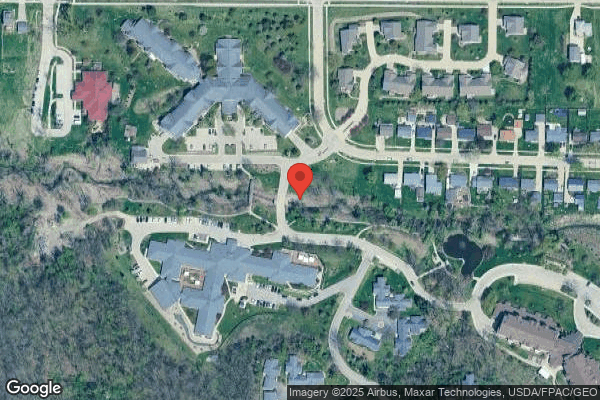
1625 Brendelwood Drive, Cedar Rapids, IA 52405 (319) 365-9171
Non profit - Other 69 Beds Independent Data: November 2025
Trust Grade
90/100
#50 of 392 in IA
Last Inspection: July 2025

Inspected within the last 6 months. Data reflects current conditions.

Overview

Meth-Wick Health Center in Cedar Rapids, Iowa, has received an excellent Trust Grade of A, indicating it is highly recommended and performing well overall. It ranks #50 out of 392 nursing facilities in Iowa, placing it in the top half, and #3 out of 18 in Linn County, meaning only two local options are better. The facility is improving, having reduced its number of reported issues from three in 2023 to zero in 2025. Staffing is a strong point, with a 5/5 rating and a turnover rate of 33%, which is below the state average, suggesting that staff members are experienced and familiar with the residents. On the downside, there have been some concerning incidents, including improper food handling practices in the kitchen and failures to secure controlled medications properly, which could pose risks to residents.

Trust Score
A
90/100
In Iowa
#50/392
Top 12%
Safety Record
Low Risk
No red flags
Inspections
Getting Better
3 → 0 violations
Staff Stability
○ Average
33% turnover. Near Iowa's 48% average. Typical for the industry.
Penalties
✓ Good
No fines on record. Clean compliance history, better than most Iowa facilities.
Skilled Nurses
✓ Good
Each resident gets 78 minutes of Registered Nurse (RN) attention daily — more than 97% of Iowa nursing homes. RNs are the most trained staff who catch health problems before they become serious.
Violations
✓ Good
Only 3 deficiencies on record. Cleaner than most facilities. Minor issues only.
★★★★★
5.0
Overall Rating
★★★★★
5.0
Staff Levels
★★★★☆
4.0
Care Quality
★★★★★
5.0
Inspection Score
Stable
2023: 3 issues
2025: 0 issues

The Good

  • 5-Star Staffing Rating · Excellent nurse staffing levels
  • 4-Star Quality Measures · Strong clinical quality outcomes
  • Full Sprinkler Coverage · Fire safety systems throughout facility
  • No fines on record
  • Staff turnover below average (33%)

    15 points below Iowa average of 48%

Facility shows strength in staffing levels, quality measures, fire safety.

The Bad

Staff Turnover: 33%

13pts below Iowa avg (46%)

Typical for the industry

The Ugly 3 deficiencies on record

Oct 2023 2 deficiencies
CONCERN (D)

Potential for Harm - no one hurt, but risky conditions existed

Deficiency F0657 (Tag F0657)

Could have caused harm · This affected 1 resident

Based on clinical record review, staff interviews and facility policy review, the facility failed to revise a Care Plan to accurately reflect a Physician Order for a diet change for 1 of 3 residents r...

Read full inspector narrative →
Based on clinical record review, staff interviews and facility policy review, the facility failed to revise a Care Plan to accurately reflect a Physician Order for a diet change for 1 of 3 residents reviewed for diets (Resident #17), and failed to revise a Care Clan to accurately reflect the risks of utilizing high-risk medications for 1 of 5 residents reviewed for medications taken (Resident #26). The facility reported a census of 61 residents. Findings Include: 1. The Minimum Data Set (MDS) Assessment completed for Resident #17, dated 8/22/23 documented the resident severely cognitive impaired. A Telephone Order signed by the physician dated 8/24/23 documented a Physician Order for diet ground meat and mechanical soft. A review of Resident #17's Care Plan documented the resident received a pureed diet. 2. The MDS Assessment completed for Resident #26, dated 10/3/23 showed a Brief Interview for Mental Status (BIMS) score of 13 out of 15, indicating intact cognition. The MDS documented Resident #26 received a diuretic medication given 7 of the 7 days during the look back period. A Telephone Order signed by the physician dated 8/08/23 documented a Physician Order for Lasix (diuretic) 20 milligrams (mg) give once daily. A review of the Resident's August, September and October 2023 Medication Administration Records (MARs) dated 10/25/23 documented Resident #26 received a Lasix 20 mg oral tablet daily from 8/09/23 - 10/25/23. A review of Resident #26's Care Plan lacked documentation related to the use of a diuretic and the risk factors for use. An interview on 10/25/23 at 3:48 p.m., Staff A, MDS Coordinator reported any medication that are high-risk and diet changes should be updated on the Care Plan within 7 to 14 days of occurrence. During an interview on 10/25/23 at 4:15 p.m., the Director of Nursing (DON) verbalized she was unsure of how soon the Care Plan should be updated with changes such as diets and high-risk medications. She reported she thought it might be within 7 days but will check. An interview with the DON on 10/25/23 at 4:30 p.m., reported the Care Plans should be updated right away if it is something like an intervention from an incident such as a fall and all other things can be updated within 14 days of any changes to the residents plan of care. A policy titled Care Plans, Comprehensive Person-Centered with a revised date of March 2022 documented assessments of residents are ongoing and Care Plans are revised as information about the residents and the residents' conditions change.
CONCERN (E)

Potential for Harm - no one hurt, but risky conditions existed

Food Safety (Tag F0812)

Could have caused harm · This affected multiple residents

**NOTE- TERMS IN BRACKETS HAVE BEEN EDITED TO PROTECT CONFIDENTIALITY** 4. On 10/25/23 at 12:01 PM, in the [NAME] Wing Kitchen, Staff B, Food Service Worker washed her hands and applied gloves. While ...

Read full inspector narrative →
**NOTE- TERMS IN BRACKETS HAVE BEEN EDITED TO PROTECT CONFIDENTIALITY** 4. On 10/25/23 at 12:01 PM, in the [NAME] Wing Kitchen, Staff B, Food Service Worker washed her hands and applied gloves. While wearing the gloves she moved from surface to surface touching the serving utensils, the refrigerator, and a ketchup bottle. With the same gloved hands, she picked up a piece of sliced cheese and put it on a hamburger. She proceeded to handle the sliced cheese with the gloves for six other hamburgers served. On 10/25/23 at 12:15 PM, Staff E, Certified Nurses Aide (CNA) entered the kitchen area during meal services not wearing a hairnet and put juice away in the refrigerator. An interview on 10/25/23 at 12:38 PM, Staff C, Dietary Manager verbalized he expected staff to put clean gloves on or use a utensil when handling sliced cheese. He verbalized no staff should go into the kitchen area during meal service unless they are wearing a hairnet. An interview on 10/25/23 at 12:38 PM, Staff D, Director of Dining Services reported the staff serving in the dining room are educated on proper serving techniques and he expected staff to wear clean gloves or use a utensil when handling sliced cheese. The policy titled Handling Serviceware and Utensils dated 6/2003, directed Dietary Staff don't touch the food contact surface with bare or soiled gloves. The policy titled Personal Hygiene dated 6/01/2002, revealed Dietary Staff to wear proper hair restraints. Based on observations, staff interviews and facility policy review, the facility failed to maintain proper food handling practices while serving food for 4 out of 5 meals observed and failed to restrain hair for 3 out of 5 meals observed. The facility reported a census of 61 residents. Findings Include: 1. On 10/23/23 the following observations made during a lunch meal service in the Lynch Dining Room (DR): a. At 12:16 PM Staff F, Food Service Worker served food while she wore a baseball styled hat while several inches of her braided hair hung over the front of both shoulders. Staff F used her gloved hands to to pick up plates from under the counter and with the same gloved hands picked up grilled cheese sandwiches from the pan and placed them on plates. Staff used the same gloved hands to use the scoops to serve the rest of the items. b. At 10/23/23 12:19 PM, Staff F, used the same gloved hand to pick up the grilled cheese sandwich from the tray placed it on a plate. c. At 12:22 PM, Staff F used her gloved right hand to pick up grilled cheese sandwiches, she used the same gloved hand to scoop the food then reached for another plate from under the counter. She used the gloved hand to pick up the grilled cheese sandwich and put it on the plate. Staff F moved out of the kitchen area, obtained plastic wrap to cover a tray. She went back in to the kitchen area with the same gloved hand she took a plate from under the counter and placed the sandwich on the plate and dished up the additional items with multiple scoops and gave the plate to nursing staff for delivery. 2. On 10/24/23 observed the following in the Lynch DR: a. At 8:24 AM, Staff F, served a resident who sat at the table toast as her hair hung in a braid over her right shoulder while she wore a baseball like hat. b. At 12:44 PM, Staff F wore a baseball like hat in the kitchen while several inches of her braided hair hung over her right shoulder. Staff F failed to wear a hairnet. 3. On 10/25/23 the following observed during a lunch meal service a. At 12:04 PM, Staff G, Food Service Worker in the Lynch kitchen used her gloved right hand to grab the hamburger bun and place it on the plate, she used the same gloved hand for the tongs as she placed the tomato on the hamburger. b. At 12:05 PM, Staff G, used the right gloved hand to apply bacon, lettuce, tomato then took a hold of the tongs to dish other food onto the plate. Staff G went to the water dispenser filled a glass, she retrieved from the cupboard to the left of the water dispenser with her gloved hand. c. At 12:07 PM, She used her gloved right hand to pull a slice of cheese from package and put on bun. She grabbed onions from the dish with right gloved hand after she pulled a dish from under the counter and continued to handle scoops for the other meal items. d. At 12:10 PM, Staff G, took her right and left gloved hand, pulled apart the bun, sat it on a plate. She used her left gloved hand to add tomato, cheese, and reached below the serving counter to get another dish and continued to use scoops to serve other menu items. e. At 12:11 PM, Staff G, used her gloved hand to put tomato, lettuce and onions on the hamburger and used utensils to scoop the rest of the meal onto the plate. On 10/25/23 at 12:54 PM, Staff G reported the facility provided her training on glove usage. She stated she knew not to touch the food with her gloved hands. On 10/25/23 at 12:48 PM, Director of Dining Service's reported he expected the staff to use a glove to touch ready to eat food only if they were not touching anything else with that gloved hand. He stated he expected Dietary Staff to have hairnets in place.
Apr 2023 1 deficiency
CONCERN (E) 📢 Someone Reported This

A family member, employee, or ombudsman was alarmed enough to file a formal complaint

Potential for Harm - no one hurt, but risky conditions existed

Deficiency F0761 (Tag F0761)

Could have caused harm · This affected multiple residents

**NOTE- TERMS IN BRACKETS HAVE BEEN EDITED TO PROTECT CONFIDENTIALITY** Based on clinical record review, observations, staff interviews and policy review, the facility failed to ensure lorazepam conce...

Read full inspector narrative →
**NOTE- TERMS IN BRACKETS HAVE BEEN EDITED TO PROTECT CONFIDENTIALITY** Based on clinical record review, observations, staff interviews and policy review, the facility failed to ensure lorazepam concentrated liquid (anti-anxiety medication) also referred to as Ativan, a level 4 controlled drug that required refrigeration was secured in a separately locked, permanently affixed compartment while refrigerated for 4/5 residents with liquid lorazepam observed during shift count (Res. #5, #6, #7, and #8). Schedule II-V controlled medications have a potential for abuse and may also lead to physical or psychological dependence. The facility reported a census of 62 residents. Findings Include: 1. Review of a Physician's Telephone Order for Resident #5 documented an order dated as received on 4/4/23 for Ativan solution 2 milligrams (mg)/milliliter (ml), administer 0.25 ml (0.5 mg) sublingually every hour as needed for anxiety/restlessness. Review of a Controlled Drug Receipt/Record/Disposition Form for Resident #5 documented 30 ml of Lorazepam concentrate 2 mg/ml was dispensed on 4/4/23. The record further documented on 4/5/23 at 11:20 a.m. 29.75 ml remained. 2. Review of an Electronic Order for Resident #6 documented an order dated 12/7/22 for lorazepam solution 2 mg/ml, administer 0.25 3 times a day for anxiety/restlessness. Review of a Controlled Substance Shift Count and Usage Record for Resident #6 documented 30 ml of Lorazepam 0.25 ml (0.5 mg) was dispensed and on 4/5/23 after the a.m. dose 7.5 ml remained. An observation of the [NAME] Neighborhood Medication Cart on 4/5/23 at 12:20 p.m. Staff A, Registered Nurse (RN) revealed the Lorazepam liquid for Resident #5 and #6 were located in an unlocked medication refrigerator in the locked medication room adjacent to the Nurse's Station. Staff A stated the medication refrigerator, which also contained insulin and other medications should have been locked. Staff A produced a key and locked the medication refrigerator. 3. Review of an Electronic Order for Resident #7 documented an order dated 3/21/23 for Lorazepam (2 mg/ml) concentrate 0.5 ml sublingual every hour as needed for anxiety or nausea for 14 days. Review of a Controlled Drug Receipt/Record/Disposition Form for Resident #7 documented 30 ml of Lorazepam concentrate 2 mg/ml was received on 3/22/23 and on 4/5/23 29.5 ml remained. 4. Review of an Order Sheet for Resident #8 documented an order dated 3/31/23 for Lorazepam 2 mg/ml administer 1 mg by mouth 45 minutes to 1 hour prior to shower on shower days. Reviewed of a Controlled Drug Receipt/Record/Disposition form for Resident #8 documented 30 ml of Lorazepam concentrate 2 mg/ml was received on 3/31/23 and on 4/5/23 30 ml remained. An observation of the Lynch Neighborhood Medication Cart on 4/5/23 at 12:30 p.m. Staff B, RN revealed the Lorazepam liquid for Resident #6 and #7 were located in an unlocked medication refrigerator in the locked medication room adjacent to the Nurse's Station along with other medications. Staff B, RN stated the medication refrigerator should be locked but she was unable to locate the key. In an interview on 4/5/23 at 1:30 p.m., the Director of Nursing (DON) confirmed would expect the medication refrigerator to be behind the locked Medication Room door and would expect the medication refrigerator to be locked by the lock integrated into the door. Review of the facility's Controlled Substances Policy dated September 2022 and revised November 2022 noted the Policy Statement documented the facility complies with all laws, regulations, and other requirements related to handling, storage, disposal, and documentation of controlled substances. Under the Policy Interpretation and Implementation Section of the policy at Point #4 documented - Following Chapter 58.21, Scheduled II Medications remain double locked at all times except during administration and access is recorded, and Schedule III – IV controlled medications are locked and recorded.
Understanding Severity Codes (click to expand)
Life-Threatening (Immediate Jeopardy)
J - Isolated K - Pattern L - Widespread
Actual Harm
G - Isolated H - Pattern I - Widespread
Potential for Harm
D - Isolated E - Pattern F - Widespread
No Harm (Minor)
A - Isolated B - Pattern C - Widespread

Questions to Ask on Your Visit

  • "Can I speak with families of current residents?"
  • "What's your RN coverage like on weekends and overnight?"

Our Honest Assessment

Strengths
  • • Grade A (90/100). Above average facility, better than most options in Iowa.
  • • No major safety red flags. No abuse findings, life-threatening violations, or SFF status.
  • • No fines on record. Clean compliance history, better than most Iowa facilities.
  • • Only 3 deficiencies on record. Cleaner than most facilities. Minor issues only.
Concerns
  • • No significant concerns identified. This facility shows no red flags across CMS ratings, staff turnover, or federal penalties.
Bottom line: Generally positive indicators. Standard due diligence and a personal visit recommended.

About This Facility

What is Meth-Wick Health Center's CMS Rating?

CMS assigns Meth-Wick Health Center an overall rating of 5 out of 5 stars, which is considered much above average nationally. Within Iowa, this rating places the facility higher than 99% of the state's 100 nursing homes. This rating reflects solid performance across the metrics CMS uses to evaluate nursing home quality.

How is Meth-Wick Health Center Staffed?

CMS rates Meth-Wick Health Center's staffing level at 5 out of 5 stars, which is much above average compared to other nursing homes. Staff turnover is 33%, compared to the Iowa average of 46%. This relatively stable workforce can support continuity of care.

What Have Inspectors Found at Meth-Wick Health Center?

State health inspectors documented 3 deficiencies at Meth-Wick Health Center during 2023. These included: 3 with potential for harm.

Who Owns and Operates Meth-Wick Health Center?

Meth-Wick Health Center is owned by a non-profit organization. Non-profit facilities reinvest revenue into operations rather than distributing to shareholders. The facility operates independently rather than as part of a larger chain. With 69 certified beds and approximately 51 residents (about 74% occupancy), it is a smaller facility located in Cedar Rapids, Iowa.

How Does Meth-Wick Health Center Compare to Other Iowa Nursing Homes?

Compared to the 100 nursing homes in Iowa, Meth-Wick Health Center's overall rating (5 stars) is above the state average of 3.1, staff turnover (33%) is significantly lower than the state average of 46%, and health inspection rating (5 stars) is much above the national benchmark.

What Should Families Ask When Visiting Meth-Wick Health Center?

Based on this facility's data, families visiting should ask: "Can I visit during a mealtime to observe dining assistance and food quality?" "How do you handle medical emergencies, and what is your hospital transfer rate?" "Can I speak with family members of current residents about their experience?"

Is Meth-Wick Health Center Safe?

Based on CMS inspection data, Meth-Wick Health Center has a clean safety record: no substantiated abuse findings (meaning no confirmed cases of resident harm), no Immediate Jeopardy citations (the most serious violation level indicating risk of serious injury or death), and is not on the Special Focus Facility watch list (a federal program monitoring the lowest-performing 1% of nursing homes). The facility has a 5-star overall rating and ranks #1 of 100 nursing homes in Iowa. While no facility is perfect, families should still ask about staff-to-resident ratios and recent inspection results during their visit.

Do Nurses at Meth-Wick Health Center Stick Around?

Meth-Wick Health Center has a staff turnover rate of 33%, which is about average for Iowa nursing homes (state average: 46%). Moderate turnover is common in nursing homes, but families should still ask about staff tenure and how the facility maintains care continuity when employees leave.

Was Meth-Wick Health Center Ever Fined?

Meth-Wick Health Center has no federal fines on record. CMS issues fines when nursing homes fail to meet care standards or don't correct problems found during inspections. The absence of fines suggests the facility has either maintained compliance or corrected any issues before penalties were assessed. This is a positive indicator, though families should still review recent inspection reports for the full picture.

Is Meth-Wick Health Center on Any Federal Watch List?

Meth-Wick Health Center is not on any federal watch list. The most significant is the Special Focus Facility (SFF) program, which identifies the bottom 1% of nursing homes nationally based on persistent, serious quality problems. Not being on this list means the facility has avoided the pattern of deficiencies that triggers enhanced federal oversight. This is a positive indicator, though families should still review the facility's inspection history directly.