Northbrook Healthcare and Rehabilitation Center
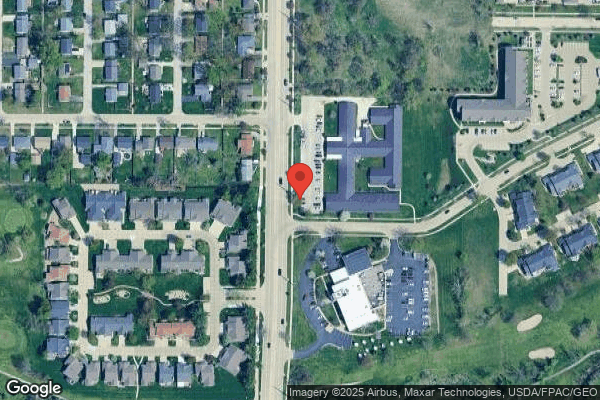

6420 Council Street NE, Cedar Rapids, IA 52402 (319) 393-1447
For profit - Limited Liability company 130 Beds Independent Data: November 2025 1 Immediate Jeopardy citation
Trust Grade
0/100
#365 of 392 in IA
Last Inspection: September 2024

Within standard 12-15 month inspection cycle. Federal law requires annual inspections.

Overview

Northbrook Healthcare and Rehabilitation Center has a Trust Grade of F, indicating significant concerns about the quality of care provided. They rank #365 out of 392 facilities in Iowa, placing them in the bottom half of all nursing homes in the state, and #17 out of 18 in Linn County, which means there is only one local option that is ranked lower. While the facility seems to be improving-reducing issues from 19 in 2024 to 7 in 2025-staffing is a weakness, with a below-average rating of 2/5 and a high turnover rate of 70%, significantly above the state average. The facility has also accumulated $38,787 in fines, which is concerning but average compared to other facilities in Iowa, and they provide less RN coverage than 77% of state facilities, limiting oversight of resident care. Specific incidents include a major medication error where a resident received medication without a proper diagnosis and a failure to follow care plans for resident transfers, which resulted in falls and injuries. Overall, while there are some positive trends in improvement, families should be aware of the serious issues that have been identified.

Trust Score
F
0/100
In Iowa
#365/392
Bottom 7%
Safety Record
High Risk
Review needed
Inspections
Getting Better
19 → 7 violations
Staff Stability
⚠ Watch
70% turnover. Very high, 22 points above average. Constant new faces learning your loved one's needs.
Penalties
⚠ Watch
$38,787 in fines. Higher than 86% of Iowa facilities, suggesting repeated compliance issues.
Skilled Nurses
⚠ Watch
Each resident gets only 27 minutes of Registered Nurse (RN) attention daily — below average for Iowa. Fewer RN minutes means fewer trained eyes watching for problems.
Violations
⚠ Watch
45 deficiencies on record. Higher than average. Multiple issues found across inspections.
★☆☆☆☆
1.0
Overall Rating
★★☆☆☆
2.0
Staff Levels
★★★★☆
4.0
Care Quality
★☆☆☆☆
1.0
Inspection Score
Stable
2024: 19 issues
2025: 7 issues

The Good

  • 4-Star Quality Measures · Strong clinical quality outcomes
  • Full Sprinkler Coverage · Fire safety systems throughout facility
  • No fines on record

Facility shows strength in quality measures, fire safety.

The Bad

1-Star Overall Rating

Below Iowa average (3.0)

Significant quality concerns identified by CMS

Staff Turnover: 70%

24pts above Iowa avg (46%)

Frequent staff changes - ask about care continuity

Federal Fines: $38,787

Above median ($33,413)

Moderate penalties - review what triggered them

Staff turnover is very high (70%)

22 points above Iowa average of 48%

The Ugly 45 deficiencies on record

1 life-threatening 3 actual harm
Aug 2025 5 deficiencies
CONCERN (D) 📢 Someone Reported This

A family member, employee, or ombudsman was alarmed enough to file a formal complaint

Potential for Harm - no one hurt, but risky conditions existed

Resident Rights (Tag F0550)

Could have caused harm · This affected 1 resident

Based on observation, clinical record review, resident interviews, staff interviews, and policy review the facility failed to treat residents with dignity and respect, and to provide care in a dignifi...

Read full inspector narrative →
Based on observation, clinical record review, resident interviews, staff interviews, and policy review the facility failed to treat residents with dignity and respect, and to provide care in a dignified manner for 3 of 4 residents reviewed for dignity (Residents #58, #85, #93). Facility staff failed to maintain a resident's wheelchair in a clean and sanitary manner, staff used an expletive when describing a resident's behavior in front of others, and the facility posted signs in a resident's room regarding toileting without consulting them. The facility reported a census of 85 residents.Findings include: 1. The Minimum Data Set (MDS) for Resident #85 dated 7/10/25 listed diagnoses of cancer, non-Alzheimer's dementia, hip fracture, and dependence on a wheelchair. His Brief Interview for Mental Status (BIMS) assessment score of 5/15 indicated severe cognitive impairment. The Care Plan (CP) for Resident #85 revised 10/23/24 indicated the resident had limited physical mobility and ambulated with a wheelchair in the hallway. The CP listed a goal to prevent complications related to immobility that included skin breakdown. An intervention initiated 11/7/23 revised on 5/22/25 directed staff to clean the wheelchair weekly. During an interview at 11:42 AM on 8/11/25 a resident representative expressed concerns about cleanliness. They reported the resident did receive a shower twice a week but their wheelchair was not cleaned regularly, and the cushion in the chair smelled of urine. The representative mentioned being embarrassed at a recent appointment because the smell was so bad and stated other members of the resident's family reported similar concerns. The representative stated they asked for the chair to be cleaned more than once. During on observation on 08/11/2025 at 2:49 PM the resident's wheelchair was next to his bed. There was a noticeable odor coming from the chair. When the cushion was lifted it exposed crumbs in all of the fasteners lining the sides of the chair below the arm rests. A follow up observation on 08/12/2025 at 1:42 PM revealed the wheelchair had not been cleaned On 08/13/2025 at 9:52 AM Resident #85 wheeled himself into his room from the hallway. An odor of urine was noticeable from his wheelchair as he pushed himself around the corner and adjusted himself in his seat. At 1:13 PM the resident reported they cleaned his wheelchair when they had time. Upon raising the cushion crumbs remained pressed against the fasteners and smears of an unknown substance were on the arm rests. There was a stain on the back of the cushion and a strong urine odor coming from it. On 08/14/2025 at 9:23 AM Staff I, Certified Nursing Assistant (CNA) confirmed she worked with Resident #85. She stated third shift had a checklist for wheelchair cleaning but any CNA could get crumbs off and bleach wipe a chair, at least that is what she would do. She stated she would inform the restorative staff or maintenance and try to figure out how to get the cushion clean. An interview with the Assistant Director of Nursing (ADON) on 8/14/2025 at 9:54 AM revealed she was aware wheelchairs were not being cleaned according to a schedule she set up 4 months ago. She stated third shift CNAs were supposed to follow a cleaning schedule she provided. They had not been doing it in spite of training, and the facility was planning to roll it out again in September. She stated if staff saw a dirty wheelchair or smelled an odor on one she expected them to clean it up regardless of the schedule. A blank document titled Nightly CNA duty list was provided by the ADON which verified the resident's wheelchair had not been cleaned that week. 2. The MDS assessment tool, dated 6/5/25, listed diagnoses for Resident #93 which included non-Alzheimer's dementia, depression, and anxiety. The MDS stated the resident had physical behavioral symptoms directed toward others (e.g., hitting, kicking, pushing, scratching, grabbing, abusing others sexually) 1-3 days out of the 7 day review period. The MDS listed his Brief Interview for Mental Status(BIMS) score as 2 out of 15, indicating severely impaired cognition. The facility policy Promoting/Maintaining Resident Dignity, dated 3/27/25, stated the facility protected and promoted resident rights, treated each resident with respect and dignity, and cared for each resident in a manner that maintained or enhanced quality of life by recognizing each resident's individuality. Care Plan entries, dated 5/2/25, directed staff to give the resident reassurance as needed and visit with him about feelings/events that bothered him. On 8/11/25 at 11:35 a.m., Staff B Certified Nursing Assistant(CNA) walked by the nurses station and stated she attempted to assist Resident #93 but he slapped the s***(expletive) out of me. Staff B stated this while near the nurses station with residents in close proximity at the dining tables and other staff at the nurses station. On 8/13/25 at 4:38 p.m., the Director of Nursing(DON) stated it was not acceptable for staff to state something in public about a resident in front of others. On 8/13/25 at 5:05 p.m., the Administrator stated staff should treat residents with dignity and respect and not speak negatively about them in front of other residents. 3. The MDS assessment for Resident #58, dated 7/11/25, identified the resident had diagnoses of heart failure, repeated falls and difficulty in walking. The MDS assessment revealed a BIMS score of 5 (indicative of severe cognitive impairment) and assessed the resident was dependent on staff for toileting and transfers. The Care Plan, last revised 8/12/25, revealed the resident required assistance by staff with a walker for toileting and transfers. The Care Plan identified the resident was a fall risk and included the following interventions: Sign placed in room to encourage call light use for help getting up (dated 8/5/25); and, sign placed on walker to ask for assistance before getting up (dated 8/9/25). On 8/12/2025 at 8:05 AM, during an interview, Resident #58 reported he did not like the signs posted in his room and walker to use the call light and ask for help. Resident #58 reported the signs were irritating and insulting to his intelligence. Resident #58 explained he had a couple falls back to back last week, one at night and one in the morning. After the falls, Resident #58 described staff as giving him heck and then putting the signs in his room without asking if it was okay. Resident #58 reported he had to go to the bathroom and used his call light prior to each of the falls. Resident #58 explained staff did not respond for about one hour, he got tired of waiting, got up and fell. Review of Progress Notes, titled Nurses Note Narrative, dated 8/5/25 at 5:58 AM and 8/5/25 at 4:05 PM, Resident #58 had falls in relation to trying to use the bathroom in his room. A Nurses Note Narrative, dated 8/9/25, included documentation the resident was found sitting on the floor in front of the toilet in his room. Resident #58 was noted to be continent and reported he lost his footing while entering the bathroom. The Progress Notes lacked documentation facility staff discussed changes to the care plan with either the resident or resident's representative to include the interventions of signs. On 8/13/2025 at 11:13 AM, Staff N, Certified Nurses Aide (CNA), reported Resident #58 did not like to wait when he needed to use the bathroom. When asked by the surveyor if Resident #58 had complained about the signs in his room, Staff N reported Resident #58 did say something the other day after falling about the signs. Staff N reported Resident #58 said that if he had to go, he was going to get up and go no matter what the signs told him. Facility staff failed to consider the dignity and response of the resident when posting signs in the resident room.
CONCERN (D) 📢 Someone Reported This

A family member, employee, or ombudsman was alarmed enough to file a formal complaint

Potential for Harm - no one hurt, but risky conditions existed

Quality of Care (Tag F0684)

Could have caused harm · This affected 1 resident

Based on clincal record review, staff interview and policy review the facility failed to complete an assessment for 1 of 4 residents (Resident #96) reviewed for hospitalizations. The facility reported...

Read full inspector narrative →
Based on clincal record review, staff interview and policy review the facility failed to complete an assessment for 1 of 4 residents (Resident #96) reviewed for hospitalizations. The facility reported a census of 85 residents. Findings include: Progress Notes written on 6/3/25 at 4:28 PM document Resident #96 readmitted to the facility following cholecystitis (inflammation of the gallbladder), sepsis (sepsis happens when an infection you already have triggers a chain reaction throughout the body. It is a life threatening, medical emergency per the Center for Disease Control (CDC)), and septic shock (a severe form of sepsis characterized by dangerously low blood pressure and abnormalities in cellular and metabolic function). The clinical record lacked a physical assessment or vital signs on 6/3 and 6/4. The pre-dialysis assessment completed on 6/5 included vitals of Temperature 97.2 Fahrenheit (F), Pulse 88, Respirations 16, Blood Pressure (BP) 96/56 and oxygen saturation (O2 Sat) of 88%. The post-dialysis assessment completed on 6/5 included vitals of Temperature 98.7 F, Pulse 80, Respirations 18, BP 124/80 and O2 Sat of 98%. The clinical record lacked a physical assessment on 6/5. The clinical record lacked a physical assessment or vital signs on 6/6. The pre and post dialysis assessments on 6/7 lacked vital signs. The clinical record did include a temperature of 97.7 F. The clinical record lacked vital signs on 6/8 and 6/9. The clinical record lacked a physical assessment on 6/7 and 6/8. Progress Note written on 6/8/25 at 1:30 PM documented the resident had picked a scab and staff were unable to stop the bleeding. The nurse completed the dressing change to the resident's legs that started bleeding and running down her leg. The resident was sent to the Emergency Department (ED). The clinical record lacked documentation of the resident returning from the ED, vitals or physical assessment upon return. Progress Note written on 6/9/25 at 11:36 AM documented the resident had copious amounts of drainage from bilateral leg wounds. She had poor circulation to all extremities, fingers and toes purple and cold and difficulty in getting an O2 sat reading. Progress Note written on 6/9/25 at 3:39 PM documented the resident was to be admitted to the hospital per her cardiologist. There were no vital signs documented on 6/9. Progress Note written on 6/10/25 at 12:20 AM documented the resident was admitted to the hospital with diagnosis including sepsis. During an interview on 8/13/2025 at 12:54 PM, the Director of Nursing (DON) explained the resident went out and came back in less than 24 hours so didn't require a full admission assessment on 8/13/25. The DON was unable to locate vital signs or an assessment. At 1:00 PM, the DON reported she would have to ask the Assistant Director of Nursing (ADON) as she was able to locate information in the electronic health record better than I can. On 8/14/25 at 9:57 AM the DON and ADON were unable to provide and additional documentation of vital signs or physical assessments. The undated facility policy titled Change in Condition Protocol directs staff to evaluate the resident's condition when a change from baseline is observed, complete a full assessment and document in Point Click Care (PCC), and every shift is required to perform and document vitals and a focused assessment. The policy further directs staff that there are no exceptions to this requirement.
CONCERN (D) 📢 Someone Reported This

A family member, employee, or ombudsman was alarmed enough to file a formal complaint

Potential for Harm - no one hurt, but risky conditions existed

Accident Prevention (Tag F0689)

Could have caused harm · This affected 1 resident

Based on observation, clinical record review, and staff interviews, the facility failed to utilize foot pedals during wheelchair transport in order to ensure safety and failed to ensure good working o...

Read full inspector narrative →
Based on observation, clinical record review, and staff interviews, the facility failed to utilize foot pedals during wheelchair transport in order to ensure safety and failed to ensure good working order of a walker to prevent falls for 3 of 5 residents reviewed for accidents (Residents #12, #49, and #101). The facility reported a census of 85 residents.Findings include: 1. The Minimum Data Set (MDS) assessment tool, dated 6/18/25, listed diagnoses for Resident #12 which included non-Alzheimer's dementia, anxiety disorder, and cancer. The MDS stated the resident was dependent on staff to propel her wheelchair and listed her Brief Interview for Mental Status (BIMS) score as 12 out of 15, indicating moderately impaired cognition. On 8/11/25 at approximately 11:00 a.m., Staff A Hospice Tech pushed Resident #12 in her wheelchair from the nursing station to her room, a distance of approximately 50 feet. The resident's feet were not placed on foot pedals and the bottoms of her feet lightly touched the ground while Staff A pushed her. On 8/13/25 at 4:38 p.m., the Director of Nursing(DON) stated foot pedals should be used if staff pushed residents in their wheelchairs. On 8/14/25 at 11:15 a.m., the Administrator stated she did not have a policy related to foot pedals. 2. The MDS for Resident #49 dated 8/7/25 revealed diagnoses of fracture, muscle weakness, and abnormal posture. The BIMS documented a score of 14/15 which indicated intact cognition. Section GG indicated the resident experienced functional limitation in range of motion in both lower extremities. The Care Plan (CP) for the resident dated 5/6/25 indicated they had an activities of daily living (ADL) self care performance deficits and were at risk for falls. Resident #49 needed assistance with maintaining a safe environment. During a dining room observation on 8/13/2025 at 8:54 AM Staff G, Certified Nurses Aide (CNA) pushed Resident #49 in his wheelchair from the dining room down the A hallway to his room without the use of foot pedals for safety. The resident was able to hold his feet up past the nurses station and 3 doors, then his feet started to drop towards the floor as they passed 3 more doors to get to his room. On 8/13/2025 at 9:04 AM the Administrator stopped in the hall while the surveyor was waiting to speak with Staff G. She stated she saw Staff G push the resident in the hallway without pedals and had already provided education to the CNA that residents should not be transported in wheelchairs without foot pedals. On 8/13/2025 at 9:09 AM an interview with the resident revealed that the pedals got in the way at the table in the dining room so staff often just left his pedals in his room. An observation during the interview determined his pedals were on his floor under his sink and there was not a bag for pedals on the back of his wheelchair. During an interview with the Assistant Director of Nursing (ADON) on 8/14/2025 at 9:54 AM she stated the facility did a wheelchair audit recently because it was a common thing for them to catch missing foot pedals and she thought residents needed bags for them on the back of their chairs. 3. The MDS for Resident #101 dated 5/27/25 (3 days after his fall) revealed diagnoses of cancer, hip fracture and other fracture (rib), and malnutrition. The BIMS documented a score of 15/15 which indicated intact cognition. Section GG indicated the resident experienced functional limitation in range of motion in one lower extremity and used a walker with supervision or touch assistance. The baseline Care Plan (CP) for the resident dated 5/20/25 indicated the resident needed physical, occupational, and speech therapies. It documented a history of falls and fall related injuries of right femur fracture and rib fractures. It listed the resident used a walker and wheelchair. A document titled Physical Therapy Treatment Encounter Notes, date of service 5/26/25, documented Resident #101 was weight bearing as tolerated and contact guard staff assist with a four wheel walker for toilet transfers during the session. A Progress Note titled admission Follow-up Note dated 5/25/25 at 12:14 AM documented the resident was found on the floor next to his bed with his back against the bed and his legs out in front of him. He stated he was going from the chair to the bed when his walker collapsed and he fell. The resident told staff he had permission from therapy to transfer in his room. The note further documented staff obtained a different walker for the resident as he was correct in stating the walker collapsed. The writer noted the walker was in poor condition and had screws missing that would keep the walker working properly. The Assistant Director of Nursing (ADON) was notified. On 8/14/2025 at 8:36 AM the Director of Nursing (DON) reported the Assistant Director of Nursing (ADON) was responsible for monitoring cleaning of equipment and ensuring staff monitored it for safety. During an interview with the ADON on 8/14/2025 at 9:54 AM she reported when she thought about the walker, she recalled one of the sides didn't have something right about it and it was discussed in a morning meeting. She stated the restorative aide would have been responsible for checking the walker and it should have been repaired or out of service if not safe. She said she would need to continue to work with the new restorative aide to monitor things like that. On 8/14/2025 at 10:21 AM the Administrator stated she thought the documentation had been over-exaggerated. She recalled the walker was disposed of and discussed that morning in a quality assurance meeting. The restorative aide participated and staff were told to double and triple check equipment for safety after the incident. She also asked maintenance and therapy to look into it.
CONCERN (E) 📢 Someone Reported This

A family member, employee, or ombudsman was alarmed enough to file a formal complaint

Potential for Harm - no one hurt, but risky conditions existed

Deficiency F0725 (Tag F0725)

Could have caused harm · This affected multiple residents

**NOTE- TERMS IN BRACKETS HAVE BEEN EDITED TO PROTECT CONFIDENTIALITY** Based on observation, resident interviews, staff interviews, and policy review the facility failed to answer call lights within ...

Read full inspector narrative →
**NOTE- TERMS IN BRACKETS HAVE BEEN EDITED TO PROTECT CONFIDENTIALITY** Based on observation, resident interviews, staff interviews, and policy review the facility failed to answer call lights within 15 minutes to meet resident needs for 7 of 9 residents reviewed (Residents #13, #28, #53, #55, #58, #60, #81). The facility reported a census of 85 residents.Findings include: 1.The Minimum Data Set (MDS) for Resident #53 dated 7/28/25 listed diagnoses of hemiplegia and hemiparesis (weakness/loss of movement on one side of the body), urinary tract infection in the past 30 days, and cerebral infarction (stroke). The Brief Interview for Mental Status (BIMS) indicated intact cognition with a score of 13/15. Section GG indicated the resident required assistance with self care due to functional limitations that interfered with daily function on one side of his upper body and both sides of his lower body. The Care Plan (CP) for Resident #53 with an admission date of 7/22/25 documented activities of daily living self care deficits and directed staff to encourage the resident to use the bell to call for assistance. A section that documented a risk for falls directed staff to ensure the call light was in reach and to encourage the resident to use it. The resident needed prompt response to all requests for assistance. During an interview on 8/11/2025 at 8:54 AM the resident reported the some days call lights were longer than they should be. He thought they should be answered in 10-15 minutes and stated he knew others needed help too. During an observation on 8/11/25 the surveyor noticed the call light on at 12:46 PM for the resident's room. At 12:50 a staff member walked by without answering the light. At 12:53 PM the surveyor stood by the resident's room. Resident #53's roommate (Resident #55, MDS dated [DATE] BIMS 5/15 which indicated severe cognitive impairment) was sitting in bed with a tray in front of him on the bedside table. He waved the surveyor in. He stated his call light was on because he needed his table higher so he could eat better. At 12:59 PM 2 staff walked by headed toward the dining room and offices at the end of the hall. Neither staff member addressed the light. At 1:02 PM the surveyor observed staff at the medication cart in view of the call light. She did not respond. At 1:03 PM the Director of Nursing (DON) came out of her office directly across the hall and did not address the light. At 1:03 PM the same 2 staff who walked by at 12:59 returned to the hallway. Neither addressed the light. At 1:04 PM a nurse walked by and did not address the light. At 1:04 PM a dietary staff member walked by and did not address the light. At 1:05 PM a CNA answered the light and assisted the resident with adjusting the table. She left without asking if the resident needed his food warmed. During a follow up interview with Resident #53 and his roommate Resident #55, Resident #55 was unable to answer call light questions. When asked if there were other days or specific times call lights were over 15 minutes, Resident #53 stated his roommate couldn't remember but he could. He stated call lights were often as long as 30 minutes. He knew because he watched a lot of television shows that were 30 and 60 minutes long. On 8/14/2025 at 9:23 AM Staff I, Certified Nurses Aide (CNA) stated all staff are responsible for answering call lights. On 8/14/2025 at 9:33 AM Staff H, Registered Nurse (RN) stated answering call lights was a collaborative effort. On 8/14/2025 at 9:54 AM the Assistant Director of Nursing stated all staff were expected to answer call lights. The facility policy Call Lights: Accessibility and Timely Response, dated 3/27/25, directed staff to respond to call lights and if they could not meet the resident's request, to remain with them until help arrived. 2. The MDS assessment tool, dated 7/7/25, listed diagnoses for Resident #13 which included diabetes, depression, and respiratory failure. The MDS stated the resident required substantial/maximal assistance for toilet transfers and listed his BIMS score as 15 out of 15, indicating intact cognition. On 8/11/25 at 11:00 a.m., Resident #13 stated he did not get care in a timely manner. He stated he needed to use the bathroom and sat helpless three feet from the toilet waiting for staff for 20 to 30 minutes. He stated he had an incontinence accident that was preventable if staff had been there in time. 3. The MDS assessment tool, dated 8/4/25, listed diagnoses for Resident #28 which included muscle weakness, lack of coordination , and abnormal posture. The MDS stated the resident was dependent on staff for toilet transfers and listed the resident's BIMS score as 13 out of 15, indicating intact cognition. On 8/11/25 at approximately 2:00 p.m., Resident #28's spouse stated the resident had to go to the bathroom and staff said they would be right back but never returned. He stated they had to wait until shift change three hours later and by that time the resident had an incontinence accident. Resident #28 stated this made her feel terrible. 4. The MDS assessment tool, listed diagnoses for Resident #60 which included weakness, lack of coordination, and diabetes, and listed his BIMS score as 11 out of 15, indicating moderately impaired cognition. On 8/11/25 at 4:16 p.m., via phone, Resident #60's spouse stated on 8/1/25, the resident reported to her that staff took too long to assist him to the bathroom so he had an incontinence accident. The resident stated staff kept coming in and stating they would be back but not return for an hour. An 8/1/25 Care Plan entry stated the resident required the assistance of two staff for toileting. On 8/13/25 at 11:22 a.m., via phone, Staff O Certified Nursing Assistant(CNA) stated she took care of Resident #60 on 8/1/25. She stated that day was very chaotic and there were many residents which required the assistance of two staff. She stated there were not enough staff to answer call lights in a timely manner and there was never enough staff for them to take care of everyone. 5. The MDS assessment tool, dated 7/17/25, listed diagnoses for Resident #81 which included anxiety, depression, and weakness and stated the resident required substantial/maximal assistance for toileting hygiene. The MDS listed the resident's BIMS score is 14 out of 15, indicating intact cognition. On 8/12/25 at 9:25 a.m., Resident #81 stated that she was supposed to have help to go to the bathroom but because she had to wait an hour, she just went by herself. On 8/13/25 at 4:38 p.m., the Director of Nursing (DON) stated she expected staff to answer call lights within 10 minutes or at least enter the room to touch base with the resident and tell them they would be back. She stated they had a lot of residents which required the assistance of two staff so it could take a minute. On 8/13/25 at 5:05 p.m., the Administrator stated staff should answer call lights in a timely manner and they added more staff. 6. The MDS assessment for Resident #58, dated 7/11/25, identified the resident had diagnoses of heart failure, repeated falls and difficulty in walking. The MDS assessment revealed a BIMS score of 5 (indicative of severe cognitive impairment) and assessed the resident was dependent on staff for toileting, lower body dressing, mobility and transfers. The Care Plan, last revised 8/12/25, revealed Resident #58 required assistance by staff with a walker for toileting, ambulation, and transfers. The resident required assistance of staff for dressing and personal hygiene. On 8/12/2025 at 8:05 AM, during an interview, Resident #58 reported he had to wait to get up for up to hour in the mornings, because he was waiting on help from staff. Resident #58 reported it (waiting to get up in the morning) happened frequently; he explained waiting to get up happened a couple times a week. Resident #58 reported going to the bathroom was the main issue. The resident reported he had a couple falls back to back last week, one at night and one in the morning. Resident #58 reported he had to go to the bathroom and used his call light prior to each of the falls. Resident #58 explained staff did not respond for about one hour, he got tired of waiting, got up and fell. Review of Progress Notes, titled Nurses Note Narrative, dated 8/5/25 at 5:58 AM and 8/5/25 at 4:05 PM, Resident #58 had falls in relation to trying to use the bathroom in his room. A Nurses Note Narrative, dated 8/9/25, included documentation the resident was found sitting on the floor in front of the toilet in his room. Resident #58 was noted to be continent and reported he lost his footing while entering the bathroom. On 8/13/25 at 11:05 AM, Staff B, CNA, explained the morning time was the busiest time at the nursing home. Staff B reported she had one other CNA working the hall she was on. Staff B reported there were a few times residents had to wait longer than 30 minutes for their call light to be answered. On 8/13/2025 at 11:13 AM, Staff N, CNA, reported Resident #58 did not like to wait when he needed to use the bathroom. Staff N reported the residents usually did not have to wait longer than minutes. Staff N reported the morning time was busiest with trying to get resident's up for the day.
CONCERN (E) 📢 Someone Reported This

A family member, employee, or ombudsman was alarmed enough to file a formal complaint

Potential for Harm - no one hurt, but risky conditions existed

Safe Environment (Tag F0921)

Could have caused harm · This affected multiple residents

**NOTE- TERMS IN BRACKETS HAVE BEEN EDITED TO PROTECT CONFIDENTIALITY** Based on observation, record review, interviews, and policy review the facility failed to maintain a safe, functional, sanitary,...

Read full inspector narrative →
**NOTE- TERMS IN BRACKETS HAVE BEEN EDITED TO PROTECT CONFIDENTIALITY** Based on observation, record review, interviews, and policy review the facility failed to maintain a safe, functional, sanitary, and comfortable environment for residents. The facility failed to adequately clean toilets and keep them in good repair, ensure beds were made in a timely manner, and to repair damaged or missing window screens. The facility reported a census of 85 residents.Findings include: 1. The Minimum Data Set (MDS) for Resident #85 dated 7/10/25 listed diagnoses of cancer, non-Alzheimer's dementia, hip fracture, and dependence on a wheelchair. His Brief Interview for Mental Status (BIMS) assessment score of 5/15 indicated severe cognitive impairment. The Care Plan (CP) for Resident #85 revised 10/23/24 indicated the resident had self care deficits and required the assistance of 1 staff with toileting before and after meals. The care plan documented a risk for falls, with interventions that included therapy evaluation 7/11/25, a toileting program at 7:00 am as of 7/23/25, non-slip footwear, and staying with the resident when using the toilet. During an interview at 11:42 AM on 8/11/25 a resident representative expressed concerns about wheelchair, bathroom, and room cleanliness. They reported the resident's wheelchair was not cleaned regularly and the cushion in the chair smelled of urine. The representative mentioned being embarrassed at a recent appointment because the smell was so bad and stated other members of the resident's family reported similar concerns. They further stated the toilet had been broken and overflowing 'forever' and it was always dirty in there. On 8/11/2025 at 2:49 PM the resident's toilet was running and the floor was damp. On 8/12/2025 at 1:42 PM the resident's bathroom floor remained wet and the toilet was running. Urine odor in bathroom and into room. On 8/13/2025 at 9:57 AM the resident's toilet was running, there was a strong odor of urine. The floor was wet to the corners, about a foot from the base, and about 9 - 12 inches in front of the toilet. On 8/13/2025 at 10:08 AM Staff Q, Housekeeping stated sometimes the residents using that bathroom had a lot of accidents and could use a cleaning twice a day. She indicated in a binder on the cart that the bathroom was scheduled for cleaning on Tuesday, Thursday, and Saturday. She stated the aides were supposed to help monitor and she had not been told there was an odor. During an interview on 8/14/2025 at 9:41 AM Staff J, Maintenance Director stated no one reported an issue with the toilet in the resident's room and should have told him or filled out a form in the maintenance book at the nurses stations. Maintenance documentation from May through August 2025 provided by the facility confirmed there was not a report for this room. An interview with the Administrator on 8/14/2025 at 10:21 AM determined she expected staff to use the maintenance book, verbal communication, or department group chats to get repairs made for safety. The running toilet had not been reported to her. She expected staff to make sure wheelchairs and bathrooms were clean, and equipment in working order. 2. On 8/11/25 at 2:49 p.m. the bed in room [ROOM NUMBER] was not made and had a bare mattress. On 8/12/25 at 8:28 a.m., the bed in room [ROOM NUMBER] was only made with sheets but no blanket or bedspread. On 8/12/25 at 1:09 p.m., the bed in room [ROOM NUMBER] remained not fully made. 3. On 8/13/25 at 9:05 a.m., the bathroom toilet in room [ROOM NUMBER] had black splatters inside the toilet and on the inside of the toilet riser. A graduate sat atop the toilet tank and contained a yellow liquid and the top of the tank had yellow splatters. On 8/13/25 at 2:23 p.m., the bathroom in room [ROOM NUMBER] remained unchanged. 4. The MDS assessment for Resident #17, dated 5/22/25, identified the resident had a BIMS score of 14 out of 15 (indicative of a mild cognitive impairment). On 8/11/25 at 10:43 AM, Resident #17 reported concerns with a broken window screen in her room. She explained the screen had been broken all summer and the other 2 screens were missing. Resident #17 reported housekeeping had broken the window screen when they were cleaning it in either June or July 2025. 5. The MDS assessment for Resident #7, dated 6/5/25, identified the resident had a BIMS score of 13 out of 15 (indicative of a mild cognitive impairment). On 8/11/2025 at 1:48 PM, Resident #7 reported the following concerns: a. Two different wall outlets were loose and her plug for her phone and Continuous Positive Airway Pressure (CPAP- a medical device used to treat sleep apnea or absence of breath when sleeping) machine were half-hanging out of the wall. Resident #7 reported she told the Maintenance Director about the concern in May of 2025, but nothing was done. She reported the Maintenance Director quit working at the facility a couple weeks ago. Observation of the two wall outlets revealed a plug-in for the phone and CPAP both hanging loosely from the outlet. Attempts to re-plug the phone and CPAP machine resulted in both plugs still hanging half-way out of the outlet. b. Resident #7 complained to staff that for 3 days in a row, there was BM (feces) on inside edge and top end of the toilet seat where the resident's upper thigh and leg would touch the seat. Resident #7 reported that the BM was still present on the seat as of today (8/11/25). Resident #7 reported the BM was from an episode of diarrhea her roommate had. Observation of the toilet seat revealed a dark brown, dried substance located on the inner left side of the seat and top end of the seat where the resident's back of their leg would touch. On 8/12/2025 at 12:13 PM, Staff Q, Housekeeping, reported she cleaned residents room daily and some rooms 2 times per day if requested. Staff Q reported when she cleaned the residents rooms she cleaned off counters, tray tables, dressers, toilet, handrails, sink and swept and mopped the floor. On 8/14/2025 at 8:06 AM, during an interview with Staff Q, Housekeeping, when asked if she had received any complaints from residents about their bathrooms not getting cleaned, she responded, It's on my weekend. I have the whole nursing home. Staff Q explained the she was the only housekeeper for the facility every other weekend. Staff Q reported the residents used to having their bathrooms cleaned by a certain time in the morning, but it might be afternoon before she got to them. Staff Q reported she had heard residents complain of not getting their bathrooms cleaned. Staff Q reported being off this last weekend and had not received a complaint about the bathroom from Resident #7. Staff Q reported facility staff had been in the process of cleaning and replacing screens for months. Staff Q was aware there were missing and bent window screens. Staff Q reported Resident #17 was correct that housekeeping staff were cleaning the screens and her window screen got bent by housekeeping. On 8/14/2025 at 8:12 AM, Staff R, housekeeping, reported she had heard complaints from residents about their toilets not getting cleaned. Staff R reported she cleaned Resident #7's toilet on Monday and the resident did not complain to her about staff not cleaning it for three days. On 8/14/25 at approximately 9:00 AM, the Housekeeping Manager provided an audit of window screens and window cleaning and replacement. Housekeeping staff documented they last cleaned Resident #17's windows and screens on 6/23/25. On 8/14/25 at 11:00 AM, during an interview, the Administrator reported they had been working on a facility wide project to replace window screens for the last several months. The Administrator reported being unaware of outlet issue in Resident #7's room. The Administrator contacted maintenance to repair the outlets immediately. Review of the undated facility policy, titled Housekeeping Daily Tasks, revealed directions to housekeeping staff to clean residents toilets daily.
Mar 2025 2 deficiencies
CONCERN (D) 📢 Someone Reported This

A family member, employee, or ombudsman was alarmed enough to file a formal complaint

Potential for Harm - no one hurt, but risky conditions existed

Resident Rights (Tag F0550)

Could have caused harm · This affected 1 resident

Based on staff interview, resident record review, and facility policy review the facility failed to treat 1 out of 3 residents reviewed with respect and dignity (Resident #7). The facility reported a ...

Read full inspector narrative →
Based on staff interview, resident record review, and facility policy review the facility failed to treat 1 out of 3 residents reviewed with respect and dignity (Resident #7). The facility reported a census of 73 residents. Finding include: The Minimum Data Set(MDS) assessment tool dated 1/23/25, listed diagnoses for Resident #7 which included history of traumatic brain injury and non Alzheimer's dementia. The MDS stated the resident required extensive to total assist of staff for toileting, hygiene, showering, and personal hygiene. The MDS listed the resident's Brief Interview for Mental Status (BIMS) score as 5 out of 15, indicating severe cognitive impairment. Review of the Progress Note dated 1/21/2025 at 2:25 PM revealed a follow up with Resident #7 about physical abuse incident. He denies feeling unsafe or scared for his safety. Review of the summary of Allegation of Abuse document revealed on 1/15/25 at 9:55 AM Staff C, CNA struck Resident #7 on the back of the head. The swat to the head had enough force that it caused his chin to go forward towards his chest. On 3/10/25 2:41 pm Staff D, Registered Nurse (RN) reported Staff B, Certified Medication Aide (CMA) came to her and said she needed to talk to her immediately. She told me she needed to report what she believed was abuse. She informed me Staff C, Certified Nursing Assistant (CNA) hit Resident #7 in the back of the head. She could not remember the date but stated it was on first shift during the week. She reported this immediately upon leaving the room with the resident. On 3/11/25 at 1:04 pm Staff B, Certified Medication Aide (CMA) stated she was working the floor on 1/15/25 when staff C, CNA came and asked for help with a transfer for Resident #7. We transferred Resident #7 to his wheelchair. After the transfer Staff C smacked Resident #7 in the back of the head with her hand and said I wish I would have broke it. I did not say anything to her but immediately took the resident and reported it to the charge nurse. Resident #7 had a shocked look on his face. I was in shock I have never witnessed that in the past and I have been an aide for 22 years. She did not say why she did it or anything. We were not short staffed and it was not a stressful day. He did not have any visible injury. On 3/12/25 at 9:07 am the Assistant Director of Nursing stated the incident with Staff C hitting Resident #7 was reported to her immediately on 1/15/25. I did have Staff C come in the office and gave her the opportunity to say if something was misconstrued but she did not say anything. I gave her the opportunity to tell her side of the story and she did not say anything. The facility provided an undated policy titled Your Rights and Protections as a Nursing Home Resident which revealed Be Free from Abuse and Neglect: You have the right to be free from verbal, sexual, physical, and mental abuse. Nursing homes can't keep you apart from everyone else against your will. If you feel you have been mistreated (abused) or the nursing home isn't meeting needs (neglect), report this to the nursing home, your family, your local Long-Term Care Ombudsman, or State Survey Agency. The nursing home must investigate and report all suspected violations and any injuries of unknown origin within 5 working days of the incident to the proper authorities.
CONCERN (E) 📢 Someone Reported This

A family member, employee, or ombudsman was alarmed enough to file a formal complaint

Potential for Harm - no one hurt, but risky conditions existed

Safe Environment (Tag F0921)

Could have caused harm · This affected multiple residents

Based on clinical record review, staff and resident interviews, policy review, and observations the facility failed to keep the facility in a clean, homelike manner. The facility reported a census of ...

Read full inspector narrative →
Based on clinical record review, staff and resident interviews, policy review, and observations the facility failed to keep the facility in a clean, homelike manner. The facility reported a census of 73 residents. Findings include: Observation on 3/11/25 at 1:00 pm revealed the following: a. 5 of 9 resident rooms on Hall A noted to have window curtains that are falling down, not attached to the curtain rods. b. 3 of 7 resident rooms on Hall C noted to have window curtains that are falling down, not attached to the curtain rods. c. 2 of 11 residents rooms on Hall D do not have window curtains or rods but have a white sheet covering the entire window. 6 of 11 resident rooms noted to have window curtains that are falling down, not attached to the curtain rod. Room D-12 does not have any window covering. Observation on 3/11/25 at 1:00 pm revealed the following: a. 9 of 9 resident rooms on Hall A exterior windows are dirty, noted to have dust and grime covering the exterior window. b. 4 of 7 resident rooms on Hall C exterior windows are dirty, noted to have dust and grime covering the exterior window. c. 10 of 11 resident rooms on Hall D exterior windows are dirty, noted to have dust and grime covering the exterior window. d. 17 out of 21 rooms on Hall CR exterior windows are dirty, noted to have dust and grime covering the exterior window. During an interview with Resident #5 on 3/11/25 at 10:00 am, the resident stated she usually keeps her window curtains shut so she doesn't have to look at the dirty window. The facility identified the resident as alert and oriented with a Brief Mental Status Score of 15 out of 15. During an interview with the Staff A-Housekeeping Supervisor on 3/11/25 at 8:20 am and 11:00 am, revealed they are short housekeeping staff today. She stated she last washed the exterior windows last fall and voices the curtains falling off the rods had been a problem for some time. She reported they are to clean the exterior windows twice a year. She stated the Maintenance person will be working to put up curtain rods in D Hall so she can hang curtains on the windows. Review of an undated Housekeeping Daily Task document directed housekeeping staff to daily clean resident mirrors, over bed tables, air conditioners, bathrooms, dust floor, clean tops of furniture, clean skins/vanity/soap and paper towel dispenser, clean windows, and gather garbage.
Sept 2024 8 deficiencies
CONCERN (D)

Potential for Harm - no one hurt, but risky conditions existed

Resident Rights (Tag F0550)

Could have caused harm · This affected 1 resident

**NOTE- TERMS IN BRACKETS HAVE BEEN EDITED TO PROTECT CONFIDENTIALITY** 2. Review of Resident #16's Minimum Data Set (MDS) assessment dated [DATE] revealed the resident scored 11 out of 15 on a Brief ...

Read full inspector narrative →
**NOTE- TERMS IN BRACKETS HAVE BEEN EDITED TO PROTECT CONFIDENTIALITY** 2. Review of Resident #16's Minimum Data Set (MDS) assessment dated [DATE] revealed the resident scored 11 out of 15 on a Brief Interview for Mental Status (BIMS) exam, which indicated moderately impaired cognition. Per this assessment, the resident had diagnoses of heart failure, coronary artery disease, renal insufficiency, and diabetes. The MDS documented the resident required extensive assistance of 2 staff physical assistance. The resident had impaired and limited range of motion in lower extremities and was dependent in toileting hygiene, bathing, and dressing lower extremities. The Care Plan for Resident #16 dated 6/14/2023 and revised on 8/15/2024 reflected the resident had an ADL self-care performance deficit. Bathing and showering the resident was extensive assist of 2 staff to provide cares. The resident was also an extensive assist of 2 staff for repositioning and turning. The resident was an assist of 2 for dressing. During an observation on 09/17/24 at 11:16 AM, Staff K, Licensed Practical Nurse (LPN) entered Resident #16's room to apply Triad Hydrophilic cream to the resident's buttocks. She prepared wash clothes, cream, soap, and gloves on a covered bed table off to the side of the bed. Staff K rolled the resident over on her left side. When Staff K rolled the resident she learned the resident had had a bowel movement and was soiled. Staff K advised she asked a CNA to come in and assist but no one had shown up yet. Staff K continued to hold the resident up on her side waiting for a staff member to assist. The facility Director of Nursing (DON) came in and advised Staff K she needed assistance and left the room to get staff. Staff L, Certified Nursing Assistant (CNA) entered the room to assist. The DON also returned and also observed the resident cares. Staff L proceeded to clean up Resident #16. Several times throughout the process the resident advised her buttocks itched. I just itch and itch and itch and as she was saying this she itched her buttocks with her bare hands several times. She was not provided an opportunity to wash or sanitize her hands. During peri care both staff members removed their gloves several times and washed their hands and donned clean gloves. Once the resident's peri care was completed both Staff L and Staff K tried to remove the resident's soiled dress off over her head. While the resident laid on her bed staff asked her to rest her arms above her head on the pillow. The two staff members then pulled the dress up over her head and then had a very difficult time getting her arms out. Staff attempted to get her arms out through the neck holes. Both staff faced some resistance in getting the resident's arms out of the dress as the material of the dress did not stretch or flex easily. Once the resident's dress was removed Staff L went to the closet and looked for something for Resident #16 to put on and while doing so the resident was laying there with no clothes on completely exposed while the CNA found something for the resident to put on. Staff K handed the soiled dress over to the CNA who placed the soiled laundry in the garbage and washed hands and changed gloves to put the resident's clean dress on her. When peri care was completed Resident #16 was not offered to wash or sanitize her hands. Staff then picked up the dirty linen and it was put in a garbage bag, washed hands, put on clean gloves and resumed making the bed. Staff L adjusted her incontinent pads on her bed, applied new gloves and got trash bags out of the trash can and picked up soiled items and placed in one plastic bag and picked up her dress and put it in the other trash bag. She then removed gloves and washed her hands before leaving the room. The resident was not asked or assisted in washing her own hands. 09/17/24 at 11:53 AM The facility DON was interviewed regarding her observations and expectations. She advised it is her expectation that staff members enter resident rooms prepared for various situations where a resident is a two person assist, not begun the care until the other worker was present. I would expect staff to be more prepared for the whole peri-care process. I'm going to be honest, that procedure wasn't up to my expectations from the start. The DON shared she is developing a skills fair for staff and will be implementing that as soon as possible. When staff changed the resident's clothing they should have had the clothing laid out close to the resident to avoid a delay and the resident should have been covered with a sheet to avoid her being completely naked in front of everyone in the room. The DON advised she also expected staff to wash the resident's back when changing her. When the resident's dress was removed staff should have taken out one arm first instead of the way they did it due to making it awkward for the resident. The DON also advised she expected staff to offer hand washing and sanitizing after care is provided. 09/17/24 at 1:20 PM When queried, Staff L advised she would have typically had the resident wash her hands or at least give her hand sanitizer but she did not notice her scratch her buttocks and in this situation she was nervous. She also advised she should have pulled the clean sheet over the resident to respect her privacy and not had her lie naked. 09/18/2024 at 09:47 AM Follow up interview with Resident #16 she advised she was uncomfortable when staff did not cover her with a sheet or put something over her while looking for clothing for her. She did not realize she had been scratching buttocks and she has hand sanitizer on the tray table but would have thought staff would have offered it to her. 09/19/24 at 11:34 AM Staff K was queried about the procedure observed. She advised she did not anticipate the resident being dirty so she had to get someone to help her. She advised we probably had her exposed too long and if I had been thinking I would have pulled the sheet over her and got her covered. Staff K advised she was going to be a treatment and didn't realize she had to do the whole peri-care. When asked, Staff K also advised they should have offered to wash and sanitize the resident's hands before leaving the room. 09/19/2024 The undated Facility Policy titled, Nursing Facility Abuse Prevention Identification, Investigation and Reporting Policy documents the following: # 15. PERSONAL DEGRADATION is a willful act or statement by a caretaker intended to shame, degrade, humiliate, or otherwise harm the personal dignity of a dependent adult, or where the caretaker knew or reasonably should have known the act or statement would cause shame, degradation, humiliation, or harm to the personal dignity of a reasonable person. Personal Degradation includes the taking, transmission or display of an electronic image of a dependent adult by a caretaker, where the caretaker's actions constitute a willful act or statement intended to shame, degrade, humiliate, or otherwise harm the personal dignity of the dependent adult, or where the caretaker knew or reasonably should have known the act would cause shame, degradation, humiliation, or harm to the personal dignity of a reasonable person. Based on observation, family interview, staff interview, and clinical record review the facility failed to ensure resident dignity for 2 of 3 residents reviewed (Residents #16 & #52). The facility reported a census of 72 residents. Findings include: 1. The Minimum Data Set (MDS) assessment for Resident #52 dated 6/27/24 documented diagnoses that included dementia, anxiety, and depression. A Brief Interview for Mental Status (BIMS) assessment was coded, not completed resident rarely/never understood. The Care Plan focus and intervention initiated 1/11/23 documented self-care performance deficits related to activity intolerance, aggressive behavior, confusion, dementia, fatigue, limited mobility. Resident #52 was totally dependent on two staff for dressing. In an interview on 9/18/24 at 10:30 AM Resident #52's responsible party relayed they had reported on two occasions staff brought Resident #52 into the main dining room without pants and only a blanket, Resident would be mortified to know he was exposed. They relayed this to the facility social worker, Staff B. On 9/18/24 at 7:02 PM in an interview with the Administrator and the facility social worker, Staff B relayed she did not remember if was reported, she would have to look at some notes. On 9/18/24 at 7:30 PM the Administrator revealed a grievance form was completed, had been misplaced and just found, was not sure who completed the form. A document titled Resident/Resident Representative, Grievance Complaint form for Resident #52, dated 8/2/24 documented family reported again resident was still going to the dining room area without pants on, there is not much dignity if he doesn't have pants on.
CONCERN (D)

Potential for Harm - no one hurt, but risky conditions existed

Deficiency F0552 (Tag F0552)

Could have caused harm · This affected 1 resident

Based on resident interview, family interview, staff interview, clinical record and documents review the facility failed to include resident in decision making, denied resident right to be informed an...

Read full inspector narrative →
Based on resident interview, family interview, staff interview, clinical record and documents review the facility failed to include resident in decision making, denied resident right to be informed and choose options affecting care for 1 of 6 resident reviewed for choices (Resident #19). The facility reported a census of 72 residents. Findings include: The Minimum Data Set (MDS) assessment for Resident #19 dated 6/26/24 revealed diagnoses, End stage renal disease (ESRD), anxiety and depression. A Brief Interview for Mental Status (BIMS) assessment scored 15 out of 15 indicating no cognitive impairment. The care plan focus initiated 5/1/24 for Resident #19 directed staff to discuss with resident any concerns related to loss of independence, decline in function. Interventions also included resident teaching should include disease progression. Additional focus area initiated 3/8/24 revealed resident is independent for meeting emotional, intellectual, physical and social needs. A Durable Power of Healthcare document dated 7/31/12 for Resident #19 documented allows family member (attorney in fact/agent) the power to make health care decisions. The power exists only when resident is unable to make those health care decisions. In an interview on 09/16/24 at 02:41 PM Resident #19 relayed he did have trouble with swallowing about six months ago but felt had improved but still is served meat that is ground that is not appetizing, has been asking for months for a reevaluation for the diet change. Resident also reported, did not recall any recent offer to participate in his care plan meeting. In an interview on 9/18/24 at 9:20 AM Resident #19 relayed again dissatisfaction with the ground meat at meals, stated is no longer having any difficulty with swallowing, stated no one listens to me. A Progress note dated 8/20/24 at 3:05 PM titled Nutrition/Dietary note relayed Resident #19 does not always eat the ground meat, complained of not getting enough to eat, frustrated with limited options, relayed does not like ground meat, had been consuming some foods not allowed with no concerns. Recommended speech therapy to determine if diet can be advanced. In an interview on 9/18/24 at 9:45 with Speech Therapist, Staff F relayed resident order for ground meat was given at the hospital just prior to nursing facility admit and had not been reevaluated again. Staff F stated her understanding the Power of Attorney, POA was contacted and does not want to pay the $40.00 copay, so there has been no reevaluation or change from the ground meat. In an interview 09/18/24 12:51 PM with the Director of Rehabilitation, Staff G relayed had received the new order from the dietician on 8/21/24 for speech evaluation to evaluate swallowing related to resident desire to upgrade his diet. Process explained by staff G to proceed with the evaluation included, the request goes to the administrator who gets insurance and any approvals needed. On 9/5/24 she had not gotten a response and followed up with the administrator who directed to use the same insurance as he had in the past that required a 20% coinsurance even though the clinical record noted Medicaid approved. Staff G called the Power of Attorney to move the process forward and did not get an approval, she understood it was due to the co-pay. On 9/18/24 at 4:15 PM Emergency contract #2 relayed Resident #19 liked to discuss everything with family included emergency contact #1 before making any decisions. Stated there is a POA document completed many years ago that directs decision makers when Resident #19 cannot make a decision but did not feel the time had come for that and voiced, a swallowing evaluation would be beneficial for Resident #19 On 9/18/24 at 4:02 PM Resident #19 emergency contact #1 reported the facility contacted him about approval for speech therapy and had been confused about this, since Resident #19 had no troubles with his speech. Emergency contact #1 relayed he did not know speech therapy evaluated swallowing and was well aware how unhappy resident was with the ground meat diet, further revealed the ground meat order was created due to ulcers in residents throat and felt had resolved. Relayed, Resident #19 can make decisions, he is not that far gone. Relayed is confused with the nursing home process of not including Resident #19 in making decisions affecting him. On 9/18/24 at 2:40 PM the Administrator acknowledged decisions for Resident #19 care was directed to family/emergency contacts listed as POA by the facility. Confirmed resident was not given a choice about speech therapy and was not updated when denied the speech evaluation . The administrator responded she did not know if the power of attorney was in effect giving the family members the right to make all decisions. The administrator felt it was appropriate to reach out to family for decisions since family member was listed in the admission papers.
CONCERN (D)

Potential for Harm - no one hurt, but risky conditions existed

Deficiency F0657 (Tag F0657)

Could have caused harm · This affected 1 resident

Based on clinical record review, staff interview, and policy review, the facility failed to fully review and revise the comprehensive Care Plan for 1 of 5 residents who were sampled for Care Plan revi...

Read full inspector narrative →
Based on clinical record review, staff interview, and policy review, the facility failed to fully review and revise the comprehensive Care Plan for 1 of 5 residents who were sampled for Care Plan review (Resident #5). The facility reported a census of 72 residents. Findings include: The Minimum Data Set (MDS) for Resident #5, dated 8/29/24, documented a Brief Interview for Mental Status (BIMS) score of 4, indicating severe cognitive impairment. The MDS further documented diagnoses to include medically complex conditions, cancer, non-Alzheimer's dementia, anxiety disorder, and depression. The MDS further revealed the resident was taking an antidepressant medication. A review of the electronic health record (EHR) for Resident #5 revealed an order for Remeron Oral Tablet 15 milligram (MG) (Mirtazapine) to be given by mouth at bedtime for depression, ordered on 4/11/24. The EHR for Resident #5 revealed diagnoses of Major Depressive Disorder, Depression, unspecified, and Anxiety Disorder, unspecified. The Care Plan for Resident #5, with a revision date of 9/11/24, did not include a focus area, goal, or an interventions/tasks area for depression or antidepressant medication. During an interview 9/18/24 at 3:00 PM, the Assistant Director of Nursing (ADON), MDS coordinator and Director of Nursing (DON) stated they realized the anti depressant Resident #5 had been prescribed since April of 2024 was not on the treatment administration record (TAR) for monitoring for signs and symptoms of the antidepressant. The ADON added the monitoring to the TAR in August after realizing this was not present in the TAR and obtained an order for this. The ADON stated this should have been added to the TAR after the resident was prescribed the antidepressant in April . The MDS coordinator advised the anti-depressant was not added to the Care Plan after this was prescribed in April of 2024. The MDS coordinator advised this should have been added to the Care Plan and the comprehensive Care Plan should have been reviewed and revised, with a focus area added, as well as a goal and interventions/tasks, to include monitoring for adverse signs and symptoms of the anti depressant. Review of the facility Care Plan Team policy, dated 8/10/03, documented the Care Plan team will be responsible for reviewing Care Plans to assure that treatment objectives have measurable outcomes and timetables and they reflect the resident's medical, nursing, and psychosocial assessment.
CONCERN (D)

Potential for Harm - no one hurt, but risky conditions existed

Deficiency F0692 (Tag F0692)

Could have caused harm · This affected 1 resident

Based on observation, staff interview, resident interview, and policy review the facility failed to follow the diet order for 1 of 3 residents reviewed on therapeutic diet (Resident #19). The facility...

Read full inspector narrative →
Based on observation, staff interview, resident interview, and policy review the facility failed to follow the diet order for 1 of 3 residents reviewed on therapeutic diet (Resident #19). The facility reported a census of 72 residents. Findings include: The Minimum Data Set (MDS) assessment for Resident #19 dated 6/26/24 revealed a therapeutic diet ordered. Diagnoses included End state Renal Disease (ESRD). A Brief Interview for Mental Status (BIMS) assessment scored 15 out of 15 indicating no cognitive impairment. The Care Plan focus initiated 3/5/24 documented nutrition risk related to ESRD on dialysis, food intolerances, and therapeutic diet. Direct staff to serve diet as ordered. Documented double servings eggs, cereal at breakfast that was added on 4/3/24. In an interview and observation on 9/17/24 at 12:59 PM Resident #19 revealed his lunch plate, over half the plate full of food. Resident relayed he could not eat this, the meat was terrible, couldn't eat the meal other than a few bites. Relayed sauerkraut was awful and having that on the plate made it all taste bad. Relayed rarely gets what he ordered and often gets what he should not have. In an interview on 9/18/24 at 9:20 AM, Resident #19 relayed they got one egg and sausage gravy with a biscuit for breakfast and hot cereal this morning. Relayed the egg portion was smaller and smaller. In an interview on 09/18/24 at 10:29 with the Dietician, Staff C, relayed resident should be served the special renal diet and double protein at meals that included double eggs in the morning. Staff C acknowledged resident should not have been served sauerkraut due to the high sodium. Relayed the alternative on the menu for renal diet was roast beef and acknowledged resident was not served the food per the menu alternative. Staff C acknowledged the resident should get extra eggs and the sausage gravy he had this morning was not part of the renal diet. The facility provided a document titled Diet Policy, not dated, that stated the renal diet limits the use of high potassium, high sodium and high phosphorus containing foods. This diet may be appropriate for individuals undergoing dialysis. For dialysis residents, extra protein at mealtime or between meals may be recommended.
CONCERN (D)

Potential for Harm - no one hurt, but risky conditions existed

Deficiency F0698 (Tag F0698)

Could have caused harm · This affected 1 resident

Based on clinical record review, resident interview, staff interview, and dialysis transfer agreement the facility failed to ensure pre and post dialysis assessments were completed for 1 of 1 resident...

Read full inspector narrative →
Based on clinical record review, resident interview, staff interview, and dialysis transfer agreement the facility failed to ensure pre and post dialysis assessments were completed for 1 of 1 resident reviewed for dialysis (Resident #19). The facility reported a census of 72 residents. Findings include: The Minimum Data Set (MDS) assessment for Resident #19 dated 6/26/24 revealed a diagnosis of End stage renal disease (ESRD). A Brief Interview for Mental Status (BIMS) assessment scored 15 out of 15 indicating no cognitive impairment. The Care Plan focus initiated 3/1/24 documented, Resident #19 needed hemodialysis related to renal failure, scheduled weekly on Monday, Wednesday, and Friday, documented the resident would have immediate intervention should any signs or symptoms of complications from dialysis occur. On 09/16/24 at 02:29 PM, Resident #19 confirmed long term dialysis and history of health complications resulted in nursing home placement this year, could not recall a pattern of assessments completed relating to dialysis appointments. A Clinical record review on 9/17/24 revealed the required pre and post dialysis assessments were not completed, not found in the resident records. On 09/19/24 at 11:10 AM the Director of Nursing confirmed there are was no specific assessment for required pre and post dialysis assessments and was aware they should be done. The Nursing Home Dialysis Transfer agreement dated 4/12/22 documented the facility shall ensure appropriate information to accompany the resident at time of transfer to include any mental or physical condition changes.
CONCERN (E) 📢 Someone Reported This

A family member, employee, or ombudsman was alarmed enough to file a formal complaint

Potential for Harm - no one hurt, but risky conditions existed

Infection Control (Tag F0880)

Could have caused harm · This affected multiple residents

**NOTE- TERMS IN BRACKETS HAVE BEEN EDITED TO PROTECT CONFIDENTIALITY** Based on observation, clinical record review, staff interview, and policy review, the facility failed to provide a sanitary envi...

Read full inspector narrative →
**NOTE- TERMS IN BRACKETS HAVE BEEN EDITED TO PROTECT CONFIDENTIALITY** Based on observation, clinical record review, staff interview, and policy review, the facility failed to provide a sanitary environment to help prevent the development and transmission of communicable diseases and infections during dining and during wound care for 2 of 2 residents reviewed for wound care (Resident #16 and #52). The facility reported a census of 72 residents. Findings include: 1. During an observation 9/17/24, from 12:11 PM to 12:45 PM, in the main dining hall, Staff I, Certified Nursing Assistant (CNA), assisted three residents with cutting up food on their plates, two residents at one table, one at another table, assisted two with their first bites, touched their dessert cup with fingers on the inside of the cup. Staff I did not sanitize hands in between residents. Staff I continued to move back and forth between two residents at one table with giving them bites of their food without sanitizing hands in between residents. Staff I then went to another table and assisted another resident with cutting up their food and did not sanitize hands. Staff I was observed touching tables, backs of chairs, and resident silverware. Staff I then went to another table and assisted another resident take a bite of food, Staff I did not sanitize hands. Staff I then got up to get another resident at another table a cup of coffee, put sugar packets in the coffee, touched the rim of the coffee cup, placed it down for a resident, touching the table and the resident's silverware. Staff I then went to another table and assisted a resident take a bite of food, then assisted another resident at this table with cutting up their food with their silverware. Staff I did not sanitize hands. Staff I continued to assist a resident with taking a bite of food, touched the table top with both hands. Staff I then went to another table and assisted a resident to take a bite of food, then assisted another resident at this same table take a bite, did not sanitize hands. Staff I then went to another table, touched her mask, then brought a chair over to the table to sit down, sat in between two residents, went back and forth between the residents assisting them to take a bite of food, did not sanitize hands, touched the table and silverware. Staff I then got up from the table, went to the nursing station and retrieved two straws, moved the back of a wheelchair for a resident and sat down at the table between two residents. Staff I removed the straws out of the paper wrapper, touched straws, put the straws into resident's cups, touched the rim of one cup and the portion of the straw going into the cup. Assisted another resident take a bite. Staff I went back and forth between the residents assisting them to take a bite. Staff I touched the rim of a cup to bring to a resident's mouth to take a drink. Staff I did not sanitize hands. Staff I then got up from the table, went to touch a key pad at the front door to let someone in, then sanitized hands. Staff I returned to the table to sit between two residents, assisted one resident with taking a bite of food. Staff I then got up from the table, went to another table, put both hands down on table, came back to other table, sat down again and began assisting a resident to take bites, touching silverware, did not sanitize hands, touched mask, then touched silverware again to help resident take a bite. Moved dessert cup, touching inside rim, touched rim of a glass to assist a resident take a drink. Assisted resident to eat their dessert, out of the dessert cup and touched the rim. Did not sanitize hands. During an interview 9/17/24 at 12:51 PM, Staff I stated she will sanitize hands normally in between residents and after touching surfaces. Staff I stated today they did not sanitize as often as they should have, acknowledged should have sanitized after touching dirty surfaces and touching cups, silverware, mask, straws and table, and in between assisting residents. During an observation 9/17/24, between 1:05 PM to 1:11 PM, Staff J, CNA, carried a room tray from the dining hall down the CR hallway. The food on the tray was not covered. Staff J carried the tray down the hallway to a cart at the end of the hallway and put it on a cart to be delivered to a resident's room. The CR hallway has 21 residents Covid positive, some residents had their doors partially open. Staff J returned to the dining hall and carried two more trays of food down the CR hallway and placed them on the cart at the end of the hallway, the food was not covered. Staff J returned to the dining hall and carried another tray of food down the CR hallway, placed the tray on the cart at the end of the hallway, the food was again not covered. During an interview 9/17/24 at 2:39 PM, Staff J advised there were four food trays today brought down to the dining room in an insulated cart without the cover over the food. Staff J advised she did not have a cover in the dining room to cover the food and carried the tray down the hallway without the food being covered. Staff J stated the food should be covered when transported down a hallway. Staff J advised there are more room trays than normal due to a Covid outbreak in the CR hallway. During an interview 9/18/24 at 1:30 PM, the Certified Dietary Manager (CDM) advised all food transported in the hallway to residents in their rooms need to be covered. The CDM stated they did run out of domes that cover the plates yesterday on the CR hallway. She instructed staff to use another plate, however acknowledged food was plated and set on trays in the dining room to be brought to residents in their room that was not covered. The CDM believed staff would cover the plate with another plate before taking it down the hallway to a room. The CDM stated an expectation that food is covered while being transported in the hallway. During an interview 9/18/24 at 4:14 PM, the Administrator stated an expectation that staff sanitize their hands in between serving residents food and touching dirty surfaces or items such as masks on their face. The Administrator further stated an expectation food is covered while transported in the hallway to serve to a resident in their room. The Administrator advised the facility does not have a policy for dining, they refer to infection control and standard precautions. Review of the facility Infection Control Program documented in a Remember section, handwashing (hand hygiene) is the single most important precaution to prevent the transmission of infection from one person to another. Wash hands with soap and water before and after each resident contact, and after contact with resident belongings and equipment. Alcohol-based hand rub may be used if hands are not visibly soiled. 2. Review of Resident #16's Minimum Data Set (MDS) assessment dated [DATE] revealed the resident scored 11 out of 15 on a Brief Interview for Mental Status (BIMS) exam, which indicated moderately impaired cognition. Per this assessment, the resident had diagnoses of heart failure, coronary artery disease, renal insufficiency, and diabetes. The MDS documented the resident required extensive assistance of 2 staff physical assistance. The resident had impaired and limited range of motion in lower extremities and was dependent in toileting hygiene, bathing, and dressing lower extremities. The Care Plan for Resident #16 dated 6/14/2023 and revised on 8/15/2024 reflected the resident had an ADL self-care performance deficit. Bathing and showering the resident was extensive assist of 2 staff to provide cares. The resident was also an extensive assist of 2 staff for repositioning and turning. The resident was an assist of 2 for dressing. During an observation on 09/17/24 at 11:16 AM, Staff K, Licensed Practical Nurse (LPN) entered Resident #16's room to apply Triad Hydrophilic cream to the resident's buttocks. She prepared wash clothes, cream, soap, and gloves on a covered bed table off to the side of the bed. Staff K rolled the resident over on her left side. When Staff K rolled the resident she learned the resident had a bowel movement and was soiled. Staff K advised she asked a CNA to come in and assist but no one had shown up yet. Staff K continued to hold the resident up on her side waiting for a staff member to assist. The facility Director of Nursing (DON) came in and advised Staff K she needed assistance and left the room to get staff. Staff L, Certified Nursing Assistant (CNA) entered the room to assist. The DON also returned and also observed the resident cares. Staff L proceeded to clean up Resident #16. Several times throughout the process the resident advised her buttocks itched. I just itch and itch and itch and as she is saying this she itched her buttocks with her bare hands several times. She was not provided an opportunity to wash or sanitize her hands. During peri care both staff members removed their gloves several times and washed their hands and donned clean gloves. Once the resident's peri care was completed both Staff L and Staff K tried to remove the resident's soiled dress off over her head. While the resident laid on her bed staff asked her to rest her arms above her head on the pillow. The two staff members then pulled the dress up over her head and then had a very difficult time getting her arms out. Staff attempted to get her arms out through the neck holes. Both staff faced some resistance in getting the resident's arms out of the dress as the material of the dress did not stretch or flex easily. Staffed K handed the soiled dress over to the CNA who placed the soiled laundry in the garbage and washed hands and changed gloves to put the resident's clean dress on her. When peri care was completed Resident #16 was not offered to wash or sanitize her hands. Staff then picked up the dirty linen and it was put in a garbage bag, washed hands, put on clean gloves and resumed making the bed. Staff L adjusted her incontinent pads on her bed, applied new gloves and got trash bags out of the trash can and picked up soiled items and placed in one plastic bag and picked up her dress and put it in the other trash bag. She then removed gloves and washed her hands before leaving the room. The resident was not asked or assisted in washing her own hands. 09/17/24 at 11:53 AM The facility DON was interviewed regarding her observations and expectations. She advised it is her expectation that staff members enter resident rooms prepared for various situations where a resident is a two person assist and not begun the care until the other worker was present. I would expect staff to be more prepared for the whole peri-care process. I'm going to be honest, that procedure wasn't up to my expectations from the start. The DON shared she is developing a skills fair for staff and will be implementing that as soon as possible. When staff changed the resident's clothing they should have had the clothing laid out close to the resident to avoid a delay. The DON advised she also expected staff to wash the resident's back when changing her. When the resident's dress was removed staff should have taken out one arm first instead of the way they did it due to making it awkward for the resident. The DON also advised she expected staff to offer hand washing and sanitizing after care is provided. 09/17/24 at 1:20 PM When queried, Staff L advised she would have typically had the resident wash her hands or at least give her hand sanitizer but she did not notice her scratch her buttocks and in this situation she was nervous. 09/18/2024 at 09:47 AM Follow up interview with Resident #16 she advised she did not realize she had been scratching her buttocks and she had hand sanitizer on the tray table but would have thought staff would have offered it to her. 09/19/24 at 11:34 AM Staff K was queried about the procedure observed. She advised she did not anticipate the resident being dirty so she had to get someone to help her. Staff K advised she was going to be a treatment and didn't realize she had to do the whole peri-care. When asked, Staff K also advised they should have offered to wash and sanitize the resident's hands before leaving the room. 09/19/2024 The undated policy titled Infection Control Program- Handwashing Procedure documents the following: Staff will be educated, trained, and monitored for proper hand washing as follows: When coming on duty When hands are visibly soiled (hand washing with soap and water); before and after direct resident contact (for which hand hygiene is indicated by acceptable professional practice); Before and after performing any invasive procedure (e.g., finger stick blood sampling); Before and after entering isolation precaution settings; Before and after eating or handling food (Hand washing with soap and water); Before and after assisting a resident with meals (hand washing with soap and water); Before and after assisting a resident with personal care (e.g., oral care, bathing); Before and after handling peripheral vascular catheters and other invasive devices; Before and after inserting indwelling catheters; Before and after changing a dressing; Upon and after coming in contact with a resident's intact skin, (e.g., when taking a pulse or blood pressure, and lifting a resident); After personal use of the toilet (hand washing with soap and water); Before and after assisting a resident with toileting (hand washing with soap and water); After contact with a resident with infectious diarrhea including, but not limited to infections caused by norovirus, salmonella, shigella, and C. Difficile (hand washing with soap and water); After blowing or wiping nose; After contact with a resident's mucous membranes and body fluids or excretions; After handling soiled or used linens, dressings, bedpans, catheters and urinals; After handling soiled equipment or utensils; After performing personal hygiene (hand washing with soap and water); After removing gloves or aprons; and After completing duty. Consistent use by staff of proper hand washing practice and techniques is critical. 3. The Medication Administration Record (MAR) for Resident #52 directed treatment, start date 9/11/24 [NAME] cream to bilateral legs once daily every day shift for skin integrity and a start date of 8/31/24 apply gentamicin ointment 0.1 topically to open areas on left toes every shift, cleanse open areas on top left toes with wound spray, apply ointment and cover. During an observation on 09/18/24 at 08:58 AM, Registered Nurse (RN) Staff #D and Licensed Practical Nurse (LPN) Staff #E entered resident #52 room. Staff D revealed Resident #52 had lower leg edema that caused open areas on left toe that required treatment of an antibiotic ointment and had superficial open areas on the right leg, treated with a cream. Staff D completed hand hygiene, gowned, masked, and gloved before start of the treatment. Staff D removed the bandages from the left foot and right leg, gloves changed, toes and leg were cleansed, gloves changed, ointment to the toes and cream applied to legs, gloves changed and kerlix (gauze) wrap applied, gloves were removed and at no time was hand sanitizer or hand hygiene done after removing the gloves and putting on another pair during the treatment process. In an interview on 9/18/24 at 9:10 AM that followed the dressing change on Resident #52 lower extremities, Staff D and Staff E acknowledged they should have used hand sanitizer after removing gloves and donning the new pair during the dressing change. In an interview on 9/18/24 at 7:20 PM with the DON and the administrator, both acknowledged the importance of hand hygiene for infection control.
MINOR (B)

Minor Issue - procedural, no safety impact

Transfer Notice (Tag F0623)

Minor procedural issue · This affected multiple residents

Based on clinical record review and staff interview, the facility failed to notify the Long Term Care (LTC) Ombudsman for 1 of 3 residents who transferred to the hospital (Resident #5). The facility r...

Read full inspector narrative →
Based on clinical record review and staff interview, the facility failed to notify the Long Term Care (LTC) Ombudsman for 1 of 3 residents who transferred to the hospital (Resident #5). The facility reported a census of 72 residents. Findings include: Review of the facility's computer software program used for electronic medical record documentation revealed Resident #5 had discharged from the facility on 5/4/24, and hospitalized until they reentered the facility on 5/7/24. The clinical record lacked documentation of notification to the LTC Ombudsman Resident #5 had discharged to the hospital as required by federal regulation. During an interview 9/18/24 at 4:18 PM, the Administrator advised the LTC Ombudsman was not notified of Resident #5's transfer to the hospital in May of 2024. The Administrator stated an expectation the facility notify the LTC Ombudsman when a resident transfers to the hospital. The Administrator advised the facility does not have a policy with regard to notification to the Ombudsman, they follow regulations.
MINOR (B)

Minor Issue - procedural, no safety impact

Deficiency F0625 (Tag F0625)

Minor procedural issue · This affected multiple residents

Based on clinical record review, staff interview, and policy review, the facility failed to notify the resident and the resident's representative of the facility policy for bed hold, including reserve...

Read full inspector narrative →
Based on clinical record review, staff interview, and policy review, the facility failed to notify the resident and the resident's representative of the facility policy for bed hold, including reserve bed payment, for 1 of 3 residents who were reviewed for hospitalization (Resident #5). The facility reported a census of 72 residents. Findings include: Review of the facility's computer software program used for electronic medical record documentation revealed Resident #5 discharged from the facility on 4/4/24, and hospitalized until they reentered the facility on 4/6/24. In addition, the resident discharged from the facility on 5/4/24, and hospitalized until they reentered the facility on 5/7/24. The clinical record lacked documentation, either in writing or verbally, of notification to the resident or the resident's responsible party of the facility policy for bed hold, including reserve bed payment, when Resident #5 discharged and transferred to the hospital on 4/4/24 and on 5/4/24, with an anticipated return. During an interview 9/18/24 at 4:18 PM, the Administrator acknowledged a bed hold was not completed for the hospitalization in April or May of 2024 for Resident #5. The Administrator stated an expectation a bed hold is completed when a resident transfers to the hospital and explained and signed by the resident or their representative. Review of the facility bed hold policy, dated 8/10/03, documented the facility will inform the resident or legal representative of their bed-hold policy and provide a copy of the policy upon admission and prior to, or as soon as possible, after transfer or temporary discharge.
Aug 2024 2 deficiencies 1 Harm
SERIOUS (G) 📢 Someone Reported This

A family member, employee, or ombudsman was alarmed enough to file a formal complaint

Actual Harm - a resident was hurt due to facility failures

Accident Prevention (Tag F0689)

A resident was harmed · This affected 1 resident

Based on observation, record review, resident interviews, staff interviews, and policy review the facility failed to follow a resident's Care Plan for transfers and to assess a resident immediately af...

Read full inspector narrative →
Based on observation, record review, resident interviews, staff interviews, and policy review the facility failed to follow a resident's Care Plan for transfers and to assess a resident immediately after a fall for 1 of 3 residents reviewed (Resident #6). The resident required a mechanical lift with the assistance of 2 staff for transfers. The facility failed to provide assistance of 2 while the resident was transferred in the shower room which resulted in the resident sliding out of the mechanical lift sling. The facility further failed to conduct an assessment of the resident prior to getting her up from the shower room floor. The facility reported a census of 74 residents. Findings include: The Minimum Data Set (MDS) for Resident #6 dated 5/23/24 documented a Brief Interview for Mental Status (BIMS) score of 14/15 which indicated intact cognition. Diagnoses included other acute paralytic poliomyelitis (polio, disease of motor neurons of the spinal cord and brain), repeated falls, and fracture (vertebra). The MDS documented the resident used a wheelchair for mobility and required substantial/maximal assistance for showering and bathing. The resident was dependent on staff for all transfers. Resident #6's Care Plan, with a focus area for ADL self-care performance deficits revised 9/20/23, included bathing and transfer interventions revised 4/12/24. At that time the resident required extensive assistance by 1 staff with showering twice a week and as needed, and transfer assistance of 2 staff with a Sara lift (standing mechanical lift) to shower. On 8/12/24 the bathing section was updated to change the Sara lift to a Hoyer lift (full body mechanical lift), and the resident remained an assist of 2. A Late Entry Progress Note titled Nursing Progress Note, dated 8/10/2024 at 15:02, was entered in Resident #6's electronic health record (EHR) on 8/11/24 at 16:06. It documented the following encounter with the resident and Staff C, Certified Nurses Aide, (CNA): This nurse (Staff B, Registered Nurse (RN)) was sitting in the nurses station when notified by (Staff C) as she was wheeling patient past the nurses station back to her room that the resident did not fall in the shower. (Staff C) stated that (the resident) was supported as her legs were already giving out and it was not possible to lift her even further, she was transferred to her wheelchair using the gait belt. This nurse followed them to her room and did vital signs and an assessment. 120/70, 80, 14, 97.8, 96 RA. Patient denied having pain. Patient stated that she did not fall and that she was ok. A Progress Note dated 8/10/24 at 17:07 titled Nursing Progress Note indicated Staff B was called into the resident's room for two skin tears on her right forearm that needed dressing. One measured 5 mm by 5 mm and the other 20 mm by 10 mm. The note indicated the provider was faxed for an order. The cause of the skin tears was not documented. A form titled Skin Condition Record, initiated 8/10/24, documented the skin tears as they measured in the Progress Note. It indicated the plan of care was updated. The physician and family were notified on 8/11/24. The resident was not experiencing pain related to the wounds. The cause of the skin tears was not documented. The Progress Notes and the EHR lacked an incident report, full resident assessment, family notification, provider notification, or Director of Nursing (DON) and/or Administrator communication completed on 8/10/24 regarding the resident's assisted fall in the shower room. A Progress Note dated 8/11/24 at 9:30 AM documented the resident reported to Staff E, RN that she was in the Sara lift the day before during the 2 PM to 10 PM shift for a shower and fell. The note documented dry dressings on the resident's arm and complaints of increased back and right foot pain without bruising or deformity. Vitals were taken, feet were floated, and pain cream was applied to the resident's back. A Progress Note dated 8/11/24 at 11:36 noted the resident's daughter was in the facility and was aware of the situation. A Progress Note dated 8/11/24 at 12:04 titled Communication - with Physician reported the resident fell out of the Sara lift on 8/10/24 while being transferred for a shower. The resident complained of increased right shoulder/right upper arm and back pain. The note indicated the resident's daughter requested x-rays of the right upper arm, right shoulder, and back. A Progress Note dated 8/11/24 at 15:12 titled Nursing Progress Note reflected an order from the resident's doctor for a one time dose of 800 milligrams oral ibuprofen. A note dated 8/12/2024 at 08:04 titled Nursing Progress Note revealed the resident complained of pain in her right arm, right hip, across chest, and anterior shoulder, especially with ROM (range of motion). She rated her pain at 7/10 and requested to stay in bed that morning. Documentation of the facility investigation dated 8/12/24 at 8:30 AM included an interview with Resident #6 who confirmed Staff C did not have a second helper during the transfer and indicated her arm hurt when she was transferred from the floor. The resident interview documented the nurse did not complete an assessment and it was a long time before she came to bandage her arm. At least an hour. At 10:00 AM, the DON and Administrator interviewed Staff C who revealed she did not have a second person during the transfer but knew she should have. After Staff C lowered the resident to the floor, she got Staff I, Agency CNA to help her. Staff C stated she couldn't find the nurse and that was why she didn't have her do the assessment. The investigation included a statement from Staff C: Resident was given a shower alone and was lifted on the Sara lift and was transferred on her own to her wheelchair. The resident's legs gave out and while it gave out, I supported her shoulder and back while gently lowering her to the floor. I called another CNA and he put a gait belt to help her lift and transfer to the wheelchair. I reported to the nurse what had happened and insisted on giving her an assessment and check her vitals. Investigation documentation also included a statement from Staff I that he went to answer the call light while Resident #6's shower was taking place at around 3:00 PM. When he left that resident's room, Staff C informed him Resident #6 was on the floor. He asked if the nurse knew because he was not going to get her up. Staff C told him no and they could get her up. They lifted her using the gait belt. He saw a skin tear on the resident's right arm. He reported they took her to the nurses station and there was not a nurse there, so they took the resident to her room. 15 minutes later he saw the nurse was assessing her. He reported never transferring a resident alone if they were an EZ Stand (another name for a Sara lift or standing mechanical lift). A Progress Note dated 8/12/2024 at 08:55 AM titled Nursing Progress Note revealed an order was received for spinal, lumbar thoracic, 2 view right hip et 2 view right shoulder X-ray. Order noted in queue. (X-ray company) notified. The resident's power of attorney was notified at 09:04. A note titled Nursing Progress Note on 8/12/24 at 12:48 revealed the X-ray results were negative for fracture and faxed to the resident's provider. A Progress Note dated 8/12/2024 at 13:58 titled Nursing Progress Note indicated she continued to have widespread pain, especially with movement and repositioning. She had not been out of bed during the shift due to her pain. A document from the resident's provider titled ICF Progress Note with an 8/12/24 date of service documented the resident's legs gave out on her when staff transferred her. The resident had increased pain and discomfort. The provider noted a history of chronic pain due to a T12 compression fracture and chronic pain medication, scheduled and as needed. There were no acute findings on the X-rays. The provider added a pain patch to her regimen that would be replaced weekly and ice as needed. A Progress Note dated 8/13/2024 at 12:06 titled Nursing Progress for a follow up on a staff assisted incident revealed the resident continued to complain of right shoulder and right anterior chest wall discomfort. She was able to move her right upper extremities with some discomfort but stated that it felt better. On 8/16/24 at 1:24 PM, during an observation and interview with Resident #6, she stated that on Saturday (8/10/24) she changed from a Sara lift to a Hoyer lift after her legs gave out on her. She pointed to her left arm and said she hurt her right shoulder, arm, knee, and hip and had been spending more time resting. She reported no breaks but that she had pain, and it felt better lying down. She thought the knee and hip pain was from hitting the floor and the arm and shoulder pain from holding on to the stand. Resident #6 was not exhibiting any signs or symptoms of pain at the time of the observation, no grimacing, jerky movements, or holding on to her arm or shoulder. She believed the facility was managing her pain. The following day, 8/17/24 at 12:26 PM, the resident's daughter and the resident offered additional information. Observed skin tears bandaged near the resident's right wrist. Her daughter stated the resident's skin is very fragile and this happened often. Resident #6 stated it felt like a long time to get them wrapped by the nurse the day of the fall, and the CNA had to ask multiple times. The resident confirmed she refused imaging beyond the x-ray and added she was not interested in therapy. Both the resident and daughter endorsed a long history of chronic pain and pain medication. The resident stated the patch the doctor prescribed was helping, and she had both scheduled and as needed pain medication. The resident's daughter mentioned an incident a couple of months prior where an agency CNA transferred the resident without checking her transfer status. They felt the facility handled that well and the resident felt safe. In the most recent incident on 8/10/24, they both mentioned that the lack of a thorough assessment and that the information was not passed between shifts was concerning. On 8/17/24 at 1:58 PM Staff F, Agency CNA, confirmed he worked with Resident #6 and she used a Sara lift. He reported being trained that any time a resident went to the floor it was a fall, and a CNA might have to write a statement about what happened before the fall as part of the investigation. The CNA should make sure the resident was safe, and get a nurse to complete an assessment before a resident was moved. He reported staff on one shift were responsible for reporting resident changes, including falls, to the next shift. He stated he learned about this incident from the resident when he returned to work 2 days later, and she told him she fell out of the lift and hurt her arm and shoulder. During an interview with Staff E, RN on 8/17/24 at 2:16 PM she stated a fall was when a resident landed on the ground. Nurses were expected to complete incident reports immediately, document in the EHR, notify the physician and the family, and report to the next shift. They should notify the provider by phone if the resident was on a blood thinner or was injured and could make the notification by fax if there were no immediate concerns. She stated nothing was reported to her when she arrived the day after Resident #6's fall, and there was no incident report, assessment note, or documentation in the EHR other than a record of 2 skin tears. She learned of the incident from the resident who told her an assessment hadn't been done. Staff E added that this resident had also been transferred in June without a mechanical lift by an agency CNA who had not looked at the resident's transfer status before moving her. That CNA has not been back to the facility. At 2:32 PM on 8/17/24 Staff G, CNA, stated she was not there the day Resident #6 fell but the resident always used a Sara lift and was supposed to have two staff helping her. Staff H, CNA stated on 8/17/24 at 3:59 PM that staff got to know residents and their needs. She reported if a resident fell then CNAs should make sure they were okay and not move them until a nurse completed an assessment. She stated if they were safe she would look out the door for help. If no one was visible she would pull that call light to send a signal that she needed help. During Staff C's initial interview on 8/18/24 at 8:14 AM she stated mechanical lift decisions and changes came from the doctor and the nurse. She confirmed there were no changes for Resident #6 the day she fell. Staff C reported she had fall training when she started and was paired up with another staff who trained her about expectations. She explained a fall happened when a resident landed on the floor. When asked about the incident on 8/10/24 with this resident, she stated she finished the resident's shower and began moving her to her wheelchair with the lift when the resident's legs gave out. She first stated the resident didn't fall on the floor because she supported the resident's back and arm. Staff C later stated the other CNA put a gait belt on the resident and they lifted her from the floor to the wheelchair. She was standing on the resident's right side and he was on the left side, and the resident's arms remained up. Staff C first said the resident didn't have any pain, then stated she complained that her arms were sore. Staff C first stated she had to insist the nurse do an assessment, then admitted to getting the resident up without getting the nurse first. She stated she did not notice skin tears during the shower, and did not notice them until the resident called her in before dinner. Staff C thought the shower was around 3:00 PM, vitals between 3:30 and 4:00 PM, and the wound dressing around 5:00. She didn't think the nurse completed a full body assessment if she missed the skin tears. On 8/18/24 at 1:43 PM the DON, when asked about the facility process when staff do not follow a resident's Care Plan, stated they investigated, determined what led to it, and provided education and/or initiated disciplinary action. She reported Staff C was not following the Care Plan by not having a second staff with her and the expectation was always for 2 staff. When asked about the interventions the facility put in place after this incident to keep residents safe during transfers, she stated the facility re-educated all CNAs regarding the facility's two person transfer requirement when using mechanical lifts and making sure a resident was assessed before they were moved. She provided documentation of that training as well as training for the nursing staff regarding completing full assessments prior to moving a resident after a fall. She provided the disciplinary action that included suspension of both the CNA and the nurse involved. The DON stated staff had access to the most updated transfer information on their tablets and/or nurses report sheets daily. When asked if this incident was preventable, the DON stated upon staff interviews they knew to use two people. She also felt staff had not communicated with her or the MDS coordinator to let them know the resident was getting weaker. That communication would have been helpful to prevent this incident. During an interview on 8/18/24 at 2:37 PM the Administrator stated she was not made aware of the resident's fall until the following day. The DON called and explained the incident stating the family and the nurse were upset. The nurse on duty did not complete an incident report because she was told it was not a fall. They initiated an investigation with in house interviews and the information they were getting was not consistent. She reported she can't honestly say what happened because of the inconsistencies. The Administrator, when asked about the resident's transfer status, did confirm that the resident should have been assisted with the transfer by 2 staff and the resident should have been assessed prior to being moved. At 10:23 AM on 8/19/24 Staff B, RN, confirmed she was the nurse on duty when Resident #6 had her fall and stated it was a very busy day. She reported Staff C wheeled the resident by the nurses station after her shower and told her the resident didn't fall. Staff B indicated she went to the resident's room and took her vitals, which were okay. She wasn't sure why the CNA said the resident didn't fall, and reported the resident had a smile on her face. Staff C again said the resident didn't fall. She said the resident appeared fine, and that was the last she knew until the DON called her. Staff B stated everything surfaced the next day, and Staff C lied to the DON about what happened with the resident's transfer. Staff C reported there had been another CNA with her and that she had to ask 3 times for the nurse to do an assessment. Staff B also stated Staff E told her the next morning she should have filled out an incident report, and called the family and provider, but Staff B was confused because Staff C said the resident didn't fall. She stated she didn't know there was an issue to call about. She clarified Staff C told her they assisted the resident from the lift to the wheelchair, not from the floor to the wheelchair. Staff B then stated she panicked and called the DON. She confirmed she entered the incident report, and notified the POA and provider on 8/11/24 as late entries. Staff B reported that Staff C eventually admitted she was alone during the transfer, apologized for not telling the truth, and told her she did it because she didn't want to get into trouble. Staff B said she resigned when approached with a disciplinary report because of how accusing ' they ' were and because the report was the same as the CNA's even though Staff C lied. She said she couldn't work there like that and there were too many residents for one nurse to be responsible for anyway. On 8/21/24 at 4:07 PM, during an interview with Staff C, she verified she received fall training during her orientation and Resident #6 was an assist of two staff at the time of the fall. She acknowledged the facility requirement was for a 2 person transfer for mechanical lifts and that the resident was not assessed by a nurse prior to getting her up from the floor. She confirmed she chose to transfer the resident alone and stated she felt pressured to move the resident so she didn't get cold. She clarified the resident didn't say she was cold, she just knew it could happen. Staff C stated again that she was on the right side and Staff I was on the left side, and reported not being sure how the resident got the skin tears on her right arm. She avoided the question asking which one of them decided to get the resident up without being assessed. She was aware of the resident's prior incidents of weakness and back pain. Staff C believed this incident could have happened with two people because of that. She reported not knowing why the resident had arm and shoulder pain, and denied the resident reported pain to her at the time of the fall. She stated the resident was never left alone even when she looked for another CNA. She repeated she told the nurse as they walked by the nurses station that the resident needed to be assessed. She didn't know why Staff I said the nurse wasn't there. Staff C stated the resident told the nurse she didn't fall, and the nurse said it wasn't a fall. She denied the nurse's claim that she said the skin tears were there before the fall. At the end of the interview, when asked about staffing, the CNA stated there was a lot of work but they could usually get it done. At 5:02 PM Staff C shared that she wanted to add something about staffing. She stated staffing was actually a big concern of hers. She felt there were not enough staff who actually knew the residents that day, and felt like she had to do everything herself. She did not think 3 CNAs was enough for 70 residents when so many require 2 staff to transfer. In an email dated 8/17/24 at 2:36 PM the Administrator documented the facility did not have a policy or procedure related to resident transfers (technique, training, decision making, etc.). They also did not have a policy related to assessments. The facility's policy titled Nursing Facility Abuse Prevention, Identification, Investigation, and Reporting Policy, dated only as October, documented that all residents had the right to be free from abuse and neglect. Page 3 noted the facility would provide a supportive and safe environment for all residents to the extent possible through the deployment of trained and qualified staff to meet resident needs as identified in both the individual resident care plans and the facility assessment.
CONCERN (D) 📢 Someone Reported This

A family member, employee, or ombudsman was alarmed enough to file a formal complaint

Potential for Harm - no one hurt, but risky conditions existed

Deficiency F0638 (Tag F0638)

Could have caused harm · This affected 1 resident

Based on record review, staff interviews, and policy review the facility failed to complete a quarterly assessment in a timely manner for 1 of 3 residents reviewed (Resident #2). The facility reported...

Read full inspector narrative →
Based on record review, staff interviews, and policy review the facility failed to complete a quarterly assessment in a timely manner for 1 of 3 residents reviewed (Resident #2). The facility reported a census of 74 residents. Findings include: The Minimum Data Set (MDS) for Resident #2 dated 4/25/24 documented a Brief Interview for Mental Status (BIMS) of 12/15 indicating moderate cognitive impairment, and included diagnoses of acute respiratory failure with hypoxia (not enough oxygen in tissue), sepsis, and congestive heart failure. Section GG documented the resident used a walker or wheelchair for mobility and required set up or clean up assistance with sit to stand, chair to bed/bed to chair transfers, and toilet transfers. The electronic health record (EHR) for Resident #2 documented MDS assessments completed for discharge with anticipated return on 7/10/24 and entry back to the facility 7/11/24. The EHR showed a quarterly assessment due date of 7/26/24 with a complete by date of 8/9/24. At the time of this review that assessment due date was highlighted red and indicated it was 9 days overdue. An interview with the Director of Nursing (DON) on 8/18/24 at 1:43 PM determined MDS assessments should be completed quarterly, annually, and with significant resident changes. She was not aware of a late MDS and indicated she would need to look into it. Further review of the EHR on 8/21/24 at 2:56 PM indicated the MDS assessment was completed on 8/18/24 at 2:50 PM, documented in a Progress Note. An email from the Administrator, dated 8/17/24 at 2:36 PM, documented the facility did not have a written policy regarding resident assessments and care planning.
Jul 2024 4 deficiencies 1 IJ
CRITICAL (J) 📢 Someone Reported This

A family member, employee, or ombudsman was alarmed enough to file a formal complaint

Immediate Jeopardy (IJ) - the most serious Medicare violation

Deficiency F0760 (Tag F0760)

Someone could have died · This affected 1 resident

Based on clinical record review, hospital record review, resident and staff interviews the facility failed to prevent a significant medication error from occurring. Resident #2 received Glimepiride 2 ...

Read full inspector narrative →
Based on clinical record review, hospital record review, resident and staff interviews the facility failed to prevent a significant medication error from occurring. Resident #2 received Glimepiride 2 mg for 77 days without a diagnosis of diabetes or a physician's order. The nurse on duty at the time the order was received entered another resident's order in this resident's electronic health record (EHR). Over the 77 day timeframe, 11 nurses/Certified Medication Aides (CMA) who administered the medication, the Director of Nursing (DON), the provider (at least 3 visits including a med review visit), and the pharmacy consultant (at least 3 Drug Regimen Reviews) failed to identify the error. These circumstances posed Immediate Jeopardy to resident health and safety. The facility was notified of the Immediate Jeopardy on 7/19/24 at 4:15 PM which began on 4/23/24. The facility took the appropriate action to remove the Immediate Jeopardy on 7/20/24 at 8:29 AM by taking these steps: 1. Put a new process in place for new orders to be double checked by a 2nd nurse. 2. Ensuring newly prescribed medications are reviewed by the pharmacy consultant for appropriateness for that resident. 3. Providers were contacted to discuss emphasis of thorough review of Physician Order Sheets. 4. Medication order audits put in place. 5. DON/designee to audit new processes to ensure expectations are followed. 6. Medication reconciliation added to QAPI agenda. This lowered the scope and severity from a J to a G. The facility reported a census of 77 residents. Findings include: The Minimum Data Set (MDS) for Resident #2 dated 4/25/24 documented a Brief Interview for Mental Status (BIMS) score of 12/15 indicating moderate cognitive impairment. It included diagnoses of coronary artery disease, acute respiratory failure with hypoxia (not enough oxygen in tissue), and congestive heart failure. Section E documented the resident did not exhibit hallucinations or delusions, and did not exhibit physical or verbal behaviors. The resident needed set up and clean up assistance with transfers, and substantial assistance with shower transfers. Section I did not include diagnoses of seizures, epilepsy, or diabetes mellitus. Resident #2's Care Plan included a focus area dated 4/30/24 for ADL self-care performance deficit related to fatigue, impaired balance, limited mobility, pain, fibromyalgia, shortness of breath, and congestive heart failure. Another focus area dated 11/6/23 documented the resident was at risk for falls related to confusion, deconditioning, gait/balance problems, incontinence, poor communication/comprehension, and was unaware of safety needs. An intervention dated 7/10/24 directed staff to rule out physiological causes. The diagnosis list at the end of the Care Plan did not include diabetes or seizures. During an interview with Resident #2 on 7/19/24 at 8:39 AM observed her in her room, seated on her bed, and eating breakfast. She was still in her pajamas. She stated she could usually get dressed by herself and asked staff if she needed help. The resident stated she was not diabetic and didn't know how the medication (Glimepiride) was added to her record. She stated staff never told her the medication was added and if staff would have told her she would have said she did not need it. She revealed she was hospitalized with low blood sugar due to the error a little over a week prior. She stated she was scared and said the staff tried to kill her. She said she didn't trust 'them' anymore. She was also upset the facility called it a seizure and stated she never had a seizure in her life. A document titled DON recap of events dated 7/11/24 documented Resident #2 was found on floor in room by nursing staff exhibiting seizure like activity. Resident was found to be hypoglycemic upon admission to hospital that continued to fluctuate. Hospital reached out to facility inquiring about indication for Glimepiride on patient's medication list and prescribing provider due to patient not having current diagnosis of diabetes. It was discovered at this time that pharmacy received prescription transmission from the Electronic Health Record (EHR) for medication due to agency nurse entering order into EHR, and it was not electronically prescribed by any physician. Administration reached out to (Staff G, Licensed Practical Nurse) who entered the order, and she could not recall specific order entry, and stated if I put that in, then the order should be there because I noted it after it came through. It was identified that another patient on hallway had written orders for this drug, and was also entered in the EHR. Further record review revealed the following: The Medication Administration Record (MAR) documented Resident #2 received 77 doses of Glimepiride (anti-diabetic medication used to treat high blood sugar levels caused by diabetes) Tablet 2 MG for diabetes between 4/24/24 and 7/11/24. Progress Notes dated from 3/17/24 through 7/15/24 labeled Order Note lacked orders for the Glimepiride entered into the MAR. A document titled Order Details from the EHR documented the order was entered and confirmed by Staff G, Licensed Practical Nurse, on 4/23/24 at 8:13 PM, and ordered by the resident's current primary physician (ARNP, Advanced Registered Nurse Practitioner). A document titled Medical Facsimile Cover Sheet dated 4/23/24 documented another resident in the facility, Resident #5, received an order for Glimepiride 2 mg. It was initialed by the nurse on 4/24/24 with a note that said MAR updated. Progress Notes for Resident #2 labeled Pharmacy Note indicated the resident's medications were reviewed and failed to address the Glimepiride. This included: 5/24/24 at 13:59 Note Text: GDRs (gradual dose reductions) sent last month; NC (no change) in meds due to patient is variable with mood. No pharmacy recommendations; 6/21/24 at 19:59 Note Text: MRR (medication regimen review) completed. PRN (as needed) Ativan documentation requested if order is continued > 14 days; and 7/10/24 at 14:57 Note Text: MRR completed. No pharmacy recommendations. A document for Resident #2 titled: Routing ICF visit with an encounter date of 6/20/24 indicated the reason for the provider visit to the facility was a review of chronic medical conditions. Number 16 on the assessment list was an encounter for medication review. The list did not include diabetes. The provider documented they completed a review of medications and no changes were made that day. A document for Resident #2 titled: Acute ICF visit with an encounter date of 6/21/24 revealed the resident was seen at the facility for acute encephalopathy (rapidly progressive brain dysfunction). The resident had gone unresponsive with oxygen saturation at 73% on room air. She was unable to answer questions and exhibited nonsensical wording. The medications section documented see facility MAR for current medications and indicated there were no medication changes. A document for Resident #2 titled: ICF Progress Note with an encounter date of 6/24/24 documented the facility visit was to review chronic medical conditions. The resident did not remember the events from the past Friday. Family discussed hospice with the provider. The medication section documented see facility MAR for current medications and indicated there were no medication changes. A Progress Note dated 7/10/24 at 6:01 AM titled Nursing Progress Note documented Resident had her call light on, Certified Nurse Aide (CNA) said resident was on the floor shaking and her speech was incoherent. Nurse called 911. Nurse call 911. Resident was taken to (local hospital). A note 7/11/24 at 7:31 AM titled Orders Administration Note indicated the resident was hospitalized . A document titled ED (Emergency Department) to Hosp (Hospital) admission dated 7/10/24 revealed Resident #2 presented for evaluation of altered mental status and shaking and included documentation of the episode on 6/21/24, chronic headaches for a month and a half, and mild intermittent blurred vision. While in the ED the resident's blood glucose was 41 and, despite supplementation the glucose remained low. The hospital admission diagnosis was labeled as hypoglycemia. They were uncertain why Glimepiride was added to the medication list and documented it should NOT be prescribed as she did not have a history of diabetes or elevated blood glucose values. A section titled ED Course noted the following blood sugars on 7/10/24: 0624, 34; 0843, 81; 1113, 54 (despite 500 ml of 10% dextrose, breakfast, and several orange juice containers); 1252, 66 (additional bolus of 10% dextrose); 1358, 88; 1459, patient continues to be hypoglycemic despite 2 full meals and 1 L of 10% dextrose. The resident was admitted at that time. An interview with Staff A, CMA, on 7/20/24 at 10:35 AM determined she thought Glimepiride might be a blood pressure medication. She stated CMA's were alerted to new resident medications on report, by the nurses, or when they showed up on the MAR. She did not talk to the nurse about the Glimepiride when the resident started taking it. An interview with Staff E, Registered Nurse, on 7/20/24 at 10:47 AM revealed she worked at the facility for 4 years. She indicated the diagnoses for medications were located in the electronic health record and the doctors and/or nurse practitioners signed medication orders weekly when they rounded. She stated before the error with Resident #2 there was not a method in place for double checking orders. Staff B, Licensed Practical Nurse, stated on 7/20/24 at 10:55 AM she did not know of any audits for medication errors, other than the people who are passing them checking to make sure the medication and the MAR matched. She said checking medications against orders and diagnoses did not happen often. An interview with agency Staff F, CNA/CMA, on 7/20/24 at 11:09 AM determined she was not aware of any medication concerns, there was no part of her CMA role that required her to check resident diagnoses against medications, and she did not know about any medication audits that might have taken place. During an interview with the Administrator on 7/19/24 at 4:02 PM she confirmed additional interventions with the pharmacy and providers to prevent future incidents had not been put in place according to their initial plan of correction. She indicated staff would benefit from a skills fair and additional internal auditing, and that staff education already provided needed additional documentation and follow up. On 7/20/24 at 3:17 PM the DON stated she considered this an unfortunate incident. The facility did not have a policy for medication errors, just a procedure which was not in writing. She expected if there was an error, the CMA would tell the charge nurse. The charge nurse would assess the resident for side effects, call 911 if needed, notify the family and the provider, complete risk management for root cause, and notify her. The DON confirmed most medications were administered by CMAs and not the nurses. The DON, nurses, pharmacy consultants, and providers were responsible for comparing orders to diagnoses. An undated policy titled Medication Administration Policy documented the facility would provide pharmaceutical services, including procedures to assure the accurate acquiring, receiving, dispensing, and administering of all medications, to meet the needs of each resident.
CONCERN (D) 📢 Someone Reported This

A family member, employee, or ombudsman was alarmed enough to file a formal complaint

Potential for Harm - no one hurt, but risky conditions existed

Deficiency F0688 (Tag F0688)

Could have caused harm · This affected 1 resident

Based on observation; clinical record review; a written grievance; and staff, resident, and family interviews the facility failed to provide consistent restorative cares to prevent decline in mobility...

Read full inspector narrative →
Based on observation; clinical record review; a written grievance; and staff, resident, and family interviews the facility failed to provide consistent restorative cares to prevent decline in mobility and/or range of motion for 3 of 4 residents reviewed (Residents #1, #2, #3). The facility reported a census of 77 residents. Findings include: 1. The Minimum Data Set (MDS) for Resident #1 dated 5/31/24 documented diagnoses of hemiplegia following cerebral infarction (stroke) affecting the left side, weakness, and arthritis. MDS Section C documented a Brief Interview for Mental Status (BIMS) of 12/15, indicating moderate cognitive impairment. Section GG documented the resident required a walker or wheelchair for mobility, needed substantial to maximal assistance with bed mobility, and was dependent on 2 or more helpers for sit to stand and transfers. The resident did not have a history of using a mechanical lift. Resident #1 ' s care plan revealed a focus area dated 5/24/24 which documented an ADL self care deficit related to limited range of motion and limited mobility. Interventions included assistance of 2 for toileting and transfers, discussion of functional decline with resident and family, use of a bell to call for assistance, and PT/OT to evaluate and treat. It lacked documentation of a plan for regular range of motion activity with the resident or a walking/mobility program to maintain current functioning or prevent a decline in either area. A progress note dated 6/5/24 titled Nursing Progress Note revealed staff spoke with the resident regarding increased difficulty transferring. It did not include discussion regarding how to prevent further decline. A complaint letter to the facility dated 6/5/24, addressed to the Director of Nursing and facility management documented Resident #1 ' s family recently learned and was concerned about the use of a mechanical lift during his care. They indicated they were at the facility daily, watched the resident ' s transfers, and did not receive explanation or reasoning for the use of the lift. Progress notes reviewed between 6/1/24 and 6/13/24 provided no documentation regarding the use of the mechanical lift or range of motion treatment or services for the resident to improve or maintain his mobility. An interview with Resident #1 ' s daughter on 7/20/24 revealed she was at the facility daily while he was there. She stated she observed transfers and use of the walker to the bathroom. She indicated Resident #1 did not ambulate with staff outside of trips to the bathroom for the first 17 days he was there. She also reported she did not see staff work on range of motion with Resident #1 during his stay, nor did staff discuss that with her. On 7/19/24 at 9:27 AM the Administrator stated Staff D initiated a restorative program based on a quality assurance performance improvement (QAPI) project. An interview with Staff D, Activities Director and Certified Medication Aide (CMA), on 7/19/24 at 9:38 AM revealed more structured restorative work started Monday (7/15/24). Staff D stated the facility started discussing restorative work in February or March but had to wait to hire an activity assistant. She stated the program in place before that was ' confusing. ' She did not have a formal calendar in place, was not able to provide a written plan, and stated care plans were updated. She said residents seemed excited about the new plan to develop a program, especially walking. An interview with Staff A, Certified Nursing Aide (CNA)/CMA on 7/20/24 at 10:35 AM determined she had not been asked to participate in restorative mobility or range of motion work with the residents in her CNA or CMA roles. An interview on 7/20/24 at 10:47 AM with Staff E, Registered Nurse (RN) revealed restorative work should be completed by a restorative nurse or CNA if the facility had one. She stated there was not one until recently. 2. The MDS for Resident #2 dated 4/25/24 documented a BIMS of 12/15 indicating moderate cognitive impairment, and included diagnoses of coronary artery disease, acute respiratory failure with hypoxia (not enough oxygen in tissue), and congestive heart failure. Resident #2 ' s care plan included a focus area dated 4/30/24 for ADL self-care performance deficit related to fatigue, impaired balance, limited mobility, pain, fibromyalgia, shortness of breath, and congestive heart failure. It lacked documentation of a plan for regular range of motion activity with the resident or a walking/mobility program to maintain current functioning or prevent a decline in either area. On 7/19/24 at 8:39 AM observed the resident in her room, seated on her bed, eating breakfast. She was still in her pajamas. She stated she could usually get dressed by herself and asked staff if she needed help. Resident #2 stated she did not know what a restorative or range of motion program was. After an explanation she stated she wasn ' t offered that and staff didn ' t help her with that. 3. The MDS for Resident #3 dated 6/27/24 documented a BIMS of 15/15 indicating intact cognition, and included diagnoses of coronary artery disease, anemia, and obstructive sleep apnea. Section GG revealed the resident needed assistance with activities of daily living with set up and after the activity. Resident #3 ' s care plan included a focus area revised 9/20/23 for ADL self-care performance deficit related to confusion and dementia. It lacked documentation of a plan for regular range of motion activity with the resident or a walking/mobility program to maintain current functioning or prevent a decline in either area. An interview with Resident #3 on 7/19/24 at 9:02 AM revealed the resident had not been offered range of motion services. She stated she saw someone do it with her roommate once but no one ever helped her stretch like that. She thought that might feel good but the CNA ' s who helped her did not perform or guide her in those types of exercises. The facility was unable to provide a restorative plan, calendar, training, policy, or facility procedure for maintaining the resident ' s highest level of functioning for range of motion and/or mobility. On 7/20/24 at 3:17 PM the Director of Nursing stated she was still working on a policy.
CONCERN (D) 📢 Someone Reported This

A family member, employee, or ombudsman was alarmed enough to file a formal complaint

Potential for Harm - no one hurt, but risky conditions existed

Deficiency F0711 (Tag F0711)

Could have caused harm · This affected 1 resident

Based on record review, policy review, and interviews the facility failed to ensure providers reviewed medications and associated diagnoses for 1 of 3 residents reviewed (Residents #2). During 3 visit...

Read full inspector narrative →
Based on record review, policy review, and interviews the facility failed to ensure providers reviewed medications and associated diagnoses for 1 of 3 residents reviewed (Residents #2). During 3 visits in June 2024, including a medication review, the provider did not find the medication error The facility reported a census of 77. Findings include: The Minimum Data Set (MDS) for Resident #2 dated 4/25/24 documented a Brief Interview for Mental Status (BIMS) of 12/15 indicating moderate cognitive impairment, and included diagnoses of acute respiratory failure with hypoxia (not enough oxygen in tissue), sepsis, and congestive heart failure. It did not include a diagnosis of diabetes. The Medication Administration Record (MAR) documented Resident #2 received 77 doses of Glimepiride Tablet 2 MG for diabetes between 4/24/24 and 7/11/24. Progress notes dated from 3/17/24 through 7/15/24 labeled Order Note lacked orders for the Glimepiride entered into the MAR. A document titled Order Details from the EHR documented the order was entered and confirmed by Staff G, Licensed Practical Nurse, on 4/23/24 at 8:13 PM, and ordered by the resident ' s current primary physician (ARNP, Advanced Registered Nurse Practitioner). A document titled Routing ICF visit with an encounter date of 6/20/24 indicated the reason for the visit was a review of chronic medical conditions. Number 16 on the assessment list was an encounter for medication review. The list did not include diabetes. The provider documented she completed a review of medications and no changes were made that day. A document titled Acute ICF visit with an encounter date of 6/21/24 revealed the resident was seen for acute encephalopathy (rapidly progressive brain dysfunction). The resident had gone unresponsive with oxygen saturation at 73% on room air. She was unable to answer questions and exhibited nonsensical wording. The medications section documented see facility MAR for current medications and indicated there were no medication changes. A document titled ICF Progress Note with an encounter date of 6/24/24 documented the visit was to review chronic medical conditions. The resident did not remember the events from the past Friday. Family discussed hospice with the provider. The medication section documented see facility MAR for current medications and indicated there were no medication changes. A document titled ED (Emergency Department) to Hosp (Hospital) admission dated 7/10/24 revealed the resident presented for evaluation of altered mental status and shaking and included documentation of the episode on 6/21/24, chronic headaches for a month and a half, and mild intermittent blurred vision. While in the ED the resident ' s glucose was 41 and, despite supplementation the glucose remained low. The hospital admission diagnosis was labeled as hypoglycemia. They were uncertain why glimepiride was added to the medication list and documented it should NOT be prescribed as she did not have a history of diabetes or elevated blood glucose values. A section titled ED Course noted the following blood sugars on 7/10/24: 0624, 34; 0843, 81; 1113, 54 (despite 500 ml of 10% dextrose, breakfast, and several orange juice containers); 1252, 66 (additional bolus of 10% dextrose); 1358, 88; 1459, patient continues to be hypoglycemic despite 2 full meals and 1 L of 10% dextrose). The resident was admitted at that time. An interview with the Director of Nursing on 7/20/24 at 3:17 PM revealed she considered this an unfortunate incident. She was not employed by the facility when the order was entered. She confirmed the facility did not address a new plan for error prevention with their providers until education was provided to them on 7/19/24, and stated the facility did not have a written policy or procedure for medication errors. Staff were expected to follow the physician's orders.
CONCERN (D) 📢 Someone Reported This

A family member, employee, or ombudsman was alarmed enough to file a formal complaint

Potential for Harm - no one hurt, but risky conditions existed

Deficiency F0757 (Tag F0757)

Could have caused harm · This affected 1 resident

Based on record review, policy review, and interviews the facility failed to ensure pharmacy consultants reviewed medications and associated diagnoses for 1 of 3 residents reviewed (Residents #2). Dur...

Read full inspector narrative →
Based on record review, policy review, and interviews the facility failed to ensure pharmacy consultants reviewed medications and associated diagnoses for 1 of 3 residents reviewed (Residents #2). During 3 separate monthly drug regimen reviews the pharmacy consultant failed to find the diabetic medication error for the resident. The facility reported a census of 77. Findings include: The Minimum Data Set (MDS) for Resident #2 dated 4/25/24 documented a Brief Interview for Mental Status (BIMS) of 12/15 indicating moderate cognitive impairment, and included diagnoses of acute respiratory failure with hypoxia (not enough oxygen in tissue), sepsis, and congestive heart failure. It did not include a diagnosis of diabetes. The Medication Administration Record (MAR) documented Resident #2 received 77 doses of Glimepiride Tablet 2 MG for diabetes between 4/24/24 and 7/11/24. Progress notes dated from 3/17/24 through 7/15/24 labeled Order Note lacked orders for the glimepiride entered into the MAR. Progress notes labeled Pharmacy Note indicated the resident ' s medications were reviewed and failed to address the glimepiride. They revealed the following: 5/24/24 at 13:59 Note Text: GDRs (gradual dose reductions) sent last month; NC (no change) in meds due to patient is variable with mood. No pharmacy recommendations. 6/21/24 at 19:59 Note Text: MRR (medication regimen review) completed. PRN (as needed) Ativan documentation requested if order is continued > 14 days. 7/10/24 at 14:57 Note Text: MRR completed. No pharmacy recommendations. A document titled Investigation regarding incorrect medication, dated 7/12/24, documented the facility initiated an investigation into the use of glimepiride for this resident after the resident was admitted to the hospital for hypoglycemia. The document lacked interventions to be put into place with the pharmacy consultant as part of the comprehensive plan. An interview with the Director of Nursing on 7/20/24 at 3:17 PM revealed she considered this an unfortunate incident. She confirmed the facility did not address a plan with the pharmacy, and stated the facility did not have a written policy or procedure for medication errors. During an interview with the Administrator on 7/20/24 at 3:24 PM she acknowledged the initial plan did not address the pharmacy review and had been updated the day before to include the DON working with the consultant when they were in the building to review new medications on a more individual basis.
Apr 2024 5 deficiencies 1 Harm
SERIOUS (G) 📢 Someone Reported This

A family member, employee, or ombudsman was alarmed enough to file a formal complaint

Actual Harm - a resident was hurt due to facility failures

Accident Prevention (Tag F0689)

A resident was harmed · This affected 1 resident

**NOTE- TERMS IN BRACKETS HAVE BEEN EDITED TO PROTECT CONFIDENTIALITY** Based on observation, clinical record review, facility investigation report, and staff interviews, the facility failed to superv...

Read full inspector narrative →
**NOTE- TERMS IN BRACKETS HAVE BEEN EDITED TO PROTECT CONFIDENTIALITY** Based on observation, clinical record review, facility investigation report, and staff interviews, the facility failed to supervise 1 of 6 residents reviewed in order to prevent a fall with injury (Resident #4). The facility reported a census of 78 residents. Findings include: The MDS (Minimum Data Set) dated 12/14/2023 revealed Resident #4 had severely impaired cognitive abilities, required extensive assistance to transfer from one surface to another, and had a fall that resulted in a major injury. The resident had diagnoses including weakness, depression, and dementia. Resident #4's Care Plan identified she had a a risk for falls due to confusion, deconditioning, gait/balance problems, incontinence, poor communication, unaware of safety needs, and history of syncope initiated on 10/18/2019. The Care Plan directed staff to provide assistance with all transfers and ambulation initiated on 12/12/2023. The Care Plan identified the resident had an ADL (Activities of Daily Living) self-care performance deficit initiated 10/16/2019. It directed staff to transfer with the assistance of one staff and a 4 wheeled walker initiated 10/18/2019. The MAR (Medication Administration Record) revealed the resident received Tylenol 650 mg on [DATE] at 7:00 A.M. The physician ordered Tylenol 650 mg four times a day for pain control on 12/13/2023. The resident continued to receive Tylenol 650 mg four times a day. The X-ray report dated 12/12/2023 revealed Resident #4 had an acute complete oblique (broken at an angle) fracture of the distal radius (one of the forearm bones) extending to the distal radial ulnar joint (left wrist) with minimal dorsal angulation of the distal fracture fragment. On 12/12/2023 the physician ordered a wrist splint to be worn at all times, except for bathing or showers, Tylenol 650 mg (milligrams) four times a day and repeat X-ray in four weeks. The X-ray report dated 1/15/2024 revealed a healing non-displaced fracture. In a Progress Note dated 12/12/2023 at 1:00 P.M., Staff G, RN documented the resident ambulated with the CNA, lost her balance and fell onto the floor towards the right side. The resident did not hit her head, and she complained of left wrist pain with no swelling or bruising noted at this time. Ice pack applied. The facility Incident/Accident Report dated 12/12/2023 at 1:00 P.M. completed by Staff G, RN revealed Resident #4 ambulated with a CNA, lost her balance and fell onto the floor on her right side without hitting her head. The resident complained of left wrist pain. Additional comments and/or steps to prevent recurrence: Use walker with ambulating. An additional comment added later stated: Gait belt for all transfers. The facility Self Report, submitted to DIA (Department of Inspections and Appeals) on 12/12/2023 by Staff M, the former DON (Director of Nursing) included: Accident with major injury in the main dining room. The resident ambulated in the main dining room with Staff I, CNA. The resident lost her balance and fell toward her right side. She did not hit her head. She complained of left wrist pain without bruising or swelling. The right middle finer had a light purple bruise. Corrective Action Description: Resident will use walker with ambulation. Staff I, CNA Witness Statement Summary: was ambulating with resident when resident lost her balance and fell toward her right side. Staff G, RN Witness Statement Summary: Resident was ambulating in dining room with CNA. Resident lost balance and fell forward toward her right side. She did not hit her head but complained of left wrist pain. No swelling or bruising to wrist. Light bruise to middle finger of right hand. Staff H, Care Plan Coordinator statement dated 4/10/2024: Gait belt education was provided by Staff right away through the communication binder (5 minute binder), through facility postings at nurses area, and covered in a subsequent nursing meeting. Staff L, Interim DON submitted a copy of communication from Staff M to all staff to read. Gait belts are a part of your uniform. They must be used or reprimand will happen. Staff L indicated Staff M wrote the communication after Resident #4's fall. Staff M also posted a sign at the nurse's stations that read: Attention all nursing staff. Gait belts are required as part of your uniform. You must have a gait belt on you at all times. Observation on 4/8/2024 at 12:13 P.M. revealed Staff N, CNA, assisted Resident #4 to the edge of her bed and applied a gait belt around her waist. Staff N assisted the resident to stand with the gait belt and the wheeled walker. Staff N held the gait belt and the resident used the wheeled walker to ambulate with a slow and steady gait to the dining room. The resident was cooperative and alert. On 4/10/2024 at 11:30 A.M., Staff A, Administrator reported working at the facility since January, 2024, and did not work at the facility when Resident #4 fell. She could only provide information that the previous administration reported on line since many of the investigative files were empty. On 4/10/2024 at 8:30 A.M., Staff G reported working on 12/12/2024 when Resident #4 fell. Staff I, CNA walked with the resident and Staff G did not see her in time to correct her. Staff G did not know the resident used a walker, and thought the resident required light contact assistance with ambulation. Staff G said the resident fell in the dining room and she did the investigation. Staff G did not recall seeing the resident with a gait belt on when she fell. All staff were educated to use gait belts. Signs were placed at the nurse's stations reminding staff they are to have gait belts as a part of the uniform and should be worn at all times. Staff G wrote use walker with ambulating. Staff H updates the Care Plans. Staff need to use a gait belt with any resident that requires assistance with transfers or ambulation. Staff I had worked at the facility prior to that day. The facility provides new staff with cheat sheets telling them how each resident transfers. Everyone knows the gait belt policy, it is standard nursing practice. On 4/10/2024 at 8:56 A.M., Staff H, Care Plan Coordinator indicated any resident who transfers or ambulates with assistance requires the use of a gait belt. Staff H reviews each incident, makes sure there is an intervention in place and that it is care planned. When Resident #4 fell, the charge nurse's immediate intervention was to use walker with ambulation. Staff H reviewed the incident and added gait belt for all transfers. The former DON interviewed staff and the investigation determined Staff I did not use a gait belt when the resident fell. If Staff I had used a gait belt, she would have been able to grab it when the resident started to lose her balance. On 4/10/2024 at 10:00 A.M., Staff K, CNA reported working on 12/12/2023, however she had no recall of Staff I and no recall of Resident #4's fall. Staff K knew she needed to wear a gait belt at all times and use it with any resident who required assistance of one to transfer and ambulate. During a phone interview on 4/10/2024 at 10:30 A.M., Staff I reported working on 12/12/2023 when Resident #4 fell, That was her second day at the facility and her first with the resident. Staff I had no cheat sheet and did not know the resident. Staff I reported she walked with the resident from the bathroom to the dining room with a wheeled walker and a gait belt. Staff I held the resident's hand, and stood on her left side. Staff I said the resident also had one hand on the walker. The resident lost her balance and her hand slipped away from Staff I. It happened fast and the resident fell. It took awhile for staff to come and assist. On 4/10/2024 at 9:10 A.M., Staff N, an agency CNA, reported working at the facility for awhile. Staff N knew to use a gait belt with any resident who requires assistance to transfer. If she did not know how a resident transferred, she would ask. On 4/10/2024 at 9:00 A.M., Staff C, CNA reported working at the facility through an agency. Staff C knew she needed to use a gait belt if the resident required assistance to transfer, something she learned in CNA training. The facility Gait Belt (Use of ) policy included: Purpose: To ensure the safety of the residents and staff when assisting with a transfer or ambulation a gait belt will be used. Procedure: 2. All residents who require assistance with transfers and do not require and electric lift will utilize a gait belt with all transfers. 10. The staff person will utilize safe transfer technique, moving with the resident, with the knees bent and a strong grasp on the transfer belt.
CONCERN (D) 📢 Someone Reported This

A family member, employee, or ombudsman was alarmed enough to file a formal complaint

Potential for Harm - no one hurt, but risky conditions existed

Comprehensive Care Plan (Tag F0656)

Could have caused harm · This affected 1 resident

Based on observation, clinical record review, and staff interviews, the facility failed to follow the resident's Care Plan for 1 of 11 residents reviewed (Resident #6). The facility reported a census ...

Read full inspector narrative →
Based on observation, clinical record review, and staff interviews, the facility failed to follow the resident's Care Plan for 1 of 11 residents reviewed (Resident #6). The facility reported a census of 78 residents. Findings include: The MDS (Minimum Data Set), an assessment tool, dated 1/4/2024, revealed Resident #6 had impaired cognitive abilities with long and short term memory impairment. The resident was dependent on staff to transfer from one surface to another, had one stage two pressure ulcer and incontinent of bowel and bladder. The resident had diagnoses including dementia and depressive disorder. The resident's Care Plan identified the resident had a risk for pressure sore development related to immobility initiated 7/13/2023. On 11/16/2023 the Care Plan indicated a stage II coccyx wound healed. The Care Plan directed staff to assist resident to shift weight in wheel chair every 15 minutes, educate resident/family/caregivers as to causes of skin breakdown including: transfer/positioning requirements; importance of taking care during ambulating/mobility, good nutrition and frequent repositioning. The Care Plan instructed staff to follow facility policies/protocols for the prevention/treatment of skin breakdown, inform the resident/family/caregivers of any new area of skin breakdown, monitor nutritional status and provide assistance to turn/reposition at least every 2 hours, more often as needed or requested. The resident's weekly pressure injury record dated 4/3/2024 revealed the resident had a stage I coccyx wound that measured 0.6 by 0.1 centimeter. The report indicated the healing wound appeared covered with white moist skin. The facility Skin Log received on 4/8/2024 revealed Resident #6 had a Stage III coccyx wound. Observation on 4/8/2024 at 8:40 A.M. revealed Resident #6 seated in a wheel chair near the nurse's station and the dining room entrance. Observation at 10:40 A.M. and 11:12 A.M. revealed the resident continued to sit in the wheel chair in the same location. Staff D, CNA revealed staff positioned the resident near the nurse's station for close supervision. At 11:15 A.M. Staff D and Staff B, CNA's reported they assisted the resident up from bed at 7:00 A.M. and had not provided incontinence cares or repositioning since that time. At 11:20 A.M., Staff E and Staff B assisted the resident to bed and provided check and change and incontinence cares. Staff F, LPN (Licensed Practical Nurse) applied Triad cream (for wound care) as prescribed. The resident's coccyx had a scabbed over area approximately one inch in length. Staff F indicated the wound improved and appeared almost healed. Staff B reported the resident's Care Plan instructed staff to provide check and change every two to three hours. The facility Skin Care Assessment and Treatment policy dated 9/30/04 included: Policy - It is the policy of Northbrook Manor Care Center that a resident with any type of skin condition (i.e. red area, skin tears, decubitus ulcers) shall receive appropriate treatment. The treatment will have as its aim to promote healing, prevent infection, and prevent new conditions from arising. Procedure: Purpose - This policy has been established to prevent the development of any pressure areas, to care for any existent pressure areas, and to promote skin integrity. Treatment and documentation - All assessed skin conditions will be charted on weekly after the initial finding: 1. The nurse will do skin checks and document weekly as long as a problem area exists. Documentation will be done on appropriate reports. 2. When treatments are done on an open area, the nurse will measure and write a complete assessment weekly. Documentation will be done whenever there is a dressing change. 3. If there is a new skin condition, this will be written on the Skin Condition Report with a place for initialing weekly when completed. Notification: 1. The nurse will notify the physician any significant changes. The physician will be notified immediately of any pressure area and asked for treatment. All treatment orders will be written with specific instructions as to what will be used on the area, how often, for how long and where it is. The physician's order, treatment sheet and labels on any items used must read the same. Preventative routing: If a resident is established to be at risk for skin breakdown, nursing staff will utilize all protocol instituted for resident at a normal risk for skin breakdown. Preventative routine care includes but is not limited to the following: 1. Observe resident daily for condition of skin, paying special attention to bony prominence's. 2. Turn and proper positioning in accordance with a written schedule (at least every 2 hours). A turning wheel will be placed at bedside to remind staff of exact time of last repositioning.
CONCERN (D) 📢 Someone Reported This

A family member, employee, or ombudsman was alarmed enough to file a formal complaint

Potential for Harm - no one hurt, but risky conditions existed

Deficiency F0658 (Tag F0658)

Could have caused harm · This affected 1 resident

**NOTE- TERMS IN BRACKETS HAVE BEEN EDITED TO PROTECT CONFIDENTIALITY** Based on clinical record review, staff and resident interviews, policy review and observations, the facility failed to follow ph...

Read full inspector narrative →
**NOTE- TERMS IN BRACKETS HAVE BEEN EDITED TO PROTECT CONFIDENTIALITY** Based on clinical record review, staff and resident interviews, policy review and observations, the facility failed to follow physician's orders for 3 of 3 residents reviewed (Resident #1, #6, #9). The facility reported a census of 78 residents. Findings include: 1. According to the Minimum Data Set (MDS) dated [DATE], Resident #1 had diagnoses which included heart disease, Covid related weakness, and Alzheimer's. The MDS revealed the resident required assistance of 1 staff for transfers, dressing, bathing, and hygiene. The resident utilized a wheelchair and walker to move about the facility. The Resident had a Brief Interview for Mental Status (BIMS) score of 15 which indicated the resident had intact cognitive ability. Review of the initial Care Plan dated 1/31/24 indicated Resident #1 was at risk for skin breakdown related to bladder incontinence. The plan directed the staff to provide medications, treatments, and dressings as ordered by the physician. Review of the unsigned Resident admission assessment dated [DATE] completed 1:15 PM revealed the resident had skin impairments which included a 1 centimeter open area on her left buttock area, redness to abdominal folds, and bruises to the left arm. Review of a Physician's Order dated 1/31/24 directed the staff to apply Miconazole Antifungal cream 2% to the resident's breast and abdominal area every day and Nystatin Cream 10000 units to breast and abdominal area for yeast once daily. Review of the February 2024 Treatment Record revealed the following: a. The staff failed to administer Miconazole Antifungal Cream 2% to the breast/abdomen 4 out of 14 days. (The resident discharged from the facility on 2/14/24). b. The staff failed to administer Nystatin Cream (anti-fungal medication) to the breast/lower abdominal area 4 out of 14 days. Review of Resident #1's Progress Notes dated 1/31/24 through discharge on [DATE] failed to reveal medication refusals. 2. The MDS dated [DATE] revealed Resident #6 had impaired cognitive abilities with long and short term memory impairment. The resident was dependent on staff to transfer from one surface to another, had one stage two pressure ulcer and incontinent of bowel and bladder. The resident had diagnoses including dementia and depressive disorder. The resident's Care Plan identified the resident had a risk for pressure sore development related to immobility initiated on 7/13/2023. On 11/16/2023 the care plan indicated a stage II coccyx wound healed. The Care Plan directed staff to continue Triad preventative paste three times a day. The Physician's Order written 11/16/2023 included Triad Hydrophilic Wound Dress External Paste, (Wound Dressings). Apply to buttocks topically three times a day for excoriation. A review of the resident's February, 2024 TAR (Treatment Administration Record) revealed staff failed to apply the Triad paste for 31 of 87 opportunities. A review of the March, 2024 TAR revealed staff failed to apply the Triad paste for 22 of 93 opportunities. A review of the April, 2024 TAR revealed staff failed to apply the Triad paste for 4 of 24 opportunities. The resident's weekly pressure injury record revealed staff identified a stage III pressure area on the resident's coccyx that measured 2.3 by 0.6 cm (centimeters) on 11/16/2023. On 4/6/2024 the record revealed the wound measured 0.6 by 0.1 cm. On 4/8/2024 at 11:30 A.M. Staff F, LPN applied Triad cream to the resident's coccyx. Staff F indicated the area improved, and appeared scabbed over. The area, covered with white moist skin, measured approximately 0.6 cm in length. 3. The MDS dated [DATE] revealed Resident #9 had intact cognitive abilities, ambulated with set up help, and had diagnoses including congestive heart failure and diabetes. The resident's Care Plan identified the resident had a risk for pressure ulcer development related to disease process, peripheral vascular disease and a history of moisture associated skin damage. On 2/2/2024 staff identified the resident had a stage II pressure area on his right hip. On 2/28/2024 the physician ordered staff to cleanse the right hip area with soap and water, pat dry, apply Silvadene ointment to center, cover with Telfa dressing and Duoderm anchors two times a day. A review of the resident's March TAR revealed staff failed to administer the Silvadene ointment treatment 9 out of 62 opportunities. A review of the resident's April TAR revealed staff failed to administer the Silvadene ointment treatment 2 out of 16 opportunities. Staff L, RN/Interim Director of Nurses, on 4/9/24 at 1200, reported working on staff documentation and accountability, she voiced she would expect her staff who administer medications to follow the Physician's Orders as directed. Review of an undated Medication Pass and Treatments policy directed staff to administer medications according to standard of practice and in a safe manner that will correlate with their daily activities and natural schedules. The facility Skin Care Assessment and Treatment policy dated 9/30/04 included: Policy - It is the policy of Northbrook Manor Care Center that a resident with any type of skin condition (i.e. red area, skin tears, decubitus ulcers) shall receive appropriate treatment. The treatment will have as its aim to promote healing, prevent infection, and prevent new conditions from arising. Procedure: Purpose - This policy has been established to prevent the development of any pressure areas, to care for any existent pressure areas, and to promote skin integrity. Treatment and documentation - All assessed skin conditions will be charted on weekly after the initial finding: 1. The nurse will do skin checks and document weekly as long as a problem area exists. Documentation will be done on appropriate reports. 2. When treatments are done on an open area, the nurse will measure and write a complete assessment weekly. Documentation will be done whenever there is a dressing change. 3. If there is a new skin condition, this will be written on the Skin Condition Report with a place for initialing weekly when completed. Notification: 1. The nurse will notify the physician any significant changes. The physician will be notified immediately of any pressure area and asked for treatment. All treatment orders will be written with specific instructions as to what will be used on area, how often, for how long and where it is. The physician's order, treatment sheet and labels on any items used must read the same.
CONCERN (E) 📢 Someone Reported This

A family member, employee, or ombudsman was alarmed enough to file a formal complaint

Potential for Harm - no one hurt, but risky conditions existed

Deficiency F0676 (Tag F0676)

Could have caused harm · This affected multiple residents

**NOTE- TERMS IN BRACKETS HAVE BEEN EDITED TO PROTECT CONFIDENTIALITY** Based on clinical record review, policy review and staff interviews, the facility failed to provide 4 of 5 resident's reviewed w...

Read full inspector narrative →
**NOTE- TERMS IN BRACKETS HAVE BEEN EDITED TO PROTECT CONFIDENTIALITY** Based on clinical record review, policy review and staff interviews, the facility failed to provide 4 of 5 resident's reviewed with 2 baths weekly (Residents # 3, #4, #5, #6). The facility reported a census of 78 residents. Findings include: 1. According to the MDS (Minimum Data Set) dated 12/14/2023, Resident #3 had diagnoses which included dementia and cerebrovascular insufficiency, and had severely impaired cognitive ability. The resident's Care Plan indicated the resident transferred with the assistance of two staff and a mechanical lift. Staff were instructed to wash what the resident could not do for herself. Review of the December, 2023 bath record revealed the resident received two baths during the month from December 1 - December 31, 2023. 2. According to the MDS dated [DATE], Resident #4 had severely impaired cognitive ability, required staff assistance to transfer and ambulate, and had diagnoses including dementia, weakness, and depression. The resident's Care Plan directed staff to provide a bath/shower/bed bath with the assistance of one staff. A review of the resident's bath records revealed the resident received one bath in February, 2024 and four baths in March, 2024. 3. According to the MDS dated [DATE], Resident #5 had diagnoses of diabetes and dementia, and long and short term memory impairment. The resident's Care Plan directed staff to provide the resident with two baths a week and transfer the resident with two staff and the use of a mechanical lift. A review of the resident's bath records revealed the resident received no baths the month of February, 2024 and no baths the month of March, 2024. 4. According to the MDS dated [DATE], Resident #6 had long and short term memory impairment and had diagnoses including dementia and depression. The resident's Care Plan directed staff to provide two staff to transfer the resident and assist with showering. A review of the resident's bath records revealed the resident received no baths the month of March, 2024. The facility submitted a memo dated 4/8/2024 that addressed the signing of daily shower sheets. It directed nurses to sign the daily shower sheet, acknowledge the charted refusals, and address skin sheets. It instructed aides to fill out daily shower sheets including resident refusals, and all showers were to be completed prior to leaving at the end of the shift. On 4/10/2024 at 11:30 A.M., Staff A, Administrator indicated with the increase in the facility's census, they added a bath aide and planned to continue it as they moved forward. On 4/10/2024 at 9:00 A.M., Staff C, CNA reported she worked as the designated bath aide on 4/10/2024. The facility recently started assigning a bath aide. On 4/10/2024 at 9:45 A.M., Staff B, CNA reported the facility recently added a designated bath aide position. Prior to the current week, the aides were required to administer showers, often leaving them without a break.
CONCERN (E) 📢 Someone Reported This

A family member, employee, or ombudsman was alarmed enough to file a formal complaint

Potential for Harm - no one hurt, but risky conditions existed

Quality of Care (Tag F0684)

Could have caused harm · This affected multiple residents

**NOTE- TERMS IN BRACKETS HAVE BEEN EDITED TO PROTECT CONFIDENTIALITY** Based on clinical record review, staff and resident interviews, policy review, and observations, the facility failed to provide ...

Read full inspector narrative →
**NOTE- TERMS IN BRACKETS HAVE BEEN EDITED TO PROTECT CONFIDENTIALITY** Based on clinical record review, staff and resident interviews, policy review, and observations, the facility failed to provide appropriate assessments and interventions for 4 of 6 residents reviewed with impaired skin and a change of condition (Residents #1, #6, #8, #9). The facility reported a census of 78 residents. Findings include: 1. According to the Minimum Data Set (MDS) dated [DATE], Resident #1 had diagnoses which included heart disease, Covid related weakness, and Alzheimer's. The MDS revealed the resident required assistance of 1 staff for transfers, dressing, bathing, and hygiene. The resident utilized a wheelchair and walker to move about the facility. The Resident had a Brief Interview for Mental Status (BIMS) score of 15 which indicated intact cognitive ability. Review of the initial Care Plan dated 1/31/24 indicated Resident #1 was at risk for skin breakdown related to bladder incontinence. The plan directed the staff to provide medications, treatments and dressings as ordered by the physician. Review of the unsigned Resident admission assessment dated [DATE] completed at 1:15 pm revealed the resident had skin impairments which included a 1 centimeter open area on her left buttock area, redness to abdominal folds, and bruises to the left arm. During an interview with Staff L-RN/Interim Director of Nurses stated she was unable to locate any weekly skin assessments for the resident. Staff L stated this week (week of 4/8/24) they assigned a facility RN to complete weekly skin assessments. Staff L stated the only skin assessment that could be found for Resident #1 was completed upon the resident's admission 1/31/24. 2. According to the Minimum Data Set (MDS) Resident #8 had diagnoses which included cancer, renal insufficiency, and chronic obstructive pulmonary disease. The resident had a Brief Interview for Mental Status (BIMS) score of 9 which indicated moderate cognitive impairment with mood disturbances. The resident required moderate assistance with walking, transfers, and hygiene. Review of Resident #8's Care Plan dated 3/13/24 indicated the resident had a risk of falls and experienced a fall on 3/13/24 without injuries. The Care Plan failed to inform and address a change of condition following a fall in the facility on 4/4/24. The resident sustained a closed fracture of the Olecranon process of the right ulna which required hospitalization from April 4-6, 2024. Observation on 4/9/24 at 1:10 pm revealed the resident in bed with head up slightly. The resident's right hand had extensive edema noted from the wrist to finger tips. The right arm was in a sling as she laid in bed, the right shoulder was protruding upwards with extensive discoloration, purple in color. The resident was noted to have two 2x4 adhesive dressings to an area on the upper right arm, the bandages were noted to be saturated with dark colored substance. During an interview with Staff F- LPN/Charge Nurse for Resident #8 at 1:25 pm, Staff F was asked about the soiled dressings and the prescribed treatments. The LPN/Charge Nurse stated she came from the hospital with those on and they didn't send any orders regarding the dressings. Staff F was asked if she inquired about the dressings and follow up orders, she denied following up on this. Staff A-Administrator present during this conversation stated the facility will have orders for the wound care in 15 minutes and will assess the wounds. Review of a Progress Note dated 4/6/24 at 3:05 pm the resident returned from the hospital with a closed fracture of the right ulna. The resident had a splint to the right elbow for stability and support. The hospital reported the splint to remain in place but did not say how long. A wound dressing noted under the splint and staff not able to open and visualize the area, the dressing is intact. The resident verbalized pain with movement and a touch to the arm. Review of the Progress Notes dated 4/9/24 at 2:58 pm revealed the following entry by Staff L-RN/Interim DON: This nurse observe soiled dressing just above the wrap and splint on right upper extremity. No orders were received upon return from the hospital. Called Provider's office to clarify. They stated the splint is not to be removed and that there wasn't supposed to be dressing orders due to the wound being under the wrap. This writer explained that part of the wound is exposed above the splint and that the dressing needs changed. This writer ask for triple antibiotic ointment with non-adherent gauze secured with paper tape or roll gauze. Dressing too high on arm to wrap so it was secured with tape. 3 abrasions from the fall were treated and covered. See skin book for size and details. Dark bruising noted around wounds related to the fall and fracture. Closed skin tear noted on inside of right wrist. Steri strips dry and intact. Closed laceration behind right ear intact, resident expresses intermittent pain, mostly when laying head on that area. Interview with Staff L/RN on 4/9/24 at 1:48 pm revealed she talked to Staff F- LPN who was the responsible nurse for Resident #8 on this day. Staff F-LPN informed Staff L-RN that the resident's right hand is more swollen than yesterday and that she will contact the physician. Staff L-RN admitted there was clearly a lack of assessments on the residents' right hand and bandages to right shoulder and that she will follow up to assure the resident's physician is aware of the situation. Staff L-RN/Interim DON stated on 4/9/24 she completed a thorough skin assessment today, but unable to locate any skin sheets completed upon resident's return from hospital. 3. The MDS dated [DATE] revealed Resident #6 had impaired cognitive abilities with long and short term memory impairment. The resident was dependent on staff to transfer from one surface to another, had one stage two pressure ulcer and incontinent of bowel and bladder. The resident had diagnoses including dementia and depressive disorder. The resident's Care Plan identified the resident had a risk for pressure sore development related to immobility initiated on 7/13/2023. On 11/16/2023 the Care Plan indicated a stage II coccyx wound healed. The Care Plan directed staff to continue Triad preventative paste three times a day. The Physician's Order written 11/16/2023 included Triad Hydrophilic Wound Dress External Paste, (Wound Dressings). Apply to buttocks topically three times a day for excoriation. The resident's weekly pressure injury record revealed staff identified a stage III pressure area on the resident's coccyx that measured 2.3 by 0.6 cm (centimeters) on 11/16/2023. On 4/6/2024 the record revealed the wound measured 0.6 by 0.1 cm. A review of the records from 11/16/2023 - 4/6/2024 revealed staff failed to assess the resident's pressure injury every week as the policy directed. 4. The MDS dated [DATE] revealed Resident #9 had intact cognitive abilities, ambulated with set up help and had diagnoses including congestive heart failure and diabetes. The resident's Care Plan identified the resident had a risk for pressure ulcer development related to disease process, peripheral vascular disease, and a history of moisture associated skin damage. On 2/2/2024 staff identified the resident had a stage II pressure area on his right hip. On 2/28/2024 the physician ordered staff to cleanse the right hip area with soap and water, pat dry, apply Silvadene ointment to center, cover with Telfa dressing and Duoderm anchors two times a day. On 2/7/2024 staff identified the resident had a stage II pressure injury on his right hip that measured 2.2 cm. by 3.0 cm. A review of the resident's Weekly Pressure Injury Record from 2/7/2024 - 4/3/2024, revealed staff failed to assess the resident's pressure injury every week as the policy directed. The facility Skin Care Assessment and Treatment policy dated 9/30/04 included: Policy - It is the policy of Northbrook Manor Care Center that a resident with any type of skin condition (i.e. red area, skin tears, decubitus ulcers) shall receive appropriate treatment. The treatment will have as its aim to promote healing, prevent infection, and prevent new conditions from arising. Procedure: Purpose - This policy has been established to prevent the development of any pressure areas, to care for any existent pressure areas, and to promote skin integrity. Treatment and documentation - All assessed skin conditions will be charted on weekly after the initial finding: 1. The nurse will do skin checks and document weekly as long as a problem area exists. Documentation will be done on appropriate reports. 2. When treatments are done on an open area, the nurse will measure and write a complete assessment weekly. Documentation will be done whenever there is a dressing change. 3. If there is a new skin condition, this will be written on the Skin Condition Report with a place for initialing weekly when completed. Notification: 1. The nurse will notify the physician of any significant changes. The physician will be notified immediately of any pressure area and asked for treatment. All treatment orders will be written with specific instructions as to what will be used on area, how often, for how long and where it is. The physician's order, treatment sheet and labels on any items used must read the same.
Oct 2023 13 deficiencies
CONCERN (D) 📢 Someone Reported This

A family member, employee, or ombudsman was alarmed enough to file a formal complaint

Potential for Harm - no one hurt, but risky conditions existed

Notification of Changes (Tag F0580)

Could have caused harm · This affected 1 resident

Based on clinical record review and staff interviews, the facility failed to notify the physician and family when a resident required the Heimlich maneuver for 1 of 4 residents reviewed (Resident #39)...

Read full inspector narrative →
Based on clinical record review and staff interviews, the facility failed to notify the physician and family when a resident required the Heimlich maneuver for 1 of 4 residents reviewed (Resident #39). Findings include: A review of the clinical medical records on 10/10/23 at 3:40 PM, documented on 9/11/23 at 8:00 AM in the nurse's notes Resident #39 had the Heimlich maneuver done three times by the nurse. Resident #39's clinical record lacked notification to the physician and family regarding the Heimlich maneuver. On 10/11/23 at 8:15 AM the Director of Nursing (DON) reported that the physician and family did not get notified due to the nurse who did the Heimlich maneuver reported Resident #39 had been coughing. The DON educated the nurse on if a resident is coughing then the resident should not have the Heimlich done. When clarifying with the DON, she reported the facility should notify the physician and family when the Heimlich maneuver is done on a resident.
CONCERN (D) 📢 Someone Reported This

A family member, employee, or ombudsman was alarmed enough to file a formal complaint

Potential for Harm - no one hurt, but risky conditions existed

Safe Environment (Tag F0584)

Could have caused harm · This affected 1 resident

Based on observation and staff interviews the facility failed to provide a clean, safe and comfortable environment for the residents. The facility reported a census of 61 residents. Findings include:...

Read full inspector narrative →
Based on observation and staff interviews the facility failed to provide a clean, safe and comfortable environment for the residents. The facility reported a census of 61 residents. Findings include: An observation on starting on 10/10/23 at 10:48 AM revealed a missing air vent grill on Room B4 and CR20 room air conditioners. Witnessed the shower rooms propped open with buckets. Missing and broken tile in hallway B shower room. The white caulk on the base of the shower appeared to have most of it covered in a black buildup of dirt and grim. During a walkthrough of the laundry room on 10/11/23 at 10:00 AM revealed an unattached baseboard next to the washing machine lying on the floor. Noted duct tape used to put the baseboard up, but the duct tape hung on the base of the wall. On 10/11/23 at 3:00 PM, the Director of Nursing (DON) reported that she did know about the air conditioner missing a part or the concerns in the Hallway B shower room, but, she would look into getting them fixed.
CONCERN (D)

Potential for Harm - no one hurt, but risky conditions existed

Report Alleged Abuse (Tag F0609)

Could have caused harm · This affected 1 resident

**NOTE- TERMS IN BRACKETS HAVE BEEN EDITED TO PROTECT CONFIDENTIALITY** Based on clinical record review, facility policy review, staff and resident interview, the facility failed to report a resident ...

Read full inspector narrative →
**NOTE- TERMS IN BRACKETS HAVE BEEN EDITED TO PROTECT CONFIDENTIALITY** Based on clinical record review, facility policy review, staff and resident interview, the facility failed to report a resident to resident altercation to the Iowa Department of Inspections and Appeals (DIA) for 1 of 1 residents sampled for a resident to resident altercation (Resident #41). Findings include: 1. Resident #41's Minimum Data Set (MDS) assessment dated [DATE] identified a Brief Interview for Mental Status (BIMS) score of 15, indicating intact cognition. The MDS indicated that Resident #41 did not have any behavioral symptoms during the look back period. The MDS included diagnoses of anxiety, depression, chronic pain syndrome. Resident #41's Care Plan initiated 2/3/21 documented that she had depression. The Goal indicated that Resident #41 would remain free of symptoms of depression, anxiety, or sad mood through the review date (12/20/23). The Intervention dated 2/3/21 directed the staff to monitor, document, and report fi she experiences a sense of hopelessness, helplessness, and/or safety awareness. Then report to the Medical Director (MD) if Resident #41 felt threatened by others. 2. Resident #47's MDS assessment dated [DATE] identified a BIMS score of 10, indicating moderately impaired cognition. The MDS listed that Resident #47 had verbal and other behaviors during the lookback period. The MDS included diagnoses of non-Alzheimer's dementia and depression. Resident #47's Care Plan revised 9/20/23 indicated that he had depression. The Interventions dated 9/28/21 directed staff to monitor, record, and report to the MD as needed if Resident #47's has the risk of harming others or thoughts of harming someone. On 10/9/23 at 11:02 AM, Resident #41 reported that Resident #47 came into her room and grabbed her around the throat and shoved her as she tried to keep him out of her room at the end of August. Resident #41 further revealed that the Director of Nursing (DON), Administrator, and Social Services knew of the incident but did nothing about it. On 10/11/23 at 3:07 PM, the DON explained that she, the Administrator, and the Social Worker assessed Resident #41 the next day after she notified her that Resident #47 had grabbed her around the throat and threw her on the bed the prior evening. The DON added that her roommate's daughter had been in the room and witnessed the incident. The DON said they looked for bruising along Resident #47's clavicle and did not see any physical harm. The DON then remarked that she called the roommate's daughter and Resident #47's allegation did not collaborate with the roommate's daughter's information. Review of facility policy titled, Abuse Reporting, dated 6/2/23 documented the following: a. All allegations of abuse must be reported to DIA immediately. b. Abuse may be real, perceived, imagined, staff to resident, resident to staff, resident to resident, spouse to resident, etc. c. Any abuse must be reported to the DON, Administrator or Assistant Director of Nursing (ADON) immediately so they can report it to DIA. If unable to contact one of the above, you must report it yourself within 2 hours. On 10/12/23 at 9:06 AM, the DON explained that allegations of abuse are reported to DIA by the end of the day if there is evidence to support the allegation. The DON confirmed that they did not report Resident #47's allegation of physical abuse to DIA.
CONCERN (D)

Potential for Harm - no one hurt, but risky conditions existed

Investigate Abuse (Tag F0610)

Could have caused harm · This affected 1 resident

**NOTE- TERMS IN BRACKETS HAVE BEEN EDITED TO PROTECT CONFIDENTIALITY** Based on clinical record review, facility policy review, staff and resident interview, the facility failed to complete a thoroug...

Read full inspector narrative →
**NOTE- TERMS IN BRACKETS HAVE BEEN EDITED TO PROTECT CONFIDENTIALITY** Based on clinical record review, facility policy review, staff and resident interview, the facility failed to complete a thorough investigation for 1 of 1 residents sampled for a resident to resident altercation (Resident #41). Findings include: 1. Resident #41's Minimum Data Set (MDS) assessment dated [DATE] identified a Brief Interview for Mental Status (BIMS) score of 15, indicating intact cognition. The MDS indicated that Resident #41 did not have any behavioral symptoms during the look back period. The MDS included diagnoses of anxiety, depression, chronic pain syndrome. Resident #41's Care Plan initiated 2/3/21 documented that she had depression. The Goal indicated that Resident #41 would remain free of symptoms of depression, anxiety, or sad mood through the review date (12/20/23). The Intervention dated 2/3/21 directed the staff to monitor, document, and report fi she experiences a sense of hopelessness, helplessness, and/or safety awareness. Then report to the Medical Director (MD) if Resident #41 felt threatened by others. 2. Resident #47's MDS assessment dated [DATE] identified a BIMS score of 10, indicating moderately impaired cognition. The MDS listed that Resident #47 had verbal and other behaviors during the lookback period. The MDS included diagnoses of non-Alzheimer's dementia and depression. Resident #47's Care Plan revised 9/20/23 indicated that he had depression. The Interventions dated 9/28/21 directed staff to monitor, record, and report to the MD as needed if Resident #47's has the risk of harming others or thoughts of harming someone. On 10/9/23 at 11:02 AM, Resident #41 reported that Resident #47 came into her room and grabbed her around the throat and shoved her as she tried to keep him out of her room at the end of August. Resident #41 further revealed that the Director of Nursing (DON), Administrator, and Social Services knew of the incident but did nothing about it. On 10/12/23 at 9:06 AM the Director of Nursing (DON) reported that Resident #41's clinical record lacked an assessment following Resident #41's allegation that Resident #47 entered her room, grabbed her around the neck, and threw her on the bed. The DON reported that Resident #41 came to her office the next morning following the incident and the DON had the Social Worker (SW) and Administrator come to her office as well to listen to the allegation. The DON explained that Resident #41 reported that Resident #47 grabbed her by the throat and threw her on her bed the prior evening. She added that her roommate's daughter witnessed the incident. The DON reported that they listened to Resident #41 talk about the incident and then called her roommate's daughter to get her version of what had happened. The DON stated they did not see any physical harm on Resident #41 so they did not document an assessment in her clinical record. On 10/12/23 at 8:54 AM via electronic mail (e-mail), the Director of Nursing (DON) documented that the alleged incident did not have a completed incident report. Review of undated facility policy titled, Resident-To-Resident Abuse, documented the following: a. In all cases involving an incident of resident-to-resident altercation, the resident's primary physician must be notified. b. An incident report will be written in all cases where resident-to-resident abuse involves direct physical contact, and the Administrator/DON with alert the Department of Inspections and Appeals. Nursing will alert the Medical Director (MD) and family members as well. Review of facility policy titled, Abuse Prevention, Identification, Investigation, and Reporting Policy, revised May 2016, documented the following: a. Administrator or designee will complete documentation of the allegation of resident abuse and collect any supporting documents related to the alleged incident. b. Documentation of any physical assessment conducted will be made in the resident's chart and a copy of this documentation will be included in the abuse investigation file. c. The Director of Nursing or designated nurse will notify the resident's attending physician of the alleged incident. The responsible family member or responsible party, as documented in the resident's chart, will be notified of the incident, advised of the status of the investigation, the action, and reporting being taken. Review of facility policy titled, Abuse Reporting, dated 6/2/23 documented Abuse may be real, perceived, imagined, staff to resident, resident to staff, resident to resident, spouse to resident. Resident #41's clinical record lacked a physical assessment, lacked an incident report, lacked notification to the MD or primary physician, and lacked notification of her family members following the alleged physical abuse by Resident #47.
CONCERN (D) 📢 Someone Reported This

A family member, employee, or ombudsman was alarmed enough to file a formal complaint

Potential for Harm - no one hurt, but risky conditions existed

Comprehensive Care Plan (Tag F0656)

Could have caused harm · This affected 1 resident

Based on clinical record review, family and staff interviews, the facility failed to accurately complete a comprehensive Care Plan for 1 of 15 residents reviewed (Resident #39). Findings include: On ...

Read full inspector narrative →
Based on clinical record review, family and staff interviews, the facility failed to accurately complete a comprehensive Care Plan for 1 of 15 residents reviewed (Resident #39). Findings include: On 10/9/23 at 5:09 PM, Resident #39's daughter reported that she had to remind the staff to put the continuous positive airway pressure machine (CPAP, machine to help treat sleep apnea) on her mother at night. The Care Plan lacked documentation of the use of a CPAP machine for Resident #39. On 10/11/23 at 8:10 AM the Director of Nursing (DON) reported Resident #39's Care Plan should include her use of a CPAP and did not know how it got was missed.
CONCERN (D) 📢 Someone Reported This

A family member, employee, or ombudsman was alarmed enough to file a formal complaint

Potential for Harm - no one hurt, but risky conditions existed

Deficiency F0658 (Tag F0658)

Could have caused harm · This affected 1 resident

**NOTE- TERMS IN BRACKETS HAVE BEEN EDITED TO PROTECT CONFIDENTIALITY** Based on observation, record review, policy review, and interviews the facility failed to weigh a resident weekly as ordered by ...

Read full inspector narrative →
**NOTE- TERMS IN BRACKETS HAVE BEEN EDITED TO PROTECT CONFIDENTIALITY** Based on observation, record review, policy review, and interviews the facility failed to weigh a resident weekly as ordered by the physician for 1 of 3 residents reviewed for nutrition (Resident #14). Findings include: Resident #14's Minimum Data Set (MDS) assessment dated [DATE] included diagnoses of anemia (low iron in the blood), peripheral vascular disease (narrowing of blood vessels outside of the heart or brain), and gastro-esophageal reflux disease (GERD, stomach acid repeatedly flows into the esophagus). The assessment lacked a current weight and listed weight loss of 5% or more in the last month or a loss of 10% or more the last six months as no or unknown. The Physician's Orders sheet signed by the physician on 8/8/23 listed an order dated 5/18/23 to check weekly weights. The Care Plan failed to address weekly weights as ordered by the physician beginning 5/18/23 and alternate options for declined nutritional supplements. The Nutritional Risk Assessment in the electronic health record (EHR), effective 9/12/23, listed Resident #14's most recent weight as 95 pounds from 6/8/23. It included a goal weight of 100 pounds. The September 2023 Routine Medications contained a physician's order to weigh Resident #14 weekly on Tuesdays beginning 5/18/23. The document lacked weights for September. On 10/11/23 at 8:47 AM Staff B, Registered Nurse (RN), reported that Resident #14 weights should be on the CR Monthly Weights document or in the Medication Administration Record (MAR). On 10/12/23 at 8:22 AM the Director of Nursing (DON) explained that the previous copies of the monthly weights should be in a binder at the nurse's station, in the resident's chart, or on the MAR. She expected the Dietician to communicate the weight loss concerns directly to a nurse and by documentation. The DON reported that she kept a communication binder in her office that she started with the Dietician. She added that she did not know about Resident #14's weight loss and could not provide a weight taken between June and October. On 10/12/23 at 8:31 AM Staff G, Licensed Practical Nurse/MDS (LPN/MDS), stated they could not find weights for Resident #14 since the June documentation. The Weight Change/Monitoring policy issued 9/15/03 instructed that a weight change of greater than 7.5% in 3 months or a change greater than 10% in 6 months indicated a severe change. The policy directed that assigned nursing staff weigh residents to maintain constant control of weight loss or weight gain as ordered by the physician. All significant changes need reported to the physician. The procedure designated the nurse to notify the physician, Dietician, and Care Plan Coordinator of significant loss and to document in the nurse's notes. Any 5% loss or increase would be further documented by the DON and signed by the physician monthly.
CONCERN (D) 📢 Someone Reported This

A family member, employee, or ombudsman was alarmed enough to file a formal complaint

Potential for Harm - no one hurt, but risky conditions existed

Accident Prevention (Tag F0689)

Could have caused harm · This affected 1 resident

**NOTE- TERMS IN BRACKETS HAVE BEEN EDITED TO PROTECT CONFIDENTIALITY** 4. Resident #37's Minimum Data Set (MDS) assessment dated [DATE] identified a Brief Interview for Mental Status (BIMS) score of ...

Read full inspector narrative →
**NOTE- TERMS IN BRACKETS HAVE BEEN EDITED TO PROTECT CONFIDENTIALITY** 4. Resident #37's Minimum Data Set (MDS) assessment dated [DATE] identified a Brief Interview for Mental Status (BIMS) score of 3, indicating severely impaired cognition. The MDS included diagnoses of arthritis, traumatic brain injury, and anxiety. Resident #37 required extensive assistance from two persons for bed mobility, transfers, dressing, and toilet use, with an extensive assistance from one person for eating and personal hygiene. The Care Plan Focus revised 9/20/23 documented that Resident #37 required assistance meeting his emotional, intellectual, physical, and social needs related to cognitive deficits. The Intervention dated 11/21/22 indicated that Resident #37 needed assistance/escort to activity functions. The Care Plan Focus revised 9/20/23 documented that Resident #37 had impaired physical mobility related to Alzheimer's, contractures, disease process, rheumatoid arthritis, subdural hematoma (bleeding on a part of the brain), and weakness. Interventions included staff and resident propelled wheelchair, monitor, document, report signs and symptoms of immobility (lack of movement), provide supportive care, and assistance with mobility (movement) as needed. On 10/9/23 at 1:08 PM observed Resident #37 sitting in a wheelchair in front of the nurses' station with his eyes closed, snoring, leaning forward almost bent in half. Staff A, Licensed Practical Nurse (LPN), passed him in this position without intervention. The Director of Nursing (DON) came down the hall at 1:10 PM and asked Resident #37 if he was tired, he nodded yes. She spoke to him about safety and stated that she did not want him to fall out of his chair. On 10/10/23 at 8:33 AM observed Resident #37 eating breakfast with staff assistance. Resident #37 had difficulty staying awake. Staff tried to wake him to eat and continued to try to keep him awake. At 8:51 AM observed Resident #37 asleep with his head on the table, leaning forward in his chair, with his head rested on a dirty clothing protector. The dining room had no staff and Resident #37 sat there snoring. On 10/11/23 at 9:02 AM observed Resident #37 sitting in the common area in front of the TV, dozing with an occasional snoring heard. Resident #37 had his head bent forward and he sat slightly off balance to the left. Resident #37's feet sat on the floor and the wheelchair had one pedal on the right side. On 10/11/23 at 9:13 AM the Activity Director (AD) offered to take the resident to play kickball, he declined. At 9:15 when Staff C, Certified Nurse Aide (CNA), offered to take Resident #37 to his room, he agreed. Staff C found a pedal for the left side of the wheelchair and locked it in place. The resident made a motion with his hand and grimaced to indicate he was uncomfortable with his feet on the pedals. The AD asked if his knee was stiff and he said yes. He took his feet back off the pedals and tucked them under the chair. Staff C moved the resident's wheelchair forward towards the hallway. The pedals were pushed to the side of the wheelchair and the resident's feet dragged under the wheelchair. The wheelchair wheel stuck on the tile transition strip between the common area and the hallway, and pulled away from the tile. Staff C attempted to put it back in place and started to push the resident again. The tile transition strip again caught on the wheelchair, this time on the pedal. Staff C continued forward and dragged 3/4 of the strip along with the wheelchair. Once the resident's chair was completely on the tile floor, she untangled the strip from under the wheelchair and the resident's feet before putting it back in place. She then continued walking with Resident #37 down the hallway, while his feet dragged under the wheelchair. On 10/11/23 at 11:44 AM the DON confirmed that residents transported in wheelchairs are expected to have their feet on pedals to prevent accidents. She indicated that they may need to do an assessment of Resident #37's wheelchair. On 10/11/23 at 11:46 AM Staff F, Social Worker, shared that Resident #37 called out the day before and indicated that it might be due to pain when trying to put his feet on pedals of his wheelchair. Based on observation, resident, and staff interviews, the facility failed to keep resident rooms free of hazards for 3 of 3 residents reviewed (Resident #14, Resident #39 and Resident #165). Observations revealed either unlabeled bottles containing a blue liquid or peri wash bottles with blue liquid sitting on the counter next to the sink. Interviews of resident revealed that some thought the bottle contained mouth wash. In addition, the facility failed to ensure residents are free from hazards when pushing them in a wheelchair (Resident #37). The facility reported a census of 61 residents. Findings include: 1. Resident #39's Minimum Data Set (MDS) assessment dated [DATE] identified a Brief Interview for Mental Status (BIMS) score of 14, indicating intact cognition. Resident #39 required extensive assistance from two persons with toilet use and limited assistance from one person with personal hygiene. On 10/9/23 at 5:15 PM, Resident #39's daughter reported that her mother almost ingested perineal (peri) wash due to it sitting at the sink next to her mother's mouth wash. She explained that the peri wash looked the same color of blue as the mouth wash. On 10/11/23 at 10:12 AM observed the three resident rooms with peri wash sitting out on the counter next to the sink. In an additional four rooms an unlabeled bottle contained a blue liquid. 2. Resident #165's MDS assessment dated [DATE] identified a BIMS score of 11, indicating moderately impaired cognition. On 10/11/23 at 12:30 PM Resident #165 reported that he did not know the blue liquid contents of the unlabeled bottle sitting next to the sink. He reported he thought it looked like disinfectant. 3. Resident #14's MDS assessment dated [DATE] identified a BIMS score of 12, indicating moderately impaired cognition. Resident #14 required extensive assistance from one person for toilet use and limited assistance of one person with personal hygiene. On 10/11/23 at 12:40 PM when asked about the unlabeled bottle next to her sink, Resident #14 responded that it is possibly mouth wash. On 10/11/23 at 12:55 PM, the MDS coordinator looked at the unlabeled bottle. She then opened the bottle and smelled the contents. She reported it was not mouth wash but was peri wash and it should have a label. She then dumped out the contents in the sink and took the bottle out of the room. On 10/11/23 at 2:50 PM, the Director of Nursing (DON) reported that no residents have ingested the product. They had the Staff working on labeling the bottles of peri wash. She verbalized the peri wash should not sit out where residents could get to it. She reported that the MDS Coordinator already told her of the concern and that all the peri wash is being removed from resident rooms. Review of the Safety Data Sheet (SDS) for the Derma Rite peri fresh directed for external use only. Health hazards of irritation if placed in eyes, or if ingested. Flush eyes with water for 15 minutes. If ingested drink large amounts of water and call the physician.
CONCERN (D) 📢 Someone Reported This

A family member, employee, or ombudsman was alarmed enough to file a formal complaint

Potential for Harm - no one hurt, but risky conditions existed

Deficiency F0692 (Tag F0692)

Could have caused harm · This affected 1 resident

**NOTE- TERMS IN BRACKETS HAVE BEEN EDITED TO PROTECT CONFIDENTIALITY** Based on observation, record review, policy review, and interviews the facility failed to a comprehensive assessment of a reside...

Read full inspector narrative →
**NOTE- TERMS IN BRACKETS HAVE BEEN EDITED TO PROTECT CONFIDENTIALITY** Based on observation, record review, policy review, and interviews the facility failed to a comprehensive assessment of a resident's nutritional needs for 1 of 3 residents reviewed (Resident #14) for nutrition. Findings include: Resident #14's Minimum Data Set (MDS) assessment dated [DATE] included diagnoses of anemia (low iron in the blood), peripheral vascular disease (narrowing of blood vessels outside of the heart or brain), and gastro-esophageal reflux disease (GERD, stomach acid repeatedly flows into the esophagus). The assessment lacked a current weight and listed weight loss of 5% or more in the last month or a loss of 10% or more the last six months as no or unknown. Resident #14's previous MDS assessment dated [DATE] documented a weight of 95 pounds. The assessment indicated that Resident #14 had a weight loss of 5% or more in the last month or a loss of 10% or more the last six months, not on physician prescribed weight loss regimen. On 10/10/23 at 8:15 AM Resident #14 reported that she is losing weight. She did not know for sure if her weight loss was due to health, age, or eating. She could not recall speaking to a Dietician or a nurse about her weight loss. The Physician's Orders sheet signed by the physician on 8/8/23 listed an order dated 5/18/23 to check weekly weights. The Care Plan Focus revised 9/20/23 documented a nutritional status related to the need for a texture modified diet. The Interventions included the following revised 8/14/23 a. Staff informed of Resident #14's special dietary and safety needs b. Assist with intake as needed c. Provide a nutrition supplement as ordered. The Care Plan Interventions failed to address weekly weights as ordered by the physician beginning 5/18/23 and alternate options for declined nutritional supplements. The handwritten Nurse's Notes dated from 9/3/23 to 9/18/23 failed to address Resident #14's weight and indicated that she had a poor appetite. The Nutritional Risk Assessment in the electronic health record (EHR), effective 9/12/23, listed Resident #14's most recent weight as 95 pounds from 6/8/23. It included a goal weight of 100 pounds. The September 2023 Routine Medications contained a physician's order to weigh Resident #14 weekly on Tuesdays beginning 5/18/23. The document lacked weights for September. The Nutrition/Dietary Note in the EHR dated 9/12/23 at 11:00 AM indicated that Resident #14 did not have a weight available since 6/8/23. The Dietitian recommended to obtain a current weight. October 2023's CR Monthly Weights listed Resident #14's weight as 81.8 pounds with a reweigh of 83.4 pounds for a 4 month weight loss of 12.21%. The Weight Change Note in the EHR dated 10/5/23 at 5:14 PM listed Resident #14's current body weight (CBW) as 81.8 pounds. This reflected a 13.2 pound or 13.9% decrease in weight in 120 days. Resident #14's clinical record did not have other weights available to determine a 30, 90, and 180 day change in weights. Resident #14's body mass index (BMI) is 16.0. This indicated a significant weight loss in 120 days. She ate 50% of her meals. The note included a recommendation to increase her nutritional supplement to 60 milliliters (ml) three times a day. On 10/11/23 at 8:47 AM Staff B, Registered Nurse (RN), reported that Resident #14 received set up assistance with her meals. In addition, she received a supplement at bedtime, and sometimes refused the supplement. Staff B did not report alternates offered if she declined her supplements. Staff B explained that the Resident #14's weights should be on the CR Monthly Weights document or in the Medication Administration Record (MAR). On 10/12/23 at 8:22 AM the Director of Nursing (DON) explained that the previous copies of the monthly weights should be in a binder at the nurse's station, in the resident's chart, or on the MAR. She expected the Dietician to communicate the weight loss concerns directly to a nurse and by documentation. The DON reported that she kept a communication binder in her office that she started with the Dietician. She added that she did not know about Resident #14's weight loss and could not provide a weight taken between June and October. On 10/12/23 at 8:31 AM Staff G, Licensed Practical Nurse/MDS (LPN/MDS), stated they could not find weights for Resident #14 since the June documentation. The Weight Change/Monitoring policy issued 9/15/03 instructed that a weight change of greater than 7.5% in 3 months or a change greater than 10% in 6 months indicated a severe change. The policy directed that assigned nursing staff weigh residents to maintain constant control of weight loss or weight gain as ordered by the physician. All significant changes need reported to the physician. The procedure designated the nurse to notify the physician, Dietician, and Care Plan Coordinator of significant loss and to document in the nurse's notes. Any 5% loss or increase would be further documented by the DON and signed by the physician monthly.
CONCERN (D) 📢 Someone Reported This

A family member, employee, or ombudsman was alarmed enough to file a formal complaint

Potential for Harm - no one hurt, but risky conditions existed

Deficiency F0761 (Tag F0761)

Could have caused harm · This affected 1 resident

Based on observation, clinical record review, and staff interview the facility failed to secure a level 4 controlled drug, lorazepam concentrated liquid (anti-anxiety medication), that required refrig...

Read full inspector narrative →
Based on observation, clinical record review, and staff interview the facility failed to secure a level 4 controlled drug, lorazepam concentrated liquid (anti-anxiety medication), that required refrigeration in a locked medication refrigerator for 2 of 2 mediation refrigerators in the facility. Schedule II-V controlled medications have a potential for abuse and may also lead to physical or psychological dependence. The facility reported a census of 61 residents. Findings include: On 10/9/23 at 2:44 PM, Staff A, Licensed Practical Nurse (LPN), opened the unlocked fridge in the medication room on the CR Unit (rehabilitation unit), revealing three bottles of liquid lorazepam in the refrigerator. The refrigerator was not locked. The medication room was locked. Staff A verified that the Lorazepam should be double locked. On 10/10/23 at 9:27 AM, Staff B, Registered Nurse (RN), opened the unlocked refrigerator in the front nurse's station medication room. The refrigerator had a padlock on the door of the refrigerator but the second part to the lock that should have been fastened to the body of the refrigerator was missing. The refrigerator contained four bottles of lorazepam. Staff B acknowledged that the refrigerator should be locked as well as the medication room because of the lorazepam. The medication room was locked. On 10/10/23 at 9:30 AM, the Director of Nursing (DON) and the Minimum Data Set (MDS) Coordinator both acknowledged that the medication refrigerators need to be locked and in a locked medication room (double locked). The DON and the MDS Coordinator placed a lock on the refrigerator on the CR unit (rehabilitation unit) and stated they would be doing the same immediately on the front station medication room refrigerator. The DON stated they do not have medication policy related to double locking the medication refrigerators.
CONCERN (D) 📢 Someone Reported This

A family member, employee, or ombudsman was alarmed enough to file a formal complaint

Potential for Harm - no one hurt, but risky conditions existed

Infection Control (Tag F0880)

Could have caused harm · This affected 1 resident

**NOTE- TERMS IN BRACKETS HAVE BEEN EDITED TO PROTECT CONFIDENTIALITY** Based on clinical record review, observations, facility policy review, staff, and resident interviews, the facility failed to im...

Read full inspector narrative →
**NOTE- TERMS IN BRACKETS HAVE BEEN EDITED TO PROTECT CONFIDENTIALITY** Based on clinical record review, observations, facility policy review, staff, and resident interviews, the facility failed to implement prevention practices to decrease the risk of infection for 2 of 8 the residents reviewed (Resident #39 and Resident #26). The facility failed to clean Resident #39's machine used to breathe at night. The nurse failed to wear gloves while giving Resident #26, his insulin. The facility reported a census of 61 residents. Finding included: 1. Resident #39's Minimum Data Set (MDS) assessment dated [DATE] identified a Brief Interview for Mental Status (BIMS) score of 14, indicating intact cognition. Resident #39 required extensive assistance from two persons with toilet use and limited assistance from one person with personal hygiene. On 10/9/23 at 5:09 PM Resident #39's daughter reported that the facility never cleaned her mother's continuous positive airway pressure machine (CPAP). Review of Resident #39's electronic and paper clinical health records lacked documentation of cleaning her CPAP machine. On 10/11/23 at 8:10 AM, the Director of Nursing (DON) reported that the nurses should document when they clean the CPAP machines in the resident's nurses' notes. The DON did not know why the clinical record lacked documentation about cleaning Resident #39's CPAP machine and did not know if staff completed it. The CPAP Machine, Cleaning Instructions dated 9/30/04 directed that it is the facility policy to maintain the CPAP machine in a clean and sanitized manner to minimize health risk to residents. The instructions provided instruction on the procedure for the nursing staff to clean the machine. 2. Resident #26's MDS assessment dated [DATE] identified a BIMS score of 12, indicating moderately cognitive impaired. The MDS indicated that Resident #26 received insulin injections for seven out of seven days in the lookback period. On 10/10/23 at 9:45 AM, observed Staff D, Licensed Practical Nurse (LPN), give Resident #26 insulin without wearing gloves. On 10/10/23 at 10:08 AM, Resident #26 reported that the staff usually did not wear gloves when they gave him his insulin. On 10/11/23 at 8:00 AM, the DON verbalized that she expects the staff to wear gloves when giving insulin. The Injection (Subcutaneous) Medication Administration - Insulin policy directed staff to apply gloves then wipe the skin with an alcohol wipe. After inserting the needle through the skin, the nurse is to place an alcohol wipe over the area and remove the needle. Then wipe the skin, remove their gloves, and wash hands thoroughly.
CONCERN (E) 📢 Someone Reported This

A family member, employee, or ombudsman was alarmed enough to file a formal complaint

Potential for Harm - no one hurt, but risky conditions existed

Resident Rights (Tag F0550)

Could have caused harm · This affected multiple residents

**NOTE- TERMS IN BRACKETS HAVE BEEN EDITED TO PROTECT CONFIDENTIALITY** 3. Resident #46's MDS assessment dated [DATE] identified a BIMS score of 6, indicating severe cognitive impact. The MDS included...

Read full inspector narrative →
**NOTE- TERMS IN BRACKETS HAVE BEEN EDITED TO PROTECT CONFIDENTIALITY** 3. Resident #46's MDS assessment dated [DATE] identified a BIMS score of 6, indicating severe cognitive impact. The MDS included diagnoses of medically complex conditions, renal insufficiency (inadequate kidney function), Alzheimer's disease and traumatic brain injury. The Care Plan Focus revised 9/20/23 indicated that Resident #46 had an activities of daily living (ADL) self-care performance deficit related to Alzheimer's, confusion, dementia, fatigue, shortness of breath, stroke, and traumatic brain injury. On 10/10/23 at 1:05 PM observed Resident #46 in the hallway outside of his room without pants or underwear on, sitting in his wheelchair. Resident #46's private area was visibly exposed. Resident #46 asked Staff E, Housekeeper, to get him assistance. Resident #46's roommate and two other residents noted in the hallway at the time. Resident #46 remained exposed in the hallway without pants or underwear on for approximately six minutes. On 10/10/23 at 1:10 PM, Staff E indicated Resident #46 yelled out for assistance and Staff E could not locate a CNA or a nurse to assist Resident #46 who sat exposed in the hallway without pants or underwear. Staff E approached the surveyor at approximately 1:04 PM asking for help, believing the surveyor worked at the facility as an employee. The surveyor walked to the office of the DON in different hallway from Resident #46, and advised that he required assistance. The surveyor returned to the hallway and overheard the DON calling the nurses' station desk line for Resident #46's hallway. After approximately 4 minutes, the MDS Coordinator went down the hallway and him back to his room. Staff E said that Resident #46 sat with his private area exposed in the hallway for approximately 6 minutes before the MDS Coordinator assisted him back to his room. On 10/10/23 at 1:50 PM the DON explained that she expected a CNA or a nurse to assist Resident #46 to his room and not allow him in the hallway exposed for any amount of time. 4. Resident #363's MDS assessment dated [DATE] identified that he did not have a BIMS score as he could not complete the interview. The MDS included diagnoses of medically complex conditions, cancer, heart failure, and respiratory failure. The Care Plan Focus revised 9/25/23 indicated that Resident #3 had an ADL self-care performance deficit related to confusion, disease process, cancer of skin, lung and colon, fatigue, impaired balance, limited mobility, limited range of motion, generalized pain, shortness of breath, and respiratory failure. The Interventions dated 9/26/23 included the following: a. Resident #363's morning (AM) routine is to have clothes changed in bed. b. Resident #363 required extensive assistance with bed mobility from 1-2 staff to turn and reposition in bed. The Care Plan Focus revised 9/26/23 indicated that Resident #363 had a terminal prognosis with hospice services related to end stage COPD (chronic lung disease), CHF (Inadequate pumping of the heart that causes the body to retain fluid), respiratory failure, skin, lung, and colon cancer. The Goals included the following dated 9/26/23: a. Resident #363's comfort will be maintained. b. Resident #363's dignity and autonomy will be maintained at the highest level through the review date (12/24/23). On 10/9/23 at 3:00 PM, observed Resident #363 lying sideways off the bed, with his head backwards off the side of the bed, close to the ground, and his arms above his head. Resident #363 moaned loudly and only wore a hospital gown. He had the hospital gown pulled up to his waist revealing his underwear. Noted Resident #363's door open with his bare legs and underwear visible from the hallway leading into the doorway of his room. The moaning could be heard from the hallway, but no staff responded until the surveyor sought assistance. On 10/9/23 at 3:10 PM, the DON advised she did not know that no one had dressed Resident #363 for the day and he only wore a hospital gown. She added that Resident #363 had a decline and received hospice care. The DON sent staff to Resident #363's room and had the facility Social Worker follow up with him. The Resident Rights policy, dated 8/10/03, documented the facility will protect and promote each resident's rights, including a right to a dignified existence, self-determination and communication with and access to persons and services, both inside and outside the facility. Based on observation, record review, policy review, and interviews the facility failed to treat residents with dignity and respect for 5 of 7 residents reviewed for dignity (Residents #37, #46, #57, #312, and #363). Findings include: 1. Resident #37's Minimum Data Set (MDS) assessment dated [DATE] identified a Brief Interview for Mental Status (BIMS) score of 3, indicating severely impaired cognition. The MDS included diagnoses of Alzheimer's disease, arthritis, and traumatic brain injury. Resident #37 required extensive assistance from two persons for bed mobility, transfers, dressing, and toilet use and extensive assistance from one person with eating and personal hygiene. The Care Plan Focus revised 9/20/23 indicated that Resident #37 had a nutritional status related to the need for a pureed diet. The Intervention revised 8/14/23 directed to assist Resident #37 with intakes and sitting upright. The Care Plan Focus revised 9/20/23 indicated that Resident #37 required assistance with meeting emotional, intellectual, physical, and social needs related to his cognitive deficits. On 10/9/23 at 12:01 PM observed Resident #37 eating a pureed meal in the dining room with staff assistance. He could make his basic needs known and indicated the food was hot. The observation of the seating chart in the dining room posted on the door near his table designate it as a 'feeder table.' Other residents were listed as 'feeder kinda.' On 10/11/23 at 11:44 AM the Director of Nursing (DON) acknowledged this was not a good way to refer to residents and did not know someone labeled the seating charts that way. 2. Resident #312's admission Record listed an admission date of 10/6/23 under Medicare A services, skilled nursing care. The record included diagnoses of stage 3 chronic kidney disease, cachexia (muscle mass loss), and hypovolemia (low plasma). The Care Plan and MDS remained in progress. The Skilled Daily Nurses Note dated 10/11/23 listed Resident #7 as alert and oriented times 3, indicating they knew person, place, and time. The bowel and bladder section indicated the use of a urinary catheter and briefs. The status section documented toilet use as extensive assistance of two. On 10/9/23 at 12:35 PM observed Resident #312 eating at a table in the dining room with another resident. Noted that his catheter bag did not have cover to provide dignity. On 10/9/23 at 12:43 PM watched Resident #312 wheel himself to his room. He explained that the staff did not put a privacy bag over his catheter bag and had not since he arrived. On 10/9/23 at 12:53 PM witnessed Resident #10 stopped in the hallway outside of the dining room to ask if something could be done about his uncovered urine bag while people eat. He reported that this was not the first time. He explained that the dining room only had one today but he saw another person with an uncovered catheter bag eating in the dining room other days as well. On 10/10/23 at 11:20 AM observed Resident #312 in the hallway without a dignity bag on his catheter. The bag contained urine. On 10/11/23 at 8:53 AM observed Resident #312 walk with therapy staff. The catheter bag hung on the walker uncovered and contained urine. On 10/11/23 at 11:44 AM the DON said that she expected the staff to cover the catheter bags with dignity bags. She explained that a Certified Nurse Aide (CNA) worked on ensuring that all urinary catheters had a dignity bag. She did not understand why Resident #312's urinary catheter bag did not have a cover that day. A policy titled Resident Rights issued 8/10/03 documented the facility would protect and promote each resident's rights, including the right to a dignified existence. It included staff orientation and in-service training programs that informed and reviewed with staff facility resident rights policies and procedures. 5. Resident #57's MDS assessment dated [DATE] identified a BIMS score of 15, indicating cognitively intact. On 10/10/23 at 9:45 AM observed Staff C, CNA, provide perineal (peri) care to Resident #57. As Staff C provided the care, his roommate remained in the room with both the privacy and window curtains open. On 10/10/23 at 9:55 AM Staff C reported that the privacy curtains should be pulled when doing resident cares. She confirmed that she did not pull Resident #57's curtains. She verbalized that the facility usually has three CNAs, and that day they were down a CNA. Due to being down a CNA she reported she was in a hurry and forgot to pull the privacy curtains. On 10/10/23 at 10:05 AM Resident #57 reported that the staff usually pulls the curtains but at times the staff have forgot to. He reports he is use to his roommate and it was okay. On 10/11/23 at 8:20 AM the Director of Nursing (DON) reported that she expects the staff to pull the privacy and window curtains when providing cares for residents.
CONCERN (E) 📢 Someone Reported This

A family member, employee, or ombudsman was alarmed enough to file a formal complaint

Potential for Harm - no one hurt, but risky conditions existed

Food Safety (Tag F0812)

Could have caused harm · This affected multiple residents

**NOTE- TERMS IN BRACKETS HAVE BEEN EDITED TO PROTECT CONFIDENTIALITY** Based on observation, policy review, and staff interview the facility failed to store and prepare food under sanitary conditions...

Read full inspector narrative →
**NOTE- TERMS IN BRACKETS HAVE BEEN EDITED TO PROTECT CONFIDENTIALITY** Based on observation, policy review, and staff interview the facility failed to store and prepare food under sanitary conditions for 2 of 2 kitchen observations that included sanitizer buckets, expired food items, and a dishwasher in disrepair. Observations of staff clothing touching the pureed food containers during the puree and reheat processes which impacted 3 of 3 residents. The facility reported a census of 61 residents. Findings include: 1. The initial kitchen observation and tour with the Food Services Supervisor (FSS) on 10/9/23 revealed the following: A. At 10:37 AM two red sanitizer buckets for food preparation surfaces were empty and dry while noodles, chicken, sauce, and vegetables were prepared. Observation included utensils for foods placed on multiple surfaces and one bucket moved from the dirty dish side of the kitchen to the clean side of the kitchen and set on the counter to be filled without being wiped down. B. At 10:42 AM the dishwasher wash cycle temperature read 162.6 degrees. The rinse cycle showed an error message. C. Expired food items, located in the dry storage room at 10:58 AM: 1. pudding mix, no expiration date or received date 2. boxed spice cake mix, expired March 2020 3. boxed chocolate cake mix, expired June 2022 4. bagged cheesecake mix, expired March 2023 2. The second kitchen observation on 10/10/23 revealed the following: A. At 11:01 AM while Staff D, [NAME] and Dietary Aide, prepared pureed soup and biscuits for three residents she attempted to scoop the remaining puree from the cylinder with a spatula while she held a bowl. To balance the cylinder, she held it against her apron while scooping 3 separate times. At 11:46 AM while reheating food items, Staff D held a bowl of pureed soup and biscuits against her apron while moving it from the microwave to the steam table. B. No sanitizer bucket was observed in the food preparation area of the kitchen. On 10/9/23 at 10:37 AM the FSS confirmed there were no filled sanitizer buckets in the kitchen while food was being prepared and moved to the steam table. At 10:42 AM, he indicated the dishwasher showed the error message while he worked over the weekend and they were unable to run the rinse cycle while the error message occurred. He intended to call the provider for repair that day. At 10:58 AM, the FSS indicated he was new to his role at the facility, he worked to remove expired items from the shelves, develop a different marking and storage system. He acknowledged the expired items on the shelves and stated he did not know for sure if the dates on some items were production or expiration dates. 3. Resident #25's Minimum Data Set (MDS) assessment dated [DATE] identified a Brief Interview for Mental Status (BIMS) score of 15, indicating intact cognition. On 10/9/23 at 1:23 PM Resident #25 reported dishes were not washed properly. She stated she received glasses at meals with lip prints and cups with cocoa stains on the rim. On 10/10/23 at 11:40 AM the dishwasher remained in error status and staff could not use the rinse cycle. There was an additional red error message with a statement to contact the repair representative. On 10/10/23 at 12:30 PM, Staff D provided a follow up tour of the dry storage room. She stated staff worked on a different system for marking new shipments. The expired items remained. A policy entitled Safety and labeled for NBMCC Dietary Services, revised 3/8/00, directed that dietary safety involved keeping work areas as clean as possible. Part of accident prevention was to maintain equipment in good working condition and report malfunctioning equipment to the maintenance supervisor. Expired product and meal related infection control were not addressed in this policy.
MINOR (C) 📢 Someone Reported This

A family member, employee, or ombudsman was alarmed enough to file a formal complaint

Minor Issue - procedural, no safety impact

MDS Data Transmission (Tag F0640)

Minor procedural issue · This affected most or all residents

**NOTE- TERMS IN BRACKETS HAVE BEEN EDITED TO PROTECT CONFIDENTIALITY** Based on clinical record view and staff interview, the facility failed to transmit 73 Minimum Data Set (MDS) assessments for fac...

Read full inspector narrative →
**NOTE- TERMS IN BRACKETS HAVE BEEN EDITED TO PROTECT CONFIDENTIALITY** Based on clinical record view and staff interview, the facility failed to transmit 73 Minimum Data Set (MDS) assessments for facility within the required timeframe. The facility reported a census of 61 residents. Findings include: The review of Resident #39's MDS assessment dated [DATE] lacked a transmission date. The review of Resident #24's MDS assessments lacked transmission dates for the completion dates of 8/24/23 and 9/12/23. On 10/10/23 at 1:59 PM, the MDS Coordinator reported they complete an MDS for an entry, admission, signification changes, skilled, discharge, quarterly assessments, and annual assessments. She reported that no transmissions of MDS' have occurred for the facility since a prior employee transmitted the MDS assessments. They added that no one at the time had access to transmit the MDS. She reported that she has worked on getting access to transmit the MDS assessments that are overdue. She reported that the prior employee quit working back in the middle of August 2023. Review of the electronic health record (EHR) labeled Clinical MDS List documented 73 MDS assessments late for transmission for the facility. On 10/10/23 at 2:40 PM the Facility Consultant reported that the previous Thursday she found out that the facility could not manually submit MDS assessments. She added that they would receive access that day to transmit the MDS assessments. She knew of the MDS concern for transmitting when she asked the facility for the CASPER reports (A tool for MDS information) and noticed it. She has contacted someone to get the facility access. She provided copies of two emails one from 9/15/23 stating that the MDS Coordinator needed to go on the Healthcare Quality Information System (HCQIS) Access Roles and Profile ([NAME]) website and request access. The other dated 10/10/23 reflected that the MDS Coordinator requested access to submit MDS assessments. On 10/10/23 3:20 PM the Director of Nursing (DON) reported that only the prior employee had access to transmit the MDS assessments. The MDS assessments will be transmitted late.
Jul 2023 1 deficiency
CONCERN (D) 📢 Someone Reported This

A family member, employee, or ombudsman was alarmed enough to file a formal complaint

Potential for Harm - no one hurt, but risky conditions existed

Resident Rights (Tag F0550)

Could have caused harm · This affected 1 resident

**NOTE- TERMS IN BRACKETS HAVE BEEN EDITED TO PROTECT CONFIDENTIALITY** Based on clinical record review and staff interviews the facility failed to protect each resident's dignity through out the prov...

Read full inspector narrative →
**NOTE- TERMS IN BRACKETS HAVE BEEN EDITED TO PROTECT CONFIDENTIALITY** Based on clinical record review and staff interviews the facility failed to protect each resident's dignity through out the provisions of cares for 1 of 5 residents reviewed (Resident #2). The facility reported a census of 63 residents. Findings Include: According to the admission Minimum Data Set (MDS) dated [DATE], Resident #2 identified with diagnoses which included Non-Alzheimer's Dementia, major depressive disorder and arthritis. The MDS indicated the resident had severe cognitive ability without behaviors and required limited assistance of 1 staff for dressing. Review of the Care Plan dated 5/30/23 directed the staff to allow the resident sufficient time to dress and assist with appropriate choice in clothing. The resident required assistance of 1 staff for dressing. Review of a Facility Incident Investigation form dated 7/12/23 revealed Staff A, Registered Nurse (RN) reported to Staff B, Director of Nurses (DON) that at approximately 9:00 am on 7/9/23 she removed Resident #2's shirts in the hall between the front Nurse's Station and the dining/day room. Staff A stated she removed the resident's shirts exposing the resident's bare torso while she sat in her wheelchair. Staff A told the DON she did it without thinking. The investigation documents included a written and signed statement from Staff A, indicating that after breakfast on 7/9/23 at approximately 9:00 am, Resident #2 approached Staff A in the dining room asking the staff to remove her shirts as she had 2 shirts on at that time. Staff A reported the resident only wanted the top shirt on, Staff A proceeded to take off both shirts, exposing the resident's torso, and put the top shirt back on the resident. Staff A stated she thought the 3 residents in the dining room had their backs to Staff A and Resident #2. During an interview with Staff A on 7/12/23 at 1:30 pm, Staff A indicated on the morning of 7/9/23 Resident #2 approached her in the hallway by the day/dining room area asking her to remove her shirts and only put back on the top shirt. Staff A stated she complied with the resident's request right there in the hall way. Staff A stated I'm guilty, Resident #2 had on two shirts, I just removed both shirts and replaced the one she wanted. I exposed her top half for a short while. Staff A stated there were residents in the room but they all had their backs to the incident. Staff A stated she is not perfect but she was trying to make the resident happy. Staff A stated she should have not changed her shirt there but stated it was a bad, busy weekend. Staff A indicated she really didn't know if any other people where in the halls and saw the incident. During an interview with Staff B, DON on 7/12/23 at 2:25 pm, revealed they terminated the employment of Staff A after learning of the incident on 7/9/23. Staff B stated she just learned of the incident when Staff A came and reported the incident to her. Staff B stated Staff A should not have exposed Resident #2's upper body on 7/9/23 even if the resident asked her to remove the shirts, she should have taken her to her room to assist her.
Feb 2023 1 deficiency
CONCERN (D) 📢 Someone Reported This

A family member, employee, or ombudsman was alarmed enough to file a formal complaint

Potential for Harm - no one hurt, but risky conditions existed

Comprehensive Care Plan (Tag F0656)

Could have caused harm · This affected 1 resident

**NOTE- TERMS IN BRACKETS HAVE BEEN EDITED TO PROTECT CONFIDENTIALITY** Based on observation, clinical record review and staff interviews the facility failed to implement Care Plan interventions deter...

Read full inspector narrative →
**NOTE- TERMS IN BRACKETS HAVE BEEN EDITED TO PROTECT CONFIDENTIALITY** Based on observation, clinical record review and staff interviews the facility failed to implement Care Plan interventions determined to attain the residents' highest practicable physical well-being, for two of four residents reviewed (Resident #1 and #2). The facility failed to administer restorative exercises for Resident #1 and implement pressure sore interventions for Resident #2 as directed by the residents' Care Plans. The facility reported a census of 54 residents. Findings Include: 1. The Minimum Data Set (MDS) Assessment Tool dated 2/9/2023, revealed Resident #1 had severely impaired cognitive skills for daily decision making, required extensive assistance for daily decision making and requires extensive assistance of two staff to transfer from one surface to another and for dressing and using the toilet. The resident had diagnoses including Parkinson's Disease and Congestive Heart Disease. The resident's Care Plan directed staff to assist the resident to transfer with two staff and use a mechanical Sara lift or stand and pivot. The Care Plan instructed staff to provide rehab/restorative exercises for bilateral upper and lower extremities with one pound weights, ambulate short distances with a four wheeled walker and wheel chair to follow. Physical Therapy Notes dated 12/2/2022 included: a. Facility staff to ambulate Resident #1 with a gait belt and wheeled walker with maximum assist of one or moderate assist of two to stand, but requires assist of one, once up. b. Ambulate the resident 50 - 100 feet. c. Range of Motion (ROM) - Bilateral Lower Extremities due to decreased ROM and weakness. Review of the Therapy form Walking Training, dated 12/2/2022, included activities to improve or maintain the resident's self-performance in walking with or without an assistive device. Problem: Requires Contact Guard Assistance (CGA) with walking due to decreased strength. Requires maximum assist of one or moderate assist of two to stand but only requires one person once up. Interventions: gait belt, wheeled walker and verbal cues for encouragement to keep walking and that she is safe. Ambulate daily 50 - 100 feet to and from meals. The January, 2023 Restorative program sheet received on 2/24/2023, from Staff A, Certified Nurse Aide (CNA)/ Restorative Aide, revealed Resident #1 received bilateral upper extremities exercises and ambulation. The December, 2022 Restorative Maintenance Program revealed the resident received only two sessions of restorative exercises for the month The January, 2023, Restorative Maintenance Program revealed the resident received only nine sessions of restorative exercises in the month of January. Observation on 2/14/2023 at 12:45, revealed Staff A and Staff B, Registered Nurse (RN) assist the resident to stand and ambulate approximately 7 feet with the use of a Gait Belt and wheel chair following. Staff encouraged the resident and maintained her safety. On February 14, 2023 at 11:45 AM, Staff A indicated she is asked to work to floor as a CNA if staffing is short, and some days, she works both, splitting up her time between the floor and restorative. Staff A revealed the resident refused to ambulate at times and complained of pain during restorative exercises. Therapy had better success ambulating the resident during their sessions. 2. The MDS dated [DATE] revealed Resident #4 had severely impaired cognitive skills for daily decision making, transferred with extensive assistance of two staff and did not ambulate. The resident had one stage one pressure ulcer, and one stage two pressure ulcer. The Care Plan identified the resident had a potential for pressure ulcer development related to disease process, Alzheimer's disease and immobility. 1/4/2023, right heel ulcer stage two, open and left heel scabbed dry. On 10/31/2023, the Care Plan directed staff to provide padded boots in bed and on 1/4/2023 it added: use heel protector boots while in bed. On 2/14/2023 at 8:25 AM, Staff C, CNA and Staff D, CNA transferred the resident from wheel chair to bed. Staff failed to put the blue padded boots on the residents lower extremities. Observation revealed the boots sat on the closet floor. Staff also failed to place a pillow under the resident's lower extremities to prevent his heels from touching the mattress. A sign placed at the resident's head instructed staff to apply boots when in bed. Observation on 2/14/2023 at 9:50 AM revealed the resident continued to lay in bed on his back without padded boots or a pillow under his lower extremities. Staff E, Licensed Practical Nurse (LPN) entered the room to provide treatment to the bilateral heel wounds. Staff E verified the resident had no Prafo (cushioned) boots, and no pillow under the lower extremities, when she entered the room. Staff E administered Vaseline gauze dressing as ordered and indicated the ulcers appeared to be improving. The resident's wounds measured: a. Right heel - 0.3 centimeters (cm) by 0.8 cm by less than 0.1 cm. b. Left heel - 1.4 by 2.0 by less than 0.1 cm., and pink superficial center, dark and scaly skin surrounding pink area. A previous Skin assessment dated [DATE] revealed the following measurement: a. Right heel - 1.0 cm by 0.2 cm. b. Left heel - 1.4 cm by 1.8 cm, pink, healing. At 10:30 AM, Staff C and Staff D entered the room to provide incontinence cares and transfer the resident to the wheel chair with Staff F, RN observing. Staff F indicated she informed staff they needed to apply the resident's cushioned boots when in bed.
Apr 2022 4 deficiencies 1 Harm
SERIOUS (G)

Actual Harm - a resident was hurt due to facility failures

Pressure Ulcer Prevention (Tag F0686)

A resident was harmed · This affected 1 resident

**NOTE- TERMS IN BRACKETS HAVE BEEN EDITED TO PROTECT CONFIDENTIALITY** Based on observation, record review and staff interviews the facility failed to prevent the development of a facility acquired u...

Read full inspector narrative →
**NOTE- TERMS IN BRACKETS HAVE BEEN EDITED TO PROTECT CONFIDENTIALITY** Based on observation, record review and staff interviews the facility failed to prevent the development of a facility acquired unstageable (obscured full thickness skin and tissue loss) pressure ulcer and failed to implement a treatment order for the wound for one of two residents reviewed for pressure ulcers (Resident #22). The facility reported a census of 44 residents. Findings Include: The Quarterly Minimum Data Set (MDS) assessment dated [DATE] revealed Resident #22 was rarely to never understood. The resident required the extensive assistance of two persons physical assist for bed mobility and transfer. Per the assessment, the resident identified at risk for pressure ulcer development, and had no unhealed pressure ulcers/injuries. Diagnoses for Resident #22 included dysphagia (swallowing difficulty), paroxysmal atrial fibrillation, and chronic kidney disease Stage 3. On 4/20/22, Resident #22's Care Plan did not address alterations in skin integrity or the presence of wounds. The Braden Scale for Predicting Pressure Ulcer Risk dated 2/10/22 revealed the resident scored 13, which identified the resident at high risk. The Progress Note dated 3/1/22 at 4:00 PM, documented, Fax sent regarding a 4 centimeter (cm) x 4 cm black eschar (dead or devitalized tissue) to the left (L) heel. The Visit/Consult Sheet dated 3/1/22 documented, in part, 4 cm x 4 cm Thick black Eschar L heel. No drainage. Heels Floated on pillow. Treatment (Tx?) Bunny boots? - Yes. The New orders/provider response section of the form documented, Wound Clinic Consult please. The Progress Note dated 3/2/22 at 1:00 PM documented, Received return Fax re: Black eschar on L heel and tip of 2nd toe, right foot, Wound Clinic Consult. The Progress Note dated 3/3/22 at 1:20 PM, documented, Call to Power of Attorney (POA) to inform of black eschar on L heel and discuss treatment plan, had to leave message to call facility. The Visit/Consult sheet dated 3/3/22 documented, the POA refuses the Wound Clinic Consult, she would like resident managed at the facility. How would you like to proceed? The New orders/provider response section of the form documented: What is the treatment currently? Bunny boots & float heels. Betadine applied twice a day (BID) to R (right) 2nd toe. I will still have to look at next week. Did she say why? No. The Progress Note dated 3/3/22 at 4:00 PM, documented, POA called; she declines Wound Clinic Consult, would like the resident to be cared for here. Fax sent to notify the Primary Care Provider PCP). Review of the Long Term Care Facility Acute Visit note by the Nurse Practitioner (NP) dated 3/10/22 for a chief complaint of acute visit for wound on left heel documented, the is a [age] year old female who is seen for a wound on her left heel. I had recommended staff for her to see the Wound Clinic for treatment for this but her POA (Durable Power of Attorney) refused this referral. Patient reports that it is painful. No fever or chills. Staff are unsure why the POA refused the referral to the Wound Clinic. Per the Impression and Plan section of form the following had been documented for the resident's Open wound of left heel; initial encounter: Assessment/Plan: Recommend Wound Consult but POA does not want this at this time Dakin's 0.125% solution; cleanse left heel daily and apply Medihoney with Mepilex cover. Review of signed Physician's Orders sheets active 2/1/22 to 3/31/22 and 4/1/22 to 6/30/22 did not include the treatment order which had been documented in the Long Term Care Facility Acute Visit note dated 3/10/22. The Treatment Administration Record (TAR) for March 2022 and April 2022 for Resident #22 did not address treatment for a heel wound. Bunny boots on while in bed and float heels had been added to the March 2022 TAR following 3/1/22. Review of Weekly Pressure Injury Record for left heel black eschar (date of onset 3/1/22) revealed the following: a. On 3/1/22: Stage II classification had been crossed off, measurements 4 cm x 4 cm, depth documented undeterminable, no exudate or odor, black wound bed, and pink surrounding skin color and surrounding tissue/wound edges. Response to treatment/comments documented, doctor notified 3/1/22 unstageable. Pressure relieving interventions documented, float heels. b. On 3/9/22: Line present through stage, measurements 4 cm x 3 cm, no depth or exudate, odor left blank, thick black eschar wound bed, and pink surrounding skin color and surrounding tissue/wound edges. Response to treatment/comments documented: no change. Pressure relieving interventions had been left blank. c. On 3/15/22: Stage documented unstageable, measurements 4 cm x 3.2 cm, depth documented ?, no exudate or odor, thick black eschar wound bed, normal pink surrounding skin color, and dry pale pink surrounding tissue/wound edges. Response to treatment/comments documented: no change. Pressure relieving interventions documented, Bunny boots when in bed. d. On 3/23 (year not documented): Stage had been left blank, measurements 3 cm x 3.5 cm, depth documented ?, no exudate or odor, thick black eschar wound bed, normal surrounding skin color, and pale pink surrounding tissue/wound edges. Response to treatment/comments documented, healing slowly, no drainage noted. Pressure relieving interventions had been left blank. e. On 4/6/22: Stage had been left blank, measurements 4 cm x 2 cm, depth had a line through the box, no exudate or odor, thick eschar wound bed, normal surrounding skin color, and surrounding tissue/wound edges had been left blank. Response to treatment/comments documented: no change. Pressure relieving interventions had been left blank. f. On 4/13/22: Stage had been left blank, measurements 4 cm x 3 cm, depth had a line through the box, no exudate or odor, black eschar wound bed, normal surrounding skin color and surrounding tissue/wound edges. Response to treatment/commends documented: no change, no odor, no drainage. Pressure relieving interventions documented, wears boots in bed. g. On 4/20/22: Stage had been left blank, measurements 3.8 cm x 2.5 cm, depth had a line through the box, no exudate or odor, black eschar wound bed, normal surrounding skin color and surrounding tissue/wound edges. Response to treatment/comments documented: small amount of improvement. Pressure relieving interventions had been left blank. On 4/20/22 at approximately 12:55 PM, an observation of Resident #22's left heel was conducted with Staff B, Licensed Practical Nurse (LPN), and Staff C, LPN. Resident #22 observed in bed with soft boots to the bilateral feet. Observation of the left foot revealed a black area present to the resident's left heel. On 4/19/22 at 9:07 AM, Staff B, LPN, was queried about Resident #22's heel. Per Staff B, they were monitoring and keeping pressure off of it, the edges were loosening up a little bit and it was still pretty firmly attached. Staff B acknowledged the area was black in color, had been going on for a little while, then clarified as at least a month. Per Staff B, there was no treatment now other than just keeping pressure off it. On 4/20/22 at 12:55 PM, Staff C, LPN, who assisted with treatments at the facility, was queried about wounds. Staff C explained they would measure the wounds when they were at the facility, and Staff B would measure in the area they worked as they worked that area all the time. It was noted Resident #22 resided in the area where Staff B worked. Staff C explained she believed at one time the resident had been referred, and the family didn't want to take the resident to the Wound Clinic. When queried about how doctor recommendations for wound care would be implemented, Staff C explained the nurse would call the family, the family would decide, and it would go from there. If the Doctor or NP had a treatment order recommendation, it would be faxed over to them, the orders would be done and the treatment would be started. When queried if Resident #22 had been receiving treatment to the left heel, Staff C responded before we were just leaving it, and were just watching it and putting boots on Resident #22 and being really careful with it. Per Staff C, she did not think they ever had a treatment going to debride it. Staff C acknowledged the wound had been treated like a pressure ulcer as the facility had it on a Pressure Ulcer Sheet. When queried if the wound had been facility acquired, Staff C explained she did not know. On 4/20/22 at 1:06 PM, Staff B, LPN, acknowledged Resident #22's wound was facility acquired. When queried about whether they knew of any treatment order to the heel, Staff B explained the resident had bunny boots while in bed to keep pressure off it. Per Staff B, reported the Primary Care Physician had wanted to send the resident to the Wound Clinic and the family did not want to do all of that considering the resident's age and general condition. Per Staff B, the wound was not open. Staff B explained the wound did not seem to hurt the resident much, and medication was effective. Per Staff B, the resident got the boots right after the heel wound had been discovered. When queried about weekly skin assessments Staff B explained that there were the sheets that they measured on. Per Staff B, there were not scheduled skin assessments, and the aides would report when giving showers and getting resident up if they saw anything that they had not seen before. Then, it would be reported, assessed and the doctor and family would be notified. Staff B acknowledged the area for Resident #22 was a pressure wound. When queried if the doctor had a recommendation for treatment how this would be put in an order, Staff B explained that they would Fax or write the order out if they were here, or would verbally give the order and then the order would be written as a verbal order. Staff B acknowledged if there were treatment orders they would go on the TAR. When queried the treatment order on the Long Term Care Facility Acute Visit note by the Nurse Practitioner (NP) dated 3/10/22, Staff B explained she did not know that it had been there, and how it had got in the chart and she did not know about it. Per Staff B, generally when the Visit Progress Report was faxed over it went to another staff member so that she could log in that she got a Progress Note, and generally she would say there was a new order. On 4/20/22 at 1:17 PM, Staff D, MDS Coordinator, acknowledged that she would write the Care Plans. When queried about Wound Care Plans for Resident #22, Staff D responded she did not have the resident Care Planned for her vascular issues, and the resident needed an At Risk Pressure Ulcer Care Plan. When queried if Resident #22 had any pressure ulcers, Staff D responded she was pretty sure they were calling the one on her toe vascular. When queried if she was aware of any heel sites for Resident #22, Staff D responded no. Per Staff D, when the provider came in generally if there were new orders that day, telephone orders were written, and were signed on the spot. Then the Charge Nurse would take care of the telephone order and implement it. Per Staff D, a week later the Progress Notes would get sent over in a big group for whoever they saw that week. Staff D acknowledged sometimes it took a week before the notes were Faxed to the facility. When queried about the treatment recommendation included in the 3/10/22 note, Staff D explained the sheet had been faxed to the facility 3/20/22. Per Staff D, staff did not round with the NP who had authored the note for Resident #22 when the provider was in the facility. On 4/20/22 at 1:36 PM, the Director of Nursing (DON) explained typically orders were not written on the notes, and usually if (the provider) was in for a visit, they would write it on the Telephone Orders so that the nurse was aware of it right away. Per the DON, sometimes they write it on a Fax Sheet, and typically a Telephone Order would be written. When queried what should have occurred in this situation, the DON explained ideally the order should have been written on a Telephone Order. When the visit notes come in, the DON explained she was not sure if the nurses looked at them or if they would go to other staff first. The DON acknowledged she did not normally see the Visit Notes, and further explained it should have been looked over either by the Charge Nurse or another staff member and should have been caught. When queried about implementation of Pressure Ulcer Care Plans, the DON acknowledged the MDS Coordinator usually did the Care Plans. Per the DON, the facility had been using boots to keep the resident's heels off of the bed. When queried as to what had been done prior to prevent a wound, the DON acknowledged this would ideally be in the Care Plan. When queried if there was a process for nurses to check skin at a set frequency, the DON explained this would occur on admission, and aides would come to the nurses if they noticed red areas or something like that. The DON explained that they did not have something in place for before, and acknowledged after a Wound Development Assessment would occur weekly. Review of the Facility Policy titled Skin Care: Risk Assessment and Treatment, dated 9/30/04, revealed, it is the policy of the facility that a resident with any type of skin condition (i.e. any red areas, skin tears, decubitus ulcers) shall receive appropriate treatment. The treatment will have as its aim to promote healing, prevent infection, and prevent new conditions from arising. The policy also documented, A Pressure Ulcer Progress Report will be initiated when observed by the Charge Nurse. Progress Reports on all pressure ulcers are to be documented weekly. Included in the report will be date, location, stage of ulcer, size, depth, any drainage, any odors, color of site and surrounding tissues, date of doctor notification and subsequent orders. (i.e. Cultures, treatment, new medications, or change in diet.)
CONCERN (D)

Potential for Harm - no one hurt, but risky conditions existed

Comprehensive Care Plan (Tag F0656)

Could have caused harm · This affected 1 resident

**NOTE- TERMS IN BRACKETS HAVE BEEN EDITED TO PROTECT CONFIDENTIALITY** Based on the Minimum Data Set (MDS) Assessment, Physician Orders, Medication Administration Record (MAR) review and staff interv...

Read full inspector narrative →
**NOTE- TERMS IN BRACKETS HAVE BEEN EDITED TO PROTECT CONFIDENTIALITY** Based on the Minimum Data Set (MDS) Assessment, Physician Orders, Medication Administration Record (MAR) review and staff interview, the facility failed to Care Plan for a resident's diagnoses of urinary tract infection (UTI), depression and use of a prophylactic antibiotic and antidepressants for 1 of 15 resident reviewed for Comprehensive Care Planning (Resident #32). The facility identified a census of 44 residents. Findings include: The MDS assessment dated [DATE] showed Resident #32 with long/short term memory impairment and severely impaired decision making ability. The resident required extensive assistance with transfer, dressing, toileting and assessed as being frequently incontinent of urine and occasionally incontinent of bowel. The MDS documented the resident received antidepressant and antibiotic medications. The MDS listed a diagnosis of congestive heart failure, cerebral vascular accident (stroke) with hemiparesis, hypertension, peripheral vascular disease, diabetes, acute embolism and thrombosis of left femoral vein, Non-Alzheimer's Dementia and depression. A Physician Order Sheet, signed by the Provider on 4/11/22, listed the following physician order: a. Cephalexin 250 milligrams (mg) capsule. One capsule by mouth daily, 12/22/20. a. Sertraline 25 mg. One tablet by mouth daily, 12/15/21. b. Trazodone 50 mg tablet. One tablet by mouth twice daily, 3/04/21. The March 2022 Medication Administration Record (MAR) documented the Cephalexin, Sertraline and Trazodone medications as administered 3/01/22 - 3/31/22. The April 2022 MAR documented the Cephalexin, Sertraline and Trazodone medications as administered 4/01/22 - 4/21/22. The Care Plan, goal date revised 1/07/22, lacked documentation in the Focus, Goal or Task Areas for a diagnosis of depression or urinary tract infection (UTI), signs or symptoms to assess or report if worsening signs/symptoms or interventions to address depression/UTI. The Care Plan lacked direction on monitoring for antidepressant or prophylactic antibiotic use. On 4/19/22 at 1:06 p.m., the Director of Nursing (DON), stated the most up to date Care Plan is in the chart (Medical Record). During an interview on 4/20/22 at 2:38 p.m., the DON reported she would expect the Care Plan address pertinent diagnosis and medication monitoring for antidepressant medications and prophylactic antibiotic use. The DON reported she did not think the facility had a Care Plan policy.
CONCERN (D)

Potential for Harm - no one hurt, but risky conditions existed

Deficiency F0657 (Tag F0657)

Could have caused harm · This affected 1 resident

**NOTE- TERMS IN BRACKETS HAVE BEEN EDITED TO PROTECT CONFIDENTIALITY** Based on observation, clinical record review, and staff interview, the facility failed to update the Care Plan for 1 of 15 resid...

Read full inspector narrative →
**NOTE- TERMS IN BRACKETS HAVE BEEN EDITED TO PROTECT CONFIDENTIALITY** Based on observation, clinical record review, and staff interview, the facility failed to update the Care Plan for 1 of 15 residents (Resident #31) reviewed. The facility reported a census of 44. Resident #31's face sheet documented an admission date of 9/14/21. During an observation of the noon meal service on 4/20/22, the resident was served a regular texture (not mechanically altered) plate. Resident #31's Minimum Data Set (MDS) dated [DATE] documented a Brief Interview for Mental Status (BIMS) of 14 indicating no cognitive impairment. The MDS identified the resident needed supervision for eating, and the resident was not on a mechanically altered diet. The Speech Therapy Discharge Notification dated 11/4/21 documented a recommendation for a pureed diet texture. The Release of Responsibility dated 2/15/22 and singed by Resident #31 stated the resident wanted to terminate all dietary restrictions. The risks were reviewed and restrictions were removed. Review of resident #31's MAR (Medication Administration Record) documented the resident was ordered on Med Pass (calorie supplement) on 3/10/22. The supplement was discontinued on 3/22/22 as the resident refused to drink it. The resident's Care Plan included a focus of potential for nutrition problem related to type 2 Diabetes Mellitus and frequent emesis at meals, coughing and weight loss. The focus was initiated on 9/24/21 and last revised on 3/16/22. The Care Plan included a goal of weight loss being minimized or prevented initiated on 9/24/21 and last revised on 3/16/22. The interventions included to provide Med Pass supplement as ordered. The resident's Care Plan included a focus of a swallowing problem dated 9/28/21. The Care Plan included a goal of no signs or symptoms of aspiration dated 9/28/21. The interventions included to change to a pureed diet dated 10/29/21 and the Advanced Registered Nurse Practitioner (ARNP) was notified of continued emesis on pureed diet with no new recommendations dated 12/14/21. The Care Plan failed to show the resident's preference of terminating all dietary restrictions. During an interview on 4/19/22 at 1:06 PM, the Director of Nursing (DON) stated the most up to date Care Plan for residents are in the resident's paper chart. During an interview on 4/20/22 at 1:19 PM, the DON stated she would expect Care Plans to be followed and would expect the Care Plan to be updated whenever there was a new or different intervention. She stated Staff D, Licensed Practical Nurse/MDS Nurse was responsible for updating the Care Plan and printing a new copy of the Care Plan to put in the paper chart.
CONCERN (D)

Potential for Harm - no one hurt, but risky conditions existed

Quality of Care (Tag F0684)

Could have caused harm · This affected 1 resident

**NOTE- TERMS IN BRACKETS HAVE BEEN EDITED TO PROTECT CONFIDENTIALITY** Based on observation, interview, and record review the facility failed to implement a speech recommendation for no straws for on...

Read full inspector narrative →
**NOTE- TERMS IN BRACKETS HAVE BEEN EDITED TO PROTECT CONFIDENTIALITY** Based on observation, interview, and record review the facility failed to implement a speech recommendation for no straws for one of fifteen residents reviewed for quality of care (Resident #22). The facility reported a census of 44 residents. Findings Include: The Quarterly Minimum Data Set (MDS) assessment dated [DATE] revealed Resident #22 was rarely to never understood. The Care Plan dated 11/10/21 documented, Nutritional status related to need for texture modified diet due to the diagnosis of dysphagia (swallowing disorder). The Speech Therapy Speech Language Pathology (SLP) Evaluation & Plan of Treatment, dated certification period 11/2/21 to 12/2/21 documented, in part, Diet Restrictions for Liquids: Thin liquids (no straws). The document also revealed, Swallow Strategies/Positions: To facilitate safety and efficiency, it is recommended the patient use the following strategies and/or maneuvers during oral intake: no straws and general swallow techniques/precautions upright posture during meals and upright posture for > (greater than) thirty minutes after meals. On 4/18/22 at 2:36 PM and 3:00 PM, observations revealed Resident #22 in their room, and had a clear cup which contained a straw. On 4/18/22 2:37 PM, when queried about the use of straws for Resident #22, Staff A, Certified Nursing Assistant (CNA) acknowledged the resident used them all the time. On 4/20/22 at 1:42 PM, the Director of Nursing (DON) explained they had pulled the straws, a request had been sent for a referral for Speech Therapy again, and the resident was requesting straws. The DON acknowledged the resident should not have had straws. On 4/20/22 at 3:11 PM, the Assistant Director of Nursing (ADON) acknowledged the facility did not have an adaptive equipment policy.
Understanding Severity Codes (click to expand)
Life-Threatening (Immediate Jeopardy)
J - Isolated K - Pattern L - Widespread
Actual Harm
G - Isolated H - Pattern I - Widespread
Potential for Harm
D - Isolated E - Pattern F - Widespread
No Harm (Minor)
A - Isolated B - Pattern C - Widespread

Questions to Ask on Your Visit

  • "What changes have you made since the serious inspection findings?"
  • "Why is there high staff turnover? How do you retain staff?"
  • "Can I speak with families of current residents?"
  • "What's your RN coverage like on weekends and overnight?"

Our Honest Assessment

Strengths
  • • Licensed and certified facility. Meets minimum state requirements.
Concerns
  • • Multiple safety concerns identified: 1 life-threatening violation(s), 3 harm violation(s), $38,787 in fines, Payment denial on record. Review inspection reports carefully.
  • • 45 deficiencies on record, including 1 critical (life-threatening) violation. These warrant careful review before choosing this facility.
  • • $38,787 in fines. Higher than 94% of Iowa facilities, suggesting repeated compliance issues.
  • • Grade F (0/100). Below average facility with significant concerns.
Bottom line: Trust Score of 0/100 indicates significant concerns. Thoroughly evaluate alternatives.

About This Facility

What is Northbrook Healthcare And Rehabilitation Center's CMS Rating?

CMS assigns Northbrook Healthcare and Rehabilitation Center an overall rating of 1 out of 5 stars, which is considered much below average nationally. Within Iowa, this rating places the facility higher than 0% of the state's 100 nursing homes. A rating at this level reflects concerns identified through health inspections, staffing assessments, or quality measures that families should carefully consider.

How is Northbrook Healthcare And Rehabilitation Center Staffed?

CMS rates Northbrook Healthcare and Rehabilitation Center's staffing level at 2 out of 5 stars, which is below average compared to other nursing homes. Staff turnover is 70%, which is 24 percentage points above the Iowa average of 46%. High turnover can affect care consistency as new staff learn residents' individual needs.

What Have Inspectors Found at Northbrook Healthcare And Rehabilitation Center?

State health inspectors documented 45 deficiencies at Northbrook Healthcare and Rehabilitation Center during 2022 to 2025. These included: 1 Immediate Jeopardy (the most serious level, indicating potential for serious harm or death), 3 that caused actual resident harm, 38 with potential for harm, and 3 minor or isolated issues. Immediate Jeopardy findings are rare and represent the most serious regulatory concerns. They require immediate corrective action.

Who Owns and Operates Northbrook Healthcare And Rehabilitation Center?

Northbrook Healthcare and Rehabilitation Center is owned by a for-profit company. For-profit facilities operate as businesses with obligations to shareholders or private owners. The facility operates independently rather than as part of a larger chain. With 130 certified beds and approximately 81 residents (about 62% occupancy), it is a mid-sized facility located in Cedar Rapids, Iowa.

How Does Northbrook Healthcare And Rehabilitation Center Compare to Other Iowa Nursing Homes?

Compared to the 100 nursing homes in Iowa, Northbrook Healthcare and Rehabilitation Center's overall rating (1 stars) is below the state average of 3.0, staff turnover (70%) is significantly higher than the state average of 46%, and health inspection rating (1 stars) is much below the national benchmark.

What Should Families Ask When Visiting Northbrook Healthcare And Rehabilitation Center?

Based on this facility's data, families visiting should ask: "What changes have been made since the serious inspection findings, and how are you preventing similar issues?" "How do you ensure continuity of care given staff turnover, and what is your staff retention strategy?" "Can you walk me through typical staffing levels on day, evening, and night shifts?" "Can I visit during a mealtime to observe dining assistance and food quality?" These questions are particularly relevant given the facility's Immediate Jeopardy citations, the facility's high staff turnover rate, and the below-average staffing rating.

Is Northbrook Healthcare And Rehabilitation Center Safe?

Based on CMS inspection data, Northbrook Healthcare and Rehabilitation Center has documented safety concerns. Inspectors have issued 1 Immediate Jeopardy citation (the most serious violation level indicating risk of serious injury or death). The facility has a 1-star overall rating and ranks #100 of 100 nursing homes in Iowa. Families considering this facility should ask detailed questions about what corrective actions have been taken since these incidents.

Do Nurses at Northbrook Healthcare And Rehabilitation Center Stick Around?

Staff turnover at Northbrook Healthcare and Rehabilitation Center is high. At 70%, the facility is 24 percentage points above the Iowa average of 46%. High turnover means new staff may not know residents' individual needs, medications, or preferences. It can also be disorienting for residents, especially those with dementia who rely on familiar faces. Families should ask: What is causing the turnover? What retention programs are in place? How do you ensure care continuity during staff transitions?

Was Northbrook Healthcare And Rehabilitation Center Ever Fined?

Northbrook Healthcare and Rehabilitation Center has been fined $38,787 across 1 penalty action. The Iowa average is $33,467. While any fine indicates a compliance issue, fines under $50,000 are relatively common and typically reflect isolated problems that were subsequently corrected. Families should ask what specific issues led to these fines and confirm they've been resolved.

Is Northbrook Healthcare And Rehabilitation Center on Any Federal Watch List?

Northbrook Healthcare and Rehabilitation Center is not on any federal watch list. The most significant is the Special Focus Facility (SFF) program, which identifies the bottom 1% of nursing homes nationally based on persistent, serious quality problems. Not being on this list means the facility has avoided the pattern of deficiencies that triggers enhanced federal oversight. This is a positive indicator, though families should still review the facility's inspection history directly.