St Luke's Helen G Nassif Transitional Care Center
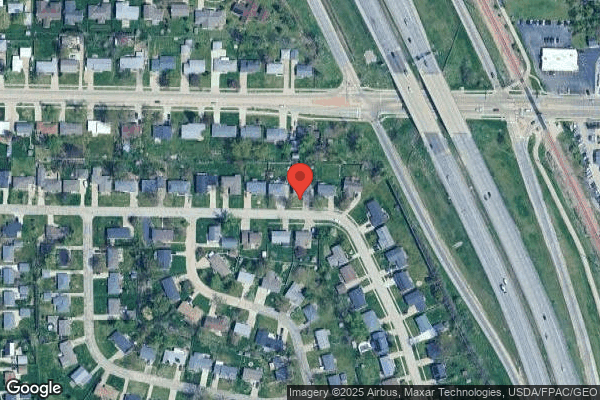
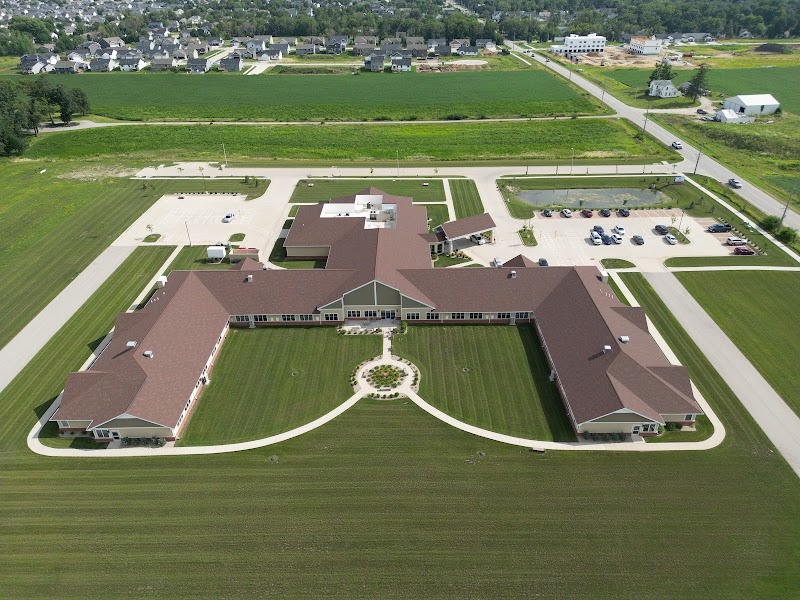
1420 Unitypoint Way, Cedar Rapids, IA 52402 (319) 366-8701
Non profit - Corporation 46 Beds Independent Data: November 2025
Trust Grade
90/100
#73 of 392 in IA
Last Inspection: January 2025

Within standard 12-15 month inspection cycle. Federal law requires annual inspections.

Overview

St. Luke's Helen G Nassif Transitional Care Center has received an impressive Trust Grade of A, indicating it is highly recommended and considered excellent among nursing homes. It ranks #73 out of 392 facilities in Iowa, placing it in the top half, and #4 out of 18 in Linn County, suggesting there are only three local options that are better. The facility is on an improving trend, with issues decreasing from three in 2024 to only one in 2025. Staffing is rated well with a score of 4 out of 5, and while the turnover rate is 54%, which is average for Iowa, there is good RN coverage that exceeds 83% of state facilities, ensuring better care for residents. On the downside, the facility has had some concerns; for instance, staff failed to label and date opened food items, which increases the risk of contamination. Additionally, there were issues with secure storage and counting of narcotics, and access to care plans was not as streamlined as it could be, potentially impacting timely resident care. Despite these weaknesses, the lack of fines and strong overall ratings make it a favorable choice for families considering care options.

Trust Score
A
90/100
In Iowa
#73/392
Top 18%
Safety Record
Low Risk
No red flags
Inspections
Getting Better
3 → 1 violations
Staff Stability
⚠ Watch
54% turnover. Above average. Higher turnover means staff may not know residents' routines.
Penalties
✓ Good
No fines on record. Clean compliance history, better than most Iowa facilities.
Skilled Nurses
✓ Good
Each resident gets 60 minutes of Registered Nurse (RN) attention daily — more than 97% of Iowa nursing homes. RNs are the most trained staff who catch health problems before they become serious.
Violations
⚠ Watch
11 deficiencies on record. Higher than average. Multiple issues found across inspections.
★★★★★
5.0
Overall Rating
★★★★☆
4.0
Staff Levels
★★★★★
5.0
Care Quality
★★★★☆
4.0
Inspection Score
Stable
2024: 3 issues
2025: 1 issues

The Good

  • 4-Star Staffing Rating · Above-average nurse staffing levels
  • 5-Star Quality Measures · Strong clinical quality outcomes
  • Full Sprinkler Coverage · Fire safety systems throughout facility
  • No fines on record

Facility shows strength in staffing levels, quality measures, fire safety.

The Bad

Staff Turnover: 54%

Near Iowa avg (46%)

Higher turnover may affect care consistency

The Ugly 11 deficiencies on record

Jan 2025 1 deficiency
CONCERN (D) 📢 Someone Reported This

A family member, employee, or ombudsman was alarmed enough to file a formal complaint

Potential for Harm - no one hurt, but risky conditions existed

ADL Care (Tag F0677)

Could have caused harm · This affected 1 resident

**NOTE- TERMS IN BRACKETS HAVE BEEN EDITED TO PROTECT CONFIDENTIALITY** Based on observations, clinical record review, staff interview, and facility policy review the facility failed to toilet 1 out o...

Read full inspector narrative →
**NOTE- TERMS IN BRACKETS HAVE BEEN EDITED TO PROTECT CONFIDENTIALITY** Based on observations, clinical record review, staff interview, and facility policy review the facility failed to toilet 1 out of 1 resident reviewed (Resident #9). The facility reported a census of 32 residents. Findings include: The Minimum Data Set (MDS) assessment dated [DATE], listed diagnoses of Parkinson's disease, dementia, adult failure to thrive, and Schizophrenia. The Brief Interview for Mental Status (BIMS) reflected short-term and long-term memory problems and severely impaired daily decision making skills. The MDS identified Resident #9 frequently incontinent of bowel and bladder. The MDS reflected Resident #9 required substantial/maximal assistance with toileting and dependent with toileting hygiene. The Care Plan for Resident #9 dated 05/31/2024, directed staff to provide toileting assistance before and after meals, at bedtime, and as needed. Provide incontinence care after each incontinent episode. On 1/28/25 at 12:35 PM Staff A, Certified Nurse Aid (CNA) pushed Resident #9 from the dining room (DR) to the lounge area. Staff A and Staff B, CNA transferred Resident #9 to the recliner next to the window, they covered him with a blanket and elevated his feet. Resident #9 called out help help as they transferred him to the recliner. On 1/28/25 at 12:38 PM, Resident #9 appeared to void in his chair, liquid poured out of the left side of the chair onto the carpet under him. He put the blanket over his head and moved himself in the chair some. On 1/28/25 at 1:00 PM, Activity staff went to Resident #9 and offered him popcorn. Resident #9 slept through the question. On 1/28/25 at 01:46 PM, Activity staff delivered a bag of popcorn to Resident #9, he sat up and ate the snack. On 1/28/25 at 1:52 PM, the Activity staff went to him and asked if he wanted more popcorn. The Assistant Director of Nursing (ADON) and the MDS Coordinator stood in the corner of the room for a few minutes. Resident #9 started to cough and the Activity staff offered him a drink. On 1/28/25 at 3:00 PM, Resident #9 remained seated in the recliner chair in the lounge from 12:35 PM where at 12:38 he appeared to have urinated. On 1/28/25 at 3:20 PM, the carpet under Resident # 9 looked a darker color than the rest of the carpet in the area. On 1/28/25 at 3:24 PM, the ADON reported staff are expected to toilet residents before meals, after meals, at bedtime, as needed, and every 2 hours at night. On 1/28/25 at 3:58 PM, the Registered Nurse Consultant (RNC) reported the facility failed to have a policy directing how and when to toilet residents. She said the staff are expected to follow the Care Plan.
Apr 2024 1 deficiency
CONCERN (D) 📢 Someone Reported This

A family member, employee, or ombudsman was alarmed enough to file a formal complaint

Potential for Harm - no one hurt, but risky conditions existed

Deficiency F0655 (Tag F0655)

Could have caused harm · This affected 1 resident

**NOTE- TERMS IN BRACKETS HAVE BEEN EDITED TO PROTECT CONFIDENTIALITY** Based on clinical record review, policy review, family and resident interviews, the facility failed to address the Baseline Care...

Read full inspector narrative →
**NOTE- TERMS IN BRACKETS HAVE BEEN EDITED TO PROTECT CONFIDENTIALITY** Based on clinical record review, policy review, family and resident interviews, the facility failed to address the Baseline Care Plan with the resident or the resident's legal representative for 1 of 1 resident's sampled (Resident #1). The facility identified a census of 28 residents. Findings include: The Electronic Medical Record (EMR) Census documented Resident #1 admitted to the facility on [DATE]. The Baseline Care Plan documented Staff A, Minimum Data Set (MDS) Coordinator completed the Baseline Care Plan on 2/23/24. The Resident and Resident Representative Signatures Lines were blank on the Care Plan form and there were no notations stating the Baseline Care Plan had been reviewed with the resident or family. Resident #1's MDS assessment dated [DATE] showed a Brief Interview for Mental Status (BIMS) score of 10 out of 15 indicating a moderate cognitive loss. A review of the Progress Notes from 2/22/23 to 3/05/24 lacked documentation the resident or the resident's representative received a copy of the Baseline Care Plan or that the facility had reviewed the Baseline Care Plan with them. An interview with a family member on 4/16/24 at 4:40 PM reported she never received a copy of the Baseline Care Plan nor was the Baseline Care Plan discussed with her. During an interview on 4/18/24 at 9:18 AM Staff A, MDS Coordinator explained she completes the Baseline Care Plan electronically on the computer. The facility had been using a paper form prior to her taking the position. She does not do anything with the Care Conference and does not attend the Care Conferences. She believes that when the Care Conference is held, a copy of the Baseline Care Plan is given to the resident or legal representative to sign by the Director of Nursing (DON). On 9/18/24 at 9:40 AM Staff B, MDS Coordinator verbalized when a resident admitted to the facility she would complete the Baseline Care Plan the day of admission or the next day using a paper form. She then gave the Baseline Care Plan to the DON. She never attended the Care Conferences. The DON would take care of taking the Baseline Care Plan to the Care Conference and go over it with the resident or the family and have one of them sign to acknowledge that the Care Plan had been reviewed with them. After the Baseline Care Plan was signed, the DON would give the Care Plan back to her to put in a binder at the nurse's station. Their practice was to have the resident or the family sign to acknowledge that the Baseline Care Plan had been reviewed with them. If the resident couldn't sign the Baseline Care Plan, they would have a family member sign it or go over the Baseline Care Plan by phone with the family, then the DON would document she went over the Baseline Care Plan with the family on the form. During an interview on 4/18/24 at 10:43 AM the DON reported the Baseline Care Plan starts on a paper form the day of admission. If the resident has a lower BIMS score, then they talk to the family either at the Care Conference or they call the family to review the Baseline Care Plan. She expects the Baseline Care Plan to be gone over with the resident if capable. If not, then the Baseline Care Plan should be reviewed with the family. She verbalized the review should be completed and documented either on the Baseline Care Plan or in the EMR. On 4/18/24 at 11:53 AM the DON reported she had reviewed the documentation and could not find where they had gone over the actual Baseline Care Plan with the resident or the family and that should have been done. The Baseline Care Plan Policy revised 5/15/2019 directed a written summary of the Baseline Care Plan must be provided to the resident and their representative in a manner they can understand. The documentation must be present in the medical record stating the Care Plan was shared with the resident and their representative.
Jan 2024 2 deficiencies
CONCERN (E) 📢 Someone Reported This

A family member, employee, or ombudsman was alarmed enough to file a formal complaint

Potential for Harm - no one hurt, but risky conditions existed

Food Safety (Tag F0812)

Could have caused harm · This affected multiple residents

Based on observation, staff interview, and facility policy review, the facility failed to label and date food items when opened to reduce the risk of contamination and food-borne illness. The facility...

Read full inspector narrative →
Based on observation, staff interview, and facility policy review, the facility failed to label and date food items when opened to reduce the risk of contamination and food-borne illness. The facility reported a census of 31 residents. Findings Include: On 1/16/24 at 10:08 AM, during the initial tour of the facility kitchen revealed the following food items not labeled or dated when opened: a. A bag of frozen baby baker potatoes. b. A bag of frozen mixed vegetables. c. A bag of frozen fajita blend vegetables. d. A bag of frozen cascade blend vegetables. e. A bag of frozen pasta. f. A bag of frozen garlic bread. g. A bag of elbow macaroni noodles. h. A bag of egg noodles. i. A bag of spaghetti noodles. j. A bag of long grain rice. k. A bag of brown sugar. In an interview on 1/16/24 at 1:30 PM, the Dietary Supervisor stated it was the expectation when staff open any food item, they are to label and date anything that is not completely used and to be saved for later. The Dietary Supervisor stated she had posted signs around the kitchen area to remind staff in the past but it continued to be an issue. The facility provided policy titled Food Storage dated October 2023, the policy directed Dietary Staff, all opened packages or containers must be covered and accurately labeled. It further documented leftover food was to be stored in covered containers or wrapped carefully and securely. Each item was to be clearly labeled and dated before being refrigerated.
MINOR (B)

Minor Issue - procedural, no safety impact

Deficiency F0582 (Tag F0582)

Minor procedural issue · This affected multiple residents

Based on clinical record review, facility document review and staff interview, the facility failed to comply with all applicable Federal Regulations regarding Medicare requirements governing billing p...

Read full inspector narrative →
Based on clinical record review, facility document review and staff interview, the facility failed to comply with all applicable Federal Regulations regarding Medicare requirements governing billing practices for 2 of 3 residents reviewed for Liability and Appeal notices (Resident #183 and #184). The facility identified a census of 31 residents. Findings Include: 1. Review of facility documentation for Resident #183 revealed the resident started Skilled Services 7/17/23 and the last covered day of Part A Services was 7/28/23. The facility Administrator could not provide a signed form to verify the resident received notification of the Medicare options or their appeal rights. 2. Review of facility documentation for Resident #184 revealed the resident started skilled services 8/25/23 and the last covered day of Part A services was 9/5/23. A facility form titled Notice of Medicare Non-coverage was provided and signed by the resident but not dated to indicate when the resident was notified of Medicare options or their appeal rights. In an interview on 1/17/24 at 4:35 PM, the Administrator stated it was the expectation the Social Worker complete the needed paperwork to notify residents of therapy services ending in a timely manner. It was the expectation the Social Worker have the Office Manager complete the paperwork in her absence and the staff person scanning the paperwork into the system was to double check to ensure the paperwork was filled out completely and correctly.
Nov 2022 7 deficiencies
CONCERN (D)

Potential for Harm - no one hurt, but risky conditions existed

Deficiency F0578 (Tag F0578)

Could have caused harm · This affected 1 resident

Based on clinical record review, facility policy review and staff interviews the facility failed to implement Advance Directives, and establish mechanisms for documenting and communicating resident ch...

Read full inspector narrative →
Based on clinical record review, facility policy review and staff interviews the facility failed to implement Advance Directives, and establish mechanisms for documenting and communicating resident choices in regards to Code Status (To have Cardiopulmonary Resuscitation or not) to the interdisciplinary team and to staff responsible for the resident's care for 1 of 16 residents reviewed (#179). The resident census was 30. Findings Include: On 11/7/22, review of Resident #179's physical chart showed no documentation of an Advance Directive had been placed in the Residents' chart. During an interview on 11/9/22 at 7:00 AM, Staff B, the Director of Nursing (DON) was asked where to locate a resident's Advance Directive document and stated if a resident had completed an Advance Directive then a form would be in the Residents' paper chart at the Nurses Desk located at the end of the hallway. When Staff B was asked how facility staff would know how to provide resident care regarding code status she explained the Advance Directive form in the physical chart would direct the resident care. On 11/9/22 at 7:05 AM, a review of Resident #179 physical chart showed the chart remained without Advance Directive documentation. On 11/9/22 at 7:10 AM, an interview was completed with Staff F, Registered Nurse (RN). When Staff F was asked where to locate a resident's Advance Directive documents,she stated being unsure due to never reviewing residents' paper charts. When Staff F was asked about Advance Directives for Resident #179 and how to provide care chosen by the resident; Staff F explained the facility's electronic Point Click Care (PCC) Program contained an admission Face Sheet document that included Advance Directives. Staff F accessed Resident #179 electronic health record (EHR) face sheet which had showed an admission Face Sheet for Resident #179. The form had been reviewed and failed to provide documentation of Advance Directive code status. On 11/9/22 at 8:15 AM Staff B, DON was asked to locate Resident #179 Advance Directives form for review. On 11/9/22 at 8:20 AM, Staff B found the Advance Directive form for Resident #179 for review. Staff B further stated the Advance Directive form had been removed from Resident #179 chart for the Provider signature completion on 11/8/22. Review of Resident #179's Advance Directive form showed the form had been signed by Resident #179 on 10/28/22 and then had been signed on 11/8/22 by the Provider, Staff I, Advanced Registered Nurse Practitioner (ARNP). Staff B further stated Resident #179 Advance Directive form had been removed from the chart for Staff I's signature on 11/8/22. Staff B further stated the Advance Directive form had not been returned to the resident chart afterward. When asked how evening or night shift staff would know Resident #179's Advance Directive status the DON then stated it had been a mistake to not return the form to the resident chart yesterday (11/8). Staff B, further stated staff would have to call Administration if a resident code status had needed clarification. During an interview on 11/9/22 at 9:07 AM, Staff G, Certified Nurse Aide (CNA) stated a resident's Advance Directive intervention could be located on a whiteboard in the resident room. On 11/9/22 at 9:15 AM, an interview completed with Staff D, CNA. When asked about Advance Directive intervention for a resident, Staff G stated I am honestly not sure where to find Advance Directives and further stated a folder may have been available at the Nurse's Desk. On 11/9/22 at 9:36 AM, Resident #179 observed in her room during wound care. Resident #179's Code Status/ Advance Directive not observed on the whiteboard nor located on the paper Care Form.
CONCERN (D)

Potential for Harm - no one hurt, but risky conditions existed

Notification of Changes (Tag F0580)

Could have caused harm · This affected 1 resident

**NOTE- TERMS IN BRACKETS HAVE BEEN EDITED TO PROTECT CONFIDENTIALITY** Based on record review, staff and family interviews, and policy review, the facility failed to notify the Power of Attorney (POA...

Read full inspector narrative →
**NOTE- TERMS IN BRACKETS HAVE BEEN EDITED TO PROTECT CONFIDENTIALITY** Based on record review, staff and family interviews, and policy review, the facility failed to notify the Power of Attorney (POA) of a cognitively impaired resident of a medication error and missing medication for 1 out of 1 residents reviewed (Resident #17). The facility reported a census of 30 residents. : Findings Include: According to the Minimum Data Set (MDS) assessment dated [DATE] for Resident #17 shown diagnoses include hypertension, fracture, Alzheimer's and anxiety disorder. The MDS identified Resident #17 scored a 9 out of 15 on the Brief Interview for Mental Status (BIMS), indicating the resident with severe cognitive impairments. The MDS documented the resident needed extensive of two staff for transfers, bed mobility, toileting and personal hygiene. Review of the Medication Error Report dated 10/25/22 revealed Resident #17 received an extra dose of Hydrocodone 5 milligram (mg)/325 mg (narcotic pain medication). Review of the Controlled Substance Shift Count and Usage Record revealed a discrepancy on 11/1/22 of a missing Hydrocodone on 11/1/22. Review of Resident #17's Progress Notes failed to indicate the Power of Attorney (POA) notified of the medication error or the missing medication. During an interview on 11/9/22 at 10:56 AM, Resident #17's POA stated he was never notified from the facility of the medication error or the missing medication. He states the communication with the facility has been poor. During an interview on 11/10/22 at 10:58 PM, the Director of Nursing (DON) stated she was unable to find documentation of the family notification of the medication error or the missing medication. She would expect staff to notify the family of medication errors and missing medications at the time of the incident. The facility provided a policy titled Notification, Resident Representative effective 10/10/19 and the policy stated the resident's representative shall be notified of any accident, injury, or adverse change in a resident's condition requiring physician notification. The procedure directed staff to notify the resident's representative of any accident or unusual incident, regardless of injury.
CONCERN (D)

Potential for Harm - no one hurt, but risky conditions existed

Deficiency F0658 (Tag F0658)

Could have caused harm · This affected 1 resident

**NOTE- TERMS IN BRACKETS HAVE BEEN EDITED TO PROTECT CONFIDENTIALITY** Based on clinical record review, facility policy review and staff interview the facility failed to follow physician orders and a...

Read full inspector narrative →
**NOTE- TERMS IN BRACKETS HAVE BEEN EDITED TO PROTECT CONFIDENTIALITY** Based on clinical record review, facility policy review and staff interview the facility failed to follow physician orders and administered an extra dose of a narcotic to 1 out of 1 residents reviewed for medication errors (Resident #17). The facility reported a census of 30 residents. Findings Include: According to the Minimum Data Set (MDS) assessment dated [DATE] for Resident #17 shown diagnoses include hypertension, fracture, Alzheimer's and anxiety disorder. The MDS documented Resident #17 scored a 9 out of 15 on the Brief Interview for Mental Status (BIMS), indicating the resident had severe cognitive impairments. The MDS indicated the resident needed extensive of two staff for transfers, bed mobility, toileting and personal hygiene. The Medication Record for October 2022 revealed an order for Hydrocodone (narcotic pain medication) 5 milligram (mg) /325 mg to be administered three times a day. The Controlled Substance Shift Count and Usage Record revealed the Hydrocodone 5 mg/325 mg was signed out four times on 10/25/22. The Medication Error Report dated 10/25/22 revealed Resident #17 received two doses of the Hydrocodone 5 mg/325 mg within one and a half hour of the previous dose. Staff failed to sign out the medication on the Electronic Medication Administration Record (EMAR) and another staff administered the medication a second time. During an interview on 11/09/22 at 4:27 PM regarding the medication error for Resident #17 on 10/25/22 Staff L, Registered Nurse (RN) stated the medication was not signed out on the EMAR so he thought he needed to administer the medication. He was confused by the Narcotic Count Sheet Record due to the lines above were crossed off and error was wrote next to them. He notified the Director of Nursing (DON) of the Narcotic Record not being accurate via phone. During an interview on 11/10/22 at 12:58 PM, the DON stated on 10/25/22, Staff L notified her the Narcotic Count was off but he did not realize the other nurse working had already given a dose. The nurse did not communicate it to him or sign off on the EMAR she had administered the medication. The DON acknowledged the Narcotic Sheet should have been looked at with the medication error on 10/25/22. She filled out the Medication Error Report the next day after the medication error occurred. The DON stated the expectation is when the Nurse gives a narcotic medication it should be signed off immediately in the EMAR and on the Narcotic Sheet. The facility provided a policy titled Incident Report, Completion with a revision date of 10/24/22 which directed staff an Incident Report shall be initiated for any unusual incidents involving residents whether they occur at the facility or not, whether injury is apparent or not. The policy lists unusual incidents to include medication errors. The policy directed staff to complete the Incident Report Form at the time of the incident. The nurse in charge at the time of the incident shall prepare an sign the report. All blanks shall completed on the Incident Report Form.
CONCERN (D)

Potential for Harm - no one hurt, but risky conditions existed

Incontinence Care (Tag F0690)

Could have caused harm · This affected 1 resident

Based on observation, clinical record review, staff interview, and facility policy review the facility failed to maintain infection control practices while caring for a catheter for 1 out of 2 residen...

Read full inspector narrative →
Based on observation, clinical record review, staff interview, and facility policy review the facility failed to maintain infection control practices while caring for a catheter for 1 out of 2 residents reviewed (Resident #77). The facility reported a census of 30 residents. Findings Include: The admission Record for Resident #77 dated 11/10/22, listed diagnoses of obstructive and reflex uropathy (urine can't flow), and cerebral infarction (stroke). The Medication Administration Record dated 11/4/22, documented Levaquin 500 milligrams (mg) give 1 tablet by mouth at bedtime for urinary tract infection (UTI). On 11/10/22 8:11 AM, Resident #77 in his bed with the catheter drainage bag hung on the left side of the bed. On 11/10/22 at 8:18 AM, Staff A, Certified Nurses Aid (CNA) set the graduated cylinder directly on the floor and drained the Foley catheter bag. Staff failed to place a barrier under the graduate. Staff A re-clamped the drain port, and put the port back in the holder failing to use an alcohol swab to clean the drainage port. Staff A then unhooked the catheter drainage bag from the catheter tubing and attached a leg bag, failing to use an alcohol swab to the end of the catheter before connecting to the drainage bag. On 11/10/22 at 9:21 AM, the Infection Preventionist (IP)/ Assistant Director of Nursing (ADON), said her expectation is the CNA staff use a barrier under the graduated cylinder when a catheter bag is emptied. She stated also expected CNA staff to use an alcohol swab to clean the tip of the drainage tube of the catheter bag after they empty the urine from the bag before they put it back in the holder. The ADON reported her expectation is the staff clean the end of catheter tubing with an alcohol swab after unhooking it from the drainage bag and before they hook it up to the leg bag. The facility provided a policy titled Emptying Catheter Bag dated 10/10/19, it directed use a plastic bag under the graduate on the floor. The policy continued to direct use an alcohol pad to clean the tip of the tubing, open clamp and drain the urine into graduate, close the clamp and wipe tip again with a clean alcohol wipe.
CONCERN (E)

Potential for Harm - no one hurt, but risky conditions existed

Deficiency F0655 (Tag F0655)

Could have caused harm · This affected multiple residents

5. On 11/9/22 at 7:20 AM, an interview was completed with Staff J, Registered Nurse/ MDS Coordinator. When asked about individual resident Care Plans, Staff J stated the facility Care Plan process had...

Read full inspector narrative →
5. On 11/9/22 at 7:20 AM, an interview was completed with Staff J, Registered Nurse/ MDS Coordinator. When asked about individual resident Care Plans, Staff J stated the facility Care Plan process had been to scan resident Care Plans into the Electronic Health Record (EHR) on day 14. When asked further about resident Care Plan needs between day 1 and day 14 and the facility process, Staff J stated the staff had to access the Baseline Care Plan located within the MDS office. Further interview revealed the individual resident Care Plans for day 1 through day 14 had been placed in a 3-ring binder. Staff had access to the MDS office during daytime hours. For Baseline Care Plan access after 6:00 PM, the staff had to get a key from the nurse's key ring to access the office. Staff J further stated there are Basic Care Plan Signs in patients' rooms with transfer information for Certified Nurse Aides (CNA) and the Nurses had access to provide resident care by utilizing the EHR, Medication Administration Record (MAR) and Treatment Administration Record (TAR). On 11/9/22 at 9:05 AM, an interview was completed with Staff H, Agency Certified Nurse Aide (CNA). Staff H revealed she had not known how to locate Baseline Care Plan information on residents. Staff H stated she had worked shifts for one year at the facility, and when asked how she knew how to provide individual care for a residents, she stated the nurse would have been a resource. Staff H further stated there had been some Care Plan information on the resident's whiteboards in the room. An interview had been completed on 11/9/22 at 9:07 AM, with Staff G CNA. When asked where resident's individual Baseline Care Plan documentation could be located, Staff G stated she did not have knowledge of where to locate resident Baseline Care Plan information. Staff G further stated the resident's transfer information was on the whiteboard in their room. On 11/9/22 at 9:15 AM, an interview completed with Staff D, CNA who stated she had worked at the facility for 1.5 years. Staff D stated she was unaware where or how to locate Baseline Care Plan information on residents. Staff D further stated transfer information on residents was located on the resident's whiteboard in the resident's room. Based on observations, staff interviews and facility policy review the facility failed to have the residents' Baseline Care Plans available for staff to review for 4 out of 4 resident reviewed (Resident #76, #77, #78, and #79). The facility reported a census of 30 residents. Findings Include: 1. The Minimum Data Set Assessment (MDS) for Resident # 76 dated 11/3/22, listed diagnoses of non-Alzheimer's dementia and debility, cardiorespiratory conditions. The MDS reflected the residents Brief Interview for Mental Status (BIMS) score as 11 out of 15 (moderately impaired) and the resident lacked wandering behaviors in the look back period. Resident #76's Baseline Care Plan dated 10/28/22, failed to reflect the residents wandering. The Alert Note dated 11/08/22 at 9:01 AM, read Resident #76 wandering, patient walking in hallway due to getting tired of being isolated, related to Coronavirus Disease (COVID-19). She is out of her room tomorrow after isolation 10 days for (+) COVID. Patient easily redirected back to room. On 11/08/22 at 3:55 PM, Staff K Registered Nurse (RN) reported the Care Plans are in the in the computer chart, they are normally in the day of or the next day. Staff K attempted to locate the Care Plan and confirmed she failed to know where the Care Plans were. Staff K stated Resident #76 wanders some in the evening. 2. The admission Record for Resident #77 dated 11/10/22, listed diagnoses of obstructive and reflex uropathy (urine can't flow), cerebral infarction (stroke) and colostomy status (an opening through the stomach where part of the colon (bowel) comes out of and a pouch placed over the opening (stoma). The Baseline Care Plan for Resident #77 dated 11/3/22, directed assist of 1 staff for toileting and identified the urinary catheter and the ostomy. On 11/10/22 at 8:11 AM, Staff A, Certified Nurse Aid (CNA) offered the resident to use of the bathroom, Resident #77 has catheter and ostomy. Resident #77 reported no need the bathroom. 3. The admission Record for for Resident #78 dated 11/9/22, listed diagnoses of open wound to right lesser toe, atrial fibrillation, and diabetes mellitus. The Baseline Care Plan for Resident #78 dated 11/2/22, addressed the residents use of antibiotic, insulin, anticoagulant and diuretics. 4. The Minimum Data Set Assessment (MDS) for Resident #79 dated 11/2/22, listed diagnoses of non-Alzheimer's dementia and urinary tract infection (UTI). The MDS read the Brief Interview for Mental Status (BIMS) score as 11 out of 15 (moderately impaired). The MDS reflected Resident # 79 with wandering behavior 4-6 days out of the 7 in the reference period. The Care Plan for Resident # 79 dated 11/8/22, failed to reflect the use of the anti-psychotic medication and failed to address wandering. On 11/10/22 at 1:16 PM, the Director of Nursing (DON) reported her expectation is the Nursing department have access to the Care Plans. The facility provided a policy titled Comprehensive Care Plan dated 7/18/22, directed care, treatment and services shall be planned to ensure that they are individualized to the resident's needs. The facility shall provide an individualized, interdisciplinary Plan of Care for all residents that shall be appropriate to the resident's needs, strengths, results of diagnostic testing, limitations and goals.
CONCERN (E) 📢 Someone Reported This

A family member, employee, or ombudsman was alarmed enough to file a formal complaint

Potential for Harm - no one hurt, but risky conditions existed

Deficiency F0761 (Tag F0761)

Could have caused harm · This affected multiple residents

**NOTE- TERMS IN BRACKETS HAVE BEEN EDITED TO PROTECT CONFIDENTIALITY** Based on observation, staff interview, record review and facility policy review, the facility failed to adequately count narcoti...

Read full inspector narrative →
**NOTE- TERMS IN BRACKETS HAVE BEEN EDITED TO PROTECT CONFIDENTIALITY** Based on observation, staff interview, record review and facility policy review, the facility failed to adequately count narcotics and provide secure storage for medications during 1 out of 3 observations of a Narcotic Count between two shifts. The facility reported 9 residents with Doctor Orders for narcotic medications. The facility reported a census of 30 residents. Findings Include: According to the Minimum Data Set (MDS) assessment dated [DATE] for Resident #17 shown diagnoses include hypertension, fracture, Alzheimer's and anxiety disorder. The MDS identified Resident #17 scored a 9 out of 15 on the Brief Interview for Mental Status (BIMS), indicating the resident had severe cognitive impairments. The MDS documented the resident needed extensive of two staff for transfers, bed mobility, toileting and personal hygiene. During an observation 11/08/22 at 2:10 PM, Staff M, Licensed Practical Nurse, (LPN) who worked the day shift and Staff L, Registered Nurse (RN) who arrived to work the evening shift. The two completed a Narcotic Count for change of shift without discrepancies in the count. Staff L verified contents of the Medication Card and matched the number of medications with documentation on the Narcotic Sheet for each medication. Staff M, LPN stated she had counted and signed out the Medication Count earlier. Staff M, LPN stood next to the cart while Staff L, RN counted. They failed to verify by looking at both the card and the book together. Review of the Controlled Substance Shift Count and Usage Record revealed a discrepancy for Resident #17 Hydrocodone 5 milligram (mg)/325 mg medication on 11/1/22. During an interview on 11/8/22 at 4:28 PM, Staff L, stated the count is done with Nurse who is on the shift and the Nurse who is coming on shift, we both count together and if there is a difference on the shift we notify the Director of Nursing (DON). Sometimes people will say I already counted and have me try to count by myself but I tell them no because they encourage staff to count together. He stated sometimes to save time Nursing Staff may sign out ahead but you have to make sure another Nurse is checking with you. During an interview on 11/09/22 at 8:47 AM, Staff N, RN Agency Nurse stated on the morning of 11/1/22, the day the discrepancy was noted she counted with the Nurse from night shift. She stated one of us stood at the book and one at the drawer, she can't recall which role she did. One looked at the book and signed as the other one counted in the drawer. She stated we did not see the book or the card together, one person signed the book and one person looked at the card. In the afternoon I counted with another Nurse and there was a discrepancy so I showed the Day Shift Nurse. When Staff N first came on for her shift, she noted the narcotic book sitting on top the Medication Cart and the keys were tucked inside the book. During an interview on 11/9/22 at 1:42 PM, Staff M, LPN stated she has come to work in the morning and the Medication Cart keys will be in the Narcotic Book on the Medication Cart and the Nurse will be sitting at the Nurse's Station. There is only one Nurse here at night and has to carry three sets of keys. Yesterday when Staff L and I were doing the narcotic count I felt he was showing the Medication Cards to me. Staff M stated when asked if she could see them, stated yes and no. She stated she will do a count ahead of the next Nurse and sign and then the Nurse coming on will do a count and verify it is correct. During an interview on 11/10/22 at 12:58 PM, the Director of Nursing (DON) stated Staff L, RN told her the concern about staff doing the Narcotic Count by themselves before the other Nurse arrived about a week before the incident with the missing medication. The DON stated would expect both Nurses to look at the card and the book at the same time and sign off that the count is accurate for each medication in the Narcotic Count. The keys should be kept by the Nurses at all times is the expectation. The facility provided a policy titled Administration of Controlled Medications revised 6/28/22 the policy directed staff at each shift change, a physical inventory of all schedule II medications (narcotics) is conducted by two licensed Nurses and is documented on an Audit Record.
MINOR (B)

Minor Issue - procedural, no safety impact

Deficiency F0582 (Tag F0582)

Minor procedural issue · This affected multiple residents

Based on record review, staff interview and Facility Matrix Form review, the facility failed to adequately inform residents of their right to appeal a decision for discontinuation of Skilled Services ...

Read full inspector narrative →
Based on record review, staff interview and Facility Matrix Form review, the facility failed to adequately inform residents of their right to appeal a decision for discontinuation of Skilled Services for 1 out of 1 residents remaining in the facility (Resident #17). The facility reported a census of 30 residents. Findings Include: Record review of Resident #17 shown the resident discharged from Medicare Skilled Care Services to Nursing Facility Level of Care on 10/26/22. Review of the Center for Medicare Services (CMS) Form -10123, Notice of Medicare Non Coverage (NOMNC)) provided to the resident representative by phone on 10/26/22 failed to have form CMS-10055, Skilled Nursing Facility Advanced Beneficiary Notice (ABN), which explains the options a resident can chose and signed by the resident During an interview on 11/10/22 at 8:43 AM, the Social Worker (SW) stated she was responsible for providing the NOMNC Form to resident representatives and just learned about the ABN this week. The SW stated she learned there is another form when they switch to private pay you need to provide to the resident, resident representative or the Power of Attorney (POA), which is the ABN. The SW reported unaware of the need to give the second form. During an interview on 11/10/22 at 1:43 PM, the Administrator stated the Social Worker was responsible for completing the ABN. The Administrator stated she expected the SW to complete the ABN Form on time and by the timeliness and requirements of the regulations. The facility provided an Beneficiary Notice Matrix 2020 and it directed staff to provide the CMS-10055 (ABN) form if the resident will remain in the facility.
Understanding Severity Codes (click to expand)
Life-Threatening (Immediate Jeopardy)
J - Isolated K - Pattern L - Widespread
Actual Harm
G - Isolated H - Pattern I - Widespread
Potential for Harm
D - Isolated E - Pattern F - Widespread
No Harm (Minor)
A - Isolated B - Pattern C - Widespread

Questions to Ask on Your Visit

  • "Can I speak with families of current residents?"
  • "What's your RN coverage like on weekends and overnight?"

Our Honest Assessment

Strengths
  • • Grade A (90/100). Above average facility, better than most options in Iowa.
  • • No major safety red flags. No abuse findings, life-threatening violations, or SFF status.
  • • No fines on record. Clean compliance history, better than most Iowa facilities.
Concerns
  • • 11 deficiencies on record. Higher than average. Multiple issues found across inspections.
Bottom line: Generally positive indicators. Standard due diligence and a personal visit recommended.

About This Facility

What is St Luke'S Helen G Nassif Transitional Care Center's CMS Rating?

CMS assigns St Luke's Helen G Nassif Transitional Care Center an overall rating of 5 out of 5 stars, which is considered much above average nationally. Within Iowa, this rating places the facility higher than 99% of the state's 100 nursing homes. This rating reflects solid performance across the metrics CMS uses to evaluate nursing home quality.
How is St Luke'S Helen G Nassif Transitional Care Center Staffed?

CMS rates St Luke's Helen G Nassif Transitional Care Center's staffing level at 4 out of 5 stars, which is above average compared to other nursing homes. Staff turnover is 54%, compared to the Iowa average of 46%.

What Have Inspectors Found at St Luke'S Helen G Nassif Transitional Care Center?

State health inspectors documented 11 deficiencies at St Luke's Helen G Nassif Transitional Care Center during 2022 to 2025. These included: 9 with potential for harm and 2 minor or isolated issues.
Who Owns and Operates St Luke'S Helen G Nassif Transitional Care Center?

St Luke's Helen G Nassif Transitional Care Center is owned by a non-profit organization. Non-profit facilities reinvest revenue into operations rather than distributing to shareholders. The facility operates independently rather than as part of a larger chain. With 46 certified beds and approximately 36 residents (about 78% occupancy), it is a smaller facility located in Cedar Rapids, Iowa.
How Does St Luke'S Helen G Nassif Transitional Care Center Compare to Other Iowa Nursing Homes?

Compared to the 100 nursing homes in Iowa, St Luke's Helen G Nassif Transitional Care Center's overall rating (5 stars) is above the state average of 3.1, staff turnover (54%) is near the state average of 46%, and health inspection rating (4 stars) is above the national benchmark.

What Should Families Ask When Visiting St Luke'S Helen G Nassif Transitional Care Center?

Based on this facility's data, families visiting should ask: "Can I visit during a mealtime to observe dining assistance and food quality?" "How do you handle medical emergencies, and what is your hospital transfer rate?" "Can I speak with family members of current residents about their experience?"

Is St Luke'S Helen G Nassif Transitional Care Center Safe?

Based on CMS inspection data, St Luke's Helen G Nassif Transitional Care Center has a clean safety record: no substantiated abuse findings (meaning no confirmed cases of resident harm), no Immediate Jeopardy citations (the most serious violation level indicating risk of serious injury or death), and is not on the Special Focus Facility watch list (a federal program monitoring the lowest-performing 1% of nursing homes). The facility has a 5-star overall rating and ranks #1 of 100 nursing homes in Iowa. While no facility is perfect, families should still ask about staff-to-resident ratios and recent inspection results during their visit.

Do Nurses at St Luke'S Helen G Nassif Transitional Care Center Stick Around?

St Luke's Helen G Nassif Transitional Care Center has a staff turnover rate of 54%, which is 7 percentage points above the Iowa average of 46%. Moderate turnover is common in nursing homes, but families should still ask about staff tenure and how the facility maintains care continuity when employees leave.

Was St Luke'S Helen G Nassif Transitional Care Center Ever Fined?

St Luke's Helen G Nassif Transitional Care Center has no federal fines on record. CMS issues fines when nursing homes fail to meet care standards or don't correct problems found during inspections. The absence of fines suggests the facility has either maintained compliance or corrected any issues before penalties were assessed. This is a positive indicator, though families should still review recent inspection reports for the full picture.

Is St Luke'S Helen G Nassif Transitional Care Center on Any Federal Watch List?

St Luke's Helen G Nassif Transitional Care Center is not on any federal watch list. The most significant is the Special Focus Facility (SFF) program, which identifies the bottom 1% of nursing homes nationally based on persistent, serious quality problems. Not being on this list means the facility has avoided the pattern of deficiencies that triggers enhanced federal oversight. This is a positive indicator, though families should still review the facility's inspection history directly.