The Gardens Of Cedar Rapids
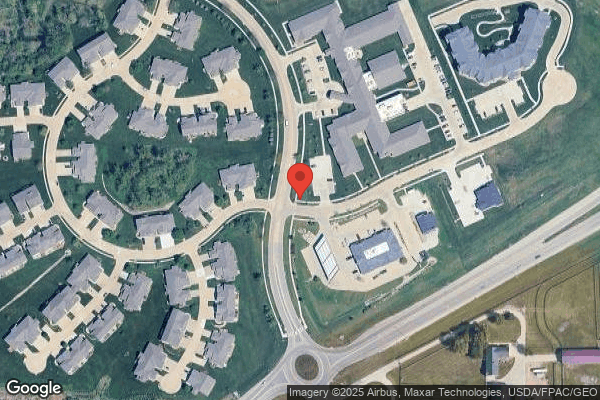
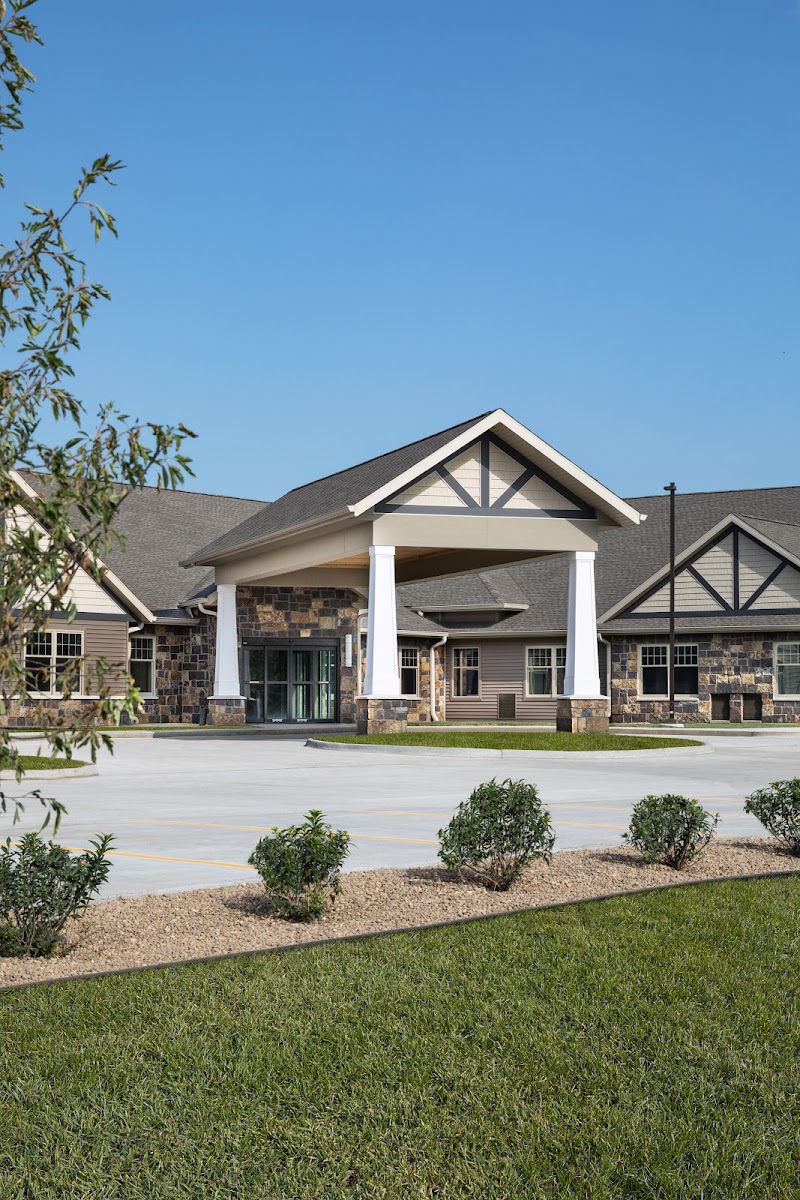
5710 DEAN ROAD SW, CEDAR RAPIDS, IA 52404 (319) 632-1469
For profit - Limited Liability company 40 Beds Independent Data: November 2025
Trust Grade
38/100
#235 of 392 in IA
Last Inspection: January 2025

Within standard 12-15 month inspection cycle. Federal law requires annual inspections.

Overview

The Gardens of Cedar Rapids has received a Trust Grade of F, indicating poor performance with significant concerns. Ranking #235 out of 392 nursing homes in Iowa places it in the bottom half of facilities, and #10 out of 18 in Linn County means only a few local options are worse. The facility's trend is worsening, as the number of issues reported increased from 4 in 2024 to 7 in 2025. Staffing appears to be a challenge, with a turnover rate of 64%, significantly higher than the Iowa average of 44%, although it does have good RN coverage compared to 80% of state facilities. Notably, there have been serious incidents, including a resident being left alone on the toilet and sustaining a hip fracture, and another resident not receiving proper assessment and treatment for a pressure ulcer, which raises serious concerns about the quality of care provided.

Trust Score
F
38/100
In Iowa
#235/392
Bottom 41%
Safety Record
High Risk
Review needed
Inspections
Getting Worse
4 → 7 violations
Staff Stability
⚠ Watch
64% turnover. Above average. Higher turnover means staff may not know residents' routines.
Penalties
⚠ Watch
$19,383 in fines. Higher than 93% of Iowa facilities. Major compliance failures.
Skilled Nurses
✓ Good
Each resident gets 56 minutes of Registered Nurse (RN) attention daily — more than average for Iowa. RNs are trained to catch health problems early.
Violations
⚠ Watch
19 deficiencies on record. Higher than average. Multiple issues found across inspections.
★★★☆☆
3.0
Overall Rating
★★★☆☆
3.0
Staff Levels
★★★★★
5.0
Care Quality
★★☆☆☆
2.0
Inspection Score
Stable
2024: 4 issues
2025: 7 issues

The Good

  • 5-Star Quality Measures · Strong clinical quality outcomes
  • Full Sprinkler Coverage · Fire safety systems throughout facility
  • No fines on record

Facility shows strength in quality measures, fire safety.

The Bad

3-Star Overall Rating

Near Iowa average (3.1)

Meets federal standards, typical of most facilities

Staff Turnover: 64%

18pts above Iowa avg (46%)

Frequent staff changes - ask about care continuity

Federal Fines: $19,383

Below median ($33,413)

Minor penalties assessed

Staff turnover is elevated (64%)

16 points above Iowa average of 48%

The Ugly 19 deficiencies on record

4 actual harm
Jan 2025 7 deficiencies
CONCERN (D) 📢 Someone Reported This

A family member, employee, or ombudsman was alarmed enough to file a formal complaint

Potential for Harm - no one hurt, but risky conditions existed

Deficiency F0602 (Tag F0602)

Could have caused harm · This affected 1 resident

Based on clinical record review, staff interviews, observations, and facility policy review the facility failed to prevent drug diversion for 3 of 3 resident's controlled/narcotic medications (Residen...

Read full inspector narrative →
Based on clinical record review, staff interviews, observations, and facility policy review the facility failed to prevent drug diversion for 3 of 3 resident's controlled/narcotic medications (Resident#89, #90, #92). The facility reported a census of 35 residents. Findings include: 1. The Minimum Data Set (MDS) assessment for Resident #89 dated 7/18/24, listed diagnoses of non-Alzheimer's dementia, Parkinson's disease, and seizure disorder. The Brief Interview for Mental Status (BIMS) reflected a score of 1, severe cognitive impairment. The Care Plan for R#89 dated 4/26/24, directed staff to administer medications as ordered. Monitor and record effectiveness. Report any adverse side effects. The Controlled Substance Count & Usage Record for R#89 dated 9/13/24 at 2:00 PM reflected 24 milliliters (ml) of Morphine remained at the shift change cosigned by Staff I, Licensed Practical Nurse (LPN) and Staff A, Registered Nurse (RN). The next entry on the document dated 9/13/24 at 10 PM, reflected 22 ml remained. The record failed to reflect 2 ml of the Morphine being administered. The document revealed a note on the left side of the form count corrected The document failed to give an explanation of what happened to the 2 ml of Morphine. The Medication Administration Record (MAR) dated 9/13/2024, listed Morphine Sulfate (Concentrate) Solution 20 MG/ML. Give 5 mg by mouth every 4 hours as needed (PRN) for Pain 0.25 ml or 5 mg every 4 hours as needed for pain. The MAR lacked a dose signed out/administered. 2. The MDS for Resident #90 dated 8/8/24, listed diagnoses of non-Alzheimer's dementia, diabetes mellitus, and heart failure. The MDS revealed a BIMS score of 00, that indicated sever cognitive impairments. The Care Plan for Resident #90 dated 6/24/24, directed staff to administer medications as ordered. The Controlled Substance Count & Usage Record for R#90 dated 9/13/24 at 2 PM, listed 8.75 ml of morphine remained. The record reflected Staff A, RN administered two 0.25 ml doses of the Morphine to Resident #90. One 0.25 ml dose at 2:57 PM and one 0.25 ml dose at 8:40 PM. The count at that time reflected 8.25 ml. At 10 PM the end of the shift count (CT) reflected 8.25 ml. The next line on the form revealed count correction 6 ml morphine remained. The document failed to explain why the count failed to include the location of the missing 2.25 ml. The MAR dated 9/2024, directed Morphine Sulfate (Concentrate) Solution 20 MG/ML. Give 0.25 ml by mouth three times a day for pain. The MAR also listed Morphine Sulfate (Concentrate) Solution 20 MG/ML. Give 0.25 ml by mouth every 2 hours as needed for Pain or dyspnea, none signed out PRN on 9/13/24. 3. The MDS for Resident #92 dated 9/12/24, listed diagnoses of lung cancer, non-Alzheimer's dementia, arthritis, and diabetes mellitus. Resident #92's MDS reflected her BIMS score of 15, intact cognition. The Care Plan for R#92 dated 9/19/24, directed staff to use pain management as appropriate. Monitor/document side effects and effectiveness. The MAR dated 9/19/24, directed Ativan Solution 2 MG/ML (lorazepam). Give 0.5 mg sublingually every 2 hours for terminal pass. The Controlled Substance Count & Usage Record for R#92 dated 9/19/24 at 12:35 PM showed 29.5 ml of morphine solution, staff gave 0.5 ml that left 29 ml. The next time on the record reflected 2 PM, and 28.75 ml remained. The count failed to reflect 0.25 ml of the morphine solution. The Controlled Substance Count & Usage Record for R#92 dated 9/19/24 at 5:45 PM showed 29.5 remained of the Ativan Solution. After 0.5 ml administered the count reflected the amount that remained as 27 ml. Review of the Daily Assignment sheet dated 9/13/24, listed Staff I, Licensed Practical Nurse (LPN), worked 6 to 2 PM, Staff A, Registered Nurse (RN) worked 2 PM to 10 PM and Staff D, RN worked the 10 PM to 6 AM shift. The medication signed out 4 times on the shift. Review of the Daily Assignment sheet dated 9/19/24, listed Staff H, RN worked the 6 AM to 2 PM shift, Staff, A worked the 2 PM to 10 PM shift, and Staff D, LPN worked 10 PM to 6 AM shift. On 1/9/24 at 9:28 AM, Staff I stated that when she signed the narcotic book it indicated the accurate dosing and the amount of the medication left in the supply. She reported if she signed the book that's the amount that remained. She confirmed when she signed the Narcotic book on 9/13/24 for R#89 and R#90 the amount she listed reflected the correct amount of the medication that remained. She reported if she found a controlled/narcotic mediation discrepancy with the count she would call the Director of Nursing (DON) or manager and not even take the keys from the nurse. On 01/08/25 at 11:27 AM, Staff D, RN confirmed she worked from 8:30 PM on 9/13/24 to 6 AM on 9/14/24. She reported she came to the shift as an agency nurse. The other nurse she took over for told her Staff A, RN took a long time to complete her documentation and directed Staff D to start her work. The other nurse told her Staff A would find her for shift report and narcotic/controlled count. Staff D reported some short-term narcotic medication were past the order date and needed destroyed. Staff D stated Staff A read the count she found the narcotics were significantly lower than what Staff A said for Resident #89 and Resident #90. She reported she refused to sign the count sheets. She stated Staff A told her that it was fine and Staff A documented count correction on the record. Staff D reported she told Staff A she needed to reconcile the doses signed out on the Medication Administration Record (MAR) to understand what happened to cross reference. Staff D revealed Staff A declined and told Staff D the facility told us what we needed to do is document count correction on the record. She identified concern that Staff A, failed to notify the DON or nurse manager. She reported she texted the Staff B, DON at the time, and alerted her of the discrepancy in the narcotic count. Staff D reported Staff A continued to work on documentation at the facility until around 2 AM. Staff D reported Staff A looked as if she was falling asleep and her eyes were glazed over. The Video surveillance provided by the facility dated 9/14/24 at 12:04:41 AM Staff A removed 2 boxes approximately 4 inches tall, 2 inches wide by 1 inch deep from the back-left corner of the med room she held them. Staff A pointed out the something on the boxes to Staff D. Staff D in the medication room with Staff A wasted pills in the drug buster solution. At 12:07:17 AM Staff A carried the 2 boxes and the medication cards out of the medication room to the medication cart. At 12:13:57 Staff A went to the left of the medication cart, got a pink bag, put it over her right shoulder and went to the med cart. At 12:14:33 Staff A took the two boxes from the top of the medication cart walked back over to where the bag hung before and placed the 2 boxes inside of the pink bag that she re-hung. The Video surveillance provided by the facility dated 9/19/24 at 7:38-7:40 PM, a nurse at the medication cart, Staff A, carried a hot pink cup into the medication room while she appeared to remove two boxes from her pocket approximately 4 inches tall, 2 inches wide by 1 inch deep. Then Staff A went to the sink in the medication room appeared to place some water in the hot pink cup held in reflection of the glass in the door. Staff A appeared to get into one of the boxes remove a bottle, opened the lid and at 7:39:36 dropped some drops to the cup, placed the bottle back into the box. At 7:40:16 Staff A put the lid back on the cup. She sat at the nurse's desk and drank from the cup. Video surveillance provided by the facility dated 9/19/24 at 10:05:14 PM, Staff A stood in the corner of the 200 Wing Medication Room out of the view of the camera, at 10:05:15 with something in her right hand she turned to the door. Staff A put her left hand in her left pocket and held her right hand near the door. Staff A held something with a dark top and a dark bottom in her right hand. The nurse moved the item from her right hand to her left put her empty right hand in her pocket she took the hot pink cup from the desk in the medication room with her left hand and left the room at 10:05:23 PM. At 10:05:23 Staff A removed the lid from the hot pink cup and set it on top of the medication cart. At 10:05:33 Staff A removed the hot pink cup from the top of the cart and took it out of view on the 200 Wing. At 10:05:52 Staff A moved a hot pink cup/mug back to the medication cart. At 10:05:54 PM Staff A opened a small bottle, she looked around, she used a dropper and appeared to put drops in the hot pink drink cup as she poured from the bottle into the hot pink cup shaking the bottle upside down. At 10:06:08 she replaced the lid onto the bottle and moved out of the view of the camera but not into the view of the next window. She reentered the camera view, placed the lid on the hot pink cup, and drank from the cup. The Video surveillance dated 9/19/24 at 11:01-11:02 On 200 Wing Video showed Staff A at the medication cart and Staff C walked in the medication room at 11:01:45 Staff A appeared to stagger, hung onto the door, swayed back and forth while the other nurse placed a jug under the sink wiped off the counter and rinsed her hands. At 11:02:34 they both exited the med room and went to the medication cart. On 1/08/25 at 2:27 PM, Staff H reported the E-kit locked and secure at the end of her shift on 9/19/24. She stated she failed to know of any discrepancies, her count was correct if she signed the book. On 1/07/25 at 6:47 PM, Staff E, Certified Nurses Aid (CNA) confirmed she worked on the night shift on 9/19/24. She reported Staff C, LPN paged her to come and help Staff A get to a place she could rest. Staff E revealed Staff A's eyes were glassy and she staggered as she walked. Staff C compared Staff A to a streetwalker that was going to fall over with their wobbly legs. Staff C reported she got a 4 wheeled walker with a seat for Staff A to sit on and she moved her into the conference room to get some rest before she drove home. Staff C stated she asked Staff A if she needed medical attention, but Staff A told her she worked too much and needed rest. Staff C reported Staff A's speech seemed slurred. Staff E stated she thought Staff A may fall and could not drive the way she was. Staff E reported She woke her up about 3-4 she said she was better and left the building after she got her coat and purse. Staff E said Staff A went to her car reclined the seat and one of the day shift staff got there and checked on her. Staff E revealed she called the Chief Operating Officer and reported the behavior of Staff A. On 1/8/25 at 6:30 AM, Staff C, LPN confirmed she worked 9/19/24, 6 PM on the other side of the building and at 10 PM took the rest of the building for the night until 6 AM. She reported she and Staff F, Medication Aid planned to count narcotic/controlled medication and destroy some medication after a death in the facility. She revealed Staff A immediately went right for the narcotic/controlled medication first, she indicated normally they do shift to shift report first. Staff C stated she walked into the medication room and Staff A had a bottle of Ativan or morphine open she poured and spilt it on the cart. Staff C thought Staff A seemed disorientated. Staff C said Staff A told her she was fine, but Staff A popped pills all over the place, they were flying. Staff C asked Staff A again if she was alright. Staff C reported Staff A was generally a slower moving person, but she stopped and looked like she drifted off. Staff C revealed she told her to sit down as she was dozing off while she talked. Staff A walked but seemed in slow motion. The CNA took Staff A to the conference room. Staff C reported she got to the unit around 10 and she thinks Staff A got out of the Wing around 10:30. Staff C said she didn't know she slept in the conference room until 2 AM. She said she didn't know what to do but let her sleep. She reported to the day shift after they asked if she stayed all night. On 1/08/25 at 1:09 PM, the Restorative nurse confirmed she got to the facility early in the AM on 9/20/24 and saw Staff A slumped over in the front seat of her car. She reported she thought someone went out on break and fell asleep. The Restorative nurse stated she knocked on the window of the car to wake Staff A. She reported Staff A's slurred speech and she told her she was tired. The Restorative nurse offered her a ride home and Staff A declined. On 01/08/25 at 7:33 PM, Staff B, Previous DON, reported she failed to identify any concerns with the nurses at the facility. She reported she received a text from one nurse about a hospice resident's morphine count that maybe was off. She revealed she got sick and forgot to look into it further. She stated she failed to know of the incident on 9/19/24 until in the mid-afternoon on 9/20/24. On 1/9/25 at 10:08 AM, the DON reported after the event on 9/19/24, she alerted the Pharmacy to review the records and the Emergency drug kit (E-Kit). She stated she thought they came and picked up the E-kit that Friday. She revealed the pharmacy called her the next week and reported 2 oxycodone tablets gone from the e-Kit with no order or explanation where they went. 01/09/25 02:51 PM, the DON reported she expected the nurses to count and sign the narcotic records to reflect an accurate count. She reported if the nurses found a discrepancy she expected staff to notify her immediately. The facility provided a policy titled Nursing Facility Abuse Prevention, Identification, Investigation, and Reporting Policy dated 10/2022, directed all residents have the right to be free from abuse, neglect, misappropriation of resident property, exploitation, corporal punishment, involuntary seclusion, and any physical or chemical restraint not required to treat the resident's medical symptoms. It shall be the policy of this facility to implement written procedures that prohibit abuse, neglect, exploitation, and misappropriation of resident property. These procedures shall include the screening and training of employees, protection of residents and the prevention, identification, investigation, and timely reporting of abuse, neglect, mistreatment, and misappropriation of property, without fear of recrimination or intimidation. Exploitation of a dependent adult. Exploitation means a caretaker knowingly obtains, uses, endeavors to obtain to use or who misappropriates a dependent adult's funds, assets, medications, or property with the intent to temporarily or permanently deprive a dependent adult of the use, benefit, or possession of the funds, assets, medication or property for the benefit of someone other than the dependent adult Misappropriation of Resident property means the deliberate misplacement, exploitation, or wrongful temporary or permanent use of a Resident's belongings or money without the Resident's consent. This includes misappropriation or diversion of resident medications. Residents must not be subjected to abuse by anyone, including, but not limited to, facility staff, other residents, consultants or volunteers, staff of other agencies serving the resident, family members or legal guardians, friends, or other individuals.
CONCERN (D) 📢 Someone Reported This

A family member, employee, or ombudsman was alarmed enough to file a formal complaint

Potential for Harm - no one hurt, but risky conditions existed

Abuse Prevention Policies (Tag F0607)

Could have caused harm · This affected 1 resident

Based on clinical record review, staff interviews, and facility policy review the facility failed to implement Abuse Prevention policies for an investigation into reported misappropriated resident med...

Read full inspector narrative →
Based on clinical record review, staff interviews, and facility policy review the facility failed to implement Abuse Prevention policies for an investigation into reported misappropriated resident medications for 2 out of 3 residents reviewed (Residents #89 and #90). The facility reported a censes of 35 residents. Findings include: 1. The Minimum Data Set (MDS) assessment for Resident #89 dated 7/18/24, listed diagnoses of non-Alzheimer's dementia, Parkinson's disease, and seizure disorder. The Brief Interview for Mental Status (BIMS) reflected a score of 1, severe cognitive impairment. The Care Plan for R#89 dated 4/26/24, directed staff to administer medications as ordered. Monitor and record effectiveness. Report any adverse side effects. The Controlled Substance Count & Usage Record for R#89 dated 9/13/24 at 2:00 PM reflected 24 milliliters (ml) of Morphine remained at the shift change cosigned by Staff I, Licensed Practical Nurse (LPN) and Staff A, Registered Nurse (RN). The next entry on the document dated 9/13/24 at 10 PM, reflected 22 ml remained. The record failed to reflect 2 ml of the Morphine being administered. The document revealed a note on the left side of the form count corrected The document failed to give an explanation of what happened to the 2 ml of Morphine. The Medication Administration Record (MAR) dated 9/13/2024, listed Morphine Sulfate (Concentrate) Solution 20 MG/ML. Give 5 mg by mouth every 4 hours as needed (PRN) for Pain 0.25 ml or 5 mg every 4 hours as needed for pain and lacked a dose signed out/administered. 2. The MDS for Resident #90 dated 8/8/24, listed diagnoses of non-Alzheimer's dementia, diabetes mellitus, and heart failure. The MDS revealed a BIMS score of 00, indicated sever cognitive impairments. The Care Plan for Resident #90 dated 6/24/24, directed staff to administer medications as ordered. The Controlled Substance Count & Usage Record for R#90 dated 9/13/24 at 2 PM, listed 8.75 ml of morphine remained. The record reflected Staff A, RN administered two 0.25 ml doses of the Morphine to Resident #90. One 0.25 ml dose at 2:57 PM and one 0.25 ml dose at 8:40 PM. The count at that time reflected 8.25 ml. At 10 PM the end of the shift count (CT) reflected 8.25 ml. The next line on the form revealed count correction 6 ml morphine remained. The document failed to explain why the count failed to include the location of the missing 2.25 ml. The MAR dated 9/2024, directed Morphine Sulfate (Concentrate) Solution 20 MG/ML. Give 0.25 ml by mouth three times a day for pain. The MAR also listed Morphine Sulfate (Concentrate) Solution 20 MG/ML. Give 0.25 ml by mouth every 2 hours as needed for Pain or dyspnea, none signed out PRN on 9/13/24. On 01/08/25 at 11:27 AM, Staff D, RN confirmed she worked from 8:30 PM on 9/13/24 to 6 AM on 9/14/24. She reported she came to the shift as an agency nurse. The other nurse she took over for told her Staff A, RN took a long time to complete her documentation and directed Staff D to start her work. The other nurse told her Staff A would find her for shift report and narcotic/controlled count. Staff D reported some short-term narcotic medications were past the order date and needed to be destroyed. Staff D stated Staff A read the count she found the narcotics were significantly lower then what Staff A said for Resident #89 and Resident#90. She reported she refused to sign the count sheets. She stated Staff A told her that it was fine and Staff A documented count correction on the record. Staff D reported she told Staff A she needed to reconcile the doses signed out on the Medication Administration Record (MAR) to understand what happened to cross reference. Staff D revealed Staff A declined and told Staff D the facility told us what we needed to do is document count correction on the record. She identified a concern that Staff A, failed to notify the DON or nurse manager. She reported she texted Staff B, DON at the time, and alerted her of the discrepancy in the narcotic count. Staff D reported Staff A continued to work on documentation at the facility until around 2 AM. Staff D reported Staff A looked as if she was falling asleep and her eyes were glazed over. On 01/08/25 at 7:33 PM, Staff B, previous DON, reported she failed to identify any concerns with the nurses at the facility. She reported she received a text from one nurse about a hospice resident's morphine count that maybe was off. She revealed she got sick and forgot to look into it further. She stated she failed to know of the incident on 9/19/24 until in the mid-afternoon on 9/20/24. The facility provided a policy titled Nursing Facility Abuse Prevention, Identification, Investigation and Reporting Policy dated 10/2022. These procedures shall include the screening and training of employees, protection of residents and the prevention, identification, investigation, and timely reporting of abuse, neglect, mistreatment, and misappropriation of property, without fear of recrimination or intimidation.
CONCERN (D) 📢 Someone Reported This

A family member, employee, or ombudsman was alarmed enough to file a formal complaint

Potential for Harm - no one hurt, but risky conditions existed

Report Alleged Abuse (Tag F0609)

Could have caused harm · This affected 1 resident

Based on clinical record review, staff interviews, and facility policy review the facility failed to report misappropriation of 2 out of 3 resident's medications (Resident #89, and #90) to the State A...

Read full inspector narrative →
Based on clinical record review, staff interviews, and facility policy review the facility failed to report misappropriation of 2 out of 3 resident's medications (Resident #89, and #90) to the State Agency (SA) and law enforcement. The facility reported a census of 35 residents. Findings include: 1. The Minimum Data Set (MDS) assessment for Resident #89 dated 7/18/24, listed diagnoses of non-Alzheimer's dementia, Parkinson's disease, and seizure disorder. The Brief Interview for Mental Status (BIMS) reflected a score of 1, severe cognitive impairment. The Care Plan for R#89 dated 4/26/24, directed staff to administer medications as ordered. Monitor and record effectiveness. Report any adverse side effects. The Controlled Substance Count & Usage Record for R#89 dated 9/13/24 at 2:00 PM reflected 24 milliliters (ml) of Morphine remained at the shift change cosigned by Staff I, Licensed Practical Nurse (LPN) and Staff A, Registered Nurse (RN). The next entry on the document dated 9/13/24 at 10 PM, reflected 22 ml remained. The record failed to reflect 2 ml of the Morphine as administered. The document revealed a note on the left side of the form count corrected The document failed to give an explanation of what happened to the 2 ml of missing Morphine. The Medication Administration Record (MAR) dated 9/13/2024, listed Morphine Sulfate (Concentrate) Solution 20 MG/ML. Give 5 mg by mouth every 4 hours as needed (PRN) for Pain 0.25 ml or 5 mg every 4 hours as needed for pain and lacked a dose signed out/administered. 2. The MDS for Resident #90 dated 8/8/24, listed diagnoses of non-Alzheimer's dementia, diabetes mellitus, and heart failure. The MDS revealed a BIMS score of 00, indicated sever cognitive impairments. The Care Plan for Resident #90 dated 6/24/24, directed staff to administer medications as ordered. The Controlled Substance Count & Usage Record for R#90 dated 9/13/24 at 2 PM, listed 8.75 ml of morphine remained. The record reflected Staff A, RN administered two 0.25 ml doses of the Morphine to Resident #90. One 0.25 ml dose at 2:57 PM and one 0.25 ml dose at 8:40 PM. The count at that time reflected 8.25 ml. At 10 PM the end of the shift count (CT) reflected 8.25 ml. The next line on the form revealed count correction 6 ml morphine remained. The document failed to explain why the count failed to include the location of the missing 2.25 ml of morphine. The MAR dated 9/2024, directed Morphine Sulfate (Concentrate) Solution 20 MG/ML. Give 0.25 ml by mouth three times a day for pain. The MAR also listed Morphine Sulfate (Concentrate) Solution 20 MG/ML. Give 0.25 ml by mouth every 2 hours as needed for Pain or dyspnea, none signed out PRN on 9/13/24. On 01/08/25 at 11:27 AM, Staff D, RN confirmed she worked from 8:30 PM on 9/13/24 to 6 AM on 9/14/24. She reported she came to the shift as an agency nurse. The other nurse she took over for told her Staff A, RN took a long time to complete her documentation and directed Staff D to start her work. The other nurse told her Staff A would find her for shift report and narcotic/controlled count. Staff D reported some short-term narcotic medications were past the order date and needed to be destroyed. Staff D stated Staff A read the count, she found the narcotics were significantly lower than what Staff A said for Resident #89 and Resident #90. She reported she refused to sign the count sheets. She stated Staff A told her that it was fine and Staff A documented count correction on the record. Staff D reported she told Staff A she needed to reconcile the doses signed out on the Medication Administration Record (MAR) to understand what happened to cross reference. Staff D revealed Staff A declined and told Staff D the facility told us what we needed to do is document count correction on the record. She identified a concern that Staff A, failed to notify the DON or nurse manager. She reported she texted Staff B, DON at the time, and alerted her of the discrepancy in the narcotic count. Staff D reported Staff A continued to work on documentation at the facility until around 2 AM. Staff D reported Staff A looked as if she was falling asleep and her eyes were glazed over. On 01/08/25 at 7:33 PM, Staff B, previous DON, reported she failed to identify any concerns with the nurses at the facility. She reported she received a text from one nurse about a hospice resident's morphine count that maybe was off. She revealed she got sick and forgot to look into it further. She stated she failed to know of the incident on 9/19/24 until in the mid-afternoon on 9/20/24. On 01/09/25 at 1:33 PM, Staff L, Chief Executive Officer (CEO) reported the previous Director of Nursing (DON) failed to report the inaccurate narcotic counts for Resident #89 and #90 to the Administrator for further investigation and reporting. The facility provided a policy titled Nursing Facility Abuse Prevention, Identification, Investigation and Reporting Policy dated 10/2022, directed all residents have the right to be free from abuse, neglect, misappropriation of resident property, exploitation, corporal punishment, involuntary seclusion, and any physical or chemical restraint not required to treat the resident's medical symptoms. It shall be the policy of this facility to implement written procedures that prohibit abuse, neglect, exploitation, and misappropriation of resident property. These procedures shall include the screening and training of employees, protection of residents and the prevention, identification, investigation, and timely reporting of abuse, neglect, mistreatment, and misappropriation of property, without fear of recrimination or intimidation. All allegations of Resident abuse, neglect, exploitation, mistreatment, injuries of unknown origin and misappropriation should be reported immediately to the charge nurse. The charge nurse is responsible for immediately reporting the allegations of abuse to the Administrator, or designated representative. All allegations of Resident abuse shall be reported to SA not later than two (2) hours after the allegation is made. All allegations of Resident neglect, exploitation, mistreatment, injuries of unknown origin and misappropriation shall be reported to the SA, not later than two (2) hours after the allegation is made, if the events that cause the allegation result in serious bodily injury, or not later than twenty-four (24) hours if the events that cause the allegation involve neglect, exploitation, mistreatment, injuries of unknown origin and misappropriation, but do not result in serious bodily injury. If there is a reasonable suspicion that the allegation of abuse also constitutes a crime committed against the resident by any person, whether or not the alleged perpetrator is employed by the facility, the Elder Justice Act requires the matter must also be reported to law enforcement. While the federal regulations require all abuse allegations be reported to SA within 2 hours, the Elder Justice Act has a different time frame for reporting to the police/sheriff. If the allegation of abuse (that results from a crime) results in serious bodily injury to a resident, a report must be made to law enforcement not later than two (2) hours after the allegation is made. If the allegation of abuse does not result in serious bodily injury, a report must be made to law enforcement not later than twenty-four (24) hours (See Elder Justice Act requirements on page 9). A report shall be made by calling the SA reporting hotline, submitting an e-mail to the, submitting an online report or sending a fax. If the person in charge is the alleged abuser, the staff member shall directly report the abuse to the SA immediately, pursuant to the deadlines established above. If the allegations of dependent adult abuse involve a caretaker who is not an employee of the facility (e.g. family member, visitor), a report must also be made immediately to both the DIA and DHS.
CONCERN (D) 📢 Someone Reported This

A family member, employee, or ombudsman was alarmed enough to file a formal complaint

Potential for Harm - no one hurt, but risky conditions existed

Investigate Abuse (Tag F0610)

Could have caused harm · This affected 1 resident

Based on clinical record review, staff interviews, and facility policy review the facility failed to investigate a reported incident of misappropriated resident medications for 2 of 3 residents review...

Read full inspector narrative →
Based on clinical record review, staff interviews, and facility policy review the facility failed to investigate a reported incident of misappropriated resident medications for 2 of 3 residents reviewed (Resident#89, and 90) and failed to prevent further misappropriation of medication of 1 resident (Resident #92). The facility reported a census 35 residents. Findings include: 1. The Minimum Data Set (MDS) assessment for Resident #89 dated 7/18/24, listed diagnoses of non-Alzheimer's dementia, Parkinson's disease, and seizure disorder. The Brief Interview for Mental Status (BIMS) reflected a score of 1, severe cognitive impairment. The Care Plan for Resident#89 dated 4/26/24, directed staff to administer medications as ordered. Monitor and record effectiveness. Report any adverse side effects. The Controlled Substance Count & Usage Record for R#89 dated 9/13/24 at 2:00 PM reflected 24 milliliters (ml) of Morphine remained at the shift change cosigned by Staff I, Licensed Practical Nurse (LPN) and Staff A, Registered Nurse (RN). The next entry on the document dated 9/13/24 at 10 PM, reflected 22 ml remained. The document revealed a note on the left side of the form count corrected The document failed to an explanation of what happened to the 2 ml of Morphine. The Medication Administration Record (MAR) dated 9/13/2024, listed Morphine Sulfate (Concentrate) Solution 20 MG/ML. Give 5 mg by mouth every 4 hours as needed (PRN) for Pain 0.25 ml or 5 mg every 4 hours as needed for pain. Lacked a dose signed out/ administered. 2. The MDS for Resident #90 dated 8/8/24, listed diagnoses of non-Alzheimer's dementia, diabetes mellitus, and heart failure. The MDS revealed a BIMS score of 00, indicated sever cognitive impairments. The Care Plan for Resident #90 dated 6/24/24, directed staff to administer medications as ordered. The Controlled Substance Count & Usage Record for R#90 dated 9/13/24 at 2 PM, listed 8.75 ml of morphine remained. The record reflected Staff A, RN administered two 0.25 ml doses of the Morphine to Resident #90. One 0.25 ml dose at 2:57 PM and one 0.25 ml dose at 8:40 PM. The count at that time reflected 8.25 ml. At 10 PM the end of the shift count (CT) reflected 8.25 ml. The next line on the form revealed count correction 6 ml morphine remained. The document failed to explain why the count failed to include the location of the missing 2.25 ml. The MAR dated 9/2024, directed Morphine Sulfate (Concentrate) Solution 20 MG/ML. Give 0.25 ml by mouth three times a day for pain. The MAR also listed Morphine Sulfate (Concentrate) Solution 20 MG/ML. Give 0.25 ml by mouth every 2 hours as needed for Pain or dyspnea, none signed out PRN on 9/13/24. 3. The MDS for Resident #92 dated 9/12/24, listed diagnoses of lung cancer, non-Alzheimer's dementia, arthritis, and diabetes mellitus. Resident #92's MDS reflected her BIMS score of 15, intact cognition. The Care Plan for R#92 dated 9/19/24, directed use pain management as appropriate. Monitor/document side effects and effectiveness. The MAR dated 9/19/24, directed Ativan Solution 2 MG/ML (lorazepam). Give 0.5 mg sublingually every 2 hours for terminal pass. The Controlled Substance Count & Usage Record for R#92 dated 9/19/24 at 12:35 PM showed 29.5 ml of morphine solution, staff gave 0.25 ml that left 29.25 ml. The next time on the record reflected 2 PM, and 28.75 ml remained. The count failed to reflect 0.5 ml of the morphine solution discrepancy. The Controlled Substance Count & Usage Record for R#92 dated 9/19/24 at 5:45 PM showed 29.5 remained of the Ativan Solution. After 0.5 ml administered the count reflected the amount that remained as 27 ml. Review of the Daily Assignment sheet dated 9/13/24, listed Staff I, Licensed Practical Nurse (LPN), worked 6 to 2 PM, Staff A, Registered Nurse (RN) worked 2 PM to 10 PM and Staff D, RN worked the 10 PM to 6 AM shift. The medication signed out 4 times on the shift. Review of the Daily Assignment sheet dated 9/19/24, listed Staff H, RN worked the 6 AM to 2 PM shift, Staff, A worked the 2 PM to 10 PM shift and Staff D, LPN worked 10 PM to 6 AM shift. On 1/9/24 at 9:28 AM, Staff I stated that when she signed the narcotic book it indicated the accurate dosing and the amount of the medication left in the supply. She reported if she signed the book that's the amount that remained. She confirmed when she signed the Narcotic book on 9/13/24 for R#89 and R#90 the amount she listed reflected the correct amount of the medication that remained. She reported if she found a controlled/narcotic mediation discrepancy with the count she would call the Director of Nursing (DON) or manager and not even take the keys from the nurse. On 01/08/25 at 11:27 AM, Staff D, RN confirmed she worked from 8:30 PM on 9/13/24 to 6 AM on 9/14/24. She reported she came to the shift as an agency nurse. The other nurse she took over for told her Staff A, RN took a long time to complete her documentation and directed Staff D to start her work. The other nurse told her Staff A would find her for shift report and narcotic/controlled count. Staff D reported some short-term narcotic medication were past the order date and needed destroyed. Staff D stated Staff A read the count she found the narcotics were significantly lower then what Staff A said for Resident #89 and Resident #90. She reported she refused to sign the count sheets. She stated Staff A told her that it was fine and Staff A documented count correction on the record. Staff D reported she told Staff A she needed to reconcile the doses signed out on the Medication Administration Record (MAR) to understand what happened to cross reference. Staff D revealed Staff A declined and told Staff D the facility told us what we needed to do is document count correction on the record. She identified a concern that Staff A, failed to notify the DON or nurse manager. She reported she texted the Staff B, DON at the time, and alerted her of the discrepancy in the narcotic count. Staff D reported Staff A continued to work on documentation at the facility until around 2 AM. Staff D reported Staff A looked as if she was falling asleep and her eyes were glazed over. On 1/08/25 at 2:27 PM, Staff H reported the E-kit was locked and secure at the end of her shift on 9/19/24. She stated she failed to know of any discrepancies, her count was correct if she signed the book. On 1/07/25 at 6:47 PM, Staff E, Certified Nurses Aid (CNA) confirmed she worked on the night shift on 9/19/24. She reported Staff C, LPN paged her to come and help Staff A get to a place she could rest. Staff E revealed Staff A's eyes were glassy and she staggered as she walked. Staff C compared Staff A to a streetwalker that was going to fall over with their wobbly legs. Staff C reported she got a 4 wheeled walker with a seat for Staff A to sit on and she moved her into the conference room to get some rest before she drove home. Staff C stated she asked Staff A if she needed medical attention, but Staff A told her she worked too much and needed rest. Staff C reported Staff A's speech seemed slurred. Staff E stated she thought Staff A may fall and could not drive the way she was. Staff E reported She woke her up about 3-4 AM she said she was better and left the building after she got her coat and purse. Staff E said Staff A went to her car reclined the seat and one of the day shift staff got there and checked on her. Staff E revealed she called the Chief Operating Officer and reported the behavior of Staff A. On 1/8/25 at 6:30 AM, Staff C, LPN confirmed she worked 9/19/24, 6 PM on the other side of the building and at 10 PM took the rest of the building for the night until 6 AM. She reported she and Staff F, Medication Aid planned to count narcotic/controlled medication and destroy some medication after a death in the facility. She revealed Staff A immediately went right for the narcotic/controlled medication first, she indicated normally they do shift to shift report first. Staff C stated she walked into the medication room and Staff A had a bottle of Ativan or morphine open she poured and spilt it on the cart. Staff C thought Staff A seemed disorientated. Staff C said Staff A told her she was fine, but Staff A popped pills all over the place they were flying. Staff C asked Staff A again if she was alright. Staff C reported Staff A was generally a slower moving person, but she stopped and looked like she drifted off. Staff C revealed she told her to sit down as she was dozing off while she talked. Staff A walked but seemed in slow motion. The CNA took Staff A to the conference room. Staff C reported she got to the unit around 10 PM and she thinks Staff A got out of the Wing around 10:30 PM. Staff C said she didn't know she slept in the conference room until 2 AM. She said she didn't know what to do but let her sleep. She reported to the day shift after they asked if she stayed all night. On 1/08/25 at 1:09 PM, the Restorative nurse confirmed she got to the facility early in the AM on 9/20/24 and saw Staff A slumped over in the front seat of her car. She reported she thought someone went out on break and fell asleep. The Restorative nurse stated she knocked on the window of the car to wake Staff A. She reported Staff A's slurred speech and she told her she was tired. The Restorative nurse offered her a ride home and Staff A declined. On 01/08/25 at 7:33 PM, Staff B, previous DON, reported she failed to identify any concerns with the nurses at the facility. She reported she received a text from one nurse about a hospice resident's morphine count that maybe was off. She revealed she got sick and forgot to look into it further. She stated she failed to know of the incident on 9/19/24 until in the mid-afternoon on 9/20/24. On 1/9/24 at 10:08 AM, the DON reported after the event on 9/19/24, she alerted the Pharmacy to review the records and the Emergency drug kit (E-Kit). She stated she thought they came and picked up the E-kit that Friday. She revealed the pharmacy called her the next week and reported 2 oxycodone tablets gone from the e-Kit with no order or explanation where they went. 01/09/25 02:51 PM, the DON reported she expected the nurses to count and sign the narcotic records to reflect an accurate count. She reported if the nurses found a discrepancy she expected staff to notify her immediately. The facility provided a policy titled Nursing Facility Abuse Prevention, Identification, Investigation and Reporting Policy dated 10/2022, directed all residents have the right to be free from abuse, neglect, misappropriation of resident property, exploitation, corporal punishment, involuntary seclusion, and any physical or chemical restraint not required to treat the resident's medical symptoms. It shall be the policy of this facility to implement written procedures that prohibit abuse, neglect, exploitation, and misappropriation of resident property. These procedures shall include the screening and training of employees, protection of residents and the prevention, identification, investigation, and timely reporting of abuse, neglect, mistreatment, and misappropriation of property, without fear of recrimination or intimidation. Exploitation of a dependent adult. Exploitation means a caretaker knowingly obtains, uses, endeavors to obtain to use or who misappropriates a dependent adult's funds, assets, medications, or property with the intent to temporarily or permanently deprive a dependent adult of the use, benefit, or possession of the funds, assets, medication or property for the benefit of someone other than the dependent adult Misappropriation of Resident property means the deliberate misplacement, exploitation, or wrongful temporary or permanent use of a Resident's belongings or money without the Resident's consent. This includes misappropriation or diversion of resident medications. Residents must not be subjected to abuse by anyone, including, but not limited to, facility staff, other residents, consultants or volunteers, staff of other agencies serving the resident, family members or legal guardians, friends, or other individuals. Investigation Protocols Should an incident or suspected incident of Resident abuse (as defined above) be reported or observed, the administrator or his/her designee will designate a member of management to investigate the alleged incident. The administrator or designee will complete documentation of the allegation of Resident abuse and collect any supporting documents relative to the alleged incident.
CONCERN (D) 📢 Someone Reported This

A family member, employee, or ombudsman was alarmed enough to file a formal complaint

Potential for Harm - no one hurt, but risky conditions existed

Deficiency F0761 (Tag F0761)

Could have caused harm · This affected 1 resident

Based on observations, staff interviews, and facility policy review the facility failed to securely store medication 2 out of 2 times on 1 out of 2 medication carts on 1 out of 4 days observed. The fa...

Read full inspector narrative →
Based on observations, staff interviews, and facility policy review the facility failed to securely store medication 2 out of 2 times on 1 out of 2 medication carts on 1 out of 4 days observed. The facility reported a census of 35 residents. Finding include: 1. On 1/07/25 at 10:39 AM, the 200 Wing medication cart sat unlocked in the lounge area. 5 residents sat in the area in recliners with their feet up. Between 10:39 and 10:47 AM, 4 people walked by the unlocked medication cart. On 1/07/25 at 10:48 AM, Staff K, Licensed Practical Nurse (LPN), came to the medication cart from a Residents room. She reported she doesn't normally leave the medication cart unlocked. 2. On 1/07/25 at 10:57 AM the medication cart sat in the 200-lounge unlocked. On 1/07/25 at 10:59 AM Staff K, walked back down from the dining room area, and locked the medication cart. On 1/09/25 at 2:51 PM, the Director of Nursing (DON) confirmed she expected the medication carts locked at all times. The Medication Labeling and Storage policy dated 10/2023, directed the facility stores all medications and biologicals in locked compartments under proper temperature, humidity and light controls. Only authorized personnel have access to keys.
CONCERN (D)

Potential for Harm - no one hurt, but risky conditions existed

Deficiency F0883 (Tag F0883)

Could have caused harm · This affected 1 resident

**NOTE- TERMS IN BRACKETS HAVE BEEN EDITED TO PROTECT CONFIDENTIALITY** Based on clinical record review, policy review, Center for Disease Control and Prevention (CDC) 2025 Adult Immunization Schedule...

Read full inspector narrative →
**NOTE- TERMS IN BRACKETS HAVE BEEN EDITED TO PROTECT CONFIDENTIALITY** Based on clinical record review, policy review, Center for Disease Control and Prevention (CDC) 2025 Adult Immunization Schedule, and staff interview the facility failed to offer pneumococcal vaccinations according to the CDC for 1 of 5 residents reviewed (Resident #4). The facility identified a census of 35 residents. Findings include: Resident #4 Order Summary Report signed by the Provider on 10/14/24 documented Resident #4 had no known allergies and listed the following physician orders: a. May give Prevnar 20 (PCV20) if resident has not had one since age [AGE], follow CDC pneumococcal vaccine timing for adults. Must obtain signed consent from resident or responsible party. Dated 7/12/22. b. May give Prevnar 13 (PCV13), follow CDC pneumococcal vaccine timing for adults. Must obtain signed consent from resident or responsible party. Dated 7/12/22. c. May give Pneumovax (PPSV23) if resident has not had one since age [AGE], follow CDC pneumococcal vaccine timing for adults. Must obtain signed consent from resident or responsible party. Dated 7/12/22. A Provider Progress Note, Encounter Date 10/17/24 documented a follow-up (physician) visit for transfer to intermediate level of care. The Progress Note documented Resident #4 with a recent hospitalization for a diagnosis of Respiratory failure. Resident #4 Minimum Data Set (MDS) assessment dated [DATE] showed a Brief Interview for Mental Status (BIMS) score of 00 indicating a severe cognitive loss. The MDS documented diagnoses of cancer, heart failure, Alzheimer's Dementia, Non-Alzheimer's Dementia, and sleep apnea. The MDS documented the pneumococcal vaccination had not been offered. A 1/07/25 review of Resident #4 Point Click Care (PCC) Electronic Health Care Record (EHR) MDS Screen documented an original admission date of 7/12/22. Further review of the Progress Notes from the facility last survey to 1/07/25 lacked documentation Resident #4 had been offered a pneumococcal vaccination. A review of the PCC Immunization Record documented Resident #4 received the Pneumococcal 23 (PPSV23) vaccination on 9/26/14. The Pneumococcal Prevnar 13 (PCV13) vaccination was documented as ineligible. During an interview on 1/07/25 at 7:30 AM the Director of Nursing (DON) reported Resident #4 was documented as not eligible for the pneumococcal vaccination based on Resident #4 History and Physical from 2018 that documented he was not eligible at that time. She voiced she was now aware the pneumococcal could be offered every five years. She confirmed she was responsible for the vaccination tracking. Interview on 1/08/25 at 3:21 PM the DON voiced she had not reviewed the 2018 History and Physical but had only seen Resident #4 was not eligible as listed in the the PCC EHR Immunization Record. She voiced she had received further pneumococcal education in December 2024 but hadn't fully understood the CDC requirements for the vaccination at that time. She verbalized the Nurse Consultant had completed an audit in December 2024 and provided her with a list before Christmas of 35 residents that needed to have updated pneumococcal vaccination addressed. The Immunization Policy dated 2/06/17 signed by the Medical Director directed all new residents would receive a pneumococcal immunization unless the immunization was medically contraindicated, the resident had already been immunized, or the resident/resident representative refused vaccination. The CDC 2025 Adult Immunization Schedule for Pneumococcal Vaccination for adults age [AGE] or over directed when PPSV23 is the only pneumococcal vaccination received, then one dose of PCV15, PCV20, or PCV21 should be offered at least 1 year after the last PPSV23 dose.
CONCERN (E) 📢 Someone Reported This

A family member, employee, or ombudsman was alarmed enough to file a formal complaint

Potential for Harm - no one hurt, but risky conditions existed

Pharmacy Services (Tag F0755)

Could have caused harm · This affected multiple residents

Based on observation, clinical record review, staff interview and facility policy review the facility failed to accurately account for controlled/narcotic medications for 3 of the 3 residents reviewed...

Read full inspector narrative →
Based on observation, clinical record review, staff interview and facility policy review the facility failed to accurately account for controlled/narcotic medications for 3 of the 3 residents reviewed (Residents #89, #90, and #92). The facility reported a census of 35 residents. Finding include: 1. The Minimum Data Set (MDS) assessment for Resident #89 dated 7/18/24, listed diagnoses of non-Alzheimer's dementia, Parkinson's disease, and seizure disorder. The Brief Interview for Mental Status (BIMS) reflected a score of 1, severe cognitive impairment. The Care Plan for R#89 dated 4/26/24, directed staff to administer medications as ordered. Monitor and record effectiveness. Report any adverse side effects. The Controlled Substance Count & Usage Record for R#89 dated 9/13/24 at 2:00 PM, reflected 24 milliliters (ml) of Morphine solution remained at the shift change cosigned by Staff I, Licensed Practical Nurse (LPN) and Staff A, Registered Nurse (RN). The next entry on the document dated 9/13/24 at 10 PM, reflected 22 ml remained of the Morphine solution. The document revealed a note on the left side of the form count corrected. The document failed to give an explanation of what happened to the missing 2 ml of Morphine. The Medication Administration Record (MAR) dated 9/13/2024, listed Morphine Sulfate (Concentrate) Solution 20 MG/ML. Give 5 mg by mouth every 4 hours as needed (PRN) for Pain 0.25 ml or 5 mg every 4 hours as needed for pain. Lacked a dose signed out/ administered. 2. The MDS for Resident #90 dated 8/8/24, listed diagnoses of non-Alzheimer's dementia, diabetes mellitus, and heart failure. The MDS revealed a BIMS score of 00, indicated sever cognitive impairments. The Care Plan for R#90 dated 6/24/24, directed staff to administer medications as ordered. The Controlled Substance Count & Usage Record for R#90 dated 9/13/24 at 2 PM, listed 8.75 ml of morphine remained. The record reflected Staff A, RN administered two 0.25 ml doses of the Morphine to Resident #90. One 0.25 ml dose at 2:57 PM and one 0.25 ml dose at 8:40 PM. The count at that time reflected 8.25 ml. At 10 PM the end of the shift count (CT) reflected 8.25 ml. The next line on the form revealed count correction 6 ml morphine remained. The document failed to explain why the count failed to include the location of the missing 2.25 ml. The MAR dated 9/2024, directed Morphine Sulfate (Concentrate) Solution 20 MG/ML. Give 0.25 ml by mouth three times a day for pain. The MAR also listed Morphine Sulfate (Concentrate) Solution 20 MG/ML. Give 0.25 ml by mouth every 2 hours as needed for Pain or dyspnea. The MAR lacked a PRN dose administered on 9/13/24. 3. The MDS for Resident #92 dated 9/12/24, listed diagnoses of lung cancer, non-Alzheimer's dementia, arthritis, and diabetes mellitus. Resident #92's MDS reflected her BIMS score of 15, intact cognition. The Care Plan for R#92 dated 9/19/24, directed staff to use pain management as appropriate. Monitor/document side effects and effectiveness. The MAR dated 9/19/24, directed Ativan (lorazepam) Solution 2 milligrams (mg)/ml. Give 0.5 mg sublingually (under the tongue) every 2 hours for terminal pass. The Controlled Substance Count & Usage Record for R#92 dated 9/19/24 at 12:35 PM showed 29.5 ml of morphine solution, staff gave 0.25 ml that left 29 ml. The next time on the record reflected 2 PM, and 28.75 ml remained. The count failed to reflect the 0.25 ml discrepancy of the morphine solution. The Controlled Substance Count & Usage Record for R#92 dated 9/19/24 at 5:45 PM showed 29.5 remained of the Ativan Solution. After 0.5 ml administered the count reflected the amount that remained as 29 ml. The next entry on the document dated 9/19/24 at 10 PM revealed 29 ml on hand with nothing given at the time and 27 ml remained. The document lacked an explanation what happened to the 2 ml unaccounted for. Review of the Daily Assignment sheet dated 9/13/24, listed Staff I, Licensed Practical Nurse (LPN), worked 6-2 PM and Staff A, Registered Nurse (RN) worked 2-10 PM and Staff D, RN worked the 10-6 AM shift. The medication signed out 4 times on the shift. 4. Observation on 1/06/25 at 2:05 PM, Staff I, Licensed Piratical Nurse from day shift stood at the end of the medication cart and read the numbers from the Narcotic book while Staff J, LPN the evening nurse knelt at the bottom drawer of the medication cart confirmed the number of narcotic medications that remained in the drawer. Staff I failed to make visual confirmation of the medication that remained in the drawer. On 9/9/24 at 9:28 AM, Staff I reported the process to count narcotic and controlled medication required 2 nurses will look at the amount and look at the book. She stated that when she signed the narcotic book it indicated the accurate dosing and the amount of the medication left in the supply. She reported if she signed the book that's the amount that remained. She confirmed when she signed the Narcotic book on 9/13/24 for R#89 and R#90 the amount she listed reflected the correct amount of the medication that remained. She reported if she found a narcotic discrepancy with the count she would call the DON or manager and not even take the keys from the nurse. On 1/09/25 02:51 PM the Director of Nursing (DON) confirmed she expected the medication carts locked at all times. The DON reported she expected the nurses to count and sign the narcotic records to reflect an accurate count. She reported if the nurses found a discrepancy she expected staff to notify her immediately. The DON stated if a discrepancy is found she will let the Administrator know and an investigation initiated. The facility provided a policy titled Controlled Substances dated 5/2024, the facility complies with all laws, regulations, and other requirements related to handling, storage, disposal, and documentation of controlled medications (listed as Schedule II-V of the Comprehensive Drug Abuse Prevention and Control Act of 1976). The nurse coming on duty and the nurse going off duty make the count together and document and report any discrepancies to the director of nursing services. The director of nursing services documents irreconcilable discrepancies in a report to the administrator. If a major discrepancy or a pattern of discrepancies occurs, or if there is apparent criminal activity, the director of nursing notifies the administrator and consultant pharmacist immediately. The director of nursing services consults with the provider pharmacy and the administrator to determine whether any further legal action is indicated. Some controlled substances may be stored in the emergency medication supply. Reconciliation of controlled substances in the emergency supply is conducted at intervals established by the director of nursing services. The director of nursing services maintains and disseminates to appropriate individuals a list of staff who have access to medication storage areas and controlled substance containers.
Aug 2024 1 deficiency
CONCERN (D) 📢 Someone Reported This

A family member, employee, or ombudsman was alarmed enough to file a formal complaint

Potential for Harm - no one hurt, but risky conditions existed

Quality of Care (Tag F0684)

Could have caused harm · This affected 1 resident

Based on observation, clinical record review, and staff interview, the facility failed to provide interventions/treatments for 1 of 3 residents with skin breakdown (Resident #3) and the facility faile...

Read full inspector narrative →
Based on observation, clinical record review, and staff interview, the facility failed to provide interventions/treatments for 1 of 3 residents with skin breakdown (Resident #3) and the facility failed to obtain physician's orders for 1 of 3 residents reviewed (Resident #3). The facility identified a census of 36 residents. Findings include: Provider Progress Notes form dated 7.17.24 at 8:02 a.m. thru 7.19.24 at 9:02 a.m. indicated Resident #3 had active diagnoses that included Lymphedema of both lower extremities, a stage III pressure ulcer to her right thigh, venous stasis ulcers to her bilateral lower legs dated 7.15.24, a non pressure injury to the residents right foot, and an infestation of maggots to the resident's left extremity wounds. The form also included photos and measurements of all of the resident's wounds for the facility nurse's to have reviewed and addressed accordingly. The recommendations for care and treatment included the following: a. Triad Wound Paste cream to the coccyx, sacrum, posterior thighs, medial thighs, right lateral thigh, deep tissue injury, left breast wound, right abdominal wound, gluteal cleft and buttocks 3 times a day (TID) and as needed (PRN) for incontinence. b. Elevated heels off the bed surface. c. Repositioned every two (2) hours. d. Bariatric low air loss to bed surface. e. Avoidance of the use of incontinence briefs when in bed and at night. f. Miconazole cream to breast folds, groin folds, pannus folds, posterior knee folds, gluteal cleft, posterior and medial thighs 2 times a day (BID) for 14 days. f. Right dorsal foot to have cleansed with saline, pat dry, covered wound bed with a silicone bordered foam dressing to have been changed every other day (EOD) and PRN. g. The right and left circumferential legs, venous to have been cleansed with saline, pat dried, cut plan foam to have been 2 centimeters (cm) larger than the wound base on all sides and applied. Secured with Kerlix and tape and changed QD and PRN. A facilities Admit/Readmit Screen form signed 7.25.24 contained the following skin/wound assessments: a. Right buttock pressure area that measured 6.0 centimeters (cm) by (x) 8.0 cm x 0.2 cm deep. b. Right rear thigh unstageable pressure area that measured 9.5 cm x 8.0 cm x 0.2 cm. c. Right lower extremity (RLE) stage III area on her calf that measured 18.0 cm x 28.0 cm x 0.3 cm. e. Left lower extremity (LLE) stage III area on her calf that measured 20.0 cm x 32.0 cm x 0.3 cm. f. Right gluteal fold stage II pressure area that measured 2.0 cm x 2.0 cm x 1.0 cm. g. A coccyx pressure area (not staged) that measured 3.0 cm x 2.0 cm x 0.2 cm. h. The groin, abdominal, and chest areas with moisture associated skin damage (MASD) not measured. i. Right anterior foot stage II area that measured 0.8 cm x 1.0 cm x 0.1 cm. Review of a Medication Administration Record (MAR) and Treatment Administration Record (TAR) form dated 7.1.24 thru 7.31.24 revealed no physician treatment orders from 7.24.24 thru 7.28.24. A Fax form dated 7.25.24 contained the following documentation: Resident admitted 7.24.24 with the following skin issues: a. Right buttock, stage II area that measured 6.0 cm x 8.0 cm x 0.2 cm deep. b. Right thigh unstageable pressure area that measured 9.5 cm x 8.0 cm x 0.2 cm. c. Right lower extremity, stage III pressure ulcer that measured 18.0 cm x 28.0 cm x 0.3 cm. d. Left lower extremity, stage III pressure ulcer that measured 20.0 cm x 32.0 cm x 0.3 cm. f. Right gluteal fold, stage II 2.0 cm x 2.0 cm x 1.0 cm. g. Coccyx pressure area (not staged) that measured 3.0 cm x 2.0 cm x 0.2 cm. h. Groin, abdomen and chest area with MASD. j. Right anterior foot, stage II that measured 0.8 cm x 1.0 cm x 0.1 cm. A Verbal order form dated 7.24.24 at 4:37 a.m. included the following physician order: Triad Hydrophilic Wound Dressing External Paste (wound dressing) applied to coccyx, buttocks topically every morning and at bedtime for the wounds after staff cleansed the affected areas thoroughly with soap and water, rinsed and dried well. Application of the ointment should have occurred to all areas of rash rubbing in well to one inch past areas of redness confirmed by the Director of Nursing (DON). A separate Verbal order form dated 7.24.24 at 4:37 a.m. included the following physician order: Micatin Cream 2% applied to affected area topically BID for a wound (area not specified). During an interview 8.16.24 at 8:30 a.m. the Interim Administrator confirmed on 7.28.24 at approximately 7 p.m. Staff A, Licensed Practical Nurse (LPN informed her via a telephone call that she had been unable to locate treatment orders on the resident's MAR and TAR for this resident admitted with multiple skin wounds/ulcerated areas. The Interim Administrator then called the DON who indicated she faxed the admission measurements of the wounds to the Physician on 7.25.24 but she had been pulled to work as a nurse on the floor so she inadvertently forgot to follow up with the Physician as a means to obtain treatment orders as expected. During an interview 8.16.24 at 10:17 a.m. the DON confirmed the resident admitted to the facility on 7.24.24 as Staff B, LPN /admission and Wound Care Nurse performed the admission assessment and addressed all of the resident's wounds/ulcerated areas. On 7.25.24 when the DON arrived to work she noted no wound treatment orders had been addressed on the TAR so she faxed the Physician for orders. Also note, Verbal orders dated 7.24.24 at 4:37 a.m. for treatments that were not placed on the MAR/TAR until 7.29.24. The DON had originally been unable to explain why the Physician orders had not been transcribed onto the MAR/TAR. At 10:30 a.m. the DON then confirmed on 8.1.24 she had backdated the above documented orders because that had been when the Physician orders should have been initiated and performed by the nursing staff. During an interview 8.16.24 at 10:40 a.m. Staff C, RN/Corporate Nurse Consultant and the Administrator confirmed they expected any nurse who cared for this resident to have obtained Physician orders for the resident's wounds which had been a nursing standard of practice and an expectation of the facility management team.
Mar 2024 3 deficiencies
CONCERN (D)

Potential for Harm - no one hurt, but risky conditions existed

Abuse Prevention Policies (Tag F0607)

Could have caused harm · This affected 1 resident

Based on employee file review, policy review and staff interview, the facility failed to obtain a Department of Criminal Investigation (DCI) report clearing staff to work for 1 of 2 Certified Nursing ...

Read full inspector narrative →
Based on employee file review, policy review and staff interview, the facility failed to obtain a Department of Criminal Investigation (DCI) report clearing staff to work for 1 of 2 Certified Nursing Assistants (CNA) reviewed (Staff B). The facility reported a census of 31 residents. Findings include: A Facility New Hire List provided by the facility on 3/11/24 showed Staff B with a hire date of 3/6/23. On 3/12/24 at 9:12 AM the Administrator reported Staff B's employee file did not have a Department of Human Services (DHS) check and the facility had pulled her from the schedule. A 3/12/24 review of the CNA schedule for the timeframe 2/18/24 to 3/12/24 revealed Staff B scheduled to work the following: a. February 26, 27, 28, 29 from 10 PM to 6 AM. b. March 2, 3, 4, 7, 11, 12, 13, 14, 16 from 10 PM to 6 AM. A review of Staff B's employee file on 3/12/24 at 10:22 PM revealed a Single Contact License and Background Check dated 2/23/23 at 11:32 AM. The Background Check, under Criminal History Background, documented further research was required and to please await the Department of Criminal Investigation's (DCI's) final response for the criminal history. The employee file lacked documentation of further investigation findings from DCI regarding criminal history showing Staff B could work in the facility. On 3/12/24 at 12:57 PM the Human Resource Director reported she had started her position at the end of September 2023. She reported there had been issues with employee files and they had to do some audits and change up some processes. During an interview on 3/12/24 at 12:59 PM the Administrator reported they had found issues within the employee files and completed audits. She reported new employees should not be hired without the DCI returning showing the employee is cleared to work. On 3/14/24 at 12:36 PM the Administrator reported Staff B had signed paperwork on 3/6/23, then started working the floor the week of 3/12/23. Staff B's Time Card provided by the facility on 3/14/24 documented Staff B worked the following hours from 3/12/23 - 3/18/23 in the facility: a. 3/12/23 4.15 hours; pay code training. b. 3/13/23 7.3 hours; pay code training. c. 3/14/23 7.45 hours d. 3/15/23 7.45 hours e. 3/16/23 7.45 hours f. 3/17/23 7.30 hours g. 3/18/23 7.45 hours The Facility Abuse Prevention, Identification, Investigation and Reporting Policy, dated October 2022, provided by the facility documented the facility shall screen all potential employees for a history of abuse, neglect, exploitation, misappropriation of property, or mistreatment of residents. The facility will not employ or otherwise engage individuals who: (i) Have been found guilty of resident abuse, neglect, exploitation, misappropriation of property, or mistreatment by a court of law; (ii) Have had a finding entered into a State nurse aide registry concerning resident abuse, neglect, exploitation, mistreatment of residents or misappropriation of their property; or (iii) Have a disciplinary action in effect against his or her professional license by a state licensure body as a result of a finding of abuse, neglect, exploitation, mistreatment of residents or misappropriation of resident property. The facility will conduct an Iowa criminal record check and dependent adult/child abuse registry check on all prospective employees and other individuals engaged to provide services to residents, prior to hire, in the manner prescribed under 481 Iowa Administrative Code § 58.11(3). The facility will conduct a criminal record check and dependent adult/child abuse registry check on all current employees and other individuals engaged to provide services to residents who have criminal convictions or founded abuse determinations after hire, or where the facility received credible information that an employee has had a criminal conviction or a founded abuse determination subsequent to hire.
CONCERN (D)

Potential for Harm - no one hurt, but risky conditions existed

Deficiency F0625 (Tag F0625)

Could have caused harm · This affected 1 resident

**NOTE- TERMS IN BRACKETS HAVE BEEN EDITED TO PROTECT CONFIDENTIALITY** Based on clinical record review, staff interview, and facility admission agreement, the facility failed to provide notice to the...

Read full inspector narrative →
**NOTE- TERMS IN BRACKETS HAVE BEEN EDITED TO PROTECT CONFIDENTIALITY** Based on clinical record review, staff interview, and facility admission agreement, the facility failed to provide notice to the resident and/or the legal representative of the facility's bed-hold policy prior to and upon transfer to the hospital for 2 of 2 residents sampled (Resident #2 and #10). The facility identified a census of 31 residents. Finding include: 1. A 3/12/24 review of Resident #10's Electronic Census Record documented the following: a. Hospital leave 2/18/24; return to the facility on 2/20/24. b. Hospital leave 11/24/23; return to the facility on [DATE]. c. Hospital leave 11/13/23; return to the facility on [DATE]. A 3/12/24 review of the Progress Notes and Electronic Record Assessments lacked documentation the facility had addressed a bed hold within 48 hours for each hospital leave from 11/13/23 - 2/20/24. On 3/13/24 at 7:36 AM the Administrator reported the facility only had a 10/11/23 bed hold for Resident #10. All other bed hold documentation could not be located. On 3/13/24 at 4:22 PM Staff C Licensed Practical Nurse (LPN) verbalized she is a full-time nurse at the facility and in her experience it is typically a nurse manager's job to follow-up on the bed hold notice. The charge nurses do not know when a resident goes to the emergency room if they will be admitted to the hospital or not. The nurses have not received any education on how to do the bed hold process. She would expect a nurse manager to follow-up and address if a bed hold is needed. On 3/13/24 at 4:26 PM the Interim Director of Nursing (IDON) explained the facility does not have a bed hold policy and she is not sure how the bed holds are addressed, but the Administrator would have more information. During an interview on 3/13/24 at 4:27 PM the Administrator reported the prior DON had the responsibility to call the family and follow-up on the bed hold, but she had not been documenting the bed hold status. The Administrator verbalized bed holds are an issue they are going to put through quality analysis and she expects the bed hold to be done. The Facility admission Agreement, revised 1/23, provided by the Facility documented when a Resident is temporarily absent from the Facility for medical treatment, the Facility shall provide written information to the Resident specifying (1) the duration of the bed hold policy under applicable governmental regulations, if any, during which the Resident shall be permitted to return and resume residence in the facility and (2) the Facility's policies regarding bed hold periods. The Facility shall then ask the Resident or the Resident's Representative if he or she wishes the facility to hold open the bed. The Facility shall document in the Resident's records the fact that such information was given and the response of the Resident or the Resident's Representative. Upon request of the Resident or the Resident's Representative, the Facility shall hold open the bed for at least 10 days during the Resident's absence, and the Facility shall receive payment for the absence in accordance with the provisions of this Agreement. 2. A 3/12/24 review of Resident #2's Electronic Census Record documented the Resident out to the hospital on 2/14/24 and returned to the facility on 2/19/24. A 3/12/24 review of the Progress Notes and Electronic Record Assessments lacked documentation the facility had addressed a bed hold within 48 hours of the hospital leave on 2/14/23. On 3/13/24 at 7:36 AM the Administrator reported the facility could not locate any bed hold for Resident #2.
CONCERN (D)

Potential for Harm - no one hurt, but risky conditions existed

Incontinence Care (Tag F0690)

Could have caused harm · This affected 1 resident

**NOTE- TERMS IN BRACKETS HAVE BEEN EDITED TO PROTECT CONFIDENTIALITY** Based on observation, clinical record review, policy reiew and staff interview, the facility failed to provide appropriate cathe...

Read full inspector narrative →
**NOTE- TERMS IN BRACKETS HAVE BEEN EDITED TO PROTECT CONFIDENTIALITY** Based on observation, clinical record review, policy reiew and staff interview, the facility failed to provide appropriate catheter care when the urinary drainage bag and tubing came into contact with the floor for 1 of 1 residents sampled (Resident #8). The facility identified a census of 31 residents. Findings include: Resident #8's Minimum Data Set (MDS) assessment dated [DATE] showed a Brief Interiew for Mental Status (BIMS) score of 7/15 indicating a severe cognitive loss. The Resident required substantial/maximal asistance (the helper does more than half of the effort. The helper lifts or holds the trunk or the limbs and provides more than half the effort) with toileting, personal hygiene and was dependent upon the staff to provide lower body dressing. The MDS documented Resident #8 utilized an indwelling catheter for a diagnosis of retention of urine. The Care Plan revised 8/17/23 listed Resident #8 utilized an indwelling catheter and directed the staff to position the catheter bag and tubing below the level of the bladder and away from the entrance room door. A Urinalysis (UA) dated 1/31/24 documented a white blood cell, urine count of 58 (high) and moderate bacteria present, noting the UA would be set up for culture. A 2/02/24 UA culture addressed by the Provider on 2/05/24 documented an order for Macrobid (antibiotic medication) 100 milligrams (MG) by mouth twice a day for 10 days. A Review of the February 2024 Medication Administration Record (MAR) showed Resident #8 had completed a physician order for Macrobid oral capsule 100 MG, one capsule two times a day for 10 days from 2/06/24 to 2/16/24 for a diagnosis of urinary tract infection (UTI). On 3/11/24 at 12:11 PM Resident #8 sat in her wheelchair at the dining room table. A three inch portion of the catheter tubing lay directly in contact with the floor underneath the table. Two staff members were seated around the table with their shoes making contact with the floor. One CNA staff sat near the resident with her shoes near the urinary drainage bag tubing on the floor. During an observation on 3/12/24 at 1:49 PM Staff A Certified Nursing Assistant (CNA), after emptying the urinary drainage bag, hung the drainage bag from under the Resident's recliner foot rest, then flipped the privacy cover over the bag. The privacy bag cover opened at the bottom allowing the bottom of the urinary drainage bag to come into contact with the floor. At 1:52PM the Interim Director of Nursing (IDON) confirmed the catheter drainage bag was a little bit in contact with the floor. During an interview on 3:12 24 at 1:54 PM the IDON voiced the urinary drainage bags should not come into contact with the floor. During an observation on 3/14/24 at 7:35 AM Staff D CNA completed hand washing and set up a basin of water and washcloths for catheter care. Resident #8 lay on her back in bed. Staff D cleansed down the left front groin, changed the fold on the washcloth and then cleansed up and down several times along the right groin fold. Staff D took a new washcloth and cleansed in a circle around the catheter insertion site, then dabbed the washcloth several times back and forth, up and down around the catheter insertion site. Staff D failed to cleanse down the catheter from the meatus (catheter insertion site) four inches down the tubing or to the connection site. During an interview on 3/14/24 in the absence of the IDON, the Administrator reported she expected staff to follow the facility catheter care policy. The Procedure for Clinical Skill: Catheter Care and Emptying, dated 8/2023, provide by the facility, under step 6 directed the staff to hold/anchor the catheter and cleanse the tubing with one swipe away from the meatus down to the Y or connection site. The Policy directed under step 11 to position the catheter bag at a height that allows for emptying but does not touch the floor when emptying the catheter bag. The Policy failed to address to keep the urinary drainage bag and tubing from coming into contact with the floor during general care.
Sept 2023 6 deficiencies 3 Harm
SERIOUS (G) 📢 Someone Reported This

A family member, employee, or ombudsman was alarmed enough to file a formal complaint

Actual Harm - a resident was hurt due to facility failures

Quality of Care (Tag F0684)

A resident was harmed · This affected 1 resident

**NOTE- TERMS IN BRACKETS HAVE BEEN EDITED TO PROTECT CONFIDENTIALITY** Based on clinical record review, staff, family, and Nurse Practitioner (NP) interviews, the facility failed to assure that staff...

Read full inspector narrative →
**NOTE- TERMS IN BRACKETS HAVE BEEN EDITED TO PROTECT CONFIDENTIALITY** Based on clinical record review, staff, family, and Nurse Practitioner (NP) interviews, the facility failed to assure that staff provided appropriate assessments and interventions for one (1) resident who presented with a decline in activities of daily living (ADL's), denial to eat or drink, and a period of apnea (absence of breathing) (Resident #1). This failure resulted the resident in a significant change of condition and sent to the emergency room (ER) for treatment. The facility identified a census of 39 residents. Findings Include: A Minimum Data Set (MDS) Assessment form dated 5-2-23 indicated Resident #4 had diagnoses that included anemia, diabetes mellitus (DM), a displaced fracture of her left humerus, reduced mobility, rhabdomylosis (breakdown of muscle tissue that releases protein into the blood). The assessment indicated the resident had a Brief Interview for Mental Status (BIMS) score of 12 out of 15 (moderately impaired cognitive skills), required extensive assistance of staff with bed mobility, transfers, ambulation, dressing toilet use, personal hygiene, supervision with eating and as occasionally incontinent of her bowel and bladder. A Care Plan included the following Focus areas as dated: a. The resident had constipation related to (R/T) impaired mobility and narcotic use. (initiated 5-5-23) b. The resident had impaired cognition R/T a BIMS score of 12. (initiated 5-5-23) Review of the facilities Progress Notes revealed the following entries: a. On 5-19-23 at 12:12 p.m.: Resident refused to go out for lunch as stated she had not been hungry and her neck hurt too bad. b. On 5-19.23 at 3:28 p.m.: Late entry: Call placed to the Physician's Office due to (D/T) the resident's lethargy and mumbling of words. Resident's normal baseline had been described as alert and orientated times (x) 4. Call received from NP who stated would send orders as needed. (see NP interview below) c. On 5-19-23 at 3:31 p.m.: Resident lethargic with mumbling speech. Neuro's and vitals within normal limits (WNL). d. On 5-19-23 at 3:35 p.m.: The resident's Power of Attorney (POA) refused to have the resident sent to the Hospital. (see POA interview below) e. On 5-19-23 at 8:25 p.m.: The resident slept most of shift. Exhibited 10 second periods of apnea. Oxygen saturation at 92% on room air. Ate no supper. Aroused and talked when called by name. Remained confused at times. f. On 5-20-23: The facility failed to assess the resident's condition change as documented above. g. On 5-21-23: The facility failed to assess the resident's condition change as documented above. h. On 5-22-23 at 7:40 a.m.: Physician in facility and informed of resident's decline, her inability to hold her head up and her productive cough. i. On 5-22-23 at 9:27 a.m.: Resident very lethargic and unable to hold her head up. Blood pressure 125/78, pulse 96, respirations 16, temperature 97.2 and oxygen saturation level at 90% on room air. Resident's left pupil slow to respond to light and right pupil brisk. Resident's grasp to her left side is less than her right side. Resident's face symmetry not equal with a slight droop to the left side. Resident unable to move tongue from left to right. Resident alert to self but not to situation and/or surroundings. Physician's Office notified. j. On 5-22-23 at 9:31 a.m.: POA called and updated on condition. POA stated the resident had been in that condition all weekend and she had been very unhappy with the lack of care provided over the weekend. POA requested staff send the resident to the hospital for evaluation. k. On 5-22-23 at 10:26 a.m.: Resident transferred to the hospital via the local ambulance service. l. On 5-22-23 at 1:58 p.m.: Hospital called and nurse informed resident admitted due to bilateral lower lobe pneumonia, hyperkalemia and leukocytosis. A History and Physical (H&P) form indicated the resident admitted to the hospital on [DATE] with diagnoses that included acute bilateral pulmonary embolism, acute respiratory insufficiency, pneumonia acute metabolic encephalopathy due to infection, and an acute kidney injury likely secondary to dehydration. During an interview 9-5-23 at 2:18 p.m., a family member indicated the day the facility sent the resident to the hospital the Director of Nursing (DON) called her and stated the facility had been waiting on Physician Orders to send the resident to the emergency room (ER). The family member directed the DON to send the resident to the ED immediately and forget the Physician Orders. When the resident arrived in the ER she had multiple clots in her lungs, a clot in her leg, diagnosed as dehydrated and pneumonia. The family member stated the list went on and on with what had been wrong with the resident. The family member indicated within 48 hours of hospitalization the resident returned to a functional status. The resident currently resided in another facility with plans for her to return home within 1 month. This family member stated the DON called her when the resident had been in the ED and apologized for the care she received that weekend and that she had been sorry for the way staff treated the resident. During an interview 9-6-23 at 12:16 p.m., Staff C, Licensed Practical Nurse (LPN) described the resident as normally alert and orientated. The staff member could not recall the time of day but when she administered the resident's medications she found her lethargic and out of it so she checked the resident's vitals and listened to her lungs. The Physician's Office had been called who in turn informed the staff member the Physician had seen the resident that morning and if the Physician requested new orders the office planned to fax them to the facility. During an interview 9-6-23 at 1:36 p.m. Staff D, Certified Nursing Assistant (CNA), confirmed she worked with the resident on the 19th and 20th and she described the resident as cognitively impaired and tired on Friday the 19th. The staff member assisted the resident up for a meal and further described the resident as nonresponsive during the meal. Staff D attempted to assist the resident to eat but the resident had not been interested. Staff D confirmed the nurse as also in the dining room and attempted assistance to the resident to eat also. Staff D described the resident's position in her wheel chair as quite wonky further described as the resident leaned back and arched her neck. The resident never verbalized pain but the staff member indicated it had been visible she had been in pain due to her groaning. Staff D indicated on Saturday morning they went into the resident's room around 6:30 a.m. and 7 a.m. and checked on her, but felt it inappropriate to get her out of bed. Staff D indicated the resident responded only to some simple questions but other than that she presented lethargic. The staff member confirmed they provided cares every two (2) hours throughout the day which included incontinent cares because Resident #4 had a consistent stool flow so as the staff cleaned her up the stool kept flowing. Through the entire shift the resident remained lethargic and responded only to yes or no questions and groaned. Staff D confirmed she reported the Resident #4's status to an unknown nurse following every round. During an interview 9-6-23 at 1:56 p.m. Staff E, CNA described the resident's normal demeanor as really sweet and talkative. On the 18th the staff member described the resident as more confused than normal and reported it to the nurse. The staff member indicated on the 20th the resident appeared better than Thursday however she had diarrhea or sticky paste type of stool which appeared black or tarry which had not been normal for the resident. On Sunday family requested staff assistance to feed the resident because she had been really confused and failed to answer questions. Staff E indicated she had not been sure if the nurse was aware of the resident's condition on Thursday or Saturday because she floated but she knew on Sunday the nurse had been aware of the resident's condition and assessed her quite a few times. During an interview 9-6-23 at 2:25 p.m. Staff F, LPN confirmed she worked Friday, Saturday and Sunday 6 p.m. until 6 a.m. and felt there really had not been a lot going on with the resident and she seemed comfortable. There had been nothing out of the ordinary. Staff F confirmed she checked the resident's vitals regularly during rounds and they had been within normal limits. The staff member indicated she had not been sure if loose stools were normal for the resident and could not recall if the CNA's reported the issue to her or not. During an interview 9-6-23 at 2:26 p.m., Staff G, CNA confirmed she cared for the resident prior to her illness and described the resident as alert and oriented. The staff member confirmed she worked the weekend the resident took a turn but failed to recall if she had loose stools or not however she seemed tired that weekend. During an interview 9-6-23 at 2:49 p.m., a NP confirmed she would have expected staff to call with a condition change if a resident was not eating or drinking, had a cognitive change or displayed a new onset of loose stools.
SERIOUS (G) 📢 Someone Reported This

A family member, employee, or ombudsman was alarmed enough to file a formal complaint

Actual Harm - a resident was hurt due to facility failures

Pressure Ulcer Prevention (Tag F0686)

A resident was harmed · This affected 1 resident

**NOTE- TERMS IN BRACKETS HAVE BEEN EDITED TO PROTECT CONFIDENTIALITY** Based on clinical record review, staff interviews, resident rights and facility policy review, the facility failed to appropriat...

Read full inspector narrative →
**NOTE- TERMS IN BRACKETS HAVE BEEN EDITED TO PROTECT CONFIDENTIALITY** Based on clinical record review, staff interviews, resident rights and facility policy review, the facility failed to appropriately assess and treat an identified pressure ulcer for one (1) resident reviewed for pressure ulcers (Resident #4). The facility identified a census of 39 residents. Findings Include: The MDS (Minimum Data Set) Assessment identifies the definition of pressure ulcers: Stage I is an intact skin with non-blanchable redness of a localized area usually over a bony prominence. Darkly pigmented skin may not have a visible blanching; in dark skin tones only, it may appear with persistent blue or purple hues. Stage II is partial thickness loss of dermis presenting as a shallow open ulcer with a red or pink wound bed, without slough (dead tissue, usually cream or yellow in color). May also present as an intact or open/ruptured blister. Stage III Full thickness tissue loss. Subcutaneous fat may be visible but bone, tendon or muscle is not exposed. Slough may be present but does not obscure the depth of tissue loss. May include undermining and tunneling. Stage IV is full thickness tissue loss with exposed bone, tendon or muscle. Slough or eschar (dry, black, hard necrotic tissue). may be present on some parts of the wound bed. Often includes undermining and tunneling or eschar. Unstageable Ulcer: inability to see the wound bed. Other staging considerations include: Deep Tissue Pressure Injury (DTPI): Persistent non-blanchable deep red, maroon or purple discoloration. Intact skin with localized area of persistent non-blanchable deep red, maroon, purple discoloration due to damage of underlying soft tissue. This area may be preceded by tissue that is painful, firm, mushy, boggy, warmer or cooler as compared to adjacent tissue. These changes often precede skin color changes and discoloration may appear differently in darkly pigmented skin. This injury results from intense and/or prolonged pressure and shear forces at the bone-muscle interface. A Minimum Data Set (MDS) Assessment form dated 5-2-23 indicated Resident #4 with diagnoses that included anemia, diabetes mellitus (DM), a displaced fracture of her left humerus, reduced mobility, rhabdomylosis (breakdown of muscle tissue that releases protein into the blood). The assessment indicated the resident had a Brief Interview for Mental Status (BIMS) score of 12 out of 15 (moderately impaired cognitive skills), required extensive assistance of staff with bed mobility, transfers, ambulation, dressing toilet use, personal hygiene, supervision with eating and as occasionally incontinent of her bowels and bladders. The assessment identified the resident as at risk for pressure ulcers, with no pressure ulcers and not on a turning and repositioning program when admitted [DATE]. A Care Plan with a Focus Area initiated 5-5-23 identified the resident as at risk for skin breakdown related to (R/T) impaired mobility and incontinence. The Interventions included the following all initiated 5-5-23: a. Assessment of the resident for presence of risk factors, treatment, reduction and elimination. b. Assistance with repositioning. c. Skin monitored during cares and reported redness, sore, tender areas and breakdown. d. Skin treatments as ordered for any areas of impaired skin breakdown. A Braden Scale for Predicting Pressure Sore Risk form dated 4-26-23 at 5:30 p.m., identified a score of 17 which placed the resident at risk for pressure ulcers. Review of the facilities Progress Notes included the following entries as dated: a. A Physician Order for non-weight bearing status. (dated 5-8-23 at 3:15 p.m.) b. The resident complained of buttock discomfort. Observation revealed three (3) small open areas with no further assessment and/or Physician notification documented. (dated 5-9-23 at 8:30 p.m.) c. A Stage II pressure injury to the resident's butt crack/coccyx described as deteriorated. Previous measurements included 2.0 centimeters (cm) by (x) 0.9 cm with current measurement at 4.0 cm x 1 cm. The Physician had been notified. (dated 5-10-23 at 7 p.m.) d. New order received from a Nurse Practitioner (NP) which directed the staff to have applied a moisturizing cream that included petroleum and zinc oxide two (2) times a day (BID) and as needed (PRN). (dated 5-12-23 at 2:21 a.m.) e. Pressure ulcer to coccyx deteriorated with previous measurements at 4.0 cm x 1.0 cm less than 0.1 cm deep and stage III. Wound bed covered in tan slough, periwound skin erythema/blanched. Resident complained of some pain with wound and stated pain better than it had been. Physician notified. (dated 5-17-23 at 9:12 p.m.) A Treatment Administration Record (TAR) form dated 5-1-23 thru 5-31-23 included the following Physician Orders as dated: a. Hydrophilic external ointment applied to buttocks BID for moisture-associated skin damage (MASD). (dated 5-11-23 at 7:00 a.m. and discontinued 5-12-23 at 7:33 p.m.) b. Triad Hydrophilic wound dressing external paste. Application to bilateral buttocks/coccyx topically every day BID. (dated 5-13-23 at 6 a.m.) During an interview 9-5-23 at 1:15 p.m., the Director of Nursing (DON) indicated the nurse that assessed the resident's open area on 5-9-23 did so incorrectly. The Residents' [NAME] of Rights (revised 1/2018) indicated each resident had the right to a dignified existence, self-determination, and communication with and access to persons and services inside and outside the facility. Each resident had the right to have received services in the facility with reasonable accommodation of resident needs. A Skin Checks policy effective 7-12-18 indicated the bath aides observed all resident's skin for abnormalities during each bath or shower and reported the abnormalities to the charge nurse. The Procedure included the following: a. The Charge Nurse then completed an assessment of the skin and documented on the appropriate Skin Assessment Form. b. Physician notified of any new or worsening areas and Treatment Order obtained. The Protocol for Skin Care: Management of Skin Breaks and Pressure Ulcers policy included the following Management Protocols: a. Documented assessment included: 1. Date of onset/date updated. 2. Location. 3. Size in centimeters (cm). 4. Depth. 5. Stage. 6. Condition of the surrounding skin: normal, induration (abnormal hardening of tissue), peripheral tissue edema, maceration and rolled edges. 7. Presence of drainage, odor, amount. 8. Condition of wound bed: normal, pink, granulation tissue, slough, black eschar tissue. 9. Current treatment and response. 10. Culture sent. 11. Tunneling. 12. Undermining. 13. Pain. 14. Family notification (date). 15. Physician notification (date). 16. Dietary notification.
SERIOUS (G) 📢 Someone Reported This

A family member, employee, or ombudsman was alarmed enough to file a formal complaint

Actual Harm - a resident was hurt due to facility failures

Accident Prevention (Tag F0689)

A resident was harmed · This affected 1 resident

Based on clinical record review, staff and Nurse Practitioner (NP) interviews the facility failed to maintain a safe and secure environment by leaving a resident alone on the toilet, who then fell and...

Read full inspector narrative →
Based on clinical record review, staff and Nurse Practitioner (NP) interviews the facility failed to maintain a safe and secure environment by leaving a resident alone on the toilet, who then fell and sustained a hip fracture for 1 of 3 residents reviewed for supervision (Resident #1). The facility identified a census of 39 residents. Findings Include: A Minimum Data Set (MDS) Assessment form dated 6-15-23 indicated Resident #1 with diagnoses that included cancer, orthostatic hypotension, Parkinson's disease, adult failure to thrive, malaise and atrial fibrillation (AF). The assessment indicated the resident had a Brief Interview for Mental Status (BIMS) score of 11 out of 15 (moderately impaired cognitive status), required extensive assistance of staff with dressing and personal hygiene, limited assistance of staff with transfers, ambulation and toilet use. A Care Plan with a Focus Area initiated 10-31-22 indicated the resident as at risk for falling related to (R/T) Parkinson's Disease. The Interventions included the following as dated: a. Staff directed to not leave the resident unattended in the bathroom. (initiated 11-20-22) b. The resident ambulated with a gait belt, walker and 1 staff assistance. (revised 1-9-23) A Fall Risk assessment form dated 6-6-23 at 6:48 a.m. identified the resident as a fall risk. Progress Note entries included the following as dated: a. On 7-1-23 at 11:32 p.m.: At 7 p.m. the resident yelled for help from a common area bathroom. When the nurse arrived, she found the resident as she laid on the floor next to the toilet. Prior to the fall the resident asked to use the restroom about three (3) times but failed to urinate. During supper she asked to use the bathroom. The Certified Nursing Assistant (CNA) assisted her to the bathroom. As the resident sat on the toilet she decided to self-transfer, lost her balance and fell. A head to toe assessment had been completed with no injuries noted. b. On 7-2-23 at 10:30 a.m.: The aide alerted the nurse the resident and her sister requested to go to the emergency room (ER) and that when the staff ambulated the resident to the bathroom her knees buckled. c. On 7-2-23 at 10:48 a.m.: The resident recently had a fall in the bathroom and complained of right hip pain post fall. Movement of the hip made the pain worse. No rotation of the hip and no shortening observed. d. On 7-2-23 at 11:21 a.m.: Resident sent to the ER via a non-emergent ambulance transfer. e. On 7-2-23 at 4:07 p.m.: The hospital reported the resident sustained a non-displaced right hip fracture and experiencing syncope (dizziness). f. On 7-6-23 at 11:47 a.m.: The resident returned from the hospital. An admission form from a hospital electronically signed by a Physician on 7-6-23 at 10:09 a.m. indicated the resident sustained a closed fracture of the neck of her right femur. During an interview 8-31-23 at 10:57 a.m., Staff A, CNA confirmed she took the resident to the spa/bathroom via a wheel chair at around 6 p.m. The staff member transferred the resident onto the toilet with the use of a gait belt assistive device and told the resident to pull the call light upon completion. Staff A then left the resident unattended in the bathroom and returned to the dining room. The nurse then came to Staff A in the dining area and told her the resident had fallen. Staff A returned to the bathroom and observed the resident as she laid on her right side in a weird position further described as all tensed up. The nurse performed range of motion (ROM) to the resident's extremities while positioned on the floor as the resident complained of pain to her hip and legs. The nurse then gave the directive to transfer the resident off the floor. The staff member indicated the resident had fluctuating cognition and not a fall risk. During an interview 8-31-23 at 11:27 a.m., Staff B, an Agency Registered Nurse (RN) confirmed staff assisted the resident to the bathroom after dinner which started at 6 p.m. The staff member heard the resident yell. Staff B responded and found the resident positioned on the floor in front of the toilet on the side she hurt. Staff B left her on the floor and called for the CNA who left Resident #1 on the toilet. They returned and the nurse performed an assessment. The resident complained of pain with ROM however there had been no obvious injury. The staff members transferred the resident to her wheel chair. When the family had been called the resident described her pain as terrible but refused to go to the hospital. The staff member described the resident as a fall risk and known to self-transfer. During an interview 8-31-23 at 12:10 p.m. a NP confirmed staff should not have left the resident unattended as the resident had poor safety awareness, so the fall could have prevented.
CONCERN (D) 📢 Someone Reported This

A family member, employee, or ombudsman was alarmed enough to file a formal complaint

Potential for Harm - no one hurt, but risky conditions existed

Notification of Changes (Tag F0580)

Could have caused harm · This affected 1 resident

**NOTE- TERMS IN BRACKETS HAVE BEEN EDITED TO PROTECT CONFIDENTIALITY** Based on clinical record review, staff interview, Nurse Practitioner (NP) interview and facility policy review, the facility fai...

Read full inspector narrative →
**NOTE- TERMS IN BRACKETS HAVE BEEN EDITED TO PROTECT CONFIDENTIALITY** Based on clinical record review, staff interview, Nurse Practitioner (NP) interview and facility policy review, the facility failed to notify one (1) resident's Physician and/or Nurse Practitioner (NP) related to a new skin/pressure area (Resident #4). The facility identified a census of 39 residents. Findings Include: A Minimum Data Set (MDS) Assessment Form dated 5-2-23 indicated Resident #4 had diagnoses that included anemia, diabetes mellitus (DM), a displaced fracture of her left humerus, reduced mobility, rhabdomylosis (breakdown of muscle tissue that releases protein into the blood). The assessment indicated the resident had a Brief Interview for Mental Status (BIMS) score of 12 out of 15 (moderately impaired cognitive skills), required extensive assistance of staff with bed mobility, transfers, ambulation, dressing toilet use, personal hygiene, supervision with eating and as occasionally incontinent of her bowels and bladders. The assessment documented the resident as at risk for pressure ulcers, with no pressure ulcers and not on a turning and repositioning program when admitted [DATE]. A Care Plan with a Focus area initiated 5-5-23 identified the resident as at risk for skin breakdown related to (R/T) impaired mobility and incontinence. The Interventions included the following all initiated 5-5-23: a. Assessment of the resident for presence of risk factors, treatment, reduction and elimination. b. Assistance with repositioning. c. Skin monitored during cares and reported redness, sore, [NAME] and breakdown. d. Skin treatments as ordered for any areas of impaired skin breakdown. A Braden Scale For Predicting Pressure Sore Risk form dated 4-26-23 at 5:30 p.m. identified a score of 17 which placed the resident at risk for pressure ulcers. Review of the facilities Progress Notes included the following entries as dated: a A Physician Order for non-weight bearing status. (dated 5-8-23 at 3:15 p.m.) b. The resident complained of buttock discomfort. Observation revealed three (3) small open areas with no Physician notification documented. (dated 5-9-23 at 8:30 p.m.) During an interview 9-6-23 at 8:43 a.m., the Director of Nursing (DON) confirmed she would have expected both of the nurses who assessed the resident to have notified the Physician and failure to have done so lead to a delay in treatment. An undated Physician Notification Policy directed the facility staff on the expectation of notification of the Physician on a resident's change of condition. The Procedure included the following: a. A significant change in a resident condition which could have been life threatening. 1. Any change in condition which may have been life-threatening should have been called to the physician (not faxed) immediately. b. A significant change in a resident condition which had the potential for clinical complication (i.e. open skin and etc.)
CONCERN (D) 📢 Someone Reported This

A family member, employee, or ombudsman was alarmed enough to file a formal complaint

Potential for Harm - no one hurt, but risky conditions existed

Comprehensive Care Plan (Tag F0656)

Could have caused harm · This affected 1 resident

Based on clinical record review and staff interview, the facility staff failed to follow resident Care Plans for 1 of 3 residents reviewed (Resident #1). The facility identified a census of 39 residen...

Read full inspector narrative →
Based on clinical record review and staff interview, the facility staff failed to follow resident Care Plans for 1 of 3 residents reviewed (Resident #1). The facility identified a census of 39 residents. Findings Include: A Minimum Data Set (MDS) Assessment form dated 6-15-23 indicated Resident #1 had diagnoses that included cancer, orthostatic hypotension, Parkinson's disease, adult failure to thrive, malaise and atrial fibrillation (AF). The assessment indicated the resident had a Brief Interview for Mental Status (BIMS) score of 11 out of 15 (moderately impaired cognitive status), required extensive assistance of staff with dressing and personal hygiene, limited assistance of staff with transfers, ambulation and toilet use. A Care Plan with a Focus area initiated 10-31-22 indicated the resident as at risk for falling related to (R/T) Parkinson's disease. The Interventions included the following as dated: a. The resident ambulated with a gait belt, walker and 1 staff assistance. (revised 1-9-23) b. Staff directed to not have left the resident unattended in the bathroom. (initiated 11-20-22) Progress Note entries included the following as dated: a. On 7-1-23 at 11:32 p.m.: At 7 p.m. the resident yelled for help from a common area bathroom. When the nurse arrived she found the resident as she laid on the floor next to the toilet. Prior to the fall the resident asked to use the restroom about three (3) times but failed to urinate. During supper she asked to use the bathroom. The Certified Nursing Assistant (CNA) assisted her to the bathroom. As the resident sat on the toilet she decided to self-transfer, lost her balance and fell. A head to toe assessment had been completed with no injuries noted. During an interview 8-31-23 at 10:57 a.m., Staff A, CNA confirmed she took the resident to the spa/bathroom via a wheel chair at around 6 p.m. Staff A transferred the resident onto the toilet with the use of a gait belt assistive device and told the resident to pull the call light upon completion. Staff A then left the resident unattended in the bathroom and returned to the dining room. The nurse then came to her in the dining area and told her the resident had fallen. Staff A returned to the bathroom and observed the resident as she laid on her right side in a weird position further described as all tensed up. The nurse performed range of motion (ROM) to the resident's extremities while positioned on the floor as the resident complained of pain to her hip and legs. The nurse then gave the directive to transfer the resident off the floor. Staff A indicated the resident had fluctuating cognition and not a fall risk.
CONCERN (D) 📢 Someone Reported This

A family member, employee, or ombudsman was alarmed enough to file a formal complaint

Potential for Harm - no one hurt, but risky conditions existed

Deficiency F0658 (Tag F0658)

Could have caused harm · This affected 1 resident

Based on clinical record review, staff interview and facility policy review, the facility failed to follow Physician's Orders for 3 of 3 residents reviewed (Residents #3, #4 and #5). The facility iden...

Read full inspector narrative →
Based on clinical record review, staff interview and facility policy review, the facility failed to follow Physician's Orders for 3 of 3 residents reviewed (Residents #3, #4 and #5). The facility identified a census of 39 residents. Findings Include: 1. Review of a Medication Administration Audit Report form for Resident #3 dated 8-30-23 at 2:54 p.m. revealed the following Physician Orders and actual administration times of the following medications: a. On 10-6-22: Levothyroxine 75 micrograms (mcg) one (1) tablet by mouth (po) for low thyroid levels, Losartan Potassium oral tablet 25 milligrams (mg) 1 tablet po one time a day (QD) for high blood pressure - all scheduled at 7 a.m. and administered at 10:17 a.m. 2. Review of a Medication Administration Audit Report form for Resident #4 dated 8-30-23 at 2:52 p.m. revealed the following Physician Orders and actual administration times of the following medications: a. On 4-27-23: Senna-Docusate Sodium oral tablet 8.6-50 mg 1 tablet po two (2) times a day (bid) for constipation, Lisinopril oral tablet 5 mg 1 table po QD for hypertension, Atenolol 25 mg 1 table po QD for hypertension, Ascorbic acid 500 mg 1 tablet QD as a supplement, Topiramate 50 mg 1 bid for headaches, Escitalopram oxalate 20 mg 1 po QD for depression, Metformin Hydrocloride (HCl) 500 mg 1 tablet BID for diabetes, Pantoprazole Sodium delay release 40 mg 1 tablet po QD for gastric reflux, Potassium Chloride extended release tablet 10 millequivalents (meq) 1 tablet po BID for hypokalemia, Ferrous Sulfate 325 mg 1 table po QD for anemia, Hydrochlorothiazide tablet 12.5 mg 1 table po QD for athersclerotic heart disease - all scheduled at 7 a.m. and administered at 8:25 a.m. b. On 5-3-23: Ferrous sulfate 325 mg 1 tablet po QD, Hydrochlorothiazide 12 mg 1 po QD, Oxycodone-acetaminophen 7.5-325 mg 1 tablet po bid, Potassium Chloride ER 1 table po bid, Senna-Docusate Sodium 8.6-50 mg 1 table po bid, Escitalopram Oxalate 20 mg 1 tablet po QD, Pantoprazole sodium 40 mg 1 tablet po QD, Metformin HCl 500 mg 1 table po bid, Lisinopril 5 mg 1 tablet po QD, Atenolol 25 mg 1 tablet QD, Ascorbic acid 500 mg 1 tablet QD - all scheduled at 7 a.m. and administered at 8:30 a.m. 3. Review of a Medication Administration Audit Report form for Resident #5 dated 8-30-23 at 2:37 p.m. revealed the following physician orders and actual administration times of the following medications: a. Fluticaone Propionate nasal suspension 50 mcg 1 spray in both nostrils QD for allergies, Sinement tablet 25-100 mg 3 tables po bid for Parkinson's disease, Ferrous Sulfate 325 mg table po bid for iron deficiency anemia, Aspirin 81 mg 1 tablet po QD for athersclerotic heart disease, Calcium-Vitamin D3 250-3 125 mg-mcg tablet 1 po QD for a supplement, Amantadine HCL 100 mg capsule 1 po bid for Parkinson's disease, Amiodarone HCL 200 mg table 1 po QD for atrial fibrillation, Protonix 40 mg delay release tablet 1 po QD for gastro-esophageal reflux, Donepezil HCL 10 mg table 1 po QD for Parkinson's disease, Miralax oral powder 17 gm 1 scoop po every other day for constipation, Fexofenadine HCL 180 mg table 1 po QD for allergies - all scheduled at 7 a.m. and administered at 8:26 a.m. According to an email dated 9-13-23 at 4:19 p.m., the Administrator confirmed she expected staff to have administered medications according to Physician's Orders. A Medication Administration policy form effective 10-10-19 indicated medications should have been administered per Physician Order. The Procedure included the following: a. Medications may be administered one (1) hour prior and 1 hour after the scheduled administration times.
Jan 2023 2 deficiencies 1 Harm
SERIOUS (G) 📢 Someone Reported This

A family member, employee, or ombudsman was alarmed enough to file a formal complaint

Actual Harm - a resident was hurt due to facility failures

Pressure Ulcer Prevention (Tag F0686)

A resident was harmed · This affected 1 resident

Based on clinical record review, staff and Physician interviews, and facility policy review the facility failed to assess and implement interventions to prevent the development of a necrotic pressure ...

Read full inspector narrative →
Based on clinical record review, staff and Physician interviews, and facility policy review the facility failed to assess and implement interventions to prevent the development of a necrotic pressure area related to a cast worn for one out of four residents reviewed (Resident #89). The facility reported a census of 36 residents. Findings Include: The MDS (Minimum Data Set) Assessment identifies the definition of pressure ulcers as follows: Stage I is an intact skin with non-blanchable redness of a localized area usually over a bony prominence. Darkly pigmented skin may not have a visible blanching; in dark skin tones only it may appear with persistent blue or purple hues. Stage II is partial thickness loss of dermis presenting as a shallow open ulcer with a red or pink wound bed, without slough (dead tissue, usually cream or yellow in color). May also present as an intact or open/ruptured blister. Stage III Full thickness tissue loss. Subcutaneous fat may be visible but bone, tendon or muscle is not exposed. Slough may be present but does not obscure the depth of tissue loss. May include undermining and tunneling. Stage IV is full thickness tissue loss with exposed bone, tendon or muscle. Slough or eschar (dry, black, hard necrotic tissue). May be present on some parts of the wound bed. Often includes undermining and tunneling or eschar. Unstageable Ulcer: inability to see the wound bed. Other staging considerations include: Deep Tissue Pressure Injury (DTPI): Persistent non-blanchable deep red, maroon or purple discoloration. Intact skin with localized area of persistent non-blanchable deep red, maroon, purple discoloration due to damage of underlying soft tissue. This area may be preceded by tissue that is painful, firm, mushy, boggy, warmer or cooler as compared to adjacent tissue. These changes often precede skin color changes and discoloration may appear differently in darkly pigmented skin. This injury results from intense and/or prolonged pressure and shear forces at the bone-muscle interface. The Minimum Data Set (MDS) Assessment for Resident #89 dated 11/17/21, listed diagnoses of fracture of right Tibia, end stage renal disease (ESRD), and diabetes mellitus. The MDS recorded a Brief Interview of Mental Statues (BIMS) score of 1 out of 15 indicating severe impaired cognition. The MDS reflected Resident #89 totally dependent on the assist of 2 staff for bed mobility, transfers, toileting, dressing and bathing. The MDS documented Resident #89 totally dependent on 1 staff for personal hygiene and at the time of the MDS lacked any pressure ulcers and was at risk for development of pressure ulcers. The Care Plan for Resident # 89 dated 11/24/21, identified the resident at risk for skin breakdown related to incontinence and the use of assistive device for activities of daily living (ADL's). The Goal read, Resident's skin will remain intact. The interventions directed to report any signs of skin breakdown (sore, tender, red or broken areas). The Care Plan identified the resident's diabetes mellitus and directed Nursing Staff to check all of body for breaks in skin and treat promptly as ordered by doctor. The Braden Scale for Predicting Pressure dated 12/1/21, showed a score of 16 (at risk). The Physician's Orthopedics (Ortho) Progress Note dated 12/8/21, read right tibia - fibula (Tib-Fib, the two long bones located in the lower leg). He is about a month out from the injury in a long cast non weight bearing (NWB). With the cast removed his skin is intact. Placed back into a fiberglass SL cast. The Health Status Notes dated 12/8/2021 at 4:12 PM, read Resident #89 went out to Ortho appointment today and returned with a new cast below the knee. Report showed the fracture has not started to heal yet and resident remains NWB to right lower ext. Physical Therapy department made aware and staff made aware that resident weight bearing status has not changed. The Skin/Wound Note dated 1/3/2022 at 8:16 PM, read unstageable pressure ulcer located at the right posterior knee just at the top of the cast, surrounding tissue is warm to the touch with induration (soft tissue becomes thicker and harder due to an inflammatory process caused by various triggering factors) noted. Blanchable but painful to resident. Measurements 5.6 centimeters (cm) by 2.7 cm by 0.4 cm., difficultly getting proper measurement due to cast blocked rest of wound. Wound bed appears to be at least a Stage II (2) with bed presenting with dark tannish yellow slough. It appears to be dry but when cleaned a purulent foul smell drainage came off on the rag. Superior aspect of the wound is presenting with brown and orange slough possibly necrosis especially with the decay smell being present. Reported to the Physician and she wanted the resident seen by Ortho as soon as possible. The Physician ordered an antibiotic for the wound. The Wound Skin Healing Record for Resident # 89 dated 1/4/22, showed an unstageable pressure wound to the right posterior knee measured 5.6 centimeters (cm) by 2.7 cm and 0.4 cm. The description of the wound read a small amount of purulent drainage with a foul odor and described the wound bed with slough and black or brown eschar. The skin around the wound read bright red, hardness or indurated edges. The record reflected the Physician notified on 1/3/22, but failed to reflect resident representative notification. The Physician's Progress Note dated 1/4/22, read January 3rd, the Care Center called and described a terrible ulcer close to and under the cast. Resident #89 is scheduled to see Ortho on January 5th 2022, hopefully that can be done on the 4th. Augmentin (antibiotic) 875 milligrams (mg) two times a day for 10 days ordered. Cast is resting into the wound with a foul odor. The Physician's Ortho Note dated 1/5/22, read Resident #89 is about 2 months out from the injury and treated with a short leg cast. The Care Facility called and reported a malodorous wound. The Note reflected, above the posterior aspect of the cast with about a 12 cm by 4 cm area with a superficial wound that had a little bit of necrotic fibrinous tissue at it's base. There is surrounding erythema (superficial reddening of the skin),that went up the leg proximally (part of the body that is closer to the center of the body) and distally (away from the center of the body) by 15 cm in each direction. The wound is indurated there is no obvious fluctuant area, no gross drainage or pus noted. The Note directed, the strong need for wound care, IV antibiotics and admission to the hospital. The Physician's Progress Note dated 1/5/22, revealed Resident #89 seen at the Ortho Clinic. Necrotic (the death of most or all of the cells in an organ or tissue due to disease, injury, or failure of the blood supply) wound in the right popliteal space (behind knee joint), sent to the emergency room (ER) for intravenous (IV) antibiotics and admission to the hospital. On 01/11/23 at 4:51 PM, Staff A, Licensed Practical Nurse (LPN), reported on 1/3/22 she helped a Certified Nursing Assistant (CNA) transfer Resident #89 and noted a foul odor. She stated she directed the CNA to look for the cause of the odor after diner that night. She revealed, she and the CNA found the wound to the back of Resident #89's knee (as described on the Skin/Wound note). Staff A stated, she reported the wound to the Director of Nursing (DON) and the Physician. She commented, she checked his toes and completed the finger test, to see if she could put her fingers between the skin as a circulation assessment related to the cast placement. She said, on that day, she failed to do that. She revealed , she failed to observe any obvious symptom of Resident #89's wound before the foul smell. She reported, he lacked any complaints of pain, only complained of the itch of the cast. She said many times Resident #89 pulled the stuffing from the cast. Staff A, revealed the Bath Aides, and the CNA's are expected to check residents skin and report to the nurses if they find anything. On 01/12/23 at 7:52 AM, the Administrator/Registered Nurse (RN), confirmed the Bath Aides were educated after Resident #89's wounds were identified. She stated the Bath Aids were not terminated. She reported she is unclear the reason for the education provided to the Bath Aides after staff identified Resident #89's wound. She remarked, possibly they failed to do a thorough check of the skin. The Demonstrator confirmed, she and the DON are new in their management rolls after this incident occurred. On 01/12/23 at 9:31 AM, the Administrator, reported she failed to locate any Bath Skin Records for Resident #89 from 12/8/21-1/3/22, before staff found the wound to the posterior knee. On 01/12/23 at 9:53 AM, the Restorative RN, stated she started here around 6 months ago. She reported, she is expected to checks the skin around any of the resident's braces or casts as well as the nurses on the floor, she indicated it's like a double check. 01/12/23 at 11:26 AM, the Administrator reported she failed to see the wound. She said, she knew of the NWB status due to the cast on the right leg. She stated, she thought Resident #89 required a stand pivot transfer (SPT) assist of 2 staff for transfers. She reported, she failed to know of any behaviors from Resident #89. She said, with a cast she expected the nurses to do circulation and skin check, and expected documentation if the nurses noted an abnormality. She confirmed, she expected the CNA's to report any complaints of pain or anything abnormal to the nurse. On 01/12/23 at 11:58 AM, the Administrator reported the facility failed to have a Cast Care Policy. On 01/16/23 at 1:34 PM, the Physician reported, she wouldn't call it neglect but, as soon as they removed Resident #89's pants, they saw the wound to the back of his knee. She said she expected the facility Nursing Staff removed the resident's pants to see the wound. She stated the wound resulted from pressure, friction and a lack of padding from the cast due to his positioning. She remarked it may have developed for a week or more. The facility provided a policy titled Skin Checks dated 7/12/18, read the Bath Aides will observe all resident's skin for abnormalities during each bath or shower and report abnormalities to the Charge Nurse. Any abnormalities noted during resident bathing will be documented by the Bath Aide on the Skin Check Forms. This form will be given to the Charge Nurse upon completion. The Charge Nurse will complete an assessment of the skin and document on the appropriate Skin Assessment Form. The Physician will be notified of any new or worsening area. A treatment order will be obtained and the resident representative will be notified.
CONCERN (D) 📢 Someone Reported This

A family member, employee, or ombudsman was alarmed enough to file a formal complaint

Potential for Harm - no one hurt, but risky conditions existed

Notification of Changes (Tag F0580)

Could have caused harm · This affected 1 resident

Based on clinical record review, staff interviews and facility policy review the facility failed to notify one out of four resident representatives of a condition change for a resident (Resident #89)....

Read full inspector narrative →
Based on clinical record review, staff interviews and facility policy review the facility failed to notify one out of four resident representatives of a condition change for a resident (Resident #89). The facility reported a census of 36 residents. Findings Include: The Minimum Data Set (MDS) Assessment for Resident #89 dated 11/17/21, listed diagnoses of fracture of right Tibia, end stage renal disease (ESRD), and diabetes mellitus. The MDS recorded a Brief Interview of Mental Statues (BIMS) score of 1 out of 15 indicating severe impaired cognition. The MDS reflected Resident #89 totally dependent on the assist of 2 staff for bed mobility, transfers, toileting, dressing and bathing. The MDS documented Resident #89 totally dependant on 1 staff for personal hygiene and at the time of the MDS lacked any pressure ulcers and at risk for development of pressure ulcers. The Care Plan for Resident #89 dated 11/24/21, directed check all of body for breaks in skin and treat promptly as ordered by doctor. The Wound Skin Healing Record for Resident #89 dated 1/4/22, described Slough- yellow or white tissue that adheres to the wound bed in strings or thick clumps, or is mucinous. Necrotic tissue (Eschar)- Black or brown or tan tissue that adheres firmly to the wound bed or ulcer edges, may be softer or harder than the surrounding skin. The record showed an unstageable wound to the right posterior knee measured 5.6 centimeters (cm) by 2.7 cm and 0.4 cm. The description of the wound read a small amount of purulent drainage with a foul odor and described the wound bed with slough and back or brown eschar. The skin around the wound is described as bright red, hardness or indurated edges. The record reflected the Physician notified on 1/3/22, but the form failed to reflect resident representative notification. Resident #89's Health Status Note dated from 1/3/22 through 1/5/22, failed to reflect documentation the resident representative notified of the necrotic wound to the right posterior knee. On 01/11/23 at 4:51 PM, Staff A Listened Practical Nurse (LPN), stated she failed to remember notifying the resident representative of the wound. She revealed that she may possibly left that for the day shift to complete. On 01/12/23 at 11:30 AM , the Administrator/Registered Nurse (RN), reported she expected the nurses to notify the resident representative or Power of Attorney (POA), and document after any assessment that resulted in an abnormality for the resident. She reported the facility failed to have a cast care policy. On 01/12/23 at 11:58 AM, the Administrator confirmed the facility failed to document any notification of the Resident Representative of Resident #89's wound. The facility provided a policy titled Skin Checks, dated 7/12/18, the policy read the Bath Aides will observe all residents' skin for abnormalities during each bath or shower and report abnormalities to the Charge Nurse. Any abnormalities noted during resident bathing will be documented by the Bath Aide on the Skin Check Forms. This form will be given to the Charge Nurse upon completion. The Charge Nurse will complete an assessment of the skin and document on the appropriate Skin Assessment Form. The Physician will be notified of any new or worsening area and a treatment order will be obtained and the resident representative will be notified. The facility provided a policy titled Notification, Resident Representative dated 10/10/19, read the resident's representative shall be notified of any accident, injury, or adverse change in a resident's condition requiring physician notification. The policy continued to include the Procedure - Resident representatives shall be notified of the following: a. Any accident or unusual incident, regardless of injury. b. A significant change in a resident's condition. c. Death. d. Discharge or transfer to another healthcare facility or home. e. Any change in condition which may be life-threatening should be called immediately. f. Same day notification may be utilized for condition changes that are not life-threatening. g. Next day notification may be utilized for condition changes that are not life-threatening and occur during sleeping hours. h. Attempts to notify the resident representative shall be documented in the clinical record. A minimum of 3 attempts must be made.
Understanding Severity Codes (click to expand)
Life-Threatening (Immediate Jeopardy)
J - Isolated K - Pattern L - Widespread
Actual Harm
G - Isolated H - Pattern I - Widespread
Potential for Harm
D - Isolated E - Pattern F - Widespread
No Harm (Minor)
A - Isolated B - Pattern C - Widespread

Questions to Ask on Your Visit

  • "Why is there high staff turnover? How do you retain staff?"
  • "Can I speak with families of current residents?"
  • "What's your RN coverage like on weekends and overnight?"

Our Honest Assessment

Strengths
  • • Licensed and certified facility. Meets minimum state requirements.
Concerns
  • • Multiple safety concerns identified: 4 harm violation(s). Review inspection reports carefully.
  • • 19 deficiencies on record, including 4 serious (caused harm) violations. Ask about corrective actions taken.
  • • $19,383 in fines. Above average for Iowa. Some compliance problems on record.
  • • Grade F (38/100). Below average facility with significant concerns.
Bottom line: Trust Score of 38/100 indicates significant concerns. Thoroughly evaluate alternatives.

About This Facility

What is The Gardens Of Cedar Rapids's CMS Rating?

CMS assigns The Gardens Of Cedar Rapids an overall rating of 3 out of 5 stars, which is considered average nationally. Within Iowa, this rating places the facility higher than 0% of the state's 100 nursing homes. This mid-range rating indicates the facility meets federal standards but may have areas for improvement.
How is The Gardens Of Cedar Rapids Staffed?
CMS rates The Gardens Of Cedar Rapids's staffing level at 3 out of 5 stars, which is average compared to other nursing homes. Staff turnover is 64%, which is 18 percentage points above the Iowa average of 46%. High turnover can affect care consistency as new staff learn residents' individual needs. RN turnover specifically is 81%, which is notably high. RNs provide skilled clinical oversight, so turnover in this role can affect medical care quality.

What Have Inspectors Found at The Gardens Of Cedar Rapids?

State health inspectors documented 19 deficiencies at The Gardens Of Cedar Rapids during 2023 to 2025. These included: 4 that caused actual resident harm and 15 with potential for harm. Deficiencies causing actual harm indicate documented cases where residents experienced negative health consequences.
Who Owns and Operates The Gardens Of Cedar Rapids?

The Gardens Of Cedar Rapids is owned by a for-profit company. For-profit facilities operate as businesses with obligations to shareholders or private owners. The facility operates independently rather than as part of a larger chain. With 40 certified beds and approximately 33 residents (about 82% occupancy), it is a smaller facility located in CEDAR RAPIDS, Iowa.

How Does The Gardens Of Cedar Rapids Compare to Other Iowa Nursing Homes?

Compared to the 100 nursing homes in Iowa, The Gardens Of Cedar Rapids's overall rating (3 stars) is below the state average of 3.1, staff turnover (64%) is significantly higher than the state average of 46%, and health inspection rating (2 stars) is below the national benchmark.

What Should Families Ask When Visiting The Gardens Of Cedar Rapids?

Based on this facility's data, families visiting should ask: "How do you ensure continuity of care given staff turnover, and what is your staff retention strategy?" "Can I visit during a mealtime to observe dining assistance and food quality?" "How do you handle medical emergencies, and what is your hospital transfer rate?" "Can I speak with family members of current residents about their experience?" These questions are particularly relevant given the facility's high staff turnover rate.

Is The Gardens Of Cedar Rapids Safe?

Based on CMS inspection data, The Gardens Of Cedar Rapids has a clean safety record: no substantiated abuse findings (meaning no confirmed cases of resident harm), no Immediate Jeopardy citations (the most serious violation level indicating risk of serious injury or death), and is not on the Special Focus Facility watch list (a federal program monitoring the lowest-performing 1% of nursing homes). The facility has a 3-star overall rating and ranks #100 of 100 nursing homes in Iowa. While no facility is perfect, families should still ask about staff-to-resident ratios and recent inspection results during their visit.

Do Nurses at The Gardens Of Cedar Rapids Stick Around?

Staff turnover at The Gardens Of Cedar Rapids is high. At 64%, the facility is 18 percentage points above the Iowa average of 46%. Registered Nurse turnover is particularly concerning at 81%. RNs handle complex medical decisions and coordinate care — frequent RN changes can directly impact care quality. High turnover means new staff may not know residents' individual needs, medications, or preferences. It can also be disorienting for residents, especially those with dementia who rely on familiar faces. Families should ask: What is causing the turnover? What retention programs are in place? How do you ensure care continuity during staff transitions?

Was The Gardens Of Cedar Rapids Ever Fined?

The Gardens Of Cedar Rapids has been fined $19,383 across 1 penalty action. This is below the Iowa average of $33,273. While any fine indicates a compliance issue, fines under $50,000 are relatively common and typically reflect isolated problems that were subsequently corrected. Families should ask what specific issues led to these fines and confirm they've been resolved.

Is The Gardens Of Cedar Rapids on Any Federal Watch List?

The Gardens Of Cedar Rapids is not on any federal watch list. The most significant is the Special Focus Facility (SFF) program, which identifies the bottom 1% of nursing homes nationally based on persistent, serious quality problems. Not being on this list means the facility has avoided the pattern of deficiencies that triggers enhanced federal oversight. This is a positive indicator, though families should still review the facility's inspection history directly.