West Ridge Care Center
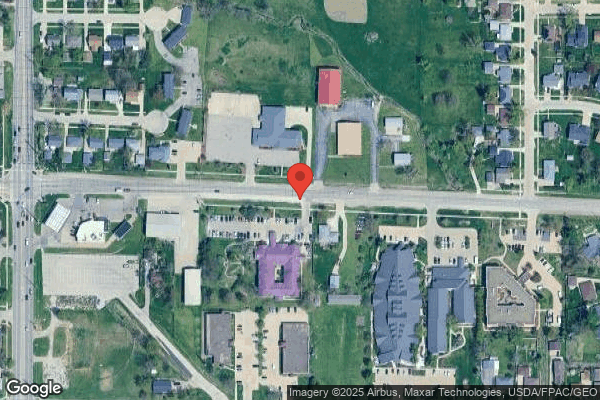

3131 F AVENUE NW, CEDAR RAPIDS, IA 52405 (319) 390-3367
For profit - Corporation 60 Beds Independent Data: November 2025
Trust Grade
90/100
#83 of 392 in IA
Last Inspection: December 2024

Within standard 12-15 month inspection cycle. Federal law requires annual inspections.

Overview

West Ridge Care Center in Cedar Rapids, Iowa, has received a Trust Grade of A, indicating excellent quality and a strong recommendation for families considering it for their loved ones. They rank #83 out of 392 facilities in Iowa, placing them in the top half, and #6 out of 18 in Linn County, meaning only five other local options are better. The facility is improving, having reduced issues from one in 2023 to none in 2024. Staffing is a noted strength, with a perfect 5/5 star rating and a turnover rate of 35%, which is below the state average, suggesting that staff are experienced and familiar with residents' needs. Although there have been no fines, recent inspections identified five concerns, including failures to adequately review care plans and accurately document pain medication usage, which could impact residents' well-being.
Trust Score
A
90/100
In Iowa
#83/392
Top 21%
Safety Record
Low Risk
No red flags
Inspections
Getting Better
1 → 0 violations
Staff Stability
○ Average
35% turnover. Near Iowa's 48% average. Typical for the industry.
Penalties
✓ Good
No fines on record. Clean compliance history, better than most Iowa facilities.
Skilled Nurses
✓ Good
Each resident gets 55 minutes of Registered Nurse (RN) attention daily — more than average for Iowa. RNs are trained to catch health problems early.
Violations
✓ Good
Only 5 deficiencies on record. Cleaner than most facilities. Minor issues only.
★★★★★
5.0
Overall Rating
★★★★★
5.0
Staff Levels
★★★★★
5.0
Care Quality
★★★★★
5.0
Inspection Score
Stable
2023: 1 issues
2024: 0 issues

The Good

  • 5-Star Staffing Rating · Excellent nurse staffing levels
  • 5-Star Quality Measures · Strong clinical quality outcomes
  • Full Sprinkler Coverage · Fire safety systems throughout facility
  • No fines on record
  • Staff turnover below average (35%)

    13 points below Iowa average of 48%

Facility shows strength in staffing levels, quality measures, fire safety.

The Bad

Staff Turnover: 35%

11pts below Iowa avg (46%)

Typical for the industry

The Ugly 5 deficiencies on record

Nov 2023 1 deficiency
CONCERN (D)

Potential for Harm - no one hurt, but risky conditions existed

Deficiency F0657 (Tag F0657)

Could have caused harm · This affected 1 resident

**NOTE- TERMS IN BRACKETS HAVE BEEN EDITED TO PROTECT CONFIDENTIALITY** Based on clinical record review, observations, resident, resident family members and staff interviews, and facility policy revie...

Read full inspector narrative →
**NOTE- TERMS IN BRACKETS HAVE BEEN EDITED TO PROTECT CONFIDENTIALITY** Based on clinical record review, observations, resident, resident family members and staff interviews, and facility policy review, the facility failed to ensure Care Plans were comprehensively reviewed and revised for 1 of 1 residents reviewed for hearing (Resident #19), for 1 of 1 residents reviewed for hypnotic (sleeping pill) medications (Resident #24), and for 1 of 4 residents reviewed for pain (Resident #39). The facility reported a census of 50 residents. Findings Include: 1. The Minimum Data Set (MDS) assessment dated [DATE] for Resident #19 revealed diagnoses of vascular dementia, anxiety disorder, and other speech/language deficits following cerebrovascular disease. Section B titled Hearing, Speech, and Vision documented hearing was adequate with a hearing aid. The Comprehensive Care Plan (CCP) printed 11/14/23 with an admission date of 12/28/22 included an intervention dated 11/13/23 that hearing was adequate with bilateral hearing aids. The CCP failed to include a focus area, goal, or additional interventions related to hearing and placing hearing aids. Documents titled Task - Medication Administration Record (MAR), and Treatment Administration Record (TAR) did not include ensuring hearing aid placement. Observation and interview with Resident #19 and a family member on 11/13/23 at 11:42 AM, revealed the resident did not have his hearing aids in. The family member stated staff were supposed to put hearing aids on in the morning and it was not done today. She stated this was not the first time and she was here every day. On 11/15/23 at 10:25 AM, observed documentation on the resident's white board under the miscellaneous section that indicated resident should be provided support with hearing aids and glasses. On 11/15/23 at 1:04 PM, the Director of Nursing (DON) stated the plan for the resident's hearing aids should be on the white board in his room and in his Care Plan. Some plans were included in the TAR and sometimes hearing aids were put in the medication carts as a reminder. On 11/15/23 at 1:38 PM, the Resident Assessment Instrument (RAI) Coordinator confirmed hearing aid placement was not in the Care Plan nor on the MAR or TAR. 2. The MDS assessment dated [DATE] for Resident #39 listed active diagnoses of stroke, anxiety disorder, and spondylosis in the lumbar region. MDS Section C titled Cognitive Patterns documented severely impaired cognitive skills for daily decision making. Section J titled Health Conditions documented a scheduled pain regimen, the presence of pain, and that the resident was unable to answer questions about pain. The CCP printed 11/14/23 with an admission date of 1/4/23 included a diagnosis of pain in thoracic spine. The Care Plan failed to include goals and interventions related to the pain diagnosis. A Progress Note titled Behavior Note 1 dated 10/15/23, documented the resident was tearful, pulling at her G-tube, and putting the call light on frequently. An observation and interview with Resident #39's family member revealed the resident was sad that day. Observed her softly cry out while she leaned sideways in her recliner and fidgeted with her G-tube. The family member requested staff to reposition the resident. On 11/15/23 at 9:48 AM, the DON stated the facility collected information for Care Plans from the history and physical, hospital, admissions nurse, electronic health record triggers, staff, and the physician. On 11/15/23 at 12:58 PM, the Administrator stated he expected the team to maintain documentation that the person has pain, what staff were doing to address the pain, and Physician Orders related to pain. This included Care Plans. On 11/15/23 at 1:38 PM, the RAI Coordinator stated if someone had a diagnosis related to pain she expected documentation in the Care Plan about scheduled and as needed medications, pain evaluations, therapy, and day to day interventions. 3. The MDS for Resident #24 dated 10/30/23, listed diagnoses of pneumonia, chronic pain and depression. The MDS reflected a Brief Interview for Mental Status (BIMS) score of 14 out of 15, indicating intact cognition for Resident #24. The MDS showed the high risk drugs she took included a hypnotic (sleeping pill). The Care Plan for Resident #24 dated 10/13/23, failed to address the use of the hypnotic medication and failed to direct staff to monitor for adverse effects of the medication. On 11/16/23 at 9:31 AM, the DON reported she expected the Care Plan to identify a residents use of a hypnotic medication. A policy titled Comprehensive Care Plan Policy revised 7/13/23 stated a thorough assessment of the resident's current health status should be conducted and the Care Plan reviewed to determine if revisions were needed. The revised Care Plan should include specific goals and interventions to address the resident's physical, emotional, and social needs. Staff should review and revise the Care Plan at least quarterly.
Nov 2022 4 deficiencies
CONCERN (D)

Potential for Harm - no one hurt, but risky conditions existed

Assessment Accuracy (Tag F0641)

Could have caused harm · This affected 1 resident

**NOTE- TERMS IN BRACKETS HAVE BEEN EDITED TO PROTECT CONFIDENTIALITY** Based on clinical record review, Resident Assessment Instrument (RAI) Manual review and staff interview, the facility failed to ...

Read full inspector narrative →
**NOTE- TERMS IN BRACKETS HAVE BEEN EDITED TO PROTECT CONFIDENTIALITY** Based on clinical record review, Resident Assessment Instrument (RAI) Manual review and staff interview, the facility failed to accurately code the use of as needed pain medication on the Minimum Data Set (MDS) Assessment for 1 of 2 residents (Resident #25) sampled for pain. The Facility identified a census of 45 residents. Findings Include: The Minimum Data Set (MDS) assessment dated [DATE] for Resident #25 showed a Brief Interview for Mental Status (BIMS) score of 11 out of 15, indicating moderate cognitive loss. The Resident required extensive assistance with bed mobility, transfer, ambulation in the room, dressing and toileting. The MDS listed a diagnosis of unilateral primary osteoarthritis of the left knee, muscle weakness and difficulty walking. The MDS documented the Resident did not receive scheduled or as needed pain medication in the last 5 days of the assessment period and reported frequent pain of a 7 on a 1-10 scale (10 being the worst possible pain). A Review of the October 2022 Medication Administration Record (MAR) documented an order for Acetaminophen Tablet 500 milligrams (mg). Give one tablet by mouth every 4 hours as needed for pain and revealed the Resident received 10 as needed doses of the Acetaminophen medication for pain levels ranging from 4-10 on a 1-10 pain scale (10 being the worst possible pain). The 10/25/22 MDS failed to accurately document the use of as needed pain medication during the 5 day look back period of the assessment. During an interview on 11/16/22 at 3:13 p.m., the Administrator reported that he had checked with the Director of Nursing and the facility did not have a policy regarding the MDS Assessment. The facility follows the Resident Assessment Instrument Manual standards of practice. During an interview on 11/16/22 at 4:20 p.m., the MDS Coordinator reported she looks at the MAR to answer section J of the MDS regarding pain medication use. She reported the MDS for Resident #38 had not been completed accurately. During an interview on 11/16/22 at 4:21 p.m., the Director of Nursing (DON) reported she would expect the MDS to be completed accurately. The Center for Medicare and Medicaid Services Long-Term Care Facility Resident Assessment Instrument (RAI) 3.0 User's Manual Version 1.17.1 October 2019, page 1-8 documents an accurate assessment requires collecting information from multiple sources, some of which are mandated by regulations. Those sources must include the resident and direct care staff on all shifts, and should also include the resident's medical record, physician, and family, guardian, or significant other as appropriate or acceptable. It is important to note here that information obtained should cover the same observation period as specified by the MDS items on the assessment, and should be validated for accuracy (what the resident's actual status was during that observation period) by the interdisciplinary team completing the assessment. As such, nursing homes are responsible for ensuring that all participants in the assessment process have the requisite knowledge to complete an accurate assessment.
CONCERN (D)

Potential for Harm - no one hurt, but risky conditions existed

Deficiency F0657 (Tag F0657)

Could have caused harm · This affected 1 resident

**NOTE- TERMS IN BRACKETS HAVE BEEN EDITED TO PROTECT CONFIDENTIALITY** Based on observation, clinical record review, policy review, and staff interview the facility failed to follow the Care Plan as ...

Read full inspector narrative →
**NOTE- TERMS IN BRACKETS HAVE BEEN EDITED TO PROTECT CONFIDENTIALITY** Based on observation, clinical record review, policy review, and staff interview the facility failed to follow the Care Plan as written for 2 of 12 residents (Residents #9 and #45) reviewed. The facility failed to follow Enhanced Barrier Precautions for Resident #45 and failed to measure gastric residual volume prior to a tube feeding for Resident #9. The facility reported a census of 45 residents. Findings Include: 1. Resident #9's Minimum Data Set (MDS) dated [DATE] documented the resident as receiving 51% or more of her total calories and 501 milliliters (ml) or more of fluid daily through her gastric tube. The MDS diagnosis included Cerebrovascular Accident (CVA, stroke), cognitive communication deficit, and Parkinson's disease. The MDS documented a Brief Interview for Mental Status (BIMS) of 3 indicating severe cognitive impairment. Resident #9's Care Plan included an intervention initiated on 6/2/20 and last revised on 11/8/22 to monitor Gastric Residual Volume (GRV) prior to every feeding and to reinsert amount if 200 ml for 2 times or 250 ml for 1 time. During an observation on 11/16/22 at 10:53 AM, Staff A, Registered Nurse (RN) entered resident #9's room. She filled the graduate with water from sink and put the syringe in the graduate. Staff A changed her gloves performing hand hygiene between pairs and opened the gastric tube. She administered the water flush with the syringe, without verifying GRV or tube placement. She removed her gloves and performed hand hygiene, then shook, opened and poured the cartons of formula into the gravity setup. The line was primed. Staff A then applied gloves and opened the gastric tube and attached the line. The Facility Policy titled Feeding Tube Placement Check dated 8/4/22 directed staff to measure from insertion site to end of tube. The Facility Policy titled Gastronomy Tube Feeding dated 4/2018 directed staff to check placement with the initial tube feeding for the day for established tubes. During an interview on 11/16/22 at 11:20 AM, Staff A explained she did not check tube placement. She further explained tube placement is verified by 3rd shift prior to the first feeding of the day. During an interview on 11/16/22 at 3:59 PM, the Director of Nursing (DON) explained she expected Care Plans to be up to date, and the Care Plan in Point Click Care (PCC, Electronic Health Record) is the most up to date and current Care Plan, and she expects staff to follow the Care Plan. 2. The Minimum Data Set (MDS) assessment dated [DATE] for Resident #45 showed a Brief Interview for Mental Status (BIMS) score of 15 out of 15, indicating no impairments in cognition. The MDS listed a diagnosis of infection and inflammatory reaction due to unspecified joint prosthesis, subsequent encounter, and encounter for other specified aftercare. The MDS documented Resident #45 had a recent major orthopedic surgery requiring active skilled nursing therapy services and received intravenous therapy while a resident at the skilled nursing facility. The Care Plan dated 9/27/22 documented Resident #45 admitted to the facility due to a right hip wash out and needed skilled services. The Care Plan directed the Resident had a peripherally inserted central catheter (PICC) line to the right arm and nursing would change the dressing weekly and as needed if soiled as well as keep the line patent per the physician's orders. The Care Plan further directed the staff to use Enhanced Barrier Precautions as part of isolation precautions with an initiation date of 9/27/22. During an observation on 11/14/22 at 4:06 p.m., an isolation bin with gowns, gloves and hand sanitizer had been noted in the hallway outside of Resident #45's room. Further observation revealed two infection control bins just inside the doorway of the room for disposal of infectious waste and linens. The room did not have any signage outside of the doorway, on the isolation bin or inside the resident's room to direct staff if any special precautions were required, what precautions to follow, what Personal Protective Equipment (PPE) to wear and when. A random Certified Nurse Aide (CNA) observed in the hallway on 11/14/22 at 4:11 p.m. coming out of Resident # 45's room reported she did not know why Resident #45 had an isolation bin outside his room and did not know why he would need any special precautions. During an interview on 11/15/22 at 7:30 a.m., Resident #45 sat in his room recliner using his reacher to apply protective heel boots to his feet. He reported he is on some type of precautions, but he didn't know what the exact precautions were. He stated the staff wear masks and gloves with his cares, but not gowns. He reported he had a PICC line in his right arm and received antibiotics through the line. During an interview on 11/15/22 at 10:24 a.m. Staff C, Registered Nurse (RN) reported the (isolation) bin was not for Resident #45. She reported they utilized the bin as a supply bin for the entire hallway and Resident #45 did not require any special precautions. Staff C wearing a medical mask and gloves only proceeded to enter Resident #45's room to flush his PICC line and start his IV infusion of Vancomycin. Staff C stood in direct contact, less than 1 foot away from Resident #45's PICC line when flushing and setting up the Vancomycin IV Infusion. Staff C failed to wear a gown when working directly with the PICC line as directed by the Plan of Care for enhanced barrier precautions. During an observation on 11/15/22 at 3:08 p.m., the Wound Nurse/Infection Preventionist using tape secured a Center for Disease Control and Prevention (CDC) Enhanced Barrier Precaution (EBP) sign to the left side Resident #45's door frame so it could easily been seen when entering the room. The Wound Nurse reported Resident #45 had been on EBP since he admitted to the facility (9/27/22). She reported Resident #45 is to be on EBP and the nurse should have worn a gown in addition to the gloves when flushing the PICC line and setting up for the Vancomycin antibiotic treatment earlier in the day. During an interview on 11/16 at 3:13 p.m., the Administrator reported he had checked with the Director of Nursing and the facility did not have a Care Plan policy. He reported they follow the standards of practice.
CONCERN (D)

Potential for Harm - no one hurt, but risky conditions existed

Deficiency F0658 (Tag F0658)

Could have caused harm · This affected 1 resident

Based on facility clinical record review, resident observation, staff interviews and facility policy review the facility failed to provide professional standards of quality for one of five residents r...

Read full inspector narrative →
Based on facility clinical record review, resident observation, staff interviews and facility policy review the facility failed to provide professional standards of quality for one of five residents reviewed for Medication Review (Resident #17). The facility provided a census of 45. Findings Include: On 3/22/22 a Comprehensive Care Plan for Resident #17 had identified by documentation resident allergies as Amoxicillin, Cephalexin, Gabapentin, Oxycodone, Septra, Tegretol, Zithromax, and Penicillan. The Care Plan also identified one special instruction which stated, resident swallowed pills whole. The Care Plan had listed resident diagnosis of Unspecified Dementia, Depression, Psychotic Disturbance and Mood Disturbance. On 9/20/22 a Quarterly Minimum Data Set (MDS) Assessment for Resident #17 had been completed and the resident scored a Brief Interview for Mental Status (BIMS) score of 4 out of 15 indicating the resident had severe cognitive impairment. A review of the October 2022 Electronic Medication Administration Record (EMAR) shown the resident had been prescribed psychotropic medications which had included oral Depakote 125 milligrams delayed release two times a day for behaviors, and oral Remeron 15 milligrams to be administered in the evening every day for anxiety. An observation on 11/14/22 at 2:00 p.m., showed the resident propelling herself in a wheelchair at moderate speed and redirected easily by staffs when the resident tried locked doors and then tried to enter another resident room. Another resident observation on 11/15/22 again had shown Resident #17 propelling herself in a wheelchair at moderate speed and trying to enter other resident rooms. On 11/15/22 a review of Resident #17's facility Nursing Progress Notes showed on 10/11/22 at 2:17 AM, Staff F, Registered Nurse (RN) documented a Nursing Progress Note titled Behavior Note. The note documented a Certified Nurse Aide (CNA) observed Resident #17 take pills' out of her personal sweater pocket and had been trying to throw the pills in the toilet. Staff F further documented the CNA gave the pills to the nurse. The clinical record lacked further documentation of the quantity of pills, type of pills, notification of facility Administration, notification of the resident provider, notification of family, and there was lack of documentation of a resident physical assessment. On 11/16/22 at 1:16 PM, during an interview, Staff A, RN stated she lacked knowledge of the incident on 10/11/22. The RN had not been given a verbal or documented report of the incident. On 11/16/22 at 2:14 PM, during an interview, Staff D,CNA reported did not recall the incident. Staff D further stated she had worked the shift. An interview on 11/16/22 at 2:20 PM, Staff E, CNA stated she had heard about the resident having pills in her sweater pocket however she had not taken care of the resident on 10/11/22. At 2:30 PM on 11/16/22, during an interview with the facility Director of Nursing (DON). The DON stated there had not been an Incident Report completed on the 10/11/22 incident with Resident #17. When asked what expectations of the Nursing Staff had been, the DON stated she expected the Nursing Staff to have completed an Incident Report, notify Administration, notify the provider, and to have documented a resident physical assessment, the quantity of medication found and to have identified the medication by resourcing the Pharmacy. On 11/17/22 at 8:15 AM, the facility Administrator stated the facility did not have a policy or procedure that included Incident Reports or guidelines to report. The Administrator provided a one page document titled: Documentation/Assessment Guidelines. The document directed Nursing Staff after a medication error identified, the resident should have been assessed for a twenty-four period and documented.
CONCERN (D)

Potential for Harm - no one hurt, but risky conditions existed

Infection Control (Tag F0880)

Could have caused harm · This affected 1 resident

**NOTE- TERMS IN BRACKETS HAVE BEEN EDITED TO PROTECT CONFIDENTIALITY** Based on clinical record review, observation, policy review and staff interviews, facility staff failed to appropriately change ...

Read full inspector narrative →
**NOTE- TERMS IN BRACKETS HAVE BEEN EDITED TO PROTECT CONFIDENTIALITY** Based on clinical record review, observation, policy review and staff interviews, facility staff failed to appropriately change gloves between a blood glucose check and sanitizing the blood glucose machine for 1 of 2 residents reviewed for infection control (Resident #38). Findings include: 1. The Minimum Data Set (MDS) dated [DATE] for Resident #38 showed a Brief Interview for Mental Status (BIMS) score of 14 out of 15, indicating intact cognition. The MDS Listed a diagnosis of diabetes mellitus and identified the Resident received insulin injections. The Care Plan revised 3/07/22 identified Resident #38 as a diabetic and directed the nurse to perform the blood glucose checks per the physician orders. An Order Review Report signed by the Provider and noted by a nurse on 10/07/22 showed a Physician Order for blood sugar checks four times a day. Inject one lancet subcutaneously four times a day for blood sugar checks. During an observation on 11/16/22 at 8:05 a.m., Staff B, Registered Nurse (RN) performed hand hygiene, gloved, removed a lancet, blood glucose meter, alcohol prep pad and small 2 inch by 2 inch gauze pad from the medication cart and placed on top of her report papers which contained writing on top of the cart. She held the blue barrier sheet (dental drape) in her gloved hands. Staff B approached Resident #38 and laid the blood glucose meter on the table without a clean barrier underneath. She then placed the blue barrier sheet on the table, picked the blood glucose meter up off the table and placed on top of the blue barrier sheet along with the other supplies. Staff B pricked the resident's finger using the lancet, then wiped away the first drop of blood with the gauze pad. She squeezed the resident fingertip again to obtain blood to place on the meter strip. After completing Resident #38's blood sugar she picked up the supplies and returned to the Medication Cart. She disposed of the lancet in the sharps container and disposed of the blood meter strip, gauze pad, alcohol prep pads and barrier sheet. Wearing the same gloves, she removed the green top of the bleach wipes, removed a bleach wipe, wiped down the blood glucose meter. Staff B failed to change her gloves after completing the blood sugar procedure and disposing of the dirty blood glucose equipment before sanitizing the blood glucose meter. During an interview on 11/16/22 at 4:20 p.m., the Infection Preventionist reported the resident's do not have their own blood glucometers. The facility utilizes one blood sugar machine that is used across multiple residents. During an interview on 11/16/22 at 4:30 p.m., the Director of Nursing (DON) reported she would expect the nurse to remove her gloves after the blood sugar procedure is complete. She reported the nurse should not have used the same gloves from the blood sugar procedure to sanitize the blood glucose machine. The Blood Glucose Policy, revised 3/10/22, under Procedure directed the nurse after completing the Resident's blood sugar to do the following: a. Remove the used test strip and lancet by putting into the sharps container. b. Dispose of the dental drape (blue barrier sheet). c. Remove gloves. d. Wash/sanitize hands. e. Disinfect glucometer by wrapping machine with a disinfectant wipe. Sit in a cup and allow for appropriate dry time. f. Do not use a paper towel or Kleenex for a barrier. g. Do not put a glucometer in your pocket nor on any surface without a barrier.
Understanding Severity Codes (click to expand)
Life-Threatening (Immediate Jeopardy)
J - Isolated K - Pattern L - Widespread
Actual Harm
G - Isolated H - Pattern I - Widespread
Potential for Harm
D - Isolated E - Pattern F - Widespread
No Harm (Minor)
A - Isolated B - Pattern C - Widespread

Questions to Ask on Your Visit

  • "Can I speak with families of current residents?"
  • "What's your RN coverage like on weekends and overnight?"

Our Honest Assessment

Strengths
  • • Grade A (90/100). Above average facility, better than most options in Iowa.
  • • No major safety red flags. No abuse findings, life-threatening violations, or SFF status.
  • • No fines on record. Clean compliance history, better than most Iowa facilities.
  • • Only 5 deficiencies on record. Cleaner than most facilities. Minor issues only.
Concerns
  • • No significant concerns identified. This facility shows no red flags across CMS ratings, staff turnover, or federal penalties.
Bottom line: Generally positive indicators. Standard due diligence and a personal visit recommended.

About This Facility

What is West Ridge Care Center's CMS Rating?

CMS assigns West Ridge Care Center an overall rating of 5 out of 5 stars, which is considered much above average nationally. Within Iowa, this rating places the facility higher than 99% of the state's 100 nursing homes. This rating reflects solid performance across the metrics CMS uses to evaluate nursing home quality.
How is West Ridge Care Center Staffed?

CMS rates West Ridge Care Center's staffing level at 5 out of 5 stars, which is much above average compared to other nursing homes. Staff turnover is 35%, compared to the Iowa average of 46%. This relatively stable workforce can support continuity of care.

What Have Inspectors Found at West Ridge Care Center?

State health inspectors documented 5 deficiencies at West Ridge Care Center during 2022 to 2023. These included: 5 with potential for harm.

Who Owns and Operates West Ridge Care Center?

West Ridge Care Center is owned by a for-profit company. For-profit facilities operate as businesses with obligations to shareholders or private owners. The facility operates independently rather than as part of a larger chain. With 60 certified beds and approximately 48 residents (about 80% occupancy), it is a smaller facility located in CEDAR RAPIDS, Iowa.

How Does West Ridge Care Center Compare to Other Iowa Nursing Homes?

Compared to the 100 nursing homes in Iowa, West Ridge Care Center's overall rating (5 stars) is above the state average of 3.1, staff turnover (35%) is significantly lower than the state average of 46%, and health inspection rating (5 stars) is much above the national benchmark.

What Should Families Ask When Visiting West Ridge Care Center?

Based on this facility's data, families visiting should ask: "Can I visit during a mealtime to observe dining assistance and food quality?" "How do you handle medical emergencies, and what is your hospital transfer rate?" "Can I speak with family members of current residents about their experience?"

Is West Ridge Care Center Safe?

Based on CMS inspection data, West Ridge Care Center has a clean safety record: no substantiated abuse findings (meaning no confirmed cases of resident harm), no Immediate Jeopardy citations (the most serious violation level indicating risk of serious injury or death), and is not on the Special Focus Facility watch list (a federal program monitoring the lowest-performing 1% of nursing homes). The facility has a 5-star overall rating and ranks #1 of 100 nursing homes in Iowa. While no facility is perfect, families should still ask about staff-to-resident ratios and recent inspection results during their visit.

Do Nurses at West Ridge Care Center Stick Around?

West Ridge Care Center has a staff turnover rate of 35%, which is about average for Iowa nursing homes (state average: 46%). Moderate turnover is common in nursing homes, but families should still ask about staff tenure and how the facility maintains care continuity when employees leave.

Was West Ridge Care Center Ever Fined?

West Ridge Care Center has no federal fines on record. CMS issues fines when nursing homes fail to meet care standards or don't correct problems found during inspections. The absence of fines suggests the facility has either maintained compliance or corrected any issues before penalties were assessed. This is a positive indicator, though families should still review recent inspection reports for the full picture.

Is West Ridge Care Center on Any Federal Watch List?

West Ridge Care Center is not on any federal watch list. The most significant is the Special Focus Facility (SFF) program, which identifies the bottom 1% of nursing homes nationally based on persistent, serious quality problems. Not being on this list means the facility has avoided the pattern of deficiencies that triggers enhanced federal oversight. This is a positive indicator, though families should still review the facility's inspection history directly.