Golden Age Care Center
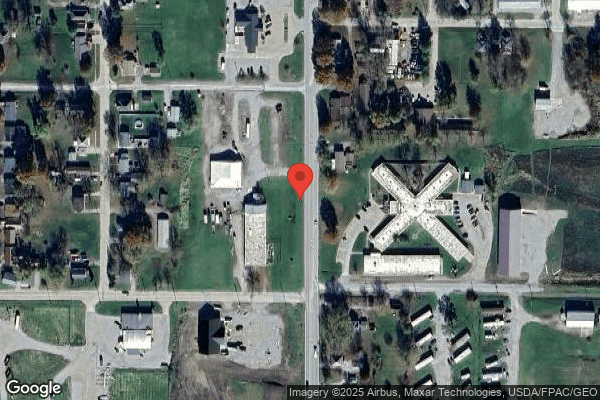
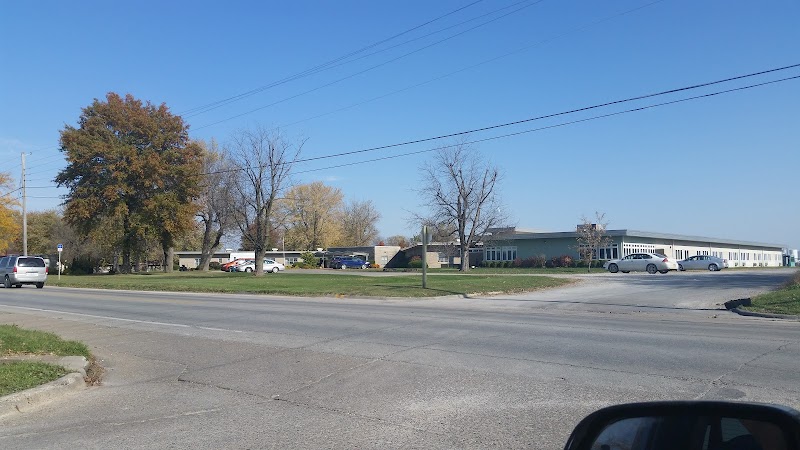
1915 South 18th Street, Centerville, IA 52544 (641) 856-2757
For profit - Limited Liability company 46 Beds Independent Data: November 2025
Trust Grade
65/100
#188 of 392 in IA
Last Inspection: July 2025

Inspected within the last 6 months. Data reflects current conditions.

Overview

Golden Age Care Center in Centerville, Iowa has a Trust Grade of C+, indicating it is slightly above average but not exceptional. It ranks #188 out of 392 nursing homes in Iowa, placing it in the top half of facilities statewide, and #2 out of 3 in Appanoose County, meaning there is only one local option that ranks higher. However, the facility's performance is worsening, with the number of reported issues increasing from 6 in 2024 to 8 in 2025. Staffing is a relative strength, with a rating of 4 out of 5 stars and a turnover rate of 40%, which is below the state average of 44%, suggesting staff stability. On the downside, the facility has faced issues such as failing to implement infection control measures for residents and not offering necessary vaccines to eligible residents, which raises concerns about care quality.

Trust Score
C+
65/100
In Iowa
#188/392
Top 47%
Safety Record
Low Risk
No red flags
Inspections
Getting Worse
6 → 8 violations
Staff Stability
○ Average
40% turnover. Near Iowa's 48% average. Typical for the industry.
Penalties
✓ Good
No fines on record. Clean compliance history, better than most Iowa facilities.
Skilled Nurses
○ Average
Each resident gets 39 minutes of Registered Nurse (RN) attention daily — about average for Iowa. RNs are the most trained staff who monitor for health changes.
Violations
⚠ Watch
14 deficiencies on record. Higher than average. Multiple issues found across inspections.
★★★☆☆
3.0
Overall Rating
★★★★☆
4.0
Staff Levels
★★☆☆☆
2.0
Care Quality
★★★☆☆
3.0
Inspection Score
Stable
2024: 6 issues
2025: 8 issues

The Good

  • 4-Star Staffing Rating · Above-average nurse staffing levels
  • Full Sprinkler Coverage · Fire safety systems throughout facility
  • No fines on record
  • Staff turnover below average (40%)

    8 points below Iowa average of 48%

Facility shows strength in staffing levels, fire safety.

The Bad

3-Star Overall Rating

Near Iowa average (3.1)

Meets federal standards, typical of most facilities

Staff Turnover: 40%

Near Iowa avg (46%)

Typical for the industry

The Ugly 14 deficiencies on record

Jul 2025 6 deficiencies
CONCERN (D)

Potential for Harm - no one hurt, but risky conditions existed

Deficiency F0554 (Tag F0554)

Could have caused harm · This affected 1 resident

Based on clinical record review, policy review, and staff interviews, the facility failed to ensure thorough documentation of an assessment of a resident's ability to self-administer insulin (an injec...

Read full inspector narrative →
Based on clinical record review, policy review, and staff interviews, the facility failed to ensure thorough documentation of an assessment of a resident's ability to self-administer insulin (an injectable medication used to lower blood sugar) for 1 of 1 residents reviewed for medication self-administration (Resident #35). The facility reported a census of 40 residents. The Minimum Data Set (MDS) assessment tool, dated 5/6/25, listed diagnoses for Resident #35 which included diabetes, hypertension, and Parkinson's disease (a disease that caused difficulty with mobility). The MDS stated the resident took insulin and listed his Brief Interview for Mental Status (BIMS) score as 15 out of 15, indicating intact cognition. On 7/31/25 at 12:34 p.m., via phone, Staff H Licensed Practical Nurse (LPN) stated she drew up the resident's insulin and she handed it to him or the Certified Medical Assistant (CMA) sat it on his table. She stated the resident refused to have certain staff administer his insulin so they started doing this recently. On 7/31/25 at 12:43 p.m., the Director of Nursing (DON) stated Resident #35 administered his own insulin but she did not know if there was documentation of an assessment which determined that he could do this. She stated Staff K LPN sat with him and ensured he could do this and she would search for the documentation. A 6/4/25 untitled note, handwritten by Staff K LPN stated she had the resident self-administer his insulin and he did fine. The facility lacked additional details or assessments regarding the resident's self-administration of insulin including whether staff were required to observe him administer his insulin. The resident's Care Plan focus, the resident has diabetes mellitus and is insulin dependent, initiated 2/13/24 lacked documentation the resident was able to self-administer his insulin. The undated facility policy Self-Administration of Medications, stated if a resident requested to self-administer medications, the facility would assess the resident to determine if self-administration of medication was clinically appropriate.
CONCERN (D)

Potential for Harm - no one hurt, but risky conditions existed

Grievances (Tag F0585)

Could have caused harm · This affected 1 resident

Based on clinical record review, policy review, and staff and resident interviews, the facility failed to make prompt efforts to resolve concerns for 1 of 1 resident reviewed for grievances (Resident ...

Read full inspector narrative →
Based on clinical record review, policy review, and staff and resident interviews, the facility failed to make prompt efforts to resolve concerns for 1 of 1 resident reviewed for grievances (Resident #34). The facility reported a census of 34 residents. The Minimum Data Set (MDS) assessment tool, dated 5/6/25, listed diagnoses for Resident #35 which included diabetes, hypertension, and Parkinson's disease (a disease that caused difficulty with mobility). The MDS stated the resident received insulin (an injectable medication used to lower blood sugars) and listed his Brief Interview for Mental Status (BIMS) score as 15 out of 15, indicating intact cognition. The facility Resident Grievance Policy revised 3/31/23, stated the facility had a grievance system to resolve issues and respond to grievances as soon as possible. On 7/28/25 at 2:19 p.m., Resident #35 stated he had to sit in his own waste frequently and stated last Sunday (7/27/25), he had to sit in waste for 4-5 hours before anyone changed him. He stated this was humiliating. He stated 3 weeks ago on a Sunday the staff did not check his blood sugar or give him insulin. On 7/30/25 at 4:40 p.m., via phone, Staff F Certified Nursing Assistant (CNA) stated she worked with Resident #35 on 7/27/25 and he complained to her that staff sometimes left him in his brief soiled with fecal matter. On 7/31/25 at 10:47 a.m., Staff B Licensed Practical Nurse (LPN) stated Resident #35 told her that staff left him in his own excrement and she reported this to either the Director of Nursing(DON) or Staff I Social Services. On 7/31/25 at 11:22 a.m., Staff J CNA stated if a resident reported to her that staff did not change them, she would report this to the DON or the Assistant Director of Nursing(ADON). On 7/31/25 at 11:55 a.m., Staff G Certified Medication Assistant (CMA) stated the DON and Staff C Registered Nurse (RN) stood at their medication carts at lunch and talked about Resident #35's insulin. Staff G stated the DON stated she would write refused because the resident didn't like her. Staff G stated at supper time, the resident was very angry that he did not get his lunch insulin. Staff G stated she reported this to the night nurse (Staff H LPN) and the next day she reported it to the Assistant Director of Nursing (ADON). The facility lacked documentation of a grievance process carried out related to Resident #35's concerns. On 7/31/25 at 1:22 p.m., the Administrator stated she expected staff to report such complaints as residents not getting insulin or not being changed. She stated she was not aware of these issues and if staff reported this, they would carry out a grievance process.
CONCERN (D) 📢 Someone Reported This

A family member, employee, or ombudsman was alarmed enough to file a formal complaint

Potential for Harm - no one hurt, but risky conditions existed

Pressure Ulcer Prevention (Tag F0686)

Could have caused harm · This affected 1 resident

Based on clinical record review, policy review, and staff interview, the facility failed to carry out interventions and ordered treatments to treat a pressure ulcer for 1 of 3 residents reviewed for p...

Read full inspector narrative →
Based on clinical record review, policy review, and staff interview, the facility failed to carry out interventions and ordered treatments to treat a pressure ulcer for 1 of 3 residents reviewed for pressure ulcers (Resident #45). The facility reported a census of 45 residents.Findings include:The MDS (Minimum Data Set) assessment identifies the definition of pressure ulcers:Stage I is an intact skin with non-blanchable redness of a localized area usually over a bony prominence. Darkly pigmented skin may not have a visible blanching; in dark skin tones only it may appear with persistent blue or purple hues.Stage II is partial thickness loss of dermis presenting as a shallow open ulcer with a red or pink wound bed, without slough (dead tissue, usually cream or yellow in color). May also present as an intact or open/ruptured blister.Stage III Full thickness tissue loss. Subcutaneous fat may be visible but bone, tendon or muscle is not exposed. Slough may be present but does not obscure the depth of tissue loss. May include undermining and tunneling.Stage IV is full thickness tissue loss with exposed bone, tendon or muscle. Slough or eschar (dry, black, hard necrotic tissue). may be present on some parts of the wound bed. Often includes undermining and tunneling or eschar.Unstageable Ulcer: inability to see the wound bed.Other staging considerations include:Deep Tissue Pressure Injury (DTPI): Persistent non-blanchable deep red, maroon or purple discoloration. Intact skin with localized area of persistent non-blanchable deep red, maroon, purple discoloration due to damage of underlying soft tissue. This area may be preceded by tissue that is painful, firm, mushy, boggy, warmer or cooler as compared to adjacent tissue. These changes often precede skin color changes and discoloration may appear differently in darkly pigmented skin. This injury results from intense and/or prolonged pressure and shear forces at the bone-muscle interface.The MDS assessment tool, dated 3/6/25, listed diagnoses for Resident #45 which included humerus (upper arm bone) fracture, history of falling, and diabetes. The MDS stated the resident was at risk for pressure ulcers but had no unhealed pressure ulcers. The MDS listed the resident's Brief Interview for Mental Status (BIMS) score as 10 out of 15, indicating moderately impaired cognition. The facility policy Skin Care Program, revised 6/14/20, stated the facility would ensure residents with pressure ulcers received treatment and services consistent with the goal of promoting healing. A 3/14/25 Care Plan entry stated the resident had potential/actual impairment to skin integrity. A 3/24/25 entry stated the resident had a purple, boggy blister to the right and left heels. A 3/24/25 Health Status Note stated the resident had deep purple, circular areas on both heels. The right heel measured 2 centimeters (cm) x 1.2 cm (length x width) and the left heel measured 1.2 cm x 1.2 cm. A 3/25/25 Skin/Wound Note stated the provider assessed the resident's heels and agreed it was suspected deep tissue injury. The April and May 2025 Treatment Administration Records (TARS) listed the following orders:a. Skin prep to discolored areas to heels twice daily. The entries for the morning shifts on 4/2/25 and 4/8/25 were blank and lacked staff initials to indicate the completion of the treatment.b. Cleanse areas to the heels with saline and dry, apply skin prep to both peri wounds, apply a nickel thick layer of Santyl (an ointment used to treat wounds) to both wound beds and cover with border foam gauze every day and as needed. Entries on 4/18/25, 4/21/25, and 4/22/25 were blank and lacked staff initials to indicate the completion of the treatment.c. Cleanse areas to heels with saline and dry, apply skin prep to both peri wounds, apply a nickel thick layer of Santyl and cover with Tegaderm (a type of dressing) every day. The entries for 4/30/25 and 5/11/25 were blank and lacked staff initials to indicate the completion of the treatment.A 5/13/25 Health Status Note stated the facility received an order for Physical Therapy (PT) for positioning for heel wounds. The facility lacked documentation of this order carried out. On 7/31/25 at 10:28 a.m., Staff C Registered Nurse (RN) stated due to staffing it was difficult to complete everything. She stated there were a couple of times when she had to report to the next shift that she did not get a dressing change completed. She stated when she returned to work, she realized no one completed the dressing change. On 7/31/25 at 10:47 a.m., Staff B Licensed Practical Nurse (LPN) stated there were times when patches were not changed over the weekend and she determined that by the date on the patch. On 7/31/25 at 12:12 p.m., the Director of Nursing (DON) stated staff should carry out treatments as ordered. She stated staff should carry out PT orders in a timely manner.
CONCERN (D) 📢 Someone Reported This

A family member, employee, or ombudsman was alarmed enough to file a formal complaint

Potential for Harm - no one hurt, but risky conditions existed

Deficiency F0760 (Tag F0760)

Could have caused harm · This affected 1 resident

Based on clinical record review, policy review, and resident and staff interviews, the facility failed to ensure 1 of 6 residents (Resident #35) reviewed for medications was free of a significant medi...

Read full inspector narrative →
Based on clinical record review, policy review, and resident and staff interviews, the facility failed to ensure 1 of 6 residents (Resident #35) reviewed for medications was free of a significant medication error due to the omission of insulin (an injectable medication used to lower blood sugar). The facility reported a census of 40 residents. The Minimum Data Set (MDS) assessment tool, dated 5/6/25, listed diagnoses for Resident #35 which included diabetes, hypertension, and Parkinson's disease (a disease that causes difficulty with mobility). The MDS stated the resident took insulin and listed his Brief Interview for Mental Status (BIMS) score as 15 out of 15, indicating intact cognition. A 12/5/24 Care Plan entry stated the resident had diabetes and was dependent on insulin. The undated facility policy Recording of Physician Orders directed staff to ensure physician orders were accurate and to avoid medication errors. On 7/28/25 at 2:19 p.m., Resident #34 stated 3 weeks ago on a Sunday the staff did not check his blood sugar or give him insulin. The May and July 2025 Medication Administration Records (MARs) directed staff to check the resident's blood sugar in the evening at 4:00 p.m. and listed an order for Novolog (a type of insulin) per sliding scale three times per day. The entries for insulin on the evening shifts of 5/4/25 and 7/6/25 were blank and lacked initials to indicate staff administered the insulin. The entry for the blood sugar check on 7/6/25 was blank and lacked staff initials to indicate the completion of the blood sugar check.The resident's Progress Notes lacked documentation the resident received or refused insulin on the evenings of 5/4/25 and 7/6/25On 7/31/25 at 11:55 a.m., Staff G Certified Medication Assistant (CMA) stated the Director of Nursing (DON) and Staff C Registered Nurse stood at their medication carts and talked about Resident #35's insulin. Staff G stated the DON stated she would write refused because the resident didn't like her. Staff G stated at supper time, the resident was very angry that he did not get his lunch insulin. Staff G stated she reported this to the night nurse (Staff H Licensed Practical Nurse (LPN) and the next day she reported it to the Assistant Director of Nursing (ADON). On 7/31/25 at 11:13 a.m., Staff D CMA stated Resident #35 complained to her that he did not get his insulin.On 7/31/25 at 12:12 p.m., the DON stated if a resident refused insulin, they should document why and notify the physician. She stated the only time she documented the resident refused was when he did refuse.
CONCERN (D)

Potential for Harm - no one hurt, but risky conditions existed

Deficiency F0919 (Tag F0919)

Could have caused harm · This affected 1 resident

**NOTE- TERMS IN BRACKETS HAVE BEEN EDITED TO PROTECT CONFIDENTIALITY** Based on observation, staff interviews, resident interviews and policy review, the facility failed to provide a proper functioni...

Read full inspector narrative →
**NOTE- TERMS IN BRACKETS HAVE BEEN EDITED TO PROTECT CONFIDENTIALITY** Based on observation, staff interviews, resident interviews and policy review, the facility failed to provide a proper functioning call system to ensure resident timely access to staff for 2 of 16 residents reviewed (Resident #3, Resident #22). The facility reported a census of 40. Findings include: 1) The Minimum Data Set (MDS) dated [DATE] for Resident #3 listed diagnoses to include traumatic brain injury, heart disease, renal insufficiency, neurogenic bladder, urinary tract infection, anxiety chronic pain, reduced mobility. The resident was coded to need substantial/maximus assistance with transferring from bed or chair, or to the toilet. The MDS section for Brief Interview of Mental Status (BIMS) scored 13 out of 15 indicated intact cognitive function. The Care Plan initiated 3/25/24 for Resident #3 documented impaired balance, assistance of two staff with stand lift, noted to put on call light to use bed side commode or to be changed. 2) The MDS dated [DATE] for Resident #22 listed diagnoses to include diabetes, depression, vision deficits and heart disease. Resident coded for using a walker and had a BIMS score of 10 indicating moderate cognitive impairment. The Care Plan dated 4/29/24 for Resident #22 documented the resident needs prompt response to all requests for assistance.On 7/28/25 at 2:45 PM Resident #3 relayed it can take a half hour to forty-five minutes at times to get staff assistance and believes the long wait time is related to the system not functioning correctly, relayed all other lights can be seen and or heard from the nurse's station call light board except for this room. On 7/28/25 at 2:47 PM Resident #22 relayed awareness Resident #3 could not transfer independently and was uncomfortable waiting a long time when needing to use the bathroom. Resident #22 relayed is able to walk with her walker and had gone looking for staff to assist Resident #22. Resident #22 relayed is aware that their room call light cannot be heard or seen at the nurse's station call light board. Resident #22 stated only if staff is walking by and see the overhead light on would they know assistance is needed and felt the malfunction contributed to long wait times. On 7/28/25 at 2:55 PM the Certified Nursing Aide (C.N.A.), Staff B relayed they thought the call light would show up on the nurse's station board. Agreed to test the system, the call light button was pushed and verified, no sound or light at the nurse's station call light board. On 7/28/25 at 2:58 PM the Licensed Practical Nurse (LPN) Staff B relayed they felt sometime the call light will be activated on the board, and is unpredictable. Staff B stated the entire call system is an old system and needs work.On 7/31/25 at 10:20 AM Registered Nurse (RN), Staff C relayed 100, 200 and 300 halls call systems do not have sound, hall four is only hall that had sound. On 7/31/25 at 10:25 AM CNA Staff D, relayed call light system is really old and heard had trouble getting parts, stated all call lights use to have sound, sound was turned off related to malfunctioning, not certain where the sound was coming from and or it was going off for no reason. Staff D stated 400 hall will sound at the nurse's station but the other halls will only light up. Relayed a room in 100 hall will not sound or light up at the nurse's station and staff are only aware if they view the light from the overhead door. Agreed if did not view the overhead light directly could cause a longer wait time for those residents. On 7/31/25 at 10:27 AM with CNA Staff E relayed the call light system is old and needed repaired often and had heard management was looking into another system. On 7/31/25 at 10:30 AM the Administrator acknowledged the call light in R#22, R#3 room does not function properly. Discussion of the call system included Administrator awareness the system is old and is repaired often for various issues. Relayed the system is costly and ongoing work is in process to get a replacement. The facility policy titled Call Light Policy, not dated documented aims to ensure prompt and effective communication between residents and staff to meet their needs and ensure their safety and well-being, each resident room shall be equipped with a functioning call light system, be inspected and maintained to ensure proper functionality.
CONCERN (E)

Potential for Harm - no one hurt, but risky conditions existed

Deficiency F0883 (Tag F0883)

Could have caused harm · This affected multiple residents

**NOTE- TERMS IN BRACKETS HAVE BEEN EDITED TO PROTECT CONFIDENTIALITY** Based on clinical record review, facility policy review, Centers for Disease Control and Prevention (CDC) guidelines, resident a...

Read full inspector narrative →
**NOTE- TERMS IN BRACKETS HAVE BEEN EDITED TO PROTECT CONFIDENTIALITY** Based on clinical record review, facility policy review, Centers for Disease Control and Prevention (CDC) guidelines, resident and staff interview, the facility failed to offer the pneumococcal vaccine to 4 of 5 sampled residents reviewed for immunizations (Residents #4, #5, 26 and #27). The facility reported a census of 40 residents. On 7/31/2025 at 8:49AM, the Director of Nursing (DON) reported she had been in her role as the DON and Infection Preventionist (IP) since May 2023. The DON reported they should check the immunization status of residents upon admission and residents should be offered immunizations at that time. The DON reported she followed the Center for Disease Control and Prevention (CDC) guidelines for offering residents the pneumococcal vaccine. The DON reported being aware that there were residents eligible for the vaccine who had not been offered. The DON explained the facility's pharmacy representative just did an audit related to vaccines to determine which residents were in need of vaccines. The DON reported she had issues accessing her Iowa Immunization Registry Information (IRIS) account. The DON reported the hard chart and electronic clinical record contained current immunization status information for each resident; however, she maintained a separate file that might have more current information. Review of CDC guidelines, dated 10/2024, revealed the following recommendations:Administer Prevnar 20 (PVC20), Prevnar 21 (PVC21), or Vaxneuvance (PVC15) for all adults 50 years or older who have never received any pneumococcal conjugate vaccine, or whose previous vaccination history is unknown.If a person received just Prevnar (PVC13) at any age, administer PVC20 or PVC21 one year or greater after the administration of PVC13.If a person received PVC13 at any age and Pneumovax (PPSV23) vaccine at age [AGE] or older, administer PVC20 and PVC21 5 years or greater after the last dose of PPSV23. 1. Review of the clinical record for Resident #4 revealed the following:The Minimum Data Set (MDS) assessment, dated 6/5/25, identified an admission date of 3/1/24, the resident was over age [AGE], and had diagnoses that included diabetes, dementia and sleep apnea. The assessment identified a Brief Interview for Mental Status (BIMS) score of 2 out of 15 (indicated a severe cognitive impairment). On 7/30/25, review of the clinical record for Resident #4's immunization status revealed a lack of documentation on whether Resident #4 had ever been offered or received the Pneumovax (PPSV23) vaccine, or any of the pneumococcal conjugate vaccines, Prevnar 20 (PVC20), Prevnar 21 (PVC21), Vaxneuvance (PVC15) per CDC guidelines. 2. Review of the clinical record for Resident #5 revealed the following:The MDS assessment, dated 7/18/25, identified an admission date of 10/13/24, the resident was over age [AGE], and had a diagnosis of coronary artery disease. The assessment identified a BIMS score of 15 out of 15 (indicative of no cognitive impairment).On 7/30/25, review of the clinical record for Resident #5's immunization status revealed the resident had received Pneumovax (PPSV23), dated 3/14/2013, and an unidentified pneumococcal conjugate vaccine (PCV13, PCV15, PCV20, or PCV21), dated 10/21/2016. The clinical record lacked documentation facility staff had offered Resident #5 the PCV20 or PCV21 vaccine per CDC guidelines.On 7/30/2025 at 4:14 PM, Resident #5 reported that if the facility had offered, she would have taken the pneumococcal vaccine. She was unsure of the last time she received the pneumococcal vaccine and what type. 3. Review of the clinical record for Resident #26 revealed the following:The MDS assessment, dated 6/2/25, identified an admission date of 6/20/2019, the resident was over age [AGE], and had diagnoses of dementia and diabetes. The assessment identified a BIMS score of 3 out of 15 (indicative of a severe cognitive impairment).On 7/30/25, review of the clinical record for Resident #26's immunization status revealed the resident had received Prevnar 13, dated 9/5/2002, and PPVS23, dated 10/21/2002. The clinical record lacked documentation facility staff had offered Resident #5 the PCV20 or PCV21 vaccine per CDC guidelines. 4. Review of the clinical record for Resident #27 revealed the following:The MDS assessment, dated 6/21/25, identified an admission date of 3/17/22, the resident was over age [AGE], and had diagnoses of chronic obstructive pulmonary disease (COPD) and heart failure. The assessment identified a BIMS score of 12 out of 15 (indicative of a moderate cognitive impairment).On 7/30/25, review of the clinical record for Resident #27's immunization status revealed the resident had received Prevnar 13, dated 1/31/2017. The clinical record lacked documentation facility staff had offered Resident #5 the PCV20 or PCV21 vaccine per CDC guidelines. On 7/31/2025 at 10:20 AM, the DON confirmed that the identified residents in the sample (Residents #4, #5, #26 and #27) had not been offered or administered the pneumonia vaccine, and the residents were all past due. Review of the facility policy, titled Pneumococcal Vaccine Policy, dated 8/2017, revealed that all residents would be assessed for eligibility per CDC guidelines and offered the pneumococcal vaccine within 30 days of admission to the facility.
Mar 2025 2 deficiencies
CONCERN (D) 📢 Someone Reported This

A family member, employee, or ombudsman was alarmed enough to file a formal complaint

Potential for Harm - no one hurt, but risky conditions existed

Deficiency F0676 (Tag F0676)

Could have caused harm · This affected 1 resident

Based on staff and resident interview and clinical record review, the facility failed to provide restorative activity as planned for 1 of 1 resident reviewed. (Resident #3) The facility reported censu...

Read full inspector narrative →
Based on staff and resident interview and clinical record review, the facility failed to provide restorative activity as planned for 1 of 1 resident reviewed. (Resident #3) The facility reported census was 38. Findings include: According to a Minimum Data Set (MDS) with a reference date of 2/3/25, Resident #3 had a Brief Mental Status (BIMS) score of 15 indicating an intact cognitive status. Resident #3 required moderate assistance with transfers, mobility, dressing, toilet use and personal hygiene needs. Resident #3 was coded as having a catheter and occasional incontinent bowel functioning. Resident #3's diagnosis included atrial fibrillation, renal insufficiency, neurogenic bladder, and diabetes mellitus. According to the Nursing Restorative Care Program from January 28, 2025 through March 14, 2025, Resident #3 has the following restorative tasks which all are to be performed 3-6 times per week: 1. Active range of motion to both upper extremities: trunk flex pulling/pushing tabletop therabar 1x15 reps seated rows across the blue bands 1x15 reps. 2. 2# ankle weights: ankle pumps LAQ's, hip flexion, hip abduction HS curls. 3. Continuous cycling 10-15 minutes 2# resistance alternative forward rotation and backward rotation every other day. 4. Nu-Step for both upper extremities and both lower extremities: 10-15 minutes at 2# resistance- 1x15 table slides side to side forward/back with 2# wrist weights applied. 5. STS 3-5 reps at hallway rail or parallel bar and hold as long as possible. 6. Cone reaching crossing midline seated. Documentation of restorative tasks completed indicated: January 2025: tasks 2, 5 and 6 were not worked on that month February 2025: tasks 1, 4, 5 and 6 were not worked on that month. March: 2025 tasks 2, 4, 5 and 6 were not worked on that month. In an interview on 3/17/25 at 11:20 a.m. Staff C, Rehab Director, was queried regarding Resident #3's involvement with therapy services. Staff C stated Resident #3 had been in therapy services on and off for over a year. Their goals have always been to increase his mobility. Early on they discovered he had some loose screws in his hip which limited his weight bearing. In between formal physical and occupational therapies, they developed a plan for a restorative aide to continue with therapy. At one point the restorative aide had Resident #3 walking in the hall, but was unsure when and why that stopped. Resident #3 just started back receiving physical therapy 3 times per week today. In an interview on 3/19/25 at 11:20 a.m. Resident #3 was queried about therapy. Resident #3 stated he broke his hip in February 2024 and had a rod placed in his leg. His original goal was to be walking by April 2025. Resident #3 stated he had therapy that was altered due to loose screws in his leg. Resident #3 stated once that healed he returned to therapy and then a restorative aide (Staff O) took over, but she might only show up once a week, if that. Resident #3 stated he was frustrated that he was not progressing like he would have liked and blames some of that on a lack of restorative therapy. In an interview on 3/19/25 at 1:00 p.m. Resident #3 was shown his monthly restorative recorded activity and asked if he felt the activity recorded was accurate. Resident #3 stated February and March seemed to be the months in which the restorative aide was pulled to the floor and unable to provide restorative tasks. In an interview on 3/19/25 at 12:40 p.m. the Assistant Director of Nursing (ADON) was asked who the restorative nurse was. The ADON stated in the future they are wanting herself and another nurse to track and ensure programs are being followed, but right now she does not know who would be responsible for that. The ADON stated she has been involved with updating plans and providing monthly forms to track the services. The ADON was queried as to why restorative tasks for Resident #3 were not completed in January, February and March 2025. The ADON stated the restorative aide will sometimes do what the resident prefers, but noted Resident #3 had always prioritized improving his ambulation.
CONCERN (D) 📢 Someone Reported This

A family member, employee, or ombudsman was alarmed enough to file a formal complaint

Potential for Harm - no one hurt, but risky conditions existed

Quality of Care (Tag F0684)

Could have caused harm · This affected 1 resident

Based on clinical record review and staff interviews, the facility failed to ensure residents are appropriately assessed and provided interventions to maintain their optimal health and well-being for ...

Read full inspector narrative →
Based on clinical record review and staff interviews, the facility failed to ensure residents are appropriately assessed and provided interventions to maintain their optimal health and well-being for 1 of 3 residents reviewed. (Resident #3) The facility reported census was 38. Findings include: According to a Minimum Data Set (MDS) with a reference date of 2/3/25, Resident #3 had a Brief Mental Status (BIMS) score of 15 indicating an intact cognitive status. Resident #3 required moderate assistance with transfers, mobility, dressing, toilet use and personal hygiene needs. Resident #3 was coded as having a catheter and occasional incontinent bowel functioning. Resident #3's diagnosis included atrial fibrillation, renal insufficiency, neurogenic bladder, diabetes mellitus. According to a Progress Note dated 1/26/25 at 7:07 a.m. written by Staff G, Registered Nurse, Resident #3 was agitated and complaining of a sore groin and peri area. Staff G indicated the area was reddened and tender to touch. Staff G stated she would check on getting something, but noted doctors do not come in on Sundays and staff must have an order for creams. (No skin sheet was produced related to Resident #3's redness and tenderness in his groin area) The Progress Note dated 1/26/25 at 12:07 p.m. written by Staff G, Registered Nurse, a request for a cream to apply on Resident #3's groin area was placed in the PCC folder at the nurse's station. The Progress Note dated 1/26/25 at 2:03 p.m. written by Staff G, Registered Nurse, Resident #3 continues to voice discomfort in his groin area and frustration of not being able to get the discomfort under control. Staff G reminded Resident #3 that an antifungal powder was applied that morning. (There was no order for an antifungal powder to be used for Resident #3) The Progress Note dated 1/28/25 at 4:54 p.m. written by Staff H, wound nurse. Weekly skin assessments completed. (No skin sheet was produced related to Resident #3's redness and tenderness in his groin area) The Progress Note dated 2/4/25 at 2:52 p.m. written by Staff H, wound nurse. Weekly skin assessments completed.(No skin sheet was produced related to Resident #3's redness and tenderness in his groin area) The Progress Note dated 2/6/25 at 3:45 p.m. written by Staff N, Licensed Practical Nurse, indicated the Nurse Practitioner ordered PeriGuard (barrier cream) twice daily to bilateral peri area and groin. (8 days after Resident #3 first complained of groin discomfort due to irritation) According to Resident #3's January Treatment Administration Record (TAR), there was no order for an antifungal powder to be used on Resident #3's peri and groin area. Also there were two barrier related creams that were available as needed for peri rectal excoriation had Staff G thoroughly reviewed the TAR. In an interview on 3/17/25 at 4:12 p.m. Staff G, Licensed Practical Nurse, was queried regarding an incident involving Resident #3 complaining of excoriation in his groin area. Staff G stated Resident #3 was complaining of excoriation and discomfort in his peri area (1/26/25). Staff G stated she assessed Resident #3 and he was a little red and tender. Resident #3 stated he had been complaining for 3 days to get some cream and no one had done anything. Staff G stated Resident #3 was disrespectful and threatened to take Staff G's license. Staff G explained it wouldn't be possible on a weekend (Sunday) to get the cream. Staff G consulted with other nurses and they agreed using a fungal powder until a cream could be obtained was reasonable. Staff G put a request in to order cream and used the powder that morning. Staff G understood this to be the process when dealing with nonemergent situations. Staff G was asked if she had reviewed the January 2025 Treatment Administration Record (TAR) for Resident #3 and seen that there were actually two orders which may have helped relieve Resident #3 s discomfort. One was for Dermaseptin topically twice daily as needed to peri rectal area as needed for wound treatment and the other Cavilon Emollient External Cream applied to reddened peri rectal area topically as needed for excoriation twice daily as needed until healed. Both are barrier creams. Staff G stated she must have missed seeing those orders. Record review noted there were no orders for Nystatin powder. In an interview on 3/17/25 at 1:20 p.m. the Director of Nursing (DON) was queried regarding the process when a resident has a complaint of pain, discomfort or illness. The DON indicated she would assess the resident and if deemed necessary, she would contact the physician for consultation and orders as necessary. When asked about on weekends, the DON stated the only difference may be to contact the on-call physician.
Jul 2024 2 deficiencies
CONCERN (D) 📢 Someone Reported This

A family member, employee, or ombudsman was alarmed enough to file a formal complaint

Potential for Harm - no one hurt, but risky conditions existed

Notification of Changes (Tag F0580)

Could have caused harm · This affected 1 resident

Based on clinical record review, staff interviews, family interview and provider interview, the facility failed to notify a physician and family representative upon discovery of a blistered area on a ...

Read full inspector narrative →
Based on clinical record review, staff interviews, family interview and provider interview, the facility failed to notify a physician and family representative upon discovery of a blistered area on a resident's left foot. (Resident #1) The facility reported census was 38. Findings include: According to the Minimum Data Set (MDS) with an assessment reference date of 5/3/24, Resident #1 had a Brief Interview for Mental Status (BIMS) score of 14, indicating an intact cognitive status. Resident #1 required dependent to maximal assistance with transfers, mobility, dressing, toilet use and personal hygiene needs and was frequently incontinent of bladder and occasionally incontinent of bowel. Diagnosis included lymphedema, congestive heart failure, renal insufficiency, diabetes mellitus, and morbid obesity. Clinical record review found on a 7/3/24 skin assessment, a new blister was identified on the left foot of Resident #1 measuring 6 centimeters (cm) long by 3.5 cm wide. Staff A indicated in her progress note dated 7/3/24 at 9:56 a.m. a large, dark, elongated intact blister was observed. Staff A wrote she covered the blister area with Xeroform and secured it with cling and noted the physician was updated. In an interview on 7/16/24 at 11:08 a.m. Staff A, Registered Nurse, stated on 7/3/24, she discovered a large, dark, elongated blister on the arch of Resident #1's left foot. Staff A stated she covered the area with Xeroform and cling wrap, notified the primary care physician and noted Resident #1 was aware of her condition and the power of attorney (POA) was not required to be contacted of changes in the resident's condition. In a follow up interview on 7/16/24 at 2:30 p.m., Staff A queried whether she contacted a physician upon the discovery of the blister on Resident #1's left foot on 7/3/24 and she stated no. Staff A queried whether Resident #1's POA was contacted of the change in condition, Staff A stated no. In an interview on 7/16/24 at 11:08 a.m. Staff A, Registered Nurse, stated on 7/10/24, Resident #1's wounds were assessed and the blister on her left foot had grown (8 cm x 7.5 cm) and remained firmish soft, dark in color and intact. Staff A stated she changed the treatment to a non-stick telfa and covered it with cling wrap. In a follow up interview on 7/16/24 at 2:30 p.m., Staff A queried whether she contacted a physician upon the progression of the blister discovered on 7/3/24 and she stated no. Staff A queried whether Resident #1's POA was contacted of the change in condition, Staff A stated no. In an interview on 7/16/24 at 12:13 p.m. the Advanced Practice Nurse Practitioner (ARNP), stated she was not initially aware of the new blistered area on Resident #1's left foot on 7/3/24, as she was on vacation during that time, but was made aware of it upon her return. In an interview on 7/16/24 at 1:01 p.m. Resident #1's power of attorney (POA) stated she visited her mother on 7/13/24 and noted a strong odor in her room. She mentioned it to staff and staff indicated it was from her wounds. The POA stated she was aware of the blistered area at some point, but had not been informed of it's severity.
CONCERN (D) 📢 Someone Reported This

A family member, employee, or ombudsman was alarmed enough to file a formal complaint

Potential for Harm - no one hurt, but risky conditions existed

Quality of Care (Tag F0684)

Could have caused harm · This affected 1 resident

Based on clinical record review, staff interviews, and provider interview the facility failed to obtain treatment orders for a resident identified with new wounds. (Resident #1) The facility reported ...

Read full inspector narrative →
Based on clinical record review, staff interviews, and provider interview the facility failed to obtain treatment orders for a resident identified with new wounds. (Resident #1) The facility reported census was 38. Findings include: According to the Minimum Data Set (MDS) with an assessment reference date of 5/3/24, Resident #1 had a Brief Interview for Mental Status (BIMS) score of 14, indicating an intact cognitive status. Resident #1 required dependent to maximal assistance with transfers, mobility, dressing, toilet use and personal hygiene needs and was frequently incontinent of bladder and occasionally incontinent of bowel. Diagnosis included lymphedema, congestive heart failure, renal insufficiency, diabetes mellitus, and morbid obesity. Clinical record review found on a 7/3/24 skin assessment, a new blister was identified on the left foot of Resident #1 measuring 6 centimeters (cm) long by 3.5 cm wide. Staff A indicated in her progress note dated 7/3/24 at 9:56 a.m. a large, dark, elongated intact blister was observed. Staff A wrote she covered the blister area with Xeroform and secured it with cling and noted the physician was up dated. In an interview on 7/16/24 at 11:08 a.m. Staff A, Registered Nurse, stated on 7/3/24, she discovered a large, dark, elongated blister on the arch of Resident #1's left foot. Staff A stated she covered the area with Xeroform and cling wrap, notified the primary care physician and noted Resident #1 was aware of her condition and the power of attorney (POA) was not required to be contacted of changes in the resident's condition. In a follow up interview on 7/16/24 at 2:30 p.m., Staff A queried whether she contacted a physician upon the discovery of the blister on Resident #1's left foot on 7/3/24 and she stated no. Staff A queried whether she received an order for the Xeroform dressing on 7/3/24 and she stated no. When queried whether Resident #1's POA was contacted of the change in condition, Staff A stated no. In an interview on 7/16/24 at 11:08 a.m. Staff A, Registered Nurse, stated on 7/10/24, Resident #1's wounds were assessed and the blister on her left foot had grown (8 cm x 7.5 cm) and remained firmish soft, dark in color and intact. Staff A stated she changed the treatment to a non-stick telfa and covered it with cling wrap. In a follow up interview on 7/16/24 at 2:30 p.m., Staff A queried whether she contacted a physician upon the progression of the blister discovered on 7/3/24 and she stated no. Staff A queried whether she received an order for the non-stick telfa dressing on 7/10/24 and she stated no. When queried whether Resident #1's POA was contacted of the change in condition, Staff A stated no. In an interview on 7/16/24 at 12:13 p.m. the Advanced Practice Nurse Practitioner (ARNP), stated she was not initially aware of the new blistered area on Resident #1's left foot on 7/3/24, as she was on vacation during that time, but was made aware of it upon her return. ARNP stated Resident #1 had multiple comorbidities, lymphedema, poor circulation, diabetes and morbid obesity which all contributed to her lower extremity skin issues. ARNP stated skin breakdown resulting in stasis wounds would be expected.
Feb 2024 4 deficiencies
CONCERN (D) 📢 Someone Reported This

A family member, employee, or ombudsman was alarmed enough to file a formal complaint

Potential for Harm - no one hurt, but risky conditions existed

Resident Rights (Tag F0550)

Could have caused harm · This affected 1 resident

**NOTE- TERMS IN BRACKETS HAVE BEEN EDITED TO PROTECT CONFIDENTIALITY** Based on observation, interviews, and records review the facility failed to treat resident with dignity for 1 of 8 reviewed for ...

Read full inspector narrative →
**NOTE- TERMS IN BRACKETS HAVE BEEN EDITED TO PROTECT CONFIDENTIALITY** Based on observation, interviews, and records review the facility failed to treat resident with dignity for 1 of 8 reviewed for dignity (Resident #3). Resident #3 was moved to the feeding table for assistance abruptly, expressed embarrassment and humiliation with being fed at the feeder table. The facility reported a census of 37 residents. Findings include: The Minimum Data Set (MDS) dated [DATE] documented a Brief Interview of Mental Status (BIMS) scored 14, which indicated no cognitive impairment. The MDS coded Resident #3 for eating, ability to use suitable utensils to bring food and liquid to the mouth, and swallow once the meal is placed before the resident. Diagnosis included cerebral infarction, dysphagia following cerebral infarction, viral hepatitis, cirrhosis, lung disease, hemiplegia (left side paralysis) depression, and bipolar. The Care Plan documented a Focus Area with initiated date of 9/4/2118 that the Resident had an Activities of Daily Living (ADL) self-care deficit related to status post stroke, that affected her left upper and lower extremities. The Care Plan directed staff as follows; a. the resident is independent with eating, but required set up assistance from staff b. the resident needed a plate guard at each meal, small portions, mechanical soft, with regular meat finely cut. The Progress Note dated 1/31/24 at 10:40 AM revealed increased coughing with eating and drinking. Staff has been assisting Resident #3 last couple of days, request for speech therapy to evaluate. Observation 2/5/24 at 12:15 PM Resident #3 in specialized wheel chair at feeding assist table in the main dining room, two staff seated at the table with other residents being fed. In in interview on 2/6/24 at 9:38 AM with Resident #3 stated wanted to lose weight, expressed is pleased with recent seven (7) pound weight loss. The Resident reported she, was put at the feeder table as a result and now they are poking food down me. Resident expressed she missed her best friend and her Aunt at her regular table. Relayed embarrassment at the feeder table, wanted to lose weight and felt punished. In an interview on 02/06/24 02:38 PM with the facility contracted dietician, relayed no weight concerns, confirmed resident lost seven pounds but no concerns or significant weight loss. Relayed every Tuesday visits the facility and updates are provided by the Director of Nursing (DON) or from her assistant. Relayed she was not aware resident was moved to the feeding assistance table, relayed she would expect to be informed about that change. In an interview on 2/6/24 at 2:55 PM with the Director of Nursing (DON) confirmed resident moved to assistance with feeding table not sure of the exact date, relayed resident having difficulty feeding self, not getting food to mouth. Relayed is pending a speech evaluation and was not aware resident felt she was moved to the feeding assist table because she lost weight. DON acknowledged, did not have a conversation with resident about the change. She did not know if there was a policy or process directing resident inclusion with decision making. Agreed to look for a policy on the process. On 2/7/24 at 09:59 AM, the DON relayed further information, stated the Certified Nursing assistant (CNA) felt Resident #3 was having more difficulty feeding self so she ensured a therapy communication note for assessment and moved the resident from her usual table with peers to the feeding assist table. The DON did not reveal any inclusion of resident for information or involvement. In an interview on 2/8/24 at 8:50 AM with CNA, Staff C confirmed had moved resident #3 to the feeding table last week. In an interview on 2/8/24 at 8:55 AM with CNA, Staff D acknowledge resident had received assistance if needed at her own table where she sat with her friend and a relative when there is enough staff. Stated any staff can move a resident to the feeder table if they need help and if there is not enough to help feed at their own table. In an interview on 2/8/24 at 8:58 AM with CNA, Staff B acknowledged she did assist with residents move to the feeder table last week and she did continue to stay at the feeder table last week and again this week. Speech Therapy Evaluation and Plan of Treatment form dated 2/6/24 reviewed, Assessment summary section documented resident is frustrated wanting to sit with her friend and her aunt in adjacent table. Reported felt embarrassed at the feeder table, Resident #3 wanted to self-fed, reported was placed at the feeder table due to weight loss. Resident #3 reported coughing and choking once in a while with chewy foods. Facility provided employee handbook, revised September 2023, directed under Resident Rights section, all residents must be treated with consideration, respect and full recognition of their dignity and individuality. Staff members are strongly encouraged to show respect when speaking, caring for or talking as an affirmation of their individuality and dignity.
CONCERN (D)

Potential for Harm - no one hurt, but risky conditions existed

Abuse Prevention Policies (Tag F0607)

Could have caused harm · This affected 1 resident

Based on employee file review, policy review, and staff interview, the facility failed to complete a criminal background check to include a record check evaluation for 1 of 6 staff members reviewed (S...

Read full inspector narrative →
Based on employee file review, policy review, and staff interview, the facility failed to complete a criminal background check to include a record check evaluation for 1 of 6 staff members reviewed (Staff A). The facility reported a census of 37 residents. Findings include: 1. The 7/1/23 Single Contact License and Background Check (SING), for Staff A Certified Nurses Assistant (CNA) documented further research was required for the criminal history background check and directed to await the final response for criminal history. A W-4 form for Staff A, CNA listed a first date of employment as 7/21/23. An Iowa Record Check Request Form S, dated 7/26/23, stated Staff A's criminal history was attached and listed a 5/9/22 arrest for operating while under the influence and an 8/7/22 arrest for driving while license denied or revoked. The facility lacked documentation of a Record Check Evaluation to determine if Staff A may work in the facility. The facility Nursing Facility Abuse Prevention, Identification, Investigation, and Reporting Policy, updated October 2023, stated the facility would conduct criminal record checks for potential employees. On 2/7/24 at 3:12 p.m., the Administrator reported she could not locate a record check evaluation for Staff A but stated she expected this to be completed.
CONCERN (E)

Potential for Harm - no one hurt, but risky conditions existed

Menu Adequacy (Tag F0803)

Could have caused harm · This affected multiple residents

Based on observation, record review, policy review, and staff interview, the facility failed to serve diets at the appropriate consistency for 5 of 5 residents receiving a mechanical soft diet (a soft...

Read full inspector narrative →
Based on observation, record review, policy review, and staff interview, the facility failed to serve diets at the appropriate consistency for 5 of 5 residents receiving a mechanical soft diet (a soft diet consisting of finely chopped, blended, or ground foods). The residents received diced chicken instead of ground chicken at a meal. The facility reported a census of 37 residents. Findings include: The 12/7/23 facility Diet List revealed 5 residents on a mechanical soft diet. During the noon meal service on 2/7/24 at 11:56 a.m., Staff H [NAME] served 5 residents on a mechanical soft diet diced chicken with pieces approximately 1 centimeter in size. On 2/7/24 at 2:45 p.m., via phone, Staff I Speech Therapist, stated diced chicken would not be acceptable for residents on a mechanical soft diet and stated chicken should be ground. On 2/7/24 at 3:15 p.m., the Dietary Manager stated they sometimes used diced chicken for mechanical soft diets but stated she had wondered herself if this was appropriate. The undated policy Therapeutic and Mechanically Altered Diets stated a mechanically altered diet required specific preparation to alter the consistency of food in order to facilitate oral intake. The policy stated the facility would prepare all mechanically altered diets as planned.
CONCERN (F)

Potential for Harm - no one hurt, but risky conditions existed

Infection Control (Tag F0880)

Could have caused harm · This affected most or all residents

Based on observation, clinical record review, policy review, and staff interview, the facility failed to carry out infection control measures for 1 of 7 residents observed during the medication pass (...

Read full inspector narrative →
Based on observation, clinical record review, policy review, and staff interview, the facility failed to carry out infection control measures for 1 of 7 residents observed during the medication pass (Resident #21). The facility also failed to develop and implement a plan to prevent the growth of Legionella(a bacteria) in water systems. The facility reported a census of 37 residents. Findings Include: 1. The Infection Prevention and Control Program policy, reviewed 5/19/22, stated the facility would provide a safe environment to help prevent the development and transmission of disease and infection and stated the facility would ensure compliance with State and Federal Regulations. The Minimum Data Set(MDS) assessment tool, dated 1/8/24, listed diagnoses for Resident #21 which included heart failure, urinary tract infection, and pain. The MDS listed the resident's Brief Interview for Mental Status(BIMS) score as 8 out of 15, indicating moderately impaired cognition. A 2/7/24 Health Status Note stated the resident's eyes were red and swollen with drainage. On 2/7/24 at 8:10 a.m., Resident #21 sat at the breakfast table with 2 other residents. Resident #21 had a white substance in both corners of both of his eyes. Staff F Licensed Practical Nurse(LPN) administered the resident's eye drops while she wore gloves. She then took a tissue and wiped the resident's eyes multiple times while he sat at the table, removing some of the white drainage. Both residents at the table looked at Resident #21 as this was done. Staff F initially placed the used tissues directly on the table but then discarded them. As Staff F wiped the resident's eyes, she stated to Staff G Certified Medication Aide(CMA) that his eyes needed more than the eye drops and Staff G stated they obtained a culture. Staff F did not sanitize the table after she walked away. A 2/8/24 Health Status Note stated the resident's eyes remained reddened and staff applied antibiotic drops in both eyes. On 2/8/24 at 11:09 a.m., the Director of Nursing(DON) stated the resident's eyes should not be cleaned out at the breakfast table. 2. The facility Legionella Policy and Procedures , reviewed 9/2023, stated the facility would reduce the potential for infections caused by biological agents in water systems and stated the Maintenance department and the Infection Control Preventionist would monitor the facility's water system for the Legionella bacterium. The policy directed staff to run water in empty rooms at a minimum of weekly. On 2/8/24 at 10:45 a.m. Staff J Maintenance Assistant stated that he did not know what Legionella was and that his focus with the water in the facility was to decrease the amount of heavy metals. He stated they did not flush water lines in empty rooms. When queried as to what measures the facility carried out to assess for and prevent the risk of Legionella disease, he did not name any but stated he would like to obtain more information regarding Legionella. The facility lacked documentation of the following: a. An Assessment of (e.g., description of the building water systems using text and flow diagrams) where Legionella and other opportunistic waterborne pathogens grow and spread. b. Measures to prevent the growth of Legionella and other opportunistic waterborne pathogens in building water systems that is based on nationally accepted standards such as visible inspections, disinfectant, and temperature control. c. A way to monitor measures in place (e.g., testing protocols, acceptable ranges), and established ways to intervene when control limits not met. On 2/8/24 at 11:47 a.m., the Administrator stated the facility was new to Legionella. She stated Staff J's last day will be Friday and they have a new Maintenance Supervisor who will go through the Life Safety Code(LSC) and will implement a plan.
Understanding Severity Codes (click to expand)
Life-Threatening (Immediate Jeopardy)
J - Isolated K - Pattern L - Widespread
Actual Harm
G - Isolated H - Pattern I - Widespread
Potential for Harm
D - Isolated E - Pattern F - Widespread
No Harm (Minor)
A - Isolated B - Pattern C - Widespread

Questions to Ask on Your Visit

  • "Can I speak with families of current residents?"
  • "What's your RN coverage like on weekends and overnight?"

Our Honest Assessment

Strengths
  • • No major safety red flags. No abuse findings, life-threatening violations, or SFF status.
  • • No fines on record. Clean compliance history, better than most Iowa facilities.
  • • 40% turnover. Below Iowa's 48% average. Good staff retention means consistent care.
Concerns
  • • 14 deficiencies on record. Higher than average. Multiple issues found across inspections.
Bottom line: Mixed indicators with Trust Score of 65/100. Visit in person and ask pointed questions.

About This Facility

What is Golden Age Care Center's CMS Rating?

CMS assigns Golden Age Care Center an overall rating of 3 out of 5 stars, which is considered average nationally. Within Iowa, this rating places the facility higher than 0% of the state's 100 nursing homes. This mid-range rating indicates the facility meets federal standards but may have areas for improvement.
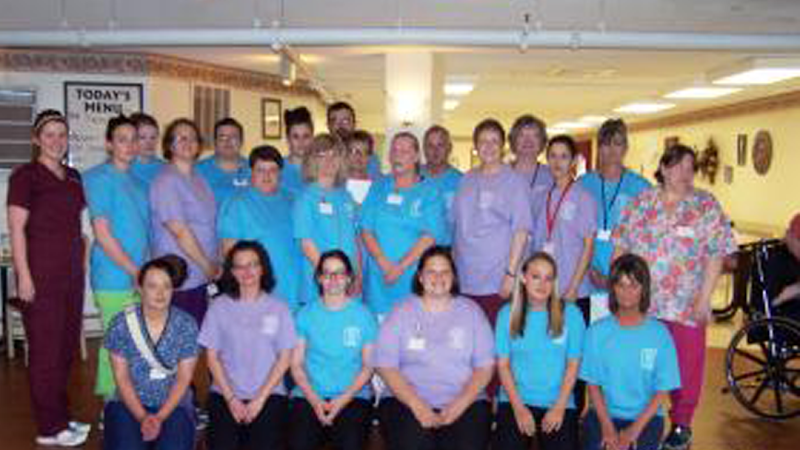
How is Golden Age Care Center Staffed?
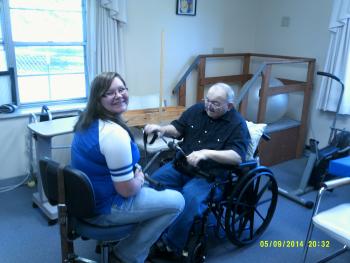
CMS rates Golden Age Care Center's staffing level at 4 out of 5 stars, which is above average compared to other nursing homes. Staff turnover is 40%, compared to the Iowa average of 46%. This relatively stable workforce can support continuity of care.

What Have Inspectors Found at Golden Age Care Center?

State health inspectors documented 14 deficiencies at Golden Age Care Center during 2024 to 2025. These included: 14 with potential for harm.

Who Owns and Operates Golden Age Care Center?

Golden Age Care Center is owned by a for-profit company. For-profit facilities operate as businesses with obligations to shareholders or private owners. The facility operates independently rather than as part of a larger chain. With 46 certified beds and approximately 40 residents (about 87% occupancy), it is a smaller facility located in Centerville, Iowa.

How Does Golden Age Care Center Compare to Other Iowa Nursing Homes?

Compared to the 100 nursing homes in Iowa, Golden Age Care Center's overall rating (3 stars) is below the state average of 3.1, staff turnover (40%) is near the state average of 46%, and health inspection rating (3 stars) is at the national benchmark.

What Should Families Ask When Visiting Golden Age Care Center?

Based on this facility's data, families visiting should ask: "Can I visit during a mealtime to observe dining assistance and food quality?" "How do you handle medical emergencies, and what is your hospital transfer rate?" "Can I speak with family members of current residents about their experience?"

Is Golden Age Care Center Safe?

Based on CMS inspection data, Golden Age Care Center has a clean safety record: no substantiated abuse findings (meaning no confirmed cases of resident harm), no Immediate Jeopardy citations (the most serious violation level indicating risk of serious injury or death), and is not on the Special Focus Facility watch list (a federal program monitoring the lowest-performing 1% of nursing homes). The facility has a 3-star overall rating and ranks #100 of 100 nursing homes in Iowa. While no facility is perfect, families should still ask about staff-to-resident ratios and recent inspection results during their visit.

Do Nurses at Golden Age Care Center Stick Around?

Golden Age Care Center has a staff turnover rate of 40%, which is about average for Iowa nursing homes (state average: 46%). Moderate turnover is common in nursing homes, but families should still ask about staff tenure and how the facility maintains care continuity when employees leave.

Was Golden Age Care Center Ever Fined?

Golden Age Care Center has no federal fines on record. CMS issues fines when nursing homes fail to meet care standards or don't correct problems found during inspections. The absence of fines suggests the facility has either maintained compliance or corrected any issues before penalties were assessed. This is a positive indicator, though families should still review recent inspection reports for the full picture.

Is Golden Age Care Center on Any Federal Watch List?

Golden Age Care Center is not on any federal watch list. The most significant is the Special Focus Facility (SFF) program, which identifies the bottom 1% of nursing homes nationally based on persistent, serious quality problems. Not being on this list means the facility has avoided the pattern of deficiencies that triggers enhanced federal oversight. This is a positive indicator, though families should still review the facility's inspection history directly.