Chariton Specialty Care
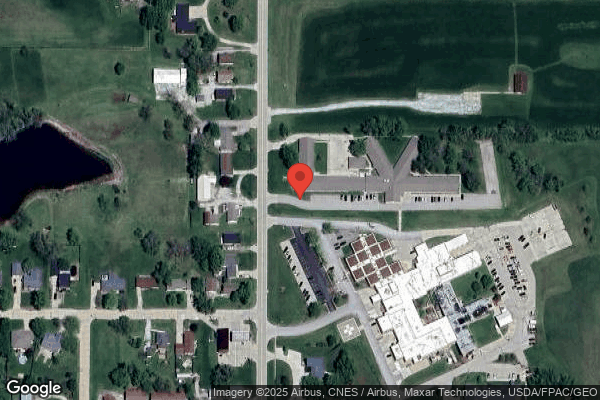
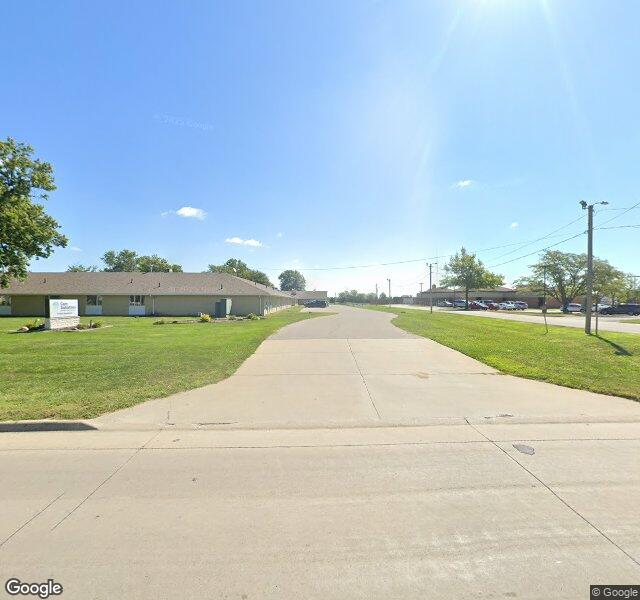
1214 North Seventh Street, Chariton, IA 50049 (641) 774-5921
Non profit - Corporation 60 Beds CARE INITIATIVES Data: November 2025 1 Immediate Jeopardy citation
Trust Grade
41/100
#259 of 392 in IA
Last Inspection: January 2025

Within standard 12-15 month inspection cycle. Federal law requires annual inspections.

Overview

Chariton Specialty Care has a Trust Grade of D, indicating below-average performance with several concerns. It ranks #259 out of 392 nursing homes in Iowa, placing it in the bottom half of facilities in the state, but it is the only option in Lucas County. The facility is currently worsening, as the number of issues increased from 5 in 2024 to 8 in 2025. Staffing is at an average level with a rating of 3 out of 5 stars and a turnover rate of 50%, which is on par with state averages. However, there have been significant concerns, including a critical incident where a resident developed severe skin infections due to inadequate wound care, and another finding where meals were served at improper temperatures, leading to resident dissatisfaction. Overall, while there are some strengths, such as average staffing levels, the facility has serious weaknesses that families should consider.

Trust Score
D
41/100
In Iowa
#259/392
Bottom 34%
Safety Record
High Risk
Review needed
Inspections
Getting Worse
5 → 8 violations
Staff Stability
⚠ Watch
50% turnover. Above average. Higher turnover means staff may not know residents' routines.
Penalties
✓ Good
$15,134 in fines. Lower than most Iowa facilities. Relatively clean record.
Skilled Nurses
○ Average
Each resident gets 36 minutes of Registered Nurse (RN) attention daily — about average for Iowa. RNs are the most trained staff who monitor for health changes.
Violations
⚠ Watch
18 deficiencies on record. Higher than average. Multiple issues found across inspections.
★★☆☆☆
2.0
Overall Rating
★★★☆☆
3.0
Staff Levels
★★★☆☆
3.0
Care Quality
★★☆☆☆
2.0
Inspection Score
Stable
2024: 5 issues
2025: 8 issues

The Good

  • Full Sprinkler Coverage · Fire safety systems throughout facility
  • No fines on record

Facility shows strength in fire safety.

The Bad

2-Star Overall Rating

Below Iowa average (3.0)

Below average - review inspection findings carefully

Staff Turnover: 50%

Near Iowa avg (46%)

Higher turnover may affect care consistency

Federal Fines: $15,134

Below median ($33,413)

Minor penalties assessed

Chain: CARE INITIATIVES

Part of a multi-facility chain

Ask about local staffing decisions and management

The Ugly 18 deficiencies on record

1 life-threatening
Sept 2025 1 deficiency
CONCERN (E) 📢 Someone Reported This

A family member, employee, or ombudsman was alarmed enough to file a formal complaint

Potential for Harm - no one hurt, but risky conditions existed

Deficiency F0804 (Tag F0804)

Could have caused harm · This affected multiple residents

Based on observation, food temperatures during food service and resident interview, the facility failed to serve food at an acceptable temperature during one of three meals sampled. The facility repor...

Read full inspector narrative →
Based on observation, food temperatures during food service and resident interview, the facility failed to serve food at an acceptable temperature during one of three meals sampled. The facility reported census was 40. Findings include:The Minimum Data Set for Resident #5 dated 8/18/25 documented a Brief Interview of Mental Status score of 15 indicating intact cognition.Observation on 9/18/25 at 12:30 p.m. a sample tray, consisting of a grilled cheeseburger, macaroni salad and potato salad was provided to this surveyor. The hamburger patty was served well done, at room temperature and with a slice of cold cheese on a bun. The macaroni salad and potato salad was served cold and had good flavor.In an interview on 9/18/25 at 10:50 a.m. Resident #5 stated the meals are often not very good and the facility does not always follow their menus.
Jan 2025 7 deficiencies
CONCERN (D)

Potential for Harm - no one hurt, but risky conditions existed

Deficiency F0582 (Tag F0582)

Could have caused harm · This affected 1 resident

Based on clinical record review, staff interview, and instructions of CMS form 10123-NOMNC, the facility failed to appropriately provide a Notice of Medicare Non Coverage (NOMNC) to 2 of 3 (Resident #...

Read full inspector narrative →
Based on clinical record review, staff interview, and instructions of CMS form 10123-NOMNC, the facility failed to appropriately provide a Notice of Medicare Non Coverage (NOMNC) to 2 of 3 (Resident #35 and #36) residents reviewed for Beneficiary Notification. The facility reported a census of 32 residents. Findings include: 1. The census portion of the Electronic Health Record (EHR) of Resident #35 revealed the resident began receiving skilled care under Medicare A payer source on 9/9/24 and Medicare continued to pay for her stay through 11/22/24. The facility was unable to provide documentation of Resident #35 receiving a Notice of Medicare Non Coverage (NOMNC) form. 2. The census portion of the EHR of Resident #36 revealed the resident began receiving skilled care under Medicare A payer source on 7/26/24 and Medicare paid for his stay through 9/11/24. The facility did provide Resident #36 a NOMNC form on 9/10/24, one day prior to his Medicare services ending. The document titled Form Instructions for the Notice of Medicare Non-Coverage (NOMNC) CMS-10123 directed: A Medicare provider or health plan (Medicare Advantage plans and cost plans, collectively referred to as plans) must deliver a completed copy of the Notice of Medicare Non-Coverage (NOMNC) to beneficiaries/enrollees receiving covered skilled nursing, home health (including psychiatric home health), comprehensive outpatient rehabilitation facility, and hospice services. The NOMNC must be delivered at least two calendar days before Medicare covered services end or the second to last day of service if care is not being provided daily. On 1/27/25 at 1:01 pm via email, the Administrator stated the facility could not locate a NOMNC for Resident #35. On 1/29/24 at 3:23 pm, the Administrator stated her expectation is for NOMNCs to be issued at least 2 days prior to Medicare discharge.
CONCERN (D)

Potential for Harm - no one hurt, but risky conditions existed

Deficiency F0637 (Tag F0637)

Could have caused harm · This affected 1 resident

Based on clinical record review, staff interview, guidance from the 2024 Resident Assessment Instrument (RAI) Manual, and facility policy review, the facility failed to complete a Significant Change M...

Read full inspector narrative →
Based on clinical record review, staff interview, guidance from the 2024 Resident Assessment Instrument (RAI) Manual, and facility policy review, the facility failed to complete a Significant Change Minimum Data Set (MDS) Assessments following a significant change within federal guidelines for 1 of 5 residents (Res #4) reviewed for significant change. The facility reported a census of 32 residents. Findings include: The Census Line portion of the Electronic Health Record (EHR) of Resident #4 documented the resident enrolled in hospice care on 9/12/24. The Significant Change MDS of Resident #4 documented an Assessment Reference Date (ARD) of 10/3/24. Page 58 of the MDS documented the MDS was signed as Assessment Completion on 10/8/24 which is 26 days following hospice admission. According to the 2024 RAI, a Significant Change (comprehensive) assessment, the ARD must be no later than the 14th calendar day after determination that a significant change in the resident's status occurred. The RAI stated a Significant Change MDS is required to be performed when a terminally ill resident enrolls in a hospice program. On 1/28/25 at 10:59 am, the MDS Coordinator stated she was on vacation during the time frame that Resident #4 enrolled in hospice care. She stated when she returned and was notified of her hospice enrollment, she then set up and completed the Significant Change MDS. On 1/29/25 at 3:23 pm, the Administrator stated the Corporation that owns the facility has a traveling Regional MDS Coordinator. She stated anytime the facility MDS Coordinator is not in house, the facility will notify the Regional Coordinator to ensure assessments are completed timely. The facility policy titled Resident Assessments documented the following: Point 3: A Significant Change in Status Assessment (SCSA) is completed within 14 days of the interdisciplinary team determining that the resident meets the guidelines for major improvement or decline. Point 4: A SCSA cannot be completed until after a comprehensive admission Assessment is submitted. Point 5: A SCSA is required when a resident: a. Enrolls in a hospice program; b. Changes hospice providers and remains in the facility; c. Discontinues hospice services; or d. Experiences a consistent pattern of changes with two or more areas of decline from baseline.
CONCERN (D)

Potential for Harm - no one hurt, but risky conditions existed

Deficiency F0658 (Tag F0658)

Could have caused harm · This affected 1 resident

**NOTE- TERMS IN BRACKETS HAVE BEEN EDITED TO PROTECT CONFIDENTIALITY** Based on observation, resident and staff interviews, and clinical record review, the facility failed to follow the physician's o...

Read full inspector narrative →
**NOTE- TERMS IN BRACKETS HAVE BEEN EDITED TO PROTECT CONFIDENTIALITY** Based on observation, resident and staff interviews, and clinical record review, the facility failed to follow the physician's orders for 1 of 12 residents (Resident #7) reviewed. The facility reported a census of 32 residents. Findings include: On 1/27/25 at 9:42 AM, Resident #7 was observed lying in his room. The bottom half of the resident's legs were uncovered and noted to be discolored. The resident stated he was supposed to have tubigrips (a tubular bandage that provides support for sprains, strains, swelling, and other injuries) on the lower half of both legs. He stated they were to be applied in the morning and removed at night. The Minimum Data Set (MDS) dated [DATE] revealed a Brief Interview for Mental Status (BIMS) score of 15 out of 15 which indicated completely intact cognition. It included diagnoses of Heart Failure (HF), Diabetes Mellitus (DM), Alzheimer's Disease, Schizoaffective Disorder, depression, left lower limb cellulitis, and erythematous condition (redness of the skin typically caused by inflammation). It also revealed the resident required moderate assistance with bathing and was independent with all other aspects of Activities of Daily Living (ADLs) and mobility and received application of nonsurgical dressings (with or without topical medications) other than to feet. The Electronic Health Record (EHR) included a physician's order dated 2/21/24 for tubigrips to bilateral lower extremities (BLE) two (2) times per day for edema; on in AM and off at hour of sleep (HS - bedtime). The Care Plan, revised 3/04/24, indicated the resident wore tubi-grips on in AM and off at HS. On 1/28/25 at 1:30 PM, Resident #7 was observed sitting on the side of his bed not wearing his tubigrips. The tubigrips were observed lying on a stack of newspapers on his 4-wheeled walker. The resident stated he had not removed the tubigrips because the staff never applied them in the AM. At 1:33 PM, Staff C, Registered Nurse (RN) confirmed Resident #7 was supposed to have the tubigrips on but stated she hadn't put them on yet. She also stated the resident hadn't refused to wear the tubigrips that morning. The Progress Notes did not include documentation on 1/27/25 or 1/28/25 regarding the tubigrips not being placed on the resident. The Treatment Administration Record (TAR) revealed the resident did not refuse the tubigrips on 1/27/25 or 1/28/25. On 1/29/25 at 3:35, the Assistant Director of Nursing (ADON) stated staff should have followed the physician's orders and put the tubigrips on the resident in the AM. The facility did not have a policy specifically regarding following physician's orders.
CONCERN (D)

Potential for Harm - no one hurt, but risky conditions existed

Menu Adequacy (Tag F0803)

Could have caused harm · This affected 1 resident

Based on observation, facility menu review, and staff interviews, the facility failed to follow the posted menu and serve the appropriate portions for 3 of 3 residents who received pureed diets (Resid...

Read full inspector narrative →
Based on observation, facility menu review, and staff interviews, the facility failed to follow the posted menu and serve the appropriate portions for 3 of 3 residents who received pureed diets (Resident #9, #23, #29). Findings include: The facility's menu for lunch on 1/29/25 included the following items to be served to the residents. 2 oz of pulled pork 1 slice of bread 1/2 cup of broccoli 1 slice banana cream pie Continuous observation of lunch service began on 1/29/25 at 11:30 am. The Dietary Services Manager (DSM) stated she would first puree the broccoli for the puree diet residents. She used a #8 (4 oz) scoop and placed four servings of broccoli into a blender cup. She stated the facility had three residents who received pureed diets but she always made one extra serving. She then placed an unmeasured amount of chicken broth into the blender cup and blended the food to an appropriate texture. She transferred the broccoli into a steam pan with no measurement of the total volume (Measuring the volume of the entire product and dividing by the number of servings calculates the appropriate serving size for each person, as adding extra liquid and other ingredients to puree will increase the total volume of the pureed food). The DSM next obtained the food processor bowl and used a two ounce scoop and placed four 2 oz servings of pulled pork into the food processor bowl. She added an unmeasured amount of barbeque sauce and hot water, along with two slices of bread and added this to the pork. She then blended this mixture to an appropriate texture and used a silicone spatula to transfer the pork to a steam pan with no measurement of total volume performed. The DSM then obtained three slices of banana cream pie and placed them into a blender cup. She added an unmeasured amount of milk and a carton of ready to eat vanilla pudding and blended the mixture to an appropriate texture. She used a silicone spatula to transfer the mixture into 3 bowls. She did not measure the total volume to assure each resident got an equal serving. On 1/29/25 at 12:10 pm, the DSM began making plates for each resident and placing the plates on serving carts. As she completed each cart, she rolled the cart to the dining room for other staff to distribute to the residents. The final three plates made during lunch service were the pureed diet plates. Each plate consisted of a two ounce portion of the mixture of pureed pulled pork, bread and barbeque sauce and a four ounce scoop of the pureed broccoli along with the pureed banana cream pie. The DSM verified these plates were for Resident #9, #23 and #29. On 1/29/25 at 12:43 pm, the DSM stated she had completed lunch service after all meals were completed and sent to the dining room. On 1/29/25 at 12:50 pm, the DSM stated she had never been taught about the volume method or seen the chart for volume method for the puree process until one day prior, on 1/28/25 when the Registered Dietitian (RD) was in the building. She said the RD had explained the volume method on 1/28/25 but the DSM explained she did not feel confident that she understood it. She verified the menu was for one slice of bread and for four servings of pureed pork, she had only used two slices of bread instead of four. On 1/29/25 at 3:25 pm, the Administrator stated her expectation is for the dietary staff to use the volume method for puree foods and to serve the posted menu.
CONCERN (D)

Potential for Harm - no one hurt, but risky conditions existed

Infection Control (Tag F0880)

Could have caused harm · This affected 1 resident

**NOTE- TERMS IN BRACKETS HAVE BEEN EDITED TO PROTECT CONFIDENTIALITY** 2. The Minimum Data Set (MDS) of Resident #21, dated 11/28/24 identified a Brief Interview for Mental Status (BIMS) score of 15 ...

Read full inspector narrative →
**NOTE- TERMS IN BRACKETS HAVE BEEN EDITED TO PROTECT CONFIDENTIALITY** 2. The Minimum Data Set (MDS) of Resident #21, dated 11/28/24 identified a Brief Interview for Mental Status (BIMS) score of 15 which indicated cognition intact. The MDS documented the resident used a wheelchair for mobility independently with no assistance from staff. The MDS coded the presence of a urinary catheter. The Care Plan of Resident #21 identified a Focus Area of Risk for Urinary Tract Infection (UTI), revision date 12/5/24. The Care Plan documented the resident to be at risk of UTI due to a suprapubic catheter related to neuromuscular dysfunction and history of UTI. It directed staff to follow enhanced barrier precautions when performing high-contact care activities. On 1/27/25 at 7:52 am, Resident #21 was observed propelling herself across the dining room in her wheelchair with her catheter tubing dragging the floor. On 1/27/25 at 10:16 am, Resident #21 was observed self propelling in the hallway toward her room. Her urinary bag attached to her catheter was secured to the bottom of her wheelchair, and the tubing was dragging on the floor as she propelled down the hallway. On 1/28/25 at 8:06 am, Resident #21 was observed sitting in the dining room eating breakfast. Her catheter tubing was on the floor and her foot was sitting on top of the tubing as she sat at the table. On 1/28/25 at 1:56 pm, observation was completed of catheter cares for Resident #21 by Staff F, Certified Nurse Aide (CNA). Resident #21 was in her room, and privacy was provided. Staff F washed his hands and donned Personal Protective Equipment (PPE). Rather than a single use disposable isolation gown, Staff F donned a cloth hospital gown over his clothing. After donning the PPE in the resident bathroom, Staff F brought paper towels, a graduated cylinder in a plastic bag and alcohol swabs to the resident who was sitting in her wheelchair. He placed the paper towels on the floor, then the graduated cylinder in the plastic bag on top of the towels. He removed the drain from the bag, cleansed the outlet of the drain with alcohol then drained the urine into the graduated cylinder. When the urine bag was empty, with a clean alcohol swab he again cleansed the outlet before closing it and securing it to the bag. He carried the graduated cylinder to the toilet and dumped the urine. He rinsed the cylinder and dumped the rinse water in the toilet and placed the cylinder in a clean plastic bag. He removed his PPE, disposing of his gloves and turning the gown inside out as he removed it, rolled it up and placed it in a plastic bag. He washed his hands and then exited the room and took the bagged soiled gown to the laundry. On 1/28/25 at 2:10 pm, the Interim Director of Nursing stated the facility only had disposable isolation gowns and no cloth gowns. She stated the white cloth gowns are hospital gowns, not isolation gowns. On 1/28/25 at 2:12 pm, the Regional Director of Clinical Services stated Staff F wears a hospital gown over his scrubs to protect his clothing when he gives residents showers. She stated she would provide education on this. On 1/28/25 at 3:21 pm, the Assistance Director of Nursing stated Staff F was unaware he was not to use a hospital gown for catheter cares and had received education and will wear a disposable isolation gown in the future. On 1/29/25 at 3:23 pm, the Administrator stated her expectation for residents with catheters is for any excess tubing to be tucked into a catheter dignity bag on a wheelchair or otherwise clamped up to stay off of the floor. Based on observations, resident and staff interviews, clinical record review, and policy review, the facility failed to implement infection control practices to prevent urinary tract infection (UTI) for 2 of 2 residents (Resident #26 and #21) reviewed. The facility reported a census of 32. Findings include: 1. On 1/28/25 at 9:20 AM, observed Resident #26 to have an indwelling urinary catheter. The Minimum Data Set (MDS) dated [DATE] revealed Resident #26 had a Brief Interview for Mental Status (BIMS) score of 12 out of 15 which indicated moderately impaired cognition. It included diagnoses of Non-Alzheimer's Dementia, benign prostatic hyperplasia with lower urinary tract symptoms (enlarged prostate that affects urination), and age-related macular degeneration (eye condition that affects central vision). It also revealed he was independent with eating, required setup assistance with oral and toileting hygiene, moderate assistance with dressing and personal hygiene, and maximum assistance with bathing. It did not include an indwelling catheter. The Progress Notes indicated the resident's indwelling catheter was inserted 1/12/25 due to urine retention. The Care Plan revised 1/26/25 included the resident's indwelling catheter and directed staff to use Enhance Barrier Precautions (use of PPE) when performing high-contact care activities. On 1/28/25 at 1:45 PM, Staff D, Certified Nurse Aide (CNA) entered Resident #26's room and prepared to perform the resident's catheter and perineal care. The Interim Director of Nursing (IDON) accompanied Staff D for observation. Staff D performed hand hygiene and donned the Personal Protective Equipment (PPE - gown and gloves). She then reached in a cabinet, grabbed the periwipe package, entered the bathroom and obtained a clear, plastic garbage bag. She reached into her right pocket then her left pocket and pulled out alcohol wipe packets. She placed the alcohol wipes, the clear plastic bag, and the periwipe package on the resident's bedside table. She opened the periwipe package and removed, expanded, and placed each individual periwipe into the clear plastic bag. She did not perform hand hygiene nor change gloves between touching items in the resident's environment and manipulating the wipes. She grabbed her walkie-talkie and asked for assistance to perform the resident's full perineal care. At 1:51 PM, Staff E, Licensed Practical Nurse (LPN) entered the resident's room, performed hand hygiene and donned PPE. At 1:53 PM, Staff D stated she and Staff E would be performing the resident's catheter and perineal care using the normal process. She placed her left gloved hand on the resident's walker and assisted the resident in removing his briefs. Staff D did not change gloves or perform hand hygiene at this point in the process. Staff D grabbed one periwipe from Staff E and wiped the resident's penis tip three (3) times from a top-to-bottom motion using the same periwipe and threw it in the clear plastic garbage bag she placed on the resident's bed. She used a second periwipe and wiped the bottom of the resident's penis and threw the periwipe in the clear plastic garbage bag. At 1:56 PM, Staff D got an alcohol swab and cleaned the catheter tubing in a distal motion (moving away from the resident's penis). She removed her PPE, placed it in the clear plastic garbage bag, and exited the room. At 1:57 PM, Staff D returned to Resident #26's room with a box of gloves. She performed hand hygiene, donned PPE, grabbed the clear plastic garbage bag with her right gloved hand and used her left gloved hand to push the bag's contents further into the bag. She moved the bag further away from the resident, turned back around toward the resident, grabbed the urine drainage bag, opened the drainage spigot and emptied the urine into a graduated cylinder. No hand hygiene or glove change was performed between touching the contaminated bag contents and manipulating the resident's urinary catheter drainage bag and spigot. At 2:09 PM, Staff D stated she felt she performed the process correctly and did not identify any missed hand hygiene or glove changing opportunities. She stated she received Infection Prevention training and verbalized hand hygiene should be performed when moving from a dirty area to a clean area when providing resident care. When asked, she confirmed the bag on the bed was considered contaminated and stated she should have performed hand hygiene and changed her gloves prior to manipulating the resident's drainage bag and spigot. On 1/29/25 at 3:35 PM, the Assistant Director of Nursing (ADON) stated staff should have performed hand hygiene between handling the trash and the resident's catheter. A policy titled Handwashing/Hand Hygiene revised 8/2019 directed staff to use an alcohol-based hand rub containing at least 62% alcohol; or, alternatively, soap (antimicrobial or non-antimicrobial) and water for the following situations: a. Before and after coming on duty; b. Before and after direct contact with residents; c. Before preparing or handling medications; d. Before performing any non-surgical invasive procedures; e. Before and after handling an invasive device (e.g., urinary catheters, IV access sites); f. Before donning sterile gloves; g. Before handling clean or soiled dressings, gauze pads, etc.; h. Before moving from a contaminated body site to a clean body site during resident care; i. After contact with a resident's intact skin; j. After contact with blood or bodily fluids; k. After handling used dressings, contaminated equipment, etc.; l. After contact with objects (e.g., medical equipment) in the immediate vicinity of the resident; m. After removing gloves; n. Before and after entering isolation precaution settings; o. Before and after eating or handling food; p. Before and after assisting a resident with meals; and q. After personal use of the toilet or conducting your personal hygiene.
CONCERN (E)

Potential for Harm - no one hurt, but risky conditions existed

Comprehensive Care Plan (Tag F0656)

Could have caused harm · This affected multiple residents

**NOTE- TERMS IN BRACKETS HAVE BEEN EDITED TO PROTECT CONFIDENTIALITY** Based on record review, staff interviews, and policy review, the facility failed to develop a personalized Care Plan for 4 of 12...

Read full inspector narrative →
**NOTE- TERMS IN BRACKETS HAVE BEEN EDITED TO PROTECT CONFIDENTIALITY** Based on record review, staff interviews, and policy review, the facility failed to develop a personalized Care Plan for 4 of 12 residents (#2, #7, #16, and #24) reviewed for Care Plans. The facility reported a census of 32 residents. Findings include: 1. On 1/27/25, a record review of Resident #2's Electronic Health Record (EHR) revealed she received antipsychotic and antidepressant medications. The Minimum Data Set (MDS) dated [DATE] revealed a Brief Interview for Mental Status (BIMS) score of 15 out of 15 which indicated completely intact cognition. It included diagnoses of End-Stage Renal Disease (ESRD), Diabetes Mellitus (DM), Non-Alzheimer's Dementia, Bipolar Disorder, and depression. It also revealed the resident received antipsychotic (AP) and antidepressant (AD) medications during the last 7 days. The EHR included a physician's order for an antipsychotic medication, Quetiapine fumarate 100 milligrams (mg) by mouth at bedtime for Bipolar Disorder and an antidepressant medication, Trazadone hydrochloride (HCL) 125 mg by mouth one time per day for depression. It also included a physician's order to monitor target behaviors and side effects every shift and identified the target behaviors as Codes: 0=No Behaviors, 1= (tearful), 2=(self-isolation), 3=(agitation), 4=other (see progress notes). The Progress Notes included two (2) monitored target behavior entries dated 2/20/24 and 1/17/25. The Care Plan revised 11/28/24 included the resident's antipsychotic and antidepressant medication use but did not include the associated target behaviors for staff to monitor. 2. On 1/27/25, a record review of Resident #7's Electronic Health Record (EHR) revealed he received antianxiety, antipsychotic, and antidepressant medications. The Minimum Data Set (MDS) dated [DATE] revealed a Brief Interview for Mental Status (BIMS) score of 15 out of 15 which indicated completely intact cognition. It included diagnoses of Heart Failure (HF), Diabetes Mellitus (DM), Alzheimer's Disease, Schizoaffective Disorder, and depression. It also revealed the resident received antianxiety (AA), antipsychotic (AP) and antidepressant (AD) medications during the last 7 days. The EHR included a physician's order for two (2) antianxiety medications, Buspirone hydrochloride (HCL) 7.5 mg by mouth two (2) times per day related to Schizoaffective Disorder and lorazepam 0.5 mg by mouth two (2) times per day related to Schizoaffective Disorder, an antipsychotic medication, Quetiapine fumarate 100 milligrams (mg) by mouth two (2) times per day related to Schizoaffective Disorder, depressive type, and two (2) antidepressant medications, citalopram hydrobromide 20 mg by mouth in the morning related to Major Depressive Disorder, and Trazadone hydrochloride (HCL) 50 mg by mouth at bedtime for Major Depressive Disorder. It also included a physician's order to monitor target behaviors and side effects every shift and identified the target behaviors as Codes 0=No Behaviors, 1=yelling, 2=(aggression), 3= (pacing), 4=other (see progress notes). The Progress Notes included four (4) monitored target behavior entries dated 3/04/24, 8/10/24, 12/22/24, and 1/10/25. The Care Plan revised 11/15/24 included the resident's antianxiety, antipsychotic, and antidepressant medication use but did not include the associated target behaviors for staff to monitor. 3. On 1/27/25, a record review of Resident #16's Electronic Health Record (EHR) revealed he received antianxiety and antidepressant medications. The Minimum Data Set (MDS) dated [DATE] revealed a Brief Interview for Mental Status (BIMS) score of 15 out of 15 which indicated completely intact cognition. It included diagnoses of Heart Failure, anxiety, depression, and psychotic disorder. It also revealed the resident received antianxiety (AA) and antidepressant (AD) medications during the last 7 days. The EHR included a physician's order for an antianxiety medication, Buspirone hydrochloride (HCL) 10 mg by mouth two (2) times per day related to anxiety disorder and three (3) antidepressant medications, Duloxetine HCL 30 mg by mouth one (1) time per day related to Major Depressive Disorder, Trazadone hydrochloride (HCL) 150 mg by mouth one time per day related to Major Depressive Disorder, and Bupropion HCL 100 mg by mouth one (1) time per day related to Major Depressive Disorder. It also included a physician's order to monitor target behaviors and side effects every shift and identified the target behaviors as Codes: 0=No Behaviors, 1=tearfulness, 2=refusal of cares, 3=suicidal ideations, 4=other (see progress notes). The Progress Notes included four (4) monitored target behavior entries dated 5/09/24, two times on 11/12/24, and 12/24/24. The Care Plan revised 11/15/24 included the resident's antianxiety and antidepressant medication use but did not include the associated target behaviors for staff to monitor. 4. On 1/27/25, a record review of Resident #24's Electronic Health Record (EHR) revealed he received antipsychotic and antidepressant medications. The Minimum Data Set (MDS) dated [DATE] revealed a Brief Interview for Mental Status (BIMS) score of 11 out of 15 which indicated moderately impaired cognition. It included diagnoses of Diabetes Mellitus (DM), Non-Alzheimer's Dementia, Alzheimer's Disease, adjustment disorder anxiety, and depression. It also revealed the resident received antipsychotic (AP) and antidepressant (AD) medications during the last 7 days. The EHR included a physician's order for an antipsychotic medication, Quetiapine fumarate 50 milligrams (mg) by mouth one (1) time per day related to dementia with mood disturbance and an antidepressant medication, sertraline HCL 100 mg by mouth two (2) times per day related to depression. It also included a physician's order to monitor target behaviors and side effects every shift and identified the target behaviors as Codes: 0=No Behaviors, 1=agitation, 2=combativeness, 3=tearfulness, 4=other (see progress notes). The Progress Notes included fourteen (14) monitored target behavior entries between 11/06/24 and 1/13/25. The Care Plan revised 11/30/24 included the resident's antipsychotic and antidepressant medication use but did not include the associated target behaviors for staff to monitor. On 1/29/25 at 3:35 PM, the Assistant Director of Nursing (ADON) stated Care Plans should include target behaviors with each medication class (category). A policy titled Care Plans, Comprehensive Person-Centered revised 12/2016 indicated assessments of residents are ongoing and care plans are revised as information about the residents and the residents' conditions change.
CONCERN (E)

Potential for Harm - no one hurt, but risky conditions existed

Food Safety (Tag F0812)

Could have caused harm · This affected multiple residents

Based on observation, staff interview, guidance from the 2022 US Food and Drug Administration (FDA) Food Code, and facility policy review, the facility failed to use proper sanitation and glove use du...

Read full inspector narrative →
Based on observation, staff interview, guidance from the 2022 US Food and Drug Administration (FDA) Food Code, and facility policy review, the facility failed to use proper sanitation and glove use during lunch service. The facility reported a census of 32 residents. Findings include: The facility's posted menu for lunch on 1/29/25 identified the menu to be: Pulled pork sandwich Broccoli Banana Cream Pie Continuous observation of lunch service began on 1/29/25 at 11:30 am. The Dietary Services Manager (DSM) first prepared pureed broccoli for the residents who required a pureed diet. After this task, the then stated she would puree the pulled pork. The DSM placed gloves on her hands. She picked up the food processor bowl and carried it to the counter. She placed four servings of pulled pork into the food processor bowl. She then obtained a measuring cup and added some barbeque sauce to it. She walked to the coffee maker and obtained hot water from the coffee maker and added it to the cup, still wearing the same gloves. After adding the water and sauce mixture to the pork, she picked up two slices of bread with her gloved hand and added it to the pork mixture to puree the pork. Following the puree process, the DSM then opened a kitchen drawer and obtained a silicone spatula to transfer the pork to a steam pan and then placed the steam pan in the oven to keep warm. The DSM then removed her gloves, pureed the dessert and continued to prepare for lunch service. On 1/29/25 at 11:58 am, the DSM took a gallon size container of barbeque sauce and poured a small amount into a squeeze container for serving. She then stated she was going to make two grilled cheese sandwiches for residents who had requested an alternate meal. The DSM obtained a bagged loaf of bread, a container of butter and a container of cheese and placed all on a clean surface. She placed gloves on her hands with no hand hygiene prior to placing the gloves. She removed the lid off of the container holding the cheese, and picked up one slice of bread and placed it into the palm of her gloved hand. She picked up the container of butter and opened the container, then obtained a spatula and spread the butter on the slice of bread. She repeated this for a second slice of bread and placed both slices into a skillet on the stove to grill the bread. She obtained cheese with the same gloved hands and placed the cheese on the bread. After making the first grilled cheese sandwich, she repeated this for a second sandwich. She then transferred both sandwiches using a spatula to a steam pan. On 1/29/25 at 12:07 pm, the DSM removed her gloves, performed hand hygiene, and then set up serving utensils on the steam table to begin lunch service. She then entered the walk in cooler and returned with a wheeled cart holding multiple slices of banana cream pie on individual plates. The pie slices were open to air and not covered. On 1/29/25 at 12:10 pm, the DSM performed hand hygiene and placed new gloves on her hands. After placing the gloves on her hands, she walked to the plate warmer, opened the lid, and obtained a stack of plates and placed them in the steam table area. She then picked up a stack of plate covers and placed them near the plates. Still wearing her gloves, she pulled a tray cart closer to her, then turned and obtained a box of plastic wrap. She pulled out a portion of the plastic wrap to cover a slice of pie, then placed the pie plate on a tray. She then returned to the steam table area, picked up a sandwich bun with her gloved hand, and placed it on a plate. She placed a scoop of pork on the bottom bun, picked up the squeeze bottle of barbeque sauce, applied sauce to the pork, then picked up the top bun and covered the pork to form a sandwich. She then used the serving scoop to place broccoli on the plate, carried the plate to the serving cart and placed it on the tray, and covered the plate with plate cover. This process was repeated for each tray, making each pork sandwich with her gloved hands, touching plates, serving utensils, tray covers, plates of pie, and plastic wrap for each tray on the first cart. When the first side of the cart was full, still wearing the same gloves, she turned the cart 180 degrees to fill up the second side of the cart. When the cart was full, the dietary aide added drinks to the cart and then took the cart to the dining room. The DSM then brought the second tray cart over to the steam table area. She removed her soiled gloves and placed new gloves on her hands without washing her hands. She opened the plate warmer, obtained another stack of plates and placed them at the steam table area. She adjusted the tray cart and then placed a plate of pie on each tray on the cart. She then plated the meals for this cart following the same process as the first cart, touching the plates, the plate covers, the serving utensils, the barbeque sauce and the sandwich buns all with her gloved hands. On 1/29/25 at 12:32 pm, she pushed the second tray cart out to the dining room. She then returned, removed her gloves and discarded them, and placed new gloves on her hands. She then pushed the third tray cart to the steam table area and the process was repeated for the last cart. The final three plates to be served were the plates for the pureed diet residents. After making their plates, she walked to the walk-in cooler, still wearing gloves, and obtained the pureed banana cream pie and then returned and placed these bowls on the trays. She then pushed the final cart to the dining room for staff to distribute the meals. When the DSM returned to the serving area, she removed her gloves, and placed a new set of gloves on her hands. She again walked to the walk-in cooler and returned a moment later. She was then wearing one glove and had the other glove in the palm of her hand along with a raw onion. She placed the second glove back on her hand, and obtained a cutting board and a knife and sliced the onion. She picked up a portion of the sliced onion with her gloved hand and placed it in a bowl and covered the bowl with a lid. She carried it to the dining room and gave it to a staff member for a resident who had requested some onion for her sandwich. On 1/29/25 at 12:43 pm, the DSM stated she had completed lunch service. On 1/29/25 at 12:50 pm, the State Surveyor asked the DSM if, when wearing gloves, then touching plates and plate covers and serving utensils and multiple other surfaces, would the DSM still consider those gloves to be clean. The DSM stated no, the gloves would no longer be clean. She stated she was unsure of what she should have done differently, however. She stated she had not thought to use tongs to pick up the bread or buns. Chapter 3 of the 2022 FDA Food Code documented the following: 3-304.15 Gloves, Use Limitation. (A) If used, single-use gloves shall be used for only one task such as working with ready-to-eat food or with raw animal food, used for no other purpose, and discarded when damaged or soiled, or when interruptions occur in the operation. The facility policy dated April 2019 and titled, Food Preparation and Service, identified a Policy Statement of Food and nutrition services employees prepare and serve food in a manner that complies with safe food handling practices. Food Preparation Area, Point 5: Food preparation staff adhere to proper hygiene and sanitary practices to prevent the spread of food-borne illness. Food Service/Distribution, Point 6: Bare hand contact with food is prohibited. Gloves are worn when handling food directly and changed between tasks. Disposable gloves are single-use items and are discarded after each use.
Mar 2024 5 deficiencies
CONCERN (D)

Potential for Harm - no one hurt, but risky conditions existed

Safe Environment (Tag F0584)

Could have caused harm · This affected 1 resident

**NOTE- TERMS IN BRACKETS HAVE BEEN EDITED TO PROTECT CONFIDENTIALITY** Based on observations and staff interviews and the facility policy review, the facility failed to maintain a clean, free from po...

Read full inspector narrative →
**NOTE- TERMS IN BRACKETS HAVE BEEN EDITED TO PROTECT CONFIDENTIALITY** Based on observations and staff interviews and the facility policy review, the facility failed to maintain a clean, free from possible hazards, and homelike environment. The facility reported a census of 71 residents. Findings include: An observation of room [ROOM NUMBER] on 3/4/24 at 12:30 PM revealed a wall located at the head of a residents' bed with multiple areas of scratched up paint with shallow holes. On 3/4/24 at 1:10 PM an observation of the main Nurses Station near the Dining room revealed a wall with missing floor board, wallpaper torn and mismatched paint. On 3/6/24 at 12:10 PM an observation of the main Dining Room where 24 residents were seated at noon meal, 5 out of 22 ceiling lights were not on. During an interview on 3/7/24 at 2:34 PM the Administrator confirmed that room [ROOM NUMBER] did not appear homelike. She further confirmed the missing paint on the wall near the dining room and the ceiling lights did not meet her expectations. The facility did not have any maintenance personnel on site. A facility provided policy titled Homelike Environment revised in February, 2021 documented The facility staff and management maximizes, to the extent possible, the characteristics of the facility that reflect a personalized, homelike setting.
CONCERN (D) 📢 Someone Reported This

A family member, employee, or ombudsman was alarmed enough to file a formal complaint

Potential for Harm - no one hurt, but risky conditions existed

Report Alleged Abuse (Tag F0609)

Could have caused harm · This affected 1 resident

**NOTE- TERMS IN BRACKETS HAVE BEEN EDITED TO PROTECT CONFIDENTIALITY** Based on clinical record review, policy review, staff and resident interview, the facility failed to ensure one of one allegatio...

Read full inspector narrative →
**NOTE- TERMS IN BRACKETS HAVE BEEN EDITED TO PROTECT CONFIDENTIALITY** Based on clinical record review, policy review, staff and resident interview, the facility failed to ensure one of one allegation of abuse was reported to the appropriate State Agency (SA). Resident #2 reported an allegation that Staff D, Certified Nursing Aide (CNA) was rough with Resident #21 during cares. Staff interviews confirmed the facility Administrator and the Director of Nursing (DON) were notified of Resident #2's allegation involving Staff D, CNA with no evidence the allegation was reported to the SA. Staff D remained actively working with access to all residents. The facility reported a census of 42 residents. Findings include: On 3/04/24 at 11:26 AM, a resident stated she reported Staff D, Certified Nursing Aide (CNA) to Staff E, Dietary Aide (DA) and Staff F, [NAME] for being rough with Resident #21 while providing cares. The Quarterly Minimum Data Set (MDS) dated [DATE] revealed Resident #21 had a BIMS score of 03 of 15, which indicated severe cognitive impairment and included diagnoses of Non-Alzheimer's dementia, malnutrition, anemia, and macular degeneration (disease affecting central vision). The MDs also indicated the resident required maximum assistance with bathing but was dependent in all other ADLs. On 3/04/24 at 1:11 PM, Staff E, DA stated Resident #2 told her Staff D helped Resident #21 get in bed and Resident #21 cried because Staff D was rough. Staff E stated she and Staff F, [NAME] immediately reported the allegation to the facility Administrator through a phone call. On 3/05/24 at 4:00 PM, Staff F, [NAME] stated Staff E asked him for his opinion regarding the allegation because he had been here longer. Staff F revealed a text he sent the Administrator which indicated the need for an important topic needing discussed. On 3/06/24 at 11:00 AM, the facility Administrator confirmed one (1) Facility Reported Incident was made to the SA since 1/01/24 but did not involve the aforementioned allegation. She confirmed she was notified of the allegation the same day at 8:44 PM. On 3/06/24 at 11:10 PM, the DON confirmed she entered the facility within an hour after the allegation was reported and initiated an investigation. She stated Resident #2 was interviewed and admitted she wasn't able to see Resident #21, but claimed Staff D threw Resident #21 in the air. The DON stated she didn't think it needed to be reported to the SA based on the inconsistencies of the claim. On 3/06/24 at 11:15 AM, the DON stated Staff D was not removed from resident care but finished her shift 40 minutes after the allegation was reported. She stated Staff D was not separated from the residents during her investigation. On 03/06/24 at 12:50 PM, a punch report revealed Staff D clocked out at 8:24 PM but returned to work a 12-hour shift the following day. On 3/07/24 at 9:55 AM, the Administrator stated allegations should be reported immediately and the alleged perpetrator should be separated from the alleged victim pending investigation. She stated alleged perpetrator staff members should be removed from the building pending investigation. A document titled Abuse and Neglect - Clinical Protocol revised March 2018 indicated the facility management and staff, with physician support, will address situations of suspected or identified abuse and report them in a timely manner to appropriate agencies, consistent with applicable laws and regulations.
CONCERN (D) 📢 Someone Reported This

A family member, employee, or ombudsman was alarmed enough to file a formal complaint

Potential for Harm - no one hurt, but risky conditions existed

Investigate Abuse (Tag F0610)

Could have caused harm · This affected 1 resident

**NOTE- TERMS IN BRACKETS HAVE BEEN EDITED TO PROTECT CONFIDENTIALITY** Based on clinical record review, policy review, staff and resident interview, the facility failed to prevent further potential a...

Read full inspector narrative →
**NOTE- TERMS IN BRACKETS HAVE BEEN EDITED TO PROTECT CONFIDENTIALITY** Based on clinical record review, policy review, staff and resident interview, the facility failed to prevent further potential abuse by failing to separate the alleged perpetrator from the alleged victim pending an investigation of an abuse allegation. Resident #2 reported an allegation that Staff D, Certified Nursing Aide (CNA) was rough with Resident #21 during cares. Staff interviews confirmed the facility Administrator and the Director of Nursing (DON) were notified of Resident #2's allegation involving Staff D, CNA with no evidence the alleged perpetrator was immediately separated from the alleged victim pending the allegation investigation. Staff D remained actively working with access to all residents. The facility reported a census of 42 residents. Findings include: On 3/04/24 at 11:26 AM, a resident stated she reported Staff D, Certified Nursing Aide (CNA) to Staff E, Dietary Aide (DA) and Staff F, [NAME] for being rough with Resident #21 while providing cares. The Quarterly MDS dated [DATE] revealed Resident #21 had a BIMS score of 03 of 15, which indicated severe cognitive impairment and included diagnoses of Non-Alzheimer's dementia, malnutrition, anemia, and macular degeneration (disease affecting central vision). It also indicated the resident required maximum assistance with bathing but was dependent in all other ADLs. On 3/04/24 at 1:11 PM, Staff E, DA stated Resident #2 told her Staff D helped Resident #21 get in bed and Resident #21 cried due to Staff D was rough. Staff E stated she and Staff F, [NAME] immediately reported the allegation to the facility Administrator through a phone call. On 3/05/24 at 4:00 PM, Staff F, [NAME] stated Staff E asked him for his opinion regarding the allegation because he had been here longer. Staff F revealed a text he sent the Administrator which indicated the need for an important topic needing discussed. On 3/06/24 at 11:00 AM, the facility Administrator confirmed one (1) Facility Reported Incident was made to the SA since 1/01/24 but did not involve the aforementioned allegation. She confirmed she was notified of the allegation the same day at 8:44 PM. On 3/06/24 at 11:10 PM, the DON confirmed she entered the facility within an hour after the allegation was reported and initiated an investigation. She stated Resident #2 was interviewed and admitted she wasn't able to see Resident #21 but claimed Staff D threw Resident #21 in the air. The DON stated she didn't think it needed to be reported to the SA based on the inconsistencies of the claim. On 3/06/24 at 11:15 AM, the DON stated Staff D was not removed from resident care but finished her shift 40 minutes after the allegation was reported. She stated Staff D was not separated from the residents during her investigation. On 03/06/24 at 12:50 PM, a punch report revealed Staff D clocked out at 8:24 PM but returned to work a 12-hour shift the following day. On 3/07/24 at 9:55 AM, the Administrator stated allegations should be reported immediately and the alleged perpetrator should be separated from the alleged victim pending investigation. She stated alleged perpetrator staff members should be removed from the building pending investigation. A policy titled Protection of Residents During Abuse Investigations revised April 2021 indicated if the alleged perpetrator is an employee or staff member, the individual is immediately reassigned to duties that do not involve resident contact or are suspended until the findings of the investigation are reviewed by the administrator.
CONCERN (D) 📢 Someone Reported This

A family member, employee, or ombudsman was alarmed enough to file a formal complaint

Potential for Harm - no one hurt, but risky conditions existed

ADL Care (Tag F0677)

Could have caused harm · This affected 1 resident

**NOTE- TERMS IN BRACKETS HAVE BEEN EDITED TO PROTECT CONFIDENTIALITY** Based on observation, record review, staff interview, and policy review, the facility failed to provide the necessary services t...

Read full inspector narrative →
**NOTE- TERMS IN BRACKETS HAVE BEEN EDITED TO PROTECT CONFIDENTIALITY** Based on observation, record review, staff interview, and policy review, the facility failed to provide the necessary services to maintain personal and oral hygiene for 2 of 12 residents reviewed (#20 & #21). The facility reported a census of 42 residents. Findings include: 1. On 3/04/24 at 11:07 AM, Resident #20 was observed positioned at the front edge of his wheelchair seat with his feet resting on the floor past the foot plates. Three staff members repositioned Resident #20 in his wheelchair. The Quarterly Minimum Data Set (MDS) dated [DATE] revealed Resident #20 had a Brief Interview for Mental Status (BIMS) score of 03 of 15, indicating severe cognitive impairment. The MDS documented that the resident had bilateral lower extremity impairment, normally used a wheelchair, was dependent on staff for chair/bed-to-chair transfer, and toilet transfer. The MDS included diagnoses of Non-Alzheimer's dementia, Traumatic Brain Injury, lack of coordination, and hydrocephalus (abnormal buildup of fluid in the brain). It also indicated the resident required set-up assistance with eating, moderate assistance with oral and personal hygiene and upper and lower body dressing, maximum assistance with toileting, and was dependent with applying and removing footwear. The MDS dated [DATE] revealed the resident's BIMS was 03 of 15, but indicated the resident required set-up assistance with eating, maximum assistance with upper body dressing, and was dependent with all other areas of Activities of Daily Living (ADLs). On 3/06/24 at 9:15 AM, Staff A, Physical Therapist (PT) stated Resident #20 ended physical therapy on 11/09/23. She stated the restorative recommendations were lower and upper extremity Omnicycle for two (2) to five (5) times per week as tolerated by the resident on level one (1); which she indicated was 15-minute standard time. On 3/06/24 at 9:18 AM, Staff B, Restorative Aide (RA) stated she did not have a restorative aid plan for Resident #20. She stated the therapist lets her know when a resident has a restorative plan. The Electronic Health Record (EHR) progress notes included Therapy to Nursing communication that recommended lower and upper extremity Omnicycle for 2 to 5 times per week as tolerated by the resident on level 1. On 3/06/24 9:22 AM, Staff C, Assistant Director of Nursing (ADON) stated she received Resident #20's restorative recommendations from PT on 11/09/23 and added them to the Care Plan. The Care Plan indicated the resident's restorative plan was initiated 11/13/23 and resolved 1/01/24 and directed staff to have the resident perform lower and upper extremity Omnicycle on level 1 as tolerated to maintain strength. On 3/06/24 at 9:58 AM, the Regional Director of Clinical Services (RDCS) stated there was no restorative note documentation in her report to indicate the restorative recommendation was done other than a progress note entry dated 11/09/23. On 3/06/24 at 10:55 AM, the ADON provided documentation that revealed restorative care was documented for 11/14/23, 11/16/23, 11/28/23, 11/30/23, 12/07/23, and 12/28/23. There was no restorative documentation for weeks 11/19/23-11/25/23; 12/10/23-12/16/23; or 12/17/23-12/23/23. On 3/07/24 at 10:05 AM, the Director of Nursing (DON) stated restorative care should be completed as ordered. 2. On 3/04/24 at 11:11 AM, an observation of Resident #21's teeth revealed food particles between lower teeth. The resident had malodorous breath. The EHR revealed the resident ate 26% - 50% of breakfast. The Oral Hygiene Response History indicated the resident did not receive oral hygiene after breakfast. The Quarterly MDS dated [DATE] revealed Resident #21 had a BIMS score of 03 of 15, which indicated severe cognitive impairment. The MDS included diagnoses of Non-Alzheimer's dementia, malnutrition, anemia, and macular degeneration (disease affecting central vision). It also indicated the resident required maximum assistance with bathing but was dependent in all other ADLs. The Care Plan indicated the resident was not independent with oral hygiene. On 3/05/24 at 2:25 PM, Staff B, RA stated Resident #21 was dependent with oral hygiene. On 3/07/24 at 10:05 AM, the DON stated staff should provide dependent residents with daily oral care. A policy titled Restorative Nursing Services revised 7/2017 revealed residents would receive restorative nursing care as needed to help promote optimal safety and independence. It indicated residents may be started on a restorative nursing program upon admission, during the course of stay or when discharged from rehabilitative care. It indicated restorative goals include developing, maintaining or strengthening a resident's physiological and psychological resources and maintaining a resident's dignity, independence and self-esteem.
CONCERN (E)

Potential for Harm - no one hurt, but risky conditions existed

Food Safety (Tag F0812)

Could have caused harm · This affected multiple residents

Based on observation, policy review and staff interview the facility failed to follow practices of safe food handling during 2 of 2 meals observed. The facility reported a census of 71 residents. Fin...

Read full inspector narrative →
Based on observation, policy review and staff interview the facility failed to follow practices of safe food handling during 2 of 2 meals observed. The facility reported a census of 71 residents. Findings include: During an observation of the noon meal on 3/5/24 beginning at 12:14 PM, Staff G, Non-CNA (NC) was observed handling multiple residents' beverage glasses touching the drinking surface. Staff B, Restorative Aide (RA) did not sanitize hands prior to touching the glasses. During an observation of the noon meal on 3/6/24 beginning at 12:30 PM, Staff G, NC was observed handling multiple residents' beverage glasses touching the drinking surface. Staff B, RA was observed handling two resident beverage glasses touching the drinking surface. Staff B, RA was observed touching her face multiple times between delivering meal trays to residents without properly sanitizing hands. During an interview on 3/7/24 at 3:34 PM the Administrator provided facility policies. She explained her expectation of the staff was that they would grab the side of the glass, not the top of the glass where the resident is going to be drinking from. The facility provided a policy titled Preventing Foodborne Illness - Food Handling revised July 2014, documented: All employees who handle, prepare or serve food will be trained in the practices of safe food handling and preventing foodborne illness. Employees will demonstrate knowledge and competency in these practices prior to working with food or serving food to residents.
Sept 2023 3 deficiencies 1 IJ
CRITICAL (J) 📢 Someone Reported This

A family member, employee, or ombudsman was alarmed enough to file a formal complaint

Immediate Jeopardy (IJ) - the most serious Medicare violation

Quality of Care (Tag F0684)

Someone could have died · This affected 1 resident

**NOTE- TERMS IN BRACKETS HAVE BEEN EDITED TO PROTECT CONFIDENTIALITY** Based on clinical record review, physician, family and staff interviews and policy review, the facility failed to provide necess...

Read full inspector narrative →
**NOTE- TERMS IN BRACKETS HAVE BEEN EDITED TO PROTECT CONFIDENTIALITY** Based on clinical record review, physician, family and staff interviews and policy review, the facility failed to provide necessary assessment, treatment, and services to promote healing of skin injuries, prevent infection, and prevent additional skin damage. The facility failed to implement appropriate interventions with follow-up measures for wound care and physician notification. The facility failed to seek a higher level of care to provide treatment for the wounds that failed to heal. Resident #1 obtained a puncture to the left posterior calf identified on 6/1/23, progressed to a large venous ulceration that became infected with bacteria with purulent green drainage and a strong odor and the right lower leg wound became infected with bacteria as well. The State Agency informed the facility of the Immediate Jeopardy (IJ) that began as of August 29, 2023 on September 13, 2023 at 1:15 P.M. The facility staff removed the Immediate Jeopardy on September 13, 2023 by implementing the following actions: 1. Facility and agency staff educated on identifying resident change in condition and provider notification. 2. Facility and agency staff educated on completing full wound assessments when identified. 3. Facility and agency staff educated on appropriate wound intervention to include an advanced level of treatment for wound care if needed. 4. Facility and agency staff educated on signs and symptoms of wound infection. The scope lowered from J to D at the time of the survey after ensuring the facility implemented education and their policy and procedures. The facility reported a census of 42 residents. Findings include: The Minimum Data Set (MDS) dated [DATE] for Resident #1 revealed a diagnosis of diabetes mellitus with diabetic peripherial angiopathy (narrowing of arteries), heart failure, venous insufficiency, wound infection and required assistance of 1 person to transfer, ambulate and dress. The Brief Interview for Mental Status (BIMS) of 14 sugested Resident #1 had an intact cognition. The Care Plan dated 8/15/23 directed staff to assess for signs and symptoms of skin and soft tissue infection, monitor and document location, size and treatment of injury and to report abnormalities, failure to heal, signs and symptoms of infection to the physician. The History and Physical dated March 25, 2023 revealed: 1. Admit Resident #1 to the nursing home with a diagnosis of non-pressure chronic ulcer right lower leg limited to breakdown of skin, Type 2 diabetes mellitus with diabetic peripheral angiopathy (reduced circulation of blood) without gangrene, and venous insufficiency (chronic, peripheral). 2. Resident #1 had two venous wounds to her right lower extremity and was treated at the wound clinic by application of a dry dressing daily, apply a xeroform dressing daily until unna boot supplies come in and reassess. 3. Right calf shin wound measures 7.78 centimeters (cm) x 3.68 cm. Right posterior calf measures 4.95cm x 2.98 cm. The Physician Orders dated August 2023 for Resident #1 revealed: a. Hydrofera Blue to left leg wounds, covered with an ABD dressing, and secure with kerlix. b. Apply calmoseptine to the peri wound area prior to dressing every day. c. ACE wrap to Right leg every day. The Treatment Administration Record (TAR) for Resident #1 revealed: a. 8/30/23 Hydrofera Blue to left leg wounds, and cover with ABD secure with kerlix. Apply calmoseptine to the peri wound area prior to dressing, change every day. b. Documentation on 8/30/23 & 8/31/23 was completed as ordered. c. Documentation on 9/1/23 & 9/2/23 was completed as ordered. d. Documentation on 9/3/23 Resident #1 hospitalized . The Progress Notes revealed: a. On 6/1/23 provider Staff K, Advanced Registered Nurse Practitioner (ARNP) documentation: 1. Resident #1 reported pain to the back of the left leg, weeping on occasion. Resident #1 reported she scratched it on her bed sometime ago, the facility fixed the bed. Resident #1 reported she did not think the area was bad so she never told anyone. 2. Measured 5.36 cm x .67 cm. Abrasion of left calf, initial encounter. 3. Barrier spray to back of left calf daily every shift, monitor for signs and symptoms (s/s) of infection such as redness and warmth to touch. b. On 6/7/23 Staff K, ARNP, documentation: 1. Abrasion of left calf worsening. 2. Apply xeroform to wound cover with non-stick telfa and wrap with kling. Change daily and PRN (as needed). 3. Monitor for s/s of infection such as redness and warmth to touch. c. On 7/11/23 at 11:51 PM, Resident #1 completed doxycycline. Wound continues to be painful and had drainage, redness to both legs surrounding wounds, pale yellow drainage noted from all 3 wound sites (1 left calf, 2 right calf), continues to be lethargic and easily tired with activity. Incontinent of bladder and continent of bowels. Will continue to monitor. d. On 7/10/23 Staff K, ARNP documentation: Abrasion of left calf, subsequent encounter: 1. Wound is worsening. Left calf wound measures 7.5 cm x 3.6 cm 2. Santyl not in from pharmacy. Apply aquacel AG to wound and cover with non-stick telfa and apply tubi grips. Change daily and as needed. Monitor for s/s of infection such as redness, warmth to touch and report to provider. 3. Continue Gabapentin Oral Capsule Give 500 mg by mouth three times a day for pain related to the wounds. 4. Continue Trazadone 50 mg at bedtime, if difficulty sleeping continues, could increase Trazadone to 100 mg in the future. 5. Increase Hydrocodone to 5/325 mg 2 tablets TID (three times a day). e. On 8/29/23 Staff K, ARNP, documentation: 1. Resident #1 reported wet dressings, discussed with nurses who reported an increase in drainage and odor to wound, and smells strongly of urine, and the provider was unable to determine if urine was on wound dressing or on the brief. 2. A white blood count (WBC) of 9.49 (normal WBC 4.5-11). 3. The provider offered the wound clinic but Resident #1 refused to go and informed Resident #1 that the wound was not healing and will need sharp debridement. f. On 8/29/23 at 12:46 PM, Staff K, ARNP requested a wound culture during the dressing change due to suspected infection. g. On 8/31/23 Continue to wait on wound culture results from 8/29/23. h. On 9/2/23 at 4:24 PM wound culture growth gram positive cocci (bacteria), providencia rettgeri (bacteria capable of causing septicemia), enterocococcus faecalis (bacteria found in feces) and serratia marcescens (bacteria associated with urinary infections). Provider Staff K, ARNP aware, awaiting sensitivity results. i. On 9/2/23 at 8:15 PM, Staff D, Registered Nurse (RN) documented Resident #1 lowered to the floor during ambulation due to weakness. j. On 9/2/23 at 9:15 PM Unable to obtain orthostatic (sitting and standing) blood pressures due to Resident #1 inability to stand long enough to obtain blood pressure. k. On 9/3/23 Staff K, ARNP recieved message from Staff L, Licenced Practical Nurse (LPN), Staff K returned call at 8:48 AM, Resident #1 was weak, required assistance with transfers, the wound culture & sensitivity had not returned yet, Staff K ordered a complete blood count drawn, urine sent to the lab, gave the order to send Resident #1 to the emergency room (ER) due to increased weakness throughout the day and wound infection. l. On 9/3/23 at 12:32 PM, Power of Attourney (POA) notified of Resident #1 condition and requested to send Resident #1 to the ER. m. On 9/3/23 at 2:22 PM The emergency room (ER) nurse called facility, admitted Resident #1 and will transfer to a tertiary hospital for a higher level of care, debriedment of wounds, when a bed is available. The Provider and POA was notified. During an interview on 9/11/23 at 1:45 PM, Staff J, Wound Care Nurse stated Resident #1 was treated in the wound clinic last on 2/20/2023 for the stasis wound on the right leg and was not seen again until 9/3/23 after the emergency room visit and Resident #1 was admitted for infected necrotic wounds on both legs. Staff J stated that Resident #1 ' s wounds to the right lower leg was worse and a new wound to the left lower leg was black, surrounded by red skin, with purulent (thick) green drainage. Staff J stated the odor from the wound smelled as one entered the hospital room. The Podiatrist documentation revealed Resident #1 was admitted with infected necrotic wounds on both legs that had not received formal treatment for the wounds, the resident suffered from severe pain in both legs and Systemic Inflammatory Response Syndrome (SIRS). During an interview on 9/11/23, Staff N, Podiatrist stated, Our concern is a possible delay of care. During an interview on 9/11/23, Staff M, Hospitalist stated, This should have been treated sooner, just by the general appearance of this wound, it appeared to have been neglected for a while. Staff M stated Resident #1 expressed fear of losing her lower legs due to the wounds. Staff M stated that Resident #1 was transferred to a tertiary hospital on 9/8/23 for a surgical debridement of bilateral lower legs on 9/11/23, IV antibiotics and pain management. During an interview on 9/12/23 at 9:24AM, the Power of Attourney (POA) stated Resident #1 was treated in a tertiary hospital, heavly sedated due to her pain and debridement of her wounds due to the infection. The POA stated Resident #1 aquired the original wound on her left leg from a screw on the bed she was using in the nursing home. The POA expressed a concern as Resident #1 would call and report that her dressing were soaked, the bed was wet from the drainage and she could not get staff to change her dressing. Document titled health center Progress Notes dated 9/7/23 revealed Resident #1 was treated for SIRS and lower leg wound infection. Staff N, Podiatrist at health center was not comfortable taking Resident #1 to the Operation Room (OR) due to the extent of the ulcerations and significantly reduced pulses on both lower legs. Recommendation for transfer to a higher level of care. Document titled hospital Final Report dated 9/8/23 revealed Resident #1 was recommended and prepared for surgical debridement and pain management. During an interview on 9/13/23 7:27 AM, Staff D, RN stated Resident #1 ' s wound care was completed on the day shift. Staff D stated that for 2 weeks the dressings were wet and oozing daily. Staff D stated the wound had an odor for a week and Resident #1 became weak and had fallen the evening before being admitted to the hospital. During an interview on 9/13/23 at 10:56 AM, Staff L, LPN stated the wound culture was completed on 8/29/23 then the odor increased and the wound progressed quickly. Staff L stated, No one spoke about sending her to the ER. Staff L stated Resident #1 became weak, lowered to the floor on 9/2/23 and could not stand due to the pain in her legs. Staff L stated Resident #1 ' s legs were weepy and could smell the odor in the hallway. Staff L stated she notified the provider on 9/3/23. Interview on 9/13/23 at 11:28 AM, Staff K, ARNP stated when she started working in this facility in May 2023, she was unaware that Resident #1 was being treated by the wound clinic before admission to the facility. Staff K stated Resident #1 made her aware in May 2023 that she had acquired a wound to the back of her left leg from a screw on her bed, that she told 3 people and the bed was fixed. Staff K stated staff did not make her aware of the initial wound. Staff K stated she offered Resident #1 the option for the wound clinic, she was worried about pain control. Staff K stated she did not remember giving another option. Staff K stated that Resident #1 reported that the staff was not changing the dressing when it became wet with drainage. Staff K stated she ordered a culture for the wound and when staff called with the results, she was not given an update and was not aware of the fall on the evening of 9/2/23 until 9/3/23 when Staff L, LPN reported the wound appearing 3 times worse. Policy titled Wound Care dated 2010 revealed: Documentation; The following information should be recorded in the resident ' s medical record: 1. The type of wound care given. 2. The date and time the wound care was given. 3. The position in which the resident was placed. 4. The name and title of the individual performing the wound care. 5. Any change in the resident ' s condition. 6. All assessment data (i.e., wound bed color, size, drainage, etc.) obtained when inspecting the wound. 7. How the resident tolerated the procedure. 8. Any problems or complaints made by the resident related to the procedure. 9. If the resident refused the treatment and the reason(s) why. 10. The signature and title of the person recording the data. During an interview on 9/13/23 at 12:41 PM, The Director of Nursing (DON) stated her expectation for the nurse to do wound documentation once a week with measurements, and documentation for further concerns. The DON stated Resident #1 was non compliant with dressing changes due to pain. The DON stated she would expect the nurses to call her and the provider if there was a condition change. During an interview on 9/13/23 at 1:01 PM, The Administrator stated her expectation would be for the nurse to document changes of condition and to notify the DON and the provider.
CONCERN (D) 📢 Someone Reported This

A family member, employee, or ombudsman was alarmed enough to file a formal complaint

Potential for Harm - no one hurt, but risky conditions existed

ADL Care (Tag F0677)

Could have caused harm · This affected 1 resident

**NOTE- TERMS IN BRACKETS HAVE BEEN EDITED TO PROTECT CONFIDENTIALITY** Based on record review, observations, resident and staff interviews and policy review, the facility failed to provide Activity o...

Read full inspector narrative →
**NOTE- TERMS IN BRACKETS HAVE BEEN EDITED TO PROTECT CONFIDENTIALITY** Based on record review, observations, resident and staff interviews and policy review, the facility failed to provide Activity of Daily Living (ADL) care to 3 out of 3 residents reviewe, (Resident #6, #9 and #10). The facility was not providing oral hygiene for residents. The facility reported a census of 42 residents. Findings include: 1. The Minimum Data Set (MDS) dated [DATE] for Resident #6 revealed a diagnosis of dementia, heart failure, malnutrition and required the extensive assistance of one staff member to provide personal hygiene. Resident #6 had a Brief Interview for Mental Status (BIMS) of 0 which indicated a severe cognitive impairment. The Care Plan revision date of 4/4/23 for Resident #6 directed staff to assist for all ADL care. The Point of Care (POC) document titled Oral Hygiene dated September 2023 for Resident #6 revealed: 9/11/23 at 1:59 PM completed and 9:59 PM not completed. 9/12/23 at 1:59 PM not completed, 9:59 PM completed. 9/13/23 at 1:59 AM and 9:59 PM not completed. 2. The MDS dated [DATE] for Resident #9 revealed a diagnosis of gastro-esophageal reflus disease, stroke with hemiplegia (paralysis) and required extensive assistance of one staff member for hygiene. Resident #9 ' s BIMS score was 11 which indicated a moderate cognitive impairment. The Care Plan dated revised on 8/2/23 directed staff to assist Resident #9 with all ADL care. The Point of Care (POC) document titled Oral Hygiene dated September 2023 for Resident #9 revealed: 9/11/23 at 1:59 PM not completed, 9:21 PM completed. 9/12/23 at 1:59 PM and 9:27 PM completed. 9/13/23 at 1:59 PM and 9:59 PM not completed. During an observation on 9/13/23 at 1:59 PM Staff O, Certified Nursing Assistant (CNA) and Staff P, CNA completed personal care for Resident #9 but did not offer nor complete oral hygiene. During an interview on 9/14/23 at 1:55 PM Resident #9 stated had not received oral hygiene today. 3. The MDS dated [DATE] for Resident # 10 revealed a diagnosis of Alzheimer ' s disease, aphasia (inability to speak), diabetes mellitus, and required extensive assistance of one staff member for hygiene. The Care Plan dated 8/9/23 for Resident #10 directed staff to assist with personal hygiene. The Point of Care (POC) document titled Oral Hygiene dated September 2023 for Resident #10 revealed: 9/11/23 at 1:59 PM completed, 9:42 PM not completed. 9/12/23 at 8:22 AM not completed and 9:59 PM completed. 9/13/23 at 1:51 PM and 9:59 PM not completed. During an interview on 9/13/23 at 12:41 PM The Director of Nursing (DON) stated the expectation was that the staff would complete oral care twice a day. The policy titled Activities of Daily Living (ADL ' s) dated March 2018 revealed: 1. Appropriate care and services will be provided for residents who are unable to carry out ADLs independently, with the consent of the resident and in accordance with the plan of care, including appropriate support and assistance with: a. Hygiene (bathing, dressing, grooming, and oral care); b. Mobility (transfer and ambulation, including walking); c. Elimination (toileting); d. Dining (meals and snacks); and e. Communication (speech, language, and any functional communication systems).
CONCERN (E) 📢 Someone Reported This

A family member, employee, or ombudsman was alarmed enough to file a formal complaint

Potential for Harm - no one hurt, but risky conditions existed

Deficiency F0726 (Tag F0726)

Could have caused harm · This affected multiple residents

Based on staff interview, employee record review, and facility internal investigation notes, the facility failed to employ competant nursing staff to care for the residents. The facility reported a ce...

Read full inspector narrative →
Based on staff interview, employee record review, and facility internal investigation notes, the facility failed to employ competant nursing staff to care for the residents. The facility reported a census of 42. Findings include: On 9/11/23 at 2:32 pm, Staff A, Licensed Practical Nurse, former employee stated that in February of 2023 she was working an evening shift at the facility, she believed this to be either 2/26/23 or 2/27/23. She reported Staff C, housekeeper, was working this shift as well. At that time Staff C was an Environmental Aide (EA). Staff A stated she was in a resident room and heard something odd. She stepped into the hall to investigate and heard screaming from another resident room. She stated she knocked on the door of the resident room and entered the room. She witnessed Staff C in the room with the resident standing at her bedside performing cares. She stated he had his arm over her hip repositioning her and the resident was screaming. She said that Staff C told her the resident had been hitting him. She asked him to step away from the resident and leave the room which Staff C did, telling her he was leaving. She stated Staff C was the only person in the room with the resident when she entered. She called for another staff person to come assist and complete care of the resident. They transferred the resident to a wheelchair and kept her in the common area with staff. She stated she placed a call to the MDS Coordinator who was the manager on call. Per Staff A ' s report, the MDS Coordinator was to call her back but never did. When Staff C returned to the building, Staff A spoke with him in the presence of two other nurses to discuss the resident cares. She placed another call to the MDS Coordinator who stated it was fine for Staff C to stay and work the night shift. She reported she wrote a note to the Director of Nursing and left it under her door and also spoke to the Business Office Manager about her concerns. The Business Office Manager was to discuss it with other management. On 9/11/23 at 3:16 pm, Staff B, former EA stated she had been hired at the facility to become a Certified Nurse Aide (CNA). She stated she had taken no classes or had any training to be a CNA. She reported she was assigned to do duties that were not part of the position of EA which were required for her to get into school for CNA. She further said that when she when told other staff she was not to do these duties, they told her to do it anyway. She felt she was not in a position to argue so she would do as she was told. This included dressing and showering residents unsupervised. On 9/12/23 at 11:38 am, the Business Office Manager stated she did recall a nurse coming to her of concerns of nothing that was witnessed but Resident #3 had been heard screaming. She stated Resident #3 was known for screaming and this happened frequently. She stated she was not in a position to do investigations so she gave the information she had to the Administrator and the DON. She stated the facility does use non certified aides (Environmental Aides). She said they are to be support for the licensed or certified staff but are not to do any hands on direct care with the residents. On 9/12/23 at 12:03 pm, the Administrator stated Resident #3 often yelled when any cares were being done and it had been reported to her that Resident #3 had been screaming on the shift in question. She stated no allegation of abuse had ever been made. She stated the duties of the EAs or non licensed aides varied based on where in the training process they were, and whether they had been to CNA school yet and had competencies checked off yet. Once competencies are checked off, they can provide patient care side by side with a CNA. On 9/13/23 at 7:27 am, Staff D, Registered Nurse stated she had been one of the other two nurses who was on shift with Staff A and spoke with Staff C on the night in question. She stated Resident #3 was deaf and would whine or yell because she couldn ' t communicate. She stated she was not aware of exactly what happened but knew management had completed an investigation and Staff C was allowed to continue to work but was not to be caring for the residents. She stated Staff C did quit employment but returned at a later time in the position of housekeeping. She stated EAs are supposed to work directly with a CNA, can answer call lights, etc but not do direct care. She stated other CNAs had complained about EA but that EAs were counted on the schedule for staffing for resident care. On 9/13/23 at 10:39 am, Staff G, one of the Assistant Directors of Nursing, stated she was also working that night on another hall. She also stated it was common for Resident #3 to yell during cares, especially if she was not wearing her cochlear implant. She stated she was the third nurse there when Staff A spoke to Staff C. She stated Staff A had concerns about making sure Staff C waited for a Certified Aide to be with him before performing care, and to slow down and not rush Resident #3. On 9/13/23 at 12:27 pm, The Director of Nursing (DON) stated she had received a call during this time period from Staff A. She remembered Staff A was in the hallway and heard Resident #3 yelling out. She entered the room and saw Staff C rolling/repositioning the resident. She also stated it was not at all unusual for Resident #3 to yell and she did it frequently. She stated no allegations of abuse were made but she talked to all staff that were there and she had no concerns. She thought to her memory there was another CNA in the room with Staff C at the time. She stated she had written a report and would provide it. In the undated document titled (Resident Initials) Interviews/investigation provided by the DON, she stated she had spoke to all employees on duty at the time of the incident. This included Staff E, a now former employee. She stated Staff E was in the room with Staff C at the time of the incident. Per her report Staff E stated Staff C was repositioning/rolling Resident #3 when the resident yelled out and Staff A entered the room. The document also stated she spoke with Staff I, CNA who stated she was not present during the incident with Staff C. On 9/14/23 at 8:34 am, Staff E, former employee, stated she worked the morning shift. She stated she did know who Staff C was but she never worked directly with him. She stated she had no knowledge of an incident with Resident #3 and had never been spoken to about it by anyone. On 9/14/23 at 9:18 am, the MDS Coordinator stated she did not have any memory of the incident in question. She stated her normal procedure if such an incident were to occur when she was on call would be to remove the staff person from the room and not allow the staff person to care for the resident until an investigation was done. The Nurses and Aides schedule for February, 2023 reflected Staff A, Staff D, and Staff I all worked the evening of 2/26/23. Staff E was not found to be anywhere on the schedule for the entire month as a CNA. The Environmental Aide schedule for February 2023 reflected Staff C worked the evening of 2/26/23. The Environmental Aide schedule also reflected an employee with the same first name as Staff E listed an an EA, not as a CNA. No last names were documented on the schedule. Review of Staff C's employee file revealed the following: • Staff C had a hire date of 11/18/22 • Staff C received a bonus wage for working the 10 pm to 6 am shift on 12/20/22, authorized byStaff H, Assistant Director of Nursing (ADON) and the Administrator. • Staff C received additional bonus wages for working 2/4/23, 2/5/23 and 3/5/23. • Staff C was enrolled to begin CNA class on 1/2/23. Staff C was to test to become certified as a nurse aide on 3/13/23. • The Orientation Checklist: Nursing Assistant for Staff C reflected Staff C received orientation for hands on resident care on 12/16/22 and 12/21/22, weeks before beginning any classes. The facility document titled Job Description, Environmental Aide, reviewed 4/2018 documented the Essential Functions of the job. These functions include things such as distributing ice/water to residents, making beds, cleaning equipment, emptying trash, and laundry duties along with multiple other duties. The only direct patient care included in the job description was listed as transporting residents in wheelchairs to meals or activities.
Jan 2023 2 deficiencies
CONCERN (D) 📢 Someone Reported This

A family member, employee, or ombudsman was alarmed enough to file a formal complaint

Potential for Harm - no one hurt, but risky conditions existed

Respiratory Care (Tag F0695)

Could have caused harm · This affected 1 resident

**NOTE- TERMS IN BRACKETS HAVE BEEN EDITED TO PROTECT CONFIDENTIALITY** Based on observations, interviews, record review, and facility policy review, the facility failed to ensure two of three sampled...

Read full inspector narrative →
**NOTE- TERMS IN BRACKETS HAVE BEEN EDITED TO PROTECT CONFIDENTIALITY** Based on observations, interviews, record review, and facility policy review, the facility failed to ensure two of three sampled residents (Resident (R) R21 and R3) respiratory equipment was maintained and stored appropriately. The facility's deficient practices increased the resident's risk of respiratory complications. Findings include: Review of facility-provided undated user manual titled Oxygen Concentrator, revealed .It is an electronically operated device that separates oxygen from room air. It provides high concentration of oxygen directly to you through a nasal cannula .DO NOT operate the concentrator without the filter installed .Remove the filter and clean at least once a week depending on environmental conditions .NOTE: Environmental conditions that may require more frequent cleaning of the filters include but are not limited to: high dust, air pollutants, etc . Review of facility provided policy titled Oxygen Concentrator undated revealed .To provide Oxygen for therapeutic use by utilizing a concentrator that concerts ambient air to a higher concentration level of oxygen. It is commonly used to provide oxygen therapy .Precautions and Hazards DO NOT operate the oxygen concentrator without a filter or with a dirty filter .Verify and understand the physician's order .Know the flow rate and duration of use Check the inlet filter pad and ensure that it is in place and clean .Adjust the flow meter control knob and set the flow setting prescribed by the physician .Daily Maintenance Check the water level in the humidity bottle. Change the bottle as needed .Clean the air inlet filter PRN [as needed] and weekly . 1. Review of R21's undated admission Record located in the resident's Electronic Medical Record (EMR) under the Profile tab revealed she was admitted to the facility on [DATE] with diagnoses which included chronic obstructive pulmonary disease (COPD) and chronic kidney disease. Review of R21's admission Minimum Data Set (MDS) with an Assessment Reference Date (ARD) of 10/12/22 and located in her EMR under the MDS tab, revealed a Brief Interview for Mental Status (BIMS) score of 15 out of 15 indicating she was cognitively intact. Continued review of the MDS revealed R21 was provided oxygen treatment. Review of R21 's Physician's Orders located in the resident's EMR under the Orders revealed no order to clean R21's oxygen concentrator internal or external filters. Review of R21's Medication Administration Record (MAR) and Treatment Administration Record (TAR) under the Orders tab located in her EMR revealed no order to clean R21's oxygen concentrator internal or external filters. Review of R 21's comprehensive Care Plan under Care Plan tab located in her EMR revealed no intervention to maintain R21's oxygen filters internal or external including cleaning. During an observation and interview on 01/16/23 at 9:55 AM, R21 confirmed she was administered oxygen therapy continuous. R21 had oxygen administered via nasal cannula. R21's oxygen water bottle was empty without a date change on it. R21 stated she had not had the staff fill the water bottle lately. R21's oxygen concentrator filters on both lateral sides were unclean and covered with dust (color was grey). Additionally, R21's nebulizer oxygen mouthpiece was not stored in a bag. R21 confirmed she self-administered her breathing treatment every six hours. During an observation on 01/17/23 at 3:05 PM, R21 was sitting on her bed in her room with oxygen administered via nasal cannula. R21's oxygen concentrator's external filter (on the lateral sides of her oxygen concentrator) were unclean and covered with dust particles. During an observation on 01/18/23 at 9:57 AM, of R21's oxygen equipment with Registered Nurse (RN) 2, RN 2 confirmed R21's oxygen concentrator filters (on both lateral sides) were unclean and covered in dust particles. RN2 confirmed R21's internal oxygen concentrator filter was undated (with date of change), unclean, and had dust particles on it. RN2 confirmed R21's oxygen nebulizer mouthpiece was not stored in a bag and should be. During an observation on 01/18/23 at 10:14 AM of R 21's oxygen concentrator in her room with the Director of Nursing (DON) and the Corporate Lead Registered Nurse (CLRN) the CLRN confirmed R21's oxygen concentrator filters on both lateral sides were unclean and covered in dust particles. The CLRN confirmed R21's internal oxygen concentrator filter was undated (with date of change), unclean with dust particles on it. The DON confirmed R21's nebulizer mouthpiece was not stored in a bag and should be. The DON stated R21 self-administered her nebulizer treatments; however, she was unsure if R21 was provided education of care of oxygen and nebulizer mouthpiece including storage of the equipment. The DON confirmed unclean internal and external oxygen concentrator filters increased R21's risk of respiratory infections and oxygen equipment failure. During an interview 01/18/23 at 10:07 AM the DON, the Administrator and CLRN confirmed the facility oxygen concentrator services/maintenance was provided by an outside vendor. The DON confirmed she was unsure how often the company provided the services and what services/maintenance was provided. The DON confirmed she was responsible for ensuring the company provided oxygen concentrator services/maintenance. During an interview on 01/19/23 at 10:43 AM, the DON confirmed she expected the nursing staff to clean the resident's oxygen concentrator external filters and the orders should be included on resident's physician's orders and the resident's care plan interventions. The DON confirmed she expected the oxygen concentrator's supply company to maintain the oxygen concentrator's internal filter every six months. The DON confirmed it was her responsibility to ensure the supply company performed maintenance of the resident's oxygen concentrators. 2. Review of R3's undated admission Record located in his Electronic Medical Record (EMR) revealed he was admitted to the facility on [DATE] with diagnoses which included chronic obstructive pulmonary disorder (COPD) and pneumonia. Review of R3's quarterly Minimum Data Set (MDS) with an ARD of 10/20/22 and located in his EMR under the MDS tab, revealed a Brief Interview for Mental Status (BIMS) score of 15 out of 15 which indicated R3 was cognitively intact. Continued review of the MDS revealed he was administered oxygen therapy. Review of R3's Physician's Orders dated 01/2023 under Orders tab located in the EMR revealed no order to clean R3's oxygen concentrator internal or external filters. Review of R3's Medication Administration Record (MAR) and Treatment Administration Record (TAR) dated 01/2023 under the Orders tab located in the EMR revealed no order to clean R3's oxygen concentrator internal or external filters. Review of R3 's comprehensive Care Plan under Care Plan tab located in the EMR revealed no intervention to maintain R3's oxygen filters internal or external including cleaning. During an observation/interview on 01/16/23 at 1:13 PM, R3 confirmed he was administered oxygen therapy by the facility. R3's oxygen nebulizer mask was on his nightstand, not in a bag and without a label of date of change. R3's oxygen concentrator vent cover on the back was covered in dust and unclean. R3's oxygen water bottle was empty without date of change. R3 stated he used his oxygen at night and his nebulizer machine several times a day. During an observation on 01/17/23 at 1:47 PM R3's oxygen concentrator's external filter vent cover was unclean and covered in dust. During an observation and interview on 01/18/23 at 9:25 AM, R3 stated the facility staff finally changed his oxygen water bottle but had not cleaned the dust off his oxygen concentrator back vent cover. R3 confirmed the vent cover was dirty and covered with dust. During an observation and interview on 01/18/23 at 9:55 AM with RN2 of R3's oxygen concentrator, RN2 confirmed R3's oxygen concentrator vent cover on the back of his machine was unclean and covered in dust. RN2 also confirmed R3's internal filter was unclean, covered in dust with date of change of 08/21[08/2021]. During an observation and interview on 01/18/23 at 10:11 AM with the DON and CLRN of R3's oxygen concentrator's vent cover on the back of his machine revealed the CLRN removed the internal filter cover and confirmed R3's internal filter was unclean, covered in dust and dated 08/2021. The DON confirmed R3's oxygen nebulizer mask was not stored in a bag and should be stored in a bag. The DON stated she was unsure if R3 was educated regarding storage of his oxygen equipment tubing. The DON confirmed R3 should be educated regarding his oxygen equipment tubing maintenance, including storing his oxygen nebulizer mask in a bag.
CONCERN (D) 📢 Someone Reported This

A family member, employee, or ombudsman was alarmed enough to file a formal complaint

Potential for Harm - no one hurt, but risky conditions existed

Deficiency F0726 (Tag F0726)

Could have caused harm · This affected 1 resident

**NOTE- TERMS IN BRACKETS HAVE BEEN EDITED TO PROTECT CONFIDENTIALITY** Based on interviews, record review, and facility policy review, the facility failed to ensure nursing staff were competent with ...

Read full inspector narrative →
**NOTE- TERMS IN BRACKETS HAVE BEEN EDITED TO PROTECT CONFIDENTIALITY** Based on interviews, record review, and facility policy review, the facility failed to ensure nursing staff were competent with knowledge and skills to provide treatment/care for two residents (Resident (R) R21 and R26) out of two sampled residents with nephrostomy tubes [A nephrostomy tube is a thin plastic tube that is passed from the back, through the skin and then through the kidney, to the point where the urine collects]. The facility's deficient practice placed R21 and R26 at an increased risk for nephrostomy tubes complications. Findings include: Review of facility-provided policy titled Competency of Nursing Staff, date 05/2019, revealed .All nursing staff must meet the specific competency requirements . licensed nurses and nursing assistants employed (or contracted) by the facility will participate a facility-specific, competency-based staff development and training program .demonstrate specific competencies and skill sets deemed necessary to care for the needs of residents, as identified through resident assessments and described in the plans of care .The staff development and training program is created by the nursing leadership .Specialized skills or training needed based on the resident population . Review of facility-provided policy titled Nephrostomy Tube, Care of, dated 10/2010, revealed .The purpose of this procedure is to provide guideline for the care of the residents with nephrostomy tube .Assess the resident for indications of bleeding in the insertion site every .8 hours till area healed .Check placement of the tubing and integrity of the tape during assessments .If the tubing is dislodged, cover stoma with sterile 4x4 and notify the Attending Physician immediately .Empty drainage bag once per shift as needed. Measure output .Change dressing every 1-3 days .Use sterile technique during dressing changes .Report any of the following signs or symptoms to the physician .Redness, inflammation, reports of pain, or other signs of infection at the insertion site, Reduced output or output below established parameters .Inability to irrigate tube or signs of obstruction of the tube .Signs of skin breakdown around the dressing site .If the tube becomes dislodged . 1. Review of R21's undated admission Record located in the Electronic Medical Record (EMR) under the Profile tab revealed R21 was admitted to the facility on [DATE] with diagnoses which included urinary tract infections, hydronephrosis [swelling of a kidney due to build-up of urine] and chronic kidney disease Review of R 21's admission Minimum Data Set (MDS) with an Assessment Reference Date (ARD) of 10/12/ 22 and located in the EMR under the MDS tab, revealed a Brief Interview for Mental Status (BIMS) score of 15 out of 15 indicating she was cognitively intact. Continued review of the MDS revealed R21 was assessed to have an indwelling catheter. Review of R21's Physician's Orders dated 01/23, located in the EMR under the Orders tab revealed .Change dressing to nephrostomy tubes weekly and PRN every day shift every Mon .10/17/2022 . Further review of the order revealed no order to monitor nephrostomy tube output or observe for complications of nephrostomy tubes. Review of R21's Medication Administration Record (MAR) and Treatment Administration Record (TAR) under Orders tab located in the EMR revealed .Change dressing to nephrostomy tubes weekly and PRN every day shift every Mon .10/17/2022 . Continued review of the MAR and TAR revealed for the entry 01/02/23 was blank and without staff initials indicating procedure was not performed and R21 did not have an order to monitor nephrostomy collection tube drainage or assess for nephrostomy tube complications. Review of R21's comprehensive Care Plan under Care Plan tab located in the resident's EMR revealed . Follow physician orders for nephrostomy tubes Date Initiated: 10/14/2022 .Revision on: 10/19/2022 . without interventions for assessing form nephrostomy tube complications. During an observation and interview on 01/16/23 at 9:59 AM, R21 confirmed she had two nephrostomy tubes on her right and left lower back. During an observation on 01/18/23 at 11:34 PM, R21 was sitting on the side of her bed with her feet on the floor. R21 pulled her blouse up partially and exposed her dressings to her right and left lower back without dates and covering insertion sites. Blue sutures were intact and noted around both tubes. R21 pulled her pants down partially and exposed her drainage bags to her upper legs. R21's tubing had leg straps above and below the drainage bags. R21 collection bags had scant/small amount of yellow liquid. During an interview on 01/18/23 at 12:01 PM, Certified Nursing Assistant (CNA) 3 confirmed she was employed at the facility since 10/2022. CNA3 confirmed she did not know what a nephrostomy tube was. CNA3 stated the facility had not provided her with training for residents with nephrostomy tubes complications, management, or care. CNA3 confirmed she was assigned to provide care for both residents with nephrostomy tubes. CNA3 stated the facility should have provided her with training for residents with nephrostomy tubes. CNA3 stated she would report to nurse if resident's nephrostomy tube fell out. During an interview on 01/18/23 at 1:22 PM, Registered Nurse (RN) 1 confirmed she was an agency employee and had worked for the facility for two weeks. RN1 confirmed she had provided care for R21 and had every time she was scheduled to work at the facility. RN1 confirmed R21 had nephrostomy tubes. RN1 stated she just monitored R21's tubes for signs or symptoms of infection. RN1 stated she was not responsible for emptying R21's collection drainage bags or monitoring the output. RN1 stated she was not responsible for changing R21's insertion site dressings. RN1 stated R21's dislodgement of her nephrostomy tubes was considered an emergency. RN1 stated she had not had experience with nephrostomy tubes in two years. RN1 confirmed she was not aware of which organ nephrostomy tubes were inserted in to. RN1 confirmed nephrostomy tubes were considered specialized care. RN1 stated the facility should have provided education and competency for nephrostomy tubes and did not. RN1 confirmed she provided care for R26 at times, and he had nephrostomy tubes. During an interview on 01/18/23 at 1:58 PM, Licensed Practical Nurse (LPN) 1 stated she was unsure why R21 had nephrostomy tubes, but she had something wrong with her kidneys. LPN1 stated complications of nephrostomy tubes were plugged tube, dislodged tubes, infection of the kidney. LPN1 confirmed complications of nephrostomy tubes could be considered life threating. LPN1 stated the dislodgement of nephrostomy tubes was not considered a life threating emergency. LPN1 stated the facility had not provided her nephrostomy tube training or checked her skills or knowledge for caring for a resident with nephrostomy tubes and should have. LPN1 confirmed she had provided care for R21 and R26 at times including changing his dressing around their nephrostomy tubes. LPN1 confirmed both residents had monthly appointments to have their nephrostomy tubes replaced. LPN1 confirmed R21 was sent to have her tubes replaced twice in the month of December because one of her nephrostomy tubes was blocked and she reported no output. During an interview on 01/18/23 at 3:13 PM, the Director of Nursing confirmed the DON and ADON were responsible for providing education to the clinical staff including RNs, LPNs, CMAs [Certified Medical Assistant] and CNAs. The DON confirmed she had not provided any skills check list competency training for the facility clinical staff including for caring for residents with nephrostomy tubes or ensured the staff were knowledgeable and competent to provide care for residents with nephrostomy tubes and should have. The DON confirmed the facility had not provided clinical staff or auxiliary staff with nephrostomy tube training or ensured the nurses were competent with care for nephrostomy tubes and should have provided to the staff. The DON confirmed she was unsure why the facility had not provided training or ensured staff were competent in the past year for nephrostomy tubes. The DON confirmed complications of nephrostomy tubes were infection, it was direct access to the kidney so bleeding, dislodgement of the tube and complications could be life threating. The DON confirmed management of resident's nephrostomy tube complications should be included on resident's care plan and physician's orders when to monitor how to monitor and what to report, signs and symptoms of infection and complications. The DON confirmed that the facility nurses should place a 4x4 (gauze) over insertion site and call the physician immediately if the resident's nephrostomy tube became dislodged. The DON confirmed the nursing staff should inform the physician if residents with nephrostomy sutures were broken. The DON confirmed all staff, including direct care and housekeeping, should be educated on care and emergency management of nephrostomy tubes. During an interview on 01/19/23 at 12:37 PM, the Nurse Practitioner (NP) confirmed she expected the facility to ensure the staff were competent with skills and knowledge to provide care for residents with nephrostomy tubes and were trained. 2. Review of R26's facility provided Face Sheet revealed R26 was admitted to the facility on [DATE] with diagnoses which included chronic kidney disease, stage four. Review of R26's Physician's Orders, located in the resident's EMR under the Orders tab revealed . Do progress note on skin around urostomy [terminology incorrect] sites and dressings . No other directives regarding R26's nephrostomy care was noted. Review of R26's Care Plan located in the resident's EMR under the Care Plan tab revealed a Comprehensive Care Plan dated 11/15/22 that included I have renal insufficiency related to kidney disease, stage 4 chronic kidney disease. I have bilateral nephrostomy tubes that I do drain myself and sometimes do not wait for staff to drain and get accurate measurement. During an interview/observation with R26 on 01/17/23 at 3:32 PM revealed R26's nephrostomy tubes draining into bags on his left and right calves. During an interview on 01/18/23 at 1:22 PM, Registered Nurse (RN) 1 confirmed she was an agency employee and had worked for the facility for two weeks. RN1 confirmed she had provided care for R21 and had every time she was scheduled to work at the facility. RN1 confirmed R21 had nephrostomy tubes. RN1 stated she just monitored R21's tubes for signs or symptoms of infection. RN1 stated she was not responsible for emptying R21's collection drainage bags or monitoring the output. RN1 stated she was not responsible for changing R21's insertion site dressings. RN1 stated R21's dislodgement of her nephrostomy tubes was considered an emergency. RN1 stated she had not had experience with nephrostomy tubes in two years. RN1 confirmed she was not aware of which organ nephrostomy tubes were inserted in to. RN1 confirmed nephrostomy tubes were considered specialized care. RN1 stated the facility should have provided education and competency for nephrostomy tubes and did not. RN1 confirmed she provided care for R26 at times also, and he had nephrostomy tubes.
Understanding Severity Codes (click to expand)
Life-Threatening (Immediate Jeopardy)
J - Isolated K - Pattern L - Widespread
Actual Harm
G - Isolated H - Pattern I - Widespread
Potential for Harm
D - Isolated E - Pattern F - Widespread
No Harm (Minor)
A - Isolated B - Pattern C - Widespread

Questions to Ask on Your Visit

  • "What changes have you made since the serious inspection findings?"
  • "Can I speak with families of current residents?"
  • "What's your RN coverage like on weekends and overnight?"

Our Honest Assessment

Strengths
  • • Licensed and certified facility. Meets minimum state requirements.
Concerns
  • • Multiple safety concerns identified: 1 life-threatening violation(s). Review inspection reports carefully.
  • • 18 deficiencies on record, including 1 critical (life-threatening) violation. These warrant careful review before choosing this facility.
  • • $15,134 in fines. Above average for Iowa. Some compliance problems on record.
  • • Grade D (41/100). Below average facility with significant concerns.
Bottom line: Trust Score of 41/100 indicates significant concerns. Thoroughly evaluate alternatives.

About This Facility

What is Chariton Specialty Care's CMS Rating?

CMS assigns Chariton Specialty Care an overall rating of 2 out of 5 stars, which is considered below average nationally. Within Iowa, this rating places the facility higher than 0% of the state's 100 nursing homes. A rating at this level reflects concerns identified through health inspections, staffing assessments, or quality measures that families should carefully consider.

How is Chariton Specialty Care Staffed?

CMS rates Chariton Specialty Care's staffing level at 3 out of 5 stars, which is average compared to other nursing homes. Staff turnover is 50%, compared to the Iowa average of 46%. RN turnover specifically is 62%, which is notably high. RNs provide skilled clinical oversight, so turnover in this role can affect medical care quality.

What Have Inspectors Found at Chariton Specialty Care?

State health inspectors documented 18 deficiencies at Chariton Specialty Care during 2023 to 2025. These included: 1 Immediate Jeopardy (the most serious level, indicating potential for serious harm or death) and 17 with potential for harm. Immediate Jeopardy findings are rare and represent the most serious regulatory concerns. They require immediate corrective action.

Who Owns and Operates Chariton Specialty Care?

Chariton Specialty Care is owned by a non-profit organization. Non-profit facilities reinvest revenue into operations rather than distributing to shareholders. The facility is operated by CARE INITIATIVES, a chain that manages multiple nursing homes. With 60 certified beds and approximately 35 residents (about 58% occupancy), it is a smaller facility located in Chariton, Iowa.

How Does Chariton Specialty Care Compare to Other Iowa Nursing Homes?

Compared to the 100 nursing homes in Iowa, Chariton Specialty Care's overall rating (2 stars) is below the state average of 3.0, staff turnover (50%) is near the state average of 46%, and health inspection rating (2 stars) is below the national benchmark.

What Should Families Ask When Visiting Chariton Specialty Care?

Based on this facility's data, families visiting should ask: "What changes have been made since the serious inspection findings, and how are you preventing similar issues?" "Can I visit during a mealtime to observe dining assistance and food quality?" "How do you handle medical emergencies, and what is your hospital transfer rate?" "Can I speak with family members of current residents about their experience?" These questions are particularly relevant given the facility's Immediate Jeopardy citations.

Is Chariton Specialty Care Safe?

Based on CMS inspection data, Chariton Specialty Care has documented safety concerns. Inspectors have issued 1 Immediate Jeopardy citation (the most serious violation level indicating risk of serious injury or death). The facility has a 2-star overall rating and ranks #100 of 100 nursing homes in Iowa. Families considering this facility should ask detailed questions about what corrective actions have been taken since these incidents.

Do Nurses at Chariton Specialty Care Stick Around?

Chariton Specialty Care has a staff turnover rate of 50%, which is about average for Iowa nursing homes (state average: 46%). Moderate turnover is common in nursing homes, but families should still ask about staff tenure and how the facility maintains care continuity when employees leave.

Was Chariton Specialty Care Ever Fined?

Chariton Specialty Care has been fined $15,134 across 1 penalty action. This is below the Iowa average of $33,230. While any fine indicates a compliance issue, fines under $50,000 are relatively common and typically reflect isolated problems that were subsequently corrected. Families should ask what specific issues led to these fines and confirm they've been resolved.

Is Chariton Specialty Care on Any Federal Watch List?

Chariton Specialty Care is not on any federal watch list. The most significant is the Special Focus Facility (SFF) program, which identifies the bottom 1% of nursing homes nationally based on persistent, serious quality problems. Not being on this list means the facility has avoided the pattern of deficiencies that triggers enhanced federal oversight. This is a positive indicator, though families should still review the facility's inspection history directly.