Accura Healthcare of Cherokee, LLC
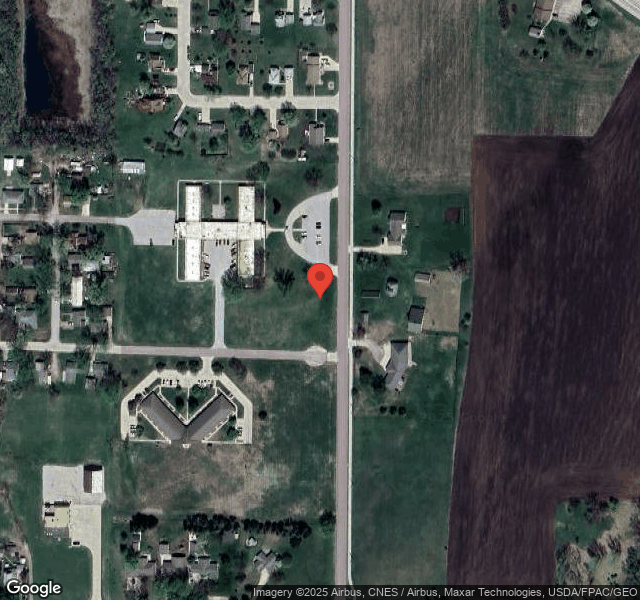
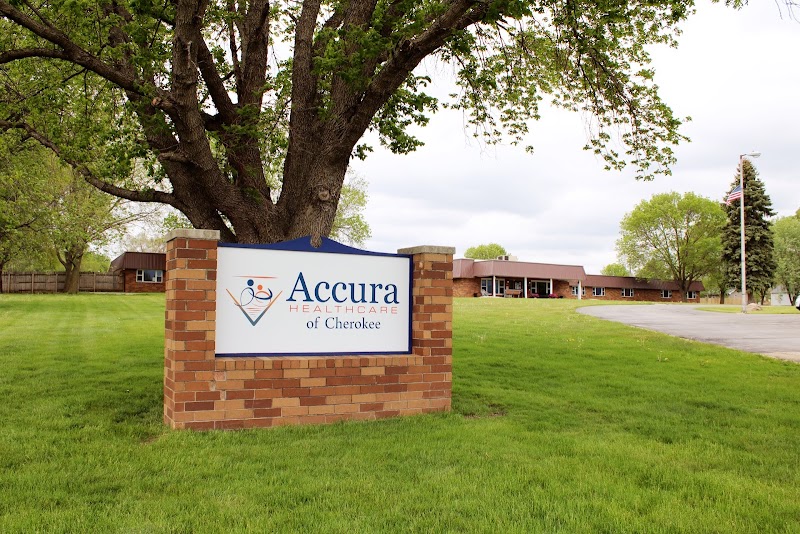
921 Riverview Drive, Cherokee, IA 51012 (712) 225-5724
For profit - Corporation 46 Beds ACCURA HEALTHCARE Data: November 2025 1 Immediate Jeopardy citation
Trust Grade
46/100
#245 of 392 in IA
Last Inspection: October 2024

Within standard 12-15 month inspection cycle. Federal law requires annual inspections.

Overview

Accura Healthcare of Cherokee, LLC has a Trust Grade of D, indicating that it is below average and has some concerning issues. It ranks #245 out of 392 facilities in Iowa, placing it in the bottom half of state options, and #3 out of 5 in Cherokee County, meaning only two local facilities are rated higher. The overall trend is worsening, with the number of issues increasing from 3 in 2023 to 4 in 2024. Staffing is a strength, rated at 4 out of 5 stars with a turnover rate of 44%, which is average for Iowa, suggesting that many staff members are familiar with the residents. However, there are significant concerns, including a critical incident where a resident with impaired cognition was able to exit the facility unattended, posing a serious safety risk. Other findings noted issues with infection control practices and food safety standards, highlighting areas that need improvement.
Trust Score
D
46/100
In Iowa
#245/392
Bottom 38%
Safety Record
High Risk
Review needed
Inspections
Getting Worse
3 → 4 violations
Staff Stability
○ Average
44% turnover. Near Iowa's 48% average. Typical for the industry.
Penalties
○ Average
$8,021 in fines. Higher than 55% of Iowa facilities. Some compliance issues.
Skilled Nurses
○ Average
Each resident gets 38 minutes of Registered Nurse (RN) attention daily — about average for Iowa. RNs are the most trained staff who monitor for health changes.
Violations
○ Average
9 deficiencies on record. Average for a facility this size. Mostly minor or procedural issues.
★★☆☆☆
2.0
Overall Rating
★★★★☆
4.0
Staff Levels
★★☆☆☆
2.0
Care Quality
★★☆☆☆
2.0
Inspection Score
Stable
2023: 3 issues
2024: 4 issues

The Good

  • 4-Star Staffing Rating · Above-average nurse staffing levels
  • Full Sprinkler Coverage · Fire safety systems throughout facility
  • No fines on record
  • Staff turnover below average (44%)

    4 points below Iowa average of 48%

Facility shows strength in staffing levels, fire safety.

The Bad

2-Star Overall Rating

Below Iowa average (3.0)

Below average - review inspection findings carefully

Staff Turnover: 44%

Near Iowa avg (46%)

Typical for the industry

Federal Fines: $8,021

Below median ($33,413)

Minor penalties assessed

Chain: ACCURA HEALTHCARE

Part of a multi-facility chain

Ask about local staffing decisions and management

The Ugly 9 deficiencies on record

1 life-threatening
Dec 2024 1 deficiency 1 IJ
CRITICAL (J) 📢 Someone Reported This

A family member, employee, or ombudsman was alarmed enough to file a formal complaint

Immediate Jeopardy (IJ) - the most serious Medicare violation

Accident Prevention (Tag F0689)

Someone could have died · This affected 1 resident

**NOTE- TERMS IN BRACKETS HAVE BEEN EDITED TO PROTECT CONFIDENTIALITY** Based on clinical record review, staff interviews and facility policy review, the facility failed to ensure residents with impai...

Read full inspector narrative →
**NOTE- TERMS IN BRACKETS HAVE BEEN EDITED TO PROTECT CONFIDENTIALITY** Based on clinical record review, staff interviews and facility policy review, the facility failed to ensure residents with impaired cognition were unable to exit the facility unattended for 1 of 4 residents reviewed for elopement (Resident # 1). This failure resulted in the resident leaving the facility without staff knowledge and therefore causing an Immediate Jeopardy to the health, safety, and security of the residents. The facility failed to ensure residents needing a mechanical lift were provided safe and appropriate transfers to prevent injuries for 4 of 4 residents reviewed (Resident # 2, #5, #6 & #7). The State Agency informed the facility of the Immediate Jeopardy (IJ) that began as of October 17, 2024 on December 17, 2024 at 9:17 a.m The Facility Staff removed the Immediate Jeopardy on October 17, 2024 through the following actions: a. The facility floor nurse checked all facility windows and doors in the chronic confusion or dementing illness (CCDI) unit (memory care unit) and all were intact and working properly. b. Frequent checks were initiated on Resident #1. c. Administrator conducted a door alarm check, and all doors and alarms were working properly. d. Administrator reviewed elopement binder was current. e. Administrator completed education on the facility elopement policy. f. Administrator changed all facility door codes for exits and CCDI unit. g. Administrator initiated a sign off sheet for facility floor nurses to conduct door alarm checks at shift change. The scope lowered from a J to D at the time of the survey after ensuring the facility implemented education and their policy and procedures. The facility identified a census of 36 residents. Findings Include: 1. The Minimum Data Set (MDS) assessment dated [DATE] for Resident #1 documented diagnoses of Alzheimer ' s Disease, psychotic disorder and Schizophrenia. The MDS showed a Brief Interview for Mental Status (BIMS) score of 99 indicating the resident was unable to complete the assessment. Review of progress notes revealed the following: a. 10/17/24 at 6:50 a.m., Staff member in the parking lot calls facility stating someone was coming around the south side of the building. Staff exits to assess the situation. Noted that this resident was outside. Staff times 2 assisted resident back into the building and back to the CCDI unit. No injuries noted. Frequent checks by staff initiated. b. 10/17/24 at 9:50 a.m., Reported patient was observed outside of the facility around 6:15 a.m Facility unsure exactly how she eloped and continuing to review the incident. c. 10/17/24 at 10:01 a.m., Nurse was notified Resident #1 was outside this morning just after shift change. Assessment completed. Head to toe assessment completed no redness or bruising noted, no open areas noted, no areas of concern at this time. Resident #1 was dressed appropriately for the cool weather with two pairs of pants, socks, tennis shoes, t-shirt, sweatshirt and winter coat. When asked if she was in any pain she responded no. When asked if she fell down she responded no. When asked how long she was outside she reported a little bit. When asked which door she went out she stared straight forward and would not respond each time she was asked. Frequent observation checks were initiated upon return to the facility. Proper authorities were notified and all involved staff were asked to provide statements. Hospice and primary care physician updated no new orders noted at this time power of attorney notified d. 10/18/24 at 1:43 p.m., Resident remains on frequent checks due to elopement that occurred on 10/17/24. Review of the MDS dated [DATE] revealed Resident #1 did not use a wander or elopement alarm. Review of elopement risk assessment dated [DATE] revealed Resident #1 high risk for elopement. Review of the care plan with a date initiated 7/24/24 revealed a focus area of resident is an elopement risk related to disorientation to place, wandering, confusion, Alzheimer ' s Disease, dementia, Schizophrenia, and psychosis. Resident #1 resides in the CCDI memory unit. She is orientated to self. She talks about wanting to go home. The CCDI unit has a locked door to the main nursing home side. Goals include the resident ' s safety will be maintained through the review date and the resident will not leave facility property unattended through the review date. Interventions and tasks include assess for fall risk, distract resident from wandering by offering , structured activities, food, conversation, television and books. identify patterns of wandering. Provide structured activities to include toileting, walking inside and outside, reorientation strategies including signs, pictures and memory boxes. Interview on 12/16/24 at 10:20 a.m., with the Director of Nursing (DON) revealed she was informed at approximately 7:00 a.m., on 10/17/24 that Resident #1 had eloped from the facility. The DON explained the night shift staff had witnessed the resident outside as they left the building and notified the day shift. The DON arrived shortly after the incident and completed an assessment on Resident #1 with no injuries noted. Resident #1 was wearing 2 pairs of pants, a long sleeve shirt and sweatshirt over that. The DON revealed the resident may have been holding her winter coat while she was outside. The DON further revealed the staff working that night received disciplinary action as they had propped open the doors to the CCDI unit and now the doors are programmed to alarm if the door is open longer than 15 seconds. Review of written statement by Staff A, Licensed Practical Nurse (LPN) revealed the staff did have the door propped open a few times in the night, but this nurse could see up and down the hallway and into the living room at those times. No one was wandering but there were a lot of behaviors during the night. Interview on 12/16/24 at 11:30 a.m., with Staff A, LPN revealed she was working the night Resident #1 got out of the facility. Staff A revealed the staff had propped the door open but she was sitting where she could see what was going on in the CCDI unit the entire time. She revealed she never seen Resident #1 leave out of the CCDI unit. She is still unsure how Resident #1 got out of the facility that night. Staff A revealed the facility staff would prop the door open on the CCDI unit as the staff felt like they were confined in the CCDI unit and they didn ' t like that feeling. She further revealed she received disciplinary action for propping the doors open to the CCDI unit and the door alarms were changed so they can no longer prop the doors open. Review of written statement by Staff B, Certified Nursing Assistant (CNA) revealed the door was propped open throughout the night here and there but the nurse was aware and could see the hallway, living room and dining area in the CCDI unit. Stated there had been several behaviors occurring that night. Staff B verified she las checked on Resident #1 was approximately 5:50 a.m., and Resident #1 was in her room. Review of written statement dated 10/18/24 at 1:30 p.m., by Staff C, CNA revealed Staff C began to explain that they were confused as to how Resident #1 had left the unit. Staff C asked Staff B if the secured door to the CCDI unit was propped open at all. Staff B responded yeah, but just while she took the trash out. Staff C informed the charge nurse of the door being propped open for a short time and that Staff C was initiated frequent checks on Resident #1. Review of facility provided policy titled Missing Resident Elopement Process updated 7/12/2021 revealed the following information: a. If for any reason, door alarms are turned off, the staff will continually visually monitor the door or doors. b. When a resident is located, the following procedures will be followed: i. An incident report will be reviewed at monthly safety committee meetings and each quarter with the Quality Assurance Committee. c. Education and Training- all staff will be educated on proper identification, assessment, and treatment of residents identified as an exit seeking risk. This education will occur during orientation and annually thereafter. Interview on 12/16/24 at 12:22 p.m., with the Administrator revealed the doors to the CCDI unit should have never been propped open. Staff working that night when the resident eloped received disciplinary action for propping the doors open. 2. The Care Plan for Resident #2 showed on 3/25/21 the facility initiated resident requires assist of 2 staff with hoyer lift for toileting and transfers. The Progress Note dated 10/22/2024 at 12:40 PM for Resident #2 documented the following: The CNA (Staff G, CNA) was transferring resident from wheelchair to bed via hoyer by self. States she had the sling hooked up to hoyer properly, lifted resident in air, heard a pop, one of the loops got unhooked and resident fell out of sling to floor. The Employee Corrective Action Form showed on 10/23/24 Staff G, CNA received a written warning. The form documented the following: Incident/Infraction: On 10/22/24 you provided a transfer with a patient lift independently, in result the resident slipped out of the lift. Per facility policy the resident handling/transfer, it is the responsibility to ensure that an employee is preventing or minimizing the risk of injury to the resident or employee. Two staff members must be utilized when transferring residents. Expectations Moving Forward: Employee will follow the facility mechanical lift policy and ensure that resident safe handling/transferring is being followed by having a second person assisting when providing any resident transfer. In an interview on 12/16/24 at 12:02 PM, the Administrator reported they were unsure how Resident #2 fell from the hoyer. They thought it was because the sling was not placed all of the way around the hook. 3. The MDS assessment dated [DATE] for Resident #5 documented diagnoses of spinal stenosis, weakness, chronic pain, and signs of cognitive functions and awareness. The MDS showed a BIMS score of 12, which indicated moderate cognitive impairment. The MDS identified Resident #5 with limitation in movement and impaired range of motion to lower body. The MDS also showed Resident #5 dependent on a helper for all efforts when repositioning and for transfers. The Care Plan for Resident #5 showed on 12/4/24 the facility initiated use of a mechanical lift with assistance of two persons for toileting and transfers. Observation on 12/16/24 at 11:51AM revealed Staff D, Certified Nurse ' s Aide (CNA), and Staff E, CNA used a EZ Way Mechanical lift to transfer Resident #5 from the bed to the wheelchair. Staff D locked one wheel of the mechanical lift before she used the mechanical lift controller to raise the resident out of the bed. Staff also failed to lock the wheelchair brakes before lowering the resident down into the wheelchair from the mechanical lift. Failure to lock the brakes caused the wheelchair to roll back as the lift lowered the resident into the wheelchair. Staff E attempted to steady the wheelchair by placing her body against the wheelchair. 4. The MDS assessment dated [DATE] for Resident #6 documented diagnoses of a stroke, dementia and unsteadiness on feet. The MDS showed a BIMS score of 6, which indicated severe cognitive impairment. The MDS also showed Resident #6 dependent on a helper for all efforts when repositioning and for transfers. The Care Plan for Resident #6 showed on 8/15/23 the facility initiated use of a mechanical lift with assistance of two persons for transferring the resident between surfaces. On 12/4/24 the facility initiated use of a mechanical lift with assistance of two persons for toileting. Observation on 12/16/24 at 12:19 PM revealed Staff D, Certified Nurse ' s Aide (CNA), and Staff E, CNA used a EZ Way Mechanical lift to transfer Resident #6 from the bed to the wheelchair. Staff D locked two wheels of the mechanical lift before she used the mechanical lift controller to raise the resident out of the bed. Staff E also locked two brakes of the mechanical lift before she lowered the resident into the wheelchair. 5. The MDS assessment dated 1126/24 for Resident #7 documented diagnoses of difficulty in walking, dementia, and disorientation. The MDS showed Resident #7 unable to complete a cognitive assessment. The MDS also showed Resident #7 dependent on a helper for all efforts when repositioning and for transfers. The Care Plan for Resident #7 showed on 8/18/23 the facility initiated use of a mechanical lift with assistance of two persons for transferring the resident between surfaces. Observation on 12/16/24 at 12:42 PM revealed Staff D, Certified Nurse ' s Aide (CNA), and Staff E, CNA used a EZ Way Mechanical lift to transfer Resident #7 from the bed to the wheelchair, and weighed the resident using the lift scale. While Staff D and Staff E placed a sling beneath the resident, Staff D stated, I know the sling is way too big. Staff placed the mechanical lift, attached the straps, and locked two wheels then used the controller to raise the resident out of bed. When lifted off the bed observation showed the beginning of the crossed webbing of the sling exceeded the top of the resident ' s head. Staff noted the scale indicated the resident weighed 164.4 pounds (Ibs). When the resident ' s placement reached over the center of the wheelchair, Staff E locked two brakes of the mechanical lift then lowered the resident. The extra material of the sling caused the resident to be positioned improperly within the sling which required staff to manipulate the resident ' s position in order to sit properly within the wheelchair. When asked how staff knew what size sling to use, the CNA ' s indicated the sling size would need to be looked up. Visual observation of the EZ Way sling tag indicated the sling as an extra large. When asked if Resident #7 required an extra large sling, both CNA ' s reported they did not know. When asked about Staff D ' s comment of the sling being too big, Staff E stated it was the only one left. When asked if sling sizes were often an issue, Staff E stated, yes we don ' t have enough sizes especially after the laundry staff leave. In an interview on 12/16/24 at 2:23 PM, the Administrator reported staff could look up the proper size sling by reviewing the lift binder. The EZ Way Smart Lift Operator ' s Instructions last revised on 10/24/24 indicated: a. The wheels of the lift should never be locked when lifting or lowering a resident. b. When lowering a resident into a wheelchair, the wheels of the wheelchair should be locked. c. A medium size sling is required for residents weighing between 90 and 220 Ibs. d. An extra large sling is required for residents weighing between 280 and 450 Ibs. e. The start of crossed webbing of the sling is positioned at the nape of the neck. In an interview on 12/16/24 at 3:32 PM, Staff F, Registered Nurse stated, I was always taught mechanical lift wheels should be locked when lifting and lowering a resident. The Administrator reported staff recently received education related to mechanical lifts due to a mechanical lift incident involving a resident. The Administrator revealed the education failed to include information about mechanical lift and wheelchair locks during transfers. The Administrator reported the facility used lifts from different manufacturers and expected staff to follow the lift operator ' s instructions for the brand of lift used. The Administrator also reported that she planned to purchase additional slings, attach sling weight information for sizing directly to the lifts, and educate staff on sling size and wheel lock information.
Oct 2024 3 deficiencies
CONCERN (D)

Potential for Harm - no one hurt, but risky conditions existed

PASARR Coordination (Tag F0644)

Could have caused harm · This affected 1 resident

**NOTE- TERMS IN BRACKETS HAVE BEEN EDITED TO PROTECT CONFIDENTIALITY** Based on clinical record review and staff interview, the facility failed to refer a resident with a negative Level I result for ...

Read full inspector narrative →
**NOTE- TERMS IN BRACKETS HAVE BEEN EDITED TO PROTECT CONFIDENTIALITY** Based on clinical record review and staff interview, the facility failed to refer a resident with a negative Level I result for the Preadmission Screening and Resident Review (PASRR), who was later identified with newly evident or possible serious mental disorder, intellectual disability, or other related condition, to the appropriate state-designated authority for Level II PASRR evaluation and determination for 2 out of 2 residents (Resident #6 and #14) reviewed for PASRR requirements. The facility reported a census of 34 residents. Findings include: 1. The Minimum Data Set (MDS) assessment dated [DATE] for Resident #6 documented diagnoses anxiety disorder, depression and psychotic disorder. The MDS included a Brief Interview for Mental Status (BIMS) score of 3 indicating severe cognitive impairment. Review of the active diagnosis list in the clinical record revealed the following diagnoses; a. Anxiety disorder, b. Major depressive disorder, c. Delusional disorders. The clinical record lacked an updated PASRR to include delusional disorders or psychotic disorder. Interview on 10/08/24 at 12:39 p.m., with Staff B, Registered Nurse (RN) revealed the delusional disorder should have been on the PASRR. 2. The The MDS assessment dated [DATE] for Resident #14 documented diagnoses of Major Depressive Disorder, dementia and stroke. The MDS included a BIMS score of 5 indicating severe cognitive impairment. Review of the active diagnosis list in the clinical record revealed the following diagnoses; a . Major Depressive Disorder, c. dementia. Review of the Physician's Orders showed Seroquel for tearfulness/paranoia related to dementia with other behavioral disturbances. The clinical record lacked an updated PASRR to include Major Depressive Disorder, dementia and Seroquel.
CONCERN (D)

Potential for Harm - no one hurt, but risky conditions existed

Quality of Care (Tag F0684)

Could have caused harm · This affected 1 resident

**NOTE- TERMS IN BRACKETS HAVE BEEN EDITED TO PROTECT CONFIDENTIALITY** Based on record review, resident and staff interviews and facility policy review the facility failed to provide physician ordere...

Read full inspector narrative →
**NOTE- TERMS IN BRACKETS HAVE BEEN EDITED TO PROTECT CONFIDENTIALITY** Based on record review, resident and staff interviews and facility policy review the facility failed to provide physician ordered leg wraps for edema for 1 of 1 resident reviewed, (Resident #21). The facility reported a census of 34 residents. Findings include: The Minimum Data Set (MDS) assessment dated [DATE] for Resident #21 documented diagnoses of lymphedema, cellulitis and obesity. The MDS showed the Brief Interview for Mental Status (BIMS) score of 15, indicating no cognitive impairment. Interview on 10/9/24 at 1:22 p.m., with Resident #21 revealed he has not had any wraps on his legs for the swelling. Resident #21 stated the facility had put some other kind of edema stuff on his legs but he was not able to use that anymore as that was too tight and pushed all the edema up into his knee area. He has been trying to keep his legs up when he is sitting in his chair. Review of a signed Physician Order dated 10/4/24 revealed an order for ace wraps bilaterally from toes to knees placed daily on and removed as needed or bedtime. Review of Resident #21's Progress Notes revealed the following: a. On 10/4/24 at 3:58 p.m., revealed order received from Nurse Practitioner to apply ace wraps to bilateral lower extremities (BLE) from toes to knees. On in the morning and off at bedtime. b. On 10/5/24 at 8:50 a.m., ACE wraps BLE toes to knees two times a day for edema- not available. c. On 10/5/24 at 10:43 p.m., ACE wraps BLE toes to knees two times a day for edema- not available. d. On 10/6/24 at 6:37 a.m., ACE wraps BLE toes to knees two times a day for edema- on order from the pharmacy. e. On 10/6/24 at 10:19 p.m., ACE wraps BLE toes to knees two times a day for edema- not available. f. On 10/7/24 at 12:47 a.m., noted that edema wear is too tight on resident legs. Edema pushed up to the resident knee with tight, hard edema. Resident instructed to not put it on tomorrow and see how it goes. BLE continues red and warm to the touch, resident complain of pain when they are down. g. On 10/7/24 at 9:26 a.m., ACE wraps BLE toes to knees two times a day for edema- not available. h. On 10/8/24 at 6:32 a.m., ACE wraps BLE toes to knees two times a day for edema- on order from the pharmacy. i. On 10/8/24 at 10:17 p.m., ACE wraps BLE toes to knees two times a day for edema- not available. j. On 10/9/24 at 9:45 a.m., ACE wraps BLE toes to knees two times a day for edema- ace wraps not here yet. Review of Resident #21's October 2024 Treatment Administration Record (TAR) revealed the following information: a. ACE wraps to bilateral lower extremities toes to knees two times a day for edema with a start date of 10/4/24. b. The TAR revealed the ACE wraps were not available on 10/5/24-10/7/24 and 10/8/24-10/9/24. Interview on 10/9/24 at 1:39 p.m., with Staff B, Registered Nurse revealed the order the facility received for Resident #21 was for ace wraps on his legs and they should have been on. Staff B further revealed the wraps have been given to the nurse and education provided and the staff will be putting them on the residents legs today.
CONCERN (F)

Potential for Harm - no one hurt, but risky conditions existed

Infection Control (Tag F0880)

Could have caused harm · This affected most or all residents

Based on observation, infection control policy and staff interview, the facility failed to initiate a legionella water program for the facility. The facility reported a total census of 34 residents. F...

Read full inspector narrative →
Based on observation, infection control policy and staff interview, the facility failed to initiate a legionella water program for the facility. The facility reported a total census of 34 residents. Findings include: Interview on 10/9/24 at 1:13 p.m., with Staff A, Maintenance Director revealed he did not do any testing or monitoring of the program. He only checks water temperatures once a week. Review of facility provided policy titled Legionella undated revealed the facility will utilize sound clinical and infection control practices to quickly identify and treat any potential Legionnaires' related illnesses. Sound engineering, preventive maintenance and housekeeping practices will be utilized to minimize the risk of exposing residents and team members to the legionella bacteria. The following information under Minimizing Growth of Legionella in Domestic Water System included: a. Flush toilets and run faucets for a minimum of 30 seconds in all vacant resident rooms periodically(monthly) b. For resident rooms, or other rooms with plumbing fixtures that are used for offices and or storage, flush toilets and run faucets and shower heads for a minimum of 30 seconds periodically (monthly). Interview on 10/9/24 at 1:55 p.m., with the Administrator revealed the facility should be following the policy and flushing toilets and running water.
Jul 2023 3 deficiencies
CONCERN (D)

Potential for Harm - no one hurt, but risky conditions existed

Deficiency F0657 (Tag F0657)

Could have caused harm · This affected 1 resident

**NOTE- TERMS IN BRACKETS HAVE BEEN EDITED TO PROTECT CONFIDENTIALITY** Based on observation, facility record review, resident and staff interview, the facility failed to review and revise the plan of...

Read full inspector narrative →
**NOTE- TERMS IN BRACKETS HAVE BEEN EDITED TO PROTECT CONFIDENTIALITY** Based on observation, facility record review, resident and staff interview, the facility failed to review and revise the plan of care for 2 of 14 residents reviewed (Residents #13 & #30). The facility reported a census of 36 residents. Findings include: 1. The Minimum Data Set (MDS) assessment dated [DATE], documented Resident #13 had a Brief Interview for Mental Status (BIMS) score of 12 which indicated Resident had moderate cognitive impairment. The MDS also documented Resident #13 had diagnoses of peripheral vascular disease (narrowing or blockage of blood vessels), stroke, pseudomonas (a type of bacteria), ulcerated varicose veins, cellulitis (skin infection), and chronic venous insufficiency (damage to leg veins). Observation on 7/10/23 at 11:10 AM revealed a sign hung on Resident #13 ' s door indicating that she was on Transmission Based Precautions (TBP) and a plastic storage cart with a bottle of hand sanitizer and box of gloves on top and isolation gowns, and wound supplies in the drawers. Observation on 7/10/23 at 12:30 PM revealed Resident #13 sitting in her wheelchair at a table in the dining room with 3 other ladies finishing lunch. Clinical record review of resident ' s Progress Notes revealed the following: On 5/31/23 staff educated the resident on the contradiction of using Imodium with C-difficile (a bacteria that causes diarrhea). On 6/6/23 staff received signed lab orders from the physician indicating that the stool sample was positive for C-difficile. Review of the readmission Care Plan with an initiation date of 6/29/23 failed to identify a problem focus area or directives to address the resident having C-difficile and being on TBP. In an interview with the consultant Director of Nursing (DON) on 7/13/23 at 1:05 PM stated that he would expect that the care plan would have been updated immediately on learning resident was C-diff positive. 2. The MDS assessment dated [DATE] for Resident # 30, documented diagnoses of anemia, hypotension (low blood pressure), depression adrenocortical insufficiency (not enough of certain hormones), pulmonary embolism (blood clot in lung), acute respiratory failure, weakness, diarrhea, and abnormal weight loss. Review of residents clinical record Skin Assessments revealed the following: On 5/23/23 documentation of 1cm x 1cm shearing wound to right buttock that was first noted 5/16/23. A check mark that the care plan was current and up-to-date with wound interventions. On 5/30/23 documentation of 0.5cm x 1.6 cm shearing wound to right buttock. There was a check mark that the care plan was current and up-to-date. On 6/6/23 documentation of 0.5cm x 1.6 cm shearing wound to right buttock. There was a check mark that the care plan was current and up-to-date. On 6/13/23 documentation of 1cm x 2 cm shearing wound to right buttock. There was a check mark that the care plan was current and up-to-date. On 6/20/23 documentation of 0.5cm x 2.2 cm shearing wound to right buttock. There was a check mark that the care plan was current and up-to-date. On 6/27/23 documentation of 0.5cm x 2.2 cm shearing wound to right buttock. There was a check mark that the care plan was current and up-to-date, and the physician was contacted for new orders. On 7/11/23 documentation of 0.2cm x 1cm shearing wound to right buttock. There was a check mark that the care plan was current and up-to-date. There was also documentation that the physician was contacted with an update of some improvement noted to the area, however, a new area on his lower right buttock has developed. Review of residents clinical record Progress Notes revealed the following: On 6/14/23 open area on right buttock from shearing is getting worse. Resident sits in his recliner all the time and refuses to sleep in his bed. No signs or symptoms of infection noted. Fax sent to physician to get order for Tegaderm foam dressing. On 6/20/23 the wound is stable. Physician notified of status and request for new treatment orders. On 6/27/23 the wound is in decline and physician notified of status and request for new treatment orders. Resident has 3 new open areas on his right buttock due to shearing and 1 on his left buttock. Review of residents clinical record Orders revealed the following: Tegaderm foam to right buttock, change every Tuesday, Friday and PRN with start date of 6/16/23 and end date of 6/29/23. Cleanse wounds on buttocks with wound wash, apply skin prep and cover with foam dressing every Tuesday and Friday with a start date of 6/30/23. Review of residents Care Plan, with a revision date of 4/30/23 revealed a focus area of potential impairment of skin integrity due to fragile skin, weakness, incontinence and lack of mobility. The goal was to maintain or develop clean and intact skin by target date of 7/31/23. The care plan lacked documentation of resident ' s wounds and changing treatments. In an interview with the consultant Director of Nursing (DON) on 7/13/23 at 1:05 PM he stated that he would expect that the care plan would have been updated with wound changes and treatments as they occurred.
CONCERN (D)

Potential for Harm - no one hurt, but risky conditions existed

Infection Control (Tag F0880)

Could have caused harm · This affected 1 resident

**NOTE- TERMS IN BRACKETS HAVE BEEN EDITED TO PROTECT CONFIDENTIALITY** Based on observations, staff interviews, Centers for Disease Control and Prevention (CDC), and policy review, the facility faile...

Read full inspector narrative →
**NOTE- TERMS IN BRACKETS HAVE BEEN EDITED TO PROTECT CONFIDENTIALITY** Based on observations, staff interviews, Centers for Disease Control and Prevention (CDC), and policy review, the facility failed to follow the standards of care for providing proper care of 1 of 1 residents reviewed (Resident #13) with Clostridioides difficile (C.diff). The facility reported a census of 36 residents. Findings include: The Minimum Data Set (MDS) assessment dated [DATE], documented Resident #13 had a Brief Interview for Mental Status (BIMS) score of 12 which indicated Resident had moderate cognitive impairment. The MDS also documented Resident #13 had diagnoses of peripheral vascular disease (narrowing or blockage of blood vessels), stroke, pseudomonas (a type of bacteria), ulcerated varicose veins, cellulitis (skin infection), and chronic venous insufficiency (damage to leg veins). Observation on 7/10/23 at 11:10 AM revealed a sign hung on Resident #13 ' s door indicating that she was on Transmission Based Precautions (TBP) and a plastic storage cart with a bottle of hand sanitizer and box of gloves on top and isolation gowns, and wound supplies in the drawers. Observation on 7/10/23 at 12:30 PM revealed Resident #13 sitting in her wheelchair at a table in the dining room with 3 other ladies finishing lunch. In an interview on 7/11/23 at 9:50 AM, the resident stated staff wear gowns and rubber gloves when caring for her. When asked about washing their hands, the resident stated she thinks that they mostly use hand sanitizer. In an interview on 7/11/23 at 12:30 PM Staff B, housekeeping stated he was not really doing anything different to clean Resident #13 ' s room. He stated he used a disinfectant that they have been using since COVID and that it is used in all the rooms. Review of facility document titled Clostridium Difficile (C. Diff), updated 10/19/23, revealed that a resident with C. diff. should be placed in a private room and that gloves and gowns should be worn on entering the resident ' s room. It also stated that hands must be washed immediately with an antiseptic soap (rather than hand sanitizer). Lastly, the document indicated that equipment and room must be cleaned with bleach 10/1 ratio. Review of CDC guidelines revealed that to clean the C.diff germs, a mixture of 1 part bleach to 9 parts water should be used. On 7/11/23 at 12:45 PM Interviewed ICP who stated that Resident #13 should have been put in a private room, but for whatever reason the admission team did not. She stated that housekeeping is to be cleaning this resident's room last and using a bleach solution to clean. She stated she was aware that resident is going out to the dining room to eat, but that she knows she is to be washing her hands. She stated staff are using bleach wipes to clean the toilet/bathroom when resident uses the toilet. She stated her expectation was that staff would follow the guidelines and policy.
CONCERN (E)

Potential for Harm - no one hurt, but risky conditions existed

Food Safety (Tag F0812)

Could have caused harm · This affected multiple residents

Based on observation and staff interview, the facility failed to store, prepare, distribute and serve food in accordance with professional standards for food service safety. The facility reported a ce...

Read full inspector narrative →
Based on observation and staff interview, the facility failed to store, prepare, distribute and serve food in accordance with professional standards for food service safety. The facility reported a census of 36 residents. Findings include: 1) During initial tour of the kitchen on 7/10/23 at 10:47 a.m. the Dietary Supervisor (DS) worked in the kitchen. The following were noted: a. A stainless steel table where the robo coupe sat had multiple papers and binders with crumbs around and under the items. b. The shelf underneath had pans sitting upside down on it and the shelf had a dusting of a white substance. c. The door by the freezer had dirt and grit around the baseboard and the bottom of the door frame on both sides. d. Vinyl baseboard loose and not adhering to the wall intermittently from the doorway of the store room around to the area where the 3 compartment sink sat. e. The storeroom had a white sheeting on the shelves that appeared to be worn in places and unsanitizable. Some areas where items sat were sticky. f. The top of the hand washing trash receptacle was dirty. g. The oven hood did not appear to be free of grease, and the dietary supervisor said it looked like it needed some attention. On 7/12/23 after the noon meal service the DS got a flashlight to better visualize the stove hood. It revealed a thick buildup of grease throughout. The DS stated since they had someone cleaning it she didn't think about it and never looked up. On 7/13/23 at 10:14 a.m. the Administrator stated she had not looked at the stove hood. She provided a bill showing the hood cleaned 4/20/23. She said they could have it cleaned more often if necessary. On 7/13/23 at 11:20 a.m. the DS had cleaned the kitchen hood and said she had to scrub it to get it clean. It then appeared free of grease. A Fire Suppression Systems: Hoods and/or Rooms report dated 2/13/23 documented inspection of the kitchen hood. The hood was last steam cleaned 10/2022 and was free of a buildup of grease. An invoice with a service date of 4/20/23 indicated the kitchen hood exhaust system, 1 fan, duct work, 1 hood inside and out were cleaned. Due to revised EPA regulations, they no longer cleaned filters. They recommended putting them in the dishwasher or handwashing in a dish sink. A Kitchen Hood Exhaust System Cleaning report documented the next service (not) due (until) November 2023. 2. On 7/12/23 at 11:34 a.m. Staff C Dietary Aide (DA) had her front hair out of the hair net. She also wore a thick band of bracelets on each wrist and several rings, one larger and more protruding. On 7/12/23 at 12:01 p.m. the DS started serving in the main dining room. The DA assisted with the noon service with the front of her hair hanging out of the hair net. The 2017 food Code included: 4-202.18 Filters or other grease extracting equipment should be designed to be readily removable for cleaning and replacement if not designed to be cleaned in place. 2-402.11 Food employees should wear hair restraints such as hats, hair coverings or nets, beard restraints, and clothing that covered the body hair, that were designed and worn to effectively keep their hair from contacting exposed food, clean equipment, utensils, and linens; and unwrapped single service and single use articles. 2-303.11 Except for a plain ring such as a wedding band, while preparing food, food employees may not wear jewelry including medical information jewelry on their arms and hands.
Apr 2022 2 deficiencies
CONCERN (D)

Potential for Harm - no one hurt, but risky conditions existed

Accident Prevention (Tag F0689)

Could have caused harm · This affected 1 resident

**NOTE- TERMS IN BRACKETS HAVE BEEN EDITED TO PROTECT CONFIDENTIALITY** Based on observations, interviews and record review the facility failed to implement interventions to prevent accidents and haza...

Read full inspector narrative →
**NOTE- TERMS IN BRACKETS HAVE BEEN EDITED TO PROTECT CONFIDENTIALITY** Based on observations, interviews and record review the facility failed to implement interventions to prevent accidents and hazards for 2 of 12 residents reviewed, ( Resident #31 and #7). Resident #31 was at risk for aspiration related to a diagnosis of dysphagia. The care plan indicated he required close supervision with meals and he was observed to eat a meal without interventions as directed on the care plan. Resident #7 fell to the floor in the shower room when the brakes on the shower chair were not all engaged. Resident #7 required supervision with meals and was observed to have 2 separate meals served to her in her room unattended. The facility reported a census of 34 residents. Findings include: 1) According to the Minimum Data Set (MDS) dated [DATE], Resident #7 had a Brief Interview for Mental Status (BIMS) score of 12 out of 15, indicating moderate cognitive deficit. The resident required limited assistance with the help of one for transfers and hygiene needs and set up with the help of one staff for meals. The current Care Plan included diagnosis of degenerative disease of nervous system, extrapyramidal and movement disorder and anxiety disorder. The resident was at risk for falls and required frequent cueing and reminders. On 11/4/21 an intervention was added to the Care Plan to make sure all of the brakes were locked on shower chair before transferring. According to a Nursing Note dated 11/4/21 at 7:20 AM, Resident #7 had been in the shower room and was lowered to the floor by an aide. The resident had been shaking during the transfer and lost her balance. The shower chair had the front brakes locked but the back brakes were not locked and the chair moved while being transferred. An Incident Report dated 11/4/22 at 7:20 AM stated the resident was shaking during transfer and lost her balance and the chair moved. The resident stated the chair moved when she was standing up. The report stated the floor had been wet, the front brakes on the shower chair were locked but not the back brakes. On 4/20/22 at 10:48 AM, Registered Nurse (RN) Staff B acknowledged she filled out the Incident Report and remembered when the CNA was transferring the resident from the shower chair to the wheel chair the resident became unstable and the CNA lowered her to the floor. She remembered the brakes on the shower chair were not all engaged. A Disciplinary Report dated 11/4/21 indicated Staff C had been educated about making sure all 4 of the wheel brakes were locked on the shower chair prior to transferring a resident. In an observation on 4/19/22 at 9:49 AM, Resident #7 was sitting in a recliner in her room with basin in her lap. Certified Nursing Assistant (CNA) Staff D said the resident hadn't been feeling well and had vomited the night before. On 04/19/22 at 11:39 AM resident #7 did not come out to the dining room for lunch and her lunch plate was delivered to her room. At 11:52 AM the lunch plate was still in front of her there was no staff with her to supervise. On 04/20/22 at 8:37 AM the resident was in her recliner, her legs and arms were shaking. A breakfast plate was on the bedside table next to her. She said the staff would usually help her with her meal and supervisor her but they served the meal to her in her room because she wasn't feeling well. On 4/20/22 at 11:10 AM, CNA Staff C said she remembered the fall the resident had in the shower room in November and said she had forgotten to lock all of the brakes on the shower chair. She said she was transferring the resident from the shower chair after she had completed the shower and had dressed the resident. The resident was wearing her shoes and when she had the resident stand up, the resident was shaking. Staff C asked her to sit back down onto the shower chair. She thought she had the back locks on but not the front and the chair moved, the resident became weaker and started to lower to the floor. Staff C said she had a gait belt on the resident and held onto that as she lowered her to the floor. Staff C said she had noticed Resident #7 was having worse trembling lately, and she was having trouble getting her food to her mouth and drinking out of a cup. On 4/21/22 at 11:07 AM The Director of Nursing (DON) said Resident #7 had been refusing to come out for meals more often and it's been addressed at doctor rounds. They have also been addressing the increase in tremors and the doctor has been trying different medications to help with this. The DON said she would expect staff to follow the interventions on the Care Plan which at this time says that supervision is needed with meals only as needed. She said staff are trying to encourage her to come out into the dining room and they have requested a speech therapy consult to address her meal refusals and the increased tremors. 2) According to the MDS dated [DATE], Resident #31 had a BIMS score of 6 (severe cognitive deficit). The resident required extensive assistance with the help of 2 staff for bed mobility, transfers, and toileting. He required set up and supervision for eating. The Care Plan updated on 3/29/22 included diagnosis of dementia, history of transient ischemic attack (TIA), chronic obstructive pulmonary disease, abnormal posture and dysphagia, oral phase. A focus area dated 3/29/22 included detailed recommendations from speech therapy to provide close and full supervision for entirety of meals. Staff were instructed to cue the resident to take small bites, take a drink after every couple of bites, use tongue to clear cheeks, and to eat slowly. According to the National Institution Health (NIH) people with dysphagia have difficulty swallowing and may even experience pain while swallowing (odynophagia). Some people may be completely unable to swallow or may have trouble safely swallowing liquids, foods, or saliva. Retrieved on 4/21/22 from: What Is Dysphagia (Difficulty Swallowing)? | NIDCD (nih.gov) In an observation on 4/19/22 at 11:39 AM, Resident #31 was in the dining room and feeding himself. He had a sandwich and took several large bites without swallowing. He still had food in his cheeks and then took a spoon full of mashed potatoes. At 11:42 AM he had not taken in any liquids and a staff member walked passed him but did not intervene. At 11:48 AM he was still eating and hadn't taken any drinks. A Quarterly Nursing assessment dated [DATE] at 9:07 noted rales could be heard in his lungs bilaterally and rhonchi noted on auscultation bilaterally. Lung sounds were diminished bilaterally. From 4/5/22 through 4/20/22, at the time of this writing, the chart lacked follow up lung assessment. On 4/21/22 at 10:43 AM the Administrator said she expected staff to follow the Care Plan interventions related to meal supervision for Resident #31. On 4/21/22 at 11:10 AM The DON agreed Resident #31 was very enthusiastic when eating his meals and he did require encouragement to slow down and take drinks between bites. She said he also refuses to wear his dentures and this has been a challenge to make sure that he is getting his food chewed appropriately. She said they have put him on a list of referrals for speech therapy to evaluate and make recommendations. She said staff are expected to follow the Care Plan interventions and encourage him to slow down, chew food thoroughly and take drinks between bites.
CONCERN (E)

Potential for Harm - no one hurt, but risky conditions existed

Food Safety (Tag F0812)

Could have caused harm · This affected multiple residents

Based on observations and staff interviews the facility failed to ensure that food prepared and packaged shall be clearly dated, at time the original container became opened. The facility identified a...

Read full inspector narrative →
Based on observations and staff interviews the facility failed to ensure that food prepared and packaged shall be clearly dated, at time the original container became opened. The facility identified a census of 34 residents. Findings include: An initial kitchen tour conducted on 4/18/22 at 10:04 AM, of the kitchen revealed the following containers previously opened and stored in the kitchen ready for service: a. Sour cream with no open date. b. Four containers of 1 gallon salad dressing with no open date. c. Four bottles of salad dressing with no open date. d. A 5 pound container of cottage cheese with no open date. e. Two containers of BBQ sauce with no open date. f. Three containers of mustard with no open date. g. Caramel sauce with no open date. h. A jar of cherries with no open date. i. Cornbread muffin mix with no open date. j. Streusel coffee cake topping with no open date. k. Container of honey with no open date. l. Bag of walnuts with no open date. m. A 32 ounce (oz) bottle of red food coloring with no open date. n. A 32 oz bottle of green food coloring with no open date. o. Bag of marshmallows with no open date. p. Lemon pudding mix with no open date. During the initial kitchen tour on 4/18/22 at 10:04 AM, Staff A, [NAME] stated, we have labeling issues, won't deny that ever. We don't always have time to label everything with a date that we opened it. I know that we're supposed to. In an Interview on 4/20/22 at 12:17 AM, the Dietary Manager (DM), reported she expected staff to label food with the date it is opened. The DM stated, I'm just as guilty. It has been so busy lately. We just haven't gotten it done. In an interview on 4/20/22 at 1:43 PM, the Administrator acknowledged that food should be labeled with the date it is opened. In an interview on 4/20/22 at 2:23 PM, the Administrator reported the facility lacked a food storage policy. She stated, we follow standard guidelines. The 2017 Food & Drug Administration (FDA) Food code included marking the date or day the original container is opened with a procedure to discard the food on or before the last date or day by which the food must be consumed on the premises, sold, or discarded as specified.
Understanding Severity Codes (click to expand)
Life-Threatening (Immediate Jeopardy)
J - Isolated K - Pattern L - Widespread
Actual Harm
G - Isolated H - Pattern I - Widespread
Potential for Harm
D - Isolated E - Pattern F - Widespread
No Harm (Minor)
A - Isolated B - Pattern C - Widespread

Questions to Ask on Your Visit

  • "What changes have you made since the serious inspection findings?"
  • "Can I speak with families of current residents?"
  • "What's your RN coverage like on weekends and overnight?"

Our Honest Assessment

Strengths
  • • 44% turnover. Below Iowa's 48% average. Good staff retention means consistent care.
Concerns
  • • Multiple safety concerns identified: 1 life-threatening violation(s). Review inspection reports carefully.
  • • 9 deficiencies on record, including 1 critical (life-threatening) violation. These warrant careful review before choosing this facility.
  • • Grade D (46/100). Below average facility with significant concerns.
Bottom line: Trust Score of 46/100 indicates significant concerns. Thoroughly evaluate alternatives.

About This Facility

What is Accura Healthcare Of Cherokee, Llc's CMS Rating?

CMS assigns Accura Healthcare of Cherokee, LLC an overall rating of 2 out of 5 stars, which is considered below average nationally. Within Iowa, this rating places the facility higher than 0% of the state's 100 nursing homes. A rating at this level reflects concerns identified through health inspections, staffing assessments, or quality measures that families should carefully consider.

How is Accura Healthcare Of Cherokee, Llc Staffed?

CMS rates Accura Healthcare of Cherokee, LLC's staffing level at 4 out of 5 stars, which is above average compared to other nursing homes. Staff turnover is 44%, compared to the Iowa average of 46%. This relatively stable workforce can support continuity of care. RN turnover specifically is 71%, which is notably high. RNs provide skilled clinical oversight, so turnover in this role can affect medical care quality.

What Have Inspectors Found at Accura Healthcare Of Cherokee, Llc?

State health inspectors documented 9 deficiencies at Accura Healthcare of Cherokee, LLC during 2022 to 2024. These included: 1 Immediate Jeopardy (the most serious level, indicating potential for serious harm or death) and 8 with potential for harm. Immediate Jeopardy findings are rare and represent the most serious regulatory concerns. They require immediate corrective action.
Who Owns and Operates Accura Healthcare Of Cherokee, Llc?

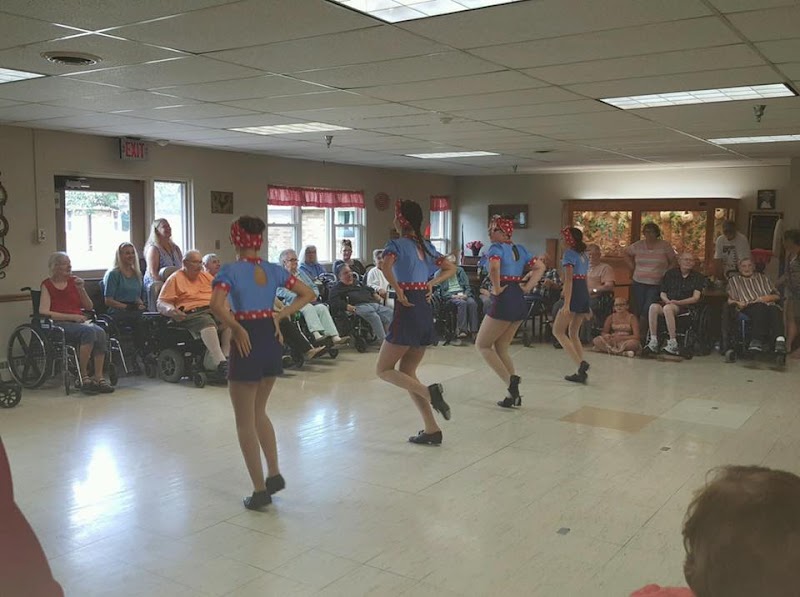
Accura Healthcare of Cherokee, LLC is owned by a for-profit company. For-profit facilities operate as businesses with obligations to shareholders or private owners. The facility is operated by ACCURA HEALTHCARE, a chain that manages multiple nursing homes. With 46 certified beds and approximately 35 residents (about 76% occupancy), it is a smaller facility located in Cherokee, Iowa.

How Does Accura Healthcare Of Cherokee, Llc Compare to Other Iowa Nursing Homes?

Compared to the 100 nursing homes in Iowa, Accura Healthcare of Cherokee, LLC's overall rating (2 stars) is below the state average of 3.0, staff turnover (44%) is near the state average of 46%, and health inspection rating (2 stars) is below the national benchmark.

What Should Families Ask When Visiting Accura Healthcare Of Cherokee, Llc?

Based on this facility's data, families visiting should ask: "What changes have been made since the serious inspection findings, and how are you preventing similar issues?" "Can I visit during a mealtime to observe dining assistance and food quality?" "How do you handle medical emergencies, and what is your hospital transfer rate?" "Can I speak with family members of current residents about their experience?" These questions are particularly relevant given the facility's Immediate Jeopardy citations.

Is Accura Healthcare Of Cherokee, Llc Safe?

Based on CMS inspection data, Accura Healthcare of Cherokee, LLC has documented safety concerns. Inspectors have issued 1 Immediate Jeopardy citation (the most serious violation level indicating risk of serious injury or death). The facility has a 2-star overall rating and ranks #100 of 100 nursing homes in Iowa. Families considering this facility should ask detailed questions about what corrective actions have been taken since these incidents.

Do Nurses at Accura Healthcare Of Cherokee, Llc Stick Around?

Accura Healthcare of Cherokee, LLC has a staff turnover rate of 44%, which is about average for Iowa nursing homes (state average: 46%). Moderate turnover is common in nursing homes, but families should still ask about staff tenure and how the facility maintains care continuity when employees leave.

Was Accura Healthcare Of Cherokee, Llc Ever Fined?

Accura Healthcare of Cherokee, LLC has been fined $8,021 across 1 penalty action. This is below the Iowa average of $33,159. While any fine indicates a compliance issue, fines under $50,000 are relatively common and typically reflect isolated problems that were subsequently corrected. Families should ask what specific issues led to these fines and confirm they've been resolved.

Is Accura Healthcare Of Cherokee, Llc on Any Federal Watch List?

Accura Healthcare of Cherokee, LLC is not on any federal watch list. The most significant is the Special Focus Facility (SFF) program, which identifies the bottom 1% of nursing homes nationally based on persistent, serious quality problems. Not being on this list means the facility has avoided the pattern of deficiencies that triggers enhanced federal oversight. This is a positive indicator, though families should still review the facility's inspection history directly.