Careage Hills Rehabilitation and Healthcare
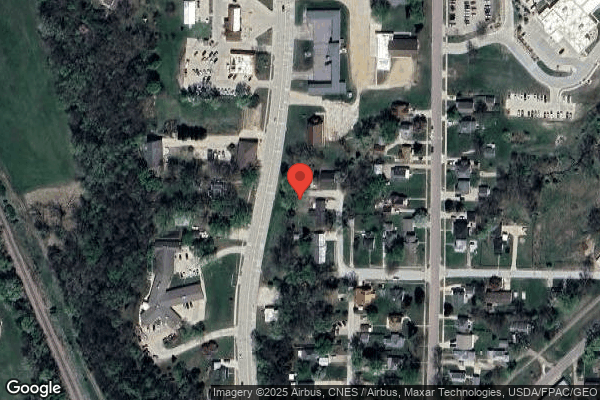
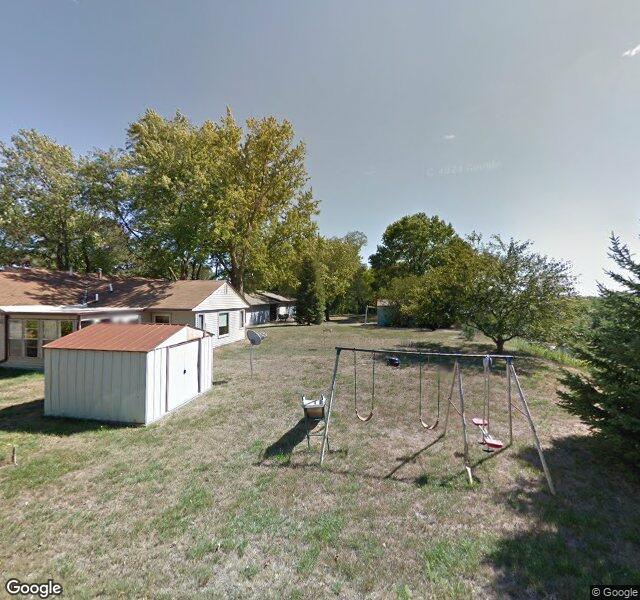
725 North Second Street, Cherokee, IA 51012 (712) 225-2561
For profit - Individual 44 Beds THE ENSIGN GROUP Data: November 2025
Trust Grade
48/100
#256 of 392 in IA
Last Inspection: February 2025

Within standard 12-15 month inspection cycle. Federal law requires annual inspections.

Overview

Careage Hills Rehabilitation and Healthcare in Cherokee, Iowa, has received a Trust Grade of D, indicating below-average performance with some concerning issues. They rank #256 out of 392 facilities in Iowa, placing them in the bottom half, and #4 out of 5 in Cherokee County, meaning only one local option is better. Although the facility is trending toward improvement, reducing issues from 8 in 2024 to 3 in 2025, staffing remains a weakness with a poor rating of 1 out of 5 stars and an average turnover rate of 47%. Specific incidents include a resident being transferred improperly, resulting in a fall, and staff failing to follow hand hygiene practices while serving food, which raises concerns about infection control. Overall, while there are some positive trends, families should weigh the facility's weaknesses against any strengths when considering care options.

Trust Score
D
48/100
In Iowa
#256/392
Bottom 35%
Safety Record
Moderate
Needs review
Inspections
Getting Better
8 → 3 violations
Staff Stability
⚠ Watch
47% turnover. Above average. Higher turnover means staff may not know residents' routines.
Penalties
○ Average
$9,750 in fines. Higher than 56% of Iowa facilities. Some compliance issues.
Skilled Nurses
○ Average
RN staffing data not reported for this facility.
Violations
⚠ Watch
17 deficiencies on record. Higher than average. Multiple issues found across inspections.
★★☆☆☆
2.0
Overall Rating
★☆☆☆☆
1.0
Staff Levels
★★★★☆
4.0
Care Quality
★★★☆☆
3.0
Inspection Score
Stable
2024: 8 issues
2025: 3 issues

The Good

  • 4-Star Quality Measures · Strong clinical quality outcomes
  • Full Sprinkler Coverage · Fire safety systems throughout facility
  • No fines on record

Facility shows strength in quality measures, fire safety.

The Bad

2-Star Overall Rating

Below Iowa average (3.0)

Below average - review inspection findings carefully

Staff Turnover: 47%

Near Iowa avg (46%)

Higher turnover may affect care consistency

Federal Fines: $9,750

Below median ($33,413)

Minor penalties assessed

Chain: THE ENSIGN GROUP

Part of a multi-facility chain

Ask about local staffing decisions and management

The Ugly 17 deficiencies on record

1 actual harm
Feb 2025 3 deficiencies
CONCERN (D)

Potential for Harm - no one hurt, but risky conditions existed

Deficiency F0625 (Tag F0625)

Could have caused harm · This affected 1 resident

**NOTE- TERMS IN BRACKETS HAVE BEEN EDITED TO PROTECT CONFIDENTIALITY** Based on clinical record review, staff interview and policy review the facility failed to obtain bed hold notifications for 1 of...

Read full inspector narrative →
**NOTE- TERMS IN BRACKETS HAVE BEEN EDITED TO PROTECT CONFIDENTIALITY** Based on clinical record review, staff interview and policy review the facility failed to obtain bed hold notifications for 1 of 1 resident reviewed (Resident #6). The facility reported a census of 35. Findings include: Review of Resident #6's Electronic Healthcare Record (EHR) revealed Resident #6 was in the hospital from [DATE] to 5/16/24 and 5/17/24 to 5/18/24. Further review of the EHR page titled, Clinical Census confirmed the Resident was in the hospital on these dates. Review for bed hold notification for Resident #6 revealed there was no bed hold form to review for the dates of hospitalization. During an interview on 2/6/25 at 12:49 PM the Administrator stated these two bed holds were missed. The Administrator stated we had started a Performance Improvement Program (PIP) after our last annual survey. The Administrator stated that she was the person auditing the bedholds at that time and that they were missed and weren't followed back up on. She stated that the process is anyone that goes out needs to have a bed hold completed. She stated that if the resident is unable to sign, the staff will get a verbal over the phone and the bed hold form needs to be filled out. The Administrator stated these are also brought up in the morning meeting to go over. Review of a facility provided policy titled, Bed Hold with a revision date of 11/2016 revealed: it is the policy of this facility to inform the resident or the resident's representative, in writing, of the right to exercise the bed hold provision upon admission and before transfer to a general acute care hospital. A copy of this notification shall become a part of the resident's health record at the time of the transfer.
CONCERN (D)

Potential for Harm - no one hurt, but risky conditions existed

Deficiency F0692 (Tag F0692)

Could have caused harm · This affected 1 resident

**NOTE- TERMS IN BRACKETS HAVE BEEN EDITED TO PROTECT CONFIDENTIALITY** Based on clinical record review, staff interviews, and the facility policy, the facility failed to follow the facility policy re...

Read full inspector narrative →
**NOTE- TERMS IN BRACKETS HAVE BEEN EDITED TO PROTECT CONFIDENTIALITY** Based on clinical record review, staff interviews, and the facility policy, the facility failed to follow the facility policy regarding significant weight loss in 1 out of 1 residents reviewed for nutrition needs (Resident #33). The facility reported a census of 35 residents. Findings include: 1. The Minimum Data Set (MDS) assessment dated [DATE] for Resident #33 documented diagnoses of diabetes mellitus, cerebrovascular accident, and Non-Alzheime's dementia. The MDS showed the Brief Interview for Mental Status (BIMS) score of 4, indicating severe cognitive impairment. Review of Resident #33's clinical record reviewed the following information: On 12/9/2024, the resident weighed 149.4 pounds (lbs). On 1/8/2025, the resident weighed 128.0 pounds which is a -14.3% Loss. Review of Resident #33's weights showed the last weight taken on 1/8/2 5was 128 lbs. There were no weights taken after this date. Review of facility Weight Committee Progress Notes dated 1/8/25 at 8:56 PM revealed the Resident had a weight loss of 5% in the past 30 days. Her Body Mass Index (BMI)-22, Covid positive, and poor appetite. A fax sent to increase supplement to twice a day. Resident #33's family and primary care physician were notified. Review of Resident #33's Registered Dietitian Progress Note on 2/5/2025 at 11:55 AM lacked information regarding her weight loss. Review of facility fax form dated 1/8/2025 revealed that Resident #33 had a weight loss of 5% in the past 30 days, 7.5% in 60 days and 10% in the past 5 months. The Physician Fax form revealed that Resident #33 was Covid positive and had a poor appetite. Resident #33 currently has an order for four ounces of boost, may we increase four ounces to twice a day. The physician signed the fax form. This fax form lacked information regarding the resident's actual weights. Review of Resident #33's Medication Administration Record for January 2025 revealed the facility failed to start the Boost twice a day. During interview on 2/6/25 at 12:46 PM the Director of Nursing (DON) stated that their policy is to do weights once a month, and have weekly weight meetings. The DON stated if a resident had a weight loss they will do weekly weights until it isn't recommended anymore. The DON stated they have weights being reported on the bath/skin sheets, and as of 2/6/25 she has added the ones that are needed to the medication administration record so staff can accurately report weight changes. The DON stated if Residents have a weight loss they will report it to the physician and look at getting a supplement, look at if they need more assistance with meals and move them to the assist table. DON stated that she has started a performance improvement program for weights. Review of facility provided policy titled Nutrition reviewed 7/2021 revealed the following: It is the policy of this facility to ensure that all residents maintain acceptable parameters of nutritional status, such as body weight and protein levels, unless the resident ' s clinical condition demonstrates that this is not possible. Each resident's nutritional status is assessed on admission and at least quarterly thereafter. Each resident is to be weighed upon admission, weekly weights for four (4) weeks and monthly weight thereafter unless otherwise specified by the attending physician. The weight will be entered into the resident's clinical record. Monthly weights are to be completed and reviewed by the Registered Dietitian, Dietary Technician and/or designee. Evaluations may include determining ideal body weight range, usual body weight, current diet order, % of food eaten, possible dental problems, and current illness, resident likes and dislikes, psychosocial needs, and any other change in medical condition that may impact weight gain or loss. Once the resident has been evaluated for nutrition status, the Registered Dietitian, Dietary Technician and/or designee will determine if there is a significant change in the resident ' s condition. If so, additional nutritional interventions will be offered to those residents. Any resident weight that varies from the previous reporting period by 5% in 30 days, 7.5% in 90 days and 10% in 180 days will be evaluated by the Interdisciplinary Team to determine the cause of weight loss/gain, intervention required and need for further recommendations and/or referral. Family member/responsible party and attending physician will be notified. Care plan will be updated or revised as appropriate
CONCERN (E)

Potential for Harm - no one hurt, but risky conditions existed

Food Safety (Tag F0812)

Could have caused harm · This affected multiple residents

Based on observation and staff interview the facility failed to prepare food in accordance with professional standards for food service safety for 1 meal. The facility reported a census of 35 resident...

Read full inspector narrative →
Based on observation and staff interview the facility failed to prepare food in accordance with professional standards for food service safety for 1 meal. The facility reported a census of 35 residents. Findings include: During observation on 2/5/25 at 11:07 a.m. the Dietary Supervisor (DS) removed his gloves, washed his hands and applied new gloves. The DS and started serving the noon meal, touching plates, utensils, covers on the steam table, diet cards and menus. During the service the DS retrieved a bun out of it's bag wearing the same gloves. He used tongs to put a hamburger on the bun. After sending the hamburger out, he changed his gloves without washing his hands. The DS continued to serve, touching multiple surfaces. He paused to make a peanut butter sandwich wearing the same gloves. He retrieved a package of cheese from the refrigerator and removed a slice wearing the same gloves. He served additional hamburgers handling the buns with gloves on that he had touched other surfaces with. On 2/6/25 at 2:14 p.m. the Dietician confirmed gloves that touched other surfaces could not be used to handle ready to eat food, and when changing gloves staff needed to wash their hands. The undated Guidelines for Food Handling policy documented food would be handled in a manner that minimized the risk of contamination. The procedure included ready to eat foods would not be touched with bare hands. Proper utensils such as single use gloves. tissue, spatula, or tongs would be used for food handling. If gloves were used, proper use needed to be followed including washing hands before and after wearing or changing gloves. The 2022 Food Code 3-304.15 documented the use limitation of gloves. If used, single-use gloves should be used for only one task such as working with ready-to-eat food, used for no other purpose, and discarded when damaged or soiled, or when interruptions occurred in the operation.
Nov 2024 2 deficiencies
CONCERN (D) 📢 Someone Reported This

A family member, employee, or ombudsman was alarmed enough to file a formal complaint

Potential for Harm - no one hurt, but risky conditions existed

Free from Abuse/Neglect (Tag F0600)

Could have caused harm · This affected 1 resident

**NOTE- TERMS IN BRACKETS HAVE BEEN EDITED TO PROTECT CONFIDENTIALITY** Based on observation, interview and record review the facility failed to ensure that residents were free from abuse for 1 of 4 r...

Read full inspector narrative →
**NOTE- TERMS IN BRACKETS HAVE BEEN EDITED TO PROTECT CONFIDENTIALITY** Based on observation, interview and record review the facility failed to ensure that residents were free from abuse for 1 of 4 residents. Resident #1 fell to the floor and sustained a hematoma on the back of his head after another resident pushed him down. The facility reported a census of 33 residents. Findings include: According to the Minimum Data Set (MDS) dated [DATE], Resident #1 had a Brief Interview for Mental Status (BIMS) score of 5 (severe cognitive deficit). The resident required set up assistance with eating, and was independent with walking, transfers and toileting. His diagnosis included benign prostatic hyperplasia (BPH), Diabetes Mellitus, and non-Alzheimer's dementia. During observation on 11/4/24 at 12:40 PM, Resident #1 had just finished his lunch. He was pacing the hallway near his room and the door to the outside where the residents took their smoke breaks. He went back into the dining room and in and out of his room several times. At 12:58 PM he was sitting in chair near a large fish tank, when a staff member came and escorted the group out to the patio for their cigarette break. The Care Plan updated on 7/1/24, showed that Resident #1 was allowed to smoke during designated smoking times that were offered 4 times a day. He participated with psychiatric services for evaluation and response to psychotropic medications. Resident #1 had impaired cognitive function with short term memory loss and had periods of agitation. According to Incident Report dated 8/5/24 at 7:30 PM, the nurse on duty that evening heard a loud bang. When she went to investigate, she found Resident #1 was flat on his back on the floor in front of the fish tank. The resident said he pushed me and pointed at another resident (Resident #2). Staff called for the police and an ambulance. A Nursing Note dated 8/5/24 at 11:50 PM, showed that the two residents were immediately separated. Resident #1 was taken to the emergency room and returned soon after with diagnosis of post traumatic subdural hematoma. An emergency room (ER) report dated 8/5/24 at 7:37 PM, showed that Resident #1 presented to the ER with a contusion to the back of the head and he complained of neck pain. The patient demonstrated the ability to move from the ambulance cot, stand, walk and transfer himself to the ER cot. A head scan showed the resident had sustained a small 4 millimeter (mm) subdural hematoma. The ER doctor consulted with the neurosurgeon at 8:35 PM, and they decided to send him back to the nursing home with increased monitoring. The MDS for Resident #2, dated 7/31/24, showed that he was admitted to the facility on [DATE] from the community. He had a BIMS score of 4 (severe cognitive deficit). He required set up assistance only for eating and dressing, and was totally independent with walking, transferring and toileting. His diagnosis included heart failure, peripheral vascular disease, diabetes mellitus and non-Alzheimer's dementia and adjustment disorder with mixed anxiety and depressed mood. An Incident Report dated 8/5/24 at 7:30 PM, showed that Resident #2 didn't say anything when Resident #1 accused him of pushing him down, but other residents saw the incident and said that Resident #2 did indeed push Resident #1. During interview on 11/4/24 at 3:00 PM Staff A, Certified Nurse Aide (CNA), said that she was working on 8/5/24 when Resident #1 fell. She said that it was after supper and she did not witness the event, but was in the area shortly after. Resident #2 was sitting in chair by the outside door and said I didn't do nothing. He then told her that Resident #1 threw water on him. Staff A said that most of the other resident's present said they didn't see anything but one said I'm not snitching. Staff A said that when it got close to 7:00 PM, Resident #1 tended to get more agitated as he waited for cigarette breaks. During interview on 11/4/24 at 2:09 PM Staff C, Certified Medication Aide (CMA) said that she did not know what was going on but saw Resident #1 on the ground. She said that Resident #1 tended to antagonize other residents and he gets naughty. She said that she knew of incidences where he had raised his hand to a CNA and threatened to hit her. During interview on 11/4/24 at 2:01 PM Staff D, CNA said that she was working the night of 8/5/24 but did not see the incident. She asked the other residents that were present but they said they hadn't seen anything. She said that Resident #1 told her that Resident #2 had pushed him, and that she had seen them get upset before and yell at each other. Staff D said that Resident #1 had threatened many people and if he didn't get out for a cigarette break, he would get especially agitated. She said that he had run toward her once with his hand in the air when another employee stepped in. On 11/5/24 at 4:15 PM, the Director of Nursing (DON) said that none of the staff witnessed the incident between Resident #1 and #2. She said that she had completed phone interviews with the staff that worked that night. She was not aware of any other altercations between the two residents. On 11/5/24 at 4:15 PM, the Administrator said that they did not know that Resident #2 had a history of aggressive behavior before he was admitted to the facility. She said that they gave the family a 30 day notice after the incident. She said that Resident #2 would antagonize other residents, for example, he would take a drink out of other resident's cups and that caused the increase in agitation the night of the fall. Apparently, he took a drink out of the cup that Resident #1 had, there were words back and forth, which led to the aggression. According to a facility policy titled: Resident Rights, Abuse Prevention and Reporting last revised on 05/2007, residents must not be subjected to abuse by anyone, including .other residents. The Administration would maintain evidence that all alleged violations were thoroughly investigated.
CONCERN (D) 📢 Someone Reported This

A family member, employee, or ombudsman was alarmed enough to file a formal complaint

Potential for Harm - no one hurt, but risky conditions existed

Investigate Abuse (Tag F0610)

Could have caused harm · This affected 1 resident

**NOTE- TERMS IN BRACKETS HAVE BEEN EDITED TO PROTECT CONFIDENTIALITY** Based on observation, interview and record review the facility failed to thoroughly investigate alleged abuse for 1 of 3 residen...

Read full inspector narrative →
**NOTE- TERMS IN BRACKETS HAVE BEEN EDITED TO PROTECT CONFIDENTIALITY** Based on observation, interview and record review the facility failed to thoroughly investigate alleged abuse for 1 of 3 residents, and failed to investigate an injury of unknown origin for 1 of 1 resident reviewed. The facility reported a census of 33 residents Findings include: 1) According to the Minimum Data Set (MDS) dated [DATE], Resident #1 had a Brief Interview for Mental Status (BIMS) score of 5 (severe cognitive deficit). The resident required set up assistance with eating, and was independent with walking, transfers and toileting. His diagnosis included benign prostatic hyperplasia (BPH), Diabetes Mellitus, and non-Alzheimer's dementia. The Care Plan updated on 7/1/24, showed that Resident #1 was allowed to smoke during designated smoking times that were offered 4 times a day. He participated with psychiatric services for evaluation and response to psychotropic medications. Resident #1 had impaired cognitive function with short term memory loss and had periods of agitation. According to an Incident Report dated 8/5/24 at 7:30 PM, the nurse on duty heard a loud bang down the hallway and found that Resident #1 was flat on his back on the floor in front of the fish tank. The resident said he pushed me and pointed at another resident (Resident #2). Staff called for the police and an ambulance. On 11/4/24 at 1:32 PM the Director of Nursing said that she did not have documentation of witness statements. She said that she called the staff, but none of them saw what happened. During interview on 11/4/24 at 3:00 PM Staff A, Certified Nurse Aide (CNA) said that she worked the evening of 8/5/24. It was after supper when another CNA told her that Resident #1 was on the floor. She said that Resident #2 was sitting in chair near the outside door and told her I didn't do nothing. Resident #2 told her that Resident #1 threw water on him and all the other residents sitting around said that they hadn't see anything. Staff A did not remember having been interviewed by the DON or having submitted a signed statement During interview on 11/4/24 at 2:17 PM Staff B, CNA, said that she was present the night of the incident but hadn't seen anything. Later that evening another resident that had been present told her; you should've seen that guy getting laid out. During interview on 11/4/24 at 2:01 PM Staff D, CNA, said that she worked the evening of 8/5/24. She did not see it happen but Resident #1 told her that Resident #2 pushed him down. She said that they would get upset with each other and say mean things to each other. She said that she hadn't completed a signed statement. 2) According to the MDS dated [DATE], Resident #4 was admitted to the facility on [DATE]. She had moderate difficulty with hearing and a BIMS score of 5 (severe cognitive deficit). Resident #4 was independent with dressing, hygiene, sit to stand, transfers and walking. Her diagnosis included non-Alzheimer's dementia, cerebrovascular accident (CVA), chronic pain and osteoporosis. The Care Plan updated on 4/3/24, showed Resident #4 had the potential for injury related to smoking. She had the potential for impairment to skin integrity and was at risk for falls. Staff were to use caution during transfers and bed mobility to prevent striking arms, legs and hands against any sharp or hard surface. Resident #4 was on anti-platelet mediation, staff were directed to monitor for signs and symptoms of bleeding and to notify the doctor. A Nursing Note dated 6/28/24 at 10:33 PM, showed that Resident #4 had scattered dark bruising to the bilateral lower extremities and was reporting extreme pain to her lower back. A fax was sent to the doctor. Follow up Nursing Notes dated; 6/29/24 at 1:50 PM, 6/29 at 11:05 PM, 6/30 at 3:41 PM, and 6/30 at 11:46 PM, indicated that the resident had been up as usual and ambulated around the facility. Scattered bruising was present but no complaints of pain. The chart lacked description or measurements of the bruising. A Skin Evaluation /Weekly Evaluation (SEWE), dated 6/23/24 at 12:56 PM showed no new skin issues. A SEWE dated 6/30 at 1:38 PM, showed that the resident had scattered bruising of different sizes and stages of healing to the Bilateral Lower Extremities (BLE). The documentation lacked measurements. On 11/5/24 at 2:07 PM, Staff E, Licensed Practical Nurse (LPN), said that when she saw the bruising on the legs of Resident #4, on 6/28/24, she was surprised to find that there hadn't been any documentation of it. She said that when there was an unexplained, new skin issue the nurse would complete a risk management incident report. She tried to remember but thought that the resident denied pain, and the bruising was scattered, mostly on the front of the legs above the knees and near the hip. Staff E said that she would have passed it onto the next shift. On 11/5/24 at 10:25 AM, Staff F, Registered Nurse (RN) acknowledged that she had completed a skin evaluation for Resident #4 and saw that she had tiny bruises at various stages of healing. She said I probably should have measured and charted that. When asked what the process was for investigating unknown causes she said I've always been able to explain them and added that the resident must have bumped her leg on something. She did not know if there was an investigation on the cause of the bruising. On 11/5/24 at 2:12 PM when asked if there were any incident reports for Resident #4, the Administrator said that they did not have any. On 11/5/24 at 3:50 PM, Staff G, CNA brought Resident #4 into the whirlpool room for a bath. She asked the resident if we could look at her legs. The resident agreed and removed her pants on her own. She had a dark purple bruise on the inside of left thigh, a couple smaller bruises further down her left leg and one on the top of her right leg. The resident was unable to state how she got the bruising. On 11/5/24 at 4:15 PM, the DON said that she was not aware of new skin concerns for Resident #4. She said that she expected the nurses to initiate a risk assessment form with any change in skin condition, including bruises. She said that Resident #4 often put her hands in her pockets and pinched herself in those areas where there's bruising but she would have wanted to know so she could do an investigation. According to a facility policy titled: Resident Rights, Abuse Prevention and Reporting last revised 05/2007, residents must not be subjected to abuse by anyone, including .other residents. The Administration would maintain evidence that all alleged violations were thoroughly investigated. Any staff member who had reasonable cause to believe or reason to suspect any situation may be considered abuse or neglect along with injuries of unknown origin, including any bruises, skin tears or other injures would immediately report to the charge nurse. The charge nurse would complete an initial investigation to attempt to determine the cause of the injury through interviews of staff, resident and witnesses. Statements should include all details. Witnesses were encouraged to give a signed statement. The Administrator, Director of Nursing Services, Staff Development Coordinator and Social Service Director would review the incident. Any incident would be investigated by interviewing resident, staff and or other witnesses.
Jun 2024 2 deficiencies
CONCERN (D) 📢 Someone Reported This

A family member, employee, or ombudsman was alarmed enough to file a formal complaint

Potential for Harm - no one hurt, but risky conditions existed

Comprehensive Care Plan (Tag F0656)

Could have caused harm · This affected 1 resident

**NOTE- TERMS IN BRACKETS HAVE BEEN EDITED TO PROTECT CONFIDENTIALITY** Based on observation, interview and record review the facility failed to follow interventions established in the care plan to pr...

Read full inspector narrative →
**NOTE- TERMS IN BRACKETS HAVE BEEN EDITED TO PROTECT CONFIDENTIALITY** Based on observation, interview and record review the facility failed to follow interventions established in the care plan to prevent falls for 1 of 5 residents reviewed. Resident #2 had a history of falls and observations revealed that staff failed to implement two of those interventions. The facility reported a census of 38 residents Findings include. According to the Minimum Data Set (MDS) dated [DATE], Resident #2 had a Brief Interview for Mental Status (BIMS) score of 10 (moderate cognitive deficits). She used a walker and wheelchair for mobility and required substantial assistance with lower body dressing and footwear. The resident required supervision/touch assistance with sit to stand, toilet transfer and sit to lying. She was frequently incontinent of urine, and occasionally incontinent of bowel. Her diagnoses included renal insufficiency, non-Alzheimer's dementia, unspecified fracture fifth lumbar vertebra and muscle weakness. The Care Plan showed Resident #2 had confusion/disorientation, weakness, and history of a vertebra and pelvic fractures. An addition to the Care Plan on 4/14/24 showed that staff were to have wheel chair behind resident when ambulating. On 5/31/24, staff were to place the walker further away from resident recliner out her sight so she doesn't try to reach for it. On 4/24/24 therapy directed to evaluate and treat, encourage the resident to use call light. The following was included in Incident Reports for Resident #2: a. On 4/14/24 at 11:15 AM the resident had a witnessed fall in the bathroom. b. On 4/24/24 at 9:56 AM The resident had an unwitnessed fall in her room and said that she was trying to get up on her own and hurt her wrist. c. On 5/31/24 at 4:15 PM Resident #2 was found on the floor stated that she was reaching for her walker and slid out of her chair onto the floor. On 6/18/24 at 3:59 PM Resident #2 was in the recliner with the walker in front of her within reach. The resident said that she did not need help with ambulating and she said that she hadn't had any falls. On 6/19/24 at 9:34 AM and unidentified Certified Nurse Aide (CNA) assisted Resident #2 to ambulate down the hallway toward her room. She did not have a wheel chair behind the resident and at 9:35 AM, the resident was in her recliner and her walker was out of reach by the television where the resident could see it. On 6/20/24 at 7:00 AM, Staff F, LPN said that Resident #2 has had many falls because she self-transfers and education really doesn't help with her because she thinks she can do it on her own. On 6/20/24 at 9:50 AM, the DON said that she thought the intervention to keep the walker out of sight went against the wishes of the family and didn't know if they were still implementing that. She thought the intervention to have wheel chair behind when ambulating had been discontinued. She said that they have struggled to find effective interventions for Resident #2 because the resident believed that she was able to ambulate and transfer on her own. According to the Job Description for a Certified Nurse Assistant, the primary purpose of the job was to provide each of resident with routine daily nursing care and services in accordance with the resident assessment and care plan and as directed by the supervisor.
CONCERN (E) 📢 Someone Reported This

A family member, employee, or ombudsman was alarmed enough to file a formal complaint

Potential for Harm - no one hurt, but risky conditions existed

Accident Prevention (Tag F0689)

Could have caused harm · This affected multiple residents

**NOTE- TERMS IN BRACKETS HAVE BEEN EDITED TO PROTECT CONFIDENTIALITY** Based on observations, interviews, record and policy review the facility failed to ensure that residents were properly supervise...

Read full inspector narrative →
**NOTE- TERMS IN BRACKETS HAVE BEEN EDITED TO PROTECT CONFIDENTIALITY** Based on observations, interviews, record and policy review the facility failed to ensure that residents were properly supervised, and interventions were utilized to prevent accidents for 5 of 5 residents reviewed, (Residents #1, #2, #3, #4 and #5), . Staff failed to use safe transfer practices for Residents #1, and #5. Resident #3 slid off of the [NAME] pool seat, and Resident #4 sustained a broken toe when a staff's dog tripped her. Staff failed to follow care plan interventions established to prevent further falls for Resident #2. The facility reported a census of 38 residents. Findings include: 1) According to the Minimum Data Set (MDS) dated [DATE], Resident #1 was admitted on [DATE] and did not have a Brief Interview for Mental Status (BIMS) assessment because she was rarely/never understood. She was totally dependent on staff for toileting, dressing, hygiene and transfers. Her diagnoses included Alzheimer's Disease, malnutrition, anxiety disorder, lack of coordination and parkinsonism. A Care Plan updated on 4/1/24, showed that she was on an antiplatelet and she had alterations in her neurological status related to tremors. She had the potential for mood problems related to Alzheimer's Disease, staff were to administer medication as ordered, and monitor for side effects and effectiveness. She was at risk for falls related to Alzheimer's tremors, and weakness. A Fall Incident report dated 3/30/24 at 4:30 PM, showed Staff A Licensed Practical Nurse (LPN) was called to the room of Resident #1 for a witnessed fall out of her recliner. The resident fell forward and hit her head on the floor and the side of her face hit the pedal of the wheelchair. Resident #1 sustained a skin tear to her right arm with scattered bruising, and a bump to the right side of her head. On 6/18/24 at 11:50 AM, Staff A, Licensed Practical Nurse (LPN) remembered the evening that Resident #1 fell from the recliner. She said Staff D and Staff G, Certified Nurse Aides (CNA), came and told her that the resident fell and had a hematoma and a couple of skin tears. When Staff A entered the room, the resident was in the recliner. She said the CNA's must've picked her up off the floor and put her in the chair before she had an opportunity to assess her. She asked them what happened, and they only said that she fell out of the chair and didn't know how it happened. Staff A then called the Director of Nursing (DON) and the Administrator. The resident was bleeding from the skin tear on her left arm, and from hematoma on her head. Staff A said that she had concerns with Staff D before this incident because she had observed that the CNA didn't know how to properly transfer residents. She also had concerns about Staff G and her job performance and reliability. She said that she had expressed those concerns to the DON previously. On 6/19/24 at 12:10 PM, Staff B, Registered Nurse (RN) said that it was unusual for Resident #1 to have a fall because she really wasn't moving around on her own or trying to get up without assistance. With a previous stay, the resident had been restless, and had many falls but with this stay (admit, 3/8/23) she wasn't able to move around much. She had a decrease in the Seroquel shortly before the fall, so they thought that may have been a factor. In a Counseling /Disciplinary Notice to Staff D, dated 4/1/24, it was documented that the CNA did not use a gait belt while transferring a resident and she did not notify the nurse immediately. Staff D was also counseled not to move a resident after a fall until the nurse could assess for injuries. The CNA was terminated from employment. On 6/20/24 at 7:40 AM, the DON said that Staff D told her she left the pedals on the wheelchair when she transferred Resident #1 from the wheel chair to the recliner. The resident was just on the edge of the seat of the recliner when she leaned forward and fell on her face on the floor. On 6/20/24 at 9:00 AM, the DON said that Staff D put the resident back into the chair by herself but did not report the fall to the nurse immediately. Staff G saw the scratch on the resident's face and she was the one that reported to the nurse. The DON acknowledged that the written warning for Staff D was related to the fall that Resident #1 had on 3/30/24. In a written statement by Staff D, the CNA indicated that Resident #1 was sitting half way in recliner, as she moved the wheel chair out of the way, the resident reached forward and fell, hitting her head on the floor and her cheek on the pedal of the wheel chair. 2) According to the MDS dated [DATE], Resident #4 had a BIMS score of 14 (intact cognitive ability). The resident was independent with toileting, dressing, transfers and walking. Her diagnosis included Cerebrovascular Accident (CVA), non-Alzheimer's Dementia, osteoporosis and chronic pain. A Care Plan updated on 3/1/24, showed the resident had acute confusion, staff were to monitor for signs and symptoms of delirium. She was at risk for communication problems related to a hearing deficit and wore a cochlear implant in her right ear. According to an Emergency Department (ED) report dated 3/24/24, Resident #4 presented to the ED on that date and was diagnosed with nondisplaced fracture of the fifth metatarsal bone in her right foot. Upon presentation, the resident reported that a large dog stepped on her foot and she was in severe pain. She was sent back to the facility with an orthopedic support shoe, and a follow up appointment with orthopedic doctor. A Nursing Note dated 3/24/24 at 2:59 PM, showed that Resident #4 had been walking through a doorway when a dog slid into her legs, causing her to twist her right foot and fall to the floor. She complained of pain to the right side of her foot. The doctor was called and she was sent to the ED. In an observation on 6/19/24 at 11:14 AM, Resident #4 was walking independently in the hallway and said hadn't had any falls. When asked about a dog, the resident said she loved to have dogs around the nursing home, makes it feel like home. On 6/19/24 at 11:15 AM, Staff H, Registered Nurse (RN) said that she witnessed the fall that Resident #4 had when she broke her toe. She said that a dog belonging to a staff person, had just come in from outside and his feet were probably a little wet. The dog slid into the resident as she was walking down the hallway. The dog was not on a leash and he hadn't been back to the facility since the incident. On 6/20/24 at 10:22 AM, Staff I, Certified Medication Aide (CMA) said that the dog that ran into Resident #4 was her German [NAME] and he would come to work with her the majority of her shifts. The dog was suspended after the incident. She said that it had been raining outside that day and, without her knowledge, a nurse let the dog out to be toileted while Staff I was in with a resident. When he came back inside, Resident #4 was in a doorway near the kitchen. He picked up speed coming around the corner, when he saw the resident in the doorway, he tried to slow down, but slid into her as she was in the middle of a step. She fell and rolled her foot. According to an undated facility policy titled: Pet Parent Responsibilities: staff or visitors were allowed to bring pets into the facility and must be responsible for pet's behavior the entire time. Staff were to keep pets with them and control them throughout the day. They would ensure that the pets behavior did not cause interference with daily activities. 3) The MDS dated [DATE], showed that Resident #3 had a BIMS score of 11 (moderate cognitive deficits). Sit to stand and toilet transfers were not attempted during the look-back period. The resident's diagnoses included Anemia, Renal insufficiency, anxiety, asthma and respiratory failure. The Care Plan updated on 1/16/24, showed Resident #3 had chronic bronchitis, staff were to monitor for difficulty breathing, and to remind the resident not to push beyond her endurance. Staff were to work with the Hospice team to keep the environment calm. Resident #3 had impaired cognitive function, dementia, impaired mobility, self-care performance deficit, weakness and she was totally dependent on staff for bathing /showering On 6/19/24 at 9:05 AM, Resident #3 was in bed with supplemental oxygen and noted to have a rattily cough, and an obvious skin tear on her elbow. She said that she had been at the end of her whirlpool bath one day, and as the water was draining, she slid off the seat. She had a seat belt on and there were 2 or 3 people in there trying to scoot her back up. She stated that she had pain in her knee and arm, with scratches on her knee and leg. She did not remember how she got out but she said that she loved to take a bath but hadn't used the whirlpool jets since that incident because she was afraid of it happening again. According to the Fall Incident Report dated 3/22/24 at 2:50 PM, Resident #3 slid almost all the way out of the whirlpool seat on that date. She had pain with movement and skin tears. The skin assessment showed a 2 centimeters (cm) x2 cm tear to her right forearm with bright red serosanguinous drainage. She had a 7 cm x 11.5 cm bruise on her left scapula, an abrasion to left ribs measured 1.5 cm x 11 cm, An abrasion to the left ribs 1.5 cm x 11 cm, and a bruise, 0.5 cm x 9 cm to the right ribs. On 6/19/24 at 4:30 PM, Staff J said that she gave Resident #3 a whirlpool bath the day that she slid from the chair. She said that the resident tended to slide down because she did not have much upper body strength. She said that she secured one plastic safety belt attached to the whirlpool chair, under the breast, like a gait belt but when the jets were turned on, the water shot up into the hole of the seat and the force of the water pushed the resident's bottom forward. When she drained the tub and opened the door, the resident slid down so far that Staff J could not pull her back up into the seat alone. By the time other staff could get there to help, the resident had half of her body on the floor. Her shoulders where on the seat and the belt was up into her arm pits. Staff J said that she was no longer the bath aide and chose to work the overnight shifts. On 6/19/24 at 4:40 PM, the DON demonstrated how the two straps were attached on the back of the seat in the whirlpool; one at the top and one at the bottom. When asked how the resident would be secured, she said that the straps were to be crossed over the residents to the opposite sides of the seat and attached to the back. A review of the orientation/training list, dated 2/24/22, for Staff J lacked specific training on giving whirlpool baths. On 6/20/24 at 7:21 AM, Staff K, Bath Aide, demonstrated that she secured the residents to the whirlpool seat with two straps, the bottom strap to go around the waist, and the top strap around the torso. When asked if she had training on the whirlpool and how to ensure the safety of the residents, she said that she had many years of experience and she knew how it worked. She did not know of a book or directions on proper use of the whirlpool or the straps. On 6/20/24 at 9:20 AM, the DON and the Administrator said that staff were taught how to use the safety straps in the whirlpool. She said that Resident #3 slid down the seat because she had a bowel movement while she was in the water and when the water was drained, the BM caused her to slide down. On 6/20/24 at 9:50 AM, the DON provided the training checklist for Staff K, and showed that she had been trained on the whirlpool bath. She said she that Staff K had been directed to watch the training video from the manufacturer. She pointed out that the video showed the straps crossed in front, but nowhere in the training did it say that the straps must be crossed. An Inservice Operation and Training Advantage Bath System video showed the straps attached to the whirlpool seat were crossed to the opposite side of the chair, under the resident's breast and attached on the back. 4) According to the MDS dated [DATE], Resident #5 had a BIMS score of 6 (severe cognitive deficit). She required substantial assistance with toileting hygiene, showers and dressing, and supervision with toilet transfer and sit to stand. Her diagnosis included non -Alzheimer's Dementia, Traumatic [NAME] Injury (TBI), anxiety, dysphagia, oral phase, and pain in left knee. The Care Plan updated on 1/7/24 showed that Resident #5 had alteration in neurological status, she was at risk for impaired thought processes related to depression and anxiety and staff were directed to give step by step instructions one at a time. The resident had self-care performance deficits, she had anxiety and was unsteadiness on her feet. Resident #5 ambulated independent with a walker and required maximum assistance to transfer on and off toilet. A Nursing Note dated 4/10/24 at 8:30 AM, showed the nurse was called to the resident's room and found her on the floor in front of toilet. Resident #5 did not have a gait belt on and was not wearing non-skid socks. The resident had been left unattended on the toilet and she stated that her back and legs were sore. On 6/19/24 at 3:16 pm, Staff E, LPN said that she was the nurse on duty when Resident #5 fell in the bathroom. She said that Staff G transferred Resident #5 to the toilet and the resident didn't have a gait belt on. Staff G left the resident on the toilet, which typically would have been okay, but she had left her there too long and the resident then tried to get up by herself, got weak, and fell. A Counseling/Disciplinary Notice dated 4/15/24 for Staff G showed that she had a written warning for leaving a resident unattended on toilet. The resident did not have proper footwear or gait belt on at the time. On 6/20/24 at 9:00 AM, the DON acknowledged that the fall from the toilet on 4/10/24 for Resident #5 was the reason for the written warning dated 4/15/24 for Staff G. The staff member had been terminated shortly thereafter. 5) According to the MDS dated [DATE], Resident #2 had a BIMS score of 10 (moderate cognitive deficits). She used a walker and wheelchair for mobility and required substantial assistance with lower body dressing and footwear. The resident required supervision/touch assistance with sit to stand, toilet transfer and sit to lying. She was frequently incontinent of urine, and occasionally incontinent of bowel. Her diagnosis included renal insufficiency, non-Alzheimer's dementia, unspecified fracture fifth lumbar vertebra and muscle weakness. The Care Plan showed Resident #2 had confusion/disorientation, weakness, and history of a vertebra and pelvic fractures. An addition to the Care Plan on 4/14/24 showed that staff were to have wheel chair behind resident when ambulating. On 5/31/24, staff were to place the walker further away from resident recliner out her sight so she doesn't try to reach for it. On 4/24/24 therapy directed to evaluate and treat, encourage the resident to use call light. The following was included on Incident Reports for Resident #2: a. On 4/14/25 at 11:15 AM the resident had a witnessed fall in the bathroom. b. On 4/24/24 at 9:56 AM The resident had an unwitnessed fall in her room and said that she was trying to get up on her own and hurt her wrist. c. On 5/31/24 at 4:15 PM Resident #2 was found on the floor stated that she was reaching for her walker and slid out of her chair onto the floor. On 6/18/24 at 3:59 PM Resident #2 was in the recliner with the walker in front of her within reach. The resident said that she did not need help with ambulating and she said that she hadn't had any falls. On 6/19/24 at 9:34 AM and unidentified Certified Nurse Aide (CNA) assisted Resident #2 to ambulate down the hallway toward her room. She did not have a wheel chair behind the resident and at 9:35 AM, the resident was in her recliner and her walker was out of reach by the television where the resident could see it. On 6/20/24 at 7:00 AM, Staff F, LPN said that Resident #2 has had many falls because she self-transfers and education really doesn't help with her because she thinks she can do it on her own. On 6/20/24 at 9:50 AM, the DON said that she thought the intervention to keep the walker out of sight went against the wishes of the family and didn't know if they were still implementing that. She thought the intervention to have wheel chair behind when ambulating had been discontinued. She said that they have struggled to find effective interventions for Resident #2 because the resident believed that she was able to ambulate and transfer on her own. An undated facility policy titled: Gait Belts, indicated that the gait belt must be used when transferring and ambulating resident who are not independent throughout the facility. An undated facility policy titled: Fall Management System showed that it was the policy of facility to provide each resident with appropriate assessment and intervention to prevent falls and to minimize complications if a fall occurs. An undated policy titled: Incidents and Accidents, showed that in the case of an accident, the resident would be provided immediate attention by a license nurse. Any staff witnessing an accident/incident render immediate assistance do not move the victim until he/she had been examined for possible injuries.
Mar 2024 4 deficiencies 1 Harm
SERIOUS (G) 📢 Someone Reported This

A family member, employee, or ombudsman was alarmed enough to file a formal complaint

Actual Harm - a resident was hurt due to facility failures

Accident Prevention (Tag F0689)

A resident was harmed · This affected 1 resident

**NOTE- TERMS IN BRACKETS HAVE BEEN EDITED TO PROTECT CONFIDENTIALITY** Based on clinical record review, staff interview, and policy review the facility failed to provide proper transfer techniques wh...

Read full inspector narrative →
**NOTE- TERMS IN BRACKETS HAVE BEEN EDITED TO PROTECT CONFIDENTIALITY** Based on clinical record review, staff interview, and policy review the facility failed to provide proper transfer techniques while transferring a resident to prevent accidents for 1 of 3 residents (Resident #21) reviewed. The facility reported a census of 30 residents. Findings include: Review of the Minimum Data Set (MDS) dated [DATE] revealed Resident #21 to have a Brief Interview for Mental Status (BIMS) score of 6 indicating severe cognitive impairment. The MDS further revealed diagnosis of aphasia (loss of ability to understand or express speech), stroke, hemiplegia (paralysis of one side of the body), difficulty in walking, and need for assistance with personal care. Review of the Electronic Healthcare Record (EHR) tab titled, Progress Notes, revealed and entry from 11/1/23 at 1:44 PM by Staff A Licensed Practical Nurse (LPN) that she was summoned to Resident #21 ' s bathroom and found Resident #21 laying on her back on the floor, with the proper footwear on and no gait belt. Staff A further documented that Resident #21 did not have any visible injuries, but did show non-verbal cues of pain upon check of range of motion. This entry in the EHR then revealed that Resident #21 was transferred from the floor with a gait belt and two staff to her wheelchair. Resident #21 was then sent to the emergency room by ambulance for further evaluation and imaging. Review of Resident #21's Care Plan with a completion date of 10/26/23 revealed Resident #21 requires maximum assistance with transferring on and off of the toilet. During an interview on 3/26/24 at 11:19 AM with Staff A revealed this incident happened during a transfer with Staff B Certified Nurse Aide (CNA). Staff A revealed that Staff B had not utilized a gait belt during the transfer of Resident #21 who lost her footing and fell. Staff A then revealed that Staff B was working and this was her 1st or 2nd day on the job. Staff A stated when She went into Resident #21's bathroom she saw Resident #21 laying on her back with her feet facing the toilet. Staff A revealed she did complete an assessment, and did not witness any shortening of appendages, but could see with Resident #21's facial expressions she did have some pain as Resident # 21 is non-verbal. Staff A stated Resident #21 was transferred with a gait belt from the floor with two staff assisting Resident #21 to her wheelchair. Staff A then sent Resident #21 to the emergency room by ambulance for further evaluation and imaging. During an interview on 3/26/24 at 11:49 AM with Staff B revealed she had transferred Resident #21 to the toilet with a gait belt, and then removed the gait belt after Resident #21 had been positioned on the toilet. Staff B stated Resident #21 fell from the toilet to the floor. Staff B stated she paged over the pager for assistance with the Director of Nursing (DON), Staff A, and another CNA coming to assist. Staff B revealed an assessment was completed by Staff A, and Resident #21 was transferred from the floor with a gait belt to her wheelchair, and then sent to the ER for evaluation. Staff B stated that she did receive the gait belt policy. Staff B further revealed she was re-educated on gait belt use, and transfer techniques. Review of the emergency department notes dated 11/1/23 at 1:33 PM revealed a comment from the Advanced Registered Nurse Practitioner (ARNP) stating Resident #21 had right leg shortening with external rotation and pain with palpation. This document further showed x-ray results of the right hip and pelvis with findings read 11/1/23 at 3:09 PM by the Medical Doctor working at the outside emergency department revealing an acute fracture of the right femur neck with impaction with a plan for surgical repair. Review of Staff B's employee file revealed Staff B started working 10/19/23, and a skills checklist for CNA's skills were signed for Transfers from bed to chair, and Transfers to wheelchair completed 11/1/23. Staff B had signed proper use of gait belts skills 10/20/23. Another in-service training was completed 11/9/23 on gait belt use, and transfer techniques with Staff B signing this in-service. During an interview on 3/26/24 at 2:04 PM with the DON revealed her expectations would be for gait belts to be worn at all times when transferring, and to be kept on residents when toileting. During a follow up interview on 3/27/24 at 12:33 PM with Staff B revealed that after she took the gait belt off of Resident #21, she stepped just outside of the bathroom door to give Resident #21 privacy, and that is when Resident #21 fell off of the toilet. Staff B further stated she tried to catch Resident #21, but Resident #21 fell on her side on the floor. Review of an undated facility provided policy titled, Gait Belt Policy documented: a. Gait Belts must be used when transferring and ambulating residents who are not independent throughout the facility. The facility completed an inservice on 11/9/23 covering gait belt use and transfer techniques. The citation is considered a past non-compliance.
CONCERN (D)

Potential for Harm - no one hurt, but risky conditions existed

Abuse Prevention Policies (Tag F0607)

Could have caused harm · This affected 1 resident

Based on personnel file reviews, staff interviews, and policy reviews the facility failed to complete the Iowa Criminal History, Iowa Sex Offender Registry, Iowa Central Abuse Registry and Professiona...

Read full inspector narrative →
Based on personnel file reviews, staff interviews, and policy reviews the facility failed to complete the Iowa Criminal History, Iowa Sex Offender Registry, Iowa Central Abuse Registry and Professional License information prior to employment for 2 of 5 employees reviewed (Staff E and Staff F). The facility census was 30. Findings include: On 3/26/24 Staff E, LPN's personnel file did not contain the Iowa Criminal History, Iowa Sex Offender Registry, Iowa Central Abuse Registry and Professional License information. Staff E was rehired on 7/18/22. On 3/26/24 Staff F, CNA ' s personnel file did not contain the Iowa Criminal History, Iowa Sex Offender Registry, Iowa Central Abuse Registry and Professional License information. Staff F was rehired on 10/11/22. On 3/26/24 at 2:19 PM the Business Office Manager completed an online verification via the facility ' s SING account for Staff E and F ' s background checks. The Business Office Manager stated the facility failed to complete background checks for both Staff E and Staff F prior to rehire. On 3/26/24 at 1:04 PM the Executive Director confirmed that Staff E and Staff F did not have background checks prior to rehire. The facility ' s Pre-Employment Investigations Iowa Policy revised January 2022 revealed the employee may not begin employment until the Accurate Background Check is passed and the SING Background Check is completed and approval for work is given. The facility ' s Abuse Prevention and Reporting Policy/Procedure revised 5/2007 revealed that pre-employment screening must be completed to ensure that potential employees do not have a disqualifying event and have the appropriate certification. The Executive Director on 03/28/24 at 8:31 AM stated the expectation was that the SING and background checks were to be completed before the staff work the floor.
CONCERN (D)

Potential for Harm - no one hurt, but risky conditions existed

Deficiency F0625 (Tag F0625)

Could have caused harm · This affected 1 resident

**NOTE- TERMS IN BRACKETS HAVE BEEN EDITED TO PROTECT CONFIDENTIALITY** Based on clinical record review, staff interview, and policy review the facility failed to obtain bed hold notifications for 1 o...

Read full inspector narrative →
**NOTE- TERMS IN BRACKETS HAVE BEEN EDITED TO PROTECT CONFIDENTIALITY** Based on clinical record review, staff interview, and policy review the facility failed to obtain bed hold notifications for 1 of 3 residents (Residents #21) reviewed. The facility reported a census of 30. Findings include: Review of Resident #21 ' s Electronic Healthcare Record (EHR) revealed Resident #23 was in the hospital from [DATE] through 11/4/23. Further review of the EHR page titled, Clinical Census, confirmed the Resident was in the hospital on this date. Review for bed hold notification for Resident #21 revealed there was no bed hold form to review for the dates of hospitalization. During an interview 3/26/24 at 2:30 PM the Administrator revealed there was no bed hold for Resident #21 going to the hospital 11/1/23. During a follow up interview 3/26/24 at 2:47 PM with the Director of Nursing (DON) and the Administrator revealed their expectation would be to get a bed hold every time a resident is transferred or discharged from the facility. Review of a facility provided policy titled, Bed Hold, with a revision date of 11/2016 revealed: a. The resident, or the resident ' s representative, shall be informed, in writing, of their right to exercise the bed hold provision in the event of a transfer from the facility to a general acute care hospital.
CONCERN (E)

Potential for Harm - no one hurt, but risky conditions existed

Deficiency F0567 (Tag F0567)

Could have caused harm · This affected multiple residents

Based on resident and staff interviews and policy review the facility failed to have ready and reasonable access to personal funds upon request for 2 of 12 residents reviewed (Resident #25 and #30). T...

Read full inspector narrative →
Based on resident and staff interviews and policy review the facility failed to have ready and reasonable access to personal funds upon request for 2 of 12 residents reviewed (Resident #25 and #30). The facility reported a census of 30. Findings Included: In an interview on 3/25/24 at 1:32 PM, Resident #30 stated, We can't get money when we want it because the person isn't here. We can plan for the weekend and they will leave money but only if we make plans. In an interview on 3/25/24 at 1:59 PM, Resident #25 stated, I haven't asked for money because that staff isn't here on the weekend. If I need money I would have to call my son. In an interview on 3/26/24 at 1:13 PM, the Operations Manager (OM) reported personal funds were available to residents after business hours and weekends by making predetermined arrangements with the social worker. In an interview on 3/26/24 at 2:47 PM, the Social Worker (SW) reported residents with the proper cognitive ability could use funds from their envelope located at the nurse ' s station. The SW explained residents could get up to $10 of their funds after business hours and on weekends. When asked if staff had the ability to obtain more than $10 upon a resident's request, the SW replied, Residents can ask for more ahead of time if needed. In an interview on 3/26/24 at 3:12 PM, when asked what happened if a resident requested more than $10 from personal funds after business hours or on the weekend, Staff C, Certified Nurses Assistant (CNA) replied, I guess they just wouldn't have any. After counting the funds in Resident #25 ' s envelope, Staff C reported a total of 29 cents. After counting the funds in Resident #30's envelope, Staff C reported a total of $7.75. In an interview on 3/26/24 at 3:01 PM, the Operations Manager (OM) reported the facility discussed different strategies to accommodate resident access to personal funds and efforts were still ongoing. In an interview on 3/27/24 at 8:35 AM, Staff D, Licensed Practical Nurse (LPN), reported some of the resident's had funds in an envelope at the nurses station. When asked what happened if a resident asked for more funds than available in their envelope, after business hours or on the weekend, Staff D replied, They could get it on Monday or ask ahead of time. After counting the funds in Resident #29's envelope, Staff D reported a total of 29 cents. After counting the funds in Resident #30's envelope, Staff D reported a total of $7.75 dollars. The Resident Funds policy dated June 2016 identified it is the policy of this facility to ensure resident funds maintained or managed by the facility are protected. PROCEDURE: Our Resident fund policies and procedures are uniformly applied to residents without regard to race, color, creed, national origin, age, sex, religion, handicap, or payment source. 1. The objectives of our resident fund policies are to: a. Provide a means for protecting resident funds managed by the facility b. Provide for an individual accounting of funds received and disbursed on the resident ' s behalf c. Provide a means for the resident to manage his/her funds or to have a guardian appointed to do so. d. Establish uniform guidelines to follow in implementing policies and procedures to protect the residents funds. 2. It shall be the responsibility of the Administrator to inform all residents, prior to or upon admission, of the facility ' s policy and procedure governing the management of resident funds. 3. Resident personal funds account does not exceed $2,000.00. 4. A separate record is maintained for each resident ' s personal funds account, including receipts and expenditure. 5. The resident ' s personal funds account is maintained separately from any account of the assisted living facility. 6. This community will provide a copy of the record of the resident ' s personal funds account to the resident or resident ' s representative at least once every three months. 7. This community will notify a resident ' s representative, family member, public fiduciary, or a trust officer if the manager determines the resident is incapable of handling financial affairs. 8. The community will ensure a resident receives at least 30 calendar days written notice before any increase in a fee or charge, except when a resident ' s need for assisted living services change, as documented in the resident ' s service plan.
Dec 2022 6 deficiencies
CONCERN (D)

Potential for Harm - no one hurt, but risky conditions existed

Transfer Notice (Tag F0623)

Could have caused harm · This affected 1 resident

**NOTE- TERMS IN BRACKETS HAVE BEEN EDITED TO PROTECT CONFIDENTIALITY** Based on clinical record review and staff interview the facility failed to notify the Long Term Care (LTC) Ombudsman for 2 of 3 ...

Read full inspector narrative →
**NOTE- TERMS IN BRACKETS HAVE BEEN EDITED TO PROTECT CONFIDENTIALITY** Based on clinical record review and staff interview the facility failed to notify the Long Term Care (LTC) Ombudsman for 2 of 3 residents reviewed who transferred to the hospital (Resident #13 and #33). The facility reported a census of 38 residents. Findings include: 1.The Minimum Data Set (MDS) assessment dated [DATE] for Resident #13 documented diagnoses of heart failure, septicemia, and diabetes. The MDS showed the Brief Interview for Mental Status (BIMS) score of 15, indicating no cognitive impairment. Review of Resident #13's Progress Notes revealed on 9/23/22 at 7:01 p.m., Resident #13 was transferred to the hospital. Review of Resident #13's census tab revealed on 9/23/22 Resident #13 left for the hospital and returned from the hospital on 9/27/22. Review of the facility notifications to the LTC ombudsman lacked documentation of Resident #13 leaving the facility for hospitalization. 2. The MDS assessment dated [DATE] for Resident #33 documented diagnoses of pneumonia and diabetes. The MDS showed the BIMS score of 13 indicating no cognitive impairment. Review of Resident #33's Progress Notes revealed on 10/2/22 at 10:45 a.m., Resident #33 was transferred to the hospital. Review of Resident #33's census tab revealed on 10/2/22 Resident #33 left for the hospital and returned from the hospital on [DATE]. Review of the facility notifications to the LTC ombudsman lacked documentation of Resident #33 leaving the facility for hospitalization. Interview on 12/06/22 at 2:30 p.m., with the Administrator revealed she had not been doing the report to the LTC ombudsman until 11/17/22. At this time the Administrator ran a report of discharges and sent it to the office of the ombudsman. The report did not include all the residents that should have been included and Resident #13 and #33 should have been on the report. The Administrator revealed she needed to run the report with transfers as well and would be doing this going forward.
CONCERN (D)

Potential for Harm - no one hurt, but risky conditions existed

Deficiency F0645 (Tag F0645)

Could have caused harm · This affected 1 resident

**NOTE- TERMS IN BRACKETS HAVE BEEN EDITED TO PROTECT CONFIDENTIALITY** Based on clinical record review and staff interviews the facility failed to completed a follow-up and resubmit to ASCEND for ree...

Read full inspector narrative →
**NOTE- TERMS IN BRACKETS HAVE BEEN EDITED TO PROTECT CONFIDENTIALITY** Based on clinical record review and staff interviews the facility failed to completed a follow-up and resubmit to ASCEND for reevaluation according to the Preadmission Screening and Resident Review (PASRR) for 1 of 2 residents reviewed (Resident #27). The facility reported a census of 38 residents. Findings include: The Minimum Data Set (MDS) assessment dated [DATE] for Resident #27 documented diagnoses of anxiety, depression and psychotic disorder. The MDS showed a Brief Interview for Mental Status (BIMS) score of 15, indicating no cognitive impairment. Review of the PASRR dated 2/2/22 completed prior to admission had an outcome of no level ll required- No Serious Mental Illness(SMI) or intellectual disability (ID). The PASRR revealed the level l screen indicates that a PASRR disability is not present because of the following reason: There is no evidence of a PASRR condition of an intellectual or developmental disability or a serious behavioral health condition. If changes occur or new information refutes these findings, a new screen must be submitted. Review of the MDS dated [DATE] contained an active diagnosis of anxiety, depression, and psychotic disorder. Review of Resident #27's chart lacked a follow-up and resubmission of a PASRR with the diagnosis of psychotic disorder. Review of facility provided policy titled PASRR with a reviewed date of 5/2021 revealed it is the policy of this facility to ensure that each resident is properly screened using the PASRR specified by the State. Interview on 12/06/22 at 1:33 p.m. with the Director of Nursing revealed the PASRR had not been resubmitted to include the psychotic disorder.
CONCERN (D)

Potential for Harm - no one hurt, but risky conditions existed

Infection Control (Tag F0880)

Could have caused harm · This affected 1 resident

**NOTE- TERMS IN BRACKETS HAVE BEEN EDITED TO PROTECT CONFIDENTIALITY** 2. The MDS assessment dated [DATE] for Resident #29 documented diagnoses of non-Alzheimer's Dementia, depression and muscle wast...

Read full inspector narrative →
**NOTE- TERMS IN BRACKETS HAVE BEEN EDITED TO PROTECT CONFIDENTIALITY** 2. The MDS assessment dated [DATE] for Resident #29 documented diagnoses of non-Alzheimer's Dementia, depression and muscle wasting. The MDS showed the Brief Interview for Mental Status (BIMS) score of 4, indicating severe cognitive impairment. Observation on 12/07/22 at 10:06 a.m., Staff E, Certified Nursing Assistant (CNA) and Staff F, CNA assisted Resident #29 with perineal care. Staff E and Staff F performed hand hygiene and applied gloves. Staff F with gloved hands assisted Resident #29 with pulling her pants down, holding her hand, and removing Resident #29's soiled incontinence brief. Staff F with soiled gloves removed a clean wipe out of the package and performed perineal care from the pubis to the perineum area. When complete Staff F removed her gloves and without performing hand hygiene applied a clean pair of gloves and performed perineal care from the perineum to the anus, buttocks and hip areas. When Staff F completed perineal care Staff F removed the soiled gloves and without performing hand hygiene applied a clean pair of gloves and assisted Resident #29 with applying a clean incontinence pad, pulling Resident #29's pants up and fixing her shirt. Staff F removed soiled gloves and she performed hand hygiene. 3. The MDS assessment dated [DATE] for Resident #33 documented diagnoses of pneumonia and diabetes. The MDS showed the BIMS score of 13 indicating no cognitive impairment. Observation on 12/07/22 at 11:29 a.m., Staff G, Registered Nurse and Staff F, CNA assisted Resident #33 with a dressing change on the coccyx. Staff G and Staff F donned personal protective equipment (PPE) prior to entering the room. Staff F and Staff G assisted Resident #33 with opening his incontinence brief. Staff F assisted Resident #33 to lie on his right side. Staff G took a spray bottle and sprayed the coccyx area with wound wash and cleaned with a 4x4 gauze. Staff G removed gloves and did not perform hand hygiene before applying a clean pair of gloves. Staff G then applied cream to the coccyx and buttocks area and removed gloves and did not perform hand hygiene prior to applying a clean pair of gloves. Staff G applied an absorbent dressing over the area and assisted Staff F and Resident #33 back into a lying position. Before leaving Resident #33's room Staff F and Staff G doffed PPE and performed hand hygiene upon exit of Resident #33's room. Review of facility provided policy titled Hand Hygiene with a revision date of 10/2022 revealed the following information: Hand hygiene is one of the most effective measures to prevent the spread of infection. Studies show that effective hand decontamination can significantly reduce the rate of healthcare associated infection. Use an alcohol-based hand rub containing at least 62% alcohol; or, alternatively, soap (antimicrobial or non-antimicrobial) and water for the following situations: Before handling clean or soiled dressings, gauze pads, etc.; Before moving from a contaminated body site to a clean body site during resident care; After contact with a resident's intact skin; After contact with blood or bodily fluids; After handling used dressings, contaminated equipment, etc.; After contact with objects (e.g., medical equipment) in the immediate vicinity of the resident; After removing gloves; Interview on 12/07/22 at 04:41 p.m., with the Director of Nursing revealed anytime a staff member takes soiled gloves off hand hygiene should be performed. Based on record review, observations, staff interviews and policy review the facility failed to ensure all employees wore a mask per the Centers of Disease Control and prevention (CDC) instruct. The facility also failed to ensure residents received wound and perineal cares in accordance with standard infection control practices. The facility also failed to ensure staff washed hands after removing gloves for 2 of 6 cares observed. The facility reported a census of 37 residents. Findings include: 1. During entrance to the facility on [DATE]. The facility instructed all staff and visitors to wear masks while in the facility due to high levels of the COVID in the community. During an observation on 12/07/2022 from 11:41 AM to 12:05 PM of Staff H, Certified Nurses Aide (CNA) in the dinning room area and by the nurses station observed standing by the food being served and residents with a mask on incorrectly, during the observation could see the top of her upper lip and nose. During review of the CDC website titled, Interim Infection Prevention and Control Recommendations for Healthcare Personnel During the Coronavirus Disease 2019 (COVID-19) Pandemic, last revised 09/23/22. Instructed staff to use respirators or well-fitting facemask's or cloth masks to cover a person's mouth and nose to prevent spread of respiratory secretions when they are breathing, talking, sneezing, or coughing. Interview on 12/08/22 at 8:20 AM with the Director of Nursing (DON) revealed when wearing face masks the nose should be covered.
CONCERN (E)

Potential for Harm - no one hurt, but risky conditions existed

Deficiency F0578 (Tag F0578)

Could have caused harm · This affected multiple residents

**NOTE- TERMS IN BRACKETS HAVE BEEN EDITED TO PROTECT CONFIDENTIALITY** 2. The Minimum Data Set (MDS) assessment dated [DATE] for Resident # 13 documented diagnoses of heart failure, septicemia, and d...

Read full inspector narrative →
**NOTE- TERMS IN BRACKETS HAVE BEEN EDITED TO PROTECT CONFIDENTIALITY** 2. The Minimum Data Set (MDS) assessment dated [DATE] for Resident # 13 documented diagnoses of heart failure, septicemia, and diabetes. The MDS showed the Brief Interview for Mental Status (BIMS) score of 15, indicating no cognitive impairment. Review of Resident #13's Care Plan with a revision date of [DATE] revealed code status of Do Not Resuscitate (DNR). Review of Resident #13's Iowa Physician Orders for Scope of Treatment (IPOST) undated by the physician, lacked a date from the signature for patient, resident or legal surrogate for health care signature as identified above (mandatory) and a signature for health care professional preparing form, preparer title, phone number and date prepared. 3. The Minimum Data Set (MDS) assessment dated [DATE] for Resident #23 documented diagnoses of depression, Schizophrenia and edema. The MDS showed the BIMS score of 6, indicating severe cognitive impairment. Review of Resident #23's Iowa Physician Orders for Scope of Treatment (IPOST) dated [DATE] by the physician, lacked a signature for health care professional preparing form, preparer title, phone number and date prepared. 4. The Minimum Data Set (MDS) assessment dated [DATE] for Resident #29 documented diagnoses of non-Alzheimer's Dementia, depression and muscle wasting. The MDS showed the Brief Interview for Mental Status (BIMS) score of 4, indicating severe cognitive impairment. Review of Resident #29's electronic charting lacked any documentation of code status. Review of Resident #29's Care Plan with a revision date of [DATE] revealed code status of full code. 5. The Minimum Data Set (MDS) assessment dated [DATE] for Resident #34 documented diagnoses of coronary artery disease, muscle weakness and down syndrome. The MDS showed the BIMS score was not assessed. Review of Resident #34's Care Plan with a revision date of [DATE] revealed code status of Do Not Resuscitate (DNR). Review of Resident #34's Iowa Physician Orders for Scope of Treatment (IPOST) dated [DATE] by the physician, lacked a signature for health care professional preparing form, preparer title, phone number and date prepared. Interview on [DATE] at 11:28 p.m., with Staff A, Licensed Practical Nurse (LPN) revealed if a resident codes Staff A, looks at the list in the narcotic book, in the cabinet behind the nurses station and inside the cabinet in the dining room. The list was last updated on [DATE]. Iowa Department of Public Health website titled, IPOST Form and Guidance, Description of the IPOST form visited [DATE] and copyrighted 2022, revealed according to the statute, the IPOST form shall be a uniform form and shall have all of the following characteristics: Patient's name and date of birth , signed and dated by the patient or patient's legal representative, signed and dated by the patient's physician, advanced registered nurse practitioner, or physician assistant and signed and dated by the facilitator if the preparation of the form was done by an individual other than the patient's physician, advanced registered nurse practitioner, or physician assistant. Review of the facility policy titled Advance Directives with a revision date of 5/2022 revealed the It is the policy of this facility that a resident's choice about advance directives will be recognized and respected. Further, it is the policy of this facility to inform and provide written information to all adult residents concerning the right to accept or refuse medical or surgical treatment and, at the resident's option, formulate an advance directive. The facility recognizes and respects the resident's right to choose his/her treatment and make decisions about care to be received at the end of his/her life. Interview on [DATE] at 12:12 p.m., with the Director of Nursing (DON) revealed the nursing staff is to look at the Medication Administration Record for the code status. The DON revealed all residents are to have the IPOST scanned into the electronic health record print out and send with resident's if needed to the hospital. The DON further revealed all boxes should be filled out completely. Based on record review, staff interviews, and policy review the facility failed to ensure 5 of 5 residents reviewed (Resident #2, #13, #23, #29, and #34) had either an advance directive in place, the advance directive was consistent throughout the residents record, or the advance directive form was completed as the form directed. The facility had a census of 37 residents. Findings include: 1. The Minimum Data Set (MDS) dated [DATE] for Resident #2 documented a Brief Interview of Mental Status (BIMS) as 9, indicating mild cognitive impairment. The MDS also documented diagnosis of cancer, hypertension, anxiety, depression, and schizophrenia. Record review of Resident #2's current Care Plan on [DATE] documented she WANTS to receive full code status, indicating she would like Cardiopulmonary Resuscitation (CPR) completed if medically needed. Record review of Resident #2's current Iowa Physician Orders for Scope of Treatment (IPOST) documented she wanted to NOT receive CPR in case of an emergency
CONCERN (E)

Potential for Harm - no one hurt, but risky conditions existed

Abuse Prevention Policies (Tag F0607)

Could have caused harm · This affected multiple residents

Based on personnel file reviews, staff interviews, and facility policy review, the facility failed to ensure all employees had an Iowa Criminal Background check and dependent adult/child abuse registr...

Read full inspector narrative →
Based on personnel file reviews, staff interviews, and facility policy review, the facility failed to ensure all employees had an Iowa Criminal Background check and dependent adult/child abuse registry check completed within 30 days of hire date for 2 out of 5 employees reviewed (Staff B and C). The facility reported a census of 38 residents. Findings include: Staff B, Certified Nursing Assistant (CNA), recorded a start date of 3/10/22. The file lacked documentation of the Iowa Criminal Background Check and dependent adult/child abuse registry check prior to hire. Staff C, Registered Nurse (RN), recorded a start date of 11/1/22. The file lacked documentation of the Iowa Criminal Background Check and dependent adult/child abuse registry check prior to hire. Review of facility provided policy titled Pre-employment investigations- Iowa with a revision date of January 2022 revealed the following information: Confirm that the applicant has completed the State of Iowa Criminal History Record Check Request form and an Iowa Department of Human Services Request for Dependent Adult Abuse Registry Information form. The applicant may not commence employment while the SING background check is pending. Interview on 12/07/22 at 3:42 p.m., with the Administrator revealed the Iowa Criminal Background check and dependent adult/child abuse registry check was not compelted prior to Staff B and Staff C being hired.
CONCERN (E)

Potential for Harm - no one hurt, but risky conditions existed

Deficiency F0868 (Tag F0868)

Could have caused harm · This affected multiple residents

Based on record review, interview, and facility policy the facility failed to have the minimum number of required members and meet on a quarterly basis for their quarterly Quality Assessment and Assur...

Read full inspector narrative →
Based on record review, interview, and facility policy the facility failed to have the minimum number of required members and meet on a quarterly basis for their quarterly Quality Assessment and Assurance (QAA) meetings. The facility reported a census of 38. Findings include: Review of the facility document titled Quality Assurance Committee Meeting Sign-in revealed: a. Document dated 8/25/22 lacked the signature of the Medical Director B. Document dated 11/29/22 lacked the signature of the Medical Director Review of the facility provided policy titled Quality Assessment and Assurance/Quality Assurance Performance Improvement guidelines with a revision date of 5/2007 revealed the following information: Members of the committee must include the medical director. The committee will routinely meet monthly and the medical director is to attend at least quarterly per regulations. Interview on 12/07/22 at 3:32 p.m., with the Administrator revealed the Medical Director has not come to any meetings since attending in May. The Administration revealed the facility invites the Medical Director but he does not come. The Administrator revealed after the meeting the facility sends the Medical Director the information packet from the meeting. The Administrator revealed the Medical Director is to be at the meetings at least quarterly.
Understanding Severity Codes (click to expand)
Life-Threatening (Immediate Jeopardy)
J - Isolated K - Pattern L - Widespread
Actual Harm
G - Isolated H - Pattern I - Widespread
Potential for Harm
D - Isolated E - Pattern F - Widespread
No Harm (Minor)
A - Isolated B - Pattern C - Widespread

Questions to Ask on Your Visit

  • "Can I speak with families of current residents?"
  • "What's your RN coverage like on weekends and overnight?"

Our Honest Assessment

Strengths
  • • Licensed and certified facility. Meets minimum state requirements.
Concerns
  • • 17 deficiencies on record, including 1 serious (caused harm) violation. Ask about corrective actions taken.
  • • Grade D (48/100). Below average facility with significant concerns.
Bottom line: Trust Score of 48/100 indicates significant concerns. Thoroughly evaluate alternatives.

About This Facility

What is Careage Hills Rehabilitation And Healthcare's CMS Rating?

CMS assigns Careage Hills Rehabilitation and Healthcare an overall rating of 2 out of 5 stars, which is considered below average nationally. Within Iowa, this rating places the facility higher than 0% of the state's 100 nursing homes. A rating at this level reflects concerns identified through health inspections, staffing assessments, or quality measures that families should carefully consider.

How is Careage Hills Rehabilitation And Healthcare Staffed?

CMS rates Careage Hills Rehabilitation and Healthcare's staffing level at 1 out of 5 stars, which is much below average compared to other nursing homes. Staff turnover is 47%, compared to the Iowa average of 46%.

What Have Inspectors Found at Careage Hills Rehabilitation And Healthcare?

State health inspectors documented 17 deficiencies at Careage Hills Rehabilitation and Healthcare during 2022 to 2025. These included: 1 that caused actual resident harm and 16 with potential for harm. Deficiencies causing actual harm indicate documented cases where residents experienced negative health consequences.

Who Owns and Operates Careage Hills Rehabilitation And Healthcare?

Careage Hills Rehabilitation and Healthcare is owned by a for-profit company. For-profit facilities operate as businesses with obligations to shareholders or private owners. The facility is operated by THE ENSIGN GROUP, a chain that manages multiple nursing homes. With 44 certified beds and approximately 30 residents (about 68% occupancy), it is a smaller facility located in Cherokee, Iowa.

How Does Careage Hills Rehabilitation And Healthcare Compare to Other Iowa Nursing Homes?

Compared to the 100 nursing homes in Iowa, Careage Hills Rehabilitation and Healthcare's overall rating (2 stars) is below the state average of 3.0, staff turnover (47%) is near the state average of 46%, and health inspection rating (3 stars) is at the national benchmark.

What Should Families Ask When Visiting Careage Hills Rehabilitation And Healthcare?

Based on this facility's data, families visiting should ask: "Can you walk me through typical staffing levels on day, evening, and night shifts?" "Can I visit during a mealtime to observe dining assistance and food quality?" "How do you handle medical emergencies, and what is your hospital transfer rate?" "Can I speak with family members of current residents about their experience?" These questions are particularly relevant given the below-average staffing rating.

Is Careage Hills Rehabilitation And Healthcare Safe?

Based on CMS inspection data, Careage Hills Rehabilitation and Healthcare has a clean safety record: no substantiated abuse findings (meaning no confirmed cases of resident harm), no Immediate Jeopardy citations (the most serious violation level indicating risk of serious injury or death), and is not on the Special Focus Facility watch list (a federal program monitoring the lowest-performing 1% of nursing homes). The facility has a 2-star overall rating and ranks #100 of 100 nursing homes in Iowa. While no facility is perfect, families should still ask about staff-to-resident ratios and recent inspection results during their visit.

Do Nurses at Careage Hills Rehabilitation And Healthcare Stick Around?

Careage Hills Rehabilitation and Healthcare has a staff turnover rate of 47%, which is about average for Iowa nursing homes (state average: 46%). Moderate turnover is common in nursing homes, but families should still ask about staff tenure and how the facility maintains care continuity when employees leave.

Was Careage Hills Rehabilitation And Healthcare Ever Fined?

Careage Hills Rehabilitation and Healthcare has been fined $9,750 across 1 penalty action. This is below the Iowa average of $33,176. While any fine indicates a compliance issue, fines under $50,000 are relatively common and typically reflect isolated problems that were subsequently corrected. Families should ask what specific issues led to these fines and confirm they've been resolved.

Is Careage Hills Rehabilitation And Healthcare on Any Federal Watch List?

Careage Hills Rehabilitation and Healthcare is not on any federal watch list. The most significant is the Special Focus Facility (SFF) program, which identifies the bottom 1% of nursing homes nationally based on persistent, serious quality problems. Not being on this list means the facility has avoided the pattern of deficiencies that triggers enhanced federal oversight. This is a positive indicator, though families should still review the facility's inspection history directly.