Cherokee Specialty Care
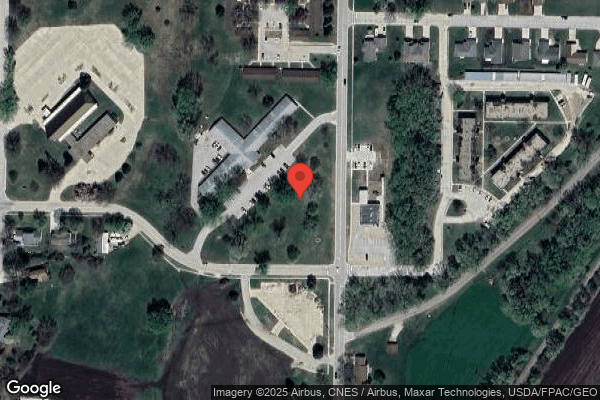
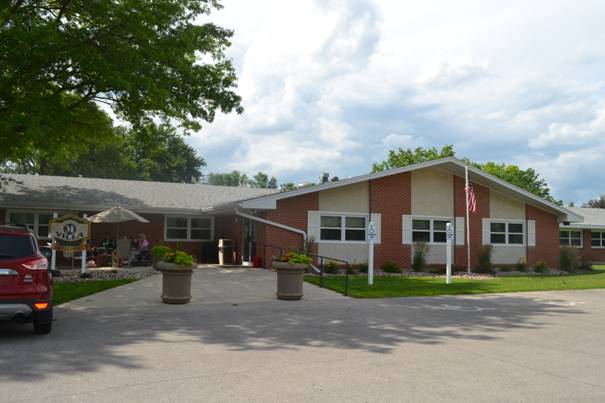
1011 North Roosevelt, Cherokee, IA 51012 (712) 225-5189
Non profit - Corporation 62 Beds CARE INITIATIVES Data: November 2025
Trust Grade
23/100
#260 of 392 in IA
Last Inspection: May 2025

Inspected within the last 6 months. Data reflects current conditions.

Overview

Cherokee Specialty Care in Cherokee, Iowa, has a Trust Grade of F, indicating significant concerns about the facility's quality of care. It ranks #260 out of 392 facilities in Iowa, placing it in the bottom half, and #5 out of 5 in Cherokee County, meaning only one local option is worse. The facility is trending toward improvement, having reduced its number of issues from 11 in 2024 to 10 in 2025. Staffing is rated at 3 out of 5, which is average, with a turnover rate of 49%, close to the state average. However, there are serious concerns, including incidents where a resident suffered a second-degree burn from hot coffee and another where incorrect insulin was administered, raising significant safety concerns. Additionally, the facility has less RN coverage than 96% of Iowa facilities, which could impact the quality of care.
Trust Score
F
23/100
In Iowa
#260/392
Bottom 34%
Safety Record
High Risk
Review needed
Inspections
Getting Better
11 → 10 violations
Staff Stability
⚠ Watch
49% turnover. Above average. Higher turnover means staff may not know residents' routines.
Penalties
✓ Good
$8,190 in fines. Lower than most Iowa facilities. Relatively clean record.
Skilled Nurses
⚠ Watch
Each resident gets only 21 minutes of Registered Nurse (RN) attention daily — below average for Iowa. Fewer RN minutes means fewer trained eyes watching for problems.
Violations
⚠ Watch
38 deficiencies on record. Higher than average. Multiple issues found across inspections.
★★☆☆☆
2.0
Overall Rating
★★★☆☆
3.0
Staff Levels
★★★☆☆
3.0
Care Quality
★★☆☆☆
2.0
Inspection Score
Stable
2024: 11 issues
2025: 10 issues

The Good

  • Full Sprinkler Coverage · Fire safety systems throughout facility
  • No fines on record

Facility shows strength in fire safety.

The Bad

2-Star Overall Rating

Below Iowa average (3.0)

Below average - review inspection findings carefully

Staff Turnover: 49%

Near Iowa avg (46%)

Higher turnover may affect care consistency

Federal Fines: $8,190

Below median ($33,413)

Minor penalties assessed

Chain: CARE INITIATIVES

Part of a multi-facility chain

Ask about local staffing decisions and management

The Ugly 38 deficiencies on record

2 actual harm
May 2025 3 deficiencies
CONCERN (D)

Potential for Harm - no one hurt, but risky conditions existed

PASARR Coordination (Tag F0644)

Could have caused harm · This affected 1 resident

**NOTE- TERMS IN BRACKETS HAVE BEEN EDITED TO PROTECT CONFIDENTIALITY** Based on clinical record review and staff interview, the facility failed to refer 1 resident with a negative Level I result for ...

Read full inspector narrative →
**NOTE- TERMS IN BRACKETS HAVE BEEN EDITED TO PROTECT CONFIDENTIALITY** Based on clinical record review and staff interview, the facility failed to refer 1 resident with a negative Level I result for the Preadmission Screening and Resident Review (PASRR), who was later identified with newly evident or possible serious mental disorder, intellectual disability, or other related condition, to the appropriate state-designated authority for Level II PASRR evaluation and determination for 1 out of 2 residents reviewed for PASRR requirements, (Resident #38). The facility reported a census of 43 residents. Findings include: The Minimum Data Set (MDS) assessment dated [DATE] for Resident #38 documented diagnoses of depression, anxiety, bipolar disorder, dementia, and other personality and behavioral disorders due to known psychological conditions. The MDS included a Brief Interview for Mental Status (BIMS) score of 15, which indicated no cognitive impairment. Review of the Care Plan for Resident #38 revealed the following diagnosis: a. Bipolar Disorder, b. Anxiety, c. Dementia, d. Other personality and behavioral disorders due to known psychological conditions. Review of the consultation Behavioral Health notes for Resident #38 dated 4/3/25 showed consultation took place for outpatient psychiatric services. Review of the PASRR dated 4/14/2023 showed the facility failed to resubmit an updated PASRR screening to include mental health diagnoses, dementia and psychiatric services. In an interview on 5/22/24 at 8:46 AM, the DON reported that she expected the PASRR for Resident #38 to be resubmitted when diagnosed with mental health diagnoses and initiation of psychiatric services. The DON reported the facility failed to have a policy related to PASRR Screenings.
CONCERN (D)

Potential for Harm - no one hurt, but risky conditions existed

Comprehensive Care Plan (Tag F0656)

Could have caused harm · This affected 1 resident

**NOTE- TERMS IN BRACKETS HAVE BEEN EDITED TO PROTECT CONFIDENTIALITY** Based on clinical record review and staff interview the facility failed to revise and update care plans to include and address h...

Read full inspector narrative →
**NOTE- TERMS IN BRACKETS HAVE BEEN EDITED TO PROTECT CONFIDENTIALITY** Based on clinical record review and staff interview the facility failed to revise and update care plans to include and address high risk medications and side effects to watch for in the comprehensive care plans for 2 of 2 residents reviewed (Resident #24 and #31). The facility reported a census of 44 residents. Findings include: 1. The Minimum Data Set (MDS) assessment dated [DATE] for Resident #24 documented diagnoses of diabetes mellitus and type 2 diabetes mellitus with hyperglycemia.The MDS showed the Brief Interview for Mental Status (BIMS) score of 6, indicating severe cognitive impairment. Review of the Order Summary Report dated 4/7/25 revealed the following orders: a. Lantus Subcutaneous Solution (insulin/Diabetic medication) b. Humalog Injection Solution (insulin/Diabetic medication) Review of the Care Plan with an initiated date of 4/11/25 revealed a focus area of I have Diabetes Mellitus. The Care Plan lacked specific side effects to watch for with the usage of diabetic medication. 2. The MDS assessment dated [DATE] for Resident #31 documented diagnosis of diabetes mellitus and type 2 diabetes. The MDS showed the BIMS score of 00, indicating severe cognitive impairment. Review of the Order Summary Report dated 4/24/25 revealed an order for hydrocodone-actaminophen oral tablet (opioid medication). Review of the Care Plan included a focus area with an initiated date of 2/24/25 of I use opioid medications related to age related pain that lacked non pharmacological interventions to use for pain management prior to medication usage. Review of the facility policy titled Care Plans, Comprehensive Person- Centered with a revision date of December 2016 revealed the comprehensive, person-centered care plan will describe the services that are to be furnished to attain or maintain the resident's highest practicable physical, mental, and psychosocial well-being. Interview on 5/22/25 at 9:14 a.m., with the Administrator revealed non pharmacological interventions and side effects for medications should be listed on the care plan.
CONCERN (E)

Potential for Harm - no one hurt, but risky conditions existed

Deficiency F0804 (Tag F0804)

Could have caused harm · This affected multiple residents

Based on observations,resident and staff interviews and policy review the facility failed to ensure proper temperatures for foods served to residents. The facility reported a census of 44 residents. F...

Read full inspector narrative →
Based on observations,resident and staff interviews and policy review the facility failed to ensure proper temperatures for foods served to residents. The facility reported a census of 44 residents. Finding Include: 1. Observation on 5/20/25 at 12:17 p.m., of the meal service showed the lunch meal consisted of Salisbury steak, mashed potatoes, carrots, roll and butter and ice cream sandwiches. The test tray was temped after the last resident was served their room lunch tray and temperatures were as follows: a. Salisbury Steak- 133.5 degrees Fahrenheit (F) b. Carrots- 131 degrees F c. Ice cream sandwich was soft and melted d. Roll was noted to have black bottom and hard 2. Observation on 5/20/25 at 12:34 p.m., with items still in the steam table in the kitchen. Food temperatures were as follows: a. Ground Salisbury Steak- 114.9 degrees F b. Carrots 131.9 degrees F Interview on 5/20/25 at 12:36 p.m., with the Dietary Manager confirmed the carrots and ground meat were not at a safe holding temperature and they should have been. 3. Observation on 5/21/25 at 12:09 p.m., of the meal service showed the lunch meal consisted of Turkey Ala King with a biscuit, broccoli and blushing pears. The test tray was temped after the last resident was served their room lunch tray and temperatures were as follows: a. Turkey Ala King- 132.7 degrees F b. Broccoli- 113.6 degrees F Review of the facility provided policy titled Food Preparation and Service with a revision date of April 2019 revealed the following information: a. Mechanically altered hot foods prepared for a modified consistency diet remain above 135°F during preparation or they are reheated to 165°F for at least 15 seconds. b. The temperatures of foods held in steam tables are monitored throughout the meal by food and nutrition services staff. c. Proper hot and cold temperatures are maintained during food service. Interview on 5/21/25 at 1:17 p.m., with the Dietary Manager revealed the food should be served hot and at a safe temperature and the facility has been working on it.
Jan 2025 7 deficiencies 1 Harm
SERIOUS (G) 📢 Someone Reported This

A family member, employee, or ombudsman was alarmed enough to file a formal complaint

Actual Harm - a resident was hurt due to facility failures

Accident Prevention (Tag F0689)

A resident was harmed · This affected 1 resident

**NOTE- TERMS IN BRACKETS HAVE BEEN EDITED TO PROTECT CONFIDENTIALITY** Based on clinical record review, staff interview, facility photographs, and facility education, the facility failed to secure a ...

Read full inspector narrative →
**NOTE- TERMS IN BRACKETS HAVE BEEN EDITED TO PROTECT CONFIDENTIALITY** Based on clinical record review, staff interview, facility photographs, and facility education, the facility failed to secure a hot cup of coffee, monitor a resident known to drink hot coffee all hours of the day and night, test coffee temperatures, follow physicians orders for which resulted in a 2nd degree burn to the groin region that progressively worsened and caused substantial pain for 1 of 3 resident reviewed. (Resident #1) The facility identified the census of 46 residents. Findings include: The Minimum Data Set (MDS) assessment dated [DATE], documented Resident #1 with diagnoses Coronary Artery Disease, Renal Failure, Non-Alzheimer Dementia, anxiety, depression, malnutrition and abnormalities of gait and mobility. The Brief Interview for Mental Status (BIMS) showed the resident scored a 9 which indicated moderate impaired decision making abilities, was able to be understood and has the ability to understand others and has adequate vision. The MDS documented the resident frequently incontinent of urine and a wheelchair was used for mobility. The MDS documented the resident denied pain, no skin issues and received Hospice services. The Plan of Care with focus areas of I have been provided with a diet order for regular diet, (initiated 12/12/22), I am/have a potential to be verbally aggressive (towards residents and staff) related to dementia, and poor impulse control (initiated: 8/12/24) I have a burn of the (inner thighs) related to coffee spill (initiated 9/7/24). Interventions include: *Resident to use sippy cups to prevent skin injuries. (Initiated 9/7/24) *I am noted to be noncompliant with transfer assistance. Redirect as able. (Initiated 8/30/24) *Place me in area where frequent observation is possible. (Initiated 8/30/24) *Adjust my treatment plan if no healing within 2-4 weeks. (Initiated 9/12/24) *Avoid scratching and keep hands and body parts from excessive moisture.(Initiated 9/7/24) *Cover my arms to prevent me from scratching. (Initiated 9/12/24) *Give anti-pruritic (itching cream) medication as ordered by physician. Monitor and document side effects and effectiveness. (Initiated 9/12/24) *I have a tendency to pick at my bandages and pull them off. Please kindly remind me to not do this as it may cause an infection/worsen the wounded area.(Initiated 9/11/24) *I need a full skin evaluation weekly with bath/shower. (Initiated 9/12/24) *Monitor me for signs and symptoms of infection or spreading. (Initiated 9/12/24) *Monitor skin rashes for increased spread or signs of infection. (Initiated: 9/7/24) *Provide my progress report to me/my family on healing status. (Initiated: 9/7/24) The Progress Notes documented on these dates and times the following: *9/7/24 at 6:41 a.m., Incident, Accident, Unusual Occurrence Note Late Entry Text: Resident found to have burn marks on his inner thighs (spilled coffee on his lap), Night shift gave coffee per his request. Resident known to be terminally restless. Accidentally spilled in his lap. Placed calmoseptine on burns and called on call hospice and primary care provider. Also gave as needed morphine for pain. *9/7/24 at 6:46 a.m., Morphine Sulfate (medicine to treat moderate to severe pain)(Concentrate) Solution 20 milligram (MG)/milliliter (ML) Give 0.5 ml by mouth every 1 hours as needed for severe bilateral thigh pain. *9/7/24 at 12:29 p.m., Resident sleeping after being up all night and receiving as needed pain medication. *9/7/24 at 5:37 p.m., Give 0.5 ml of morphine by mouth every 1 hours as needed for severe pain, burns on thighs hurt *9/7/24 at 5:42 p.m., Hospice Nurse visit completed. Continuity of Care (COC) with Facility Staff Nurse (FSN), Staff E, Licensed Practical Nurse (LPN) *9/7/24 at 6:07 p.m., Hospice Verbal Order Obtained: To burns to bilateral thighs apply Silvadene cream and cover with Mepilex (absorbent foam dressing designed for low to medium exudates (fluid that leaks out of blood vessels into surrounding tissues) change every day and as needed (PRN). May use Triad (used to treat light to moderate levels of wound leakage) cream until Silvadene (a cream used to treat wound infections in patients with second and third degree burns) until obtained from pharmacy. Prescribed by physician. Facility Nurse Notified. *9/9/24 at 6:50 a.m. Morphine Sulfate Solution, Gave 0.5 ml by mouth every 1 hours as needed for severe pain legs and back pain. *9/10/24 at 6:42 a.m., Morphine Sulfate Solution, Gave 0.5 ml by mouth every 1 hours as needed for severe pain, leg burns. *9/10/24 at 3:28 p.m., Morphine Sulfate Solution, Gave 0.5 ml by mouth every 1 hours as needed for severe pain, burn pain. *9/10/2024 at 6:46 p.m., Morphine Sulfate Solution, Gave 0.5 ml by mouth every 1 hours as needed for severe pain, pain from burns. *9/12/24 at 8:22 p.m., Morphine Sulfate Solution, Gave 0.5 ml by mouth every 1 hours as needed for severe pain, leg pain. *9/13/24 at 4:37 p.m., Morphine Sulfate Solution, Gave 0.5 ml by mouth every 1 hours as needed for severe pain, Requested for pain in hand and legs. *9/14/2024 at 9:15 p.m., Morphine Sulfate Solution, Gave 0.5 ml by mouth every 1 hours as needed for severe pain, Resident requested PRN morphine due to the burns on his legs really bothering him. *9/15/2024 at 7:34 a.m., Morphine Sulfate Solution, Gave 0.5 ml by mouth every 1 hours as needed for severe pain, wounds. *9/15/2024 at 8:35 a.m., Morphine Sulfate Solution, Gave 0.5 ml by mouth every 1 hours for pain. *9/15/2024 at 9:53 a.m., Hospice Note Text: Can we change residents morphine order to be able to have 0.5 ml to 1 ml PRN? It's currently just 0.5 ml. *9/16/2024 at 11:30 a.m., Hospice Note Text: Received verbal order signed by Hospice Nurse to start Morphine 0.5 ml to 1.0 ml PRN every 1 hour and discontinue previous 0.5 ml order. *9/16/2024 at 2:41 p.m., Physician Note Text: Received signed verbal orders for treatment to bilateral inner thighs. *9/17/2024 at 7:48 a.m., Morphine Sulfate Solution, Gave 0.5 ml by mouth every 1 hours as needed for severe pain, Resident requested for pain. *9/17/2024 at 5:28 p.m., Morphine Sulfate Solution, Gave 1 ml by mouth every 1 hours as needed for Pain - Severe, dressing change was done. *9/18/2024 at 2:49 a.m., Morphine Sulfate Solution, Gave 1 ml by mouth every 1 hours as needed for Pain - Severe. *9/19/2024 at 4:50 p.m., Morphine Sulfate Solution, Gave 0.5 ml by mouth every 1 hours as needed for severe pain, was given for pain in legs. *9/20/2024 at 3:20 a.m. Morphine Sulfate Solution, Gave 1 ml by mouth every 1 hours as needed for Pain - Severe, Resident yelling out ouch, help me. Noted resident removing bandages to bilateral thighs. Administered medication and changed dressing at this time. *9/20/2024 at 8:39 a.m., Morphine Sulfate Solution, Gave 1 ml by mouth every 1 hours as needed for Pain - Severe, for pain in resident's legs. *9/20/2024 at 1:18 p.m., Morphine Sulfate Solution, Gave 1 ml by mouth every 1 hours as needed severe leg pain. *9/20/2024 at 1:33 p.m., Monitor target behaviors and side effects every shift every day and evening shift restless, pulling apart brief and trying to take bandages off. *9/20/2024 at 7:05 p.m., Morphine Sulfate Solution, Gave 1 ml by mouth every 1 hours as needed for pain. *9/21/2024 at 2:49 p.m., Morphine Sulfate Solution, Gave 1 ml by mouth every 1 hours as needed for Pain - Severe, resident restless, in pain *9/22/2024 at 6:16 a.m., Morphine Sulfate Solution, Gave 1 ml by mouth every 1 hours as needed for Pain-Severe, Resident repeatedly yelling out 'help', admits to pain to legs. *9/22/2024 at 10:17 a.m., Morphine Sulfate Solution, Gave 1 ml by mouth every 1 hours as needed for Pain-Severe, resident in increased pain during dressing change to burn to thighs. *9/22/2024 at 11:38 a.m., Morphine Sulfate Solution, Gave 1 ml by mouth every 1 hours as needed for Pain - Severe, PRN Administration was: Ineffective, Follow-up Pain Scale was: 8 *9/22/2024 at 11:39 a.m., Morphine Sulfate Solution, Gave 1 ml by mouth every 1 hours as needed for Pain - Severe, Resident has pain due to burns on thighs. *9/22/2024 at 1:21 p.m., Monitor target behaviors and side effects every shift, every day and evening shift. Resident yelling out in pain frequently throughout this nurse's shift. PRN morphine utilized. *9/22/2024 at 4:01 p.m., Morphine Sulfate Solution, Gave 1 ml by mouth every 1 hours as needed for Pain - Severe, resident yelling out in pain during cares. *9/22/2024 at 7:45 p.m., Morphine Sulfate Solution, Gave 1 ml by mouth every 1 hours as needed for Pain - Severe, crying out during cares. *9/23/2024 at 7:53 a.m., Morphine Sulfate Solution, Gave 0.75 ml by mouth every 1 hours as needed for severe pain. *9/24/2024 at 9:05 a.m., Morphine Sulfate Solution, Gave 1 ml by mouth every 1 hours as needed for Pain - Severe *9/24/2024 at 2:04 p.m., Morphine Sulfate Solution, Gave 1 ml by mouth every 1 hours as needed for Pain - Severe *9/24/2024 at 7:59 p.m., Morphine Sulfate Solution, Gave 1 ml by mouth every 1 hours as needed for Pain - Severe *9/24/2024 at 8:06 p.m., resident is not swallowing water, did not feel it safe to administer morphine. *9/25/2024 at 10:09 a.m., Morphine Sulfate Solution, Gave 0.5 ml by mouth every 1 hours as needed for severe pain, Was given for pain in legs. *9/26/2024 at 9:37 a.m., Atropine Sulfate Ophthalmic Solution 1 %, Give 4 drop by mouth every 1 hours as needed for secretions. *9/27/2024 at 9:02 a.m., Morphine Sulfate Solution, Give 1 ml by mouth every 1 hours as needed for Pain - Severe, labored breathing, unresponsive. *9/27/2024 at 9:46 a.m., Atropine Sulfate Ophthalmic Solution 1 %, Give 4 drop by mouth every 1 hours as needed for secretions, gurgly and secretions. *9/27/2024 at 2:33 p.m., Morphine Sulfate Solution, Give 1 ml by mouth every 1 hours as needed for Pain - Severe *9/27/2024 at 7:13 p.m., Morphine Sulfate Solution, Give 1 ml by mouth every 1 hours as needed for Pain - Severe *9/28/2024 at 11:48 p.m., On 9/28/2024, during morning rounds at 6:00 a.m., This nurse discovered Resident unresponsive, not breathing, with no pulse or respiration. The resident's skin was cold to touch, indicating death had occurred. This nurse announced resident death at 6:03 a.m. Review of the Hospice Skilled Nursing Visit Note dated 9/7/24 at 5:01 p.m., documented the following: *Left inner leg thigh/burn second degree (a burn that affects the epidermis (outer layer of skin) and dermis (the thick layer below the epidermis) with wound bed as slough, (the white/yellow material in the wound bed) length 11 cm by width 8 cm, cleanse with soap and water and apply silvadene, cover with mepilex (dressing). *Right inner leg thigh/burn second degree with wound bed as slough, length 10 cm by width 3 cm, cleanse with soap and water and apply silvadene and cover with mepilex. *Narrative notes: Received call from facility staff nurse, Staff E, LPN. Patient spilled hot coffee in his lap this am. Patient has blistered/open areas to bilateral upper, inner thighs. Patient denies pain unless touch area. New orders for Silvadene per Physician. Triad wound cream applied until Silvadene arrives from pharmacy. Patient tells this nurse Thank you that feels much better. Facility photos of the wound evaluation documented on 9/7/24 at 6:34 a.m., revealed: Left Medial thigh, First degree Burn, in-house acquired. *Dimensions= length 12.2 cm by width 4.7 cm *Wound Bed (the underlying surface of a wound, consisting of various tissues that contribute to the healing process)= 100% granulation (the development of new tissue and blood vessels in a wound during the healing process), increased pain and warmth with pink or red wound bed *Pain= cognitively impaired-yes, sad/frightened/frown, and tense body language *Treatment= calmoseptine (moisture barrier that helps protect and heal skin irritations), morphine Facility Photos of the wound evaluation documented on 9/13/24 at 8:17 a.m., revealed: Left Medial Thigh, first degree burn, in house acquired *Dimensions=8.2 cm by 5.2 cm *Wound Bed= 20% epithelial (helps to protect or enclose organs), with 30 % granulation and 50% slough and bleeding with pink/red surface area. *Exudates (mass of cells and fluid that has seeped out of blood vessels) = moderate amount of serosanguineous (a fluid that contains both blood and serum) drainage *Pain=7 at dressing *Progress=deteriorating, new treatment. Facility Photos of the wound evaluation documented on 9/20/24 at 3:27 a.m., revealed: Left Medial thigh, first degree burn, in house acquired *Dimensions= 8.3 cm by 2.8 cm *Wound Bed= 10 % epithelial tissue, 30% granulation tissues, 20% slough, 40% eschar (dead tissue that eventually sloughs off healthy skin after an injury) and area is bleeding, islands of epithelium and pink/red surface area. *Exudate= light serosanguineous drainage *Peri Wound (the skin surrounding a wound) = 1.5 cm of attached erythema (superficial reddening of the skin) tissue and temperature is warm. *Progress=stable, no new treatment. Facility photos of the wound evaluation documented on 9/7/24 at 6:34 a.m., revealed: Right Medial thigh, first degree burn, in house acquired. *Dimensions=length 5.8 cm by 3.6 cm *Wound Bed=100% epithelial and pink/red wound bed *Pain=score of 8, with sad/frightened/frown facial expressions and cognitively impaired. Facility Photos of the wound evaluation documented on 9/13/24 at 8:17 a.m., revealed: Right Medial Thigh, first degree burn, in house acquired *Dimensions=1.4 cm by 6.8 cm *Wound Bed= 30% epithelial, and 70% granulation and pink/red surface area *Exudate= light, serosanguineous drainage *Peri-Wound= excoriated surrounding the tissue, 2.5 cm and warm *Pain= 7 at dressing change *Progress=deteriorating, new treatment Facility Photos of the wound evaluation documented on 9/20/24 at 3:27 a.m., revealed: Right Medial thigh, first degree burn, in house acquired *Dimensions= 1.7 cm by 3.0 cm *Wound Bed= 30% of epithelial tissue, 70% of granulation tissue and area is pink/red surface area *Exudate= light serosanguineous drainage *Peri Wound= 1.5 erythema with attached edges and temperature is warm *Progress=stable with no new orders Review of the Facility Skin and Wound Evaluation form dated 9/7/24 at 12:45 p.m., revealed a first degree burn of the left medial thigh, from a coffee spill, area measures 46.2 cm by 12.3 cm by 4.8 cm, with 100% of wound filled with granulation, increased pain, warmth, with no dressing applied, resident with wound pain by loud moaning or groaning and crying, pulling and pushing away, appears frightened. Review of the Facility Skin and Wound Evaluation form dated 9/20/24 at 4:09 a.m., revealed a first degree burn on the right medial thigh, from a coffee spill, with start date 9/7/24, area measures 2.6 centimeters (cm) by 1.8 cm by 3.1 cm., with 30 % of wound covered with granulation, with light amount of exudate, of serosanguineous type, resident with wound pain by loud moaning or groaning and crying, pulling and pushing away, appears frightened. Interview on 1/29/24 at 2:45 p.m., The Senior Director of Nursing (DON), confirmed and verified that the Silvadene order was not on the September Medication Administration Record (MAR) or the September Treatment Administration Record (TAR) and it is the expectation of the nurses to follow the physician orders and note orders per the State and Federal Rules and Regulations and that the facility failed to follow the orders. Interview on 1/29/25 at 3:00 p.m., Staff B, Certified Nursing Assistant (CNA), stated that Resident #1 would like to always have a cup of coffee with him and that there was no directive to put a lid on the mug. Resident #1 would be impulsive and want to transfer themselves unexpectedly. The directive now is that any resident that wants coffee out of the dining room will have a tumbler with a lid. Interview on 1/29/25 at 4:00 p.m., Staff E, LPN, confirmed and verified that the order for the Silvadene was not noted on the September MAR or TAR, Staff E stated that they did not see the burn until later on 9/7/24, when the Hospice Nurse came to evaluate the burns and the burns were blistered and peeling. Staff E, stated that it was not uncommon for Resident #1 to always have a cup of coffee with them at all times and there was not a directive to have a lid on the mug and that the resident was impulsive with transferring and would unexpectedly stand up. Interview on 1/29/25 at 4:15 p.m., the DON stated that after this incident with the coffee spill and burn the facility had put in place that if a resident wants coffee out of the dining room they will have a small tumbler with a lid at all times. The DON failed to admit or deny that they had seen the burn on the morning of 9/7/24. Interview on 1/30/25 at 11:15 a.m., the facility Assistant Director of Nursing (ADON) confirmed and verified that the order for the Silvadene cream failed to get noted on the September MAR/TAR. The ADON stated that they took the pictures of the resident burn on 9/7/24 and that the DON gave the directive to put calmoseptine on them until the Hospice nurse comes to see them. The ADON stated that the resident had a cup of coffee with them at all times and that there was no directive to have a lid on the mug and that the resident would be impulsive with wanting to transfer by themselves and stand up unexpectedly. Interview on 1/30/25 at 8:15 a.m., the Dietary Manager stated the kitchen staff follow the Federal and State rules and regulations for temperature of the food and that the food and liquids are to be at 135 degrees Fahrenheit or above. The Dietary Manger stated that no records are kept of the food temperatures of the coffee and that staff will randomly take a coffee temperature, but is not written down anywhere. An In-Service Form dated 1/29/25 with no time, revealed, Educations Description: Nurse Education regarding 1. Processing Hospice Orders and Noting them. 2. Time line for Completing assessments after risk management; Nursing focus Evaluation (incident/accident/unusual occurrence follow up charting). option B a. Time Line for Completing assessments after risk management: *This Hot Charting is related to an Incident/Accident/Unusual Occurrence (example=resident had a recent fall or an injury and a Risk Management has been completed and now you are following up every shift. *This charting is expected to be completed at least every shift for 24 hours or until stable. *If the injury is a burn, it will be expected that this chart will stay a Hot Chart and be completed every day until healed. 3. Following orders for treatments; a. All skin that is identified as impaired due to an injury is to have *Risk management completed. *Skin evaluation completed with weekly/as needed follow up evaluations completed until healed. *Doctor notification completed. *An order for treatment will be put into place and initiated immediately. This treatment will continue until the area is healed or the treatment needs to be changed due to a change in condition. *The nurse will sign the treatment off when completed. *If wound show a decline in treatment after 1-2 weeks, physician is to be notified and a new treatment to be initiated. 4. Follow documentation for burns. A Hospice Verbal Order Process with a revision dated 4/1/24, purpose is to provide direction for entry of documentation into Point Click Care (PCC). For guidance on clinical documentation expectations please refer to appropriate procedures. 1. When a Hospice Nurse obtains a verbal order for a resident, they will notify the facility nurse and complete the Hospice Verbal Order Evaluation. a. The hospice nurse will document the date/time the order was obtained, verbal order details, prescribing physician and who at the facility was notified. b. The Hospice Nurse Verbal Order Evaluation will display on the Clinical Dashboard > Clinical Alerts and on the 24 hour Summary Report. 2. The facility nurse will then enter the verbal order into PCC and obtain signature from physician. 3. Facility nurse will fax the pharmacy if needed. 4. The hospice nurse will enter the verbal order into their software and obtain signature. 5. The hospice office will scan their signed verbal order into PCC< into the residents miscellaneous tab (there will be two signed orders).
CONCERN (D) 📢 Someone Reported This

A family member, employee, or ombudsman was alarmed enough to file a formal complaint

Potential for Harm - no one hurt, but risky conditions existed

Deficiency F0572 (Tag F0572)

Could have caused harm · This affected 1 resident

**NOTE- TERMS IN BRACKETS HAVE BEEN EDITED TO PROTECT CONFIDENTIALITY** Based on clinical record review, admission agreement, resident bill of rights, facility document manager process, resident counc...

Read full inspector narrative →
**NOTE- TERMS IN BRACKETS HAVE BEEN EDITED TO PROTECT CONFIDENTIALITY** Based on clinical record review, admission agreement, resident bill of rights, facility document manager process, resident council meeting minutes, staff and family interview the facility failed to provide the resident/resident representative in writing the resident rights, rules and regulations and responsibility during the stay in the facility or upon admit for 1 of 3 residents reviewed. (Resident #4). The facility identified a census of 46 residents. Findings include: The Clinical Census report dated [DATE] at 5:18 p.m., documented Resident #4 admitted on [DATE]. The Progress Notes dated [DATE] at 12:18 p.m., documented with Physician Note Text: Resident admits to facility this morning 11:30 a.m., via family vehicle with daughter. Resident is weak when transferring. No complaints. No current illness suspected. Please review orders and advise. On [DATE], the Resident/Power of Attorney (POA) signed and dated the admission Care Plan which indicated acknowledgement of the said form. The POA e-signed the Cardiopulmonary Resuscitation (CPR) and Do Not Resuscitation (DNR) order Declaration Form on [DATE] at 12:01 p.m. Review of the admission Agreement form page 13 date [DATE] in Point Click Care (PCC), revealed the Durable Power of Attorney (DPOA) for Health Care Decision marked the form with an X followed by a facility Representative to have signed the form on [DATE] with no time. Interview on [DATE] at 12:30 p.m., with the Social Service Director, no one in the facility knew who signed the form with an X and he/she failed to confirm or deny the X as her/his mark although he/she had been present on admit. Review of the printed admission Agreement form on page 13, revealed the DPOA checked the box that represented No for DPOA and the box that represented a Yes for the resident representative e-signed by the POA on [DATE] at 11:46 a.m. Review of an Arbitration Procedure form revealed the POA e-signed the form [DATE] at 11:46 a.m. and the facility representative on [DATE] at 11:16 a.m. An Explanation of Medicare Benefits form revealed the Resident/Guardian/Legal Representative e-signed the form on [DATE] at 11:47 a.m. Interview on [DATE] at 2:38 p.m., POA, stated that the admission paperwork was not completed with them on [DATE], when Resident #4 was admitted to the facility. The POA asked for a copy of the admission paperwork during a careplan conference and noticed that the e-signature was on [DATE]. The POA confirmed and verified that they were not in the facility on [DATE]. Interview on [DATE] at 12:30 p.m , the Social Service Director, confirmed as well as the DPOA/POA had been present with the review of the admission forms and clicked on the e-signature on the form however there was no explanations as to why the date on the computer failed to automatically time stamp per normal routine with any e-signature on a computer system. The Social Service Director confirmed and verified that the facility failed to give a written admission paperwork to the POA or the Resident on [DATE]. Interview on [DATE] at 1:30 p.m., the Regional Director of Human Resources, confirmed and verified that the facility has changed their admission process and revised the Process: Document Manger on [DATE]. The Resident Council Meeting Minutes dated [DATE] at 10:30 a.m., revealed, a Resident and /or resident request to review the admission packet with all the information in it including an activity calendar for the month. The Resident [NAME] of Rights dated 1/2017, stated that the resident has the right to a dignified existence, self-determination, and communication with and access to persons and services inside and outside the facility, including those specified in this section. *The right to be fully informed in language that her or she can understand of his or her total health status including but not limited to his or her medical condition. *The resident has the right to receive notices orally (meaning spoken) and in writing in a format and a language he or she understands. *Required notices as specified in this section. The facility must furnish to each resident a written description of legal rights. The Process: Document Manager revised on [DATE] and [DATE], documented the purpose is to provide direction for entry of documentation into the PCC. For guidance on clinical documentation expectations please refer to appropriate facility procedures. Document Manager in PCC allows staff, resident and/or resident responsible parties to sign documents electronically. Signatures can be obtained in person or remotely. When a user is signing in person they will use the facility chromebook (is a lap-top or tablet that runs on Google's operating system). When a user is signing remotely they do need to provide a mobile phone number and email and then will be able to sign on their own personal device. Documents can still be printed and signed on paper if requested.
CONCERN (D) 📢 Someone Reported This

A family member, employee, or ombudsman was alarmed enough to file a formal complaint

Potential for Harm - no one hurt, but risky conditions existed

Free from Abuse/Neglect (Tag F0600)

Could have caused harm · This affected 1 resident

**NOTE- TERMS IN BRACKETS HAVE BEEN EDITED TO PROTECT CONFIDENTIALITY** Based on clinical record review, facility investigation, resident bill of rights, facility policy/procedures, and staff intervie...

Read full inspector narrative →
**NOTE- TERMS IN BRACKETS HAVE BEEN EDITED TO PROTECT CONFIDENTIALITY** Based on clinical record review, facility investigation, resident bill of rights, facility policy/procedures, and staff interviews the facility failed to provide a supportive and safe environment for Resident #3. On 8/26/24, the facility staff learned of a Certified Nurse Aide (CNA) being accused of backing Resident #3 into a wall and bitching at them. After learning of this allegation of abuse, the facility staff told the CNA not to help Resident #3, but allowed them to work with other residents. The facility identified a census of 46 residents. Findings include: The Minimum Data Set (MDS) assessment dated [DATE], documented Resident #3 with a Brief Interview for Mental Status (BIMS) score of 15 for which indicated no impaired decision making abilities, no physical or verbal behavior symptoms directed towards others, was able to be understood and ability to understand others and had adequate vision. The MDS also documented the resident as required partial/moderate assistance with showering/bathing and independent with other activities of daily living and diagnosis for which included anemia, coronary artery disease, hypertension, anxiety, depression and chronic pain. The Plan of Care with an initiated date 12/18/22, documented Resident #3 has a behavior problem, for which has negative outcome from my behaviors. Interventions include: *Anticipate and meet my needs. *Approach me and speak to me in a calm manner. *Divert my attention. Remove me from situations as needed and take me to an alternate location as needed. *Intervene as necessary to protect the rights and safety of others. *Social Services to evaluate and visit with me. *I ambulate independently without the use of an assistive device, but do use a walker at request as needed. A Grievance/Concern Investigation Form dated 8/26/24, documented Resident #3 reported to the facility, Can't remember when, but Staff A, CNA backed me up against the dining room wall, bitching at me about cleaning up my room and have stuff under bed. I will call my attorney if this keeps happening. Follow-up from facility, Staff A, CNA had removed numerous boxes of gloves from under Resident #3's bed and resident was upset. Staff A, never backed up resident against a wall. A Police Department Call for Service Record dated 8/29/24 at 9:32 a.m., recorded a Resident advised Nurses Aide pushed him up against the wall. Resident would like to speak with an officer. At 10:08 a.m., Officer unable to confirm at this time, will speak with other residents. A written comment on the Investigation Note dated 9/4/24, documented, Staff A, stay totally away from Resident #3, no cares, not in his room, no smoking outside together, Stay away! The Progress Notes dated 9/4/24 at 9:16 a.m., documented Behavior Note Text: Resident called this nurse over to him at the dining room table. Asked resident how things were going. Resident stated that his elbow was hurting. When asked what happened. Resident stated that it was stemming from the incident he previously reported. This nurse then asked the resident I thought it was your head that was hurt. He replied yeah it was but now my elbow hurts. This nurse asked resident if Range of Motion (ROM) was intact and everything was fully functional. Resident responded yes. Resident informed and educated on the use of pain medications as needed. The Progress Notes dated 9/4/24 at 2:10 p.m., documented Administration Note Text: Monitor target behaviors and side effects every shift every day and evening shift. CNA witnessed resident saying he was going to get staff in trouble again. I also saw him walk up the hall and try to look around the corner for that same staff member. The Progress Notes dated 9/4/24 at 4:29 p.m., documented Note Text: Director of Nursing (DON) and Administrator visited with this resident regarding a recent incident in which himself and staff member were in a disagreement. Resident states staff member is still his friend and eventually will come around and speak with her again as they used to. States he does not have any issues with her currently. DON and Administrator offered other living solution in an assisted living in another town. States he does like the idea but will think about it for a while and let us know if decides this would be a good idea. Resident states he has a headache. Educated on medications he can use and encouraged fluid intake to prevent dehydration which can cause headaches. No further concerns from administration or resident. Will follow as needed A Police Department Call for Service Report dated 9/27/24 at 2:48 p.m., Resident wants to speak to an officer about him being assaulted at the facility. At 3:00 p.m., Resident has already spoken with the officer about the assault, it has been unfounded. A written comment on the investigation noted dated 10/24/24, still upset with Staff A on 9/4/24 incident. Review of the Employee Punch Report with a run dated 1/30/25 at 11:55 a.m., revealed Staff A worked on 8/26/24 from 6:28 a.m., to 8:40 a.m., then from 9:04 a.m., to 10:36 a.m., and 11:00 a.m., to 2:51 p.m. Interview on 1/28/25 at 8:45 a.m., Resident #3 was not able to recall the exact date and time with Staff A, treating him rough and threw him up against a wall, did state the facility Administrator was told about the incident. Interview on 1/28/25 at 11:30 a.m., the facility Administrator did an internal investigation and felt that Staff A, was not capable of backing Resident #3 up against a wall in the dining room as alleged by Resident #3 and allowed Staff A to continue to work in the facility with the directive to not work with Resident #3. Interview on 1/28/25 at 1:00 p.m., Staff A, CNA, explained that on 8/26/24, she was cleaning under Resident #3's bed while he was outside smoking, sometime around lunch, and found a box of gloves and Kleenex. Resident #3's roommate told Resident #3 that Staff A had taken some things from underneath his bed and then accused me of backing him up against the dining room wall and yelling at him for all the stuff that was found. The facility asked me to go to my car until they determined for me to come back into work. I came back into work and finished my shift, I am not sure of the time I punched out or in. The Dependent Adult Abuse Policy dated 11/19, documented the policy is that all residents have the right to be free from abuse, neglect, misappropriation of resident property, exploitation, corporal punishment, involuntary seclusion, and any physical or chemical restraint not required to treat the resident medical symptoms. Residents must not be subjected to abuse by anyone, including but not limited to, facility staff, other residents, consultants or volunteers, staff of other agencies serving the resident, family members or legal guardians, friends, or other individuals. It shall be the policy of this facility to implement written procedures that prohibit mistreatment, neglect and abuse of residents and misappropriation of resident property. The Resident [NAME] of Rights dated 1/2017, stated that the resident has the right to a dignified existence, self-determination, and communication with and access to persons and services inside and outside the facility, including those specified in this section. *A facility must treat each resident with respect and dignity and care for each resident in a manner and in an environment that promotes maintenance or enhancement of his or her quality of life, recognizing each residents individuality. The facility must protect and promote the rights of the resident.
CONCERN (D) 📢 Someone Reported This

A family member, employee, or ombudsman was alarmed enough to file a formal complaint

Potential for Harm - no one hurt, but risky conditions existed

Report Alleged Abuse (Tag F0609)

Could have caused harm · This affected 1 resident

**NOTE- TERMS IN BRACKETS HAVE BEEN EDITED TO PROTECT CONFIDENTIALITY** Based on clinical record review, resident bill of rights, facility investigation, staff interview and review of policy and proce...

Read full inspector narrative →
**NOTE- TERMS IN BRACKETS HAVE BEEN EDITED TO PROTECT CONFIDENTIALITY** Based on clinical record review, resident bill of rights, facility investigation, staff interview and review of policy and procedures, the facility failed to ensure all alleged violations involving mistreatment, neglect, or abuse of a resident and/or residents (Resident #3) were reported to the Department of Inspection and Appeals and Licensing (DIAL) within 2 hour and the facility also failed to report potential abuse for missing Fentanyl (a topical opioid pain medication) patches were reported to the DIAL within 24 hours. (Resident #3 and Resident #1). The facility reported a census of 46 residents. Findings include: 1. The Minimum Data Set (MDS) assessment dated [DATE], documented Resident #3 with a Brief Interview for Mental Status (BIMS) score of 15 for which indicated no impaired decision making abilities, no physical or verbal behavior symptoms directed towards others, was able to be understood and ability to understand others and had adequate vision. The MDS also documented the resident as required partial/moderate assistance with showering/bathing and independent with other activities of daily living and diagnosis included anemia, coronary artery disease, hypertension, anxiety, depression and chronic pain. The Plan of Care with an initiated date 12/18/22, documented Resident #3 has a behavior problem, for which has negative outcome from my behaviors. Interventions include: *Anticipate and meet my needs. *Approach me and speak to me in a calm manner. *Divert my attention. Remove me from situations as needed and take me to an alternate location as needed. *Intervene as necessary to protect the rights and safety of others. *Social Services to evaluate and visit with me. *I ambulate independently without the use of an assistive device, but do use a walker at request as needed. A Grievance/Concern Investigation Form dated 8/26/24, documented Resident #3 reported to the facility, Can't remember when, but Staff A, CNA backed me up against the dining room wall, bitching at me about cleaning up my room and have stuff under bed. I will call my attorney if this keeps happening. Follow-up from facility, Staff A, CNA had removed numerous boxes of gloves from under Resident #3's bed and resident was upset. Staff A never backed up resident against a wall. A Police Department Call for Service Record dated 8/29/24 at 9:32 a.m., recorded a Resident advised Nurses Aide pushed him up against the wall. Resident would like to speak with an officer. At 10:08 a.m., Officer unable to confirm at this time, will speak with other residents. A written comment on the investigation note dated 9/4/24, documented, Staff A, stay totally away from Resident #3, no cares, not in his room, no smoking outside together, Stay away! The Progress Notes dated 9/4/24 at 9:16 a.m., documented Behavior Note Text: Resident called this nurse over to him at the dining room table. Asked resident how things were going. Resident stated that his elbow was hurting. When asked what happened. Resident stated that it was stemming from the incident he previously reported. This nurse then asked the resident I thought it was your head that was hurt. He replied yeah it was but now my elbow hurts. This nurse asked resident if Range of Motion (ROM) was intact and everything was fully functional. Resident responded yes. Resident informed and educated on the use of pain medications as needed. The Progress Notes dated 9/4/24 at 2:10 p.m., documented Administration Note Text: Monitor target behaviors and side effects every shift every day and evening shift. CNA witnessed resident saying he was going to get staff in trouble again. I also saw him walk up the hall and try to look around the corner for that same staff member. The Progress Notes dated 9/4/24 at 4:29 p.m., documented Note Text: Director of Nursing (DON) and Administrator visited with this resident regarding a recent incident in which himself and staff member were in a disagreement. Resident states staff member is still his friend and eventually will come around and speak with her again as they used to. States he does not have any issues with her currently. DON and Administrator offered other living solution in an assisted living in another town. States he does like the idea but will think about it for a while and let us know if decides this would be a good idea. Resident states he has a headache. Educated on medications he can use and encouraged fluid intake to prevent dehydration which can cause headaches. No further concerns from administration or resident. Will follow as needed A Police Department Call for Service Report dated 9/27/24 at 2:48 p.m., Resident wants to speak to an officer about him being assaulted at the facility. At 3:00 p.m., Resident has already spoken with the officer about the assault, it has been unfounded. A written comment on the Investigation Note dated 10/24/24, still upset with Staff A on 9/4/24 incident. Interview on 1/28/25 at 8:45 a.m., Resident #3 was not able to recall the exact date and time with Staff A, treating him rough and threw him up against a wall, did state the facility Administrator was told about the incident. Interview on 1/28/25 at 11:30 a.m., the facility Administrator did an internal investigation and felt that Staff A, was not capable of backing Resident #3 up against a wall in the dining room as alleged by Resident #3 and allowed Staff A to continue to work in the facility with the directive to not work with Resident #3. Interview on 1/28/25 at 1:00 p.m., Staff A, CNA, explained that on 8/26/24, she was cleaning under Resident #3's bed while he was outside smoking, sometime around lunch, and found a box of gloves and Kleenex. Resident #3's roommate told Resident #3 that Staff A had taken some things from underneath his bed and then accused me of backing him up against the dining room wall and yelling at him for all the stuff that was found. The facility asked me to go to my car until they determined for me to come back into work. I came back into work and finished my shift, I am not sure of the time I punched out or in. Interview on 1/29/25 at 11:30 a.m., the facility Administrator confirmed and verified that the facility failed to notify DIAL of the incident between Resident #3 and Staff A within the 2 hour time frame. 2. The MDS assessment dated [DATE], documented Resident #3 with a BIMS score of 15 for which indicated no impaired decision making abilities, was able to be understood and ability to understand others and had adequate vision. The MDS also documented the resident as required partial/moderate assistance with showering/bathing and independent with other activities of daily living and diagnosis included anemia, coronary artery disease, hypertension, anxiety, depression and chronic pain. The MDS documented the resident had pain frequently over the last 5 days and described the pain as moderate and receiving an opioid medication daily in the last 7 days. The Plan of Care with an initiated date 8/16/23, identified a focus area of I am on pain medication therapy (Fentanyl) related to disease process (Chronic pain). Interventions include: *Fentanyl exposes patients and other users to the risks of opioid addiction, abuse, and misuse, which can lead to overdose and death. Assess each patient's risk prior to prescribing fentanyl, and monitor all patients regularly for the development of these behaviors or conditions. *Accidental exposure of even one dose of fentanyl, especially by children, can result in a fatal overdose of fentanyl. Deaths due to an overdose of fentanyl have occurred when children and adults were accidentally exposed to fentanyl transdermal patch. Strict adherence to the recommended handling and disposal instructions is of the utmost importance to prevent accidental exposure. The Progress Notes dated 12/15/24 at 8:03 a.m., documented Administration Note Text: Fentanyl Patch 72 Hour 50 micrograms/hour Apply 1 patch transdermally one time a day every 3 day (s) for pain and remove per schedule. No patch found to remove. The Progress Notes dated 12/15/24 at 8:05 a.m., documented Administration Note Late Entry: Note Text: Entered resident's room to administer scheduled medications and a fentanyl patch as scheduled. Upon assessing the resident no patch from previous administration was found in the location listed. This nurse then proceeded to check the resident's entire back by lifting up his shirt and still no patch was found. This nurse asked the resident to remove his shirt to assess his entire upper half for the previous patch. After complete assessment of resident, no patch was found on him. Resident's bed and floor also checked and no patch was found. Resident was asked if he knew what had happened to the patch and if it had fallen off at some time and resident stated that he had no idea what had happened to it. Interview on 1/28/25 at 3:00 p.m., the facility Director of Nursing, stated that no investigation was completed on the missing Fentanyl patch and that it is the expectation of the nurses to make sure that the patch is on every shift and if not able to find the patch then to start an investigation immediately. Interview on 1/29/25 at 12:00 p.m , the facility Director of Nursing, confirmed and verified that the facility failed to do an investigation into the missing fentanyl patch and failed to notify DIAL of the missing patch. 3. The MDS assessment dated [DATE], documented Resident #1 with a BIMS score of 9 for which indicated moderate impaired decision making abilities, was able to be understood and ability to understand others and has adequate vision. The MDS also documented the resident as required substantial/maximum assistance with showering/bathing and independent with other activities of daily living and diagnosis included coronary artery disease, renal failure, Non-Alzheimer Dementia, anxiety, depression and chronic pain. The MDS documented the resident denied pain. The Physician Order dated 8/27/24 at 2:00 p.m., instructed staff to place a Fentanyl Patch 72 Hour 25 micrograms/hour and change every 3 days. The Plan of Care with an revision dated 8/6/24, had a focus area of I take opioid pain medication. Interventions include: *To ensure that the benefits of opioid analgesics outweigh the risks of addiction, abuse, and misuse. Under the requirements of the drug companies with approved opioid analgesic products-compliant education programs available to health care providers. *Health care providers are strongly encouraged to complete a compliant education program and counsel patients and/or their caregivers, with every prescription, on safe use, serious risks, storage, and disposal of these products, emphasize to patients and their caregivers the importance of reading the Medication Guide every time it is provided by their pharmacist, and consider other tools to improve patient, household, and community safety. The Progress Note dated 8/30/24 at 1:48 p.m., documented Administration Note Text: Fentanyl Patch 72 Hour 25 micrograms/hour Apply 1 patch transdermally one time a day every 3 day (s) for pain and remove per schedule patch not found. Interview on 1/29/25 at 12:00 p.m., the facility DON, stated that the facility failed to report the missing Fentanyl to DIAL as per policy/procedure. The Dependent Adult Abuse Policy dated 11/19, documented the policy is that all residents have the right to be free from abuse, neglect, misappropriation of resident property, exploitation, corporal punishment, involuntary seclusion, and physical or chemical restraint not required to treat the resident medical symptoms. Residents must not be subjected to abuse by anyone, including but not limited to, facility staff, other residents, consultants or volunteers, staff of other agencies serving the resident, family members or legal guardians, friends, or other individuals. It shall be the policy of this facility to implement written procedures that prohibit mistreatment, neglect and abuse of residents and misappropriation of resident property. Timely Abuse Reporting dated 11/19, documented all allegations of resident abuse, neglect, exploitation, mistreatment, injuries of unknown origin and misappropriation should be reported immediately to the Charge Nurse. The Charge Nurse is responsible for immediately reporting the allegations of abuse to the Administrator, or designated representative. All allegations of resident abuse shall be reported to DIAL no later 2 hours after the allegation is made. The Resident [NAME] of Rights dated 1/2017, stated that the resident has the right to a dignified existence, self-determination, and communication with and access to persons and services inside and outside the facility, including those specified in this section. *A facility must treat each resident with respect and dignity and care for each resident in a manner and in an environment that promotes maintenance or enhancement of his or her quality of life, recognizing each residents individuality. The facility must protect and promote the rights of the resident.
CONCERN (D) 📢 Someone Reported This

A family member, employee, or ombudsman was alarmed enough to file a formal complaint

Potential for Harm - no one hurt, but risky conditions existed

Investigate Abuse (Tag F0610)

Could have caused harm · This affected 1 resident

**NOTE- TERMS IN BRACKETS HAVE BEEN EDITED TO PROTECT CONFIDENTIALITY** Based on clinical record review, resident bill of rights, facility policy/process, and staff interviews, the facility staff fail...

Read full inspector narrative →
**NOTE- TERMS IN BRACKETS HAVE BEEN EDITED TO PROTECT CONFIDENTIALITY** Based on clinical record review, resident bill of rights, facility policy/process, and staff interviews, the facility staff failed to investigate Resident #3 and Resident #1 missing Fentanyl (a topical opioid pain medications) patches. The facility reported a census of 46 residents. Findings included: 1. The Minimum Data Set (MDS) assessment dated [DATE], documented Resident #3 with a Brief Interview for Mental Status (BIMS) score of 15 for which indicated no impaired decision making abilities, was able to be understood and ability to understand others and has adequate vision. The MDS also documented the resident as required partial/moderate assistance with showering/bathing and independent with other activities of daily living and diagnosis included anemia, coronary artery disease, hypertension, anxiety, depression and chronic pain. The MDS documented the resident had pain frequently over the last 5 days and described the pain as moderate and receiving an opioid medication daily in the last 7 days. The Plan of Care with an initiated dated 8/16/23, identified a focus area of I am on pain medication therapy (Fentanyl) related to disease process (Chronic pain). Interventions include: *Fentanyl exposes patients and other users to the risks of opioid addiction, abuse, and misuse, which can lead to overdose and death. Assess each patient's risk prior to prescribing fentanyl, and monitor all patients regularly for the development of these behaviors or conditions. *Accidental exposure of even one dose of fentanyl, especially by children, can result in a fatal overdose of fentanyl. Deaths due to an overdose of fentanyl have occurred when children and adults were accidentally exposed to fentanyl transdermal patch. Strict adherence to the recommended handling and disposal instructions is of the utmost importance to prevent accidental exposure. The Progress Notes dated 12/15/24 at 8:03 a.m., documented Administration Note Text: Fentanyl Patch 72 Hour 50 micrograms/hour Apply 1 patch transdermally one time a day every 3 day(s) for pain and remove per schedule. No patch found to remove. The Progress Notes dated 12/15/24 at 8:05 a.m., documented Administration Note Late Entry: Note Text: Entered resident's room to administer scheduled medications and a fentanyl patch as scheduled. Upon assessing the resident no patch from previous administration was found in the location listed. This nurse then proceeded to check the resident's entire back by lifting up his shirt and still no patch was found. This nurse asked the resident to remove his shirt to assess his entire upper half for the previous patch. After complete assessment of resident, no patch was found on him. Resident's bed and floor also checked and no patch was found. Resident was asked if he knew what had happened to the patch and if it had fallen off at some time and resident stated that he had no idea what had happened to it. During interview on 1/28/25 at 3:00 p.m., the facility Director of Nursing, stated that no investigation was completed on the missing Fentanyl patch and that it is the expectation of the nurses to make sure that the patch is on every shift and if not able to find the patch then to start an investigation immediately. During interview on 1/29/25 at 12:00 p.m., the facility Director of Nursing, confirmed and verified that the facility failed to do an investigation into the missing fentanyl patch and failed to notify DIAL of the missing patch. 2. The MDS assessment dated [DATE], documented Resident #1 with a BIMS score of 9 for which indicated moderate impaired decision making abilities, was able to be understood and ability to understand others and has adequate vision. The MDS also documented the resident as required substantial/maximum assistance with showering/bathing and independent with other activities of daily living and diagnosis included coronary artery disease, renal failure, Non-Alzheimer Dementia, anxiety, depression and chronic pain. The MDS documented the resident denied pain. The Physician Order dated 8/27/24 at 2:00 p.m., instructed staff to place a Fentanyl Patch 72 Hour 25 micrograms/hour and change every 3 days. The Plan of Care with a revision dated 8/6/24, had a focus area of I take opioid pain medication. Interventions include: *To ensure that the benefits of opioid analgesics outweigh the risks of addiction, abuse, and misuse. Under the requirements of the drug companies with approved opioid analgesic products-compliant education programs available to health care providers. *Health care providers are strongly encouraged to complete a compliant education program and counsel patients and/or their caregivers, with every prescription, on safe use, serious risks, storage, and disposal of these products, emphasize to patients and their caregivers the importance of reading the Medication Guide every time it is provided by their pharmacist, and consider other tools to improve patient, household, and community safety. The Progress Note dated 8/30/24 at 1:48 p.m., documented Administration Note Text: Fentanyl Patch 72 Hour 25 micrograms/hour Apply 1 patch transdermally one time a day every 3 day(s) for pain and remove per schedule patch not found. Interview on 1/29/25 at 12:00 p.m., the facility Director of Nursing confirmed and verified that the facility failed to do an investigation into the missing Fentanyl patch. The Dependent Adult Abuse Policy dated 11/19, documented the policy is that all residents have the right to be free from abuse, neglect, misappropriation of resident property, exploitation, corporal punishment, involuntary seclusion, and nay physical or chemical restraint not required to treat the resident medical symptoms. Residents must not be subjected to abuse by anyone, including but not limited to, facility staff, other residents, consultants or volunteers, staff of other agencies serving the resident, family members or legal guardians, friends, or other individuals. It shall be the policy of this facility to implement written procedures that prohibit mistreatment, neglect and abuse of residents and misappropriation of resident property. The Resident [NAME] of Rights dated 1/2017, stated that the resident has the right to a dignified existence, self-determination, and communication with and access to persons and services inside and outside the facility, including those specified in this section. *A facility must treat each resident with respect and dignity and care for each resident in a manner and in an environment that promotes maintenance or enhancement of his or her quality of life, recognizing each residents individuality. The facility must protect and promote the rights of the resident.
CONCERN (D) 📢 Someone Reported This

A family member, employee, or ombudsman was alarmed enough to file a formal complaint

Potential for Harm - no one hurt, but risky conditions existed

Deficiency F0691 (Tag F0691)

Could have caused harm · This affected 1 resident

Based on clinical record review, observation, resident and staff interview the facility failed to provide profession standards according to the plan of care to have the residents colostomy checked eve...

Read full inspector narrative →
Based on clinical record review, observation, resident and staff interview the facility failed to provide profession standards according to the plan of care to have the residents colostomy checked every 3 hours for 1 of 1 resident reviewed (Resident #2). The facility identified a census of 46 residents. Findings include: A Minimum Data Set (MDS) assessment form dated 11/18/24 documented Resident #2 had diagnosis of anemia, hypertension, diabetes mellitus, neurogenic bladder, paraplegia, depression and anxiety. The assessment documented the resident with a Brief Interview for Mental Status (BIMS) score of 15 for which indicated no impaired decision making abilities, is understood and has the ability to understand others. The assessment documented the resident as dependent with all activities of daily living and has an colostomy. The Plan of Care with an initiated dated 8/14/24, had a focus area of, I use colostomy. Interventions include: *Staff to check colostomy bag every 3 hours and empty as needed. The Point of Care Response History dated 1/27/25 at 4:47 p.m., revealed the task segment instructed staff to check colostomy bag every 3 hours, empty if needed. The following dates and times revealed the colostomy bag checked: 1/20/25 at 3:02 a.m. and 10:30 a.m. 1/21/25 at 00:57 a.m., and 5:00 a.m. 1/22/25 at 00:26 a.m., and 5:18 a.m. 1/24/25 at 12:00 p.m., and 9:19 p.m. 1/25/25 at 2:40 a.m., and 8:12 a.m. 1/26/25 at 2:06 a.m., and 6:00 a.m., 12:00 p.m., and 9:53 p.m. The Clinical Record lacked any documentation of the colostomy bag being checked every 3 hours per the Plan of Care. Interview on 1/27/25 at 3:30 p.m., Resident #2, stated that staff fail to check the colostomy bag every 3 hours as requested and sometimes the colostomy bag is really full of air and needs to be burped and it bothered him. Observation on 1/28/25 at 12:15 p.m., Staff D, Certified Nursing Assistant (CNA) went into Resident #2's room to burp the colostomy. Staff D stated that the colostomy was full of air and burped the bag. Staff D confirmed and verified that the colostomy bag is to be checked every 3 hours but admitted that the bag does not get burped every 3 hours per the plan of care due to staffing. Interview on 1/30/25 at 11:15 a.m., the facility Director of Nursing stated that the facility has no policy/procedure on colostomy bags and that the facility follows the State and Federal guidelines for colostomy cares and that it is the expectation of the staff to check the colostomy every 3 hours per the task on the Point of Care segment.
CONCERN (D) 📢 Someone Reported This

A family member, employee, or ombudsman was alarmed enough to file a formal complaint

Potential for Harm - no one hurt, but risky conditions existed

Deficiency F0725 (Tag F0725)

Could have caused harm · This affected 1 resident

**NOTE- TERMS IN BRACKETS HAVE BEEN EDITED TO PROTECT CONFIDENTIALITY** Based on resident and staff interviews, resident council minutes and the facility assessment, the facility staff failed to answe...

Read full inspector narrative →
**NOTE- TERMS IN BRACKETS HAVE BEEN EDITED TO PROTECT CONFIDENTIALITY** Based on resident and staff interviews, resident council minutes and the facility assessment, the facility staff failed to answer resident call lights in a timely manner (no longer than 15 minutes) for 2 of 3 residents (Resident #2, and #3). The facility identified a census of 46 residents. Findings include: 1. A Minimum Data Set (MDS) assessment form dated 11/18/24 documented Resident #2 had diagnosis that included anemia, hypertension, diabetes mellitus, neurogenic bladder, paraplegia, depression and anxiety. The assessment documented the resident with a Brief Interview for Mental Status (BIMS) score of 15 for which indicated no impaired decision making abilities. The assessment documented the resident as dependent with all activities of daily living and was able to be understood and understands others. Interview on 1/27/25 at 3:30 p.m., Resident #2 stated that it will take the staff over a half hour and up to an hour to answer the call light. 2. The MDS assessment form dated 7/4/24, documented Resident #3, had diagnosis of anemia, coronary heart disease, hypertension, anxiety, depression and chronic pain. The MDS revealed the resident with a BIMS score of 15 which indicated no cognitive impairment, able to make self understood and has the ability to understand others, and dependent with shower/bathing. Interview on 1/28/25 at 8:45 a.m., Resident #3 confirmed and verified that the call light is on for longer than 15 minutes, sometimes over 45 minutes. Interview on 1/29/25 at 3:00 p.m., Staff B, Certified Nursing Assistant (CNA) confirmed and verified that it will take longer than 15 minutes to answer a call light and that the facility needs more staff. Interview on 1/29/25 at 4:30 p.m., Staff C, CNA, confirmed and verified that it will take over 15 minutes to answer a call light especially if two staff are in a resident room using a mechanical lift. Interview on 1/30/25 at 11:55 a.m., the facility Director of Nursing confirmed and verified that the facility needs more staffing and that it could take over 15 minutes to answer a call light and that the expectation of the staff are to follow the guidelines of answering the call lights within the 15 minutes. The Resident Council Meeting Minutes dated 9/27/24, documented that residents feel call lights are not being answered timely. The Facility assessment dated [DATE], instructed that the Daily Staffing Pattern to be per day: Nurse Aides=4-7 on 1st shift 4-5 on 2nd shift 2 on 3rd shift Restorative aide included in the above staffing. The Two Week Work Schedule dated 1/23/25-2/5/25, revealed: 1/27/25=2 CNA for the 2:00 p.m.-10:00 p.m. shift with 1 CNA scheduled from 6:00 p.m.-6:00 a.m. 1/28/25=3 CNA for the 2:00 p.m.-10:00 p.m. shift with 1 CNA scheduled from 6:00 p.m.-6:00 a.m. 1/29/25=2 CNA for the 2:00 p.m.-10:00 p.m. shift with 2 CNA scheduled from 6:00 p.m.-6:00 a.m. 1/30/25=2 CNA for the 2:00 p.m.-10:00 p.m., shift with 2 CNA scheduled from 6:00 p.m.-6:00 a.m.
Jul 2024 8 deficiencies
CONCERN (D) 📢 Someone Reported This

A family member, employee, or ombudsman was alarmed enough to file a formal complaint

Potential for Harm - no one hurt, but risky conditions existed

Notification of Changes (Tag F0580)

Could have caused harm · This affected 1 resident

**NOTE- TERMS IN BRACKETS HAVE BEEN EDITED TO PROTECT CONFIDENTIALITY** Based on record review and staff interview, the facility failed to immediately notify the physician and resident representative ...

Read full inspector narrative →
**NOTE- TERMS IN BRACKETS HAVE BEEN EDITED TO PROTECT CONFIDENTIALITY** Based on record review and staff interview, the facility failed to immediately notify the physician and resident representative of a fall with an injury for 1 of 5 residents reviewed (Resident #32). The facility reported a census of 53 residents. Findings include: According to the Minimum Data Set (MDS) assessment dated [DATE], Resident #32 scored 13 on the Brief Interview for Mental Status (BIMS) indicating no cognitive impairment. The resident had diagnoses including diabetes and hypoglycemia. The Care Plan identified the resident had an actual fall related to unsteady gait initiated 10/16/2023. The Progress Notes documented the following: a. On 4/11/24 at 10:21 p.m. documented the resident received Hydrocodone (narcotic)-Acetaminophen 5-325 mg for pain in the right leg. b. On 4/12/24 at 10:06 a.m. the resident received Acetaminophen 325 mg for pain in her right ankle. She rated her pain a 6/10. c. On 4/12/24 at 5:16 p.m. the resident received Acetaminophen 325 mg for complaints of pain in her right ankle. The resident rated her pain a 6/10. d. On 4/12/24 at 5:31 p.m. the resident was on focused charting following an unwitnessed fall on 4/9. The resident denied injuries related to that fall but complained of a sore ankle related to a fall that occurred when out with family on 4/11. Acetaminophen administered and effective. Would continue to monitor and update as needed. Plan of care ongoing. e. On 4/12/24 at 6:28 p.m. the administration of Acetaminophen was ineffective, the follow up pain was 8 (of 10). f. On 4/12/24 at 9:50 p.m. the resident received Hydrocodone-Acetaminophen per request for pain in her right leg and ankle. g. On 4/13/24 at 3:25 a.m. the resident remained on focused charting related to an unwitnessed fall in the dining room. No injuries. Range of motion (ROM) intact, neuros intact. No concerns at that time. h. On 4/13/24 at 4:16 p.m. the resident received Hydrocodone-Acetaminophen per resident request for pain rated 6 out of 10 in ankle. No signs of distress. Plan of care on going. i. On 4/14/24 at 6:43 a.m. the resident received Hydrocodone-Acetaminophen per resident request for pain in right ankle due to previous fall. The ankle appeared swollen with minimal bruising. No signs of distress. Plan of care on going. On 4/14/24 at 2:10 p.m. Communication with the Physician documented while giving medication to the resident in the a.m. the nurse noticed increased swelling with bruising noted to the outer right foot. The resident stated the injury occurred due to fall in the dining room. The resident complained of pain upon movement of the foot, and stated she could walk on it but it was painful. As needed Hydrocodone and an ice pack given for pain. At 4:09 p.m. the resident received Hydrocodone-Acetaminophen per resident request for pain in the right ankle rated 6 out of 10. No signs of distress. The ankle appeared swollen, and ice pack applied. At 4:57 p.m. clarification to the physician the resident stated she fell while on a home visit Thursday 4/11. The Progress Notes on 4/15/24 documented the resident seen for fall when out with family and she stepped in a hole in the ground and fell. She didn't tell anyone at the facility she fell initially but over the weekend her foot was noted to be swollen and bruised. She had been ambulating to go outside to smoke but had a lot of pain to her foot and her ankle was quite swollen and bruised. The provider would send the resident for x-ray of her foot to rule out fracture. The resident was taking Hydrocodone for pain which she said helped a little bit. The resident rested in bed on exam. The x-ray showed acute spiral fracture of the distal fibula. Ordered to send the resident to the emergency room (ER) for evaluation. They placed the resident's foot in a splint and she would be following with orthopedic surgery. The resident was ordered to be strict non weight bearing and keep the foot elevated. The Progress Notes dated 4/15/24 at 7:38 p.m. documented the responsible party phoned. Despite the resident telling staff on 4/12/24 about the fall while out with family, the facility failed to notify the physician until 4/14/24, or the resident representative until 4/15/24. On 7/17/24 at 8:30 a.m. the Assistant Director of Nursing (ADON) stated Staff D wasn't aware she needed to do an incident report for an incident that occurred somewhere else. They had her fill out a report 4/15/24 and date it 4/12/24. Staff were giving the resident pain medication and notified the provider the 14th. The facility policy, Change in a Resident's Condition or Status revised February 2021, documented the facility promptly notified the resident, his/her attending physician, and the resident representative of changes in the resident's medical/mental condition and/or status. The nurse would notify the resident's attending physician or physician on call the resident, when there has been an accident or incident. Unless otherwise instructed by the resident, a nurse would notify the resident's representative when the resident was involved in any accident or incident that results in any injury including injuries of an unknown source. Except in medical emergencies, notifications would be made within 24 hours.
CONCERN (D)

Potential for Harm - no one hurt, but risky conditions existed

Deficiency F0657 (Tag F0657)

Could have caused harm · This affected 1 resident

**NOTE- TERMS IN BRACKETS HAVE BEEN EDITED TO PROTECT CONFIDENTIALITY** Based on record review and staff interview, the facility failed to review and revise the comprehensive care plan for 1 of 18 res...

Read full inspector narrative →
**NOTE- TERMS IN BRACKETS HAVE BEEN EDITED TO PROTECT CONFIDENTIALITY** Based on record review and staff interview, the facility failed to review and revise the comprehensive care plan for 1 of 18 residents reviewed (Resident #38). The facility reported a census of 53 residents. Findings include: According to the Minimum Data Set (MDS) assessment dated [DATE], Resident #38 scored 12 on the Brief Interview for Mental Status (BIMS) indicating moderate cognitive impairment. The resident had frequent incontinence of bladder, and a urinary toileting program had not been attempted. The resident had diagnoses including a stroke, a seizure disorder, and chronic obsrtuctive pulmonary disease (COPD). The MDS history of the resident's urinary incontinence showed she had been frequently incontinent since 2/13/23, and no urinary toileting program had been attempted while in the facility. The Care Plan revised 6/3/22 identified the resident had occasional bladder incontinence. The interventions included assisting the resident to the bathroom or commode as needed, and assisting with perineal cleansing as needed. On 7/17/24 at 8:33 a.m. the Assistant Director of Nursing (ADON) stated the resident had been incontinent frequently on the (MDS) look back time frames. She said the care plan should show she was incontinent, not the occasional (incontinence).
CONCERN (D) 📢 Someone Reported This

A family member, employee, or ombudsman was alarmed enough to file a formal complaint

Potential for Harm - no one hurt, but risky conditions existed

Quality of Care (Tag F0684)

Could have caused harm · This affected 1 resident

**NOTE- TERMS IN BRACKETS HAVE BEEN EDITED TO PROTECT CONFIDENTIALITY** Based on record review and staff interview, the facility failed to provide adequate assessment and timely intervention for a res...

Read full inspector narrative →
**NOTE- TERMS IN BRACKETS HAVE BEEN EDITED TO PROTECT CONFIDENTIALITY** Based on record review and staff interview, the facility failed to provide adequate assessment and timely intervention for a resident with a change of condition for 1 of 5 residents reviewed (Resident #32). The facility reported a census of 53 residents. Findings include: According to the Minimum Data Set (MDS) assessment dated [DATE], Resident #32 scored 13 on the Brief Interview for Mental Status (BIMS) indicating no cognitive impairment. The resident had diagnoses including diabetes and hypoglycemia. The Care Plan identified the resident had an actual fall related to unsteady gait initiated 10/16/2023. The Progress Notes documented the following: a. On 4/11/24 at 10:21 p.m. the resident received Hydrocodone (narcotic)-Acetaminophen 5-325 mg for pain in the right leg. b. On 4/12/24 at 10:06 a.m. the resident received Acetaminophen 325 mg 2 tablets for pain in her right ankle. She rated her pain a 6/10. c. On 4/12/24 at 5:16 p.m. the resident received Acetaminophen 325 mg for complaints of pain in her right ankle. The resident rated her pain a 6/10. d. On 4/12/24 at 5:31 p.m. the resident was on focused charting following an unwitnessed fall on 4/9. The resident denied injuries related to that fall but complained of a sore ankle related to a fall that occurred when out with family on 4/11. Acetaminophen administered and effective. Would continue to monitor and update as needed. Plan of care ongoing. e. On 4/12/24 at 6:28 p.m. the administration of Acetaminophen was ineffective, the follow up pain was 8 (of 10). f. On 4/12/24 at 9:50 p.m. the resident received Hydrocodone-Acetaminophen per request for pain in her right leg and ankle. g. On 4/13/24 at 3:25 a.m. the resident remained on focused charting related to an unwitnessed fall in the dining room. No injuries. Range of motion (ROM) intact, neuros intact. No concerns at that time. h. On 4/13/24 at 4:16 p.m. the resident received Hydrocodone-Acetaminophen per resident request for pain rated 6 out of 10 in her ankle. No signs of distress. Plan of care on going. i. On 4/14/24 at 6:43 a.m. the resident received Hydrocodone-Acetaminophen per resident request for pain in her right ankle due to a previous fall. The ankle appeared swollen with minimal bruising. No signs of distress. Plan of care on going. On 4/14/24 at 2:10 p.m. Communication with the Physician documented while giving medication to the resident in the a.m. the nurse noticed increased swelling with bruising noted to the outer right foot. The resident stated the injury occurred due to a fall in the dining room. The resident complained of pain upon movement of the foot, and stated she could walk on it but it was painful. As needed Hydrocodone and an ice pack given for pain. At 4:09 p.m. the resident received Hydrocodone-Acetaminophen per resident request for pain in the right ankle rated 6 out of 10. No signs of distress. The ankle appeared swollen, and ice pack applied. At 4:57 p.m. clarification to the physician the resident stated she fell while on a home visit Thursday 4/11. The Progress Notes on 4/15/24 documented the resident seen for a fall when out with family and she stepped in a hole in the ground and fell. She didn't tell anyone at the facility she fell initially but over the weekend her foot was noted to be swollen and bruised. She had been ambulating to go outside to smoke but had a lot of pain to her foot and her ankle was quite swollen and bruised. The provider would send the resident for x-ray of her foot to rule out fracture. The resident was taking Hydrocodone for pain which she said helped a little bit. The resident rested in bed on exam. The x-ray showed acute spiral fracture of the distal fibula. Ordered to send the resident to the emergency room (ER) for evaluation. They placed the resident's foot in a splint and she would be following with orthopedic surgery. The resident was ordered to be strict non weight bearing and to keep the foot elevated. The Progress Notes dated 4/15/24 at 7:38 p.m. documented the results of the x-ray showed an acute spiral fracture of the distal fibula. The resident sent to ER for splinting. The responsible party phoned. Despite the resident telling staff on 4/12/24 about the fall while out with family, and the resident complaining of pain to her ankle the facility failed to adequately assess the ankle and notify the provider for treatment until 4/14/24. The Care Plan added a fall at a family member's house on 4/11/24 due to unsteady grounds outside. Interventions included on 4/15/24 an x-ray and Ice pack for swelling, as needed pain medications, non weight bearing (NWB) to right foot. On 4/16/24 may bear weight with boot starting 5/29/24. Major injury form signed stating resident should make a full recovery after treatment. On 7/16/24 at 1:49 p.m. Staff D Registered Nurse (RN) stated she kind of remembered it. The resident had fallen while out with family and ended up with a fracture. The resident didn't tell them she fell for awhile. Staff D said she didn't know you needed an incident report if the incident happened somewhere else. On 7/17/24 at 8:30 a.m. the Assistant Director of Nursing (ADON) stated Staff D wasn't aware she needed to do an incident report for an incident that occurred somewhere else. They had her fill out a report 4/15/24 and date it 4/12/24 (the day the resident told staff about the incident). Staff were giving the resident pain medication and notified the provider the 14th (of the incident). They had been doing fall follow ups from a fall that occurred 4/9/24. The facility policy, Change in a Resident's Condition or Status revised February 2021, documented the facility promptly notified the resident, his/her attending physician, and the resident representative of changes in the resident's medical/mental condition and/or status. The nurse would notify the resident's attending physician or physician on call when there had been an accident or incident involving the resident. Prior to notifying the physician or health care provider, the nurse would make detailed observations and gather relevant and pertinent information for the provider. Except in medical emergencies, notifications would be made within 24 hours.
CONCERN (D)

Potential for Harm - no one hurt, but risky conditions existed

Incontinence Care (Tag F0690)

Could have caused harm · This affected 1 resident

**NOTE- TERMS IN BRACKETS HAVE BEEN EDITED TO PROTECT CONFIDENTIALITY** Based on observation, record review and staff interview, the facility failed to assure a resident who was incontinent of bladder...

Read full inspector narrative →
**NOTE- TERMS IN BRACKETS HAVE BEEN EDITED TO PROTECT CONFIDENTIALITY** Based on observation, record review and staff interview, the facility failed to assure a resident who was incontinent of bladder received appropriate treatment and services to restore continence to the extent possible for 1 resident reviewed (Resident #38). The facility reported a census of 53 residents. Findings include: According to the Minimum Data Set (MDS) assessment dated [DATE], Resident #38 scored 12 on the Brief Interview for Mental Status (BIMS) indicating moderate cognitive impairment. The resident had frequent incontinence of bladder, and a urinary toileting program had not been attempted. The resident had diagnoses including a stroke, a seizure disorder, and chronic obsrtuctive pulmonary disease (COPD). The MDS history of the resident's urinary incontinence showed she was occasionally incontinent of bladder on the admission MDS and she had been consistently, frequently incontinent since 2/13/23, and the MDS history of a toileting program documented no urinary toileting program had been attempted while in the facility. The Care Plan revised 6/3/22 identified the resident had occasional bladder incontinence. The interventions included assisting the resident to the bathroom or commode as needed, and assisting with perineal cleansing as needed. On 7/15/24 at 11:34 a.m. the resident stated she had a problem with incontinence. On 7/16/24 at 9:45 a.m. the resident was in the hall with staff. The resident was trying to say something, but the words were not making sense. After listening for a short time, staff asked the resident if she needed the bathroom and she said that too. Staff told her they would assist her. On 7/17/24 at 8:33 a.m. the Assistant Director of Nursing (ADON) stated the resident had been incontinent frequently on the look back time frames. She said the care plan should show she was incontinent, not the occasional (incontinence). She also said they had not tried her on a toileting plan. On 7/17/24 at 9:37 a.m. Staff E Certified Nursing Assistant (CNA) took the resident to the bathroom. She removed her wet incontinent pad. Staff E stated the resident sometimes took herself to the bathroom, but she needed 1 assist. She had difficulty verbally expressing her needs that day. The facility policy Urinary Continence and Incontinence - Assessment and Management revised September 2010 documented the staff and practitioner when appropriate, would screen for, and manage, individuals with urinary incontinence. Management of incontinence would follow relevant clinical guidelines. The physician when appropriate, and staff would provide appropriate services and treatment to help residents restore or improve bladder function. If the individual remained incontinent despite treating transient causes of incontinence, the staff would initiate a toileting plan.
CONCERN (D)

Potential for Harm - no one hurt, but risky conditions existed

Food Safety (Tag F0812)

Could have caused harm · This affected 1 resident

Based on observation, staff interview, and policy review the facility failed to prepare, serve and distribute food in accordance with professional standards. The facility reported a census of 47 resid...

Read full inspector narrative →
Based on observation, staff interview, and policy review the facility failed to prepare, serve and distribute food in accordance with professional standards. The facility reported a census of 47 residents. Findings include: During continuous observation on 7/16/24 from 12:15 PM to 12:45 PM Staff B dietary cook was observed wearing no gloves or hand hygiene completed when Staff B opened the freezer and obtained a box of frozen hamburger patties. Staff B then opened the box after cooking with a spatula and used the same hand to obtain a frozen hamburger patty. Staff B was observed to do this three times with no hand hygiene being completed. Staff B then proceeded to touch multiple items (lids for bowls, cabinet handles, spatulas, freezer door handles) in the kitchen with no hand hygiene being completed. In an interview on 7/16/24 at 12:57 PM with Staff C Dietary Service Manager revealed her expectations were for staff to wash hands at appropriate times while in the kitchen. In an interview on 7/16/24 at 1:12 PM with the Administrator revealed that her expectation would be staff complete hand hygiene at appropriate times while in the kitchen preparing foods. Review of a facility provided policy titled, Preventing Foodborne Illness-Employee Hygiene and Sanitary Practices, dated October 2017 documented: a. Employees must wash their hands before coming in contact with any food surfaces, after handling raw meat, and after handling soiled equipment or utensils.
CONCERN (D)

Potential for Harm - no one hurt, but risky conditions existed

Infection Control (Tag F0880)

Could have caused harm · This affected 1 resident

**NOTE- TERMS IN BRACKETS HAVE BEEN EDITED TO PROTECT CONFIDENTIALITY** Based on observation, clinical record review, resident interview, staff interview, and policy review the facility failed to use ...

Read full inspector narrative →
**NOTE- TERMS IN BRACKETS HAVE BEEN EDITED TO PROTECT CONFIDENTIALITY** Based on observation, clinical record review, resident interview, staff interview, and policy review the facility failed to use universal infection control measures and Enhanced Barrier Precautions (EBP) during PICC line (peripherally inserted central catheter) cares and medication administration for 1 of 3 residents reviewed for infection control (Resident #205). The facility reported a census of 53 residents. Findings include: Review of Resident #205's Minimum Data Set (MDS) dated [DATE] revealed a Brief Interview for Mental Status score of 15 indicating intact cognition. The MDS further revealed diagnosis of cancer, heart failure, urinary tract infection, and MRSA (methicillin-resistant Staphylococcus aureus). Review of Resident #205's Electronic Health Record (EHR) profile page revealed that Resident #205 was on EBP. In an interview on 7/15/24 at 12:13 PM Resident #205 revealed she is receiving antibiotic treatment via PICC line for treatment of a UTI and that she had (MRSA). Observation on 7/17/24 at 7:43 AM Staff A Licensed Practical Nurse (LPN) charge nurse completed hand hygiene and donned gloves. Staff A then cleansed the port of the PICC line with alcohol and flushed the line with saline. Staff A then attached the ordered antibiotic to the PICC line. Staff A then doffed her gloves and completed hand hygiene. During the procedure Staff A failed to wear a gown as required per Enhanced Barrier Precautions (EBP). In an interview on 7/17/24 at 7:48 AM Staff A revealed that she should have worn a gown since the resident is on enhanced barrier precautions. In an interview on 7/17/24 at 7:55 AM with the Director of Nursing (DON) revealed that she expects staff to wear gloves, gowns, and proper PPE for residents on enhanced barrier precautions. Review of the facility provided policy titled, Enhanced Barrier Precautions, dated 3/28/24 documented: a. PPE for enhanced barrier precautions is only necessary when performing high-contact care activities. b. High-contact resident care activities include: device care or use (central lines, urinary catheters, feeding tubes) Centers for Disease Control and Prevention website titled, Implementation of Personal Protective Equipment (PPE) Use in Nursing Homes to Prevent Spread of Multidrug-resistant Organisms (MDROs), visited 7/17/24 and updated 7/12/22 revealed recent changes included, additional rationale for the use of Enhanced Barrier Precautions (EBP) in nursing homes, including the high prevalence of multidrug-resistant organism (MDRO) colonization among residents in this setting. Expanded residents for whom EBP applies to include any resident with an indwelling medical device or wound (regardless of MDRO colonization or infection status). Expanded MDROs for which EBP applies. Clarified that, in the majority of situations, EBP are to be continued for the duration of a resident's admission. EBP may be indicated (when Contact Precautions do not otherwise apply) for residents with any of the following: Wounds or indwelling medical devices, regardless of MDRO colonization status and Infection or colonization with an MDRO. Effective implementation of EBP requires staff training on the proper use of personal protective equipment (PPE) and the availability of PPE and hand hygiene supplies at the point of care.
CONCERN (E)

Potential for Harm - no one hurt, but risky conditions existed

Deficiency F0804 (Tag F0804)

Could have caused harm · This affected multiple residents

**NOTE- TERMS IN BRACKETS HAVE BEEN EDITED TO PROTECT CONFIDENTIALITY** Based on observation, resident interview, staff interview, and policy review the facility failed to provide food at an appetizin...

Read full inspector narrative →
**NOTE- TERMS IN BRACKETS HAVE BEEN EDITED TO PROTECT CONFIDENTIALITY** Based on observation, resident interview, staff interview, and policy review the facility failed to provide food at an appetizing temperature to 4 of 15 residents reviewed (Residents #1, #5, #35, and #39). The facility reported a census of 53 residents. Findings include: 1. Review of Resident #1's Minimum Data Set (MDS) dated [DATE] revealed a Brief Interview for Mental Status (BIMS) score of 15 indicating intact cognition. In an interview on 7/15/24 at 11:37 AM Resident #1 revealed the food is cold when it should be hot. Resident #1 further revealed that room trays are not delivered until everyone in the dining room has been fed. 2. Review of Resident #5's MDS dated [DATE] revealed a BIMS score of 15 indicating intact cognition. In an interview on 7/15/24 at 1:48 PM Resident #5 revealed foods are often cold when they should be hot. 3. Review of Resident #35's MDS dated [DATE] revealed a BIMS score of 15 indicating intact cognition. In an interview on 7/15/24 at 11:56 AM Resident #35 revealed he has been here for four years and the food has been bad the entire time. Resident #35 further revealed the food is often cold when it should be hot. 4. Review of Resident #39's MDS dated [DATE] revealed a BIMS score of 15 indicating intact cognition. In an interview on 7/15/24 at 1:09 PM Resident #39 revealed the food is often burnt and then served cold. Continuous observation on 7/16/24 from 11:45 AM until 12:48 PM dining service was completed in the dining room. Post meal temperature was obtained on the food items in the steam table before room trays were sent to Residents. Post temperatures revealed Chicken and dumplings were 156 degrees, green beans were 146 degrees, chicken tenders were 138.6 degrees, cheese sauce was 123 degrees, and mashed potatoes were 118 degrees. During observations on 7/16/24 at 12:47 PM the first room tray was placed onto the meal cart for room service and was sent out to be delivered to Resident rooms after the meal tray was filled with trays. A sample room tray was obtained, and a temp check at 1:09 PM was completed revealing chicken and dumplings to be 113.9 degrees, and green beans were 86.4 degrees. In an interview on 7/16/24 at 12:57 PM with Staff C Dietary Service Manager revealed her expectations would be for food temperatures to be at the appropriate temps when served. In an interview on 7/16/24 at 1:12 PM with the Administrator revealed that her expectation would be for food served to be at appropriate temperatures. Review of a facility provided policy titled, Food Preparation and Service, with a revision date of April 2019 documented: a. Food service/distribution - Proper hot and cold temperatures are maintained during food service.
CONCERN (E)

Potential for Harm - no one hurt, but risky conditions existed

Deficiency F0868 (Tag F0868)

Could have caused harm · This affected multiple residents

Based on record review, interview, and facility policy the facility failed to have the Infection Preventionist at quarterly meetings for their quarterly Quality Assessment and Assurance (QAA) meetings...

Read full inspector narrative →
Based on record review, interview, and facility policy the facility failed to have the Infection Preventionist at quarterly meetings for their quarterly Quality Assessment and Assurance (QAA) meetings. The facility reported a census of 53 residents. Findings include: The following Quality Assurance Committee Meeting Sign-In showed the Director of Nursing (DON) as the Infection Preventionist that attended the quarterly meetings for the following dates: a. 12/15/23 b. 3/8/24 c. 5/31/24 The Quality Assurance and Performance Improvement (QAPI) Program policy dated March 2020 identified the Infection Preventionist served on the committee. In an interview on 7/18/24 at 8:40 AM, Staff D, Registered Nurse (RN) reported she obtained certification as an infection preventionist. When asked if she attended QAPI meetings, Staff D replied, no. In an interview on 7/18/24 at 8:58 PM, the DON reported she completed the infection preventionist course but failed to realize the infection preventionist certification required succession completion of the infection preventionist certification test.
May 2024 1 deficiency
CONCERN (E) 📢 Someone Reported This

A family member, employee, or ombudsman was alarmed enough to file a formal complaint

Potential for Harm - no one hurt, but risky conditions existed

Food Safety (Tag F0812)

Could have caused harm · This affected multiple residents

Based on observations, staff interviews, and facility policy reviews the facility failed to ensure food was stored and prepared under sanitary conditions. The facility identified a census of 53 reside...

Read full inspector narrative →
Based on observations, staff interviews, and facility policy reviews the facility failed to ensure food was stored and prepared under sanitary conditions. The facility identified a census of 53 residents. Findings include: 1. An initial kitchen tour conducted on 5/14/24 at 12:43 p.m., revealed the following observations: Observation of the kitchen fridge revealed the following items ready for service: a. bag of diced chicken open with no open date b. open container of cottage cheese lacked received date with a use by date of 4/20/24 c. open container of cottage cheese lacked received date with a use by date of 5/9/24 d. open package of deli ham with an open date of 5/3/24 with a use by date of 5/4/24 e. open container of tuna salad with an open date of 5/5/24 f. open container of smoked chicken salad with no open date g. open container of potato salad with no open date h. open container of coleslaw with no open date i. styrofoam container lacked a label or open date with a chef salad made inside j. 2- packages of frozen ready to cook soup- thawed and labeled keep frozen until ready to use. Observation of the kitchen freezer revealed the following items ready for service a. Chocolate cream pie lacked a received date b. 2- bags of onion rings lacked a received date c. 2- bags of frozen vegetables lacked a received date d. 2- packages of corn beef with use or freeze by date of 1/30/24 lacked a received date. Observation of the drink refrigerator revealed the following items ready for service: a. open container of orange juice with no open date b. open container of chocolate milk with no open date c. open container of nectar thickened water with no open date d. open container of honey thickened water with no open date e. open container of nectar thickened dairy drink with no open date f. open container of honey thickened dairy drink with no open date. Observation of the dry storage area revealed the following items ready for service: a. open container of chocolate chips lacked a label and open date b. open bag of mini marshmallows lacked an open date c. open bag of oreo pieces lacked an open date d. open bag of powdered sugar lacked an open date e. open container of vanilla fudge lacked received date and open date f. open bag of vanilla wafers lacked received date and open date g. open container of pinto beans lacked a label and open date h. open container of flour lacked a label and open date i. open container of kidney beans lacked a label and open date j. 3- packages of flour tortillas with a best by date of 2/21/24 k. 5- packages of burrito wraps with a best by date of 11/12/23. 2. Observation of the cabinet beneath the toaster revealed the cabinet door open with a red substance on the white mesh on the cabinet shelf. 3. Observation of the peanut butter container on top of the cabinet revealed excess peanut butter around the edges of the container with a knife laying uncovered on top of the peanut butter with peanut butter and jelly on the knife. 4. Observation of the margarine container revealed a knife laying uncovered on top of the margarine container with margarine on the knife. 5. Observation of the front of the refrigerators, freezers, oven, cabinets revealed dried food and white streaked areas on the front of the doors. 6. Observation of the floor under the table revealed food crumbs, dried food items, pieces of cardboard and plastic bread tie. 7. Observation of the floor by the north wall revealed a black bowl and a white towel laying on the floor beside and under the table. 8. Observation of the dry storage area revealed a white power substance on the floor with chocolate chips laying around the powered substance. Review of facility provided policy titled Food Receiving and Storage with a revision date of October 2017 revealed the following: a. Foods shall be received and stored in a manner that complies with safe food handling practices. b. All foods stored in the refrigerator or freezer will be covered, labeled and dated (use by date). c. Beverages must be dated when opened and discarded after twenty-four (24) hours. d. Other opened containers must be dated and sealed or covered during storage. e. Food Services, or other designated staff, will maintain clean food storage areas at all times. Review of the facility provided policy titled Sanitation with a revised date of October 2008 revealed the following: a. The food service area shall be maintained in a clean and sanitary manner. b. All kitchens, kitchen areas and dining areas shall be kept clean, free from litter and rubbish. c. All utensils, counters, shelves and equipment shall be kept clean, maintained in good repair. d. All equipment, food contact surfaces and utensils shall be washed to remove or completely loosen soils by using the manual or mechanical means necessary and sanitized using hot water and or chemical sanitizing solutions. e. Kitchen and dining room surfaces not in contact with food shall be cleaned on a regular schedule and frequently enough to prevent accumulation of grime. f. The Food Services Manager will be responsible for scheduling staff for regular cleaning of kitchen and dining areas. Food Service staff will be trained to maintain cleanliness throughout their work areas during all tasks, and to clean after each task before proceeding to the next assignment. Interview on 5/14/24 at 1:13 p.m., with the Dietary Manager revealed she expects the staff to label everything in the kitchen and keep the area clean. She further revealed she expects that if something is expired it is to be thrown away and not kept in the kitchen.
Mar 2024 1 deficiency
CONCERN (D) 📢 Someone Reported This

A family member, employee, or ombudsman was alarmed enough to file a formal complaint

Potential for Harm - no one hurt, but risky conditions existed

Infection Control (Tag F0880)

Could have caused harm · This affected 1 resident

Based on observation, facility policy and staff interview, the facility failed to complete proper hand hygiene with incontinence care with 2 of 3 residents (Resident #1 and #4). The facility reported ...

Read full inspector narrative →
Based on observation, facility policy and staff interview, the facility failed to complete proper hand hygiene with incontinence care with 2 of 3 residents (Resident #1 and #4). The facility reported a total census of 54 residents. Findings include: 1. Observation on 3/19/24 at 3:34 p.m. of Resident #1 being assisted by Staff A, Certified Nursing Assistant (CNA) and Staff C, CNA to lay down. After Resident #1was laying down Staff C performed hand hygiene and applied gloves, Staff C removed the soiled incontinence brief, performed perineal care. Staff C removed the soiled incontinence brief and with the same soiled gloves took barrier cream and applied to the buttocks area. Staff C removed gloves, performed hand hygiene and applied clean gloves and applied a new incontinence brief. Staff A and Staff C removed gloves when finished and performed hand hygiene. 2. Observation on 3/19/24 at 1:44 p.m., of Resident #4 being assisted by Staff A, CNA and Staff C, CNA to lay down and use the bedpan. After Resident #4 was completed Staff A performed hand hygiene and applied gloves, Staff A removed the soiled bed pan and placed it on a barrier and folded up the soiled incontinence products and placed them in the trash can. Staff A and Staff C removed gloves and performed hand hygiene. Staff A then performed perineal care and with soiled gloves picked up a clean incontinence brief and applied to the resident. Staff A with soiled gloves fastened tabs on the incontinence brief and removed gloves and performed hand hygiene. Review of facility provided policy titled Handwashing or Hand Hygiene with a Revision date of August 2019 revealed the following situations alcohol-based hand rub or soap and water should be used: a. Before and after direct contact with residents. b. Before moving from a contaminated body site to a clean body site during resident care. c. After contact with a resident ' s intact skin. d. After contact with bodily fluids. e. After removing gloves. The use of gloves does not replace washing hand hygiene. Integration of glove use along with routine hand hygiene is recognized as the best practice for preventing healthcare associated infections. Interview on 3/19/24 at 3:57 p.m., with the Administrator revealed she would expect staff to be changing gloves if they are going from a dirty procedure to a clean procedure.
Jan 2024 1 deficiency
CONCERN (D) 📢 Someone Reported This

A family member, employee, or ombudsman was alarmed enough to file a formal complaint

Potential for Harm - no one hurt, but risky conditions existed

Deficiency F0602 (Tag F0602)

Could have caused harm · This affected 1 resident

**NOTE- TERMS IN BRACKETS HAVE BEEN EDITED TO PROTECT CONFIDENTIALITY** Based on record review and staff and resident interview, the facility failed to assure a resident was free from exploitation for...

Read full inspector narrative →
**NOTE- TERMS IN BRACKETS HAVE BEEN EDITED TO PROTECT CONFIDENTIALITY** Based on record review and staff and resident interview, the facility failed to assure a resident was free from exploitation for 1 of 24 residents reviewed (Resident #29). The facility reported a census of 49 residents. Findings include: According to the Minimum Data Set (MDS) assessment dated [DATE] Resident #29 scored 14 on the Brief Interview for Mental Status (BIMS) indicating no cognitive impairment. The resident required extensive assistance for transfer, toilet use, and personal hygiene. The resident had diagnoses including non-traumatic spinal cord dysfunction, non-Alzheimer's dementia, and acute cystitis (bladder infection). According to the MDS assessment dated [DATE] Resident #29 scored 15 on the BIMS indicating no cognitive impairment. The Care Plan identified the resident had impaired cognitive function/dementia or impaired thought process related to (alcohol induced dementia), with the goal to be able to communicate basic needs on a daily basis. The interventions included: a. Communicating with the resident, her family, and caregivers regarding her capabilities and needs. b. Using the resident's name, identifying self at each interaction, facing when speaking to her and making eye contact, reducing distractions - turning off TV, radio, closing door etc . She understood consistent, simple directive sentences. c. Keeping her routine consistent and trying to provide consistent caregivers as much as possible in order to decrease confusion. d. Monitoring, documenting, and reporting as needed any changes in cognitive function, specifically changes in decision making ability, memory, recall, and general awareness, difficulty expressing self, difficulty understanding others, level of consciousness, and mental status. An Incident Summary dated 10/13/23 at 2:40 p.m. documented the Social Worker told the Director of Nursing (DON) and the Administrator she had a conversation with Resident #29 that morning. Resident #29 had money stolen from Staff M Certified Nursing Assistant (CNA) approximately 2 months prior, around August. When brought to the office, Resident #29 said she would have said something earlier, but she had a lot of faith in Staff M. Resident #29 asked Staff M to go to the bank automated teller machine (ATM) in town to get a receipt to see how much money she had in her account. Staff M wrote down the amount she had in her account. Resident #29 looked at the amount and said that wasn't right. Staff M said she wrote it down and that was what she had left. Resident #29 said she knew damn well she had more money. Staff M said there was something wrong with the machine, she didn't know it was giving her money. Her friend was behind her and grabbed the money after it flew out of the machine from the wind. Staff M said she would take money to Resident #29's bank account, but that never happened. Staff M told her every week she would give her the money. She said Staff M must have spent it because Resident #29 never saw it. She was sorry she waited so long, but Staff M said she would pay her back. Staff M was hired in July 2023 and terminated for attendance policy in September 2023. On 11/06/23 at 3 p.m. Resident # 29 stated she had Staff M go to check her bank account. Staff M went on her break to an ATM in town. She didn't know which one. When Staff M came back she had written out how much she had in her bank account, 600 and something dollars. Resident #29 knew that it should be 800 something dollars, and she said that wasn't right. Staff M kept making excuses and finally said Resident #29 was right. For some reason the ATM put money out after she tried to check the account and luckily her friend was behind her because the money would have flown away because it was windy and the friend caught it and gave it to Staff M. Staff M asked if Resident #29 wanted her to put it in her bank account. Resident #29 said she could just put it in her lock box but Staff M didn't have it at the time. So Resident #29 checked her account and found out that the money had not been put back in her account. Resident #29 asked Staff M what happened to the money. Staff M told her she would pay her back the next week. That happened several times. Then Staff M was no longer there and Resident #29 found out that she had been a no call no show and apparently didn't work at the facility any longer. That's when Resident #29 decided she needed to turn Staff M in. So Resident #29 talked to the administrator and a police officer and she said she had been waiting and waiting and still hadn't heard anything. On 12/2/23 at 11:54 a.m. Staff M stated she was having money trouble and had become very close with Resident #29. The resident offered to loan her $200 until her student loans came in mid September. Staff M left the facility around that time. She was going through some personal stuff and completely forgot about paying the resident back. The facility Abuse, Neglect, Exploitation and Misappropriation Prevention Program policy revised April 2021 documented the residents had the right to be free from abuse, neglect, misappropriation of resident property and exploitation. The resident abuse, neglect and exploitation prevention program consisted of a facility-wide commitment and resource allocation to support the protection of residents from abuse, neglect, exploitation or misappropriation of property by anyone including facility staff.
Nov 2023 12 deficiencies
CONCERN (D) 📢 Someone Reported This

A family member, employee, or ombudsman was alarmed enough to file a formal complaint

Potential for Harm - no one hurt, but risky conditions existed

Resident Rights (Tag F0550)

Could have caused harm · This affected 1 resident

**NOTE- TERMS IN BRACKETS HAVE BEEN EDITED TO PROTECT CONFIDENTIALITY** Based on record review, staff and resident interview, the facility failed to assure each resident received care in a manner that...

Read full inspector narrative →
**NOTE- TERMS IN BRACKETS HAVE BEEN EDITED TO PROTECT CONFIDENTIALITY** Based on record review, staff and resident interview, the facility failed to assure each resident received care in a manner that promoted maintenance or enhancement of his/her quality of life for 2 of 15 sampled residents (Resident #29 and #38). The facility reported a census of 49 residents. Findings include: 1) According to the Minimum Data Set (MDS) assessment dated [DATE] Resident #29 scored 14 on the Brief Interview for Mental Status (BIMS) indicating no cognitive impairment. The resident required extensive assistance for transfer, toilet use, and personal hygiene. The resident had diagnoses including non-traumatic spinal cord dysfunction, non-Alzheimer's dementia, and acute cystitis (bladder infection). The Care Plan dated 6/21/23 identified the resident at risk for falls. The interventions included encouraging her to use her call light for assistance. The Care Plan identified the resident unable to transfer independently. The interventions included the resident required 1-2 person assistance with the front wheeled walker for all transfers. A facility investigation dated 8/8/23 regarding Staff J Nursing Assistant (not certified) revealed staff reported: a. More on phone than doing her job. b. Turned off lights and did not go back. No idea that she needed help because she didn't ask. Resident #29 was crying and so upset because of how she was treated. c. Turning call light off and not answering. Residents reported: d. Resident #29, light on, came in and turned it off, and left several times. Sat in dirty diaper for over an hour due to Staff J. e. It took 3 times before she remembered what she was doing. A Corrective Action Form dated 8/10/23 documented Staff J's termination for infractions including management received a resident complaint reporting Staff J turned off the resident's call light several times and left the room without assisting them, causing the resident to soil herself and remain with no assistance for an hour. The behavior did not follow the facilities' core values including being kind, and honest and serving others. They were expected to compassionately serve others and their needs, defined by them, at all times. 2) According to the MDS assessment dated [DATE] Resident #38 scored 10 on the BIMS indicating moderate cognitive impairment. The resident required limited assistance with transfer and ambulation and extensive assistance with toilet use. The resident's diagnoses included heart failure, a stroke, and need for assistance with personal care. The Care Plan dated 5/26/23 identified the resident at risk for falls. The interventions included encouraging her to use her call light for assistance. The Progress Notes dated 8/7/23 at 9:13 p.m. documented the resident came up to the nurses' desk after supper and stated that she was afraid of one of the aids. She stated that the aid was also being mean to her. Staff H Certified Nursing Assistant (CNA) went down to the resident's room to get her ready for bed. There the resident reported being pushed down into her chair over the weekend by the same aid she said she was afraid of. Staff H stated the resident was very upset and tearful about the whole thing. The resident also said the aid wouldn't help her get ready for bed that night and refused to pick up a few things around her room. The resident stated that she was afraid to ask for help because she didn't want her to come back. The resident had complained of moderate shoulder pain early in the evening, but when offered as needed (PRN) Tylenol the resident stated she would think about it. The resident was assessed for pain or injury and denied both at the time of assessment. The nurse notified the DON and Administrator of the allegation of abuse. The Administrator advised to send the aid in question home. The Nurse then spoke to the aid and sent her home. A hand written note dated 8/7/23 by Staff H Certified Nursing Assistant (CNA) documented the resident asked Staff J to tidy up her room. Staff J was very pushy and bossy, and did not listen to the resident's concerns. Staff J pushed her by her chest into the recliner. She did not want Staff J there, was afraid of her, and afraid of retaliation. An Incident Report dated 8/7/23 documented the resident went to the nurse's station and reported being afraid of 1 of the aides. She stated the staff was also mean to her. Staff H CNA said the resident reported being pushed down into her chair over the weekend by the same aide she was afraid of, Staff J. On 11/06/23 at 2:38 p.m. Resident # 38 said she did have an incident where a CNA came in to take her to the bathroom. The resident had put her light on and the CNA was very flippant when she came in. She went to the bathroom and when she came out of the bathroom she thought she was going to go lay down in bed and the CNA said no she was going to sit in the chair. The resident resisted and the aid poked her chest and said you're going to sit down. At that point the resident decided she better sit. She didn't feel she deserved to be treated that way and she was a tattletale and told somebody. But she didn't think it was right. She said the aide who poked her chest would come in and just turn the light off and wouldn't provide any care. On 11/07/23 at 3:10 PM Staff K CNA stated she had not witnessed anything with Staff J herself, but talked to the resident after she told another CNA about her issue with Staff J. The resident told her Staff J shoved her in the chair. On 11/07/23 at 3:26 PM Staff H stated what the resident said to her was written down. When read it to her she said that was it. She said she made sure Staff J did not go in her room. She said the resident was very afraid of her. She contacted the Director of Nursing (DON) right away. Staff J acted like she just didn't care if she did things right. On 11/8/23 at 11:34 a.m. Staff I Licensed Practical Nurse (LPN) no longer worked at the facility. She knew Staff J did not do her job. Staff I stated the resident described what happened to her. She said Staff J was rude and she pushed her down in her chair. She didn't want Staff J in her room again. She was very clear who did it. Staff I talked to Staff J and sent her home. A Corrective Action Form dated 8/10/23 documented Staff J's termination for infractions including an alleged abuse investigation Staff J was involved in. They decided based on the findings of that investigation, Staff J's employment would be terminated effective immediately. On 11/9/23 at 9:23 a.m. the Administrator stated they did everything they could after the allegation.
CONCERN (D)

Potential for Harm - no one hurt, but risky conditions existed

Transfer Notice (Tag F0623)

Could have caused harm · This affected 1 resident

Based on clinical record review and staff interview the facility failed to notify the Long Term Care (LTC) Ombudsman for 1 of 4 residents reviewed who transferred to the hospital (Resident #52). The f...

Read full inspector narrative →
Based on clinical record review and staff interview the facility failed to notify the Long Term Care (LTC) Ombudsman for 1 of 4 residents reviewed who transferred to the hospital (Resident #52). The facility reported a census of 49 residents. Findings include: Resident #52 ' s clinical records revealed diagnoses of diabetes mellitus, atrial flutter and fibrillation and acute kidney failure. The Brief Interview for Mental Status (BIMS) assessment revealed a score of 15 indicating no cognitive impairment. Review of Resident #52 ' s Progress Notes revealed the following information: On 9/24/23 at 3:42 p.m., send to emergency room to be assessed. On 9/25/23 at 7:31 a.m., admitted to local hospital. Review of Resident #52 ' s Census tab revealed the following: 9/18/23 active 9/24/23 hospital paid leave 10/5/23 discharge paid 10/6/23 stop billing Review of MDS listing revealed the following: 9/18/23 entry 9/24/23 discharge return not anticipated Review of the facility document titled Notice of Transfer Form to Long Term Care Ombudsman dated August, September, and October lacked Resident #52 ' s name. Review of facility provided policy titled Transfer or Discharge notice with a revision date of March 2021 revealed a copy of the notice is sent to the Office of the State Long-Term Care Ombudsman at the same time the notice of transfer or discharge is provided to the resident and representative. Interview on 10/9/23 at 9:14 a.m., with the Social Services Director revealed he should have been listed as a discharge on the form.
CONCERN (D)

Potential for Harm - no one hurt, but risky conditions existed

Assessment Accuracy (Tag F0641)

Could have caused harm · This affected 1 resident

**NOTE- TERMS IN BRACKETS HAVE BEEN EDITED TO PROTECT CONFIDENTIALITY** Based on observation, record and chart review the facility failed to accurately document a resident's specific need for 1 of 15 ...

Read full inspector narrative →
**NOTE- TERMS IN BRACKETS HAVE BEEN EDITED TO PROTECT CONFIDENTIALITY** Based on observation, record and chart review the facility failed to accurately document a resident's specific need for 1 of 15 residents reviewed (Resident #24). The facility reported a census of 49 residents. Findings include: The Minimum Data Set (MDS) assessment dated [DATE] for Resident #24 documented diagnosis of depression, and respiratory failure. The MDS showed a Brief Interview for Mental Status (BIMS) score of 15 indicating no cognitive impairment. Review of the MDS dated [DATE] revealed the facility failed to code insulin injections for 7 out of 7 days in the lookback period. Review of the August Medication Administration Record (MAR), indicated that Resident #24 administered insulin daily in the 7 day lookback period. Interview on 11/8/23 at 1:24 PM, with the MDS Coordinator agreed that it was coded inaccuratley. She voiced that she coded the 7 day insulin in section N300 on the MDS under the Injections of any type. She voiced that she should have coded it under N350 Insulin Injections also. She voiced that she will send in a correction.
CONCERN (D)

Potential for Harm - no one hurt, but risky conditions existed

PASARR Coordination (Tag F0644)

Could have caused harm · This affected 1 resident

**NOTE- TERMS IN BRACKETS HAVE BEEN EDITED TO PROTECT CONFIDENTIALITY** Based on record review, staff interviews, and policy review the facility failed to resubmit Preadmission Screening and Resident ...

Read full inspector narrative →
**NOTE- TERMS IN BRACKETS HAVE BEEN EDITED TO PROTECT CONFIDENTIALITY** Based on record review, staff interviews, and policy review the facility failed to resubmit Preadmission Screening and Resident Review (PASRR) after a 180 day short stay approval expired on [DATE] for 1 of 1 residents reviewed (Resident #7) and failed to refer 1 resident with a negative Level I result for the Preadmission Screening and Resident Review (PASRR), who was later identified with newly evident or possible serious mental disorder, intellectual disability, or other related condition, to the appropriate state-designated authority for Level II PASRR evaluation and determination for 1 out of 1 residents (Resident #42) reviewed for PASRR requirements. The facility reported a census of 49 residents. Findings include: 1. The Minimum Data Set (MDS) assessment dated [DATE] for Resident #7 documented diagnoses of depression, anxiety disorder, psychotic disorder, auditory hallucinations and visual hallucinations. The MDS showed a Brief Interview for Mental Status (BIMS) score of 8 indicating moderate cognitive impairment. Review of the clinical record revealed a Notice of PASRR Level II Outcome dated [DATE] revealed the PASRR determination was a short term approval with specialized services with an expiration date of [DATE]. The clinical record lacked documentation of a new PASRR being completed after the expiration of the short term stay approval. Review of the care plan with a revision date of [DATE] lacked level II recommendations from PASRR. Review of the facility provided policy titled admission Criteria with a revision date of [DATE] revealed Upon completion of the Level II evaluation, the State PASRR representative determines if the individual has a physical or mental condition, what specialized or rehabilitative services he or she needs, and whether placement in the facility is appropriate. Interview on [DATE] at 1:33 p.m., with the Social Services Director revealed she has resubmitted the PASRR for Resident #7 and has triggered a level II. She further revealed she is still learning the PASRR information. 2. The MDS assessment dated [DATE] for Resident #42 showed a Brief Interview for Mental Status (BIMS) score of 9 indicating moderate cognitive impairment. The Medical Diagnosis list for Resident #42 showed on [DATE] the mental health diagnosis of Delusional Disorder added after the PASRR submitted on [DATE]. The November Medication Administration Record (MAR) for Resident #42 showed the following medications ordered after the PASRR submitted on [DATE]: a. Lorazepam 0.5 milligrams (mg) ordered daily on [DATE] related to other symptoms and signs involving appearance and behavior for delusional disorder. b. Lorazepam 0.5 milligrams (mg) ordered every four hours as needed on [DATE] for anxiety with the following behavior codes related to hollering out, striking out and restlessness. c. Risperdal 1.5 mg ordered on [DATE] related to other symptoms and signs involving appearance and behavior for delusional disorder. d. Trazodone 100 mg ordered daily on [DATE] related to altered mental status. The Behavioral Health notes dated [DATE] showed psychiatric/mental health services provided to Resident #42 after the initial PASRR completed on [DATE]. Review of the clinical record revealed a Notice of PASRR Level I Outcome dated [DATE] revealed the PASRR determination showed no Level II required. PASRR also indicated no further Level 1 screening required unless suspected of having a serious mental illness or an developmental disability and exhibit a significant change in treatment. The PASRR completed on [DATE] showed no mental health diagnosis, no mental health related behaviors and Resident #42 received no mental health services. The clinical record lacked documentation of an updated PASRR being submitted. The admission Criteria policy last revised [DATE] indicated all new admissions and readmissions are screened for mental disorders (MD), intellectual disabilities (ID)vor related disorders (RD) per the Medicaid Pre-admission Screening and Resident Review (PASARR) process. a. The facility conducts a Level I PASARR screen for all potential admissions, regardless of payer source, to determine if the individual meets the criteria for a MD, ID or RD. b. If the level I screen indicates that the individual may meet the criteria for a MD, ID, or RD, he or she is referred to the state PASARR representative for the Level II (evaluation and determination) screening process. (1) The admitting nurse notifies the social services department when a resident is identified as having a possible (or evident) MD, ID or RD. (2) The social worker is responsible for making referrals to the appropriate state-designated authority. c. Upon completion of the Level II evaluation, the State PASARR representative determines if the individual has a physical or mental condition, what specialized or rehabilitative services he or she needs, and whether placement in the facility is appropriate. d. The State PASRR representative provides a copy of the report to the facility. e. The interdisciplinary team determines whether the facility is capable of meeting the needs and services of the potential resident that are outlined in the evaluation. f. Once a decision is made, the State PASARR representative, the potential resident and his or her representative are notified. In an interview on [DATE] at 1:33 PM, the Social Services Director reported the PASRR for Resident #42 should have been resubmitted with the updated information.
CONCERN (D)

Potential for Harm - no one hurt, but risky conditions existed

Deficiency F0657 (Tag F0657)

Could have caused harm · This affected 1 resident

**NOTE- TERMS IN BRACKETS HAVE BEEN EDITED TO PROTECT CONFIDENTIALITY** Based on clinical record review and staff interview the facility failed to revise and update care plans to include and address h...

Read full inspector narrative →
**NOTE- TERMS IN BRACKETS HAVE BEEN EDITED TO PROTECT CONFIDENTIALITY** Based on clinical record review and staff interview the facility failed to revise and update care plans to include and address high risk medications and side effects to watch for and update care plan after high risk medication was discontinued in 1 out of 5 sampled residents (Resident #7) and update care plans with interventions to prevent further falls in 1 out of 15 residents reviewed for comprehensive care plans (Resident #48). The facility reported a census of 49 residents. Findings include: 1. The Minimum Data Set (MDS) assessment dated [DATE] for Resident #7 documented diagnoses of depression, anxiety disorder, psychotic disorder, auditory hallucinations and visual hallucinations. The MDS showed a Brief Interview for Mental Status (BIMS) score of 8 indicating moderate cognitive impairment. Review of the October 2023 Medication Administration Record (MAR) revealed the following orders: Hydrocodone-acetaminophen (opioid medication) with a start date of 8/29/23 and discontinue date of 10/31/23. Oxycodone (opioid medication with a start date of 10/18/23 and a discontinue date of 10/31/23. Review of the Progress Notes revealed a note of 10/31/23 at 6:16 p.m., new orders received to discontinue hydrocodone and oxycodone due to non use. Review of signed order dated 10/31/23 revealed discontinue hydrocodone due to non use and discontinue oxycodone due to non use. Review of the November 2023 MAR revealed the following orders: Melatonin 3mg tablet with a start date of 11/1/22. Review of Order Summary Report signed by the physician on 10/20/23 revealed and order for melatonin tablet with an order and start date of 11/1/22. Review of the Care Plan with a revision date of 10/20/23 lacked information on taking melatonin and possible side effects and contained information stating the resident is taking opioid medications for pain. Interview on 11/08/23 at 1:36 p.m., with Staff D, Registered Nurse (RN) and MDS Nurse revealed she works on the care plans but everyone works together to update them. She further revealed the high risk medications should be listed on the MAR and the care plan should be revised when they are discontinued. Interview on 11/08/23 at 1:58 p.m., with the Director of Nursing (DON) revealed all high risk medications should be on the care plan with side effects and the care plan should be revised when the medication is stopped. The DON further revealed the facility is behind on getting the care plans updated with changes.2. The Minimum Data Set (MDS) assessment dated [DATE] for Resident #48 documented diagnoses of stroke, traumatic brain injury and psychotic disorder. The MDS showed a Brief Interview for Mental Status (BIMS) score of 6 which indicated severe cognitive impairment. The facility incident reports indicated Resident #48 fell in her room on the following dates with the following injuries noted: a. 9/14/23 b. 9/19/23 c. 9/21/23 d. 10/15/23 e. 10/16/23- skin tear to back f. 10/24/23- hematoma to forehead The Care History Plan created on 9/15/23 showed the facility continued the same interventions after the fall on 9/14/23. No new interventions were initiated in relation to the fall. The Care Plan for Resident #48 last revised 11/8/23 for Resident #48 showed the facility failed to implement a new intervention in relation to the fall that occurred on 10/15/23. Review of Resident #48 ' s clinical record showed the facility failed to implement effective interventions to prevent six falls that occurred in the resident ' s room throughout August and September 2023. The Falls - Clinical Protocol policy dated March 2018 identified: Assessment and Recognition 1. The physician will help identify individuals with a history of falls and risk factors for falling. a. Staff will ask the resident and the caregiver or family about a history of falling. b. The staff and physician will document in the medical record a history of one or more recent falls (for example, within 90 days). c. While many falls are isolated individual incidents, a few individuals fall repeatedly. Those individuals often have an identifiable underlying cause. 2. In addition, the nurse shall assess and document/report the following: a. Vital signs; b. Recent injury, especially fracture or head injury; c. Musculoskeletal function, observing for change in normal range of motion, weight bearing, etc.; d. Change in cognition or level of consciousness; e. Neurological status; f. Pain; g. Frequency and number of falls since last physician visit; h. Precipitating factors, details on how fall occurred; i. All current medications, especially those associated with dizziness or lethargy; and j. All active diagnoses. 3. The staff and practitioner will review each resident ' s risk factors for falling and document in the medical record. 4. The physician will identify medical conditions affecting fall risk (for example, a recent stroke or medications that cause dizziness or hypotension) and the risk for significant complications of falls (for example, increased fracture risk in someone with osteoporosis or increased risk of bleeding in someone taking an anticoagulant). a. Falls often have medical causes; they are not just a nursing issue. 5. The staff will evaluate and document falls that occur while the individual is in the facility; for example, when and where they happen, any observations of the events, etc. 6. Falls should also be identified as witnessed or unwitnessed events. Cause Identification 1. The staff and physician will continue to collect and evaluate information until either the cause of the falling is identified, or it is determined that the cause cannot be found or is not correctable. Treatment/Management 1. Based on the preceding assessment, the staff and physician will identify pertinent interventions to try to prevent subsequent falls and to address the risks of clinically significant consequences of falling. 2. If underlying causes cannot be readily identified or corrected, staff will try various relevant interventions, based on assessment of the nature or category of falling, until falling reduces or stops or until a reason is identified for its continuation (for example, if the individual continues to try to get up and walk without waiting for assistance). Monitoring and Follow-Up 1. The staff, with the physician ' s guidance, will follow up on any fall with associated injury until the resident is stable and delayed complications such as late fracture or subdural hematoma have been ruled out or resolved. a. Delayed complications such as late fractures and major bruising may occur hours or days after a fall, while signs of subdural hematomas or other intracranial bleeding could occur up to several weeks after a fall. 2. The staff and physician will monitor and document the individual ' s response to interventions intended to reduce falling or the consequences of falling. a. Frail elderly individuals are often at greater risk for serious adverse consequences of falls. b. Risks of serious adverse consequences can sometimes be minimized even if falls cannot be prevented. In an interview on 11/09/23 at 4:09 PM, Staff E, Licensed Practical Nurse (LPN), reported she followed the fall policy by charting a fall in the Progress Note, implementing a intervention related to the fall, and entering the intervention on the care plan. In an interview on 11/08/23 at 1:58 PM, the DON reported that she expected staff to implement and enter interventions on the care plan after every fall. The DON reported the facility tracked and discussed Resident #48 fall events during Quality Assurance Meetings. The DON failed to provide the Care Plan policy as requested.
CONCERN (D)

Potential for Harm - no one hurt, but risky conditions existed

Deficiency F0658 (Tag F0658)

Could have caused harm · This affected 1 resident

**NOTE- TERMS IN BRACKETS HAVE BEEN EDITED TO PROTECT CONFIDENTIALITY** Based on record review, staff interviews and observation the facility failed to provide professional standards of care by admini...

Read full inspector narrative →
**NOTE- TERMS IN BRACKETS HAVE BEEN EDITED TO PROTECT CONFIDENTIALITY** Based on record review, staff interviews and observation the facility failed to provide professional standards of care by administering medications for 2 of 12 residents reviewed (Resident # 11 and Resident # 36). The facility reported a census of 49 residents. Findings include: 1. The Minimum Data Set (MDS) assessment dated [DATE] for Resident # 11 documented diagnosis of hypertension, depression, chronic obstructive pulmonary disease. The MDS showed the Brief Interview for Mental Status (BIMS) score of 15, indicating no cognitive impairment. Observation on 11/7/23 at 11:38 AM observed Staff A administer the Albuterol solution into the nebulizer device, Resident #11 stated that he would do the nebulizer after lunch, Staff A replied okay and left the room and the Albuterol solution in the nebulizer. 2. The MDS assessment dated for 8/10/23 for Resident #36 documented diagnosis of malnutrition, depression, chronic obstructive pulmonary disease. The BIMS dated 11/2/23 shows a score of 13, indicating no cognitive impairment. Observation on 11/7/23 at 12:15 PM observed Staff B administer 5 pills to Resident #36, Staff B sat medications on lunch tray and returned out of the room stating that Resident #36 likes to take medication during lunch with milk. The Documentation of Medication Administration Medication Policy revised April 2007 stated: The facility shall maintain a medication administration record to document all medications administered. Policy Interpretation and Implementation 1. A Nurse or Certified Medication Aide (where applicable) shall document all medications administered to each resident on the resident ' s medication administration record (MAR). 2. Administration of medication must be documented immediately after (never before) it is given. 3. Documentation must include, as a minimum: a. Name and strength of the drug; b. Dosage; c. Method of administration (e.g., oral, injection (and site), etc.); d. Date and time of administration; e. Reason(s) why a medication was withheld, not administered, or refused (as applicable); f. Signature and title of the person administering the medication; and g. Resident response to the medication, if applicable (e.g., PRN, pain medication, etc.). Interview with the DON on 11/8/23 at 2:00 PM stated she expected the nurse ' s to stay with the resident ' s to ensure they take their medications.
CONCERN (D)

Potential for Harm - no one hurt, but risky conditions existed

Accident Prevention (Tag F0689)

Could have caused harm · This affected 1 resident

**NOTE- TERMS IN BRACKETS HAVE BEEN EDITED TO PROTECT CONFIDENTIALITY** Based on clinical record review, policy and procedures and staff interviews, the facility failed to implement measures as instru...

Read full inspector narrative →
**NOTE- TERMS IN BRACKETS HAVE BEEN EDITED TO PROTECT CONFIDENTIALITY** Based on clinical record review, policy and procedures and staff interviews, the facility failed to implement measures as instructed in the Care Plan to ensure the bed remained in the lowest position on the floor to prevent falls for 1 out of 13 residents reviewed (Resident #48). The facility reported a census of 50. Findings included: The Minimum Data Set (MDS) assessment dated [DATE] for Resident #48 documented diagnoses of stroke, traumatic brain injury and psychotic disorder. The MDS showed a Brief Interview for Mental Status (BIMS) score of 6 which indicated severe cognitive impairment. The facility Incident Reports indicated Resident #48 fell in her room on the following dates: a. 9/14/23 b. 9/19/23 c. 9/21/23 d. 10/15/23 e. 10/16/23 f. 10/24/23 The Incident Report dated 10/16/23 showed Resident #48 suffered a skin tear to the right shoulder as a result of a fall that occurred that day. The Care Plan History dated 10/16/23 showed staff instructed to place the bed to the floor while the resident is in the bed. The Progress Note for Resident #48 documented a day after the fall; on 10/25/24 at 3:03 PM, showed Staff E, Licensed Practical Nurse (LPN), found Resident #48 on the floor, positioned on her right side, next to the bed. Staff E noted Resident #48 endured a hematoma to her forehead as a result of the fall. Staff G, Advanced Registered Nurse Practitioners (ARNP), assessed the resident then applied a gel pack to the resident ' s forehead. Staff E re-educated the Certified Nursing Assistants (CNA) to lower the bed to the floor. The Skin and Wound documentation for Resident #48 showed a picture of the resident ' s forehead taken on 10/27/23. The picture showed a discolored purple and yellow bruise that expanded in length across the middle of the forehead to approximately the middle of the resident's left eye. The height of the discoloration started at the resident ' s left eyebrow and expanded upwards covering over half of her forehead. The Skin and Wound documentation for Resident #48 ' s forehead bruise completed on 11/3/23 showed the area measured the length of the bruise to be 3.74 centimeter (cm) and the height to be 3.5 cm. In an interview on 11/08/23 at 1:58 PM, the DON reported that she expected staff to implement and enter interventions on the care plan after every fall. The DON reported the facility tracked and discussed Resident #48 fall events during Quality Assurance Meetings. When asked if staff are expected to follow the fall policy and interventions, the DON replied, yes. In an interview on 11/09/23 at 3:52 PM, Staff F, LPN, reported she could not remember if the bed was found to be in the lowest position after the fall on 10/24/23. Staff F reported herself and the other nurse re-educated the CNAs after the fall to place the bed in the lowest position. In an interview on 11/09/23 at 4:00 PM, Staff G, ARNP, reported being at the facility when Resident #48 fell on [DATE]. After the fall Staff G assessed the resident then applied an ice pack to her forehead. The Falls - Clinical Protocol policy dated March 2018 identified: Assessment and Recognition 1. The physician will help identify individuals with a history of falls and risk factors for falling. a. Staff will ask the resident and the caregiver or family about a history of falling. b. The staff and physician will document in the medical record a history of one or more recent falls (for example, within 90 days). c. While many falls are isolated individual incidents, a few individuals fall repeatedly. Those individuals often have an identifiable underlying cause. 2. In addition, the nurse shall assess and document/report the following: a. Vital signs; b. Recent injury, especially fracture or head injury; c. Musculoskeletal function, observing for change in normal range of motion, weight bearing, etc.; d. Change in cognition or level of consciousness; e. Neurological status; f. Pain; g. Frequency and number of falls since last physician visit; h. Precipitating factors, details on how fall occurred; i. All current medications, especially those associated with dizziness or lethargy; and j. All active diagnoses. 3. The staff and practitioner will review each resident ' s risk factors for falling and document in the medical record. 4. The physician will identify medical conditions affecting fall risk (for example, a recent stroke or medications that cause dizziness or hypotension) and the risk for significant complications of falls (for example, increased fracture risk in someone with osteoporosis or increased risk of bleeding in someone taking an anticoagulant). a. Falls often have medical causes; they are not just a nursing issue. 5. The staff will evaluate and document falls that occur while the individual is in the facility; for example, when and where they happen, any observations of the events, etc. 6. Falls should also be identified as witnessed or unwitnessed events. Cause Identification 1. The staff and physician will continue to collect and evaluate information until either the cause of the falling is identified, or it is determined that the cause cannot be found or is not correctable. Treatment/Management 1. Based on the preceding assessment, the staff and physician will identify pertinent interventions to try to prevent subsequent falls and to address the risks of clinically significant consequences of falling. 2. If underlying causes cannot be readily identified or corrected, staff will try various relevant interventions, based on assessment of the nature or category of falling, until falling reduces or stops or until a reason is identified for its continuation (for example, if the individual continues to try to get up and walk without waiting for assistance). Monitoring and Follow-Up 1. The staff, with the physician ' s guidance, will follow up on any fall with associated injury until the resident is stable and delayed complications such as late fracture or subdural hematoma have been ruled out or resolved. a. Delayed complications such as late fractures and major bruising may occur hours or days after a fall, while signs of subdural hematomas or other intracranial bleeding could occur up to several weeks after a fall. 2. The staff and physician will monitor and document the individual ' s response to interventions intended to reduce falling or the consequences of falling. a. Frail elderly individuals are often at greater risk for serious adverse consequences of falls. b. Risks of serious adverse consequences can sometimes be minimized even if falls cannot be prevented. In an interview on 11/09/23 at 4:09 PM, Staff E, LPN, reported she re-educated the Certified Nurses Assistant (CNA's) to place the bed in the lowest position after Resident #48 fell on [DATE]. Staff E reported after the fall she found Resident #48 ' s bed not positioned to the floor. Staff E estimated the bed was not in the highest position either. Staff E stated, if the resident was sitting on the side of the bed, her feet could touch the floor. The bed was up high enough that the resident was able to stand up. If the bed was all the way to the ground she couldn't have stood up.
CONCERN (D)

Potential for Harm - no one hurt, but risky conditions existed

Medical Records (Tag F0842)

Could have caused harm · This affected 1 resident

**NOTE- TERMS IN BRACKETS HAVE BEEN EDITED TO PROTECT CONFIDENTIALITY** Based on observation, clinical record, facility policy, and staff interview, the facility failed to maintain an accurate clinica...

Read full inspector narrative →
**NOTE- TERMS IN BRACKETS HAVE BEEN EDITED TO PROTECT CONFIDENTIALITY** Based on observation, clinical record, facility policy, and staff interview, the facility failed to maintain an accurate clinical record 1 for out of 13 residents reviewed (Resident #48). The facility reported a census of 49 residents. Findings Included: The Minimum Data Set (MDS) assessment dated [DATE] for Resident #48 documented diagnoses of stroke, traumatic brain injury and psychotic disorder. The MDS showed a Brief Interview for Mental Status (BIMS) score of 6 which indicated severe cognitive impairment. The facility Incident Reports indicated Resident #48 fell in her room on the following dates: a. 9/14/23 b. 9/19/23 c. 9/21/23 d. 10/15/23 e. 10/16/23 f. 10/24/23 The Progress Notes for Resident #48 showed the facility failed to document the following falls: a. 9/19/23 b. 9/21/23 c. 10/24/23 The Falls - Clinical Protocol policy dated March 2018 identified: Assessment and Recognition 1. The physician will help identify individuals with a history of falls and risk factors for falling. a. Staff will ask the resident and the caregiver or family about a history of falling. b. The staff and physician will document in the medical record a history of one or more recent falls (for example, within 90 days). c. While many falls are isolated individual incidents, a few individuals fall repeatedly. Those individuals often have an identifiable underlying cause. 2. In addition, the nurse shall assess and document/report the following: a. Vital signs; b. Recent injury, especially fracture or head injury; c. Musculoskeletal function, observing for change in normal range of motion, weight bearing, etc.; d. Change in cognition or level of consciousness; e. Neurological status; f. Pain; g. Frequency and number of falls since last physician visit; h. Precipitating factors, details on how fall occurred; i. All current medications, especially those associated with dizziness or lethargy; and j. All active diagnoses. 3. The staff and practitioner will review each resident ' s risk factors for falling and document in the medical record. 4. The physician will identify medical conditions affecting fall risk (for example, a recent stroke or medications that cause dizziness or hypotension) and the risk for significant complications of falls (for example, increased fracture risk in someone with osteoporosis or increased risk of bleeding in someone taking an anticoagulant). a. Falls often have medical causes; they are not just a nursing issue. 5. The staff will evaluate and document falls that occur while the individual is in the facility; for example, when and where they happen, any observations of the events, etc. 6. Falls should also be identified as witnessed or unwitnessed events. Cause Identification 1. The staff and physician will continue to collect and evaluate information until either the cause of the falling is identified, or it is determined that the cause cannot be found or is not correctable. Treatment/Management 1. Based on the preceding assessment, the staff and physician will identify pertinent interventions to try to prevent subsequent falls and to address the risks of clinically significant consequences of falling. 2. If underlying causes cannot be readily identified or corrected, staff will try various relevant interventions, based on assessment of the nature or category of falling, until falling reduces or stops or until a reason is identified for its continuation (for example, if the individual continues to try to get up and walk without waiting for assistance). Monitoring and Follow-Up 1. The staff, with the physician ' s guidance, will follow up on any fall with associated injury until the resident is stable and delayed complications such as late fracture or subdural hematoma have been ruled out or resolved. a. Delayed complications such as late fractures and major bruising may occur hours or days after a fall, while signs of subdural hematomas or other intracranial bleeding could occur up to several weeks after a fall. 2. The staff and physician will monitor and document the individual ' s response to interventions intended to reduce falling or the consequences of falling. a. Frail elderly individuals are often at greater risk for serious adverse consequences of falls. b. Risks of serious adverse consequences can sometimes be minimized even if falls cannot be prevented. In an interview on 11/09/23 at 3:52 PM, Staff F, Licensed Practical Nurse (LPN), reported that nurses are to document all falls in the progress notes. Staff F added, we usually use the progress notes to fax the doctor. In an interview on 11/09/23 at 4:09 PM, Staff E, LPN, reported she followed the fall policy by charting a fall in the progress note, implementing a intervention related to the fall, and entering the intervention on the care plan. In an interview on 11/08/23 at 1:58 PM, the DON reported that she expected staff to document resident falls either in a progress note or in an incident report. When asked if staff are expected to follow the fall policy and interventions, the DON replied, yes.
CONCERN (E) 📢 Someone Reported This

A family member, employee, or ombudsman was alarmed enough to file a formal complaint

Potential for Harm - no one hurt, but risky conditions existed

Abuse Prevention Policies (Tag F0607)

Could have caused harm · This affected multiple residents

**NOTE- TERMS IN BRACKETS HAVE BEEN EDITED TO PROTECT CONFIDENTIALITY** Surveyor: [NAME]-[NAME], Lea Based on personnel file review and staff interview, the facility failed to obtain the Department of...

Read full inspector narrative →
**NOTE- TERMS IN BRACKETS HAVE BEEN EDITED TO PROTECT CONFIDENTIALITY** Surveyor: [NAME]-[NAME], Lea Based on personnel file review and staff interview, the facility failed to obtain the Department of Human Services (DHS) approval to work for staff with a criminal record for 1 of 5 staff reviewed (Staff L). The facility reported a census of 49 residents. Findings include: A Staff List documented Staff L Activity Director hired on 1/26/22. A Single Contact License and Background Check (SING) completed 1/27/22 showed Staff L had a criminal record. Staff L's personnel record lacked DHS approval to work. On 11/9/23 at 9:50 a.m. the Administrator stated they could not find anything on a DHS evaluation for Staff L. She said they were told by corporate she was cleared (to work). The facility Abuse, Neglect, Exploitation and Misappropriation Prevention Program policy revised April 2021 documented the facility would conduct employee background checks and not knowingly employ or otherwise engage any individual who had been found guilty of abuse, neglect, exploitation, misappropriation of property or mistreatment by a court of law. Iowa Code 135C.33 included information related to criminal records evaluations. Subsection 3 documented in an evaluation, the department of human services would consider the nature and seriousness of the crime in relation to the position sought or held, the time elapsed since the commission of the crime, the circumstances under which the crime committed, the degree of rehabilitation, the likelihood that the person would commit the crime again, and the number of crimes committed by the person involved. The department of human services had final authority in determining whether prohibition of the person's employment was warranted.
CONCERN (E)

Potential for Harm - no one hurt, but risky conditions existed

Deficiency F0625 (Tag F0625)

Could have caused harm · This affected multiple residents

**NOTE- TERMS IN BRACKETS HAVE BEEN EDITED TO PROTECT CONFIDENTIALITY** Based on clinical record review, interviews, and facility policy, the facility failed to ensure bed hold notice was signed by re...

Read full inspector narrative →
**NOTE- TERMS IN BRACKETS HAVE BEEN EDITED TO PROTECT CONFIDENTIALITY** Based on clinical record review, interviews, and facility policy, the facility failed to ensure bed hold notice was signed by residents and or the resident's responsible person and had the daily rate filled in when residents transferred out of the facility for 4 of 5 residents reviewed (Residents #1, #7, #16, and #52). The facility reported a census of 49 residents. Findings include: 1. The Minimum Data Set (MDS) assessment dated [DATE] for Resident #1 documented diagnoses of anemia, heart failure and seizure disorder. The MDS showed the Brief Interview for Mental Status (BIMS) score of 15 indicating no cognitive impairment. Review of Resident #1 ' s Nrogress notes revealed the following information: On 11/3/23 at 2:20 a.m., sent the resident to the emergency room at 7:07 p.m On 11/3/23 at 1:26 p.m., resident returns to facility from local hospital. Review of the residents #1 ' s Census tab revealed the following information: 11/2/23 hospital unpaid leave 11/3/23 active Review of the clinical record revealed a bed hold dated 11/2/23 lacked a daily rate and resident or resident representative ' s signature. 2. The MDS assessment dated [DATE] for Resident #7 documented diagnoses of depression, anxiety disorder, psychotic disorder, auditory hallucinations and visual hallucinations. The MDS showed a BIMS score of 8 indicating moderate cognitive impairment. Review of Resident #7 ' s Progress Notes revealed the following information: On 3/31/23 at 6:26 p.m., Emergency Medical Services was called for a transfer to the local hospital emergency room. On 4/3/23 at 11:40 a.m., readmits to facility following hospitalization. On 10/17/23 at 4:52 p.m., Resident admitted to hospital. On 10/18/23 at 11:45 a.m., resident readmitted to the facility. Review of the Resident #7 ' s Census tab revealed the following information: 3/31/23 hospital unpaid leave 4/3/23 active 10/17/23 hospital unpaid leave 10/18/23 active Review of the clinical record revealed the following information: The 3/31/23 bed hold lacked a daily rate and was signed by staff member. The 10/17/23 record lacked a bed hold. 3. The MDS assessment dated [DATE] for Resident #16 documented diagnoses of hypertension, diabetes mellitus and paraplegia. The MDS showed a BIMS score of 15 indicating no cognitive impairment. Review of Resident #16 ' s Progress Notes revealed the following information: On 4/12/23 at 8:43 a.m., Resident out of facility. On 4/14/23 at 1:52 p.m., returned from hospitalization. Review of the Resident #16 ' s Census tab revealed the following information: 4/12/23 hospital unpaid leave 4/14/23 active Review of the clinical record revealed a bed hold dated 4/12/23 lacked a daily rate. 4. The MDS assessment dated [DATE] for Resident #9 documented diagnoses of acute and chronic respiratory failure, chronic kidney disease and dementia. Review of Resident #9 ' s Progress Notes revealed the following information: a. On 9/2/23 at 5:54 AM, sent the resident to the emergency room on 9/1/23. b. On 9/2/23 at 5:54 AM, admitted to the hospital. c. On 9/14/23 at 10:22 PM, sent to ER (Emergency Room). Review of the residents #1 ' s Census tab revealed the following information: a. 9/1/23 hospital unpaid leave b. 9/3/23 active c. 9/14/23 hospital unpaid leave d. 9/16/23 active Review of the clinical record revealed the facility lacked a bed hold for 9/1/23 and lacked the daily rate for the bed hold completed on 9/14/23. The Bed-Holds and Returns policy dated March 2017 identified prior to transfers and therapeutic leaves, residents or resident representatives will be informed in writing of the bed-hold and return policy. 1. Residents may return to and resume residence in the facility after hospitalization or therapeutic leave as outlined in this policy. 2. The current bed-hold and return policy established by the state (if applicable) will apply to Medicaid residents in the facility. 3. Prior to a transfer, written information will be given to the residents and the resident representatives that explains in detail: a. The rights and limitations of the resident regarding bed-holds; b. The reserve bed payment policy as indicated by the state plan (Medicaid residents); c. The facility per diem rate required to hold a bed (non-Medicaid residents), or to hold a bed beyond the state bed-hold period (Medicaid residents); and the details of the transfer (per the Notice of Transfer). In an interview on 11/8/23 at 3:04 PM, the Director of Nursing (DON), reported she expected staff to complete Bed Hold Forms when residents are sent to the ER. The DON also reported Bed Hold Forms are required to include the daily rate and the resident's or representative signature on the form.
CONCERN (E)

Potential for Harm - no one hurt, but risky conditions existed

Food Safety (Tag F0812)

Could have caused harm · This affected multiple residents

Based on observations, staff interviews, and facility policy reviews the facility failed to ensure food was stored and prepared under sanitary conditions. The facility identified a census of 49 reside...

Read full inspector narrative →
Based on observations, staff interviews, and facility policy reviews the facility failed to ensure food was stored and prepared under sanitary conditions. The facility identified a census of 49 residents. Findings include: An initial kitchen tour conduct on 11/06/23 at 11:09 a.m., revealed the following observations: a. 1 cup of thickened juice uncovered and no label in refrigerator ready for service. b. 1 cup of thickened milk uncovered and no label in refrigerator ready for service. c. Open container of thickened water with no open date in the refrigerator ready for service. Container reads only good for 7 days after opening. d. Open container of thickened juice with no open date in the refrigerator ready for service. Container reads only good for 10 days after opening. e. Refrigerator noted to have a red liquid pooled in the bottom of the refrigerator f. 2 cups of ice cream with topping uncovered and no label in the freezer. g. Milk cooler ice buildup on left side, right side and back of cooler. h. Peanut butter container lid was on but there was peanut butter under and around the edges of the container. The peanut butter container was noted to have a red sticky substance on the lid. i. Butter container was sitting next to the peanut butter container with peanut butter on the outside of the butter container. Review of facility provided policy titled Food Receiving and Storage with a revision date of October 2017 revealed the following: a. Foods shall be received and stored in a manner that complies with safe food handling practices. b. All foods stored in the refrigerator or freezer will be covered, labeled and dated (use by date). c. Beverages must be dated when opened and discarded after twenty-four (24) hours. d. Other opened containers must be dated and sealed or covered during storage. e. Food Services, or other designated staff, will maintain clean food storage areas at all times. Interview on 11/06/23 at 2:45 p.m., with the Dietary Manager revealed all items had been fixed and they should have been labeled when opened and they were discarded.
CONCERN (E)

Potential for Harm - no one hurt, but risky conditions existed

Infection Control (Tag F0880)

Could have caused harm · This affected multiple residents

**NOTE- TERMS IN BRACKETS HAVE BEEN EDITED TO PROTECT CONFIDENTIALITY** Based on observations, facility policy review and staff interviews, the facility failed to perform proper hand hygiene during ro...

Read full inspector narrative →
**NOTE- TERMS IN BRACKETS HAVE BEEN EDITED TO PROTECT CONFIDENTIALITY** Based on observations, facility policy review and staff interviews, the facility failed to perform proper hand hygiene during routine cares for 1 of 3 residents reviewed (Resident #16) and failed to pass personal linens in a sanitary manner through the facility. The facility reported a total census of 49 residents. Findings include: 1. The The Minimum Data Set (MDS) assessment dated [DATE] for Resident #16 documented diagnoses hypertension, diabetes mellitus and paraplegia. The MDS included a Brief Interview for Mental Status (BIMS) score of 15 indicating no cognitive impairment. Observation on 11/07/23 at 2:32 p.m., with Staff C, Licensed Practical Nurse (LPN), Assistant Director of Nursing (ADON) and Staff D, Registered Nurse (RN), MDS Nurse perform wound care for Resident #16. Staff C laid a barrier under Resident #16 ' s legs and laid ankles on top of the barrier. Noted Staff C to have 5 small round stickers stuck to her right inner arm. Staff C took a pair of dressing scissors off of the bedside table and laid on the barrier. Staff C without cleansing the dressing scissors cut off the soiled dressing and laid the scissors back on the barrier. Staff C removed soiled gloves and without performing hand hygiene applied another pair of gloves. Staff C then cleansed the right heel area and removed soiled gloves and picked up the scissors and with cleaning the scissors cut a piece off of the sheet of aquacell before laying the scissors back onto the barrier. Staff C removed gloves and without performing hand hygiene took a sticker that was on her arm and applied it next to the wound site to take a photo for clinical record. Staff C then performed hand hygiene and finished dressing the wound. Staff C cleansed the right heel and picked up the scissors without cleaning them and cut another piece off of the sheet of aquacell before laying the scissors back onto the barrier. Staff C took another sticker off of her arm and applied it to the wound site to take a photo for the clinical record. Staff C applied the aquacell to the right heel and finished dressing the wound. Staff C then cleansed the scissors before laying them on the next barrier for another wound change. During coccyx wound dressing change Staff C took another sticker off of her arm and applied it to the wound site to take a photo for the clinical record. Review of the facility provided policy titled Handwashing/Hand Hygiene with a revision date of August 2019 revealed the following information: Use an alcohol-based hand rub containing at least 62% alcohol; or, alternatively, soap (antimicrobial or non-antimicrobial) and water for the following situations: a. After contact with a resident ' s intact skin; b. After contact with blood or bodily fluids; c. After handling used dressings, contaminated equipment, etc.; d. After contact with objects (e.g., medical equipment) in the immediate vicinity of the resident; e. After removing gloves. Interview on 11/08/23 at 2:00 p.m., with the Director of Nursing revealed she would expect anything dirty going to clean should be cleaned prior to use and she expects staff to perform hand hygiene after glove removal and prior to applying new gloves. 2. Observation on 11/08/23 at 9:10 a.m., of the laundry cart sitting in the hallway. Noted to have a green cover over the top of the clothing with the bottom of the clothing exposed. Basket underneath the hanging rack was noted to have clothing in it uncovered with no cover laying next to it. Review of facility provided policy titled Departmental (Environmental Services)- Laundry and Linen with a revised date of January 2014 revealed clean linen will remain hygienically clean (free of pathogens in sufficient numbers to cause human illness) through measures designed to protect it from environmental contamination, such as covering clean linen carts. Interview on 11/09/23 at 9:55 a.m., with the Administrator revealed the nurse should not have had the stickers on her arm and laundry should have been covered going down the hallway.
Jul 2023 1 deficiency 1 Harm
SERIOUS (G) 📢 Someone Reported This

A family member, employee, or ombudsman was alarmed enough to file a formal complaint

Actual Harm - a resident was hurt due to facility failures

Deficiency F0760 (Tag F0760)

A resident was harmed · This affected 1 resident

**NOTE- TERMS IN BRACKETS HAVE BEEN EDITED TO PROTECT CONFIDENTIALITY** Based on clinical record review, facility policy, resident interview, Pharmacy staff interview, staff interviews, and Nurse Prac...

Read full inspector narrative →
**NOTE- TERMS IN BRACKETS HAVE BEEN EDITED TO PROTECT CONFIDENTIALITY** Based on clinical record review, facility policy, resident interview, Pharmacy staff interview, staff interviews, and Nurse Practitioner interview, the facility failed to assure that staff administered the correct type of insulin (long acting instead of short acting) 1 of 26 residents (Resident #3). The facility identified a census of 49 residents. Findings Include: The Minimum Data Set (MDS) for Resident #3 dated 4/20/23 revealed the resident had a Brief Interview of Mental Status (BIMS) score of 15 which indicated intact cognition. The MDS revealed the resident had a diagnosis of diabetes mellitus and received insulin injections. The resident was admitted to the facility 4/17/23. The Discharge summary dated [DATE] revealed that the resident had orders for: Insulin aspart (short acting insulin) 100 units/milliliter (mL) injection - vial. Inject 120 units into the skin 3 (three) times daily before meals. 30-50 units with meals. The word clarify was handwritten next to this order. Tresiba FlexTouch (long acting insulin) 200 units/mL Sopn (solution pen injector) injection pen. Inject 180 (one hundred eighty) units into the skin daily. The Communication with Physician on 4/17/23 at 3:14 PM written by the Director of Nursing (DON) revealed received discharge orders over fax machine from hospital. Clarification sent to physician/nurse at sending hospital for orders for insulin aspart 100unit/mL 120 units in skin TID (3 times per day) before meals. 30-50 units with meals. No scale to go on. Awaiting call back. The Clinical Record lacked documentation of the response from the fax sent to the physician to clarify the insulin aspart order. The Reconciliation of Medications on admission policy revised 7/17 revealed: The purpose of this procedure is to ensure medication safety by accurately accounting for the resident ' s medications, routes, and dosages upon admission or readmission to the facility. If the discrepancy was unresolved, document how the discrepancy was communicated to the charge nurse, physician, pharmacy, and/or next shift. If the discrepancy was resolved, document how the discrepancy was resolved. The Order Summary Report on 4/17/23 at 5:56 PM signed by Staff B, Advanced ARNP listed: Order for Tresiba FlexTouch subcutaneous solution pen injector 200 units/mL (insulin degludec). Inject 180 units subcutaneously in the morning. No order for insulin aspart was listed. In an interview on 7/6/23 at 2:43 PM, Staff D, Pharmacist Technician, reported that both insulin aspart and Tresiba were delivered to the facility the evening of 4/17/23. The Encounter Note on 4/18/23 by Staff B revealed diabetes mellitus: Continue with Tresiba 180 Units daily. In an interview on 7/6/23 at 3:16 PM, Staff B reported that she could not remember why she only listed Tresiba orders in her Encounter Note on 4/18/23. Staff B reported that her usual practice with visits for resident admissions were to review hospital discharge orders and continue those orders before making medication changes. In an interview on 7/6/23 at 12:47 PM, the DON reported that the insulin aspart order was clarified with Staff B ' s visit with the resident on 4/18/23 and that the insulin aspart pen was just not taken out of the medication cart after the order was discontinued. The Incident, Accident, Unusual Occurence Note on 4/28/2023 at 8:45 AM written by Staff A, Registered Nurse (RN), revealed that during morning med pass this nurse administered residents medications. Resident was also to receive 180 units of Tresiba. Nursing pulled insulin from drawer only one pen in residents bag. Nursing administered 180 units. Upon nursing's return to the cart nursing realized that resident was given Novolog instead of Tresiba. Immediately notified management and initiated every 15 minute blood sugar checks. Doctor notified and ordered glucagon and 15 minute checks and to be not alone for next 6 hours. Resident was seated by nurses station. Resident had just finished breakfast. Resident was also given couple glasses of orange juice, toast with peanut butter, milk, pudding, fruit snacks, honey, brownie, crackers over the next hour and half. Resident was sent out to hospital around 11:00 AM as her blood sugar was down to 105. Husband informed. In an interview on 7/6/23 at 10:20 AM, Staff A reported that the date of the incident was her first shift at the facility, she assumed that since the resident only had 1 insulin ordered that the 1 insulin pen in the medication cart for the resident was for that insulin and did not verify the type of insulin prior to administration. Staff A reported that she did not understand why a medication a resident did not have orders for would be in the medication cart. Staff A reported that she doubled checked insulin orders by looking at the original order as she felt as though the insulin dose ordered was high. The Insulin Administration policy revised 9/14 revealed: Purpose: To provide guidelines for the safe administration of insulin to residents with diabetes. The type of insulin, dosage requirements, strength, and method of administration must be verified before the administration, to assure that it corresponds with the order on the medication sheet and the physician ' s order. The nurse should notify the Director of Nursing (DON) and Attending Physician of any discrepancies, before giving the insulin. Steps in the procedure: Check and re-check that the type of insulin on the vial matches the type of insulin ordered. In an interview on 7/5/23 at 4:23 PM, the resident reported that she was eating breakfast when her insulin was administered. Within 5 minutes, the nurse told her that the wrong type of insulin was administered. The resident reported that both the facility and herself called the physician and she was sent to the Emergency Department (ED) where her blood sugar level got down to 70 and she was given medication to bring it back up. The resident reported she felt tired the rest of the day, but did not have the classic hypoglycemic signs or symptoms. The ED Provider Note on 4/28/23 at 11:04 AM signed by Staff C, ARNP, revealed: The chief complaint for the visit was receiving the wrong insulin. The patient arrives at the emergency room by ambulance from the nursing home after the patient had received fast acting insulin 180 units at 8:45 AM when she was to have received Tresiba 180 units. Blood sugar on arrival is 99, the patient states she has been feeling well. The POCT (Point of Care Test) Glucose readings that were taken in the ED revealed a reading of 65 mg (milligrams)/dL (deciliter). Intravenous D5 (dextrose 5%) half normal saline (fluid administered through the bloodstream that contains sugar) was administered at 50 cc (cubic centimeters) and was increased to 75 cc when her blood glucose level dropped. The resident was discharged back to the facility the same day.
Apr 2023 4 deficiencies
CONCERN (D) 📢 Someone Reported This

A family member, employee, or ombudsman was alarmed enough to file a formal complaint

Potential for Harm - no one hurt, but risky conditions existed

Resident Rights (Tag F0550)

Could have caused harm · This affected 1 resident

**NOTE- TERMS IN BRACKETS HAVE BEEN EDITED TO PROTECT CONFIDENTIALITY** Based on observation, clinical record review, resident, family, and staff interviews, the facility failed to respect each reside...

Read full inspector narrative →
**NOTE- TERMS IN BRACKETS HAVE BEEN EDITED TO PROTECT CONFIDENTIALITY** Based on observation, clinical record review, resident, family, and staff interviews, the facility failed to respect each resident's dignity throughout all care and while in the presence of residents for 2 out of 40 residents reviewed (Residents #6 and Resident #9). The facility reported a census of 40 residents. Findings included: 1. The Minimum Data Set (MDS) assessment tool with the assessment reference date of 2/16 23 for Resident #6 documented a Brief Interview for Mental Status (BIMS) score of 9 which indicated moderately impaired cognition. MDS diagnosis included Alzheimer's Disease and disorder of adult personality and behavior. In an interview on 4/11/23 at 1:46 PM, Resident #6 ' s roommate, Resident #7 reported staff did not consistently respond to Resident #6 ' s call light. Resident #7 stated, I think it is because Resident #6 can sometimes forget why she pushed the button. Resident #7 reported that she witnessed occasions in which staff responded after 15 minutes or failed to respond when Resident #6 verbally called out for assistance or pushed the call light. Resident #7 reported Resident #6 ' s call light could go unanswered for over 15 minutes or not answered from zero to three times in a 24 hour hour period. Resident #7 reported Resident #6 has urinated in her clothes because of the absent or delayed response time. Resident #7 also reported Resident #6 to be left in the dining room for up to two hours after a meal. When asked how often this happened, Resident #7 stated, almost every meal. The MDS for Resident #7 on 2/9/23 showeded no cognitive impairment. In an interview on 4/11/23 at 2:05 PM, Resident #6 ' s Family Member reported that she witnessed Resident #6 in the dining room up to 3 hours after meals. Observation on 4/12/23 at 7:08 AM showed Resident #6 to be seated in the dining room waiting for breakfast to be served. At 8:33 AM Staff A, Certified Nursing Aide (CNA), assisted Resident #6 out of the dining room and back to bed. Observation on 4/12/23 at 11:49 AM showed Staff C, CNA, assisted Resident #6 to the dining room for lunch. At 4/12/23 at 12:45 AM Staff B, CNA, assisted Resident #6 back to her room. 2. Observation on 4/12/23 at 10:23 am revealed Staff D, Housekeeper, used foul language in the presence of Resident #9 while Staff D cleaned the shared bathroom between room [ROOM NUMBER] and 131. When Staff D observed the state of the bathroom, after a previously clogged pipe, Staff D stated, what the hell. While cleaning the bathroom Staff D also stated, damn it and later stated, shit. Staff D intermittently conversed with Resident #9 in between using foul language. The Dignity policy last revised in February 2021 identified when assisting with care, residents are supported in exercising their rights. For example, provide a dignified dining experience. Staff speak respectfully to residents at all times. The policy also stated staff are expected to treat cognitively impaired residents with dignity and sensitivity. In an interview on 4/12/23 at 2:55 PM, the Administrator and the Director of Nursing (DON) reported they expected staff to answer the call light within 15 minutes and staff to respond to all call lights. The Administrator stated she expected a resident ' s dining experience to be approximately 45 minutes. The Administrator also stated staff are not to use foul language. The Administrator reported that she planned to address the staff.
CONCERN (D) 📢 Someone Reported This

A family member, employee, or ombudsman was alarmed enough to file a formal complaint

Potential for Harm - no one hurt, but risky conditions existed

Deficiency F0658 (Tag F0658)

Could have caused harm · This affected 1 resident

Based on interviews and record review the facility failed to follow the physician ' s orders to contact him with blood sugar results below 60 milligram (mg) per decilitre (dl). The facility also faile...

Read full inspector narrative →
Based on interviews and record review the facility failed to follow the physician ' s orders to contact him with blood sugar results below 60 milligram (mg) per decilitre (dl). The facility also failed to administer Glucagon and notify the physician the following day per physician orders for 1 out of 7 residents reviewed (Resident #1). The facility reported a census of 40 residents. Findings included: 1. The Minimum Data Set (MDS) assessment tool with the assessment reference date of 8/10/23 for Resident #1 documented a Brief Interview for Mental Status (BIMS) score of 15 which indicated the resident had an intact cognition. The MDS documented diagnoses of diabetes mellitus, dementia, and a stroke. The MDS indicated Resident #1 received insulin injections. The Physician's Order dated 12/18/19 and discontinued on 9/23/22 for Resident #1 showed Glucagon 1 gram to be injected intramuscularly for blood sugar less than 60 mg/dl and to notify the medical doctor the following day. The Physician's Order dated 4/26/21 and discontinued on 9/27/22 for Resident #1 showed blood sugar checks to be completed twice weekly and the physician to be notified of blood sugar readings below 60 milligrams (mg) per decilitre (dl). The Physician's Order dated 4/26/21 and discontinued on 9/27/22 for Resident #1 showed blood sugar checks to be completed twice weekly and the physician to be notified of blood sugar readings below 60 milligrams (mg) per decilitre (dl). The Blood Sugar Summary dated 4/13/22 for Resident #1 showed the following blood sugar readings below 60 mg/dl: a. On 7/25/22 at 10:15 PM showed the blood sugar result to be 59 mg/dl. The summary showed the facility failed to reassess the resident ' s blood sugar until the next morning at 8:07 AM. b. On 8/8/22 at 7:23 AM showed the blood sugar result to be 52 mg/dl. The summary showed the facility failed to reassess the resident ' s blood sugar until 10:12 PM. c. On 11/1/22 at 11:28 PM showed the blood sugar result to 50 mg/dl. The summary showed the facility failed to reassess the resident's blood sugar until the next morning at 8:11 AM. The Progress Notes for 7/25/22, 8/8/22 and 11/1/22 for Resident #1 showed the facility failed to notify the physician of blood sugars below 60 mg/dl per physician's orders. Resident #1 did not receive Glucagon 1 gram as ordered. The Progress Notes also lacked documentation that showed nursing staff supervised the resident or reassessed the resident after the low blood sugar results. The July 2022 Medication Administration Record for Resident #1 showed the facility failed to administer Glucagon 1 gram on 7/25/22 at 10:15 PM for a blood sugar of 59 mg/dl. The August 2022 Medication Administration Record for Resident #1 showed the facility failed to administer Glucagon 1 gram on 8/8/22 for the blood sugar of 52 mg/dl. In an interview on 4/10/23 at 3:44 PM, the Director of Nursing (DON), reported the facility failed to contact the physician with blood sugars below 60 on 7/25/22, 8/8/22 and 11/1/22. The DON reported a physician's order to give Glucagon for blood sugars below 60 mg/dl. The DON reported the nursing staff failed to give Glucagon on 7/25/22 and 8/8/22. The DON stated, the nurse should have given Glucagon and contacted the physician the next day if the intervention worked. In an interview on 4/12/22 at 2:46 PM, the Administrator reported that she expected staff to follow physician ' s orders and reassess residents with low blood sugar levels. The Administered stated, staff should follow policy. The Management of Hypoglycemia policy dated November 2020 identified the following is a suggested protocol that should not be implemented without the approval of the Medical Director and Director of Nursing. If there is already a protocol in place, disregard this and follow the existing approved protocol instead. 1. Classification of hypoglycemia: a. Level 1 hypoglycemia: blood glucose <70 mg/dL but > 54 mg/dL; b. Level 2 hypoglycemia: blood glucose is <54 mg/dL; and c. Level 3 hypoglycemia: altered mental and/or physical status requiring assistance for treatment of hypoglycemia. 2. For Level 1 hypoglycemia (<70 mg/dl): a. Give the resident an oral form of rapidly absorbed glucose (15-20 grams); b. Notify the provider immediately; c. Remain with the resident; d. Recheck blood glucose in 15 minutes: (1) If blood glucose is within established reference range, provide the resident with a meal or snack; (2) If blood glucose is greater than established reference range (rebound hyperglycemia) administer diabetic medications as ordered; or (3) If blood sugar remains < 70 mg/dL repeat oral glucose and notify physician for further orders.
CONCERN (D) 📢 Someone Reported This

A family member, employee, or ombudsman was alarmed enough to file a formal complaint

Potential for Harm - no one hurt, but risky conditions existed

Quality of Care (Tag F0684)

Could have caused harm · This affected 1 resident

Based on interviews and record review the facility failed to provide adequate nursing supervision by not monitoring and responding to hypoglycemia for 1 out of 7 residents reviewed (Resident #1). The ...

Read full inspector narrative →
Based on interviews and record review the facility failed to provide adequate nursing supervision by not monitoring and responding to hypoglycemia for 1 out of 7 residents reviewed (Resident #1). The facility reported a census of 40 residents. Findings included: 1. The Minimum Data Set (MDS) assessment tool with the assessment reference date of 8/10/23 for Resident #1 documented a Brief Interview for Mental Status (BIMS) score of 15 which indicated the resident had an intact cognition. The MDS documented diagnoses of diabetes mellitus, dementia, and a stroke. The MDS indicated Resident #1 received insulin injections. The Physician's Order dated 12/18/19 and discontinued on 9/23/22 for Resident #1 showed Glucagon 1 gram to be injected intramuscularly for blood sugar less than 60 mg/dl and to notify the medical doctor the following day. The Physician's Order dated 4/26/21 and discontinued on 9/27/22 for Resident #1 showed blood sugar checks to be completed twice weekly and the physician to be notified of blood sugar readings below 60 milligrams (mg) per decilitre (dl). The Physician's Order dated 4/26/21 and discontinued on 9/27/22 for Resident #1 showed blood sugar checks to be completed twice weekly and the physician to be notified of blood sugar readings below 60 milligrams (mg) per decilitre (dl). The Blood Sugar Summary dated 4/13/22 for Resident #1 showed the following blood sugar readings below 60 mg/dl: a. On 7/25/22 at 10:15 PM showed the blood sugar result to be 59 mg/dl. The summary showed the facility failed to reassess the resident ' s blood sugar until the next morning at 8:07 AM. b. On 8/8/22 at 7:23 AM showed the blood sugar result to be 52 mg/dl. The summary showed the facility failed to reassess the resident ' s blood sugar until 10:12 PM. c. On 11/1/22 at 11:28 PM showed the blood sugar result to 50 mg/dl. The summary showed the facility failed to reassess the resident's blood sugar until the next morning at 8:11 AM. The Progress Notes for 7/25/22, 8/8/22 and 11/1/22 for Resident #1 showed the facility failed to notify the physician of blood sugars below 60 mg/dl and Resident #1 did not receive Glucagon 1 gram as ordered. The Progress Notes also lacked documentation that showed nursing staff supervised the resident or reassessed the resident after the low blood sugar results. The July 2022 Medication Administration Record for Resident #1 showed the facility failed to administer Glucagon 1 gram on 7/25/22 at 10:15 PM for a blood sugar of 59 mg/dl. The August 2022 Medication Administration Record for Resident #1 showed the facility failed to administer Glucagon 1 gram on 8/8/22 for the blood sugar of 52 mg/dl. In an interview on 4/10/23 at 3:44 PM, the Director of Nursing (DON), reported the facility failed to contact the physician with blood sugars below 60 on 7/25/22, 8/8/22 and 11/1/22. The DON reported a physician's order to give Glucagon for blood sugars below 60 mg/dl. The DON reported the nursing staff failed to give Glucagon on 7/25/22 and 8/8/22. The DON stated, the nurse should have given Glucagon and contacted the physician the next day if the intervention worked. In an interview on 4/12/22 at 2:46 PM, the Administrator reported that she expected staff to follow physician ' s orders and reassess residents with low blood sugar levels. The Administered stated, staff should follow policy. The Management of Hypoglycemia policy dated November 2020 identified the following is a suggested protocol that should not be implemented without the approval of the Medical Director and Director of Nursing. If there is already a protocol in place, disregard this and follow the existing approved protocol instead. 1. Classification of hypoglycemia: a. Level 1 hypoglycemia: blood glucose <70 mg/dL but > 54 mg/dL; b. Level 2 hypoglycemia: blood glucose is <54 mg/dL; and c. Level 3 hypoglycemia: altered mental and/or physical status requiring assistance for treatment of hypoglycemia. 2. For Level 1 hypoglycemia (<70 mg/dl): a. Give the resident an oral form of rapidly absorbed glucose (15-20 grams); b. Notify the provider immediately; c. Remain with the resident; d. Recheck blood glucose in 15 minutes: (1) If blood glucose is within established reference range, provide the resident with a meal or snack; (2) If blood glucose is greater than established reference range (rebound hyperglycemia) administer diabetic medications as ordered; or (3) If blood sugar remains < 70 mg/dL repeat oral glucose and notify physician for further orders.
CONCERN (D) 📢 Someone Reported This

A family member, employee, or ombudsman was alarmed enough to file a formal complaint

Potential for Harm - no one hurt, but risky conditions existed

Accident Prevention (Tag F0689)

Could have caused harm · This affected 1 resident

**NOTE- TERMS IN BRACKETS HAVE BEEN EDITED TO PROTECT CONFIDENTIALITY** Based on observations, record review and interviews the facility failed to properly use mechanical lifts to avoid hazards and pr...

Read full inspector narrative →
**NOTE- TERMS IN BRACKETS HAVE BEEN EDITED TO PROTECT CONFIDENTIALITY** Based on observations, record review and interviews the facility failed to properly use mechanical lifts to avoid hazards and prevent accidents for 2 of 3 residents reviewed (Resident #5 and #8). The facility reported a census of 40 residents. Findings include: 1. The Minimum Data Set (MDS) dated [DATE] for Resident #5 identified a presence of short and long term memory impairment. The MDS showed Resident #5 required extensive assistance of one to two persons for toileting, bed mobility, hygiene and transfers. The Care Plan dated 1/27/22 identified Resident #5 required a mechanical lift for all transfers. Observation on 4/11/23 at 12:58 PM revealed Staff A, Certified Nurse ' s Aide (CNA), and Staff B, CNA) transferred Resident #5 using an EZ Smart mechanical lift from a wheelchair to the bed. Staff A and B failed to lock the brakes of Resident #5 ' s wheelchair. Staff A then failed to leave the mechanical lift brakes unlocked when lifting Resident #5 from the wheelchair. Staff A locked the right break of the mechanical lift and kept the left break unlocked before lifting the resident from the wheelchair. 2. The Minimum Data Set (MDS) dated [DATE] for Resident #5 identified a Brief Interview for Mental Status (BIMS) score of 15 which indicated the resident had an intact cognition.The MDS showed Resident #5 required extensive assistance of two persons for toileting, bed mobility, hygiene and transfers. The Care Plan dated 3/23/23 identified Resident #8 required a mechanical lift for all transfers. Observation on 4/11/23 at 12:05 PM revealed Staff B, CNA, and Staff E, CNA, transferred Resident #8 from the wheelchair to the recliner using an EZ Smart mechanical lift. Staff B and E failed to lock the Resident #5 ' s wheelchair brakes prior to lifting the resident from the wheelchair to the recliner. The EZ Smart Mechanical Lift Instructor ' s Guide instructed staff to lock wheelchair brakes prior to lifting the resident from the wheelchair. The guide also instructed staff to leave the mechanical lift brakes unlocked when lifting a resident from a wheelchair. In an interview on 4/12/23 at 2:37 PM, the Administrator and Director of Nursing reported they both would have to refer to the EZ Lift Guide for Instructions. The Administrator reported staff are trained on all lifts and stands and expected staff to follow the education.
Understanding Severity Codes (click to expand)
Life-Threatening (Immediate Jeopardy)
J - Isolated K - Pattern L - Widespread
Actual Harm
G - Isolated H - Pattern I - Widespread
Potential for Harm
D - Isolated E - Pattern F - Widespread
No Harm (Minor)
A - Isolated B - Pattern C - Widespread

Questions to Ask on Your Visit

  • "What safeguards are in place to prevent abuse and neglect?"
  • "Can I speak with families of current residents?"
  • "What's your RN coverage like on weekends and overnight?"

Our Honest Assessment

Strengths
  • • Licensed and certified facility. Meets minimum state requirements.
Concerns
  • • Multiple safety concerns identified: Federal abuse finding, 2 harm violation(s). Review inspection reports carefully.
  • • 38 deficiencies on record, including 2 serious (caused harm) violations. Ask about corrective actions taken.
  • • Grade F (23/100). Below average facility with significant concerns.
Bottom line: This facility has a substantiated abuse finding. Extreme caution advised. Explore alternatives.

About This Facility

What is Cherokee Specialty Care's CMS Rating?

CMS assigns Cherokee Specialty Care an overall rating of 2 out of 5 stars, which is considered below average nationally. Within Iowa, this rating places the facility higher than 0% of the state's 100 nursing homes. A rating at this level reflects concerns identified through health inspections, staffing assessments, or quality measures that families should carefully consider.
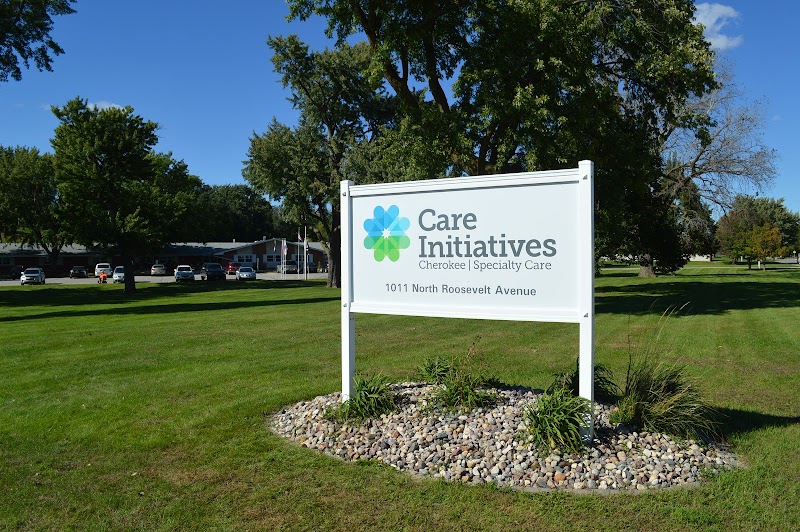
How is Cherokee Specialty Care Staffed?
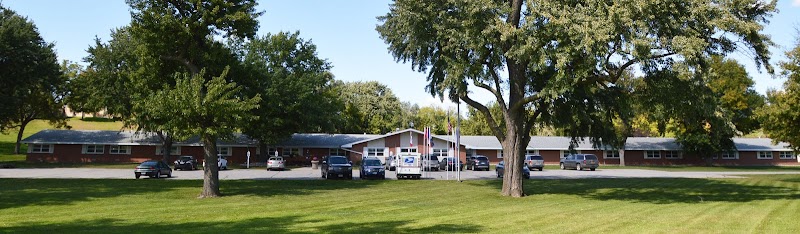
CMS rates Cherokee Specialty Care's staffing level at 3 out of 5 stars, which is average compared to other nursing homes. Staff turnover is 49%, compared to the Iowa average of 46%. RN turnover specifically is 67%, which is notably high. RNs provide skilled clinical oversight, so turnover in this role can affect medical care quality.

What Have Inspectors Found at Cherokee Specialty Care?

State health inspectors documented 38 deficiencies at Cherokee Specialty Care during 2023 to 2025. These included: 2 that caused actual resident harm and 36 with potential for harm. Deficiencies causing actual harm indicate documented cases where residents experienced negative health consequences.

Who Owns and Operates Cherokee Specialty Care?

Cherokee Specialty Care is owned by a non-profit organization. Non-profit facilities reinvest revenue into operations rather than distributing to shareholders. The facility is operated by CARE INITIATIVES, a chain that manages multiple nursing homes. With 62 certified beds and approximately 44 residents (about 71% occupancy), it is a smaller facility located in Cherokee, Iowa.

How Does Cherokee Specialty Care Compare to Other Iowa Nursing Homes?

Compared to the 100 nursing homes in Iowa, Cherokee Specialty Care's overall rating (2 stars) is below the state average of 3.0, staff turnover (49%) is near the state average of 46%, and health inspection rating (2 stars) is below the national benchmark.

What Should Families Ask When Visiting Cherokee Specialty Care?

Based on this facility's data, families visiting should ask: "What safeguards and monitoring systems are in place to protect residents from abuse or neglect?" "Can I visit during a mealtime to observe dining assistance and food quality?" "How do you handle medical emergencies, and what is your hospital transfer rate?" "Can I speak with family members of current residents about their experience?" These questions are particularly relevant given the substantiated abuse finding on record.

Is Cherokee Specialty Care Safe?

Based on CMS inspection data, Cherokee Specialty Care has documented safety concerns. The facility has 1 substantiated abuse finding (meaning confirmed case of resident harm by staff or other residents). The facility has a 2-star overall rating and ranks #100 of 100 nursing homes in Iowa. Families considering this facility should ask detailed questions about what corrective actions have been taken since these incidents.

Do Nurses at Cherokee Specialty Care Stick Around?

Cherokee Specialty Care has a staff turnover rate of 49%, which is about average for Iowa nursing homes (state average: 46%). Moderate turnover is common in nursing homes, but families should still ask about staff tenure and how the facility maintains care continuity when employees leave.

Was Cherokee Specialty Care Ever Fined?

Cherokee Specialty Care has been fined $8,190 across 1 penalty action. This is below the Iowa average of $33,161. While any fine indicates a compliance issue, fines under $50,000 are relatively common and typically reflect isolated problems that were subsequently corrected. Families should ask what specific issues led to these fines and confirm they've been resolved.

Is Cherokee Specialty Care on Any Federal Watch List?

Cherokee Specialty Care is not on any federal watch list. The most significant is the Special Focus Facility (SFF) program, which identifies the bottom 1% of nursing homes nationally based on persistent, serious quality problems. Not being on this list means the facility has avoided the pattern of deficiencies that triggers enhanced federal oversight. This is a positive indicator, though families should still review the facility's inspection history directly.