Colonial Manors of Columbus Community

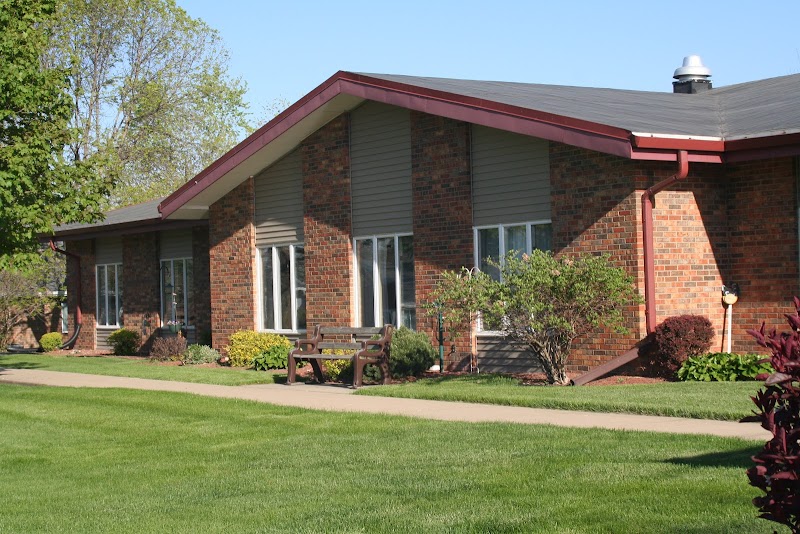
814 Springer Avenue, Columbus Junction, IA 52738 (319) 728-2276
For profit - Corporation 39 Beds Independent Data: November 2025
Trust Grade
68/100
#180 of 392 in IA
Last Inspection: July 2025

Inspected within the last 6 months. Data reflects current conditions.

Overview

Colonial Manors of Columbus Community has a Trust Grade of C+, indicating it is slightly above average but not without issues. Ranked #180 out of 392 facilities in Iowa, it sits in the top half, while locally it is #2 of 2 in Louisa County, meaning only one nearby option is better. The facility is improving, with the number of issues dropping from 10 in 2024 to 2 in 2025. Staffing is a strong point, rated 4 out of 5 stars with a 29% turnover, which is well below the state average, suggesting staff are experienced and familiar with the residents. However, there are concerns: 19 out of 20 reported issues were classified as potential harm, including delays in completing necessary assessments and a lack of documentation for a resident's pressure ulcer treatment. Overall, while there are significant strengths, families should weigh these against the existing weaknesses when considering this facility.

Trust Score
C+
68/100
In Iowa
#180/392
Top 45%
Safety Record
Low Risk
No red flags
Inspections
Getting Better
10 → 2 violations
Staff Stability
✓ Good
29% annual turnover. Excellent stability, 19 points below Iowa's 48% average. Staff who stay learn residents' needs.
Penalties
✓ Good
No fines on record. Clean compliance history, better than most Iowa facilities.
Skilled Nurses
○ Average
Each resident gets 32 minutes of Registered Nurse (RN) attention daily — about average for Iowa. RNs are the most trained staff who monitor for health changes.
Violations
⚠ Watch
20 deficiencies on record. Higher than average. Multiple issues found across inspections.
★★★☆☆
3.0
Overall Rating
★★★★☆
4.0
Staff Levels
★☆☆☆☆
1.0
Care Quality
★★★★☆
4.0
Inspection Score
Stable
2024: 10 issues
2025: 2 issues

The Good

  • 4-Star Staffing Rating · Above-average nurse staffing levels
  • Low Staff Turnover (29%) · Staff stability means consistent care
  • Full Sprinkler Coverage · Fire safety systems throughout facility
  • No fines on record
  • Staff turnover is low (29%)

    19 points below Iowa average of 48%

Facility shows strength in staffing levels, staff retention, fire safety.

The Bad

3-Star Overall Rating

Near Iowa average (3.1)

Meets federal standards, typical of most facilities

The Ugly 20 deficiencies on record

Jul 2025 2 deficiencies
CONCERN (D)

Potential for Harm - no one hurt, but risky conditions existed

Deficiency F0578 (Tag F0578)

Could have caused harm · This affected 1 resident

**NOTE- TERMS IN BRACKETS HAVE BEEN EDITED TO PROTECT CONFIDENTIALITY** Based on observation, clinical record review, facility policy review and staff interview, the facility failed to ensure accurate...

Read full inspector narrative →
**NOTE- TERMS IN BRACKETS HAVE BEEN EDITED TO PROTECT CONFIDENTIALITY** Based on observation, clinical record review, facility policy review and staff interview, the facility failed to ensure accurate resident code status (resident decision to have cardiopulmonary resuscitation (CPR) performed or do not resuscitate (DNR) in the event of cardiac arrest) information recorded and readily available for 1 of 16 residents (Resident #24) reviewed for code status. The facility reported a census of 30 residents. The Minimum Data Set (MDS) assessment for Resident #17, dated [DATE], identified the resident had a diagnoses of cerebral vascular accident and dementia, and a Brief Interview for Mental Status score of 11 out of 15 (indicative of moderate mental impairment). On [DATE] at 3:44 PM, observation of the outside cover of Resident #17's hard clinical chart revealed an attached label, titled CPR (which indicated staff were to perform CPR in the event of a respiratory or cardiac arrest). Review of the contents of the clinical record in the hard chart revealed a a form located in the front section of the chart, titled Cardiopulmonary Resuscitation, and included an order for CPR to be initiated in the event of cardiac or respiratory arrest. Resident #24 signed the form on [DATE], and the physician signed the form on [DATE]. The hard chart included documentation of a second form in a separate section of the resident's chart, titled Iowa Physician Order for Scope of Treatment (IPOST), which included an order for the resident to be DNR. The resident's durable power of attorney for healthcare (DPOA) and a healthcare practitioner signed the form on [DATE]. On [DATE] at 3:51 PM, during an interview, the Director of Nursing (DON) reported she did not realize that the CPR identification label on the outside of the chart did not get changed when Resident #17 started hospice. A physician order, dated [DATE], included an order Resident #17 to start hospice services. On [DATE] at 3:53, the DON reported staff would look at outside of the hard chart in an emergency to determine whether or not they should perform CPR. The DON reported a plan to update the label on Resident #17's hard chart to DNR status immediately. Review of the facility's policy, titled Advanced Directives, dated [DATE], revealed the facility respected the right of each resident to make decisions regarding their healthcare, including the right to accept or reject care, execute a living will or durable power of attorney, and determine CPR/DNR status.
CONCERN (D)

Potential for Harm - no one hurt, but risky conditions existed

Abuse Prevention Policies (Tag F0607)

Could have caused harm · This affected 1 resident

Based on clinical record review, review of facility incident reports, review of facility policy, family member and staff interview, the facility failed to ensure staff followed their policy for report...

Read full inspector narrative →
Based on clinical record review, review of facility incident reports, review of facility policy, family member and staff interview, the facility failed to ensure staff followed their policy for reporting allegations of abuse for 1 of 1 sampled residents (Resident #17) reviewed with an allegation of abuse. The facility reported a census of 30 residents. Review of the Minimum Data Set (MDS) assessment for Resident #17, dated 6/9/25, identified the resident had a diagnosis of dementia. The assessment included a Staff Assessment for Mental Status which indicated Resident #17 had short term and long term memory problems. The Cognitive Skills for Daily Decision Making assessed the resident as Severely impaired (defined as never/rarely made decisions). The MDS identified the resident required supervision or touch assistance to for a chair/bed-to-chair transfer, transfer to toilet, and tub/shower transfer; and partial or moderate assistance for sit to stand, sit to lying, and lying to sitting on side of bed. Review of the Care Plan for Resident #17,initiated 8/9/23, revealed a Focus area to address [name redacted] is at risk for falling r/t (related to) dementia, inability to recognize safety hazards. Interventions included, in part:a. Ambulate resident with assist x 1 (with one staff) with gait belt. Date initiated: 3/18/25.b. Assist [name redacted] to transfer/ambulate with hand held assistance as she is safe and able. Date revised: 11/14/23. During an interview on 7/21/25 at 5:15 PM, Resident #17's family member reported concerns with the resident having bruising on their wrist about 9 months to 1 year ago. They explained during that same time period that the family member witnessed Staff A, Certified Nurses Aide (CNA), be rough with the resident. The family member stated they saw Staff A grab the resident tightly around the wrists and jerk the resident out of her wheelchair. The family member explained that the family member immediately reprimanded Staff A and told the Administrator. The family member explained the resident already had a bruise on her wrist at the time, and the family member was unsure if the incident the family member witnessed had caused the resident any bruising or injury. The family member could not remember the exact date, day of the week or time of day that the incident occurred. A review completed on 7/23/25 of the facility's Incident/Accident Report forms from August 2024 through July 2025 r/t Resident #17 revealed one report dated 7/9/25. The 7/9/25 report documented the need for a staff to lower the resident to the floor due to weakness. No reports related to Resident #17 found during this time frame. Review of a Non-Pressure Report in Resident #17's clinical record, dated 8/20/24, revealed the resident had a right wrist bruise, deep purple in color and superior to green and yellow bruising. The Non-Pressure Report identified the bruised area healed 9/25/24. During an interview on 7/23/2025 at 10:47 AM, the Administrator denied any reports from family or residents with complaints of rough handling by staff, or concerns of a staff person inappropriately grabbing a resident. The Administrator explained that if she received a report of alleged abuse, she would get a report of what happened, write down the information and investigate. The Administrator reported she would have the staff member give involved in the allegation explain their side of what had happened. The Administrator reported that she would not have that person continue working during the investigation. If there was an allegation of abuse, the Administrator reported she would turn this into the State. During an interview on 7/23/2025 at 10:57 AM, Staff C, CNA, and Staff B, Licensed Practical Nurse (LPN), both reported they had not seen or heard of a staff person that was rough with resident. They had not seen or heard of a staff person grabbing a resident tightly, jerking a resident out of their chair, or inappropriately transferring a resident. During an interview on 7/23/2025 at 11:49 AM, the Director of Nursing (DON) reported she had never had a family member voice concerns in regards to Staff A, CNA, or any other staff. The DON denied having seen or heard of any of the staff inappropriately transferring or being rough with a resident. During a second interview on 7/23/2025 at 12:26 PM, Resident #17's family member reported they misspoke. The family member reported they had not notified the Administrator of the incident they witnessed that involved Staff A, CNA, 9 months to a year ago. The family member recalled they notified the charge nurse when the incident happened with Staff A, CNA. The family member identified the nurse was Staff B, LPN. The family member recalled Staff B, LPN, mentioned the bruising on the resident's wrist, and the family member said to Staff B, I know exactly how it happened. The family member explained they then told Staff B the incident they had witnessed that involved Staff A, CNA. The family member reported they were in the resident's room when Staff A, CNA, grabbed Resident 17's wrists tightly and jerked her out of her (wheel) chair. The family member stated, there was nothing gentle about it. The only persons present in the room when the incident occurred were Resident #17, Resident #17's family member, and Staff A. During an interview on 7/23/2025 at 12:55 PM, Staff B, LPN, when asked if she remembered a family member talking with her about a problem with Staff A, CNA transferring Resident #17, Staff B, stated, I think so. I think (family member) did say something about the way staff was holding (Resident)'s wrists. Staff B explained the family member reported Staff A was holding Resident #17 around the wrist instead by the hands. Staff B remembered Resident had bruising around the wrist at one time, but Staff B was not sure if that was the same time period of the incident. Staff B reported she did not recall the time frame of when the incident happened. Staff B did not remember if the family member said something about staff grabbing the resident's wrist. Staff B did not remember if she told anyone; Staff B thought she told the DON, but she explained that she honestly didn't remember. Staff B thought she probably talked with Staff A, CNA, about what happened. Staff B, LPN, stated, I probably reminded all of them to hold her by her hand and not by her wrist. Staff B, LPN, explained that if someone reported to her a concern of staff treatment of a resident, she was supposed to let the Administrator or the DON know. During an interview on 7/23/2025 at 1:43 PM, the Administrator and DON, the Administrator reported they would have investigated the concerns reported by Resident #17's family member if they would have known, and reported the concern to the State within 2 hours of knowledge of the incident. The Administrator stated, (Staff A, CNA) would not have been working the floor during the investigation. During an interview on 7/23/2025 at 2:21 PM, Staff A, CNA, reported she had worked at the facility for almost two years. Staff A worked third shift during the week and first shift on the weekends. Staff A reported no problems when transferring Resident #17 if she had help. Staff A explained there was a little problem with transfers with the resident. Resident #17 pulls back against when transferring and Staff A explained they usually had two staff assist the resident for transfers. Staff A thought the resident was care planned as an assist of one. Staff A explained, (I) usually grab (Resident #17's) hands and pull her up to stand, or if two people (assisting), get on either side (of the resident) and grab under the arms. Staff A denied ever grabbing the resident by her wrist to pull her up. Staff A did not remember a time when a family member reprimanded her about how Staff A pulled the resident up. Staff A denied Staff B, LPN, or any other staff person had talked to her about transferring the resident out of her chair inappropriately. Staff A reported she received training on how to perform appropriate transfer of residents when she started at the facility. Review of the facility policy, titled Nursing Facility Abuse Prevention, Identification, Investigation and Reporting Policy, dated 2024, revealed all allegations of abuse should be reported to the charge nurse. The charge nurse was immediately required to report allegations of abuse to the Administrator or designee representative. Should an incident or suspected incident of abuse be reported or observed, the Administrator or designated management member would investigate the alleged incident.
Aug 2024 10 deficiencies
CONCERN (D)

Potential for Harm - no one hurt, but risky conditions existed

Assessment Accuracy (Tag F0641)

Could have caused harm · This affected 1 resident

**NOTE- TERMS IN BRACKETS HAVE BEEN EDITED TO PROTECT CONFIDENTIALITY** Based on record review, interviews, and the facility policy, the facility failed to accurately code the Minimum Data Set (MDS) a...

Read full inspector narrative →
**NOTE- TERMS IN BRACKETS HAVE BEEN EDITED TO PROTECT CONFIDENTIALITY** Based on record review, interviews, and the facility policy, the facility failed to accurately code the Minimum Data Set (MDS) assessment for a resident's medications they took for 1 of 5 residents reviewed for unnecessary medications (Resident #5). The facility reported a census of 28 residents. Findings include: The MDS assessment dated [DATE] revealed Resident #5 scored a 15 out of 15 on the Brief Interview for Mental Status (BIMS) exam, which indicated cognition intact. The MDS revealed the resident took a hypnotic and antidepressant. The MDS revealed a diagnosis for depression. The Care Plan revealed a focus area revised on 7/26/24 that the resident received Escitalopram, an antidepressant and Lamotrigine, an anti-convulsant for mixed obsessional thoughts, hoarding disorder, and major depressive disorder. The EHR (Electronic Health Record) lacked documentation the resident took a hypnotic medication. During an interview on 8/15/24 at 1:47 PM, Staff C, LPN (Licensed Practical Nurse) stated she didn't believe Resident #5 ever took a hypnotic and the old DON (Director of Nursing) must have clicked it by mistake. Staff C stated she expected the MDS be coded accurately. During an interview on 8/15/24 at 1:48 PM, the DON stated she expected the MDS be coded correctly. The Facility MDS - Resident Assessment Instrument (RAI) & Care Planning Policy (no date indicated) revealed the following information: a. RAI assessments were completed of each resident's needs, strengths, goals, life history and preferences residing in the facility using the RAI. Utilize RAI Manual as guidance when completing the assessments. b. Utilized the Care Area Assessments (CAA's) to further evaluate areas of potential concern for the resident. c. Provided the appropriate care and services for each resident.
CONCERN (D)

Potential for Harm - no one hurt, but risky conditions existed

PASARR Coordination (Tag F0644)

Could have caused harm · This affected 1 resident

**NOTE- TERMS IN BRACKETS HAVE BEEN EDITED TO PROTECT CONFIDENTIALITY** Based on the record review, staff interview, and the facility policy, the facility failed to resubmit a PASRR (Preadmission Scre...

Read full inspector narrative →
**NOTE- TERMS IN BRACKETS HAVE BEEN EDITED TO PROTECT CONFIDENTIALITY** Based on the record review, staff interview, and the facility policy, the facility failed to resubmit a PASRR (Preadmission Screening and Resident Review) with new mental health diagnoses and psychotropic medications added to the plan of care for 2 of 2 residents reviewed for PASRR (Resident #19 and Resident #20). The facility reported a census of 28 residents. Findings include: 1. The Minimum Data Set (MDS) assessment dated [DATE] revealed Resident #19 scored a 10 out of 15 on the Brief Interview for Mental Status (BIMS) exam, which indicated cognition moderately impaired. The MDS revealed diagnoses for non-Alzheimer's Dementia, anxiety disorder, depression, and psychotic disorder (other than schizophrenia). The MDS revealed the resident took an antipsychotic and an antidepressant medication. The MDS revealed the resident took antipsychotics on a routine basis. The Notice of PASRR Level 1 Screen Outcome dated 1/26/23 revealed no Level II required. The PASRR revealed no mental health diagnoses; dementia/neurocognitive disorders, and no medications taken by the resident. The Care Plan revealed a focus area dated 2/6/23 and revised on 8/6/24 for resident received psychotropic medications Escitalopram and Seroquel related to dementia with behavioral disturbance as evidenced by behaviors of agitation, aggression, and signs and symptoms of delirium vs cognitive loss. The interventions dated 2/6/23 revealed administration of psychotropic medications as ordered and reviews continued need for medication with prescriber, attempt dose reduction as warranted. The EMR (Electronic Medical Record) revealed the following medical diagnoses: a. dated 8/28/23- anxiety disorder, unspecified b. dated 8/1/23- psychotic disorder with delusions due to known psychological condition c. dated 6/8/23- unspecified dementia, mild, with other behavioral disturbance d. dated 7/12/23- major depressive disorder, single episode, mild The EMR Physician Orders revealed the following orders. a. dated 3/25/24- quetiapine fumarate oral tablet- give 12.5 mg (milligram) by mouth two times a day related to psychotic disorder with delusions due to known psychological condition b. dated 7/1/23- escitalopram oxalate oral tablet 10 mg- give 10 mg by mouth in the morning for depression c. dated 1/30/23- trazodone HCl (hydrochloride) oral tablet 50 mg- give 0.5 tablet by mouth at bedtime for sleep induction 2. The MDS assessment dated [DATE] revealed Resident #20 scored a 14 out of 15 on the BIMS exam, which indicated cognition intact. The MDS revealed the medical diagnoses of psychotic disorder other than schizophrenia, anxiety disorder, and depression. The MDS revealed the resident took antipsychotics and antidepressants. The Notice of PASRR Level 1 Screen Outcome dated 3/16/23 revealed no Level 2 required. The Notice revealed the the mental health diagnoses for depression/depressive disorder (including mild or situational) and the resident took Escitalopram 20 mg (milligrams) for depression. The Care Plan revealed a focus area dated 11/16/23 for resident received psychotropic medications, antidepressant Escitalopram, Wellbutrin XL, and antipsychotic medications quetiapine, related to diagnoses of unspecified disorientation with hallucinations, and depression. The EMR revealed the following medical diagnoses: a. dated 5/29/24- major depressive disorder, recurrent, mild b. dated 5/29/24- generalized anxiety disorder c. dated 8/28/23- delusional disorders d. dated 3/24/23- depression, unspecified The EMR revealed the following Physician Orders: a. start date of 5/18/23 and discontinued on 7/8/24- quetiapine fumarate oral tablet- give 12.5 mg by mouth every day and evening shift related to disorientation, unspecified b. start date of 5/18/23 and discontinued on 5/22/24- escitalopram oxalate oral tablet 20 mg- give 1 tablet by mouth every evening shift related to depression, unspecified c. start date of 5/18/24 and discontinued on 7/8/24- Bupropion HCl ER (extended release) oral tablet extended release 24 hour 300 mg- give 1 tablet by mouth every day shift related to depression, unspecified d. start dated of 5/23/24 and discontinued on 5/28/24- escitalopram oxalate oral tablet 5 mg- give 3 tablet by mouth in the evening related to depression, unspecified e. start date of 5/23/24 and discontinued on 5/29/24- Fluoxetine HCl oral capsule 10 mg- give 1 capsule by mouth in the morning for depression and anxiety f. start date 7/8/24- quetiapine fumarate oral tablet 25 mg- give 0.5 tablet by mouth two times a day related to major depressive disorder, recurrent, mild, and delusional disorders g. start date 7/9/24- Fluoxetine HCl oral capsule 10 mg- give 1 capsule by mouth one time a day related to major depressive disorder, recurrent, mild and give with 20 mg h. start date 7/9/24- Fluoxetine HCl oral capsule 20 mg- give 1 capsule by mouth one time a day related to major depressive disorder, recurrent, mild and give with 10 mg i. start date 7/9/24- Bupropion HCl ER oral tablet extended release 24 hour 300 mg- give 1 tablet by mouth one time a day related to major depressive disorder, recurrent, mild and depression, unspecified During an interview on 8/15/24 at 2:05 PM, the Administrator acknowledged the PASRR for Resident #19 and Resident #20 should have been resubmitted and she was under the understanding they did get resubmitted by the previous DON (Director of Nursing). The Administrator stated she worked with psych and discussed the changes with the DON and she thought the DON updated the PASRR. The Facility PASRR Policy (no date indicated) revealed the following information: a. PASRR was updated as needed when there was a new diagnosis of schizophrenia, schizoaffective disorder, schizophreniform, psychotic, or bipolar disorder, but not due to a substantiated medical cause or dementia.
CONCERN (D)

Potential for Harm - no one hurt, but risky conditions existed

Comprehensive Care Plan (Tag F0656)

Could have caused harm · This affected 1 resident

**NOTE- TERMS IN BRACKETS HAVE BEEN EDITED TO PROTECT CONFIDENTIALITY** Based on clinical record review, staff interview, and facility policy review the facility failed to ensure diuretic medication w...

Read full inspector narrative →
**NOTE- TERMS IN BRACKETS HAVE BEEN EDITED TO PROTECT CONFIDENTIALITY** Based on clinical record review, staff interview, and facility policy review the facility failed to ensure diuretic medication was included in the comprehensive Care Plan for one of five residents reviewed for unnecessary medications (Resident #26). The facility reported a census of 28 residents. Findings include: Review of the Minimum Data Set (MDS) assessment dated [DATE] revealed Resident #26 scored 00 out of 15 on a Brief Interview for Mental Status (BIMS) exam, which indicated severe cognitive impairment. Per this assessment, the resident took diuretic medication. Review of the resident's Care Plan did not address diuretic medication. Review of the Physician Order dated 12/27/23, noted to be the date of the resident's admission, revealed, Furosemide (diuretic) Oral Tablet 20 MG (milligram) with directions to give 1 tablet by mouth every day shift for bilateral lower extremity edema. On 8/14/24, review of Resident #26's Physician Orders revealed the order remained current for Resident #26. On 8/15/24 at 1:40 PM, the Director of Nursing (DON) acknowledged diuretics should be on the care plan. The Facility Policy titled Comprehensive Care Plan, revised 4/21/06, revealed the following: 1. To develop quantifiable objectives for the highest level of of functioning the resident may be expected to obtain. 2. To develop care directives to maintain the optimum health status when dependent on staff for needs.
CONCERN (D)

Potential for Harm - no one hurt, but risky conditions existed

Deficiency F0658 (Tag F0658)

Could have caused harm · This affected 1 resident

Based on observation, interview, and record review, the facility failed to ensure diuretic medication administered per physician order for one of two residents reviewed for edema (Resident #7). The fa...

Read full inspector narrative →
Based on observation, interview, and record review, the facility failed to ensure diuretic medication administered per physician order for one of two residents reviewed for edema (Resident #7). The facility reported a census of 28 residents. Findings include: Review of the Minimum Data Set (MDS) assessment for Resident #7 dated 7/29/24 revealed the resident scored 15 out of 15 on a Brief Interview for Mental Status (BIMS) exam, which indicated intact cognition. Per this assessment, the resident took diuretic medication. The Care Plan for Resident #7 dated 2/10/20, revised 4/2/23, revealed the following: [Resident #7] utilizes diuretic therapy Furosemide r/t (related to) diagnoses of hypertension and unspecified heart failure. The intervention dated 4/2/23 revealed, Weight daily in AM per PCP (Primary Care Physician) orders. Report gains of 3 lbs. or greater in 24 hours to PCP. The Physician Order dated 8/30/21 revealed, Lasix Tablet 40 MG (Furosemide) with instruction to give 40 mg (milligram) by mouth in the morning related to heart failure, unspecified. The Physician Order dated 7/28/20 revealed, Furosemide Tablet 20 MG with instruction to give 1 tablet by mouth every 24 hours as needed - give daily as needed for weight gain of 3 or more pounds related to heart failure, unspecified. Review of Resident #7's weights per the weight summary section of the electronic health record revealed the following: a. 3/4/24 at 1:03 PM: 115.6 pounds b. 3/5/24 at 1:17 PM: 119.4 pounds c. 5/6/24 at 1:42 PM: 117.4 pounds d. 5/7/24 at 1:35 PM: 120.6 pounds e 7/15/24 at 1:38 PM: 115.4 pounds f. 7/16/24 at 1:27 PM: 121.6 pounds Review of the resident's Medication Administration Record (MAR) dated July 2024 revealed the resident did not receive any doses of PRN Furosemide for March, May, or July 2024. On 8/15/24 at 1:07 PM during an interview with Staff B, Certified Medication Aide (CMA), Staff B queried about residents who required daily weights, and acknowledged there were residents with daily weights. Staff B explained went by the doctor's orders or lasix. When queried who on the [hall redacted] had daily weights, Staff B acknowledged, in part, Resident #7. When queried who got the weights, Staff B explained the CNAs got the weights, would give to the charge, and charted in the computer system. Per Staff B, it had been awhile since the PRN Lasix was given, and explained the resident's weight didn't change that much. During an interview on 8/15/24 at 2:03 PM with Staff C, Licensed Practical Nurse (LPN) and the Director of Nursing (DON), Staff C explained Certified Nursing Assistants (CNAs) did the daily weights, and would tell the nurse or med aide who wrote it in the Medication Administration Record. On 8/15/24 at 2:15 PM, the DON explained she knew from previous experience 3 pound weight gain or loss to tell the nurse. The Facility Policy titled Medications, Administrations, undated, revealed the following per the Purpose: To assure each resident receives the proper medications at the correct time as ordered by their Physician.
CONCERN (D)

Potential for Harm - no one hurt, but risky conditions existed

ADL Care (Tag F0677)

Could have caused harm · This affected 1 resident

**NOTE- TERMS IN BRACKETS HAVE BEEN EDITED TO PROTECT CONFIDENTIALITY** Based on record review, resident interview, and the staff interviews, the facility failed to provide a shower twice a week for 1...

Read full inspector narrative →
**NOTE- TERMS IN BRACKETS HAVE BEEN EDITED TO PROTECT CONFIDENTIALITY** Based on record review, resident interview, and the staff interviews, the facility failed to provide a shower twice a week for 1 of 1 residents reviewed for ADLs (Activities of Daily Living) (Resident #13). The facility reported a census of 28 residents. Findings include: The Minimum Data Set (MDS) assessment dated [DATE] revealed Resident #13 scored a 11 out of 15 on the Brief Interview for Mental Status (BIMS) exam, which indicated cognition moderately impaired. The MDS revealed the resident dependent with shower/bathing self and tub/shower transfers. The MDS revealed the diagnosis for Parkinson, unspecified. The Care Plan revealed a focus area revised on 4/2/23 for the resident's ability to complete ADLs had deteriorated related to advanced Parkinson's disease symptoms. The interventions dated 11/14/23 revealed the resident required a mechanical lift for transfer. The interventions revised on 4/2/23 revealed not to rush the resident and allow extra time to complete ADLs. The POC (Plan of Care) Response History Report for ADL bathing task revealed the resident received a bath with total dependence on 7/24/24; 7/31/24; 8/3/24; and 8/10/24. During an interview on 8/12/24 at 2:25 PM, Resident #13 stated she was supposed to get a shower twice a week but she didn't always get them. She stated she missed one day last week. Resident #13 stated that it bothered her that she didn't receive a shower twice weekly. She stated they didn't have enough staff to come back on another day to get the shower caught back up. During an observation on 8/12/24 at 2:32 PM, Resident #13 laid on her bed with an incontinent brief and pink shirt on. During an interview on 8/15/24 at 12:51 PM, Staff A, CNA (Certified Nurse Aide) stated they gave Resident #13 a bed bath or shower twice weekly and if she received a bed bath they washed her hair in the beauty salon. Staff A stated there were a few times the resident didn't receive a bath on her scheduled day due to low staffing and she tried to make it up the next day. Staff A stated she would chart on POC when she gave the resident a bath. Staff A stated the only place they charted baths was on POC. During an interview on 8/15/24 at 2:25 PM, Staff D, CNA stated Resident #13 received baths twice a week and she never forgot to chart when she gave a shower. Staff D stated the only place they charted showers was on POC. During an interview on 8/15/24 at 2:51 PM, the DON (Director of Nursing) stated the residents received showers twice a week and they documented them in POC. The DON stated she expected the residents received showers twice a week.
CONCERN (D)

Potential for Harm - no one hurt, but risky conditions existed

Quality of Care (Tag F0684)

Could have caused harm · This affected 1 resident

**NOTE- TERMS IN BRACKETS HAVE BEEN EDITED TO PROTECT CONFIDENTIALITY** 3. The MDS assessment dated [DATE] revealed Resident #20 scored a 14 out of 15 on the BIMS exam, which indicated cognition intac...

Read full inspector narrative →
**NOTE- TERMS IN BRACKETS HAVE BEEN EDITED TO PROTECT CONFIDENTIALITY** 3. The MDS assessment dated [DATE] revealed Resident #20 scored a 14 out of 15 on the BIMS exam, which indicated cognition intact. The MDS revealed the medical diagnoses of Methicillin Susceptible Staphylococcus Aureus infection, unspecified site, pressure ulcer of the left heel, unspecified stage, and venous insufficiency (chronic and peripheral). The MDS revealed the resident took an antibiotic. The MDS revealed one Stage 3 pressure ulcer not present on entry, admission, or reentry. The Care Plan lacked documentation of a pressure ulcer or diabetic ulcer. The EMR (Electronic Medical Record) revealed: a. a pressure ulcer of the left heel, unspecified stage dated 7/8/24 The EMR Physician Orders revealed: a. start date of 6/21/24- thin hydrocolloid dressing to left heel then loosely wrap with rolled gauze to hold in place PRN (as needed) until resident seen on 6/28/2024. No directions specified for order. b. start date of 6/25/24- culture of left heel wound- every day shift for drainage and odor for 2 days. c. start date of 6/28/24 and discontinued on 7/8/24- clindamycin HCl oral capsule 300 mg (milligram)- give 1 capsule by mouth four times a day d. start date 7/8/24 and discontinued on 7/19/24- vancomycin HCl Intravenous Solution- use 500 mg intravenously every 24 hours for 11 days e. start date 7/10/24- Cleanse left heel with NS (normal saline) pat dry. Use skin prep on peri-wound. cut Medi-honey to size apply sticky side to wound bed. Cover with gauze and wrap with kerlix secure with paper tape. Perform the following every Monday, Wednesday, and Friday. May change kerlix if it becomes soiled but leave Medi-honey in place. f. start date of 7/20/24 and discontinued on 7/29/24- vancomycin HCl intravenous solution- use 750 mg intravenously every day shift g. start date of 7/30/24- Mepilex AG (or equiv) to wound left heel; change every 72 hours or if greater than 60% saturated. Visualize daily. Secure with gauze. The Physician Written Orders revealed: a. dated 6/21/240 - thin hydrocolloid dressing to left heel then loosely wrap with rolled gauze to hold in place as needed thru appointment on 6/28. b. dated 6/24/24- culture of the left heel wound c. dated 6/27/240 Bactrim DS- 1 tablet orally bid x 10 days d. dated 6/28/24- discontinue Bactrim. start clindamycin 300 mg four times a day for 10 days e. dated 6/28/24- go to ER for cellulitis of left heel f. dated 7/8/24- cleanse left heel with normal saline. pat dry. apply no sting barrier wipe periwound skin. cut Medihoney to fit wound. remove plastic backing, apply sticky side to wound bed. cover with gauze and wrap with Kerlix. secure with paper tape, Mon/Wed/Fri, if Kerlix soiled or loose change it leaving the Medi-honey in place g. dated 7/17/24- discontinue Mepilex silver, to wound on left heel: cleanse with normal saline and apply collagenase/Santyl ointment to center of wound to 2 mm thickness of a nickel, and protect healthy surrounding tissue with petroleum jelly; apply gauze pad, wrap with gauze, BID h. dated 7/29/24- discontinue Santyl, return care to [name redacted] provider; Mepilex AG (or equivalent) to wound left heel and change every 72 hours or if greater than 60 percent saturated. visualized daily. secure with gauze. i. dated 8/1/24- discontinue wound wash, Santyl, petroleum jelly, and gauze 4x4 to left heel wound. The Progress Note dated 6/21/24 at 2:35 PM , revealed the resident requested a breakfast tray, stated her left heel felt painful when propelling in the wheelchair. Left heel noted to be soft and discolored. No open areas noted. Heel protector applied and resident encouraged to keep leg/heel elevated on pillow when in recliner or in bed. [Name redacted] Provider's office called and resident needed to be seen in the office. Appointment made for 6/28 at 11 am. Both daughters aware of heel and appointment. The Progress Note dated 6/24/24 at 10:54 AM, revealed increased odor and scant drainage noted from left heel. Slough tissue visible. Resident encouraged to wear heel proctors and elevate foot with foot pedal when propelling self in wheelchair. Resident noted to have foot on the floor behind pedal. Spoke with [name redacted] provider's nurse and new order received for culture of left heel wound. The Facility Non-Pressure report revealed the following information for the left heel wound: a. dated 6/24/24 (wound type not specified); 1. 6 cm length x 6 cm width 2. serosanguinous scant exudate 3. moderate odor slough and wound bed not seen. b. dated 6/26/24 - unable to assess due to current treatment c. dated 7/10/24 1. 4 cm length x 3 cm width 2. small amount of discharge mostly scabbed 3. serous exudate d. dated 7/31/24- unable to assess due to current treatment- continue treatment e. dated 8/7/24 1. 3 cm in length x 2.5 cm width 2. serous scant amount of exudate 3. scabbed wound bed drainage noted on dressing. scabbed over. f. dated 8/13/24 1. 2.0 cm length x 2.0 cm width and less than <2.0 cm in depth 2. no exudate or odor 3. normal wound bed with normal for skin surrounding, and surrounding tissue/wound edges normal for skin with soft tissue in center outside hard with scab superior to wound. 4. wound improved and continued treatment. The Radiology Results dated 7/3/24 at 6:00 PM revealed the following Impression/Plan: a. left lower extremity ulceration likely due to neuropathy and small vessel disease. Secondary cellulitis noted and concern for deeper infection and deeper ulceration also needed. Resident placed on inpatient level of care and placed on IV (intravenous) Zosyn and vancomycin. Podiatry consulted to review the patient in the morning to see if debridement needed. The Wound/Ostomy Progress Note dated 7/8/24 at 11:46 AM revealed resident seen as requested for evaluation and recommendations for wound care. Resident left heel remains very dry in wound bed. Small non-blanchable dark area in the periwound. Difficult to assess wound due to resident positioning, but wound appears clean. Resident likely to discharge today back to her facility, wound care instructions provided in AVS, additional supplies left in room. Wound clinic to call to schedule appointment with patient as there currently on a waiting list. Resident remains incontinent of urine and inner things, bilateral buttocks, and gluteal cleft very macerated. The Wound assessment dated [DATE] at 11:10 AM revealed the following: a. suspected etiology- Pressure b. Pressure Injury Stage- Stage 3 c. thickness- full d. undermining- absent e. tunneling- absent f. wound description- red; slough g. wound edges- defined h. drainage- none i. drainage characteristics- none- wound tissue dry j. odor- absent k. periwound skin- erythemic < or equal 2 cm l. recommendations for wound care: Medi-honey three times per week to left heel and cover with Mepilex border dressing The Physician Note dated 7/10/24 revealed antibiotics for an ulcer in her left heel. She initially had an ulcer that seemed to get out of control and treated with IV Zosyn and vancomycin. Resident seen by podiatry and they didn't recommend surgery. The wound specialist and ID specialist stated she was considered to be at high risk for worsening of this wound. The left heel showed ulcer which looked like it was healing. At more dry no drainage not having any deep recesses visualized. The primary diagnosis diabetic ulcer of left heel associated with Type II DM, with other ulcer severity. The Progress Note dated 7/26/24 at 2:44 PM, revealed the resident upset her dressing wasn't changed this morning. The resident was told she needed to be in bed in order to properly dress her wound. The resident got into bed shortly after breakfast but failed to notify nurse of doing so then resident had therapy and chose to go to bingo after therapy so dressing to left heel was not changed this morning. The resident was made aware she should've put on her call light to let nurse know she was in bed. This isn't the first time we've asked resident to notify staff when she's ready for treatment as she attends many activities and participates in therapy and it can be very difficult to catch her in order to do said treatments. The July TAR (Treatment Administration Record) revealed the treatment for the collagenase external ointment application to the left heel topically BID (twice daily) blank. The wound treatment completed on the evening shift. During an interview on 8/12/24 at 10:09 AM, Resident #20 stated she had a wound on her left heel and it happened at the facility. She stated she was treated for MRSA in the wound. She stated she wore moon boots in bed and in her recliner and wore special shoes the doctor ordered for her. She stated she didn't know how it happened except she put a lot of pressure on her heels when she walked before. During an observation on 8/12/24 at 10:47 AM, Resident #20 self propelled herself in the wheelchair down the hall and her left foot on a foot pedal and the right foot lifted off the ground as she propelled down the hall. During an interview on 8/15/24 at 9:16 AM, Staff E, LPN (Licensed Practical Nurse) stated they discovered the wound on her shift and documented it and called the doctor for a treatment plan and a couple days later they sent a sample of the wound in to culture. Staff E stated the facility completed weekly measurements. Staff E stated they would put unable to assess when the doctor wanted to do the wound dressing changes himself. Staff E stated at times the resident refused treatments, and when she did, the nurse would document the treatment. Staff E queried about the Progress Note that revealed a dressing change not completed and she stated she communicated with staff that the resident needed to be put in bed for her to assess and do the wound dressing. Staff E stated then she got busy and after that the resident got up for lunch, then therapy, and went to Bingo and the wound dressing didn't get done. Staff E stated she chose to do those things instead of having the treatment done. Staff E stated she passed on to the oncoming shift that the resident didn't get her morning dressing change. During an interview on 8/15/24 at 1:55 PM, Staff C, LPN stated the facility did the wound sheets once a week unless the wound was brand new. Staff C stated they needed to start the wound sheets the day the wound was discovered. During an interview on 8/15/24 at 2:54 PM, the DON (Director of Nursing) queried on her thoughts of documenting unable to visualize on a wound measurement sheet for the weekly wound measurements and she stated she didn't know how she felt, she stated they need to assess the wound but sometimes the doctors wanted the dressings left in place. The DON informed on 6/24, the doctor had not assess the wound yet and the dressings were completed by the facility and she stated she expected the staff to look at the wound. The DON asked if Wednesday were the only day the nurse could do wound measurements and she stated no, it didn't need to be a specific day, the facility normally just did them on Wednesdays. The DON queried if a resident ordered a dressing change every 72 hours and the dressing completed on Tuesday, when did the facility assess and measure the wound and she stated she didn't have an answer and would ask the nurse consultant. The DON stated the facility didn't normally deal with wounds like Resident #20 had. Based on observation, interview, and record review the facility failed to ensure daily weights obtained per Physician Order for two of two residents reviewed for edema (Resident #7, Resident #9), and failed to ensure timely, consistent follow up after documentation of no bowel movement (BM) for greater than three days for one of one resident reviewed for bowel and bladder (Resident #9), and failed to ensure thorough assessment completion for a resident's heel wound for one of two residents reviewed for wounds (Resident #20). The facility reported a census of 28 residents. Findings include: 1. Review of the Minimum Data Set (MDS) assessment for Resident #7 dated 7/29/24 revealed the resident scored 15 out of 15 on a Brief Interview for Mental Status (BIMS) exam, which indicated intact cognition. Per this assessment, the resident took diuretic medication. The Care Plan for Resident #7 dated 2/10/20, revised 4/2/23, revealed the following: [Resident #7] utilizes diuretic therapy Furosemide r/t (related to) diagnoses of hypertension and unspecified heart failure. The intervention dated 4/2/23 revealed, Weight daily in AM per PCP (Primary Care Physician) orders. Report gains of 3 lbs. or greater in 24 hours to PCP. Review of the resident's signed Physician's Order sheets for July 2024 and August 2024 both included the following: 8/20/21 check weight daily. Resident #7's Physician Orders in the electronic health record lacked an order for daily weights. Review of Resident #7's Weight Summary documentation present in the electronic health record revealed the following dates in July 2024 and August 2024 which lacked documentation of the resident's weight: a. July 2024: 7/6/24, 7/9/24, 7/10/24, 7/12/24, 7/13/24, 7/20/24, 7/21/24, 7/22/24, 7/25/24, 7/30/24, and 7/31/24. b. August 2024: 8/2/24, 8/3/24, 8/4/24, 8/6/24, 8/7/24, 8/8/24, and 8/11/24. 2. Review of the MDS assessment for Resident #9 dated 7/29/24 revealed a BIMs score of 5 out of 15, which indicated severely impaired cognition. The assessment revealed the resident took diuretic medication, and was frequently incontinent of bowel. Review of the resident's medical diagnoses included heart failure. a. The Care Plan dated 9/22/21, revised on 3/28/23, revealed the following: [Resident #9] has a diagnosis of congestive heart failure. The Intervention, dated 9/22/21 and revised 2/27/24, revealed the following: Weigh daily, report weight gain >3 lb/day to PCP (Primary Care Physician). Review of Resident #9's signed Physician's Order Sheet for July 2024 included the following: 11/12/21 check weight daily. Review of Resident #9's documentation of weights per the paper chart and the electronic health record lacked documentation of the resident's weight for the following dates in July 2024: 7/2/24, 7/5/24, 7/6/24, 7/9/24, 7/10/24, 7/20/24. 7/21/24. b. The Care Plan for Resident #9 dated 5/16/24 revealed, [Resident #9] utilizes Morphine Concentrate daily for dyspnea r/t (related to) CHF (Congestive Heart Failure). The Interventions dated 5/16/24 revealed the following: Follow facility bowel management guidelines, and monitor for side effects including: constipation, nausea, vomiting, slowed respirations, sedation, confusion, or pruritis (itching). Review of Physician Orders for the resident revealed the following: i. (12/11/19 Physician Order in electronic health record (EHR)): Magnesium Hydroxide Suspension 400 MG (milligram)/5 ML (milliliter) with instructions to give 30 ml by mouth every 24 hours as needed for Constipation. ii. (2/10/24 Physician Order in EHR): Morphine Sulfate (Concentrate) Oral Solution 100 MG/5 ML (100 milligram per 5 milliliter) with instructions to give 0.25 ml by mouth two times a day for dyspnea related to heart failure, unspecified, and to give 0.25 ml by mouth every 1 hours as needed for pain/dyspnea. iii. (Telephone Order dated 7/1/24 signed 7/1/24): Fleet's Enema if no BM x 72 hrs (hours). iv. (Telephone Order dated 7/1 signed 7/18/24): Bisacodyl 10 mg (milligram) Suppository with directions for 1 supp PR Q (every) 3 days PRN (as needed) constipation. v. (Telephone Order dated 7/30/24 signed 7/31/24): Bisacodyl 10 mg Suppository. 1 Suppository PR Q3 days PRN constipation. Review of the resident's Bowel and Bladder Elimination Record revealed no BM 7/16/24 through 7/20/24. Review of the resident's paper Medication Administration Record (MAR) dated July 2024 revealed the following: i. Bisacodyl 10 mg suppository once every 3 days PRN administered one time on 7/1/24. No additional administrations of this medication charted for the month. ii. Milk of Mag (MOM) 400 MG/5 ML on 7/18/24 at 3:40 PM for general discomfort, and next on 7/20/24 at 1:00 AM for constipation. iii. The Fleet's enema order dated 7/1/24 on the paper MAR with documentation to administer if no BM x 72 hours had been charted as administered on 7/30 only for the month, the row had been crossed off across the paper MAR, and an additional order present dated 7/30/24 which documented, Fleets Enema use one PRN (as needed) after no results from bisacodyl c (with) bowel protocol. On 8/15/24 at 1:02 PM during an interview with Staff A, Certified Nursing Assistant (CNA), Staff A explained she would ask the resident if they had a BM, if they did there was a paper staff would write down what size they had, and if the resident had dementia, would go behind the toilet and turn the water off or unhook the toilet. Staff A explained they would chart in the electronic health record and there was a section for incontinent of urine, incontinent bowel movement, and if had BM the size. On 8/15/24 at 1:07 PM during an interview with Staff B, Certified Medication Aide (CMA), Staff B queried about residents who required daily weights, and acknowledged there were residents with daily weights. Staff B explained they went by the doctor's orders or lasix. When queried who on the [hall redacted] had daily weights, Staff B acknowledged, in part, both Resident #7 and Resident #9. When queried who got the weights, Staff B explained the CNAs got the weights, would give to the charge nurse, and charted in the computer system. During an interview on 8/15/24 at 2:03 PM with Staff C, Licensed Practical Nurse (LPN) and the Director of Nursing (DON), Staff C explained Certified Nursing Assistants (CNAs) did the daily weights, and would tell the nurse or med aide who wrote it in the Medication Administration Record. On 8/15/24 at 2:07 PM, when queried about the daily weight order on the paper Physician's Order Sheet and not in the orders in the [electronic health record], Staff C explained there was no reason to be on paper and not in the computer. The DON was not sure why this occurred. On 8/15/24 at 2:15 PM, the Director of Nursing (DON) explained third shift would look up to see how long it had been since the last BM, and would make a list so the med aide knew in the morning who needed a slurry, MOM, etc. The DON acknowledged if MOM was not effective, a suppository would be next. On 8/15/24 at 2:20 PM, Staff C, LPN explained standing orders at the facility would be for 14 days, and then would re-implement or call the doctor. The Facility Policy titled Regular Bowel dated 11/5/23 revealed, The evening shift nurse will check the BM record at the beginning of their shift. If it is noted a resident is on the second day with no recorded bowel movement, the nurse or med. aide will check the appropriate medication sheet. The usual protocol which will be followed (unless otherwise ordered by the physician): On the morning of the second day of no recorded bowel movement, resident will be served a 4-ounce glass of slurry. If no results, on the evening of the second day of no recorded bowel movement, bowel assessment will be performed, and MOM will be given per dose on the MAR. If there are no results that night, the resident will receive an additional bowel assessment and a laxative suppository the next a.m. This will be administered by the night nurse with the early a.m. med. pass. If 4 days pass without recorded bowel movement, obtain bowel assessment and contact the PCP for further treatment such as an enema.
CONCERN (D)

Potential for Harm - no one hurt, but risky conditions existed

Drug Regimen Review (Tag F0756)

Could have caused harm · This affected 1 resident

**NOTE- TERMS IN BRACKETS HAVE BEEN EDITED TO PROTECT CONFIDENTIALITY** Based on record review, staff interview, and the facility policy, the facility failed to have the physician respond to the pharm...

Read full inspector narrative →
**NOTE- TERMS IN BRACKETS HAVE BEEN EDITED TO PROTECT CONFIDENTIALITY** Based on record review, staff interview, and the facility policy, the facility failed to have the physician respond to the pharmacist GDR (Gradual Dosage Reduction) recommendation letter in a timely manner for 1 of 5 residents reviewed for unnecessary medications (Resident #19). The facility reported a census of 28 residents. Findings include: The Minimum Data Set (MDS) assessment dated [DATE] revealed Resident #19 scored a 10 out of 15 on the Brief Interview for Mental Status (BIMS) exam, which indicated cognition moderately impaired. The MDS revealed diagnoses for non-Alzheimer's Dementia, anxiety disorder, depression, and psychotic disorder (other than schizophrenia). The MDS revealed the resident took an antipsychotic and antidepressant medications. The MDS revealed the resident took antipsychotics on a routine basis. The Care Plan revealed a focus area revised on 8/6/24 for resident received psychotropic medications escitalopram and Seroquel related to dementia with behavioral disturbance as evidenced by behaviors of agitation, aggression, and signs and symptoms of delirium vs cognitive loss. The interventions dated 2/6/23 revealed administration of psychotropic medications as ordered and reviews continued need for medication with prescriber, attempt dose reduction as warranted. The EMR (Electronic Medical Record) revealed the following medical diagnoses: a. dated 8/28/23- anxiety disorder, unspecified b. dated 8/1/23- psychotic disorder with delusions due to known psychological condition c. dated 6/8/23- unspecified dementia, mild, with other behavioral disturbance d. dated 7/12/23- major depressive disorder, single episode, mild The EMR Physician Orders revealed the following orders. a. dated 3/25/24- quetiapine fumarate oral tablet- give 12.5 mg (milligram) by mouth two times a day related to psychotic disorder with delusions due to known psychological condition b. dated 7/1/23- escitalopram oxalate oral tablet 10 mg- give 10 mg by mouth in the morning for depression c. dated 1/30/23- trazodone HCl (hydrochloride) oral tablet 50 mg- give 0.5 tablet by mouth at bedtime for sleep induction The Progress Note dated 12/29/23 at 10:07 AM, revealed the current psychotropic regimen: trazodone 25 mg at bedtime for anxiety, escitalopram 10 mg in the morning for depression and anxiety, and quetiapine 12.5 mg at bedtime for psychiatric disorder with delusions, dementia with behaviors. Flowstate Psychiatry follows: Since last review, appeared to have tolerated switch (from risperidone to quetiapine) without concern - no AE (adverse effects) identified with no agitation/delusional behaviors noted. Seen by ARNP (Advanced Registered Nurse Practitioner) [name redacted] on 12/14. A/P (Assessment/Plan): Will evaluate escitalopram and quetiapine for GDR - letter generated. The Progress Note dated 1/25/24 at 10:31, revealed the current psychotropic regimen: trazodone 25 mg at bedtime anxiety, escitalopram 10 mg in the morning for depression and anxiety, and quetiapine 12.5 mg at bedtime for psychiatric disorder with delusions, dementia with behaviors. Flowstate Psychiatry follows. No medication changes since last review. Mood has been stable; seen by flowstate on 1/11 with no medication changes made - no agitation/delusional behaviors noted over review period. A/P: Will evaluate escitalopram and quetiapine for GDR - letter generated. The Progress Note dated 2/22/24 at 11:15, revealed the current psychotropic regimen: trazodone 25 mg at bedtime for anxiety, escitalopram 10 mg in the morning for depression and anxiety, and quetiapine 12.5 mg at bedtime for psychiatric disorder with delusions, dementia with behaviors. Flowstate Psychiatry follows. Mood has been stable; will evaluate psychotropic regimen for GDR - letter generated. The pharmacist sent a GDR on 2/25/24 at 4:14 PM for a GDR evaluation for trazodone, escitalopram and quetiapine and the provider declined on 2/27/24 due to dose reduction likely impair the resident's function. During an interview on 8/15/24 at 2:10 PM, the Administrator stated the pharmacist came to the facility and reviewed the medications and then sent the provider a letter and she had issues not getting responses so the pharmacist started sending the letters to the provider and to the DON (Director of Nursing) so we could keep track of them. The Administrator stated she expected the provider to respond to the recommendations and send it back to the facility. The Facility Pharmacy Services Policy (no date indicated) revealed the following information: a. The drug regimen of each resident reviewed at least once a month by a licensed pharmacist. b. The pharmacist reported an irregularities to the attending physician, and the facility's medical director and the DON, and these reports must be acted upon. 1. The attending physician documented in the resident's medical record that the identified irregularity reviewed and what, if any, action taken to address it. If no changes to the medication, the attending physician should document their rational in the medical record. c. Unnecessary Drugs each resident's drug regimen will be free from unnecessary drugs. d. Psychotropic Drugs- Based on a comprehensive assessment of a resident, the facility will ensure that 1. residents who use psychotropic drugs received gradual dose reductions, and behavioral interventions, unless clinically contraindicated, in an effort to discontinue these drugs.
CONCERN (E)

Potential for Harm - no one hurt, but risky conditions existed

Comprehensive Assessments (Tag F0636)

Could have caused harm · This affected multiple residents

**NOTE- TERMS IN BRACKETS HAVE BEEN EDITED TO PROTECT CONFIDENTIALITY** 2. The Review of the electronic health record for Resident #29 revealed resident admitted to the facility on [DATE]. The admissi...

Read full inspector narrative →
**NOTE- TERMS IN BRACKETS HAVE BEEN EDITED TO PROTECT CONFIDENTIALITY** 2. The Review of the electronic health record for Resident #29 revealed resident admitted to the facility on [DATE]. The admission MDS assessment for Resident #29 revealed an Assessment Reference Date (ARD) of 5/20/24. The resident's MDS assessment completion date documented 5/30/24. 3. The Annual MDS assessment for Resident #13 revealed an ARD of 5/14/24. The resident's MDS assessment completion date documented 6/4/24. 4. The Annual MDS assessment for Resident #5 revealed an ARD of 2/26/24. The resident's MDS assessment completion date documented 3/18/24. During an interview on 8/15/24 at 1:35 PM, Staff C, LPN (Licensed Practical Nurse) acknowledged Resident #29 admission MDS assessment was submitted after the 14 day deadline and she also acknowledged Resident #13 and #5 annual MDS submitted after the 14 day deadline. During an interview on 8/15/24 at 1:39 PM, the DON (Director of Nursing) stated it would be nice if the facility got them done on time, but with the new staff and them not knowing all the answers, it didn't always happen unfortunately. Based on clinical record review, staff interview, and facility policy review the facility failed to ensure admission Minimum Data Set (MDS) assessments completed timely for four of four residents reviewed for completion of comprehensive assessments (Resident #5, Resident #13, Resident #26, Resident #29). The facility reported a census of 28 residents. Findings include: 1. Review of the electronic health record for Resident #26 revealed the resident admitted to the facility 12/27/23. Review of the resident's admission MDS assessment with Assessment Reference Date (ARD) 1/9/24 revealed the assessment completed 1/19/24. The Facility Policy titled MDS-Resident Assessment Instrument (RAI) and Care Planning, undated, revealed the following: 1. A schedule will be established by the Care Plan Coordinator. This schedule will identify the date the MDS is due and the date the plan-of-care is due. All disciplines will complete their sections within the required timeframe's. All disciplines will assist in identifying those residents who have had a change of condition.
CONCERN (E)

Potential for Harm - no one hurt, but risky conditions existed

Deficiency F0657 (Tag F0657)

Could have caused harm · This affected multiple residents

**NOTE- TERMS IN BRACKETS HAVE BEEN EDITED TO PROTECT CONFIDENTIALITY** 3. The MDS assessment dated [DATE] revealed Resident #20 scored a 14 out of 15 on the BIMS exam, which indicated cognition intac...

Read full inspector narrative →
**NOTE- TERMS IN BRACKETS HAVE BEEN EDITED TO PROTECT CONFIDENTIALITY** 3. The MDS assessment dated [DATE] revealed Resident #20 scored a 14 out of 15 on the BIMS exam, which indicated cognition intact. The MDS revealed the medical diagnoses of Methicillin Susceptible Staphylococcus Aureus infection, unspecified site, pressure ulcer of the left heel, unspecified stage, and venous insufficiency (chronic and peripheral). The MDS revealed the resident took an antibiotic. The MDS revealed one Stage 3 pressure ulcer not present on entry, admission, or reentry. The Care Plan lacked documentation of a pressure ulcer or diabetic ulcer. The EMR (Electronic Medical Record) revealed: a. a pressure ulcer of the left heel, unspecified stage dated 7/8/24 The EMR Physician Orders revealed: a. start date of 6/21/24- thin hydrocolloid dressing to left heel then loosely wrap with rolled gauze to hold in place PRN (as needed) until resident seen on 6/28/2024. No directions specified for order. b. start date of 6/25/24- culture of left heel wound- every day shift for drainage and odor for 2 days. c. start date of 6/28/24 and discontinued on 7/8/24- clindamycin HCl oral capsule 300 mg (milligram)- give 1 capsule by mouth four times a day d. start date 7/8/24 and discontinued on 7/19/24- vancomycin HCl Intravenous Solution- use 500 mg intravenously every 24 hours for 11 Days e. start date 7/10/24- Cleanse left heel with NS (normal saline) pat dry. Use skin prep on peri-wound. cut Medi-honey to size apply sticky side to wound bed. Cover with gauze and wrap with kerlix secure with paper tape. Perform the following every Monday, Wednesday, and Friday. May change kerlix if it becomes soiled but leave Medi-honey in place. f. start date of 7/20/24 and discontinued on 7/29/24- vancomycin HCl intravenous solution- use 750 mg intravenously every day shift g. start date of 7/30/24- Mepilex AG (or equiv) to wound left heel; change every 72 hours or if greater than 60% saturated. Visualize daily. Secure with gauze. The Progress Note dated 6/21/24 at 2:35 PM , revealed the resident requested a breakfast tray, stated her left heel felt painful when propelling in the wheelchair. Left heel noted to be soft and discolored. No open areas noted. Heel protector applied and resident encouraged to keep leg/heel elevated on pillow when in recliner or in bed. [Name redacted] Provider's office called and resident needed seen in the office. Appointment made for 6/28 at 11 am. Both daughters aware of heel and appointment. The Progress Note dated 6/24/24 at 10:54 AM, revealed increased odor and scant drainage noted from left heel. Slough tissue visible. Resident encouraged to wear heel proctors and elevate foot with foot pedal when propelling self in wheelchair. Resident noted to have foot on the floor behind pedal. Spoke with [name redacted] provider's nurse and new order received for culture of left heel wound. During an interview on 8/12/24 at 10:09 AM, Resident #20 stated she had a wound on her left heel and it happened at the facility. She stated she was treated for MRSA in the wound. She stated she wore moon boots in bed and in her recliner and wore special shoes the doctor ordered for her. She stated she didn't know how it happened except she put a lot of pressure on her heels when she walked before. During an interview on 8/15/24 at 1:50 PM, the DON stated yes, the heel wound needed to be care planned. She stated skin issued needed addressed on the care plan. 4. The MDS assessment dated [DATE] revealed Resident #6 scored a 15 out of 15 on the BIMS exam, which indicated cognition intact. The MDS revealed the medical diagnoses for enterocolitis due to clostridum difficile (C. diff), not specified as recurrent. The MDS revealed the resident took an antibiotic. The Care Plan lacked documentation of an infection of C. diff. The EMR revealed a Medical Diagnoses for C. diff, not specified as recurrent The Physician Orders revealed a. start date 5/31/24 and stop date 6/9/24- vancomycin HCl (hydrochloride) oral capsule 125 mg- give 1 capsule by mouth four times a day for C. diff for 9 Days b. start date 6/24/24 and stop date 7/8/24- vancomycin HCl oral capsule 125 mg- give 1 capsule by mouth four times a day related to enterocolitis due to C. diff not specified as recurrent for 14 Days c. start date 7/9/24 and stop date 8/7/24- vancomycin HCl Oral Capsule 125 mg- give 1 capsule by mouth two times a day related to enterocolitis due to C. diff not specified as recurrent for 7 Days may extend for 6 additional weeks for total of 8 weeks therapy to be determined by PCP (primary care provider) then give 1 capsule by mouth one time a day related to enterocolitis due to C. diff not specified as recurrent for 7 Days may extend for 6 additional weeks for total of 8 weeks therapy to be determined by PCP then give 1 capsule by mouth every 48 hours related to enterocolitis due to C. diff not specified as recurrent for 14 Days may extend for 6 additional weeks for total of 8 weeks therapy to be determined by PCP. d. start dated 7/19/24 and stop date 7/29/24- Dificid Oral Tablet 200 mg (fidaxomicin)- give 200 mg by mouth every day and evening shift related to enterocolitis due to C. diff not specified as recurrent for 10 days The Progress Note dated 5/31/24 at 3:17 PM, revealed resident returned from overnight observation at local hospital for new diagnosis of C. diff infection. New orders received and processed. Resident in good spirits, questions regarding how long she would be observed for infection control/isolation processes. During an interview on 8/12/24 at 2:39 PM, Resident #6 stated she had diverticulosis and had a bacteria issue that lasted 2 months. During an interview on 8/15/24 at 1:52 PM, the DON acknowledged Resident #6 C. diff needed addressed on the Care Plan. Based on record review, staff interview, and facility policy review the facility failed to update the Care Plan following initiation of anticoagulant medication, failed to ensure updated fall interventions were included following resident falls, failed to include a wound, and failed to address Clostridium Difficile for four of thirteen residents reviewed for Care Plan revision (Resident #6, Resident #15, Resident #20, Resident #27). The facility reported a census of 28 residents. Findings include: 1. Review of the Minimum Data Set (MDS) assessment dated [DATE] revealed the resident was rarely to never understood, and further revealed the resident took anticoagulant medication. Review of the Care Plan for Resident #15 lacked a focus area for anticoagulant medication. The Physician Order active 2/25/22 through 12/15/22 revealed a Physician Order for Eliquis 5 mg (milligram), an anticoagulant medication. It was noted the anticoagulant medication initiated for Resident #15 in the month following the resident's admission to the facility. The current Physician Order dated 12/20/22 revealed, Apixaban (also known as Eliquis), with directions to give 1 tablet by mouth two times a day related to nonrheumatic aortic valve stenosis. 2. Review of the MDS assessment for Resident #9 dated 7/29/24 revealed the resident scored 5 out of 15 on a BIMs exam, which indicated severely impaired cognition. Per this assessment, the resident had two or more falls with no injury since admit, entry, or reentry. Review of the Care Plan dated 12/8/20 and 4/3/23 revealed, [Resident #9] is at risk for falls r/t (related to) Incontinence and BLE (bilateral lower extremity) knee pain. Review of interventions revealed interventions last revised 4/3/23, with no additional interventions added past the date of 4/3/23. Review of Incident/Accident Reports for Resident #9 revealed the resident had fallen on 3/8/24, 7/8/24, and 7/18/24. On 8/15/24 at 1:40 PM, the Director of Nursing (DON) acknowledged anticoagulants and fall interventions should be on the Care Plan. The Facility Policy titled Comprehensive Care Plan, revised 4/21/06, revealed the following: 4. Develop realistic interventions which will work towards reaching the established goals.
MINOR (C)

Minor Issue - procedural, no safety impact

Deficiency F0865 (Tag F0865)

Minor procedural issue · This affected most or all residents

Based on staff interview, review of CMS-2567 reports, and facility QAPI (Quality Assurance and Performance Improvement) Plan, the facility failed to ensure an effective QAPI (Quality Assurance Perform...

Read full inspector narrative →
Based on staff interview, review of CMS-2567 reports, and facility QAPI (Quality Assurance and Performance Improvement) Plan, the facility failed to ensure an effective QAPI (Quality Assurance Performance Improvement) process to address previously identified quality deficiencies, resulting in multiple repeat deficiencies identified on the facility's current recertification and complaint survey previously identified during surveys completed in the last ten months. The facility reported a census of 28 residents. Findings include: a. The CMS-2567 form from a recertification survey dated 10/9/23 to 10/12/23 revealed received a no actual harm level citation for care plan revision, assessment/intervention, and drug regimen review. b. The facility's current recertification survey, entrance date 8/12/24, resulted in a no harm level deficient practice for assessment and intervention of residents; care plan revision; comprehensive care plans; and drug regimen reviews. During an interview on 8/15/24 at 3:14, the Administrator queried on how they knew a process was still working and she stated they went back and looked at the process and if it wasn't working they would try different things. The Administrator informed the facility would be cited for care plan revision, assessment/intervention, and the drug regimen review like they were last year. The Administrator asked how she thought the plan of correction went and she stated she thought the last year was difficult with the old DON (Director of Nursing) retiring and getting new staff. She stated she felt they had a good plan of correction, good things in place, just not good follow through. The Facility QAPI Policy for 2024 (no date indicated) revealed the following information: a. The facility put in place systems to monitor care and services, drawing data from multiple sources. Feedback systems actively incorporated input from staff, residents, families, and others as appropriate. It included using performance indicators to monitor a wide range of care processes and outcomes, and reviewing findings against benchmarks and/or goals the facility established for performance. It also included tracking, investigating, and monitoring adverse events every time they occur, and action plans implemented through the plan, do, study, act (PDSA) cycle of improvement to prevent recurrences.
Oct 2023 8 deficiencies
CONCERN (D)

Potential for Harm - no one hurt, but risky conditions existed

Deficiency F0657 (Tag F0657)

Could have caused harm · This affected 1 resident

Based on observation, interview, and record review the facility failed to ensure Care Plans were revised to include use of anticoagulant medications, updated interventions for falls, and use of opioid...

Read full inspector narrative →
Based on observation, interview, and record review the facility failed to ensure Care Plans were revised to include use of anticoagulant medications, updated interventions for falls, and use of opioid medication for two of twelve residents reviewed for Care Plans (Resident #10, Resident #17). The facility reported a census of 24 residents. Findings include: 1. The Minimum Data Set (MDS) assessment for Resident #17 documented the resident had severely impaired cognition. Per this assessment, the resident took an anticoagulant medication for seven of the last seven days. a. Review of the Care Plan for Resident #17 did not address the use of anticoagulant medication or opioid medication. The Physician Order dated 12/20/22 documented, Apixaban Oral Tablet 5 MG with instructions to give 1 tablet by mouth two times a day. The Physician Order dated 1/12/23 documented, Fentanyl Transdermal Patch 72 Hour 12 MCG/HR (microgram/hour) with directions to apply 1 patch transdermally every 72 hours for Pain control and remove per schedule. The Medication Administration Record (MAR) for the resident for October 2023 revealed the resident had been administered Eliquis (Apixaban) during the month. b. The Care Plan for Resident #17 dated 12/19/22, revised on 3/17/23, documented, [Resident #17] is at risk for additional fall r/t previous fall. The Care Plan revealed two interventions present initiated in 2022, both revised on 3/17/23. Review of Incident Reports for Resident #17 revealed the resident observed on the floor on the following dates: 4/3/23, 4/5/23, 4/20/23, and 5/1/23. On 10/12/23 at 10:02 AM, the Director of Nursing (DON) acknowledged anticoagulants should be on the Care Plan, acknowledged the Care Plan in the electronic record would be most up to date, and acknowledged fall interventions should go on the Care Plan. 2. The Minimum Data Set(MDS) assessment tool, dated 8/31/23, listed diagnoses for Resident #10 which included coronary artery disease, hip fracture, and anxiety disorder. The MDS stated the resident received opioids and listed her Brief Interview for Mental Status (BIMS) score as 11 out of 15, indicating moderately impaired cognition. The facility policy Comprehensive Care Plan, reviewed 4/21/06, stated the facility would develop care directives to maintain optimum health status and stated with periodic reassessments, the facility would review and alter care plans according to need. The Physician's Orders, dated 9/7/23, listed the following order: a. hydrocodone(a narcotic pain medication)/apap(acetaminophen-a non-narcotic pain medication) 5/325 milligrams(mg) 1 tab every 8 hours. A 9/21/23 provider Progress Note stated the resident utilized a Fentanyl (a narcotic pain medication) patch for more consistent pain relief and stated she had a lot of pain. The untitled narcotic Medication Administration Record (MAR), dated 10/1/23, listed the following orders: a. hydrocodone/apap 5/325 mg 1 tab three times per day (TID). b. fentanyl 12 micrograms(mcg/hour, apply and change 1 patch every 72 hours. The resident's Care Plan lacked documentation the resident experienced pain and received opioids and lacked guidance for staff regarding potential adverse effects to monitor. On 10/12/23 at 9:55 a.m., the Director of Nursing(DON) stated the Care Plan should address opioids.
CONCERN (D)

Potential for Harm - no one hurt, but risky conditions existed

Quality of Care (Tag F0684)

Could have caused harm · This affected 1 resident

Based on clinical record review, policy review, and staff interview, the facility failed to carry out assessments and interventions when a resident did not have a bowel movement for multiple days for ...

Read full inspector narrative →
Based on clinical record review, policy review, and staff interview, the facility failed to carry out assessments and interventions when a resident did not have a bowel movement for multiple days for 1 of 2 residents reviewed on narcotic pain medications (Resident #10). The facility reported a census of 24 residents. Findings: 1. The Minimum Data Set (MDS) assessment tool, dated 8/31/23, listed diagnoses for Resident #10 which included coronary artery disease, hip fracture, and anxiety disorder and listed an admission date of 6/16/22. The MDS stated the resident received opioids and listed her Brief Interview for Mental Status (BIMS) score as 11 out of 15, indicating moderately impaired cognition. The facility policy Regular Bowel Habits, dated 4/19/06, stated if a resident was on the second day with no recorded bowel movements the facility would administer Milk of Magnesia (MOM-a type of laxative) and if no results that night, the resident would receive a dulcolax (a type of laxative) suppository the next morning. The policy stated the resident would maintain regular bowel habits and the facility would monitor daily bowel movements. The September 2023 Documentation Survey Report v2 documented the resident had a small bowel movement on 9/18/23. The report documented the resident did not have a subsequent bowel movement until 9/23/23. The report documented the resident had a large bowel movement on 9/27/23. The report lacked documentation the resident had a subsequent bowel movement from 9/27/23-9/30/23. The October 2023 Documentation Survey Report v2 lacked documentation the resident had a subsequent bowel movement until 10/5/23. Progress Notes lacked documentation related to the resident's lack of bowel movements from 9/18/23-9/23/23. A 10/4/23 Progress Note stated staff offered the resident MOM and she refused. The Progress Notes lacked additional documentation related to the resident's lack of bowel movements from 9/27/23-10/4/23. The untitled Medication Administration Records (MARs), dated 9/1/23 and 10/1/23, listed the following orders: a. fentanyl (a narcotic pain medication with a potential side effect of constipation) 12 micrograms(mcg/hour, apply and change 1 patch every 72 hours. b. hydrocodone (-a narcotic pain medication with a potential side effect of constipation)/apap (acetaminophen-a non-narcotic pain medication) 5/325 mg 1 tab three times per day (TID). c. MOM 30 milliliters as needed for constipation. d. bisacodyl (a type of laxative) 10 mg suppository, unwrap and insert 1 suppository rectally every day as needed for constipation. The resident received the suppository on 9/23/23. The MAR lacked documentation the resident received the suppository between 9/18/23 and prior to 9/23/23. The resident received the medication on 10/5/23. The MAR lacked documentation the resident received the medication between 9/27/23-10/4/23. Polyethylene glycol (a type of laxative) 3350 17 grams daily PRN for constipation. The resident did not receive the prn medication in September or October 2023. A 9/21/23 provider note stated the resident continued to refuse medications so medications for constipation were not always able to be administered. The resident's Care Plan lacked documentation the resident received opioids and lacked guidance for staff regarding potential adverse effects to monitor. On 10/12/23 at 9:55 a.m., the Director of Nursing (DON) stated if a resident did not have a bowel movement for 3 days, they would receive MOM and if no result, they would receive a suppository. She stated if a resident refused treatment, they should document this and notify the provider if several days went by without a bowel movement.
CONCERN (D)

Potential for Harm - no one hurt, but risky conditions existed

Accident Prevention (Tag F0689)

Could have caused harm · This affected 1 resident

**NOTE- TERMS IN BRACKETS HAVE BEEN EDITED TO PROTECT CONFIDENTIALITY** 2. The Minimum Data Set (MDS) assessment for Resident #8 dated 6/5/23 revealed the resident scored 1 out of 15 on a Brief Interv...

Read full inspector narrative →
**NOTE- TERMS IN BRACKETS HAVE BEEN EDITED TO PROTECT CONFIDENTIALITY** 2. The Minimum Data Set (MDS) assessment for Resident #8 dated 6/5/23 revealed the resident scored 1 out of 15 on a Brief Interview for Mental Status (BIMS) exam, which indicated severe cognitive impairment. Per this assessment, the resident had not wandered. The Care Plan dated 12/8/20 revised 4/2/23 documented, [Resident #8] is an elopement risk/wanderer r/t (related to) dementia/Alzheimer's DX (diagnosis), disoriented to place, Impaired safety awareness. Interventions per the Care Plan revealed the following: a. (Date Initiated 12/8/20, Revised 4/2/23): Call resident's son [Name Redacted] if she becomes aggravated, exit seeking as he will come in to visit her b. (Date Initiated 12/8/20, Revised 4/2/23): Roam Alert in place, check function daily. c. (Date Initiated 12/8/20, Revised 4/2/23): Cue, reorient and supervise as needed. d. (Date Initiated 12/8/20, Revised 4/2/23): Keep [Resident #8's] routine consistent and try to provide consistent care givers as much as possible in order to decrease confusion. e. (Date Initiated 12/8/20, Revised 4/2/23): Prefers to be called: [Name Redacted] The Elopement Assessment Tool dated 6/12/23 revealed the resident scored 8.0 on the assessment. It was noted a score of 5 or greater indicated high risk. The Health Status Note dated 6/24/23 at 9:49 PM documented, Eventful night, out looking for her car x2, fairly easily redirected. Resting in chair at this time. The Behavior Note dated 7/9/23 at 3:58 PM documented, When this nurse attempted to complete neuro assessment for [Resident #8], she was agitated and uncooperative, stating, I can't mess with you right now, I'm waiting for [Name Redacted]. He just dropped me off and left. [Name Redacted] is deceased spouse. The Health Status Note dated 7/23/23 at 2:52 PM documented, This nurse was informed by the med-aide on duty that the resident was in the parking lot with her walker and her wheelchair and was found by a family member of another resident. The med aide on duty brought the resident back into the facility. This nurse assessed the resident for any signs of injury and did not find anything. This nurse checked the resident's wander guard and found that it was working properly. The family member that found the resident stated that she was going out the door as the family member was entering. Prior to this incident, the resident's daughter reported to this nurse that the resident was confused and wanted to go see her husband of which has passed away. The resident's daughter reported that she had to go because she was headed back to Florida. This nurse assisted the resident to her room and into her recliner. This nurse gave the resident her call light. The resident stated that she would use her light if she needed help. This nurse filled out an incident report. The Med aide also filled out an incident report. Review of Incident Reports for Resident #8 lacked documentation of an incident on 7/23/23. During the course of multiple staff interviews conducted during the time of the survey, it was noted additional staff could not recollect and/or confirm a time when Resident #8 had been outside without staff present. Review of the resident's Treatment Record dated July 2023 revealed an order for [Brand Name Elopement Alert Device] check daily scheduled for day shift. The TAR lacked any dates for the month of July 2023 signed as completed. Review of the same documentation dated August 2023 revealed one initialed date which indicated completed for the month. On 10/10/23 at 1:50 PM when queried about residents at risk for wandering/elopement, Staff A, Certified Nursing Assistant (CNA) identified Resident #8 and Resident #15. Per Staff A, Resident #8 and Resident #15 were the only ones that continually tried. Staff A explained Resident #8 would be good for a month and then would do that, explaining the resident would say her husband would come pick her up and the red truck was out there. Staff A explained Resident #15 displayed such behaviors more often than Resident #8. On 10/10/23 at 2:36 PM when queried if she had ever worked when a resident had gotten out, Staff B, CNA, explained she had, and explained it happened quite often. When queried with who, Staff B identified Resident #15. Staff B explained there was another resident who tried to leave and was easy to redirect, identified by Staff B as Resident #8. Staff B explained Resident #15 had a [elopement alert device] on her ankle, liked to go to the front door, and if redirection did not work that the aides were called and they would convince the resident to sit on the porch or walk with the resident and explain at a caring facility. Per Staff B, most of the time redirection did not work, and further explained they would walk to the school and would get the resident to sit down at the school steps. Staff B explained she was not aware of Resident #8 out of the building without staff. Per Staff B, staff would tell the resident her car was being worked on, and could normally get the resident to come back in. Staff B also explained the resident would look for her [family]. Per Staff B, Resident #8 had a [elopement alert device]. On 10/10/23 at 3:54 PM, Staff D, Registered Nurse (RN), explained Resident #15 was a real bad wanderer, and if the resident got out you could not stop her. Staff D explained instances where CNAs had to walk blocks with the resident. On 10/11/2023 at 8:54 AM, an observation of Resident #8's elopement alert device was conducted with Staff A. The resident had the elopement alert device bracelet present to the left ankle. The resident was present in a chair in their room. On 10/11/23 at 12:30 PM, Staff C, Certified Medication Aide explained the resident used the wheelchair and peddled. Staff C acknowledged the resident did try to leave the facility at times. On 10/12/23 at 10:02 AM when queried where staff charted checking an elopement alert device, the Director of Nursing (DON) explained on the TAR (Treatment Administration Record). Per the DON, it would be completed daily on day shift. The DON acknowledged it should have been charted. Based on observation, clinical record review, policy review, and staff interview, the facility failed to implement resident specific interventions for elopement and failed to ensure elopement alert devices were consistently checked for two of two residents reviewed for elopement (Resident #8, Resident #15). The facility reported a census of 24 residents. Findings include: 1. The Minimum Data Set (MDS) assessment tool, dated 7/24/23, listed diagnoses for Resident #15 which included non-Alzheimer's' dementia, delirium due to a known physiological condition, and heart failure. The MDS listed the resident's Brief Interview for Mental Score (BIMS) as 4 out of 15, indicating severely impaired cognition. The facility policy Comprehensive Care Plan, reviewed 4/21/06, stated the facility would develop care directives to maintain optimum health status and stated with periodic reassessments, the facility would review and alter care plans according to need. The facility policy Missing Resident, reviewed 9/29/06, stated the facility would investigate all reports of missing residents. The facility policy Incident and Accident Response, reviewed 9/1/16, stated the facility would provide the necessary response to all incidents to include proper documentation of the event in order to review and take corrective action. An 11/26/19 Care Plan entry stated the resident wore a wanderguard (a device which alerted staff the resident exited or attempted to exit the facility) and directed staff to accompany her if she wanted to go outside to sit and to take her for a walk as the weather permitted. A 6/22/22 Care Plan entry stated the resident was an elopement risk and had a history of attempts to leave the facility and had a roam alert (a device which alerted staff the resident exited or attempted to exit the facility) on her ankle. The entry directed staff to distract the resident from wandering by offering pleasant diversions, structured activities, food, conversation, television, or a book. The Care Plan lacked further interventions or information for staff regarding the resident's history of exiting and information regarding how staff should manage this when it occurred. A 1/5/23 Behavior Note stated the resident was insistent on going outside this afternoon to look for her dog. Staff accompanied the resident outside. A 4/11/23 Behavior Note stated the resident was exit seeking during the second shift. A 4/15/23 Health Status Note stated the resident exited the building via the front doors and staff responded. A 4/18/23 Health Status Note stated the resident exited the building and staff was unable to get her to return. Staff accompanied the resident several blocks until the resident became tired and agreed to return. Staff provided a ride back in a car. A 5/2/23 Health Status Note stated the resident exited the building to go to the school. The resident was outside the building with staff members accompanying her. A 5/3/23 Health Status Note stated the resident attempted to exit the facility. A 5/8/23 Behavior Note stated the resident exited the building accompanied by staff. A 5/20/23 Health Status Note stated the resident attempted elopement at approximately 3:00 p.m. and the alarm sounded and staff redirected the resident. A 5/23/23 Behavior Note stated staff observed the resident exit the building. Staff walked with the resident and attempted to redirect the resident multiple times but were unsuccessful. The Administrator was able to redirect the resident back to the facility. A 6/9/23 Health Status Note stated the resident exited the building accompanied by staff and was unwilling to return to the facility. Staff walked with her until she grew fatigued and another staff member picked her up in her car. A 6/10/23 Health Status Note stated the resident left the facility and staff intervened. The resident walked down the street with staff to the public school and another staff member drove to pick her up. A 6/21/23 Behavior Note stated the resident exited and staff were unable to talk her back into the building. The resident reached the end of the parking lot and another staff picked her up in a car. A 7/8/23 Behavior Note stated the resident went outside twice accompanied by staff. She would not return to the building and staff had to call her son to convince her to return. A 8/14/23 Behavior Note stated the resident exited the facility with staff. An 8/27/23 Behavior Note stated the resident walked out of the facility and staff could not redirect her to come inside. The resident and staff walked 2 blocks and the facility contacted her son to come and pick her up. A 9/28/23 Behavior Note stated the resident made 4 attempts to exit the facility. The July and September Treatment records directed staff to check the wanderguard function daily. The following dates were blank and lacked initials to indicate staff completed the checks: 7/24/23, 9/25/23, 9/27/23, 9/29/23, and 9/31/23. On 10/10/23 12:29 p.m., Resident #15 walked out the first set of door towards the exterior door. The door alarmed and the Administrator responded. The resident's Visual/Bedside [NAME] , dated 10/11/23, stated the resident had a roam alert bracelet on her ankle to alert staff of attempts to leave the facility unattended. The [NAME] directed staff to check the function daily and to distract her from wandering by offering pleasant diversions, structured activities, food, conversation, television or a book. The [NAME] lacked further interventions or information for staff regarding the resident's history of exiting the facility and how staff should manage this when it occurred. On 10/12/23 at 2:01 p.m., the Administrator stated Resident #15 was their biggest concern with regard to elopement. She stated she would like to see the concern looked at a little more closely.
CONCERN (D)

Potential for Harm - no one hurt, but risky conditions existed

Incontinence Care (Tag F0690)

Could have caused harm · This affected 1 resident

Based on observation, interview, and record review, the facility failed to ensure urinary catheter tubing and catheter drainage bag remained off of the floor for one of one resident reviewed for cathe...

Read full inspector narrative →
Based on observation, interview, and record review, the facility failed to ensure urinary catheter tubing and catheter drainage bag remained off of the floor for one of one resident reviewed for catheters (Resident #4). The facility reported a census of 24 residents. Findings include: The Minimum Data Set (MDS) assessment for Resident #4 dated 9;/26/23 revealed the resident scored 4 out of 15 on a Brief Interview for Mental Status (BIMS) exam, which indicated severe cognitive impairment. Per this assessment, the resident had an indwelling catheter. The Care Plan dated 4/2/23 revealed, [Resident #4] requires indwelling urinary catheter r/t (related to) obstructive and reflux uropathy. Interventions did not address placement of catheter tubing and urinary drainage bag. Observations of Resident #4 revealed the following: On 10/09/23 at approximately 12:40 PM, Resident #4 observed in his wheelchair with the urinary catheter drainage bag in the wheelchair seat next to the resident, on the left side of the resident. On 10/09/23 at 1:04 PM, Resident #4 observed in his wheelchair with catheter tubing present on the floor. On 10/09/23 at 1:08 PM, Resident #4 observed in his wheelchair with catheter tubing present on the floor. The catheter tubing exited the resident's left pant leg, and then went to the dignity bag under the resident's wheelchair. On 10/10/23 at 12:09 PM, Resident #4 observed in their wheelchair facing the television in the area next to the dining room. The heel of the resident's foot observed to rest on the catheter tubing. On 10/10/23 at 12:13 PM, the resident's catheter tubing observed under the resident's foot. The resident observed to step on the tubing while the resident in their wheelchair. The catheter tubing then observed underneath the middle of the resident's right foot on the floor. On 10/12/23 at 10:05 AM during an interview with the Director of Nursing (DON), the DON acknowledged catheter tubing and bag should not be on the floor. Review of the Facility Policy titled Catheter Care dated 10/22/13 did not address the area of concern.
CONCERN (D)

Potential for Harm - no one hurt, but risky conditions existed

Drug Regimen Review (Tag F0756)

Could have caused harm · This affected 1 resident

Based on interview, record review, and facility policy review the facility failed to ensure timely follow up on medication regimen review recommendations for one of five residents reviewed for unneces...

Read full inspector narrative →
Based on interview, record review, and facility policy review the facility failed to ensure timely follow up on medication regimen review recommendations for one of five residents reviewed for unnecessary medications (Resident #8). The facility reported a census of 24 residents. Findings include: The Minimum Data Set (MDS) assessment for Resident #8 dated 6/5/23 revealed the resident scored 1 out of 15 on a Brief Interview for Mental Status (BIMS) exam, which indicated severe cognitive impairment. Per this assessment, the resident received antidepressant medication for seven of the last seven days. The Care Plan dated 12/8/20 revised on 4/3/20 documented, [Resident #8] uses psychotropic medications Fluoxetine, Mirtazapine and Memantine r/t (related to) Behavior management d/t hx (history) of Alzheimer's disease and recurrent major depressive disorder. Review of Pharmacy Progress Notes for Resident #8 for July, August, and September 2023 documented, in part, the following: a. 7/26/2023 at 9:33 AM: No medication changes since last month. One fall this month with no serious injury obtained. Continues to have some confusion with exit-seeking behavior. A/P: Fluoxetine to be evaluated for GDR (gradual dose reduction); letter generated. b. 8/28/2023 at 1:44 PM: No medication changes since last month. Continues to have some confusion with exit-seeking behavior. A/P: No response to Fluoxetine letter from last month; letter regenerated. c. 9/25/2023 at 4:09 PM: No medication changes since last month. Continues to have some confusion with exit-seeking behavior. A/P: No response to Fluoxetine letter from last month; letter regenerated. On 10/12/23 at 10:07 AM, the Director of Nursing (DON) explained the facility had an interim Nurse Practitioner (NP) who was not comfortable with addressing medications, explained the information was faxed to the Psych NP, and they may or not receive a response to that, and send again. Review of the Facility Policy titled Drug Review, dated 1/15/08, revealed the following: 1. The Pharmacist review's each resident's admission Orders and/or MAR (Medication Administration Record) upon admission and the MAR each month thereafter, using the Federal indicators. The report(s) must show any problems noted, the date and signature. 2. Follow up on problems needs either the DON's or Pharmacist's signature to show that the problem has been addressed.
CONCERN (D)

Potential for Harm - no one hurt, but risky conditions existed

Dental Services (Tag F0791)

Could have caused harm · This affected 1 resident

Based on clinical record review, policy review, resident interview, and staff interview, the facility failed to provide routine dental services for 3 of 3 residents reviewed for the provision of denta...

Read full inspector narrative →
Based on clinical record review, policy review, resident interview, and staff interview, the facility failed to provide routine dental services for 3 of 3 residents reviewed for the provision of dental services (Residents #10, #11, and #16). The facility reported a census of 24 residents. Findings include: 1. The Minimum Data Set (MDS) assessment tool, listed diagnoses for Resident #16 which included hip fracture, Parkinson's disease, and anxiety disorder. The MDS listed the resident's Brief Interview for Mental Status (BIMS) score as 13 out of 15, indicating intact cognition. The facility policy Dental Services, dated 12/2003, stated the facility would assist all residents in obtaining needed routine and emergency dental services. The facility lacked documentation the resident received routine dental services from 2/8/22 until 10/12/23. On 10/10/23 at 9:37 a.m., Resident #16 stated she was due to go to the dentist and thought she had a cavity. The resident's Care Plan did not address dental services. 2. The MDS assessment tool, dated 8/31/23, listed diagnoses for Resident #10 which included coronary artery disease, hip fracture, and anxiety disorder and listed an admission date of 6/16/22. The MDS listed her Brief Interview for Mental Status (BIMS) score as 11 out of 15, indicating moderately impaired cognition. The facility lacked documentation the resident received dental services during her stay. The resident's Care Plan did not address dental services. 3. The MDS assessment tool, listed diagnoses for Resident #11 which included coronary artery disease, hip fracture, and non-Alzheimer's dementia and listed an admission date of 11/7/18. The MDS listed the resident's Brief Interview for Mental Status (BIMS) score as 7 out of 15, indicating severely impaired cognition. The facility lacked documentation the resident received dental services during his stay. The resident's Care Plan did not address dental services. On 10/11/23 at 3:22 p.m., the Administrator stated she did not have additional dental records for the above residents. On 10/12/23 at 8:14 a.m., the Administrator stated if a person required dental services, they would help them make an appointment.
CONCERN (D)

Potential for Harm - no one hurt, but risky conditions existed

Antibiotic Stewardship (Tag F0881)

Could have caused harm · This affected 1 resident

Based on interview, record review, and facility policy review the facility failed to ensure adherence to antibiotic stewardship practices prior to the administration of antibiotics for one of one resi...

Read full inspector narrative →
Based on interview, record review, and facility policy review the facility failed to ensure adherence to antibiotic stewardship practices prior to the administration of antibiotics for one of one resident reviewed for antibiotic stewardship (Resident #9). The facility reported a census of 24 residents. Findings include: Review of the Minimum Data Set (MDS) assessment for Resident #9 dated 9/19/23 revealed the resident scored 4 out of 15 on a Brief Interview for Mental Status (BIMS) exam, which indicated severe cognitive impairment. Per this assessment, the resident was always incontinent of urine. The Care Plan initiated 1/21/21, revised 9/23/23, documented, [Resident #9] has the potential to experience bladder incontinence r/t (related to) decreased mobility, dementia, and pain. The Intervention dated 7/22/21 documented, Report signs and symptoms of UTI (urinary tract infection) (acute confusion, urgency, frequency, bladder spasms, nocturia, burning, pain, difficulty urinating, low back or flank pain, malaise, n/v (nausea/vomiting) , chills, fever, foul odor, concentrated urine, blood in urine. The Health Status Note dated 5/23/23 at 10:44 AM documented, Resident continues to be confused, stating Today is both of my parents birthdays today. This nurse called and got an order for a UA (urinalysis) with culture and sensitivity (c and s), sample obtained and taken to medical clinic downtown. Son called and notified and he verbalized understanding and gave permission to obtain. The Physician Order dated 5/23/23 at 7:00 AM documented, UA with c and s every day shift for increased confusion for 1 Day. The Physician Order dated 5/24/23 documented, Ceftriaxone Sodium Injection Solution Reconstituted 1 GM (Ceftriaxone Sodium) Inject 1 gram intramuscularly in the evening for increased confusion for 2 Days. Review of the resident's Medication Administration Record (MAR) revealed antibiotics initiated on 5/24/23. The Health Status Note dated 5/25/23 at 3:26 PM documented, Continues ATB (antibiotic) therapy due to suspected UTI, with no S/S (signs/symptoms) of adverse reaction to treatment. Res afebrile, Temp. 96.9. The Physician Order dated 5/26/23 documented, Bactrim DS Oral Tablet 800-160 MG (milligram) (Sulfamethoxazole-Trimethoprim) Give 1 tablet by mouth two times a day for suspected UTI until 06/02/2023. The Follow-Up Form dated 5/25/23 for Resident #9 documented per the Diagnosis/Incident: UTI. Instructions on the Follow-Up Form documented, ATB-Place information on Monthly Surveillance Form and complete Criteria Checklist (on reverse) for symptoms to observe. Review of the back of the Follow-Up Form for Resident #9 revealed it had been left blank with no signs/symptoms of UTI circled for the resident. The Facility Policy titled Antibiotic Stewardship Program, reviewed 7/23, documented per the Director of Nursing section, Work to ensure that SBAR (situation, background, assessment, recommendations) is utilized by nurses to communicate relevant clinical data to providers and that nursing evaluations of resident clinical status and resident response to treatment are documented. On 10/12/23 at 8:00 a.m., the Administrator stated the facility ensured residents met criteria prior to receiving an antibiotic. She stated they obtained urine cultures and pushed fluids prior to starting an antibiotic.
CONCERN (E)

Potential for Harm - no one hurt, but risky conditions existed

Deficiency F0883 (Tag F0883)

Could have caused harm · This affected multiple residents

**NOTE- TERMS IN BRACKETS HAVE BEEN EDITED TO PROTECT CONFIDENTIALITY** Based on clinical record review, policy review, and staff interview, the facility failed to ensure 4 of 5 residents were offered...

Read full inspector narrative →
**NOTE- TERMS IN BRACKETS HAVE BEEN EDITED TO PROTECT CONFIDENTIALITY** Based on clinical record review, policy review, and staff interview, the facility failed to ensure 4 of 5 residents were offered up to date pneumococcal (referring to pneumonia) vaccinations (Residents #4, #10, #15, #16). The facility reported a census of 24 residents. Findings include: 1. Resident #4's Resident Detail report listed his admission date as 3/10/16 and his date of birth (DOB) as 1/14/36. The Immunization Registry Information System(IRIS) report for Resident #4 lacked documentation he received a pneumococcal vaccination. The admission Checklist, dated 3/10/16, had a question mark next to the question which asked if the resident had a pneumococcal vaccine or would like to receive one. 2. Resident #10's Resident Detail report listed her admission date as 6/4/18 and her DOB as 1/14/26. The IRIS report for Resident #10 lacked documentation she received a pneumococcal vaccination. The resident's electronic health record (EHR) report documented the resident received a Pneumovax Dose 1 on 10/12/18. An Immunization Signature Page, dated 6/16/22, stated the resident gave permission to receive the pneumococcal vaccine as indicated by a checkmark. The resident's clinical record lacked documentation she received or was offered additional pneumococcal vaccinations. 3. Resident #15's Resident Detail report listed her admission date as 11/18/19 and her DOB as 10/21/32. The IRIS report for Resident #15 documented the resident had the Pneumococcal 23 vaccine (a type of pneumococcal vaccine) on 10/31/07 and the Prevnar 13 vaccine on 10/21/16. An Immunization Signature Page, dated 11/20/19, stated the resident wished to continue to receive pneumococcal vaccines per recommended guidelines. The resident's clinical record lacked documentation she received or was offered additional pneumococcal vaccinations. 4. Resident #16's Resident Detail report listed his admission date as 1/15/20 and her DOB as 11/15/37. The IRIS report for Resident #16 documented the resident received the pneumococcal 23 vaccine on 4/2/07 and the PCV13 vaccine on 4/9/15. An Immunization Signature Page, dated 10/18/21, stated the resident wished to continue to receive pneumococcal vaccines per recommended guidelines. The resident's clinical record lacked documentation she received or was offered additional pneumococcal vaccinations. The Centers for Disease Control and Prevention (CDC) guidance Pneumococcal Vaccination: Who and When to Vaccinate, reviewed 2/13/23, included the following guidance: For adults 65 years or older who never received any pneumococcal vaccine, give 1 dose of PCV15 or PCV20(types of pneumococcal vaccines). For adults 65 years or older who received PCV13 at any age and PPSV3 after age [AGE] years, use shared clinical decision-making to decide whether to administer PCV20. (Retrieved from https://www.cdc.gov/vaccines/vpd/pneumo/hcp/who-when-to-vaccinate.html on 10/12/23) The facility policy Influenza, Pneumococcal, and Covid Immunization Policy, reviewed 8/2023, stated the facility would offer pneumococcal vaccinations and education upon admission and as recommended by the CDC. On 10/11/23 at 9:57 a.m., the Director of Nursing (DON) stated pneumonia vaccinations were an ongoing project at the facility. She stated they had a lot of staff turnover and she tried to review which residents had pneumococcal vaccinations and who wanted one. She stated she referred to IRIS for guidance regarding who needed additional pneumococcal vaccinations and stated she was not familiar with PCV15 or PCV20. She stated residents should be up to date on their vaccinations.
Understanding Severity Codes (click to expand)
Life-Threatening (Immediate Jeopardy)
J - Isolated K - Pattern L - Widespread
Actual Harm
G - Isolated H - Pattern I - Widespread
Potential for Harm
D - Isolated E - Pattern F - Widespread
No Harm (Minor)
A - Isolated B - Pattern C - Widespread

Questions to Ask on Your Visit

  • "Can I speak with families of current residents?"
  • "What's your RN coverage like on weekends and overnight?"

Our Honest Assessment

Strengths
  • • No major safety red flags. No abuse findings, life-threatening violations, or SFF status.
  • • No fines on record. Clean compliance history, better than most Iowa facilities.
  • • 29% annual turnover. Excellent stability, 19 points below Iowa's 48% average. Staff who stay learn residents' needs.
Concerns
  • • 20 deficiencies on record. Higher than average. Multiple issues found across inspections.
Bottom line: Mixed indicators with Trust Score of 68/100. Visit in person and ask pointed questions.

About This Facility

What is Colonial Manors Of Columbus Community's CMS Rating?

CMS assigns Colonial Manors of Columbus Community an overall rating of 3 out of 5 stars, which is considered average nationally. Within Iowa, this rating places the facility higher than 0% of the state's 100 nursing homes. This mid-range rating indicates the facility meets federal standards but may have areas for improvement.

How is Colonial Manors Of Columbus Community Staffed?

CMS rates Colonial Manors of Columbus Community's staffing level at 4 out of 5 stars, which is above average compared to other nursing homes. Staff turnover is 29%, compared to the Iowa average of 46%. This relatively stable workforce can support continuity of care.

What Have Inspectors Found at Colonial Manors Of Columbus Community?

State health inspectors documented 20 deficiencies at Colonial Manors of Columbus Community during 2023 to 2025. These included: 19 with potential for harm and 1 minor or isolated issues.

Who Owns and Operates Colonial Manors Of Columbus Community?

Colonial Manors of Columbus Community is owned by a for-profit company. For-profit facilities operate as businesses with obligations to shareholders or private owners. The facility operates independently rather than as part of a larger chain. With 39 certified beds and approximately 30 residents (about 77% occupancy), it is a smaller facility located in Columbus Junction, Iowa.

How Does Colonial Manors Of Columbus Community Compare to Other Iowa Nursing Homes?

Compared to the 100 nursing homes in Iowa, Colonial Manors of Columbus Community's overall rating (3 stars) is below the state average of 3.1, staff turnover (29%) is significantly lower than the state average of 46%, and health inspection rating (4 stars) is above the national benchmark.

What Should Families Ask When Visiting Colonial Manors Of Columbus Community?

Based on this facility's data, families visiting should ask: "Can I visit during a mealtime to observe dining assistance and food quality?" "How do you handle medical emergencies, and what is your hospital transfer rate?" "Can I speak with family members of current residents about their experience?"

Is Colonial Manors Of Columbus Community Safe?

Based on CMS inspection data, Colonial Manors of Columbus Community has a clean safety record: no substantiated abuse findings (meaning no confirmed cases of resident harm), no Immediate Jeopardy citations (the most serious violation level indicating risk of serious injury or death), and is not on the Special Focus Facility watch list (a federal program monitoring the lowest-performing 1% of nursing homes). The facility has a 3-star overall rating and ranks #100 of 100 nursing homes in Iowa. While no facility is perfect, families should still ask about staff-to-resident ratios and recent inspection results during their visit.

Do Nurses at Colonial Manors Of Columbus Community Stick Around?

Staff at Colonial Manors of Columbus Community tend to stick around. With a turnover rate of 29%, the facility is 17 percentage points below the Iowa average of 46%. Low turnover is a positive sign. It means caregivers have time to learn each resident's needs, medications, and personal preferences. Consistent staff also notice subtle changes in a resident's condition more quickly.

Was Colonial Manors Of Columbus Community Ever Fined?

Colonial Manors of Columbus Community has no federal fines on record. CMS issues fines when nursing homes fail to meet care standards or don't correct problems found during inspections. The absence of fines suggests the facility has either maintained compliance or corrected any issues before penalties were assessed. This is a positive indicator, though families should still review recent inspection reports for the full picture.

Is Colonial Manors Of Columbus Community on Any Federal Watch List?

Colonial Manors of Columbus Community is not on any federal watch list. The most significant is the Special Focus Facility (SFF) program, which identifies the bottom 1% of nursing homes nationally based on persistent, serious quality problems. Not being on this list means the facility has avoided the pattern of deficiencies that triggers enhanced federal oversight. This is a positive indicator, though families should still review the facility's inspection history directly.