Corning Specialty Care
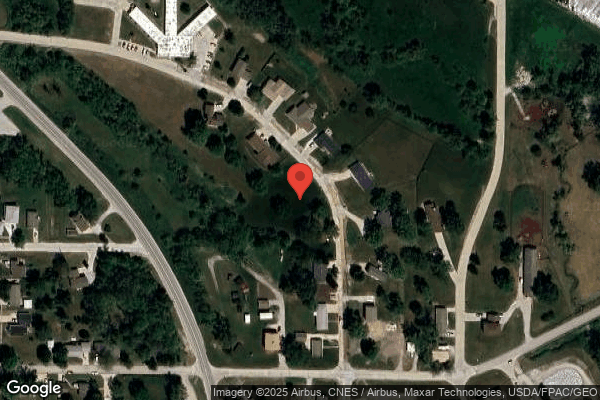
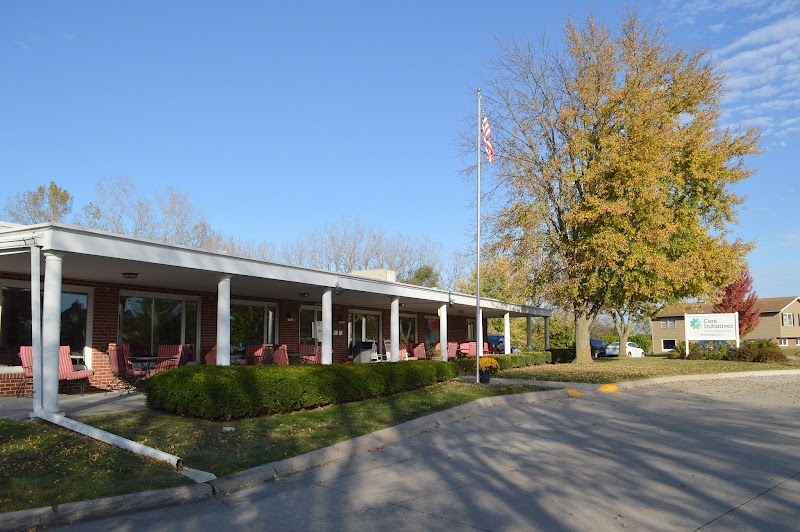
1614 Northgate Drive, Corning, IA 50841 (641) 322-4061
For profit - Corporation 40 Beds CARE INITIATIVES Data: November 2025
Trust Grade
55/100
#261 of 392 in IA
Last Inspection: January 2025

Within standard 12-15 month inspection cycle. Federal law requires annual inspections.

Overview

Corning Specialty Care has a Trust Grade of C, which means it is average-neither great nor terrible. It ranks #261 out of 392 facilities in Iowa, placing it in the bottom half, but it is the only option in Adams County. Unfortunately, the facility is worsening, having increased from 6 issues in 2024 to 11 in 2025. Staffing is a relative strength with a 3/5 rating and a turnover rate of 42%, which is slightly below the state average, indicating that some staff members remain long enough to get to know the residents. There have been no fines, which is a positive sign, but the nursing home has faced several concerning issues, such as failing to implement comprehensive care plans for several residents and not ensuring proper food safety practices in the kitchen. Families should weigh these strengths and weaknesses carefully when considering this facility for their loved ones.
Trust Score
C
55/100
In Iowa
#261/392
Bottom 34%
Safety Record
Low Risk
No red flags
Inspections
Getting Worse
6 → 11 violations
Staff Stability
○ Average
42% turnover. Near Iowa's 48% average. Typical for the industry.
Penalties
✓ Good
No fines on record. Clean compliance history, better than most Iowa facilities.
Skilled Nurses
○ Average
Each resident gets 39 minutes of Registered Nurse (RN) attention daily — about average for Iowa. RNs are the most trained staff who monitor for health changes.
Violations
⚠ Watch
18 deficiencies on record. Higher than average. Multiple issues found across inspections.
★★☆☆☆
2.0
Overall Rating
★★★☆☆
3.0
Staff Levels
★★★★☆
4.0
Care Quality
★★☆☆☆
2.0
Inspection Score
Stable
2024: 6 issues
2025: 11 issues

The Good

  • 4-Star Quality Measures · Strong clinical quality outcomes
  • Full Sprinkler Coverage · Fire safety systems throughout facility
  • No fines on record
  • Staff turnover below average (42%)

    6 points below Iowa average of 48%

Facility shows strength in quality measures, fire safety.

The Bad

2-Star Overall Rating

Below Iowa average (3.0)

Below average - review inspection findings carefully

Staff Turnover: 42%

Near Iowa avg (46%)

Typical for the industry

Chain: CARE INITIATIVES

Part of a multi-facility chain

Ask about local staffing decisions and management

The Ugly 18 deficiencies on record

May 2025 2 deficiencies
CONCERN (D) 📢 Someone Reported This

A family member, employee, or ombudsman was alarmed enough to file a formal complaint

Potential for Harm - no one hurt, but risky conditions existed

Resident Rights (Tag F0550)

Could have caused harm · This affected 1 resident

Based on clinical record review, facility document review, staff interviews, and facility policy review the facility failed to provide dignity to 1 of 4 residents (Resident #1). The facility failed to...

Read full inspector narrative →
Based on clinical record review, facility document review, staff interviews, and facility policy review the facility failed to provide dignity to 1 of 4 residents (Resident #1). The facility failed to provide dignity to the residents as demonstrated by a staff telling the resident to complete their own peri care when assistance was requested by the resident. The facility reported a census of 25 residents. Findings Include: The Minimum Data Set (MDS) for Resident #1, dated 1/15/25 in progress, identified a Brief Interview for Mental Status (BIMS) score of 15/15 indicating normal cognitive functioning. The resident had diagnoses of other fractures, seizure disorder or epilepsy, and Schizophrenia. The document identified the dependence for toileting hygiene and lower body dressing, and significant/maximal assistance for transfers and bed mobility. The document revealed frequent incontinence of bladder or always incontinent of bowel. Resident #1's Care Plan dated 3/24/25 revealed a focus area of Activities of Daily Living (ADL's) initiated on 1/10/25 with interventions including healing fractures of low back and pelvis with pain and needing time to adjust and instruct in safe manners to move when completing ADL's, partial assistance of 1 staff with gait belt and walker for toilet transfers, and dependence for toileting hygiene with date of 1/10/25. Resident #1's Electronic Medical Record (EMR) identified diagnoses of fracture of unspecified parts of lumbosacral spine and pelvis, subsequent encounter for fracture with routine healing. The EMR toileting hygiene document identified 39 entries of Resident #1 requiring dependent assistance from staff 10 entries for substantial/maximal assistance from staff, 2 entries for partial/moderate assistance, 2 entries for supervision, and 2 entries for independence. On 5/27/25 at 12:42 PM Staff B, Certified Nurse Assistant (CNA), stated she heard Staff G, CNA, walk into Resident #1's room and state you did this to yourself, so you can get yourself up and clean yourself up. Staff B stated Resident #1 told her Staff G had previously refused to provide care to him. On 5/27/25 at 12:55 PM Staff A, Licensed Practical Nurse (LPN), stated she heard Staff G make the comment to Resident #1 to clean himself up after an incontinence episode. Staff A stated she separated Staff G from Resident #1, and Resident #1 was crying after the statement by Staff G. Staff A stated Staff G had used inappropriate language in front of residents prior to the reported incident. On 5/27/25 at 1:07 PM Staff C, Certified Medication Aide (CMA), stated when working on 2/18/25 that Resident #1 requested she help him get up after Staff G made the statement, as he didn't want her (Staff G) helping any more. Staff C stated the resident was crying, and indicated he couldn't complete his own peri care all the time and sometimes had accidents. The facility provided document, interview with the identified resident, dated 2/19/25, revealed an interview with Resident #1 and Staff E, Director of Nursing (DON), and Staff F, Administrator. The document revealed Resident #1 identified Staff G told him you can clean your butt, you did it yourself. The resident stated Staff G makes him do it like every day. The facility provided document, Staff Statements, revealed Staff C's written statement that she had witnessed Staff G on many occasions tell Resident #1 that he is a grown ass man and needs to wipe his own ass. The statement also revealed Resident #1 requested Staff G no longer work with him due to the way she spoke to him. A written statement by Staff B revealed on 2/18/25 she heard Staff G tell Resident #1 to clean himself up after soiling himself. The statement further revealed Resident #1 acted upset and held his head down when Staff G made this comment to the resident. A statement written by Staff A revealed on 2/19/25 Staff G told her she (Staff G) told Resident #1 she was not going to clean his ass, if he was going home he needed to do it himself. On 5/28/25 at 10:17 AM Staff E and Staff F stated they expected facility staff to follow the residents' Care Plans, treat residents with respect, and follow the facility's Abuse Policy. The facility's document, Resident Rights, revised 12/16, revealed residents have the right to a dignified existence, and be treated with respect, kindness and dignity. The facility's document, Resident's [NAME] of Rights, revised 1/17, revealed the facility must treat each resident with respect and dignity and care for each resident in a manner that promotes maintenance or enhancement of the resident's quality of life, recognizing each resident's individuality. The document further revealed the facility must protect and promote the rights of the resident. The document disclosed each resident has the right to be treated with dignity and respect.
CONCERN (D) 📢 Someone Reported This

A family member, employee, or ombudsman was alarmed enough to file a formal complaint

Potential for Harm - no one hurt, but risky conditions existed

Report Alleged Abuse (Tag F0609)

Could have caused harm · This affected 1 resident

Based on documents reviewed, staff interviews and policy review, the facility failed to report an alleged violation of verbal abuse in a timely manner. The facility failed to report observed verbal in...

Read full inspector narrative →
Based on documents reviewed, staff interviews and policy review, the facility failed to report an alleged violation of verbal abuse in a timely manner. The facility failed to report observed verbal interactions between a staff member and Resident #1 within the required timeframe. The facility reported a census of 25. Findings include: The Intake Information to the State Agency for the Facility Reported Incident (FRI) revealed a submission date and time of 2/19/25 at 7:45 PM. The document revealed the date of the alleged abuse occurred on 2/19/25. On 5/27/25 at 12:42 PM Staff B, Certified Nurse Assistant (CNA), stated she heard Staff G, CNA, tell Resident #1 you did this to yourself, so you can get yourself up and clean yourself up. Staff G initially stated she notified the Director of Nursing (DON) within 24 hours of the incident, then stated she notified the DON immediately as the primary nurse was on a break. On 5/27/25 at 12:55 PM Staff A, Licensed Practical Nurse (LPN), stated she heard the comment made by Staff G to Resident #1, and separated the staff from the resident. Staff A stated she told Staff G she could not make those statements to a resident, and Staff G was not happy with Staff A. The staff stated the resident was crying. On 5/27/25 at 1:07 PM Staff C, CNA, stated she was working on the date of the verbal statement by Staff G, CNA, to Resident #1. The staff stated she provided care to Resident #1 following the statement by Staff G as the resident was crying and requested Staff G not help him anymore. The facility's self report document revealed the Director of Nursing was notified on 2/19/25 by Staff B of a comment made to Resident #1 by Staff G that he soiled himself and needed to clean himself up. The facility's document, Staff Statements, provided a written statement by Staff C stating Resident #1 requested the staff to assist him following Staff G's statement to him on the date of the reported incident and not wanting Staff G to work with him anymore. Staff C's statement further included witnessing on many occasions Staff G tell Resident #1 he was a grown ass man and needs to wipe his own ass. A written statement by Staff B revealed the staff witnessed Staff G make a comment to Resident #1 regarding soiling himself and needing to clean himself up on 2/18/25. Staff B's written statement further revealed witnessing Staff G making these types of statements prior to 2/18/25 and had assumed it had been reported by other staff. A statement written by Staff A revealed on 2/19/25 Staff G told her she (Staff G) told Resident #1 she was not going to clean his ass, if he was going home he needed to do it himself. The facility's Nursing Schedule 2/6/25-2/19/25 confirmed Staff G worked on 2/18/25 and not on 2/19/25. The document revealed Staff A, Staff B, and Staff G worked on 2/18/25 and 2/19/25. In an interview with Staff E and Staff F, Administrator, on 5/28/25 at 10:17 AM the DON stated she was notified of Staff G's statement to Resident #1 on 2/19/25. Staff F acknowledged at the time of the notification she had left the building for the day. Staff E stated she was getting ready to leave when Staff B returned to the facility and provided the statement regarding the interaction between Staff G and Resident #1. Staff E confirmed Staff B had completed her shift for the day when she returned to the facility and reported the interaction. When questioned whether the verbal statement by Staff G to Resident #1 occurred on 2/18/25 or 2/19/25 as it was reported on the FRI to the State Agency, Staff E and Staff F acknowledged the interaction had occurred on 2/18/25 not 2/19/25. Staff E and Staff F admitted as staff had not reported the verbal incident from Staff G to Resident #1, Staff G continued to work with the resident until 2/19/25 when the administration was notified after Staff G's shift. Staff E and Staff F expected staff to report alleged violations of abuse within the required time frame. The facility's Abuse Policy and Procedures, Dependent Adult Abuse 11/19 Edition, revealed mental abuse is the use of verbal conduct which causes or has the potential to cause resident humiliation, shame or degradation. The document revealed verbal abuse included mocking or ridiculing the resident and could be construed as a type of mental abuse. The document disclosed neglect included failure by the facility or employees to provide services to residents that was necessary to avoid mental anguish. The document revealed all allegations of resident abuse, neglect, or mistreatment must be reported immediately to the Charge Nurse, who is responsible for immediately reporting the allegation(s) to the Administrator or designated representative. The document further provided that all allegations of abuse shall be reported to the SA no later than 2 hours after the allegation was made.
Jan 2025 9 deficiencies
CONCERN (D)

Potential for Harm - no one hurt, but risky conditions existed

Deficiency F0657 (Tag F0657)

Could have caused harm · This affected 1 resident

**NOTE- TERMS IN BRACKETS HAVE BEEN EDITED TO PROTECT CONFIDENTIALITY** Based on observation, resident and staff interviews, clinical record review, and policy review, the facility failed to revise a ...

Read full inspector narrative →
**NOTE- TERMS IN BRACKETS HAVE BEEN EDITED TO PROTECT CONFIDENTIALITY** Based on observation, resident and staff interviews, clinical record review, and policy review, the facility failed to revise a resident's Care Plan to include a newly inserted indwelling catheter. The facility reported a census of 26 residents. Findings include: On 1/21/25 at 10:32 AM, Resident #16 stated he had an indwelling catheter (urinary catheter) for about 6 months per his request. The Minimum Data Set (MDS) dated [DATE] revealed a Brief Interview for Mental Status (BIMS) score of 15 out of 15 which indicated a completely intact cognition. It included diagnoses of hypertension, Diabetes Mellitus (DM), pneumonia, Chronic Kidney Disease (CKD), hemiplegia (one-sided weakness), and difficulty walking. It indicated the resident was independent with eating, required set-up assistance with oral and personal hygiene, required maximum assistance with toilet transfers, and was dependent with lower body dressing and toileting hygiene. It also revealed the resident was frequently incontinent. The Electronic Health Record (EHR) included a physician order for an indwelling catheter dated 12/03/24. The last Care Plan revision was dated 11/19/24 and did not include an indwelling catheter. On 1/23/25 at 10:02 AM, the Director of Nursing (DON) stated staff should have revised the Care Plan after inserting the resident's indwelling catheter. A policy titled Goals and Objectives, Care Plans revised April 2009 indicated goals and objectives are reviewed and/or revised: a. When there has been a significant change in the resident's condition; b. When the desired outcome has not been achieved; c. When the resident has been readmitted to the facility from a hospital/rehabilitation stay; and d. At least quarterly.
CONCERN (D) 📢 Someone Reported This

A family member, employee, or ombudsman was alarmed enough to file a formal complaint

Potential for Harm - no one hurt, but risky conditions existed

Deficiency F0658 (Tag F0658)

Could have caused harm · This affected 1 resident

Based on observations, clinical record review, resident and staff interviews, and policy review the facility failed to provide the needed services in accordance with professional standards by not foll...

Read full inspector narrative →
Based on observations, clinical record review, resident and staff interviews, and policy review the facility failed to provide the needed services in accordance with professional standards by not following physician orders for 1 of 12 residents (Resident #176) reviewed. The facility reported a census of 42 residents. Findings include: The Minimum Data Set (MDS) for Resident #176 dated 1/18/24 was an admission Medicare - 5 day document and did not contain a Brief Interview of Mental Status score, diagnoses, medications, or treatments. The Electronic Medical Record (EMR) included diagnoses of depression, hypertension, and pain. Review of Resident #22 Physician Orders dated 1/20/25 identified the resident was ordered to have oxygen (O2) continuously at 3 Liters (L) every night shift. The Hospital Discharge document dated 1/18/25 revealed O2 administration 3 L at night (HS). The Order Summary Report dated 1/20/25 indicated O2 continuously at 3 L every night shift. Resident #176's Care Plan initiated on 1/19/25 revealed altered respiratory status/difficulty breathing related to COPD and needing oxygen focus area. A goal identified no signs and symptoms of poor oxygen absorption through the review date. The interventions/task revealed oxygen via nasal cannula with prongs using 3 L/minute continuously and may use 4 liters with exertion. The intervention did not match with physician orders. On 1/21/25 at 9:25 AM observed Resident #176 seated in her recliner awake with oxygen via nasal cannula with the concentrator set at 3 L. The oxygen tubing did not have a date of placement or initials of staff who placed the tubing. On 1/21/25 at 3:46 PM observed the resident to be lying in bed with oxygen via nasal cannula with the concentrator set at 3 L. On 1/22/25 at 11:09 AM observed the resident lying in bed sleeping with oxygen via nasal cannula with the concentrator set at 3 L. On 1/22/25 at 1:06 PM observed the resident lying down with O2 via nasal cannula at 3 L. On 1/22/25 at 2:22 PM Staff B, Licensed Practical Nurse (LPN), stated tubing for oxygen is changed every Sunday night and should be documented in the Treatment Administration Record (TAR). The staff stated if an order indicated 3 L at HS, it would be expected the oxygen would be used at bedtime. On 1/23/25 at 8:35 AM the Director of Nursing (DON) and MDS Coordinator stated that if an order for a resident indicated HS they would expect oxygen would be used when the resident was sleeping at night. On 1/23/25 at 8:40 AM the DON and the Administrator stated they expected care to be provided to the residents per physician orders. The facility policy, Administering Medications, revised April 2019, revealed medications are administered in accordance with prescriber orders, including any required time frame.
CONCERN (D)

Potential for Harm - no one hurt, but risky conditions existed

Accident Prevention (Tag F0689)

Could have caused harm · This affected 1 resident

Based on observation, clinical record review, staff interviews, and facility procedure review the facility failed to protect a resident from a possible accident and injury by pushing the resident in a...

Read full inspector narrative →
Based on observation, clinical record review, staff interviews, and facility procedure review the facility failed to protect a resident from a possible accident and injury by pushing the resident in a wheelchair without foot rests for 1 of 12 residents (Resident #11) reviewed. The facility reported a census of 26 residents. Findings include: The Minimum Data Set (MDS) for Resident #11 dated 10/30/24 identified a Brief Interview for Mental Status (BIMS) score of 12 out of 15 which indicated moderate cognitive impairment. The MDS included diagnoses of Anxiety Disorder, and Depression. It revealed the resident required substantial or maximum assistance for sit to/from stand positions, and transfers to/from bed, wheelchair and toilet. It further indicated the resident utilized a manual wheelchair and could wheel at least 150 feet with setup assistance. Resident #11's Care Plan revealed he required substantial to dependent assistance for transfers to/from the wheelchair. Observation on 1/21/25 at 12:26 PM revealed Staff E, Certified Nursing Assistant (CNA) pushed Resident #11 from the dining room to his bedroom with both of the resident's feet touching the floor with no footrests present. The distance was approximately 50 feet. Observation on 1/22/25 at 11:47 AM revealed Staff F, CNA, use a handheld grasp with Resident #11 while walking to the side and slightly ahead of the resident while in the wheelchair. The resident appeared to be pulling on the staff's hand to move forward. The resident's feet were on the floor and were attempting to move the wheelchair. The resident stopped every 4-5 feet. The last 10 feet the staff pulled the resident to his dining table with no movement of the resident's feet. Observation on 1/22/25 at 12:16 PM revealed Resident #11 self propelled from the dining room to his bedroom independently. On 1/22/25 at 12:45 PM Staff G, CNA, stated residents must have footrests on to be pushed in their wheelchairs. The staff stated they are trained upon hire to use footrests. Staff G stated if a resident does not have footrests they cannot be pushed, and footrests should be kept on the back of the wheelchair. On 1/22/25 at 2:28 PM Staff B, Licensed Practical Nurse (LPN), stated residents must have footrests on their wheelchairs to be pushed. The staff stated training has been provided on the use of footrests on wheelchairs in the past several months. The staff stated she has observed other staff push residents without footrests. On 1/23/25 at 8:40 AM the Administrator, MDS Coordinator, and Director of Nursing (DON) concurred that the facility had the requirement for residents to be pushed in their wheelchairs and footrests must be in place. The Administrator stated residents should not be pushed without footrests. The DON stated it was part of basic training to be a CNA that footrests were to be in place on wheelchairs to prevent injuries. The facility document, Wheelchair (use of) from Nursing Guidelines and Procedure Manual, dated January 2015 edition, revealed footrests were to be out of the resident ' s way for safety prior to transfer, but not removed from the wheelchair. It further indicated footrests were to be lowered, and the resident's feet placed on the footrests once the resident was seated in the wheelchair.
CONCERN (D)

Potential for Harm - no one hurt, but risky conditions existed

Deficiency F0760 (Tag F0760)

Could have caused harm · This affected 1 resident

**NOTE- TERMS IN BRACKETS HAVE BEEN EDITED TO PROTECT CONFIDENTIALITY** Based on observation, staff interviews, clinical record review and policy review the facility failed to ensure the residents wer...

Read full inspector narrative →
**NOTE- TERMS IN BRACKETS HAVE BEEN EDITED TO PROTECT CONFIDENTIALITY** Based on observation, staff interviews, clinical record review and policy review the facility failed to ensure the residents were free of significant medication errors to 1 of 6 residents reviewed (Resident #16). The facility reported a census of 26 residents. Findings include: The Minimum Data Set (MDS) dated [DATE] documented Resident #16 entered the facility on 3/23/22. The MDS documented a Brief Interview for Mental Status (BIMS) score of 15 indicating no cognitive impairment. The MDS documented Resident #16 had a diagnosis of type 2 diabetes mellitus with hyperglycemia. Review of Resident #16's Medication Administration Record (MAR) documented an order for insulin glargine solution (Lantus)100 UNIT/ML inject 50 unit subcutaneously one time a day in the morning. On 1/22/25 at 7:18 AM an observation of Staff B Licensed Practical Nurse (LPN) drawing insulin to administer to Resident #16 revealed Staff B removed Lantus insulin from the medication cart, cleansed the insulin bottle septum with an alcohol wipe, and drew out 46 units from the insulin bottle. Staff B stated her intent was to give Resident #16 Lantus insulin prepared in the syringe. The surveyor then requested Staff B to verify the amount of insulin ordered with the amount of insulin in the syringe. Staff B acknowledged 46 units in the syringe and Resident #16 had an order for 50 units of Lantus insulin. Staff B then drew up 50 units and administered the insulin. On 1/22/25 at 7:42 AM the DON stated the nurse should have followed policy. Stated she should have followed the rights of medication administration and the physicians order. Review of policy revised 4/19 titled, Administering Medications documented The individual administering the medication checks the label THREE (3) times to verify the right resident, right medication, right dosage, right time and right method (route) of administration before giving the medication.
CONCERN (D)

Potential for Harm - no one hurt, but risky conditions existed

Deficiency F0804 (Tag F0804)

Could have caused harm · This affected 1 resident

Based on observations, staff interview, and policy review the facility failed to provide food at an appetizing temperature to 3 of 26 residents reviewed. The facility reported a census of 26 residents...

Read full inspector narrative →
Based on observations, staff interview, and policy review the facility failed to provide food at an appetizing temperature to 3 of 26 residents reviewed. The facility reported a census of 26 residents. Findings include: On 1/21/25 at 11:45 AM an observation of lunch service revealed Staff A completed hand hygiene and started lunch service. Two mechanical soft roast beef in portions on a plate and a single puree portion of roast beef in a bowl placed on the steam table after being prepared in the food processor. Staff A acknowledged intent to serve mechanical and puree plates. Temperature check requested by surveyor of puree and mechanical soft roast beef. The temperature of the mechanical soft roast beef on the plates were 99 degrees and 97 degrees. The temperature of the puree roast beef was 92 degrees. Staff A heated all 3 dishes in the microwave. Pureed roast beef heated to 152.6 and mechanical soft roast beef heated to 152.7 and 158.2. On 1/22/25 at 8:29 AM Staff A stated a temperature of 155 - 165 would be an acceptable temperature to serve the mechanically altered food. Staff A acknowledged the food was not at an acceptable temperature to serve to the residents. Review of policy revised 4/19 titled, Food Preparation and Service documented Mechanically altered hot foods prepared for a modified consistency diet remain above 135°F during preparation or they are reheated to 165°F for at least 15 seconds. On 1/22/25 at 4:15 PM the Administrator stated the facility's expectation was the cook would have followed the facility's policy. The Administrator stated her expectation was the mechanically altered hot food would remain above 135 degrees or reheated to 165 for at least 15 seconds.
CONCERN (D)

Potential for Harm - no one hurt, but risky conditions existed

Medical Records (Tag F0842)

Could have caused harm · This affected 1 resident

Based on resident and staff interview, clinical record review, and policy review, the facility failed to ensure accurate and complete resident records for 1 of 12 residents reviewed. Resident #22 did ...

Read full inspector narrative →
Based on resident and staff interview, clinical record review, and policy review, the facility failed to ensure accurate and complete resident records for 1 of 12 residents reviewed. Resident #22 did not have an inventory sheet in her record, and the resident stated she had lost a phone. The facility reported a census of 26 residents. Findings include: The Minimum Data Set (MDS) for Resident #22 dated 12/4/24 identified a BIMS score of 15 out of 15 which indicated normal cognitive impairment. The MDS included diagnoses of Anxiety Disorder and depression. The Electronic Medical Record (EHR) Progress Notes reviewed from 3/1/24 to 1/23/25 revealed the resident had made a report of a missing jacket on 8/16/24, which was found. Other Progress Note entries revealed the resident had a vehicle that was full of belongings, and lived in multiple locations prior to admission to the facility. The notes reflected the resident having stacks of items in her room and does not like assistance with these items or for people to touch her items. The Care Plan dated 12/6/24 did not reveal Resident #22 to have behaviors of making false reports of missing items. The Care Plan lacked behaviors regarding the keeping of excessive items in her room or car, or refusing of assistance for organization of her items. On 1/21/25 at 11:02 AM and on 1/22/25 at 12:10 PM Resident #22 stated she had lost a cell phone towards the end of June 2024 after returning from the hospital. The resident stated she notified the Business Office Manager (BOM). On 1/22/25 at 2:47 PM the BOM stated the resident did not inform her of a missing cell phone in June of 2024. The staff stated the resident had a phone in her room that she knew of. The BOM looked through the resident's room with the resident present and with permission and found a blue phone. The BOM stated the resident told her the blue phone was an old phone and the missing phone was blue. The BOM stated the itemized inventory list was managed by the Social Services Coordinator who also had the same first name and the resident may have told her about the missing phone. On 1/22/25 at 3:26 PM and 3:39 PM the Social Services Coordinator (SSC) stated there may or may not be an itemized inventory list for the resident. The staff stated she was aware of the resident's blue phone, but did not know anything about a missing pink phone. The SSC stated she was unable to locate an inventory sheet for the resident. The staff stated the resident had bags of items located in her closet, as well as her personal vehicle which was parked in a neighboring parking lot. The staff stated the resident had a history of making false claims regarding missing items. The staff stated the inventory list for the resident would likely be inaccurate due to the number of items the resident accumulated. The staff stated the resident was provided with donated items upon admission as she did not have appropriate clothing and personal items due to prior living arrangements of living in hotels. The SSC stated the resident would report if a cell phone was missing. On 1/22/25 at 3:45 PM the Regional Consultant confirmed there was not an itemized inventory sheet for the resident. The facility policy, Personal Property, revised March 2021, revealed a resident's personal belongings and clothing are inventoried and documented upon admission and updated as necessary. On 1/22/25 at 4:00 PM the Administrator acknowledged that without an itemized inventory sheet the facility could not verify a resident's belongings and would not be able to know whether a resident was making a false claim. The Administrator expected there to be itemized inventory sheets for all residents.
CONCERN (E)

Potential for Harm - no one hurt, but risky conditions existed

Comprehensive Care Plan (Tag F0656)

Could have caused harm · This affected multiple residents

**NOTE- TERMS IN BRACKETS HAVE BEEN EDITED TO PROTECT CONFIDENTIALITY** Based on observation, resident and staff interviews, clinical record review, and policy review, the facility failed to develop a...

Read full inspector narrative →
**NOTE- TERMS IN BRACKETS HAVE BEEN EDITED TO PROTECT CONFIDENTIALITY** Based on observation, resident and staff interviews, clinical record review, and policy review, the facility failed to develop and implement a Comprehensive Care Plan for 7 of 12 residents (Resident #10, #11, #13, #17, #22, #76, and #176) reviewed for care plans. The facility reported a census of 26 residents. Findings include: 1. On [DATE] at 9:49 AM, Resident #76 was observed lying in bed watching television. He stated he had been on oxygen (O2) for about 3 years. The oxygen delivery setting on his concentrator was observed at 4 liters per minute (LPM) or (L) via nasal cannula (NC). The Minimum Data Set (MDS) dated [DATE] revealed a Brief Interview for Mental Status (BIMS) score of 15 out of 15 which indicated completely intact cognition. It included diagnoses of Atrial Fibrillation (abnormal heart beat), Coronary Artery Disease (narrow or hardened heart arteries), and Chronic Obstructive Pulmonary Disease (COPD). It did not include the resident's use of oxygen but was still being completed at the time of the survey. The Electronic Health Record (EHR) Physician Orders dated [DATE] included an order for Oxygen continuously at (3 L), maintain O2 Sat. of 88% and above. The admission Orders dated [DATE] included oxygen inhale 3 L/min into the lungs continuous. Titrate to O2 saturation of 88%. Do not exceed 4 L/min. On [DATE] at 10:02 AM, the Director of Nursing (DON) stated the admission Orders were accurate. The Oxygen (O2) saturation summary indicated the resident's blood oxygen level on [DATE] at 9:27 AM was 94%. It did not specify whether the resident was receiving supplemental oxygen at the time. The Care Plan dated [DATE] included OXYGEN SETTINGS: O2 via nasal cannula @ 3 L at rest and 4 L with exertion. The Care Plan failed to match admission orders. 2. The MDS for Resident #10 dated [DATE] identified a BIMS score of 10 out of 15 which indicated moderate cognitive impairment. The MDS included diagnoses of Anxiety Disorder, Depression, and Post Traumatic Stress Disorder (PTSD). It did not identify any lack of pleasure, interest or feeling down/depressed, or potential indicators of psychosis. It also revealed the resident exhibited behavioral symptoms not directed toward others, but indicated the identified symptoms put the resident at significant risk for physical illness or injury, significantly interfered with resident's care, and with the resident's participation in activities or social interactions. It further indicated the resident rejected care and exhibited worsening in behavior, and care rejection compared to prior assessments. The MDS identified Resident #10 took antipsychotic and antidepressant medications during the last 7 days of the assessment period. Review of Resident #10's Physician Orders dated [DATE] identified the resident was prescribed a.) Fluoxetine HCI Capsule 40 mg 1 capsule and 10 mg 1 capsule by mouth for a total of 50 mg daily for depression b.) Olanzapine 5 mg 1 tablet daily for psychotic disorder related to Major Depressive Disorder, Recurrent, Moderate, and Generalized Anxiety Disorder. An Electronic Medical Record (EMR) Progress Note dated [DATE] identified occasional behavioral disturbances as mild. Behavior Symptoms documentation did not identify any behaviors in the past 30 days. Resident #10's Care Plan revised [DATE] included an antidepressant medication focus area related to major depressive disorder. A goal identified decreased symptoms of depression throughout the review period. However, the interventions/tasks did not include the resident s target behaviors of depression. It also included an antipsychotic medication focus area related to anxiety and cognitive function decline with behaviors. A goal of decreased behavioral episodes throughout the review period was noted. However, the interventions/tasks did not identify the resident's target behaviors. 3. The MDS for Resident #11 dated [DATE] identified a BIMS score of 12 out of 15 which indicated moderate cognitive impairment. The MDS included diagnoses of Anxiety Disorder, and Depression. It neither identified any symptoms of lack of please/interest or feeling down/depressed nor potential indicators of psychosis. It revealed the resident exhibited behavioral symptoms not directed toward others, and the identified symptoms did not significantly impact the resident or others in the environment. The document revealed no change in behavior or other symptoms. The MDS identified the resident took antipsychotic and antidepressant medications during the last 7 days of the assessment period. Review of Resident #11's Physician Orders dated [DATE] identified the resident was prescribed a.) Risperdal (Risperidone) Oral Tablet 2 mg 1 tablet twice daily for Major Depression, b.) Sertraline HCI 150 mg once daily for Major Depression, and Clonazepam Tablet .5 mg 1 tablet twice daily for Generalized Anxiety. The EMR Progress Notes identified on [DATE] the resident isolated to his room most times with refusals to get up. An entry on [DATE] indicated the resident was pushing against staff during personal care but was redirectable without further behaviors, and refused to get out of bed. The Behavior Symptoms documentation revealed the resident had behaviors of rejection of care on [DATE] and kicking/hitting on [DATE]. Resident #11's Care Plan revised on [DATE] did not identify focus areas, goals, or interventions related to the antipsychotic and antidepressant medications and their respective target behaviors. 4. The MDS for Resident #13 dated [DATE] identified a BIMS score of 3 out of 15 which indicated severe cognitive impairment. The MDS included diagnoses of Non-Alzheimer's Dementia, and Alzheimer's Disease. It neither identified any symptoms of lack of please/interest or feeling down/depressed nor potential indicators of psychosis. It revealed the resident exhibited behavioral symptoms directed toward others. The MDS identified the resident took antipsychotic medication during the last 7 days of the assessment period. Review of Resident #13's Physician Orders dated [DATE] identified the resident was prescribed a.) Seroquel Oral Tablet 25 mg (Quetiapine Fumarate) give 1 tablet daily for behavioral disturbances b.) Seroquel Oral Tablet 50 mg (Quetiapine Fumarate) give 1 tablet in the evening for Vascular Dementia. The EMR Progress Notes from [DATE] to [DATE] revealed numerous entries with behaviors of yelling at staff and other residents, attempts of hitting staff and residents and delusions regarding deceased family members. The Behavior Symptoms documentation revealed rejection of care on [DATE]. Resident #13's Care Plan revised on [DATE] revealed a psychotropic medication focus area related to vascular dementia for behavioral management. A goal identified decreased symptoms of depression throughout the review period. However, the interventions/tasks did not include the resident's target behaviors of depression. It also included an antipsychotic medication focus area related to anxiety and cognitive function decline with behaviors. A goal of decreased behavioral episodes throughout the review period was noted. However, the interventions/tasks did not identify the resident's target behaviors. 5. The MDS for Resident #17 dated [DATE] identified a BIMS score of 15 out of 15 which indicated normal cognitive impairment. The MDS included diagnoses of Anxiety Disorder and depression. It did not identify any symptoms of lack of please/interest or feeling down/depressed, but did indicate rare instances of social isolation. It neither identified potential indicators of psychosis nor behavioral symptoms towards others, herself or rejection of care. The MDS identified the resident took an antidepressant medication during the last 7 days of the assessment period. Review of Resident #17's Physician Orders dated [DATE] identified the resident was prescribed Fluoxetine HCI Oral Tablet 10 mg 3 tablets for a total of 30 mg daily for depression. The EMR Progress Notes from [DATE] to [DATE] revealed entries with anxiety behaviors related to ailments, attention, medications, and weight. The Behavior Symptoms documentation revealed no behaviors. Resident #17's Care Plan revised on [DATE] revealed an antidepressant medication focus area related to bipolar. A goal identified freedom from discomfort or adverse reactions related to antidepressant therapy. However, the interventions/tasks did not include the resident's target behaviors of depression. 6. The MDS for Resident #22 dated [DATE] identified a BIMS score of 15 out of 15 which indicated normal cognitive impairment. The MDS included diagnoses of Anxiety Disorder and depression. It identified symptoms of feeling down/depressed for 2-6 days and sometimes socially isolated. It identified hallucinations, rejection of care for 1 to 3 days, and worsened behaviors and rejection of care. The MDS identified the resident took antipsychotics and antidepressant medications during the last 7 days of the assessment period. Review of Resident #22 Physician Orders dated [DATE] identified the resident was prescribed a.) Seroquel 12.5 mg at bedtime for Hallucinations b.) Namenda (Memantine HCI) 10 mg 1 tablet daily for Major Depressive Disorder c.) Zoloft (Sertraline HCI) Oral Tablet 100 mg 2 tablets for 200 mg daily for depression d.) Wellbutrin XL Oral Tablet Extended Release 24 hour 150 mg (Bupropion HCI) 1 tablet daily for depression. The EMR Progress Notes from [DATE] to [DATE] revealed entries with hallucinations (verbal and audible), isolation, refusal of getting up, and medication refusals. The Behavior Symptoms documentation revealed no behaviors. Resident #22's Care Plan revised on [DATE] revealed a risk for side effects from antipsychotic drug use. A goal identified no injury related to medications and maintenance of normal/therapeutic blood drug range. The Care Plan did not identify target behaviors related to the use of an antipsychotic medication. 7. The MDS for Resident #176 dated [DATE] was an admission Medicare - 5 day document and did not contain a BIMS, diagnoses, medications, or treatments. The EMR included diagnoses of depression, hypertension, and pain. Review of Resident #22 Physician Orders dated [DATE] identified the resident was ordered to have oxygen continuously at 3 Liters (L) every night shift. The hospital discharge document dated [DATE] revealed oxygen administration 3 L at night. The Order Summary Report dated [DATE] indicated oxygen continuously at 3 L every night shift. Resident #176's Care Plan initiated on [DATE] revealed altered respiratory status/difficulty breathing related to COPD and needing oxygen focus area. A goal identified no signs and symptoms of poor oxygen absorption through the review date. The interventions/task revealed oxygen setting of oxygen via nasal cannula with prongs using 3 L/minute continuously and may use 4 liters with exertion. The intervention did not match with physician orders. The facility policy, Goals and Objectives, Care Plans, revised [DATE], revealed objectives should be resident oriented, behaviorally stated and are derived from the information contained in the comprehensive assessment. It indicated goals and objectives were written for all disciplines to have access to information and report whether the desired outcomes are being achieved. On [DATE] at 8:03 AM the Administrator, Director of Nursing (DON), and MDS Coordinator stated the interventions/tasks of a Care Plan should reflect the focus area. The DON stated it should be specific to the focus area. The staff stated the Certified Nursing Aides (CNAs) utilize a Kardex system for reference on a residents needs and abilities which is condensed from the interventions of the Care Plan. The DON acknowledged that if target behaviors for a particular medication were not identified on the interventions/tasks the staff would not be able to report them.
CONCERN (E)

Potential for Harm - no one hurt, but risky conditions existed

Medication Errors (Tag F0758)

Could have caused harm · This affected multiple residents

**NOTE- TERMS IN BRACKETS HAVE BEEN EDITED TO PROTECT CONFIDENTIALITY** Based on clinical record review, staff interviews, and policy review, the facility failed to identify target behaviors for psych...

Read full inspector narrative →
**NOTE- TERMS IN BRACKETS HAVE BEEN EDITED TO PROTECT CONFIDENTIALITY** Based on clinical record review, staff interviews, and policy review, the facility failed to identify target behaviors for psychotropic medication use for 5 of 12 residents reviewed (Resident #10, #11, #13, #17, and #22). The facility reported a census of 26 residents. Findings include: 1. The Minimum Data Set (MDS) for Resident #10 dated [DATE] identified a Brief Interview for Mental Status (BIMS) score of 10 out of 15 which indicated moderate cognitive impairment. The MDS included diagnoses of Anxiety Disorder, Depression, and Post Traumatic Stress Disorder (PTSD). It did not identify any lack of pleasure, interest or feeling down/depressed, or potential indicators of psychosis. It also revealed the resident exhibited behavioral symptoms not directed toward others, but indicated the identified symptoms put the resident at significant risk for physical illness or injury, significantly interfered with resident's care, and with the resident's participation in activities or social interactions. It further indicated the resident rejected care and exhibited worsening in behavior, and care rejection compared to prior assessments. The MDS identified Resident #10 took antipsychotic and antidepressant medications during the last 7 days of the assessment period. Review of Resident #10's Physician Orders dated [DATE] identified the resident was prescribed a.) Fluoxetine HCI Capsule 40 mg 1 capsule and 10 mg 1 capsule by mouth for a total of 50 mg daily for depression b.) Olanzapine 5 mg 1 tablet daily for psychotic disorder related to Major Depressive Disorder, Recurrent, Moderate, and Generalized Anxiety Disorder. The Physician Orders failed to include target behaviors for each psychotropic medication order. An Electronic Medical Record (EMR) Progress Note dated [DATE] identified occasional behavioral disturbances as mild, but did not identify specific target behaviors. Behavior Symptoms documentation did not identify any behaviors in the past 30 days. Resident #10's Care Plan revised [DATE] included an antidepressant medication focus area related to major depressive disorder, and an antipsychotic medication focus area related to anxiety and cognitive function decline with behaviors. However target behaviors were not identified in the document. 2. The MDS for Resident #11 dated [DATE] identified a BIMS score of 12 out of 15 which indicated moderate cognitive impairment. The MDS included diagnoses of Anxiety Disorder, and Depression. It neither identified any symptoms of lack of please/interest or feeling down/depressed nor potential indicators of psychosis. It revealed the resident exhibited behavioral symptoms not directed toward others, and the identified symptoms did not significantly impact the resident or others in the environment. The document revealed no change in behavior or other symptoms. The MDS identified the resident took antipsychotic and antidepressant medications during the last 7 days of the assessment period. Review of Resident #11's Physician Orders dated [DATE] identified the resident was prescribed a.) Risperdal (Risperidone) Oral Tablet 2 mg 1 tablet twice daily for Major Depression b.) Sertraline HCI 150 mg once daily for Major Depression c.) Clonazepam Tablet .5 mg 1 tablet twice daily for Generalized Anxiety. The Physician Orders failed to include target behaviors for each psychotropic medication order. The EMR Progress Notes identified on [DATE] the resident isolated to his room most times with refusals to get up. An entry on [DATE] indicated the resident was pushing against staff during personal care but was redirectable without further behaviors, and refused to get out of bed. The Behavior Symptoms documentation revealed the resident had behaviors of rejection of care on [DATE] and kicking/hitting on [DATE]. Resident #11's Care Plan revised on [DATE] did not identify focus areas, goals, or interventions related to the antipsychotic and antidepressant medications and their respective target behaviors. 3. The MDS for Resident #13 dated [DATE] identified a BIMS score of 3 out of 15 which indicated severe cognitive impairment. The MDS included diagnoses of Non-Alzheimer's Dementia, and Alzheimer's Disease. It neither identified any symptoms of lack of please/interest or feeling down/depressed nor potential indicators of psychosis. It revealed the resident exhibited behavioral symptoms directed toward others. The MDS identified the resident took antipsychotic medication during the last 7 days of the assessment period. Review of Resident #13's Physician Orders dated [DATE] identified the resident was prescribed a.) Seroquel Oral Tablet 25 mg (Quetiapine Fumarate) 1 tablet daily for behavioral disturbances b.) Seroquel Oral Tablet 50 mg (Quetiapine Fumarate) 1 tablet in the evening for Vascular Dementia. The Physician Orders failed to include target behaviors for each psychotropic medication order. The EMR Progress Notes from [DATE] to [DATE] revealed numerous entries with behaviors of yelling at staff and other residents, attempts of hitting staff and residents and delusions regarding deceased family members. The Behavior Symptoms documentation revealed rejection of care on [DATE]. Resident #13's Care Plan revised on [DATE] revealed a psychotropic medication focus area related to vascular dementia for behavioral management, and an antipsychotic medication focus area related to anxiety and cognitive function decline with behaviors. However it did not identify the resident's target behaviors. 4. The MDS for Resident #17 dated [DATE] identified a BIMS score of 15 out of 15 which indicated normal cognitive impairment. The MDS included diagnoses of Anxiety Disorder and depression. It did not identify any symptoms of lack of please/interest or feeling down/depressed, but did indicate rare instances of social isolation. It neither identified potential indicators of psychosis nor behavioral symptoms towards others, herself or rejection of care. The MDS identified the resident took an antidepressant medication during the last 7 days of the assessment period. Review of Resident #17's Physician Orders dated [DATE] identified the resident was prescribed a.) Fluoxetine HCI Oral Tablet 10 mg 3 tablets for a total of 30 mg daily for depression. The Physician Orders failed to include target behaviors for each psychotropic medication order. The EMR Progress Notes from [DATE] to [DATE] revealed entries with anxiety behaviors related to ailments, attention, medications, and weight, but not target behaviors. Resident #17's Care Plan revised on [DATE] revealed antidepressant medication use, but did not include target behaviors for staff to monitor. 5. The MDS for Resident #22 dated [DATE] identified a BIMS score of 15 out of 15 which indicated normal cognitive impairment. The MDS included diagnoses of Anxiety Disorder and depression. It identified symptoms of feeling down/depressed for 2-6 days and sometimes socially isolated. It identified hallucinations, rejection of care for 1 to 3 days, and worsened behaviors and rejection of care. The MDS identified the resident took antipsychotics and antidepressant medications during the last 7 days of the assessment period. Review of Resident #22's Physician Orders dated [DATE] identified the resident was prescribed a.) Seroquel 12.5 mg at bedtime for Hallucinations, Namenda (Memantine HCI) 10 mg 1 tablet daily for Major Depressive Disorder b.) Zoloft (Sertraline HCI) Oral Tablet 100 mg 2 tablets for 200 mg daily for depression c.) Wellbutrin XL Oral Tablet Extended Release 24 hour 150 mg (Bupropion HCI) 1 tablet daily for depression. The Physician Orders failed to include target behaviors for each psychotropic medication order. The EMR Progress Notes from [DATE] to [DATE] revealed entries with hallucinations (verbal and audible), isolation, refusal of getting up, and medication refusals. The Behavior Symptoms documentation revealed no behaviors. Resident #22's Care Plan revised on [DATE] revealed a risk for side effects from antipsychotic drug use, but did not identify target behaviors. On [DATE] at 8:03 AM the Administrator, Director of Nursing (DON), and MDS Coordinator acknowledged target behaviors should be identified for each psychotropic medication. The facility did not provide a policy related to medications and target behavior identification.
CONCERN (E) 📢 Someone Reported This

A family member, employee, or ombudsman was alarmed enough to file a formal complaint

Potential for Harm - no one hurt, but risky conditions existed

Food Safety (Tag F0812)

Could have caused harm · This affected multiple residents

2. On 1/22/25 at 1:48 pm, Staff A, DM and Staff C, [NAME] were observed in the kitchen area walking toward the exit door without hair nets. At 2:08 pm, Staff A, DM stated staff are to don a hairnet up...

Read full inspector narrative →
2. On 1/22/25 at 1:48 pm, Staff A, DM and Staff C, [NAME] were observed in the kitchen area walking toward the exit door without hair nets. At 2:08 pm, Staff A, DM stated staff are to don a hairnet upon entry through the door and remove it at the door upon exit. She stated there was no reason for she or her staff to have not had their hairnets on at that point in the kitchen. She also stated all food was stored and the kitchen was clean but admitted she was not aware of that being an exception to the policy. On 1/22/25 at 7:55 PM, Staff D, DA was observed in the kitchen without a hair net. She stated she wasn't serving food but was rolling silverware. She stated she thought the facility's policy required hair nets in the kitchen. Based on observation, staff interview, and policy review the facility failed to store food in accordance with professional standards by not dating open food items or dispose of expired food items and not appropriately wearing hair restraints (hair nets). The facility reported a census of 26 residents. Findings include: 1. On 1/21/25 at 8:24 AM an observation revealed a single door freezer had a bag of open undated sausage patties. The double door refrigerator had a container of strawberries that were expired on 1-19-25, a pitcher of tomato juice that expired on 1/18/25, a 46 oz box of prune juice that was open and undated and a 46 oz box of cranberry juice cocktail that was open and undated. The dry storage had a 16 oz bag of potato chips that were open and undated and 8 bottles of Worcestershire sauce that was best if used by 7/23/24. On 1/21/25 at 8:51 AM Staff A, Dietary Services Manger stated all drinks in pitchers were good for 3 days. Staff A acknowledged the pitcher of tomato juice and the container of strawberries were expired. Staff stated all food should be dated when the item was opened. Staff A acknowledged the sausage patties, box of prune juice, box of cranberry juice cocktail and the bag of potato chips were undated and all should have been dated. Staff A acknowledged the date of the Worcestershire sauce. Staff A removed all the bottles and stated she would be dumping them. Staff A stated the Worcestershire sauce was not ordered by her but the previous kitchen manager. Staff A stated she worked every Sunday and checked for expired items then and must have missed the Worcestershire sauce. On 1/22/25 at 1:59 PM Staff A stated there had been people who had walked through the kitchen not wearing a hair net. Staff A stated a hair net was required at all times when in the kitchen where food could be prepared. Staff A stated 2 weeks ago there was a verbal conversation with Staff C about the need for her to wear a hair net in the kitchen. Staff A stated staff had reported Staff C was not wearing a hair net at night while in the kitchen. On 1/22/25 at 3:12 PM Staff C, Cook, Dietary Aide, House Keeping Aide, and Laundry Aide stated she had worked at the facility since June 1st 2024. Staff C stated there had been times when she observed staff in the kitchen without hair nets. Staff C stated Staff A had discussed with her the need for her to wear hair nets while in the kitchen. Staff C stated somebody had reported to Staff A that she was not wearing a hairnet while in the kitchen. Staff C acknowledged she had not been wearing a hair net appropriately while in the kitchen. Staff C stated she did not have any formal disciplinary actions about not wearing a hair net, just a conversation. Review of policy revised 10/17 titled, Food Receiving and Storage documented all foods stored in the refrigerator or freezer will be covered, labeled and dated (use by date). Review of policy revised 10/17 titled, Preventing Foodborne Illness - Employee Hygiene And Sanitary Practices documented Hair nets or caps and/or beard restraints must be worn to keep hair from contacting exposed food, clean equipment, utensils and linens. On 1/21/25 at 3:09 PM the Administrator stated the facility's expectation was that all items of food opened should have an open date on them and expiration dates would be followed and food would be disposed of. The Administrator stated the facility's expectation was that hair nets would be worn by all staff at all times in the kitchen.
Jul 2024 1 deficiency
CONCERN (D) 📢 Someone Reported This

A family member, employee, or ombudsman was alarmed enough to file a formal complaint

Potential for Harm - no one hurt, but risky conditions existed

Deficiency F0558 (Tag F0558)

Could have caused harm · This affected 1 resident

**NOTE- TERMS IN BRACKETS HAVE BEEN EDITED TO PROTECT CONFIDENTIALITY** Based on record view, family, staff, clinic staff and physician interview, the facility failed to ensure 1 of 3 residents went t...

Read full inspector narrative →
**NOTE- TERMS IN BRACKETS HAVE BEEN EDITED TO PROTECT CONFIDENTIALITY** Based on record view, family, staff, clinic staff and physician interview, the facility failed to ensure 1 of 3 residents went to their follow up appointments post hospitalization (Resident #1). The facility reported a census of 26 residents. Findings include: According to the admission Minimum Data Set (MDS) assessment tool with a reference date of 5/23/24, Resident #1 had a Brief Interview for Mental Status (BIMS) score of 8. A BIMS score of 8 suggested mild cognitive impairment. The MDS documented the resident was admitted to the facility on [DATE]. The following diagnoses were listed for Resident #1: sepsis, anemia, atrial fibrillation, heart failure, septicemia, stroke, malnutrition, anxiety, and depression. The Care Plan focus area with an initiation date of 5/31/24 documented Resident #1 had a biliary drain. The After-Visit Summary dated 5/4/24 through 5/17/24 was faxed to the facility on 5/17/24, to the previous Director of Nursing (DON). The summary included the following scheduled appointment: a. May 24, 2024 at 10:20 AM video tele-medicine with a Physician's Assistant (PA) at a Nephrology Clinic. Review of Resident #1's Progress Notes revealed no documentation about her 5/24/24 appointment with the nephrologist. Clinical record review revealed Resident's record lacked documentation from her 5/24/24 appointment with the nephrologist. Review of the facility's appointment book for May 2024 revealed no appointments for Resident #1 had been documented for 5/24/24. On 7/2/24 at 2:07 PM the MDS Coordinator/Interim Director of Nursing (DON) stated the family had requested some labs to be completed on Resident #1 and discussed the missed appointment. This prompted the MDS Coordinator/Interim DON to go through Resident #1's After-Visit Summary. As she reviewed that summary, found the appointment with her nephrologist was missed. She called them to get that rescheduled. On 7/3/24 at 2:54 PM a call was placed to the nephrologist clinic where Resident #1's 5/24/24 appointment was scheduled at. The clinic staff indicated they had documented on 5/24/24 the resident was a no show with no follow-up communication to indicate why it was missed. She indicated a month ago today, it looked like they wanted to know if another tele-health appointment was ok. The clinic indicated the resident would need to be seen in person and rescheduled the appointment for 7/11/24. When asked to speak with the PA that the resident was scheduled to see, she indicated she was out of the office. She added this would have been the first time the PA would have seen Resident #1 and was unsure how much information she could provide. On 7/5/24 at 11:27 AM the Regional Nurse Consultant acknowledged she was unable to find any documentation on the missed 5/24/24 appointment. She added she was not able to find the appointment in their schedule book either. On 7/5/24 at 1:17 PM the previous Director of Nursing (DON) stated Resident #1's first tele-health appointment was missed. She had the MDS Coordinator/Interim DON rescheduled that appointment for the resident. When asked what appointment was missed, she thought it may have been with the Nephrologist. When asked who had set up the initial appointment, the previous DON indicated she wanted to say it was on her discharge instructions but was not 100% on that. When asked why the appointment was missed she stated it may have been an IT type of issue. On 7/5/24 at 2:35 PM the Administrator spoke with the MDS Coordinator/Interim DON about the 5/24/24 appointment for Resident #1. They have a Registered Nurse (RN) that does all the scanning of documents for the facility. Believed at that time, the RN was on vacation. When the Administrator was asked if the nurse admitting the resident to the facility is responsible for review hospital documentation to reconcile medications, note any appointments, or anything pertinent to the hospitalization, he acknowledged they should be reviewing the discharge paperwork. The facility provided a document titled admission Orders. The documented indicated the purpose was to provide essential care according to physician directives. Staff are to obtain information for orders from transfer forms received from resident and/or family, or any other accompanying information. Orders must be obtained at a minimum for food service, medical administration, routine care, additional specific needs, and rehabilitation directives.
Feb 2024 5 deficiencies
CONCERN (D) 📢 Someone Reported This

A family member, employee, or ombudsman was alarmed enough to file a formal complaint

Potential for Harm - no one hurt, but risky conditions existed

Safe Environment (Tag F0584)

Could have caused harm · This affected 1 resident

Based on clinical record review, resident interview, family interview, staff interviews, and the facilities admission Agreement, the facility failed to exercise reasonable care for the protection of t...

Read full inspector narrative →
Based on clinical record review, resident interview, family interview, staff interviews, and the facilities admission Agreement, the facility failed to exercise reasonable care for the protection of the personal property for 1 of 3 residents reviewed (Resident #5). The facility reported a census of 24 residents. Findings include: The Minimum Data Set (MDS) of Resident #5, dated 11/18/23, identified a Brief Interview of Mental Status (BIMS) score of 12 which indicated moderate cognitive impairment. On 2/5/24 at 1:00 pm, Resident #5 stated she had a Smart Phone when she admitted to the facility which was lost shortly after she admitted . She stated she reported this loss to the facility and several staff members looked for it but it was never found. She said the staff told her she must have knocked it off her table and into the trash and it probably went out with the trash. Resident #5 stated her trash can was across the room from where her chair was and this could not have happened. The facility did not assist with the replacement of the lost phone and her family ended up replacing it but with a different model which was not as nice as the lost phone. On 2/6/24 at 4:13 pm, a family member of Resident #5 stated the lost phone was a Samsung Smart Phone. She stated the facility was notified of the missing item. She further stated several staff members came in and helped look for it. It was never found and the facility did nothing to offer to replace it. On 2/7/24 at 7:21 am the Administrator stated the facility will try to replace an item one time if it's clothing or other lower dollar items. He stated for higher value items, the facility replacing items are looked at on a case by case basis. He stated he would check with other staff to see if they were aware of the missing phone. On 2/7/24 at 7:32 am the Administrator stated he spoke with the Social Services Director (SSD) and the Business Office Manger (BOM) and neither of them recalled knowing about the missing cell phone. The Administrator also stated he reviewed the Grievance Log and saw no record of the missing phone. He stated the BOM did report remembering a conversation that the family of Resident #5 mentioned they would be providing a new phone to Resident #5 but was not aware it was a replacement for a missing phone. He stated the procedure for handling missing items is the staff member who gets the report of the missing item is to fill out a grievance log and forward that to the department manager. The morning of the next business day, it would be discussed in the morning meeting. He stated all staff receive education regarding this and it was most recently discussed in the January 2024 in-service. On 2/7/24 at 8:22 am the Director of Nursing (DON) stated that the SSD called the daughter of Resident #5. The family member was able to name one of the staff members who had assisted in looking for the phone. The DON called that staff member (Staff F, Certified Medication Aide [CMA]) stated she did remember this episode. The DON stated the Staff F also recalled that Resident #5 did tell her that she had brought the phone to the dining room at least once. Staff F received education to make sure and forward any concerns of any missing items to management. On 2/7/24 at 8:24 am the Administrator stated the facility was unable to locate an inventory sheet for Resident #5. On 2/7/24 at 9:17 am, Staff F, CMA stated she had been off work for a couple of days at the time the phone went missing. She recalled when she returned to work, Resident #5 reported the missing phone to her. She stated she helped look for the phone including tipping the resident's recliner upside down, looking under the bed, through dresser drawers and anywhere else they could think of. She stated other nursing staff, and housekeeping were aware of the missing phone and helped look for it. She stated Resident #5 stated she might have left it at the dining table so the kitchen staff was also notified of it. She believed Resident #5 told her daughter it may have fallen in the trash. She stated she also reported this to the charge nurse but she did not recall which staff member this was. Review of the Progress Notes for Resident #5 revealed no documentation of the resident missing her phone. The admission Agreement for residents of the facility stated: Facility reserves the right to limit personal belongings of Resident as allowed by law. Resident acknowledges that Facility is unable to exercise complete control over Resident's personal items. The admission Agreement additionally stated: Resident is permitted to keep reasonable amounts of personal clothing and possessions for Resident's use while at the Facility. The Facility shall inventory Resident's personal items upon admission. Resident and Resident Representative shall take preventative measures to prevent theft or loss of valuable possessions, including, but not limited to marking all personal items with Resident's first and last name and professionally marking items such as glasses, dentures and hearing aides prior to admission.
CONCERN (D) 📢 Someone Reported This

A family member, employee, or ombudsman was alarmed enough to file a formal complaint

Potential for Harm - no one hurt, but risky conditions existed

Deficiency F0657 (Tag F0657)

Could have caused harm · This affected 1 resident

Based on clinical record review, staff interview, and policy review the facility failed to revise and implement care plans for 1 of 3 residents (Resident #12) reviewed. The facility reported a census ...

Read full inspector narrative →
Based on clinical record review, staff interview, and policy review the facility failed to revise and implement care plans for 1 of 3 residents (Resident #12) reviewed. The facility reported a census of 24 residents. Findings include: Review of the Minimum Data Set (MDS) for Resident #12 dated 1/12/24 revealed a Brief Interview for Mental Status (BIMS) score of 14 indicating intact cognition. The MDS further revealed diagnosis of cancer, coronary artery disease, diabetes mellitus, intervertebral disc degeneration in the lumbar region, spinal stenosis, and wedge compression fracture of the fourth lumbar vertebrae. Review of Resident #12's Care Plan dated 1/5/24 revealed Resident #12 ambulates with assistance of 1 staff using a four wheeled walker. Further review of the care plan revealed Resident #12 requires assistance of 1 staff when transferring, or toileting. Review of a facility provided document dated 1/24/24 from a book title, Staff Communication Book, revealed a note from physical therapy stating Resident #12 may be independent in her room using a 2 wheeled walker. During an interview 2/6/24 at 11:33 AM with Staff A Certified Medication Aide/Certified Nurse Aide (CMA/CNA) and Staff B CNA revealed that Resident #12 was independent in her room with a 2 wheeled walker. During a follow up interview 2/6/24 at 12:15 PM with Staff A revealed that information about residents being independent in her room would be in the Care Plan. During an interview 2/6/24 at 12:20 PM with Staff D Licensed Practical Nurse (LPN) revealed she could not locate in the Care Plan where resident #12 was independent in her room. During an interview 2/6/24 at 12:30 PM with the Director of Nursing (DON) revealed her expectations were for care plans to be updated and implemented in a more timely manner. Review of a facility provided policy titled, Care Plans, Comprehensive Person-Centered with a revision date of December 2016 revealed: a. Care plans are revised as information about the residents and the residents' conditions change.
CONCERN (D) 📢 Someone Reported This

A family member, employee, or ombudsman was alarmed enough to file a formal complaint

Potential for Harm - no one hurt, but risky conditions existed

Infection Control (Tag F0880)

Could have caused harm · This affected 1 resident

Based on clinical record review, observation, staff interview, and facility policy review, the facility staff failed to change gloves and sanitize hands during cares, failing to maintain infection con...

Read full inspector narrative →
Based on clinical record review, observation, staff interview, and facility policy review, the facility staff failed to change gloves and sanitize hands during cares, failing to maintain infection control practices during incontinence care for 1 of 1 residents reviewed (Resident #11). The facility reported a census of 24 residents. Findings include: The Minimum Data Set (MDS) of Resident #11 dated 12/30/23 reflected the resident frequently incontinent of bladder and always incontinent of bowel. The MDS reflected the resident to be dependent on staff for toileting hygiene. The Care Plan, revised 8/9/20, documented Resident #11 needed help with her activities of daily living due to a diagnosis of multiple sclerosis. It directed staff to provide incontinency cares as needed. On 2/7/24 at 12:49 observed Staff A, Certified Medication Aide (CMA) and Staff G, Certified Nurse aide provide cares to Resident #11 with a transfer from her wheelchair to her bed and incontinence cares. Hand hygiene was performed by both staff members prior to transferring the resident via Hoyer mechanical lift to her bed. Once the resident was in bed, both staff members placed gloves on their hands. Staff A reached for a clean trash liner and placed it in the trash bag and assisted the resident to lower her pants. She opened the incontinence brief of the resident and verified her brief was wet. Staff G held a package of cleansing wipes and handed them to Staff A to use to perform peri care (cleansing of the groin area of the resident). After cleansing the groin area of the resident, Staff A tucked the soiled brief underneath the resident and assisted the resident to turn onto her right side. She removed her gloves and placed new gloves on her hands with no hand cleansing or sanitizing. Staff A cleansed the resident's buttocks, removed the soiled brief and threw it in the trash can. Remaining in the same gloves, Staff A placed a clean brief under the resident. She assisted the resident to turn to her other direction to complete placing a new brief under her. Staff A removed her gloves and performed hand hygiene. Staff G lifted the new brief into place and fastened the security tabs to keep the brief in place. Staff G removed her gloves and removed the residents pants from the bed and placed them on the resident's wheelchair. Both staff members then placed protective pressure relieving footwear on the resident and placed a blanket over her and verified her comfort. Staff G then washed her hands prior to leaving the room. On 2/8/24 at 8:11 am, the Director of Nursing (DON) stated her expectation is staff should perform hand hygiene and use clean gloves anytime a task is changing from dirty to clean. The facility policy Perineal Care, revision date February 2018 directed to raise resident's gown or lower pajamas, then put on gloves. After cleaning and drying the perineum area of a female resident, remove gloves and sanitize or wash hands, don new gloves prior to washing the rectal area.
CONCERN (E) 📢 Someone Reported This

A family member, employee, or ombudsman was alarmed enough to file a formal complaint

Potential for Harm - no one hurt, but risky conditions existed

Assessment Accuracy (Tag F0641)

Could have caused harm · This affected multiple residents

Based on clinical record review, guidance from the Resident Assessment Instrument (RAI), and staff interview, the facility failed to document the Minimum Data Set (MDS) assessment to accurately reflec...

Read full inspector narrative →
Based on clinical record review, guidance from the Resident Assessment Instrument (RAI), and staff interview, the facility failed to document the Minimum Data Set (MDS) assessment to accurately reflect the resident status for 4 of 4 residents reviewed (Resident #5, #16, #19 and #21). The facility reported a census of 24 residents. Findings include: 1. The MDS of Resident #5 dated 11/18/23 documented the resident was currently taking an anticoagulant medication. The Care Plan of Resident #5, revision date 2/5/24 documented the resident to be on antiplatelet therapy related to atrial fibrillation. The Medication Administration Report (MAR) for Resident #5 for the month of November, 2023 failed to reveal documentation of the resident receiving any anticoagulant medication. The MAR reflected the resident received 81 mg of aspirin, delayed release, daily in the month of November. 2. The MDS of Resident #16 dated 11/4/23 failed to document the use of anti-anxiety medication. The Care Plan of Resident #16, revised 2/5/24 documented Resident #16 to be taking two separate anxiety medications, Ativan and Buspirone. The MAR of Resident #16 for the months of October and November, 2023 revealed the resident received Buspirone daily for both months captured in the 7 day look back period of the MDS. 3. The MDS of Resident #19 dated 11/11/23 failed to document the use of anti-anxiety medication. The Care Plan of Resident #19 reflected a focus area of use of anti-anxiety medications initiated on 10/24/22 and revised on 2/1/24. The MAR of Resident #19 for November of 2023 revealed the resident received clonazepam, an anti-anxiety medication, three times daily during the month. 4. The MDS of Resident #21, dated 11/18/23 identified Resident #21 to be currently considered by the state level II PASRR (Preadmission Screening and Resident Review ) process to have a serious mental illness and/or intellectual disability or a related condition. Additionally, the MDS failed to document the use of anti-anxiety medication. The Care Plan of Resident #21 revealed a focus area dated 2/15/22 noting the use of anti-anxiety medication by the resident. The Maximus Notice of PASRR Level 1 Screen Outcome, dated 2/15/22 of Resident #21 revealed the resident did not require a PASRR Level II. The MAR of Resident #21 for the month of November 2023 documented the resident took Xanax, an anti-anxiety medication daily during the month. On 2/6/24 at 3:37 pm, via email, the Administrator verified the 2/15/22 PASRR is the most current PASRR for Resident #21. On 2/8/24 at 10:01 am, the Director of Nursing stated the facility currently does not have an MDS Coordinator in the building but has a remote person who is currently completing the MDS. She stated she will be notifying them of these errors to have them modified for accuracy and her expectation of the the MDS to be completed accurately. The Long-Term Care Facility Resident Assessment Instrument (RAI) 3.0 User's Manual, October 2023, directed for PASRR to code 0, no, if a PASRR Level I screening did not result in a referral for a Level II screening. Additionally the RAI manual directed to check for anti-anxiety drug use if an anxiolytic (anti anxiety) medication was taken by the resident at any time during the 7-day look back period, with the same instruction for anticoagulant medication.
CONCERN (E) 📢 Someone Reported This

A family member, employee, or ombudsman was alarmed enough to file a formal complaint

Potential for Harm - no one hurt, but risky conditions existed

Food Safety (Tag F0812)

Could have caused harm · This affected multiple residents

Based on observation, staff interview, facility policy review, and the 2022 Food and Drug Administration (FDA) Food Code, the facility failed to prepare, serve and distribute food in accordance with p...

Read full inspector narrative →
Based on observation, staff interview, facility policy review, and the 2022 Food and Drug Administration (FDA) Food Code, the facility failed to prepare, serve and distribute food in accordance with professional standards. The facility reported a census of 24 residents. Findings include: During a continuous observation on 02/05/24 at 11:45 AM Staff C, Dietary Services Manager, completed pureeing the main entree. The staff then took the entree's temperature and found it to not be at the required degree. Staff C used a new alcohol pad and wiped the thermometer, and placed the thermometer uncovered on the serving counter with the dirty wipe. The staff placed the pureed entree in the microwave to bring it up to the correct temperature. Staff C took the thermometer from the serving counter and used it to check the regular roast beef on the warmer. The staff utilized the same alcohol wipe from the pureed entree to wipe off the thermometer after the regular roast beef. Staff C placed the used wipe on the serving counter again, and used it following temperature checks for the chicken patty, and mechanical soft roast beef on the warmer. The staff obtained a single new wipe for use following the temperature checks of mashed potatoes, corn, and cake. Following the completion of all temperature checks the staff discarded the 2 dirty wipes. Observed the cook obtain a new thermometer to check the milk temperature prior to serving. She utilized a new alcohol wipe for cleaning the thermometer, threw it away, and then replaced the thermometer. Staff recorded all temperatures on the temperature log. Staff C completed the meal service and then applied hand sanitizer prior to donning a single glove on the left hand. Using the gloved hand, the staff obtained a slice of bread from its package on the serving counter, placed it on the plate, and used the other hand (right) to hold the plate. Staff C then moved the plate to the left hand, glove still in place, and used the right hand for managing utensils to obtain items from the warmer. After placing the plates in the window for non-identified staff to pick up and serve to residents, Staff C then utilized the gloved hand to hold the plates while using the non-gloved hand (right) she picked up pieces of bread or buns for placement on the plates for serving. The staff completed 6 servings with the non-gloved hand touching the bread, while the gloved hand held the plate. Staff C self recognized the error and stopped serving. She put down the current piece of bread on the far side of the packaged bread, removed the glove, and placed it on the serving counter by the contaminated slice of bread. Following application of hand sanitizer, Staff C donned a new glove, placed it on the left hand, and obtained a new slice of bread while the right hand held the plate. Staff C continued to use the gloved hand to touch the bread packaging and plates between obtaining slices of bread. Staff C left the serving area to obtain frozen items for residents. The staff removed the glove and threw it into the receptacle as she left the serving area. Staff C washed her hands and donned gloves on both hands prior to returning to the serving area. The staff changed the gloved hand 3 times with 2 of the 3 dirty gloves placed on the serving counter beside the bread. At the end of the meal service, Staff C threw all the dirty gloves and bread into the trash receptacle. On 02/06/24 at 01:04 PM The Administrator stated he has been a proctor and instructor for Certification for Dietary Manager (CDM). He expected that gloves in the kitchen would be changed after touching hair, face, smoking, raw foods or other things. The Administrator stated staff are to wash their hands or use hand sanitizer before donning gloves and after gloves are removed. If staff utilized any utensils or grabbed other items while using gloves, it would be expected that gloves would be removed, and hand washing/sanitizer utilized before re-donning of gloves. The Administrator stated the technique for removal of gloves would be peeling away from the wrist, folding the glove into itself and discarding. The Administrator stated dirty gloves should be thrown away in the trash receptacle. The Administrator stated that to serve bread staff could use serving tongs or deli sheets. If staff are using gloves they would be required to remove and sanitize their hands if they touch other items. The facility policy titled Handwashing/Hand Hygiene, revision date August 2019, documented the facility considers hand hygiene the primary means to prevent the spread of infection. The document further stated the use of gloves does not replace hand washing/hand hygiene. Management of the gloves is completed by performing hand hygiene before applying non-sterile gloves, removing one glove from the dispensing box at a time touching only the top of the cuff. To remove the glove it is pinched at the wrist and peeled away from the hand, turning the glove inside out, rolling the second glove down and folding it inside the first glove. Hand hygiene is then completed. The facility does not have a hygiene specific policy for the kitchen. The 2022 Food and Drug Administration (FDA) Food Code, Chapter 3, Section 3-301.11 documented: Employees may not contact exposed, read-to-eat food with their bare hands and shall use suitable utensils such as deli tissue, spatulas, tongs, single-use gloves or dispensing equipment.
Nov 2022 1 deficiency
CONCERN (D)

Potential for Harm - no one hurt, but risky conditions existed

Free from Abuse/Neglect (Tag F0600)

Could have caused harm · This affected 1 resident

**NOTE- TERMS IN BRACKETS HAVE BEEN EDITED TO PROTECT CONFIDENTIALITY** Based on interviews with staff and residents and record review the facility failed to implement interventions to prevent potenti...

Read full inspector narrative →
**NOTE- TERMS IN BRACKETS HAVE BEEN EDITED TO PROTECT CONFIDENTIALITY** Based on interviews with staff and residents and record review the facility failed to implement interventions to prevent potential abuse for 1 of 16 residents reviewed for resident rights. Certified Nursing Assistant (CNA) Staff A made threats to Resident #24, used curse words, and was alledged to treat the resident rough in the whirlpool bathtub. The facility reported a census of 24 residents. Findings Include: According to the Minimum Data Set (MDS) dated [DATE], Resident #24 had a Brief Interview for Mental Status (BIMS) score of 14 (intact cognitive ability). The resident was totally dependent on 2 staff for bed mobility, transfers, dressing and bathing. The resident had diagnosis including cerebral infarction, vascular dementia, dysphagia, anxiety disorder, dysphonia and muscle wasting. The care plan dated 3/6/22 showed that Resident #24 require staff assistance for all Activities of Daily Living (ADL). The resident required one person assistance in the bath after transfer and required a mechanical lift for transfers with 2 person assist. The resident was said to be verbally aggressive at times, related to dementia and mental/emotional illness. Staff were directed to not argue with the resident, and to talk in a calm voice when the behavior was disruptive. When the resident became agitated, staff were to intervene before the agitation escalated or to walk away and approach later. A nursing note dated 9/15/2022 at 5:03 PM showed that Resident #24 had alleged that he had been abused by CNA Staff A while she was assisting him with a bath on that date. According to a facility incident investigation report created by the Director of Nursing (DON) and dated 9/15/22, Resident #24 reported to Licensed Practicing Nurse (LPN) Staff C that CNA Staff A did not give him a bath that morning as she stated. The DON addressed it with Staff A and noted that Staff A had documented that she had given the resident a bath so she was expected to complete that task before the end of her shift. Staff A responded that she thought one of the afternoon aides could complete the bath. CNA Staff B reported to the DON that she heard Staff A say, I'm going to drown that [curse word]. Resident #23 signed a statement saying that she also heard Staff A make this threat; (according to Resident #23's MDS dated [DATE] she had a BIMS score of 15). In an interview on 11/08/22 at 9:33 AM, Resident #24 said that there was a CNA at the facility that had been very rude to him. He said that she would swear at him and she bumped his leg in the tub and she was very rough with him. On 11/8/22 at 9:53 AM, Staff B said that Staff A was very angry that she had to complete a bath for Resident #23 on 9/15/22. Staff B said that she assisted Staff A to transfer the resident into the whirlpool tub and Staff A angrily said to the resident, Oh, you want a bath? Well, you're going to get one now. As they transferred the resident from the wheel chair to the whirlpool chair with the Hoyer mechanical lift, Staff A forcefully pulled back on the sling which caused the resident's back to hit hard on the seat and he responded ouch and cursed. Staff B said that once the resident was in the whirlpool chair she left the room. After talking to Staff C they decided that the resident should not be left alone in the shower room with Staff A given her state of mind so Staff B went back in to complete the bath. When Staff B went back into the shower room, she saw Staff A spraying water at the resident's forehead and the water was shooting over the resident's face and head. The resident was yelling at her to stop. On 11/8/22 at 2:42 PM, Staff C said that Staff A didn't like Resident #24 and she often heard her yell at him to shut the [curse word] up. Staff C stated that she did report the other incidences to the previous DON in the summer of 2022. Staff C said that Resident #24 usually liked to get a bath and rarely refused. Staff C said that on the morning of 9/15/22, Staff A wheeled the resident into the dining room and Staff C asked him how his bath was. The resident responded that she didn't give him a bath and only gave him a shave. Staff C reported this to the DON and the DON told Staff A that she could not leave for the day until she gave him a bath. Once the resident had been taken back into the shower room, Staff C heard Staff A say, I'm going to drown his [curse word]. Staff B then went into the shower room to help transfer the resident then came out and said that Staff A was spraying water in the resident's face. Staff C decided to send Staff B back in to complete that task. Staff A then came out of the shower room, got her coat and walked out of the facility. Staff C assessed the resident after his bath and he told her that he didn't want Staff A to touch him as she hurt his legs and that she had shoved him around in the tub. Staff C said that she did not see any bruises or scrapes on the resident. On 11/9/22 at 8:14 AM, Staff A denied having any disciplinary actions against her during her 6 years at the facility. She said that Resident #24 was mean and would call the staff derogatory names. She denied getting upset with him when he would call her names and said that she would just redirect him. She said that on the morning of 9/15/22, Resident #24 didn't want a bath that day, he just wanted to lay down and she convinced him to at least let her shave him. He then went and told the administrator that he didn't get a shower. She said that when she was told to give him in the shower she went ahead and did it and that he was mean to her. She said that Staff B said that she would finish the bath so she could leave for the day. She said that the resident called her a [curse word], but she denied ever swearing at him or calling him names. She said that he didn't like water and she only sprayed water over his head when she was washing his hair. She said that she wasn't sure if the resident had bumped his legs or feet on the tub when she transferred him, but it could have happened. On 11/9/22 at 8:55 AM, CNA Staff D had worked with Staff A many times and had heard her raise her voice to resident more than once. Staff D said that more than once she would tell Staff A to take a break and step away from Resident #24 when she was angry with him. Staff D said that Staff A had been rough with other residents especially when she was frustrated. She said that Staff A had a poor attitude. On 11/10/22 at 7:29 AM, Resident #10 said that he shared a bathroom with Resident #24 and conversations in the next room were easily overheard. He said that Staff A had a foul mouth and would especially verbally attack Resident #24. He said that she was very moody, loud, disrespectful. On 11/10/22 at 8:13 AM, Registered Nurse (RN) Staff E said that she had become concerned about Staff A's mood and inappropriate language because of some things that she would hear on the Walkie Talkies and toward other staff. She was concerned that she may have been talking to residents that way but did not know of any specific examples. A review of the employee files revealed an annual evaluation dated 7/15/22 for Staff A that included concerns of a negative attitude, reports of disrespect toward supervisor and coworkers. The staff member was in need of improvement in knowledge of resident rights and use of tactfulness and professionalism during times of frustration. The evaluation stated that the staff member needed to improve upon her ability to turn a negative situation around before she would become so upset that she allowed her emotions to get out of control. She could become easily frustrated and then projected that attitude at the residents. The evaluation was signed by Staff A on 7/19/22. On 11/9/22 at 8:44 AM, the Administrator and the DON said that Staff A had just one employee evaluation in her file and that was completed by the current DON. She did not have any disciplinary actions or reports in her file.
Understanding Severity Codes (click to expand)
Life-Threatening (Immediate Jeopardy)
J - Isolated K - Pattern L - Widespread
Actual Harm
G - Isolated H - Pattern I - Widespread
Potential for Harm
D - Isolated E - Pattern F - Widespread
No Harm (Minor)
A - Isolated B - Pattern C - Widespread

Questions to Ask on Your Visit

  • "Can I speak with families of current residents?"
  • "What's your RN coverage like on weekends and overnight?"

Our Honest Assessment

Strengths
  • • No major safety red flags. No abuse findings, life-threatening violations, or SFF status.
  • • No fines on record. Clean compliance history, better than most Iowa facilities.
  • • 42% turnover. Below Iowa's 48% average. Good staff retention means consistent care.
Concerns
  • • 18 deficiencies on record. Higher than average. Multiple issues found across inspections.
  • • Grade C (55/100). Below average facility with significant concerns.
Bottom line: Mixed indicators with Trust Score of 55/100. Visit in person and ask pointed questions.

About This Facility

What is Corning Specialty Care's CMS Rating?

CMS assigns Corning Specialty Care an overall rating of 2 out of 5 stars, which is considered below average nationally. Within Iowa, this rating places the facility higher than 0% of the state's 100 nursing homes. A rating at this level reflects concerns identified through health inspections, staffing assessments, or quality measures that families should carefully consider.
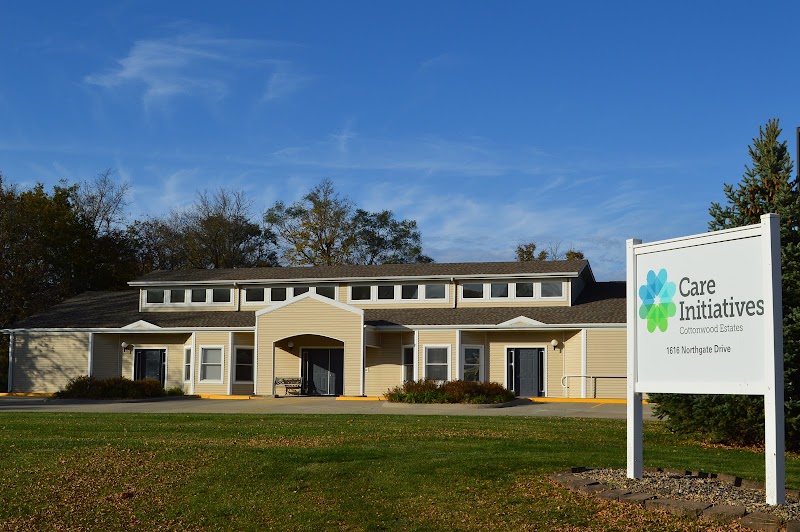
How is Corning Specialty Care Staffed?
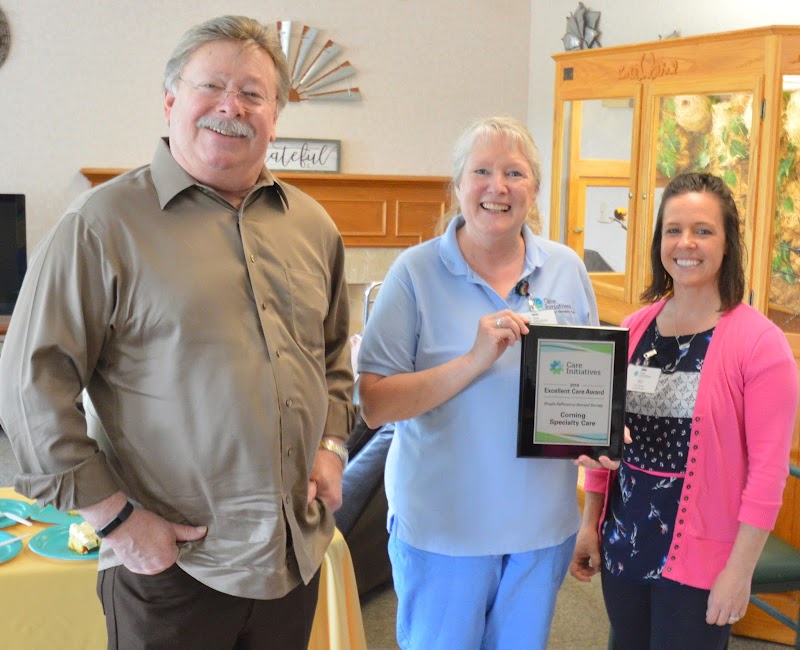
CMS rates Corning Specialty Care's staffing level at 3 out of 5 stars, which is average compared to other nursing homes. Staff turnover is 42%, compared to the Iowa average of 46%. This relatively stable workforce can support continuity of care.

What Have Inspectors Found at Corning Specialty Care?

State health inspectors documented 18 deficiencies at Corning Specialty Care during 2022 to 2025. These included: 18 with potential for harm.

Who Owns and Operates Corning Specialty Care?

Corning Specialty Care is owned by a for-profit company. For-profit facilities operate as businesses with obligations to shareholders or private owners. The facility is operated by CARE INITIATIVES, a chain that manages multiple nursing homes. With 40 certified beds and approximately 24 residents (about 60% occupancy), it is a smaller facility located in Corning, Iowa.

How Does Corning Specialty Care Compare to Other Iowa Nursing Homes?

Compared to the 100 nursing homes in Iowa, Corning Specialty Care's overall rating (2 stars) is below the state average of 3.0, staff turnover (42%) is near the state average of 46%, and health inspection rating (2 stars) is below the national benchmark.

What Should Families Ask When Visiting Corning Specialty Care?

Based on this facility's data, families visiting should ask: "Can I visit during a mealtime to observe dining assistance and food quality?" "How do you handle medical emergencies, and what is your hospital transfer rate?" "Can I speak with family members of current residents about their experience?"

Is Corning Specialty Care Safe?

Based on CMS inspection data, Corning Specialty Care has a clean safety record: no substantiated abuse findings (meaning no confirmed cases of resident harm), no Immediate Jeopardy citations (the most serious violation level indicating risk of serious injury or death), and is not on the Special Focus Facility watch list (a federal program monitoring the lowest-performing 1% of nursing homes). The facility has a 2-star overall rating and ranks #100 of 100 nursing homes in Iowa. While no facility is perfect, families should still ask about staff-to-resident ratios and recent inspection results during their visit.

Do Nurses at Corning Specialty Care Stick Around?

Corning Specialty Care has a staff turnover rate of 42%, which is about average for Iowa nursing homes (state average: 46%). Moderate turnover is common in nursing homes, but families should still ask about staff tenure and how the facility maintains care continuity when employees leave.

Was Corning Specialty Care Ever Fined?

Corning Specialty Care has no federal fines on record. CMS issues fines when nursing homes fail to meet care standards or don't correct problems found during inspections. The absence of fines suggests the facility has either maintained compliance or corrected any issues before penalties were assessed. This is a positive indicator, though families should still review recent inspection reports for the full picture.

Is Corning Specialty Care on Any Federal Watch List?

Corning Specialty Care is not on any federal watch list. The most significant is the Special Focus Facility (SFF) program, which identifies the bottom 1% of nursing homes nationally based on persistent, serious quality problems. Not being on this list means the facility has avoided the pattern of deficiencies that triggers enhanced federal oversight. This is a positive indicator, though families should still review the facility's inspection history directly.