Correctionville Specialty Care
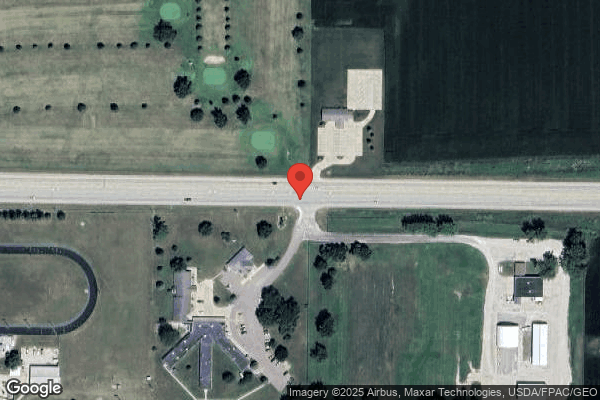

1116 East Highway 20, Correctionville, IA 51016 (712) 372-4466
Non profit - Corporation 39 Beds CARE INITIATIVES Data: November 2025 6 Immediate Jeopardy citations
Trust Grade
0/100
#338 of 392 in IA
Last Inspection: January 2025

Within standard 12-15 month inspection cycle. Federal law requires annual inspections.

Overview

Correctionville Specialty Care has received a Trust Grade of F, indicating poor performance and significant concerns regarding resident care. It ranks #338 out of 392 in Iowa, placing it in the bottom half of facilities in the state, and #6 out of 9 in Woodbury County, meaning only three local options are worse. The facility's trend is worsening, with issues increasing from 1 in 2024 to 7 in 2025, highlighting a troubling pattern. Staffing is below average with a rating of 2 out of 5 stars and a high turnover rate of 68%, which is concerning compared to the state average of 44%. The facility has faced substantial fines totaling $92,267, higher than 96% of Iowa facilities, indicating repeated compliance problems. Despite having average RN coverage, there have been critical failures in resident safety. For instance, the facility did not report allegations of abuse within the required time frame, which could place residents at risk. Additionally, a male CNA was accused of forcing a resident to perform sexual acts and exploiting her financially, with the facility failing to act promptly to prevent him from interacting with other residents. While there are some strengths, such as average quality measures, the overall situation presents serious concerns for families considering this nursing home for their loved ones.

Trust Score
F
0/100
In Iowa
#338/392
Bottom 14%
Safety Record
High Risk
Review needed
Inspections
Getting Worse
1 → 7 violations
Staff Stability
⚠ Watch
68% turnover. Above average. Higher turnover means staff may not know residents' routines.
Penalties
✓ Good
$92,267 in fines. Lower than most Iowa facilities. Relatively clean record.
Skilled Nurses
○ Average
Each resident gets 31 minutes of Registered Nurse (RN) attention daily — about average for Iowa. RNs are the most trained staff who monitor for health changes.
Violations
⚠ Watch
71 deficiencies on record. Higher than average. Multiple issues found across inspections.
★☆☆☆☆
1.0
Overall Rating
★★☆☆☆
2.0
Staff Levels
★★★☆☆
3.0
Care Quality
★☆☆☆☆
1.0
Inspection Score
Stable
2024: 1 issues
2025: 7 issues

The Good

  • Full Sprinkler Coverage · Fire safety systems throughout facility
  • No fines on record

Facility shows strength in fire safety.

The Bad

1-Star Overall Rating

Below Iowa average (3.0)

Significant quality concerns identified by CMS

Staff Turnover: 68%

22pts above Iowa avg (46%)

Frequent staff changes - ask about care continuity

Federal Fines: $92,267

Well above median ($33,413)

Moderate penalties - review what triggered them

Chain: CARE INITIATIVES

Part of a multi-facility chain

Ask about local staffing decisions and management

Staff turnover is elevated (68%)

20 points above Iowa average of 48%

The Ugly 71 deficiencies on record

6 life-threatening 6 actual harm
Feb 2025 4 deficiencies
CONCERN (D) 📢 Someone Reported This

A family member, employee, or ombudsman was alarmed enough to file a formal complaint

Potential for Harm - no one hurt, but risky conditions existed

ADL Care (Tag F0677)

Could have caused harm · This affected 1 resident

**NOTE- TERMS IN BRACKETS HAVE BEEN EDITED TO PROTECT CONFIDENTIALITY** Based on clinical record review, resident interview, staff interview and facility policy review the facility failed to provide b...

Read full inspector narrative →
**NOTE- TERMS IN BRACKETS HAVE BEEN EDITED TO PROTECT CONFIDENTIALITY** Based on clinical record review, resident interview, staff interview and facility policy review the facility failed to provide bathing assistance as scheduled for 3 of 4 residents reviewed for bathing (Resident #2, #6 and #9). The facility reported a census of 32 residents. Findings include: 1. The Minimum Data Set (MDS) assessment dated [DATE] for Resident #2 documented a new admission to the facility from the hospital. The Medical Diagnosis report for Resident #2 showed a diagnoses of Diabetes Mellitus, diabetic ulcer and pain in the lower leg. The Care Plan with an initiated date of 2/19/25 for Resident #2 showed the resident required assistance from one person for bathing. In an interview on 2/24/25 at 4:33 PM, Resident #2 reported he doesn't want to get anyone in trouble but hasn't been offered a bath since admission on [DATE]. When asked if he refused a bath Resident #2 stated, I was never offered one, so I couldn't refuse one. The Documentation Survey Report dated February 2025 showed the resident scheduled for baths on Mondays and Thursdays. The report also showed staff documented a bath not applicable on Thursday, February 20th and Monday, February 24th. 2. The MDS assessment dated [DATE] for Resident #6 documented diagnoses of difficulty walking and muscle wasting. The MDS showed the Brief Interview for Mental Status (BIMS) score of 15, which indicated no cognitive impairment. The MDS also revealed Resident #6 dependent for bathing. The Care Plan with an initiated date of 10/24/23 for Resident #6 showed the resident required assistance of one person for bathing. In an interview on 2/25/25 at 9:28 AM, Resident #6 reported a bath is scheduled once a week but isn't offered once a week. When asked if she refused baths Resident #6 stated, sometimes. When asked if she refused a bath in the last few weeks, Resident #6 stated no. The Documentation Survey Report v2 for Resident #6 revealed the resident to shower every Wednesday. The report also showed staff documented Resident #6 refused a bath two consecutive Wednesdays, February 11th and 19th. 3. The MDS assessment dated [DATE] for Resident #9 documented an admission to the facility from the hospital. The Medical Diagnosis report for Resident #9 showed a diagnoses of legal blindness, muscle weakness, impingement syndrome of the right shoulder. The Brief Interview for Mental Status Evaluation for Resident #9 showed a score of 15, which indicated no cognitive impairment. The Care Plan with an initiated date of 2/13/25 for Resident #9 showed the resident required partial assistance of one person for bathing. In an interview on 2/25/25 at 9:47 AM, Resident #9 reported he hasn't been offered a bath since a week from last Sunday (February 16th). When asked if he refused baths when offered by staff, the resident replied no. Review of report titled Documentation Survey Report v2 for Resident #9 baths are to be completed on bath days as needed. No bath documented since February 16th. In an interview on 2/19/25 at 11:30 AM, Staff B, Certified Nursing Assistant (CNA) stated, we are short staffed. That's the reason why baths aren't being done. We do other grooming at the same time like nails, so that doesn't get done either. With all the new residents it has been impossible. A lot of them are Hoyer machines which need two staff to do. Look at Resident #6's bath documentation. I know she isn't getting baths. In an interview on 2/20/25 at 2:38 PM, when asked if residents received scheduled baths Staff C, CNA replied no. Just because we are short staffed because there are only two of us on the floor, plus the new residents need two people at a time. We at least try to give them a bed bath so they get something. In an interview on 2/24/25 at 9:20 AM, Staff D, CNA stated some residents lately haven't gotten baths done due to being short on staff and with new residents. In an interview on 2/24/25 at 9:58 AM, when asked if residents received scheduled baths, Staff E, CNA stated we used to have time to give baths before we got all these new residents and had things under control. We had a bath aide scheduled and everyone got baths. Now the bath aide is pulled to the floor. Tomorrow there is a bath aide scheduled, it's me but they will need me to help them on the floor. A lot of the new residents are two assist. The night shift only has two CNA's scheduled. If residents don't get a bath I documented they refused their bath. When asked why a refusal is documented when the resident didn't refuse, the CNA replied, the prior Director of Nursing (DON) told us to document that the resident refused if they didn't get a bath. In an interview on 2/24/25 at 11:23 AM, Staff F, Registered Nurse (RN) stated the residents are not getting baths. There just isn't the staff. They try to schedule the bath aide. The bath aides have been pulled to the floor. When asked how baths are documented when staff didn't have time, Staff F replied some of the CNA's told me the old DON told them to document that residents refused baths instead of not getting a bath. In an interview on 2/24/25 at 1:03 PM, Staff G, RN stated baths are not getting done. Staff mark as refused even if they don't have time to give baths. The Bath Shower/Tub policy last revised February 2018 identified staff need to notify the supervisor if the resident refuses a bath and to document the reason why and intervention. In an interview on 2/24/25 at 1:16 PM, when asked about bath documentation discrepancies Staff H, RN reported staff have the option to document the bath wasn't applicable, or the resident refused. Staff H explained there isn't an option that accurately reflected staff did not complete the bath. Staff H reported she would talk to Informatics about adding another option. Staff H also reported the bathing schedule wasn't entered into the electronic chart accurately for residents which failed to prompt staff to document. Staff H planned to correct the bathing schedules in the electronic charts. Staff H reported paper documentation showed baths are completed as scheduled. In an interview on 2/24/25 at 2:05 PM, when asked about the paper bathing documentation that failed to match the electronic chart bathing documentation the Administrator stated, if staff don't have time to give baths we need to know so we can fix it. Staff shouldn't be documenting baths are being done when they're not.
CONCERN (D) 📢 Someone Reported This

A family member, employee, or ombudsman was alarmed enough to file a formal complaint

Potential for Harm - no one hurt, but risky conditions existed

Quality of Care (Tag F0684)

Could have caused harm · This affected 1 resident

**NOTE- TERMS IN BRACKETS HAVE BEEN EDITED TO PROTECT CONFIDENTIALITY** Based on clinical record review, staff interviews, and policy review the facility failed to complete assessments for the necessa...

Read full inspector narrative →
**NOTE- TERMS IN BRACKETS HAVE BEEN EDITED TO PROTECT CONFIDENTIALITY** Based on clinical record review, staff interviews, and policy review the facility failed to complete assessments for the necessary care and services to maintain the residents' highest practical physical well- being. Clinical record review revealed the nursing staff failed to perform neurological assessments for 1 out 3 residents reviewed for falls (Resident#1). The facility reported a census of 32 residents. Findings included: 1. The Minimum Data Set (MDS) assessment dated [DATE] for Resident #1 documented diagnoses of polyneuropathy, muscle weakness and repeated falls. The MDS showed the BIMS score of 9, which indicated moderate cognitive impairment. The Progress Notes for Resident #1 revealed the resident had unwitnessed falls on the following dates: a. 2/17/25 b. 2/18/25 c. 2/19/25 The neurological assessments for Resident #1 revealed the facility failed to complete and/or properly complete neurological assessments on the following dates: a. 2/17/25 b. 2/19/25 c. 2/20/25 The neurological assessment policy last revised on March 18th, 2021 revealed after fall neurological assessments per the following schedule: a. Initial assessment b. Every 15 minutes x4 c. Every 30 minutes x2 d. Every hour x2 e. Every 8 hours x9 In an interview on 2/24/25 at 8:46 AM, Staff A, Registered Nurse (RN) when asked if nurses had time to complete necessary care to residents. Staff A stated, we have had a lot of new admits lately, it's hard for staff to get things done. In an interview on 2/25/25 at 10:21 AM, the Administrator reported that she expected staff to complete neurological assessments per policy after an unwitnessed fall. The Administrator reported the facility received eight new admits in three weeks and staff needed time to adjust to the additional workload. The Administrator reported she planned to hire a nurse to work weekdays to provide additional assistance to the whole team.
CONCERN (D) 📢 Someone Reported This

A family member, employee, or ombudsman was alarmed enough to file a formal complaint

Potential for Harm - no one hurt, but risky conditions existed

Accident Prevention (Tag F0689)

Could have caused harm · This affected 1 resident

Based on observation, clinical record review, resident, family and staff family interviews, the facility failed to provide an environment that is free from accidents and hazards for 2 of 2 residents r...

Read full inspector narrative →
Based on observation, clinical record review, resident, family and staff family interviews, the facility failed to provide an environment that is free from accidents and hazards for 2 of 2 residents reviewed (Resident #1 and #10). The facility reported a census of 32 residents. Findings include: In an interview on 2/20/25 at 2:38 PM, Staff C Certified Nursing Assistant (CNA) stated Resident #10 kept pulling on TV wires thinking it was the call light and almost pulled the TV off the wall, Resident #10 was directly below the TV. In an interview on 2/20/25 at 3:52 PM, Resident #1's family stated, the TV cords were close to the call lights. Mom kept pulling on the TV cords. She thought it was the call light. The TV is over the bed. We were afraid she was going to pull down the TV. Observations on 2/24/25 at 1:50 PM showed Resident #1's TV cords hanging down from the TV and inches from the call light string. The TV hung over the resident's bed. Observations on 2/24/25 at 1:55 PM showed Resident #10's TV cords hanging down from the TV and inches from the call light string. The TV hung over the resident's bed. The Homelike Environment policy provided by the facility and last revised February 2021 failed to address environmental hazards. In an interview on 2/24/25 at 2:22 PM, the Administrator observed rooms with TV cords hanging close to the call light. When asked if the Administrator felt this could potentially be a hazard she replied I could see that. I ' ll have maintenance work on it. It shouldn't take him long to come up with something.
CONCERN (D) 📢 Someone Reported This

A family member, employee, or ombudsman was alarmed enough to file a formal complaint

Potential for Harm - no one hurt, but risky conditions existed

Deficiency F0725 (Tag F0725)

Could have caused harm · This affected 1 resident

**NOTE- TERMS IN BRACKETS HAVE BEEN EDITED TO PROTECT CONFIDENTIALITY** Based on facility record review and resident and staff interviews, the facility staff did not consistently answer call lights wi...

Read full inspector narrative →
**NOTE- TERMS IN BRACKETS HAVE BEEN EDITED TO PROTECT CONFIDENTIALITY** Based on facility record review and resident and staff interviews, the facility staff did not consistently answer call lights within a reasonable amount of time. Residents reported having to wait over 15 minutes for call lights to be answered for 3 of 3 residents reviewed (Resident #6, #7 and #9). The facility reported a census of 32 residents. Findings include: 1. The Minimum Data Set (MDS) assessment tool with the assessment reference date of 1/30/25 for Resident #6 documented a Brief Interview for Mental Status (BIMS) score of 15 which indicated the resident had intact cognition. The MDS indicated Resident #6 dependent for transfers, toileting and bathing. The MDS identified a diagnoses of difficult walking and muscle wasting. The Care Plan identified Resident #6 required a mechanical stand for transfers. In an interview on 2/25/25 at 9:28 AM, Resident #6 reported she waited over 15 minutes for call lights 1-4 times a day. Resident #6 reported she used a mechanical device for assistance with transfers and felt this sometimes caused delays in assistance. 2. The MDS assessment dated [DATE] for Resident #7 showed the resident admitted to the facility from the hospital. The Brief Interview for Mental Status Evaluation for Resident #7 showed a score of 15, which indicated no cognitive impairment. The Medical Diagnosis report for Resident #7 showed a diagnoses of pressure ulcer, spina bifida and weakness. The Care Plan for Resident #7 showed the resident required partial assistance for bed mobility, moderate assistance for upper body dressing and dependent for lower body dressing. In an interview on 2/25/25 at 9:05 AM, when asked if she had to wait for longer than 15 minutes for call lights, Resident #7 stated yes we wait over an hour most nights before 10 PM. Resident #7 reported she needed assistance to get ready for bed and unable to sleep until staff arrived to assist the bedtime cares. 3. The MDS assessment dated [DATE] for Resident #9 documented an admission to the facility from the hospital. The Medical Diagnosis report for Resident #9 showed a diagnoses of legal blindness, muscle weakness, impingement syndrome of the right shoulder. The Brief Interview for Mental Status Evaluation for Resident #9 showed a score of 15, which indicated no cognitive impairment. The Care Plan with an initiated date of 2/13/25 for Resident #9 showed the resident required partial assistance of one person for bathing, transfers, dressing and hygiene. In an interview on 2/25/25 at 9:47 AM, Resident #9 stated staff took over 15 minutes to answer call lights 2-3 times every evening. When asked how a delayed call light response impacted the resident he replied I get frustrated. In an interview on 2/20/25 at 2:38 PM, when asked if residents received scheduled baths Staff C, CNA replied no. Just because we are short staffed because there are only two of us on the floor, plus the new residents need two people at a time. We at least try to give them a bed bath so they get something.When asked if call lights could be answered within 15 minutes Staff C stated, it's the same thing only two of us on the floor with new residents. In an interview on 2/24/25 at 8:46 AM, Staff A, Registered Nurse (RN) reported it took over 15 minutes to answer call lights for almost all residents every night because there wasn't enough help. When asked if nurses had time to complete necessary care to residents. Staff A stated, we have had a lot of new admits lately, it's hard for staff to get things done. In an interview on 2/24/25 at 1:03 PM, Staff G, RN stated staff can't get call lights answered within 15 minutes with the new admits, more so on the evening shift. They just need more help. The Answering the Call Light policy last revised March 2021 failed to identify a time frame in which staff are required to respond to a call light. In an interview on 2/24/25 at 2:05 PM, when asked for a timeframe in which staff are to respond to a call light the Administrator replied, within 15 minutes.
Jan 2025 3 deficiencies
CONCERN (D)

Potential for Harm - no one hurt, but risky conditions existed

Infection Control (Tag F0880)

Could have caused harm · This affected 1 resident

Based on observation, infection control policy, clinical record review and staff interview, the facility failed to conduct blood sugar tests in a manner that protected the resident from blood borne pa...

Read full inspector narrative →
Based on observation, infection control policy, clinical record review and staff interview, the facility failed to conduct blood sugar tests in a manner that protected the resident from blood borne pathogens for 2 out of 2 residents reviewed (Resident #3 and #15). The facility reported a census of 27 residents. Findings included: 1. Observation on 1/14/25 at 11:32 AM Staff A, Licensed Practical Nurse (LPN), entered Resident #15 ' s room with a bag of supplies for a blood sugar test. Staff A placed testing supplies directly on Resident #15 ' s bedside table. Staff A failed to place a barrier between the surface of the bedside table and testing supplies. Staff A placed the blood testing strip into the glucometer. Staff A applied gloves, cleansed the resident's finger with an alcohol swab, allowed the solution to dry, then lanceted the resident ' s finger. Staff A collected a sample of blood using a testing strip. Staff A placed the glucometer back on the resident's table without a barrier. After the glucometer measured the blood sugar results Staff A removed the blood sugar strip from the glucometer then discarded the testing strip and gloves. Staff A failed to perform hand hygiene. Staff A then collected the blood sugar testing supplies and placed the supplies back into the bag. Staff A failed to sanitize the glucometer. Staff A collected the bag and exited the room. Staff A completed hand hygiene in the hall. 2. Observation on 1/14/25 at 11:45 AM Staff A, Licensed Practical Nurse (LPN), entered used a wheelchair to transfer Resident #3 from the dining room to the nurses station. Staff A placed blood sugar testing supplies directly on the countertop of the nurses station. Staff A failed to place a barrier between the surface of the countertop and testing supplies. Staff A placed the blood testing strip into the glucometer. Staff A applied gloves, cleansed the resident's finger with an alcohol swab, allowed the solution to dry, then lanceted the resident ' s finger. Staff A collected a sample of blood using a testing strip. Staff A placed the glucometer back on the countertop without a barrier. After the glucometer measured the blood sugar results Staff A removed the blood sugar strip from the glucometer then discarded the testing strip and gloves. Staff A failed to perform hand hygiene. Staff A then collected the blood sugar testing supplies and placed the supplies back into the bag. Staff A failed to sanitize the glucometer. The Obtaining a Fingerstick Glucose Level policy dated October 2011 identified to clean reusable equipment per the manufacturer instructions and current infection control standards of practice. The policy also instructed staff to wash hands after removing gloves. In an interview on 1/15/25 at 8:23 AM, the Director of Nursing, (DON) reported when a blood sugar is tested, staff are to place a protective barrier between the testing supplies and the surface being used. The DON reported staff should immediately perform hand hygiene after gloves are removed.
CONCERN (E)

Potential for Harm - no one hurt, but risky conditions existed

Deficiency F0657 (Tag F0657)

Could have caused harm · This affected multiple residents

**NOTE- TERMS IN BRACKETS HAVE BEEN EDITED TO PROTECT CONFIDENTIALITY** Based on observations, interview, and record review, the facility failed to review and revise care plans for four out of four re...

Read full inspector narrative →
**NOTE- TERMS IN BRACKETS HAVE BEEN EDITED TO PROTECT CONFIDENTIALITY** Based on observations, interview, and record review, the facility failed to review and revise care plans for four out of four residents reviewed (Residents #3, #11, #21 and #26). Specifically, the facility failed to identify the targeted behaviors for residents that received anti-psychotic, antidepressant and psychotic medications.The facility reported a census of 27 residents. Findings include: 1. The MDS assessment dated [DATE] for Resident #3 documented diagnoses of anxiety disorder, depression, dementia.The MDS showed a BIMS score of 15, which indicated no cognitive impairment. Review of the MDS dated [DATE] revealed Resident #3 is taking antipsychotic medications, and antidepressant medications in the review period. The Clinical Orders and Medication Administration Record for January 2024 for Resident #3 showed: a. Duloxatine started on 1/6/23 for anxiety b. Aripiprazole started on 7/19/23 for major depression. The care plan for Resident #3 failed to include the behaviors resident displayed, non-pharmacological interventions when behaviors were displayed or what targeted behaviors staff were to monitor for. 2. The MDS assessment dated [DATE] for Resident #26 documented diagnoses of anxiety disorder and depression. The MDS showed a BIMS score of 15, which indicated no cognitive impairment. Review of the MDS dated [DATE] revealed Resident #26 is taking antipsychotic medications and antidepressant medications in the review period. The Clinical Orders and Medication Administration Record for January 2024 for Resident #26 showed: a. Mirtazapine started on 10/29/24 for depression b. Seroquel started on 11/13/24 for depression. The care plan for Resident #26 failed to include the behaviors resident displayed, non-pharmacological interventions when behaviors were displayed or what targeted behaviors staff were to monitor for. 3. The MDS assessment dated [DATE] for Resident #3 documented diagnoses of Bipolar Disease, Schizophrenia and depression.The MDS showed a BIMS score of 15 indicating no cognitive impairment. Review of the MDS dated [DATE] revealed Resident #3 is taking antipsychotic medications, antianxiety and antidepressant medications in the review period. Review of the Order Review History Report signed 1/11/25 revealed the following orders: a. Bupsirone tablet with a start date of 3/20/24 b. Clozapine tablet with a start date of 3/20/24 c. Divalproex tablet with a start date of 3/20/24 d. Venlafaxine tablet with a start date of 3/20/24 e. Quetiapine tablet with a start date of 9/16/24 f. Rexulti tablet with a start date of 12/20/24 Review of the January Medication Administration Record (MAR) revealed the following orders: a. Bupsirone tablet b. Clozapine tablet c. Divalproex tablet d. Venlafaxine tablet e. Quetiapine tablet f. Rexulti tablet The care plan did not include the behaviors resident displayed, non-pharmacological interventions when behaviors were displayed or what targeted behaviors staff were to monitor for. 4. The MDS assessment dated [DATE] for Resident #21 documented diagnoses of non-Alzheimer ' s dementia and delirium.The MDS showed a BIMS score of 03 indicating severe cognitive impairment. Review of the MDS dated [DATE] revealed Resident #21 is taking antipsychotic medications and antidepressant medications in the review period. Review of the Order Review History Report signed 1/11/25 revealed the following orders: a. Escitalopram tablet with a start date of 10/3/23 b. Quetiapine fumarate tablet with a start date of 8/16/24 c. Trazodone tablet with a start date of 1/3/25 Review of the January Medication Administration Record (MAR) revealed the following orders: a. Escitalopram tablet b. Quetiapine fumarate tablet c. Trazodone tablet The care plan did not include the behaviors resident displayed, non-pharmacological interventions when behaviors were displayed or what targeted behaviors staff were to monitor for. Review of facility provided policy titled Using the Care Plan revised August 2006 revealed the care plan shall be used in developing the resident ' s daily care routines and will be available to staff personnel who have the responsibility for providing care or services to the resident and documentation must be consistent with the resident ' s care plan. Interview on 01/15/25 at 9:35 a.m., with the Director of Nursing revealed she was not aware the targeted behaviors needed to be on the care plan. The targeted behaviors are listed for the nurse to monitor and she would add them to the care plan.
CONCERN (E)

Potential for Harm - no one hurt, but risky conditions existed

Staffing Data (Tag F0851)

Could have caused harm · This affected multiple residents

Based on the Center for Medicare and Medicaid Services (CMS) Payroll Based Journal (PBJ) Staffing Data Report (July 1 - September 30) review, facility staffing reports review, and staff interviews, th...

Read full inspector narrative →
Based on the Center for Medicare and Medicaid Services (CMS) Payroll Based Journal (PBJ) Staffing Data Report (July 1 - September 30) review, facility staffing reports review, and staff interviews, the facility failed to submit accurate staff reports for the PBJ Staffing Data Report. The facility reported a census of 27 residents. Findings include: The PBJ Staffing Data Report with a run date 1/8/25 triggered for Excessively Low Weekend Staffing and One Star Staffing Rating. Review of Facility Daily Assignment Sheets revealed staffing for nurses and certified nursing assistants (CNAs) scheduled an extra CNA on weekdays to complete baths, and the Director of Nursing worked extra shifts on the nights and weekends. The Reporting Direct-Care Staffing Information (Payroll-Based Journal) policy October 2017 identifed staffing and census information will be reported electronically to CMS through the Payroll-Based Journal system in compliance with 6106 of the Affordable Care Act. Policy Interpretation and Implementation: 1. Beginning with the fiscal quarter of 2016 (beginning July 1, 2016), direct-care staffing and census information will be reported electronically to CMS through the Payroll-Based Journal (PBJ) system. 2. Direct-care staffing information includes staff hired directly by the facility, those hired through an agency, and contract employees. 3. Providers who are employed by the facility (including physicians) are included in direct-care staffing information; providers who bill Medicare directly are not included. 4. For auditing purposes, reported staffing information is based on payroll records, or other verifiable information. 5. Information may be uploaded to the PBJ system manually, or through a payroll time and attendance system, or a combination of both. 6. The PBJ system is accessed through the QIES at https://www.qtso.com/. 7. Manual entries are made only by designated personnel with training on the PBJ user interface. 8. Technical specifications for uploading data directly from a payroll or time and attendance system will be accessed through: https://www.cms.gov/Medicare/Quality-Initiatives-Patient-Assessment- Instruments/NursingHomeQualityInits/Staffing-Data-Submission-PBJ.html. 9. Staffing information is collected daily and reported for each fiscal quarter no later than 45 days after the end of the reporting quarter. 10. Staffing data includes the number of hours worked each day by each staff member. 11. Census data is reported each fiscal quarter and includes resident census on the last day of each month of the quarter. In an interview on 1/12/25 at 1:42 PM, the Administrator and DON reported the DON worked sufficient nights and weekends and failed to report worked hours. Also, an employee from the attached assisted living facility also worked hours that were not included in the reported hours to CMS.
Jan 2024 1 deficiency
CONCERN (D) 📢 Someone Reported This

A family member, employee, or ombudsman was alarmed enough to file a formal complaint

Potential for Harm - no one hurt, but risky conditions existed

Dental Services (Tag F0791)

Could have caused harm · This affected 1 resident

**NOTE- TERMS IN BRACKETS HAVE BEEN EDITED TO PROTECT CONFIDENTIALITY** Based on clinical record, facility policy, resident, and staff interview, the facility failed to follow dentist referral to obta...

Read full inspector narrative →
**NOTE- TERMS IN BRACKETS HAVE BEEN EDITED TO PROTECT CONFIDENTIALITY** Based on clinical record, facility policy, resident, and staff interview, the facility failed to follow dentist referral to obtain specialty dental services for 1 of 3 residents reviewed (Resident #93). The facility reported a census of 24 residents. Findings include: The Minimum Data Set (MDS) dated [DATE] for Resident #93 revealed a Brief Interview of Mental Status (BIMS) score of 15 which indicated intact cognition. The MDS assessed the resident as having the following diagnoses: heart failure (may result in fluid buildup within the body creating difficulty in breathing) and asthma (COPD, chronic obstructive pulmonary disease) or chronic lung disease (may result in difficulty breathing). The resident required oxygen therapy and used a walker for assistance in walking. The resident's MDS dated [DATE] revealed she required the limited assistance of 1 person for personal hygiene which includes brushing her teeth. The MDS dated [DATE] revealed the resident obvious or likely cavity or broken natural teeth. The Care Plan focus area revised by the Director of Nursing (DON) on 10/30/23 revealed in pertinent part: My teeth are in poor condition causing me to have tooth pain from time to time. The Dental Visit Notes from visits held in the facility revealed in pertinent part: 1. Visit dated 8/18/23 revealed the patient stated her teeth have not done well, she still had some cold sensitivity from time to time. The Dr. (doctor) found one tooth broken and may be giving her pain #31. The Dr. referred her to oral surgery to have the tooth pulled, as the Dr. couldn't take the tooth out at the facility. 2. Visit dated 10/30/23 revealed patient stated that she is still having pain on her lower right. The DDS (Doctor of Dental Surgery) and RDH (Registered Dental Hygienist) made a referral on 8/18/23 to have the tooth extracted. Please have this completed to relieve the patient of pain. If the patient requires a referral again, please reach out to the office and they will resend one. Progress Notes or other areas of the Clinical Record lacked documentation that the facility assisted the resident with her referral to oral surgery. The Dental Services Policy revised December 2016 revealed in pertinent part: 1. Routine and emergency dental services are available to meet the resident's oral health services in accordance with the resident's assessment and plan of care. 2. Social services representatives will assist residents with appointments, transportation arrangements, and for reimbursement of dental services under the state plan, if eligible. In an interview on 1/3/24 at 12:15 PM, the resident pointed to her lower right jaw and reported that her tooth broke. She reported the dentist told her, that she needed it pulled but she didn't know when. In an interview on 1/3/24 at 12:30 PM, the DON she doesn't know anything about the issue with the resident's tooth because she wasn't working at the facility in October 2023. In an interview on 1/3/24 at 3:20 PM, Staff A, Clinical Support Manager, for the dental provider reported that they sent a referral to the facility on 8/21/23 with a list of dental practices that accept the resident's insurance. The dental provider offered the facility that they could contact them for another referral if needed with no contact on record at the dental provider's office. In an interview on 1/4/24 at 8:30 AM, the Regional Nurse Consultant (RNC) reported that the facility never received the referral in August 2023. The dental provider emailed it to a staff member who no longer worked at the facility. The email returned to the dental provider the same day. The dental provider never contacted the facility to ask for a different email address to send the referral. An electronic mail (email) from the dental provider on 1/4/24 at 8:52 AM revealed: 1. An activity log from 8/21/23 to 1/3/24 showed that the facility did not contact the dental provider. 2. An email sent to Staff B, Social Services (SS), on 8/21/23 informing her of the resident's need for a dental referral. An email on 1/4/24 at 9:02 AM from the Administrator confirmed that Staff B's email address used by the dental provider as the same email address on record at the facility. In an interview on 1/4/24 at 9:20 AM, Staff B reported the dental provider didn't include her email address until recently; but she did not know when it started. She reported she didn't know much about the resident's teeth because it's a clinical issue. She confirmed that her email address is the same as the one the Administrator has on record and the referral email sent by the dental provider on 8/21/23. In an interview on 1/4/24 at 10:30 AM, the RNC reported on the day before, the dental provider told her they didn't have a referral email on file from August 2023. She couldn't report who she spoke with at the dental provider's Office.
Nov 2023 7 deficiencies 4 IJ
CRITICAL (J) 📢 Someone Reported This

A family member, employee, or ombudsman was alarmed enough to file a formal complaint

Immediate Jeopardy (IJ) - the most serious Medicare violation

Free from Abuse/Neglect (Tag F0600)

Someone could have died · This affected 1 resident

**NOTE- TERMS IN BRACKETS HAVE BEEN EDITED TO PROTECT CONFIDENTIALITY** Based on clinical record review, law enforcement incident review, facility policy review, resident and staff interviews, the fac...

Read full inspector narrative →
**NOTE- TERMS IN BRACKETS HAVE BEEN EDITED TO PROTECT CONFIDENTIALITY** Based on clinical record review, law enforcement incident review, facility policy review, resident and staff interviews, the facility failed to keep residents safe from sexual abuse and financial exploitation for 1 of 3 residents (Resident #1). Resident #1 reported a male Certified Nurse Aide (CNA) forced her to perform sexual acts on him. In addition, that male CNA and another CNA transferred money from her account using an electronic money transferring service. Despite the allegation of sexual abuse from the male CNA to Resident #1, the facility failed to prevent him from working with other vulnerable residents in the corporation. Findings include: The State Agency informed the facility of the Immediate Jeopardy (IJ) that began as of 10/23/23 on 11/9/23 at 4:00 PM. The facility removed the IJ and decreased the scope to a D on 11/13/23 with the following actions: a. The facility provided the following education: i. Dependent adult abuse and sexual abuse including consensual vs. non-consensual education and the need to immediately report the allegation on 11/10/23. ii. Spotting Signs of Elder Abuse to include caretaker boundaries on 11/10/23. iii. The facility's expectations regarding purchasing personal items for residents on 11/10/23. iv. Discharge/transfer policy, highlighted resident-initiated discharge including meeting the needs of Resident #1 welfare on 11/10/23. v. Supervision of outdoor visits on 11/13/23. b. The facility interviewed residents on all the alert and oriented residents on 11/11/23. In addition, the facility audited the remaining residents for any non-verbal signs of abuse. c. The facility updated the Agency Orientation Checklist to include Abuse Protocol to highlight dependent adult abuse reporting policy and professional boundaries. Resident #1's Minimum Data Set (MDS) assessment dated [DATE] identified a Brief Interview for Mental Status (BIMS) score of 14, indicating intact cognition. The assessment reflected that Resident #1 did not have behaviors. Resident #1 required limited assistance from one person for transfers, dressing, toilet use, and personal hygiene. The MDS listed Resident #1 as frequently incontinent of urine and always continent of bowel. The MDS included diagnoses of disorder of the kidney, heart failure, hypertension (high blood pressure), diabetes mellitus, anxiety, depression, Post-Traumatic Stress Disorder (PTSD), and malignant neoplasm of upper lobe (lung cancer). The assessment indicated that Resident #1 almost always had pain. The Care Plan included the following Focuses dated 10/3/23: a. Resident #1 planned to rehab to home. The Goal listed that Resident #1 would transition back to the community. b. Activities of daily living (ADLs). The Interventions directed that Resident #1 could independently provide her own hygiene, toilet use, and transfers. c. Resident #1 is independent in the facility. The Interventions reflected that Resident #1 used a front wheel walker. The Discharge Summary note dated 10/25/23 at 12:00 PM, reflected that the facility discharged Resident #1 to a homeless shelter on 10/25/23. The Sheriff's Office Incident Report dated 11/1/23 at 6:22 PM, reflected that a Sheriff's Office Representative interviewed Resident #1 about allegations of sexual abuse. She said that during her time as a resident in the nursing home, Staff I, CNA, sexually abused her. She stated that while taking care of her, Staff I would touch and kiss her inappropriately on the back of the neck and on her feet. She said that 2-3 weeks prior to her discharge, she went outside the facility to have a cigarette and it had been raining. Staff I asked if she would like to have her cigarette in his car and she agreed. He wheeled her to the car and while in the vehicle, he forced her to perform oral sex on him. She described the vehicle as a small red car parked by the row of trees near the highway. On 11/14/23 at 2:15 PM, the Police Officer who interviewed Resident #1 on 11/1/23 described her as forthcoming but very embarrassed when she came in to the report abuse. He said that when she tried to describe what happened, she stumbled and had difficulty describing the sexual act. She mentioned being heavily medicated while at the facility and could not give consent. She told the officer that Staff I sent her a sexually explicit video of himself. On 11/6/23 at 2:13 PM, Resident #1 said that when she reported her abuse to a couple of staff members, somehow, they twisted the story around. Due to this she did not trust anyone at the facility any more. She said that the Administrator came into her room one day, yelling, and told her that she had to leave because the staff reported that she provided sexual favors for cigarettes. Resident #1 said that staff took her outside to have cigarettes, and she shared with a couple of them. Staff I sexually attacked her. She could not remember the date when Staff I took her to his car and made her perform oral sex on him. She said that he treated her nice and spent time with her. She thought that she may have gave him the wrong impression when she sent him texts. He then sent her a video of him pleasuring himself. When asked to share the sexually explicit video for the investigation, on 11/9/23 Resident #1 sent the video of a male masturbating. The phone revealed that Staff I sent it from his phone. In addition to the text transactions, Resident #1's phone included the transfer of money from her account to Staff I's Cash App on 10/16/23. On 11/15/23 at 2:20 PM, Resident #1 said that she took a lot of pain medications at the facility, that made her mind fuzzy, and she could not be clear on the actual date of the incident. She remembered that Staff I sent the sexually explicit video after the incident, but before the Cash App transfer because he told her about the video when he had her in the car (A screenshot of text messages between Staff I and Resident #1 confirmed that Staff I sent the explicit video on 10/12/23). Resident #1 said that initially, she felt very safe with Staff I. He spent time with her, took an interest in her, and they joked around a lot. Even though she could mostly do things independently, he would come into her room and help her with things. She said that he changed her bedding after being incontinent. This confused her, she did not understand why he would do that kind of thing, and then show an interest in her. One time he helped her with a nightgown that had a string on the back at the neckline. He tied the string and then kissed her on the neck without saying anything. This surprised and confused her about the interaction. Another time, as she put on her socks, Staff I was in the room. He offered to put one on, held her foot, stoked it and said you have beautiful feet, then kissed her foot. She felt surprised by this but no one said anything and he acted like it was no big deal. She said used a wheelchair on the night that Staff I took her to his car. He wheeled her down to the area with trees, in the dark and pouring down rain. He laughed and joked with her until they got into the car. Once inside, his mood changed, he pulled a bottle of Crown Royal (alcohol) out from under his car seat and told her that he started drinking it at the beginning of the day. She said that he then put on some loud, dirty music. She said that he shared with her that he made and recorded his own music. She reported the lyrics as violent. Due to the darkness, she did not see his penis outside his pants. With his right hand he grabbed the back of her neck, pulled her hair, and shoved her head into his lap. She said that while she had his penis in her mouth, she could see a bright light coming from his phone in his left hand. She knew that meant that he videotaped her. Resident #1 said that after the incident, she went directly to her room and did not talk to anyone. She remembered that Staff I did not work for several days after the incident. Then they never talked about the event. Resident #1's Clinical Physician's Orders reviewed on 11/14/23 at 10:14 AM included the following medications that could cause drowsiness: a. Dilaudid (opioid pain medication) 2 milligrams (mg) every 4 hours as needed for pain b. Lorazepam (antianxiety medication) 0.5 mg every 12 hours as needed c. Trazodone (antidepressant used for sleep) 100 mg at bedtime d. Morphine (opioid pain medication) sulfate 30 mg twice a day. A review of the weather history indicated that it rained with showers on 10/12/23 in the area. Timesheet records show that Staff I worked on 10/12/23 from 6:02 PM - 10:43 PM. Resident #1's text messages revealed that she sent Staff I a message at 9:57 PM on 10/12/23, then again at 10:58 PM in which she reminded him to send the video. He then sent the video, and on 10/13/23 at 7:42 PM he sent a message to her asking how are you?. She did not respond to that message until 10/15/23 at 8:16 PM and said that she was not feeling well. On the 16th at 5:24 PM she offered to Cash App some money to him if he would buy her some cigarettes. At 10:38 PM a transfer of $10.00 went from Resident #1's account to Staff I's account, with another $21.00 sent on 10/18/23 at 2:03 PM. Resident #1's Cash App included a transaction on 10/22/23, of $22.00 sent to Staff F's, CNA, account. On 11/16/23 at 8:56 AM Staff F admitted that she accepted money from Resident #1's Cash App to buy her some pop and chips. She said she knew it was not right. On 11/8/23 at 10:48 AM, Staff A, Dietary Aide (DA), said that on the evening of 10/23/23 while she waited outside the facility for a ride after her shift, she sat on the patio with Resident #1. At that time, Resident #1 told her that Staff I bought her cigarettes. He would take her phone and transfer money into his own Cash App. She told her that he took her to his car one night and forced her to perform oral sex. She said that they were drinking alcohol and she did not want anyone to know about it. Staff F, Nurse Aide (NA), then stopped over and entered the conversation when Resident #1 told them that she had a video, but her phone needed to charge, so she could not show them. She described Resident #1 as trembling when she told them the story. Staff A said Resident #1 reported being afraid of what he might do if he knew she told anyone. On 11/8/23 at 10:32 AM, Staff F said that on the evening of 10/23/23, while Resident #1 sat outside with Staff A, she approached them. Staff A looked at Resident #1 and asked can I tell her? Resident #1 shook her head yes and Staff A proceeded to tell her that Staff I sent her a video of himself masturbating. They agreed that they needed to report that to the Administrator. The next morning around 10:00 AM they both went in the next morning. On 11/8/23 at 2:18 PM, the Administrator said that on 10/24/23, a couple of staff members told her that there was a situation with Staff I buying cigarettes for Resident #1, and that he used a Cash App on his phone. The Administrator said that she had Staff I come into her office that morning. He showed her the Cash App receipt on his phone for $10.00, and she suspended him from the building. When asked about the allegations of sex, the Administrator said that she confronted Resident #1 about providing sexual favors for cigarettes, but she denied it. She said that Staff I denied any sexual activity with Resident #1. He acknowledged that he would take her out to smoke but denied anything sexual. The Administrator said that Resident #1 wrote a letter stating that it was false and denied everything. A hand-written note dated 10/24/23 at 8:52 AM, signed by Resident #1, indicated that the Administrator had confronted Resident #1 and accused her of providing sexual favors for cigarettes. Resident #1 reported being very upset by the allegations, and that she would never do anything so vile. She denied the allegations and the hand-written note lacked any reference to forced sexual acts. On 10/24/23, the Regional MDS Coordinator (RC) added the following to Resident #1's Care Plan; a. Staff caught Resident #1 outside in front of the building smoking. b. Resident #1 had a behavior problem that involved manipulating staff, and making up stories that did not happened. According to a Social Services Behavior History Evaluation dated 9/26/23 at 9:28 AM, Resident #1 did not make accusatory statements, described her as not worried, not anxious, not tearful, and did not have mood swings. The follow-up Behavioral History completed on 10/10/23 at 1:58 PM resulted with the same conclusion. On 11/13/23 at 8:47 AM the RC described her role as to oversee the MDS coordination for the facilities in the region. She said that she would be in the building about once a week but she would mainly spend her time with the MDS staff and leadership, resulting in her not being very familiar with the residents. She said that they talked about the residents in morning meetings. She acknowledged that she made the addition to Resident #1's Care Plan on 10/24/23. She explained it as a group effort to include that area of focus, based on Resident #1 sharing and using snacks to her advantage with staff. She said that Resident #1 told a story about how the hospital tied her down and she received the wound on her wrist from that, but she did not know about examples of any made-up stories while at the facility. When asked about allegations against Staff I, she said she did not know anything about that staff member, or allegations of abuse. She maintained that in their leadership meeting when she changed the care plan on 10/24/23, they did not talk about the abuse allegations On 11/13/23 at 9:00, Staff D, Registered Nurse (RN), said that when RC came to the morning leadership meeting that she attended on 10/24/23, they discussed Resident #1's abuse allegations about Staff I. On 11/6/23 at 1:33 PM, Staff J, NA, said that Resident #1 would spent most of her days in her room sleeping, then she came out in the evenings and nights. In the days leading up to her discharge, she started coming out more in the evenings and interacted with others. She would ask to go outside even after dark and/or cold out and sit on the bench on the porch. She could not go too far with her walker before getting fatigued. On 11/6/23 at 1:38 PM Staff K, CNA, said that Resident #1 only went out at night and would sit out there for long periods of time. She sat with Staff I for more than an hour. One-night Staff I came back inside after 11:00 PM and his shift ended at 10:00 PM. On 11/6/23 at 3:49 PM, Staff L, CNA, said that she witnessed Staff I spending time with Resident #1 outside on the patio. They would be out there for over an hour. On 11/8/23 at 11:55 AM, Staff M, CNA, said she only worked at the facility a couple of times and she would never go back. She said that the last day she worked at the facility, the Administrator yelled at Resident #1, giving her only 30 minutes to pack up her room and leave. She described Resident #1 as crying and shaking. She said that Resident #1 told her that Staff I raped her and he took a video of it. While Staff M helped Resident #1 pack her things on 10/25/23, the Administrator and her yelled at each other. Resident #1 appeared very upset. On 11/8/23 at 8:17 AM, Staff E, Registered Nurse (RN), said that she worked the overnight shifts. She described Resident #1 as good with the staff and the other residents. Resident #1 had food items delivered to the facility, she was kind, and would share her snacks. She would often see her out on the patio. Staff I would work until 10:00 PM and then spend time with Resident #1 outside. On 11/8/23 at 3:30 PM, Staff Q, CNA, said that she did not see any interactions between Resident #1 and Staff I. She did report that she saw the video of him masturbating. Staff Q said that she worked with him before. She described him as very invasive and would get into your bubble. She said that Resident #1 told her about Staff I forcing her head in his lap to perform oral sex and that he recorded it. On 11/9/23 at 8:50 AM, Staff I said that on 10/24/23, his schedule had him working a 6a-6p shift. At around 9:00 AM, the Administrator called him into her office. She asked him if he purchased cigarettes for a resident, he told her that he did and showed her the Cash App. He said the lady sent me money and I bought her cigarettes. The Administrator asked him if he ever took Resident #1 in his car to go purchase cigarettes and he told her that he did not. He said he chose to leave the facility on 10/24/23 because he would not feel comfortable working there anymore. He said that he went to a sister facility and finished up a shift that same day. He denied having any kind of relationship with Resident #1 and said that he would sit with her a little bit on the patio. He denied sending her any messages and said that he did not feel he did anything wrong with accepting her money for the purchase of cigarettes. Staff I went on to say that he worked in different states and did not have a problem with buying things for residents. Staff I said that he did not spend much time with Resident #1. When asked if he thought that she had the wrong impression about their relationship, Staff I asked what the questions were about and did not understand the reason for the interview. He maintained that the Administrator did not bring up or ask about any sexual interactions between him and Resident #1. Staff I then chuckled and said that he worked as an intelligence officer and learned to record things. He thought that he may have a recording of the interaction between himself and the Administrator. He said I am keeping my magnetism, I can overcome obstacles . I am a [NAME] worker. He said that the company begged him to work other shifts since 10/24/23. He mentioned three other facilities that he completed shifts after the 24th. He did not understand that if they thought he did something wrong, why they allowed him to continue to work for the company? He reported feeling upset and described the allegations as preposterous. On 11/9/23 at 5:40 PM, Staff C, CNA, said that Resident #1 went out at night and she knew when what time she could her pain pills. Resident #1 would go out and sit on the patio for hours, Staff C did not know what she did out there for so long, I got work to do. She said that Staff I would hang around outside long after his shift ended at 10:00 PM. Sometimes he slept in his red car overnight in the parking lot at the facility. She described Staff I as flirty with some staff members. On 11/14/23 at 9:00 AM the Regional Director of Nursing said that their leadership team had a rapid response phone call regarding the concern with Resident #1 on 10/24/23. She said that most of the conversation was related to the concern about money exchange from resident to staff. The conversation included very little discussion regarding sexual innuendos. She said that the Administrator conveyed to them that Staff I only made a motion that simulated masturbation. The meeting did not include anything about allegations of forced sexual activity. On 11/14/23 at 2:50 PM the Regional Manager said the rapid response team did not get all the information, or accurate information from the Administrator to determine the next steps. She said that had they known all the details, they would have made different decisions. A review of the personal file for Staff I included a Corrective Action Form dated 10/25/23. The form described the infraction on 10/23/23 as a resident reported that she transferred money to him on a mobile app to purchase cigarettes for her. He received a verbal warning not to take money for any reason from a resident. The verbal warning did not include any references to a sexual abuse allegation. According to an annual facility survey report dated 10/19/22, Staff I recorded a resident without her consent or knowledge. His personal file lacked a corrective action form or any indication that the facility addressed that incident with him. Staff I's timesheet showed that he continued to work with vulnerable elderly population in their facilities on 10/24/23 from 2:04 PM - 7:02 PM, 10/28/23 from 10:19 PM - 6:14 AM, and on 10/30/23 at 10:01 PM - 6:00 AM. According to the Dependent Adult Abuse policy dated November 2019 directed that all residents had the right to be free from abuse, neglect, misappropriation of resident property, and exploitation. This included prohibiting nursing staff from taking pictures that result in person degradation, including the taking or use of photographs or recording in any manner.
CRITICAL (J) 📢 Someone Reported This

A family member, employee, or ombudsman was alarmed enough to file a formal complaint

Immediate Jeopardy (IJ) - the most serious Medicare violation

Report Alleged Abuse (Tag F0609)

Someone could have died · This affected 1 resident

**NOTE- TERMS IN BRACKETS HAVE BEEN EDITED TO PROTECT CONFIDENTIALITY** Based on clinical record review, facility policy review, staff, and resident interviews, the facility failed to report allegatio...

Read full inspector narrative →
**NOTE- TERMS IN BRACKETS HAVE BEEN EDITED TO PROTECT CONFIDENTIALITY** Based on clinical record review, facility policy review, staff, and resident interviews, the facility failed to report allegations of abuse within 2 hours for 1 of 3 residents reviewed (Resident #1). Resident #1 reported to staff on 10/23/23 that a staff member sexually abused her, in addition to transferring money from her account to staff. The facility did not report the incident to the appropriate authorities until the evening of 10/24/23. Findings include: The State Agency informed the facility of the Immediate Jeopardy (IJ) that began as of 10/23/23 on 11/9/23 at 4:00 PM. The facility removed the IJ and decreased the scope to a D on 11/13/23 with the following actions: a. The facility provided the following education: i. Dependent adult abuse and sexual abuse including consensual vs. non-consensual education and the need to immediately report the allegation on 11/10/23. ii. Spotting Signs of Elder Abuse to include caretaker boundaries on 11/10/23. iii. The facility's expectations regarding purchasing personal items for residents on 11/10/23. iv. Discharge/transfer policy, highlighted resident-initiated discharge including meeting the needs of the resident welfare on 11/10/23. v. Supervision of outdoor visits on 11/13/23. b. The facility interviewed residents on all the alert and oriented residents on 11/11/23. In addition, the facility audited the remaining residents for any non-verbal signs of abuse. c. The facility updated the Agency Orientation Checklist to include Abuse Protocol to highlight dependent adult abuse reporting policy and professional boundaries. Resident #1's Minimum Data Set (MDS) assessment dated [DATE] identified a Brief Interview for Mental Status (BIMS) score of 14, indicating intact cognition. The assessment reflected that Resident #1 did not have behaviors. Resident #1 required limited assistance from one person for transfers, dressing, toilet use, and personal hygiene. The MDS listed Resident #1 as frequently incontinent of urine and always continent of bowel. The MDS included diagnoses of disorder of the kidney, heart failure, hypertension (high blood pressure), diabetes mellitus, anxiety, depression, Post-Traumatic Stress Disorder (PTSD), and malignant neoplasm of upper lobe (lung cancer). The assessment indicated that Resident #1 almost always had pain. The Care Plan included the following Focuses dated 10/3/23: a. Resident #1 planned to rehab to home. The Goal listed that Resident #1 would transition back to the community. b. Activities of daily living (ADLs). The Interventions directed that Resident #1 could independently provide her own hygiene, toilet use, and transfers. c. Resident #1 is independent in the facility. The Interventions reflected that Resident #1 used a front wheel walker. On 11/8/23 at 10:48 AM, Staff A, Dietary Aide (DA), said that on the evening of 10/23/23 while she waited outside of the facility for a ride after her shift and sat with Resident #1 on the patio. Resident #1 told her that Staff I, Certified Nurse Aide (CNA), bought her cigarettes, then he took her phone and transferred money into his own Cash App. After this, Resident #1 told Staff A that he took her to his car one night and forced her to perform oral sex on him. Resident #1 said that they were drinking alcohol and she did not want anyone to know about it. Staff F, Nurse Aide (NA), then stopped over and entered the conversation when Resident #1 told them that she had a video from Staff I, but she needed to charge her phone, so she could not show them. She said that Resident #1 trembled when she told them the story and expressed fear of what he might do if he knew she told anyone. On 11/8/23 at 10:32 AM, Staff F said that on the evening of 10/23, Resident #1 sat outside with Staff A and when she approached, Staff A looked at her and asked can I tell her? Resident #1 shook her head yes and Staff A proceeded to tell her that Staff I sent her a video of himself masturbating. They agreed that they needed to report this to the Administrator. The next morning at around 10:00 AM they both went in to talk to the Administrator. On 11/8/23 at 2:18 PM, the Administrator said that on 10/24/23, a couple of staff members told her about a situation with Staff I buying cigarettes for Resident #1, and that he used a Cash App on his phone. The Administrator said that she had Staff I come into her office that morning. He showed her the Cash App receipt on his phone for $10.00, and she suspended him from the building. When asked about the allegations of sex, the Administrator said that she confronted Resident #1 about providing sexual favors for cigarettes, but she denied it. She said that Staff I denied any sexual activity with Resident #1. He acknowledged that he would take her out to smoke but denied anything sexual. The Administrator said that Resident #1 wrote a letter stating that it was false and denied everything. A hand-written note dated 10/24/23 at 8:52 AM, signed by Resident #1, indicated that the Administrator confronted Resident #1 and accused her of providing sexual favors for cigarettes. Resident #1 reported being very upset by the allegations, and that she would never do anything so vile. She denied the allegations and the hand-written note lacked any reference to forced sexual acts. The complaint unit from The Department of Inspections, Appeals, and Licensing (DIAL) confirmed in an email on 11/28/23 that the facility reported the incident on 10/24/23 at 9:35 PM. The Sheriff's Office Incident Report dated 11/1/23 at 6:22 PM, reflected that a Sheriff's Office Representative interviewed Resident #1 about allegations of sexual abuse. She said that during her time as a resident in the nursing home, Staff I, CNA, sexually abused her. She stated that while taking care of her, Staff I would touch and kiss her inappropriately on the back of the neck and on her feet. She said that 2-3 weeks prior to her discharge, she went outside the facility to have a cigarette and it had been raining. Staff I asked if she would like to have her cigarette in his car and she agreed. He wheeled her to the car and while in the vehicle, he forced her to perform oral sex on him. She described the vehicle as a small red car parked by the row of trees near the highway. On 11/14/23 at 2:15 PM, the Police Officer who interviewed Resident #1 on 11/1/23 described her as forthcoming but very embarrassed when she came in to the report abuse. He said that when she tried to describe what happened, she stumbled and had difficulty describing the sexual act. She mentioned being heavily medicated while at the facility and could not give consent. She told the officer that Staff I sent her a sexually explicit video of himself. On 11/13/23 at 10:30 AM Staff P, Former Office Manager, said that she no longer worked at the facility. She felt that the administration was looking for some reason to terminate her because she questioned them on reporting the events to the proper authorities. Staff P said that she heard about the allegations of abuse later in the day on 10/24/23 and sent a text to the Regional Manager at 5:30 PM, expressing that they should report the event. She then she got a call back from corporate that Resident #1 recanted the allegations so they did not think they needed to report it. She said that when she came into work on the 25th, her office had been in shambles because they were looking through for missing orders. They suspended her because of the missing orders. On 11/14/23 at 9:00 AM the Regional Director of Nursing said that their leadership team had a rapid response phone call regarding the concern with Resident #1 on 10/24/23. She said that most of the conversation was related to the concern about money exchange from resident to staff. The conversation included very little discussion regarding sexual innuendos. She said that the Administrator conveyed to them that Staff I only made a motion that simulated masturbation. The meeting did not include anything about allegations of forced sexual activity. On 11/14/23 at 2:50 PM the Regional Manager said the rapid response team did not get all the information, or accurate information from the Administrator to determine the next steps. She said that had they known all the details, they would have made different decisions. According to the facility policy titled; Mandatory Reporting Abuse Investigation dated November 2019. All allegations of resident abuse need reported immediately. Administrator or his/her designee will designate a member of management to investigate the alleged incident to include: review of assessment of resident injury, assess the resident for injury, provide notification to primary care provider, and attempt to obtain witness statements (oral and/or written) from all known witnesses. The facility will establish and enforce an environment that encourages individuals to report allegations of abuse without fear of recrimination (blame) or intimidation.
CRITICAL (J) 📢 Someone Reported This

A family member, employee, or ombudsman was alarmed enough to file a formal complaint

Immediate Jeopardy (IJ) - the most serious Medicare violation

Investigate Abuse (Tag F0610)

Someone could have died · This affected 1 resident

**NOTE- TERMS IN BRACKETS HAVE BEEN EDITED TO PROTECT CONFIDENTIALITY** Based on interviews with residents, staff and law enforcement, record review and policy review the facility failed to adequately...

Read full inspector narrative →
**NOTE- TERMS IN BRACKETS HAVE BEEN EDITED TO PROTECT CONFIDENTIALITY** Based on interviews with residents, staff and law enforcement, record review and policy review the facility failed to adequately investigate allegations of abuse for 1 of 3 residents reviewed (Resident #1). After Resident #1 reported allegations of sexual and financial abuse, the administration only addressed the exchange of money but minimized and failed to fully investigate the allegations of sexual abuse. Findings include: The State Agency informed the facility of the Immediate Jeopardy (IJ) that began as of 10/23/23 on 11/9/23 at 4:00 PM. The facility removed the IJ and decreased the scope to a D on 11/13/23 with the following actions: a. The facility provided the following education: i. Dependent adult abuse and sexual abuse including consensual vs. non-consensual education and the need to immediately report the allegation on 11/10/23. ii. Spotting Signs of Elder Abuse to include caretaker boundaries on 11/10/23. iii. The facility's expectations regarding purchasing personal items for residents on 11/10/23. iv. Discharge/transfer policy, highlighted resident-initiated discharge including meeting the needs of the resident welfare on 11/10/23. v. Supervision of outdoor visits on 11/13/23. b. The facility interviewed residents on all the alert and oriented residents on 11/11/23. In addition, the facility audited the remaining residents for any non-verbal signs of abuse. c. The facility updated the Agency Orientation Checklist to include Abuse Protocol to highlight dependent adult abuse reporting policy and professional boundaries. Resident #1's Minimum Data Set (MDS) assessment dated [DATE] identified a Brief Interview for Mental Status (BIMS) score of 14, indicating intact cognition. The assessment reflected that Resident #1 did not have behaviors. Resident #1 required limited assistance from one person for transfers, dressing, toilet use, and personal hygiene. The MDS listed Resident #1 as frequently incontinent of urine and always continent of bowel. The MDS included diagnoses of disorder of the kidney, heart failure, hypertension (high blood pressure), diabetes mellitus, anxiety, depression, Post-Traumatic Stress Disorder (PTSD), and malignant neoplasm of upper lobe (lung cancer). The assessment indicated that Resident #1 almost always had pain. The Care Plan included the following Focuses dated 10/3/23: a. Resident #1 planned to rehab to home. The Goal listed that Resident #1 would transition back to the community. b. Activities of daily living (ADLs). The Interventions directed that Resident #1 could independently provide her own hygiene, toilet use, and transfers. c. Resident #1 is independent in the facility. The Interventions reflected that Resident #1 used a front wheel walker. On 11/8/23 at 10:48 AM, Staff A, Dietary Aide (DA), said that on the evening of 10/23/23 while she waited outside of the facility for a ride after her shift and sat with Resident #1 on the patio. Resident #1 told her that Staff I, Certified Nurse Aide (CNA), bought her cigarettes, then he took her phone and transferred money into his own Cash App. After this, Resident #1 told Staff A that he took her to his car one night and forced her to perform oral sex on him. Resident #1 said that they were drinking alcohol and she did not want anyone to know about it. Staff F, Nurse Aide (NA), then stopped over and entered the conversation when Resident #1 told them that she had a video from Staff I, but she needed to charge her phone, so she could not show them. She said that Resident #1 trembled when she told them the story and expressed fear of what he might do if he knew she told anyone. On 11/8/23 at 10:32 AM, Staff F said that on the evening of 10/23, Resident #1 sat outside with Staff A and when she approached, Staff A looked at her and asked can I tell her? Resident #1 shook her head yes and Staff A proceeded to tell her that Staff I sent her a video of himself masturbating. They agreed that they needed to report this to the Administrator. The next morning at around 10:00 AM they both went in to talk to the Administrator. On 11/6/23 at 2:13 PM, Resident #1 said that when she reported her abuse to a couple of staff members, somehow, they twisted the story around. Due to this she did not trust anyone at the facility any more. She said that the Administrator came into her room one day, yelling, and told her that she had to leave because the staff reported that she provided sexual favors for cigarettes. Resident #1 said that staff took her outside to have cigarettes, and she shared with a couple of them. Staff I sexually attacked her. She could not remember the date when Staff I took her to his car and made her perform oral sex on him. She said that he treated her nice and spent time with her. She thought that she may have gave him the wrong impression when she sent him texts. He then sent her a video of him pleasuring himself. On 11/8/23 at 2:18 PM, the Administrator said that on 10/24/23, a couple of staff members told her about a situation with Staff I buying cigarettes for Resident #1, and that he used a Cash App on his phone. The Administrator said that she had Staff I come into her office that morning. He showed her the Cash App receipt on his phone for $10.00, and she suspended him from the building. When asked about the allegations of sex, the Administrator said that she confronted Resident #1 about providing sexual favors for cigarettes, but she denied it. She said that Staff I denied any sexual activity with Resident #1. He acknowledged that he would take her out to smoke but denied anything sexual. The Administrator said that Resident #1 wrote a letter stating that it was false and denied everything. A hand-written note dated 10/24/23 at 8:52 AM, signed by Resident #1, indicated that the Administrator confronted Resident #1 and accused her of providing sexual favors for cigarettes. Resident #1 reported being very upset by the allegations, and that she would never do anything so vile. She denied the allegations and the hand-written note lacked any reference to forced sexual acts. According to an untitled and undated facility investigation, two staff members reported to the Administrator that Resident #1 voiced concerns about Staff I. She indicated that the concerns were related to the purchase of cigarettes and when Resident #1 went to Staff I's car to get cigarettes, he made a gesture of oral sex while outside his car. When asked about the incident, Resident #1 denied that it occurred. The investigation indicated that Resident #1 had a history of making false stories and exaggerating events to gain attention. The Administrator separated Staff I from the facility and he admitted to purchasing cigarettes for Resident #1. The investigation statement included comments that the staff member who reported the abuse, had a history of making allegations against Staff I, and that many staff and residents at the facility had a history of making false allegations against African Americans. The statement indicated the facility contacted law enforcement on 10/24/23. The investigation included an undated list of resident interviews, the investigation lacked staff interviews, and a resident assessment. On 11/14/23 at 8:47 AM a representative from the sheriff's office went through the files to see if they got any calls from the facility on 10/24 or 10/25 about possible abuse with Resident #1 as the victim. The staff reported that they did not have any calls from the facility regarding abuse allegations. On 11/9/23 at 8:50 AM, Staff I said that on 10/24/23, his schedule had him working a 6a-6p shift. At around 9:00 AM, the Administrator called him into her office. She asked him if he purchased cigarettes for a resident, he told her that he did and showed her the Cash App. He said the lady sent me money and I bought her cigarettes. The Administrator asked him if he ever took Resident #1 in his car to go purchase cigarettes and he told her that he did not. He said he chose to leave the facility on 10/24/23 because he would not feel comfortable working there anymore. He said that he went to a sister facility and finished up a shift that same day. He denied having any kind of relationship with Resident #1 and said that he would sit with her a little bit on the patio. He denied sending her any messages and said that he did not feel he did anything wrong with accepting her money for the purchase of cigarettes. Staff I went on to say that he worked in different states and did not have a problem with buying things for residents. Staff I said that he did not spend much time with Resident #1. When asked if he thought that she had the wrong impression about their relationship, Staff I asked what the questions were about and did not understand the reason for the interview. He maintained that the Administrator did not bring up or ask about any sexual interactions between him and Resident #1. Staff I then chuckled and said that he worked as an intelligence officer and learned to record things. He thought that he may have a recording of the interaction between himself and the Administrator. He said I am keeping my magnetism, I can overcome obstacles . I am a [NAME] worker. He said that the company begged him to work other shifts since 10/24/23. He mentioned three other facilities that he completed shifts after the 24th. He did not understand that if they thought he did something wrong, why they allowed him to continue to work for the company? He reported feeling upset and described the allegations as preposterous. On 11/14/23 at 9:00 AM the Regional Director of Nursing said that their leadership team had a rapid response phone call regarding the concern with Resident #1 on 10/24/23. She said that most of the conversation was related to the concern about money exchange from resident to staff. The conversation included very little discussion regarding sexual innuendos. She said that the Administrator conveyed to them that Staff I only made a motion that simulated masturbation. The meeting did not include anything about allegations of forced sexual activity. On 11/14/23 at 2:50 PM the Regional Manager said the rapid response team did not get all the information, or accurate information from the Administrator to determine the next steps. She said that had they known all the details, they would have made different decisions. The Dependent Adult Abuse Protocols November 2019 instructed that upon receiving a report of an allegation of resident abuse, the facility shall immediately implement measures to prevent further potential abuse of residents from occurring while the facility investigation is in process. If this involves an allegation of abuse by an employee, the facility will accomplish this by separating the employee accused of abuse from all residents through the following or a combination of the following, if practicable: (1) suspending the employee; (2) segregating the employee by moving the employee to an area of the facility where there will be no contact with any residents of the facility According to the facility policy titled; Mandatory Reporting Abuse Investigation dated November 2019 directed that all allegations of resident abuse need reported immediately. Administrator or his/her designee will designate a member of management to investigate the alleged incident to include: review of assessment of resident injury, assess the resident for injury, provide notification to primary care provider, and attempt to obtain witness statements (oral and/or written) from all known witnesses. The facility will establish and enforce an environment that encourages individuals to report allegations of abuse without fear of recrimination (blame) or intimidation. The section titled Initial/Immediate Protection during Facility Investigation instructed that Upon receiving a report of an allegation of resident abuse, the facility shall immediately implement measures to prevent further potential abuse of residents from occurring while the facility investigation is in process. If this involves an allegation of abuse by an employee, the facility will accomplish this by separating the employee accused of abuse from all residents through the following or a combination of the following, if practicable: (1) suspending the employee; (2) segregating the employee by moving the employee to an area of the facility where there will be no contact with any residents of the facility. Following completion of the facility investigation, if the facility concludes that the allegations of resident abuse are unfounded, the employee will be allowed to return to job duties involving resident contact, but the employee must maintain a separation and have no contact with the resident alleged to have been abused, by reassigning the accused employee to an area of the facility where no contact will be made between the accused employee and the resident alleged to have been abused. The facility must maintain the separation until the Department concludes its investigation and issues the written results of its investigation. Note: if the Department of Inspections, Appeals, and Licensing (DIAL) determines there was abuse (even though the facility did not substantiate the abuse), there is risk that DIAL could cite the facility with Immediate Jeopardy, for allowing an abuser to have access to other residents while the investigation continued.
CRITICAL (J) 📢 Someone Reported This

A family member, employee, or ombudsman was alarmed enough to file a formal complaint

Immediate Jeopardy (IJ) - the most serious Medicare violation

Transfer Requirements (Tag F0622)

Someone could have died · This affected 1 resident

**NOTE- TERMS IN BRACKETS HAVE BEEN EDITED TO PROTECT CONFIDENTIALITY** Based on clinical record review, interviews with staff and residents and policy review the facility failed to meet a resident's ...

Read full inspector narrative →
**NOTE- TERMS IN BRACKETS HAVE BEEN EDITED TO PROTECT CONFIDENTIALITY** Based on clinical record review, interviews with staff and residents and policy review the facility failed to meet a resident's needs related to adequately planned transfers for 1 of 3 residents reviewed (Resident #1). The facility discharged Resident #1 abruptly after allegations of abuse to a homeless shelter that did not know of her transfer. The homeless shelter did not have nurses on staff to meet her medical needs and they did not have any staff overnight. The homeless shelter transferred Resident #1 to the hospital as she could not safely remain in the homeless shelter. After arriving to the homeless shelter, Resident #1 began to stumble and fall. Findings include: The State Agency informed the facility of the Immediate Jeopardy (IJ) that began as of 10/23/23 on 11/9/23 at 4:00 PM. The facility removed the IJ and decreased the scope to a D on 11/13/23 with the following actions: a. The facility provided the following education: i. Dependent adult abuse and sexual abuse including consensual vs. non-consensual education and the need to immediately report the allegation on 11/10/23. ii. Spotting Signs of Elder Abuse to include caretaker boundaries on 11/10/23. iii. The facility's expectations regarding purchasing personal items for residents on 11/10/23. iv. Discharge/transfer policy, highlighted resident-initiated discharge including meeting the needs of the resident welfare on 11/10/23. v. Supervision of outdoor visits on 11/13/23. b. The facility interviewed residents on all the alert and oriented residents on 11/11/23. In addition, the facility audited the remaining residents for any non-verbal signs of abuse. c. The facility updated the Agency Orientation Checklist to include Abuse Protocol to highlight dependent adult abuse reporting policy and professional boundaries. Resident #1's Minimum Data Set (MDS) assessment dated [DATE] identified a Brief Interview for Mental Status (BIMS) score of 14, indicating intact cognition. The assessment reflected that Resident #1 did not have behaviors. Resident #1 required limited assistance from one person for transfers, dressing, toilet use, and personal hygiene. The MDS listed Resident #1 as frequently incontinent of urine and always continent of bowel. The MDS included diagnoses of disorder of the kidney, heart failure, hypertension (high blood pressure), diabetes mellitus, anxiety, depression, Post-Traumatic Stress Disorder (PTSD), and malignant neoplasm of upper lobe (lung cancer). The assessment indicated that Resident #1 almost always had pain. The Care Plan included the following Focuses dated 10/3/23: a. Resident #1 planned to rehab to home. The Goal listed that Resident #1 would transition back to the community. b. Activities of daily living (ADLs). The Interventions directed that Resident #1 could independently provide her own hygiene, toilet use, and transfers. c. Resident #1 is independent in the facility. The Interventions reflected that Resident #1 used a front wheel walker. On 11/6/23 at 2:13 PM, Resident #1 said that when she reported her abuse to a couple of staff members, somehow, they twisted the story around. Due to this she did not trust anyone at the facility any more. She said that the Administrator came into her room one day, yelling, and told her that she had to leave because the staff reported that she provided sexual favors for cigarettes. Resident #1 said that staff took her outside to have cigarettes, and she shared with a couple of them. Staff I sexually attacked her. She could not remember the date when Staff I took her to his car and made her perform oral sex on him. Resident #1 said when planning her discharge, the Social Worker (SW) told her that she planned to help her find housing so her son could come and live with her. The SW offerred a homeless shelter as option but her son could not go there due to his age. She said she felt like the facility kicked her out because of the lies told about her. On 10/24/23, the Regional MDS Coordinator (RC) added the following to Resident #1's Care Plan: a. Staff caught Resident #1 outside in front of the building smoking. b. Resident #1 had a behavior problem that involved manipulating staff, and making up stories that did not happened. According to a Social Services Behavior History Evaluation dated 9/26/23 at 9:28 AM, Resident #1 did not make accusatory statements, described her as not worried, not anxious, not tearful, and did not have mood swings. The follow-up Behavioral History completed on 10/10/23 at 1:58 PM resulted with the same conclusion. On 11/13/23 at 8:47 AM the RC described her role as to oversee the MDS coordination for the facilities in the region. She said that she would be in the building about once a week but she would mainly spend her time with the MDS staff and leadership, resulting in her not being very familiar with the residents. She said that they talked about the residents in morning meetings. She acknowledged that she made the addition to Resident #1's Care Plan on 10/24/23. She explained it as a group effort to include that area of focus, based on Resident #1 sharing and using snacks to her advantage with staff. She said that Resident #1 told a story about how the hospital tied her down and she received the wound on her wrist from that, but she did not know about examples of any made-up stories while at the facility. When asked about allegations against Staff I, she said she did not know anything about that staff member, or allegations of abuse. She maintained that in their leadership meeting when she changed the care plan on 10/24/23, they did not talk about the abuse allegations. On 11/13/23 at 9:00, Staff D, Registered Nurse (RN), said that when RC came to the morning leadership meeting that she attended on 10/24/23, they discussed Resident #1's abuse allegations about Staff I. On 11/8/23 at 11:12 AM the Social Worker (SW) reported the transfer of Resident #1 to the homeless shelter as appropriate as she came from there per her lifestyle choice. Resident #1 always had a goal to discharge and reunite with her son. When asked if she told the staff at the shelter the level of need before sending Resident #1 to the shelter, she replied yes and no. The SW continued by expressing Resident #1's behaviors related to impulsivity and lack of follow through. When inquired about Resident #1's level of medical needs, she responded that therapy told her that Resident #1 could use a walker. The Regional Director of Nursing arranged to get her a walker to take with her but she wanted to get out. She said that after Resident #1's admission to the shelter, she called 911 that night, but she did not know what happened after that. She denied knowing anything about Staff I or cigarettes. She maintained that she had Resident #1's permission to make the arrangements to go to the shelter. On 11/9/23 at 10:45 AM during a telephone call, the SW said that the Administrator reached out to the homeless shelter to ask about admitting her. Afterwards, she made the transportation arrangements. She said that she got a call from a very upset shelter representative the next day about Resident #1 and said that she faked a heart attack. They sent her to the hospital, and they could see what she was like. The SW told her that they could not take her back because of her behaviors and manipulation. She met all her goals and she wanted to go to there. When questioned about if she sent Resident #1's medical information with her, she replied no, as a homeless person off the street did not come into a shelter with their medical diagnosis information. As that is what they do. On 11/13/23 at 3:00 PM the SW said that they put a discharge checklist on the wall in her office so they can go down the list and make sure they are hitting on the planning points. She said the 24-hour notice challenged her with the need to get the transportation. The SW had a conversation with Resident #1 about discharge on Friday or Monday. She questioned about he being okay to discharge sooner as they had a 4-hour notice. Resident #1 reported she was fine with it, as it was better because then her sister did not have to come and get her. A review of a voice recording from the transportation company, dated 10/25/23 at 7:28 AM, revealed that the SW called for a ride at that time without Resident #1 in the room with her. When the SW made the arrangements, she chose the 4-hour pick-up time and said that works for me. They finalized the arrangements and once the company found a driver, they would notify them of the time of arrival. On 11/14/23 at 12:12 PM a representative for the transportation company said that they usually only offer the 4-hour pickup option for an emergency; such as going to hospital or an important appointment, but they usually did a 48-hour pickup. On 11/15/23 at 8:00 AM Staff N, Registered Nurse (RN), said that on the morning of the discharge the Administration rushed her to get a 7-day supply of medications prepared to send with Resident #1. Early that morning, Resident #1 went around to say good bye to other residents and staff. Later that morning when she found out that she only had a half hour to get everything together and packed she started to cry. Resident #1 expressed that she felt like the facility was kicking her out. Staff N said that she understood that they had a plan for discharge but it came very abruptly. Staff N reported she had concerned that Resident #1 went to a homeless shelter without nursing services especially when the provider just changed her hypertension medication that needed monitoring. On 11/9/23 at 12:15 PM, Staff H, Housekeeping Staff, said that on the morning of 10/25/23, she loaded up the remainder of Resident #1's belongings in her personal vehicle and drove them to the shelter. The transportation provider came with a very small car and they could not get all her items in that vehicle. As she helped Resident #1 pack her things, she appeared very angry, crying, and said that she felt the facility kicked her out. She kept asking to speak to someone above the Administrator about what was happening. She got to the shelter with Resident #1 items at about 1:30 PM that day. On 11/9/23 at 8:15 AM Shelter Staff 1 (SS1) called back and said that the transportation company just dropped Resident #1 off at the shelter with no paperwork and no phone call. She said they did not typically accept residents from a hospital or nursing home that way. They need to know what level of care the resident required so they can determine if they are appropriate or if they can handle them. On 10/25/23 around 1:00 PM the transportation company dropped her off. Initially, the cab driver dropped her off at a safe house intended for domestic violence victims. The driver did not know what to do with her when they would not accept her there, so, they called the facility, who told them to take her to the homeless shelter. SS1 did the intake herself and then she had to leave early that day. Her daughter worked there in the afternoon and she called 911 due to Resident #1 shaking, falling, and unstable around 4:00 PM in the afternoon. At 6:15 AM on 10/26/23 the hospital returned her soiled back at the shelter. They got her a room to clean up and she talked to a friend on the phone. Around 11:00 AM on the 10/26/23, Resident #1's friend came and picked her up. She said she did not know what happened from there. They try not to get too involved in the resident's lives or situations once they leave the shelter. She said the facility made her very upset for just dropping off Resident #1 without first having a consultation on her level of need. She explained that we have children here and do not have nursing staff. She did call and talk to the SW who said that she did not make the arrangements and indicated that they would not take Resident #1 back because she made allegations against staff. On 11/13/23 at 7:26 AM SS1 that she knew for a fact that no one talked to Shelter Staff 2 (SS2) before Resident #1 showed up at their door. She said that when they get residents from a facility or hospital, they put them on a list. When Resident #1 showed up she checked the list, which did not include her. SS2 called back to the facility the next day and talked to the SW but not before. SS1 was very sure of that because she is the manager, they all stay on top of who is calling and who is on the list. When Resident #1 showed up at their door, she told them that she did not know where they sent her. She said that they will never do business with that facility ever again or with that SW lady. On 11/13/23 at 2:32 PM SS2 said that the first day she talked to anyone at the facility was the day that Resident #1 showed up at their door. They write down their notes or document on the computer and they have no notes that someone contacted them regarding Resident #1 coming there. Resident #1 was at the door, concerned about the driver because he was on the phone with the facility. Originally, he went to the wrong place first and then did not know what to do with her things. Then the SW called back just after Resident #1 got there and SS2 told her that Resident #1 could barely walk, shook, and had shortness of breath. Resident #1 worried about holding up the driver. SS2 recalled her surprise when they started unloading all of Resident #1's things and said that they could only allow 2 bags. SS2 said that Resident #1 he had a TV and everything. SS2 talked to the SW on the phone telling her about Resident #1 not stable and she did not know if they could take care of her there. The SW told her that because of her behaviors they could not take her back. She told the SW that they did not know about her coming, the SW responded that she was sure someone took care of that. Staff 2 started the intake and later called non-emergent care to pick her up because she seemed so unstable. She did come with some medications, they are responsible for taking them on their own. Staff 2 said if Resident #1 stayed there before, it was a long time ago because she did not have a record of her being there. The Encounter Note dated 10/24/23 at 12:00 AM signed by the Advanced Registered Nurse Practitioner (NP) on 10/26/23 at 8:08 PM reflected that Resident #1 saw the NP on 10/24/23. At that time, Resident #1 cried and stated that she had a lot of pain. They discussed getting her an appointment with the pain clinic. Resident #1 told her about her leaving the facility in 1-2 days, as the staff falsely accused her of being inappropriate with a staff member. She planned to leave and be at the homeless shelter for 6 months. The provider received a call from the facility on 10/25/23 indicating that day they planned to discharge Resident #1. The NP recommended to follow-up for medication refills in six months and she would provide a 7-day supply of medications. The Blood Pressure Summary and Pulse (HR, an elevated pulse is over 100) Summary reviewed on 11/9/23 included the following results (low blood pressure considered to be below 90/60): a. 10/17/23 at 4:14 PM 89/60, HR 112 b. 10/18/23 at 3:17 PM 96/62 c. 10/19/23 at 2:23 PM 84/55 HR 112 The Communication - With Physician Note dated 10/24/23 at 4:33 PM reflected the NP came to the facility and wrote the following new orders: a. Discontinue clonidine (hypertension medicine) b. Discontinue Coreg (hypertension medicine) c. Start Metoprolol 25 MG (hypertension medicine that lowers pulse) d. Complete lipids, complete blood count (CBC), comprehensive metabolic panel (CMP), thyroid stimulating hormone (TSH), and a hemoglobin A1C (lab test that measure your blood sugars over three months) labs, then repeat in 6 months. A prescription dated 10/24/23 at 4:22 PM returned from the pharmacist noting that discontinuation of clonidine should not happen abruptly. Please consider tapering gradually and monitor for rebound hypertension. The Communication - With Physician Note dated 10/25/23 at 2:09 AM indicated that the Pharmacy faxed that discontinuation of clonidine should not happen abruptly due to rebound hypertension (withdrawal syndrome that occurs when discontinuing antihypertensive drugs abruptly, leading to a rapid increase in blood pressure without symptoms). The facility notified the NP via fax. The Nurses Note dated 10/25/23 at 10:58 indicated the facility received a telephone order from the NP to discharge with current medication and treatment orders to the homeless shelter. The Orders - Administration Note dated 10/25/23 at 10:02 AM indicated that Resident #1 did not receive her dressing change or lab work because she discharged home. The Discharge summary dated [DATE] at 12:00 PM identified that Resident #1 discharged to the homeless shelter on 10/25/23. Resident #1 refused to provide a primary care physician or a preferred pharmacy upon discharge. She gave verbal agreement of an accurate account of her items at discharge. The facility notified Resident #1's Case Worker and lawyer of her discharge. The Order Note dated 10/25/23 at 1:59 PM, the NP gave a new order to decrease clonidine to 0.1 mg daily instead of discontinuing. On 11/14/23 at 10:04 AM the Pharmacist reported a clinical concern of an increased risk of rebound hypertension with an abrupt stop of clonidine. The Pharmacist recommended a titrated decrease with monitoring. She said that with an abrupt stop to the medication she would recommend twice a day blood pressure monitoring. The Clinical Physician's Orders listed the clonidine 0.2 milligrams twice daily as discontinued on 10/24/23. On 11/14/23 at 10:42 AM Staff N, Registered Nurse (RN), said that if the NP discontinued the medication on 10/24/23, she would not have included it with the 7-day supply. On 11/13 at 1:39 PM The Director of Nursing (DON) stated that she could not find a copy of the list of medications that went with the resident upon discharge. On 11/14/23 at 9:00 AM the Regional Director of Nursing (RDON) said that she assisted with Resident #1's discharge. She maintained that she gave her a list of her medication, diagnoses, Care Plan, and a summary of her stay. She said that while she went through the discharge with Resident #1, the Administrator poked her head in the room. Resident #1 called her a bitch but did not say why the Administrator upset her. She said that Resident #1 did not share any concerns with her and she had offered her other avenues to file grievance but she was not interested. She maintained that they planned the discharge since 10/9/23. Resident #1 knew about it and agreed to the transfer. She said that as they packed things up, Resident #1 said that she thought that she could only have 3 bags of items at the shelter, but the SW disagreed with her, and said that they would take all her things. 11/15/23 at 11:08 AM The Director of Nursing (DON) said that she did not know that they discontinued Resident #1's abruptly and that the pharmacy recommended not to stop the medicine abruptly. She agreed that Resident #1's blood pressure (BP) needed monitoring after the medication change. She did not assist with the discharge due to her not being available when all the discharge activity and decisions happened. She said that she did not know if anyone consulted nursing to see about any reason why they should delay Resident #1's discharge. According to the Discharge summary dated [DATE] the most recent vital signs included in the summary included a blood pressure taken on 10/19/23 at 84/55 and a pulse of 112 beats per minute. On 11/16/23 at 10:58 AM Staff D said that they consulted her with the discharge planning for Resident #1 and that she knew about going to the homeless shelter. She did not know about the change in medication or the recommendation from pharmacy to follow up with blood pressure (BP) monitoring. She said that ideally, she would have liked to see a set of vitals on the day of discharge. If the Resident #1 status had concerns, they would arrange for a follow-up with the receiving entity. She maintained that the facility did a well-planned and safe discharge. With BP concerns, perhaps a BP cuff would have been appropriate for the resident to use. She said that the resident was aware enough to manage her health needs but when there were medication changes close to discharge it can be concerning. When asked why the facility rushed to discharge Resident #1 or why they did not wait to monitor her for a couple of days, Staff D expressed that they did not rush the discharge. She added that the transportation arrangements made it seem that way, but they could not control that. The Transfer or Discharge Documentation policy revised December 2016 directed that if a resident transferred or discharged , the facility must document the details of the transfer or discharge in the medical record, and communicate appropriate information to the receiving health care facility or provider. The facility may initiate transfer or discharge for the following: a. Necessary for the resident's welfare and the facility cannot meet their needs. b. The resident's health improved significantly so that the resident no longer needs the care or services. c. The resident's clinical or behavioral status endangered the safety of individuals in the facility. d. The resident's clinical or behavioral status endangers the health of individuals in the facility. e. The resident failed to pay after reasonable and appropriate notice. f. Facility ceases to operate.
SERIOUS (G) 📢 Someone Reported This

A family member, employee, or ombudsman was alarmed enough to file a formal complaint

Actual Harm - a resident was hurt due to facility failures

Abuse Prevention Policies (Tag F0607)

A resident was harmed · This affected 1 resident

**NOTE- TERMS IN BRACKETS HAVE BEEN EDITED TO PROTECT CONFIDENTIALITY** Based on interviews, record review and policy review the facility failed to prevent retribution to a resident and a staff member...

Read full inspector narrative →
**NOTE- TERMS IN BRACKETS HAVE BEEN EDITED TO PROTECT CONFIDENTIALITY** Based on interviews, record review and policy review the facility failed to prevent retribution to a resident and a staff member for 1 of 3 residents (Resident #1). Resident #1 reported that a male Certified Nurse Aide (CNA) sexually abused her. After the facility learned of the allegations on 10/24/23, they discharged Resident #1 to a homeless shelter on 10/25/23 with only approximately 30 minutes to pack. In addition, Staff P reported that the facility suspended her after she confronted the Administrator regarding the need to report the abuse. The facility suspended Staff Q from work for not reporting abuse within 2 hours after she learned about the allegation. At the time she reported the allegation, the facility already knew from other staff. The facility asked her to share information related to the abuse to speed up their investigation so she could return to work sooner. Due to the facility's treatment of Resident #1 after the facility learned of the allegation of abuse, caused Resident #1 to become afraid and cry during an exchange of yelling between her and the Administrator. Findings include: Resident #1's Minimum Data Set (MDS) assessment dated [DATE] identified a Brief Interview for Mental Status (BIMS) score of 14, indicating intact cognition. The assessment reflected that Resident #1 did not have behaviors. Resident #1 required limited assistance from one person for transfers, dressing, toilet use, and personal hygiene. The MDS listed Resident #1 as frequently incontinent of urine and always continent of bowel. The MDS included diagnoses of disorder of the kidney, heart failure, hypertension (high blood pressure), diabetes mellitus, anxiety, depression, Post-Traumatic Stress Disorder (PTSD), and malignant neoplasm of upper lobe (lung cancer). The assessment indicated that Resident #1 almost always had pain. The Care Plan included the following Focuses dated 10/3/23: a. Resident #1 planned to rehab to home. The Goal listed that Resident #1 would transition back to the community. b. Activities of daily living (ADLs). The Interventions directed that Resident #1 could independently provide her own hygiene, toilet use, and transfers. c. Resident #1 is independent in the facility. The Interventions reflected that Resident #1 used a front wheel walker. On 11/6/23 at 2:13 PM, Resident #1 said that when she reported her abuse to a couple of staff members, somehow, they twisted the story around. Due to this she did not trust anyone at the facility any more. She said that the Administrator came into her room one day, yelling, and told her that she had to leave because the staff reported that she provided sexual favors for cigarettes. Resident #1 said that staff took her outside to have cigarettes, and she shared with a couple of them. Staff I sexually attacked her. She could not remember the date when Staff I took her to his car and made her perform oral sex on him. Resident #1 said when planning her discharge, the Social Worker (SW) told her that she planned to help her find housing so her son could come and live with her. The Women's and Children's Shelter was an option but her son was too old to go there. She said she felt like the facility kicked her out because of the lies told about her. On 11/8/23 at 2:18 PM, the Administrator said that on 10/24/23, a couple of staff members told her about a situation with Staff I buying cigarettes for Resident #1, and that he used a Cash App on his phone. The Administrator said that she had Staff I come into her office that morning. He showed her the Cash App receipt on his phone for $10.00, and she suspended him from the building. When asked about the allegations of sex, the Administrator said that she confronted Resident #1 about providing sexual favors for cigarettes, but she denied it. She said that Staff I denied any sexual activity with Resident #1. He acknowledged that he would take her out to smoke but denied anything sexual. The Administrator said that Resident #1 wrote a letter stating that it was false and denied everything. A hand-written note dated 10/24/23 at 8:52 AM, signed by Resident #1, indicated that the Administrator confronted Resident #1 and accused her of providing sexual favors for cigarettes. Resident #1 reported being very upset by the allegations, and that she would never do anything so vile. She denied the allegations and the hand-written note lacked any reference to forced sexual acts. On 11/14/23 at 2:15 PM, the Police Officer who interviewed Resident #1 on 11/1/23 described her as forthcoming but very embarrassed when she came in to the report abuse. He said that when she tried to describe what happened, she stumbled and had difficulty describing the sexual act. She mentioned being heavily medicated while at the facility and could not give consent. She told the officer that Staff I sent her a sexually explicit video of himself. The Encounter Note dated 10/24/23 at 12:00 AM signed by the Advanced Registered Nurse Practitioner (NP) on 10/26/23 at 8:08 PM reflected that Resident #1 saw the NP on 10/24/23. At that time, Resident #1 cried and stated that she had a lot of pain. They discussed getting her an appointment with the pain clinic. Resident #1 told her about her leaving the facility in 1-2 days, as the staff falsely accused her of being inappropriate with a staff member. She planned to leave and be at the homeless shelter for 6 months. The provider received a call from the facility on 10/25/23 indicating that day they planned to discharge Resident #1. The NP recommended to follow-up for medication refills in six months and she would provide a 7-day supply of medications. On 10/24/23, the Regional MDS Coordinator (RC) added the following to Resident #1's Care Plan: a. Staff caught Resident #1 outside in front of the building smoking. b. Resident #1 had a behavior problem that involved manipulating staff, and making up stories that did not happened. According to a Social Services Behavior History Evaluation dated 9/26/23 at 9:28 AM, Resident #1 did not make accusatory statements, described her as not worried, not anxious, not tearful, and did not have mood swings. The follow-up Behavioral History completed on 10/10/23 at 1:58 PM resulted with the same conclusion On 11/13/23 at 8:47 AM the RC described her role as to oversee the MDS coordination for the facilities in the region. She said that she would be in the building about once a week but she would mainly spend her time with the MDS staff and leadership, resulting in her not being very familiar with the residents. She said that they talked about the residents in morning meetings. She acknowledged that she made the addition to Resident #1's Care Plan on 10/24/23. She explained it as a group effort to include that area of focus, based on Resident #1 sharing and using snacks to her advantage with staff. She said that Resident #1 told a story about how the hospital tied her down and she received the wound on her wrist from that, but she did not know about examples of any made-up stories while at the facility. When asked about allegations against Staff I, she said she did not know anything about that staff member, or allegations of abuse. She maintained that in their leadership meeting when she changed the care plan on 10/24/23, they did not talk about the abuse allegations. On 11/13/23 at 9:00, Staff D, Registered Nurse (RN), said that when RC came to the morning leadership meeting that she attended on 10/24/23, they discussed Resident #1's abuse allegations about Staff I. On 11/9/23 at 12:15 PM, Staff H, Housekeeping Staff, said that on the morning of 10/25/23, she loaded up the remainder of Resident #1's belongings in her personal vehicle and drove them to the shelter. The transportation provider came with a very small car and they could not get all her items in that vehicle. As she helped Resident #1 pack her things, she appeared very angry, crying, and said that she felt the facility kicked her out. She kept asking to speak to someone above the Administrator about what was happening. She got to the shelter with Resident #1 items at about 1:30 PM that day. On 11/8/23 at 11:12 AM the Social Worker (SW) reported the transfer of Resident #1 to the homeless shelter as appropriate as she came from there per her lifestyle choice. Resident #1 always had a goal to discharge and reunite with her son. When asked if she told the staff at the shelter the level of need before sending Resident #1 to the shelter, she replied yes and no. The SW continued by expressing Resident #1's behaviors related to impulsivity and lack of follow through. When inquired about Resident #1's level of medical needs, she responded that therapy told her that Resident #1 could use a walker. The Regional Director of Nursing arranged to get her a walker to take with her but she wanted to get out. She said that after Resident #1's admission to the shelter, she called 911 that night, but she did not know what happened after that. She denied knowing anything about Staff I or cigarettes. She maintained that she had Resident #1's permission to make the arrangements to go to the shelter. On 11/9/23 at 10:45 AM during a telephone call, the SW said that the Administrator reached out to the homeless shelter to ask about admitting her. Afterwards, she made the transportation arrangements. She said that she got a call from a very upset shelter representative the next day about Resident #1 and said that she faked a heart attack. They sent her to the hospital, and they could see what she was like. The SW told her that they could not take her back because of her behaviors and manipulation. She met all her goals and she wanted to go to there. When questioned about if she sent Resident #1's medical information with her, she replied no, as a homeless person off the street did not come into a shelter with their medical diagnosis information. As that is what they do. On 11/13/23 at 3:00 PM the SW said that they put a discharge checklist on the wall in her office so they can go down the list and make sure they are hitting on the planning points. She said the 24-hour notice challenged her with the need to get the transportation. The SW had a conversation with Resident #1 about discharge on Friday or Monday. She questioned about he being okay to discharge sooner as they had a 4-hour notice. Resident #1 reported she was fine with it, as it was better because then her sister did not have to come and get her. A review of a voice recording from the transportation company, dated 10/25/23 at 7:28 AM, revealed that the SW called for a ride at that time without Resident #1 in the room with her. When the SW made the arrangements, she chose the 4-hour pick-up time and said that works for me. They finalized the arrangements and once the company found a driver, they would notify them of the time of arrival. On 11/15/23 at 8:00 AM Staff N, Registered Nurse (RN), said early that morning, Resident #1 went around to say good bye to other residents and staff. Later that morning when she found out that she only had a half hour to get everything together and packed she started to cry. Resident #1 expressed that she felt like the facility kicked her out. Staff N said that she understood that they had a plan for discharge but it came very abruptly. Staff N reported that she had concerns that Resident #1 went to a homeless shelter without nursing services especially when she needed monitoring as the provider just changed her hypertension. On 11/9/23 at 8:15 AM Shelter Staff 1 (SS1) called back and said that the transportation company just dropped Resident #1 off at the shelter with no paperwork and no phone call. She said they did not typically accept residents from a hospital or nursing home that way. They need to know what level of care the resident required so they can determine if they are appropriate or if they can handle them. On 10/25/23 around 1:00 PM the transportation company dropped her off. Initially, the cab driver dropped her off at a safe house intended for domestic violence victims. The driver did not know what to do with her when they would not accept her there, so, they called the facility, who told them to take her to the homeless shelter. SS1 did the intake herself and then she had to leave early that day. Her daughter worked there in the afternoon and she called 911 due to Resident #1 shaking, falling, and unstable around 4:00 PM in the afternoon. At 6:15 AM on 10/26/23 the hospital returned her soiled back at the shelter. They got her a room to clean up and she talked to a friend on the phone. Around 11:00 AM on the 10/26/23, Resident #1's friend came and picked her up. She said she did not know what happened from there. They try not to get too involved in the resident's lives or situations once they leave the shelter. She said the facility made her very upset for just dropping off Resident #1 without first having a consultation on her level of need. She explained that we have children here and do not have nursing staff. She did call and talk to the SW who said that she did not make the arrangements and indicated that they would not take Resident #1 back because she made allegations against staff. On 11/13/23 at 7:26 AM SS1 that she knew for a fact that no one talked to Shelter Staff 2 (SS2), before Resident #1 showed up at their door. She said that when they get residents from a facility or hospital, they put them on a list. When Resident #1 showed up she checked the list, which did not include her. SS2 called back to the facility the next day and talked to the SW but not before. SS1 was very sure of that because she is the manager, they all stay on top of who is calling and who is on the list. When Resident #1 showed up at their door, she told them that she did not know where they sent her. She said that they will never do business with that facility ever again or with that SW lady. On 11/13/23 at 2:32 PM SS2 said that the first day she talked to anyone at the facility was the day that Resident #1 showed up at their door. They write down their notes or document on the computer and they have no notes that someone contacted them regarding Resident #1 coming there. Resident #1 was at the door, concerned about the driver because he was on the phone with the facility. Originally, he went to the wrong place first and then did not know what to do with her things. Then the SW called back just after Resident #1 got there and SS2 told her that Resident #1 could barely walk, shook, and had shortness of breath. Resident #1 worried about holding up the driver. SS2 recalled her surprise when they started unloading all of Resident #1's things and said that they could only allow 2 bags. SS2 said that Resident #1 he had a TV and everything. SS2 talked to the SW on the phone telling her about Resident #1 not stable and she did not know if they could take care of her there. The SW told her that because of her behaviors they could not take her back. She told the SW that they did not know about her coming, the SW responded that she was sure someone took care of that. SS2 started the intake and later called non-emergent care to pick her up because she seemed so unstable. She did come with some medications, they are responsible for taking them on their own. SS2 said if Resident #1 stayed there before, it was a long time ago because she did not have a record of her being there. On 11/13/23 at 10:30 AM Staff P, Former Office Manager, said that she no longer worked at the facility. She felt that the administration was looking for some reason to terminate her because she questioned them on reporting the events to the proper authorities. Staff P said that she heard about the allegations of abuse later in the day on 10/24/23 and sent a text to the Regional Manager at 5:30 PM, expressing that they should report the event. She then she got a call back from corporate that Resident #1 recanted the allegations so they did not think they needed to report it. She said that when she came into work on the 25th, her office had been in shambles because they were looking through for missing orders. They suspended her because of the missing orders. On 11/15/23 at 2:20 PM Staff Q, CNA, explained that the facility suspended her from working pending investigation, because she did not report allegations of abuse within 2 hours. When she learned about the incident, the facility already knew about the incident from someone else. She said that the facility told her that their investigation could speed up if she could provide a copy of any video or text messages that exchanged between Resident #1 and Staff I. On 11/14/23 at 9:00 AM the Regional Director of Nursing (RDON) said that she assisted with Resident #1's discharge. She maintained that she gave her a list of her medication, diagnoses, Care Plan, and a summary of her stay. She said that while she went through the discharge with Resident #1, the Administrator poked her head in the room. Resident #1 called her a bitch but did not say why the Administrator upset her. She said that Resident #1 did not share any concerns with her and she had offered her other avenues to file grievance but she was not interested. She maintained that they planned the discharge since 10/9/23. Resident #1 knew about it and agreed to the transfer. She said that as they packed things up, Resident #1 said that she thought that she could only have 3 bags of items at the shelter, but the SW disagreed with her, and said that they would take all her things. The Dependent Adult Abuse Protocols dated November 2019, described the procedure for keeping resident free from abuse include screening and training employees, protection of residents and prevention, identification, investigation and timely reporting of abuse, neglect, mistreatment, and misappropriation of proper, without the fear of recrimination or intimidation.
CONCERN (D) 📢 Someone Reported This

A family member, employee, or ombudsman was alarmed enough to file a formal complaint

Potential for Harm - no one hurt, but risky conditions existed

Deficiency F0660 (Tag F0660)

Could have caused harm · This affected 1 resident

**NOTE- TERMS IN BRACKETS HAVE BEEN EDITED TO PROTECT CONFIDENTIALITY** Based on clinical record review, interviews with staff and residents and policy review the facility failed to meet a resident's ...

Read full inspector narrative →
**NOTE- TERMS IN BRACKETS HAVE BEEN EDITED TO PROTECT CONFIDENTIALITY** Based on clinical record review, interviews with staff and residents and policy review the facility failed to meet a resident's needs related to discharge planning for 1 of 3 residents reviewed. Resident #1 was discharged abruptly after allegations of abuse and was sent to a homeless shelter that was unaware that she was coming and could not meet her medical needs. The facility reported a census of 30 residents. Findings include: Resident #1's Minimum Data Set (MDS) assessment dated [DATE] identified a Brief Interview for Mental Status (BIMS) score of 14, indicating intact cognition. The assessment reflected that Resident #1 did not have behaviors. Resident #1 required limited assistance from one person for transfers, dressing, toilet use, and personal hygiene. The MDS listed Resident #1 as frequently incontinent of urine and always continent of bowel. The MDS included diagnoses of disorder of the kidney, heart failure, hypertension (high blood pressure), diabetes mellitus, anxiety, depression, Post-Traumatic Stress Disorder (PTSD), and malignant neoplasm of upper lobe (lung cancer). The assessment indicated that Resident #1 almost always had pain. The Care Plan included the following Focuses dated 10/3/23: a. Resident #1 planned to rehab to home. The Goal listed that Resident #1 would transition back to the community. b. Activities of daily living (ADLs). The Interventions directed that Resident #1 could independently provide her own hygiene, toilet use, and transfers. c. Resident #1 is independent in the facility. The Interventions reflected that Resident #1 used a front wheel walker. A Social Service note dated 10/10/23 indicated that the Social Worker met with Resident #1's Case Worker and Resident #1. The discussion included that Resident #1 had no family support. Resident #1 claimed her youngest son as her only advocate. The conversation listed two different options as discharge options, but Resident #1 preferred the homeless shelter as she had a better chance with reuniting with her son. The note lacked a planned date for discharge. On 11/6/23 at 2:13 PM, Resident #1 said that when she reported her abuse to a couple of staff members, somehow, they twisted the story around. Due to this she did not trust anyone at the facility any more. She said that the Administrator came into her room one day, yelling, and told her that she had to leave because the staff reported that she provided sexual favors for cigarettes. Resident #1 said that staff took her outside to have cigarettes, and she shared with a couple of them. Staff I sexually attacked her. She could not remember the date when Staff I took her to his car and made her perform oral sex on him. Resident #1 said when planning her discharge, the Social Worker (SW) told her that she planned to help her find housing so her son could come and live with her. The SW offerred a homeless shelter as option but her son could not go there due to his age. She said she felt like the facility kicked her out because of the lies told about her. On 11/8/23 at 11:12 AM the Social Worker (SW) reported the transfer of Resident #1 to the homeless shelter as appropriate as she came from there per her lifestyle choice. Resident #1 always had a goal to discharge and reunite with her son. When asked if she told the staff at the shelter the level of need before sending Resident #1 to the shelter, she replied yes and no. The SW continued by expressing Resident #1's behaviors related to impulsivity and lack of follow through. When inquired about Resident #1's level of medical needs, she responded that therapy told her that Resident #1 could use a walker. The Regional Director of Nursing arranged to get her a walker to take with her but she wanted to get out. She said that after Resident #1's admission to the shelter, she called 911 that night, but she did not know what happened after that. She denied knowing anything about Staff I or cigarettes. She maintained that she had Resident #1's permission to make the arrangements to go to the shelter. On 11/9/23 at 10:45 AM during a telephone call, the SW said that the Administrator reached out to the homeless shelter to ask about admitting her. Afterwards, she made the transportation arrangements. She said that she got a call from a very upset shelter representative the next day about Resident #1 and said that she faked a heart attack. They sent her to the hospital, and they could see what she was like. The SW told her that they could not take her back because of her behaviors and manipulation. She met all her goals and she wanted to go to there. When questioned about if she sent Resident #1's medical information with her, she replied no, as a homeless person off the street did not come into a shelter with their medical diagnosis information. As that is what they do. On 11/13/23 at 3:00 PM the SW said that they put a discharge checklist on the wall in her office so they can go down the list and make sure they are hitting on the planning points. She said the 24-hour notice challenged her with the need to get the transportation. The SW had a conversation with Resident #1 about discharge on Friday or Monday. She questioned about her being okay to discharge sooner as they had a 4-hour notice. Resident #1 reported she was fine with it, as it was better because then her sister did not have to come and get her. A review of a voice recording from the transportation company, dated 10/25/23 at 7:28 AM, revealed that the SW called for a ride at that time without Resident #1 in the room with her. When the SW made the arrangements, she chose the 4-hour pick-up time and said that works for me. They finalized the arrangements and once the company found a driver, they would notify them of the time of arrival. On 11/14/23 at 12:12 PM a representative for the transportation company said that they usually only offer the 4-hour pickup option for an emergency; such as going to hospital or an important appointment, but they usually did a 48-hour pickup. On 11/15/23 at 8:00 AM Staff N, Registered Nurse (RN), said early that morning, Resident #1 went around to say good bye to other residents and staff. Later that morning when she found out that she only had a half hour to get everything together and packed she started to cry. Resident #1 expressed that she felt like the facility kicked her out. Staff N said that she understood that they had a plan for discharge but it came very abruptly. Staff N reported that she had concerns that Resident #1 went to a homeless shelter without nursing services especially when she needed monitoring as the provider just changed her hypertension medication. On 11/9/23 at 12:15 PM, Staff H, Housekeeping Staff, said that on the morning of 10/25/23, she loaded up the remainder of Resident #1's belongings in her personal vehicle and drove them to the shelter. The transportation provider came with a very small car and they could not get all her items in that vehicle. As she helped Resident #1 pack her things, she appeared very angry, crying, and said that she felt the facility kicked her out. She kept asking to speak to someone above the Administrator about what was happening. She got to the shelter with Resident #1 items at about 1:30 PM that day. On 11/9/23 at 8:15 AM Shelter Staff 1 (SS1) called back and said that the transportation company just dropped Resident #1 off at the shelter with no paperwork and no phone call. She said they did not typically accept residents from a hospital or nursing home that way. They need to know what level of care the resident required so they can determine if they are appropriate or if they can handle them. On 10/25/23 around 1:00 PM the transportation company dropped her off. Initially, the cab driver dropped her off at a safe house intended for domestic violence victims. The driver did not know what to do with her when they would not accept her there, so, they called the facility, who told them to take her to the homeless shelter. SS1 did the intake herself and then she had to leave early that day. Her daughter worked there in the afternoon and she called 911 due to Resident #1 shaking, falling, and unstable around 4:00 PM in the afternoon. At 6:15 AM on 10/26/23 the hospital returned her soiled back at the shelter. They got her a room to clean up and she talked to a friend on the phone. Around 11:00 AM on the 10/26/23, Resident #1's friend came and picked her up. She said she did not know what happened from there. They try not to get too involved in the resident's lives or situations once they leave the shelter. She said the facility made her very upset for just dropping off Resident #1 without first having a consultation on her level of need. She explained that we have children here and do not have nursing staff. She did call and talk to the SW who said that she did not make the arrangements and indicated that they would not take Resident #1 back because she made allegations against staff. On 11/13/23 at 7:26 AM SS1 that she knew for a fact that no one talked to Shelter Staff 2 (SS2) before Resident #1 showed up at their door. She said that when they get residents from a facility or hospital, they put them on a list. When Resident #1 showed up she checked the list, which did not include her. SS2 called back to the facility the next day and talked to the SW but not before. SS1 was very sure of that because she is the manager, they all stay on top of who is calling and who is on the list. When Resident #1 showed up at their door, she told them that she did not know where they sent her. She said that they will never do business with that facility ever again or with that SW lady. On 11/13/23 at 2:32 PM SS2 said that the first day she talked to anyone at the facility was the day that Resident #1 showed up at their door. They write down their notes or document on the computer and they have no notes that someone contacted them regarding Resident #1 coming there. Resident #1 was at the door, concerned about the driver because he was on the phone with the facility. Originally, he went to the wrong place first and then did not know what to do with her things. Then the SW called back just after Resident #1 got there and SS2 told her that Resident #1 could barely walk, shook, and had shortness of breath. Resident #1 worried about holding up the driver. SS2 recalled her surprise when they started unloading all of Resident #1's things and said that they could only allow 2 bags. SS2 said that Resident #1 he had a TV and everything. SS2 talked to the SW on the phone telling her about Resident #1 not stable and she did not know if they could take care of her there. The SW told her that because of her behaviors they could not take her back. She told the SW that they did not know about her coming, the SW responded that she was sure someone took care of that. Staff 2 started the intake and later called non-emergent care to pick her up because she seemed so unstable. She did come with some medications, they are responsible for taking them on their own. Staff 2 said if Resident #1 stayed there before, it was a long time ago because she did not have a record of her being there. On 11/14/23 at 9:00 AM the Regional Director of Nursing (RDON) said that she assisted with Resident #1's discharge. She maintained that she gave her a list of her medication, diagnoses, Care Plan, and a summary of her stay. She said that while she went through the discharge with Resident #1, the Administrator poked her head in the room. Resident #1 called her a bitch but did not say why the Administrator upset her. She said that Resident #1 did not share any concerns with her and she had offered her other avenues to file grievance but she was not interested. She maintained that they planned the discharge since 10/9/23. Resident #1 knew about it and agreed to the transfer. She said that as they packed things up, Resident #1 said that she thought that she could only have 3 bags of items at the shelter, but the SW disagreed with her, and said that they would take all her things. On 11/15/23 at 11:08 AM The Director of Nursing (DON) said that she did not know that they discontinued Resident #1's abruptly and that the pharmacy recommended not to stop the medicine abruptly. She agreed that Resident #1's blood pressure (BP) needed monitoring after the medication change. She did not assist with the discharge due to her not being available when all the discharge activity and decisions happened. She said that she did not know if anyone consulted nursing to see about any reason why they should delay Resident #1's discharge. The Transfer or Discharge Documentation policy revised December 2016 directed that if a resident transferred or discharged , the facility must document the details of the transfer or discharge in the medical record, and communicate appropriate information to the receiving health care facility or provider.
CONCERN (E) 📢 Someone Reported This

A family member, employee, or ombudsman was alarmed enough to file a formal complaint

Potential for Harm - no one hurt, but risky conditions existed

Administration (Tag F0835)

Could have caused harm · This affected multiple residents

**NOTE- TERMS IN BRACKETS HAVE BEEN EDITED TO PROTECT CONFIDENTIALITY** Based on interviews and record review the facility failed to ensure they provided adequate administration services. Upon allegat...

Read full inspector narrative →
**NOTE- TERMS IN BRACKETS HAVE BEEN EDITED TO PROTECT CONFIDENTIALITY** Based on interviews and record review the facility failed to ensure they provided adequate administration services. Upon allegations of abuse, the administrator failed to conduct a thorough investigation, failed to report the allegations to the proper authorities, and abruptly discharged the resident who made the allegation (Resident #1). The facility reported a census of 30 residents. Findings include: Resident #1's Minimum Data Set (MDS) assessment dated [DATE] identified a Brief Interview for Mental Status (BIMS) score of 14, indicating intact cognition. The assessment reflected that Resident #1 did not have behaviors. Resident #1 required limited assistance from one person for transfers, dressing, toilet use, and personal hygiene. The MDS listed Resident #1 as frequently incontinent of urine and always continent of bowel. The MDS included diagnoses of disorder of the kidney, heart failure, hypertension (high blood pressure), diabetes mellitus, anxiety, depression, Post-Traumatic Stress Disorder (PTSD), and malignant neoplasm of upper lobe (lung cancer). The assessment indicated that Resident #1 almost always had pain. On 11/8/23 at 10:48 AM, Staff A, Dietary Aide (DA), said that on the evening of 10/23/23 while she waited outside of the facility for a ride after her shift and sat with Resident #1 on the patio. Resident #1 told her that Staff I, Certified Nurse Aide (CNA), bought her cigarettes, then he took her phone and transferred money into his own Cash App. After this, Resident #1 told Staff A that he took her to his car one night and forced her to perform oral sex on him. Resident #1 said that they were drinking alcohol and she did not want anyone to know about it. Staff F, Nurse Aide (NA), then stopped over and entered the conversation when Resident #1 told them that she had a video from Staff I, but she needed to charge her phone, so she could not show them. She said that Resident #1 trembled when she told them the story and expressed fear of what he might do if he knew she told anyone. On 11/8/23 at 10:32 AM, Staff F said that on the evening of 10/23, Resident #1 sat outside with Staff A and when she approached, Staff A looked at her and asked can I tell her? Resident #1 shook her head yes and Staff A proceeded to tell her that Staff I sent her a video of himself masturbating. They agreed that they needed to report this to the Administrator. The next morning at around 10:00 AM they both went in to talk to the Administrator. On 11/8/23 at 2:18 PM, the Administrator said that on 10/24/23, a couple of staff members told her about a situation with Staff I buying cigarettes for Resident #1, and that he used a Cash App on his phone. The Administrator said that she had Staff I come into her office that morning. He showed her the Cash App receipt on his phone for $10.00, and she suspended him from the building. When asked about the allegations of sex, the Administrator said that she confronted Resident #1 about providing sexual favors for cigarettes, but she denied it. She said that Staff I denied any sexual activity with Resident #1. He acknowledged that he would take her out to smoke but denied anything sexual. The Administrator said that Resident #1 wrote a letter stating that it was false and denied everything. A hand-written note dated 10/24/23 at 8:52 AM, signed by Resident #1, indicated that the Administrator confronted Resident #1 and accused her of providing sexual favors for cigarettes. Resident #1 reported being very upset by the allegations, and that she would never do anything so vile. She denied the allegations and the hand-written note lacked any reference to forced sexual acts. The Care Plan Focus dated 10/3/23 reflected that Resident #1 planned to rehab to home. The Goal listed that Resident #1 would transition back to the community. According to an untitled and undated facility investigation, two staff members reported to the Administrator that Resident #1 voiced concerns about Staff I. She indicated that the concerns were related to the purchase of cigarettes and when Resident #1 went to Staff I's car to get cigarettes, he made a gesture of oral sex while outside his car. When asked about the incident, Resident #1 denied that it occurred. The investigation indicated that Resident #1 had a history of making false stories and exaggerating events to gain attention. The Administrator separated Staff I from the facility and he admitted to purchasing cigarettes for Resident #1. The investigation statement included comments that the staff member who reported the abuse, had a history of making allegations against Staff I, and that many staff and residents at the facility had a history of making false allegations against African Americans. The statement indicated the facility contacted law enforcement on 10/24/23. The investigation included an undated list of resident interviews, the investigation lacked staff interviews, and a resident assessment. On 11/14/23 at 8:47 AM a representative from the sheriff's office went through the files to see if they got any calls from the facility on 10/24 or 10/25 about possible abuse with Resident #1 as the victim. The staff reported that they did not have any calls from the facility regarding abuse allegations. On 11/9/23 at 8:50 AM, Staff I said that on 10/24/23, his schedule had him working a 6a-6p shift. At around 9:00 AM, the Administrator called him into her office. She asked him if he purchased cigarettes for a resident, he told her that he did and showed her the Cash App. He said the lady sent me money and I bought her cigarettes. The Administrator asked him if he ever took Resident #1 in his car to go purchase cigarettes and he told her that he did not. He said he chose to leave the facility on 10/24/23 because he would not feel comfortable working there anymore. He said that he went to a sister facility and finished up a shift that same day. He denied having any kind of relationship with Resident #1 and said that he would sit with her a little bit on the patio. He denied sending her any messages and said that he did not feel he did anything wrong with accepting her money for the purchase of cigarettes. Staff I went on to say that he worked in different states and did not have a problem with buying things for residents. Staff I said that he did not spend much time with Resident #1. When asked if he thought that she had the wrong impression about their relationship, Staff I asked what the questions were about and did not understand the reason for the interview. He maintained that the Administrator did not bring up or ask about any sexual interactions between him and Resident #1. Staff I then chuckled and said that he worked as an intelligence officer and learned to record things. He thought that he may have a recording of the interaction between himself and the Administrator. He said I am keeping my magnetism, I can overcome obstacles . I am a [NAME] worker. He said that the company begged him to work other shifts since 10/24/23. He mentioned three other facilities that he completed shifts after the 24th. He did not understand that if they thought he did something wrong, why they allowed him to continue to work for the company? He reported feeling upset and described the allegations as preposterous. On 11/14/23 at 9:00 AM the Regional Director of Nursing said that their leadership team had a rapid response phone call regarding the concern with Resident #1 on 10/24/23. She said that most of the conversation was related to the concern about money exchange from resident to staff. The conversation included very little discussion regarding sexual innuendos. She said that the Administrator conveyed to them that Staff I only made a motion that simulated masturbation. The meeting did not include anything about allegations of forced sexual activity. On 11/14/23 at 2:50 PM the Regional Manager said the rapid response team did not get all the information, or accurate information from the Administrator to determine the next steps. She said that had they known all the details, they would have made different decisions. According to an annual facility survey report dated 10/19/22, Staff I recorded a resident without her consent or knowledge. His personal file lacked a corrective action form or any indication that the facility addressed that incident with him. Staff I's timesheet showed that he continued to work with vulnerable elderly population in their facilities on 10/24/23 from 2:04 PM - 7:02 PM, 10/28/23 from 10:19 PM - 6:14 AM, and on 10/30/23 at 10:01 PM - 6:00 AM. The Facility's Job Description for the position of Administration revised April 2018, described the Essential Functions for General Management as to operate the facility in accordance with the established company policies and procedures in compliance with federal, state and local regulations. They would assume responsibility for notifying appropriate state and local agencies of transfer either temporary or permanent. They assure that staff implements programs and services to assess and meet the health and psychosocial needs of the residents.
Oct 2023 10 deficiencies 1 Harm
SERIOUS (G)

Actual Harm - a resident was hurt due to facility failures

Pressure Ulcer Prevention (Tag F0686)

A resident was harmed · This affected 1 resident

**NOTE- TERMS IN BRACKETS HAVE BEEN EDITED TO PROTECT CONFIDENTIALITY** Based on observation, interview and record review the facility failed to adequately monitor residents that had a high-risk for p...

Read full inspector narrative →
**NOTE- TERMS IN BRACKETS HAVE BEEN EDITED TO PROTECT CONFIDENTIALITY** Based on observation, interview and record review the facility failed to adequately monitor residents that had a high-risk for pressure ulcers for one of two residents reviewed (Resident #16). Resident #16 had a facility-acquired pressure on the bottom of his foot that was not discovered or documented until it measured over 7 centimeters in total area and was blackened. Despite Resident #16 receiving a bath the day before the discovery of the unstageable pressure wound, the staff denied knowledge of the wound. The MDS (Minimum Data Set) assessment identifies the definition of pressure ulcers: Stage I is an intact skin with non-blanchable redness of a localized area usually over a bony prominence. Darkly pigmented skin may not have a visible blanching; in dark skin tones only, it may appear with persistent blue or purple hues. Stage II is partial thickness loss of dermis presenting as a shallow open ulcer with a red or pink wound bed, without slough (dead tissue, usually cream or yellow in color). May also present as an intact or open/ruptured blister. Stage III Full thickness tissue loss. Subcutaneous fat may be visible but bone, tendon or muscle is not exposed. Slough may be present but does not obscure the depth of tissue loss. May include undermining and tunneling. Stage IV is full thickness tissue loss with exposed bone, tendon or muscle. Slough or eschar (dry, black, hard necrotic tissue). may be present on some parts of the wound bed. Often includes undermining and tunneling or eschar. Unstageable Ulcer: inability to see the wound bed. Unstageable pressures are difficult to diagnose because the bottom of the sore is covered by slough debris that appears tan, yellow, green or black. Retrieved from: Stages of Pressure Ulcers: Stages, Treatments, and More (healthline.com) on 10/19/23. Findings include: Resident #16's Minimum Data Set (MDS) assessment dated [DATE] listed an admission date of 7/25/23. The assessment identified a Brief Interview for Mental Status (BIMS) score of 11, indicating moderately impaired cognition. Resident #16 required extensive assistance from one person with dressing and hygiene. Resident #16 required total dependence from two staff for bathing. The MDS included diagnoses of adult failure to thrive, acute cystitis with hematuria (urinary tract infection with blood), type 2 diabetes mellitus with foot ulcer, chronic ulcer of the left heel and midfoot. The Care Plan included the following Focus areas dated: a. 7/26/23: Resident #16 had a communication problem. The Intervention revised 9/11/23 indicated that he could communicate by writing. He had a white board and a marker. b. 9/11/23: Due to Resident #16 refusing to take a bath or a shower outside of his room, the staff are to provide a bed bath three times a week. The Intervention dated 9/11/23 directed to rinse and dry his skin well, then apply lotion to his dry areas. c. 9/28/23: Resident #16 had a pressure on the bottom of his right foot due to a device. The Interventions dated 9/28/23 indicated the following: i. Administer treatments as ordered and monitor for effectiveness. ii. Follow facility policies/protocols for the prevention/treatment of skin breakdown. iii. Remove the footboard to his bed. iv. Weekly treatment documentation to include the measurement of each area of the skin breakdown's width, length, depth, type of tissue, and exudate (drainage). d. Revised 10/4/12: Resident #16 had a history of skin impairment to his lower right leg, left upper thigh, and moisture associated area to his buttocks. The Interventions indicated the following: i. 7/26/23: Educate Resident #16, his family, and his caregivers of what causes skin injuries and how to prevent them. ii. 7/26/23: Monitor for and document location, size and treatment of skin injury. Report abnormalities, failure to heal, signs and symptoms of infection to physician. iii. 7/26/23: Weekly treatment documentation to include, measurement of each area of skin breakdown, type of tissue and exudate, and any other notable changes or observations. iv. 7/31/23: Follow wound care orders per the physician's instructions. Resident #16's Braden Scale for Predicting Pressure Sore Risk assessment dated [DATE] at 4:37 PM identified a score of 12, indicating a high risk for developing pressure injuries. The Skin Observation Tool - V2 indicated that Resident #16 did not have any skin issues on the following days: a. 8/11/23 b. 8/18/23 c. 9/11/23 d. 9/18/23 e. 9/26/23 The Encounter Note dated 9/26/23 indicated that Resident #16 had a new pressure ulcer to the bottom of his right foot. The cause of his wound appeared to be from his pressing his foot against the foot board at the end of his bed. The staff removed the footboard to prevent further injury. The area is black and boggy. The wound measures 4.86 by (x) 3.9 x 2.15 centimeters (cm). The plan directed to clean the wound with betadine daily and leave open to air. The Incident, Accident, Unusual Occurrence Note dated 9/26/23 at 2:00 PM labeled Late Entry indicated that the nurse found a dark black scab to the bottom of Resident #16's foot. The wound appeared unstageable due to eschar (black dead) tissue. The nurse notified Resident #16's provider due to them being at the facility. The Wound Evaluation report dated 9/26/23 at 2:27 PM showed a picture of Resident #16's injury on the plantar area of his right foot. The wound appeared dark, with a pink surrounding tissue, and a large piece of peeling dry yellow appearing skin. The evaluation listed the injury as a new, in-house acquired unstageable pressure injury, and seven hours old. The total area measured 7.09 cm, length 3.56 cm, and width 2.71 cm. The rest of Resident #16's bottom of his foot flaked with dry yellow colored skin. The evaluation indicated that the wound had 100% eschar scab with a thin dark pink outer perimeter. When questioned about pain, Resident #16 shook his head denying pain. On 10/18/23 at 1:30 PM Staff A, Registered Nurse (RN), said that she first discovered the pressure area on Resident #16's right foot on 9/26/23. Resident #16 usually had his socks on while in bed and the staff encouraged him to move around more. She said Resident #16 refused baths so the staff provided him bed bathes. She said that when she first discovered the injury, it was like a leathery, black scab. They determined that he pushed his foot against the bed caused his wound, so they removed the foot board from his bed. She said he often refused cares. Staff A explained that when he came to the facility, he had the same type of wound on his left foot, but that healed. The ADL - Bathing Assistance & Schedule: Monday, Wednesday and Saturday response document indicated that Resident #3 had a bed bath on 9/25/23 at 1:10 PM. On 10/18/23 at 2:50 PM Staff F, Certified Nurse Aide (CNA), said that she gave Resident #16 many bed baths, but she did not clean the lower portion of his body because she had difficulty tolerating cleaning feet, so Staff E, CNA, did the lower part. She said that Resident #16 usually had on stockings on his feet throughout the day. On 10/19/23 at 9:19 AM, Staff E said that she cleaned Resident #16's feet before, but she had not seen his for about month. She did not know that he had a black spot on the bottom of his right foot. On 10/19/23 at 10:40 AM, the facility's Advanced Registered Nurse Practitioner (ARNP) reported that she only seen Resident #16's foot ulcer on the 9/26/23. At that time the foot ulcer appeared black. She could not say what it may have looked like before it turned black or what staff should have recognized as early warning signs. She could not say for sure how long the pressure may have been present before it someone discovered the black wound bed. The Ulcers/Skin Breakdown policy revised September 2019 instructed that the physicians would help prevent and mange pressure ulcers, consistent with established guidelines. The incidence of new pressure ulcers would be minimized to the extent possible.
CONCERN (D) 📢 Someone Reported This

A family member, employee, or ombudsman was alarmed enough to file a formal complaint

Potential for Harm - no one hurt, but risky conditions existed

Deficiency F0583 (Tag F0583)

Could have caused harm · This affected 1 resident

**NOTE- TERMS IN BRACKETS HAVE BEEN EDITED TO PROTECT CONFIDENTIALITY** Based on observation, interview and record review the facility failed to protect a resident's right to privacy for one of one re...

Read full inspector narrative →
**NOTE- TERMS IN BRACKETS HAVE BEEN EDITED TO PROTECT CONFIDENTIALITY** Based on observation, interview and record review the facility failed to protect a resident's right to privacy for one of one resident reviewed (Resident #1). Due to the resident's treatment of Staff H, Certified Nurse Aide (CNA), he recorded an interaction with Resident #1 without her permission. Findings include: Resident #1's Minimum Data Set (MDS) assessment dated [DATE] listed that she had moderate difficulty hearing, the speaker has to increase their volume and speak distinctly. The MDS identified a Brief Interview for Mental Status (BIMS) score of 15, indicating intact cognitive ability. She required extensive assistance from one person for bed mobility, dressing and toilet use. The Care Plan included the following Focus Areas revised: a. 3/7/32: Resident #1 required assistance with some activities of daily living (ADLs) due to decreased range of motion (ROM) in bilateral shoulders and a balance problem. b. 3/29/22: Resident #1 had a behavior problem due to being impatient and short with staff and residents. She preferred to not have unfamiliar care givers. c. 4/24/23: Due to difficulty hearing Resident #1 had a potential for ineffective communication. Resident #1 wore bilateral hearing aids and could miss part or intent of message. Resident #1 had speech that is difficult to understand at times due to life-long hearing difficulties. At time Resident #1 become upset at staff because she could read their lips due to masks. Resident #1 had short-term memory deficits. On 10/16/23 at 11:44 AM observed Resident #1 in her wheel chair, working on crafts in her room. She explained that she had some difficulty hearing, but could read lips. She reported while a male staff member helped her get ready for bed, he laughed at her. The undated and untitled document provided by the facility Staff G, CNA, reported that around 6:50 AM she heard Resident #1 call for help. She explained that Resident #1 did not like to get up until around 7:00. Staff G went into Resident #1's room, she reported she had a broken call light. As Staff G helped her get dressed, Resident #1 reported that a colored man helped me last night, and kept laughing at me. He wouldn't put my clothes where I liked them for the next day or refill my briefs. The night before Staff H did assist Resident #1 get ready for bed. His interviewed described the situation as Resident #1 is usually belligerent and condescending towards him. He explained that after he assisted her with all of tasks the way she preferred he left her with a functional call light before exiting her room. He denied ever laughing at Resident #1. The Facility Investigation conclusion indicated that Staff H helped Resident #1 that night by answering her call light. He assisted with her requested tasks, as a Navy veteran, he attempted to loosen the mood and be polite. Resident #1 had her call light when Staff H left the room and could have pulled it off the wall in her sleep. On 10/18/23 at 2:20 PM Staff G said that she worked the morning shift of the incident. Resident #1 yelled out for help, unusual for her. When Staff G entered the room, Resident #1 reported that she needed to use the restroom. Staff G explained it was too late as she already became incontinent. Resident #1 could not reach the string, as it was torn. Staff G added that it was an on-going problem at the facility with the plastic strings. Staff H did not have Resident #1's clothes laid out for the day as she normally would due to her being upset with him. On 10/17/23 at 12:05 PM Staff H described Resident #1 as very biased towards black people and normally, he tried not to do her care but the facility did not have enough staff on the evening of 10/3/23. When Resident #1 put on her call light, he decided to go in and see what she needed. He turned on an audio recording on his phone and put the phone in his chest pocket. He said he did not know if the resident knew that he recorded their interaction. He stated that Resident #1 acted very condescending while he provided her care. He tried to be light-hearted. Staff H said that he played the recording for a co-worker. On 10/19/23 at 12:01, the Administrator said that she did not know that Staff H recorded his interaction with Resident #1. She said that this was not appropriate to record The Resident Rights policy revised December 2016 instructed that the Federal and State laws guaranteed certain basic rights to all resident of the facility. These rights include the resident's right to privacy and confidentiality.
CONCERN (D)

Potential for Harm - no one hurt, but risky conditions existed

Comprehensive Care Plan (Tag F0656)

Could have caused harm · This affected 1 resident

**NOTE- TERMS IN BRACKETS HAVE BEEN EDITED TO PROTECT CONFIDENTIALITY** Based on observations, electronic record review, policy review, and staff interviews the facility failed to provide a comprehens...

Read full inspector narrative →
**NOTE- TERMS IN BRACKETS HAVE BEEN EDITED TO PROTECT CONFIDENTIALITY** Based on observations, electronic record review, policy review, and staff interviews the facility failed to provide a comprehensive care plan for 2 of five resident reviewed (Residents #3 and #33). Resident #3's Care Plan lacked her use an opioid (controlled pain medication) to manage her pain or that she had pain. Resident #33's Care Plan lacked that she used TED hose (stockings to prevent blood clots and swelling). Finding include: 1. Resident #3's Minimum Data Set (MDS) assessment dated [DATE] identified a Brief Interview of Mental Status (BIMS) score of 15, indicating no cognitive impairment. The MDS identified a diagnosis of chronic migraine without aura (a headache that lasts for more than 72-hours and does not have the typical sensory or visual disturbances that happen before a migraine attack). The MDS indicated that Resident #3 used an opioid 7 out of 7 days in the lookback period. Resident #3's October 2023 Medication Administration Record (MAR) included an order dated 4/29/23 for Tramadol 50 mg. The order directed to give 1 tablet by mouth every six hours as needed for pain and give 1 tablet by mouth at bedtime for pain / discomfort. The Care Plan lacked mentioned of Resident #3 having pain or using opioids. The Care Plans Comprehensive Person-Centered policy revised December 2023 instructed to develop and implement a comprehensive, person-centered Care Plan includes measurable objectives and timetables to meet the resident's physical, psychosocial, and functional needs for each resident. The Care Plan Interventions are derived (obtain something from) from a thorough analysis (detailed examination of information) of the information gathered as part of the comprehensive assessment. On 10/18/23 at 12:48 PM Staff A, Registered Nurse (RN)/MDS Coordinator, explained that the facility expected a Care Plan include the use of an opioid. Staff A verified that Resident #3 did not include the use of an opioid or pain in her Care Plan. Staff A reported that Resident #3's Care Plan should include the use of opioids and / or the presence of pain. Staff A added that she completed the nursing portion of the Care Plan. On 10/18/23 at 12:54 PM the Director of Nursing (DON) confirmed that the facility expected Resident #3's Care Plan included the use of an opioid or pain. 2. Resident #33's MDS assessment dated [DATE] identified a BIMS score of 8, indicating moderately impaired cognition. The MDS indicated that Resident #33 required extensive assistance from two persons for bed mobility, transfers, dressing, and toilet use. The Clinical Physician's Orders reviewed on 10/18/23 at 12:20 PM included an order dated 8/5/23 for Resident #33 have TED hose (stockings to prevent blood clots and swelling) put on in the morning and removed in the evening. On 10/16/23 at 12:16 PM observed Resident #33 sitting in her room in a chair with swollen feet and ankles. She said that she needed assistance with applying her TED hose. She pointed in the bathroom where they hanged on a towel rack. She said that she did not refuse to have them on when staff offer, but they don't always remember to offer to help her. On 10/17/23 at 8:05 AM witnessed Resident #33 at the breakfast table wearing sandals and no TED hose. An observation of her bathroom revealed that the TED hose hanged in the bathroom. On 10/18/23 at 11:57 AM observed Resident #33 sitting at the lunch table without wearing her TED hose. On 10/18/23 at 1:28 PM observed Resident #33 sitting in a chair in the dayroom, sleeping in front of the television. She did not have on her TED hose. Resident #33's Care Plan lacked a Focus area related to her edema or the use of TED hose.
CONCERN (D)

Potential for Harm - no one hurt, but risky conditions existed

Deficiency F0657 (Tag F0657)

Could have caused harm · This affected 1 resident

**NOTE- TERMS IN BRACKETS HAVE BEEN EDITED TO PROTECT CONFIDENTIALITY** Based on observation, interview and record review the facility failed to include pertinent physician information in the Care Pla...

Read full inspector narrative →
**NOTE- TERMS IN BRACKETS HAVE BEEN EDITED TO PROTECT CONFIDENTIALITY** Based on observation, interview and record review the facility failed to include pertinent physician information in the Care Plan for 1 of 15 residents reviewed (Resident #33). On 7/25/23 Resident #33 admitted to the facility and the staff did not know that he had a penile implant. According to a hospital report on 10/17/23, Resident #33 went to the emergency room with penile pain and concerns with his urinary catheter. The hospital report indicated that Resident #33's implant malfunctioned. Findings include: Resident #33's Minimum Data Set (MDS) assessment dated [DATE] listed an admission date of 7/25/23. The assessment identified a Brief Interview for Mental Status (BIMS) score of 11, indicating moderately impaired cognition. Resident #33 required extensive assistance from one person with dressing and hygiene. Resident #33 required total dependence from two staff for bathing. The MDS included diagnoses of adult failure to thrive, acute cystitis with hematuria (urinary tract infection with blood), type 2 diabetes mellitus with foot ulcer, chronic ulcer of the left heel and midfoot. The Care Plan included the following Focus areas dated: a. 7/26/23: Resident #33 had a urinary catheter. b. 7/26/23: Resident #33 had a communication problem. The Intervention revised 9/11/23 indicated that he could communicate by writing. He had a white board and a marker. c. 9/11/23: Due to Resident #33 refusing to take a bath or a shower outside of his room, the staff are to provide a bed bath three times a week. The Intervention dated 9/11/23 directed to rinse and dry his skin well, then apply lotion to his dry areas. The Referral Report dated 7/21/23 at 9:35 included a surgical history of a penile prosthesis implant. Resident #33's Care Plan lacked information related to a penile prosthesis implant (insertion of a device to assistance men with erectile disfunction). On 10/16/23 at 2:20 PM heard Resident #33 call out in pain. Staff F, Certified Nurse Aide (CNA), said that he yelled out in pain quite often over the previous couple of days. The Nurses Note dated 10/16/23 at 7:16 PM indicated that Resident #33 yelled out in pain, pointing to his groin. The catheter looked to be coiled (wrapped up). When the nurse attempted to remove his urinary catheter, they felt a slight resistance. The area around the base of his penis, his penis, and into his scrotum appeared swollen. When the nurse attempts to touch, Resident #33 grabbed at the nurse's hand. The nurse called the doctor and received orders to send him to the emergency room (ER) to get ultrasound of the area. The facility nurse notified the ER nurse that they could not get the catheter back in due to Resident #33's pain. The nurse notified his mother of his transfer to the hospital. The hospital report dated 10/17/23 at 12:03 AM showed that Resident #33 arrived to the ED due to increase pain in his penis and a primary complaint of catheter problems. The note continued to detail that Resident #33 had a penile pump. The pump seemed to be engaged and possibly malfunctioning. The Nurses Note dated 10/17/23 at 5:22 AM reflected that Resident #33 admitted to the hospital. On 10/19/23 at 7:20 AM Staff M, Registered Nurse (RN), said that she did not know that Resident #33 had a penile implant. She said that she thought this would be pertinent information to have about the resident in case it malfunctioned. She did not have training on how to handle an implant and thought that training in this area would be useful. On 10/19/23 at 12:01 PM, the Administrator said that the facility leadership did not know of Resident #33's implant. She did not think that this should be disclosed on Resident #33's Care Plan especially since it would not affect how the staff cared for him on a day to day basis. The Care Plans Comprehensive Person-Centered policy revised December 2023 instructed to develop and implement a comprehensive, person-centered Care Plan includes measurable objectives and timetables to meet the resident's physical, psychosocial, and functional needs for each resident. The Care Plan Interventions are derived (obtain something from) from a thorough analysis (detailed examination of information) of the information gathered as part of the comprehensive assessment.
CONCERN (D) 📢 Someone Reported This

A family member, employee, or ombudsman was alarmed enough to file a formal complaint

Potential for Harm - no one hurt, but risky conditions existed

Deficiency F0658 (Tag F0658)

Could have caused harm · This affected 1 resident

**NOTE- TERMS IN BRACKETS HAVE BEEN EDITED TO PROTECT CONFIDENTIALITY** Based on observations, interviews, record review, and policy review the facility failed to follow physician's orders for one of ...

Read full inspector narrative →
**NOTE- TERMS IN BRACKETS HAVE BEEN EDITED TO PROTECT CONFIDENTIALITY** Based on observations, interviews, record review, and policy review the facility failed to follow physician's orders for one of two residents' reviewed (Resident #33). In addition to not following the physician's orders, the facility documented that they completed Resident #33's order. Findings include: Resident #33's MDS assessment dated [DATE] identified a BIMS score of 8, indicating moderately impaired cognition. The MDS indicated that Resident #33 required extensive assistance from two persons for bed mobility, transfers, dressing, and toilet use. The Clinical Physician's Orders reviewed on 10/18/23 at 12:20 PM included an order dated 8/5/23 for Resident #33 have TED hose (stockings to prevent blood clots and swelling) put on in the morning and removed in the evening. On 10/16/23 at 12:16 PM observed Resident #33 sitting in her room in a chair with swollen feet and ankles. She said that she needed assistance with applying her TED hose. She pointed in the bathroom where they hanged on a towel rack. She said that she did not refuse to have them on when staff offer, but they don't always remember to offer to help her. On 10/17/23 at 8:05 AM witnessed Resident #33 at the breakfast table wearing sandals and no TED hose. An observation of her bathroom revealed that the TED hose hanged in the bathroom. October 2023's MAR/Treatment Administration Record (TAR) printed on 10/17/23 at 8:07 AM reflected that Resident #33 wore her TED hose. On 10/18/23 at 11:57 AM observed Resident #33 sitting at the lunch table without wearing her TED hose. October 2023's MAR/TAR printed on 10/18/23 at 11:58 AM reflected that Resident #33 wore her TED hose. On 10/18/23 at 1:28 PM observed Resident #33 sitting in a chair in the dayroom, sleeping in front of the television. She did not have on her TED hose. The Medication and Treatment Orders; Guiding Principles policy revised September 2017 directed that medication orders would be accurate, timely, appropriate, and legible (able to read). On 10/19/23 at 12:01 PM the Administrator said that if someone documented it, she would expect to see Resident #33 wearing the stockings.
CONCERN (D) 📢 Someone Reported This

A family member, employee, or ombudsman was alarmed enough to file a formal complaint

Potential for Harm - no one hurt, but risky conditions existed

Incontinence Care (Tag F0690)

Could have caused harm · This affected 1 resident

**NOTE- TERMS IN BRACKETS HAVE BEEN EDITED TO PROTECT CONFIDENTIALITY** Based on observations, interviews, clinical record reviews, and facility policies, the facility failed to change the urinary cat...

Read full inspector narrative →
**NOTE- TERMS IN BRACKETS HAVE BEEN EDITED TO PROTECT CONFIDENTIALITY** Based on observations, interviews, clinical record reviews, and facility policies, the facility failed to change the urinary catheter for a resident for one of two residents reviewed for catheter care (Resident #16). Resident #16 had an order to change his catheter every thirty days. In August 2023, the facility failed to change Resident #16's urinary catheter, his clinical record lacked documentation until 10/15/23 that his catheter got changed. On 10/19/23, Resident #16 went to the hospital for groin pain, while there the Urologist discovered a kidney stone and cystitis (inflammation of the bladder). Due to the possibility of the bladder stone blocking the kidney's ureter that brings the urine to the bladder, Resident #16 received a stent. The Urologist indicated that the kidney stone developed due to no one changing his urinary catheter. Findings include: Resident #16's Minimum Data Set (MDS) assessment dated [DATE] listed an admission date of 7/25/23. The assessment identified a Brief Interview for Mental Status (BIMS) score of 11, indicating moderately impaired cognition. Resident #16 required extensive assistance from one person with dressing and hygiene. Resident #16 required total dependence from two staff for bathing. The MDS included diagnoses of adult failure to thrive, acute cystitis with hematuria (urinary tract infection with blood), type 2 diabetes mellitus with foot ulcer, chronic ulcer of the left heel and midfoot. The Care Plan included the following Focus areas dated: a. 7/26/23: Resident #16 had a urinary catheter. b. 7/26/23: Resident #16 had a communication problem. The Intervention revised 9/11/23 indicated that he could communicate by writing. He had a white board and a marker. c. 9/11/23: Due to Resident #16 refusing to take a bath or a shower outside of his room, the staff are to provide a bed bath three times a week. The Intervention dated 9/11/23 directed to rinse and dry his skin well, then apply lotion to his dry areas. The Referral Report dated 7/21/23 at 9:35 included a surgical history of a penile prosthesis implant. The Clinical Physician's Orders reviewed on 10/18/23 at 9:25 AM included an order dated 8/30/23 that directed the staff to change Resident #16's catheter every 30 days due to his diagnosis of neurogenic bladder. Resident #16's August 2023's Treatment Administration Record (TAR) listed the order to change the catheter. The documentation listed a 9, indicating other / see progress notes. The Orders - Administration Note dated 8/31/23 at 12:29 AM indicated that the facility did not change Resident #16's catheter due to waiting for hospice to deliver. Resident #16's September 2023's TAR listed the order to change the catheter. The TAR lacked documentation for the month of September to reflect that his catheter got changed. The Nurses Note dated 10/15/23 at 2:42 AM indicated that Resident urinated through his penis, bypassing his urinary catheter and complained of pain. Once removed the urinary catheter tip had thick hard sediment. He urinated a large amount. Then they put in a 20 French (F) urinary catheter, which had immediate return of dark yellow urine. Resident #16's clinical record lacked documentation to indicate the facility changed his urinary catheter until 10/15/23. On 10/16/23 at 2:20 PM heard Resident #16 call out in pain. Staff F, Certified Nurse Aide (CNA), said that he yelled out in pain quite often over the previous couple of days. The Nurses Note dated 10/16/23 at 7:16 PM indicated that Resident #16 yelled out in pain he pointed to his groin. The catheter looked to be coiled (wrapped up). When the nurse attempted to remove his urinary catheter, they felt a slight resistance. The area around the base of his penis, his penis, and into his scrotum appeared swollen. When the nurse attempts to touch, Resident #16 grabbed at the nurse's hand. The nurse called the doctor and received orders to send him to the emergency room (ER) to get an ultrasound of the area. The facility nurse notified the ER nurse that they could not get the catheter back in due to Resident #16's pain. The nurse notified his mother of his transfer to the hospital. The Hospital Report dated 10/17/23 at 1:36 PM reflected that Resident #16 presented to the Emergency Department (ED) with increased pain in his penis with the primary complaint being a catheter problem. The catheter appeared to function and was changed in the ED. The Active Problems as acute cystitis with hematuria (urinary tract infection with blood), diabetes, and chronic kidney disease. A Computerized Tomography (CT) scan revealed that he had 8 milliliter (mm) stone in left renal pelvis (kidney). The stone was non-obstructive at the time of the CT, but potentially contributed to intermittent ureteropelvic (UPJ) obstruction (blockage in the kidney's upper end of the ureter.) Urology consulted and planned to do a stent placement. The Nurses Note dated 10/17/23 at 5:22 AM reflected that Resident #16 admitted to the hospital. The Hospital Report dated 10/18/23 at 3:13 PM indicated that the physician planned to surgically insert a suprapubic (device inserted directly into bladder to drain urine) catheter in Resident #16 on 10/19/23. On 10/19/23 at 9:35 AM, Resident #16's Urologist said that he experienced some kidney and bladder stones. They planned to surgically insert a suprapubic catheter. When asked if Resident #16's stones developed due to a delay in catheter changes, he said 100%. He went on to say that when the catheter is left in too long it causes calcification with calcium deposits which develop into bladder and kidney stones. The Catheter Care policy dated September 2014, reflected that it is not recommended to change an indwelling catheter at routine, fixed intervals, rather, change the catheters based on clinical indications such as infection, obstruction, or compromise of the closed system. The Medication and Treatment Orders; Guiding Principles, dated September 2017, directed that physicians would authorize medication orders that reflect the known benefits and risks of medications in the facility population.
CONCERN (D) 📢 Someone Reported This

A family member, employee, or ombudsman was alarmed enough to file a formal complaint

Potential for Harm - no one hurt, but risky conditions existed

Deficiency F0760 (Tag F0760)

Could have caused harm · This affected 1 resident

**NOTE- TERMS IN BRACKETS HAVE BEEN EDITED TO PROTECT CONFIDENTIALITY** Based on clinical record review, policy review, resident interview and staff interview, the facility failed to prevent a signifi...

Read full inspector narrative →
**NOTE- TERMS IN BRACKETS HAVE BEEN EDITED TO PROTECT CONFIDENTIALITY** Based on clinical record review, policy review, resident interview and staff interview, the facility failed to prevent a significant medication error for one of 3 residents reiviewed (Resident #87). Resident #87 admitted to the facility with orders for insulin gargaline (slow acting insulin) to receive once a day with breakfast the day after her admission. That morning on 2/21/23, the nurse gave Resident #87 her 16 units of insulin gargline. That afternoon, another nurse added the same order for insulin gargaline but for the hour of sleep (HS). At bedtime, Resident #87 received her second dose of 16 units of insulin gargaline that day, bringing the total insulin to 32 units for the day (double her dose). Findings include: Resident #87's Minimum Data Set (MDS) assessment dated [DATE] listed an lacked a Brief Interview for Mental Status (BIMS) score. She required extensive assistance from two persons for bed mobility, dressing, and toilet use. In addition, she required total assistance with eating and hygiene. Resident #87 received four days of insulin injections during the lookback period. The Care Plan Focus initiated on 2/20/23 indicated that Resident #87 had a tube feeding. The Interventions directed the staff to monitor for signs and symptoms of aspiration, fever, shortness of breath or tube dysfunction. The resident required the use of insulin/hypoglycemic medications related to diabetes. She had diagnoses that included bipolar disorder, type 2 diabetes mellitus, kidney transplant and encephalopathy. The Summary of Care - Hospital Stay dated 2/20/23 at 4:25 PM listed an order for insulin glargine (Lantus) 100 units (U) per (/) milliliters (ML) injection. Starting on 2/21/23 inject 16 U into the skin one time a day with breakfast. The Order Audit Report reviewed on 10/18/23 included the following orders dated: a. 2/20/23 at 4:34 PM: Insulin glargine solution 100 U/ML. Inject 16 Units subcutaneously one time a day for diabetes. The order was discontinued on 2/21/23 at 5:57 PM. b. 2/21/23 at 2:42 PM: Insulin glargine solution 100 U/ML. Inject 16 Units subcutaneously one time a day for diabetes with breakfast. The order was discontinued on 2/22/23 at 11:15 AM. c. 2/22/23 at 11:15 AM: Insulin glargine solution 100 U/ML. Inject 16 Units subcutaneously one time a day for diabetes. Resident #87's February 2023's Medication Administration Record (MAR) reflected that she received 16 U of Lantus in the morning and 16 U of Lantus at night on 2/21/23. On 10/18/23 at 12:43 PM Staff B, Registered Nurse (RN), said that she remembered completing the initial admission assessment for Resident #87 and entering all medication orders. On 10/19/23 at 12:01 PM the Administrator said she expected just one nurse would enter orders with a second nurse that verified the orders, on the hard copy of the orders.
CONCERN (D) 📢 Someone Reported This

A family member, employee, or ombudsman was alarmed enough to file a formal complaint

Potential for Harm - no one hurt, but risky conditions existed

Deficiency F0761 (Tag F0761)

Could have caused harm · This affected 1 resident

**NOTE- TERMS IN BRACKETS HAVE BEEN EDITED TO PROTECT CONFIDENTIALITY** Based on observations, interviews, facility policy review, and clinical record reviews the facility failed to secure medications...

Read full inspector narrative →
**NOTE- TERMS IN BRACKETS HAVE BEEN EDITED TO PROTECT CONFIDENTIALITY** Based on observations, interviews, facility policy review, and clinical record reviews the facility failed to secure medications in a locked compartment for 2 of 3 residents reviewed (Residents #3 and #1). Findings include: 1. Resident #3's Minimum Data Set (MDS) assessment dated [DATE] identified a Brief Interview of Mental Status (BIMS) score of 15, indicating no cognitive impairment. The MDS identified a diagnosis of COPD (chronic lung disease that affects breathing). On 10/16/23 at 11:25 AM observed medications left on Resident #3's tray table of a red hand held inhaler. On 10/16/23 at 11:37 AM watched Staff B, Registered Nurse (RN)/Assisted Living Program Coordinator, enter the room to remove the medication. Resident #3's October 2023's Medication Administration Record listed an order dated 6/7/23 for Budesonide-Formoterol Fumarate inhalation aerosol 2 puffs to be inhaled orally twice a day related to the COPD. On 10/18/23 at 12:36 PM Staff B explained that Resident #3's Budesonide should be stored in the locked medication cart. Staff B reported that Resident #3 had the capability of self-administering her medications, no one has completed the self-administration assessment. Staff B stated Staff C, RN, gave Resident #3 her medications that morning. Staff B explained that she took the medication back to the medication cart and locked it up. 2. Resident #1's Minimum Data Set (MDS) assessment dated [DATE] identified a Brief Interview for Mental Status (BIMS) score of 15, indicating intact cognitive ability. She required extensive assistance from one person for bed mobility, dressing and toilet use. On 10/16/23 at 11:44 AM Resident #1 stated that morning, someone put medications on her night stand. Resident #1 explained that she didn't see them come in, but added that she took the medications a little while before. The Storage of Medications policy revised November 2020 instructed that drugs used in the facility are stored in locked compartments. Only persons authorized to prepare and administer medications have access to locked medications. On 10/18/23 at 1:00 PM the Director of Nursing (DON) reported that the facility expected all medications be locked in the medication cart or have a self-administration assessment completed, so they could self-administer their medications.
CONCERN (D) 📢 Someone Reported This

A family member, employee, or ombudsman was alarmed enough to file a formal complaint

Potential for Harm - no one hurt, but risky conditions existed

Deficiency F0805 (Tag F0805)

Could have caused harm · This affected 1 resident

**NOTE- TERMS IN BRACKETS HAVE BEEN EDITED TO PROTECT CONFIDENTIALITY** Based on document review, observation, record review, and staff interview the facility failed to prepare food in a form designed...

Read full inspector narrative →
**NOTE- TERMS IN BRACKETS HAVE BEEN EDITED TO PROTECT CONFIDENTIALITY** Based on document review, observation, record review, and staff interview the facility failed to prepare food in a form designed to meet the resident's individual needs by sending the incorrect consistency for a modified diet ordered for 2 of 2 residents reviewed (Resident #4, and #26). Findings include: 1. Resident #4 Minimum Data Set (MDS) assessment dated [DATE] initiated a Brief Interview of Mental Status (BIMS) of 3, indicating severe cognitive impairment. The MDS listed a diagnosis of dysphagia. The Clinical Physician Orders reviewed on 10/19/23 listed an order dated 12/30/22 of a regular, no added salt, mechanical soft texture level 0 thin consistency diet. Resident #4's Lunch Menu dated 10/18/23 reflected a shredded lettuce salad and dressing. 2. Resident #26's MDS assessment dated [DATE] identified a BIMS score of 00, indicating severe cognitive impairment. The Clinical Physician Orders reviewed on 10/19/23 listed an order dated 6/6/23 of a regular, no added salt, mechanical soft texture level 0 thin consistency diet. Resident #26's Lunch Menu dated 10/18/23 reflected a shredded lettuce salad and dressing. During a continuous observation of the lunch service on 10/18/23 at 11:34 AM witnessed Resident #4 and #26 receive the same salad as the regular diets and not the shredded lettuce as directed by the therapeutic menu. Observed Resident #26's wife helping him eat his lunch meal, he ate all of his salad. Observed Resident #4's lunch meal and it appeared that she ate all of the salad. On 10/18/23 at 11:43 AM Staff K, Cook, stated mechanical soft diets have the same food on 10/18/23 as the regular diets. Staff K stated therapeutic diets would be printed on the menu and followed. On 10/18/23 at 11:59 AM Staff L, Certified Dietary Manager, stated there is no difference in the menus for lunch on 10/18/23 between mechanical soft diet and regular diet. Staff L reported that the Therapeutic Diet Spreadsheet contained the diets and the diets are also posted above the steam table in front of the cook. Staff L stated shredded lettuce should have been served for the mechanical soft. Staff L explained that the residents who received a mechanical soft diet, got a tossed / chopped salad with romaine lettuce. The Therapeutic Diet Spreadsheet reviewed on 10/18/23 listed shredded lettuce salad for that mechanical soft diet's lunch on 10/18/23. On 10/18/23 at 12:00 PM observed the Therapeutic Diet Spreadsheet with correct date printed and visible at the steam table. The Therapeutic Diets policy dated October 2017 instructed that the attending physician prescribes therapeutic diets to support the resident's treatment and plan of care in accordance with his or her goals and preferences. On 10/18/23 at 2:00 PM the Administrator explained that the residents should receive diets as ordered by the physician. The Administrator said the cook served chopped salad to the mechanical soft diets for lunch service.
CONCERN (E) 📢 Someone Reported This

A family member, employee, or ombudsman was alarmed enough to file a formal complaint

Potential for Harm - no one hurt, but risky conditions existed

Pharmacy Services (Tag F0755)

Could have caused harm · This affected multiple residents

Based on observation, interview and record review the facility failed to ensure that staff accounted for narcotic medications upon shift change. The facility reported a census of 29 residents. Findin...

Read full inspector narrative →
Based on observation, interview and record review the facility failed to ensure that staff accounted for narcotic medications upon shift change. The facility reported a census of 29 residents. Findings include: A review of the shift change Controlled Drugs Account Record revealed the following gaps in nurse signatures: 1. From 8/15/23 - 8/24/23; 11 signatures missing. 2. From 8/27/23 - 9/11/23; 7 missing signatures 3. From 9/27/23 - 10/11/23; 10 missing signatures On 10/17/23 at 6:58 AM Staff M, Registered Nurse (RN), explained the shift change process related to narcotics is that the nurses count all the narcotics with a second nurse, then sign the back of the narcotic count book. She acknowledged that this did not always get done and the nurse sometimes forget to sign the book. She reported that the facility did have one time that the count was off. On 10/19/23 at 12:01 PM the Administrator said she expected the nurses to count the narcotics and sign the narcotic book at shift change. The Controlled Substances policy dated April 2019 directed to reconcile controlled substances upon receipt, administration, disposition and at the end of each shift.
Aug 2023 6 deficiencies 1 IJ
CRITICAL (J) 📢 Someone Reported This

A family member, employee, or ombudsman was alarmed enough to file a formal complaint

Immediate Jeopardy (IJ) - the most serious Medicare violation

Accident Prevention (Tag F0689)

Someone could have died · This affected 1 resident

**NOTE- TERMS IN BRACKETS HAVE BEEN EDITED TO PROTECT CONFIDENTIALITY** Based on clinical record review, observations, facility policy review, resident, and staff interview the facility failed to assu...

Read full inspector narrative →
**NOTE- TERMS IN BRACKETS HAVE BEEN EDITED TO PROTECT CONFIDENTIALITY** Based on clinical record review, observations, facility policy review, resident, and staff interview the facility failed to assure that the alarm system worked properly to alert the staff to residents leaving the facility unattended for 3 of 6 reviews (Residents #1, #2, and #3). On 8/11/23 in the night, an on-duty staff member discovered Resident #1 in his wheelchair near Highway 20. The facility staff did not know that he left the building, that the alarms did not go off, and they thought that he went to bed. The survey determined that the staff failed to respond to door alarms, while 2 of 6 Wander Guard (WG) alarms did not work at the time of survey. This failure resulted in an Immediate Jeopardy situation to the health, safety, and security of the resident. The State Agency informed the facility of the Immediate Jeopardy (IJ) that began as of August 11, 2023, on August 16, 2023 at 5:33 PM. The Facility Staff removed the Immediate Jeopardy on August 16, 2023 with the following actions: a. Staff were educated on the following: - Door alarm response with resident at risks for wandering - Missing resident procedure - Complete a head count if no one observed the reason for the alarm sounding - When an alarm is sounding, staff members must physically inspect the parameter to ensure they know who exited. - Only when the outside staff member returns from the parameter inspection, may the alarm be silenced. At that time an all clear will be communicated. b. Steps completed: - The facility completed a WG door audit. - Residents that wore WGs had a WG door audit completed. If the WG alarm did not sound, the resident received a new WG bracelet, and the facility activated the WG bracelet placed on 8/15/23 correctly. Both WG bracelets were validated for functionality on 8/16/23. The facility provided education to nurses on how to activate the WG, how to read the meter for activation, and how to check the battery. - The facility completed a missing resident drill on 8/16/23 and would continue weekly for six weeks on various shifts. The scope lowered from a J to D prior to the end of the survey after ensuring the facility implemented education and their policy and procedures. Findings include: 1. Resident #1's Minimum Data Set (MDS) assessment dated [DATE], identified a Brief Interview for Mental Status (BIMS) score of 8, indicating moderately impaired cognition. He required extensive assistance from two persons for bed mobility, transfers, dressing, and toilet use. He used a manual wheelchair most of the time. The MDS included diagnoses of multiple sclerosis (MS), anxiety disorder, and depression. The Fall Risk Assessment completed on 8/11/23 reflected that Resident #1 had a high risk for falls with intermittent confusion. The Care Plan Focus revised 3/26/23 indicated that Resident #1 used antianxiety medication related to an anxiety disorder. Due to his diagnoses and personality, he is very stubborn and does not ask for help at all. The Interventions directed the following: a. 3/6/23: Administer his antianxiety medications as ordered by the physician. Monitor for side effects and effectiveness every shift. b. 3/24/23: Please encourage and remind him to ask for help, as he tends to forget. The Care Plan Focus revised 4/7/23 reflected that Resident #1 had a risk for falls due to MS, attention deficit hyperactivity disorder (ADHD), and poor safety choices. The Care Plan Focus revised 8/13/23 indicated that Resident #1 could not transfer independently but is impulsive and non-compliant with asking for assistance. An updated BIMS assessment observed on 8/12/23 at 12:23 PM that showed that Resident #1 scored a 14, indicating intact cognition. The undated facility form titled Investigation Worksheet for Missing Resident, indicated that the door alarm worked but indicated not applicable as the time the alarm sounded. The worksheet listed 8:25 PM as the last time staff saw Resident #1 before being found in the driveway by dietary staff at 8:43 PM. The worksheet listed that an incident report is not needed due to their investigation. The investigation reflected that facility provided education to Resident #1 about the sign-out log and sign posting. The Care Plan Focus dated 8/15/23 indicated that Resident #1 could sign himself out of the facility as he chose, the staff were to provide reminders. A review of the Resident Sign Out sheets from 7/15/23 - 8/16/23 revealed that Resident #1 did not sign himself out during that time frame. According to the handwritten statement dated 8/11/23 by Staff C reflected that on 8/11/23 at 6:00 PM, Resident #1 fell and experienced agitation for most of the evening. Resident #1 wanted to contact his family but when he could not get a hold of anyone, he stated that he was going to have to walk home. Then he wandered around the nurses' station and hall 1. At 8:04 PM Staff C observed him in his room with the door closed, yelling out swear words. Resident #1 returned to the hallway about 8:15 PM, then returned to his room around 8:25 PM. At 8:43 PM, Staff A reported to Staff C about Resident #1 being outside. Staff D's handwritten statement dated 8/11/23 reflected that they pulled Resident #1 back into the facility around 8:00 PM. At that time, the facility alarms did not sound. At 8:15 PM, Staff D reported that he pulled him back into the facility. Then from 8:30 PM until 9:00 AM they assisted another aide with a resident. Staff A's handwritten statement dated 8/11/23 indicated that the last time they saw Resident #1, he rolled himself down the 100 hall towards his room [ROOM NUMBER]-15 minutes before the incident. Staff A explained the last time they heard the facility's alarm sound was when another resident's family left the building approximately 8:30 PM - 8:50 PM. Staff A reported that Staff B told them about Resident #1 being outdoors around 9 PM -9:10 PM. After learning of this, Staff A ran to get the nurse on duty, then went outside to meet Staff N halfway up the driveway. The WG did not sound and the door alarm did not go off at the time Resident #1 left. Staff B's handwritten statement dated 8/11/23 reflected that they found Resident #1 by the entrance to the parking lot around 8:55 PM - 9:00 PM, about 20 feet from highway 20. When they stopped to ask him what he was doing out and about and where he was headed. He said that he was going to see his friend. Staff B told Resident #1 to stay there and she would try to contact his friend. The Staff N arrived and she asked them to stay with Resident #1 as she went to find a CNA and the nurse on duty. On 8/16/23 at 4:00 PM, the Director of Nursing (DON) said that she had checked all the WG alarms over the previous weekend. When asked if an incident occurred that caused her to check them, she replied that a resident failed to sign out as instructed, but they did not consider it an incident. She said that Resident #1 wore a WG alarm due to his risk for falls and they expected him to stay on the porch. Due to the incline in the sidewalk, if unsupervised he could fall. She said that Resident #1 could leave the facility because he could make his own decisions. On 8/16/23 at 4:30, Staff E said that Resident #1 was aware and had a pretty good memory, but she questioned some of his decision-making skills. For example, the previous week he asked for a razor to shave and he ended up shaving his head. She didn't think that he had a clear understanding of the dangers of being out in the highway. He got very angry earlier in the evening, kicking the door in his bedroom. On 8/16/23 at 4:50 PM, Staff F, Registered Nurse (RN), said Resident #1's decision-making skills were not up to par, especially with the stress of his recent divorce. One the day she came in, he said it was the worst day of his life, I'm just going to leave. She did not think that he was suicidal but he was depressed. He hadn't followed the rules to sign out and he probably thought that he was safe to be on the highway in his wheelchair. On 8/16/23 at 5:30 PM observed Resident #1 in the dining room sitting in his wheelchair. He propelled himself with his feet and was uncoordinated in these movements. The dining room appeared full of residents waiting for their meal. The dining room had no staff, with Resident #1 sitting at the end of a long table. A frail person in a wheelchair attempted to move from one end of the room to the other and Resident #1 saw that they had trouble. He propelled himself over to that person, grabbed their arm with one hand and with the other hand, moved the chairs out of the way. He pushed himself backwards in his chair and pulled her across the room. Other residents hollered out at him to stop and he eventually let go of her arm. On 8/17/23 at 8:11 AM the Administrator said that they determined Resident #1 was safe and could make his own decision to leave the building. She did not think that he was in danger and said that he could not get to the highway because there were too many potholes in the driveway and he would not be able to get his wheelchair through them. She said that the plan they had in place to have him sign out kept him safe. The corporate nurse said that they talked to him about not leaving the property and he was cognizant enough to sign himself out. On 8/17/23 at 10:40 AM, as Resident #1 sat in his wheelchair by the door going to the 200 hallway and another resident sat in a chair near the nurses' station. He asked her to help him and said I'm going to stand up and I want you to get paper that is under the cushion. He grabbed the doorframe and stood up out of his wheelchair, then he reached around to lift the cushion so she could get a paper out. Two nurses came over and helped stabilize him then got what he wanted. On 8/17/23 at 8:11 AM the Administrator stated that Resident #1 was safe and able to make his own decision to leave the building. She did not think that he was in danger and said that he couldn't have gotten to the highway because there were too many potholes in the driveway he wouldn't have been able to get his wheelchair through them. She said that the plan they had in place to have him sign out was keeping him safe. The corporate nurse said that they had talked to him about not leaving the property and he was cognizant enough to sign himself out. 2. Resident #2's MDS assessment dated [DATE] identified a BIMS score of 11, indicating moderately impaired cognition. She required limited assistance from one person for transfers, walking, and toilet use. She primarily used a walker for locomotion. The Care Plan Focus dated 3/7/23 indicated that Resident #2 had an impaired cognition/dementia or impaired thought processed related to Alzheimer's disease. The Intervention dated 6/19/23 reflected that Resident #2 used a WG for safety due to her statements of leaving the facility. On 8/16/23 at 3:47 PM, watched Staff F bring Resident #2 from her room, walked her out the door through the breezeway to the outside, her WG did not alarm. She got the tester, put it up to the WG, and the light on the tester turned green. Staff F believed that this indicated that the WG worked. She said that she just put the WG on Resident #2 the previous day. 3. Resident #3's MDS assessment dated [DATE] listed an admission date of 6/4/23. The MDS identified a BIMS score of 1, indicating severely impaired cognition. He required extensive assistance from two persons for bed mobility, transfers, toilet use, and walking. The Care Plan Focus revised 3/27/23 indicated that Resident #3 required assistance from staff with grooming and personal hygiene. The Intervention related to toilet use dated 1/27/23 instructed that Resident #3 required assistance from one person for toilet use. Upon entrance into the facility on 8/16/23 at 1:45 PM a door alarm sounded and after five beeps, it stopped. No staff came out to the area to investigate. On 8/16/23 at 3:35 PM, watched Staff F retrieve the WG tester and put it up against the wristband of Resident #3. The tester did not turn green and she did not know how to tell if it was reading correctly. Staff F then pushed Resident #3 in his wheelchair through the front doors and the WG did not alarm. On 8/16/23 at 3:44 PM witnessed a visitor go out the front door a door alarm sounded but no one came out to investigate. On 8/16/23 at 3:45 PM, the Administrator looked at the WG and the tester, then said that the WG did not get properly activated. On 8/16/23 at 4:05 PM another lady came into the facility, the door alarm sounded, no one came to check the cause for the alarm, and then the alarm stopped sounding. The facility's Removal Plan included an in-depth analysis of the elopement, the staff believed that the Director of Nursing (DON) monitored the front door from her office, so they shut off the alarm, assuming the DON had validated that it was clear. The WG bracelets did not sound, due to one not being activated because the nurse didn't know how to do that. On 8/17/23 at 7:15 AM, the Maintenance Manager (MM) said that the WG alarms had a battery life of 90 days. They put a new WG on all six residents, but one WG did not get activated (Resident #2) and one did not function (Resident #3). The undated staff education from the facility's online education system labeled Managing Elopement defined elopement as when a resident left the facility without the necessary supervision. The Physical Plant Preventative Maintenance policy dated July 2010 listed the Procedure Description as checking door alarms/Wander Guard systems. The form directed to check all the equipment daily at each shift, including weekends. The secondary (battery device) activate device to ensure operable, check casing, and door attachment. The policy instructed to check the Wander Guard per the manufacturer instructions. The maintenance department would check the door alarms on their scheduled work days. The undated WG Blue Reference Guide, indicates that the WG blue tag transmits messages to the controller when it is in proximity to a controlled door. The WG blue detector can test the tag's battery life. The Reference Guide recommended to use the WG blue detector to check the tag battery at least once a week.
CONCERN (D) 📢 Someone Reported This

A family member, employee, or ombudsman was alarmed enough to file a formal complaint

Potential for Harm - no one hurt, but risky conditions existed

Report Alleged Abuse (Tag F0609)

Could have caused harm · This affected 1 resident

**NOTE- TERMS IN BRACKETS HAVE BEEN EDITED TO PROTECT CONFIDENTIALITY** Based on interviews, record and policy review the facility failed to report an unusual occurrence as required by state and feder...

Read full inspector narrative →
**NOTE- TERMS IN BRACKETS HAVE BEEN EDITED TO PROTECT CONFIDENTIALITY** Based on interviews, record and policy review the facility failed to report an unusual occurrence as required by state and federal law. Resident #1 left the facility in his wheelchair, at night, unattended, and was found by an off-duty staff member near a busy highway. The facility failed to report this elopement. The facility reported a census of 38 residents. Findings include: Resident #1's Minimum Data Set (MDS) assessment dated [DATE], identified a Brief Interview for Mental Status (BIMS) score of 8, indicating moderately impaired cognition. He required extensive assistance from two persons for bed mobility, transfers, dressing, and toilet use. He used a manual wheelchair most of the time. The MDS included diagnoses of multiple sclerosis (MS), anxiety disorder, and depression. The Care Plan Focus revised 3/26/23 indicated that Resident #1 used antianxiety medication related to an anxiety disorder. Due to his diagnoses and personality, he is very stubborn and does not ask for help at all. The Interventions directed the following: a. 3/6/23: Administer his antianxiety medications as ordered by the physician. Monitor for side effects and effectiveness every shift. b. 3/24/23: Please encourage and remind him to ask for help, as he tends to forget. The Care Plan Focus revised 4/7/23 reflected that Resident #1 had a risk for falls due to MS, attention deficit hyperactivity disorder (ADHD), and poor safety choices. The Care Plan Focus revised 8/13/23 indicated that Resident #1 could not transfer independently but is impulsive and non-compliant with asking for assistance. A review of incident reports from 2/1/23 - 8/17/23 showed that Resident #1 had 24 falls in that timeframe. The undated facility form titled Investigation Worksheet for Missing Resident, indicated that the door alarm worked but indicated not applicable as the time the alarm sounded. The worksheet listed 8:25 PM as the last time staff saw Resident #1 before being found in the driveway by dietary staff at 8:43 PM. The worksheet listed that an incident report is not needed due to their investigation. The investigation reflected that facility provided education to Resident #1 about the sign-out log and sign posting. An updated BIMS assessment observed on 8/12/23 at 12:23 PM that showed that Resident #1 scored a 14, indicating intact cognition. The Care Plan Focus dated 8/15/23 indicated that Resident #1 could sign himself out of the facility as he chose, the staff were to provide reminders. A review of the Resident Sign Out sheets from 7/15/23 - 8/16/23 revealed that Resident #1 did not sign himself out during that time frame. According to the handwritten statement dated 8/11/23 by Staff C reflected that on 8/11/23 at 6:00 PM, Resident #1 fell and experienced agitation for most of the evening. Resident #1 wanted to contact his family but when he could not get a hold of anyone, he stated that he was going to have to walk home. Then he wandered around the nurses' station and hall 1. At 8:04 PM Staff C observed him in his room with the door closed, yelling out swear words. Resident #1 returned to the hallway about 8:15 PM, then returned to his room around 8:25 PM. At 8:43 PM, Staff A reported to Staff C about Resident #1 being outside. Staff D's handwritten statement dated 8/11/23 reflected that they pulled Resident #1 back into the facility around 8:00 PM. At that time, the facility alarms did not sound. At 8:15 PM, Staff D reported that he pulled him back into the facility. Then from 8:30 PM until 9:00 AM they assisted another aide with a resident. Staff A's handwritten statement dated 8/11/23 indicated that the last time they saw Resident #1, he rolled himself down the 100 hall towards his room [ROOM NUMBER]-15 minutes before the incident. Staff A explained the last time they heard the facility's alarm sound was when another resident's family left the building approximately 8:30 PM - 8:50 PM. Staff A reported that Staff B told them about Resident #1 being outdoors around 9 PM -9:10 PM. After learning of this, Staff A ran to get the nurse on duty, then went outside to meet Staff N halfway up the driveway. The WG did not sound and the door alarm did not go off at the time Resident #1 left. Staff B's handwritten statement dated 8/11/23 reflected that they found Resident #1 by the entrance to the parking lot around 8:55 PM - 9:00 PM, about 20 feet from highway 20. When they stopped to ask him what he was doing out and about and where he was headed. He said that he was going to see his friend. Staff B told Resident #1 to stay there and she would try to contact his friend. The Staff N arrived and she asked them to stay with Resident #1 as she went to find a CNA and the nurse on duty. The screenshot of the facility's self-reports from the facility to the Department of Inspections and Appeals (DIA) reviewed on 8/24/23 at 11:05 AM listed the last reported incident as 6/2/23. On 8/16/23 at 4:00 PM, the Director of Nursing (DON) said that she had checked all the Wander Guard (WG) alarms over the previous weekend. When asked if an incident occurred that caused her to check them, she replied that a resident failed to sign out as instructed, but they did not consider it an incident. She said that Resident #1 wore a WG alarm due to his risk for falls and they expected him to stay on the porch. Due to the incline in the sidewalk, if unsupervised he could fall. She said that Resident #1 could leave the facility because he could make his own decisions. On 8/16/23 at 5:30 PM observed Resident #1 in the dining room sitting in his wheelchair. He propelled himself with his feet and was uncoordinated in these movements. The dining room appeared full of residents waiting for their meal. The dining room had no staff, with Resident #1 sitting at the end of a long table. A frail person in a wheelchair attempted to move from one end of the room to the other and Resident #1 saw that they had trouble. He propelled himself over to that person, grabbed their arm with one hand and with the other hand, moved the chairs out of the way. He pushed himself backwards in his chair and pulled her across the room. Other residents hollered out at him to stop and he eventually let go of her arm. On 8/17/23 at 8:11 AM the Administrator said that they determined Resident #1 was safe and could make his own decision to leave the building. She did not think that he was in danger and said that he could not get to the highway because there were too many potholes in the driveway and he would not be able to get his wheelchair through them. She said that the plan they had in place to have him sign out kept him safe. The corporate nurse said that they talked to him about not leaving the property and he was cognizant enough to sign himself out. On 8/17/23 at 10:40 AM, as Resident #1 sat in his wheelchair by the door going to the 200 hallway and another resident sat in a chair near the nurses' station. He asked her to help him and said I'm going to stand up and I want you to get paper that is under the cushion. He grabbed the doorframe and stood up out of his wheelchair, then he reached around to lift the cushion so she could get a paper out. Two nurses came over and helped stabilize him then got what he wanted. The Unusual Occurrence Reporting policy, revised 2007 instructed that as required by federal or state regulation the facility would report unusual occurrences of reportable events which affect the health, safety, or welfare of residents.
CONCERN (D) 📢 Someone Reported This

A family member, employee, or ombudsman was alarmed enough to file a formal complaint

Potential for Harm - no one hurt, but risky conditions existed

Deficiency F0712 (Tag F0712)

Could have caused harm · This affected 1 resident

**NOTE- TERMS IN BRACKETS HAVE BEEN EDITED TO PROTECT CONFIDENTIALITY** Based on interview, clinical record review, and policy review the facility failed to ensure that a resident on Medicare A servic...

Read full inspector narrative →
**NOTE- TERMS IN BRACKETS HAVE BEEN EDITED TO PROTECT CONFIDENTIALITY** Based on interview, clinical record review, and policy review the facility failed to ensure that a resident on Medicare A services (skilled nursing services) saw an attending physician, not a non-physician practitioner (NPP, Nurse Practitioner, Physician's Assistant, or a clinical nurse specialist), within the first 30 days of admission for 1 of 3 residents reviewed (Resident #1). Findings include: Resident #1's Minimum Data Set (MDS) assessment dated [DATE] listed an admission date of 2/24/23 from an acute hospital. The MDS identified a Brief Interview for Mental Status (BIMS) score of 8, indicating moderately impaired cognition. He required extensive assistance from two persons for bed mobility, transfers, dressing, and toilet use. He used a manual wheelchair most of the time. The MDS included diagnoses of multiple sclerosis, anxiety disorder, and depression. Resident #1's Census listed an admission date of 2/24/23 under Medicare A services (skilled services). The Occupational Therapy (OT) OT Evaluation and Plan of Treatment revealed the physician signed on 3/23 certifying the need for the services from 2/26/23 - 3/28/23. The Physical Therapy (PT) PT Evaluation and Plan of Treatment revealed the physician signed on 3/1/23 certifying the need for services from 2/27/23 - 3/27/23. The History of Present Illness dated 3/1/23 signed by an Advanced Registered Nurse Practitioner (ARNP) reflected Resident #1 as a new patient at the nursing. He admitted to the facility after a hospitalization related to sepsis from an infected pilonidal cyst (a small hole or tunnel in the skin, at the top of the buttocks, usually filled with fluid or pus that causes a cyst or abscess). Resident #1's clinical record lacked documentation of a physician visit after 3/1/23 until 6/28/23. On 8/23/23 at 11:48 AM the Director of Nursing (DON) acknowledged that they did not have a physician visit for Resident #1 upon admission. The Physician's Visits policy revised April 2013, directed that the attending physician must visit patients at least every 30 days for the first 90 days following admission. After the first 90 days, if the Attending Physician determined that a resident need not be seen by him/her every 30 days, an alternate schedule of visits may be established, but not to exceed every 60 days. Non-physician practitioners (Physician Assistant, Nurse Practitioner) may perform required visits (initial and follow-up), sign orders and sign certifications/re-certifications as permitted by state and federal regulations. A Physician Assistant or Nurse Practitioner may make alternate visits after the initial 90 days following admission.
CONCERN (D) 📢 Someone Reported This

A family member, employee, or ombudsman was alarmed enough to file a formal complaint

Potential for Harm - no one hurt, but risky conditions existed

Medical Records (Tag F0842)

Could have caused harm · This affected 1 resident

**NOTE- TERMS IN BRACKETS HAVE BEEN EDITED TO PROTECT CONFIDENTIALITY** Based on record review and interviews that facility failed to include physician progress notes in the resident's records for 2 o...

Read full inspector narrative →
**NOTE- TERMS IN BRACKETS HAVE BEEN EDITED TO PROTECT CONFIDENTIALITY** Based on record review and interviews that facility failed to include physician progress notes in the resident's records for 2 of 3 residents reviewed (Residents #1 and #3). Findings include: 1. Resident #1's Minimum Data Set (MDS) assessment dated [DATE] listed an admission date of 2/24/23 from an acute hospital. The MDS identified a Brief Interview for Mental Status (BIMS) score of 8, indicating moderately impaired cognition. He required extensive assistance from two persons for bed mobility, transfers, dressing, and toilet use. He used a manual wheelchair most of the time. The MDS included diagnoses of multiple sclerosis, anxiety disorder, and depression. Resident #1's clinical record review lacked documentation of physician visits. 2. Resident #3's MDS assessment dated [DATE] listed an admission date of 6/4/23. The MDS identified a BIMS score of 1, indicating severely impaired cognition. He required extensive assistance from two persons for bed mobility, transfers, toilet use, and walking. Resident #3's clinical record review lacked documentation of physician visits. On 8/23/23 at 11:48 AM, the Director of Nursing (DON) acknowledged that the lack of doctor visits in the chart was a concern. The providers saw the residents but the facility did not get the progress notes to enter into the electronic chart. She said that they were working to add a prompt for the physician to add a progress note going forward. The Physicians Visits policy revised April 2013, the attending physician must perform relevant tasks at the time of each visit, including a review of the resident's total program of care and appropriate documentation.
CONCERN (D) 📢 Someone Reported This

A family member, employee, or ombudsman was alarmed enough to file a formal complaint

Potential for Harm - no one hurt, but risky conditions existed

Infection Control (Tag F0880)

Could have caused harm · This affected 1 resident

**NOTE- TERMS IN BRACKETS HAVE BEEN EDITED TO PROTECT CONFIDENTIALITY** Based on observation, interview and chart review the facility failed to implement infection control measures to mitigate the spr...

Read full inspector narrative →
**NOTE- TERMS IN BRACKETS HAVE BEEN EDITED TO PROTECT CONFIDENTIALITY** Based on observation, interview and chart review the facility failed to implement infection control measures to mitigate the spread of pathogens for 1 of 3 residents. The facility reported a census of 38 residents. Findings include: Resident #5's Minimum Data Set (MDS) dated [DATE] identified a Brief Interview for Mental Status (BIMS) score of 10, indicating moderately impaired cognition. He required extensive assistance from two persons for bed mobility, transfers, toilet use, and locomotion. The MDS listed him as always incontinent of bowel and bladder. The Care Plan Focus dated 9/23/21 indicated that Resident #5 required staff assistance for all activities of daily living (ADL's). The Intervention related to toilet use indicated that Resident #5 used a standing mechanical lift to use the toilet. On 8/23/23 at 9:18 AM watched Staff L and Staff K provide incontinence care for Resident #5 due to his incontinence of bowel and bladder. Staff L used disposable wipes to clean the feces (poop) off the backside of Resident #5. With the same gloved hand, Staff L picked up the barrier cream, applied it on and around the buttocks. He then wiped the under the groin with disposable wipes, reached over, picked up a container of powder, and put it on the groin area. After this, Staff L removed his soiled gloves. On 8/23/23 at 3:10 PM, witnessed Staff L standing at a medication cart near the nurses' station, eating a snack and watched him lick his fingers. On 8/24/23 at 12:29 PM the Director of Nursing (DON) said that they instructed the staff to not eat at the medication cart or the nurses' station. She expected that he changed his gloves after wiping a resident and before picking up other items. The Handwashing/ Hand Hygiene policy revised August 2019 directed to use single use gloves when dealing with bodily fluids. Staff are to use proper hand hygiene procedures to help prevent the spread of infections to other personnel, residents, and visitors. The Break Periods policy indicated that no food or drink would be permitted in the work area.
CONCERN (E) 📢 Someone Reported This

A family member, employee, or ombudsman was alarmed enough to file a formal complaint

Potential for Harm - no one hurt, but risky conditions existed

ADL Care (Tag F0677)

Could have caused harm · This affected multiple residents

**NOTE- TERMS IN BRACKETS HAVE BEEN EDITED TO PROTECT CONFIDENTIALITY** Based on observation, interviews and record review the facility failed to provide timely incontinence care for 4 of 4 residents ...

Read full inspector narrative →
**NOTE- TERMS IN BRACKETS HAVE BEEN EDITED TO PROTECT CONFIDENTIALITY** Based on observation, interviews and record review the facility failed to provide timely incontinence care for 4 of 4 residents reviewed (Residents #3, #4, #5, #6). Staff reported that on several occasions when they arrived on the morning shift many of the residents required a complete bed change because they were soaked with urine. Findings include: 1. Resident #4's Minimum Data Set (MDS) assessment dated [DATE] indicated that she required extensive assistance from two persons for transfers, toilet use, and dressing. The MDS listed her as frequently incontinent of bowel and bladder. The Brief Interview for Mental Status (BIMS) assessment dated [DATE] identified a score of 13, indicating intact cognition. On 8/23/23 at 10:32, Resident #4 said that sometimes she woke up in the morning and be very wet. She said that she slept through the night most of the time, but there are times when the bed was soaked by morning. When asked how that made her feel and she said wet. The Care Plan Focus revised 12/14/20 indicated that Resident #4 required assistance from staff with grooming and personal hygiene related to dementia and hemiplegia (paralysis to one side of the body). The Interventions directed the following: a. Revised 6/2/23: Resident #4's family requested that she receive assistance to the toilet ever three hours to promote continence. b. Revised 5/4/23: Resident #4 required assistance from staff with toilet use. The Bowel and Bladder (B&B) - Bladder Elimination reviewed on 8/24/23 at 1:43 PM reflected the last time she received assistance on 8/21/23 as 8:30 PM until 7:25 AM on 8/22/23. The Bowel and Bladder (B&B) - Bowel Elimination reviewed on 8/24/23 at 1:44 PM reflected the last time she received assistance on 8/21/23 as 8:39 PM until 10:25 AM on 8/22/23. The form lacked documentation after 10:25 AM on 8/22/23 to indicate that staff assisted her with her toilet needs. 2. Resident #3's MDS assessment dated [DATE] listed an admission date of 6/4/23. The MDS identified a BIMS score of 1, indicating severely impaired cognition. He required extensive assistance from two persons for bed mobility, transfers, toilet use, and walking. The Care Plan Focus revised 3/27/23 indicated that Resident #3 required assistance from staff with grooming and personal hygiene. The Intervention related to toilet use dated 1/27/23 instructed that Resident #3 required assistance from one person for toilet use. The B&B - Bladder Elimination reviewed on 8/24/23 at 1:45 PM reflected the last time he received assistance on 8/21/23 as 1:45 PM until 1:59 PM on 8/22/23. The form lacked documentation after 1:59 PM on 8/22/23 to indicate that staff assisted him with his toilet needs. The B&B - Bowel Elimination reviewed on 8/24/23 at 1:46 PM reflected the last time she received assistance on 8/21/23 as 1:45 PM until 10:15 AM on 8/22/23. The form lacked documentation after 10:25 AM to indicate that staff assisted him with his toilet needs. 3. Resident #5's Minimum Data Set (MDS) dated [DATE] identified a Brief Interview for Mental Status (BIMS) score of 10, indicating moderately impaired cognition. He required extensive assistance from two persons for bed mobility, transfers, toilet use, and locomotion. The MDS listed him as always incontinent of bowel and bladder. On 8/23/23 at 9:18 AM, when asked if he had to wait a long time to get changed sometimes, Resident #5 said yes. He had difficulty expounding (explain the meaning) on that subject due to his jumbled words. The Care Plan Focus dated 9/23/21 indicated that Resident #5 required staff assistance for all activities of daily living (ADL's). The Intervention related to toilet use indicated that Resident #5 used a standing mechanical lift to use the toilet. The B&B - Bowel Elimination reviewed on 8/24/23 at 1:40 PM reflected the last time he received assistance on 8/21/23 as 1:36 PM until 12:51 AM on 8/22/23. The ADL - Toileting Assistance reviewed on 8/24/23 at 1:41 PM reflected the last time he received assistance on 8/21/23 as 1:35 PM until 12:51 AM on 8/22/23. On 8/23/23 at 5:58 AM Staff H said that earlier in the week she found Resident #5 with a very red and sore groin. He appeared very wet with dried feces all over his groin. On 8/23/23 at 10:02 AM, Staff I said a few weeks before she had the middle hallway when she came in the morning. Almost all the residents, including Resident #3, were completely soaked to the bed. She said that she told the Director of Nursing (DON) but she dismissed her concerns. 4. Resident #6's MDS dated [DATE] identified a BIMS score of 1, indicating severely impaired cognition. She required limited assistance from one person for hygiene, dressing, and toilet use. The MDS listed her as always continent of bowel and occasionally incontinent of bladder. The Care Plan Focus revised 3/3/21 indicated that Resident #6 required staff assistance with grooming and personal hygiene due to her dementia. The Intervention related to toilet use revised 9/11/22 reflected that she could toilet independently but to please assist her throughout the day to ensure cleanliness. The Care Plan Focus revised 3/22/22 reflected that Resident #6 is occasionally incontinent of urine to her dementia. The Interventions dated 3/11/21 directed the following: a. Assist her to the bathroom or commode as needed. b. Assist her with perineal cleaning as needed. c. Assist her to the restroom to help reduce incontinence. The Care Plan Focus revised 8/18/23 indicated that Resident #6 had a urinary tract infection. The B&B - Bladder Elimination reviewed on 8/24/23 at 3:51 PM reflected the last time she received assistance on 8/21/23 as 1:49 PM until 10:19 AM on 8/22/23. The form lacked documentation after 10:19 AM on 8/22/23 to indicate that staff assisted her with her toilet needs. The B&B - Bowel Elimination reviewed on 8/24/23 at 3:49 PM reflected the last time she received assistance on 8/21/23 as 1:49 PM until 10:19 AM on 8/22/23. The form lacked documentation after 10:19 AM on 8/22/23 to indicate that staff assisted her with her toilet needs. On 8/22/23 at 1:25 PM Staff G reported that she came in early one morning in the previous week, and there were six resident beds completely soaked through to the mattress. One Sunday morning several weeks before, there were eight beds that had to be stripped and two aides ended up quitting that day. On 8/22/23 at 3:37 PM, Staff E said that the condition of the residents had been very bad that day when she came in the morning. The facility only had two aides on the floor and the Director of Nurse (DON) did not come in that day. Some of the residents were soaked through to the mattress. She mentioned that Resident #6 had mostly dry feces (poop) all over the floor, on the bed, and on her hands. On 8/23/23 at 10:51 AM, Staff M said that she quit her job the previous day because she just couldn't do it anymore. So many of the residents had been soaked through and they were short staffed. On 8/24/23 at 12:29 PM, the DON said that the facility had residents that needed checked and changed every couple of hours. She expected the staff to go to the room and check them through the night until around 4:00 AM. She said that she would not be surprised that a resident could soaked through to the bed between 4:00 AM and 6:00 AM. She expected the staff to do rounding at shift change and did not know that they did not do this. The Activities of Daily Living (ADLs), Supporting policy revised March 2018, instructed that a resident who could not carry out their ADLs independently would receive the services necessary to maintain good grooming and personal hygiene.
May 2023 1 deficiency
CONCERN (D) 📢 Someone Reported This

A family member, employee, or ombudsman was alarmed enough to file a formal complaint

Potential for Harm - no one hurt, but risky conditions existed

Deficiency F0658 (Tag F0658)

Could have caused harm · This affected 1 resident

**NOTE- TERMS IN BRACKETS HAVE BEEN EDITED TO PROTECT CONFIDENTIALITY** Based on observations, record reviews, staff interviews, and facility policy review the facility failed to follow physician's or...

Read full inspector narrative →
**NOTE- TERMS IN BRACKETS HAVE BEEN EDITED TO PROTECT CONFIDENTIALITY** Based on observations, record reviews, staff interviews, and facility policy review the facility failed to follow physician's orders for 2 of 3 residents reviewed (Residents #5 and #7). Findings include: 1. Resident #5's Minimum Data Set (MDS) assessment dated [DATE] identified a Brief Interview of Mental Status (BIMS) score of 15, indicating intact cognition. The MDS included diagnoses of metabolic encephalopathy (swelling on the brain), renal failure (poor kidney function), neurogenic bladder (poor working bladder), urinary tract infection, stroke, quadriplegia (inability to move all four extremities), and depression. The Care Plan Focus area revised 5/18/23 indicated Resident #5 had behavior problems, increased depression, and made a statement about self-harm to his primary care provider (PCP). He refused his medications at times and had a history of making statements of self-harm to staff. The Interventions dated 2/15/21 directed the following a. The staff to approach him and speak to him in a calm manner b. Divert his attention, remove him from situations as needed, take him to an alternate location as needed, and offer him the Bible to read. c. Intervene as necessary to protect the rights and safety of others. The Care Plan Focus area revised 10/10/20 indicated that Resident #5 exhibits symptoms of psychosis, hallucinations, and delusions. In addition, he experienced religious ideations and seek atonement for his [NAME]. He will lay on the floor and ask for forgiveness. The Interventions instructed the staff a. Administer his medications as ordered. b. Do not challenge the content of his behaviors. c. Encourage him to listen to his Bible on tape to reduce his behaviors. d. May only have plastic silverware with meals. e. Monitor and document target behaviors and report onset or increase to the physician. The Care Plan Focus area revised 11/2/21 identified that Resident #5 has a mood problem related to depression and schizophrenia. On 5/24/23 at 3:07 PM Staff A, Registered Nurse (RN), counted Resident #5's controlled substance, Ativan (antianxiety medication). The medication cart contained three Ativan packets: a. Ativan 0.5 milligrams (mg) give 1 tablet every 4 hours as needed (PRN) with 13 tablets remaining last dose given on 5/16/23 at 4:42 PM. b. Ativan 0.5 mg give 1.5 tablets a bedtime with 16 doses remaining last dose given on 5/23/23 at 9:30 PM, c. Ativan 0.5 mg give 1 tab daily with 17 tablets remaining last dose given on 5/13/23 at 8:15pm. Staff A reported that they put a line through the count sheet when the order is complete. Neither of the three count sheets had a line through them. On 5/30/23 at 1:42 PM Staff D, Licensed Practical Nurse (LPN), obtained his current Ativan packets from the medication cart: 0.5 mg PRN and 0.5 mg 1.5 tablets at HS. She obtained the count book and the two packets had count sheets present. Resident #5's April 2023 Medication Administration of Record (MAR) listed an order discontinued on 4/28/23 for Ativan 0.5 mg, 1 tablet daily. The Behavior Note dated 5/9/23 at 2:50 PM indicated that Resident #5 went to the hospital at 1:05 PM for evaluation and treatment for behaviors. Resident #5 attempted to bite himself and pull out his urinary catheter. The staff notified the emergency room (ER) and family. The Nurses Note dated 5/12/23 at 7:48 PM identified that Resident #4 arrived to the facility with emergency medical services (EMS) and no family present. He did not respond to the Director of Nursing (DON), he did not maintain eye contact, or answer questions appropriately. The staff informed the DON, Resident #5 acted like that at times. Due to him arriving during a tornado warning, he went in the hall with the other residents. A document titled Patient Discharge Instructions dated 5/12/23 at 2:29 PM contained a section titled Inpatient Medication History (active at the time of summary). The document indicated that Resident #5 received Ativan 0.75 mg last on 5/11/23 at 9:13 PM, Trazadone 150 mg on 5/11/23 at 9:13 PM, and Risperdal 6 mg on 5/11/23 at 9:13 PM. Resident #5's Individual Narcotic Record for Ativan 0.5 mg 1 tablet daily included documentation that he received the dose on 5/13/23 at 8:15 PM by the DON. Resident #5's May 2023 MAR included the following orders: A. Prior to hospitalization i. Dated: 5/3/23 - Lorazepam tablet 0.5 mg, give 1.5 tablet by mouth at bedtime related to schizoaffective disorder, bipolar type. Discontinued on 5/10/23. ii. Dated: 5/1/23: Trazodone HCL tablet (antidepressant), give 150 mg by mouth at bedtime related to major depressive disorder, recurrent. Discontinued on 5/10/23. iii. Dated: 5/3/23 - Risperidone tablet, give 4 mg by mouth once a day related to schizoaffective disorder, bipolar type. Discontinued 5/10/23. B. After hospitalization medications entered on 5/12/23 i. Dated: 5/13/23 - Ativan 0.5 mg, give 1.5 tablets of 0.5 mg tablets at bed time (HS). 1. The MAR had documentation that Resident #5 received this dose on 5/13/23. ii. Dated 5/13/23 - Risperidone tablet 2 mg, give three tablets by mouth two times a day related to schizoaffective disorder, bipolar type. Discontinued on 5/15/23. iii. Dated 5/13/23 - Trazodone HCL tablet (antidepressant), give 150 mg by mouth at bedtime related to major depressive disorder, recurrent. C. Revised on 5/15/23 i. Ativan 0.5 mg PRN, give 0.5 mg every four hours as needed for anxiety until 5/26/23. 1.Lacked documentation of administration on 5/16/23. ii. Risperidone tablet, give 6 mg by mouth two times a day related to schizoaffective disorder, bipolar type. Resident #5's Individual Narcotic Record for Ativan 0.5 mg, give 1.5 tablets at HS lacked documentation that he received the medication on 5/13/23. The Incident Report dated 5/13/23 at 8:15 PM indicated that during an audit the staff discovered that on 5/13/23 at HS, Resident #5 received 0.5 mg of Ativan instead of his ordered 0.75 mg. The report listed the order as discontinued but the narcotic card remained in the medication cart. Review of Resident #5's Individual Narcotic Record for Ativan 0.5mg 1 tablet every four hours PRN revealed the medication had been signed out as being given on 5/16/23 at 4:42 PM by Staff B, Certified Medication Assistant (CMA). The facility provided a Controlled Emergency Box list from the pharmacy that provided medications to the facility until 5/23/23. The list identified eight tablets of Ativan 0.5 mg available in the emergency box within the facility. The facility also provided an Emergency Box *no scheduled drugs* list from the same pharmacy listed that indicated four tablets of Trazodone 50 mg available in the emergency box within the facility. On 5/24/23 at 3:52 PM the DON explained that Resident #5 returned to the facility on 5/12/23 but did not know the time for sure. When asked if the hospital sends the discharge medications prior to the resident's discharge, she replied that they do not send the medication list to the facility prior to the resident returning. She added they do not get the list until the resident arrives at the facility. She indicated that she entered the controlled substance orders first and noted she entered the Ativan order at 9:19 PM on 5/12/23. The DON verified that she could have pulled the medications from the emergency kit. The DON stated the facility filled out a medication error report when they found that Resident #5 received the wrong dose of Ativan on 5/13/23. She acknowledged she gave the 0.5 mg dose instead of the 0.75 mg dose. The DON remarked that the facility notified the physician and family of the error. When asked why that Ativan card remained in the medication cart after receiving an order to discontinue it on 4/28/23, she indicated she did not know why the card remained in the medication cart. In addition, the DON reported that she knew Staff B signed out Resident #5's PRN Ativan on Resident #5's Individual Narcotic Record as given but not on the MAR. She indicated she would need to look in to it to see what happened because it could be problem. On 5/25/23 at 10:14 AM Staff C, Agency Licensed Practical Nurse (LPN), indicated the hospital did not always send the discharged medication lists to the facility or with the resident. Once they receive the discharge medication list, they need to reenter all the medications the computer. When asked if they could obtain medications from the emergency kit, she replied that they could but would need authorization from the pharmacy and the doctor. It would also depend on what the resident received at the hospital prior to their return. On 5/25/23 at 2:50 PM Staff B stated she did give Resident #5 a PRN Ativan, due to his behaviors. Staff B explained that Resident #5 did not respond to them when they offered him snack or his Bible. Staff B remarked that nothing they tried would help him settle down, it was a hectic moment. The nurse on duty asked her to give Resident #5 his PRN Ativan. She always signs out the medication on the count sheet first but must have forgotten to sign it out on the MAR. She added it was a busy time and she just forgot to sign it out. During a follow-up interview on 5/30/23 at 1:59 PM the DON reported that when a resident is out of the facility for more than 24 hours they must discontinue their medications. When asked if they could resume the discontinued medications after confirming the orders and how they would confirm the orders, she responded that the staff must make sure they are the same dose, medication, administration time, and route. They need check the medications against the MAR, like a medication reconciliation (comparing the orders). The DON indicated it's not guaranteed that the facility receives the discharge summary from the hospital. There are times they do not get the orders until the next day. When asked if they could call the hospital to see what medications when the resident last received their medications, she indicated that it's hit or miss if someone will answer or even talk to them. At times they will tell staff that since the resident discharged they could not give out that information. When the hospital calls to inform the facility they are coming back, the facility will request the orders then. If the resident comes back to the facility and there is a packet with them, they do not include the time the resident received the medications from the list. Sometimes they get lucky and will receive them sometimes they don't. After discussing the missed medications with the DON replied that she would try to figure out how it happened and she agreed they are important medications. 2. Resident #7's admission MDS assessment dated [DATE] for identified a BIMS score of 5, indicating severely impaired cognition. The MDS included diagnoses of hypertension (high blood pressure), diabetes mellitus, Alzheimer's disease, and dementia. The Care Plan Focus dated 3/7/23 indicated Resident #7 had impaired cognitive function, dementia, or impaired thought process related to Alzheimer's disease. Resident #7's May 2023 MAR included the following orders: A. Dated 2/25/23 - Metoprolol tartrate 50 mg (hypertension medication), give 0.5 mg tablet twice a day. The order directed to hold the medication if Resident #7's systolic blood pressure (SBP) is below 110 (top number of the blood pressure) or heartrate is below 60. The order discontinued on 5/19/23. The order included the following documentation that Resident #7 received the medication outside the ordered parameters: i. 5/1/23 morning (AM): Pulse 58 ii. 5/2/23 AM: Pulse 58 iii. 5/4/23 AM: Blood pressure (BP) 104/68 and a pulse of 54. iv. 5/6/23 evening (PM): BP 92/54 and a pulse of 58. v. 5/7/23 PM: BP 108/62 and a pulse of 58 vi. 5/17/23 PM: Pulse of 53 B. Dated: 5/20/23 - Resident has hold orders for metoprolol if SBP less than 110 or pulse less than 60 - notify nurse if you hold medication two times a day monitoring. The order listed the following documentation that Resident #7 received the medication outside the ordered parameters: i. 5/20/23 AM: Pulse 53 ii. 5/24/23 AM and PM: Pulse 56 On 5/30/23 at 1:59 PM the DON explained that the doctor discontinued Resident #7's metoprolol because she had a low pulse. When looking at the orders with parameters they identified it was a challenge to see the parameters on the orders, so they put in additional orders with the parameters so it would easier to see the parameters. She indicated the staff member that gave the medication outside of the parameters was an agency staff member that no longer worked at the facility. On 5/31/23 at 9:31 AM the Regional Director of Clinical Services stated it is the facility's policy to put the resident's medication on hold for 3 days when they go to the hospital. When the DON started in April she requested to discontinue the medications while a resident is in the hospital. She reported the DON saw medication errors when holding the medications, so now they discontinue the medications then enter the orders once the resident returned. When asked what her expectation for staff when a resident readmits back to the facility to ensure they get their medications timely, she acknowledged staff should get a copy of the MAR from the hospital. She added they are working with one specific hospital to help with this issue because that hospital will not send the discharge paperwork to the facility before the discharge. The Regional Director of Clinical Services added that staff will also have to call that hospital because things would be missing from the discharge summaries. She stated ultimately the staff should call the hospital for what medications the resident last received or have them fax the MAR over to the facility for validation. When Resident #5 came back from the hospital on 5/12/23, no one knew he was on his way back to the facility because they were in the middle of a tornado warning, seeking shelter. There are individuals that are higher up in the corporation that are working with the hospital on getting this taken care of. When it comes to discontinued controlled substances, the facility staff or pharmacy staff should pull the packets from the cart while they do their audits. The facility's Controlled Substance Policy revised April 2019 instructed that the nurse administering the medication is responsible for recording: (1) Name of the resident receiving the medication; (2) Name, strength and dose of the medication; (3) Time of administration; (4) Method of administration; (5) Quantity of the medication remaining; and (6) Signature of nurse administrating medication The facility's Documentation of Medication Administration policy revised April 2007 indicated: (1) A nurse or a CMA shall document all medications administered to each resident on the resident's MAR (2) Administration of medication must document immediately after (never before) it is given. (3) Documentation must include, as a minimum: a. Name and strength of the drug; b. Dosage c. Method of administration d. Date and time of administration e. Reason(s) for withholding, not administering, or a resident refused the medication. f. Signature and tile of the person administering the medication and g. Resident's response to the medication, if applicable.
Apr 2023 7 deficiencies 1 IJ (1 affecting multiple)
CRITICAL (K) 📢 Someone Reported This

A family member, employee, or ombudsman was alarmed enough to file a formal complaint

Immediate Jeopardy (IJ) - the most serious Medicare violation

Investigate Abuse (Tag F0610)

Someone could have died · This affected multiple residents

**NOTE- TERMS IN BRACKETS HAVE BEEN EDITED TO PROTECT CONFIDENTIALITY** Based on clinical record review, staff interviews, and facility record review, the facility failed to report allegations of abus...

Read full inspector narrative →
**NOTE- TERMS IN BRACKETS HAVE BEEN EDITED TO PROTECT CONFIDENTIALITY** Based on clinical record review, staff interviews, and facility record review, the facility failed to report allegations of abuse to the Iowa Department of Inspections and Appeals (DIA) within 24-hours. In addition, the facility failed to conduct and document thorough investigations of alleged allegations of abuse, failed to prevent and protect the residents from further potential abuse during the investigation for 4 out of 20 residents reviewed (Residents #6, #8, #11 and #20). The facility reported a census of 33 residents. Findings included: The State Agency informed the facility of the Immediate Jeopardy (IJ) that began as of 3/22/2023 at 1:04 PM. The Facility Staff removed the Immediate Jeopardy on 4/20/23 at 4:23 PM through the following actions: - Education completed to report all allegations of abuse including physical, mental, psychosocial, sexual and verbal and misappropriation, immediately to their supervisor. - The management received education to report to DIA and or local law enforcement within two hours if applicable. - Education completed to the management to fully investigate allegations of abuse to prevent and protect residents from further potential abuse during the investigation. - Education to all staff of the compliance line number and DIA abuse hotline the need to report to more than one person. If they feel that the matter is not handled they need to continue to notify other personnel for immediate action to assure that the residents are always safe. - The facility will complete the ongoing investigation and report any additional findings to the Quality Assurance and Performance Improvement (QAPI) team for recommendation if any. - The facility sent a text to all employees that did not work at that time staff education. These employees will review all the education prior to the next shift worked. - The facility will randomly conduct staff and resident interviews to assure compliance is maintained. - Concerns identified will be reported and addressed in the facility QAPI committee meetings for additional intervention as indicated. - An education posttest is conducted randomly daily to determine the retention of the training. The scope lowered from a K to an E at the time of the survey after ensuring the facility implemented education and their policy and procedures. 1. Resident #6's Minimum Data Set (MDS) assessment dated [DATE] identified a Brief Interview for Mental Status (BIMS) score of 14, indicating the resident had an intact cognition. The MDS indicated the Resident #6 required the assistance of one person for bed mobility, transfers, dressing, toilet use, and personal hygiene. The MDS included diagnoses of a stroke, Parkinson's Disease, and post-traumatic stress disorder. The Care Plan Focus dated 3/30/23 identified Resident #6 needs to alert staff when he needs the restroom. In an interview on 4/19/23 at 12:26 PM Resident #6 reported times when she asked Staff C, Certified Nurse Aide (CNA), to help her to the bathroom she wouldn't help her and made her wait. Resident #6 added that the other CNA's did not make her wait until she had an accident in her pants. She explained that she had 5 to 8 accidents in her pants because Staff C made her wait to use the bathroom. Resident #6 stated that Staff C verbally put her down a lot. Staff C said that she always asked for help and put her down for asking for help. Staff C said that she could take care of herself more. She reported that she felt really depressed. She started throwing herself on the floor so that they would move her to a different facility. Staff C frightened her when she raised her voice. Resident #6 said it made her think back to her alcoholic father, it scared her. She would raise her voice basically whenever she worked. Resident #6 reported that she told someone, she told a CNA that Staff C raised her voice too, but could not remember who. Resident #6 explained that she told more than one person but she could not remember who she talked to. In an interview on 4/17/23 at 3:16 PM Staff G, CNA, reported that Resident #6 informed her that he asked Staff C for help. Staff C replied, why would she help him? He did not do her job for her. Staff G reported that they did not submit a report to the Administrator or DON. 2. Resident #8's Minimum Data Set (MDS) assessment dated [DATE] identified that he usually could make themselves understood and usually understood others. The MDS indicated Resident #8 required the extensive assistance of two persons for bed mobility, transfers and toilet use. The MDS included diagnoses of a stroke, quadriplegia (inability to move all four limbs), and repeated falls. The Care Plan Focus dated 4/13/23 indicated that Resident #8 had a behavior problem, increased depression, and has made a statement about self-harm to his primary care provider (PCP). The Focus included an Intervention that directed the staff to approach him and speak to him in a calm manner. In an interview on 4/19/23 at 1:11 PM, Resident #8 described Staff C as rough during routine care. Resident #8 stated, Staff C helped him transfer into bed and he almost did a somersault. Resident #8 remarked the incident as frightening and jarring. Resident #8 reported that he told a nurse about the event but he could not recall the nurse's name. 3. Resident #11's Minimum Data Set (MDS) assessment dated [DATE] identified a Brief Interview for Mental Status (BIMS) score of 15, indicating the resident had an intact cognition. The MDS indicated the Resident #11 required the assistance of one person for personal hygiene and the extensive assistance of 2 persons bed mobility, transfers and dressing. The MDS included diagnoses of paraplegia (inability to move a portion of their body), neurogenic bladder (loss of control of urine) and involuntary movements. The Care Plan dated 4/28/23 for Resident #11 instructed staff to monitor his need for additional assistance with mobility and activities of daily living. The Care Plan also instructed staff to set up dressing, grooming supplies, and allow the resident to participate as able. In an interview on 4/19/23 at 1:01 PM, Resident #11 stated that Staff C asked him to take a shower and he told her okay. Resident #11 explained that he told Staff C, that she did his hair, back, and legs. She said no, that she did everything and would do it quickly. Resident #11 reported Staff C as rough and rough on his private parts too. Resident #11 added that told her that he wanted to do it himself but she wouldn't let him. Resident #11 could not recall the exact date of when it occurred but stated it happened within the last month. Resident #11 reported that he may have told a CNA. 4. Resident #20's Minimum Data Set (MDS) assessment dated [DATE] identified them as able to make themselves understood and understand others. The MDS indicated Resident #20 required the extensive assistance of two persons for bed mobility, transfers and toilet use. The MDS included diagnoses of repeated falls, Diabetes Mellitus with circulatory complications, and anxiety. The Care Plan dated 3/30/23 directed the staff to encourage Resident #20 to use the call light for assistance. The Care Plan also showed that Resident #20 could not transfer independently as she required a mechanical lift or EZ Stand for transfers. In an interview on 4/19/23 at 2:11 PM, Resident #20 stated Staff C told her that she peed her pants all the time. Resident #20 stated that she didn't need to pee all the time. She explained that she is a human being, not a kid or an animal, that upset her. Resident #20 stated that she reported Staff C but she did not remember which person she told. She confirmed who she told worked at the facility. In an interview on 4/17/23 at 3:33 PM Staff F, CNA, explained that she witnessed Resident #21 sitting in her wheelchair and asked Staff C to push her down the hall. Staff C replied that she could not push her, because of her being too fat. Staff F recalled another event involving Resident #2 and Staff C. Staff F stated that she thought Staff C tossed him into bed or something because she heard a noise and then she heard him scream, so she went in there. Resident #2 told me to get Staff C away. Staff F explained that she told Staff C to leave and as she left she slammed the door. Staff F also recalled a time Resident #13 needed help. Staff F reported Staff C as being mad, so she slammed Resident #13's door when she went in there. Staff F stated that she reported these accounts to the Administrator and the previous DON. Staff C reviewed her timecard, then cited the exact date and time she spent at the facility talking with the Administrator and the previous DON. Review of Staff F's time card matched the exact date and times given. In an interview on 4/19/23 at 10:43 AM, Staff D, CNA, described Staff C, CNA, as direct and did not give the residents an option on whether to help themselves bathe, she did it all. Staff D said that Staff C could be rude and direct to residents. Staff C stated that she did not submit a report to the Administrator or DON. In an interview on 4/19/22 at 11:46 PM, the Administrator denied knowledge of complaints or issues with Staff C prior to her dismissal. The Administrator stated that she sometimes verbally corrected her in the hall if she heard something, but that's all. The Administrator denied documenting the verbal corrections. Review of an email from the Administrator dated 4/24/22 at 3:21 PM identified Staff C is not an employee of the facility and confirmed they did not have any corrective actions for her at the building. The Identifying Abuse dated April 2021 instructed the following 1. Abuse of any kind against residents is strictly prohibited. 2. Abuse prevention includes recognizing and understanding the definitions and types of abuse that can occur. 3. It is understood by the leadership in the facility that preventing abuse requires staff education, training, support, a facility-wide culture of compassion, and caring. 4. Abuse is defined as the willful infliction of injury, unreasonable confinement, intimidation, or punishment with resulting physical harm, pain or mental anguish. a. Abuse also includes the deprivation by an individual, including a caretaker, of goods or services that are necessary to attain or maintain physical, mental, and psychosocial well-being. b. Instances of abuse of all residents, irrespective of any mental or physical condition, cause physical harm, pain, or mental anguish. c. Abuse includes verbal abuse, sexual abuse, physical abuse, and mental abuse including abuse facilitated or enabled through the use of technology. 5. Physical abuse includes, but is not limited to hitting, slapping, biting, punching or kicking. a. Corporal (physical) punishment used to control behavior is recognized as a form of abuse. 6. Having the knowledge and ability to provide care and services, but choosing not to, constitutes abuse. a. Not responding to a resident's request for assistance, which results in care deficits, is abuse. 7. Verbal abuse includes any verbal, written or gesture communication (including sounds) directed at a resident within a hearing distance, regardless of his or her ability to comprehend or disability. The Abuse, Neglect, Exploitation and Misappropriation Prevention Program policy dated April 2021 directed that the residents have the right to be free from abuse, neglect, misappropriation of resident property, and exploitation. This includes but is not limited to freedom from corporal punishment, involuntary seclusion, verbal, mental, sexual or physical abuse, and physical or chemical restraint not required to treat the resident's symptoms. The resident abuse, neglect and exploitation prevention program consists of a facility-wide commitment and resource allocation to support the following objectives: 1. Protect residents from abuse, neglect, exploitation or misappropriation of property by anyone including, but not necessarily limited to: a. facility staff; b. other residents; c. consultants; d. volunteers; e. staff from other agencies; f. family members; g. legal representatives; h. friends; i. visitors; and/or j. any other individual. 2. Develop and implement policies and protocols to prevent and identify: a. abuse or mistreatment of residents; b. neglect of residents; and/or c. theft, exploitation or misappropriation of resident property. 3. Ensure adequate staffing and oversight/support to prevent burnout, stressful working situations and high turnover rates. 4. Conduct employee background checks and not knowingly employ or otherwise engage any individual who has: a. been found guilty of abuse, neglect, exploitation, misappropriation of property, or mistreatment by a court of law; b. had a finding entered into the state nurse aide registry concerning abuse, neglect, exploitation, mistreatment of residents or misappropriation of their property; or c. a disciplinary action in effect against his or her professional license by a state licensure body as a result of a finding of abuse, neglect, exploitation, mistreatment of residents or misappropriation of resident property. 5. Establish and maintain a culture of compassion and caring for all residents and particularly those with behavioral, cognitive or emotional problems. 6. Provide staff orientation and training/orientation programs that include topics such as abuse prevention, identification and reporting of abuse, stress management, and handling verbally or physically aggressive resident behavior. 7. Implement measures to address factors that may lead to abusive situations, for example: a. adequately prepare staff for caregiving responsibilities; b. provide staff with opportunities to express challenges related to their job and work environment without reprimand or retaliation; c. instruct staff regarding appropriate ways to address interpersonal conflicts; and d. help staff understand how cultural, religious and ethnic differences can lead to misunderstanding and conflicts. 8. Identify and investigate all possible incidents of abuse, neglect, mistreatment, or misappropriation of resident property. 9. Investigate and report any allegations within timeframes required by Federal requirements. 10. Protect residents from any further harm during investigations. 11. Establish and implement a QAPI review and analysis of reports, allegations or findings of abuse, neglect, mistreatment or misappropriation of property. 12. Involve the resident council in monitoring and evaluating the facility's abuse prevention program. In an interview on 4/24/23 at 3:22 PM, the interim Director of Nursing (DON), reported that Staff C, CNA, is no longer able to work at any of the affiliated facilities.
CONCERN (D) 📢 Someone Reported This

A family member, employee, or ombudsman was alarmed enough to file a formal complaint

Potential for Harm - no one hurt, but risky conditions existed

Resident Rights (Tag F0550)

Could have caused harm · This affected 1 resident

**NOTE- TERMS IN BRACKETS HAVE BEEN EDITED TO PROTECT CONFIDENTIALITY** Based on observation, clinical record review, resident, and staff interviews, the facility failed to maintain the resident's dig...

Read full inspector narrative →
**NOTE- TERMS IN BRACKETS HAVE BEEN EDITED TO PROTECT CONFIDENTIALITY** Based on observation, clinical record review, resident, and staff interviews, the facility failed to maintain the resident's dignity by not providing bathroom assistance in a timely manner to prevent incontinence for 1 out of 20 residents reviewed (Resident #6). In addition, the facility failed to maintain a resident's dignity and respect when speaking to them for 1 out of 20 residents reviewed (Resident #20). The facility reported a census of 33 residents. Findings included: 1. Resident #6's Minimum Data Set (MDS) assessment dated [DATE] identified a Brief Interview for Mental Status (BIMS) score of 14, indicating the resident had an intact cognition. The MDS indicated that Resident #6 required the assistance of one person for bed mobility, transfers, dressing, toilet use, and personal hygiene. The MDS included diagnoses of a stroke, Parkinson's Disease, and post traumatic stress disorder. The Care Plan Focus dated 3/30/23 identified Resident #6 needs to alert staff when he needs the restroom. In an interview on 4/19/23 at 12:26 PM Resident #6 reported times when she asked Staff C, Certified Nurse Aide (CNA), to help her to the bathroom. Staff C wouldn't help and made her wait. Resident #6 added that the other CNA's didn't make her wait until she had an accident in her pants. She explained that she had 5 to 8 accidents in her pants because Staff C made her wait to use the bathroom. 2. Resident #20's Minimum Data Set (MDS) assessment dated [DATE] identified them as able to make themselves understood and understand others. The MDS indicated Resident #20 required the extensive assistance of two persons for bed mobility, transfers and toilet use. The MDS included diagnoses of repeated falls, Diabetes Mellitus with circulatory complications, and anxiety. The Care Plan dated 3/30/23 directed the staff to encourage Resident #20 to use the call light for assistance. The Care Plan also showed that Resident #20 could not transfer independently as she required a mechanical lift or EZ Stand for transfers. In an interview on 4/19/23 at 2:11 PM, Resident #20 stated Staff C, CNA, told her that she peed her pants all the time. Resident #20 stated that she didn't need to pee all the time. She explained that she is a human being, not a kid or an animal, that upset her. In an interview on 4/19/23 at 10:43 AM, Staff D, CNA, described Staff C, CNA, as direct and did not give the residents an option on whether to help themselves bathe, she did it all. Staff D said that Staff C could be rude and direct to residents. The Dignity policy dated February 2021 identified each resident shall be cared for in a manner that promotes and enhances his or her sense of well-being, level of satisfaction with life, feelings of self-worth and self-esteem. The section labeled Policy Interpretation and Implementation listed the following: a. Residents are treated with dignity and respect at all times. b. The facility culture supports dignity and respect for residents by honoring resident goals, choices, preferences, values and beliefs. This begins with the initial admission and continues throughout the resident's facility stay. c. Individual needs and preferences of the resident are identified through the assessment process. d. Residents may exercise their rights without interference, coercion, discrimination or reprisal from any person or entity associated with this facility. e. When assisting with care, residents are supported in exercising their rights. For example, residents are allowed to choose when to sleep, eat and conduct activities of daily living. The policy continued that staff speak respectfully to residents at all times, including addressing the resident by his or her name of choice and not labeling or referring to the resident by his or her room number, diagnosis, or care needs. f. Demeaning practices and standards of care that compromise dignity are prohibited. Staff are expected to promote dignity and assist residents; for example: i. promptly responding to a resident's request for toileting assistance; and In an interview on 4/24/23 at 3:18 PM, the interim Director of Nursing (DON) reported that she expected the staff to treat residents with dignity and be respectful to residents at all times.
CONCERN (D) 📢 Someone Reported This

A family member, employee, or ombudsman was alarmed enough to file a formal complaint

Potential for Harm - no one hurt, but risky conditions existed

Notification of Changes (Tag F0580)

Could have caused harm · This affected 1 resident

**NOTE- TERMS IN BRACKETS HAVE BEEN EDITED TO PROTECT CONFIDENTIALITY** Based on record review, resident interview, and family interview, the facility failed to notify the resident's family and physic...

Read full inspector narrative →
**NOTE- TERMS IN BRACKETS HAVE BEEN EDITED TO PROTECT CONFIDENTIALITY** Based on record review, resident interview, and family interview, the facility failed to notify the resident's family and physician in a timely manner related to a resident's hypoglycemic (low blood sugar) event for 1 out of 20 residents reviewed (Resident #19). The facility reported a census of 33 residents. Findings included: 1. Resident #19 ' s Minimum Data Set (MDS) assessment dated [DATE] identified a Brief Interview for Mental Status (BIMS) score of 15, indicating the resident had an intact cognition. The MDS included a diagnosis Diabetes Mellitus. The Care Plan dated 3/24/23 identified Resident #20 needed to be monitored for low blood sugar, headaches, weakness, sweating and fainting due to the use of insulin and medication that decrease blood sugar. In an interview on 4/18/23 at 7:49 AM, Staff B, Certified Nurse Aide (CNA), reported that on 4/14/22 Resident #19 had a hypoglycemic event with a blood sugar in the 30's milligrams per deciliter (mg/dl). Staff B reported Resident #19 showed confusion, could not follow instructions, and displayed body shakes. Staff B reported Resident #19 received an injection of glucagon, ingested sugar orally, and drank cranberry juice before her blood sugar returned to a stable level of 98 mg/dl. Staff B, CNA, reported that Resident #19's son later came to the facility. Staff B reported the son voiced being upset because he found out about Resident #19's hypoglycemic event from another family member. The facility failed to notify Resident #19' s son of the hypoglycemic event that occurred on 4/14/22. Review of Progress Notes on 4/18/23 at 8:39 AM showed the facility lacked documentation regarding Residents #19 hypoglycemic event that occurred on 4/14/23. In an interview on 4/19/23 at 07:12 AM, Resident #19 reported that she could not remember what happened during the last hypoglycemic event but recalled that the event occurred on Friday, 4/14/23. Resident #19 did not know if her son received notification of the hypoglycemic event. When asked if Resident #20 would expect her son to be notified, the Resident responded, I would think so. In an interview on 4/18/23 at 1:32 PM, Staff E, Licensed Practical Nurse (LPN), confirmed Resident #19 experienced a hypoglycemic event on 4/14/23. Staff E recalled the time to be approximately 3:00 PM because the staff exiting a meeting alerted Staff E to Resident #19's confusion and possible low blood sugar. Staff E then observed Resident #19 to be confused, unable to follow commands, unable to answer questions and appeared to be sweaty. Staff E reported Resident #19's initial blood sugar to be 33 mg/dl. Staff E administered an injection of Glucagon from the emergency kit then sugar orally and juice which eventually brought up her blood sugar above 100 mg/dl. Staff E reported that she called the provider but she did not notify the son. In an interview on 4/24/23 at 9:51 AM, Resident #19's Son reported being upset because the facility failed to notify him of the hyperglycemic event that occurred on 4/14/23. Resident #19's Son reported that he found out about the event from another family member. The Son relayed that he should have been informed of what happened, the status of his mother, the treatment, result, and if she had any changes. The Health, Medical Condition and Treatment Options, Informing Residents of policy dated February 2021 identified: 1. Each resident is informed of his/her total health status and medical condition, including diagnosis, treatment recommendations and prognosis, in advance of treatment and on an on-going basis. If a resident has an appointed representative, the representative is also informed. 2. The resident's attending physician, the facility's medical director, or the Director of Nursing services is responsible for informing the resident of his or her medical condition. Such information includes providing the resident/representative with information about the resident's: a. functional status; b. nutritional status; c. rehabilitation and restorative potential; d. activities potential; e. cognitive status; f. oral health status; g. psychosocial status; h. sensory and physical impairments; i. type of care or treatment recommended (based on the assessment and care plan); j. type of care professional who will be providing the care or treatment; k. risks and benefits of proposed care or treatment; l. treatment alternatives or options; m. right to participate in the development and implementation of his or her plan of care; n. right to discontinue or refuse care or treatment; o. right to request changes to the proposed care plan; p. right to review any changes to an existing care plan; and q. right to formulate an advance directive. 3. The person informing the resident/representative of his or her medical condition is required to present such information in a format, language and cultural context that the resident/representative can easily understand. This includes, but is not limited to: a. communicating in plain language; b. explaining technical and medical terminology in a way that makes sense to the resident; c. offering language assistance services to residents who have limited English proficiency; and d. providing qualified sign language interpreters or auxiliary aids if hearing is impaired. 4. Information about the resident's health status is presented at times that are convenient and useful for the resident/representative such as when he or she is asking questions, raising concerns or when a change of treatment is proposed. In an interview on 4/24/23 at 3:22 PM with the Interim Director of Nursing (DON), Administrator, MDS Nurse and Regional Administrator, The MDS Nurse confirmed the Glycogen is stored in the emergency box. The Regional Administrator stated that she would not expect staff to notify the family of this hypoglycemic event. The interim DON stated that if an intervention such as glycogen worked, she did not expect staff to notify the family.
CONCERN (D) 📢 Someone Reported This

A family member, employee, or ombudsman was alarmed enough to file a formal complaint

Potential for Harm - no one hurt, but risky conditions existed

Deficiency F0658 (Tag F0658)

Could have caused harm · This affected 1 resident

**NOTE- TERMS IN BRACKETS HAVE BEEN EDITED TO PROTECT CONFIDENTIALITY** Based on record review and staff interviews the facility failed to provide professional standards of care by not clarifying a ph...

Read full inspector narrative →
**NOTE- TERMS IN BRACKETS HAVE BEEN EDITED TO PROTECT CONFIDENTIALITY** Based on record review and staff interviews the facility failed to provide professional standards of care by not clarifying a physician order to include administration parameters and notification requirements for 1 of 20 residents reviewed (Resident #19). The facility reported a census of 33 residents. Findings Included: 1. Resident #19's Minimum Data Set (MDS) assessment dated [DATE] identified a Brief Interview for Mental Status (BIMS) score of 15, indicating the resident had an intact cognition.The MDS identified a diagnosis of Diabetes Mellitus. The Care Plan dated 3/24/23 identified Resident #20 needed to be monitored for low blood sugar, headaches, weakness, sweating, and fainting due to the use of insulin and medication that decrease blood sugar. Resident #19's Physician's Orders dated 2/17/23 included an order for Glucagon Emergency Injection Kit 1 milligram to be injected 1 dose intramuscularly as needed for low blood sugar. Resident #19's clinical record lacke documentation that the facility requested to clarify the order for the Glucagon Emergency Injection Kit, obtain the provider's administration parameters for use with a low blood sugar, and the providers notification requirements regarding her blood sugar levels. The Blood Sugar Summary for 3/22/23 at 8:04 AM showed Resident #19 had a blood sugar of 53 milligrams per deciliter (mg/dl). The March 2023 Medication Administration Record lacked documentation to indicate that Resident #19 received Glucagon on 3/22/23 at 8:04 AM for a blood sugar of 53 mg/dl. The Progress Notes dated 3/22/23 at 8:04 AM for Resident #19 indicated that the facility did not administer glucagon or notify the physician of her blood sugar of 53 mg/dl. The order failed to provide staff with provider administration parameters and provider notification requirements. The Administering Medications policy revised April 2019 identified that medications are administered in accordance with prescriber orders, including any required time frame. The individual administering the medication checks the label three times to verify the right resident, right medication, right dosage, right time, and right method (route) of administration before giving the medication. The Hypoglycemia policy revised November 2020 instructed that a blood sugar less than 54 mg/dl the staff are instructed to Administer glucagon (intranasal, intramuscular, or as provided); b. Notify the provider immediately; c. Remain with the resident; d. Place the resident in a comfortable and safe place (bed or chair); e. Monitor vital signs; and f. Recheck blood glucose in 15 minutes (as above). In an interview on 4/24/23 at 3:22 PM, the interim Director of Nursing (DON) reported that medication should have a frequency, however she expected the staff to refer to the Hypoglycemia policy to determine if Glucagon should be administered.
CONCERN (D) 📢 Someone Reported This

A family member, employee, or ombudsman was alarmed enough to file a formal complaint

Potential for Harm - no one hurt, but risky conditions existed

Quality of Care (Tag F0684)

Could have caused harm · This affected 1 resident

**NOTE- TERMS IN BRACKETS HAVE BEEN EDITED TO PROTECT CONFIDENTIALITY** Based on clinical record review, resident and staff interviews, the facility failed to appropriately provide assessment and inte...

Read full inspector narrative →
**NOTE- TERMS IN BRACKETS HAVE BEEN EDITED TO PROTECT CONFIDENTIALITY** Based on clinical record review, resident and staff interviews, the facility failed to appropriately provide assessment and interventions for the necessary care and services, to maintain the residents' highest practical physical well-being in the treatment of Diabetes Mellitus for 1 out of 20 residents reviewed (Resident #19). The facility reported a census of 33 residents. Findings Included: 1. Resident #19's Minimum Data Set (MDS) assessment dated [DATE] identified a Brief Interview for Mental Status (BIMS) score of 15, indicating the resident had an intact cognition.The MDS identified a diagnosis of Diabetes Mellitus. The Care Plan dated 3/24/23 identified Resident #20 needed to be monitored for low blood sugar, headaches, weakness, sweating, and fainting due to the use of insulin and medication that decrease blood sugar. Resident #19's Blood Sugar Summary listed the following blood sugars under 70 milligrams per deciliter (mg/dl) that lacked a follow-up blood sugar within 15 minutes as directed by the facility's Hypoglycemia policy. - On 4/21/23 at 6:00 PM showed a blood sugar of 64.0 mg/dL. The next blood sugar check occurred on 4/22/23 at 8:03 PM. - On 4/17/23 at 11:56 AM showed a blood sugar of 67.0 mg/dL. The next blood sugar check occurred at 12:26 PM. - On 4/16/23 at 9:12 PM showed a blood sugar of 63.0 mg/dL. The next blood sugar check occurred at 9:40 PM. - On 4/8/23 at 11:10 PM showed a blood sugar of 64.0 mg/dL. The next blood sugar check occurred on 4/9/23 at 9:33 AM. - On 4/5/2023 9:15 PM showed a blood sugar of 65.0 mg/dL The next blood sugar check occurred on 4/6/23 at 1:13 AM. - On 3/24/2023 at 10:55 AM a blood sugar of 69.0 mg/dL. The next blood sugar check occurred at 3:01 PM. Resident #19's clinical record failed to indicate that someone rechecked her blood sugar in 15 minutes, reassess her, that someone took action per the Hypoglycemia policy, showed that staff stayed with her for 15 minutes, and failed to show notification to the physician. Review of the Physician's Order dated 3/31/23 for Resident #19 listed Novolog Insulin ordered per blood sugars results taken before every meal to determine the amount of Novolog needed. In addition the order also instructed to call the provider for blood sugars above 401 milligrams per decilitre (mg/dl) or below 60 mg/dl. The Hypoglycemia policy last revised November 2020 showed: For Level 1 hypoglycemia (less than, <, 70 mg/dl): a. Give the resident an oral form of rapidly absorbed glucose (15-20 grams); b. Notify the provider immediately; c. Remain with the resident; d. Recheck blood glucose in 15 minutes: (1) If blood glucose is within established reference range, provide the resident with a meal or snack; (2) If blood glucose is greater than established reference range (rebound high blood sugar) administer diabetic medications as ordered; or (3) If blood sugar remains < 70 mg/dL repeat oral glucose and notify the physician for further orders. 3. For Level 2 hypoglycemia (< 54 mg/dL): a. Administer glucagon (intranasal, intramuscular, or as provided); b. Notify the provider immediately; c. Remain with the resident; d. Place resident in a comfortable and safe place (bed or chair); e. Monitor vital signs; and f. Recheck blood glucose in 15 minutes (as above). In an interview on 4/24/23 at 3:22 PM, the interim Director of Nursing (DON) reported that she expected the staff to follow the Hypoglycemia policy. The DON explained that Resident #19 checked her own blood sugar frequently with her continuous gluose montioring device. The DON added but she had no way to prove that the staff rechecked it. The facility failed to clarify the order, and obtain the provider's administration parameters for a low blood sugar, the provider's notification requirements, and failed to follow the Hypoglycemia policy.
CONCERN (D) 📢 Someone Reported This

A family member, employee, or ombudsman was alarmed enough to file a formal complaint

Potential for Harm - no one hurt, but risky conditions existed

Medical Records (Tag F0842)

Could have caused harm · This affected 1 resident

**NOTE- TERMS IN BRACKETS HAVE BEEN EDITED TO PROTECT CONFIDENTIALITY** Based on record review and staff interviews the facility failed to maintain accurate medical records for 1 out of 20 residents r...

Read full inspector narrative →
**NOTE- TERMS IN BRACKETS HAVE BEEN EDITED TO PROTECT CONFIDENTIALITY** Based on record review and staff interviews the facility failed to maintain accurate medical records for 1 out of 20 residents reviewed (Resident #19). The facility reported a census of 33 residents. Findings included: 1. Resident #19's Minimum Data Set (MDS) assessment dated [DATE] identified a Brief Interview for Mental Status (BIMS) score of 15, indicating the resident had an intact cognition.The MDS identified a diagnosis of Diabetes Mellitus. The Care Plan dated 3/24/23 identified Resident #20 needed to be monitored for low blood sugar, headaches, weakness, sweating, and fainting due to the use of insulin and medication that decrease blood sugar. In an interview on 4/18/23 at 7:49 AM, Staff B, Certified Nurse Aide (CNA), reported that on 4/14/22 Resident #19 had a hypoglycemic event with a blood sugar in the 30's milligrams per deciliter (mg/dl). Staff B reported Resident #19 showed confusion, could not follow instructions, and displayed body shakes. Staff B reported Resident #19 received an injection of glucagon, ingested sugar orally, and drank cranberry juice before her blood sugar returned to a stable level of 98 mg/dl. Staff B, CNA, reported that Resident #19's Son later came to the facility. Staff B reported the son voiced being upset because he found out about Resident #19's hypoglycemic event from another family member. The facility failed to notify Resident #19' s son of the hypoglycemic event that occurred on 4/14/22. Review of Progress Notes on 4/18/23 at 8:39 AM showed the facility lacked documentation regarding Residents #19's hypoglycemic event that occurred on 4/14/23. Resident #19's April 2022 Medication Administration Record (MAR) lacked documentation that she received Glucagon on 4/14/23. In an interview on 4/19/23 at 7:12 AM, Resident #19 reported that she could not remember what happened during her last hypoglycemic event but recalled that the event occurred on Friday, 4/14/23. In an interview on 4/18/23 at 1:32 PM, Staff E, Licensed Practical Nurse (LPN), confirmed Resident #19 experienced a hypoglycemic event on 4/14/23. Staff E recalled the time to be approximately 3:00 PM because staff exiting a meeting alerted her to Resident #19's confusion and possible low blood sugar. Staff E then observed Resident #19 to be confused, unable to follow commands, unable to answer questions, and appeared sweaty. Staff E reported Resident #19's initial blood sugar to be 33 mg/dl. Staff E administered an injection of Glucagon from the emergency kit then sugar orally and juice which eventually brought up her blood sugar above 100 mg/dl. When asked why she failed to document the event, Staff E responded, sorry she didn't get a chance. The Charting and Documentation policy revised on July 2017 identified the following information is to be documented in the resident medical record: a. Objective observations; b. Medications administered; c. Treatments or services performed; d. Changes in the resident's condition; e. Events, incidents or accidents involving the resident; and f. Progress toward or changes in the care plan goals and objectives. In an interview on 4/24/23 at 3:22 PM, the interim Director of Nursing (DON) acknowledged that Resident #19 had a hypoglycemic event on 4/14/23. The DON stated that she did not know about it at first because it did not get charted. The DON reported that she expected the staff to document per the professional standards.
CONCERN (D) 📢 Someone Reported This

A family member, employee, or ombudsman was alarmed enough to file a formal complaint

Potential for Harm - no one hurt, but risky conditions existed

Infection Control (Tag F0880)

Could have caused harm · This affected 1 resident

**NOTE- TERMS IN BRACKETS HAVE BEEN EDITED TO PROTECT CONFIDENTIALITY** Based on observation and staff interview, the facility failed to ensure that staff followed proper hand hygiene procedures after...

Read full inspector narrative →
**NOTE- TERMS IN BRACKETS HAVE BEEN EDITED TO PROTECT CONFIDENTIALITY** Based on observation and staff interview, the facility failed to ensure that staff followed proper hand hygiene procedures after completing perineal cares for 2 of 3 residents reviewed (Residents #14 and #16). The facility reported a census of 33 residents. Findings include: 1. Resident #16's Minimum Data Set (MDS) assessment dated [DATE] identified a Brief Interview for Mental Status (BIMS) score of 0, indicating severe cognitive impairment. The MDS indicated that Resident #16 required extensive assistance of two persons with all cares. The MDS included diagnoses of spastic quadriplegic cerebral palsy, malnutrition, seizure disorder, and respiratory failure. On 4/20/23 at 10:05 AM observed Staff A, Certified Nurse Aide (CNA), and Staff B, CNA, provide perineal care to Resident #16. Both Staff A and Staff B performed hand hygiene and donned gloves before providing care. After completing the perineal care, both Staff A and Staff B removed their gloves and threw them in the trash can. Staff B removed the trash bag and replaced it with a clean one using their bare hands. Staff A came out of Resident #16's room into the hallway and began talking to an activities person. Staff B threw the trash bag in the dirty utility room and returned to Staff A, who talked to Resident #14. Neither staff completed hand hygiene after caring for Resident #16. 2. Resident #14's Minimum Data Set (MDS) assessment dated [DATE] identified a Brief Interview for Mental Status (BIMS) score of 5, indicating severe cognitive impairment. The MDS indicated that Resident #14 required extensive assistance of two persons with bed mobility, transfers, and toilet use and extensive assistance of one for eating and personal hygiene. The MDS included diagnoses of diabetes mellitus, high blood pressure, stroke, paralysis of the left side of body, malnutrition, anxiety, failure to thrive, difficulty swallowing, and difficulty communicating. On 4/20/23 at 10:20 AM watched Staff A take Resident #14's wheelchair and pushed her to her room then to the bathroom as Staff B followed. Staff A and Staff B transferred Resident #14 from the wheelchair to the toilet without performing any hand hygiene after caring for the previous resident, and without wearing gloves. After placing Resident #14 on the toilet, both CNA's put on gloves without washing hands prior to doing so. Staff B cleaned Resident #14 after she finished using the toilet and wiped her from back to front. After assisting Resident #14 back to the wheelchair, both CNA's removed their gloves and tossed them in the trash. Staff B removed hand sanitizer from her pocket, used it, and passed it to Staff A who also used it. Staff B then changed out the trash with bare hands and took it to the soiled utility room. In a phone interview with the Administrator and Regional Administrator on 4/24/23 at 2:05 PM, they acknowledged the expectation of hand hygiene being performed between resident contact.
Feb 2023 10 deficiencies 2 Harm
SERIOUS (G) 📢 Someone Reported This

A family member, employee, or ombudsman was alarmed enough to file a formal complaint

Actual Harm - a resident was hurt due to facility failures

Pressure Ulcer Prevention (Tag F0686)

A resident was harmed · This affected 1 resident

**NOTE- TERMS IN BRACKETS HAVE BEEN EDITED TO PROTECT CONFIDENTIALITY** Based on clinical record review, facility record review, family interview and staff interview the facility failed to prevent new...

Read full inspector narrative →
**NOTE- TERMS IN BRACKETS HAVE BEEN EDITED TO PROTECT CONFIDENTIALITY** Based on clinical record review, facility record review, family interview and staff interview the facility failed to prevent new pressure ulcers from developing and failed to prevent a pressure ulcer from deteriorating for 2 of 3 residents reviewed (Resident #3 and 4). The facility reported a census of 30. Findings include: 1. Resident #3's Minimum Data Set (MDS) assessment dated [DATE] identified a Brief Interview for Mental Status score of 7, indicating severe impaired cognition. The MDS documented that he required extensive assistance of two people for bed mobility, transfers, walking in his room, dressing, and toilet use; and extensive assistance of one person for eating and hygiene. The MDS included diagnoses of COVID-19, hypertension, dementia, Parkinson's disease, depression, metabolic encephalopathy and idiopathic gout. The MDS listed a weight of 156 pounds and that he did not have a loss or gain of 5 percent or more in the previous month. The MDS documented that he did not have any pressure ulcers but had a risk for developing pressure ulcers. Resident #3's MDS assessment dated [DATE] listed a discharge date of 12/6/22 to an acute hospital. The MDS identified that Resident #3 had severely impaired for cognition. The MDS documented he required extensive assistance for bed mobility, transfers, dressing, eating, toilet use, and hygiene. The MDS documented that he did not have any pressure ulcers. Resident #3's MDS assessment dated [DATE] listed a reentry date of 12/7/22 from an acute hospital. The MDS listed that Resident #3 had one stage I pressure ulcer. The Care Plan Focus dated 2/16/23 documented that Resident #3 had impaired cognitive function related to metabolic encephalopathy, dementia and Parkinson's disease. The Care Plan Focus dated 2/16/23 documented that Resident #3 required staff assistance for all of his activities of daily living. The Intervention revised 1/24/23 instructed that Resident #3 required assistance with all meals. The Intervention dated 1/3/22 directed the staff that he required assistance of two for bed mobility and transfers with the front wheeled walker. The Care Plan revised 2/16/23 documented that Resident #3 had a risk for pressure ulcers. The Intervention dated 12/13/22 informed staff that he had an acquired pressure ulcer and to use heel boots on heels at all times. The Care Plan lacked any other interventions dated before 2/16/23 after the development of the pressure ulcer or prior to discharge from the facility. The Nursing/Therapy Communication Note dated 12/7/22 at 3:25 PM labeled LATE ENTRY indicated that Resident #3 returned from the hospital as a new hospice patient. The Skin and Wound Evaluation V5.0 dated 12/13/22 at 8:20 PM indicated that Resident #3 had an in-house acquired stage one pressure ulcer to his left heel. The Evaluation indicated the wound was new. The wound measured 4.1 centimeters (cm) in length and width with no depth. The Orders section listed the wound as healable. The section labeled Additional Care listed customized shoe wear with no other interventions indicated in the section. The Nurses Note dated 12/13/22 at 7:30 PM indicated that Resident #3 had a stage I pressure area to his left heel. The nurse completed an assessment, then notified hospice and daughter. The staff applied an air mattress to his bed and ensured his heel protectors were in place. The SPN - Dietary Note dated 12/14/22 at 5:23 AM documented by the Regional Dietitian (RD) indicated that Resident #3 recently admitted to hospice care. The note listed Resident #3's current body weight (CBW) as 157.6 pounds. The RD noted that Resident #3's weight remained stable (155.6-157.8 pounds for 180 days). The RD documented that Resident #3's weight is appropriate for his age with a body mass index (BMI) of 25.4 (measurement of body fat based on height and weight). Resident #3 observed to have a decreased intake to sips-50% at meals on a full liquid diet. On 12/10/22 Resident #3's diet got downgraded. He received whole milk with all meals. He required limited to extensive assistance at meals with liquids being served in a sippy cup. No supplements ordered. Resident #3 had a stage I pressure ulcer to his left heel. Resident #3 had a Braden score (pressure risk score) of 11, indicating high risk for developing pressure ulcers. MNA (Mini Nutritional Assessment, Malnutrition assessment) score of 8 indicated he had a nutritional risk. Resident #3's PCP to be updated on MNA score with recommendations for house supplement 120 cubic centimeters (cc) every day to help meet his nutritional needs. He is at high risk for weight loss due to poor oral intake at meals and anticipated continued decline. The Skin and Wound Evaluation V5.0 dated 12/21/22 at 2:54 PM indicated that Resident #3 had an in-house acquired deep tissue injury to his left heel. The Evaluation indicated the wound was one week old. The wound measured 3.4 cm in length and 4.6 cm width with no depth. The Orders section listed the wound as healable. The section labeled Additional Care listed a mattress with pump and other. No additional areas marked in the section. The section labeled Progress indicated the wound was stable with prafo (pressure relief ankle foot) boots and air mattress in place. The Progress Notes lack any documentation from 12/17-12/27/22. The Skin and Wound Evaluation V5.0 dated 12/28/22 at 5:34 PM indicated that Resident #3 had an in-house acquired deep tissue injury to his left heel. The Evaluation indicated the wound was two weeks old. The Evaluation lacked measurements. The Orders section listed the wound as healable. The section labeled Additional Care listed a cushion, a mattress with pump, and other. No additional areas marked in the section. The section labeled Progress indicated the wound was stable. The Notes section indicated that hospice was present for assessment with no new orders. No signs or symptoms of infection the staff would continue to be evaluated. The Order Note dated 12/28/22 at 4:34 PM listed that Resident #3 had a weight loss. A doctor gave a new order for Medpass supplement four ounces twice a day. The Progress Notes revealed the resident went 14 days without any nutritional supplement. The Skin and Wound Note dated 1/4/23 at 1:39 PM indicated that Resident #3 had an in-house acquired deep tissue injury to his left heel. The Evaluation indicated the wound was one month old. The wound measured 3.6 cm in length and 4.4 cm width with no depth. The Orders section listed the wound as healable. The section labeled Additional Care listed a mattress with pump and other. No additional areas marked in the section. The section labeled Progress indicated the wound was stable. The Skin and Wound Evaluation V5.0 dated 1/10/23 at 2:26 PM indicated that Resident #3 had an in-house acquired deep tissue injury to his left heel. The Evaluation indicated the wound was one month old. The wound measured 4.5 cm in length and 4.4 cm width with no depth. The Orders section listed the wound as slow to heal, wound healing is slow or stalled but stable, little/no deterioration. The section labeled Additional Care listed a foam mattress and heel suspension/protection device. No additional areas marked in the section. The section labeled Progress indicated the wound was stable. The Skin and Wound Evaluation V5.0 dated 1/18/23 at 3:15 PM indicated that Resident #3 had an in-house acquired deep tissue injury to his left heel. The Evaluation indicated the wound was one month old. The wound measured 5.2 cm in length and 5.1 cm width with no depth. The Orders section listed the wound as slow to heal, wound healing is slow or stalled but stable, little/no deterioration. The section labeled Additional Care listed a mattress with pump and other. No additional areas marked in the section. The section labeled Progress indicated the wound was stable with prafo boots and air mattress in place. The Skin and Wound Evaluations revealed the resident went up to 8 days between pressure ulcer assessments and the facility failed to measure the pressure ulcer on 12/28/22. The evaluations revealed the pressure ulcer deteriorated. On 2/16/23 at 1:02 PM Resident #3's daughter reported that when he admitted to the facility he did not have any open areas but when he discharged he had a pressure ulcer on his heel. She explained that since he discharged they all cleared up, so she felt like they did not take care of him. On 2/22/23 at 12:00 PM the Director of Nursing (DON) stated she could not find any orders or notifications to the provider in regards to his pressure ulcer of his left heel except for when they notified hospice on 12/13/22. She said that once they notified hospice they expected them to handle the pressure ulcer. On 2/22/23 at 12:48 PM the DON stated the facility assesses pressure ulcers weekly and are expected to notify hospice. She stated she expects the provider to be notified of any deterioration. On 2/22/23 at 4:41 PM the DON stated she checked with hospice and they did not have anything else regarding orders or interventions for the pressure ulcer after 12/13/22. 2. Resident #4's admission MDS assessment dated [DATE] listed an entry date of 10/14/22. The MDS identified a BIMS score of 14, indicating intact cognition. The MDS documented that she required extensive assistance of two people for bed mobility, transfers, dressing and toilet use; and required extensive assistance of one person for eating and hygiene. The MDS documented she did not receive a bath in the seven day look back period. The MDS listed Resident #4 as frequently incontinent of bowel and bladder. The MDS included diagnoses of atrial fibrillation, hypertension, renal insufficiency, arthritis, osteoporosis, other fracture, chronic obstructive pulmonary disease, encounter for orthopedic aftercare, and abdominal aortic aneurysm. The MDS documented that she had one Stage I pressure ulcer on admit and had a risk for developing pressure ulcers. The MDS listed that she had a surgical wound and moisture associated skin damage. The MDS indicated that Resident #4 had a pressure reducing device for her bed, surgical wound care, and application of nonsurgical dressings. The Skin & Wound Evaluation V5.0 dated 10/15/22 moisture associated skin damage to her coccyx documented as present on admit and measuring 7.3 cm in length and 7.9 cm in width. The Care Plan dated 10/16/22 indicated that Resident #4 had a pressure related injury to her skin. The Intervention directed the following: - 10/16/22: Assess, record and monitor wound healing. Measure length, width, and depth where possible. Assess and document status of wound perimeter, wound bed and healing progress. Report improvements/declines to the physician. - 10/16/22: Monitor, remind, assist to turn and reposition frequently. - 12/13/22: Air Mattress ordered - 12/13/22: Please cleanse, apply sacral Mepilex, change every three days and as needed until healed or discontinued. The Skin & Wound Evaluation V5.0 dated 10/17/22 stage I pressure her coccyx documented as present on admit and measuring 2.7 cm in length and 5.3 cm in width. The Skin & Wound Evaluation V5.0 dated 10/23/22 stage I pressure her coccyx measured 5 cm in length and 4 cm in width with no depth. No evidence of infection with no exudate. Area documented as healable with a foam mattress in place. The Skin & Wound Evaluation V5.0 dated 10/28/22 stage I pressure to her coccyx measured 2.2 cm in length and 1 cm in width. The Skin & Wound Evaluation V5.0 dated 11/2/22 stage I pressure to her coccyx measured 3.5 cm in length, 7.4 cm in width and no depth. Surrounding tissue fragile with erythema. The Care Plan Focus dated 11/3/22 indicated Resident #4 had occasional bladder incontinence. The Goal dated 11/3/22 documented that Resident #4 would not experience any skin conditions from incontinence. The Skin & Wound Evaluation V5.0 dated 11/10/22 stage I pressure to her coccyx documented as present on admit measuring 0.9 cm in length and 2.2 cm in width. Foam mattress in place and area documented as improving. The Care Plan Focus revised 11/10/22 for Resident #4 documented that she required assistance from staff with grooming and personal hygiene related to her activity intolerance. The Plan Interventions dated 1/4/23 directed the following - Resident #4 required extensive assistance of two staff for bathing/showering. - Resident #4 required extensive assistance of two staff to turn and reposition in bed The Skin & Wound Evaluation V5.0 dated 11/19/22 stage I pressure to her coccyx documented as present on admit measuring 0.6 cm in length and 0.4 cm in width. Area documented as improving. The Skin & Wound Evaluation V5.0 dated 11/29/22 stage I pressure to her coccyx documented as present on admit measuring 0.6 cm in length and 0.5 cm in width. Foam mattress in place and area documented as improving The Skin & Wound Evaluation V5.0 dated 12/4/22 stage I pressure her coccyx documented as present on admit measuring 1.8 cm in length and 1.7 cm in width. Foam mattress in place and area deteriorating due to irritation from her bed pan. The Skin & Wound Evaluation V5.0 dated 12/13/22 stage II pressure to her coccyx documented as present on admit measuring 3.7 cm in length and 7.1 cm in width with 10 percent epithelial tissue present and 90 percent granulation tissue present. Area documented as deteriorating with air mattress ordered on 12/13/22. The Skin and Wound Evaluations revealed the facility went 9 days without assessing it 12/4 to 12/13/22 and the area deteriorated. The Skin & Wound Evaluation V5.0 dated 12/21/22 stage II pressure to her coccyx documented as present on admit measuring 1.7 cm in length and 1.5 cm in width with slough present and documented as deteriorating. Noted to be on an air mattress with a pump. The Skin & Wound Evaluation V5.0 dated 12/26/22 stage II pressure to her coccyx documented as present on admit measuring 2.4 cm in length and 2.8 cm in width. Area documented as deteriorating. The Discharge MDS dated [DATE] documented that she did not receive a bath in the seven day look back period. The MDS listed Resident #4 as frequently incontinent of bowel and bladder. The MDS indicated that Resident #4 had one stage II pressure ulcer. Resident #4's October 2022 Treatment Administration Record (TAR) included the following orders: - 10/19/22: Mepilex to coccyx. The order directed to change on bath days every Wednesday and Saturday and as needed (PRN) for skin protection. - 10/21/22: Apply Aquaphor to Resident #4's coccyx twice a day and PRN. The TAR lacked documentation of treatments to the coccyx from 10/15/22 until 10/19/22. On 2/16/23 at 12:30 PM Resident #4's daughter explained that her mother did not get a bath or have her hair washed regularly. She said that Resident #4's skin not being cleaned caused it to break down more. She stated the staff left her in bed from 11/17 until her discharge on [DATE]. Resident #4's daughter reported that they never attempted to get her up. She said that sitting in urine too long caused Resident #4's skin to break down. The facility policy Pressure Ulcers/Skin Breakdown dated September 2017 documented the following: Outcomes: - Incidence of new pressure ulcers will be minimized to the extent possible. - Healing of existing pressure ulcers will be optimized to the extent possible. - The facility will be able to show that failure of a pressure ulcer to heal was medically unavoidable. Monitoring: - During resident/patient visits, the physician will evaluate and document the progress of wound healing-especially for those with complicated, extensive, or poorly healing wounds. -- This should be based on looking at the wound periodically and on reviewing pertinent information about the patient. - The physician will help guide the Care Plan as appropriate, especially when wounds are not healing as anticipated or new wounds develop despite existing interventions. - Healing may be delayed or may not occur, or additional ulcers may occur because of unmodifiable factors or because of care-related process problems. - Current approaches should be reviewed for whether they remain pertinent to the resident/patient's medical conditions, are affected by factors influencing wound development or healing, and the impact of specific treatment choices made by the resident/patient or a substitute decision-maker.
SERIOUS (G) 📢 Someone Reported This

A family member, employee, or ombudsman was alarmed enough to file a formal complaint

Actual Harm - a resident was hurt due to facility failures

Accident Prevention (Tag F0689)

A resident was harmed · This affected 1 resident

**NOTE- TERMS IN BRACKETS HAVE BEEN EDITED TO PROTECT CONFIDENTIALITY** Based on observations, clinical record review, facility record review, and staff interview the facility failed to provide superv...

Read full inspector narrative →
**NOTE- TERMS IN BRACKETS HAVE BEEN EDITED TO PROTECT CONFIDENTIALITY** Based on observations, clinical record review, facility record review, and staff interview the facility failed to provide supervision to prevent a fall with injury for 1 of 3 residents reviewed (Resident #1). The facility reported a census of 30. Findings include: Resident #1's Minimum Data Set (MDS) assessment dated [DATE] identified a Brief Interview for Mental Status (BIMS) Score of 13, indicating intact cognition. The MDS documented he required extensive assistance of two people for toilet use; extensive assistance of one person for eating and bathing; minimal assistance of two people for bed mobility, transfers, walking and dressing; and minimal assistance of one person for hygiene. The MDS listed Resident #1 as frequently incontinent of urine and occasionally incontinent of bowel. The MDS included diagnoses of a stroke, atrial fibrillation, hypertension, benign prostatic hyperplasia, and hemiplegia. The MDS listed that Resident #1 had two or more falls with no injury and one fall with an injury since the previous assessment. The Fall Risk Evaluation dated 11/30/22 documented Resident #1 scored 17, indicating a high risk for falls. The Care Plan Focus revised 12/6/22 listed that Resident #1 had a risk of falls. The Interventions directed the following: - 6/16/22: appropriate footwear including nonskid socks when in bed - 11/30/22: do not leave unsupervised on the toilet - 8/25/22: encourage him to use his call light - 11/30/22: encourage him to use his bedside urinal - 1/4/23: do not leave in the dining room without assistance - 1/4/23: room change to hall two for increased supervision - 1/13/23: Requested bowel medication review from primary care provider (PCP) - 2/11/23: seating at assist table - 2/13/23: one-way slide (prevents forward movement but allows backward movement) in chair at all times. The Incident, Accident, Unusual Occurrence Note dated 12/6/22 at 1:26 PM indicated that the staff found Resident #1 sitting on the floor wearing gripper socks next to his bed in front of his wheelchair with his head resting against the side of his bed. The floor appeared dry and uncluttered. Resident #1 denied hitting his head. The nurse completed a head-to-toe assessment and started neurological (neuro) checks. Resident #1 could move extremities with no injuries noted. The staff assisted Resident #1 with a gait belt off the floor and into his wheelchair. The Incident, Accident, Unusual Occurrence Note dated 12/20/22 at 3:38 AM indicated a nurse found Resident #1 lying on the floor on his back with right arm behind his head and legs crossed. Resident had one slipper on and one lying next to his foot. Resident #20 reported that he decided to lay down and then stated he tried to get up to go check on his roommate. No injuries noted. Resident encouraged to turn on his call light for help but to remain in bed and let staff check on his roommate. The Incident, Accident, Unusual Occurrence Note dated 12/25/22 at 3:28 PM staff witnessed Resident #1 stand unassisted in the bathroom and slowly sit on the floor. Resident #1 reported that he got tired. No signs of injury. The Incident, Accident, Unusual Occurrence Note dated 12/27/22 at 6:45 PM an aide answered Resident #1's call light and found him sitting on the floor in the bathroom. Resident #1 stated he didn't fall, that he sat himself down on the floor, and then pulled the light for help. The Certified Nurse Aide (CNA) assisted Resident #1 with standing himself up with no complaints of discomfort voiced. The Incident, Accident, Unusual Occurrence Note dated 1/2/23 at 9:55 PM a nurse heard a loud noise from the dining room. Observed Resident #1 laying on his back next to the table with his arm tucked behind his head. Observed small laceration to lower lip following fall. Moves legs and arms without difficulty. The Incident Report dated 1/6/23 at 6:50 PM documented that staff found Resident #1 on his back in front of his TV with his feet close to the bathroom. The staff assisted Resident #1 to the bathroom with his gait belt and two staff. Resident #1 did have a bowel movement (BM). Resident #1 reported that he felt like he had to have a BM all day but could not have one. Resident had hard sole shoes on and called the light not on. Vitals within normal limits for Resident #1. Residents received a laxative within the last eight hours prior to his fall. Resident #1 stated he lost his balance trying to take himself to the bathroom. A head-to-toe assessment completed with range of motion (ROM) within normal limits. Resident #1 had a skin tear on the back of his left hand. Injuries reported post incident left hip trochanter fracture. Predisposing physiological factors include incontinence, gait imbalance, and impaired memory. The Communication - with Physician Note dated 1/7/23 at 1:29 AM indicated that the staff found Resident #1 on the floor in his room. He stated he was going to the bathroom. He did not use his call light, wait for assistance, or use his walker. ROM and neuro checks within normal limits. Resident #1 did not know if he hit his head. No redness or raised areas noted. Resident #1 had a crescent shaped 1-centimeter (cm) skin tear to the top of his left hand. Initially complained of left knee pain. No disfigurement, redness, or edema to the area. After some time, Resident #1 stated the knee felt much better. The nurse planned to continue to monitor for any changes. The Orders - Administration Note dated 1/7/23 at 3:44 AM indicated that Resident #1 took two 325 milligrams (mg) acetaminophen (pain medication) tablets for generalized discomfort and a headache. The Orders - Administration Note dated 1/7/23 at 12:17 PM revealed that Resident #1 took two 325 mg acetaminophen tablets for complaints of knee pain. The charge nurse okayed the administration. The Orders - Administration Note dated 1/7/23 at 5:10 PM documented that Resident #1 received a 5-325 mg Norco tablet for pain. The Nurses Note dated 1/8/23 at 7:30 AM resident continues with left hip pain. Does not bear weight on the left leg. Son updated per phone and expressed wishes to transport Resident #1 by private care to the emergency room (ER). The Nurses Note dated 1/8/23 at 10:30 AM revealed that Resident #1 left per private vehicle to go to ER for a hip evaluation. The Nurses Note dated 1/8/23 at 2:01 PM indicated that Resident #1's son called to inform the facility that Resident #1 got admitted to the hospital. The Diagnostic Radiology Report dated 1/8/23 revealed an acute left femoral neck fracture (hip fracture) in near anatomic (body structure) alignment. The Impression listed a proximal left femoral neck fracture. The History and Physical dated 1/8/23 documented Resident #1 was brought into the ED (emergency department) for a fall two days ago with left knee pain. His fall was not witnessed but reportedly he fell going to the bathroom. His Power of Attorney (POA) stated that he is very obsessed with going to the bathroom regularly. The Assessment/Plan section listed a proximal left femoral neck fracture. The SPN - Admit/Re-Admit Note dated 1/13/23 at 11:56 AM resident re-admitted to the facility. Surgical incision to his left hip has an intact dressing that should not be removed until his next appointment. Two persons assist for transfers. Resident #1 has new acute pain and uses medication and/or non-pharmacological interventions for pain management. The Order Note dated 1/13/23 at 12:12 PM indicated an order for Norco 5-325 mg one tablet by mouth every 6 hours as needed for pain. The Nursing/Therapy Communication Note dated 1/13/23 at 4:12 PM physical therapy evaluation completed and resident to transfer with assistance of two people. The Incident, Accident, Unusual Occurrence Note dated 1/26/23 at 4:00 PM resident returned from an appointment and the driver reported Resident #1 slid out of his wheelchair onto his wheelchair pedals. Resident #1 denied pain but stated it was cold down there and a rough ride. Two people assisted Resident #1 into his wheelchair. He moved all extremities with ease. The bus driver reported the wheelchair had its brakes on, Resident #1 had on a seat belt, and tied down on. The Nurses Note dated 2/5/23 at 6:57 PM indicated a nurse was summoned to 200 hall due to staff witnessing a fall around 9:45 AM. The nurse observed Resident #1 lying on his back in the doorway and stating that he slipped out of his wheelchair. Resident #1 denied pain or hitting his head. The wheelchair cushion laid on the floor in front of Resident #1. Non-skid socks on feet, the floor appeared dry without clutter and adequate lighting. The assessment determined that Resident #1 did not have shortening or rotation of his extremities. Resident #1 did not have bruising or redness noted. Two staff assisted Resident #1 with a gait belt to a standing position and transferred him to a wheelchair. The Incident Report dated 2/11/23 at 9:00 AM indicated that Resident #1 sat in a wheelchair drinking tea at the dining room table when Resident #1 slid out of his wheelchair landing on his buttocks on the floor. Resident #1 denied pain and had no injuries observed at the time of the incident. On 2/13/23 at 3:18 PM observed Resident #1 in his room resting in bed. He stated he has been up to the bathroom a lot today. His call light is in reach but noted his urinal in the bathroom on the back of the toilet, he had regular socks on, and no one-way slide noted in his chair. On 2/13/23 at 3:20 PM the Nurse Consultant stated fall interventions carry over from the care plan to the tasks in electronic health record (EHR) for the aides to make sure they are in place and followed. On 2/14/22 the Tasks tab of the EHR for Resident #1 directed staff to make sure he wore non-skid socks while in bed, to make sure he had the one-way slide in his chair at all times, and to encourage him to use his bedside urinal. On 2/14/23 at 9:10 AM observed Staff A, CNA, and Staff G, CNA, provide toileting assistance for Resident #1. Observed a gripper one-way slide in Resident #1's wheelchair on top of the cushion with a note to keep it in his wheelchair at all times. Staff G lowered Resident #1's bed and placed the call light in front of him attached to the bedding. Resident #1 had non-skid socks on and over the bed table next to the bed without a urinal. Observed the urinal on the back of Resident #1's toilet. The CNAs failed to place it next to Resident #1 prior to leaving the room. On 2/14/23 at 10:30 AM observed the Care Plan fall focus with a revised intervention dated 2/13/23 that directed the staff that he has a one-way slide in his chair at all times. On 2/21/23 at 1:10 PM observed Resident #1 in bed and wearing non-skid gripper socks, with his bed in low position, his call light in reach, but no urinal observed in his room and the one-way slide is not in his wheelchair but he does have a gripper pad under the wheelchair cushion. On 2/21/23 at 3:00 PM Staff F, Registered Nurse (RN), stated the nurse needs to investigate any new falls and add a new intervention. On 2/22/23 at 12:30 PM the Interim Administrator stated with every fall the nurse is expected to assess Resident #1, investigate the fall, implement a new fall intervention, update the Care Plan with the intervention and communicate it to the staff so it is initiated that day. On 2/23/23 at 5:00 PM the Interim Administrator stated the facility did not have a non-major injury form for the fall that occurred on 12/6/22.
CONCERN (D) 📢 Someone Reported This

A family member, employee, or ombudsman was alarmed enough to file a formal complaint

Potential for Harm - no one hurt, but risky conditions existed

Notification of Changes (Tag F0580)

Could have caused harm · This affected 1 resident

**NOTE- TERMS IN BRACKETS HAVE BEEN EDITED TO PROTECT CONFIDENTIALITY** Based on clinical record review, family interviews and staff interviews the facility failed to notify a resident's family of new...

Read full inspector narrative →
**NOTE- TERMS IN BRACKETS HAVE BEEN EDITED TO PROTECT CONFIDENTIALITY** Based on clinical record review, family interviews and staff interviews the facility failed to notify a resident's family of new orders and changes in status for 3 of 3 residents reviewed (Residents #3, #4, and #5). The facility reported a census of 30. Findings include: 1.Resident #3's Minimum Data Set (MDS) assessment dated [DATE] identified a Brief Interview for Mental Status (BIMS) score of 7, indicating severely impaired cognition. The MDS documented he required extensive assistance of two people for bed mobility, transfers, walking in his room, dressing, and toilet use; and extensive assistance of one person for eating and hygiene. The MDS included diagnoses of COVID-19, hypertension, dementia, Parkinson's disease, depression, metabolic encephalopathy and idiopathic gout. The Care Plan revised 2/16/23 listed that Resident #3 had impaired cognitive function related to metabolic encephalopathy, dementia, and Parkinson's disease. Progress Notes Review On 11/4/22 at 7:11 PM an aide summoned a nurse to Resident #3's room. Upon entering the room they found the resident laying on his back with head under his bed and legs out in front of him. Resident #3 could move his extremities, had socks on his feet, the floor appeared dry, felt dry, and appeared uncluttered. Resident #3 stated he was looking for something. The nurse completed an assessment and started a neurological assessment. Resident #3 had an abrasion to the right side of face by his eye. The Progress Notes lacked documentation of family notification of the fall. On 2/16/23 at 1:02 PM the daughter stated she did not know about his fall on 11/4/22 until she came into the facility, two days later. At that time she saw the abrasions and asked about them two days later. On 2/21/23 at 3:00 PM Staff F, Registered Nurse (RN), stated families are to be notified of any resident's change of condition, new orders, falls, or other incidents. In addition if the facility sends the resident out of the facility for any reason. On 2/22/23 at 12:42 PM the Director of Nursing stated the family are to be notified of all new orders, falls and any changes in their condition. 2. Resident #4's admission MDS assessment dated [DATE] identified a BIMS score of 14, indicating intact cognition. The MDS documented that she required extensive assistance of two people for bed mobility, transfers, dressing and toilet use; and required extensive assistance of one person for eating and hygiene. The MDS included diagnoses of atrial fibrillation (irregularly fast heart rate), hypertension (high blood pressure), renal insufficiency (impaired kidney function), arthritis, osteoporosis, other fracture, chronic obstructive pulmonary disease, encounter for orthopedic aftercare, and abdominal aortic aneurysm. The MDS listed that Resident #4 admitted with a Stage I pressure ulcer with a risk for developing pressure ulcers. The MDS documented that she had a surgical wound and moisture associated skin damage. The MDS indicated that she had a pressure reducing device for her bed, surgical wound care, and application of nonsurgical dressings. The Care Plan dated 10/16/22 documented that Resident #4 received antibiotic therapy related to bilateral femur repair. The Care Plan also documented the resident was on blood thinning therapy related to the femur repair. The Care Plan dated 11/10/22 for Resident #4 documented that she required assistance from staff with grooming and personal hygiene related to her activity intolerance. The Care Plan directed staff that she required extensive assistance of 2 staff for bathing/showering. The Care Plan directed staff that she required extensive assistance of 2 staff to turn and reposition in bed. Progress Notes Review On 10/31/22 at 12:22 PM the provider saw Resident #4 at the facility and gave a new order to check protime/INR (lab work to check the thickness of the blood) due to warfarin use. The order directed that the staff could do the lab on the next day. On 11/14/22 at 11:22 AM received a signed order for melatonin (supplement to help with sleeping) 5 milligrams (mg) nightly as needed (PRN). On 11/17/22 at 6:52 PM Resident #4 returned to the facility from an appointment with new orders to keep the right brace on at all times. The order listed okay to remove left knee brace and work on range of motion. The orders included Resident #4's next appointment is 2/15/23 at 9:40 AM. On 12/1/22 at 1:29 PM Resident #4 received a signed order for an INR to be checked every 2 weeks starting that day and to check a urinalysis due to burning with urination. On 12/3/22 at 1:28 PM the staff completed the INR per coagulant check with INR of 2.7. At 1:34 PM page to provider regarding INR results with order to keep the same dose of warfarin and recheck INR in 1 week. On 12/5/22 at 1:40 PM the facility collected a urine specimens from Resident #4 by straight catheter and sent to the lab. On 12/8/22 at 1:04 PM the provider assessed Resident #4 in the facility and gave an order for cipro for a urinary tract infection. On 12/19/22 at 4:38 PM the facility received a new verbal order to check an INR due to antibiotic use. The Progress Notes lacked documentation that the facility notified the family of the above orders. 3. The MDS assessment dated [DATE] documented that Resident #5 required extensive assistance of one person for toilet use and minimal assistance of one person for bed mobility, transfers, ambulation, dressing, and personal hygiene. The MDS included diagnoses of seizure disorder, anxiety disorder, depression, mild intellectual disabilities, and anoxic brain damage. The Care Plan dated 8/29/21 documented that Resident #5 required staff assistance for her activities of daily living (ADLs). The Care Plan directed staff that Resident #5 required assistance from one person for her toileting needs. The Care Plan dated 8/16/21 documented that Resident #5 has impaired cognitive function related to anoxic brain injury at birth and mood disorder. It directed staff to communicate with family regarding her needs and capabilities and that her family will make major decisions for her. The Progress Notes for Resident #5 documented the following: On 10/13/22 at 7:00 PM the provider saw Resident #5 at the facility and gave new orders for paxlovid (medication used to treat COVID-19) dose pack for 5 days and to recheck hemoglobin in one month. The facility notified the pharmacy. On 10/14/22 at 11:39 AM the facility received an order to discontinue paxlovid. The facility notified the pharmacy. On 10/14/22 at 12:19 PM the facility received Resident #5's lab results from the provider with a new order to complete three hemoccult tests (tests to check for blood in the stool). On 10/14/22 at 3:02 PM Resident #5 had scratches on the side of their face from scratching bumps with swelling noted. The facility notified the provider who gave a new order for cephalexin 500 mg twice a day for 7 days. The facility notified the pharmacy. On 10/17/22 at 5:17 PM the facility received a fax back regarding Resident #5's weight with a new order to decrease snack intake. On 10/27/22 at 8:39 AM Resident #5's Sister spoke with Social Services about her concerns in not being contacted regarding Resident #5's care. The note directed that Resident #5's Sister needed to be notified and present via facetime or telehealth during all therapy, appointments, or interviews. The facility scheduled a phone care conference for Monday November 7th at 1:00 PM. On 10/27/22 at 9:00 AM Resident #5 left the facility accompanied by staff to the clinic for a lab draw. On 10/28/22 at 7:06 PM Resident #5 received no new orders from lab draws at their appointment. On 11/1/22 at 3:29 PM the Pharmacist completed a drug review and sent recommendations for a gradual dose reduction. On 11/5/22 at 2:31 AM received a new order from the summary sent to the provider. On 11/9/22 at 4:50 PM received a fax back from the clinic regarding labs and that Resident #5 needed an appointment at the clinic. On 11/10/22 at 6:30 PM the provider received and reviewed the hemoglobin results. The facility received new orders for Resident #5 to have a hemoccult completed three times. The facility waited for the supplies to complete the test. On 12/6/22 at 3:43 PM Resident #5 noted to have three emeses (vomit) that shift. The staff gave Resident #5 PRN Zofran for nausea/vomiting and took their vitals. On 12/7/22 at 8:36 PM received a signed order back regarding ferrous sulfate. At 8:47 PM the facility received an order back with an okay for a physical therapy evaluation and treatment. The Progress Notes lacked documentation of family notification for all orders above. On 2/16/23 at 12:05 PM Resident #5's Sister reported that the facility did not always notify her of changes with her sister.
CONCERN (D) 📢 Someone Reported This

A family member, employee, or ombudsman was alarmed enough to file a formal complaint

Potential for Harm - no one hurt, but risky conditions existed

Report Alleged Abuse (Tag F0609)

Could have caused harm · This affected 1 resident

**NOTE- TERMS IN BRACKETS HAVE BEEN EDITED TO PROTECT CONFIDENTIALITY** Based on clinical record review, facility record review, and staff interview the facility failed to report abuse immediately for...

Read full inspector narrative →
**NOTE- TERMS IN BRACKETS HAVE BEEN EDITED TO PROTECT CONFIDENTIALITY** Based on clinical record review, facility record review, and staff interview the facility failed to report abuse immediately for 1 of 3 residents reviewed (Resident #2). The facility reported a census of 30. Findings include: Resident #2's Minimum Data Set (MDS) assessment dated [DATE] identified a Brief Interview for Mental Status score of 00, indicating severely impaired cognition. The MDS documented that Resident #2 did not have any behaviors. The MDS documented that Resident #5 required extensive assistance of two people for bed mobility, transfers, eating, and toilet use; and extensive assistance of one person for dressing and hygiene. The MDS included diagnoses of coronary artery disease, heart failure, hypertension, pneumonia, diabetes, dementia, malnutrition, respiratory failure and repeated falls. The Care Plan dated 1/27/23 documented that Resident #2 required assistance from staff with grooming and personal hygiene. The Care Plan dated 1/19/22 documented that Resident #2 has impaired cognitive function/dementia. The Care Plan dated 5/10/22 documented that Resident #2 had a behavior problem related to his cognitive decline. The Care Plan directed the staff that if he appeared agitated or resistive to cares to please reproach later. The facility policy Abuse, Neglect, Exploitation or Misappropriation - Reporting and Investigating revised April 2021 instructed the following: 1. If resident abuse, neglect, exploitation, misappropriation of resident property or injury of unknown source is suspected, the suspicion must be reported immediately to the administrator and to other officials according to state law. 3. Immediately is defined as: a. within 2 hours of an allegation involving abuse or result in bodily injury; or b. within 24 hours of an allegation that does not involve abuse or result in bodily injury. The Nursing Schedule dated 12/11/22 listed that Staff B, Certified Nurse Aide (CNA) and Staff C, CNA, worked that evening with the Director of Nursing (DON) scheduled as the nurse. The Nursing Schedule dated 12/12/22 listed that Staff B and Staff D, CNA, worked that evening with Staff E, Licensed Practical Nurse (LPN). On 2/16/23 at 9:56 AM Staff E stated that on 12/12/22 Staff B and Staff D came and got her. She stated that while they put Resident #2 to bed that evening, Staff B told Staff D that the resident kicked Staff C in the groin and Staff C threw him into bed. She stated she clarified with Staff B if Staff C dropped him into bed or threw him into bed and he stated Staff C threw him into bed. She stated Staff B is very shy and was nervous talking to her and that is all he told her. Staff E stated she told Staff B that he should have reported it to his nurse immediately. She stated she called the DON and then checked on the resident. She reported that she did not find any marks or bruising. Staff E reported that Resident #2 did not recall any of it. On 2/16/23 at 10:24 AM Staff D stated she worked the evening of 12/12/22 with Staff B. She said she was training him on how to put Resident #2 to bed. She stated she told him that if the resident is ever combative they are to stop what they are doing, leave him alone, and go get a nurse to reproach him. She stated that Staff B told her that Staff C doesn't do that. She questioned him and he told her the night before they were putting Resident #2 to bed, that Resident #2 kicked Staff C in the groin and Staff C picked the resident up without a gait belt and threw him into bed causing him to hit his head on the wall. She asked Staff B if he told anyone and he told her no, so she told him he should have reported it to the nurse immediately because that is considered abuse. She stated she took him right to the Staff E and they reported it to her. On 2/21/23 at 3:00 PM Staff F, Registered Nurse (RN), stated if there are any reports of abuse she would separate the resident from the perpetrator immediately and report it to her supervisor. On 2/22/23 at 12:42 PM the Interim Administrator stated the facility staff are expected to report any allegations of resident abuse to their supervisor immediately.
CONCERN (D) 📢 Someone Reported This

A family member, employee, or ombudsman was alarmed enough to file a formal complaint

Potential for Harm - no one hurt, but risky conditions existed

Deficiency F0657 (Tag F0657)

Could have caused harm · This affected 1 resident

**NOTE- TERMS IN BRACKETS HAVE BEEN EDITED TO PROTECT CONFIDENTIALITY** Based on clinical record review, family interview, and staff interview the facility failed to include the family in the preparat...

Read full inspector narrative →
**NOTE- TERMS IN BRACKETS HAVE BEEN EDITED TO PROTECT CONFIDENTIALITY** Based on clinical record review, family interview, and staff interview the facility failed to include the family in the preparation and review of the resident's Care Plan for 1 of 7 residents reviewed (Resident #5). The facility reported a census of 30. Findings include: The MDS assessment dated [DATE] documented that Resident #5 required extensive assistance of one person for toilet use and minimal assistance of one person for bed mobility, transfers, ambulation, dressing, and personal hygiene. The MDS included diagnoses of seizure disorder, anxiety disorder, depression, mild intellectual disabilities, and anoxic brain damage. The Care Plan dated 8/16/21 documented Resident #5 has impaired cognitive function related to anoxic brain injury at birth and mood disorder. It directed staff to communicate with her family regarding her needs and capabilities and that her family will make major decisions for her. Progress Notes Review On 1/26/22 at 11:43 AM the facility completed Resident #5's Care Plan conference.The note lacked documentation of Resident #5's family attendance. On 3/15/22 at 1:53 PM the facility completed Resident #5's Care Plan conference.The note lacked documentation of Resident #5's family attendance. On 6/15/22 at 3:19 PM the facility completed Resident #5's Care Plan conference.The note lacked documentation of Resident #5's family attendance. On 2/16/23 at 12:05 PM Resident #5's sister explained that she never received an invitation to Resident #5's Care Plan meetings until November 2022. On 2/22/23 at 8:26 AM the Director of Nursing (DON) stated the Social Services Director (SSD) is responsible for setting up Care Plan meetings and inviting the residents and family. On 2/22/23 at 1:00 PM the SSD stated the resident and family are supposed to be invited to all care plan meetings. She stated the facility now has one day weekly for care plan meetings and that has helped organize everything so nothing is missed.
CONCERN (D) 📢 Someone Reported This

A family member, employee, or ombudsman was alarmed enough to file a formal complaint

Potential for Harm - no one hurt, but risky conditions existed

Deficiency F0658 (Tag F0658)

Could have caused harm · This affected 1 resident

**NOTE- TERMS IN BRACKETS HAVE BEEN EDITED TO PROTECT CONFIDENTIALITY** Based on clinical record review, family interview and staff interview the facility failed to follow physician orders for 1 of 3 ...

Read full inspector narrative →
**NOTE- TERMS IN BRACKETS HAVE BEEN EDITED TO PROTECT CONFIDENTIALITY** Based on clinical record review, family interview and staff interview the facility failed to follow physician orders for 1 of 3 residents reviewed (Resident #5). The facility reported a census of 30. Findings include: Resident #5's Minimum Data Set (MDS) assessment dated [DATE] identified a Brief Interview for Mental Status (BIMS) score of 0, indicating severe cognitive impairment. The MDS indicated that she required extensive assistance of one person for toilet use and minimal assistance of one person for bed mobility, transfers, ambulation, dressing, and personal hygiene. The MDS included diagnoses of seizure disorder, anxiety disorder, depression, mild intellectual disabilities, and anoxic brain damage. The Care Plan Focus revised 8/29/21 documented that Resident #5 has an impaired cognitive function related to anoxic brain injury at birth and mood disorder. The Care Plan Intervention dated 8/16/21 directed the staff to communicate Resident #5, Resident #5's family, and caregivers regarding her needs and capabilities. In addition, the Care Plan included an Intervention dated 8/29/21 instructed that Resident #5's family would make major decisions for her. The Hematology Results dated 10/13/22 documented a hemoglobin (a protein that carries oxygen and carbon dioxide through the blood) result of 10.9, (range 11.8-15.8) indicating low hemoglobin levels. The Hematology Results included a handwritten order by the provider hat Resident #5 needed a hemoccult three times. The Nurses Note dated 10/14/22 at 12:19 PM indicated the facility received the lab results back from Resident #5's primary care provider (PCP) with a new order to get three hemoccults. The Bowel Continence Record dated 10/15/22 - 10/31/22 documented Resident #3 had a bowel movement without incontinence on 10/18/22, 10/19/22, 10/21/22, 10/24/22, 10/25/22, and 10/27/22 - 10/31/22. The Hematology Results dated 11/10/22 documented a hemoglobin of 10.3. The document included a handwritten order to obtain a hemoccult times three. The Order Note dated 11/10/22 at 6:30 PM listed that Resident #5's PCP received and reviewed the hemoglobin results. The facility received an order to get a hemoccult completed three times for Resident #5. The Appointment/Visit Note dated 11/14/22 at 3:25 PM indicated that Resident #5 returned from an appointment at the clinic with no orders. The clinic obtained a hemoccult while at her appointment, lab work pending. The nurse discussed a colonoscopy with Resident #5's sister over the phone. Will wait for lab results. Resident #5's Office Visit note dated 11/14/22 at 2:15 PM listed the reason for the visit as anemia. The note documented that Resident #5 had a rectal exam done at the office with a positive hemoccult result. The Bowel Continence Record dated 11/1/22 - 11/15/22 documented Resident #3 had a bowel movement without incontinence on 11/1/22, and 11/4/22 - 11/15/22. On 2/16/23 at 12:05 PM Resident #5's sister explained that she did not know if the facility did anything with the stool sample collected because they never contacted to update her. She voiced concern that the facility never did the tests. On 2/22/23 at 12:42 PM the Director of Nursing stated all physician orders are to be followed and implemented immediately. She stated the nurses should have obtained the stool specimens as ordered as soon as possible after receiving the order.
CONCERN (D) 📢 Someone Reported This

A family member, employee, or ombudsman was alarmed enough to file a formal complaint

Potential for Harm - no one hurt, but risky conditions existed

ADL Care (Tag F0677)

Could have caused harm · This affected 1 resident

**NOTE- TERMS IN BRACKETS HAVE BEEN EDITED TO PROTECT CONFIDENTIALITY** Based on clinical record review, family interviews and staff interviews the facility failed to provide bathing twice per week to...

Read full inspector narrative →
**NOTE- TERMS IN BRACKETS HAVE BEEN EDITED TO PROTECT CONFIDENTIALITY** Based on clinical record review, family interviews and staff interviews the facility failed to provide bathing twice per week to maintain adequate hygiene for 3 of 3 residents reviewed (Resident #1, 2 and 4). The facility reported a census of 30. Findings include: 1. Resident #1's Minimum Data Set (MDS) assessment dated [DATE] identified a Brief Interview for Mental Status (BIMS) Score of 13, indicating intact cognition. The MDS documented he required extensive assistance of two people for toilet use; extensive assistance of one person for eating and bathing; minimal assistance of two people for bed mobility, transfers, walking and dressing; and minimal assistance of one person for hygiene. The MDS listed Resident #1 as frequently incontinent of urine and occasionally incontinent of bowel. The MDS included diagnoses of a stroke, atrial fibrillation, hypertension, benign prostatic hyperplasia, and hemiplegia. The Care Plan Focus dated 6/29/22 indicated that Resident #1 required staff assistance for all activities of daily living (ADLs). The Intervention revised 1/13/23 instructed that Resident #1 required bathing assistance every Wednesday and Saturday. Resident #1's Bath Record for the previous 30 days documented he had a bath on 1/25/23, 1/28/23, 2/2/23, 2/8/23 and 2/15/23. The documentation revealed he only received a bath once a week for the weeks of 2/2/23, 2/8/23 and 2/15/23. On 2/21/23 at 2:56 PM the Director of Nursing stated she did not have any other bath charting for Resident #1. On 2/22/23 at 9:37 AM the Interim Administrator stated baths are to be completed twice a week as a standard of care. 2. Resident #2's MDS assessment dated [DATE] identified a BIMS score 00, indicating severe cognitive impairment. The MDS documented that Resident #2 did not have any behaviors. The MDS documented that Resident #2 required extensive assistance of two people for bed mobility, transfers, eating, and toilet use; and extensive assistance of one person for dressing and hygiene. The MDS documented the resident did not have a bath in the last 7 days. The MDS documented the resident had diagnoses to include coronary artery disease, heart failure, hypertension, pneumonia, diabetes, dementia, malnutrition, respiratory failure and repeated falls. The Care Plan dated 1/27/23 documented that Resident #2 required assistance from staff with grooming and personal hygiene. The Bath Record for Resident #1 documented he had a bath on 1/25, 1/28, 2/2, 2/8 and 2/15/23. The documentation revealed he only received a bath once a week the weeks of 2/2, 2/8 and 2/15/23. On 2/21/23 at 2:56 PM the Director of Nursing stated she did not have any other bath charting for Resident #2. 3. Resident #4's admission MDS assessment dated [DATE] identified a BIMS score of 14, indicating intact cognition. The MDS documented that she required extensive assistance of two people for bed mobility, transfers, dressing and toilet use; and required extensive assistance of one person for eating and hygiene. The MDS documented she did not receive a bath in the seven day look back period. The MDS listed Resident #4 as frequently incontinent of bowel and bladder. The MDS included diagnoses of atrial fibrillation, hypertension, renal insufficiency, arthritis, osteoporosis, other fracture, chronic obstructive pulmonary disease, encounter for orthopedic aftercare, and abdominal aortic aneurysm. The MDS documented that she had one Stage I pressure ulcer on admit and had a risk for developing pressure ulcers. The MDS listed that she had a surgical wound and moisture associated skin damage. The MDS indicated that Resident #4 had a pressure reducing device for her bed, surgical wound care, and application of nonsurgical dressings. The Care Plan Focus revised 11/10/22 for Resident #4 documented that she required assistance from staff with grooming and personal hygiene related to her activity intolerance. The Care Plan Intervention revised 1/4/23 directed staff that she required extensive assistance of two staff for bathing/showering. The Bath Record dated 10/14/22 to 12/26/22 (73 days or 10 weeks) listed only two baths on 11/16/22 and 12/6/22. On 2/16/23 at 12:30 PM Resident #4's daughter explained that her mother did not get a bath or have her hair washed regularly. On 2/21/23 at 2:56 PM the Director of Nursing stated she did not have any other bath charting for Resident #4.
CONCERN (D) 📢 Someone Reported This

A family member, employee, or ombudsman was alarmed enough to file a formal complaint

Potential for Harm - no one hurt, but risky conditions existed

Quality of Care (Tag F0684)

Could have caused harm · This affected 1 resident

**NOTE- TERMS IN BRACKETS HAVE BEEN EDITED TO PROTECT CONFIDENTIALITY** Based on clinical record review, family interview and staff interview the facility failed to provide assessments in accordance w...

Read full inspector narrative →
**NOTE- TERMS IN BRACKETS HAVE BEEN EDITED TO PROTECT CONFIDENTIALITY** Based on clinical record review, family interview and staff interview the facility failed to provide assessments in accordance with professional standards of practice for 3 of 3 residents reviewed (Resident #1, 4 and 5). The facility reported a census of 30. Findings include: 1. Resident #1's Minimum Data Set (MDS) assessment dated [DATE] identified a Brief Interview for Mental Status (BIMS) Score of 13, indicating intact cognition. The MDS documented he required extensive assistance of two people for toilet use; extensive assistance of one person for eating and bathing; minimal assistance of two people for bed mobility, transfers, walking and dressing; and minimal assistance of one person for hygiene. The MDS listed Resident #1 as frequently incontinent of urine and occasionally incontinent of bowel. The MDS included diagnoses of a stroke, atrial fibrillation, hypertension, benign prostatic hyperplasia, and hemiplegia. The MDS listed that Resident #1 had two or more falls with no injury and one fall with an injury since the previous assessment. The Care Plan Focus revised 12/6/22 listed that Resident #1 had a risk of falls. The Care Plan Focus dated 6/29/22 indicated that Resident #1 required staff assistance with activities of daily living (ADLs). The Intervention dated 1/13/23 directed that Resident #1 did not always alert staff when he needed assistance and would do things on his own. The Care Plan Focus dated 6/10/22 identified that Resident #1 could not transfer independently. The Intervention revised 1/13/23 listed that Resident #1 could transfer with the assistance of one person, but he often self-transferred without assistance and did not ask for help or alert the staff of his need. The Incident, Accident, Unusual Occurrence Note dated 12/6/22 at 1:26 PM documented that staff found Resident #1 sitting on the floor, wearing gripper socks, next to his bed in front of his wheelchair with his head resting against the side of the bed. His floor appeared dry and uncluttered. The note indicated that Resident #1 did not have injuries and denied hitting his head. The nurse documented the start of neurological (neuros) assessments. The SPN - Focused Evaluation Note dated 12/6/22 at 4:07 PM listed vitals signs completed at 12:20 PM. The note documented that Resident #1 had no complaints of pain or discomfort related to his fall. The Progress Notes included no follow-up assessments documented after 12/6/22 until 12/8/22 at 5:55 PM. The SPN - Focused Evaluation Note dated 12/8/22 at 5:55 PM listed vital signs completed at 8:20 AM. The Note continued that Resident #1 appeared alert and oriented per his usual. Resident #1 moved his legs and right arm without difficulty. His right hand gripped strong. Resident #1 did not have complaints or signs of pain. Neuro checks within normal limits for Resident #1. The Progress Notes lacked a follow up assessment on 12/9/22 from his fall on 12/6/22. On 12/20/22 at 3:38 AM a resident was found lying on the floor on his back with right arm behind his head and legs crossed. Resident had one slipper on and one laying next to foot. The resident reported he decided to lay down and then stated he tried to get up to go check on his roommate. No injuries noted. Resident encouraged to turn on his call light for help but to remain in bed and let staff check on his roommate. The Progress Notes lacked follow up for an assessment from his fall on 12/22/23 and 12/23/22. On 2/22/23 at 12:42 PM the Director of Nursing stated the nurses have been taught they are expected to document falls every shift for 4 days. 2. Resident #4's admission MDS assessment dated [DATE] identified a BIMS score of 14, indicating intact cognition. The MDS documented that she required extensive assistance of two people for bed mobility, transfers, dressing and toilet use; and required extensive assistance of one person for eating and hygiene. The MDS documented she did not receive a bath in the seven day look back period. The MDS listed Resident #4 as frequently incontinent of bowel and bladder. The MDS included diagnoses of atrial fibrillation, hypertension, renal insufficiency, arthritis, osteoporosis, other fracture, chronic obstructive pulmonary disease, encounter for orthopedic aftercare, and abdominal aortic aneurysm. The MDS documented that she had one Stage I pressure ulcer on admit and had a risk for developing pressure ulcers. The MDS listed that she had a surgical wound and moisture associated skin damage. The MDS indicated that Resident #4 had a pressure reducing device for her bed, surgical wound care, and application of nonsurgical dressings. The Care Plan dated 11/3/22 documented that Resident #4 has occasional bladder incontinence. The Intervention dated 11/3/22 directed the staff to assess her for symptoms of urinary tract infection. The Appointment/Visit Note dated 11/17/22 at 6:52 PM indicated that Resident #4 returned to the facility from appointment with new orders to keep right brace on at all times, okay to remove left knee brace, and work on range of motion. Next appointment on 2/15/23 at 9:40 AM. The Progress Notes lacked documentation of Resident #4's urinary assessment until 12/1/22. The Nurses Note dated 12/1/22 at 1:29 PM documented that the facility received a signed order to check a urinalysis due to burning with urination. The IDT Note dated 12/5/22 at 12:04 PM recorded that the staff could not get the urine sample ordered on 12/1/22. Resident #4's primary care provider (PCP) came to the facility and gave an okay to attempt to obtain a sample that day. The Nurses Note dated 12/5/22 at 1:40 PM urine specimen obtained per straight cath and sent to the lab. The Appointment/Visit Note dated 12/8/22 at 1:04 PM listed that the PCP came to the facility and assessed Resident #4. The PCP gave an order for ciprofloxacin (antibiotic) for urinary tract infection. On 2/16/23 at 12:30 PM Resident #4's daughter stated that on 11/17/22 the day her mom went to an appointment she complained of pain with urination. She reported that she told the nurses about it and they didn't do anything about it for several days. On 2/21/23 at 3:00 PM Staff F, Agency Registered Nurse (RN), stated here at this facility they have been told if the residents have any signs or symptoms of an infection they are to assess the resident every shift for 3-4 days with at least a temperature and for any signs and symptoms. 3. The MDS assessment dated [DATE] documented that Resident #5 required extensive assistance of one person for toilet use and minimal assistance of one person for bed mobility, transfers, ambulation, dressing, and personal hygiene. The MDS included diagnoses of seizure disorder, anxiety disorder, depression, mild intellectual disabilities, and anoxic brain damage. The Care Plan dated 8/16/21 documented Resident #5 has impaired cognitive function related to anoxic brain injury at birth and mood disorder. It directed staff to communicate with her family regarding her needs and capabilities and that her family will make major decisions for her. The Care Plan dated 8/29/21 documented the resident required staff assistance for her ADLs. The Care Plan directed the staff that Resident #5 required assistance from one for her toileting needs. The Nurses Note dated 10/12/22 at 7:14 AM indicated that Resident #5 had a cough, nasal drainage, headache, and sensitivity to light. Resident #5 tested positive for COVID-19. Resident #5 stayed in her room. The Nurses Note dated 10/14/22 at 3:02 PM documented that Resident #5 had scratches with swelling on the side of her face from scratching bumps. The nurse notified the PCP who provided a new order for Cephalexin 500 milligrams (mg) twice a day for seven days. The Progress Notes lacked documentation on 10/15/22 to assess for side effects of the new antibiotic and to assess respiratory status from being COVID-19 positive. The SPN - Focused Evaluation dated 1/29/23 at 6:59 PM listed the reason for evaluation as hot charting (not related to incident/accident/unusual occurrence). The note documented that Resident #5 had a raspy voice and a non-productive cough. Lung sounds clear with no complaints or signs of dyspnea. The COVID-19 Testing dated 1/29/23 at 7:01 PM indicated that Resident #5 had a negative COVID-19 antigen test. The Progress Notes lacked any documentation on 1/30/23 or 1/31/23 to follow up on her cold symptoms. The SPN - Focused Evaluation dated 2/1/23 at 5:46 PM listed the reason for evaluation as hot charting (not related to incident/accident/unusual occurrence). The note documented that Resident #5 had a raspy voice and a non-productive cough. Lung sounds clear with no complaints or signs of dyspnea. The SPN - Focused Evaluation dated 2/2/23 at 3:59 PM listed the reason for evaluation as hot charting (not related to incident/accident/unusual occurrence). The note documented that Resident #5 continued to have a harsh non-productive cough. Resident #5 had clear nasal drainage and clear lung sounds. The SPN - Focused Evaluation dated 2/2/23 at 1:58 PM listed the reason for evaluation as hot charting (not related to incident/accident/unusual occurrence). The note documented that Resident #5 had a productive cough. Resident #5 had clear nasal drainage, clear lung sounds, clear voice, she had no complaints or signs of a sore throat. The Appointment/Visit Note dated 2/2/23 at 6:21 PM indicated that Resident #5 returned from an appointment with orders for amoxicillin (antibiotic) for strep throat. The nurse notified Resident #5's sister and pharmacy. On 2/22/23 at 12:45 PM the Director of Nursing stated the facility has taught the nurses they are to assess for any side effects to antibiotics and document every shift while the resident on the antibiotics. She stated the nurse has been taught they are to complete a respiratory assessment every shift the entire time the resident is positive for COVID-19.
CONCERN (D) 📢 Someone Reported This

A family member, employee, or ombudsman was alarmed enough to file a formal complaint

Potential for Harm - no one hurt, but risky conditions existed

Deficiency F0692 (Tag F0692)

Could have caused harm · This affected 1 resident

**NOTE- TERMS IN BRACKETS HAVE BEEN EDITED TO PROTECT CONFIDENTIALITY** Based on clinical record review, facility record review, family interview and staff interview the facility failed to maintain bo...

Read full inspector narrative →
**NOTE- TERMS IN BRACKETS HAVE BEEN EDITED TO PROTECT CONFIDENTIALITY** Based on clinical record review, facility record review, family interview and staff interview the facility failed to maintain body weights which resulted in a significant weight loss for 1 of 3 residents reviewed (Resident #3). The facility reported a census of 30. Findings include: Resident #3's Minimum Data Set (MDS) assessment dated [DATE] identified a Brief Interview for Mental Status score of 7, indicating severe impaired cognition. The MDS documented that he required extensive assistance of two people for bed mobility, transfers, walking in his room, dressing, and toilet use; and extensive assistance of one person for eating and hygiene. The MDS included diagnoses of COVID-19, hypertension, dementia, Parkinson's disease, depression, metabolic encephalopathy and idiopathic gout. The MDS listed a weight of 156 pounds and that he did not have a loss or gain of 5 percent or more in the previous month. The MDS documented that he did not have any pressure ulcers but had a risk for developing pressure ulcers. Resident #3's MDS assessment dated [DATE] listed a discharge date of 12/6/22 to an acute hospital. Resident #3's MDS assessment dated [DATE] listed a reentry date of 12/7/22 from an acute hospital. The Care Plan Focus dated 2/16/23 documented that Resident #3 had impaired cognitive function related to metabolic encephalopathy, dementia and Parkinson's disease. The Care Plan Focus dated 2/16/23 documented that Resident #3 required staff assistance for all of his activities of daily living. The Intervention revised 1/24/23 instructed that Resident #3 required assistance with all meals. Resident #3's Weight Summary revealed the following weights - 11/23/22 of 157.6 pounds - 12/28/22 of 140.4 pounds. A total of 10.91% weight loss in 35 days. Resident #3's clinical record lacked documentation of weights between those dates. The Nursing/Therapy Communication Note dated 12/7/22 at 3:25 PM labeled LATE ENTRY indicated that Resident #3 returned from the hospital as a new hospice patient. The SPN - Dietary Note dated 12/14/22 at 5:23 AM documented by the Regional Dietitian (RD) indicated that Resident #3 recently admitted to hospice care. The note listed Resident #3's current body weight (CBW) as 157.6 pounds. The RD noted that Resident #3's weight remained stable (155.6-157.8 pounds for 180 days). The RD documented that Resident #3's weight is appropriate for his age with a body mass index (BMI) of 25.4 (measurement of body fat based on height and weight). Resident #3 observed to have a decreased intake to sips-50% at meals on a full liquid diet. On 12/10/22 Resident #3's diet got downgraded. He received whole milk with all meals. He required limited to extensive assistance at meals with liquids being served in a sippy cup. No supplements ordered. Resident #3 had a stage I pressure ulcer to his left heel. Resident #3 had a Braden score (pressure risk score) of 11, indicating high risk for developing pressure ulcers. MNA (Mini Nutritional Assessment, Malnutrition assessment) score of 8 indicated he had a nutritional risk. Resident #3's PCP to be updated on MNA score with recommendations for house supplement 120 cubic centimeters (cc) everyday to help meet his nutritional needs. He is at high risk for weight loss due to poor oral intake at meals and anticipated continued decline. The Order Note dated 12/28/22 at 4:34 PM listed that Resident #3 had a weight loss. A doctor gave a new order for medpass supplement four ounces twice a day. Resident #3's clinical record lacked documentation of notification to the PCP regarding the request to start a house supplement between 12/14/22 and 12/28/22. On 2/16/23 at 1:02 PM Resident #3's daughter reported that she had a concern that the staff did not provide Resident #3 assistance with eating because he had an 18 pound weight loss in a month. On 2/21/23 at 3:00 PM Staff F, Agency Registered Nurse (RN), stated all residents are to be weighed on admission and readmission. She stated there are some that require more frequent weight per the Dietitian or physician's request. On 2/22/23 at 12:45 PM the Interim Administrator stated the facility is expected to weigh a resident on admission to the facility and readmission to the facility because there could have been a change. The facility policy Weight Assessment and Intervention dated September 2008 directed the following: - The nursing staff will measure resident weights on admission and weekly for four weeks. - The dietician will respond and make recommendations as necessary.
CONCERN (D) 📢 Someone Reported This

A family member, employee, or ombudsman was alarmed enough to file a formal complaint

Potential for Harm - no one hurt, but risky conditions existed

Infection Control (Tag F0880)

Could have caused harm · This affected 1 resident

**NOTE- TERMS IN BRACKETS HAVE BEEN EDITED TO PROTECT CONFIDENTIALITY** Based on observations, facility record review and staff interview the facility failed to perform hand hygiene to prevent the spr...

Read full inspector narrative →
**NOTE- TERMS IN BRACKETS HAVE BEEN EDITED TO PROTECT CONFIDENTIALITY** Based on observations, facility record review and staff interview the facility failed to perform hand hygiene to prevent the spread of infection for 2 of 3 residents reviewed (Resident #2 and 5). The facility reported a census of 30. Findings include: 1. Resident #2's MDS assessment dated [DATE] identified a BIMS score 00, indicating severe cognitive impairment. The MDS documented that Resident #2 did not have any behaviors. The MDS documented that Resident #2 required extensive assistance of two people for bed mobility, transfers, eating, and toilet use; and extensive assistance of one person for dressing and hygiene. The MDS documented the resident did not have a bath in the last 7 days. The MDS documented the resident had diagnoses to include coronary artery disease, heart failure, hypertension, pneumonia, diabetes, dementia, malnutrition, respiratory failure and repeated falls. The Care Plan Focus dated 1/27/23 documented that Resident #2 required assistance from staff with grooming and personal hygiene. The Intervention revised 2/14/23 directed that Resident #2 required supervision and assistance with eating as he allowed. The Care Plan revised 3/31/22 documented that Resident #2 had a risk for infection. The Intervention dated 1/20/22 instructed to review infection control techniques with Resident #3 such as frequent hand washing and use of hand sanitizer, encourage him to wear a face mask when leaving his room. Remind the resident and/or caregivers to refrain from physical contact such as practice social distances with no hand-shaking or hugging, and remaining six feet apart, when possible. On 2/14/23 from 8:35 AM to 8:55 AM observed Staff A, Certified Nurse Aide/Certified Medication Aide (CNA/CMA) assist Resident #2 with his breakfast. During that time she received a room tray to deliver, picked up a gait belt off the floor, picked up a valentine decoration off the floor, brushed her hair out of her face, and adjusted her face mask without washing her hands or using hand sanitizer and continued to assist Resident #2 with his meal. The facility policy Hand Hygiene dated August 2019 documented the following: - All personnel shall follow the hand hygiene procedures to help in preventing the spread of infections to other personnel, residents and visitors. - Wash hands with soap and water when hands are visibly soiled - Use an alcohol based hand rub containing 62 percent alcohol, or alternatively, soap and water for the following situations: - before and after direct contact with a resident; - after contact with a residents intact skin; - after removing gloves; - before and after eating or handling food; - before and after assisting a resident with meals; - after personal use of the toilet or conducting personal hygiene. On 2/14/23 at 10:55 AM the Nurse Consultant stated all staff are to follow the hand hygiene policy at all times. 2. The MDS assessment dated [DATE] documented that Resident #5 required extensive assistance of one person for toilet use and minimal assistance of one person for bed mobility, transfers, ambulation, dressing, and personal hygiene. The MDS included diagnoses of seizure disorder, anxiety disorder, depression, mild intellectual disabilities, and anoxic brain damage. The Care Plan dated 8/16/21 documented Resident #5 has impaired cognitive function related to anoxic brain injury at birth and mood disorder. It directed staff to communicate with her family regarding her needs and capabilities and that her family will make major decisions for her. The Care Plan dated 8/29/21 documented the resident required staff assistance for her ADLs. The Care Plan directed the staff that Resident #5 required assistance from one for her toileting needs. On 2/14/23 at 9:50 AM observed Resident #5 in the front dining room watching television with her wheeled walker in front of her. Staff A transferred her with a gait belt by herself and walked her to the bathroom. Observed Staff A explain cares, don gloves, and perform cares according to her Care Plan. Resident #5 had a bowel movement while sitting on the toilet. After Staff A performed perineal care she removed her dirty gloves and disposed of them. She then flushed the toilet, pulled up the resident's briefs, and pants then opened the door and walked her back to the front dining room to watch television. Staff A failed to wash her hands or sanitize her hands until after she sat the resident down in the dining room chair.
Nov 2022 8 deficiencies
CONCERN (D) 📢 Someone Reported This

A family member, employee, or ombudsman was alarmed enough to file a formal complaint

Potential for Harm - no one hurt, but risky conditions existed

Deficiency F0657 (Tag F0657)

Could have caused harm · This affected 1 resident

**NOTE- TERMS IN BRACKETS HAVE BEEN EDITED TO PROTECT CONFIDENTIALITY** Based on clinical record reviews, staff, and family interviews the facility failed to provide the designated Power of Attorney (...

Read full inspector narrative →
**NOTE- TERMS IN BRACKETS HAVE BEEN EDITED TO PROTECT CONFIDENTIALITY** Based on clinical record reviews, staff, and family interviews the facility failed to provide the designated Power of Attorney (POA) for Resident #1 the opportunity to participate in the planning of the resident's care. The facility reported a census of 32 residents Findings include: According to the Minimum Data Set, dated [DATE] Resident #1 had a Brief Interview for Mental Status (BIMS) score of 14, indicating intact cognitive ability. Resident #1 required limited assistance of one person for bed mobility, transfers, and walking. The Care Plan dated 8/16/21 included a focus area of impaired cognitive functioning and impaired thought process related to anoxic brain injury. The resident's sister was her guardian and it was very important to the resident to have her involved in the care planning. On 10/26/22 at 10:55 AM Resident #1's sister said that her sister was admitted to the facility on [DATE] and she did not get a copy of the care plan or invitations to the care conferences. On 10/26/22 at 3:40 PM the Social Worker said that she had only been at the facility for a few weeks and the previous Director of Nursing (DON) had been responsible for the care conferences. She thought it would be included in the notes if/when a family member had been invited and declined. Resident #1's first care conference was 1/26/22. According to the care conference notes, a care planning meeting was held on 3/15/22 and 6/15/22. The notes lacked information regarding family members having been invited. On 10/26/22 at 2:22 PM the Director of Nursing (DON) said that a Care Conference should be held after 72 hours of first admission and then every 90 days thereafter. The POA, resident, nursing, social services, business office, and activities should have all been invited to the planning meetings.
CONCERN (D) 📢 Someone Reported This

A family member, employee, or ombudsman was alarmed enough to file a formal complaint

Potential for Harm - no one hurt, but risky conditions existed

Deficiency F0658 (Tag F0658)

Could have caused harm · This affected 1 resident

**NOTE- TERMS IN BRACKETS HAVE BEEN EDITED TO PROTECT CONFIDENTIALITY** Based on staff interviews, facility policy review, and clinical record reviews the facility failed to follow physician's orders ...

Read full inspector narrative →
**NOTE- TERMS IN BRACKETS HAVE BEEN EDITED TO PROTECT CONFIDENTIALITY** Based on staff interviews, facility policy review, and clinical record reviews the facility failed to follow physician's orders for 1 of 3 residents reviewed (Resident #1). Resident #1 had an order for hemoccult laboratory work (used to detect blood in bowel movements) on 10/14/22. The facility failed to accurately enter the order and as of 10/26/22 the staff still had not collected the specimen. The facility reported a census of 32 residents. Findings include: According to the Minimum Data Set, dated [DATE] Resident #1 had a Brief Interview for Mental Status (BIMS) score of 14, indicating intact cognitive ability. The resident required limited assistance of one person for bed mobility, transfers, and walking. The Care Plan dated 8/16/21 included a focus area of impaired cognitive functioning and impaired thought process related to anoxic brain injury. The Care Plan included diagnoses of gastro-esophageal reflux, epilepsy, and mild protein-calorie malnutrition. The orders tab in the electronic chart included an order dated 10/14/22 for a hemoccult test. The Medication Administration Record and the Treatment Administration Record (MAR/TAR) lacked documentation of the order being completed. On 10/27/22 at 2:05 PM The Director of Nursing (DON) acknowledged that the way some of the orders were entered into the electronic chart a step had been missed that would transfer them on the MAR/TAR for staff to be alerted. He acknowledged that the hemoccult test was not completed and he corrected the entry.
CONCERN (D) 📢 Someone Reported This

A family member, employee, or ombudsman was alarmed enough to file a formal complaint

Potential for Harm - no one hurt, but risky conditions existed

Deficiency F0688 (Tag F0688)

Could have caused harm · This affected 1 resident

**NOTE- TERMS IN BRACKETS HAVE BEEN EDITED TO PROTECT CONFIDENTIALITY** Based on observations, staff interviews, and clinical record reviews the facility failed to provide restorative services to 3 of...

Read full inspector narrative →
**NOTE- TERMS IN BRACKETS HAVE BEEN EDITED TO PROTECT CONFIDENTIALITY** Based on observations, staff interviews, and clinical record reviews the facility failed to provide restorative services to 3 of 3 residents reviewed. The facility reported a census of 32 residents. Findings include: 1. According to the Minimum Data Set, dated [DATE] Resident #1 had a Brief Interview for Mental Status (BIMS) score of 14, indicating intact cognitive ability. The resident required limited assistance of one person for bed mobility, transfers, and walking. The Care Plan dated 8/16/21 included a focus area of impaired cognitive functioning and impaired thought process related to anoxic brain injury. On 3/15/22 a focus area of active range of motion was added to the Care Plan and staff were directed to walk the resident to the dining room for meals with the assistance of one staff member. She was on the restorative plan and used the Omni Cycle (stationary bike) for lower extremities exercises for 15 minutes. A communication from Physical Therapy services dated 2/11/22 directed staff to provide a restorative plan. In an observation on 10/27/22 at 7:44 AM noted Resident #1 in the hallway in her wheelchair and scooting herself out to the dining room for breakfast. The chart lacked documentation of implementation of the walk to dine goals in the month of October. 2. According to the MDS dated [DATE] Resident #2 had a BIMS score of 14, indicating intact cognitive ability. The resident required limited assistance of one person for bed mobility, transferring, and walking. The Care Plan last updated 6/15/22 included a goal to increase strength and movement with a restorative group physical functioning program for 15 minutes up to 7 days a week. A communication from PT dated 7/11/22 directed staff to use the Nustep exercise machine (stationary bike to exercise upper and lower extremities) for 10 minutes and bilateral upper extremities exercises with the 2 pound dumbbells. The task tab in electronic chart included the following goals entered on 7/12/22: a. Nustep for 10 minutes. In the month of October this task was completed just one time. b. Bilateral upper extremities with a 2 pound dumbbell. In the Month of October this task was completed one time. 3. According to the MDS dated [DATE] Resident #3 had a BIMS score of 15, indicating intact cognitive ability. The resident required limited assistance of one person for walking, dressing, and toilet use. The Care Plan dated 6/29/22 indicated that the resident needed a program to increase their strength and movement. A communication from PT dated 6/22/22 showed goals of bilateral lower extremity (BLE) exercises while standing and BLE exercises while in the sitting position. The task tab of the electronic chart showed that the exercises had not been done in the month of October. On 10/26/22 at 1:02 Staff E, Nurse Manager, said that she didn't know anything about a restorative program. She did not know which residents may have restorative goals or who would be responsible for that service. On 10/26/22 at 1:06 PM Staff F, Certified Nursing Assistant (CNA), said that at one time, there had been a CNA assigned to do the restorative services with residents but that person had been gone for a couple of months and now no one is doing them at the time of the survey. On 10/26/22 at 2:22 PM the Director of Nursing (DON) said that he had been on the job for just 3 days and he wasn't sure about a restorative program at this facility. He said that if there was one, the activity would have been documented in the Task tab of the electronic chart.
CONCERN (D) 📢 Someone Reported This

A family member, employee, or ombudsman was alarmed enough to file a formal complaint

Potential for Harm - no one hurt, but risky conditions existed

Deficiency F0726 (Tag F0726)

Could have caused harm · This affected 1 resident

Based on personnel file review and staff interviews the facility failed to ensure 3 of 4 newly hired nurse's aides demonstrated competency in skills and techniques necessary to meet the resident's nee...

Read full inspector narrative →
Based on personnel file review and staff interviews the facility failed to ensure 3 of 4 newly hired nurse's aides demonstrated competency in skills and techniques necessary to meet the resident's needs. The facility reported a census of 32 residents. Findings include: 1. Staff K's, Certified Nurse's Aide (CNA), personnel file revealed a hire date of 8/19/22 as a temporary nurse's aide (TNA). a. The personnel file lacked the facility document tilted Orientation checklist for the Nurse Aide. b. The personnel file contained a facility document titled Employee Orientation Checklist-Online Application (completed onboarding online prior to hire) hire date 8/19/22, contained a section related to Meet with Supervisor, however, Job Specific Orientation Checklist left blank. 2. Staff L's, TNA, personnel file revealed a hire date of 8/11/22. The personnel file lacked the facility document titled Orientation checklist for the Nurse Aide. a. The personnel file lacked the facility document tilted Orientation checklist for the Nurse Aide. b. The personnel file lacked a facility document titled Employee Orientation Checklist-Online Application (completed onboarding online prior to hire). 3. Staff J's, CNA, personnel file revealed a hire date of 10/3/22. The personnel file lacked the facility document tilted Orientation checklist for the Nurse Aide. a. The personnel file lacked the facility document tilted Orientation checklist for the Nurse Aide. b. The personnel file lacked a facility document titled Employee Orientation Checklist-Online Application (completed onboarding online prior to hire). On 11/7/22 at 11:57 AM during an interview with the Business office Manager (BOM) and the Administrator, the BOM stated what they saw was what the facility had, regarding the personnel files for Staff J, CNA, Staff L, TNA, and Staff K, CNA. The BOM confirmed Staff J, Staff K, & Staff L lacked documentation of an Orientation Checklist for the Nurse Aide upon hire to the facility. On 11/7/22 at 12:11 PM the BOM stated all new hires at the facility should have a completed orientation checklist, however, the facility had gone through several interim administrative staff and the orientation process had fallen through the cracks.
CONCERN (D) 📢 Someone Reported This

A family member, employee, or ombudsman was alarmed enough to file a formal complaint

Potential for Harm - no one hurt, but risky conditions existed

Pharmacy Services (Tag F0755)

Could have caused harm · This affected 1 resident

**NOTE- TERMS IN BRACKETS HAVE BEEN EDITED TO PROTECT CONFIDENTIALITY** Based on clinical record reviews, policy review, and staff interviews the facility failed to establish a system to accurately re...

Read full inspector narrative →
**NOTE- TERMS IN BRACKETS HAVE BEEN EDITED TO PROTECT CONFIDENTIALITY** Based on clinical record reviews, policy review, and staff interviews the facility failed to establish a system to accurately reconcile controlled medications using the accepted standards of practice. In addition the facility failed to have a safeguard in place to control, account for, and periodically reconcile controlled medications to prevent loss for 2 of 3 residents (Residents #3 and #11) reviewed. The facility reported a census of 32 residents. Findings Include: 1. The Minimum Data Set (MDS) assessment dated [DATE], for Resident #3, identified a Brief Interview for Mental Status (BIMS) score of 14, indicating no cognitive impairment. The MDS listed diagnoses of hypertension (HTN high blood pressure), chronic obstructive pulmonary disease (COPD), anxiety, and depression. The MDS identified the resident received an antianxiety medication daily in the last 7 days. The MDS assessment dated [DATE], for Resident #3, listed diagnoses of HTN and COPD. The MDS identified that Resident #3 received an antianxiety medication one day in the seven day lookback period. The Medication Administration Record (MAR) dated November 2022 for Resident #3, revealed an order for alprazolam (used to treat anxiety and panic disorder) 0.5 mg (milligrams) every 24 hours as needed for anxiety for six months with a start date of 8/25/22. On 11/2/22 at 10:00 AM, along with Staff D, Certified Medication Aide (CMA), count of the narcotics locked in the Medication Cart labeled Hall 1 and Hall 3 revealed Resident #3 had a medication card labeled alprazolam 0.5 mg one tablet every day as needed. The medication card contained a tablet taped back into place in the medication card. Staff D reported the medication taped back into the card as Alprazolam. Staff D confirmed the medication had been taped back into the medication card. Staff D stated Resident #3 had a history of requesting the as needed alprazolam and once taken to them, they would refuse. Staff D stated she did not tape the medication back into the medication card. On 11/2/22 at 3:34 PM, the Director of Nursing (DON) stated if a medication had been popped out and/or removed from the medication card and the resident refused the medication, then the medication should be disposed of. The DON stated if the medication was a narcotic, the medication should have been disposed of by two nurses. The DON confirmed Resident #3's medication card for alprazolam as needed had the #11 tablet taped back into the medication card. The DON stated a medication should not be taped back into the medication card once the medication had been popped out and/or removed. 2. The MDS assessment dated [DATE], for Resident #11, identified a BIMS score of 10, indicating moderate cognitive impairment. The MDS listed diagnoses of depression and bipolar. The MDS revealed the resident received an antianxiety medication for seven out of seven days in the lookback period. The MAR for Resident #11 dated August 2022, revealed an order for Clonazepam (used to treat anxiety and panic disorder) 0.5 mg two times a day, start date of 7/5/22. Documentation revealed the resident received the medication two times a day as ordered for the month of August. The facility document titled Incident Summary Investigation and Results dated 8/19/22, revealed the following: a. During the 2 PM shift change and the narcotic/controlled substance count, Resident #11's medication card for a 0.5 mg tablet of Clonazepam showed only 32 tablets remained, the narcotic book showed 33 tablets. The nurses who performed the count immediately notified the Area Administrator that was present in the building. b. An investigation was conducted that included a sweep of the medication cart, focused on the narcotic box, in and around the narcotic box to ensure the tablet was not at the bottom. The area around the medication cart was also checked, as well as the hallway and the resident's room and around the resident. The bubble pack was carefully inspected to ensure a pill was not stuck between the cardboard and the bubble/seal. The facility failed to account for the discrepancy in the number of Clonazepam tablets for Resident #11, on 8/19/22. The Policy titled Administering Oral Medications revised October 2020, stated the purpose was to provide guidelines for the safe administration of oral medications. a. For narcotics - check the narcotic record for the previous drug count and compare with the supply on hand. Report any discrepancies to the nurse supervisor. b. If a medication falls to the floor, discard and document per facility policy. The Policy titled Controlled Substances revised date April 2019, stated the facility complied with all laws, regulations, and other requirements related to handling, storing, disposal, and documentation of controlled medications. a. Controlled substances were reconciled upon receipt, administration, disposition, and at the end of each shift. b. Upon Administration, the nurse administering the medication would be responsible for recording: 1. Name of the resident receiving the medication 2. Name, strength, and dose of the medication 3. Time of administration 4. Method of administration 5. Quantity of the medication remaining 6. Signature of the nurse administering the medication c. Under Disposition 1. Unless otherwise instructed by the Director of Nursing (DON), when a resident refused a medication (or it is not given), or a resident received partial tablets or single dose ampule (or it is not given), the medication may not be returned to the container. 2. Medications that are opened and subsequently not given (refused or only partly administered) are destroyed. Waste and/or disposal of a controlled medications are done in the presence of the nurse and a witness who also signs the disposition sheet. 3. Medications returned to the pharmacy are recorded and signed by the DON and the receiving pharmacy. d. At the End of Each Shift a. Controlled medications are counted at the end of each shift. The nurse coming on duty and the nurse going off duty determine the count together. b. Any discrepancies in the controlled substance count are documented and reported to the DON immediately. c. The DON investigates all discrepancies in controlled medication reconciliation to determine the cause and identify any responsible parties, and reports the findings to the Administrator. d. The DON consults with the provider pharmacy and the Administrator to determine if further legal action was indicated. On 11/2/22 at 11:46 AM Staff H, Registered Nurse (RN), reported they arrived at the facility on 8/19/22 for their scheduled 6 AM shift. At that time, she learned she would be training two Certified Medication Aides (CMA's). Staff H stated she did not know of the missing clonazepam for Resident #11 until the end of the shift when they completed the shift changed narcotic count. Staff H stated there had been a lot of going back and forth that day between the two CMA's and the two medication carts. Staff H stated at 6 AM on 8/19/22, she had counted the narcotics and controlled medications with Staff I LPN, Licensed Practical Nurse, and the count was accurate. Staff H stated she had the cards with the medications and Staff I had the narcotic log with the documentation of the number of tablets in each medication card. Staff H stated the narcotic count was correct at that time, however, she did not look over Staff I's shoulder at the narcotic log book, only looked at the tablets in the medication cards. Staff H stated at the end of shift narcotic count it was identified a clonazepam was missing and the narcotic count was off. Staff H stated unable to find the discrepancy and the facility investigated the missing clonazepam tablet. Staff H stated Staff F, CMA, used that medication cart that day and administered the medications to the residents. Staff H stated Staff F was horrified, however, had been Staff F's second time on the medication cart, administering medications. Staff H stated if a nurse or a CMA removed a scheduled medication or narcotic from the medication card and then the resident refused to take the medication, the medication would be destroyed in the drug buster with two nurses. Staff H stated the medication should not be taped back into the medication card to be used at a later time. Staff H stated once a medication was popped out of the medication card, and not taken by the resident, the medication must be destroyed. On 11/3/22 at 8:20 AM Staff E, LPN, stated she had been the oncoming nurse on 8/19/22 when they identified the incorrect count for Resident #11's clonazepam. Staff E stated she believed the Director of Nursing (DON) at the time had been notified and the facility completed an investigation. Staff E stated upon arrival to her scheduled shifts would receive report, then the oncoming, and the off going nurse would count the narcotics with one nurse looking at the card of medications and the other nurse reviewing the narcotic log. Staff E stated a nurse and nurse, or a nurse and a CMA would complete the narcotic count at shift change. On 11/3/22 at 8:44 AM Staff F confirmed she worked as a CMA on 8/19/22, the day Resident #11's clonazepam tablet went missing. Staff F stated that on 8/19/22 it was only her second time working on the medication cart as a CMA and she tried to be extra careful. Staff F stated she had popped out the clonazepam for Resident #11, crushed the medication, and then gave the crushed clonazepam to the resident. Staff F stated she did not know at the time that she had to document in the narcotic log book that she had given the medication right after she administered it, so she had written it down on a piece of paper to document later. Staff F stated when the narcotic count completed at the end of the shift, the oncoming nurse and the off going nurse found the count to be incorrect. Staff F stated she did not understand why the numbers were off. Staff F stated she took responsibility because she was the CMA on the medication cart and was in charge of the medication cart that day, however, did not understand why the numbers were off. Staff F stated the facility completed an investigation for the missing clonazepam and tried to figure out why the count was off, however, unable to determine. Staff F stated the count was still off even after she documented the entry in the narcotic book of the clonazepam she had given to Resident #11 earlier that day. Staff F stated the two nurses completed the narcotic count to verify the math was not off and unable to determine the cause of the missing clonazepam. Staff F stated on 8/19/22 missing 6 AM, the two nurses had completed the narcotic count and the count had been accurate. Staff F stated two nurses at shift change had previously completed the narcotic count, even though the CMA's administered the medications. Staff F stated the shift change narcotic count process changed and the CMA would count the narcotics coming onto and going off the medication cart. Staff F stated the charge nurse and the CMA had keys to the medication cart and medication room. Staff F stated the DON did not have a set of keys for the medication cart because the DON would come and ask if they needed to get into the medication cart. On 11/3/22 at 11:05 AM Staff I, LPN, stated she had been the off going nurse on 8/19/22 at 6 AM and had counted the narcotics with Staff H. At that time, the count had been correct. Staff I stated all narcotics are counted with the oncoming and off going nurse every shift. Staff I stated the oncoming nurse would count or verify the medication tablets in the medication cards and the off going nurse had the narcotic book to verify the numbers. Staff I stated the CMA's could complete the narcotic count since the CMA's were on the medications carts and administering the resident's medications during the day.
CONCERN (D) 📢 Someone Reported This

A family member, employee, or ombudsman was alarmed enough to file a formal complaint

Potential for Harm - no one hurt, but risky conditions existed

Deficiency F0757 (Tag F0757)

Could have caused harm · This affected 1 resident

**NOTE- TERMS IN BRACKETS HAVE BEEN EDITED TO PROTECT CONFIDENTIALITY** Based on clinical record reviews, staff, family, Nurse Practitioner, and Pharmacist interviews the facility failed to adequately...

Read full inspector narrative →
**NOTE- TERMS IN BRACKETS HAVE BEEN EDITED TO PROTECT CONFIDENTIALITY** Based on clinical record reviews, staff, family, Nurse Practitioner, and Pharmacist interviews the facility failed to adequately monitor drug therapy for 1 of 3 residents reviewed for medication review. The facility reported a census of 32 residents. Findings include: According to the Minimum Data Set, dated [DATE] Resident #1 had a Brief Interview for Mental Status (BIMS) score of 14, indicating intact cognitive ability. The resident required limited assistance of one person for bed mobility, transfers and walking. The Care Plan dated 8/16/21 included a focus area of impaired cognitive functioning and impaired thought process related to anoxic brain injury. A focus area of medication compliance and monitoring of side effects was included to the Care Plan on 9/15/21. According to the Medication Administration Record (MAR) Resident #1 had an order dated 8/16/21 for Depakote sprinkles capsules delayed release 125 milligrams (mg) 3 caps daily related to a mood disorder. On 10/26/22 at 10:55 AM a family member said that Resident #1 was admitted to the facility on [DATE] and she recently discovered that the resident hadn't had any lab work since her admission. She said that because she's on Depakote, she should be having regular lab work to check the medication therapy level. In a physician's progress note dated 6/23/22, it was noted that the last laboratory draw the resident had was on 6/18/21. On 10/26/22 at 3:00 PM the Nurse Practitioner (NP) for Resident #1 said that she would like to see labs for residents on high risk medication every six months. The NP said that she had assumed that the nursing facility had standing nursing orders for labs. She also said that she was surprised that the pharmacy hadn't alerted her to the fact that the resident hadn't had a lab for a while and the Depakote level should be checked. On 10/27/22 at 9:50 AM the pharmacist said that he notified the facility in September of 2021 that the resident should have some labs. He said he did not notify them again, because he thought that it would have been taken care of. He said that his notification would have gone directly to the Director of Nursing (DON) at the facility and the DON would be responsible to notify the doctor.
CONCERN (E) 📢 Someone Reported This

A family member, employee, or ombudsman was alarmed enough to file a formal complaint

Potential for Harm - no one hurt, but risky conditions existed

Abuse Prevention Policies (Tag F0607)

Could have caused harm · This affected multiple residents

Based on personnel file reviews, policy review, and staff interviews the facility failed to obtain a complete criminal background check within 30 days prior to the date of hire for 1 of 6 currently em...

Read full inspector narrative →
Based on personnel file reviews, policy review, and staff interviews the facility failed to obtain a complete criminal background check within 30 days prior to the date of hire for 1 of 6 currently employed staff (Staff J). The facility reported a census of 32 residents. Findings include: The personnel file for Staff J, Certified Nurse's Aide (CNA), documented a hire date of 10/3/22. The file contained a criminal background check dated 9/29/22, with documentation for further research for criminal history. The personnel file for Staff J, lacked a facility Employee Orientation Checklist - Online Application (completed onboarding online prior to hire). Included on the checklist listed verification of the Criminal Background Check had been completed prior to start date. The facility document titled Pay Detail Report for Staff J, date range 10/1 - 11/9/22, revealed Staff J's first day they got paid as 10/3/22. During that time frame, Staff J worked 12 days. The facility document titled Background Screening Investigations revised March 2019, stated the facility conducted employment background screening checks, reference checks, and criminal conviction checks on all applicants for positions with direct access to the residents (direct access employees). The Policy Interpretation & Implementation instructed the following: 1. For purposes of this policy direct access employee means any individual who has access to a resident of a long-term care (LTC) facility or provider through employment or through a contract and had duties that involve (or may involve one to one contact with a resident of the facility or provider, as determined by the State for purposes of the National Background Check Program. 2. The recruitment team conducts background checks, reference checks, and criminal conviction checks on all potential direct care staff employees and contractors. Background and criminal checks initiated within 2 days of an offer of employment or contract agreement, and completed prior to employment. 3. Any information (e.g. court actions) discovered through the course of the background investigation that indicates the applicant is unfit for employment in a nursing home (for example; convictions involving child abuse, sexual abuse, theft, assault with a deadly weapon, etc.) would reported to the individual's appropriate licensing board. On 11/7/22 at 11:57 AM during an interview with the Business office Manager (BOM) and the Administrator, the BOM stated what you see was what the facility had, regarding the Criminal Background Check for Staff J CNA. The Administrator stated she had received a text message with Staff J's further research and would provide the documentation via email. On 11/7/22 at 12:11 AM during an interview with the BOM and the Administrator, the BOM stated the email chain provided was sent to the Regional Human Resource staff dated November 3rd, one month after the start date of 10/3/22 for Staff J. The BOM stated she had been informed by the Administrator that she did not have to complete the further research for Staff J. Staff J explained that was not how she completed criminal background checks at her previous job. The BOM stated the Administrator informed her on 11/7/22, the facility did not need the letter from the Department of Human Services (DHS) that Staff J may work in the facility. The BOM stated that she had never been contacted about the further research, and knew about it when she started Staff J's orientation. The BOM stated she had notified the previous Director of Nursing (DON) of the further research and the previous DON had stated Staff J would have to complete the paperwork and would have to submit the paperwork to DHS. The BOM stated the paperwork was never returned to her and had not been aware the further research had not been handled. The BOM stated the corporate recruiter handled all of the background checks for the facility. The BOM stated that she would have expected Staff J not to start employment at the facility until the further research was completed related to their criminal history. The BOM explained that she did not make those decisions. The BOM stated she had reviewed the online system utilized by the corporate recruiter and Staff J did not have information in the system so the further research had not been completed. The BOM stated all new hires at the facility should have a completed orientation checklist in their personnel file, however, the facility had gone through several interim administrative staff and Staff J's background check fell through the cracks. The BOM stated she questioned the background checks completion during Staff J's orientation process. On 11/7/22 at 1:09 PM the Administrator stated the paperwork for Staff J had not been completed or submitted to DHS for further research related to the background check results on 9/29/22. The Administrator stated the facility did not have a letter from DHS that Staff J could work in the facility. The Administrator expected all the paperwork to be completed related to the background check, prior to the date of hire. The Administrator stated that she would not lie, the facility did not complete a thorough background check. The Administrator stated she questioned the background completion when Staff J had been suspended on 10/31/22, however, she had been informed by corporate that Staff J could return to work because Staff J had not been charged.
CONCERN (E) 📢 Someone Reported This

A family member, employee, or ombudsman was alarmed enough to file a formal complaint

Potential for Harm - no one hurt, but risky conditions existed

Infection Control (Tag F0880)

Could have caused harm · This affected multiple residents

**NOTE- TERMS IN BRACKETS HAVE BEEN EDITED TO PROTECT CONFIDENTIALITY** Based on facility policy review, staff, and resident interviews, the facility failed to provide adequate infection control proce...

Read full inspector narrative →
**NOTE- TERMS IN BRACKETS HAVE BEEN EDITED TO PROTECT CONFIDENTIALITY** Based on facility policy review, staff, and resident interviews, the facility failed to provide adequate infection control procedures. The Director of Nursing (DON) brought her personal untrained dog into the facility. While in the facility the dog urinated and defecated in many places around the facility. Findings include: 1. On 10/26/22 at 10:51 AM Staff G, Certified Nursing Assistant (CNA), said that the interim DON had her dog in the facility. The interim DON allowed her dog to roam around the facility unsupervised. While roaming the facility, he urinated and defecated in hallways and the dining room. Staff G said that the DON would bring the dog to work with her whenever she worked. The DON knew of the accidents and it left a strong odor all around the facility. On 10/26/22 at 10:26 AM Staff A, Dietary Aide, said that the interim DON had her dog in the facility. Staff A reported that she had to chase him out of the kitchen a few times. She said that she knew the dog defecated in the dining room but did not know of incidents in the kitchen. On 10/26/22 at 10:32 AM, Staff C, Dietary Aide, said that the dog had urinated in the kitchen on more than one occasion and many times in the dining room. The interim DON brought the dog to work with her every time she worked and it went on for several months. On 10/26/22 at 10:34 Staff D, Certified Medication Aide, said that she knew of a dog coming to work with the interim DON every day she worked. The dog was friendly, they didn't have any problems with it being mean to the residents but it did defecate and urinate in the hallways. She thought the DON tried to keep him in the office during meal times but not always. 2. According to the Minimum Data Set (MDS) dated [DATE] Resident #6 had a Brief Interview for Mental Status (BIMS) score of 8, indicating moderate cognitive deficit. On 10/26/22 at 11:40 AM Resident #6 said that once in a while a dog would come into her room. She didn't know about it defecating in the facility. 3. According to the MDS dated [DATE], Resident #5 had a BIMS score of 14, indicating intact cognitive ability. On 10/26/22 at 11:45 AM Resident #5 said the one lady that quit had a dog that she would bring in all the time. She described the dog as playful and cute. She said that the dog would get away and they would have to chase after it. She added that it did urinate a couple of times in the dining room. 4. According to the MDS dated [DATE], Resident #4 had a BIMS score of 15, indicating intact cognitive ability. On 10/16/22 at 12:12 PM Resident #4 said that the dog defecated across the hallway from her room and it took about 2 hours before someone cleaned it up. She told the DON that she did not like it that the dog was pooping and peeing in the facility. The next day that the DON came to work she did not bring the dog but it was back again the following day. She said that it did leave quite an odor in the facility. On 10/26/22 at 1:35 PM the interim DON said that she had worked at the facility for a couple of months. She acknowledged that she brought a dog to the facility and it had been approved by the corporate office. She said that the dog would piddle at times when he would get excited and there was one poop accident that she cleaned up and then she had the carpet cleaned. The interim DON said there were only a couple of residents that had a problem with the dog and she made sure that the dog did not go into their rooms. She said that she was not aware of the dog going in the kitchen and did not have any accidents in the kitchen or in the dining room during meals. According to policy titled: Pets, Animals, and Plants revised May 2017 animals were permitted in the facility when they were part of animal-assisted activities as service animals and for pet visits when deemed appropriate by the Administrator and/or the Director of Nursing. Animals that did not have the ability to contain urine or feces will be excluded from animal service in the facility. Service animals were not allowed in the following areas of the facility: food preparation areas.
Jul 2022 14 deficiencies 2 Harm
SERIOUS (G)

Actual Harm - a resident was hurt due to facility failures

Accident Prevention (Tag F0689)

A resident was harmed · This affected 1 resident

**NOTE- TERMS IN BRACKETS HAVE BEEN EDITED TO PROTECT CONFIDENTIALITY** Based on hospital record reviews, clinical record reviews, and staff interviews, the facility failed to prevent accidents for 1 ...

Read full inspector narrative →
**NOTE- TERMS IN BRACKETS HAVE BEEN EDITED TO PROTECT CONFIDENTIALITY** Based on hospital record reviews, clinical record reviews, and staff interviews, the facility failed to prevent accidents for 1 of 3 residents reviewed (Resident #88) for falls. Staff L, Certified Nursing Assistant (CNA), transferred Resident #88 by himself in the evening and without the use of a gait belt. At the time Staff L transferred Resident #88 alone, he fell and sustained a hip fracture as a result. The facility reported a census of 37 residents. Findings include: Resident #88's Minimum Data Set (MDS) assessment dated [DATE] identified a Brief Interview for Mental Status (BIMS) score of 6, indicating severe cognitive impairment. Resident #88 required extensive assistance of one person for bed mobility, transfers, and toilet use. Resident #88's diagnoses included vascular dementia, type two diabetes, heart failure, abnormalities of gait and balance. Resident #88's MDS assessment dated [DATE] documented that she required extensive assistance of two persons for bed mobility, transfers and toilet use. The Incident Report dated 3/19/21 at 6:30 PM documented that Staff L transferred Resident #88 to the bathroom, she lost her balance, and landed on the floor. Staff L transferred Resident #88 without the use of a gait belt. Resident #88 got transferred to the hospital, where she got diagnosed with a hip fracture. The Fall Investigation for CNA's dated 3/19/21 documented by Staff L that he assisted Resident #88 to the toilet. At the time, he noticed that she started to let go of the walker and fell. Staff L recorded that the following new interventions that could have helped prevent the fall a. Apply a gait belt b. Use a wheelchair for her transfer c. Use two assist for Resident #88 in the evening d. Receive a full report at shift change, not just a sheet with the residents listed e. Better training needed The Fall Investigation for CNA's dated 3/19/21 signed by an unidentified staff documented that they suggested new interventions as the following a. Apply a gait belt b. Use a wheelchair for her transfer c. Use two assist for Resident #88 in the evenings or after naps. d. A full report at shift change, instead of receiving a piece of paper with highlighted assistance level. The History & Physical Final Report signed 3/20/21 at 5:07 PM, indicated Resident #88 presented to the emergency room (ER) from a local nursing home with a chief complaint of hip pain. Resident #88 went to the hospital the day before after a mechanical fall while at the nursing home. Resident #88 presented that day with a right elbow laceration, while there she didn't complain of hip pain. On 3/20/21 in the morning, Resident #88 complained of pain at the nursing home to her right hip. Resident #88 returned to the ER, where X-rays performed revealed a right intertrochanteric (three to four inches from the hip joint) fracture. Resident #88's got placed in medical inpatient status with the anticipated length of stay of three days. The Care Plan Focus revised 4/16/21 documented that Resident #88 as at risk for falls due to a balance problem. Resident #88 used a four wheeled walker with an assist of one and her abilities fluctuate. The intervention dated 3/25/21 directed staff when transferring Resident #88 to use a gait belt. On 7/5/22 at 3:20 PM Licensed Practicing Nurse (LPN) Staff I remembered that Resident #88 had a couple of falls. She thought that the fall on 3/19/21 was when she lost her balance when she was being ambulated to the restroom and went to the floor. She said that the CNAs' called her to the room and completed an assessment and there was a skin tear. She did not remember if the resident was in pain. She knew that the CNA did not use the gait belt for this transfer. She said that they are educated about the importance of using a gait belt but she acknowledged that not all of the staff use them all of the time. The resident was on the floor in front of her wheelchair and bathroom. On 7/5/22 at 12:32 PM Staff L said that he didn't remember much about Resident #88's fall because it happened a long time ago. Staff L said that he got taught in school to use a gait belt. Staff L explained that he had orientation at the facility where they showed him where things were and how to use the equipment. Staff L refused further questioning. On 7/5/22 at 12:42 AM Staff M, CNA, remembered Resident #88's fall in March of 2021. Resident #88 laid on the floor for a while before the nurse got summoned to the room. Staff M said that several CNA's discussed what to say and how to word the incident. Staff M reported that Resident #88 cried and moaned with her legs twisted under her. She sat halfway up tilted toward the wall with her legs under her. Staff M said that many of the staff did not use a gait belts for transfers. Staff M declared that other falls happened when staff didn't use a gait belt but she couldn't remember the residents' names. On 7/7/22 at 10:20 AM, the Director of Nursing (DON) said that she expected everyone to use a gait belt whenever assisting a resident with ambulation and transfers. She said that she'd known some of the staff didn't always use a gait belt but not recently. When asked if she had knowledge of a fall happening because staff didn't use a gait belt, she responded that she only knew of Resident #88 and that happened with an agency staff member. The DON said that she notified the agency that he did not use safety precautions. She explained that agency staff got orientation before they could work independently on the floor. The Agency Orientation Checklist - C.N.A. dated and signed on 3/21/21 (2 days after Resident #88's fall) by Staff L and Staff I, Licensed Practical Nurse (LPN). The checklist included a section about gait belts that indicated that any assisted ambulation/transfer of residents required the use of a gait belt.
SERIOUS (G)

Actual Harm - a resident was hurt due to facility failures

Incontinence Care (Tag F0690)

A resident was harmed · This affected 1 resident

**NOTE- TERMS IN BRACKETS HAVE BEEN EDITED TO PROTECT CONFIDENTIALITY** Based on observations, clinical record reviews, staff and resident interviews, the facility failed to implement interventions wh...

Read full inspector narrative →
**NOTE- TERMS IN BRACKETS HAVE BEEN EDITED TO PROTECT CONFIDENTIALITY** Based on observations, clinical record reviews, staff and resident interviews, the facility failed to implement interventions when residents showed signs and symptoms of a Urinary Tract Infection (UTI) for two of four residents reviewed (Resident #1 and #87) for catheter care and UTIs. Resident #1 had a suprapubic urinary catheter that had blood tinged urine and low urinary output for a week. Staff failed to communicate these concerns to the physician. Resident #87 experienced blood in his urine for 4 days. The facility collected a urine sample but staff failed to follow up when the sample did not get to the lab. The facility reported a census of 37 residents. Findings include: 1. Resident #1's Minimum Data Set (MDS) assessment dated [DATE], identified a Brief Interview for Mental Status (BIMS) score of 14, indicating intact cognition. Resident #1 required extensive assistance from one person for bed mobility, toilet use, and dressing. Resident #1 had an indwelling catheter and occasionally had urinary incontinence. The MDS included diagnoses of type two diabetes mellitus, hypertension, and urge incontinence. The Care Plan Focus revised 6/21/22 indicated that Resident #1 had a suprapubic catheter related to a history of prostate cancer. The connected interventions dated 6/21/22 directed staff to assess for the following a. Signs and symptoms of a UTI b. Ongoing assessment of color, clarity, and character of his urine. The Hospitalist History and Physical (H&P) dated 6/2/22 at 7:57 PM recorded that Resident #1 presented that day to the emergency room (ER) from his home with increased weakness, lower abdominal pain, redness, and drainage around his suprapubic catheter site. The report indicated that Resident #1 had an output of 250 cubic centimeters (cc) of urine in a 24-hour period. Resident #1 had a diagnosis of UTI with sepsis. Normal urination is [PHONE NUMBER] cc each day if a person intakes two liters of fluid throughout the day. Retrieved on 7/12/22 from: Urine Output: What's Normal and What's Not? | MD-Health.com The Hospital's Discharge Summary printed on 6/7/22 at 11:46 AM documented that Resident #1 required inpatient skilled nursing facility services. The Summary included instructions related to sepsis and UTIs. On 6/27/22 at 10:03 AM, Staff P, Certified Nurse Aide (CNA), and Staff T, CNA, provided cares to Resident #1 while in his room. Resident #1's right leg had a subpubic urinary catheter strapped to it. The urinary catheter bag had very little but very dark urine. The CNAs explained Resident #1's urine always looked dark, almost red. Resident #1 asked for some ice water and said that he didn't have any water yet that morning. His water pitcher sat over by the sink. On 6/27/22 at 10:54 AM Resident #1 explained that he had been feeling so, so. Resident #1 said that he had a catheter and he had some trouble with it leaking at times. Resident #1 reported being frustrated because it hadn't been that long ago that he could get to the restroom by himself. Resident #1 added that since his hospitalization he needed a lot more help. Progress Notes Review The SPN - Admit/Re-admit note dated 6/7/22 at 12:35 PM recorded that Resident #1 had a urinary catheter. The note lacked assessment of Resident #1's urinary status such as color, clarity, and amount. The SPN - Skilled Evaluation note dated 6/8/22 at 6:41 AM Resident #1 recieved assistance in the night with emptying his subrapubic urinary catheter bag. Resident #1 assisted with emptying it. The urinary catheter bag had yellow urine until it got last emptied and then the urine appeared red. The nurse documented that they would continue to monitor. The SPN - Skilled Evaluation note documented Resident #1's indwelling catheter as patent with yellow urine on the following dates a. 6/11/22 at 1:35 PM b. 6/12/22 at 1:37 PM The SPN - Skilled Evaluation note documented Resident #1's indwelling catheter as patent and draining clear amber urine on the following dates a. 6/13/22 at 6:43 PM b. 6/14/22 at 2:24 PM c. 6/15/22 at 2:45 PM d. 6/18/22 at 3:18 PM e. 6/19/22 at 11:14 PM f. 6/21/22 at 12:55 PM g. 6/22/22 at 1:29 PM h. 6/24/22 at 5:24 PM i. 6/25/22 at 12:49 PM The Orders - General Note from eRecord dated 6/26/22 at 5:28 PM documented that the nurse noted earlier in the shift that Resident #1 had urine in his brief with only a small amount of urine in his leg bag. Resident #1's abdomen assessed to be soft and not distended. An as needed urinary catheter change completed with immediate return of 200 cc dark urine. The nurse encouraged Resident #1 to drink plenty of fluids. Resident #1 reported that he felt some pressure relief. The Appointment/Visit Note dated 6/27/22 at 3:27 PM Resident #1's Advanced Registered Nurse Practitioner (ARNP) visited. The nurse discussed his dark urine, open area at his suprapubic urinary catheter site, and about his overall depressed mood. The ARPN gave new orders, Resident #1 notified of the new orders, and the nurse notified the pharmacy. Daily urine output documented in June 2022: 6/20/22; 150 cc 6/22/22: 0 cc 6/23/22: 50 cc 6/24/22: 600 cc 6/25/22: 0 cc 6/26/22: 200 cc 6/27/22: 850 cc The History and Physical dated 6/28/22 at 6:15 PM documented the Chief Complaint as a UTI associated with cystostomy (surgical creation of an opening into the bladder) catheter. Resident #1 received a suprapubic catheter due to prostate cancer on 5/27/22. Resident #1 went to a rehab center to stay on 6/7/22. Resident #1 had progressive weakness with dark/blood colored urine for the past week. Resident #1's weakness progressed to the extent that he couldn't walk so he came to the ER. Resident #1's assessment indicated that he had red urine and decreased urinary output. The lab work showed an elevated white blood cell count (WBC) of 10.85 (reference range 4.0 to 10.0) and a positive urinalysis (UA). The Assessment and Plan recorded a catheter associated with UTI with the plan to stop his blood thinner, get blood cultures, and get urine cultures. On 6/28/22 at 11:33 AM Staff P, CNA, said that Resident #1's urine looked dark since his admission. Staff P described Resident #1's urine as coffee ground consistency. On 6/29/22 at 9:51 AM Staff H, CNA, reported Resident #1's urine usually looked pretty dark. She explained that she notified the nurses at the end of each shift about his urine output. Staff H continued to say that during shift report the staff usually didn't talk about Resident #1 very much. On 6/29/22 at 12:44 PM Staff I, LPN, said that Resident #1's urine always appeared amber in color with clots. She denied having any CNAs report to her about his low urine output. Staff I added that she would expect them to report concerns of less than 100 cc in a shift. Staff I denied ever looking at his output documentation. On 6/29/22 at 9:46 AM Staff J, CNA, said that she always thought that because of his very dark urine, it didn't look healthy. She explained Resident #1 usually had pretty low urinary output. Staff J added that she would have reported his output to the nurse if Resident #1 had less than 100 cc of urine in a shift. On 6/29/22 at 12:19 PM Staff K, LPN, explained that she documented Resident #1's urine as amber. She added that the urine's amber color would come and go, with it sometimes being lighter in color. Staff K reported that she told the Director of Nursing (DON) that Resident #1 needed an appointment with the urologist. Staff K acknowledged that she knew of his low urinary output, she said because of that she told them to get the urologist appointment. Staff K denied looking at Resident #1's urinary output documentation. On 6/29/22 at 10:13 AM Staff B, Registered Nurse (RN), said that Resident #1 had blood tinged urine since his admission and but denied knowing if the doctor knew about it. Staff B said that she notified Resident #1's provider on 6/27/22 but not before that time. She denied knowing of his low urinary output. Staff B stated that she expected the staff to notify her with urinary outputs less than 400 cc in a day. Staff B denied looking at Resident #1's documentation for his urinary output. On 6/29/22 at 8:59 AM the ARNP said she ordered a UA for Resident #1 on Monday, June 27th. She didn't see Resident #1's urine when she visited on the 27th because the bag got emptied before she saw him. She reported that she didn't receive notification about the color Resident #1's urine before Monday or that he had very little output. The ARNP reported that she would expect to be contacted within 24-hours of a low urinary output with a baseline of 30 cc an hour. On 7/5/22 at 1:00 PM the DON said that as Resident #1 had a new suprapubic catheter; it was not uncommon for a new catheter site to have some blood. The DON appeared surprised that none of the CNA's thought to tell the nurses of his low urinary output. She commented that the ARNP came to the facility twice a month, without any problems. The DON denied knowing if any of the nurses discussed Resident #1's urinary color with the ARNP when she did her rounds. The DON said that she expected anything less than 30 cc an hour would be reported to the nurse. The Order Note dated 7/11/22 at 2:14 PM recorded that Resident #1 returned from the hospital. Resident #1 saw urology and had a recent urinary catheter change. Resident #1 received antibiotic therapy while at hospital. His urine continued to be bloody or brown in color per the hospital nurse. The hospital nurse added that the physicians knew that Resident #1's urine continued to be ruddy brown or red in color. 2. Resident #87's MDS dated [DATE], identified a BIMS score of 13, indicating intact cognition. Resident #87 required extensive assistance of two persons for bed mobility, transfers, and toilet use. The MDS indicated Resident #87 as frequently incontinent of urine and bowel. Resident #87 diagnoses included Benign Prostatic Hyperplasia (BPH), the need for assistance with personal care, and Cardiovascular Accident (CVA) with hemiplegia/hemiparesis. The Care Plan Focus revised on 6/26/22 identified Resident #87 as having impaired cognitive functioning. The included intervention dated 6/10/22 directed staff to monitor, document, and report any change in cognitive status. The Care Plan Focus revised 6/29/22 documented that Resident #87 took an anticoagulant (blood thinner) therapy of apixaban related to chronic atrial fibrillation. The included intervention dated 6/10/22 directed staff to monitor for side effects (unusual bruising, bleeding gums, purpura purple-colored spots and patches that occur on the skin, and in mucus membranes, including the lining of the mouth, and changes in mental status which indicate hyper-coagulation a condition that causes your blood to clot more easily than normal) and effectiveness. The Care Plan lacked documentation related to Resident #87's incontinence of urine or bowel. On 6/26/22 at 1:40 PM Resident #87's son expressed concerns that his father experienced blood in his urine and it took four days to get an antibiotic. Progress Notes review The Orders - General Note from eRecord dated 6/23/22 at PM documented collection of a urine specimen from Resident #87 that got delivered to the clinic. The Orders - General Note from eRecord dated 6/23/22 at 1:09 PM documented that the ARNP visited. The nurse reported Resident #87's observed bloody colored urine and increased frequency. The ARNP gave an order for a UA with culture and sensitivity (C&S). The nurse notified Resident #87's son of the order. The SPN - Skilled Evaluation dated 6/24/22 at 1:33 AM indicated that Resident #87 continued to have blood in his urine. The Nurses Note dated 6/25/22 at 9:31 AM recorded that Resident #87 continued to have bloody urine. Resident #87's urine appeared bright red with clots. The nurse attempted to track the UA sent that Thursday, but didn't have results. The nurse called the ARNP and after a half hour without a return phone call, the nurse contacted the facility's ARNP. The nurse reported Resident #87 had blood and clots for three days. The facility ARNP gave an order to have the ER evaluate Resident #87. Resident #87's son noted at the facility and would take him to the ER. The Nurses Note dated 6/25/22 at 10:13 AM indicated that Resident #87's son took him to the ER. The Nurses Note dated 6/25/22 at 4:15 PM documented that Resident #87 returned to the facility from hospital with his son with new orders to take ciprofloxacin 500 milligrams (mg) every 12 hours for seven days. The IDT Note dated 6/27/22 at 1:41 PM identified an unsuccessful attempt to track down the results from the UA collected on 6/23/22. On 6/28/22 at 8:45 AM Resident #87's son reported that Resident #87 had blood in his urine for four days before they got him an antibiotic. He said that the staff knew of his father's blood tinged urine. He said that finally on Saturday morning, the 25th, he took his dad to the ER himself, got a UA and an antibiotic started. The staff kept telling him that they were waiting for results from the UA but they hadn't got a response from the lab. On 6/29/22 at 8:48 AM the hospital lab services said that they didn't have a urine sample from the facility for a long time and they had nothing for Resident #87. On 6/29/22 at 1:16 PM, the ARNP from the clinic said that they received a urine sample from the facility on 6/23 without a label. The nurse from the clinic called over to the facility to find out who the resident was, but they didn't get a returned call until it was too late, and they had to destroy the urine sample. On 7/7/22 at 10:20 AM the DON indicated the charge nurse as responsible for following up on doctor orders or lab results. The DON explained that typically, they got a response from the lab within a day on a UA. She knew that the urine sample didn't have a label that went to the clinic because she took the phone call from the clinic questioning the urine sample. The DON said that she thought the nurse followed up with the clinic. The DON reported being gone for three days so she didn't know that staff were still waiting for the results. The Catheter Care, Urinary policy revised 9/14 directed staff to observe residents for complications related to urinary catheters. The policy indicated the staff should check for unusual appearance such as color and blood in the urine. The policy informed the staff to notify the physician with the unusual appearance concerns. The Output, Measuring and Recording policy revised 10/14 directed the staff to report information in accordance with the facility policy and professional standards of practice.
CONCERN (D)

Potential for Harm - no one hurt, but risky conditions existed

Deficiency F0558 (Tag F0558)

Could have caused harm · This affected 1 resident

**NOTE- TERMS IN BRACKETS HAVE BEEN EDITED TO PROTECT CONFIDENTIALITY** Based on observations, staff interviews, facility policy review, and clinical record review the facility failed to provide adequ...

Read full inspector narrative →
**NOTE- TERMS IN BRACKETS HAVE BEEN EDITED TO PROTECT CONFIDENTIALITY** Based on observations, staff interviews, facility policy review, and clinical record review the facility failed to provide adequate accommodation of needs for 1 of 15 residents reviewed (Resident #27). Resident #27's call light sat across the room out of her reach. Resident #27 required assistance of one for transfers and without the call light Resident #27 couldn't ask for staff assistance as needed. The facility reported a census of 37 residents. Findings include: Resident #27's Minimum Data Set (MDS) dated [DATE], identified a Brief Interview for Mental Status (BIMS) score of 13, indicating intact cognition. Resident #27 required extensive assistance of one person with bed mobility, and limited assistance of one person for transfers, walking, dressing, toilet use, and personal hygiene. Resident #27 experienced shortness of breath with exertion and while lying flat. Resident #27 used a diuretic (water pill to decrease the amount of fluid while increasing the need for urination) for seven out of seven days in the lookback period. Resident #27 used oxygen during the last 14 days of the lookback period. Resident #27's diagnoses included chronic respiratory failure, anxiety disorder, and depression. The Care Plan Focus revised 3/22/22 indicated that Resident #27 required monitoring by staff for grooming and personal hygiene. She required cueing and assistance as needed due to her cognitive impairment. The staff assist her with dressing . Resident #27 noted to have decreased motivation at times. Resident #27 has a potential for decreased activity tolerance related to her diagnoses of Chronic Obstructive Pulmonary Disease (COPD) and obesity. Resident #27 has a sedentary activity level and even with encouragement she does not like to increase her physical activity. Resident #27 had difficulty completing her hygiene tasks and had a slow shuffling gait. The included intervention revised 4/5/17 directed the staff to allow her to rest during activities as needed. On 6/26/22 at 10:40 AM observed Resident #27 sitting in her recliner in her room. Noted the chair slightly elevated and Resident #27 said that she needed to use the restroom. Resident #27 said that she had several falls and that she used a walker to walk. The call light was on the wall next to her bed and had a long plastic string attached. The string to the call light hanged on the wall down to the floor next her bed where Resident #27 could not reach it from her recliner chair. On 6/26/22 at 10:55 AM, observed Resident #27 standing her in the bathroom by herself and as she worked to pull her pants down. On 6/26/21 at 11:01 AM saw Resident #27 sitting on the toilet. On 7/7/22 at 10:20 AM the Director of Nursing (DON) said that call lights must be within reach of residents and the Certified Nurse Aides (CNA's) were responsible to make sure the residents could reach them after care. The DON explained that anyone who observed that the resident could not reach their call light should make sure they could. The Answering the Call Light policy dated 2001 instructed that staff were to respond to the resident's requests and needs in a timely manner. Staff were instructed to make sure that the call light was within easy reach of the resident when they were in bed or confined to the chair.
CONCERN (D)

Potential for Harm - no one hurt, but risky conditions existed

Deficiency F0582 (Tag F0582)

Could have caused harm · This affected 1 resident

Based on staff interviews, clinical record reviews, and review of the admission Packet provided by the facility, the facility failed to provide notification to residents (Resident #9, #27 and #13) tha...

Read full inspector narrative →
Based on staff interviews, clinical record reviews, and review of the admission Packet provided by the facility, the facility failed to provide notification to residents (Resident #9, #27 and #13) that their Medicare Part A benefit authorization had ended. The facility reported a census of 37 residents. Findings include: 1. Resident #9's census tab in the electronic health record (EHR), documented an admission under Medicare Part A services on 1/3/22. The Beneficiary List completed on 6/27/22 listed Resident #9's discharge from Medicare Part A services on 3/1/22. Resident #9's SNF (Skilled Nursing Facility) Beneficiary Protection Notification review documented 2/28/22 as his last day of covered Part A services. The form indicated the facility initiated the discharge from Medicare Part A services when he still had benefit days remaining. The Nurse Consultant documented that no SNF ABN (Advanced Beneficiary Notice - Form CMS-10055) and/or the NOMNC (Notice of Medicare Non-Coverage Form CMS-10123) got provided to Resident #9. The form lacked an explanation on why the form didn't get provided to Resident #9. 2. Resident #13's census tab in their EHR, documented an admission under Medicare Part A services on 1/22/22. The Beneficiary List completed on 6/27/22 listed Resident #13's discharge from Medicare Part A services on 2/14/22. Resident #13's SNF Beneficiary Protection Notification review documented 2/13/22 as her last day of covered Part A services. The form indicated the facility initiated the discharge from Medicare Part A services when she still had benefit days remaining. The Nurse Consultant documented that no SNF ABN and/or the NOMNC got provided to Resident #13. The form lacked an explanation on why the form didn't get provided to Resident #13. 3. Resident #27's census tab in their EHR, documented an admission under Medicare Part A services on 1/21/22. The Beneficiary List completed on 6/27/22 listed Resident #27's discharge from Medicare Part A services on 2/24/22. Resident #27's SNF Beneficiary Protection Notification review documented 2/21/22 as her last day of covered Part A services. The form indicated the facility initiated the discharge from Medicare Part A services when she still had benefit days remaining. The Nurse Consultant documented that no SNF ABN and/or the NOMNC got provided to Resident #27. The form lacked an explanation on why the form didn't get provided to Resident #27. On 6/28/22 at 4:06 PM the Nurse Consultant said that they couldn't find documentation that the residents got notified that their services would be ending. On 7/5/22 at 1:00 PM the Director of Nursing (DON) said that the nurse responsible to provide the notices to the residents failed to complete the task and that she left the position in May 2022. The DON did not know if any of notifications got completed for any of the residents whose benefits ended, or if it was just Resident #9, #13 and #27 that did not get the information. The admission Packet revised on 12/21 on page six, directed that the residents had the right to be fully informed. In the admission Packet on page 21, it indicated that the facility offered services covered by Medicare.
CONCERN (D)

Potential for Harm - no one hurt, but risky conditions existed

Safe Environment (Tag F0584)

Could have caused harm · This affected 1 resident

**NOTE- TERMS IN BRACKETS HAVE BEEN EDITED TO PROTECT CONFIDENTIALITY** Based on observations, clinical record reviews, and staff interviews the facility failed to provide a clean environment for 2 of...

Read full inspector narrative →
**NOTE- TERMS IN BRACKETS HAVE BEEN EDITED TO PROTECT CONFIDENTIALITY** Based on observations, clinical record reviews, and staff interviews the facility failed to provide a clean environment for 2 of 15 residents reviewed (Resident #22 and #28). During an observation of the residents' rooms, two rooms had a heavy smell of mildew. Upon inspection, observed mold under the sink in the bathrooms. The facility reported a census of 37 residents. Findings include: 1. Resident #22's Minimum Data Set (MDS) assessment dated [DATE], identified a Brief Interview for Mental Status (BIMS) score of 1, indicating severe cognitive deficit. Resident #22 required extensive assistance of two persons for bed mobility, transfers, personal hygiene, and toilet use. Resident #22's diagnoses included frequent falls, muscle weakness, dementia, and pneumonia. On 7/7/22 at 7:40 AM observed Resident #22 sleeping in his bed sleeping. During the inspection of the cabinet under the sink in his bathroom, observed mold under his sink. 2. Resident #28's MDS dated [DATE], identified a BIMS score of 3, severe cognitive deficit. Resident #28's diagnoses included dementia and muscle weakness. Resident #28's MDS coded her as independent with transfers and ambulation but required set up assistance for toilet use. On 7/7/22 at 7:35 AM Resident #28 had the door to her room closed. After entering her room, detected a strong mildew odor. When asked about the odor, Resident #28 explained that she grew up on a farm and she didn't notice odors that much anymore. The sink in the bathroom had a cabinet built around the plumbing underneath. Noted an increase in the odor in the bathroom, where an observation showed mold under the sink. On 7/7/22 at 10:20 AM, the Director of Nursing (DON) declined noticing mildew odors in the 200 hallway. The DON explained that Resident #28 liked to keep her door closed so it could get somewhat stuffy in her room. The DON said didn't know of mold under the sink in the rooms and no staff reported to her about these probable areas. She said that it is the responsibility of housekeeping and maintenance to stay on top of these concerns.
CONCERN (D)

Potential for Harm - no one hurt, but risky conditions existed

Free from Abuse/Neglect (Tag F0600)

Could have caused harm · This affected 1 resident

**NOTE- TERMS IN BRACKETS HAVE BEEN EDITED TO PROTECT CONFIDENTIALITY** Based on clinical record review, resident, and staff interviews the facility failed to ensure that all residents were free from ...

Read full inspector narrative →
**NOTE- TERMS IN BRACKETS HAVE BEEN EDITED TO PROTECT CONFIDENTIALITY** Based on clinical record review, resident, and staff interviews the facility failed to ensure that all residents were free from willfully inflicted physical and mental anguish for 4 of 15 residents reviewed (Resident #13, #22, #30, and #27). Resident #13 suffered with mental anguish when Staff T argued with her about clothing. During morning cares, staff treated Resident #22 rude and called him names. Resident #30 described the staff using rude language and mental anguish. The facility reported a census of 37 residents. Findings include: 1. Resident #13's Minimum Data Set (MDS) assessment dated [DATE] identified a Brief Interview for Mental Status (BIMS) score of 12, indicating moderately impaired cognition. Resident #13 required extensive assistance of 2 persons for bed mobility, transfers, toilet use, dressing, and hygiene. The Care Plan Focus dated 7/11/20 documented that Resident #13 required assistance from staff with grooming and personal hygiene related to limited mobility. The interventions indicated Resident #13 as totally depended on the staff for dressing. The intervention directed staff to prompt her with verbal cues. On 7/5/22 at 8:30 AM Staff O, Certified Nursing Assistant (CNA), said that several of the morning shift CNAs were rough with the residents. Staff O said that Resident #13 said that she didn't want Staff T, CNA, to take care of her because she just threw her into the chair. Staff O said that about 5 months previous, she had been walking down the hallway and heard Resident #13 yelling for help. Staff O observed Resident #13's shirt up in the back and her bra fastened but up over her breasts. Staff O witnessed Resident #13 trying to get her clothing adjusted. Resident #13 told Staff O that Staff T just threw me in the chair. Staff O helped Resident #13 get her clothing adjusted and Staff T came walking by the room. As Staff T walked by she said what is she bitching about now? Staff O explained that she helped Resident #13 adjust her clothing. Staff T responded that it wasn't her problem that Resident #13 couldn't do anything. Staff O reported this incident to the Director of Nursing (DON) but she didn't know if the DON investigated it. On 7/7/22 at 8:06 AM Staff N, CNA, said that Resident #13 did not want Staff T to take care of her because the two of them would have arguments about whether or not she should wear her bra. Staff N said that Resident #13 became cranky and agitated with Staff T in her room. 2. Resident #22's Minimum Data Set (MDS) assessment dated [DATE], identified a Brief Interview for Mental Status (BIMS) score of 1, indicating severe cognitive deficit. Resident #22 required extensive assistance of two persons for bed mobility, transfers, personal hygiene, and toilet use. Resident #22's diagnoses included frequent falls, muscle weakness, dementia, and pneumonia. The Care Plan Focus dated 5/10/22 documented that Resident #22 had a behavior problem yelling out for his wife related to cognitive decline and he became angry due to his physical limitations. The intervention dated 5/10/22 directed the staff to assist Resident #22 with coping skills, to anticipate, and meet his needs. The Corrective Action Form dated 5/19/22 for Staff T indicated that she got investigated for alleged dependent adult abuse. A third party alerted her superiors that they heard of a situation that occurred between Staff T and a resident. The third party alleged that Staff T tapped a resident on his head while he sat on the toilet and asked Why are you being so dumb? The direct witness validated the allegation. The facility completed an internal review, the facility initiated a policy report, and reported the incident to the Department of Inspections and Appeals (DIA) for further review. Staff T got suspended for three days. On 7/7/22 at 8:06 AM Staff N, CNA, said that she remembered the incident with Resident #22. Staff N said that she helped Staff T transfer Resident #22 to the toilet. During the transfer, Resident #22 became restless and uncooperative. She said that once they got him on the toilet, Staff T tapped him on the forehead and said knock it off. Staff N said that Resident #22 yelled a lot around that time, before they changed some medications. She said that Staff T then laughed and tried to tell him that she came to help him. Staff N did not report this to the DON but told another CNA who then told the DON and they did an investigation. She also acknowledged that Staff T said to the resident; why do you have to be so dumb? 3. Resident #30's MDS assessment dated [DATE], identified a BIMS score of 15, indicating intact cognition. Resident #30 required extensive assistance of 2 persons for bed mobility, transfers and toilet use. The Care Plan Focus revised 7/6/22 recorded that Resident #30 had a behavior problem due to anxiety, frequent requests, and complaints. Resident #30 called the facility for needs several times throughout the day instead of using her call light. Resident #30 refused most care, direction from therapy, and staff. On 6/26/22 at 1:00 PM witnessed Resident #30 in her bed. Resident #30 reported not being very happy with several of the CNA's. She said that she reported it to the Administrator. Resident #30 said that Staff T told her that she didn't have pain when she actually did. Some of the time, she would be hurting and crying, but the staff kept doing their task. Resident #30 explained that the Therapist told her that the staff should take her to the bathroom, but the facility didn't always have enough staff. Resident #30 has soiled her brief while waiting for the staff to come help her. 4. Resident #27's MDS assessment dated [DATE] identified a BIMS score of 13, indicating moderate cognitive impairment. Resident #27 required extensive assistance of one person with bed mobility. Resident #27 required limited assistance of one person for transfers, walking, locomotion, dressing, toilet use, and personal hygiene. On 6/26/22 at 1:11 PM Resident #27 said that several of the CNA's get frustrated that it takes her a while to move around. They tell her she shouldn't be so slow. Resident #27 did not feel comfortable saying which CNA's are rude to her. The Care Plan Focus dated 5/5/11 documented that Resident #27 had altered thought processes related to her borderline-inferior intellectual functioning and diagnosis of schizophrenia. Resident #27 could miss part of or the intent of message. Resident #27 could need an increased response time. Resident #27 had disorganized thinking and too much stimulation could cause her anxiety. Resident #27 spoke in a whispery drawn out voice and could be difficult to understand. The Care Plan intervention revised 1/3/22 directed staff to provide her reassurance that her needs would be met by appropriate staff. On 7/5/22 at 3:20 PM, Staff I, Licensed Practical Nurse (LPN), acknowledged that some of the staff are rude to residents because they get in a hurry to get them dressed and transferred. Staff I denied ever reporting that to the Administration. On 7/7/22 at 12:08 PM the Director of Nursing (DON) said that she didn't know that any residents did not want certain staff to provide care. The DON denied that she had any staff report Staff T for being rough with residents. The DON said that she interviewed many staff that were concerned about getting fellow workers in trouble if they reported concerns about resident care. The DON explained that she educated them on the importance of coming forward and reporting concerns. According to a Job Description Review document signed by the DON and Staff T on 7/24/19, in the area of complying with procedures for safety and handling of residents, Staff T received education to slow down and be more gentle with care. An Annual review signed by the DON on 7/1/20 but not signed by Staff T, indicated that in the area of understanding and following safety procedures the staff member needed to be more mindful of residents' fragile nature during care. A facility policy titled: Abuse and Neglect Clinical Protocol policy dated March 2018 indicated that the facility management and staff would institute measures to address the needs of residents, minimize the possibility of abuse, and neglect.
CONCERN (D)

Potential for Harm - no one hurt, but risky conditions existed

Investigate Abuse (Tag F0610)

Could have caused harm · This affected 1 resident

**NOTE- TERMS IN BRACKETS HAVE BEEN EDITED TO PROTECT CONFIDENTIALITY** Based on clinical record reviews, staff interviews, and policy review the facility failed to conduct an internal investigation a...

Read full inspector narrative →
**NOTE- TERMS IN BRACKETS HAVE BEEN EDITED TO PROTECT CONFIDENTIALITY** Based on clinical record reviews, staff interviews, and policy review the facility failed to conduct an internal investigation after a resident made an allegation of abuse. Resident #15 had unexplained marks on her left cheek and reported to her family that someone grabbed her face, then threw her up against the wall. The facility failed to interview other residents or staff members to determine the origin of the marks on her cheek or the validity of the allegations. The facility reported a census of 37 residents. Findings include: Resident #15's Minimum Data Set (MDS) dated [DATE] identified a Brief Interview for Mental Status (BIMS) score of 5, indicating severe cognitive deficit. Resident #15 required extensive assistance of two persons for bed mobility, transfers and toilet use. The Care Plan Focus dated 7/18/21, documented that Resident #15 had the potential for skin breakdown due to decreased mobility. Resident #15 required assistance with grooming and hygiene related to dementia and hemiplegia. Resident #15 had behaviors of wandering and yelling out due to her cognitive decline and pain. The Skin and Wound Evaluation dated 7/20/21 at 4:49 PM showed that Resident #15 had a house acquired abrasion on her face that measured 0.8 centimeter (cm) by (x) 0.9 cm length and 1.1 cm width. Resident #15 reported that she did not have pain. The Incident Report dated 7/18/21 at 11:58 AM, indicated that the staff reported a petechial (tiny round brown-purple spots due to bleeding under the skin, may be in a small area due to minor trauma or widespread due to blood-clotting disorder) type mark on the left side of her face that could possibly be a scratch but didn't have completely straight lines. The mark got discovered when the staff assisted Resident #15 to transfer into her family car for church. Resident #15 assessed as oriented to person, place, and time. After returning from church the staff completed an assessment. The daughter later called the facility to let them know that Resident #15 said that someone had grabbed her by the face. The section labeled notices documented that on 7/19/22 at 2:30 PM the facility called the sheriff's office to request an officer to take a statement. An officer interviewed Resident #15, who reported that while she slept, she suddenly got slammed up against the wall, and then someone put a hand on her face. She reported that the person was angry at her because she screamed all night long and that she had a problem with that. Resident #15 stated that this person said that she should kill her and kept slamming her up against the wall. Resident #15 said that this happened for two days. Resident #15 said that the person wore the butterfly shirt. Staff reported that no one working at the time fit that description. On 7/5/22 at 10:28 AM the daughter of Resident #15 said that she had been present the day they discovered the bruise on her mom's face. She said that her mother told her that someone, who provided care to her, grabbed her face and told her to shut up. The facility called the family back later but she didn't know of any discovery or actions taken. Resident #15's Daughter denied any new incidents since this one. On 7/5/22 at 12:14 PM Staff N, Certified Nurse Aide (CNA), said that she worked the day they discovered the bruise on Resident #15's cheek. Staff N reported that she remembered that her and two other staff members got the resident into the vehicle. Staff N denied that saw anything on her check before her family took her to church. When Resident #15's family brought her back, she said that someone hit her at breakfast. Staff N explained that the staff that worked that day talked about what may have happened, but they couldn't come up with any situations, or answers as to where the bruise came from. On 7/6/222 at 8:35 AM the Administrator said that they couldn't find a facility investigation after this incident and had no record of what may have happened. The Abuse and Neglect - Clinical Protocol policy revised 3/18, directed that when an allegation of abuse happened, the staff would investigate the alleged abuse and neglect to clarify what happened and identify the possible causes.
CONCERN (D)

Potential for Harm - no one hurt, but risky conditions existed

Tube Feeding (Tag F0693)

Could have caused harm · This affected 1 resident

**NOTE- TERMS IN BRACKETS HAVE BEEN EDITED TO PROTECT CONFIDENTIALITY** Based on observations, staff interview, and clinical record review, the facility failed to follow best practice and physician's ...

Read full inspector narrative →
**NOTE- TERMS IN BRACKETS HAVE BEEN EDITED TO PROTECT CONFIDENTIALITY** Based on observations, staff interview, and clinical record review, the facility failed to follow best practice and physician's orders to ensure that a resident had his head elevated during continuous enteral feedings. Resident #16 had a diagnosis of cerebral palsy and couldn't take oral (by mouth) feedings. Resident #16 observed on two separate instances to be flat on his back, with his head at the bottom of the incline. The facility reported a census of 37 residents. Findings include: Resident #16's Minimum Data Set (MDS) dated [DATE], documented that a Brief Interview for Mental Status (BIMS) score didn't ' get not done due to him rarely or never understanding. The MDS indicated a Staff Assessment for Mental Status documented that Resident #16 had short and long-term memory problems. Resident #16's had severely impaired cognitive skills for daily decision making. Resident #16 required extensive assistance of two persons for transfers, bed mobility, and dressing. Resident #16's diagnoses included cerebral palsy and traumatic brain dysfunction. The Care Plan Focus revised 4/13/22 indicated that Resident #16 had regular tube feedings. The Care Plan included an intervention that directed the staff to have Resident #16's head of the bed elevated at 45 degree during and 30 minutes after tube feedings. The Physician Order dated 4/12/22 at 9:59 AM, documented an order for Resident #16 to have his head elevated at a 30 degree angle during feedings. On 6/27/22 at 2:15 PM observed Resident #16 lying flat on his back with his head at bottom of the 45 degree incline while receiving his tube feeding. On 6/28/22 at 3:32 PM noted Resident #16 lying flat on his back in bed with his head at the bottom of the 45 degree incline while his tube feeding ran. On 7/7/22 at 10:05 AM the Director of Nursing (DON) said that Resident #16 would often slide down in his bed. The DON explained that she would expect staff to be in the room at least every two hours to make sure that he is adjusted and moved. The Enteral Tube Feeding via Continuous Pump policy revised in 11/18 directed that staff were to position the head of the bed at 30 degrees (°) to (-) 45° (semi-Fowler's position) for feedings.
CONCERN (D)

Potential for Harm - no one hurt, but risky conditions existed

Deficiency F0694 (Tag F0694)

Could have caused harm · This affected 1 resident

Based on observations, staff interviews, and clinical record review, the facility failed to follow doctor orders for a Peripherally inserted central catheter (PICC) flush and failed to practice approp...

Read full inspector narrative →
Based on observations, staff interviews, and clinical record review, the facility failed to follow doctor orders for a Peripherally inserted central catheter (PICC) flush and failed to practice appropriate infection control measures during an administration of medication through a PICC for 1 out of 1 resident reviewed (Resident #15). The facility reported a census of 37. Findings included: Resident #15's June 2022 (Medication Administration Record) lacked documentation of the administration of the normal saline and heparin flushes as ordered to be given via the PICC on June 5, 9, 15 and 20th. Resident #15's Physician Orders reviewed on 7/6/22 at 3:07 PM documented an order dated 5/26/22 to keep the PICC line intake - continue daily flush of 10 milliliters (ML) of normal saline (NACL) and 5 ML of heparin. On 7/6/22 at 9:21 AM, witnessed Staff B, Registered Nurse (RN), fail to disinfect the needleless PICC port prior to accessing the port for the administration of heparin. After Staff B discarded the needleless syringe and gloves, she then proceeded to the medication cart where she touched the keyboard without performing hand hygiene. The Documentation of Medication Administration policy revised April 2007 instructed: a. Nurse or Certified Medication Aide (where applicable) shall document all medications administered to each resident on the resident ' s medication administration record (MAR). b. Administration of medication must be documented immediately after (never before) it is given. The Guidelines for Preventing Intravenous Catheter-Related Infections policy revised 8/14 directed staff regarding the cleaning of needleless connection devices to disinfect the needleless connector prior to each access using alcohol, a tincture of iodine (an over-the-counter product used to treat minor bacterial skin infections and to disinfect wounds), or a chlorhexidine gluconate/alcohol combination. The Handwashing/Hand Hygiene Policy revised 8/19 directed staff to use an alcohol-based hand rub containing at least 62% alcohol; or, alternatively, soap and water after removing gloves. On 7/6/22 at 1:22 PM, the Nurse Consultant reported that she expected medications to be given as ordered. She stated, it is a professional standard. The Nurse Consultant also acknowledged the PICC port should be properly disinfected before the port is accessed for medication administration and hand hygiene should have been performed immediately after the nurse removed her gloves.
CONCERN (D)

Potential for Harm - no one hurt, but risky conditions existed

Deficiency F0725 (Tag F0725)

Could have caused harm · This affected 1 resident

**NOTE- TERMS IN BRACKETS HAVE BEEN EDITED TO PROTECT CONFIDENTIALITY** Based on observations, clinical record reviews, facility policy, resident and staff interviews the facility failed to ensure tha...

Read full inspector narrative →
**NOTE- TERMS IN BRACKETS HAVE BEEN EDITED TO PROTECT CONFIDENTIALITY** Based on observations, clinical record reviews, facility policy, resident and staff interviews the facility failed to ensure that they provided sufficient staff to meet the needs of the residents. Resident #31 was in isolation related to a positive novel Coronavirus 2019 (COVID) diagnosis. Resident #31 called out for help. When the staff did not respond, Resident #17 put on her call light to get assistance. After Resident #17 put on her call light and still no one came to help, she transferred to her wheelchair, went through the plastic isolation barrier, and went to find staff to help Resident #31. The facility reported a census of 37 residents. Findings include: 1. Resident #31's Minimum Data Set (MDS) dated [DATE], identified a Brief Interview for Mental Status (BIMS) score of 12, indicating moderately impaired cognition. Resident #31 required extensive assistance of one person for bed mobility, transferring and toilet use. The Covid-19 Testing note dated 6/16/22 at 12:43 PM, indicated that Resident #31 tested positive for COVID. The care plan dated 11/10/21 showed that Resident #31 was at risk for falls and staff were directed to encourage her to use her call light with her needs and to notify a nurse with significant changes. 2. Resident #17's MDS dated [DATE] identified a BIMS score of 15, indicating intact cognition. The MDS documented Resident #17 as independent with transfers, bed mobility, and locomotion. Resident #17's diagnoses included acquired absence of the left leg above the knee, chronic obstructive pulmonary disease (COPD), and muscle weakness. The Covid-19 Testing note dated 6/10/22 at 12:43 PM, indicated that Resident #17 tested positive for COVID. On 6/26/22 at 10:38 AM, observed a plastic barrier at the end of the 100 hallway separating three rooms at the end of the hall. Staff B, Registered Nurse (RN), said that they had 3 residents in isolation due to positive COVID tests. The residents were due to be out of isolation the following day. Staff B said that the charge nurse and two Certified Nurse Aides (CNA's) were scheduled that morning, but called-in sick so they were short staffed. She said that they had someone from the Assisted Living facility to come in and help. On 6/27/22 at 8:28 AM Resident #17 reported being in isolation for COVID and that she just got out of isolation that day. She acknowledged that the call light response could take a long time, depending on the day, and how many staff they had on the floor. She said that on the morning of 6/26/22, the resident in the room next to her had been coughing and coughing and she was yelling out help me. Resident #17 said that she called out to ask Resident #31 if she was alright. Resident #31 continued to cough and call out for help. Resident #17 put on her call light and when she did not get a response from staff, she got herself into her wheelchair. Once in her wheelchair she went and looked in on Resident #31. She remembered that it was about 6:30 AM and Resident #31 laid right up on the edge of the bed and was about to fall out. Resident #17 told Resident #31 not to roll over, and cautioned her that she could fall out of bed. Resident #17 then wheeled herself into the hallway, maneuvered her way through the plastic isolation barrier, down hallway 100, and called out for help. She looked down toward the nurse's station and didn't see anyone there, so she wheeled to hallway 200. When she didn't see any staff in that hallway, she then went to hallway 300 and saw a couple of staff coming out of a resident's room. She hollered to them to come and help Resident #31. She said that she did not see a nurse at that time and the staff later told her that they had a couple of people call in sick that morning. On 6/28/22 at 8:50 AM, Staff G, CNA, reported being the only one with one nurse on the overnight shift of 6/25/22. Staff G said that she and the nurse stayed later in the morning to help the morning shift. She said that she saw Resident #17 come down hallway 300 on the morning of 6/26/22 and said that Resident #31 needed help so Staff E, CNA, went to check on her. On 6/28/22 at 8:53 AM Staff E said that she came over from the Assisted Living facility to help in the nursing home shortly after 6:00 AM on 6/26/22. She said that Resident #17 came down the 300 hallway that morning and asked for someone to come help Resident #31. Staff E said she found Resident #31 laying on top of her bedding fully clothed and she reported being cold. Staff E explained that Resident #31 coughed and spit up some phlegm. Staff E did not remember if the call light had been on. She covered Resident #31 with a blanket, did not take vitals at that time. and went on to help other residents. On 6/27/22 at 11:23 AM Staff A, Temporary Nurse Aide (TNA), said that on Sunday morning, 6/26/22, the facility only had one aide on the floor for a period of time. On 6/28/22 at 8:29 AM Staff C, CNA, said that he came in at 8:00 AM on Sunday morning, 6/26/22. On 7/7/22 at 10:20 AM the Director of Nursing (DON) said that they scheduled one CNA to each hallway and an aide for baths that would float. When they were short staffed, they did the best they could, and waited for help from another hallway. They typically will have 4 aides but when they are short, they might ask someone from the office, or for the DON to assist. The Answering Call Lights policy dated 3/21 documented the purpose to ensure timely response to resident's needs. Some residents may not be able to use their call lights, and staff were directed to make sure that they check on those residents frequently.
CONCERN (D)

Potential for Harm - no one hurt, but risky conditions existed

Deficiency F0727 (Tag F0727)

Could have caused harm · This affected 1 resident

Based on schedule review and interviews the facility failed to ensure that they had a Registered Nurse (RN) in the facility for at least eight consecutive hours every day. The facility reported a cens...

Read full inspector narrative →
Based on schedule review and interviews the facility failed to ensure that they had a Registered Nurse (RN) in the facility for at least eight consecutive hours every day. The facility reported a census of 37 residents. Findings include: The Nursing Schedule from May 19, 2022 through June 15, 2022, revealed that on Saturday 6/4/22 the facility lacked a RN scheduled to work in the 24 hour period. On 7/5/22 at 1:56 PM, the Administrator acknowledged that the facility did not have RN coverage on June 4th. On 7/7/22 at 10:20 AM, the Director of Nursing (DON) reported being responsible to make sure that the facility had RN coverage on the schedule. She said that she went out of town on June 4th. The DON explained that she communicated to the Administrator and the Regional Nurse Consultant that she would not be available that day. She said that they assured her that they would take care of getting an RN on the floor for that day. The DON explained that if she had been in town, she would have come in to work that day. On 7/7/22 at 11:23 AM the Administrator said that they did not have a specific policy for RN coverage as they follow the state and Federal guidelines.
CONCERN (D)

Potential for Harm - no one hurt, but risky conditions existed

Deficiency F0943 (Tag F0943)

Could have caused harm · This affected 1 resident

Based on employee personnel record review and staff interviews, the facility failed to ensure that all staff completed the Dependent Adult Abuse Mandatory Reporter training for 1 of 5 staff files revi...

Read full inspector narrative →
Based on employee personnel record review and staff interviews, the facility failed to ensure that all staff completed the Dependent Adult Abuse Mandatory Reporter training for 1 of 5 staff files reviewed (Staff R). The facility reported a census of 37 residents. Findings include: Staff R's, Temporary Nurse Assistant (TNA), employee personnel record documented a hire date of 9/9/21 as a TNA. The chart lacked a certificate indicating completion of the Dependent Adult Abuse and Mandatory Reporter training. The timesheet report generated on 7/11/22 at 11:17 AM, recorded that Staff R worked on May 6th and 10th, June 10th, 22nd and 27th, and July 11, 2022. On 7/5/22 at 1:56 PM, the Administrator acknowledged that Staff R was not up to date on the required training. On 7/7/22 at 10:20 AM the Director of Nursing (DON) reported the Business Manager as responsible for making sure staff had the required training. On 7/7/22 at 11:23 AM the Administrator indicated that the facility did not have a policy related to required training as they followed the State and Federal regulations for Dependent Adult Abuse Mandatory Reporter training.
CONCERN (E)

Potential for Harm - no one hurt, but risky conditions existed

Deficiency F0679 (Tag F0679)

Could have caused harm · This affected multiple residents

**NOTE- TERMS IN BRACKETS HAVE BEEN EDITED TO PROTECT CONFIDENTIALITY** Based on observations, clinical record reviews, facility policy review, resident, and staff interviews, the facility failed to p...

Read full inspector narrative →
**NOTE- TERMS IN BRACKETS HAVE BEEN EDITED TO PROTECT CONFIDENTIALITY** Based on observations, clinical record reviews, facility policy review, resident, and staff interviews, the facility failed to provide group and/or organized activities on a routine basis. In addition the facility failed to provide records of activities attendance for 3 out of 16 residents reviewed (Resident #13, #21 and #85). The facility reported a census of 37 residents. Findings included: 1. Resident #13's Minimum Data Set (MDS) assessment dated [DATE] identified a Brief Interview for Mental Status (BIMS) score of 12, indicating moderately impaired cognition. On 6/26/22 at 10:53 AM, Resident #13 explained that they don't have activities very often. 2. Resident #21's MDS assessment dated [DATE] identified a BIMS score of 15, indicating intact cognition. On 6/26/22 at 11:23 AM, Resident #21 reported that the facility didn't have an Activities Director at the time. Resident #21 explained that they didn't have activities during the novel Coronavirus 2019 (COVID) or before that. 3. Resident #85's MDS assessment dated [DATE] identified a BIMS score of 15, indicating intact cognition. On 6/26/22 at 12:32 PM, Resident #85 said that the facility didn't have an activities person. Resident #85 added that the facility had no activities as far as she knew. The Activities Program policy revised 6/18 instructed that activities are scheduled seven days a week. The policy continued that residents are given an opportunity to contribute to the planning, preparation, conducting, cleanup and critique of the programs. The Activities Attendance policy revised 6/18 instructed that attendance and participation is recorded for every resident in group and individual activities on a daily basis. The Attendance Records are maintained and secured for a minimum of three years. The facility lacked further policies regarding activities. On 7/5/22 at 9:41 AM, the Administrator reported that he planned to hire an Activity Director. The last director resigned in the beginning of January and activities attendance has not been recorded since. On 7/5/22 at 11:58 AM, Staff P, Certified Nurses Aide (CNA), stated that the residents are scheduled to have activities three days a week but the CNA responsible for organizing activities couldn't do them because the facility didn't have enough staff. The only time activities got done was when there were five CNA's scheduled and that rarely happened. On 7/6/22 at 8:37 AM, Staff Q, CNA, reported that she is responsible for restorative care, activities, and is often reassigned to do resident care when the facility didn't have enough CNA's for the shift. Staff Q also reported that the daily activities scheduled for 10 AM do not get done because she is either performing restorative care or is reassigned to resident care. Staff Q stated, the facility didn't have enough staff so morning activities didn't get done. Staff Q also believed that activities did not occur on her days off. On 7/6/22 at 8:59 AM, the Administrator reported that activities didn't consistently get performed with residents. He stated that sometimes when the person in charge of activities couldn't do them, he or the maintenance guy that helped out with Bingo. On 7/6/22 at 2:13 PM, the Nurse Consultant stated that she expected activities to be done twice a day.
CONCERN (E)

Potential for Harm - no one hurt, but risky conditions existed

Food Safety (Tag F0812)

Could have caused harm · This affected multiple residents

Based on observations and staff interviews the facility failed to discard food after the product's expiration date. The facility also failed to prevent cross-contamination during food preparation. The...

Read full inspector narrative →
Based on observations and staff interviews the facility failed to discard food after the product's expiration date. The facility also failed to prevent cross-contamination during food preparation. The facility identified a census of 37 residents. Findings include: During the initial kitchen tour conducted on 6/26/22 at 10:24 AM observed nine containers of Thick and Easy Dairy beverages. The containers expired on 1/27/22. Staff S, Cook, stated those should be thrown out. Staff S then removed the containers from the refrigerator. On 7/6/22 at 11:45 AM witnessed Staff S arrange the resident meal order tickets upon arrival to the kitchen. After arranging the meal order tickets, without completing hand hygiene Staff S began to puree the food. Staff S added one serving of country fried steak and gravy to the blender to mix. Staff S stopped the blender to scrape the food from the sides of the blender with a spatula then placed the spatula directly on the counter without a barrier. After Staff S further mixed the food, she then used the spatula to scrape the food from the sides of the blender. Staff B placed the spatula directly on the counter without a barrier. When Staff B finished pureeing the food she used the spatula to scrape the sides of the blender as she poured the food into a container. The Refrigerators and Freezers policy revised 12/14 instructed the use by dates will be completed with expiration dates on all prepared food in the refrigerators. The expiration dates on unopened food will be observed and the used by dates indicated once opening the food. The 2017 Food & Drug Administration (FDA) Food code included marking the date or day the original container is opened with a procedure to discard the food on or before the last date or day by which the food must be consumed on the premises, sold, or discarded as specified. The Handwashing/Hand Hygiene policy revised 8/19 instructed staff to sanitize their hands before eating, after eating, or handling food. The Food Preparation and Service policy revised 4/19 instructed the food preparation staff to adhere to proper hygiene and sanitary practices to prevent the spread of food-borne illness. In an interview on 7/6/22 at 1:32 PM, the Nurse Consultant acknowledged that food items should be discarded upon expiration and utensil usage should be completed in a manner that prevented cross-contamination. The Nurse Consultant reported that she expected the employees to sanitize hands prior to handling food.
Understanding Severity Codes (click to expand)
Life-Threatening (Immediate Jeopardy)
J - Isolated K - Pattern L - Widespread
Actual Harm
G - Isolated H - Pattern I - Widespread
Potential for Harm
D - Isolated E - Pattern F - Widespread
No Harm (Minor)
A - Isolated B - Pattern C - Widespread

Questions to Ask on Your Visit

  • "What changes have you made since the serious inspection findings?"
  • "Why is there high staff turnover? How do you retain staff?"
  • "Can I speak with families of current residents?"
  • "What's your RN coverage like on weekends and overnight?"

Our Honest Assessment

Strengths
  • • Licensed and certified facility. Meets minimum state requirements.
Concerns
  • • Multiple safety concerns identified: 6 life-threatening violation(s), 6 harm violation(s), $92,267 in fines, Payment denial on record. Review inspection reports carefully.
  • • 71 deficiencies on record, including 6 critical (life-threatening) violations. These warrant careful review before choosing this facility.
  • • $92,267 in fines. Extremely high, among the most fined facilities in Iowa. Major compliance failures.
  • • Grade F (0/100). Below average facility with significant concerns.
Bottom line: This facility has 6 Immediate Jeopardy findings. Serious concerns require careful evaluation.

About This Facility

What is Correctionville Specialty Care's CMS Rating?

CMS assigns Correctionville Specialty Care an overall rating of 1 out of 5 stars, which is considered much below average nationally. Within Iowa, this rating places the facility higher than 0% of the state's 100 nursing homes. A rating at this level reflects concerns identified through health inspections, staffing assessments, or quality measures that families should carefully consider.

How is Correctionville Specialty Care Staffed?

CMS rates Correctionville Specialty Care's staffing level at 2 out of 5 stars, which is below average compared to other nursing homes. Staff turnover is 68%, which is 22 percentage points above the Iowa average of 46%. High turnover can affect care consistency as new staff learn residents' individual needs. RN turnover specifically is 86%, which is notably high. RNs provide skilled clinical oversight, so turnover in this role can affect medical care quality.

What Have Inspectors Found at Correctionville Specialty Care?

State health inspectors documented 71 deficiencies at Correctionville Specialty Care during 2022 to 2025. These included: 6 Immediate Jeopardy (the most serious level, indicating potential for serious harm or death), 6 that caused actual resident harm, and 59 with potential for harm. Immediate Jeopardy findings are rare and represent the most serious regulatory concerns. They require immediate corrective action.

Who Owns and Operates Correctionville Specialty Care?

Correctionville Specialty Care is owned by a non-profit organization. Non-profit facilities reinvest revenue into operations rather than distributing to shareholders. The facility is operated by CARE INITIATIVES, a chain that manages multiple nursing homes. With 39 certified beds and approximately 30 residents (about 77% occupancy), it is a smaller facility located in Correctionville, Iowa.

How Does Correctionville Specialty Care Compare to Other Iowa Nursing Homes?

Compared to the 100 nursing homes in Iowa, Correctionville Specialty Care's overall rating (1 stars) is below the state average of 3.0, staff turnover (68%) is significantly higher than the state average of 46%, and health inspection rating (1 stars) is much below the national benchmark.

What Should Families Ask When Visiting Correctionville Specialty Care?

Based on this facility's data, families visiting should ask: "What changes have been made since the serious inspection findings, and how are you preventing similar issues?" "How do you ensure continuity of care given staff turnover, and what is your staff retention strategy?" "Can you walk me through typical staffing levels on day, evening, and night shifts?" "Can I visit during a mealtime to observe dining assistance and food quality?" These questions are particularly relevant given the facility's Immediate Jeopardy citations, the facility's high staff turnover rate, and the below-average staffing rating.

Is Correctionville Specialty Care Safe?

Based on CMS inspection data, Correctionville Specialty Care has documented safety concerns. Inspectors have issued 6 Immediate Jeopardy citations (the most serious violation level indicating risk of serious injury or death). The facility has a 1-star overall rating and ranks #100 of 100 nursing homes in Iowa. Families considering this facility should ask detailed questions about what corrective actions have been taken since these incidents.

Do Nurses at Correctionville Specialty Care Stick Around?

Staff turnover at Correctionville Specialty Care is high. At 68%, the facility is 22 percentage points above the Iowa average of 46%. Registered Nurse turnover is particularly concerning at 86%. RNs handle complex medical decisions and coordinate care — frequent RN changes can directly impact care quality. High turnover means new staff may not know residents' individual needs, medications, or preferences. It can also be disorienting for residents, especially those with dementia who rely on familiar faces. Families should ask: What is causing the turnover? What retention programs are in place? How do you ensure care continuity during staff transitions?

Was Correctionville Specialty Care Ever Fined?

Correctionville Specialty Care has been fined $92,267 across 3 penalty actions. This is above the Iowa average of $34,002. Fines in this range indicate compliance issues significant enough for CMS to impose meaningful financial consequences. Common causes include delayed correction of deficiencies, repeat violations, or care failures affecting resident safety. Families should ask facility leadership what changes have been made since these penalties.

Is Correctionville Specialty Care on Any Federal Watch List?

Correctionville Specialty Care is not on any federal watch list. The most significant is the Special Focus Facility (SFF) program, which identifies the bottom 1% of nursing homes nationally based on persistent, serious quality problems. Not being on this list means the facility has avoided the pattern of deficiencies that triggers enhanced federal oversight. This is a positive indicator, though families should still review the facility's inspection history directly.