Creston Specialty Care
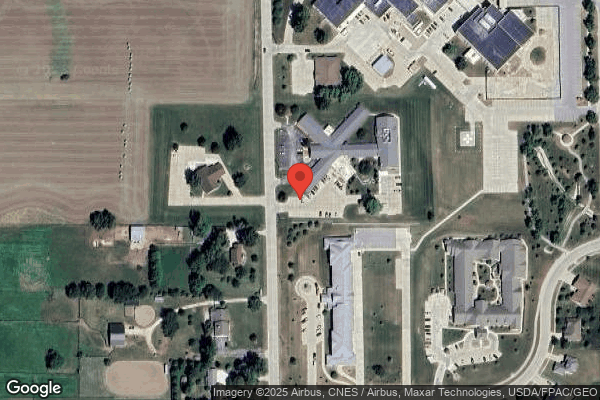
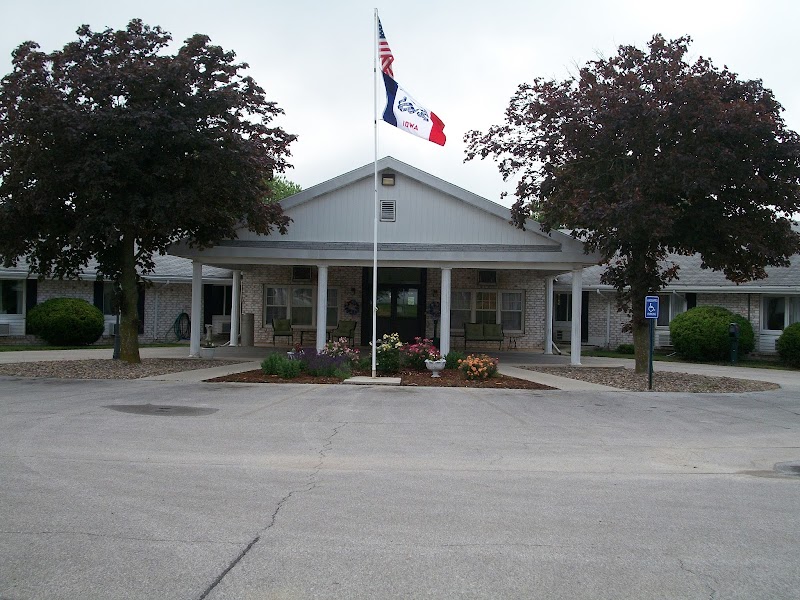
1001 Cottonwood Drive, Creston, IA 50801 (641) 782-8511
For profit - Corporation 74 Beds CARE INITIATIVES Data: November 2025
Trust Grade
53/100
#183 of 392 in IA
Last Inspection: May 2025

Inspected within the last 6 months. Data reflects current conditions.

Overview

Creston Specialty Care has a Trust Grade of C, indicating it is average and in the middle of the pack compared to other facilities. It ranks #183 out of 392 nursing homes in Iowa, placing it in the top half, and #1 of 2 in Union County, meaning only one local option is better. The facility is improving, with the number of issues dropping from 8 in 2024 to 3 in 2025. Staffing is rated as average, with a turnover rate of 50%, which is close to the state average of 44%. However, there is concerning evidence of care issues; for example, one resident experienced three falls in three months due to improper transfer assistance, and another resident's critical assessments were not completed as required, which could lead to serious health risks. While the facility shows some strengths, such as being in a good local ranking, these incidents highlight areas that need significant attention.
Trust Score
C
53/100
In Iowa
#183/392
Top 46%
Safety Record
Moderate
Needs review
Inspections
Getting Better
8 → 3 violations
Staff Stability
⚠ Watch
50% turnover. Above average. Higher turnover means staff may not know residents' routines.
Penalties
✓ Good
$19,663 in fines. Lower than most Iowa facilities. Relatively clean record.
Skilled Nurses
○ Average
Each resident gets 34 minutes of Registered Nurse (RN) attention daily — about average for Iowa. RNs are the most trained staff who monitor for health changes.
Violations
⚠ Watch
15 deficiencies on record. Higher than average. Multiple issues found across inspections.
★★★☆☆
3.0
Overall Rating
★★★☆☆
3.0
Staff Levels
★★☆☆☆
2.0
Care Quality
★★★☆☆
3.0
Inspection Score
Stable
2024: 8 issues
2025: 3 issues

The Good

  • Full Sprinkler Coverage · Fire safety systems throughout facility
  • No fines on record

Facility shows strength in fire safety.

The Bad

3-Star Overall Rating

Near Iowa average (3.1)

Meets federal standards, typical of most facilities

Staff Turnover: 50%

Near Iowa avg (46%)

Higher turnover may affect care consistency

Federal Fines: $19,663

Below median ($33,413)

Minor penalties assessed

Chain: CARE INITIATIVES

Part of a multi-facility chain

Ask about local staffing decisions and management

The Ugly 15 deficiencies on record

2 actual harm
May 2025 3 deficiencies
CONCERN (D) 📢 Someone Reported This

A family member, employee, or ombudsman was alarmed enough to file a formal complaint

Potential for Harm - no one hurt, but risky conditions existed

Deficiency F0561 (Tag F0561)

Could have caused harm · This affected 1 resident

Based on observations, clinical record review, family and staff interviews, and policy review, the facility failed to support the residents right to her choice by not assisting the resident in leaving...

Read full inspector narrative →
Based on observations, clinical record review, family and staff interviews, and policy review, the facility failed to support the residents right to her choice by not assisting the resident in leaving her room despite multiple requests for 1 of 3 residents screened (Resident #33). The facility reported a census of 47. Findings Include: The quarterly Minimum Data Set (MDS) for Resident #33, completed 04/15/2025, documented her brief interview for mental status score as 05, indicating severely impaired cognition. It documented the following relevant diagnoses: cerebrovascular event (stroke), Non-Alzheimer's dementia, anxiety disorder, depression, and vascular dementia with behavioral disturbance. It documented the resident required a wheelchair for mobility and that she was fully dependent on staff for wheelchair mobility. The Care Plan for Resident #33, last revised on 05/03/2025, documented the resident has periods of increased anxiety behaviors. It instructs staff to assist the resident to a quieter, less populated place if she becomes agitated and to provide emotional supports and reassurance. It also directs staff to implement supports as ordered by physician. The Medication Administration Record for Resident #33 for the month of May, printed on 05/07/2025, documented the number of targeted behaviors the resident had, as well as the interventions attempted to calm the resident. It detailed the possible interventions as: encourage to voice concerns, one on one with staff, call family or friend, weighted blanket, calming music, take a walk, diversional activity, and other. A direct observation on 05/05/2025 at 10:08 AM revealed Resident #33 calling repeatedly for help. She called this surveyor over and asked for help. She began to cry, stating she could not move her wheelchair because it was locked, and that she would like to leave her room. After leaving the room she continued to call for help, and a certified nurse aide (CNA) responded for a moment to speak to the resident, closed her door, and walked away (Staff A). The resident continued to call for help until she was removed from her room for lunch service at 11:22 AM. A direct observation on 05/07/2025 at 07:43 AM revealed Resident #33 again calling for help and asking to leave her room. Numerous staff members were observed walking by while the resident continued to ask to leave her room and call for help. At 08:17 AM Resident #33 left her room using her wheelchair on her own, before being stopped by Staff A, and returned to her room at 08:20 AM. Her wheelchair wheels were locked at this time. In an interview on 05/05/2025 at 11:24 AM with Resident #33's family member, he stated he has previously addressed issues with the facility when they would lock his wife's wheelchair wheels and place her in her room without trying other interventions. He stated he feels they lock her in her room like it's a prison and don't let her come out. He stated she calms down quickly when provided with one on one support and that is one of the interventions they are supposed to try instead of letting her just yell in her room. An interview on 05/05/2025 at 10:29 AM with Staff A, CNA, she stated she had locked the resident's wheelchair brakes so the resident could not leave her room, as she was currently being disruptive. She stated she was not going to try other interventions until Resident #33's husband arrived. She stated he was supposed to arrive by noon. An interview on 05/08/2025 at 12:28 PM with Staff B, CNA, she stated staff are directed to assist dependent residents out of their rooms when they request assistance with that. She state she was familiar with Resident #33 and that if one intervention fails, they should try other interventions. She stated one-on-one care is something they are supposed to offer. An interview on 05/08/2025 at 12:31 PM with Staff A, CNA, she acknowledged she should have helped Resident #33 out of her room when she asked, and she had attempted other interventions beyond quiet time as Resident #33 had continued to loudly vocalize in her room, indicating the intervention had failed. She stated she is supposed to help dependent residents leave their room when they request it outside of extraordinary circumstances. An interview on 05/08/2025 at 12:35 PM with Staff C, Licensed Practical Nurse (LPN), she stated if a resident requested to leave their room and was dependent on staff to leave, she would help them get where they were going. She stated she was familiar with Resident #33, and that they are supposed to try a variety of interventions until something works. She further stated they have been instructed not to lock Resident #33's wheelchair brakes as she is capable of independent wheelchair mobility on an inconsistent basis. An interview on 05/08/2025 at 11:49 AM with the Director of Nursing, she stated her expectation is for staff to assist residents who are dependent on staff to leave their room when they ask unless they're on isolation protocols for illness. She stated her expectation was for staff to provide a variety of interventions, not just try one intervention. Review of a facility provided document titled Resident Rights, with a last revised date of December 2012, it stated in section 1, subsection D, that residents are to be free from corporal punishment or involuntary seclusion. In subsection H it stated the resident will be supported by the facility in exercising his or her rights.
CONCERN (D)

Potential for Harm - no one hurt, but risky conditions existed

Deficiency F0887 (Tag F0887)

Could have caused harm · This affected 1 resident

**NOTE- TERMS IN BRACKETS HAVE BEEN EDITED TO PROTECT CONFIDENTIALITY** Based on clinical record review, resident and staff interview, and guidance from the Centers for Disease Control and Prevention ...

Read full inspector narrative →
**NOTE- TERMS IN BRACKETS HAVE BEEN EDITED TO PROTECT CONFIDENTIALITY** Based on clinical record review, resident and staff interview, and guidance from the Centers for Disease Control and Prevention (CDC), and policy review, the facility failed to offer and provide the recommended COVID-19 vaccine to eligible residents for 1 of 5 resident reviewed for vaccines (#40). The facility reported a census of 47 residents. Findings include: The vaccine record of Resident #40 indicated the resident refused the appropriate COVID 19 vaccine. The Minimum Data Set (MDS) dated [DATE] revealed a Brief Interview for Mental Status (BIMS) score of 15 out of 15 which indicated completely intact cognition. It included diagnoses of heart failure, chronic kidney disease, diabetes mellitus, seizure disorder, anxiety, depression, and asthma. It also indicated the resident was not up to date with her COVID-19 vaccination. The Electronic Health Record (EHR) Progress Notes included documentation dated 11/26/24 which indicated the resident declined the COVID-19 vaccine. On 5/07/25 at 1:08 PM, a document titled COVID-19 2024-2025 Vaccine Consent Form included the written statement Refused 11/26/24 with no resident or staff signatures. On 5/07/25 at 3:46 PM, Resident #40 stated she was not offered the COVID-19 vaccine. She confirmed she declined the influenza and pneumococcal vaccines, but stated she would take the COVID-19 vaccine if offered. On 5/07/25 at 3:50 PM, the Director of Nursing (DON) stated she didn't know why the COVID-19 declination form lacked the resident's or staff member's signature. The CDC document titled 2024-2025 COVID-19 Vaccination Guidance for People 6 months of Age and Older dated 3/14/25 included the following guidance for adults age [AGE] years of age and older: a) Unvaccinated (0 doses); Give 1 dose now, followed by 1 dose 6 months later. b) Any number of previous doses of any COVID-19 vaccine, NOT including 1 dose of any 2024-25 COVID-19 vaccine; Give 1 dose at least 8 weeks after the last dose, followed by 1 dose 6 months later. c) Any number of previous doses of any COVID-19 vaccine, INCLUDING 1 dose of any 2024-25 COVID-19 vaccine; Give 1 dose 6 months after the last dose of the 2024-25 COVID-19 vaccine. d) Any number of previous doses of any COVID-19 vaccine, INCLUDING 2 doses of any 2024-25 COVID-19 vaccine; No further doses are indicated. On 5/08/25 at 11:49 AM, the DON stated the resident should have given and staff should have obtained a signature on the declination when she was originally asked if she wanted a vaccine. Staff use consents and declinations to determine if a resident was asked if they wanted a vaccine. A policy titled Vaccination of Residents dated 10/2019 indicated all residents will be offered vaccines that aid in preventing infectious diseases unless the vaccine is medically contraindicated or the resident has already been vaccinated. It also indicated: 1. Prior to receiving vaccinations, the resident or legal representative will be provided information and education regarding the benefits and potential side effects of the vaccinations. (See current vaccine information statements at https://www.cdc.gov/vaccines/hcp/vis/index.html for educational materials.) 2. Provision of such education shall be documented in the resident's medical record.
CONCERN (E)

Potential for Harm - no one hurt, but risky conditions existed

Deficiency F0637 (Tag F0637)

Could have caused harm · This affected multiple residents

Based on clinical record review, staff interview, and guidance from the 2024 Resident Assessment Instrument (RAI) Manual, the facility failed to complete and transmit Comprehensive Minimum Data Set (M...

Read full inspector narrative →
Based on clinical record review, staff interview, and guidance from the 2024 Resident Assessment Instrument (RAI) Manual, the facility failed to complete and transmit Comprehensive Minimum Data Set (MDS) Assessments following a significant change within federal guidelines for 5 of 5 residents (#2, #17, #31, #34 and #45) reviewed for MDS Assessments. The facility reported a census of 47 residents. Findings include: 1. The Census Line portion of the Electronic Health Record (EHR) of Resident #2 documented the resident enrolled in hospice care on 11/1/24. The Medicare Hospice Election form additionally dated 11/1/24 as the date of hospice services to begin for Resident #2. The Significant Change MDS of Resident #2 was dated 11/12/24. Page 58 of the MDS recorded a completion date of 11/26/24, which was 25 days after hospice election. 2. The Census Line portion of the Electronic Health Record of Resident #17 documented the resident enrolled in hospice care on 3/12/25. The Medicare Hospice Election form additionally dated 3/12/25 as the date of hospice services to begin for Resident #17. The Significant Change MDS of Resident #17 was dated 3/21/25. Page 58 of the MDS recorded a completion date of 4/4/25, which was 23 days after hospice election. 3. The Census Line portion of the Electronic Health Record of Resident #31 documented the resident enrolled in hospice care on 3/31/25. The Medicare Hospice Election form additionally dated 3/31/25 as the date of hospice services to begin for Resident #31. The Significant Change MDS of Resident #31 was dated 4/8/25. Page 58 of the MDS recorded a completion date of 4/21/25, which was 21 days after hospice election. 4. The Census Line portion of the Electronic Health Record of Resident #34 documented the resident enrolled in hospice care on 7/18/24. The Medicare Hospice Election form additionally dated 7/18/24 as the date of hospice services to begin for Resident #34. The Significant Change MDS of Resident #31 was dated 7/24/24. Page 58 of the MDS recorded a completion date of 8/5/24, which was 18 days after hospice election. 5. The Census Line portion of the Electronic Health Record of Resident #45 documented the resident enrolled in hospice care on 2/8/25. The Medicare Hospice Election form additionally dated 2/8/25 as the date of hospice services to begin for Resident #45. The Significant Change MDS of Resident #45 was dated 2/18/25. Page 58 of the MDS recorded a completion date of 3/4/25, which was 24 days after hospice election. According to the 2024 RAI Manual, a Significant Change (comprehensive) assessment is required to be performed when a terminally ill resident enrolls in a hospice program. The RAI states the MDS completion date must be no later than 14 days after the determination that the criteria for a Significant Change are met. On 5/7/24 at 11:24 am, the Director of Nursing stated education will be provided to the MDS Coordinator regarding the timing of MDS completions. On 5/7/25 at 1:47 pm, via email, Regional Clinical Reimbursement Specialist stated the facility had no policy regarding MDS Assessments. She stated the facility follows the RAI manual.
Dec 2024 1 deficiency
CONCERN (D) 📢 Someone Reported This

A family member, employee, or ombudsman was alarmed enough to file a formal complaint

Potential for Harm - no one hurt, but risky conditions existed

Deficiency F0658 (Tag F0658)

Could have caused harm · This affected 1 resident

Based on clinical record review, staff interview and policy review, the facility failed to administer pain medication according to physician orders for 1 of 3 residents reviewed for pain assessment (R...

Read full inspector narrative →
Based on clinical record review, staff interview and policy review, the facility failed to administer pain medication according to physician orders for 1 of 3 residents reviewed for pain assessment (Resident #1). The facility reported a census of 57. Findings include: The Minimum Data Set (MDS) of Resident #1, dated 10/14/24 documented a Brief Interview of Mental Status (BIMS) score of 9, which indicated moderate cognitive impairment. Further BIMS interviews conducted on 10/21/24 and 10/29/24 revealed a score of 15, indicating cognition intact. The MDS documented diagnoses that included: arthritis, fracture, anxiety, depression and bipolar disorder. The MDS recorded the resident experienced pain during the 5-day look back period and received medications for pain both scheduled and as needed. The MDS recorded the resident as having frequent pain over the 5 day lookback period, and the pain interfering with participation in therapy frequently. The Care Plan dated 10/11/24 documented a Focus of Pain related to current diagnosis. The Care Plan directed staff to anticipate the need for pain relief and respond immediately to any complaints of pain. The Medication Administration Record (MAR) of Resident #1 for October of 2024 documented the resident had orders for acetaminophen and ibuprofen (two types of over the counter pain medications) for scheduled pain medications. The MAR additionally documented two as needed pain medication orders. The MAR reflected an order for Oxycodone (a narcotic pain medication), 5 mg, give one tablet every four hours as needed for pain, if pain is rated between 1-5 (on a 00 to 10 pain scale with 10 being the worst pain imaginable). The MAR reflected a second order for Oxycodone, 5 mg, give two tablets every four hours as needed for pain if pain is rated between 6-10. The MAR documented the resident received 12 doses of Oxycodone, 5 mg, one tablet, between 10/11/24 and 10/30/24. Of the 12 doses documented, the resident had rated her pain as a 6 or higher on eight of those times. 10/11/24 - Rated pain as an 8, received one tablet of Oxycodone 10/12/24 - Rated pain as a 6, received one tablet of Oxycodone 10/17/24 - Rated pain as a 7, received one tablet of Oxycodone 10/26/24 - Rated pain as a 9, received one tablet of Oxycodone 10/27/24 - Rated pain as a 6, received one tablet of Oxycodone 10/28/24 - Rated pain as an 8, received one tablet of Oxycodone 10/29/24 - Rated pain as a 10, received one tablet of Oxycodone 10/30/24 - Rated pain as an 8, received one tablet of Oxycodone On 12/31/24 at 10:53 am, the Director of Nursing stated if a resident has orders based on pain scale, it is the expectation that the order that correlates to that pain scale should have been given. Any pain rated higher than five should have been two pills, not one. The facility policy Administering Medications, Revision Date April 2019, documented the following: Point 4 - Medications are administered in accordance with prescriber orders, including any required time frame. Point 8 - If a dosage is believed to be inappropriate or excessive for a resident, or a medication has been identified as having potential adverse consequences for the resident or is suspected of being associated with adverse consequences, the person preparing or administering the medication will contact the prescriber, the resident's Attending Physician or the facility's Medical Director to discuss the concerns. Point 10 - The individual administering the medication checks the label THREE (3) times to verify the right resident, right medication, right dosage, right time and right method (route) of administration before giving the medication.
Jun 2024 6 deficiencies 1 Harm
SERIOUS (G)

Actual Harm - a resident was hurt due to facility failures

Accident Prevention (Tag F0689)

A resident was harmed · This affected 1 resident

Based on clinical record review, observations, family interview, staff interviews and facility policy review, the facility failed to maintain a safe environment due to staff members not following safe...

Read full inspector narrative →
Based on clinical record review, observations, family interview, staff interviews and facility policy review, the facility failed to maintain a safe environment due to staff members not following safety precautions during resident transfers, resulting in Resident #21 to have three falls in a three month period. This resulted in harm to Resident #21 due to increasing pain, causing the need for increased pain management, and needing a higher level of assistance for transfers. The facility reported a census of 55 residents. Findings include: The Minimum Data Set (MDS) Assessment of Resident #21, dated 4/23/24 identified a Brief Interview of Mental Status (BIMS) score of 8 which indicated moderate cognitive impairment. The MDS documented the resident required partial assistance of 1 staff member for sitting to standing position, transfers and toileting. The MDS documented a diagnosis of repeated falls. The MDS documented the resident took no scheduled or as needed pain medications during the look back period and had received no non-medication interventions for pain. The MDS documented the resident denied having pain during the lookback period. The MDS coded the resident had experienced one fall in the last quarter. The Care Plan of Resident #21, reviewed 5/3/24 revealed the resident to have a history of falls. The Care Plan directed staff to hold a gait belt (a mobility device worn around the resident's waist to assist caregivers to safely move residents with mobility issues) during transfers. The Care Plan also identified a Focus Area of Activities of Daily Living, which instructed the resident required a partial assist for transfers, dated 11/15/23. On 6/17/24 at 3:55 pm a family member of Resident #21 stated the resident had two recent falls and is now a two person assist. He also stated x-ray results were being waited on as the resident has been complaining of pain since the last fall. The Incident Report dated 3/30/24 documented the resident had a fall at 7:00 am when returning from using the restroom. The Incident Report reflected the staff was not using a gait belt when the fall occurred. Review of the Medication Administration Report (MAR) revealed the resident rated her pain at 0 53 times out of 60 documentation's in the month of April, 2024. She received no as needed acetaminophen for pain during the month of April 2024. The Incident Report dated 5/28/24 documented the resident had a fall at 11:27 pm when being transferred to the bed. The Incident Report reflected the staff had a gait belt on the resident but turned away from the resident momentarily to fix the bed and the resident lost balance and fell to the ground. On 6/19/24 at 12:58 pm, the Director of Nursing (DON) confirmed the Certified Nurse Aide (CNA) had let go of the gait belt during the instance on 5/28/24 when the employee was turning the bed down prior to transferring the resident into the bed. The Clinical Physician Orders revealed an order dated 5/29/24 for 2 view x-rays of the left knee. The X-ray Report signed by the provider on 5/30/24 documented no acute fracture, malalignment or aggressive osseous lesion. Review of the (MAR) revealed the resident rated her pain at 0 every day during the month of May of 2024 except 1 time prior to her May 28th fall and 2 times following the fall. She received no as needed acetaminophen for pain during the month of May 2024 until 5/29/24, the day after the fall. She received 5 doses in the last three days of the month. Facility documentation of the resident walking to meals, scheduled three times a day, reflected the resident walked to a meal only 5 times after her fall on 5/28/24, with dates reviewed through 6/19/24. The Progress Notes documented the following: On 5/29/24 at 12:14 am post-fall, resident complaining of increased left knee and hip pain. On 5/29/24 at 1:48 pm the resident continues to complain of left knee discomfort. Left knee without redness. Able to move knee with assist. Was able to stand on it in therapy, refused to take a step. Refused to get up for lunch, stated I am comfortable and don't want to move to hurt again. On 5/30/24 at 1:56 pm resident up for a bath this am. Transferred with assist of 2 and the gait belt. Resident was favoring left leg upon transfer complaining of left knee hurting. As needed acetaminophen given and effective. X-rays completed as ordered. On 6/1/24 at 1:43 pm resident refused to get up for breakfast and ate in her bed. She did get up for lunch and transferred with assist of 2 and was bent over a lot. Left knee slightly swollen, complaining of pain, more if she straightens knee. On 6/1/24 at 10:21 pm the resident still cannot lay on the left leg. Complains of pain. Treatment done as per order. On 6/4/24 at 2:59 pm the resident continues with pain discomfort. Rated knee pain at 4/10, as needed acetaminophen given. On 6/5/24 at 12:59 am resident complained of left knee pain with movement, area slightly swollen. Leg elevated with pillow, diclofenac applied (topical pain reliever) and as needed acetaminophen given. On 6/5/24 at 1:02 pm resident complaint of left knee pain. Has taken as needed acetaminophen twice and eased pain. She will have leg straight in bed in AM and when this nurse goes in her leg is straight and the she will bend up and complain of pain. Transfer with assist of 2. On 6/5/24 at 2:24 pm resident refused two times to do restorative exercises complaining her knees are hurting her too much. On 6/6/24 at 1:17 am resident continues to complain of knee pain, Diclofenac applied. Resident states cream effective, area slightly swollen, and no redness noted. On 6/6/24 at 12:26 pm blood pressure was elevated this am, has subsided and stabilized. Resident having pain in left leg, 7/10. Resident came out for breakfast, but refused for lunch. Sitting on side of bed to eat due to pain. As needed pain medication administered. On 6/7/23 at 12:33 pm received order for resident to have Physical Therapy evaluation due to knee pain. On 6/7/24 at 2:07 pm resident has not asked for acetaminophen at all today, although when biofreeze was applied, resident grabbed and guarded her leg. On 6/8/24 at 6:51 pm resident complained of left hip pain, acetaminophen administered which was ineffective. Aspercream and diclofenac applied with better results. Physician notified and ordered a 2 view x-ray on the left hip for pain and limited range of motion. On 6/9/24 at 2:21 pm resident alert and oriented. Refusing 2 view left hip x-ray that was ordered for pain and limited range of motion. She said she is feeling better now. Review of the Treatment Administration Record revealed a new order was received on 6/1/24 for topical pain medication to the left knee three times a day. The Incident Report dated 6/9/24 documented the resident had a fall at 7:15 pm when transferring the resident to bed. The Incident Report reflected the staff was not using a gait belt when the fall occurred. The Progress Notes documented the following: On 6/10/24 at 4:05 pm resident continues with pain on her left leg, thigh and knee area. Diclofenac applied to area. No new injuries from witnessed fall. On 6/11/24 at 2:02 am as needed acetaminophen during this shift, resident complaining of knee pain, diclofenac cream applied. On 6/11/24 at 2:02 pm resident is alert and oriented with times of confusion. Has pain in both legs although the left leg is worse. Taking acetaminophen as needed although asking for it about every 4 hours. On 6/11/24 at 11:15 pm resident is alert and oriented. Pain to bilateral knees, the left more severe. Treatment completed per orders. Vital signs within normal limits. As needed acetaminophen available for pain. On 6/12/24 at 2:30 pm resident complaining of pain in both knees. She requested to have as needed acetaminophen before getting out bed and was effective. Treatment to knees done and effective. On 6/13/24 at 1:16 am resident reports moderate pain on left knee, does not want to take acetaminophen at this time, diclofenac used. On 6/14/24 at 11:15 am received verbal order for anterior (front) posterior (back) view of left pelvis/hip (order for an x-ray). On 6/14/24 at 12:16 pm resident is alert with times of confusion. Needs pain medication before breakfast as she has physical therapy afterwards and her pain hinders any progress. 3/10 in left knee. On 6/14/24 at 5:14 pm X-ray report received. No acute fracture or dislocation. On 6/15/24 at 3:37 pm resident continues to receive as needed acetaminophen for complaints of knee pain and states is helping. Resident currently being assisted for all transfers with 2 staff and gait belt, mobility via wheelchair. On 6/16/24 at 3:25 pm resident continues to take as needed acetaminophen 325 milligrams (mg) before breakfast for complaints of knee pain and has been effective, also using topical pain medication to knees. On 6/17/24 at 12:01 pm resident is alert with times of confusion. Having pain in her left knee that she rates 3/10 today. Medication assists with pain although resident has not asked for any today. On 6/18/24 at 2:43 pm resident transfers with assist of 2 and gait belt. States the cream helps her knees. On 6/18/24 at 10:10 pm resident is alert and oriented. Is an assist of two with gait belt. Treatment completed to knees per order. Resident complained of knee pain when transferring. Has not yet asked for as needed pain medications this shift. Review of the (MAR) revealed the resident rated her pain at 0 11 times out of the first 37 entries during the month of June, 2024. She received as needed acetaminophen 18 times during the first 19 days of the month. On 6/19/24 at 11:25 am, the Administrator stated the facility has a quality assurance meeting daily Monday-Fridays. She stated for any falls or incidents, the charge nurse places an immediate intervention onto the care plan and then it is reviewed during the next quality assurance meeting. The intervention is kept if appropriate or updated if needed. Root cause analysis is done, asked the 5 whys of a fall. On 6/19/24 at 12:07 pm, Staff I, LPN stated the normal procedure for a fall is for one employee to stay with the resident and another to get the nurse, if two people are in the room. If only one person is in the room, that person stays with the residents and calls or flags someone down for help. She stated if an injury is suspected, they make the resident as comfortable as possible but leave him/her on the floor until the physician is notified and it is deemed if the resident needs to be sent to the hospital or not. On 6/19/24 at 3:57 pm, observed Staff F, CNA and Staff G, CNA performing a two person transfer from the bed to the wheelchair for Resident #21. Staff F assisted the resident into a seated position and Staff G obtained footwear for the resident. Staff F obtained a gait belt and a front wheeled walker and set the wheelchair near the bed while Staff G changed the resident's socks and placed her shoes on her feet. Staff F applied the gait belt around the resident. Both staff stood to one side of the resident, holding the gait belt. Staff provided cues for the resident to stand. Once the resident stood, verbal cues were given for taking steps. Staff F moved the wheelchair closer to the resident and verbal cues continued to guide the resident safely into a seated position in the wheelchair. On 6/20/24 at 9:06 am, Resident #21 had her call light on. Staff K, CNA answered the call light and the resident requested to use the restroom. Staff K replied she would go find a second staff member and be right back. On 6/20/24 at 9:07 am, Staff K, CNA and the Assistant Director of Nursing (ADON) were observed transferring the resident from the wheelchair to the toilet. Both employees washed hands and donned gloves. Staff K placed a gait belt on the resident. The ADON guided the wheelchair into the restroom. Staff K assisted the resident to stand at the grab bars and while holding the gait belt, assisted the resident to slowly move to her right towards the toilet. The resident was able to slowly side step to the toilet. The ADON assisted in lowering the residents clothing and Staff K assisted the resident to sit on the toilet. Once safely sitting on the toilet, the call light was given to the resident and staff provided privacy. On 6/20/24 at 9:09 am, Staff K stated the resident had been a two person assist because of pain since her fall, but prior to the fall had been a 1 person assist. The facility policy Falls and Fall Risk, Managing, revision date March, 2018 documented a Policy Statement of Based on previous evaluations and current data, the staff will identify interventions related to the resident's specific risks and causes to try to prevent the resident from falling and to try to minimize complications from falling. The portion of the policy titled Resident-Centered Approaches to Managing Falls and Fall Risk Point 1: The staff, with the input of the attending physician, if appropriate, will implement a resident-centered fall prevention plan to reduce the specific risk factor(s) of falls for each resident at risk or with a history of falls. The portion of the policy titled Monitoring Subsequent Falls and Fall Risk Point 1: The staff will monitor and document each resident's response to interventions intended to reduce falling or the risks of falling.
CONCERN (D)

Potential for Harm - no one hurt, but risky conditions existed

Resident Rights (Tag F0550)

Could have caused harm · This affected 1 resident

**NOTE- TERMS IN BRACKETS HAVE BEEN EDITED TO PROTECT CONFIDENTIALITY** Based on observations, resident interview, staff interviews, clinical record review, and facility policy the facility failed to ...

Read full inspector narrative →
**NOTE- TERMS IN BRACKETS HAVE BEEN EDITED TO PROTECT CONFIDENTIALITY** Based on observations, resident interview, staff interviews, clinical record review, and facility policy the facility failed to provide dignity by leaving a trash bag with bandage wrappers on a resident's bed (Resident #54). The facility further failed to provide dignity to Resident #54 by not putting his socks back on and covering his legs. The facility reported a census of 55 residents. Findings Include: Review of the Progress Note in the Electronic Medical Record (EHR) dated 5/31/24 completed by Director of Nursing (DON) revealed Resident #54 scored 14/15 on the Brief Interview for Mental Status (BIMS) indicating the resident is cognitively intact. Review of the Minimum Data Set (MDS) assessment dated [DATE] revealed Resident #54 presented upon admission to the facility with 2 stage II pressure ulcers. Observation on 6/18/24 at 11:07 AM revealed Staff D, Licensed Practical Nurse (LPN), place a clean trash bag on Resident #54's bed for completion of dressing change to bilateral feet. Staff D placed the used packaging and adhesive covers of the new bandages in the trash bag. The staff picked up the remaining unused bandages, scissors and left the resident's room at 11:25 AM. The trash bag remained on the bed and the resident's lower legs were uncovered. Observation on 6/18/24 at 11:27 AM Resident #54 turned the call light on. Staff E, Certified Medication Aide (CMA), entered the resident's room at 11:28 AM. The resident requested Staff E bring Staff D back to his room and remove the trash that was left behind. Staff E spoke with Staff D, and returned to the resident's room alone. Staff E entered Resident 54's room, donned the resident's socks, replaced the bedding, and removed the trash. On 6/18/24 at 11:29 AM Staff E stated Resident #54 requested the trash be removed from the bed, his socks to be put back on, and be covered back up. Staff E observed the trash bag on the bed and the resident's feet uncovered. On 6/18/24 at 11:49 AM Resident #54 stated was pissed off that Staff D left his room without replacing his socks, blankets and left the trash on the bed. The resident stated staff have often not covered his lower body following completion of personal cares. Resident #54 revealed he does not feel as though he is being cared for. On 6/18/24 at 1:21 PM the Director of Nursing (DON) stated when changing dressings/applying new dressing the trash bag would be next to the nurse for use. When completed the treatment, the trash bag should be tied up and taken out with the nurse. The facility policy Wound Care revised October 2010 revealed staff should discard disposable items into the designated container. Staff should further reposition the bed covers and ensure the resident is comfortable upon completion.
CONCERN (D)

Potential for Harm - no one hurt, but risky conditions existed

Unnecessary Medications (Tag F0759)

Could have caused harm · This affected 1 resident

Based on observations, clinical record review, staff interviews, and policy review the facility failed to ensure a medication error rate of less than 5%. During observations of medication administrati...

Read full inspector narrative →
Based on observations, clinical record review, staff interviews, and policy review the facility failed to ensure a medication error rate of less than 5%. During observations of medication administration, the facility had 2 errors out of 25 opportunities for errors resulting in an error rate of 8% (Residents #23). The facility identified a census of 55 residents. Findings include: On 6/18/24 beginning at 8:13 AM, the administration of 8 pills observed for Resident #23. Two (2) medication errors observed during this time. During the medication pass for Resident #23, observed Staff I, Licensed Practical Nurse (LPN), remove the following medications from the medication cart: (1) Hydrocodone/APAP 7.5/325 mg tablet (1) Aspirin 81 mg tablet (1) Fexofenadine Hydrochloride 180 mg tablet (1) Gabapentin 100 mg tablet (1) Levothyroxine 88 mcg tablet (1) Pantoprazole 20 mg tablet (2) Senna-Plus 50/8.6 mg tablets Staff I, LPN counted the medications, verified there were 8 pills and gave them to the resident. The Clinical Physician Orders revealed an order dated 8/20/22 for the resident to have Fiber 500 mg one (1) tablet for the daily dose. The Clinical Physician Orders did not include an order for Fexofenadine Hydrochloride. On 6/18/24 at 11:51 AM, Staff I verified she gave the resident Fexofenadine Hydrochloride (antihistamine) instead of a Fiber medication because she didn't look at the medication bottle. She also stated the Fiber 500 mg medication was not stocked in the medication cart and was not administered during morning medication administration. A policy titled Administering Medications revised April 2019 indicated medications shall be administered in a safe and timely manner and as prescribed. It also indicated the individual administering the medication checks the label THREE (3) times to verify the right resident, right medication, right dosage, right time and right method (route) of administration before giving the medication. On 6/19/24 at 2:48 PM, the Director of Nursing (DON) stated three (3) checks should be done when medications are administered.
CONCERN (E)

Potential for Harm - no one hurt, but risky conditions existed

Food Safety (Tag F0812)

Could have caused harm · This affected multiple residents

Based on observation, interview, guidance from the 2022 US Food & Drug Administration (FDA) Food Code, and facility policy, the facility failed to serve food in a sanitary manner during breakfast meal...

Read full inspector narrative →
Based on observation, interview, guidance from the 2022 US Food & Drug Administration (FDA) Food Code, and facility policy, the facility failed to serve food in a sanitary manner during breakfast meal service. The facility identified a census of 55 residents. Findings include: Continuous observation of the breakfast meal service began on 6/18/24 at 7:37 am. Staff A, Cook, began preparing breakfast trays and placing them in the serving window to nursing staff to serve to residents. The items served included biscuits, sausage gravy, scrambled eggs, fried eggs, oatmeal, cream of wheat, and fortified hot cereal as well as a variety of cold cereals. Upon the beginning of the observation, Staff A, [NAME] noted to be wearing disposable, single use gloves. She was using tongs to put the biscuits on plates, adding the remainder of the food to the plates, placing the plate on a tray, reaching for a plate cover, and then placing the tray on the serving window. After making several plates, at 7:42 am, Staff A observed to place the tongs to the side of the steam table. For the next 10 plates she prepared, she read the menu card to the tray on her left, picked up a biscuit with her gloved hands, sliced it open with a knife, placed it on a plate, picked the plate up to spoon the gravy over the biscuits, then touched multiple serving utensils, steam tray covers and bowls to add the additional food items per the menu. Using both hands, she set the plate down on the tray, reached down to pick up a food cover, covered the plate, and picked up the tray with both hands to place in the serving window. Her gloved hands were touching the ready to eat food, the plates, the trays, the plate covers and the serving utensils on steam table and for the cold cereals for multiple trays prepared. At 8:00 am, the Certified Dietary Manager (CDM) noted Staff A touching the food instead of using tongs. When asked if she needed tongs Staff A responded she had tongs there but didn't need them. Staff A stated she had been wearing gloves when she set up the steam table so felt everything she was touching was considered clean so it was ok to touch the food. The CDM provided education to Staff A and the meal service completed with Staff A using tongs for the ready to eat food. The CDM stated Staff A is new to her role and will continue to receive education on food service. Chapter 3 - 14 of the FDA Food Code 2022 directs: If used, single-use gloves shall be used for only one task such as working with ready-to-eat food or with raw animal food, used for no other purpose, and discarded when damaged or soiled, or when interruptions occur in the operation. The facility policy Preventing Foodborne Illness - Food Handling, revision date July, 2014 reflected a Policy Statement of: Food will be stored, prepared, handled and served so that the risk of foodborne illness is minimized.
CONCERN (E)

Potential for Harm - no one hurt, but risky conditions existed

Medical Records (Tag F0842)

Could have caused harm · This affected multiple residents

Based on observation, staff interviews, and policy review, the facility failed to protect resident information from unauthorized access for 5 of 5 residents (#33, #54, #59, #219, #268). The facility r...

Read full inspector narrative →
Based on observation, staff interviews, and policy review, the facility failed to protect resident information from unauthorized access for 5 of 5 residents (#33, #54, #59, #219, #268). The facility reported a census of 55 residents. Findings include: On 6/17/24 at 6:48 AM, observed a document titled Hall 2 Hot Chart dated 6/17/24 on a medication cart that included visible personal health information for 5 residents. On 6/17/24 at 8:24 AM, Staff H, Licensed Practical Nurse (LPN) stated the sheet on the medication cart was a communication sheet that contained resident information. A policy titled Confidentiality of Information and Personal Privacy revised October 2017 indicated the facility will safeguard the personal privacy and confidentiality of all resident personal and medical records. It also indicated access to resident personal and medical records will be limited to authorized staff and business associates. On 6/19/24 at 2:48 PM, the Director of Nursing (DON) stated communication sheets should not be facing up with resident information.
CONCERN (E)

Potential for Harm - no one hurt, but risky conditions existed

Infection Control (Tag F0880)

Could have caused harm · This affected multiple residents

**NOTE- TERMS IN BRACKETS HAVE BEEN EDITED TO PROTECT CONFIDENTIALITY** 2. The Minimum Data Sheet (MDS) assessment dated [DATE] for Resident # 27 identified Moisture Associated Skin Damage (MASD). The...

Read full inspector narrative →
**NOTE- TERMS IN BRACKETS HAVE BEEN EDITED TO PROTECT CONFIDENTIALITY** 2. The Minimum Data Sheet (MDS) assessment dated [DATE] for Resident # 27 identified Moisture Associated Skin Damage (MASD). The MDS documented diagnoses that included: septicemia, diabetes mellitus (DM), and infection and inflammation reaction due to internal right knee prosthesis. The MDS revealed the resident received pressure reducing device for the bed and pressure reducing device for the chair. The Care Plan of Resident #27, revision date 5/27/24 reflected a focus area of skin impairment. The Care Plan documented the resident to have excoriation of the coccyx. (the tailbone). The Order Entry documented Resident #27 to have an order for a 1:1 ration of [NAME] (Calmoseptine, a moisture barrier ointment) and antifungal to be applied to the buttocks twice a day until healed. On 6/19/24 at 9:46 AM, observed Staff J, Licensed Practical Nurse (LPN) performing a treatment to Resident #27's buttocks. Staff J obtained two tubes of the prescribed ointments from the medication cart and brought them into the resident's room. Staff J verified the ointments were stock supply and were not dedicated for single patient use. Upon entering the room, Staff J was not observed to have performed hand-washing or hand hygiene prior to donning gloves. After donning gloves, Staff J provided incontinent care on Resident #27. Without changing gloves or performing hand hygiene, Staff J then squeezed a proper amount of ointment from the first treatment tube into her hand. She then picked up the second tube of treatment cream and placed that ointment into her hand as well to combine the two ointments. She then applied ointments to Resident #27's buttocks, failing to change gloves or perform hand hygiene. Staff J then removed the soiled gloves, but did not perform hand-washing or hand hygiene. Staff J performed hand-washing prior to exiting the room. Staff J took the ointment containers out of the room and placed them back in the medication cart. Staff J failed to prevent cross contamination, exposed the ointment containers during treatment. In an interview on 6/19/24 at 2:17 PM, the Director of Nursing (DON) reported staff should be placing the ointment in a medication cup, hand-washing or hand hygiene should be completed prior to the treatment, when visibly soiled, and after disposing soiled gloves. The facility policy title Handwashing/Hand Hygiene revised 8/2019 included the following documentation: Policy Statement-This facility considers hand hygiene the primary means to prevent the spread of infections. 2. All personnel shall follow the handwashing/hand hygiene procedures to help prevent the spread of infections to other personnel, residents, and visitors. 6. Wash hands with soap (antimicrobial or non-antimicrobial) and water for the following situations: a. When hands are visibly soiled 7. Use an alcohol-based hand rub containing at least 62% alcohol; or, alternatively, soap (antimicrobial or non-antimicrobial) and water for the following situations: b. Before and after direct contact with residents c. Before preparing or handling medications d. After contact with a resident's intact skin e. After removing gloves f. After personal use of the toilet or conducting your personal hygiene. 8. Hand Hygiene is the final step after removing and disposing of personal protective equipment. 3. The Progress Note in the Electronic Medical Record (EHR) dated 5/31/24 completed by the Director of Nursing (DON) revealed Resident #54 scored 14/15 on the Brief Interview for Mental Status (BIMS) score indicating the resident is cognitively intact. Review of the Minimum Data Set (MDS) assessment dated [DATE] revealed Resident #54 presented upon admission to the facility with an indwelling catheter. Resident #54 presented with medical a diagnosis of obstructive and reflux uropathy, unspecified. Orders dated 5/27/24 revealed use of enhanced barrier precautions due to indwelling Foley catheter. The Care Plan printed 6/19/24 included the following interventions: catheter care every shift, monitor and document any pain or discomfort related to the catheter, monitor, document and report as needed any signs or symptoms of urinary tract infection, and enhanced barrier precautions when performing high-contact care activities. Observation on 6/19/24 at 2:10 PM Staff C, Certified Nursing Assistant, donned gown and gloves prior to entering Resident #54's room for management of catheter bag. Staff C obtained supplies including a clean trash bag, gradient cylinder, and alcohol wipe from the resident's bathroom. Staff C provided education to the resident regarding the need to empty the catheter. The staff placed the trash bag on the floor, and the cylinder on top of the trash bag. The staff wiped the drainage tube with the alcohol wipe and proceeded to drain the bag. Staff C emptied the cylinder into the toilet with the trash bag remaining under the cylinder during emptying and rinsing. Staff removed a single glove while in the resident's room, and removed the gown and remaining glove while exiting the room. Staff C discarded the gloves and gown in a labeled trash receptacle in the hallway. The staff opened 3 drawers of a storage container outside the resident's room before locating the hand sanitizer. On 6/19/24 at 2:24 Staff C stated it would have been helpful if hand sanitizer would have been out to use prior to putting gloves on. In an interview on 6/19/24 at 2:17 PM the DON stated staff should complete hand hygiene at the start of treatment, when gloves are visibly soiled, when removing dirty gloves and when leaving a resident's room. The facility policy titled Handwashing/Hand Hygiene revised August 2019 instructed staff to perform hand hygiene prior to applying non-sterile gloves. Based on observations, staff interviews, record reviews, and policy review, the facility failed to identify areas or devices in the building to reduce the risk and prevent the growth of Legionella or other waterborne pathogens. The facility also failed to appropriately perform hand hygiene and failed to protect stock treatment supplies from cross-contamination. The facility reported a census of 55 residents. Findings include: 1. On 6/19/24 at 12:58 PM, Staff B, Maintenance Supervisor, stated the facility had three showers used to bathe residents. He stated one shower was routinely used and the other two were used secondary if the primary shower was out of service. At 12:58 PM, Staff B, Maintenance Supervisor, stated the secondary showers' water supply lines had been routinely flushed but hadn't been documented. An undated document titled Weekly Flushing of Plumbing Fixtures for un-used rooms directed staff to run water in all sinks, faucets, showers, and tubs for at least three minutes and to flush all toilets three times to completely empty tanks and traps. Staff B revealed the form had not been completed. A policy titled Legionella Water Management Policy revised 2017 indicated the purposes of the Water Management Program were to identify areas in the water system where Legionella bacteria can grow and spread, and to reduce the risk of Legionnaire's disease. On 6/19/24 at 2:52 PM, the Administrator stated there were four (4) resident showers and one (1) was not routinely used. She also stated staff should follow the aforementioned facility policy.
Jan 2024 1 deficiency 1 Harm
SERIOUS (G) 📢 Someone Reported This

A family member, employee, or ombudsman was alarmed enough to file a formal complaint

Actual Harm - a resident was hurt due to facility failures

Quality of Care (Tag F0684)

A resident was harmed · This affected 1 resident

Based on clinical record review, staff interviews, Nurse Practitioner (NP) interview and facility policy review the facility failed to assess weights per orders, lung assessments and edema assessments...

Read full inspector narrative →
Based on clinical record review, staff interviews, Nurse Practitioner (NP) interview and facility policy review the facility failed to assess weights per orders, lung assessments and edema assessments per care plan for 1 of 3 residents reviewed with Congestive Heart Failure (Resident #3). The facility identified a census of 55 residents. Findings include: A Minimum Data Set (MDS) assessment form dated 11.15.23 indicated Resident #3 had diagnosis that included anemia, atrial fibrillation (AF), renal insufficiency/failure, diabetes mellitus (DM), chronic obstructive pulmonary disease (COPD), congestive heart failure (CHF), hypovolemic shock and a history of urinary tract infections. The assessment indicated the resident had a Brief Interview for Mental Status (BIMS) score of 15 out of 15 (cognitively intact) and required staff assistance with activities of daily living (ADL's). A Care Plan identified a Focus area of an altered cardiovascular status related to cardiomyopathy, CHF and AF initiated 11.14.23. The Interventions/Tasks included the following as dated: a. Monitor, document and report as needed (PRN) any changes in lung sounds on auscultation (example (i.e.) crackles, rubs and etc ), edema and changes in weight. Review of the facilities Treatment Administration Record (TAR) dated 10.1.23 thru 10.31.23 directed the facility staff to assess the resident's weight three (3) days on the day shift with a start date of 10.6.23. The facility failed to assess the resident's weight on 10.8.23. The Progress Notes for Resident #3 documented the following: On 11.11.23 at 12:56 p.m. Admit note with weight 336.7 lbs (pounds), history of CHF, lungs clear ad edema right and left inner ankle. The note lacked documentation of pitting edema. On 11.12.23 at 3:52 a.m. no SOB (shortness of breath) with lying flat. On 11.14.23 at 12:42 p.m. no SOB or cough and lungs clear. On 11.15.23 at 2:14 p.m. SOB lying flat and resident complaining of being SOB and nausea. The note lacked documentation of any edema. On 11.16.23 a Provider encounter documented 3-4 plus pitting edema bilateral lower extremities (BLE). Weight 339 lbs. Orders for PRN Bumex 1.5 tabs daily for 5 days and a daily weight. Notify the provider if greater than 3lbs. The Progress Notes lack daily assessments of edema. A TAR form dated 11.1.23 thru 11.30.23 directed the facility staff to assess the resident's weight daily on the day shift for 5 days and to have reported a weight gain of greater than 3 pounds in 24 hours dated 11.17.23. The facility staff failed to weigh the resident 11.17, 11.18 and 11.21.2023. The Progress Note entries failed to include the following as dated: On 12.4.23 - The staff failed to assess the resident's lung and/or breathing status the entire 24 hours. On 11.29.23 at 4:36 p.m. - Lung and/or breathing status not documented following the resident's complaint of shortness of breath (SOB) with the therapist. On 11.26.23 - The staff failed to assess the resident's lung sounds the entire 24 hours. A Certificate of Death form (not dated) indicated the resident passed away on 12.18.23 at 1 a.m. with an immediate cause of cardiac arrest, as a consequence of anion gap metabolic acidosis secondary to lactic acidosis as a consequence of decompensated liver cirrhosis an underlying cause of septic shock and other significant conditions of acute renal failure that required renal replacement therapy, acute hypoxemic respiratory failure that required mechanical ventilation, morbid obesity, type II dm and a complicated urinary tract infection. During an interview on 1.3.24 at 10:40 p.m. a NP indicated the routine Bumex and PRN Bumex order originated from the resident's Cardiologist when she was admitted to the facility. On 11.11.23 the NP discontinued the PRN order and changed the order to routine only and to continue daily weights d/t her continual weight gain. The NP confirmed the staff failed to check daily weights. On 11.16.23 (no time) the NP discontinued the daily weights due to her refusal. Review of the resident's medical record at the same time revealed no consistent refusal of the resident's daily weight per physician order. During an interview 1.3.24 at 11:29 a.m. the NP indicated the resident's weights and the lack of the facility staff to monitor could have played a role in her death however there had been other factors as well such as, diet, water intake, salt, activity level and urine output. The NP would have expected the staff to check the resident's weights and to have followed physician orders. During an interview 1.3.24 at 12:02 p.m. an Occupational Therapy Assistant (OTA) confirmed therapy had not weighed the resident during her care and treatment. During an interview 1.3.24 at 11:15 a.m. the Director of Nursing (DON) indicated the facilities standing orders following a resident's admit had been a daily check of weights every day (QD) for 3 days. The DON confirmed staff failed to follow those expectations with this resident. The DON also indicated she crossed off the weights for 11.18, 11.19, 11.20 and 11.28 for the resident because she felt they had not been accurate. During an interview 1.3.24 at 11:42 a.m. the DON confirmed staff should have taken daily weights for any resident on a PRN diuretic. A record review 1.3.24 at 2:00 p.m. revealed a MD note on 11.21.24 addressed the resident's weight at 328.5. (which had been not accurate according the resident's medical record, seen entry above) A Change in a Resident's Condition or Status policy revised 2.2021 included the following directives: a. The nurse recorded in the resident's medical record information relative to changes in the resident's medical/mental condition and/or status.
Jul 2023 4 deficiencies
CONCERN (D)

Potential for Harm - no one hurt, but risky conditions existed

Deficiency F0602 (Tag F0602)

Could have caused harm · This affected 1 resident

Based on clinical record review, facility investigative file review, resident and staff interviews, and facility policy review the facility failed to ensure 2 of 3 residents (#57 and #58) reviewed wer...

Read full inspector narrative →
Based on clinical record review, facility investigative file review, resident and staff interviews, and facility policy review the facility failed to ensure 2 of 3 residents (#57 and #58) reviewed were free from the misappropriation of their medications. The facility reported a census of 53 residents. Findings include: 1. The admission Minimum Data Set (MDS) with a reference date of 4/27/23 documented he had a Brief Interview of Mental Status (BIMS) score of 13 out of 15. A BIMS score of 13 suggested he had no cognitive impairment. The MDS documented he required limited assistance of one staff for bed mobility, dressing, personal hygiene and extensive assistance of two staff for transfers, and toilet use. The MDS documented he did not receive an opioid during the 7-day review period. The MDS listed the following diagnoses for Resident #57: atrial fibrillation, renal failure, benign prostatic hyperplasia, septicemia, urinary tract infection, diabetes mellitus, paraplegia, quadriplegia, traumatic brain injury, anxiety, depression, and renal dialysis. The Care Plan focus area with an initiation date of 4/1/21 documented Resident #57 used opioid medications for cervical pain and pressure wounds. An additional Care Plan focus area with an initiation date of 5/12/23 indicated he experienced frequent pain in his back related to Ankylosing Spondylitis (arthritis affecting the spine and large joints). He had an order for Oxycodone (narcotic pain reliever) every six hours as needed (PRN) for pain. This medication has a black box warning: addiction, abuse, and misuse. The Progress Notes for the resident documented order administration notes documented by Staff C as follows: On 5/19/23 at 6:18 AM oxycodone 5 milligrams (mg) every 6 hours for pain per patient request for back pain. On 5/19/23 at 5:29 PM oxycodone 5 mg every 6 hours for resident complaints of pain. On 5/19/23 at 11:31 PM oxycodone 5 mg every 6 hours as needed (PRN) for pain. On 5/22/23 at 6:15 AM oxycodone 5 mg every 6 hours given for patient complaints of back pain. On 5/25/23 at 8:00 PM oxycodone 5 mg every 6 hours given for patient with back pain and rolling around in bed. On 5/26/23 at 6:33 AM oxycodone 5 mg every 6 hours for patient with back pain upon movement. Review of Resident #57's June 2023 Medication Administration Record revealed the following PRN order with a start date of 5/8/23: oxycodone 5 mg by mouth every 6 hours PRN for pain. The order was not signed out as being given in June of 2023. Review of Resident #57's Individual Narcotic Record for his oxycodone 5mg 1 tablet every six hours order revealed Staff C had documented she administered this medication on the following dates and times: a. 6/1/23 at 6:10 AM b. 6/2/23 at 6:10 AM c. 6/2/23 at 8:20 AM d. 6/2/23 at 12:10 PM e. 6/2/23 at 5:50 PM f. 6/2/23 at 6:00 PM On 7/20/23 at 2:00 PM an attempt to call the resident on the phone number documented in his chart was made. The call went to voicemail, a message was left with a call back number. At the conclusion of the investigation the resident had not returned the call. 2. According to the admission MDS with a reference date of 4/24/23 documented Resident #58 had a BIMS score of 14 out of 15. A BIMS score of 14 suggested she had no cognitive impairment. The MDS indicated she required limited assistance of one staff for bed mobility, transfers, dressing, and toilet use. The MDS documented she did not receive an opioid during the 7-day review period. The MDS listed the following diagnoses: burns of 40-49% of body surface with 20-29% third degree burns, anxiety, depression, and restless leg syndrome. The Care Plan focus area with an initiation date of 4/19/23 documented she used opioid medications (oxycodone) due surgery and burns. The care plan instructed staff to administer the opioid medication as physician ordered and monitor for side effects. The care plan documented oxycodone has a black box warning: addiction, abuse and misuse. Review of Resident #58's June 2023 MAR revealed the following orders: a. Oxycodone 5mg 1 tablet by mouth one time a day at 5:00 AM, with a start date of 5/26/23. Staff C did not sign out the order as being given. b. Oxycodone 5mg 1 tablet by mouth PRN for pain. May give 30 minutes prior to shower/cares if pain is greater than a 5 on the scale 0-10, with a start date 4/26/23. Staff C did sign out the order as being administered on 6/2/23 at 9:17 AM. c. Oxycodone 5mg 1 tablet by mouth every 4 hours PRN for pain with a start date of 4/26/23. The order was not signed out as being given by Staff C. Review of Resident #58's Individual Narcotic Record for her oxycodone 5mg 1 tablet everyday order revealed Staff C had documented she administered this medication on the following dates and times: a. 6/2/23 at 5:00 AM b. 6/2/23 at 7:10 AM c. 6/2/23 at 10:40 AM d. 6/2/23 at 3:20 PM Review of Resident #58's Individual Narcotic Record for her oxycodone mg 1 tablet every 4 hours as needed revealed Staff C has documented she administered this medication on the following dates and times: a. 6/2/23 at 2:15 PM b. 6/2/23 at 5:00 PM The Progress Notes for the resident documented order administration notes documented by Staff C as follows: On 5/13/23 at 9:39 AM, 12:10 PM roxicodone (oxycodone) 5mg every 4 hours as needed for pain administered for pain. On 5/19/23 at 6:10 AM, and 10:10 AM roxicodone 5mg every 4 hours as needed for pain administered for pain. On 5/22/23 at 6:06 AM and 7:59 AM roxicodone 5mg every 4 hours as needed for pain administered for pain. On 5/22/23 at 8:45 AM, 12:45 PM, 2:45 PM and 4:45 PM roxicodone 5mg every 4 hours as needed for pain administered for pain. On 6/30/23 at 1:00 PM Resident #58 was discharged from the facility. On 7/20/23 at 2:58 PM Resident #58 stated her 5:00 AM dose of oxycodone was given by the overnight nurse between 5:00 AM -5:30 AM. She occasionally utilized her PRN order to be taken before showers or cares. If she needed her every 4 hour PRN she would maybe ask for it every 6 hours not every 4 hours and would ask of it if she needed it; which was off and on. The facility investigation included the following information: a. On 6/6/23 the Director of Nursing (DON) interviewed Resident #58: I know my pain medicine is PRN every 4 hours and knows not to ask for it sooner, so she does not ask. She has not really been in any more pain than normal. She usually did not take more than one PRN pain mediation a day. Resident #58 remembered on Saturday 6/3/23 she asked for a PRN medication and went about 6 hours between administration times, which was normal for her. When asked if Staff C gave her a stockinette that caused her pain, she denied this. She also denied asking for pain medication more than she normally would on Friday 6/2/23. b. On 6/6/23 the DON interviewed Resident #57 and he indicated would ask for a PRN for pain maybe once a day, never more than that. He remembered on Friday (6/2/23) he never asked for anything for pain medication. He added he rarely ever asked for anything for pain. He did mention that dialysis days are harder for him but does not usually ask for a pain pill. c. On Monday 6/5/23 the day nurse brought attention to the DON regarding narcotics not being signed out in the Electronic Health Record (EHR) but signed out in the narcotic book. When reviewing the narcotic book and EHR the same nurse was signing out oxycodone 5mg more often than ordered for two residents on hall 5. On Friday 6/2/23 Resident #57 was noted in the narcotic book as receiving oxycodone 5mg at 6:10 AM, 8:20 AM, 12:10 PM, 5:50 PM and 6:00 PM by Staff C but nothing was signed out in his EHR. When asked about this Staff C stated that she wrote the 12:10 PM one in late, but it was given after the resident returned from dialysis around 3-3:30 PM because he complained of pain when transferring. The other time Staff C stated she did not realize it was too soon to give the medication. The resident did not remember if he got a pain pill on 6/2/23. His wife knows that he was in pain, but could not recall if he received the pain pill or not. On 6/2/23 Resident #58 was noted in the narcotic book to have received oxycodone 5mg at 5:00 AM, 7:10 AM, 8:40 AM, 10:40 AM, 2:15 PM, 3:20 PM, and 5:00 PM by Staff C. Nothing was signed out in Resident #58's EHR. This resident has two cards of oxycodone, one that was scheduled one time a day and the other was PRN every 4 hours. The bolded times are taken from the one tab every day card. When Staff C was questioned, she stated the resident was up to the nurse's station several times that day asking for pain medication. The nurse had gotten a new stockinette for the resident and that was uncomfortable so this was the reason she wanted pain medication. Staff C was educated on the importance of charting in the narcotic book and charting in the EHR. If documenting in the EHR the nurse would have been made aware that is was too soon to give the medication. Also educated the importance of following doctor's orders and charting. The narcotic count is all correct. d. Nurse Interview Regarding Narcotics: Staff C interviewed by the DON on 6/7/23.: DON: Resident #57's order is every 6 hours, you gave him oxycodone several times before the 6 hour intervals, did you follow the order? Do you follow the MAR? Staff C: I try to follow the order, and the MAR. I don't know what I did. DON: They were given 2, 3, 4, hours and one given after 10 minutes. Staff C: The 10 minute one, I think he choked on it. There was no swallowing it because it was dissolved. DON: Resident #58 had two cards of oxycodone. You gave them at 7:00am and 10:00 am on one card and at 8:40 AM on the other card. Staff C: I don't even think I realized there was 2 cards. DON: 5:00 AM, 7:10 AM, the other card 8:40 AM, then back to the first card at 10:40 AM, and back to the second cards at 10:00 AM. Staff C: Is that the one we talked about? DON: Yes. Staff C: She was like is it time yet, and I was looking at the times. I don't think I realized there was two cards. DON: One card is 1 tab a day and you pulled 3 out on one day. Staff C: (She did not say anything to this.) DON: Was she taking them? You don't have 4 hours between. Did she take that many? Staff C: I would assume she took them; she was coming up to the nurse's station and asking for them then going back to her room to take them. DON: Did you realize there's a time limit between them? Staff C: Right, did I go between cards and did not realize it hadn't been 4 hours? DON: One card you went a couple hours. It's scheduled once a day. The PRN card you went 2, 3, 6 hours. Staff C: I guess I don't know. I don't know what I was thinking. I really did not realize there was two cards. DON: There are a couple that you wrote wasted and then turned around and gave it at the same time. Staff C: Because something happened, like something happened to it so I'd have to start over. DON: You have to waste narcotics with another nurse. A couple you signed out one, turned around and signed another one out at the same time on a second line. Staff C: Because something happened. DON: You did not write waste. Staff C: Yeah. I usually work in facilities where I am the only nurse, like there is nobody to sign. DON: There is several of us here during the day. Staff C: I know, I am not used to having a team of nurses. DON: Did you realize that you're giving some after 20 minutes of giving it? Staff C: (mumbled) Then said, I haven't given anything after 20 minutes. DON: One was 10 minutes, some were like one time a day then gave it in the morning at 5am, gave another at 6:00 AM. Were you just not paying attention? Not able to read the MAR? Not reading the MAR? Staff C: They are not signing it out so it's open on when she does her medication pass. It's telling me to give it if they don't sign it out then it shows that it's late in the morning. DON: It does not show up late for the next shift if the night shift does not give it. Staff C: Labs show up. DON: They are scheduled different. Staff C: There's a couple times I have helped the night shift finish their medication pass because it was agency that wasn't super knowledgeable who the people are, so I would help them. I don't know what days it was but a couple of times I have helped them finish their medication pass. DON: Another resident had their medication given at 5:00 AM and you gave another dose at 6:20 AM. You did not sign any of these out in the EHR. Staff C: Hmmm hmmm, I don't know. DON: They are all oxycodone. Staff C: I'm not sure. I'm not sure what I did. DON: Are you giving them to the residents? Staff C: Yeah, I don't know what to say. I wish I did but I don't know what to say. e. Summary of Investigation: On 6/5/23 the charge nurse from hall 5, Staff D Registered Nurse (RN) advised the DON that oxycodone was documented in the narcotic record book as given to two residents on 6/2/23 but not documented in the EHR. The DON began an investigation and it was found that one nurse, Staff C was signing out oxycodone for both residents before the order allowed in the medical record. This prompted another investigation into the halls 1 and 4 narcotic records and orders. Upon interview with Staff C, she stated she was giving the medication to the residents as she was signing them out of the narcotic record book. Interviews with alert residents stated they did not have additional pain on the dates questioned and did not receive additional PRN medications. One resident specifically stated that she was given a different color pill than what the other nurses give her when Staff C works. In total over the three week period Staff C worked, the DON found 63 pills documented in the narcotic record as given to the residents but not documented in the EHR. The nurses were counting each day but the count was correct in the cart as it was signed out in the narcotic book. Education and medication pass observations are continuing with the licensed nursing team including medication aides regarding proper documentation of narcotic medications. On 7/19/23 at 11:53 AM Staff D stated one day she went to sign out a narcotic medication for a resident, she looked back and saw inconsistent pattern. Medications were being signed out too frequently, oxycodone if she remembers correctly. She alerted her supervisor right away. When asked what documentation is required when administering a narcotic medication, she indicated you document on the MAR and narcotic book. Each medication card of narcotics has a number written on it that signifies the page to turn for the count sheet that correlates with that medication. Once on the page for that medication, you sign out that you are administering the medication. For example, in the narcotic book a resident's narcotic medication card would have the number 20 written on it. You would then get the narcotic book that contains the count sheets and turn to page 20. On that page you would document the date, time and how many tablets you are administrating and how many tablets remain. When you sign out a PRN medication in the EHR it will prompt you to document a progress note in reference to administrating the medication. Some staff will not document too much but she likes to put the resident's rating of the pain and the location of the pain. When asked if it was acceptable to give a PRN medication before the ordered time, Staff D stated it was not ok do that. If you called the doctor and got an order to give it more frequently. But if they don't get a doctor's order the nurse should follow the doctor's orders. On 7/19/23 at 2:16 PM the DON indicated she was notified by the staff nurse of issues with narcotic documentation. They noted the narcotic was signed out but no notes were found in the EHR, other times she was not charting in the narcotic book. The investigation started on hall 5 which was their skilled hall. She decided she should look at other resident's records. When she did that, she found more issues. The issues found pertained to residents that had orders for oxycodone. She then decided to look at all residents that had an order for oxycodone that resided in the facility. She tried to match what was given, charted on and timeframe the medications were given. She noted different administration times on different cards. She educated staff on counting, to let her know if anything was off but everything was fine so there were no triggers with the counts not being done. She looks at the narcotic counts and books weekly. She just learned that on her EHR dashboard there is an option to see when PRN's were given in the previous 72 hours. When she learned this, she noticed a lot had been given. She reported to her Administrator, did the report and called the cops. She completed interviews with residents and did call Staff C. When she spoke to one resident, her roommate (Resident #61) was in the room at the same time. The roommate stated she wondered about that nurse. When asked what nurse she stated Staff C. When asked why she indicated she was in more pain when she would work and her pills did not look right. When Resident #61 questioned her about it, Staff C did not have any answers for her. When the DON asked Staff C if she was giving medications like she was supposed to she indicated she thought so. She even asked Staff C if she knew how to ready orders that were every 4 hours and she said she did. The DON stated Staff #57 had dialysis from 10:00 AM-3:00 PM. So when she signed out he had received a PRN at noon, she questioned Staff C. Staff C stated he came back and said his back hurt. The DON asked Resident #57 if he received a pain pill after dialysis, he yelled at her and indicated he did not need pain pills. Staff C told the DON he choked on the pill and that was why she pulled another pill so she could give it to him. Staff C told the DON she wasted the medication herself when he choked. Resident #58 told the DON that Staff C never gave her a stockinette and that she did not ask for PRN medications that often. The DON told Staff C it looked like she went back and forth with medications or give the medications sooner than they should be with no documentation that she received an order from the doctor to do so. Staff C kept saying I don't know. She never had issues with Staff C. She always came to work, wanted to be here, never would have guessed this kind of behavior her. Only thing she thought was off was her husband would come to the facility when Staff C had her lunch break every single day. She would go on and on about him being on disability. The facility's Abuse and Neglect-Clinical Protocol with a revision date of 3/2018 revealed the facility management and staff will institute measures to address the needs of residents and minimize the possibility of abuse and neglect.
CONCERN (E)

Potential for Harm - no one hurt, but risky conditions existed

Deficiency F0658 (Tag F0658)

Could have caused harm · This affected multiple residents

Based on clinical record review, facility investigative file review, resident and staff interviews, and facility policy review the facility failed to administer 6 of 6 resident's (Resident #7, #57, #5...

Read full inspector narrative →
Based on clinical record review, facility investigative file review, resident and staff interviews, and facility policy review the facility failed to administer 6 of 6 resident's (Resident #7, #57, #58, #59, #60 and #61) medications as ordered by the physician. The facility also failed to waste narcotics with two nurses. The facility reported a census of 53 residents. Findings include: 1. According to the admission Minimum Data Set (MDS) with a reference date of 4/27/23 documented he had a Brief Interview of Mental Status (BIMS) score 13 out of 15. A BIMS score of 13 suggested a he had no cognitive impairment. The MDS documented he required limited assistance of one staff for bed mobility, dressing, personal hygiene and extensive assistance of two staff for transfers, toilet use. The MDS documented he did not receive an opioid during the 7-day review period. The MDS listed the following diagnoses for Resident #57: atrial fibrillation, renal failure, benign prostatic hyperplasia, septicemia, urinary tract infection, diabetes mellitus, paraplegia, quadriplegia, traumatic brain injury, anxiety, depression, and renal dialysis. The Care Plan focus area with an initiation date of 4/1/21 documented #57 used opioid medications for cervical pain and pressure wounds. An additional Care Plan focus area with an initiation date of 5/12/23 indicated he experienced frequent pain in his back related to Ankylosing Spondylitis (arthritis affecting the spine and large joints. He had an order for Oxycodone (narcotic pain reliever) every six hours as needed (PRN) for pain. This medication has a black box warning: addiction, abuse, and misuse. The Progress Notes documented Staff C, Licensed Practical Nurse (LPN), administered Resident #57's order of oxycodone 5 milligrams (mg) by mouth every 6 hours as needed (PRN) for pain on the followig datesL On 5/19/23 at 6:18 AM, 9:44 AM, 5:16 PM and 5:29 PM. On 5/22/23 at 6:15 AM. On 5/25/23 at 8:00 PM On 5/26/23 at 6:33 AM On 6/14/23 at 8:37 AM resident was discharged from the facility. Review of Resident #57's June 2023 Medication Administration Record revealed the following PRN order with a start date of 5/8/23: oxycodone 5 mg by mouth every 6 hours PRN for pain. The order was not signed out as being given in June of 2023. Review of Resident #57's Individual Narcotic Record for his oxycodone 5mg 1 tablet every six hours order revealed Staff C had documented she administered this medication on the following dates and times: a. 6/1/23 at 6:10 AM b. 6/2/23 at 6:10 AM c. 6/2/23 at 8:20 AM (2 hours after the last dose was administered) d. 6/2/23 at 12:10 PM (4 hours after the last dose was administered) e. 6/2/23 at 5:50 PM (6 hours after the last dose was administered) f. 6/2/23 at 6:00 PM (1 hour after the last dose was administered) On 7/20/23 at 2:00 PM an attempt to call the resident on the phone number documented in his chart was made. The call went to voicemail, a message was left with a call back number. At the conclusion of the investigation the resident had not returned the call. 2. According to the admission MDS with a reference date of 4/24/23 documented Resident #58 had a BIMS score of 14 out of 15. A BIMS score of 14 suggested she had no cognitive impairment. The MDS indicated she required limited assistance of one staff for bed mobility, transfers, dressing, and toilet use. The MDS documented she did not receive an opioid during the 7-day review period. The MDS listed the following diagnoses: burns of 40-49% of body surface with 20-29% third degree burns, anxiety, depression, and restless leg syndrome. The Care Plan focus area with an initiation date of 4/19/23 documented she used opioid medications (oxycodone) due surgery and burns. The care plan instructed staff to administer the opioid medication as physician ordered and monitor for side effects. The care plan documented oxycodone has a black box warning: addiction, abuse and misuse. Review of Resident #58's June 2023 MAR revealed the following orders: a. Oxycodone 5mg 1 tablet by mouth one time a day at 5:00 AM, with a start date of 5/26/23. Staff C did not sign out the order as being given b. Oxycodone 5mg 1 tablet by mouth PRN for pain. May give 30 minutes prior to shower/cares if pain is greater than a 5 on the scale 0-10, with a start date 4/26/23. Staff C did sign out the order as being administered on 6/2/23 at 9:17 AM c. Oxycodone 5mg 1 tablet by mouth every 4 hours PRN for pain with a start date of 4/26/23. The order was not signed out as being given by Staff C. Review of Resident #58's Individual Narcotic Record for her oxycodone 5mg 1 tablet everyday order revealed Staff C had documented she administered this medication on the following dates and times: a. 6/2/23 at 5:00 AM b. 6/2/23 at 7:10 AM c. 6/2/23 at 10:40 AM d. 6/2/23 at 3:20 PM Review of Resident #58's Individual Narcotic Record for her oxycodone mg 1 tablet every 4 hours as needed revealed Staff C has documented she administered this medication on the following dates and times: a. 6/2/23 at 2:15 PM b. 6/2/23 at 5:00 PM The Progress Notes documented Staff C administered Resident #58's oxycodone 5mg every 4-hour PRN medication on the following dates: On 5/13/23 at 9:39 AM, 12:10 PM, and 2:15 PM On 5/19/23 at 6:10 AM and 10:10 AM On 5/22/23 at 6:06 AM and 7:59 AM On 5/22/23 at 8:45 AM, 12:45 PM, 2:45 PM and 4:45 PM On 6/30/23 at 1:00 PM Resident #58 was discharged from the facility. On 7/20/23 at 2:58 PM Resident #58 stated her 5:00 AM dose of oxycodone was given by the overnight nurse between 5:00 AM -5:30 AM. She occasionally utilized her PRN order to be taken before showers or cares. If she needed her every 4 hour PRN she would maybe ask for it every 6 hours not every 4 hours and would ask of it if she needed it; which was off and on. 3. According to the admission MDS reference tool with an assessment date of 6/13/23 documented a BIMS score of 13 out of 15. A BIMS score of 13 suggested Resident #59 had no cognitive impairment. The MDS documented she required extensive assistance of two staff for bed mobility, transfer, toilet use and limited assistance of one staff for dressing and personal hygiene. The MDS documented she received an opioid for 6 days during the 7-day review period. The MDS documented the following diagnoses for Resident #59: traumatic ischemia of muscle, renal failure, malnutrition, depression, respiratory failure, chronic pain, and pain in right knee. The Care Plan Focus Area with an initiation date of 6/9/23 documented she used opioid medications (oxycodone) related to traumatic ischemic muscle. The care plan instructed staff to administer opioid medication as physician ordered and monitor for side effects. Resident #59 had chronic pain, osteoarthritis. Staff were advised to anticipate her need for pain relief and respond immediately to any complaint to pain. The care plan documented she took oxycodone, Celebrex and Lyrica for pain. Review of the Progress Notes for Resident #59 documented by Staff C revealed she administered Tylenol one time: 5/15/23 at 3:50 PM. Review of Resident #59's May 2023 MAR revealed the following order: Oxycodone 10 mg by mouth four times a day (QID) for pain with a start date of 4/19/23 and discontinued date of 5/18/23. The MAR revealed Staff C signed out the order as given on: a. 5/15/23 at 11:00 AM b. 5/15/23 at 5:00 PM Review of Resident #59's Individual Narcotic Record for her oxycodone 5mg 1 tablet four times a day (QID) order revealed Staff C had documented she administered this medication on the following dates and times: a. 5/15/23 at 6:00 AM b. 5/15/23 at 11:00 AM (wasted) c. 5/15/23 at 3:00 PM d. 5/15/23 at 3:00 PM e. 5/15/23 at 5:11 PM f. 5/17/23 at 10:55 PM (wasted) g. 5/17/23 at 10:55 PM 4. According to the Quarterly MDS assessment tool with a reference date of 5/9/2023 documented Resident #60 had a BIMS score of 4 out of 15. A BIMS score suggested she had severe cognitive impairment. The MDS documented she required extensive assistance of two staff for bed mobility, dressing and was total dependent of two staff for transfers, toilet use. Resident #60 received an opioid 7 days of the 7-day review period. The MDS listed the following diagnoses of Resident #60: pressure ulcer of sacral region, anemia, coronary artery disease, heart failure, renal failure, dementia, anxiety, and atrial fibrillation. The Care Plan Focus Area with an initiation date of 4/6/23 indicated she had pain because of her pressure ulcers. Staff were to anticipate her need for pain relief and respond immediately to any complaint of pain. Resident #60 used opioid medications and staff were advised to administer the medication as physician ordered. She experienced frequent pain in pressure areas. Staff were advised to administer pain medications as ordered. She had an order for oxycodone three times a day and one time prior to dressing changes as needed for pain. This medication has a black box warning such as addiction, abuse, and misuse. Review of Resident #60's progress note revealed Staff C had no documentation referencing the administration of any PRN medications. Review of Resident #60's May 2023 MAR revealed the following orders: a. Oxycodone 5mg give one tablet by mouth three times a day (TID) for pain at 6:00 AM, 2:00 PM, and 9:00 PM, with a start date of 4/5/23. The order was signed out as being given by Staff C on: -5/15/23 at 2:00 PM -5/17/23 at 9:00 PM -5/24/23 at 2:00 PM -5/25/23 at 2:00 PM -5/26/23 at 2:00 PM -5/27/23 at 2:00 PM -5/28/23 at 2:00 PM Review of Resident #60's June 2023 MAR revealed the following order: a. Oxycodone 5mg give one tablet by mouth three times a day (TID) for pain at 6:00 AM, 2:00 PM, and 9:00 PM, with a start date of 4/5/23. The order was signed out as being given by Staff C on: -6/1/23 at 2:00 PM -6/1/23 at 9:00 PM -6/4/23 at 2:00 PM -6/5/23 at 2:00 PM Review of Resident #60's Individual Narcotic Record for her oxycodone 5mg 1 tablet TID order revealed Staff C had documented she administered this medication on the following dates and times: a. 5/15/23 at 5:00 AM by another staff member b. 5/15/23 at 6:00 AM c. 5/15/23 at 11:00 AM Review of Resident #60's Individual Narcotic Record for her oxycodone 5mg 1 tablet TID order revealed Staff C had documented she administered this medication on the following dates and times: a. 6/4/23 at 11:00 AM b. 6/4/23 at 5:30 AM c. 6/5/23 at 12:00 PM 5. According to the admission MDS assessment tool with a reference date of 4/5/23 Resident #7 had a BIMS score of 15 out of 15. A BIMS score of 15 suggested no cognitive impairment. The MDS documented she required extensive assistance of two staff for bed mobility, transfers, dressing, and toilet use. The MDS indicated she received an opioid 6 days during the 7-day review period. The MDS listed the following diagnoses: viral hepatitis, diabetes mellitus, thyroid disorder, anxiety, bipolar disorder, spinal stenosis, and stimulant abuse. The Care Plan focus area with an initiation date of 3/31/23 indicated she had chronic pain related to spondylosis (degenerative arthritis of the spine). The care plan documented she received oxycodone/acetaminophen (Percocet) for her pain management. This has a black box warning: risk of medication errors, addiction, abuse and misuse. The Progress Noted documented Staff C administered Resident #7's PRN Percocet 5-325 mg PRN on the following dates: On 5/15/23 at 7:24 AM, 10:15 AM, and 12:15 AM. On 5/17/23 at 6:10 PM On 5/24/23 at 8:05 AM and 12:20 PM. On 5/28/23 at 12:10 PM On 6/1/23 at 3:31 AM, 6:00 AM, and 11:20 AM On 6/4/23 at 6:40 AM and 3:36 PM On 6/5/23 at 6:30 AM Review of Resident #7's May 2023 MAR revealed the following orders: a. Percocet 5/325 mg give 1 tablet by mouth every 4 hours as needed for pain with a start date of 4/10/23. This order was signed out as being given by Staff C on: -5/15/23 at 7:24 AM, 10:15 AM, 12:15 PM, and 3:58 PM -5/17/23 at 6:10 PM -5/24/23 at 8:05 AM and 12:20 PM -5/28/23 at 12:10 PM b. Percocet 5/325 mg give 1 tablet by mouth two times a day (BID), with a start date of 5/23/23. The medication was scheduled to be administered on the AM and PM medication pass. This order was signed out as being given by Staff C on: -5/15/23 on the AM medication pass -5/24/23 on the AM medication pass -5/26/23 on the AM medication pass -5/27/23 on the AM medication pass -5/28/23 on the AM medication pass -5/29/23 on the AM medication pass Review of Resident #7's June 2023 MAR revealed the following orders: a. Percocet 5/325 mg give 1 tablet by mouth two times a day (BID) with a start date of 5/23/23. The medication is scheduled to be administered on the AM and PM medication pass. This order was signed out as being given by Staff C on: -6/1/23 on the AM and PM medication pass -6/4/23 on the AM and PM medication pass -6/5/23 on the AM medication pass b. Percocet 5/325 mg give 1 tablet by mouth every 4 hours as needed for pain with a start date of 4/10/23. This order was signed out as being given by Staff C on: -6/1/23 at 3:31 AM, 6:00 AM and 11:20 AM -6/4/23 at 6:40 AM and 3:36 AM -6/5/23 at 6:30 AM Review of Resident #7's Individual Narcotic Record for her Percocet 5/325 mg 1 tablet every four hours PRN revealed Staff C had documented she administered this medication on the following dates and times: a. 5/15.23 at 6:15 AM b. 5/15/23 at 10:15 AM c. 5/15/23 at 12:15 PM (2 hours after the last dose was administered) d. 5/15/23 at 4:15 PM e. 5/15/23 at 5:30 PM (1.25 hours after the last dose was administered) f. 5/17/23 at 6:10 PM g. 5/17/23 at 9:50 PM (3.5 hours after the last dose was administered) h. 5/23/23 at 6:05 AM i. 5/23/23 at 8:00 AM (2 hours after the last dose was administered) j. 5/23/23 at 12:20 PM k. 5/23/23 at 4:00 PM l. 5/23/23 at 5:30 PM (1.5 hours after the last dose was administered) m. 5/25/23 at 3:30 PM n. 5/25/23 at 5:30 PM (2 hours after the last dose was administered) o. 5/26/23 at 8:40 PM p. 5/26/23 at 11:10 PM (2.5 hours after the last dose was administered) q. 5/26/23 at 5:25 PM r. 5/27/23 at 6:30 AM s. 5/27/23 at 11:45 PM t. 5/27/23 at 5:00 PM (documentation is back tracking) u. 5/28/23 at 6:00 AM v. 5/28/23 at 11:10 AM w. 5/28/23 at 2:06 PM (3 hours after the last dose was administered) x. 5/28/23 at 5:00 PM (3 hours after the last dose was administered) Review of Resident #7's Individual Narcotic Record for her Percocet 5/325 mg 1 tablet twice a day (BID) revealed Staff C had documented she administered this medication on the following dates and times: a. 5/24/23 at 10:00 AM b. 5/24/23 at 2:00 PM c. 5/24/23 at 5:50 PM d. 5/26/23 at 9:00 AM e. 5/26/23 at 2:00 PM f. 5/26/23 at 6:30 PM g. 5/27/23 at 9:15 AM h. 5/27/23 at 12:00 PM i. 5/27/23 at 5:00 PM j. 5/28/23 at 6:10 AM k. 5/28/23 at 12:10 PM l. 5/28/23 at 5:28 PM m. 5/28/23 at 10:15 AM n. 5/28/23 at 3:40 PM o. 5/29/23 at 6:10 AM p. 5/29/23 at 10:25 PM q. 5/29/23 at 12:44 PM r. 5/29/23 at 2:56 PM s. 5/29/23 at 5:30 PM t. 6/1/23 at 6:00 AM u. 6/1/23 at 8:40 AM v. 6/1/23 at 11:20 AM w. 6/1/23 at 3:30 PM x. 6/1/23 at 5:00 PM y. 6/1/23 at 7:30 PM z. 6/1/23 at 9:50 PM aa. 6/2/23 at 11:35 AM bb. 6/4/23 at 6:40 AM cc. 6/4/23 at 10:00 AM dd. 6/4/23 at 12:00 PM ee. 6/4/23 at 3:30 PM ff. 6/4/23 at 5:45 PM gg. 6/5/23 at 6:30 AM hh. 6/5/23 at 7:55 AM 6. According to Resident #61's significant change MDS assessment tool with a reference date of 5/8/23, she had a BIMS score of 15 out of 15. A BIMS score of 15 suggested no cognitive impairment. The MDS documented she required extensive assistance of two staff for bed mobility, dressing and total dependent of two staff for transfers, toilet use and bathing. The MDS indicated she received an opioid 2 days during the 7-day review period. The following diagnoses were listed for Resident #61: spinal stenosis, atrial fibrillation, renal failure, respiratory failure, right and left hip pain, obstructive sleep apnea and morbid obesity. The Care Plan focus area with an initiation date of 12/22/20 documented she had pain related to her diagnosis of spinal stenosis, pain in both hips and radiculopathy. Staff are to respond immediately to any complaints of pain. The care plan indicated she had an order for Oxycodone every 6 hours as needed for pain. This medication has a black box warning: addiction, abuse and misuse. The Progress Notes documented Staff C administered Resident #61's oxycodone 5mg every 6 hour PRN on the following dates: On 5/15/23 at 7:46 AM, 10:51 AM, 4:08 PM, 5:14 PM, 6:46 PM, and 9:22 PM On 5/17/23 at 6:46 PM On 5/24/23 at 8:58 AM Review of Resident #61's June 2023 MARS revealed the following order: a. Oxycodone 5mg, give 1 tablet by mouth four times a day (QID) for pain, with a start date of 5/24/23 and discontinued date of 6/5/23. The order was scheduled to be given at 12:00 AM, 6:00 AM, 12:00 PM and 6:00 PM. The order was signed out as being given by Staff C on: -6/1/23 at 12:00 PM and 6:00 PM -6/4/23 at 12:00 PM and 6:00 PM b. Oxycodone 5mg, 1 tablet by mouth every 4 hours for pain, with a start date of 6/5/23. The order was not signed out as being given by Staff C. Review of Resident #61's Individual Narcotic Record for her Oxycodone 5mg, 1 tablet every 6 hours order revealed Staff C signed out the medication as being given on: a. 5/15/23 at 7:00 AM b. 5/15/23 at 11:00 AM (4 hours after the last dose was administered) c. 5/15/23 at 3:00 PM (4 hours after the last dose was administered) d. 5/15/23 at 5:30 PM (2.5 hours after the last dose was administered) e. 5/17/23 at 6:00 PM (1.5 hours after the last dose was administered) f. 5/17/23 at 9:00 PM (3 hours after the last dose was administered) The facility investigation included the following information: a. On 6/6/23 the Director of Nursing (DON) interviewed Resident #58: I know my pain medicine is PRN every 4 hours and knows not to ask for it sooner, so she does not ask. She has not really been in any more pain than normal. She usually did not take more than one PRN pain mediation a day. Resident #58 remembered on Saturday 6/3/23 she asked for a PRN medication and went about 6 hours between administration times, which was normal for her. When asked if Staff C gave her a stockinette that caused her pain, she denied this. She also denied asking for pain medication more than she normally would on Friday 6/2/23. b. On 6/6/23 the DON interviewed Resident #57 and he indicated would ask for a PRN for pain maybe once a day, never more than that. He remembered on Friday (6/2/23) he never asked for anything for pain medication. He added he rarely ever asked for anything for pain. He did mention that dialysis days are harder for him but does not usually ask for a pain pill. c. On Monday 6/5/23 the day nurse brought attention to the DON regarding narcotics not being signed out in the Electronic Health Record (EHR) but signed out in the narcotic book. When reviewing the narcotic book and EHR the same nurse was signing out oxycodone 5mg more often than ordered for two residents on hall 5. On Friday 6/2/23 Resident #57 was noted in the narcotic book as receiving oxycodone 5mg at 6:10 AM, 8:20 AM, 12:10 PM, 5:50 PM and 6:00 PM by Staff C but nothing was signed out in his EHR. When asked about this Staff C stated that she wrote the 12:10 PM one in late, but it was given after the resident returned from dialysis around 3-3:30 PM because he complained of pain when transferring. The other time Staff C stated she did not realize it was too soon to give the medication. The resident did not remember if he got a pain pill on 6/2/23. His wife knows that he was in pain, but could not recall if he received the pain pill or not. On 6/2/23 Resident #58 was noted in the narcotic book to have received oxycodone 5mg at 5:00 AM, 7:10 AM, 8:40 AM, 10:40 AM, 2:15 PM, 3:20 PM, and 5:00 PM by Staff C. Nothing was signed out in Resident #58's EHR. This resident has two cards of oxycodone, one that was scheduled one time a day and the other was PRN every 4 hours. The bolded times are taken from the one tab every day card. When Staff C was questioned, she stated the resident was up to the nurse's station several times that day asking for pain medication. The nurse had gotten a new stockinette for the resident and that was uncomfortable so this was the reason she wanted pain medication. Staff C was educated on the importance of charting in the narcotic book and charting in the EHR. If documenting in the EHR the nurse would have been made aware that is was too soon to give the medication. Also educated the importance of following doctor's orders and charting. The narcotic count is all correct. d. Nurse Interview Regarding Narcotics: Staff C interviewed by the DON on 6/7/23: DON: Resident #57's order is every 6 hours, you gave him oxycodone several times before the 6 hour intervals, did you follow the order? Do you follow the MAR? Staff C: I try to follow the order, and the MAR. I don't know what I did. DON: They were given 2, 3, 4, hours and one given after 10 minutes. Staff C: The 10 minute one, I think he choked on it. There was no swallowing it because it was dissolved. DON: Resident #58 had two cards of oxycodone. You gave them at 7am and 10 am on one card and at 8:40 AM on the other card. Staff C: I don't even think I realized there was 2 cards. DON: 5:00 AM, 7:10 AM, the other card 8:40 AM, then back to the first card at 10:40 AM, and back to the second cards at 10:00 AM. Staff C: Is that the one we talked about? DON: Yes. Staff C: She was like is it time yet, and I was looking at the times. I don't think I realized there was two cards. DON: One card is 1 tab a day and you pulled 3 out on one day. Staff C: (She did not say anything to this.) DON: Was she taking them? You don't have 4 hours between. Did she take that many? Staff C: I would assume she took them; she was coming up to the nurse's station and asking for them then going back to her room to take them. DON: Did you realize there's a time limit between them? Staff C: Right, did I go between cards and did not realize it hadn't been 4 hours? DON: one care you went a couple hours. It's scheduled once a day. The PRN card you went 2, 3, 6 hours. Staff C: I guess I don't know. I don't know what I was thinking. I really did not realize there was two cards. DON: There are a couple that you wrote wasted and then turned around and gave it at the same time. Staff C: Because something happened, like something happened to it so I'd have to start over. DON: You have to waste narcotics with another nurse. A couple you signed out one, turned around and signed another one out at the same time on a second line. Staff C: Because something happened. DON: You did not write waste. Staff C: Yeah. I usually work in facilities where I am the only nurse, like there is nobody to sign. DON: There is several of us here during the day. Staff C: I know, I am not used to having a team of nurses. DON: Did you realize that you're giving some after 20 minutes of giving it? Staff C: (mumbled) Then said, I haven't given anything after 20 minutes. DON: One was 10 minutes, some were like one time a day then gave it in the morning at 5am, gave another at 6:00 AM. Were you just not paying attention? Not able to read the MAR? Not reading the MAR? Staff C: They are not signing it out so it's open on when she does her medication pass. It's telling me to give it if they don't sign it out then it shows that it's late in the morning. DON: It does not show up late for the next shift if the night shift does not give it. Staff C: Labs show up. DON: They are scheduled different. Staff C: There's a couple times I have helped the night shift finish their medication pass because it was agency that wasn't super knowledgeable who the people are, so I would help them. I don't know what days it was but a couple of times I have helped them finish their medication pass. DON: Another resident had their medication given at 5:00 AM and you gave another dose at 6:20 AM. You did not sign any of these out in the EHR. Staff C: Hmmm hmmm, I don't know. DON: The are all oxycodone. Staff C: I'm not sure. I'm not sure what I did. DON: Are you giving them to the residents? Staff C: Yeah, I don't know what to say. I wish I did but I don't know what to say. e. Summary of Investigation: On 6/5/23 the charge nurse from hall 5, Staff D Registered Nurse (RN) advised the DON that oxycodone was documented in the narcotic record book as given to two residents on 6/2/23 but not documented in the EHR. The DON began an investigation and it was found that one nurse, Staff C was signing out oxycodone for both residents before the order allowed in the medical record. This prompted another investigation into the halls 1 and 4 narcotic records and orders. Upon interview with Staff C, she stated she was giving the medication to the residents as she was signing them out of the narcotic record book. Interviews with alert residents stated they did not have additional pain on the dates questioned and did not receive additional PRN medications. One resident specifically stated that she was given a different color pill than what the other nurses give her when Staff C works. In total over the three week period Staff C worked, the DON found 63 pills documented in the narcotic record as given to the residents but not documented in the EHR. The nurses were counting each day but the count was correct in the cart as it was signed out in the narcotic book. Education and medication pass observations are continuing with the licensed nursing team including medication aides regarding proper documentation of narcotic medications. On 7/19/23 at 11:53 AM Staff D stated one day she went to sign out a narcotic medication for a resident, she looked back and saw inconsistent pattern. Medications were being signed out too frequently, oxycodone if she remembers correctly. She alerted her supervisor right away. When asked what documentation is required when administering a narcotic medication, she indicated you document on the MAR and narcotic book. Each medication card of narcotics has a number written on it that signifies the page to turn for the count sheet that correlates with that medication. Once on the page for that medication, you sign out that you are administering the medication. For example, in the narcotic book a resident's narcotic medication card would have the number 20 written on it. You would then get the narcotic book that contains the count sheets and turn to page 20. On that page you would document the date, time and how many tablets you are administrating and how many tablets remain. When you sign out a PRN medication in the EHR it will prompt you to document a progress note in reference to administrating the medication. Some staff will not document too much but she likes to put the resident's rating of the pain and the location of the pain. When asked if it was acceptable to give a PRN medication before the ordered time, Staff D stated it was not ok do that. If you called the doctor and got an order to give it more frequently. But if they don't get a doctor's order the nurse should follow the doctor's orders. On 7/19/23 at 2:16 PM the DON indicated she was notified by the staff nurse of issues with narcotic documentation. They noted the narcotic was signed out but no notes were found in the EHR, other times she was not charting in the narcotic book. The investigation started on hall 5 which was their skilled hall. She decided she should look at other resident's records. When she did that, she found more issues. The issues found pertained to residents that had orders for oxycodone. She then decided to look at all residents that had an order for oxycodone that resided in the facility. She tried to match what was given, charted on and timeframe the medications were given. She noted different administration times on different cards. She educated staff on counting, to let her know if anything was off but everything was fine so there were no triggers with the counts not being done. She looks at the narcotic counts and books weekly. She just learned that on her EHR dashboard there is an option to see when PRN's were given in the previous 72 hours. When she learned this,
CONCERN (E)

Potential for Harm - no one hurt, but risky conditions existed

Deficiency F0804 (Tag F0804)

Could have caused harm · This affected multiple residents

Based on observations, staff interview, and policy review, the facility failed to provide food served by a method to maintain a safe and appetizing temperature. The facility reported a census of 53. F...

Read full inspector narrative →
Based on observations, staff interview, and policy review, the facility failed to provide food served by a method to maintain a safe and appetizing temperature. The facility reported a census of 53. Findings include: Continuous observation on 7/19/23 beginning at 7:05 AM, Staff A, Cook, began to prepare for meal service. Cups of milk and other beverages and containers of yogurt observed on the center serving table. On 7/19/23 at 7:13 AM, Staff A placed a cup of the milk on a prepared food tray and put it on the counter to serve. The Assistant Director of Nursing (ADON) confirmed a commitment to serving the food and milk to a resident. Staff A checked the temperature of the milk and confirmed it was 49 degrees. On 7/19/23 at 7:13 AM, the Dietary Manager stated the milk should be 41 degrees and was too warm. She instructed staff to discard the beverages and prepare them as they were needed. On 7/19/23 at 7:30 AM, Staff A placed a yogurt container on a prepared serving tray and put it on the counter to serve. Staff B, Certified Nurse Aide (CNA), confirmed a commitment to serving it to a resident. The yogurt contained instructions to keep refrigerated. A temperature check of the yogurt was requested but Staff A discarded the yogurt and replaced it without confirming a temperature. Staff A checked the temperature of the replacement yogurt confirmed it to be 36.9 degrees. A policy titled Food Temperatures and dated 2/2016 indicated all cold food items must be maintained and served at a temperature of 41 degrees or below.
CONCERN (E)

Potential for Harm - no one hurt, but risky conditions existed

Food Safety (Tag F0812)

Could have caused harm · This affected multiple residents

Based on observations, staff interview, and facility policy review, the facility failed to maintain sanitary practices by improperly serving food and failing to ensure proper sanitizing solution conce...

Read full inspector narrative →
Based on observations, staff interview, and facility policy review, the facility failed to maintain sanitary practices by improperly serving food and failing to ensure proper sanitizing solution concentration. The facility reported a census of 53 residents. Findings include: On 7/19/23 at 7:10 AM, Staff A, Cook, used gloves to grab plates, bowls, ladles, yogurt containers, tongs, and serving scoops then picked up and separated croissants to make breakfast sandwiches. On 7/19/23 at 7:40 AM, a fly was seen on the cereal serving scoop handle. Staff A grabbed the serving scoop with her gloved right hand, prepared the cereal, then used the same gloves to grab a croissant. On 7/19/23 at 11:45 AM, Staff A used gloves to manipulate kitchen items then used the same gloves to grab a hamburger bun to serve to a resident. On 7/19/23 at 12:07 PM, Staff A tested the sanitizing solution mixture with the correct Ecolab testing strips. The testing strip result was 0.5 ounces to gallons which was not within the manufacturer's appropriate range of 0.75 - 1.0 ounces to gallons. Staff A and the Dietary Manager (DM) performed a second sanitizing solution test with the same Ecolab testing strips and yielded the same result. At 12:10 PM, the DM stated the sanitizing solution was not within the manufacturer's recommended range and a new mixture was needed. A policy titled Bare Hand Contact with Food and Use of Gloves and dated 2/2016 directed staff that single use gloves should be used for only one task and to change gloves anytime a contaminated surface is touched.
Understanding Severity Codes (click to expand)
Life-Threatening (Immediate Jeopardy)
J - Isolated K - Pattern L - Widespread
Actual Harm
G - Isolated H - Pattern I - Widespread
Potential for Harm
D - Isolated E - Pattern F - Widespread
No Harm (Minor)
A - Isolated B - Pattern C - Widespread

Questions to Ask on Your Visit

  • "Can I speak with families of current residents?"
  • "What's your RN coverage like on weekends and overnight?"

Our Honest Assessment

Strengths
  • • Licensed and certified facility. Meets minimum state requirements.
Concerns
  • • 15 deficiencies on record, including 2 serious (caused harm) violations. Ask about corrective actions taken.
  • • $19,663 in fines. Above average for Iowa. Some compliance problems on record.
  • • Grade C (53/100). Below average facility with significant concerns.
Bottom line: Mixed indicators with Trust Score of 53/100. Visit in person and ask pointed questions.

About This Facility

What is Creston Specialty Care's CMS Rating?

CMS assigns Creston Specialty Care an overall rating of 3 out of 5 stars, which is considered average nationally. Within Iowa, this rating places the facility higher than 0% of the state's 100 nursing homes. This mid-range rating indicates the facility meets federal standards but may have areas for improvement.
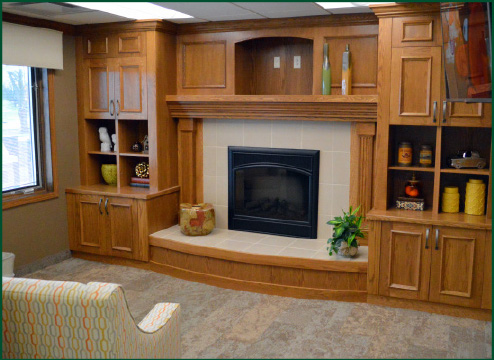
How is Creston Specialty Care Staffed?
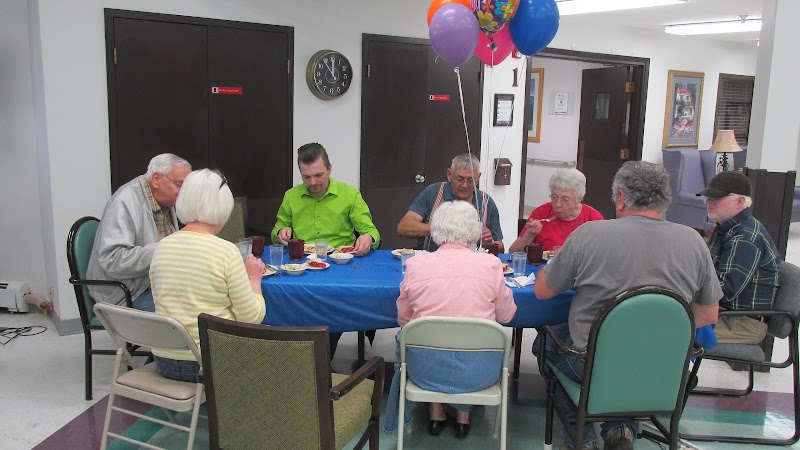
CMS rates Creston Specialty Care's staffing level at 3 out of 5 stars, which is average compared to other nursing homes. Staff turnover is 50%, compared to the Iowa average of 46%. RN turnover specifically is 56%, which is notably high. RNs provide skilled clinical oversight, so turnover in this role can affect medical care quality.

What Have Inspectors Found at Creston Specialty Care?

State health inspectors documented 15 deficiencies at Creston Specialty Care during 2023 to 2025. These included: 2 that caused actual resident harm and 13 with potential for harm. Deficiencies causing actual harm indicate documented cases where residents experienced negative health consequences.

Who Owns and Operates Creston Specialty Care?

Creston Specialty Care is owned by a for-profit company. For-profit facilities operate as businesses with obligations to shareholders or private owners. The facility is operated by CARE INITIATIVES, a chain that manages multiple nursing homes. With 74 certified beds and approximately 49 residents (about 66% occupancy), it is a smaller facility located in Creston, Iowa.

How Does Creston Specialty Care Compare to Other Iowa Nursing Homes?

Compared to the 100 nursing homes in Iowa, Creston Specialty Care's overall rating (3 stars) is below the state average of 3.1, staff turnover (50%) is near the state average of 46%, and health inspection rating (3 stars) is at the national benchmark.

What Should Families Ask When Visiting Creston Specialty Care?

Based on this facility's data, families visiting should ask: "Can I visit during a mealtime to observe dining assistance and food quality?" "How do you handle medical emergencies, and what is your hospital transfer rate?" "Can I speak with family members of current residents about their experience?"

Is Creston Specialty Care Safe?

Based on CMS inspection data, Creston Specialty Care has a clean safety record: no substantiated abuse findings (meaning no confirmed cases of resident harm), no Immediate Jeopardy citations (the most serious violation level indicating risk of serious injury or death), and is not on the Special Focus Facility watch list (a federal program monitoring the lowest-performing 1% of nursing homes). The facility has a 3-star overall rating and ranks #100 of 100 nursing homes in Iowa. While no facility is perfect, families should still ask about staff-to-resident ratios and recent inspection results during their visit.

Do Nurses at Creston Specialty Care Stick Around?

Creston Specialty Care has a staff turnover rate of 50%, which is about average for Iowa nursing homes (state average: 46%). Moderate turnover is common in nursing homes, but families should still ask about staff tenure and how the facility maintains care continuity when employees leave.

Was Creston Specialty Care Ever Fined?

Creston Specialty Care has been fined $19,663 across 2 penalty actions. This is below the Iowa average of $33,276. While any fine indicates a compliance issue, fines under $50,000 are relatively common and typically reflect isolated problems that were subsequently corrected. Families should ask what specific issues led to these fines and confirm they've been resolved.

Is Creston Specialty Care on Any Federal Watch List?

Creston Specialty Care is not on any federal watch list. The most significant is the Special Focus Facility (SFF) program, which identifies the bottom 1% of nursing homes nationally based on persistent, serious quality problems. Not being on this list means the facility has avoided the pattern of deficiencies that triggers enhanced federal oversight. This is a positive indicator, though families should still review the facility's inspection history directly.