Gracewell, An Eventide Community
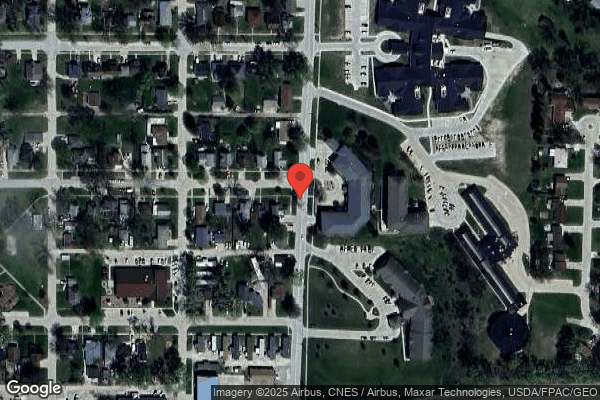
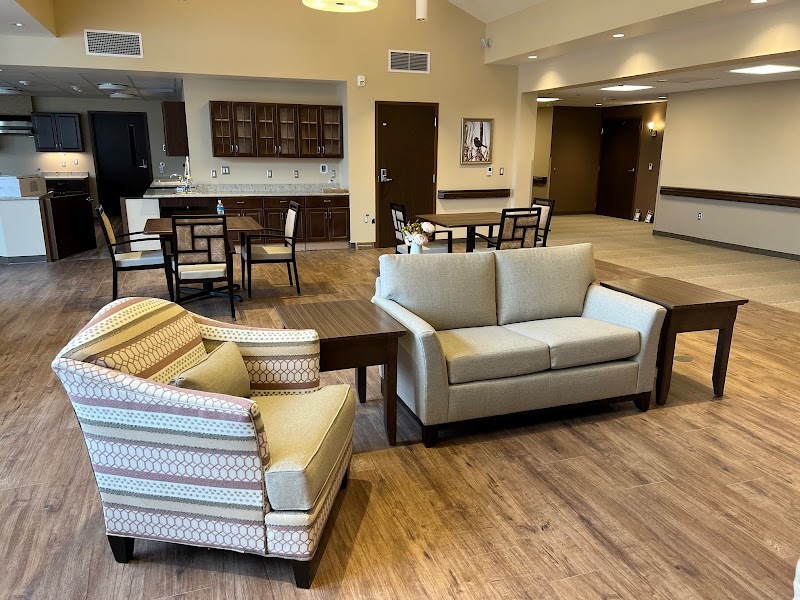
114 South 20th Street, Denison, IA 51442 (712) 263-3114
Non profit - Corporation 84 Beds Independent Data: November 2025
Trust Grade
80/100
#114 of 392 in IA
Last Inspection: October 2024

Within standard 12-15 month inspection cycle. Federal law requires annual inspections.

Overview

Gracewell, An Eventide Community in Denison, Iowa, has a Trust Grade of B+, indicating it is above average and recommended for families considering a nursing home. It ranks #114 of 392 facilities in Iowa, placing it in the top half, and is #2 of 2 in Crawford County, meaning only one other local facility ranks higher. The facility is improving, with reported issues decreasing from 6 in 2023 to 4 in 2024. Staffing is a strong point, rated 5 out of 5 stars with a turnover rate of only 21%, well below the state average. However, there are areas of concern as the facility has faced 16 issues, though none were life-threatening or caused serious harm. For instance, residents reported that meals are often overcooked and lack flavor, while the facility is currently without a Certified Dietary Manager, potentially affecting food quality. Despite these weaknesses, the absence of fines and excellent RN coverage, which exceeds that of 87% of Iowa facilities, are notable strengths that enhance the overall care provided.
Trust Score
B+
80/100
In Iowa
#114/392
Top 29%
Safety Record
Low Risk
No red flags
Inspections
Getting Better
6 → 4 violations
Staff Stability
✓ Good
21% annual turnover. Excellent stability, 27 points below Iowa's 48% average. Staff who stay learn residents' needs.
Penalties
✓ Good
No fines on record. Clean compliance history, better than most Iowa facilities.
Skilled Nurses
✓ Good
Each resident gets 54 minutes of Registered Nurse (RN) attention daily — more than average for Iowa. RNs are trained to catch health problems early.
Violations
⚠ Watch
16 deficiencies on record. Higher than average. Multiple issues found across inspections.
★★★★☆
4.0
Overall Rating
★★★★★
5.0
Staff Levels
★★★★☆
4.0
Care Quality
★★★☆☆
3.0
Inspection Score
Stable
2023: 6 issues
2024: 4 issues

The Good

  • 5-Star Staffing Rating · Excellent nurse staffing levels
  • 4-Star Quality Measures · Strong clinical quality outcomes
  • Low Staff Turnover (21%) · Staff stability means consistent care
  • Full Sprinkler Coverage · Fire safety systems throughout facility
  • No fines on record
  • Staff turnover is low (21%)

    27 points below Iowa average of 48%

Facility shows strength in staffing levels, quality measures, staff retention, fire safety.

The Bad

No Significant Concerns Identified

This facility shows no red flags. Among Iowa's 100 nursing homes, only 1% achieve this.

The Ugly 16 deficiencies on record

Oct 2024 4 deficiencies
CONCERN (D)

Potential for Harm - no one hurt, but risky conditions existed

Deficiency F0578 (Tag F0578)

Could have caused harm · This affected 1 resident

**NOTE- TERMS IN BRACKETS HAVE BEEN EDITED TO PROTECT CONFIDENTIALITY** 2. Resident #8's MDS assessment dated [DATE], identified a BIMS score of 5, indicating severe cognitive deficit. Resident #8 req...

Read full inspector narrative →
**NOTE- TERMS IN BRACKETS HAVE BEEN EDITED TO PROTECT CONFIDENTIALITY** 2. Resident #8's MDS assessment dated [DATE], identified a BIMS score of 5, indicating severe cognitive deficit. Resident #8 required substantial assistance with dressing, hygiene, transfers and toileting. The MDS included diagnoses anemia (low blood iron levels), peripheral vascular disease (impaired blood circulation) and non Alzheimer's' dementia. The Care Plan Focus revised [DATE] reflected Resident #8 wanted DNR as their Advanced Directive wishes. The Intervention instructed the staff to provide education as requested or needed regarding Advanced Directives and maintain a copy of her code status in the chart. The Care Plan Focus revised [DATE] indicated Resident #8 had impaired cognitive function and impaired thought processes related to dementia. Resident #8's Free Choice of Health Care Services form signed by her niece on [DATE], indicated she wished for CPR, should her heart stop. The Communication - with Physician dated [DATE] at 10:17 AM identified Resident #8's family changed Resident #8's code status to DNR. The chart lacked a second form for the change in code status on [DATE]. On [DATE] at 6:40 AM, the Director of Nursing (DON) said they reviewed code status wishes with families at the quarterly care conferences. She pointed out a separate line on the form titled: Review Advanced Directive, where it was documented CPR or DNR. Another line on the form was titled; Phone Call to, where they documented the name of the resident's representative and phone number. A Care Conference note dated [DATE] identified the Review of Advanced Directives box indicated CPR. The form included Resident #8's Representative's name and phone number, the document lacked a signature of the representative. A Care conference note dated [DATE], reflected the Review of Advanced Directives box unchecked and documented; DNR per family. The line titled; Phone Call To, included the name of the representative with several phone numbers. The form lacked documentation that they could to talk to the family representative. The form lacked a signature of the representative. On [DATE] at 4:10 PM, Staff F, Unit Manager, said they put the phone numbers on the care conference line for the family member so they could contact them during the care conference. She acknowledged they didn't document if they actually got ahold of the family. She acknowledged they should follow up and get a signature especially when they had a code status change. The Residents' Rights Regarding Treatment and Advance Directives policy, dated [DATE], directed the facility to support and facilitate a resident's right to request, refuse and/or discontinue medical or surgical treatment and to formulate an advance directive. Based on resident record review, facility policy review, staff, resident, and family interviews, the facility failed to verify a resident's Advanced Directives choice for 2 of 24 residents reviewed (Residents #8 and #58). The facility reported a census of 71 residents. Findings include: 1. Resident #58's Minimum Data Set (MDS) assessment dated [DATE], identified a Brief Interview for Mental Status (BIMS) score of 15, indicating intact cognition. The MDS included diagnoses of Alzheimer's and bipolar disorder. Resident #58's Free Choice of Health Care Services signed by his sister on [DATE], marked he wanted cardiopulmonary resuscitation (CPR) should his heart stop beating. The Physician telephone order dated [DATE] and signed by the physician on [DATE] reflected an order for Resident #58 to be a do not resuscitate (DNR) per family wishes. The Care Plan Focus dated [DATE] reflected Resident #58's Advanced Directives as DNR. Upon revision on [DATE], the Care Plan indicated DNR [DATE] CPR per Resident #58's wishes. The Interventions revised [DATE] directed to honor Resident #58's wishes: [DATE] - DNR per Resident #58's and family's wishes. On [DATE] CPR per Resident #58's wishes. Interview on [DATE] at 11:07 AM, Resident #58's sister, with Resident #58 in attendance, reported his Advanced Directive as CPR when he was admitted . The facility approached them about Resident #58's code status and his siblings chose for him to be a DNR. Resident #58's sister reported being up in the air with CPR or DNR. She explained CPR and DNR to Resident #58 and he stated he wanted CPR. Resident currently has a BIMS of 15. Interview on [DATE] at 3:18 PM, Staff F, Nurse Manager, stated she spoke with Resident #58's sister earlier that day. She reported Resident #58 wanted CPR for his Advanced Directives status. Staff F stated that during a care conference in the past, the siblings spoke to the facility and wanted the advanced directive changed from CPR on admission to DNR status. Staff F stated the facility's protocol is to fill out a physician telephone order slip with the code status change for the physician to sign. Staff F also stated they don't redo the initial form filled out on admission and signed by the resident or family. Staff F acknowledged Resident #58 had a BIMS of 15, and the facility didn't have a physician's note deeming him as incompetent to make his own decisions, they didn't have any documentation that someone talked to the family or Resident #58 about his code status. The facility only had the physician's order slip signed by the physician that documented the DNR per family's wishes, and should have something signed by family.
CONCERN (D)

Potential for Harm - no one hurt, but risky conditions existed

Quality of Care (Tag F0684)

Could have caused harm · This affected 1 resident

**NOTE- TERMS IN BRACKETS HAVE BEEN EDITED TO PROTECT CONFIDENTIALITY** Based on observation, interview, and record review the facility failed to identify new skin issues in a timely manner for 2 of 4...

Read full inspector narrative →
**NOTE- TERMS IN BRACKETS HAVE BEEN EDITED TO PROTECT CONFIDENTIALITY** Based on observation, interview, and record review the facility failed to identify new skin issues in a timely manner for 2 of 4 residents reviewed (Residents #29 and #66). Resident #29 had an abdominal pressure ulcer, their clinical record lacked documentation until the area showed signs of infection. Resident #66 had bruising and a skin tear on her lower leg. The facility didn't discover or document the skin tear until after it scabbed over. The facility reported a census of 71 residents. Findings include: The MDS (Minimum Data Set) assessment identifies the definition of pressure ulcers: Stage I is an intact skin with non blanchable redness of a localized area usually over a bony prominence. Darkly pigmented skin may not have a visible blanching; in dark skin tones only, it may appear with persistent blue or purple hues. Stage II is partial thickness loss of dermis presenting as a shallow open ulcer with a red or pink wound bed, without slough (dead tissue, usually cream or yellow in color). May also present as an intact or open/ruptured blister. Stage III Full thickness tissue loss. Subcutaneous fat may be visible but bone, tendon or muscle is not exposed. Slough may be present but does not obscure the depth of tissue loss. May include undermining and tunneling. Stage IV is full thickness tissue loss with exposed bone, tendon or muscle. Slough or eschar (dry, black, hard necrotic tissue). may be present on some parts of the wound bed. Often includes undermining and tunneling or eschar. Unstageable Ulcer: inability to see the wound bed. 1. Resident #29's Minimum Data Set (MDS) assessment dated [DATE], identified a Brief Interview for Mental Status (BIMS) score of 14, indicating intact cognition. He required substantial assistance with dressing and hygiene. The MDS listed him as totally dependent for transfers, toileting, and turning in bed. The MDS included diagnoses of heart failure, basal cell carcinoma (cancer) of skin, and type 2 diabetes mellitus. The MDS indicated Resident #29 didn't have pressure injures. According to a Wound Clinic note, dated 2/27/24, Resident #29 had 2 unstageable pressure injuries at that time; 1 to the right heel and 1 on the anterior (front) of the right foot. The Care Plan included the following Focuses dated: a. 8/14/24 identified Resident #29 had a terminal prognosis related to chondrosarcoma and received system management of his terminal illness by hospice services. b. 1/31/23 indicated Resident #29 had an activities of daily living (ADLs) self-care performance deficit related to heart failure, diabetes mellitus measured by activity intolerance, weakness, impaired balance, and new placement. The Interventions directed the staff to: i. Follow skin prevention protocols. He had self care performance deficit related to heart failure diabetes mellitus and impaired balance. ii. Inspect the skin and observe for redness, open areas, scratches, cuts bruises, and report to the charge nurse. C. Revised 8/16/24 reflected Resident #29 took Lantus related to diabetes mellitus. The Interventions directed the staff to: i. Check all of his body for breaks in skin and treat promptly as order by the physician. ii. Inspect feet daily for open areas, sores, pressure areas, blisters, edema, or redness. On 10/29/24 at 10:51 AM, observed Staff A, Registered Nurse (RN), provide Resident #29's wound treatments. Witnessed Resident #29 had a blackened ulcer on his right heel, an open oozing wound on the top of his right foot, and a deep ulcer under the abdominal fold on his right side. Staff A said the injury under the folds presented first as a pimple, then suddenly opened up, and had extensive drainage. After Staff A completed Resident #29's treatments and wrapped his right foot, she learned he had a spot under his right leg on the lower calf area. She said didn't know of the spot and proceeded to measure the abrasion. A nursing note on 10/29/24 at 12:06 PM, showed that the abrasion to the lower calf measured 0.5 centimeters (cm) x 0.5 cm, circular and red in the center. The resident was unsure how he got it. Resident #29's clinical record identified the first reference of a developing skin issue under the right abdominal fold in a nursing note created on 3/8/24 at 8:20 AM, for the date of 3/7/24 at 11:53 AM. The documentation described the skin issue as an area to the right groin having small drainage. The chart lacked description of the source of the drainage. The Health Status Note dated 3/8/24 at 3:30 AM, reflected Resident #29 had drainage of white, greenish pus, and bloody discharge in his right groin area, area harden 2 inches into the groin/scrotum area. The Physician/Nurse Communication Report dated 3/8/24, documented Resident #29's right groin crease had a lot of drainage. The drainage went from greenish to pus then bloody. Resident #29 had facial grimaces with cleansing. The staff couldn't keep the area dry due to the amount of drainage. The doctor replied with orders for a warm moist pack to her right thigh area for 15-30 minutes four times a day for seven days and Cephalexin 500 mg 1 by mouth 3 times a day, or every 8 hours for 7 days. They would see her on 3/11/24. Resident #29's Nursing Notes from 3/7/24 3/11/24 included the amount of drainage in the groin wound and their response to the antibiotic. The chart lacked measurements and further descriptions of the wound. The handwritten Physician's Orders and Progress Notes dated 3/11/24 reflected the provider rechecked Resident #29's right groin abscess, following the order of warm packs and antibiotic. Resident #29's wound culture remained pending. They denied fevers, chills, or increased pain in the right groin area. He complained of itching in his left groin that appeared to have excoriation (red irritated skin). The right groin exam revealed an area of firmness down into the right inner thigh. The groin had a small opening where the abscessed drained. Only a scant amount of bloody drainage observed. The provider gave orders for Lortisone cream to the affected red itchy areas twice a day as needed for dermatitis/yeast. The orders included to place a 4 by (x) 4 in the right groin over the abscess area and apply a paper towel to the left groin area. The nursing note from 3/11 3/18 made a reference to antibiotic reaction and continued drainage, but lacked compete documentation of size and color of the wound. A review of a form titled: Wound Documentation from 3/18/24 to 4/15/24, showed the first detailed description of the right groin wound 3/18/24. The form described the wound as an abscess measuring 1 cm x 0.5 cm with bloody drainage, and a purplish surrounding base. The wound edges denudation (denuded wound is an injury that occurs when the protective top layer of the skin is gone, leaving the underlying tissue exposed.) The documentation lacked staging. A Wound Clinic note dated 4/1/24, indicated Resident #29 had a right groin ulcer, described as a Stage II blister with bloody drainage. Upon inspection the base appeared boggy with an appearance of old instant blood return. The wound had ecchymosis (bruising) around the opening. It appeared as if the skin had gotten pinched or rubbed. The anticoagulant medications caused increased bleeding. The wound measured 1.4 cm. length x 0.7 cm. width x a depth of 0.5 cm. The area appeared boggy, with a peri wound with ecchymosis. On 10/31/24 at 8:34 AM, the Wound Clinic RN said something caused the area to break open and started the drainage from under the surface. She said deep tissue injuries could first present as bruising, especially when a resident used anticoagulants, the medication helps to feed the wound. She said given the wound oozed, he may have had bruising before the break in the skin. Resident #29's March 2024 Medication Administration Record (MAR) listed an order for Apixaban (anticoagulant) 5 milligrams (mg) twice a day. On 10/30/24 at 3:09 PM, Staff D, RN, said they didn't have scheduled skin assessments but documented when they identified an issue. Once they found new area they would complete weekly assessments. She said that they didn't do scheduled full body skin assessments and relied on recognizing areas through daily observation during cares. On 10/31/24 at 11:12 AM, Staff F, Unit Manager, described the Certified Nurse Aides (CNA's) as the eyes and ears of the nurses. They did regular monitoring for any new skin issues and reported them to the nurses. She said the nurses often helped with daily cares and they always watch for any concerns. She maintained the groin issue originated with a pimple and just exploded. Staff F said that on 3/7/24 someone came to her about it and they contacted the doctor, the next day it started oozing. She said they didn't document it on a skin sheet because it didn't seem like a concern at that time. She acknowledged they didn't start a wound documentation sheet until 3/18/24. She said they started the wound sheets on Mondays. 2. Resident #66's MDS assessment dated [DATE], identified a BIMS score of 6, indicating severely impaired cognition. She required substantial assistance with dressing, showers, and moderate/partial assistance with sit to stand and toilet transfers. The MDS included diagnoses of arthritis, osteoporosis, cerebrovascular accident (CVA or stroke) and non Alzheimer's dementia. The Care Plan Focus dated 6/13/24, indicated Resident #66 had the potential for excess bruising and/or bleeding related to the use of aspirin for her history of cerebral infarction (stroke). The Interventions directed the staff to monitor for excess bruising/bleeding with cares. Resident #66 admitted to hospice for system management of her terminal illness. A nursing note dated 10/28/24 at 3:00 AM, reflected a CNA reported a new area to Resident #66's left lower leg. The bruise measured 5.5 cm x 4.0 cm. On a side of the bruise had 2-line scabs each measuring 1.0 cm. The second bruise above measured 1.5 cm x 1.0 cm. Resident #66 couldn't recall what happened. On 10/30/24 at 2:43 PM, observed Staff C, RN, take Resident #66 to her room and pull up her pant leg to reveal two small scabbed areas. Around the scabs, the skin looked purple and slightly raised. She couldn't describe how it happened. On 10/31/24 at 11:12 AM, Staff F said that she didn't know why the bruising and skin tears on Resident #66's left leg didn't get discovered sooner, because by the time they found them, they scabbed over. On 10/30/24 at 4:10 PM, the Administrator and the Director of Nursing (DON) said the staff did a good job of watching for new skin issues. They said the CNAs didn't do assessments, but alerted the nurses to any concerns. They indicated the nurses help with a lot of the resident cares so they also have eyes on the resident's skin to monitor on a regular basis. A facility policy dated October 2023 titled: Skin Care, described the purpose of the policy as to give immediate assessment and treatment to all areas of the skin where tissue damage occurred and to prevent further skin damage. The direct care staff completed daily skin care through observance of any red, open, discolored areas and immediately reported the change in skin to the charge nurse. The assigned nurse would complete the weekly skin care documentation for a specific area on all residents with current and/or potential problems.
CONCERN (D)

Potential for Harm - no one hurt, but risky conditions existed

Infection Control (Tag F0880)

Could have caused harm · This affected 1 resident

**NOTE- TERMS IN BRACKETS HAVE BEEN EDITED TO PROTECT CONFIDENTIALITY** Based on observation, interview and record review the facility failed to practiced adequate hand hygiene for 1 of 4 residents re...

Read full inspector narrative →
**NOTE- TERMS IN BRACKETS HAVE BEEN EDITED TO PROTECT CONFIDENTIALITY** Based on observation, interview and record review the facility failed to practiced adequate hand hygiene for 1 of 4 residents reviewed (Resident #3) for infection control measures. As the nurse administered Resident #3's medications via a feeding tube, she failed to change her gloves after she had contact with several surfaces. The facility reported a census of 71 residents. Findings include: Resident #3's Minimum Data Set (MDS) assessment dated [DATE], identified a Brief Interview for Mental Status (BIMS) score of 3, indicating severely impaired cognition. The MDS listed Resident #3 as totally dependent on staff for toileting, dressing, sit to lying, chair to bed transfer, and toilet transfers. The MDS included diagnoses of aphasia (difficulty speaking), cerebrovascular accident (CVA or stroke), neurogenic bladder (trouble with urinating either too much or not enough) and anemia (low iron in the blood). The Care Plan Focus dated 7/25/24, indicated Resident #3 required enhanced barrier precautions related to a history of C-diff (clostridium difficile bacterial infection in the large intestine) and a feeding tube. The Care Plan Focus revised 8/26/24 reflected Resident #3 had a nutritional risk. She couldn't have anything by mouth due to a history of dysphagia (difficulty swallowing) and receiving 100% of her nutrition and hydration by her G-tube. On 10/29/24 at 8:48 AM, Staff A, Registered Nurse (RN), prepared Resident #3's medications for administration into the PEG (Percutaneous Endoscopic Gastrostomy or feeding tube) tube. As Resident #3 laid in bed on her back, Staff A stood on one side of the bed and a nursing student on the opposite side. They each grabbed the protective pad under Resident #3 and slide her up in bed. Once up in the bed, Staff A failed to change her gloves or complete hand hygiene as she prepared the water and medications to administer. On 10/31/24 at 11:12 AM, Staff F, Nurse Manager, said she taught the staff to change their gloves and practice hand hygiene after touching surfaces that could possibly be contaminated. She said Staff A should have removed her gloves and performed hand hygiene before preparing the medications. A facility policy for PEG Or G Tubes, dated October 2023, indicated that residents with G Tube feeding would be cared for as ordered per physician, with emphasis on infection control and resident comfort. The Hand Hygiene policy dated February 2024, directed all staff to perform proper hand hygiene procedures to prevent the spread of infection.
CONCERN (E)

Potential for Harm - no one hurt, but risky conditions existed

Deficiency F0804 (Tag F0804)

Could have caused harm · This affected multiple residents

Based on observation, policy review, resident, and staff interview, the facility failed to prepare food that conserved flavor, appearance, and palatable for a lunch meal. The facility reported a censu...

Read full inspector narrative →
Based on observation, policy review, resident, and staff interview, the facility failed to prepare food that conserved flavor, appearance, and palatable for a lunch meal. The facility reported a census of 71. Findings include: Interview on 10/28/24 at 11:39 AM, Resident #15 stated the food is often overcooked and burnt at times, especially the meat. Interview on 10/29/24 at 9:33 AM, Resident #45 stated the food is bland, just didn't taste good. They described the meat as tough and unable to cut it. During continuous observation on 10/30/24 starting at 9:25 AM, Staff G, Cook, placed 5 pans of chicken nuggets into the oven to bake. At 9:40 AM they placed a pan of fish fillets into the oven to bake. At 9:50 AM, when Staff G checked the temperature of the chicken, it registered at 180 degrees Fahrenheit (F), and at 10:10 AM the fish fillet temperature registered at 174 F. Staff G left the chicken and fish in the oven. On 10/30/24 at 12:30 PM after the staff completed serving the lunch meal, the facility provided a test tray of sesame chicken, Asian blend vegetables, and fried rice. The sesame sauce appeared to soak through the breading of the nugget, no liquid sauce. The chicken nuggets too tough to cut with a fork only, but able to cut with a knife. The nuggets tasted dry with a moderate amount of work needed to chew the chicken thoroughly. The vegetables were mushy as able to mash all vegetables down to almost a puree consistency with a fork. They looked so overcooked couldn't differentiate the difference of each vegetable as the color of them all appeared the same greenish/brownish color. Interview on 10/30/24 at 1:30 PM, Resident #15 described the lunch meal as not good. Resident #15 reported he had the sesame chicken. He detailed the chicken as over cooked, very dry, with no sesame sauce on the chicken, and overcooked, mushy vegetables. Interview on 10/31/24 at 10:30 AM, the Dietary Manager agreed the vegetables served for the lunch meal the day before were very mushy and stated they expected the staff to provide residents a palatable meal. The facility policy, Food Preparation Guidelines dated 2/1/24, instructed food shall be prepared by methods that conserve nutritive value, flavor, and be palatable.
Sept 2023 6 deficiencies
CONCERN (D)

Potential for Harm - no one hurt, but risky conditions existed

Comprehensive Care Plan (Tag F0656)

Could have caused harm · This affected 1 resident

**NOTE- TERMS IN BRACKETS HAVE BEEN EDITED TO PROTECT CONFIDENTIALITY** Based on electronic record review, policy review, and staff interviews the facility failed to provide a comprehensive Care Plan ...

Read full inspector narrative →
**NOTE- TERMS IN BRACKETS HAVE BEEN EDITED TO PROTECT CONFIDENTIALITY** Based on electronic record review, policy review, and staff interviews the facility failed to provide a comprehensive Care Plan that included diuretic (medication used to remove excess fluid from the body) therapy for 1 of 5 residents reviewed (Resident #71). Resident #5's Care Plan lacked the information on what signs and symptoms to watch for when using a high risk medication (diuretic), such dehydration. Finding include: Resident #71's Minimum Data Set (MDS) assessment dated [DATE] identified a Brief Interview of Mental Status (BIMS) of 13, indicating no cognitive impairment. The MDS included a diagnosis of edema, unspecified. The MDS indicated that he used diuretics for seven out of seven days in the lookback period. Resident #71's September 2023 Medication Administration Record (MAR) listed an order for furosemide (diuretic) to give 20 milligrams (mg) by mouth one time a day for edema / fluid. The order lacked what to monitor for side effects for the use of a diuretic medication. Resident #71's Comprehensive Care Plan included a Focus dated 8/10/23 that he had an activities of daily living (ADL) self-care performance deficit related to pneumonia diagnosis and intellectual disability. The Care Plan lacked information related to the use of high risk medications and side effects related to the use of the medications. On 9/21/23 at 8:25 AM Staff A, Registered Nurse (RN) / MDS Coordinator, reported that she missed that Resident #71 received a diuretic. Staff A stated it is her expectation and the facility's expectation that use of a diuretic would be included in Resident #71's Care Plan. On 9/21/23 at 10:26 AM the Director of Nursing (DON) explained that the facility expected a Care Plan developed for Resident #71 included the use of a diuretic and appropriate interventions related to the use of a diuretic. Review of policy with copyright date of 2023, titled Comprehensive Care Plan directed the purpose of the policy for the facility to develop and implement a comprehensive person-centered Care Plan for each resident, consistent with resident rights, that includes measurable objectives and timeframes to meet a resident's medical, nursing, and mental and psychosocial needs that are identified in the resident's comprehensive assessment.
CONCERN (D)

Potential for Harm - no one hurt, but risky conditions existed

Deficiency F0657 (Tag F0657)

Could have caused harm · This affected 1 resident

**NOTE- TERMS IN BRACKETS HAVE BEEN EDITED TO PROTECT CONFIDENTIALITY** Based on clinical document review, staff interview, and facility policy review the facility failed to update Care Plans in a tim...

Read full inspector narrative →
**NOTE- TERMS IN BRACKETS HAVE BEEN EDITED TO PROTECT CONFIDENTIALITY** Based on clinical document review, staff interview, and facility policy review the facility failed to update Care Plans in a timely manner to reflect the resident's condition for 1 of 5 residents (Residents #5) reviewed. Findings include: Resident #5's Minimum Data Set (MDS) assessment dated [DATE] identified a Brief Interview of Mental Status (BIMS) score of 13, indicating intact cognition. The MDS included diagnoses of neurogenic bladder (bladder malfunction caused by an injury to the brain, spinal cord, or nerves), cerebrovascular accident (stroke, CVA), and vascular dementia (Problems with reasoning, planning, judgement, and memory due to the lack of blood that contains oxygen and nutrients to the brain). Resident #5's Care Plan Focus revised 3/27/18 indicated that she had an activities of daily living (ADL) self-care performance deficit related to a CVA with left-sided weakness with the need for assist with ADLs. Resident #5 can resist at times). The Intervention dated 4/29/21 directed the staff to see the Medication Administration Record (MARs) and (TARs) as part of the Care Plan. The Care Plan lacked the risks regarding the use of an indwelling catheter. The last update made to the Care Plan reflected a date of 7/3/23. Resident #5's Clinical Physician Orders included an order dated 8/11/23 to insert a Foley (urinary) catheter 16 or 18 French with 5 cubic centimeter (cc) balloon due to urinary retention. The Clinical Physician's Orders lacked directions on what to monitor due to the use of a urinary catheter. Resident #5's September 2023 MAR lacked directions on what to monitor related to the use of a catheter. On 9/21/23 at 8:04 AM with Staff A, Registered Nurse (RN) / MDS Coordinator, explained that she expected to update Care Plans in a timelier manner, and anything beyond 14 days is excessive. During an interview on 9/21/23 at 10:11 AM with the Director of Nursing (DON) explained that she expected indwelling catheters documented on the Care Plan. Review of a facility provided policy titled, Comprehensive Care Plans with a copyright date of 2023 instructed that qualified staff responsible for carrying out interventions specified in the Care Plan will be notified of their roles and responsibilities for carrying out the interventions, initially and when changes are made.
CONCERN (D)

Potential for Harm - no one hurt, but risky conditions existed

ADL Care (Tag F0677)

Could have caused harm · This affected 1 resident

**NOTE- TERMS IN BRACKETS HAVE BEEN EDITED TO PROTECT CONFIDENTIALITY** Based on clinical document review, observation, resident interview, staff interview, and policy review the facility failed to as...

Read full inspector narrative →
**NOTE- TERMS IN BRACKETS HAVE BEEN EDITED TO PROTECT CONFIDENTIALITY** Based on clinical document review, observation, resident interview, staff interview, and policy review the facility failed to assist residents with activities of daily living by not assisting with showers per resident's request for 1 of 1 residents (Resident #8) reviewed. Findings include: Resident #8's Minimum Data Set (MDS) assessment dated [DATE] identified a Brief Interview of Mental Status (BIMS) score of 15, indicating intact cognition. The MDS indicated that Resident #8 needed total assistance from two persons for transfers, and extensive assistance from one person with dressing, toilet use, and personal hygiene. In addition, Resident #8 required total assistance of one person for bathing. The MDS listed a weight of 414 pounds (lbs.) with a height of 4 foot 3 inches (52 inches). The MDS included diagnoses of coronary artery disease (narrowing of the major blood vessels that supply the heart), heart failure (inadequate pumping of the heart), peripheral vascular disease (narrowing of the blood vessels outside of the heart and brain), diabetes mellitus, hyperlipidemia (elevated cholesterol), morbid obesity (excessive body fat with complications), and acquired absence of limb. On 9/18/23 at 12:18 PM Resident # 8 reported that he only gets bed baths once a week, due to him being larger. Resident #8 explained that he would like a shower twice a week. The POC Response History reviewed on 9/20/23 for the previous 30 days reflected that Resident #8 received a bed bath on 8/22/23, 8/25/23, 8/29/23, 9/5/23, 9/15/23, and 9/20/23. In addition, the document indicated that Resident #8 refused a bath 9/1/23, 9/8/23, and 9/12/23. The Weights and Vitals listed his last weight as 414 lbs. on 7/26/23. The Health Status Note dated 9/20/23 at 2:19 PM indicated that Resident #8 did not want to go to his vision appointment on 9/21/2023 due to him not getting a bath. The Tasks reviewed on 9/20/23 listed that Resident #8 could shower in shower chair only if greater than 400 lbs., or in the whirlpool if below 400 lbs. The note indicated that from 11/23/22 - 11/30/22 - No baths post-surgery - Shower only document with each bath if weighed or refused! On 9/20/23 at 2:43 PM with Staff A, Registered Nurse (RN)/MDS Coordinator) reported that Resident #8 is physically too heavy for the facility's shower chair. Staff A added that she expected Resident #8 to get showers when over 400 lbs. and baths/showers if under 400lbs. On 9/20/23 at 2:45 PM observed a sticker on top of the shower chair documenting a weight limit of 500 lbs. On 9/20/23 at 3:15 PM the Director of Nursing (DON) explained that she expected Resident #8 to have showers when requested and staff to document refusals of showers when bed baths are completed. The Resident Showers policy dated April 2022 directed that residents will be provided showers as per request or as per facility schedule protocols and based upon resident safety.
CONCERN (E)

Potential for Harm - no one hurt, but risky conditions existed

Deficiency F0801 (Tag F0801)

Could have caused harm · This affected multiple residents

Based on staff interviews the facility failed to employ a clinically qualified nutrition professional by not having a certified dietary manager. The facility reported a census of 73 residents. Finding...

Read full inspector narrative →
Based on staff interviews the facility failed to employ a clinically qualified nutrition professional by not having a certified dietary manager. The facility reported a census of 73 residents. Findings include: On 9/18/23 at 9:29 AM Staff B, Dietitian, reported that she is at the facility one day a week. Staff B stated the facility did not currently have a Certified Dietary Manager (CDM) at the facility. Staff B stated the Administrator is covering as the kitchen manager at this time and Staff C did the ordering. Staff B stated the Administrator did not have a CDM certificate either. Staff B stated that she and the facility knew of the regulation about the need for a CDM. Staff B said it is not always possible to have a CDM, but the facility is actively taking steps to hire a CDM. On 9/19/23 at 10:28 AM the Administrator stated the facility is aware of the regulation that a CDM is required at the facility. The Administrator stated the facility is actively taking steps to hire a CDM. The Administrator stated she is covering as the kitchen manager at this time. Request for documentation from the Administrator of qualifications for dietary manager revealed no certification or documentation. On 9/21/23 at 10:00 AM the Administrator stated the facility has no policy for employment of a Certified Dietary Manager or Kitchen Manager.
CONCERN (E)

Potential for Harm - no one hurt, but risky conditions existed

Food Safety (Tag F0812)

Could have caused harm · This affected multiple residents

Based on observation, staff interview, and policy review the facility failed to store and prepare food in accordance with professional standards. The facility reported a census of 73 residents. Findin...

Read full inspector narrative →
Based on observation, staff interview, and policy review the facility failed to store and prepare food in accordance with professional standards. The facility reported a census of 73 residents. Findings include: On 9/18/23 from 9:29 AM through 10:10 AM during a continuous observation during the initial kitchen tour revealed: a. The two door refrigerator had beef base chicken base, and gluten free bread open and undated. b. The dry storage had two packages of hamburger buns best if used by 9/17/23, one package of white sandwich bread best if used by 9/15/23, seven packages of white dinner rolls best if used by 9/15/23, one package of white dinner rolls best if used by 9/16/23, a large storage container of chocolate candy open and undated, a large storage container of graham cracker crumble open and undated, and a 10 pound bag of noodles open and undated. On 9/20/23 at 10:10 AM observed Staff C, Cook, remove eight hamburger buns from a package to puree. Staff C put four hamburger buns and seven pork patties in the blender with milk. Three more hamburger buns were added and blended together. One hamburger bun fell on the floor. Staff C picked the hamburger bun off the floor and put the hamburger bun onto the stainless table. Without completing hand hygiene, Staff C returned to the blender and used her index finger to push food off the side of the blender into the blender. Staff C did not wear gloves or do any hand hygiene prior to or after blending the food for pureed diets. Staff C returned to the stainless table and picked up the hamburger bun and threw it into the garbage. On 9/20/23 at 12:06 PM observed the lunch service for the Traditional wing. Witnessed Staff D, Dietary Aide, remove all the foil from pans. Staff D then obtained all the temperatures for all the food served on the Traditional wing. When Staff D served the carrot cake she applied a glove to her left hand. Staff D supported the side of the cake pan with her left gloved hand and touched the top of every piece of cake to support when cake was plated for the residents. Staff D repeated supporting the cake pan with gloved hand and supporting the cake with gloved hand for every piece plated. The Food Storage policy dated April 2022 instructed that food should be dated as it is placed on the shelves if required by state regulation. Date marking should be visible on all high-risk food to indicate the date by which the ready to eat, TCS (time/temperature controlled food for safety) food should be consumed or discarded. Food will be stored and handled to maintain the integrity of the packaging until ready for use. Food stored in bins may be removed from its original packaging. Plastic containers with tight-fitting covers or sealable plastic bags must be used for storing grain products, sugar, dried vegetables, and broken lots of bulk food or opened packages. All containers or storage bags must be legible and accurately labeled and dated. The undated Hand Washing Techniques policy directed that staff are to wash hands before and after resident contact, after contact with a source of microorganisms (body fluids and substances, mucous membranes, non-intact skin, inanimate objects that are likely to be contaminated, and after removing gloves). Gloves should be used as an adjunct to, not a substitute for, washing hands. Gloves should be worn for hand contaminating activities. On 9/18/23 at 9:45 AM Staff B, Dietitian, stated she expected all opened food items have an open date on the package. Staff B added that she expected that all expired food be thrown away and would not be used. On 9/20/23 at 3:26 PM the Administrator said the facility's expectation is that hand hygiene would be completed prior to and after any handling of food. The Administrator stated when a task is completed with food there would be no cross contamination.
CONCERN (E)

Potential for Harm - no one hurt, but risky conditions existed

Infection Control (Tag F0880)

Could have caused harm · This affected multiple residents

**NOTE- TERMS IN BRACKETS HAVE BEEN EDITED TO PROTECT CONFIDENTIALITY** Based on observation, record review, document review, and staff interview the facility failed to provide appropriate infection p...

Read full inspector narrative →
**NOTE- TERMS IN BRACKETS HAVE BEEN EDITED TO PROTECT CONFIDENTIALITY** Based on observation, record review, document review, and staff interview the facility failed to provide appropriate infection prevention practices by not completing adequate hand hygiene when assisting 4 of 8 residents reviewed (Residents #23, #68, #70, and #174). Finding include: 1. Resident #23's Minimum Data Set (MDS) assessment dated [DATE] identified a Brief Interview of Mental Status (BIMS) of 5, indicating severe cognitive impairment. On 9/20/23 at 7:20 AM observed Staff E, Registered Nurse (RN), give medications to Resident #23. Staff E completed hand hygiene and placed the blood sugar machine on a clean field. Staff E applied a glove to her right hand but not the left hand. Staff E used her left hand to support Resident #23's left hand index finger. Staff E used a lancet (enclosed needle that moves out to puncture the skin to obtain blood for a blood sugar check) to obtain blood from Resident #23's left hand. Staff E used her left hand to milk (squeeze and push) Resident #23's finger to obtain a blood sample. Staff E cleaned the blood sugar machine, put blood sugar strips away, threw away the lancets and completed hand hygiene. 2. On 9/20/23 starting at 7:20 AM observed Staff F, RN, complete the following medication administrations: a. Staff F accessed the computer to open the Medication Administration Record (MAR), then opened the medication cart drawer. Staff F retrieved Resident #70's medications from the medication cart. Without completing hand hygiene, Staff F applied gloves, and administered Refresh eye drops to Resident #70's bilateral eyes. After Staff F administered Resident #70's inhaler, they returned to the medication cart. Staff F completed no hand hygiene upon return, opened drawers to the medication cart, and returned the medications to the drawers. Then Staff F completed hand hygiene. b. Without completing hand hygiene, Staff F obtained Resident #174's medications and administered them to her. Staff F returned to the medication cart and without completing hand hygiene, Staff F grabbed paper work for another resident's dental appointment from the medication room. Then Staff F returned to the resident's room and dropped off the paper in the resident's room. c. Without completing hand hygiene, Staff F returned to the medication cart and obtained Resident #68's Ocusoft lid scrub (used to clean the eyelids). Staff F entered Resident 68's room, applied gloves, wiped her eyes, removed their gloves, and left the room. Staff F completed hand hygiene upon returning to the medication cart. The undated Hand Washing Techniques policy directed that staff are to wash hands before and after resident contact, after contact with a source of microorganisms (body fluids and substances, mucous membranes, non-intact skin, inanimate objects that are likely to be contaminated, and after removing gloves). Gloves should be used as an adjunct to, not a substitute for, washing hands. On 9/20/23 at 3:20 PM the Director of Nursing (DON) said that the facility's expectation is for the staff to complete hand hygiene between every resident and every task. The DON stated hand hygiene should be completed before and after entering a resident's room as well. The facility's expectation is for the person completing the blood check to wear two gloves. On 9/20/23 at 3:26 PM the Administrator said the facility's expectation is for the staff to complete hand hygiene prior to and after any resident cares.
Jul 2022 6 deficiencies
CONCERN (D)

Potential for Harm - no one hurt, but risky conditions existed

Notification of Changes (Tag F0580)

Could have caused harm · This affected 1 resident

**NOTE- TERMS IN BRACKETS HAVE BEEN EDITED TO PROTECT CONFIDENTIALITY** Based on clinical record reviews, staff and resident interviews, the facility failed to notify a resident's family after a fall ...

Read full inspector narrative →
**NOTE- TERMS IN BRACKETS HAVE BEEN EDITED TO PROTECT CONFIDENTIALITY** Based on clinical record reviews, staff and resident interviews, the facility failed to notify a resident's family after a fall for 1 of 4 residents reviewed (Resident #49). The facility reported a census of 71 residents. Findings include: Resident #49's Minimum Data Set (MDS) assessment dated [DATE], identified a Brief Interview for Mental Status (BIMS) score of 15, indicating intact cognition. The MDS indicated that Resident #49 could independently transfer, and move between locations in her room with a wheelchair. Resident #49 diagnoses included Parkinson's disease, anxiety disorder, and unsteadiness on her feet. On 7/18/22 at 11:26 AM, Resident #49 said that she fell a couple nights ago when she tried to transfer herself from the recliner to the wheelchair. She said no one contacted her family about her fall until 7/18/22 when she went to the doctor for an X-ray. The Incident Note dated 7/12/22 at 11:37 PM indicated at around 11:00 PM the nurse noted Resident #49's call light on. When the nurse went into her room, she found Resident #49 on the floor. Resident #49 explained that she slipped when she tried to get into her wheelchair to go to the bathroom. The nurse didn't notify Resident #49's family due to the late hour. On 7/21/22 at 9:07 AM Resident #49's family member said that he didn't know about her fall on 7/12/22. On 7/21/22 at 10:07 AM, the Director of Nursing (DON) said that the night nurse didn't follow the procedure to pass the information to the next shift after Resident #49's fall. She said that the morning shift didn't know that the family didn't get notified.
CONCERN (D)

Potential for Harm - no one hurt, but risky conditions existed

Deficiency F0658 (Tag F0658)

Could have caused harm · This affected 1 resident

Based on observations, clinical record review, facility policy review, resident, and staff interviews the facility failed to provide professional standards of practice when administering medications f...

Read full inspector narrative →
Based on observations, clinical record review, facility policy review, resident, and staff interviews the facility failed to provide professional standards of practice when administering medications for 1 of 6 residents reviewed (Resident #55). Staff B, Licensed Practicing Nurse (LPN), prepared the morning medications for Resident #55 before the resident was up for the day. Staff B reported that she knew that Resident #55 likes to sleep in, so she stored them in the medication cart until she administered them at noon. The nurse stored the medications in an unmarked medication cup. The facility reported a census of 71 residents. Findings include: On 7/20/22 at 11:51 AM, Staff B took a container out of the drawer of the medication cart that contained a nebulizer reservoir, mouthpiece, tubing, and a medication cup containing pills. The reservoir of the nebulizer contained medication. On 7/20/22 at 12:01 PM Staff B said that Resident #55's didn't get her morning medications yet as she preferred to sleep in. Staff B acknowledged that she prepared the medications earlier that morning and placed them in the drawer in an unmarked cup. On 7/20/22 at 12:05 PM observed Staff B administer the medications in the unmarked cup to Resident #55. On 7/20/22 at 12:11 PM Resident #55 said that she liked to sleep in and she was okay with waiting until later in the morning to get her medications. On 7/20/22 at 12:45 PM the Director of Nursing (DON) said that if a resident refused to take morning medications and the nurse had already dished them into the cup, she would expect the nurse to dispose of those medications and get new ones when the resident was ready for them. She said that best practice was not to keep the medication in an unmarked cup in the drawer for later. The Medication Administration policy dated 11/19, documented that medications were administered in accordance with professional standards of practice in a manner to prevent contamination or infection.
CONCERN (D)

Potential for Harm - no one hurt, but risky conditions existed

Deficiency F0688 (Tag F0688)

Could have caused harm · This affected 1 resident

**NOTE- TERMS IN BRACKETS HAVE BEEN EDITED TO PROTECT CONFIDENTIALITY** Based on observations, staff interviews, and clinical record reviews the facility failed to provide adequate adaptive eating ute...

Read full inspector narrative →
**NOTE- TERMS IN BRACKETS HAVE BEEN EDITED TO PROTECT CONFIDENTIALITY** Based on observations, staff interviews, and clinical record reviews the facility failed to provide adequate adaptive eating utensils to meet the needs of 1 of 3 residents reviewed (Resident #62). The facility reported a census of 71 residents. Findings include: Resident #62's Minimum Data Set (MDS) assessment dated [DATE] recorded that a Brief Interview for Mental Status (BIMS) could not be conducted due to the resident rarely or never understanding. In place of the BIMS score and a staff interview got conducted indicating Resident #62 had long and short-term memory problems. Resident #62 had moderately impaired daily decision making abilities. Resident #62 required extensive assistance from one person with eating. The MDS included diagnoses of hemiplga following a cerebral infarct affecting his right side (right sided weakness), unspecified dysphagia (difficulty swallowing), and personal history of sudden cardiac arrest (heart attack). Resident #62's diet consisted of a mechanically altered diet. The Care Plan Focus revised 7/18/22 indicated that Resident #62 had a nutritional problem or potential nutritional problem related to dysphagia and requiring a mechanically altered diet with thickened liquids. The included intervention revised 3/29/22 directed the use of adaptive silverware as ordered or recommended of a left handed black bent spoon or left handed white handled bent spork. On 7/18/22 at 1:04 PM observed Resident #62 sitting at the lunch table with food in front of him and a regular spoon in his hand. At 1:06 PM he tried unsuccessfully to bring it to his mouth. At 1:13 PM a staff member walked through the area but did not offer him any help. At 1:23 PM a staff member sat down with him and gave him a couple of bites. At 1:28 PM the staff member got up and helped other residents. At 1:33 PM Resident #62 remained in the dining room as the only resident without staff present in the dining room. At 1:35 PM a staff member took off his protective apron and took him back to his room. Resident #62's meal consisted of mashed potatoes, pureed vegetables, and pureed meat. When Resident #62 was taken back to his room, his plate had approximately 75 percent (%) of his meal remaining. On 7/18/22 at 2:56 PM witnessed Resident #62 sitting in his wheelchair in his room with a small dish of ice cream on the bedside table in front of him. Resident #62 used a regular spoon that contained some melted ice cream. While in the room with Resident #62, Staff C, Occupational Therapy (OT), moved his bedside table closer to him. Staff C explained that Resident #62 should have an adaptive spoon in his left hand. Staff C then went to the kitchen and got the black handled adaptive spoon. After Staff C placed the adaptive spoon in his left hand, he could scoop some ice cream out of the dish and into his mouth. Staff C said that when OT made a recommendation for adaptive ware they communicated the instructions to the kitchen and the staff on what tools the residents should use to help them be as independent as possible.
CONCERN (D)

Potential for Harm - no one hurt, but risky conditions existed

Deficiency F0725 (Tag F0725)

Could have caused harm · This affected 1 resident

**NOTE- TERMS IN BRACKETS HAVE BEEN EDITED TO PROTECT CONFIDENTIALITY** Based on observations, clinical record reviews, staff and resident interviews, the facility failed to answer a resident's call l...

Read full inspector narrative →
**NOTE- TERMS IN BRACKETS HAVE BEEN EDITED TO PROTECT CONFIDENTIALITY** Based on observations, clinical record reviews, staff and resident interviews, the facility failed to answer a resident's call light within 15 minutes for 1 of 16 residents reviewed (Resident #49). On the evening of 7/12/22, Resident #49 fell in her room. As she could reach her call light from on the floor, she used the call light to alert staff that she needed help. During her interview, Resident #49 reported that it took a while before someone came to help but she couldn't remember how long. According to the call light report from that night, it took staff more than 20 minutes to respond. The facility reported a census of 71 residents. Findings include: Resident #49's Minimum Data Set (MDS) assessment dated [DATE], identified a Brief Interview for Mental Status (BIMS) score of 15, indicating intact cognition. The MDS indicated that Resident #49 could independently transfer, and move between locations in her room with a wheelchair. Resident #49 diagnoses included Parkinson's disease, anxiety disorder, and unsteadiness on her feet. The Care Plan Focus revised 10/26/21 indicated that Resident #49 had activities of daily living (ADL) self-care performance deficits. The Care Plan included the following interventions a. Revised 6/21/22 instructed that Resident #49 chose to sleep in her recliner and have her bed removed from her room. b. Dated 7/15/21 Resident #49 could be up ad lib (as desired), staff should assist as indicated. c. Dated 7/15/21 Ensure call light and personal items are within reach. Encourage Resident #49 to use the bell to call for assistance. The Care Plan Focus revised 3/24/22 indicated Resident #49 as a low risk for fall and/or injuries related to Parkinson's, restless leg syndrome, poor balance and pain as she didn't ambulate. Resident #49 had a fall score of 11. The Care Plan included the following interventions a. Revised 3/17/22 indicated the 10/12/21 fall intervention as Resident #49 educated to lock both brakes on her wheelchair for transfers. Resident #49 BIMS score 15. b. Revised on 7/13/22 Resident #49 should ask for staff assistance when needed. On 7/19/22 at 11:15 AM, Resident #49 said that a couple of nights ago, she sat in her recliner with her wheelchair next to her left side. She said that she could transfer and use the toilet independently by getting into her wheelchair without assistance. Resident #49 said that she failed to engage both of the brakes on the wheel chair and it slid out from under her when she tried to get in. She said that she landed on the floor. Resident #49 said that the recliner had the call light attached to it so she could reach it from the floor so she pushed the button right after she fell. Resident #49 said that it took a while for the staff to come help her get off the floor but she couldn't say for sure how long. According to a nursing note dated 7/12/22 at 11:37 PM, the resident ' s call light had been turned on around 11:00 PM. When staff went to investigate, they found the resident on the floor by her recliner chair. She stated that she was trying to get to her wheelchair and slipped. The untitled electronic report of Call Light Responses for the dates of 7/12/22 and 7/13/22, room [ROOM NUMBER] bed A activated their call light on 7/12/22 at 10:39 PM. The response section indicated the call light remained on for 20 minutes and 19 seconds. Resident #49's Census tab indicated she lived in room [ROOM NUMBER] bed B. Upon further investigation on 7/20/22 at 11:04 AM, Staff E, Registered Nurse (RN), turned on the call light for room [ROOM NUMBER] bed B, but the monitor in the nurses station showed that it was 311 bed A. On 7/21/22 at 8:23 AM, the Director of Nursing (DON) stated that they did not have a policy for call light response. She said that the expectation of call light response time got reviewed at orientation and at the annual skills fair. The DON said that she expected call light response time to be within 15 minutes.
CONCERN (E)

Potential for Harm - no one hurt, but risky conditions existed

Safe Environment (Tag F0584)

Could have caused harm · This affected multiple residents

**NOTE- TERMS IN BRACKETS HAVE BEEN EDITED TO PROTECT CONFIDENTIALITY** Based on observations, facility policy review, clinical record review, resident, and staff interviews the facility failed to mai...

Read full inspector narrative →
**NOTE- TERMS IN BRACKETS HAVE BEEN EDITED TO PROTECT CONFIDENTIALITY** Based on observations, facility policy review, clinical record review, resident, and staff interviews the facility failed to maintain a safe environment for 1 of 1 resident reviewed (Resident #44). The facility reported a census of 71 residents. Findings included: Resident #44's Minimum Data Set (MDS) assessment dated [DATE] identified a Brief Interview for Mental Status (BIMS) score of 15, indicating intact cognition. The MDS indicated that Resident #49 needed assistance of supervision from one staff member walking in her room and moving in her wheelchair. Resident #49 had diagnoses of anxiety, other cerebrovascular disease, other abnormalities of gait and mobility. The Progress Notes dated 6/30/2022 at 8:23 PM recorded Resident #44 obtained a skin tear to her left forearm measuring 3 centimeters (cm) by (X) 1 cm with a smaller skin tear to the right measuring 1 cm X 0.5 cm with a skin flap apparent. Resident #44 stated that she scraped her arm on the doorway while leaving the bathroom. The nurse cleaned the area with a wound cleanser and applied steri strips. Resident #44 received education on being aware of her arm placement when entering, exiting doorways, or when in small areas. On 7/19/22 at 11:13 AM, Resident #44 reported that she cut her mid forearm on a sharp wooden edge located under the bathroom sink. Resident #44 explained that she sat in her wheelchair and started to wheel herself past the sink to exit the bathroom, when she scraped her arm against the wooden corner causing the cut. Resident #44's arm contained a total of three steri-strips. Resident #44 added that the maintenance staff sanded the corner but it still felt sharp. On 7/20/22 at 11:55 AM, Resident #44 pointed to the wooden corner under the sink where she cut her arm. The area appeared to be altered but still felt sharp to the touch. On 7/20/22 at 12:00 AM, a tour throughout the building revealed that all resident bathrooms contained the same sink design, with a sharp wooden edge under the sink. The Safe and Homelike Environment policy revised 4/20 instructed in accordance with residents' rights, the facility will provide a safe, clean, comfortable and homelike environment, allowing the resident to use his or her personal belongings to the extent possible. This includes ensuring that the resident can receive care and services safely and that the physical layout of the facility maximizes the residents' independence and does not pose a safety risk. On 7/21/22 at 12:44 PM, the Nurse Manager acknowledged that the wooden corner under Resident #44's sink still felt sharp despite the alteration. When asked if the design could cause other residents an injury as they passed by the sharp corner in their own bathroom she replied, yes. On 7/21/22 at 12:44 PM, the Chief Executive Officer (CEO) reported that she contacted the architect but for the time being planned to install clear rubber corner safety devices in all resident bathrooms.
CONCERN (E)

Potential for Harm - no one hurt, but risky conditions existed

Deficiency F0804 (Tag F0804)

Could have caused harm · This affected multiple residents

2. On 7/21/22 at 8:26 AM, the Dietary Supervisor explained they expected the pasta salad's temperature to be at 41 F or lower and should have been placed on ice. On 7/19/22 at 1:20 PM Resident #38 re...

Read full inspector narrative →
2. On 7/21/22 at 8:26 AM, the Dietary Supervisor explained they expected the pasta salad's temperature to be at 41 F or lower and should have been placed on ice. On 7/19/22 at 1:20 PM Resident #38 reported that the food served at meal times didn't get as hot as it should have been. On 7/20/22 at 12:30 PM Staff D, DA, took the kitchen thermometer to test the hamburger meat and the pureed meat that got served to the residents. The hamburger temperature measured 120 degrees F and the pureed meat measured 124 degrees F. On 7/20/22 Staff D served the items to the following residents At 12:33 PM a hamburger to Resident #33 At 12:37 PM pureed meat to Resident #167 At 12:39 PM pureed meat to Resident #62 On 7/21/22 at 9:30 AM, the Dietary Manager said that she would expect the staff member to reheat the food when it temperature didn't measure at least 135 F. She said that didn't know of any problems with the steam table maintaining the heat of the food but she would have maintenance check on it. The Dietary Manager said that she would make sure that staff took the temperatures of the food before and after serving meals. The Record of Food Temperatures policy dated 10/18, indicated that hot food would be held at 135 degrees Fahrenheit. Ready-to-eat foods that required heating before consumption would be taken directly from a sealed container and heated to at least 135 degrees F for holding for hot service. No food would be served that did not meet the food code standard temperatures. Based on observation, clinical record reviews, facility policy review, resident, and staff interviews, the facility failed to serve food at a safe and appetizing temperature. The facility reported a census of 71 residents. Findings include: 1. During an observation of meal service on 7/20/22 starting at 11:47 AM, Staff A, Dietary Aide (DA), placed a serving of pasta salad into 12 dishes, covered them with saran wrap, and left them sitting out on the counter. Staff A took the temperature of the pasta salad at 69.4 degrees Fahrenheit (F). The dishes of pasta salad continued to remain sitting on the counter during the meal service. Nine residents received the pasta salad. At the end of the service at 12:46 PM, a remaining dish of pasta salad temperature measured at 69.3 F. The Record of Food Temperature policy revised 10/18, documented, potentially hazardous cold food temperature will be kept at or below 41 F and no food will be served that does not meet the food code standard temperatures.
Understanding Severity Codes (click to expand)
Life-Threatening (Immediate Jeopardy)
J - Isolated K - Pattern L - Widespread
Actual Harm
G - Isolated H - Pattern I - Widespread
Potential for Harm
D - Isolated E - Pattern F - Widespread
No Harm (Minor)
A - Isolated B - Pattern C - Widespread

Questions to Ask on Your Visit

  • "Can I speak with families of current residents?"
  • "What's your RN coverage like on weekends and overnight?"

Our Honest Assessment

Strengths
  • • Grade B+ (80/100). Above average facility, better than most options in Iowa.
  • • No major safety red flags. No abuse findings, life-threatening violations, or SFF status.
  • • No fines on record. Clean compliance history, better than most Iowa facilities.
  • • 21% annual turnover. Excellent stability, 27 points below Iowa's 48% average. Staff who stay learn residents' needs.
Concerns
  • • 16 deficiencies on record. Higher than average. Multiple issues found across inspections.
Bottom line: Generally positive indicators. Standard due diligence and a personal visit recommended.

About This Facility

What is Gracewell, An Eventide Community's CMS Rating?

CMS assigns Gracewell, An Eventide Community an overall rating of 4 out of 5 stars, which is considered above average nationally. Within Iowa, this rating places the facility higher than 99% of the state's 100 nursing homes. This rating reflects solid performance across the metrics CMS uses to evaluate nursing home quality.
How is Gracewell, An Eventide Community Staffed?

CMS rates Gracewell, An Eventide Community's staffing level at 5 out of 5 stars, which is much above average compared to other nursing homes. Staff turnover is 21%, compared to the Iowa average of 46%. This relatively stable workforce can support continuity of care.

What Have Inspectors Found at Gracewell, An Eventide Community?

State health inspectors documented 16 deficiencies at Gracewell, An Eventide Community during 2022 to 2024. These included: 16 with potential for harm.

Who Owns and Operates Gracewell, An Eventide Community?

Gracewell, An Eventide Community is owned by a non-profit organization. Non-profit facilities reinvest revenue into operations rather than distributing to shareholders. The facility operates independently rather than as part of a larger chain. With 84 certified beds and approximately 75 residents (about 89% occupancy), it is a smaller facility located in Denison, Iowa.

How Does Gracewell, An Eventide Community Compare to Other Iowa Nursing Homes?

Compared to the 100 nursing homes in Iowa, Gracewell, An Eventide Community's overall rating (4 stars) is above the state average of 3.1, staff turnover (21%) is significantly lower than the state average of 46%, and health inspection rating (3 stars) is at the national benchmark.

What Should Families Ask When Visiting Gracewell, An Eventide Community?

Based on this facility's data, families visiting should ask: "Can I visit during a mealtime to observe dining assistance and food quality?" "How do you handle medical emergencies, and what is your hospital transfer rate?" "Can I speak with family members of current residents about their experience?"

Is Gracewell, An Eventide Community Safe?

Based on CMS inspection data, Gracewell, An Eventide Community has a clean safety record: no substantiated abuse findings (meaning no confirmed cases of resident harm), no Immediate Jeopardy citations (the most serious violation level indicating risk of serious injury or death), and is not on the Special Focus Facility watch list (a federal program monitoring the lowest-performing 1% of nursing homes). The facility has a 4-star overall rating and ranks #1 of 100 nursing homes in Iowa. While no facility is perfect, families should still ask about staff-to-resident ratios and recent inspection results during their visit.

Do Nurses at Gracewell, An Eventide Community Stick Around?

Staff at Gracewell, An Eventide Community tend to stick around. With a turnover rate of 21%, the facility is 25 percentage points below the Iowa average of 46%. Low turnover is a positive sign. It means caregivers have time to learn each resident's needs, medications, and personal preferences. Consistent staff also notice subtle changes in a resident's condition more quickly. Registered Nurse turnover is also low at 7%, meaning experienced RNs are available to handle complex medical needs.

Was Gracewell, An Eventide Community Ever Fined?

Gracewell, An Eventide Community has no federal fines on record. CMS issues fines when nursing homes fail to meet care standards or don't correct problems found during inspections. The absence of fines suggests the facility has either maintained compliance or corrected any issues before penalties were assessed. This is a positive indicator, though families should still review recent inspection reports for the full picture.

Is Gracewell, An Eventide Community on Any Federal Watch List?

Gracewell, An Eventide Community is not on any federal watch list. The most significant is the Special Focus Facility (SFF) program, which identifies the bottom 1% of nursing homes nationally based on persistent, serious quality problems. Not being on this list means the facility has avoided the pattern of deficiencies that triggers enhanced federal oversight. This is a positive indicator, though families should still review the facility's inspection history directly.