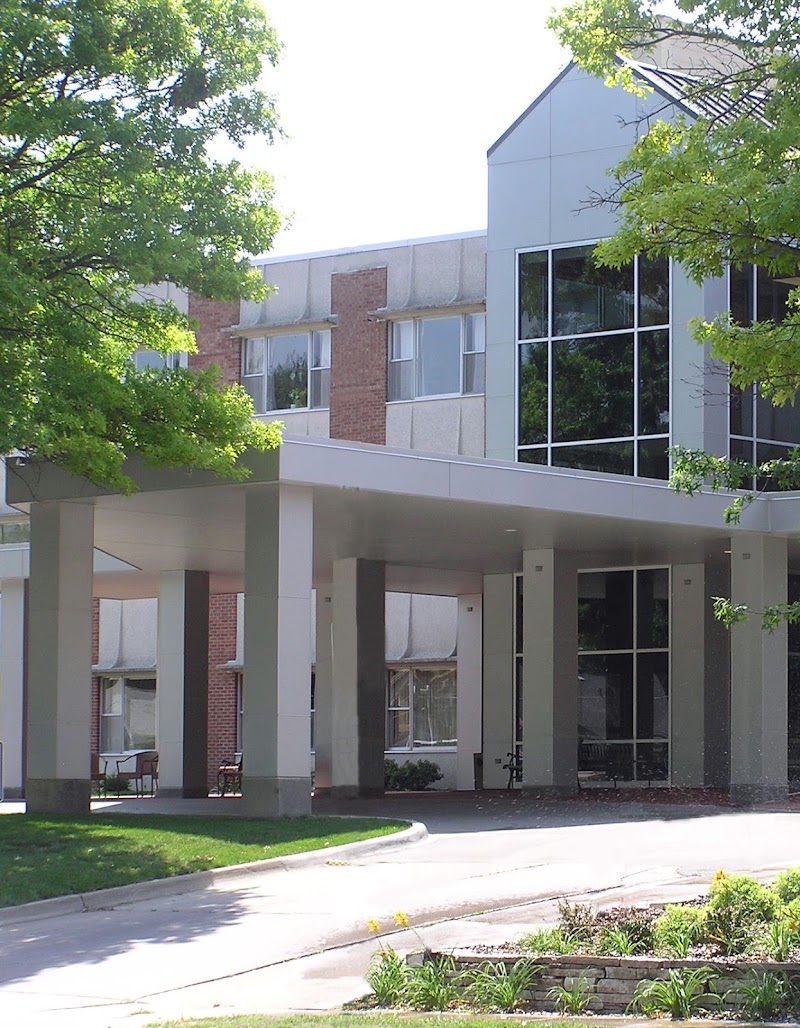
Calvin Community

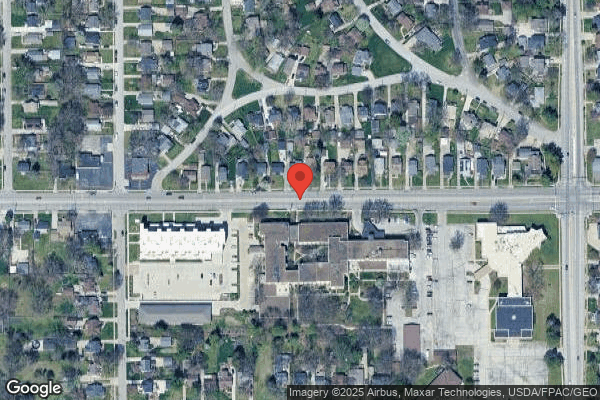
4210 Hickman Road, Des Moines, IA 50310 (515) 277-6141
Non profit - Corporation 59 Beds Independent Data: November 2025
Trust Grade
88/100
#8 of 392 in IA
Last Inspection: January 2025

Within standard 12-15 month inspection cycle. Federal law requires annual inspections.

Overview

Calvin Community in Des Moines, Iowa has a Trust Grade of B+, indicating that it is above average and recommended for families seeking care for their loved ones. The facility ranks #8 out of 392 nursing homes in Iowa, placing it in the top half of all facilities, and it holds the highest rank (#1) in Polk County among 29 homes. However, the facility is experiencing a worsening trend, with the number of issues increasing from 1 in 2024 to 3 in 2025. Staffing is a strong point, with a 5/5 rating and a turnover rate of 26%, which is significantly lower than the state average of 44%. Unfortunately, the facility has incurred $26,463 in fines, which is concerning and indicates potential compliance issues. Specific incidents noted include a failure to ensure food temperatures were checked before serving, which could affect residents' health, and a situation where a resident was left exposed in a shower chair, compromising their dignity. Additionally, there was an issue with the inaccurate coding of a resident's care plan regarding anticoagulant therapy, which raises concerns about medication management. While there are strengths in staffing and overall ratings, these incidents highlight areas that need attention and improvement.

Trust Score
B+
88/100
In Iowa
#8/392
Top 2%
Safety Record
Low Risk
No red flags
Inspections
Getting Worse
1 → 3 violations
Staff Stability
✓ Good
26% annual turnover. Excellent stability, 22 points below Iowa's 48% average. Staff who stay learn residents' needs.
Penalties
○ Average
$26,463 in fines. Higher than 66% of Iowa facilities. Some compliance issues.
Skilled Nurses
✓ Good
Each resident gets 65 minutes of Registered Nurse (RN) attention daily — more than 97% of Iowa nursing homes. RNs are the most trained staff who catch health problems before they become serious.
Violations
○ Average
6 deficiencies on record. Average for a facility this size. Mostly minor or procedural issues.
★★★★★
5.0
Overall Rating
★★★★★
5.0
Staff Levels
★★★★☆
4.0
Care Quality
★★★★☆
4.0
Inspection Score
Stable
2024: 1 issues
2025: 3 issues

The Good

  • 5-Star Staffing Rating · Excellent nurse staffing levels
  • 4-Star Quality Measures · Strong clinical quality outcomes
  • Low Staff Turnover (26%) · Staff stability means consistent care
  • Full Sprinkler Coverage · Fire safety systems throughout facility
  • No fines on record
  • Staff turnover is low (26%)

    22 points below Iowa average of 48%

Facility shows strength in staffing levels, quality measures, staff retention, fire safety.

The Bad

Federal Fines: $26,463

Below median ($33,413)

Moderate penalties - review what triggered them

The Ugly 6 deficiencies on record

Jan 2025 3 deficiencies
CONCERN (D)

Potential for Harm - no one hurt, but risky conditions existed

Resident Rights (Tag F0550)

Could have caused harm · This affected 1 resident

**NOTE- TERMS IN BRACKETS HAVE BEEN EDITED TO PROTECT CONFIDENTIALITY** Based on observation and staff interviews, the facility failed to maintain dignity for 1 of 17 residents reviewed (Resident#2). ...

Read full inspector narrative →
**NOTE- TERMS IN BRACKETS HAVE BEEN EDITED TO PROTECT CONFIDENTIALITY** Based on observation and staff interviews, the facility failed to maintain dignity for 1 of 17 residents reviewed (Resident#2). The facility reported a census of 52. Findings include: The Quarterly Minimum Data Set (MDS) assessment dated [DATE] revealed Resident#2 with a Brief Interview for Mental Status score of 1, which indicated severe cognitive impairment. Diagnoses on the MDS included anxiety, paranoid personality disorder, Alzheimer's Disease, and Parkinson's Disease. The MDS revealed Resident#2 utilized a manual wheelchair independently with staff supervision, but moderate to maximum staff assistance for upper/lower body dressing and bathing. During an observation on 1/23/25 at 8:25 AM, Resident#2 sat in a shower chair, in the hallway, outside of the shower room door. Resident#2 wore a short sleeved top and a blanket over his lower body. The blanket was pulled up to the upper thigh area leaving Resident#2's groin exposed for an unknown amount of time. At 8:33 AM, an unidentified employee checked on Resident#2 and pulled the blanket up to the waist area. In an interview on 1/23/25 at 10:15 AM, Staff B, Certified Nursing Assistant, explained staff will undress and transfer Resident#2 into a shower chair to prep for a shower. This included providing a blanket for the lower body not only for warmth but also for dignity as Resident#2 is not wearing pants or undergarments. Staff B reported Resident#2 preferred to wait outside the shower room until it's time. If waiting in another location, Resident#2 may self-propel out of the area, thus delaying the shower. In an interview on 1/23/25 at 10:30 AM, the Director of Nursing (DON) acknowledged Resident#2 typically waited outside the shower room on. The DON voiced an expectation that Resident#2 should be covered appropriately while in the hallway waiting for his shower.
CONCERN (D)

Potential for Harm - no one hurt, but risky conditions existed

Assessment Accuracy (Tag F0641)

Could have caused harm · This affected 1 resident

**NOTE- TERMS IN BRACKETS HAVE BEEN EDITED TO PROTECT CONFIDENTIALITY** Based on clinical record review and staff interview, the facility failed to accurately code the federally mandated Minimum Data ...

Read full inspector narrative →
**NOTE- TERMS IN BRACKETS HAVE BEEN EDITED TO PROTECT CONFIDENTIALITY** Based on clinical record review and staff interview, the facility failed to accurately code the federally mandated Minimum Data Set (MDS) assessment for 1 of 17 residents reviewed in the sample (Resident#24). The facility reported a census of 52. Findings include: The Quarterly Minimum Data Set (MDS) assessment dated [DATE] for Resident#24 indicated the use of a diuretic and an anti-platelet. The MDS did not document the use of an anticoagulant. The Care Plan reviewed/revised on 1/21/25 for Resident#24 included a problem statement documented Resident#24 was prescribed anticoagulant therapy. Interventions included administering anticoagulants as ordered by the physician and to monitor/report labs as ordered by the physician. The Care Plan also included the diagnosis of chronic atrial-fibrillation, which is commonly treated with the use of anticoagulants. The Medication Administration Record for the months of November 2024 and December 2024 revealed Warfarin, a type of anticoagulant, was prescribed and administered to Resident#24 for the entirety of both months. In an interview on 1/23/25 at 2:25 PM, Staff A, Licensed Practical Nurse, acknowledged the MDS did not reflect the use of an anticoagulant even though it was actively prescribed.
CONCERN (D)

Potential for Harm - no one hurt, but risky conditions existed

Deficiency F0657 (Tag F0657)

Could have caused harm · This affected 1 resident

**NOTE- TERMS IN BRACKETS HAVE BEEN EDITED TO PROTECT CONFIDENTIALITY** Based on staff interviews, family interviews, observation and record review, the facility failed to update individual Care Plans...

Read full inspector narrative →
**NOTE- TERMS IN BRACKETS HAVE BEEN EDITED TO PROTECT CONFIDENTIALITY** Based on staff interviews, family interviews, observation and record review, the facility failed to update individual Care Plans for 3 of 19 reviewed (Residents #20, #22, and #38). The facility failed to revise Care Plans for R#20 for Hospice services and failed to update R#22, R#28 for wanderguard (device to alert/inhibit elopements). The facility reported a census of 52 residents. Findings include: 1. The Signature Change Minimum Data Set (MDS) dated [DATE] documented Resident #20 diagnoses included cancer and malignant neoplasm of prostate, secondary malignant neoplasm of bone. The Brief Interview for Mental Status (BIMS) was scored 12 out of 15 which indicated moderate cognitive impairment. The Care Plan last reviewed/revised 01/22/25 documented resident diagnosis cancer with metastasis. The Care Plan did not document that Resident #20 received hospice services. During an interview on 1/21/25 at 3:30 PM Resident #20 reported to received hospice services which included nursing staff and massage therapist visits. During an Interview on 1/23/25 at 2:25 PM with MDS coordinator, Nurse Staff A, reported the Significant Change MDS was completed on 11/22/24 due to resident choice for hospice. Staff A relayed the Care Plan should have been updated to include hospice services. The facility policy titled, Resident Assessments, revised 3/2022 documented the resident assessments are used to develop, review and revise the residents comprehensive care plan. 2. The Quarterly MDS dated [DATE] documented Resident#22 with a BIMS score of 3 which indicted severe cognitive impairment. Diagnoses on the MDS included unspecified dementia. The MDS documented no wandering behaviors exhibited with no wander/elopement alarm in use. The Care Plan reviewed/revised on 1/7/25 included a problem statement indicating wandering behaviors with the placement of an elopement alarm. The Care Plan documented the wanderguard intervention start date as 10/29/24. During electronic record review, the Progress Note dated 11/28/24 documented Resident#22 exhibited active wandering behaviors with the placement of a wanderguard at this time. During an interview on 1/23/25 at 2:15 PM, Staff C, Unit Manager, explained Resident#22 had not shown exit-seeking behaviors prior to the incident on 11/28/24. Resident#22 had not worn a wanderguard alarm prior to the incident on 11/28/24. Staff C was not aware the Care Plan had the implementation date for the wanderguard as 10/29/24. During an interview on 1/23/25 at 2:25 PM, Staff A reported Care Plans updated as needed based on current information obtained during daily nurse meetings, such as placing or removing wanderguard alarms. Staff A reviewed Resident#22's Care Plan and acknowledged the wanderguard implementation date as 10/29/24. Staff A could not explain the discrepancy with the date on the Care Plan with the actual wanderguard placement date in November. The facility policy titled, Resident Assessments, revised 3/2022 documented resident assessments are used to develop, review, and revise resident comprehensive care plans. 3. The Quarterly MDS dated [DATE] documented Resident#38 with a BIMS score of 9, which indicated moderate cognitive impairment. The Care Plan reviewed/revised on 1/21/25 included a problem statement which indicated wandering behaviors with the placement of an elopement alarm. The Care Plan documented the wanderguard intervention start date as 10/10/24. During continuous observations from 1/22/25 thru 1/23/25, Resident#38 did not have wanderguard on her person. The whiteboard located on the third-floor nurses station listed out resident with active Wanderguards. Resident#38 was not on the list. The Progress Note dated 11/5/24 documented the wanderguard was initiated upon Resident#38's admission to the unit in October. Upon completion of the Elopement Evaluation, Resident#38 had shown no signs of elopement and the wanderguard was removed. The Progress Note dated 11/6/24 further documented the lack of elopement behaviors and removal of the wanderguard. During an interview on 1/23/25 at 2:25 PM, Staff A reported Care Plans updated as needed based on current information obtained during daily nurse meetings, such as placing or removing wanderguard alarms. Staff A acknowledged the presence of the wanderguard interventions on the current plan and noted that Resident#38 does not wear a wanderguard. Staff A relayed the Care Plan should have been updated in November when the wanderguard was removed. The facility policy titled, Resident Assessments, revised 3/2022 documented resident assessments are used to develop, review, and revise resident comprehensive care plans.
Mar 2024 1 deficiency
CONCERN (D)

Potential for Harm - no one hurt, but risky conditions existed

PASARR Coordination (Tag F0644)

Could have caused harm · This affected 1 resident

**NOTE- TERMS IN BRACKETS HAVE BEEN EDITED TO PROTECT CONFIDENTIALITY** Based on clinical record review, staff interview, and policy review the facility failed to refer one of one residents with a neg...

Read full inspector narrative →
**NOTE- TERMS IN BRACKETS HAVE BEEN EDITED TO PROTECT CONFIDENTIALITY** Based on clinical record review, staff interview, and policy review the facility failed to refer one of one residents with a negative Level I result for the Pre-admission Screening and Resident Review (PASRR), who were later identified with newly evident or possible serious mental disorder or other related condition, to the appropriate state-designated authority for Level II PASRR evaluation and determination (Residents #17). The facility reported a census of 51 residents. Findings include: The annual Minimum Data Set (MDS) assessment dated [DATE] for Resident #17 identified the resident not considered by the state level II PASRR process to have a serious mental illness and/or intellectual disability or a related condition. The assessment documented the resident entered the facility on 2/8/22. The MDS documented diagnoses that included non-Alzheimer's dementia, anxiety disorder, depression, and bipolar disorder. The MDS indicated the resident took an antipsychotic, antidepressant, and hypnotic medications during the 7 day lookback period. The MDS documented the resident had disorganized thinking, inattention, and no other behaviors. The care plan revised 3/25/24 identified Resident #17 had diagnoses of bipolar disorder, mood disturbance, depression and generalized anxiety disorder. The care plan revealed the resident took antidepressant and antianxiety medications. The care plan directed staff to monitor the effectiveness of the medications and document target behaviors. Review of the clinical record revealed a Notice of Negative Level I Screen Outcome dated 2/28/22. The Level I screen documented Resident #17 had diagnoses of anxiety disorder and depression, but had no major mental illness such as bipolar disorder (manic depression). The PASRR required no further screening required unless the resident had a suspected major mental illness of intellectual or developmental disability or had a significant change in treatment needs. Review of the electronic health record diagnosis list revealed Bipolar disorder added on 9/19/22. The nurse practitioner progress note dated 9/26/23 revealed the resident had diagnoses of bipolar disorder. The clinical record lacked documentation the resident had been referred for a Level II evaluation and determination when he had a new/change in mental health diagnoses In an interview 3/27/24 at 11:30 AM, the Social Services (SS) Director reported she checked Resident #17's medical record documents and the Maximus website, and confirmed Resident #17 last had a PASRR completed 2/28/22. When she checked the resident's chart, she found he had a new medication added, so she resubmitted a request for a PASRR review to Maximus on 3/27/24 at 11:26 AM. The Social Services Director reported the nursing staff were supposed to let her know whenever a resident had a new medication or psychiatric diagnoses added so she could submit information for a PASRR review, if applicable. The SS Director reported the PASRR process being worked on by staff at the facility. In an email from the Administrator on 3/27/24 at 2:47 PM, the Administrator wrote the facility did not have a policy for PASRR but would work on it. The Administrator wrote nursing had been educated on the importance of informing the SS Director when there had been a significant change or medication change for a resident in order for SS to update the PASRR. The SS Director now attended the morning clinical meetings.
Jan 2023 2 deficiencies
CONCERN (D)

Potential for Harm - no one hurt, but risky conditions existed

Deficiency F0657 (Tag F0657)

Could have caused harm · This affected 1 resident

**NOTE- TERMS IN BRACKETS HAVE BEEN EDITED TO PROTECT CONFIDENTIALITY** Based on observations, clinical record reviews, and staff interviews, the facility failed to update the Care Plan for one of thr...

Read full inspector narrative →
**NOTE- TERMS IN BRACKETS HAVE BEEN EDITED TO PROTECT CONFIDENTIALITY** Based on observations, clinical record reviews, and staff interviews, the facility failed to update the Care Plan for one of three residents reviewed (Resident #15) following a change in condition. The facility reported a census of 52 residents. Findings included: Resident #15's Minimum Data Set (MDS) assessment dated [DATE] identified a Brief Interview for Mental Status (BIMS) score of 00, indicating severely impaired cognition. The MDS included diagnoses of Alzheimer's disease and osteoporosis without a current pathological fracture. The MDS indicated that Resident #15 required total dependence on staff assistance for eating, dressing, toilet use and bathing. The MDS included additional information that Resident #15 required extensive staff assistance with positioning and transfers. The MDS listed that Resident #15 had an unhealed venous/arterial ulcer. The Care Plan with the goal target date of 11/30/22 identified the resident with the problem of being at stage 4 pressure ulcer to the left elbow. The Care Plan did not identify that Resident #15 had a pressure ulcer to her coccyx area. The Weekly Pressure Ulcer Record identified a date of onset as 11/30/22 of a pressure ulcer to Resident #15's coccyx. As of 1/3/23 Resident #15 continued to have a stage II (2) pressure ulcer to her coccyx that measured 1.3 cm (centimeters) long, 0.8 cm wide and 0.1 cm deep. On 1/13/23 the wound measured 0.9 cm long, 0.9 cm wide, and 0 cm deep. Resident #15's wound bed appeared pink and clear, with the surrounding skin mildly red. During an observation of care on 1/18/23 at 9:50 AM, Staff I, Certified Nurse Aide (CNA), and Staff J, CNA, used the correct technique to properly provide peri care and reposition the resident. During the observation, the surveyor witnessed two open areas, one on the coccyx and one on her right buttock, both appeared nearly healed without signs of infection. During an observation of wound care 1/19/23 at 9:04 AM, Staff K, Licensed Practical Nurse (LPN) and Staff A, CNA, provided the correct technique to cleanse the wound and treatment to Resident #15's left elbow. The site appeared nearly healed without signs of infection. A review of the radiology report dated 5/13/22 identified that Resident #15 had a non-displaced fracture of the distal ulna (bone that is part of the wrist). The Care Plan Problem with a start date of 8/31/22, and an end date of 11/30/22, indicated that Resident #15 had a fractured left wrist with appropriate interventions. The Care Plan lacked identification of the wrist fracture until 8/31/22. During an interview on 1/19/23 at 12:56 PM, Staff E, LPN, reported that Resident #15 had a fracture of her left wrist in May 2022 and the problem should have been identified on the Care Plan within a week after the fracture occurred. During an interview on 1/19/23 at 2:26 PM, Staff D, LPN, reported that Resident #15 had a fracture to her wrist in May 2022 and the MDS coordinator should have added the problem of the fracture to the Care Plan within a week after it occurred.
CONCERN (E)

Potential for Harm - no one hurt, but risky conditions existed

Deficiency F0804 (Tag F0804)

Could have caused harm · This affected multiple residents

Based on observations, staff interviews, and facility policy review the facility failed to access temperatures of food before serving the meal to the residents to ensure hot food for 11 of 52 resident...

Read full inspector narrative →
Based on observations, staff interviews, and facility policy review the facility failed to access temperatures of food before serving the meal to the residents to ensure hot food for 11 of 52 residents reviewed. The facility reported a census of 52. Findings: On 1/19/23 at 9:50 AM observed the preparation of pureed meal for five (5) residents on pureed diets by Staff H, Director of Food Services: a. 15 ounce (oz.) of ground seasoned meat added with five (5) buns and broth to the robo-coup mixed to pudding like consistency for five (5) residents, one (1) cup servings b. 28 steak fries, five (5) fries per serving (relayed by the dietary manager) was added to the vita-mixer and pureed to pudding consistency with milk for five (5) one (1) cup servings of potatoes c. Five (5) six-ounce servings of chicken noodle soup had been pureed for five (5) six-ounce servings of soup. Staff H moved the pureed food to the food warmer oven in aluminum containers. The oven indicated a temperature of 170 degrees . On 1/19/23 at 10:30 AM Staff H, reported a maid rite sandwich (seasoned ground beef), chicken noodle soup, fries, and apricots as the lunch menu. Staff H, relayed the kitchen prepared the meals for the health center and the Assisted Living facility. Staff H explained that the kitchen sent the health center their food to the second floor and third floor at around 11:45 AM. The health center served the meals to their residents from steam tables in the kitchenettes next to the second and third floor dining rooms. On 1/19/23 at 11:44 AM witnessed the food arrive at the second-floor kitchenette on a cart with food covered in aluminum containers. Staff G, Dietary AIde, moved the food from the cart in the aluminum containers to the steam table. The food included: a. Seasoned ground meat b. chicken noodle soup c. steak fries d. pureed meat with a bun (1 serving in a bowl, in an aluminum container) e. pureed potatoes (1 serving in a bowl, in an aluminum container) f. pureed soup (1 serving in a bowl, in an aluminum container) Staff G prepared the residents ' plates without assessing the meals temperature. On 1/19/23 at 11:50 PM, Staff F, Dietary Cook, acknowledged that the food should be tempted and left to retrieve a thermometer. Staff G present served and relayed that she had not been taught to temp the food prior to serving it. Staff G agreed to temp the food when a food thermometer retrieved by Staff F. On 1/19/23 at 11:54 AM observed Staff G check the food temperatures revealing the following: a. seasoned ground meat-------temperature 140 b. chicken noodle soup----------temperature 147 c. steak fries---------------------temperature 108 d. pureed meat with a bun ---- temperature 98 e. pureed potatoes --------------temperature 98 f. pureed soup ------------------temperature 98 On 1/19/23 at 11:56 with Staff F voiced the temperatures should be higher. On 1/19/23 at 12:02 PM Staff G relayed that she did not know the food should have its temperature checked before serving. Staff G explained that she did not receive any education on that process and has not checked the food ' s temperature before serving. Staff G served the food to second-floor residents. Staff G agreed to temp the food left at the end of serving. On 1/19/23 at 12:15 observed Staff G check the following food temperatures: a. seasoned ground meat-------temperature 140 b. chicken noodle soup----------temperature 130 c. steak fries------------------------temperature 100 pureed food was served, none left On 1/19/23 at 1:05 PM with Staff H acknowledged that the dietary staff lacked education. Staff H verified that the food temperatures should be checked before serving and if not high enough then the food could be reheated. Staff H acknowledged that the staff needed education. The undated facility provided policy titled Food Temp Procedure and Policy directed the following: a. food tempted and recorded prior to leaving the main kitchen b. food is tempted and recorded after arrival and placement into the steam table c. hot food must hold at 135 degrees or above d. If temp is unacceptable, instructions to call the Food Service Director or cook for instructions. The food would be replaced or corrected.
Understanding Severity Codes (click to expand)
Life-Threatening (Immediate Jeopardy)
J - Isolated K - Pattern L - Widespread
Actual Harm
G - Isolated H - Pattern I - Widespread
Potential for Harm
D - Isolated E - Pattern F - Widespread
No Harm (Minor)
A - Isolated B - Pattern C - Widespread

Questions to Ask on Your Visit

  • "Can I speak with families of current residents?"
  • "What's your RN coverage like on weekends and overnight?"

Our Honest Assessment

Strengths
  • • Grade B+ (88/100). Above average facility, better than most options in Iowa.
  • • 26% annual turnover. Excellent stability, 22 points below Iowa's 48% average. Staff who stay learn residents' needs.
Concerns
  • • $26,463 in fines. Higher than 94% of Iowa facilities, suggesting repeated compliance issues.
Bottom line: Generally positive indicators. Standard due diligence and a personal visit recommended.

About This Facility

What is Calvin Community's CMS Rating?

CMS assigns Calvin Community an overall rating of 5 out of 5 stars, which is considered much above average nationally. Within Iowa, this rating places the facility higher than 99% of the state's 100 nursing homes. This rating reflects solid performance across the metrics CMS uses to evaluate nursing home quality.

How is Calvin Community Staffed?

CMS rates Calvin Community's staffing level at 5 out of 5 stars, which is much above average compared to other nursing homes. Staff turnover is 26%, compared to the Iowa average of 46%. This relatively stable workforce can support continuity of care.

What Have Inspectors Found at Calvin Community?

State health inspectors documented 6 deficiencies at Calvin Community during 2023 to 2025. These included: 6 with potential for harm.

Who Owns and Operates Calvin Community?

Calvin Community is owned by a non-profit organization. Non-profit facilities reinvest revenue into operations rather than distributing to shareholders. The facility operates independently rather than as part of a larger chain. With 59 certified beds and approximately 49 residents (about 83% occupancy), it is a smaller facility located in Des Moines, Iowa.

How Does Calvin Community Compare to Other Iowa Nursing Homes?

Compared to the 100 nursing homes in Iowa, Calvin Community's overall rating (5 stars) is above the state average of 3.1, staff turnover (26%) is significantly lower than the state average of 46%, and health inspection rating (4 stars) is above the national benchmark.

What Should Families Ask When Visiting Calvin Community?

Based on this facility's data, families visiting should ask: "Can I visit during a mealtime to observe dining assistance and food quality?" "How do you handle medical emergencies, and what is your hospital transfer rate?" "Can I speak with family members of current residents about their experience?"

Is Calvin Community Safe?

Based on CMS inspection data, Calvin Community has a clean safety record: no substantiated abuse findings (meaning no confirmed cases of resident harm), no Immediate Jeopardy citations (the most serious violation level indicating risk of serious injury or death), and is not on the Special Focus Facility watch list (a federal program monitoring the lowest-performing 1% of nursing homes). The facility has a 5-star overall rating and ranks #1 of 100 nursing homes in Iowa. While no facility is perfect, families should still ask about staff-to-resident ratios and recent inspection results during their visit.

Do Nurses at Calvin Community Stick Around?

Staff at Calvin Community tend to stick around. With a turnover rate of 26%, the facility is 20 percentage points below the Iowa average of 46%. Low turnover is a positive sign. It means caregivers have time to learn each resident's needs, medications, and personal preferences. Consistent staff also notice subtle changes in a resident's condition more quickly. Registered Nurse turnover is also low at 18%, meaning experienced RNs are available to handle complex medical needs.

Was Calvin Community Ever Fined?

Calvin Community has been fined $26,463 across 2 penalty actions. This is below the Iowa average of $33,344. While any fine indicates a compliance issue, fines under $50,000 are relatively common and typically reflect isolated problems that were subsequently corrected. Families should ask what specific issues led to these fines and confirm they've been resolved.

Is Calvin Community on Any Federal Watch List?

Calvin Community is not on any federal watch list. The most significant is the Special Focus Facility (SFF) program, which identifies the bottom 1% of nursing homes nationally based on persistent, serious quality problems. Not being on this list means the facility has avoided the pattern of deficiencies that triggers enhanced federal oversight. This is a positive indicator, though families should still review the facility's inspection history directly.