Rotary Senior Living
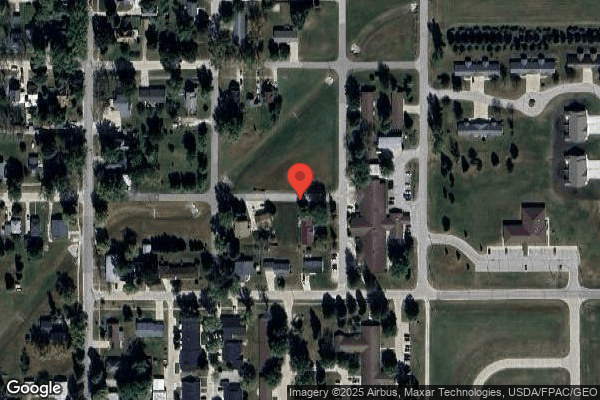
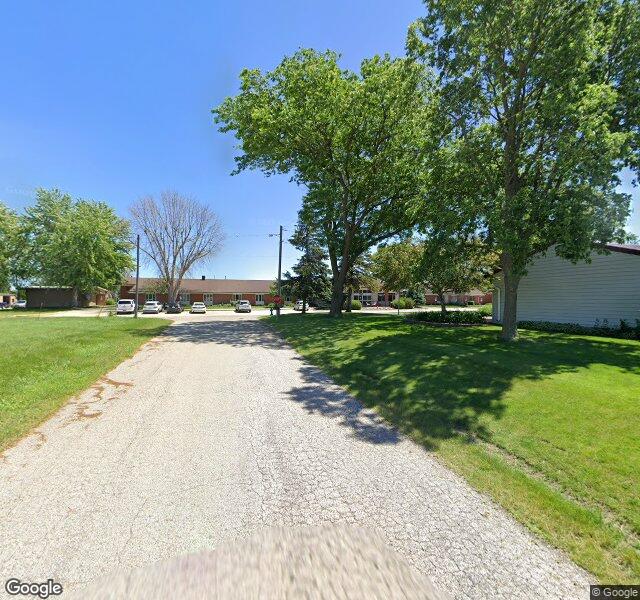
500 SOUTH BLAINE AVENUE, EAGLE GROVE, IA 50533 (515) 448-5124
Non profit - Corporation 46 Beds Independent Data: November 2025 1 Immediate Jeopardy citation
Trust Grade
33/100
#227 of 392 in IA
Last Inspection: June 2025

Inspected within the last 6 months. Data reflects current conditions.

Overview

Rotary Senior Living in Eagle Grove, Iowa, has received a Trust Grade of F, indicating significant concerns about the facility. With a state rank of #227 out of 392, they are in the bottom half of nursing homes in Iowa, and only one facility in Wright County is rated lower. The facility is trending toward improvement, having decreased the number of issues from six in 2024 to three in 2025, but they still face serious challenges, including $56,092 in fines, which is higher than 92% of Iowa facilities. Staffing is average, with a turnover rate of 54%, and there is adequate RN coverage to catch potential issues. However, serious incidents include a failure to initiate CPR for a resident who was a full code and neglecting to assess a resident’s wound that led to a severe infection, highlighting critical weaknesses in care and safety protocols. Overall, while there are some positive signs of improvement, families should weigh these serious concerns carefully.

Trust Score
F
33/100
In Iowa
#227/392
Bottom 43%
Safety Record
High Risk
Review needed
Inspections
Getting Better
6 → 3 violations
Staff Stability
⚠ Watch
54% turnover. Above average. Higher turnover means staff may not know residents' routines.
Penalties
○ Average
$56,092 in fines. Higher than 71% of Iowa facilities. Some compliance issues.
Skilled Nurses
○ Average
Each resident gets 33 minutes of Registered Nurse (RN) attention daily — about average for Iowa. RNs are the most trained staff who monitor for health changes.
Violations
⚠ Watch
22 deficiencies on record. Higher than average. Multiple issues found across inspections.
★★★☆☆
3.0
Overall Rating
★★★☆☆
3.0
Staff Levels
★★★☆☆
3.0
Care Quality
★★★☆☆
3.0
Inspection Score
Stable
2024: 6 issues
2025: 3 issues

The Good

  • Full Sprinkler Coverage · Fire safety systems throughout facility
  • No fines on record

Facility shows strength in fire safety.

The Bad

3-Star Overall Rating

Near Iowa average (3.1)

Meets federal standards, typical of most facilities

Staff Turnover: 54%

Near Iowa avg (46%)

Higher turnover may affect care consistency

Federal Fines: $56,092

Above median ($33,413)

Moderate penalties - review what triggered them

The Ugly 22 deficiencies on record

1 life-threatening 1 actual harm
Feb 2025 3 deficiencies 1 Harm
SERIOUS (G) 📢 Someone Reported This

A family member, employee, or ombudsman was alarmed enough to file a formal complaint

Actual Harm - a resident was hurt due to facility failures

Quality of Care (Tag F0684)

A resident was harmed · This affected 1 resident

**NOTE- TERMS IN BRACKETS HAVE BEEN EDITED TO PROTECT CONFIDENTIALITY** Based on observation, clinical record review, policy review, resident, family, and staff interviews, the facility failed to prov...

Read full inspector narrative →
**NOTE- TERMS IN BRACKETS HAVE BEEN EDITED TO PROTECT CONFIDENTIALITY** Based on observation, clinical record review, policy review, resident, family, and staff interviews, the facility failed to provide needed services in accordance with professional standards by not assessing, intervening and documenting for a resident with a wound for 1 of 3 resident reviewed (Resident #1). In addition, the facility failed to assess his lower legs when applying or removing his ankle, foot brace (AFO) as ordered by the physician. Resident #1 had a wound on their right shin, that went unidentified until dermatology observed while at his appointment for a different situation. The clinic took a sample of the wound while at the dermatology appointment and ordered an antibiotic along with a culture of the drainage of the wound. The lab results grew Methicillin resistant Staphylococcus aureus (MRSA a type of staph bacteria that is resistant to many antibiotics use to treat infections). The facility identified a census of 31 residents. Findings include: Resident #1's Minimum Data Set (MDS) assessment dated [DATE], identified a Brief Interview for Mental Status (BIMS) score of 15, indicating intact cognition. Resident #1 required dependent assistance for activity of daily living (ADL) and no skin issues. The MDS included diagnoses of hypertension (high blood pressure), cerebrovascular accident (stroke), hemiplegia (inability to control one side of the body), hemiparesis (weakness of one entire side of the body), anxiety and depression. The Care Plan Need revised 12/27/24 indicated Resident #1 had an ADL self-care performance deficit related to hemiplegia, impaired balance, limited mobility, limited range of motion (ROM), and stroke. The Interventions directed: a. Revised 10/31/24: Resident #1 wore an ankle, foot brace (AFO) on his right foot, staff to inspect his skin before and after applying the AFO. b. Revised 4/26/23: Resident #1 required skin inspection once a week. Observe for redness, open areas, scratches, cuts, bruises, and report changes to the nurse. The Care Plan Need revised 2/7/25 indicated Resident #1 had an infection of infected skin area on his right lower extremity, mid shin. He received antibiotics for treatment of the infection. The Interventions directed to give antibiotics as ordered and report any signs of adverse reactions to the nurse and physician. Interview on 2/18/25 at 2:45 PM, Resident #1, stated the staff come in the morning and put on his AFO and then at night they take off the AFO to his right lower extremity, but has no knowledge if they check his skin. Resident #1 stated that during a routine dermatology appointment, the dermatologists looked at his skin underneath his pant leg and found the wound on his right shin, pushed on the wound and a white substance started to drain out from underneath a dark scab. The Dermatologists suggested to get a culture of the wound and started him on an antibiotic until the results of the wound culture came back. Interview on 2/19/25 at 10:00 AM, Resident #1 family, stated that during a routine dermatology appointment, the dermatologists wanted to take a look at Resident #1 legs. The dermatologists proceeded to pull up the right pant leg and noticed a blackened area underneath the Velcro strap, the dermatologist saw a white substance oozing out of the scab and started to squeeze and more white substance started to drain. The dermatologists decided to order a culture of the white substance and put Resident #1 on an antibiotic until the results came back from the culture. The Certified Nursing Assistant (CNA) Shower Skin Report dated 2/4/25, included a section regarding skin issues observed. The section of the form remained blank. The instructions indicated if no skin concerns noted please indicated no skin concerns. The Nursing Communication form dated 2/6/25, signed by the physician, directed to get a culture of the sore on Resident #1's right shin, add Mupirocin (antibiotic) ointment twice daily for 10 days and leave open to air, no bandages. Can apply to all open areas on lower extremities. Add cephalexin (antibiotic) 500 milligrams three times a day for 10 days. The Skin and Wound Evaluation V7.0 form dated 2/6/25 at 3:14 PM, documented a skin tear to Resident #1's front right lateral (side) lower leg, in house acquired. The area measured 2.2 centimeters (cm) area, 2.0 cm length by 1.5 cm width. The form described the wound as a scab (a hard-dried crust that forms over a cut or wound) with erythema (redness that may be intense bright red to dark red or purple) of the area around the skin. Resident #1's February 2025 Treatment Administration Record (TAR) listed an order dated 12/7/21 to complete a head to toe skin audit weekly on Tuesdays. The order included instruction to please take photos and measurements as directed by the skin and wound application. The order lacked documentation for the date of 2/4/25. The Nursing note dated 2/6/25 at 3:04 PM indicated Resident #1 returned from his dermatologist appointment with new orders for cephalexin 500 milligrams three times a day for 10 days due to the infected skin area on his right lower extremity, mid shin. The orders directed to leave open to air and no bandages. Apply topical Mupirocin ointment (to treat skin infections) twice daily for 10 days to all 3 areas. Resident #1 had 2 areas on the right lower extremity and one on the left knee. The provider cultured the wound on the right shin. The Nursing note dated 2/7/25 at 2:38 AM, indicated Resident #1 began an antibiotic for his skin. The note reflected Resident #1's areas to his shin and legs remained open to air, without drainage noted. The wound had redness observed on his right shin. The Nursing Note dated 2/7/25 at 11:28 AM reflected Resident #1 received cephalexin as ordered for skin infection. The facility waited for culture of the fluid to return. The nurse cleaned the area on the right lower extremity well and top softened to remove the scabbed area, no drainage observed at the time. Peri wound (skin surrounding a wound) is red and warm. Some discomfort noted with pressure and treatment of topical antibiotic ointment applied to all areas in need of treatment. No adverse issues noted with oral antibiotic. The Order Note dated 2/10/25 at 5:34 PM documented cephalexin as discontinued by Dermatologist/prescriber. The Nursing Note dated 2/11/25 at 3:18 PM reflected Resident #1 continued to take doxycycline (oral antibiotic to treat infections caused by bacteria) for skin infection to right lower leg. Resident tolerated medication well with no adverse reactions noted. Resident #1's lower legs had scabs present with the surrounding skin pink to all areas. The areas appeared improved and healing. They would continue to observe. The Nursing Note dated 2/12/25 at 12:38 AM, identified Resident #1 took doxycycline for MRSA (infection that doesn't respond to certain antibiotics) leg wounds. He denied pain in his wounds and had areas on his legs left open to air. The Infection Note dated 2/12/25 at 10:13 AM indicated Resident #1 continued to take an antibiotic, but specific antibiotic changed due to culture and sensitivity. His wounds didn't show erythema or discharge. He denied pain and no adverse effects observed due to change in antibiotic at the time. The clinical record lacked documentation of completed skin assessments after removing or applying Resident #1's AFO before and after the identification of the infection in his lower legs. Interview on 2/17/25 at 4:45 PM, Staff C, Certified Nursing Assistant (CNA), stated the staff removed Resident #1's AFO from his right lower extremity at night. Staff C confirmed his clinical record didn't have documentation of completed skin checks after removing the AFO at night or when put on in the morning. Interview on 2/18/25 at 9:03 AM, Staff D, Licensed Practical Nurse (LPN), verified Resident #1's clinical record didn't have documentation of the completed skin after they removed Resident #1's AFO at night or put on in the morning. Interview on 2/18/25 at 10:15 AM, Staff E, LPN, confirmed Resident #1's clinical record didn't have documentation of completed skin checks when removing the AFO at night or put on in the morning. Interview on 2/19/25 at 1:00 PM, the Director of Nursing verified Resident #1's clinical record lacked documentation of the completed skin checks before or after removing the AFO or putting it on him. The facility failed to check Resident #1's skin per his Care Plan. The undated Weekly Skin Assessment Policy listed the purpose as to ensure timely identification, prevention, and management of skin conditions, including pressure ulcers, in residents at the facility. a. Frequency: i. A comprehensive skin assessment must be conducted weekly for all residents. ii. Additional assessments may be required based on changes in the resident's condition, such as new wounds, health decline or hospitalization. b. Assessment Components: i. Visual inspection of the entire body, focusing on high risk areas ii. Palpations to assess for skin temperature, moisture and texture. iii. Documentation of the findings including: A. any areas of concern, redness, open area, moisture related skin damage B. any signs of pressure ulcer or wounds C. Interventions provided for existing wounds, such as dressings or treatments D. Changes in skin condition compared to the previous assessment. c. Communication and Reporting: i. Weekly skin assessment findings must be communicated to the interdisciplinary team for care planning and coordination. ii. Any notable changes in the resident's skin condition should be promptly escalated to the appropriate healthcare provided for further evaluation.
CONCERN (D) 📢 Someone Reported This

A family member, employee, or ombudsman was alarmed enough to file a formal complaint

Potential for Harm - no one hurt, but risky conditions existed

Resident Rights (Tag F0550)

Could have caused harm · This affected 1 resident

**NOTE- TERMS IN BRACKETS HAVE BEEN EDITED TO PROTECT CONFIDENTIALITY** Based on clinical record review, staff interview, policy and procedure review, the facility failed to treat a resident with resp...

Read full inspector narrative →
**NOTE- TERMS IN BRACKETS HAVE BEEN EDITED TO PROTECT CONFIDENTIALITY** Based on clinical record review, staff interview, policy and procedure review, the facility failed to treat a resident with respect and dignity in a manner that promotes maintenance or enhancement of his or her quality of life for 1 out of 3 resident reviewed (Resident #2). The facility identified a census of 31 residents. Findings include: Resident #2's Minimum Data Set (MDS) assessment dated [DATE], identified a Brief Interview for Mental Status (BIMS) score of 1, indicating severe memory impairments. Resident #2 displayed physical behaviors (hitting, kicking, scratching and grabbing) towards others. Resident #2 required substantial to maximal assistance with all activities of daily living (ADL) including ambulation. The MDS included diagnoses of Alzheimer's disease and non Alzheimer's dementia. The Care Plan Focus initiated 1/7/25 reflected Resident #2 required help with cares. The Interventions directed the following: a. He can become aggressive and combative with staff during care. He resists changing, toileting, bathing. Approach him calmly and have assistance present during his care. b. Resident #2 did better with peri care if someone held his hands while the other person assisted with washing him. It also helped if they talk to him to help keep him distracted. The Care Plan Focus initiated 1/9/25 indicated Resident #2 had a potential to be physically aggressive. The Interventions directed the following: a. Give Resident #2 as many choices as possible about care and activities. b. When he becomes agitated: Intervene before agitation escalates; guide away from the source of distress; engage calmly in conversation; if response is aggressive, staff to walk calmly away, and approach later. An undated, untitled, and unsigned form provided by the facility reflected Staff A, Certified Nurse Aide (CNA), reported on 1/22/25 they assisted Staff B, CNA, provide evening care to Resident #2. Upon entering the room, the staff found Resident #2 with his eye closed resting in his recliner. Staff B told Staff A to Resident #2's hands as she had the other hands, then she yanked him and acted very rough during the process of undressing and completing peri-cares. As Resident #2 received help, he became physically aggressive towards the staff. Staff A explained he attempted to comfort Resident #2 during his care by placing his hand lightly and gently on Resident #2's shoulder. Resident #2 continued to have physical aggression, as common behavior with dementia. The facility corrected the action by suspending Staff B pending the internal investigation. The facility initiated the investigation while including resident and staff interviews. The facility educated staff on timely reporting. The Summary of Findings dated 1/23/25 written by the Director of Nursing (DON), documented on 1/22/25, Staff A reported a concern regarding the cares provided by Staff B during the evening of 1/16/25. Subsequent interviews with residents indicated they felt safe and treated with respect and dignity, with no concerns about their care. Staff members who work closely with Staff B described them as helpful and attentive, with no concerns about the quality of care provided. Resident #2 had a history of physical and aggressive behaviors and mood related to his dementia. He is Care Planned to have staff assist times two with all cares to protect him and staff. The Nursing note dated 1/14/25 at 5:38 AM described Resident #2 as more cooperative with cares assist times 3. After the last rounds Resident #2 got up two times wandering around in the hallway in a T shirt and brief. Staff able to redirect with minimal difficulty. Resident #2 sat in the lounge chair at that time, as he enjoyed a Pepsi. Resident #2 remained calm. The Nursing note dated 1/22/25 at 12:45 PM indicated the staff attempted multiple times to get Resident #2 up for the day. Resident #2 refused to allow staff to assist him out of bed. The staff changed Resident #2's incontinent briefs, he continued to lay in bed at that time. The Nursing note dated 1/22/25 at 1:53 PM Resident got out of bed and sat at the table eating lunch. No behaviors noted. The Clinical Record lacked documentation of the 1/16/25 incident. Interview on 2/17/25 at 10:00 AM, the Facility Administrator confirmed all resident are to be treated with respect and dignity from staff at all times. Interview on 2/17/25 at 3:00 PM, the facility Director of Nursing (DON), verified all staff are expected to treat residents with dignity and respect per the policy/procedure. An Education form dated 1/31/25, given to surveyor by the Administrator on 2/19/25 at 4:15 PM, documented: Handling a combative resident requires a careful and compassionate approach. a. Stay calm and professional, maintain a calm demeanor, your body language and tone can influence the resident's behavior. b. Assess the situation: determine the cause of the combative behavior. It could be due to pain, confusion, fear or frustration. c. Use De escalation Techniques, speak softly and use simple language, offer reassurances, avoid physical confrontation, give the resident space to reduce feeling of being trapped. d. Redirect Attention, change the focus of the conversation or activity, introduce a calming activity or a favorite topic. e. Involve other staff, if the situation escalates, seek help from other staff members, teamwork can provide additional support and safety, ensure that the care plan identifies these behaviors and interventions. f. Implement safety measures: ensure the environment is safe for both the resident and staff, remove any potential hazards, if necessary, follow protocols for managing aggressive behavior, including calling for additional help. The Resident Rights policy updated 12/16/22, defined its purpose as that all resident have their rights guaranteed to them under Federal and State laws and regulations. This policy is intended to outline resident rights requirements in long term care communities. a. All resident have the right to be cared for with respect, enhancing self esteem and self worth while incorporating the resident unique goals, preferences, and choices. Staff will value a resident's preferences and honor their input during altercations. b. Care for all residents will be done with respect and dignity in an environment that promotes quality care coupled with recognition of each resident's individuality. c. All resident will be treated with dignity and respect. d. All staff will engage in activities with residents with respect, enhancing self esteem and self worth while incorporating and honoring the resident's unique goals, preferences, and choices.
CONCERN (D) 📢 Someone Reported This

A family member, employee, or ombudsman was alarmed enough to file a formal complaint

Potential for Harm - no one hurt, but risky conditions existed

Report Alleged Abuse (Tag F0609)

Could have caused harm · This affected 1 resident

**NOTE- TERMS IN BRACKETS HAVE BEEN EDITED TO PROTECT CONFIDENTIALITY** Based on clinical record review, the Resident [NAME] of Rights, facility investigation, staff interview, and review of policy an...

Read full inspector narrative →
**NOTE- TERMS IN BRACKETS HAVE BEEN EDITED TO PROTECT CONFIDENTIALITY** Based on clinical record review, the Resident [NAME] of Rights, facility investigation, staff interview, and review of policy and procedures, the facility failed to ensure all alleged violations involving mistreatment, neglect, or abuse of a resident and/or residents (Resident #2) were reported to the Department of Inspection and Appeals and Licensing (DIAL) within 2 hours. See F550 for additional information regarding Resident #2. The facility reported a census of 31 residents. Findings include: Resident #2's Minimum Data Set (MDS) assessment dated [DATE], identified a Brief Interview for Mental Status (BIMS) score of 1, indicating severe memory impairments. Resident #2 displayed physical behaviors (hitting, kicking, scratching and grabbing) towards others. Resident #2 required substantial to maximal assistance with all activities of daily living (ADL) including ambulation. The MDS included diagnoses of Alzheimer's disease and non Alzheimer's dementia. The Care Plan Focus initiated 1/9/25 indicated Resident #2 had a potential to be physically aggressive. The Interventions directed the following: a. Give Resident #2 as many choices as possible about care and activities. b. When he becomes agitated: Intervene before agitation escalates; guide away from the source of distress; engage calmly in conversation; if response is aggressive, staff to walk calmly away, and approach later. An undated, untitled, and unsigned form provided by the facility reflected Staff A, Certified Nurse Aide (CNA), reported on 1/22/25 they assisted Staff B, CNA, provide evening care to Resident #2. Upon entering the room, the staff found Resident #2 with his eye closed resting in his recliner. Staff B told Staff A to Resident #2's hands as she had the other hands, then she yanked him and acted very rough during the process of undressing and completing peri-cares. As Resident #2 received help, he became physically aggressive towards the staff. Staff A explained he attempted to comfort Resident #2 during his care by placing his hand lightly and gently on Resident #2's shoulder. Resident #2 continued to have physical aggression, as common behavior with dementia. The facility corrected the action by suspending Staff B pending the internal investigation. The facility initiated the investigation while including resident and staff interviews. The facility educated staff on timely reporting. The Summary of Findings dated 1/23/25 by the Director of Nursing (DON), documented on 1/22/25, Staff A, CNA, reported a concern regarding the cares provided by Staff B, CNA, during the evening of 1/16/25. Subsequent interviews with residents indicated that they feel safe and treated with respect and dignity, with no concerns about their care. Staff members who work closely with Staff B described as helpful and attentive, with no concerns about the quality of care provided. Resident #2 has a history of physical and aggressive behaviors and mood related to his dementia. He is care planned to have staff assist times two with all cares to protect him and staff. Resident #2's Clinical Record lacked documentation of the 1/16/25 incident. Interview on 2/17/25 at 10:00 AM, the facility's Administrator confirmed the facility failed to notify DIAL of the incident between Resident #2 and Staff B within the 2-hour time frame. The Nursing Facility Abuse Prevention, Identification, Investigation and Reporting Policy dated May 2023, instructed all allegations of resident abuse shall be reported to the Iowa Department of Inspections and Appeals no later than 2 hours after the allegation is made.
Jul 2024 5 deficiencies
CONCERN (D)

Potential for Harm - no one hurt, but risky conditions existed

Deficiency F0658 (Tag F0658)

Could have caused harm · This affected 1 resident

**NOTE- TERMS IN BRACKETS HAVE BEEN EDITED TO PROTECT CONFIDENTIALITY** Based on observations, interviews, and record review, the facility failed to provide proper interventions to ensure doctor's ord...

Read full inspector narrative →
**NOTE- TERMS IN BRACKETS HAVE BEEN EDITED TO PROTECT CONFIDENTIALITY** Based on observations, interviews, and record review, the facility failed to provide proper interventions to ensure doctor's orders reflected the current need of residents for 1 out of 5 residents reviewed (Resident #11). During a meal observation, Resident #11 was served a mechanical soft textured diet. The doctor's order for Resident #11's diet was pureed textured diet. The pureed diet textured order was obtained without ensuring this was the correct diet for him after a nursing trial was completed. The facility reported a census of 32 residents. Findings include: A Minimum Data Set, dated [DATE], documented that Resident #11's diagnoses included . A Brief Interview for Mental Status for this resident revealed a score of 9 out of 15, which indicated moderately impaired cognition. This resident was independent for eating. A physician's order dated 4/25/24, documented that Resident #11's was to have a mechanical soft textured diet. A physician's order revised 7/15/24, documented that Resident #11's was to have a pureed textured diet. On 7/17/24 at 12:51 p.m., lunch service began at 12:00 p.m Staff A, [NAME] dished up ground hamburger over buttered bread, mixed vegetables and mashed potatoes for Resident #11. It was noted that Resident #11's diet order was for pureed texture. Staff A was preparing to hand the meal off to a server who would bring the tray to Resident #11. The cook was stopped after dishing the food up but prior to her serving and inquired about this. Staff A stated Resident #11's did not have an order for pureed texture, his diet order is for mechanical soft'. She served the meal. After the meal service, the order was checked in this resident's electronic health record and it showed he was to receive pureed textured food. The Certified Dietary Manager (CDM), was asked about the diet discrepancy. This CDM also said that Resident #11's doctor's order was for mechanical soft textured food. The CDM added that they only trialed pureed textured food for Resident #11. The CDM stated that Resident #11 had a stroke and nursing wanted to trial pureed consistency to see how Resident #11 tolerated it. The CDM stated that she and Staff B, Licensed Practical Nurse (LPN), just had a discussion about Resident #11's diet and it was decided that they would stay with the mechanical soft diet as Resident #11 did much better with the diet. Staff B was asked about the diet and Staff B concurred with the CDM. Staff B stated they never got an order for pureed textured food for Resident 11. When told the order was for pureed, Staff B asked who got that order?. Staff B stated they had just trialed the pureed diet for a day or so to see if Resident #11 would eat more food and it was found that he actually did better with mechanical soft textured, so they kept the diet at mechanical soft textured. Observation of Resident #11 during the meal revealed that he was chewing and swallowing the food and did not have any coughing episodes or difficulty swallowing the food. This observation revealed that Resident #11 ate approximately 80% of what was on his plate. On 7/17/24 at 1:48 p.m., Staff B stated that on Friday 7/12/24, one of the caregivers asked if they could try pureed textured diet for Resident #11 due to drowsiness in the afternoon. Staff B stated they could try for supper. Staff B stated they did try a pureed texture diet for supper and Resident #11 was holding his liquid supplement in his mouth and reaching for his food. Staff B stated she was off for the weekend and the plan was to continue with the trial of the pureed textured diet for three days per nursing judgement for the downgrade of Resident #11's diet. Staff B stated she had worked 6 a.m. to 6 p.m., that day and talked to the night nurse and together they decided to try it for the weekend. Staff B returned to work on Monday 7/15/24. Staff B stated the CDM asked Staff B what the plan was for Resident #11's diet. Staff B stated she told the CDM to serve mechanical soft texture and Staff B would observe how Resident #11 tolerates the food. Staff B stated that Resident #11 had become more alert over the weekend and wanted regular food. He was really sleepy since his ER visit. No documentation over the weekend. Staff B, after the observation, told the kitchen to continue on with the mechanical soft textured diet, and they wouldn't be changing his diet to pureed. Staff B stated there was not a doctor's order obtained for the pureed by her as she was downgrading the diet per nursing judgement. The Director of Nursing (DON), stated that she talked with the Registered Dietitian (RD) on 7/15/24. The DON said the RD talked with the DON about the pureed food trial for Resident #11. The DON stated she went ahead and obtained a doctor's order for pureed textured diet on 7/15/24 without talking to Staff B because it was so busy. The DON stated she was just trying to help Staff B out. So [NAME] told [NAME] that we needed to decide either to continue it or change it back to mech soft either way we needed an order for it. The DON stated she should not have changed Resident #11's diet order without assessing the outcome of the pureed textured diet trial. An Assessment/Reassessment Change of Condition policy revised on 5/30/23, directed the staff as follows: RESPONSIBILITY: Director of Nursing, Licensed Nurses PURPOSE: To complete a comprehensive assessment of a resident, ensuring the resident receives treatment and care in accordance with professional standards of practice while taking into consideration an individual's unique cultural, spiritual, and physical needs. Documentation and verbalization (report) of pertinent data collected will ensure continuity of care amongst other members of the health care team. Documentation is a verifiable written record of events identifying that effective nursing care was provided. PROCEDURE: The licensed nurse assessment identifies current and future care needs of the resident by identifying normal and abnormal human physiology and helps to prioritize interventions and care. The Licensed Nurse will document observations, action taken and responses to interventions/orders, recording at consistent time intervals. The resident will be added to the Hot Charting list upon admission and when a change of condition is identified. Assessment/reassessment will address pertinent subjective, objective and physical assessment information regarding the resident's condition. Any licensed nurse, on any shift, may place a resident on the Hot Charting list. The list will identify residents requiring follow-up assessment/reassessment and documentation during each shift. The charge nurse will monitor residents with conditions requiring re-assessment, until the condition is resolved/stabilized. As a general guide, residents will remain on the Hot Charting list in accordance with the facility Guidelines for Documentation of Changes in Condition. The physician and POA/ responsible party, will be kept informed of the resident's condition/status.
CONCERN (D) 📢 Someone Reported This

A family member, employee, or ombudsman was alarmed enough to file a formal complaint

Potential for Harm - no one hurt, but risky conditions existed

Deficiency F0727 (Tag F0727)

Could have caused harm · This affected 1 resident

Based on nursing schedule review, staff interview and policy review, the facility failed to have 8 hours Registered Nurse (RN) coverage. The facility reported a census of 32 residents. Findings inclu...

Read full inspector narrative →
Based on nursing schedule review, staff interview and policy review, the facility failed to have 8 hours Registered Nurse (RN) coverage. The facility reported a census of 32 residents. Findings include: Review of the nursing schedule dated 4/1/24 lacked documentation of RN coverage. Review of facility policy titled, Nursing Coverage and Compliance, updated 3/12/21 revealed the purpose was to define the requirements for nurse coverage in the facility to ensure the health and safety of residents. The policy further revealed an RN is scheduled to include 8-hour coverage per day. During an interview 7/16/24 at 12:23 PM, the Administrator revealed the facility did not have 8 hours of RN coverage on 4/1/24 as the Director of Nursing (DON) had been scheduled to work and did not. The Administrator further revealed a minimum of 8 hours of RN coverage a day is a regulation.
MINOR (B) 📢 Someone Reported This

A family member, employee, or ombudsman was alarmed enough to file a formal complaint

Minor Issue - procedural, no safety impact

Deficiency F0582 (Tag F0582)

Minor procedural issue · This affected multiple residents

Based on interview and record review, the facility failed to notify of changes in benefit coverage for 2 out of 3 residents reviewed (Residents #87 and #88). The facility reported a census of 32 resid...

Read full inspector narrative →
Based on interview and record review, the facility failed to notify of changes in benefit coverage for 2 out of 3 residents reviewed (Residents #87 and #88). The facility reported a census of 32 residents. Findings include: The facility did not provide the Notice of Medicare Non-Coverage (NOMNC) for Resident #87 and Resident #88 when they were requested during the survey. Both residents received Medicare Part A services and the services were ending . On 7/17/24 at 11:12 a.m., the Administrator acknowledged the facility did not issue the NOMNC for Resident #87 and Resident #88. The Administrator stated the facility has since provided education to the Social Services Designee (SSD). The Administrator stated that the SSD didn't realize she needed to fill out 2 forms, therefore the NOMNC was not filled out nor was it given to Residents #87 and #88. The administrator updated the policy to reflect the use of the NOMNC. A Form Instructions for the Notice of Medicare Non-Coverage (NOMNC) CMS-10123 policy dated 7/17/23, directed the following: A Medicare provider or health plan (Medicare Advantage plans and cost plans , collectively referred to as plans) must deliver a completed copy of the Notice of Medicare Non-Coverage (NOMNC) to beneficiaries/enrollees receiving covered skilled nursing, home health (including psychiatric home health), comprehensive outpatient rehabilitation facility, and hospice services. The NOMNC must be delivered at least two calendar days before Medicare covered services end or the second to last day of service if care is not being provided daily. Note: The two day advance requirement is not a 48 hour requirement.
MINOR (B)

Minor Issue - procedural, no safety impact

Transfer Notice (Tag F0623)

Minor procedural issue · This affected multiple residents

Based on clinical record review, staff interview and policy review, the facility failed to notify the Long Term Care Ombudsman (LTCO) of a discharge/transfer to the hospital for 1 of 1 residents revie...

Read full inspector narrative →
Based on clinical record review, staff interview and policy review, the facility failed to notify the Long Term Care Ombudsman (LTCO) of a discharge/transfer to the hospital for 1 of 1 residents reviewed for hospitalization (Resident #13). The facility reported a census of 32 residents. Findings include: Clinical census review revealed Resident #13 discharged from the facility to the hospital on 3/18/24 and returned to the facility 3/25/24. Review of the clinical record lacked Long Term Care Ombudsman (LTCO) notification documentation that Resident #13 had been discharged to the hospital on 3/18/24 as required by federal regulation. Review of undated facility policy titled, Ombudsman Notice of Transfer or Discharge, documented copies of notices for emergency transfers must be sent to the Office of the State LTCO on a monthly basis. During an interview 7/17/24 at 10:08 AM, the Administrator revealed they were unable to locate documentation regarding notification of the LTCO for Resident #13's 3/18/24-3/25/24 hospitalization. The Administrator further revealed it is an expectation the LTCO is notified when a resident is discharged from the facility to the hospital.
MINOR (B)

Minor Issue - procedural, no safety impact

Deficiency F0625 (Tag F0625)

Minor procedural issue · This affected multiple residents

Based on clinical record review, staff interview and policy review, the facility failed to notify the resident or resident representative of the facility's bed hold policy for 1 of 1 residents reviewe...

Read full inspector narrative →
Based on clinical record review, staff interview and policy review, the facility failed to notify the resident or resident representative of the facility's bed hold policy for 1 of 1 residents reviewed for hospitalization (Resident #13). The facility reported a census of 32 residents. Findings include: Clinical census review revealed Resident #13 discharged from the facility to the hospital on 3/18/24 and returned to the facility 3/25/24. Review of Resident #13's clinical record lacked documentation of the resident or resident representative being notified of the facility's bed hold policy with the 3/18/24-3/25/24 hospitalization. Review of facility policy titled, Bed Hold Policy, revised 7/27/15 revealed a resident's bed will be held when he/she needs to be transferred to a hospital or for therapeutic leave. This policy will be presented to each Resident or Responsible Party upon admission and again when hospitalization or therapeutic leave has been confirmed. During an interview 7/17/24 at 10:08 AM, the Administrator revealed they were unable to locate bed hold documentation for Resident #13's 3/18/24-3/25/24 hospitalization. The Administrator further revealed it is an expectation the resident or resident representative is notified of the facility's bed hold policy when a resident is discharged to the hospital.
Apr 2024 1 deficiency
CONCERN (D) 📢 Someone Reported This

A family member, employee, or ombudsman was alarmed enough to file a formal complaint

Potential for Harm - no one hurt, but risky conditions existed

Deficiency F0761 (Tag F0761)

Could have caused harm · This affected 1 resident

**NOTE- TERMS IN BRACKETS HAVE BEEN EDITED TO PROTECT CONFIDENTIALITY** Based on observation, clinical record review, policy review and staff interview the facility staff failed to do the scheduled co...

Read full inspector narrative →
**NOTE- TERMS IN BRACKETS HAVE BEEN EDITED TO PROTECT CONFIDENTIALITY** Based on observation, clinical record review, policy review and staff interview the facility staff failed to do the scheduled controlled medication shift counts as directed by facility policy. In addition, the facility failed to destroy a discontinued narcotic medication for 1 out of 3 residents reviewed (Resident #1). The facility census was 31 residents. Finding include: Resident #1's Minimum Data Set (MDS) assessment dated [DATE] a Brief Interview for Mental Status (BIMS) score of 6, indicating severely impaired cognition. The MDS included diagnoses of arthritis, osteoporosis, recent hip fracture, Alzheimer's dementia, and anxiety. Resident #1 received an opioid (pain medication) in the 7-day lookback period. The After-Visit Summary dated 11/6/23 included an order for Oxycodone (pain medication) 5 milligrams (mg) immediate release tablets. The order directed to give 0.5 tablets, (2.5 mg total) by mouth every 6 hours as needed for pain. Resident #1's November 2023's Medication Administration Record (MAR) listed the order for Oxycodone 5 mg, give 0.5 tablet by mouth every 6 hours as needed. - Documentation indicated Resident #1 received a dose for a pain level of 10, indicating severe pain on 11/6/23 at 5:59 p.m. The Nursing Note dated 11/7/23 at 10:19 a.m., indicated Resident #1 saw the provider who discontinued her Oxycodone order. The Physician telephone orders dated 11/7/23, included an order to discontinue Oxycodone. The Progress Notes dated 11/8/24 at 8:21 a.m., documented new orders to start Oxycodone 2.5 mg by mouth every 4 hours as needed for pain. The Facility's Self-Report dated 11/8/23, included the following Description of Alleged Occurrence: The provider discontinued Resident #1's Oxycodone order on 11/7/23 at 10:15 a.m. The facility discovered the Oxycodone medication card with the remaining 37, (half tabs), and narcotic count sheet missing on 11/8/23 at 8:45 a.m. On 4/10/24 at 11:30 a.m., Staff A, Registered Nurse (RN), stated that on 11/7/23, the primary care physician (PCP) came to the facility to do rounds, as Resident #1 appeared more lethargic and didn't track. The PCP discontinued the Oxycodone; however, Staff A didn't destroy the Oxycodone as directed by the facility policy/procedure when a narcotic is discontinued. Staff A left the medication card and the narcotic sheet in the medication narcotic box and binder. Staff A and Staff B, licensed practical nurse (LPN), did the narcotic count at 6:00 p.m., on 11/7/23. Staff A and Staff B failed to do the narcotic count per the facility's policy/procedure. On 11/8/23 at 6:00 a.m., Staff A and Staff B proceeded to do narcotic count again. They continued to not follow the facility policy and procedure for counting narcotics. Staff A stated that when the staff gave Resident #1 a shower, she complained about hip pain. Staff A called the physician and received orders to re-start the Oxycodone for Resident #1. Staff A, knowing no one destroyed the Oxycodone after the PCP discontinued the order on 11/7/23, she went to the narcotic box. When she looked in the narcotic box, she discovered Resident #1's Oxycodone card and narcotic sheet missing. Staff A went to the facility's Director of Nursing (DON) and Administrator and explained what happened, then they started an investigation. On 4/10/24 at 2:30 p.m., Staff B, confirmed they didn't complete the narcotic count as directed by the policy and procedures with Staff A on 11/7/23 at 6:00 p.m., and on 11/8/23 at 6:00 a.m. Staff B couldn't confirm if the narcotic box contained Resident #1's Oxycodone. On 4/11/24 at 2:10 p.m., the Administrator verified they expected the nursing staff to count the medications per facility policy/procedure. If the provider discontinued a narcotic medication, the facility must waste the medication right away with another nurse. On 4/11/24 at 11:00 a.m., narcotic controlled count completed by Staff C, LPN, and Staff D, RN. Both nurses verified the count as accurate. They followed the facility policy and procedure for counting narcotics. The Narcotic Count Policy dated 5/2/23, Purpose: The purpose of this policy is to ensure that all narcotic medications are safely and securely stored, administered, and accounted for in accordance with state and federal laws and regulations. A narcotic count will be completed by two employees within 60 minutes prior to the end of each shift. Any unresolved discrepancies/errors will be reported to the director of nursing for follow-up. Narcotics wasted will be witnessed and cosigned by two employees, including the RN, LPN or CMA. Narcotic wasted will be witnessed and cosigned by two employees.
Aug 2023 10 deficiencies
CONCERN (D)

Potential for Harm - no one hurt, but risky conditions existed

Deficiency F0578 (Tag F0578)

Could have caused harm · This affected 1 resident

**NOTE- TERMS IN BRACKETS HAVE BEEN EDITED TO PROTECT CONFIDENTIALITY** Based on record review, staff interview, and policy review the facility failed to ensure the code status was correct in the elec...

Read full inspector narrative →
**NOTE- TERMS IN BRACKETS HAVE BEEN EDITED TO PROTECT CONFIDENTIALITY** Based on record review, staff interview, and policy review the facility failed to ensure the code status was correct in the electronic health record and the Iowa Physician Orders for Scope of Treatment (IPOST) for 1 of 16 residents' charts reviewed (Resident #5). The facility reported a census of 37. Findings include: The Minimum Data Set (MDS) assessment for Resident #5 dated [DATE], included diagnoses of heart failure and diabetes. The assessment indicated the resident had a Brief Interview for Mental Status score of 15, no cognitive impairment for decision making. Resident #5's electronic health record documented a Physician's Order dated [DATE], for Cardiopulmonary Resuscitation (CPR)/ Attempt Resuscitation (person has no pulse and is not breathing). Resident #5's IPOST, signed by the resident and the physician on [DATE], documented Do Not Attempt Resuscitation (DNR). Resident #5's Medication Review Report signed by the physician on [DATE], documented an order for CPR/Attempt Resuscitation (person has no pulse and is not breathing). Facility policy titled CPR Policy/Resuscitation Policy/Code Status Policy, revised [DATE], documented physician orders will be followed up to the point that new (different) orders are received and if preferences change, new orders will be obtained from the physician. During an interview on [DATE] at 3:15 PM, the Director of Nursing confirmed the resident had changed her IPOST to DNR, that was the resident's preference, and the expectation for the physician's order and IPOST to match and be correct.
CONCERN (D)

Potential for Harm - no one hurt, but risky conditions existed

Notification of Changes (Tag F0580)

Could have caused harm · This affected 1 resident

**NOTE- TERMS IN BRACKETS HAVE BEEN EDITED TO PROTECT CONFIDENTIALITY** Based on clinical record review, policy review, and staff interviews, the facility failed to notify the physician of a significa...

Read full inspector narrative →
**NOTE- TERMS IN BRACKETS HAVE BEEN EDITED TO PROTECT CONFIDENTIALITY** Based on clinical record review, policy review, and staff interviews, the facility failed to notify the physician of a significant weight loss of 1 of 15 resident's reviewed (Resident #4). The facility reported a census of 37 residents. Findings include: The Minimum Data Set (MDS) dated [DATE] for Resident #4 revealed diagnoses of heart failure, Non-Alzheimer ' s dementia, paranoid schizophrenia, anxiety and depression. The same MDS documented a Brief Interview for Mental Status (BIMS) of 09, which indicated moderate cognitive impairment. Residents' functional status documented in the MDS indicated that she needed extensive assistance for bed mobility, dressing, toileting, and personal hygiene. Resident #4 ' s Care Plan, with a revision date of 4/15/23, documented that resident had nutritional risk due to difficulty self-feeding, and that she had a history of variation in appetite. Clinical record review of resident weights revealed that on 6/24/23, the resident weighed 156.0 lbs. On 7/30/23, the resident weighed 147.7 pounds which was a -5.32 % Loss. The clinical record lacked documentation of notification of the physician regarding the weight loss. Review of undated document titled Weight Loss, stated that the Director of Nursing (DON), or designee was to identify any weight loss or gain weekly and notify physician and family of severe weight change. In an interview on 8/2/23 at 1:10 PM with the DON, she stated that the weight loss should have been caught and the physician notified.
CONCERN (D)

Potential for Harm - no one hurt, but risky conditions existed

Deficiency F0658 (Tag F0658)

Could have caused harm · This affected 1 resident

**NOTE- TERMS IN BRACKETS HAVE BEEN EDITED TO PROTECT CONFIDENTIALITY** Based on clinical record review, and staff interview, failed to meet professional standards of quality by failing to report low ...

Read full inspector narrative →
**NOTE- TERMS IN BRACKETS HAVE BEEN EDITED TO PROTECT CONFIDENTIALITY** Based on clinical record review, and staff interview, failed to meet professional standards of quality by failing to report low blood glucose findings to the physician as ordered for 1 of 1 residents reviewed (Resident #3). The facility reported a census of 37 residents. Findings include: The Minimum Data Set (MDS) dated [DATE] for Resident #3, documented the resident had a Brief Interview for Mental Status (BIMS) score of 6, which indicated the resident had moderately impaired cognition. The MDS identified that the resident required extensive assistance of one staff for bed mobility, transferring, ambulation, dressing, toileting, and personal hygiene. The MDS also documented diagnoses of heart failure, diabetes, depression, asthma and chronic obstructive pulmonary disease. Clinical record review with order date of 3/17/21 and revision date of 2/19/23, revealed Accu-Chek orders with parameters to call the physician if blood sugars are < 60 mg/dl or > 300 mg/dl. Clinical record review revealed that on 4/8/23 at 1:15 PM, Resident #3' s blood glucose was 56 mg/dl, and on 7/14/23 at 11:46 AM, it was 53 mg/dl. The clinical record lacked documentation of the physician being notified of blood sugars outside of parameters. The clinical record also lacked documentation of resident ' s condition or interventions performed. In an interview on 8/3/23 at 2:50 PM, the Director of Nursing (DON) stated that her expectation was that the physician be notified and documentation be placed in the clinical record.
CONCERN (D)

Potential for Harm - no one hurt, but risky conditions existed

Deficiency F0661 (Tag F0661)

Could have caused harm · This affected 1 resident

**NOTE- TERMS IN BRACKETS HAVE BEEN EDITED TO PROTECT CONFIDENTIALITY** Based on record review and staff interview, the facility failed to complete a discharge summary for 1 of 1 residents reviewed (R...

Read full inspector narrative →
**NOTE- TERMS IN BRACKETS HAVE BEEN EDITED TO PROTECT CONFIDENTIALITY** Based on record review and staff interview, the facility failed to complete a discharge summary for 1 of 1 residents reviewed (Resident #36). The facility reported a census of 37 residents. Findings include: Resident #36's Minimum Data Set (MDS) assessment dated [DATE] identified a Brief Interview for Mental Status (BIMS) of 9 indicating moderately impaired cognition. The clinical record indicated that Resident #36 was admitted to the facility on [DATE] for skilled nursing services after falling at home, and discharged to a Residential Care Facility (RCF) on 5/25/23. The clinical record lacked documentation of the Resident's complete discharge summary while residing in the facility. In an interview on 8/3/23 1:10 PM, the Director of Nursing (DON) stated they are just starting a new recapitulation program that summarizes the resident stay.
CONCERN (D)

Potential for Harm - no one hurt, but risky conditions existed

ADL Care (Tag F0677)

Could have caused harm · This affected 1 resident

Based on observations, clinical record review, and staff interview the facility failed to ensure residents received positioning and toileting cares every 2 hours for 1 of 3 residents observed (Residen...

Read full inspector narrative →
Based on observations, clinical record review, and staff interview the facility failed to ensure residents received positioning and toileting cares every 2 hours for 1 of 3 residents observed (Resident #28). The facility reported a census of 37 residents. Findings include: The Minimum Data Set (MDS) assessment for Resident #28 dated 5/11/2023, included diagnosis of Non-Traumatic Brain Dysfunction, Non-Alzheimer's Dementia, Anxiety Disorder, and depression. The MDS documented the resident required extensive assistance of 2 staff for bed mobility, transfers, dressing, toilet use, personal hygiene and was always incontinent of bladder and bowel. The MDS documented no Brief Interview for Mental Status (BIMS), indicating severe cognitive impairment for decision-making. During continuous observation starting 8/1/23 at 10:30 AM, Resident #28 was transferred with assistance of 2 staff from a wheelchair (w/c) to a recliner, in the area by the Nurses' station. At 12:15 PM, the resident remained in the recliner and was provided lunch on a tray table. At 2 PM the resident remained in the recliner with his eyes closed, no repositioning or cares completed since placed in recliner at 10:30 AM. At 4 PM, the resident was provided crackers and pop and remained in the recliner. At 5:15 PM, spoke with the Director of Nursing (DON) regarding observation that resident had not been repositioned or toileting/incontinent cares provided since the resident was transferred to the recliner at 10:30 AM. At 5:20 PM, the DON, Staff B, Certified Nurse Aide (CNA), and Staff C, CNA transferred the resident from the recliner to a w/c, and resident was taken to the shower room and provided incontinent cares, with the resident's pull-up soiled with urine and bowel movement. Interview on 8/3/23 at 10:47 AM, the DON stated expectation to check and change every 2 hours for residents that are incontinent.
CONCERN (D)

Potential for Harm - no one hurt, but risky conditions existed

Staffing Information (Tag F0732)

Could have caused harm · This affected 1 resident

Based on observation, document review, and staff interview, the facility failed to ensure the facility Staff Posting was posted daily in a prominent place for the resident ' s and public to view. The ...

Read full inspector narrative →
Based on observation, document review, and staff interview, the facility failed to ensure the facility Staff Posting was posted daily in a prominent place for the resident ' s and public to view. The facility reported a census of 37 residents. Findings include: On 8/3/23 at 4:30 PM the facility daily Staff Posting was not found. Staff E, Registered Nurse (RN) stated it' s right here. Staff E pointed out the Staff Posting on a clipboard partially covered with other papers on the nurses station counter which is below and behind a sliding glass window. When asked where it is usually located, she reported that it was kept where it was on the counter. On 8/3/23 at 5:05 PM the Administrator acknowledged that the Staff Posting should be posted where the public and residents could see it.
CONCERN (D)

Potential for Harm - no one hurt, but risky conditions existed

Medical Records (Tag F0842)

Could have caused harm · This affected 1 resident

Based on observation, clinical record review, policy review, and resident and staff interview the facility failed to accurately document changing a nebulizer pipe (instrument to provide breathing trea...

Read full inspector narrative →
Based on observation, clinical record review, policy review, and resident and staff interview the facility failed to accurately document changing a nebulizer pipe (instrument to provide breathing treatments) for 1 of 2 residents reviewed. (Resident #9) The facility reported a census of 37 residents. Findings include: The Minimum Data Set (MDS) assessment for Resident #9, dated 6/13/2023, included diagnosis of Chronic Obstructive Pulmonary Disease (COPD) (condition that makes it difficult to breathe), Chronic Respiratory Failure, and heart failure. The MDS documented the resident required extensive assistance of 1 staff for bed mobility, transfers, dressing, toileting, and personal hygiene. The MDS documented the resident was on oxygen and a Brief Interview for Mental Status of 7, indicating moderate cognitive impairment for decision-making. During an observation on 7/31/23 at 2:09 PM, in Resident #9's room on the end stand, was a nebulizer machine with the nebulizer pipe dated 7/16. During an observation and interview on 8/1/23 at 2:03 PM, Resident #9 was receiving oxygen (O2) at 3 liters(L)per nasal canula (N/C) and nebulizer and pipe, dated 7/16, remained on the end stand. Resident #9 confirmed she used the nebulizer daily, provided a notebook that she received treatments six times a day, and stated she has it written down or she forgets. Review of Resident #9's Medication Administration Record for 7/1/23 - 7/31/23, revealed physician orders for Ipratropium-Albuterol Solution (medication to open airway for breathing) via nebulizer four times a day for wheezes and Budesonide (medication to help clear lungs) via nebulizer two times a day. Review of Resident #9's Treatment Administration Record for 7/1/23 - 7/31/23 revealed a Physician's Order to change nebulizer pipe/mask and tubing every week at bedtime every Sunday with the order signed as completed on 7/23/23 and 7/30/23. During an observation and interview on 8/1/23 at 4:12 PM, the Director of Nursing (DON), observed and confirmed Resident #9's nebulizer pipe and tubing dated 7/16/23, but was signed as completed 7/23//23 and 7/30/23. The DON stated expectation to follow orders, sign after completed, and she would be educating staff. Review of undated facility policy titled, Administration of Nebulizer Treatment documented change the equipment out every week.
CONCERN (D)

Potential for Harm - no one hurt, but risky conditions existed

Deficiency F0883 (Tag F0883)

Could have caused harm · This affected 1 resident

Based on clinical record review, facility policy review and staff interview the facility failed to provide and document education regarding the risks, benefits and potential side effects of the pneumo...

Read full inspector narrative →
Based on clinical record review, facility policy review and staff interview the facility failed to provide and document education regarding the risks, benefits and potential side effects of the pneumococcal and influenza vaccines, and signed declination (formal refusal) form for 1 of 5 (Resident # 21) residents reviewed for immunizations. The facility reported a census of 37 residents. Findings include: Record review of a Resident #21 ' s Electronic Health Record (EHR) Immunizations documented that no immunizations were found. Review of Iowa Immunization Registry Information System (IRIS) document dated 11/11/22 documented that resident had not received any vaccinations. Record review of Resident #21 ' s Progress Notes since admission in November 2022, lacked documentation of education provided to her regarding the influenza or pneumococcal vaccination. The resident ' s clinical record also lacked documentation of signed declinations refusing the vaccinations. Review of undated facility document titled Infection Control Influenza and Pneumococcal Immunizations, documented that the resident ' s medical record would include at the minimum documentation that the resident or resident ' s representative was provided education regarding the benefits and potential side effects of the immunizations. Interview with Director of nursing (DON) on 8/3/23 at 4:30 PM revealed that she verbally educates staff and residents of the risks and benefits of the vaccinations. She also verbalized that the vaccines are offered, but they do not have a consent form for staff or residents to sign if they choose to receive or not receive the vaccination.
CONCERN (D)

Potential for Harm - no one hurt, but risky conditions existed

Deficiency F0887 (Tag F0887)

Could have caused harm · This affected 1 resident

Based on clinical record review, facility policy review and staff interview the facility failed to provide and document education regarding the risks, benefits and potential side effects of the COVID-...

Read full inspector narrative →
Based on clinical record review, facility policy review and staff interview the facility failed to provide and document education regarding the risks, benefits and potential side effects of the COVID-19 vaccine, and signed declination (formal refusal) form for 1 of 5 (Resident # 21) residents reviewed for immunizations. The facility reported a census of 37 residents. Findings include: Record review of a Resident #21 ' s Electronic Health Record (EHR) Immunizations documented that no immunizations were found. Review of Iowa Immunization Registry Information System (IRIS) document dated 11/11/22 documented that resident had not received any vaccinations. Record review of Resident #21 ' s Progress Notes since admission in November 2022, lacked documentation of education provided to her regarding the COVID-19 vaccination. The resident ' s clinical record also lacked documentation of signed declination refusing the vaccination. Review of facility document titled COVID-19 Vaccination, with a revision date of 4/24/23, documented that on admission the resident would be offered the COVID-19 vaccination and a consent form would be completed by the resident and/or their Power of Attorney (POA). Interview with Director of nursing (DON) on 8/3/23 at 4:30 PM revealed that she verbally educates staff and residents of the risks and benefits of the vaccinations. She also verbalized that the vaccines are offered, but they do not have a consent form for staff or residents to sign if they choose to receive or not receive the vaccination.
CONCERN (E)

Potential for Harm - no one hurt, but risky conditions existed

Infection Control (Tag F0880)

Could have caused harm · This affected multiple residents

Based on observations, record review, policy review, and staff interview the facility failed to complete proper hand hygiene during cares for two of three residents reviewed (Resident #23 and Resident...

Read full inspector narrative →
Based on observations, record review, policy review, and staff interview the facility failed to complete proper hand hygiene during cares for two of three residents reviewed (Resident #23 and Resident #33) and failed to cover residents' personal laundry and linen during delivery rooms and halls to maintain standard precaution for infection control. The facility reported a census of 37 residents. Findingd include: 1. The Minimum Data Set (MDS) assessment for Resident #28 dated 5/11/2023, included diagnoses of Non-Traumatic Brain Dysfunction, Non-Alzheimer's Dementia, Anxiety Disorder, and depression. The MDS documented the resident required extensive assistance of 2 staff for bed mobility, transfers, dressing, toilet use, personal hygiene and was always incontinent of bladder and bowel. The MDS documented no Brief Interview for Mental Status (BIMS) completed, indicating severe cognitive impairment for decision-making. During an observation on 8/1/23 at 5:20 PM, the Director of Nursing (DON), Staff B, Certified Nurse Aide (CNA), and Staff C, CNA transferred Resident #28 from the recliner to a wheel chair, and was taken to the shower room. All 3 staff washed hands, applied gloves, and transferred the resident to the toilet with the DON holding the resident's hands. Staff B and Staff C removed the resident's pullup, with a large amount of bowel movement (BM) in the pull-up, front peri area, and between/on buttocks. Staff C cleansed the front peri area folding the cloth for each wipe, removed gloves, washed hands and applied new gloves. Staff C cleansed the buttocks and buttock area, removing a large amount of BM, with visible BM on Staff C's gloves. Staff C proceeded to remove gloves, did not complete hand hygiene, applied new gloves, and with gloved hands pulled up resident's pants, and touched resident's arm and hands. 2. The MDS assessment for Resident #33 dated 7/4/2023, included diagnoses of Alzheimer's Dementia and Adult Failure to Thrive. The MDS documented the resident required limited assistance of 1 staff for dressing, toilet use, personal hygiene and was frequently incontinent of bladder and bowel. The MDS documented no BIMS, indicating severe cognitive impairment for decision-making. During an observation on 8/2/23 at 8:34 AM, Staff D, Certified Medication Aide (CMA) entered Resident #33's room, did not complete hand hygiene, and applied gloves. With Resident #33 sitting on the toilet, Staff D removed the resident's pull-up, which was damp and with BM smear. Staff D proceeded to remove her gloves (did not complete hand hygiene), applied new gloves, removed the resident's shoes and pants, and proceeded to cleanse and dry the resident's peri area. Staff D then removed her gloves, washed hands, applied new gloves, and assisted resident to the recliner. 3. Observations on 7/31/23 at 12:36 PM, 8/1/23 at 2:05 PM, and 8/3/23 at 3:01 PM revealed laundry cart with clean clothing being distributed to residents. The cart was being pushed down the hallways uncovered. Review of facility policy titled Essential Infection Control Hand Hygiene updated 5/2/23, documented employees shall use waterless hand rub or soap and water to clean hands before donning gloves and after removing gloves and when moving from a contaminated body site to a clean body site during resident care. During an interview on 8/03/23 at 10:47 AM, the Director of Nursing stated expectation to wash hands before applying gloves to assist residents and wash hands after removing gloves after providing cares and before applying new gloves.
May 2023 3 deficiencies 1 IJ
CRITICAL (J) 📢 Someone Reported This

A family member, employee, or ombudsman was alarmed enough to file a formal complaint

Immediate Jeopardy (IJ) - the most serious Medicare violation

Deficiency F0678 (Tag F0678)

Someone could have died · This affected 1 resident

**NOTE- TERMS IN BRACKETS HAVE BEEN EDITED TO PROTECT CONFIDENTIALITY** Based on clinical record review, policy review and staff interviews, the facility failed to initiate cardiopulmonary resuscitati...

Read full inspector narrative →
**NOTE- TERMS IN BRACKETS HAVE BEEN EDITED TO PROTECT CONFIDENTIALITY** Based on clinical record review, policy review and staff interviews, the facility failed to initiate cardiopulmonary resuscitation (CPR) as ordered by the physician after he was found expired in his room [DATE] at approximately 3:00 AM for 1 of 1 residents reviewed (Resident #1). The Licensed Practical Nurse (LPN) working during the incident stated she would have initiated CPR had she known Resident #1 was a full code. The facility also failed to communicate physician's orders accurately related to CPR and Do Not Resuscitate (DNR) orders for 3 of 6 residents sampled (Residents #9, #10 and #11). Those situations constituted Immediate Jeopardy to resident health and safety. The facility reported a census of 38 residents. The State Agency notified the facility of the Immediate Jeopardy that began as of [DATE] on [DATE] at 12:15 PM. The facility abated the Immediate Jeopardy situation on [DATE] through the following actions: a. Updating and providing education to staff on the CPR policy. b. Review of all residents code status to include order, iPOst, Care plan and Point Click Care. The scope was lowered from a J to a D at the time of the survey after ensuring the facility implemented their education and completed audits. Findings include: 1.The Minimum Data Set (MDS) dated [DATE] documented Resident #1 admitted to the facility [DATE] and had diagnoses including hypertension and atrial fibrillation. The MDS further documented the resident required extensive assistance of 1 for transfers, bed mobility and toilet use. The admission orders dated [DATE] documented Resident #1 had a diagnosis of sepsis due to Covid-19 and was a full-code. The clinical record lacked a Care Plan for Resident #1. Review of Resident #1's Durable Power of Attorney for Health Care Decisions form dated [DATE] revealed the resident wanted CPR tried in the event of cardiac arrest. The clinical record lacked an incident report following the [DATE] incident for Resident #1. The Progress Notes dated [DATE] at 3:10 AM revealed Staff G, LPN documented she was called to Resident #1's room by a Certified Nurse Aide (CNA) and after assessment noted no apical pulse, blood pressure or respirations. The documentation lacked further assessments related to the resident's expiration. During an interview on [DATE] at 2:08 PM, Staff E, CNA revealed she began her shift at 10:00 PM on [DATE] and the nurses were busy so she didn't get report. Stated she went to Resident #1's room after the shift had started and introduced herself and was joking with the resident and he acted fine. Staff E stated while doing rounds a couple hours later the call light for Resident #1's roommate went off and she went to answer the light and that is when she saw that Resident #1 had expired but she did not touch him. Staff E stated she did not know the resident's code status and that is something she would learn during report but since it was busy with call lights and the nurse was busy, she didn't get report. During an interview on [DATE] at 3:05 PM Staff F, LPN reported after midnight on [DATE] she was working at the nurse's station when Staff E came and reported to her that she thought Resident #1 had passed away. Staff F stated she did an assessment on the resident and based on his positioning and pale color he didn't look alive. Staff F further revealed she did not know the resident was a full code and didn't inquire about his code status. Staff F stated had she known the resident was a full code she would have performed CPR and she did not recall if there was a code status on his name plate outside his room. Personnel record review revealed Staff F had a current CPR certification dated [DATE]. Review of facility policy titled, CPR Policy Resuscitation Policy, revised [DATE] revealed the following: 1. Upon determination that a resident is in cardiopulmonary or respiratory arrest, CPR will be immediately initiated by nursing staff and 911 called for advanced cardiac life support unless one of the exceptions applies: a. When the resident or surrogated indicated that resuscitation is not desired and the attending physician has issued a do not resuscitate (DNR) order that is maintained in the facility's clinical record; or b. When there is the presence of obviously clinical signs or irreversible death (defined as rigor mortis or dependent lividity); or c. When attempts to perform CPR would place the rescuer at risk of personal injury. 2. Each resident's resuscitation status will be maintained in the clinical record as follows: CPR or DNR. 3. If CPR is required it will be immediately initiated by any staff member currently certified to perform CPR, pursuant to current American Heart Association guidelines. 4. If a nurse's assessment concludes that the resident exhibits signs of irreversible death leading to nursing judgment not to initiate CPR, complete and contemporaneous documentation of the nursing assessment shall be documented in the clinical record. During an interview on [DATE] at 9:30 AM the Administrator revealed on [DATE] the Director of Nursing (DON) did not give report to the day nurse regarding new admission Resident #1 including his code status. The Administrator revealed the Power of Attorney (POA) wasn't at the facility upon the resident's admission to discuss code status so the expectation would be to follow the order from the hospital which was a full code order. The Administrator further revealed the DON never gave report to anyone on [DATE], there was not a code status in the computer as expected for the resident and she wasn't sure if the resident even had a name plate outside his room in place. The Administrator stated she would expect staff to look for the code status if they didn't know it which should have been on the resident's face sheet, in the orders and on the resident's door with a red or green dot. During an interview on [DATE] at 9:29 AM, Staff G, CNA stated there are green dots on the resident's door next to their name which indicated full code status and they have a resident roster and if there is a heart next to the resident's name it indicated they were a full code. Staff G further stated the red dot on the resident's door next to their name indicated they were a fall risk but, don't quote me I may be wrong. During an interview on [DATE] at 9:35 AM, Staff H, CNA stated there is a sheet of paper they get during report with the resident's names and if there is heart next to their name it indicated the resident was a full code and if they didn't have a heart next to their name it indicated DNR. Staff H stated she didn't know what it meant if there was a red dot on the resident's name plate next to their room because she doesn't pay attention. During an interview on [DATE] at 9:39 AM, Staff I, LPN stated red dots on names outside of resident door meant they were DNR status and code status is also in the computer. Staff I further stated code status is also in the computer and if there is not a red dot on the resident's name plate it meant the resident was a full code but would check in the computer to make sure a red dot didn't get missed. Staff I revealed she would check with the DON if nothing was on the door or in the chart. During an interview on [DATE] at 10:00 AM the DON revealed to check code status they used a daily room roster and they also had code status indicators on resident name plates. The DON stated they used red dots on resident's name plates indicating DNR status and if there is not a red dot on the name plate it indicated full code status. The DON further revealed if there is a heart next to the resident's name on the daily room roster it indicated the resident was a full code and if there is not a heart next to the resident's name it indicated DNR status. 2. The MDS dated [DATE] documented Resident #9 admitted to the facility [DATE] and had diagnosis including pelvis fracture, chronic obstructive pulmonary disease (COPD) and hallucinations. The MDS further documented the resident required extensive assistance of 2 for bed mobility, transfers and toilet use. The Care Plan revised [DATE] documented Resident #9 wished to have her advance directives followed and directed staff to not perform CPR. Clinical record review revealed Resident #9 had an Iowa Physician Orders for Scope of Treatment (IPOST) dated [DATE] indicating an order for CPR. During a walk-thru of the unit [DATE] at 10:05 AM with the DON and a copy of the current daily room roster revealed Resident #9 had a heart on the room roster indicating full code status and a red dot on her name plate indicating DNR status. The DON acknowledged the inconsistency between the daily room roster with the red heart which indicated full code status and the red dot on her name plate which indicated DNR status. 3.The MDS dated [DATE] documented Resident #10 had diagnosis including cirrhosis, Alzheimer's disease and osteoporosis. The MDS further documented the resident was independent with transfers and bed mobility and required limited assistance of 1 with toilet use. The Care Plan revised [DATE] documented Resident #10 wished for her advanced directives to be followed and directed staff to not perform CPR. Review of Resident #10's face sheet indicated she had an IPOST in place indicating DNR. During a walk-thru of the unit [DATE] at 10:05 AM with the DON and a copy of the current daily room roster revealed Resident #10 did not have a red dot on her name plate indicating full code status and she did not have a heart next to her name on the room roster indicating DNR status. The DON acknowledged the inconsistency between the daily room roster which indicated DNR and the lack of red dot on name plate which indicated full code status. 4.The MDS dated [DATE] documented Resident #11 had diagnosis including schizophrenia, legal blindness and anxiety. The MDS further documented the resident required extensive assistance of 2 with bed mobility, transfers and toilet use. The Care Plan revised [DATE] documented Resident #11 wished for his advanced directives to be followed and directed staff to not perform CPR. Clinical record review revealed Resident #11 had an IPOST dated [DATE] indicating DNR. During a walk-thru of the unit [DATE] at 10:05 AM with the DON and a copy of the current daily room roster revealed Resident #11 did not have a red dot on his name plate indicating full code status and the resident did not have a heart next to his name on the daily room roster indicating DNR status. The DON acknowledged the inconsistency between the daily room roster which indicated DNR and the lack of red dot on his name plate indicating full code status.
CONCERN (D) 📢 Someone Reported This

A family member, employee, or ombudsman was alarmed enough to file a formal complaint

Potential for Harm - no one hurt, but risky conditions existed

Report Alleged Abuse (Tag F0609)

Could have caused harm · This affected 1 resident

**NOTE- TERMS IN BRACKETS HAVE BEEN EDITED TO PROTECT CONFIDENTIALITY** Based on clinical record review, policy review and staff interviews, the facility failed to notify the Department of Inspections...

Read full inspector narrative →
**NOTE- TERMS IN BRACKETS HAVE BEEN EDITED TO PROTECT CONFIDENTIALITY** Based on clinical record review, policy review and staff interviews, the facility failed to notify the Department of Inspections and Appeals (DIA) of a resident to resident physical altercation between two residents in a timely manner (Residents #2 and #3). The facility reported a census of 38 residents. Findings include: The Minimum Data Set (MDS) dated [DATE] documented Resident #2 had a Brief Interview for Mental Status (BIMS) score of 6 indicating severely impaired cognition. The MDS documented the resident had diagnoses including aphasia (inability to speak), non-Alzheimer's dementia and bilateral hearing loss. The MDS further documented the resident had verbal behavior symptoms directed towards others. The Care Plan revised 6/27/22 documented Resident #2 had the potential to be verbally aggressive related to dementia and directed staff to intervene before agitation escalates, guide away from the source of distress, engage calmly in conversation and if response is aggressive, walk away calmly and approach later. The MDS dated [DATE] documented Resident #3 had a BIMS score of 2 indicating severely impaired cognition. The MDS documented the resident had diagnoses including Alzheimer's disease and macular degeneration. The MDS further documented the resident had verbal behavior symptoms directed towards others. The Care Plan revised 3/17/23 documented Resident #3 had a behavior problem with a history of behaving poorly with his roommates with episodes of screaming/yelling and had physical altercations on 4/6/22 and 7/5/22. The Care Plan directed staff to monitor resident's behavior when in areas with other residents and intervene to prevent physical altercations, protect the rights and safety of others and take to alternate location if needed. Review of facility self-report revealed Staff A, Licensed Practical Nurse (LPN) reported 7/7/22 during 6:00 AM report she had cleaned blood off of Resident #2's face on the evening of 7/6/22 and the resident reported to her Resident #3 had hit him. Staff B, LPN stated during the same report session that Resident #2 had hit Resident #3 on the evening of 7/5/22 when there was a weather alert and residents were taken to the shower room. During an interview on 4/27/23 at 9:04 AM, Staff B, LPN revealed she had heard there was an altercation between the two residents but she was not present and did not witness it. Review of Progress Notes for Resident #2 dated 7/5/22 at 9:27 PM, Staff C, LPN documented she was made aware Resident #2 was being aggressive towards staff when a fellow resident hit him in the face and staff separated the residents. Review of Progress Notes for Resident #3 lacked documentation related to the physical altercation. Clinical record review lacked completion of incident reports for Resident #2 and Resident #3 regarding the altercation. During an interview on 4/26/23 at 4:20 PM, Staff D, Certified Nurse Aide (CNA) reported on the evening of the altercation, 7/5/22, staff had to get all of the residents in the shower room because of a storm. Staff D reported he was in the shower room with Residents #2 and #3 and Resident #2 was irritated because he thought he was going to have to shower in front of everyone so he was let out of the shower room. Staff D reported a short time later in the hallway Resident #2 shoved his right shoulder while they were in the hallway. Staff D stated Resident #3 was wandering in the hallway when Resident #2 and Resident #3 met in the corridor and one hit the other. Staff D reported Resident #3 fell towards the wall and one of the residents was hit in the face by the other but Staff D does not recall which resident was hit. Staff D reported Staff C then took Resident #2 to the nurse's station to keep an eye on him and calm him down and Resident #3 wandered around and then went to his room. Staff D reported he was the only one that saw the physical altercation. Review of facility policy titled, Incident Investigation Policy and Procedures, effective 8/1/15 directed staff to immediately notify department head/supervisor verbally and with written notice of incident, complete incident forms and get statements from all involved. The policy directed the department head/supervisor to determine if a self-report is required and if so file within 24 hours. Review of the facility self-report submitted to DIA revealed it was submitted 7/8/22 at 5:09 PM. The physical altercation occurred on the evening of 7/5/22. During an interview on 4/27/23 at 7:55 AM, the Administrator acknowledged DIA was not notified within 24 hours of the physical altercation between the two residents occurring. The Administrator further revealed it is an expectation staff notify the Director of Nursing or Administrator as soon as possible following a physical altercation between residents in order for DIA to be notified timely.
CONCERN (D) 📢 Someone Reported This

A family member, employee, or ombudsman was alarmed enough to file a formal complaint

Potential for Harm - no one hurt, but risky conditions existed

Quality of Care (Tag F0684)

Could have caused harm · This affected 1 resident

**NOTE- TERMS IN BRACKETS HAVE BEEN EDITED TO PROTECT CONFIDENTIALITY** Based on clinical record review and staff interviews, the facility failed to assess residents following a resident to resident p...

Read full inspector narrative →
**NOTE- TERMS IN BRACKETS HAVE BEEN EDITED TO PROTECT CONFIDENTIALITY** Based on clinical record review and staff interviews, the facility failed to assess residents following a resident to resident physical altercation (Resident #2 and #3). The facility reported a census of 38 residents. Findings include: The Minimum Data Set (MDS) dated [DATE] documented Resident #2 had a Brief Interview for Mental Status (BIMS) score of 6 indicating severely impaired cognition. The MDS documented the resident had diagnoses including aphasia (inability to speak), non-Alzheimer's dementia and bilateral hearing loss. The MDS further documented the resident had verbal behavior symptoms directed towards others. The Care Plan revised 6/27/22 documented Resident #2 had the potential to be verbally aggressive related to dementia and directed staff to intervene before agitation escalates, guide away from the source of distress, engage calmly in conversation and if response is aggressive, walk away calmly and approach later. The MDS dated [DATE] documented Resident #3 had a BIMS score of 2 indicating severely impaired cognition. The MDS documented the resident had diagnoses including Alzheimer's disease and macular degeneration. The MDS further documented the resident had verbal behavior symptoms directed towards others. The Care Plan revised 3/17/23 documented Resident #3 had a behavior problem with a history of behaving poorly with his roommates with episodes of screaming/yelling and had physical altercations on 4/6/22 and 7/5/22. The Care Plan directed staff to monitor resident's behavior when in areas with other residents and intervene to prevent physical altercations, protect the rights and safety of others and take to an alternate location if needed. Review of facility self-report revealed Staff A, Licensed Practical Nurse (LPN) reported 7/7/22 during 6:00 AM report she had clean blood off of Resident #2's face on the evening of 7/6/22 and the resident reported to her Resident #3 had hit him. Staff B, LPN stated during the same report session that she had heard Resident #2 had hit Resident #3 on the evening of 7/5/22 when there was a weather alert and residents were taken to the shower room. During an interview on 4/26/23 at 4:20 PM, Staff D, Certified Nurse Aide (CNA) reported on the evening of the altercation, 7/5/22, staff had to get all of the residents in the shower room because of a storm. Staff D reported he was in the shower room with Residents #2 and #3 and Resident #2 was irritated because he thought he was going to have to shower in front of everyone so he was let out of the shower room. Staff D reported a short time later in the hallway Resident #2 shoved Staff D's right shoulder while they were in the hallway. Staff D stated Resident #3 was wandering in the hallway when Resident #2 and Resident #3 met in the corridor and one hit the other. Staff D reported Resident #3 fell towards the wall and one of the residents was hit in the face by the other but Staff D does not recall which resident was hit. Staff D reported Staff C then took Resident #2 to the nurse's station to keep an eye on him and calm him down and Resident #3 wandered around and then went to his room. Staff D reported he was the only staff member that witnessed the physical altercation. Review of Progress Notes dated 7/5/22 at 9:27 PM revealed Staff C, LPN documented she was made aware Resident #2 was being aggressive towards staff when a fellow resident hit him in the face and staff separated the residents. The Progress Notes for the resident lacked an assessment following the physical altercation. Review of Progress Notes for Resident #3 lacked documentation related to the physical altercation including an assessment. Clinical record review lacked completion of incident reports for Resident #2 and Resident #3 regarding the physical altercation. Review of facility policy titled, Incident Investigation Policy and Procedures, effective 8/1/15 directed staff to immediately notify department head/supervisor verbally and with written notice of incident, complete incident forms and get statements from all involved. The policy directed the department head/supervisor to determine if a self-report is required and if so file within 24 hours. During an interview on 5/9/23 at 4:15 PM the Director of Nursing (DON) revealed it would be an expectation an assessment be completed on each resident involved following a resident to resident altercation. The DON acknowledged assessments had not been completed on Resident #2 or Resident #3 following the physical altercation nor had incident reports been completed. During an interview on 5/10/23 at 2:15 PM the Administrator revealed there is not a policy or protocol regarding assessments following resident to resident altercations.
Understanding Severity Codes (click to expand)
Life-Threatening (Immediate Jeopardy)
J - Isolated K - Pattern L - Widespread
Actual Harm
G - Isolated H - Pattern I - Widespread
Potential for Harm
D - Isolated E - Pattern F - Widespread
No Harm (Minor)
A - Isolated B - Pattern C - Widespread

Questions to Ask on Your Visit

  • "What changes have you made since the serious inspection findings?"
  • "Can I speak with families of current residents?"
  • "What's your RN coverage like on weekends and overnight?"

Our Honest Assessment

Strengths
  • • Licensed and certified facility. Meets minimum state requirements.
Concerns
  • • Multiple safety concerns identified: 1 life-threatening violation(s), 1 harm violation(s), $56,092 in fines. Review inspection reports carefully.
  • • 22 deficiencies on record, including 1 critical (life-threatening) violation. These warrant careful review before choosing this facility.
  • • $56,092 in fines. Extremely high, among the most fined facilities in Iowa. Major compliance failures.
  • • Grade F (33/100). Below average facility with significant concerns.
Bottom line: Trust Score of 33/100 indicates significant concerns. Thoroughly evaluate alternatives.

About This Facility

What is Rotary Senior Living's CMS Rating?

CMS assigns Rotary Senior Living an overall rating of 3 out of 5 stars, which is considered average nationally. Within Iowa, this rating places the facility higher than 0% of the state's 100 nursing homes. This mid-range rating indicates the facility meets federal standards but may have areas for improvement.

How is Rotary Senior Living Staffed?

CMS rates Rotary Senior Living's staffing level at 3 out of 5 stars, which is average compared to other nursing homes. Staff turnover is 54%, compared to the Iowa average of 46%. RN turnover specifically is 100%, which is notably high. RNs provide skilled clinical oversight, so turnover in this role can affect medical care quality.

What Have Inspectors Found at Rotary Senior Living?

State health inspectors documented 22 deficiencies at Rotary Senior Living during 2023 to 2025. These included: 1 Immediate Jeopardy (the most serious level, indicating potential for serious harm or death), 1 that caused actual resident harm, 17 with potential for harm, and 3 minor or isolated issues. Immediate Jeopardy findings are rare and represent the most serious regulatory concerns. They require immediate corrective action.

Who Owns and Operates Rotary Senior Living?

Rotary Senior Living is owned by a non-profit organization. Non-profit facilities reinvest revenue into operations rather than distributing to shareholders. The facility operates independently rather than as part of a larger chain. With 46 certified beds and approximately 31 residents (about 67% occupancy), it is a smaller facility located in EAGLE GROVE, Iowa.

How Does Rotary Senior Living Compare to Other Iowa Nursing Homes?

Compared to the 100 nursing homes in Iowa, Rotary Senior Living's overall rating (3 stars) is below the state average of 3.1, staff turnover (54%) is near the state average of 46%, and health inspection rating (3 stars) is at the national benchmark.

What Should Families Ask When Visiting Rotary Senior Living?

Based on this facility's data, families visiting should ask: "What changes have been made since the serious inspection findings, and how are you preventing similar issues?" "Can I visit during a mealtime to observe dining assistance and food quality?" "How do you handle medical emergencies, and what is your hospital transfer rate?" "Can I speak with family members of current residents about their experience?" These questions are particularly relevant given the facility's Immediate Jeopardy citations.

Is Rotary Senior Living Safe?

Based on CMS inspection data, Rotary Senior Living has documented safety concerns. Inspectors have issued 1 Immediate Jeopardy citation (the most serious violation level indicating risk of serious injury or death). The facility has a 3-star overall rating and ranks #100 of 100 nursing homes in Iowa. Families considering this facility should ask detailed questions about what corrective actions have been taken since these incidents.

Do Nurses at Rotary Senior Living Stick Around?

Rotary Senior Living has a staff turnover rate of 54%, which is 8 percentage points above the Iowa average of 46%. Moderate turnover is common in nursing homes, but families should still ask about staff tenure and how the facility maintains care continuity when employees leave.

Was Rotary Senior Living Ever Fined?

Rotary Senior Living has been fined $56,092 across 1 penalty action. This is above the Iowa average of $33,640. Fines in this range indicate compliance issues significant enough for CMS to impose meaningful financial consequences. Common causes include delayed correction of deficiencies, repeat violations, or care failures affecting resident safety. Families should ask facility leadership what changes have been made since these penalties.

Is Rotary Senior Living on Any Federal Watch List?

Rotary Senior Living is not on any federal watch list. The most significant is the Special Focus Facility (SFF) program, which identifies the bottom 1% of nursing homes nationally based on persistent, serious quality problems. Not being on this list means the facility has avoided the pattern of deficiencies that triggers enhanced federal oversight. This is a positive indicator, though families should still review the facility's inspection history directly.