
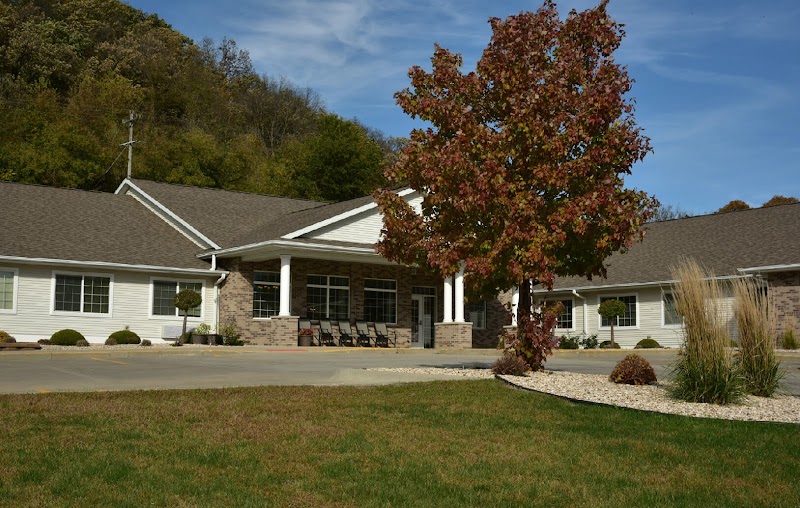

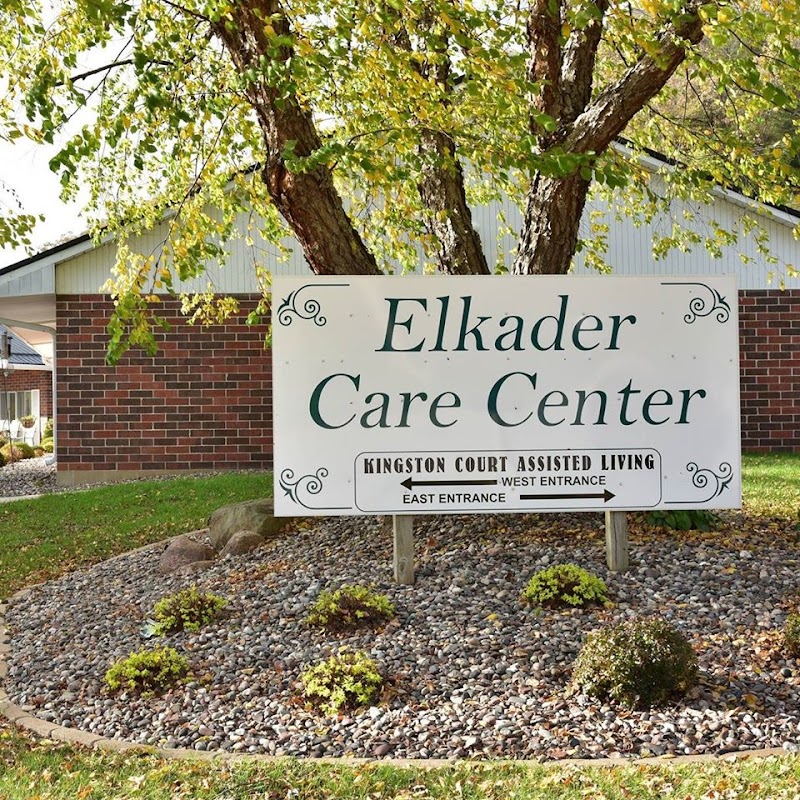
Elkader Care Center

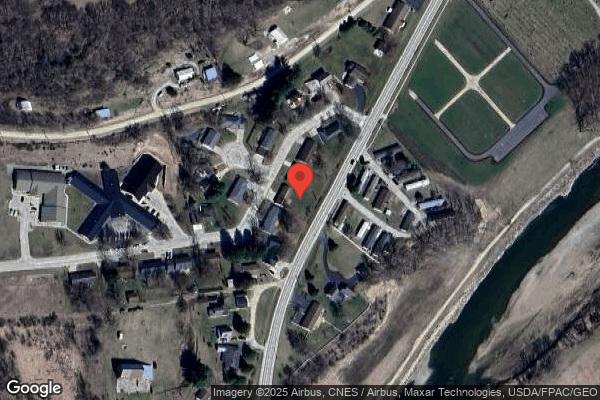
116 Reimer Street SW, Elkader, IA 52043 (563) 245-1620
For profit - Corporation 40 Beds Independent Data: November 2025
Trust Grade
75/100
#107 of 392 in IA
Last Inspection: December 2024

Within standard 12-15 month inspection cycle. Federal law requires annual inspections.

Overview

Elkader Care Center has a Trust Grade of B, indicating it is a solid choice for nursing care. With a state rank of #107 out of 392 in Iowa, the facility is in the top half, but it ranks #4 out of 5 in Clayton County, suggesting only one local option is better. Unfortunately, the facility's performance is worsening, with issues increasing from 1 in 2023 to 3 in 2024. Staffing is average with a 3/5 rating and a turnover rate of 51%, which is higher than the state average, meaning staff may not stay long enough to build strong relationships with residents. Notably, there have been no fines, which is a positive sign, and the facility has more RN coverage than 87% of Iowa facilities, ensuring that critical health issues are more likely to be caught early. However, there are some concerns. A serious incident was reported where the facility failed to prevent pressure ulcers from worsening for a resident with a history of these issues. Additionally, there were concerns about not providing proper meal portions for residents on special diets and failing to conduct timely assessments after residents' conditions changed. While the facility has strengths in RN coverage and no fines, these recent incidents highlight areas that need improvement.

Trust Score
B
75/100
In Iowa
#107/392
Top 27%
Safety Record
Moderate
Needs review
Inspections
Getting Worse
1 → 3 violations
Staff Stability
⚠ Watch
51% turnover. Above average. Higher turnover means staff may not know residents' routines.
Penalties
✓ Good
No fines on record. Clean compliance history, better than most Iowa facilities.
Skilled Nurses
✓ Good
Each resident gets 55 minutes of Registered Nurse (RN) attention daily — more than average for Iowa. RNs are trained to catch health problems early.
Violations
○ Average
7 deficiencies on record. Average for a facility this size. Mostly minor or procedural issues.
★★★★☆
4.0
Overall Rating
★★★☆☆
3.0
Staff Levels
★★☆☆☆
2.0
Care Quality
★★★★☆
4.0
Inspection Score
Stable
2023: 1 issues
2024: 3 issues

The Good

  • Full Sprinkler Coverage · Fire safety systems throughout facility
  • No fines on record

Facility shows strength in fire safety.

The Bad

Staff Turnover: 51%

Near Iowa avg (46%)

Higher turnover may affect care consistency

The Ugly 7 deficiencies on record

1 actual harm
Oct 2024 3 deficiencies 1 Harm
SERIOUS (G) 📢 Someone Reported This

A family member, employee, or ombudsman was alarmed enough to file a formal complaint

Actual Harm - a resident was hurt due to facility failures

Pressure Ulcer Prevention (Tag F0686)

A resident was harmed · This affected 1 resident

Based on observations, clinical record review, Nurse Practitioner/Providers interview, resident and staff interviews, and facility policy and procedure review, the facility failed to provide care cons...

Read full inspector narrative →
Based on observations, clinical record review, Nurse Practitioner/Providers interview, resident and staff interviews, and facility policy and procedure review, the facility failed to provide care consistent with professional standards of practice to prevent pressure ulcers from developing or worsening on residents with a history of pressure ulcers for one of three residents reviewed (Resident #3). The facility reported a census of 28 residents. Findings include: The MDS (Minimum Data Set) assessment identifies the definition of pressure ulcers: Stage I is an intact skin with non-blanchable redness of a localized area usually over a bony prominence. Darkly pigmented skin may not have a visible blanching; in dark skin tones only it may appear with persistent blue or purple hues. Stage II is partial thickness loss of dermis presenting as a shallow open ulcer with a red or pink wound bed, without slough (dead tissue, usually cream or yellow in color). May also present as an intact or open/ruptured blister. Stage III Full thickness tissue loss. Subcutaneous fat may be visible but bone, tendon or muscle is not exposed. Slough may be present but does not obscure the depth of tissue loss. May include undermining and tunneling. Stage IV is full thickness tissue loss with exposed bone, tendon or muscle. Slough or eschar (dry, black, hard necrotic tissue). may be present on some parts of the wound bed. Often includes undermining and tunneling or eschar. Unstageable Ulcer: inability to see the wound bed. Other staging considerations include: Deep Tissue Pressure Injury (DTPI): Persistent non-blanchable deep red, maroon or purple discoloration. Intact skin with localized area of persistent non-blanchable deep red, maroon, purple discoloration due to damage of underlying soft tissue. This area may be preceded by tissue that is painful, firm, mushy, boggy, warmer or cooler as compared to adjacent tissue. These changes often precede skin color changes and discoloration may appear differently in darkly pigmented skin. This injury results from intense and/or prolonged pressure and shear forces at the bone-muscle interface. The facilities Pressure Ulcer Prevention Program policy (not dated) directed the facility staff should have a system in place that assured assessments were completed timely and appropriate; interventions implemented, monitored and revises as appropriate; and changes in condition recognized, evaluated, reported to the resident's attending practitioner and other healthcare professionals, ie.wound nurse and etc as appropriate. The Procedure included the following; a. Assess, reassess and document the ulcer's characteristics weekly. 1. Date. 2. Location of ulcer and staging. 3. Size. 4. Depth 5. Presence, location and extent of undermining or tunneling/sinus tract. 6. Exudate (drainage) a. Type: purulent/serous b. Color. c. Odor d. Amount e. Pain f. Wound bed. 1. Color and type of tissue/character, including evidence of healing (granulation tissue) or necrosis (slough or eschar). g. Description of wound edges and surrounding tissue: 1. Rolled edges. 2. Redness. 3. Hardness/induration (thickening or hardening of the skin). 4. Maceration (excessive moisture or fluid accumulation in the skin, leading to softening, swelling, and skin integrity breakdown). 5. Description of the healing of the pressure ulcer. b. Observation for infection. 1. Purulent exudate (drainage). 2. Peri-wound warmth. 3. Swelling. 4. Induration. 5. Erythema (redness of the skin). 6. Increasing pain or tenderness around the site. 7. Delayed wound healing. A Minimum Data Set (MDS) assessment form dated 10.10.24 indicated Resident #3 had diagnoses that included Radiculopathy of the Lumbar region, Cardiomyopathy, urine retention, Heart Failure (HF), Renal Insufficiency, and Diabetes Mellitus (DM). The assessment indicated the resident had a Brief Interview for Mental Status (BIMS) score of 13 out of 15 (cognitively intact), required substantial to maximum assistance with most activities of daily living (ADL's), as frequently incontinent of urine, at risk for pressure ulcers, with one (1) stage II pressure ulcer on admission and not on a turning and repositioning program. The resident's Initial Care Plan located in Point Click Care (PCC) initiated 10.8.24 failed to address her skin breakdown/pressure ulcers but directed the facility staff to have assisted the resident with morning and evening cares. The residents Initial Care Plan reported to have been located in the resident's paper chart initiated 10.4.24 indicated the resident as admitted to the facility on 10.4.24 with a stage II pressure area to her left buttock with a current order for a specified dressing and discontinued 10.17.24 due to the completion of the Comprehensive Care Plan. The Initial Care Plan failed to address a turning or repositioning program but rather indicated the resident as independent. A Function Abilities form dated 10.10.24 at 2:23 p.m. indicated the resident required substantial to maximum assistance of staff with toileting hygiene, personal hygiene, transfers, and ambulation. A Wound/Skin Healing Record form indicated the resident had a pressure ulcer on her left buttock with the onset dated 10.4.24. The assessments included the following: a. 10.4.24 (no time documented) - A stage II pressure ulcer that measured 0.7 centimeters (cm) by (x) 0.3 cm and less than 0.1 cm deep with purple and non-blanchable surrounding skin that measured 1.5 cm x 1.5 cm. The staff failed to assess the resident's ulcered areas exudate, odor, exudate amount, wound bed, surrounding skin color and surrounding tissue/wound edges. Staff indicated the resident's Care Plan as updated. b. 10.10.24 (not time documented: - A stage II pressure ulcer that measured 8.0 cm x 2.0 cm and 0.01 cm deep with no exudate, slight odor, wound bed with epithelial tissue, slough and purple, normal surrounding skin color and tissue and wound edges, no tunneling or pain. The wound deteriorated in status. During an interview 10.18.24 at 12:29 p.m. Staff A, Registered Nurse (RN) confirmed she should have completed a more thorough assessment of the resident's decubitus ulcer on 10.4.24 and that she should have reported to the resident's Primary Physician the increase in size and slight odor of the decubitus following her 10.10.24 assessment. The staff member indicated when the resident arrived with the decubitus ulcer and purple surrounding skin she felt like the area had been waiting to open up. A Physician Progress Note form dated 10.15.24 at 11:48 p.m. indicated the resident's Assessment and Plan included the following in relation to the decubitus ulcer: a. At that time with the resident's Neutropenia (low white cells which hindered the ability to fight infections), the decubitus ulcer located at a high risk area for infection and lethargy had been treated with antibiotics due to the high probability of infection. During an interview 10.18.24 at 12:42 p.m. the Nurse Practitioner (NP) indicated her concern incurred when the resident came to them from home and originally left the hospital with barely an ulcer and when they saw her back in such a short period of time the status of the decubitus appeared shocking. The NP indicated the report she received from the facility addressed the ulcered area as a sore on her bottom but the area appeared certainly more than a sore. The NP indicated the area could have been prevented and/or minimized however the resident ended up septic with the decubitus the likely source and/or the contributing factor to her death. During an interview 10.18.24 at 11:31 a.m. the resident's primary Physician indicated she had no knowledge of the increase in size of the decubitus ulcer during her visit on 10.10.24 as the facility had faxed the status to her office after she had left for the day so she never assessed the area during that visit. The Physician also addressed the following issues during this interview: a. The resident presented with risk factors for a decubitus such as chronic kidney disease, HF, and DM. b. Not sure if the decubitus could have been prevented without having observed the area but she felt the decubitus progressed substantially in a short period of time. c. She had been aware when the resident presented in the emergency room on 10.15.24 the staff informed her the area had been odorous which added to the significance of infection. During an interview 10.18.24 at 12:16 p.m. the primary Physician indicated she felt there had been something the facility could have done to minimize the fast progression of the ulcered area and that there should had been better communication with her as the primary Physician. The Physician reiterated the ulcered area worsened faster than it should have at the time. The Physician indicated the resident passed away at 11:36 a.m. that morning from concerns with sepsis from the ulcered area and worsening renal failure. A Clinically Unavoidable Pressure Ulcer form signed by a Physician 10.18.24 addressed the pressure ulcer as unavoidable. During an interview 10.18.24 at 1:44 p.m. the resident's Primary Physician (same as above) confirmed she signed the Unavoidable Pressure Ulcer form that morning but thought the form had been a checklist of symptoms that could have caused the decubitus ulcer but her intent had not been meant for the form to have been conclusive. Again, the Physician reiterated if the staff would have communicated to her better related to the decubitus ulcer it could have been avoided and/or minimized. The Physician confirmed when she rounded and assessed the resident on 10.10.24 facility staff accompanied her but failed to communicate the worsening decubitus ulcer at that time and she would have expected a full report on the resident's current condition and worsening decubitus.
CONCERN (D) 📢 Someone Reported This

A family member, employee, or ombudsman was alarmed enough to file a formal complaint

Potential for Harm - no one hurt, but risky conditions existed

Quality of Care (Tag F0684)

Could have caused harm · This affected 1 resident

Based on observations, clinical record review, Nurse Practitioner/Physician/Providers interviews, resident and staff interviews, and facility policy review, the facility failed to provide proper asses...

Read full inspector narrative →
Based on observations, clinical record review, Nurse Practitioner/Physician/Providers interviews, resident and staff interviews, and facility policy review, the facility failed to provide proper assessments and interventions in a timely manner for 2 of 3 residents following a change of condition (Residents #3 & #2). The facility reported a census of 28 residents. Findings include: 1. The facilities Pressure Ulcer Prevention Program policy (not dated) directed the facility staff should have a system in place that assured assessments were completed timely and appropriate; interventions implemented, monitored and revises as appropriate; and changes in condition recognized, evaluated, reported to the resident's attending practitioner and other healthcare professionals, ie.wound nurse and etc as appropriate. The Procedure included the following; a. Assess, reassess and document the ulcer's characteristics weekly. 1. Date. 2. Location of ulcer and staging. 3. Size. 4. Depth 5. Presence, location and extent of undermining or tunneling/sinus tract. 6. Exudate (drainage) a. Type: purulent/serous b. Color. c. Odor d. Amount e. Pain f. Wound bed. 1. Color and type of tissue/character, including evidence of healing (granulation tissue) or necrosis (slough or eschar). g. Description of wound edges and surrounding tissue: 1. Rolled edges. 2. Redness. 3. Hardness/induration (thickening or hardening of the skin). 4. Maceration (excessive moisture or fluid accumulation in the skin, leading to softening, swelling and skin integrity breakdown). 5. Description of the healing of the pressure ulcer. b. Observation for infection. 1. Purulent exudate (drainage). 2. Peri-wound warmth. 3. Swelling. 4. Induration. 5. Erythema (redness of the skin). 6. Increasing pain or tenderness around the site. 7. Delayed wound healing. A Minimum Data Set (MDS) assessment form dated 10.10.24 indicated Resident #3 had diagnoses that included Radiculopathy of the Lumbar region, Cardiomyopathy, urine retention, Heart Failure (HF), Renal Insufficiency, and Diabetes Mellitus (DM). The assessment indicated the resident had a Brief Interview for Mental Status (BIMS) score of 13 out of 15 (cognitively intact), required substantial to maximum assistance with most activities of daily living (ADL's), as frequently incontinent of urine, at risk for pressure ulcers, with one (1) stage II pressure ulcer on admission and not on a turning and repositioning program. The resident's Initial Care Plan reportedly located in the resident's paper chart initiated 10.4.24 indicated the resident as admitted to the facility on 10.4.24 with a stage II pressure area to her left buttock with a current order for a specified dressing and discontinued 10.17.24 due to the completion of the Comprehensive Care Plan. The Initial Care Plan failed to address a turning or repositioning program but rather indicated the resident as independent. A Functional Abilities form dated 10.10.24 at 2:23 p.m. indicated the resident required substantial to maximum assistance of staff with toileting hygiene, personal hygiene, transfers, and ambulation. A Wound/Skin Healing Record form indicated the resident had a pressure ulcer on her left buttock with the onset dated 10.4.24. The assessments included the following: a. 10.4.24 (no time documented) - A stage II pressure ulcer that measured 0.7 centimeters (cm) by (x) 0.3 cm and less than 0.1 cm deep with purple and non-blanchable surrounding skin that measured 1.5 cm x 1.5 cm. The staff failed to assess the resident's ulcered areas exudate, odor, exudate amount, wound bed, surrounding skin color and surrounding tissue/wound edges. Staff indicated the resident's Care Plan as updated. During an interview 10.18.24 at 12:29 p.m. Staff A, Registered Nurse (RN) confirmed she should have completed a more thorough assessment of the resident's decubitus ulcer on 10.4.24 and that she should have reported to the resident's Primary Physician the increase in size and slight odor of the decubitus following her 10.10.24 assessment. The staff member indicated when the resident initially arrived with the decubitus ulcer and purple surrounding skin she felt like the area had been waiting to open up. 2. An MDS assessment form dated 8.6.24 indicated Resident #2 had diagnoses that included Seizure/Epilepsy disorder, Borderline Personality disorder, Mild Intellectual disabilities, Anxiety, Depression, Respiratory Failure with Hypercapnia, and morbid obesity. The assessment indicated the resident had a BIMS score of 15 (cognitively intact) and required staff assistance with ADL's. A Care Plan included the following Focus areas and Interventions/Tasks as dated: a. The resident required 24 hour care related to (r/t) a Seizure disorder. (initiated and revised 2.26.21) b. The resident had altered respiratory status r/t sleep apnea and hypoxia. (revised 1.5.23) 1. Monitor for and symptoms of respiratory distress and report to the Physician as needed (PRN) the following: a. Decreased pulse oximetry, increased heart rate, restlessness, diaphoresis (sweating), headaches, lethargy, confusion, Empty (cough up blood from lungs), cough, Pleuritic pain (sharp chest pain that worsens with a cough or movement), accessory muscle usage, skin color changes, anxiety, shortness of breath (SOB) at rest. (initiated 3.12.21) 2. Monitor/document/report abnormal breathing patterns to the Physician: increased or decreased rate, periods of Apnea (no breathing), prolonged inhalation or exhalation, shallow breathing, prolonged deep breathing, usage of accessory muscles, pursed lip breathing and nasal flaring. (initiated 3.12.21) c. Non-invasive ventilator as ordered. (initiated 3.22.24) Progress Note entries included the following as dated: a. 10.11.24 at 12:56 p.m. - The resident stated she felt unwell. Runny nose, sore throat, and felt more tired. Lung sounds clear in all quadrants. Covid negative. A NP had been notified and directed the staff to have monitored the resident for worsening symptoms. Vital signs (VS) consisted of a Temperature (T) of 98.0 degrees Fahrenheit, Blood Pressure (B/P) 118/72, Pulse (P) 76, Respirations (R) 15 and an Oxygen Saturation (O2) at 88%. b. 10.12. 24 at 1:11 a.m. - A full assessment completed with no complaints of having felt poorly. c. 10.12.24 at 2:01 p.m. - T 98.0 and O2 saturation of 88-90% at various times however the facility staff failed to complete a thorough assessment. d. 10.12.24 at 8:57 p.m. - T 97.8 with no further assessment completed. e. 10.13.24 at 8:17 a.m. - Called to resident's room by a certified nursing assistant (CNA). Resident appeared to lethargic and not her mental status baseline. Resident unable to answer questions other than grunts. Resident lips cyanotic. Vitals obtained. Inability to raise her O2 saturation level above 84% post interventions. Bilateral lung sounds with crackles in all lobes. Sent to the local emergency room (ER). A State of Iowa Certificate of Death indicated the resident passed away 10.16.24 at 7:54 p.m. from Acute on Chronic Hypoxemic and Hypercapnic Respirator Failure due to (D/T) or as a consequence of Viral Pneumonia. During an interview 10.22.24 at 2:33 p.m., the resident's NP (Nurse Practitioner) confirmed she would have expected the facility staff to have completed a more thorough assessment and intervention for the resident until stable per standard of practice of 48-72 hours however the outcome probably would not have been different d/t the resident's co-morbidities. During an interview 10.22.24 at 1:06 p.m. Staff A, Licensed Practical Nurse (LPN) indicated per nursing judgment staff should have assessed a full set of vitals, lung sounds and any issue that affected the resident's symptoms. During an interview 10.22.24 at 1:24 p.m., Staff B, Registered Nurse (RN) indicated she had not been sure a B/P would have made a difference however hindsight is 20/20 and she should have assessed the resident's B/P. During an interview 10.22.24 at 3:30 p.m., Staff C, RN confirmed she would have assessed the resident from head to toe, which included the resident's lung sounds and edema per nursing judgement.
CONCERN (D) 📢 Someone Reported This

A family member, employee, or ombudsman was alarmed enough to file a formal complaint

Potential for Harm - no one hurt, but risky conditions existed

Administration (Tag F0835)

Could have caused harm · This affected 1 resident

Based on observations, clinical record review, Nurse Practitioner/Providers interviews, resident and staff interviews and facility policy review, the facility staff failed to follow their own policy a...

Read full inspector narrative →
Based on observations, clinical record review, Nurse Practitioner/Providers interviews, resident and staff interviews and facility policy review, the facility staff failed to follow their own policy and procedures as a means to prevent and or minimize pressure ulcers from developing on residents with history of pressure ulcers for one of three residents reviewed (Resident #3). The facility reported a census of 28 residents. Findings include: The facilities Pressure Ulcer Prevention Program policy (not dated) directed the facility staff the facility should of had a system in place that assured assessments were completed timely and appropriate; interventions implemented, monitored and revises as appropriate; and changes in condition recognized, evaluated, reported to the resident's attending practitioner and other healthcare professionals, ie.wound nurse and etc as appropriate. The Procedure included the following; a. Assess, reassess and document the ulcer's characteristics weekly. 1. Date. 2. Location of ulcer and staging. 3. Size. 4. Depth 5. Presence, location and extent of undermining or tunneling/sinus tract. 6. Exudate (drainage) a. Type: purulent/serous b. Color. c. Odor d. Amount e. Pain f. Wound bed. 1. Color and type of tissue/character, including evidence of healing (granulation tissue) or necrosis (slough or eschar). g. Description of wound edges and surrounding tissue: 1. Rolled edges. 2. Redness. 3. Hardness/induration (thickening or hardening of the skin). 4. Maceration (excessive moisture or fluid accumulation in the skin, leading to softening, swelling and skin integrity breakdown). 5. Description of the healing of the pressure ulcer. b. Observation for infection. 1. Purulent exudate (drainage). 2. Peri-wound warmth. 3. Swelling. 4. Induration. 5. Erythema (redness of the skin). 6. Increasing pain or tenderness around the site. 7. Delayed wound healing. A Minimum Data Set (MDS) assessment form dated 10.10.24 indicated Resident #3 had diagnoses that included Radiculopathy of the Lumbar region, Cardiomyopathy, urine retention, Heart Failure (HF), Renal Insufficiency, and Diabetes Mellitus (DM). The assessment indicated the resident had a Brief Interview for Mental Status (BIMS) score of 13 out of 15 (cognitively intact), required substantial to maximum assistance with most activities of daily living (ADL's), as frequently incontinent of urine, at risk for pressure ulcers, with one (1) stage II pressure ulcer on admission and not on a turning and repositioning program. The resident's Initial Care Plan located in Point Click Care (PCC) initiated 10.8.24 failed to address her skin breakdown/pressure ulcers but directed the facility staff to have assisted the resident with morning and evening cares. The resident's Initial Care Plan reported to have been located in the resident's paper chart by the Administrator and initiated 10.4.24 indicated the resident as admitted to the facility on 10.4.24 with a stage II pressure area to her left buttock with a current order for a specified dressing and discontinued 10.17.24 due to the completion of the Comprehensive Care Plan. The Initial Care Plan failed to address a turning or repositioning program but rather indicated the resident as independent. A Function Abilities form dated 10.10.24 at 2:23 p.m. indicated the resident required substantial to maximum assistance of staff with toileting hygiene, personal hygiene, transfers and ambulation. A Wound/Skin Healing Record form indicated the resident had a pressure ulcer on her left buttock with the onset dated 10.4.24. The assessments included the following: a. 10.4.24 (no time documented) - A stage II pressure ulcer that measured 0.7 centimeters (cm) by (x) 0.3 cm and less than 0.1 cm deep with purple and non-blanchable surrounding skin that measured 1.5 cm x 1.5 cm. The staff failed to assess the resident's ulcered area's exudate, odor, exudate amount, wound bed, surrounding skin color and surrounding tissue/wound edges. During an interview 10.18.24 at 12:29 p.m. Staff A, Registered Nurse (RN) confirmed she should have completed a more thorough assessment of the resident's decubitus ulcer on 10.4.24 and that she should have reported to the resident's Primary Physician the increase in size and slight odor of the decubitus following her 10.10.24 assessment. The staff member indicated when the resident arrived with the decubitus ulcer and purple surrounding skin she felt like the area had been waiting to open up. During an interview 10.18.24 at 12:16 p.m. the primary Physician indicated she felt there had been something the facility could have done to minimize the fast progression of the ulcered area and that there should have been better communication with her as the primary Physician. The Physician reiterated the ulcered area worsened faster than it should have at the time. The Physician indicated the resident passed away at 11:36 a.m. that morning from concerns with sepsis from the ulcered area and worsening renal failure.
Aug 2023 1 deficiency
CONCERN (D)

Potential for Harm - no one hurt, but risky conditions existed

Abuse Prevention Policies (Tag F0607)

Could have caused harm · This affected 1 resident

Based on facility record review, employee file review, staff interview, and policy review the facility failed to ensure 1 of 5 staff members (Staff A) completed the two hour Dependent Adult Abuse trai...

Read full inspector narrative →
Based on facility record review, employee file review, staff interview, and policy review the facility failed to ensure 1 of 5 staff members (Staff A) completed the two hour Dependent Adult Abuse training within 6 months of their hire date. The facility further failed to complete the Single Contact Repository (SING) background checks prior to hire on 2 of 5 staff members (Staff B & Staff C). The facility reported a census of 29 residents. Findings include: 1. Review of an employee hire list provided by the facility during the survey week, revealed Staff A, certified nursing assistant (CNA), had a documented hire date of 8/2/22. The employee file lacked documentation of Iowa Department of Public Health (IDPH) approved Dependent Adult Abuse Mandatory Reporter training completed. In an interview 8/29/23 at 8:40 AM, the Administrator reported no record of dependent adult abuse mandatory reporter training was found for Staff A. 2. Staff B's, CNA, employee file contained a SING criminal background and abuse registry checks completed on 8/28/23. The employee filed had a documented hire date of 1/30/23. Staff B's timecard dated 8/1/23 - 8/29/23 revealed Staff B worked at the facility on the following dates: 8/1, 8/7, 8/8, 8/9, 8/10, 8/11, 8/14, 8/15, 8/16, 8/17, 8/20, 8/22, 8/23, 8/24, 8/25, 8/26, 8/29. In an interview on 8/29/23 at 8:40 AM, the Administrator verified Staff B's criminal history background check and abuse registry checks completed on 8/28/23, and that no prior background check completed prior to Staff B's hire date. The Administrator reported she expected background checks completed before an employee hired. The Administrator reported they had identified employee background checks not completed on some employees as they were going through employee files a couple of months ago. The Administrator reported they started a QAPI (Quality Assurance Performance Improvement) to ensure background checks were completed prior to an employee hired. 3. Staff C's, CNA, employee file contained a SING criminal background and abuse registry check completed 8/28/23. The employee filed had a documented hire date of 1/17/23. Staff C's timecard dated 8/1/23 - 8/29/23 revealed Staff C worked at the facility on 8/2/23 and 8/4/23. In an interview on 8/29/23 at 8:40 AM, the Administrator verified Staff C's criminal history background check and abuse registry checks completed on 8/28/23, and no prior background check completed prior to Staff C's hire date. The facility's Abuse Prevention, Identification, Investigation, and Reporting Policy updated 7/2019, revealed the facility screened all potential employees for abuse, and conducted an Iowa criminal record check and dependent adult/child abuse registry check on all prospective employees and other individuals engaged to provide services to residents, prior to hire. The policy also revealed each employee required to complete an initial 2-hour training course provided by the Iowa Department of Human Services related to the identification and reporting of dependent adult abuse. The mandatory reported training needed completed within six months of hire, and every three years thereafter.
Jun 2022 3 deficiencies
CONCERN (D)

Potential for Harm - no one hurt, but risky conditions existed

Medication Errors (Tag F0758)

Could have caused harm · This affected 1 resident

**NOTE- TERMS IN BRACKETS HAVE BEEN EDITED TO PROTECT CONFIDENTIALITY** Based on clinical record review, document review, and staff interview, the facility failed to attempt and document non-pharmacol...

Read full inspector narrative →
**NOTE- TERMS IN BRACKETS HAVE BEEN EDITED TO PROTECT CONFIDENTIALITY** Based on clinical record review, document review, and staff interview, the facility failed to attempt and document non-pharmacological and behavioral interventions prior to the administration of as needed anxiolytic medication for 1 of 5 resident (Resident #10) reviewed for psychotropic medications. The facility identified a census of 37 residents. Findings include: The Minimum Data Set (MDS) assessment dated [DATE] documented Resident #10 with short/long-term memory impairment as well as the presence of verbal behavioral symptoms directed toward others (e.g., threatening others, screaming at others, cursing at others), disorganized thinking (rambling or irrelevant conversation, unclear or illogical flow of ideas, or unpredictable switching from subject to subject), rejection of care and wandering 1-3 days per week. The MDS listed a diagnosis of non-specified dementia without behavioral disturbance, Non-Alzheimer's Dementia and identified the resident utilized antipsychotic, anti-depressant and anti-anxiety medication 7 of 7 days of the assessment reference period. An Order Summary Report signed by the Provider on 5/16/22 documented an order for AlprazolamTablet 0.5 Milligrams (mg). Give 1 tablet by mouth every 8 hours as needed for anxiety. Start Date 1/19/2022 The Care Plan dated 5/12/21 identified the Resident needed 24 hour care related to the diagnosis of dementia and cognitive impairment, experienced wandering, and had occasional verbal behavioral symptoms directed toward others. The Care Plan identified the following interventions: 1. Assess whether the behavior endangers the resident and/or others. Intervene if necessary. 2. Avoid overstimulation (e.g. noise, crowding, other physically aggressive residents). 3. Avoid power struggles with the resident. 4. Convey an attitude of acceptance toward the resident. 5. Explore with the resident, previous effective and ineffective coping mechanisms. Effective interventions include talking with resident and husband, if safe to do so leave resident and reproach a short time later. 6. Maintain a calm environment and approach to the resident. 7. Praise resident when behavior is appropriate. 8. Refocus conversation when resident becomes verbally abusive. Resident likes to talk about her family (include her husband in conversation). 9. If resident resists with activities of daily living, reassure resident, leave and return 5-10 minutes later and try again. 10. The resident's triggers for resisting care are being anxious, moving too quickly to perform task. The residents behavior is de-escalated by sitting with resident and explaining what task will be performed step by step, re- approach 10-15 minutes later, re-approach with different care giver if needed. 11. Approach from the front. Walk in step with resident first before redirecting. 12. Redirect resident from exit doors as needed. 13. Remove resident from other resident's rooms and unsafe situations. 14. When the resident begins to wander, encourage her to sit and hold a baby doll, offer to turn on the movie The Sound of Music for her, ask her about her husband and children. The April 2022 Medication Administration Record (MAR) revealed the resident received the as needed Alprazolam medication on 4/24/22 at 7:38 p.m. and 4/29/22 at 9:55 a.m. A review of the MAR and the Nursing Progress Notes for April 2022 lacked documentation of resident trigger behaviors or interventions implemented prior to the administration of the antianxiety medication. The May 2022 MAR revealed the Resident received the as needed Alprazolam medication on 5/1/22 at 7:35 p.m. A review of the MAR and the Nursing Progress Notes for May 2022 lacked documentation of trigger behaviors or interventions implemented prior to administration of the antianxiety medication. A review of the Progress Notes from 4/1/22 - 5/31/22 revealed no documentation of Resident #10 had any trigger behaviors or interventions documented for 4/24/22, 4/29/22 or 5/1/22. During an interview on 6/15/22 at 9:10 a.m. the Director of Nursing stated the order for the Alprazolam did not get entered into the computer correctly. The computer order is to have an area where interventions must be entered for the administration of the as needed anti-anxiety medication. She stated there is a sheet of interventions hanging in the medication room that staff are to try and document. She reported her expectation is nursing interventions will be tried prior to giving the antianxiety medication. On 6/15/22 at 9:18 a.m. the DON reported the facility does not have a psychotropic medication policy. The PRN (as needed) Psychotropic Intervention Sheet, undated, provided by the facility documented every PRN medication requires a Progress Note and electronic Medication Administration Record (eMAR) will open to the Progress Note tab when medication is being signed out. The note auto populates with the medication details, but there must be documentation why the medication is being administered. The Psychotropic Intervention Sheet listed the following interventions to try prior to giving a PRN psychotropic medication: 1. Assess pain 2. Offer toileting 3. Offer food/drink 4. Reposition/offer rest/ambulation. 5. Massage/warm washcloth 6. Music/Television/Reading 7. One to One (time) 8. Remove to a quiet area 9. Family call/pictures 10. Favorite blanket/stuffed animal/doll or personal item 11. Monitor vital signs, assess if disease related 12. Alcoholic beverage if permitted 13. Physician notification and ideas 14. Other (specify) The PRN Psychotropic Intervention sheet further showed field for interventions to be entered into the electronic health record with the medication administration.
CONCERN (D)

Potential for Harm - no one hurt, but risky conditions existed

Deficiency F0868 (Tag F0868)

Could have caused harm · This affected 1 resident

Based on record review and staff interview the facility failed to meet the requirements for QAPI committee meeting frequency and member attendance since January 2022. The facility census was 37 reside...

Read full inspector narrative →
Based on record review and staff interview the facility failed to meet the requirements for QAPI committee meeting frequency and member attendance since January 2022. The facility census was 37 residents. Findings include: Review of the QAPI meeting attendance sign-in sheets for the past year provided by the facility 6/15/22 revealed an attendance sign-in sheet for every month except March, April, May, & June 2022, and review of the attendance sign-in sheet for February 2022 had only 4 signatures none of which were the Administrator or a Medical Director. The CMS (Centers for Medicare and Medicaid) regulations a QAPI meeting must have at least 5 members in attendance and 1 must be the facility Administrator or a Board Member. During an interview on 6/15/22 at 9:00 a.m. the facility Nurse Consultant stated there were no attendance sign-in sheets for March, April, & May of 2022 because no QAPI meeting had occurred for those past 3 months but said they are aware and are working on a PIP (Performance Improvement Plan) to ensure a QAPI meeting is held at least monthly from now on and the Nurse Consultant acknowledged the February QAPI meeting did not meet the member attendance requirement set by CMS.
CONCERN (E)

Potential for Harm - no one hurt, but risky conditions existed

Menu Adequacy (Tag F0803)

Could have caused harm · This affected multiple residents

Based on observations, record review, and staff interview the facility failed to provide the correct serving amount as planned on the menu. The facility census was 37 residents. Findings include: Dur...

Read full inspector narrative →
Based on observations, record review, and staff interview the facility failed to provide the correct serving amount as planned on the menu. The facility census was 37 residents. Findings include: During observation of the noon meal preparation on 6/14/22 at 11:00 a.m. the Dietary Supervisor placed 4 servings of the roast beef in the Robot Coupe to puree for the 3 residents with orders for a pureed diet, the Dietary Supervisor then added 3 slices of bread and about 1/2 cup of beef gravy to achieve the proper consistency for residents on a pureed diet, she then placed the mixture into a steam table pan, covered, and put in the oven without measuring the final product volume. During observation on 6/14/22 at 12:03 p.m. the noon meal service started for the main dining room, the surveyor observed blue handled scoops being used to serve the pureed roast beef and the blended vegetables, the Dietary Supervisor was asked about the color coded chart above the steam table that showed blue handled scoops hold a volume of 2 oz. or 1/4 cup, and she verified that was correct, meal service completed at 12:19 p.m. using those same blue handled scoops for the pureed roast beef and the blended vegetables. During an interview 6/14/22 at 12:28 p.m. the surveyor pointed out to the Dietary Manager that after serving 3 residents the pureed roast beef that about half of the original amount remained in the pan and asked her why that might be, the Dietary Manager replied she had not measured the finished product volume and the serving sizes should have been larger and there should not have been that much left over when the serving was complete. The surveyor also pointed out according to the menu the serving size for the blended vegetables was to be 1/3 cup but a blue handled 1/4 cup scoop had been used, the Dietary Supervisor responded she had overlooked the serving size and used the wrong scoop.
Understanding Severity Codes (click to expand)
Life-Threatening (Immediate Jeopardy)
J - Isolated K - Pattern L - Widespread
Actual Harm
G - Isolated H - Pattern I - Widespread
Potential for Harm
D - Isolated E - Pattern F - Widespread
No Harm (Minor)
A - Isolated B - Pattern C - Widespread

Questions to Ask on Your Visit

  • "Can I speak with families of current residents?"
  • "What's your RN coverage like on weekends and overnight?"

Our Honest Assessment

Strengths
  • • No fines on record. Clean compliance history, better than most Iowa facilities.
Concerns
  • • 7 deficiencies on record, including 1 serious (caused harm) violation. Ask about corrective actions taken.
Bottom line: Generally positive indicators. Standard due diligence and a personal visit recommended.

About This Facility

What is Elkader Care Center's CMS Rating?

CMS assigns Elkader Care Center an overall rating of 4 out of 5 stars, which is considered above average nationally. Within Iowa, this rating places the facility higher than 99% of the state's 100 nursing homes. This rating reflects solid performance across the metrics CMS uses to evaluate nursing home quality.

How is Elkader Care Center Staffed?

CMS rates Elkader Care Center's staffing level at 3 out of 5 stars, which is average compared to other nursing homes. Staff turnover is 51%, compared to the Iowa average of 46%.

What Have Inspectors Found at Elkader Care Center?

State health inspectors documented 7 deficiencies at Elkader Care Center during 2022 to 2024. These included: 1 that caused actual resident harm and 6 with potential for harm. Deficiencies causing actual harm indicate documented cases where residents experienced negative health consequences.

Who Owns and Operates Elkader Care Center?

Elkader Care Center is owned by a for-profit company. For-profit facilities operate as businesses with obligations to shareholders or private owners. The facility operates independently rather than as part of a larger chain. With 40 certified beds and approximately 26 residents (about 65% occupancy), it is a smaller facility located in Elkader, Iowa.

How Does Elkader Care Center Compare to Other Iowa Nursing Homes?

Compared to the 100 nursing homes in Iowa, Elkader Care Center's overall rating (4 stars) is above the state average of 3.1, staff turnover (51%) is near the state average of 46%, and health inspection rating (4 stars) is above the national benchmark.

What Should Families Ask When Visiting Elkader Care Center?

Based on this facility's data, families visiting should ask: "Can I visit during a mealtime to observe dining assistance and food quality?" "How do you handle medical emergencies, and what is your hospital transfer rate?" "Can I speak with family members of current residents about their experience?"

Is Elkader Care Center Safe?

Based on CMS inspection data, Elkader Care Center has a clean safety record: no substantiated abuse findings (meaning no confirmed cases of resident harm), no Immediate Jeopardy citations (the most serious violation level indicating risk of serious injury or death), and is not on the Special Focus Facility watch list (a federal program monitoring the lowest-performing 1% of nursing homes). The facility has a 4-star overall rating and ranks #1 of 100 nursing homes in Iowa. While no facility is perfect, families should still ask about staff-to-resident ratios and recent inspection results during their visit.

Do Nurses at Elkader Care Center Stick Around?

Elkader Care Center has a staff turnover rate of 51%, which is 5 percentage points above the Iowa average of 46%. Moderate turnover is common in nursing homes, but families should still ask about staff tenure and how the facility maintains care continuity when employees leave.

Was Elkader Care Center Ever Fined?

Elkader Care Center has no federal fines on record. CMS issues fines when nursing homes fail to meet care standards or don't correct problems found during inspections. The absence of fines suggests the facility has either maintained compliance or corrected any issues before penalties were assessed. This is a positive indicator, though families should still review recent inspection reports for the full picture.

Is Elkader Care Center on Any Federal Watch List?

Elkader Care Center is not on any federal watch list. The most significant is the Special Focus Facility (SFF) program, which identifies the bottom 1% of nursing homes nationally based on persistent, serious quality problems. Not being on this list means the facility has avoided the pattern of deficiencies that triggers enhanced federal oversight. This is a positive indicator, though families should still review the facility's inspection history directly.