Prestige Care Center of Fairfield
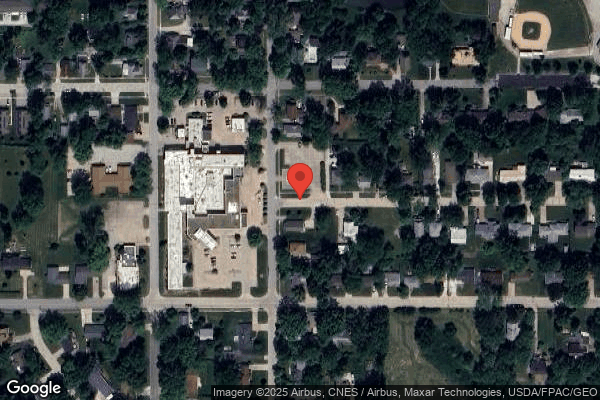

400 Highland Street, Fairfield, IA 52556 (641) 469-2140
For profit - Limited Liability company 73 Beds PRESTIGE CARE CENTER Data: November 2025 1 Immediate Jeopardy citation
Trust Grade
0/100
#373 of 392 in IA
Last Inspection: June 2025

Inspected within the last 6 months. Data reflects current conditions.

Overview

Families researching the Prestige Care Center of Fairfield should be aware that it has received a Trust Grade of F, indicating significant concerns about the facility’s care quality. It ranks #373 out of 392 nursing homes in Iowa, placing it in the bottom half, and is the second-best option in Jefferson County, meaning there is only one local alternative that is slightly better. The trend is worsening, with the number of issues increasing from 19 in 2024 to 24 in 2025. Staffing is below average with a 2 out of 5-star rating and a turnover rate of 52%, which is concerning as it is higher than the state average of 44%. Additionally, the facility has accumulated fines totaling $167,983, which is more than 96% of Iowa facilities, raising further alarm about compliance problems. On the positive side, there is average RN coverage, which is beneficial since RNs can identify problems that CNAs might miss. However, there are serious deficiencies, including a critical incident where staff failed to follow physician orders for a resident's medication, leading to dangerously high INR levels. Another serious finding involved a resident with severe cognitive impairments being left unsupervised in a shower chair, and a third incident reported a resident eloping from the facility, indicating issues with safety and supervision. Overall, while some staffing aspects show promise, the facility faces significant operational challenges that families should consider.
Trust Score
F
0/100
In Iowa
#373/392
Bottom 5%
Safety Record
High Risk
Review needed
Inspections
Getting Worse
19 → 24 violations
Staff Stability
⚠ Watch
52% turnover. Above average. Higher turnover means staff may not know residents' routines.
Penalties
⚠ Watch
$167,983 in fines. Higher than 89% of Iowa facilities, suggesting repeated compliance issues.
Skilled Nurses
○ Average
Each resident gets 36 minutes of Registered Nurse (RN) attention daily — about average for Iowa. RNs are the most trained staff who monitor for health changes.
Violations
⚠ Watch
72 deficiencies on record. Higher than average. Multiple issues found across inspections.
★☆☆☆☆
1.0
Overall Rating
★★☆☆☆
2.0
Staff Levels
★☆☆☆☆
1.0
Care Quality
★☆☆☆☆
1.0
Inspection Score
Stable
2024: 19 issues
2025: 24 issues

The Good

  • Full Sprinkler Coverage · Fire safety systems throughout facility
  • No fines on record

Facility shows strength in fire safety.

The Bad

1-Star Overall Rating

Below Iowa average (3.0)

Significant quality concerns identified by CMS

Staff Turnover: 52%

Near Iowa avg (46%)

Higher turnover may affect care consistency

Federal Fines: $167,983

Well above median ($33,413)

Significant penalties indicating serious issues

Chain: PRESTIGE CARE CENTER

Part of a multi-facility chain

Ask about local staffing decisions and management

The Ugly 72 deficiencies on record

1 life-threatening 6 actual harm
Jun 2025 23 deficiencies 1 Harm
SERIOUS (G) 📢 Someone Reported This

A family member, employee, or ombudsman was alarmed enough to file a formal complaint

Actual Harm - a resident was hurt due to facility failures

Accident Prevention (Tag F0689)

A resident was harmed · This affected 1 resident

**NOTE- TERMS IN BRACKETS HAVE BEEN EDITED TO PROTECT CONFIDENTIALITY** 3. The MDS assessment tool, dated 5/12/25, listed diagnoses for Resident #13 which included Alzheimer's disease, non-Alzheimer's...

Read full inspector narrative →
**NOTE- TERMS IN BRACKETS HAVE BEEN EDITED TO PROTECT CONFIDENTIALITY** 3. The MDS assessment tool, dated 5/12/25, listed diagnoses for Resident #13 which included Alzheimer's disease, non-Alzheimer's dementia, and Parkinson's disease(a disorder which caused tremors and difficult mobility). The MDS listed her cognition as severely impaired. A 2/15/25 Care Plan entry stated the resident was at risk for falls related to confusion. On 6/3/25 at 9:56 AM, Resident #13 sat in a shower chair in her room. The door was open and no staff were within sight of her. At 10:12 AM Staff A Registered Nurse(RN) and Staff R Certified Nursing Assistant(CNA) walked by the resident's room and Staff A asked Staff R if she just finished the resident's shower. Staff R said no she had been done. Staff R closed the resident's door and they both walked away. The resident remained in her shower chair until 10:36 AM At 10:36 AM Staff R stated she was not sure what time she completed the resident's shower but stated she required 2 staff members for the transfer and the other staff were at the other end of the hall. At 10:40 AM Staff R and Staff F transferred the resident to bed with a mechanical lift. They assisted her to roll over onto her right side and her right rear leg had red indentations spanning across the back of her thigh. On 6/10/25 at 10:55 AM, Staff Q, Certified Medication Aide(CMA) stated she would not leave a resident in her shower chair. She stated after showers she tried to lay them down as quickly as possible and to get them off their bottoms. On 6/10/25 at 11:12 AM, Staff R, CNA stated normally on the [NAME] Unit there were 3 aides staffed. She stated on the day that Resident #13 was in her shower chair, there were only 2 aides staffed on the floor and there was not enough staff to help the resident. She stated if the facility was fully staffed, there were no problems taking care of the residents but stated they were not always fully staffed. She stated depending on what was going on, residents have waited up to 30 minutes for staff to respond to their call lights. On 6/10/25 at 11:52 AM, Staff A, RN stated she would not want a resident in the shower chair for an extended period of time. On 6/11/25 at 12:26 PM, The DON stated staff should not leave residents in a shower chair alone. 4. The MDS assessment tool, dated 5/10/25, listed diagnoses for Resident #21 which included abnormalities of gait and mobility, abnormal posture, and adult failure to thrive. The MDS stated the resident had a fall without injury during the review period and listed her BIMS score as 5 out of 15, indicating severely impaired cognition. A 5/4/23 Care Plan entry stated the resident was at risk for falls related to gait and balance problems. A 5/15/25 1:08 PM Incident Note stated staff reported another resident(Resident #15) knocked the resident down in a wheelchair. The resident had a large hematoma(a collection of blood due to injury) to the back of her head and complained of a headache. A 5/15/25 2:07 PM Nursing Note stated the resident had a fall in the hallway and transferred to the ER. A 5/15/25 4:05 PM Nursing Note stated the resident returned from the ER with no new orders. A 5/27/25 Provider Note stated the resident walked in the hallway when another resident came by in the wheelchair and knocked her over . This caused her to fall and hit her head and she sustained a large hematoma on the base of her head. The resident tried ice packs but this did not help with the pain. The provider added Tramadol(a narcotic pain reliever) to the resident's medications. 5. The MDS assessment tool, dated 3/25/25, listed diagnoses for Resident #15 which included hemiplegia (one-sided paralysis), morbid obesity, and history of traumatic brain injury. The MDS listed the resident's BIMS score as 8 out of 15, indicating moderately impaired cognition. A 8/18/24 Nursing Note stated when the resident left the dining room, he rolled himself out of his wheelchair backwards and did not seem to care that he ran into others. He almost knocked two people out of their chairs trying to leave the room. When staff asked him to be careful, he grunted and did this anyway. His peers started to complain that he was going to hurt someone. A 12/5/24 Care Plan entry stated the resident used a wheelchair for locomotion and propelled the wheelchair backwards and staff needed to intervene and push him safely to destinations. A 5/15/25 Behavior Note stated the resident propelled down the hallway in his wheelchair towards his room and another resident went in the opposite direction. Resident #15 ran into the other resident and caused to her fall and hit her head on the floor. The CNA(who witnessed the incident) stated it looked intentional. A 5/15/25 Care Plan entry stated staff educated him on spatial awareness [NAME] the wheelchair and would assist the resident with wheelchair mobility until therapy evaluated him for safely. The Care Plan lacked additional wheelchair safety interventions to ensure the resident and others were safe. On 6/10/25 at 10:55 a.m., Staff Q, CMA stated on the day of the incident with Resident #15 and Resident #21, she pushed Resident #15 out into the hallway. He went full speed in his wheelchair and Resident #21 walked out of the bird room. Staff Q stated he was going full speed and she told him to be careful. Resident #15 ran into the side of Resident #21's walker. She stated she did not know if he ran into her on purpose but thought he did because she saw him in the past be verbally mean to her. She stated though that she did not know for sure if he ran into her on purpose or if he was just going too fast. On 6/11/25 at 12:26 p.m. the DON stated if staff thought the resident was unsafe in a wheelchair, there should be interventions. She stated currently they had an intervention in place that staff would assist him to and from meals. Review of the Facility Policy titled Accidents and Supervision, dated 4/2019 and last revised 6/2025, revealed the following per the Identification of Hazards and Risks Section: All staff (e.g., professional, administrative, maintenance, etc.) are to be involved in observing and identifying potential hazards in the environment, while taking into consideration the unique characteristics and abilities of each resident .The facility should make a reasonable effort to identify the hazards and risk factors for each resident. Based on observation, interview, and record review, the facility failed to ensure safe transfer via mechanical lift, and failed to ensure adequate supervision when a resident known to exhibit unsafe tendencies in their wheelchair knocked another resident down for 3 of 10 residents reviewed for accidents (Resident #15, Resident #21, Resident #32). Resident #32 fell from mechanical lift sling, resulting in a hematoma with abrasion to the resident's posterior head. Resident #21 ran into Resident #15's walker with their wheelchair, Resident #15 fell, and sustained a hematoma to the back of the head. Resident #15 did not receive received adequate supervision when the resident was left alone in their room in a shower chair. The facility also failed to ensure oxygen tanks were secured during transport. The facility reported a census of 59 residents. Findings include: 1. Review of the Minimum Data Set (MDS) assessment dated [DATE] for Resident #32 revealed the resident was rarely to never understood. Per this assessment, the resident was dependent for chair/bed-to-chair transfer. The Care Plan dated 11/27/24 revealed, [Resident #32] has an ADL (activities of daily living) self-care performance deficit r/t (related to) Aggressive Behavior, Dementia. The Intervention dated 11/27/24 revealed, TRANSFER: Mechanical Lift Hoyer with 2 staff assistance and use large sling. The Care Plan dated 11/14/24, revised on 5/7/25, revealed the following: [Resident #32] is risk for falls r/t (related to) dementia, Gait/balance problems, Poor communication/comprehension. The Intervention dated 5/7/25 revealed, 5/7/25 sling malfunctioned and sling removed from service. The Progress Note dated 5/7/25 at 7:19 AM authored by Staff B, Registered Nurse (RN) revealed, During Hoyer lift transfer with this RN and CNA (Certified Nursing Assistant) [Name Redacted] res slid out of Hoyer sling to floor. Landed on upper back and bumped his head on the floor. Assessed for injury, hematoma with abrasion on posterior head. VS (vital signs) obtained. Lifted from floor with 2 staff and sat in his w/c (wheelchair). abrasion cleansed with wound wash. No active bleeding .Intervention remove new Hoyer sling for no further use. Neuros initiated. The Progress Note dated 5/7/25 at 9:45 AM revealed, IDT (interdisciplinary team) met to review resident's witnessed fall. Staff were transferring in hoyer, resident was secure in Hoyer checked by both staff members upon transferring to wheelchair resident jerked while in sling and fell landing on back of head. Abrasion noted on the back of head. Neuros initiated and vitals stable. resident denies any pain. No other injuries noted. New Intervention: Hoyer sling removed. On 6/04/25 at 10:41 AM, Staff B, RN queried about the resident's fall from the lift, and explained the following: Per Staff B, had just received a new [mechanical lift] sling, transferred resident up, and normally [mechanical lift] sling as lifted was to a seated position. Staff B explained it was almost like the kind of sling for bed to bed transfer, explained didn't even seem right, and was brand new sling that never used before. Staff B explained she pulled the [mechanical lift] back, and the other staff member at the wheelchair. Per Staff B, as soon as moved [resident], normally knees would bend, and resident's legs were straight out. Staff B explained the resident slid from the [mechanical lift] onto the floor, and bumped head on the floor. Staff B explained called [former Administrator], made former Administrator lay in the sling, put her in the sling, response was couldn't use that sling, and was taken away and said couldn't use it. Staff B, RN queried what kind of sling it was, responded was green in color, and Staff B couldn't tell the manufacturer's name on it. Staff B explained she ran the [mechanical lift] when happened. Per Staff B, she felt horrible, and further explained the problem was fixed immediately. Staff B acknowledged when raised resident up, was flat. When queried if had used the sling for anyone else, Staff B responded no. When queried if the resident got hurt, Staff B responded had bump to the back of head. On 6/4/25 at 11:49 AM, Staff C, Certified Nursing Assistant (CNA) explained the following about the incident: Per Staff C, she was getting the resident up and ready for the day, and noticed the resident had a different sling. Staff C explained she went and looked for a different sling, and it was a bed to bed transfer sling instead of a bed to chair sling. Per Staff C, she noticed the sling used laid the resident more flat. Staff C explained she called the nurse into assist with the transfer, and as were lifting the resident up Staff C said, It looks like he's going to fall/ Should I put him back down? Staff C explained she told this to [Staff B], the nurse at the time, and Staff B responded, No, that's just how he looks in the sling. Staff C explained continued with with the transfer. Per Staff C,CNA as soon as pulled the resident out from over the bed, the resident slid out from the back of the sling and landed on the floor. When queried what hit the floor, Staff C responded the head. When queried how the resident responded, Staff C explained resident said a quiet Ow. Staff C explained the resident didn't talk much in general, and other than that, didn't say anything. Per Staff C, the resident was conscious the whole time, the nurse stayed with the resident, and confirmed Staff B was present the whole time for the transfer. When queried if she had transferred the resident before this incident, Staff C, CNA acknowledged she had. When queried what type of sling was used for resident before the incident, Staff C explained sling with 4 corners that had hooks on them, blue, green, and purple. Per Staff C, CNA the sling used (at time of incident) had hooks on the side of the sling instead of the top corner. Staff C explained the sling used wasn't very secure, and further explained she would not use it again if had to. When queried where the sling used had come from, Staff C responded had run out of slings, maintenance contacted, and from what understood found somewhere around the building. Per Staff C, this sling present when Staff C got there in the morning, she queried Staff B where the sling had come from, and response provided was on previous day, had to ask maintenance to find one. Per Staff C, she'd only used the slings before with the 4 corners, and those had worked perfectly fine. When queried what made Staff C, CNA feel the resident was going to fall, Staff C responded as she lifted the resident, saw [resident's] legs a smidge too high, and as lifted [resident] up, his head kept going down instead of coming up above hips like should be. Per Staff C, had Staff B report it to the Administrator, Administrator came up, explained put Administrator up in sling to demonstrate what happened. Review of the [Facility Name] Post Fall Skin assessment dated [DATE] revealed the resident had new redness, new skin tears, and new bruise. The Post Fall Skin Assessment further revealed the following: due to fall; hematoma with abrasion, bruising to posterior head. On 6/3/25 at 11:51 AM, two staff assisted Resident #32 with transfer from bed to wheelchair. The sling used was blue in color, and had a purple binding. The sling connected to the mechanical lift via loops at the top and bottom of the sling. The resident was raised up in the sling, then transferred from bed to wheelchair. Observation on 6/4/25 at 12:46 PM revealed Resident #32 in a wheelchair in the dining room of the area where the resident resided. The resident had a sling present underneath them in their wheelchair. The sling was blue in color, with purple binding around the edges of the sling. On 6/11/25 at 1:59 PM, the facility's Director of Nursing (DON) queried what staff should do if had concern when started to raise resident in lift, and responded to lower the resident back down, and assess the equipment. 2. Observation on 6/3/25 at 9:47 AM on the [NAME] area of the facility revealed Staff A, Licensed Practical Nurse (LPN), walked down the hall with an oxygen tank, then set the oxygen tank down hard on the floor. The oxygen tank not observed in a holder. Observation on 6/3/25 at 9:51 AM on the [NAME] area of the facility revealed Staff A carried an oxygen tank down the hallway without a holder. Observation further revealed Staff A stood in the hallway and held the tank with one hand. Observation on 6/10/25 at 9:38 AM revealed Staff A, LPN walked out by the nursing desk and held an oxygen tank in her hand. Staff A set the tank down on the floor. The tank stood upright behind the nursing desk and was not in a holder. Staff A worked with the tank, and could hear air flow out of the tank. On 6/11/25 at 1:57 PM, the facility's Director of Nursing (DON) queried about previous observations, and responded it should be on wheels, should be carried, and definitely should be in an appropriate handler if going down the hall. The DON explained she would do education. Review of the Facility Policy titled Oxygen Safety, dated 4/2019 and last revised 4/2025, revealed the following: Protect cylinders from damage by not storing in locations where heavy objects may strike them or fall on them, or where they can be tipped over by foot traffic or door movement.
CONCERN (D) 📢 Someone Reported This

A family member, employee, or ombudsman was alarmed enough to file a formal complaint

Potential for Harm - no one hurt, but risky conditions existed

Resident Rights (Tag F0550)

Could have caused harm · This affected 1 resident

**NOTE- TERMS IN BRACKETS HAVE BEEN EDITED TO PROTECT CONFIDENTIALITY** Based on clinical record review, facility policy review, and staff interviews, the facility failed to ensure staff treated resid...

Read full inspector narrative →
**NOTE- TERMS IN BRACKETS HAVE BEEN EDITED TO PROTECT CONFIDENTIALITY** Based on clinical record review, facility policy review, and staff interviews, the facility failed to ensure staff treated residents with dignity by not providing a meal in a timely manner for 1 of 5 residents reviewed for dignity (Resident #41) and failed to ensure the provision of a catheter dignity bag for 1 of 3 residents reviewed for catheters (Resident #42). The facility reported a census of 59 residents. Findings: 1. The Minimum Data Set (MDS) assessment tool, dated 3/16/25, listed the following diagnoses for Resident #41: anxiety, depression, and morbid obesity. A Brief Interview for Mental Status (BIMS) score as 13 out of 15, indicated intact cognition. Review of the Care Plan, dated 4/1/25, revealed a Focus area to address [name redacted] has a behavior problem false allegations regarding staff. Interventions included, in part: Caregivers to opportunities for positive interactions and attention and to stop and talk with the resident. During an interview, on 6/3/25 at 12:58 PM, Resident #41 stated Staff U, Certified Nursing Assistant (CNA) passed trays one morning and she did not get her breakfast tray. She told the nurse about it at 9:15 AM The resident stated she was furious about this. During an interview on 6/10/25 at 11:52 AM, Staff A, Registered Nurse (RN) stated Staff U was not allowed to go into the resident's room. She stated the resident informed her that a couple of weekends ago Staff U passed the breakfast trays and instead of asking another staff to pass her tray, she made her wait to get her meal. On 6/10/25 at 1:33 PM, the Administrator stated residents should be treated with respect and dignity. During a phone interview on 6/11/25 at 11:21 AM, Staff U, CNA stated on the day that the resident did not get breakfast she was not in charge of passing the trays, someone else was. During an interview on 6/11/25 at 12:26 PM the Director of Nursing (DON) stated there should be a check-off system in place so staff did not miss a meal tray.2. The MDS, dated [DATE], revealed a BIMS score of 5 out of 15, which indicated a severe cognitive impairment. The MDS list of diagnoses included Alzheimer's Disease, multiple sclerosis, and bipolar disorder. The MDS indicated Resident #42 utilized an indwelling catheter. Review of the Care Plan, revised on 5/05/25, revealed Resident #42 had an indwelling catheter related to neurogenic bladder. During an observation on 6/02/25 at 12:30 PM, Resident #42 sat in a wheelchair in the dining room for the none meal. Other residents present in the dining room. The urinary catheter bag hung underneath the wheelchair seat. Dark yellow urine visible in the catheter bag. The bag did not have a dignity cover. During an observation on 6/04/25 at 8:57 AM, Resident #42 sat in a wheelchair in the dining room for breakfast. Other residents present in the dining room. The urinary catheter bag, without a dignity cover, hung underneath the wheelchair seat. During an interview on 6/10/25 10:06 AM, Staff W, RN stated she had not ever seen catheter bag covers in the facility storage area, but reported covers should be used to promote resident dignity. On 6/10/25 at 2:58 PM, Staff K, Licensed Practical Nurse (LPN), reported she had not seen any catheter bag covers in facility storage, but reported cover should be used to promote resident dignity. On 6/11/25 2:52 PM, the DON stated urinary catheter bags should be covered when a resident is in their room or in common areas to promote dignity. The facility policy Promoting/Maintaining Resident Dignity, revised 8/2024, stated the facility would protect and promote resident rights, treat residents with respect and dignity, and care for them in a manner that maintained their quality of life.
CONCERN (D) 📢 Someone Reported This

A family member, employee, or ombudsman was alarmed enough to file a formal complaint

Potential for Harm - no one hurt, but risky conditions existed

Deficiency F0554 (Tag F0554)

Could have caused harm · This affected 1 resident

**NOTE- TERMS IN BRACKETS HAVE BEEN EDITED TO PROTECT CONFIDENTIALITY** Based on observation, clinical record review, facility policy review, resident and staff interview, the facility failed to ensur...

Read full inspector narrative →
**NOTE- TERMS IN BRACKETS HAVE BEEN EDITED TO PROTECT CONFIDENTIALITY** Based on observation, clinical record review, facility policy review, resident and staff interview, the facility failed to ensure self medication administration assessments were completed. for 2 of 2 residents reviewed for self medication safety (Resident #23 and Resident #7). The facility reported a census of 59 residents. Findings: 1. Review of the Minimum Data Set (MDS) assessment tool, dated 5/9/25, list of diagnoses for Resident #23 included heart failure, diabetes (a disorder which caused abnormalities in blood sugar), and anxiety disorder. The Brief Interview for Mental Status (BIMS) score as 13 out of 15, indicated intact cognition. Review of the Care Plan, dated 12/27/23, revealed a Focus area to address [Name redacted] is non-compliant with medication administration . Review of the June 2025 Medication Administration Record (MAR) listed metformin (a medication used to treat diabetes) 500 milligrams (mg) 2 tabs twice daily scheduled at 8:00 AM. and 8:00 PM. During an observation on 6/3/25 at 10:51 AM, Resident #23 laid in bed and had a cup of medications bedside. Staff A, Registered Nurse (RN) entered the room and stated the medication was her metformin from the previous night and told the resident staff needed to observe her take her medications. Staff A removed the medications from the room. Review of Resident #23's electronic health record (EHR) revealed a lack of an Self -Medication Administration Assessment. During an interview on 6/11/25 at 12:26 PM, the Director of Nursing (DON) stated residents could not have medications at bedside unless they were care planned to do so. 2. Review of the MDS dated [DATE], revealed Resident #7 had a BIMS score of 14 out of 15, which indicated intact cognition. The list of diagnoses for Resident #7 included multiple sclerosis, paraplegia, seizure disorder, anxiety disorder, depression, and post-traumatic stress disorder. The MDS indicated Resident #7 had no impairment of his upper extremities, with bilateral impairment of lower extremities. Review of the EHR revealed a Nursing note entered on 1/14/25 at 3:50 PM, which documented Resident #7 admitted from [hospital name redacted] .Resident has severe allergy to PCN (penicillin) and fish - staff aware. Review of the EHR, revealed an allergy list for Resident #7 which included: a. Fish: Category: Food. Reaction Manifestation: Throat swelling. Severity: Severe. Date: 1/14/25. b. Shell Fish: Category: Food. Reaction Manifestation: Throat swelling. Severity: Severe. Date: 1/14/25. c. Dust: Category: Environmental. Reaction Manifestation: Shortness of breath. Severity: Moderate. Date: 1/14/25. d. Mold: Category: Environmental. Reaction Manifestation: Throat swelling. Severity: Moderate. Date: 1/14/25. e. Methenamine: Category: Drug. Reaction Manifestation: [not indicated]. Severity: Moderate. Date: 1/14/25 f. Penicillin: Category: Drug. Reaction Manifestation: [not indicated]. Severity: Severe. Date: 1/15/25. Review of the Order Summary, dated 6/9/25, revealed an order for an Epinephrine Inj (injection, commonly called an EpiPen) 0.3 MG. Inject IM (intramuscular) as needed for hypersensitivity reaction. Start Date: 1/14/25. Review of a Nursing note entered on 2/1/25 at 1:43 PM revealed, in part: 3). may keep EpiPen at bedside. May self-administer. Resident updated of new orders. Rx (prescription) has been faxed. Review of the list of Clinical Assessments in the EHR from 1/14/25 to 6/09/25 revealed a lack of a Self-Medication Administration Assessment. During an interview on 6/02/25 at 2:21 PM, Resident #7 stated the facility staff had served him fish multiple times. Resident #7 stated he is highly allergic to fish, and does not have an EpiPen available in his room. He stated he had requested this medication be kept at bedside for use in an emergency. During an interview on 6/05/25 at 12:48 PM, Staff Q, Certified Medication Aide (CMA), stated she has provided care and administered medication to Resident #7. Staff Q stated she is unaware of any allergies Resident #7 may have. Staff Q identified that a resident's allergies would be listed on the MAR. During an interview on 6/05/25 at 2:11 PM, Staff Z, Licensed Practical Nurse (LPN), when queried about an EpiPen for Resident #7 stated he was unable to locate the pen in the medication cart or in the resident's room. Staff Z stated he would need to check Resident #7's medical records to determine indication for use of Epinephrine Pen. During an interview on 6/05/25 at 2:47 PM, the DON stated the facility emergency medication kit does contain an EpiPen. The DON stated the kit is kept in a meeting room on a floor other than the floor where Resident #7 room is located. The DON stated a Self-Medication Assessment had not been completed for Resident #7 related to the EpiPen. At 4:00 PM, the DON reported an EpiPen had been ordered for Resident #7 and would be delivered on 6/6/25. During an interview on 6/10/25 at 2:58 PM, Staff K, LPN stated 2 EpiPen's and 1 trial/test pen had been received for Resident #7 on 6/6/25. Staff K stated a Self-Medication Administration Assessment had yet to be completed for the resident. During an interview on 6/11/25 at 2:52 PM, the DON confirmed that a Self-Medication Administration Assessment had not been documented as completed since receiving trial/test pen on 6/06/25 for Resident #7's self-administration of Epinephrine Pen. The facility policy, titled Resident Self-Administration of Medication, date revised 1/2025, revealed intention of this policy to support each resident's right to self-administer medication and informed that a resident may only self-administer medications after the facility's interdisciplinary team has determined which medications may be self-administered safely.
CONCERN (D)

Potential for Harm - no one hurt, but risky conditions existed

Deficiency F0578 (Tag F0578)

Could have caused harm · This affected 1 resident

**NOTE- TERMS IN BRACKETS HAVE BEEN EDITED TO PROTECT CONFIDENTIALITY** Based on observation, staff interview, and clinical record review the facility failed to ensure consistent communication and cla...

Read full inspector narrative →
**NOTE- TERMS IN BRACKETS HAVE BEEN EDITED TO PROTECT CONFIDENTIALITY** Based on observation, staff interview, and clinical record review the facility failed to ensure consistent communication and clarification of resident code status, either to perform cardiopulmonary resuscitation (CPR) or Do Not Resuscitate (DNR), for 1 of 1 residents reviewed for code status (Resident #44). The facility reported a census of 59 residents. Findings include: Review of the Minimum Data Set (MDS) assessment for Resident #44 dated [DATE], revealed the resident scored 10 out of 15 on a Brief Interview for Mental Status (BIMS) exam, which indicated moderately impaired cognition. On [DATE] review of Resident #44's Care Plan revealed the following: I have requested that CPR (cardiopulmonary resuscitation)measures ARE to be performed (FULL CODE STATUS). The Intervention dated [DATE] revealed, Initiate CPR if you find me pulseless or breathless and continue CPR until Paramedics arrive to take over. Review of the resident's Iowa Physician Orders for Scope of Treatment (IPOST) form dated [DATE] revealed DNR selected on the form. Review of undated Resuscitation Designation Order forms scanned into the resident's electronic health record (EHR) on [DATE], [DATE], and [DATE] selected the resident desired CPR be performed. Review of the Encounter Note dated [DATE] at 11:00 PM revealed, Patient has ESRD (End Stage Renal Disease) and receives hemodialysis three days a week. No recent falls. ACP was discussed with patient at this visit, who would like to remain full code. Patient educated about palliative care vs (versus) comfort care vs hospice. The Physician Order dated [DATE], discontinued on [DATE], revealed the resident was a full code. The Physician Order dated [DATE] revealed DNR for the resident. Review of Resident #44's Encounter Notes by the Nurse Practitioner (NP) dated [DATE], [DATE], [DATE], and [DATE] revealed the resident was a full code. During an interview on [DATE] at approximately 3:15 PM, Staff L, Registered Nurse (RN) queried about code status, and explained it was on the computer and on admission sheet. Per Staff L, she was pretty sure the resident was a full code. Staff L then explained resident was DNR, and acknowledged code status was changed to DNR. Per Staff L, the resident was her own Power of Attorney (POA). On [DATE] at 3:19 PM, Staff L, RN entered the resident's room and queried if the resident as to her wishes, and explained DNR/CPR to the resident. On observation of resident and staff interaction, the resident did not provide a clear answer as to which option she wanted, and, when prompted, wanted the nurse to follow up with her family. During an interview on [DATE] at 12:23 PM, Staff N, Licensed Practical Nurse (LPN) showed the book which contained resident code status. The book was present in the dining room of the area of the facility where the resident resided. Upon review of the book, both the resident's DNR IPOST dated [DATE] and an undated Resuscitation Designation Order to perform CPR were present. During an interview on [DATE] at 1:53 PM, the Director of Nursing explained the following: It sounded like there was a mix up, and explained the what the facility did to correct was talked to the family and resident. Per the DON, a new IPOST was made. When queried if it was for DNR, the DON acknowledged it was. The DON explained the nurse had just sent her both the DNR and full code previously observed in the book, and the DON acknowledged needed to get a new one up there. When queried as to what should occur if conflicting code status, the DON responded call family, talk to resident or both to make sure the correct one in place, and verify with the provider. Review of the Facility Policy titled Cardiopulmonary Resuscitation, dated 4/2019 and last revised 2/2025, revealed the following: It is the policy of this facility to adhere to residents' rights to formulate advanced directives. In accordance with these rights, this facility will implement guidelines regarding cardiopulmonary resuscitation (CPR).
CONCERN (D) 📢 Someone Reported This

A family member, employee, or ombudsman was alarmed enough to file a formal complaint

Potential for Harm - no one hurt, but risky conditions existed

Deficiency F0583 (Tag F0583)

Could have caused harm · This affected 1 resident

**NOTE- TERMS IN BRACKETS HAVE BEEN EDITED TO PROTECT CONFIDENTIALITY** Based on observation, staff interview, clinical record review, and facility policy review the facility failed to provide privacy...

Read full inspector narrative →
**NOTE- TERMS IN BRACKETS HAVE BEEN EDITED TO PROTECT CONFIDENTIALITY** Based on observation, staff interview, clinical record review, and facility policy review the facility failed to provide privacy during an enteral tube feeding for 1 of 1 residents (Resident #53) reviewed for privacy. The facility reported a census of 59 residents. Findings include: Review of the Minimum Data Set (MDS), dated [DATE], revealed Resident #53 had a Brief Interview for Mental Status (BIMS) score of 5 out of 15, which indicated a severe cognitive impairment. Per the MDS. Resident #53 dependent on staff for eating and required a gastrostomy tube (tube going through abdomen into stomach to provide nutrition and hydration, commonly called a G-tube, feeding through a G tube is referred to as an enteral feeding). The MDS list of diagnoses included hemiplegia or hemiparesis (paralysis or weakness on one side of the body), traumatic brain injury, and dysphagia (difficulty swallowing). Review of the Care Plan, dated 3/19/25, revealed a Focus area to address [name redacted] requires tube feeding r/t (related to) Dysphagia, Swallowing problem. Potential for dehydration r/t G-Tube. And a Focus area, Date Initiated: 4/4/25 to address [name redacted] has an ADL (activities of daily living) related to hemiplegia, TBI (traumatic brain injury), FX (fracture). Interventions included, in part: EATING: dependent on staff for eating r/t feeding tube. Date Initiated: 4/4/25. During an observation on 6/04/25 at 9:29 AM, Staff N, Licensed Practical Nurse (LPN), entered Resident #53's room with medications prepared to be administered via Resident #53's G-tube. Resident #53's door to room left open. Staff N exposed Resident #53 abdomen and G-tube and proceeded to administer medications through the G-tube. The door remained open throughout the medication administration and G-tube feeding procedure. During Resident #53's tube feeding procedure, a Certified Nursing Assistant approached the open doorway and notified Staff N that another resident was not feeling well, then continued down hallway and door to resident's room remained open. During an interview on 6/10/25 at 10:06 AM, Staff W, Registered Nurse (RN), stated the door to a residents room should be closed when providing cares or nursing procedures to protect a resident's privacy. During an interview on 6/10/25 at 2:58 PM, Staff K, Licensed Practical Nurse (LPN), reported that resident door should be closed when providing cares or nursing procedures to protect a resident's privacy. During an interview on 6/11/25 at 2:52 PM, the Director of Nursing stated her expectation would be for all staff to close the resident doors and provide privacy during all cares provided or nursing procedures to protect a resident's right to privacy. Review of the facility policy, titled Promoting/Maintaining Resident Dignity, revised 8/2024, revealed a Policy statement which declared It is the practice of this facility to protect and promote resident rights and treat each resident with respect and dignity as well as care for each resident in a manner and in an environment , that maintains or enhances resident's quality of life by recognizing each resident's individuality. Compliance Guideline #12 directed Maintain resident privacy.
CONCERN (D) 📢 Someone Reported This

A family member, employee, or ombudsman was alarmed enough to file a formal complaint

Potential for Harm - no one hurt, but risky conditions existed

Deficiency F0605 (Tag F0605)

Could have caused harm · This affected 1 resident

**NOTE- TERMS IN BRACKETS HAVE BEEN EDITED TO PROTECT CONFIDENTIALITY** Based on observation, interview, and clinical record review, the facility failed to ensure targeted behaviors were identified fo...

Read full inspector narrative →
**NOTE- TERMS IN BRACKETS HAVE BEEN EDITED TO PROTECT CONFIDENTIALITY** Based on observation, interview, and clinical record review, the facility failed to ensure targeted behaviors were identified for the use of antipsychotic medication for 1 of 6 residents (Resident #11) reviewed for unnecessary medications. The facility reported a census of 59 residents. Findings include: Review of Resident #11's Minimum Data Set (MDS) assessment dated [DATE], revealed the resident scored 6 out of 15 on a Brief Interview for Mental Status (BIMS) exam, which indicated severely impaired cognition. Per this assessment the resident had no hallucinations or delusions, and had no physical, verbal, or other behaviors. The assessment further revealed resident took antipsychotic medication on a routine basis, with gradual dose reduction (GDR) contraindicated. Review of the Care Plan dated 5/2/24, revised 4/9/25, revealed the following: [Resident #11] uses psychotropic medications. 1/3/25 GDR (gradual dose reduction) declined for Risperidone r/t (related to) continued symptoms of mild depression and continued dementia with psychotic features. 4/8/25 decreased to 0.25mg bid (twice a day). Review of Interventions per Resident #11's Care Plan did not address targeted behaviors, or how the resident's psychotic features presented. Review of Resident #11's current Medical Diagnoses revealed both dementia with and without psychotic disturbance. Review of Resident #11's Preadmission Screening and Resident Review from January 2024, when the resident came to the facility, had no mental health conditions diagnosed or suspected now or in the past, revealed the resident took Risperiodone for dementia, and noted the following: Pt. (patient) has a diagnosis of dementia. While inpatient at the hospital, he has not exhibited any behaviors. The current Physician Order dated 4/16/24 revealed, Anti-psychotic: Monitor episodes of labile mood for Risperdal Qshift & Tally by hashmarks. Document non-Pharm Interventions use. 1. Removed patient from Environment 2. Redirected by engagement in Alternative activity. 3. Listen to patient, attempted to calm Familiarized patient with belongings/surroundings 4. Toileted patient 5. Ambulated patient. 6. Escorted patient to room for reduced stimuli 7. Provided patient with food/drink. Document Result Shift (+) effective (-) ineffective. The current Physician Order dated 4/29/25 revealed, Dispersion Tab 0.25 MG (milligram), with directions to take 1 table by mouth twice daily for MD (Major Depressive Disorder). (Related Diagnoses: Dementia in other diseases classified elsewhere, unspecified severity, without behavioral disturbance, psychotic disturbance, mood disturbance, and anxiety. Review of Encounter Notes for Resident #11 authored by Nurse Practitioners (GNP) revealed the following: a. 3/11/25: Psychiatric: No increased nervousness or depression. B. 4/15/25: Psychiatric: No increased nervousness or depression. No recent cognitive changes. Delusions at times, but no adverse behaviors. c.5/6/25: Dementia in other diseases classified elsewhere, moderate, with psychotic disturbance: Chronic, stable. Decrease risperidone to 0.25 mg (milligram) by mouth twice daily. Supportive care at LTC (long term care). Redirect and reorient resident as needed. Use therapeutic communication with resident, explain simply, provide positive feedback, discourage suspiciousness of others. Provide a consistent daily schedule. Alzheimer's disease, unspecified: Chronic, stable. Notify provider of cognitive changes or AMS (altered mental status). Review of Resident #11's Behavior Monitoring and Interventions per Task documentation revealed the following in the past 30 days: two episodes of anxious/restless, and one episode of elopement/exit seeking. Review of the resident's Medication Administration Record (MAR) dated May 2025 revealed the resident received the medication twice per day for the month. Review of the resident's MAR dated June 2025 revealed the resident received the medication twice per day from 6/1/25 to 6/3/25. During an interview on 6/4/25 at 10:50 AM, Staff B, Registered Nurse (RN) queried if Resident #11 had behaviors, and responded were not really behaviors, and resident had confusion. Per Staff B, once in a while the resident would say my shoes are too tight, not that foot, the other foot. Per Per Staff B, they thought the resident could have a temper occasionally. When queried what the resident did when had a temper, Staff B responded resident would yell at them. Per Staff B, generally didn't have any trouble with resident. On 6/4/25 at 11:59 AM, Staff C, Certified Nursing Assistant (CNA) queried about resident behaviors, and explained the resident sometimes missed the urinal and urinated on the bed. Per Staff C, some people counted as behavior, and Staff C thought the resident just missed. Other than that, Staff C explained resident forgot where at. On 6/11/25 at 8:42 AM, Staff H, CNA queried about Resident #11's behaviors, and explained he had not seen resident have any behaviors. Per Staff H, the resident was usually calm and relaxed. Staff H further explained the resident could be irritated a tiny bit, and didn't do anything. During an interview on 6/11/25 at 2:07 PM, the Director of Nursing (DON) explained the following for antipsychotic use: wanted behavior charting if any behaviors, the facility's pharmacy would do the GDR, recommendations, and the NP would agree or disagree. When queried about targeted behaviors, the DON explained generally was put in notes, sand should be under progress notes. The DON explained some had on the MAR, daily behavior or per shift. Review of the Facility Policy titled Use of Psychotropic Medication(s), dated 4/2019 revised 2/2025, revealed the following: Psychotropic medications are to be used only when a practitioner determines that the medication(s) is appropriate to treat a resident's specific, diagnosed, and documented condition and the medication(s) is beneficial to the resident, as demonstrated by monitoring and documentation of the resident's response to the medication(s).
CONCERN (D) 📢 Someone Reported This

A family member, employee, or ombudsman was alarmed enough to file a formal complaint

Potential for Harm - no one hurt, but risky conditions existed

Report Alleged Abuse (Tag F0609)

Could have caused harm · This affected 1 resident

**NOTE- TERMS IN BRACKETS HAVE BEEN EDITED TO PROTECT CONFIDENTIALITY** Based on observation, clinical record review, policy review, and staff interviews, the facility failed to report allegations of ...

Read full inspector narrative →
**NOTE- TERMS IN BRACKETS HAVE BEEN EDITED TO PROTECT CONFIDENTIALITY** Based on observation, clinical record review, policy review, and staff interviews, the facility failed to report allegations of abuse per regulatory guidelines for 3 of 3 potential incidents (involving Resident #15 & Resident #21, Resident #165 and a staff member, and Resident #61 & Resident #42) reviewed for abuse. The facility reported a census of 59 residents. Findings include: 1. Review of the Minimum Data Set (MDS) assessment tool, dated 5/10/25 revealed a list of diagnoses for Resident #21 which included abnormalities of gait and mobility, abnormal posture, and adult failure to thrive. The MDS indicated the resident had a fall without injury during the review period and listed her Brief Interview for Mental Status (BIMS) score as 5 out of 15, which indicated severely impaired cognition. Review of the Care Plan, dated 5/4/23 revealed a Focus area to address [Name redacted] is at risk for falls r/t (related to) gait/balance problems. Review of an Incident Note entered on 5/15/25 at 1:08 PM revealed staff reported another resident (Resident #15) knocked the resident [Resident #21] down in a wheelchair. The resident had a large hematoma (a collection of blood due to injury) to the back of her head and complained of a headache. A Nursing Note entered on 5/15/25 at 2:07 PM, documented the resident had a fall in the hallway and transferred to the ER (emergency room). A Nursing Note entered on 5/15/25 at 4:05 PM documented the resident returned from the ER with no new orders. Review of a Provider Note, dated 5/27/25 revealed the resident walked in the hallway when another resident came by in the wheelchair and knocked her over. This caused her to fall and hit her head and she sustained a large hematoma on the base of her head. The resident tried ice packs but this did not help with the pain. The provider added Tramadol (a narcotic pain reliever) to the resident's medications. 2. Review of the MDS assessment tool, dated 3/25/25 revealed a list of diagnoses for Resident #15 which included hemiplegia (one-sided paralysis), morbid obesity, and history of traumatic brain injury. The MDS listed a BIMS score as 8 out of 15, which indicated a moderate cognition impairment. Review of a Nursing Note, dated 8/18/24 revealed when the resident [Resident #15] left the dining room, he rolled himself out of his wheelchair backwards and did not seem to care that he ran into others. He almost knocked two people out of their chairs trying to leave the room. When staff asked him to be careful he grunted and did this anyway. His peers started to complain that he was going to hurt someone. Review of the Care Plan, dated 11/29/23 revealed a Focus area to address [name redacted] has an ADL (activities of daily living) self-care performance deficit r/t Hemiplegia. Interventions included, in part: a. Educated resident on spatial awareness in wheel chair. Assist resident with W/C (wheelchair) mobility until Therapy evaluation is completed for safety. Date Initiated: 5/15/25. b. Mobility: w/c (wheelchair) used for locomotion, propels w/c backwards and staff needed to intervene and push him safely to destinations. Date Initiated: 12/5/24. The Care Plan lacked additional wheelchair safety interventions to ensure the resident and others were safe when he self propelled. Review of a Behavior note entered on 5/15/25, revealed the resident propelled down the hallway in his wheelchair towards his room and another resident went in the opposite direction. He [Resident #15] ran into the other resident [Resident #21] and caused her fall and hit her head on the floor. The CNA (Certified Nursing Assistant, who witnessed the incident) stated it looked intentional. During an interview on 6/10/25 at 10:55 AM, Staff Q Certified Medication Aide (CMA) stated she pushed Resident #15 out into the hallway on the day of the incident with Resident #15 and Resident #21. He [Resident #15] went full speed in his wheelchair and Resident #21 walked out of the bird room. Staff Q stated she told him to be careful. Resident #15 ran into the side of Resident #21's walker. She stated she did not know if he ran into her on purpose but thought he did because she saw him in the past be verbally mean to her. She stated though that she did not know for sure if he ran into her on purpose or if he was just going too fast. During an interview on 6/11/25 at 12:26 PM the Director of Nursing (DON) stated if staff thought the resident was unsafe in a wheelchair, there should be interventions. She stated currently they had an intervention in place that staff would assist him to and from meals. The facility lacked documentation they reported the incident with Resident #15 and Resident #21 prior to 5/16/25. 3. Review of the MDS assessment tool dated 11/23/24, revealed a list of diagnoses for Resident #165 which included non-Alzheimer's dementia, muscle weakness, and hypertension. The MDS listed her BIMS score as 0 out of 15, indicating severely impaired cognition. On 6/10/25 at 11:38 AM, Staff F Certified Medication Aide (CMA) stated Staff U, CNA grabbed Resident #165 by the wrists and pulled her because she wanted to leave the dining room. While she did this, Staff U stated to the resident I told you to wait a minute. She stated she did not say this in a nice manner. She stated after the incident the resident was upset and stated that she did not deserve that. She stated she did not know when this occurred but the resident since passed away. Staff F stated she reported this to a nurse but did not remember who she reported it to. The facility lacked documentation they reported the allegation between Staff U and Resident #165 as of 6/11/25. During an interview on 6/10/25 at 11:52 AM, the Administrator stated if there was an allegation of abuse, they would report this. During an interview on 6/11/25 at 3:55 PM, the Administrator stated with an allegation of abuse, if there was physical proof of the abuse, the facility would report it within 2 hours. She stated if there was an allegation of abuse with no actual injury, they would report within 24 hours. She stated she interviewed all of the nurses and none stated anyone reported anything to them regarding Staff U and Resident #165. 4. Review of the MDS, dated [DATE], revealed Resident #61 with BIMS score of 4 out of 15, which indicated a severe cognitive impairment. The MDS identified Resident #61 independent with transfers and ambulation. The MDS list of diagnoses included dementia with agitation and alcohol dependence with alcohol induced persisting amnesic disorder. Review of the Care Plan, revised 6/4/25, revealed a Focus area to address I have sexually inappropriate behaviors RT (related to): Dementia, history of behaviors, Alzheimer's and evidenced by: Disrobing, Making sexually explicit commends. Interventions included, in part: a. Distract me with activities that have meaning to me. Date Initiated: 5/27/25 b. Redirect me through use of food, drink or conversation. Date Initiated: 5/27/25. c. Staff will let me know that my behaviors is affecting others around me. Date Initiated: 5/27/25. redirect as appropriate, and distract resident with activities. The Care Plan, Date Initiated: 4/14/25 included a Focus area to address The resident is a wanderer r/t impaired safety awareness, goes into other resident's rooms. Review of the electronic health record (EHR) revealed a Behavior Note entered on 6/01/25 at 8:55 PM, which documented res (resident) was touching female res this shift redirected without difficulty res took another res meal at supper as the res was not eating res redirected and res given more food to eat. 5. The MDS, dated [DATE], revealed Resident #42 with BIMS score of 5 out of 15, which indicated a severe cognitive impairment. The MDS identified Resident #42 utilized a wheelchair for mobility and required partial to moderate staff assistance with transfers and cares. The MDS list of diagnoses included Alzheimer's disease, multiple sclerosis, bipolar disorder, and anxiety disorder. Review of the Care Plan, dated 6/4/25 revealed a Focus area to address The resident has potential for psychosocial wellbeing problem r/t occurrence of another resident being inappropriate toward her. Review of Resident #42's Nursing Progress Notes revealed an entry on 6/06/25 at 11:55 AM, in which the Interdisciplinary Team (IDT) met to discuss resident to resident altercation that occurred on 6/01/25 in which another resident had rubbed Resident #42's shoulders and chest, witnessed by staff. The Note informed that follow up had been completed with Resident #42 on 6/02/25 and 6/03/25, which revealed no distress or complaints of pain, and resident unable to recall any events on 6/01/25. Intervention documented as allowing Resident #42 to verbalize feelings and to remove resident to a safe, calm environment. The facility submitted a Self-Reported Incident on 6/02/25 at 10:35 PM for resident to resident allegation of abuse which occurred on 6/01/25 at 5:30 PM. The report indicated staff witnessed another resident rub Resident #42's shoulders and moved hands down to chest/breast area. The Self-Reported Incident revealed that staff immediately separated residents and completed an assessment on each resident. The report documented the facility completed an investigation into incident and concluded that the touching of Resident #42 chest/breast was unintentional and that each resident involved were cognitively impaired and lacked identified physical or psychological harm. During an interview on 6/05/25 at 11:32 AM, Staff K, Licensed Practical Nurse (LPN), confirmed witnessing Resident #42 being touched on the shoulders and chest/breast area by another resident on 6/01/25. Staff K stated incident appeared innocent, but decided to separate and assess each resident, and document occurrence in a Nursing Progress Note. Staff K revealed on 6/02/25 the DON asked her about incident and instructed Staff K to come in to facility to write a statement. During an interview on 6/11/25 at 2:52 PM, the DON stated she found out about incident by reviewing nurse documentation in a 72-hour report and stated the allegation of resident to resident abuse was then reported to the State Agency on 6/02/25, one day after the occurrence. Review of the facility policy titled Abuse, Neglect, and Exploitation, revised 1/2025, directed staff to report alleged violations to the Administrator and State Agency immediately, but not later than 2 hours after the allegation was made, if the events that caused the allegation involved abuse or resulted in serious bodily injury.
CONCERN (D) 📢 Someone Reported This

A family member, employee, or ombudsman was alarmed enough to file a formal complaint

Potential for Harm - no one hurt, but risky conditions existed

Deficiency F0627 (Tag F0627)

Could have caused harm · This affected 1 resident

**NOTE- TERMS IN BRACKETS HAVE BEEN EDITED TO PROTECT CONFIDENTIALITY** Based on clinical record review, staff interview, and facility policy review the facility failed to ensure an ongoing discharge ...

Read full inspector narrative →
**NOTE- TERMS IN BRACKETS HAVE BEEN EDITED TO PROTECT CONFIDENTIALITY** Based on clinical record review, staff interview, and facility policy review the facility failed to ensure an ongoing discharge planning process for 1 of 1 resident reviewed for discharge (Resident #215). The facility reported a census of 59 residents. Findings include: Review of the Minimum Data Set (MDS) assessment dated [DATE] for Resident #215 revealed the resident scored 14 out of 15 on a Brief Interview for Mental Status (BIMS) exam, which indicated intact cognition. The Care Plan for Resident #215 canceled on 4/7/25 revealed, [Resident #215] has no plans to discharge from facility. Review of Resident #215's Care Conference Review form dated 1/16/25 revealed the line titled Discharge Potential had been left blank on the form. Review of documentation emailed by the facility's Administrator on 6/11/25 at 3:30 PM revealed a Notice of Transfer or Discharge form for the resident dated 1/27/25. The form included notice to transfer/discharge the resident on 2/26/25. Per the Transfer or Discharge form, reasons for transfer/discharge included the following: resident's welfare/needs could not be met by the facility, and failure to pay, after appropriate notice, for the resident's stay. The form provided had not been signed by the resident or resident representative. Review of Resident #215's Progress Notes for February 2025 until proposed date of discharge (2/26/25) lacked information about the resident's discharge plan. On 3/18/25 at 1:20 PM, a Nursing Note for the resident revealed the resident sent to the emergency room for psych evaluation and treat. Review of the resident's MDS assessment history revealed a Discharge Return Anticipated assessment dated [DATE]. Per the assessment the discharge was unplanned, and the resident went to an inpatient psychiatric facility. Review of Resident #215's Progress Notes between 3/18/25 and 4/4/25 lacked information about the resident's discharge plan. The Administration Note dated 4/4/25 at 12:39 PM present in the resident's electronic health record revealed, in part, currently classified as a non-payer. She (resident) also refused to sign the bed hold notification provided by the facility .The resident had indicated she will not be returning to the facility. It has been confirmed that she is currently residing in a safe environment Resident may be considered for readmission on ly upon full payment of the outstanding balance and a prepayment of 30 days of care in advance. On 6/10/25 at 10:35 AM, the former Administrator explained the resident had been sent out due to suicidal ideations. The former Administrator explained about 17 to 18 days later, received a call that said wanted to send the resident back. Per the former Administrator, at that time the resident had already been discharged , and the current Administrator would not accept the resident back due to non-payment and not being able to meet the resident's needs. Per the former Administrator, the resident had been asked to sign a bed hold, and refused to sign it. When queried if this was considered an involuntary discharge, the former Administrator responded no, the resident already discharged , and explained she had talked to Ombudsmans because the resident wanted to go home to [another state]. When queried if any involuntary discharge paperwork was done for the resident, the former Administrator explained none that was given to her (resident) or signed. Per the former Administrator, the resident would not allow the facility to assist resident with Medicaid, tried to do independently for a year, allowed family to help, Social Services would try to help, resident/family would not provide information. When queried where the resident ended up going, the former Administrator responded she was not sure. On 6/11/25 at 1:41 PM, the facility's Administrator explained the resident could return to the building, needed to pay the bill due, and paid bill in full could come back. Per the Administrator, the resident could safely discharge with family and services. Per the Administrator, the resident would have got discharge notice with the bill. When queried who would give this, the Administrator explained it would be the Administrator (it was noted there was a different Administrator in the building at the time of the resident's discharge). The Administrator stated she knew one was given to resident before she left. The Administrator explained in the past, the resident had been given an intent to discharge. The Administrator explained she had discussed with the former Administrator that the big thing was had to be safe discharge. Due to this, the Administrator explained one discharge option location was not possible. Review of the Facility Policy titled Transfer and Discharge (including AMA (Against Medical Advice)), dated 4/2019 revised 2/2025, revealed the following per the Emergency Transfers to Acute Care Section: Provide orientation for transfer or discharge to minimize anxiety and to ensure safe and orderly transfer or discharge, in a form and manner that the resident can understand.
CONCERN (D) 📢 Someone Reported This

A family member, employee, or ombudsman was alarmed enough to file a formal complaint

Potential for Harm - no one hurt, but risky conditions existed

Deficiency F0657 (Tag F0657)

Could have caused harm · This affected 1 resident

Based on clinical record review, facility policy review, and staff interview, the facility failed to revise Care Plans to include significant resident information related to significant weight loss, s...

Read full inspector narrative →
Based on clinical record review, facility policy review, and staff interview, the facility failed to revise Care Plans to include significant resident information related to significant weight loss, severe allergies, wheelchair safety and change in advanced directive status for 4 of 21 residents (Resident #7, Resident #15, Resident #44, Resident #52) reviewed for Care Plans. The facility reported a census of 59 residents. Findings: 1. Review of the Minimum Data Set (MDS) assessment tool, dated 11/23/24, revealed the list of diagnoses for Resident #52 included hemiplegia (one-sided paralysis), dysphagia (difficulty swallowing), and chronic pain syndrome. The MDS stated the resident depended on staff for eating assistance and had a feeding tube. The MDS listed the resident's Brief Interview for Mental Status (BIMS) score as 0 out of 15, indicating severely impaired cognition. The MDS indicated an admission date of 11/18/24. Review of the December 2024 Medication Administration Record (MAR) revealed an order with start date of 11/20/24 to check weights on admission and weekly for four weeks. Review of the electronic health record (EHR) Weight Summary revealed the following weight changes: a. On 11/18/24, weight of 166 lbs (pounds) b. On 11/20/24 12:35 PM, weight of 167 lbs c. On 11/20/24 2:04 PM, weight of 158.8 lbs d. On 11/26/24, weight of 150 lbs e. On 12/17/24 , weight of 147 lbs Review of the Care Plan dated 11/29/24 revealed a Focus area to address [name redacted] is at nutritional risk as diet is MECHANICALLY ALTERED/THERAPEUTIC diet and thickened liquids as ordered. Has feeding tube but not being used for nutrition. UNSPECIFIED SEVERE PROTEIN CALORIE NUTRITION, DYSPHAGIA. Interventions included, in part: a. Monitor/record/report to MD (medical doctor) PRN (as needed) s/sx (signs and symptoms) of malnutrition: Emaciation, muscle wasting significant weight loss: 3lbs in 1 week, > (greater) 5% in 1 month, >7.5% in 3 months, >10% in 6 months. The Care Plan did not address the residents weight loss or include direction to address. During an interview on 6/11/25 at 12:26 PM, the Director of Nursing (DON) stated the Care Plan should address significant weight losses. She stated staff should notify the physician of such losses and complete weights as ordered. The facility policy Nutritional Management, dated 4/2019, stated the facility provided care and services to each resident to ensure the maintenance of acceptable parameters of nutritional status. The policy directed staff to notify the physician of significant changes in weight and stated the Care Plan would include individualized interventions to address the specific needs of the residents 2. Review of the MDS assessment tool, dated 3/25/25, revealed a list of diagnoses for Resident #15 which included hemiplegia (one-sided paralysis), morbid obesity, and history of traumatic brain injury. The MDS listed the resident's BIMS score as 8 out of 15, which indicated a moderate impaired cognition. Review of the EHR revealed a Behavior Note entered on 5/15/25 documenting the resident propelled down the hallway in his wheelchair towards his room and another resident went in the opposite direction. Resident #15 ran into the other resident and caused to her fall and hit her head on the floor. The CNA (Certified Nursing Assistant), who witnessed the incident) stated it looked intentional Review of the Care Plan, dated 11/29/23 revealed a Focus area to address [name redacted] has an ADL (activities of daily living) self-care performance deficit r/t Hemiplegia. Interventions included, in part: a. Educated resident on spatial awareness in wheel chair. Assist resident with W/C (wheelchair) mobility until Therapy evaluation is completed for safety. Date Initiated: 5/15/25. b. Mobility: w/c (wheelchair) used for locomotion, propels w/c backwards and staff needed to intervene and push him safely to destinations. Date Initiated: 12/5/24. The Care Plan lacked additional wheelchair safety interventions to ensure the resident and others were safe. During an interview on 6/11/25 at 12:26 PM, the DON stated if staff thought the resident was unsafe in a wheelchair, there should be interventions on the Care Plan. She stated currently they had an intervention in place that staff would assist him to and from meals. 4. Review of the MDS assessment for Resident #44 dated 5/1/25 revealed the resident scored 10 out of 15 on a BIMS exam, which indicated moderately impaired cognition. On 6/9/25 at 2:47 PM, review of Resident #44's Care Plan revealed the following: I have requested that CPR (cardiopulmonary resuscitation)measures ARE to be performed (FULL CODE STATUS). The Intervention dated 4/29/24 revealed, Initiate CPR if you find me pulseless or breathless and continue CPR until Paramedics arrive to take over. Review of the Nursing Note dated 6/3/25 at 3:53 PM revealed, This nurse called to clarify code status as DNR. Resident is not a full code. The Nursing Note dated 6/3/25 at 8:12 PM revealed, Called [Name Redacted] to verify that they did want her to be a DNR and she and res (resident) both agreed to the DNR status. On 6/11/25 at 8:36 AM, review of the resident's Care Plan revealed the resident requested CPR be performed, and the resident was a full code. On 6/11/25 at 1:56 PM, the facility's Director of Nursing (DON) informed of situation and queried how soon would expect the Care Plan to be revised. The DON explained she would message the responsible staff member following the interview. Review of the Facility Policy titled Comprehensive Care Plans, dated 4/2019 and last revised 2/2025, revealed the following: It is the policy of this facility to develop and implement a comprehensive person-centered care plan for each resident, consistent with resident rights, that includes measurable objectives and timeframe's to meet a resident's medical, nursing, and mental and psychosocial needs and ALL services that are identified in the resident's comprehensive assessment and meet professional standards of quality. 3. The MDS assessment for Resident #7, dated 3/27/25, revealed a BIMS score of 14 out of 15, which indicated intact cognition. The MDS documented an admission date of 1/14/25. Review of the EHR, revealed an allergy list for Resident #7 which included: a. Fish: Category: Food. Reaction Manifestation: Throat swelling. Severity: Severe. Date: 1/14/25. b. Shell Fish: Category: Food. Reaction Manifestation: Throat swelling. Severity: Severe. Date: 1/14/25. c. Dust: Category: Environmental. Reaction Manifestation: Shortness of breath. Severity: Moderate. Date: 1/14/25. d. Mold: Category: Environmental. Reaction Manifestation: Throat swelling. Severity: Moderate. Date: 1/14/25. e. Methenamine: Category: Drug. Reaction Manifestation: [not indicated]. Severity: Moderate. Date: 1/14/25 f. Penicillin: Category: Drug. Reaction Manifestation: [not indicated]. Severity: Severe. Date: 1/15/25. Review of the Order Summary, dated 6/9/25 revealed an order for an Epinephrine Inj (injection, commonly called an EpiPen) 0.3 MG. Inject IM (intramuscular) as needed for hypersensitivity reaction. Start Date: 1/14/25. Review of a Nursing note entered on 2/1/25 at 1:43 PM revealed, in part: 3). may keep EpiPen at bedside. May self-administer. Resident updated of new orders. Rx (prescription) has been faxed. Review of the Care Plan revealed the lack of a Focus area and Interventions to address Resident #7's severe allergies, a Self-Medication Administration Assessment, and location of the EpiPen.
CONCERN (D) 📢 Someone Reported This

A family member, employee, or ombudsman was alarmed enough to file a formal complaint

Potential for Harm - no one hurt, but risky conditions existed

ADL Care (Tag F0677)

Could have caused harm · This affected 1 resident

**NOTE- TERMS IN BRACKETS HAVE BEEN EDITED TO PROTECT CONFIDENTIALITY** Based on clinical record review, policy review, and resident and staff interviews, the facility failed to ensure the provision o...

Read full inspector narrative →
**NOTE- TERMS IN BRACKETS HAVE BEEN EDITED TO PROTECT CONFIDENTIALITY** Based on clinical record review, policy review, and resident and staff interviews, the facility failed to ensure the provision of an adequate number of baths for 2 of 2 residents reviewed for bathing assistance(Residents #5 and #43). The facility reported a census of 59 residents. Findings: 1. Review of the Minimum Data Set (MDS) assessment tool, dated 3/24/25, reveal a list of diagnoses for Resident #43 which included heart failure, depression, and obesity. The MDS indicated the resident dependent on staff for showering/bathing assistance. The Brief Interview for Mental Status (BIMS) score of 14 out of 15 indicated intact cognition. Review of the Care Plan, dated 12/31/24, revealed the resident dependent on staff to provide a shower and requested a shower on Tuesday and a bed bath on Friday. During an interview on 6/2/25 at 1:43 PM, Resident #43 stated she received a bath on Tuesdays and Fridays. She stated last Friday (5/30/25), the staff documented in the record that she refused her bath but she did not. Resident #43 stated this was not the first time this happened. She stated she had not had a bath since last Tuesday (5/27/25) because of this. Review of the May and June 2025 Documentation Survey Reports, Bathing Task revealed: The May and June 2025 Documentation Survey Reports revealed the following: a. The resident had a bath on Tuesday 5/13/25 and did not have a subsequent bath until 5/20/25. b. The resident had a bath on Tuesday 5/27/25 and did not have a subsequent bath until 6/6/25. b. The Bath Days section on the Documentation Survey Reports indicated a R (refused) on Monday, 5/19/25. The Bath Days and Bathing tasks documentation on May 30, 2025 blank. Review of the clinical record lacked documentation of a follow-up to the resident's missed baths, and/or refusal. During an interview on 6/10/25 at 10:55 AM, Staff Q, Certified Medication Aide (CMA) stated if a resident refused their bath, aides should document this and inform the nurse. During an interview on 6/11/25 at 12:26 PM, the Director of Nursing (DON) stated if a resident refused a bath, staff should inform the nurse and they should follow up. She stated residents should receive baths at least twice per week. 2. Review of Resident #5's MDS, dated [DATE], revealed a BIMS score of 8 out of 15, which indicated a moderate cognitive impairment. The MDS indicated Resident #5 dependent upon staff for bathing/showering task. The list of diagnoses included type 2 diabetes Mellitus. urinary tract infection (UTI) within last 30 days, Parkinson's disease, non-Alzheimer's dementia, stage 3 pressure ulcer of left heel and unstageable pressure ulcer of other site. Review of the Care Plan, revised 6/02/25, revealed Resident #5 had an Activities of Daily Living (ADL) self care deficit related to activity intolerance and dementia. Interventions included: Resident #5 required 2 staff assistance for bathing/showering task. The Care Plan addressed Resident #5 resisted care at times and instructed staff to give clear explanation of all care activities, if resident resisted ADLs, reassure resident, leave and return 5-10 minutes later and try again, report to nurse if Resident #5 is refusing cares or meals. Review of the Electronic Health Records (EHR), Documentation Survey Reports for bathing tasks revealed Resident #5 had shower recorded on 5/29/25 and 7 days later on 6/05/25. During an interview on 6/05/25 at 12:14 PM, Staff Q, CMA reported completing a shower on Resident #5 on 6/05/25 due to the Bath Aide being on vacation. During an interview on 6/11/25 at 1:12 PM, Staff EE, Certified Nursing Assistant (CNA), confirmed working as bath aide for Resident #5, twice per week on Mondays and Thursdays, and reported being on vacation for the week of 6/01/25. Staff EE stated Resident #5 had said no at times but would be easily talked in to taking a shower, resident had not refused showers. Review of the facility policy Resident Showers, revised 1/2025, revealed a Policy statement which declared It is the practice of this facility to assist residents with bathing to maintain proper hygiene, stimulate circulation and help prevent skin issues per current standards of practice. The Policy, Explanation and Compliance Guidelines #1. Residents will be provided showers as per request or as per facility schedule protocols and based upon resident safety
CONCERN (D) 📢 Someone Reported This

A family member, employee, or ombudsman was alarmed enough to file a formal complaint

Potential for Harm - no one hurt, but risky conditions existed

Quality of Care (Tag F0684)

Could have caused harm · This affected 1 resident

Based on clinical record review, policy review, and staff interview, the facility failed to assess and intervene for 2 of 2 residents (Resident #36 and #41) with high blood sugar results. The facility...

Read full inspector narrative →
Based on clinical record review, policy review, and staff interview, the facility failed to assess and intervene for 2 of 2 residents (Resident #36 and #41) with high blood sugar results. The facility reported a census of 59 residents. Findings: 1. Review of the Minimum Data Set (MDS) assessment tool, dated 3/24/25, revealed a list of diagnoses for Resident #36 which included diabetes, hemiplegia (one-sided paralysis), and seizure disorder. The MDS listed a Brief Interview for Mental Status (BIMS) score as 8 out of 15, which indicated a moderate cognitive impairment. Review of the Care Plan, dated 8/30/24, revealed the resident had diabetes and directed staff to observe for signs and symptoms of hyperglycemia (high blood sugar). The June 2025 electronic Medication Administration Record (eMAR) listed an order for Lispro insulin (a type of rapid-acting insulin). The order directed staff to administer 10 units of Lispro for a blood sugar greater then 399 milligrams (mg)/deciliter (dl) and to notify the provider. Review of electronic health record (EHR) Blood Sugar Summary for Resident #36 revealed the following blood sugar readings over 399 mg/dl: a. 4/12/2025 8:24 AM 448.0 mg/dl; b. 4/15/2025 11:26 AM 436.0 mg/dl; c. 4/20/2025 11:51 AM 445.0 mg/dl; d. 4/20/2025 7:48 AM 407.0 mg/dl; e. 4/21/2025 6:00 AM 432.0 mg/dl; f. 4/27/2025 3:28 PM 492.0 mg/dl; g. 5/1/2025 10:01 AM 430.0 mg/dl. Review of the EHR revealed a lack of documentation of provider notifications or follow-up interventions/assessments related to the above blood sugars greater than 399 mg/dl. 2. Review of the MDS assessment tool, dated 3/1/25, revealed a list diagnoses for Resident #41 which included diabetes, heart failure, and anxiety. The BIMS score of 12 out of 15, indicated a moderate cognitive impairment. Review of the Care Plan, dated 1/7/25 revealed Resident #41 had diabetes and directed staff to monitor effectiveness of medications. Review of the eMAR revealed the following orders to treat diabetes: a. Lantus (type of long acting insulin) SOLOS INJ (injection) 100 ml. Inject 22 units subcutaneously (under the skin) at bedtime .Indications for use: hyperglycemia (high blood sugar) b. Lantus SOLOS INJ 100 ml. Inject 40 units subcutaneously every morning .Indications for use: hyperglycemia (high blood sugar) Review of the EHR Blood Sugar Summary revealed the following blood sugar readings: a. 3/22/2025 8:03 PM 403.0 mg/dl; b. 4/19/2025 7:25 AM 440.0 mg/dl. Review of the EHR revealed a lack of orders to indicate provider notifications guidelines, and follow-up interventions/assessments related to the above high blood sugars. During an interview on 6/10/25 at 9:46 AM, Staff P, Registered Nurse (RN) stated she would call the provider if a resident's blood sugar was below 60 or above 400 mg/dl. During an interview on 6/10/25 at 11:52 AM, Staff A, Licensed Practical Nurse (LPN) stated she would call the provider if blood sugars were less than 60 or more than 450 During an interview on 6/11/25 at 12:26 PM, the Director of Nursing (DON) stated staff should inform the provider if blood sugars were greater than 400 mg/dl. She stated documentation at the facility was terrible. She agreed staff should call the provider and get direction for abnormal blood sugars.
CONCERN (D)

Potential for Harm - no one hurt, but risky conditions existed

Pressure Ulcer Prevention (Tag F0686)

Could have caused harm · This affected 1 resident

Based on observation, clinical record review, policy review, and staff interview, the facility failed to carry out interventions to prevent and treat pressure ulcers for 1 of 3 residents reviewed for ...

Read full inspector narrative →
Based on observation, clinical record review, policy review, and staff interview, the facility failed to carry out interventions to prevent and treat pressure ulcers for 1 of 3 residents reviewed for pressure ulcers (Resident # 52). The facility reported a census of 59 residents. Findings include: The MDS (Minimum Data Set) assessment identifies the definition of pressure ulcers: Stage I is an intact skin with non-blanchable redness of a localized area usually over a bony prominence. Darkly pigmented skin may not have a visible blanching; in dark skin tones only it may appear with persistent blue or purple hues. Stage II is partial thickness loss of dermis presenting as a shallow open ulcer with a red or pink wound bed, without slough (dead tissue, usually cream or yellow in color). May also present as an intact or open/ruptured blister. Stage III Full thickness tissue loss. Subcutaneous fat may be visible but bone, tendon or muscle is not exposed. Slough may be present but does not obscure the depth of tissue loss. May include undermining and tunneling. Stage IV is full thickness tissue loss with exposed bone, tendon or muscle. Slough or eschar (dry, black, hard necrotic tissue), may be present on some parts of the wound bed. Often includes undermining and tunneling or eschar. Unstageable Ulcer: inability to see the wound bed. Other staging considerations include: Deep Tissue Pressure Injury (DTPI): Persistent non-blanchable deep red, maroon or purple discoloration. Intact skin with localized area of persistent non-blanchable deep red, maroon, purple discoloration due to damage of underlying soft tissue. This area may be preceded by tissue that is painful, firm, mushy, boggy, warmer or cooler as compared to adjacent tissue. These changes often precede skin color changes and discoloration may appear differently in darkly pigmented skin. This injury results from intense and/or prolonged pressure and shear forces at the bone-muscle interface. Review of the MDS assessment tool, dated 3/25/25, list of diagnoses for Resident #52 included hemiplegia (one-sided paralysis), dysphagia (difficulty swallowing), and chronic pain syndrome. The MDS indicated the resident was at risk for developing pressure ulcers but had no unhealed ulcers at the time of the assessment. The MDS listed the resident's Brief Interview for Mental Status( BIMS) score as 0 out of 15, which indicated a severe cognitive impairment. Review of the facility policy Pressure Injury Surveillance, revised 3/2025, revealed the facility had a system of surveillance utilized to prevent pressure ulcers and investigate new or worsened pressure injuries. The policy stated data used in surveillance included rounding observation data. The policy did not include specific interventions used to prevent and treat pressure ulcers. Review of a 5/6/25 provider Encounter Note revealed the resident had a pressure injury of deep tissue to the right heel and directed staff to continue to offload with heel protectors. The 5/13/25 provider Encounter Note documented the resident had a deep tissue injury to the right heel which measured 0.6 centimeters(cm) x 0.5 cm (length x width) which was 100% eschar. The 5/20/25 provider Encounter Note revealed the resident had a deep tissue injury to the right heel which measured 0.5 cm x 0.5 cm. A 5/27/25 provider Encounter Note indicated the resident had a deep tissue injury to the right heel which measured 0.5 cm x 0.4 cm. Review of the 5/27/25 Care Plan revealed a direction to staff to complete the treatment to the right heel twice daily. The note included an order to continue to offload with heal protectors device. On 6/5/25 at 1:21 PM, Resident #52 observed lying in bed, without wearing heal protectors. The resident's right heel had contact with the mattress; and at 3:14 PM, the resident remained in bed, without heal protectors. On 6/9/25 at 11:30 AM, Resident #52 observed lying in bed, without wearing heal protectors. During an observation on 6/9/25 at 11:33 AM, Staff W, Registered Nurse (RN) measured a whitish colored scabbed area on the resident's right heel as 0.6 cm x 0.4 cm. Staff W did not apply boots to the resident's feet before she left the room. During an interview on 6/11/25 at 12:26 PM, the Director of Nursing (DON) stated if a resident had pressure ulcers, staff should ensure they wore boots. She stated if the boots were in the laundry, they should locate another pair.
CONCERN (D) 📢 Someone Reported This

A family member, employee, or ombudsman was alarmed enough to file a formal complaint

Potential for Harm - no one hurt, but risky conditions existed

Incontinence Care (Tag F0690)

Could have caused harm · This affected 1 resident

**NOTE- TERMS IN BRACKETS HAVE BEEN EDITED TO PROTECT CONFIDENTIALITY** Based on observations, clinical record review, facility policy review, resident and staff interviews, the facility failed to use...

Read full inspector narrative →
**NOTE- TERMS IN BRACKETS HAVE BEEN EDITED TO PROTECT CONFIDENTIALITY** Based on observations, clinical record review, facility policy review, resident and staff interviews, the facility failed to use Enhanced Barrier Precautions and infection control techniques during catheter care, and intervene in a timely manner reports of an indwelling catheter leaking for 1 of 1 residents (Resident #7) reviewed with an indwelling catheter. The facility reported a census of 59 residents. Findings include: Review of The Minimum Data Set (MDS) assessment dated [DATE] revealed Resident #7 scored a 14 out of 15 on the Brief Interview for Mental Status (BIMS) exam, which indicated cognition intact. The MDS revealed impairment on both sides of the lower extremities. The MDS revealed resident utilized an indwelling catheter, and dependent on staff for toileting. The MDS revealed medical diagnoses for multiple sclerosis, neurogenic bladder, and urinary tract infection in the last 30 days. Review of the Care Plan, revised on 6/2/25, revealed a Focus area for Enhanced Barrier Precautions (EBP) wounds, indwelling medical device, multi drug resistant organism-colonization/infection with indwelling foley. The Interventions dated 1/15/25 directed use of alcohol-based hand rub; examples of high-contact resident care activities require gown and glove for EBP: EBP precautions: dressing bathing/showering, transferring providing hygiene, changing linens, changing briefs or toileting device care, central line, urinary catheter The Care Plan revised on 3/31/25, revealed a Focus area for Activities of Daily Living (ADL) self-care performance deficit. The Interventions included, in part: TOILET USE: dependent on staff for toilet use. The Care Plan, revised on 1/25/25, revealed a Focus area for indwelling catheter related to neurogenic bladder. During an observation on 6/9/25 at 11:43 AM, Staff F, Certified Nurse Aide (CNA), performed catheter/peri cares. During the catheter/peri cares, Staff F used the same side of the washcloth multiple times before changing the side of the washcloth. Staff F used the same side of the washcloth to clean different area of the genital area before switching the side of the washcloth. Staff F changed her gloves multiple times throughout cares and when applied new gloves, did not perform hand hygiene between donning and doffing gloves. Staff F cleaned Resident #7 buttocks and wiped from the lower back to the bottom of the buttocks using the same side of the washcloth multiple times before switching sides of the washcloth. When Staff F changed her washcloth, Resident #7 laid back down on the incontinent pad that was removed when a new incontinent brief applied. Staff F did not rinse off the resident's buttocks after using the washcloths from a basin filled with soapy water. Staff F did not wipe the resident's genitals or buttocks with a dry towel after cleaning Resident #7. During an interview on 6/9/25 at 1:40 PM, Staff F queried on how she performed catheter/peri cares, and she stated she wiped the front area first and used 3 washcloths. Staff F stated she knew she messed up because she didn't use 3 washcloths to rinse Resident #7 off. Staff F asked if she needed to do anything between changing gloves and Staff F stated it depended on if the gloves were soiled. Staff F stated you could use alcohol based sanitizer if you wanted to but it was okay if she didn't if her gloves were not soiled. Staff F asked how she wiped with the washcloth and Staff F stated she went from front to back on the genital area and went from the back to the bottom on the buttock area. Staff F stated she folded the washcloth with each section she wiped with peri cares. When queried if she used the same side of the washcloth multiple times before turning the washcloth to a different side, Staff F stated she didn't turn the washcloth with every wipe because she was nervous. Staff F queried on what personal protective equipment (PPE) she wore with catheter care and Staff F stated she should of wore a gown since Resident #7 had a catheter. During an interview on 6/9/25 at 1:56 PM, Staff B, Registered Nurse (RN) confirmed use of hand hygiene when changing gloves. During an interview on 6/9/25 at 3:38 PM Staff K, Licensed Practical Nurse (LPN) queried on how a resident needed wiped during peri cares and she stated from front to back. During an interview on 6/9/25 at 4:14 PM, the Director of Nursing (DON) stated the facility had a lack of education and they were preparing for a skills fair for the nurses and CNAs. The DON confirmed hand sanitizer needed used between changing gloves. The DON confirmed the washcloth should be flipped to a different side with each wipe and the CNA needed to wipe from front to back during peri cares. During an interview on 6/02/25 at 2:19 PM, Resident #7 stated he was without an indwelling urinary catheter anchoring strap and stated when he requested a strap from nursing staff he was told anchoring strap could not be found or was not available. During an observation 6/03/25 at 11:19 AM, Resident #7 in bed, urinary catheter bag hung from side of bed with white pillow case tied around the bag for a cover. Noted yellow colored staining on bottom 1/3 of the white pillow case covering the urinary catheter bag. On 6/03/25 at 11:30 AM, State Survey notified Staff BB, Registered Nurse (RN) Resident #7's catheter bag appeared to have a leak. Staff BB stated she would report concern to floor nurse, Staff W. During an observation and interview on 6/03/25 at 12:09 PM, Staff W, Registered Nurse (RN), entered Resident #7's room and stated she would check his catheter. During an interview on 6/04/25 at 3:57 PM, Resident #7 stated his catheter bag had not been changed and continued to leak overnight. During an interview on 6/10/25 at 10:06 AM Staff W, RN, reported Resident #7 was to have indwelling urinary catheter changed every 30 days or as needed and stated Resident #7 had catheter changed yesterday (6/09/25) due to leaking. During an interview on 6/11/25 at 9:55 AM, Resident #7 reported that he continued to be without an anchoring strap for indwelling urinary catheter tubing, and the tubing was taped which caused irritation and pulling of catheter tubing. Tape noted to Resident #7 left upper thigh used to secure the catheter tubing. During an interview on 6/11/25 at 2:52 PM, the DON stated it is expected nursing staff use the proper device to anchor catheter tubing due to potential for irritation and pulling of tube. DON stated she would have expected Resident #7's urinary catheter tubing and/or bag be changed immediately if leaking to prevent potential for infection. Review the facility policy, titled Catheter Care Policy dated 3/25 revealed the following: Policy Explanation section included, in part: 6. Legs bags will be attached to the resident ' s thigh or calf making sure to have slack on the tubing to minimize pressure and tension. Ensure straps are snug but not tight. Compliance Guidelines: 7. Perform hand hygiene. Male: 14. Gently grasp penis, draw foreskin back if applicable. 15. Using circular motion, cleanse the meatus with a clean cloth moistened with water and perineal cleaner (soap). 16. With a new moistened cloth, starting at the urinary meatus moving down, cleanse the shaft of the penis. 17. With a new moistened cloth, starting at the urinary meatus moving outward, wipe the catheter making sure to hold the catheter in place so as to not pull on the catheter. 18. Dry area with towel. Review of the facility policy, titled Enhanced Barrier Precautions, dated 4/20/24 revealed: Definition for Enhanced barrier precautions (EBP) refer to an infection control intervention designed to reduce transmission of multidrug-resistant organisms that employs targeted gown and gloves use during high contact resident care activities. The Policy Explanation and Compliance Guidelines directed, in part: 2. Initiation of Enhanced Barrier Precautions: b. An order for enhanced barrier precautions will be obtained for residents with any of the following: i. Wounds (e.g., chronic wounds such as pressure ulcers, diabetic foot ulcers, unhealed surgical wounds, and chronic venous stasis ulcers) and/or indwelling medical devices (e.g., central lines, urinary catheters, feeding tubes, tracheostomy/ventilator tubes) even if the resident is not known to be infected or colonized with a MDRO. 3. Implementation of Enhanced Barrier Precautions: a. Make gowns and gloves available immediately near or outside of the resident ' s room. Note:face protection may also be needed if performing activity with risk of splash or spray (i.e.,wound irrigation, tracheostomy care). b. PPE for enhanced barrier precautions is only necessary when performing high-contact care activities and may not need to be donned prior to entering the resident ' s room. 4. High-contact resident care activities include: g. Device care or use: central lines, urinary catheters, feeding tubes, tracheostomy/ventilator tubes
CONCERN (D) 📢 Someone Reported This

A family member, employee, or ombudsman was alarmed enough to file a formal complaint

Potential for Harm - no one hurt, but risky conditions existed

Deficiency F0692 (Tag F0692)

Could have caused harm · This affected 1 resident

Based on clinical record review, policy review, and staff interview, the facility failed to notify the physician and carry out interventions in a timely manner after a significant weight loss for 1 of...

Read full inspector narrative →
Based on clinical record review, policy review, and staff interview, the facility failed to notify the physician and carry out interventions in a timely manner after a significant weight loss for 1 of 5 residents reviewed for weight loss (Resident #52). The facility reported a census of 59 residents. Findings: 1. Review of the Minimum Data Set (MDS) assessment tool, dated 11/23/24, listed diagnoses for Resident #52 which included hemiplegia (one-sided paralysis), dysphagia (difficulty swallowing), and chronic pain syndrome. The MDS stated the resident depended on staff for eating assistance and had a feeding tube. The MDS listed the resident's Brief Interview for Mental Status (BIMS) score as 0 out of 15, indicating severely impaired cognition. Review of the December 2024 Medication Administration Record (MAR) revealed an admission date of 11/18/24 and listed an 11/20/24 order to check weights on admission and weekly for four weeks. Review of the Care Plan, dated 11/29/24 revealed entries stated the resident was at nutritional risk due to a mechanically altered diet. The Care Plan directed staff to notify the provider of a significant weight loss such as 3 lbs in 1 week, more than 5% in 1 month, more than 7.5 % in 3 months, or more than 10% in 6 months. Review of the electronic health record Weight Summary revealed the following weights: a. 11/18/24 166 lbs (pounds) b.11/20/24 12:35 PM 167 lbs c.11/20/24 2:04 PM. 158.8 lbs d.11/26/24 150 lbs e.12/17/24 147 lbs The facility lacked documentation they clarified the discrepancies between the two weights obtained on 11/20/24. The facility lacked physician notification of a significant weight change from 166 lbs on 11/18/24 to 150 lbs on 11/26/24, calculated at a 9.64 % loss. The facility lacked documentation of a weight obtained during the week of 12/11/24 and lacked documentation of physician notification of the weight changes until 12/20/24. The facility lacked documentation of interventions carried out to address the resident's weight loss prior to 12/20/24. During an interview on 6/5/25 at 10:10 AM, Staff B Registered Nurse (RN) stated there was no way to tell which weight was correct on 11/20/24. On 6/5/25 at 10:34 AM, Staff N Licensed Practical Nurse (LPN) stated the shower aide obtained weights and the nurses monitored this. She stated if there was a gain of 5 lbs or a loss of 3 lbs in a week, they would notify the provider. When asked about the weights during the period of 11/20/24 and 11/26/24, she stated she would have called the provider. During an interview on 6/5/25 at 10:45 AM., the Registered Dietician (RD) stated she was on leave from the facility from July 2024 until December 2024. She stated during that time, there was another RD who did not do what she was supposed to. She stated she would have notified the provider if there was a change from 158 lbs to 150 lbs. She stated the RD who filled in was not monitoring the weight losses and weight gains and her notes were lacking. She stated she would have implemented interventions right away. During an interview on 6/11/25 at 12:26 PM. the Director of Nursing (DON) stated the Care Plan should address significant weight losses. She stated staff should notify the physician of such losses and complete weights as ordered. Review of the facility policy Nutritional Management dated 4/2019, stated the facility provided care and services to each resident to ensure the maintenance of acceptable parameters of nutritional status. The policy directed staff to notify the physician of significant changes in weight and stated the Care Plan would include individualized interventions to address the specific needs of the residents.
CONCERN (D)

Potential for Harm - no one hurt, but risky conditions existed

Deficiency F0698 (Tag F0698)

Could have caused harm · This affected 1 resident

Based on clinical record review, staff interview, and facility policy review the facility failed to ensure consistent completion of post dialysis assessments for 1 of 1 residents reviewed (Resident #4...

Read full inspector narrative →
Based on clinical record review, staff interview, and facility policy review the facility failed to ensure consistent completion of post dialysis assessments for 1 of 1 residents reviewed (Resident #44) for dialysis. The facility reported a census of 59 residents. Findings include: Review of the Minimum Data Set (MDS) assessment for Resident #44 dated 5/1/25 revealed the resident scored 10 out of 15 on a Brief Interview for Mental Status (BIMS) exam, which indicated a moderate cognitive impairment. Per this assessment, the resident received dialysis while resided in facility. Review of Resident #44's Care Plan dated 4/26/24, revised 12/5/24, revealed the following: [Resident #44] is at risk for complication related to receiving dialysis for diagnosis of ESRD (End Stage Renal Disease). Receiving dialysis on M-W-F (Monday-Wednesday-Friday). Review of the resident's pre and post dialysis assessments from 5/28/25 to current revealed the following: Although the resident had a pre dialysis completed on the following dates, the resident lacked completion of a post dialysis assessment on 5/28/25, 6/6/25, and 6/9/25. On 6/10/25 at 9:49 AM, Staff A, Licensed Practical Nurse (LPN) queried who did dialysis assessments, and explained before (resident) left, nurses did the dialysis assessments. Per Staff A, when came back did a post dialysis assessment. Staff A showed where assessments were completed in the computer system. When queried if this would be the same process for anyone in the building on dialysis, Staff A acknowledged it would be. On 6/11/25 at 2:03 PM, the Director of Nursing (DON) explained the nurse should do pre and post dialysis assessments. When queried where staff documented them, the DON responded progress notes, and also under assessments. Review of Resident #44 electronic health record on 6/10/25, revealed a lack of post dialysis assessments completed for 6/6/25 or 6/9/25. Review of the facility policy titled Hemodialysis, dated 3/2019 and revised 4/2024, revealed the following: The facility will assure that each resident receives care and services for the provision of hemodialysis and/or peritoneal dialysis consistent with professional standards of practice. This will include: The ongoing assessment of the resident's condition and monitoring for complications before and after dialysis treatments received at a certified dialysis facility.
CONCERN (D) 📢 Someone Reported This

A family member, employee, or ombudsman was alarmed enough to file a formal complaint

Potential for Harm - no one hurt, but risky conditions existed

Deficiency F0825 (Tag F0825)

Could have caused harm · This affected 1 resident

Based on clinical record review, policy review, and staff and resident interviews, the facility failed to ensure the provision of therapy services for 1 of 2 residents reviewed for specialized service...

Read full inspector narrative →
Based on clinical record review, policy review, and staff and resident interviews, the facility failed to ensure the provision of therapy services for 1 of 2 residents reviewed for specialized services (Resident #23). The facility reported a census of 59 residents. Findings: Review of the Minimum Data Set (MDS) assessment tool, dated 5/9/25,revealed a list of diagnoses for Resident #23 which included heart failure, diabetes (a disorder which caused abnormalities in blood sugar), and anxiety disorder. The Brief Interview for Mental Status(BIMS) score as 13 out of 15, indicated intact cognition. During an interview on 6/3/25 at 10:51 AM, Resident #23 stated she would like to receive therapy services to become more mobile. Review of a 7/29/24 Social Service note, written by Staff G, former Social Services Director, stated the resident wanted physical therapy but did not have a payor source. The note stated the social worker would check on different options. The resident's clinical record lacked documentation regarding follow-up to the resident's wish for therapy between 7/29/24 and the survey week of 6/9/25. During a phone interview on 6/9/25 at 3:40 PM, via phone, Staff G, former Social Services Director stated Resident #23 wanted therapy services but kept changing her payor source. She stated this made it tough to set up therapy. She stated this documentation would be uploaded in her electronic health records. During an interview on 6/11/25 at 12:26 PM, the Director of Nursing stated if a resident wished to participate in therapy, staff should inform the charge nurse and they would discuss getting it set up. The facility policy Reporting of Therapy Services, revised 4/2024, stated the facility would provide specialized rehabilitative services to meet the needs of residents.
CONCERN (D)

Potential for Harm - no one hurt, but risky conditions existed

Deficiency F0838 (Tag F0838)

Could have caused harm · This affected 1 resident

Based on review of the Resident Matrix, the facility policy, the Facility Assessment, and staff interview the facility failed to ensure the Facility Assessment identified and addressed the specialized...

Read full inspector narrative →
Based on review of the Resident Matrix, the facility policy, the Facility Assessment, and staff interview the facility failed to ensure the Facility Assessment identified and addressed the specialized staff training and supply needs for residents in the facility who currently receive hemodialysis (treatment to filter waste and excess fluids from the blood and kidneys) and receive nutrition, hydration and mediations through the use of an enteral tube (a tube surgically inserted through the abdomen into the stomach, specifically a gastrostomy tube or G-tube). The facility reported a census of 59 residents. Findings include: Review of the facilities Resident Matrix, dated 6/2/25, revealed the facility identified a total of 3 residents received hemodialysis (Residents #29, #44 and #37) and 2 residents received nutrition, hydration and medications through the use of a G-tube (Residents #52 and #53). The Resident Matrix identified none of the 5 residents as new admissions due to dates of admission greater than 30 days past. Review of the Facility Assessment, dated 5/16/25, revealed the facility did not have any residents receiving hemodialysis or nutrition, hydration and medications through a G-tube. During an interview on 6/10/25 at 2:28 PM, when asked what additional resources the facility to used to care for residents with an enteral feeding tube and who receive dialysis, the Administrator stated they would need specialized medical, nursing supplies, and staff education and training on how to care for those residents. The Administrator stated all department heads, leadership, stakeholders, the Medical Director, and other outside resources such as laboratory testing, equipment suppliers and emergency preparedness partners were involved in the Facility Assessment process. The Administrator explained that the Facility Assessment should be updated any time there was a change in leadership, contracts, census case mix, new level of care, addition of services, and at least annually. Review of the policy, titled Facility Assessment, dated 2/2025, identified the facility conducted a facility-wide assessment to determine what resources were necessary to care for residents competently during both day-to-day operation and emergencies. The policy identified the facility assessment would address or include the care, equipment, medical supplies and resources required by the resident population considering the types of diseases, conditions, physical and cognitive disabilities, and overall acuity.
CONCERN (D)

Potential for Harm - no one hurt, but risky conditions existed

Safe Environment (Tag F0921)

Could have caused harm · This affected 1 resident

**NOTE- TERMS IN BRACKETS HAVE BEEN EDITED TO PROTECT CONFIDENTIALITY** Based on observation, interview, and record review, the facility failed to ensure a sanitary and comfortable environment in the ...

Read full inspector narrative →
**NOTE- TERMS IN BRACKETS HAVE BEEN EDITED TO PROTECT CONFIDENTIALITY** Based on observation, interview, and record review, the facility failed to ensure a sanitary and comfortable environment in the resident's room when a pervasive urine odor present in the resident's room for one of one resident reviewed for environment (Resident #9). The facility reported a census of 59 residents. Findings include: Review of the Minimum Data Set (MDS) assessment dated [DATE] for Resident #9 revealed the resident scored 4 out of 15 on a Brief Interview for Mental Status (BIMS) exam, which indicated severely impaired cognition. Per this assessment, the resident was frequently incontinent of urine. The Care Plan dated 6/5/25 revealed, The resident is non compliant with hygiene needs r/t (related to) not wanting to wear incontinent product even though incontinent of urine. Doesn't always take snack when offered as ordered for blood sugar control. Observation on 6/03/25 at 9:12 AM revealed when entered Resident #9's room, immediately noted a strong urine odor present. Observation on 6/5/25 at 9:35 AM revealed when opened the door to Resident #9's room, a very strong urine odor present in the resident's room. During an interview on 6/5/25 at 9:40 AM, Staff D, Certified Nursing Assistant (CNA) explained would check resident before and after meals, and there were times resident incontinent and needed changed. Staff D explained the following about the odor in the resident's room: Per Staff D, the resident's room normally did smell like that, and has been something always noticed. During an interview on 6/5/25 at 9:46 AM, Staff E, Housekeeper, present in Resident #9's room. Staff E explained for Resident #9's room, since the resident independent and liked to have accidents, the resident's bedding was changed every day and sprayed the mattress down daily. Staff E acknowledged when she first walked in the resident's room, it smelled like urine. Staff E explained she had air freshener on the cart to use. When queried where she felt the urine odor came from, Staff E explained she believed the bathroom because the resident missed a lot. At the time of observation in the resident's bathroom with Staff E, Staff E noted a wet area on the floor in the resident's room in front of the resident's toilet. When queried how often the floors were mopped, Staff E responded daily. When queried if interventions addressed the odor, Staff E acknowledged somewhat. Observation on 6/5/25 at 1:54 PM revealed strong urine odor present when opened resident room door. During an interview on 6/11/25 at 8:42 AM, Staff H, CNA queried about the odor in Resident #9's room, and acknowledged a few times it smelled like urine because the resident missed the toilet a lot. Review of the Facility Policy titled Safe and Homelike Environment, dated 4/2019 and last revised 1/2025, revealed the following: Housekeeping and maintenance services will be provided as necessary to maintain a sanitary, orderly, and comfortable environment. The Facility Policy further revealed, Minimize odors by disposing of soiled linens promptly and reporting lingering odors and bathrooms needing cleaning to the Housekeeping Department.
CONCERN (E) 📢 Someone Reported This

A family member, employee, or ombudsman was alarmed enough to file a formal complaint

Potential for Harm - no one hurt, but risky conditions existed

Deficiency F0658 (Tag F0658)

Could have caused harm · This affected multiple residents

**NOTE- TERMS IN BRACKETS HAVE BEEN EDITED TO PROTECT CONFIDENTIALITY** Based on observation, clinical record review, policy review, and staff and resident interviews, the facility failed to administe...

Read full inspector narrative →
**NOTE- TERMS IN BRACKETS HAVE BEEN EDITED TO PROTECT CONFIDENTIALITY** Based on observation, clinical record review, policy review, and staff and resident interviews, the facility failed to administer medications within the timeframe directed by the manufacturer/pharmacist for 3 of 8 residents (Resident #31, #41, #53) reviewed for medications, and failed to follow professional standards of medication administration by ensuring the same staff member set up medications as who administered them for 1 of 8 residents reviewed for medication administration (Resident #52). The facility reported a census of 59 residents. Findings: 1. Review of the Minimum Data Set (MDS) assessment tool, dated 5/10/25, revealed a list of diagnoses for Resident #31 which included diabetes (a disease which causes abnormalities in blood sugars), heart failure, and morbid obesity. The Brief Interview for Mental Status (BIMS) score as 15 out of 15, indicating intact cognition. Review of the Care Plan, dated 3/15/23 revealed a Focus area to address diabetes, with an Intervention to administer diabetes medications as ordered. The June 2025 Medication Administration Record (MAR) listed a 5/20/25 order for insulin apart (a type of insulin, an injectable medication used to lower blood sugar) 24 units three times daily. The Insulin Aspart Injection Patient Information, retrieved from https://www.novo-pi.com/insulinaspart.pdf on 6/16/25, directed to eat a meal within 5-10 minutes after the administration of the dose. During an observation on 6/4/25 at 11:38 AM, Staff A, Registered Nurse (RN) administered 24 units of insulin aspart to Resident #31. Observation following this administration revealed the resident did not receive a meal or ingest any snacks as of 12:05 PM, At 12:05 p.m., the Staff A stated she had a window of 30 minutes for him to eat. At 12:09 PM, Staff F Certified Nursing Assistant (CNA) offered the resident a snack. 2. Review of the MDS assessment tool, dated 3/25/25, revealed a list of diagnoses for Resident #52 which included hemiplegia (one-sided paralysis), dysphagia (difficulty swallowing), and chronic pain syndrome. The MDS assessed the resident at risk for development of a pressure ulcer, with no unhealed ulcers at the time of the assessment. The MDS listed the resident's BIMS score as 0 out of 15, which indicated a severe cognitive impairment. Review of Resident #52's June 2025 MAR revealed the following medication orders: a. A 12/4/24 order for lorazepam (an anti-anxiety medications) 0.25 milliliter(ml) [0.5 milligrams(mg)] via G-tube (a gastrostomy tube, which is a tube inserted directly into the stomach via a surgical opening in the abdomen used to instill medications, nutrition and hydration) twice daily b. A 5/20/25 order for oxycodone (a narcotic pain medication) 0.5 ml (10 mg) via G-tube three times daily c. A 4/11/25 order for Peg 3350 [NAME] (polyethylene glycol powder - a type of laxative) 17 grams into 4-8 ounces of liquid via g-tube twice daily d. A 11/18/24 order baclofen (a muscle relaxant) 10 mg per G-tube three times daily e. A 11/19/24 order for gabapentin (a pain medication) 6 ml (300 mg) three times daily. Review of the June MAR revealed an entry on 6/4/24 at 2:00 PM for the above medications initialed by Staff X Certified Medication Assistant's (CMA) with a check mark to indicate the administration of the medications. During an interview on 6/4/25 at 2:23 PM, Staff A, RN stated Staff X, CMA set up the medications she would administer via g-tube to Resident #52. Staff X held a cup of liquid and said he utilized tap water to mix with the medications. Staff A stated the medications in the cup were the resident's lorazepam, oxycodone, PEG 3350, baclofen, and gabapentin. Staff A then took the medications from Staff X, went to the resident's room, and administered the medications via G-tube. Staff A stated sometimes the CMA set the medications up and sometimes she did. She stated she observed the CMA set up the medications. During an interview on 6/11/25 at 8:26 AM, Staff H, CMA stated he would not set up medications for the nurse to administer. 3. Review of the MDS assessment tool, dated 3/1/25, revealed a list of diagnoses for Resident #41 which included diabetes, heart failure, and anxiety. The BIMS score as 12 out of 15, indicated a moderate cognitive impairment. Review of the June 2025 MAR revealed an order for levothyroxine (a medication used to treat thyroid disorder) 137 micrograms daily scheduled at 6:00 AM, Start Date: 2/7/25. Per the MAR all other morning medications scheduled at either 7:00 AM. or 8:00 AM. During an interview on 6/3/25 at 12:58 PM, Resident #41 stated she was supposed to get her thyroid medication an hour before other medications but received it with two other pills. During an interview on 6/10/25 at 9:46 AM, Staff P, RN stated staff should administer levothyroxine by itself. During an interview on 6/10/25 at 11:52 AM, Staff A, RN stated the night shift nurses were supposed to administer the levothyroxine but there were times when they did not do that and the day shift administered them with other medications. During a phone interview on 6/11/25 at 11:23 AM, Staff V, Pharmacist stated levothyroxine was definitely intended to be given by itself so there was no difference in metabolism. He stated when they set up medications for facilities, they created a separate medication time for that medication. During an interview on 6/11/25 at 12:26 PM, the Director of Nursing (DON) stated nurses should administer rapid acting insulin within 15 minutes of the time the resident would eat. She stated CMAs should not set up medications for the nurse. The DON stated staff should administer levothyroxine between 5:00 AM and 6:00 AM 4. Review of the MDS assessment, dated 3/31/25, revealed Resident #53 had a BIMS score of 5 out of 15, which indicated severe cognitive impairment. The list of diagnoses included: dysphagia and traumatic brain injury. The MDS indicated Resident #53 required a G-tube for medications, and 51% of total calorie intake. Review of the Care Plan, dated 4/04/24, revealed a Focus area to address Resident #53 potential for alteration in neurological status related to traumatic brain injury. Interventions included, in part: Give medications as ordered. Monitor/document for side effects and effectiveness. The Care Plan also included a Focus area to address the requirement of a tube feeding r/t dysphagia. Review of the June 2025 MAR revealed the following medications scheduled for the 7:00 AM medication pass: 1. Osmolite 1.2 liquid to be given four times a day. Scheduled times 7:00 AM, 11:00 AM, 2:00 PM, and 8:00 PM. 2. Baclofen 20 mg to be given three times a day. Scheduled times 7:00 AM, 2:00 PM, and 8:00 PM. 3. Escitalopram 10 mg to be given daily at 7:00 AM. 4. Folic Acid 1000 mcg (micrograms) to be given daily at 7:00 AM. 5. Gabapentin 600 mg to be given three times a day. Scheduled times 7:00 AM, 2:00 PM, and 8:00 PM. 6. Senna 8.6mg to be given daily at 7:00 AM. 7. Sentry (multivitamin) tablet to be given daily at 7:00 AM. During an observation on 6/04/25 at 9:29 AM, Staff N, Licensed Practical Nurse (LPN), administered the following medications (crushed and through the G-tube) scheduled for 7:00 AM: baclofen 20 mg, escitalopram 10 mg, folic acid 1000 mcg, gabapentin 600 mg, senna 8.6 mg, and sentry multivitamin tablet. During the observation, Staff N noted to have flushed Resident #53's G-tube with 100 milliliters (mL) of water before and after administration of Osmolite 390 mL. During an interview 6/10/25 at 10:31 AM, Staff Q, CMA, reported that facility protocol instructed staff to give medications within an hour before or an hour after scheduled administration time and explained that the electronic MAR would indicate if a medication was late by change in color. During an interview on 6/10/25 at 2:58 PM, Staff K, LPN reported that facility protocol instructed staff to give medications within an hour before and an hour after the scheduled administration time. Staff K stated if a medication was given late there would be concern that the next scheduled dose would be given too soon. During an interview on 6/11/25 at 2:52 PM, the DON stated the expectation is for nursing staff to give medications within an hour before or after the scheduled time. The DON confirmed 9:30 AM would be considered late for scheduled 7:00 AM medication time. Review of facility policy Medication Administration, dated 4/2025, revealed a Compliance Guideline #12. Compare medication source with the Medication Administration Record to verify resident name, medication name, form, dose, route, and time. The policy instructed for medication to be administered within 60 minutes prior to or after scheduled time unless otherwise ordered by physician
CONCERN (E)

Potential for Harm - no one hurt, but risky conditions existed

Deficiency F0678 (Tag F0678)

Could have caused harm · This affected multiple residents

**NOTE- TERMS IN BRACKETS HAVE BEEN EDITED TO PROTECT CONFIDENTIALITY** Based on review of nursing staff schedules, list of CPR (cardiopulmonary resuscitation) certified staff, facility policy and sta...

Read full inspector narrative →
**NOTE- TERMS IN BRACKETS HAVE BEEN EDITED TO PROTECT CONFIDENTIALITY** Based on review of nursing staff schedules, list of CPR (cardiopulmonary resuscitation) certified staff, facility policy and staff interview the facility failed to ensure CPR certified staff available in the facility 24 hours per day, 7 days per week. The facility reported a census of 59 residents. Findings include: During an interview on [DATE] at 2:35 PM, the Administrator reported being aware of there being a shortage in CPR coverage for third shift (10:00 PM to 6:00 AM) and the weekends. The Administrator explained the facility had a CPR class scheduled for [DATE]. The Administrator also reported she had not sent the most updated list of staff with CPR certification. During an interview on [DATE] at 11:55 AM, the Director of Nursing (DON) stated she provided the updated staff list for CPR certification. The DON reported there were still time gaps in the CPR coverage for the facility. Review of the nursing staff schedule for [DATE] and the list of CPR certified staff revealed the lack of at least one CPR certified staff available in the facility on the following days/shifts: a. Friday [DATE], 10:00 PM to 6:00 AM; b. Saturday [DATE], 10:45 PM to 6:00 AM; c. Friday [DATE], 6:00 PM to 6:00 AM; d. Saturday [DATE], 10:00 PM to 6:00 AM; e. Friday [DATE], 10:00 PM to 6:00 AM; f. Saturday [DATE], 6:00 PM to 6:00 AM; g. Sunday [DATE], 6:00 PM to 10:00 PM; h. Friday [DATE], 6:00 PM to 6:00 AM; i. Saturday [DATE], 10:00 PM to 6:00 AM; j. Monday [DATE], 6:00 PM to 6:00 AM; and k. Saturday [DATE], 6:00 PM to 6:00 AM. During an interview on [DATE] at 12:10 PM, the Administrator denied any residents required the administration of CPR during the month of [DATE]. Review of the policy, titled Cardiopulmonary Resuscitation (CPR), dated 2/2025, revealed a Policy statement which declared It is the policy of this facility to adhere to residents' rights to formulate advance directives. In accordance to these rights. this facility will implement guidelines regarding cardiopulmonary resuscitation (CPR). The Policy, Explanation and Compliance Guidelines, included in part: #3. CPR certified staff will be available at all times.
CONCERN (E) 📢 Someone Reported This

A family member, employee, or ombudsman was alarmed enough to file a formal complaint

Potential for Harm - no one hurt, but risky conditions existed

Deficiency F0725 (Tag F0725)

Could have caused harm · This affected multiple residents

**NOTE- TERMS IN BRACKETS HAVE BEEN EDITED TO PROTECT CONFIDENTIALITY** 5. During a continuous observation on 6/5/25 at 3:05 PM, in the Bonnefield Unit call lights visualized activated above the door ...

Read full inspector narrative →
**NOTE- TERMS IN BRACKETS HAVE BEEN EDITED TO PROTECT CONFIDENTIALITY** 5. During a continuous observation on 6/5/25 at 3:05 PM, in the Bonnefield Unit call lights visualized activated above the door for Resident #12 and Resident #38 room. At 3:11 PM, Staff M, CNA, came out of the shower room with Resident #17. Staff M pushed the resident in a shower chair down the hall and passed by Resident #12 and Resident #38's room. Staff M heard commenting to Resident #17 that she was going to take her to her room and then see what the others needed. Staff M took Resident #17 into her room and shut the door At 3:11 PM, Resident #14 activated her call light. No staff observed in hallway. At 3:17 PM, Staff M, CNA, exited Resident #17's room, walked down the hallway past Resident #12's and Resident #38's room to the shower room, entered the shower room, and exited with a blow dryer. Staff M, CNA, returned back to Resident #17's room. At 3:23 PM, Staff M, CNA, exited Resident #17's room, knocked on and entered Resident #14's room, talked briefly with the resident, left Resident #14's room and entered Resident #38's room. Resident #38 requested assistance to use the toilet. Staff M, CNA, told the resident she would be right back to assist her. At 3:24 PM, Staff M entered Resident #12's room. Resident #12 requested assistance with repositioning his pillow. Staff M, CNA, assisted Resident #12, left Resident #12's room. At 3:25 PM, Staff M returned to Resident #38's room and shut the door. Continuous observation ended at 3:27 PM. Review of the MDS for Resident #12, dated 4/11/25, revealed a primary diagnosis of heart failure. The BIMS score of 8 out of 15, indicated a moderate cognitive impairment. The MDS assessed Resident #12 dependent on staff for mobility and repositioning. Review of MDS for Resident #38, dated 5/29/25, revealed a primary diagnosis of hemiplegia following a stroke. The BIMS score of 15 out of 15, indicated cognition intact. The MDS assessed Resident #38 dependent on staff for toileting and required maximum assistance for transfers and personal hygiene. Review of the policy, titled Call Lights: Accessibility and Timely Response, dated 6/2025, identified the following: .All staff members who see or hear an activated call light are responsible for responding. If the staff member cannot provide what the resident desires, the appropriate personnel should be notified .if assistance is needed with a procedure, summon help by using the call light. Stay with the resident until help arrives. Based on observation, clinical record review, facility policy review, and staff and resident interviews, the facility failed to provide sufficient staff to assist residents in a timely manner for 1 of 1 residents (Resident #13) reviewed for transfer assistance, and 5 of 7 residents ((Residents #7, #12,#38, #41, #59) reviewed for call lights. The facility reported a census of 59 residents. Findings: 1. Review of the Minimum Data Set (MDS) assessment tool, dated 5/12/25, revealed a list of diagnoses for Resident #13 which included Alzheimer's disease, and Parkinson's disease (a disorder which caused tremors and difficult mobility). The MDS listed her cognition as severely impaired. Review of the Care Plan, dated 2/15/25 revealed a Focus area to address [name redacted] is at risk for falls r/t (related to) confusion. Review of the Care Plan, dated 11/18/24 revealed a Focus area to address [name redacted] has an ADL (activities of daily living) performance deficit r/t Alzheimer's dementia. Interventions included, in part: TRANSFER: requires a Mechanical Lift (Hoyer - a brand name of a type of lift that has become a general trademark) with medium sling and 2 staff assistance for transfers. Date Initiated: 11/18/24. During an observation on 6/3/25 at 9:56 AM, Resident #13 sat in a shower chair in her room. The door was open and no staff were within sight of her. At 10:12 AM Staff A Registered Nurse (RN) and Staff R Certified Nursing Assistant (CNA) walked by the resident's room and Staff A asked Staff R if she just finished the resident's shower. Staff R said no she had been done. Staff R closed the resident's door and they both walked away. The resident remained in her shower chair until 10:36 AM at which time Staff R stated she was not sure what time she completed the resident's shower but stated she required 2 staff members for the transfer and the other staff were at the other end of the hall. At 10:40 AM Staff R and Staff F transferred the resident to bed with a mechanical lift. They assisted her to roll over onto her right side and her right rear leg had red indentations spanning across the back of her thigh. During an interview on 6/10/25 at 10:55 AM, Staff Q, Certified Medication Aide (CMA) stated she would not leave a resident in her shower chair. She stated after showers she tried to lay them down as quickly as possible and to get them off their bottoms. During an interview on 6/10/25 at 11:12 AM, Staff R, CNA stated normally on the [NAME] Unit there were 3 aides staffed. She stated on the day that Resident #13 was in her shower chair, there were only 2 aides staffed on the floor and there was not enough staff to help the resident. She stated if the facility was fully staffed, there were no problems taking care of the residents but stated they were not always fully staffed. She stated depending on what was going on, residents have waited up to 30 minutes for staff to respond to their call lights. During an interview on 6/10/25 at 11:52 AM, Staff A, RN stated she would not want a resident in the shower chair for an extended period of time. During an interview on 6/11/25 at 12:26 PM, the Director of Nursing (DON) stated staff should not leave residents in a shower chair alone. 2. Review of the MDS assessment tool, dated 3/11/25, revealed a list of diagnoses for Resident #41 which included diabetes, heart failure and anxiety. The MDS listed a BIMS score as 13 out of 15, which indicated intact cognition. Review of the 12/19/24 Care Plan entries revealed the resident required staff assistance with ADL such as bed mobility, dressing, and toilet use. During an interview on 6/3/25 at 12:58 PM, Resident #41 stated on the day shift it was often 30 minutes for staff to answer her light. She timed this by using a clock on the wall. 3. Review of the MDS assessment tool, dated 3/21/25, revealed a list of diagnoses for Resident #59 which included hemiplegia (one-sided paralysis), anxiety, and depression. The BIMS score of 12 out of 15, indicated a moderate cognitive impairment. Review of the Care Plan, dated 3/19/25 revealed the resident required staff assistance with ADLs such as dressing, bathing, and bed mobility During an interview on 6/2/25 at 2:10 PM, Resident #59 stated there was not enough staff and she had to wait 2-3 hours to go to bed. During an interview on 6/10/25 at 9:46 AM, Staff P, RN stated weekends were the worst for staffing. She stated there were times when call light wait time elapsed more than 20 minutes. During an interview on 6/11/25 at 8:59 AM, Staff T, Housekeeping Aide stated residents informed her their call lights were on for over 30 minutes. During an interview on 6/11/25 at 12:26 PM, the DON stated staff should answer call lights within 15 minutes. 4. The Minimum Data Set (MDS), dated [DATE], revealed a Brief Interview for Mental Status (BIMS) score of 14 out of 15, indicating intact cognition. Resident #7 had no impairment of upper extremities, impairment on both sides of lower extremities, and dependent on staff assistance for bed mobility, toileting cares, and transferring. Resident #7 had indwelling urinary catheter and identified as always incontinent of bowel. Diagnoses included Multiple Sclerosis (MS), paraplegia, seizure disorder, Neurogenic bladder, Urinary Tract Infection (UTI), anxiety disorder, depression, and Post Traumatic Stress Disorder (PTSD). The Care Plan revealed an intervention, created on 4/02/25, to be sure call light is within reach and encourage Resident #7 to use it for assistance as needed related to Resident #7 being at risk for falls. On 6/02/25 at 2:21 PM, Resident #7 reported waiting an hour and a half for call light to be answered, 3 days ago on Friday (5/30/25), when he pressed call light after 7:00 PM. Resident #7 stated he believed this was due to a Certified Medication Aide (CMA) being the only staff available on hallway between 7 PM and 10 PM Friday evening. On 6/11/25 at 9:55 PM, Resident #7 had call light activated which appeared as a light above his door in hallway. Resident #7 reported he pressed call light for fresh ice water. On 6/11/25 at 10:25 AM, after 30 minutes of timed call light monitoring, Certified Nursing Assistant entered Resident #7's room to answer call light.
CONCERN (E) 📢 Someone Reported This

A family member, employee, or ombudsman was alarmed enough to file a formal complaint

Potential for Harm - no one hurt, but risky conditions existed

Food Safety (Tag F0812)

Could have caused harm · This affected multiple residents

Based on observations, facility policy review, and staff interview, the facility failed to ensure sanitary kitchen conditions in an effort to prevent cross contamination during 2 of 2 meals observed. ...

Read full inspector narrative →
Based on observations, facility policy review, and staff interview, the facility failed to ensure sanitary kitchen conditions in an effort to prevent cross contamination during 2 of 2 meals observed. The facility reported a census of 59 residents. Findings include: During the initial kitchen tour on 6/02/25 at 11:50 AM, the following observations were made: a. The stove had pancake batter spilled on top and over the sides of griddle, additional grime and food crumbs noted across the back and sides of the stove. b. The deep fat fryer had two baskets kept stored above the oil, the wired baskets were coated in grime and the oil appeared dark brown in color. c. The inside of microwave oven had food crumbs and spills on the top, sides, and on the turntable in the microwave. d. The dry storage room floor littered with trash which included plastic spoons, papers, sugar packets, and boxes. e. A stand up freezer next to ice maker had an open paper bag of french fries. The fries were falling out of bag onto bottom of freezer. During an observation and interview on 6/4/25 at 10:40 AM, the Dietary Manager (DM) stated she would be preparing the lunch meal which included a chicken thigh, mashed potatoes and green beans. The DM proceeded to wash her hands and don gloves. During the course of mechanically grinding the chicken and preparing the chicken puree, the DM touched the following objects with her gloved hands: oven mitts, food thermometer, writing pad and pen, blender base and mixing container, walk-in refrigerator door, gallon milk jug, small serving pans, tongs, measuring cups, a drawer with spatulas, a spatula. With the same gloves and after touching all of the previous objects, the Dietary Manager then opened drawers that contained various size serving scoops. The Dietary Manager touched two black-handled scoops on the outside cup part of the scoop, where the end of the scoop went down into the food, one a size #8 scoop and one a size #16 scoop. The Dietary Manager placed the scoops into the chicken pureed mix and portioned out servings for 4 residents. After removing gloves, washing hands and donning clean gloves, the DM prepared mashed potatoes with gravy for the puree diet orders. During the course of preparation, the DM touched the following with her gloved hands with no change of gloves or hand hygiene: pans for pureed chicken, lids for the steam table, door to walk-in refrigerator, cabinet door and bags of dry goods in the cabinet, drawer hands while needed equipment (whisks, spatulas, measuring cups), turn on the water faucet, the stove knobs, and a thermometer, With the same gloves, the DM then opened drawers that contained various size serving scoops. The Dietary Manager then pulled out a black-handled scoop size #8 and a black-handled scoop size #30 and touched both scoops on the outside cup part of the scoop, where the end of the scoop went down into the food. The Dietary Manager placed both the black-handled scoops, sizes #8 and #30, into the prepared pureed mashed potato mix, and portioned out the pureed potato mix to 4 residents. During the same lunch meal observation on 6/4/25, Staff AA, Dietary Aide, got a bowl off a stack of bowls located on 3 tier metal cart by the steam table. Staff AA portioned soup in the bowl and heated the soup to serve a resident. Observation of the bowl located under the bowl used for the resident's soup, revealed a dried white lumpy substance on the outside of bowl. Observation of the 3-tier cart revealed bowls and plates face down on the middle and bottom tiers. The middle and bottom tiers contained dried light-colored food crumbs of various sizes located around the top rim of the face down bowls. Further observation of the kitchen on 6/4/25 revealed build of dirt and debris located on floor in corner by metal cream colored cabinet near the steam table in front of the kitchen; dirt build up on floor around middle wheel base of reach in True triple door refrigerator; dirt and particles of debris built up on floor between stove, fryer area, oven, and under the 3 compartment sink; notable crumbs, debris on lower shelf with clean sheet pans. During an interview on 6/4/25 at 12:50 PM, the DM reported dietary staff followed a daily cleaning schedule. She went to her office to find the schedule. She provided a blank schedule with 14 cleaning tasks. When asked how staff knew what they were responsible for cleaning if they did not have a schedule, the DM reported the staff had a routine and all knew their responsibilities. She reported she was responsible for the tasks of cleaning the front fridge, cleaning the walk-in fridge, cleaning the flat top stove and cleaning the microwave. The remainder of the tasks, including cleaning the two steam tables, sweep and mopping, cleaning all countertops, dumping sanitation buckets, and putting dishes away, were done at least daily and sometimes twice per day, by the morning shift and evening shift. During an interview on 6/5/25 at 8:50 AM, the DM reviewed the cleaning schedule to date for June 2025 with the surveyor. She stated that she misspoke yesterday (6/4/25) regarding her specific responsibilities. The DM explained that staff shared responsibility for all of the cleaning tasks. The Dietary Manager reported she was the person responsible for cleaning the top of the stove, but she did not clean the stove top daily. The DM confirmed the cleaning of the fryer was not on the kitchen cleaning schedule. Review of the policy, titled Hand Washing Guidelines for Dietary Employees, dated 4/2025, identified .dietary employees shall clean their hands and exposed portions of their arms immediately before engaging in food preparation including working with exposed food, clean equipment and utensils, and unwrapped single service and single use articles and also in the following situations .every time an employee enters the kitchen .after hands have touched anything unsanitary i.e., garbage, soiled utensils/equipment, dirty dishes, etc .while preparing food, as often as necessary to remove soil and contamination and to prevent cross contamination when changing tasks .after engaging in any activity that may contaminate the hands . Review of the policy, titled Sanitation Inspection, dated 3/2025, revealed the following: .All food service areas shall be kept clean, sanitary, free from litter, rubbish and protected from rodents, roaches, flies and other insects .
MINOR (C) 📢 Someone Reported This

A family member, employee, or ombudsman was alarmed enough to file a formal complaint

Minor Issue - procedural, no safety impact

Staffing Information (Tag F0732)

Minor procedural issue · This affected most or all residents

Based on observation, facility policy review, and staff interview, the facility failed to post the facility census and nurse staffing information on a daily basis. The facility reported a census of 59...

Read full inspector narrative →
Based on observation, facility policy review, and staff interview, the facility failed to post the facility census and nurse staffing information on a daily basis. The facility reported a census of 59 residents. Findings include: Observations on n 6/4/25 at 10:30 AM and 4:00 PM, 6/5/25 at 8:10 AM and 4:00 PM, 6/9/25 at 10:10 AM and 4:15 PM, and 6/10/25 at 8:20 and 9:11 AM revealed a lack of visible posting of the facility census and nurse staffing information in the lobby area. During an interview on 6/10/25 at 9:11 AM, the Administrator reported the daily census and nurse staffing information should be posted in the lobby above the sign in/out table. The Administrator confirmed the absence of a posted daily census and nursing staffing information. The Administrator explained the Staffing Coordinator was responsible for posting this information and that the Staffing Coordinator might have pulled the information down in order to update it. During an interview on 6/10/25 at 11:00 AM, the Staffing Coordinator stated she had not been aware, prior to today (6/10/25) that this was her responsibility to post daily census and nurse staffing information. Review of the policy, titled Nurse Staffing Posting Information, dated 2/2025, identified the facility would make nurse staffing information readily available in a readable format to residents, staff, and visitors at any given time. The Nurse Staffing Sheet will be posted on a daily basis and will contain the following information: a. Facility name b. The current date c. Facility's current resident census d. The total number and the actual hours worked by the following categories of licensed and unlicensed nursing staff directly responsible for resident care per shift .The facility will post the Nurse Staffing Sheet at the beginning of each shift .Nursing schedules and posting information will be maintained in the Human Resources Department for review for a minimum of 18 months .
Feb 2025 1 deficiency 1 IJ
CRITICAL (J) 📢 Someone Reported This

A family member, employee, or ombudsman was alarmed enough to file a formal complaint

Immediate Jeopardy (IJ) - the most serious Medicare violation

Deficiency F0757 (Tag F0757)

Someone could have died · This affected 1 resident

**NOTE- TERMS IN BRACKETS HAVE BEEN EDITED TO PROTECT CONFIDENTIALITY** Based on clinical record review, staff interview, and facility policy review the facility failed to follow physician orders for ...

Read full inspector narrative →
**NOTE- TERMS IN BRACKETS HAVE BEEN EDITED TO PROTECT CONFIDENTIALITY** Based on clinical record review, staff interview, and facility policy review the facility failed to follow physician orders for warfarin administration, also known as Coumadin, after one of three residents (Resident #3) had an elevated International Normalized Ratio (INR) lab result of 6.7 on 1/17/25. Previous to this INR result, Resident #3 had an order for warfarin 5.5 mg daily, with a goal of a therapeutic INR range of 2.5 to 3.5. After an INR result of 6.7, a physician order was given to hold Resident #3's warfarin dose on 1/17/25, and starting on 1/18/25 decrease the daily dose from 5.5mg to 5.0mg daily. The Medication Administrator Record (MAR) documented a 5.5mg dose of warfarin administered to Resident #3 on 1/17/25, and 5.5 mg warfarin doses administered on 1/18/25, 1/19/25, and 1/20/25. On 1/21/25, Resident #3 had a repeat INR test with a result of 12.4. Resident #3 admitted to the hospital on [DATE] with pneumonia, urinary tract infection and INR of 13. The resident treated with Vitamin K (antidote to warfarin) in the hospital. This deficient practice resulted in an Immediate Jeopardy (IJ) to the health and safety of the resident. The facility reported a census of 65 residents. Findings include: The State Agency informed the facility of the IJ on 2/12/25 at 3:15 PM. The IJ began on 1/17/25, when the resident administered warfarin following INR of 6.7. Facility staff removed the IJ on 2/13/25 at 3:47 PM through the following actions: a. Policy/procedure review/revision by the DON (Director of Nursing)/designee. b. Licensed nurse education on facility policies regarding high-risk medication, anticoagulants, transcribing physician's orders, and notifying the physician when lab values not in the therapeutic range, and re-education on putting in appropriate hold orders. c. Licensed nurse education on appropriate transcription of putting medication on hold. d. Corrective action/one to one education with licensed nurse/Certified Medication Aide identified in deficient practice. The scope and severity lowered from a J to a G at the time of the survey after ensuring the facility implemented education. Review of quarterly Minimum Data Set (MDS) assessment dated [DATE] revealed the resident scored 9 out of 15 on a Brief Interview for Mental Status (BIMS) exam, which indicted the resident had moderately impaired cognition. Per this assessment, the resident took anticoagulant medication. Review of Medical Diagnoses for Resident #3 included dementia, chronic atrial fibrillation unspecified, and presence of prosthetic heart valve. Review of the Care Plan dated 7/22/24 revealed, [Resident #3] is on anticoagulant therapy r/t (related to) Atrial fibrillation, history of CVA (cerebrovascular accident). The intervention dated 7/31/24 revealed, Administer anticoagulant medications as ordered by the physician. The Physician Order dated start date 12/12/24 revealed, warfarin tab 1mg (milligram) with directions to take 1/2 tab (0.5mg) by mouth at bedtime *add to 5mg tablet to make 5.5mg dose*. The Physician Order dated start date 12/12/24 revealed, warfarin tab 5mg with directions to take 1 tablet by mouth daily *add to 0.5mg tablet to make 5.5mg dose*. Review of Hold Orders dated 1/17/25 by Staff D, Licensed Practical Nurse (LPN) revealed the following: warfarin 5mg put on hold on 1/17/25 from 8:27 AM to 8:00 PM, for 0 days due to PT/INR was too high, and warfarin 1mg with instructions to give half tab (0.5mg) put on hold on 1/17/25 from 8:29 AM to 8:00 PM, for 0 days, due to PT/INR too high. Review of the resident's lab results collected 1/7/25 at 7:03 AM, verified on 1/7/25 at 7:12 AM revealed the resident's INR was 3.4. The Provider Note dated 1/14/25 revealed, Patient has atrial fibrillation, anticoagulated with warfarin 5.5mg daily, tolerates well. INR goal 2.5 to 3.5 with a history of mechanical mitral valve. Review of the resident's lab results collected 1/14/25 at 6:15 AM, verified on 1/14/24 at 6:47 AM revealed the resident's INR was 7.3. The Telephone/Verbal Order Form dated 1/14/25 revealed the following: a. Hold warfarin x1 dose b. Recheck INR this upcoming Thursday c. Change INR from weekly to twice weekly. Review of the resident's lab results collected 1/17/25 at 7:24 AM, verified on 1/17/25 at 8:14 AM, revealed the resident's INR was 6.7. The Nursing Note dated 1/17/25 at 8:16 AM revealed, Lab called with critical value INR 6.7; PT (Prothrombin Time) 62.4; provider notified. The Nursing Note dated 1/17/25 at 8:22 AM revealed, New orders received from [Name Redacted], ARNP (Advanced Registered Nurse Practitioner) to hold coumadin on 1-17-25 and change to 5mg daily starting on 1-18-25. Review of the resident's MAR dated January 2025 revealed Resident #3 was administered 5.5mg of warfarin on 1/17/25, and revealed Resident #3 received 5.5mg of warfarin on 1/18/25, 1/19/25, and 1/20/25. Review of the resident's lab results collected 1/21/25 at 6:57 AM, verified on 1/21/25 at 7:27 AM, revealed the resident's INR was 12.4. The Nursing Note dated 1/21/25 at 6:36 AM revealed, [Name Redacted] lab was here this a.m. concerned resident was having some altered mental status change. Assessment completed, Resident vitals B/P (blood pressure) 151/80, P (pulse) 114, RR (respiratory rate) 20, O2 (oxygen) 94% T (temperature) 96.8. He is in a pleasant mood, Alert only to self. PT/INR drawn this a.m. Protime is 119.8, INR 12.4. New order received by [Name Redacted] ARNP (Advanced Registered Nurse Practitioner) to transfer resident out to ED (emergency department) for evaluation. Call placed to 911 at 8:08 a.m Report called to [Name Redacted] ED at 8:29 a.m. Notified [family member, name redacted] POA (Power of Attorney). resident was confused and unable to sign bed hold. Notified [Name Redacted] DON (Director of Nursing). Resident transferred to ED at 8:38 a.m. via [Name Redacted] ambulance. Review of the ED Provider Note dated 1/21/25 at 3:10 PM revealed, Patient presents with altered mental status. Pt has altered mental status with elevated INR LTC (long term care) reports 12.4 EMS (Emergency Medical Services) reports 11 pt (patient) is aware of town not building unaware of time oriented to self last known well 2100 (9:00 PM) last night EMS reports had been holding coumadin often due to INR values no recent falls noted hx (history) of heel ulcer and dementia confusion note baseline and demeanor is laughing smiling also not his normal hx UTI (urinary tract infection) noted no Vitamin K administered no hx diabetes. The Hospital Notes further documented, [age-redacted] year-old-male from the nursing home was sent with elevated INR. Patient has no complaints. Patient was Coumadin for atrial fibrillation. Patient was no bleeding no other issues. Continued review of the resident's hospital records dated 1/21/25 revealed, in part, the following per the Impression section: Sepsis with septic shock, likely secondary to hypotension and hypothermia secondary to pneumonia. Patient found to have a supratheraputic INR, was given Vitamin K. Will hold Coumadin at this time .Super therapeutic INR. Vitamin K administered. Recheck in am if no bleeding will not transfuse ffp (frozen fresh plasma) for now. Goal with 2-3. Review of Hospital Records revealed a Progress Note dated 1/22/25 at 12:53 PM by an ARNP which revealed, Chief Complaint: F/U (follow up) septic shock .INR 7.3 after giving vitamin k 5mg x1 in the ER. Review of Recent Results (from the past 24 hours) included as part of the Progress Note revealed the following highest values of PT/INR in the Recent Results section: PT of 125.6 and INR 13.0. On 2/11/25 at 1:19 PM, Staff A, Certified Medication Aide (CMA) queried if only nurses gave Coumadin, and responded believed both did (CMA and nurse). Per Staff A, if medication held she would be told and would also be on the MAR. Per Staff A, report was given in the morning. When queried what it would mean if there was a check on the MAR, Staff A meant, we gave it. On 2/11/25 at 3:15 PM, Staff B, CMA, who had signed out Resident #3's Coumadin doses on 1/17/25 with a check mark, queried about Coumadin administration at facility. Staff B acknowledged both CMAs and nurses gave Coumadin if scheduled. When queried how she knew how much to give, Staff B responded on the MAR told you. When queried how she would know if on hold, Staff B responded would say on hold on the MAR, and usually the card turned backwards. Per Staff B, would not show yellow, and would say on hold. When queried what the check on the MAR indicated, Staff B could not explain. On 2/11/25 at 3:21 PM, Staff C, Licensed Practical Nurse (LPN) explained the following about when resident sent out: Lab came to draw that morning, probably PT/INR but Staff C not sure because he (Resident #3) was getting other labs drawn, resident was very confused, and pupils were super dilated. Per Staff C, the resident's vital signs weren't normal for him, went in and changed him, was talking, super confused, was in wheelchair and kept trying to go the dining room and wanted to eat breakfast. Staff C explained as got to talk to him the resident was not acting right, and explained she got a hold of the doctor who said to send him out, and kept him. When queried if the resident was on Coumadin, Staff C acknowledged he was, said it depended on the week, and a lot of weeks changed order, and further explained had to hold the order. Per Staff C, critical labs were an ongoing thing, several days held the coumadin, and explained everything did was not working. When queried who put in Coumadin orders at the facility, Staff C responded pharmacy, and further explained pharmacy put in all orders unless it was a hold. Per Staff C, lab would call a critical, and Staff C or whoever at facility would call the doctor, doctor would say whatever tell to do. Staff C explained could physically go in and hold the medication, and further explained what she did was put an H on the card so the medication aide knew to hold it, and in the computer could put it as a hold. Staff C explained she could not change the order, and if dosage change would have to refax to pharmacy, pharmacy put it in, and then Staff C would confirm the order. When queried if pharmacy could put in hold orders, Staff C responded they could hold it, and facility could always fax for them to hold, [facility] confirm it, and could send to pharmacy or put on hold [at facility level]. Staff C explained she would put H on the card so the medication aide knew, would go into the actual order and update, would go into the order page, hit the arrow down, explained there were different options, and would put the hold on that day. Per Staff C, then [resident] would start the new orders the next day. When queried if she needed to pick times if holding medication, Staff C showed how, if a one time hold order, she could put hold date. When held for one day, the screen showed the date range auto-populated to the next day for end date. Staff C further explained, in part, if on hold staff would not have the option to even click it, and whoever passing pills following MAR literally couldn't click gave it as not existent to push. On 2/11/25 at 4:06 PM, Staff D, Licensed Practical Nurse (LPN) explained generally if had a Coumadin order, would send to the pharmacy and they would put the order in, and explained would need to go in and discontinue old order and confirm the new order. Per Staff D, pharmacy put in all of the orders with the exception of wounds and labs and such, which [facility] could do. Per Staff D, pharmacy put in all the medications, and as the nurse would have to go in and confirm or discontinue for them to appear on the MAR or TAR (Treatment Administration Record). Staff D explained on previous instance had tried to send a hold order to the pharmacy, and the pharmacy sent it back and said the nurse had to put the hold order in. During the telephone interview with Staff D, Staff D was read the note they input for Resident #3 on 1/17/25 at 8:22 AM. Per Staff D, she remembered telling the CMA not to give the Coumadin, and acknowledged she remembered that order. When queried as to the identity of the CMA, Staff D explained she believed it was Staff B. When queried about a hold order in that instance, Staff D explained she could not tell that had ever put in a hold order, was not one hundred percent on how, and explained that was why she had sent hers to the pharmacy. When queried if she needed to select the number of days if put in a hold order, Staff D responded she thought so, she thought could go in and it would ask you, and she was not one hundred percent sure because she did not do a lot of hold orders. When queried if she had received education on how to hold order, Staff D denied. Staff D explained the nurse would have to talk to the CMA before could get into the medication cart, and acknowledged on the 17th (1/17/25), she (Staff D) would not have put a physical notation on the card. On 2/12/25 at 10:15 AM the facility's Director of Nursing (DON) queried about Coumadin orders at the facility, and explained the following: When received order from the physician, would fax to pharmacy, and pharmacy would enter the orders into [facility electronic health record system redacted]. Per the DON, nurses would go back and confirm it. When queried about hold orders, the DON explained nursing staff could hold per physician order and let the pharmacy know. The DON explained with any other dosage change, med change would fax the orders to pharmacy. The DON explained the following about hold orders: Per the DON, would go into [facility electronic health record system redacted], would look under order, and could put update/hold so could hold the medication, and nurses could go ahead and do that if had the order. When queried if staff needed for enter the number of days holding the drug, the DON responded yeah. When queried as to the process to hold one dose, the DON explained would have to put in the specific date and time, ensure time is correct, and acknowledged would need to put 1 day in the day spot. When queried about the process for telephone orders, the DON explained the facility had verbal order forms, would go ahead and fill those out, and would fax to pharmacy. Per the DON, would also depend on what kind of order it was, as the facility could enter lab orders. Per the DON, pharmacy could be involved in the hold process as well, and the DON further explained would send to pharmacy when holding, as was kind of like a double check. The DON queried what a check on the MAR would mean, and responded the medication administered or signed off. The DON explained the facility had several educations with nurses and medication aides, acknowledged included the process for holding, acknowledged H to be present on the bubble pack (medication package), and explained the facility would usually turn that card around on the cart. The DON acknowledged the medication aide would have the only set of keys to the cart, and so staff would have to find the medication aide to put an H (on card) and to flip the card. When queried about Coumadin concerns for Resident #3, explained his had been all over the place for quite awhile, explained the resident's body had been failing for the past two to three months, and seemed to have gotten more out of whack. The DON acknowledged not aware of Coumadin hold concerns for resident. When queried if the resident received the medication on 1/17/25, the DON responded from what she could see, yes, said it could have been accidentally charted, and explained she saw it was checked off. When queried about the resident's MAR for 1/18-1/20/25, DON acknowledged saw 5mg and then 0.5 mg. When queried if aware of concern or new information, the DON responded new information. Per the DON, any new order would have been faxed to pharmacy, facility could do hold orders, and most of the time was pharmacy. On 2/12/25 at 11:05 AM, the DON explained the following about the resident's medication to be held on 1/17/25: Per the DON, tracked down the nurse who put the hold order in, explained had been passed to the medication aide and was still popping up, and staff didn't put in the correct code because didn't give it. Per the DON, Staff D had put an H and turned the med around. On 2/12/25 at 12:28 PM, Staff E, Pharmacy Technician interviewed, explained the facility was on [electronic health record system redacted], and was pharmacy initiated. Per Staff E, the pharmacy did not manage hold orders and that was a task the facility would have to implement on their end. Staff E explained the following process for a scheduled Coumadin order: For a dose change, would submit the dose change as well as INR too, and pharmacy would make that as soon as received fax. Staff E explained the following about being pharmacy initiated: The pharmacy would manage entry of all pharmacy orders on the EMAR (electronic medication administration record). Per Staff E, the last scheduled Coumadin orders pharmacy had for resident were 5.5mg dose, received 5mg and 1mg dose (to take half of the 1), to get to 5.5 dose. Per Staff E, those faxes were last sent in December. On 2/12/25 at 12:44 PM, Staff F, Nurse Practitioner (NP) queried about Resident #3. Staff F acknowledged she managed resident's Coumadin at the facility, and explained if was the most difficult Coumadin had to manage. Per Staff F, INR went up and down, and [resident] was very sensitive to any inflammatory infectious process. Staff F explained any time the resident was unwell it would set off his INR really badly. Per Staff F, any little thing physically would make the INR abnormal. The Facility Policy titled Anticoagulants, dated 4/2019 and revised 1/2025, revealed the following: 1. Anticoagulants shall be prescribed by a physician or other authorized practitioner with clear indications for use. Examples include prevention and treatment of deep vein thrombosis, pulmonary embolism, atrial fibrillation with embolization, stroke or management of myocardial infarction. 2. Target symptoms (i.e. lab values) and goals for use (i.e. prevention or treatment) of anticoagulants shall be documented in the resident's medical record. Duration of use shall be appropriate to the resident's condition and indication for use.
Oct 2024 1 deficiency
MINOR (C) 📢 Someone Reported This

A family member, employee, or ombudsman was alarmed enough to file a formal complaint

Minor Issue - procedural, no safety impact

Safe Environment (Tag F0921)

Minor procedural issue · This affected most or all residents

Based on observation, resident and staff interviews, the facility failed to maintain a clean and sanitary environment. (Resident #3, #5). Facility reported census was 62. Findings include: 1. Accordin...

Read full inspector narrative →
Based on observation, resident and staff interviews, the facility failed to maintain a clean and sanitary environment. (Resident #3, #5). Facility reported census was 62. Findings include: 1. According to a Minimum Data Set (MDS) with a reference date of 8/30/24, Resident #5 had a Brief Mental Status (BIMS) score of 14 indicating an intact cognitive status. Resident #5 required maximal to dependent assistance with transfers, mobility, dressing, toilet use and personal hygiene needs. Resident #5's diagnosis included diabetes mellitus and obesity. Resident #5 was always incontinent of bladder and bowel. During an interview on 10/22/24 at 6:30 a.m. Resident #5 stated housekeeping is poor, noting her room is filthy and not cleaned as it should be. Area under her recliner is visibly dirty. Staff B, Housekeeper observed leaving Resident #5's room on 10/22/24 at 9:30 a.m. Staff B. Room noted bedroom floor felt gritty, bathroom floor wet with pooled dark water. When the floor wiped with a clean tissue gritty residue and dirt removed from the floor. Debris noted along the back side of the toilet and on the toilet seat. 2. According to a Minimum Data Set (MDS) with a reference date of 10/3/24, Resident #3 had a Brief Mental Status (BIMS) score of 9 indicating a moderately impaired cognitive status. Resident #3 required maximal to dependent assistance with transfers, mobility, dressing, toilet use and personal hygiene needs. Resident #5's diagnosis included non-Alzheimer's dementia, congestive heart failure, seizure disorder, chronic obstructive pulmonary disease, atrial fibrillation. During an observation on 10/21/24 at 12:30 p.m. Resident #3's room floors appeared dirty and the bathroom floor unswept or mopped. During an observation on 10/22/24 at 6:45 a.m. Resident #3's bathroom floor remained in the same condition as the day before, unswept and unmopped. There was toilet tissue on the floor noted between toilet and wall. During an observation on 10/22/24 at 8:45 a.m. Staff B was observed in the Resident #3's room, sweeping and mopping. Afterwards, toilet tissue remained on the floor in the same position as noted earlier in the day. During an interview on 10/22/24 at 9:55 a.m. Staff B stated he try's to get each resident room cleaned everyday. When queried how he cleans the bathroom, Staff B stated he wipes down the sink and the toilet with sanitizer solution in his bucket and puts toilet bowl cleaner in the toilet and sweeps and mops the floor. During an interview on 10/22/24 at 10:55 a.m. Staff A, Housekeeper Director, stated when she cleans rooms, she would start dusting and wiping down surfaces, cleaning mirrors, sanitizing toilets and sinks with 256 sanitizer and finish with sweeping and mopping. Staff A stated each resident room was to be cleaned daily with beds stripped and sanitized weekly. Deep cleaning of rooms which includes removal of furniture was to be completed monthly. Staff A was unable to find the monthly cleaning records.
Aug 2024 2 deficiencies
CONCERN (E) 📢 Someone Reported This

A family member, employee, or ombudsman was alarmed enough to file a formal complaint

Potential for Harm - no one hurt, but risky conditions existed

Pharmacy Services (Tag F0755)

Could have caused harm · This affected multiple residents

**NOTE- TERMS IN BRACKETS HAVE BEEN EDITED TO PROTECT CONFIDENTIALITY** §483.45(b)(2) Establishes a system of records of receipt and disposition of all controlled drugs in sufficient detail to en...

Read full inspector narrative →
**NOTE- TERMS IN BRACKETS HAVE BEEN EDITED TO PROTECT CONFIDENTIALITY** §483.45(b)(2) Establishes a system of records of receipt and disposition of all controlled drugs in sufficient detail to enable an accurate reconciliation Based on clinical record review, facility policy and staff interview, the facility failed to complete shift change controlled substance counts with the required two licensed nurses per facility policy. The facility reported census was 65. Findings include: According to Controlled Substance Administration and Accountability policy: 9. Inventory Verification b. Two licensed nurses account for all controlled substance and access keys at the end of each shift. In an interview on 8/19/24 at 2:15 p.m. Staff C, Certified Medication Aide, stated she worked 2:00 p.m. to 10:00 p.m. on 7/9/24 and was responsible for passing medications on [NAME] hall. Staff C stated at 2:00 p.m. she completed the narcotic count with Staff G, Registered Nurse, and all narcotics were accounted for and the medication cart keys were passed on to Staff C. Staff C stated at the end of her shift (10:00 p.m.) she attempted several times to contact the over night nurse to complete the narcotic count. After no response, Staff C stated she counted the narcotics on her own, noting all narcotics were accounted for and signing the Correct Count Verification form. Staff C then placed her medication cart keys in an unlocked drawer at the nurse's station in the presence of two aides, and left. Staff C stated counting narcotics on your own at the facility is a common practice. Medication cart keys are also often placed in a drawer at the nurse's station or in the narcotic book. In an interview on 8/20/24 at 6:30 a.m. Staff B, Certified Nurse Aide, stated she worked 10:00 p.m. to 6:00 a.m. on 7/9/24. Staff B stated Staff C was anxious to leave that evening. She told Staff A, Certified Nurse Aide, who was sitting at the nurse's station to open the desk drawer, then threw the medication cart keys into the drawer and left. Staff B stated at around 10:30 p.m. she went to her car to get some popcorn and when she returned, Staff A had two drawers open on the medication cart and was rummaging through the cards. The medication keys were around his wrist. Staff A quickly shut the drawers and placed the keys in his pocket when he saw Staff B. In an interview on 8/20/24 at 6:08 a.m. Staff D, Registered Nurse, stated she was working 10:00 p.m. to 6:00 a.m. on 7/9/24. Upon arriving at 9:45 p.m. she started off on [NAME], but immediately was told Staff F wanted her on Bonnifield hall. Staff D stated he was going home and she would be the only nurse in the building that evening. Staff D stated she counted narcotics on Bonnifield by her self. Staff D stated she then went to [NAME] hall and offered to count. Staff J, Registered Nurse, stated she had already counted. Staff D stated she passed some medications and answered a call light, then counted the narcotics on her own. At around 11:30 p.m. Staff D went to [NAME] hall and upon arriving asked where the keys were. Staff A pulled the keys out of the nurse's station drawer and handed them to Staff D. Staff D stated she did not count the narcotics. Staff D stated later that morning while on [NAME], she handed the medication cart keys to Staff K, Licensed Practical Nurse, without counting the narcotics per policy. Staff D stated she later received a call from Staff B regarding missing narcotics on [NAME]. In an interview on 8/19/24 at 11:29 a.m. Staff E, Certified Medication Aide, stated she was working 6:00 a.m. to 2:00 p.m. on 7/10/24 and assigned to pass medications on [NAME] hall. The over night nurse was still upstairs, but the medication cart keys were left in the narcotic book. Staff E stated at 6:30 a.m. she began counting narcotics on her own and upon removing the first bubble pack belonging to Resident #2, she noticed two tablets of Hydrocodone/APAP 5-325 milligrams were missing from her supply. Staff E immediately called Staff D, the over night charge nurse and reported her findings. Staff E then continued to count narcotics on her own and pulled out a bubble pack belonging to Resident #1, this time noting a dose of Morphine sulfate 15 milligrams was missing. Staff E stated she called Staff D again and this time the Administrator and Director of Nursing were also notified. Staff E stated she continued to count the narcotics on her own and found no other missing narcotics. Staff E stated later that evening, at shift change, she and Staff F, Licensed Practical Nurse counted narcotics and discovered an entire bubble pack of 30 doses of Oxycodone 15 milligrams was missing from Resident #1's supply. According to the Correct Count Verification form for [NAME], on 7/9/24, 11-7 shift change, Staff J and Staff D both signed the count was correct, but failed to complete the count together per facility protocol. According to the Correct Count Verification form for [NAME], on 7/9/24, 11-7 shift change, Staff C signed the count was correct, but failed to complete the count with a second qualified person per facility protocol.
CONCERN (E) 📢 Someone Reported This

A family member, employee, or ombudsman was alarmed enough to file a formal complaint

Potential for Harm - no one hurt, but risky conditions existed

Deficiency F0761 (Tag F0761)

Could have caused harm · This affected multiple residents

**NOTE- TERMS IN BRACKETS HAVE BEEN EDITED TO PROTECT CONFIDENTIALITY** §483.45(h)(1) In accordance with State and Federal laws, the facility must store all drugs and biologicals in locked compar...

Read full inspector narrative →
**NOTE- TERMS IN BRACKETS HAVE BEEN EDITED TO PROTECT CONFIDENTIALITY** §483.45(h)(1) In accordance with State and Federal laws, the facility must store all drugs and biologicals in locked compartments under proper temperature controls, and permit only authorized personnel to have access to the keys. Based on clinical record review, facility policy and staff interview, the facility failed to ensure custody of medication cart keys were only accessible to authorized personnel. The facility reported census was 65. Findings include: According to Controlled Substance Administration and Accountability policy: 9. Inventory Verification b. Two licensed nurses account for all controlled substance and access keys at the end of each shift. In an interview on 8/19/24 at 2:15 p.m. Staff C, Certified Medication Aide, stated she worked 2:00 p.m. to 10:00 p.m. on 7/9/24 and was responsible for passing medications on [NAME] hall. Staff C stated at 2:00 p.m. she completed the narcotic count with Staff G, Registered Nurse, and all narcotics were accounted for and the medication cart keys were passed on to Staff C. Staff C stated at the end of her shift (10:00 p.m.) she attempted several times to contact the over night nurse to complete the narcotic count. After no response, Staff C stated she counted the narcotics on her own, noting all narcotics were accounted for and signing the Correct Count Verification form. Staff C then placed her medication cart keys in an unlocked drawer at the nurse's station in the presence of two aides, and left. Staff C stated counting narcotics on your own at the facility is a common practice. Medication cart keys are also often placed in a drawer at the nurse's station or in the narcotic book. In an interview on 8/20/24 at 6:30 a.m. Staff B, Certified Nurse Aide, stated she worked 10:00 p.m. to 6:00 a.m. on 7/9/24. Staff B stated Staff C was anxious to leave that evening. She told Staff A, Certified Nurse Aide, who was sitting at the nurse's station to open the desk drawer, then threw the medication cart keys into the drawer and left. Staff B stated at around 10:30 p.m. she went to her car to get some popcorn and when she returned, Staff A had two drawers open on the medication cart and was rummaging through the cards. The medication keys were around his wrist. Staff A quickly shut the drawers and placed the keys in his pocket when he saw Staff B. In an interview on 8/20/24 at 6:08 a.m. Staff D, Registered Nurse, stated she was working 10:00 p.m. to 6:00 a.m. on 7/9/24. Upon arriving at 9:45 p.m. she started off on [NAME], but immediately was told Staff F wanted her on Bonnifield hall. Staff D stated he was going home and she would be the only nurse in the building that evening. Staff D stated she counted narcotics on Bonnifield by her self. Staff D stated she then went to [NAME] hall and offered to count. Staff J, Registered Nurse, stated she had already counted. Staff D stated she passed some medications and answered a call light, then counted the narcotics on her own. At around 11:30 p.m. Staff D went to [NAME] hall and upon arriving asked where the keys were. Staff A pulled the keys out of the nurse's station drawer and handed them to Staff D. Staff D stated she did not count the narcotics. Staff D stated later that morning while on [NAME], she handed the medication cart keys to Staff K, Licensed Practical Nurse, without counting the narcotics per policy. Staff D stated she later received a call from Staff B regarding missing narcotics on [NAME]. In an interview on 8/19/24 at 11:29 a.m. Staff E, Certified Medication Aide, stated she was working 6:00 a.m. to 2:00 p.m. on 7/10/24 and assigned to pass medications on [NAME] hall. The over night nurse was still upstairs, but the medication cart keys were left in the narcotic book. Staff E stated at 6:30 a.m. she began counting narcotics on her own and upon removing the first bubble pack belonging to Resident #2, she noticed two tablets of Hydrocodone/APAP 5-325 milligrams were missing from her supply. Staff E immediately called Staff D, the over night charge nurse and reported her findings. Staff E then continued to count narcotics on her own and pulled out a bubble pack belonging to Resident #1, this time noting a dose of Morphine sulfate 15 milligrams was missing. Staff E stated she called Staff D again and this time the Administrator and Director of Nursing were also notified. Staff E stated she continued to count the narcotics on her own and found no other missing narcotics. Staff E stated later that evening, at shift change, she and Staff F, Licensed Practical Nurse counted narcotics and discovered an entire bubble pack of 30 doses of Oxycodone 15 milligrams was missing from Resident #1's supply.
Jun 2024 13 deficiencies
CONCERN (D)

Potential for Harm - no one hurt, but risky conditions existed

Deficiency F0561 (Tag F0561)

Could have caused harm · This affected 1 resident

**NOTE- TERMS IN BRACKETS HAVE BEEN EDITED TO PROTECT CONFIDENTIALITY** Based on record review, interviews, and the facility policy, the facility failed to give the resident meal choices prior to the ...

Read full inspector narrative →
**NOTE- TERMS IN BRACKETS HAVE BEEN EDITED TO PROTECT CONFIDENTIALITY** Based on record review, interviews, and the facility policy, the facility failed to give the resident meal choices prior to the meals for 1 of 1 resident reviewed for choices (Resident #58). The facility reported a census of 61 residents. Findings include: Resident #58's Minimum Data Set (MDS) assessment dated [DATE] identified a Brief Interview for Mental Status (BIMS) score of 15, indicating intact cognition. The MDS included a diagnosis of Stage 4 chronic kidney disease. During an interview on 6/25/24 at 11:16 AM, Resident #58 described the quality of the food as not good. During an interview on 6/25/24 at 11:27 AM, Resident #58 stated the staff brought her meals without letting her pick what she wanted. She heard other people got choices. She states no one came around and told her what the meals are and they didn't give her a menu. Resident #58 stated if she didn't like the food, she just wouldn't eat it. On 6/27/24 at 8:14 AM, Resident #58 stated they just brought her breakfast. She repeated they just brought it to me. Observed a plate covered with foil with a glass of white milk. The resident sat up, removed the foil, and revealed one small waffle with 3 sausage links laid on the plate. Resident #58 reported the amount of food she had, wouldn't fill her up. During an interview on 6/27/24 at 10:56 AM, Staff A, CNA (Certified Nurse Aide), stated the girls from the kitchen go ask the residents what they want for their meals and then wrote it down. She stated the kitchen staff asked Resident #58 what she wanted, but Staff A didn't know for sure if they asked her 100% of the time. Staff A stated she heard the residents complain that they no one asked them what they wanted from the kitchen, so Staff A called down to the kitchen to let them know what the residents wanted. During an interview on 6/27/24 at 12:16 PM, Staff C, CNA, stated sometimes she saw kitchen staff ask the resident what they wanted, but not all the time. During an interview on 6/27/24 at 1:12 PM, Staff E, Dietary Staff, stated the resident could always select from the always available menu if they didn't like the main menu. Staff E stated between 2:00 PM and 4:00 PM, two of them from the kitchen went to the 3 halls and asked the residents what they wanted for meals. Staff E stated she went into Resident #58 room. Staff E stated Resident #58 never picked her meals, but never complained. During an interview on 6/27/24 at 1:19 PM, the Dietary Manager stated they provided an always available menu to the residents. She stated the kitchen staff went and asked all the cognitive residents what they wanted unless they were asleep or not in their room. The Dietary Manager stated they would try and circle around to get the residents they missed earlier. The Dietary Manager stated sometimes they asked Resident #58 and sometimes she wasn't in her room. The Dietary Manager stated the kitchen didn't keep the papers they used to take the residents requests for their meals. The Dietary Manager stated some residents said they didn't receive a choice and others forgot they ordered something. During an interview on 6/27/24 at 3:12 PM, the Dietitian stated Resident #58 had every right to choose what she wanted to eat. The Dietician added Resident #58 could pick other things and should receive choices regardless. During an interview on 6/27/24 at 4:44 PM, the Administrator said they gave the residents alternatives. She stated felt confident the staff asked her and knew the Dietary Manager went into her room. During an interview on 6/27/24 at 4:51 PM, the Corporate Nurse stated they needed to figure out why no one went into Resident #58's room. The Facility Food Preparation Guidelines Policy dated January 2023 directed to offer residents appropriate alternatives when they chose not to consume food/drink when the first receive it or when they request a different food/drink choice.
CONCERN (D)

Potential for Harm - no one hurt, but risky conditions existed

Transfer Notice (Tag F0623)

Could have caused harm · This affected 1 resident

**NOTE- TERMS IN BRACKETS HAVE BEEN EDITED TO PROTECT CONFIDENTIALITY** Based on clinical record review, staff interview, and facility policy review, the facility failed to notify the Ombudsman of a r...

Read full inspector narrative →
**NOTE- TERMS IN BRACKETS HAVE BEEN EDITED TO PROTECT CONFIDENTIALITY** Based on clinical record review, staff interview, and facility policy review, the facility failed to notify the Ombudsman of a resident's hospitalization for 1 of 2 residents reviewed for hospitalization (Resident #28). The facility reported a census of 61 residents. Findings include: Resident #28's Minimum Data Set (MDS) assessment dated [DATE] identified a Brief Interview for Mental Status (BIMS) score of 11, indicating moderately impaired cognition. The Progress Note dated 3/11/24 at 1:40 PM indicated someone called the nurse to Resident #28's room for a need to transfer to hospital. The facility's provider saw resident that afternoon with new orders (N.O.) to send to them to the emergency room (ER). The nurse called report called to the ER nursing staff and completed a situation, background, assessment, recommendation (SBAR) assessment, transfer assessment and sent them with Resident #28. The Nursing Note dated 3/12/24 at 4:38 PM reflected, Resident #28 returned to the facility around 4:00 PM. The March 2024 Notice of Transfer Form to Long Term Care Ombudsman lacked Resident #28's hospitalization on 3/11/24. On 6/27/24 at 4:01 PM when queried about ombudsman notification, the Social Worker, explained received training if a resident went out of the facility for overnight, then she would notify, but if they only left for an hour or so they told her not to do that. The Facility Policy titled Transfer and Discharge (including AMA (against medical advice)) revised April 2023 instructed the Social Services Director, or designee, will provide copies of notices for emergency transfers to the Ombudsman. They may send them when practicable, such as a list of residents on a monthly basis, as long as the list meets all requirements for content of such notices.
CONCERN (D)

Potential for Harm - no one hurt, but risky conditions existed

PASARR Coordination (Tag F0644)

Could have caused harm · This affected 1 resident

**NOTE- TERMS IN BRACKETS HAVE BEEN EDITED TO PROTECT CONFIDENTIALITY** Based on record review, interviews, and the facility policy, the facility failed to follow the special recommendations as direct...

Read full inspector narrative →
**NOTE- TERMS IN BRACKETS HAVE BEEN EDITED TO PROTECT CONFIDENTIALITY** Based on record review, interviews, and the facility policy, the facility failed to follow the special recommendations as directed by the Preadmission Assessment Screening and Resident Review (PASRR) Level II for 1 of 2 residents reviewed (Resident #34). In addition, the facility failed to submit the PASRR level II in a timely manner for 2 of 2 residents reviewed (Residents #2 and #34). The Level II Special Recommendations directed the facility to designate a Power of Attorney (POA) for Resident #34. The facility reported a census of 61 residents. Findings include: 1. Resident #2's Minimum Data Set (MDS) assessment dated [DATE] identified a Brief Interview for Mental Status (BIMS) score of 12, indicating moderately impaired cognition. The MDS included diagnoses of anxiety, depression, and post traumatic stress disorder (PTSD). The MDS revealed resident took antianxiety and antidepressant medications during the 7 day lookback period. The Care Plan Focus dated [DATE] indicated PASRR identified Resident #2 needed specialized services due to their mental health diagnoses. The interventions dated [DATE] reflected activity not a specialized service, but an important component in the delivery of effective behavioral health services and must be implemented in order to see the completion and comprehensive mental health treatment records. As the records follow Resident #2 to her various providers in order to facilitate most effective delivery of services. The Electronic Medical Record (EMR) included the following Medical Diagnoses: a. agoraphobia with panic disorder b. panic disorder (episode paroxysmal anxiety) c. major depressive disorder, recurrent, mild d. PTSD, unspecified The Notice of PASRR Level II Outcome completed on [DATE] identified the facility submitted a level 1 Screen seeking approval of continued nursing facility level of care to ensure Resident #2 had the help she needed to take care of herself due to the expiration of her prior 30-day hospital exemption on [DATE]. The facility submitted the Level I screen on [DATE], almost 1 year after the expiration of the prior PASRR approval thus causing a federal compliance issue for the nursing facility. During an interview on [DATE] at 4:42 PM, the Director of Nursing (DON) confirmed the PASRR shouldn't lapse During an interview on [DATE] at 4:43 PM, the Administrator confirmed the PASRR shouldn't lapse. 2. Resident #34's MDS assessment dated [DATE] identified a BIMS score of 13, indicating intact cognition. The MDS included diagnoses of schizophrenia. Resident #34 took antipsychotic medications during the 7 day lookback period. The Care Plan Focus dated [DATE] indicated Resident #34 had a short term nursing facility approval from PASRR. The approval expired on [DATE], resulting in the need to address all PASRR identified specialized or rehabilitative services on the care plan. The EMR revealed the medical diagnosis for paranoid schizophrenia. The Notice of PASRR Level II outcome dated [DATE] listed the expiration for their short-term approval as [DATE]. The PASRR level II outcome dated [DATE] directed the following information for rehabilitative services: a. Resident #34 needed the following services and/or supports: - The individual needs to designate [NAME] of Attorney (POA) for Healthcare and Financial matters in order to serve as substitute decision makers in the event of incapacity, assist with decision making, and support the individual's health, resource management, and/or safety. Resident #34's EMR (Electronic Medical Record) lacked documentation regarding a designated POA. The facility provided a screenshot for Resident #34 for a PASRR assessment submission on [DATE] at 10:01 AM. During an interview on [DATE] at 7:46 AM, the Administrator stated a 6-month PASRR in May and they told her she needed to submit a brand new PASRR and she didn't know she needed to do that. During an interview on [DATE] at 2:29 PM, the Social Worker stated she couldn't find anything for the PASRR being put in earlier and so they put in a new one. The Social Worker stated the PASRR definitely shouldn't lapse. The Social Worker stated the resident currently had court appointed advocate. During an interview on [DATE] at 4:28 PM, the DON declared Resident #34's son as her person of contact and the resident court ordered. The DON stated the PASRR shouldn't lapse. During an interview on [DATE] at 4:38 PM Administrator stated she read the PASRR as Resident #34 only needed a POA in case of incapacity. The Administrator described Resident #34 as cognitive and made her own decisions. The Facility Resident Assessment PASRR Program Policy revised on [DATE] directed if a resident who didn't require a screening due to an exception and the resident remains in the facility longer than 30 days: 1. The facility must screen the individual using the State's Level I screening process and refer any resident who had or may have had mental disorder, intellectual disorder or a related condition to the appropriate state designated authority for Level II PASARR evaluation and determination. 2. The Level II resident review needed completed within 40 calendar days of admission.
CONCERN (D)

Potential for Harm - no one hurt, but risky conditions existed

Deficiency F0658 (Tag F0658)

Could have caused harm · This affected 1 resident

**NOTE- TERMS IN BRACKETS HAVE BEEN EDITED TO PROTECT CONFIDENTIALITY** Based on interviews, record review, and facility policy review, the facility failed to ensure a resident received their medicati...

Read full inspector narrative →
**NOTE- TERMS IN BRACKETS HAVE BEEN EDITED TO PROTECT CONFIDENTIALITY** Based on interviews, record review, and facility policy review, the facility failed to ensure a resident received their medication. In addition, the facility failed to ensure the Certified Medication Aide (CMA) administered a resident's medication under their name and did not hold the medication cup in their hand in their shirt pocket prior to administration to the resident for 2 of 2 residents reviewed for professional standards (Residents #33 and #45). The facility reported a census of 61 residents. Findings include: 1. Resident #33's Minimum Data Set (MDS) assessment dated [DATE] identified a Brief Interview for Mental Status (BIMS) score of 12, indicating moderately impaired cognition. The Clinical Physician Orders reviewed on 6/27/24 listed the following medication orders of white pills: a. tramadol (pain medication) 50 milligrams (mg) 2 tablets b. gabapentin (pain medication) 600 mg 1 tablet c. meclizine (medication for dizziness) chewable 25 mg 1 tablet d. buspirone HCl (hydrochloride) (antianxiety medication) 5 MG 1 tablet e. Requip (restless leg syndrome medication) 0.5 mg 1 tablet f. potassium chloride 20 mEq (milliequivalent) 1 tablet g. acetaminophen 325 mg 2 tablets h. Vitamin C 500 mg 1 tablet Resident #33's June 2024 Medication Administration Record (MAR) lacked documentation that Staff I, CMA, administered medications. The MAR reflected Staff K, Licensed Practical Nurse (LPN), administered Resident #33 medications on 6/24/24. On 6/24/24 at 1:03 PM, observed Staff I tell Resident #33, she had her pills in her pocket. Staff I had her hand in her pocket and pulled her hand out of the pocket, then handed Resident #33 a medication cup with white pills in it. Resident #33 counted the pills and then took them. Staff I remarked Resident #33 had Tramadol and a few other pills in the cup. On 6/26/24 at 11:40 AM, Staff I stated she just finished the CMA orientation that Monday. She went to Staff J, Human Resources, around 1:00 PM to 2:00 PM, but she didn't have access yet. Staff I stated she worked under a nurse's log in. Staff I explained she had Resident #33's pill cup in her hand in her pocket since her cart sat at the end of the hallways and she didn't want the pills exposed. Staff I stated the pills never touched her hand and she didn't put anything else in her shirt pockets. Staff I stated she didn't remember what medications she gave Resident #33 as she just started learning the medications. During an interview on 6/27/24 at 4:06 PM, Staff J stated the CMAs should have their own log in and should not pass medications under another staff member. Staff J stated on Monday, Staff I stated she needed a log in because she didn't need to do her shadowing anymore. Staff J stated she didn't see where she administered any medications that day. Staff J stated Staff I had medication administration access, but the computer didn't show she passed medications on Monday. During an interview on 6/27/24 at 4:22 PM, the Director of Nursing (DON) said the medications should never be in a pocket and the CMA told her about it. The DON explained with Staff I being brand new to the position they considered her training and someone should have signed them out or been with her. During an interview on 6/27/24 at 4:40 PM, the Corporate Nurse confirmed she didn't see Staff I sign out Resident #33 medications on 6/24/24 on the MAR. During an interview on 6/27/24 at 5:13 PM, Staff K reported she didn't work on 6/24/24 and as a CMA worked that day. Staff K stated the CMA might have used her log in. Staff K stated no, it wasn't a common practice and the CMA should have used a day shift nurse's log in or called Staff J for a log in. 2. Resident #45's MDS assessment dated [DATE] identified a BIMS score of 13, indicating intact cognition. During an interview on 6/24/24 at 2:23 PM, Resident #45 stated one nurse gave her the wrong pills 4 times. Resident #45 said she caught it twice. She reported it happened on a Saturday and Sunday, then on a Wednesday and Thursday by the same nurse. Resident #45 stated she didn't want to identify the nurse. The Progress Note dated 6/18/24 at 10:24 PM, reflected Resident #45 received the wrong medications at bedtime (HS). The provider said to take her blood pressure (BP) about 3 times and to notify her if the systolic (top number of the blood pressure) number was less than 85. First time the blood pressure read 142/58 and an hour later read 136/55. The resident said she felt fine. The Incident Report #1566 for Medication Error dated 6/18/24 at 10:33 PM reflected Resident #45 received wrong medication at HS. Resident #45 said she thought they were hers to take. The nurse called the provider notified her of the error. The provider said to take her BP 2 3 times and if systolic gets below 85 notify her. The Intervention directed to review the medication pass rights. The Progress Note dated 6/18/24 at 10:46 PM, indicated Resident #45 took the wrong pills at HS and said she thought they were hers. The Progress Note dated 6/19/24 at 3:33 AM, indicated a BP of 130/70 at midnight and 124/64 at 3:00 AM, Resident #45 stated she felt fine. The Interdisciplinary Team (IDT) Note dated 6/19/24 at 9:26 AM identified the IDT met on 6/19/24 to review Resident #45's medication error on 6/18/24 with receiving the wrong medication. Resident #45 didn't have any adverse reactions. The facility followed through with the physician orders to monitor for any potential reactions. The facility notified the Physician, Power of Attorney (POA), Administrator, and DON. Since the error occurred Resident #45 didn't have adverse reactions. The staff continued to monitor for any potential side effects and reported to Advanced Registered Nurse Practitioner (ARNP). Per email from the Administrator on 6/26/24 at 3:29 PM, Resident #45 received Resident #58's medications of carvedilol (high blood pressure medication), nifedipine (high blood pressure medication), and trazodone (antidepressant). Resident #58's Electronic Medical Record (EMR) included the following medication orders: a. nifedipine tablet 60 mg extended release (ER) take one tablet twice daily b. trazodone tablet 100 mg take 1 tablet at bedtime c. carvedilol tablet 6.25 mg take 1 tablet by mouth twice daily During an interview on 6/27/24 at 1:38 PM, Staff N, Registered Nurse (RN) stated she filled out the incident report for Resident #45's medication error. Staff N stated she didn't administer the medications, she stated she had someone else's medications in her hand. A CNA came out of Resident #45's room and asked her for help, so she went into Resident #45 room, put the medication down, and helped Resident #45. When Staff N finished helping Resident #45, she walked out of the room and when she got down the hall, she realized she left the pills in Resident #45 room. By the time she got back to Resident #45's room, she took the pills because the CNA told her to. Staff N stated Resident #45 usually counted her pills. During an interview on 6/27/24 at 4:52 PM, the DON stated the nurse caught the medication error and notified the physician. The DON reported it as a miscommunication and Resident #45 told her to come to her room. The DON stated it shouldn't have happened, the nurse had no intent, and it wasn't a significant medication error. The DON stated the nurse should have followed the medication rights. The DON described the medication rights as the right resident, right medication, right time, right dose, and right route. The Facility Medication Administration Policy dated September 2023 directed to remove medication from the source, taking care not to touch medication with their bare hand. The policy instructed to sign the MAR after administering the medication. Compare medication source (bubble pack, vial, etc.) with the MAR to verify the resident name, medication name, form, dose, route, and time.
CONCERN (D)

Potential for Harm - no one hurt, but risky conditions existed

Quality of Care (Tag F0684)

Could have caused harm · This affected 1 resident

**NOTE- TERMS IN BRACKETS HAVE BEEN EDITED TO PROTECT CONFIDENTIALITY** Based on observation, interview, and record review, the facility failed to follow-up after a resident had documentation of no bo...

Read full inspector narrative →
**NOTE- TERMS IN BRACKETS HAVE BEEN EDITED TO PROTECT CONFIDENTIALITY** Based on observation, interview, and record review, the facility failed to follow-up after a resident had documentation of no bowel movement from 6/17/24 through 6/23/24. In addition, the facility failed to perform adequate assessment of a non pressure wound for two of three residents reviewed for assessment and intervention (Residents #3 and #51). The facility reported a census of 61 residents. Findings include: 1. Resident #3's Minimum Data Set (MDS) assessment dated [DATE] identified a Brief Interview for Mental Status score of 11, indicating moderately impaired cognition. The MDS listed Resident #3 had frequently incontinence of bowel without constipation. The Clinical Physician Orders reviewed on 6/25/24 included an order dated 4/19/23 for Dulcolax (bisacodyl) rectal suppository 10 MG. Insert 1 suppository rectally every 24 hours as needed for constipation. The Physician order dated 4/19/23 revealed, Milk of Magnesia Oral Suspension (Magnesium Hydroxide) with directions to give 30 ml orally every 24 hours as needed for constipation. The Task documentation reflected Resident #3 didn't have a bowel movement (BM) on 6/17/24, 6/18/24, 6/19/24, 6/20/24, 6/21/24, 6/22/24, and 6/23/24. Resident #3's June 2024's Medication Administration Record (MAR) identified lacked documentation indicating she received the following medications: a. Dulcolax suppository not given from 6/17/24 through 6/23/24. b. Milk of Magnesia (MOM) not administered on 6/22/24 at 12:37 PM. On 6/27/24 at 10:19 AM, when questioned about who charted BMs, Staff L, Certified Nurse Aide (CNA)/Certified Medication Aide (CMA), responded the CNA. Staff L explained the electronic health record (EHR) had an alert process to notify the nurse if a resident didn't have a BM, or the CNA would tell the nurse. On 6/27/24 at 5:17 PM during an interview with the facility's Administrator, Director of Nursing (DON), and Corporate Nurse, they explained the EHR sent a notification and would tell if the resident didn't go for three days. If they didn't go for three days, then the nurse should give MOM, then follow up to see if the resident had results. If not, the nurse should let the doctor know. The alert also came up on the dashboard, and the staff charted the BM under tasks. Resident #3 would say if they didn't have a BM, and the staff may not have charted her response. The Bowel Management Policy, dated 9/13/21 instructed the nurse to check the dashboard daily for BM's noted in the 3 day alerts. 2. Resident #51's MDS assessment dated [DATE] identified a BIMS score of 13, indicating intact cognition. The MDS reflected Resident #51 had a diabetic foot ulcer. On 6/26/24 at 9:48 AM observed Staff B, Licensed Practical Nurse (LPN) complete the wound treatment on Resident #51's right heel. Resident #51's May 2024's Treatment Administration Record (TAR) included the following orders a. Dated 4/29/24 until 5/7/24 to apply Mepilex to left inner heel blister every day shift every 2 days and as needed for wound care. - Documentation reflected the treatment completed on 5/1/24, 5/3/24, 5/5/24, and 5/7/24. b. Dated 5/8/24 to 5/11/24 to order apply calcium alginate to her right inner heel blister, cover with mepilex, change every day shift AND as needed for wound care. The Weekly Wound Skin Assessment (Single) dated 4/29/24 reflected Resident #51 had a blister on her left heel that measured 2.2 centimeters (cm) long by 2.5 cm wide. The Weekly Skin Review V3 assessment dated [DATE] indicated Resident #51 had a blister on her right heel, that measured 2.2 x 2.5 cm. On 6/27/24 at 2:14 PM during an interview with the Director of Nursing (DON) and Corporate Nurse, they explained Staff M, Registered Nurse (RN), did the wounds. The DON explained Resident #51's wound started out as a blister. The DON reported Resident #51 never had a left foot wound that she knew of. On 6/27/24 at 2:46 PM Staff M explained Resident #51 had a big wound on her heel. When queried as to which heel, Staff M responded her right heel. Staff M reported it started initially as a blister that ruptured. Staff M added Resident #51 never had a wound on her left side and since she knew, she never had two wounds on her heel. Staff M explained she should have corrected the order and the treatment order. The Facility Policy titled Wound Treatment Management revised January 2023, did not address the area of concern.
CONCERN (D)

Potential for Harm - no one hurt, but risky conditions existed

Accident Prevention (Tag F0689)

Could have caused harm · This affected 1 resident

**NOTE- TERMS IN BRACKETS HAVE BEEN EDITED TO PROTECT CONFIDENTIALITY** Based on record review, interviews, and facility policy review, the facility failed to keep a resident free from injury while re...

Read full inspector narrative →
**NOTE- TERMS IN BRACKETS HAVE BEEN EDITED TO PROTECT CONFIDENTIALITY** Based on record review, interviews, and facility policy review, the facility failed to keep a resident free from injury while repositioning them in bed for 1 of 3 residents reviewed for accidents (Resident #22). This resulted in Resident #22's head hitting the bed rail. The incident caused a bruise to Resident #22's forehead. The facility reported a census of 61 residents. Findings include: Resident #22's MDS assessment dated [DATE] identified an incomplete BIMS exam due others rarely or never understanding her. The MDS included a diagnosis of Alzheimer's disease with late onset. The Care Plan Focus dated 2/15/23 indicated Resident #22 had a potential for impaired skin integrity related to fragile skin. The Interventions dated 2/15/23 directed to use caution during transfers and bed mobility to prevent striking arms, legs, and hands against any sharp or hard surfaces. The Incident Report #1542 dated 6/5/24 at 11:39 AM reflected as a Certified Nurse Aide (CNA) changed Resident #22. They rolled her to the left side, where she hit her head on the grab bar of her bed that resulted in a bruise. Resident #22 couldn't give a description of the incident. The nurse notified the Advanced Registered Nurse Practitioner (ARNP), completed neurological checks (neuro checks), and measured the bruise on her forehead. The predisposing physiological factors listed Resident #22 had fragile, sensitive skin, confusion, and incontinence. The Progress Interdisciplinary Team (IDT) Note dated 6/11/24 at 4:43 PM indicated the IDT met on 6/7/24 to review Resident #22's bruise on her forehead after hitting the grab rail while a staff member turned her to her side while completing peri care. The nurse notified the Power of Attorney (POA), Director of Nursing (DON), and of the bruise. During an interview on 6/26/24 at 3:55 PM, Staff B, Licensed Practical Nurse (LPN) recalled the incident and said they had 3 CNAs in the room changing Resident #22. As Resident #22 reached for the grab bar, they rolled her, and she hit her head on the grab bar. Staff B stated she thought they went to fast because sometimes Resident #22 can be hard to move and other times she moved easily. Staff B stated they told her that Resident #22 hit her head. Staff B didn't think they intentionally did it. Staff B stated she completed a neuro check and sent the picture of the bruise to the doctor, who directed to continue to monitor Resident #22 per protocol. On 6/27/24 at 2:26 PM, Resident #22 laid in her bed and lightly snored with the bed in low position. A pillow placed up against the bed rail on the side towards the wall and a floor mat in place beside her bed. During an interview on 6/27/24 at 10:01 AM, Staff F, CNA, said Resident #22 didn't really help much with repositioning and she pushed against the bed and grabbed and pinched at you. Staff F stated when he repositioned her, he pulled her towards him so she wouldn't push against the wall. During an interview on 6/27/24 at 10:39 AM, Staff D, CNA stated Resident #22 sometimes pushed against you and held on to her brief when they tried to help her. Staff D described Resident #22 as hard to run but she put a pillow by the railing because she would rather her head hit the pillow than the bar. During an interview on 6/27/24 at 12:09 PM, Staff C, CNA, described the incident on 6/5/24. She said she rolled Resident #22 on her side, who hit her head on the grab bar. Staff C stated Resident #22 usually hit the staff, the wall, or grabbed the bar. Staff C stated she thought Resident #22 got nervous when they moved her. Staff C stated as she went to the put the sling under Resident #22, she grabbed her bed chux, lifted her to her side, when she hit the bed rail with her head. Staff C stated she went and told the nurse right away so she could look at it. Staff C stated she didn't think Resident #22 laid far enough in the middle of the bed and that the reason she hit her head. Staff C stated Resident #22 didn't hit very hard. During an interview on 6/27/24 at 4:33 PM, the DON, stated Resident #22 took her arms and resisted. The DON stated they did an evaluation for repositioning and therapy worked with Resident #22. During an interview on 6/27/24 at 4:34 PM, the Corporate Nurse stated they struggled because of Resident #22's size, her position too close to the side, and when she went forward hit her head. The Corporate Nurse stated they conducted competencies for turning and repositioning and conducted a screening on the bed rail. During an interview on 6/27/24 at 4:36 PM, the DON stated she expected the staff to ask for help when they had resistance. The DON stated Resident #22 responded to redirection. The Facility Safe Resident Handling and Transfer Policy revised on September 2023 instructed all residents required safe handling when transferring to prevent or minimize the risk for injury to themselves and the employees that assist them. Lift and transfer residents according to the residents' individual plan of care.
CONCERN (D)

Potential for Harm - no one hurt, but risky conditions existed

Respiratory Care (Tag F0695)

Could have caused harm · This affected 1 resident

**NOTE- TERMS IN BRACKETS HAVE BEEN EDITED TO PROTECT CONFIDENTIALITY** Based on observations, staff interview, clinical record review, and facility policy review, the facility failed to follow the ph...

Read full inspector narrative →
**NOTE- TERMS IN BRACKETS HAVE BEEN EDITED TO PROTECT CONFIDENTIALITY** Based on observations, staff interview, clinical record review, and facility policy review, the facility failed to follow the physician's order for continuous administration of oxygen for 1 of 3 residents reviewed (Resident #12) for respiratory care. The facility reported a census of 61 residents. Findings include: Resident #12's Minimum Data Set (MDS), dated [DATE], reflected she had severely impaired cognition. Resident #12 had shortness of breath at rest, while lying flat, and with exertion. The MDS included diagnoses of ventricular tachycardia (abnormal heart rate), atrial fibrillation (abnormal heart rate affecting breathing), heart failure, cerebrovascular accident (CVA), and non Alzheimer's dementia. The MDS indicated Resident #12 used oxygen therapy during the 7-day lookback period. The Care Plan initiated 6/6/24 included the following Focuses a. Resident #12 had an altered cardiovascular status related to atrial fibrillation and myocardial infarct (MI or heart attack). - The Interventions instructed the staff to provide oxygen as ordered by the physician. b. Resident #12 required oxygen therapy. - The Interventions directed staff to monitor for signs and symptoms of respiratory distress and report to the physician as needed. The Physician's Order Summary, dated 6/26/24, revealed an active order, initiated 6/6/24, to administer oxygen at 3 liters per minute via nasal cannula (L/NC) continuously, every shift. Review of a verbal order, dated 6/6/24, instructed to provide oxygen continuously every shift, at 3L/NC signed by Resident #12's medical provider on 6/7/24. On 6/26/24 at 9:58 AM, observed Resident #12 in the dining room, with an oxygen tank attached to the back of his wheelchair with no oxygen tubing connected to the oxygen tank. Resident #12 sat in the dining room, without his oxygen during the continuous observation from 9:58 AM until 10:45 AM. On 6/26/24 at 11:05 AM, observed Resident #12 again in the dining room without oxygen. The oxygen tank remained attached to back of wheelchair without oxygen tubing connected to oxygen tank for administration. On 6/26/24 at 11:15 AM, Resident #12 sat in his bedroom, with his oxygen concentrator on and connected to tubing. Resident #12 wore his nasal cannula for oxygen administration. Staff G, Certified Nursing Assistant (CNA), instructed Resident #12 to breath in through his nose and out through his mouth. On 6/26/24 at 11:37 AM, Staff G reported Resident #12 wore oxygen at all times but often didn't comply with keeping his oxygen tubing in place. On 6/25/24 at 12:12 PM, Resident #12 sat in dining room, oxygen tank remained attached to back of wheelchair without the oxygen tubing attached. Resident #12 remained without oxygen for the entire continuous observation from 12:12 PM until 12:29 PM. Resident #12's oxygen concentrator stayed in his room, on but not in use, set to 1.5 L of oxygen. On 6/27/24 at 04:12 PM, Director of Nursing (DON), revealed Resident #12 had continuous oxygen order for a diagnosis of Congestive Heart Failure (CHF) and reported Resident #12 often didn't comply with keeping his oxygen tubing in place. The DON said the staff should ask Resident #12 if he wanted to wear oxygen while he ate. The Nursing Services and Sufficient Staff policy, revised September 2023, instructed the facility have licensed nurses with the specific competencies and skill set necessary to care for resident's needs as identified through resident assessments and described in plan of care. In addition, the policy directed the facility to have nurse aides are able to demonstrate competency in skills and technique necessary to care for residents.
CONCERN (E)

Potential for Harm - no one hurt, but risky conditions existed

Assessment Accuracy (Tag F0641)

Could have caused harm · This affected multiple residents

**NOTE- TERMS IN BRACKETS HAVE BEEN EDITED TO PROTECT CONFIDENTIALITY** Based on record review, interviews, and the facility policy, the facility failed to accurately code antiplatelet medication, ins...

Read full inspector narrative →
**NOTE- TERMS IN BRACKETS HAVE BEEN EDITED TO PROTECT CONFIDENTIALITY** Based on record review, interviews, and the facility policy, the facility failed to accurately code antiplatelet medication, insulin, and hospice services for 4 of 23 residents reviewed for Minimum Data Set (MDS) assessment (Residents #21, #22, #25, and #34). The facility reported a census of 61 residents. Findings include: 1. Resident #34's MDS assessment dated [DATE], identified a Brief Interview for Mental Status (BIMS) score of 13, indicating intact cognition. The MDS included a medical diagnosis of diabetes mellitus (DM). The MDS reflected Resident #34 received insulin 7 out of 7 days in the lookback period. The Care Plan Focus dated 10/20/23 indicated Resident #34 had type II DM and used insulin glargine. The interventions dated 10/20/23 directed to give diabetes medication as ordered by the doctor. The EMR (Electronic Medical Record) revealed the medical diagnosis for type II DM without complications. The Clinical Physician Orders reviewed on 6/27/24 included an order dated 10/19/23 for Insulin Glargine subcutaneous (SubQ - just under the skin in the fat tissue) solution pen injector 100 unit/milliliter (ML). Inject 10 units SubQ one time a day. - The order discontinued on 2/9/24 The EMR lacked insulin orders after 2/9/24. During an interview on 6/27/24 at 4:56 PM, the Administrator stated the MDS needed coded for hypoglycemics and not the insulin injections for Resident #34. 2. Resident #22's MDS assessment dated [DATE] identified an incomplete BIMS exam due others rarely or never understanding her. The MDS included a diagnosis of Alzheimer's disease with late onset. The MDS indicated Resident #22 didn't receive hospice services while a resident. The Care Plan Focus dated 6/2/24 reflected Resident #22 received Hospice Services. The Interventions dated 6/2/24 indicated Resident #22 chose Hospice, but needed the staff to continue to offer her food, fluids, and assist her as long as she could consume them. The Intervention instructed to coordinate all of her needs with the Hospice team. Resident #22's Census reviewed on 6/26/24 listed her primary payer as Hospice Medicaid starting 11/7/23. The Clinical Physician Orders reviewed on 6/26/24 identified an order on 9/1/23 for a Hospice evaluation and treatment per spouse's preference. During an interview on 6/27/24 at 4:56 PM, the Administrator stated Resident #22 MDS needed checked yes for hospice services. The Maintaining MDS Assessments policy revised on September 2023 instructed the staff to make the MDS information available to all professional staff members who needed to review the information in order to provide care to the resident. The policy lacked documentation regarding the accuracy of the MDS assessment. 3. Resident #21's MDS assessment dated [DATE] identified they had severely impaired cognitive skills for daily decision making. The MDS indicated Resident #21 took an anticoagulant medication and didn't take antiplatelet medication. The Clinical Physician's Order reviewed on 6/27/24 included an order dated 10/19/22 for clopidogrel bisulfate (Plavix - antiplatelet medication) tablet 75 milligrams (MG). Give 1 tablet by mouth one time a day for Cerebrovascular accident. Resident #21's April 2024 Medication Administration Record (MAR) lacked administration of anticoagulant medication for Resident #21. 4. Resident #25's MDS assessment dated [DATE] identified a BIMS score of 11, indicating moderately impaired cognition. The MDS listed Resident #25 took an anticoagulant (blood thinner) medication and did not receive antiplatelet (makes the blood cells less sticky to prevent them from sticking together) medication. The Clinical Physician Orders reviewed on 6/24/25 included orders from March 2024 for clopidogrel (Plavix) and Aspirin medications daily. The National Library of Medicine regarding Antiplatelet Medications dated 11/7/22 listed Aspirin and clopidogrel as antiplatelet medications. Resident #25' April and 2024 MARs lacked administration of anticoagulant medication. On 6/27/24 at 5:15 PM, the Administrator acknowledged Plavix as an antiplatelet medication.
CONCERN (E)

Potential for Harm - no one hurt, but risky conditions existed

Deficiency F0657 (Tag F0657)

Could have caused harm · This affected multiple residents

**NOTE- TERMS IN BRACKETS HAVE BEEN EDITED TO PROTECT CONFIDENTIALITY** 3. Resident #60's MDS assessment dated [DATE] identified a BIMS score of 15, indicating intact cognition. The MDS indicated Resi...

Read full inspector narrative →
**NOTE- TERMS IN BRACKETS HAVE BEEN EDITED TO PROTECT CONFIDENTIALITY** 3. Resident #60's MDS assessment dated [DATE] identified a BIMS score of 15, indicating intact cognition. The MDS indicated Resident #60 had infection of the foot, a diabetic foot ulcer, and other open lesions of the foot. Resident #60 required intravenous (IV) medications and used antibiotics on admission. The MDS lacked an area to chart the type of IV medications used after admission and before discharge. The Care Plan Focus created 4/8/24, reflected Resident #60 had a skin integrity impairment related to cellulitis and fragile skin. The Intervention instructed staff to monitor and document the location, size, treatment of skin injury, report abnormalities, failure to heal, and signs/symptoms of infection to Provider. The Care Plan lacked documentation of Resident #60's current wounds or interventions to prevent and heal their current wounds. In addition, the Care Plan lacked documentation for the monitoring and care of Resident #60's central venous line (PICC line) or instruction for infection monitoring related to antibiotic administration via PICC line. A Weekly Skin Assessment, dated 6/25/24, revealed Resident #60 had 5 wounds on his right foot which included ulceration to tip of right great toe, scabs with black (eschar) tissue to right 3rd, 4th, and 5th toes, and a scabbed, discolored red, boggy (squishy) texture wound to right inner foot. Assessment revealed ulcer initially observed on 5/7/24. On 6/27/24 at 10:10 AM watched Staff O, Registered Nurse (RN), perform wound care to Resident #60's right foot. The observation revealed pale, dry, flaky skin to the right lower extremity with a dark purple hue of discoloration scattered throughout the right foot and lower leg. The right ankle appeared swollen with an area of redness over his inner ankle bone. Resident #60 had limited range of motion of the right ankle and toes. Staff O cleansed the wounds to right great toe, 3rd, 4th, and 5th toes. She applied Betadine to the scabbed black colored wounds and Mupirocin (antibacterial) ointment to the outside of his right great toe. Staff O revealed the Nurse Practitioner visited Resident #60 weekly to monitor his wounds, in addition to his appointments with the Podiatrist, orders for IV antibiotics, and his weekly lab draw to monitor for signs of infection related to his right foot wound infection. On 6/27/24 at 2:29 PM, Director of Nursing (DON) reported she expected the Care Plan include his infections, IV infusions, and ulcerations. She confirmed Resident #60's Care Plan lacked the documentation of his right foot wounds, PICC line, and IV antibiotics. 4. Resident #22's MDS assessment dated [DATE] identified an incomplete BIMS exam due others rarely or never understanding her. The MDS included a diagnosis of Alzheimer's disease with late onset. The MDS indicated Resident #22 didn't receive hospice services while a resident. The Care Plan Focus dated 6/2/24 reflected Resident #22 received Hospice Services. The Interventions dated 6/2/24 indicated Resident #22 chose Hospice, but needed the staff to continue to offer her food, fluids, and assist her as long as she could consume them. The Intervention instructed to coordinate all of her needs with the Hospice team. Resident #22's Census reviewed on 6/26/24 listed her primary payer as Hospice Medicaid starting 11/7/23. The Clinical Physician Orders reviewed on 6/26/24 identified an order on 9/1/23 for a Hospice evaluation and treatment per spouse's preference. During an interview on 6/27/24 at 2:00 PM, the DON stated the Care Plan addressed Resident #22's hospice level of care under the nutritional focus area dated 11/7/23 and related to the assistance with meals. The DON confirmed Resident #22's Care Plan needed a specific Focus related to hospice with interventions from when Resident #22 started those services. The Facility Care Plan Revision Upon Change policy dated January 2023 instructed to review and revise the comprehensive care plan as necessary, when a resident experienced a status change. Based on observation, interview, and record review, the facility failed to ensure each resident had a comprehensive individualized care plan that accurately reflected the resident's plan of care for 4 of 23 residents reviewed (Residents #22, #25, #28, and #60). The review of the 4 residents Care Plans failed to address diabetes, a peripherally inserted central catheter (PICC), use of antibiotics, wounds, hospice level of care, and use of oxygen therapy. The facility reported a census of 61 residents. Findings include: 1. Resident #25's MDS assessment dated [DATE] identified a BIMS score of 11, indicating moderately impaired cognition. The MDS included a diagnosis of diabetes mellitus. Resident #25's Medical Diagnoses reviewed 6/25/24 listed a diagnosis added in 2022 of type 2 diabetes mellitus without complications. The Care Plan Focus revised 3/20/23, indicated Resident #25 had a potential of alteration in nutritional status related to stroke (CVA), weakness, depression, and needed a mechanically altered diet due to (d/t) poor dentition (teeth). The Intervention revised 5/14/24 directed to encourage him to make healthier choices for his diabetic management. Resident #25 didn't have an interest in changing to a diabetic diet at that time. Resident #25's Care Plan lacked additional interventions or a focus area specific for diabetes mellitus. The Clinical Physician Orders reviewed on 6/25/24 included an order dated 6/11/24 for Basaglar (long-acting insulin) Kwikpen 100 unit/milliliter (UNIT/ML). Inject 25 units subcutaneously (subQ) at bedtime for type 2 diabetes mellitus. On 6/27/24 at 2:11 PM, when asked about a focus area related to diabetes to the Corporate Nurse and the Director of Nursing (DON), the Corporate Nurse explained she didn't see it, and explained if the facility monitored Resident #25 and did blood sugars, they expected the Care Plan include diabetes. 2. Resident #28's MDS assessment dated [DATE] identified a BIMS score of 11, indicating moderately impaired cognition. The MDS indicated Resident #28 used oxygen while at the facility. Resident #28's Care Plan failed to address the use of oxygen. The Physician Order dated 4/29/24 revealed, Oxygen at 2 liters per nasal cannula (L/NC) to keep oxygen saturation (SPO2) above 88% continuously as needed for shortness of breath. On 6/24/24 at 12:50 PM observed Resident #28 receiving oxygen via the nasal cannula. On 6/27/24 at 2:22 PM when questioned about the inclusion of the use of oxygen on the Care Plan with the facility's Director of Nursing (DON) and Corporate Nurse, they initially responded they didn't know because Resident #28 received hospice services. The Corporate Nurse acknowledged yes.
CONCERN (E) 📢 Someone Reported This

A family member, employee, or ombudsman was alarmed enough to file a formal complaint

Potential for Harm - no one hurt, but risky conditions existed

Deficiency F0725 (Tag F0725)

Could have caused harm · This affected multiple residents

**NOTE- TERMS IN BRACKETS HAVE BEEN EDITED TO PROTECT CONFIDENTIALITY** Based on observation, record review, interviews, and facility policy review, the facility failed to have enough staff in the din...

Read full inspector narrative →
**NOTE- TERMS IN BRACKETS HAVE BEEN EDITED TO PROTECT CONFIDENTIALITY** Based on observation, record review, interviews, and facility policy review, the facility failed to have enough staff in the dining room during lunch to assist residents with eating and help a resident out of the dining room to the bathroom. This resulted in an incontinent episode in the dining room for 4 of 10 residents reviewed for insufficient staffing (Residents #17, #33, #41, and #45). The facility reported a census of 61 residents. Findings include: 1. Resident #17's Minimum Data Set (MDS) assessment dated [DATE] identified a Brief Interview for Mental Status (BIMS) score of 1, indicating severe cognitive impairment. Resident #17 required total assistance with toilet hygiene and needed supervision/touching assistance with toilet transfers. The MDS included a diagnosis of non Alzheimer's dementia. The Care Plan Focus dated 2/5/24 reflected Resident #17 had a risk related to gait/balance problems, incontinence, poor communication/comprehension, and vision/hearing problems. The Interventions dated 2/5/24 directed the staff to anticipate and meet Resident #17's needs. The Care Plan Focus dated 6/3/22 indicated Resident #17 had mixed incontinence related to impaired mobility. The Interventions revised on 6/27/24 instructed the staff to offer frequent reminders of the location of their room and aide in timely toilet use due to her forgetfulness. If needed, or if urgent, the staff should assist Resident #17 to his room. During an observation on 6/26/24 at 12:49 PM, Staff B, Licensed Practical Nurse (LPN) sat in the dining room in the lower level hallway at a table with 4 other residents and assisted one resident eat. Resident #17 sat in his wheelchair at a table nearby and stated he needed to go to the bathroom. Staff B instructed the resident on how to get to his room to go to the bathroom. Resident #17 started to propel himself in his wheelchair towards the door and kept saying he wasn't going to make it. Staff B continued to encourage him to move towards his room as she helped assist another resident. Resident #17 stated it was too late and witnessed a wet spot under his wheelchair in the dining room. Staff B stood up from the table and pushed Resident #17 outside of the dining room doorway while calling down the hall for assistance. When she returned she performed hand hygiene and then went back to assisting a resident eat. Staff B was the only staff member present in the dining room during that time. Resident #22 sat in her wheelchair with her food in sippy cups in front of her and didn't receive assistance with her food until Staff B finished helping the other resident. On 6/26/24 at 12:55 PM, observed Staff B and another staff member at the table sitting next to each other to help assist residents with food. During an observation on 6/26/24 at 12:57 PM, Staff B assisted Resident #22 eat her food from sippy cups. 2. Resident #33's Minimum Data Set (MDS) assessment dated [DATE] identified a Brief Interview for Mental Status (BIMS) score of 12, indicating moderately impaired cognition. Resident #33 required total assistance with toilet hygiene. The MDS listed Resident #33 as always incontinent of urine and frequently incontinent of bowel. During an interview on 6/24/24 at 12:43 PM, Resident #33 stated it took a long time for someone to help her change. She stated she will turn on her light, they come in, say they will be back, and no one returns. Resident #33 stated she wouldn't turn her call light on again and she goes off the shows she watched that ran between an hour and an hour and half. She stated it took them at least 20 minutes to show up and she believed it happened because they didn't have enough staff. Resident #33 stated they only had 2 aides to work the hall. 3. Resident #45's MDS assessment dated [DATE] identified a BIMS score of 13, indicating intact cognition. Resident #45 required partial to moderate assistance with rolling from left to right, sitting to lying, lying to sitting, sitting to standing, chair/bed to chair transfer, and toilet transfers. During an interview on 6/24/24 at 2:23 PM, Resident #45 stated the facility didn't have enough help. Resident #45 stated they only scheduled one nurse for the whole facility and she received the wrong pills 4 times but she caught it before she took them. Resident #45 stated the other night they gave her 5:00 PM medication at 8:45 PM. 4. Resident #41's MDS assessment dated [DATE] identified a BIMS score of 10, indicating moderately impaired cognition. Resident #41 required total assistance with toilet hygiene, rolling left to right, and chair/bed to chair transfer. The MDS listed Resident #41 as always incontinent of bowel. During an interview on 6/25/24 at 8:54 AM, Resident #41 stated when he used his call light it took a half an hour for anyone to come and sometimes it took longer. Resident #41 stated he knew how long it took because of his clock on the wall in front of him. During an interview on 6/26/24 at 1:27 PM, Staff B stated the Certified Nurse Aides (CNAs) usually helped the residents eat. Staff B stated they normally scheduled 3 aides in the hall and 2 helped with dining assistance and one aide worked the hall during meals. Staff B stated the hall only had 2 CNA because of one CNA being at an appointment with a resident. Staff B added they usually had a shower aide that assisted with meals but they didn't schedule bath aides on Wednesdays. Staff B stated when Resident #17 needed to use the restroom, he needed to go pretty quickly. Staff B stated they typically push him out to the hallway so an incontinent episode didn't happen. Staff B reported when the hallway had three CNAs working, they could manage the tasks. During an interview on 6/27/24 at 10:58 AM, Staff A, CNA, stated on one hallway they assist one resident with eating in their room and then assist 4 residents in the dining room with eating. Staff A stated the staff needed to keep an eye on Resident #17 because of his incontinence and he would urinate in the hallway. Staff A stated the medication aide, the nurse, and the shower aide helped assist the residents with eating, while one CNA went down the hallway with the food cart, passed out meals, and answered call lights. Staff A stated it could be a stretch at meals times and sometimes no one worked the hall. Staff A stated the facility wanted staff in the dining room during meals. Staff A stated the facility asked staff to work their days off for appointments, but if they didn't want to, they pulled staff from the floor to go to the appointments. Staff B stated yesterday the hall downstairs started with 3 CNAs, but one left to go to an appointment with a resident, from 10:45 AM until around 3:00 PM, leaving 2 CNAs in the hall. During an interview on 6/27/24 at 12:14 PM, Staff C, CNA stated when 3 CNA staffed they had enough staff and when they only had 2 CNA, they made it work and got the work done, but the residents didn't get the care they deserved right away because they couldn't be everywhere. During an interview on 6/27/24 at 5:32 PM, the Director of Nursing (DON) reported they had pretty high staffing, and every day was different, but usually the dining room had plenty of staff. The DON stated they called us when they needed additional help. The DON stated the nurse called her and when she got down there, the nurse told her to get housekeeping to clean the floor and the CMA just got back to the dining hall. The DON stated she believed they had better staffing then they used to, and in this situation, they called her and she came down to help. The DON stated they hired a shower aide for Monday, Tuesday, Thursday, and Friday. The DON described the day before as a rare situation, they were overstaffed, and she came down to help. On 6/27/24 at 5:39 PM, the Administrator stated she believed the situation resulted from a lack of communication, not a lack of staffing, and if they knew they could grab a CNA from an upstairs hallway. The Nursing Services and Sufficient Staff Policy dated September 2023 direct the facility to provide sufficient staff with appropriate competencies and skills sets to assure residents' safety and attain or maintain the highest practicable physical, mental, and psychosocial well being of each resident. In addition, the policy defined providing care included, but not limited to, assessing, evaluating, planning and implementing resident care plans and responding to resident's needs.
CONCERN (E)

Potential for Harm - no one hurt, but risky conditions existed

Menu Adequacy (Tag F0803)

Could have caused harm · This affected multiple residents

Based on observation, interview, and record review, the facility failed to ensure they followed the for residents who received a pureed diet. The meal lacked pureed cornbread as directed on the menu f...

Read full inspector narrative →
Based on observation, interview, and record review, the facility failed to ensure they followed the for residents who received a pureed diet. The meal lacked pureed cornbread as directed on the menu for one of one observation of the puree process. The facility reported a census of 61 residents. Findings include: The Week 4 Wednesday Diet Spreadsheet directed the following meal for pureed: a. 1 serving of puree barbecue pork b. 1 serving puree potato salad c. 1 serving puree creamy coleslaw d. 1 serving puree cornbread/margarine e. #8 scoop cinnamon applesauce f. 6 fluid ounces coffee or hot tea g. 8 fluid ounces milk On 6/26/26 at 11:08 AM observed Staff H, Cook, prepare the pureed pork, potato salad, and coleslaw. Staff H failed to puree cornbread as directed in the menu. The Diet Type Report sheet reviewed on 6/26/24 listed five residents had a pureed diet with one additional resident who requested a pureed diet. On 6/27/24 at 1:25 PM, the Dietary Manager explained the might have missed the cornbread the day before, and acknowledged the meal should have cornbread. The Food Preparation Guidelines policy revised January 2023, instructed the cook, or designee, shall prepare the menu items by following the facility's written menus and standardized recipes.
CONCERN (E) 📢 Someone Reported This

A family member, employee, or ombudsman was alarmed enough to file a formal complaint

Potential for Harm - no one hurt, but risky conditions existed

Food Safety (Tag F0812)

Could have caused harm · This affected multiple residents

2. On 6/26/24 at 12:20 PM, observed the dietary staff bring the portable steam table from main kitchen to the upper level hallway dining room. They served plates from the steam table to the residents ...

Read full inspector narrative →
2. On 6/26/24 at 12:20 PM, observed the dietary staff bring the portable steam table from main kitchen to the upper level hallway dining room. They served plates from the steam table to the residents sitting in the dining room. On 6/25/24 from 12:32 PM to 12:47 PM, the dietary staff plated the food for residents who ate in room. Staff G, Certified Nursing Assistant (CNA), and Staff L, CNA, received the residents' plated food from the dietary staff, stationed at steam table. They carried the plates uncovered through the hallway to 6 different resident rooms. On 6/27/24 at 1:19 PM, the DM, revealed the facility lacked lids to cover plates for residents who ate in their room but recommended the staff cover the food with foil during the transportation of plates in hallway. Based on observation, interview, and record review, the facility failed to maintain the kitchen in a sanitary manner. In addition, the facility failed to test the low temperature dish machine temperature and chemical level. The facility reported a census of 61 residents. Findings include: On 6/24/24 at approximately 10:40 AM during the initial tour of the kitchen revealed the following: a. Bins of cornstarch and sugar contained scoops stored inside of the bin in the product. b. Observation of the chest freezer revealed two bags of hamburger in bags that had openings and exposed to air. A few loose tater tots observed in one storage compartment inside of the chest freezer. c. Loose debris observed on the bottom level inside of the bread refrigerator. d. One open and undated container of cultured sour cream observed in Refrigerator 5. When asked when the sour cream got open, the Dietary Manager responded probably over the weekend, and acknowledged they should have dated the sour cream. On 6/24/24 at 11:35 AM when questioned about testing the dishwasher, the Dietary manager acknowledged they didn't use strips to test at that time. The Dietary Manager explained they used an automatic chemical, there used to be strips, and if out of temperature they would call the supplier. On 6/27/24 at 3:35 PM, the Registered Dietician (RD) explained in communication with the Dietary Manager (DM), the RD told the DM they needed to test the temperature and PPM (parts per million), and that the food service provider should have a log for that. The Food Preparation Guidelines policy revised January 2023, instructed food shall be prepared by methods that conserve nutritive value, flavor, and appearance. This included, but not limited to storing food in a manner to minimize exposure to light and air.
MINOR (C)

Minor Issue - procedural, no safety impact

Deficiency F0865 (Tag F0865)

Minor procedural issue · This affected most or all residents

Based on staff interview, review of CMS 2567 reports, and facility Quality Assurance and Performance Improvement (QAPI) Plan, the facility failed to ensure an effective QAPI process to address previou...

Read full inspector narrative →
Based on staff interview, review of CMS 2567 reports, and facility Quality Assurance and Performance Improvement (QAPI) Plan, the facility failed to ensure an effective QAPI process to address previously identified quality deficiencies, resulting in multiple repeat deficiencies identified on the facility's current recertification and complaint survey previously identified during the surveys completed in the last fifteen months. The facility reported a census of 61 residents. Findings include: a. The CMS 2567 form from the recertification, compliant, and incident survey dated 3/13/23 to 3/20/23 reflected the facility received a deficient practice for no actual harm level citations for MDS (Minimum Data Set) accuracy, care plan timing and revision, professional standards, and respiratory care. b. The CMS 2567 form from a complaint survey dated 5/1/23 to 5/9/23 revealed the facility received a deficient practice for actual harm for free from accident hazards; and no actual harm level citation for care plan timing and revision, in addition to, assessment and intervention. c. Review of the facility's CMS 2567 form from a complaint and incident survey which occurred 5/20/24 to 5/23/24 revealed the facility received a no actual harm level citation for assessment and intervention, insufficient staffing, and food procurement and sanitation. The facility's current recertification survey, entrance date 6/24/24, resulted in a no harm level deficient practice for assessment and intervention of residents; services provided meet professional standards, care plan timing, MDS accuracy, respiratory care, free from accident hazards, and food procurement and sanitation. During an interview on 6/27/24 at 5:40 PM, the Administrator stated they kept a process in Quality Assurance (QA) until it met substantial compliance, usually between 3 to 6 months. The Administrator stated they go over the repeat tags and do a lot of audits. They involved QA in the process and make sure to check the completion of things. The Administrator stated if they miss a care plan, they fix it. During the interview on 6/27/24 at 5:50 PM, the Corporate Nurse stated if a process didn't work, they updated the process. She stated the facility did a whole new process with the new citation deficiencies. The QAPI Policy dated April 2022 instructed to develop and implement appropriate plans of action to correct identified quality deficiencies. Process how the committee conducted activities necessary to identify and correct quality deficiencies. The key components of the process included: a. Tracking and measuring performance b. Establishing goals and thresholds for performance improvements. c. Identify and prioritize quality deficiencies. d. Systemically analyze underlying causes of systemic quality deficiencies. e. Develop and implement corrective action or performance improvement activities. f. Monitor and evaluate the effectiveness of corrective action/performance improvement activities and revision as needed.
May 2024 3 deficiencies
CONCERN (D) 📢 Someone Reported This

A family member, employee, or ombudsman was alarmed enough to file a formal complaint

Potential for Harm - no one hurt, but risky conditions existed

Quality of Care (Tag F0684)

Could have caused harm · This affected 1 resident

**NOTE- TERMS IN BRACKETS HAVE BEEN EDITED TO PROTECT CONFIDENTIALITY** Based on record review, staff interviews, and facility policy review, the facility failed to notify the physician when a residen...

Read full inspector narrative →
**NOTE- TERMS IN BRACKETS HAVE BEEN EDITED TO PROTECT CONFIDENTIALITY** Based on record review, staff interviews, and facility policy review, the facility failed to notify the physician when a resident's blood glucose over 450 mg/dl (milligrams/deciliter) for 1 of 3 residents reviewed (Resident #4). The facility reported a census of 60 residents. Finding include: The Minimum Data Set (MDS) assessment dated [DATE] revealed Resident #4 scored a 12 out of 15 on the Brief Interview for Mental Status (BIMS), which indicated cognition moderately impaired. The MDS revealed a diagnosis of Type II DM (diabetes mellitus) without complications. The MDS revealed the resident received insulin 7 out of 7 days. The Care Plan revealed the focus area for Type II DM and currently took Humalog and Tresiba dated 11/3/23. The interventions dated 11/3/23 revealed monitor, document, and report signs and symptoms of hyperglycemia such as increased thirst and appetite, frequent urination, weight loss, fatigue, dry skin, poor wound healing, muscle cramps, abdominal pain, Kussmaul breathing, acetone breath (smells fruity), stupor, and coma. The EMR (Electronic Medical Record) revealed the Medical Diagnosis for Type II DM without complications. The Physician Orders revealed a. start date 12/19/23: check blood glucose before and after meals four times a day and notify the primary care provider is less than 60 mg/dl (milligram/deciliter) or greater than 450 mg/dl The Blood Sugar Summary revealed the following dates the blood sugar over 450 mg/dl and the facility lacked documentation in the Progress Notes, the provider was notified of the elevated blood glucose readings: a. 4/16/24 at 11:58 AM- blood glucose 458 b. 4/28/24 at 5:29 PM- blood glucose 544 c. 5/14/24 at 8:11 PM- blood glucose 463 d. 5/15/24 at 5:24 PM- blood glucose 512 e. 5/15/24 at 8:17 PM- blood glucose 558 During an interview on 5/22/24 at 12:51 PM, Staff B, RN (Registered Nurse), confirmed if a resident's blood glucose was above 450 mg/dl, they notified the doctor. During an interview on 5/23/24 at 11:15 AM, the DON (Director of Nursing), stated if a blood glucose was over 450 mg/dl and the reading was on a Tuesday or Friday, the nurse notified the provider while they were in the building. She stated they notified the physician and put in a note of what the doctor ordered such as to continue to monitor or an as needed order. During an interview on 5/23/24 at 2:24 PM, the DON stated she spoke to the CMA's (Certified Medication Aides) who took the blood sugars and they told her they let the nurse know the blood sugars and the nurses stated they let the physician know and didn't always chart it. She stated the staff get busy and were not always near a computer to chart it. During an interview on 5/23/24 at 2:32 PM, the Administrator stated they notify the physician with elevated blood sugars and the notification would come from the tablet and transport to the electronic medical record, and then the staff needed to chart it but they got busy. The Administrator confirmed the staff needed to document the notification. The Facility Blood Glucose Monitoring dated 12/23 revealed: a. report critical test results to physician timely. b. document the procedure.
CONCERN (D) 📢 Someone Reported This

A family member, employee, or ombudsman was alarmed enough to file a formal complaint

Potential for Harm - no one hurt, but risky conditions existed

Deficiency F0725 (Tag F0725)

Could have caused harm · This affected 1 resident

**NOTE- TERMS IN BRACKETS HAVE BEEN EDITED TO PROTECT CONFIDENTIALITY** Based on observation, interview, record review, and facility policy review, the facility failed to answer a call light in less t...

Read full inspector narrative →
**NOTE- TERMS IN BRACKETS HAVE BEEN EDITED TO PROTECT CONFIDENTIALITY** Based on observation, interview, record review, and facility policy review, the facility failed to answer a call light in less than 15 minutes for 1 of 3 residents reviewed for insufficient number of staff (Resident #1). The facility reported a census of 60 residents. Findings include: The Minimum Data Set (MDS) assessment dated [DATE] revealed Resident #1 scored a 13 out of 15 on the Brief Interview for Mental Status (BIMS) exam, which indicated cognition intact. The MDS revealed the resident used a walker and wheelchair for mobility. The MDS revealed the resident needed partial/moderate assistance with toileting hygiene and toilet transferring. The MDS revealed a diagnosis of cerebral palsy. The Care Plan revealed a focus area for risk for falls related to gait and balance problems dated 9/28/23. The interventions dated 9/28/23 revealed making sure call light within reach and encourage to use it for assistance when needed and prompt response to all requests for assistance. During an observation on 5/20/24 at 2:50 PM- Resident #1 call light was on. Heard running water and the resident not on her bed. The bathroom light was on and the bathroom door open. During an observation on 5/20/24 at 3:00 PM, heard the water turned off, and heard the resident say could someone help me. The resident banged something on the floor. During an observation on 5/20/24 at 3:01 PM, the resident continued to bang something on the floor. During an observation on 5/20/23 at 3:06 PM, the resident cried out, and said was anybody out there, it has been an hour. During an observation on 5/20/24 at 3:07 PM, staff walked into her room after knocking. During an interview on 5/20/24 at 3:19 PM, Resident #1 stated she had to clean herself up. She stated she waited for almost an hour before staff came in. Resident #1 stated she took her phone in the bathroom with her and watched the time. She stated it was closer to 48 minutes she waited for help. She stated she had poop everywhere and took the potty chair and pounded it on the floor to get someone's attention. During an interview on 5/22/24 at 12:51 PM, Staff B, RN (Registered Nurse) stated call lights needed to be answered in a maximum of 10 minutes. During an interview on 5/22/24 at 1:21 PM, Staff C, CNA (Certified Nurse Aide) stated call lights needed answered within 15 minutes and if able before then. During an interview on 5/22/24 at 1:39 PM, Staff D, CNA stated call lights needed answered in 5 minutes or as soon as possible and in order of who put the light on first or the urgency of the matter. During an interview on 5/23/24 at 11:15 AM, the DON (Director of Nursing) stated call lights needed answered within 15 minutes and sometimes there were exceptions if everyone's light was on, but the staff needed to tell the residents they would be back. She stated she knew they tried to get to Resident #1 as soon as they could because she liked to self transfer. The Facility Call Light Accessibility and Timely Response Policy dated 12/23 revealed the following: a. All staff members who see or hear an activated call light were responsible for responding. If the staff member cannot provide what the resident desires, the appropriate personnel should be notified.
CONCERN (E) 📢 Someone Reported This

A family member, employee, or ombudsman was alarmed enough to file a formal complaint

Potential for Harm - no one hurt, but risky conditions existed

Food Safety (Tag F0812)

Could have caused harm · This affected multiple residents

Based on observation, staff interview, and facility policy review, the facility failed to serve mandarin oranges at the appropriate temperature; they failed to serve the room trays at the appropriate ...

Read full inspector narrative →
Based on observation, staff interview, and facility policy review, the facility failed to serve mandarin oranges at the appropriate temperature; they failed to serve the room trays at the appropriate temperature; and touched food on a plate with gloves and did not remove the gloves after handling the food or wash their hands. The facility reported a census of 60 residents. Finding include: During an observation on 5/22/24 at 12:05 PM, Staff A, [NAME] checked the temperatures of the lunch food prior to service revealed the following: a. broccoli 168.5 degrees F (Fahrenheit) b. pork loin 166.2 degrees F c. potatoes 147.4 F degrees F d. mandarin oranges 42 degrees F During an observation on 5/22/24 at 12:10 PM, lunch meal service began. Staff A wore gloves during meal service. During an observation on 5/22/24 at 12:19 PM, Staff A moved over the resident's broccoli and potatoes using her gloved hand on the plate, and didn't remove gloves after touching the food on the plate. During an observation on 5/22/24 at 12:23 PM, Staff A put potatoes on the plate and then used her hand to push the potatoes over on the plate, and didn't remove gloves after touching the food on the plate. During an observation on 5/22/24 at 12:25 PM, Staff A used her glove hand to push over the pork loin on the plate before placing other food on the plate and didn't remove her gloves after touching the food on the plate. During an observation on 5/22/24 at 12:31 PM, Staff A did the post-meal service temperatures. The temperatures of the post meal revealed the following: a. pork loin 161.7 degrees F b. broccoli 169.3 degrees F c. potatoes 137.4 degrees F d. mandarin oranges 51 degrees F During an observation on 5/22/24 at 12:40 PM, the Dietary Manager checked the temperatures on the test tray on the end of the hall and temperatures read the following: a. pork loin 127.4 degrees F b. broccoli 125.3 degrees F c. potatoes 107.4 degrees F d. mandarin oranges 50 degrees F During an interview on 5/22/24 at 1:55 PM, Staff A acknowledged the fruit was 1 degree above the temperature it was supposed to be before service. Staff A acknowledged she used her gloved hand to move the food on the plates and stated she should have used tongs. Staff A stated she should have removed her gloves and washed her hands after touching the food on the plate. During an interview on 5/22/24 at 2:02 PM, the Dietary Manager stated she thought the temperatures were all good except for the temperatures at the end of the hall. She stated she didn't know how to avoid the low temperatures because they used an insulated cart and a hot tray. She stated if residents had problems with the food temperatures, they came and talked to her. The Dietary Manager stated Staff A should have used a spatula to move the food on the plate or changed her gloves and washed her hands. During an interview on 5/23/24 at 1:23 PM, the Dietician was informed the the pre, post, and test tray temperatures of the lunch meal on 5/22/24 and she stated there needed to be definite education and review of the temperatures and what not to be serving. She stated they needed reeducation and not to serve that item if not in the temperature range because you didn't want to risk food borne illness. She stated she would have tossed the mandarin oranges. She stated the temperatures needed to be above 135 degrees for hot food and 41 degrees or lower for cold foods. She stated she would speak to the Dietary Manager about danger zone temperatures. During an interview on 5/23/24 at 1:31 PM, the Administrator stated the temperature of the potatoes surprised her and the hot plates are blazing hot, and she was checking the temperatures and the Dietary Manager was working on the temperatures. The Administrator was asked her expectation of the food temperatures and she stated to follow the guidelines. The Administrator informed of the gloved hand touching the food on the plate and she stated she expected the gloves be removed, hands washed, and new gloves applied. The Facility Proper Hand Washing and Glove Use Guideline and Procedure Manual dated 2020 revealed the following: a. Gloves are to be used whenever direct food contact is required. b. Hands washed before donning gloves and after removing gloves. c. Gloves changed any time hand washing would be required. This includes other non-food contact surface, such as door handles and equipment. d. Staff should be reminded that gloves become contaminated just as hands do, and should be changed often. When in doubt, remove gloves and wash hands again. The Facility Monitoring Food Temperature For Meal Service Guideline and Procedure Manual dated 2020 revealed the following: a. Prior to serving a meal, food temperatures taken and documented for all hot and cold foods to ensure proper serving temperatures. Any food item not found at the correct holding/serving temperature will not be served but will undergo the appropriate corrective action listed below. b. If the serving/holding temperature of a hot food item is not at 135°F or higher (check your state specific regulations: some states require 140°F minimum hot holding temperature) when checked prior to meal service, the item will be reheated to at least 165°F for a minimum of 15 seconds. The item may be reheated only once and must be discarded or consumed within two hours. Any reheated item that is left after meal service or held longer than two hours is discarded. c. If the serving/holding temperature of a cold food item or beverage is not at 41°F or below (for less than four hours in duration) when checked prior to meal service, the item will be chilled on ice or in the freezer until it reaches 41°F (or less) before service. d. Meals served on room trays may be periodically checked at the point of service for palatable food temperatures. Food temperatures of hot foods on room trays at the point of service are preferred to be at 120°F or greater to promote palatability for the resident.
Dec 2023 2 deficiencies
CONCERN (D) 📢 Someone Reported This

A family member, employee, or ombudsman was alarmed enough to file a formal complaint

Potential for Harm - no one hurt, but risky conditions existed

Report Alleged Abuse (Tag F0609)

Could have caused harm · This affected 1 resident

**NOTE- TERMS IN BRACKETS HAVE BEEN EDITED TO PROTECT CONFIDENTIALITY** Based on observation, interview, record review, and the facility policy the facility failed to report an allegation of resident ...

Read full inspector narrative →
**NOTE- TERMS IN BRACKETS HAVE BEEN EDITED TO PROTECT CONFIDENTIALITY** Based on observation, interview, record review, and the facility policy the facility failed to report an allegation of resident to resident sexual abuse in a timely manner and failed to report facial bruising of an unknown origin for 3 of 3 residents reviewed for abuse reporting (Residents #1, #2, and #3). The facility reported a census of 66 residents. Findings include: 1. The Minimum Data Set (MDS) assessment dated [DATE] for Resident #1 revealed scored a 10 out of 15 on the Brief Interview for Mental Status (BIMS) exam which indicated moderate impaired cognition. The MDS revealed medical diagnosis of coronary artery disease, hypertension, and heart failure. The MDS revealed the resident didn't take an anticoagulant (blood thinner) medication. The MDS documented the resident dependent with toileting, showering, and lower body dressing and required substantial/maximal assistance with upper body dressing and personal hygiene. The MDS revealed no falls since last assessment. Review of the Self Report list dated 12/11/23 at 10:16 AM lacked documentation of an incident reported for facial bruising for Resident #1. The Progress Note dated 12/2/23 at 10:28 AM revealed when started peri cares before breakfast, staff observed a purple bruise on back, right jaw bone. Measured 4 centimeter (cm) wide and 3 cm long. The resident stated she didn't know what happened, she did not hit her face on anything and nothing happened with staff during cares. The resident however complained of sore throat and horse when talked. She was tested for last night for COVID (Coronavirus) and results negative. Will contact Primary Care Provider (PCP) about this issue. The Progress Note dated 12/2/23 at 3:34 PM revealed contacted PCP about resident's sore throat and cough. Cephacol lozenges and Robitussin ordered and resident would not take either. She stated they both burned her mouth. Contacted the doctor and waiting further orders if any. The Progress Note dated 12/2/23 at 3:37 PM revealed while giving medications at noon, this nurse observed another bruise under the right side of her chin that wasn't there this morning. Measured 3 cm x 3 cm. The resident stated she didn't understand why she bruised. It's difficult to measure area as her head and neck didn't move well. The Progress Note dated 12/4/23 at 11:57 AM revealed dark purple bruising noted at right side lower jaw area and under jaw. Pictures sent to provider. The Progress Note dated 12/4/23 at 12:14 PM revealed call placed to Power of Attorney (POA) with update. He was here yesterday and seen bruise. POA stated he was aware of resident's cough and possibly broke a blood vessel. Spoke about getting a neck pillow as resident in recliner at all times. The Progress Note dated 12/4/2023 at 2:09 PM revealed bruising to the neck. Noted last Friday that patient rubbed at neck complained of choking, and spitting up mucous and spit into pillowcase. The Incident Report #1285 Skin dated 12/4/23 at 12:05 PM revealed the following information: a. Nursing Description: Over the weekend nurse observed bruising on resident's right jaw area, under jaw on neck. The resident had a cough over the weekend, the physician notified. The resident preferred to sleep in the recliner, leaned towards her right side when slept and while at rest. A nurse observed resident grab at neck forcefully when two hands when coughing. The son believed she somehow broke a blood vessel when she coughed. b. Resident Description: RN (Registered Nurse) asked resident if she bumped area and the resident stated no. The resident denied any falls or accidents. The resident denied pain in the neck, jaw, or head. The resident related it to the coughing over the weekend and her age. c. Immediate Action Taken: PCP notified, Director of Nursing (DON) notified, DON interviewed weekend staff for risk management clarification on bruising. Per Staff B, RN statement on 12/4/23, Staff B worked with Resident #1 on the weekend of the 2nd and 3rd and charted a bruise and measured the area twice on her shift. Staff B stated when she originally charted she didn't know at the immediate time how the bruise originated. Staff B stated upon investigation she determined the cause of the bruise was related to Resident #1 cough and how she leaned to the right side and placed her head on her right shoulder that was a bony spot. Staff B stated Resident #1 rubbed the right side of her face intensely when she cleared her throat between coughing. Staff B stated she had no concerns of any abuse or any harm done to Resident #1. Per Staff C, RN statement (no date documented), Staff C saw bruising on Resident #1 on 12/4/23, took pictures and sent to the PCP. Staff C also reported to the DON and told her the bruising likely caused from resident bumping her chin on her shoulder when coughed and slept with her chin to her shoulder. Staff C documented she created an incident report for bruises and another nurse told Staff C they witnessed Resident #1 forcefully grab her own throat and rub upwards to try and loosen the phlegm and then spit. During an observation on 12/11/23 at 12:15 PM, Resident #1 right jaw revealed purple bruising and under her chin revealed a purple bruise. During an interview on 12/11/23 at 1:31 PM, Resident #1 stated she had a sore throat for a couple of weeks with a hard time swallowing. Resident #1 stated staff took pictures of her neck and she didn't know what happened and didn't remember anyone touching her neck. She stated she slept really hard and maybe it happened at that time. During an interview on 12/18/23 at 9:46 PM, Staff B queried on Resident #1 facial bruising and she stated she measured the bruising, documented it and asked the resident about it and if something happened during cares and the resident stated she didn't know what happened and the bruising didn't hurt. Staff B stated the son came in and she told him about it and the son stated the resident coughed a lot and eliminating things we thought she hit her chin on her shoulder. Staff B stated she contacted the provider about the cough and the provider prescribed medications. Staff B stated she took a picture but the facility couldn't recover the photo. Staff B asked if she reported it and she stated she just documented it and she should of reported it but she was focused on Resident #1 cough. Staff B stated she documented the bruising twice once for her jaw line and once for the bruise under her chin. During an interview on 12/18/23 at 5:12 PM, the DON queried on when she found out about Resident #1 facial bruising and she stated the nurse notified her on Monday and apparently the bruising appeared over the weekend. The DON asked information staff gave her and the DON stated staff told her the resident had bruising on her neck and chin area and they believed the bruising caused from coughing and the son believed she broke a blood vessel and no abuse suspected. The DON queried if she considered the incident reportable and she stated she didn't because they had a pretty good idea the bruising caused from the resident's cough and she hit her head on her shoulder and grabbed at her chin. The DON stated the resident would tell them if something happened and the son didn't show concern and Staff B conducted her own investigation and determined the bruising wasn't abuse. The DON asked if she ever saw bruising similar to Resident #1 after coughing and she stated no. During an interview on 12/18/23 at 5:33 PM, the Administrator queried if she conducted the investigation for Resident #1 facial bruising and she stated she helped with the follow-up and performed interviews. The Administrator asked when she found out about the facial bruising and she stated on Monday. The Administrator asked what the staff told her about bruising and she stated Resident #1 coughed and the son said she laid her head on the bony prominence and a nurse said she grabbed at her neck when she coughed. The Administrator asked if she considered this incident reportable and she stated no, not at the time because they had an origin and the staff said she grabbed her neck. The Administrator said the son stated Resident #1 coughed so hard she broke a blood vessel. The Administrator asked if she ever saw bruising like Resident #1 occurred after coughing or rubbing the neck and she stated no. 2. The Quarterly MDS assessment dated [DATE] for Resident #2 revealed scored a 8 out of 15 on the BIMS exam which indicated moderate impaired cognition. The Care Plan revealed a focus area dated 12/5/23 as follows; the resident had the potential to be sexually abusive related to mental and emotional illness. The interventions dated 12/5/23 directed staff to analyze key times, places, circumstances, triggers, and what de-escalates behavior and document. The Progress Note dated 12/4/23 at 5:00 PM (late entry) revealed it was reported to this nurse that resident had placed his hand inside the other resident's brief, residents were immediately separated, initiated 15 minute checks, Social Services (SS) follow up, not leaving resident sitting next to other male residents in the common areas. The resident stated he didn't remember doing this, Medical Doctor (MD) & POA aware. Per Staff G, CNA statement dated 12/4/23, Staff G documented on Sunday evening 12/3/23 she went to put Resident #2 to bed around 7:30 PM and as she pulled the wheelchair away from Resident #3 wheelchair she noticed Resident #2's hand under Resident #3's blanket and when she moved the blanket she saw Resident #2's hand in Resident #3's brief. She stated she removed Resident #2's hand immediately and immediately Resident #2 put his hand in Resident #3's brief. Staff G stated she moved Resident #2 away from the nurse's station and took him to his room. Staff G documented she reported the incident to the nurse and the medication aide after cares completed. The Self Report submitted on 12/4/23 at 5:53 PM revealed the following reporting information: a. Approximate Date and Time occurred: 12/3/23 at 7:30 PM b. Incident summary: CNA reported to DON on 12/4/23 that an incident occurred on the previous shift between Resident #2 and Resident #3 and that one resident noted of placing his hand in another resident's brief. The CNA reported she immediately separated the two residents and noted Resident #3 didn't seem distressed by the occurrence. Both residents cognitive deficit and were not able to give a description of the occurrence. The Social Service Note dated 12/5/23 at 4:19 PM revealed a message left with long term care ombudsman regarding the incident, name and phone number left on voicemail. During an interview on 12/18/23 at 4:11 PM, Resident #2 stated he didn't remember any incidents with inappropriate touching with another resident. 3. Annual MDS assessment dated [DATE] for Resident #3 revealed scored a 00 out of 15 on the BIMS exam which indicated severe impaired cognition. The Care Plan revealed a focus area dated 12/5/23 for resident been affected by alleged sexual abuse. The interventions dated 12/5/23 revealed resident wouldn't share a meal table with alleged resident and social services provided support to resident. The Progress Note dated 12/4/23 at 5:00 PM (late entry) revealed this resident preferred to only wear a brief and blanket on lap when out of his room, it was reported to this nurse that another resident's hand was under the blanket and brief, this resident was immediately separated from the other resident, Resident #3 appeared to not be in any distress, and skin assessment immediately performed, SS follow up, will continue to monitor, MD and POA aware. Resident didn't recall incident happening. During an interview on 12/18/23 at 1:40 PM, Staff A, Certified Medication Aide (CMA) queried if she knew when to report alleged abuse and she stated the protocol was immediately report as soon as an incident happened. During an interview on 12/18/23 at 2:17 PM, Staff D, Business Office Manager queried on the incident with Resident #1 and Resident #2 and he stated Staff A came to him on Monday and asked if the incident was reported to him and he said no and when Staff D learned about the issue he immediately called the Regional Director and the DON and they walked him through the process for reporting. Staff D asked if the staff knew when to report and he stated the facility spoke about it at every inservice and they provided immediate training with a packet by the time clock for the staff to sign off on prior to their shift starting. Staff D asked if the incident was handled correctly and he stated yes. Staff D asked if the incident to be needed reported earlier and he stated probably. During an interview on 12/18/23 at 5:12 PM, the DON queried about the incident between Resident #2 and Resident #3 and she stated the incident reported to her on Monday in the afternoon. The DON asked if the staff knew when they needed to report and she stated she thought everyone would know when to report because they discussed it frequently. The DON asked if she thought the situation needed to be handled differently and she stated yes the CNA should of reported to the Human Resources personnel because the Administrator was out on vacation. The DON asked when the incident needed to be reported and she stated as soon as it happened. The DON stated when she found out, they started their investigation. During an interview on 12/18/23 at 5:33 PM, The Administrator queried on the incident between Resident #2 and Resident #3 and she stated she wasn't here but the DON and Human Resource personnel informed her about the incident. The Administrator asked if staff knew when to report and she stated the staff did and the facility discussed it at every inservice and every orientation. The Administrator asked if she thought the incident was handled correctly and she stated yes. The Administrator asked if the incident needed to be reported earlier and she stated yes, the CNA should have reported it to management but she stated she reported it to her charge nurse. The Facility Policy titled Compliance with Reporting Allegations of Abuse/Neglect/Exploitation revised on 12/23 revealed the following information: a. It is the policy of this facility to report all allegations of abuse/neglect/exploitation or mistreatment, including injuries of unknown sources and misappropriation of resident property are reported immediately to the Administrator of the facility and to other appropriate agencies in accordance with current state and federal regulations within prescribed timeframes. On 12/12/23 at 9:45 AM when queried about the situation with Resident #2 and Resident #3, Staff A, Certified Medication Aide, CMA, explained she worked on Monday 6:00 AM to 6:00 PM, and the incident happened on Sunday. Staff A explained she was not present and it happened before she got to the facility. Staff A explained nothing had been reported to her, and acknowledged when a Certified Nursing Assistant (CNA) told Staff A about their weekend, Staff A reported to [Name Redacted] HR (Human Resources) representative as it had not been handed to her on Monday morning. Staff A explained she moved Resident #2 upstairs.
CONCERN (D) 📢 Someone Reported This

A family member, employee, or ombudsman was alarmed enough to file a formal complaint

Potential for Harm - no one hurt, but risky conditions existed

Investigate Abuse (Tag F0610)

Could have caused harm · This affected 1 resident

**NOTE- TERMS IN BRACKETS HAVE BEEN EDITED TO PROTECT CONFIDENTIALITY** Based on observation, record review, interviews, and the facility policy the facility failed to thoroughly investigate facial br...

Read full inspector narrative →
**NOTE- TERMS IN BRACKETS HAVE BEEN EDITED TO PROTECT CONFIDENTIALITY** Based on observation, record review, interviews, and the facility policy the facility failed to thoroughly investigate facial bruising of unknown origin for 1 of 3 resident reviewed for inadequate nursing supervision. The facility reported a census of 66 residents. Findings include: The Quarterly Minimum Data Set (MDS) assessment dated [DATE] for Resident #1 revealed scored a 10 out of 15 on the Brief Interview for Mental Status (BIMS) exam which indicated moderate impaired cognition. The MDS revealed medical diagnosis of coronary artery disease, hypertension, and heart failure. The MDS revealed the resident didn't take an anticoagulant (blood thinner) medication. The MDS documented the resident dependent with toileting, showering, and lower body dressing and required substantial/maximal assistance with upper body dressing and personal hygiene. The MDS revealed no falls since last assessment. The Progress Note dated 12/2/23 at 10:28 AM revealed when started peri cares before breakfast, staff observed a purple bruise on back, right jaw bone. Measured 4 centimeters (cm) wide and 3 cm long. The resident stated she didn't know what happened, she did not hit her face on anything and nothing happened with staff during cares. The resident however complained of sore throat and horse when talked. She was tested for last night for COVID (coronaries) and results negative. Will contact Primary Care Provider (PCP) about this issue. The Progress Note dated 12/2/23 at 3:34 PM revealed contacted PCP about resident's sore throat and cough. Cephacol lozenges and Robitussin ordered and resident would not take either. She stated they both burned her mouth. Contacted the doctor and waiting further orders if any. The Progress Note dated 12/2/23 at 3:37 PM revealed while giving medications at noon, this nurse observed another bruise under the right side of her chin that wasn't there this morning. Measured 3 cm x 3 cm. The resident stated she didn't understand why she bruised. It's difficult to measure area as her head and neck didn't move well. The facility's investigation revealed all statements undated and/or dated 12/4/23 although bruise first documented on 12/2/23. The Progress Note dated 12/4/23 at 11:57 AM revealed dark purple bruising noted at right side lower jaw area and under jaw. Pictures sent to provider. The Progress Note dated 12/4/23 at 12:14 PM revealed call placed to Power of Attorney (POA) with update. He was here yesterday and seen bruise. POA stated he was aware of resident's cough and possibly broke a blood vessel. Spoke about getting a neck pillow as resident in recliner at all times. The Progress Note dated 12/4/2023 at 2:09 PM revealed bruising to the neck. Noted last Friday that patient rubbed at neck complained of choking, and spitting up mucous and spit into pillowcase. The Incident Report #1285 Skin dated 12/4/23 at 12:05 PM revealed the following information: a. Nursing Description: Over the weekend nurse observed bruising on resident's right jaw area, under jaw on neck. The resident had a cough over the weekend, the physician notified. The resident preferred to sleep in the recliner, leaned towards her right side when slept and while at rest. A nurse observed resident grab at neck forcefully when two hands when coughing. The son believed she somehow broke a blood vessel when she coughed. b. Resident Description: RN (Registered Nurse) asked resident if she bumped area and the resident stated no. The resident denied any falls or accidents. The resident denied pain in the neck, jaw, or head. The resident related it to the coughing over the weekend and her age. c. Immediate Action Taken: PCP notified, DON (Director of Nursing) notified, DON interviewed weekend staff for risk management clarification on bruising. Per Staff B, Registered Nurse (RN) statement dated 12/4/23, Staff B worked with Resident #1 on the weekend of the 2nd and 3rd and charted a bruise and measured the area twice on her shift. Staff B stated when she originally charted she didn't know at the immediate time how the bruise originated. Staff B stated upon investigation she determined the cause of the bruise was related to Resident #1 cough and how she leaned to the right side and placed her head on her right shoulder that was a bony spot. Staff B stated Resident #1 rubbed the right side of her face intensely when she cleared her throat between coughing. Staff B stated she had no concerns of any abuse or any harm done to Resident #1. Per Staff C, RN statement (no date documented), Staff C saw bruising on Resident #1 on 12/4/23, took pictures and sent to the PCP. Staff C also reported to the DON and told her the bruising likely caused from resident bumping her chin on her shoulder when coughed and slept with her chin to her shoulder. Staff C documented she created an incident report for bruises and another nurse told Staff C they witnessed Resident #1 forcefully grab her own throat and rub upwards to try and loosen the phlegm and then spit. Per Staff E, Certified Nurse Aide (CNA) statement (no date documented), Staff E worked the weekend of the 2nd and 3rd of December and saw a bruise on Resident #1 side of the chin/neck. Staff E documented she reported to Staff B about the bruise. Staff E documented Resident #1 coughed hard and leaned to the right side. Staff E documented the resident's son believed the resident broke a blood vessel related to the coughing. Staff E documented Resident #1 grabbed at the right side of her neck when she coughed. Per Staff F, RN statement (no date documented), Staff F documented she witnessed Resident #1 rub her neck forcefully when she tried to expel phlegm into the pillow case. Review of the investigation provided by the facility lacked interviews or statements from all the scheduled staff that worked the weekend when the facial bruising first discovered. During an observation on 12/11/23 at 12:15 PM, Resident #1 right jaw revealed purple bruising and under her chin revealed a purple bruise. During an interview on 12/11/23 at 1:31 PM, Resident #1 stated she had a sore throat for a couple of weeks with a hard time swallowing. Resident #1 stated staff took pictures of her neck and she didn't know what happened and didn't remember anyone touching her neck. She stated she slept really hard and maybe it happened at that time. During an interview on 12/18/23 at 5:12 PM, the DON queried on when she found out about Resident #1 facial bruising and she stated the nurse notified her on Monday and apparently the bruising appeared over the weekend. The DON asked information staff gave her and the DON stated staff told her the resident had bruising on her neck and chin area and they believed the bruising caused from coughing and the son believed she broke a blood vessel and no abuse suspected. The DON queried if she considered the incident reportable and she stated she didn't because they had a pretty good idea the bruising caused from the resident's cough and she hit her head on her shoulder and grabbed at her chin. The DON stated the resident would tell them if something happened and the son didn't show concern and Staff B conducted her own investigation and determined the bruising wasn't abuse. The DON asked if she ever saw bruising similar to Resident #1 after coughing and she stated no. The DON queried if conducted a thorough investigation and she stated yes, she interviewed the CNAs and the nurses that worked that weekend. She stated she spoke to the resident and the son on Monday after the incident. The DON asked how many CNAs worked on the unit between December 2nd and December 4th and she stated they usually had 2 or 3 per shift and she needed to look to see who all worked. During an interview on 12/18/23 at 5:33 PM, the Administrator queried if she conducted the investigation for Resident #1 facial bruising and she stated she helped with the follow-up and performed interviews. The Administrator asked when she found out about the facial bruising and she stated on Monday. The Administrator asked what the staff told her about bruising and she stated Resident #1 coughed and the son said she laid her head on the bony prominence and a nurse said she grabbed at her neck when she coughed. The Administrator asked if she considered this incident reportable and she stated no, not at the time because they had an origin and the staff said she grabbed her neck. The Administrator said the son stated Resident #1 coughed so hard she broke a blood vessel. The Administrator asked if she ever saw bruising like Resident #1 occurred after coughing or rubbing the neck and she stated no. The Administrator queried if the facility conducted a thorough investigation and she stated they interviewed all the nurses and the nurse trainee. She stated the incident report filled out correctly and the facility followed up and got the resident something for the cough. The Compliance with Reporting Allegations of Abuse/Neglect/Exploitation revised on 12/23 revealed the following information: a. The facility will develop and operationalize policies and procedures for screening and training employees, protection of residents and for the prevention, identification, investigation, and reporting of abuse, neglect, mistreatment, and misappropriation of property. The purpose is to assure that the facility is doing all that is within its control to prevent occurrences. 1. Identification: The facility will identify events, occurrences, patterns and trends that may constitute: Injuries of unknown source: Includes circumstances when both the following conditions are met; a. The source of the injury was not observed by any person or could not be explained by the resident. b. The injury is suspicious because of the extent of the injury, location of the injury, the number of injuries observed at one particular point in time, or the incidence of injuries over time.
Nov 2023 3 deficiencies 1 Harm
SERIOUS (G) 📢 Someone Reported This

A family member, employee, or ombudsman was alarmed enough to file a formal complaint

Actual Harm - a resident was hurt due to facility failures

Accident Prevention (Tag F0689)

A resident was harmed · This affected 1 resident

**NOTE- TERMS IN BRACKETS HAVE BEEN EDITED TO PROTECT CONFIDENTIALITY** Based on observation, record review, and staff, resident responsible party and State Climatologist interviews, the facility fail...

Read full inspector narrative →
**NOTE- TERMS IN BRACKETS HAVE BEEN EDITED TO PROTECT CONFIDENTIALITY** Based on observation, record review, and staff, resident responsible party and State Climatologist interviews, the facility failed to ensure resident safety and prevent a resident's elopement, when they failed to identify a resident's change in condition and actions that placed the resident at high risk for elopement, for 1 of 9 resident records reviewed (Resident #8). Resident #8 eloped from the facility and 0.7 miles away from the facility when located by staff approximately 20 to 25 minutes after he was last observed at the main entrance door. The facility reported a census of 68 residents. Findings include: The admission Minimum Data Set (MDS) Assessment tool dated 8/23/23 revealed Resident #8 admitted to the facility 8/16/23 with diagnoses that included acute cholelethiasis (gal stones), Parkinson's disease and altered mental status. The MDS documented that the resident scored 9 out of 15 points possible on the Brief Interview for Mental Status (BIMS) cognitive assessment, that indicated severe cognitive impairment. The MDS indicated that the resident required extensive assistance of at least 1 staff for turning or repositioning in bed, transfer to and from bed, ambulation, personal hygiene and dressing, and total dependence on staff for toileting and bathing. The MDS revealed the resident received Hospice care and services while at the facility. The Elopement Assessment, dated 8/16/23 on the admission Assessment completed by Staff A, current Director of Nursing (DON), revealed the following indicators selected: 1. Is the resident cognitively impaired with poor decision making skills? a. Yes (1 point) 2. Does the resident have a diagnosis of dementia, Alzheimer's, OBS, Schizophrenia, delusions, hallucinations, bipolar disorder? b. No (0 points) 3. Does the resident ambulate independently with or without the use of assistive device including w/c? b. No (0 points) 4. Is the resident having difficulties accepting facility placement? b. No (0 points) 5. Does the resident have a history of elopement at home or other facility? b. No (0 points) 6. Does the resident wander aimlessly? b. No (0 points) 7. Does the resident express a desire to go home? b. No (0 points) 8. Does the resident wander expressing a desire to locate a family member? b. No (0 points) 9. Is the resident cognitively impaired and has been observed standing at the exit door waiting for someone to let them out? b. No (0 points) A SCORE OF 5 OR MORE IS CONSIDERED TO BE AT RISK FOR ELOPEMENT 1. Is the resident's Elopement Risk Score 5 or greater? b. No The facility's Self-Reported Incident, dated 10/3/23, documented the resident exited his upstairs unit, when alarm went off he silenced the alarm. He got on elevator, went to 1st floor and exited outside through the employee exit. Found at a gas station, brought back into building by staff. The resident was transferred to another long-term care facility with a locked unit on 10/6/23. Observations throughout the investigation revealed: 1. On 10/25/23 at 10:15 a.m. The gas station where staff later found the resident was located 0.7 miles from the facility. 2. On 10/30/23 between 4:26 p.m. and 4:55 p.m the Surveyor walked 0.7 miles outdoors in 16 minutes at a leisurely pace, and 12 minutes and 45 seconds at a brisk pace. 3. On 10/24/23 at 3:36 p.m. the resident's electronic record did not contain a photo of the resident, common in electronic records and used for identification purposes. 4. On 10/25/23 at 2:09 p.m. a set of double doors at the entrance/exit of the Bonnifield unit located on the 2nd floor, where the resident resided, had an alarm that sounded if the door was opened without the code entered on the security key code pad located by the doors. Similarly, 3 exit doors located on first floor, the main floor, also were equipped with key code pads where security codes were entered for the doors to open without sounding an alarm. The main entrance front doors, similar to sliding pocket doors, normally did not open unless the security code was entered on the key pad, although they could be pried open manually without much effort. The Employee Entrance door and the other exit door alarmed if opened without the security code entered on the key pad. The following problems were included on the resident's Nursing Care Plan: 1. An Activity of Daily Living (ADL) Assistance problem, related to 1 staff assistance required for bed mobility, transfer, dressing, toileting, personal hygiene and bathing, initiated 8/27/23, interventions also implemented 8/27/23, directed the staff as follows; a. Dress and change resident as needed. b. The resident requires 1 staff assist with transfer/ambulation, please use a gait belt. c. If the resident is incontinent of bowel and bladder please check every 2 hours and as needed, and provide incontinence care. d. Observe for hygiene needs and render as needed each shift and as needed. 2. An Elopement Risk/Wanderer related to Impaired Safety Awareness problem, initiated 10/3/23, included the following interventions also initiated on 10/3/23: a. Distract resident from wandering by offering pleasant diversions, structured activities, food, conversation, television, book. b. Identify pattern of wandering: Is wandering purposeful, aimless, or escapist? Is resident looking for something? Does it indicate the need for more exercise? Intervene as appropriate. c. Provide structured activities: toileting, walking inside and outside, reorientation strategies including signs, pictures and memory boxes. Nursing Progress Notes revealed the following entries: 8/21/2023 at 2:25 p.m., Staff B, Licensed Practical Nurse (LPN) stated resident has been approaching double doors asking people for rides to the square for the entertainment. Redirects temporarily. Kept trying to take fan and walk away. 8/28/2023 at 9:40 p.m., Staff C, Registered Nurse (RN) stated resident was calm,cooperative this whole shift, has been up and down several times, but no behaviors to noted. 8/30/2023 at 1:22 p.m., Staff C, RN, stated resident calm and cooperative, did have a lot of pacing this morning. 9/26/2023 at 12:45 p.m., Staff D, LPN, stated resident pacing back and fourth in the hall this shift, going into other residents rooms, talking as if he is going to New York, he is leaving, he doesn't know where he should go. Resident has been redirected back to his room. 10/1/2023 at 2:20 p.m., Staff E, LPN, stated resident has been pacing up and down per usual. 10/2/2023 at 4:10 p.m., Staff E, LPN, stated resident has been pacing back and fourth this shift, no aggressive behaviors. 10/3/2023 at 6:59 a.m., Staff E, LPN, stated front door alarm was sounding, as I was walked toward the door Staff F, Hospitality Aide notified me she just saw the resident down in the lobby and unsure if he was supposed to be down there. I ran out the door and down to the lobby, resident was no longer in the lobby. I searched the first floor, saw Staff G, Maintenance, and he gave me a walkie-talkie. Staff G announced we had a lost sheep and needed assistance locating him on the walkie-talkie. Returned to Bonnifield to search all rooms, [NAME] reported he was not there. After Bonnifield search completed, [NAME] unit staff verified they had not located the resident. The back hall, laundry, third floor, and basement were all searched by this nurse, Staff G and Staff H, Certified Nursing Assistant (CNA). The facility Administrator was notified the resident could not be found at 7:12 a.m. The Administrator called back and said the resident was at a gas station and Staff G, Maintenance, was sent to get the resident. Resident was assisted back to facility at 7:29 a.m accompanied by Staff I, Scheduler. Skin assessment was completed and no new skin alterations observed. Resident had no complaints of pain or discomfort. Resident reported he wanted to leave and find civilization. An Elopement Risk Assessment, completed 10/3/23 at 11:55 a.m. by Staff A, current DON, revealed the following indicators: Select the answer that most represents the residents status. 1. Mobility a. Confined to bed or chair (cannot self-propel) (0 pts.) b. Mobile with device (able to self-propel walker, wheelchair, merrywalker, etc.) (2 pts.) c. Ambulatory (2 pts.) (C selected) If resident is confined to bed or chair and is unable to self-propel - STOP - Resident Not At Risk Select the answer that most represents the residents status. 2. Placement Perception a. Verbalizes desire or plan to leave the facility unauthorized/unsupervised (10 pts.) (A selected) b. Resident is resistant to Long Term Care Placement (5 pts.) c. No verbal expressions to leave facility (0 pts.) If resident has verbalized to leave facility and is ambulatory or can self-propel - STOP - Resident At Risk 3. Predisposing Disease - Dementia, OBS, Alzheimer's, Depression, Mental Illness, Expressive Language Deficits, Substance Abuse, End of Life a. None presents (0 pts.) b. One or more presents (2 pts.) (B selected) 4. Mental Status a. Alert & oriented (1 pt.) b. Cognitively impaired (decreased safety awareness, disturbances in judgement, wanderer) (3 pts.) (B selected) 5. Medications (including psychoactives) a. None present (0 pts.) b. 1 medication (1 pt.) c. 2 or more medications (3 pts.) (C selected) 6. Length of Stay a. Over 120 days without elopement incident (0 pts.) b. 30-120 days since admission (1 pt.) (B selected) c. New admission (<30 days) (2 pts.) d. Any time frame with elopement attempt (3 pts.) 7. History of Elopement within past 6 months (walk away attempts from home, other facility, current facility) H a. No history of elopement (0 pts.) (A selected) b. One or two episodes (3 pts.) c. Three or more episodes (4 pts.) B. SCORING 21 points, that placed the resident At Risk for elopement. SCORING: AT RISK - 12 points or higher LOW RISK 0-11 points The facility's Elopement and Wandering Residents policy, implemented 4/2019, last updated 10/2023, directed the following: 1. This facility ensures that residents who exhibit wandering behavior and/or are at risk for elopement receive adequate supervision to prevent accidents, and receive care in accordance with their person-centered plan of care addressing the unique factors contributing to wandering or elopement risk. 2. Elopement occurs when a resident leaves the premises or a safe area without authorization (i.e., an order for discharge or leave of absence) and/or any necessary supervision to do so. 3. The facility is equipped with door locks/alarms to help avoid elopements. 4. Alarms are not a replacement for necessary supervision. Staff are to be vigilant in responding to alarms in a timely manner. 5. The facility shall establish and utilize a systematic approach to monitoring and managing residents at risk for elopement or unsafe wandering, including identification and assessment of risk, evaluation and analysis of hazards and risks, implementing interventions to reduce hazards and risks, and monitoring for effectiveness and modifying interventions when necessary. 6. Monitoring and Managing Residents at Risk for Elopement or Unsafe Wandering: a. Residents will be assessed for risk of elopement and unsafe wandering upon admission and throughout their stay by the interdisciplinary care plan team. b. The interdisciplinary team will evaluate the unique factors contributing to risk in order to develop a person-centered care plan. c. Interventions to increase staff awareness of the resident's risk, modify the resident's behavior, or to minimize risks associated with hazards will be added to the resident's care plan and communicated to appropriate staff. d. Adequate supervision will be provided to help prevent accidents or elopements. 7. Procedure for Locating Missing Resident: a. Any staff member becoming aware of a missing resident will alert personnel using facility approved protocol (e.g. internal alert code). b. The designated facility staff will look for the resident. c. If the resident is not located in the building or on the grounds, Administrator or designee will notify the police department and serve as the designated liaison between the facility and the police department. The administrator or designee should also notify the company's corporate office. d. DON or designee shall notify the physician and family member or legal representative. e. Police will be given a description and information about the resident; include any photos. f. All parties will be notified of the outcome once the resident is located. g. Appropriate reporting requirements to the State Survey agency shall be conducted. The resident ' s electronic medical record did not contain a photo of the resident. The facility ' s Elopement/Resident Wandering policy directs that the Police Department be notified and provided with resident photos and description if the resident is not located on the facility ' s property. The facility did not notify the Police Department of the resident ' s elopement and wouldn ' t have had a photo immediately available to provide to the Police; that would have been a critical factor to quickly locate a missing resident for those not familiar with the missing person. The resident was at the facility from 8/16/23 through 10/6/23, and it is unclear why there was not a photo of the resident at the time of his elopement. Staff interviews revealed: Staff J, Dietary Manager, interviewed 10/25/23 at 10:37 a.m., stated on 10/3/23, she was in the kitchen cooking with other dietary staff, around 7:05 a.m. she heard an overhead page for Lost Sheep, which meant there was a missing resident. One dietary staff remained in the kitchen and the rest left to assist with the search throughout the building. They couldn't find him in the building so some staff went outside to look for him. She got in her car and started going up and down the side streets around the facility, and found him standing outside a gas station, she thought it was around 7:15 a.m. or 7:16 a.m. She pulled over to him, the resident said he was trying to find his daughter, and said No when she asked him if he wanted to return to the facility. She called the Administrator when she found him, then went into the gas station with him and bought him a cup of coffee. Staff G, Maintenance and Staff I, Scheduler came to the gas station then and the resident agreed to return to the facility with Staff G. The door alarm might have been going off at the time, she didn't know for sure as it can be difficult to hear that when in the kitchen. Staff K, CNA, assigned to the Bonnifield unit on the 10/3/23 day shift, interviewed at 11:16 a.m. on 10/25/23, stated the resident ambulated independently, on the morning of 10/3/23 she saw the resident hanging around the dining room on the unit around 6 a.m. when she got there, that was normal for him, he was there for a while, then he said he was going to his room, she thought it was before 7 a.m. At that time, she was in the process of morning cares, got residents up and dressed for breakfast, in resident rooms with the doors closed for cares and didn't hear any alarm sounding that morning. She was informed by the nurse on the unit the resident was missing, and that's when everyone started looking for him. Staff F, Hospitality Aide, assigned to the Bonnifield unit on the 10/3/23 day shift, interviewed on 10/25/23 at 11:36 a.m., stated on 10/3/23 she went down to 1st floor for something, when she was on her way back upstairs, she thought around 7 a.m., she saw the resident standing by the front door/main entrance of the facility. She couldn't understand what he said as he spoke, wasn't sure if he could be off the Bonnifield unit so she went straight upstairs and asked the nurse, Staff E, LPN, if the resident could be downstairs and she said no. They both went downstairs then, 1 on the elevator and the other took the stairs so they wouldn't miss him. They couldn't find him on 1st floor, they looked throughout the area and in all the rooms, then they called the code overhead lost sheep and all staff started looking for him then. They brought him back to the facility within the hour, not sure of the time. Staff E, LPN, assigned to the Bonnifield unit on the 10/3/23 day shift, interviewed 10/25/23 at 11:46 a.m., stated on 10/3/23 she saw the resident first thing in the morning, 6 a.m., he was in his room, then he paced between the dining room and his room, which was normal for him. She went into a resident's room at approximately 6:45 a.m., for cares that normally took between 15 and 20 minutes and the resident's door remained open as she provided the care. When she left that resident's room she did not hear the alarms until she got to the Nurse's Station area, approximately 40 feet closer to the exit doors from where she had been. She headed to the exit doors, Staff F, the Hospitality Aide came through the door and said the resident was down in the lobby. She thought Staff F saw the resident by the front door at 6:58 a.m. or around then. They both went to the 1st floor lobby and couldn't find him anywhere, she saw Staff G, Maintenance, coming in from the Employee Entrance, and the alarm was sounding from that entrance. She asked him if he had seen the resident, he had not, he called Lost Sheep overhead, she called the Administrator, per her memory it was 7:12 a.m. and reported he was missing, then she went to the basement with Staff G, they searched the entire basement and couldn't find him. She went back to Bonnifield, the [NAME] unit reported they had not found him, the [NAME] unit as well, then she went to the 3rd Floor with Staff H, CNA, to search and they couldn't find him there. At that point people were outside looking for him. She got a call from the Administrator after that, not sure of the time, who said staff found him at a gas station. When the resident returned, he knew exactly what he was doing, after he got back he went down the hall towards the exit again, looked over his shoulder to make sure nobody watched him, she tried to follow at a distance so he wouldn't see her, he passed a resident's room who called out at him Where are you going?, then he stopped and turned around, they had staff assigned to him 1 to 1 after he returned. Staff E described the experience as upsetting and very stressful. Staff G, Maintenance, interviewed 10/25/23 at 1:44 p.m., stated on 10/3/23, he arrived to the facility just before 7 a.m., parked by the Employee Entrance, didn't see anyone in the area when he arrived, when he got to the door, no alarm sounded as he approached the door. There is a button outside of the facility that you push to silence the alarm on the door, you then have 30 seconds to get through the door and the door shut without sounding an alarm, it takes longer than 30 seconds, the alarm will sound. Once inside the door, he saw Staff E, the nurse, she was by the kitchen doors and said an aide saw the resident by the front entrance but he wasn't there now. He grabbed a walkie-talkie, put it on channel 5, started looking for him, they had searched throughout the building and couldn't find him. He got in his vehicle then and drove away from the facility looking for him. He got a call from the Administrator at 7:21 a.m., she told him Staff J, Dietary Manager, found him at the gas station and directed him to go over there. When he got to the gas station the resident was calm but said he wasn't going back to the facility. He talked with him for a while, he was outside, Staff I, Scheduler pulled in then and she was able to get the resident to agree to get in his vehicle and return to the facility. He didn't know what door the resident got out of, it made more sense to him that he left through the main entrance front door when someone came in through that entrance. 10/31/23 at 10:16 a.m., Staff I, Scheduler, stated on 10/3/23, she was at home getting ready for work when she got a call from the Administrator who told her the resident was at the gas station and asked her to go there and assist. When she got to the gas station Staff J, Dietary Manager and Staff G, Maintenance were there, the resident stood outside by the gas pumps with a cup of coffee, said he wanted cookies and didn't want to return to the facility. He was dressed in jeans, a long sleeved shirt and a longer sleeved shirt over that, and shoes. He said he wanted coffee and wanted to go for a walk as to why he was at the gas station. They were able to get him in Staff G's vehicle for his return to the facility, and once returned, she was then assigned as 1 to 1 with him for supervision that day. The Administrator, interviewed 10/25/23 at 2:37 p.m., stated on 10/3/23 she received a call from Staff E, LPN, who said the resident was missing, she was already on her way to work at the time, 5 minutes away from the facility and didn't call the police. As she arrived at work, she got a call from Staff J, Dietary Manager, who said she'd found him at the gas station. The Administrator then called Staff G, Maintenance, and directed him to the gas station to assist with the resident. The Administrator could not explain why the facility did not have a photo of the resident. 10/31/23 at 9:18 a.m., Iowa's State Climatologist stated the weather in Fairfield, Iowa on 10/3/23 was as follows: Sunrise at 7:06 a.m. The temperature between 7 a.m. and 8 a.m. was 64 to 66 degrees Fahrenheit, with 64 to 68 percent relative humidity. The winds were out of the south at 7 miles per hour. The visibility was 4 to 7 miles, low visibility with haze was reported at Fairfield. Normal visibility on a clear day without obstructions is 10 miles. The resident's responsible party and Power of Attorney (POA), interviewed on 10/26/23 at 11:41 a.m., stated the resident thought it was funny that he could get out of the facility and made all the staff look for him. When asked how they thought he was able to get out of the facility, the POA stated the resident watched people and probably saw the code they entered, and he also had a regular visitor that might have told him what the exit code was, he somehow knew the exit code and that is how he got out of the building.
CONCERN (D) 📢 Someone Reported This

A family member, employee, or ombudsman was alarmed enough to file a formal complaint

Potential for Harm - no one hurt, but risky conditions existed

Deficiency F0760 (Tag F0760)

Could have caused harm · This affected 1 resident

**NOTE- TERMS IN BRACKETS HAVE BEEN EDITED TO PROTECT CONFIDENTIALITY** Based on observation, record review, and resident and staff interviews, the facility failed to ensure all residents received the...

Read full inspector narrative →
**NOTE- TERMS IN BRACKETS HAVE BEEN EDITED TO PROTECT CONFIDENTIALITY** Based on observation, record review, and resident and staff interviews, the facility failed to ensure all residents received the correct medications, as ordered and directed by their physicians, for 1 of 9 residents reviewed (Resident #2). The medication administered to Resident #2 in error were intended for Resident #3, and resulted in a delay of analgesic medication administration for Resident #3. The facility reported a census of 68 residents. Findings include: 1. The Quarterly Minimum Data Set (MDS) Assessment tool dated 9/5/23 revealed Resident #2 had diagnoses that included arthritis, tension headaches and right upper quadrant pain (of abdomen), scored 10 out of 15 points on the Brief Interview for Mental Status (BIMS) cognitive assessment, that indicated minimal cognitive impairment without symptoms of delirium present. The MDS documented that the resident was always able to make herself understood and understood others. The MDS revealed the resident had experienced occasional pain during the 5 days that preceded the assessment, rated at a 3 on a 0 to 10 pain scale, with 10 assigned to the worse possible pain, and received analgesic medication administered on a scheduled and as needed basis. The MDS documented the resident was 60 inches tall and weighed 130 pounds. A photo of the resident in her electronic medical record revealed a small-statured thin woman. An At risk for pain related to diagnosis problem initiated 9/10/23 on the Nursing Care Plan directed staff with the following interventions; a. Give medications as ordered. b. Observe and document the frequency and intensity of the pain symptoms. Use the resident's verbal reports and staff's clinical judgment for this assessment. Follow a standardized assessment tool c. Observe/document for side effects of pain medication. Observe for constipation; new onset or increased agitation, restlessness, confusion, hallucinations, dysphoria; nausea; vomiting; dizziness and falls. Report occurrences to the physician. A Physician order dated 8/29/23 directed staff to administer 1 tablet of Oxycodone-Acetaminophen Oral Tablet 7.5-325 milligrams (mg), a very strong narcotic analgesic mixed with Acetaminophen (Tylenol) oral every 4 hours as needed for pain. The resident's October, 2023 Medication Administration Record (MAR), and Narcotic Inventory Control Sheets, revealed the resident received Oxycodone-Acetaminophen 7.5-325 mg tablets on 10/17/23 at 7:16 a.m. for a pain level of 6 on the 0 to 10 pain scale, on 10/17/23 at 8:21 p.m. for a pain level rated at 7, on 10/18/23 at 4:08 a.m. for a pain level rated at 0, and on 10/19/23 at 9:27 p.m. for pain level rated at 5. Nursing Progress Notes revealed the following entries: 10/18/22 at 4:22 p.m. Staff L, Licensed Practical Nurse (LPN), stated this nurse discovered med error was done due to other resident wanted the pain pill she asked for a long time ago. 10/18/22 at 5:15 p.m., Staff L, LPN, stated this nurse noted to have made a med error. Resident was given Oxycodone 10 mg PRN (as needed) which was another resident's. This resident does have an order for Oxycodone 7.5 mg/325 of APAP. Director of Nursing (DON) was notified. Vital signs: temperature 97.8 degrees, blood pressure 98/58, pulse 72, respirations 18 per minute. An Incident Report dated 10/18/23 at 3:04 p.m., completed by Staff L, LPN, stated she got 2 female resident's mixed up, Resident #2 received another resident's Oxycodone (Resident #3). Resident #3 ' s Oxycodone 10 mg Narcotic Inventory Control Sheet revealed: Staff L, LPN, documented she administered a dose on 10/18/23 at 3:45 p.m. Staff L, LPN, documented she administered a dose on 10/18/23 at 5:15 p.m. with notation med error . Staff L, LPN, documented she administered a dose on 10/18/23 at 8:15 p.m. The facility's Medication Administration policy, implemented 4/2019 and last revised 4/2023, directed staff: 1. Medications are administered by licensed nurses, or other staff who are legally authorized to do so in this state, as ordered by the physician and in accordance with professional standards of practice. 2. Identify resident by photo in the MAR (medication administration record). 3. Review MAR to identify medication to be administered. 4. Compare medication source (bubble pack, vial, etc.) with MAR to verify resident name, medication name, form, dose, route, time. 5. Identify expiration date. 6. Remove medication from source, taking care not to touch medication with bare hand. 7. Administer medication as ordered in accordance with manufacturer specifications. 8. Observe resident consumption of medication. 9. Wash hands using facility protocol and product. 10. Sign MAR after administered. 11. If medication is a controlled substance, sign Inventory Control Sheet. 12. Report and document any adverse side effects or refusals. 13. Correct any discrepancies and report to the nurse manager. Staff Interviews revealed: 10/24/23 at 7:02 p.m., Staff L, LPN, stated a Certified Nursing Assistant (CNA) notified her that Resident #3 wanted something for pain, she didn't normally work the [NAME] unit where the resident was located, and had not taken care of Resident #3 prior to 10/18/23. When she reviewed Resident #3's MAR, she saw the order for Oxycodone, she knew Resident #2 and had given her Oxycodone before, she got mixed up and gave Resident #3's Oxycodone to Resident #2 on 10/18/23. When she gave the medication to Resident #2, Resident #2 said she didn't get a pink pill and told her to check the record. Staff L stated she reviewed the MAR again, it was Resident #3's MAR, the order was for Oxycodone 10 mg tablet, which was a pink pill, she told Resident #2 it was correct and administered it to her. Later that day she heard Resident #3 crying because she wanted her pain medicine and hadn't received it, and then realized she had administered the Oxycodone to the wrong resident. Staff L stated she administered Resident #3's analgesics as soon as she could after she realized she'd made the mistake. 10/26/23 at 8:49 a.m., Staff M, Registered Nurse (RN), stated when she administered medication, she always reviewed directives in the MAR, checked the medications on hand with the MAR, and if she was unfamiliar with a resident, she looked at the resident's photo in the MAR, if there wasn't a photo, she asked other staff to identify the resident to her before she would administer medications to the resident. Resident interviews revealed: 10/23/23 at 3:59 p.m., Resident #2 stated the other night a nurse came in with a cup with a ed-colored pill in it and said she wanted a pain pill, the resident told her she hadn't asked for a pain pill, she didn't get a red-colored pill and told the nurse she needed to check on it. The nurse left and came back 3 times, each time she said she checked, it was her medication and told her to take it. Later on that day she heard the resident across the hall was crying, she heard the nurse telling that resident she could not have a pain pill because she already had it. The next morning she asked to speak to the Administrator, they said they would bring her papers about it but they never brought her any and she didn't speak with the Administrator about it. 2. The 9/19/23 admission MDS Assessment revealed Resident #3 had diagnoses that included arthritis, cellulitis of right lower leg (swollen infected skin and soft tissue) and infection of right hip, scored 15 out of 15 possible points on the BIMS cognitive assessment that indicated no cognitive deficits or symptoms of delirium. The MDS Assessment documented the resident experienced frequent pain rated at 7 on the 0 to 10 pain scale during the 5 days that preceded the assessment, the pain impacted the resident's ability to sleep and to function, and the resident received analgesic medication administered on a scheduled and as needed basis. The Assessment revealed the resident was 67 inches tall and weighed 301 pounds. When reviewed on 10/24/23, there was no photo of the resident in her electronic medical record. When her electronic medical record was reviewed on 10/26/23, a photo of the resident was added on 10/25/23, the photo image was that of a large woman. Physician orders directed staff to administer analgesic medications as follows; 1. Acetaminophen 325 milligrams (mg) administered oral every 4 hours as needed, ordered 9/13/23. 2. Hydromorphone (a very strong narcotic analgesic, stronger than Morphine) 8 mg administered oral every 24 hours as needed 30 minutes prior to a wound dressing change, ordered 9/12/23. 3. Oxycodone (a very strong narcotic analgesic) 10 mg administered oral every 4 hours as needed for pain, ordered 9/12/23. 4. Tizanidine (a very strong muscle relaxer medication) 2 mg administered oral every 6 hours as needed for pain, ordered 9/14/23. The October, 2023 MAR and Narcotic Inventory Control Sheets revealed the resident received Oxycodone 10 mg: 10/17/23 at 2:18 a.m. for pain rated at 8 on the 0 to 10 pain scale. 10/17/23 at 6:53 a.m. for pain rated at 8. 10/17/23 at 12:25 p.m. for pain rated at 8. 10/17/23 at 4:42 p.m. for pain rated at 7. 10/18/23 at 12:35 a.m. for pain rated at 7. 10/18/23 at 7:00 a.m. for pain rated at 9. 10/18/23 at 11:44 a.m. for pain rated at 8. 10/18/23 at 5:19 p.m. for pain rated at 8. 10/18/23 at 8:15 p.m. Resident #3's Oxycodone 10 mg Narcotic Inventory Control Sheet revealed Staff recorded a dose administered on 10/18/23 at 7:00 a.m. Staff recorded a dose administered on 10/18/23 at 11:44 a.m. Staff L, LPN, documented she administered a dose on 10/18/23 at 3:45 p.m. (this dose was administered to Resident #2 in error). Staff L, LPN, documented she administered a dose on 10/18/23 at 5:15 p.m. with notation med error (this dose administered to the resident). Staff L, LPN, documented she administered a dose on 10/18/23 at 8:15 p.m. (this dose was not recorded on the MAR). During an interview 10/25/23 at 10:55 a.m., the Administrator stated the resident's photo was not in her electronic medical record because she refused to have a photo taken, and staff would have attempted on another day but the resident was not available at that time. When asked if staff had access to the camera, or which staff could obtain the resident's photo, the Administrator clarified that the nurses could access the camera used for resident photos. Of the 9 resident records reviewed during the investigation, 5 did not contain photos of the associated resident; 1 of the 5 records was updated with the associated resident ' s photo on 10/25/23, one of five records was updated with the assiciated resident's after a medication error was identified and the lack of the resident ' s photo could have contributed to the medication error. During an interview 10/23/23 at 3:35 p.m., the resident stated at around 3:30 p.m. on the previous Wednesday or Thursday (10/18/23 or 10/19/23) she had requested her pain medication, the nurse didn't come, found out the nurse gave her medicine to the resident across the hall, heard the nurse giving her the medicine and the resident said it wasn't her medicine, then the nurse argued with the resident about it. Resident #3 asked the nurse for her pain medication, it was before supper time and she was in a lot of pain, the nurse said she'd already received her pain medication. She asked for the 3 medications she took together for pain, Oxycodone, Tizanidine and Acetaminophen, told the nurse she had not received it, the nurse left, then came back with her medication and said you know, people make mistakes. The resident stated the following morning she filled out a complaint form related to the incident and handed it to someone from the office with long dark hair.
CONCERN (F) 📢 Someone Reported This

A family member, employee, or ombudsman was alarmed enough to file a formal complaint

Potential for Harm - no one hurt, but risky conditions existed

Safe Environment (Tag F0921)

Could have caused harm · This affected most or all residents

Based on observation, record review, and staff and Fire Marshall interviews, the facility failed to follow Life Safety Code regulations (mandated by the Fire Marshall) when they applied a combination ...

Read full inspector narrative →
Based on observation, record review, and staff and Fire Marshall interviews, the facility failed to follow Life Safety Code regulations (mandated by the Fire Marshall) when they applied a combination lock to 1 of their fire exit/egress doors on 10/3/23, without consultation with or authorization from the State Fire Marshall. The lock prevented the fire exit door from opening unless a code was entered, the lock remained on the door through 10/26/23 and was a direct violation of Life Safety Code regulations. The facility reported a census of 68 residents. Findings include Observation on 10/25/23 at 10:37 a.m. with Staff J, Dietary Manager, revealed an illuminated Exit sign mounted from the ceiling above the Employee Entrance door located on the north side of the facility, a security code key pad mounted to the wall on the right side of the door, a 4 digit code followed by the # sign entered on the key pad required to de-activate the alarm for 3 minutes when the door was opened. If someone opened the door again after it was closed in that 3 minute period, the alarm automatically sounded for 30 seconds and could not be silenced or bypassed. If the door was opened without the entered 4 digit code, an alarm sounded, and the alarm only de-activated when the 4 digit code was entered on that key pad (staff had to respond to that exit door to enter the code). There was also a push button key code lock applied to the door, located by the door knob. Staff J stated the push button key code lock was added to the exit door after a resident eloped on 10/3/23, required a series of buttons pushed in exact order, some buttons had to be pushed at the same time to unlock the door for exit. If the correct code wasn ' t executed on the key code lock by the door knob, the door remained locked and would not open. Current Life Safety Code requirements for long-term care facilities state designated means of escape shall be continuously maintained clear of obstructions and impediments to full instant use in the case of fire or emergency . An invoice dated 10/9/23 revealed the facility ordered 2 Exit Stopper Multifunction Door Alarms , with guaranteed delivery date on 10/11/23, and sent to the facility ' s address. Staff interviews revealed: 10/25/23 at 3:14 p.m., both the Administrator and Staff G, Maintenance, stated they had not consulted with the Fire Marshall before the push button key code lock was applied to the Employee Entrance exit door on 10/3/23, after Resident #8 ' s elopement. The Administrator was asked at that time to contact the Fire Marshall for clarification on the lock they applied to that exit door, as it was clearly marked as a Fire Exit. 10/26/23 at 10:48 a.m., the Administrator stated she called the Fire Marshall the day before, left a message, had not heard back and would contact them again. 10/30/23 at 9:53 a.m., when asked if she spoke with the Fire Marshall about the exit door lock, the Administrator stated the entrance coded lock was removed (from the door). The alarm we ordered came in and was applied to that door on 10/27/23, so we were able to remove the numbered lock. If someone exited that door now there is a very, very loud alarm that can only be shut off with a key. The door is up to the Fire Code at this time. 10/30/23 at 10:08 a.m., the Administrator stated the Fire Marshall had not been on site, she consulted with the State Fire Marshall in Des Moines via email on 10/27/23 who instructed her the exit door could not have that kind of a lock on it, and they had already removed the push button key code lock before they received that email. They had since installed an alarm that's activated when the door is opened, and the employees were instructed they could not use that entrance any more.
May 2023 7 deficiencies 2 Harm
SERIOUS (G) 📢 Someone Reported This

A family member, employee, or ombudsman was alarmed enough to file a formal complaint

Actual Harm - a resident was hurt due to facility failures

Accident Prevention (Tag F0689)

A resident was harmed · This affected 1 resident

**NOTE- TERMS IN BRACKETS HAVE BEEN EDITED TO PROTECT CONFIDENTIALITY** Based on observation, clinical record review, policy review, and staff interviews, the facility failed to create and implement f...

Read full inspector narrative →
**NOTE- TERMS IN BRACKETS HAVE BEEN EDITED TO PROTECT CONFIDENTIALITY** Based on observation, clinical record review, policy review, and staff interviews, the facility failed to create and implement fall interventions based on root cause analysis of previous falls for 3 of 3 residents reviewed for falls(Residents #2, #3, and #5) and failed to ensure the proper disposal of a needle for 1 of 1 needle-related incident reviewed. The facility reported a census of 64 residents. Findings Include: 1. The Minimum Data Set(MDS) assessment tool, dated 3/13/23, listed diagnoses for Resident #2 which included stoke, hip fracture, and a history of falling. The MDS documented the resident required limited assistance of 1 staff for transfers, walking, dressing, toilet use, and personal hygiene, and extensive assistance of 1 staff for bathing. The MDS listed the resident's Brief Interview for Mental Status(BIMS) score as 10 out of 15, indicating moderately impaired cognition. Care Plan entries, dated 11/11/20, stated the resident was at risk for falls and directed staff to anticipate the resident's needs, follow facility fall protocol, and assist the resident with her glasses and hearing aides. A 3/17/23 untitled incident report stated staff found the resident sitting on her floor with her back against the bed frame. The resident stated she was trying to sit up and slid off the bed. The Care Plan lacked documentation of an intervention implemented following the resident's 3/17/23 fall. A 4/5/23 Nursing Note stated the resident walked to meals and back with her walker. A 4/15/23 untitled incident report stated staff heard a noise from the resident's room and the resident was lying on her left side in the doorway of her bathroom. The resident self-transferred to the bathroom and did not call for help with her call light. The resident stated she tripped. A 4/15/23 hospital History and Physical stated the resident admitted to the emergency room after a fall and stated she was using her walker to get from the bathroom when she tripped and fell. An X-ray revealed a left hip fracture. The resident was not a surgical candidate. The 4/21/23 MDS documented the resident depended completely on 2 staff for transfers. During an observation on 5/2/23 at 1:28 p.m., Staff B Certified Nursing Assistant(CNA) and Staff F CNA transferred the resident from her wheelchair to her bed using a mechanical lift. 2. The MDS assessment tool, dated 3/14/23, listed diagnoses for Resident #3 which included diabetes, weakness, and abnormalities of gait and mobility. The MDS stated the resident required limited assistance of 1 staff for bed mobility, transfers, and walking, extensive assistance of 1 staff for dressing, depended completely on 1 staff for personal hygiene and bathing, and depended completely on 2 staff for toilet use. The MDS listed the resident's BIMS score as 5 out of 15, indicating severely impaired cognition. A 6/1/22 Un-witnessed Fall report stated staff found the resident sitting in front of the door in hallway. The resident tried to sit down and missed the chair. 6/2/22 Care Plan entries stated the resident was non-compliant with waiting for help and self transferred on her own. Staff educated the resident on the use of the call light. Staff directed to dress and change the resident as needed, utilize 1 staff and a gait belt for ambulation, and determine and address causative factors of the fall. A 7/28/22 Witnessed Fall report stated the resident fell in the doorway and she transferred to the ER for evaluation. A 10/6/22 Un-witnessed Fall report stated staff found the resident's sitting on the floor in front of the bed and she stated she attempted to go to the bathroom. An 11/22/22 Un-witnessed Fall report stated staff found the resident's sitting on the floor and she said she lost her balance while attempting to go to the bathroom. A 12/25/22 Un-witnessed Fall report stated staff heard the resident fall and she laid on her right side in the hallway. A 1/12/23 Witnessed Fall report stated the resident got up from the dining room table and landed on her buttocks. A 3/14/23 Un-witnessed Fall report stated staff heard a noise from the resident's room and found her sitting in front of the bed. The resident stated she was walking to her room after breakfast. A 3/23/23 Witnessed Fall report stated the resident sat on the seat of her wheeled walker, backed up, and fell sideways. The resident transferred to the ER for evaluation. A 3/26/23 hospital Progress Note stated the resident had a right hip fracture which required operative fixation(surgery). A 3/29/23 Care Plan entry stated the resident had a right hip fracture and directed staff to ensure call light in reach. A 4/5/23 Un-witnessed Fall report stated staff found the resident sitting on her buttocks near her bed. The resident's transferred to the ER. A 4/12/23 Un-witnessed Fall report stated staff heard the resident yelling and found her up against the closet. A 4/28/23 Un-witnessed Fall report stated a nurse was outside of the resident's room and she laid on her right side, head at the door facing the room. The resident transferred to the ER with possible fractures of her right hand/fingers. A 4/28/23 untitled radiology report documented the resident had fractures of the 3rd, 4th, and 5th fingers of her right hand. 5/4/23 Care Plan entries directed staff to anticipate the resident's needs, encourage the call light, and utilize appropriate foot wear. The Care Plan lacked further interventions prior to 5/4/23 related to the resident's previous falls and the resident's clinical record lacked documentation of a root cause analysis of each fall in order to prevent further falls. 3. The 1/27/23 MDS listed diagnoses for Resident #5 which included syncope(fainting) and collapse, hemiplegia(one-sided paralysis), and traumatic brain injury. The MDS stated the resident required supervision assistance of 1 staff for transfers and walking, limited assistance of 1 staff for bed mobility, and extensive assistance of 1 staff for dressing, toilet use, personal hygiene, and bathing. The MDS listed the resident's BIMS score as 6 out of 15, indicating severely impaired cognition. A 1/13/22 Care Plan entry directed staff to keep the call light in reach and anticipate needs. A 4/24/22 Care Plan entry directed staff to provide space when agitated. An 8/12/22 Un-witnessed Fall report stated staff heard a bang come from the resident's room and found the resident on his back on the floor at the end of his bed. The resident stated he fell getting out of the recliner and sustained a bruise to the right knee and an abrasion to the forehead. A 9/1/22 Witnessed Fall report stated the resident walked around the corner, lost his balance, leaned against the wall, slid to the floor, and landed on his left side. A 10/3/22 Witnessed Fall report stated the resident was on the floor of his room sitting on his buttocks with his legs crossed. A staff member stated the resident was agitated and yelling and started to turn around to leave, fell backward, and hit his back against the wall. A 10/7/22 Un-witnessed Fall report stated staff found the resident on the left side of his bed on his left side. The resident was screaming my back, my back. Staff assessed the resident and assisted him back to bed. A 3/17/23 Witnessed Fall report stated the resident walked in the dining room, unsteadily, stumbled, fell to the floor on his right side and hit his head on the floor. The resident had severe pain in the right elbow and was unable to move his right arm. A 3/17/23 8:09 a.m. Nursing Progress Note stated the physician ordered and x-ray of the right elbow, chest, and back. A 3/17/23 12:23 p.m. Nursing Progress Note stated the resident's had increased pain in the right shoulder, elbow, and mid back. The facility received an order to transfer the resident to the ER for evaluation. A 3/17/23 5:52 p.m. Nursing Progress Note stated the resident returned to the facility and had a fracture of the right elbow. A 3/18/23 6:06 a.m. Nursing Note stated the resident had significant pain after his fall yesterday. A 3/18/23 12:20 p.m. Medication Administration Note stated the resident screaming out in pain. A 3/18/23 12:34 p.m. Nursing Note stated the resident complained of severe pain, yelled out, sobbed, and was unable to move. A 3/18/23 2:39 p.m. Nursing Note stated the resident's pain was unrelieved by medication and the facility received an order to transfer the resident to the ER for evaluation. A 3/18/23 4:56 p.m. Nursing Note stated the resident admitted to the hospital for refracture of the T12(thoracic 12-a bone in the spine) and multiple right rib fractures. A 3/23/23 Medication Administration Note stated the hospital notified the facility on 3/22/23 that the resident passed away. The Care Plan lacked further interventions related to the above falls and the resident's clinical record lacked documentation of a root cause analysis of each fall in order to prevent further falls. 4. On 5/8/23 at 10:34 a.m., Staff H Licensed Practical Nurse(LPN) stated a Certified Nursing Assistant(CNA) brought her a needle which she found in the bathroom between 130-132. On 5/8/23 at 11:20 a.m. Staff G CNA stated she found a syringe in the bathroom joining rooms [ROOM NUMBERS]. She stated the nurse had her write a report about it. On 5/9/23 at 8:08 a.m., the Director of Nursing(DON) stated after a fall, the she expected staff to notify the physician and family and implement an immediate intervention. She stated every fall should have an intervention. She stated staff should place all needles in the sharps container. The facility policy Accidents and Supervision reviewed 4/2023, stated the facility would utilize specific interventions to attempt to reduce a resident's risks from hazard in the environment. During an interview on 5/9/23 at 3:30 p.m., the Provisional Administrator stated the facility did not have a policy specific to the discarding of needles.
SERIOUS (G) 📢 Someone Reported This

A family member, employee, or ombudsman was alarmed enough to file a formal complaint

Actual Harm - a resident was hurt due to facility failures

Deficiency F0741 (Tag F0741)

A resident was harmed · This affected 1 resident

Based on clinical record review, policy review, and staff interview, the facility failed to create and carry out care plan interventions for a resident with wandering and aggressive behaviors. This fa...

Read full inspector narrative →
Based on clinical record review, policy review, and staff interview, the facility failed to create and carry out care plan interventions for a resident with wandering and aggressive behaviors. This failure lead to a resident to verbalize expressions of non-self-limiting expressions of fear. for 1 of 1 resident reviewed for behavioral health (Resident #7). The facility reported a census of 64 residents. Findings Include: 1. The 1/15/23 Minimum Data Set(MDS) assessment tool, dated 1/15/23, listed diagnoses for Resident #7 which included non-traumatic brain dysfunction, early onset Alzheimer's disease, and non-Alzheimer's dementia. The MDS stated the resident had hallucinations and delusions and listed the resident's cognition as severely impaired. In an interview on 5/4/23 at 9:27 a.m., Resident #6 stated Resident #7 came into her room and grabbed her hand and then jerked her again and she screamed for help. She stated the resident got really mad and she screamed for help and tried to get to the door. She stated Resident #7 was enraged and stated the incident frightened her. A 2/1/21 Behavior Note stated the Resident#7 entered Resident #14's room and shoved her hard against her room door causing her lower back to hit the latch. Resident #14 was crying and very upset for quite a while. A 2/7/21 Behavior Note stated the resident wandered around the unit and became aggressive with redirection. The resident walked into another resident's room and urinated on her bed. A 5/8/21 Health Status Note stated the resident wandered into another resident's room and drank from her water pitcher. A 5/24/21 Behavior Note stated the resident wandered and required redirection to keep him out of other resident rooms and stated the resident became upset and drew back his fist at the nurse. A 6/27/21 Behavior Note stated the resident wandered and required redirection away from other resident rooms. A 7/23/21 Behavior Note stated staff found the resident lying on the bed in the room directly across from the resident's room. The resident had feces on the bed spread and his shirt and his hands were completely full of feces. After 10 minutes the resident returned to his own room. A 7/23/21 Behavior Note stated during the time the resident was in another resident's room with feces in his hands, the female resident whose room the resident was in sat in her lounge chair. A 12/20/22 Nursing Note stated a female resident alerted her call light and screamed no, no and when staff arrived the Resident#7 was in the hallway looking at her. The facility policy Behavioral Health Services, revised 12/2022, stated the resident would receive necessary behavioral health services to assist them in reaching and maintaining their highest level of mental and psychosocial functioning. The policy stated the services would be person-centered and reflect the resident's goals for care. A 3/16/23 Incident Note stated another resident passed by and Resident #7 made several remarks and seemed greatly agitated. The resident at some time got up and went into another resident's room. Resident #6's Nursing Note, dated 3/16/23 at 5:00 p.m. stated Resident #6 informed the nurse that she sat with her back to the door when suddenly from behind, hands were around her neck and her bib was pulled off. The resident's right arm was pulled of the arm rest and her right leg was pushed off the footholder. The note stated Resident #6 was crying and repeating the ordeal. The facility notified the police. A 3/16/23 9:47 p.m. Nursing Note stated the facility received orders to increase Seroquel (an antipsychotic) back to 100 milligrams(mg) twice daily, administer an extra 100 mg of Seroquel now, and administer Ativan (an anti-anxiety medication) three times daily as needed for breakthrough anxiety for 14 days. The Care Plan did not address the resident's history of physical altercations with other residents or his history of entering other resident rooms and lacked interventions prior to 3/17/23 directed at preventing the resident from entering other resident rooms. Care Plan entries, dated 3/17/23 stated the resident had the potential to be physically aggressive and stated the resident would not harm self or others. The entries directed staff to administer medications as ordered and monitor for effectiveness, monitor and report signs of resident posing a danger to self and others, attempt to bring the resident back to his room which could be a comfort zone, allow resident to meditate alone and attempt cares later when calm, intervene before agitation escalated if possible, guide away from the source of distress, remove other residents from his area, and guide resident away from other resident's rooms. A 3/18/23 Nursing Note stated the Resident#7 was in another resident's room looking down at the occupant and when staff attempted to encourage him to walk out he grabbed the staff member and started shaking her. A 3/19/23 9:44 a.m. Nursing Note stated the resident was in and out of resident rooms. A 3/19/23 2:04 p.m. Nursing Note stated the resident was in and out of other resident rooms and laid on random beds during the lunch meal even though 15 minute checks were ongoing. The note stated it was not possible to keep track of the resident. A 3/22/23 physician's Rounding Note stated on 3/16/23, the resident entered another resident's room and grabbed and shook her. On 5/4/23 at 12:00 p.m., the Provisional Administrator stated that a history of resident altercations should be included on the care plan. She stated after the incident, they put a stop sign on Resident #6's door but stated there was not one present before. She stated that everyone on his side of the hallway had stop signs to deter him from going in other resident's rooms. She stated Resident #6 did not have a stop sign and stated to her knowledge the resident did not go into rooms without stop signs until the situation with Resident #6. When queried as to how the resident was prevented from going into rooms without stop signs, she stated she would check with the Director of Nursing for guidance. On 5/9/23 at 8:08 a.m. the Director of Nursing stated the facility offered stop signs to residents. When she started at the facility she was told the resident occasionally wandered and they offered stop signs to prevent him from going in other rooms. She stated she did not know the specifics about his wandering. She stated prior to the incident with Resident #6, there had not been any concern.
CONCERN (D) 📢 Someone Reported This

A family member, employee, or ombudsman was alarmed enough to file a formal complaint

Potential for Harm - no one hurt, but risky conditions existed

Resident Rights (Tag F0550)

Could have caused harm · This affected 1 resident

Based on clinical record review, policy review, resident interview, and staff interview, the facility failed to treat a resident with respect by not allowing for personal choice regarding the resident...

Read full inspector narrative →
Based on clinical record review, policy review, resident interview, and staff interview, the facility failed to treat a resident with respect by not allowing for personal choice regarding the resident's wish for the door to remain open for 1 of 6 residents reviewed for dignity (Resident #9). The facility reported a census of 64 residents. Findings include: 1. The 4/3/23 Quarterly Minimum Data Set (MDS) assessment tool, listed diagnoses for Resident #9 which included unspecified personality disorder, morbid obesity, repeated falls, and diabetes. The MDS listed the resident's Brief Interview for Mental Status(BIMS) score as 14 out of 15, whcich indicated intact cognition. On 5/4/23 at approximately 11:00 a.m., Resident #9 stated Staff E, former Administrator would not allow her to leave her door open and asked her if she had a diagnosis of claustrophobia. The resident stated she had to go to the doctor to get a diagnosis of claustrophobia from the physician. Resident #9 stated she did not want her door closed. A 1/10/23 Incident Note, written by Staff E, stated the resident did not want the door closed while she used the toilet because she was claustrophobic. The note stated Staff E asked her if she had a diagnosis of claustrophobia and the resident said she did but the charge nurse said she did not. The note stated the resident stated she would start screaming the second the door closed and stated the resident would call the ombudsman. Staff E wrote that sometimes we as the caregivers have to overrule the resident to ensure dignity and other care is successful and protects the resident and other residents. The facility lacked documentation of other solutions attempted regarding privacy while the resident used the toilet. A 1/10/23 untitled Advanced Registered Nurse Practitioner(ARNP) note stated the resident had a diagnosis of claustrophobia and her care and personal space should reflect this and accommodation should be provided. The note stated the resident would not tolerate being in a room with the door closed. The facility policy Promoting/Maintaining Resident Dignity reviewed 1/2023, stated it was the practice of the facility to promote resident rights and enhance resident's quality of life by recognizing each resident's individuality. The policy stated the resident's personal choices would be considered. On 5/9/23 at 8:08 a.m., the Director of Nursing(DON) stated it was the choice of the residents if they wanted their doors open and stated Staff E should have come to her.
CONCERN (D) 📢 Someone Reported This

A family member, employee, or ombudsman was alarmed enough to file a formal complaint

Potential for Harm - no one hurt, but risky conditions existed

Notification of Changes (Tag F0580)

Could have caused harm · This affected 1 resident

Based on clinical record review, policy review, and staff interview, the facility failed to notify a resident representative after a change in condition for 1 of 5 residents reviewed for a change in c...

Read full inspector narrative →
Based on clinical record review, policy review, and staff interview, the facility failed to notify a resident representative after a change in condition for 1 of 5 residents reviewed for a change in condition (Resident #1). The facility reported a census of 64 residents. Findings Include: 1. The 3/14/23 Quarterly Minimum Data Set(MDS) assessment tool, listed diagnoses for Resident #1 which included renal (kidney) insufficiency, renal failure, or end-stage renal disease. The MDS documented the resident required supervision and set up assistance for eating, limited assistance of 1 staff for walking, extensive assistance of 1 staff for bed mobility, transfers, and personal hygiene, extensive assistance of 2 staff for dressing, depended completely on 1 staff for bathing, and depended completely on 2 staff for toilet use. The MDS listed the resident's Brief Interview for Mental Status(BIMS) score as 5 out of 15, which indicated severely impaired cognition. a. A 10/27/22 Skin/Wound note documented the resident had excoriation on the right buttock from Moisture Associated Skin Damage (MASD) and received an order to wash the buttocks with warm water and mild soap, pat dry, and apply calmoseptine twice daily. The facility lacked documentation of family notification of the skin condition. The resident's Care Plan did not address the MASD. b. An 11/1/22 Physician Recommendation questioned if the physician would like to attempt a dose reduction of the resident's fluoxetine(an antidepressant) 10 milligrams(mg) every morning. The physician responded and directed staff to discontinue the medication and monitor for symptoms of depression, anxiety, or worsening behaviors. The facility lacked documentation of family notification of the discontinuation of the medication. A 4/25/23 Care Plan entry stated the resident received fluoxetine. The Care Plan lacked prior entries related to the medication. c. 2/18/21 Care Plan entries stated the resident was on diuretic therapy (medication used to rid the body of water) and directed staff to monitor for side effects. A 4/19/23 1:33 p.m. Progress Note stated the resident was lethargic (tired and sluggish) and ate 10-25% of her meals, and had not spoken much. The note stated the facility would contact the provider. A 4/20/23 10:00 p.m. Progress Note stated the resident was not talkative per usual but did drink at least 500 milliliters of water. A 4/20/23 10:09 p.m. Progress Note stated the facility sent an update to the provider. The April 2023 Medication Administration Record(MAR) listed the resident's day shift vitals as: temperature 98.2 degrees Fahrenheit, pulse 57, oxygen saturation 94%. A 4/21/23 5:32 Progress Note stated the resident was lethargic all morning shift, not able to answer questions, and curled up while lying in bed. The note stated the facility contacted the resident's Power of Attorney(POA). The facility lacked documentation of prior family notification of the resident's change in condition. A 4/21/23 6:13 p.m. Progress Note stated the resident transferred to the hospital via ambulance. A 4/21/23 9:39 p.m. Progress Note stated the resident would stay at the hospital and had a urinary tract infection(UTI), and critical blood, urea, nitrogen (BUN) at 122 and Creatinine at 7.1(lab values used to assess kidney function). A 4/26/23 hospital Discharge Summary stated the resident had the diagnosis of severe dehydration and her BUN level was 122 and her Creatinine was 7.1. The report documented the resident had increased challenges feeding herself and received IV fluids. The facility policy Notification of Changes, reviewed 4/2023, stated the facility must inform the resident's legal representative when there were changes such as a significant change in the resident's physical condition , a new treatment, or the discontinuation of a current treatment. On 5/3/23 at 10:05 a.m., the Director of Nursing (DON) stated with changes of condition, staff should complete an assessment and notify the physician and the family and depending on what the physician stated, they should follow up. She stated staff should document that they notified the physician and if there were new orders and stated staff on subsequent shifts should continue to follow up.
CONCERN (D) 📢 Someone Reported This

A family member, employee, or ombudsman was alarmed enough to file a formal complaint

Potential for Harm - no one hurt, but risky conditions existed

Deficiency F0657 (Tag F0657)

Could have caused harm · This affected 1 resident

Based on observation, clinical record review, policy review, and staff interviews, the facility failed to create and implement fall interventions based on root cause analysis of previous falls for 3 o...

Read full inspector narrative →
Based on observation, clinical record review, policy review, and staff interviews, the facility failed to create and implement fall interventions based on root cause analysis of previous falls for 3 of 3 residents reviewed for falls(Residents #2, #3, and #5) and failed to create and carry out care plan interventions to prevent a resident from entering another resident's room for 1 of 1 residents reviewed for behavioral health (Resident #7). The facility reported a census of 64 residents. Findings include: 1. The admission Minimum Data Set(MDS) assessment tool, dated 3/13/23, listed diagnoses for Resident #2 which included stoke, hip fracture, and a history of falling. The MDS documented the resident required limited assistance of 1 staff for transfers, walking, dressing, toilet use, and personal hygiene, and extensive assistance of 1 staff for bathing. The MDS listed the resident's Brief Interview for Mental Status(BIMS) score as 10 out of 15, which indicated moderately impaired cognition. Care Plan entries, dated 11/11/20, stated the resident was at risk for falls and directed staff to anticipate the resident's needs, follow facility fall protocol, and assist the resident with her glasses and hearing aides. A 3/17/23 untitled incident doucmented that staff found the resident sitting on her floor with her back against the bed frame. The resident stated she was trying to sit up and slid off the bed. The Care Plan lacked documentation of an intervention implemented following the resident's 3/17/23 fall. A 4/5/23 Nursing Note stated the resident walked to meals and back with her walker. A 4/15/23 untitled incident report stated staff heard a noise from the resident's room and the resident was lying on her left side in the doorway of her bathroom. The resident self-transferred to the bathroom and did not call for help with her call light. The resident stated she tripped. A 4/15/23 hospital History and Physical stated the resident admitted to the emergency room after a fall and stated she was using her walker to get from the bathroom when she tripped and fell. An X-ray revealed a left hip fracture. The resident was not a surgical candidate. The 4/21/23 MDS documented the resident depended completely on 2 staff for transfers. During an observation on 5/2/23 at 1:28 p.m., Staff B Certified Nursing Assistant(CNA) and Staff F CNA transferred the resident from her wheelchair to her bed using a mechanical lift. The resident's clinical record lacked documentation of a root cause analysis of each fall in order to prevent further falls 2. The Quarterly MDS assessment tool, dated 3/14/23, listed diagnoses for Resident #3 which included diabetes, weakness, and abnormalities of gait and mobility. The MDS stated the resident required limited assistance of 1 staff for bed mobility, transfers, and walking, extensive assistance of 1 staff for dressing, depended completely on 1 staff for personal hygiene and bathing, and depended completely on 2 staff for toilet use. The MDS listed the resident's BIMS score as 5 out of 15, indicating severely impaired cognition. A 6/1/22 Un-witnessed Fall report stated staff found the resident sitting in front of the door in hallway. The resident tried to sit down and missed the chair. 6/2/22 Care Plan entries stated the resident was non-compliant with waiting for help and self transferred on her own. Staff educated the resident on the use of the call light. Staff directed to dress and change the resident as needed, utilize 1 staff and a gait belt for ambulation, and determine and address causative factors of the fall. A 7/28/22 Witnessed Fall report stated the resident fell in the doorway and she transferred to the ER for evaluation. A 10/6/22 Un-witnessed Fall report stated staff found the resident's sitting on the floor in front of the bed and she stated she attempted to go to the bathroom. An 11/22/22 Un-witnessed Fall report stated staff found the resident's sitting on the floor and she said she lost her balance while attempting to go to the bathroom. A 12/25/22 Un-witnessed Fall report stated staff heard the resident fall and she laid on her right side in the hallway. A 1/12/23 Witnessed Fall report stated the resident got up from the dining room table and landed on her buttocks. A 3/14/23 Un-witnessed Fall report stated staff heard a noise from the resident's room and found her sitting in front of the bed. The resident stated she was walking to her room after breakfast. A 3/23/23 Witnessed Fall report stated the resident sat on the seat of her wheeled walker, backed up, and fell sideways. The resident transferred to the ER for evaluation. A 3/26/23 hospital Progress Note stated the resident had a right hip fracture which required operative fixation(surgery). A 3/29/23 Care Plan entry stated the resident had a right hip fracture and directed staff to ensure call light in reach. A 4/5/23 Un-witnessed Fall report stated staff found the resident sitting on her buttocks near her bed. The resident's transferred to the ER. A 4/12/23 Un-witnessed Fall report stated staff heard the resident yelling and found her up against the closet. A 4/28/23 Un-witnessed Fall report stated a nurse was outside of the resident's room and she laid on her right side, head at the door facing the room. The resident transferred to the ER with possible fractures of her right hand/fingers. A 4/28/23 untitled radiology report documented the resident had fractures of the 3rd, 4th, and 5th fingers of her right hand. 5/4/23 Care Plan entries directed staff to anticipate the resident's needs, encourage the call light, and utilize appropriate foot wear. The Care Plan lacked further interventions prior to 5/4/23 related to the resident's previous falls and the resident's clinical record lacked documentation of a root cause analysis of each fall in order to prevent further falls. 3. The 1/27/23 Quarterly MDS listed diagnoses for Resident #5 which included syncope(fainting) and collapse, hemiplegia(one-sided paralysis), and traumatic brain injury. The MDS stated the resident required supervision assistance of 1 staff for transfers and walking, limited assistance of 1 staff for bed mobility, and extensive assistance of 1 staff for dressing, toilet use, personal hygiene, and bathing. The MDS listed the resident's BIMS score as 6 out of 15, indicating severely impaired cognition. A 1/13/22 Care Plan entry directed staff to keep the call light in reach and anticipate needs. A 4/24/22 Care Plan entry directed staff to provide space when agitated. An 8/12/22 Un-witnessed Fall report stated staff heard a bang come from the resident's room and found the resident on his back on the floor at the end of his bed. The resident stated he fell getting out of the recliner and sustained a bruise to the right knee and an abrasion to the forehead. A 9/1/22 Witnessed Fall report stated the resident walked around the corner, lost his balance, leaned against the wall, slid to the floor, and landed on his left side. A 10/3/22 Witnessed Fall report stated the resident was on the floor of his room sitting on his buttocks with his legs crossed. A staff member stated the resident was agitated and yelling and started to turn around to leave, fell backward, and hit his back against the wall. A 10/7/22 Un-witnessed Fall report stated staff found the resident on the left side of his bed on his left side. The resident was screaming my back, my back. Staff assessed the resident and assisted him back to bed. A 3/17/23 Witnessed Fall report stated the resident walked in the dining room, unsteadily, stumbled, fell to the floor on his right side and hit his head on the floor. The resident had severe pain in the right elbow and was unable to move his right arm. A 3/17/23 8:09 a.m. Nursing Progress Note stated the physician ordered and x-ray of the right elbow, chest, and back. A 3/17/23 12:23 p.m. Nursing Progress Note stated the resident's had increased pain in the right shoulder, elbow, and mid back. The facility received an order to transfer the resident to the ER for evaluation. A 3/17/23 5:52 p.m. Nursing Progress Note stated the resident returned to the facility and had a fracture of the right elbow. A 3/18/23 6:06 a.m. Nursing Note stated the resident had significant pain after his fall yesterday. A 3/18/23 12:20 p.m. Medication Administration Note stated the resident screaming out in pain. A 3/18/23 12:34 p.m. Nursing Note stated the resident complained of severe pain, yelled out, sobbed, and was unable to move. A 3/18/23 2:39 p.m. Nursing Note stated the resident's pain was unrelieved by medication and the facility received an order to transfer the resident to the ER for evaluation. A 3/18/23 4:56 p.m. Nursing Note stated the resident admitted to the hospital for refracture of the T12(thoracic 12-a bone in the spine) and multiple right rib fractures. A 3/23/23 Medication Administration Note stated the hospital notified the facility on 3/22/23 that the resident passed away. The Care Plan lacked further interventions related to the above falls and the resident's clinical record lacked documentation of a root cause analysis of each fall in order to prevent further falls. The facility policy Accidents and Supervision reviewed 4/2023, stated the facility would utilize specific interventions to attempt to reduce a resident's risks from hazard in the environment. The facility policy Comprehensive Care Plans revised 4/2023, stated the facility would develop and implement a comprehensive person-centered care plan for each resident's which staff would review and revise. 4. The 1/15/23 Quarterly Minimum Data Set(MDS) assessment tool, dated 1/15/23, listed diagnoses for Resident #7 which included non-traumatic brain dysfunction, early onset Alzheimer's disease, and non-Alzheimer's dementia. The MDS stated the resident had hallucinations and delusions and listed the resident's cognition as severely impaired. In an interview on 5/4/23 at 9:27 a.m., Resident #6 stated Resident #7 came into her room and grabbed her hand and then jerked her again and she screamed for help. She stated the resident got really mad and she screamed for help and tried to get to the door. She stated Resident #7 was enraged and stated the incident frightened her. A 2/1/21 Behavior Note stated the resident entered Resident #14's room and shoved her hard against her room door causing her lower back to hit the latch. Resident #14 was crying and very upset for quite a while. A 2/7/21 Behavior Note stated the resident wandered around the unit and became aggressive with redirection. The resident walked into another resident's room and urinated on her bed. A 5/8/21 Health Status Note stated the resident wandered into another resident's room and drank from her water pitcher. A 5/24/21 Behavior Note stated the resident wandered and required redirection to keep him out of other resident rooms and stated the resident became upset and drew back his fist at the nurse. A 6/27/21 Behavior Note stated the resident wandered and required redirection away from other resident rooms. A 7/23/21 Behavior Note stated staff found the resident lying on the bed in the room directly across from the resident's room. The resident had feces on the bed spread and his shirt and his hands were completely full of feces. After 10 minutes the resident returned to his own room. A 7/23/21 Behavior Note stated during the time the resident was in another resident's room with feces in his hands, the female resident whose room the resident was in sat in her lounge chair. A 12/20/22 Nursing Note stated a female resident alerted her call light and screamed no, no and when staff arrived the resident was in the hallway looking at her. A 3/16/23 Incident Note stated another resident passed by and Resident #7 made several remarks and seemed greatly agitated. The resident at some time got up and went into another resident's room. Resident #6's Nursing Note, dated 3/16/23 at 5:00 p.m. stated Resident #6 informed the nurse that she sat with her back to the door when suddenly from behind, hands were around her neck and her bib was pulled off. The resident's right arm was pulled of the arm rest and her right leg was pushed off the footholder. The note stated Resident #6 was crying and repeating the ordeal. The facility notified the police. A 3/16/23 9:47 p.m. Nursing Note stated the facility received orders to increase Seroquel(an antipsychotic) back to 100 milligrams(mg) twice daily, administer an extra 100 mg of Seroquel now, and administer Ativan(an anti-anxiety medication) three times daily as needed for breakthrough anxiety for 14 days. A 3/18/23 Nursing Note stated the resident was in another resident's room looking down at the occupant and when staff attempted to encourage him to walk out he grabbed the staff member and started shaking her. A 3/19/23 9:44 a.m. Nursing Note stated the resident was in and out of resident rooms. A 3/19/23 2:04 p.m. Nursing Note stated the resident was in and out of other resident rooms and laid on random beds during the lunch meal even though 15 minute checks were ongoing. The note stated it was not possible to keep track of the resident. A 3/22/23 physician's Rounding Note stated on 3/16/23, the resident entered another resident's room and grabbed and shook her. The facility policy Behavioral Health Services, revised 12/2022, stated the resident would receive necessary behavioral health services to assist them in reaching and maintaining their highest level of mental and psychosocial functioning The policy stated the services would be person-centered and reflect the resident's goals for care. Care Plan entries, dated 3/17/23 stated the resident had the potential to be physically aggressive and stated the resident would not harm self or others. The entries directed staff to administer medications as ordered and monitor for effectiveness, monitor and report signs of resident posing a danger to self and others, attempt to bring the resident back to his room which could be a comfort zone, allow resident to meditate alone and attempt cares later when calm, intervene before agitation escalated if possible, guide away from the source of distress, remove other residents from his area, and guide resident away from other resident's rooms. The Care Plan did not address the resident's history of physical altercations with other residents or his history of entering other resident rooms and lacked interventions prior to 3/17/23 directed at preventing the resident from entering other resident rooms. On 5/4/23 at 12:00 p.m., the Provisional Administrator stated that a history of resident altercations should be included on the care plan. She stated after the incident, they put a stop sign on Resident #6's door but stated there was not one present before. She stated that everyone on his side of the hallway had stop signs to deter him from going in other resident's rooms. She stated Resident #6 did not have a stop sign and stated to her knowledge the resident did not go into rooms without stop signs until the situation with Resident #6. When queried as to how the resident was prevented from going into rooms without stop signs, she stated she would check with the Director of Nursing for guidance. On 5/9/23 at 8:08 a.m., the Director of Nursing(DON) stated every fall should have an intervention. She stated the facility offered stop signs to residents. When she started at the facility she was told the resident occasionally wandered and they offered stop signs to prevent him from going in other rooms. She stated she did not know the specifics about his wandering. She stated prior to the incident with Resident #6, there had not been any concern.
CONCERN (D) 📢 Someone Reported This

A family member, employee, or ombudsman was alarmed enough to file a formal complaint

Potential for Harm - no one hurt, but risky conditions existed

Quality of Care (Tag F0684)

Could have caused harm · This affected 1 resident

Based on clinical record review, policy review, and staff interview, the facility failed to carry out adequate assessments and interventions for 1 of 5 residents reviewed with a change in condition (R...

Read full inspector narrative →
Based on clinical record review, policy review, and staff interview, the facility failed to carry out adequate assessments and interventions for 1 of 5 residents reviewed with a change in condition (Resident #1). The facility reported a census of 64 residents. Findings Include: 1. The 3/14/23 Quarterly Minimum Data Set (MDS) assessment tool, listed diagnoses for Resident #1 which included renal(kidney) insufficiency, renal failure, or end-stage renal disease and documented the resident required supervision and set up assistance for eating, limited assistance of 1 staff for walking, extensive assistance of 1 staff for bed mobility, transfers, and personal hygiene, extensive assistance of 2 staff for dressing, depended completely on 1 staff for bathing, and depended completely on 2 staff for toilet use. The MDS listed the resident's Brief Interview for Mental Status(BIMS) score as 5 out of 15, indicating severely impaired cognition. 2/18/21 Care Plan entries stated the resident was on diuretic therapy(medication used to rid the body of water) and directed staff to monitor for side effects. A 4/19/23 1:33 p.m. Progress Note stated the resident was lethargic(tired and sluggish) and ate 10-25% of her meals, and had not spoken much. The note stated the facility would contact the provider. A 4/20/23 10:00 p.m. Progress Note stated the resident was not talkative per usual but did drink at least 500 milliliters of water. A 4/20/23 10:09 p.m. Progress Note stated the facility sent an update to the provider. The April 2023 Medication Administration Record(MAR) listed the resident's day shift vitals as: temperature 98.2 degrees Fahrenheit, pulse 57, oxygen saturation 94%. The facility lacked further documentation of assessments carried out from 4/20/23 at 10:09 p.m. until 4/21/23 at 5:32 p.m. A 4/21/23 5:32 Progress Note stated the resident was lethargic all morning shift, not able to answer questions, and curled up while lying in bed. A family member requested the resident transfer to the hospital. A 4/21/23 6:13 p.m. Progress Note stated the resident transferred to the hospital via ambulance. A 4/21/23 9:39 p.m. Progress Note stated the resident would stay at the hospital and had a urinary tract infection(UTI), and critical blood, urea, nitrogen(BUN) at 122 and Creatinine at 7.1(lab values used to assess kidney function). A 4/26/23 Hospital Discharge Summary stated the resident had the diagnosis of severe dehydration and her BUN level was 122 and her Creatinine was 7.1. The report stated the resident had increased challenges feeding herself and received IV fluids. The facility policy Conducting an Accurate Resident Assessment, reviewed 4/2023, stated the facility would carry out accurate assessments. On 5/3/23 at 10:05 a.m., the Director of Nursing(DON) stated with changes of condition, staff should complete an assessment and notify the physician and the family and depending on what the physician stated, they should follow up. She stated staff should document that they notified the physician and if there were new orders and stated staff on subsequent shifts should continue to follow up.
CONCERN (E) 📢 Someone Reported This

A family member, employee, or ombudsman was alarmed enough to file a formal complaint

Potential for Harm - no one hurt, but risky conditions existed

Medical Records (Tag F0842)

Could have caused harm · This affected multiple residents

Based on observation, clinical record review, resident interviews, staff interviews, and policy review, the facility failed to ensure complete and accurate medical records by failing to complete a tho...

Read full inspector narrative →
Based on observation, clinical record review, resident interviews, staff interviews, and policy review, the facility failed to ensure complete and accurate medical records by failing to complete a thorough investigation for 3 of 3 falls reviewed(Residents #2, #3, #5), 1 of 1 incident of a resident exiting the building reviewed(Resident #4), and 1 of 1 resident to resident altercations reviewed(Resident #7). The facility reported a census of 64 residents. Findings: 1. The Minimum Data Set(MDS) assessment tool, dated 3/13/23, listed diagnoses for Resident #2 which included stoke, hip fracture, and a history of falling. The MDS documented the resident required limited assistance of 1 staff for transfers, walking, dressing, toilet use, and personal hygiene, and extensive assistance of 1 staff for bathing. The MDS listed the resident's Brief Interview for Mental Status(BIMS) score as 10 out of 15, indicating moderately impaired cognition. Care Plan entries, dated 11/11/20, stated the resident was at risk for falls and directed staff to anticipate the resident's needs, follow facility fall protocol, and assist the resident with her glasses and hearing aides. A 3/17/23 untitled incident report stated staff found the resident sitting on her floor with her back against the bed frame. The resident stated she was trying to sit up and slid off the bed. The Care Plan lacked documentation of an intervention implemented following the resident's 3/17/23 fall. A 4/5/23 Nursing Note stated the resident walked to meals and back with her walker. A 4/15/23 untitled incident report stated staff heard a noise from the resident's room and the resident was lying on her left side in the doorway of her bathroom. The resident self-transferred to the bathroom and did not call for help with her call light. The resident stated she tripped. A 4/15/23 hospital History and Physical stated the resident admitted to the emergency room after a fall and stated she was using her walker to get from the bathroom when she tripped and fell. An X-ray revealed a left hip fracture. The resident was not a surgical candidate. The 4/21/23 MDS documented the resident depended completely on 2 staff for transfers. During an observation on 5/2/23 at 1:28 p.m., Staff B Certified Nursing Assistant(CNA) and Staff F CNA transferred the resident from her wheelchair to her bed using a mechanical lift. 2. The MDS assessment tool, dated 3/14/23, listed diagnoses for Resident #3 which included diabetes, weakness, and abnormalities of gait and mobility. The MDS stated the resident required limited assistance of 1 staff for bed mobility, transfers, and walking, extensive assistance of 1 staff for dressing, depended completely on 1 staff for personal hygiene and bathing, and depended completely on 2 staff for toilet use. The MDS listed the resident's BIMS score as 5 out of 15, indicating severely impaired cognition. A 6/1/22 Un-witnessed Fall report stated staff found the resident sitting in front of the door in hallway. The resident tried to sit down and missed the chair. 6/2/22 Care Plan entries stated the resident was non-compliant with waiting for help and self transferred on her own. Staff educated the resident on the use of the call light. Staff directed to dress and change the resident as needed, utilize 1 staff and a gait belt for ambulation, and determine and address causative factors of the fall. A 7/28/22 Witnessed Fall report stated the resident fell in the doorway and she transferred to the ER for evaluation. A 10/6/22 Un-witnessed Fall report stated staff found the resident's sitting on the floor in front of the bed and she stated she attempted to go to the bathroom. An 11/22/22 Un-witnessed Fall report stated staff found the resident's sitting on the floor and she said she lost her balance while attempting to go to the bathroom. A 12/25/22 Un-witnessed Fall report stated staff heard the resident fall and she laid on her right side in the hallway. A 1/12/23 Witnessed Fall report stated the resident got up from the dining room table and landed on her buttocks. A 3/14/23 Un-witnessed Fall report stated staff heard a noise from the resident's room and found her sitting in front of the bed. The resident stated she was walking to her room after breakfast. A 3/23/23 Witnessed Fall report stated the resident sat on the seat of her wheeled walker, backed up, and fell sideways. The resident transferred to the ER for evaluation. A 3/26/23 hospital Progress Note stated the resident had a right hip fracture which required operative fixation(surgery). A 3/29/23 Care Plan entry stated the resident had a right hip fracture and directed staff to ensure call light in reach. A 4/5/23 Un-witnessed Fall report stated staff found the resident sitting on her buttocks near her bed. The resident's transferred to the ER. A 4/12/23 Un-witnessed Fall report stated staff heard the resident yelling and found her up against the closet. A 4/28/23 Un-witnessed Fall report stated a nurse was outside of the resident's room and she laid on her right side, head at the door facing the room. The resident transferred to the ER with possible fractures of her right hand/fingers. A 4/28/23 untitled radiology report documented the resident had fractures of the 3rd, 4th, and 5th fingers of her right hand. 5/4/23 Care Plan entries directed staff to anticipate the resident's needs, encourage the call light, and utilize appropriate foot wear. The Care Plan lacked further interventions prior to 5/4/23 related to the resident's previous falls and the resident's clinical record lacked documentation of a root cause analysis of each fall in order to prevent further falls. 3. The 1/27/23 MDS listed diagnoses for Resident #5 which included syncope(fainting) and collapse, hemiplegia(one-sided paralysis), and traumatic brain injury. The MDS stated the resident required supervision assistance of 1 staff for transfers and walking, limited assistance of 1 staff for bed mobility, and extensive assistance of 1 staff for dressing, toilet use, personal hygiene, and bathing. The MDS listed the resident's BIMS score as 6 out of 15, indicating severely impaired cognition. A 1/13/22 Care Plan entry directed staff to keep the call light in reach and anticipate needs. A 4/24/22 Care Plan entry directed staff to provide space when agitated. An 8/12/22 Un-witnessed Fall report stated staff heard a bang come from the resident's room and found the resident on his back on the floor at the end of his bed. The resident stated he fell getting out of the recliner and sustained a bruise to the right knee and an abrasion to the forehead. A 9/1/22 Witnessed Fall report stated the resident walked around the corner, lost his balance, leaned against the wall, slid to the floor, and landed on his left side. A 10/3/22 Witnessed Fall report stated the resident was on the floor of his room sitting on his buttocks with his legs crossed. A staff member stated the resident was agitated and yelling and started to turn around to leave, fell backward, and hit his back against the wall. A 10/7/22 Un-witnessed Fall report stated staff found the resident on the left side of his bed on his left side. The resident was screaming my back, my back. Staff assessed the resident and assisted him back to bed. A 3/17/23 Witnessed Fall report stated the resident walked in the dining room, unsteadily, stumbled, fell to the floor on his right side and hit his head on the floor. The resident had severe pain in the right elbow and was unable to move his right arm. A 3/17/23 8:09 a.m. Nursing Progress Note stated the physician ordered and x-ray of the right elbow, chest, and back. A 3/17/23 12:23 p.m. Nursing Progress Note stated the resident had increased pain in the right shoulder, elbow, and mid back. The facility received an order to transfer the resident to the ER for evaluation. A 3/17/23 5:52 p.m. Nursing Progress Note stated the resident returned to the facility and had a fracture of the right elbow. A 3/18/23 6:06 a.m. Nursing Note stated the resident had significant pain after his fall yesterday. A 3/18/23 12:20 p.m. Medication Administration Note stated the resident screaming out in pain. A 3/18/23 12:34 p.m. Nursing Note stated the resident complained of severe pain, yelled out, sobbed, and was unable to move. A 3/18/23 2:39 p.m. Nursing Note stated the resident's pain was unrelieved by medication and the facility received an order to transfer the resident to the ER for evaluation. A 3/18/23 4:56 p.m. Nursing Note stated the resident admitted to the hospital for refracture of the T12(thoracic 12-a bone in the spine) and multiple right rib fractures. A 3/23/23 Medication Administration Note stated the hospital notified the facility on 3/22/23 that the resident passed away. The Care Plan lacked further interventions related to the above falls and the resident's clinical record lacked documentation of a root cause analysis of each fall in order to prevent further falls. 4. The 1/15/23 Minimum Data Set(MDS) assessment tool, dated 1/15/23, listed diagnoses for Resident #7 which included non-traumatic brain dysfunction, early onset Alzheimer's disease, and non-Alzheimer's dementia. The MDS stated the resident had hallucinations and delusions and listed the resident's cognition as severely impaired. In an interview on 5/4/23 at 9:27 a.m., Resident #6 stated Resident #7 came into her room and grabbed her hand and then jerked her again and she screamed for help. She stated the resident got really mad and she screamed for help and tried to get to the door. She stated Resident #7 was enraged and stated the incident frightened her. A 2/1/21 Behavior Note stated the resident entered Resident #14's room and shoved her hard against her room door causing her lower back to hit the latch. Resident #14 was crying and very upset for quite a while. A 2/7/21 Behavior Note stated the resident wandered around the unit and became aggressive with redirection. The resident walked into another resident's room and urinated on her bed. A 5/8/21 Health Status Note stated the resident wandered into another resident's room and drank from her water pitcher. A 5/24/21 Behavior Note stated the resident wandered and required redirection to keep him out of other resident rooms and stated the resident became upset and drew back his fist at the nurse. A 6/27/21 Behavior Note stated the resident wandered and required redirection away from other resident rooms. A 7/23/21 Behavior Note stated staff found the resident lying on the bed in the room directly across from the resident's room. The resident had feces on the bed spread and his shirt and his hands were completely full of feces. After 10 minutes the resident returned to his own room. A 7/23/21 Behavior Note stated during the time the resident was in another resident's room with feces in his hands, the female resident whose room the resident was in sat in her lounge chair. A 12/20/22 Nursing Note stated a female resident alerted her call light and screamed no, no and when staff arrived the resident was in the hallway looking at her. A 3/16/23 Incident Note stated another resident passed by and Resident #7 made several remarks and seemed greatly agitated. The resident at some time got up and went into another resident's room. Resident #6's Nursing Note, dated 3/16/23 at 5:00 p.m. stated Resident #6 informed the nurse that she sat with her back to the door when suddenly from behind, hands were around her neck and her bib was pulled off. The resident's right arm was pulled of the arm rest and her right leg was pushed off the footholder. The note stated Resident #6 was crying and repeating the ordeal. The facility notified the police. A 3/16/23 9:47 p.m. Nursing Note stated the facility received orders to increase Seroquel(an antipsychotic) back to 100 milligrams(mg) twice daily, administer an extra 100 mg of Seroquel now, and administer Ativan(an anti-anxiety medication) three times daily as needed for breakthrough anxiety for 14 days. A 3/18/23 Nursing Note stated the resident was in another resident's room looking down at the occupant and when staff attempted to encourage him to walk out he grabbed the staff member and started shaking her. A 3/19/23 9:44 a.m. Nursing Note stated the resident was in and out of resident rooms. A 3/19/23 2:04 p.m. Nursing Note stated the resident was in and out of other resident rooms and laid on random beds during the lunch meal even though 15 minute checks were ongoing. The note stated it was not possible to keep track of the resident. A 3/22/23 physician's Rounding Note stated on 3/16/23, the resident entered another resident's room and grabbed and shook her. The facility policy Behavioral Health Services, revised 12/2022, stated the resident would receive necessary behavioral health services to assist them in reaching and maintaining their highest level of mental and psychosocial functioning The policy stated the services would be person-centered and reflect the resident's goals for care. Care Plan entries, dated 3/17/23, stated the resident had the potential to be physically aggressive and stated the resident would not harm self or others. The entries directed staff to administer medications as ordered and monitor for effectiveness, monitor and report signs of resident posing a danger to self and others, attempt to bring the resident back to his room which could be a comfort zone, allow resident to meditate alone and attempt cares later when calm, intervene before agitation escalated if possible, guide away from the source of distress, remove other residents from his area, and guide resident away from other resident's rooms. The Care Plan did not address the resident's history of physical altercations with other residents or his history of entering other resident rooms and lacked interventions prior to 3/17/23 directed at preventing the resident from entering other resident rooms. On 5/4/23 at 12:00 p.m., the Provisional Administrator stated that a history of resident altercations should be included on the care plan. She stated after the incident, they put a stop sign on Resident #6's door but stated there was not one present before. She stated that everyone on his side of the hallway had stop signs to deter him from going in other resident's rooms. She stated Resident #6 did not have a stop sign and stated to her knowledge the resident did not go into rooms without stop signs until the situation with Resident #6. When queried as to how the resident was prevented from going into rooms without stop signs, she stated she would check with the Director of Nursing for guidance. On 5/9/23 at 8:08 a.m. the Director of Nursing stated the facility offered stop signs to residents. When she started at the facility she was told the resident occasionally wandered and they offered stop signs to prevent him from going in other rooms. She stated she did not know the specifics about his wandering. She stated prior to the incident with Resident #6, there had not been any concern. 5. The 2/22/23 MDS listed diagnoses for Resident #4 which included heart failure, hemiplegia, and depression. The MDS listed the resident's cognition as modified independent(some difficulty in new situations only). A 4/11/23 2:30 p.m. Activities Note stated the resident started yelling while talking on the phone with his sister and then threw the phone at a staff member. A 4/11/23 3:15 p.m. Nursing Note stated staff heard the west door alarm going off and staff rushed to the resident and tried to get him to return inside. He refused and other staff could not get the resident back in. The facility received an order to administer an IM(into the muscle) shot to the resident. A 4/11/23 5:15 p.m. Nursing Note the resident required 4 staff an a male policeman to get the resident into the building. The resident grabbed onto the wheelchair wheel which caused an abrasion to this left arm. He fought with staff and received an IM injection of Ativan(an anti-anxiety medication) 0.8 milliliters(ml). A 4/12/23 Care Plan entry stated the resident received lorazepam(Ativan) and could become physically aggressive. The facility lacked documentation of investigations into the above incidents including witness statements, staff interviews, and root cause analysis. The facility policy Accidents and Supervision revised 4/2023, stated the facility would provide adequate supervision to prevent accidents and would include: a. identifying hazard risks b. evaluating and analyzing hazards and risks c. implementing interventions to reduce hazards and risks d. monitoring for effectiveness and modifying interventions when necessary. The policy state the facility would utilize a systematic approach to address resident risk and environmental hazards and would evaluate and analyze data to identify specific hazards. During an interview on 5/9/23 at 3:30 p.m., the Provisional Administrator stated they had no other investigations related to the above incidences.
Mar 2023 17 deficiencies 2 Harm
SERIOUS (G) 📢 Someone Reported This

A family member, employee, or ombudsman was alarmed enough to file a formal complaint

Actual Harm - a resident was hurt due to facility failures

Accident Prevention (Tag F0689)

A resident was harmed · This affected 1 resident

2. The Minimum Data Set (MDS) of Resident #65, dated 1/10/2023 identified a Brief Interview for Mental Status (BIMS) score of 10 which indicated moderate cognitive impairment. The MDS revealed the res...

Read full inspector narrative →
2. The Minimum Data Set (MDS) of Resident #65, dated 1/10/2023 identified a Brief Interview for Mental Status (BIMS) score of 10 which indicated moderate cognitive impairment. The MDS revealed the resident required limited physical assistance of 1 staff for transferring, walking and toileting. The MDS coded the use of a walker. The Care Plan of Resident #65, closed on 2/27/23, revealed an undated revised/canceled intervention stating the resident required the assistance of 1 staff member using a gait belt for transfers and ambulation. The most current intervention, canceled 2/27/23, stated Resident #65 required the assistance of 2 staff members using a hoyer lift for transfers. An undated document titled Performance Improvement Project Fall Prevention Program directed staff to complete a Fall Risk Assessment upon facility admission. The incomplete facility admission, started 12/19/22, revealed the resident to have a fall score greater than 10 on her Morse Fall Assessment, indicating the resident to be at risk for falls. The Progress Note dated 2/18/23 at 6:30 a.m. documented that a nurse had been called by two Certified Nurses Aides (CNA's) to the residents room at 6:10 a.m., and pulled back the residents covers which revealed, the residents right ankle swollen and twisted. The physician had been notified as well as the family. The nurse completed an assessment, and the resident sent out by ambulance. Prior progress notes prior to the observation on 2/18/23 at 6:30 a.m. lacked any documentation of a fall, or injury. The Progress Note dated 2/18/23 at 9:55 am documented Resident #65 was diagnosed with a fractured right ankle at the emergency room with dislocation of the tibia/fibula (two long leg bones connecting the knee and the ankle). The hospital had to reduce (realigned the bones) the fracture. The Progress Note dated 2/18/23 at 4:21 pm document Resident #65 returned to the facility with orders/diagnoses of: 1. Non weight bearing 2. OCL right lower leg (osteochondral lesion, damage to the cartilage and the talus bone of the ankle joint) 3. Displaced right ankle fracture was reduced, also proximal fibula fracture 4. Hospice cares (family had previously requested a hospice consult before ankle injury) 5. Keep right leg elevated on pillows 6. Resume prior medications and be seen by primary care provider. The Progress Note dated 2/18/23 at 7:51 pm documented multiple bruises found on resident during skin check which included the following; 1. light bruising noted to right hip measuring 3 centimeters (cm's) by 2 cm's 2. Posterior left leg measuring 10cm's by 9cm's 3. lower left side dark purple bruise measuring 22cm's by 14 cm's 4. Left hip noted with dark purple bruise measuring 22cm's by 12cm's 5. Massive dark purple bruising noted coming up out of cast on right lower extremity and around the leg. The Progress Note dated 2/18/23 at 8:22 pm documented the resident's family member was called and notified of the resident's bruises and the family member stated the resident had fallen in the bathroom the prior day with himself and a CNA. The Progress Note dated 2/19/23 at 3:32 am documented that the resident had continued on antibiotics for follow up for sepsis (an infection that spreads throughout the body). The synopsis of the incident per the Facility internal investigation revealed between 5:00 and 5:30 pm on February 17th, 2023 a family member of Resident #65 independently ambulated and transferred the resident to the toilet in her bathroom. A CNA responded to the call light being on and witnessed the family member in the bathroom attempting to assist the resident onto the toilet. The CNA assisted the family member, the resident became unsteady and stopped bearing weight and the CNA as well as the family member assisted Resident #65 to the floor in front of the toilet. The synopsis further stated the CNA notified the family member that additional assistance was needed and the family member declined assistance. The synopsis then next stated the resident was sitting on the toilet. No information was given indicating how the resident went from the floor to the toilet. The synopsis continued that the CNA got assistance from a second staff member and they then ambulated the resident from the toilet to the wheelchair. The synopsis further documented the resident was then taken to the evening meal by the family member and the family member continued his visit throughout the evening and continued to independently ambulate and transfer the resident. When the resident was put in bed for the night, the resident complained of pain in her right leg. Upon assessment by the nurse, the nurse found no swelling, rotation or deformity and the resident denied pain as long as her leg was not being held. The written statement by Staff D, LPN stated on the evening of 2/17/23 the family member of Resident #65 requested assistance for the resident to use the restroom. Staff D asked Staff Q, CNA to assist. Staff Q reported to Staff D a short time later that Resident #65 had fallen in the bathroom. Per the written statement, Staff D asked Staff Q for more details and Staff D understood that Resident #65 had been lowered to the toilet during the transfer. The written statement by Staff Q, CNA stated on the evening of 2/17/23, she went to assist Resident #65 to use the restroom and as she entered the room, the resident was all ready in the restroom with her family member. The resident was standing and did not have her oxygen on or her walker with her. Staff Q went to assist and Resident #65 stated she was experiencing pain in her knee and then fell instantly. Staff Q, along with the family member assisted the resident off the floor and onto the toilet. Staff Q provided oxygen to the resident and informed the family member she would get the nurse for an assessment. The family member denied needing the nurse's assistance but the CNA reported the fall to the nurse anyway. The statement read that the family member continued to transfer the resident throughout the shift after the fall. The written statement by Staff H, CNA stated that she was not a witness to the fall. She assisted the resident after the fall transfer from the toilet. She also assisted the resident transfer from the wheelchair to the bed. On 3/14/23 at 4:27 pm, a family member of Resident #65 stated on the night of the fall he had rang the call light for the resident needed to use the restroom. He stated a CNA answered the call light and he and the CNA assisted the resident to the restroom. The family member stated they both had their hands on her and she only needed to take a step or two but her leg gave way and she slumped to the floor. He stated she did not appear to have been hurt. The family member stated he and the CNA together lifted the resident to the toilet and then another CNA came to assist and they transferred her to the wheelchair and then into bed. He stated he left a few minutes after that and he was not present the rest of the night for any more times she went to the restroom. On 3/14/23 at 4:39 pm Staff D, LPN stated she was passing medications and her med cart was right outside the room of Resident #65 on the evening of 2/17/23. She stated a family member was present and she heard him state something about the resident using the restroom. She stated she told the family member she would send a CNA in. A short time later the CNA reported to her the resident had fallen in the bathroom. She stated when she questioned the CNA for further details, her understanding was the resident had stumbled and was lowered to the toilet. Staff D reported she did not consider this a fall. She stated the CNA did not inform her the resident had fallen to the floor. She voiced a gait belt should always be used for every resident transfer. She also said a resident should never be moved after a fall until being assessed by a nurse. She reported at the time of speaking to the family member prior to the fall, Resident #65 had been sitting in her recliner. She stated she had never personally witnessed the family member transferring the resident. She said the family member stayed until 8:00 or 9:00 pm that evening and after the resident was in bed, he reported to her the resident was complaining of pain. She then assessed the resident. The family member was holding onto the resident's leg and the resident was hollering ouch. Staff D did not note anything out of the ordinary, no swelling or anything. She asked the family member to let go of the resident's leg and when he did so, the resident then denied pain. On 3/15/23 at 7:26 am, the Director of Nursing (DON) stated if a resident falls when a CNA is with him or her, the expectation is for the CNA to first make sure the resident is safe and then get assistance. The resident should not be moved or transferred until a nurse comes in to assess the resident first, regardless of if there are any apparent injuries or not. She stated this is part of new employee orientation. On 3/17/23 at 4:58 PM Staff Q, CNA stated on the evening of 2/17/23, she responded to the call light of Resident #65. She stated when she entered the room, the resident was all ready in the bathroom with a family member. She said the resident was not wearing her oxygen but her walker was in the bathroom. She stated she went to assist and held the resident by her center of gravity and the resident called out that her knee hurt and she then just fell to the floor with no warning. Staff Q stated she informed the family member that she needed to inform the nurse of the fall and he stated no and was starting to pick the resident up. Staff Q stated she assisted him as he was picking the resident up anyway. Once we got her to the toilet I was able to get another CNA (Staff H) to help and we transferred her to the wheelchair. Staff Q stated she then reported the fall to Staff D, LPN and Staff D responded ok. Staff Q stated she worked throughout the entire night shift as well and Resident #65 had no complaints of pain throughout the night. Staff Q stated she did not use a gait belt because the facility does not have enough gait belts to provide for each resident room or for each staff member. She stated when a gait belt is needed, she has to go search for one. On 3/20/23 at 11:14 AM Staff H, CNA stated she did not witness the fall of Resident #65 on 2/17/23. She stated she was asked to assist transfer the resident from the toilet to the wheelchair after the fall. She stated she used a gaitbelt during this transfer. She said after the resident was in the wheelchair, her family member took her to the dining hall and returned with her to her room after supper. She stated she and Staff Q assisted the resident into bed. She stated the family member offered his assistance but she responded to him they did not need assitance. She stated the family member has often offered to help during transfers but she always has told him no. She stated she has never witnessed the family member transferring the resident on his own. A documented titled Fall Prevention program, revision date November 2017 directs a near miss is when a resident would have fallen if someone else had not caught the resident from doing so. A near miss should be considered a fall. The document further directs When any resident experiences a fall, the facility will: a. Assess the resident. b. Complete a post-fall assessment. c. Complete an incident report. d. Notify physician and family. e. Review the resident 's care plan and update as indicated. f. Document all assessments and actions. g. Obtain witness statements in the case of injury. Based on observation, record review and staff interviews, the facility failed to address the random wandering of one resident (Resident #29) and failed to prevent a fall which resulted in a fracture for one resident (Resident #65). The facility reported a census of 64 residents. Findings included: 1. The Minimum Data Set, dated identified Resident #29 as severely cognitively impaired with a BIMS of 0 and with the following diagnoses: Hypertension, Renal Insufficiency and diabetes Mellitus. It also identified the resident required extensive staff assistance with bed mobility, toileting and bathing and totally dependent on staff for personal hygiene. A review of the undated care plan did not identify the resident with the problem of risk of elopement. During an observation on 3/14/23 at 7:43 AM, the resident self-propelled in her wheelchair out through side door and the alarm sounded. She had pushed herself out through the first door and hand her hand on the safety bar of the second door which led immediately outside. The surveyor had to flag down staff to assist the resident. Staff B, RN, nurse and Staff C, CNA came down immediately. Staff C then pushed the resident back to her room in her wheelchair. In an interview on 3/15/23 at 11:00 AM, Staff C, CNA reported yesterday was the first time she had seen the resident trying to go outside. She did not think there had been anything care planned to keep her from going outside and did not think she had a wandergard (a bracelet worn to set off alarms if the resident attempts to elope) On 3/15/23 at 11:32 AM, Staff H, CNA reported she had witnessed her twice, yesterday attempting to go out the door and it happened and before that she saw her last month trying to go out the side door by the dining room. She does not have a wandergard. She did not know if this had been addressed on the care plan. In an interview on 3/15/23 at 1:00 PM, Staff B, RN reported she had not been aware if the resident tried to elope prior to the other day when she tried to go out. She had not worked that floor very long, noted the resident did not have a wandergard and would expect to have the issue to be addressed on the care plan. In an interview on 3/15/23 at 1:15 PM, Staff D, LPN reported the last time she tried to go out the side door a few months ago. And after the surveyor caught her going out that side door by the dining, later on that day, she tried to go out the other exit door on the other end of the hallway. In an interview on 3/15/23 1:31 PM, Staff I, CNA reported she had not been aware of any other time she had tried to go outside, she does not have a wandergard and all the doors to that unit are alarmed so it will sound when residents try to go outside. In an interview on 3/16/23 7:15 AM, the director of nursing (DON) reported she had not been aware of any other incidents of her trying to elope until just the other day. She did not know if anything had been been care planned for her, however, would expect it to be addressed on the care plan. A review of the facility policy titled: Elopement and Wandering Residents dated January 2023 had documentation of the following: Alarms are not a replacement for necessary supervision. Staff are to be vigilant in responding to alarms in a timely manner. a. The facility shall establish and utilize a systematic approach to monitoring and managing residents at risk for elopement or unsafe wandering, including identification and assessment of risk, evaluation and analysis of hazards and risks, implementing interventions to reduce hazards and risks, and monitoring for effectiveness and modifying interventions when necessary. b. Monitoring and Managing Residents at Risk for Elopement or Unsafe Wandering aa. Residents will be assessed for risk of elopement and unsafe wandering upon admission and throughout their stay by the interdisciplinary care plan team. bb. The interdisciplinary team will evaluate the unique factors contributing to risk in order to develop a person-centered care plan. cc. Interventions to increase staff awareness of the resident's risk, modify the resident's behavior, or to minimize risks associated with hazards will be added to the resident's care plan and communicated to appropriate staff. dd. Adequate supervision will be provided to help prevent accidents or elopements. ee. Charge nurses and unit managers will monitor the implementation of interventions, response to interventions, and document accordingly. ff. The effectiveness of interventions will be evaluated, and changes will be made as needed. Any changes or new interventions will be communicated to relevant staff.
SERIOUS (G) 📢 Someone Reported This

A family member, employee, or ombudsman was alarmed enough to file a formal complaint

Actual Harm - a resident was hurt due to facility failures

Deficiency F0760 (Tag F0760)

A resident was harmed · This affected 1 resident

**NOTE- TERMS IN BRACKETS HAVE BEEN EDITED TO PROTECT CONFIDENTIALITY** Based on observation, interview, and record review, the facility failed to ensure a resident received only medications prescribe...

Read full inspector narrative →
**NOTE- TERMS IN BRACKETS HAVE BEEN EDITED TO PROTECT CONFIDENTIALITY** Based on observation, interview, and record review, the facility failed to ensure a resident received only medications prescribed to him for one of one resident reviewed for significant medication errors and failed to ensure a resident remained free from a significant medication error during medication administration for one of three residents reviewed for the medication administration task (Resident #11, Resident #21). The facility reported a census of 64 residents. Findings include: 1. The Quarterly Minimum Data Set (MDS) assessment for Resident #11 dated 1/17/23 documented the resident scored 15 out of 15 on a Brief Interview for Mental Status (BIMS) exam which indicated the resident was cognitively intact. Review of the Potential Medication Error Investigation dated 10/17/22 provided by the facility documented, in part, At approximately 0945 Charge Nurse on [NAME] Avenue [Staff D] LPN (Licensed Practical Nurse) who was training [Staff E] LPN reported to D.O.N. (Director of Nursing) that resident [Resident #11] was being sent to [hospital] for a change in condition. [Staff D] reported [Resident #11] was his usual self at breakfast, upon return to his room he began demonstrating neurological changes, signs of lethargy, changes in speech pattern .While awaiting the ambulance [Staff D] and [Staff E] determined [Resident #11] potentially received another residents' medications. Certified Medication Aide [Staff A] was the CMA assigned to [NAME] Avenue for the medication pass on this day [Staff D] and [Staff E] found [Resident #11's] medication cup with his medications in a cup sitting at the bedside of another resident, [Resident #43]. These pills had not been taken. Upon further investigation the medication card for Resident #43 had the medications punched out of the card, the medications had been signed out, the medications were not found anywhere. The section of Potential Medication Error Investigation which documented an interview with Staff A documented, in part, She reported she stopped at [Resident #11's] room because he was asking about his medications. She stated she got his medications ready to be given to him. She reported [Resident #11] usually looks at his medications prior to taking them. She was unable to recall whether he looked at his medications this time. When asked about leaving the medication cup with pills at the bedside of [Resident #43] [Staff A] reports she is unable to recall whether [Resident #43] was in his room when she sat the pills on the night stand. When questioned about the practice of leaving medications at the bedside and not observing resident take pills [Staff A] responded everyone does it. The section of the Potential Medication Error Investigation that documented an interview with Staff D documented, in part, While [Staff A] was gone a nurse [NAME] <sic> reported to [Staff D] that [Resident #11] was not acting like himself. Resident was slurring words, was pale in color, and incontinent of urine After [Resident #11] was sent to the ER resident [Resident #43] reported to [Staff A] that he did not believe the pills sitting on his bedside stand were his. [Staff D] checked the medication cards and the pills sitting at [Resident #43's] bedside were [Resident #11's] medications. The section of the Potential Medication Error Investigation that documented an interview with Staff E documented, in part, During one of [Staff A's] absences from the facility it was discovered [Resident #11's] medications were found in [Resident #43's] room sitting on the bedside table in a medication cup. Upon investigation it was determined [Resident #11] had not received his morning medications although his medication pack for this day had the medications removed from the card and were signed out. The medications in the medication cup at [Resident #43's] bedside were determined to belong to [Resident #11]. The medication card for [Resident #11] had the medications removed and were signed out and matched the pills in the medication cup at [Resident #43's] bedside. Review of a statement written by Staff A dated 10/18/22, no time present, documented, in part, I stopped at [Resident #11's] room he was asking about his medication so I got his medicine ready to be given to him. The Late Entry Nursing Progress Note dated 10/18/22 at 9:35 AM documented, Assessment on resident at this time. Vitals were BP (blood pressure)-130/78,R (respirations)- 20, T (temperature)-98.1, SPO2-98%, P (pulse)-78. Resident responding to questions but speech very slurred. Eyes not tracking. Having a hard time with forming complete sentences or thoughts. Called 911 at this time to evaluate at ER (Emergency Room). The Nursing Progress Note dated 10/18/22 at 9:35 AM documented, in part, Bath aid came to nurses station to express concern of change of condition. Nursing assessment completed and found that resident was given wrong medications. Sent to ER for evaluation. Review of hospital documentation dated 10/18/22 documented, [Resident #11] is a [age] y.o. (year old) who is being admitted through the emergency room for altered mental status Today he was brought to the emergency room for altered mental status. Unfortunately the patient was given the wrong medications and received clonazepam 1.5 milligrams, gabapentin 400 milligrams ,Cymbalta 60 milligrams, and baclofen. The patient does take baclofen daily. He was found to be drowsy and only responsive to painful stimulation. He was given Romazicon in the ED (emergency department) with minimal improvement. The patient is now being admitted for further observation. Hospital documentation also revealed, Was found that he was given another residents medications and brought to the emergency room for further evaluation. Secondary to his continued altered mental status he is being admitted for observation and he is high risk for aspiration. On 3/13/23 at 4:09 PM, Resident #11 had been observed in his room in bed. When Resident #11 had been queried about going to the hospital, Resident #11 explained he had been given medications that were not his and were the wrong stuff, and explained he had had a pretty bad reaction. On 3/15/23 at 11:49 AM, Staff E, Licensed Practical Nurse (LPN), had been queried about when Resident #11 had gone out. Per Resident #11, when the resident had gone out she had been training with Staff D, LPN. Per Staff E, she remembered Staff D said the resident was not acting right/normal, an assessment had been done, and it had been said the resident was being sent out. Staff E explained she did not see the resident before he went out. On 3/15/23 at 4:38 PM, Staff D had been queried about the situation. Staff D explained she realized the resident did not come back from breakfast and had still been in the dining room which was unusual. Staff D explained the resident was unconscious, and did not respond at all. Staff D explained the resident had been breathing. Per Staff D, the resident was taken back to his room, vitals were completed, and the doctor and 911 were called. Per Staff D, they got the resident out as quickly as they had found him. Staff D explained the resident across the hall rang and had had cup of pills they said weren't theirs. Per Staff D, those had been Resident #11's pills. Staff D explained they got to thinking, looked at the other resident who didn't get his medications but were popped out, and considered the possibility. On 3/16/23 at 11:06 AM, the Director of Nursing (DON) explained that it had been determined [Staff A] had given the wrong medications. When queried about expectations, the DON explained the EMAR (electronic medication administration record) was supposed to be checked with the card, and if there were questions the nurse was to be asked. The DON acknowledged staff were to make sure it had been the right medication, dose, and resident. When queried if Staff A had stayed with the resident when he took the medications, the DON acknowledged she did not believe so and acknowledged the staff member should have done so. 2. The MDS assessment dated [DATE] revealed Resident #21 scored 9 out of 15 on a Brief Interview for Mental Status (BIMS) exam, which indicated the resident had moderately impaired cognition. Per this assessment the resident had a diagnosis of Diabetes Mellitus. The Physician Order dated 1/4/23 documented NovoLOG Solution (Insulin Aspart) with directions to inject 2 units subcutaneously before meals related to Type 2 Diabetes Mellitus without complications .hold if blood sugar is <100 (less than 100). Review of the Blood Sugar Summary present in the resident's electronic health record revealed on 3/16/23 at 11:49 AM, Resident #21's blood sugar had been documented as 68.0 mg/dL (milligram per deciliter) On 3/16/23 at 11:41 AM, Staff B, Registered Nurse (RN), had been observed to prepare an Insulin Aspart Pen 100 units/milliliter to the 2 unit mark on the pen for Resident #21 and also took the resident's blood sugar. Staff B had not been observed to prime the pen prior to dialing the number of units for insulin administration. Staff B said the resident's blood sugar had been 68. Staff B administered the insulin to the resident. Review of the resident's Medication Administration Record (MAR) for 3/16/23 documented the insulin had been marked as administered. On 3/16/23 at 4:02 PM, the facility's Director of Nursing (DON) acknowledged if there were parameters staff were to follow them, and if the did not follow them staff were to contact the doctor or the Nurse Practitioner, whoever was on call. The Facility Policy titled Medication Administration dated 4/19 and revised 1/23 documented, 11. Compare medication source (bubble pack, vial, etc.) with MAR to verify resident name, medication name, form. dose, route, and time 14. Administer medication as ordered in accordance with manufacturer specifications.
CONCERN (D) 📢 Someone Reported This

A family member, employee, or ombudsman was alarmed enough to file a formal complaint

Potential for Harm - no one hurt, but risky conditions existed

Notification of Changes (Tag F0580)

Could have caused harm · This affected 1 resident

**NOTE- TERMS IN BRACKETS HAVE BEEN EDITED TO PROTECT CONFIDENTIALITY** Based on clinical record review, staff interviews and facility policy review the facility failed to notify the resident represen...

Read full inspector narrative →
**NOTE- TERMS IN BRACKETS HAVE BEEN EDITED TO PROTECT CONFIDENTIALITY** Based on clinical record review, staff interviews and facility policy review the facility failed to notify the resident representative when the resident had a condition change and the facility sent the resident to the hospital for 1 out of 4 (Resident 164). The facility reported a census of 64 residents. Findings included: The Minimum Data Set (MDS) assessment dated [DATE], listed diagnoses of congestive heart failure (CHF), chronic obstructive pulmonary disease (COPD), anemia, and diabetes mellitus. The Brief Interview of Mental States score reflected a 15 (intact cognition). The MDS reflected the resident able to understand and make his needs known. The Nursing Note dated 8/16/2022, at 12:57 PM, read the Primary Care Provider (PCP) ordered Resident # 164 transferred to the emergency room (ER) related to his low Oxygen saturation, shortness of breath (SOB), left lower leg red and swollen. The note read the wife aware of the transfer. The note continued to list Resident # 164's diagnoses of COPD, CHF, Hypoxia, left leg cellulitis. Report called to the ER. The MDS assessment dated [DATE], listed diagnoses of non-Alzheimer's dementia. The BIMS reflected a score of 11 (mild cognitive impairments). On 3/16/23 at 07:14 AM, Staff B, Registered Nurse (RN), reported she always called the family and told them about all the changes with a resident, even if the resident is alert, oriented, and can make their needs known. On 3/16/23 at 7:56 AM, Staff L, Licensed Practical Nurse (LPN), stated she tells the family if a resident is sent to the hospital or if they get a skin tear or an injury. On 3/16/23 at 10:57 AM, the Director of Nursing (DON), reported the nurse's are expected to notify the family with any change in condition. The facility Nurses Notes failed to document notification to Resident # 167's [NAME] of Attorney. The facility provided a policy title Notification of Change dated 2019, directed the purpose of the policy is to ensure the facility promptly informs the resident, consults the resident's physician, and notifies, consistent with his or her authority, the resident's representative when there is a change in requiring notification. Circumstances requiring notification include: Accident a. Resulting in injury. b. Potential to require physician intervention. Significant change in the resident's physical, mental, or psychosocial condition such as deterioration in health, mental or psychosocial status. This may include: a. Life-threatening conditions, or b. Clinical complications.
CONCERN (D) 📢 Someone Reported This

A family member, employee, or ombudsman was alarmed enough to file a formal complaint

Potential for Harm - no one hurt, but risky conditions existed

Employment Screening (Tag F0606)

Could have caused harm · This affected 1 resident

Based on record review and staff interview, and facility policy, the facility failed to provide documentation to show verification of licensure for a Certified Nurses Aide/Certified Medication Aid (CN...

Read full inspector narrative →
Based on record review and staff interview, and facility policy, the facility failed to provide documentation to show verification of licensure for a Certified Nurses Aide/Certified Medication Aid (CNA/CMA) for one of two CNA human resources records reviewed. The facility reported a census of 64 residents. Findings included: 1. A review of the human resources record for Staff C, CNA/CMA revealed a hire date of 2/13/23 and revealed the following: a. SING (single contact repository which expedites the process of checking backgrounds of potential employees) check had no documentation to show verification of CNA licensure. b. No documentation to show verification of CNA licensure through the DCW (direct care worker) registry. In an interview on 3/16/23 2:25 PM, the Business Office Manager (since July 2022) reported she also had been responsible for the completion of the hiring process and HR (human resources) record documentation. She reviewed the HR file for Staff C and verified she could not find documentation of checking for CNA licensure verification and admitted she forgot to run the check on her during the hiring process. A review of the facility policy titled: Abuse, Neglect and Exploitation dated as last reviewed December 2022) had documentation of the following: Potential employees will be screened for a history of abuse, neglect, exploitation, or misappropriation of resident property. a. Background, reference, and credentials' checks shall be conducted on potential employees, contracted temporary staff, students affiliated with academic institutions, volunteers, and consultants. b. Screenings may be conducted by the facility itself, third-party agency or academic institution. c. The facility will maintain documentation of proof that the screening occurred.
CONCERN (D) 📢 Someone Reported This

A family member, employee, or ombudsman was alarmed enough to file a formal complaint

Potential for Harm - no one hurt, but risky conditions existed

Abuse Prevention Policies (Tag F0607)

Could have caused harm · This affected 1 resident

Based on record review and staff interview, and facility policy the facility failed to provide documentation of completion of dependent adult abuse mandatory reporter training had been completed for o...

Read full inspector narrative →
Based on record review and staff interview, and facility policy the facility failed to provide documentation of completion of dependent adult abuse mandatory reporter training had been completed for one of two nurses' HR (human resources) records reviewed. The facility reported a census of 64 residents. Findings included: 1. A review of the HR record for Staff N, RN revealed a hire date of 7/14/22 and had no documentation to show she completed the dependent adult abuse mandatory reporter training within 6 months of her hire date. In an interview on 3/16/23 2:25 PM, the business office manager (since July 2022) reported she also had been responsible for the completion of the hiring process and HR (human resources) record documentation. She reviewed the HR file for Staff N, RN and could not locate certificate of completion of dependent adult abuse mandatory training. She verified Staff N had been hired 7/14/22, she should have provided a copy of certificate of completion upon hire and admitted she forgot to follow-up and check. She also reported this should have been completed January 2023. A review of the facility policy titled: Abuse, Neglect and Exploitation dated as last reviewed December 2022) had documentation of the following: Training topics will include: a. Prohibiting and preventing all forms of abuse, neglect, misappropriation of resident property, and exploitation; b. Identifying what constitutes abuse, neglect, exploitation, and misappropriation of resident property; c. Recognizing signs of abuse, neglect, exploitation and misappropriation of resident property, such as physical or psychosocial indicators d. Reporting process for abuse, neglect, exploitation, and misappropriation of resident property, including injuries of unknown sources; e. Understanding behavioral symptoms of residents that may increase the risk of abuse and neglect such as: aa. Aggressive and/or catastrophic reactions of residents; bb. Wandering or elopement-type behaviors; cc. Resistance to care; dd. Outbursts or yelling out; and ee. Difficulty in adjusting to new routines or staff.
CONCERN (D) 📢 Someone Reported This

A family member, employee, or ombudsman was alarmed enough to file a formal complaint

Potential for Harm - no one hurt, but risky conditions existed

Report Alleged Abuse (Tag F0609)

Could have caused harm · This affected 1 resident

Based on interview, record review, and facility policy review the facility failed to ensure two allegations of staff tampering with Morphine, a narcotic pain medication, had been reported to the State...

Read full inspector narrative →
Based on interview, record review, and facility policy review the facility failed to ensure two allegations of staff tampering with Morphine, a narcotic pain medication, had been reported to the State Agency and/or reported to the State Agency in a timely manner per accepted regulatory timeframes upon review of the contents of one of three Facility Reported Incident (FRI) files which involved Resident #64. The facility reported a census of 64 residents. Findings include: 1. Review of a Self Report summary dated 9/7/22 documented, in part, the following: On 09/07/2022 during 0600 (6:00 AM) the change of shift narcotic count between [Staff F, Registered Nurse (RN)] and [Staff G, Certified Medication Aide (CMA)], Staff G questioned the remaining doses of Morphine Sulfate Solution in the bottle for [Resident #64]. [Staff G] states she witnessed [Staff F] going over to the kitchenette sink, turning the faucet on, letting water run into the bottle and returning to the medication cart stating there, now the count is right. [Staff G] reported to her Charge Nurse-[Staff O, Licensed Practical Nurse (LPN)] who directed [Staff G] to report to directly to the Nursing Director. On 3/15/23 at 12:54 PM during an interview with Staff G, Staff G explained she had come in and had been at the desk doing report. Per Staff G, she happened to be doing count, and Staff G had stated to Staff F that we are missing morphine and asked did she know what was going on. Staff G explained Staff F had started writing that she had given the medication at multiple times, and Staff G had said that it could not be made up. Staff G explained Staff F had been the night shift nurse. Per Staff G, Staff F had went over to the sink across from the nurses desk by the fridge, had turned on the faucet, made a comment about another staff member who had been nearby, turned on the faucet, stuck the Morphine bottle under the water, filled it up, said that was easy enough, and had thrown it to Staff G. Staff G explained she hoped (Staff F) would do the right thing and call [Administration], and that had not happened. Per Staff G, when staff had come in at 8 for a meeting, she had gone down there after the meeting and the DON had said they were busy. Staff G explained she had said she needed to talk right now, and [former Infection Control Staff] had been present. Staff G explained she had told the DON what had happened. On 3/16/23 at 11:07 AM, the Director of Nursing (DON) explained the situation had not been reported in a timely manner. The DON explained the situation had occurred early in the morning at narcotic count and morning shift change. Per the DON, Staff G, Certified Medication Aide (CMA) had reported about 10 AM or 10:30 AM, and per the DON there had been a time lapse. The DON explained none of them had known about it until 10 or 10:30 (AM). The DON explained she had asked the staff why they had waited to report, and said it needed to be reported more timely. Per the DON, Staff G had said another staff had been standing there and heard everything, however when the other staff member had been talked to, this had not been what had been communicated back to the DON. Per the DON, on that particular morning Staff G had spoken with other staff at the time, former MDS Staff and Social Work staff because the DON had been in a different matter. The DON explained she came in after the fact. Review of the Employee Interviews/Reports page dated 9/7/22 included with the FRI documentation included the following: At approximately 1800 (6:00 PM) Facility Self-Report submitted to [State Agency]. 2. Review of a Complaint Hotline Compliance Report with a date and time of call documented as 9/15/22 at 12:53 PM contained inside a Facility Reported Incident folder pertaining to a separate incident documented the following: Summary of Complaint: The caller states they are calling to make a report their [family member] witnessed [Staff J] licking morphine from her fingers. They state that she is extremely upset about this but doesn't know who to talk to about it. The caller feels this needs to be investigated. 4:55pm EST: Per Admin request [initials redacted] called the caller to verify identify of accused person. The caller verified that it was not [Staff J], but instead it was [Staff K] [Job Title Redacted] that was witnessed testing the morphine-sticking her finger in the bottle and & licking it off. On 3/15/23 at 2:49 PM, an email had been sent to the facility's Director of Nursing (DON) and Administrator and the following had been requested via email: An investigation and/or any additional documentation about a compliance hotline complaint report dated 9/15/22 with a concern about morphine had been requested from the facility. On 3/20/23 at approximately 9:45 AM, review of a document dated 9/15/23, unsigned, documented, in part, the following: It was reported through the [Name Redacted Compliance Line] Staff K [former job title redacted] had licked morphine from [Resident #64's] bottle. Upon investigation [Staff K] admitted she did lick her finger after running it around the rim of [Resident #64's] morphine bottle. When D.O.N. (Director of Nursing) questioned [Staff K] why she did this [Staff K] replied, I'm familiar with what morphine looks like from years of hospice work. I held the bottle up to the light, I took the cap off, the stopper wasn't in the bottle, I ran my finger around the rim of the bottle, there was some liquid on my finger and I just licked my finger. I wasn't thinking when I did it, I just did it. On 3/16/23 at 4:03 PM, the facility's Director of Nursing (DON) was queried if the situation from the compliance line had been called into the State. The DON responded she did not know if it did, and explained the Administrators worked with the compliance line complaints and the self reports. On 3/20/23 at 2:34 PM, the Administrator, who was not in the role at the time of the incident, was queried how long to wait to report if the narcotic count had been off, and responded to report immediately. When queried about when to report to the State, the Administrator responded immediately. On 3/20/23 at 2:37 PM when shown the compliance line documentation, the Administrator, who was not the Administrator at the time of the event, initially acknowledged it was reportable. The Administrator explained it would be investigated or a drug test would be given or something before reporting the situation, and they did not think it was an allegation. The Facility Policy titled Abuse, Neglect and Exploitation dated 4/19 revised 12/22 documented, in part, A. The facility will have written procedures that include: 1. Reporting of all alleged violations to the Administrator, state agency, adult protective services and to all other required agencies (e.g., law enforcement when applicable) within specified timeframes: a. Immediately, but not later than 2 hours after the allegation is made, if the events that cause the allegation involve abuse or result in serious bodily injury.
CONCERN (D) 📢 Someone Reported This

A family member, employee, or ombudsman was alarmed enough to file a formal complaint

Potential for Harm - no one hurt, but risky conditions existed

Investigate Abuse (Tag F0610)

Could have caused harm · This affected 1 resident

Based on interview, record review, and facility policy review the facility failed to ensure an allegation of tampering with a resident's Morphine, a narcotic pain medication, had been thoroughly inves...

Read full inspector narrative →
Based on interview, record review, and facility policy review the facility failed to ensure an allegation of tampering with a resident's Morphine, a narcotic pain medication, had been thoroughly investigated upon review of documentation contained in one of three Facility Reported Incident files. The facility reported a census of 64 residents. Findings include: Review of a Complaint Hotline Compliance Report with a date and time of call documented as 9/15/22 at 12:53 PM contained inside a Facility Reported Incident folder pertaining to a separate incident documented the following: Summary of Complaint: The caller states they are calling to make a report their [family member] witnessed [Staff J] licking morphine from her fingers. They state that she is extremely upset about this but doesn't know who to talk to about it. The caller feels this needs to be investigated. 4:55pm EST: Per Admin request [initials redacted] called the caller to verify identify of accused person. The caller verified that it was not [Staff J], but instead it was [Staff K] [Job Title Redacted] that was witnessed testing the morphine-sticking her finger in the bottle and & licking it off. On 3/15/23 at 2:49 PM, an email had been sent to the facility's Director of Nursing (DON) and current Administrator and the following had been requested via email: An investigation and/or any additional documentation about a compliance hotline complaint report dated 9/15/22 with a concern about morphine had been requested from the facility. On 3/16/23 at 11:14 AM, the facility's Director of Nursing (DON) had been queried about the compliance report. When asked if she had seen it before, the DON responded yes, and explained it had the wrong name. Per the DON, it had been Staff K [former staff, job title redacted]. Per the DON, when she had spoken to Staff K, Staff K said that is what she had done. The DON explained she asked Staff K to tell her about the situation. Per the DON, this had been the morning when Staff G, Certified Medication Aide (CMA) had come in upset. Staff G had brought the bottle of Morphine from Resident #64 (referenced in previous incident). Per the DON, Staff K said she didn't know what she was thinking, had taken the top of the bottle, ran their finger around the rim, and tasted it. The DON had asked Staff K why she would do it. Per the DON, someone had walked by the conference room and had seen Staff K do that, and that person had called the compliance line. Per the DON, Staff K said they had been a hospice nurse for years and were familiar with the color of the liquid in the bottle. Per the DON, Staff K explained they weren't thinking and ran their finger around the bottle and tasted it. The DON explained they had asked Staff K if this had been their practice working hospice, and the response provided had been no, and they just were not thinking. On 3/20/23 at approximately 9:45 AM, review of a document dated 9/15/23, unsigned, documented, in part, the following: It was reported through the [Name Redacted Compliance Line] Staff K [former job title redacted] had licked morphine from [Resident #64's] bottle. Upon investigation [Staff K] admitted she did lick her finger after running it around the rim of [Resident #64's] morphine bottle. When D.O.N. (Director of Nursing) questioned [Staff K] why she did this [Staff K] replied, I'm familiar with what morphine looks like from years of hospice work. I held the bottle up to the light, I took the cap off, the stopper wasn't in the bottle, I ran my finger around the rim of the bottle, there was some liquid on my finger and I just licked my finger. I wasn't thinking when I did it, I just did it. Additional documentation pertaining to this alleged incident had not been observed. On 3/20/23 at 2:55 PM, the Administrator, who was not the Administrator at the time of the event, had been queried if they would interview witnesses. The Adminstrator responded they would see if there had been any other staff around when she did it. On 3/20/23 at 3:14 PM, the Director of Nursing (DON) had been queried about any further investigation into the incident, acknowledged she had talked to the staff member, had drug tested, and the staff had reviewed policy. When queried about a potential witness, as the DON had previously said another staff person had been in the board room on a prior interview, the DON explained they had tried to call the former staff member a couple of times, the former staff member had left abruptly, and there had not been communication back. The Facility Policy titled Abuse, Neglect and Exploitation dated 4/19 and revised 12/22 documented the following per the Investigation of Alleged Abuse, Neglect and Exploitation section: A. An immediate investigation is warranted when suspicion of abuse, neglect or exploitation, or reports of abuse, neglect, or exploitation occur. B. Written procedures for investigations include: 1. Identifying staff responsible for the investigation; 2. Exercising caution in handling evidence that could be used in criminal investigation (e.g., not tampering or destroying evidence); 3. Investigating different types of alleged violations; 4. Identifying and interviewing all involved persons, including the alleged victim, alleged perpetrator, witnesses, and others who might have knowledge of the allegations; 5. Focusing the investigation on determining if abuse, neglect, exploitation, and/or mistreatment has occurred, the extent, and cause; and 6. Providing complete and thorough documentation of the investigation.
CONCERN (D)

Potential for Harm - no one hurt, but risky conditions existed

Deficiency F0657 (Tag F0657)

Could have caused harm · This affected 1 resident

**NOTE- TERMS IN BRACKETS HAVE BEEN EDITED TO PROTECT CONFIDENTIALITY** 3. On 11/30/2022 the most recent Care Plan for Resident #56 lacked updates to provide goals and interventions for the resident'...

Read full inspector narrative →
**NOTE- TERMS IN BRACKETS HAVE BEEN EDITED TO PROTECT CONFIDENTIALITY** 3. On 11/30/2022 the most recent Care Plan for Resident #56 lacked updates to provide goals and interventions for the resident's confirmed diagnosis of scabies 2/3/2023 (a contagious skin disease marked by itching and small raised red spots, caused by the itch mite) . On 2/3/2023 Resident #56 had been evaluated and diagnosed with scabies (a contagious skin disease marked by itching and small raised red spots, caused by the itch mite) by an outpatient dermatology clinic. The Minimum Data Set (MDS) Brief Interview Mental Status (BIMS) completed 2/23/2023 for Resident #56 had a total score of 12 which had indicated the resident had mild cognitive impairement. Section GG of the MDS had stated Resident #56 had been totally dependent on staff for tolieting, shower, and bathing needs. On 3/16/2023 Resident #56 electronic health record had been reviewed. The chart had contained an undated document titled 'Care Plan Meeting Minutes'. Resident #56 first and last name had been handwritten on the bottom of the page. The resident first treatment of scabies had been noted. The resident level of physical function had been identified as independent. The residents BIMS total score had been listed as 15. Signatures listed on the top of the form had listed the facility social worker, activities, and MDS coordinator staffs. The information listed on the care plan meeting minutes form that lacked a date; had identified the residents physical function as independent and total BIMS score as 15, which had been incongruent when compared to the last dated MDS of 2/23/2023. Based on observation, record review and staff interviews, the facility failed to update care plans for three of four residents reviewed (Residents #29 #39, #56) The facility reported a census of 64 residents. Findings included: 1. The Minimum Data Set, dated identified Resident #29 as severely cognitively impaired with a BIMS of 0 and with the following diagnoses: Hypertension, Renal Insufficiency and diabetes Mellitus. It also identified the resident required extensive staff assistance with bed mobility, toileting and bathing and totally dependent on staff for personal hygiene. A review of the undated care plan did not identify the resident with the problem of risk of elopement. During an observation on 3/14/23 at 7:43 AM, the resident self-propelled in her wheelchair out through side door and the alarm sounded. She had pushed herself out through the first door and had her hand on the safety bar of the second door which led immediately outside. The surveyor had to flag down staff to assist the resident. Staff B, RN, nurse and Staff C, Certified Nurses Aide (CNA) came down immediately. Staff C then pushed the resident back to her room in her wheelchair. In an interview on 3/15/23 at 11:00 AM, Staff C, CNA reported yesterday was the first time she had seen the resident trying to go outside. She did not think there had been anything care planned to keep her from going outside and did not think she had a wandergard (a bracelet worn to set off alarms if the resident attempts to elope) In an interview on In an interview on 3/15/23 at 11:32 AM, Staff H, CNA reported she had witnessed her twice, yesterday attempting to go out the door and it happened and before that she saw her last month trying to go out the side door by the dining room. She does not have a wandergard. She did not know if this had been addressed on the care plan. In an interview on 3/15/23 at 1:00 PM, Staff B, Registered Nurse (RN) reported she had not been aware if the resident tried to elope prior to the other day when she tried to go out. She had not worked that floor very long, noted the resident did not have a wandergard and would expect to have the issue to be addressed on the care plan. In an interview on 3/15/23 at 1:15 PM, Staff D, Licensed Practical Nurse (LPN) reported the last time she tried to go out the side door a few months ago. And after the surveyor caught her going out that side door by the dining, later on that day, she tried to go out the other exit door on the other end of the hallway. In an interview on 3/15/23 1:31 PM, Staff I, CNA reported she had not been aware of any other time she had tried to go outside, she does not have a wandergard and all the doors to that unit are alarmed so it will sound when residents try to go outside. In an interview on 3/16/23 7:15 AM, the director of nursing (DON) reported she had not been aware of any other incidents of her trying to elope until just the other day. She did not know if anything had been been care planned for her, however, would expect it to be addressed on the care plan. 2. The Minimum Data Set, dated [DATE] identified Resident #39 as moderately cognitively impaired with a BIMS (brief interview for mental status) of 10 and with the following diagnoses: Pneumonia, Coronary Artery Disease and Heart Failure. It also identified the resident required extensive staff assistance with repositioning and personal hygiene and totally dependent on staff for locomotion on and off the unit, dressing, toileting and bathing. It also identified the resident to occasionally incontinent of bowel. A review of the physician orders revealed the following: 1/12/23 02 2 liters per nasal cannula continuously, humidified air (resident admitted [DATE]) 2/28/23 Eliquis 5 mg PO (by mouth) BID (twice daily) times 4 months two times a day for 4 Months A review of the care plan on 3/15/23 revealed it did not address the order for continuous oxygen or for Eliquis and the need to observe for side effects. A review of the March 2023 Treatment Administration Records did not have documentation of the order for continuous oxygen ordered 1/12/23. In an interview on 3/16/23 at 7:15 AM, the director of nursing (DON) reported she would expect the orders to be transcribed to the TARs and the care plan within 24 hours of the order. If unable to finish within their shift, she would expect them to report it to the next shift. A review of the facility policy titled: Care Plan Revisions Upon Status Change dated as last revised January 2023 revealed the following: Procedure for reviewing and revising the care plan when a resident experiences a status change: a. Upon identification of a change in status, the nurse will notify the MDS Coordinator, the physician, and the resident representative, if applicable. b. The MDS Coordinator and the Interdisciplinary Team will discuss the resident condition and collaborate on intervention options. c. The team meeting discussion will be documented in the nursing progress notes. d. The care plan will be updated with the new or modified interventions. e. Staff involved in the care of the resident will report resident response to new or modified interventions. f. Care plans will be modified as needed by the MDS Coordinator or other designated staff member. g. The Unit Manager or other designated staff member will communicate care plan interventions to all staff involved in the resident ' s care. h. The Unit Manager or other designated staff member will conduct an audit on all residents experiencing a change in status, at the time the change in status is identified, to ensure care plans have been updated to reflect current resident needs. The MDS Coordinator will determine whether a Significant Change in Status Assessment is warranted. If so, the assessment will be completed according to established procedures.
CONCERN (D) 📢 Someone Reported This

A family member, employee, or ombudsman was alarmed enough to file a formal complaint

Potential for Harm - no one hurt, but risky conditions existed

Respiratory Care (Tag F0695)

Could have caused harm · This affected 1 resident

**NOTE- TERMS IN BRACKETS HAVE BEEN EDITED TO PROTECT CONFIDENTIALITY** Based on observation, record review, resident interview and staff interview, the facility failed to transcribe the order for con...

Read full inspector narrative →
**NOTE- TERMS IN BRACKETS HAVE BEEN EDITED TO PROTECT CONFIDENTIALITY** Based on observation, record review, resident interview and staff interview, the facility failed to transcribe the order for continuous oxygen to the Treatment Administration Record and to the care plan for one of two residents reviewed with oxygen (Resident #39) The facility reported a census of 64 residents. Findings included: 1. The Minimum Data Set, dated [DATE] identified Resident #39 as moderately cognitively impaired with a BIMS (brief interview for mental status) of 10 and with the following diagnoses: Pneumonia, Coronary Artery Disease and Heart Failure. It also identified the resident required extensive staff assistance with repositioning and personal hygiene and totally dependent on staff for locomotion on and off the unit, dressing, toileting and bathing. It also identified the resident to occasionally incontinent of bowel. A review of the physician orders revealed the following: 1/12/23 02 2 liters per nasal cannula continuously, humidified air (resident admitted [DATE]) An observation on 3/13/23 at 11:36 AM revealed the resident sat up in his wheelchair and the oxygen tubing not connected to concentrator which ran at two liters per minute per nasal cannula. The resident asked surveyor to connect O2 tubing to concentrator. A review of the care plan on 3/15/23 revealed it did not address the order for continuous oxygen. A review of the March 2023 Treatment Administration Records did not have documentation of the order for continuous oxygen ordered 1/12/23. In an interview on 3/16/23 at 7:15 AM, the director of nursing (DON) reported she would expect the orders to be transcribed to the TARs and the care plan within 24 hours of the order. If unable to finish within your shift, need to report it to the next shift. A review of the policy titled: Medication Reconciliation dated as last revised September 2022 had documentation of the following: Medication reconciliation involves collaboration with the resident/representative and multiple disciplines, including liaisons, licensed nurses, physicians and pharmacy staff. Daily processes include: a. Address any clinically significant medication irregularities reported by pharmacy consultant b. Verify medication labels match physician orders and consider rights of medication administration each time a medication is given c. Obtain and transcribe any new orders in accordance with facility procedures. Obtain clarification as needed. aa. New orders require a second nurse to co-sign orders, indicating review of orders for accuracy. bb. Perform 24 hour chart checks to verify all new orders have been addressed. d. Order medications from pharmacy in accordance with facility procedures for ordering medications e. Verify medications match the medication orders.
CONCERN (D) 📢 Someone Reported This

A family member, employee, or ombudsman was alarmed enough to file a formal complaint

Potential for Harm - no one hurt, but risky conditions existed

Pharmacy Services (Tag F0755)

Could have caused harm · This affected 1 resident

Based on observation, interview, and record review, the facility failed to maintain an accurate, complete Controlled Substance Shift Count & Usage Record sheets to account for all doses of Morphine fo...

Read full inspector narrative →
Based on observation, interview, and record review, the facility failed to maintain an accurate, complete Controlled Substance Shift Count & Usage Record sheets to account for all doses of Morphine for one of three residents reviewed for narcotic records (Resident #64). The facility reported a census of 64 residents. Findings include: The Minimum Data Set (MDS) assessment for Resident #64 dated 9/2/22 revealed the resident was rarely to never understood. The Physician Order dated 6/2/22 discontinued on 10/15/22 documented, Morphine Sulfate (Concentrate) Solution 20 MG/ML (milligram per milliliter) Give 5 mg by mouth every 4 hours as needed for pain/ shortness of breath. Review of the September 2022 Medication Administration Record (MAR) for Resident #64 documented doses of PRN (as needed) Morphine had been administered on 9/6/22 on the following dates and times: 7:30 AM and 4:40 PM. No other doses had been administered on that day. No doses of PRN Morphine had been documented on the MAR for 9/7/23. Review of two Controlled Substance Shift Count and Usage Records for Resident #64, both for Morphine (no dosage on form)-give 0.25 mL (milliliters) Q4 (every four) PRN (as needed) both started on 9/6/22 at 0600 (6:00 AM) when the medication count was 23.5 ml, documented the following: One record, observed in pieces in the facility's investigation file with some pieces taped together, documented doses of Morphine had been drawn up at the following dates and times with the following amount on hand, amount given, and amount remaining: a. 9/6/23 at 6:00 AM: amount on hand: 23.5ml, amount given: (CT) count, amount remaining 23.5 ml. Two staff signatures were present on this line of the log. b. 9/6/22 at 7:30 AM: amount on hand: 23.5 ml, amount given: .25 ml, amount remaining: 23.25 c. 9/6 (no year) at 4:00 PM: amount on hand: 23.25, amount given: illegible, amount remaining: 23 ml d. 9/(illegible) at 6:00 AM: amount on hand 23ml, amount given: count, amount remaining: 23 ml. This line on the record had been crossed off as a single line drawn through the entire line of the log. It appeared to be the same staff signature as present on the staff signature line who had then signed the log again next to the word error. e. 9/06 at 9:00 PM: amount on hand: 23.0, amount given: 0.25, amount remaining: 22.75 This line on the record had been crossed off as a single line had been drawn through the entire line of the log. One signature had been observed on the staff signature line, and a co-signature had not been present. f. 09/07 at 1:00 AM: amount on hand 22.75, amount given: 0.25, amount remaining: 22.5 This line on the record had been crossed off as a single line had been drawn through the entire line of the log. One signature had been observed on the staff signature line, and a co-signature had not been present. g. 09/07 at 5:00 AM: amount on hand: 22.5, amount given: 0.25, amount remaining: 22.25 The time and co-signature parts of the line had a single line drawn through them. No co-signature had been observed. Review of a second Controlled Substance Shift Count & Usage Record for Resident #64 with the same date and time for the same medication which started with the same medication amount on hand (same amount of milliliters documented) a. 9/6/22 at 6:00 AM: amount on hand: 23.5ml, amount given: (CT) count, amount remaining 23.5 ml. One staff signature were present on this line of the log, although the other log had two signatures present for this dosage. b. 9/6/22 at 7:30 AM: amount on hand: 23.5 ml, amount given 0.25ml, amount remaining 23.25 ml. A staff signature had been present in the staff signature line, had been crossed out with error above it, and another staff signature had been present next to this documentation. c. 9/6/22 at 2:00 PM: amount of hand (23. illegible), amount given (CT), amount remaining 23.25 ml. d. 9/6/22 at 4:00 PM: amount on hand: 23.25ml, amount given 0.25, amount remaining 23.0 ml e. 9/7/22 at 6:00 AM: amount on hand 23.0 ml, amount given (CT), amount remaining 23.0. Two staff signatures had been present, although the co-signature had been crossed off with initials written above the crossed off signature. On 3/15/23 at 11:51 AM, Staff E, Licensed Practical Nurse (LPN) explained in every hall it was the same. Report was given, and when done, she would count narcotics with the nurse leaving. Cosignature would occur at the same time. Staff E acknowledged CT meant count. Per Staff E this process would occur at every shift change or split, example given of if a staff was sick. When queried if she had ever had the counts off, Staff E responded no. When queried what she would do if they were, Staff E explained she would immediately notify the Director of Nursing (DON) after she had verified they had the right paper. Per Staff E, both staff would go to the cart together, would put the count with what have on hand, and both staff would sign. On 3/15/23 at 12:07 PM, Staff B, RN had been queried about narcotic count. Staff B explained the oncoming shift counted with them, side by side, and the book was signed at that time. When queried about counting liquid, Staff B explained that they were kept in the fridge. Per Staff B, she knew that upstairs in the facility they put a line on it where the medication first started. Staff be B said that sometimes they could not read the bottle very good. When queried if she had ever had the counts off, Staff B responded no. When queried what she would do if this occurred, Staff B explained that the DON would be notified immediately. On 3/15/23 at 12:13 PM, Staff B, RN had been queried about the process if a narcotic had not been administered and explained she would have another nurse witness and destroy it. Staff B explained the facility had a drug buster bottle. When queried about documentation on the log, Staff B explained she would cross it out and initial that she was the one for error, and have another nurse she was with witness that it had been destroyed. On 3/16/23 at 11:07 AM when queried as to the process if a narcotic medication had been drawn up or popped out of a blister pack and not given, the Director of Nursing (DON) explained it would be disposed of with two persons and two signatures when wasted. When queried if the controlled sheets (logs) should reflect what the resident actually got, the DON responded yes. Review of the Facility Policy titled Controlled Substance Administration & Accountability dated 4/19 revised 9/22 documented, f. All controlled substances (Schedule II, III, IV, V) are accounted for in one of the following ways: ii. All controlled substances obtained from a non-automated medication cart or cabinet are recorded on the designated usage form. Written documentation must be clearly legible with all applicable information provided. The policy also documented, i. The Controlled Drug Record is a permanent medical record document and in conjunction with the MAR (Medication Administration Record) is the source for documenting any patient-specific narcotic dispensed from the pharmacy.
CONCERN (D)

Potential for Harm - no one hurt, but risky conditions existed

Medication Errors (Tag F0758)

Could have caused harm · This affected 1 resident

**NOTE- TERMS IN BRACKETS HAVE BEEN EDITED TO PROTECT CONFIDENTIALITY** Based on clinical record review, staff interview and policy review, the facility failed to ensure that psychotropic medications ...

Read full inspector narrative →
**NOTE- TERMS IN BRACKETS HAVE BEEN EDITED TO PROTECT CONFIDENTIALITY** Based on clinical record review, staff interview and policy review, the facility failed to ensure that psychotropic medications were used only to treat a specific, diagnosed and documented condition for 1 of 5 (Resident #31) residents reviewed for unnecessary medications. Findings include: The Minimum Data Set (MDS) dated [DATE] identified the presence of short and long-term memory impairment. The MDS documented the resident exhibited no wandering behavior during the 7-day look back period. The MDS documented diagnoses that included dementia and depression. The Care Plan, reviewed 3/10/23, identified the resident had impaired thought process due to dementia. It directed staff to cue, orient and supervise the Resident as needed. The Care Plan failed to reflect the resident having anxiety. The Medication Order dated 1/25/23 docuemented a verbal order for Sertraline, an antidepressant medication, to be given one time a day for anxiety. The order was transcribed by Staff P, Licensed Practical Nurse (LPN). The Active Diagnosis list of Resident #31 failed to documented a diagnosis of anxiety. The Progress Notes of Resident #31 in the days and weeks prior to 1/25/23 failed to document any behaviors indicating anxiety. The Progress Notes following the order of the Sertraline for anxiety failed to document any monitoring of the new medication for any potential side effects or any behaviors. On 3/15/23 at 1:07 pm the Director of nursing stated her expectation is for any new orders received for the nursing staff to be documenting why the order was receiving and for the staff to document follow up notes for a minimum of two weeks regarding the new medication, its effectiveness and any side effects. On 3/16/23 at 3:18 pm, Staff P, LPN stated Resident #31 liked to get up and walk a lot. She stated the staff had placed bells on her walker to alert them to when she was up and walking. She voiced the prescriber was in the building performing rounds on other residents and Staff P reqeusted an order for Resident #31 for anxiety due to her desire to be up and walking and her being at risk for falls. An undated document titled Performance Improvement Project Fall Prevention Program directed staff to complete a Fall Risk Assessment every 90 days and as needed for a change in resident condition, and to provide interventions (such as medications) that address unique risk factors measured by the Risk Assessment tool. The Assessments completed for Resdent #31 failed to document a Fall Risk Assessment being completed since August of 2021.
CONCERN (D) 📢 Someone Reported This

A family member, employee, or ombudsman was alarmed enough to file a formal complaint

Potential for Harm - no one hurt, but risky conditions existed

Infection Control (Tag F0880)

Could have caused harm · This affected 1 resident

**NOTE- TERMS IN BRACKETS HAVE BEEN EDITED TO PROTECT CONFIDENTIALITY** Based on observation, record review and staff interview, the facility failed to utilize proper infection control practices while...

Read full inspector narrative →
**NOTE- TERMS IN BRACKETS HAVE BEEN EDITED TO PROTECT CONFIDENTIALITY** Based on observation, record review and staff interview, the facility failed to utilize proper infection control practices while providing incontinence care for one of five residents observed (Resident #39). The facility reported a census of 64 residents. Findings included: 1. The Minimum Data Set, dated [DATE] identified Resident #39 as moderately cognitively impaired with a BIMS (brief interview for mental status) of 10 and with the following diagnoses: Pneumonia, Coronary Artery Disease and Heart Failure. It also identified the resident required extensive staff assistance with repositioning and personal hygiene and totally dependent on staff for locomotion on and off the unit, dressing, toileting and bathing. It also identified the resident to be occasionally incontinent of bowel. During an observation of incontinence cares that began at 3/15/23 at 8:10 AM, Staff C, Certified Nurse Aide (CNA) and Staff H, CNA both entered the room, closed the door, used alcohol hand rub and donned gloves. At 8:11 AM Staff C filled wash basin with water and soap and placed on overbed table without a barrier. Then Staff H filled another wash basin with water and placed on the same table without a barrier. At 8:17 AM both aides removed gloves, used alcohol hand sanitizer and donned new gloves. When Staff H turned the resident to his right side, Staff C removed the incontinent brief from underneath him which had large amount of stool which covered the resident's gluteal folds and perineal area. Staff C removed the brief and placed it in a plastic bag. Staff H emptied the formed stool in the bedpan into the toilet. Both aides removed gloves and washed hands and used hand sanitizer appropriately and used the correct technique to cleanse the resident. At 8:32 AM, Staff C emptied both basins into the sink. The bathroom is shared with another resident next door. A review of the undated care plan identified the resident with the problem that the resident required extensive staff assistance with toileting and personal hygiene. It directed staff to observe for hygiene needs and render as needed each shift and prn (as needed). In an interview on 3/15/23 at 11:00 AM, Staff C, CNA reported when using wash basins for incontinence cares, she would place a clean towel underneath the basins. She would empty y the water in the toilet, not in the sink. In an interview on 3/15/23 at 11:32 AM, Staff H, CNA reported when using wash basins for incontinence cares, she would place them directly on top of the tray table. After cares are provided, if the resident had a BM (bowel movement) she would empty the basins into the toilet. In an interview on 3/15/23 at 1:00 PM, Staff B, RN reported when using wash basins for incontinence cares, she would place a clean barrier underneath the wash basins and empty the basins into the sink. In an interview on 3/15/23 at 1:15 PM, Staff D, LPN reported when using wash basins for incontinence cares. In an interview on 3/16/23 at 7:15 AM, the director of nursing reported when using wash basins for incontinence cares, she would expect staff to place on clean barriers and empty into the sink. A review of the facility policy titled: Incontinence and dated as last revised December 2022 had documentation of the following: Residents that are incontinent of bladder or bowel will receive appropriate treatment to prevent infections and to restore continence to the extent possible.
CONCERN (E)

Potential for Harm - no one hurt, but risky conditions existed

Assessment Accuracy (Tag F0641)

Could have caused harm · This affected multiple residents

**NOTE- TERMS IN BRACKETS HAVE BEEN EDITED TO PROTECT CONFIDENTIALITY** 4. The Minimum Data Set (MDS) for Resident #31, dated 1/15/23, identified the presence of short and long-term memory impairment....

Read full inspector narrative →
**NOTE- TERMS IN BRACKETS HAVE BEEN EDITED TO PROTECT CONFIDENTIALITY** 4. The Minimum Data Set (MDS) for Resident #31, dated 1/15/23, identified the presence of short and long-term memory impairment. The MDS documented diagnoses that included dementia and depression. The MDS documented the resident received antianxiety medication on 7 out of 7 days of the assessment reference period. The Care Plan, reviewed 3/10/23, identified the resident had impaired thought process due to dementia. It directed staff to cue, orient and supervise the Resident as needed. The Care Plan failed to reflect the resident having anxiety. The Medication Administration Record for January of 2023 failed to reveal any anti anxiety medication administered during the month. 03/15/23 08:18 AM 03/16/23 11:27 AM, the Director of Nursing (DON) reported she expected the MDS's submitted accurately and timely. On 3/15/23 at 4:51 PM the MDS Coordinator confirmed Resident #31 had no active orders for an anti anxiety medication. She further revealed Resident #31 had no prior orders for anti anxiety medication that had since been discontinued. She stated the documentation on the MDS of receiving anti anxiety medication was an MDS error. The Resident Assessment Instrument (RAI) directed- PHYSICAL RESTRAINTS Any manual method or physical or mechanical device, material or equipment attached or adjacent to the resident's body that the individual cannot remove easily, which restricts freedom of movement or normal access to one's body (State Operations Manual, Appendix PP) The RAI manual directed, Anticoagulant (e.g., warfarin, heparin, or low- molecularmweight heparin): Record the number of days an anticoagulant medication was received by the resident at any time during the 7-day look-back period (or since admission/entry or reentry if less than 7 days). Do not code antiplatelet medications such as aspirin/extended release, dipyridamole, or clopidogrel here. Based on observation, Resident and staff interview, clinical record review the facility failed to completed accurate MDS's for 4 out of 4 resident reviewed Resident (# 14, 23, 31 and 37). The facility reported a census of 64 residents. Findings included: 1. Resident # 23's Minimum Data Set (MDS) assessment dated [DATE], listed diagnoses of fusion of the spine, cervical region and muscle weakness. The Nurses Note for Resident # 23 dated 11/21/2022 at 3:26 AM, read contacted 911 for transport to emergency room (ER). The Nurses Note dated 11/21/2022 at 9:04 AM, read ER nurse stated resident to be admitted for observation. The MDS Tracking for Resident # 23 failed to show a discharge return anticipated MDS dated [DATE] and failed to show a entry MDS dated [DATE]. 2. The MDS for Resident # 14 dated 3/3/23, listed diagnoses of saddle embolus(a blood clot, air bubble, piece of fatty deposit, or other object which has been carried in the bloodstream to lodge in a vessel) of pulmonary artery (rare type of acute pulmonary embolism that can lead to sudden hemodynamic collapse and death. The Order Summary for Resident # 14 dated 3/16/23, listed Xarelto 20 milligrams (mg) every day for embolus of pulmonary artery. The order included a start date of 10/11/21. The MDS failed to include Resident # 14's use of an anticoagulant. 3. The MDS for Resident # 37 dated 12/14/22, showed diagnoses of diabetes mellitus, anemia, congestive heart failure (CHF). The MDS reflected Resident # 37 used 2 bed rails. On 03/14/23 at 8:06 AM, Resident # 37 bed held 2 grab bars bilaterally on the bed. The Order Summary dated 6/16/23, failed to reflect orders for restrains. On 03/15/23 at 10:37 AM, the MDS Coordinator acknowledged Resident # 14 took an AC and stated she is expected to code the MDS correctly. The Nurse confirmed Resident # 37 failed to use restraints and she confirmed she to complete MDS tracking for Resident # 23. The MDS nurse stated, she used the Resident Assessment Instrument (RAI) manual when completing the MDS's.
CONCERN (E)

Potential for Harm - no one hurt, but risky conditions existed

Deficiency F0658 (Tag F0658)

Could have caused harm · This affected multiple residents

**NOTE- TERMS IN BRACKETS HAVE BEEN EDITED TO PROTECT CONFIDENTIALITY** 3. The Minimum Data Set (MDS) of Resident #31, dated 1/15/23, identified the presence of short and long-term memory impairment. ...

Read full inspector narrative →
**NOTE- TERMS IN BRACKETS HAVE BEEN EDITED TO PROTECT CONFIDENTIALITY** 3. The Minimum Data Set (MDS) of Resident #31, dated 1/15/23, identified the presence of short and long-term memory impairment. The MDS documented diagnoses that included dementia and depression. The MDS documented the resident received anti depressant medication on 7 out of 7 days of the assessment reference period. The Care Plan of Resident #31, reviewed 3/10/23, identified the resident had impaired thought process due to dementia. It directed staff to cue, orient and supervise the Resident as needed. The Care Plan identified the resident used two antidepressant medications. The Physician Recommendation dated 10/31/22 documented the Consultant Pharmacist asked the physician to consider a gradual dose reduction (GDR) for the medication Buproprian XL (an anti depressant medication) from 150 mg every other day to 75 mg every other day for Resident #31. The physician responded on 11/1/22 in agreement with the dosage reduction. The Physician Recommendation failed to reveal documentation of any facility staff noting the order. The Order Summary Report of Resident #31 revealed the active order for Buproprian XL was 150 mg every other day. The Order Summary furthe revealed this order was placed on 9/4/2022 and started on 9/5/2022. The Medication Administration Summary (MAR) for November of 2022 revealed Resident #31 received 150 mg of Buproprian XL every other day throughout the month. The MAR failed to reveal a dosage of 75 mg being administered. 4. The Minimum Data Set (MDS) of Resident #27, dated 10/15/22 identified the presence of short and long-term memory impairment. The MDS documented diagnoses that included Alzeheimer's disease and psychotic disorder. The MDS documented the resident received anti depressant medication and anti psychotic medication on 7 out of 7 days of the assessment reference period. The Care Plan of Resident #27, reviewed 3/10/23, identified the resident had impaired thought process due to dementia. It directed staff to administer medications ordered for dementia/Alzheimer's/cognitive impairment. The Care Plan identified the resident used an antidepressant medication and an antipsychotic medication. The Physician Recommendation dated 10/31/22 documented the Consultant Pharmacist asked the physician to consider a gradual dose reduction (GDR) for the medication Trazodone (an anti depressant medication) from 100 mg twice a day to 75 mg twice a day for Resident #27. The physician responded on 11/1/22 in agreement with the dosage reduction. The Physician Recommendation failed to reveal documentation of any facility staff noting the order. The Order Summary Report of Resident #27 revealed the active order for Trazodone was 100 mg twice a day. The Order Summary furthe revealed this order was placed on 2/4/2021 and started on 2/4/2021. The Medication Administration Summary (MAR) for November of 2022 revealed Resident #27 received 100 mg of Trazodone twice a day throughout the month. The MAR failed to reveal a dosage of 75 mg being administered. The Medication Reconciliation Policy, revision date 9/2022 stated a daily process requires staff to obtain and transcribe any new orders in accordance with facility procedures. Additionally the Policy directed all orders require a second nurse to co-sign all orders, indicating review of orders for accuary. On 3/15/23 at 1:07 pm the Director of nursing stated when a signed GDR is received, her expectation is the nurse would note the order (date and signature), enter the order into PCC (the electronic health record), make sure the pharmacy and the family were notified of the order and enter a progress note in the chart. She further stated she felt it would be necessary to audit other GDRs to see if any other orders were missed. On 3/16/23 at 11:08 am the Director of Nursing stated it appeared there was a trend for the month of November 2022 regarding GDR orders. She stated she would review all GDR orders for that month. Based on interview, record review, and facility policy review the facility failed to maintain the integrity of a resident's liquid Morphine (a narcotic pain medication) and handle the medication per accepted standards, failed to prime an insulin pen prior to insulin administration, and failed to implement a gradual dose reduction per physician orders for four of nineteen residents reviewed for standards of practice (Resident #21, Resident #27, Resident #31, Resident #64). The facility reported a census of 64 residents. Findings include: 1.The Minimum Data Set (MDS) assessment for Resident #64 dated 9/2/22 revealed the resident was rarely to never understood. The Physician Order dated 6/2/22 discontinued on 10/15/22 documented, Morphine Sulfate (Concentrate) Solution 20 MG/ML (milligram per milliliter) Give 5 mg by mouth every 4 hours as needed for pain/ shortness of breath. a. Review of a Self Report summary dated 9/7/22 documented, in part, the following: On 09/07/2022 during 0600 (6:00 AM) the change of shift narcotic count between [Staff F, Registered Nurse (RN)] and [Staff G, Certified Medication Aide (CMA)], Staff G questioned the remaining doses of Morphine Sulfate Solution in the bottle for [Resident #64]. [Staff G] states she witnessed [Staff F] going over to the kitchenette sink, turning the faucet on, letting water run into the bottle and returning to the medication cart stating there, now the count is right. [Staff G] reported to her Charge Nurse-[Staff O, Licensed Practical Nurse (LPN)] who directed [Staff G] to report to directly to the Nursing Director. On 3/15/23 at 12:54 PM during an interview with Staff G, Staff G explained she had come in and had been at the desk doing report. Per Staff G, she happened to be doing count, and Staff G had stated to Staff F that we are missing morphine and asked did she know what was going on. Staff G explained Staff F had started writing that she had given the medication at mutiple times, and Staff G had said that it could not be made up. Staff G explained Staff F had been the night shift nurse. Per Staff G, Staff F had went over to the sink across from the nurses desk by the fridge, had turned on the faucet, made a comment about another staff member who had been nearby, turned on the faucet, stuck the Morphine bottle under the water, filled it up, said that was easy enough, and had thrown it to Staff G. Review of an email dated 9/15/22 from the pharmacy documented the following: A request was made to examine the bottle of morphine 20mg/ml. Upon examination, the following issues were noted: 1. The bottle syringe adapter was not present 2. The contents were not the correct shade of blue. The coloring was lighter indicating it had been diluted 3. The viscosity of the liquid appeared to be altered indicating that it may have been diluted. On 3/20/23 at 1:44 PM during a telephone interview with Staff F, Staff F denied concerns with the count, explained there had been a dark sticky substance on the bottle that would camouflage how much had been in it, there had been a sink and they had went over, and they had ran the bottle under the sink and rubbed the substance and dried the bottle off. Staff F later explained the stuff that had been on the bottle came right off. b. Review of a Complaint Hotline Compliance Report with a date and time of call documented as 9/15/22 at 12:53 PM contained inside a Facility Reported Incident folder pertaining to a separate incident documented the following: Summary of Complaint: The caller states they are calling to make a report their [family member] witnessed [Staff J] licking morphine from her fingers. They state that she is extremely upset about this but doesn't know who to talk to about it. The caller feels this needs to be investigated. 4:55pm EST: Per Admin request [initials redacted] called the caller to verify identify of accused person. The caller verified that it was not [Staff J], but instead it was [Staff K] [Job Title Redacted] that was witnessed testing the morphine-sticking her finger in the bottle and & licking it off. Review of a document dated 9/15/23, unsigned, documented, in part, the following: It was reported through the [Name Redacted Complaince Line] Staff K [former job title redacted] had licked morphine from [Resident #64's] bottle. Upon investigation [Staff K] admitted she did lick her finger after running it around the rim of [Resident #64's] morphine bottle. When D.O.N. (Director of Nursing) questioned [Staff K] why she did this [Staff K] replied, I'm familiar with what morphine looks like from years of hospice work. I held the bottle up to the light, I took the cap off, the stopped wasn't in the bottle, I ran my finger around the rim of the bottle, there was some liquid on my finger and I just licked my finger. I wasn't thinking when I did it, I just did it. On 3/16/23 at 11:14 AM, the facility's Director of Nursing (DON) had been queried about the compliance report. When asked if she had seen it before, the DON responded yes, and explained it had the wrong name. Per the DON, it had been Staff K [former staff, job title redacted]. Per the DON, when she had spoken to Staff K, Staff K said that is what she had done. The DON explained she asked Staff K to tell her about the situation. Per the DON, this had been the morning when Staff G, Certified Medication Aide (CMA) had come in upset. Staff G had brought the bottle of Morphine from Resident #64 (referenced in previous incident). Per the DON, Staff K said she didn't know what she was thinking, had taken the top of the bottle, ran their finger around the rim, and tasted it. The DON had asked Staff K why she would do it. Per the DON, Staff K said they had been a hospice nurse for years and were familiar with the color of the liquid in the bottle. Per the DON, Staff K explained they weren't thinking and ran their finger around the bottle and tasted it. The DON explained they had asked Staff K if this had been their practice working hospice, and the response provided had been no, and they just was not thinking. 2. The MDS assessment dated [DATE] revealed Resident #21 scored 9 out of 15 on a Brief Interview for Mental Status (BIMS) exam, which indicated the resident had moderately impaired cognition. Per this assessment the resident had a diagnosis of Diabetes Mellitus. The Physician Order dated 1/4/23 documented NovoLOG Solution (Insulin Aspart) with directions to inject 2 units subcutaneously before meals related to Type 2 Diabetes Mellitus without complications .hold if blood sugar is <100 (less than 100). Review of the Blood Sugar Summary present in the resident's electronic health record revealed on 3/16/23 at 11:49 AM, Resident #21's blood sugar had been documented as 68.0 mg/dL (milligram per deciliter) On 3/16/23 at 11:41 AM, Staff B, Registered Nurse (RN), had been observed to prepare an Insulin Aspart Pen 100 units/milliliter to the 2 unit mark on the pen for Resident #21 and also took the resident's blood sugar. Staff B had not been observed to prime the pen prior to dialing the number of units for insulin adminsitration. Staff B said the resident's blood sugar had been 68. Staff B administered the insulin to the resident. On 3/16/23 at 11:47 AM, Staff B had ben queried when they primed the insulin pen and explained before use, and before they entered the room. When queried if they primed prior to dialing the pen (to the dose), Staff B expalined they always dialed to the dose and gave it that way. On 3/16/23 at approximately 4:05 PM when queried about priming of insulin pens, the Director of Nursing (DON) acknowledged staff were supposed to prime before each dose, and acknowledged staff would receive training. Review of the Insulin Aspart package insert documented, Small amounts of air may collect in the cartridge during normal use. You must do an airshot before each injection to avoid injecting air and to make sure you receive the prescribed dose of your medication. Review of the Facility Policy titled RN/LPN Staff Nurse, undated, documented the following: Follows written or verbal instructions on how to manage medications .Practices safe handling and storage of medications.
CONCERN (E)

Potential for Harm - no one hurt, but risky conditions existed

Deficiency F0804 (Tag F0804)

Could have caused harm · This affected multiple residents

**NOTE- TERMS IN BRACKETS HAVE BEEN EDITED TO PROTECT CONFIDENTIALITY** Based on observation, resident council notes, test tray tasting and staff interview, the facility failed to provide food served ...

Read full inspector narrative →
**NOTE- TERMS IN BRACKETS HAVE BEEN EDITED TO PROTECT CONFIDENTIALITY** Based on observation, resident council notes, test tray tasting and staff interview, the facility failed to provide food served by a method to maintain a safe and appetizing temperature. The facility reported a census of 64. Findings include: Continuous observation on 3/15/23 beginning at 11:21 am, Staff M, Cook, began to prepare for meal service. The temperatures for the food when placed on the steam table were as follows: Apple brats: 210 degrees Cauliflower: 169 degrees Sweet potato puffs: 169 degrees Cheese sauce: 177 degrees Cauliflower, puree texture: 148 degrees Sweet potato, puree texture: 165 degrees Apple brats, puree texture: 165 degrees Apple brats, chopped texture: 201 degrees Food was divided between two steam tables. Table 1 was in the first floor dining room. This table was used to serve residents of the first floor. Table 2 was kept in the main kitchen. Table 2 was used to make food trays for residents of the second floor. Trays were first made for the residents on [NAME] unit on the second floor. These plates were made, covered with a plate cover and placed on a tray and into an insulated cart. Dessert was a cold cranberry dessert with whipped topping. Dessert was placed on the individual tray prior to placing in the insulated cart. This cart was taken to the [NAME] unit by a dietary aide. Trays were then made for the Bonnifield unit on the second floor. These plates were made, covered with a sheet of aluminum foil and placed on a tray and into an insulated cart. Some residents had requested chopped watermelon in place of the cranberry dessert. All residents who had ordered a dessert had either the cranberry dessert with whipped topping or the watermelon placed on the tray in the insulated cart. A test tray was also requested for the Bonnifield unit. On the Bonnifield unit, all trays were distributed to the residents. The test tray was the final meal to be removed from the insulated cart. The temperature of the food on the test plate was as follows: 3/15/23 12:55 pm Apple brat: 126 degrees Sweet potato puffs: 114 degrees Cauliflower with cheese sauce: 116 degrees A surveyor tasted the three items on the test plate. The surveyor reported the food tasted lukewarm at best. No dessert was on the test plate. The whipped topping on the desserts distributed to the residents was visibly melted. Resident Council Notes dated 1/27/23 and 2/21/23 revealed residents who reside on [NAME], Bonniefield and [NAME] halls had stated concerns with food temperature, food taste and food presentation. On 3/15/23 at 2:19 pm, the Dietary Manager stated the food used to be transferred from the kitchen to the indivudual nursing units on a steam tray. This process was changed because she felt using the insulated carts was more sanitary. She clarified placing the cold food in the carts with the hot food was done for the purpose of the entire meal being on a tray designated for the specific resident so there were no mixups in the menu items received for the resident. She also stated if the carts were not keeping the food warm that would be a process to re-evaluate.
MINOR (B)

Minor Issue - procedural, no safety impact

Deficiency F0582 (Tag F0582)

Minor procedural issue · This affected multiple residents

Based on clinical record review, staff interview and facility policy review the facility failed to provide the 2 out of 2 residents reviewed with the required Centers for Medicare and Medicaid Service...

Read full inspector narrative →
Based on clinical record review, staff interview and facility policy review the facility failed to provide the 2 out of 2 residents reviewed with the required Centers for Medicare and Medicaid Services (CMS) form 10055 (Resident # 50 and Resident # 56.). The facility reported a census of 64 residents. Findings included: 1. The facility completed the CMS form 20052 read Resident # 56 entered Skilled Nursing Facility (SNF) care on 11/16/22 and her last day of SNF coverage 12/18/22. The form reflected the she exhausted the 100 days. The Census Report showed R # 56 entered the facility on SNF 11/16/22 and stopped SNF on 12/17/22. 2. The CMS form 20052 completed by the facility read R # 50 entered SNF care on 7/29/22- 9/9/22. The form read R # 50 reached her highest practical level. The Census Report showed Resident # 50 started SNF on 7/29/22 and the SNF stay ended on 9/9/23. On 3/20/23 at 1:30 PM, the Social Service Staff, reported she only provided the CMS 10123 Form when a resident discharged from SNF level of care. She stated she would provide them the other form if they requested it. The facility provided a policy titled Advanced Beneficiary Notice date 4/2022, point # 5 directed; The current CMS-approved version of the forms shall be used at the time of issuance to the beneficiary (resident or resident representative). Contents of the form shall comply with related instructions and regulations regarding the use of the form. a. For Part A items and services, the facility shall use the Skilled Nursing Facility Advance Beneficiary Notice (SNFABN), Form CMS-10055. b. For Part B items and services, the facility shall use the Advance Beneficiary Notice of Non- Coverage (ABN), Form CMS-R-131. c. A Notice of Medicare Non-Coverage (NOMNC), Form CMS-10123, shall be issued to the resident/representative when Medicare covered service(s) are ending, no matter if resident is leaving the facility or remaining in the facility. This informs the resident on how to request an appeal or expedited determination from their Quality Improvement Organization (QIO). i. This notice is used when all covered services end for coverage reasons. ii. An exhaustion of benefits is not considered a termination for coverage reasons. d. When a QIO notifies the facility of a beneficiary request for an expedited determination, a Detailed Explanation of Non-Coverage (DENC) shall be issued to the resident/representative. i. The facility may not charge the resident for Medicare-covered Part A services while an expedited review and final decision are pending. ii. The facility must file a claim when requested by the beneficiary.
MINOR (C) 📢 Someone Reported This

A family member, employee, or ombudsman was alarmed enough to file a formal complaint

Minor Issue - procedural, no safety impact

Deficiency F0888 (Tag F0888)

Minor procedural issue · This affected most or all residents

Based on record review, policy review, infection preventionist interview, and Director of Nursing (Director of Nursing) interview the facility failed to have required contingency plans for staff who a...

Read full inspector narrative →
Based on record review, policy review, infection preventionist interview, and Director of Nursing (Director of Nursing) interview the facility failed to have required contingency plans for staff who are not fully vaccinated, failed to have actions in place to be taken if staff indicated they had refused to get vaccinated and had not qualified for an exmption, failed to address staff who are not fully vaccinated due to either an exemption or temporary delay in vaccination. Findings include: Review of the facility COVID-19 staff vaccination matrix and staff formula spreadsheet had shown eleven staff working who had no documentation of COVID 19 vaccination. The facility reported 94 employees. The information had been provided by the facility. In an interview with the Director of Nursing (DON) the infection control staff who had kept the staff COVID-19 vaccination status had left facility employment late December 2022. The DON had stated that herself and the Minimum Data Set (MDS) Coordination had the infection control certification and had provided proof of the certificate. The DON had stated the Human Resources Department had kept the employee files however the staff vaccination status had been the DON responsibility and not updated and tracked as needed. The DON had been asked to provide further COVID-19 information for the eleven staffs if found. The DON had been asked to either give a copy of the documents or email a copy if further information of vacination located. In an interview on 3/16/23 at 9:30 AM the DON stated she did not have an answer for the staffs who had been unvaccinated.
Understanding Severity Codes (click to expand)
Life-Threatening (Immediate Jeopardy)
J - Isolated K - Pattern L - Widespread
Actual Harm
G - Isolated H - Pattern I - Widespread
Potential for Harm
D - Isolated E - Pattern F - Widespread
No Harm (Minor)
A - Isolated B - Pattern C - Widespread

Questions to Ask on Your Visit

  • "What changes have you made since the serious inspection findings?"
  • "Can I speak with families of current residents?"
  • "What's your RN coverage like on weekends and overnight?"

Our Honest Assessment

Strengths
  • • Licensed and certified facility. Meets minimum state requirements.
Concerns
  • • Multiple safety concerns identified: 1 life-threatening violation(s), 6 harm violation(s), $167,983 in fines, Payment denial on record. Review inspection reports carefully.
  • • 72 deficiencies on record, including 1 critical (life-threatening) violation. These warrant careful review before choosing this facility.
  • • $167,983 in fines. Extremely high, among the most fined facilities in Iowa. Major compliance failures.
  • • Grade F (0/100). Below average facility with significant concerns.
Bottom line: Trust Score of 0/100 indicates significant concerns. Thoroughly evaluate alternatives.

About This Facility

What is Prestige Care Center Of Fairfield's CMS Rating?

CMS assigns Prestige Care Center of Fairfield an overall rating of 1 out of 5 stars, which is considered much below average nationally. Within Iowa, this rating places the facility higher than 0% of the state's 100 nursing homes. A rating at this level reflects concerns identified through health inspections, staffing assessments, or quality measures that families should carefully consider.
How is Prestige Care Center Of Fairfield Staffed?

CMS rates Prestige Care Center of Fairfield's staffing level at 2 out of 5 stars, which is below average compared to other nursing homes. Staff turnover is 52%, compared to the Iowa average of 46%.

What Have Inspectors Found at Prestige Care Center Of Fairfield?

State health inspectors documented 72 deficiencies at Prestige Care Center of Fairfield during 2023 to 2025. These included: 1 Immediate Jeopardy (the most serious level, indicating potential for serious harm or death), 6 that caused actual resident harm, 60 with potential for harm, and 5 minor or isolated issues. Immediate Jeopardy findings are rare and represent the most serious regulatory concerns. They require immediate corrective action.
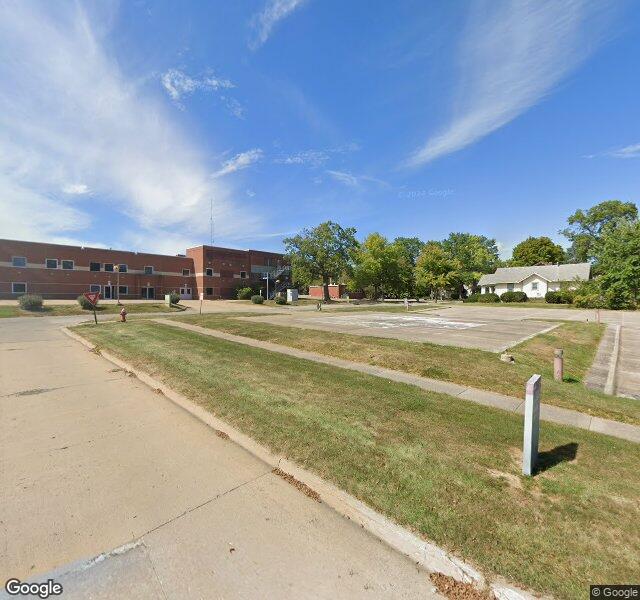
Who Owns and Operates Prestige Care Center Of Fairfield?

Prestige Care Center of Fairfield is owned by a for-profit company. For-profit facilities operate as businesses with obligations to shareholders or private owners. The facility is operated by PRESTIGE CARE CENTER, a chain that manages multiple nursing homes. With 73 certified beds and approximately 61 residents (about 84% occupancy), it is a smaller facility located in Fairfield, Iowa.

How Does Prestige Care Center Of Fairfield Compare to Other Iowa Nursing Homes?

Compared to the 100 nursing homes in Iowa, Prestige Care Center of Fairfield's overall rating (1 stars) is below the state average of 3.0, staff turnover (52%) is near the state average of 46%, and health inspection rating (1 stars) is much below the national benchmark.

What Should Families Ask When Visiting Prestige Care Center Of Fairfield?

Based on this facility's data, families visiting should ask: "What changes have been made since the serious inspection findings, and how are you preventing similar issues?" "Can you walk me through typical staffing levels on day, evening, and night shifts?" "Can I visit during a mealtime to observe dining assistance and food quality?" "How do you handle medical emergencies, and what is your hospital transfer rate?" These questions are particularly relevant given the facility's Immediate Jeopardy citations and the below-average staffing rating.

Is Prestige Care Center Of Fairfield Safe?

Based on CMS inspection data, Prestige Care Center of Fairfield has documented safety concerns. Inspectors have issued 1 Immediate Jeopardy citation (the most serious violation level indicating risk of serious injury or death). The facility has a 1-star overall rating and ranks #100 of 100 nursing homes in Iowa. Families considering this facility should ask detailed questions about what corrective actions have been taken since these incidents.

Do Nurses at Prestige Care Center Of Fairfield Stick Around?

Prestige Care Center of Fairfield has a staff turnover rate of 52%, which is 6 percentage points above the Iowa average of 46%. Moderate turnover is common in nursing homes, but families should still ask about staff tenure and how the facility maintains care continuity when employees leave.

Was Prestige Care Center Of Fairfield Ever Fined?

Prestige Care Center of Fairfield has been fined $167,983 across 6 penalty actions. This is 4.8x the Iowa average of $34,759. Fines at this level are uncommon and typically indicate a pattern of serious deficiencies, repeated violations, or failure to correct problems promptly. CMS reserves penalties of this magnitude for facilities that pose significant, documented risk to resident health or safety. Families should request specific documentation of what issues led to these fines and what systemic changes have been implemented.

Is Prestige Care Center Of Fairfield on Any Federal Watch List?

Prestige Care Center of Fairfield is not on any federal watch list. The most significant is the Special Focus Facility (SFF) program, which identifies the bottom 1% of nursing homes nationally based on persistent, serious quality problems. Not being on this list means the facility has avoided the pattern of deficiencies that triggers enhanced federal oversight. This is a positive indicator, though families should still review the facility's inspection history directly.