Friendship Haven, Inc
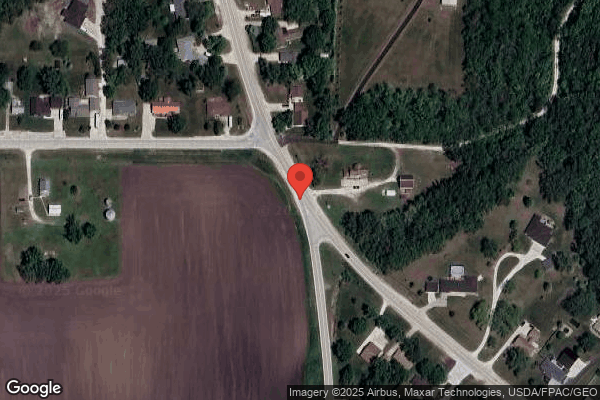
420 South Kenyon Road, Fort Dodge, IA 50501 (515) 573-2121
Non profit - Corporation 155 Beds Independent Data: November 2025
Trust Grade
70/100
#109 of 392 in IA
Last Inspection: July 2025

Inspected within the last 6 months. Data reflects current conditions.

Overview

Friendship Haven, Inc in Fort Dodge, Iowa, has a Trust Grade of B, indicating it is a good choice for families, though not without concerns. It ranks #109 out of 392 facilities in Iowa, placing it in the top half of the state, and #2 of 4 in Webster County, suggesting that only one local option is better. The facility is improving, with issues decreasing from 10 in 2024 to 5 in 2025. Staffing is a strong point, rated 5 out of 5 stars with a turnover rate of 37%, which is lower than the state average. There have been no fines, which is a positive sign, but the RN coverage is only average. However, there are some serious concerns. Recent inspections revealed critical incidents, including a resident who fell and broke a bone due to inadequate supervision and a failure to use safety measures during transfers. Additionally, the facility allowed a staff member accused of taking inappropriate photographs of a resident to continue working without immediate investigation, raising questions about resident safety. Overall, while the facility has strengths in staffing and is improving, families should be aware of the serious incidents that have occurred.

Trust Score
B
70/100
In Iowa
#109/392
Top 27%
Safety Record
Moderate
Needs review
Inspections
Getting Better
10 → 5 violations
Staff Stability
○ Average
37% turnover. Near Iowa's 48% average. Typical for the industry.
Penalties
✓ Good
No fines on record. Clean compliance history, better than most Iowa facilities.
Skilled Nurses
✓ Good
Each resident gets 52 minutes of Registered Nurse (RN) attention daily — more than average for Iowa. RNs are trained to catch health problems early.
Violations
⚠ Watch
16 deficiencies on record. Higher than average. Multiple issues found across inspections.
★★★★☆
4.0
Overall Rating
★★★★★
5.0
Staff Levels
★★★☆☆
3.0
Care Quality
★★★☆☆
3.0
Inspection Score
Stable
2024: 10 issues
2025: 5 issues

The Good

  • 5-Star Staffing Rating · Excellent nurse staffing levels
  • Full Sprinkler Coverage · Fire safety systems throughout facility
  • No fines on record
  • Staff turnover below average (37%)

    11 points below Iowa average of 48%

Facility shows strength in staffing levels, fire safety.

The Bad

Staff Turnover: 37%

Near Iowa avg (46%)

Typical for the industry

The Ugly 16 deficiencies on record

1 actual harm
Sept 2025 2 deficiencies
CONCERN (D) 📢 Someone Reported This

A family member, employee, or ombudsman was alarmed enough to file a formal complaint

Potential for Harm - no one hurt, but risky conditions existed

Free from Abuse/Neglect (Tag F0600)

Could have caused harm · This affected 1 resident

**NOTE- TERMS IN BRACKETS HAVE BEEN EDITED TO PROTECT CONFIDENTIALITY** Based on clinical record review, facility investigation, facility policy/procedures, and staff interviews the facility failed to...

Read full inspector narrative →
**NOTE- TERMS IN BRACKETS HAVE BEEN EDITED TO PROTECT CONFIDENTIALITY** Based on clinical record review, facility investigation, facility policy/procedures, and staff interviews the facility failed to provide a supportive and safe environment for 1 of 3 residents reviewed (Resident #1). On 8/3/25, the facility staff learned of a Certified Nurse Aide (CNA) being accused of taking a photograph of Resident #1. After learning of this allegation, the facility staff allowed the CNA to work with Resident #1 and all other residents for an entire 8 hour shift. The facility identified a census of 122 residents.Findings include: The Minimum Data Set (MDS) dated [DATE], documented Resident #1 with a Brief Interview for Mental Status (BIMS) score of 4 for which indicated severely impaired decision making abilities, displayed physical (hitting, kicking, pushing, scratching, grabbing abusing other sexually) and verbal (threatening others, screaming at others, cursing at others) and other behavioral symptoms not directed towards others (scratching self, public sexual acts, screaming, disruptive sounds) for which occurred daily. The MDS also documented the resident required substantial to maximal assistance with showering/bathing, upper body dressing and dependent with lower body dressing and toileting hygiene, and diagnosis for which included anemia (condition in which the blood does not have enough healthy red blood cells and hemoglobin to carry oxygen throughout the body), coronary artery disease (reduction of blood flow to the heart muscle due to build up of plaque), hypertension (condition in which the force of the blood against the artery walls is too high), Traumatic Brain Injury (injury to the brain caused by an external force), depression and Bi-polar disease. The Care Plan dated 7/1/25, documented Resident #1 had impaired functional status: bed mobility, transfers, toileting, locomotion, eating, grooming, personal hygiene and bathing. Interventions include: 2-person assist with bed mobility, 2-person assist with transfers and EZ lift (a device designed to allow clients to change from sitting to standing posture or vice versa, by wrapping this patient lift sling around clients waist). 1-person assist to help dress upper body and wash face and brush teeth and total assistance with bathing. The Interdisciplinary Notes dated 8/4/25 at 1:02 p.m., documented, Human Resource employee made Administrator aware of social media picture of an employee and this resident at approximately 8:00 a.m., on 8/4/25. Self report completed and information submitted to DIAL (Department of Inspections and Appeals and Licensing) immediately. Family and Primary Care Provider notified. Resident unaware and unable to recall event. Internal investigation initiated. No injuries or adverse events to resident. The Incident Summary dated 8/4/25 at 8:44 a.m., documented a text message sent to Human Resource cellphone by Staff A, homemaker of Journey's neighborhood, regarding a concerning photo she had screenshot on social media (Snapchat) which included a long term care resident, and Staff C, Certified Nursing Assistant (CNA). In photo, caregiver Staff C and Resident #1 are in a split frame side by side, resident is in side lying position with a tie-dyed t shirt on and a purple and green tie blanket, likely lying in her bed with exposed peri area. Review of the Employee Timesheet with a run dated 9/9/25 at 1:15 p.m., revealed Staff C, CNA worked on 8/3/25 from 1:52 p.m., to 10:07 p.m. Observation on 9/8/25 at 2:00 p.m., Resident #1 was lying in bed on her back with a yellow and black blanket over her and wearing a pink sweatshirt. Interview on 9/8/25 at 2:00 p.m., Resident #1 was not able to recall and remember a photograph being taken and would giggle during the interview. Interview on 9/9/25 at 11:30 a.m., Staff B, Registered Nurse (RN) at the facility and also CNA instructor, stated she had CNA students at the facility 8/1/25-8/3/25 and on 8/3/25 at about 2:00 pm it had been brought to her attention a picture had been sent to one of the students in the CNA class of a resident and another CNA at the facility. Staff B stated she recognized both people in the photo. Staff B stated took my students into a room and explained to them that social media and taking pictures was not allowed while they were in the facility and that the perception of others in the facility could cause harm/danger, she explained that it is not appropriate that pictures be taken of any of the residents and sent. Staff B stated did not call any facility staff. Staff B said she was in teacher mode and not in nurse mode, and was more worried about what we were going to do as a college then a facility. Staff B stated I know that I should of called someone from the facility and sent Staff C home, but I messed up on that part. Staff B stated I did not realize until facility called me on 8/4/25 and explained that since I was still a prn employee of the facility that I needed to have called someone on the administrative side and sent Staff C home and separated from other residents at the facility. Interview on 9/9/25 at 4:45 p.m., the facility Administrator acknowledged that Staff C, CNA worked on 8/3/25 from 1:52 p.m. to 10:07 p.m. The Dependent Adult Abuse Policy dated 3/25, documented the policy is that all residents have the right to be free from abuse, neglect, misappropriation of resident property, exploitation, corporal punishment, involuntary seclusion, and any physical or chemical restraint not required to treat the resident medical symptoms. This includes prohibiting staff from taking or using photographs or recordings in any manner that would demean or humiliate a resident, and prohibits using any type of equipment including cameras, smart phones, and other electronic devices to take, keep, distribute photographs and/or recordings on social media or through multimedia messages. The facility terminated the employee and all team members were re-educated on the facility Social Media Agreement on 8/4/25. Campus Leadership and department email sent, as well as utilized their mass communication software text them all to send messages to all employees. Delivery confirmation received. A text is going to all team member, please remind everyone you work with of the following and post at huddle boards, nurse desks, or anywhere else your team members congregate for shared information. Employees may not post any pictures of residents, their personal belongings, or any part of their living space to the employees personal social media outlets or maintain any such pictures on their personal devices. This will result in discipline, up to and including termination.
CONCERN (D) 📢 Someone Reported This

A family member, employee, or ombudsman was alarmed enough to file a formal complaint

Potential for Harm - no one hurt, but risky conditions existed

Investigate Abuse (Tag F0610)

Could have caused harm · This affected 1 resident

**NOTE- TERMS IN BRACKETS HAVE BEEN EDITED TO PROTECT CONFIDENTIALITY** Based on clinical record review, facility policy/procedure, employee time card, and staff interviews, the facility failed to pro...

Read full inspector narrative →
**NOTE- TERMS IN BRACKETS HAVE BEEN EDITED TO PROTECT CONFIDENTIALITY** Based on clinical record review, facility policy/procedure, employee time card, and staff interviews, the facility failed to protect vulnerable residents from an alleged abuser. On 8/3/25 at 1:30 p.m., facility staff were aware of a photograph that was taken of 1 of 3 residents reviewed (Resident #1). Facility staff allowed the alleged abuser to work their entire shift on 8/3/25 and allowed the alledged abuser to work with Resident #1 and all other vulnerable residents and failed to notify the facility administration of the allegation. The facility identifed a census of 122 residents. Finding include:The Minimum Data Set (MDS) dated [DATE], documented Resident #1 with a Brief Interview for Mental Status (BIMS) score of 9 for which indicated moderately impaired decision making abilities, displayed physical (hitting, kicking, pushing, scratching, grabbing others) and verbal (threatening others, screaming at others, cursing at others) and other behavioral symptoms not directed towards others (scratching self, screaming, disruptive sounds) for which occurred daily. The MDS documented the resident required substantial to maximum assistance with showering/bathing, upper body dressing and dependent with lower body dressing, toileting and personal hygiene. The MDS documented diagnosis which included anemia (condition in which the blood does not have enough healthy red blood cells and hemoglobin to carry oxygen throughout the body), hypertension (condition in which the force of the blood against the artery wall is too high) and Traumatic Brain Injury ( injury to the brain caused by an external force), depression and bi-polar disease. The Care Plan dated 7/1/25, had focus area of Resident #1 had impaired functional status related to bed mobility, transfers, toileting, locomotion, eating, grooming, personal hygiene and bathing. Interventions include: 2 person assist with bed mobility, 2-person assist with transfers and EZ lift ( a device designed to allow clients to change from sitting to standing posture or vice versa, by wrapping this patient lift sling around clients waist), 1-person assist to help with upper body dressing and wash face and brush teeth and total assistance with bathing. The Interdisciplinary Notes dated 8/4/25 at 1:02 p.m., documented, Human Resource employee made Administrator aware of social media picture of employee and this resident at approximately 8:00 a.m., on 8/4/25. Self report completed and information submitted to DIAL (Department of Inspections and Appeals and Licensing) immediately. Family and Primary Care Provider notified. Resident unaware and unable to recall the event. Internal investigation initiated. No injuries or adverse events to resident. The Incident Summary Report dated 8/4/25 at 8:44 a.m., documented, a text message sent to Human Resource cell phone by Staff A, (homemaker) of Journeys neighborhood, regarding a concerning photograph Staff A screen shot on social media (Snapchat) which included a long term care resident, and Staff C, Certified Nursing Assistant (CNA) who is a caregiver. In the photograph, caregiver Staff C, and Resident #1 are in a split frame side by side, resident is in side lying position with a tie dyed t-shirt on and a purple and green tie dye blanket, likely lying in bed with exposed peri area. Review of the Employee Timesheet with a run dated 9/9/25 at 1:15 p.m., revealed Staff C, CNA, was allowed to work on 8/3/25 from 1:52 p.m. - 10:07 p.m. Observation on 9/8/25 at 2:00 p.m., Resident #1 was lying in bed on her back with a yellow and black blanket over her and wearing a pink sweatshirt. Interview on 9/8/25 at 2:00 p.m., Resident #1 was not able to recall or remember a photograph being taken and would giggle during the interview. Interview on 9/9/25 at 11:30 a.m., Staff B, Registered Nurse (RN) at the facility and also CNA instructor, stated she had CNA students at the facility 8/1/25-8/3/25 and on 8/3/25 at about 2:00 pm it had been brought to her attention a picture had been sent to one of the students in the CNA class of a resident and another CNA at the facility. Staff B stated she recognized both people in the photo. Staff B stated took my students into a room and explained to them that social media and taking pictures was not allowed while they were in the facility and that the perception of others in the facility could cause harm/danger, she explained that it is not appropriate that pictures be taken of any of the residents and sent. Staff B stated did not call any facility staff. Staff B said she was in teacher mode and not in nurse mode, and was more worried about what we were going to do as a college then a facility. Staff B stated I know that I should of called someone from the facility and sent Staff C home, but I messed up on that part. Staff B stated I did not realize until facility called me on 8/4/25 and explained that since I was still a prn employee of the facility that I needed to have called someone on the administrative side and sent Staff C home and separated from other residents at the facility. Interview on 9/9/25 at 4:45 p.m., the facility Administrator acknowledged that Staff C, worked on 8/3/25 from 1:52 p.m.- 10:07 pm. The Administrator confirmed that the expectation of the staff are to separate an alleged abuser from the resident and all residents in the neighborhoods. The Dependent Adult Abuse Policy dated 3/25, documented the policy is that all residents have the right to be free from abuse, neglect, misappropriation of residents property, exploitation, corporal punishment, involuntary seclusion and any physical or chemical restraint not required to treat the medical symptoms. This includes prohibiting staff from taking or using photographs or recordings in any manner that would demean or humiliate a resident, and prohibits using any type of equipment including cameras, smart phones, and other electronic devices to take, keep, distribute photographs and/or recordings on social media or through multimedia messages. The facility terminated the employee and all team members were re-educated on facility Social Media Agreement on 8/4/25. Campus Leadership and department email sent, as well as utilized their mass communication software text them all to send messages to all employees. Delivery confirmation received. A text is going to all team member, please remind everyone you work with of the following and post at huddle boards, nurse desks, or anywhere else your team members congregate for shared information. Employees may not post any pictures of residents, their personal belongings, or any part of their living space to the employees personal social media outlets or maintain any such pictures on their personal devices. This will result in discipline, up to and including termination.
Jul 2025 3 deficiencies
CONCERN (D)

Potential for Harm - no one hurt, but risky conditions existed

Deficiency F0628 (Tag F0628)

Could have caused harm · This affected 1 resident

**NOTE- TERMS IN BRACKETS HAVE BEEN EDITED TO PROTECT CONFIDENTIALITY** 2. Resident #3's Minimum Data Set (MDS) assessment dated [DATE] identified a Brief Interview for Mental Status (BIMS) score of 1...

Read full inspector narrative →
**NOTE- TERMS IN BRACKETS HAVE BEEN EDITED TO PROTECT CONFIDENTIALITY** 2. Resident #3's Minimum Data Set (MDS) assessment dated [DATE] identified a Brief Interview for Mental Status (BIMS) score of 14, which indicated intact cognition. The MDS included diagnoses of hypertension (high blood pressure), heart failure (heart does not pump blood well), coronary artery disease, and chronic kidney disease. Review of Census and Progress Notes revealed Resident #8 was admitted to the hospital for congestive heart failure from 3/5/25 to 3/6/25 and 3/10/25 to 3/17/25. The facility form titled Notice of Transfer Form to Long Term Care Ombudsman used to track discharges and notify the Ombudsman of a discharge revealed Resident #3 was not listed on the forms for March or April 2025. Based on clinical record review, staff interview and review of facility policy, the facility failed to notify the Long Term Care (LTC) Ombudsman for 2 of 2 residents reviewed who transferred to the hospital (Resident #3 and #16). The facility reported a census of 117 residents. Findings include: 1. The Minimum Data Set (MDS) assessment dated [DATE] for Resident #16 documented diagnoses of heart failure, respiratory failure, diabetes mellitus, anxiety, and depression. The MDS showed the Brief Interview for Mental Status (BIMS) score of 14 indicating no cognitive impairment. Review of Resident #16 ' s Progress Notes revealed the following information: 10/9/24 Resident transferred to the emergency department and admitted to the hospital. 10/12/24 Resident readmitted to facility from the hospital. 10/13/24 Resident transferred to the emergency department and admitted to the hospital. 10/18/24 Resident readmitted to the facility from the hospital. 11/10/24 Resident transferred to the emergency department and admitted to the hospital. 11/13/24 Resident readmitted to the facility from the hospital. 4/15/25 Resident transferred to the emergency department from a pulmonology appointment and admitted to the hospital. 4/17/25 Resident readmitted to the facility from the hospital. Review of Resident #16 ' s Census tab revealed the following: 10/9/24 admitted to the hospital 10/12/24 readmitted to facility 10/13/24 admitted to the hospital 10/18/24 readmitted to the facility 11/10/24 admitted to the hospital 11/13/24 readmitted to the facility 4/15/25 admitted to the hospital 4/17/25 readmitted to the facility Review of the facility document titled Notice of Transfer Form to Long Term Care Ombudsman dated October 2024, November 2024 and April 2025 lacked Resident #16 ' s name. During interview with the Chief Financial Officer on 7/02/25 at 8:36 a.m. stated the person responsible for Ombudsman notification is the Social Worker. The CFO stated she spoke with the Social Worker and and she relayed she misunderstood who needed to go on the report. The CFO stated the Social Worker would put the resident on the Ombudsman report if the resident/family did not want a bed hold. If the resident/family had or wanted a bed hold the Social Worker would not put them on the report. The CFO stated she will call the Ombudsman office and see how far back they would like the facility to correct this issue. The Chief Executive Officer (CEO) stated the facility will do education with the Social Worker so she understands the process. Per facility policy named Discharge (Appropriate/Involuntary/AMA (Against Medical Advice)), Transfers and Appeals with an effective date July 1st, 2025 revealed the Director of Social Services is responsible for submitting the monthly report of discharges and types of discharges to the state Ombudsman ' s office. The report will contain the information requested by the Ombudsman ' s office and be delivered in the manner that the office requests.
CONCERN (D)

Potential for Harm - no one hurt, but risky conditions existed

Incontinence Care (Tag F0690)

Could have caused harm · This affected 1 resident

**NOTE- TERMS IN BRACKETS HAVE BEEN EDITED TO PROTECT CONFIDENTIALITY** Based on clinical record review, staff interviews and policy review the facility failed to change indwelling catheter per physic...

Read full inspector narrative →
**NOTE- TERMS IN BRACKETS HAVE BEEN EDITED TO PROTECT CONFIDENTIALITY** Based on clinical record review, staff interviews and policy review the facility failed to change indwelling catheter per physician orders for 1 of 1 resident reviewed (Resident #85) for catheter care. The facility reported a census of 117 residents. Findings include: Resident #85's Minimum Data Set (MDS) assessment dated [DATE] identified a Brief Interview for Mental Status (BIMS) score of 11, indicating moderately impaired cognition. The MDS identified Resident #85 required substantial/maximal assistance with toileting hygiene and transfers. The MDS indicated Resident #85 had an indwelling catheter. The MDS included diagnoses of obstructive uropathy (urine flow obstructed), urinary tract infection in the past 30 days, and cerebral infarction (CVA/stroke). A Progress Note dated 2/10/25 at 3:33 PM documented Resident #85 was readmitted to the facility from a hospitalization with an indwelling catheter and a follow up appointment with urology. The Care Plan with a start date of 4/16/25 revealed Resident #85 had an indwelling catheter . A Urology office visit form dated 3/11/25 directed staff to change Resident #85's catheter monthly at the facility. The Progress Note dated 5/19/25 at 9:00 AM revealed staff attempted to irrigate Resident #85's indwelling catheter and was unable to due to resistance. The note documented the indwelling catheter was removed and the urology office notified. The Progress Note dated 5/19/25 at 3:00 PM documented the Advance Registered Nurse Practitioner (ARNP) from the urology office directed staff to reinsert the indwelling catheter, obtain a urine culture and start cipro (antibiotic) twice a day for 7 days. The note documented an indwelling catheter was inserted and the urinalysis obtained. The June 2025 Treatment Administration Record (TAR) directed staff to change the indwelling catheter and drainage bag on 6/6/25. The June TAR lacked documentation the indwelling catheter and drainage bag had been changed during the month of June. The clinical record revealed the last time Resident #85's catheter was changed on 5/19/25. On 7/1/25 at 2:55 PM, Staff A, Registered Nurse (RN)/Skilled Care Coordinator acknowledged Resident #85's indwelling catheter had not been changed since 5/19/25. She said the treatment record was not updated after the catheter was changed on 5/19/25 to reflect the next time the catheter was due to be changed. She said the charge nurse did not change the catheter on 6/6/25 as it had been changed on 5/19 and then it was missed. A Progress Note on 7/1/25 at 5:16 PM documented Resident #85's catheter was changed and the TAR updated to change the catheter on the first of the month. On 7/3/25 at 1:44 PM, the Director of Nursing (DON) reported she expected the staff to follow the physician's order to change the catheter monthly. A facility policy titled Foley Catheters: catheter care reviewed July 2024 documented it was the facility policy that indwelling catheters receive appropriate care to prevent infection, to maintain cleanliness, dignity, and privacy along with comfort.
CONCERN (D)

Potential for Harm - no one hurt, but risky conditions existed

Respiratory Care (Tag F0695)

Could have caused harm · This affected 1 resident

**NOTE- TERMS IN BRACKETS HAVE BEEN EDITED TO PROTECT CONFIDENTIALITY** Based on observations, record review, staff interviews, and resident interview, the facility failed to change oxygen tubing and ...

Read full inspector narrative →
**NOTE- TERMS IN BRACKETS HAVE BEEN EDITED TO PROTECT CONFIDENTIALITY** Based on observations, record review, staff interviews, and resident interview, the facility failed to change oxygen tubing and water humidifier for 1 of 1 resident reviewed (Resident #3) for respiratory services. The facility reported a census of 117 residents. Findings Include: Resident #3's Minimum Data Set (MDS) assessment dated [DATE] identified a Brief Interview for Mental Status (BIMS) score of 14, which indicated intact cognition. The MDS included diagnoses of hypertension (high blood pressure), heart failure (heart does not pump blood well), coronary artery disease, and chronic kidney disease. The MDS documented Resident #3 received oxygen and a non-invasive mechanical ventilator (CPAP) while a resident within the last 14 days. A Physician Order dated 12/30/24 directed Resident #3 to wear a CPAP machine (continuous positive airway pressure) (machine that uses mild air pressure to keep breathing airways open while you sleep) with oxygen at 2 liters at night. The Care Plan dated 4/9/25 documented Resident #3 required a CPAP machine with oxygen at 2 liters at night. The care plan directed staff to change the oxygen tubing weekly and check/replace the water humidifier as needed. On 6/30/25 at 1:58 PM, observation revealed Resident #3's CPAP machine and oxygen concentrator connected with undated oxygen tubing. The water humidifier attached to the oxygen concentrator was not dated and had a very small amount of water in the container. Resident #3 said she was not sure the last time the oxygen tubing or water humidifier had been changed. On 7/1/25 at 2:35 PM, observation revealed oxygen tubing and the water humidifier not dated. In addition, the water humidifier connected to the oxygen concentrator was empty and without water. Review of the December 2024 to July 2025 Treatment Administration Records (TAR) lacked documentation Resident #3's oxygen tubing and water humidifier had been changed/replaced. On 7/1/25 at 2:45 PM, Staff B, Registered Nurse (RN) reported the staff document when the oxygen tubing was changed on the TAR. She said the oxygen tubing was to be changed weekly. On 7/1/25 at 2:50 PM, Staff A, RN/Skilled Care Coordinator verified Resident #3's oxygen tubing was not on the TAR to be changed weekly. She said she was not aware Resident #3 was on oxygen with the CPAP machine. Staff A reported she expected the oxygen tubing to be changed weekly, dated and documented on the TAR. In addition, she expected the water humidifier to be dated and changed as needed. On 7/3/25 at 1:30 PM, the Director of Nursing (DON) reported the facility did not have a policy regarding oxygen administration/services. She said she would expect the staff to change and date the oxygen tubing weekly.
Dec 2024 2 deficiencies
CONCERN (D) 📢 Someone Reported This

A family member, employee, or ombudsman was alarmed enough to file a formal complaint

Potential for Harm - no one hurt, but risky conditions existed

Report Alleged Abuse (Tag F0609)

Could have caused harm · This affected 1 resident

**NOTE- TERMS IN BRACKETS HAVE BEEN EDITED TO PROTECT CONFIDENTIALITY** Based on record review, staff interview and policy review, the facility failed to report an allegation of abuse timely after the...

Read full inspector narrative →
**NOTE- TERMS IN BRACKETS HAVE BEEN EDITED TO PROTECT CONFIDENTIALITY** Based on record review, staff interview and policy review, the facility failed to report an allegation of abuse timely after the allegation was made for 1 of 1 residents reviewed for alleged abuse (Resident #1). The facility reported a census of 116 residents. Findings include: The Minimum Data Set (MDS) assessment dated [DATE] for Resident #1 documented a Brief Interview for Mental Status (BIMS) score of 99 indicating inability to complete the interview. The resident ' s diagnosis included Alzheimer ' s disease and left pelvic fracture. The Care Plan dated 12/12/24 documented Resident #1 needed assistance to complete activities of daily living including toileting related to history of pelvic fracture and weakness. The resident required staff assistance of one with a walker for transfers and ambulation and used the wheelchair for primary locomotion. The Progress Notes for Resident #1 dated 12/14/24 at 8:18 PM documented the Director of Nursing (DON) received a call from the charge nurse at approximately 4:52 PM informing her that the resident had been involved in an allegation of abuse. At 7:16 PM, Staff A, Registered Nurse (RN), documented a head to toe assessment had been completed on the resident and no marks or bruises were noted on his back or skin. After the assessment, the Department of Inspections Appeals and Licensing (DIAL), family, provider and police were notified. The facility investigation dated 12/14/24 of the allegation included staff interviews. The investigation revealed on 12/14/24 at approximately 4:52 PM, Staff B, Licensed Practical Nurse (LPN) called the DON to inform her of a situation that happened 3 weeks ago. The investigation included a re-enactment in which Staff F, CNA backhanded Resident #1 in the upper back. During an interview on 12/30/24 at 1:32 PM, Staff E, CNA revealed she and Staff F, CNA had sat Resident #1 on the toilet on 11/20/24 and when he was completed Staff E was trying to get the resident to let go of the bar next to the toilet when the resident bit her. Staff E reported Staff F then hit the resident across his back with the back of her hand and told the resident we don't bite people. Staff E stated she then notified Staff C, RN of the incident and that the incident happened around 9-9:15 PM. During an interview on 12/30/24 at 2:30 PM, Staff B, Licensed Practical Nurse (LPN) revealed she could not remember the exact date when Staff D, CNA had reached out to her to ask her about the abuse policy and told her about the alleged incident that she had heard happened about 3 weeks ago. Staff B reported she had been told by Staff D that Resident #1 had bitten one of the CNAs and Staff F had then backhanded him in the back. Staff B stated she then reached out to the DON and the DON and Staff A came in shortly after their conversation and statements were obtained. During an interview on 12/30/24 at 3:04 PM, Staff C, RN stated nobody had told her about the allegation of abuse towards Resident #1 on 11/20/24. Stated if she had been notified she would have separated the CNA from the residents and then called the supervisor and it is most likely the alleged abuser would have been sent home. During an interview on 12/31/24 at 9:40 AM, Staff F, CNA stated on the date of the alleged incident she had been in Resident #1 ' s bathroom with another CNA (stated she could not remember the name of the other CNA) when as the other CNA was pulling the resident ' s shirt down the resident hit the other CNA. Staff F reported she told the resident we can ' t hit other people, that is not nice. Staff F denied hitting the resident across his back or in any other way. An Employee Counseling Report dated 12/14/24 documented Staff E did not follow up to assure the facility abuse policy was followed through on after witnessing a team member hit a resident. Staff E signed the written warning on 12/14/24. An Employee Counseling Report dated 12/14/24 documented on 11/20/24 Staff C allegedly received report from a CNA regarding physical abuse of a resident and did not notify parties per facility policy and procedures. Staff C signed the written warning on 12/17/24. Review of facility policy titled Dependent Adult Abuse, Manual for Handling Abuse Related Issues, effective 3/15/24 documented residents must not be subjected to abuse by anyone including facility staff. Any staff member observing or aware of an abuse situation occurring will make sure the resident is safe and will report it immediately to their Charge Nurse/Supervisor. The Charge Nurse/Supervisor will notify the Administrator or his/her designee, Director of Nursing and/or responsible department head immediately upon receiving notice of a suspected Dependent Adult Abuse or Resident Abuse, and prior to investigating. The Administrator or his/her designee will immediately notify appropriate state entities (DIAL, DHS and/or law enforcement).
CONCERN (D) 📢 Someone Reported This

A family member, employee, or ombudsman was alarmed enough to file a formal complaint

Potential for Harm - no one hurt, but risky conditions existed

Investigate Abuse (Tag F0610)

Could have caused harm · This affected 1 resident

**NOTE- TERMS IN BRACKETS HAVE BEEN EDITED TO PROTECT CONFIDENTIALITY** Based on record review, staff interview and policy review, the facility failed to separate an alleged abuser from a resident for...

Read full inspector narrative →
**NOTE- TERMS IN BRACKETS HAVE BEEN EDITED TO PROTECT CONFIDENTIALITY** Based on record review, staff interview and policy review, the facility failed to separate an alleged abuser from a resident for 1 of 1 residents reviewed for alleged abuse (Resident #1). The facility reported a census of 116 residents. Findings include: The Minimum Data Set (MDS) assessment dated [DATE] for Resident #1 documented a Brief Interview for Mental Status (BIMS) score of 99 indicating inability to complete the interview. The resident ' s diagnosis included Alzheimer ' s disease and left pelvic fracture. The Care Plan dated 12/12/24 documented Resident #1 needed assistance to complete activities of daily living including toileting related to history of pelvic fracture and weakness. The resident required staff assistance of one with a walker for transfers and ambulation and used the wheelchair for primary locomotion. The Progress Notes for Resident #1 dated 12/14/24 at 8:18 PM documented the Director of Nursing (DON) received a call from the charge nurse at approximately 4:52 PM informing her that the resident had been involved in an allegation of abuse. During an interview on 12/30/24 at 1:32 PM, Staff E, CNA revealed she and Staff F, CNA had sat Resident #1 on the toilet on 11/20/24 and when he was completed Staff E was trying to get the resident to let go of the bar next to the toilet when the resident bit her. Staff E reported Staff F then hit the resident across his back with the back of her hand and told the resident we don ' t bite people. Staff E stated she then notified Staff C, RN of the incident and that the incident happened around 9-9:15 PM. Staff E stated she had knowledge of the need to notify the nurse of an allegation of abuse but was not aware of the need to immediately separate the alleged abuser from the resident. An Employee Counseling Report dated 12/14/24 documented Staff E did not follow up to assure the facility abuse policy was followed through on after witnessing a team member hit a resident. Staff E signed the written warning on 12/14/24. Review of facility policy titled Dependent Adult Abuse, Manual for Handling Abuse Related Issues, effective 3/15/24 documented residents must not be subjected to abuse by anyone including facility staff. Any staff member observing or aware of an abuse situation occurring will make sure the resident is safe and will report it immediately to their Charge Nurse/Supervisor. The Charge Nurse/Supervisor will notify the Administrator or his/her designee, Director of Nursing and/or responsible department head immediately upon receiving notice of a suspected Dependent Adult Abuse or Resident Abuse, and prior to investigating. The Administrator or his/her designee will immediately notify appropriate state entities (DIAL, DHS and/or law enforcement).
Nov 2024 1 deficiency
CONCERN (D) 📢 Someone Reported This

A family member, employee, or ombudsman was alarmed enough to file a formal complaint

Potential for Harm - no one hurt, but risky conditions existed

Report Alleged Abuse (Tag F0609)

Could have caused harm · This affected 1 resident

**NOTE- TERMS IN BRACKETS HAVE BEEN EDITED TO PROTECT CONFIDENTIALITY** Based on record review and staff interview, the facility failed to report an allegation of abuse immediately, but not later than...

Read full inspector narrative →
**NOTE- TERMS IN BRACKETS HAVE BEEN EDITED TO PROTECT CONFIDENTIALITY** Based on record review and staff interview, the facility failed to report an allegation of abuse immediately, but not later than 2 hours after the allegation was made for 1 resident (Resident #1). The facility reported a census of 118 residents. Findings include: According to the Minimum Data Set (MDS) assessment dated [DATE] Resident #1 scored 3 on the Brief Interview for Mental Status (BIMS) indicating severe cognitive impairment. The resident was dependant with activities of daily living (ADL's) including toileting hygiene. The resident's diagnoses included a fracture (humerus/arm). The Care Plan dated 10/20/24 included the resident needed help to complete her ADL's related to a fracture of her left humerus. The resident was unable to transfer and ambulate, and used a wheelchair for all mobility and able to propel the wheelchair and get around. The resident needed assistance with dressing and toileting. The Nursing Notes dated 11/14/24 at 10:41 a.m. documented the Director of Nursing (DON)| received a call from the unit lead informing her of a report of the resident voicing being sexually assaulted by a man. At 11 a.m. the resident returned from a hair appointment and the DON went into res room and did an assessment. After the assessment the family, provider, police and DIAL were notified of the allegation. The facility investigation dated 11/14/24 of the resident's allegation included staff interviews. Staff A Certified Nursing Assistant (CNA) said the resident told her 5 nights previously a man went in her room and touched her and sexually assaulted her. On 11/20/24 at 2:23 p.m. Staff A said the morning before (11/13/24) the resident said she had a secret, and she told Staff A that a man came to her room during the night and touched her and sexually assaulted her. Staff A said she reported it to the nurse, and she figured it was taken care of. On 11/20/24 at 11:20 a.m. Staff C CNA stated the resident had never told her anything about a sexual assault or being molested. She said on 11/13/24 Staff A told her the resident made the comment to her and Staff C told Staff A not to tell her, to go and tell the nurse. Staff C said she has never heard anything like that from the resident. A typed document dated 11/14/24 signed by Staff B Licensed Practical Nurse (LPN) documented on 11/13/24 the resident had a skin assessment that showed no new areas than the ones currently being monitored in the skin conditions tab. At around 1 p.m. Staff B received a report the resident said a man sexually assaulted her a few days prior. Staff B attempted to speak with the resident but she had aggressive language toward staff saying they were trying to kill her and poisoning her food. On 11/14/24 Staff B and 2 CNA's observed the resident had a large amount of blood drainage from her perineal area while performing incontinent care. The resident stated staff beat her up in the shower all the time. Staff A attempted a contact to obtain a treatment and further action. On 11/20/24 at 8:40 a.m. Staff B said Staff C CNA and Staff A had been caring for the resident and she had made the comment about a sexual assault and they notified her. Staff B was dealing with the resident and some other residents behavior wise. Resident #1 liked another resident and was calling out his name and going up and down the halls looking for him. She spent time with the resident. The resident experienced sundowning (symptoms people with dementia got in the late afternoon early evening) and she got behavioral and difficult to deal with in the afternoon and evenings. That was on 11/13/24. The next morning it had been reported to another nurse and the DON came up. They started making arrangements for the resident to go to the hospital. On 11/20/24 at 12:29 p.m. the DON stated Staff B was a newer nurse and there were things going on and she didn't do anything about the report on Wednesday. She received a written warning for not doing so. An Employee Counseling Report documented on 11/13/24 Staff B was notified by a team member that a resident mentioned being sexually assaulted. Staff B did not report to a supervisor. Staff B signed the written warning on 11/14/24. The facility Dependent Adult Abuse policy effective 3/15/24 documented residents must not be subjected to abuse by anyone, including, but not limited to, facility staff, other residents, consultants or volunteers, staff of other agencies serving the resident, family members or legal guardians, friends, or any other individual. The Charge Nurse/Supervisor would notify the Administrator or his/her designee, Director of Nursing and/or responsible department head immediately upon receiving notice of a suspected Dependent Adult Abuse or Resident Abuse, and prior to investigating. The Administrator or his/her designee would immediately notify appropriate state entities (DIAL, DHS and/or law enforcement, if appropriate).
Aug 2024 3 deficiencies
CONCERN (D)

Potential for Harm - no one hurt, but risky conditions existed

Accident Prevention (Tag F0689)

Could have caused harm · This affected 1 resident

**NOTE- TERMS IN BRACKETS HAVE BEEN EDITED TO PROTECT CONFIDENTIALITY** Based on observations, interviews, and record review, the facility failed to use safety principles while transporting 2 resident...

Read full inspector narrative →
**NOTE- TERMS IN BRACKETS HAVE BEEN EDITED TO PROTECT CONFIDENTIALITY** Based on observations, interviews, and record review, the facility failed to use safety principles while transporting 2 residents in their wheelchairs (Residents #56 and #71). An observation revealed both pushed from the dining area to their rooms without the staff applying foot pedals on to their wheelchairs. Each resident had to hold their feet off the floor during transport. The facility reported a census of 116. Findings include: 1. Resident #56's Minimum Data Set (MDS) assessment dated [DATE], identified a Brief Interview for Mental Status (BIMS) score of 9, indicating moderately impaired cognition. The MDS documented Resident #56 used a wheelchair and walker in the prior 7 days. Resident #56 required total assistance from staff to wheel 50 feet or more in her wheelchair (w/c). The MDS included diagnoses of Alzheimer's disease, restless leg syndrome, weakness and the presence of a right artificial hip. On 8/5/24 at 12:21 PM, witnessed Staff A, Certified Nurse Aide (CNA), push Resident #56 in her w/c from the dining room back to her room without foot pedals on the w/c. Resident #56 lifted her feet approximately one inch off the floor during the transport. Staff A stated described Resident #56 as usually independent. Sometimes if she got tired, Staff A pushed her. Staff A stated it probably would be safer to put the w/c pedals on the wheelchair prior to pushing a resident. Staff A added Resident #56 seemed tired that day. 2. Resident #71's MDS assessment dated [DATE], identified a Brief Interview for Mental Status (BIMS) score of 2, indicating severely impaired cognition. The MDS documented Resident #71 used a wheelchair and walker in the prior 7 days. Resident #71 required total assistance from staff to wheel 50 feet or more in her wheelchair. The MDS included diagnoses of non traumatic brain dysfunction and schizophrenia. On 8/5/24 at 12:19 PM witnessed Staff B, Registered Nurse (RN), push Resident #71 from the dining room to his room without any foot pedals on the w/c. When asked if she felt safe pushing Resident #71, Staff B replied he refused having w/c pedals on. Staff B reported she felt safe to push him in his w/c without the foot pedals on as he usually did a good job holding his feet up. Resident #71's had his feet lifted approximately 1 foot off of the ground. On 8/5/24 12:30 PM, Staff C, RN, reported it wouldn't be okay to push a resident without foot pedals. She described Staff A as a new employee and she would reeducate them. Staff C explained Staff B shouldn't push Resident #71 in a w/c without the foot pedals. When told Staff B said she felt safe to push Resident #71 without foot pedals, Staff D, Unit Coordinator responded yeah, until it isn't alright. Staff C and Staff D both concurred the staff shouldn't push residents in their w/c without the foot pedals on. They said both of the residents could propel themselves in their w/c's by using their feet. The observation the staff pushed each approximately a distance of 50 to 60 feet. On 8/6/24 at 11:00 AM, the Director of Nursing (DON) acknowledged that it wasn't safe to push residents in their wheelchairs without foot pedals in place. This DON stated she reeducated both staff. She reflected her disappointment of having 1 being a RN. The facility didn't have a policy on wheelchair pedal placement.
CONCERN (D) 📢 Someone Reported This

A family member, employee, or ombudsman was alarmed enough to file a formal complaint

Potential for Harm - no one hurt, but risky conditions existed

Tube Feeding (Tag F0693)

Could have caused harm · This affected 1 resident

Based on observations, interviews, and record review, the facility failed to check proper gastrostomy tube (a tube inserted through a hole in the abdomen into the stomach to administer nutrition and m...

Read full inspector narrative →
Based on observations, interviews, and record review, the facility failed to check proper gastrostomy tube (a tube inserted through a hole in the abdomen into the stomach to administer nutrition and medications) placement prior to administering medications to 1 of 1 resident observed (Resident #49). The facility reported a census of 116 residents. Findings include: Resident #49's August 2024 Treatment Administration Record (TAR) directed the staff to check tube placement prior to morning and evening medication administration. The ordered instructed to use litmus paper to check PH (acidic level) by aspirating 5 milliliters (ml)(cc) of stomach content and then check with the litmus paper. After verification, replace the aspirated contents back in the stomach. On 8/6/24 at 10:02 AM, observed Staff E, Registered Nurse (RN), administer crushed medications diluted in water through Resident #49's gastrostomy tube (g tube). Staff E flushed the g tube before, during, and after administering the medications. Staff E failed to check the g tube placement with the litmus paper as ordered. On 8/6/24 at 11:37 AM, when inquired about checking the g-tube placement, Staff E replied she forgot to check it. She said she flushed it prior to administering the medications but didn't check residual (left over amount) prior to administration of the medications. On 8/6/24 at 1:34 PM, the Director of Nursing (DON) confirmed Resident #49 had orders to both check residual and Litmus test prior to administering medications. The DON acknowledged Staff E forgot to check placement prior to administering Resident #49's medication through the g tube. A Naso Gastric Tubes / Gastrostomy Feeding Tube policy dated June 2023, directed the nurse to check placement per standards of practice or according to Physician orders. The nurse must check the residual per standard of practice or according to the physician orders. The nurse should report the residual amounts according to the perimeters established by the Physician.
CONCERN (D)

Potential for Harm - no one hurt, but risky conditions existed

Deficiency F0698 (Tag F0698)

Could have caused harm · This affected 1 resident

**NOTE- TERMS IN BRACKETS HAVE BEEN EDITED TO PROTECT CONFIDENTIALITY** Based on clinical record review, staff interview and policy review, the facility failed to complete post dialysis assessments fo...

Read full inspector narrative →
**NOTE- TERMS IN BRACKETS HAVE BEEN EDITED TO PROTECT CONFIDENTIALITY** Based on clinical record review, staff interview and policy review, the facility failed to complete post dialysis assessments for 1 of 1 resident reviewed for receiving dialysis (Resident #113). The facility reported a census of 116 residents. Findings include: Resident #113's Minimum Data Set (MDS) assessment dated [DATE] identified a Brief Interview for Mental Status (BIMS) of 15, indicating intact cognition. The MDS included diagnoses of stage 4 chronic kidney disease and toxic nephropathy (kidney disease). Resident #113 received dialysis in the 14-day lookback period. Resident #113's Physician Orders included the following orders dated 5/7/24: a. Vital signs before dialysis 3 times a week b. Vital signs after dialysis 3 times a week c. Assessment in Interdisciplinary Notes 3 times a week The undated Care Plan Problem indicated since Resident #113 returned from the hospital her kidneys still didn't function as they did previously and she had to do dialysis three times a week. The Care Plan Intervention dated 7/1/24 indicated Resident #113 received dialysis starting 5/8/24 three times a week and the nurse needs to assess her before and after dialysis treatment as needed. The Dialysis policy reviewed July 2024 directed an ongoing assessment and monitoring of the resident's condition for complications before and after dialysis treatment. The policy listed the nursing team as responsible for completing the pre and post dialysis assessments. The assessments include documentation regarding vascular access, checking for a thrill (indicating dialysis access is working), a bruit (indicating dialysis access is working), potential bleeding, or other complications. Resident #113's Progress Notes dated 6/1/24 - 8/7/24 reflected post dialysis assessments didn't get completed on 6/3/24, 6/24/24, 7/1/24, 7/10/24, 7/12/24, 7/15/24, and 8/5/24. During an interview on 8/7/24 at 3:09 PM, the Director of Nursing (DON) acknowledged Resident #113 didn't have post dialysis assessments consistently completed. The DON expected the staff complete the post dialysis assessment per policy.
Jan 2024 4 deficiencies
CONCERN (D)

Potential for Harm - no one hurt, but risky conditions existed

Deficiency F0638 (Tag F0638)

Could have caused harm · This affected 1 resident

**NOTE- TERMS IN BRACKETS HAVE BEEN EDITED TO PROTECT CONFIDENTIALITY** Based on record review and staff interview, the facility failed to complete a quarterly Minimum Data Set (MDS) assessment no les...

Read full inspector narrative →
**NOTE- TERMS IN BRACKETS HAVE BEEN EDITED TO PROTECT CONFIDENTIALITY** Based on record review and staff interview, the facility failed to complete a quarterly Minimum Data Set (MDS) assessment no less than 3 months after the last assessment for 2 of 2 residents reviewed (Resident #40 and #105). The facility reported a census of 116 residents. Findings include: 1) The MDS Assessment Lookup for Resident #40 showed she had an admission MDS dated [DATE]. The record also showed the facility had not completed a quarterly assessment. It had been over 4-1/2 months since the admission assessment. 2) The MDS Assessment Lookup for Resident #105 showed she had an admission MDS dated [DATE]. On 1/25/24 the record also showed the facility had not completed a quarterly assessment. It had been over 4-1/2 months since the admission assessment. On 01/24/24 at 9:08 a.m. the MDS coordinator said the skilled MDS coordinator did MDS assessments when the resident's went off skilled. She didn't know if that would be considered a Quarterly assessment. On 1/25/24 at 8:14 a.m. the Director of Nursing (DON) stated she would have to look into the MDS issue. At 9:59 a.m. the DON confirmed the assessments for the 2 residents were not done timely.
CONCERN (D)

Potential for Harm - no one hurt, but risky conditions existed

Assessment Accuracy (Tag F0641)

Could have caused harm · This affected 1 resident

**NOTE- TERMS IN BRACKETS HAVE BEEN EDITED TO PROTECT CONFIDENTIALITY** Based on observation, record review, and staff interview the facility failed to accurately complete the Residents' Minimum Data ...

Read full inspector narrative →
**NOTE- TERMS IN BRACKETS HAVE BEEN EDITED TO PROTECT CONFIDENTIALITY** Based on observation, record review, and staff interview the facility failed to accurately complete the Residents' Minimum Data Set (MDS) assessments by not coding for an unhealed pressure ulcer (soft tissue injuries from prolonged pressure to areas of the body) and use of physical restraints for 2 of 2 residents reviewed. (Residents #49 and #76). The facility reported a census of 116 residents. Findings include: 1. Review of Resident #49's MDS assessment dated [DATE], shows an admission date of 1/13/20, with diagnoses of Alzheimer's disease, Dementia, stroke, and incontinent of bowel and bladder, on hospice care with full dependence on staff for transfers and cares. Observations of Resident #49's personal care on 1/25/24 at 8:40 AM revealed a pressure ulcer on the resident's coccyx. Resident #49's MDS assessment dated [DATE], lacked documentation of any pressure ulcer. Record review of the Hospice plan of care updates dated 12/7/22 and 9/9/23 noted a Stage 2 pressure ulcer to the coccyx. With treatment to the pressure ulcer ordered by the Hospice Provider. Interview on 1/25/24 at 9:54 AM, the MDS Coordinator and Director of Nursing (DON) confirmed the MDS was not completed accurately and expectations are to complete them accurately. 2. Review of Resident #76's MDS assessment dated [DATE], shows an admission date of 3/29/21, with diagnoses of Alzheimer's disease and Dementia, a BIMS score of 3 (indicating severe cognitive impairment), and assist of 1 for transfers. Observation on 1/22/24 at 1:50 PM revealed a merry walker (restraint device with wheels that allows residents to stand and walk at will but limits where they can go) in Resident #76's room. Record review of the Care Plan dated 1/11/2024 for Resident #76, indicated use of a merry walker to provide least restrictive alternative for safe independent ambulation with assist of 1 to get in and out of merry walker (Resident is not able to get out of merry walker independently) and distant supervision while in use. Resident #76's MDS assessment dated [DATE] lacked documentation of physical restraint use. Review of Resident #76's Restraint Record for the month of December 2023, indicated use of the merry walker. Interview on 1/22/24 at 1:50 PM with a staff nurse stated Resident #76 does use the merry walker but not very often. She circles the lounge area when used and is supervised by nurses and CNAs. Interview on 1/25/24 at 11:36 AM, the DON confirmed the MDS was not completed accurately and expectations are to complete them accurately.
CONCERN (D) 📢 Someone Reported This

A family member, employee, or ombudsman was alarmed enough to file a formal complaint

Potential for Harm - no one hurt, but risky conditions existed

Comprehensive Care Plan (Tag F0656)

Could have caused harm · This affected 1 resident

**NOTE- TERMS IN BRACKETS HAVE BEEN EDITED TO PROTECT CONFIDENTIALITY** Based on clinical record review and staff interviews, the facility failed to follow a comprehensive Care Plan for 1 of 1 residen...

Read full inspector narrative →
**NOTE- TERMS IN BRACKETS HAVE BEEN EDITED TO PROTECT CONFIDENTIALITY** Based on clinical record review and staff interviews, the facility failed to follow a comprehensive Care Plan for 1 of 1 residents reviewed for transfers (Resident #104). The facility reported a census of 116 residents. Findings include: The Minimum Data Set, dated [DATE] documented Resident #104 had diagnoses including hip fracture and non-Alzheimer's dementia. The MDS further documented the resident had a Brief Interview for Mental Status (BIMS) score of 7 out of 15 indicating severe cognitive impairment. Review of the Care Plan for Resident #104 documented 10/3/23 the resident required assistance of 2. Review of Progress Notes for Resident #104 dated 10/15/23 revealed the resident was admitted to the hospital with a spontaneous left hip fracture. During an interview 1/25/24 at 10:05 AM, Staff A, Certified Nursing Assistant (CNA) revealed she took Resident #104 to the bathroom on 10/15/23. Staff A stated she thought the resident required assistance of 1 at the time and found out later she required assistance of 2. Staff A reported she transferred the resident and heard a pop when she went to pivot the resident in the bathroom without additional assistance. Staff A reported the resident's transfer status was updated in the computer immediately and also in the huddle binder. Staff A stated she did not keep up with the huddle binder and did not review the huddle binder 10/15/23 when she arrived at work. During an interview 1/25/24 at 1:42 PM, the Director of Nursing revealed there is not a policy in regards to staff following a resident's Care Plan however the expectation to follow Care Plans is taught during the orientation process.
CONCERN (D)

Potential for Harm - no one hurt, but risky conditions existed

Deficiency F0658 (Tag F0658)

Could have caused harm · This affected 1 resident

**NOTE- TERMS IN BRACKETS HAVE BEEN EDITED TO PROTECT CONFIDENTIALITY** Based on clinical record review, policy review, and staff interview, the facility failed to follow professional standards in reg...

Read full inspector narrative →
**NOTE- TERMS IN BRACKETS HAVE BEEN EDITED TO PROTECT CONFIDENTIALITY** Based on clinical record review, policy review, and staff interview, the facility failed to follow professional standards in regards to physician follow-up with reassessing as needed (PRN) psychotropic medication for 1 of 4 residents reviewed (Resident #26). The facility reported a census of 116 residents. Findings include: The Minimum Data Set (MDS) dated [DATE] for Resident #26 documented diagnoses including Alzheimer's disease, anxiety disorder, and depression. The resident's Brief Interview for Mental Status (BIMS) revealed a score of 3 out of 15 indicating severe cognitive impairment. The January 2024 Medication Administration Record (MAR) for Resident #26 revealed the resident was administered PRN topical Lorazepam on 1/8/24, 1/10/24, 1/11/24 and 1/22/24. The Care Plan for Resident #26 with a start date 11/9/23 revealed the resident was at risk for adverse reactions related psychotropic medication use due to diagnoses of dementia and related aggression. The Care Plan documented a gradual dose reduction (GDR) should be done per pharmacy recommendation quarterly and as needed. The Care Plan further documented the resident took Lorazepam per physician's orders and had Ativan (Lorazepam) gel PRN when refused oral medication but was anxious. Review of facility form titled Pharmacy Consulting Psychotropic Medications dated 9/21/23 revealed Resident #26 had an order for Ativan gel 3 times a day PRN that needed to be re-evaluated. Review of provider's response dated 9/29/23 documented to continue current Ativan order for treatment of anxiety and will re-evaluate in 90 days. Review of facility policy and procedures titled Physician's Orders/Telephone Orders effective 5/25/23 documented it is the policy that all resident medications be ordered by a licensed physician/provider. The procedure documented all medications administered to the resident must be ordered in writing by the resident's attending physician or provider. On 1/25/23 at 8:32 AM the Director of Nursing (DON) revealed via electronic mail that the PRN topical Ativan had not been reassessed and renewed as documented on the pharmacy consultation as the unit manager had a difficult time getting it back form the provider. The DON further revealed it is in the electronic health record notes that it was sent out 12/29/23 for re-evaluation. During an interview 1/25/24 at 1:42 PM the DON revealed she would expect a PRN psychotropic medication that was to be evaluated in 90 days by the provider and had not been would be held until the new order was obtained.
May 2023 1 deficiency 1 Harm
SERIOUS (G) 📢 Someone Reported This

A family member, employee, or ombudsman was alarmed enough to file a formal complaint

Actual Harm - a resident was hurt due to facility failures

Accident Prevention (Tag F0689)

A resident was harmed · This affected 1 resident

**NOTE- TERMS IN BRACKETS HAVE BEEN EDITED TO PROTECT CONFIDENTIALITY** Based on clinical record review, interviews, and facility policy review the facility failed to ensure one (1) of four (4) reside...

Read full inspector narrative →
**NOTE- TERMS IN BRACKETS HAVE BEEN EDITED TO PROTECT CONFIDENTIALITY** Based on clinical record review, interviews, and facility policy review the facility failed to ensure one (1) of four (4) residents received adequate supervision to protect against hazards in the environment (Resident #3). The facility's staff failed to implement safety measures to prevent a fall by not locking the resident's wheelchair brakes and not using a gait belt when transferring a resident. The record review and staff interviews revealed that Resident #3 required assistance with the use of a gait belt for transfers and ambulation. On 1/30/23, one staff member (Staff A, Certified Nurse Aide CNA) assisted Resident #3 to transfer without a gait belt. As Resident #3 went to sit in the wheelchair, it had one unlocked brake causing the wheelchair to move. As the wheelchair moved and Staff A did not have a gait belt on Resident #3, he fell to the floor. Resident #3 required a transfer to the local emergency room (ER). While at the ER, they determined Resident #3 sustained a right intertrochanteric femoral neck fracture (broken hip). Findings include: Resident #3's Minimum Data Set (MDS) assessment dated [DATE] identified a score of 14 of 15 on Brief Interview for Mental Status (BIMS) test, indicating intact cognition. The MDS included diagnoses of hypertension (high blood pressure), cerebrovascular accident (stroke), and respiratory failure. The MDS indicated that Resident #3 required extensive assistance of two persons for dressing, bed mobility, and transfers. Resident #3 did not have a fall since his admission. The Fall Management Promise signed on 9/14/22 by Staff A listed that she promised to do her part to reduce the number of falls the residents experience. She understood that it is up to her to observe the residents and offer interventions that might help keep the resident safe. Staff A realized that resident safety started with her. The Skills Review and Competency Checklists signed by Staff A on 9/14/22 indicated that she completed the transfers/gait belt use. The note listed that she successfullly completed the neighborhood tour and checklist. She felt confident that she could find her way around the building and locate the items listed. Staff A would be responsible and account for the information listed. The [NAME] Belt Policy signed by Staff A on 9/14/22 instructed to use gait belts for the transfer and ambulation procedures implemented for the residents in the facility. When worn around the waist of a resident, the gait belt assists team members by allowing a secure hold on the resident. It minimizes the risk of resident injury from falls. It minimizes the risk of injury for the team members assisting. The Care Plan Category started 11/20/22 related to activities of daily living (ADL's) indicated that Resident #3 needed help to complete his ADLs related to his recent Cerebrovascular Accident (CVA) and weakness. The Care Plan instructed that Resident #3 needed assistance with transfers, ambulation, and dressing. The Interventions directed the following dated 11/30/22: *Walk to/from the bathroom with front wheeled walker and one assist *Staff to hold onto gait belt for increased safety. The Interdisciplinary Notes dated 1/30/23 at 10:19 P.M., at 6:30 p.m. indicated that after arriving to Resident #3's room, they observed him lying on floor in supine position with his head pointed towards entry door and his feet towards the window. The staff witnessed Resident #3's fall. Resident #3 appeared alert and oriented to person, place, and time. The staff reported that as Resident #3 walked from the bathroom to his bed, midway through Resident #3 wanted to remove his jeans to put on his pajama bottoms. When Resident #3 attempted to sit on his wheelchair, it had only one brake locked and resident fell landing on right hip. The staff reported Resident #3 did not hit his head. The assessment revealed that Resident #3 wore shoes for foot wear, his floor did not have clutter, but the staff did not use a gait belt. Range of motion (ROM) to Resident #3's right lower extremity revealed that not with in normal limits. Resident stated I think I broke my hip. Right hip noted to have some swelling/bulging to anterior aspect. Resident was not able to move right leg without pain. A Fall Risk assessment dated [DATE] documented a score of 7, indicating a low risk for falls. The FSI - Falls Scene Investigation report listed that Resident #3 had a witnessed fall on 1/30/23 at 6:30 p.m. The report identified that Staff A assisted Resident #3 to stand up so he could put his pajamas on. When Resident #3 went to sit down, he only had one side of his wheelchair locked. The wheelchair slid out from underneath him, causing him to land on his right hip. Resident #3 complained of severe pain to right lower extremity and he could not bear weight. Resident #3 had a gait belt but it was not in use at the time of his fall. An X-Ray report dated 1/30/23 at 7:25 p.m. documented an acute comminuted right intertrochanteric femoral neck fracture related to a fall with pain and deformity. The Physician Transfer Order Report Instructions dated 2/7/23 at 1:07 p.m. indicated that Resident #3 had a diagnosis of closed fracture of right hip. The instructions directed that he keeps the operative extremity elevated as much as possible and weight bearing as tolerated. On 5/15/23 at 4:30 p.m., Staff A stated that on 1/30/23 Resident #3 wanted to stand and change from jeans into his pajama bottoms. Staff A confirmed that she did not use a gait belt. She added that when Resident #3 went to sit down in the wheelchair, he did not have one of his wheelchair brakes locked and the wheelchair rolled away causing Resident #3 to fall to the floor. Staff A recalled that Resident #3 complained of pain right away. Staff A explained that she had not checked his Care Plan and was new to the floor at the facility. Staff A reported that she received counseling to always follow the Care Plan. On 5/15/23 at 1:30 p.m., Staff B, Licensed Practical Nurse (LPN), reported that the staff called him to Resident #3's room after he fell. Staff B recalled being surprised right away when he entered the room and he did not have on a gait belt. Staff B replied that he expected all staff when providing transfers use a gait belt. On 5/15/23 at 5:30 p.m. the facility Administrator confirmed they expected for the staff to follow the Care Plan for resident transfers. In addition, the Administrator expected the staff to use a gait belt for all staff assisted transfers and ambulation. Staff A's Employee Counseling Report, listed a written warning dated 2/20/23. The report indicated that Staff A assisted Resident #3 with his hour of sleep cares. Staff A did not apply a gait belt when resident stood up from wheelchair to pull pants up. Then as Resident #3 attempted to sit down, the wheelchair did not have one brake locked, resulting in him falling and getting hip fracture. To the form instructed to correct the violation as using a gait belt when assisting a resident from sitting to standing, with transfers, ambulation, and lock wheelchair brakes when resident standing from wheelchair.
Understanding Severity Codes (click to expand)
Life-Threatening (Immediate Jeopardy)
J - Isolated K - Pattern L - Widespread
Actual Harm
G - Isolated H - Pattern I - Widespread
Potential for Harm
D - Isolated E - Pattern F - Widespread
No Harm (Minor)
A - Isolated B - Pattern C - Widespread

Questions to Ask on Your Visit

  • "Can I speak with families of current residents?"
  • "What's your RN coverage like on weekends and overnight?"

Our Honest Assessment

Strengths
  • • No fines on record. Clean compliance history, better than most Iowa facilities.
  • • 37% turnover. Below Iowa's 48% average. Good staff retention means consistent care.
Concerns
  • • 16 deficiencies on record, including 1 serious (caused harm) violation. Ask about corrective actions taken.
Bottom line: Mixed indicators with Trust Score of 70/100. Visit in person and ask pointed questions.

About This Facility

What is Friendship Haven, Inc's CMS Rating?

CMS assigns Friendship Haven, Inc an overall rating of 4 out of 5 stars, which is considered above average nationally. Within Iowa, this rating places the facility higher than 99% of the state's 100 nursing homes. This rating reflects solid performance across the metrics CMS uses to evaluate nursing home quality.

How is Friendship Haven, Inc Staffed?

CMS rates Friendship Haven, Inc's staffing level at 5 out of 5 stars, which is much above average compared to other nursing homes. Staff turnover is 37%, compared to the Iowa average of 46%. This relatively stable workforce can support continuity of care.

What Have Inspectors Found at Friendship Haven, Inc?

State health inspectors documented 16 deficiencies at Friendship Haven, Inc during 2023 to 2025. These included: 1 that caused actual resident harm and 15 with potential for harm. Deficiencies causing actual harm indicate documented cases where residents experienced negative health consequences.

Who Owns and Operates Friendship Haven, Inc?

Friendship Haven, Inc is owned by a non-profit organization. Non-profit facilities reinvest revenue into operations rather than distributing to shareholders. The facility operates independently rather than as part of a larger chain. With 155 certified beds and approximately 120 residents (about 77% occupancy), it is a mid-sized facility located in Fort Dodge, Iowa.

How Does Friendship Haven, Inc Compare to Other Iowa Nursing Homes?

Compared to the 100 nursing homes in Iowa, Friendship Haven, Inc's overall rating (4 stars) is above the state average of 3.1, staff turnover (37%) is near the state average of 46%, and health inspection rating (3 stars) is at the national benchmark.

What Should Families Ask When Visiting Friendship Haven, Inc?

Based on this facility's data, families visiting should ask: "Can I visit during a mealtime to observe dining assistance and food quality?" "How do you handle medical emergencies, and what is your hospital transfer rate?" "Can I speak with family members of current residents about their experience?"

Is Friendship Haven, Inc Safe?

Based on CMS inspection data, Friendship Haven, Inc has a clean safety record: no substantiated abuse findings (meaning no confirmed cases of resident harm), no Immediate Jeopardy citations (the most serious violation level indicating risk of serious injury or death), and is not on the Special Focus Facility watch list (a federal program monitoring the lowest-performing 1% of nursing homes). The facility has a 4-star overall rating and ranks #1 of 100 nursing homes in Iowa. While no facility is perfect, families should still ask about staff-to-resident ratios and recent inspection results during their visit.

Do Nurses at Friendship Haven, Inc Stick Around?

Friendship Haven, Inc has a staff turnover rate of 37%, which is about average for Iowa nursing homes (state average: 46%). Moderate turnover is common in nursing homes, but families should still ask about staff tenure and how the facility maintains care continuity when employees leave.

Was Friendship Haven, Inc Ever Fined?

Friendship Haven, Inc has no federal fines on record. CMS issues fines when nursing homes fail to meet care standards or don't correct problems found during inspections. The absence of fines suggests the facility has either maintained compliance or corrected any issues before penalties were assessed. This is a positive indicator, though families should still review recent inspection reports for the full picture.

Is Friendship Haven, Inc on Any Federal Watch List?

Friendship Haven, Inc is not on any federal watch list. The most significant is the Special Focus Facility (SFF) program, which identifies the bottom 1% of nursing homes nationally based on persistent, serious quality problems. Not being on this list means the facility has avoided the pattern of deficiencies that triggers enhanced federal oversight. This is a positive indicator, though families should still review the facility's inspection history directly.