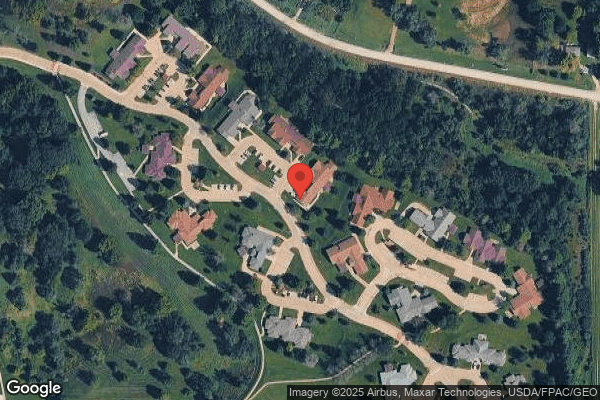

Glen Haven Village

133 Indian Hills Drive, Glenwood, IA 51534 (712) 302-9016
Non profit - Corporation 69 Beds Independent Data: November 2025
Trust Grade
40/100
#187 of 392 in IA
Last Inspection: June 2025

Inspected within the last 6 months. Data reflects current conditions.

Overview

Glen Haven Village in Glenwood, Iowa has a Trust Grade of D, indicating below average performance with some concerns regarding care quality. They rank #187 out of 392 facilities in Iowa, which puts them in the top half, but they are the only option available in Mills County. The facility is showing improvement, with issues reducing from 7 in 2024 to 6 in 2025. Staffing is a strong point, earning 5 out of 5 stars, although turnover is at 53%, which is around the state average. However, the facility has incurred $43,529 in fines, which is concerning and indicates compliance issues. Specific incidents include a failure to provide adequate treatment for pressure ulcers for one resident, leading to worsening conditions, and an incident where a resident fell due to improper transfer techniques, resulting in injury. There was also a significant medication error affecting another resident, highlighting serious lapses in care. While the staffing levels are commendable, families should weigh these serious issues against the strengths when considering Glen Haven Village for their loved ones.

Trust Score
D
40/100
In Iowa
#187/392
Top 47%
Safety Record
High Risk
Review needed
Inspections
Getting Better
7 → 6 violations
Staff Stability
⚠ Watch
53% turnover. Above average. Higher turnover means staff may not know residents' routines.
Penalties
⚠ Watch
$43,529 in fines. Higher than 75% of Iowa facilities, suggesting repeated compliance issues.
Skilled Nurses
✓ Good
Each resident gets 46 minutes of Registered Nurse (RN) attention daily — more than average for Iowa. RNs are trained to catch health problems early.
Violations
⚠ Watch
21 deficiencies on record. Higher than average. Multiple issues found across inspections.
★★★☆☆
3.0
Overall Rating
★★★★★
5.0
Staff Levels
★★☆☆☆
2.0
Care Quality
★★☆☆☆
2.0
Inspection Score
Stable
2024: 7 issues
2025: 6 issues

The Good

  • 5-Star Staffing Rating · Excellent nurse staffing levels
  • Full Sprinkler Coverage · Fire safety systems throughout facility
  • No fines on record

Facility shows strength in staffing levels, fire safety.

The Bad

3-Star Overall Rating

Near Iowa average (3.1)

Meets federal standards, typical of most facilities

Staff Turnover: 53%

Near Iowa avg (46%)

Higher turnover may affect care consistency

Federal Fines: $43,529

Above median ($33,413)

Moderate penalties - review what triggered them

The Ugly 21 deficiencies on record

3 actual harm
Jun 2025 6 deficiencies 1 Harm
SERIOUS (G)

Actual Harm - a resident was hurt due to facility failures

Pressure Ulcer Prevention (Tag F0686)

A resident was harmed · This affected 1 resident

**NOTE- TERMS IN BRACKETS HAVE BEEN EDITED TO PROTECT CONFIDENTIALITY** Based on observations, staff interviews and clinical record review the facility failed to provide adequate treatment and interve...

Read full inspector narrative →
**NOTE- TERMS IN BRACKETS HAVE BEEN EDITED TO PROTECT CONFIDENTIALITY** Based on observations, staff interviews and clinical record review the facility failed to provide adequate treatment and interventions to prevent the worsening of pressure ulcers for 1 resident (Resident #23) and failed to implement interventions timely for 2 of 4 residents reviewed (Resident #23, #15). Staff failed to apply the pressure-reducing boots for Resident #23 and failed to document or follow up on a new area for Resident #23 and #15. The facility reported a census of 65 residents. Findings include: The MDS (Minimum Data Set) assessment identifies the definition of pressure ulcers: Stage I is an intact skin with non-blanchable redness of a localized area usually over a bony prominence. Darkly pigmented skin may not have a visible blanching; in dark skin tones only it may appear with persistent blue or purple hues. Stage II is partial thickness loss of dermis presenting as a shallow open ulcer with a red or pink wound bed, without slough (dead tissue, usually cream or yellow in color). May also present as an intact or open/ruptured blister. Stage III Full thickness tissue loss. Subcutaneous fat may be visible but bone, tendon or muscle is not exposed. Slough may be present but does not obscure the depth of tissue loss. May include undermining and tunneling. Stage IV is full thickness tissue loss with exposed bone, tendon or muscle. Slough or eschar (dry, black, hard necrotic tissue). may be present on some parts of the wound bed. Often includes undermining and tunneling or eschar. Unstageable Ulcer: inability to see the wound bed. 1. According to the Minimum Data Set (MDS) dated [DATE], Resident #23 was unable to participate in a Brief Interview for Mental Status (BIMS) assessment. He had severe memory problems, and impaired cognitive skills. The resident was totally dependent on staff for eating, toileting, dressing, rolling over, and transfers. Resident #23 was at risk for pressure injury and did not have any ulcers at the time of the assessment. His diagnoses included; deep venous thrombosis, neurogenic bladder, secondary Parkinsons, chronic embolism and thrombosis of deep veins of lower extremities, chronic kidney disease. The Care Plan for Resident #23, last revised on 8/7/24, showed that the resident was at risk for fluid volume depletion/excess edema, and was on diuretic therapy. Nursing was to monitor for edema. He had chronic pain related to arthritis and neuropathy in the bilateral lower extremities, nursing was to encourage and assist to position for comfort. The resident was at risk for skin breakdown related to impaired mobility, pain and use of compression stockings. Nursing was to assist with wearing heel protectors at all times and floating heels while in bed to prevent pressure sores. Staff were to observe skin and any wounds for changes such as redness, tenderness, drainage and to notify the physician. The Braden assessment dated [DATE] for Resident #23 documented he was at moderate risk for pressure related skin breakdown. On 6/2/25 at 12:44 PM, a Hospice Nurse Aide (HNA) attended to the resident and removed his stockings. The resident was not wearing edema-wear hose, the skin on his feet was tight and his lower extremities were swollen. On his left distal foot/heel area, there was an undated wound dressing patch. Medial to the patch was an uncovered, open red ulcer on his heel. On the 2nd and 3rd toes of the left foot there were small open blisters. The medial side of his right ankle contained an unblanchable red area. The HNA was not aware if any of these sores were new or if they were being treated. The documents titled: Skin Integrity Events revealed the following: a. On 3/18/25 at 1:39 PM, the resident had red moist area to bilateral groin and tips of toes dry and cracked. No other areas documented. b. On 5/6/25 at 6:55 PM, the resident had a new wound measuring 2 centimeter (cm) x 2 cm. It was intact, not open. The intervention implemented was skin prep and heel protectors. c. On 5/17/25 heels and toes not checked, no measurements. d. On 5/24/25 left heel 5 cm x 3.3 cm. brown center the medial aspect of skin injury tissue was black in color and 2 cm x 2 cm. the second and third toes 0.2 cm x 0.2 cm. A review of the clinical record revealed an order dated 4/14/23 that Resident #23 would wear bilateral heel protectors at all times. An on-going observation on 6/3/25 revealed the following: a. At 11:20, Staff pushed the resident to the lunch table. He was wearing gripper socks, no edema wear and no protective boots. b. At 1:30 PM, the resident was still in the wheel chair. It was tipped back slightly, he was sleeping. His feet were unsupported, dangling, not on the foot rest. c. At 3:30 PM, the resident was in the same position in front of the television in the dining area. His feet were dangling, not on foot pedals. His legs were swollen. d. At 4:20 PM, the resident was still in the wheel chair, in front of the television. His legs dangling. He was leaning forward in the chair with his head hanging down and reaching into the air for unseen items. A Nursing Note dated 6/4/25 at 2:25 PM, showed two new areas distal to the larger wound on the left heel that measured 0.5 cm x 0.5 cm. The area was pink surrounding the wound where the dressing tape maybe tearing the skin. The chart lacked mention of the new area on the right heel, and lacked documentation that the doctor or Hospice had been contacted regarding the new open wounds. On 6/5/25 at 8:02 AM, Staff O, Care Coordinator, provided wound treatment changes for Resident #23. The patch on his left heel was not dated and it was soaked with serosanguinous fluid. Staff O acknowledged that it was macerated. She said that the nurse on the previous day, had noticed that the wound was getting worse and they would contact hospice. The area on the left heel measured 2 cm. x 1.8 cm. in the center with two smaller areas nearby measuring 0.7 cm. x 0.6 and 0.5 cm. x 0.5 cm. When directed to the right heel, Staff O look at it and agreed that it was unblanchable, and it measured 2.6 cm x 1.4 cm. Staff O acknowledged that the protective boots must be on at all times. On 6/5/25 at 10:26 AM, Staff O CC said that she ordered a support board for the wheel chair for Resident #23. She said that his feet should not be dangling, and this was concerning for his chronic edema. Staff O said that the resident needed to be repositioned more often. According to a facility policy titled; Skin Integrity and Wound/Pressure Injury Prevention/Treatment/Observation and Documentation, dated June of 2020; preventative measures encourage repositioning, heel protectors. All nurses would be responsible for ensuring the Care Plan and interventions were updated and monitor to ensure interventions were carried out as planned. 2. According to the Minimum Data Set (MDS) assessment dated [DATE] Resident #15 scored 10/15 on the Brief Interview for Mental Status (BIMS) score indicating moderate cognitive impairment. The document revealed diagnoses of cerebrovascular accident/transient ischemic attack/stroke, Non-Alzheimer's dementia, coronary artery disease, and asthma/chronic obstructive pulmonary disease (COPD)/chronic lung disease. The assessment disclosed the resident required partial/moderate assistance for transfers, and independence with rolling left/right, and lying to/from sitting. The document revealed the resident was at risk for pressure ulcers/injury, did not have a pressure ulcer/injury, and no other skin problems or wounds. The document indicated the resident utilized skin and ulcer/injury treatments including pressure reducing devices for chair and bed. The resident did not receive Hospice services. The Electronic Medical Record (EMR) Skin Assessments for Resident #15 revealed the following: -On 1/19/25 red areas noted to the top of bilateral feet 1st digits. The resident denied pain. -On 1/23/25 tips of bilateral feet, 1st digits noted to have red areas. -On 1/30/25 tips of bilateral feet, 1st digits noted to have red areas. -On 2/6/25 red areas noted to bilateral feet 1st digits, the tip of them. -On 2/14/25 no concerns with feet. -On 2/20/25 red areas noted to bilateral feet, 1st digits. -On 2/28/25 no concerns with toes. -On 3/5/25 left foot, 1st digit noted to have a black area that measures approximately 1.2 cm in diameter. Right foot, 1st digit noted to have a scabbed area that measures approximately 0.5 cm in diameter. No drainage noted from either digit. Requested that the resident be seen by the wound nurse during rounds. Also a request had already been sent for a podiatry appointment. -On 3/6/25 left foot, 1st digit noted to have a black area that measures approximately 1.2 cm in diameter. Right foot, 1st digit noted to have a scabbed area that measures approximately 0.5 cm in diameter. No drainage noted from either digit. The Braden Scale, dated 1/11/25, revealed the resident was not at risk. The Progress Notes revealed on 2/24/25 a referral was generated for podiatry for the right foot; the 5th digit was long, loose, and fungal. The Progress Notes revealed notification to the physician with new orders on 3/6/25 for painting Betadine to scabbed areas on bilateral great toes twice daily until healed. Note on 3/6/25 also revealed referral to hospice services. Observed on 6/2/2025 at 12:27 PM Resident #15 seated in her recliner with a blanket cradle tent at the foot of the bed. On 6/2/25 at 12:27 PM Resident #15's daughter stated the resident had pressure areas on her toes that were now healing. The family member stated the resident has a preference for having several blankets, and believed the blankets were applying pressure to her toes. The daughter stated the staff were now getting the resident up into her recliner more and the resident has a tent that keeps the blankets off of her toes. On 6/4/25 at 2:50 PM Staff J, Registered Nurse (RN)/Care Coordinator (CC) revealed she was not aware of the resident's skin condition until 3/5/25. Staff J stated when there was a change in skin condition the Care Coordinator and/or the physician should be notified. The staff stated it would have been acceptable to use a fax notification as it was not an emergency. Staff J stated she did not know what stage the wound was when she was notified as she did not stage the wound. On 6/4/25 at 3:32 PM Staff B, Director of Nursing (DON) stated the Care Coordinator should have been aware of the reddened toes either by reviewing the Skin Assessments or by notification from the nurse completing the assessment. On 6/5/25 at 9:35 AM the Administrator stated she expected if toes were reddened there would have been some intervention(s) put into place. The facility Skin Integrity and Wound/Pressure Injury Prevention/Treatment/Observation and Documentation Policy, dated 6/20, revealed all team members were responsible for preventing, caring and providing treatment for skin integrity issues. The document disclosed all impaired skin integrity concerns/skin care the physician should be notified immediately and documented. The document further revealed all nurses were responsible for monitoring for changes in condition, implementing interventions, and updating the Care Plan to prevent skin breakdown.
CONCERN (D)

Potential for Harm - no one hurt, but risky conditions existed

Deficiency F0657 (Tag F0657)

Could have caused harm · This affected 1 resident

**NOTE- TERMS IN BRACKETS HAVE BEEN EDITED TO PROTECT CONFIDENTIALITY** Based on observations, family interview, staff interviews, clinical record review, and policy review the facility failed to revi...

Read full inspector narrative →
**NOTE- TERMS IN BRACKETS HAVE BEEN EDITED TO PROTECT CONFIDENTIALITY** Based on observations, family interview, staff interviews, clinical record review, and policy review the facility failed to review and revise the Care Plans for 2 of 16 residents reviewed (Resident #15 and Resident #24). The facility failed to revise the interventions for a resident who sustained a burn and a resident who had a pressure area develop. The facility reported a census of 65 residents. Findings include: 1. According to the Minimum Data Set (MDS) assessment dated [DATE] Resident #15 scored 10/15 on the Brief Interview for Mental Status (BIMS) score indicating moderate cognitive impairment. The document revealed diagnoses of cerebrovascular accident/transient ischemic attack/stroke, Non-Alzheimer's dementia, coronary artery disease, and asthma/chronic obstructive pulmonary disease (COPD)/chronic lung disease. The assessment disclosed the resident required partial/moderate assistance for transfers, and independence with rolling left/right, and lying to/from sitting. The document revealed the resident was at risk for pressure ulcers/injury, did not have a pressure ulcer/injury, and no other skin problems or wounds. The document indicated the resident utilized skin and ulcer/injury treatments including pressure reducing devices for chair and bed. The resident did not receive hospice services. Observed on 6/2/2025 at 12:27 PM Resident #15 seated in her recliner with a blanket cradle tent at the foot of the bed. Observed on 6/3/25 at 12:28 PM Resident #15 was seated in her recliner when Staff I, Registered Nurse (RN), provided Betadine treatment for a pressure area on the left great toe. The blanket cradle was observed at the foot of the bed. Observed on 6/4/25 at 7:15 AM Resident #15 in bed with a blanket cradle in place at the foot of the bed. On 6/2/25 at 12:27 PM Resident #15's daughter stated the resident had pressure areas on her toes that were now healing. The family member stated the resident has a preference for having several blankets, and believed the blankets were applying pressure to her toes. The daughter stated the staff were now getting the resident up into her recliner more and the resident has a tent that keeps the blankets off of her toes. Resident #15's Medication/Treatment Administration Record for 6/25 revealed an order for a blanket tent to keep blankets off the feet with start date of 5/21/25, and wound care to left great toe with start date of 6/2/25. Resident #15's Pocket Care Plan, provided 6/4/25, identified skin interventions of barrier cream to intergluteal cleft and buttocks BID, air mattress with blanket cradle, and reposition frequently as the resident allows. Resident #15's Care Plan dated 6/3/25 revealed a problem area, risk for pressure injury related to impaired mobility, poor nutrition and need for staff assistance with a start date of 9/11/24 and revision on 6/3/25. The approaches for staff intervention included nursing to complete weekly skin assessments with wound details and measurements. The primary care physician (PCP) notified of new and worsening wounds. The document disclosed the resident to be assisted with repositioning at least every 2-3 hours. The Care Team to monitor for signs of skin breakdown and notify nursing of any concerns. The document revealed the start dates for the approaches at 9/21/24. The resident's Care Plan further revealed a problem area of risk for falls edited on 6/3/25. The problem area revealed an approach start date of 4/24/25 with a 4/23/25 unwitnessed fall out of bed without major injury with the air mattress removed from bed for safety with a creation date of 4/28/25. The Electronic Medical Record (EMR) Progress Notes revealed on 3/6/25 during a Care Conference discussion of the use of an air mattress and blanket cradle due to new wounds on the resident's toes. The document with an entry on 3/8/25 revealed the air mattress was delivered. The Progress Note dated 4/24/25 revealed Hospice exchanged the air mattress for a foam mattress. The facility failed to update the Pocket Care Plan and Care Plan to reflect Resident #15's current needs. The Pocket Care Plan reflected the use of an air mattress that was removed on 4/24/25. The Care Plan failed to identify interventions put into place for treatment of pressure injuries to the resident's toes. On 6/4/25 at 2:50 PM Staff J, RN/Care Coordinator (CC), stated the blanket cradle is reflected on the Pocket Care Plan and on the nurses orders. The blanket cradle should be reflected on the Care Plan. On 6/4/25 at 3:32 PM Staff B, Director of Nursing (DON), stated he expected the Care Plan to reflect the interventions needed to provide care to the resident. On 6/5/25 at 9:49 AM a Hospice representative stated the blanket cradle was delivered on 3/12/25. 2. According to the MDS assessment dated [DATE] Resident #24 could not complete the BIMS. The staff assessment revealed the resident had short term and long term memory problems, and moderately impaired cognitive skills for daily decision making. The resident had diagnoses of coronary artery disease, hypertension, and chronic pain. The resident required setup for eating. Observed Resident #24 on 6/2/25 at 12:10 PM drinking coffee with a noon meal. Observed Resident #24 on 6/4/25 at 9:00 AM have a cup of coffee on the dining table. Resident #24's Progress Note dated 12/22/24 revealed the resident spilled a cup of coffee and sustained red blistering areas on bilateral inner upper thighs that were approximately the size of a soft ball. Resident #24's Pocket Care Plan, provided 6/5/25, revealed the resident loved coffee and to place 3-4 ice cubes in it before serving. Resident #24's Care Plan dated 6/3/25 revealed a problem area with a start date of 4/17/20 for a nutrition risk that was edited on 6/3/25. An approach for the problem area revealed thin liquids and enjoyed coffee throughout the day created on 9/16/24. The facility failed to update the Care Plan to reflect the burn on 12/22/24 and the interventions put into place. The Care Plan further failed to identify interventions that had been trialed and refused by the resident, and responses made by the family regarding the burn. On 6/4/25 at 3:08 PM Staff J stated was on vacation at the time of the incident and the Pocket Care Plan should have the recommendation following the burn. On 6/4/25 at 4:34 PM the Administrator stated the facility has a priority to update the Pocket Care Plan as it is what the direct care staff utilize to keep the residents safe and to provide care. The Administrator stated the Care Plan should have more information and they should be updated timely. The Administrator stated the Care Plans should be updated maybe in a week or 2 following the update to a Pocket Care Plan. The Administrator stated the facility is in the process of moving from MatrixCare to PointClickCare electronic documentation platform and with that the Care Plan will revise and change. The facility Skin Integrity and Wound/Pressure Injury Prevention/Treatment/Observation and Documentation Policy, dated 6/20, revealed the nurses would monitor for change in condition and implement interventions, and update the Care Plan as needed to prevent skin breakdown. The facility Hot Liquids Safety Policy, dated 5/15/24, revealed interventions related to hot liquids would be individualized and noted on the resident's Care Plan. The facility Comprehensive Care Plans Policy, dated 6/6/25, revealed all services are identified in the resident's comprehensive assessment and meet professional standards of quality. The document disclosed it would be reviewed and revised by the interdisciplinary team after each comprehensive review and quarterly MDS assessment, and alternative interventions will be documented as needed.
CONCERN (D)

Potential for Harm - no one hurt, but risky conditions existed

Quality of Care (Tag F0684)

Could have caused harm · This affected 1 resident

**NOTE- TERMS IN BRACKETS HAVE BEEN EDITED TO PROTECT CONFIDENTIALITY** Based on observations, clinical record review, staff interviews, and policy review the facility failed to provide the needed ser...

Read full inspector narrative →
**NOTE- TERMS IN BRACKETS HAVE BEEN EDITED TO PROTECT CONFIDENTIALITY** Based on observations, clinical record review, staff interviews, and policy review the facility failed to provide the needed services in accordance with professional standards by not completing assessments for 1 of 16 residents (Resident #24) reviewed. The facility reported a census of 65 residents. Findings include: According to the MDS assessment dated [DATE] Resident #24 could not complete the BIMS. The staff assessment revealed the resident had short term and long term memory problems, and moderately impaired cognitive skills for daily decision making. The resident had diagnoses of coronary artery disease, hypertension, and chronic pain. The resident required setup for eating. The Progress Note dated 12/22/24 revealed Resident #24 spilled a cup of coffee and sustained red blistering areas on bilateral inner upper thighs that were approximately the size of a soft ball. Review of Assessments completed from 1/1/24 to 6/5/25 revealed the facility failed to complete a Hot Liquids Risk Assessment for Resident #24. Observed Resident #24 on 6/2/25 at 12:10 PM drinking coffee with a noon meal. Observed Resident #24 on 6/4/25 at 9:00 AM have a cup of coffee on the dining table. On 6/4/25 at 10:28 AM Staff E, Registered Dietitian, stated she was unaware of any resident having a burn related to coffee spillage. The staff stated she was unaware of the facility policy/procedure regarding serving of coffee and temperatures. On 6/4/25 at 3:08 PM Staff J stated she was on vacation at the time of the incident. The staff was unable to produce a Hot Liquids Risk Assessment for the resident. On 6/4/25 at 3:24 PM Staff B stated Hot Liquids Risk Assessment should be completed upon admission and quarterly. The DON stated he could not locate a Hot Liquids Risk Assessment for Resident #24. On 6/4/25 at 9:00 AM the Administrator stated there should have been a Hot Liquids Risk Assessment completed for Resident #24. The facility Hot Liquid Safety Policy reviewed/revised 5/15/24 disclosed all residents were assessed for their ability to handle containers and consume hot liquids as part of their. It was noted this sentence was incomplete and no further details on assessment were provided in the policy.
CONCERN (D)

Potential for Harm - no one hurt, but risky conditions existed

Deficiency F0804 (Tag F0804)

Could have caused harm · This affected 1 resident

**NOTE- TERMS IN BRACKETS HAVE BEEN EDITED TO PROTECT CONFIDENTIALITY** Based on observations, resident interviews, staff interviews and policy review the facility failed to provide food at an appetiz...

Read full inspector narrative →
**NOTE- TERMS IN BRACKETS HAVE BEEN EDITED TO PROTECT CONFIDENTIALITY** Based on observations, resident interviews, staff interviews and policy review the facility failed to provide food at an appetizing temperature to 2 of 20 residents reviewed (Resident #6 and #30). The facility reported a census of 65 residents. Findings include: 1. The Minimum Data Set MDS dated [DATE] revealed Resident #6 had a Brief Interview for Mental Status (BIMS) score of 15 indicating no cognitive impairment. On 6/2/25 at 12:31 PM Resident #6 stated the meat, vegetable, and potatoes will be served cold. Resident #6 stated the food had been served cold in the last week. 2. The MDS dated [DATE] revealed Resident #30 had a BIMS score of 13 indicating no cognitive impairment. On 6/2/25 at 12:33 PM Resident #30 stated the food that should be warm is served cool or cold at least once a week. Resident #30 stated the staff would warm it up but she did not ask. On 6/3/25 at 11:35 AM an observation of lunch service with Staff C, [NAME] revealed all food removed from the oven and placed on the stove top. Staff C did not turn the stove top on. On 6/3/25 at 11:36 AM Staff C obtained temperatures of the food. The temperature of the beef stroganoff was 165 degrees, mashed potatoes 203 degrees, chuckwagon corn 197 degrees, low sodium beef for 2 mg sodium diet 166 degrees and cream corn for mechanical diet 166.2 degrees. A continuous observation of lunch service on 6/3/25 from 11:35 AM - 11:55 AM revealed Staff C plated the lunch meal and the CNA staff took the plates to the residents. Staff C placed the last plate in the microwave, turned the microwave on, removed the plate from the microwave and gave the plate to a CNA to take to Resident #30. The temperature of the food placed in the microwave was not checked. On 6/3/25 at 11:55 AM post service temperatures were obtained by Staff C. The temperatures revealed the corn had a temperature of 158 degrees, mashed potatoes 121 and beef stroganoff 130 degrees. On 6/3/25 at 11:56 AM Staff C stated she placed the plate in the microwave because she thought the food might be cold. Staff C acknowledged that she did not obtain a temperature of the food removed from the microwave prior to sending the food out to the resident. Staff C explained she should have obtained the temperature of the food placed in the microwave prior to sending the food to the resident. Staff C stated the food in the microwave should have been at least 165 degrees after being microwaved. Staff C stated her expectation was a minimum of 135 for holding temperatures of the food on the stove. Staff C acknowledged the stove top was not on and the back burner did not work because the knob was broken off. Staff C stated she was not sure if anyone was aware the back burner did not work. Staff C stated it had been broken for a while and she did not tell anyone. Staff [NAME] stated Resident #30 will complain when the food is served cold and frequently does. On 6/3/25 at 2:28 PM Staff D, Certified Dietary Manager (CDM) stated Staff C stated his expectation was 150 degrees or above for holding temperature of food during meal service. Staff D stated his expectation was the temperatures would have held and the stove top would have been on to ensure the temperature would maintain an appropriate holding temperature. Staff D stated residents did complain about the food being cold. Staff D stated it was usually the same 2 residents in house 138. On 6/4/25 at 10:21 AM Staff E, Registered Dietitian stated Staff C reheated the plate and served it and did not recheck the temp prior to serving the plate. Staff E stated the facility policy stated the temperature should be checked to ensure the temp is 165 degrees or above. Staff E stated temperatures should be held at 135 or above during meal service. Staff E stated the temperature of the meat at the end of service concerned her. Review of undated document titled, Food Temperatures documented all hot food items would be served to the resident at the temperature of at least 120 degrees at the time the resident received the food. Hot food items may not fall below 140 after cooking unless it is an item which is to be rapidly cooled to below 40 degrees and reheated to at least 165 degrees prior to serving. Normally hot foods will be 165 - 180 degrees or higher when removed from the cooking heat source. If held at 160 - 180 degrees this would ensure serving to the residents at 140 degrees or above. Cooking temperatures must be reached and maintained according to regulations, laws and standardized recipes while cooking.
CONCERN (D)

Potential for Harm - no one hurt, but risky conditions existed

Infection Control (Tag F0880)

Could have caused harm · This affected 1 resident

**NOTE- TERMS IN BRACKETS HAVE BEEN EDITED TO PROTECT CONFIDENTIALITY** Based on observation, Electronic Health Record (EHR) review, policy review, and staff interview the facility failed to provide a...

Read full inspector narrative →
**NOTE- TERMS IN BRACKETS HAVE BEEN EDITED TO PROTECT CONFIDENTIALITY** Based on observation, Electronic Health Record (EHR) review, policy review, and staff interview the facility failed to provide appropriate infection prevention practices when providing care to a resident with an indwelling catheter, that was on Enhanced Barrier Precautions (EBP) for 1 of 2 residents reviewed (Resident #30). The facility reported a census of 65 residents. Findings include: The Minimum Data Set (MDS) dated [DATE] for Resident #30 documented a Brief Interview for Mental Status (BIMS) score of 13 indicating moderate cognitive impairment. The MDS also indicated use of an indwelling catheter. Review of the EHR titled, Care Plan, dated 4/19/24 documented Resident #30 had an indwelling catheter and required EBP precautions. Resident #30's team will follow EBP precautions. EBP supplies would be available in Resident #30's room for staff to utilize when providing care. Review of the EHR titled, Orders, dated 8/7/23 documented physician orders for catheter cares each shift, change catheter bag weekly and change 18 Fr all silicone catheter monthly. An observation on 6/3/25 at 2:10 PM of Resident #30's catheter bag emptied revealed Staff A, Certified Nursing Assistant / Certified Medication Assistant CNA/CMA completed hand hygiene, applied gloves, did not apply a gown, obtained a barrier, applied barrier to the ground, placed graduated cylinder on the barrier, cleansed catheter tip with alcohol wipe, emptied urine into graduated cylinder, cleansed catheter tip with alcohol wipe, closed the catheter tip, graduate taken into the bathroom, graduate emptied into the toilet, 650mL removed from graduate, gloves removed, and hand hygiene completed. On 6/4/25 at 5:04 PM the Director of Nursing (DON) stated the facility's expectation was that a gown would be donned during catheter care or contact with a catheter at all. The DON acknowledged that Resident #30 was on EBP. The DON acknowledged Resident #30 utilized a catheter. The DON acknowledged that a gown should have been worn during catheter care for Resident #30. Review of policy implemented 4/1/24 titled, Enhanced Barrier Precautions Policy and Procedure documented EBP are used in conjunction with standard precautions and expand the use of personal Protective Equipment (PPE) to donning of gown and gloves during high-contact resident care activities that provide opportunities for transfer of MDROs to staff hands and clothing. Residents will be placed on EBP with indwelling medical devices even if the resident is not known to be infected or colonized with a MDRO. Indwelling medical devices include but are not limited to central lines, urinary catheters, feeding tubes and tracheostomies.
CONCERN (E)

Potential for Harm - no one hurt, but risky conditions existed

Deficiency F0806 (Tag F0806)

Could have caused harm · This affected multiple residents

**NOTE- TERMS IN BRACKETS HAVE BEEN EDITED TO PROTECT CONFIDENTIALITY** 2. According to the MDS dated [DATE], Resident #3 had a BIMS score of 15 (intact cognitive ability). He was independent with eat...

Read full inspector narrative →
**NOTE- TERMS IN BRACKETS HAVE BEEN EDITED TO PROTECT CONFIDENTIALITY** 2. According to the MDS dated [DATE], Resident #3 had a BIMS score of 15 (intact cognitive ability). He was independent with eating and required supervision and touch assistance with transfers. He had highly impaired hearing ability. His diagnoses included neurogenic bladder, diabetes mellitus, aphasia, anxiety communication deficit. The Care Plan updated on 4/24/25, showed that Resident #3 was at risk for choking related to dysphagia staff would offer a regular, mechanical soft diet. The resident had significant anxiety and wanted to know what to expect throughout the day. He was deaf, and it was important for him to be involved in his cares. Writing material was provided to the resident, he was able to write and understand short phrases. On 6/4/25 at 6:00 AM, with the use of writing materials kept in the back pocket of his wheel chair, Resident #3 communicated that he was not aware that there were meal options if he preferred something other than what was being served. Resident #3 wrote that he didn't like corn or peas but he did not know what substitutes he could have for a vegetable. 3. According to the MDS dated [DATE], Resident #7 had a BIMs score of 15 (intact cognitive ability). He was independent with eating, toileting, dressing and hygiene. His diagnoses included diabetes mellitus and anxiety disorder, The Care Plan updated on 6/3/25, showed that he had anxiety and did not like disruptions in scheduled. Staff were to encourage him to participate in care his cares by asking questions. The resident had autism and had difficulty in social interactions. On 6/2/25 at 2:30 PM, Resident #7 said that he was not aware of food substitute options at meals. He added: I don't know what would happen if I didn't eat what they served me. On 6/4/25 at 6:00 AM, Staff P, CNA said that she was not sure of food options that residents had for meals if they didn't like what was being served. She did not know where the options were listed. On 6/3/25 at 2:00 PM, Staff Q, Cottage Cook, said the options for residents included: hamburger patty, peanut butter or deli meat sandwich or soups. She acknowledged that these options were not posted anywhere for the residents to see daily. On 6/3/25 at 2:30 PM, the Dietary Manager provided a list of alternatives that included sandwiches, soups and cereal. He said this list was not posted or given to the residents but kept in a binder in the kitchen areas. He said there were some items that residents could request other foods, but it would be limited related to availability. He said that the residents didn't have a menu to fill out, they know to look at the black board where the meals are posted and that the kitchen knows their likes and dislikes. On 6/3/25 at 3:00 PM, the Administrator said that the staff carry pocket care plan that included the residents' preferences. Staff were expected to check those to see if there was anything on the menu that they didn't like. She said they don't post the optional menu because the residents would then think that these were their only options and they can have whatever they would like to eat. The Administrator said that in the small cottage environment, the staff know the residents well, that included their foods preferences. An undated document included in the admission packet showed that resident food preferences would be considered and staff would assist the residents to exercise their choice in what they eat and drink. Based on observation, resident interview, staff interview and policy review the facility failed to provide food that accommodates the resident preferences and provide an appealing option for residents who chose not to eat food that was initially served to them or requested a different meal choice for 2 of 20 residents reviewed (Resident #3, #7 and #56). The facility reported a census of 65 residents. Findings include: 1. The Minimum Data Set (MDS) dated [DATE] revealed Resident #56 had a Brief Interview for Mental Status (BIMS) score of 0 indicating Resident #56 was rarely/never understood. The MDS also indicated Resident #56 was deaf. On 6/3/25 at 11:35 AM an observation of lunch service with Staff C, Hostess/Cook revealed all food removed from the oven and placed on the stove top. Observation revealed no alternative food prepared for lunch at that time. Review of undated document titled, Substitutes for Meals hanging on the refrigerator facing the interior of the kitchen unable to be seen by staff or residents outside of the interior of the kitchen. On 6/4/25 at 11:52 AM observation of Staff F, Certified Nursing Assistant (CNA) presented a lunch meal to Resident #56. Resident #56 picked up the corn and shook his head left to right that indicated no. Staff F asked Resident #56 if he didn't like the corn and Resident #56 shook his head no again. Staff F returned the corn to the kitchen and told Staff C Resident #56 refused the corn. On 6/4/25 at 12:25 PM Staff C acknowledged corn was not on Resident #56's pocket care plan for a dislike but he did not want corn for lunch on 6/4/25. Staff C stated she would usually offer the resident something if they refuse the vegetable. Staff C acknowledged she did not offer Resident #56 an alternative. Staff C explained the CNA did not say she asked Resident #56 if he wanted an alternative either. Staff C acknowledged she should have asked Resident #56 if he wanted an alternative and she did not. On 6/4/25 at 12:40 PM Staff F acknowledged that she did not offer Resident #56 anything else when he refused the corn on 6/5/25. Staff F stated she would typically offer the resident an alternative but did not offer an alternative vegetable on 6/4/25 to Resident #56. Staff F stated she thought the alternative was usually a vegetable medley that also contained corn. Staff F stated she did not know what would be offered if the resident did not want corn because the medley would also contain corn. On 6/3/25 at 12:06 PM Staff A Certified Nursing Assistant/Certified Medication Assistant (CNA/CMA) stated helps with lunch service when at the facility. Staff A stated the residents knew what the meal was by reading the menu board. Staff A stated no staff ask the residents what they want for the meals or if they want an alternate. Staff A stated if it is set in front of them and they don't like it the cook will find an alternative. Staff A stated there was not an alternative menu that the residents are aware of if they do not like what they are having. On 6/3/25 at 12:11 PM Staff G, CNA stated sometimes the residents say they do not like what was served as the meal. Staff G stated she would offer a sandwich or something else. Staff G stated there were only sandwiches provided as an alternative. Staff G stated there was not a list of alternatives for the resident to choose from. Staff G stated if the cook was busy she would make the sandwich or the cook would make it. On 6/3/25 at 12:15 PM Staff H, Registered Nurse (RN) the menu is listed on the wall and if the resident asks they will get them something different. On 6/3/25 at 2:28 PM Staff D, Certified Dietary Manager (CDM) stated since the facility changed to the new menu there has not been as many substitutions. Staff D stated just the meal on the board was usually prepared. On 6/4/25 at 10:21 AM Staff E, Registered Dietitian stated the alternate food items were not posted anywhere but the hostess is supposed to know and to use a pocket care plan for likes and dislikes.
Sept 2024 1 deficiency 1 Harm
SERIOUS (G) 📢 Someone Reported This

A family member, employee, or ombudsman was alarmed enough to file a formal complaint

Actual Harm - a resident was hurt due to facility failures

Accident Prevention (Tag F0689)

A resident was harmed · This affected 1 resident

Based on observations, clinical record review, staff interviews, and policy review the facility failed to transfer a resident with a gait belt and the resident fell resulting in an injury for 1 of 10 ...

Read full inspector narrative →
Based on observations, clinical record review, staff interviews, and policy review the facility failed to transfer a resident with a gait belt and the resident fell resulting in an injury for 1 of 10 residents (Resident #1) reviewed for falls and safe transfers. The facility reported a census of 67 residents. Findings include: The Minimum Data Set (MDS) assessment of Resident #1 dated 7/2/24 reflected the Brief Interview for Mental Status (BIMS) score of 14/15, indicating intact cognition. The resident required partial/moderate assistance for transfers, ambulation, and lower body dressing. In the past 7 days of the assessment period the resident used a walker and wheelchair. During the previous 5 days of the assessment period Resident #1 received scheduled pain medication and as needed (PRN) pain medication. The resident was frequently incontinent of bladder and occasional incontinence of bowel. The resident had diagnoses of heart failure and renal insufficiency. The document further revealed the resident took an anticoagulant medication. Resident #1's Care Plan had an identified problem area of risk for falls related to incontinence, need for staff assistance for transfers, pain and weakness. Approaches for staff to utilize included ensuring call light and frequently needed items were within reach, and placement of the lift recliner remote in the side pocket. Resident #1's pocket care plan at the time of the fall reflected the resident required staff assist x1 for activities of daily living (ADLs), and transfers with assistance x1. The Care Plan also identified the resident at risk for complications related to anticoagulant (blood thinner) therapy. It directed staff to assess for episodes of excessive bleeding/bruising and to notify the physician. The Active Orders for Resident #1 revealed the resident was on warfarin (blood thinner) 3mg oral every day. The email dated 7/24/24 to the staff of Resident #1's cottage, nursing department, and Staff G, Registered Nurse (RN), Care Coordinator from the therapy department provided instructions to staff that the resident required assistance of 1 staff for ambulation with a front wheeled walker and left (L) knee brace to and from the bathroom (room only). The electronic health record (EHR) revealed on 8/13/24 at 11:02 AM Staff G, RN, Care Coordinator, responded to a nurse stat call. The document revealed Resident #1 was seated on the floor with her backside to the toilet, legs in front of her, and a laceration to the back of her head. Staff H, Certified Nursing Assistant (CNA), was seated on the floor next to the resident. The document revealed the resident was responding at baseline; however, due to the resident taking an anticoagulant medication was sent to the emergency room via 911 services and admitted to the hospital. The Event Report document within the EHR dated 8/13/24 at 11:34 AM revealed Resident #1 sustained a ground level fall in the bathroom. The document indicated the resident had no complaints of pain post fall and sustained a laceration to the back of the head. Assessment of Resident #1 included vitals, range of motion, neurological check, facial muscle movement, upper extremity movements/grasps, lower extremity range of motion, pupil size/response/shape, and speech. The document revealed the resident's walker was in the bathroom, and the resident was wearing tennis shoes. The document indicated the primary care provider was called and a phone order was received for sending the resident to the hospital. The resident's son and daughter were called and notified of the fall, and the resident was transferred to the hospital. Resident #1's hospital record dated 8/13/24 to 8/16/24 revealed diagnoses of intraventricular hemorrhage, scalp laceration and closed head injury without loss of consciousness. An observation on 9/20/24 at 12:07 PM revealed Staff A, CNA, utilized an EZ Way Lift (weight bearing mechanical lift) for transferring Resident #1 from the wheelchair (w/c) in her bedroom to the bathroom/toilet and from the toilet to the resident's recliner. On 9/20/24 at 10:57 AM Staff I, Physical Therapist Assistant (PTA) stated Resident #1 prior to the fall on 8/13/24 required minimum to moderate assistance for sit to stand sequence, and once standing the resident required contact guard assist for ambulation using a front wheeled walker (FWW). Staff I stated the cottage staff were instructed to ambulate the resident using a FWW and L knee brace for bathroom/bedroom distances. The staff stated the resident had decreased compliance with use of the knee brace before the fall. Staff I stated staff should have had at least 1 hand on Resident #1 at all times. Staff I stated the use of gait belt is a facility requirement for all transfers. The staff stated since returning from the hospital, therapy had assessed the resident and recommended the use of an EZ Way Lift for all transfers as the resident was no longer safe for stand pivot transfers or ambulation due to knee pain and crepitus. Staff stated an email was sent to the cottage staff in July with instructions for room distance ambulation with the resident. On 9/20/24 at 12:15 PM Staff A stated prior to the fall in August, Resident #1 was able to ambulate to the bathroom with a gait belt and FWW. The staff stated a gait belt was required for all transfers. On 9/20/24 at 12:24 PM Resident #1 stated she did fall in the bathroom and cut the back of her head. The resident stated her feet just started sliding and she fell. The resident stated she did not like to wear her knee brace and was not wearing a gait belt at the time of the fall. On 9/20/24 at 12:43 PM Staff G, RN, Care Coordinator, stated on 8/13/24 she assessed Resident #1 post fall. The staff stated the resident did not have a gait belt or the knee brace on. Staff G stated the resident had a laceration on the back of her head, was conscious, and at baseline cognitively. The staff stated the resident had complaints of pain in her knees prior to the fall and would not consistently wear her knee brace. Staff G stated that since returning from the hospital the resident was changed to the use of the EZ Way Lift due to decreased strength and safety. The staff stated all staff were to use a gait belt with all residents when completing transfers. Staff G stated the gait belt was required to be on the staff at all times when working. The staff stated the facility provided gait belts for staff to use while at work, and the cottages had extra gait belts if needed. On 9/20/24 at 2:34 PM Staff H, CNA, stated she assisted Resident #1 to the bathroom. The staff could not recall whether a gait belt was utilized walking to the bathroom. Staff H stated she did not use a gait belt following toileting and when starting to walk back to the resident's bedroom. The staff stated Resident #1 lost her balance, and she was not prepared for that and could not stop the fall. Staff H stated the resident had her FWW with her. Staff H stated she had turned her attention to obtain the resident's glasses from the counter when the resident lost her balance and fell. Staff H stated she was aware of the facility policy requiring the use of gait belt when transferring residents, but at the time was not thinking the steps through as clearly as she should have. The staff did recall receiving the email regarding the resident's assistance needs for transfers and ambulation. On 9/20/24 at 4:36 PM Staff E, CNA, stated staff should always use a gait belt when transferring a resident, and they had recent re-training on the use of gait belts and transfers. On 9/21/24 at 8:25 AM Staff F, CNA, stated staff should always use a gait belt when transferring residents and that she had recent training on transfers and gait belts. On 9/20/24 at 9:45 AM the Administrator stated the facility policy required staff to utilize gait belts for all transfers. The Administrator stated the facility had implemented competency checks during nurse manager rounds, and did a re-training on gait belt use following the fall. The facility provided document, Glen Haven Village Safe Lifting/Transfers, revised 2/21, revealed all non-mechanical transfers require gait belt usage. The document further revealed that staff should wear a gait belt on their person at all times to ensure they were readily available.
Jul 2024 5 deficiencies 1 Harm
SERIOUS (G) 📢 Someone Reported This

A family member, employee, or ombudsman was alarmed enough to file a formal complaint

Actual Harm - a resident was hurt due to facility failures

Deficiency F0760 (Tag F0760)

A resident was harmed · This affected 1 resident

**NOTE- TERMS IN BRACKETS HAVE BEEN EDITED TO PROTECT CONFIDENTIALITY** Based on clinical record review, staff interviews, camera footage review and facility policy review the facility failed to assur...

Read full inspector narrative →
**NOTE- TERMS IN BRACKETS HAVE BEEN EDITED TO PROTECT CONFIDENTIALITY** Based on clinical record review, staff interviews, camera footage review and facility policy review the facility failed to assure residents were free from significant medication errors for 1 of 7 resident reviewed (Resident #24). The facility reported a census of 65 residents. Findings Include: The Minimum Data Set (MDS) assessment dated [DATE] for Resident #24 documented diagnoses of high blood pressure, Diabetes Mellitus (DM) and hemiplegia. The MDS showed a Brief Interview for Mental Status (BIMS) score of 5 which indicated severe cognitive impairment. The Care Plan for Resident #24 dated 12/1/23 showed the following: - I have the potential for hypoglycemia and hyperglycemia episodes secondary to the diagnosis of DM. - I have the potential for complications related to antiplatelet therapy. - I may have difficulty verbally expressing my needs due to my diagnosis of vascular dementia and recent stroke which affected my vocal cords. The June 2024 Medication Reconciliation Form showed the following medications were administered by Staff D on 6/9/2024 for the 7 PM medication pass: Ferrous Sulfate 325 milligrams (mg) for iron deficiency Metformin 500 mg for diabetes Metoprolol 25 mg for rheumatoid arthritis The MDS assessment dated [DATE] for Resident #13 documented diagnoses of high blood pressure, Parkinson's Disease, seizure disorder and depression. The MDS showed a BIMS score of 10 which indicated a moderately severe cognitive impairment. The Care Plan for Resident #13 dated 6/13/24 showed the following: - I am at risk for complications related to antiplatelet therapy. - I am at risk for adverse consequences related to receiving psychotropic medications for the treatment of depression and bipolar disorder. - My team will administer my anti-seizure medication The June 2024 Medication Reconciliation Form showed the following medications were administered on 6/9/2024 for the 7 PM medication pass: Aspirin 81 mg to prevent blood clotting Cephalexin 250 mg for infection Divalproex DR 500 mg for convulsions/seizures Lamotrigine 100 mg for convulsions/seizures Latanoprost 0.005% eye drops for dry eyes Primidone 50 mg for convulsions/seizures Risperidone 1 mg for bipolar depression Trazadone 100 mg for depression and to treat thought processes and behavioral disorders in people with perceptual disorders. Vitamin D3 25 mcg In an interview on 7/9/24 at 12:32 PM, Staff B, Licensed Practical Nurse (LPN), Care Coordinator stated, she received a phone call overnight from Staff C. She said, I'm not sure but I think the nurse gave the wrong meds to the wrong resident. Staff C explained, Resident #13, reported the nurse came into her room. Resident #13 observed Staff D, Registered Nurse (RN) open her roommate's medication cabinet door (Resident #24), then left the room. Resident #13 stated, the nurse didn't give her the medications. After the call Staff B then called Staff D and asked the nurse, who's medications she gave in room three? Staff D replied, she just got done giving room [ROOM NUMBER] meds. Staff B stated, Staff D was unsure who exactly she gave meds to, but said that she matched residents with pictures, and matched the medications to the MAR. Staff B stated, she told her to monitor the resident just in case she gave wrong meds. Staff B reported despite sending another nurse over to the cottage, they were unable to determine if a medication error occurred. Staff B stated, she came in the next morning for a cottage meeting, they noticed a change in condition in Resident #24, so they called the primary care provider (PCP). The PCP ordered a Risperdal and Depakote level and they were drawn. The test results showed Resident #24 had both medications in her system. Resident #24 didn't have orders for Risperdal and Depakote but her roommate did. We knew then the medication error occurred. Staff C reported the resident was a little more tired than usual. In an interview on 7/9/24 at 3:28 PM, Staff C, Certified Nursing Assistant (CNA) reported Resident #13 and #24 shared a room. Staff C observed Staff D, Registered Nurse (RN) give medications to Resident #24 in the day room. Later as Staff C assisted the roommate, Resident #13, to bed she asked if the resident received medications yet. Resident #13 replied, no. Resident #13 stated she observed the nurse in her medication cabinet and removed the medications from the card containers then left the room. When Staff C told Resident #13 that it was odd the nurse gave her roommate medications and not her. Resident #13 replied, she never saw her go into Resident #24's cabinet. I'm 100% sure. Staff C called Staff B, Licensed Practical Nurse (LPN), Care Coordinator to report Resident #24 may have incorrectly received Resident #13's medications. After the call Staff C found Resident #24 in the day room with her head resting down by her knees and vomit from her knees to the floor. Resident #24 reported her head hurt. Staff C and Staff D then assisted Resident #24 to her room. While in the room Staff C observed Staff D access Resident #24's medication cupboard. Staff C heard Staff D remove medications from each container. Staff C stated, she clearly remembered Staff D attempted to hide the medications with her pointer finger and pinky finger using her left hand. She could not see any pills but the way Staff D held her hands made her think she was hiding them. After that Staff D immediately put her hands down into her pants pockets. Staff C stated, Staff D helped put Resident #24 to bed and left the room. When asked about the Resident's #24 symptoms, Staff C replied, the resident was not throwing up prior to administration that she observed. After that the resident threw up a total of three times after she got meds. The resident also said that her head hurt. In an interview on 7/9/24 at 4:17 PM, the PCP stated, in terms of life threatening, Resident #24 getting Resident #13's medications and psych meds wasn't an imminent danger type of situation but it did throw her for loop for 3 days. The PCP stated he would characterize it as serious but not life threatening. In an interview on 7/10/24 at 12:03 PM, Staff B, LPN, Care Coordinator, reported the day following the medication error Resident #24 requested to stay in bed for meals. Staff B reported, Resident #24 didn't want to get up when staff attempted to get her up for meals. Staff B reported, per documentation, the resident failed to consume meals on 6/9/24, staff assisted the resident to take sips of water. The Progress Note on 6/10/24 at 6:34 AM for Resident #24 showed the following: Called to check on and assess a resident who was reported to have vomited a moderate amount of brown mucus like emesis. Resident observed sitting at the dining table noted with generalized weakness, was awake, lethargic but responsive to tactile stimuli. Resident assisted back to bed and was agitated and combative during transfer and assessment. The Risperidone Lab test collected on 6/10/24 for Resident #24 showed a blood level of 10.9 nanograms/milliliter (ng/ml). Review of the June 2024 MAR for Resident #24 showed Risperidone not ordered. The Depakote lab test collected on 6/10/24 for Resident #24 showed a blood level of 22.1 ng/ml. Review of the June 2024 MAR for Resident #24 showed Depakote not ordered. The Point of Care History for Resident #24 showed the following for the day after the medication error on 6/10/24: How did the resident transfer? Activity did not occur. How did the resident move off the unit? Activity did not occur. The timeline of camera footage for the evening of 6/9/2024 the following was noted: At 6:36 PM Staff D, RN took Resident #24's blood pressure At 6:49 PM Staff D took medication cup into Resident #24's room without the computer. After a few moments the nurse returned to her cart with medications. Staff D placed some of the pills from her hand into a pill crusher sleeve and crushed them, she then opened a capsule pill and emptied the contents into the medication cup along with the crushed pills. At 6:52 PM Staff D walked back toward room [ROOM NUMBER], when she returned she added pudding to the crushed pills in a med cup. At 6:53 PM Staff D approached Resident #24 in the lounge where she sat and administered the medication. By 7:25 PM Resident #24 started to slouch over in her wheelchair in the lounge. At 7:39 Staff C, CNA walked into the lounge and asked Resident #24 what is going on. As Staff C stepped closer to Resident #24 she noticed the vomit. At 7:45 PM Staff D walked out of the hallway where the room is at, the closing of the medication cabinet is audible. Staff D stated, need to give her medications. As Staff D entered the hallway carrying medications, Staff D asked Staff C for assistance with Resident #24. Staff D stated, I can usually get her by herself but she won't sit up. At this time Staff D returned to the room twice, the second time she returned with a drinking cup and what appears to be another med cup. The Medication Administration Policy and Procedure last revised October 2023 identified the following: 1. Medications are administered only by licensed nursing, medical, pharmacy or other personnel authorized by state laws and regulations to administer medications. 2. Medications are administered in accordance with written orders of the attending physician or physician extender. 3. If a dose seems excessive considering the resident ' s age and condition, or a medication order seems to be unrelated to the resident ' s current diagnoses or conditions, the nurse calls the provider pharmacy for clarification prior to the administration of the medication or if necessary contacts the prescriber for clarification. This interaction with the pharmacy and /or prescriber and the resulting order clarification are documented in the nursing notes and elsewhere in the medical record as appropriate. 4. Medications are administered at the time they are prepared. Medications are not pre-poured. 5. Medications are administered without unnecessary interruptions. 6. The person who prepares the dose for administration is the person who administers the dose. 7. Residents are identified before medication is administered. Methods of identification include: a. Checking photograph attached to medical record b. Asking resident to say his/her name c. If necessary, verifying resident identification with other facility personnel 8. Hands are washed before and after administration of topical, ophthalmic, otic, parenteral, enteral, rectal, and vaginal medications. 9. At least 4 (four) ounces of water or other acceptable liquid are given with oral medications unless fluid restrictions apply. 10. Medications are administered within one hour before or one hour after scheduled time, except before or after meal orders, which are administered based on mealtimes. Unless otherwise specified by prescriber, routine medications are administered according to the established medication administration schedule for the facility. 11. Residents are allowed to self-administer medications when specifically authorized by the attending physician and in accordance with procedures for self-administration of medications. 12. Medications supplied for one resident are never administered to another resident. 14. For resident ' s not in their rooms or otherwise unavailable to receive medication on the pass, the nurse will not leave medications in the room unattended ever. The nurse will return at a later time to administer medications. 15. The resident is always observed after administration to ensure that the dose was completely ingested. If only a partial dose is ingested, this is noted on the MAR, and action is taken as appropriate. 16. Identify medication related monitoring and documentation necessary for: Adverse Consequences/Events related to medication use Efficacy Side-Effects In an interview on 7/11/24 at 9:10 AM, the Administrator reported the facility terminated Staff D, RN for not following proper medication administration procedures and because she was not honest about the medication error. The Administrator reported there were many steps in the medication administration process Staff D failed to follow that placed residents at risk.
CONCERN (D)

Potential for Harm - no one hurt, but risky conditions existed

Comprehensive Care Plan (Tag F0656)

Could have caused harm · This affected 1 resident

**NOTE- TERMS IN BRACKETS HAVE BEEN EDITED TO PROTECT CONFIDENTIALITY** 2. The MDS assessment dated [DATE] for Resident #38 revealed diagnoses of coronary artery disease, hypertension, and transient i...

Read full inspector narrative →
**NOTE- TERMS IN BRACKETS HAVE BEEN EDITED TO PROTECT CONFIDENTIALITY** 2. The MDS assessment dated [DATE] for Resident #38 revealed diagnoses of coronary artery disease, hypertension, and transient ischemic attack. Review of Resident #38's Physician Orders revealed an order for Xarelto (an anticoagulant) 20 mg 1 tablet by mouth every day with a start date of 2/1/24. Review of Resident #38's Care Plan revealed no comprehensive care plan for the use of an anticoagulant. During an interview 7/09/24 at 2:35 PM with Staff F Licensed Practical Nurse (LPN) revealed she was the person who completes the Care Plans for Resident #38's unit. Staff F then revealed her expectation would be for anticoagulants to be on Care Plans. Based on electronic record review (EHR), staff interviews, and policy review the facility failed to develop a comprehensive care plan that included problems, goals, or approaches for use of anticoagulant therapy and diuretic therapy for 2 of 5 residents reviewed (Resident #38 and #43). The facility reported a census of 65 residents. Finding include: 1. The Minimum Data Set (MDS) assessment dated [DATE] documented Resident #43 entered the facility on 2/17/21. The MDS also documented a Brief Interview for Mental Status (BIMS) score of 3 indicating severe cognitive impairment. The MDS revealed diagnoses of essential (primary) hypertension and localized edema. Review of Resident #43's Care Plan revealed no problems, goals or approaches to use of a diuretic. Review of Resident #43's MDS dated [DATE] revealed use of diuretic. Review of Resident #43's Physician Orders in EHR revealed furosemide 40 mg by mouth daily at 10:00 AM started 6/3/24. On 7/9/24 at 1:53 PM Staff F, LPN stated Resident #43's diuretic was discontinued when she was in the hospital and then the diuretic was restarted about a month ago. Staff F stated the facility's expectation was the use of a diuretic would have been in Resident #43's Care Plan. On 7/9/24 at 2:46 PM the Director of Nursing (DON) stated the facility's expectation was that Care Plans would have included use of an anticoagulant for Resident #38 and use of diuretic for Resident #43. Review of a document provided by the DON revised 9/13 and titled, Glen Haven Village Care Planning - Interdisciplinary Team documented the facility's Care Planning/Interdisciplinary Team is responsible for the development of an individualized comprehensive care plan for each resident. The care plan is based on the resident's comprehensive assessment and is developed by a Care Planning/Interdisciplinary Team.
CONCERN (D)

Potential for Harm - no one hurt, but risky conditions existed

Deficiency F0657 (Tag F0657)

Could have caused harm · This affected 1 resident

**NOTE- TERMS IN BRACKETS HAVE BEEN EDITED TO PROTECT CONFIDENTIALITY** Based on electronic health record review, policy review, resident interview, and staff interviews the facility failed to provide...

Read full inspector narrative →
**NOTE- TERMS IN BRACKETS HAVE BEEN EDITED TO PROTECT CONFIDENTIALITY** Based on electronic health record review, policy review, resident interview, and staff interviews the facility failed to provide an opportunity for a comprehensive care plan to be reviewed and revised by an interdisciplinary team composed of each resident and resident representative to allow developing the care plan and making decisions about his or her care for 1 of 3 residents reviewed (Resident #34). The facility reported a census of 65 residents. Finding include: The Minimum Data Set (MDS) assessment dated [DATE] documented Resident #34 entered the facility on 4/1/21. The MDS also documented a Brief Interview for Mental Status (BIMS) score of 14 indicating no cognitive impairment. On 7/8/24 at 12:55 PM Resident #34 stated her family does not come and are not invited to care plan conferences. Resident #34 stated that she did not get invited to care plan conferences either. On 7/10/24 at 12:47 PM Staff I, Recreation Coordinator stated the last care conference for Resident #34 was completed January of 2024. Staff I stated Staff J, Resident Services Director was the person that schedules the care conferences. Staff I stated that the care conferences should have been completed every 3 months. Staff I stated that the care conferences for Resident #34 were not completed every 3 months. On 7/10/24 at 2:15 PM Staff J, Resident Services Director stated she was unable to find any documentation that care conferences were held every three months for Resident #34. Staff J stated she was unable to find any more care conferences than was available on the EHR titled, Care Conference for Resident #34. Staff J stated care conferences should be completed quarterly within 2 weeks of MDS completion. Staff J stated the facility now had a new system in place since this concern was brought to her attention by the survey team. On 7/10/24 at 3:15 PM the Director of Nursing (DON) stated care plan conferences were expected to be completed quarterly with the MDS schedule. The DON acknowledged that Staff J stated she was unable to find any documentation that care conferences were held every 3 months for Resident #34. Review of policy, titled Glen Haven Village Care Planning - Interdisciplinary Team documented The resident, the resident's family and/or the resident's legal representative guardian or surrogate are encouraged to participate in the development of and revisions to the resident's care plan. Every effort will be made to schedule care plan meetings at the best time of the day for the resident and family.
CONCERN (D)

Potential for Harm - no one hurt, but risky conditions existed

Infection Control (Tag F0880)

Could have caused harm · This affected 1 resident

**NOTE- TERMS IN BRACKETS HAVE BEEN EDITED TO PROTECT CONFIDENTIALITY** Based on observations, staff interviews, policy review and the Center for Disease Control guideline review the facility failed t...

Read full inspector narrative →
**NOTE- TERMS IN BRACKETS HAVE BEEN EDITED TO PROTECT CONFIDENTIALITY** Based on observations, staff interviews, policy review and the Center for Disease Control guideline review the facility failed to use universal infection control measures (hand hygiene) and Enhanced Barrier Precautions (EBP) during catheter cares for 2 of 3 residents reviewed for infection control (Resident #34, and #47). The facility reported a census of 65 residents. Findings include: 1. On 7/10/24 at 9:03 AM observed Staff G Certified Nursing Assistant (CNA) and Staff H Medication Aide complete hand hygiene and don gloves prior to catheter care for Resident #47. Staff G placed a barrier on the floor and placed a urine graduate on the barrier. Staff G then went to drain the urinary collection bag which spilled urine onto the floor and into the urine graduate. The urinary drainage port was then cleaned with an alcohol swab and returned. Staff G and Staff H then doffed gloves and completed hand hygiene. During the procedure Staff G and Staff H failed to wear a gown as required per Enhanced Barrier Precautions (EBP). In an interview on 7/10/24 at 9:10 AM Staff G revealed she forgot to put on a gown when a gown should have been worn for draining Resident #47's catheter. In an interview on 7/10/24 at 9:31 AM Staff B Licensed Practical Nurse (LPN) revealed her expectation would be for gowns and PPE to be worn at appropriate times for EBP. In an interview on 7/10/24 at 9:37 AM with the Director of Nursing (DON) revealed his expectations would be for the correct PPE to be worn while providing catheter cares on Enhanced Barrier Precautions. Review of the facility provided policy titled, Enhanced Barrier Precautions dated 4/1/24 documented: a. When any staff member is performing high-contact resident cares, the use of an isolation gown will be implemented for any resident on EBP (in addition to already used gloves as part of standard precautions). Centers for Disease Control and Prevention website titled, Implementation of Personal Protective Equipment (PPE) Use in Nursing Homes to Prevent Spread of Multidrug-resistant Organisms (MDROs), visited 7/11/24 and updated 7/12/22 revealed recent changes included, additional rationale for the use of Enhanced Barrier Precautions (EBP) in nursing homes, including the high prevalence of multidrug-resistant organism (MDRO) colonization among residents in this setting. Expanded residents for whom EBP applies to include any resident with an indwelling medical device or wound (regardless of MDRO colonization or infection status). Expanded MDROs for which EBP applies. Clarified that, in the majority of situations, EBP are to be continued for the duration of a resident's admission. EBP may be indicated (when Contact Precautions do not otherwise apply) for residents with any of the following: Wounds or indwelling medical devices, regardless of MDRO colonization status and Infection or colonization with an MDRO. Effective implementation of EBP requires staff training on the proper use of personal protective equipment (PPE) and the availability of PPE and hand hygiene supplies at the point of care. 2. The Minimum Data Set (MDS) assessment dated [DATE] documented Resident #34 entered the facility on 4/1/21. The MDS also documented a Brief Interview for Mental Status (BIMS) score of 14 indicating no cognitive impairment. On 7/10/24 at 12:14 PM an observation of Staff M, Certified Nursing Assistant (CNA) completed of catheter cares on Resident #34. Staff M completed hand hygiene, applied a gown, and applied gloves. Staff M removed Resident #34 briefs and pants. Staff M then cleansed the peri area, removed gloves, pulled the chair forward away from the wall, did not complete hand hygiene, and applied new gloves. Staff M completed peri cares, applied briefs, and pants were pulled up. Staff M then applied a barrier on the ground, applied gloves, unscrewed catheter tip, emptied 100 mL of urine from the catheter, tightened catheter tip, and removed gloves. Staff M failed to perform hand hygiene then applied gloves, stood Resident #34 up and transferred Resident #34 to another recliner. Staff M emptied the graduate into the toilet. Staff M removed gloves, removed gown, emptied trash, and put shoes on Resident #34. Staff M left Resident 34's room, went down the hall to obtain a chair pad from the closet, returned to Resident #34's room, and applied the bed pad to the recliner. Staff M left the room, threw trash away in hallway, returned to another resident's room, and failed to complete hand hygiene. On 7/10/24 at 3:29 PM the DON stated the facility expected hand hygiene to be completed with all glove changes, before and after all resident care. Review of document dated 1/14/22 titled, Hand Hygiene Policy and Procedure documented the staff are to wear gloves, according to Standard Precautions, when it can be reasonably anticipated that contact with blood or other potentially infectious materials, mucous membranes, non-intact skin, potentially contaminated skin or contaminated equipment could occur. Gloves are not a substitute for hand hygiene. If the task requires gloves, perform hand hygiene prior to donning gloves, before touching the patient or the patient environment. Perform hand hygiene immediately after removing gloves.
CONCERN (E) 📢 Someone Reported This

A family member, employee, or ombudsman was alarmed enough to file a formal complaint

Potential for Harm - no one hurt, but risky conditions existed

Resident Rights (Tag F0550)

Could have caused harm · This affected multiple residents

**NOTE- TERMS IN BRACKETS HAVE BEEN EDITED TO PROTECT CONFIDENTIALITY** Based on observations, resident interviews, and staff interviews the facility failed to provide privacy during personal care to ...

Read full inspector narrative →
**NOTE- TERMS IN BRACKETS HAVE BEEN EDITED TO PROTECT CONFIDENTIALITY** Based on observations, resident interviews, and staff interviews the facility failed to provide privacy during personal care to 1 of 3 residents reviewed (Resident #15). The facility also failed to respect each resident's dignity to 4 of 10 residents reviewed (Resident #1, #3, #13 and #44) throughout all care and services provided. The facility reported a census of 65 residents. Finding include: 1. The Minimum Data Set (MDS) assessment dated [DATE] documented Resident #15 entered the facility on 5/9/16. The MDS also documented a Brief Interview for Mental Status (BIMS) score of 15 indicating no cognitive impairment. On 7/10/24 at 2:42 PM Resident #15 stated she would have liked the window shut, especially with another resident outside that could see in the window. Resident #15 stated she did not feel abused in the situation but did feel like it was undignified to leave the window open. Resident #15 stated leaving the window open bothered her. On 7/10/24 at 1:00 PM an observation revealed Staff K, Certified Nursing Assistant (CNA) and Staff L, Licensed Practical Nurse (LPN) during a change of wound vacuum dressing on Resident #15. During the wound vacuum change the curtain at the foot of Resident #15's bed was not drawn. Observed the resident seated in a chair with the ability to see the window from the chair. On 7/10/24 at 2:51 PM Staff L stated normally she would shut the window when providing cares to Resident #15. Staff L stated the expectation was privacy is given to the resident during all cares. Staff L acknowledged the window was open when providing care to Resident #15. On 7/10/24 at 3:19 PM the DON stated the facility's expectation was for the staff to close the doors or curtains to provide dignity and privacy for the resident. On 7/10/24 at 7:30 AM the Administrator stated the facility taught dignity based on the residents rights - the facility did not have a separate policy regarding dignity specifically. 2. The MDS assessment dated [DATE] documented Resident #1 entered the facility on 8/25/23. The MDS also documented a BIMS score of 15 which indicated no cognitive impairment. The facility's investigation regarding Staff A, CNA dated 3/15/24 at 3:45 PM showed the facility asked the following questions and Resident #1's reply: a. Do you have any concerns with the staff of the cottage? Resident #1 replied, Yes Staff A. The investigation recorded the following statements: i. Don' t like her. ii. She is mean. iii. Does not talk to me when I talk to her. 3. The MDS assessment dated [DATE] documented Resident #3 reentered the facility on 1/7/19. The MDS also documented a BIMS score of 15 which indicated no cognitive impairment. The facility's investigation regarding Staff A, CNA dated 3/15/24 at 3:45 PM showed the facility asked the following questions and Resident #3's reply: a. Are you being treated badly or disrespectfully by any of the staff that work in this cottage? Resident #3 replied, Yes. The investigation recorded the following statements: i. She treated me bad, and others bad. ii. She was rough. iii. Then she left for the day. I was happy. 4. The MDS assessment dated [DATE] documented Resident #13 entered the facility on 12/15/23. The MDS also documented a BIMS score of 10 which indicated moderately impaired cognition. The facility's investigation regarding Staff A, CNA dated 3/15/24 at 3:45 PM showed the facility asked the following questions and Resident #13's reply: a. Are you being treated badly or disrespectfully by any of the staff that work in this cottage? Resident #13 replied, Yes Staff A. The investigation recorded the following statements: i. Refuses to provide ice water in the room. ii. Called me a whiner. iii. Does not respond when I talk to her. 5. The MDS assessment dated [DATE] documented Resident #44 entered the facility on 2/17/24. The MDS also documented a BIMS score of 12 which indicated moderately impaired cognition. The facility's investigation regarding Staff A, CNA dated 3/15/24 at 3:45 PM showed the facility asked the following questions and Resident #44's reply: a. Are you being treated badly or disrespectfully by any of the staff that work in this cottage? Resident #44 replied, Part of the time. The investigation recorded the following statements: i. Does not respect my choices. ii. Sometimes is sassy. iii. Tells me it is time to go to dinner even if I ask to wait. iv. Will only give me thin pads In an interview on 7/8/24 at 12:52 PM, Staff B, Licensed Practical Nurses (LPN), Care Coordinator revealed residents in the cottage reported Staff A, Certified Nursing Assistant performed care in a rough manner. Staff B stated, resident didn't feel it was intentional. Staff B stated, Staff A did not return to the cottage after that and residents felt safer after Staff A left. In an interview on 7/9/24 at 3:10 PM, Staff P, CNA reported she observed an incident in the kitchen, when Staff A, CNA told a female resident that she didn ' t need to use the call light so much, and the resident needed to hold it. Staff P explained the resident called out to use the bathroom multiple times and Staff A told her to hold it. Staff P couldn't recall which resident. In an interview on 7/9/24 at 7:50 PM, Staff E, CNA stated, she never saw Staff A, CNA talk rudely to residents. In an interview on 7/10/24 at 11:16 AM, Staff N, LPN stated, Staff A could be a bit snappy. We would have to get on her sometimes. In an interview on 7/10/24 at 11:21 AM, Staff O, Hostess, stated Staff A was rude when it came to the residents watching TV. In an interview on 7/11/24 at 8:43 AM, the Administrator reported she expected staff to treat residents with dignity in their home. The Administrator stated, We investigated immediately, completed interviews and terminated when the residents confirmed a pattern of behavior that was not respectful.
Mar 2024 1 deficiency
CONCERN (D) 📢 Someone Reported This

A family member, employee, or ombudsman was alarmed enough to file a formal complaint

Potential for Harm - no one hurt, but risky conditions existed

Quality of Care (Tag F0684)

Could have caused harm · This affected 1 resident

Based on clinical record review, facility investigative file review, staff interviews and facility policy review the facility failed to provided the appropriate interventions and assessments after 1 o...

Read full inspector narrative →
Based on clinical record review, facility investigative file review, staff interviews and facility policy review the facility failed to provided the appropriate interventions and assessments after 1 of 3 residents (Resident #3) fell. The facility reported a census of 62 residents. Findings include: The quarterly Minimum Data Set (MDS) assessment tool with a reference date of 12/14/23 documented Resident #3 had severely impaired cognitive skills for daily decision making. She had no impairments to her upper and lower extremities and did not utilize a mobility device. The MDS indicated she did not have any falls since admission/entry or reentry or prior assessment. The MDS documented she was independent to walk 10 feet, 50 feet with two turns, and 150 feet. The following diagnoses were listed for Resident #3: cerebral palsy, seizure disorder, anxiety, psychotic disorder, osteoporosis, dysphagia, and avulsion of left eye. The Care Plan problem with a start date of 6/29/21 documented Resident #3 at risk for injury from falls related to confusion, impaired safety awareness, poor balance, and psychotropic drug use. Staff directed to: -check on resident frequently. -frequently remind her to sit in her chair and not on the arm of the chair. -encourage appropriate footwear for time of day. -keep bed in low position with brakes locked. -keep call light in reach. -keep personal items in reach. The Progress Notes documented the following: a. 2/23/24 at 5:14 AM resident noted to have swelling on the top of her right foot. Resident #3 put weight on left foot but not the right; left foot is not swollen at this time. b. 2/23/24 at 9:10 AM nurse assessed the resident after Staff A Certified Nursing Assistant (CNA) notified her of swelling to her right foot. Noted non-pitting edema to the top of her right foot. No discoloration noted to right foot, tender only to touch. Resident #3 made vocalization when this nurse lightly palpated her right foot but no pain when not palpating her right foot. c. 2/23/24 at 1:27 PM primary care provider (PCP) at facility on rounds to examine Resident #3 foot. PCP ordered an x-ray of her right foot/ankle, not weight bearing. d. 2/23/24 at 1:50 PM radiology report concluded acute appearing right 3rd metatarsal fracture (long bone in the midfoot). e. 2/25/24 at 11:40 AM nurse reviewed the cameras and noted CNA had assisted Resident #3 off the floor on hall 3 next to her bedroom doorway. The facility investigation contained the following information: On 2/23/24 at approximately 5:00 AM overnight aide noted in the early morning and the night nurse some swelling to the right foot. Staff also noted Resident #3 was not ambulating independently per her norm when the aide attempted to take her to get ready for the day. She notified Staff F Licensed Practical Nurse (LPN) who then came to assess her. Staff F notified the PCP who would be at the facility that day to do rounds. All staff at shift change discussed possible causes and no recent falls were known. The PCP rounded on Resident #3 at approximately 12:30 PM; examined her foot and ankle, then ordered a stat x-ray to the right ankle and foot. Staff C Registered Nurse (RN) Care Coordinator received radiology report results 2/23/24 at approximately 1:50 PM: acute appearing right 3rd metatarsal fracture. Staff C began an investigation by reviewing documentation and cottage camera system as no incident was documented in the medical record in recent shifts that would explain the injury. It was discovered during the camera review that on 2/22/24 at 5:08 PM, Resident #3 was observed to be sitting by the entryway of her bedroom in the hallway. Staff B CNA found her sitting on the floor, Resident #4 reached out to Staff B who then helped her off the floor when the resident reached out to her for assistance. It is typical for the resident to sit herself on the floor and then need help to get up. Once she was assisted up, Staff B walked her to the common area, when Staff C noted a slight change in her gait. Subsequent interview with staff revealed the gait change had not been noticed by the CNA at that time. Staff B was interviewed by Staff C she stated she saw Resident #3 sitting on the floor and when she walked to her the resident reached up for assistance to get up. Staff C educated Staff B on the protocol of a nurse assessment that must be performed before a resident is assisted off of the floor via phone. Reeducated staff on Resident #3's unit, regarding fall prevention purposeful rounding, fall protocol, which included not moving the resident until the nurse assesses the resident and notifying the nurse immediately if a resident is observed sitting or lying on the floor. On 3/14/24 at 1:41 PM Staff C stated when she came in to work, Staff A told her about Resident #3's foot. Staff C looked at her foot. Observed it swollen, and had no signs and symptoms of pain during palpation. Her PCP to complete rounds that day and would assess her. Once he assessed her he ordered a STAT x-ray. Once they received the results she notified the resident's PCP. He ordered a CAM boot and orthopedics consulted. She also got an order for Tylenol for the resident since she was non-verbal she wanted to make sure if she had pain it was treated appropriately. Staff A had reported her concerns to her but no one seemed to know what happened. That's when Staff C watched camera footage and noted a CNA had helped the resident up off the floor but no fall reported that day. She added Resident #3 would occasionally sit herself on the floor. Staff C indicated she educated Staff B that if it's a fall or not, it needs to be reported to the nurse. When asked if Resident #3 should have been assessed prior to being moved she, Staff C, indicated she was not assessed until Staff A told them about the swelling. On 3/14/24 at 4:03 PM Staff B stated she is unsure if she gave the nurse on duty a call after she found Resident #3 on the floor. She is also unsure if a nurse completed an assessment on the resident that day or not. She had only worked with Resident #3 until 6:00 PM on the day she found her on the floor. She normally worked in a different cottage so she never saw the resident place herself on the floor before. When asked if a nurse should have been notified of finding the resident on the floor she stated, yes she thinks so. She added even if the resident is lowered to the floor they are to notify the nurse. She acknowledged the resident should have been assessed by the nurse prior to getting her off the floor. On 3/14/24 at 4:24 PM Staff A stated when she got report, Staff D told her about Resident #3's foot. When asked what had happened, Staff A was not sure just that the resident would not get up to go to the bathroom. She told the nurse and the nurse informed her the doctor was rounding today and would see the resident. Staff A stated when she looked at Resident #3's foot it looked swollen but did not notice bruising. Staff A acknowledged Resident #3 would put herself on the floor because she thought it was funny. When asked what staff are to do if they find a resident on the floor she stated make sure the resident is safe, get help but not move them until the nurse completes an assessment. The only time she would move a resident is if they are unsafe, then she would make sure they are safe before getting help. On 3/15/24 at 10:03 AM Staff D CNA stated she was sitting with Resident #3 when she noticed her right foot was swollen. She noticed when she tired to get her up to go to the bathroom she did not want to get up, which was weird because she also would take herself to the bathroom. When she noticed she had not done that she attempted to help her but she did not want to go. She would stand up but not put weight on her right foot and sit back down. That's when she looked at her foot and noticed it swollen; more so around her ankle and top of her foot. She did not notice any bruising that morning but reported to the nurse about the swelling and her not wanting to bear weight. On 3/15/24 at 10:40 AM Staff E stated she went on break and Staff B had covered her break on 2/22/24. When she returned from her break she asked Staff B if anything happened while she was on break, Staff B denied anything had taken place. When Staff E returned the next day, she was informed the resident's toe had been broken. When asked if she noticed any changes in the resident's gait or behavior on 2/22/24 she stated she was not wanting to get up to go to the bathroom which was not out of the normal for her. When asked if Resident #3 would put herself on the floor she stated yes. When that happens, the nurse is to be notified so an assessment could be completed. They would also review the camera footage to see if she fell or lowered herself down to the ground. She has been taught that if a resident is found on the floor staff are to treat it as a fall. On 3/15/24 at 2:03 PM the Director of Nursing (DON) stated Staff C found camera footage of Staff B assisting Resident #4 off the floor but it was not reported to a nurse. When asked if Staff B told anyone about the fall or helping the resident off the floor he stated it is his expectation that nursing be notified if a resident fell on the floor. The facility provided a document titled Falls. The documented indicated if a CNA witnessed a resident fall or discover that a resident has fall, notify the charge nurse immediately by phone or pressing the nurse STAT button located in the kitchen. Do not move the resident as the nurse needs to complete a head to toe assessment prior to the resident being moved. Moving the resident prior to an assessment may cause further harm to the resident.
May 2023 8 deficiencies
CONCERN (D) 📢 Someone Reported This

A family member, employee, or ombudsman was alarmed enough to file a formal complaint

Potential for Harm - no one hurt, but risky conditions existed

Investigate Abuse (Tag F0610)

Could have caused harm · This affected 1 resident

**NOTE- TERMS IN BRACKETS HAVE BEEN EDITED TO PROTECT CONFIDENTIALITY** Based on record review and interview, the facility failed to ensure a thorough investigation was documented regarding the injury...

Read full inspector narrative →
**NOTE- TERMS IN BRACKETS HAVE BEEN EDITED TO PROTECT CONFIDENTIALITY** Based on record review and interview, the facility failed to ensure a thorough investigation was documented regarding the injury of unknown origin for one of one resident (Resident (R) 17). This failure had the potential to have missed a possible case of abuse of a resident. Findings include: Review of R17's Continuous Care Document [CCD] from the facility electronic medical record (EMR) Resident tab showed an admission date of 10/13/22 with medical diagnoses that included Parkinson's disease, bipolar disorder, epilepsy, age related osteoporosis, hypertension, major depressive disorder, history of falling, vitamin D deficiency, vascular dementia, and muscle weakness. Review of R17's EMR Progress Notes from the Resident tab showed documentation of the resident being found on the floor on 04/17/23 at approximately noon and was found on 04/19/23 at 7:11 AM in the bathroom on her knees with upper part of her body in the wheelchair and yelling Help me. The Progress Notes showed on 04/24/23 at 12:43 PM that R17 was yelling out and screaming with any attempt at care provision and that at 12:30 PM R17 had complained of left leg pain. The nurse documented an assessment that the left ankle was swollen, discolored, and slightly warm to the touch. Range of motion was completed without R17 voicing or showing signs/symptoms of pain or distress. It was noted R17 had refused to get out of bed since 04/20/23. The physician was contacted and R17 was sent to the emergency room for evaluation and returned. On 04/25/23 at 10:07 AM, the Progress Notes showed Resident is awake and alert today. Her speech is clear and occasionally has difficulty with word choice but is able to express her needs and concerns appropriately. Resident told this nurse that she is having hallucinations. Resident states that she is having hallucinations of people wanting to hurt her but that she knows that it's just my imagination. Upon assessment the resident continues to complain of pain to the left ankle. Resident denies pain at hips or knees flex and extend at knees. Left ankle is slightly swollen with small amount of discoloration noted but no major bruising. Resident able to wiggle her toes but yells in pain when attempting to move her ankle. Resident is unable to recall what caused the pain to her ankle. Resident has been in bed since 4/20/23 and the pain was first reported 4/24/23. The Nurse Practitioner (NP) ordered X-rays which 04/25/23 results showed she had a tibia and fibula fracture. On 05/09/23 at 10:00 AM, in response to a request for the report of the incident investigation provided to the State of Iowa, the facility provided a select number of progress notes. At 1:00 PM, a request was made for the actual investigation that included, possibly, staff and resident interviews, the Administrator stated she didn't think they interviewed anyone because it [fractures] came from a fall. At 3:00 PM, the Administrator provided the actual file of the State report that included interviews with the two certified nurse aides (CNA)s that were on that shift of 4/25/23. No interviews with staff that worked the days between the 19th and 25th or resident interviews were included. During an interview on 05/10/23 at 1:22 PM, Care Coordinator (CC) 2 stated, The first time she fell 4/17 I was on [working] the floor, [name] was my CMA [Certified Medication Aide]; she wrote one [statement] then. I documented my findings in the record so that's my statement. No injury at that time. She fell 5:40p on the 19th, [name] was on and her CNA [Certified Nurse Aide] was [name]. [Nurse name] documented in the progress notes. [Another nurse name] come on, and when I go in at 7:30a the next morning I assessed her. I think maybe the NP saw her on rounds that day. During a follow-up interview on 05/11/23 at 5:00 PM, regarding thorough investigation elements, CC2 stated, I should have documented that I talked to other staff, and I talked to her roommate, but didn't document it. Review of the facility policy titled Abuse and Neglect, revised 12/22/22, revealed: .Investigation: Should an incident or suspected incident of Resident abuse (as defined above) be reported or observed, the administrator or his/her designee will designate a member of management to investigate the alleged incident. The administrator or designee will complete documentation of the allegation of Resident abuse and collect any supporting documents relative to the alleged incident. The investigation should include consideration of the following, based on circumstances of the allegations, as applicable: 1. Review the completed documentation of the allegation of Resident abuse; 2. Review the Resident's medical record to determine events leading up to the incident; 3. If there is indication that injury has or may have occurred, a physical assessment must be completed by the Director of Nursing or charge nurse immediately; 4. Documentation of any physical assessment conducted will be made in the Resident's chart and a copy of this documentation will be included in the abuse investigation file; . 7. Interview the person(s) reporting the incident and the alleged perpetrator and document witness statements; 8. Interview all witnesses to the incident and document all witness statements; 9. Attempt to Interview the Resident (as medically appropriate); If the resident's response is unintelligible, record this, along with objective observations of the resident. 10. Interview staff members (on all shifts) who have had contact with the Resident during the period of the alleged incident; 11. Interview the Resident's roommate, family members, and visitors if appropriate; 12. In circumstances where the allegation involves an employee, interview other Residents to whom the accused employee provides care or services; 13. In circumstances where the allegation involves another resident, interview other Residents and Employees, where appropriate, to determine if there were witnesses to any alleged abuse involving the alleged perpetrator; 14. Review all events leading up to the alleged incident; . Witness reports will be reduced to writing. Witnesses will be requested to sign and date such reports. A copy of such reports must be maintained with the investigation file.
CONCERN (D)

Potential for Harm - no one hurt, but risky conditions existed

Assessment Accuracy (Tag F0641)

Could have caused harm · This affected 1 resident

**NOTE- TERMS IN BRACKETS HAVE BEEN EDITED TO PROTECT CONFIDENTIALITY** Based on record review and interview, the facility failed to ensure one of one Resident (R 43) reviewed for not having a Minimum...

Read full inspector narrative →
**NOTE- TERMS IN BRACKETS HAVE BEEN EDITED TO PROTECT CONFIDENTIALITY** Based on record review and interview, the facility failed to ensure one of one Resident (R 43) reviewed for not having a Minimum Data Set [MDS] assessment for greater than 120 days. This failure had the potential to delay healthcare payments due to the payer source having R43 as residing in a long-term healthcare facility. Findings include: Review of R43's Face Sheet from the facility electronic medical record (EMR) Resident tab showed an admission date of [DATE] with medical diagnoses that included fracture of lower end of right femur, fracture of the left acetabulum, sacral fracture, chronic kidney disease, protein calorie malnutrition, and congestive heart failure; and a discharge date of [DATE]. Review of R43's Progress Notes from the EMR Resident tab showed a note dated [DATE] at 10:03 AM that R43 was to be discharged to [named facility], with a home health agency to start therapy on [DATE]; and a subsequent note dated [DATE] at 1:20 PM stating R43 was discharged to another facility at 9:50 AM. Review of R43's MDS from the EMR RAI [Resident Assessment Instrument] tab showed an MDS assessment reference date (ARD) [DATE] that showed the Production Accepted (e.g. the assessment was accepted by Centers for Medicare and Medicaid (CMS). Review of the MDS ARD [DATE] revealed section A, Identification Information, showed the assessment was not an entry or discharge assessment, but rather, a discharge from Part A Medicare benefits and the section for Discharge Status was blank. During an interview on [DATE] at 12:30 PM, the Director of Nursing (DON) stated the MDS assessments were being completed by a contractor. In an interview on [DATE] at 12:40 PM the Administrator stated there was no policy regarding MDS assessments, that we use the RAI [manual]. In a follow-up interview on [DATE] at 12:44 PM, the DON stated he and the Business Office Manager had been opening the assessments and that it was coded incorrectly upon opening. Review of the [DATE] RAI manual revealed on page A32-33 showed: Item Rationale Demographic and outcome information. Steps for Assessment 1. Review the medical record including the discharge plan and discharge orders for documentation of discharge location. Coding Instructions Select the 2-digit code that corresponds to the resident's discharge status. -Code 01, community (private home/apt., board/care, assisted living, group home): if discharge location is a private home, apartment, board and care, assisted living facility, or group home. -Code 02, another nursing home or swing bed: if discharge location is an institution (or a distinct part of an institution) that is primarily engaged in providing skilled nursing care and related services for residents who require medical or nursing care or rehabilitation services for injured, disabled, or sick persons. Includes swing beds. -Code 03, acute hospital: if discharge location is an institution that is engaged in providing, by or under the supervision of physicians for inpatients, diagnostic services, therapeutic services for medical diagnosis, and the treatment and care of injured, disabled, or sick persons. -Code 04, psychiatric hospital: if discharge location is an institution that is engaged in providing, by or under the supervision of a physician, psychiatric services for the diagnosis and treatment of mentally ill residents. -Code 05, inpatient rehabilitation facility: if discharge location is an institution that is engaged in providing, under the supervision of physicians, rehabilitation services for the rehabilitation of injured, disabled or sick persons. -Code 06, ID/DD [Intellectual Disability/Developmental Disability] facility: if discharge location is an institution that is engaged in providing, under the supervision of a physician, any health and rehabilitative services for individuals who have intellectual or developmental disabilities. Code 07, hospice: if discharge location is a program for terminally ill persons where an array of services is necessary for the palliation and management of terminal illness and related conditions. The hospice must be licensed by the State as a hospice provider and/or certified under the Medicare program as a hospice provider. Includes community-based (e.g., home) or inpatient hospice programs. -Code 08, deceased : if resident is deceased . -Code 09, long term care hospital (LTCH). -Code 99, other: if discharge location is none of the above.
CONCERN (D)

Potential for Harm - no one hurt, but risky conditions existed

Deficiency F0730 (Tag F0730)

Could have caused harm · This affected 1 resident

Based on interview and record review, the facility failed to ensure two of two eligible Certified Nurse Aides (CNAs) had an annual performance review completed. This failure could affect the skills an...

Read full inspector narrative →
Based on interview and record review, the facility failed to ensure two of two eligible Certified Nurse Aides (CNAs) had an annual performance review completed. This failure could affect the skills and knowledge required to correctly provide care for residents. Findings include: Review of CNA6's personnel folder on 05/11/23 showed a date of hire on the folder tab of 07/02/19, and the CNA job description was dated 03/30/22. No current annual performance review was found in the folder. Review of CNA7's personnel folder on 05/11/23 showed a date of hire of 12/31/19. No current annual performance review was found in the folder. In an interview on 05/11/23 at 6:25 PM, the Administrator stated, Performance evaluations are not completed pending the aides completing education, so they are not done yet. We will change our process, so evaluations are completed annually but the raises don't get processed until education is completed. In response to a request for a facility policy, page 13 from the current Employee Handbook was provided and stated: Merit Increases Employees are considered annually or more often for merit pay increases. Your performance evaluation will be an important factor in determining the amount of pay increase as it is directly related to how well you have done your job. An evaluation does not mean an automatic raise.
CONCERN (D)

Potential for Harm - no one hurt, but risky conditions existed

Infection Control (Tag F0880)

Could have caused harm · This affected 1 resident

**NOTE- TERMS IN BRACKETS HAVE BEEN EDITED TO PROTECT CONFIDENTIALITY** Based on observations, interview, record review, and facility policy review, the facility failed to follow appropriate infection...

Read full inspector narrative →
**NOTE- TERMS IN BRACKETS HAVE BEEN EDITED TO PROTECT CONFIDENTIALITY** Based on observations, interview, record review, and facility policy review, the facility failed to follow appropriate infection control precautions for one (Resident (R) 63), of one resident reviewed in isolation for Methicillin-resistant Staphylococcus aureus (MRSA). This failure had the potential to spread to other residents, staff, and visitors. Findings include: Review of R63's Face Sheet, located under the Resident tab of the electronic medical record (EMR), revealed R63 was admitted to the facility on [DATE] with diagnoses including Staphylococcal arthritis, right hip; and Methicillin-resistant Staphylococcus aureus infection. Review of R63's Progress Notes, located under the Resident tab of the EMR, dated 04/27/23, revealed wound to R [right]) trochanter area continues with 2 open areas noted. Open area 1: 1.1 cm x 0.9 cm x 2.5 cm. Moderate amount of serous drainage noted .Open area 2: 1.3 cm x 0.8 cm x 10.5 cm. Large amount of serous drainage noted . Wound to L heel continues. Area measures 1 cm x 1.5 cm Small amount of serous drainage noted. A Progress Note, dated 05/03/23, revealed dressing changed on R hip. Copious amounts of drainage; 70% of optifoam dressing covered in brown drainage with an odor noted. During an observation and interview, on 05/08/23 at 11:57 AM, R63 was observed in his room in his recliner. Taped to the wall, outside his room, was a pink sign which noted Contact Isolation. R63 said he was in isolation because of a right hip wound. Directly outside R63's room was a three-tier cart containing Personal Protective Equipment (PPE). Across the doorway from the cart were two lidded bins, one with a red bag and one with a yellow bag. Each bin had Isolation written on top of the lids. During an interview with the Care Coordinator (CC) 1, on 05/10/23 at 9:55 AM, she said R63 was admitted to the facility with the wounds and goes out to a wound care specialist. CC1 said R63 was admitted with three open areas on his hip, post-surgery. The top wound was healed, two others were still open. R63's heel was almost closed. The two isolation bins were observed outside R63's room on 05/08/23 at 12:01 PM; 05/08/23 at 12:49 PM; 05/08/23 at 3:44 PM; 05/08/23 at 4:25 PM; 05/09/23 at 9:52 AM; 05/09/23 at 2:49 PM; 05/09/23 at 3:20 PM; 05/10/23 at 4:00 PM; and 05/11/23 at 8:53 AM. During an observation of a Certified Nursing Assistant (CNA) 1, on 05/10/23 at 10:11 AM, CNA1 donned a gown, mask, and gloves before entering R63's room. CNA1 said she was going to transfer R63 from his bed to the recliner using a mechanical lift. Before exiting the room, CNA1 doffed the gown in R63's room, exited the room, and disposed of the gown in the plastic bin with the red bag. CNA1 then entered R63's room, removed the mechanical lift from the room and placed it in the hall. CNA1 doffed the mask and gloves and disposed of them in the trash receptacle located on the side of the nurses' cart which was in the hall outside R63's room. On 05/10/23 at 10:20 AM, CC1 was interviewed about donning and doffing PPE when a resident has contact isolation precautions. CC1 said she took the gown off in the room because that's what she was supposed to do and put it in the trash with the red bag. CC1 did not state that the gloves and mask had to be disposed of in the same bin. CC1 then wiped the lift with disinfecting wipes before removing the lift from the hallway. Review of the facility's Infection Control Policy, dated 04/2020, stated Standard and transmission-based precautions to be followed to prevent the spread of infections . Hand Hygiene to be followed by staff with direct care, handling resident care equipment and the environment. Selection and Use of PPE. The policy did not specify where the PPE or the trash bins were to be located for a resident on contact isolation. During an interview, on 05/11/23 at 7:50 AM, with the Administrator and Director of Nurses (DON), they both confirmed the bins should not have been left outside R63's. The DON said, dirty should stay in the room.
CONCERN (D)

Potential for Harm - no one hurt, but risky conditions existed

Deficiency F0949 (Tag F0949)

Could have caused harm · This affected 1 resident

Based on record review and interview, the facility failed to ensure four of four Certified Nurse Aides (CNAs) and two of two Registered Nurses (RNs) reviewed had received behavioral health training to...

Read full inspector narrative →
Based on record review and interview, the facility failed to ensure four of four Certified Nurse Aides (CNAs) and two of two Registered Nurses (RNs) reviewed had received behavioral health training to care for residents diagnosed with mental health illnesses indicated on the facility assessment. This failure had the potential for direct care staff to lack current knowledge to work with the unique challenges mental health illnesses present. Findings include: Review of agency CNA 3's packet provided showed the first date working at the facility was 09/06/22. No behavioral health training was found in the training documentation. Review of agency RN 1's packet showed the first date working at the facility was 04/01/23. No behavioral health training was found in the training documentation. Review of agency CNA 4's packet showed a date of 12/15/22, with a note that she was not active yet. Review of the schedule found CNA 4's name as working on 05/08/22. No behavioral health training was found in the training documentation. Review of CNA 5's personnel folder showed a date of hire on the folder tab of 07/02/19 and the CNA job description was dated 03/30/33. No behavioral health training was found in the training documentation. Review of CNA 6's personnel folder showed a date of hire of 12/31/19. No behavioral health training was found in the training documentation. Review of RN 2's personnel folder showed a date of hire of 09/12/17. No behavioral health training was found in the training documentation. In an interview on 05/11/23 at 4:40 PM the Administrator stated, We don't have any behavioral health training. We go over the training asked in QAPI [Quality Assurance and Performance Improvement], but it just seems to repeat itself. We do the other training but didn't know about behavioral health. Review of the Facility Assessment, updated 03/03/23, showed: .Diseases/conditions, physical and cognitive disabilities 1.3. Indicate if you may accept residents with, or your residents may develop, the following common diseases, conditions, physical and cognitive disabilities, or combinations of conditions that require complex medical care and management. For example, start with this list and modify as needed. The intent is not to list every possible diagnosis or condition. Rather, it is to document common diagnoses or conditions in order to identify the types of human and material resources necessary to meet the needs of residents living with these conditions or combinations of these conditions. Psychiatric/Mood Disorders, Psychosis (Hallucinations, Delusions, etc.), Impaired Cognition, Mental Disorder, Depression, Bipolar Disorder (i.e., Mania/Depression), Schizophrenia, Post-Traumatic Stress Disorder, Anxiety Disorder, Behavior that Needs Interventions.
CONCERN (E)

Potential for Harm - no one hurt, but risky conditions existed

Transfer Notice (Tag F0623)

Could have caused harm · This affected multiple residents

**NOTE- TERMS IN BRACKETS HAVE BEEN EDITED TO PROTECT CONFIDENTIALITY** Based on record review, interview, and policy review, the facility failed to ensure four of four residents and their representat...

Read full inspector narrative →
**NOTE- TERMS IN BRACKETS HAVE BEEN EDITED TO PROTECT CONFIDENTIALITY** Based on record review, interview, and policy review, the facility failed to ensure four of four residents and their representatives (Resident (R) 18, R33, R34 and R64) reviewed for facility initiated emergent hospital transfer, from a total sample of 19 residents, were provided with written transfer/discharge notice that stated the reason for transfer, the place of transfer, and other information regarding the transfer. This failure had the potential to affect the resident and their Resident Representative (RR) by not having the knowledge of where and why a resident was transferred, and/or how to appeal the transfer, if desired. Findings include: 1. Review of R18's Continuity of Care Document [CCD] from the facility's electronic medical record (EMR) Resident tab showed an admission date of 05/09/16 with medical diagnoses that included multiple sclerosis, type II diabetes, major depressive disorder, neuromuscular dysfunction of the bladder, and long-term use of insulin. Review of R18's Progress Notes from the EMR Resident tab showed on 05/05/23 at 12:48 AM At 1210 [12:10 AM] CNA [Certified Nurse Aide] called this nurse that Resident wanted to see me. This nurse arrived and Resident was in cruciating [sic] pain . Notified the Doctor on call and she said to send to [emergency room] to be treated and evaluated. Got the transfer paper ready. Notified 911. Notified [name of Resident Representative] and left a message. Notified [Name] Hospital ER and talked to nurse [nurse name] and gave her an update. Paramedics showed up and transferred to the gurney and left for the hospital with transfer papers per facility protocol including bed hold policy. In response to a request for documentation of the written transfer and discharge notice provision to the Resident and Resident Representative, the above progress note was provided. Review of the record did not show documentation that R18 or R18's Resident Representative was provided with a written notice of transfer or discharge. 2. Record review of R33's Face Sheet, located in the EMR under the Resident tab, revealed the resident was originally admitted on [DATE] with diagnoses including unspecified dementia and moderate protein-calorie malnutrition. Review of R33's Census document, located in the EMR under the Resident tab, revealed R33 was hospitalized on [DATE] and 03/01/23. Review of the Nurses Progress Notes, located under the Resident tab in the EMR, dated 01/03/23, revealed R33 was transferred to the hospital on [DATE] for an open pacemaker incision. The Nurses Progress Note revealed resident med list, code status, face sheet, and Bed hold policy sent with resident. R33 was readmitted on [DATE]. The Nurses Progress Note, dated 03/01/23, revealed R33 was admitted to the hospital on [DATE] for exposed leads on chest. The Nurses Progress Note revealed bed hold policy sent with resident, along with MAR/TAR (medication administration records and treatment administration records). The resident was readmitted on [DATE]. In response to a request for documentation of the written transfer and discharge notice provision to the Resident and Resident Representative, the above progress note was provided. Review of the record did not show documentation that R33 or R33's Resident Representative was provided with a written notice of transfer or discharge. 3. Review of R34's CCD from the facility EMR Resident tab showed an admission date of 03/29/22 with medical diagnoses that included neurocognitive disorder with Lewy bodies, chronic kidney disease, chronic embolism and thrombosis of the left lower extremity deep veins, spinal stenosis, neuromuscular dysfunction of the bladder, and secondary Parkinsonism. Review of R34's EMR Progress Notes from the Resident tab showed a note dated 03/02/23 at 3:48 PM that stated, .Resident's face was flushed and eyes were closed. Urine was clear yellow. This nurse did not see any blood around the penal area nor in the urine. Temp was 97.7 On 3/01/2023 Resident's temp was 101.5. This nurse gave Resident Tylenol and the temp went down to 97.7. Notified Dr. [name] at 611am [6:11 AM] and he ordered to send Resident to . ER [Emergency Room] to evaluated [sic] and treated. Notified [name] Resident's wife. Notified 911 for transport. All transfer papers were sent. This nurse and CNA got Resident ready to be transported, this nurse noticed Resident's Right lower leg was redden [sic] and knew it was cellulitis. transported Resident per gurney to [name] ER. Notified [name] ER and Resident was admitted . with Pneumonia and cellulitis. Review of the record did not show documentation that R34 or R34's Resident Representative were provided with a written notice of transfer or discharge. In response to a request for documentation of the written transfer and discharge notice provision to the Resident and Resident Representative, the above progress note was provided. 4. Record review of R64's Face Sheet, located in the EMR under the Resident tab, revealed the resident was originally admitted on [DATE] with diagnoses including recurrent left hip dislocation and acute respiratory failure. Review of R64's Census document, located in the EMR under the Resident tab, revealed R64 was hospitalized on [DATE], 03/22/23, 04/01/23, and 04/11/23. Per R64's Nurses Progress Notes, located under the Resident tab in the EMR, R64 was transferred to the hospital for a left hip dislocation on all but 04/01/23 when he was transferred to the hospital for respiratory concerns. In response to a request for documentation of the written transfer and discharge notice provision to the Resident and Resident Representative, the above progress note was provided. Review of the record did not show documentation that R64 or R64's Resident Representative was provided with a written notice of transfer or discharge. During an interview on 05/10/23 at 11:54 AM, the Director of Nursing (DON) stated, Well the family is notified by phone, nothing in writing is provided. The transfer paperwork is at the top of the form [indicating the Hospital Transfer Protocol], the bed hold notice, face sheet, MAR/TAR [Medication Administration Record/ Treatment Administration Record], advance directive. When asked if the transfer paperwork was provided to the resident, the DON replied It goes to the hospital. In a follow-up interview on 05/10/23 at 4:03 PM, while reviewing the regulation, the DON stated, We don't have an official form that they [staff] fill out. When asked if the facility was currently providing a written notice of transfer or discharge with the required elements, the DON responded, No, they [staff] are making phone calls. I was not aware of the need for a transfer / discharge notice. In response to the request for a facility policy regarding written transfer / discharge notices, DON stated they did not have a policy. Review of the Hospital Transfer Protocol, updated 11/27/21, the top section was titled Paperwork to be sent and listed: Bed Hold Policy - Must be physically provided to Resident/family member at time of Transfer Face Sheet MAR/TAR POA [Power of Attorney] Paperwork Code Status form The next section was Post Transfer and listed: Contact Receiving facility to complete Nurse to Nurse Report Family/Next of Kin notified of transfer and Bed Hold Policy. Bed Hold Policy verbally discussed with family/POA for residents unable to make decisions. Notify DON/Care Coordinator nurse of any transfers (may be via email). 1. Resident was sent with transfer paperwork per facility protocol. 2. Resident (or Family) was provided with Bed Hold Policy at time of transfer. 3. Family was notified that transfer paperwork was sent including the transfer/bed hold policy if resident is unable to understand at the time of transfer. 4. Nurse to Nurse report was given to the receiving facility and to whom it was given and time given. 5. Type of transportation for the transfer. 6. Progress Note MUST say Bedhold [sic] Policy sent 7. Your assessment of Resident and any related events.
CONCERN (E)

Potential for Harm - no one hurt, but risky conditions existed

Food Safety (Tag F0812)

Could have caused harm · This affected multiple residents

Based on observation, interview, and policy review, the facility failed to label and date opened food items in the refrigerator and freezer in the kitchen in Cottage 132. This had the potential to aff...

Read full inspector narrative →
Based on observation, interview, and policy review, the facility failed to label and date opened food items in the refrigerator and freezer in the kitchen in Cottage 132. This had the potential to affect 12 of 12 residents who consumed food from the kitchen in Cottage 132. Findings include: Review the of facility's policy titled, Food Receiving and Storage, undated, indicated All foods stored in the refrigerator or freezer will be covered, labeled and dated. During an observation for the initial kitchen tour in Cottage 132 on 05/08/23 at 11:24 AM with Hostess 1, the following was observed: 1. In the refrigerator, there was a bag of opened cake icing that was unlabeled and undated as to when it had been opened. Hostess 1 confirmed this item should be labeled and dated. 2. In the freezer, there was an opened bag of waffles and an opened bag of French fries that were unlabeled and undated. Hostess 1 confirmed these items should be labeled and dated. During an interview on 05/10/23 at 4:44 PM, the Certified Dietary Manager (CDM) confirmed that the opened food items found in Cottage 132 should have been labeled and dated to ensure proper food storage and safety.
CONCERN (F)

Potential for Harm - no one hurt, but risky conditions existed

Deficiency F0882 (Tag F0882)

Could have caused harm · This affected most or all residents

Based on interview and record review, the facility failed to employ an Infection Preventionist who had completed specialized training in infection prevention and control. This failure increased the po...

Read full inspector narrative →
Based on interview and record review, the facility failed to employ an Infection Preventionist who had completed specialized training in infection prevention and control. This failure increased the potential for the facility to improperly assess, develop, implement, monitor, and manage their infection control program. Findings include: During an interview with the Administrator and Director of Nurses (DON), on 05/11/23 at 7:50 AM, to discuss the facility's infection control program, the Administrator stated the facility no longer had an Infection Preventionist (IP). The designated IP had left her position on 04/02/23 but was available as a resource as needed. The DON was to assume the IP role, however he had not completed the required training prior to assuming the role. The DON said he had completed 10 of 15 or 17 modules. The DON could not state when he would complete the training. Record review of the facility's infection control program revealed the Administrator and DON were implementing the Infection Prevention and Control Program (IPCP) without the required training.
Understanding Severity Codes (click to expand)
Life-Threatening (Immediate Jeopardy)
J - Isolated K - Pattern L - Widespread
Actual Harm
G - Isolated H - Pattern I - Widespread
Potential for Harm
D - Isolated E - Pattern F - Widespread
No Harm (Minor)
A - Isolated B - Pattern C - Widespread

Questions to Ask on Your Visit

  • "Can I speak with families of current residents?"
  • "What's your RN coverage like on weekends and overnight?"

Our Honest Assessment

Strengths
  • • Licensed and certified facility. Meets minimum state requirements.
Concerns
  • • Multiple safety concerns identified: 3 harm violation(s), $43,529 in fines, Payment denial on record. Review inspection reports carefully.
  • • 21 deficiencies on record, including 3 serious (caused harm) violations. Ask about corrective actions taken.
  • • $43,529 in fines. Higher than 94% of Iowa facilities, suggesting repeated compliance issues.
  • • Grade D (40/100). Below average facility with significant concerns.
Bottom line: Trust Score of 40/100 indicates significant concerns. Thoroughly evaluate alternatives.

About This Facility

What is Glen Haven Village's CMS Rating?

CMS assigns Glen Haven Village an overall rating of 3 out of 5 stars, which is considered average nationally. Within Iowa, this rating places the facility higher than 0% of the state's 100 nursing homes. This mid-range rating indicates the facility meets federal standards but may have areas for improvement.

How is Glen Haven Village Staffed?

CMS rates Glen Haven Village's staffing level at 5 out of 5 stars, which is much above average compared to other nursing homes. Staff turnover is 53%, compared to the Iowa average of 46%.

What Have Inspectors Found at Glen Haven Village?

State health inspectors documented 21 deficiencies at Glen Haven Village during 2023 to 2025. These included: 3 that caused actual resident harm and 18 with potential for harm. Deficiencies causing actual harm indicate documented cases where residents experienced negative health consequences.

Who Owns and Operates Glen Haven Village?

Glen Haven Village is owned by a non-profit organization. Non-profit facilities reinvest revenue into operations rather than distributing to shareholders. The facility operates independently rather than as part of a larger chain. With 69 certified beds and approximately 63 residents (about 91% occupancy), it is a smaller facility located in Glenwood, Iowa.

How Does Glen Haven Village Compare to Other Iowa Nursing Homes?

Compared to the 100 nursing homes in Iowa, Glen Haven Village's overall rating (3 stars) is below the state average of 3.1, staff turnover (53%) is near the state average of 46%, and health inspection rating (2 stars) is below the national benchmark.

What Should Families Ask When Visiting Glen Haven Village?

Based on this facility's data, families visiting should ask: "Can I visit during a mealtime to observe dining assistance and food quality?" "How do you handle medical emergencies, and what is your hospital transfer rate?" "Can I speak with family members of current residents about their experience?"

Is Glen Haven Village Safe?

Based on CMS inspection data, Glen Haven Village has a clean safety record: no substantiated abuse findings (meaning no confirmed cases of resident harm), no Immediate Jeopardy citations (the most serious violation level indicating risk of serious injury or death), and is not on the Special Focus Facility watch list (a federal program monitoring the lowest-performing 1% of nursing homes). The facility has a 3-star overall rating and ranks #100 of 100 nursing homes in Iowa. While no facility is perfect, families should still ask about staff-to-resident ratios and recent inspection results during their visit.

Do Nurses at Glen Haven Village Stick Around?

Glen Haven Village has a staff turnover rate of 53%, which is 7 percentage points above the Iowa average of 46%. Moderate turnover is common in nursing homes, but families should still ask about staff tenure and how the facility maintains care continuity when employees leave.

Was Glen Haven Village Ever Fined?

Glen Haven Village has been fined $43,529 across 4 penalty actions. The Iowa average is $33,514. While any fine indicates a compliance issue, fines under $50,000 are relatively common and typically reflect isolated problems that were subsequently corrected. Families should ask what specific issues led to these fines and confirm they've been resolved.

Is Glen Haven Village on Any Federal Watch List?

Glen Haven Village is not on any federal watch list. The most significant is the Special Focus Facility (SFF) program, which identifies the bottom 1% of nursing homes nationally based on persistent, serious quality problems. Not being on this list means the facility has avoided the pattern of deficiencies that triggers enhanced federal oversight. This is a positive indicator, though families should still review the facility's inspection history directly.