Rehabilitation Center of Hampton
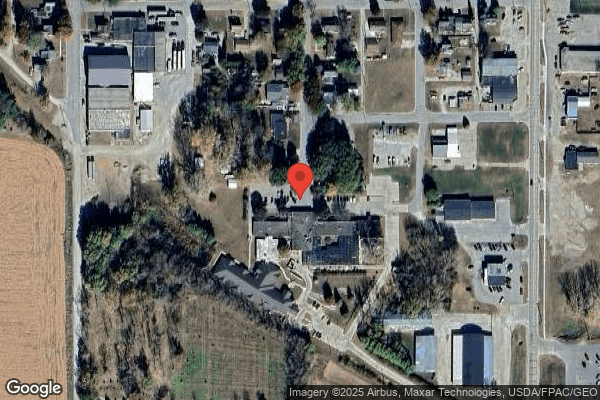
700 SECOND STREET SE, HAMPTON, IA 50441 (641) 456-4701
For profit - Limited Liability company 58 Beds LEGACY HEALTHCARE Data: November 2025
Trust Grade
75/100
#141 of 392 in IA
Last Inspection: May 2025

Inspected within the last 6 months. Data reflects current conditions.

Overview

The Rehabilitation Center of Hampton has a Trust Grade of B, indicating it is a good choice for families, but not without some concerns. It ranks #141 out of 392 facilities in Iowa, placing it in the top half, and #2 out of 3 in Franklin County, meaning only one facility nearby is rated higher. The facility is improving, as it reduced the number of reported issues from three in 2024 to one in 2025. Staffing is somewhat of a mixed bag, with a 3/5 rating and a turnover rate of 33%, which is lower than the state average, but it has concerning RN coverage that is less than 77% of other Iowa facilities. While there have been no fines, there were serious incidents, including a resident falling from a mechanical lift due to inadequate supervision, and infection control lapses during catheter care for other residents. Overall, while it shows positive signs of improvement and has a relatively stable staff, families should be aware of the facility's past incidents and assess whether the current strengths outweigh the weaknesses.

Trust Score
B
75/100
In Iowa
#141/392
Top 35%
Safety Record
Moderate
Needs review
Inspections
Getting Better
3 → 1 violations
Staff Stability
○ Average
33% turnover. Near Iowa's 48% average. Typical for the industry.
Penalties
✓ Good
No fines on record. Clean compliance history, better than most Iowa facilities.
Skilled Nurses
○ Average
Each resident gets 33 minutes of Registered Nurse (RN) attention daily — about average for Iowa. RNs are the most trained staff who monitor for health changes.
Violations
○ Average
7 deficiencies on record. Average for a facility this size. Mostly minor or procedural issues.
★★★★☆
4.0
Overall Rating
★★★☆☆
3.0
Staff Levels
★★★★☆
4.0
Care Quality
★★★★☆
4.0
Inspection Score
Stable
2024: 3 issues
2025: 1 issues

The Good

  • 4-Star Quality Measures · Strong clinical quality outcomes
  • Full Sprinkler Coverage · Fire safety systems throughout facility
  • No fines on record
  • Staff turnover below average (33%)

    15 points below Iowa average of 48%

Facility shows strength in quality measures, fire safety.

The Bad

Staff Turnover: 33%

13pts below Iowa avg (46%)

Typical for the industry

Chain: LEGACY HEALTHCARE

Part of a multi-facility chain

Ask about local staffing decisions and management

The Ugly 7 deficiencies on record

1 actual harm
May 2025 1 deficiency
CONCERN (D)

Potential for Harm - no one hurt, but risky conditions existed

Infection Control (Tag F0880)

Could have caused harm · This affected 1 resident

**NOTE- TERMS IN BRACKETS HAVE BEEN EDITED TO PROTECT CONFIDENTIALITY** Based on observation, record review, staff interviews, and policy review, the facility failed to use appropriate infection contr...

Read full inspector narrative →
**NOTE- TERMS IN BRACKETS HAVE BEEN EDITED TO PROTECT CONFIDENTIALITY** Based on observation, record review, staff interviews, and policy review, the facility failed to use appropriate infection control practices during urinary catheter care and wound care for 2 of 4 residents reviewed (Residents #14 and #32). The facility reported a census of 42 residents. Findings include: 1. Resident #14's Minimum Data Set (MDS) assessment dated [DATE], reflected a Brief Interview for Mental Status (BIMS) didn't get completed as Resident #14 is rarely/never understood. The MDS listed Resident #14 had an indwelling urinary catheter. The MDS included diagnoses of medically complex conditions, neurogenic bladder (impaired bladder control), and diabetes mellitus. The Care Plan with a target date of 7/22/25 included the following Focuses: a. Resident #14 had an indwelling catheter due to a neurogenic bladder from a previous stroke. The Intervention directed: i. The Care Plan instructed staff to provide catheter care. b. Resident #14 required enhanced barrier precautions (EBP) related to the use of an indwelling catheter, pressure wounds, and MDRO ESBL (a multidrug-resistant organism that breaks down certain antibiotics, making them ineffective). The Intervention directed: i. Staff to wear a gown and gloves while performing high-contact care activities (high contact care activities include: bathing/showering, transferring, providing hygiene, changing linens, changing briefs or assisting with toileting, caring for or using an indwelling medical device such as: urinary catheter and feeding tube care). On 5/20/25 at 2:50 PM, observed Staff A, Certified Nursing Aide (CNA), perform Resident #14's catheter care. During the entire catheter care process, Staff A failed to wear a gown. During an interview on 5/20/25 at 3:54 PM, Staff A reported she understood EBP. They explained the process, including wearing a gown. Staff A acknowledged she didn't wear a gown during Resident #14's catheter care. She verified she should wear a gown to be compliant with EBP guidelines and protocols. During an interview on 5/21/25 at 10:54 AM, the Director of Nursing (DON) stated they expected staff to wear a gown during Resident #14's catheter care for compliance with EBP and infection control practices. 2. Resident #32's MDS assessment dated [DATE], identified a BIMS score of 5, indicating severe cognitive impairment. The MDS included diagnoses of progressive neurological conditions, coronary artery disease and diabetes mellitus. The MDS listed Resident #32 had a pressure ulcer/injury and had a risk of developing pressure ulcers/injuries. The Care Plan with a target date of 8/6/25, included the following focus areas: a. Resident #32 had a risk for altered skin integrity related to incontinence and limited mobility. On 11/4/24, the staff found a stage 2 pressure ulcer to his left buttock. The Interventions directed the following: i. Administer treatment per physician orders. b. EBP related to pressure area on his left ischial (area on the buttock) area. i. Staff to wear a gown and gloves while performing high-contact care activities. Resident #32's Order Entry dated 5/7/25 included an order for Dr. [NAME] paste to apply to his wound bed and surround the area with vitamin A&D ointment three times a day for his left ischial buttock wound. The Secure Conversations progress note dated 5/20/25 regarding Resident #32's Weekly Skin Assessment. The Progress Note documented his ischial area measured 7.5-centimeter (cm) x 11.2 cm. The wound contained no open areas, measured the pink/red area instead. The note reflected they would continue with the treatment orders and continue to monitor the area. On 5/21/25 at 7:15 AM, observed Staff B, Licensed Practical Nurse (LPN), perform Resident #32's wound care him to his right side. As Staff B cleaned the area with a wipe, witnessed the area on the left ischial as red/pink with excoriation (a superficial loss of skin, often caused by trauma, scratching, or rubbing. It can result in a raw, irritated lesion or a thin crust forming after blood and fluids emerge from the skin's surface) with several unhealed pinpoint areas. Staff B removed her gloves, did hand hygiene, and applied new gloves. Staff B applied the Dr. [NAME] paste to wound bed with a q-tip, then with a new q-tip applied A and D ointment around the outside of the wound. She then placed a clean brief under Resident #32 and rolled him back. Staff B removed her gloves and did hand hygiene. During the process Staff B didn't use full EBP for the wound care, as she didn't wear a gown during the treatment of the wound. During an interview on 5/21/25 at 10:00 AM, Staff B reported the facility put EBP on the door either on the outside or inside of the residents' room. She reported Resident #32 didn't need EBP anymore due to his wound only being excoriated. During an interview on 5/21/25 at 10:54 AM, the DON stated during Resident #32's skin assessment the day before they believed the wound closed and added they wound wasn't open. They sent a secure communication to the Primary Care Physician (PCP) regarding the skin assessment. The DON explained as the skin assessment didn't show the wound open, they believed staff didn't need to wear a gown during wound care. She reported they started the process of stopping doing EBP with Resident #32 that morning and stopping it on the Care Plan. The DON acknowledged his Care Plan still contained EBP. The DON stated if a resident had a chronic wound they followed all precautions for EBP, or if the resident had an open wound. On 5/21/25 at 1:10 PM, observed Resident #32's wound area with Staff D, facility Nurse Consultant. The observation revealed Resident #32's wound remained the same as that morning with excoriation noted with several pinpoint areas and a scant amount of blood coming from the pinpoint areas. The facility's Infection Control Policy, reviewed September 2022 defined EBP as an approach of a targeted gown and glove use during high contact resident care activities. The policy instructed EBP could be implemented for residents with any of the following: a. Wounds - Generally includes residents with chronic wounds, and not those with only shorter-lasting wounds, such as skin breaks or skin tears covered with a Band-aid or similar dressing. i. Examples of chronic wounds include, but are not limited to, pressure ulcers, diabetic foot ulcers, unhealed surgical wounds, and chronic venous status ulcers. b. Indwelling medical devices, regardless of MDRO colonization status. Examples of indwelling medical devices include, but are not limited to indwelling urinary catheters.
Jul 2024 1 deficiency
CONCERN (D)

Potential for Harm - no one hurt, but risky conditions existed

Accident Prevention (Tag F0689)

Could have caused harm · This affected 1 resident

**NOTE- TERMS IN BRACKETS HAVE BEEN EDITED TO PROTECT CONFIDENTIALITY** Based on clinical record review, resident interviews, staff interviews, and policy review the facility failed to ensure resident...

Read full inspector narrative →
**NOTE- TERMS IN BRACKETS HAVE BEEN EDITED TO PROTECT CONFIDENTIALITY** Based on clinical record review, resident interviews, staff interviews, and policy review the facility failed to ensure residents were transported within the facility in a safe manner. Residents #10 and #8 were pushed in the dining room and hallway in their wheelchairs without foot pedals in place for safety. The facility reported a census of 42 residents. Findings include: 1. Resident #10's Minimum Data Set (MDS) assessment dated [DATE] identified a Brief Interview for Mental Status (BIMS) score of 2, indicating severely impaired cognition. Resident #10 required partial to moderate assistance with bed to chair transfers. The MDS indicated Resident #10 used a walker or wheelchair for mobility. The Care Plan Focus with a target date of 9/2/24 reflected Resident #10 had a risk for falls related to confusion, aggressive behaviors towards staff, and dementia. The Interventions instructed the staff to ensure he wore appropriate food when transferring or mobilizing in his wheelchair. On 7/5/24 at 5:27 PM observed Staff A, Dietary Aide, push Resident #10 through the dining room in his wheelchair without foot pedals. Resident #10 attempted to stay at the speed using his feet in a quick walking motion along the floor. His blue gripper socks caught on the floor 3 times as he tried to keep up, pulling that foot backwards. On 7/6/24 at 2:41 PM Staff D, Nurse Consultant, stated the facility trained staff on safe wheelchair transportation at the skills fair annually and during orientation. She said the policy directed to have foot pedals in place if staff pushed a resident. If a resident usually self-propelled, they should keep the pedals connected to the wheelchair but not engaged, ensuring the pedals are available as needed. On 7/7/24 at 9:23 AM Staff C, Administrator in Training, stated they discussed wheelchair safety in stand up meetings and thought the staff sometimes forgot that when residents can self-propel they still needed pedals on the wheelchairs prior to pushing them. 2. Resident #8's Minimum Data Set (MDS) assessment dated [DATE] identified a Brief Interview for Mental Status (BIMS) score of 13, indicating intact cognition. Resident #8 required total staff assistance with bed to chair transfers. The MDS indicated Resident #8 used a manual wheelchair for mobility. The Care Plan Focus with a target date of 8/11/24 indicated Resident #8 had a risk for falls related to weakness and occasional poor safety awareness. The Interventions instructed to ensure she wore appropriate footwear while she transferred or mobilized in her wheelchair. On 7/5/24 at 6:17 PM observed Staff B, Registered Nurse, offer to push Resident #8 to her room, she agreed. Staff B pushed her wheelchair down the hallway from outside of the dining room, around the corner, and half way down another hallway to her room without foot pedals on the chair. On 7/7/24 at 9:18 AM Resident #8 stated staff didn't put foot pedals on her wheelchair, and they never did because she didn't like them. On 7/7/24 at 11:06 AM the Administrator stated staff attended in-services earlier in the year regarding wheelchair safety. On 7/7/24 at 11:14 AM the Administrator provided a document titled CNA Orientation Checklist which included use of foot pedals at all times when pushing a resident in their wheelchair. Additional documents provided titled In-Service Training Report and dated 2/16/24, 2/23/24, 3/8/24, 4/12/24, and 5/24/24 revealed both Staff A and Staff B attended training that addressed wheelchair safety.
Jan 2024 2 deficiencies 1 Harm
SERIOUS (G) 📢 Someone Reported This

A family member, employee, or ombudsman was alarmed enough to file a formal complaint

Actual Harm - a resident was hurt due to facility failures

Accident Prevention (Tag F0689)

A resident was harmed · This affected 1 resident

**NOTE- TERMS IN BRACKETS HAVE BEEN EDITED TO PROTECT CONFIDENTIALITY** Based on clinical record review, staff interviews, and facility policy review, the facility failed to provide adequate nursing s...

Read full inspector narrative →
**NOTE- TERMS IN BRACKETS HAVE BEEN EDITED TO PROTECT CONFIDENTIALITY** Based on clinical record review, staff interviews, and facility policy review, the facility failed to provide adequate nursing supervision to prevent accidents and injuries for 1 out of 3 residents reviewed for falls with injuries (Resident #1). Resident #1 experienced a fall from a full-body mechanical lift that resulted in a left arm injury. The facility failed to inspect a sling prior to transferring a resident with a mechanical lift which resulted in one strap breaking causing the resident to fall approximately 41 inches to the ground. While in the hospital, three months after the fall, an X-Ray revealed a fracture to her left proximal humerus (break in the upper part of the left bone of the arm near the shoulder). Findings include: Resident #1 ' s Minimum Data Set (MDS) assessment dated [DATE] documented diagnoses of anemia (low iron in the blood), anxiety, depression, heart failure, hypertension(high blood pressure), diabetes mellitus, post traumatic stress disorder, and below the knee amputation to the left leg. The MDS included a Brief Interview for Mental Status (BIMS) score of 9 indicating moderate cognitive impairment. The MDS indicated Resident #1 required total dependence of 2 persons with transfers and did not walk. The Care Plan with a target date of 1/18/24 reflected that Resident #1 had a risk for falls related to impaired mobility and episodes of decreased alertness. The care plan interventions included the following: Be sure that my call light is within reach and encourage me to use it for assistance as needed. Encourage me to participate in activities that promote exercise, physical activity for strengthening and improved mobility. Ensure that I am wearing appropriate footwear when I am mobilizing in my wheelchair. I have been provided with an extra long reacher. I have fallen out of my wheelchair trying to get something from under my bed. Please encourage me to use it and please make sure it is where I can reach it. Please do not leave me in my wheelchair in my room. I have fallen out of it trying to reach for things. If I want to be in my room, please assist me to bed. Resident #1 ' s Fall Risk Evaluations on 6/6/23 documented a score of 8 (A score greater than 10 or more represents high risk for falls). The Incident Report (IR) Note on 10/2/23 at 8:20 AM documented that someone summoned Staff E, Licensed Practical Nurse (LPN), to Resident #1 ' s room because she fell from the mechanical lift. Resident #1 landed on her buttocks and laid back against the lift. Resident #1 rested her head on the lift with her left arm up on the mechanical lift leg, and her right arm at her side. Resident #1 placed her right leg over the bed frame with her left prosthetic pushed against the bed frame. Resident #1 answered questions by yelling WHAT. The note described Resident #1 ' s left lower arm just below the elbow as light blue in color. Resident #1 moaned and cried out when moving her left arm. Resident #1 rated her pain a 7 (7 out of 10 on a numerical pain scale indicated severe pain) to the left arm. The Investigative Report dated 10/2/23 completed by the DON (Director of Nursing) with Staff A, CNA (certified nursing assistant), and Staff B, CNA showed the CNA ' s reported that they connected the loops of the mechanical lift sling to the mechanical lift. Staff A and Staff B reported Resident #1 did not look crooked in the mechanical lift sling. As Staff A operated the mechanical lift buttons, Staff B got the wheelchair from approximately 10 feet away. They reported Resident #1 ' s bottom fell to the floor first, approximately 41 inches. They immediately called for the nurse. They denied hearing anything when the black loop on the sling snapped. Staff E, LPN, assessed Resident #1 and someone called the DON to assess the situation. The DON assisted Staff E and Staff F, RN (Registered Nurse), to remove the lift from behind Resident #1. They completed range of motion (ROM) to Resident #1 ' s four extremities noting pain to the left arm with bruising. Resident #1 had a history of pain to left arm prior to the accident. When they notified the Primary Care Physician (PCP), they ordered an x-ray of the left arm. The facility examined the sling and found no abnormalities, except the bottom black loop. A Progress Note dated 10/2/23 at 11:45 AM revealed the facility sent Resident #1 to the emergency room for x-rays of the left arm and shoulder. The Hospital Diagnostic Radiology report dated 10/2/23 revealed x-rays completed to Resident #1 ' s right humerus and right forearm. The impression of the report showed no right humerus or right forearm fracture. A Hospital Diagnostic Radiology Report dated 1/3/24 at 8:16 PM documented an x-ray of the left humerus was taken due to pain. The findings revealed a proximal humerus fracture at the level of the neck with callus formation. The impression documented a left proximal humerus subacute fracture with correlation for recent traumatic injury. The impression further documented an underlying pathologic lesion was not excluded. The impression suggested short term follow up radiograph to assure appropriate healing. An Emergency Department (ED) Nursing Progress Noted date 1/3/23 at 8:58 PM documented the ED received a call from Staff C, LPN who requested the left arm x-ray report. The ED note documented Staff C reported Resident #1 had a fall in October and x-rays were ordered but the x-rays were done on the right arm instead of the left arm. On 10/2/23 the DON filled out a Food and Drug Administration (FDA) Form 3500 (used for mandatory reporting of medical device adverse events by manufacturers, user facilities and importers) stating that the company sling rated for 1000 pounds failed. The form documented the mechanical lift sling failed when the black leg loop split while the staff were transferring Resident #1. According to the form, Resident #1 fell to the floor, falling approximately 41 inches. No major injury determined from the fall at the time of the incident. During interview on 1/8/24 at 3:34 PM, Staff E reported that she worked on 10/2/23 and got called to Resident #1 ' s room by the CNA ' s. Staff E reported she observed Resident #1 on the floor but could not remember exactly how Resident #1 laid. Staff E reported feeling confident Resident #1 went for x-rays. Staff E reported two CNA ' s utilized the hoyer lift. Staff E described the break as a clean snap on the hoyer lift sling from the hook on the hoyer lift. Staff E reported she couldn ' t remember the CNA staff members during the incident. Staff E reported she didn ' t remember the intervention put in place or any education provided regarding the hoyer lift after the incident. During interview on 1/9/24 at 12:15 PM, Staff D, Environmental Services, reported she audited the hoyer lift slings quarterly to check and make sure they have no rip/tears and if they did she removed the slings from use. Staff D reported completing an audit on 10/5/23. The facility put four new slings in place on 11/28/23. Staff D explained she writes the serial number off of the slings so when she does the audits she can check off that the sling is good. Staff D reported she also checks the slings that are in the residents wheelchairs. They replace the slings yearly. Staff D reported she took the gray looped slings out of commission due to there not being any residents at the facility that is under 100lbs. Staff D made a list of what color sling each resident must use. Staff D reported that she didn ' t do anything with educating the staff regarding lifts and slings, as the DON did that. On 1/9/24 at 2:40 PM, observed the mechanical lift sling used to transfer Resident #1 on 10/2/23. The sling did not have a tag or serial number. As the sling did not have any identification, there was no way to verify when the facility purchased the sling or put it into use in the facility. In addition, the observation revealed the torn left lower black loop, a frayed green loop, and the sling ' s green color looked faded. On 1/9/24 at 3:30 PM, the DON reported on 10/2/23, the day of the fall, someone called her to Resident #1 ' s room. The DON reported she witnessed Resident #1 laying on the floor with her head resting on the lift bar, her right foot resting in a gap on the bed, her left arm tucked between her body, and the lift. The staff assisted Resident #1 into bed from her wheelchair as she just finished her shower. The DON reported when Staff A and B transferred Resident #1, strap on the hoyer lift sling broke. The DON described Staff A and Staff B as very nervous as these types of things should not happen. The DON reported when the left loop of the hoyer sling snapped it caused Resident #1 to lean to the left side and slide out of the hoyer lift sling onto her buttocks. The DON reported the loop had a straight tear in it. The DON reported the sling didn ' t have evidence of any wear or tear. The staff members are good about turning in slings to Staff D and if they have concerns, then Staff D will reorder new hoyer lift slings. The Corporation instructed her to fill out an FDA report since they had faulty medical equipment. The report triggered the hoyer lift/sling company. The DON reported phone calls and email communication with the lift/sling company. She added that she took pictures and sent them to the lift/sling company. The DON reported she did not feel there was a breakdown in the facility process. The DON reported that staff are aware to check the hoyer lift slings each time with use and also when they are laundered. The DON reported the facility replaced four new hoyer lift slings in October or November 2023. The DON reported that she did training regarding the hoyer lifts during the facility skills fair. She added that she did spot checking and gave real time education to the staff. The DON reported when she is out and about, she didn ' t hesitate to give education in the rooms when needed. The DON reported she provided training using the electronic health record (EHR) and main dashboard as needed. She reported after another resident ' s fall she provided education to the staff about having two staff members with all transfers, having the wheelchair close by, properly placing the wheelchair, and not lifting the hoyer lift high. The DON explained they trained the staff how to use the hoyer lifts on orientation. The Nursing Assistant Skill Mechanical Lift Quarterly Audit revised January 2006 lacked direction regarding checking the slings before each use, making sure the sling is appropriate for residents, and when not to lock the brakes when utilizing the mechanical lift. On 1/9/24 at 4:42 PM, Staff B reported she entered the room after Staff A gave Resident #1 a bath. Resident #1 laid in bed, Staff A and B connected her to the hoyer lift to transfer her to the wheelchair. Staff B reported she hooked up the right side of the sling to the hoyer lift. She denied seeing any issues with the straps when she connected them. Staff B reported that she went around the bed to get the wheelchair as Staff A lifted Resident #1 up in the hoyer lift, when the strap broke, and Resident #1 fell on the floor. Staff B did not see the other side of the sling. Staff B reported if she had issues with the hoyer sling that she would give it to Staff D or to the DON. She received education every year. Everyone is always willing to help and answer any questions. Staff B reported the facility had let the staff know when a new resident is admitted , what sling they needed. On 1/10/24 at 9:15 AM Staff A reported they placed the sling under Resident #1. As the Resident #1 already had the sling in her room, Staff A didn ' t check the hoyer sling before she placed it under her. Staff A learned black is back and green is groin at the college she had attended. Staff A hooked up the top with the black loop and the bottom with the black loop. Staff A explained the bottom loop should have been on the green loop. Staff A reported that they crossed the legs of the sling. While lifting Resident #1 up in the lift, Staff B went to get the wheelchair. Staff A described Staff B ' s location as about 3 feet away. As she turned Resident #1 in the lift to place her in the wheelchair, the bottom left strap on the sling broke and Resident #1 fell to the floor. When she fell, she hit her head on the lift. When she first started at the facility she had a checklist regarding the lifts/slings and the CNA ' s showed her how to use the lifts/slings. Staff A reported that after the fall, the DON talked to her about the fall. The DON re-enacted the fall with her. On 1/10/24 at 9:42 AM the mechanical lift company ' s Safety Program Coordinator reported they could not determine the age of the sling, as no one at the facility could read the tag. She reported she received pictures of the sling from the facility and from the pictures she could tell the sling was not brand new, was used, and due to the color coming out of the green she knew they washed it, but she could not determine the age. She reported when a sling breaks it usually comes down to inspecting the sling before each use. She reported the company sends a Care Insert Page with each purchase of a sling that directs the facility to inspect the sling before each use for wear, tear, and frays. On 1/10/24 at 11:40 AM during a follow-up interview, Staff D reported the slings went to the laundry during the second and third shift. The laundry washed them and hung them to dry while inspecting them. Staff D reported that on 10/5/23 the facility had approximately 27 hoyer lift slings in the facility and at the time of the fall on 10/2/23 the facility did not have a formal audit done on the slings. Staff D reported she randomly went through the slings if needed and replaced them. Staff D reported that before she started her formal audits, the CNA ' s and laundry checked the slings. Staff D reported that after the fall on 10/2/23, she started doing formal audits of the slings and put a QAPI process in place. Staff D reported she recorded the serial numbers of the new slings and dated them in black permanent marker to help keep track of them when she put them out in 2023. On 1/10/24 at 11:40 AM observed a pile of ten slings next to Staff D ' s desk. Staff D reported the hoyer slings as questionable. Staff D showed the shower sling that had a tear near a handle. The laundry basket contained approximately 5 one-year old slings behind her that appeared in good condition. Staff D reported that she read the Hoyer lift company ' s recommendations and they recommended replacement after one year or if the sling or harness shows any sign of damage or wear. She explained the Administrator gave her recommendations. The Quality Assurance Report dated 11/9/23 indicated the first audit done on the slings. On 1/10/24 at 11:43 AM, the Hoyer Company ' s Representative reported one of their employees completed a wellness check on a Hoyer on 4/11/23. They described a wellness check as evaluating and testing the machine. She described herself as the person in charge of the safety and inspection program for the company. She reported that the facility didn ' t participate in the program. She reported the program did cost, but is optional. She reported an employee completed a wellness check on 11/9/22 that consisted of four stands and four lifts. She explained she did not have specific notes on any inservice or training provided to the facility recently. She reported there is a note that an employee did an inservice in February 2020. The facility taped that inservice and had fifteen staff members present. The Hoyer Company ' s Representative said according to the purchase history the facility purchased four large regular slings the year of 2023 (November 27). She added that the facility purchased several slings in October 2022. She reported she would send the 2022 and 2023 purchase history. The Hoyer Company Representative explained their recommendation is to replace the sling at the first sign of wear, tears, or after one year of use. She added the slings came with a six month warranty. The purchase history dated 10/21/22 listed the facility purchased fourteen slings (six medium, six large, and two extra large). On 1/10/24 at 12:50 PM Staff I reported completing the maintenance checks on the lifts bi-weekly and recorded it on a form called the Bi-Weekly Patient Lift Inspection Sheet. Staff I reported that they ordered parts through the website which is through the Hoyer lift company. They reported the last time they inspected the equipment as 12/20/23 and they planned to do it again that week. Staff I described the parts they usually ordered as more cosmetic things like the rubber green tabs for the hooks and the green/black tabs on the thumb buttons. Staff I reported that they constantly fell off even if he super glued the green tabs on the hooks due to the friction of the slings. Staff I reported that he never ran into any sharp areas. On 1/11/24 at 9:15 AM observed Staff L, CNA, and Staff M, CNA, transfer Resident #5 with a mechanical lift. They placed the mechanical lift sling under Resident #5 and connected it to the mechanical lift. Staff L put the black loop on top and the green loop on the bottom, with all four sling loops doubled looped. Staff M held Resident #5 ' s legs to help guide them to the wheelchair. Staff L turned the lift to sit Resident #5 in a wheelchair. Staff L locked the wheels on the mechanical lift while lowering the Resident #5 down into the wheelchair. Once in the wheelchair, Staff L and Staff M unhooked Resident #5 from the sling. Then Staff L unlocked the mechanical lift ' s wheels. On 1/11/24 at 10:10 AM observed Staff L and Staff N transfer Resident #6 with a mechanical lift. They placed the mechanical lift sling under Resident #6 and hooked the sling to the mechanical lift. The observation revealed all 4 loops on the black loops and doubled loops. Staff L lifted Resident #6 up in the mechanical lift sling and turned the mechanical lift towards the recliner. With Staff N next to Resident #6, they transferred them to the recliner. Staff L placed Resident #6 over the recliner and locked the wheels on the mechanical lift. Staff L lowered Resident #6 into the recliner. Once in the recliner they unhooked from the sling, and Staff L unlocked the mechanical lift wheels. On 1/11/24 at 10:15 AM Staff L reported that she had in-services on the hoyer lifts. Staff L reported that on the hoyer lifts the wheels are to be locked when raising and lowering the resident. Staff L also reported that if they had a problem with the sling that they took it to Staff D. On 1/11/24 at 10:15 AM Staff N reported that she watched an outside contracted educational video regarding the use of the hoyer lifts. Staff N said she last watched the video two years ago. Staff N also reported to lock the hoyer lift wheels, when raising and lowering the resident. Staff N added that if they found a problem with the sling that they would take it to Staff D. On 1/11/24 the observations completed on all mechanical lifts, revealed no sharp edges on the hooks and all in working order. The undated Company's Accessory Inspection Checklist instructed before operating the unit, ensure the accessory is not ripped, frayed or showing signs of wear: Check binding and loops for any fraying, wear, nicks or tears. Replace if fraying or wear is found. Check sling or harness body fabric for any rips, holes, fraying or weak spots. Hold sling up to a light, the sling must be replaced if any light shows through. Check all stitching of strap connections, for loose stitches. Check all binding stitching for loose stitches. Pull on all straps/loops in opposite directions and note if stitching becomes loose or comes apart. Remove from service if stitching tears. Check handles for loose stitches and tears. Remove from service if any found Check all straps where they attach to the sling hanger bars for wear. Remove from service if any fraying is found. The Company offered a 6 month warranty on slings and harnesses. They recommended replacing them after one year or if the sling or if the sling/harness shows any sign of damage or wear. On 1/10/24 at 2:22 PM, the Administrator provided the facility hoyer lift policy and reported the facility follows the manufacturers guidelines for each brand of lift. On 1/11/24 12:30 PM, the DON reported they expected the colors of the loops to match. The DON reported staff are informed based on resident positioning,Therapy alerts and provided demonstrations.
CONCERN (D) 📢 Someone Reported This

A family member, employee, or ombudsman was alarmed enough to file a formal complaint

Potential for Harm - no one hurt, but risky conditions existed

Quality of Care (Tag F0684)

Could have caused harm · This affected 1 resident

**NOTE- TERMS IN BRACKETS HAVE BEEN EDITED TO PROTECT CONFIDENTIALITY** Based on clinical record review, hospital record review, staff and Physician interviews, the facility failed to appropriately pr...

Read full inspector narrative →
**NOTE- TERMS IN BRACKETS HAVE BEEN EDITED TO PROTECT CONFIDENTIALITY** Based on clinical record review, hospital record review, staff and Physician interviews, the facility failed to appropriately provide assessment and interventions for the necessary care and services, to maintain the residents' highest practical physical well- being. Clinical record review and staff interviews revealed a Physician order was obtained and transcribed incorrectly which resulted in an x-ray being completed on the wrong arm after a fall from a hoyer (mechanical) lift for 1 of 3 residents (Resident #1) reviewed for falls. Three months later it was determined the resident had a left proximal humerus fracture. The facility reported a census of 41 residents. Findings include: Resident #1 ' s Minimum Data Set (MDS) dated [DATE] assessment identified a Brief Interview for Mental Status (BIMs) score of 09, indicating moderately impaired cognition. The MDS identified Resident #1 required extensive assistance of two persons with bed mobility and toilet use. The MDS identified Resident #1 required total dependence of two persons with transfers and was unable to ambulate. The MDS included diagnoses of hypertension (high blood pressure), diabetes mellitus, heart failure, peripheral vascular disease, and below the knee amputation of the left leg. The Care Plan with target date of 1/18/24 revealed Resident #1 needed assistance with activities of daily living related to impaired mobility from the left below the knee amputation, weakness, pain and fluctuating alertness. The care plan directed staff to use a mechanical lift with total assistance of 2 persons. The care plan also revealed Resident #1 was at risk for falls related to impaired mobility and episodes of decreased alertness. A Progress Note titled Incident Report dated on 10/2/23 at 8:20 AM revealed Resident #1 had fallen from the mechanical lift. The note revealed Resident #1 ' s left lower arm just below the elbow was light blue in color and Resident #1 moaned/cried out when left arm was moved. Resident #1 rated her pain a 7 to the left arm. (7 to 10 on numerical pain scale indicated severe pain). A Verbal Order dated 10/2/23 at 11:31 AM revealed a one time Physician order for a 2 view x-ray of the right radial/ulna and humerus due to pain and bruising. The order was confirmed by the Director of Nursing (DON) and signed by the ordering Physician on 10/2/23. The verbal order was noted by a Licensed Practical Nurse (LPN) on 10/2/23. A Hospital Diagnostic Radiology Report dated 10/2/23 revealed images of the right forearm and right humerus showed no fractures. A Progress Note titled Shift Follow Up to Incident Note dated 10/2/23 at 9:18 PM documented Resident #1 ' s left outer arm/elbow extending downwards had a light purple bruise. Resident #1 cried out in pain when the left arm was lifted up. The note documented a hard area to the left arm that measured 7 cm x 4.5 cm. The note revealed the left arm was negative for a fracture per the x-ray. A Progress Note titled Shift Follow Up to Incident Note dated 10/3/23 at 1:40 AM documented Resident #1 ' s pain was worse to the left arm than normal and the pain continued when the arm was lifted up. The note further documented the left arm was negative for a fracture per the x-ray report. A Physician Progress dated for 10/5/23 documented Resident #1 had a fall from the mechanical lift due to the sling strap breaking. The note documented Resident #1 had an injury to her left arm with significant pain. The note revealed Resident #1 also had bruising to the upper back. The note documented Resident #1 was sent for x-ray of the arm and was negative for a fracture. The note directed staff to start Melatonin 3 mg (milligrams) at bedtime for insomnia (not able to sleep), apply ice to the arm three times a day and encourage elevation until the arm was better. A Progress Note tilted 1 week Follow Up to Incident dated 10/9/23 at 10:49 AM documented Resident #1 ' s left arm continued to be sore when moved and bruised. The note revealed the anterior left forearm had a light blue/green discoloration that measured 19 cm (centimeters) (length) x 9 cm (width) and above the left elbow posterior had a faint discoloration that measured 8 cm (length) x 15 cm (width). The note also documented the left hand was edematous. A Progress Note titled Transfer to Hospital Summary dated 1/3/24 at 6:58 PM documented Resident #1 was transferred to the hospital by ambulance due to unresponsiveness. A Hospital Diagnostic Radiology Report dated 1/3/24 at 8:16 PM documented an x-ray of the left humerus was taken due to pain. The findings revealed a proximal humerus fracture at the level of the neck with callus formation. The impression documented a left proximal humerus subacute fracture with correlation for recent traumatic injury. The impression further documented an underlying pathologic lesion was not excluded. The impression suggested short term follow up radiograph to assure appropriate healing. An Emergency Department (ED) Nursing Progress Noted date 1/3/23 at 8:58 PM documented the ED received a call from Staff C, LPN who requested the left arm x-ray report. The ED note documented Staff C reported Resident #1 had a fall in October and x-rays were ordered but the x-rays were done on the right arm instead of the left arm. On 1/9/24 at 2:32 PM, Staff C, LPN reported the emergency room had called and asked if Resident #1 had fallen recently as she was diagnosed with a left proximal humerus fracture. Staff C stated Resident #1 had a fall from the hoyer lift on 10/2/23 and also a fall in November. Staff C stated x-rays were done on 10/2/23 but the right arm was x-rayed instead of the left arm. Staff C reported she called the DON regarding the fracture and the DON was in disbelief. Staff C stated she also notified the Administrator and Resident #1 ' s brother regarding the left humerus fracture and that Resident #1 was being transferred to another Hospital. On 1/9/24 at 3:30 PM, the DON reported she had received a call on the evening of 1/3/24 and was told Resident #1 had a fractured left humerus. The DON stated she did not believe it as she knew there had been x-rays completed. She stated she was the one who got the verbal order from the Physician at the clinic. The DON stated she had transcribed the verbal order into the computer incorrectly. She stated she had talked to the ordering Physician and the Physician stated that she should have caught the mistake. She stated the facility did provide ice and elevation to the left arm after the fall in October. On 1/10/24 at 8:10 AM, the Primary Care Physician (PCP) reported she was aware of the left humerus fracture from the x-ray on results on 1/3/24. The PCP stated there was a good chance that the fall from the hoyer lift in October caused the fracture. The PCP stated the callus formation documented on the x-ray meant the fracture was starting to heal. The PCP stated she was suspicious of a fracture to the left arm after the fall and was surprised the x-ray from 10-2-23 was negative. She stated she did not catch that the right arm was x-rayed instead of the left arm. She stated she should have made sure when reviewing the x-ray report the correct arm was x-rayed. On 1/11/24 at 9:26 AM, the Administrator reported the appropriate steps for taking a verbal order and carrying it out is based on the standard of care for each individual order. Depending on the order, the steps could be different.
Jul 2023 2 deficiencies
CONCERN (D)

Potential for Harm - no one hurt, but risky conditions existed

Grievances (Tag F0585)

Could have caused harm · This affected 1 resident

Based on record review, resident interviews, staff interviews and policy review the facility failed to make efforts to investigate or resolve resident grievances regarding lost cell phone for 1 of 1 r...

Read full inspector narrative →
Based on record review, resident interviews, staff interviews and policy review the facility failed to make efforts to investigate or resolve resident grievances regarding lost cell phone for 1 of 1 resident reviewed (Resident #13). The facility reported a census of 50 residents. Findings include: The Minimum Data Set (MDS) for Resident #13 dated 5/31/23 listed diagnoses included hemiplegia (referring to right side paralysis as a result of a stroke), diabetes and heart disease. The MDS documented Resident #13 had clear speech, was usually understood. The MDS section for Brief Interview of Mental Status (BIMS) scored 15 indicated resident cognition was intact. The Care Plan revised 6/15/23 documented resident preferences, included the importance of having a phone. Noted, it important to me to be able to use a phone in private. If I receive a phone call, please assist me with privacy. I do have my own cell phone. The Care Plan also documented to please assist me by charging my phone nightly. The Progress Notes on 5/31/2023 at 1:30 PM documented by Activity Coordinator, Staff E acknowledged the missing phone. Noted, had a conversation with Resident #13 about not having funds to purchase a new cell phone at this time, but reassured him that he can make a phone call from the activities department phone anytime he would like, until a new cell phone could be purchased. On 7/17/23 at 10:56 AM Resident #13 stated my phone is gone, a few months ago staff took it to plug it into the charger and I don't know where it went, have not heard anything. Resident relayed the time and day was not displaying on the phone. I told the staff about that and they took it to plug it in and check it out, have not seen it since. Resident relayed the staff would plug the phone up in his room or usually at the nearby nurse's station. Resident relayed had made multiple staff aware that the cell phone is missing. On 7/18/23 at 4:38 PM Resident #13 reiterated the cell phone has been gone about 2 months, stated the staff charged it at the nurse's station likely because my charger was not working and that was last he saw it. Resident relayed staff alert when he gets a call and help him up to respond (requires a mechanical lift for transfers). Reported he last spoke with his wife who is long distant about two weeks ago at the main nurse's station phone, relayed family cannot always get through the main phone due to the busy lines. On 7/19/23 at 2:10 PM Certified Nurse's Assistant (CNA) Staff A relayed, yes, I am aware Resident #13 phone is missing, I believe it was lost with his room change a few months ago. On 7/19/23 at 2:15 PM CNA, Staff B relayed, I know Resident #13 did have a cell phone, I am not sure what happened to it. On 7/19/23 at 2:17 PM CNA Staff C relayed, the phone became missing right after he moved rooms, that is when it was gone. On 7/19/23 at 2:21 PM Nurse, Staff D, relayed, I recall looking through everything in his room awhile back, we have no idea where it went, I would assume it went in the garbage. Staff D acknowledged the phone was frequently charged at the nurse's station, relayed was common practice to help him manage it. Discussion followed regarding process when something is lost, Staff D relayed when something is lost it is reported to the administration, usually the DON or the Administrator. On 7/20/23 at 11:00 AM during an interview with the Administrator for discussion on quality assurance, included the grievance process overview. Administrator relayed there is a posting and a drop box at the main door, she is the grievance officer and anyone can file a grievance. As far as resident grievances, the Administrator relayed a resident can file a written grievance or staff are trained to file a grievance on behalf of residents, for instance when something is lost. Grievance folder requested for review at this time and received. On 7/20/23 at 11:15 The DON explained staff are trained to file grievances on behalf of residents at hire and reminders with additional training. The DON relayed a grievance initiates an action plan that is put in place. The completed forms are in the grievance folder. On 7/20/23 at 11:45 PM Resident #13 relayed he now has to go the nurse's station if he wants to use a phone. On 07/20/23 on 12:03 PM Administrator relayed she was not aware that Resident #13 had lost a phone. She acknowledged there is not a grievance form on file, not in the folder, nothing was submitted by any staff member related to Resident#13 loss of his cell phone. The Administrator stated it was obviously looked into since was discussed with Social Services referring to the Progress Note on 5/31/23 by Staff E. The Administrator reiterated that the admission agreement stated items brought into the facility, that the facility is not responsible for and voiced even if an item is in the possession of staff. The Administrator relayed Staff E was aware of the lost phone and as a designee she felt it was properly handled. Staff E joined and relayed the Progress Note on 5/31/23 was her investigation. Staff E acknowledged no thorough investigation or documentation of a thorough investigation as outlined in the Policy for Lost/Damaged, personal items. Policy from facility titled Lost/Damaged Personal Adaptive Devices and Other Personal Items documented the Administrator or designee is responsible for completing a thorough investigation, document the findings which should include: 1. Detailed description of what was reported, when and by whom. 2. Description of the item including appearance, make/model, age and other identifying characterizes. 3. If item is damaged, details and statements outlined. 4. If item is lost or misplaced, when and where it was last seen, by whom, what areas or locations have been searched and by whom and statements of people interviewed and whether they can corroborate the initial report. 5. If the item is alleged to have been stole or theft suspected, a record of required notification made to the policy and the survey agency. Grievance policy was explained, requested copy was not presented.
CONCERN (D)

Potential for Harm - no one hurt, but risky conditions existed

Deficiency F0698 (Tag F0698)

Could have caused harm · This affected 1 resident

**NOTE- TERMS IN BRACKETS HAVE BEEN EDITED TO PROTECT CONFIDENTIALITY** Based on clinical record review, interviews and policy review, the facility failed to ensure before and after dialysis assessmen...

Read full inspector narrative →
**NOTE- TERMS IN BRACKETS HAVE BEEN EDITED TO PROTECT CONFIDENTIALITY** Based on clinical record review, interviews and policy review, the facility failed to ensure before and after dialysis assessments were completed for 1 of 1 resident reviewed with dialysis required (Resident #98). The facility reported a census of 50 residents. Findings include: The Minimum Data Set (MDS) assessment dated [DATE] reflected resident admission to the facility, coded to reflect nursing facility admission from the hospital. The MDS dated [DATE] was in process and documented a Brief Interview for Mental Status (BIMS) score of 10 indicating moderately impaired cognition. The Care Plan dated 7/7/23 included diagnoses of end state renal disease, heart failure, acute respiratory failure and hypertension. The Care Plan focus area on dialysis noted interventions: dialysis on Monday, Wednesday and Friday, monitor fatigue, pallor and dizziness for signs and symptoms of anemia, monitor for electrolyte imbalance by checking heartrate, nausea, vomiting and metal status changes, complete a dialysis assessment on dialysis days to ensure auscultation of thrill (refers to listening for the blood flow at the fistula (a site created surgically for dialysis access). The Care Plan noted resident has a history of clogged fistula. On 7/18/23 at 1:47 PM Registered Nurse (RN) Staff F relayed, could not locate a specific assessment for dialysis, stated only the daily skilled assessments specific to the skilled therapy was documented in residents clinical record. On 7/18/23 at 2:03 PM during interview with resident and spouse, confirmed resident had dialysis scheduled consistently while living at the facility, Monday, Wednesday, Friday last week and again yesterday, Monday 7/17/23. Resident could not recall assessments prior to leaving for dialysis or when returned back to the facility from dialysis. On 7/18/23 at 3:30 PM Director of Nursing (DON) relayed the nurses were doing skilled assessments daily but, not dialysis specific assessments. DON acknowledged the skilled assessments did not consist of evaluating resident pre and post dialysis treatment and that the skilled assessments did not evaluate resident's fistula for blood flow. The DON relayed the facility did not have a policy on dialysis. The DON supplied a copy of Centers for Medicaid Services (CMS) document titled Dialysis Critical Element Pathway, CMS 20071 dated 5-2017. The DON stated the highlighted section is used as a guide. The pathway included directions, to assess and document vital signs, include blood pressure in the arm where the access site is located, weights if ordered and communication of information between the dialysis facility prior to and after the dialysis treatments. The pathway directed visual monitoring of the access site (fistula) before and after dialysis, ongoing monitoring and care of the fistula and for dialysis related complications included bleeding, access site infection or hypotension (low blood pressure) and included documentation of specific information.
May 2023 1 deficiency
CONCERN (D) 📢 Someone Reported This

A family member, employee, or ombudsman was alarmed enough to file a formal complaint

Potential for Harm - no one hurt, but risky conditions existed

Deficiency F0602 (Tag F0602)

Could have caused harm · This affected 1 resident

**NOTE- TERMS IN BRACKETS HAVE BEEN EDITED TO PROTECT CONFIDENTIALITY** Based on interviews and record reviews, the facility failed to prevent unauthorized use of residents' personal information for 1...

Read full inspector narrative →
**NOTE- TERMS IN BRACKETS HAVE BEEN EDITED TO PROTECT CONFIDENTIALITY** Based on interviews and record reviews, the facility failed to prevent unauthorized use of residents' personal information for 1 out of 3 residents reviewed (Resident #1). The facility employed Staff A, Social Services Designee who bought items for her personal use by using Resident #1's credit card number without Resident #1's knowledge and without Resident #1's permission. The facility reported a census of 50 residents. Findings include: A Minimum Data Set assessment dated [DATE], documented that Resident #1's diagnoses included Chronic Obstructive Pulmonary Disease (COPD) and anxiety. Resident #1 had a Brief Interview for Mental Status score of 15 out of 15, which indicated intact cognition. This resident was independent for transfers and ambulation in her room, and required supervision of 1 for ambulation outside of her room. A Facility Self Report dated 3/27/23 at 6:22 p.m., was filed by the Director of Nursing (DON). The type of report was identified as Allegation of Abuse with approximate time and date of occurrence of 3/27/23 at 2:00 p.m. The date the facility became aware was 3/27/23. It documented that law enforcement was notified. The incident summary was documented as the following: Resident #1 noticed charges on her credit card that she didn't recall making. Resident #1 reported her and her husband were the only 2 that had physical credit cards. Resident #1 did say she had given her credit card to former employee Staff A to make purchases for her in 11/2022, but had not made or had any requests for purchases to be made since then. Further investigation details to follow. The Corrective Action was documented as a call placed to credit card fraud department. Credit card cancelled. New card will be issued to resident. The employee no longer worked at the facility. The Facility Self Report Amendment section updated on 4/6/23 at 1:51 p.m., documented that on 3/31/23 at approximately 1300 the Police Chief visited the facility with an update. The Police Chief verified that Staff A did use Resident #1's credit card information at Walmart. The Police Chief reported he would be contacting Staff A to come to the police department and if she did not do willingly, a warrant would be issued for her arrest. A State of Iowa vs (Staff A) police report dated on 4/25/23, documented the description of the crime as unauthorized use of a credit card over $1500 and under $10,000. It documented this crime was a Felony D. It documented the range of the crime dates were from 12/2/22 to 2/14/23. The narrative was written that on or about the above stated date and time, the defendant did use a credit card to obtain property or services, valued in excess of $1,500 but not in excess of $10,000, knowing that the credit card was stolen, forged, revoked, canceled or otherwise used without authorization. (Staff A) made 22 fraudulent charges on (Resident #1's) credit card for a total amount of $3,691.26. On 4/26/23 at 11:11 a.m., Resident #1, when asked about the fraudulent charges on her credit card, stated that when she moved into the facility she was trying to acclimate to living at the facility and Staff A, Social Services Designee, was really nice to Resident #1. When asked what Staff A's position was, Resident #1 stated that Staff A was a Social Worker. Staff A talked about going to church and her church life. Resident #1 stated she had talked to Staff A about wanting a refrigerator and a big screen TV. It was around Black Friday and Staff A stated they had real good deals on both. Staff A had told Resident #1 that the refrigerator was only about $200. The refrigerator seen at the time of the interview was the size of a college dorm room refrigerator. Resident #1 gave Staff A her credit card to purchase the items. Resident #1 stated they (Resident #1 and her husband) did not order on line and they did not have a car, so they did not go to Walmart. Resident #1 stated that she told Staff A that Resident #1 had noticed charges on her credit card after the TV and refrigerator were purchased that Resident #1 nor her husband had made. Resident #1 stated that Staff A told Resident #1 that Staff A had talked to some Indian guy. Staff A said they were going to get it all figured out and Staff A told Resident #1 not to worry about it. Resident #1 stated after that there were more and more changes. Resident #1 stated she was so god damn mad at herself that she fell for this. Resident #1 stated she was so embarrassed and then she cried about the situation and then Resident #1 really got mad at Staff A. Resident #1 stated it was almost like having a death and going through the grieving process. Resident #1 stated they hardly used their credit card throughout their lives. Resident #1 stated they usually pay with cash so that they did not have any bills. Resident #1 stated they cancelled their cards then got new ones. Resident #1 stated that Staff A told her that the charges from Amazon were on the wrong account, those charges were supposed to be on another account. Resident #1 stated that Staff A bought the TV and the refrigerator and put the information in a folder but Staff A never brought the folder to Resident #1 and Staff A never showed Resident #1 the receipts. Resident #1 stated she wanted to see the manufacturer's guidelines and Staff A just kept saying that she would keep everything safe in a folder in her office, but Staff A would not ever show the information from those purchases to Resident #1. Resident #1 stated she was not for sure how the facility found out about the fraud. She stated that the Director of Nursing had been really helpful since the facility became aware. Resident #1 stated she gives all her stuff to the Director of Nursing since then. Resident #1 stated their town's Police Chief talked to Staff A and he told Resident #1 that Staff A either needed to turn herself in or they would put out a warrant for her arrest. Resident #1 stated that Staff A had been charged now. Resident #1 stated the funny thing was that Staff A had another job in another town. Resident #1 stated she worried about Staff A taking advantage of other people. Resident #1 stated she would like to punch Staff A in the face. Resident #1 stated they had always been so careful with their money and credit card use. On 5/1/23 at 3:45 p.m., Resident #1's husband stated he too did not think Staff A would have done something like this. He stated he was pretty upset about it but was glad it was getting taken care of. He stated they both have credit cards and he would have trusted her with his card too. He did not have anything further to say about it. On 4/25/23 at 11:45 a.m., the Administrator stated there was some falsification on Staff A's part upon hire. The Administrator stated that Staff A had told them she was a Social Worker, and they found out that Staff A was not licensed as a Social Worker, after this incident came to light. On 4/25/23 at 1:45 p.m., the Administrator provided the police report along with pictures of Staff A and her car at Walmart along with the receipts. The Administrator stated that the Police Chief stated the receipts were only from Walmart, he had not gotten the Amazon receipts, but there was enough to charge Staff A with what he had from Walmart. On 4/26/23 at 11:35 a.m., the Administrator stated that Resident #1 had requested to speak with the new Social Worker (Staff B). The Administrator stated before this the Social Worker (SW) nor anyone else at the facility had heard about the fraudulent charges. The Administrator stated they investigated a little further than immediately called the police and notified DIA (Department of Inspections and Appeals). The Administrator stated they requested the following day that the Chief of Police do the investigation. On 4/26/23 at 12:22 p.m., Staff B stated she had started at the end of February. Staff B had gotten a message that Resident #1 wanted to talk with Staff B. Resident #1 had a stack of bills (money owed) and she was confused about what to do with them. Resident #1 brought Staff B a stack of bills and said none of these charges were Resident #1's. Resident #1 told Staff B that Resident #1 had given her credit card to the person in Staff B's position before Staff B went into that position. Resident #1 identified that person as Staff A. Staff B stated Resident #1 gave Staff A the credit card to make a couple of purchases, including a TV. Staff B stated Resident #1 had said she had not used her credit card since. Staff B stated the resident said she did not use Amazon and she did not shop on line. Staff B stated this resident said she had paid off her credit card in full and did not feel she had used the credit card since. Staff B stated she then took the credit card into the Administrator and then the DON had at some point also went in and talked to Resident #1. Staff B stated the DON then did the mandatory report for suspicion of financial exploitation to DIA and contacted the police. Staff B did not remember what the date was. She stated that the Administrator and the DON had really been the ones to deal with it. Staff B stated she had gone to Resident #1 a couple of times to see how she was doing. One of the times Staff B talked to Resident #1, Resident #1 told Staff B that she still had a balance. Staff B stated she then went to the Administrator, and the Administrator affirmed that they were working with Amazon. Staff B stated that the Administrator said there was a hiccup with Amazon and they were still working through that so Amazon could reimburse this resident. Staff B stated that Resident #1 told Staff B that she (Resident #1) had been taken aback and was shocked about Staff A using her credit card. Resident #1 told Staff B that she (Resident #1) thought she could trust Staff A and obviously she couldn't. Resident #1 had stated that she wished that it could be resolved faster than it had been as far as getting reimbursed. The Amazon charges were still on the bill and that bothered Resident #1. Staff B stated that Resident #1 had said she was not used to carrying a balance. Staff B stated she didn't know if Resident #1 had paid for any fee charges before this incident. On 4/27/23 at 12:57 p.m., the Administrator stated a resident heard this morning on the local radio station while he was going to or was at dialysis that Staff A's name was mentioned on a local radio station regarding financial exploitation. When asked about the Amazon charges, the Administrator stated she was assisting Resident #1 with getting all charges removed, including the fees. The Administrator stated Amazon could not give them information regarding what was ordered as Resident #1 or the facility's name were not on the account. Amazon could only give information to the account holder. On 5/1/23 at 10:45 a.m, the Chief of Police stated that Staff A refused to be interviewed. He stated she lived in a nearby town. He stated he left her a message and about an hour later he received a call from Staff A's lawyer. The Chief of Police stated that during the conversations with the attorney, the attorney asked if Staff A could just pay the money back. The Chief of Police stated he told the attorney if Staff A didn't come in to the station, he would put a warrant out for her arrest. The Chief of Police stated Staff A then ended up turning herself in. He stated when she came in to the police department, she wouldn't talk but she turned herself in to be charged. When asked about the Amazon charges, he stated the charges were the same time frame and some are on the same days as the Walmart purchases. The Chief of Police stated he obtained photos from Walmart showing Staff A's vehicle driving into the Walmart's parking lot and walking into Walmart on the days and times that lined up with the purchases Resident #1 was disputing. The Chief of Police stated the following: Staff A -was obviously the one who was picking the items up from Walmart. -had the card number not the card. -was purchasing products all online, both from Walmart and from Amazon. -was doing in store pick up at Walmart. -was getting the purchases directly delivered from Amazon. The Chief of Police stated he could prove the Walmart purchases, but it was more difficult to prove the Amazon charges. He stated that after this incident happened, they have had a call come in to their department that a family member's father's wallet went missing and Staff A was taking care of him. He stated the family member reported it happened in 2021. On 5/1/23 at 1:09 p.m., when asked about the above police report, the DON stated that she never thought that that Staff A would ever do anything like that and that it was pretty shocking. When asked why Staff A left employment, the DON stated that Staff A had gotten hurt outside of the facility and then she was going to have to come back with some pretty significant lifting restrictions. The DON stated the office was trying to get more information from Staff A's physician regarding the workman's compensation. The DON stated the documents the office was receiving did not seem legit. The DON stated then Staff A just never came back. The DON stated she found out about the fraud when Staff B came up to the front office with a stack of credit card statements. The DON took the credit card statements and told Staff B that they needed to call the fraud department right away. The DON stated she called the fraud department and Resident #1 was there during the call. The DON stated that the person from the fraud department said that she was going to start a case file. The person from the fraud department called back and stated that it was site to store pickup. The DON stated that Staff A was the only other person who had possession of the card and the ability to call (Walmart) and to pick up (the items purchased). The DON stated she then called the police department the same day she called the fraud department. The DON also reported to DIA on the same day. They sent an officer out that night at 5 p.m. and then the next day the facility called and talked to the Chief of Police. The DON stated the Chief of Police came back a few days later and he had pictures from Walmart with Staff A in the pictures at the time the pick-ups from Walmart were made. The DON stated that Resident #1 did not think it would have been Staff A who made the purchase. The DON stated that Resident #1 could not believe it at first and then Resident #1 became angry. The DON believed that it was determined that she didn't physically have the card when the purchases were made, that Staff A must have written down the card information, because Staff A had purchased a refrigerator, a TV and some dog items for Resident #1 and then gave the card back to Resident #1. The DON said that Resident #1 stated she had talked to Staff A about the credit card bills kept coming in and Resident #1 didn't understand and Staff A told Resident #1 that it just took a while for the charges to fall off. The DON stated that Resident #1 didn't know what Amazon even was. A Mandatory Reporting of Dependent Adult Abuse, Crimes and Other Notifications policy dated 4/3/17, directed staff members and employees in their facilities and assisted living programs will make every effort to insure that reasonable suspicions of dependent adult abuse and other required notifications are reported within the timeframes established by law and administrative rules. This policy defined caretaker within a Nursing Facility/Skilled Nursing Facility NF/SNF meant a person who is or was a staff member of a facility who provides or provided care, protection or services to a dependent adult voluntarily, by contract, through employment or be order of the court. This policy defined a dependent adult as a person eighteen years of age or older whose ability to perform the normal activities of daily living or to provide for the person's own care or protection is impaired, temporarily or permanently. This policy defined dependent adult abuse as any of the following because of the willful misconduct or gross negligence or reckless acts or omissions of a caretaker, taking into account the totality of the circumstances: 7) Exploitation (named as one of the types of abuse) of a dependent adult which meant a caretaker knowingly obtaining, using, or trying to obtain to use, or who misappropriates, a dependent adult's funds, assets, medications or property with the intent to temporarily or permanently deprive the dependent adult of the use, benefit, or possession of the funds, assets, medication, or property for the benefit of someone other than the dependent adult.
Understanding Severity Codes (click to expand)
Life-Threatening (Immediate Jeopardy)
J - Isolated K - Pattern L - Widespread
Actual Harm
G - Isolated H - Pattern I - Widespread
Potential for Harm
D - Isolated E - Pattern F - Widespread
No Harm (Minor)
A - Isolated B - Pattern C - Widespread

Questions to Ask on Your Visit

  • "Can I speak with families of current residents?"
  • "What's your RN coverage like on weekends and overnight?"

Our Honest Assessment

Strengths
  • • No fines on record. Clean compliance history, better than most Iowa facilities.
  • • 33% turnover. Below Iowa's 48% average. Good staff retention means consistent care.
Concerns
  • • 7 deficiencies on record, including 1 serious (caused harm) violation. Ask about corrective actions taken.
Bottom line: Generally positive indicators. Standard due diligence and a personal visit recommended.

About This Facility

What is Rehabilitation Center Of Hampton's CMS Rating?

CMS assigns Rehabilitation Center of Hampton an overall rating of 4 out of 5 stars, which is considered above average nationally. Within Iowa, this rating places the facility higher than 99% of the state's 100 nursing homes. This rating reflects solid performance across the metrics CMS uses to evaluate nursing home quality.

How is Rehabilitation Center Of Hampton Staffed?

CMS rates Rehabilitation Center of Hampton's staffing level at 3 out of 5 stars, which is average compared to other nursing homes. Staff turnover is 33%, compared to the Iowa average of 46%. This relatively stable workforce can support continuity of care.

What Have Inspectors Found at Rehabilitation Center Of Hampton?

State health inspectors documented 7 deficiencies at Rehabilitation Center of Hampton during 2023 to 2025. These included: 1 that caused actual resident harm and 6 with potential for harm. Deficiencies causing actual harm indicate documented cases where residents experienced negative health consequences.

Who Owns and Operates Rehabilitation Center Of Hampton?

Rehabilitation Center of Hampton is owned by a for-profit company. For-profit facilities operate as businesses with obligations to shareholders or private owners. The facility is operated by LEGACY HEALTHCARE, a chain that manages multiple nursing homes. With 58 certified beds and approximately 43 residents (about 74% occupancy), it is a smaller facility located in HAMPTON, Iowa.

How Does Rehabilitation Center Of Hampton Compare to Other Iowa Nursing Homes?

Compared to the 100 nursing homes in Iowa, Rehabilitation Center of Hampton's overall rating (4 stars) is above the state average of 3.1, staff turnover (33%) is significantly lower than the state average of 46%, and health inspection rating (4 stars) is above the national benchmark.

What Should Families Ask When Visiting Rehabilitation Center Of Hampton?

Based on this facility's data, families visiting should ask: "Can I visit during a mealtime to observe dining assistance and food quality?" "How do you handle medical emergencies, and what is your hospital transfer rate?" "Can I speak with family members of current residents about their experience?"

Is Rehabilitation Center Of Hampton Safe?

Based on CMS inspection data, Rehabilitation Center of Hampton has a clean safety record: no substantiated abuse findings (meaning no confirmed cases of resident harm), no Immediate Jeopardy citations (the most serious violation level indicating risk of serious injury or death), and is not on the Special Focus Facility watch list (a federal program monitoring the lowest-performing 1% of nursing homes). The facility has a 4-star overall rating and ranks #1 of 100 nursing homes in Iowa. While no facility is perfect, families should still ask about staff-to-resident ratios and recent inspection results during their visit.

Do Nurses at Rehabilitation Center Of Hampton Stick Around?

Rehabilitation Center of Hampton has a staff turnover rate of 33%, which is about average for Iowa nursing homes (state average: 46%). Moderate turnover is common in nursing homes, but families should still ask about staff tenure and how the facility maintains care continuity when employees leave.

Was Rehabilitation Center Of Hampton Ever Fined?

Rehabilitation Center of Hampton has no federal fines on record. CMS issues fines when nursing homes fail to meet care standards or don't correct problems found during inspections. The absence of fines suggests the facility has either maintained compliance or corrected any issues before penalties were assessed. This is a positive indicator, though families should still review recent inspection reports for the full picture.

Is Rehabilitation Center Of Hampton on Any Federal Watch List?

Rehabilitation Center of Hampton is not on any federal watch list. The most significant is the Special Focus Facility (SFF) program, which identifies the bottom 1% of nursing homes nationally based on persistent, serious quality problems. Not being on this list means the facility has avoided the pattern of deficiencies that triggers enhanced federal oversight. This is a positive indicator, though families should still review the facility's inspection history directly.