Good Samaritan Society - Holstein
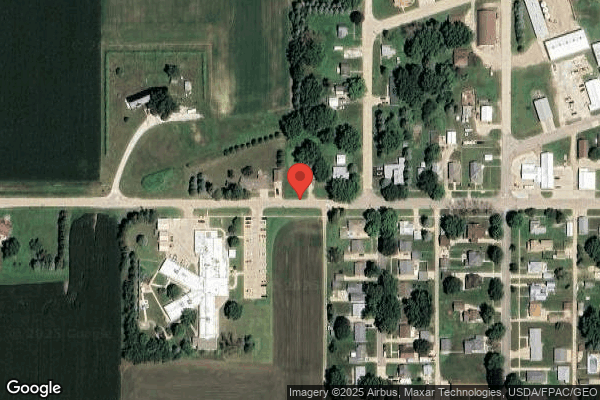
505 West Second Street, Holstein, IA 51025 (712) 368-4304
Non profit - Other 60 Beds GOOD SAMARITAN SOCIETY Data: November 2025 2 Immediate Jeopardy citations
Trust Grade
16/100
#268 of 392 in IA
Last Inspection: March 2025

Within standard 12-15 month inspection cycle. Federal law requires annual inspections.

Overview

Good Samaritan Society - Holstein has received a Trust Grade of F, which indicates significant concerns about the facility's operations and care. It ranks #268 out of 392 nursing homes in Iowa, placing it in the bottom half, and it is the second least favorable option in Ida County. The facility is worsening, with issues increasing from 4 in 2024 to 7 in 2025. Staffing is a relative strength, with a rating of 4 out of 5 stars and a turnover rate of 43%, which is slightly below the state average. However, the facility has concerning fines totaling $99,103, which are higher than 94% of Iowa facilities, suggesting repeated compliance issues. Recent inspector findings revealed critical incidents, including staff using punitive restraints on a resident and failing to report suspected abuse promptly. In one case, a staff member witnessed a CNA covering a resident's mouth but did not report it for over two hours. These incidents highlight serious shortcomings in care and staff behavior, despite some efforts to improve through training and supervision. Families should weigh these strengths and weaknesses carefully when considering this facility for their loved ones.

Trust Score
F
16/100
In Iowa
#268/392
Bottom 32%
Safety Record
High Risk
Review needed
Inspections
Getting Worse
4 → 7 violations
Staff Stability
○ Average
43% turnover. Near Iowa's 48% average. Typical for the industry.
Penalties
✓ Good
$99,103 in fines. Lower than most Iowa facilities. Relatively clean record.
Skilled Nurses
✓ Good
Each resident gets 59 minutes of Registered Nurse (RN) attention daily — more than average for Iowa. RNs are trained to catch health problems early.
Violations
⚠ Watch
22 deficiencies on record. Higher than average. Multiple issues found across inspections.
★★☆☆☆
2.0
Overall Rating
★★★★☆
4.0
Staff Levels
★★★☆☆
3.0
Care Quality
★★☆☆☆
2.0
Inspection Score
Stable
2024: 4 issues
2025: 7 issues

The Good

  • 4-Star Staffing Rating · Above-average nurse staffing levels
  • Full Sprinkler Coverage · Fire safety systems throughout facility
  • No fines on record
  • Staff turnover below average (43%)

    5 points below Iowa average of 48%

Facility shows strength in staffing levels, fire safety.

The Bad

2-Star Overall Rating

Below Iowa average (3.0)

Below average - review inspection findings carefully

Staff Turnover: 43%

Near Iowa avg (46%)

Typical for the industry

Federal Fines: $99,103

Well above median ($33,413)

Moderate penalties - review what triggered them

Chain: GOOD SAMARITAN SOCIETY

Part of a multi-facility chain

Ask about local staffing decisions and management

The Ugly 22 deficiencies on record

2 life-threatening
Jun 2025 1 deficiency
CONCERN (D) 📢 Someone Reported This

A family member, employee, or ombudsman was alarmed enough to file a formal complaint

Potential for Harm - no one hurt, but risky conditions existed

Deficiency F0657 (Tag F0657)

Could have caused harm · This affected 1 resident

**NOTE- TERMS IN BRACKETS HAVE BEEN EDITED TO PROTECT CONFIDENTIALITY** Based on clinical record review, staff interview and facility policy the facility failed to update the resident ' s care plan to...

Read full inspector narrative →
**NOTE- TERMS IN BRACKETS HAVE BEEN EDITED TO PROTECT CONFIDENTIALITY** Based on clinical record review, staff interview and facility policy the facility failed to update the resident ' s care plan to accurately reflect the resident for 3 of 3 residents reviewed (Resident #1, #2, and #4) The facility reported a census of 49 residents. Findings include: 1. The Minimum Data Set (MDS) assessment dated [DATE] for Resident #1 documented diagnosis of heart failure, renal insufficiency, diabetes mellitus, and hypertension. The MDS showed a Brief Interview for Mental Status (BIMS) score of 5 indicating severe cognitive impairment. The MDS also indicated Resident #1 was in hospice care. Review of the clinical census indicated that Resident #1 was admitted into Hospice care on 3/8/25. Review of the Care Plan for Resident #1 with a date initiated as of 7/23/24 revealed the facility failed to update the care plan to reflect Resident #1 was admitted to hospice care. 2. The MDS assessment dated [DATE] for Resident #2 documented diagnosis of heart failure, renal insufficiency, peripheral vascular disease, and toxic liver disease with acute hepatitis. The MDS showed a BIMS score of 15 indicating intact cognition. Review of the Progress Notes for Resident #2 showed documentation of a fall for the following date 4/4/25 at 10:50 a.m. Review of the Progress Notes on 4/6/25 at 3:31 p.m. showed the intervention documented for this fall where Resident #2 stated it is easier to step off of the side of the lift platform/transition piece. Review of the Care Plan for Resident #2 with a date initiated 2/11/25 revealed the facility failed to place intervention of Resident #2 stated it is easier to step off of the side of the lift platform/transition piece on the care plan. 3. The MDS assessment dated [DATE] for Resident #4 documented diagnosis of Non-Alzheimer 's dementia, diabetes mellitus, anxiety, and obesity. The MDS showed a BIMS score of 12 indicating moderate cognitive impairment. The MDS also indicated Resident #4 had a weight loss of 5% or more in the last month. Review of the medical diagnosis indicated Resident #4 had type 2 diabetes mellitus. Review of the Physician Orders indicated that Resident #4 to have daily blood sugars completed every a.m. and as needed for signs and symptoms of hypoglycemia. The Physician Orders also indicate Resident #4 was prescribed diabetic medications that had side effects of weight loss. Review of the Care Plan with a date of initiated 8/9/24 revealed the facility failed to update the care plan to accurately reflect Resident #4's weight loss, diabetic medications and blood sugars. Review of the facility policy named Care Plan-R/S, LTC, Therapy and Rehab dated 12/2/24 revealed the purpose is to develop a comprehensive care plan using an interdisciplinary team approach and to provide guidance to the interdisciplinary team in developing the initial care plan. Residents will receive and be provided with the necessary care and services to attain or maintain the highest practicable well-being in accordance with the comprehensive assessment. Each resident will have an individualized, person-centered, comprehensive plan of care that will include measurable goals and timetables directed toward achieving and maintaining the resident ' s optimal medical, nursing, physical, functional, spiritual, emotional, psychosocial, and educational needs. Any problems, needs and concerns identified will be addressed through use of departmental assessments, the Resident Assessment Instrument (RAI) and review of the physician's orders. This plan of care will be modified to reflect the care currently required/provided for the resident. The interdisciplinary team will review care plans at least quarterly. Care plans also will be reviewed, evaluated and updated when there is a significant change in the resident ' s condition. An interview on 5/29/25 at 3:30 p.m. with the Director of Nursing and the Assisted Director of Nursing stated the admission nurse does the baseline care plan and the expectation is if the intervention or care have changed it should be placed on the care plan at that time.
Mar 2025 6 deficiencies
CONCERN (D)

Potential for Harm - no one hurt, but risky conditions existed

Deficiency F0578 (Tag F0578)

Could have caused harm · This affected 1 resident

**NOTE- TERMS IN BRACKETS HAVE BEEN EDITED TO PROTECT CONFIDENTIALITY** Based on clinical record review, resident and staff interview, the facility failed to implement or follow through with advanced ...

Read full inspector narrative →
**NOTE- TERMS IN BRACKETS HAVE BEEN EDITED TO PROTECT CONFIDENTIALITY** Based on clinical record review, resident and staff interview, the facility failed to implement or follow through with advanced directives per resident directive upon admission for 1 of 21 residents reviewed (Resident #206). The facility reported a census of 49. Findings include: The entry Minimum Data Set (MDS) dated [DATE] indicated Resident #206 entered the facility on [DATE]. The Care Plan for Resident #206, implemented [DATE] did not document if the resident wanted cardiopulmonary resuscitation (CPR) should he require it. A review of clinical records and files on [DATE] showed they failed to document Resident #206 had a code status or advanced directive of any kind. His Electronic Health Record (EHR) lacked documentation the resident required CPR and did not indicate the resident was indicated as a do not resuscitate (DNR). In an interview on [DATE] at 3:54 PM with Resident #206, he was asked directly if he wanted CPR in the event he should need it. He was able to voice that yes, he wants CPR. In an interview on [DATE] at 4:09 PM with the Director of Nursing (DON), she stated she was unaware the resident's code status was not present in the EHR. She stated staff are instructed to check the EHR to determine code status should a resident require CPR.
CONCERN (D)

Potential for Harm - no one hurt, but risky conditions existed

Comprehensive Care Plan (Tag F0656)

Could have caused harm · This affected 1 resident

**NOTE- TERMS IN BRACKETS HAVE BEEN EDITED TO PROTECT CONFIDENTIALITY** Based on clinical record review, staff interview and policy review the facility failed to develop a care plan to address risk fa...

Read full inspector narrative →
**NOTE- TERMS IN BRACKETS HAVE BEEN EDITED TO PROTECT CONFIDENTIALITY** Based on clinical record review, staff interview and policy review the facility failed to develop a care plan to address risk factors and interventions for 3 out of 21 residents (Resident #10, #16, #31) reviewed for comprehensive care plans. The facility reported a census of 49 residents. Findings include: 1. Resident #10's Minimum Data Set (MDS) assessment dated [DATE] identified a Brief Interview for Mental Status (BIMS) score of 00, indicating severe cognitive impairment. Resident #10's MDS included diagnoses of diabetes mellitus, non-alzheimer's dementia, anxiety and depression. The MDS documented Resident #10 was taking insulin injections during the 7 day look back period. A Physician Order dated 9/25/24 directed staff to obtain a FSBS (Finger Stick Blood Sugar) daily in the morning related to type 2 diabetes mellitus. A Physician Order dated 10/14/24 directed staff to administer Basaglar Insulin 100 unit/ml (milliliter) to inject 14 units subcutaneously (fatty tissue below the skin) one time a day related to type 2 diabetes mellitus. Review of the Care Plan dated 9/12/24 lacked direction regarding the treatment and management of type 2 diabetes mellitus and insulin usage. The Care Plan lacked risk factors and interventions regarding blood sugar monitoring and parameters on when to report to the Physician, signs/symptoms to monitor for related to hyper/hypoglycemia (high/low blood sugars), and potential adverse reactions/complications. 2. Resident #16's MDS assessment dated [DATE] identified a BIMS score of 03, indicating severe cognitive impairment. Resident #16's MDS included diagnoses of non-alzheimer's dementia, seizure disorder, anxiety, depression, psychotic disorder and intellectual disabilities. The MDS documented Resident #16 was taking antipsychotic and antidepressant medications during the 7 day look back period. A Physician Order dated 4/24/23 directed staff to administer Sertraline HCL (antidepressant medication) 100 MG (milligrams) one time a day for depression related to emotional lability. A Physician Order dated 6/3/24 directed staff to administer Seroquel (antipsychotic medication) 50 MG three times a day related to delusional disorders. Review of the Care Plan with a target date of 10/29/24 revealed the antidepressant and antipsychotic medication, potential side effects and what to monitor for while taking the high risk medication was not addressed on the comprehensive care plan. On 3/19/25 at 4:15 PM, the DON (Director of Nursing) reported she would expect high risk medications and side effects to be addressed on the care plan.3. The MDS for Resident #31 dated 2/4/25 revealed a BIMS of 02 out of 15 which indicated severely impaired cognition. It included diagnoses of Chronic Kidney Disease (CKD), Diabetes Mellitus (DM), Non-Alzheimer's Dementia, unspecified dementia with agitation, and depression. It also revealed the resident sometimes felt lonely or isolated from those around him and received antipsychotic (AP) and antidepressant (AD) medications during the last 7 days. On 3/17/25 at 1:35 PM, Resident #31's spouse stated the resident took medication for behavior concerns. The Electronic Health Record (EHR) included a Physician's Order for an antidepressant medication dated 6/4/24, escitalopram oxalate 10 mg by mouth one time a day for depression. It did not identify the resident's target behaviors that required an antidepressant. The Progress Notes did not identify target behaviors for depression. The Care Plan revised 2/12/25 included the resident's antidepressant medication use but did not include the resident's individualized target behaviors for staff to monitor nor the non-pharmacological interventions for staff to attempt if the behaviors were observed. On 3/18/25 at 3:44 PM, Staff A, Registered Nurse (RN) stated she believed the resident's target behaviors should be in the Care Plan. She was not able to locate the resident's antidepressant medication target behaviors nor any individualized, non-pharmacological interventions in the resident's Care Plan. On 3/18/25 at 4:53 PM, the Director of Nursing (DON) stated the observed target behaviors for a scheduled anti-depressant should be documented in a Mood & Behavior titled Progress Note. She also stated the resident's target behaviors should be in the Indications for Use box. She further stated attempted non-pharmacological interventions should be documented in the Progress Notes. On 3/18/25 at 5:22 PM, the DON was not able to locate the antidepressant medication target behaviors in the Care Plan. A policy titled Care Plan - Rehab / Skilled & Long-Term Care, Therapy and Rehab revised 12/02/24 indicated Each resident will have an individualized, person-centered, comprehensive plan of care that will include measurable goals and timetables directed toward achieving and maintaining the resident's optimal medical, nursing, physical, functional, spiritual, emotional, psychosocial, and educational needs. It also indicated the plan of care will be modified to reflect the care currently required/provided for the resident.
CONCERN (D)

Potential for Harm - no one hurt, but risky conditions existed

ADL Care (Tag F0677)

Could have caused harm · This affected 1 resident

Based on direct observation, clinical record review, and staff interview, the facility failed to provide adequate oral cares for 2 of 2 residents reviewed (Resident #22, #24). The facility reported a ...

Read full inspector narrative →
Based on direct observation, clinical record review, and staff interview, the facility failed to provide adequate oral cares for 2 of 2 residents reviewed (Resident #22, #24). The facility reported a census of 49. Findings include: 1. The Minimum Data Set (MDS) assessment for Resident #22, dated 12/9/2024, documented the resident's Brief Interview for Mental Status (BIMS) score as 00, indicating the resident was rarely/never understood. It documented the resident required substantial/maximal assistance to perform oral hygiene. The Care Plan for Resident #22, last revised 12/15/2024, documented the resident had his own teeth. It instructed staff to assist the resident with oral cares every AM and PM shift. Review of the Plan of Care Response History, printed 3/20/2025 at 10:08 AM, contained no documentation of oral cares performed in the last 30 days, the maximum look back period of the plan of care response history. 2. The MDS for Resident #24, dated 1/29/2025, documented the residents BIMS score as 03, indicating severely impaired cognition. It documented Resident #24 was fully dependent on staff to perform oral cares. The Care Plan for Resident #24, last revised on 7/22/2024, directed staff to provide oral cares twice daily or after each meal as recommended by the dental hygienist. In a direct observation on 3/18/2025 at 8:18 AM revealed Resident #24 to be missing several teeth, and the teeth that were visible were stained and appeared to have a layer of film on them. Review of the Plan of Care Response History, printed on 3/20/2025 at 9:39 AM, documented only three instances of oral hygiene performed within the 30-day lookback period. In the evening of 3/18/2025, the morning of 3/19/2025, and the evening of 3/19/2024. In an interview on 3/20/2025 at 11:07 AM with Staff I, Certified Medication Aide (CMA), she stated the only place they document oral cares is in the Electronic Health Record (EHR). She stated she documents cares like oral cares twice daily unless it indicates otherwise. In an interview on 3/20/2025 at 11:18 AM with Staff F, Certified Nurse Aide (CNA), she confirmed that oral cares are documented in the EHR, and that oral care documentation is typically required once per shift. She stated that if there was no documentation of oral cares, she would assume it was not done. In an interview on 3/20/2025 at 11:21 AM with Staff G, Registered Nurse (RN), she confirmed it is the CNAs responsibility to document oral cares as indicated in the EHR. She further stated that if it wasn't documented it wasn't done. In an interview on 3/20/2025 at 11:32 AM with Staff H, RN, she confirmed oral cares for Resident's #22 and #24 should be documented twice daily as indicated by their plan of care. In an interview on 3/18/2025 at 5:57 PM with the Director of Nursing (DON), she acknowledged there was no documentation of oral cares for Resident #24 or #22. She stated there had been a mistake made when entering the care tasks for the residents and they were entered to be documented as needed, instead of a scheduled task to be done daily.
CONCERN (D)

Potential for Harm - no one hurt, but risky conditions existed

Accident Prevention (Tag F0689)

Could have caused harm · This affected 1 resident

**NOTE- TERMS IN BRACKETS HAVE BEEN EDITED TO PROTECT CONFIDENTIALITY** Based on clinical record review, staff interviews, observations, and policy review, the facility failed to provide adequate nurs...

Read full inspector narrative →
**NOTE- TERMS IN BRACKETS HAVE BEEN EDITED TO PROTECT CONFIDENTIALITY** Based on clinical record review, staff interviews, observations, and policy review, the facility failed to provide adequate nursing supervision to prevent accident and injuries for 1 of 3 residents reviewed for falls (Resident #46). The facility also failed to ensure a wander guard (a monitoring bracelet with activated alarm when exiting) was working for resident safety on a daily basis for 1 of 1 resident reviewed for risk for elopement (Resident #49). The facility reported a census of 49 residents. Findings include: 1. Resident #46's Minimum Data Set (MDS) assessment dated [DATE] identified a Brief Interview for Mental Status (BIMS) score of 04, indicating severe cognitive impairment. The MDS identified Resident #46 required supervision/touching assistance with bed mobility and ambulation. The MDS identified Resident #46 required partial/moderate assistance for transfers. Resident #46's MDS included diagnoses of non-alzheimer's dementia, depression, hypothyroidism and other abnormalities of gait and mobility. The Care Plan dated 7/8/24 revealed Resident #46 had an ADL (activities of daily living) self care performance deficit related to dementia. The Care Plan directed staff to transfer and ambulate Resident #46 with one assistance and a gait belt. A Fall Risk Evaluation dated 7/6/24 documented Resident #46's fall risk score was a 20 which indicated he was at high risk for falls. A Progress Note dated 11/7/24 title Communication/Visit with Physician documented Resident #46 was unsteady with increased weakness at times and requested an order for Physical Therapy (PT) to evaluate and treat. Review of the clinical record revealed there was no follow up regarding the request and the order for PT was not obtained. A Progress Note dated 12/6/24 documented Resident #46 was very sleepy throughout the day, requiring assistance of two staff members at times due to lethargy. The clinical record lacked any further follow ups or assessments. A Progress Note dated 12/9/24 at 12:15 AM documented CNA (certified nursing assistant) summoned RN (Registered Nurse) to Resident #46's room. CNA reported she had assisted Resident #46 to the bathroom and had walked him to the closet to get new clothes when he became unsteady and she lowered him to the floor. CNA reported Resident #46 said his leg was broken. The note documented upon the nurse arrival, Resident #46 was lying on the floor, flat on his back parallel to the closet and dresser and head was behind the bedroom door. Resident #46's right leg was externally rotated and he was unable to point his foot up or pull leg up. Resident #46 complained of pain to the right hip. A pillow was placed under Resident #46's right knee/leg and behind his head for comfort. A Progress Note dated 12/9/24 at 1:43 AM documented Resident #46 was transported to the emergency department (ED) at 12:55 AM for evaluation. A Progress Note dated 12/9/24 at 2:55 AM documented the facility received a phone call from the ED reporting Resident #46 had a right femur fracture. The ED Triage Notes dated 12/9/24 documented Resident #46 was brought to the ED via ambulance after reporting right hip pain and being lowered to the floor. Staff from the nursing home reported Resident #46 was ambulating and had a sudden onset of severe right hip pain so was lowered to the floor. Staff reported slight shortening and rotation of the right leg. The Hospital x-ray of the right hip dated 12/9/24 documented the impression of a nondisplaced intertrochanteric fracture of the right femur. The Hospital History and Physical dated 12/9/24 documented Resident #46 was admitted due to the right femur fracture and would undergo surgery to repair the fracture. A handwritten statement from Staff C, CNA dated 12/9/24 documented she assisted Resident #46 to the bathroom then she walked him to the closet to get clean clothes and he became unsteady so lowered him to the floor. The facility 5 day Summary/Root Cause Analysis dated 12/13/24 documented Staff D, RN was summoned to the memory car unit by Staff C, CNA. Staff C reported Resident #46 wavered/lost balance while picking out clothes at the closet and she intervened by lowering Resident #46 to the floor. Staff D reported that during the fall investigation and further conversation with Staff C, Resident #46 had been complaining of pain to his right leg off and on throughout the shift, most recently as they ambulated from the bathroom, several feet to the closet. The investigation documented the root cause of the fall was Resident #46 had been complaining of right leg pain prior to fall. The facility investigation documented the following facility interventions: -Educate CNAs to report any resident complaints of pain to the charge nurse. -Educate the Nurses to assess any resident reports of pain and document their assessment, interventions, and new orders. -Educate nursing staff that if a resident was unsteady or complains of pain, assist the resident to a safe surface (chair or bed), then bring them outfits from the closet to choose from, rather than having the resident stand at the closet where space is limited. -Review with nursing staff the Safe Resident Handling Program Overview R/S, LTC Policy. -Review Nursing Related Assessments Policy with the Nurses Review of the facility 5 day investigation did not indicate how Staff C, CNA lowered Resident #46 to the floor or if a gait belt was used as directed on the care plan. On 3/18/25 at 3:45 PM, the Nurse Manager reported she received a call from Staff D, RN and she came to the facility. The Nurse Manager reported the staff did not move Resident #46 because he was in pain. She reported she observed him sitting on his bottom by the dresser/closet. She reported she did not recall if Resident #46 was wearing a gait belt or not. She reported she interviewed Staff C, CNA and she had made the motion with her two hands like she was holding on to something when she lowered Resident #46 to the floor so she had assumed Staff C was using a gait belt. When asked about the request for therapy orders on 11/7/24, the Nurse Manager reported that the Nurse Practitioner did not respond to the request until 12/10 and Resident #46 was in the hospital. On 3/18/25 at 3:45 PM, the DON was present with interview with the Nurse Manager and reported Staff C, CNA did not tell the charge nurse until after the fall that Resident #46 had complained of right leg pain. The DON reported the facility questioned if the pain contributed to the fall or if the fracture happened/caused the fall. The DON reported she was not sure if Staff C was using a gait belt or not at the time of the incident. The DON said she educated all nurses and CNAs on reporting and assessing pain. When asked if the Resident #46 had a history of right leg pain, she said not that she was aware of. She reported there had been no previous falls prior to 12/9/24. On 3/19/25 at 11:04 AM, Staff D, RN said she was out in the main area and Staff C CNA called for assistance due to Resident #46 had fallen. She said when she arrived to the room she couldn't get the door opened very far as Resident #46 was lying behind the door. She said Staff C and Resident #46 reported they were walking back from the bathroom to the closet to get clothes, Resident #46 complained of pain in his right leg and Staff C lowered Resident #46 to the floor (sat him down and then laid back). Staff D reported Resident #46 said he felt like something was broken and complained his right hip hurt. She said there was external rotation and he was not able to pick up his right leg or point his toes. She said she called for an ambulance and the Nurse Manager. She said the Nurse Manager came to the facility before the ambulance got there. When asked if Resident #46 was wearing a gait belt, Staff D reported she could not say for sure if he had a gait belt on or not. She said she did not recall taking the gait belt off Resident #46 when he was transferred onto the gurney. Staff D reported Resident #46 required assistance of one staff member and a walker for ambulation. Staff D reported the pain in the right leg was new for Resident #46 and started when he was walking from the BR over to the closet. She said the pain was not reported before the fall. Staff D reported there was not a lot of space between the bathroom and closet, probably about 10 steps. Staff D reported she felt like something happened prior to the fall, she said Resident #46 had pain, then became unsteady and then sat on the floor. She reported Resident #46 told her he sat on the floor as he was having pain while walking and that the pain started prior to being on the floor. On 3/19/25 at 11:49 AM, Staff C, CNA reported she was working the night Resident #46 broke his leg. She reported when she entered the room, Resident #46 was standing up with his walker. She said she asked him if he needed to go to the bathroom and he did. She reported she walked Resident #46 to the bathroom and he sat down on the toilet and urinated. She reported when he was done, she walked him to the closet to pick out new clothes and he got wobbly, so she lowered him to the floor using the back of his pants and his regular belt. Staff C reported Resident #46 did not have a gait belt on when she lowered him to the floor. Staff C reported Resident #46 would get up on his own sometimes and walk around. She reported Resident #46 was already standing up so she walked him to the bathroom and did not put on the gait belt. When asked why she did not put the gait belt on after Resident #46 was sitting on the toilet, she said she did not think about it but should have put the gait belt on him. She reported when she lowered Resident #46 to the floor it was gentle and not hard. Staff C reported she would have had to lower Resident #46 to the floor even if he had the gait belt on. She reported when Resident #46 sat down on the floor, he complained that his leg hurt. When asked if Resident #46 had voiced any complaints of pain prior to the fall, she said he may have but did not recall for sure. Staff C reported after the fall, she was educated if a patient wanted to change their clothes, to have them sit on the bed or chair then get the clothes and assist them that way. On 3/19/24 at 4:15 PM, the DON (Director of Nursing) reported she would expect the staff to follow the care plan when transferring or ambulating a resident. She reported if Resident #46 was already standing up, she would expect the staff to assist the resident and then attempt to apply the gait belt once the resident was in a safe place (sitting down). A facility policy titled Gait- Transfer Belt date reviewed/revised 5/2/25 documented the purpose of the gait belt was to safely stabilize a transfer, to ambulate with a resident and to aid residents in maintaining balance. The policy documented gait belts are used with assisted ambulation and are never used as a lifting device, only for stabilization. The policy further directed staff not to use the pants/slacks belt as a gait (transfer) belt as upward movement of the belt can cause male residents severe pain. 2. Resident #49's MDS dated [DATE] identified a BIMS score of 03, indicating severe cognitive impairment. The MDS identified Resident #49 was independent with bed mobility, transfers and ambulation. Resident #49's MDS included diagnoses of Alzheimer's, non-alzheimer's dementia, anxiety, depression, and post traumatic stress disorder. The MDS documented Resident #49 used a wander/elopement alarm daily. The Care Plan dated 9/5/25 revealed Resident #49 had behavioral symptoms related to wandering and a potential for elopement related to Alzheimer 's disease. The Care Plan directed the following interventions: -Check wander guard placement every shift. -Wander guard used to alert staff to resident's movements. -Check wander guard functionality every shift to ensure wander guard is in working order. -Educate families to use the sign in/sign out sheet at nurses station. -Ensure that exit door alarms are in working order. A Physician Order dated 9/6/24 directed staff to check Resident #49's wander guard bracelet function daily. An Elopement Risk assessment dated [DATE] documented Resident #49 was at risk for elopement. A Progress Note dated 3/3/25 documented Resident #49 was independent with mobility and usually steady when doing so. The note documented Resident #49 was followed by Psychiatric ARNP (Advanced Registered Nurse Practitioner) for behaviors and anxiety as she had been noted to put herself on the floor, continued with pacing, attempted to get out doors and hitting staff. On 3/17/25 at 11:46 AM, observed Resident #49 pacing hallway, walking up and down quickly with no assistive device, wander guard in place to right ankle. Resident #49 told staff that she hates it here. A Progress Note on 3/17/25 documented Resident #49 upset that she cannot leave the facility and go home. Resident #46 started becoming agitated by other residents around her and staff intervened to allow her to have space. Resident #49 began hitting the window attempting to get out repeatedly stating I want to leave. Let me out of here Resident #49 very difficult to redirect and pacing quickly up and down the hall. Review of the September 2024 to March 2025 MAR (Medication Administration Records) and TAR (Treatment Administration Records) lacked documentation Resident #49's wander guard was being checked for placement and function. On 3/18/25 at 11:30 AM, Staff E, RN (Registered Nurse) verified Resident #49's wander guard was not documented on the MAR or TAR. She reported the Physician Order was put in the electronic medical record incorrectly so the order was not pulling over to the MAR or TAR for signature. Staff E reported she would correct the order. On 3/18/25 at 2:40 PM, the DON reported it was an expectation for the staff to check and document the placement of the wander guard daily and functioning of the wander guard twice a day on the TAR. The DON reported the facility had extra bands and devices so if the battery was to die, the staff would get a new device and band. A facility policy titled Alarms- Bed, Chair and Door date reviewed/revised 9/25/24 documented bracelet alarms are to be checked daily to see if the alarm was functional and nursing was responsible for visually checking for placement of the alarm daily.
CONCERN (D)

Potential for Harm - no one hurt, but risky conditions existed

Medication Errors (Tag F0758)

Could have caused harm · This affected 1 resident

**NOTE- TERMS IN BRACKETS HAVE BEEN EDITED TO PROTECT CONFIDENTIALITY** Based on clinical record review, staff interview and facility policy review, the facility failed to complete a gradual dose redu...

Read full inspector narrative →
**NOTE- TERMS IN BRACKETS HAVE BEEN EDITED TO PROTECT CONFIDENTIALITY** Based on clinical record review, staff interview and facility policy review, the facility failed to complete a gradual dose reduction (GDR) for 1 out of 5 residents reviewed for unnecessary medications, (Resident #21). The facility also failed to include nonpharmacological interventions and targeted behaviors for which staff were to monitor and/or redirect for 1 out 5 residents (Resident #31). The facility reported a census of 49 residents. Findings include: 1. Resident #21's Minimum Data Set (MDS) assessment dated [DATE] identified a Brief Interview for Mental Status (BIMS) score of 01, indicating severe cognitive impairment. The MDS identified Resident #21 was independent transfers and ambulation. Resident #21's MDS included diagnoses of Alzheimer's, non-alzheimer's dementia, seizure disorder, and psychotic disorder. The MDS documented Resident #21 was taking an antipsychotic medication during the 7 day look back period. The Care Plan with a target date 9/17/24 documented Resident #21 received Seroquel medication with FDA (Food and Drug Administration) boxed warnings (most serious safety warning issued for a prescription drug). The Care Plan directed staff to consult with pharmacy and healthcare providers to consider dosage reduction when clinically appropriate. A Physician Order dated 4/20/23 directed staff to administer Seroquel (antipsychotic medication) 50 MG (milligrams) two times a day related to adjustment disorder with mixed anxiety and depressed mood. Review of the clinical record lacked documentation that a gradual dose reduction (GDR) had been attempted for the Seroquel in the last year. The clinical record lacked documentation of a clinical rationale from a Physician on why the antipsychotic medication was continued without a GDR. On 3/19/25 at 6:45 PM, the DON (Director of Nursing) verified the facility had not done a GDR on the Seroquel since July 2023. On 3/20/25 at 7:53 AM, the DON reported the expectation of the facility was that upon initiating a psychotropic medication, a gradual dose reduction should be attempted within the first year in two separate quarters, at least one month separating the attempts. The DON reported that upon attempting a GDR, and the resident experiences increased symptoms, or the physician does not feel a GDR would be beneficial or would be contraindicated due to symptoms, that the Physician and the facility had documentation to support this including targeted behaviors being exhibited. A facility policy titled Psychotropic Medications date reviewed/revised 12/30/24 documented that the residents would be free of any chemical restraint imposed for the purposes of discipline or convenience and not required to treat the resident's medical symptoms. The policy directed gradual dose reductions must be done according to federal regulations. The policy documented the purpose of tapering medication was to find an optimal dose or to determine if continued use of the medication was benefiting the resident. Tapering may be indicated when the resident s clinical condition has improved or stabilized, the underlying causes of the original target symptoms have resolved and/or nonpharmacological intervention have been effective in reducing the symptoms. The policy indicated within the first year an antipsychotic medication was started, the facility must attempt a GDR in two separate quarters with at least one month between attempts, unless clinical contraindicated. After the first year, a GDR must be attempted annually, unless clinically contraindicated. The policy documented clinically contraindicated meant the following: a. The resident's target symptoms returned or worsened after the most recent attempt at a GDR. b. The Physician has documented the clinical rationale for why any additional attempted dose reduction at that time would be likely to impair the resident's function or increase distressed behavior. 2. The MDS dated [DATE] revealed a BIMS of 02 out of 15 which indicated severely impaired cognition. It included diagnoses of Chronic Kidney Disease (CKD), Diabetes Mellitus (DM), Non-Alzheimer's Dementia, unspecified dementia with agitation, and depression. It also revealed the resident sometimes felt lonely or isolated from those around him and received antipsychotic (AP) and antidepressant (AD) medications during the last 7 days. On 3/17/25 at 1:35 PM, Resident #31's spouse stated the resident took medication for behavior concerns. The Electronic Health Record (EHR) included a Physician's Order for an antidepressant medication dated 6/04/24, escitalopram oxalate 10 mg by mouth one time a day for depression. It did not identify the resident's target behaviors that required an antidepressant. The Progress Notes did not identify target behaviors for depression. The Mood Task did not include documented observations of any of the following listed components nor identify them as depression-related target behaviors. a) Trouble falling or staying asleep, or sleeping too much b) Feels bad about self or is failure; let self/family down c) Moving or speaking so slowly that other people notice d) Fidgety or restless; moving around more than usual e) States life is not worth living or wishes for death f) Attempts to harm self g) Being short tempered, easily annoyed h) Little interest or pleasure in doing things i) Feeling or appearing down, depressed or hopeless j) Feeling tired or having little energy k) Poor appetite or overeating l) Trouble concentrating (e.g. reading newspaper, watching tv) The Care Plan revised 2/12/25 included the resident's antidepressant medication use but did not include the resident's individualized target behaviors for staff to monitor nor the non-pharmacological interventions for staff to attempt if the behaviors were observed. On 3/18/25 at 3:44 PM, Staff A, Registered Nurse (RN) stated she believed the resident's target behaviors should be in the Care Plan. She was not able to locate the resident's antidepressant target behaviors nor any non-pharmacological interventions in the resident's Care Plan. On 3/18/25 at 3:53 PM, Staff B, Certified Nursing Aide (CNA) stated CNAs document resident behaviors in the EHR's Point-of-Care (POC) component. On 3/18/25 at 4:53 PM, the Director of Nursing (DON) stated the target behaviors for a scheduled anti-depressant should be documented in a Mood & Behavior titled Progress Note. She also stated the resident's target behaviors should be in the Indications for Use box. She further stated non-pharmacological interventions should be documented in the Progress Notes. On 3/18/25 at 5:22 PM, the DON was not able to locate exhibited behaviors in the POC documentation. A policy titled Psychotropic Medications - Rehab / Skilled revised 12/30/24 indicated Based on a comprehensive assessment of a resident, the location must ensure that: a) Residents who have not used psychotropic drugs are not given these drugs unless the medication is necessary to treat a specific condition as diagnosed and documented in the clinical record. b) Residents who use psychotropic drugs receive gradual dose reductions and behavioral interventions, unless clinically contraindicated, in an effort to discontinue these drugs. It also indicated if the reduction committee determines that initiating a medication is warranted, then the committee nurse will ensure the following is completed: a) Contact the physician and describe the behavior, attempted interventions and behavior committee recommendations. b) Obtain an order for an appropriate medication, in an appropriate dose and corresponding diagnosis, as well as medical symptom from the physician.
CONCERN (D)

Potential for Harm - no one hurt, but risky conditions existed

Infection Control (Tag F0880)

Could have caused harm · This affected 1 resident

Based on direct observation, staff observation, and facility document review, the facility failed to serve food to residents in a safe and hygienic manner. The facility reported a census of 49. Findi...

Read full inspector narrative →
Based on direct observation, staff observation, and facility document review, the facility failed to serve food to residents in a safe and hygienic manner. The facility reported a census of 49. Findings include: A direct observation on 3/17/2025 at 12:21 PM revealed Staff J, Registered Nurse (RN), assisting two residents simultaneously with eating assistance. There was no witnessed hand hygiene as she transferred from resident to resident. A continued observation on 3/17/2025 at 12:22 PM revealed Staff J appearing to touch their face before continuing to assist both residents with eating, no hand hygiene was performed. A direct observation on 3/18/2025 at 12:31 PM revealed Staff J, RN, offer eating assistance to two residents again. No hand hygiene was observed as she switched from resident to resident. A direct observation on 3/18/2025 at 12:39 PM revealed Staff K, Certified Nurse Aide (CNA), assisting a resident to take a bite of a cake. While assisting the resident to take a bite of the cake she appeared to make direct contact with the tines of the fork, and then assisted the resident in taking another bite of cake. In an interview on 3/20/2025 at 11:07 AM with Staff I, Certified Medication Aide (CMA), she stated the facility instructs them to not assist two residents with eating at the same time. If they do, they must sanitize or wash their hands in between each bite the residents take. In an interview on 3/20/2025 at 11:18 AM with Staff F, Certified Nurse Aide (CNA), she stated they are not supposed to feed two residents at the same time. She stated that they are not allowed to touch the tines of forks, and would need to replace it if she did. In an interview on 3/20/2025 at 11:21 AM with Staff G, Registered Nurse (RN), she stated the facility directs them not to feed two residents at the same time, but if she were to do so she would be required to wash or use hand sanitizer between helping each individual resident. She also stated if she made direct contact with the eating surface of a utensil she should replace it. In an interview on 3/18/2025 at 4:09 PM with the Director of Nursing (DON), she stated her expectation is for staff members to feed only one resident at a time or to cleanse their hands every time they switch between residents. She further stated that if direct contact were made with the eating surface of a utensil, such as the tines of a fork, a new fork would be required to be provided. Review of a facility provided document titled Infection Prevention and Control Program, last revised 12/02/2024, states the facility uses standard precautions for all residents, regardless of suspected or confirmed diagnoses, and that those standard precautions include proper hand hygiene.
Aug 2024 3 deficiencies 2 IJ
CRITICAL (J) 📢 Someone Reported This

A family member, employee, or ombudsman was alarmed enough to file a formal complaint

Immediate Jeopardy (IJ) - the most serious Medicare violation

Free from Abuse/Neglect (Tag F0600)

Someone could have died · This affected 1 resident

**NOTE- TERMS IN BRACKETS HAVE BEEN EDITED TO PROTECT CONFIDENTIALITY** Based on observation, interview and record review the facility failed to ensure that residents were free from abuse for 1 of 1 r...

Read full inspector narrative →
**NOTE- TERMS IN BRACKETS HAVE BEEN EDITED TO PROTECT CONFIDENTIALITY** Based on observation, interview and record review the facility failed to ensure that residents were free from abuse for 1 of 1 resident reviewed. Staff F, Certified Nurse Aide (CNA), and Staff E, CNA, used punitive restrictions and restraints to control Resident #1 preventing her from moving about. The State Agency informed the facility of the Immediate Jeopardy (IJ) that began as of July 29, 2024, on August 17, 2024 at 11:20 AM. The Facility Staff removed the IJ on August 17, 2024 through the following actions: a. Head to toe assessment on Resident #1 to include assessment for emotional distress. b. Abuse and Neglect education for all staff implemented through an online course. Team members instructed to review course prior to the next scheduled shift. Daily educational huddles completed daily for two weeks. It was identified during survey Staff I worked 9 times prior to taking course and Staff J worked 12 times prior to taking course. c. Leadership supervision in memory care implemented to include daily oversight of behaviors, staff management and increased activities and interaction with residents. d. All residents interviewed to ensure they were feeling safe. e. Further education regarding dementia related behaviors, management of behaviors, resident rights, providing meaningful activities, follow-up quizzes, training videos to determine how behaviors may indicate unmet needs in dementia residents. f. Leadership perform Angel Rounding to include resident interviews and observations to ensure resident care needs are addressed. g. Administrator and Director of Nursing or designees will audit through observation while staff care for residents with behaviors for appropriate response and management. 5 team members randomly on all shifts daily for 10 days. h. Administrator and Director of Nursing or designees will audit through resident right questionnaire 5 team members randomly on all shifts daily for 10 days to ensure staff education on resident rights. i. Audits will be taken to QAPI for further review and recommendations. The scope lowered from a J to D at the time of the survey after ensuring the facility implemented education and their policy and procedures. The facility identified a census of 51 residents. Findings include: According to the Minimum Data Set (MDS) dated [DATE], Resident #1 had a Brief Interview for Mental Status (BIMS) score of 3 (severe cognitive deficit). She required substantial assistance with dressing, hygiene, toilet transfers and was able to walk with partial assistance. Her diagnosis included cancer, anemia, hip fracture and Alzheimer's Disease. She was admitted to the facility on [DATE]. The Care Plan revised on 7/30/24, showed Resident #1 had impaired cognitive function/dementia related to Alzheimer's disease and required 24/7 supervision. The resident was able to understand consistent, simple direct sentences. Staff were to provide Resident #1 with simple cues, to stop and return later if she was agitated, and to monitor for physical/nonverbal indicators of discomfort or distress. The resident required supervision with ambulation in hallways and common area. She had behavior symptoms with verbal aggression, cursing, pushing and at times she was resistive with cares. According to a facility Incident Report dated 7/29/24 at 4:30 PM, Staff B, Activities Director witnessed Staff E, Certified Nurse Aide (CNA) with her hand over the mouth of Resident #1. The Director of Nursing (DON) reviewed a video tape of the memory care area and found that Staff E had also pushed the resident back down in to the chair, and pushed the chair up to the table when she was attempting to stand. Staff F, CNA was sitting at the same table during these events but failed to intervene or report the interactions. Staff F also braced the table with her feet when Resident #1 pushed it to get out of her chair. The resident was described as restless, anxious and confused. A summary of the facility investigation showed that on 7/29/242 at 4:30 PM, when the DON learned of the incident, Staff E had already left for the day, and Staff F was escorted out and suspended around 5:00 PM. Staff B, Staff E and Staff B were all placed on suspension. A review of the video from the memory care unit on 8/16/24 at 11:30 AM, revealed the following: a. At 1:32 PM, on 7/29/24, Staff E and Resident #1 were in the dining room and Resident #1 was sitting in a chair up to a round table. Staff E was standing behind the chair with her leg braced up against the back of the chair and was scrolling through her phone. A couple of minutes later, Staff E sat in a chair next to the resident and several times, the resident put her hands on the arms of the chair, pushed up, and attempted to stand. Each time, Staff E pushed down on the resident's shoulder to get her to sit down. The resident looked agitated and turned toward the staff member and said something. b. At 1:35 PM, Staff E pushed her down into the chair and the resident swung at the CNA. Staff E then grabbed the resident's wrists and hands and held them down. Staff F then entered the room with another resident and sat on the opposite side of the table from the residents. Resident #1 continued to try to stand and each time, Staff E pushed her back down into the chair. c. At 1:39 PM, once again, the resident swung at Staff E and the CNA grabbed the resident's arms and held them down against the arm rest of the chair. The two exchanged words, and at 1:40 PM, Staff E put her hand over the resident's mouth, the resident swung at her and the CNA grabbed her arms again. As they exchanged more words, Staff E took a blanket from the back of the chair and put it on the back of the resident's head. This increased her agitation and she pulled it back off. Resident #1 then tried to take her sweater off, she had it partially off of one arm when Staff E reached over and tried to force her to put it back on. d. At 1:41 PM, Resident #1 pushed her chair back from the table and the CNA responded by pushing the chair back until her torso was up to the table. Three more times, the resident tried to stand, and Staff E pushed her back down into the chair. Resident #1 put her head down on the table and looked to be crying, at 1:47 PM, Staff E looked at Staff F on the other side of the table and they snickered. Resident #1 then swung out at the CNA, and Staff E grabbed her hands and arms. Staff E then got up out of her chair and stood behind the resident's chair with her leg braced up against the back of the chair. With her hands on the table, the resident tried to push her chair back, but the table moved across the floor. Staff E lifted the resident's hand off the table, and with her body, she shoved the chair up to the table and pinned her against it. e. At 1:50 PM, the residents head was down and she looked to be crying. Staff E then picked up the resident's sweater and placed it on her head, Resident #1 got agitated and threw it off. At 1:52 PM, the resident looked to be yelling, Staff E kept her body firmly at the back of the chair and placed her hand over the resident's mouth. Resident #1 tried to push her chair back again but the table moved instead. Staff F then braced her feet at the base of the table so it wouldn't move as Staff E pushed the resident's chair up to the table again. f. At 1:53 PM, Staff E put her hand over the resident's mouth again and that was when Staff B entered the room. Staff E then backed away from the resident, allowed her to stand and walk around the room. The CNA followed the resident for a short period of time but then went and sat at the nurse's station. On 8/16/24 at 9:49 AM, Staff B said that on 7/29/24, she came down the hallway of the locked memory unit and she heard a resident screaming and yelling. She said that this was not unusual, as Resident #1 did tend to become more anxious in the afternoons. When Staff B entered the eating area, she saw Staff F sitting in a chair up at the table and Resident #1 was on the opposite side of the table. Staff E was standing behind Resident #1, with hand over the resident's mouth. The CNA quickly took her hand off of the resident and backed away. Staff B said that she went on with her activities over the next couple of hours. She said that she attempted to talk to the Director of Nursing (DON) sooner, but she thought it was not a big concern or cause for immediate action. She was able to connect with the DON around 4:30 PM. Staff B said that after watching the video from the memory unit, she came to understand that there were more concerning actions that had taken place, and she should have addressed it right away. On 8/17/24 at 10:00 AM Staff E, CNA said that on 7/29/24, Resident #1 was having a rough day, and they had tried different interventions to calm her. She said they had been taking turns caring for her but the staff member that was working with her, was short tempered and couldn't handle Resident #1 for very long. The resident was anxious, agitated, screaming, and yelling for attention she likes attention, good or bad. Staff E said the nurse had given the resident a medication to help calm her, and that tended to affect her gait so they were watching her close because she was a fall risk. The resident didn't want to get into the recliner, and she had been known to approach other residents at times, so Staff E thought a chair at the table was the safest option. Staff F was with her at the table, and some of the chairs don't have the grippers attached on the bottom of the legs. She said that she was afraid that when the resident pushed her chair back, it could tip backwards so that was why she stood behind her to prevent her from pushing it. Staff E said that this was better than letting her stand up and risk falling. Staff E said that at one point, the resident started hitting her, and she was taught that it was okay to place the resident's hands in their laps to keep you and the resident safe. She acknowledged that she put her hand on the resident's mouth several times to shush her. She said that had worked in the past. When asked to describe what a restraint looks like, she said you can't force them to stay in bed, you can't restrict their motion unless they are a harm to you or themselves. When asked about pushing the chair up to the table and trapping the resident, she said that this was a better plan than letting the chair tip backwards. Staff E said that her training on caring for dementia residents included watch videos, and following another CNA on the floor for about a week. She said they really didn't have hands-on training or competency tests to determine if they had learned the skills. Staff E said that she should have probably tried some different repositioning when Resident #1 continued to escalate. She said that they didn't have many staff in the unit and she still felt the safest option for Resident #1 was to keep her from standing and pushed up to the table. She thought the shushing would help, but when it didn't, that's when she decided to give the resident some space and let her walk. On 8/16/24 at 12:20 PM, Staff F, CNA said that she had been suspended from work because her coworker covered a resident's mouth and she didn't have a chance to report it. The resident was yelling out, so Staff E put her hand over the resident's mouth. She said that it wasn't very forceful and said that she told her to stop but she didn't know if she heard her, because the resident was yelling so much. When asked about not allowing the resident to get up out of the chair, Staff F said that was the case and she was pushing her back into the chair. She said that the resident had been swinging at Staff E but she did not see her holding down the resident's arms. When asked if she had seen anything that she would describe as a restraint, Staff F said that when the residents chair had been pushed against the table, that was probably a restraint. She did not know why she braced the table when the resident pushed it, trying to get up. I just wasn't thinking very clearly. Staff F acknowledged that by preventing the resident from getting up and walking around, her agitation and yelling had increased. Staff F said that she didn't have a chance to intervene or to report the incident. She said that they are provided on-line training on how to handle residents with dementia and agitation. She didn't remember much about it or any of the specific techniques that were taught. On 8/17/24 at 8:23 AM, a family member for Resident #1 said that the resident did not like to be touched and any attempts to redirect her by putting hands on, would only escalate her. They advised the staff to just walk with her and try not to touch her. She said that at times, the staff would try to talk her into sitting down, and that did not work. She understood that Resident #1 was a fall risk, but trying to force her just made things worse. On 8/17/24 at 7:50 AM Staff H, Assistant Director of Nursing (ADON) said that she had watched the video and acknowledged that holding the resident's chair up against the table was a restraint. No staff or residents had ever come to her with concerns about Staff F or Staff E. She said they do random observations of staff interactions with residents. If they see concerns, or something that could be done differently, they take that opportunity to do education with them. On 8/16/24 at 11:30 AM Staff D, Quality Assurance (QA) nurse acknowledged that the pinning of the chair against the table and the holding down of arms and hands would be described as a restraint. She also acknowledged that staff had no reason to be on the phone while caring for the residents. According to the facility policy titled: Abuse and Neglect dated 7/22/24, the purpose of the policy was to ensure that employees were knowledgeable regarding the reporting and investigative process of abuse and neglect allegations. To ensure that the facility had an effective system in place that prevents mistreatment, neglect exploitation and abuse of residents. Resident have the right to be free from abuse .this includes freedom from corporal punishment and involuntary seclusion. Alleged or suspected violations involving any mistreatment, neglect, exploitation or abuse including injuries of unknown origin would be reported immediately to the administrator.
CRITICAL (J) 📢 Someone Reported This

A family member, employee, or ombudsman was alarmed enough to file a formal complaint

Immediate Jeopardy (IJ) - the most serious Medicare violation

Report Alleged Abuse (Tag F0609)

Someone could have died · This affected 1 resident

**NOTE- TERMS IN BRACKETS HAVE BEEN EDITED TO PROTECT CONFIDENTIALITY** Based on record, policy and video review, and interviews, the facility failed to report suspected abuse immediately, and failed ...

Read full inspector narrative →
**NOTE- TERMS IN BRACKETS HAVE BEEN EDITED TO PROTECT CONFIDENTIALITY** Based on record, policy and video review, and interviews, the facility failed to report suspected abuse immediately, and failed to separate an alleged abuser from the residents immediately. A staff member witnessed a Certified Nurse Aide (CNA) with her hand covering the mouth of an agitated resident. She failed to report the suspicious activity for over 2 hours. The State Agency informed the facility of the Immediate Jeopardy (IJ) that began as of July 29, 2024, on August 17, 2024 at 11:20 AM. The Facility Staff removed the IJ on August 17, 2024 through the following actions: a. Head to toe assessment on Resident #1 to include assessment for emotional distress. b. Abuse and Neglect education for all staff implemented through an online course. Team members instructed to review course prior to the next scheduled shift. Daily educational huddles completed daily for two weeks. c. Leadership supervision in memory care implemented to include daily oversight of behaviors, staff management and increased activities and interaction with residents. d. All residents interviewed to ensure they were feeling safe. e. Further education regarding dementia related behaviors, management of behaviors, resident rights, providing meaningful activities, follow-up quizzes, training videos to determine how behaviors may indicate unmet needs in dementia residents. f. Leadership perform Angel Rounding to include resident interviews and observations to ensure resident care needs are addressed. g. Administrator and Director of Nursing or designees will audit through observation while staff care for residents with behaviors for appropriate response and management. 5 team members randomly on all shifts daily for 10 days. h. Administrator and Director of Nursing or designees will audit through resident right questionnaire 5 team members randomly on all shifts daily for 10 days to ensure staff education on resident rights. i. Audits will be taken to QAPI for further review and recommendations. The scope lowered from a J to D at the time of the survey after ensuring the facility implemented education and their policy and procedures. The facility identified a census of 51 residents. Findings include: According to the Minimum Data Set (MDS) dated [DATE], Resident #1 had a Brief Interview for Mental Status (BIMS) score of 3 (severe cognitive deficit). She required substantial assistance with dressing, hygiene, toilet transfers and was able to walk with partial assistance. Her diagnosis included cancer, anemia, hip fracture and Alzheimer's Disease. She was admitted to the facility on [DATE]. The Care Plan revised on 7/30/24, showed Resident #1 had impaired cognitive function/dementia related to Alzheimer's disease and required 24/7 supervision. The resident was able to understand consistent, simple direct sentences. Staff were to provide Resident #1 with simple cues, to stop and return later if she was agitated, and to monitor for physical/nonverbal indicators of discomfort or distress. The resident required supervision with ambulation in hallways and common area. She had behavior symptoms with verbal aggression, cursing, pushing and at times she was resistive with cares. According to a facility Incident Report dated 7/29/24 at 4:30 PM, Staff B, Activities Director witnessed Staff E, Certified Nurse Aide (CNA) with her hand over the mouth of Resident #1. The Director of Nursing (DON) reviewed a video tape of the memory care area and found that Staff E had also pushed the resident back down in to the chair, and pushed the chair up to the table when she was attempting to stand. Staff F, CNA was sitting at the same table during these events but failed to intervene or report the interactions. Staff F also braced the table with her feet when Resident #1 pushed it to get out of her chair. The resident was described as restless, anxious and confused. A summary of the facility investigation showed that on 7/29/242 at 4:30 PM, when the DON learned of the incident, Staff E had already left for the day, and Staff F was escorted out and suspended around 5:00 PM. Staff B, Staff E and Staff B were all placed on suspension. A review of the video from the memory care unit on 8/16/24 at 11:30 AM, revealed the following: a. At 1:32 PM, on 7/29/24, Staff E and Resident #1 were in the dining room and Resident #1 was sitting in a chair up to a round table. Staff E was standing behind the chair with her leg brace up against the back of the chair and was scrolling through her phone. A couple of minutes later, Staff E sat in a chair next to the resident and several times, the resident put her hands on the arms of the chair, pushed up, and attempted to stand. Each time, Staff E pushed down on the resident's shoulder to get her to sit down. The resident looked agitated and turned toward the staff member and said something. b. At 1:35 PM, Staff E pushed her down into the chair and the resident swung at the CNA. Staff E then grabbed the resident's wrists and hands and held them down. Staff F then entered the room with another resident and sat on the opposite side of the table from the residents. Resident #1 continued to try to stand and each time, Staff E pushed her back down into the chair. c. At 1:39 PM, once again, the resident swung at Staff E and the CNA grabbed the resident's arms and held them down against the arm rest of the chair. The two exchanged words, and at 1:40 PM, Staff E put her hand over the resident's mouth, the resident swung at her and the CNA grabbed her arms again. As they exchanged more words, Staff E took a blanket from the back of the chair and put it on the back of the resident's head. This increased her agitation and she pulled it back off. Resident #1 then tried to take her sweater off, she had it partially off of one arm when Staff E reached over and tried to force her to put it back on. d. At 1:41 PM, Resident #1 pushed her chair back from the table and the CNA responded by pushing the chair back until her torso was up to the table. Three more times, the resident tried to stand, and Staff E pushed her back down into the chair. Resident #1 put her head down on the table and looked to be crying, at 1:47 PM, Staff E looked at Staff F on the other side of the table and they snickered. Resident #1 then swung out at the CNA, and Staff E grabbed her hands and arms. Staff E then got up out of her chair and stood behind the resident's chair with her leg braced up against the back of the chair. With her hands on the table, the resident tried to push her chair back, but the table moved across the floor. Staff E lifted the resident's hand off the table, and with her body, she shoved the chair up to the table and pinned her against it. e. At 1:50 PM, the residents head was down and she looked to be crying. Staff E then picked up the resident's sweater and placed it on her head, Resident #1 got agitated and threw it off. At 1:52 PM, the resident looked to be yelling, Staff E kept her body firmly at the back of the chair and placed her hand over the resident's mouth. Resident #1 tried to push her chair back again but the table moved instead. Staff F then braced her feet at the base of the table so it wouldn't move as Staff E pushed the resident's chair up to the table again. f. At 1:53 PM, Staff E put her hand over the resident's mouth again and that was when Staff B entered the room. Staff E then backed away from the resident, allowed her to stand and walk around the room. The CNA followed the resident for a short period of time but then went and sat at the nurse's station. On 8/16/24 at 9:49 AM, Staff B said that on 7/29/24, she came down the hallway of the locked memory unit and she heard a resident screaming and yelling. She said that this was not unusual, as Resident #1 did tend to become more anxious in the afternoons. When Staff B entered the eating area, she saw Staff F sitting in a chair up at the table and Resident #1 was on the opposite side of the table. Staff E was standing behind Resident #1, with hand over the resident's mouth. The CNA quickly took her hand off of the resident and backed away. Staff B said that she went on with her activities over the next couple of hours. She said that she attempted to talk to the Director of Nursing (DON) sooner, but she thought it was not a big concern or cause for immediate action. She was able to connect with the DON around 4:30 PM. Staff B said that after watching the video from the memory unit, she came to understand that there were more concerning actions that had taken place, and she should have addressed it right away. On 8/17/24 at 10:00 AM Staff E, CNA said that on 7/29/24, Resident #1 was having a rough day, and they had tried different interventions to calm her. She said they had been taking turns caring for her but the staff member that was working with her, was short tempered and couldn't handle Resident #1 for very long. The resident was anxious, agitated, screaming, and yelling for attention she likes attention, good or bad. Staff E said the nurse had given the resident a medication to help calm her, and that tended to affect her gait so they were watching her close because she was a fall risk. The resident didn't want to get into the recliner, and she had been known to approach other residents at times, so Staff E thought a chair at the table was the safest option. Staff F was with her at the table, and some of the chairs don't have the grippers attached on the bottom of the legs. She said that she was afraid that when the resident pushed her chair back, it could tip backwards so that was why she stood behind her to prevent her from pushing it. Staff E said that this was better than letting her stand up and risk falling. Staff E said that at one point, the resident started hitting her, and she was taught that it was okay to place the resident's hands in their laps to keep you and the resident safe. She acknowledged that she put her hand on the resident's mouth several times to shush her. She said that had worked in the past. When asked to describe what a restraint looks like, she said you can't force them to stay in bed, you can't restrict their motion unless they are a harm to you or themselves. When asked about pushing the chair up to the table and trapping the resident, she said that this was a better plan than letting the chair tip backwards. Staff E said that her training on caring for dementia residents included watch videos, and following another CNA on the floor for about a week. She said they really didn't have hands-on training or competency tests to determine if they had learned the skills. Staff E said that she should have probably tried some different repositioning when Resident #1 continued to escalate. She said that they didn't have many staff in the unit and she still felt the safest option for Resident #1 was to keep her from standing and pushed up to the table. She thought the shushing would help, but when it didn't, that's when she decided to give the resident some space and let her walk. On 8/16/24 at 12:20 PM, Staff F, CNA said that she had been suspended from work because her coworker covered a resident's mouth and she didn't have a chance to report it. The resident was yelling out, so Staff E put her hand over the resident's mouth. She said that it wasn't very forceful and said that she told her to stop but she didn't know if she heard her, because the resident was yelling so much. When asked about not allowing the resident to get up out of the chair, Staff F said that was the case and she was pushing her back into the chair. She said that the resident had been swinging at Staff E but she did not see her holding down the resident's arms. When asked if she had seen anything that she would describe as a restraint, Staff F said that when the residents chair had been pushed against the table, that was probably a restraint. She did not know why she braced the table when the resident pushed it, trying to get up. I just wasn't thinking very clearly. Staff F acknowledged that by preventing the resident from getting up and walking around, her agitation and yelling had increased. Staff F said that she didn't have a chance to intervene or to report the incident. She said that they are provided on-line training on how to handle residents with dementia and agitation. She didn't remember much about it or any of the specific techniques that were taught. On 8/17/24 at 7:50 AM Staff H, Assistant Director of Nursing (ADON) said that she had watched the video and acknowledged that holding the resident's chair up against the table was a restraint. No staff or residents had ever come to her with concerns about Staff F or Staff E. She said they do random observations of staff interactions with residents. If they see concerns, or something that could be done differently, they take that opportunity to do education with them. On 8/16/24 at 11:30 AM Staff D, Quality Assurance (QA) nurse acknowledged that the pinning of the chair against the table and the holding down of arms and hands would be described as a restraint. She also acknowledged that staff had no reason to be on the phone while caring for the residents. According to the facility policy titled: Abuse and Neglect dated 7/22/24, the purpose of the policy was to ensure that employees were knowledgeable regarding the reporting and investigative process of abuse and neglect allegations. To ensure that the facility had an effective system in place that prevents mistreatment, neglect exploitation and abuse of residents. Resident have the right to be free from abuse .this includes freedom from corporal punishment and involuntary seclusion. Alleged or suspected violations involving any mistreatment, neglect, exploitation or abuse including injuries of unknown origin would be reported immediately to the administrator.
CONCERN (E) 📢 Someone Reported This

A family member, employee, or ombudsman was alarmed enough to file a formal complaint

Potential for Harm - no one hurt, but risky conditions existed

Deficiency F0741 (Tag F0741)

Could have caused harm · This affected multiple residents

**NOTE- TERMS IN BRACKETS HAVE BEEN EDITED TO PROTECT CONFIDENTIALITY** Based on interviews, video, record and policy review, the facility failed to ensure staff displayed competent dementia care and ...

Read full inspector narrative →
**NOTE- TERMS IN BRACKETS HAVE BEEN EDITED TO PROTECT CONFIDENTIALITY** Based on interviews, video, record and policy review, the facility failed to ensure staff displayed competent dementia care and safe interventions for 1 of 1 resident reviewed. Staff F, Certified Nurse Aide (CNA), and Staff E, CNA, used punitive restrictions and restraints to control Resident #1 preventing her from moving about. The State Agency informed the facility of the Immediate Jeopardy (IJ) that began as of July 29, 2024, on August 17, 2024 at 11:20 AM. The Facility Staff removed the IJ on August 17, through the following actions: a. Head to toe assessment on Resident #1 to include assessment for emotional distress. b. Abuse and Neglect education for all staff implemented through an online course. Team members instructed to review course prior to the next scheduled shift. Daily educational huddles completed daily for two weeks. c. Leadership supervision in memory care implemented to include daily oversight of behaviors, staff management and increased activities and interaction with residents. d.All residents interviewed to ensure they were feeling safe. e. Further education regarding dementia related behaviors, management of behaviors, resident rights, providing meaningful activities, follow-up quizzes, training videos to determine how behaviors may indicate unmet needs in dementia residents. f. Leadership perform Angel Rounding to include resident interviews and observations to ensure resident care needs are addressed. g. Administrator and Director of Nursing or designees will audit through observation while staff care for residents with behaviors for appropriate response and management. 5 team members randomly on all shifts daily for 10 days. h. Administrator and Director of Nursing or designees will audit through resident right questionnaire 5 team members randomly on all shifts daily for 10 days to ensure staff education on resident rights. i.Audits will be taken to QAPI for further review and recommendations. The scope lowered from a K to E at the time of the survey after ensuring the facility implemented their policy and procedures, and staff education. The facility identified a census of 51 residents. Findings include: According to the Minimum Data Set (MDS) dated [DATE], Resident #1 had a Brief Interview for Mental Status (BIMS) score of 3 (severe cognitive deficit). She required substantial assistance with dressing, hygiene, toilet transfers and she was able to walk with partial assistance. Her diagnosis included cancer, anemia, hip fracture and Alzheimer's Disease. She was admitted to the facility on [DATE] The Care Plan revised on 7/30/24, showed Resident #1 had impaired cognitive function/dementia related to Alzheimer's disease and required 24/7 supervision. The resident was able to understand consistent, simple direct sentences. Staff were to provide Resident #1 with simple cues, to stop and return later if she was agitated, and to monitor for physical/nonverbal indicators of discomfort or distress. The resident required supervision with ambulation in hallways and common area. She had behavior symptoms including; verbal aggression, cursing, pushing and at times she was resistive with cares. According to a facility Incident Report dated 7/29/24 at 4:30 PM, Staff B, Activities Director, witnessed Staff E, Certified Nurse Aide (CNA) with her hand over the mouth of Resident #1. The Director of Nursing (DON) reviewed a video tape of the memory care area and found that Staff E had also pushed the resident down into the chair when she tried to get up, and pushed the chair up to the table to prevent the resident from standing. Staff F, CNA was sitting at the same table during these activities, but she failed to intervene or report the interactions. Staff F also restricted the resident by holding her feet on the base of the table to prevent it from moving. The resident was described as restless, anxious and confused. A review of the video from the memory care unit on 8/16/24 at 11:30 AM, revealed the following: a. At 1:32 PM, on 7/29/24, Staff E and Resident #1 were in the dining room and Resident #1 was sitting in a chair up to a round table. Staff E was standing behind the chair with her leg brace up against the back of the chair and was scrolling through her phone. A couple of minutes later, Staff E sat in a chair next to the resident and several times, the resident put her hands on the arms of the chair, pushed up, and attempted to stand. Each time, Staff E pushed down on the resident's shoulder to get her to sit down. The resident looked agitated and turned toward the staff member and said something. b. At 1:35 PM, Staff E pushed her down into the chair and the resident swung at the CNA. Staff E then grabbed the resident's wrists and hands and held them down. Staff F then entered the room with another resident and sat on the opposite side of the table from the residents. Resident #1 continued to try to stand and each time, Staff E pushed her back down into the chair. c. At 1:39 PM, once again, the resident swung at Staff E and the CNA grabbed the resident's arms and held them down against the arm rest of the chair. The two exchanged words, and at 1:40 PM, Staff E put her hand over the resident's mouth, the resident swung at her and the CNA grabbed her arms again. As they exchanged more words, Staff E took a blanket from the back of the chair and put it on the back of the resident's head. This increased her agitation and she pulled it back off. Resident #1 then tried to take her sweater off, she had it partially off of one arm when Staff E reached over and tried to force her to put it back on. d. At 1:41 PM, Resident #1 pushed her chair back from the table and the CNA responded by pushing the chair back until her torso was up to the table. Three more times, the resident tried to stand, and Staff E pushed her back down into the chair. Resident #1 put her head down on the table and looked to be crying, at 1:47 PM, Staff E looked at Staff F on the other side of the table and they snickered. Resident #1 then swung out at the CNA, and Staff E grabbed her hands and arms. Staff E then got up out of her chair and stood behind the resident's chair with her leg braced up against the back of the chair. With her hands on the table, the resident tried to push her chair back, but the table moved across the floor. Staff E lifted the resident's hand off the table, and with her body, she shoved the chair up to the table and pinned her against it. e. At 1:50 PM, the residents head was down and she looked to be crying. Staff E then picked up the resident's sweater and placed it on her head, Resident #1 got agitated and threw it off. At 1:52 PM, the resident looked to be yelling, Staff E kept her body firmly at the back of the chair and placed her hand over the resident's mouth. Resident #1 tried to push her chair back again but the table moved instead. Staff F then braced her feet at the base of the table so it wouldn't move as Staff E pushed the resident's chair up to the table again. f. At 1:53 PM, Staff E put her hand over the resident's mouth again and that was when Staff B entered the room. Staff E then backed away from the resident, allowed her to stand and walk around the room. The CNA followed the resident for a short period of time but then went and sat at the nurse's station. On 8/16/24 at 9:49 AM, Staff B said that on 7/29/24, she came down the hallway of the locked memory unit and she heard a resident screaming and yelling. She said that this was not unusual, as Resident #1 did tend to become more agitated in the afternoons. When Staff B entered the eating area, she saw Staff F, CNA sitting in a chair up at the table and Resident #1 was on the opposite side of the table. Staff E was standing behind Resident #1, with her hand over the resident's mouth. The CNA quickly took her hand off of the resident and backed away from her. Staff B said that she was concerned that Staff F was not engaged with the residents as she had a picture or something in her hand and was not paying attention. On 8/17/24 at 10:00 AM Staff E, CNA said that on 7/29/24, Resident #1 was having a rough day, and they had tried different interventions to calm her. She said they had been taking turns caring for her but the staff member that she was working with her was short tempered and couldn't handle Resident #1 for very long. The resident was anxious, agitated, screaming, and yelling for attention she likes attention, good or bad. Staff E said the nurse had given the resident a medication to help calm her, and that tended to affect her gait so they were watching her close because she was a fall risk. The resident didn't want to get into the recliner, and she had been known to approach other residents at times, so Staff E thought a chair at the table was the safest option. Staff F was with her at the table, and some of the chairs don't have the grippers attached on the bottom of the legs. She said that she was afraid that when the resident pushed her chair back, it could tip backwards so that was why she stood behind her to prevent her from pushing it. Staff E said that this was better than letting her stand up and risk falling. Staff E said that at one point, the resident started hitting her, and she was taught that it was okay to place the resident's hands in their laps to keep you and the resident safe. She acknowledged that she put her hand on the resident's mouth several times to shush her. She said that had worked in the past. When asked to describe what a restraint looks like, she said you can't force them to stay in bed, you can't restrict their motion unless they are a harm to you or themselves. When asked about pushing the chair up to the table and trapping the resident, she said that this was a better plan than letting the chair tip backwards. Staff E said that her training on caring for dementia residents included watch videos, and following another CNA on the floor for about a week. She said they really didn't have hands-on training or competency tests to determine if they had learned the skills. Staff E said that she should have probably tried some different repositioning when Resident #1 continued to escalate. She said that they didn't have many staff in the unit and she still felt the safest option for Resident #1 was to keep her from standing and pushed up to the table. She thought the shushing would help, but when it didn't, that's when she decided to give the resident some space and let her walk. On 8/16/24 at 12:20 PM, Staff F, CNA said that she had been suspended from work because her coworker covered a resident's mouth and she didn't have a chance to report it. The resident was yelling out, so Staff E put her hand over the resident's mouth, but she told Staff F to stop but she didn't know if she heard her because the resident was yelling so much. When asked about not allowing the resident to get up out of the chair, Staff F said acknowledged that Staff E was pushing the resident back into the chair. She said that the resident had been swinging at Staff E, but she did not see her holding down the resident's arms. When asked if she had seen anything that she would describe as a restraint, Staff F said that when the resident's chair was pinned up to the table, that was probably a restraint. She said that they have on-line training on how to handle residents with dementia and agitation. She didn't remember much about it or any of the specific techniques that were taught. Staff F acknowledged that by preventing the resident from getting up and walking around, her agitation and yelling had increased. Staff F said that she didn't have a chance to intervene or to report the incident. She wasn't sure why she didn't intervene and said she wasn't thinking clearly that day. On 8/16/24 at 12:30 PM, Resident #2 (BIMS of 15) said that there wasn't much interaction between staff and residents. She said that she'd had several roommates that were totally dependent on staff and the only time they would interact with them was to put them to bed or get them up for meals. They didn't get much stimulation. On 8/17/24 at 8:23 AM, a family member for Resident #1 said the resident did not like to be touched and any attempts to redirect her by putting hands on, would only escalate her. They advised the staff to just walk with her and try not to touch her. She said that at times, the staff would try to talk her into sitting down, and that did not work. She understood that Resident #1 was a fall risk, but trying to force her just made things worse. On 8/17/24 at 7:50 AM Staff H, Assistant Director of Nursing (ADON) said that she had watched the video and acknowledged that Staff E was holding the chair up against the table and she would consider that as a restraint. She said that the staff have online trainings but no direct observations or competency testing. She said they just randomly observed staff interacting with the residents, and if they saw any concerns or something that could be done differently, they would take that opportunity to do education with them. On 8/17/24 at 4:00 PM, Staff D Quality Assurance (QA) nurse, said that the staff had online trainings, but they did not have quarterly in-services for the staff that worked in the memory unit. According to the facility policy titled: Employee Training-Special Care Unit. The special care unit employee would receive quarterly scheduled in-service education to: review information learned during initial training. Keep abreast of new information regarding Alzheimer's disease and other dementias. Improve skill training regarding caring for resident with Alzheimer's disease and other dementias.
Jun 2024 1 deficiency
CONCERN (E) 📢 Someone Reported This

A family member, employee, or ombudsman was alarmed enough to file a formal complaint

Potential for Harm - no one hurt, but risky conditions existed

Pharmacy Services (Tag F0755)

Could have caused harm · This affected multiple residents

**NOTE- TERMS IN BRACKETS HAVE BEEN EDITED TO PROTECT CONFIDENTIALITY** Based on observation, interview and record review the facility failed to ensure accurate accounting of Scheduled II medications ...

Read full inspector narrative →
**NOTE- TERMS IN BRACKETS HAVE BEEN EDITED TO PROTECT CONFIDENTIALITY** Based on observation, interview and record review the facility failed to ensure accurate accounting of Scheduled II medications for 2 of 6 residents (#3 and #4). The facility also failed to ensure that medications were securely locked in the cart and storage room. The facility reported a census of 57 residents. Findings include: 1) According to the Minimum Data Set (MDS) dated [DATE], Resident #3 had a Brief Interview for Mental Status (BIMS) score of 2 (severe cognitive deficit). The resident was totally dependent on staff for eating, toileting, dressing. Her diagnoses included cancer, anemia, anxiety disorder, secondary malignant neoplasm of brain, adult failure to thrive. The Care Plan updated on [DATE] showed Resident #3 had alteration in gastrointestinal status related to malignant neoplasm on the abdomen. She had communication problem related to difficulty forming words and self-care deficit related to weakness. The resident was on high risk medications prescribed for pain, depression and anxiety. The following orders were found on the Medication Administration Record (MAR): a. An order dated [DATE] at 12:15 PM for morphine tablet 15 milligram (ml) give 1 tablet every 2 hours as needed for pain. b. An order dated [DATE] at 3:45 PM for 0.5 of Ativan to use as needed (PRN) for anxiety. c. An order dated [DATE] at 5:00 PM for a scheduled 0.5 mg Ativan 4 times a day. According to the Individual Resident Narcotic Record (IRNR) showed from the 27th of May through 31st of May the tabs were administered 18 times, the MAR showed in the same timeframe that the medication was administered just 14 times. Staff used the same IRNR sheet for the scheduled and the PRN Ativan. On [DATE]th, the IRNR showed that the Ativan used 4 times and the MAR showed that it was used 5 times. 2) The MDS for Resident #4, dated [DATE], showed a BIMS score of 14 (intact cognitive ability). The resident was independent with eating, toileting and dressing, transfers and walking. Diagnoses included anemia, anxiety, depression and Chronic Obstructive Pulmonary Disease (COPD). The Care Plan updated on [DATE] showed the resident had altered cardiovascular status and at risk for potential fluid imbalance overload. She had sleep disturbance and insomnia and often had difficulty falling asleep. She had chronic pain syndrome. Resident #4 had an order dated [DATE] at 8:00 PM for lorazepam 0.5 mg twice a day for anxiety, and an order dated [DATE] at 4:00 PM for Pregabalin 200 mg two times a day related to rheumatoid arthritis. According to the IRNR, on [DATE] at 7:34 PM Resident #4 had 3 Ativan tabs remaining. The IRNR for Pregabalin 200 mg showed on [DATE] that there was 1 tab remaining. On [DATE] at 7:58 AM, Staff D, Nursing Supervisor said that she was unsure why there were left over pills for Resident #4 and when there was a changeover with a refill of pills, she investigated when the count was off and would destroy the extra. On [DATE] at 9:42 AM the Director of Nurse stated that she witnessed the medications being destroyed and that it was their process to destroy left over medications so they could start a new narcotic sheet with the number of tabs that were delivered. She acknowledged the 3 Ativan tabs and 1 Pregabalin tab were destroyed and she witnessed that process. 3) In an observation on [DATE] it was discovered the Controlled Drug Count Record for June, (used to verify that all narcotics had been counted at shift change) lacked two nurse initials on the 3rd, 6th and 11th of June. Staff A, Licensed Practical Nurse, had pre-signed for the beginning of her shift at 11:00PM, and the end of her shift at on [DATE]. 4) On [DATE] at 5:30 AM, Staff B, Certified Nurse Aide (CNA) was gathering laundry in the 300 hallway. The medication cart was sitting near the nurse's station with a key attached to a ring of other keys was in the narcotic drawer. The medication room door was propped open. There were no staff in the area supervising the medication cart or room. According to the facility policy titled: Medications: Acquisition Receiving Dispensing and Storage reviewed on [DATE]. An employee would be responsible for receipt of medications and once medications are received, they would be secured in the appropriate storage areas. Medications would be stored in locked medication cart. Staff would routinely check for expired medication and necessary disposal would be done in accordance with state/pharmacy regulations. Controlled drug would be reconciled at least daily through appropriate system of records of recipe and disposition.
Dec 2023 8 deficiencies
CONCERN (D)

Potential for Harm - no one hurt, but risky conditions existed

Notification of Changes (Tag F0580)

Could have caused harm · This affected 1 resident

**NOTE- TERMS IN BRACKETS HAVE BEEN EDITED TO PROTECT CONFIDENTIALITY** 2. Resident #55's Minimum Data Set (MDS) assessment dated [DATE] identified a Brief Interview for Mental Status (BIMS) score of ...

Read full inspector narrative →
**NOTE- TERMS IN BRACKETS HAVE BEEN EDITED TO PROTECT CONFIDENTIALITY** 2. Resident #55's Minimum Data Set (MDS) assessment dated [DATE] identified a Brief Interview for Mental Status (BIMS) score of 2, indicating severe cognitive impairment. The MDS included diagnoses of Alzheimer's disease, anxiety, depression. The Weight and Height Policy dated 9/18/23 directed the licensed nurse to notify the Director of Food and Nutrition (DFN) within 24 hours regarding any significant weight change. The policy defined a significant weight change five percent in 30 days, 7.5 percent in 90 days, and 10 percent in 180 days. The licensed nurse should immediately notify the medical provider regarding any significant weight change. The facility should weigh residents at nutritional risk weekly. The location will immediately inform the, consult with the resident's physician and, if known, notify the resident's legal representative when they have a significant change in weight. Review of Resident #55's clinical record reviewed the following information: On 6/16/23, Resident #55 weighed 191.8 pounds. On 9/27/23, Resident #55 weighed 181 pounds which is a -6.1% Loss On 6/16/23, Resident #55 weighed 191.8 pounds. On 11/9/23, Resident #55 weighed 178 pounds which is a -11.2% Loss. Resident #55's undated Care Plan lacked information regarding weight loss or interventions in place to prevent further weight loss. Resident #55's clinical record lacked physician notification regarding their significant weight loss. On 12/21/23 at 8:25 a.m. the Director of Nursing (DON) revealed the nurse should notify the physician of a significant weight loss. They are trying to put new processes into place. Based on observation, interview and record review the facility failed to notify the physician when a resident did not get her scheduled medication for 1 of 4 residents reviewed (Resident #50). Resident #50 had an order for Lexapro daily, when she ran out of her pills, the staff failed to replenish the supply. In addition, the facility failed to notify the phsyician regarding a significant change in weight for 1 of 2 residents reviewed (Resident #55). Resident #55 had a significant loss in weight in 6 months (greater than 10%) of 11.2%. Findings include: 1. Resident #50's Minimum Data Set (MDS) dated [DATE], identified a Brief Interview of Mental Status (BIMS) score of 14, indicating no cognitive impairment). Resident #50 used a walker and/or a wheelchair for mobility with all transfers. The MDS indicated that she could walk independently for 150 feet. The MDS listed Resident #50 as independent with eating, oral hygiene, toilet hygiene, shower/bathing, upper and lower body dressing, and personal hygiene. The MDS included diagnoses of chronic obstructive pulmonary disease (chronic lung disease), hypertension (high blood pressure), and anxiety disorder. Resident #50 had shortness of breath with exertion (walking, bathing, transferring), and used supplemental oxygen therapy. The Care Plan updated on 9/21/23 showed that staff were to consult with the pharmacy and health care provider regarding her psychopharmacological medications. The Clinical Orders listed an order dated 9/12/23 at 7:15 AM for Escitalopram (Lexapro) 20 milligrams daily (medication used for treatment of depression and anxiety). A review of the Medication Administration Record (MAR) revealed that the medication was not available for 15 days, in October and 3 days in November. Progress Notes Review a. On 10/17/23 at 11:04 AM the facility called the pharmacy regarding no Lexapro delivered. The pharmacy stated they never filled the medication before. b. On 10/28/23 at 12:43 PM, Resident #50 complained of not feeling well, laid in bed and refused her meals. In addition, she reported symptoms of a urinary tract infection (UTI). c. On 11/2/23 at 9:53 AM a staff member discussed with Resident #50 about the missed medication and her change in habits, including staying in bed more and skipping meals. They explained the missed doses of Lexapro could cause the symptoms. d. On 11/2/23 at 12:55 PM, a staff member discovered Resident #50 did not have a card of Lexapro. Resident #50 appeared to sleep more and stayed in bed most of the day. On 12/20/23 at 11:21 AM, Staff E, Certified Medication Aide (CMA), said that any time the Medication Administration Record (MAR) displayed a scheduled medication, it needs administered. If the medication is not present, she would notify the nurse and document on the missing medication. The chart lacked physician notification until Resident #50 missed 16 doses of her Lexapro. On 12/20/23 at 12:52 PM, Resident #50 said that after her surgery she had lots of changes made, and she did not know all of them. She knew about recent changes in her antibiotics related to a urinary tract infection. She said that she felt down, but she had many losses and changes during the past year. The Medications: Acquisition Receiving Dispensing and Storage policy dated 3/2/23 directed licensed nursing employees as responsible for ordering from the pharmacy and checking all new orders of medications from the physicians' orders. The licensed nurse and or medication aides had the responsibility for reordering of medication per their pharmacy system. Staff are to report discrepancies and omissions promptly.
CONCERN (D)

Potential for Harm - no one hurt, but risky conditions existed

Deficiency F0604 (Tag F0604)

Could have caused harm · This affected 1 resident

**NOTE- TERMS IN BRACKETS HAVE BEEN EDITED TO PROTECT CONFIDENTIALITY** Based on observation, interview and record review the facility failed to ensure that residents consented to the use of a restrai...

Read full inspector narrative →
**NOTE- TERMS IN BRACKETS HAVE BEEN EDITED TO PROTECT CONFIDENTIALITY** Based on observation, interview and record review the facility failed to ensure that residents consented to the use of a restraint and failed to obtain a physician's order for restraint use, for 1 of 1 resident reviewed (Resident #31). Resident #31 had a diagnosis of traumatic brain injury with limited mobility. Staff used a seatbelt in her wheelchair to prevent her from sliding out and failed to get a consent from the family. Findings include: Resident #31's Minimum Data Set (MDS) dated [DATE], a Brief Interview for Mental Status (BIMS) score of 4, indicating severe cognitive deficit. The resident required total dependence from two staff for transfers, dressing, locomotion, and hygiene. She used a wheelchair for mobility. The MDS did not indicate that she required the use of a restraint to prevent her from sliding from the wheelchair. The Incident Report dated 10/13/23 at 4:50 PM, indicated a visitor alerted staff of Resident #31 sliding from her wheelchair. By the time staff got to her, she fell on the floor. The Care Plan updated on 12/4/23 showed that Resident #31 had a traumatic brain injury with limited mobility, she was chair fast, did not ambulate, and required the use of a full-body mechanical lift (Hoyer lift) for transfers. She used a wheelchair with a seatbelt in place. On 12/20/23 at 11:49 AM, observed two Certified Nurse Aides (CNAs) transfer Resident #31 from bed to the wheel chair with the use of a Hoyer lift. They fastened a lap belt around her waist after she sat in her chair. On 12/20/23 at 1:05 PM, Staff J, CNA, said that on the day Resident #31 slid from her chair, she and Staff H, CNA, transferred her into a wheelchair from just outside her room in the hallway. They found out later that the wheelchair belonged to a different resident and she didn't remember seeing a seat belt. They wheeled her to the chapel where Resident #31 liked to sit. She acknowledged that she should have taken steps to ensure Resident #31 sat secure in her chair. On 12/20 at 12:02 PM, Staff G, Registered Nurse (RN), said she worked the day Resident #31 slid from her wheelchair. The two aides grabbed a similar looking wheelchair with a seat belt that belonged to another resident. Due to Resident #31 weighing more, they couldn't buckle the seat belt. A family member saw Resident #31 sliding down out of the chair and went to get staff. By the time staff got to her, she had slid onto the floor, but she did not have any injuries. The chart lacked ongoing regular assessments to determine the need for restraints, lacked a physician's order, and lacked a signed consent. On 12/21 at 10:45 AM the Director of Nursing (DON) said that she couldn't find a consent from the family allowing the use of a restraint. She said she only had her position for a short period of time, while Resident #31 lived there for quite a while. The Restraints policy, dated 12/5/23 instructed to follow the state and federal laws, the facility would consider physical restraint use only with a physician's order, only after trying less restrictive measures, proven unsuccessful with the consent of the resident and/or responsible party, and when the benefits of the restraint outweighed the risk of restraint.
CONCERN (D) 📢 Someone Reported This

A family member, employee, or ombudsman was alarmed enough to file a formal complaint

Potential for Harm - no one hurt, but risky conditions existed

Assessment Accuracy (Tag F0641)

Could have caused harm · This affected 1 resident

**NOTE- TERMS IN BRACKETS HAVE BEEN EDITED TO PROTECT CONFIDENTIALITY** Based on observation and record review the facility failed to ensure that the Minimum Data Set (MDS) included resident specific ...

Read full inspector narrative →
**NOTE- TERMS IN BRACKETS HAVE BEEN EDITED TO PROTECT CONFIDENTIALITY** Based on observation and record review the facility failed to ensure that the Minimum Data Set (MDS) included resident specific information for 1 of 21 resident reviewed (Resident #31). Resident #31 had diagnosis of traumatic brain injury with limited mobility. Staff were using a seat belt in her wheel chair to prevent her from sliding out. The MDS lacked information regarding the use of restraints for Resident #31. Findings include: According to the MDS dated [DATE], Resident #31 had a BIMS score of 4 (severe cognitive deficit). Resident #31 was totally dependent on two staff for transfers, dressing, locomotion, and hygiene. She used a wheelchair for mobility. The MDS lacked the use of a restraint to prevent her from sliding from the wheelchair. The Care Plan updated on 12/4/23 showed that Resident #31 had a traumatic brain injury with limited mobility, she was chair fast, did not ambulate, and required the use of a full-body mechanical lift (Hoyer lift) for transfers. She used a wheelchair with a seatbelt in place. On 12/20/23 at 11:49 AM, observed two Certified Nurse Aides (CNAs) transfer Resident #31 from bed to the wheel chair with the use of a Hoyer lift. They fastened a lap belt around her waist after she sat in her chair. The Care Plan policy, dated 11/1/23, directed the facility would provide and the residents would receive the necessary care and service to attain or maintain the highest practicable well-being in accordance with the comprehensive assessment.
CONCERN (D)

Potential for Harm - no one hurt, but risky conditions existed

Deficiency F0658 (Tag F0658)

Could have caused harm · This affected 1 resident

**NOTE- TERMS IN BRACKETS HAVE BEEN EDITED TO PROTECT CONFIDENTIALITY** Based on observation, interview and record review the facility failed to ensure that a resident received her scheduled medicatio...

Read full inspector narrative →
**NOTE- TERMS IN BRACKETS HAVE BEEN EDITED TO PROTECT CONFIDENTIALITY** Based on observation, interview and record review the facility failed to ensure that a resident received her scheduled medication for 1 of 4 residents reviewed (Resident #50). Resident #50 had an order for Lexapro daily, when she ran out of medication, the staff failed to follow through and replenish the supply. Findings include: Resident #50's Minimum Data Set (MDS) dated [DATE], identified a Brief Interview of Mental Status (BIMS) score of 14, indicating no cognitive impairment). Resident #50 used a walker and/or a wheelchair for mobility with all transfers. The MDS indicated that she could walk independently for 150 feet. The MDS listed Resident #50 as independent with eating, oral hygiene, toilet hygiene, shower/bathing, upper and lower body dressing, and personal hygiene. The MDS included diagnoses of chronic obstructive pulmonary disease (chronic lung disease), hypertension (high blood pressure), and anxiety disorder. Resident #50 had shortness of breath with exertion (walking, bathing, transferring), and used supplemental oxygen therapy. The Care Plan updated on 9/21/23 showed that staff were to consult with the pharmacy and health care provider regarding her psychopharmacological medications. The Clinical Orders listed an order dated 9/12/23 at 7:15 AM for Escitalopram (Lexapro) 20 milligrams daily (medication used for treatment of depression and anxiety). A review of the Medication Administration Record (MAR) revealed that the medication was not available for 15 days, in October and 3 days in November. Progress Notes Review a. On 10/17/23 at 11:04 AM the facility called the pharmacy regarding no Lexapro delivered. The pharmacy stated they never filled the medication before. b. On 10/28/23 at 12:43 PM, Resident #50 complained of not feeling well, laid in bed and refused her meals. In addition, she reported symptoms of a urinary tract infection (UTI). c. On 11/2/23 at 9:53 AM a staff member discussed with Resident #50 about the missed medication and her change in habits, including staying in bed more and skipping meals. They explained the missed doses of Lexapro could cause the symptoms. d. On 11/2/23 at 12:55 PM, a staff member discovered Resident #50 did not have a card of Lexapro. Resident #50 appeared to sleep more and stayed in bed most of the day. On 12/19/23 at 2:18 PM, the Pharmacist said they filled the Lexapro prescription on 10/2 and delivered (28) 20 milligram (mg) tablets, on 11/2 filled and delivered of (7) 20 mg tablets, and on 11/8 filled and delivered (28) 20 mg tablets. The pharmacist indicated side effects of immediately stopping Lexapro would include jittery, anxious, sick, cold, withdrawal symptoms. On 12/20/23 at 11:21 AM, Staff E, Certified Medication Aide (CMA), said that she needed to administer any triggered Medication on the Medication Administration Record (MAR). If the medication is not present, she would notify the nurse and document the missing medication. On 12/20/23 at 12:52 PM, Resident #50 said that after her surgery she had lots of changes made, and she did not know all of them. She knew about recent changes in her antibiotics related to a urinary tract infection. She said that she felt down, but she had many losses and changes during the past year. The Highlights Of Prescribing Information related to escitalopram revised March 2019 described the discontinuation of treatment of escitalopram during marketing of escitalopram and other SSRIs and SNRIs (serotonin and norepinephrine reuptake inhibitors, types of antidepressants), there have been spontaneous (sudden occurrence) reports of adverse events (unexpected effects) occurring upon discontinuation of these drugs, particularly when abrupt, including the following: dysphoric mood, irritability, agitation, dizziness, sensory disturbances (e.g., paresthesia's such as electric shock sensations), anxiety, confusion, headache, lethargy (very sleepy), emotional lability, insomnia (inability to sleep), and hypomania (an abnormally high level of activity or energy). While these events are generally self-limiting, there have been reports of serious discontinuation symptoms. Monitor patients for these symptoms when discontinuing treatment with escitalopram. A recommended gradual reduction in the dose rather than abrupt cessation whenever possible. If intolerable symptoms occur following a decrease in the dose or upon discontinuation of treatment, then the physician may consider resuming the previously prescribed dose. Subsequently, the physician may continue decreasing the dose but at a more gradual rate The Medications: Acquisition Receiving Dispensing and Storage policy dated 3/2/23 directed licensed nursing employees as responsible for ordering from the pharmacy and checking all new orders of medications from the physicians' orders. The licensed nurse and or medication aides had the responsibility for reordering of medication per their pharmacy system. Staff are to report discrepancies and omissions promptly.
CONCERN (D)

Potential for Harm - no one hurt, but risky conditions existed

Pharmacy Services (Tag F0755)

Could have caused harm · This affected 1 resident

**NOTE- TERMS IN BRACKETS HAVE BEEN EDITED TO PROTECT CONFIDENTIALITY** Based on observation, interview, and record review the facility failed to accurately document, monitor the use, and the storage ...

Read full inspector narrative →
**NOTE- TERMS IN BRACKETS HAVE BEEN EDITED TO PROTECT CONFIDENTIALITY** Based on observation, interview, and record review the facility failed to accurately document, monitor the use, and the storage of narcotic medications for 1 of 5 residents reviewed (Resident #1). The nursing staff failed to sign off on the accuracy of the narcotic counts between all shifts. The Individual Resident Narcotic Record (IRNR) for Resident #1 did not match with the amount in the bottle. Another IRNR sheet for Resident #1 reflected a total of 5.25 milliliters (ml) of morphine missing. Findings include Resident #1's Minimum Data Set (MDS) dated [DATE] identified a Brief Interview for Mental Status (BIMS) score of 9, indicating moderate cognitive deficits. He had impairment on both sides of his lower extremities and used a wheelchair for mobility. He was on Hospice care and was almost constantly in pain. The care plan initiated on 6/14/19, showed that Resident #1 had limited mobility related to a cerebral vascular attack with right sided paralysis. The resident was taking medication for convulsions, diabetes, pain, and anxiety. When dispensing and/or administering morphine, the Intervention directed the staff to ensure accuracy. The Clinical Orders included an order dated 2/10/22 for Morphine Sulfate (Concentrate) Solution 20 milligrams (mg)/ML. Give 5 mg (.25 ml) by mouth every 2 hours as needed (PRN) for pain. A review of the IRNR and medication cart on 12/20/23 at 9:09 AM, reflected that Resident #1 had 3 bottles of liquid Morphine, 15 ml in each bottle, delivered on 4/26/23. The boxes had labels of 1 of 3, 2 of 3, and 3 of 3. Box #1's IRNR sheet indicated that the last dose administered on 5/11/23 with 5.25 ml left in the bottle, the medication lacked the medication of Box #1. The next documentation stated bottle empty, without a signature or explanation of where the 5.25 ml went. The IRNR log sheet for Box #2 listed 8.25 ml left in the bottle, with the last dose given on 12/15/23 at 11:42 PM. The bottle in Box #2 had approximately 16 ml of liquid remaining. The comparison of Box #2's bottle to Box #3's unopened bottle revealed the liquid in bottle #3 as a darker color of pink than bottle #2. The Director of Nursing (DON) then looked at bottle #2, as well as the variance in color between the 2 bottles and she confirmed bottle #2 as lighter in appearance and had almost 8 ml more fluid than documented on the IRNR sheet. A review of the exchange logs signed at shift change, revealed many blank spaces where the nurses failed to verify an accurate narcotic count. On 12/21/23 at 8:07 AM, Staff O, Certified Medication Aide (CMA), said that she always counted with the ongoing and outgoing shift. They start with the resident's individual list of narcotic medications and then count the remaining medications in the drawer. She's had some staff say that they already counted it and want to leave but she said she makes them stay and count with her to ensure it's all accounted for. On 12/21/23 at 8:13 AM, Staff A, Registered Nurse (RN), said that when they do the narcotic count at shift change a CMA must count with the nurse to account for all the narcotics. She's had some staff say that they already counted it and want to leave but she insists that they stay and count it together. On 12/20/23 at 9:32 AM, the DON said that the facility would open an investigation and initiate interviews with staff regarding the missing morphine. On 12/20/23 at 10:27 AM, a Pharmacy Consultant confirmed bottle #2 had more liquid than expected even with an overfilling of a bottle. She said they ordered the morphine medication directly from the manufacturer who managed the coloring of medication. She expected all the medication to have the same color. The Mediations: Controlled policy dated 6/13/23 directed the facility with their consultant pharmacist need to establish a system of records of receipt and disposition of all controlled drugs in enough detail to enable an accurate reconciliation that determines that drug records are in order. In addition, an accurate account of all controlled drugs maintained and periodically reconciled to ensure it meets all stand federal requirements for controlled medications.
CONCERN (E)

Potential for Harm - no one hurt, but risky conditions existed

Accident Prevention (Tag F0689)

Could have caused harm · This affected multiple residents

**NOTE- TERMS IN BRACKETS HAVE BEEN EDITED TO PROTECT CONFIDENTIALITY** Based on observations, interviews, record, and policy review the facility failed to keep residents safe from preventable acciden...

Read full inspector narrative →
**NOTE- TERMS IN BRACKETS HAVE BEEN EDITED TO PROTECT CONFIDENTIALITY** Based on observations, interviews, record, and policy review the facility failed to keep residents safe from preventable accidents and hazards for 5 of 6 residents reviewed (Residents #49, #31, #50, #22, and #9). Resident #49 required two persons with the use of a mechanical lift for transfers. On two occasions, as one staff member assisted Resident #49, he fell from the lift as they transferred him. Resident #31 had a fall from her wheelchair when staff put her in the wrong wheel chair and failed to secure a safety belt. An observation revealed Resident #50 smoking a cigarette with her oxygen tank nearby. An observation revealed the staff transferring Resident #22 without the use of a gait belt, and Resident #9 sustained a skin tear to her hand when an unleashed dog jumped up into her lap unexpectedly. Findings include: 1. Resident #49's Minimum Data Set (MDS) dated [DATE], identified a Brief Interview for Mental Status (BIMS) score of 8, indicating moderate cognitive deficit. The resident had limited impairment of his lower extremity and used a wheelchair for mobility. He required total dependence for bed to chair transfers and for toilet transfers. The MDS included diagnoses of heart failure, anemia, diabetes mellitus, dementia, Parkinson's disease, and muscle weakness. The Care Plan initiated 11/2/23, reflected Resident #49 had communication problems with difficulty speaking and tremors. He had activity of daily living (ADL) self-care performance deficits and needed assistance with all ADLs. Resident #49 required the assistance of 2 for transfers. The Interventions directed the staff to monitor for changes in gait, lower extremity joint function, standing, and sitting balance. The Communication/Visit with Physician note dated 9/1/23 7:39 PM, reflected that as staff transferred Resident #49 with the sit-to-stand mechanical lift, Resident #49's right foot or knee gave out, possibly slipping from the base of the stand. When his leg bent, he went down onto his right knee. The assessment revealed he sustained a skin tear on his right shin. The Incident note dated 10/6/23 at 9:10 PM indicated Resident #49 became weak while hooked up to the sit-to-stand and began to slip down. The staff lowered him to the ground and called for help. The assessment revealed he sustained a skin tear to the right leg below his knee. According to a Sit-Stand-Walk Data Collection tool dated 8/21/23 at 12:06 PM and on 11/27/23 at 9:14 PM, Resident #49 could not bear weight on at least one leg. The tool indicated staff should use a total lift to transfer him. On 12/20/23 at 9:28 AM, the Physical Therapist (PT) said she remembered Resident #49 admitted as a total full-body mechanical lift (Hoyer lift). When he got stronger, they transferred him to a sit-to-stand. She said the facility policy instructed to use the assistance of two persons with all mechanical lifts. On 12/20/23 at 12:02 PM, Staff G, Registered Nurse (RN) said that she worked when Resident #49 fell from the sit-to-stand. She said that Staff I, Certified Nurse Aide (CNA), transferred Resident #49 by herself. She heard Staff I call for assistance because Resident #49 fell. Staff G said she completed an assessment to determine his need for the mechanical lift. At that time the nurses and PT had a difference in opinion on his ability to bear weight on his legs. On 12/20/23 at 2:00 PM Staff I, CNA, said that when Resident #49 first came to the facility he transferred with a sit-to-stand lift but then he required the Hoyer due to his weakness. She said as she transferred him to sit, he started leaning, and slowly lowered down. She said she received training to use two people for mechanical lift transfers. She didn't know why she hadn't waited for help when she transferred Resident #49. She said while he stood with the sit-to-stand lift, she turned away from him for a minute, and when she turned around she saw him sliding down, so she braced him until help came. On 12/21/23 at 10:45 AM, the Director of Nursing (DON) said she expected staff to use two with a sit-to-stand transfer, especially with a known unstable resident. The Safe Resident Handling policy dated 8/1/23, instructed to identify the resident's most appropriate method of transfer, use a Sit Stand Walk Data Collection Tool. 2. Resident #31's MDS dated [DATE], identified a BIMS score of 4, indicating severe cognitive deficit. Resident #31 required total dependence from two staff for transfers, dressing, locomotion, and hygiene. She used a wheelchair for mobility. The MDS the use of a restraint to prevent her from sliding from the wheelchair. The Care Plan updated 12/4/23 indicated Resident #31 had a traumatic brain injury with limited mobility, she was chair fast, did not ambulate, and required the use of a full-body mechanical lift (Hoyer lift) for transfers. She used a wheelchair with a seatbelt in place. On 12/20/23 at 11:49 AM, observed two Certified Nurse Aides (CNAs) transfer Resident #31 from bed to the wheel chair with the use of a Hoyer lift. They fastened a lap belt around her waist after she sat in her chair. The Incident Report dated 10/13/23 at 4:50 PM, indicated a visitor alerted staff of Resident #31 sliding from her wheelchair. By the time staff got to her, she fell on the floor. On 12/20/23 at 1:05 PM, Staff J, CNA, said that on the day Resident #31 slid from her chair, she and Staff H, CNA, transferred her into a wheelchair from just outside her room in the hallway. They found out later that the wheelchair belonged to a different resident and she didn't remember seeing a seat belt. They wheeled her to the chapel where Resident #31 liked to sit. She acknowledged that she should have taken steps to ensure Resident #31 sat secure in her chair. On 12/20 at 12:02 PM, Staff G, Registered Nurse (RN), said she worked the day Resident #31 slid from her wheelchair. The two aides grabbed a similar looking wheelchair with a seat belt that belonged to another resident. Due to Resident #31 weighing more, they couldn't buckle the seat belt. A family member saw Resident #31 sliding down out of the chair and went to get staff. By the time staff got to her, she had slid onto the floor, but she did not have any injuries. 3. Resident #50's Minimum Data Set (MDS) dated [DATE], identified a Brief Interview of Mental Status (BIMS) score of 14, indicating no cognitive impairment). Resident #50 used a walker and/or a wheelchair for mobility with all transfers. The MDS indicated that she could walk independently for 150 feet. The MDS listed Resident #50 as independent with eating, oral hygiene, toilet hygiene, shower/bathing, upper and lower body dressing, and personal hygiene. The MDS included diagnoses of chronic obstructive pulmonary disease (chronic lung disease), hypertension (high blood pressure), and anxiety disorder. Resident #50 had shortness of breath with exertion (walking, bathing, transferring), and used supplemental oxygen therapy. The Care Plan updated on 9/12/23 showed that Resident #50 had ineffective gas exchange, used continuous oxygen therapy at 3 liters (L) per nasal cannula, and used tobacco products. The Interventions directed the staff to remove Resident #50's oxygen prior to smoking, store her cigarettes and lighter at the nurse's station. Staff were to provide an extension tubing or portable oxygen apparatus. A Tobacco Assessment completed on 9/21/23 showed that Resident #50 wished to smoke 4 times a day. The cognitive status section listed her as independent with smoking. Resident #50 had physical limitations that interfered with her ability to get outside and back into the center independently; the document lacked descriptions of those limitations. Resident #50 received oxygen therapy, but she did not have a physician order allowing her to remove her oxygen for smoking. The Medication Review Report dated 11/9/23 included an order for continuous oxygen at 3 L per nasal cannula via an oxygen concentrator and/or a tank. The chart lacked a physician's order for smoking. On 12/20/23 at 11:20 AM, observed Resident #50 walk independently with a front wheeled walker down the hall with a portable oxygen tank attached to the front of the walker. Staff B, Certified Nurse Aide (CNA), assisted Resident #50 with the first set of double doors into a breezeway (small room between a doorway and the main portion of a building). Resident #50 grabbed her coat from a hook, put it on independently, entered a digital code to disengage the door alarm, and exited the building. An unidentified staff member assisted her with the door to the outside. Resident #50 sat in a chair outside the door and proceeded to light a cigarette. With the lit cigarette in her mouth, and nasal cannula in her nose, Resident #50 leaned over the portable tank to adjust the tank and turn the top key. When Resident #50 finished her cigarette, she bent over, put it out on the ground, and disposed of it in the smoking canister. Resident #50 adjusted the key and side dial of the portable oxygen tank, then remained seated outside. Several unidentified staff walked by Resident #50 at various times while she sat outside. An unidentified staff entered the building and assisted Resident #50 with both sets of doors. Resident #50 independently removed her coat and hung it on a hook between the doors. Afterwards, she walked to the dining room using the front wheeled walker with the portable oxygen tank attached and sat down at her table. The portable oxygen tank revealed her setting at1L. In an ongoing observation throughout the noon meal and back to her room, the oxygen remained at 1 L. Resident #50's lips had a blue tint. This observation with the use of the portable oxygen tank usage ended at 12:51 PM with no staff verifying the setting of the portable oxygen tank while in use. On 12/20/23 at 11:20 AM, Staff B said that Resident #50 could smoke independently. On 12/20/23 at 12:52 PM, Resident #50 said that during the day, she kept her cigarettes and lighter inside the zipped pocket of her coat. At night, she kept them in the nurses' station. She said that the facility kept her carton. Resident #50 said that she could enter the code to disengage the door alarm but if it took too long, an alarm would go off, and then she would need to re-enter the numbers. She said that other residents had ankle monitors which caused the alarm to go off when they got too close to the door. Resident #50 stated that while outside, she pushed the walker with oxygen away from her, turned the key, and watched the dial. She would then remove the nasal cannula and place it on the walker. On 12/21/23 at 8:28 AM, Staff A, Registered Nurse (RN), said that Resident #50 shouldn't smoke with an oxygen tank. She said that they instructed Resident #50 to use a concentrator when smoking. Staff A said the staff had concerns that Resident #50 was non-compliant regarding smoking safety. She described the facility as a smoke free facility, with only 1 resident grandfathered in for tobacco use. Staff A did not know why the facility now allowed smoking and when they started to allow residents to smoke. On 12/21/23 at 9:27 AM, Staff C, Director of Nursing (DON), said that Resident #50 had no set time for smoking, and came to the facility as a smoking resident. Staff C indicated that the staff had some confusion regarding Resident #50's oxygen usage and whether she should use a tank or concentrator. Staff C stated that the physician indicated that if Resident #50 smoked, it would be better to use a concentrator. Resident #50 previously smoked in the courtyard with a receptacle available. Staff C indicated the facility kept the smoking supplies at the nurses' cart. Resident #50 would notify the staff when she went out to smoke and could ask for assistance as needed. When asked about following up with Resident #50's oxygen tank settings upon completion of smoking, Staff C stated their facility didn't have a policy or protocol in place to ensure the resident received the correct oxygen setting. On 12/21/23 at 10:20 AM, Staff D, RN, said the doctor gave approval for Resident #50 to smoke independently. The facility provided education to Resident #50 regarding the use of oxygen and safety with a reverse demonstration. Resident #50 demonstrated to staff how to turn her oxygen off and on using the side knob and top key, along with pushing her walker out to the side or in front. Staff D couldn't give an exact distance for Resident #50 to keep the walker away to ensure safety while smoking. Staff D stated that she hadn't witnessed any unsafe practices when Resident #50 smoked. The facility didn't have procedures in place to check/monitor Resident 50's oxygen settings or saturations after she finished smoking. On 12/21/23 at 10:45 AM Staff C reported Resident #50 received education at various times. Resident #50's chart lacked documentation related to the training. The Tobacco Free Policy, described the facility as a Tobacco Free Building or Tobacco Free Facility. The policy indicated if the facility continued to have grandfathered in residents on July 1, 1994, such tobacco use spaces must be readily visible for employee observation, must be free of hazardous materials, and provide adequate ventilation. The space must be physically separate from the common areas used by non-tobacco users. Residents who smoke must not pose a safety hazard to themselves or others. 4. Resident #22's MDS dated [DATE], identified a BIMS score of 5, indicating severe cognitive deficit. Resident #22 required substantial assistance to sit from the side of the bed. The Care Plan dated 1/11/19 reflected Resident #22 had an intellectual disability and required assistance with decision making. The Interventions directed the staff to provide a safe environment and ensure call light within reach. Transfers between surfaces required 1-2 staff assistance. On 12/18/23 at 11:56 AM, observed Staff K, CNA, go into Resident #22's bedroom where she sat on the edge of the bed. Resident #22 said she wanted to get into her wheelchair next to the bed. Staff K approached Resident #22, put her arms under Resident #22's arms and lifted her with a bear hug from the bed to the wheelchair. On 12/21/23 at 10:45 AM, the DON said they directed the staff to use a gait belt with all transfers. 5. Resident #9's MDS dated [DATE] identified a BIMS score of 0, indicating severe cognitive deficit. Resident #9 used a wheelchair for mobility. The MDS listed Resident #9 as always incontinent of bowel and bladder. The Care Plan revised 6/9/21 reflected Resident #9 had impaired cognitive function related to dementia with difficulty expressing herself and had difficulty understanding others. The Intervention revised 8/15/18 instructed that Resident #9 enjoyed holding a baby doll. On 12/19/23 at 2:31 PM, observed Resident #9 sitting in her wheelchair with a baby doll in her hand with some bruising on the top of her right hand. She did not respond to questions. The Incident Note dated 11/28/23 at 1:15 PM labeled Late Entry indicated as Resident #9 sat in her wheelchair in the living room, a visitor's dog jumped up into her lap, causing a skin tear to her right forearm and right hand. On 12/19/23 at 2:27 PM, Staff L, Licensed Practical Nurse (LPN), reported she observed when the dog jumped into Resident #9's lap. She saw the dog several times and always without a leash. Resident #9 didn't startle, appear afraid, appear in distress. The dog did not stay in her lap very long. Staff L said the dog belonged to a staff member. On 12/21/23 10:11 AM, the DON said the dog who jumped into Resident #9's lap belonged to the Activity Director. She said the planned to have the dog on a leash. Another incident happened in October where the dog scratched a different resident, the owner planned looking into getting some protective shields to put on his toe nails. The Animals in Long Term Care policy, reviewed 2/10/23 reflected the facility would provide procedures to promote the safety of building occupants when animals were present.
CONCERN (E)

Potential for Harm - no one hurt, but risky conditions existed

Deficiency F0726 (Tag F0726)

Could have caused harm · This affected multiple residents

Based on interviews with staff and administration, and policy review the facility failed to provide training or orientation to temporary nursing staff for 2 of 2 staff reviewed (Staff M and N). The fa...

Read full inspector narrative →
Based on interviews with staff and administration, and policy review the facility failed to provide training or orientation to temporary nursing staff for 2 of 2 staff reviewed (Staff M and N). The facility reported a census of 57 residents. Findings include: On 12/21/23 at 11:28 AM, Staff M, Licensed Practical Nurse (LPN), said that she worked for an agency and had worked at the facility since November on a full-time basis. She said that she did not get orientation when she started, and they just put her on the floor with a full load of residents. She said that she worked at other facilities that provided some orientation and that did help her to transition better. On 12/21/23 at 3:14 PM, Staff N, Certified Nurse Aide (CNA), said that he worked for an agency and had a contract with the facility. He said that he did not get formal training or have an orientation checklist completed before the facility expected him to work independently with the residents. On 12/20/23 at 3:45 PM, the Director of Nursing (DON) said that she did not know they needed to have an orientation checklist for agency staff, but she would investigate that requirement. The Orientation of Contingent Labor (independent contractors or agency staff) Responsibilities, dated 2/12/21, directed the facility to have a plan for orientation and training of contingent labor upon initial hire and annually thereafter. The facilities had the responsibility to provide training based on the duties expected of the contingent labor role.
CONCERN (E)

Potential for Harm - no one hurt, but risky conditions existed

Deficiency F0801 (Tag F0801)

Could have caused harm · This affected multiple residents

Based on facility record review and staff interviews, the facility failed to ensure the facility's Dietary Service Manager had the required qualifications in the absence of a full-time dietitian. The ...

Read full inspector narrative →
Based on facility record review and staff interviews, the facility failed to ensure the facility's Dietary Service Manager had the required qualifications in the absence of a full-time dietitian. The facility reported a census of 57 residents. Findings include: On 12/20/2023 at 11:30 a.m., the Dietary Manager (DM) reported she did not have her Certified Dietary Manager certification. The DM explained she enrolled in a class that starts on 1/8/24. The DM reported she worked with the facility and recently transitioned into the DM role on 9/24/23. The Director of Nursing (DON) explained the facility could not find a policy regarding Dietary Manager. On 12/21/2023 at 12:00 p.m., the DON verified the DM's registration to take an Iowa Food Manager Certification Course. On 12/20/2023 at 3:00 p.m., the Administrator confirmed that the DM enrolled for the class on 1/8/24.
Dec 2022 3 deficiencies
CONCERN (D) 📢 Someone Reported This

A family member, employee, or ombudsman was alarmed enough to file a formal complaint

Potential for Harm - no one hurt, but risky conditions existed

Report Alleged Abuse (Tag F0609)

Could have caused harm · This affected 1 resident

Based on staff interviews, clinical record reviews, and facility policy review, the facility failed to implement policies and procedures for ensuring the reporting of a reasonable suspicion of a crime...

Read full inspector narrative →
Based on staff interviews, clinical record reviews, and facility policy review, the facility failed to implement policies and procedures for ensuring the reporting of a reasonable suspicion of a crime in accordance with section 1150B of the Act for one of one resident (Resident (R) 25) reviewed for facility reported incidents (FRIs) out of a total sample of 18 residents. Findings include: Review of the facility's policy Abuse and Neglect, dated 3/31/22, indicated . Alleged or suspected violations involving any mistreatment, neglect, exploitation or abuse including injuries of unknown origin will be reported immediately to the administrator . and .Designated agencies will be notified in accordance with state law, including the State Survey and Certification Agency (SSCA). If there is an allegation of abuse, neglect, exploitation, or mistreatment, including injuries of unknown source and misappropriation of resident property, and/or there is serious bodily injury, then it will be reported immediately, but not later than two hours after the allegation is made. If there is an allegation that does not involve abuse and there is no serious bodily injury, then it will be reported no later than 24 hours after the allegation is made . Review of a facility reported incident (FRI), dated 11/4/21 at 1:54 PM, revealed during the change of shift narcotic count on 11/1/22, a discrepancy was noted for R25. It was noted there were 8.5 Clonazepam (an anti-anxiety medication) 0.5 milligram (mg) tablets present. The narcotic log reflected nine tablets should have been present. During an interview on 12/14/22 at 3:00 PM, the Director of Nursing (DON) provided information to this surveyor where the former DON was made aware of the missing medication, however it was the Infection Control (IC) nurse who completed the facility incident report and submitted the report to the state survey agency (SSA) on 11/4/21 at 4:39 PM. The IC nurse was unavailable for an interview during the survey. The DON stated on 2/4/22 at 3:08 PM she submitted additional information regarding the inservice done with the licensed nurses and medication aides, but the documentation was not a five-day report. The DON further stated she was unable to determine if a five-day report was completed. The DON confirmed the 24 hour and report was reported late to the SSA and stated the Administrator was not aware of the late reports. During an interview on 12/15/22 at 10:00 AM the Administrator confirmed he was not made aware of the late reporting for the 24-hour report, or the failure to submit a five-day report to the SSA.
CONCERN (D) 📢 Someone Reported This

A family member, employee, or ombudsman was alarmed enough to file a formal complaint

Potential for Harm - no one hurt, but risky conditions existed

Assessment Accuracy (Tag F0641)

Could have caused harm · This affected 1 resident

**NOTE- TERMS IN BRACKETS HAVE BEEN EDITED TO PROTECT CONFIDENTIALITY** Based on clinical record reviews, staff interviews, and review of the Resident Assessment Instrument (RAI) Manual, the facility ...

Read full inspector narrative →
**NOTE- TERMS IN BRACKETS HAVE BEEN EDITED TO PROTECT CONFIDENTIALITY** Based on clinical record reviews, staff interviews, and review of the Resident Assessment Instrument (RAI) Manual, the facility failed to ensure one resident (Resident (R) 35) out of 18 sampled residents had an accurate Minimum Data Set (MDS) assessment. Findings include: Review of the RAI Manual, dated 10/1/19, indicated, . It is important to note here that information obtained should cover the same observation period as specified by the Minimum Data Set (MDS) items on the assessment and should be validated for accuracy (what the resident's actual status was during that observation period) by the IDT completing the assessment . 1. Review of R35's electronic medical record (EMR) admission Record, located under the Profile tab indicated the resident was admitted to the facility on [DATE]. Review of R35's EMR quarterly Minimum Data Set (MDS) with an Assessment Reference Date (ARD) of 11/3/22, located under the MDS tab, asked the evaluator if the resident sustained a fall with major injury, such as a fracture or head injury, since admission and the response was yes. Review of R35's EMR clinical record failed to indicate the resident sustained a fall with major injuries. During an interview on 12/14/22 at 11:26 AM, the MDS Coordinator stated a fall with a major injury included a fracture or a severe hematoma and many times requires medical intervention such as sending a resident out to the hospital for treatment. During an interview on 12/14/22 at 11:58 AM, Licensed Practical Nurse (LPN) 5 stated R35 did not sustain any falls with major injury. During an interview on 12/14/22 at 4:08 PM, the Director of Nursing (DON) stated her expectation was for the MDS assessment to be accurate. During an interview on 12/15/22 at 9:55 AM, the MDS Coordinator confirmed the MDS error for R35 and entered a fall with major injury by mistake.
CONCERN (D) 📢 Someone Reported This

A family member, employee, or ombudsman was alarmed enough to file a formal complaint

Potential for Harm - no one hurt, but risky conditions existed

Medication Errors (Tag F0758)

Could have caused harm · This affected 1 resident

**NOTE- TERMS IN BRACKETS HAVE BEEN EDITED TO PROTECT CONFIDENTIALITY** Based on observations, clinical record reviews, facility policy review, staff, and Pharmacist interviews the facility failed to ...

Read full inspector narrative →
**NOTE- TERMS IN BRACKETS HAVE BEEN EDITED TO PROTECT CONFIDENTIALITY** Based on observations, clinical record reviews, facility policy review, staff, and Pharmacist interviews the facility failed to ensure one (Resident (R) 35) of five residents reviewed for unnecessary medications out of a total sample of 18 residents had ongoing clinical indications for the use of an antipsychotic (Risperdal). The facility failed to monitor for the target behavior related to the rationale for the antipsychotic. Findings include: Review of a document provided by the facility titled Psychotropic Medications, dated [DATE], indicated . To evaluate behavior interventions and alternatives before using psychotropic medications.To eliminate unnecessary psychotropic medications. Any drug that affects brain activities associated with mental processes and behavior. Psychotropic drugs include but are not limited to the following categories: anti- psychotics; antidepressants; anti-anxiety; and Hypnotics. Each resident's drug regimen must be free from unnecessary drugs. An unnecessary drug is any drug when used.for excessive duration.without adequate monitoring. without adequate indications for its use. Review of R35's electronic medical record (EMR) admission Record, indicated the resident was admitted to the facility on [DATE] with a diagnosis of Alzheimer's disease. Review of R35's EMR nursing and mood and behavior notes failed to indicate that the resident had aggressive verbal/physical behaviors, was under distress, or yelled out constantly from February 2022 forward. Review of R35's EMR titled physician Orders, located under the Orders profile tab and dated [DATE], indicated the resident had an order for Risperdal (antipsychotic medication) 0.5 milligrams (mg) to be administered once a day for Alzheimer's disease. Review of R35's Care Plan dated [DATE], revealed the resident was on medication with a Federal Drug Administration (FDA) boxed warnings with adverse consequences and had an adjustment disorder with mixed anxiety and depressed mood. Specifically, the intervention for the resident's care plan indicated . Risperidone Refer to boxed warnings in the orders or eMAR (electronic medication record), or medication reference of choice.Warning.Increased mortality in elderly patients with dementia-related psychosis.Elderly patients with dementia-related psychosis treated with antipsychotic drugs are at an increased risk of death. Risperidone is not approved for the treatment of patients with dementia-related psychosis and has not been studied in this population. Review of a document provided by the facility titled Behavioral Health Integration, dated [DATE], indicated R35 was not a danger to self or to others and had no behaviors. Review of a document provided by the facility titled Behavioral Health Integration, dated [DATE], indicated R35 was diagnosed with major neurocognitive disorder due to possible Alzheimer's disease with behavioral disturbances and the date of the diagnosis was [DATE]. The document revealed the resident was taking Risperdal and had a diagnosis of depression. The document indicated the resident did not have a diagnosis of anxiety. Review of a document provided by the facility titled Med (Medication) Management Note, dated [DATE], indicated R35 had Alzheimer's dementia with late onset behavioral disturbances due to a depressed mood. Review of a document provided by the facility titled Follow-up, dated [DATE], indicated R35 was stable, and the resident's primary care physician (PCP) made no changes to her care. Review of a document provided by the facility titled Consultant Pharmacist Communication to Physician, dated [DATE], indicated the consultant pharmacist asked the primary care physician to consider a trial reduction to 0.25 mg QHS or provide justification to continue at the current dose. The physician wrote back stating the resident was on hospice care with on-going agitation. Review of R35's EMR quarterly Minimum Data Set (MDS) with an Assessment Reference Date (ARD) of [DATE] located under the MDS tab, indicated the resident had a Brief Interview for Mental Status (BIMS) score of three out of 15 which indicated the resident was severely cognitively impaired. This assessment revealed the resident had no behaviors such as physical or verbal aggression during this assessment period. This assessment revealed the resident was administered an antipsychotic medication during this assessment period. During an interview on [DATE] at 1:01 PM, Certified Nursing Assistant (CNA) 1 stated R35 could hit out and yell but was easy to redirect and never had aggressive behaviors. During an interview on [DATE] at 10:55 AM, the Consultant Pharmacist confirmed she reviews the facility's residents' medications on a monthly basis. The Consultant Pharmacist confirmed R35's diagnosis of Alzheimer's disease was not a proper indication for the use of an antipsychotic medication. The Consultant Pharmacist confirmed there has been no resident behaviors for the past month. During an interview on [DATE] at 11:36 AM, Licensed Practical Nurse (LPN) 5 stated R35 was agitated when she took off her oxygen. During an interview on [DATE] at 12:01 PM, LPN3 stated R35 had no aggressive behaviors and never threatened to harm staff or other residents. During an interview on [DATE] at 4:10 PM, the Director of Nursing (DON) stated the antipsychotic was used for R35 related to her behaviors from her diagnosis of Alzheimer's disease. The DON stated the physician's progress notes would have more information. During an interview on [DATE] at 10:00 AM, R35's PCP stated the resident was more symptomatic with agitation when she removed her oxygen. The PCP stated staff would report the resident's behaviors verbally. The PCP stated he was not aware that the facility did not document/monitor the resident's behaviors and might need to relook at the Risperdal and possible reduction.
Understanding Severity Codes (click to expand)
Life-Threatening (Immediate Jeopardy)
J - Isolated K - Pattern L - Widespread
Actual Harm
G - Isolated H - Pattern I - Widespread
Potential for Harm
D - Isolated E - Pattern F - Widespread
No Harm (Minor)
A - Isolated B - Pattern C - Widespread

Questions to Ask on Your Visit

  • "What changes have you made since the serious inspection findings?"
  • "Can I speak with families of current residents?"
  • "What's your RN coverage like on weekends and overnight?"

Our Honest Assessment

Strengths
  • • 43% turnover. Below Iowa's 48% average. Good staff retention means consistent care.
Concerns
  • • Multiple safety concerns identified: 2 life-threatening violation(s), $99,103 in fines. Review inspection reports carefully.
  • • 22 deficiencies on record, including 2 critical (life-threatening) violations. These warrant careful review before choosing this facility.
  • • $99,103 in fines. Extremely high, among the most fined facilities in Iowa. Major compliance failures.
  • • Grade F (16/100). Below average facility with significant concerns.
Bottom line: Trust Score of 16/100 indicates significant concerns. Thoroughly evaluate alternatives.

About This Facility

What is Good Samaritan Society - Holstein's CMS Rating?

CMS assigns Good Samaritan Society - Holstein an overall rating of 2 out of 5 stars, which is considered below average nationally. Within Iowa, this rating places the facility higher than 0% of the state's 100 nursing homes. A rating at this level reflects concerns identified through health inspections, staffing assessments, or quality measures that families should carefully consider.

How is Good Samaritan Society - Holstein Staffed?

CMS rates Good Samaritan Society - Holstein's staffing level at 4 out of 5 stars, which is above average compared to other nursing homes. Staff turnover is 43%, compared to the Iowa average of 46%. This relatively stable workforce can support continuity of care.

What Have Inspectors Found at Good Samaritan Society - Holstein?

State health inspectors documented 22 deficiencies at Good Samaritan Society - Holstein during 2022 to 2025. These included: 2 Immediate Jeopardy (the most serious level, indicating potential for serious harm or death) and 20 with potential for harm. Immediate Jeopardy findings are rare and represent the most serious regulatory concerns. They require immediate corrective action.

Who Owns and Operates Good Samaritan Society - Holstein?

Good Samaritan Society - Holstein is owned by a non-profit organization. Non-profit facilities reinvest revenue into operations rather than distributing to shareholders. The facility is operated by GOOD SAMARITAN SOCIETY, a chain that manages multiple nursing homes. With 60 certified beds and approximately 48 residents (about 80% occupancy), it is a smaller facility located in Holstein, Iowa.

How Does Good Samaritan Society - Holstein Compare to Other Iowa Nursing Homes?

Compared to the 100 nursing homes in Iowa, Good Samaritan Society - Holstein's overall rating (2 stars) is below the state average of 3.0, staff turnover (43%) is near the state average of 46%, and health inspection rating (2 stars) is below the national benchmark.

What Should Families Ask When Visiting Good Samaritan Society - Holstein?

Based on this facility's data, families visiting should ask: "What changes have been made since the serious inspection findings, and how are you preventing similar issues?" "Can I visit during a mealtime to observe dining assistance and food quality?" "How do you handle medical emergencies, and what is your hospital transfer rate?" "Can I speak with family members of current residents about their experience?" These questions are particularly relevant given the facility's Immediate Jeopardy citations.

Is Good Samaritan Society - Holstein Safe?

Based on CMS inspection data, Good Samaritan Society - Holstein has documented safety concerns. Inspectors have issued 2 Immediate Jeopardy citations (the most serious violation level indicating risk of serious injury or death). The facility has a 2-star overall rating and ranks #100 of 100 nursing homes in Iowa. Families considering this facility should ask detailed questions about what corrective actions have been taken since these incidents.

Do Nurses at Good Samaritan Society - Holstein Stick Around?

Good Samaritan Society - Holstein has a staff turnover rate of 43%, which is about average for Iowa nursing homes (state average: 46%). Moderate turnover is common in nursing homes, but families should still ask about staff tenure and how the facility maintains care continuity when employees leave.

Was Good Samaritan Society - Holstein Ever Fined?

Good Samaritan Society - Holstein has been fined $99,103 across 1 penalty action. This is above the Iowa average of $34,070. Fines in this range indicate compliance issues significant enough for CMS to impose meaningful financial consequences. Common causes include delayed correction of deficiencies, repeat violations, or care failures affecting resident safety. Families should ask facility leadership what changes have been made since these penalties.

Is Good Samaritan Society - Holstein on Any Federal Watch List?

Good Samaritan Society - Holstein is not on any federal watch list. The most significant is the Special Focus Facility (SFF) program, which identifies the bottom 1% of nursing homes nationally based on persistent, serious quality problems. Not being on this list means the facility has avoided the pattern of deficiencies that triggers enhanced federal oversight. This is a positive indicator, though families should still review the facility's inspection history directly.