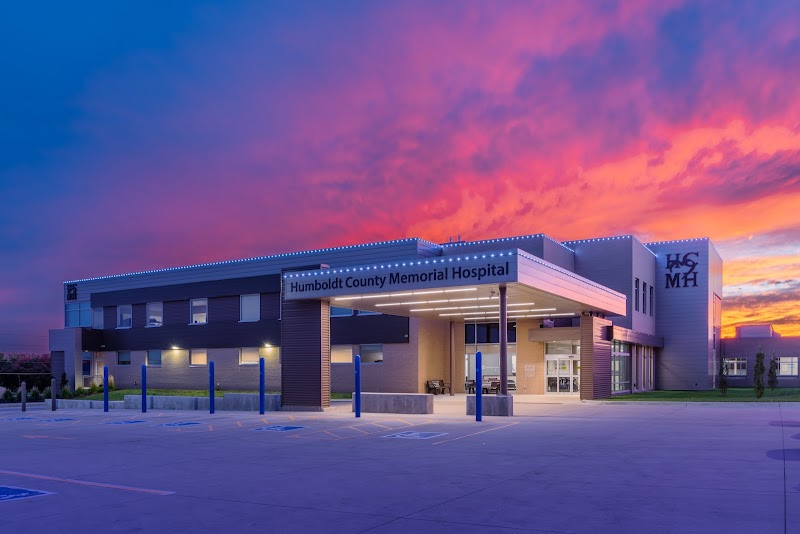
Humboldt County Memorial Hospital
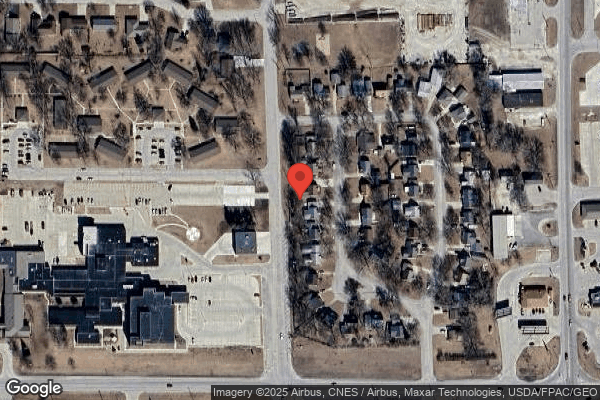
1000 North 15th Street, Humboldt, IA 50548 (515) 332-4200
Government - County 28 Beds Independent Data: November 2025
Trust Grade
90/100
#38 of 392 in IA
Last Inspection: January 2025

Within standard 12-15 month inspection cycle. Federal law requires annual inspections.

Overview

Humboldt County Memorial Hospital has earned a Trust Grade of A, indicating it is an excellent facility and highly recommended for care. It ranks #38 out of 392 nursing homes in Iowa, placing it in the top half, and holds the top position in Humboldt County, meaning there are no better local options. The facility is improving, having reduced its number of issues from 2 in 2024 to none in 2025. Staffing is a strong point with a perfect 5/5 star rating and RN coverage that exceeds 75% of Iowa facilities, although the turnover rate of 46% is average. While the facility has no fines, which is a positive sign, recent inspections revealed concerns such as staff not properly covering food items on trays and failing to prepare pureed foods adequately, as well as issues with treating some residents with the dignity they deserve. Overall, while there are areas needing attention, the facility boasts strong staffing and a solid reputation.
Trust Score
A
90/100
In Iowa
#38/392
Top 9%
Safety Record
Low Risk
No red flags
Inspections
Getting Better
2 → 0 violations
Staff Stability
⚠ Watch
46% turnover. Above average. Higher turnover means staff may not know residents' routines.
Penalties
✓ Good
No fines on record. Clean compliance history, better than most Iowa facilities.
Skilled Nurses
✓ Good
Each resident gets 66 minutes of Registered Nurse (RN) attention daily — more than 97% of Iowa nursing homes. RNs are the most trained staff who catch health problems before they become serious.
Violations
✓ Good
Only 5 deficiencies on record. Cleaner than most facilities. Minor issues only.
★★★★★
5.0
Overall Rating
★★★★★
5.0
Staff Levels
★★☆☆☆
2.0
Care Quality
★★★★★
5.0
Inspection Score
Stable
2024: 2 issues
2025: 0 issues

The Good

  • 5-Star Staffing Rating · Excellent nurse staffing levels
  • Full Sprinkler Coverage · Fire safety systems throughout facility
  • No fines on record

Facility shows strength in staffing levels, fire safety.

The Bad

Staff Turnover: 46%

Near Iowa avg (46%)

Higher turnover may affect care consistency

The Ugly 5 deficiencies on record

Jan 2024 2 deficiencies
CONCERN (D)

Potential for Harm - no one hurt, but risky conditions existed

Deficiency F0804 (Tag F0804)

Could have caused harm · This affected 1 resident

Based on observations, staff interviews, and policy review, the facility failed to prepare pureed food items with the most nutritional content, provide a full serving of pureed meat and failed to hold...

Read full inspector narrative →
Based on observations, staff interviews, and policy review, the facility failed to prepare pureed food items with the most nutritional content, provide a full serving of pureed meat and failed to hold hot food at appropriate temperatures. The facility reported a census of 26 residents. Findings include: On 1/3/23 at 11:30 PM, observed the puree food process with Staff A, Cook. Staff A reported there were two residents that received puree food (Resident #4 and #10). Staff A reported she would need to puree 6 items (two servings of green beans, two servings of rice, one serving of salmon and one serving of barbeque (BBQ) ribs). Observations revealed the following: A. Staff A took two servings of rice from the steam table, placed it in the blender and added tap water directly from the sink faucet. Staff A blended the rice and added some thickener. Staff A split the pureed rice into two servings and scooped it into two bowls. Staff A placed a plastic lid on each bowl and placed it in the steam table without labeling or taking a food temperature. B. Staff A took two servings of green bean from the steam table, placed it in the blender and added tap water directly from the sink faucet. Staff A blended the greens beans and added some thickener. Staff A split the pureed green beans into two servings and scooped it into two bowls. Staff A placed a plastic lid on each bowl and placed it in the steam table without labeling it or taking a food temperature. The green beans appeared very runny in consistency. C. Staff A took one serving of salmon from the steam table, placed it in the blender and added tap water directly from the sink faucet. Staff A blended the Salmon, then added more water and some thickener to the mixture and blended it again. Staff A put the pureed salmon into a bowl. Staff A did not scrape out the blender to ensure the entire meat serving was obtained. Staff A placed a plastic lid on the bowl and placed it in the steam table without labeling the container or taking a food temperature. D. Staff A took one serving of BBQ ribs from the steam table, placed it in the blender and added tap water directly from the sink faucet. Staff A blended the BBQ ribs and added some thickener. Staff A placed the pureed BBQ ribs in a bowl filled to the top. Staff A took the blender to the sink and discarded the remainder of the pureed BBQ ribs. Staff A acknowledged and verified that she had discarded the remainders of the BBQ. Staff A placed a plastic lid on the bowl and placed it in the steam table without labeling the container or taking a temperature of the pureed BBQ ribs before placing it back in the steam table. E. Observed Staff A use cold tap water and hot tap water from the sink when adding the water to the blender. Staff A did not check the water temperature before adding it to the blender. On 1/3/24 at 12:00 PM, surveyor requested Staff A, [NAME] to take food temperatures on the pureed food items in the steam cart in the serving kitchen prior to serving. The food temperatures for the pureed food revealed the following temperatures: a. [NAME] Beans- 111.5 degrees Fahrenheit b. Rice- 114.6 degrees Fahrenheit c. Salmon- 106.9 degrees Fahrenheit d. BBQ ribs- 104.8 degrees Fahrenheit On 1/3/24 at 12:10 PM, Staff A, [NAME] reported she was not sure what to do about the pureed food temperatures. Staff A stated she would call her Supervisor for direction. Staff A reported Staff C, Dietary Supervisor told her to reheat the pureed food items in the microwave before serving. Staff A reported she had taken food temperatures prior to leaving the main kitchen. Staff A stated that the food must have lost temperature on the way down from the main kitchen to the serving kitchen. On 1/3/23 at 2:30 PM, Staff C, Dietary Supervisor reported they had been having some issue with the steam table in the serving kitchen and had plans to replace it. Staff A reported when she arrived to the serving kitchen the steam table wells were out of water so she had to add water to each well before placing the food in the steam table. She stated the food sat on the cart for a little bit before going into the steam table. On 1/4/24 at 8:50 AM, Staff D, Dietary Manager reported she would expect staff to blend the food in the blender first before adding any liquids to see if the liquids were needed. Staff D stated she expected gravy or sauces to be used for meat and to use the green bean juice for the green beans. Staff D reported her expectations are for staff not to take water directly out of the tap. She stated if cold water was taken out of the tap, she would expect staff to take a food temperature before putting the food back into the steam table. Staff D stated if the sauces, gravy or juice were used from the steam table then a temperature would not need to be taken. Staff D stated she expected the staff to use a rubber spatula to get all the pureed food out of the blender. Staff D stated any measurable amount of food needs to be removed from the blender and offered to the resident to ensure a full serving was given. Staff D stated Staff A was a newer cook and would be provided education and training regarding the puree process. A facility policy titled Food Production- Puree food policy reviewed 11/07/22 documented the following: 1. The pureed foods will be prepared using the serving in/serving out method. 2. The standardized recipe will be followed to puree the food to the appropriate consistency. -The employee will add the desired amount of servings of the food needing to be pureed into the blender. Liquids and/or thickener will be added per the recipe. -After the product has reached the appropriate texture and consistency per IDDS guidelines, the employee will divide the pureed product evenly to equal the total amount of servings that were originally added to the blender. -If extra serving were prepared, these will be discarded for quality and infection control. The policy did not address taking temperature prior to placing the pureed food items back into the steam table. The policy did not address what type of liquids to be used during the puree process. A facility policy titled Food Production-Proper food preparation and handling revised 7/13/2015 documented hot foods shall be held and served at 140 degrees Fahrenheit.
CONCERN (E)

Potential for Harm - no one hurt, but risky conditions existed

Food Safety (Tag F0812)

Could have caused harm · This affected multiple residents

Based on observations and staff interviews the facility failed to cover food items when transported. The facility identified a census of 26 residents. Findings include: On 1/3/24 during the noon meal ...

Read full inspector narrative →
Based on observations and staff interviews the facility failed to cover food items when transported. The facility identified a census of 26 residents. Findings include: On 1/3/24 during the noon meal service, observed 5 room trays leave the serving kitchen after Staff A, [NAME] and Staff B, Dietary Aide assembled each tray. The following items were not covered on each room tray: 1. Resident #9- garden salad and pineapple upside down cake 2. Resident #12- garden salad and pineapple upside down cake 3. Resident #13- garden salad 4. Resident #5- garden salad and pineapple upside down cake 5. Resident #6- pineapple upside down cake. On 1/3/24 at 1:00 PM, Staff A, [NAME] acknowledged and verified all items on a room tray should be covered. On 1/3/24 at 1:02 PM, Staff B, Dietary Aide reported she does not usually cover the salads or anything like that. Staff B stated she was not told to do that. On 1/3/24 at 1:30 PM, Staff C, Dietary Supervisor stated he thought every item on a room tray needed to be covered but would need to look at a policy. On 1/3/24 at 2:30 PM, Staff C, Dietary Supervisor reported the facility did not have a policy that addressed room trays and covering food items. On 1/3/24 at 4:40 PM, The Director of Nursing (DON) reported she could not locate a policy regarding room trays. The DON stated her expectations were all food items to be covered on the room trays during transport. The DON stated the dietary staff are responsible for covering the items before leaving the serving kitchen and her staff delivers the room tray. On 1/4/24 at 8:50 AM, Staff D, Dietary Manager stated she expected all items on the room tray to be covered when transported.
Nov 2023 1 deficiency
CONCERN (D) 📢 Someone Reported This

A family member, employee, or ombudsman was alarmed enough to file a formal complaint

Potential for Harm - no one hurt, but risky conditions existed

Resident Rights (Tag F0550)

Could have caused harm · This affected 1 resident

**NOTE- TERMS IN BRACKETS HAVE BEEN EDITED TO PROTECT CONFIDENTIALITY** Based on record review and staff and resident interview, the facility failed to assure residents were treated with dignity and r...

Read full inspector narrative →
**NOTE- TERMS IN BRACKETS HAVE BEEN EDITED TO PROTECT CONFIDENTIALITY** Based on record review and staff and resident interview, the facility failed to assure residents were treated with dignity and respect for 3 of 5 residents reviewed (Resident #1, #4, and #5). The facility reported a census of 25 residents. Findings include: 1.) According to the Minimum Data Set (MDS) assessment dated [DATE], Resident #1 scored 12 on the Brief Interview for Mental Status (BIMS) indicating moderate cognitive impairment. The resident required extensive assistance for bed mobility, transfer, dressing, and toilet use, and limited assistance with personal hygiene. The resident had diagnoses including hemiplegia (paralysis of 1 side of the body). The Care Plan dated 2/28/23 included Resident #1 was dependent on staff for meeting emotional, intellectual, physical, and social needs related to physical limitations. The resident had impaired cognition related to short term memory loss from a car accident and difficulty with speech at times. The interventions included communication: identifying self at each interaction, facing the resident when speaking to him and making eye contact, and reducing any distractions such as turning off the television and radio, and shutting the door. The resident understood consistent, simple, directive sentences. A statement written by Staff A Certified Nursing Assistant (CNA) documented on 10/3/23 Staff B CNA asked her to assist with Resident #1's transfer from the wheelchair to the recliner. Staff A noticed the resident must have had a nose bleed. Staff B stated it was off and on all day. Staff B said he had Kleenex and for him to clean up. She said it was just a nose bleed, nose bleeds happened, probably not his first nose bleed nor his last nose bleed, and she walked out of his room. Staff A was getting something to clean him when the Activity Director (AD) came in the room. She saw the resident had dried blood on his nose and shirt. The facility investigation included an interview by the Director of Nursing (DON) with Staff A on 10/5/23 at 2 p.m. Staff A stated she had reported a concern about how Staff B had interacted with the resident in his room when he had a bloody nose and in the hallway. The investigation further revealed on 10/4/23 the DON pulled Staff A in the office as she wanted to talk to her on 10/3/23 as she was leaving for the day. The DON told her she was running late to an obligation and asked if she could call her later or talk the following day. She said they could talk the following day. Staff A voiced concerns to the DON regarding an interaction on 10/3/23 when the resident had a nosebleed and thought that Staff B did not interact with the resident with compassion. She stated that Staff B told the resident everyone gets nose bleeds, get a Kleenex and clean it up. Staff and Resident interviews were completed on 10/5/23 and 10/6/23. During staff and resident interviews, vague concerns were voiced to the DON regarding Staff B. Reports of a snarky tone, bossy, working to fast, were voiced. Staff stated they did not feel this was intentional or malicious but did bring it up due to the nature of the conversation. Prior to staff and resident interviews, these concerns had not been reported previously to the DON, the nurses or any other employees. A statement written by Staff C Licensed Practical Nurse (LPN) documented Staff A told him that Staff B yelled at the Resident #1 about a nose bleed and making a mess. Staff A stated feeling bad for the resident and how awful we would feel if it was us or our family being treated that way. The resident confirmed the interaction. On 11/16/23 at 2:40 p.m. the resident stated Staff B was mad he had a bloody nose. He could not expand beyond she was just mad. On 11/20/23 at 10:02 a.m. Staff C stated he was the overnight nurse and the alleged incident occurred on the previous shift. He didn't witness anything himself. But the resident did say something happened. On 11/20/23 at 10:52 a.m. the AD stated when she entered the resident's room, he was in the room alone and she could see he had a bloody nose. Staff A came in also. She got him a wash cloth. The resident seemed embarrassed about the bloody nose. On 11/20/23 at 2:16 p.m. Staff B stated the day Resident #1 had the bloody nose she may have said there's a Kleenex and made a comment about cleaning it but she would have helped him. She did not recall any issue. She said she was not mad about anything. She said she didn't notice the bloody nose until after the transfer. On 11/20/23 at 5:10 p.m. the DON stated the resident said nothing happened when they asked him about the day in regards to his nose bleed. 2) According to the MDS assessment dated [DATE] Resident #4 scored 15 on the BIMS indicating no cognitive impairment. The resident required extensive assistance for bed mobility, transfer, dressing, and personal hygiene. The resident had diagnoses including heart failure and pulmonary disease. The Care Plan initiated 6/28/22 included the focus the Resident #4 was dependent on staff for meeting emotional, intellectual, physical, and social needs related to physical limitations. On 11/20/23 at 1:59 p.m. Staff D CNA stated she had a concern one day when Staff B had a tone with the Resident #4 and told the resident she knew what she was doing. On 11/20/23 at 2:12 p.m. Resident #4 stated she had issues with Staff B several times. She thought she could come in and start bossing her and other aides around. Staff B thought things would be done her way. The resident said that was not going to work. She said that happened a couple times and then Staff B left. 3) a) According to the MDS assessment dated [DATE] Resident #5 scored 3 on the BIMS indicating severe cognitive impairment. The resident required assistance for dressing, toileting and personal hygiene. The resident had diagnoses including anxiety disorder. The Care Plan initiated 10/9/23 included the focus Resident #5 was dependent on staff for meeting emotional, intellectual, physical, and social needs related to physical limitations. b) According to the MDS assessment dated [DATE], Resident #2 scored 15 on the BIMS indicating no cognitive impairment. On 11/20/23 at 10:25 a.m. Resident #2 stated Staff B was never mean to him, but he had heard her be verbally mean to his roommate (Resident #5). He clarified it was just verbal. The facility policy, Dignity and Respect approved 7/14/15 documented it was the policy of the facility to treat all residents with kindness, dignity and respect. The facility promoted care for residents in a manner and in an environment that maintained or enhanced each resident's dignity and respect in full recognition of his/her individuality. Staff should display respect for residents when speaking with, caring for, or talking about them, as constant affirmation of their individuality and dignity as human beings.
Nov 2022 2 deficiencies
CONCERN (D)

Potential for Harm - no one hurt, but risky conditions existed

Deficiency F0658 (Tag F0658)

Could have caused harm · This affected 1 resident

**NOTE- TERMS IN BRACKETS HAVE BEEN EDITED TO PROTECT CONFIDENTIALITY** Based on record review and staff interview, the facility failed to notify the physician of a significant weight loss (5%) for on...

Read full inspector narrative →
**NOTE- TERMS IN BRACKETS HAVE BEEN EDITED TO PROTECT CONFIDENTIALITY** Based on record review and staff interview, the facility failed to notify the physician of a significant weight loss (5%) for one of one resident reviewed, (Resident #20). The facility reported a census of 22 residents. Findings include: A Minimum Data Set (MDS) dated [DATE] for Resident #20, included diagnoses of Depression, Diabetes Mellitus Type 2, Hypothyroidism, and Gastroesophageal Reflux Disease (Acid Reflux). The MDS identified the resident was independent with eating after set up, and was extensive assistance of 2 staff for bed mobility, transfers, toileting, and dressing. The MDS documented the resident had a Brief Interview for Mental Status score of 14, indicating intact cognitive response. Record review showed on 10/01/2022, the resident weighed 160 pounds. On 11/01/2022, the resident weighed 151 pounds, which was a -5.63 % weight loss in one month. No documentation of physician notification was found in the record. Review of facility policy titled Weight Loss of Residents, modified 3/01/22, documented physician and family to be notified monthly, and as needed, of significant weight loss and current interventions. Policy also documented significant weight loss considered 5% for one month.
CONCERN (D) 📢 Someone Reported This

A family member, employee, or ombudsman was alarmed enough to file a formal complaint

Potential for Harm - no one hurt, but risky conditions existed

Incontinence Care (Tag F0690)

Could have caused harm · This affected 1 resident

Based on observation, record and policy review, and staff interview the facility failed to provide complete incontinence care for one of three residents reviewed, (Resident #14). The facility reported...

Read full inspector narrative →
Based on observation, record and policy review, and staff interview the facility failed to provide complete incontinence care for one of three residents reviewed, (Resident #14). The facility reported a census of 22 residents. Findings include: The Minimum Data Set (MDS) assessment for Resident #14, dated 7/8/22, included diagnoses of Alzheimer's and Renal (kidney) Insufficiency. The MDS identified the resident needed extensive assistance of one staff for bed mobility, transfers, dressing and toilet use. The MDS identified the resident was frequently incontinent of urine. The MDS documented a Brief Interview for Mental Status of 6, indicating major cognitive impairment. During an observation on 11/9/22 at 12:47 PM, with the Director of Nursing (DON) present, Staff A, Certified Nurse's Aide assisted the resident to the toilet with a walker. Staff A removed the resident's wet pull-up brief and pants. Staff A wiped between the resident's leg and groin on each side, using a new wipe for each side. Staff A did not cleanse the penis or scrotum. Staff A cleansed the buttocks and hips using a new wipe for each swipe. Staff A removed gloves, sanitized hands, and applied a new pull-up brief and clean pants. Staff A confirmed the old pull-up brief was wet with urine. Review of facility policy titled, Perineal Care , modified 5/18/21, documented: for male resident wash the penis from the urethral opening or tip of the penis and wash the scrotum, pay attention to skin folds, dry. Immediately following the observation on 11/9/22, the DON stated her expectation was to cleanse the penis and scrotum with cares.
Understanding Severity Codes (click to expand)
Life-Threatening (Immediate Jeopardy)
J - Isolated K - Pattern L - Widespread
Actual Harm
G - Isolated H - Pattern I - Widespread
Potential for Harm
D - Isolated E - Pattern F - Widespread
No Harm (Minor)
A - Isolated B - Pattern C - Widespread

Questions to Ask on Your Visit

  • "Can I speak with families of current residents?"
  • "What's your RN coverage like on weekends and overnight?"

Our Honest Assessment

Strengths
  • • Grade A (90/100). Above average facility, better than most options in Iowa.
  • • No major safety red flags. No abuse findings, life-threatening violations, or SFF status.
  • • No fines on record. Clean compliance history, better than most Iowa facilities.
  • • Only 5 deficiencies on record. Cleaner than most facilities. Minor issues only.
Concerns
  • • No significant concerns identified. This facility shows no red flags across CMS ratings, staff turnover, or federal penalties.
Bottom line: Generally positive indicators. Standard due diligence and a personal visit recommended.

About This Facility

What is Humboldt County Memorial Hospital's CMS Rating?

CMS assigns Humboldt County Memorial Hospital an overall rating of 5 out of 5 stars, which is considered much above average nationally. Within Iowa, this rating places the facility higher than 99% of the state's 100 nursing homes. This rating reflects solid performance across the metrics CMS uses to evaluate nursing home quality.
How is Humboldt County Memorial Hospital Staffed?
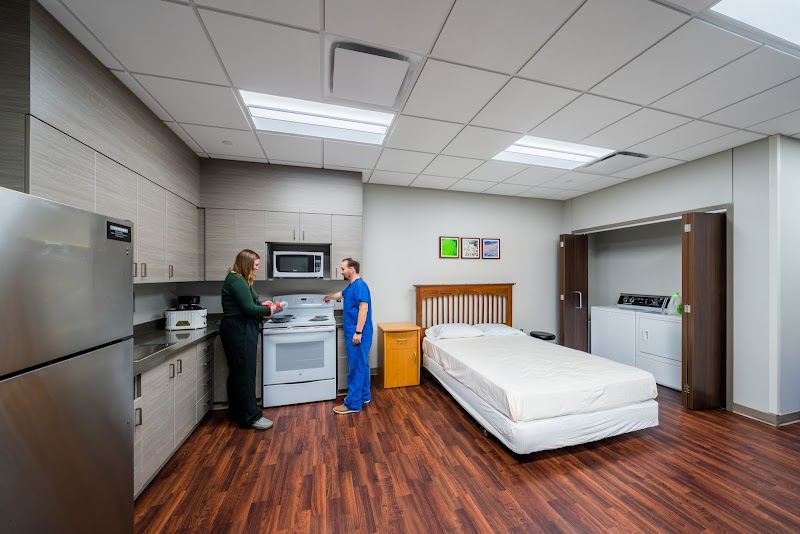
CMS rates Humboldt County Memorial Hospital's staffing level at 5 out of 5 stars, which is much above average compared to other nursing homes. Staff turnover is 46%, compared to the Iowa average of 46%. This relatively stable workforce can support continuity of care.

What Have Inspectors Found at Humboldt County Memorial Hospital?

State health inspectors documented 5 deficiencies at Humboldt County Memorial Hospital during 2022 to 2024. These included: 5 with potential for harm.

Who Owns and Operates Humboldt County Memorial Hospital?

Humboldt County Memorial Hospital is owned by a government entity. Government-operated facilities are typically run by state, county, or municipal agencies. The facility operates independently rather than as part of a larger chain. With 28 certified beds and approximately 22 residents (about 79% occupancy), it is a smaller facility located in Humboldt, Iowa.

How Does Humboldt County Memorial Hospital Compare to Other Iowa Nursing Homes?

Compared to the 100 nursing homes in Iowa, Humboldt County Memorial Hospital's overall rating (5 stars) is above the state average of 3.1, staff turnover (46%) is near the state average of 46%, and health inspection rating (5 stars) is much above the national benchmark.

What Should Families Ask When Visiting Humboldt County Memorial Hospital?

Based on this facility's data, families visiting should ask: "Can I visit during a mealtime to observe dining assistance and food quality?" "How do you handle medical emergencies, and what is your hospital transfer rate?" "Can I speak with family members of current residents about their experience?"

Is Humboldt County Memorial Hospital Safe?

Based on CMS inspection data, Humboldt County Memorial Hospital has a clean safety record: no substantiated abuse findings (meaning no confirmed cases of resident harm), no Immediate Jeopardy citations (the most serious violation level indicating risk of serious injury or death), and is not on the Special Focus Facility watch list (a federal program monitoring the lowest-performing 1% of nursing homes). The facility has a 5-star overall rating and ranks #1 of 100 nursing homes in Iowa. While no facility is perfect, families should still ask about staff-to-resident ratios and recent inspection results during their visit.

Do Nurses at Humboldt County Memorial Hospital Stick Around?

Humboldt County Memorial Hospital has a staff turnover rate of 46%, which is about average for Iowa nursing homes (state average: 46%). Moderate turnover is common in nursing homes, but families should still ask about staff tenure and how the facility maintains care continuity when employees leave.

Was Humboldt County Memorial Hospital Ever Fined?

Humboldt County Memorial Hospital has no federal fines on record. CMS issues fines when nursing homes fail to meet care standards or don't correct problems found during inspections. The absence of fines suggests the facility has either maintained compliance or corrected any issues before penalties were assessed. This is a positive indicator, though families should still review recent inspection reports for the full picture.

Is Humboldt County Memorial Hospital on Any Federal Watch List?

Humboldt County Memorial Hospital is not on any federal watch list. The most significant is the Special Focus Facility (SFF) program, which identifies the bottom 1% of nursing homes nationally based on persistent, serious quality problems. Not being on this list means the facility has avoided the pattern of deficiencies that triggers enhanced federal oversight. This is a positive indicator, though families should still review the facility's inspection history directly.