Buchanan County Health Center
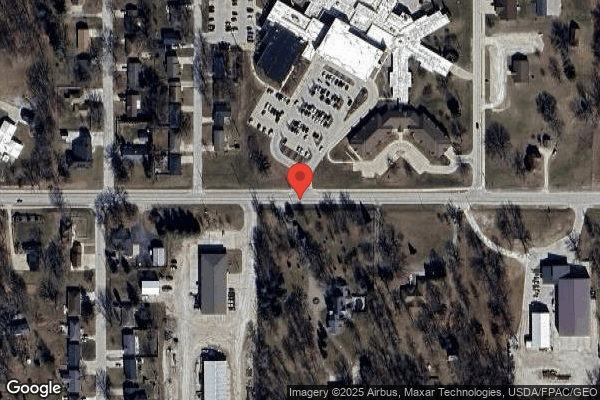
1600 First Street East, Independence, IA 50644 (319) 334-6071
Government - County 39 Beds Independent Data: November 2025 1 Immediate Jeopardy citation
Trust Grade
66/100
#100 of 392 in IA
Last Inspection: March 2025

Within standard 12-15 month inspection cycle. Federal law requires annual inspections.

Overview

Buchanan County Health Center has received a Trust Grade of C+, indicating it is slightly above average but still has room for improvement. It ranks #100 out of 392 nursing homes in Iowa, placing it in the top half of facilities in the state, and is the best option among the two homes in Buchanan County. The facility is improving, with issues decreasing from seven in 2024 to four in 2025. Staffing is a strong point, earning a perfect 5/5 stars, with a turnover rate of 31%, significantly lower than the state average, which helps staff maintain familiarity with residents. However, there have been concerning incidents, including a resident with severe cognitive impairment wandering outside unsupervised and issues with the commercial dishwasher not reaching proper sanitization temperatures. Additionally, the facility has not employed a certified nutrition professional as required, which raises questions about meal management and safety. Overall, while there are strengths in staffing and care quality, families should be aware of these specific weaknesses.

Trust Score
C+
66/100
In Iowa
#100/392
Top 25%
Safety Record
High Risk
Review needed
Inspections
Getting Better
7 → 4 violations
Staff Stability
○ Average
31% turnover. Near Iowa's 48% average. Typical for the industry.
Penalties
⚠ Watch
$4,011 in fines. Higher than 98% of Iowa facilities. Major compliance failures.
Skilled Nurses
✓ Good
Each resident gets 72 minutes of Registered Nurse (RN) attention daily — more than 97% of Iowa nursing homes. RNs are the most trained staff who catch health problems before they become serious.
Violations
⚠ Watch
11 deficiencies on record. Higher than average. Multiple issues found across inspections.
★★★★☆
4.0
Overall Rating
★★★★★
5.0
Staff Levels
★★★☆☆
3.0
Care Quality
★★★☆☆
3.0
Inspection Score
Stable
2024: 7 issues
2025: 4 issues

The Good

  • 5-Star Staffing Rating · Excellent nurse staffing levels
  • Full Sprinkler Coverage · Fire safety systems throughout facility
  • No fines on record
  • Staff turnover below average (31%)

    17 points below Iowa average of 48%

Facility shows strength in staffing levels, fire safety.

The Bad

Staff Turnover: 31%

15pts below Iowa avg (46%)

Typical for the industry

Federal Fines: $4,011

Below median ($33,413)

Minor penalties assessed

The Ugly 11 deficiencies on record

1 life-threatening
Mar 2025 4 deficiencies
CONCERN (D)

Potential for Harm - no one hurt, but risky conditions existed

Deficiency F0658 (Tag F0658)

Could have caused harm · This affected 1 resident

Based on observation, policy review, staff interview, and review of Kwik Pen Instructions for Use document, the facility failed to prime the needle of an insulin pen prior to the intent to deliver ins...

Read full inspector narrative →
Based on observation, policy review, staff interview, and review of Kwik Pen Instructions for Use document, the facility failed to prime the needle of an insulin pen prior to the intent to deliver insulin to the resident (Resident #17). The facility reported a census of 34 residents. Findings include: Physician orders for Resident #17 include Humalog (Insulin Lispro) 5 units. During an observation of the morning medication pass on 3/20/25 at 8:34 AM, Staff H, Registered Nurse (RN) removed a KwikPen (Insulin Lispro) from the mediation cart. She removed the cap, cleansed the hub with alcohol and attached the needle. She turned the knob the prescribed dose of 5 units, showed the dose to the surveyor and started to apply gloves. When asked if she was committed to giving that dose, she confirmed she was. The surveyor stopped the dose from being given as the needle had not been primed. Staff H acknowledged she should have primed the needle. During an interview on 3/20/25 at 9:38 AM Staff B, RN, Nurse Manager explained she would expect the needle to be primed prior to administration. During an interview at 9:51 AM Staff B explained the facility does not have a policy for insulin administration. Instructions for Use Insulin Lispro KwikPen last revised by the manufacturer 7/23, directed staff to prime the pen prior to each use by turning to knob to 2 units and holding the pen with the needle pointing up, push the dose knob until it stops and the dose reads zero. The manufacturer document explains there should be a drop of insulin on the tip of the needle. The document explains that priming ensures the pen is working correctly and failure to prime before each injection may lead to getting too much or too little insulin. The facility policy titled Administration of Medication by Staff last revised 12/21 directs staff to administer medications per appropriate route in accordance with the manufacture directions.
CONCERN (F)

Potential for Harm - no one hurt, but risky conditions existed

Food Safety (Tag F0812)

Could have caused harm · This affected most or all residents

**NOTE- TERMS IN BRACKETS HAVE BEEN EDITED TO PROTECT CONFIDENTIALITY** Based on observation, record review, policy review, and staff interviews the facility failed to ensure the commercial dishwasher...

Read full inspector narrative →
**NOTE- TERMS IN BRACKETS HAVE BEEN EDITED TO PROTECT CONFIDENTIALITY** Based on observation, record review, policy review, and staff interviews the facility failed to ensure the commercial dishwasher reached hot water sanitizing levels. The facility reported a census of 34 residents. Findings include: During a follow up walk through of the kitchen on 3/18/25 at 12:45 PM, the [NAME] model CL44E hot water sanitizing commercial dishwasher had been operating. The dishwasher had a digital display at the top center displaying temperatures for wash and final rinse cycles. The placard on the left side of the dishwasher revealed the following for hot water sanitizing: * Wash temperature 160º Fahrenheit (F) (71º Celsius(C)) minimum * Final rinse temperature 180º F (82º C) minimum, 194º F (90º C) maximum Below the dishwasher to the left a booster heater with a gauge that measures the water temperature from the booster heater to the dishwasher. A line in black permanent marker had been drawn at the 180º F reading. During an interview on 3/18/25 at 1:15 PM with Staff C (Nutritional Services Manager) and Staff D (Director of Environmental and Nutrition Services), revealed the digital display on the dishwasher had not been working and the dietary staff are to watch the gauge between the booster heater and dishwasher to ensure the water temperature maintained 180º F going into the dishwasher. Staff C, nutritional services manager, placed a component design northwest (CDN) dishwasher thermometer on a dishrack and ran it through the dishwasher. The light-emitting diode (LED) lights on the CDN dishwasher thermometer indicate the max temperature range reached along with a digital display for maximum temperature, current temperature, and minimum temperature. In addition to the CDN dishwasher thermometer, a dishwasher temperature strip had been utilized. The temperature strip stated when indicator turns black, stated temperature (180ºF) has been achieved. An observation on 3/18/25 at 1:15 PM of the CDN dishwasher thermometer and the temperature test strip revealed the dishwasher had not reached the hot water sanitizing levels indicated on the placard attached to the dishwasher. * The digital display on the dishwasher showed a wash temperature of 155 ºF and final rinse temperature of 180 ºF * CDN Dishwasher thermometer had no LED indicator lights on. * CDN Dishwasher digital display recorded the following: o 153.7 ºF for maximum temperature o 145.0 ºF for current temperature o 73.6 ºF for minimum temperature * The indicator on the temperature strip failed to turn black revealing water temperature of 180 ºF had not been reached. Staff C, nutrition service manager acknowledged the dishwasher temperatures failed to reach the hot water sanitizing levels to properly sanitize dishes to reduce the risk of food borne illness. Staff C, indicated staff would wash all dishes in the three compartment sink while dishwasher failed to reach optimum temperature for sanitization. Staff C, indicated he had placed the CDN dishwasher thermometer in the dishwasher after breakfast but failed to record the reading of the thermometer at that time. During an interview on 3/18/25 at 1:24 PM with Staff E, maintenance, acknowledged the digital display on the dishwasher had not worked in a long time. Staff E, explained the water heater temperature is 140 ºF. Hot water goes through a booster heater raising the temperature to 187 ºF. The gauge displays the temperature of the water leaving the booster heater going to the dishwasher. Staff E, acknowledged the reading on the gauge read 180 ºF. A review of the High-Temperature Dish machine Temperature Log revealed the following: The instructions indicate staff are instructed to: * Monitor and record final rinse temperatures at the beginning and end of each day (open and close). If required per local regulations, take a mid-day temperature. * If local jurisdiction requires a reading from the high-temperature dish machine gauge, record on this log. The gauge should read 180 ºF or above. * Minimum final rinse temperature can be no less than 180 ºF. To determine if the final rinse temperature is accurate use on of the following methods: 1. Surface temperature - use adhesive thermolabels (160 ºF); adhesive label turns correct color (i.e. black, orange) to indicate that 160 ºF has been reached. Record if 160 ºF if reached. 2. Surface temperature - use a digital, waterproof thermometer; temperature must read 160 ºF or greater. If corrective actions are needed staff are instructed to: A. Turn on booster heater, retest. B. If retest fails, notify manager, take equipment out of service and submit a repair request. A review of the past 30-day dishwasher readings revealed: * 2/19/25 failed to have any temperature strips on the log * 2/24/25 one of three temperature strips failed to turn the blue bar orange indicating temperature of 180 ºF had not been achieved. * 2/27/25 one of three temperature strips failed to turn the blue bar orange indicating temperature of 180 ºF had not been achieved. * 2/28/25 25 one of three temperature strips failed to the turn blue bar orange indicating temperature of 180 ºF had not been achieved. * 3/1/25 two of two temperature strips failed to turn the blue bar orange indicating temperature of 180 ºF had not been achieved. * 3/3/25 one of two temperature strips failed to turn the blue bar orange indicating temperature of 180 ºF had not been achieved. * 3/5/25 two of two temperature strips failed to turn the blue bar orange indicating temperature of 180 ºF had not been achieved. * 3/17/25 6:05 AM temperature strip failed to turn the blue bar orange indicating temperature of 180 ºF had not been achieved. * The facility staff failed to record the gauge reading or if any corrective action had been taken for all days reviewed * The manager failed to sign and date the forms indicating the form had been reviewed. A review of the Dietary Infection Control policy with a revised date of 6/26/24 instructed staff to: 1. Drain and flush the dishwasher daily. 2. Dishwasher will be maintained and operated per manufacturer's directions 3. Maintain a final sanitation rinse of 180 ºF and wash water of 160 ºF or higher 4. Thoroughly wash hands before handling clean dishes to prevent recontamination.
MINOR (B)

Minor Issue - procedural, no safety impact

Deficiency F0637 (Tag F0637)

Minor procedural issue · This affected multiple residents

Based on clinical record review, the Centers for Medicare and Medicaid Services (CMS) Long term Care (LTC) Facility Resident Assessment Instrument (RAI) 3.0 User's Manual, and staff interview, the fac...

Read full inspector narrative →
Based on clinical record review, the Centers for Medicare and Medicaid Services (CMS) Long term Care (LTC) Facility Resident Assessment Instrument (RAI) 3.0 User's Manual, and staff interview, the facility failed to complete a Significant Change Status Assessment (SCSA) Minimum Data Set (MDS) Assessment upon hospice election for 1 of 1 residents (Resident #27) reviewed on hospice services. The facility reported a census of 34 residents. Findings include: The Electronic Healthcare Record (EHR) census detail page documented hospice as the primary payer for Resident #27 effective 2/10/25. An EHR Progress Note dated 2/14/25 at 10:36 AM documented Resident #27 had been admitted to hospice care services. The MDS 3.0 Summary page in Resident #27 EHR revealed the facility failed to complete the SCSA MDS when hospice services had been elected. A review of the hospice clinical record revealed the following: * A Medicare Hospice Election Statement signed by Resident #27's family member documented the start of service date as 2/10/25. * The hospice Initial Nursing Assessment created and electronically signed on 2/10/25 documented Resident #27 met criteria for admission. * The Hospice Physician Certification documented the benefit start date as 2/10/25. The certification had been electronically signed by the physician on 2/11/25. During an interview on 03/19/25 at 09:13 AM Staff A, MDS Coordinator, acknowledged Resident #27 elected hospice services on 2/10/25. Staff A, MDS Coordinator follows the RAI manual when completing required assessments. Staff A, MDS Coordinator revealed she failed to complete the required SCSA MDS. During an interview on 03/19/25 09:21 AM Staff B, Nurse Manager/Infection Preventionist revealed she had been aware the SCSA MDS had not been completed. The LTC RAI 3.0 User's manual Version 1.19.1 October 2024 documented the RAI states an SCSA is required to be performed when a terminally ill resident enrolls in a hospice program or changes hospice providers and remains a resident at the nursing home. The RAI Manual specified the SCSA MDS completion date is 14 days from the determination that a significant change in resident status occurred (determination date plus 14 calendar days). The Federal regulations at 42 CFR (Code of Federal Regulations) 483.20 (b)(2)(ii) states the facility must conduct a comprehensive assessment of a resident in accordance with the time frames specified.
MINOR (B)

Minor Issue - procedural, no safety impact

Deficiency F0657 (Tag F0657)

Minor procedural issue · This affected multiple residents

**NOTE- TERMS IN BRACKETS HAVE BEEN EDITED TO PROTECT CONFIDENTIALITY** Based on clinical record review and staff interview the facility failed to revise and implement interventions on the comprehensi...

Read full inspector narrative →
**NOTE- TERMS IN BRACKETS HAVE BEEN EDITED TO PROTECT CONFIDENTIALITY** Based on clinical record review and staff interview the facility failed to revise and implement interventions on the comprehensive Care Plan to include hospice services for 1 of 1 residents (Resident #27) reviewed. The facility reported a census of 34 residents. Findings include: Resident #27 Minimum Data set (MDS) assessment dated [DATE] identified a Brief Interview for Mental Status (BIMS) score of 12 out of 15, indicating moderate cognitive impairment. The MDS documented diagnoses of progressive neurological conditions, coronary artery disease, and depression. A Medicare Hospice Election Statement signed by Resident #27's family member documented the start of service date as 2/10/25. The Care Plan initiated on 6/24/24 for Resident #27 failed to include a focus area for a terminal prognosis with election of hospice services to include interventions directing staff on cares to be provided. During an interview on 3/19/2025 at 9:13 AM, Staff A, MDS Coordinator acknowledged the Care Plan should have been updated on 2/10/25. Staff A, MDS Coordinator revealed she updates the Care Plan following completion of the Minimum Data Set assessment. During an interview on 3/19/25 at 9:21 AM, Staff B, Nurse Manager/Infection Preventionist revealed the expectation is the Care Plan would be updated at the time services begin with the election of hospice services.
Nov 2024 2 deficiencies 1 IJ
CRITICAL (J) 📢 Someone Reported This

A family member, employee, or ombudsman was alarmed enough to file a formal complaint

Immediate Jeopardy (IJ) - the most serious Medicare violation

Accident Prevention (Tag F0689)

Someone could have died · This affected 1 resident

Based on observation, record review, staff interviews, and policy review the facility failed to ensure 1 of 5 mobility independent residents that were reviewed with severe cognitive impairment were ke...

Read full inspector narrative →
Based on observation, record review, staff interviews, and policy review the facility failed to ensure 1 of 5 mobility independent residents that were reviewed with severe cognitive impairment were kept in a safe location on the facilities premises at all times (Resident #1). On 10/30/2024 at 1:38 PM Resident #1 exited the facility by using an unlocked door and entered the attached Independent Living facility without an alarm sounding resulting in staff unaware of her exiting the building, however was in a safe place on the facilities premises. At 1:44 PM Resident #1 then exited the facilities Independent Living and went into the parking lot of an unsafe location off premises where she attempted multiple times to open an unknown person's vehicle car door until approximately 2:15 PM (31 minutes). A serious adverse outcome did not occur, however, was seriously likely to occur because staff were unaware she left the building and was outside in the Independent Living parking lot without staff supervision. The facility reported a census of 35 residents. The State Agency informed the facility of the Immediate Jeopardy (IJ) on 11/25/24 at 2:12 PM. The IJ began on 10/30/2024, the day Resident #1 exited the building from the attached Independent Living facility. Facility staff removed the Immediate Jeopardy on 10/31/24 through the following actions: a. On 10/30/24 at approximately 2:30 PM a Wander Alert System was installed on doors exiting the nursing facility into the Independent Living Facility. b. Hourly Checks of the doors exiting the nursing facility into the independent living facility to ensure they were secure and verify an employee badge or badge assigned to an independent living facility resident was required to be scanned to open the doors. Continues to remain in place. c. On 10/31/24 at approximately 8:30 AM door locks changed on doors exiting the nursing facility into the Independent Living facility to prevent the door from being left unlocked. In the event a key is used to unlock the door, the key must be returned to the locked position before it is able to be removed from the lock. This ensures the doors are locked at all times. The deficient practice was identified as past non-compliance and the scope lowered from J to D on 10/31/24 prior to the survey when the door lock was replaced. Findings include: The Minimum Data Set (MDS) for Resident #1 dated 8/8/2024 documented a Brief Interview for Mental Status of 3 out of 15 indicating severe cognitive impairment. The MDS also documented she was independent without assist devices for walking, transferring, and toileting and had no impairment in her upper or lower extremities. The MDS also revealed she had Alzheimer's disease and anxiety disorder. An undated and untitled document provided by the facility of the timeline of events for Resident #1 exiting the facility documented the following investigation that occurred on 10/30/24: a. 1:35 PM Resident #1 observed in her room by Staff A, Certified Nurse Aid (CNA) b. 1:38 PM Resident #1 exited the nursing facility into the Independent Living part of the nursing facility. c. 2:00 PM Staff A informed Staff B, Registered Nurse (RN) Resident #1 was not in their room d. 2:13 PM A tenant who lives at the Independent Living called the local police reporting a concern Resident #1 had attempted to open the door of a vehicle several times but was unable to as the vehicle was assumed to be locked. c. 2:15 PM Staff B observed two Independence police officers outside in the parking lot. During an observation on 11/25/24 at 10:05 AM revealed all doors throughout the facility locked and alarmed. Walk through of path Resident #1 took when exiting the facility on 10/30/24 into the Independent Living part of the building with the Administrator revealed she was outside next to a highway not visible by any windows of the nursing facility in a parking lot. Record review on 11/26/24 at 11:53 AM the Administrator provided a list of current residents that were independent in the building and their BIMS score: Resident #2 BIMS 6 (severe cognitive impairment) Resident #3 BIMS 3 (severe cognitive impairment) Resident #4 BIMS 0 (severe cognitive impairment) Resident #5 BIMS 8 (moderate cognitive impairment) Resident #6 BIMS 6 (severe cognitive impairment) During an interview on 11/25/24 at 9:53 AM Staff C, Maintenance revealed he has worked at the facility for over 11 years and the door into the Independent Living part of the building has never been unlocked, and he was unsure how it would ever be unlocked. During an interview on 11/25/24 at 10:07 AM - 10:17 AM Staff D, [NAME] and Staff E, Maintenance revealed there was no way the door into the Independent Living would ever be able to be left in an unlocked position as the door mechanics have been changed. During an interview on 11/25/24 at 11:13 AM the facilities Administrator revealed Resident #1 was outside for approximately 31 minutes unattended on 10/30/24 and was wearing a long sleeve sweatshirt, jeans, and sneakers and the temperature was 73 degrees. She informed Resident #1 attempted to get in one vehicle but it was locked, the road next to the parking lot speed limit is 30 miles per hour (mph). During an interview on 11/26/24 at 10:13 AM Staff F, Activities Coordinator revealed she would provide one-on-one activities for Resident #1 as she did not really enjoy any group activities. It was hard to get her to them, however Resident #1 would come to coffee talk or Bingo and then she would just get up and leave in the middle of it. She then informed you had to speak up when you talked to her and sometimes you would say something and she would not understand. She then stated Resident #1 had a very quick gait and could move very fast and was very mobile and did not use a walker or cane. She informed that sometimes nursing staff would ask her to provide one to one activity with her to keep her busy and they wanted eyes on her at all times. Her confusion was up and down and she changed everyday, never knew what to expect with her. During an interview on 11/26/24 at 12:26 PM with Staff G, Licensed Practical Nurse (LPN) informed Resident #1 was very busy and not a morning person, but sometimes she would be up for 24 hours or more. She needed a lot of supervision but she was independent and would keep an eye on her from a distance because she could get upset at times and informed the facility recommended to Resident #1 family she needed to be placed in a memory unit as she was very busy, and very quick on her feet. She revealed she felt Resident #1 might have been able to start a vehicle if the keys were in it, but it would have all depended on her cognition at that moment as it varied a lot. During an interview on 12/26/24 at 12:45 PM Staff B, RN revealed Resident #1 would try and go outside a lot with no specific door, but when she was in that mood they would provide one to one with her so she could have eyes on her constantly. She revealed Resident #1 would make random comments about how she needed to leave for something, and it would change all the time, she then informed she felt she never understood. She then revealed on a good day she would make zero (0) attempts to exit the facility and make up to five (5) attempts to exit the facility on her worst day. She informed Resident #1 could probably turn a vehicle on if it needed a key, depending on the make model of the vehicle, but not a push button vehicle. She informed if a vehicle was honking at Resident #1 she does not think she would have been able to comprehend what that meant. If someone would have pulled over when she was outside and offered her a ride, a stranger or anyone she would have got in the vehicle with them. During an interview on 11/26/24 at 1:05 PM with Staff H, LPN revealed Resident #1 sometimes would be up for 24 hours or more, and you never knew what you would get from her from day to day. She was independent with walking. She liked to be tidy and doing something, she would change her clothes multiple times a day, sometimes three (3) or more as she would forget. She informed she worked the day Resident #1 got into the Independent Living part of the building and was searching for her but no alarms were going off so assumed she had to still be in the building. During an interview on 11/26/24 at 1:22 PM Staff I, CNA revealed Resident #1 could get combative and aggressive. She informed Resident #1 wandered a lot and was pretty quick on her feet, but everyday was different for her, sometimes she would be in bed all day and sometimes up all night. She revealed Resident #1 would look for her purse and jacket a lot, and sometimes would go to the front door and tell staff she lost her purse or keys and say she was going to get in her car and drive home. She then informed Resident #1 probably could have started a vehicle but not sure if able to drive and could have possibly tried to get a ride with someone. During an interview on 11/26/24 at 1:34 PM Staff J, CNA revealed Resident #1 loved to wander and the facility let her unless it became a hazard. She then informed most of the time you could redirect Resident #1 by asking her if she could help you, because if something else needed her attention she would go towards it right away. She then revealed it worried her with Resident #1 living at the facility because she was so fast, you would see her one second and then the next second she would be gone. During an interview on 11/26/24 at 1:42 PM Staff K, CNA revealed on a normal day Resident #1 would stay in her room as she had a mind of her own and it was hard to redirect her. On a good day she was very happy, but on bad days she would try to go out doors 5-6 times a day and the facility would provide one on one with her. She revealed she felt Resident #1 probably could have waved a vehicle down for a ride if she was outside and wanted to go somewhere. She was independent with walking and had a normal pace, but always had to carry something in her hands like a purse, doll, or blanket whatever she could find. During an interview on 11/26/24 at 1:48 PM Staff L, CNA revealed she works at the facility full time and Resident #1 was usually pretty quick with walking but she never really worked with her and did not know what things would have helped her when she was door seeking During an interview on 11/26/24 at 1:53 PM Staff M, agency contracted CNA, revealed Resident #1 was a hard resident to take care of as she was going to do what she wanted to do and was very hard to redirect. She informed Resident #1 was very fast and they could never keep track of her. She was very feisty and would like to yell at people and would talk about breaking into her house and say get out of my house. She also would pack all her things in trash bags we actually had to take out the extra bags in her room because would fill them up with her stuff and haul all of it out in her arms and also take her clothes out of the closet and bring them up to the nurses station and lay them on the table then go get more. Sometimes she would be awake for up to 36 hours and then sleep 24 hours, she did that about once every few weeks. During an interview on 11/26/24 at 2:23 PM the Administrator revealed you could not be firm with Resident #1, instead ask if she could help with something and switch out caregivers if it's not working. She informed she would have expected the Independent Living door to always be locked as this was the first time it had ever failed since she started in her role 10.5 years ago. Review of the facilities policy, Abduction and Elopement of Patients/Residents last reviewed on 9/25/24 instructed the following: Elopement: A resident who leaves when doing so may present an imminent threat to the patient's health or safety because of legal status or because the patient has been deemed too ill or impaired to make a reasoned decision to leave. Elopement does not include events involving competent adults with decision-making capacity who leave against medical advice or voluntarily leave without being seen. Identification of those at Risk for Elopement and Prevention Measures: Interventions will be individualized based on the resident's risk. Interventions may include but are not limited to: a. Placement in a room close to the nursing station if possible. b. Use of an alarm system to alert staff of patient movement (bed/chair alarm) if appropriate. c. Frequent rounding on patient/resident by staff to identify any potential unmet need. d. Resident will be accompanied by staff when leaving the unit. e. Staff will verbally redirect residents as needed for their safety. f. Documentation of resident's elopement risk will be included in the resident's care/treatment plan. g. Any attempted elopement will be shared during the staff shift report and documented in the medical record.
CONCERN (D) 📢 Someone Reported This

A family member, employee, or ombudsman was alarmed enough to file a formal complaint

Potential for Harm - no one hurt, but risky conditions existed

Deficiency F0741 (Tag F0741)

Could have caused harm · This affected 1 resident

Based on record review and staff interview the facility failed to implement a comprehensive care plan with resident specific interventions to assist with identified exit seeking behaviors for 1 of 4 r...

Read full inspector narrative →
Based on record review and staff interview the facility failed to implement a comprehensive care plan with resident specific interventions to assist with identified exit seeking behaviors for 1 of 4 residents reviewed (Resident #1). The facility reported a census of 35 residents. Findings include: The Minimum Data Set (MDS) for Resident #1 dated 8/8/2024 documented a Brief Interview for Mental Status of 3 out of 15 indicating severe cognitive impairment. The MDS also documented she was independent without assistive devices for walking, transferring, and toileting and had no impairment in her upper or lower extremities. The MDS also revealed she had Alzheimer's disease and anxiety disorder. Record review of Resident #1 Care Plan on 11/21/24 lacked resident specific approaches and interventions of what to do when exit seeking. During an interview on 11/26/24 at 12:26 PM Staff G, Licensed Practical Nurse (LPN) informed Resident #1 needed a lot of supervision because she could get upset at times and informed the facility recommended to Resident #1 family she needed to be place in a memory unit as she was very busy, and very quick on her feet. Her family recommended she watch TV and have a bowl of ice cream when going to bed upon admission, and we tried but it never worked. Her daughter came up a lot in the evening and did bedtime routine. During an interview on 12/26/24 at 12:45 PM Staff B, RN revealed Resident #1 would try and go outside a lot, no specific door, but when she was in that mood they would provide one to one with her so she could have eyes on her constantly. She would fold towels sometimes or plastic toy babies, but you never knew how long your intervention would last. We would try to think of something to keep her occupied sometimes it would be towels, food, or we would walk with her and and redirect as needed. During an interview on 11/26/24 at 1:34 PM Staff J, CNA revealed Resident #1 loved to wander around the facility and staff let her unless it became a hazard. She informed Resident #1 really liked picking up trash or clothing protectors in the dinning room as she needed to keep her hands and mind busy. She then informed Resident #1 was used to being a Mom so things like coloring didn't work, she wanted to be in a Mom role. During an interview on 11/26/24 at 1:42 PM Staff K, CNA revealed on a normal day Resident #1 always had to carry something in her hands like a purse, doll, or blanket whatever she could find. She also had a few fake cats and kittens she would hold, she also had a few plastic toy babies and would treat them like they were real and then say, you know they are not real. During an interview on 11/26/24 at 1:48 PM Staff L, CNA revealed she worked at the facility full time and never really worked with Resident #1 and did not know what things would have helped her when she was door seeking. During an interview on 11/26/24 at 1:53 PM Staff M, agency contracted CNA revealed Resident #1 loved cleaning and needed Mom type interventions such as cleaning the dining room. During an interview on 11/26/24 at 2:23 PM the Administrator revealed you could not be firm with Resident #1, instead ask if she could help with something and switch out caregivers as needed. She informed she would expect a Care Plan to have specific interventions for wandering behaviors if present and be personalized to each resident.
Jun 2024 5 deficiencies
CONCERN (D)

Potential for Harm - no one hurt, but risky conditions existed

Deficiency F0637 (Tag F0637)

Could have caused harm · This affected 1 resident

Based on clinical record review, Long Term Care Facility Resident Assessment Instrument (RAI) review, and staff interview the facility failed to complete a significant change Minimum Data Set (MDS) wi...

Read full inspector narrative →
Based on clinical record review, Long Term Care Facility Resident Assessment Instrument (RAI) review, and staff interview the facility failed to complete a significant change Minimum Data Set (MDS) within 14 days of determining a significant change for 1 of 1 resident reviewed for significant change (Resident #5). The facility reported a census of 37 residents. Findings include: The Progress Note dated 4/17/24 written at 2:00 PM documented during the completion of the quarterly MDS it was noted the resident had a decline in multiple areas. The note explained the overall decline was a significant change and an Assessment Reference Date (ARD) was set as 4/29/24. The significant change MDS with an ARD of 4/29/24 was signed as complete on 5/13/24 (26 days after determining a significant change). The RAI 3.0, version 1.17.1 dated October 2019, directs the significant change MDS be completed no later than the 14th calendar day after determining a significant change in resident status has occurred. During an interview on 6/6/24 at 8:57 AM, the MDS coordinator explained she had 14 days from the noticed change to set the ARD and an additional 14 days to complete the MDS. She further explained the facility does not have a policy for the completion MDS's, she follows the RAI manual. She explained she misread the RAI manual.
CONCERN (D)

Potential for Harm - no one hurt, but risky conditions existed

Comprehensive Care Plan (Tag F0656)

Could have caused harm · This affected 1 resident

**NOTE- TERMS IN BRACKETS HAVE BEEN EDITED TO PROTECT CONFIDENTIALITY** Based on physician order review, care plan review, and staff interview the facility failed to have anticoagulant, antibiotic, op...

Read full inspector narrative →
**NOTE- TERMS IN BRACKETS HAVE BEEN EDITED TO PROTECT CONFIDENTIALITY** Based on physician order review, care plan review, and staff interview the facility failed to have anticoagulant, antibiotic, opioid, insulin, and diuretic medications and potential side effects to be monitored on the resident care plan for 4 of 7 residents reviewed (Residents #5, #6, #13, and #15). The facility reported a census of 37 residents. Findings include: 1. Resident #5's Order Review History Report electronically signed by the Advance Registered Nurse Practitioner (ARNP) on 4/26/24 listed medication orders including: Azithromycin (antibiotic) 250 milligrams (mg) by mouth Monday, Wednesday, and Friday Lasix (diuretic medication fluid pill) 20 mg by mouth daily Lorazepam (anxiety medication) 0.5 mg by mouth daily Resident #5's Care Plan lacked signs, symptoms, or side effects of the medications to be monitored for any of the medications listed. 2. Resident #13's Order Summary Report signed by the Medial Doctor (MD) on 5/6/24 listed medication orders including: Amoxicillin (antibiotic) 250 mg by mouth daily Fentanyl (opioid) transdermal patch 75 mcg every 72 hours Lantus insulin 30 units subcutaneously (SQ) daily Lasix (diuretic medication fluid pill) 80 mg by mouth daily Novolog insulin 7 units SQ 3 times a day and sliding scale (amount given based on blood glucose measurement) Warfarin (blood thinner) 1 mg by mouth 6 days a week and not to be given on the 7th day Resident #13's Care Plan lacked signs, symptoms, or side effects of the medications to be monitored for any of the medication listed. During an interview on 6/5/24 at 1:55 PM the Director of Nursing (DON) explained the side effects she would expect to be monitored for each of the medications. She further explained she would expect the medications and side effects to be on the Care Plan. 3. Resident #6 MDS assessment dated [DATE] showed a Brief Interview for Mental Status (BIMS) score of 6 indicating severe cognitive loss. The MDS documented Resident #6 utilized a anticoagulant medication for a diagnosis of unspecified atrial fibrillation. An Order Listing Report signed by the Provider on 5/29/24 showed an order for Xarelto oral tablet 15 milligrams (MG) give 1 tablet by mouth one time a day related to unspecified atrial fibrillation. Active date 8/18/23. A 6/05/24 review of the March, April, May, and June 2024 Medication Administration Records (MARs) showed Resident #6 received the Xarelto medication daily from 3/01/24 to 6/05/24 of the sample review period. A 6/05/24 review of Resident #6 Care Plan lacked documentation of use of a anticoagulant medication, side effects or how to monitor the residents for complications of the medication. 4. Resident #15 MDS assessment dated [DATE] showed a BIMS score of 11 indicating a moderate cognitive loss. The MDS documented Resident #15 utilized a anticoagulant medication for a diagnosis of personal history of other venous thrombosis and embolism (clotting of the blood in a part of the circulatory system). An Order Listing Report signed by the Provider on 4/26/24 showed an order for Apixaban tablet 5 MG) give 1 tablet by mouth two times a day. Active date 6/05/20. A 6/05/24 review of the April, May and June 2024 Medication Administration Records (MARs) showed Resident #15 received the Apixaban medication daily from 4/01/24 to 6/05/24 of the sample review period. A 6/05/24 review of Resident #15 Care Plan lacked documentation of use of the anticoagulant medication, side effects or how to monitor the residents for complications of the medication.
CONCERN (D)

Potential for Harm - no one hurt, but risky conditions existed

Deficiency F0688 (Tag F0688)

Could have caused harm · This affected 1 resident

**NOTE- TERMS IN BRACKETS HAVE BEEN EDITED TO PROTECT CONFIDENTIALITY** Based on clinical record review, observation, and staff interview, the facility failed to ensure a resident with limited range o...

Read full inspector narrative →
**NOTE- TERMS IN BRACKETS HAVE BEEN EDITED TO PROTECT CONFIDENTIALITY** Based on clinical record review, observation, and staff interview, the facility failed to ensure a resident with limited range of motion received the appropriate assistance to prevent decline or maintain mobility for 1 of 2 residents sampled (Resident #15). The facility identified a census of 37 residents. Findings include: Resident #15 Minimum Data Set (MDS) assessment dated [DATE] showed a Brief Interview for Mental Status score of 11 indicating moderate cognitive loss. The MDS documented Resident #15 utilized a walker and a wheelchair and had a functional impairment in upper body range of motion on one side with diagnoses of neurologic neglect syndrome, foot drop of the right foot, effusion of the left ankle, pain in the left foot and ankle joint, and generalized muscle weakness. The MDS lacked documentation of a nursing restorative program. The Resident's electronic diagnosis list included a diagnosis of personal history of other diseases of the circulatory system. A Restorative Program Note dated 12/5/2023 at 5:52 AM completed by Staff G, Certified Nursing Assistant (CNA) documented quarterly Restorative Nursing Program assessment completed. Resident #15 actively participates. Resident is on an active assist range of motion (AAROM) program to bilateral right-side upper extremities and lower extremities; active range of motion (AROM) to bilateral left side upper and lower extremities, 3-6 times per week. The program appeared appropriate for maintaining/promoting her abilities. The Care Plan revised 1/02/24 documented a Focus Problem of limited ROM and decreased functional mobility related to generalized decline and right sided weakness related to a cerebrovascular accident (CVA). The Care Plan instructed the staff to provide the following: a. Complete AROM to the upper extremities. Provide assistance with the right upper extremity as needed. AROM to the bilateral lower extremities with the use of a Thera-band as tolerated 3-6 times per week for strength. An Order Review History Report signed by the Provider on 4/26/24 listed the following orders: a. AAROM to the right upper and lower extremities 3-6 times per week, one time a day every Monday, Tuesday, Wednesday, Thursday, Friday, and Saturday. Complete active range of motion to the upper extremities. Provide assistance with the right upper extremity as needed. AROM to bilateral lower extremities with use of a Thera-band as tolerated 3-6 times per week for strength. Complete one time per day every Monday, Tuesday, Wednesday, Thursday, Friday, and Saturday for restorative. Order start date 11/29/22. The March 2024 Restorative Record showed from 3/25/24 - 3/30/24 the Resident only received the ROM exercise program one time on 3/27/24 for 8 minutes. The April 2024 Restorative Record documented from 4/08/24 - 4/18/24 the Resident received the ROM program one time on 4/08/24 for 8 minute and from 4/22/24 - 4/27/24 received the ROM program two times on 4/22/24 for 8 minutes and 4/24/24 for 8 minutes. The May 2024 Restorative Record from 5/06/24 - 5/11/24 was blank indicating the restorative program had not been completed, offered, or not tolerate by the resident; from 5/13/24 - 5/18/24 the program was only documented as completed on 5/15/24 for 5 minutes and 5/16/24 for 7 minutes. The March, April and May 2024 Restorative Records did not contain any documentation that Resident #15 refused the ROM program when offered. A review of the Restorative Program Notes from March 2024 to June 2024 lacked documentation of Resident #15 refusing restorative exercise. Resident #15 continued to participate in her exercise program. A review of the March 2024 to June 2024 Progress Notes revealed Resident #15 did go out with her family on a regular basis but was usually back in the facility by 3:00 PM. The Progress Notes also lacked documentation of a re-evaluation of her restorative program since 12/05/23. During an observation on 6/04/24 at 9:07 AM Resident #15 sat in the wheelchair with her right arm positioned on a right wheelchair arm support cushion. At 9:10 AM Staff B, Restorative Certified Nursing Assistant (RCNA) provided active AAROM to the left upper extremity with 20 repetitions of elbow flexion and extension, shoulder circles, left wrist and arm rotations, arm extensions, and ROM to the left hand. Staff B completed the same exercises with passive ROM to the right upper extremity. Staff B then instructed Resident #15 through lower body active ROM of both utilizing a green Thera band only on the left lower extremity. On 6/05/24 at 10:19 AM Staff B reported she was new to the position in March 2024. There was a transition when she was taking over the position. If the aides were short on the floor, she would try to help. She explained she thought it was more important to help on the floor than to provide the restorative programs. She didn't have a system in place to be able to do both jobs. Resident #15 went out with her family a lot and she didn't know how to document that in the system. Staff B responded, no when asked if she ever asked anyone how to document the resident being out of the facility in the restorative documentation. Staff B reported Resident #15 really didn't have too many refusals. Staff B verified if Resident #15 refused or could not tolerate the program, it should have been documented, but she didn't know how to do that in the electronic restorative record. An interview on 6/06/24 at 9:09 AM with Staff G revealed she had been working as a restorative aide back in March 2024 and Staff B had been hired to do the restorative position. She trained Staff B using her own training materials. They were transitioning into different roles between April and May 2024. Her current role is touching base with Staff B to see if she had any concerns. She looks back at the restorative documentation to ensure the programs are getting done. She had an average of 18-24 residents that she provided exercise programs to. Each resident program is different as far as how long it takes. They document in the electronic medication administration record (EMAR) tab. The Restorative Record has codes to document if the resident is out of the facility or refused the program. She reported they document when the program is provided in the record. If there was no documentation on that day, then the program wasn't done. Resident#15 only refused her program when she had an upset stomach and that would be documented. In that time period, if she was working part of day training in the office and part of the day in restorative, she was not able to get all the restorative programs done. She was only in the facility for 8.5 hours and got as many restorative programs done as she could. Her shift ended between 1:30 to 2:00 PM so sometimes she would miss residents. She reported she had not trained Staff B on how to document the restorative in the electronic health record yet. On 6/06/24 at 10:26 AM the MDS Coordinator reported she works with Staff G to develop an exercise program for each resident that needs a program. Staff G usually does a hands-on review of the resident and then she reviews the information and develops the exercise program from there. She reviews the ROM programs to see if there are any changes that are needed in the program quarterly. There was a transition with Staff G moving to a new position and Staff B taking over the restorative position the past few months. Regarding Resident #15, she went out with her family a lot. There were times when Staff G was gone and they just couldn't fit Resident #15 in the schedule. If Resident #15 refused it would be documented in the record. The goal is to get back to the 3-6 days per week. During an interview on 6/06/24 at 10:37 AM the Director of Nursing reported they went through a transition in staff. Staff G moved to the unit coordinator position and Staff B took over the restorative program. The Restorative personnel had been pulled due to short staffing on the floor. The staffing has since improved and they are working to get the restorative programs back to 3-6 times per week. She reported no residents had any functional declines due to the inconsistency in the restorative program. On 6/05/24 the Administrator reported the facility did not have a restorative policy.
CONCERN (F)

Potential for Harm - no one hurt, but risky conditions existed

Deficiency F0801 (Tag F0801)

Could have caused harm · This affected most or all residents

Based on document review, employee file review, and staff interview the facility failed to employ a certified nutrition professional and/or director who met the required qualifications in the time fra...

Read full inspector narrative →
Based on document review, employee file review, and staff interview the facility failed to employ a certified nutrition professional and/or director who met the required qualifications in the time frame allowed. The facility reported a census of 37 residents. Findings include: During an interview on 6/03/24 at 9:15 AM the Nutrition Manager reported she is not a Certified Dietary Manager (CDM). She is enrolled in the class but due to staffing issues she had to ask for an extension on the class so she has not completed the class at this time. A 6/05/24 9:15 AM review of the Nutrition Manager's employee file lacked documentation of a Certified Dietary Manager certificate. During an interview on 6/05/24 at 2:08 PM the Clinical Registered Dietician reported she only works part time for the hospital and they allow her 8 hours a week in the long-term care. She spends most of her time doing the Minimum Data Set (MDS) Assessments. The Nutrition Manager is the main one that would do anything kitchen related. She has done some training with the dietary staff in the long-term care but that was a few months ago and she has another education planned coming up with the dietary staff. There is a training service that provides most of the training materials and the Nutrition Manager does those educations and most of the hands on in the kitchen with the staff. She generally doesn't do that. During an interview on 6/05/24 at 3:50 PM the Executive Director of Senior Operations verbalized the Nutrition Manager is enrolled in the dietary manager class and will finish in the next two months. She had two years prior management experience prior to coming to the facility as a food supervisor. On 6/05/24 at 3:13 PM the Nutrition Manager explained she did not work in a nursing facility at her prior employment. She worked at a county jail in corrections as a food service supervisor. She had come on board with the facility 3/01/24 and started the CDM classes 3/06/24. During an interview on 6/05/24 at 3:50 PM the Executive Director of Senior Operations verbalized the Nutrition Manager is enrolled in the dietary manager class and will finish in the next two months. She acknowledged the Nutrition Manager's prior experience was not in a nursing facility.
CONCERN (F)

Potential for Harm - no one hurt, but risky conditions existed

Food Safety (Tag F0812)

Could have caused harm · This affected most or all residents

Based on observation, policy review, document review, and staff interview, the facility failed to maintain a sanitary kitchen, date food when opened, promote safe food storage, prevent touching of foo...

Read full inspector narrative →
Based on observation, policy review, document review, and staff interview, the facility failed to maintain a sanitary kitchen, date food when opened, promote safe food storage, prevent touching of food with dirty gloves, and ensure the proper use of hair restraints when in the kitchen. The facility reported a census of 37 residents. Finding include: During an initial kitchen tour on 6/03/24 at 8:37 AM the following observations were made: a. The microwave had yellow stuck down splatters all along the back wall of the microwave. b. The standing mixer had a yellow crusty substance 1.5 inches long stuck down to the back of the mixer which was not in use. c. The milk cooler had a 10 inch high by approximately 36 inch long by 1 inch in depth build up of frost on each side of the cooler and a 10 inch high by 1 inch high frost build up along the entire back of the milk cooler. d. The bulk rice, flour, and bread crumb bins all 1/4 full were undated. e. The Continental refrigerator contained the following undated items: 1. 1 carton of orange juice 1/4 full 2. 1 tub of chopped garlic in oil 3. 1 bag of mild cheddar cheese cubes, 1/2 full. 4. 1 bottle of lemon juice 1/2 full. 5. 1 container of Greek yogurt 3/4 full. 6. 1 container of gourmet pasta salad 1/4 full 7. 1 gallon white milk 1/4 full undated 8. 1 carton of liquid egg product, 1/2 full 9. 1 small plastic container of sliced onions 10. 1 jar of maraschino cherries f. The knife rack on the preparation table had a build up of white and black powdery grit on the top where the knives are stored. g. The lower shelf of the preparation table with the knife rack had a 1 inch wide by 3 long stuck down substance along the front of the shelf. h. The stove griddle observed with a build up of black and tan gritty substance running from the front of the griddle to the middle of the griddle. All four stove burners had stuck down tan substances around all the burners and had a 1 inch black substance build up running down the entire front of the stove. i. The Continental freezer had a yellow gritty substance stuck down the the front of the bottom shelf. k. The walk in refrigerator observed with the following: 1. 1 bag of mild cheddar cheese slices, 1/4 full, undated, open on the second to the top shelf with the fans blowing. 2. 1 bag of mild cheddar cheese slices, wrapped in plastic wrap, undated. 3. 1 box of unthawed chicken thighs, 1/2 full, undated on the bottom shelf. 4. 1 box containing a 1/4 turkey wrapped in foil on the second shelf from the top, leaking through the cardboard box with more boxes of meat on the next shelf down and a bag of onions on the next shelf down. 5. 1 plastic container of lettuce, 1/4 full, undated. A box of sliced bacon and 1 box of roast beef were stored on the shelf above the container of lettuce. 6. 1 box of pepperoni stored on the top shelf over fruit and cheese on the lower shelf. 7. 1 container of homestyle potato salad with the top open three inches sitting on the top shelf two feet from the blowing fan. 8. 2 bags of mild cheddar cheese cubes, 1/4 full, undated. 9. The middle refrigerator fan guard had a black gritty substance at the 6 and 7 o'clock position. l. The walk in freezer contained the following: 1. 1 bag frozen hashbrowns, 1/2 full, undated. 2. 1 bag French fries, 1/2 full, undated. 3. 1 box hamburger patties with the top unsealed/open (over 4 inches at the top), 1/2 full, with the freezer fans running. 4. The freezer had food particles all over the freezer floor. During a follow-up visit to the kitchen on 6/05/24 the following observations were made: a. The stove top remained unchanged. The stove had dried grease streaks running over 12 inches down the back splash in three areas. b. At 10:33 AM Staff C, Dietary Aide observed in the kitchen wearing a black hat positioned toward the back of her head with over 2 inches of front bangs hanging out over her forehead. c. The knife rack remained unchanged. Observed at 11:02 AM Staff D, [NAME] obtain a knife from the back part of the knife rack to use. d. The Continental fridge contained the same undated food items from 6/03/24 with the addition of two packages of open sliced deli meats, undated. The top shelf fan had a 1 inch brown discoloration at the 12 o'clock position. e. The milk cooler continued to have frost build up to the side and back panel of the cooler. f. The white flour, wheat flour, and bread crumb bins remained undated. g. The walk- in refrigerator contained 1 package of cheese slices wrapped in plastic, undated; a 1/4 of turkey wrapped in tin foil which leaked into the box stored above a bag of onions on a lower shelf; one package of sliced ham wrapped in plastic wrap stored on a shelf above a box of onions, undated; one container of vanilla yogurt, 1/4 full, undated. h. The walk-in freezer remained with food particles on the floor and the bags of undated hashbrowns and French fries. i. The steam table noted to have a large amount of build up of a brownish-black substance on the bottom of each well. During 6/05/24 continuous meal service observation starting at 11:41 AM Staff C, [NAME] used her left pinky side of her gloved hand, which had touched multiple utensils and plates, to flatten Resident #32 spaghetti pile, then opened a bread mold to place to the side of the spaghetti prior to serving the plate. At 12:00 PM Staff B wiped her right gloved hand along the right side of Resident #22 plated food to keep the food from spilling over the plate. Staff B's right gloved hand had touched multiple utensils and plates during serving. Her dirty glove made contact with the food on the plate and was served out to Resident #22. At 12:01 PM Staff B donned new gloves, opened a bread bag, removed two slices of bread and placed in the toaster. Staff B used her right foot to open the refrigerator, using her same gloved hands opened a container of bacon, removed several slices of bacon placing them on a plate, opened the microwave, placed the plate in the microwave and started the microwave while wearing the same gloves. At 12:03 PM Staff B using dirty gloves attempted to remove the outer skin from a bake potato and touched the actual potato once on the plate. Staff B while still wearing the same gloves opened the refrigerator to obtain condiments and placed on the plate next to the baked potato. The plate was served out to Resident #19. Staff B then removed her gloves and washed her hands. At 12:05 PM Staff B donned new gloves to prepare a bacon, lettuce, and tomato (BLT) sandwich, opened the fridge, touched a plastic container in fridge, shut the fridge, pulled the two slices of toast out of the toaster and placed them on a plate. Using her same gloved hands opened and held each slice of bread with her left gloved hand to spread mayonnaise on the slices of toast, opened the microwave, then used her gloved hands to place bacon and lettuce on the toast. She placed the top slice of bread on the sandwich, then held the sandwich in place with the left gloved hand to cut the sandwich in half with the right gloved hand. The sandwich was served out to Resident #31. At 12:07 PM Staff D walked into the kitchen serving area with a piece of uncovered pie in her right hand. She wore her cap positioned back on her head with over two inches of front bangs hanging out from the front of the cap. She obtained items out of the fridge and then walked back out to the dining room. At 12:09 PM Staff F, Dietary aide walked into the serving kitchen wearing her hat positioned back on her head with over two inches of bangs hanging out of the front of the baseball cap. She obtained several cartons of ice cream from the refrigerator, then walked out to the main dining room. At 12:14 PM Staff B donned new gloves, opened the microwave with her left gloved hand and removed a plate which contained tater tots and a hamburger. Staff B used her left gloved hand to move the tater tots over on the plate and then placed a serving of green beans on the plate. The plate was served out to Resident #37. At 12:37 PM Staff B prepared a second BLT sandwich using the same technique as prior and the sandwich was served out to Resident #7. At 12:44 PM Staff B gloved, touched the plate warmer, then opened a package of buns and removed a bun with her right gloved hand to a plate. She then placed a hamburger on the bun and proceeded to dress the hamburger with fixings using her gloved hands. She held the hamburger with her left gloved hand and cut the hamburger in half with a knife in her right gloved hand. The hamburger was served out to Resident #23. On 6/05/24 at 12:56 PM Staff B reported dirty gloves should never touch food. If the gloves touches anything, it is considered to be dirty. New gloves should be used for only one task then taken off and disposed of. On 6/05/24 at 2:20 PM Staff D reported she had never been educated on how to wear a cap, only that she needed to wear a hair net or a cap when in the kitchen. She stated she has never been told how to wear the cap. During an interview on 6/05/24 at 3:16 PM the Nutrition Manager reported they have a prep and print that they use to print a label that has the open date and the use by date. That is to be done for any product they open or staff should at least take a pen and write the open date on the item. The knife cleaning is on the sanitation log and should be cleaned regularly. The preparation tables and shelves are to be clean after each meal. The stove and the griddle are to be cleaned every night. It is on the cleaning list. The meat products are to be put in plastic tubs and then stored on the lower shelves of the walk in fridge on the left hand side. The refrigerator fan guards are to be cleaned by maintenance monthly. The milk cooler should be defrosted every month. It was just done 3 weeks ago. The hair hats should be worn down with the hair pushed back under the cap. Dirty gloves should not touch the food. She reported she would almost prefer the staff to touch food with a clean bare hand than a dirty glove. The Kitchen Cleaning List provided by the facility on 6/06/24 revealed the following: The March 2024 Cleaning List: AM Chef revealed the following: 1. Food prep sink clean after every use blank for March 25, 26, 27. 2. Kitchenette floor mopped blank March 23 and 25. 3. Kitchen floor swept blank for March 25, 26, 27, 30. 4. Kitchen floor mopped blank for March 23, 25, 26, 27, 29, 30. The March 2024 Cleaning List: AM Dietary Aides had blank for the daily tasks on March 25, 27, and 30. The weekly assigned tasks including cleaning the inside of the milk cooler were blank from 3/22/24 - 3/30/24. The March 2024 Cleaning List: PM Dietary Aides, weekly tasks including cleaning of the walk-in freezer walls and shelves were blank for the month of March 2024. The documentation for the sweeping/mopping of the walk-in freezer had blanks for March 22 - 26, 29 and 30. The April 2024 Cleaning List: AM Chef List revealed the following: 1. Steam table clean after each use with blanks on April 3, 4, 5, 22 - 30. 2. Food preparation tables after each use with blanks on April 3, 4, 5, and 22 - 30. 3. Oven/griddle after each use with blanks on April 3, 4, 5, and 22-30. 4. Kitchen floor mopping blank for the entire month of April 2024. The April 2024 Cleaning List: AM Dietary Aides for the assigned cleaning duties including the stainless steel shelves in the kitchen had blanks for April 7, 13, 14, 19, 27, 28. The Weekly Cleaning List including cleaning the inside of the milk cooler was blank for the entire month of April. The April 2024 Cleaning List: PM Chef which included the tasks of cleaning the steam table, food preparation tables, oven/griddle after every use, appliances and work surfaces after each use, kitchen floor sweeping and mopping were blank for April 11, 12, 19 - 30. The April 2024 Cleaning List: PM Dietary Aide daily tasks had blanks for April 4, 6, 7, 20, and 21. The Weekly tasks which included cleaning of the walk-in freezer walls/shelves were blank for the entire month. The April 2024 Cleaning List: PM Chef which included cleaning the steam stable after each use, food preparation tables after each use, oven/griddle after every use, appliances after each use were blank for May 11, 12, 19 - 30. The April 2024 Cleaning List: PM Dietary Aides which included cleaning the microwave oven had blanks for April 4, 5, 7, 16, 20, 21, 23, 24, and 30; sweeping/mopping the walk-in freezer had blanks for April 1, 3 - 8, 10 -24, and 30. The May 2024 Cleaning List: AM Chef which included cleaning the steam table after each use, food preparation tables after each use, oven/griddle after each use, appliances/work surfaces after each use were blank for May 1-4 and 7-31. The May 2024 Cleaning List: AM Dietary Aides contained blanks for the daily tasks on the 8, 11, 12, 15, 19 - 31. The Weekly tasks which included cleaning the inside milk cooler were blank for the entire month. The May 2024 Cleaning List: PM Chef daily tasks were blank May 4-31. The Weekly specified cleaning tasks were blank from May 2 - 31. The May 2024 Cleaning List: PM Dietary Aides lacked documentation of the microwave cleaning on May 2, 4, 5, 6, 8 - 27; and lacked documentation of the walk in freezer being swept/mopped from May 2 - 27. During an interview on 6/06/24 at 8:35 AM the Executor Director of Senior Operations reported she had assisted in March 2024 to develop new cleaning lists that would be easier for the kitchen staff to follow. The Cleaning List are kept in a red labeled binder in the kitchen and the expectation is that staff would complete the cleaning as directed on the lists. She reported the Nutritional Services Supervisor that oversees the Nutritional Manager quit this morning (6/06/24). His role was to supervise over the entire kitchen. The Executive Director verbalized regarding the blanks on the March, April, and May 2024 cleaning lists there was no documentation to provide the cleaning had been done. She further explained the Nutrition Manager is a contracted employee and she would be meeting with a company official regarding the situation today. On 6/06/24 at 11:37 AM the Executive Director of Senior Operations reviewed the Dietary Infection Control Policy which did not address the use of gloves in the kitchen. She explained she had reviewed the hand wash policy and it didn't pertain to the kitchen and there wouldn't be any other policies for the use of gloves in the kitchen. The Dietary Infection Control Policy, revised 6/22/23, directed the facility shall: a. Maintain clean sanitary work areas, storage areas, and equipment for the handling of supplies in accordance with federal, state and local health department guidance. b. All work surfaces in the nutritional services food preparation area shall be thoroughly cleaned and sanitized after each use. c. All equipment shall be thoroughly cleaned and sanitized after each use, using an approved sanitizer. d. Storage areas shall be cleaned thoroughly weekly and as needed. e. All opened food must be dated and, if removed from the original container, labeled. f. Food shall be served with clean sanitized tongs, scoops, forks, spoons, spatulas or other suitable implements to avoid bare hand contact. g. Steam tables shall be kept in clean and sanitary condition through regular cleaning. h. All refrigerator units shall be kept in clean and sanitary condition through regular cleaning. i. All foods that have been prepared for service, shall be identified, covered, dated and discarded after seven days, if not used. j. All staff entering the kitchen shall have their hair restrained/covered.
Understanding Severity Codes (click to expand)
Life-Threatening (Immediate Jeopardy)
J - Isolated K - Pattern L - Widespread
Actual Harm
G - Isolated H - Pattern I - Widespread
Potential for Harm
D - Isolated E - Pattern F - Widespread
No Harm (Minor)
A - Isolated B - Pattern C - Widespread

Questions to Ask on Your Visit

  • "What changes have you made since the serious inspection findings?"
  • "Can I speak with families of current residents?"
  • "What's your RN coverage like on weekends and overnight?"

Our Honest Assessment

Strengths
  • • $4,011 in fines. Lower than most Iowa facilities. Relatively clean record.
  • • 31% turnover. Below Iowa's 48% average. Good staff retention means consistent care.
Concerns
  • • Multiple safety concerns identified: 1 life-threatening violation(s). Review inspection reports carefully.
  • • 11 deficiencies on record, including 1 critical (life-threatening) violation. These warrant careful review before choosing this facility.
Bottom line: Mixed indicators with Trust Score of 66/100. Visit in person and ask pointed questions.

About This Facility

What is Buchanan County Health Center's CMS Rating?

CMS assigns Buchanan County Health Center an overall rating of 4 out of 5 stars, which is considered above average nationally. Within Iowa, this rating places the facility higher than 99% of the state's 100 nursing homes. This rating reflects solid performance across the metrics CMS uses to evaluate nursing home quality.

How is Buchanan County Health Center Staffed?

CMS rates Buchanan County Health Center's staffing level at 5 out of 5 stars, which is much above average compared to other nursing homes. Staff turnover is 31%, compared to the Iowa average of 46%. This relatively stable workforce can support continuity of care.

What Have Inspectors Found at Buchanan County Health Center?

State health inspectors documented 11 deficiencies at Buchanan County Health Center during 2024 to 2025. These included: 1 Immediate Jeopardy (the most serious level, indicating potential for serious harm or death), 8 with potential for harm, and 2 minor or isolated issues. Immediate Jeopardy findings are rare and represent the most serious regulatory concerns. They require immediate corrective action.

Who Owns and Operates Buchanan County Health Center?

Buchanan County Health Center is owned by a government entity. Government-operated facilities are typically run by state, county, or municipal agencies. The facility operates independently rather than as part of a larger chain. With 39 certified beds and approximately 33 residents (about 85% occupancy), it is a smaller facility located in Independence, Iowa.

How Does Buchanan County Health Center Compare to Other Iowa Nursing Homes?

Compared to the 100 nursing homes in Iowa, Buchanan County Health Center's overall rating (4 stars) is above the state average of 3.1, staff turnover (31%) is significantly lower than the state average of 46%, and health inspection rating (3 stars) is at the national benchmark.

What Should Families Ask When Visiting Buchanan County Health Center?

Based on this facility's data, families visiting should ask: "What changes have been made since the serious inspection findings, and how are you preventing similar issues?" "Can I visit during a mealtime to observe dining assistance and food quality?" "How do you handle medical emergencies, and what is your hospital transfer rate?" "Can I speak with family members of current residents about their experience?" These questions are particularly relevant given the facility's Immediate Jeopardy citations.

Is Buchanan County Health Center Safe?

Based on CMS inspection data, Buchanan County Health Center has documented safety concerns. Inspectors have issued 1 Immediate Jeopardy citation (the most serious violation level indicating risk of serious injury or death). The facility has a 4-star overall rating and ranks #1 of 100 nursing homes in Iowa. Families considering this facility should ask detailed questions about what corrective actions have been taken since these incidents.

Do Nurses at Buchanan County Health Center Stick Around?

Buchanan County Health Center has a staff turnover rate of 31%, which is about average for Iowa nursing homes (state average: 46%). Moderate turnover is common in nursing homes, but families should still ask about staff tenure and how the facility maintains care continuity when employees leave.

Was Buchanan County Health Center Ever Fined?

Buchanan County Health Center has been fined $4,011 across 1 penalty action. This is below the Iowa average of $33,119. While any fine indicates a compliance issue, fines under $50,000 are relatively common and typically reflect isolated problems that were subsequently corrected. Families should ask what specific issues led to these fines and confirm they've been resolved.

Is Buchanan County Health Center on Any Federal Watch List?

Buchanan County Health Center is not on any federal watch list. The most significant is the Special Focus Facility (SFF) program, which identifies the bottom 1% of nursing homes nationally based on persistent, serious quality problems. Not being on this list means the facility has avoided the pattern of deficiencies that triggers enhanced federal oversight. This is a positive indicator, though families should still review the facility's inspection history directly.