Rehabilitation Centers of Independence West Campus
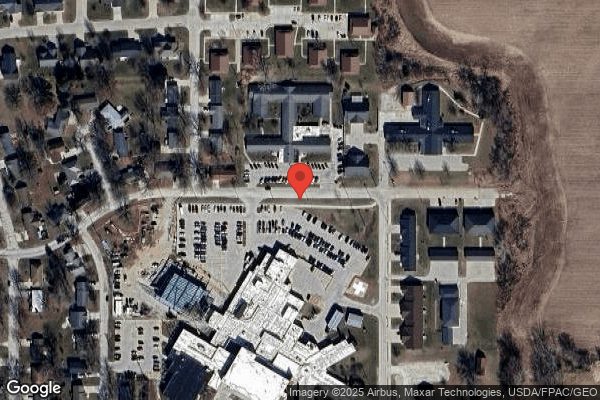
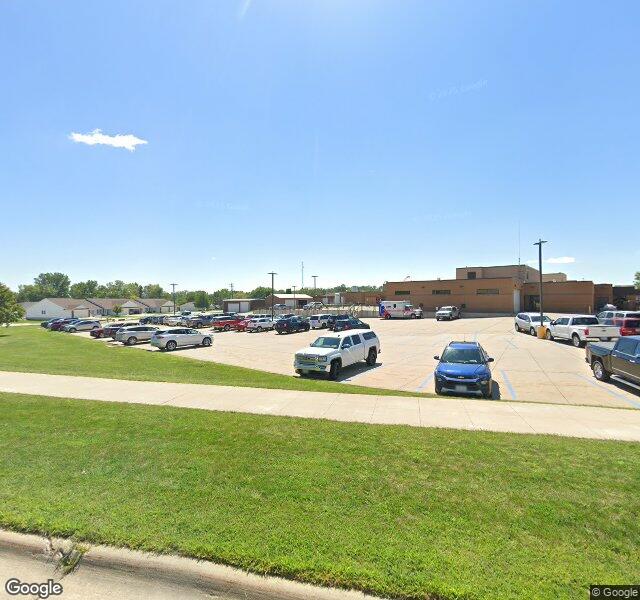
1610 THIRD STREET NE, INDEPENDENCE, IA 50644 (319) 334-6039
For profit - Corporation 70 Beds LEGACY HEALTHCARE Data: November 2025 1 Immediate Jeopardy citation
Trust Grade
46/100
#298 of 392 in IA
Last Inspection: November 2024

Within standard 12-15 month inspection cycle. Federal law requires annual inspections.

Overview

The Rehabilitation Centers of Independence West Campus has a Trust Grade of D, indicating below-average quality and some significant concerns. It ranks #298 out of 392 nursing homes in Iowa, placing it in the bottom half of facilities statewide, and is the second-best option in Buchanan County with only one other facility available. Unfortunately, the facility is worsening, with issues increasing from 3 in 2024 to 5 in 2025. Staffing is a concern, with a rating of 2 out of 5 stars and a turnover rate of 54%, which is higher than the Iowa average of 44%. Additionally, there have been serious incidents, including a critical failure to monitor a resident's health condition before a dialysis appointment, which resulted in the resident needing immediate emergency care. There are also concerns about cleanliness, with multiple areas of the facility showing significant staining and wear, and meal services not meeting safety standards regarding food temperatures and portions.

Trust Score
D
46/100
In Iowa
#298/392
Bottom 24%
Safety Record
High Risk
Review needed
Inspections
Getting Worse
3 → 5 violations
Staff Stability
⚠ Watch
54% turnover. Above average. Higher turnover means staff may not know residents' routines.
Penalties
✓ Good
$13,627 in fines. Lower than most Iowa facilities. Relatively clean record.
Skilled Nurses
⚠ Watch
Each resident gets only 29 minutes of Registered Nurse (RN) attention daily — below average for Iowa. Fewer RN minutes means fewer trained eyes watching for problems.
Violations
⚠ Watch
12 deficiencies on record. Higher than average. Multiple issues found across inspections.
★★☆☆☆
2.0
Overall Rating
★★☆☆☆
2.0
Staff Levels
★★★★☆
4.0
Care Quality
★★☆☆☆
2.0
Inspection Score
Stable
2024: 3 issues
2025: 5 issues

The Good

  • 4-Star Quality Measures · Strong clinical quality outcomes
  • Full Sprinkler Coverage · Fire safety systems throughout facility
  • No fines on record

Facility shows strength in quality measures, fire safety.

The Bad

2-Star Overall Rating

Below Iowa average (3.0)

Below average - review inspection findings carefully

Staff Turnover: 54%

Near Iowa avg (46%)

Higher turnover may affect care consistency

Federal Fines: $13,627

Below median ($33,413)

Minor penalties assessed

Chain: LEGACY HEALTHCARE

Part of a multi-facility chain

Ask about local staffing decisions and management

The Ugly 12 deficiencies on record

1 life-threatening
Aug 2025 3 deficiencies
CONCERN (D) 📢 Someone Reported This

A family member, employee, or ombudsman was alarmed enough to file a formal complaint

Potential for Harm - no one hurt, but risky conditions existed

Deficiency F0658 (Tag F0658)

Could have caused harm · This affected 1 resident

Based on clinical record review and staff interviews, the facility failed to follow physician orders for one of three residents reviewed (Resident #2). The facility reported a census of 56 residents. ...

Read full inspector narrative →
Based on clinical record review and staff interviews, the facility failed to follow physician orders for one of three residents reviewed (Resident #2). The facility reported a census of 56 residents. Findings include:Resident #2's MDS (Minimum Data Set) dated 7/18/2025 revealed he had no cognitive impairment, had diagnoses including diabetes, absence left toes, anemia, heart failure, renal insufficiency, hypertension and had diabetic foot ulcers. The Care Plan identified the resident had a risk for alteration in skin integrity related to type two diabetes and other circulatory complications. It directed staff to administer treatments per physician orders, encourage good nutrition and hydration in order to promote healthier skin, and observe skin with ADL's (activities of daily living). A Wound Clinic Note dated 7/31/2025 included an order to provide one serving of Prostat AWC (advanced wound care), a protein supplement, one serving daily. Protein to assist with wound healing.On 8/12/2025 at 12:50 Staff B, DON (Director of Nursing) reported a staff nurse missed the wound clinic order for Prostat. It was hidden in the note dated 7/31/2025.On 8/12/2025 at 1:10 P.M., Staff G, LPN (Licensed Practical Nurse) reported she worked at the facility for 8 years. Resident #2 had a wound clinic order dated 7/31/2025. Staff G revealed she missed the Prostat order from the wound clinic, it was considered an order, and did not know how she missed it. Staff B put the order in the resident's record and notified the physician today. The facility policy titled Physician Orders/Transcription of Orders revised 7/2023 included the following: PURPOSE: To correctly and safely receive/transcribe physician's orders so correct order can be followed/administered. To ensure that patient medications, treatments, and plan of care are in accordance with the licensed providers orders.
CONCERN (D) 📢 Someone Reported This

A family member, employee, or ombudsman was alarmed enough to file a formal complaint

Potential for Harm - no one hurt, but risky conditions existed

Deficiency F0725 (Tag F0725)

Could have caused harm · This affected 1 resident

**NOTE- TERMS IN BRACKETS HAVE BEEN EDITED TO PROTECT CONFIDENTIALITY** Based on observation, resident and staff interviews, review of computerized call light response times, and facility policy revie...

Read full inspector narrative →
**NOTE- TERMS IN BRACKETS HAVE BEEN EDITED TO PROTECT CONFIDENTIALITY** Based on observation, resident and staff interviews, review of computerized call light response times, and facility policy review the facility failed to answer resident call lights in a timely manner for two of three residents reviewed (Resident #1, #6). The facility failed to have the call light within reach for one of seven residents reviewed (Resident #5). The facility reported a census of 56 residents. Findings include:1.The MDS (Minimum Data Set) dated 7/2/2025 reported Resident #5 had severe cognitive impairment and had diagnoses including diabetes, history of falls and fracture of the left humerus. The MDS indicated the resident had a fall with no injury since the previous assessment. The resident's Care Plan directed staff to assist the resident with transfers and ambulation with the use of a gait belt, and ensure the call light is within reach. Observation on 8/11/2025 at 9:10 a.m. revealed Resident #5 seated in her room in a recliner with a bedside table at her right side. The call light sat on the bed against the wall. The resident stated she had to go to the bathroom and attempted to lower the footrest. The surveyor summoned staff and Staff E, Certified Nursing Assistant (CNA) entered the room, applied the gait belt, and assisted the resident to the bathroom. Staff E observed the call light on the bed and stated, someone forgot to put the call light on her chair. 2. The MDS dated [DATE] revealed Resident #6 had no cognitive impairment, and the Care Plan indicated the resident had a fall risk. During an interview on 8/11/2025 at 9:20 a.m., the resident revealed staff failed to answer his call light in a timely manner. Staff , at times took up to 30 minutes to respond when he put his call light on. The resident also reported staff would enter his room, turn the call light off and state they would be right back, but failed to do so. The facility Call Light Policy revised 9/2023 included the following purpose: To ensure that there is a prompt response to the resident’s call for assistance. The facility also ensures that the call system is in proper working order. Procedures:1. Facility shall answer call lights in a timely manner2. Orient new residents as appropriate to the call light at bedside as well as the call light in the bathroom and in shower/tub rooms3. Answer call lights in a prompt and courteous manner, knocking before entering and introducing self4. When answering a call light, respond to the request. If immediate assistance cannot be provided and there is not an emergent need, call light may be turned off and resident informed that a staff member will be back to assist them shortly5. If a call light is not functional, evaluate and provide another means in order for the resident to call for assistance (i.e. bell) until the call light is fixed. Notify the administrator/maintenance director immediately for repair6. Call lights are to be placed within reach of residents for those residents who can use it. Frequent rounds and interventions per care plan must be followed for supervision of those patients who are physically and/or cognitively unable to utilize call light. (Soft touch call lights can be utilized if needed)7. Be sure that when a call light is triggered, it will either alert the staff visually, audibly, or both. 3. Review of Resident #1's MDS dated [DATE] revealed the resident had intact cognitive ability. The resident had diagnoses which included surgical repair of right and left femur, Parkinson's and congestive heart failure. The resident reported the staff failed to answer her call light timely and reported incontinence episodes as a result. The resident stated she had kept records of the call lights but only recently started the log. During an interview on 8/12/25 at 10:10 am, the resident revealed that last evening at 6:00 pm she put on her call light and the staff failed to answer her call light until 6:50 pm. Interview and review of the computerized Call Light Wait time logs on 8/12/25 at 10:30 am with Staff C-Quality Assurance/Certified Medication Aide revealed the following extended call light response times for Resident #1: a. On 8/5/25 the resident activated her call light at 10:16 am, the staff failed to answer the call light for 28 minutes and 48 seconds. b. On 8/6/25 the resident activated her call light at 8:44 am, the staff failed to answer the call light for 31 minutes and 34 seconds. At 6:21 pm the resident activated her call light, the staff failed to answer the call light for 20 minutes and 24 seconds. c. On 8/7/25 the resident activated her call light at 5:09 am, the staff failed to answer the call light for 25 minutes and 25 seconds. At 12:04 pm the resident activated her call light, the staff failed to answer the call light for 40 minutes and 10 seconds. d. On 8/9/25 the resident activated her call light at 6:36 am, the staff failed to answer the call light for 33 minutes and 6 seconds. At 1:00 pm the resident activated her call light, the staff failed to answer the call light for 19 minutes and 6 seconds. e. On 8/10/25 at 6:16 am the resident activated her call light, the staff failed to answer her call light for 19 minutes and 9 seconds. At 6:18 pm the resident activated her call light, the staff failed to answer her call light for 23 minutes and 45 seconds. e. On 8/11/25 at 8:03 am the resident activated her call light, the staff failed to answer the call light for 22 minutes and 9 seconds. At 12:36 pm the resident activated her call light, the staff failed to answer her call light for 22 minutes and 4 seconds. At 1:55 pm the resident activated the call light, the staff failed to answer her call light for 17 minutes and 2 seconds. At 6:10 pm the resident activated her call light, the staff failed to answer her light for 42 minutes and 14 seconds.
CONCERN (E) 📢 Someone Reported This

A family member, employee, or ombudsman was alarmed enough to file a formal complaint

Potential for Harm - no one hurt, but risky conditions existed

Safe Environment (Tag F0584)

Could have caused harm · This affected multiple residents

**NOTE- TERMS IN BRACKETS HAVE BEEN EDITED TO PROTECT CONFIDENTIALITY** Based on observation, staff interview, and resident interview, the facility failed to maintain a clean, comfortable and homelike...

Read full inspector narrative →
**NOTE- TERMS IN BRACKETS HAVE BEEN EDITED TO PROTECT CONFIDENTIALITY** Based on observation, staff interview, and resident interview, the facility failed to maintain a clean, comfortable and homelike environment. The facility reported a census of 56 residents. Findings include: 1. Observation on 8/11/2025 at 9:00 A.M. included: a. A Hall - Wall paper border above hand rail partially removed, peeling in multiple areas. Hall carpet with a large amount of dark stains and blackened colored areas. b. A Hall - room [ROOM NUMBER], #5 - Room carpet with moderate amount of dark stains. c. C Hall - room [ROOM NUMBER], #27, #36 - Room carpet with moderate amount of dark stains. 2. Observation on 8/11/25 at 8:15 A.M. revealed the following: The center hall carpet that went into the service hallway and the kitchen revealed darkened, blackish discoloration on the carpet with areas of solid blackened spots that measured the width of the doors. The carpet leading to the dining room from the center hallway was darkly discolored with blackened spots that measured the width of the double doors. Observations of the dining room at this time revealed multiple areas of darkened areas throughout the dining room, with areas of dark, black spots scattered throughout the dining room carpet. On 8/11/25 at 8:07 A.M. during an interview with Resident #7 while sitting in the dining room, the resident stated, I don't like this dirty carpet in this dining room, it is worn out, dirty and needs cleaned. She stated, I wish you could help me with this, it makes me sick to sit in here and eat my meals. On 8/12/25 at 8:20 A.M. during an interview with Staff A, Maintenance Supervisor, Staff A stated he also had concerns with the carpet and the condition of it. He stated in the summer it was hard to keep clean because of the humidity and this year all the rain had had. He reported due to recent rainfall event water came into the building which had made the carpet wrinkle. Staff A stated he last cleaned the carpet around Christmas of 2024 and stated it really needed it again. Staff A stated they had a resident who peeled the wall paper off the A Hall walls and they were working on how to fix this. The resident pulled off the wall paper almost immediately after he repaired it. Interview with Staff F, Housekeeping Supervisor on 8/12/25 at 11:00 A.M. revealed she had worked in the building since 2022, moved here from [Name Redacted] next door. The last time the carpets were cleaned was right before Mother’s Day 2025, they spot clean the carpets regularly but it did not help. The carpet was very dirty and ground in dirt and spots. The carpet had been dirty since she transferred from the sister facility down the street.
Apr 2025 2 deficiencies
CONCERN (D) 📢 Someone Reported This

A family member, employee, or ombudsman was alarmed enough to file a formal complaint

Potential for Harm - no one hurt, but risky conditions existed

Deficiency F0602 (Tag F0602)

Could have caused harm · This affected 1 resident

**NOTE- TERMS IN BRACKETS HAVE BEEN EDITED TO PROTECT CONFIDENTIALITY** Based on resident interviews, staff interviews, and record review the facility failed to prevent financial exploitation for 1 ou...

Read full inspector narrative →
**NOTE- TERMS IN BRACKETS HAVE BEEN EDITED TO PROTECT CONFIDENTIALITY** Based on resident interviews, staff interviews, and record review the facility failed to prevent financial exploitation for 1 out of 1 residents reviewed for allegations of abuse (Resident #2). The facility identified a census of 53 residents. Findings include: The Minimum Data Set (MDS) assessment tool, dated 1/14/25, listed diagnoses for Resident #2 which included anemia, atrial fibrillation, neurogenic bladder, paraplegia, and pressure ulcer. The MDS stated the resident required set up assistance from staff for toileting hygiene, showering, dressing, personal hygiene, and transferring. The MDS listed the resident's Brief Interview for Mental Status (BIMS) score as 15 out of 15, indicating cognitively intact. Review of a document provided by Resident #2 to the facility revealed a twenty dollar electronic funds transfer to Staff A, Certified Nursing Assistant (CNA) on 2/19/25 at 9:01 PM. During an interview on 4/16/25 at 11:00 AM Resident #2 stated it was late February and I was warming something up in the microwave and Staff A, Certified Nursing Assistant (CNA) asked if he could borrow some money. He had a name and account and I pulled it up and sent the money electronically through Pay Pal. The application is a normal based trading application and there is a transaction number that goes through Pay Pal. I sent him twenty two dollars through the cash application. He did end up paying me back ten dollars. The day I was discharged home Staff A acted like he was sending me the money through Pay Pal and when I got home I noticed he had faked it. I still have not gotten the money back except for ten dollars. It is the principal of the matter, I am cognizant of the money but what is he doing to the [AGE] year old who is not alert. I did not report the incident right away because I thought he was going to pay it back and I wasn't trying to make trouble. I heard after the fact that staff are not supposed to do that. I connected with him and kind of felt like we were friends is the reason I did it. During an interview on 4/16/25 at 2:17 PM with Staff A, CNA stated Resident #2 did send him money through a cash application. He did send me twenty dollars and I gave him fourteen dollars back. I was going to give him ten more dollars back. I have not paid the rest of the money back to Resident #2. It has been my intention to I just do not have a pay pal account. I have not had any contact with him since he discharged to home. The loan happened through a conversation, he was fully aware and it was a gesture between friends that was blown out of proportion. I did not take anything from him it was a loan and I paid back fourteen dollars. Surveyor asked why he did not tell the Administrator the truth when she talked to him about and he stated it was obscure and I had no malice or ill intent, now since it has become so prevalent in my life I felt the need to address it so I can move past it. During an interview on 4/17/25 at 10:47 AM the Director of Nursing (DON) stated she did have a nurse come to her and report a CNA had borrowed money from a resident. She instructed the nurse to write a statement and inform the administrator. She stated her expectation of the staff is they should not take money or items from residents, it is against our policy and against the law probably. During an interview on 4/17/25 at 11:06 AM Staff B, Licensed Practical Nurse (LPN) stated she was in Resident #2 room and he asked me if Staff A was here at the facility, I told him I didn't know. The resident then told me he owed him some money and he asked him to repay him back in five dollar increments and he had not been getting his money. The next time I worked I told the DON about it. Staff B did state the different kinds of abuse as physical, verbal, neglect, sexual and exploitation and she would consider borrowing money from a resident as exploitation. During an interview on 4/17/25 at 11:34 AM the Administrator stated after Resident #2 discharged he called her and told her he had loaned Staff A twenty two dollars and he had been paid back roughly ten dollars and Resident #2 was hoping I could get something done about it. We opened an investigation and notified the police and the Department of Inspections Appeals and Licensing. During my investigation I did hear statements from other staff of the allegations so I decided the best intervention would be education to the staff since we had no proof. I would consider a resident loaning a staff member money against company policy. The facility provided a policy titled Abuse Prevention, Training and Investigations dated 12/30/20 stated the facility has a comprehensive system of practices and procedures designed to a.) prevent occurrences of mistreatment, abuse, neglect, and /or misappropriation of resident property, b) monitor, identify and investigate injuries of unknown source and any allegations of suspected abuse, and c) insure that reasonable suspicions are reported to the appropriate law enforcement and regulatory oversight agencies.
CONCERN (D) 📢 Someone Reported This

A family member, employee, or ombudsman was alarmed enough to file a formal complaint

Potential for Harm - no one hurt, but risky conditions existed

Report Alleged Abuse (Tag F0609)

Could have caused harm · This affected 1 resident

Based on record review, staff interviews, and facility policy review the facility failed to report an allegation of abuse to the proper agency in a required time frame for 1 of 1 allegations of abuse ...

Read full inspector narrative →
Based on record review, staff interviews, and facility policy review the facility failed to report an allegation of abuse to the proper agency in a required time frame for 1 of 1 allegations of abuse reviewed (Resident #2). The facility reported a census of 53 residents. Findings include: The Minimum Data Set (MDS) assessment tool, dated 1/14/25, listed diagnoses for Resident #2 which included anemia, atrial fibrillation, neurogenic bladder, paraplegia, and pressure ulcer. The MDS stated the resident required set up assistance from staff for toileting hygiene, showering, dressing, personal hygiene, and transferring. The MDS listed the resident's Brief Interview for Mental Status(BIMS) score as 15 out of 15, indicating cognitively intact. Review of a summary incident provided by the facility revealed Resident #2, was a resident of the facility from 1/7/2025 to 3/28/2025. After discharging to home, Resident #2 called the facility to report that he transferred $22 to a facility caregiver, Staff A, Certified Nursing Assistant (CNA) by Pay Pal at the end of February. Resident #2 reports that Staff A has paid him back $10. Document provided by the facility dated 4/1/25 revealed Resident #2 called the facility to say he gave Staff A, CNA $22 by Pay Pal at the end of February. He reports staff has paid him back $10. Review of police department call for service record revealed the facility reported misappropriation of resident funds on 4/4/25 at 1:13 PM. Review of the intake dated 4/4/24 revealed the submission date for the allegation of abuse was reported to Department of Inspections, Appeals and Licensing on 4/4/24 at 1:56 PM On 4/16/25 at 1:42 PM Staff C, Registered Nurse (RN) stated if a staff borrowed money from a resident it should be reported immediately to Director of Nursing or the Administrator and I would let the staff know it is not appropriate. On 4/16/25 at 1:46 PM Staff D, Certified Nursing Assistant (CNA) state if I heard of staff asking a resident to borrow money I would tell the Administrator and let her know and I would question what the policy is for this type of behavior immediately. On 4/16/25 at 1:59 PM Staff E, CNA stated if she heard of staff borrowing money from residents she would report it to the supervisor immediately because it is against the policy and rules. On 4/17/25 at 10:47 AM the Director of Nursing stated a nurse came to report Resident #2 had reported a staff borrowed money from him and I had her write it down immediately and inform the Administrator. I am not sure of the date it occurred but the Administrator did the follow up investigation. On 4/17/25 at 11:06 AM Staff B, Licensed Practical Nurse (LPN) stated she was in Resident #2 room when he told her Staff A owed him money. She was unsure of the dates but confirmed it was while Resident #2 was still a resident. It was around 9:45 PM at night so the next time I worked I told the Director of Nursing. She stated the DON told her to write everything down and I wrote up a statement. Then I slid it under Human Resources door. Administrator did talk to be about it and asked me detailed question about it but I am not sure of the date or if it was the same day I wrote the statement. Resident #2 was no longer in the facility by the time I reported it to the Administrator. On 4/17/25 at 11:20 AM Staff F, Human Resources stated she did not receive a written statement but when Staff B spoke to me about it and she thought it was weird, but then I told her no that is not allowed and I went and spoke to the Administrator about it and she said she needed a statement in writing . I talked to Staff A about the incident and I did not get a written statement. I do not know when this occurred. The facility did not get a written statement from me regarding talking to Staff B. I would say it is definitely not appropriate and should not happen in a facility and should be investigated. On 4/17/25 at 11:34 AM the Administrator stated I would expect the staff would notify me of a crime with injury within 2 hours and without injury within 24 hours. I would consider a resident loaning a staff member money against company policy. The facility provided a policy titled Abuse Prevention, Training and Investigations dated 12/30/20 which directed employees are required to immediately intervene to distract, halt and/or prevent harm to the extent that they can do so without placing themselves at risk of injury if they observe what they suspect is abuse or other criminal behavior to be occurring. They are also required to report allegations or suspicions of mistreatment, abuse or other crimes perpetrated by any person - including a staff member, caregiver, resident/tenant, volunteer, or visitor immediately and without hesitation directly to the person in charge of the facility at the time. If that person is not the Administrator, the employee is also required to report the allegation to the Administrator within one hour of first becoming aware. The policy directed staff every abuse allegation needs to be thoroughly investigated, including: interviewing all potential witnesses to the occurrence, interviewing all potential witnesses to the reporting of the occurrence and interviewing other persons who might have witnessed similar events where the alleged behavior could have occurred with the same likeliness as this one. Interviews may be recorded or if that is not possible a second person may sit in for taking notes to document the questions and responses. The policy directed the facility reportable occurrence decision tree may be used to assist Administrators to determine whether an occurrence is reportable as either suspected dependent adult abuse under Iowa law; mistreatment, abuse or other criminal activity under federal law; and/or is reportable under other state or federal rules or regulations.
Nov 2024 2 deficiencies
CONCERN (D)

Potential for Harm - no one hurt, but risky conditions existed

Infection Control (Tag F0880)

Could have caused harm · This affected 1 resident

Based on observation, staff interview, and policy review the facility failed to use appropriate personal protective equipment (PPE) when laundering soiled items. The facility reported a census of 48 r...

Read full inspector narrative →
Based on observation, staff interview, and policy review the facility failed to use appropriate personal protective equipment (PPE) when laundering soiled items. The facility reported a census of 48 residents. Findings include: In an observation on 11/13/24 at 1:13 PM Staff A, Laundry/Housekeeping donned gloves, failed to put on a gown, removed the laundry bin lid and put table cloths and cloth napkins in the washing machine. She then removed the gloves, shut the machine door, and started the washer. In an interview on 11/13/24 at 1:04 PM Staff A explained clothes are collected in a bin and sorted into containers. Staff wear gloves for sorting regular laundry and wear a gown, goggles, and gloves for isolation items. Isolation is done at the very end of the day. She further explained some residents have family wash their items, but the facility washes everyone's towels, sheets, dining linens, etc. In an interview on 11/13/24 at 1:16 PM the Environmental Supervisor explained she expected gloves are to be worn when sorting soiled laundry unless it is something from an isolation room, then they have to wear a gown. She was not aware of the need to wear a gown when sorting all soiled linens. The Infection Prevention and Control Program (IPCP) Guidelines, revised 9/22 educated staff handwashing facilities as well as appropriate personal protective equipment (i.e. gloves and gowns) are available in the laundry area for workers to wear while sorting linens.
CONCERN (E)

Potential for Harm - no one hurt, but risky conditions existed

Deficiency F0800 (Tag F0800)

Could have caused harm · This affected multiple residents

**NOTE- TERMS IN BRACKETS HAVE BEEN EDITED TO PROTECT CONFIDENTIALITY** 2. During an observation of the meal service on 11/13/24 beginning at 11:23 AM, 3 residents were served a puree diet. The puree...

Read full inspector narrative →
**NOTE- TERMS IN BRACKETS HAVE BEEN EDITED TO PROTECT CONFIDENTIALITY** 2. During an observation of the meal service on 11/13/24 beginning at 11:23 AM, 3 residents were served a puree diet. The pureed steak sandwich, potato salad, and broccoli salad were not temped prior to serving to ensure a safe serving temperature had been reached. In addition, each resident was given a 4 ounce (oz) serving of the steak sandwich rather than the 6 oz serving they should have been served. A test tray for temperature and palatability was provided on 11/13/24 at 12:05 PM. The steak sandwich and potato salad were at the expected temperatures for hot and cold food. The sandwich meat on the edge of the bun tasted cold. The inner sandwich meat tasted hot. The broccoli salad temperature was 42.1 degrees Fahrenheit. It was not tasted for palatability as it was not at a safe temperature. During an interview at the time the test tray was temped, the corporate dietician explained the standard temperature for cold food is 41 degrees Fahrenheit or colder. During an interview on 11/13/24 at 12:32 PM, Staff B, cook, confirmed all 3 puree diet residents had received a 4 oz sandwich portion. He further confirmed they should have received a 6 oz portion. During an interview on 11/13/24 at 12:35 PM, Staff B confirmed he did not check the temperature of the pureed food prior to serving to ensure a safe serving temp had been reached. During an interview on 11/14/24 at 8:00 AM, the Administrator reported the facility did not have any policies related to food temperatures, palatability, or food portions. Based on observation, record review, resident and staff interview, the facility failed to provide each resident with a palatable, well balanced diet that takes into consideration the preferences of each resident. (Resident #14). During an observation of a meal, the facility failed to maintain cold foods below 41 degrees, obtain temperatures and serve the correct portion size of pureed meals. The facility reported a census of 48 residents. Findings include: 1. The Minimum Data Set (MDS) dated [DATE] identified Resident #14 as cognitively intact with a BIMS (Brief Interview for Mental Status) score of 15 out of 15 and had the following diagnoses: Diabetes Mellitus, Arthritis, and [NAME]-[NAME] Syndrome. The MDS also identified Resident #14 to be totally dependent on staff assistance with showers, toileting, lower body dressing, the MDS also identified Resident #14 required substantial/maximal assistance with upper body dressing and transfers. Interviews with Resident #14 revealed the following: 11/12/24 at 9:43 AM Resident #14 reported the food was not the greatest. They serve the same food over and over again and it just does not taste good. 11/13/24 at 8:30 AM Resident #14 sat up in her recliner in her room with only a banana and a glass of orange juice on her food tray. She stated that was all she felt like eating because they serve the same thing for breakfast every day, scrambled eggs. 11/13/24 at 9:46 AM Resident #14 reported the supper meal from last night the meat was too salty and had too much soy sauce. She did not order any alternate as it is always soup and by the time they bring it to her room, the soup is cold. She tries to avoid salt because of her high blood pressure. The Care Plan identified Resident#14 with the problem of the potential risk for altered nutritional status related to obesity, diabetes, diverticulitis and directed staff to: a. Monitor weights b. Notify the doctor/dietitian of significant weight change c. Provide diet as ordered general regular texture regular fluids d. Monitor and record intake of meals A review of the dietary Progress Notes for the past year had only one entry dated 6/19/24 at 11:53 AM, it revealed no documentation to address the resident's complaints about palatability. In an interview on 11/14/24 at 8:00 AM, the Administrator reported the facility did not have a policy for palatability.
Jan 2024 1 deficiency 1 IJ
CRITICAL (J) 📢 Someone Reported This

A family member, employee, or ombudsman was alarmed enough to file a formal complaint

Immediate Jeopardy (IJ) - the most serious Medicare violation

Quality of Care (Tag F0684)

Someone could have died · This affected 1 resident

**NOTE- TERMS IN BRACKETS HAVE BEEN EDITED TO PROTECT CONFIDENTIALITY** Based on clinical record review, staff and provider interviews, and policy review the facility failed to contact the provider, a...

Read full inspector narrative →
**NOTE- TERMS IN BRACKETS HAVE BEEN EDITED TO PROTECT CONFIDENTIALITY** Based on clinical record review, staff and provider interviews, and policy review the facility failed to contact the provider, and provide intervention for health condition changes noted with a pre-dialysis assessment prior to transfer to a scheduled dialysis appointment on [DATE] for 1 of 3 residents reviewed (Resident #1) who was assessed as lethargic, pulse of 47, and pulse oximeter (oxygen level) 87% on room air. Resident had been diagnosed with Covid-19 on [DATE] and had been experiencing loose stools, lack of appetite, weakness, and confusion. Resident arrived at the Dialysis Center, 30 miles from the facility, non-responsive, with diminished lung sounds, Blood Pressure (BP) 66/32 and required immediate transfer to the local emergency room (ER) for stabilization of life-threatening conditions. These circumstances posed Immediate Jeopardy to resident health and safety that began on [DATE]. The facility was notified of the Immediate Jeopardy on [DATE] at 1:25 p.m. The facility took appropriate steps to remove the immediacy on [DATE] at 4:35 p.m. by taking the following actions: *Ensuring ALL nurses working for the facility were educated on the Family and Physician Notification policy. *Providing a table with parameters with over 100 situations for staff to use as guidelines for when Physicians need to be notified of resident condition changes to use along with nursing judgement and the Electronic Health Record computer system parameters. *Ensuring ALL nurses signed acknowledgement of receiving and understanding the training provided. The facility reported a census of 57 residents. Findings include: According to a discharge assessment-return anticipated Minimum Data Set (MDS) dated [DATE] Resident #1 admitted to the facility on [DATE] and discharged to a short-term acute hospital on [DATE]. The MDS documented diagnoses that included Diabetes Mellitus, end stage renal disease, non-displaced intertrochanter femur fracture (hip fracture), and an unstageable pressure ulcer. The resident had moderately impaired decision making and evidence of an acute change in mental status from the resident's baseline which included a continuously present altered level of consciousness. The resident's usual performance at the end of the stay was coded as dependent, helper does all the effort, for toileting, shower, and transfer and required substantial assistance to roll form right to left and return to lying on back in bed. Review of Resident #1's baseline Care Plan initiated on [DATE] identified the resident admitted to facility for care related to end stage renal failure and after care following a right femur fracture. Cognitive status described as alert and oriented to person, place, time, and situation. Dialysis on Monday/Wednesday/Friday leave facility at 5:45 a.m. transportation by a local transport service to and from the facility. A focus area identified laboratory confirmed Covid-19 with a goal to avoid hospitalization with a target date of [DATE]. Interventions included: monitor vital signs including SPO2 (oxygen levels) every shift, keep head of bed elevated, encourage fluids and good nutritional intake. Review of a facility document titled Advance Directive Acknowledgement dated as signed by Resident #1 on [DATE] specified that resident requested resuscitation. Review of an electronic Physician Order form for Resident #1 revealed an order dated [DATE] for Cardiopulmonary Resuscitation (CPR), full code. Review of electronically recorded Vital Signs (VS) included the following: [DATE] 5:35 a.m. pulse 47 beats per minute (bpm) [DATE] 2:35 p.m. pulse 113 bpm, O2 (oxygen) 87% room air [DATE] 2:10 p.m. pulse 98 bpm, 92% room air [DATE] 10:44 a.m. pulse 76 bpm, 95% room air [DATE] 7:05 a.m. pulse 78 bpm, 98 % room air [DATE] 5:27 p.m. pulse 80 bpm, 99% room air Review of electronic Progress Notes for Resident #1 included the following documentation: [DATE] at 4:13 p.m. Dialysis center contacted about resident's positive Covid-19 test today, they will complete dialysis as usual. [DATE] at 4:30 p.m. Staff A, Licensed Practical Nurse (LPN) secured communication with Physician included: notification Covid-19 positive. 5:05 p.m. Response: resident not a candidate for Covid-19 treatment, directed to treat signs and symptoms or send to emergency room (ER) if worsens. 5:12 p.m. Response addendum-send resident to ER if difficulty breathing, confusion, etc. [DATE] at 1:21 p.m. Oriented to person, place, and time. [DATE] at 1:44 p.m., the Director of Nursing (DON) communicated through a secured message with the Advanced Registered Nurse Practitioner (ARNP) resident not dizzy, but is pale, somewhat confused and voice very soft. Barely eating and drinking. Resident Covid-19 positive. May have you see on Thursday ([DATE]). Resident is also a full code. [DATE] at 5:30 a.m. Staff B, LPN noted resident with very loose watery stools. Coccyx area dark purple in color. [DATE] at 5:37 a.m. Staff B, LPN completed a dialysis assessment. Temperature 98.7, pulse 47 and irregular, Respirations 16, and O2 level 87 % on room air. Level of consciousness: lethargic. [DATE] at 7:56 a.m. Staff A, LPN noted dialysis center called to inform resident had not had dialysis. Resident was unable to follow commands, unresponsive, cool to touch. Sent to ER by ambulance. Review of a fax communication from the dialysis center revealed a note created by the Dialysis Nurse on [DATE] at 7:51 a.m. The note included the following: Resident #1 arrived at the facility for treatment. Resident very pale and moaning, right eye is closed and left eye is open but staring off, does not blink when wave hand in front of face. Resident nonresponsive to commands, blood sugar 127, BP 66/32, respirations shallow, lungs clear but diminished. Left hand is cool to touch. Noted to have reaction only to painful stimuli, such as moving via mechanical lift to transport to ER. Dialysis Provider was notified and ordered for resident to be sent to local ER for evaluation. Resident was transported by ambulance to the local ER. Staff A, LPN was notified of the transfer and reported that resident had tested positive for Covid-19, knew the resident was not doing well and expected this. Review of an Emergency Department (ED) note dated [DATE] at 7:27 a.m. revealed resident arrived to dialysis unresponsive. Resident not answering questions appropriately upon arrival to ED. Does moan in pain. Resident assessed to have Atrial Fibrillation, colovaginal fistula (an opening between the vagina and the colon), and bilateral pneumonia. The summary noted that given the high probability of imminent or life-threatening deterioration of the resident's condition without intervention, the resident was immediately assessed, monitored and treated. Resident was admitted to the hospital for ongoing care. In an interview on [DATE] at 11:29 a.m. the Dialysis Nurse stated that Resident #1 had arrived for dialysis at approximately 6:15 a.m., and she was immediately concerned. Stated the resident appeared very pale, unresponsive to commands, responsive only to painful stimuli, unable to obtain a blood pressure with the automatic machine, able to get a blood pressure of 66/32 with a manual cuff. Stated she had notified the Dialysis Provider who ordered Resident #1 to be sent to ER by ambulance, no dialysis. Further stated she had contacted the facility and informed Staff A, LPN of condition and reported emergency transfer. Staff A commented that she knew resident wasn't doing good and expected her to need to go to the ER. The Dialysis Nurse stated Staff A's response had surprised her, wondered why the facility hadn't called the provider or the dialysis center to notify of condition change rather than transporting to dialysis in poor condition. In an interview on [DATE] at 1:05 p.m. the Administrator stated on [DATE] she had come in at 2:00 a.m. to work as a Certified Nursing Assistant (CNA) and had assisted Staff B, LPN to get Resident #1 ready for dialysis in the morning. She recalled that the resident had very loose stools, wasn't eating, weak, sleepy, much like the other resident's with Covid-19. Stated as she finished cares she heard the entrance door sound indicating that transport had arrived and was not in the room when Staff B completed her assessment. The Administrator estimated that transport arrived at 5:45 a.m. She described that the transportation service was a single driver and the resident was transported in her wheelchair in a van. In an interview on [DATE] at 1:35 p.m. Staff B, LPN stated that she had assisted the Administrator complete cares and get Resident #1 ready for dialysis in the early morning on [DATE]. Further informed she had completed the pre-dialysis assessment and had concerns about the resident's health status. Additionally, had noted at this time that resident's coccyx was deep purple in color, which had not been there the day before. Stated she was glad that Resident #1 was going to dialysis where they knew her better than they knew her at the facility. Added that the doctors at dialysis knew her better because the facility hadn't really gotten to know her baseline as she had been diagnosed with Covid-19 the day after she had arrived. Stated resident had informed them she gets sick really fast when her dialysis schedule is altered, as it was for the Christmas holiday. Responded that transportation was just a single driver, and no further assessment would be provided during transfer. Recalled that when she took vitals her hands were so cold, always cold, so assumed that was why the oxygen level was so low. During an interview on [DATE]/at 10:46 a.m. Staff A, LPN stated she had notified the provider of Covid-19 positive test on [DATE], he had responded unable to treat with medication for Covid-19 and instructed with a change of condition to send to the ER. Staff A, LPN worked the day shift on [DATE] and had received report from Staff B, LPN who had completed the pre-dialysis assessment. Staff A stated that she would have called the provider right away for a pulse of 47, oxygen level of 87% on room air, and resident lethargic, to report condition change. Responded that the direction she had received from the provider when resident initially diagnosed with Covid-19 was to notify the provider of condition change and send to ER for further evaluation. Further interview on [DATE] at 11:51 a.m. Staff A responded that she had not been surprised when the Dialysis Nurse had informed her the resident had not had dialysis and required emergency transfer to the ER for evaluation and treatment because Staff B had informed her of her assessment at report. Again, stated that she would have called the provider to report the change in condition prior to sending to dialysis. In an interview on [DATE] at 3:40 p.m. the DON stated that she would have expected Staff B, LPN to notify the provider of a change in condition after pre-dialysis assessment prior to sending the resident with transportation with a pulse rate of 47, Oxygen level of 87% on room air, confusion and weakness. Responded that the transportation provided was just transportation without medical assistance or assessment provided during transport. Stated typically takes 30 minutes to transport to the dialysis center from the facility. Responded that Resident #1 was a full code, requested CPR. She added, the facility had identified a concern and discussed what could have been done differently that day. In an interview on [DATE] at 3:40 p.m. the Assistant Director of Nursing (ADON) stated that she would have expected the provider to be notified on [DATE] of the condition change noted during the pre-dialysis assessment prior to transferring to dialysis. In a phone interview on [DATE] at 10:58 a.m. the Primary Provider's Nurse stated she had talked to the provider, he had reviewed and would expect to have been notified of the condition change, specifically the low oxygen level, confusion, lethargy and would have instructed the facility to send Resident #1 to the ER. Stated resident had been a patient of the provider while living at home prior to admission to facility and was very familiar with her. Review of an undated facility policy titled, Family and Physician Notification relating to an accident or change in medical condition included the following: The facility will immediately notify the resident, the resident's responsible party and the physician of a change in the resident's medical condition which includes a deterioration in health. The charge nurse working at the time will notify the physician, notification will also include the results of a full body assessment and vital signs. Documentation will be recorded in the resident's medical record. Vital signs that are to be reported immediately to the physician included a resting pulse of less than 55 bpm. Review of Resident #1's profile page in the electronic record revealed that the following vital signs were alerted in red, and displayed a yellow triangle which contained an exclamation point to the left of the vital sign: Pulse: 47 bpm [DATE] at 5:35 a.m. O2: 87% [DATE] at 2:35 p.m. In an interview on [DATE] at 9:35 a.m. the DON responded that vital signs that are out of parameter will alert red in the clinical record as had Resident #1's pulse and oxygen level. The DON reviewed the facility policy and stated that the policy failed to identify a parameter for notification for oxygen level. Continued interview with the DON and the Corporate Nurse Consultant, at 9:40 a.m. the Corporate Nurse Consultant stated the standard alert for oxygen levels is 90%, anything less than 90% would trigger red in the electronic record and require reassessment, follow up, and provider notification.
Oct 2023 3 deficiencies
CONCERN (D)

Potential for Harm - no one hurt, but risky conditions existed

Notification of Changes (Tag F0580)

Could have caused harm · This affected 1 resident

**NOTE- TERMS IN BRACKETS HAVE BEEN EDITED TO PROTECT CONFIDENTIALITY** Based on clinical record review, policy review, and staff interview, the facility failed to notify the physician of a change in ...

Read full inspector narrative →
**NOTE- TERMS IN BRACKETS HAVE BEEN EDITED TO PROTECT CONFIDENTIALITY** Based on clinical record review, policy review, and staff interview, the facility failed to notify the physician of a change in condition for 1 of 7 resident's sampled (Resident #49). The facility identified a census of 55 residents. Findings include: Resident #49's Minimum Data Set (MDS) assessment dated [DATE] showed a Brief Interview for Mental Status (BIMS) Score of 7 indicating severe cognitive loss. The Resident required extensive assistance of two staff for bed mobility, transfer, dressing, and toilet use. The MDS listed a diagnosis of diabetes mellitus. The Care Plan dated 8/15/23 documented Resident #49 had a diagnosis of diabetes mellitus and directed the staff to monitor/document/report signs and symptoms of hyperglycemia (hyperglycemia is excessively high blood sugar which can become severe and cause serious health problems that require emergency care, including a diabetic coma. Hyperglycemia that lasts, even if it's not severe, can lead to health problems that affect the eyes, kidneys, nerves and heart): increased thirst and appetite, frequent urination, weight loss, fatigue, dry skin, poor wound healing, muscle cramps, abdominal pain, Kussmaul breathing (an abnormal breathing pattern characterized by rapid, deep breathing at a consistent pace indicating a medical emergency - usually related to diabetic ketoacidosis (DKA, a condition where the blood sugar stays elevated too long that can be life threatening), acetone breath (smells fruity), stupor (unresponsiveness from which a person can be aroused only by vigorous, physical stimulation), and coma (unresponsiveness). An Order Summary Report signed by the Provider on 9/25/23 documented an active physician order for accu-checks (blood sugar check) daily in the morning related to type two diabetes mellitus and to notify the physician for blood sugars less than 80 or greater than 350. The Order Summary Report also detailed Resident #49 received Metformin Hydrochloride (anti-diabetic medication) oral tablet 500 milligrams (MG) by mouth two times a day related to his diabetes. A Progress Note dated 10/06/23 at 4:30 PM written by Staff B, Registered Nurse (RN) documented Resident #49 wife reported the Resident was not himself and was mixed up. Staff B did a blood sugar with a result of 409 after resident #49 had drank a reduced sugar Mighty Shake. The Resident's wife requested an hour of sleep (HS) blood sugar be done. The Progress note lacked documentation of notification to the physician. The 10/06/23 progress notes lacked documentation of an hour of sleep blood sugar being completed. The Point of Care (POC) Response History for meal intake on 10/06/23 documented Resident #49 ate 75% (percent) of his supper meal after his blood sugar had been elevated to 409. The POC Response History for snack intake documented Resident #49 received an evening snack on 10/06/23 after supper. The 10/06/23 Point Click Care (PCC) Blood Sugar Summary lacked documentation of the Resident's 409 blood sugar or an evening follow-up blood sugar. During an interview on 10/18/23 at 3:55 PM the Corporate Nurse Consultant reported the facility did not have a facility policy on blood sugar parameters. On 10/18/23 at 4:00 PM Staff A, Licensed Practical Nurse (LPN) reported they do not have a policy on specific blood sugar parameters. She reported they generally report blood sugars less than 70 and greater than 350 to the physician. She reported in reference to Resident #49 with a blood sugar of 409, she would have notified the physician. She reported the nurses use a secure conversation portal to contact the Advanced Registered Nurse Practitioner (ARNP) and she usually gets back to the facility within a day. A Review of the Electronic Medical Record, Point Click Care System under Miscellaneous lacked documentation of any notification to the physician or new physician orders for the blood sugar of 409 as of 10/18/23. During an interview on 10/18/23 at 4:40 PM the Administrator reported no one at the facility was going to question the blood sugar further because the facility hadn't done anything about it. On 10/19/23 at 9:19 AM the Director of Nursing (DON) reported the nurse related Resident #49's blood sugar that day to drinking the mighty shake. She reported the facility owns this one. They had not notified the physician of the high blood sugar and she does expect the nurses to notify the physician for a blood sugar greater than 400. The Family and Physician Notification Relating to Accident or Change in Medical Condition Policy revised 4/12 provided by the facility detailed the facility will immediately notify the resident, the resident's responsible party, and the physician of a change in the resident's medical condition. The Policy Procedure directed the facility must immediately consult with the resident's physician for the following: a. A significant change in the resident's physical, mental, or psychosocial status (i.e. a deterioration in health, mental or psychosocial status in either life-threatening conditions or clinical complications); b. A need to alter treatment significantly (i.e. a need to discontinue an existing form of treatment due to adverse consequences, or to commence a new form of a treatment. The Policy further detailed the charge nurse (or assigned person) working at the time of the significant change in condition will notify the physician. The notification will include the results of a full body assessment, vital signs, and description of the accident, if applicable. The documentation of the significant change in condition will be recorded in the resident's medical record and will include: the date, time of the change of condition, a description of the change noted in the resident's condition, full assessment of the resident including vital signs and the resident's physical and mental status at the time of the change in condition. The Procedure further directed attached guidelines to reference to determine the urgency of notifying the physician of changes in medical condition: a. Symptom or Sign of confusion directed with abrupt significant change from usual associated with fever, onset of abnormal neurological signs or abnormal BUN (blood, urea, nitrogen - blood test), electrolytes or other blood test. b. Symptom or Sign, Glucose, immediate notification with any high or low blood sugar accompanied by persistent change from usual level of consciousness or responsiveness; non-immediate notification blood sugar <60 or greater than 400 in a diabetic on oral hypoglycemic or insulin medications unless consistent with usual pattern or per physician parameters.
CONCERN (D)

Potential for Harm - no one hurt, but risky conditions existed

Quality of Care (Tag F0684)

Could have caused harm · This affected 1 resident

**NOTE- TERMS IN BRACKETS HAVE BEEN EDITED TO PROTECT CONFIDENTIALITY** Based on clinical record review, policy review and staff interview, the facility failed to complete a full assessment on a resid...

Read full inspector narrative →
**NOTE- TERMS IN BRACKETS HAVE BEEN EDITED TO PROTECT CONFIDENTIALITY** Based on clinical record review, policy review and staff interview, the facility failed to complete a full assessment on a resident that exhibited confusion with a blood sugar of 409 for 1 of 5 residents sampled (Resident #49). The facility identified a census of 55 residents. Findings include: Resident #49's Minimum Data Set (MDS) assessment dated [DATE] showed a Brief Interview for Mental Status (BIMS) Score of 7 indicating severe cognitive loss. The Resident required extensive assistance of two staff for bed mobility, transfer, dressing, and toilet use. The MDS listed a diagnosis of diabetes mellitus. The Care Plan dated 8/15/23 documented Resident #49 had a diagnosis of diabetes mellitus and directed the staff to monitor/document/report signs and symptoms of hyperglycemia (hyperglycemia is excessively high blood sugar which can become severe and cause serious health problems that require emergency care, including a diabetic coma. Hyperglycemia that lasts, even if it's not severe, can lead to health problems that affect the eyes, kidneys, nerves, and heart): increased thirst and appetite, frequent urination, weight loss, fatigue, dry skin, poor wound healing, muscle cramps, abdominal pain, Kussmaul breathing (an abnormal breathing pattern characterized by rapid, deep breathing at a consistent pace indicating a medical emergency usually related to diabetic ketoacidosis (DKA, a condition where the blood sugar stays elevated too long that can be life threatening), acetone breath (smells fruity), stupor (unresponsiveness from which a person can be aroused only by vigorous, physical stimulation), and coma (unresponsiveness). An Order Summary Report signed by the Provider on 9/25/23 documented an active physician order for accu-checks (blood sugar check) daily in the morning related to type two diabetes mellitus and to notify the physician for blood sugars less than 80 or greater than 350. The Order Summary Report also detailed Resident #49 received Metformin Hydrochloride (anti-diabetic drug) oral tablet 500 milligrams (MG) by mouth two times a day related to his diabetes. A Progress Note dated 10/06/23 at 4:30 PM written by Staff B, Registered Nurse (RN) documented Resident #49 wife reported the Resident was not himself and was mixed up. Staff B did a blood sugar with a result of 409 after resident #49 had drank a reduced sugar Mighty Shake. The Resident's wife requested an hour of sleep (HS) blood sugar be done. The Progress note lacked documentation of notification to the physician. The 10/06/23 progress notes lacked documentation of a full assessment or a follow-up hour of sleep blood sugar. The Point of Care (POC) Response History for meal intake on 10/06/23 documented Resident #49 ate 75% (percent) of his supper meal. The POC Response History for snack intake documented Resident #49 received an evening snack on 10/06/23. The 10/06/23 Point Click Care (PCC) Blood Sugar Summary lacked documentation of the Resident's 409 blood sugar or an evening follow-up blood sugar. During an interview on 10/18/23 at 3:55 PM the Corporate Nurse Consultant reported the facility does not have a facility policy on blood sugar parameters. A Review of the Electronic Medical Record, Point Click Care System under Miscellaneous lacked documentation of any notification to the physician with an assessment for blood sugar of 409 as of 10/18/23. During an interview on 10/18/23 at 4:40 PM the Administrator reported no one at the facility was going to question the blood sugar further because the facility hadn't done anything about it. During an interview on 10/19/23 at 8:58 AM Staff A reported she would go down and look at the resident to see what they are having for signs and symptoms, but she wouldn't necessarily do a full set of vital signs. She reviewed the Family and Physician Notification Relating to a Change in Medical Condition Policy and asked what that policy was dated. She indicated she wasn't aware of the facility policy to assess the resident and probably would not have done a full assessment in the situation with Resident #49. On 10/19/23 at 9:12 AM the Quality Assurance/Certified Medication Aide (CMA) reported they had a policy for low blood sugar but she didn't know if they had a policy on high blood sugar reporting. Normally the DON reviews the charting, she didn't know what the process was for ensuring the physician was notified of change of condition. She reported as a CMA if a family member reported a change in a resident she would report that to the nurse to address. During an interview on 10/19/23 at 9:19 AM the Director of Nursing (DON) reported she was unaware the facility policy required a resident with a blood sugar greater than 400 to have a head to toe assessment. She reported the policy was from 2012 and she felt the policy was antiquated. She verbalized she is not sure she would do a full head to toe assessment for a resident with a blood sugar over 400 or expect her nurses to do a full assessment. She explained the facility owned this one as the facility had not followed up. She reported they would be reviewing the facility policy and re-educating the nurse involved as well as providing full nursing education. The DON reported the Advanced Registered Nurse Practitioner (ARNP) had been notified of the Resident's situation on 10/18/23 and had increased Resident #49's blood sugars to twice a day to monitor his condition. The Family and Physician Notification Relating to a Change in Medical Condition Policy revised 4/12 provided by the facility detailed the facility will immediately notify the physician of a change in the resident's medical condition. The Policy Procedure directed the facility must immediately consult with the resident's physician for the following: a. A significant change in the resident's physical, mental, or psychosocial status (i.e. a deterioration in health, mental or psychosocial status in either life-threatening conditions or clinical complications); b. A need to alter treatment significantly (i.e. a need to discontinue an existing form of treatment due to adverse consequences, or to commence a new form of a treatment. The Policy further detailed the charge nurse (or assigned person) working at the time of the significant change in condition will notify the physician. The notification will include the results of a full body assessment, vital signs, and description of the accident, if applicable. The documentation of the significant change in condition will be recorded in the resident's medical record and will include: the date, time of the change of condition, a description of the change noted in the resident's condition, full assessment of the resident including vital signs, and the resident's physical and mental status at the time of the change in condition.
CONCERN (D)

Potential for Harm - no one hurt, but risky conditions existed

Deficiency F0725 (Tag F0725)

Could have caused harm · This affected 1 resident

Based on observation, clinical record review, staff and resident interview's the facility failed to answer call lights in a timely fashion for 1 of 7 resident reviewed (Resident #18). The facility rep...

Read full inspector narrative →
Based on observation, clinical record review, staff and resident interview's the facility failed to answer call lights in a timely fashion for 1 of 7 resident reviewed (Resident #18). The facility reported a census of 55 residents. Findings include: The Minimum Data Set (MDS) Assessment for Resident #18 dated 9/26/23, listed diagnoses of diabetes mellitus, arthritis, and falls. The MDS reflected a Brief Interview of Mental Status (BIMS) score of 15, indicated intact cognition. The MDS identified Resident #18 required extensive assist of one staff for transferring and dressing. The MDS continued to reflect she needed set up assistance for eating. The Care Plan for Resident #18 reflected a target date of 1/15/24, revealed She wanted to eat meals in her room. The Care Plan identified a goal she will maintain her daily preferences with staff assistance. On 10/17/23 at 8:06 AM, Resident # 18 sat in her recliner. Resident #18's tray table held her breakfast tray and sat out of her reach by several inches. She reported she turned on her call 15 minutes ago due to her inability to reach her breakfast tray. The red light above her recliner chair illuminated. On 10/17/23 at 8:08 AM, the Marquee (call light system box) at the nurses station read Resident #18's call light on. The MDS nurse and Staff A, Licensed Practical Nurse, (LPN) at the nurses station worked on the computer. On 10/17/23 at 8:11 AM, Staff C, Certified Nurses Aid (CNA) walked down the hall, Resident #18's call light remained on. On 10/17/23 at 8:24 AM, the Marquee at the nurses station continued to read Resident #18's call light on. On 10/17/23 at 8:28 the MDS Nurse entered Resident #18's room. On 10/17/23 at 8:35 AM, Staff D, CNA walked into Resident #18's room checked the call light and turned the call light off. On 10/18/23 at 3:08 PM, Staff F, CNA, and Staff E, CNA. reported at times call lights are on longer than 15 minutes. Staff F stated it happened more after the meals, when so many of the residents wanted to go to bed. Staff F, stated it can take longer when two CNA's are needed to care for one person, the others may have to wait a little longer. On 10/19/23 at 9:00 AM, Staff A, confirmed she expected call lights answered in 15 minutes or less. She revealed Resident # 18 reported to her at times her call lights took too long for staff to answer. Staff A reported the Quality Assurance staff reviewed the logs and posted notes that a call light on over 15 minutes is unacceptable. On 10/19/23 at 9:43 AM, the Director of Nursing (DON) reported she expected staff respond to call lights within 15 minutes. She stated she's unaware if the facility held a policy on the the call lights or it's just the expectation. On 10/23/23 at 11:22 AM, Qualify Assurance staff reported she reviewed the call light and educated the staff as needed. The Facility assessment dated 2023 on page 6, point #2, revealed staff personal required: Staff to resident ratio: 1-13 ratio of staff to resident for CNA care giver on 1st and 2nd shift. 1-30 nurse ratio on 1st shift and 2nd shift with 1 Certified Medication Aid (CMA). 3rd shift 1 to 20 CNA and 1 to 60 nurse to resident ratio .
Jun 2022 1 deficiency
CONCERN (D)

Potential for Harm - no one hurt, but risky conditions existed

Laboratory Services (Tag F0770)

Could have caused harm · This affected 1 resident

**NOTE- TERMS IN BRACKETS HAVE BEEN EDITED TO PROTECT CONFIDENTIALITY** Based on record review and interviews, the facility failed to ensure ordered laboratory tests were completed for 1 out of 12 res...

Read full inspector narrative →
**NOTE- TERMS IN BRACKETS HAVE BEEN EDITED TO PROTECT CONFIDENTIALITY** Based on record review and interviews, the facility failed to ensure ordered laboratory tests were completed for 1 out of 12 residents reviewed for laboratory services( Resident #3). This had the potential to affect the health and well being of the resident. Findings include: Review of the Electronic Medical Record (EMR) revealed Resident #3 was admitted to the facility on [DATE]. Review of the EMR under the Diagnosis tab revealed the resident had diagnoses of dementia with Lewy Bodies and Bullous Pemphigoid (an autoimmune disorder that can cause large blisters on the skin). Review of Resident #3's Physician Orders located in the EMR under the Orders tab dated 01/06/22 revealed an order for a BP 230 and BP180 (lab for Bullous Pemphigoid antibodies). There was no evidence in the EMR this was completed. Review of the Dermatology Physician Assistant (PA) Progress Note located in the EMR under the Progress Notes tab dated 03/18/22 revealed an order for a BP 180 and BP 230 on 04/15/22. There was no evidence the resident had the lab drawn for the BP. Review of Resident #3's Progress Notes located in the EMR under the Progress Notes tab dated 04/06/22 revealed labs were drawn for a CBC, BMP [Basic Metabolic Panel], TSH (to measure thyroid function), Lipids (to measure cholesterol levels), HgBA1C (to measure diabetic control), Keppra levels (for seizures). There was no evidence of any results of the above ordered labs. Review of the Physician After Care Visit Note located in the EMR under the Progress Notes tab dated 05/26/22 revealed the physician requested a lab be drawn for Pemphigoid Antibody panel BMZ (Basement Membrane Zone antibodies), IGG (a different antibody test), BP 180 and BP 230 Antibodies. There was no evidence in the EMR the labs were completed as ordered. Interview on 6/29/22 at 1:59 PM with the Director of Nursing (DON) revealed any laboratory results would be in the miscellaneous tab and progress notes. The labs would be shared with the provider who ordered them. The nurses would review them and send them on. The results and the communication with the physician would be in the progress notes and sometimes written directly on the lab results. The DON indicated she would look for the missing laboratory results. No further information was provided before the exit of the survey.
Understanding Severity Codes (click to expand)
Life-Threatening (Immediate Jeopardy)
J - Isolated K - Pattern L - Widespread
Actual Harm
G - Isolated H - Pattern I - Widespread
Potential for Harm
D - Isolated E - Pattern F - Widespread
No Harm (Minor)
A - Isolated B - Pattern C - Widespread

Questions to Ask on Your Visit

  • "What changes have you made since the serious inspection findings?"
  • "Can I speak with families of current residents?"
  • "What's your RN coverage like on weekends and overnight?"

Our Honest Assessment

Strengths
  • • Licensed and certified facility. Meets minimum state requirements.
Concerns
  • • Multiple safety concerns identified: 1 life-threatening violation(s), Payment denial on record. Review inspection reports carefully.
  • • 12 deficiencies on record, including 1 critical (life-threatening) violation. These warrant careful review before choosing this facility.
  • • $13,627 in fines. Above average for Iowa. Some compliance problems on record.
  • • Grade D (46/100). Below average facility with significant concerns.
Bottom line: Trust Score of 46/100 indicates significant concerns. Thoroughly evaluate alternatives.

About This Facility

What is Rehabilitation Centers Of Independence West Campus's CMS Rating?

CMS assigns Rehabilitation Centers of Independence West Campus an overall rating of 2 out of 5 stars, which is considered below average nationally. Within Iowa, this rating places the facility higher than 0% of the state's 100 nursing homes. A rating at this level reflects concerns identified through health inspections, staffing assessments, or quality measures that families should carefully consider.

How is Rehabilitation Centers Of Independence West Campus Staffed?

CMS rates Rehabilitation Centers of Independence West Campus's staffing level at 2 out of 5 stars, which is below average compared to other nursing homes. Staff turnover is 54%, compared to the Iowa average of 46%.

What Have Inspectors Found at Rehabilitation Centers Of Independence West Campus?

State health inspectors documented 12 deficiencies at Rehabilitation Centers of Independence West Campus during 2022 to 2025. These included: 1 Immediate Jeopardy (the most serious level, indicating potential for serious harm or death) and 11 with potential for harm. Immediate Jeopardy findings are rare and represent the most serious regulatory concerns. They require immediate corrective action.

Who Owns and Operates Rehabilitation Centers Of Independence West Campus?

Rehabilitation Centers of Independence West Campus is owned by a for-profit company. For-profit facilities operate as businesses with obligations to shareholders or private owners. The facility is operated by LEGACY HEALTHCARE, a chain that manages multiple nursing homes. With 70 certified beds and approximately 51 residents (about 73% occupancy), it is a smaller facility located in INDEPENDENCE, Iowa.

How Does Rehabilitation Centers Of Independence West Campus Compare to Other Iowa Nursing Homes?

Compared to the 100 nursing homes in Iowa, Rehabilitation Centers of Independence West Campus's overall rating (2 stars) is below the state average of 3.0, staff turnover (54%) is near the state average of 46%, and health inspection rating (2 stars) is below the national benchmark.

What Should Families Ask When Visiting Rehabilitation Centers Of Independence West Campus?

Based on this facility's data, families visiting should ask: "What changes have been made since the serious inspection findings, and how are you preventing similar issues?" "Can you walk me through typical staffing levels on day, evening, and night shifts?" "Can I visit during a mealtime to observe dining assistance and food quality?" "How do you handle medical emergencies, and what is your hospital transfer rate?" These questions are particularly relevant given the facility's Immediate Jeopardy citations and the below-average staffing rating.

Is Rehabilitation Centers Of Independence West Campus Safe?

Based on CMS inspection data, Rehabilitation Centers of Independence West Campus has documented safety concerns. Inspectors have issued 1 Immediate Jeopardy citation (the most serious violation level indicating risk of serious injury or death). The facility has a 2-star overall rating and ranks #100 of 100 nursing homes in Iowa. Families considering this facility should ask detailed questions about what corrective actions have been taken since these incidents.

Do Nurses at Rehabilitation Centers Of Independence West Campus Stick Around?

Rehabilitation Centers of Independence West Campus has a staff turnover rate of 54%, which is 8 percentage points above the Iowa average of 46%. Moderate turnover is common in nursing homes, but families should still ask about staff tenure and how the facility maintains care continuity when employees leave.

Was Rehabilitation Centers Of Independence West Campus Ever Fined?

Rehabilitation Centers of Independence West Campus has been fined $13,627 across 1 penalty action. This is below the Iowa average of $33,215. While any fine indicates a compliance issue, fines under $50,000 are relatively common and typically reflect isolated problems that were subsequently corrected. Families should ask what specific issues led to these fines and confirm they've been resolved.

Is Rehabilitation Centers Of Independence West Campus on Any Federal Watch List?

Rehabilitation Centers of Independence West Campus is not on any federal watch list. The most significant is the Special Focus Facility (SFF) program, which identifies the bottom 1% of nursing homes nationally based on persistent, serious quality problems. Not being on this list means the facility has avoided the pattern of deficiencies that triggers enhanced federal oversight. This is a positive indicator, though families should still review the facility's inspection history directly.