Regency Park Nursing & Rehab Center of Jefferson
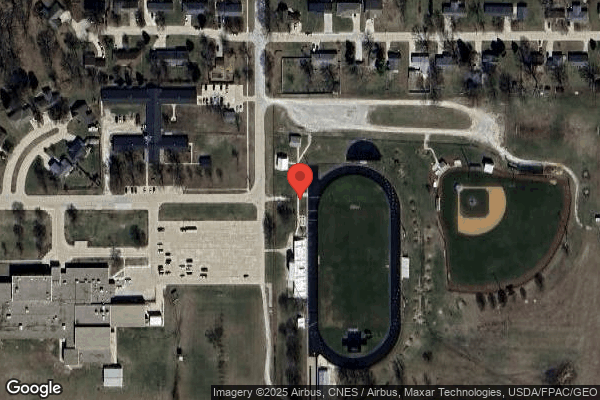

100 RAM ROAD, JEFFERSON, IA 50129 (515) 386-4107
For profit - Limited Liability company 46 Beds CAMPBELL STREET SERVICES Data: November 2025
Trust Grade
60/100
#221 of 392 in IA
Last Inspection: January 2025

Within standard 12-15 month inspection cycle. Federal law requires annual inspections.

Overview

Regency Park Nursing & Rehab Center of Jefferson has a Trust Grade of C+, indicating it is slightly above average but not exceptional. It ranks #221 out of 392 facilities in Iowa, placing it in the bottom half, but it is the only option in Greene County. The facility's trend is stable, with four issues identified in both 2024 and 2025, which suggests ongoing concerns without significant improvement. Staffing is rated average with a turnover rate of 41%, which is below the state average, indicating that staff generally remain in their positions. Although the facility has not incurred any fines, there are serious concerns, such as failing to provide adequate supervision for residents at risk of falls, and instances of improper food handling, which could pose health risks. Overall, while there are strengths in staffing stability and the absence of fines, the identified care and safety issues warrant careful consideration.

Trust Score
C+
60/100
In Iowa
#221/392
Bottom 44%
Safety Record
Moderate
Needs review
Inspections
Holding Steady
4 → 4 violations
Staff Stability
○ Average
41% turnover. Near Iowa's 48% average. Typical for the industry.
Penalties
✓ Good
No fines on record. Clean compliance history, better than most Iowa facilities.
Skilled Nurses
○ Average
Each resident gets 34 minutes of Registered Nurse (RN) attention daily — about average for Iowa. RNs are the most trained staff who monitor for health changes.
Violations
⚠ Watch
20 deficiencies on record. Higher than average. Multiple issues found across inspections.
★★★☆☆
3.0
Overall Rating
★★★☆☆
3.0
Staff Levels
★★★☆☆
3.0
Care Quality
★★★☆☆
3.0
Inspection Score
Stable
2024: 4 issues
2025: 4 issues

The Good

  • Full Sprinkler Coverage · Fire safety systems throughout facility
  • No fines on record
  • Staff turnover below average (41%)

    7 points below Iowa average of 48%

Facility shows strength in fire safety.

The Bad

3-Star Overall Rating

Near Iowa average (3.1)

Meets federal standards, typical of most facilities

Staff Turnover: 41%

Near Iowa avg (46%)

Typical for the industry

Chain: CAMPBELL STREET SERVICES

Part of a multi-facility chain

Ask about local staffing decisions and management

The Ugly 20 deficiencies on record

1 actual harm
Jan 2025 4 deficiencies
CONCERN (D)

Potential for Harm - no one hurt, but risky conditions existed

Deficiency F0578 (Tag F0578)

Could have caused harm · This affected 1 resident

**NOTE- TERMS IN BRACKETS HAVE BEEN EDITED TO PROTECT CONFIDENTIALITY** Based on clinical record review, staff interviews, and facility policy review the facility failed to verify the resident's advan...

Read full inspector narrative →
**NOTE- TERMS IN BRACKETS HAVE BEEN EDITED TO PROTECT CONFIDENTIALITY** Based on clinical record review, staff interviews, and facility policy review the facility failed to verify the resident's advanced directive choice for 1 (Resident #46) of 12 residents reviewed. The facility reported a census of 42 residents. Findings include: The Clinical Census Sheet dated [DATE], documented Resident #46 admitted to the facility on [DATE] and Code Status, Advanced Directive of Do Not Resuscitate (DNR). Observation on [DATE] at 10:38 AM, resident's hard chart with sticker Full Code (initiate cardiopulmonary resuscitation (CPR) in the event resident is not breathing and has no pulse) on the outside of the chart and the inside of the chart lacked an IPOST (Iowa Physician's Order for Scope of Treatment) (document that allows a person to communicate their preferences for key life-sustaining treatments). The resident's electronic health record, revealed an Order Summary Report, dated [DATE], with a physician's order dated [DATE] for DNR. Interview on [DATE] at 10:39 AM, Staff B, Certified Medication Aide, stated when looking for a resident's code status she looks at the sticker on the outside of the chart or the inside of the chart for the IPOST. The resident's Care Plan initiated [DATE] documented resident requests code status of DNR. The facility policy Advance Directives revised 12/2016, documented the plan of care for each resident will be consistent with his or her documented treatment preferences and/or advance directive. Interview on [DATE] at 4:50 PM, the Director of Nursing (DON) confirmed the resident's outside of the chart had sticker for Full Code, no IPOST in the chart and had an order in the electronic health record for a DNR order. The DON stated her expectation for all documentation to match and be correct representing the resident's wishes.
CONCERN (D)

Potential for Harm - no one hurt, but risky conditions existed

Deficiency F0658 (Tag F0658)

Could have caused harm · This affected 1 resident

Based on clinical record review, resident and staff interview the facility failed to followed a physician's order for 1 resident (Resident #1) of 12 residents reviewed. The facility reported a census ...

Read full inspector narrative →
Based on clinical record review, resident and staff interview the facility failed to followed a physician's order for 1 resident (Resident #1) of 12 residents reviewed. The facility reported a census of 42 residents. Findings include: The Minimum Data Set (MDS) for Resident # 1, dated 12/19/24, documented she scored 15 on the Brief Interview of Mental Status indicating intact cognition. The MDS included diagnoses of cerebral palsy, and documented received a scheduled pain medication regimen with frequent pain or hurting over the last 5 days. Interview on 1/14/25 at 10:22 AM, resident stated she is to receive a Lidocaine pain patch on her left shoulder every day and then removed at bedtime. The resident further stated the patch was not available today and there were also 2 weekends in December that the facility did not have the patch to apply to her. The resident stated the patch helps a lot with the shoulder pain. Review of the resident's Medication Administration Records documented the Lidocaine pain patch not available on the following dates in the past 3 months: a. 11/9, 11/10, 11/11,and 11/15/24 b. 12/4, 12/6, 12/7, 12/8, 12/9, and 12/10/24 c. 1/14/25 Interview on 1/14/25 at 3:30 PM, Staff C, Licensed Practical Nurse stated the resident's patch was not available today so she ordered it from the pharmacy and the patch will arrive later today. Staff C further stated there have been several times the patch was not available. Staff C stated the patch is usually ordered through the facility with stock medications but if the facility is out the patch can be ordered from the pharmacy. Staff C stated she did not notify the physician that the ordered medication was not available and does not normally notify the physician if the medication is an over the counter medication. Interview on 1/14/25 at 4:30 PM, the Director of Nursing stated her expectation was if the medication was not available at the facility, the staff need to order from the pharmacy and administer when delivered, to follow the physician's orders, and notify the physician when the patch was not administered.
CONCERN (D)

Potential for Harm - no one hurt, but risky conditions existed

Deficiency F0948 (Tag F0948)

Could have caused harm · This affected 1 resident

Based on observation, record review, staff interviews, and facility policy review the facility failed to ensure a person that assisted a resident to eat was a certified paid feeding assistant for 1 (R...

Read full inspector narrative →
Based on observation, record review, staff interviews, and facility policy review the facility failed to ensure a person that assisted a resident to eat was a certified paid feeding assistant for 1 (Resident #36) of 15 residents reviewed. The facility reported a census of 42 residents. Findings include: The MDS for Resident #36, dated 12/23/24, indicated a Brief Interview for Mental Status score of 99, indicating the resident was unable to complete the interview, indicated severe cognitive impairment for decision-making. Observation on 1/13/25 at 12:00 PM, in the dining room with the Assistant Director of Nursing present, the resident was assisted to eat by another resident's wife. Facility policy Assistance with Meals revised March 2022, documented facility staff will serve resident trays and will help residents who require assistance with eating. Interview on 1/13/25 at 3:57 PM the Director of Nursing stated expectation for family/visitors to not assist non-family member residents to dine.
CONCERN (E)

Potential for Harm - no one hurt, but risky conditions existed

Food Safety (Tag F0812)

Could have caused harm · This affected multiple residents

Based on observation, staff interview, and policy review the facility failed to store, prepare, distribute and serve food in accordance with professional standards for food service safety. The facilit...

Read full inspector narrative →
Based on observation, staff interview, and policy review the facility failed to store, prepare, distribute and serve food in accordance with professional standards for food service safety. The facility reported a census of 42. Findings include: A direct observation on 01/12/2025 at 10:23 AM of the kitchen revealed an open container of cottage cheese with a discard date of 01/11/2025. It also revealed an unmarked, undated meat product stored in the freezer in a single sheet of plastic cling wrap. The Dietary Manager identified the item as roast beef, and stated it had been prepared within a day or two of the observation. A direct observation on 01/14/2025 at 09:33 AM of the kitchen dining service Staff A, Cook, was observed wearing the same pair of disposable vinyl gloves while prepping three unique food items, touching different utensils, the walls, as well as other contaminated surfaces before returning to prepare ground meat for the lunch service. During the same observation, Staff A was witnessed coughing into the same pair of vinyl gloves without changing them. While preparing the ground meat, Staff A removed a paper menu from the wall and placed it on the clean preparation surface, then used the menu to place utensils used for preparing food on the menu. After having placed the utensils on the menu, and without having sanitized them, Staff A scooped freshly ground meat from the blender into the storage container. When the utensil Staff A was using proved to be too big to get all of the food out of the blender, Staff A utilized her soiled gloves from the above observation to scoop the remaining ground meat from the blender. Only then did Staff A change gloves and sanitize their hands. A direct observation on 01/14/2025 at 10:56 AM revealed Staff A coughing into ungloved hands. She did not perform hand sanitation, and continued to prepare food for lunch service. A direction observation of the lunch dining service on 01/14/2025 at 11:27 AM revealed the Assistant Director of Nursing (ADON) made direct ungloved contact with a pudding style dessert, then placed a lid on the dessert and carried it to a resident. While walking down the hall pudding could be observed on the ADON's ungloved hands. A direct observation of the lunch dining service on 01/14/2025 at 11:30 AM revealed the Director of Nursing (DON) holding resident plates with her thumbs on the top of the plate, this occurred again at 11:32 AM. In an interview on 01/14/2025 at 11:44 AM with the Registered Dietician, she acknowledged she had seen the same issues with dining service as the surveyor had. She stated the ADON should have replaced the food she made contact with, and the DON should not be touching the top of a plate being served to a resident. In an interview on 01/15/2025 at 01:23 PM with the Dietary Manager, she stated she had seen the ungloved contact with food occur on 01/14/2025 as well. She stated the food should have been disposed of and a fresh one offered to the resident. She stated it is prohibited to make ungloved contact with a resident's food. She acknowledged she had also seen the DON carry at least one plate by the top serving side, and confirmed that this action is also prohibited based on her knowledge of food safety protocol. She stated gloves have been an issue in the past with the facility, but staff should change gloves every time they switch to a new task. Gloves should have been disposed of and hand hygiene performed after coughing into hands. She acknowledged that placing serving utensils on soiled surfaces was prohibited, as was using soiled gloves to scoop food out of the blender. In an interview on 01/15/2025 at 01:47 PM with the Director of Nursing, she acknowledged she had made a mistake touching the top serving surface of several plates during lunch service the prior day. She stated she was kicking herself, and noted she does not normally serve food to residents but was attempting to assist her team during the survey process. She informed the surveyor that proper protocol is to hold a plate only from the bottom, avoiding any surface that a resident will eat from. Review of a facility provided document titled Food Preparation and Service, with a last revised date of October 2017, stated in a section labeled Food Service/Distribution, subsection four; food and nutrition service staff, including nursing services personnel, will wash their hands before serving food to residents. It further stated in subsection five staff must be free of communicable disease. It continued in subsection six to state bare hand contact with food is prohibited. Review of a facility provided document titled Food Receiving and Storage, last revised in July of 2014, stated all foods stored in the refrigerator of freezer will be covered, labeled, and dated.
Sept 2024 2 deficiencies
CONCERN (D) 📢 Someone Reported This

A family member, employee, or ombudsman was alarmed enough to file a formal complaint

Potential for Harm - no one hurt, but risky conditions existed

Pharmacy Services (Tag F0755)

Could have caused harm · This affected 1 resident

**NOTE- TERMS IN BRACKETS HAVE BEEN EDITED TO PROTECT CONFIDENTIALITY** Based on pharmacy interview, staff interviews, policy review and clinical record review the facility failed to keep accurate acc...

Read full inspector narrative →
**NOTE- TERMS IN BRACKETS HAVE BEEN EDITED TO PROTECT CONFIDENTIALITY** Based on pharmacy interview, staff interviews, policy review and clinical record review the facility failed to keep accurate account of narcotic medications for 2 of 3 residents. On 8/12/24, staff discovered that Resident #1 had 8 milliliters (ml) of morphine missing, and Resident #2 had 12 ml missing. Staff admitted that they did not always look at the bottles at shift change before documenting the amount of remaining liquid morphine. Documentation of narcotics administered was inconsistent between the paper chart and the electronic chart for Resident #1 and #2. The facility reported a census of 39 residents. Findings include: 1) According to the Minimum Data Set (MDS) assessment dated [DATE] Resident #2 was admitted to the facility on [DATE] and had a Brief Interview for Mental Status (BIMS) score of 3 (severe cognitive deficits). She required substantial assistance with dressing and showering, and was totally dependent for transfers. The census tab showed that Resident #2 was admitted to Hospice services on 5/2/24. A Progress Note dated 8/12/24 at 9:31 PM, showed that Resident #2 passed away at 7:45 PM that evening. The Care Plan for Resident #2, revised on 6/12/24, showed the she had impaired cognitive function and impaired ability to understand related to dementia. Staff were to administer medications as ordered and monitor for side effects. She was at risk for pain and discomfort related to a fractured ankle. Her diagnosis included: dysphagia, at risk for aspiration pneumonia, airway obstruction and dehydration. She elected to receive hospice care due to a terminal condition. The electronic Medication Administration Record (MAR) for Resident #2 showed an order dated 5/3/24 at 11:00 AM, for morphine sulfate solution 20 milligrams per milliliter (mg/ml) give 0.25 ml every 4 hours as needed (PRN) for pain or shortness of breath. According to the Individual Residents Controlled Substance Record (RCSR) for Resident #2, 30 ml of morphine was delivered to the facility (the document lacked date of delivery.) The RCSR showed that Resident #2 had 8 doses in May, none in June, 1 dose in July and 15 doses in August. The electronic MAR showed that no morphine had been given in the month of July, and just 14 doses in the month of August. According to the RCSR, on 8/12/24 at 7:30 PM, there was 24 ml remaining in the bottle of morphine (date of the residents passing). The Disposition of Remaining Doses showed that 12 ml had been destroyed by two nurses, the documentation was not dated. 2) The MDS assessment dated [DATE] for Resident #1, showed that she was admitted to the facility on [DATE]. She had a BIMS score of 0 (severe cognitive deficit). The resident was totally dependent on staff for eating, showering, dressing and transfers. She was receiving hospice services and had diagnosis that included; coronary artery disease, Alzheimer's Disease, cerebrovascular accident (CVA), Parkinson's Disease and bipolar disorder. The Care Plan for Resident #1, updated on 6/21/24, showed that the resident was at risk for discomfort related to contractures, stiffness in joints and Parkinson's. Staff were directed to administer pain medication and evaluate for effectiveness. Resident #1 elected for hospice care due to a terminal condition. The MAR for month of July 2024 showed Resident #1 had an order dated 12/17/2021 for morphine sulfate solution 5 mg/ml, give 0.25 ml every 4 hours PRN for breakthrough pain as resident allowed. On 9/10/24 at 12:01 PM a representative from the pharmacy said that they delivered one bottle of 30 ml morphine on 7/8/24 for Resident #1, and that was the first time they sent morphine to the facility for that resident. The RCSR for Resident #1 showed that the morphine was used 7 times in July and 1 time in August. The MAR for July showed that the morphine had been administered 6 times in July and not at all in August. The Individual RCSR for Resident #1 showed that after a dose of morphine was administered on 8/11/24 at 9:15 AM, the bottle contained 28.00 ml. On 8/12/24 at 2:30 PM, Staff F, Licensed Practical Nurse (LPN) and Staff E, Assistant Director of Nursing (ADON) signed a note that stated: bottle spilt and corrected with 20 ml remaining. On 9/11/24 at 8:05 AM, the Administrator displayed the used morphine bottle for Resident #1 and it was found to have 19-20 ml of fluid remaining. The label indicated that it had been delivered on 7/8/24. According to the facility investigation titled DIA (Department of Inspections and Appeals) Report, on 8/12/24 Staff F was on the north wing caring for Resident #2 and went to draw up a 0.25 ml dose of morphine. She double checked the bottle and found that there was 12 ml in the bottle, and according to the RCSR, there should have been 24.25 ml. The ADON looked at the MAR, compared it to the RCSR and concluded that the medication had been given enough times to account for the difference of 12 ml. Upon investigation on 8/13/24, the Administrator discovered that Resident #1 had 8 ml less in the bottle than what was documented and the ADON assumed that some had been spilled so she signed the narcotic sheet saying that some of the liquid had spilled. Further investigation revealed that 5 out of the 6 nurses that worked on that medication cart that was missing the morphine, admitted that they did not look at the bottle at shift change when they completed the narcotic count. On 9/10/24 at 8:55 AM, Staff F said that she administered medication on 8/12/24 and discovered that 2 of the bottles of morphine were off by large amounts. She told the ADON, they look at bottles together and she left it with the ADON to deal with from there. On 9/10/24 at 1:37 PM, the ADON said that Staff F brought it to her attention that there was morphine missing. She said that she just thought that it was a matter of nursing mistakes in documentation and not a possible drug diversion. She decided to correct the count on the narcotic sheet for Resident #1 to indicate 8 ml less, assuming that some must have spilt. She acknowledged that she should not have entered wrong documentation and that she had been disciplined for those actions. On 9/10/24 at 3:22 PM, Staff B, LPN acknowledged that she worked on 8/10, 8/11 and 8/12/24. She said that on Sunday (11th), she noticed the morphine was low for Resident #2, but didn't compare the measurements. She said it was a busy day with a resident fall, and there was only one aide to help. She said that the morphine bottles didn't have accurate measurements to begin with, so the nurses assume that it will be off. She said that she hadn't ever given morphine to Resident #1, because she didn't like to take medicine. On 9/10/24 at 3:28 PM, Staff C, LPN said that she witnessed Staff D, RN (was the DON at the time), at the beginning of her shift take all the scheduled narcotics for the residents and put them in one cup for the shift to administer later. There were about 8-9 tabs in the cup. She said that she didn't report this because she was my boss. On 9/10/24 at 4:26 PM, Staff A, RN said that she had given morphine to Resident #1 when she would express pain. The resident didn't like to take medication, she would tighten her lips or spit it out. Staff A said that she always looked at the medication and verified what was left in the bottle or bubble pack at shift change. Some may say it doesn't matter because the fluids were always off by a fraction, but she looked at it anyway, with a second nurse. She said there had been times where a nurse may say she already counted but Staff A insisted that they count them together. On 9/10/24 at 3:49 PM. Staff D, RN said that on the weekend of 8/11/24, there was a resident that was close to the end of life and was getting more morphine. She had worked the day shift; 6 AM - 6 PM, and on the 2-10 PM shift they were short staffed and she was the only one passing pills. She admitted that the job is stressful and she had tried to save time by preparing the scheduled narcotics at the beginning of the shift and putting them all in one cup. She acknowledged that this was not an accepted practice for medication administration, but she knew the residents well enough and what medicine they had. On 9/11/24 at 11:21 AM, the Administrator and the Nurse Consultant said that as soon as they learned about the missing morphine, they did a complete audit of the narcotic documentation going back to January. They said that they would do monthly audits of the narcotics, beginning with a report from the pharmacy on what has been delivered. According to a facility policy titled: Controlled Substances, dated 2012, the facility would comply with all laws regulations and other requirements related to handling, storage, disposal, and documentation of controlled substances. Nursing staff must count controlled medications at the end of each shift. They must document and report any discrepancies.
CONCERN (D) 📢 Someone Reported This

A family member, employee, or ombudsman was alarmed enough to file a formal complaint

Potential for Harm - no one hurt, but risky conditions existed

Deficiency F0761 (Tag F0761)

Could have caused harm · This affected 1 resident

**NOTE- TERMS IN BRACKETS HAVE BEEN EDITED TO PROTECT CONFIDENTIALITY** Based on observation, staff interview, policy review and clinical record review the facility failed to safely store liquid narco...

Read full inspector narrative →
**NOTE- TERMS IN BRACKETS HAVE BEEN EDITED TO PROTECT CONFIDENTIALITY** Based on observation, staff interview, policy review and clinical record review the facility failed to safely store liquid narcotic medications for 1 of 3 residents reviewed (Resident #3). Staff F left two liquid narcotic medications in the top drawer of the medication cart under a single lock. The facility reported a census of 39 residents. Findings include: According to the Minimum Data Set (MDS) assessment dated [DATE], Resident #3 had a Brief Interview for Mental Status (BIMS) score of 6 (severe cognitive deficit). She required substantial assistance with dressing, sit to stand and transfers. Her diagnosis included; diabetes mellitus, Alzheimer's disease, aphasia, cerebrovascular accident and fibromyalgia. The Care Plan for Resident #3, updated on 7/25/24, showed that she was at risk for elopement and was in the locked unit. She had elected for hospice care due to terminal condition and staff were to administer medications as ordered. On 9/10/24 at 8:06 AM a medication cart was sitting in the dining room area. Staff F, Licensed Practical Nurse (LPN) was on the opposite side of the room and then came over to the cart. When asked to count the narcotics and verify with the paper documentation, Staff F pulled a bottle of morphine out of the top drawer for Resident #3 and then pulled out a bottle of Ativan. The rest of the narcotics were in a separate, locked drawer in the cart. When asked why the two Scheduled medications for resident #3 were not double locked, she said that the resident was transitioning, so they were using them more often and it was more convenient. She acknowledged that they should have been double locked and then put them in the locked narcotic drawer. On 9/11/24 at 11:21 AM, the Nurse Consultant said that they would expect that the morphine and the Ativan for Resident #3 would be kept under two locks and not in the top drawer with other medication for convenience. A facility policy titled: Controlled Substances, revised in 2012, showed that the facility would comply with all laws, regulations and other requirements related to handling, storage, disposal and documentation of controlled substances. Controlled substance would be stored in the medication room in a locked container, separate from containers for any non-controlled medications. The container must remain locked at all times except when it was accessed to obtain medications for the resident.
Jan 2024 2 deficiencies
CONCERN (D) 📢 Someone Reported This

A family member, employee, or ombudsman was alarmed enough to file a formal complaint

Potential for Harm - no one hurt, but risky conditions existed

Pharmacy Services (Tag F0755)

Could have caused harm · This affected 1 resident

**NOTE- TERMS IN BRACKETS HAVE BEEN EDITED TO PROTECT CONFIDENTIALITY** Based on staff interview, record review and policy review, the facility failed to consistently count resident narcotics between ...

Read full inspector narrative →
**NOTE- TERMS IN BRACKETS HAVE BEEN EDITED TO PROTECT CONFIDENTIALITY** Based on staff interview, record review and policy review, the facility failed to consistently count resident narcotics between shifts for 1 of 3 residents reviewed (Resident #7). Findings include: Resident #7's Minimum Data Set (MDS) assessment dated [DATE] identified a Brief Interview for Mental Status (BIMS) score of 0, indicating severely impaired cognition. The MDS included diagnoses of Alzheimer's disease, anxiety, and depression. Resident #7 received a scheduled pain medication. The Care Plan revised 10/25/23 reflected Resident #7 had a risk for alteration in comfort, had Alzheimer's and couldn't always effectively express her pain. The Care Plan included an Intervention for Resident #7 to take her medications as ordered. Resident #7's November 2023's Medication Administration Record (MAR) listed an order dated 8/13/23 for Hydrocodone-Acetaminophen 5-325 milligram (MG) 1 tablet by mouth 3 times a day for pain. The Incident Report dated 11/21/23 at 5:52 PM included a nursing description that the facility found a narcotic discrepancy found during the narcotic count. Resident #7 had 4 missing hydrocodone, after investigation, the facility located all tablets. The facility's Self-Report dated 11/22/23 at 2:27 PM described the facility discovered on 11/16/23. The facility's undated Investigation provided to the Department of Inspections, Appeals, and Licensing (DIAL) listed a date of incident as 11/16/23. The form indicated that during shift change on 11/16/23 Staff A, Licensed Practical Nurse (LPN), and Staff B, LPN, completed the narcotic count for Resident #7 when they discovered her 2 PM scheduled Hydrocodone (narcotic pain medication) card had 2 missing doses. The Director of Nursing (DON) interviewed Staff C, Registered Nurse (RN), who worked 6 PM to 6 AM on 11/15/23 who reported that she didn't count narcotics with Staff B at the start of the 6 AM to 6 PM shift on 11/16/23. Staff C's Written Warning dated 11/21/23 indicated she didn't complete the narcotic count between shifts as expected the morning of 11/16/23. The undated Narcotics, Controlled Substances, and Preventing Drug Diversion policy instructed the staff member responsible for medication completing his/her shift, and the staff member responsible for medication who is starting his/her shift, to count all narcotic medications at the end of each shift, and confirm that the amount on hand matches the amount listed on the Narcotic Count Sheet for each medication. Both staff members will sign a Narcotic Reconciliation Sheet to confirm an accurate count of narcotics on hand. During an interview 1/10/23 at 3:47 PM, the DON explained she expected the staff to count the narcotics at every shift change or when giving the keys to someone else. The facility corrected this concern on 12/14/23 with the following: a. Starting 11/22/23 the facility started audits b. Completed education on the Narcotics, Controlled Substances, and Preventing Drug Diversion policy with nurses and certified medication aides (CMA). c. Completed education on discarding and destroying medications with nurses and CMAs. d. Starting 12/14/23 the facility's nurses and certified medication aides called the Administrator, recorded a video, or got the Administrator for every narcotic count completed.
CONCERN (D) 📢 Someone Reported This

A family member, employee, or ombudsman was alarmed enough to file a formal complaint

Potential for Harm - no one hurt, but risky conditions existed

Deficiency F0761 (Tag F0761)

Could have caused harm · This affected 1 resident

**NOTE- TERMS IN BRACKETS HAVE BEEN EDITED TO PROTECT CONFIDENTIALITY** Based on staff interview, record review and policy review, the facility failed to ensure to resident narcotics were disposed of ...

Read full inspector narrative →
**NOTE- TERMS IN BRACKETS HAVE BEEN EDITED TO PROTECT CONFIDENTIALITY** Based on staff interview, record review and policy review, the facility failed to ensure to resident narcotics were disposed of properly for 1 of 3 residents reviewed (Resident #7). Findings include: Resident #7's Minimum Data Set (MDS) assessment dated [DATE] identified a Brief Interview for Mental Status (BIMS) score of 0, indicating severely impaired cognition. The MDS included diagnoses of Alzheimer's disease, anxiety, and depression. Resident #7 received a scheduled pain medication. The Care Plan revised 10/25/23 reflected Resident #7 had a risk for alteration in comfort, had Alzheimer's and couldn't always effectively express her pain. The Care Plan included an Intervention for Resident #7 to take her medications as ordered. Resident #7's November 2023's Medication Administration Record (MAR) listed an order dated 8/13/23 for Hydrocodone-Acetaminophen 5-325 milligram (MG) 1 tablet by mouth 3 times a day for pain. The documentation indicated Resident #7 received all her hydrocodone. The facility's undated Investigation provided to the Department of Inspections, Appeals, and Licensing (DIAL) listed a date of incident as 11/16/23. The form indicated that during shift change on 11/16/23 Staff A, Licensed Practical Nurse (LPN), and Staff B, LPN, completed the narcotic count for Resident #7 when they discovered her 2 PM scheduled Hydrocodone (narcotic pain medication) card had 2 missing doses. Upon discovering the shortage, Staff B popped 2 hydrocodone out of the bubble pack and tossed them in the sharps container in what appeared to be an attempt to correct the count. When asked by Staff A why she did that Staff B responded, I was trying to correct the count. The Director of Nursing (DON) interviewed Staff C, Registered Nurse (RN), who worked 6 PM to 6 AM on 11/15/23 who reported that she didn't count narcotics with Staff B at the start of the 6 AM to 6 PM shift on 11/16/23. Interview conducted with Staff A indicated that she had witnessed Staff B throw 2 hydrocodone in the sharp's container. The Director of Nursing (DON) pulled the sharps container and checked it for hydrocodone, where she found 4 hydrocodone tablets. On 1/10/23 at 9:05 AM, Staff A reported she came in for her 6 PM to 6 AM shift on 11/17/23 and Resident #7's narcotic count was off by 2. Staff A stated she observed Staff B then throw 2 of Resident #7's hydrocodone in the sharps container during the narcotic count resulting in an off count of 4. Staff A stated she directed Staff B to take the narcotic bubble pack to the DON and tell her what she did. The following attempts to contact Staff B, no longer employed by the facility, remained unanswered: a. 1/10/23 at 10:23 AM - Left message to return call. b. 1/10/23 at 12:19 PM - Sent text message to return call. c. 1/11/24 at 8:36 AM - Left message to return call. The Incident Report dated 11/17/23 at 3:23 PM reflected the nurses who completed the narcotic count determined Resident #7 didn't receive her 2:00 PM hydrocodone as ordered. On 1/10/23 at 9:20 AM, the Administrator and the DON explained they didn't know if Staff B placed 2 additional hydrocodone in the sharps container prior to the observation of placing 2 in the container to correct the count. The Administrator and DON explained Staff B did not acknowledge that she placed a total of 4 hydrocodone in the sharp's container during their investigation. On 1/10/23 at 2:15 PM, the DON reported the facility didn't complete a separate investigation related to the 2 additional hydrocodone found in the sharp's container. On 1/10/23 at 3:45 PM, the DON said she expected the nurses or CMAs document on the narcotic sheet the disposal and/or destruction of the narcotic medication. In addition, she expected 1 nurse and 1 witness destroy the narcotic medication together and dispose of the narcotic medication in the drug buster. The undated Narcotics, Controlled Substances, and Preventing Drug Diversion policy instructed the staff member responsible for medication completing his/her shift, and the staff member responsible for medication who is starting his/her shift, to count all narcotic medications at the end of each shift, and confirm that the amount on hand matches the amount listed on the Narcotic Count Sheet for each medication. Both staff members will sign a Narcotic Reconciliation Sheet to confirm an accurate count of narcotics on hand. The facility corrected this concern on 12/14/23 with the following: a. Starting 11/22/23 the facility started audits b. Completed education on the Narcotics, Controlled Substances, and Preventing Drug Diversion policy with nurses and certified medication aides (CMA). c. Completed education on discarding and destroying medications with nurses and CMAs. d. Starting 12/14/23 the facility's nurses and certified medication aides called the Administrator, recorded a video, or got the Administrator for every narcotic count completed.
Nov 2023 10 deficiencies 1 Harm
SERIOUS (G)

Actual Harm - a resident was hurt due to facility failures

Accident Prevention (Tag F0689)

A resident was harmed · This affected 1 resident

**NOTE- TERMS IN BRACKETS HAVE BEEN EDITED TO PROTECT CONFIDENTIALITY** Based on clinical record reviews, observations, resident, and staff interviews, the facility failed to provide adequate nursing ...

Read full inspector narrative →
**NOTE- TERMS IN BRACKETS HAVE BEEN EDITED TO PROTECT CONFIDENTIALITY** Based on clinical record reviews, observations, resident, and staff interviews, the facility failed to provide adequate nursing supervision to prevent accident and injuries for 2 of 2 residents reviewed (Residents #18 and #10) for falls. 1. Resident #18 fell two times and the facility failed to either put an intervention in place or put an inadequate intervention in place to prevent future falls. After Resident #18 fell on 7/8/23, the facility requested a urinalysis on 7/12/23. The facility collected and received the results on 7/14/23 that revealed a urinary tract infection. The provider ordered to wait for the culture and sensitivity (C&S) results then update them with the results. Resident #18 attempted to get up on her own multiple times, with the staff intervening to prevent her from falling. On 7/18/23 a staff member left Resident #18 unattended in the bathroom with the call light and instructions to pull it when she was ready. Without using the call light, Resident #18 attempted to get to bed by herself and fell. The next day, Resident #18 complained of pain in her ankle and an assessment revealed a moderate amount of swelling in her left ankle. An x-ray revealed a fracture to the two lowest bones in her leg. The facility failed to have the C&S results until 11/7/23, the identified an infection of Proteus mirabilis. Following the fall, Resident #18 went from an assist of one person for transfers to needing a full-body mechanical lift (Hoyer) with two persons for transfers. 2. Resident #10 fell on [DATE], the facility implemented an intervention to clip a call light to her, so it pulled when she got up without assistance. Resident #10's bathroom door had a sign that instructed her to use the call light and wait for assistance. Observations of Resident #10 on 11/6/23 revealed her sitting in her recliner while her call light sat on an end stand approximately 5 feet away starting at 10:39 AM. The call light remained on the end stand even after she fell at 3:38 PM. Findings include: 1. Resident #18's Minimum Data Set (MDS) dated [DATE] assessment identified a Brief Interview for Mental Status (BIMS) score of 10, indicating moderate cognitive impairment. The MDS identified Resident #18 had signs and symptoms of delirium (a temporary mental state characterize by confusion, anxiety, incoherent speech, and hallucinations) with inattention with behavior present, fluctuates. Resident #18 required extensive assistance of one person with bed mobility, transfers, ambulation and toilet use. The MDS indicated Resident #18 required a walker and wheelchair for mobility. A balance during transitions and walking identified Resident #18 as not steady, only able to stabilize with staff assistance with the following: moving from seated to standing position, walking, turning around, moving on and off the toilet, and surface to surface transfers. The MDS documented Resident #18 had frequent incontinence of bowel and bladder. Resident #18's MDS included diagnoses of anemia (low blood iron), hypertension (high blood pressure), chronic kidney disease, stroke, diabetes mellitus, and adjustment disorder. The Facility Incident Reports (IR) documented in July 2023 revealed Resident #18 fell on the following dates: 7/8/23 7/18/23 Resident #18's Fall Risk Evaluations documented the following scores and fall risk (A score greater than 10 or more represent high risk for falls): 3/8/23=15 7/12/23=21 7/20/23=19 The Care Plan revised 6/28/23 reflected that Resident #18 had a risk for falls related to impaired balance, poor safety awareness, neuromuscular/functional impairment and the use of medications that may increase fall risk. The Care Plan Interventions included the following: a. Call light in reach when in room - 1/24/23 b. Clean and apply glasses daily as appropriate; ophthalmology (eye doctor) referrals as deemed necessary - 1/24/23 c. Encourage proper footwear when out of bed - 1/24/23 d. Encourage to ask for assistance if weak/tired - 1/24/23 e. Ensure safe environment, free of clutter, with adequate lighting, and clean spill promptly - 1/24/23 f. Fall assessment on admission, quarterly and with changes or falls - 1/24/23 g. Neurological checks per facility protocol for any/suspected head injury - 1/24/23 h. Notify MD/family/responsible party of changes as needed - 1/24/23 i. Obtain labs as ordered - 1/24/23 j. Possibly limit number of blankets on bed or use only lightweight blankets - 3/8/23 k. PT/OT evaluation and treat as needed - 1/24/23 l. Recheck urinalysis post fall - 7/12/23 m. Review medication every quarter and as needed - 1/24/23 n. Rule out medical complications with increased falls - 1/24/23 o. Skid strips next to bed - 1/24/23 p. Clip call light to walker with break-away lanyard - 7/19/23 q. Assist of 1 with ADL's (activities of daily) and assist of 2 with Hoyer with transfers - 8/23/23 An IR dated 7/8/23 at 8:02 AM identified an unwitnessed fall in Resident #18's room. Staff observed Resident #18 on the floor next to her bed. Resident #18 stated that she wanted to get to her chair. The IR lacked an immediate intervention put in place following the fall. A Progress Note titled Fall - initial dated 7/8/23 at 8:35 AM documented the fall occurred at 6:15 AM. The progress noted indicated that staff found Resident #18 in her room on the floor lying on her left side beside the bed. The note revealed Resident #18 had mild back pain and last went to the toilet at 5 AM. According to the note, Resident #18 did not have their call light on at the time of the fall. The progress note lacked any new or additional interventions to prevent falls. A Progress Note titled IDT Note dated 7/12/23 at 10:09 AM documented IDT (Interdisciplinary Team) reviewed Resident #18's fall from 7/8/23. The progress note documented the facility would recheck a urinalysis (UA) due to ongoing increased confusion. A Progress Note dated 7/14/23 at 3:39 AM documented Resident #18 noncompliant with call light. The note revealed Resident #18 was holding the call light in her hand (also clipped to her pajama collar) and voided in her bed. The note further documented that later, Resident #18 continued with the call light in her hand and had an extra, extra-large diarrhea in her bed requiring two complete bed changes. Resident #18 stated to the CNA (certified nursing assistant), I don't know why you pooped my pants, I haven't had supper yet so it couldn't have been me. A Progress Note dated 7/14/23 at 12:38 PM indicated a urine sample was obtained from Resident #19 and sent to the laboratory (6 days after the fall). A Progress Note dated 7/15/23 at 2:19 AM documented the facility received the UA lab result and faxed it to the Physician. The UA results dated 7/14/23 at 4:46 PM documented the following abnormalities: positive for blood in the urine, 3+ leukocyte esterase (white blood cells) in the urine, and WBC lumps (increased mucus) are present in the urine. The abnormalities are indicative of an inflammation or bacterial infection in the urinary tract system. A Progress Note dated 7/16/23 at 12:23 AM documented Resident #18 as combative with HS (hour of sleep) cares, hitting and punching the CNA while the CNA attempt to dress her for bed. Resident #18 stated her family was here and was going with them, without putting clothes on first. A Progress Note dated 7/17/23 at 10:11 AM documented the PCP (Primary Care Physician) responded regarding UA results. The PCP directed the facility to wait for the culture and sensitivity results (C&S) and to send results when received. A Progress Note dated 7/18/23 at 4:30 AM documented Resident #18 screamed with cares whether being touched or not. The note further documented Resident #18 had multiple attempts to get out of bed on her own and had the call light clipped to her pajama collar. An IR dated 7/18/23 at 8:45 PM identified an unwitnessed fall in Resident #18's room. Staff observed Resident #18 lying on the floor on her back next to her bed. Resident #18 stated she was going to her bed. According to the IR, approximately 15 minutes before the fall, staff assisted Resident #18 to the bathroom and instructed her to use the call light when finished. The IR lacked an immediate intervention put in place following the fall. A Progress Note titled Fall - Initial dated 7/18/23 at 8:45 PM documented an unwitnessed fall in Resident #18's room. The progress note revealed staff observed Resident #18 lying on the floor on her back next to her bed with her walker next to her. The note documented that Resident #18 did not have her call light on but had it within her reach when in the bathroom. The progress notes further documented Resident #18 transferred from the toilet to her bed when she fell. The progress note lacked any new or additional interventions to prevent falls. A Progress Note titled IDT Note dated 7/19/23 at 9:39 AM documented the IDT team reviewed Resident #18's fall from 7/18/23 and determined that Resident #18 attempted to ambulate with her walker from bathroom to bed. Staff observed Resident #18 lying on the floor next to her bed with her pants down around her ankles. The progress note documented that Resident #18's forgets to use the call lights due to her cognition. The new fall intervention listed as to add a break away lanyard on call light and attach to the walker. A Progress Note dated for 7/19/23 at 10:22 AM revealed Resident #18 had pain in her left ankle with a moderate amount of swelling. The facility notified Resident #18's PCP, who ordered a 3 view portable x-ray of the left ankle and no weight bearing until the completion of the x-ray. An X-ray report dated 7/19/23 documented the findings of the portable images of the left ankle revealed a nondisplaced fracture of the distal fibula and a nondisplaced transverse fracture of the medial malleolus. The PCP directed the facility to send Resident #18 to the emergency room (ER) for the left ankle fracture. The ER report dated 7/19/23 at 1:37 PM documented Resident #18 arrived at the ER with complaints of a fracture of the left ankle. The ER assessment revealed tenderness to palpation to the left ankle, swelling with signs of injury present. The ER completed a 3 view x-ray of the left ankle which showed fractures involving the distal fibula (lower leg bone) and the medial malleolus of the distal tibia (lowest part of the big bone in the lower leg). The ER report indicated Resident #18 would be discharged back to the facility with a urinary catheter in place due to the fracture, along with no weight bearing and to follow up the following week for surgery. The ER note documented the application of a long leg splint to the left lower extremity. The ER final diagnosis listed bimalleolar fracture of left ankle (a fracture of the bony projections at the end of the lower two bones in the leg). A Progress Note dated 7/19/23 at 6:00 PM documented Resident #18 returned from the ER by ambulance accompanied by her daughter. The progress note documented Resident #18 had an OCL splint (a plaster splint) to the left lower extremity. In addition, she received Dilaudid (narcotic pain medication) 1 mg (milligram) intramuscular (IM) while at the ER. Resident #18 received new orders for Tramadol every 6 hours as needed for pain and an insertion of a urinary catheter at the ER. The Clinical Record lacked the urine C&S results received and sent to the PCP from the UA done on 7/14/23. On 11/7/23 at 11:51 AM, after an inquiry, Staff E, RNC (Regional Nurse Consultant), provided the C&S results from 7/14/23. The results indicated the report got generated on 11/7/23 at 11:27 AM. The clinical record lacked follow up to obtain the C&S results and lacked Physician notification. Resident #18 did not receive any orders related to the C&S results. The C&S results dated 7/17/23 at 10:20 AM revealed the culture grew out greater than 100,000 CFU (colony forming units) per ML (milliliter) of Proteus Mirabilis (gram negative bacteria) indicating Resident #18 had an acute infection at the time of the fall on 7/18/23. On 11/7/23 at 1:17 PM, Staff E reported that she called the hospital lab and spoke to a lab employee. Staff E stated the lab employee confirmed the hospital did not send the C&S report to the facility. Staff E reported even if the facility had received the culture back, she is not sure one dose of antibiotics would have made a difference in the fall. Staff E reported she could not say if the facility called the lab to follow up on the culture results. On 11/7/23 at 2:30 PM, Staff F, LPN (Licensed Practical Nurse), reported when she went into the bathroom to check on Resident #18, she was not done. Staff F stated she handed the call light to Resident #18 and told her to use it. Staff F reported that she had not worked four days prior to the fall. Staff F stated she did not recall any urinary symptoms and did not recall/remember if there was a urine culture pending. Staff F reported she observed Resident #18 lying on the floor right next to the bed. She stated she did not see any injuries. Staff F stated she put the bed in the lowest position. Then Staff G, CNA, and herself lifted Resident #18 into the bed. Staff F stated Resident #18 assisted in the transfer and did not complain of any pain at the time. On 11/7/23 at 7:56 PM, Staff G recalled working the night Resident #18 fell. Staff G stated as she got Resident #18 ready for bed, she liked to sit on the toilet to have a bowel movement after supper and before bed. Staff F stated that the nurse and herself checked on Resident #18 while she sat on the toilet and she was not done. Staff G stated when she went in the room she saw Resident #18 on the floor lying by the recliner and the TV stand right outside the bathroom door. Staff G stated she heard Resident #18 would self-transfer on the overnight shift at times. Staff G stated no one reported a possible infection. On 11/9/23 at 1:53 PM, the Director of Nursing (DON) reported with an acute change such as increased behaviors and confusion, she expected the staff to stay with the resident while using the toilet. She expected the staff to follow up on culture results in a timely manner. The DON expected the staff to call to get the lab results if the facility did not receive the results. A facility policy titled Falls and Fall Risk, Managing revised March 2018 instructed based on previous evaluation and current data, the staff will identify interventions related to the resident's specific risks and causes to try to prevent the resident from falling and try to minimize complications from falling. The policy documented the resident conditions that may contribute to the risk of falls include: a. Fever b. Infection The policy further documented that the staff, with input of the attending physician, will implement a resident-centered fall prevention plan to reduce the specific risk factor(s) of falls for each resident at risk or with a history of falls. If falling recurs despite initial interventions, staff will implement additional or different interventions, or indicate why the current approach remained relevant. 2. Resident #10's MDS assessment dated [DATE] identified a BIMS score of 2, indicating severely impaired cognition. The MDS identified that Resident #10 needed limited assistance of 1 person for bed mobility, transfers, walking, and toilet use. The MDS documented Resident #10 had a prior fall. The MDS included diagnoses of Alzheimer's Dementia, arthritis and depression. Resident #10's Care Plan initiated 8/30/23 reflected that Resident #10 had a risk for falls related to impaired balance, poor safety awareness, neuromuscular/functional impairment and/or the use of medications that may increase falls risks related to the diagnosis of Alzheimer's disease. The Interventions initiated on 8/30/23 included the following: a. On 7/14/23 Resident #10 received an injury after falling, staff to ensure her walker is in place. b. Encourage to ask for assistance when wanting to transfer/ambulate c. Sign on wall to remind Resident #10 to use the call light. Resident #10 likes to tear it down, replace as needed. The Fall-Initial Note dated 10/27/23 at 3:00 AM, reflected that Resident #10 fell while getting up to go to the bathroom. The intervention/prevention to prevent recurrence listed to clip a call light to Resident #10 so it pulls when She get up without assistance. On 11/6/23 at 10:39 AM observed Resident #10 sitting a in recliner in their room with the call light on the end stand, approximately 5 feet from her, not within reach. A sign on bathroom door instructed to please pull call light and wait for assistance. On 11/6/23 at 12:43 PM observed Resident #10 in the recliner while the call light remains on the end stand. On 11/6/23 at 3:38 PM witnessed Resident #10 on the floor in the bathroom doorway, as the call light remains on the end stand. On 11/6/23 at 3:38 PM, the DON confirmed the call light sat on the end stand and not within reach of Resident #10 when in the recliner. On 11/6/23 at 3:50 PM, Staff D, CNA, said she observed Resident #10 sitting in the recliner shortly before taking another resident to the shower and then heard Resident #10 yelling. When she went to Resident #10's room, Staff D found her on the floor. Facility policy, Answering the Call Light, revised March 2021, instructed that when a resident is in bed or confined to a chair be sure the call light is within easy reach of the resident. On 11/9/23 at 2:06 PM, the DON stated She expected the call light to be within reach of the resident.
CONCERN (D) 📢 Someone Reported This

A family member, employee, or ombudsman was alarmed enough to file a formal complaint

Potential for Harm - no one hurt, but risky conditions existed

Resident Rights (Tag F0550)

Could have caused harm · This affected 1 resident

**NOTE- TERMS IN BRACKETS HAVE BEEN EDITED TO PROTECT CONFIDENTIALITY** Based on staff interview, resident interview, and facility policy review, the facility failed to provide care for 1 of 14 reside...

Read full inspector narrative →
**NOTE- TERMS IN BRACKETS HAVE BEEN EDITED TO PROTECT CONFIDENTIALITY** Based on staff interview, resident interview, and facility policy review, the facility failed to provide care for 1 of 14 residents reviewed (Resident #37) in a manner to promote dignity and respect. The facility reported a census of 38 residents. Findings include: Resident #37's Minimum Data Set (MDS) assessment dated [DATE] identified a Brief Interview for Mental Status (BIMS) score of 15, indicating intact cognition. Resident #37's MDS included diagnoses of fracture of lower end of left femur, type 2 diabetes, hypertension (high blood pressure) and anemia (low blood iron). On 11/6/23 at 10:38 AM, Resident #37 described the facility as short staffed. Resident #37 stated she has waited 30-45 minutes for her call light to be answered. She has become incontinent of bowel due to having to wait so long. Resident #37 reported it happened in the morning before breakfast. Resident #37 reported being horrified and really upset as it is not normal for her. A facility policy titled Quality of Life-Dignity revised August 2009 directed the facility to care for each resident in a manner that promotes and enhances quality of life, dignity, respect, and individuality. The policy further documented demeaning practices and standards of care that compromise dignity is prohibited. Staff shall promote dignity and assist residents as needed by promptly responding to resident's request for toileting assistance. On 11/9/23 at 1:52 PM, the Director of Nursing (DON) reported she expected staff to treat residents with respect and dignity.
CONCERN (D)

Potential for Harm - no one hurt, but risky conditions existed

Notification of Changes (Tag F0580)

Could have caused harm · This affected 1 resident

**NOTE- TERMS IN BRACKETS HAVE BEEN EDITED TO PROTECT CONFIDENTIALITY** Based on clinical record review and staff interviews, the facility failed to notify the Physician when a resident refused to tak...

Read full inspector narrative →
**NOTE- TERMS IN BRACKETS HAVE BEEN EDITED TO PROTECT CONFIDENTIALITY** Based on clinical record review and staff interviews, the facility failed to notify the Physician when a resident refused to take sliding scale insulin at bedtime and failed to report blood sugars below 70 mg/dl (milligrams per deciliter) for 1 of 1 resident reviewed (Resident #37) for insulin administration. The facility reported a census of 38. Findings include: Resident #37's Minimum Data Set (MDS) assessment dated [DATE] identified a Brief Interview for Mental Status (BIMS) score of 15, indicating intact cognition. Resident #37's MDS included diagnoses of fracture of lower end of left femur, type 2 diabetes, hypertension (high blood pressure) and anemia (low blood iron). The Care Plan revised 9/11/23 indicated that Resident #37 had a diagnosis of diabetes mellitus and had a risk for frequent infections, alteration of skin, visual impairment, hyper/hypoglycemia (low/high blood sugar), renal failure and cognitive/physical impairments. The Care Plan directed staff to monitor/check blood glucose levels as ordered and follow protocol per facility for low blood sugar. Resident #37's September 2023 Medication Administration Record (MAR) included an order dated 8/31/23 to monitor her blood sugar four times a day for diabetes and call the physician for blood sugars (BS) below 70 or above 400. The MAR documented on 9/6/23 at 4 PM a BS of 69 and on 9/22/23 at 4 PM a BS of 67. The clinical record lacked any assessment, follow up, or physician notification regarding the blood sugar under 70 mg/dl. A Progress note on 10/10/23 at 5:32 AM documented that Resident #37 reported her BS at approximately midnight decreased to 68 mg/dl. The progress note described Resident #37 as not diaphoretic (sweating heavily). Resident #37 ate a snack and drank one of her cokes provided by a CNA (certified nursing assistant). Approximately 1 hour later, the recheck of Resident #37 BS had a result of 80 mg/dl, she experienced no further hypoglycemic signs. The clinical record lacked notification to the Physician of Resident #37's low blood sugar. The September 2023, October 2023, and November 2023 MARs included the order dated 9/22/23 to inject Novolog insulin (short acting) 100 units per milliliters (ml) per sliding scale subcutaneously (underneath the skin), as listed, before meals and at bedtime for diabetes: - If 150-199 = 1 unit - 200-249 = 2 units - 250-299 = 3 units - 300-349 = 4 units - 350- 399 = 5 units - 400 or greater = call Physician The MAR documented Resident #37 refused sliding scale insulin at bedtime on the following dates: -September 2023: 9/24, 9/25, 9/26, 9/27, 9/28 and 9/30 -October 2023: 10/1, 10/2, 10/3, 10/4, 10/10, 10/13 to 10/26 and 10/29 to 10/31 -November 2023: 11/1, 11/2 and 11/6. The Clinical Record lacked documentation that the facility notified the Physician that Resident #37 refused the sliding scale insulin at bedtime. On 11/9/23 at 11:19 AM, Staff E, RNC (Regional Nurse Consultant), verified that the physician did not get notified of Resident #37's blood sugars below 70 and the refusal of her sliding scale insulin. On 11/9/23 at 1:53 PM, the Director of Nursing (DON) reported that she expected the staff to notify the Physician according to the set blood sugar parameters and of insulin refusals. A facility policy titled Nursing Care of the Resident with Diabetes Mellitus revised December 2015 documented the reference range for mild hypoglycemia (low blood sugar) are 55-70 mg/dl. The policy directed staff for asymptomatic and responsive resident with hypoglycemia (less than 70 mg/dl or less than the physician ordered parameter): a. Give Resident an oral form of rapidly absorbed glucose (4 oz juice or 5-6 ounces of soda); b. Recheck blood sugar in 15 minutes 1. If BS greater than 130 mg/dl, administer diabetic medications; 2. If BS less than 70 mg/dl repeat oral glucose and recheck BS in 15 minutes; or 3. If no improvement, notify Physician for further orders. A facility policy titled Change in a Resident's Condition or Status revised May 2017 documented that the facility shall promptly notify the resident's attending physician of changes in the resident's medical/mental condition and/or status. In addition, the policy directed the nurse to notify the resident's attending physician or physician on call when they refuse their treatment or medications two or more consecutive times or when there are special instructions to notify the Physician of changes in the resident's condition.
CONCERN (D)

Potential for Harm - no one hurt, but risky conditions existed

Deficiency F0637 (Tag F0637)

Could have caused harm · This affected 1 resident

**NOTE- TERMS IN BRACKETS HAVE BEEN EDITED TO PROTECT CONFIDENTIALITY** Based on clinical record review and staff interview, the facility failed to complete a significant change comprehensive assessme...

Read full inspector narrative →
**NOTE- TERMS IN BRACKETS HAVE BEEN EDITED TO PROTECT CONFIDENTIALITY** Based on clinical record review and staff interview, the facility failed to complete a significant change comprehensive assessment in a timely manner (14 days after facility identified a significant change from baseline had occurred) for 1 out of 14 resident reviewed (Resident #18). The facility reported a census of 38 residents. Findings include: Resident #18's Minimum Data Set (MDS) dated [DATE] assessment identified a Brief Interview for Mental Status (BIMS) score of 10, indicating moderate cognitive impairment. The MDS identified Resident #18 had signs and symptoms of delirium (a temporary mental state characterize by confusion, anxiety, incoherent speech, and hallucinations) with inattention with behavior present, fluctuates. Resident #18 required extensive assistance of one person with bed mobility, transfers, ambulation and toilet use. The MDS indicated Resident #18 required a walker and wheelchair for mobility. A balance during transitions and walking identified Resident #18 as not steady, only able to stabilize with staff assistance with the following: moving from seated to standing position, walking, turning around, moving on and off the toilet, and surface to surface transfers. The MDS documented Resident #18 had frequent incontinence of bowel and bladder. Resident #18's MDS included diagnoses of anemia (low blood iron), hypertension (high blood pressure), chronic kidney disease, stroke, diabetes mellitus, and adjustment disorder. A Progress Note titled Fall-Initial dated 7/18/23 at 8:45 PM documented that Resident #18 had an unwitnessed fall in her room. The staff observed Resident #18 lying on the floor on her back next to her bed with her walker next to her. The note documented the call light was not on but had been in reach when in the bathroom. The progress notes further documented Resident #18 was transferring from the toilet to her bed. The ER report dated 7/19/23 at 1:37 PM documented Resident #18 arrived at the emergency room (ER) with complaints of a fracture of the left ankle. The ER assessment revealed tenderness to palpation to the left ankle, swelling with signs of injury present. The ER completed a 3 view x-ray of the left ankle which showed fractures involving the distal fibula (lower leg bone) and the medial malleolus of the distal tibia (lowest part of the big bone in the lower leg). The ER report indicated Resident #18 would be discharged back to the facility with a urinary catheter in place due to the fracture, along with no weight bearing and to follow up the following week for surgery. The ER note documented the application of a long leg splint to the left lower extremity. The ER final diagnosis listed bimalleolar fracture of left ankle (a fracture of the bony projections at the end of the lower two bones in the leg). Resident #18's clinical record lacked a significant change MDS until 9/27/23. On 11/7/23 at 3:15 PM, the DON (Director of Nursing) verified that the facility did not complete significant change assessment for Resident #18 in a timely manner. On 11/8/23 at 9:57 AM, the Administrator reported the facility did not have an MDS policy. The Administrator reported the facility follows the RAI (Resident Assessment Instrument) manual. The Long-Term Care Facility Resident Assessment Instrument 3.0 User's Manual Version 1.18.11 dated October 2023 defined a significant change in status as a major decline or improvement in a resident's status. The change in status reflects the following: a. Will not normally resolve itself without intervention by staff or by implementing standard disease-related clinical interventions, the decline is not self-limiting. b. Impacts more than one area of the resident's health status c. Requires interdisciplinary review and/or revision of the Care Plan. When a resident's status changes and it is not clear whether the resident meets the significant change in status assessment (SCSA)guidelines, the nursing home may take up to 14 days to determine whether the criteria are met. An SCSA is appropriate when: a. There is a determination that a significant change (either improvement or decline) in a resident's condition from their baseline has occurred as indicated by comparison of the resident's current status to the most recent comprehensive assessment and any subsequent Quarterly assessments; and b. The resident's condition is not expected to return to baseline within two weeks.
CONCERN (D)

Potential for Harm - no one hurt, but risky conditions existed

ADL Care (Tag F0677)

Could have caused harm · This affected 1 resident

**NOTE- TERMS IN BRACKETS HAVE BEEN EDITED TO PROTECT CONFIDENTIALITY** Based on clinical record review, resident interviews, staff interviews and facility policy review the facility failed to provide...

Read full inspector narrative →
**NOTE- TERMS IN BRACKETS HAVE BEEN EDITED TO PROTECT CONFIDENTIALITY** Based on clinical record review, resident interviews, staff interviews and facility policy review the facility failed to provide oral hygiene per resident preference for 1 of 3 residents reviewed (Resident #26) for Activities of Daily Living. Findings include: Resident #26's Minimum Data Set (MDS) assessment dated [DATE] identified a Brief Interview for Mental Status (BIMS) score of 14, indicating intact cognition. The MDS described Resident #26 as dependent on staff to complete oral hygiene. Resident #26's MDS included diagnoses of hypertension (high blood pressure), renal (kidney) disease, anxiety, depression and early onset of Alzheimer's disease. The Care Plan revised 11/5/23 revealed Resident #26 required one person to assist with oral care/hygiene. The Care Plan directed staff to encourage oral care in morning, afternoon, and at HS (hour of sleep). On 11/7/23 at 9:13 AM, Resident #26 reported that he did not have his teeth brushed. When asked when the last time he had oral hygiene, he stated he could not remember. Resident #26 reported that the staff do not offer to brush his teeth. The Clinical Record Task titled Oral hygiene dated from 10/3/23 to 10/30/23 included documentation for oral hygiene seven times with varied levels of assistance. On 11/8/23 8:00 AM, Resident #26 observed sitting in his room in a wheelchair with Staff B, Certified Nursing Assistant (CNA), and Staff C, CNA, they said they provided his morning care. The reported that Resident #26 wanted to wait to brush his teeth until after breakfast. On 11/8/23 8:05 AM, Resident #26 verified that he did not want to brush his teeth before breakfast. Resident #26 reported he does not get his teeth brushed each day and that he could not recall the last time he had his teeth brushed. On 11/8/23 8:10 AM, Staff B and Staff C reported that it is common for Resident #26 to not want to brush his teeth before breakfast. Staff B reported that there are times Resident #26 does not get his teeth brushed as it can get very busy and she does not get back to help him brush his teeth after breakfast. Staff B and Staff C reported Resident #26 eats breakfast in the front dining room and usually the front CNA brings him back to his room when he is finished eating. On 11/9/23 at 1:53 PM, the Director of Nursing (DON) reported that she expected staff to offer and assist residents with brushing their teeth every morning and HS. The Activities of Daily Living (ADLs), Supporting revised March 2018 directed that residents who are unable to carry out activities of daily living independently will receive the services necessary to maintain good nutrition, grooming, personal and oral hygiene. In addition, the policy directed that appropriate care and services will be provided for residents who are unable to carry out ADLs independently, with the consent of the resident and in accordance with the plan of care, including appropriate support and assistance with oral care.
CONCERN (D)

Potential for Harm - no one hurt, but risky conditions existed

Respiratory Care (Tag F0695)

Could have caused harm · This affected 1 resident

**NOTE- TERMS IN BRACKETS HAVE BEEN EDITED TO PROTECT CONFIDENTIALITY** Based on clinical record review, observations, and staff interviews, the facility failed to provide oxygen as ordered by the phy...

Read full inspector narrative →
**NOTE- TERMS IN BRACKETS HAVE BEEN EDITED TO PROTECT CONFIDENTIALITY** Based on clinical record review, observations, and staff interviews, the facility failed to provide oxygen as ordered by the physician for 1 of 1 resident (Resident #3) reviewed for respiratory services. Findings include: Resident #3's Minimum Data Set (MDS) assessment dated [DATE] identified a Brief Interview for Mental Status (BIMS) score of 9, indicating moderately impaired cognition. The MDS indicated that Resident #3 required oxygen while a resident at the facility. Resident #3's MDS included diagnoses of cerebral palsy (neurological disorder that affects movement and muscle tone due to a brain injury or malformation before, during, or after birth), chronic lung disease, and respiratory failure. The Care Plan revised 7/20/23 listed that Resident #3 used oxygen as needed and had a risk for alterations in oxygen levels due to chronic lung issues. The care plan directed staff to administer oxygen via nasal cannula (N/C) as ordered. The Physician Order dated 2/27/23 directed staff to administer oxygen at 1-2 liters per N/C to keep oxygen saturation greater than 90%. The October 2023 Treatment Administration Record (TAR) indicated administration of oxygen based on the documentation that Resident #3 received 3 liters per N/C of oxygen without a physician's order on the following dates and times: a. Dayshift - 9th, 10th, 11th, 12th, 16th, 18th, 19th, 20th, 21st, 22nd, 29th, 31st b. Night shift - 9th, 10th, 11th, 15th, 16th, 17th, 18th, 19th, 20th, 21st, 22nd, 23rd, 24th, 25th, 29th, 30th, 31st The November 2023 Treatment Administration Record (TAR) indicated that Resident #3 received oxygen at 3 liters per N/C without a physician order on the following dates and times: a. Dayshift - 11/1, 11/7 b. Night shift - 11/1, 11/2, 11/3, 11/5, 11/6 On 11/6/23 at 1:52 PM observed Resident #3 lying in bed wearing oxygen at 3 liters per nasal cannula (N/C). On 11/6/23 at 1:52 PM, Staff A, Certified Medication Assistant (CMA), reported Resident #3's oxygen order as 2 Liters per N/C. On 11/8/23 at 7:05 AM, observed Resident #3 sitting in the dining room wearing oxygen at 3 liters per N/C. On 11/8/23 at 11:40 AM, observed Resident #3 sitting in the dining room with oxygen on at 3 liters per N/C. On 11/9/23 at 1:53 PM, the Director of Nursing reported that she expected the staff to follow the physician order for administering oxygen. The facility policy titled Oxygen Administration revised October 2010 documented the purpose of the policy was to provide guidelines for safe oxygen administration. The policy directed staff to adjust the oxygen delivery device so that it is comfortable for the resident and administers the proper flow of oxygen.
CONCERN (D)

Potential for Harm - no one hurt, but risky conditions existed

Deficiency F0725 (Tag F0725)

Could have caused harm · This affected 1 resident

**NOTE- TERMS IN BRACKETS HAVE BEEN EDITED TO PROTECT CONFIDENTIALITY** Based on resident interviews, staff interviews and facility policy review the facility failed to provide sufficient staff to mee...

Read full inspector narrative →
**NOTE- TERMS IN BRACKETS HAVE BEEN EDITED TO PROTECT CONFIDENTIALITY** Based on resident interviews, staff interviews and facility policy review the facility failed to provide sufficient staff to meet the needs of residents who resided in the facility. The facility reported a census of 38 residents. Findings include: 1. Resident #37's Minimum Data Set (MDS) assessment dated [DATE] identified a Brief Interview for Mental Status (BIMS) score of 15, indicating intact cognition. Resident #37's MDS included diagnoses of fracture of lower end of left femur, type 2 diabetes, hypertension (high blood pressure) and anemia (low blood iron). On 11/6/23 at 10:38 AM, Resident #37 described the facility as short staffed. Resident #37 stated she has waited 30-45 minutes for her call light to be answered. She has become incontinent of bowel due to having to wait so long. Resident #37 reported it happened in the morning before breakfast. Resident #37 reported being horrified and really upset as it is not normal for her. Resident #37 stated she used the clock on the wall in her room to time the call lights. 2. Resident #26's Minimum Data Set (MDS) assessment dated [DATE] identified a Brief Interview for Mental Status (BIMS) score of 14, indicating intact cognition. The MDS described Resident #26 as dependent on staff to complete oral hygiene. Resident #26's MDS included diagnoses of hypertension (high blood pressure), renal (kidney) disease, anxiety, depression and early onset of Alzheimer's disease. On 11/7/23 at 9:31 AM, Resident #26 described the facility as short of help with long call light wait times. He reported call lights take 15 minutes or more to answer more times than he would like. Resident #26 stated the staff are busy. He reported he used a clock in his room to time the call lights. He reported that he had bowel accidents while waiting for someone to answer his call light. Resident #26 reported the call light times are worse on the overnight shift. On 11/8/23 at 6:45 AM, Staff A, Certified Nursing Assistant (CMA), reported the facility did not have call light reports. On 11/8/23 at 8:15 AM, Staff B, CMA, and Staff C, CMA, explained that the facility did not have enough staff and there are times when call lights do not get answered within 15 minutes. Staff B reported there are only two CNAs for the two back hallways and majority of the residents require a lift with an assist of two for transfers. Staff B reported the residents do complain about long call lights and when it happens they apologize and attempt to do service recovery. Staff C reported that the facility did not have a census high enough to have a float aide or a shower aide, so they are also giving showers. Staff B reported during meals, one staff member had to be in the dining room to help supervise and assist with eating. She stated during meals it was difficult to answer the call lights and assist residents to the bathroom as many of the residents require assistance of two staff members and a lift. On 11/9/23 at 1:53 PM, the Director of Nursing (DON) reported she expected call lights to be answered in a timely manner which is within 15 minutes. The Answering the Call Light policy revised March 2021 defined the purpose of the procedure as to ensure timely responses to the resident's requests and needs. The policy instructed the following steps in the procedure: 1. When answering from the call light station, turn off the signal lights. 2. Identify yourself and politely respond to the resident by his/her name. a. If the resident needs assistance, indicate the approximate time it will take for you to respond. b. If the resident's request requires another staff member, notify the individual. c. If the resident's request is something you can fulfill, complete the task within five minutes if possible. d. If you are uncertain as to whether a request can be fulfilled or if you cannot fulfill the resident's request, ask the nurse supervisor for assistance.
CONCERN (E)

Potential for Harm - no one hurt, but risky conditions existed

Deficiency F0658 (Tag F0658)

Could have caused harm · This affected multiple residents

**NOTE- TERMS IN BRACKETS HAVE BEEN EDITED TO PROTECT CONFIDENTIALITY** Based on clinical record review, staff interviews, and facility policy review, the facility failed to provide care and services ...

Read full inspector narrative →
**NOTE- TERMS IN BRACKETS HAVE BEEN EDITED TO PROTECT CONFIDENTIALITY** Based on clinical record review, staff interviews, and facility policy review, the facility failed to provide care and services according to accepted standards of clinical practice for 4 out of 14 residents reviewed (Resident #29, #18, #30, #37). The facility reported a census of 38 residents. Findings includes: 1. Resident #29's Minimum Data Set (MDS) assessment dated [DATE] identified Brief Interview for Mental Status (BIMs) score of 7, indicating moderately impaired cognition. The MDS identified Resident #29 required substantial/maximal assistance with bed mobility, transfers, and toilet use. Resident #29's MDS included diagnoses of anemia, heart failure, hypertension, diabetes mellitus, non-alzheimer's dementia, anxiety disorder and post traumatic stress disorder. Resident #29 received insulin for 7 out of 7 days in the lookback period. Resident #29's November 2023 Medication Administration Record (MAR) included an order dated 4/1/23 for Levemir (long acting insulin) FlexPen Subcutaneous Solution Pen Injector 100 units/ml (milliliters) inject 18 units subcutaneously (underneath the skin) one time a day for type 1 diabetes mellitus. On 11/8/23 at 7:19 AM, observed Staff J, LPN (Licensed Practical Nurse), prepare to give Levemir insulin to Resident #29. When asked to see the medication name on the insulin pen, the label said Lantus (long acting insulin). Staff J reported a shortage of insulin and the facility had a hard time getting it. Staff J reported that she would verify the physician order for the insulin and did not give the Lantus. On 11/8/23 at 10:50 AM, Staff J reported that she found Resident #29's physician order for Lantus. Staff J reported when the order changed it did not get transcribed to the electronic MAR (EMAR). Staff J reported she changed the order on the EMAR and gave the Lantus. Resident #29's Medication Change Request dated 9/20/23 from the Pharmacy documented a request to change the the insulin order from Levemir to Lantus or similar due to the pharmacy inability to get Levemir insulin from the wholesaler. The Replacement Therapy section listed an order from the Advanced Registered Nurse Practitioner (ARNP) on 9/21/23 to administer Lantus Flexpen 100 units/ml Inject 18 units subcutaneously daily. The Administering Medications policy revised December 2012 instructed that medication shall be administered in a safe and timely manner, and as prescribed. The Medication Orders policy revised November 2014 described the purpose of the policy as to establish uniform guidelines in the receiving and recording of medications orders. The policy further documented that a current list of orders must be written and maintained in chronological order. 2. Resident #18's MDS dated [DATE] assessment identified a BIMS score of 10, indicating moderate cognitive impairment. The MDS identified Resident #18 had signs and symptoms of delirium (a temporary mental state characterize by confusion, anxiety, incoherent speech, and hallucinations) with inattention with behavior present, fluctuates. Resident #18 required extensive assistance of one person with bed mobility, transfers, ambulation and toilet use. The MDS indicated Resident #18 required a walker and wheelchair for mobility. A balance during transitions and walking identified Resident #18 as not steady, only able to stabilize with staff assistance with the following: moving from seated to standing position, walking, turning around, moving on and off the toilet, and surface to surface transfers. The MDS documented Resident #18 had frequent incontinence of bowel and bladder. Resident #18's MDS included diagnoses of anemia (low blood iron), hypertension (high blood pressure), chronic kidney disease, stroke, diabetes mellitus, and adjustment disorder. A Progress Note titled IDT Note dated 7/12/23 at 10:09 AM documented IDT (Interdisciplinary Team) reviewed Resident #18's fall from 7/8/23. The progress note documented the facility would recheck a urinalysis (UA) due to ongoing increased confusion. A Progress Note dated 7/14/23 at 12:38 PM indicated a urine sample was obtained from Resident #19 and sent to the laboratory. A Progress Note dated 7/15/23 at 2:19 AM documented the facility received the UA lab result and faxed it to the Physician. The UA results dated 7/14/23 at 4:46 PM documented the following abnormalities: positive for blood in the urine, 3+ leukocyte esterase (white blood cells) in the urine, and WBC lumps (increased mucus) are present in the urine. The abnormalities are indicative of an inflammation or bacterial infection in the urinary tract system. A Progress Note dated 7/17/23 at 10:11 AM documented the PCP (Primary Care Physician) responded regarding UA results. The PCP directed the facility to wait for the culture and sensitivity results (C&S) and to send results when received. The Clinical Record lacked the urine C&S results received and sent to the PCP from the UA done on 7/14/23. On 11/7/23 at 11:51 AM, after an inquiry, Staff E, RNC (Regional Nurse Consultant), provided the C&S results from 7/14/23. The results indicated the report got generated on 11/7/23 at 11:27 AM. The clinical record lacked follow up to obtain the C&S results and lacked Physician notification. Resident #18 did not receive any orders related to the C&S results. The C&S results dated 7/17/23 at 10:20 AM revealed the culture grew out greater than 100,000 CFU (colony forming units) per ML (milliliter) of Proteus Mirabilis (gram negative bacteria) indicating Resident #18 had an acute infection at the time of the fall on 7/18/23. On 11/7/23 at 1:17 PM, Staff E reported that she called the hospital lab and spoke to a lab employee. Staff E stated the lab employee confirmed the hospital did not send the C&S report to the facility. Staff E reported even if the facility had received the culture back, she is not sure one dose of antibiotics would have made a difference in the fall. Staff E reported she could not say if the facility called the lab to follow up on the culture results. On 11/9/23 at 1:53 PM, the Director of Nursing (DON) reported that she expected the staff to follow up on culture results in a timely manner. The DON expected the staff to call to get the lab results if the facility did not receive the results. 3. Resident #30's MDS assessment dated [DATE] identified a BIMS score of 8, indicating moderately impaired cognition. Resident #30 required extensive assistance from one person with bed mobility and extensive assistance from two persons with transfers and toilet use. Resident #30's MDS included diagnoses of anemia (low blood iron), hypertension (high blood pressure), kidney disease, wound infection, Alzheimer's disease, and cutaneous abscess (skin infection) of the right lower limb. Resident #30's September 2023 Medication Administration record (MAR) directed the staff with the following: a. From 9/2/23 to 9/6/23 to pack her wound on her right thigh with iodoform 1 inch packing and cover with dressing daily and as needed. May use ½ inch regular packing until iodoform arrives every day shift for wound care. On 9/4/23, Staff C, Certified Medication Aide (CMA), signed the administration section indicating she completed the order. b. From 9/7/23 to 9/30/23 to pack the wound to the right thigh with iodoform 1/4 inch packing and cover with dressing daily and as needed. The record reflected that CMAs signed the order indicating they completed the dressing change on the following dates: - Staff A, CMA on 9/12, 9/26, 9/27 - Staff B, CMA on 9/7 - Staff K, CMA on 9/20 The October 2023 MAR directed staff from 10/1/23 to 10/31/23 to pack the wound to the right thigh with iodoform 1/4 inch packing and cover with dressing daily and as needed. The record reflected that CMAs signed the order indicating they completed the dressing change on the following dates: - Staff C, CMA, on 10/2, 10/28 - Staff A on 10/26 The November 2023 MAR directed staff starting 11/1/23 to cleanse the wound with normal saline, appy 4% topical lidocaine to the wound bed prior to procedure. Then pack wound to right anterior thigh with iodoform ¼ inch packing and cover with bordered foam dressing daily and as needed every day shift for wound care. The record reflected that Staff A signed the order on 11/4 and 11/6 indicating they completed the dressing change. A Progress Note dated 9/14/23 at 2:17 PM indicated that the Nurse did not get to the dressing change that day. A Progress Note dated 9/28/23 at 5:44 PM indicated that the Nurse unable to do the dressing change that day. A Progress Note dated 10/24/23 at 4:05 PM indicated that the Nurse did not do the dressing change on 6 AM - 6 PM shift. A Progress Note dated 10/25/23 at 2:37 PM, indicated that the Nurse did not do the dressing change on 6 AM - 2 PM shift. The Clinical Record lacked documentation of completion of the dressing changes at a different time or by a different nurse. On 11/8/23 at 6:45 AM, Staff A reported there are times the dayshift nurses can not do the dressing change. She stated the evening nurse would do the dressing change if the day shift could not do it. She explained that she did not know where the dressing change would be documented. Staff A reported that she signed off the dressing change on the EMAR when the nurses did it. She reported that the Nursing Administration told her that she could sign off medications and treatments for the nurses on the EMAR as long as she documented it in the progress notes who had completed it. On 11/8/23 at 2:15 PM, Staff L, CMA, reported the nurses complete the treatments and the CMAs sign them off on the MAR/TAR (Treatment Administration Record) for the nurse. Staff L reported she tried to document who completed the treatment in a progress note. On 11/8/23 at 3:37 PM, Staff C reported that she signs off on the MAR and TAR treatments that she did not complete or administer. She stated the nurse did the treatments and she usually observed them. Afterwards, she signs on the TAR and tries to write a progress not on which nurse completed the treatment. Staff C stated the management instructed her to sign the MAR/TAR for treatments given by nurses and write a progress note with who completed the treatment. On 11/8/23 at 5:00 PM Staff E, RNC (Regional Nurse Consultant), verified CMAs cannot document for the nurses. On 11/9/23 at 9:00 AM, Staff J, LPN, acknowledged that CMAs sign/document the dressing changes she completed on the MAR. Staff J reported she received training that the CMAs could document for the nurses and make a progress note. On 11/9/23 at 1:53 PM, the Director of Nursing (DON ) reported she expected the nurse to complete and document the dressing changes in a timely manner by the person who actually completed the order. The Certified Nurses Aide/Medication Aide Job Description directed that a CMA could administer regularly scheduled medication to residents via oral, eye, ear, rectal, inhalant and topical routes under the direction and supervision of an LPN or RN (Registered Nurse). The policy further revealed the CMA documents after administration the date, time, dosage and method of administration of all medications or reason for not administering the medication as ordered, including signature of the nurse or physician who is authorized to administer or observe. The policy directed the CMA to recognize limits of knowledge, skills, experience; facilitate situations beyond the CMA's competency. 4. The MDS for Resident #37 dated 9/4/23 assessment identified a BIMS score of 15, indicating intact cognition. Resident #7 's MDS included diagnoses of fracture of lower end of left femur, type 2 diabetes, hypertension and anemia. The October and November [DATE] directed staff to administer/inject Basaglar insulin (long acting insulin) 12 units subcutaneously one time a day for diabetes. The insulin was documented as completed by a CMA on the following days: -Staff A, CMA on 10/11, 10/24, 10/25, 10/26, 10/30, 11/4 and 11/5 -Staff C, CMA on 10/2. The October and November [DATE] directed staff to inject Novolog insulin (short acting) 100 units per ml per sliding scale subcutaneous (underneath the skin) before meals and at bedtime for diabetes: -If 150-199= 1 unit -200-249= 2 units -250-299= 3 units -300-349= 4 units -350- 399= 5 units -400 or greater= call Physician The sliding scale insulin was documented as completed by a CMA on the following days: -Staff A, CMA a. 10/10/23 1 unit at 4:30 PM b. 10/11/23 1 unit at 4:30 PM c. 10/27/23 1 unit at 4:30 PM d. 11/4/23 1 unit at 6:30 AM -Staff C, CMA a. 10/2/23 3 units at 11:30 AM and 1 unit at 4:30 PM -Staff M, CMA a. 10/13/23 1 unit at 11:30 AM and 4:30 PM On 11/8/23 at 2:15 PM, Staff L, CMA reported nurses administer insulin and CMAs sign off the insulin on the MAR for the nurse. Staff L reported that she tried to document in a progress note which nurse administered the insulin. On 11/8/23 at 3:37 PM, Staff C, CMA reported she signs off on the MAR medications(insulin) that she is not completing or administering. Staff C stated she was instructed by management to sign the MAR for medications given by nurses and put in a progress note which nurse completed it. On 11/9/23 at 9:00 AM, Staff J, LPN verified and acknowledged the CMAs sign/document insulin administration that she completed on the MAR. Staff J reported she was trained that the CMAs could document for the nurses and make a progress note. On 11/9/23 at 1:53 PM, the DON reported she expected the nurse who administers the insulin to document the administration, not a CMA.
CONCERN (E)

Potential for Harm - no one hurt, but risky conditions existed

Deficiency F0761 (Tag F0761)

Could have caused harm · This affected multiple residents

**NOTE- TERMS IN BRACKETS HAVE BEEN EDITED TO PROTECT CONFIDENTIALITY** Based on clinical record review, staff interviews, and policy review, the facility failed to label individualized insulin pens w...

Read full inspector narrative →
**NOTE- TERMS IN BRACKETS HAVE BEEN EDITED TO PROTECT CONFIDENTIALITY** Based on clinical record review, staff interviews, and policy review, the facility failed to label individualized insulin pens with a resident identifier, date open vial of tuberculin (TB) solution and had expired treatment supplies in the cupboard and medication cart. The facility reported a census of 38 residents. Findings include: On [DATE] at 7:19 AM observed Resident #29's Novolog and Lantus insulin pens stored in a clear plastic tube (toothbrush holder). The clear plastic tubes included the residents' name with a black marker. When the staff removed the insulin pens from the plastic tube, the insulin pen lacked resident identifiers. On [DATE] at 5:00 PM, the Director of Nursing (DON) and Staff E, RNC (Regional Nurse Consultant), reported the pharmacy sends 5 insulin pens in a box and the box is labeled with the resident identifier, not the individual pens. On [DATE] at 8:36 AM observed in the front nurses' station refrigerator an open vial of TB solution with no open date or a date to discard on vial or on the box. Staff J, Licensed Practical Nurse (LPN), verified the TB solution did not have a date and discarded the bottle. On [DATE] at 8:38 AM observed the following expired dressings in the cupboard at the front nurses' desk: a. Hypafix retention sheets - Expired 5/19 b. Calcium Alginate dressing - Expired [DATE] c. Exuderm Hydrocolloid Dressing - Expired [DATE] On [DATE] at 8:40 PM observed the following expired items in the medication cart in the locked unit. a. 6 fluid (fl.) ounce (oz.) Skin protectant cream - Expired 7/23 b. 4 fl. Oz. antifungal cream - Expired 9/23 On [DATE] at 8:40 AM, Staff L, Certified Medication Aide (CMA), verified the expired creams in the medication cart in the unit and discarded them. On [DATE] at 1:53 PM, the DON reported that she expected each insulin pen to have a label with resident information. The Administering Medication policy revised [DATE] instructed the expiration/beyond use date on the medication label must be checked prior to administering. When opening a multidose container, the date opened shall be recorded on the container. The policy further documented insulin pens will be clearly labeled with the resident's name or other identifying information. Prior to administering insulin with an insulin pen, the Nurse will verify that the correct pen is used for that resident.
CONCERN (E)

Potential for Harm - no one hurt, but risky conditions existed

Food Safety (Tag F0812)

Could have caused harm · This affected multiple residents

Based on observation, policy review, and staff interview, staff failed to prepare and serve food under sanitary conditions and failed to properly thaw meat to reduce the risk of contamination and food...

Read full inspector narrative →
Based on observation, policy review, and staff interview, staff failed to prepare and serve food under sanitary conditions and failed to properly thaw meat to reduce the risk of contamination and foodborne illness. The facility reported a census of 38 residents. Findings include: 1. On 11/8/23 at 10:00 AM and 11:16 AM observed 2 beef pot roasts in the sink submerged in standing water, without any water running into the sink. 2. On 11/8/23 at 10:00 AM observed Staff H, Cook, wash their hands, apply gloves, and then touch the pans, tongs, foil, and a scale. Staff H proceeded to use the tongs to place meat on the scale, the meat fell off the scale onto the counter. Staff H placed the meat back onto the scale with tongs and touched the meat with her gloved hands. Staff H removed their gloves and wiped the counter with a cloth from the sanitizer bucket and proceeded to place utensils on the wiped counter. Staff H tested the sanitizer bucket water, with the strip remaining orange, indicating 0 parts per million (ppm) of sanitizer. Staff H removed their gloves, washed the robot coupe (machine to pureed food), touched the robot coupe, foil, and a pan, then scooped broccoli into the robot coupe. When Staff H's bare hand they pushed the broccoli into the robot coupe off the top of the blade with her bare hand. 3. During a continuous observation of the meal service on 11/8/23 starting at 11:24 AM, Staff H washed their hands, applied gloves, and pushed the steam cart to the north dining room. After serving the residents using tongs and scoops, Staff H removed their gloves, pushed the steam cart to the south dining room. Without completing hand hygiene, Staff H applied gloves then touched plates, scoop handles. Staff H without changing gloves got a hot dog bun and placed it on a resident's plate. Staff H continued to serve plates. Without changing their gloves or completing hand hygiene, Staff H took a piece of aluminum foil, touching the middle of the foil with their gloved hands and then placed the foil on a plate of food with the foil touching the food. 4. During a continuous observation of the meal service on 11/8/23 starting at 11:24 AM - 12:07 PM, Staff I, Dietary Aide, served plates to residents, assisted residents by touching their silverware to cut up food, then proceeded to serve and assist other residents cutting up food, touching cups, without completing hand hygiene between residents. The Food Preparation and Service policy revised October 2017, instructed that foods will not be thawed at room temperature and thawing procedures include submerging the item in cold running water. The Preventing Foodborne Illness-Employee Hand Hygiene and Sanitary Practices policy revised October 2017, directed that employees must wash their hands after handling soiled equipment or utensils. Contact between foods and bare (ungloved) hands is prohibited. Gloves are considered single-use items and must be discarded after completing the task for which they are used. The Sanitization policy revised October 2008, directed that sanitizing of environmental surfaces must be performed with 150- 200 ppm quaternary ammonium compound (sanitizing solution) and between uses cloths and towel used to wipe kitchen surfaces will be soaked in containers filled with approved sanitizing solution. On 11/9/23 at 10:45 AM, the Dietary Supervisor said they expected the staff to complete hand hygiene between serving resident plates, wash their hands before and after applying gloves, only wear their gloves for 1 time, use only if having to touch a food item, no touching food items with their bare hands, sanitizer buckets for cleaning cloths to be changed every 2 hours, and maintained at 200 parts per million, and when thawing food, the food should be under continuous running water. The 2013 Food Code, published by the Food and Drug Administration and considered a standard of practice for the food service industry, includes the following requirements: 1) Single-use gloves are to be used for only one task, such as working with ready-to-eat food and for no other purpose, and discarded when damaged or soiled, or when interruptions occur in the operation, 2) prohibits food employees from bare hand contact with ready-to-eat food (unless washing fruits and vegetables) and requires food employees to wash their hands immediately before engaging in food preparation, including before donning gloves for working with food, in order to prevent cross contamination when changing tasks.
Jul 2023 1 deficiency
CONCERN (D) 📢 Someone Reported This

A family member, employee, or ombudsman was alarmed enough to file a formal complaint

Potential for Harm - no one hurt, but risky conditions existed

Deficiency F0743 (Tag F0743)

Could have caused harm · This affected 1 resident

**NOTE- TERMS IN BRACKETS HAVE BEEN EDITED TO PROTECT CONFIDENTIALITY** Based on clinical record review, facility policy review, and staff interviews the facility failed to review and revise care plan...

Read full inspector narrative →
**NOTE- TERMS IN BRACKETS HAVE BEEN EDITED TO PROTECT CONFIDENTIALITY** Based on clinical record review, facility policy review, and staff interviews the facility failed to review and revise care planned interventions and document the reason for revision in the resident's medical record for 1 of 1 resident's reviewed (Resident #1). The facility reported a census of 45 residents. Findings include: The Minimum Data Set (MDS) assessment tool with the assessment reference date of [DATE] for Resident #1, documented the resident had long and short term memory impairment and severely impaired for cognitive skills. The MDS documented the resident demonstrated rejection of cares and wandering. The MDS documented the resident required supervision for all activities of daily living. The MDS documented diagnoses of non-traumatic brain dysfunction, viral hepatitis, Alzheimer's dementia, depression, and other sexual dysfunction not due to a substance or known physical condition. The Progress Notes for the resident revealed the following behaviors: On [DATE] at 1:43 AM report received from Certified Nurses Aide (CNA) that the resident had been wandering and entered a female resident's room, scaring her. Resident had to be removed by CNA with her hand on his arm and re-directed before he would come out of her room. On [DATE] at 2:24 PM the resident made inappropriate comments to female residents and smiled and slapped an aide on her bottom. On [DATE] at 3:13 PM sexual behaviors towards female residents, wandering into other residents room and staring and laughing at his own behaviors. On [DATE] at 10:47 AM resident does not recognize personal space and getting in others' faces. When resident was redirected, resident stated she is over 21. On [DATE] at 5:00 AM resident with inappropriate behaviors towards female residents and entering female residents' rooms. Assistant Director of Nursing (ADON) and CNA's required to relocate one female resident to another hall due to inappropriate behaviors. Resident spent most of the shift in a recliner in the dining room pretending to be asleep. He would open his eyes to slits, peeking out from under his cap to stare at another resident or staff. On [DATE] at 5:22 AM resident with wandering behavior this shift, mumbling to himself continuously, attempting to enter female residents' rooms. Re-directed by staff. On [DATE] at 12:21 PM resident continues to have behaviors with female residents. On [DATE] at 4:24 AM resident ran into female resident's room on west end of the unit from his room with penis out and attempted to void in her sink. Caught by CNA and immediately redirected back to his room. On [DATE] at 1:08 PM resident pacing in hall, walking around with a butter knife which he has hidden. On [DATE] at 7:52 PM running the hallway and around tables stopping to peek out of the windows, then ran to his room and slammed the door, making sexual comments. On [DATE] at 12:58 PM resident noted in a female residents room this day. Resident's room is across the hall from his room and resident went across the hall, opened the other resident's door and went into her room. This resident did not make any attempt to do anything to this other resident and was easily redirected out of the room. On [DATE] at 5:10 resident trying to grab supplies and insulin pens off of med cart. Nurse attempted to put med cart away in shower room to continue to pass meds when resident got angry and blocked nurse from shutting the shower room door. Asked CNA to assist in getting him away from the door to which he then cussed and made inappropriate comments. On [DATE] at 2:22 AM resident in the dining room in a recliner with his eyes almost shut, slits visible and observing the situation until approx 11:45 PM when Registered Nurse (RN) told him he should go to bed & get some sleep so he wouldn't miss breakfast. Resident got up a few min later & retired to his room. Resident then returned to the dining room later at approximately 1:00 AM. Nurse told resident unable to do med changeover with resident in the dining room due to his history of trying to remove medicine from the cart. Cart moved into the med room and the resident attempted to kick the door open. RN sat down at the computer and resident returned to his room, looking in the female residents' rooms on the way. On [DATE] at 4:51 AM resident resting with his eyes closed in recliner in dining room. Woke at approximately 1:30 AM, took out his penis and attempted to void in the dirty linen cart. Staff attempted to redirect resident and he turned away, re-entered the dining room and attempted to void in the dining room sink. Staff again re-directed the resident to his own room and bathroom. As resident walked the hall to his room he attempted to enter female residents' rooms. Continuous encouragement and re-direction required to escort resident to his room where he voided in his own sink. On [DATE] at 4:35 AM resident up all night. Stood up from recliner, took out his penis and voided on the floor all the way down the unit hall to his room. Observed aggressive behaviors towards staff, voiding in his sink in his room and walking around the unit with his penis hanging out. Intermittently able to be re-directed by staff. [DATE] 9:04 PM resident tried to make contact with another resident touching her knee. Female resident then yelled at him to not touch her to which he replied to her that she better not turn him in. On [DATE] at 10:08 PM resident restless at times wandering the halls and going through his belongings in his room. Shortly after supper, resident observed sitting in a recliner in another resident's room with his pants pulled down. On [DATE] at 5:00 AM observed resident up all night shift wandering behavior and mumbling to himself. Will stop in front of staff or another resident and stare from beneath his cap. While wandering in the hallway will stop and look in female residents' rooms. Doors closed for safety. Attempts to re-direct/distract ineffective. On [DATE] at 00:45 AM RN noticed resident pacing/wandering in locked resident unit. CNA and RN observed resident attempting to urinate in laundry receptacle. Attempted to redirect the resident to his room to his bathroom. Resident unable to be redirected, leaning on the wall staring at staff. Resident then ambulated towards his room, fumbling with his zipper and looking in all female residents' rooms. Doors closed by staff for safety. Resident encouraged to continue to his room. Resident mumbling under his breath though not addressing staff. Resident entered another male resident's room and attempted to urinate in his sink. Resident encouraged to go into the joint bathroom. Resident did not move, just stared at staff or at the wall and male resident became angry that this resident was in his room. Resident advanced towards CNA with fists clenched and crouched position. CNA rapidly moved out of his personal space. Multiple interventions, distractions and conversation topics attempted though resident remained verbally unresponsive to distractions and would physically strike out with fists or feet at staff. Space given and re-approaches continued. Alarm button utilized, and additional staff times 2 entered the unit. Staff able to calm the other male resident until he could be safely removed from the area. Situation continued and RN called the sheriff's department for assistance. First officer arrived at 1:30 AM and attempted to communicate/encourage the resident. Resident not receptive and became violent again towards officer times 2 episodes. Second officer arrived at 2:00 AM. Continued approaches of officers and then resident attacked both officers. Handcuffs became required for resident, officer and staff safety. Provider called and an order was received to transfer the resident to the emergency room. 911 called for transport and resident accompanied by an officer. On [DATE] at 7:55 PM observed wandering, running up and down hallways, and following nurse into female residents room. Resident refused his meds at this time and spit them back out into his water. This nurse placed them in some pudding and gave them back to resident. Unsure if resident actually swallowed them. Resident refuses to open his mouth. On [DATE] at 11:12 PM observed resident going into female room, took a family picture and threw it onto the floor, and would not leave the room. Female resident removed from her room for safety. Resident offered a snack, but kicked his bed frame. On [DATE] at 9:07 PM observed resident extremely restless this evening. Pacing and muttering to himself and staring. Resident attempted multiple times to exit the east fire door. Resident intercepted by staff on two occasions when trying to urinate in the hall and dining room. On [DATE] at 3:15 AM observed resident wandering, attempting to open doors and enter female residents' rooms. On [DATE] at 5:09 AM observed resident wandering, attempting to open doors and enter female residents' rooms. Continues to talk/mumble to himself and stare at staff. Observed attempt to exit seek east hall door. Resident voided on the floor in dining room [ROOM NUMBER] times. Difficult to redirect by staff On [DATE] at 1:15 PM observed resident pacing halls looking in rooms. Resident went into a female's room and urinated on her bed with resident in the bed. Was able to get resident across the hall to his own room. He stayed in his room for a short amount of time before pacing up and down the hall again. The Care Plan with a revision date of [DATE] for the resident documented that resident may begin inappropriate/sexual behaviors in the commons area, requiring resident be redirected and/or assisted back to his room. This intervention was initiated on [DATE]. The resident's Care Plan was discontinued on [DATE] and the resident died on [DATE]. The resident's Care Plan lacked complete documentation of interventions for the multiple behaviors documented in the resident's Progress Notes. In an interview on [DATE] at 5:10 PM Staff A, CNA, stated Resident #1 was on the locked dementia unit and he would wander into female residents' rooms and scare them. She stated he would just stare at them which scared them. She stated he would at times try to get into other residents' beds when no one else was in them. Interview on [DATE] at 5:20 PM with Staff B, CMA, revealed that Resident #1 would go into female residents' rooms and lay in their beds when they were not in there. She stated that he would try to rub the females back or tickle them. She stated the resident was unable to speak clearly and could not be understood. Staff B stated she witnessed an incident in which the resident urinated on another resident's bed while the other resident lay on top of the covers. She stated that she couldn't remember if the resident was actually urinated on, but did note that he had urinated all over the bedding, mattress, bed frame, and floor. She stated that he did not appear to target one female more than another. Staff B also stated Resident #7 was moved out of the unit because Resident #1 grabbed or cupped her breast. She thought the incident was reported to administration when it happened. Staff B stated they wore a panic button to alert other staff members if they needed help. She also reported that Resident #1 had at one point punch an aide in the chest. In an interview with Staff C, CNA, on [DATE] at 8:40 AM, Staff C stated that one time she caught Resident #1 in an unoccupied bed and got him out of there. She reported an incident in which Resident #7 was in a recliner in the corner of the dining room and Resident #1 came in and sat right next to her. She stated that she observed Resident #1 reach over and briefly touch a female resident's breast before she pushed his hand away. Staff C stated that Resident #1 at another time had touched the same female resident's leg between her knee and her ankle. She also stated the resident would often stare at females. On [DATE] at 9:00 AM interviewed an Advanced Registered Nurse Practitioner, (ARNP) who stated she was familiar with Resident #1. She reported that he wandered a lot and would often go into other residents' rooms and urinate in their sinks. She stated the resident was unpredictable in his behavior and could not carry on a conversation as his speech was unintelligible. The ARNP stated that Resident #1 was also hard to redirect. She stated she was aware that he could be sexually inappropriate and that he had touched someone's butt or boob. She could not recall if it was a resident or staff. The ARNP stated that she felt that Resident #1 required a higher level of care than what was provided at the facility. She stated that when Resident #1 was sent to the emergency room after an incident on [DATE], she, administration, and another ARNP tried to explain this to the emergency room director, but they sent him back anyway. She stated Resident #1 had a diagnosis of schizoaffective disorder, but felt his behavior was more of a dementia type behavior so they tried to use less antipsychotic's. Review of facility document titled Care Planning-Interdisciplinary Team with a revision date of [DATE] lacked information regarding the updating of Care Plans. In an interview with the Administrator, Director of Nursing, and Assistant Director of Nursing on [DATE] at 4:15 PM, all agreed that the expectation is to update the Care Plan as soon as any significant changes are observed with the resident's physical or mental health status.
Oct 2022 1 deficiency
CONCERN (D)

Potential for Harm - no one hurt, but risky conditions existed

Incontinence Care (Tag F0690)

Could have caused harm · This affected 1 resident

Based on observations, clinical record review, facility policy review, and staff interviews the facility failed to provide complete incontinence care for one of two residents reviewed (Resident #5). T...

Read full inspector narrative →
Based on observations, clinical record review, facility policy review, and staff interviews the facility failed to provide complete incontinence care for one of two residents reviewed (Resident #5). The facility reported a census of 42 residents. Findings include: The Minimum Data Set (MDS) assessment for Resident #5, dated 7/28/22, included diagnoses of non-Alzheimer's dementia, morbid obesity, and traumatic brain injury. The MDS identified that the resident needed extensive assistance of two staff for bed mobility, transfers, dressing and toilet use. The MDS identified the resident as always incontinent of urine and occasionally incontinent of bowel. The MDS documented a Brief Interview for Mental Status score of 6, indicating severe cognitive impairment. During an observation on 10/26/22 at 10:00AM, Staff A, Certified Nurse's Aide and Staff B, Certified Medication Aide transferred Resident #5 from a recliner to the bed with a full-body mechanical lift. Staff A and Staff B lowered the resident's pants and wet briefs. Staff A wiped between the resident's leg and groin on each side, each time using a new wipe to clean the penis and foreskin. Staff A failed to clean the scrotum, the thighs, and above the penis. Staff A changed their gloves, washed their hands, and with the resident on his right side, Staff A removed the wet brief. Staff A proceeded to wipe between resident's buttocks three times, using a new wipe for each swipe, with bowel movement on the first two wipes. Staff A did not cleanse the buttocks or hips. Staff A changed gloves and washed their hands, then Staff A and Staff B applied a new brief and pulled up the resident's pants. The Perineal Care policy revised February 2018, documented: For a male resident: continue to wash the perineal area, including the penis, scrotum, inner thighs; wash, and rinse the rectal area thoroughly, including the area under the scrotum, the anus, and the buttocks. During an interview on 10/27/22 10:17, the Assistant Director of Nursing stated they expected staff to cleanse all areas that could have urine on them, including the thighs and buttocks.
Understanding Severity Codes (click to expand)
Life-Threatening (Immediate Jeopardy)
J - Isolated K - Pattern L - Widespread
Actual Harm
G - Isolated H - Pattern I - Widespread
Potential for Harm
D - Isolated E - Pattern F - Widespread
No Harm (Minor)
A - Isolated B - Pattern C - Widespread

Questions to Ask on Your Visit

  • "Can I speak with families of current residents?"
  • "What's your RN coverage like on weekends and overnight?"

Our Honest Assessment

Strengths
  • • No fines on record. Clean compliance history, better than most Iowa facilities.
  • • 41% turnover. Below Iowa's 48% average. Good staff retention means consistent care.
Concerns
  • • 20 deficiencies on record, including 1 serious (caused harm) violation. Ask about corrective actions taken.
Bottom line: Mixed indicators with Trust Score of 60/100. Visit in person and ask pointed questions.

About This Facility

What is Regency Park Nursing & Rehab Center Of Jefferson's CMS Rating?

CMS assigns Regency Park Nursing & Rehab Center of Jefferson an overall rating of 3 out of 5 stars, which is considered average nationally. Within Iowa, this rating places the facility higher than 0% of the state's 100 nursing homes. This mid-range rating indicates the facility meets federal standards but may have areas for improvement.

How is Regency Park Nursing & Rehab Center Of Jefferson Staffed?

CMS rates Regency Park Nursing & Rehab Center of Jefferson's staffing level at 3 out of 5 stars, which is average compared to other nursing homes. Staff turnover is 41%, compared to the Iowa average of 46%. This relatively stable workforce can support continuity of care. RN turnover specifically is 60%, which is notably high. RNs provide skilled clinical oversight, so turnover in this role can affect medical care quality.

What Have Inspectors Found at Regency Park Nursing & Rehab Center Of Jefferson?

State health inspectors documented 20 deficiencies at Regency Park Nursing & Rehab Center of Jefferson during 2022 to 2025. These included: 1 that caused actual resident harm and 19 with potential for harm. Deficiencies causing actual harm indicate documented cases where residents experienced negative health consequences.

Who Owns and Operates Regency Park Nursing & Rehab Center Of Jefferson?

Regency Park Nursing & Rehab Center of Jefferson is owned by a for-profit company. For-profit facilities operate as businesses with obligations to shareholders or private owners. The facility is operated by CAMPBELL STREET SERVICES, a chain that manages multiple nursing homes. With 46 certified beds and approximately 37 residents (about 80% occupancy), it is a smaller facility located in JEFFERSON, Iowa.

How Does Regency Park Nursing & Rehab Center Of Jefferson Compare to Other Iowa Nursing Homes?

Compared to the 100 nursing homes in Iowa, Regency Park Nursing & Rehab Center of Jefferson's overall rating (3 stars) is below the state average of 3.1, staff turnover (41%) is near the state average of 46%, and health inspection rating (3 stars) is at the national benchmark.

What Should Families Ask When Visiting Regency Park Nursing & Rehab Center Of Jefferson?

Based on this facility's data, families visiting should ask: "Can I visit during a mealtime to observe dining assistance and food quality?" "How do you handle medical emergencies, and what is your hospital transfer rate?" "Can I speak with family members of current residents about their experience?"

Is Regency Park Nursing & Rehab Center Of Jefferson Safe?

Based on CMS inspection data, Regency Park Nursing & Rehab Center of Jefferson has a clean safety record: no substantiated abuse findings (meaning no confirmed cases of resident harm), no Immediate Jeopardy citations (the most serious violation level indicating risk of serious injury or death), and is not on the Special Focus Facility watch list (a federal program monitoring the lowest-performing 1% of nursing homes). The facility has a 3-star overall rating and ranks #100 of 100 nursing homes in Iowa. While no facility is perfect, families should still ask about staff-to-resident ratios and recent inspection results during their visit.

Do Nurses at Regency Park Nursing & Rehab Center Of Jefferson Stick Around?

Regency Park Nursing & Rehab Center of Jefferson has a staff turnover rate of 41%, which is about average for Iowa nursing homes (state average: 46%). Moderate turnover is common in nursing homes, but families should still ask about staff tenure and how the facility maintains care continuity when employees leave.

Was Regency Park Nursing & Rehab Center Of Jefferson Ever Fined?

Regency Park Nursing & Rehab Center of Jefferson has no federal fines on record. CMS issues fines when nursing homes fail to meet care standards or don't correct problems found during inspections. The absence of fines suggests the facility has either maintained compliance or corrected any issues before penalties were assessed. This is a positive indicator, though families should still review recent inspection reports for the full picture.

Is Regency Park Nursing & Rehab Center Of Jefferson on Any Federal Watch List?

Regency Park Nursing & Rehab Center of Jefferson is not on any federal watch list. The most significant is the Special Focus Facility (SFF) program, which identifies the bottom 1% of nursing homes nationally based on persistent, serious quality problems. Not being on this list means the facility has avoided the pattern of deficiencies that triggers enhanced federal oversight. This is a positive indicator, though families should still review the facility's inspection history directly.