Accura Healthcare of Le Mars

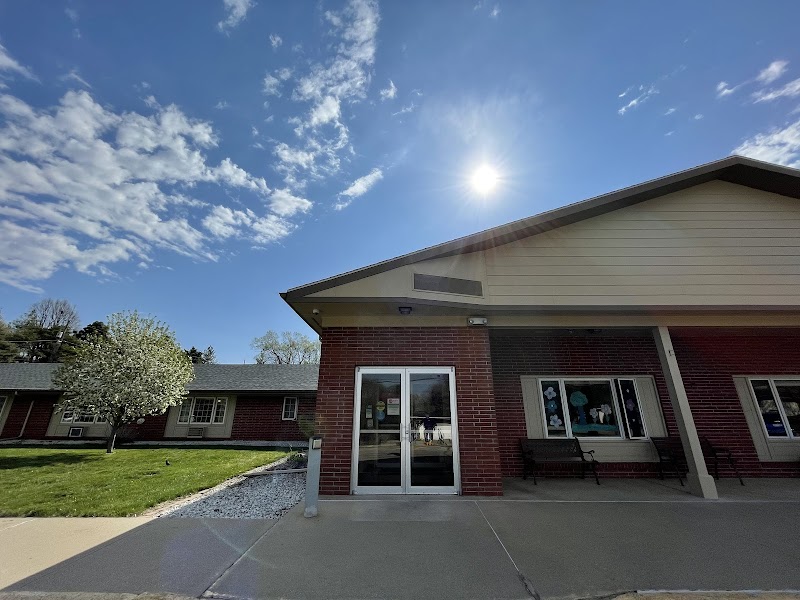
954 7th Avenue SE, Le Mars, IA 51031 (712) 546-7831
For profit - Limited Liability company 46 Beds ACCURA HEALTHCARE Data: November 2025
Trust Grade
70/100
#91 of 392 in IA
Last Inspection: May 2025

Inspected within the last 6 months. Data reflects current conditions.

Overview

Accura Healthcare of Le Mars has a Trust Grade of B, indicating it is a good choice for families seeking care, as it falls within the 70-79 range, suggesting a solid reputation. It ranks #91 out of 392 nursing homes in Iowa, placing it in the top half, and is the best option among 5 facilities in Plymouth County. The facility shows an improving trend, with issues decreasing from 10 in 2024 to 5 in 2025. Staffing is a major strength, rated 5 out of 5 stars with a turnover rate of only 15%, significantly lower than the state average of 44%, indicating stable and experienced staff. While there have been no fines, which is a positive sign, the facility has faced serious issues, including a failure to prevent a resident’s fall that led to a femur fracture and inadequate supervision that resulted in another resident falling when a bed rail broke. Additionally, there was a recent concern about not following meal preparation guidelines, leading to residents missing essential food items during lunch service. Overall, while there are notable strengths in staffing and reputation, families should consider these serious incidents when making their decision.
Trust Score
B
70/100
In Iowa
#91/392
Top 23%
Safety Record
Moderate
Needs review
Inspections
Getting Better
10 → 5 violations
Staff Stability
✓ Good
15% annual turnover. Excellent stability, 33 points below Iowa's 48% average. Staff who stay learn residents' needs.
Penalties
✓ Good
No fines on record. Clean compliance history, better than most Iowa facilities.
Skilled Nurses
✓ Good
Each resident gets 54 minutes of Registered Nurse (RN) attention daily — more than average for Iowa. RNs are trained to catch health problems early.
Violations
⚠ Watch
17 deficiencies on record. Higher than average. Multiple issues found across inspections.
★★★★☆
4.0
Overall Rating
★★★★★
5.0
Staff Levels
★★★★☆
4.0
Care Quality
★★★☆☆
3.0
Inspection Score
Stable
2024: 10 issues
2025: 5 issues

The Good

  • 5-Star Staffing Rating · Excellent nurse staffing levels
  • 4-Star Quality Measures · Strong clinical quality outcomes
  • Low Staff Turnover (15%) · Staff stability means consistent care
  • Full Sprinkler Coverage · Fire safety systems throughout facility
  • No fines on record
  • Staff turnover is low (15%)

    33 points below Iowa average of 48%

Facility shows strength in staffing levels, quality measures, staff retention, fire safety.

The Bad

Chain: ACCURA HEALTHCARE

Part of a multi-facility chain

Ask about local staffing decisions and management

The Ugly 17 deficiencies on record

2 actual harm
May 2025 5 deficiencies
CONCERN (D)

Potential for Harm - no one hurt, but risky conditions existed

Deficiency F0605 (Tag F0605)

Could have caused harm · This affected 1 resident

**NOTE- TERMS IN BRACKETS HAVE BEEN EDITED TO PROTECT CONFIDENTIALITY** Based on clinical record review and staff interview the facility failed to identify non-pharmacological interventions and target...

Read full inspector narrative →
**NOTE- TERMS IN BRACKETS HAVE BEEN EDITED TO PROTECT CONFIDENTIALITY** Based on clinical record review and staff interview the facility failed to identify non-pharmacological interventions and targeted behaviors related to high risk medications in 1 out of 5 sampled residents reviewed (Resident #34). The facility reported a census of 39 residents. Findings include: The Minimum Data Set (MDS) assessment dated [DATE] for Resident #34 documented diagnoses of hypertension, Alzheimer's Disease and muscle weakness. The MDS showed the Brief Interview for Mental Status (BIMS) score of 2, indicating severe cognitive impairment. The MDS revealed resident #34 took antipsychotic medication during the review period. Review of Resident #34's May Medication Administration Record revealed the following orders: a. Quetiapine tablet (antipsychotic medication) daily with a start date of 4/25/25 b. Tramadol tablet (opioid medication) as needed for pain with a start date of 5/7/25. Review of Resident #34's Order Summary Report signed and dated 4/25/25 revealed an order for Quetiapine daily with a start date of 4/25/25. Review of the Care Plan with a revised date of 4/25/25 lacked non-pharmacological interventions to use prior to opioid medication usage and non-pharmacological interventions and targeted behaviors with antipsychotic medications. Review of the facility provided policy titled Comprehensive Care Plans dated April 2025 revealed the comprehensive care plan will describe, at a minimum, the services that are to be furnished to attain or maintain the resident's highest practicable physical, mental, and psychosocial well-being. Interview on 5/28/25 at 3:34 p.m., with the Director of Nursing revealed the care plan should include non pharmacological interventions to use prior to medication and targeted behaviors the medications are being used for.
CONCERN (D)

Potential for Harm - no one hurt, but risky conditions existed

Deficiency F0628 (Tag F0628)

Could have caused harm · This affected 1 resident

**NOTE- TERMS IN BRACKETS HAVE BEEN EDITED TO PROTECT CONFIDENTIALITY** Based on clinical record review, interviews, and facility policy, the facility failed to ensure bed hold notice was signed by re...

Read full inspector narrative →
**NOTE- TERMS IN BRACKETS HAVE BEEN EDITED TO PROTECT CONFIDENTIALITY** Based on clinical record review, interviews, and facility policy, the facility failed to ensure bed hold notice was signed by residents and or the resident's responsible person when residents transferred out of the facility for 1 of 1 residents reviewed (Residents #140). The facility reported a census of 39 residents. Findings include: The Minimum Data Set (MDS) assessment dated [DATE] for Resident #140 documented diagnoses of heart failure, Chronic Obstructive Pulmonary Disease (COPD) and hypertension. The MDS showed the Brief Interview for Mental Status (BIMS) score of 15, indicating no cognitive impairment. Review of Resident #140's Census tab revealed the following information: 10/18/24- hospital paid leave 10/22/24- active 5/16/25- hospital paid leave 5/19/25- active Review of Progress Notes revealed the following: 10/18/24 at 8:06 a.m., Resident admitted to the hospital for pneumonia and urinary tract infection. 10/22/24 at 1:32 p.m., Resident returns from hospital. 5/16/25 at 11:57 a.m., Resident admitted to the hospital with diagnosis of left sided pneumonia and urinary tract infection. 5/19/25 at 11:47 a.m., Arrived back at the facility via wheelchair van car. 5/19/25 at 1:22 p.m., Resident returns from hospital to facility Review of the Bed Hold dated 10/18/24 revealed verbal authorization from Resident #140 ' s representative but lacked a resident or representative signature. The bed hold lacked the amount per day the resident or representative agreed to pay. Review of the Bed Hold dated 5/16/25 revealed verbal authorization from Resident #140 ' s representative but lacked a resident or representative signature. The bed hold lacked the amount per day the resident or representative agreed to pay. Review of the facility provided policy titled Notice of Transfer or Discharge Process updated 4/21/2025 revealed copies of the notice will be sent to the resident representative and a copy will be placed in the resident medical record. Interview on 5/28/25 at 3:37 p.m., with the Director of Nursing revealed the bed holds should be filled out completely and have a physical signature attempted from the resident or resident representative.
CONCERN (D)

Potential for Harm - no one hurt, but risky conditions existed

Deficiency F0804 (Tag F0804)

Could have caused harm · This affected 1 resident

**NOTE- TERMS IN BRACKETS HAVE BEEN EDITED TO PROTECT CONFIDENTIALITY** Based on observation, resident interview, staff interview and policy review the facility failed to provide food at an appetizing...

Read full inspector narrative →
**NOTE- TERMS IN BRACKETS HAVE BEEN EDITED TO PROTECT CONFIDENTIALITY** Based on observation, resident interview, staff interview and policy review the facility failed to provide food at an appetizing temperature to 2 of 20 residents reviewed (Resident #25 and #190). The facility reported a census of 39 residents. Findings include: 1. The MDS dated [DATE] revealed Resident #25 had a Brief Interview for Mental Status (BIMS) of 12 indicating moderate cognitive impairment. On 5/27/25 at 11:40 AM Resident #25 stated the food is served cold when it should be warm quite often. Resident #25 stated she would like her food to be served warmer. 2. The MDS dated [DATE] revealed Resident #190 had a BIMS of 13 indicating no cognitive impairment. On 5/27/25 at 11:47 AM Resident #190 stated he had been there about 2 weeks. Resident #190 stated at times the food is served less than warm. Resident #190 stated he would like his food to be served warmer. Lunch service started at 12:15 PM on 5/28/25 with Staff B, [NAME] serving the food. The observation revealed room trays were served first. Room trays left the kitchen at 12:20 PM with arrival to the first residents room at 12:22 PM. The sample room tray was returned to the kitchen at 12:23 PM. Temperatures of the country fried pork tenderloin 130 degrees, temperature of the country trio vegetables 132 degrees and temperature of mini baker potatoes 120 degrees. Temperatures were obtained by Staff A, Kitchen Manager. On 5/28/25 at 8:34 PM Staff A stated the facility's expectation was that food served to the residents would have a temperature of at least 135 degrees. Staff A explained all of the food items on the plate did not meet her expectations for minimal temperatures. Staff A stated a whole new plate would be made at that time. Review of policy titled, Food Temperatures dated 2021 documented that food sent to the units for distribution such as meals would be transported and delivered to the unit storage areas to maintain temperatures at or above 135 for hot foods.
CONCERN (D)

Potential for Harm - no one hurt, but risky conditions existed

Infection Control (Tag F0880)

Could have caused harm · This affected 1 resident

Based on observations, record review, staff interviews and policy reviews, the facility failed to provide proper hand hygiene during catheter care for 1 of 1 residents reviewed (Resident #16). The fac...

Read full inspector narrative →
Based on observations, record review, staff interviews and policy reviews, the facility failed to provide proper hand hygiene during catheter care for 1 of 1 residents reviewed (Resident #16). The facility reported a census of 39 residents. Observation on 5/28/25 at 1:35 PM of Resident #16 showed Staff C, Certified Nursing Assistant, (CNA) performed hand hygiene, donned personal protective equipment then emptied urine from the catheter bag into a colander per policy. Staff C emptied the urine from the colander into the toilet, raised the colander and placed paper towels down into the colander. With the same soiled gloves Staff C placed the colander into the cupboard, placed the catheter bag into the privacy bag, moved the resident ' s blanket and clothing then hung the catheter bag onto the wheelchair. The Hand Hygiene policy last revised November 2024 identified staff should always complete hand hygiene after handling contaminated items and equipment such as, dressings, secretions, and excretions from residents In an interview on 5/28/25 at 2:57 PM, the Director of Nursing (DON), reported she expected staff to remove gloves and perform hand hygiene immediately after handling items contaminated with urine.
CONCERN (E)

Potential for Harm - no one hurt, but risky conditions existed

Menu Adequacy (Tag F0803)

Could have caused harm · This affected multiple residents

Based on observation, policy review and staff interview the facility failed to follow the menu and prepare food to meet the residents nutritional needs during lunch service. The facility reported a ce...

Read full inspector narrative →
Based on observation, policy review and staff interview the facility failed to follow the menu and prepare food to meet the residents nutritional needs during lunch service. The facility reported a census of 39 residents. Findings include: Review of document titled, Week 3 Wednesday Diet Spreadsheets documented the noon meal of country fried pork tenderloin, mini baker potatoes, cream gravy, country trio vegetables, bread, margarine and flamingo cake was to be served. On 5/28/25 from 11:25 AM - 1:05 PM a continuous observation of lunch service revealed no bread or butter served to any resident during the meal. On 5/28/25 at 11:25 AM, 12:10 PM and 12:45 PM an observation of the residents' meals in the dining room revealed no bread or butter on the table. On 5/28/25 at 1:10 PM Staff A acknowledged bread and margarine was not served to the residents during the lunch service. Staff A explained the facility's menu should have been followed with bread and margarine being served to the residents. Review of policy, titled, Standardized Menus dated 2025 documented menus are revised by the Registered Dietitian and Dietary Manager based on resident food preferences. Reasons for change should be noted and kept on file. Menus should be approved and signed by the Registered Dietitian. Menus will be reviewed by the facility's dietitian or other clinically qualified nutrition professional for nutritional adequacy.
May 2024 10 deficiencies 2 Harm
SERIOUS (G) 📢 Someone Reported This

A family member, employee, or ombudsman was alarmed enough to file a formal complaint

Actual Harm - a resident was hurt due to facility failures

Accident Prevention (Tag F0689)

A resident was harmed · This affected 1 resident

**NOTE- TERMS IN BRACKETS HAVE BEEN EDITED TO PROTECT CONFIDENTIALITY** Based on clinical record review, observation, resident interview, staff interviews, and facility record review, the facility fai...

Read full inspector narrative →
**NOTE- TERMS IN BRACKETS HAVE BEEN EDITED TO PROTECT CONFIDENTIALITY** Based on clinical record review, observation, resident interview, staff interviews, and facility record review, the facility failed to provide adequate nursing supervision to prevent a fall that caused a distal femur fracture, need for hospitalization, pain control and decline in the resident ' s physical ability for 1 of 14 residents reviewed (Resident #29). The facility reported a total census of 41 residents. Past Noncompliance determined during the annual recertification survey of a facility incident that occurred on 1/22/24 regarding deficiency F689 with a scope and severity of a Level G. The facility provided evidence of education to the staff member directly involved in the facility incident that occurred on 1/23/24. The remainder of the nursing staff received education on 1/31/24. Findings included: The Minimum Data Set (MDS) assessment dated [DATE] for Resident #29 documented diagnosis of hemiplegia, seizure disorder, traumatic brain injury (TBI). The MDS showed the Brief Interview for Mental Status (BIMS) score of 15, which indicated no cognitive impairment. The MDS identified Resident #29 with limitation in movement and impaired range of motion to one side of the body, upper extremity and lower extremity. The MDS also showed Resident #29 dependent on a helper for all effort, or the assistance of two or more helpers is required for toileting hygiene. The Care Plan dated 10/26/23 for Resident #29 identified stand-pivot transfers with assistance of two staff and a gait belt. Do not use his bathroom, use the bedside commode. The Fall Risk assessment dated [DATE] for Resident #29 identified the resident to be a moderate fall risk. The Incident Report dated 1/22/24 at 7:18 PM for Resident #29 identified staff called the nurse to the resident ' s room. The nurse observed the resident laying on his left side with legs outstretched. The nurse noted the resident ' s pants were down. The resident reported he tried to pull up his pants while turning then lost his balance. The resident informed the nurse that he thought his leg was broken. The Progress Note dated 1/22/24 at 7:25 PM for Resident #29 identified staff witnessed a fall then called 911 to assist the resident. Resident #29 transferred to the emergency room (ER) by Emergency Medical Technicians (EMT). The emergency room Discharge Plan dated 1/22/24 for Resident #29 revealed an x-ray diagnosis of a left distal femur T-shaped fracture. Resident #29 transferred to a hospital with a higher level of care for orthopedic services. The Hospital Records dated 1/22/22 at 1:57 AM showed Resident #29 admitted for a left distal femur fracture. The History of Present Illnesses explained Resident #29 lost his balance and fell while he attempted to transfer. Resident #29 reported dull pain in the left leg. The Orthopedic Consultation dated 1/23/24 at 6:40 AM identified Resident #29 sustained a left intra-articular distal femur fracture. Resident #29 reported pain around the left knee. The orthopedic surgeon recommended surgical management. The Operative Report dated 1/23/24 at 5:28 PM for Resident #29 confirmed the diagnosis of a left intra-articular distal femur fracture, closed, displaced. The post operative plan included non-weight bearing left lower extremity of likely 8 weeks, gentle range of motion for the left knee as pain allows. Post surgery the resident received intravenous (IV) antibiotics and pain medication. The surgeon also ordered apixaban 2.5 mg by mouth twice a day for 30 days to prevent blood clots. The Final Report dated 1/29/24 for Resident #29 identified the discharge orders included the following: Mechanical lift for transfers. Bedrest. Gentle range of motion to left knee as pain allows. No weight bearing to left left for likey 8 weeks. Physical Therapy and Occupational Therapy consults. Foley Catheter. Surgical dressing instructions. The Discharge summary dated [DATE] for Resident #29 indicated Tylenol and hydrocodone ordered for pain, and apixaban ordered to prevent a blood clot. The Physician Orders for Resident #29 the following pain medication ordered upon readmission to the facility on 1/29/24: Hydrocodone-Acetaminophen 7.5-325 milligrams (MG) 1 tablet every four hours as needed for moderate pain. Hydrocodone-Acetaminophen 7.5-325 milligrams (MG) 2 tablet every four hours as needed for severe pain. The January 2024 Medication Administration Record (MAR) revealed Resident #29 received hydrocodone for pain as follows: 1/29- 2 times for a total of 2 tablets, 1/30- 2 times for a total of 2 tablets, 1/31- 3 times for a total of 4 tablets. The February 2024 Medication Administration Record (MAR) revealed Resident #29 received hydrocodone for pain as follows: 2/1- 1 time for a total of 1 tablet, 2/2- 1 time for a total of 2 tablet, 2/3- 2 times for a total of 4 tablets, 2/4- 2 times for a total of 4 tablets, 2/5-2 times for a total of 4 tablets, 2/6- 3 times for a total of 6 tablets 2/7- 4 times for a total of 8 tablets, 2/8- 1 time for a total of 2 tablet, 2/9- 3 times for a total of 6 tablets, 2/10-1 time for a total of 2 tablet, 2/11- 1 time for a total of 2 tablet, 2/12- 3 times for a total of 4 tablets, 2/13- 2 times for a total of 4 tablets, 2/14- 3 times for a total of 6 tablets, 2/15- 2 times for a total of 4 tablets, 2/16- 1 time for a total of 2 tablet. In an interview on 5/28/24 at 1:03 PM, Resident #29 stated, I was standing to use my urinal, one of my legs gave out from underneath me. Resident #29 reported that one Certified Nursing Assistant (CNA) hung onto him as he used the urinal. Resident #29 stated, I fell to the floor, had a dull pain that wasn ' t sharp. In an interview on 5/28/24 at 1:36 PM, Staff E, CNA reported she assisted Resident #29 to use the urinal while he stood at bedside. When Resident #29 finished urinating, Staff E assisted him to pull up one side of his pants. While Resident #29 attempted to pull up the other side of his pants, the resident leaned forward, causing him to fall in a forward direction. Staff E reported Resident #29 hit his head on the bedside commode and complained of left leg pain. Staff E reported to be the only CNA in the room at the time of the fall. When asked if there should have been two CNA ' s, Staff E replied, Yes, but my partner was on break and the nurse gets mad, so I didn ' t ask her. I usually ask for help. When asked if Staff E used a gait belt, she replied, No, he usually refuses, so I didn ' t ask. In an interview on 5/29/24 at 8:48 AM, Staff F, Licensed Practical Nurse (LPN) reported staff called her to Resident #29 ' s room. Staff F found Resident #29 lying on the floor, on his left side, in front of his nightstand. Resident #29 reported he tried to pull up his pants but fell and suffered from left leg pain. Staff F asked Staff E, CNA if she helped the resident. Staff E replied, Resident #29 insisted on pulling up his pants himself. Staff F reported Resident #29 lacked wearing a gait belt when she entered the room. Staff F then instructed Staff E to use the gait belt when getting the resident up. Staff F further stated, and I told Staff E to make sure she used it. When asked if Staff E assisted the resident to use the urinal alone, Staff F stated, yes. In an interview on 5/29/24 at 3:06 PM, the Director of Nursing (DON) reported the facility lacks policies related to gait belt usage and falls. The facility followed regulations and standard practices. In an interview on 5/30/24 at 8:10 AM, the DON reported Staff E failed to follow Resident# 29 ' s care plan by not waiting for another staff member before she provided Resident #29 with assistance for standing and using the urinal. The DON stated, Staff E was probably trying to help because the resident would have been in a hurry, and probably not wanting to wait for another staff member, but Staff E should have waited until someone was available. The DON reported that she planned to talk to the nurse about being more approachable, so that others can ask for help when needed. The DON also reported Staff E should have used a gait belt. The DON explained Resident #29 usually refused the gait belt because it was too tight. The DON has since ordered a larger gait belt and educated the resident regarding safety precautions. The DON stated, he ' s compliant now. The Comprehensive Care Plans policy last revised on 1/30/2024 identified The physician, other practitioner, or professional will inform the resident and/or resident representative of the risks and benefits of proposed care, of treatment, and treatment alternatives/options. The facility will attempt alternate methods for refusal of treatment and services and document such attempts in the clinical record, including discussions with the resident and/or resident representative.
SERIOUS (G) 📢 Someone Reported This

A family member, employee, or ombudsman was alarmed enough to file a formal complaint

Actual Harm - a resident was hurt due to facility failures

Deficiency F0909 (Tag F0909)

A resident was harmed · This affected 1 resident

**NOTE- TERMS IN BRACKETS HAVE BEEN EDITED TO PROTECT CONFIDENTIALITY** Based on clinical record review and staff interview the facility failed to appropriately inspect bed rails in the facility for 1...

Read full inspector narrative →
**NOTE- TERMS IN BRACKETS HAVE BEEN EDITED TO PROTECT CONFIDENTIALITY** Based on clinical record review and staff interview the facility failed to appropriately inspect bed rails in the facility for 1 of 1 resident reviewed (Resident #8). The facility reported a census of 41 residents. Past Noncompliance determined during the annual recertification survey of a facility incident that occurred on 12/25/23 regarding deficiency F909 with a scope and severity of a Level G. The facility provided evidence of the bed being changed out with safe bed rails. Findings include: The Minimum Data Set (MDS) assessment dated [DATE] for Resident #8 documented diagnoses of diabetes mellitus, neurogenic bladder and hypertension. The MDS showed the Brief Interview for Mental Status (BIMS) score of 15, indicating no cognitive impairment. Interview on 5/28/24 at 11:34 a.m., with Resident #8 revealed her bed rail had been loose and when she was being assisted the side rail broke off of the bed and she fell off of the side of the bed. Review of Resident #8 ' s Progress Notes revealed the following: a. On 12/26/23, Resident #8 being seen after going to the emergency room (ER) on 12/23/23 for left shoulder pain and returning to the facility on the same day. While in the ER an x-ray was obtained of the left shoulder which showed advanced degenerative change. Nursing staff also express resident fell out of bed yesterday. b. On 12/27/23 at 10:51 p.m., Resident #8 reports pain to the left shoulder and arm. As needed, tramadol has been effective. Resident #8 is lying in her new bed and it is in the lowest position. c. On 12/28/23 at 11:03 a.m., Resident #8 returns from doctor appointment with order for non-weight bearing to left shoulder. Follow-up with CT scan of left shoulder. d. On 1/17/24 at 1:11 p.m., CT results received impression: Acute intra-articular fracture of the anterior aspect of the glenoid with maximum distraction of fracture fragments in the order of 3 mm. e. On 3/28/24 at 10:54 a.m., Resident #8 returns after seeing the doctor with the following noted healed fracture no restrictions. Review of facility provided Incident Report dated 12/25/23 revealed while resident was being repositioned in bed, the side rail became disengaged and resident rolled off side of bed. Resident #8 states while trying to help them change me, I grabbed ahold of the rail as I was turning and I started falling. Review of the facility provided document titled Timeline of Incident revealed on 12/25/23 at 2:05 p.m., Resident #8 was lying in bed while she was being assisted by staff. Staff went to reposition her to her left side, Resident #8 went to grab her bed rail to hold on to and the bed rail broke apart from the bed frame causing Resident #8 to fall out of bed onto her left side. Staff brought in a replacement bed with functioning bed rails.On 1/17/24 the facility was notified by the physician Resident #8 had an acute fracture. Review of the CT shoulder imaging dated 1/8/24 revealed in the findings there is an acute appearing intra-articular fracture of the anterior aspect of the glenoid with maximum distraction of fracture fragments in the order of 3 mm. Interview on 5/29/24 at 9:53 a.m., with Staff A, Licensed Practical Nurse (LPN) was just coming onto shift when the staff called her down to Resident #8 ' s room. When Staff A entered the room Resident #8 was laying on the floor face down with the bed rail broke off of the bed. Resident #8 was assessed and assisted back into bed with the hoyer lift. Interview on 5/29/24 at 10:29 a.m., with Staff B, Certified Nursing Assistant (CNA) revealed she had assisted Staff C, CNA with Resident #8 into bed to change her brief. Staff B revealed when Resident #8 rolled onto her left side she grabbed the bed rail and the rail broke and Resident #8 fell to the floor. Staff B further revealed she had noticed the bed rail was a little loose but it had been that way for awhile and she didn ' t think it would break. Interview on 5/29/24 at 12:20 p.m., with Staff C, CNA revealed she had been assisting Staff B, CNA with Resident #8. Staff C revealed Resident #8 rolled onto her left side and the side rail on the bed broke and Resident #8 fell out of the bed onto the floor. Interview on 5/29/24 at 12:41 p.m., with Staff D, Maintenance Director revealed the beds have a tab on the rail that holds them in place and a pin that keeps them locked. The side rail was bad on both sides from what appears to have been bent from a bigger person pulling on the side rails on each side. The tab was bent so much that the pin that keeps the rail in place wasn ' t able to hold it any longer. Review of facility provided document titled Work History Report with created date of 5/29/24 revealed preventative maintenance with a due date of 11/30/24 and 12/31/24 under task completion revealed no action recorded. Review of the facility provided instructions titled Beds- Electric: Inspect Bed Rails dated 5/29/24 at 2:57 p.m., revealed items identified as poor condition should be removed from service. Maintenance check included ensuring that the rails engage and lock as specified and tighten, adjust or replace any parts such as end caps, knobs, bolts, screws, ect. that are loose, show signs of wear or are missing. Interview on 5/29/24 at 3:19 p.m., with the Administrator revealed the previous maintenance guy had been doing the bed checks and he retired at the beginning of November and the facility was without a full-time maintenance person. The bed rail inspections did not get done in November or December. After the incident happened, the facility realized the bed rail inspections were not being. The Administor further revealed he trained the new maintenance guy on how to do the bed rail inspections and they are now being completed.
CONCERN (D)

Potential for Harm - no one hurt, but risky conditions existed

PASARR Coordination (Tag F0644)

Could have caused harm · This affected 1 resident

**NOTE- TERMS IN BRACKETS HAVE BEEN EDITED TO PROTECT CONFIDENTIALITY** Based on clinical record review and staff interview, the facility failed to refer one resident with a negative Level I result fo...

Read full inspector narrative →
**NOTE- TERMS IN BRACKETS HAVE BEEN EDITED TO PROTECT CONFIDENTIALITY** Based on clinical record review and staff interview, the facility failed to refer one resident with a negative Level I result for the Preadmission Screening and Resident Review (PASRR), who was later identified with newly evident or possible serious mental disorder, intellectual disability, or other related condition, and received Mental Health Services to the appropriate state-designated authority for Level II PASRR evaluation and determination for 1 out of 1 resident reviewed for PASRR requirements, (Resident #19). The facility reported a census of 41 residents. Findings include: The Minimum Data Set (MDS) assessment dated [DATE] for Resident #19 documented diagnosis of anxiety disorder, depression, psychotic disorder and hallucinations. Review of the clinical record revealed a Notice of Negative Level I Screen Outcome dated 3/29/21 revealed the PASRR level 1 screen remains valid for your stay at the nursing facility and should be transferred with you if you relocate. No further level 1 screening is required unless you are known to have or are suspected of having a major mental illness or an intellectual or developmental disability and exhibit a significant change in treatment needs. Further review revealed the following questions indicated the following: Mental health conditions diagnosed or suspected included: major depression, anxiety disorder. Has the individual received mental health services now or in the past? No. Review of the Care Plan last revised on 5/23/24 revealed Resident #19 used psychotropic medications (a drug that affects a person's mental state). Review of the Medical Diagnosis revealed Resident #19 with the following diagnosis: Delusion disorder, dated 3/11/21, Hallucinations, dated 3/24/23, Dementia, dated 3/31/23. Review of the Psychosocial Notes for Resident #19 revealed Telehealth services for medication management, behaviors, delusions, mood, sleeping patterns, confusion and appetite occurred on the following dates: 6/7/23, 6/26/23, 7/24/23, 8/14/23, 9/6/23, 11/13/23, 12/4/23, 3/11/24, 4/12/24. Review of the Telehealth notes, the first dated 7/28/22 for Resident #19 showed an updated assessment and reason for referral that included dementia, major depressive disorder, delusional disorder, hallucination disorder, and anxiety disorder. Telehealth visits occurred periodically, the last visit occurred on 4/12/24. Review of Resident #19 ' s chart on 5/29/24 showed the facility lacked a follow-up and resubmission of a PASRR with the additional diagnosis of delusional disorder, hallucination disorder and dementia. In an interview on 5/29/24 at 9:31 AM, the Director of Nursing (DON) reported the facility lacked policies related to PASRR. The facility followed regulations and standard practices. The DON reported the Social Worker (SW) did not resubmit Resident #19 ' s PASRR because of the dementia diagnosis. The DON reported she didn ' t know if this met regulations. In an interview on 5/29/24 at 9:45 AM, the SW reported she failed to resubmit the PASRR because she thought a resident diagnosed with dementia did not require a resubmission no matter if a change occurred in mental health diagnoses or mental health services. The SW reported she has since resubmitted the PASRR after the DON spoke with her.
CONCERN (D)

Potential for Harm - no one hurt, but risky conditions existed

Deficiency F0657 (Tag F0657)

Could have caused harm · This affected 1 resident

Based on observations and diet orders the facility failed to update the care plan to reflect the current diet order of mechanical soft texture for 1 out of 14 residents (Resident #19). The facility re...

Read full inspector narrative →
Based on observations and diet orders the facility failed to update the care plan to reflect the current diet order of mechanical soft texture for 1 out of 14 residents (Resident #19). The facility reported a census of 41 residents. Findings Included: Observation of meal service on 5/29/24 starting at 11:55 PM, revealed Resident #19 ordered the scheduled therapeutic lunch for a mechanical soft diet which consisted of ground swiss steak, garlic mashed potatoes, waxed beans and bread with margarine. Staff G, Dietary [NAME] served the resident peas instead of waxed beans. The Physician's Order dated 4/22/24 for Resident #19 showed an order for mechanical soft diet texture. The Diet Type Report dated 5/29/24 showed Resident #19 as a mechanical soft diet. In an interview on 5/29/24 at 12:59 PM, the Dietitian reported peas could pose a choking hazard for Resident #19. The Dietitian reported that staff are required to follow the mechanical soft diet menu. Review of Resident #19 ' s chart on 5/29/24 at 1:32 PM showed no previous episodes of choking. Review of the Care Plan for Resident #19 on 5/29/24 at 12:52 PM showed the facility failed to update the resident ' s care plan to reflect the diet ordered on 4/22/24 of mechanical soft diet texture. The Comprehensive Care Plan policy last revised on 1/30/24 identified the care plan will be updated in a timely manner to ensure that services to be furnished to attain or maintain the resident ' s highest practicable physical, mental, and psychosocial well-being. In an interview on 5/29/24 at 1:47 PM, the Director of Nursing reported the plan of care should reflect the current diet order.
CONCERN (D)

Potential for Harm - no one hurt, but risky conditions existed

Deficiency F0744 (Tag F0744)

Could have caused harm · This affected 1 resident

**NOTE- TERMS IN BRACKETS HAVE BEEN EDITED TO PROTECT CONFIDENTIALITY** Based on clinical record review and staff interview the facility failed to address dementia care for 1 out of 1 residents review...

Read full inspector narrative →
**NOTE- TERMS IN BRACKETS HAVE BEEN EDITED TO PROTECT CONFIDENTIALITY** Based on clinical record review and staff interview the facility failed to address dementia care for 1 out of 1 residents reviewed (Resident #15). The facility reported a census of 41 residents. Findings include: The Minimum Data Set (MDS) assessment dated [DATE] for Resident #15 documented diagnoses of diabetes mellitus, Non-Alzheimer ' s Dementia and hypertension. The MDS showed the Brief Interview for Mental Status (BIMS) score of 13, indicating no cognitive impairment. The MDS revealed an active diagnosis of Non-Alzheimer ' s Dementia. Review of Resident #15 ' s Active Diagnosis List revealed a diagnosis of Vascular Dementia, unspecified severity with mood disturbance with a created date of 1/19/24. Review of the Care Plan with a revision date of 2/6/24 lacked information regarding dementia care. Interview on 5/29/24 at 2:43 p.m., with the Director of Nursing revealed the facility should have addressed dementia on the care plan. She further revealed the dementia diagnosis was a fairly new diagnosis for Resident #18.
CONCERN (D)

Potential for Harm - no one hurt, but risky conditions existed

Menu Adequacy (Tag F0803)

Could have caused harm · This affected 1 resident

Based on review of the planned menu, observation and staff interviews facility staff failed to follow the planned menu for 1 out of 41 residents observed (Resident #5). The facility identified a censu...

Read full inspector narrative →
Based on review of the planned menu, observation and staff interviews facility staff failed to follow the planned menu for 1 out of 41 residents observed (Resident #5). The facility identified a census of 41 residents. Findings included: The facility's Week 1 menu identified the following items as part of the planned menu for the pureed lunch meal on 5/29/24: Pureed swiss steak Mashed potatoes Pureed peas Pureed bread with margarine Pureed candy bar Milk Observation on 5/29/24 at 12:25 PM revealed Staff G, Dietary [NAME] failed to puree bread and margarine. Staff G plated the meal then handed the plate to staff to serve without pureed bread and margarine to Resident #5. The Food and Nutrition Services in Healthcare Facilities policy date 2021 identified food will be placed in bowls or on platters and delivered to the dining tables just prior to service. The food will: a. Be at the appropriate temperature for service and be covered if necessary. b. Have the appropriate serving size or serving utensil according to the planned menu In an interview on 5/29/24 at 12:59 PM, the Dietitian reported that she expected the pureed diets to be served per the menu.
CONCERN (D)

Potential for Harm - no one hurt, but risky conditions existed

Deficiency F0805 (Tag F0805)

Could have caused harm · This affected 1 resident

Based on observations and diet orders the facility failed to assure the food served met the resident's needs according to their assessment and diet orders. Observations determined that 1 out of 41 res...

Read full inspector narrative →
Based on observations and diet orders the facility failed to assure the food served met the resident's needs according to their assessment and diet orders. Observations determined that 1 out of 41 residents did not get the food in their ordered texture (Resident #19). The facility reported a census of 41 residents. Findings Included: 1. Observation of meal service on 5/29/24 starting at 11:55 AM, revealed Resident #19 ordered the scheduled therapeutic lunch for a mechanical soft diet which consisted of ground swiss steak, garlic mashed potatoes, waxed beans and bread with margarine. Staff G, Dietary [NAME] served the resident peas instead of waxed beans. The Physician's Order dated 4/22/24 for Resident #19 showed an order for mechanical soft diet texture. The Diet Type Report dated 5/29/24 showed Resident #19 as a mechanical soft diet. Review of the Care Plan for Resident #19 on 5/29/24 at 12:52 PM showed the facility failed to update the resident ' s care plan to reflect the diet ordered on 4/22/24 of mechanical soft diet texture. In an interview on 5/29/24 at 12:59 PM, the Dietitian reported peas could pose a choking hazard for Resident #19. The Dietitian reported that staff are required to follow the mechanical soft diet menu. Review of Resident #19 ' s chart on 5/29/24 at 1:32 PM showed no previous episodes of choking. The Food and Nutrition Services in Healthcare Facilities policy date 2021 identified food will be at the proper temperature, texture and/or consistency to meet each individual ' s needs and desires. In an interview on 5/29/24 at 1:47 PM, the Director of Nursing reported that dietary staff should serve the therapeutic diet as per the menu.
CONCERN (D) 📢 Someone Reported This

A family member, employee, or ombudsman was alarmed enough to file a formal complaint

Potential for Harm - no one hurt, but risky conditions existed

Medical Records (Tag F0842)

Could have caused harm · This affected 1 resident

**NOTE- TERMS IN BRACKETS HAVE BEEN EDITED TO PROTECT CONFIDENTIALITY** Based on record review and staff interviews the facility failed to provide accurate resident records for 1 of 14 residents (Resi...

Read full inspector narrative →
**NOTE- TERMS IN BRACKETS HAVE BEEN EDITED TO PROTECT CONFIDENTIALITY** Based on record review and staff interviews the facility failed to provide accurate resident records for 1 of 14 residents (Residents #8). The facility reported a census of 41 residents. Findings include: The Minimum Data Set (MDS) assessment dated [DATE] for Resident #8 documented diagnoses of diabetes mellitus, neurogenic bladder and hypertension. The MDS showed the Brief Interview for Mental Status (BIMS) score of 15, indicating no cognitive impairment. Interview on 5/28/24 at 11:34 a.m., with Resident #8 revealed her bed rail had been loose and when she was being assisted the side rail broke off of the bed and she fell off of the side of the bed. Review of Resident #8 ' s Progress Notes revealed the following: a. On 12/26/23, Resident #8 being seen after going to the emergency room (ER) on 12/23/23 for left shoulder pain and returning to the facility on the same day. While in the ER an x-ray was obtained of the left shoulder which showed advanced degenerative change. Nursing staff also express resident fell out of bed yesterday. b. On 12/27/23 at 10:51 p.m., Resident #8 reports pain to the left shoulder and arm. As needed, tramadol has been effective. Resident #8 is lying in her new bed and it is in the lowest position. c. On 12/28/23 at 11:03 a.m., Resident #8 returns from doctor appointment with order for non-weight bearing to left shoulder. Follow-up with CT scan of left shoulder. d. On 1/17/24 at 1:11 p.m., CT results received impression: Acute intra-articular fracture of the anterior aspect of the glenoid with maximum distraction of fracture fragments in the order of 3 mm. e. On 3/28/24 at 10:54 a.m., Resident #8 returns after seeing the doctor with the following noted healed fracture no restrictions. Review of facility provided Incident Report dated 12/25/23 revealed while resident was being repositioned in bed, the side rail became disengaged and resident rolled off side of bed. Resident #8 states while trying to help them change me, I grabbed ahold of the rail as I was turning and I started falling. Review of the facility provided document titled Timeline of Incident revealed on 12/25/23 at 2:05 p.m., Resident #8 was lying in bed while she was being assisted by staff. Staff went to reposition her to her left side, Resident #8 went to grab her bed rail to hold on to and the bed rail broke apart from the bed frame causing Resident #8 to fall out of bed onto her left side. Staff brought in a replacement bed with functioning bed rails.On 1/17/24 the facility was notified by the physician Resident #8 had an acute fracture. Interview on 5/29/24 at 9:53 a.m., with Staff A, Licensed Practical Nurse (LPN) was just coming onto shift when the staff called her down to Resident #8 ' s room. When Staff A entered the room Resident #8 was laying on the floor face down with the bed rail broke off of the bed. Resident #8 was assessed and assisted back into bed with the hoyer lift. Interview on 5/29/24 at 10:29 a.m., with Staff B, Certified Nursing Assistant (CNA) revealed she had assisted Staff C, CNA with Resident #8 into bed to change her brief. Staff B revealed when Resident #8 rolled onto her left side she grabbed the bed rail and the rail broke and Resident #8 fell to the floor. Staff B further revealed she had noticed the bed rail was a little loose but it had been that way for awhile and she didn ' t think it would break. Interview on 5/29/24 at 12:20 p.m., with Staff C, CNA revealed she had been assisting Staff B, CNA with Resident #8. Staff C revealed Resident #8 rolled onto her left side and the side rail on the bed broke and Resident #8 fell out of the bed onto the floor. Review of Resident #8 ' s electronic health record lacked documentation regarding information on the incident that occurred on 12/25/24. Interview on 5/30/24 at 8:40 a.m., with the Director of Nursing revealed the staff should have charted the incident in the Progress Notes.
CONCERN (E)

Potential for Harm - no one hurt, but risky conditions existed

Comprehensive Care Plan (Tag F0656)

Could have caused harm · This affected multiple residents

**NOTE- TERMS IN BRACKETS HAVE BEEN EDITED TO PROTECT CONFIDENTIALITY** 3. The MDS assessment for Resident #32 dated 3/28/24 identified a BIMS score of 14, which indicated intact cognition. The MDS in...

Read full inspector narrative →
**NOTE- TERMS IN BRACKETS HAVE BEEN EDITED TO PROTECT CONFIDENTIALITY** 3. The MDS assessment for Resident #32 dated 3/28/24 identified a BIMS score of 14, which indicated intact cognition. The MDS included diagnoses of atrial fibrillation, heart failure and hypertension. The MDS documented Resident #32 received the anticoagulation medication during the assessment period (last 7 days). Per the clinical Physician Order dated 5/18/24 directed staff to administer Warfarin (anticoagulant) 2 milligrams (MG), give 4 mg by mouth one time a day every Tuesday, Thursday, Saturday and Sunday for prevention of blood clot. Per the clinical Physician Order dated 5/17/24 directed staff to administer Warfarin 6 mg by mouth one time a day every Monday, Wednesday and Friday related to heart failure. Review of Resident #32 's Care Plan with an initiated date of 3/15/24 revealed the anticoagulant medication, potential side effects and what to monitor for while taking the high risk medication was not addressed on the comprehensive care plan. On 5/30/24 at 8:45 AM, the DON stated the expectation would be to have the warfarin addressed on the care plan. The facility policy titled Comprehensive Care Plans dated 1/30/24 revealed it is the policy of this facility to develop and implement a comprehensive person-centered care plan for each resident, consistent with resident rights, that includes measurable objectives and timeframes to meet a resident ' s medical, nursing, and mental and psychosocial needs that are identified in the resident ' s comprehensive assessment. Based on clinical record review and staff interview the facility failed to develop care plans to address usage of high risk medications and side effects to watch for 3 out of 14 sampled residents (Resident #8, #15 & #32) and failed to include dialyis information for 1 of 1 sampled resident (Resident #2) reviewed for comprehensive care plans. The facility reported a census of 41 residents. Findings include: 1. The Minimum Data Set (MDS) assessment dated [DATE] for Resident #8 documented diagnoses of diabetes mellitus, neurogenic bladder and hypertension. The MDS showed the Brief Interview for Mental Status (BIMS) score of 15, indicating no cognitive impairment. The MDS revealed Resident #8 had taken insulin injections the last 7 out of 7 days in the review period and is currently taking diuretic medication and opioid medication. Review of the Order Summary Report signed by the physician dated 3/13/24 revealed the following orders: a. Belbuca Buccal Film (opioid medication) twice a day with a start date of 2/13/24, b. Furosemide Tablet (diuretic medication) daily with a start date 7/21/22, c. Novolog (diabetic medication) sliding scale injection with a start date of 8/18/23, d. Novolog (diabetic medication) 3 times daily with a start date of 1/24/23, e. Tresiba Subcutaneous Solution (diabetic medication) daily with a start date of 5/13/24, f. Tramadol (opioid medication) daily as needed with a start date of 7/20/22, g. Tramadol (opioid medication) daily with a start date of 1/12/24. Review of the May Medication Administration Record (MAR) revealed the following orders: a. Furosemide Tablet daily with a start date 7/21/22, b. Tresiba Subcutaneous Solution daily with a start date of 5/13/24, c. Novolog sliding scale injection with a start date of 8/18/23, d. Novolog 3 times daily with a start date of 1/24/23, e. Belbuca Buccal Film twice a day with a start date of 2/13/24 and discontinue date of 5/21/24, f. Belbuca Buccal Film twice a day with a start date of 5/23/24, g. Tramadol daily with a start date of 1/12/24, h. Tramadol daily as needed with a start date of 7/20/22. Review of the Care Plan with a revision date of 4/17/24 lacked information regarding usage of diuretic medication, insulin usage and opioid medication and signs and symptoms to watch for. 2. The MDS assessment dated [DATE] for Resident #15 documented diagnoses of diabetes mellitus, anemia and hypertension. The MDS showed the BIMS score of 13, indicating no cognitive impairment. The MDS revealed Resident #15 in the review period and is currently taking diuretic medication and opioid medication. Review of the Order Summary Report signed by the physician dated 3/13/24 revealed the following orders: a. Insulin Glargine with a start date of daily with a start date of 2/5/23, b. Hydrocodone-Acetaminophen daily as needed with a start date of 2/13/24. Review of the May Medication Administration Record (MAR) revealed the following orders: a. Insulin Glargine with a start date of daily with a start date of 5/14/24, b. Hydrocodone-Acetaminophen twice daily as needed with a start date of 5/15/24. Review of the Care Plan with a revision date of 2/6/24 lacked information regarding usage of diuretic medication, insulin usage and opioid medication and signs and symptoms to watch for. Interview on 5/29/24 at 2:43 p.m., with the Director of Nursing (DON) revealed she expected high risk medications and side effects to be on the care plan. 4. The MDS assessment dated [DATE] for Resident #2 documented diagnoses of renal failure, arteriovenous fistula, stroke. The MDS showed the BIMS score of 13, which indicated no cognitive impairment. The Progress Note dated 3/15/24 at 10:24 PM revealed Resident #2 with a fistula in the left upper arm for dialysis with a dressing placed over the fistula. Review the Care Plan for Resident #2 failed to show the resident had a fistula for dialysis and lacked directions for assessments and fistula site care. In an interview on 5/29/24 at 1:27 PM, the Director of Nursing (DON) reported that the fistula should be on the care plan. The DON reported the resident returns to the facility with a dressing from dialysis but a dressing isn ' t needed, and the nurses know they have to assess the fistula. The DON stated, I do agree that the fistula should be on the care plan though.
CONCERN (E)

Potential for Harm - no one hurt, but risky conditions existed

Food Safety (Tag F0812)

Could have caused harm · This affected multiple residents

Based on observations, staff interviews, and facility policy review the facility failed to ensure sanitary conditions where staff prepared and stored food. The facility identified a census of 41 resid...

Read full inspector narrative →
Based on observations, staff interviews, and facility policy review the facility failed to ensure sanitary conditions where staff prepared and stored food. The facility identified a census of 41 residents. Findings included: The initial kitchen tour on 5/28/24 at 10:32 AM revealed the following: The bottom of refrigerators, and freezers contained an accumulation of food debris and dried liquid. The floor in the kitchen and dishwashing area contained a variety of scattered food debris and dried liquid. Open shelving beneath preparation tables contained food debris and dried liquid. The snack cart and vegetable storage bin contained a variety of scattered food debris. Handles on the snack cart with grime. Milk freezer with a thick layer of ice buildup. The Cleaning Schedules for May 2024 showed staff failed to complete cleaning tasks all the days of May except 5/3/24. Additional cleaning schedules for May 2024 showed the milk cooler cleaning task signed off by staff as completed. The Food and Nutrition Services in Healthcare Facilities policy date 2021 identified cleaning and sanitizing refrigerators on a regular cleaning schedule, and as needed. The kitchen will be thoroughly cleaned, and food preparation surfaces sanitized prior to closing each day. The director of food and nutrition services will assure that instructions for the food and nutrition services department are properly carried out, and that all local, state, and federal food, food safety and sanitation regulatory requirements are met. In an interview on 5/28/24 at 10:56 AM, the Dietary Manager (DM) reviewed the cleaning schedule. The DM stated, My staff obviously signed off that they cleaned the milk cooler but didn ' t defrost it. I' ll address it with that person. When asked if she expected all the cleaning tasks to be completed and signed by staff, the DM replied, yes. The DM explained that she recently had time off work and hasn ' t been able to follow up with staff.
Mar 2023 2 deficiencies
CONCERN (D)

Potential for Harm - no one hurt, but risky conditions existed

PASARR Coordination (Tag F0644)

Could have caused harm · This affected 1 resident

**NOTE- TERMS IN BRACKETS HAVE BEEN EDITED TO PROTECT CONFIDENTIALITY** Based on record review and interviews, it was determined the facility failed to ensure a referral for a Level II Preadmission Sc...

Read full inspector narrative →
**NOTE- TERMS IN BRACKETS HAVE BEEN EDITED TO PROTECT CONFIDENTIALITY** Based on record review and interviews, it was determined the facility failed to ensure a referral for a Level II Preadmission Screening and Resident Review (PASARR) was made after a significant change in status assessment and a new serious mental illness diagnosis was identified for 1 (Resident #17) of 1 sampled resident reviewed for PASARRs. Findings included: A review of an admission Record indicated the facility admitted Resident #17 with diagnoses to include congestive heart failure and chronic obstructive pulmonary disease. Per the admission Record, on 05/01/2019, Resident #17 received a diagnosis of major depressive disorder and on 10/15/2021, Resident #17 received a diagnosis of psychosis. The significant change in status Minimum Data Set (MDS), dated [DATE], revealed Resident #17 had a Brief Interview for Mental Status (BIMS) score of 7, which indicated the resident had severe cognitive impairment. The MDS further revealed, Resident #17 had active diagnoses that included depression and psychotic disorder and received antidepressant and antipsychotic medications. The quarterly MDS, dated [DATE], revealed Resident #17 had a Brief Interview for Mental Status (BIMS) score of 10, which indicated the resident had moderate cognitive impairment. Per the MDS, Resident #17 had active diagnoses that included depression and psychotic disorder. Review of Resident #17's Care Plan initiated 09/29/2019 and revised 12/09/2022, revealed the resident had a diagnosis of major depressive disorder. The care plan interventions directed the staff to observe the resident for the effectiveness and side effects of medications, to observe, document, and report adverse reactions to antidepressant therapy, and to notify the doctor as needed. Review of Resident #17's Iowa Level I Form Preadmission Screening and Resident Review, dated 05/26/2021, revealed Resident #17 had a current diagnosis of major depression. Review of Resident #17's Notice of PASRR [PASARR] Level I Screen Outcome, dated 05/27/2021, revealed Resident #17's PASARR Level I Determination as Level I Negative, No Status Change. During an interview on 03/13/2023 at 3:50 PM, the Regional Clinical Quality Specialist indicated the facility could not locate an updated PASARR that included Resident #17's diagnosis of psychotic disorder. During an interview on 03/14/2023 at 8:58 AM, the Social Worker (SW) stated she had been working in her current role for the last five years. The SW confirmed if a resident admitted to the facility had a negative Level I PASARR and developed a new mental illness diagnosis, a new Level I PASARR should be resubmitted to the state. The SW indicated she was not aware Resident #17 had developed a new mental illness diagnosis since their admission in 2019. The SW stated she usually was made aware of mental illness diagnoses for residents through the nurses or the doctors, through daily meetings, progress notes, or word of mouth, but was not sure where the breakdown occurred in communicating Resident #17's new mental diagnosis after admission. The SW indicated if the process was not done correctly, the resident might not receive the care and services needed for their mental illness. During an interview on 03/15/2023 at 8:33 AM, the Director of Nursing (DON) indicated her knowledge of PASARRs was limited but she did know if a resident had a negative Level I PASARR at admission and developed a new mental illness diagnosis, a new PASARR should be completed and submitted. The DON stated the SW should be notified during the morning meetings of any new mental illness diagnoses for residents so the SW could complete and submit a new PASARR for the resident. The DON indicated if this was not correctly done, the resident might not receive all the necessary care and services related to their mental illness diagnoses. During an interview on 03/15/2023 at 8:42 AM, the Administrator indicated he expected the SW to complete and submit the PASARRs in a timely manner, and to include all new mental illness diagnoses. The Administrator stated if this was not done residents may not receive the care and services related to their mental illness. During an interview on 03/15/2023 at 9:16 AM, the MDS Coordinator stated the facility did not have a policy and procedure for PASARRs. Per the MDS Coordinator, the facility used the federal PASARR guidelines.
CONCERN (D)

Potential for Harm - no one hurt, but risky conditions existed

Comprehensive Care Plan (Tag F0656)

Could have caused harm · This affected 1 resident

**NOTE- TERMS IN BRACKETS HAVE BEEN EDITED TO PROTECT CONFIDENTIALITY** Based on record reviews and interviews, it was determined the facility failed to develop and implement a person-centered compreh...

Read full inspector narrative →
**NOTE- TERMS IN BRACKETS HAVE BEEN EDITED TO PROTECT CONFIDENTIALITY** Based on record reviews and interviews, it was determined the facility failed to develop and implement a person-centered comprehensive care plan to address the mental health needs for 1 (Resident #17) of 13 residents reviewed with a mental illness diagnosis. Findings included: A review of an admission Record indicated the facility admitted Resident #17 with diagnoses to include congestive heart failure and chronic obstructive pulmonary disease. Per the admission Record, on 10/15/2021, Resident #17 received a diagnosis of psychosis. The quarterly Minimum Data Set (MDS), dated [DATE], revealed Resident #17 had a Brief Interview for Mental Status (BIMS) score of 10, which indicated the resident had moderate cognitive impairment. Per the MDS, Resident #17 had active diagnoses that included psychotic disorder. Review of Resident #17's comprehensive care plan revealed, the resident did not have a care plan to address their mental health needs or their diagnosis of psychosis. During an interview on 03/14/2023 at 8:58 AM, the Social Service Director (SSD) stated she tried to help the MDS Coordinator with making sure resident's mental illness diagnoses were care planned. During an interview on 03/15/2023 at 8:24 AM, the MDS Coordinator indicated she made sure a resident's mental illness diagnoses were care planned. The MDS Coordinator reviewed Resident #17's diagnoses and stated the resident's mental illness diagnosis should have been care planned so staff could care for the resident in a way that was individualized for the resident and the resident's mental illness diagnoses. During an interview on 03/15/2023 at 8:33 AM, the Director of Nursing (DON) indicated Resident #17's mental illness diagnosis should have been care planned. The DON confirmed the MDS Coordinator was responsible for ensuring the resident's mental illness diagnoses were care planned. During an interview on 03/15/2023 at 8:42 AM, the Administrator indicated he expected the MDS Coordinator to put the resident's mental illness diagnoses on the resident's care plans. During an interview on 03/15/2023 at 9:16 AM, the MDS Coordinator stated the facility did not have a policy and procedure related to the development of resident's care plans.
Understanding Severity Codes (click to expand)
Life-Threatening (Immediate Jeopardy)
J - Isolated K - Pattern L - Widespread
Actual Harm
G - Isolated H - Pattern I - Widespread
Potential for Harm
D - Isolated E - Pattern F - Widespread
No Harm (Minor)
A - Isolated B - Pattern C - Widespread

Questions to Ask on Your Visit

  • "Can I speak with families of current residents?"
  • "What's your RN coverage like on weekends and overnight?"

Our Honest Assessment

Strengths
  • • No fines on record. Clean compliance history, better than most Iowa facilities.
  • • 15% annual turnover. Excellent stability, 33 points below Iowa's 48% average. Staff who stay learn residents' needs.
Concerns
  • • 17 deficiencies on record, including 2 serious (caused harm) violations. Ask about corrective actions taken.
Bottom line: Mixed indicators with Trust Score of 70/100. Visit in person and ask pointed questions.

About This Facility

What is Accura Healthcare Of Le Mars's CMS Rating?

CMS assigns Accura Healthcare of Le Mars an overall rating of 4 out of 5 stars, which is considered above average nationally. Within Iowa, this rating places the facility higher than 99% of the state's 100 nursing homes. This rating reflects solid performance across the metrics CMS uses to evaluate nursing home quality.

How is Accura Healthcare Of Le Mars Staffed?

CMS rates Accura Healthcare of Le Mars's staffing level at 5 out of 5 stars, which is much above average compared to other nursing homes. Staff turnover is 15%, compared to the Iowa average of 46%. This relatively stable workforce can support continuity of care.

What Have Inspectors Found at Accura Healthcare Of Le Mars?

State health inspectors documented 17 deficiencies at Accura Healthcare of Le Mars during 2023 to 2025. These included: 2 that caused actual resident harm and 15 with potential for harm. Deficiencies causing actual harm indicate documented cases where residents experienced negative health consequences.
Who Owns and Operates Accura Healthcare Of Le Mars?

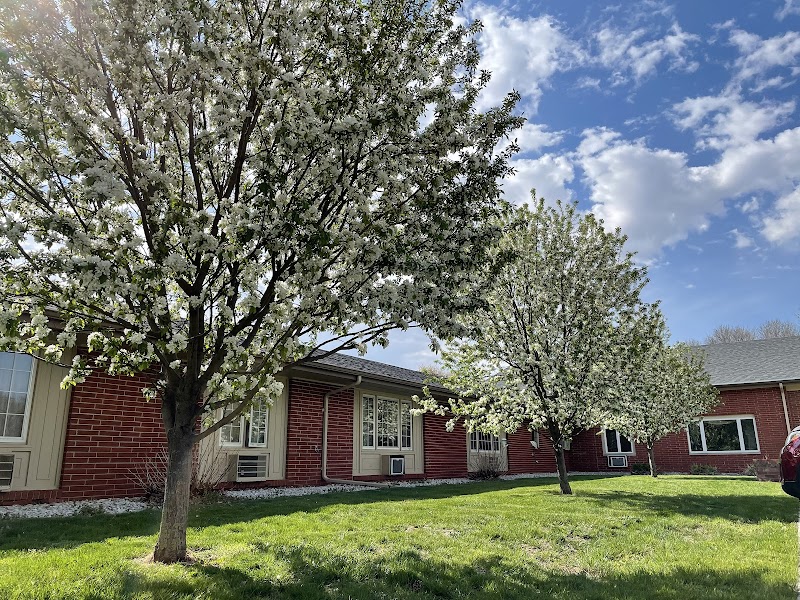
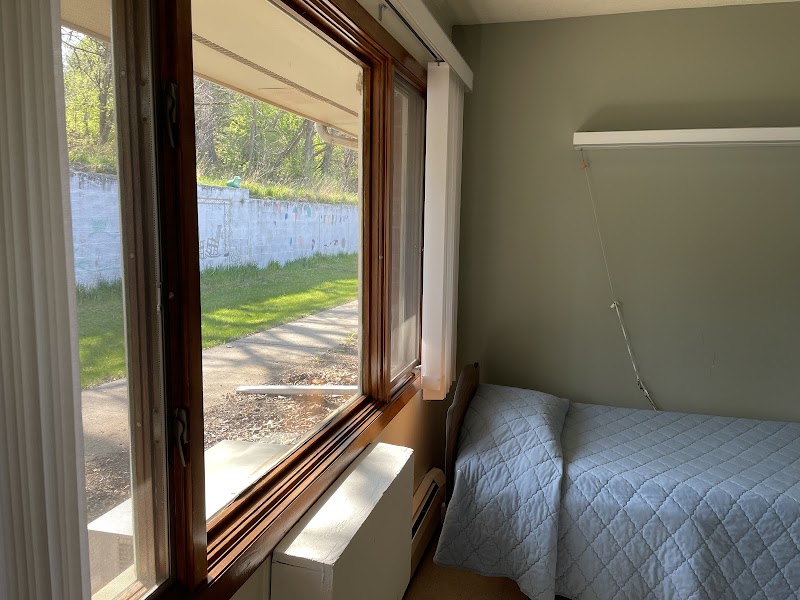
Accura Healthcare of Le Mars is owned by a for-profit company. For-profit facilities operate as businesses with obligations to shareholders or private owners. The facility is operated by ACCURA HEALTHCARE, a chain that manages multiple nursing homes. With 46 certified beds and approximately 38 residents (about 83% occupancy), it is a smaller facility located in Le Mars, Iowa.

How Does Accura Healthcare Of Le Mars Compare to Other Iowa Nursing Homes?

Compared to the 100 nursing homes in Iowa, Accura Healthcare of Le Mars's overall rating (4 stars) is above the state average of 3.1, staff turnover (15%) is significantly lower than the state average of 46%, and health inspection rating (3 stars) is at the national benchmark.

What Should Families Ask When Visiting Accura Healthcare Of Le Mars?

Based on this facility's data, families visiting should ask: "Can I visit during a mealtime to observe dining assistance and food quality?" "How do you handle medical emergencies, and what is your hospital transfer rate?" "Can I speak with family members of current residents about their experience?"

Is Accura Healthcare Of Le Mars Safe?

Based on CMS inspection data, Accura Healthcare of Le Mars has a clean safety record: no substantiated abuse findings (meaning no confirmed cases of resident harm), no Immediate Jeopardy citations (the most serious violation level indicating risk of serious injury or death), and is not on the Special Focus Facility watch list (a federal program monitoring the lowest-performing 1% of nursing homes). The facility has a 4-star overall rating and ranks #1 of 100 nursing homes in Iowa. While no facility is perfect, families should still ask about staff-to-resident ratios and recent inspection results during their visit.

Do Nurses at Accura Healthcare Of Le Mars Stick Around?

Staff at Accura Healthcare of Le Mars tend to stick around. With a turnover rate of 15%, the facility is 31 percentage points below the Iowa average of 46%. Low turnover is a positive sign. It means caregivers have time to learn each resident's needs, medications, and personal preferences. Consistent staff also notice subtle changes in a resident's condition more quickly.

Was Accura Healthcare Of Le Mars Ever Fined?

Accura Healthcare of Le Mars has no federal fines on record. CMS issues fines when nursing homes fail to meet care standards or don't correct problems found during inspections. The absence of fines suggests the facility has either maintained compliance or corrected any issues before penalties were assessed. This is a positive indicator, though families should still review recent inspection reports for the full picture.

Is Accura Healthcare Of Le Mars on Any Federal Watch List?

Accura Healthcare of Le Mars is not on any federal watch list. The most significant is the Special Focus Facility (SFF) program, which identifies the bottom 1% of nursing homes nationally based on persistent, serious quality problems. Not being on this list means the facility has avoided the pattern of deficiencies that triggers enhanced federal oversight. This is a positive indicator, though families should still review the facility's inspection history directly.