Good Neighbor Home

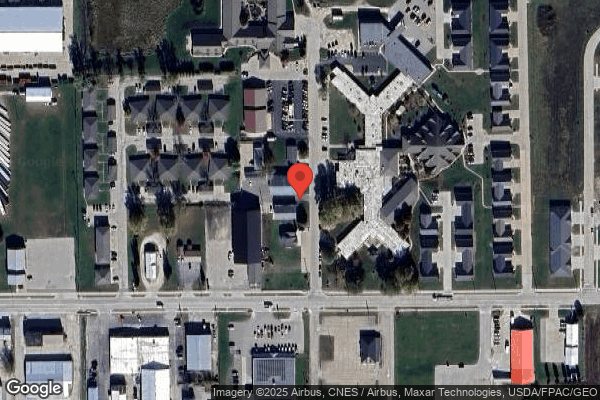
105 McCarren Drive, Manchester, IA 52057 (563) 927-3907
Non profit - Corporation 112 Beds Independent Data: November 2025 1 Immediate Jeopardy citation
Trust Grade
76/100
#28 of 392 in IA
Last Inspection: June 2025

Inspected within the last 6 months. Data reflects current conditions.

Overview

Good Neighbor Home in Manchester, Iowa has a Trust Grade of B, indicating it is a good choice, though not without its issues. It ranks #28 out of 392 facilities in Iowa, placing it in the top half, and it is the only nursing home in Delaware County, meaning it has no local competition. The facility is improving, with the number of reported issues decreasing from three in 2024 to none in 2025. Staffing is a strong point, with a perfect 5/5 star rating and a turnover rate of only 23%, significantly better than the state average of 44%. However, the home has faced some challenges, including a critical incident where a resident was discharged improperly after testing positive for COVID-19, and a serious finding where another resident was not treated with dignity during a discharge. Additionally, some staff did not follow proper COVID-19 protocols during an outbreak, raising concerns about infection control. Overall, while the facility has strengths, families should be aware of these weaknesses as they consider this option.

Trust Score
B
76/100
In Iowa
#28/392
Top 7%
Safety Record
High Risk
Review needed
Inspections
Getting Better
3 → 0 violations
Staff Stability
✓ Good
23% annual turnover. Excellent stability, 25 points below Iowa's 48% average. Staff who stay learn residents' needs.
Penalties
○ Average
$6,279 in fines. Higher than 71% of Iowa facilities. Some compliance issues.
Skilled Nurses
✓ Good
Each resident gets 55 minutes of Registered Nurse (RN) attention daily — more than average for Iowa. RNs are trained to catch health problems early.
Violations
✓ Good
Only 5 deficiencies on record. Cleaner than most facilities. Minor issues only.
★★★★★
5.0
Overall Rating
★★★★★
5.0
Staff Levels
★★★★☆
4.0
Care Quality
★★★★☆
4.0
Inspection Score
Stable
2024: 3 issues
2025: 0 issues

The Good

  • 5-Star Staffing Rating · Excellent nurse staffing levels
  • 4-Star Quality Measures · Strong clinical quality outcomes
  • Low Staff Turnover (23%) · Staff stability means consistent care
  • Full Sprinkler Coverage · Fire safety systems throughout facility
  • No fines on record
  • Staff turnover is low (23%)

    25 points below Iowa average of 48%

Facility shows strength in staffing levels, quality measures, staff retention, fire safety.

The Bad

Federal Fines: $6,279

Below median ($33,413)

Minor penalties assessed

The Ugly 5 deficiencies on record

1 life-threatening 1 actual harm
Aug 2024 1 deficiency
CONCERN (E)

Potential for Harm - no one hurt, but risky conditions existed

Infection Control (Tag F0880)

Could have caused harm · This affected multiple residents

Based on observation, Center for Disease Control and Prevention (CDC) COVID 19 Guidelines, and staff interview, the facility failed to ensure housekeeping staff wore appropriate personnel protective e...

Read full inspector narrative →
Based on observation, Center for Disease Control and Prevention (CDC) COVID 19 Guidelines, and staff interview, the facility failed to ensure housekeeping staff wore appropriate personnel protective equipment (PPE) to prevent the spread of COVID 19 infection during a COVID 19 outbreak within the facility. The facility reported a census of 98 residents. Findings include: During entrance to the facility on 8/12/24 at approximately 9:00 AM the facility posted a Visitor/Team Stop Sign on the main entrance door directing to please postpone entry to the facility if you have any of the following symptoms that are new or worsening: fever, cough, congestion, chills, headache, body aches, sore throat, runny nose, fatigue, diarrhea, nausea/vomiting, new loss of taste or smell. Please do not visit if you have had a positive COVID test or have had close contact with someone with confirmed COVID 19 infection in the last 14 days. On 8/12/24 at approximately 9:00 AM the Administrator reported the facility was in a COVID 19 outbreak and most of the residents were isolated in the South hallway. The Administrator provided a resident list identifying 12 residents positive for COVID 19 and 3 resident recovered from COVID 19. The list identified Resident #45 as positive for COVID 19 and on isolation precautions. On 8/13/24 the Director of Nursing (DON) notified the surveyors the facility had COVID 19 on the North hallway in addition to the South hallway. Observation on 8/14/24 at 2:12 PM revealed a CDC Contact Precaution and Droplet Precaution sign hanging on the right side of Resident #45 door frame. The Droplet Precaution sign directed the staff to make sure their eyes, nose, and mouth were fully covered before room entry. A three-drawer plastic bin with PPE sat to the right side of Resident #45 doorway and a bedside table with two packages of face shields was positioned to the left side of the doorway. During an observation on 8/14/24 at 2:12 PM Staff A, Housekeeping/Laundry, observed cleaning in Resident #45 room wearing only a gown, gloves and a medical mask that was falling below her nose. Staff A observed coming in and out of the room to the housekeeping cart several times, then went back in the room within three feet of Resident #45 who sat in the room recliner. At 2:14 PM the Surveyor prompted the DON to address the situation. The DON asked Staff A what PPE was required to wear in the isolation room for cleaning. Staff A, wearing a gown, gloves, and a surgical mask falling below her nose, motioned with her hands toward her gown and stated she was wearing the correct PPE. The DON pointed to the CDC signs on the door frame and verbalized the resident was on contact and droplet precautions which required a NIOSH (National Institute for Occupational Safety and Health) N95 mask, face shield, gown and gloves. The DON instructed Staff A at the entrance of the door way to take off her gown. Staff A started to pull her gown off with her right gloved hand over her head. The DON instructed Staff A to roll the gown down away from her to remove the gown with gloves on, then remove the gloves, remove her medical mask and perform hand hygiene. The DON instructed to put on a new gown, N95 mask, and a face shield. Staff A had to ask the DON how to use the face shield. The DON instructed her how to peel the protective layer off the face shield and put on the face shield. The DON then instructed her how to take off the PPE before coming out of the room. On 8/15/24 at 7:48 AM Staff B, Housekeeping and Laundry Aide reported she had worked at the facility 9-10 months. She verbalized she had received education this morning on the proper PPE to wear into the room which included a gown, gloves, N95 mask, and face shield. She stated prior to the morning (8/15/24) education her understanding was they only needed to wear a surgical mask and face shield in the room. Staff B reiterated the facility had been in a COVID outbreak when she had been hired back September/October 2023. During an interview on 8/15/24 at 8:55 AM the Plant Operations Director reported he expects the housekeeping staff to wear a gown, gloves, N95 mask, and face shield when cleaning COVID 19 isolation rooms. He reported all the staff have had extensive training by the staff educator on PPE as well as they utilized CE solutions (a computer- based training system). He reported ultimately it is his responsibility to monitor that staff are following the isolation precautions. He stated the facility does not have a documented audit system that they use, but he has gone out periodically and observed to ensure staff are using the correct PPE. During an interview on 8/15/24 at 9:19 AM the DON reported all the department leaders know the PPE protocols. Leaders are to be watching when they are out on the floor and correcting any issues they see right away. On 8/15/24 at 9:21 AM the Infection Preventionist verbalized they have reviewed the PPE with the charge nurses. She expects the charge nurses to be responsible for daily monitoring of the staff using PPE. The charge nurses are to do immediate education if they observe staff not utilizing the correct PPE. During an interview on 8/15/24 at 9:22 AM the DON reported all staff are to hold each other accountable and address if they notice staff are not doing something right. She reported she expects the housekeepers to utilize a gown, gloves, N95 mask, and face shield for cleaning the COVID isolation rooms. The CDC Infection Control Guidance: SARS-CoV-2 Recommended Routine Infection Prevention and Control (IPC) Practices when caring for a Patient with Suspected or Confirmed SARS-CoV-2 Infection directs health care personnel who enter the room of a patient with suspected or confirmed SARS CoV-2 infection to adhere to Standard Precautions and use a NIOSH approved particulate respirator with N95 filters or higher, gown, glove and eye protection (i.e. goggles, or a face shield that covers the front and sides of the face). The updated 3/18/24 CDC Interim Infection Prevention and Control Recommendations for Healthcare Personnel during the Coronavirus Disease 2019 (COVID-19) Pandemic under what PPE should be worn by environmental services (EVS) personnel who clean and disinfect rooms of patients who have SARS COVID 19 infection directed the following: minimize the number of personnel entering the room of patients who have SARS-CoV-2 infection. Healthcare facilities should consider assigning daily cleaning and disinfection of high-touch surfaces to nursing personnel who will already be in the room providing care to the patient. If this responsibility is assigned to EVS personnel, they should wear all recommended PPE when in the room. PPE should be removed upon leaving the room, immediately followed by performance of hand hygiene.
Feb 2024 2 deficiencies
CONCERN (D)

Potential for Harm - no one hurt, but risky conditions existed

Deficiency F0658 (Tag F0658)

Could have caused harm · This affected 1 resident

Based on clinical record review, resident and staff interview, the facility failed to follow-up after a cognitively intact resident reported a medication omission for 1 of 1 residents reviewed for med...

Read full inspector narrative →
Based on clinical record review, resident and staff interview, the facility failed to follow-up after a cognitively intact resident reported a medication omission for 1 of 1 residents reviewed for medication error (Resident #65). The facility identified a census of 94 residents. Findings include: The Minimum Data Set (MDS) Assessment with an assessment reference date 11/27/23 for Resident #65 showed a Brief Interview for Mental Status (BIMS) score of 15 indicating intact cognition. The MDS included a diagnosis of glaucoma. The Vision Care Plan dated 11/29/23 directed Resident #65 as blind in the left eye with poor vision of the right eye and wears glasses. During an interview on 2/05/24 at 12:50 PM Resident #65 reported she did not get her eye drops the other night. The Certified Medication Aide (CMA) signed the eye drops were given, but they were not. Resident #65 verbalized being very upset stating, that is falsification of records and she wanted her fired. She reported the missed eye drops to Staff F CMA on Saturday (2/03/24). A Physician Order Sheet signed by the Provider on 11/22/23 listed the following medication orders: a. Atropine Sulfate 1 percent (%) Solution one drop in the left eye twice a day for glaucoma. b. Brimonidine Tartrate 0.2% Solution left eye three times a day for open angle glaucoma. c. Timolol Maleate 0.5% Solution one drop in the left eye twice a day. d. Dorzolamide Hydrochloride 2% Solution to the left eye twice a day. e. Latanoprost 0.005% Solution one drop to the left eye daily at hour of sleep. f. Prednisolone Acetate 1% one drop to the left eye four times a day. On 2/06/24 at 2:10 PM the Director of Nursing (DON) reported the facility did not have any medication error reports for Resident #65. On 2/07/24 at 10:44 AM the DON reported the facility did not have any grievances for January 2024. A review of Resident #65's February 2024 Medication Administration Record (MAR) revealed all dosages of the physician ordered medicated eye drops signed off as administered for 2/02/24 and 2/03/24. A 2/07/24 review of the North hallway schedule showed Staff F CMA worked 6-2:30 PM and Staff G CMA worked 2-10:30 PM on 2/02/24. A review of the Progress Notes completed on 2/07/24 revealed no documentation of the incident follow-up on 2/02/24 to 2/06/24. On 02/07/24 at 11:52 AM Staff F reported she worked last Saturday (2/03/24). Resident #65 reported to her Saturday morning she had not received her eye drops the night before. Resident #65 wanted to know why she had not received her eye drops. Staff F verbalized she didn't have an answer for the resident because she didn't know why. Staff F reported the missed eye drops to Staff H Licensed Practical Nurse (LPN) or Staff I Registered Nurse (RN). She couldn't recall which nurse, but had reported to one of the nurses. Staff F didn't know what happened after that. She further stated Resident #65 had not made any comments about not receiving her eye drops before. The Resident is alert, knows what medication she takes and why. On 2/07/24 at 12:09 PM Staff J RN reported Resident #65 is alert and oriented. She did her monthly assessment on Saturday and Resident #65 never informed her of missing any medicated eye drops. She reported Resident #65 is quiet and stays in her room. If a resident reports a missed medication, they do a head to toe assessment, notify the physician/family and put the resident on three days of hot charting to follow-up unless the physician does not order follow-up. Usually there is also an employee write-up and counseling that follows if a medication is missed. On 2/07/24 at 12:19 PM Staff K CNA reported she did not have any residents report missing medications to her when she worked over the weekend. She stated she would immediately report missed medications to the charge nurse. On 02/07/24 at 1:30 PM Staff L CMA reported Resident #65 is alert and oriented. She receives several medicated eye drops. She has never verbalized that she has missed any eye drops. If a resident reports they did not receive their medications, she would report it immediately to the charge nurse. During an interview on 2/07/24 at 1:38 PM Staff H reported she did receive report from Staff F that Resident #65 voiced she missed her evening medicated eye drops. Staff H explained she was going to talk to Resident #65 and totally forgot about it. Staff H verbalized they normally talk to the resident, investigate the situation to see if the medication was signed off, assess the resident and fill out an incident report. Then she is to notify the Patient Care Coordinator on call, the physician and the family. Staff H further explained she had gone in to assess the resident's bruit that day and she was fine, but she forgot to fill out an incident report and follow-up on the situation. On 2/07/24 at 1:56 PM Staff F CMA voiced she had worked Friday (2/02/24). It was her first day working the North hallway after being off for maternity leave. She was 90% sure that she gave Resident #65 her eye drop medications, but hadn't passed medications on the North hallway for a while. She thought she had gone into Resident #65's room, but was now questioning it. Resident #65 does not refuse her medicated eye drops. Staff G verbalized she is pretty sure she gave the Resident her eye drops, but there are so many residents that receive eye drops, she really has to watch the MAR. It is hard to remember. She reported if they sign off medications that are not administered, they get wrote up for a medication error and get talked to by a supervisor. During an interview on 2/07/24 at 2:35 PM the Director of Nursing (DON) voiced after the Surveyor asked for incident reports on 2/06/24, she went out on the North hallways and checked to see if there had been any medication errors. She was notified this morning 2/07/24 that Resident #65 voiced not receiving her eye medication on Friday (2/02/24). She reported she contacted Staff H and Staff H verbalized she had not completed any follow-up after the situation had been reported to her. The DON reported they had done disciplinary action with Staff H. She did not have any paperwork returned, but once they became aware, they did followed-up. She reported Staff F did the right thing by reporting the situation to the nurse. The nurse should have followed-up. The DON explained their process is to follow-up with the resident, fill out an incident report, call the provider and notify the family of the error. The nurses put the resident on three day hot charting to follow-up unless the physician orders that no follow-up is needed. She expected the nurse should have follow-up after the report. The Adverse Consequences and Medication Errors Policy Revised April 2014 provided by the facility specified the following: a. In the event of a significant medication-related error or adverse consequence, immediate action is taken, as necessary, to protect the resident's safety and welfare. b. The attending physician is notified promptly of any significant error or adverse consequence. c. The physician's orders are implemented, and the resident is monitored closely for 24 to 72 hours or as directed. d. The incident is described on the shift change report to alert staff of the need to monitor the resident. e. The following information is documented in an incident report and in the resident's clinical record: 1. Factual description of the error or adverse consequence. 2. Name of physician and time notified. 3. Physician's subsequent orders. 4. Resident's condition for 24 to 72 hours or as directed. 5. Each incident report is forwarded to the: DON, Quality Assurance Nurse, Medical Director and Consulting Pharmacist. Data regarding medication adverse consequences and errors (e.g., total number of incidents, number of incidents by category/type, trends) is compiled and presented to the Quality Assurance and Performance Improvement (QAPI)committee on a monthly or quarterly basis. The QAPI committee conducts a root cause analysis of medication administration errors to determine the source of error, implements process improvement steps, and compare results over time to determine that system improvements are effective in reducing errors.
CONCERN (E)

Potential for Harm - no one hurt, but risky conditions existed

Food Safety (Tag F0812)

Could have caused harm · This affected multiple residents

Based on observation, policy review, and staff interview the facility failed to serve meals under sanitary conditions. The facility further failed to store food in a way to prevent food borne illness....

Read full inspector narrative →
Based on observation, policy review, and staff interview the facility failed to serve meals under sanitary conditions. The facility further failed to store food in a way to prevent food borne illness. The facility reported a census of 94 residents. Findings include: During an observation of the noon meal on 2/05/24 from 11:34 AM to 12:36 PM Staff A- Cook, Staff B- Lead Evening [NAME] & Dietary Aide, Staff C- Dietary Aide, and Staff D- Dietary Aide served 34 glasses to 24 residents in the general dining area handling the cups with fingers on the drinking rim surface of the glasses. Staff E- Certified Nursing Assistant served 6 glasses to 2 residents in the assisted dining area handling the cups with fingers on the drinking rim surface of the glasses. The facility lacked a policy regarding serving of dishes and glasses to residents. During an interview on 2/08/24 8:42 AM with the Dietary Manager she explained the facility follows the Federal guidelines for serving of dishes and glasses. She further explained her expectation of dietary staff is to never touch a straw without paper on it. They are not to remove the paper wrapper from the straw, the resident is to take the wrapper off themselves. Her expectation is for staff to only touch glasses at the narrow portion on the bottom of the glass or, if absolutely necessary, no higher than an inch from the top of the glass. 3. On 02/06/24 at 11:15 AM, lunch service observed from the main kitchen, during which, a plastic container full of shredded lettuce sat on the countertop in front of the steam table from 11:35 AM until 12:20 PM without a source to keep the lettuce cool. At 12:20 PM, the Dietary Manager placed a red lid on the plastic container that contained the lettuce and placed it back into the kitchen refrigerator. On 02/06/24 at 12:30 PM, the Dietary Manager informed that lettuce had been left out on the counter for any request of lettuce salad during lunch service. The Dietary Manager stated they would typically put the lettuce back into refrigerator between use to keep cool. On 02/07/24 at 10:45 AM, the kitchen refrigerator continued to hold the plastic container of shredded lettuce with a red lid, dated 02/05/23. On 02/07/24 at 01:15 PM, Dietary Manager stated that in hindsight, the lettuce should have been thrown away after the lunch service observed. 4. On 02/06/24 at 12:25 PM, observed dietary staff, Staff N, pick up a meal ticket dropped on the floor and place the ticket on a resident's meal tray. No hand hygiene performed by Staff N. The ticket remained on the tray as Staff N placed clean cups and lunch plate on top of the tray. Room tray then sent out of the kitchen to a resident room. On 02/0624 at 12:30 PM, the Dietary Manager revealed the expectation that dietary staff perform hand hygiene after any soiled item is touched. On 02/07/24 at 01:15 PM, the Dietary Manager stated hand hygiene should have been completed after an object was picked up from the floor. The facility policy titled, Food Handling for Infection Control, no date, informed that food will be stored, prepared, handled, and served so that the risk of food borne illness is minimized. 2. During an observation on 2/07/24 at 8:26 am Staff M removed the wrapper from two straws, then touched the drinking tip of each straw to place the straws into covered mugs and delivered the mugs to Resident #19 in the assistive dining room. At 8:27 AM staff M pulled her medical mask down below her nose, rubbed her nose with her right hand, replaced her mask above her nose, then poured chocolate milk into a glass and touched the drinking rim of the glass with her right hand, delivered the glass to Resident #196 who drank 100% of the chocolate milk. At 8:32 AM Staff M poured a glass of apple juice and chocolate milk then carried both glasses, one in each hand, with her hands over the top of the drinking rim and delivered the drinks to Resident #3. When asked questions Staff M shrugged her shoulders at the Surveyor stating she was agency and walked away. Staff M at 8:36 AM without performing hand hygiene went and sat down by Resident #37, unwrapped her silverware and started to assist the resident with breakfast while picking and pulling at the front of her medical mask. During an observation on 2/07/24 at 10:55 AM the hand sanitizer unit in the assistive dining room was full of hand sanitizer.
Aug 2023 2 deficiencies 1 IJ
CRITICAL (J) 📢 Someone Reported This

A family member, employee, or ombudsman was alarmed enough to file a formal complaint

Immediate Jeopardy (IJ) - the most serious Medicare violation

Transfer Requirements (Tag F0622)

Someone could have died · This affected 1 resident

Based on clinical record review, staff interview, family interview, and the chief of police interview, the facility failed to provide a safe discharge for a resident newly admitted from the emergency ...

Read full inspector narrative →
Based on clinical record review, staff interview, family interview, and the chief of police interview, the facility failed to provide a safe discharge for a resident newly admitted from the emergency room (ED) to the facility on 6/6/23 after sustaining a fall at work which resulted in a fractured right cuboid bone and calcaneal fracture (ankle). Staff received a verbal telephone order okaying the admission of this resident. The facility accepted the resident into the facility, began the admission process, assisted the resident to a room, provided toilet use assistance, and performed a skin assessment of the gluteal area. The facility performed 2 Covid tests on the resident; a positive test result was received and the facility informed the resident they could not meet her needs due to the positive test. The facility transferred the resident into a bariatric wheelchair and placed the resident outside on a sidewalk with a bedside commode and walker to await transport to home. The facility failed to follow proper notices and documentation for an involuntary discharge for one (1) resident therefore causing an Immediate Jeopardy to the health, safety, and security of the resident (Resident #1). The State Agency informed the facility of the Immediate Jeopardy (IJ) that began as of July 28, 2023. The Facility Staff removed the Immediate Jeopardy on July 28, 2023 through the following actions: a. Assurance that all necessary staff had been educated on the admission and Discharge policy. The scope lowered from a J to G at the time of the survey after ensuring the facility implemented education and their policy and procedures. The facility identified a census of 94 residents. Findings include: An X-ray report from a local hospital for Resident #1 dated 6.6.23 at 7:54 a.m. included the following: a. A mildly comminuted cuboid fracture. b. A mildly displaced fracture of the anterior process of the calcaneus. A Discharge Instructions form from the hospital dated 6.6.23 at 9:07 a.m. indicated the resident's diagnoses included: heel pain, morbid obesity, and a right foot injury. The physician orders included the following: a. Keep foot elevated for decreased swelling and pain. b. Non-weight bearing on the foot with the use of a walker. During an interview 7.26.23 at 1:22 p.m. a family member indicated the resident fell as she went into work on 6.6.23. The resident drove herself to the local ED and called this family member. Staff in the ED treated and released the resident. After the ED staff positioned the resident in the family member's car without a crutch, walker, or wheel chair (w/c) and with a directive of a non-weight bearing status, the ED staff directed the family and resident to go home. Family drove the resident to the local long term care equipment company in town and attempted to purchase/rent bariatric adaptive equipment such as a walker and a wheelchair but the equipment had not been in stock so they ordered the items. At that point the family knew they could not care for the resident at home due to her size and no adaptive equipment so they drove to the local nursing facility. The family members left the resident in the car and went into the facility and asked if the facility staff could rehab her to home. The family and Staff A, CNA/Community Development Director went out to the car when Staff A stated absolutely they could have admitted the resident to the facility for care and services. The staff member then took the resident inside of the facility and began the intake paperwork. Then staff took the resident into what would have been her room, performed an exam, rearranged the room, and performed a Covid test which showed a positive result. They said, you got to be kidding me. The staff then looked at the family member and indicated they planned to perform another test but if that test result was positive they had to take the resident home. The 2nd test came back positive also so the facility staff looked at the family member and said they planned to load the resident into the facilities van and take her home. Staff A drove the resident in the facility van to her own home and left her in her front lawn with a commode, wheelchair, and a lift strap (gait belt). During the time Staff A remained at the resident's house she heard another family member as he called public health for guidance. The staff member then became angry and stated she planned to leave as a means not to get caught in the cross fire. The family returned the resident to the ED where they admitted her for 10 days on the medical/surgical floor until her 10 days of quarantine had been completed. The family member indicated she felt bad for the resident because the event traumatized her and she had been in pain as she sat in a w/c for hours that day and never had her foot elevated. During interview 7.27.23 at 1:40 p.m. the above same family member and other family member had been present when staff propelled the resident outside of the facility on 6.6.23 as they waited 10 minutes for the return of the facility van. Staff A then transported the resident home via the facility van and at that point 3 family members had been present when Staff A arrived at the resident's home along with the local chief of police who had arrived off duty and in street clothes. The police chief had been called by family as the resident and himself worked together for 18 years. The family member described all people present as hot, sweaty, and emotional. The family member indicated the facility staff had since stated the resident verbalized a desire to have used the restroom when she first presented at the nursing facility as a blatant lie. During an interview 7.26.23 at 12:57 p.m. the resident indicated on 6.6.23 she fell at work which resulted in a broken foot/ankle and had been not able to return to her home due to a non-weight bearing status plus a w/c could not have fit into her home. The Resident stated the hospital discharged her home but the family present stated lets go to the nursing facility. Upon arrival 2 family members entered the facility and Staff A and Staff B, Admissions Director and a family member came out to the car and stated they would take the resident under their care. At that point, a family member drove the resident around to the back of the building where they brought a w/c for assistance to have gotten the resident into the facility. Staff A transferred the resident into the w/c and brought her into a small family type room where Staff A performed an assessment and paperwork. Staff A then left and returned and stated your room is ready and wheeled the resident to her room. Staff assisted the resident to the bathroom and into a bed and that had been when staff performed a Covid test which the result was positive. The staff then looked at 1 of the resident's family members and stated the resident could not have stayed in the facility. The staff left the resident's room and returned all PPE'd (personal protective equipment) up, wheeled the resident outside of the facility with a walker and commode as they waited for maybe 10 minutes for the return of the facility van. The resident described herself as out of it because of the pain. The resident had been loaded into the facility van and transferred home by Staff A who backed the van up to the stairs in front of the resident's home and unloaded her. The resident described the situation as stupid because she had been unable to get into her house anyway. At that point a family member called public health and wanted to know the current Covid restrictions. Staff A heard the call, became upset, and left the resident's house which left 3 family members plus her boss, the chief of police. They all sat outside for approximately 1/2 hour or until the decision had been made to take her back to the hospital. The resident described 6.6.23 as not a good day and that she had been beside herself. The resident stated, not only had the facility placed her in that situation but also her family when they left her as she sat in a w/c by the front steps of her home. Plus when they wheeled her out of the facility and onto a sidewalk with a commode positioned right beside her where family and/or friends of another resident watched her which caused humiliation. During an interview 7.26.23 at 1:42 p.m. Staff A confirmed on 6.6.23 the resident and 2 family members pulled up into the facility parking lot and 1 or both family members entered the facility. The family indicated the resident had been discharged from the hospital and they just drove around and wondered what they could have done and they wondered if the facility could have helped them. Staff A and Staff B went outside with family and found the resident positioned in the front seat of the car and as non-weight bearing due to a fractured foot. The resident stayed in the car and the family and staff members returned to the facility. Staff called the resident's insurance company for approval, the police department, hospital, and workman's compensation. At that time they had been at the 3 hour mark from when the resident left the local ED and had been still waiting on the ED history and physical report so the staff went outside and brought the resident into the facility to have used the restroom in the room they they planned to admit the resident into. The staff members obtained a gait belt, placed it on the resident, and pivot transferred her onto the toilet. Upon conclusion the staff members assisted the resident into a wheel chair. The staff member had been unsure about the length of time the resident sat in the wheel chair but she believed it became painful for the resident so they assisted the resident into bed. At that point Staff B started an assessment and ran a Covid test which had a positive result. At that point the staff members got the Director of Nursing (DON) involved for guidance because they had no paperwork from the ED and now they had a Covid positive resident, not enough staffing to isolate her for Covid and they could not admit her. The staff member stated they left the resident positioned in the bed until the facility van arrived. As the staff member had been shown pictures of the resident as she sat outside the facility the staff member changed her mind and indicated they took the resident to the curb for an unknown amount of time. Once the van arrived the staff member transported her home and when they arrived the Chief of Police and 3 family members had been present. All parties discussed ways to have safely transferred the resident into the house. At one point a family member called Public Health as she had been outside with the resident positioned in a wheel chair on the sidewalk. The staff member stated there had been no way to get her into the house and the situation had not been safe anymore. The staff member indicated the resident and a family member understood because her hands were tied there had been no way for her to have assisted the resident anymore and she felt family wanted her to do something out of her scope of practice even thou she confirmed her status as a CNA. The staff member described the temperature as hot. During an interview 7.27.23 at 3:36 p.m. Staff B stated herself and Staff A had been in her office as they worked on another admission. Staff A went up to the front desk and retrieved some papers they had just printed when she observed 2 of the resident's family members as they stood at the front desk. As Staff B worked on her computer in her office Staff A tapped on her office window as all 3 stood outside and Staff A waved her outside. When they arrived at the resident's car she had been positioned in the passenger seat with the window rolled down. The family and resident tried to explain the situation that the local ED discharged her with a script to go to a local long term medical equipment company for a bariatric walker and they did not have one. Since then they drove around for over an hour. Staff B then invited the family into her office as Staff A planned to stay with the resident however she indicated she would have been fine in the car. Two family members and Staff A and B went into the facility and into their office. The 1st thing Staff B stated was they needed to call the local ED to find out what had been going on. The provider who assessed the resident in ED stated they had no reason for admission following ED treatment. Staff B explained to the provider the family went to the long term medical provider but could not get a walker at that time and the family felt they could not get the resident into her house because as it had not been set up for her current level of care. Staff B indicated Staff A had been on the telephone with workman's compensation at which time a family member offered to have just paid privately. Once the family stated the would pay privately Staff B called the resident's insurance company, completed a Preadmission Screening and Resident Review (PASRR) assessment and checked the resident's status on the sex offender website. Staff B indicated the only thing they did not have at that time had been the ED note because the documentation had not been completed at that time. At that point, Staff A went outside with family and the resident stated she had to go to the bathroom so they obtained a wheel chair and got her into the room they planned to admit the resident into. Staff B called the resident's primary physician and received verbal orders for admission. Staff B indicated they asked family and resident prior if she displayed any Covid symptoms and she denied symptoms and stated the thing she had was allergies. The staff member performed a Covid test and her leg ached and the only way for elevation of the leg had been in bed. The resident had been transferred to bed with 1 staff assistance. As staff elevated the resident's leg she looked over and observed the positive Covid test. The staff members messaged the DON and reported the situation. The DON indicated the facility had not enough staff and they could not have not have the resident in the building right then. Staff B returned to the room and informed the family the resident could not stay at the facility so the family planned to take the resident to her home. The staff member's assisted the resident, along with family, outside and waited for the facilities van to have returned from the hospital which took approximately 10 minutes. As they stood outside another family member arrived and asked if there had been anyway they could have kept the resident at the facility and they said they had not enough staff on duty. The staff member confirmed there had been family of an unknown resident that congregated in the area when the resident had been outside of the facility and awaited the arrival of the van. During an interview 8.2.23 at 9:30 a.m. the state climatologist indicated the weather on 6.6.23 from 12 p.m. until approximately 3:30 p.m. as follows: Temperature 79-80 degrees Fahrenheit (F), humidity at 48-60%, winds at 3-8 miles per hour (mph), hazy, and a heat index of 82 degrees F. Staff A completed An Iowa Level 1 Form Preadmission Screening and Resident Review (PASSR) form dated 6.6.23 at 11:06 a.m. A Wellmark Blue Cross and Blue Shield - Eligibility & Benefits form had been completed by the facility staff 6.6.23 at 11:34 a.m. A Search Results - Iowa Sex Offender Registry form had been performed 6.6.23 at 12:29 p.m. A photo dated 6.6.23 at 1:44 p.m. revealed the resident as she laid supine in one of the facilities beds. A photo dated 6.6.23 at 3 p.m. revealed the resident positioned in a w/c on the sidewalk outside of her home with two (2) family members and Staff A without her foot elevated. During an interview 7.27.23 at 9:26 a.m. the chief of police confirmed he went to the resident's house when the nursing facility dropped her off and because they could not get her into the house they just left her on the sidewalk in front of her house. The chief of police confirmed Staff A had been present but when a family member called public health she became quite agitated and left. During an interview 7.28.23 at 9:38 a.m. the chief of police confirmed he arrived at the resident's house in street clothes and his personal truck on 6.6.23 as a friend and an employer and indicated he felt the facility left the resident in not a good place as she needed to have been in a nursing home which became apparent when she stayed at the hospital for 10 days.
SERIOUS (G) 📢 Someone Reported This

A family member, employee, or ombudsman was alarmed enough to file a formal complaint

Actual Harm - a resident was hurt due to facility failures

Resident Rights (Tag F0550)

A resident was harmed · This affected 1 resident

Based on clinical record review, observations, pictures, staff, resident, and family interviews and review of the faculties Residents' Rights form the facility failed to treat 1 resident with dignity ...

Read full inspector narrative →
Based on clinical record review, observations, pictures, staff, resident, and family interviews and review of the faculties Residents' Rights form the facility failed to treat 1 resident with dignity and respect during a discharge from the facility. (Resident #1) The facility identified a census of 94 residents: Findings include: An X-ray report from a local hospital for Resident #1 dated 6.6.23 at 7:54 a.m. included the following: a. A mildly comminuted cuboid fracture. b. A mildly displaced fracture of the anterior process of the calcaneus. A Discharge Instructions form from the hospital dated 6.6.23 at 9:07 a.m. indicated the resident's diagnosis included: heel pain, morbid obesity, and a right foot injury. The physician orders included the following: a. Keep foot elevated for decreased swelling and pain. b. Non-weight bearing on the foot with the use of a walker. During an interview 7.26.23 at 1:22 p.m. a family member indicated the resident fell as she went into work on 6.6.23. The resident drove herself to the local ED and called this family member. Staff in the ED treated and released the resident. After the ED staff positioned the resident in the family member's car without a crutch, walker, and wheel chair (w/c) and with a directive of a non-weight bearing status, the ED staff directed the family and resident to go home. Family drove the resident to the local long term care equipment company in town and attempted to purchase/rent bariatric adaptive equipment such as a walker and a w/c but the equipment had not been in stock so they ordered the items. At that point the family knew they could not care for the resident at home due to her size and no adaptive equipment so they drove to the local nursing facility. The family members left the resident in the car and went into the facility and asked if the facility staff could rehab her to home. The family and Staff A, CNA/Community Development Director went out to the car when Staff A stated absolutely they could have admitted the resident to the facility for care and services. The staff member then took the resident inside the facility and began the intake paperwork. Then staff took the resident into what would have been her room, performed an examination, rearranged the room, and performed a Covid test which resulted in a positive result. They said, you got to be kidding me. The staff then looked at the family member and indicated they planned to perform another test but if that test result was positive they had to take the resident home. The 2nd test came back positive also so the facility staff looked at the family member and said they planned to load the resident into the facilities van and take her home. Staff A drove the resident in the facility van to her own home and left her in her front lawn with a commode, wheelchair, and a lift strap (gait belt). During the time Staff A remained at the resident's house she heard another family member as he called public health for guidance. The staff member then became angry and stated she planned to leave as a means not to get caught in the cross fire. The family member indicated she felt bad for the resident because the event traumatized her and she had been in pain as she sat in a wheelchair for hours that day and never had her foot elevated. During an interview 7.27.23 at 1:40 p.m. the above same family member and other family member had been present when staff propelled the resident outside of the facility on 6.6.23 as they waited 10 minutes for the return of the facility van. Staff A then transported the resident home via the facility van and at that point 3 family members had been present when Staff A arrived at the resident's home along with the local chief of police who had arrived off duty and in street clothes. The police chief had been called by family as the resident and himself worked together for 18 years. The family member described all people present as hot, sweaty, and emotional. During an interview 7.26.23 at 12:57 p.m. the resident indicated on 6.6.23 she fell at work which resulted in a broken foot and had been not able to return to her home due to a non-weight bearing status plus a wheelchair could not have fit into her home. The Resident stated the hospital discharged her home but the family present stated lets go to the nursing facility. Upon arrival 2 family members entered the facility and Staff A and Staff B, Admissions Director and a family member came out to the car and stated they would take the resident under their care. At that point, a family member drove the resident around to the back of the building where they brought a wheelchair for assistance to have gotten the resident into the facility. Staff A transferred the resident into the wheelchair and brought her into a small family type room where Staff A performed an assessment and paperwork. Staff A then left and returned and stated your room is ready and wheeled the resident to her room. Staff assisted the resident to the bathroom and into a bed and that was when staff performed a Covid test which resulted in a positive result. The staff then looked at 1 of the resident's family members and stated the resident could not stay in the facility. The staff left the resident's room and returned all PPE'd (personal protective equipment) up, wheeled the resident outside of the facility with a walker and commode as they waited for maybe 10 minutes for the return of the facility van. The resident described herself as out of it because of the pain. The resident had been loaded into the facility van and transferred home by Staff A who backed the van up to the stairs in front of the resident's home and unloaded her. The resident described the situation as stupid because she had been unable to get into her house anyway. The resident described 6.6.23 as not a good day and that she had been beside herself. The resident stated, not only had the facility placed her in that situation but also her family when they left her as she sat in a wheelchair by the front steps of her home. Plus when they wheeled her out of the facility and onto a sidewalk with a commode positioned right beside her where family and/or friends of another resident watched her which caused humiliation. During an interview 7.27.23 at 3:36 p.m. Staff B confirmed there had been family of an unknown resident that congregated in the area when the resident had been outside of the facility and awaited the arrival of the van. A photo dated 6.6.23 at 2:01 p.m. revealed the resident positioned in a wheel chair on a sidewalk outside of the facility with two (2) staff members, a commode and a folded up walker. The facilities Residents' [NAME] of Rights dated 11.2016 included the following information: a. The resident had a right to a dignified existence. 1. A must have treated each resident with respect and dignity and care for each resident in a manner and in an environment that promoted maintenance or enhancement of his or her quality of life with recognition of each residents individuality.
Understanding Severity Codes (click to expand)
Life-Threatening (Immediate Jeopardy)
J - Isolated K - Pattern L - Widespread
Actual Harm
G - Isolated H - Pattern I - Widespread
Potential for Harm
D - Isolated E - Pattern F - Widespread
No Harm (Minor)
A - Isolated B - Pattern C - Widespread

Questions to Ask on Your Visit

  • "What changes have you made since the serious inspection findings?"
  • "Can I speak with families of current residents?"
  • "What's your RN coverage like on weekends and overnight?"

Our Honest Assessment

Strengths
  • • 23% annual turnover. Excellent stability, 25 points below Iowa's 48% average. Staff who stay learn residents' needs.
Concerns
  • • Multiple safety concerns identified: 1 life-threatening violation(s), 1 harm violation(s). Review inspection reports carefully.
  • • 5 deficiencies on record, including 1 critical (life-threatening) violation. These warrant careful review before choosing this facility.
Bottom line: Generally positive indicators. Standard due diligence and a personal visit recommended.

About This Facility

What is Good Neighbor Home's CMS Rating?

CMS assigns Good Neighbor Home an overall rating of 5 out of 5 stars, which is considered much above average nationally. Within Iowa, this rating places the facility higher than 99% of the state's 100 nursing homes. This rating reflects solid performance across the metrics CMS uses to evaluate nursing home quality.

How is Good Neighbor Home Staffed?

CMS rates Good Neighbor Home's staffing level at 5 out of 5 stars, which is much above average compared to other nursing homes. Staff turnover is 23%, compared to the Iowa average of 46%. This relatively stable workforce can support continuity of care.

What Have Inspectors Found at Good Neighbor Home?

State health inspectors documented 5 deficiencies at Good Neighbor Home during 2023 to 2024. These included: 1 Immediate Jeopardy (the most serious level, indicating potential for serious harm or death), 1 that caused actual resident harm, and 3 with potential for harm. Immediate Jeopardy findings are rare and represent the most serious regulatory concerns. They require immediate corrective action.

Who Owns and Operates Good Neighbor Home?

Good Neighbor Home is owned by a non-profit organization. Non-profit facilities reinvest revenue into operations rather than distributing to shareholders. The facility operates independently rather than as part of a larger chain. With 112 certified beds and approximately 100 residents (about 89% occupancy), it is a mid-sized facility located in Manchester, Iowa.

How Does Good Neighbor Home Compare to Other Iowa Nursing Homes?

Compared to the 100 nursing homes in Iowa, Good Neighbor Home's overall rating (5 stars) is above the state average of 3.1, staff turnover (23%) is significantly lower than the state average of 46%, and health inspection rating (4 stars) is above the national benchmark.

What Should Families Ask When Visiting Good Neighbor Home?

Based on this facility's data, families visiting should ask: "What changes have been made since the serious inspection findings, and how are you preventing similar issues?" "Can I visit during a mealtime to observe dining assistance and food quality?" "How do you handle medical emergencies, and what is your hospital transfer rate?" "Can I speak with family members of current residents about their experience?" These questions are particularly relevant given the facility's Immediate Jeopardy citations.

Is Good Neighbor Home Safe?

Based on CMS inspection data, Good Neighbor Home has documented safety concerns. Inspectors have issued 1 Immediate Jeopardy citation (the most serious violation level indicating risk of serious injury or death). The facility has a 5-star overall rating and ranks #1 of 100 nursing homes in Iowa. Families considering this facility should ask detailed questions about what corrective actions have been taken since these incidents.

Do Nurses at Good Neighbor Home Stick Around?

Staff at Good Neighbor Home tend to stick around. With a turnover rate of 23%, the facility is 23 percentage points below the Iowa average of 46%. Low turnover is a positive sign. It means caregivers have time to learn each resident's needs, medications, and personal preferences. Consistent staff also notice subtle changes in a resident's condition more quickly. Registered Nurse turnover is also low at 14%, meaning experienced RNs are available to handle complex medical needs.

Was Good Neighbor Home Ever Fined?

Good Neighbor Home has been fined $6,279 across 1 penalty action. This is below the Iowa average of $33,142. While any fine indicates a compliance issue, fines under $50,000 are relatively common and typically reflect isolated problems that were subsequently corrected. Families should ask what specific issues led to these fines and confirm they've been resolved.

Is Good Neighbor Home on Any Federal Watch List?

Good Neighbor Home is not on any federal watch list. The most significant is the Special Focus Facility (SFF) program, which identifies the bottom 1% of nursing homes nationally based on persistent, serious quality problems. Not being on this list means the facility has avoided the pattern of deficiencies that triggers enhanced federal oversight. This is a positive indicator, though families should still review the facility's inspection history directly.