Manly Specialty Care
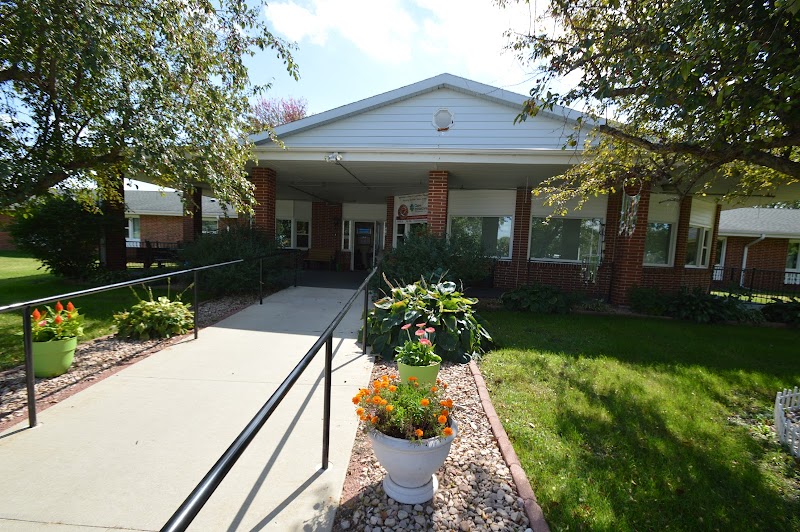
601 E SOUTH STREET, MANLY, IA 50456 (641) 454-2223
Non profit - Corporation 43 Beds CARE INITIATIVES Data: November 2025 1 Immediate Jeopardy citation
Trust Grade
46/100
#206 of 392 in IA
Last Inspection: February 2025

Within standard 12-15 month inspection cycle. Federal law requires annual inspections.

Overview

Manly Specialty Care has a Trust Grade of D, indicating below-average performance with some concerning issues. It ranks #206 out of 392 facilities in Iowa, placing it in the bottom half of state options, and #2 out of 2 in Worth County, meaning only one other local facility is available. The facility's trend is improving, having reduced its reported issues from 9 in 2024 to 7 in 2025. Staffing is a strong point, receiving a 5-star rating with a turnover rate of 31%, which is well below the state average of 44%. However, the facility has faced significant concerns, including a critical incident where a resident was inadequately prepared for discharge, leading to serious health complications, and issues with medication errors that affected multiple residents. Overall, while there are strengths in staffing, families should weigh these against the facility's history of critical care deficiencies.
Trust Score
D
46/100
In Iowa
#206/392
Bottom 48%
Safety Record
High Risk
Review needed
Inspections
Getting Better
9 → 7 violations
Staff Stability
○ Average
31% turnover. Near Iowa's 48% average. Typical for the industry.
Penalties
✓ Good
$13,627 in fines. Lower than most Iowa facilities. Relatively clean record.
Skilled Nurses
✓ Good
Each resident gets 59 minutes of Registered Nurse (RN) attention daily — more than average for Iowa. RNs are trained to catch health problems early.
Violations
⚠ Watch
22 deficiencies on record. Higher than average. Multiple issues found across inspections.
★★★☆☆
3.0
Overall Rating
★★★★★
5.0
Staff Levels
★★☆☆☆
2.0
Care Quality
★★☆☆☆
2.0
Inspection Score
Stable
2024: 9 issues
2025: 7 issues

The Good

  • 5-Star Staffing Rating · Excellent nurse staffing levels
  • Full Sprinkler Coverage · Fire safety systems throughout facility
  • No fines on record
  • Staff turnover below average (31%)

    17 points below Iowa average of 48%

Facility shows strength in staffing levels, fire safety.

The Bad

3-Star Overall Rating

Near Iowa average (3.1)

Meets federal standards, typical of most facilities

Staff Turnover: 31%

15pts below Iowa avg (46%)

Typical for the industry

Federal Fines: $13,627

Below median ($33,413)

Minor penalties assessed

Chain: CARE INITIATIVES

Part of a multi-facility chain

Ask about local staffing decisions and management

The Ugly 22 deficiencies on record

1 life-threatening
Feb 2025 7 deficiencies
CONCERN (D)

Potential for Harm - no one hurt, but risky conditions existed

Assessment Accuracy (Tag F0641)

Could have caused harm · This affected 1 resident

**NOTE- TERMS IN BRACKETS HAVE BEEN EDITED TO PROTECT CONFIDENTIALITY** 2. Resident #33's MDS assessment dated [DATE], identified a BIMS score of 11, indicating moderate cognitive impairment. The MDS ...

Read full inspector narrative →
**NOTE- TERMS IN BRACKETS HAVE BEEN EDITED TO PROTECT CONFIDENTIALITY** 2. Resident #33's MDS assessment dated [DATE], identified a BIMS score of 11, indicating moderate cognitive impairment. The MDS included a diagnosis of non-Alzheimer's dementia. The MDS lacked documentation of Resident #33 exhibiting behaviors towards others in the 7-day lookback period. On 2/24/25 at 3:56 PM, Resident #7 reported Resident #33 is mean to her and makes her cry. She stated Resident #33 bullied her and she reported it to the Administrator. On 2/25/25 at 11:03 AM, the Administrator stated that Resident #33 gets very annoyed quickly with Resident #7. He stated both residents enjoyed spending a lot of the day in the dining area and Resident #7 tends to ask a lot of questions. He stated Resident #33 reached a point that she gets annoyed very quickly with Resident #7. He stated the staff discussed with Resident #33 regarding the way she speaks to Resident #7. He stated staff are always in the area and intervene before anything more happened. The staff are to spend time with Resident #7, if she is in a mood of asking a lot of questions, in an attempt to distract her from speaking to Resident #33. The Grievance/Concern Investigation form filed 2/6/25 documented Resident #7 filed a concern with the facility reporting that Resident #33 called her a derogatory name on 2/5/25. Resident #33's MDS assessment dated [DATE] documented she displayed no verbal behavioral symptoms directed towards others during the 7-day lookback period. The 2024 RAI Manual, under Steps for Assessment of question E0200 directed: 1. Review the medical record for the 7 day lookback period. 2. Interview staff, across all shifts and disciplines, as well as others who had close interactions with the resident during the 7 day lookback period, including family or friends who visit frequently or have frequent contact with the resident. 3. Observe the resident in a variety of situations during the 7 day lookback period. The 2024 RAI Manual listed additional Coding Instructions: Code 0, behavior not exhibited: if the behavioral symptoms were not present in the previous 7 days. Use this code if the resident never exhibited these symptoms or if they previously exhibited the behavior but hasn't in the previous 7 days. Code 1, behavior of this type occurred 1 3 days: if they exhibited the behavior for 1 3 days of the previous 7 days, regardless of the number or severity of episodes that occur on any one of those days. Code 2, behavior of this type occurred 4 6 days, but less than daily: if they exhibited the behavior for 4 6 of the previous 7 days, regardless of the number or severity of episodes that occur on any of those days. Code 3, behavior of this type occurred daily: if they exhibited the behavior daily, regardless of the number or severity of episodes that occurred on any of the days in the previous 7 days. Based on record review, staff interviews, and Resident Assessment Instrument (RAI) Manual the facility failed to accurately code 2 of 12 residents' (Residents #1 and #33) Minimum Data Set (MDS) Assessment. The facility reported a census of 41 residents. Findings include: 1. Resident #1's Preadmission Screening and Resident Review (PASRR) assessment dated [DATE] listed her as a Level II PASRR due to a serious mental illness. Resident #1's annual MDS assessment dated [DATE] coded Resident #1 as a PASRR level I (a person without a serious mental illness). During an interview on 2/27/25 at 8:05 AM, the Social Services Coordinator reported Resident #1 had a level II PASRR approved with specialized services. During an interview on 2/27/25 at 8:35 AM the Assistant Director of Nursing (ADON) reported they had some confusion on Resident #1's PASRR, that is why the MDS didn't get coded as a level II. On 2/27/25 at 8:46 AM the Director of Nursing (DON) reported the facility didn't have a policy for MDS. She reported they follow the RAI Manual. The RAI Manual revised October 2024 directed to code yes for Level II PASRR, if PASRR Level II screening determined the resident had a serious mental illness.
CONCERN (D)

Potential for Harm - no one hurt, but risky conditions existed

Comprehensive Care Plan (Tag F0656)

Could have caused harm · This affected 1 resident

**NOTE- TERMS IN BRACKETS HAVE BEEN EDITED TO PROTECT CONFIDENTIALITY** Based on observations, clinical record review, and staff interview, the facility failed to follow the comprehensive Care Plan fo...

Read full inspector narrative →
**NOTE- TERMS IN BRACKETS HAVE BEEN EDITED TO PROTECT CONFIDENTIALITY** Based on observations, clinical record review, and staff interview, the facility failed to follow the comprehensive Care Plan for 1 of 12 (Resident #24) reviewed for Care Plans. The facility reported a census of 41 residents. Findings include: Resident #24's Minimum Data Set (MDS) assessment dated [DATE] listed they required partial/moderate assistance for eating. The MDS included diagnoses of cerebral Infarction (stroke), multiple sclerosis, and dysphagia (difficulty swallowing). The Care Plan Focuses dated a. 5/16/23 indicated Resident #24 required assistance at meal time. The Interventions directed: i. She required one on one (1:1) with feeding. ii. Encourage her to take small bites and alternate bites with drinks, then tuck and swallow. b. 1/22/25 reflected Resident #24 had a nutritional risk related to stroke, Alzheimer's disease and multiple sclerosis. The Interventions directed i. She needed assistance with eating. ii. Recommend 1:1 supervision during eating to promote safety with use of swallow strategies, go slow, alternate liquids and solids, swallow twice to clear residue, and remain upright after meals for 30 minutes. A continuous observation on 2/26/25 starting at 7:56 AM, witnessed Resident #24, not yet served her meal, sitting at the dining room table. - At 8:02 AM, Resident #24 received her meal and she began drinking a glass of chocolate milk. A staff member sitting at the same table, didn't provide any observed direct assistance at first. When Resident #24 failed to feed herself, the staff member gave her a spoon, but she placed it back on the table. - At 8:05 AM, witnessed the staff member get up and leave the table. On 2/26/25 at 8:07 AM, watched Resident #24 begin to feed herself her bowl of pureed biscuits and gravy. Observed Staff B, Certified Nurse Aide (CNA), in the nearby area but they didn't provide any direct assistance to Resident #24. - At 8:08 AM, Staff C, CNA, asked Resident #24 if she could place her clothing protector on her, and assisted her with the protector. Staff C brought the bowl of biscuit and gravy closer to Resident #24. Watched Resident #24 continue to feed herself without staff assistance or cues provided. - At 8:13 AM, the Director of Nursing (DON) sat down at the table adjacent to Resident #24, overseeing the residents eating, monitoring for safety. - At 8:16 AM, observed another staff member enter the room. She took an empty chair from Resident #24's table, and placed it at the table where the DON sat and spoke with her. Neither staff member appeared to watch Resident #24. Staff C stood nearby in another area of the dining room. Resident #24 drank her full glass of chocolate milk prior to starting to eat the biscuits and gravy. While she ate, Resident #24 didn't drink anything since she began to eat. - At 8:16 AM, Staff D, Certified Medication Aide (CMA), brought a chair to the table and sat down. Witnessed Staff D and Staff C have a conversation as Resident #24 ate her breakfast. As Staff A, Cook, rounded, they noted Resident #24's drink glass empty and provided a second glass of chocolate milk. Resident #24 picked it up and took some drinks. - At 8:19 AM, Staff C left the area briefly, returned with a gait belt and spoke to another resident. Staff C remained in the area until 8:22. Resident #24 continued to eat her breakfast by herself throughout the observation. No observations of staff providing 1:1 assistance or reminding Resident #24 to alternate drinks and bites or to do chin tucking exercises. - At 8:24 AM, witnessed Resident #24 take 2 3 drinks of milk and returned to her biscuits and gravy. Staff D sat at the table speaking to another resident at the table, they offered no cues or assistance to Resident #24. A continuous observation on 2/27/25 starting at 8:14 AM revealed Resident #24 sat at the table with an empty glass of milk and she eating herself. No staff sat at the table with Resident #24. Staff E, CNA, sat at the next table. - At 8:16 AM, Staff B stopped and visited with Resident #24 briefly and then went on to other residents. - At 8:23 AM, Staff C arrived in the dining room, then Staff B left the area. Staff C sat down at a table to assist another resident as Resident #24 continued to eat by herself. On 2/27/25 at 8:25 AM, Staff E sat down at the table with a computer and her own food. She ate her own meal while she visited with another staff member. No observation of interaction from Staff E with Resident #24. Two minutes later, Staff E moved to the next table. On 2/27/25 at 8:29 AM, watched Resident #24 pickup and tip her nearly empty bowl. It appeared like she was looking to see if she had more food in the bowl. After receiving no assistance, Resident #24 put the bowl on the table and pushed herself away from the table. Staff E stood and assisted her to leave the dining room. On 2/27/25 at 11:04 AM, Staff B stated Resident #24 required set up assistance generally for meals. She stated it depended on the day, as some days she needs help. She stated she believed Resident #24 had swallowing problems in the past but they got better since she started the pureed diet. On 2/27/25 at 11:15 AM, the DON stated she would verify if Resident #24 needed to still receive 1:1 assistance at meals. She stated she didn't feel that was accurate any longer but that the CNAs should follow the Care Plan.
CONCERN (D)

Potential for Harm - no one hurt, but risky conditions existed

Deficiency F0657 (Tag F0657)

Could have caused harm · This affected 1 resident

**NOTE- TERMS IN BRACKETS HAVE BEEN EDITED TO PROTECT CONFIDENTIALITY** Based on clinical record review, facility policy review, resident and staff interview the facility failed to update resident Car...

Read full inspector narrative →
**NOTE- TERMS IN BRACKETS HAVE BEEN EDITED TO PROTECT CONFIDENTIALITY** Based on clinical record review, facility policy review, resident and staff interview the facility failed to update resident Care Plans for 2 of 12 residents reviewed (Residents #7 and #33) for Care Planning. The facility reported a census of 41 residents. Findings include: 1. Resident #7's Minimum Data Set (MDS) assessment dated [DATE], identified a Brief Interview for Mental Status (BIMS) score of 15, indicating cognition intact. The MDS included diagnoses of anxiety disorder, bipolar disorder and post-traumatic stress disorder. On 2/24/25 at 3:56 PM, Resident #7 reported Resident #33 is mean to her and makes her cry. She stated Resident #33 bullied her and she reported it to the Administrator. On 2/25/25 at 11:03 AM, the Administrator stated that Resident #33 gets very annoyed quickly with Resident #7. He stated both residents enjoy spending a lot of the day in the dining area and Resident #7 tends to ask a lot of questions. He stated Resident #33 has reached a point that she gets annoyed very quickly with Resident #7. He stated staff has had discussions with Resident #33 regarding the way she speaks to Resident #7. He stated staff is always in the area and are to intervene before anything more comes of it and to spend time with Resident #7 if she is in a mood of asking a lot of questions and to attempt to distract her from speaking with Resident #33. The Care Plan of Resident #7, review date 12/6/24, failed to address any conflict with other residents. 2. Resident #33's MDS assessment dated [DATE], identified a BIMS score of 11, indicating moderate cognitive impairment. The MDS included a diagnosis of non-Alzheimer's dementia. The MDS lacked documentation of Resident #33 exhibiting behaviors towards others in the 7-day lookback period. The Care Plan reviewed 2/19/25, lacked Resident #33 having any negative or aggressive behaviors directed towards others. The Appointment/Visit Note dated 9/24/24 at 11:18 AM reflected Resident #33 saw the mental health provider via telehealth. The provider ordered no changes and to revisit in 3 months. The Behavior Note dated 11/23/24 at 3:50 PM indicated as Resident #33 waited for coffee from the kitchen staff, another resident barged by her and started to talk to the kitchen staff. Resident #33 started yelling at the other resident. The other resident stated Resident #33 hit her and she started to cry. Resident #33 denied hitting her on purpose and accidentally bumped her with her arm. The Appointment/Visit Note dated 12/10/24 at 11:51 AM indicated Resident #33 saw the mental health provider. The provider noted no concerns, listed Resident #33 as stable, may switch visits to as needed (PRN). The Behavior Note dated 2/26/25 at 6:17 PM reflected Resident #33 became agitated with another resident during lunch that day and spoke harshly to them. The Communication - with Resident dated 2/27/25 at 1:42 PM identified the DON and the Social Worker spoke with Resident #33 about the incident with the other resident who left the dining room in tears. Resident #33 said she would try to be more mindful before making remarks out loud. Resident #33 asked them to tap her on the shoulder and tell her when she is being rude. She asked they quietly whisper it to her, instead of yelling it across the dining room. The Social Worker would add the intervention to the Care Plan. On 2/27/25 at 8:01 AM, the MDS Coordinator stated she worked at the facility since December 2024. She explained she is new to the job and is working on updating the Care Plans. She stated the DON notified her when the Care Plan is missing something but otherwise she updates them as she completes the MDS assessments for each resident and as the residents have Care Conferences. On 2/27/25 at 11:04 AM, Staff B, Certified Nurse Aide (CNA), stated she knew of issues between Resident #7 and Resident #33. She explained they moved Resident #7 to a dining table further away from Resident #33. She stated on the prior day, Resident #7 had an altercation with another resident during lunch (Resident #45). She stated Resident #45 became upset when Resident #7 yelled at her and asked for assistance to go back to her room. Staff B stated she assisted Resident #45 to fill out a grievance form and turned into the DON. She denied knowing of staff receiving any education regarding interventions for Resident #7 when she is verbally aggressive. On 2/27/25 at 11:15 AM, the DON stated the Social Worker handled the new grievance form regarding Resident #33. She stated Resident #33 is on services with the psychiatrist who rounds in the facility and has received services for some time. She stated she has her next appointment in approximately 2 weeks. The Care Plan of Resident #33 failed to identify the resident receiving any psychiatric/mental health therapy. The Care Planning Interdisciplinary Team, policy revised September 2013 documented the facility's Care Planning/Interdisciplinary Team is responsible for the development of an individualized comprehensive Care Plan for each resident.
CONCERN (E)

Potential for Harm - no one hurt, but risky conditions existed

Deficiency F0760 (Tag F0760)

Could have caused harm · This affected multiple residents

**NOTE- TERMS IN BRACKETS HAVE BEEN EDITED TO PROTECT CONFIDENTIALITY** Based on record review, policy review and staff interviews, the facility failed to ensure all residents received medication as o...

Read full inspector narrative →
**NOTE- TERMS IN BRACKETS HAVE BEEN EDITED TO PROTECT CONFIDENTIALITY** Based on record review, policy review and staff interviews, the facility failed to ensure all residents received medication as ordered by a physician; and failed to prevent potentially serious medication errors when staff administered the wrong medications or dosage from 5/8/24 to 2/21/25 for 8 of 8 residents reviewed (Residents #6, #8, #35, 38, #44, #145, #146, #147, and #148). The facility reported a census of 41 residents. Findings include: During a confidential interview staff reported concerns with frequent medication errors and reported concerns that Staff G, Registered Nurse (RN), had several medication errors. The staff member reported they felt the facility didn't look into the medication errors to correct the issue. The facility provided the following Incident Reports related to medication errors: a. 5/8/24: Resident #148 received the wrong medications. Resident #148 received amiodarone (treat heart rhythm problems), colchicine (used to treat inflammation and pain), metoprolol (used to treat high blood pressure), potassium chloride and sertraline (antidepressant). b. 6/16/24: Resident #146 received half the dose of Lyrica (nerve pain medication) then she should have. c. 7/12/24: Resident #8 received the wrong dose of Clozapine (sedative medication used to help with panic attacks, anxiety, and seizures). She received double her ordered dosage. d. 7/17/24 7/19/24: Resident #35 received a double dose of Buspirone (treat anxiety) for 3 days in a row. e. 8/15/24 8/16/24: Resident #38 received hydrochlorothiazide (diuretic) that the provider discontinued for 2 days in a row. f. 9/25/24: Resident #145 received a double dose of Hiprex (antibiotic for urinary tract infections). g. 10/5/24: Resident #6 received both AM and MD doses of Gabapentin (nerve pain medication) at the same time. h. 12/29/24: Resident #44 received Famotidine instead of Lasix (diuretic) i. 1/15/25: Resident #38 received PRN (as needed) oxycodone (narcotic pain mediation) doses just an hour apart and is every 4 hours PRN and was given 3 hours sooner than should have received it. Oxycodone can cause respiratory distress and death when taken in high doses. j. 1/24/25: Resident #147 received lisinopril 20mg and Lisinopril HCTZ 20mg. Lisinopril was discontinued. Both are blood pressure medications. k. 1/28/25: Resident #147 received Glimepiride (diabetic medication) and lisinopril (blood pressure medication) and both medications were discontinued. l. 2/21/25: Resident #38 received Novolog (short acting insulin) 24 units instead of Glargine (long acting insulin) 24 units. 1. Resident #38's Minimum Data Set (MDS) assessment dated [DATE] identified a Brief Interview for Mental Status (BIMS) score as a 14, indicating intact cognition. The MDS listed Resident #38 received insulin injections for 7 days in the lookback period. In addition, Resident #38 received a diuretic medication (used to flush the system of excess fluid) in the lookback period. Resident #38 received an opioid within the 7-day lookback period. Resident #38's August 2024 Medication Administration Record (MAR) included an order dated 7/25/24 and discontinued 8/14/24. 8/15/24 and 8/16/24 included x's indicating no active order as documentation. Staff G documented the morning and midmorning medications that day on the MAR. Resident #38's January 2025 MAR listed an order dated 3/4/24 for Oxycodone oral tablet 10 milligrams by mouth every 4 hours as needed for pain. Documentation reflected Staff H, RN, gave Resident #38 Oxycodone on 1/15/25 at 5:35 AM, then Staff G documented giving her Oxycodone on 1/15/25 at 6:52 AM. The Incident, Accident, Unusual Occurrence Note dated 1/17/25 at 9:21 PM identified Resident #38 notified the nurse and Certified Nurse Aide (CNA) that she received 2 doses of her Oxycodone the morning of her surgery (1/15/25). The nurse who worked that day gave a dose of Oxycodone approximately 1 hour after the first nurse gave the medication. Resident #38's Individual Narcotic Record dated 1/9/25 through 2/24/25 documented Staff G gave her 1 Oxycodone at 6:30 AM, after the previous nurse gave a dose at 5:35 AM. Resident #38's February 2025 MAR include an order for the following: a. Insulin glargine (long-acting insulin) solution 100 units/ml dated 1/16/25. Inject 24 units subcutaneously once a day for type 2 diabetes with hyperglycemia (high blood sugar). - Staff I, Licensed Practical Nurse (LPN), documented administering medication on 2/21/25. b. Novolog (rapid-acting insulin) solution dated 5/3/24. Inject 3 units subcutaneously 4 times a day for blood sugars above 150 due to type 2 diabetes with hyperglycemia. - Staff I documented 4, vitals outside of parameters for admission, for the morning, mid-morning, and evening doses. The Incident, Accident, Unusual Occurrence Note dated 2/21/25 at 12:32 PM reflected the nurse administered 24 units of Novolog insulin instead of the ordered 24 units of glargine. The provider ordered to check her blood sugars every 15 minutes for the next 2 hours. 2. Resident #147's January 2025 MAR included the following orders dated: a. 11/2/24, discontinued 1/27/25: Lisinopril-HCTZ (medication use to control blood pressure with a diuretic). b. 1/28/25, discontinued 2/5/25: Lisinopril oral tablet 20 mg. Give 1 tablet by mouth once a day for high blood pressure (hypertension). c. 1/23/25, discontinued 1/27/25: Glimepiride oral tablet 1 mg. Give 1 tablet by mouth once a day for diabetic. d. 12/19/24, discontinued 1/22/25: Glipizide oral tablet 5 mg. Give 0.5 (half) a tablet by mouth once a day for type 2 diabetes. The Incident, Accident, Unusual Occurrence Note dated 1/25/25 at 11:55 AM indicated on 1/24/25 Resident #147 received Lisinopril 20 mg (medication without diuretic to control blood pressure) and Lisinopril-HCTZ. Resident #147 only had an order for Lisinopril-HCTZ. The Nurses Note dated 1/27/25 at 1:57 PM indicated the diabetic center called to give an order to stop glimepiride and start metformin 500 mg. In addition, they ordered to stop the combination Lisinopril (Lisinopril-HCTZ) and start Lisinopril 20 mg once a day. The Incident, Accident, Unusual Occurrence Note dated 1/29/25 at 1:44 AM indicated on 1/28/25 Resident #147 received Glimepiride and Lisinopril. The provider discontinued the medication on 1/27/25. The Nurse removed the medication from the cart. 3. Resident #6's MDS assessment dated [DATE] identified a BIMS score of 12, indicating moderately impaired cognition. The MDS listed Resident #6 received an anticonvulsant (antiseizure) in the lookback period. Resident #6's October 2024 MAR listed an order for gabapentin (anticonvulsant) oral capsule 300 mg. Give 1 capsule by mouth 3 times a day related to polyneuropathy (pain caused by impaired nerves). - Documented as administered by Staff G on 10/5/25 for the morning and midmorning doses. The Incident, Accident, Unusual Occurrence Note dated 10/5/24 at 6:27 PM reflected Resident #6 reported she received 2 gabapentin 300 mg capsules at the same time for lunch when she usually only received one. During an interview 2/26/25 at 11:28 AM the Director of Nursing (DON) reported the facility did meetings to discuss medication errors. She reported she wrote Staff G up in August for the medication error. She didn't have further write ups since the first medication error Staff G did. She reported she didn't do any audits with medication administrations. They assigned all the nurses and medication aides an on line course to complete on common medication errors. On 2/26/25 at 12:18 PM the DON reported Staff G hadn't completed hers yet, but, noted it is due by the end of March 2025. During an interview 2/27/25 at 8:10 AM the DON reported she reported she discussed with Staff G on the phone on the frequent mediation error and Staff G reported it happened because staff interrupted her at the cart during her medication pass. Review of the facility policy titled Administering Medications revised April 2019 directed the staff to administer medications in accordance with the prescriber's orders, including any required time frame. In addition, the policy instructed the staff that the individual administering the medication checks the label three times to verify the right resident, right medication, right dosage, right time and right method (route) of administration before giving the medication.
CONCERN (E)

Potential for Harm - no one hurt, but risky conditions existed

Menu Adequacy (Tag F0803)

Could have caused harm · This affected multiple residents

Based on observation, facility documentation, staff, and resident interview, the facility failed to follow the posted menu and serve the appropriate portions for 3 of 3 residents who received pureed d...

Read full inspector narrative →
Based on observation, facility documentation, staff, and resident interview, the facility failed to follow the posted menu and serve the appropriate portions for 3 of 3 residents who received pureed diets (Residents #13, #21, and #24). In addition, the facility failed to serve the ordered therapeutic menu for 5 of 5 residents with an order for low sodium diets. Additionally, 2 residents, (Residents #8 and #11) didn't get the substitution menu as they requested. 2 other residents (Residents #20 and #38) didn't receive their double proteins as directed on their menu cards. In addition, the facility had 19 residents with an order for the NIP (Nutritional Intervention Program), adding extra foods/calorie/nutrition to their meals. Of the 19 residents with the NIP on their menu cards, 9 of them didn't receive any extra food on their trays. The facility reported a census of 41 residents. Findings Include: Posted lunch menu for 2/26/25: Baked [NAME] Chicken, 4 ounces (oz) Poultry Gravy, 2 oz Garden [NAME] 1/2 cup or White [NAME] 1/2 (for residents on low sodium diet) Herbed [NAME] Beans 1/2 cup Wheat Roll Margarine Chilled Pears 1/2 cup During a continuous lunch observation on 2/26/25 starting at 11:05 AM, Staff A, Cook, reported she had 2 residents in the building on a puree diet but she always makes a little extra. Staff A performed hand hygiene, then took an unmeasured amount of baked rosemary chicken and placed it in the food processor using tongs. She added an unmeasured amount of broth. She described it as roughly three servings. After pureeing the food to the appropriate texture, she obtained 3 bowls and used a 4 oz, #8 scoop, and divided the puree into the 3 bowls. The food processor still had some chicken puree left in the bowl. Using a spatula, she took the leftover chicken and placed it in the fourth bowl. She placed lids on all of the bowls, and placed the 3 full bowls into the microwave, then she set the fourth bowl aside separately. No observation occurred of Staff A measuring the total volume of the puree prior to separating it into bowls. Staff A next used a 4 oz, #8 scoop and pureed 2 servings of green beans along with the juice to an appropriate texture. She divided the mixture into 2 bowls with no measurements. Staff A stated they pureed the fruit prior to the beginning of the observation. No observation occurred of Staff A pureeing any dinner rolls as directed on the menu. Staff A checked beginning food temperatures and gathered supplies. She performed hand hygiene and was ready to begin serving lunch at 11:30 AM. Staff A first prepared plates for the CCDI Unit (Chronic Confusion Dementing Illness, a locked unit for dementia residents). Resident #13, who resides on the CCDI, had a puree diet order. She received the pureed chicken with gravy, pureed green beans, and pureed fruit. Her meal didn't include a dinner roll. Service continued with multiple regular diet residents. Some residents requested substitute meals, some receiving deli sandwiches and some receiving grilled cheese in place of the main entree. Resident #21 received the next puree diet tray. This tray included pureed chicken with gravy, green beans, and pears, again they didn't receive a dinner roll. Resident #24 received the final puree diet tray. She received pureed chicken with gravy and pears, without a dinner roll. Per her menu card, she wished to have mashed potatoes rather than green beans. On 2/26/25 at 11:42 AM, Staff A took a bowl to the hot water dispenser and put an unmeasured amount of hot water in the bowl. She added an unmeasured amount of instant mashed potato flakes to the bowl, stirred it, and placed it on the tray for service with no measurement and/or temperature taken. Resident #37, low sodium diet ordered, received the next meal tray. He received garden rice rather than the white rice ordered for low sodium diet residents. Resident #40 received the next prepared plate. He received a wheat roll, making him the only resident of the entire building to receive a wheat roll as directed on the posted menu. When making his plate, Staff A obtained a single dinner roll from a zipped bag and provided it to him. No other dinner rolls were seen during the observation. In addition, noted Residents #5, #16, #23 & #30 all had orders for a low sodium diet. All of them also received garden rice rather than white rice. Resident #8 requested a grilled cheese sandwich per her menu card. Staff A stated she ran out of grilled cheese sandwiches, so she provided a ham salad sandwich as a substitute. Resident #20's menu card instructed to give double portions of protein. He had ordered a deli sandwich and he received the same deli sandwich as the other residents. No double proteins were observed. Resident #38 also had double proteins ordered on her menu card. She received green beans, pears and a single serving of cottage cheese. She did not receive any chicken or other protein. (Drinks were not observed). Resident #11's menu card directed he requested a grilled cheese sandwich. Instead, he also received a ham salad sandwich. On 2/26/25 at 11:50 AM Staff A stated the facility ran out of ice cream, but they had a truck coming the following day. On 2/26/25 at 12:00 PM, Staff A said Staff C, Restorative Aide Certified Nurse Aide (RA, CNA), on the evening shift tallied all of the requests and didn't tally the grilled cheese sandwiches correctly so they didn't make enough. With 6 residents still remaining to get their meal, observed the steam table empty of the seasoned green beans. Staff A asked one of the dietary aides to open and warm up some wax beans to serve to the remaining residents. Service ended on 2/26/25 at 12:13 PM. On 2/26/25 at 12:16 PM, Staff A stated she knew the low sodium residents were supposed to receive white rice and she forgot to make it so she served the garden rice instead. She stated her normal process to puree is to puree the correct serving size and divide into bowls. An observation revealed a laminated document titled Puree Process hanging on the bulletin board near the steam table. It detailed step by step instructions of pureeing food. Step 4 read measure the total volume of the food after it is pureed. Step 5 directed to divide the total volume of the pureed food by the original number of portions, with instruction to see the Puree Scoop Chart for reference. When questioned about the puree instructions hanging on the bulletin board, Staff A replied she didn't know that adding broth, etc. would change the volume of the pureed food. Staff A stated she remembered they used to have a chart but she hadn't seen it in a long time. She stated she remembered a long time ago they had education on pureeing and using the chart but she forgot it as it happened so long ago. Staff A stated she had worked at the facility for three years. When asked how the residents choose their meals, and how that gets printed onto the menu cards, she responded the Restorative Aides take the meal orders. During the meal service observed several tray cards listed with the NIP alert on them (Nutritional Intervention Program). When questioned about what food to give to the NIP residents, Staff A replied the residents who received cottage cheese were the NIP residents. Upon a subsequent review of all menu cards, it revealed 19 residents had the NIP alert on their tray cards. The following 9 residents either had no additional foods ordered, or ordered but didn't receive due to food stock. a. Resident #6 no extra calories/food for the NIP alert on menu card or meal plate b. Resident #29 ordered ice cream on the menu card, but did not receive c. Resident #40 ordered ice cream on the menu card, but did not receive d. Resident #20 no extra calories/food for the NIP alert on menu card or meal plate e. Resident #31 ordered ice cream on the menu card, but did not receive f. Resident #9 no extra calories/food for the NIP alert on menu card or meal plate g. Resident #25 no extra calories/food for the NIP alert on menu card or meal plate h. Resident #13, ordered ice cream on the menu card, but did not receive i. Resident #10 no extra calories/food for the NIP alert on menu card or meal plate On 2/26/25 at 1:19 PM, Staff B, Certified Nurse Aide/Restorative Aide (CNA, RA), explained whoever worked as the Restorative Aide on Mondays took the meal orders for all residents for Tuesday and Wednesday meals. On Wednesdays, they took the orders for Thursdays and Fridays, and on Fridays, they take the orders for Saturday, Sunday and Monday. She stated when she takes the orders, she goes to each resident who is cognitively aware and able to make choices. She reads them the menu, as well as the alternative menu and they choose what foods they want. She stated for the residents who are not cognitively aware and unable to make menu choices, she chose the foods she knew they enjoyed based on her knowing the residents well. She stated she worked at the facility for 5 years, so she generally knew the residents' likes and dislikes. She stated she then entered the orders into the computer and prints the meal tickets and gets them to the kitchen. On 2/26/25 at 1:24 PM, Staff C stated she takes orders from the residents as they come to the therapy room for Restorative exercise. She stated the residents who didn't come to Restorative, she went room to room or to the dining room to get everyone's orders. She stated the residents who can't make their own choices, she gives them what she knows they like. When asked about the residents on pureed diets, she stated she normally gave them the entree and a fruit. When asked why only one person in the entire facility received the dinner roll from the menu, she stated a lot of people just don't like bread and butter. When asked if they took the weight loss and the NIP program into account for the residents who can't make choices, and not being served the carbohydrates on the menu, she stated not really. On 2/26/25 at 4:16 PM, the Registered Dietitian (RD) stated if they didn't have enough grilled cheese sandwiches prepared, they should have stopped service and more made. She stated they are easy enough to make, and she expected them to provide those. In regards to only one resident receiving the dinner roll, she stated the cognitively aware residents can make their own choices. But residents who can't make choices should be provided the entire menu. The RD stated the NIP program is case by case. She stated everyone on NIP should receive some extra item, whether that is cottage cheese or yogurt or ice cream, etc. But should receive something on their trays. The RD said she expected the number of servings plus one additional to be completed in the puree process, then after pureeing, the staff need to use the volume method per the chart for the correct serving size. She received notification the kitchen didn't have an observed volume method chart. On 2/26/25 at 4:49 PM, Resident #8, who received a ham salad sandwich, instead of the grilled cheese she ordered, stated she remembered the ham sandwich and enjoyed it. She stated she thought she ordered something else but couldn't recall what. She stated she sometimes felt very rushed when they took the orders, and receives seconds to make a choice. She said overall the food could be better but it is okay. On 2/27/25 at 11:15 AM, the Director of Nursing stated she thought the program for the menu cards indicated that if residents couldn't to select their menu, they should get the full meal, within their ordered diet. She stated she would verify the process.
CONCERN (E)

Potential for Harm - no one hurt, but risky conditions existed

Deficiency F0804 (Tag F0804)

Could have caused harm · This affected multiple residents

Based on observation, staff interviews, guidance from the 2022 Food and Drug Administration (FDA) Food Code, and facility policy, the facility failed to serve food within the acceptable temperature ra...

Read full inspector narrative →
Based on observation, staff interviews, guidance from the 2022 Food and Drug Administration (FDA) Food Code, and facility policy, the facility failed to serve food within the acceptable temperature range. The facility reported a census of 41 residents. Findings include: Continuous observation of lunch service stated on 2/26/25 at 11:05 AM. Observed Staff A, Cook, preparing the foods for the residents who required a pureed diet. After completing the task, she was ready to begin lunch service and proceeded to take the food temperatures of all foods prior to serving. All hot foods were found to be at an appropriate temperature. When she checked the cold foods, she documented the following at 11:23 AM: Chilled Pears 41.5 degree Fahrenheit (°F) Chef salad 45°F Milk 38.9°F Cottage cheese 45°F Staff A left all items out at room temperature. Staff A gathered menu cards and other items needed for meal service, and service began at 11:30 AM. As Staff A prepared plates for each resident of the facility, noted several residents requested deli sandwiches in place of the scheduled entree. Witnessed a tray of deli sandwiches on a shelf above the steam table. No observed logged temperature of the lunch meat prior to serving. On 2/26/25 at 11:44 AM, Staff A placed the chef salad on the serving cart for Resident #34, 21 minutes after it had temped at 45°F at room temperature. Meal service was complete at 12:14 AM. The staff served all of the chef salads and cottage cheese. On 2/25/25 at 12:16 PM, when asked about the cold items being too warm when she took the food temperatures, Staff A replied they just came out of the refrigerator and she serves them, regardless of the temperature. On 2/26/25 at 4:15 PM, the Registered Dietitian stated she expected cold foods to be returned to the refrigerator and not served until they were at 41°F or colder. The facility policy Food Preparation and Service, revised April 2019 documented the following: a. The danger zone for food temperatures is between 41°F and 135°F. This temperature range promotes the rapid growth of pathogenic microorganisms that cause foodborne illness. b. Potentially hazardous foods include meats, poultry, seafood, cut melon, eggs, milk, yogurt and cottage cheese. c. The longer foods remain in the danger zone, the greater the risk for growth of harmful pathogens. Therefore, PHF (potentially hazardous food) must be maintained below 41°F or above 135°F. The 2022 FDA Food Code directed Time/Temperature control for safety food shall be maintained: a. At 57°C (135°F) or above b. At 5°C (41°F) or less
CONCERN (F)

Potential for Harm - no one hurt, but risky conditions existed

Deficiency F0801 (Tag F0801)

Could have caused harm · This affected most or all residents

Based on facility records, review of the Facility Assessment, and staff interviews, the facility failed to have a clinically qualified nutrition professional who met the required qualifications of a C...

Read full inspector narrative →
Based on facility records, review of the Facility Assessment, and staff interviews, the facility failed to have a clinically qualified nutrition professional who met the required qualifications of a Certified Dietary Manager or a full time Registered Dietician. The facility reported a census of 41 residents. Findings Include: On 2/24/25 at 10:20 AM, Staff A, [NAME] stated the facility didn't have a kitchen manager and haven't had one for approximately six months. She stated worked there for approximately three years. Staff A stated she assisted with some duties such as ordering supplies but she is not officially the kitchen manager. On 2/26/25 at 10:12 AM, the Administrator stated the prior Certified Dietary Manager, still worked at the facility but no longer in that position worked approximately 25 hours a week. He added she occasionally did pick up extra shifts. The Facility Assessment, dated 12/17/24 indicated the facility personnel should include a Registered Dietitian and Nutrition Services Staff. It further stated each department is led by a department manager. In addition, the Facility Assessment instructed the facility is to employ one full time Dietary Manager. On 2/26/25 at 4:16 PM, the Registered Dietitian stated she visited the facility approximately once a month. She stated the corporation has a traveling Certified Dietary Manager, who went to the facility several times to help out. On 2/27/25 at 9:34 AM, Staff F, Cook, stated she was the prior Dietary Manager for the building.
Apr 2024 7 deficiencies
CONCERN (D)

Potential for Harm - no one hurt, but risky conditions existed

Transfer Notice (Tag F0623)

Could have caused harm · This affected 1 resident

Based on clinical record review and staff interview the facility failed to send notice to State Long Term Care Ombudsman of transfer for 2 of 3 residents reviewed (Residents #13 and #26). The facility...

Read full inspector narrative →
Based on clinical record review and staff interview the facility failed to send notice to State Long Term Care Ombudsman of transfer for 2 of 3 residents reviewed (Residents #13 and #26). The facility reported a census of 37 residents. Findings include: 1. The Progress Note written on 11/20/23 at 6:43 PM for Resident #13 documented the resident was on therapeutic leave with family. The Progress Note written on 1/1/24 at 6:08 PM for Resident #13 listed they admitted to the hospital. The readmission Assessment completed on 1/3/24 at 3:28 PM. The Progress Note written on 2/8/24 at 12:22 PM for Resident #13 documented the resident went to the emergency room (ER). The Progress Note written on 2/8/24 at 4:31 PM reflected the hospital admitted them. The Progress Note written on 3/13/24 at 7:46 AM for Resident #13 documented the resident went to the ER. readmission Assessment completed on 3/20/24 at 3:08 PM. Review of the Ombudsman reports for January 2024, February 2024 and March 2024 lacked documentation of resident transferring to the hospital. The November 2023 Ombudsman report lacked documentation of therapeutic leave. During an interview on 4/23/24 at 2:51 PM the Administrator verbalized the facility runs a report on the Electronic Health Record (EHR) program for the report the facility fills out for ombudsman reports. He didn't know why they missed those residents in those months. During an interview on 4/23/24 at 3:37 PM the Administrator reports the facility does not have a policy for ombudsman reporting. He reported the facility followed the regulations for reporting. 2. The Progress Note written on 9/29/23 at 11:38 PM for Resident #26 documented the resident went to the ER. The Progress Note written on 9/30/23 at 2:20 AM documented the resident returned to the facility from ER. The Progress Note written on 11/26/23 at 11:00 PM for Resident #26 documented the resident went to the ER. The Progress Note written on 11/27/23 at 1:25 AM indicated the hospital admitted them. The Progress Note written on 3/3/24 at 11:05 PM for Resident #26 documented the resident went to the ER. The Progress Note written on 3/4/24 at 12:14 AM documented the resident would return to the facility. Review of the Ombudsman reports for September 2023, November 2023, and March 2024 lacked documentation of resident transferring to the hospital.
CONCERN (D)

Potential for Harm - no one hurt, but risky conditions existed

PASARR Coordination (Tag F0644)

Could have caused harm · This affected 1 resident

**NOTE- TERMS IN BRACKETS HAVE BEEN EDITED TO PROTECT CONFIDENTIALITY** Based on clinical record review and staff interview, the facility failed to complete a new Preadmission and Resident Review (PAS...

Read full inspector narrative →
**NOTE- TERMS IN BRACKETS HAVE BEEN EDITED TO PROTECT CONFIDENTIALITY** Based on clinical record review and staff interview, the facility failed to complete a new Preadmission and Resident Review (PASRR) evaluation as required for 1 of 1 reviewed (Resident # 36). The facility reported a census of 37 residents. Findings include: Resident #36's Minimum Data Set (MDS) assessment dated [DATE] documented a Brief Interview of Mental Status (BIMS) score of 11 indicating moderately cognitive impaired. The MDS include diagnoses of depression, Bipolar disorder, and dementia. Resident #36's Notice PASRR Level II Outcome dated 10/16/23 listed the date the short term approval ends as 4/13/24. During an interview on 4/24/24 at 4:20 PM, the MDS Coordinator reported they submitted a new PASRR on 4/13/24 for review and the it was determined on 4/18/24. The MDS Coordinator reported she didn't know she needed to have a new PASRR completed and determined prior to the expiration of the approved short term ending. During an interview on 4/24/24 at 4:50 PM, the Administrator reported the facility didn't have a policy for PASRR. He reported the facility followed the regulations.
CONCERN (D)

Potential for Harm - no one hurt, but risky conditions existed

Pressure Ulcer Prevention (Tag F0686)

Could have caused harm · This affected 1 resident

**NOTE- TERMS IN BRACKETS HAVE BEEN EDITED TO PROTECT CONFIDENTIALITY** Based on observations, interviews, and record review, the facility failed to properly care for and accurately document pressure ...

Read full inspector narrative →
**NOTE- TERMS IN BRACKETS HAVE BEEN EDITED TO PROTECT CONFIDENTIALITY** Based on observations, interviews, and record review, the facility failed to properly care for and accurately document pressure ulcers for 1 of 3 residents reviewed (Resident #23). During a pressure ulcer dressing change, observed the staff failed to use a cleanser to clean Resident #23's sacral/coccyx (tailbone area) pressure ulcer. During record review of this resident's pressure ulcers, determined the facility didn't update the stages of the pressure ulcers with worsening changes. The facility reported a census of 37 residents. Findings include: The MDS (Minimum Data Set) assessment identifies the definition of pressure ulcers: NOTE: Regardless of the staging system or wound definitions used by the facility, the facility is responsible for completing the MDS utilizing the staging guidelines found in the RAI (Resident Assessment Instrument) Manual. Stage 1 Pressure Injury (PI): Non blanchable erythema of intact skin Intact skin with a localized area of non blanchable erythema (redness). In darker skin tones, the PI may appear with persistent red, blue, or purple hues. The presence of blanchable erythema or changes in sensation, temperature, or firmness may precede visual changes. Color changes of intact skin may also indicate a deep tissue PI (see below). Stage 2 Pressure Ulcer (PU): Partial thickness skin loss with exposed dermis Partial thickness loss of skin with exposed dermis, presenting as a shallow open ulcer. The wound bed is viable, pink or red, moist, and may also present as an intact or open/ruptured blister. Adipose (fat) is not visible and deeper tissues are not visible. Granulation tissue, slough and eschar is not present. This stage should not be used to describe moisture associated skin damage including incontinence associated dermatitis, intertriginous dermatitis (inflammation of skin folds), medical adhesive related skin injury, or traumatic wounds (skin tears, burns, abrasions). Stage 3 Pressure Ulcer: Full thickness skin loss Full thickness loss of skin, in which subcutaneous fat may be visible in the ulcer and granulation tissue and epibole (rolled wound edges) are often present. Slough and/or eschar may be visible but does not obscure the depth of tissue loss. The depth of tissue damage varies by anatomical location; areas of significant adiposity can develop deep wounds. Undermining and tunneling may occur. Fascia, muscle, tendon, ligament, cartilage and/or bone are not exposed. If slough or eschar obscures the wound bed, it is an Unstageable PU/PI. Stage 4 Pressure Ulcer: Full thickness skin and tissue loss Full thickness skin and tissue loss with exposed or directly palpable fascia, muscle, tendon, ligament, cartilage or bone in the ulcer. Slough and/or eschar may be visible on some parts of the wound bed. Epibole (rolled edges), undermining and/or tunneling often occur. Depth varies by anatomical location. If slough or eschar obscures the wound bed, it is an unstageable PU/PI. Unstageable Pressure Ulcer: Obscured full thickness skin and tissue loss Full thickness skin and tissue loss in which the extent of tissue damage within the ulcer cannot be confirmed because the wound bed is obscured by slough or eschar. Stable eschar (i.e. dry, adherent, intact without erythema or fluctuance) should only be removed after careful clinical consideration and consultation with the resident's physician, or nurse practitioner, physician assistant, or clinical nurse specialist if allowable under state licensure laws. If the slough or eschar is removed, a Stage 3 or Stage 4 pressure ulcer will be revealed. If the anatomical depth of the tissue damage involved can be determined, then the reclassified stage should be assigned. The pressure ulcer does not have to be completely debrided or free of all slough or eschar for reclassification of stage to occur. Other staging considerations include: o Deep Tissue Pressure Injury (DTPI): Persistent non blanchable deep red, maroon or purple discoloration Intact skin with localized area of persistent non blanchable deep red, maroon, purple discoloration due to damage of underlying soft tissue. This area may be preceded by tissue that is painful, firm, mushy, boggy, warmer or cooler as compared to adjacent tissue. These changes often precede skin color changes and discoloration may appear differently in darkly pigmented skin. This injury results from intense and/or prolonged pressure and shear forces at the bone muscle interface. The wound may evolve rapidly to reveal the actual extent of tissue injury, or may resolve without tissue loss. If necrotic tissue, subcutaneous tissue, granulation tissue, fascia, muscle or other underlying structures are visible, this indicates a full thickness pressure ulcer. Once a deep tissue injury opens to an ulcer, reclassify the ulcer into the appropriate stage. Do not use DTPI to describe vascular, traumatic, neuropathic, or dermatologic conditions. A Minimum Data Set (MDS) assessment dated [DATE], documented that Resident #23 had 2 Stage 1 pressure ulcers and 1 Stage 3 pressure ulcer. It documented that Resident #23 had no Stage 2, Stage 4, unstageable pressure ulcers or deep tissue injuries. A Doctor's order dated 4/13/24 and discontinued on 4/23/24, directed staff to cleanse sacral wound with cleanser and pat dry. Apply calcium alginate cover (highly absorbent biodegradable dressing) with large Mepilex (highly absorbent foam dressing) daily and PRN (as needed). On 4/23/24 at 10:48 AM., the Director of Nursing (DON) and Staff E, Licensed Practical Nurse (LPN) washed hands and applied gloves and gowns. Staff E removed the larger dressing from resident's sacral area. Staff E then used a damp towel and patted at site and then used the dry part of the towel to pat it dry. Staff E then removed smaller dressing from coccyx. Noted a yellow slough was covering the wound. Staff E then placed a small dressing of calcium alginate cut into a circle to fit the wound over the wound. She then placed a large Mepilex dressing over the smaller wound dressing. Staff E said Resident #23 had a dressing change daily. Staff E stated the Mepilex didn't have a date upon removal. When asked about cleaning the wound, Staff E stated she didn't know if she was to use wound cleanser to the wound, she would have to look. Staff E stated she just dampened part of the towel. The DON stated she would have to look at the doctor's orders as orders can differ from resident to resident. The DON did not know if he had an order to use wound cleanser. The DON acknowledged concern the nurse used a dampened towel but didn't clean the wound between removing the old dressing and applying the new one. On 4/23/24 at 12:39 PM, Staff F, Advanced Registered Nurse Practitioner (ARNP) stated she would redo the wound order, to have the wound cleaned more effectively and make sure it doesn't get infected. She acknowledged the concern of not cleaning the wound effectively. She stated she took Resident #23 on her caseload approximately a month ago. She stated Staff G, ARNP, had Resident #23 on her caseload before Staff F took over. On 4/23/24 at 1:06 PM, when told about the sacral/coccyx dressing change observation, Staff G stated that the cleaning was not sufficient. She stated she knew they used the wound cleanser on his legs. Staff G stated it definitely was not appropriate to clean the wound with a towel dampened with water to clean his coccyx wound. Staff G stated she would say soap and water with sterile dressing and/or a wound cleanser would be appropriate. Staff G stated that the pressure ulcers on this resident heals were unstageable the last time she saw them. A Doctor's order dated 4/24/24, directed staff to cleanse sacral wound with wound cleanser and pat dry. Apply calcium alginate with large Mepilex daily and PRN. A Skin and Wound Evaluation dated 4/22/24, documented a Stage 3 coccyx pressure ulcer with slough covering 80 percent of the wound. A Skin and Wound Evaluation dated 4/6/24, documented a Stage 1 pressure ulcer on Resident #23's right heel. The picture showed open areas on his heel. A Care Plan revised on 4/22/24, documented that this resident had a Stage 1 pressure ulcer to right heel and a stage 3 pressure ulcer to his left heel. It documented that Resident #23 had a Stage 3 pressure area to coccyx. It documented that Resident #23 needed wound care as ordered by his physician. On 4/23/24 at 1:00 PM, the Assistant Director of Nursing (ADON) stated the stage of the coccyx pressure ulcer should be unstageable due the slough covering it. She stated that the Stage 1 pressure ulcer on the right heel they should code it as Stage 2 after verifying there is depth to the wound on 4/6/24. On 4/23/24 at 1:30 PM, the Director of Nursing (DON) acknowledged the concerns with not staging the pressure ulcers properly. A Wound Care policy revised October 2016, directed to verify the physician's order for this procedure. Assemble the equipment and supplies as needed. Prepare antiseptic (as ordered). Wash tissue around the wound where the dressing covers the wound, tape or gauze with antiseptic or soap and water. Apply treatments as indicated.
CONCERN (D)

Potential for Harm - no one hurt, but risky conditions existed

Medication Errors (Tag F0758)

Could have caused harm · This affected 1 resident

Based on interviews and record review, the facility failed to forward a pharmacy recommendation for the physician to re evaluate the renewal of a 14-day PRN (as needed) Haloperidol (Haldol)(antipsycho...

Read full inspector narrative →
Based on interviews and record review, the facility failed to forward a pharmacy recommendation for the physician to re evaluate the renewal of a 14-day PRN (as needed) Haloperidol (Haldol)(antipsychotic) for 1 of 5 residents reviewed for medication regimen review (Resident #33). The facility reported a census of 37 residents. Findings include: A Condensed Summary of All Recommendation written by the pharmacist on 1/3/24, directed that the Haloperidol (Haldol)(anti-psychotic medication) 2 mg (milligrams) every 4 hours PRN (as needed) for anxiety delusions ordered for Resident #33 on 12/22/23, documented that the order needed to have the mandatory 14-day end date (1/5/24) per CMS Regulations due to the use of PRN antipsychotics for acute situations. It documented that at the end of the 14 days, the Physician can re evaluate the resident in person to determine if they need another 14-day PRN order. A January 2024 Medication Administration Record (MAR), documented haloperidol 1 mg give 2 tablets by mouth as needed for anxiety and or delusions. It documented the start date was 12/22/23 and the discontinue date was 1/23/24 The MAR included 28 times Resident #33 received the medication from 1/6/24 through 1/23/24 On 4/24/24 at 3:30 PM, the Assistant Director of Nursing (ADON), stated she didn't know what happened. She couldn't provide the rationale to continue the PRN Haldol, nor could she provide information the provider reviewed and set a stop date for the PRN Haldol. She stated they should have definitely forwarded the information to the physician. The ADON acknowledged they didn't discontinue Resident #33's PRN Haldol order after 14 days. A PRN Medication Policy dated December 2016, directed to not renew PRN orders for antipsychotic medications beyond 14 days unless the healthcare practitioner has the resident for the appropriateness of that medications.
CONCERN (D)

Potential for Harm - no one hurt, but risky conditions existed

Deficiency F0868 (Tag F0868)

Could have caused harm · This affected 1 resident

Based on facility record review, staff interview, and policy review, the facility failed to have the minimum required members at the Quality Assessment and Assurance (QAA) meetings to identify issues ...

Read full inspector narrative →
Based on facility record review, staff interview, and policy review, the facility failed to have the minimum required members at the Quality Assessment and Assurance (QAA) meetings to identify issues with respect to which quality assessment and assurance activities are necessary. The facility reported a census of 37 residents. Findings include: Review of the facility QAA sign in sheets revealed the Administrator, Medical Director, Director of Nursing (DON), Infection Preventionist and one other staff member were present at the meetings for the first 4 of 6 quarters reviewed. During an interview of 4/25/24 at 10:15 AM, the Director of Nursing (DON) reported she thought the regulation only required a total of five members needed to be present not the six the regulation required. Review of the facility's Quality Assurance and Performance Improvement (QAPI) Program undated revealed the QAA Committee was to meet at least quarterly and would include the Administrator, DON, Medical Director, Infection Preventionist, and Representatives from six other departments, as requested by the Administrator.
CONCERN (D)

Potential for Harm - no one hurt, but risky conditions existed

Infection Control (Tag F0880)

Could have caused harm · This affected 1 resident

Based on observation, record review, staff interview and policy review the facility failed perform proper hand hygiene and proper personal protective equipment guidelines to prevent the spread of pote...

Read full inspector narrative →
Based on observation, record review, staff interview and policy review the facility failed perform proper hand hygiene and proper personal protective equipment guidelines to prevent the spread of potential infection and germs during peri cares for 1 of 1 resident reviewed (Resident # 13). The facility reported a census of 37 residents. Findings include: The Minimum Data Set (MDS) assessment completed for Resident #13 on 4/12/24 documented the diagnoses of septicemia, recurrent enterocolitis (inflammation in your intestines) due to clostridium difficile (a contagious infection that causes diarrhea), and hypertension (high blood pressure). During an observation on 4/23/24 at 11:30 AM, Staff A, Certified Nursing Assistant (CNA), assisting Resident #13 off of the bedpan. Staff A did hand hygiene, then applied a gown and gloves. Staff A did Resident #13's peri-care. After completing the peri-care, she used the same dirty gloves to grab a clean brief and place it under the resident. Without hand hygiene or removing their gloves, Staff A pulled Resident #13's gown down and grabbed the full-body mechanical lift sling and placed it under the resident, then removed her gloves. During an interview on 4/23/24 at 11:50 AM, the Assistant Director of Nursing (ADON) reported she expected staff to change gloves after doing peri care prior to touch a clean brief During an interview on 4/24/24 at 2:55 PM, the Director of Nursing (DON) reported she expected the staff to changes gloves from dirty to clean. Review of the facility policy titled Perineal Care revised February 2018 lacked direction for removing gloves after completing peri-care prior to touching any clean surface.
CONCERN (E)

Potential for Harm - no one hurt, but risky conditions existed

Menu Adequacy (Tag F0803)

Could have caused harm · This affected multiple residents

**NOTE- TERMS IN BRACKETS HAVE BEEN EDITED TO PROTECT CONFIDENTIALITY** Based on observations, interviews and record review, the facility failed to provide the Dietitian approved menu for 4 of 4 resid...

Read full inspector narrative →
**NOTE- TERMS IN BRACKETS HAVE BEEN EDITED TO PROTECT CONFIDENTIALITY** Based on observations, interviews and record review, the facility failed to provide the Dietitian approved menu for 4 of 4 residents who were on a pureed diet (Residents #12, #22, #37 and #38). During the lunch observation on 4/24/24, observed four residents did not receive pureed bread per therapeutic menu. The facility reported a census of 37 residents. Findings include: 1. A doctor's order dated 1/26/24, directed that Resident #12 receive a pureed texture diet. A Minimum Data Set (MDS) assessment dated [DATE], documented that Resident #12 was not able to complete the Brief Interview for Mental Status (BIMS). Resident #12 required substantial/maximal assistance for eating. The helper did and provided more than half the effort. The assessment indicated Resident #12 ate a mechanically altered diet, for example pureed food. 2. A doctor's order dated 11/20/23, directed that Resident #22 receive a pureed texture diet. A Minimum Data Set (MDS) assessment dated [DATE], documented that Resident #22 was not able to complete a Brief Interview for [NAME] Status (BIMS). It documented that Resident #22 required partial to moderate assistance for eating. The helper does less than half of the effort. It documented mechanically altered diet for example pureed food. 3. A doctor's order dated 11/20/23, directed that Resident #37 receive a pureed texture diet. An MDS assessment dated [DATE], documented that Resident #37 scored a 3 out of 15 on the BIMS. This indicated that this resident had severely impaired cognition. It documented that Resident #37 required supervision or touching assistance. The helper provided verbal cues and /or touching /steadying and /or contact guard assistance as resident completes the activity. The MDS indicated Resident #37 received some assistance throughout the activity or intermittently. It documented mechanically altered diet for example pureed food. 4. A doctor's order dated 11/20/23, directed that Resident #38 receive a pureed texture diet. An MDS assessment dated [DATE], documented that Resident #38 scored 0 out of 15 on the BIMS. This indicated that this resident had severely impaired cognition. It documented that Resident #38 was dependent for eating. The helper does all the effort and the resident does none of the effort to complete the activity. It documented mechanically altered diet for example pureed food. On therapeutic Spread Report Spring/Summer Menu '24, it directed that residents on a puree diet were to receive puree bread for lunch. On 4/24/24 at 11:00 AM., Staff B, [NAME] pureed meat (beef roast) and potato/carrot vegetable side. She stated those were the only things she was pureeing as they were serving pudding for dessert. On 4/24/24 at 12:15 PM, when asked about there not being pureed bread for the residents who received a pureed diet, Staff B answered that she has never served pureed bread. She stated she wouldn't even know how to puree it. The Certified Dietary Manager (CDM) stated she has not served pureed bread before. The CDM acknowledged the menu listed the bread for lunch that day. Both the CDM and the cook stated they did not and have not served pureed bread. On 4/24/24 at 3:45 PM, the Administrator acknowledged the concern regarding not pureeing bread as part of the lunch today. He stated their Dietitian is working on this. He acknowledged that both the CDM and Staff B both stated they have never pureed the bread. He acknowledged that this was a concern related to the Dietitian approving the diets as meeting the nutritional needs for each diet. The Director of Nursing (DON) and the Assistant Director of Nursing (ADON), acknowledged the same concerns earlier on this day. On 4/24/24 at 4:01 PM, Staff C, Registered Dietitian stated that she had been in the facility before, on 2/20/24, and asked to see the pureed process. Bread was not on the menu the day she had asked. Staff C stated she remembered they had talked about pureeing the bread when it was on the menu. She stated it was the cook that said it, but doesn't remember her name. Staff C stated they had a new therapeutic diet menu that came out for spring and summer. Staff C stated that Staff D, Dietitian was the new Dietitian. Staff C stated they should be pureeing bread when it is on the menu. On 4/24/24 at 4:09 PM, Staff D stated she did not have any knowledge of the kitchen not pureeing bread. Staff D stated that when she signed therapeutic Spread Report Spring/Summer '24 menus she was signing that the daily diets were nutritionally adequate. She stated that the residents certainly can vary from the diets. Staff D stated they should have pureed the bread for the menu. She stated she would definitely be talking to the kitchen staff about following the menus and pureeing the bread. Staff D stated she had not been at this facility for very long. She stated she hadn't seen anyone puree bread there nor had she heard anyone talk about not being able to puree bread. She stated she had only watched a few meal services since she started there. On 4/25/24 at 8:20 AM., Staff D stated that the tickets (used for plating at meal times) for the ladies who received a puree diet, did not have bread listed on them. When asked who filled out the tickets, she stated sometimes it's the CDM and other times it's the CNA's. This Dietitian stated that some of the residents cannot say and acknowledged they should offer bread if listed on the menu for pureed diets. On 4/25/24 at 10:45 AM., the CDM stated she is the one who took the bread off for yesterday's lunch meal. She stated she had tried pureed bread with the 4 ladies once before and they did not like it so she stopped serving it when it's just plain bread and butter or toast on the menu. She acknowledged that this changed the number of calories, carbohydrates, and nutrients offered for the day and that it veered off the planned menu approved by a Dietitian. The CDM stated she had not let the Dietitian know about the removal of bread. This CDM stated that when there is a ham sandwich they puree the bread right in with the ham or if it's a cheeseburger they puree the bun right in with the burger. She stated that she could puree the toast right in with the eggs for breakfast instead of omitting the toast and that they could have pureed the bread right in with the roast beef yesterday as well. She said they would start including the breads with the main meals. A Menus policy revised on October 2017, directed to develop and prepare menus to meet resident choices including religious, cultural and ethnic needs while following established national guidelines for nutritional adequacy. It directed that deviations from posted menus are recorded (including the reason for the substitution and/or deviation) and archived.
Jan 2024 2 deficiencies 1 IJ
CRITICAL (J) 📢 Someone Reported This

A family member, employee, or ombudsman was alarmed enough to file a formal complaint

Immediate Jeopardy (IJ) - the most serious Medicare violation

Deficiency F0660 (Tag F0660)

Someone could have died · This affected 1 resident

**NOTE- TERMS IN BRACKETS HAVE BEEN EDITED TO PROTECT CONFIDENTIALITY** Based on interview with staff, family and medical professionals, and record and policy review the facility failed to adequately ...

Read full inspector narrative →
**NOTE- TERMS IN BRACKETS HAVE BEEN EDITED TO PROTECT CONFIDENTIALITY** Based on interview with staff, family and medical professionals, and record and policy review the facility failed to adequately plan for resident's discharge for 1 of 4 residents reviewed. Resident #1 was admitted to the facility after surgery to install a feeding tube. The facility failed to teach her how to use the feeding tube pump, and failed to ensure she had all the needed supplies and medications when she returned home. This failure resulted in the hospitalization of the resident related to dehydration, failure to thrive and urinary tract infection, therefore causing an Immediate Jeopardy to the health, safety and security of the residents. The State Agency informed the facility of the Immediate Jeopardy (IJ) that began as of 1/1/24, on 1/10/24 at 9:57 AM. The facility removed the Immediate Jeopardy on 1/10/24 with the following actions: a. Staff education completed on proper discharge procedure to assure that the resident that are transferred/ discharged have proper orientation and planning of the discharge. b. Discharge orders must include needed home health or devices and or new medications ordered. c. Social Services and or designee would make follow up calls the next business day after discharge to determine if needs are met following discharge. d. Any training that takes place would be documented in the electronic record and on the discharge summary, the resident or family member must sign and copies would be sent with the resident and/or family. e. Any discharge conversations would be documented in the electronic chart. The scope lowered from a J to a D at the time of the survey after ensuring the facility implemented education on proper discharge procedure. The facility reported a census of 40 residents. Findings Include: According to the Minimum Data Set (MDS) dated [DATE], Resident #1 had a Brief Interview for Mental Status (BIMS) score of 15 (intact cognitive ability). She was admitted to the facility on [DATE] after major surgery involving the gastrointestinal tract with a feeding tube. The Care Plan for Resident #1, initiated on 12/8/23, showed a focus area of transitional care planning upon discharge. The resident had a feeding JG (gastrojejunostomy) tube. Staff were directed to discuss with the resident and family any concerns about tube feedings and potential complications. She was provided a diet order for regular texture and thin liquids. The resident was at nutritional risk due to recent surgery of the gastrointestinal (GI) system, malignant neoplasm (cancer) of pancreas, and secondary malignant neoplasm of lymph node. She needed assistance of one staff with eating, hygiene, toileting and transfers. The following documentation was included in the Nursing Progress Notes: a. On 12/26/23 at 2:00 PM, the resident continued with Physical and Occupational Therapy (PT/OT). Receiving continuous feedings through G-tube. Medications crushed and push through the gastric port on the G-tube. Stand-by assist with transfers JP drain located on lower left quadrant of abdomen. Education provided: safety precautions, self-administration of medication tube feeding. b. On 12/28/23 at 3:30 AM she was given medication for complaints of nausea. c. On 12/28/23 at 8:19 PM, the resident had some anxiety and was given antianxiety medication. d. On 12/29/23 at 11:20 AM in a communication to the physician, the residents skilled level of stay would end on 12/31/23. She would discharge home with family on 1/1/24. Orders and treatments sent to the pharmacy. e. On 12/29/23 at 11:27 AM, the resident denied the right to appeal the decision of the insurance company to discontinue payment as of 12/31/23, and she planned to discharge on [DATE]. f. On 12/29/23 at 12:12 PM, phone call to a Home Health Agency (HHA) A, and left a voice mail awaiting returned call. g. On 12/29/23 at 12:20 PM, phone call to HHA, B, left a voice mail. h. On 12/30/23 at 1:41 PM, the resident plans to discharge on [DATE] education provided on safety precautions and self-administration of medications tube feeding. i. On 12/31/23 at 5:55 AM, the resident had discomfort in abdomen, dysuria, and feeling uncomfortable. Pain medication given. j. On 12/31/23 at 8:30 AM, a urinalysis (UA) with culture and sensitivity was ordered for frequency and low abdominal discomfort. k. On 12/31/23 at 11:11 AM, the J-G tube blew open after an hour of nurses attempting to unclog tube. The daughter came and took resident to the emergency room to have tube replaced. l. On 12/31/23 at 5:27 PM, the resident returned from the hospital after the tube had been replaced by radiology. m. On 1/1/24 at 2:50 AM, nurse called the lab to request that the UA results be sent to the provider the UA was grossly positive, Order for Bactrim antibiotic for 5 days. Signed by the resident on 1/1/24 at 12:31 PM, the Discharge Planning/Recapitulation of Stay dated 12/29/23, 11:32 AM, included the following information: a. Community Agency Contact Waiting on return call from Home Health Services, due to the holiday will not hear back until Tuesday. b. Medical Equipment Arrangements; box was checked yes. Provider name, contact and details were left blank. c. Scheduled Appointments and Tests was left blank. d. Summary of Resident's status cooperative and compliant with all cares, willing and ready to learn e. Date and time pharmacy was contacted: 12/29/23 at 1:00 PM. On 1/8/23 at 3:03 PM, a representative from a Home Health Supplies company said that Resident #1 was admitted to the hospital on Friday, 1/5/24 after she had been at home for 4 days without her enteral feedings and was only eating small bites of food as she could tolerate. The representative said that she got a call from the facility, Staff E, Licensed Practical Nurse (LPN), on the 29th of December. Staff E said that Resident #1 would be discharged to home on 1/1/24. The representative said that because the discharge date was a holiday, they wouldn't be able to get to her that day. Staff E told her that it would be okay if they got there on 1/2/24 and told her that the resident just needed an IV pole for her feeding pump. When the delivery man brought her the pole to her home, the resident told him she needed a pump. The resident called back to the facility to tell them she didn't have a pump and Staff E then called back to the supply company (1/3/24) and ordered the feeding pump for continuous feeding. The representative said that the pump required a prescription and insurance confirmation which slows the process so they were not able to get it the pump to her. The resident went in to see the oncologist on 1/4/24 and was sent to the hospital with failure to thrive and dehydration. Telephone intake notes from the Medical Supply Company (MSC) showed that on 1/3/24 at 8:51 AM, Staff E called and requested the intravenous (IV) pole and that it would be private pay. Resident #1 called them on 1/3/24 at 2:21 PM asking when she could expect to get the pump. The representative called the facility and Staff E asked her if they would get a pump to her. Staff E indicated that she would send the insurance information, however, Medicare would only pay for the pump if all of the supplies came from one source so she would need the insurance information. On 1/3/24 at 4:33 PM, the representative contacted the cancer center where the resident had an appointment for the following day to see if they could help get supplies and formula to the resident. On 1/5/24 at 11:24 AM, the MSC received orders from the cancer center for all of the needed supplies and formula. Insurance was approved. On 1/5/24 at 3:05 PM The resident was being admitted to the hospital through the emergency department. On 1/9/24 at 8:11 AM a family member for Resident #1 said that they understood, at the time of admission to the facility, the nurses would provide teaching to the resident on how to manage her feeding tube before discharge. She was also under the understanding that Home Health services would come into the home and assist. On 1/9/24 at 8:14 AM, a second family member said that the resident was discharged from the nursing home because the insurance would not pay for any more days. In her opinion, the resident was not ready to be discharged , she was very weak. The nursing home had told her that they would arrange for a home health nurse to come in and help and that did not happen. The resident was unable to do her own feedings and they were just handed some papers from the nursing home and they said that home health would be contacting them. One day a delivery driver dropped off an IV pole and set it up for them but he was not able to educate them on the pump and they didn't have any supplies for the pump. When no one showed up to get the feedings set up or show them how, she finally sent the resident to the hospital. On 1/9/24 at 10:52 AM, a Social Worker (SW) at the hospital said that she first met Resident #1 on 1/4/24 as a new referral. The SW was brought in to talk to the resident after the dietician had visited with her. The resident told her that she had the feeding formula to go into the tube but did not have the pump. She needed a prescription for the pump so insurance would pay, and she had not been educated on how to use it. The SW said that the resident was very weak and almost fell during their visit. The resident told her that she had several falls at home. The dietician and the SW arranged for home nursing and supplies, but because they didn't have anyone available to go into home on the weekend, they decided to have her admitted to the hospital until they could get her stabilized with home services. When the SW asked the resident if anything had been arranged from the facility, the resident seemed to think it was supposed to happen but I haven't seen anybody. The resident did not say that she refused the services upon discharge from the facility, and when the SW offered it to her, she responded yes, please. According to the hospital report dated 1/5/24 at 9:14 PM, Resident #1 presented to the hospital with primary problems of failure to thrive, dehydration, poor nutritional intake and urinary tract infection. She was sent to the emergency department from the cancer center due to weakness and decreased oral intake that worsened over the previous 4 days. She ate approximated 5 bites of food a day, had increased unsteadiness on her walker and had a fall at home on 1/4/24. On 1/9/24 at 10:33 AM, Staff C, Licensed Practical Nurse (LPN), said that she worked full time at the facility and mentioned that they did have some trouble with the resident's feeding tube clogging with one of her medications. Staff C said that she educated the resident on how to push her medications but she did not show her how to use the feeding pump. Staff C said that the day before the resident was discharged she told Staff C that she wasn't ready to leave and thought that home health would be in to assist with the feedings. The resident didn't feel that she had any options. On 1/9/24 at 7:30 AM, Staff D, Registered Nurse (RN) said that she worked full time on the overnight shift. She said that the resident didn't have the correct drain and they had taped it together. The bile would get stuck and they often had to irrigate the drain. Staff D said that the resident was forgetful and she didn't think she could do her own feedings. The resident was also very weak and needed many reminders. On 1/9/24 at 8:00 AM, Staff L, RN said that he's had a lot of experience with feeding tubes. He said that Resident #1 was not able to do her own feedings while she was at the facility because she was very week, would get anxious. He did not go into depth to educate her on how to use the pump and thought that the discharge nurse would have educated her. On 1/9/24 at 9:48 AM, Staff F, LPN said that she worked full time at the facility and Resident #1 hadn't ever touched the feeding pump while she was with her. The first day that Staff F worked with the resident, she wanted to push the water through her tube and she was able to do that, but after that day, the resident didn't show aby interest in learning. She was always tired, often sick and didn't have the energy to learn. Staff F said that the nursing staff hadn't been told that they were expected to educate her on the use of the pump. They had trouble with the tube getting clogged and she didn't know if the resident would have been able to manage that problem on her own. On 1/9/24 at 9:19 AM Staff E, LPN said that she had been arranging the discharges since they were without a social worker for a period of time. She said that when a resident was being discharged , they would get the physician's order, set up follow up appointments and any training or education that the resident needed would be provided by the floor nurses. When the home health services were needed, they would call whatever agency was the closest to the residents' home and follow up with the resident within 48 hours. Staff E said that Resident #1 did not want home health services so she sent all the needed supplies, with her upon discharge. She said that the resident had been educated on the use of the pump by the floor nurses, and she was made aware that she had a right to appeal the decision of the insurance company to discontinue payment, but the resident didn't feel it would do any good. Staff E said that they discussed the Medicaid option but the resident didn't want to go through the process. She said that the family had not been included in any education on the use of the feeding tube or pump and the resident went home with her daughter and grandchildren and would get help from them. The chart lacked documentation of the options presented to the resident and her response. Staff E maintained that she did a follow up call to Resident #1 and she said she that she was doing well. On 1/9/24 at 1:17 PM Staff F said that she was the nurse when Resident #1 was discharged and she packed up everything that they had for supplies for the feedings. There were bags of syringes, bags for draining and several boxes of formula. Staff F couldn't say for sure if there was tubing but she sent everything they had for her. She said the resident was alert and understood that she was going home. She reminded the resident that no one would be there with the pole and pump until the next day and she understood. Staff F said that the resident had gone for a day without the feedings when she would go out to her daughter's house. The feeding was unhooked just shortly before the resident left the facility. On 1/9/24 3:15 PM, The Director of Nursing (DON) acknowledged that they needed to do some teaching for Resident #1, especially when they had challenges with the tube busting a couple of times. When they found it was the medication that was dissolving they educated her on taking that orally. She said they had conversations about her managing the feeding tube and it had been her goal to manage the feedings herself. The DON said that she did have some concerns about her daughter that was living with her because she had some mental health issues, the resident was not relying on the daughter to help her because she was not stable. They did a couple of trial home visits which she reported went okay, but the DON said that she was not at the facility the day that the resident was discharged so she did not know specifically how she felt about not having any help in the home to manage the feeding tube. On 1/9/24 at 3:02 PM, the oncologist that saw Resident #1 on 1/4/24 said that the patient had been in bad shape. She said the resident reported that she had many falls at home because she had been so weak. She was surprised that after the resident had two visits to the emergency room with ruptured feeding tubes and then was to be expected to manage it by herself. When asked if she thought that the resident was strong enough to manage her own feeding tube, she said absolutely not. She said that in her professional opinion, the lack of support, education and supplies lead to the resident's hospitalization. The resident did not hesitate to accept their offer for help with feedings and social services. On 1/9/24 at 12:18 PM, several additions were made to the electronic discharge summary for Resident #1: a. Feeding tube formula and instructions included the name of the formula and stated that it was sent with the resident. b. Preferences and habits included resident is able to consume food and liquids by mouth, feeding tube is present and main source of nutrients. Resident does like to have fruits for breakfast. c. Summary of Resident Status: resident is aware with discharge being on a holiday she will not get feeding tube pole and pump until Tuesday. She does not want to wait until it is ready to leave the facility On 1/9/24 at 3:28 PM, the resident said that she was still in the hospital but said she was doing so much better. She was on an antibiotic for a urinary tract infection (UTI) and an infection in the intestines. She said that the nursing home did not offer or ask if she wanted help in the home. She said that she had been educated on how to administer her medications via feeding tube, but she hadn't been taught how to use the pump and the feedings. She said when she got home, she didn't have any idea what to expect and she started making phone calls to the facility and to the medical supply company. Resident #1 said that when she went home, she was eating odds and ends by mouth, just a few bites a day was all she could tolerate. She said that she had been told by the facility that someone would come to set up the pump and show her how to use it, but had not offered follow up nursing services. She said that it was her understanding that she would be getting supplies and equipment on the day of discharge. On 1/10/24 at 7:02 AM, Staff E said that she got a phone call from the resident 1/2/24 from the resident because she had a couple of missed calls on her phone. Staff E told her that it was probably the supply company calling about her pole and her pump. Later that day, Staff E got a call from the supply company about insurance coverage for the pump and she said she sent the insurance information to them. She denied getting any more calls after that. Review of the notes from the supply company and a fax from the facility both show that these interactions occurred in the afternoon of 1/3/24. On 1/10/24 at 8:00 AM, a pharmacist from the resident's pharmacy acknowledged they got a list of medications for the resident's discharge home. She said that there were several challenges with getting some of her medications, and acknowledged that the list did not include an antibiotic for a UTI. According to the facility policy titled: Transfer or Discharge Documentation Each resident was permitted to remain in the facility and not be transferred or discharged unless the resident had failed after reasonable and appropriate notice to apply for a stay at the facility. When a resident was transferred or discharged from the facility, an appropriate notice would be provided to the resident and/or legal representative. All special instructions or precautions for ongoing care, would be provided at discharge
CONCERN (D) 📢 Someone Reported This

A family member, employee, or ombudsman was alarmed enough to file a formal complaint

Potential for Harm - no one hurt, but risky conditions existed

Accident Prevention (Tag F0689)

Could have caused harm · This affected 1 resident

**NOTE- TERMS IN BRACKETS HAVE BEEN EDITED TO PROTECT CONFIDENTIALITY** Based on observation, interviews and record review the facility failed to prevent accidents and injuries from falls for 2 of 3 r...

Read full inspector narrative →
**NOTE- TERMS IN BRACKETS HAVE BEEN EDITED TO PROTECT CONFIDENTIALITY** Based on observation, interviews and record review the facility failed to prevent accidents and injuries from falls for 2 of 3 residents reviewed. Resident #2 had a change in condition with increased weakness and fell from the EZ Stand mechanical lift while being transferred. During a transfer with the EZ Stand, staff failed to tighten the waist belt for Resident #4. The facility reported a census of 40 residents. Findings include: According to the Minimum Data Set (MDS) dated [DATE], Resident #2 had a Brief Interview for Mental Status (BIMS) score of 10 (moderate cognitive deficits). She was totally dependent with help of 2 staff for transfers and toilet use, and required extensive assistance with the help of 2 staff for dressing and hygiene. The Care Plan initiated on 8/18/23, showed Resident #2 was at risk for falls and staff were directed to monitor for unsteady gait. She was unable to transfer independently, required a mechanical lift for all transfers and had orders for Physical Therapy (PT) and Occupational Therapy (OT). The resident was admitted to the facility with a broken tibia and fibula and had a cast on the right lower leg. The resident had pain related to displaced bimalleolar (ankle) of right lower leg. Diagnosis included; history of falling, atrial fibrillation, syncope and collapse and muscle weakness. The Care Plan updated on 10/4/23 showed the resident was unable to ambulate, and required the assistance of 2 staff with the use of the Hoyer lift for transfers. On 10/26/23, the Care Plan showed she had a fracture to left glenoid cavity of the scapula. The following was found in Nursing Progress Notes for Resident #2: a. On 9/25/23 at 9:54 AM, she continued with skilled therapy to regain strength, recently got the cast off her right leg and got an air cast. She still transferred with assist of two with the Hoyer lift. Therapy had tried to get her on the EZ Stand and it didn't go well. b. On 9/26/23 at 3:28 PM, call to doctor that the resident had increase cough, lung sound wheezing throughout. Response from doctor to update with increased symptoms. Order for a DuoNeb treatments. (inhalation solution used to relax muscles in the airways to increase air flow to the lungs.) c. On 10/1/23 at 8:24 AM, the resident had continued wheezing in lungs. d. On 10/3/23 at 9:10, communicated to the doctor that she had a harsh productive cough, wheezes throughout lungs with dyspnea (shortness of breath) and diminished lung sounds. e. On 10/3/23 at 2:13 PM, a communication from therapy to nursing that the patient could transfer with the use of the EZ Stand mechanical lift. f. On 10/5/23 at 1:25 AM, the resident had a change in condition with abnormal vital signs with a low-grade fever of 100.4 and oxygen saturation of 88% on room air. g. On 10/5/23 at 1:55, communication with the doctor informing him of the low oxygen saturation. A chest X-ray was scheduled for the morning of 10/5/23. She was given Mucinex and DuoNeb treatment. h. On 10/5/23 at 5:00 PM, an incident/unusual occurrence, the resident was on the EZ Stand raised her arms while being transferred and she slid to the ground. j. On 10/6/23 at 3:25 AM, the resident continued to be hypoxic with lung sound course throughout, audibly wheezing on 2 liters of oxygen via CPAP and unable to get oxygen about 87%. Received order to transfer to the emergency department. According to the Incident Report dated 10/5/23, Resident #2 being evaluated for a change in condition and the resident was to be transfer with a Hoyer lift until therapy could further evaluated. The resident was found to have pneumonia, which likely caused a decline in cognition and resulted in her lifting her arms when transferring in the EZ Stand. A hospital report dated 10/6/23 at 1:00 PM, showed Resident #2 presented to the emergency room with cough and congestion and a chest X-ray showed bilateral pulmonary congestion. She was admitted for acute hypoxic respiratory failure with community acquired pneumonia and pulmonary congestion. A hospital Progress Note, electronically signed on 10/9/23 at 1:55 PM, showed the X-ray revealed that Resident #2 had a left interior glenoid (shoulder socket) fracture minimally displaced and inferior left scapular fracture likely. The family reported to the hospital that she had an incident during transfer at the nursing home the previous day. The family then declined orthopedic involvement. The resident had generalized pain in left shoulder/hip/knee. On 1/9/24 at 2:44 PM Staff H, Certified Nurse Aide (CNA) said that she and Staff I, CNA had transferred Resident #2 with the EZ Stand on 10/5/23. She said that the resident had been a Hoyer transfer but PT had communicated to nursing that the resident could use the EZ Stand. She acknowledged that the resident hadn't been feeling well and was weaker. Staff H said that they buckled the waist strap, but she didn't remember if they had strapped the resident's legs to the shin supports. Resident #2 had ahold of the handles, lost her strength, her arms went up and she lowered to the floor. Staff H said that she was behind the resident whole time and supported the resident as she slid down. Her arms were straight up and she slid out of the sling. Staff H said they had some difficulty moving the lift because the wheel chair got caught up in the legs of the lift. The resident said that her back hurt after the fall. On 1/16/24 at 12:51 PM, Staff J, Licensed Practical Nurse (LPN) said that when she came into the room when Resident #2 fell from the lift, she was in the sitting position on the floor and her arms outside the machine. She said that the change from a Hoyer to the EZ Stand was at the discretion of PT/OT. On 1/16/24 at 1:45 PM Staff K, Registered Nurse (RN) said that on the evening of 10/6/23, she went in to check on the resident around midnight and found that she was pale and had shortness of breath. She was confused and had a low oxygen saturation. She gave the resident supplemental oxygen and called the physician. The resident did not have any complaints of pain at that time. Staff K said that she was aware that they had changed her from a Hoyer transfer to the EZ Stand, but when there was a change in condition it would have been okay to go to a higher level and use the Hoyer for safety. On 1/16/24 at 2:24 PM Staff D, RN, Staff F, LPN, and Staff C, LPN all said that if a resident had a change in condition, and they were a Sit to Stand transfer, they would recommend to the CNA's to use a Hoyer until he or she got better. They gave a couple of examples of residents that where sick for a short period of time and they decided to use a higher level of transfer. They said that the CNA's were usually pretty good about letting them know if/when a resident didn't seem strong enough. On 1/16/24 at 4:00 PM, the Physicians Assistant for orthopedics said that he was the doctor for Resident #2 through her fracture that sent her to the nursing home initially. He saw her again on 10/16/23 and the resident did not complain of shoulder pain at that time. He said that the language in the radiologist report was not definitive and he suspected that the results may have been over-read by the radiologist. On 1/17/24 at 3:40 PM a family member for Resident #2 said that she was made aware of the fall from the EZ Stand the day before she went to the hospital with pneumonia. She said that while the resident was at the hospital, she had bruising develop on her left side from her knee to her hip and she would call out in pain when she was moved in bed. A couple days after the admission to the hospital, the doctor said he didn't know anything about the fall. 2) According to the MDS dated [DATE] Resident #4 had a BIMS score of 2 (severe cognitive deficits). She required substantial assistance with transfers. The Care Plan updated on 10/9/23 showed that the resident did not ambulate, unable to transfer independently and required 1-2 assist. According to a Nursing Note dated 3/14/23 at 10:03 AM therapy communication that the resident was to be an EZ Stand for transfers. In an observation on 1/9/24 at 12:34 PM Staff A, CNA, and Staff B, CNA transferred Resident #4 with the EZ Stand. They applied the strap around her torso and raised her up on the stand but failed to tighten the belt when she was in the standing position. According to the manufacturer's user manual for the EZ Stand, as the patient was being raised, staff were to simultaneously tighten the safety strap buckled around the torso. On 1/17/24 at 9:00 AM, the Director of Nursing (DON) said that Resident #2 had been evaluated by therapy and found to be a safe for a EZ Stand transfer rather than a Hoyer lift. When asked about the resident's change in condition with temp and low oxygen levels, the DON agreed that when a resident had a change in status, the staff should consider the higher level of transfer to the Hoyer. The DON said that they had a planned skills fair where they would review safe mechanical lift transfers and she agreed that they should tighten the waist belt when a resident was in the standing position on the EZ Stand. A facility policy titled; Safe Lifting and Movement of Residents, revised in 2017 showed that in order to protect the safety and wellbeing of staff and residents and to promote quality care, the facility would use appropriate techniques and devices to lift and move residents. Nursing staff in conjunction with the rehabilitation staff would assess individual residents needs for transfer assistance on an ongoing basis. A facility policy titled Falls-clinical Protocol. Based on the preceding assessment, the staff and physician would identify pertinent interventions to try to prevent subsequent falls and to address the risks of clinically significant consequences of falling. A facility policy titled: Acute Condition Changes, acute change of condition would be identified and managed properly, unplanned hospital transfers would be minimized and resident with acute changes in condition would not experience preventable decline in condition while being treated at the facility.
Jan 2023 6 deficiencies
CONCERN (D)

Potential for Harm - no one hurt, but risky conditions existed

Notification of Changes (Tag F0580)

Could have caused harm · This affected 1 resident

**NOTE- TERMS IN BRACKETS HAVE BEEN EDITED TO PROTECT CONFIDENTIALITY** Based on clinical record review, family and staff interview, and policy review the facility failed to notify a resident family/r...

Read full inspector narrative →
**NOTE- TERMS IN BRACKETS HAVE BEEN EDITED TO PROTECT CONFIDENTIALITY** Based on clinical record review, family and staff interview, and policy review the facility failed to notify a resident family/representative of a significant change in resident health status for 1 of 12 residents reviewed (Resident #21). The facility reported a census of 40 residents. Findings include: The Minimum Data Set (MDS) assessment dated [DATE] revealed Resident #21 carried the diagnosis of chronic kidney disease, hypertension, and mild cognitive impairment. The MDS indicated Resident #21's Brief Interview for Mental Status (BIMS) score was 99 indicating the resident was unable to complete the interview and the resident required extensive assistance with bed mobility, transfers and toileting and limited assistance with eating. The Care Plan with a revision date of 1/27/21 indicated Resident #21 has impaired cognitive function secondary to cognitive impairment. Staff were to communicate with the resident, family and other caregivers regarding capabilities and needs and to discuss resident's confusion, disease process and nursing home placement with the resident and family. The Progress Notes for Resident #21 revealed the following: a. 1/8/23 at 4:29 PM - Resident with complaints of painful urination and thick yellow discharge. Order for urinalysis with a culture and sensitivity was obtained. Urine sample collected and sent to lab. b. 1/11/23 at 3:53 PM - Order received from hospice physician for Macrobid for a urinary tract infection. Family notified of the infection. c. 1/12/23 at 3:30 AM - The culture and sensitivity revealed the microbe in the resident's urine was not sensitive to Macrobid. Provider was notified. d. 1/12/23 at 5:18 PM - Received physician order to discontinue Macrobid and start Cipro 250 mg by mouth every 12 hours for 5 days. e. 1/14/23 at 2:00 AM - Culture and sensitivity of resident's urine shows the microbe is resistant to both Macrobid and Cipro. Call placed to hospice to notify them of this. f. 11/14/23 at 8:06 AM - Received physician order to discontinue the Cipro and start Ceftriaxone 1 gram intramuscularly daily for 6 days. Flagged as allergic reaction noted in the past. Physician stated to start antibiotic as ordered and monitor resident for reactions. Provider also ordered Benadryl 50 mg by mouth as needed for allergic reaction. To call provider if allergic reaction occurs. Initial dose given. g. 1/15/23 at 6:47 PM - A reddened rash noted on neck, both arms and moving toward abdomen. Benadryl given and provider notified. h. 1/15/23 at 7:03 PM - Provider returned the call with no new orders and to continue to observe. i. 1/15/23 at 10:28 PM - Provider order to give 50 mg of Benadryl with antibiotic daily. If the rash worsens to call the provider immediately. j. 1/16/23 at 3:00 AM - Rash noted to be extensive, covering 80-90% of resident's body. Resident reported some itching. Provider notified. k. 1/16/23 at 10:53 AM - Hospice called and advised to hold antibiotic until she speaks with the provider. Rash noted to be hot to the touch and itchy. l. 1/17/23 at 12:21 PM - Provider ordered Benadryl 50 mg by mouth every 4 hours as needed. m. 1/18/23 at 0500 AM - Rash noted over anterior and posterior trunk, arms, legs, and neck. n. 1/21/23 at 3:22 PM - Provider notified of residents worsening rash. Provider recommended having resident come to the office on Monday (1/23/23) for evaluation. o. 1/23/23 at 12:00 PM - Staff attempted to make an appointment for resident to be seen but the offices software was down and they were unable to schedule the appointment. They were to call the facility back when the software was working again. p. 1/23/23 at 1:00 PM - Resident's daughter in the facility and asking about resident being seen by a provider for the rash. Staff informed the daughter they would notify her when an appointment was made. q. 1/23/23 at 5:20 PM - Residents rash noted to be worse with swelling of the lips and eyelids noted. Provider notified and gave order to administer epinephrine and send resident to the emergency room via ambulance. Resident's daughter was notified. r. 1/23/23 at 11:01 PM - Resident was admitted to the hospital and being treated for an anticholinergic reaction to Benadryl. In a phone interview on 1/23/23 at 3:30 PM, Resident #21's daughter and Power of Attorney (POA) reported the facility had been good about reporting changes the resident's condition in the past but she was not notified of the severe rash the resident had developed and that it had been going on for several days. She stated she discovered it earlier in the day when she was there visiting. In an interview on 1/25/23 at 2:57 PM, the Director of Nursing (DON) stated it was the expectation staff follow the residents wishes for notification of family/representatives if they were their own decision maker, but if they were not able to make those decisions, the expectation was for staff to notify family/representatives with any changes in condition. She acknowledged she was aware of this family's request to be notified of all changes in condition as the resident was unable to make such decisions. In a facility provided policy titled Change in a Resident's Condition or Status revised February of 1021 it states unless otherwise instructed by the resident, a nurse will notify the resident's representative when: a. The resident is involved in any accident or incident that results in an injury including injuries of an unknown source; b. There is a significant change in the resident's physical, mental, or psychosocial status; c. There is a need to change the resident's room assignment; d. A decision has been made to discharge the resident from the facility; and/or e. It is necessary to transfer the resident to a hospital/treatment center.
CONCERN (D) 📢 Someone Reported This

A family member, employee, or ombudsman was alarmed enough to file a formal complaint

Potential for Harm - no one hurt, but risky conditions existed

Deficiency F0658 (Tag F0658)

Could have caused harm · This affected 1 resident

**NOTE- TERMS IN BRACKETS HAVE BEEN EDITED TO PROTECT CONFIDENTIALITY** Based on clinical record review, resident interview and staff interview, the facility failed to provide services that met profes...

Read full inspector narrative →
**NOTE- TERMS IN BRACKETS HAVE BEEN EDITED TO PROTECT CONFIDENTIALITY** Based on clinical record review, resident interview and staff interview, the facility failed to provide services that met professional standards by documenting a treatment had been completed as ordered when it had not for 1 of 13 residents reviewed, (Resident #12). The facility reported a census of 40 residents. Findings include: The quarterly Minimum Data Set (MDS) dated [DATE] documented Resident #12 had debility, cardiorespiratory conditions. The MDS documented a Brief Interview for Mental Status (BIMS) of 15 indicating intact cognition. The MDS further documented the resident felt tired with little energy and had trouble concentration on things. The Care Plan revised 1/11/21 revealed Resident #12 had a diagnosis of sleep apnea and narcolepsy and directed staff to assist Resident #12 with his continuous positive airway pressure (CPAP) equipment, putting it on each night and taking it off each morning. During an interview on 1/23/23 at 11:51 AM, Resident #12 revealed the mask to his CPAP was cracked and was on back order. The resident further revealed wearing the CPAP makes a difference with his ability to sleep. Review of the January 2023 Treatment Administration Record (TAR) for Resident #12 revealed staff documented 1/1/23-1/4/23 and 1/6/23- 1/24/23 the resident wore his CPAP at night. Review of Progress Notes for Resident #12 on 1/3/23 at 11:27 AM revealed he asked when he would be getting his new CPAP mask as he had yet to receive it. During an interview 1/25/23 at 11:34 AM, the Director of Nursing (DON) revealed she spoke with Resident #12 and he confirmed he not been wearing his CPAP at night. During an interview on 1/23/23 at 12:21 PM, Resident #12 revealed he had not worn his CPAP at night for at least 2 weeks because the mask had a crack in it and didn't seal. The resident further revealed he consistently wore his CPAP when it was working properly. Review of facility policy titled, Charting and Documentation, revised July 2017 revealed documentation in the medical record will be objective, complete and accurate. During an interview on 1/25/23 at 12:26 PM, the DON acknowledged staff had signed off in the electronic health record that Resident #12 had been wearing his CPAP nightly in January 2023 when he had not. The DON further revealed she would expect staff to document as such if a resident wasn't receiving a treatment as ordered.
CONCERN (D) 📢 Someone Reported This

A family member, employee, or ombudsman was alarmed enough to file a formal complaint

Potential for Harm - no one hurt, but risky conditions existed

Deficiency F0698 (Tag F0698)

Could have caused harm · This affected 1 resident

**NOTE- TERMS IN BRACKETS HAVE BEEN EDITED TO PROTECT CONFIDENTIALITY** Based on clinical record review, staff interview and policy review the facility failed to ensure assessments before and after ou...

Read full inspector narrative →
**NOTE- TERMS IN BRACKETS HAVE BEEN EDITED TO PROTECT CONFIDENTIALITY** Based on clinical record review, staff interview and policy review the facility failed to ensure assessments before and after outpatient hemodialysis treatments for 1 of 1 resident reviewed that required dialysis (Resident #10). The facility reported a census of 40 residents. Finding include: The Minimum Data Set (MDS) assessment dated [DATE] revealed Resident #10 had diagnosis of end stage renal disease, heart failure, diabetes mellitus, cerebrovascular accident and anxiety disorder. The MDS documented a Brief Interview for Mental Status (BIMS) score of 4 indicating severe cognitive impairment. The MDS indicated the resident needed extensive assistance of 2 staff with bed mobility and transfers, and extensive assistance of 1 staff for eating and toileting and received dialysis. The Care Plan focus area with a revision date of 3/22/22 identified a need for hemodialysis (the process of running the blood through an external machine to rid the blood of toxins) on Monday, Wednesday, and Friday and directed staff to monitor the shunt for patency, not to take blood pressure in the arm with the shunt, encourage resident to attend scheduled dialysis appointments, and to monitor, document, and report any signs or symptoms of renal insufficiency such as changes in level of consciousness, change in skin turgor or oral mucosa, and changes in heart and lung sounds. The Medication Administration Record (MAR)/Treatment Administration Record (TAR) failed to direct staff to complete pre/post hemodialysis assessments on Monday, Wednesday, and Friday or a daily assessment for Resident #10. Review of the 2022 and 2023 calendar revealed the resident should have attended hemodialysis on the following dates in December 2022 and January 2023: 12/2/22, 12/5/22, 12/7/22, 12/9/22, 12/12/22, 12/14/22, 12/16/22, 12/19/22, 12/21/22, 12/23/22, 12/26/22, 12/28/22, 12/30/22, 1/2/23, 1/4/23, 1/6/23, 1/9/23, 1/11/23, 1/13/23, 1/16/23, 1/18/23, 1/20/23, 1/23/23, and 1/25/23. Review of documentation in the electronic health care system revealed dialysis evaluations were completed on the following dates in December 2022 and January 2023: a. 12/5/22 - pre and post b. 12/7/22 - pre and post c. 12/9/22 - pre d. 12/12/22 - pre and post e. 12/14/22 - pre and post f. 12/16/22 - pre g. 12/21/22 - post h. 12/26/22 - pre and post i. 12/28/22 - pre and post j. 12/30/22 - pre and post k. 1/2/23 - pre and post l. 1/4/23 - pre m. 1/9/23 - post n. 1/11/23 - pre o. 1/13/22 - pre p. 1/16/23 - pre and post q. 1/18/23 - pre and post r. 1/20/23 - pre s. 1/25/23 - pre and post Review of the documentation in the electronic health care system revealed no dialysis evaluations on non-dialysis days in the months of December 2022 and January 2023. On 1/25/23 at 2:53 PM, the Director of Nursing (DON) stated it was the expectation that pre and post dialysis evaluations be completed on dialysis days at a minimum. She stated she was aware the staff were not consistently completing the evaluations as they should. On 1/25/23 at 3:31 PM, the DON stated the corporation did not have a specific policy for pre and post dialysis assessments but provided a procedure titled Dialysis Communication Procedure. Review of the facility provided document titled Dialysis Communication Procedure, revised May 2022, revealed it was the responsibility of the facility to provide a Pre and Post and Non-dialysis day evaluations, which were located in Point Click Care (PCC) (the electronic health record) under the Evaluations Tab.
CONCERN (D)

Potential for Harm - no one hurt, but risky conditions existed

Deficiency F0727 (Tag F0727)

Could have caused harm · This affected 1 resident

Based on facility schedule reviews and staff interview, the facility failed to assure Registered Nurse (RN) coverage 8 hours a day 7 days a week. The facility reported a census of 40 residents. Findi...

Read full inspector narrative →
Based on facility schedule reviews and staff interview, the facility failed to assure Registered Nurse (RN) coverage 8 hours a day 7 days a week. The facility reported a census of 40 residents. Findings include: Review of the facility's nursing staff schedules dated 12/23/22-1/23/23 revealed lack of RN coverage 8 hours a day on the following dates: a. 12/24/22 b. 12/25/22 c. 12/26/22 d. 12/31/22 e. 1/7/23 f. 1/8/23 g. 1/22/23 During an interview on 1/25/23 at 5:05 PM, the DON verified a lack of RN coverage 8 hours a day on the above dates. The DON further acknowledged it is an expectation there is RN coverage a minimum of 8 hours a day. During an interview on 1/26/23 at 10:28 AM, the Director of Nursing (DON) revealed the facility did not have a policy specific to 8 hours of RN coverage a day. The DON further revealed the facility followed Centers for Medicare & Medicaid Services (CMS) guidelines for RN coverage.
CONCERN (D) 📢 Someone Reported This

A family member, employee, or ombudsman was alarmed enough to file a formal complaint

Potential for Harm - no one hurt, but risky conditions existed

Deficiency F0761 (Tag F0761)

Could have caused harm · This affected 1 resident

Based on observation, staff interview and policy review, the facility failed to dispose of a set up medication when a resident was not available for administration for 1 of 6 residents observed for me...

Read full inspector narrative →
Based on observation, staff interview and policy review, the facility failed to dispose of a set up medication when a resident was not available for administration for 1 of 6 residents observed for medication administration, (Resident #25). The facility reported a census of 40 residents. Findings include: In an observation on 1/25/23 at 11:28 AM, Staff A, LPN placed Resident #25's prescribed order for tramadol 50 mg by mouth twice a day into a medication cup for administration. When Staff A, LPN went to give the resident the medication, it was discovered the resident had left the facility for the day with family. At that time, the Assistant Director of Nursing (ADON) instructed Staff A, LPN to place the pill into the narcotic drawer to be given at a later time and Staff A, LPN complied, leaving the medication cup with tramadol in the narcotic drawer with no drug name, resident name, date or time on it. In an interview on 1/25/22 at 11:48 AM, the Director of Nursing (DON) stated it was the expectation that when a medication is set up and the resident is not available, the medication/s was to be wasted at that time. She further stated it would be the same expectation with any narcotic. The DON went immediately to the medication cart and wasted the medication that was left in the narcotic drawer per facility protocol. In a facility provided policy titled Storage of Medications, revised November of 2020, stated drugs and biologicals were to be stored in the packaging, containers or other dispensing systems in which they are received. In a facility provided policy titled Controlled Substances, revised April 2019, stated medications that are opened and subsequently not given (refused or only partly administered) were to be destroyed. Waste and/or disposal of controlled medication was to be done in the presence of the nurse and a witness who also signs the disposition sheet.
CONCERN (D)

Potential for Harm - no one hurt, but risky conditions existed

Deficiency F0943 (Tag F0943)

Could have caused harm · This affected 1 resident

Based on personnel file review and staff interview, the facility failed to assure 1 of 5 staff reviewed met the requirement for mandatory 2 hour Dependent Adult Abuse training (Staff B). The facility ...

Read full inspector narrative →
Based on personnel file review and staff interview, the facility failed to assure 1 of 5 staff reviewed met the requirement for mandatory 2 hour Dependent Adult Abuse training (Staff B). The facility reported a census of 40 residents. Findings include: Staff B, Certified Nursing Aide (CNA) had a start date of 3/1/22. Record review on 1/25/23 at 3:30 PM revealed Staff B had not completed the mandatory 2 hour Dependent Adult Abuse training. Review of facility policy titled Abuse, Neglect, Exploitation and Misappropriation, revised April 2021, lacked direction in regards to completion of the mandatory 2 hour Dependent Adult Abuse training within 6 months of employment. During an interview on 1/25/23 at 4:36 PM, the Director of Nursing acknowledged Staff B had not completed the mandatory 2 hour Dependent Adult Abuse training within 6 months of employment as expected.
Understanding Severity Codes (click to expand)
Life-Threatening (Immediate Jeopardy)
J - Isolated K - Pattern L - Widespread
Actual Harm
G - Isolated H - Pattern I - Widespread
Potential for Harm
D - Isolated E - Pattern F - Widespread
No Harm (Minor)
A - Isolated B - Pattern C - Widespread

Questions to Ask on Your Visit

  • "What changes have you made since the serious inspection findings?"
  • "Can I speak with families of current residents?"
  • "What's your RN coverage like on weekends and overnight?"

Our Honest Assessment

Strengths
  • • 31% turnover. Below Iowa's 48% average. Good staff retention means consistent care.
Concerns
  • • Multiple safety concerns identified: 1 life-threatening violation(s). Review inspection reports carefully.
  • • 22 deficiencies on record, including 1 critical (life-threatening) violation. These warrant careful review before choosing this facility.
  • • $13,627 in fines. Above average for Iowa. Some compliance problems on record.
  • • Grade D (46/100). Below average facility with significant concerns.
Bottom line: Trust Score of 46/100 indicates significant concerns. Thoroughly evaluate alternatives.

About This Facility

What is Manly Specialty Care's CMS Rating?

CMS assigns Manly Specialty Care an overall rating of 3 out of 5 stars, which is considered average nationally. Within Iowa, this rating places the facility higher than 0% of the state's 100 nursing homes. This mid-range rating indicates the facility meets federal standards but may have areas for improvement.
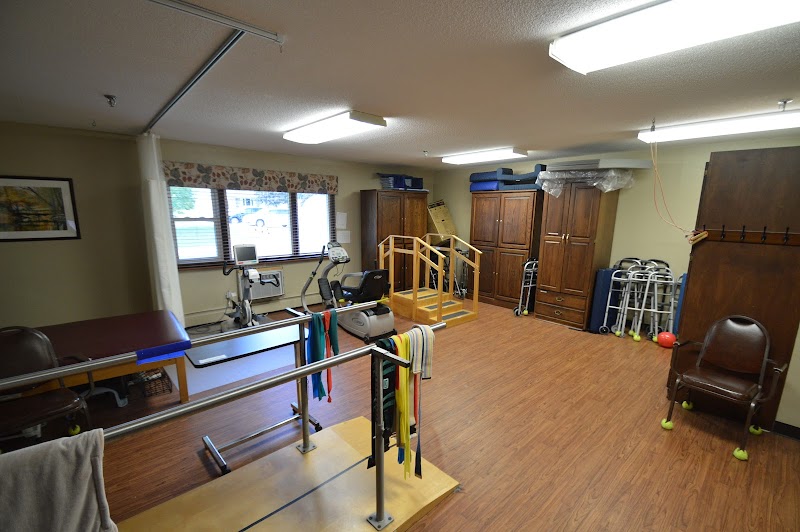
How is Manly Specialty Care Staffed?
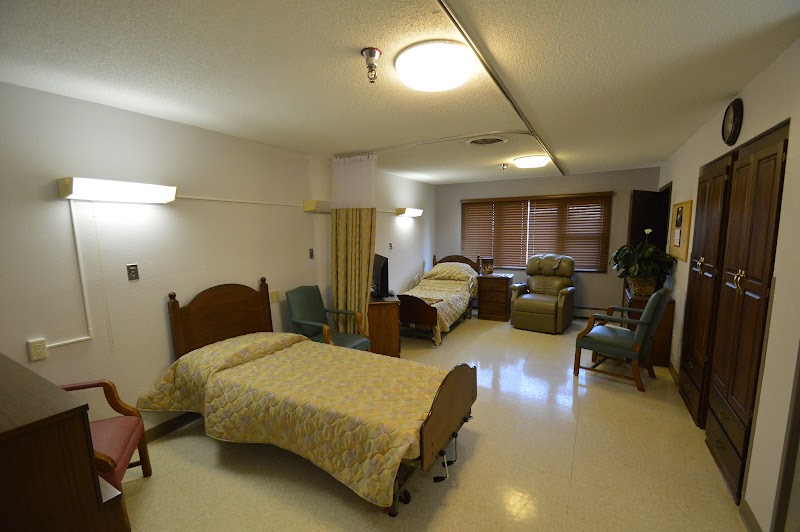
CMS rates Manly Specialty Care's staffing level at 5 out of 5 stars, which is much above average compared to other nursing homes. Staff turnover is 31%, compared to the Iowa average of 46%. This relatively stable workforce can support continuity of care.

What Have Inspectors Found at Manly Specialty Care?

State health inspectors documented 22 deficiencies at Manly Specialty Care during 2023 to 2025. These included: 1 Immediate Jeopardy (the most serious level, indicating potential for serious harm or death) and 21 with potential for harm. Immediate Jeopardy findings are rare and represent the most serious regulatory concerns. They require immediate corrective action.

Who Owns and Operates Manly Specialty Care?

Manly Specialty Care is owned by a non-profit organization. Non-profit facilities reinvest revenue into operations rather than distributing to shareholders. The facility is operated by CARE INITIATIVES, a chain that manages multiple nursing homes. With 43 certified beds and approximately 38 residents (about 88% occupancy), it is a smaller facility located in MANLY, Iowa.

How Does Manly Specialty Care Compare to Other Iowa Nursing Homes?

Compared to the 100 nursing homes in Iowa, Manly Specialty Care's overall rating (3 stars) is below the state average of 3.1, staff turnover (31%) is significantly lower than the state average of 46%, and health inspection rating (2 stars) is below the national benchmark.

What Should Families Ask When Visiting Manly Specialty Care?

Based on this facility's data, families visiting should ask: "What changes have been made since the serious inspection findings, and how are you preventing similar issues?" "Can I visit during a mealtime to observe dining assistance and food quality?" "How do you handle medical emergencies, and what is your hospital transfer rate?" "Can I speak with family members of current residents about their experience?" These questions are particularly relevant given the facility's Immediate Jeopardy citations.

Is Manly Specialty Care Safe?

Based on CMS inspection data, Manly Specialty Care has documented safety concerns. Inspectors have issued 1 Immediate Jeopardy citation (the most serious violation level indicating risk of serious injury or death). The facility has a 3-star overall rating and ranks #100 of 100 nursing homes in Iowa. Families considering this facility should ask detailed questions about what corrective actions have been taken since these incidents.

Do Nurses at Manly Specialty Care Stick Around?

Manly Specialty Care has a staff turnover rate of 31%, which is about average for Iowa nursing homes (state average: 46%). Moderate turnover is common in nursing homes, but families should still ask about staff tenure and how the facility maintains care continuity when employees leave.

Was Manly Specialty Care Ever Fined?

Manly Specialty Care has been fined $13,627 across 1 penalty action. This is below the Iowa average of $33,215. While any fine indicates a compliance issue, fines under $50,000 are relatively common and typically reflect isolated problems that were subsequently corrected. Families should ask what specific issues led to these fines and confirm they've been resolved.

Is Manly Specialty Care on Any Federal Watch List?

Manly Specialty Care is not on any federal watch list. The most significant is the Special Focus Facility (SFF) program, which identifies the bottom 1% of nursing homes nationally based on persistent, serious quality problems. Not being on this list means the facility has avoided the pattern of deficiencies that triggers enhanced federal oversight. This is a positive indicator, though families should still review the facility's inspection history directly.