Rose Haven Nursing Home
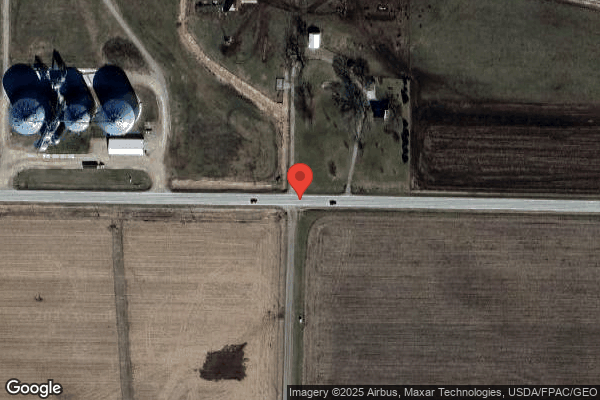
1500 N FRANKLIN AVENUE, MARENGO, IA 52301 (319) 642-5533
For profit - Corporation 58 Beds Independent Data: November 2025 1 Immediate Jeopardy citation
Trust Grade
46/100
#226 of 392 in IA
Last Inspection: October 2024

Within standard 12-15 month inspection cycle. Federal law requires annual inspections.

Overview

Rose Haven Nursing Home has a Trust Grade of D, indicating below-average quality and some concerning issues. It ranks #226 out of 392 facilities in Iowa, placing it in the bottom half, and #4 out of 4 in Iowa County, meaning it is the lowest-ranked option locally. The facility's trend is worsening, with reported issues increasing from 3 in 2024 to 5 in 2025. Staffing is average, with a turnover rate of 42%, which is slightly better than the state average, but the RN coverage is concerning, falling below that of 76% of Iowa facilities. Recent inspector findings included serious incidents, such as a resident being left outside in cold weather due to a failure in supervision, and the facility has been without a permanent Director of Nursing since March 2023, which raises concerns about leadership and oversight. While the nursing home has some strengths, like a decent staffing turnover rate, these significant weaknesses suggest families should carefully consider other options.

Trust Score
D
46/100
In Iowa
#226/392
Bottom 43%
Safety Record
High Risk
Review needed
Inspections
Getting Worse
3 → 5 violations
Staff Stability
○ Average
42% turnover. Near Iowa's 48% average. Typical for the industry.
Penalties
⚠ Watch
$10,062 in fines. Higher than 91% of Iowa facilities. Major compliance failures.
Skilled Nurses
⚠ Watch
Each resident gets only 28 minutes of Registered Nurse (RN) attention daily — below average for Iowa. Fewer RN minutes means fewer trained eyes watching for problems.
Violations
⚠ Watch
26 deficiencies on record. Higher than average. Multiple issues found across inspections.
★★★☆☆
3.0
Overall Rating
★★★☆☆
3.0
Staff Levels
★★★☆☆
3.0
Care Quality
★★★☆☆
3.0
Inspection Score
Stable
2024: 3 issues
2025: 5 issues

The Good

  • Full Sprinkler Coverage · Fire safety systems throughout facility
  • No fines on record
  • Staff turnover below average (42%)

    6 points below Iowa average of 48%

Facility shows strength in fire safety.

The Bad

3-Star Overall Rating

Near Iowa average (3.1)

Meets federal standards, typical of most facilities

Staff Turnover: 42%

Near Iowa avg (46%)

Typical for the industry

Federal Fines: $10,062

Below median ($33,413)

Minor penalties assessed

The Ugly 26 deficiencies on record

1 life-threatening
Mar 2025 5 deficiencies
CONCERN (D) 📢 Someone Reported This

A family member, employee, or ombudsman was alarmed enough to file a formal complaint

Potential for Harm - no one hurt, but risky conditions existed

Resident Rights (Tag F0550)

Could have caused harm · This affected 1 resident

Based on observation, clinical record review, staff and resident interviews and facility policy review the facility failed to treat one out of four residents reviewed in a dignified manor (Resident#5)...

Read full inspector narrative →
Based on observation, clinical record review, staff and resident interviews and facility policy review the facility failed to treat one out of four residents reviewed in a dignified manor (Resident#5). The facility reported a census of 49 residents. Finding include: The Significant Minimum Data Set (MDS) assessment for Resident #5 dated 2/18/25, included diagnoses of neurogenic bladder, pressure ulcer, diabetes mellitus (DM), anxiety, and depression. The MDS reflected Resident#5's Brief Interview for Mental Status score of 15 (intact cognition). The MDS listed Resident#5 dependent on staff for toilet transfers and toilet hygiene. The Care Plan for Resident#5 dated 2/18/25, directed Staff to assist her with toileting upon her request, Resident#5 often preferred to utilize the commode. Staff assist with peri cares (procedure to clean and maintain the genital and anal areas) every AM, PM and as needed with incontinence episodes. On 3/6/35 at 8:30 AM, Resident#5 sat in her room in her wheelchair and she confirmed Staff B, Certified Nurses Aid (CNA) told her to go to the bathroom in her bed if she needed to have a bowel movement (BM) right now. On 3/6/25 at 5:47 AM, Staff G, Registered Nurse (RN) reported Resident#5 told her Staff B, directed Resident#5 to go the the bathroom in her bed. Staff G revealed her shock over that direction from staff. She reported she wrote up Staff B and slid it under the office door for the Director of Nursing to follow up on. On 3/10/25 at 3:16 PM, the Director of Nursing (DON) confirmed she knew that Staff B told Resident#5 to go to the bathroom in her bed. The DON reported she provided verbal education on dignity and explained that is an unacceptable practice. She stated the staff are expected to take the resident to the bathroom. The facility provided documentation of a Five Minute Meeting for Employees dated 1/4/25, that covered the Resident's [NAME] of Rights. Staff G, signed she received the education. The facility provided the Residents' [NAME] of Rights dated 11/2016, it directed facility staff as follows: A facility must treat each resident with respect and dignity and care for each resident in a manner and in an environment that promotes maintenance or enhancement of his or her quality of life, recognizing each resident's individuality. The facility must protect and promote the rights of the resident. The facility must provide equal access to quality care regardless of diagnosis, severity of condition, or payment source.
CONCERN (D) 📢 Someone Reported This

A family member, employee, or ombudsman was alarmed enough to file a formal complaint

Potential for Harm - no one hurt, but risky conditions existed

Report Alleged Abuse (Tag F0609)

Could have caused harm · This affected 1 resident

Based on clinical record review, resident interviews, and facility policy review the facility failed to report an allegation of abuse in a timely manner for 1 out of 4 residents reviewed for abuse ( R...

Read full inspector narrative →
Based on clinical record review, resident interviews, and facility policy review the facility failed to report an allegation of abuse in a timely manner for 1 out of 4 residents reviewed for abuse ( Resident#2). The facility reported a census of 49 residents. Findings include: The Quarterly Minimum Data Set (MDS) assessment for Resident#2 dated 1/24/25, listed diagnoses of respiratory failure, heart failure, and diabetes mellitus. The BIMS reflected a score of 12 (moderate cognitive impairment). The MDS reflected Resident#2 required substantial/maximal assistance with toileting hygiene and partial/ moderate assistance to transfer off the toilet. The Care Plan for Resident#2 dated 8/8/24 directed assist of one staff for transfers, ambulation with walker and toileting. A facility document titled #408 Alleged Abuse dated 3/4/25, Resident#2 reported one of the CNA slammed her down on the toilet over the weekend. The document showed the facility asked eight residents about the care staff provided at the facility. During an interview on 3/4/25 at 12:52 PM, Resident#2 reported one CNA slammed her down on the toilet a few days ago. Resident#2 stated her bottom hurt when it happened. Resident#2 explained she goes in the bathroom with the walker and the wheelchair (w/c). During an interview on 3/6/25 at 09:16 AM, Staff M, CNA/Rehabilitation aid pushed Resident#2 into her room, applied the Gait Belt (GB) above the breasts, assisted her to Stand Pivot Transfer (SPT) with her walker to the recliner in her room. During an interview on 3/10/25 at 11:06 AM Staff O, CNA said she went to get Resident#2's light after lunch last Sunday 3/2/25. She reported Resident#2 told her that someone there threw her on the toilet. Staff O reported she worked with Staff P, CNA on that day. Staff O reported Staff P's tone can seem harsh and short at times. She thought she reported Resident#2's complaint to the nurse right after it happened, but she may not have listened to her. During an interview on 3/10/25 at 11:20 AM, Staff N, CNA, stated She said Staff O, CNA told her that Resident#2 told her that someone slammed her on the toilet on 3/2/25. During an interview on 3/10/25 at 3:24 PM, the Director of Nursing (DON) reported any concerns the staff needed to report and make sure the nurses listened to them. During an interview on 3/10/25 at 3:44 PM, the Administrator stated she expected each staff to report any concerns to the nurse and make sure the nurse listened or report the concern to the DON independently. The facility provided a policy undated titled Nursing Facility Abuse Prevention, Identification, Investigation and Reporting Policy, the policy directed Investigation Protocols: Should an incident or suspected incident of Resident abuse (as defined above) be reported or observed, the administrator or his/her designee will designate a member of management to investigate the alleged incident. The administrator or designee will complete documentation of the allegation of Resident abuse and collect any supporting documents relative to the alleged incident. Review documentation in resident record (including review of assessment if resident injury). Assess the resident for injury if the allegation involves physical or sexual abuse; Provide proper notifications to primary care provider, responsible party, etc. Attempt to obtain witness statements (oral and/or written) from all known witnesses. If there is physical evidence that can be preserved, attempt to do so, and maintain in a safe location to minimize risk of evidence being tampered with. The facility will establish and enforce an environment that encourages individuals to report allegations of abuse without fear of recrimination or intimidation. Following investigation, the Administrator or designated agent will be responsible for forwarding the results of the investigation to the State Agency. This written report shall be forwarded to the Department within five days of the initial report.
CONCERN (D) 📢 Someone Reported This

A family member, employee, or ombudsman was alarmed enough to file a formal complaint

Potential for Harm - no one hurt, but risky conditions existed

Investigate Abuse (Tag F0610)

Could have caused harm · This affected 1 resident

Based on clinical record review, resident interviews, and facility policy review the facility failed to do a thorough investigation into an allegation of abuse for 1 out of 4 residents reviewed Reside...

Read full inspector narrative →
Based on clinical record review, resident interviews, and facility policy review the facility failed to do a thorough investigation into an allegation of abuse for 1 out of 4 residents reviewed Resident#2). The facility reported a census of 49 residents. Findings include: The Quarterly Minimum Data Set (MDS) assessment for Resident#2 dated 1/24/25, listed diagnoses of respiratory failure, heart failure, and diabetes mellitus. The BIMS reflected a score of 12 (moderate cognitive impairment). The MDS reflected Resident#2 required substantial/maximal assistance with toileting hygiene and partial/ moderate assistance to transfer off the toilet. The Care Plan for Resident#2 dated 8/8/24 directed assist of one staff for transfers, ambulation with walker and toileting. A facility document titled #408 Alleged Abuse dated 3/4/25, Resident#2 reported one of the CNA slammed her down on the toilet over the weekend. The document showed the facility asked eight residents about the care staff provided at the facility. During an interview on 3/4/25 at 12:52 PM, Resident#2 reported one CNA slammed her down on the toilet a few days ago. Resident#2 stated her bottom hurt when it happened. Resident#2 explained she goes in the bathroom with the walker and the wheelchair (w/c). During an interview on 3/10/25 at 3:42 PM, the Administrator reported the residents she interviewed after the first incident failed to report further concerns about staff treatment and after the second incident she the resident failed to identify staff mistreatment. The facility provided a list of the current resident's BIMS dated 3/4/25, that included 20 cognitively intact residents. The facility interviewed 13 in reference to staff treatment. The facility failed to provide evidence that an alleged allegation of abuse related to Resident#2 was thoroughly investigated. For example the investigation notes lacked documentation that the discription of the staff member Resident#2 discribed was followed up on. The facility provided a policy undated titled Nursing Facility Abuse Prevention, Identification, Investigation and Reporting Policy, the policy directed Investigation Protocols: Should an incident or suspected incident of Resident abuse (as defined above) be reported or observed, the administrator or his/her designee will designate a member of management to investigate the alleged incident. The administrator or designee will complete documentation of the allegation of Resident abuse and collect any supporting documents relative to the alleged incident. Review documentation in resident record (including review of assessment if resident injury). Assess the resident for injury if the allegation involves physical or sexual abuse; Provide proper notifications to primary care provider, responsible party, etc. Attempt to obtain witness statements (oral and/or written) from all known witnesses. If there is physical evidence that can be preserved, attempt to do so, and maintain in a safe location to minimize risk of evidence being tampered with. The facility will establish and enforce an environment that encourages individuals to report allegations of abuse without fear of recrimination or intimidation. Following investigation, the Administrator or designated agent will be responsible for forwarding the results of the investigation to the State Agency. This written report shall be forwarded to the Department within five days of the initial report.
CONCERN (D) 📢 Someone Reported This

A family member, employee, or ombudsman was alarmed enough to file a formal complaint

Potential for Harm - no one hurt, but risky conditions existed

Accident Prevention (Tag F0689)

Could have caused harm · This affected 1 resident

Based on observation, resident and staff interviews and facility policy review the facility failed to transfer 3 out of 4 residents safely Resident#1, #2, and #5). The facility reported a census of 49...

Read full inspector narrative →
Based on observation, resident and staff interviews and facility policy review the facility failed to transfer 3 out of 4 residents safely Resident#1, #2, and #5). The facility reported a census of 49 residents. Findings include: 1. The Quarterly Minimum Data Set (MDS) assessment for Resident#1 dated 12/10/24, listed diagnoses of pulmonary hypertension (blood pressure in the arteries of the lungs is abnormally high), hyperthyroidism and insomnia. The MDS reflected a Brief Interview for Mental Statues score of 15 (intact cognition). The MDS identified Resident#1 independent with sit to stand and ambulation up to 150 feet. The MDS reflected she needed partial/moderate assistance with toileting hygiene. The Care Plan for Resident#1 dated 9/30/24, identified Resident #1 independent in the facility with her walker, and independent with toileting. Staff assist her as needed upon her request. The Progress Notes for Resident#1 dated 1/4/25 at 9:43 AM, reflected Resident#1 went to the nurse's station and showed Staff I, Licensed Practical Nurse (LPN) a bruise on her left forearm, 3 centimeters (cm) by 2.5 cm, maroon in color. Resident#1 reported that Staff C, Certified Nurses Aid (CNA), caused the bruise by applying to much pressure to her arm. A facility document titled #363 Alleged Abuse dated 1/4/25, revealed Resident#1 reported Staff C, gripped her left forearm hard enough to bruise her, and it hurt her. The document reflected staff member educated on gait belt use for transfers. On 3/6/25 at 11:48 AM, Staff P, CNA placed a gait belt on Resident#1 and walked her out of the dining room, down her hall. On 3/4/25 at 12:23 PM, Resident#1 reported Staff C, CNA walked her out of the bathroom back to her bed. Resident#1 stated Staff C grabbed her arm and squeezed. On 3/5/25 at 10:44 AM, Staff K, Licensed Practical Nurse (LPN) revealed when the CNAs need to boost Resident#1 to stand they go under her arm, when she's up they walk with her Stand By Assist (SBA) they don't need a Gait Belt (GB). On 3/6/25 at 2:35 PM, Staff C, reported the day of the incident she went right to Resident#1's room to get her call light. Staff C said she normally helped Resident#1 sit up on the side of the bed. She wound uncovered her, puts her left arm under legs, her right over legs and pull her legs off the edge of the bed. Resident#1 took her hands to sit up. Staff C revealed she reached her left arm out, Resident#1 reached up with her left arm and took a hold of Staff C's left arm by her elbow. Staff C stated she grabbed Resident#1 arm near her elbow. She revealed she reached her other arm behind her back and pulled Resident#1 up. She confirmed Resident #1 called out in pain. 2. The Quarterly Minimum Data Set (MDS) assessment for Resident#2 dated 1/24/25, listed diagnoses of respiratory failure, heart failure, and diabetes mellitus. The BIMS reflected a score of 12 (moderate cognitive impairment). The MDS reflected Resident#2 required substantial/maximal assistance with toileting hygiene and partial/ moderate assistance to transfer off the toilet. The Care Plan for Resident#2 dated 8/8/24 directed assist of one staff for transfers, ambulation with walker and toileting. On 3/6/25 at 09:16 AM, Staff M, CNA/Rehabilitation aid pushed Resident#2 into her room, applied the GB above the breasts, assisted her to Stand Pivot Transfer (SPT) with her walker to the recliner in her room. On 3/4/25 at 12:52 PM, Resident#2 reported one CNA slammed her down on the toilet a few days ago. Resident#2 stated her bottom hurt when it happened. Resident#2 explained she goes in the bathroom with the walker and the wheelchair (w/c). She said she gets up out of the w/c and wiggled herself to the stool. She reported she's not sure why the CNA came in there to bother her. On 3/5/25 at 11:14 PM, Staff A, CNA, said if the transfer is a stand pivot transfer (SPT) he doesn't always use the GB. Staff A reported Resident#2 needed SPT to the toilet, he said he will clean her up, she stood and sat on her own. On 3/10/25 at 11:06 AM, Staff O reported she doesn't normally a use GB during transfers with Resident#2. 3. The Quarterly MDS assessment for Resident#6 dated 2/18/25, listed diagnoses of heart failure, diabetes mellitus, and respiratory failure. The MDS included a BIMS score of The MDS reflected Resident#6 dependent on staff for chair/bed/toilet transfers. The Care Plan dated 2/20/25, directed transfers with staff assistance of two using a stand lift for all transfers. The facility document titled #397Fall During Staff Assist dated 2/13/25 at 8:45 PM, described two CNAs were in Resident#6's room lifting her up in EZ-stand, and she passed out and fell to the floor. The report reflected Resident#6 failed to remember the fall. The Progress Note dated 2/02/25 at 8:30 PM, revealed staff reported that when they lifted resident up with stand lift, resident slumped forward with her eyes closed and became unresponsive. After lowering resident back down into her recliner, resident began to open her eyes and spook to staff. On 3/10/25 at 12:34 PM, Staff O reported Resident#6 fell to the floor through the stand lift during a transfer. She clarified they grabbed her arms as she fell through the strap and lowered her to the floor. She reported the strap sat at Resident#6's waist or near her breasts she failed to know, she revealed it happened so fast. It was just like how she fell before she went to the hospital. On 3/10/25 at 1:00 PM, the Physical Therapy Assistant reported a resident shouldn't fall from a stand lift if it's all hooked up correctly. On 3/10/25 at 3:21 PM, the Director of Nursing (DON) reported she felt the bruise to Resident#1's left arm resulted from Staff C's lack of gait belt use. The DON stated a resident may fall from the stand lift if they fainted and went limp. On 3/10/25 at 3:44 PM, the Administrator stated she expected Staff to use the gait belt with transfers. Reported Resident#6 failed to fall to the floor she said the staff lowered her to the floor. The facility provided a policy titled Gait Belts dated 12/5/24, identified the purpose: All employees providing direct resident care are required to utilize a gait belt whenever hands on assistance is needed for resident transfer and/or ambulation unless otherwise contraindicated. The facility provided the Stand Lift Operating Instruction dated 1/01, directed the resident needed to bear weight.
MINOR (C) 📢 Someone Reported This

A family member, employee, or ombudsman was alarmed enough to file a formal complaint

Minor Issue - procedural, no safety impact

Deficiency F0865 (Tag F0865)

Minor procedural issue · This affected most or all residents

Based on staff interview, facility record review and facility policy review the facility failed to address previously cited deficiencies in the Quality Assessment and Performance Improvement (QAPI) pr...

Read full inspector narrative →
Based on staff interview, facility record review and facility policy review the facility failed to address previously cited deficiencies in the Quality Assessment and Performance Improvement (QAPI) program. The facility reported a census of 49 residents. Findings include: The Centers for Medicare and Medicaid Services (CMS) Statements of Deficiencies 2567 dated 10/24/24, included violation at F609 and F610. The current survey dated 3/4/25 through 3/10/25 identified the same violation at F609 and F610. Form CMS-2567 dated of 11/13/24, reflected acceptance of your credible allegation of substantial compliance and Plan of Correction. On 3/10/25 at 3:44 PM, the Administrator reported the facility followed up on other previous deficiencies cited. The facility Quality Assessment and Performance Improvement (QAPI) policy undated, that identified: The QAPI plan describes the process for identifying and correcting quality deficiencies. Key components of this process included developing and implementing corrective action or performance improvement activities; and monitoring or evaluating the effectiveness of corrective action/performance improvement activities and revising as needed.
Oct 2024 3 deficiencies
CONCERN (D) 📢 Someone Reported This

A family member, employee, or ombudsman was alarmed enough to file a formal complaint

Potential for Harm - no one hurt, but risky conditions existed

Report Alleged Abuse (Tag F0609)

Could have caused harm · This affected 1 resident

Based on clinical record review, staff interviews and facility policy review the facility failed to follow the facilities abuse policy and procedures after identifying a missing narcotic medication fo...

Read full inspector narrative →
Based on clinical record review, staff interviews and facility policy review the facility failed to follow the facilities abuse policy and procedures after identifying a missing narcotic medication for 1 of 1 resident reviewed (Resident#24). The facility reported a census of 47 residents. Findings include: The Quarterly Minimum Data Set (MDS) assessment for Resident#24 dated 12/7/23 listed diagnoses of cancer, diabetes mellitus, and dementia. The Care Plan for Resident #24 dated 7/13/22, identified a risk for pain related to high blood pressure (HTN), irregular heart beat (A-fib), Coronary Artery Disease, depression, anxiety, cancer of prostate and bone, mood disorder, chronic pain,diabetes, attention deficit hyper activity disorder bipolar disorder, and osteoarthritis (degenerative joint disease). The Care Plan directed, please provide Resident#24 any pain management that my physician ordered and any as needed pain meds as he may need them. The Medication Administration Record (MAR) for Resident#24 dated 1/2024, directed the staff to administer PM medication that included: a. Warfarin Sodium Oral Tablet 7.5 milligrams (mg) give 1 tablet in the evening. b. Metoprolol 50 mg give 1 tablet two times a day. c. Midodrine 5 mg 1 tablet two times a day. d. Senna plus 8.6-50 mg two times a day e. Gabapentin 600 mg 1 tablet three times a day. f. Hydrocodone/acetaminophen 10-325 mg 1 tablet four times a day. The MAR directed acetaminophen 325 MG TABS give 2 tablet every 6 hours as needed. Review of the Nursing schedule dated 1/14/ 24 listed the NURSES: Staff J, Licensed Practical (LPN) worked 6:30 AM-6:30 PM Staff F, LPN worked 6:30 AM- 10:30 PM Staff C, Registered Nurse (RN) worked 6:30 PM- 6:30 AM On 10/23/24 at 8:30 PM, Staff F reported after she learned about the medications in the pill cup in the medication cart she and Staff C, RN figured out the medications were from Resident#24's PM medications. She reported the medication cup failed to include Resident#24's scheduled Hydrocodone/Acetaminophen 10-325 mg, but included an Acetaminophen 500 mg tabled that he lacked an order for. She stated how similar the Acetaminophen and the Hydrocodone tablet looked. The Nursing scheduled dated 1/14/24, listed eight (CNA)'s worked. On 10/24/24 at 9:03AM Staff E, Certified Nurses Aid (CNA) reported he never saw anything with Staff J that he was worried about. Staff J reported the Administrator and the Director of Nursing (DON) failed to talked to him about any incidents on 1/14/24. On 10/24/24 at 9:05 AM, Staff D, CNA reported the Administrator, and DON, and other nurses failed to ask him if he saw anything on 1/14/14 related to medication and or about Staff J. On 10/23/24 at 2:43 PM, Staff H, Previous Administrator stated she worked at the facility from 11/2017 through 5/2024. Staff H reported her investigation of the medication in the medication cart cup that failed to include the Hydrocodone 10/315 milligram (mg) tablet scheduled for Resident #24 included her talking to the nurses and none of the CNA's. On 10/24/24 at 3:00 PM, the Administrator confirmed the medication carts are located at the nurse station all the time and it's possible that one of the other staff may have observed something with the nurse and the narcotic medication. The facility provided a policy titled Nursing Facility Abuse Prevention, Identification, Investigation and Reporting Policy undated, reflected All residents have the right to be free from abuse, neglect, misappropriation of resident property, exploitation, corporal punishment, involuntary seclusion, and any physical or chemical restraint not required to treat the resident's medical symptoms. This includes prohibiting nursing facility staff from taking part in acts that result in person degradation, including the taking or using photographs or recordings in any manner that would demean or humiliate a resident, and prohibits using any type of equipment (e.g., cameras, smart phones, and other electronic devices) to take, keep, or distribute photographs and/or recordings on social media or through multimedia messages. Residents must not be subjected to abuse by anyone, including, but not limited to, facility staff, other residents, consultants or volunteers, staff of other agencies serving the resident, family members or legal guardians, friends, or other individuals. These procedures shall include the screening and training of employees, protection of residents and the prevention, identification, investigation, and timely reporting of abuse, neglect, mistreatment, and misappropriation of property, without fear of recrimination or intimidation. Misappropriation of Resident property means the deliberate misplacement, exploitation, or wrongful temporary or permanent use of a Resident's belongings or money without the Resident's consent. This includes misappropriation or diversion of resident medications. The policy directed the Investigation Protocols Should an incident or suspected incident of Resident abuse (as defined above) be reported or observed, the administrator or his/her designee will designate a member of management to investigate the alleged incident. The administrator or designee will complete documentation of the allegation of Resident abuse and collect any supporting documents relative to the alleged incident. Review documentation in resident record (including review of assessment if resident injury). Assess the resident for injury if the allegation involves physical or sexual abuse; Provide proper notifications to primary care provider, responsible party, etc. Attempt to obtain witness statements (oral and/or written) from all known witnesses. If there is physical evidence that can be preserved, attempt to do so, and maintain in a safe location to minimize risk of evidence being tampered with.
CONCERN (D) 📢 Someone Reported This

A family member, employee, or ombudsman was alarmed enough to file a formal complaint

Potential for Harm - no one hurt, but risky conditions existed

Investigate Abuse (Tag F0610)

Could have caused harm · This affected 1 resident

Based on clinical record review, staff and resident interviews and facility policy review the facility failed to do a thorough investigation into medications found in a medication cup that failed to i...

Read full inspector narrative →
Based on clinical record review, staff and resident interviews and facility policy review the facility failed to do a thorough investigation into medications found in a medication cup that failed to include a prescribed narcotic for 1 out of 1 resident reviewed Resident#24. The facility reported a census of 47 residents. Findings include: The Quarterly Minimum Data Set (MDS) assessment for Resident#24 dated 12/7/23 listed diagnoses of cancer, diabetes mellitus, and dementia. The Care Plan for Resident #24 dated 7/13/22, identified a risk for pain related to high blood pressure (HTN), irregular heart beat (A-fib), Coronary Artery Disease, depression, anxiety, cancer of prostate and bone, mood disorder, chronic pain, diabetes, attention deficit hyper activity disorder bipolar disorder, and osteoarthritis (degenerative joint disease). The Care Plan directed, please provide Resident#24 any pain management that my physician ordered and any as needed pain medication as he may need them. The Medication Administration Record (MAR) for Resident#24 dated 1/2024, directed the staff to administer PM medication that included: a. Warfarin Sodium Oral Tablet 7.5 milligrams (mg) give 1 tablet in the evening. b. Metoprolol 50 mg give 1 tablet two times a day. c. Midodrine 5 mg 1 tablet two times a day. d. Senna plus 8.6-50 mg two times a day e. Gabapentin 600 mg 1 tablet three times a day. f. Hydrocodone/acetaminophen 10-325 mg 1 tablet four times a day. The MAR directed acetaminophen 325 MG TABS give 2 tablet every 6 hours as needed. Review of the Nursing schedule dated 1/14/ 24 listed the NURSES: Staff J, Licensed Practical (LPN) worked 6:30 AM-6:30 PM Staff F, LPN worked 6:30 AM- 10:30 PM Staff C, Registered Nurse (RN) worked 6:30 PM- 6:30 AM On 10/23/24 at 8:30 PM, Staff F reported after she learned about the medications in the pill cup in the medication cart she and Staff C, RN figured out the medications were from Resident#24's PM medications. She reported the medication cup failed to include Resident#24's scheduled Hydrocodone/Acetaminophen 10-325 mg, but included an Acetaminophen 500 mg tabled that he lacked an order for. She stated how similar the Acetaminophen and the Hydrocodone tablet looked. The Nursing scheduled dated 1/14/24, listed eight (CNA)'s worked. On 10/24/24 at 9:03 Staff E, Certified Nurses Aid (CNA) reported he never saw anything with Staff J that he was worried about. Staff J reported the Administrator and the Director of Nursing (DON) failed to talked to him about any incidents on 1/14/24. On 10/24/24 at 9:05 AM, Staff D, CNA reported the Administrator, and DON, and other nurses failed to ask him if he saw anything on 1/14/14 related to medication and or about Staff J. On 10/23/24 at 2:43 PM, Staff H, Previous Administrator stated she worked at the facility from 11/2017 through 5/2024. Staff H reported her investigation of the medication in the medication cart cup that failed to include the Hydrocodone 10/315 milligram (mg) tablet scheduled for Resident #24 included her talking to the nurses and none of the CNA's. On 10/23/24 at 10:44 AM, Resident # 24 reported he failed to remember not getting his med on 1/14/24. He said it sounded familiar but it was a long time ago. The facility policy titled Medication Storage in the facility dated 5/1/22, the director of nursing, in collaboration with the consultant pharmacist, maintains the facility's compliance with federal and state laws and regulations in the handling of controlled substances. Only authorized licensed nursing and pharmacy personnel have access to controlled substances. The policy failed to address the storage of storage of other prescription medications.
CONCERN (E) 📢 Someone Reported This

A family member, employee, or ombudsman was alarmed enough to file a formal complaint

Potential for Harm - no one hurt, but risky conditions existed

Deficiency F0761 (Tag F0761)

Could have caused harm · This affected multiple residents

**NOTE- TERMS IN BRACKETS HAVE BEEN EDITED TO PROTECT CONFIDENTIALITY** 3. The Quarterly Minimum Data Set (MDS) dated [DATE] identified Resident #39 as moderately cognitively impaired with a Brief Int...

Read full inspector narrative →
**NOTE- TERMS IN BRACKETS HAVE BEEN EDITED TO PROTECT CONFIDENTIALITY** 3. The Quarterly Minimum Data Set (MDS) dated [DATE] identified Resident #39 as moderately cognitively impaired with a Brief Interview for Mental Status (BIMS) of 11 out of 15 and had the following diagnoses: Type 2 Diabetes Mellitus without complications, Personal History of other Diseases of the Digestive System, and Acute Posthemorrhagic Anemia. A review of the physician orders active [DATE] revealed the following: a. Humalog KwikPen Subcutaneous Solution Pen-injector 100 UNIT/ML (Insulin Lispro) Inject 13 unit subcutaneously two times a day related to Type Two Diabetes Mellitus without complications. During an observation on [DATE] at 11:25 AM. Staff I, Registered Nurse (RN) informed she was ready to give Resident #39 their insulin. Staff I had already prepared the KwikPen and insulin. Staff I advised she had washed her hands, primed the pen and drew 13 units of insulin and replaced the end cap. Staff I knocked as she entered the resident's room and asked the resident if she was ready for her insulin. It was verified Staff I had 13 units of Humalog prepared and after she washed her hands and cleaned an area on the resident's left lower abdomen, she then gave the injection holding the pen to the skin for approximately 5 seconds after the injection. When Staff I returned to the nursing station the insulin storage area and the the insulin pen outer lid outer lid was observed. The KwikPen was not marked or dated with the date opened. Staff I advised she had not noticed this and would have discarded the undated KwikPen and opened a new one. When asked, Staff I advised although it varies once opened insulin is typically good for 28 days. Staff I advised she should have checked for the expiration date before the insulin was given to the resident. On [DATE] at 12:15 PM Resident #39 Medication Administration Record (MAR) was reviewed. The resident was Humalog KwikPen Subcutaneous Solution Peninjector 100 unit/milliliter (Insulin Lispro) Inject 13 unit subcutaneously two times a day related to type 2 diabetes mellitus without complications (E11.9) was administered by Staff I. On [DATE] at 08:44 AM the Assistant Director of Nursing (ADON) was queried regarding insulin labeling. The ADON advised, the insulin comes from the pharmacy and it is immediately placed in the locked refrigerator. When the insulin is opened it has to be marked and dated as to the date opened. Each individual resident has a container with their name on it and it is locked. Once opened the KwikPens do not have to be refrigerated. Most insulin's are good for 28 days. Humalog is good for 28 days after opened. When it is opened it is a priority that it marked and dated. It is my expectation all nurses must date insulin when opened. Additional education will be provided to all nursing staff. If insulin is not dated it should be discarded immediately. For the safety of the resident we would not want to give an unlabeled, undated or expired medication. On [DATE] at 09:02 AM during an observation with the Assistant Director of Nursing (ADON), all insulin pens for other resident's receiving insulin in the facility were verified they were marked for the dates they were opened without further errors. On [DATE] at 9:30 AM the Director of Nursing (DON) was queried. The DON advised she had been informed of the incident. The DON advised it is her expectation that a pen be dated as soon as it is opened. If it is not dated is should be discarded properly. Additional education to staff will be provided. On [DATE] at 01:21 PM staff I was queried and advised she had not been feeling well and it was an oversight on her part. Staff I shared she did not notice the KwikPen was not dated and should have and that is her fault. The medication should have been thrown out to ensure it had not expired. Staff I advised she went home sick later that day. Staff I shared she had been trained on insulin and the appropriate procedures many times and it was an oversight. The Facility Pharmacy documentation dated [DATE] and titled, Suggested Drug Storage Policies (per manufacturer specification) documents the following: Humalog Vial/Pen: Expiration 28 days. The Facility Policy titled Policy/Procedure: INSULIN PEN ADMINISTRATION documents the following: Procedure: 4. Compare the insulin pen label to the order on the Medication Administration Record a. Check the expiration and opened on date on the pen i. Never use an expired pen ii. If the pen has been open more than 28 days, do not use unless indicated per manufacturers specifications Based on observation, clinical record review, staff interviews and facility policy review the facility failed to store medication in the packaging the medications came in, in the medication cart and stored held in a medication cup for one out of one resident s reviewed, the facility failed to keep one out of one refrigerators locked for 1 out of 3 days and failed to date one out of one insulin pens after staff opened it. The facility reported a census of 47 residents. Findings include: 1. The Quarterly Minimum Data Set (MDS) assessment for Resident#24 dated [DATE] listed diagnoses of cancer, diabetes mellitus, and dementia. The Care Plan for Resident #24 dated [DATE], identified a risk for pain related to high blood pressure (HTN), irregular heart beat (A-fib), Coronary Artery Disease, depression, anxiety, cancer of prostate and bone, mood disorder, chronic pain, diabetes, attention deficit hyper activity disorder bipolar disorder, and osteoarthritis (degenerative joint disease). The Care Plan directed, please provide Resident#24 any pain management that my physician ordered and any as needed pain medications as he may need them. The Medication Administration Record (MAR) for Resident#24 dated 1/2024, directed the staff to administer PM medication that included: a. Warfarin Sodium Oral Tablet 7.5 milligrams (mg) give 1 tablet in the evening. b. Metoprolol 50 mg give 1 tablet two times a day. c. Midodrine 5 mg 1 tablet two times a day. d. Senna plus 8.6-50 mg two times a day e. Gabapentin 600 mg 1 tablet three times a day. f. Hydrocodone/acetaminophen 10-325 mg 1 tablet four times a day. The MAR directed acetaminophen 325 MG TABS give 2 tablet every 6 hours as needed. The facility provided a statement signed by Staff F, Licensed Practical Nurse (LPN) dated [DATE], she wrote on the evening of [DATE] after she completed the bedtime (HS) medication pass in the facility Staff C, Registered Nurse told her one of the residents requested an as needed medication. Staff F revealed while she looked for the resident's medication in the medication cart she found a medication cup that held medication with the first name of Resident#24 on the cup. Staff F reported the medication she found in the cup to the charge nurse and showed her. The nurses determined the medication were from the PM medication pass. The facility provided a statement signed by Staff C, Registered Nurse (RN) dated [DATE], she reported on Sunday [DATE] Staff F reported to her she found medication in the mediation cart that held the name of Resident #24. Staff C reported she and Staff F reviewed the medication with the medication in the medication cart for Resident #24. The facility provided an untitled, undated investigation summary that reflected Staff C, called and notified the Director of Nursing on [DATE] that the other nurse on duty at the facility found a medication cup in the medication cart full of pills. Staff C reported the cup reflected the name of Resident#24. Staff C explained to the Director of Nursing (DON) she and the other nurse checked the medications with the MAR for Resident #24 and the medication appeared from the PM medication pass. On [DATE] at 2:45 PM, Staff H, previous Administrator reported she expected the medication administrated as ordered by the Physician and stored in their original packaging until administered. 2. On [DATE] at 10:00 AM, the three-foot-tall black unlocked refrigerator in the unlocked nurse's area held the locked refrigerator medication box that contained the following: a. Clear 12-inch-long by 4-inch-wide and 4-inch-high box plastic box covered with a white lid labeled Extra Insulin that held several bags that held multiple insulin pens b. The refrigerator held an approximately 10-inch-long by 5-inch-wide and 2 inches deep plastic box labeled Refrig Pen E-Kit, that held: a. Lorazepam (Benzodiazepines) 2 mg/milliliter (ml) oral solution 30 ml. b. Basaglar Kwickpen insulin 3 ml. c. Humalog Kwickpen insulin 3 ml. d. Humulin 70/30 Kwickpen insulin 3 ml. e. Humulin R insulin 3 ml. f. Lantus SoloStaf insulin 3 ml. g. Levemir FlexTouch insulin 3 ml. h. Novolog 70/30 Flexpen insulin 3 ml. i. Novolog Flexpen insulin 3 ml. j. Tresiba 100u/ml insulin 3 ml. On [DATE] at 10:03 AM, the DON observed the unlocked medication refrigerator, she reported she expected the medication refrigerator locked. The DON retrieved Staff B, LPN to show her how to lock the door. The Staff B, reported she must have forgotten to lock the medication refrigerator. Staff B reported being in the fridge about 30 minutes ago. A resident came to the nurse station asked how far the radar is. Staff B asked the resident if she meant microwave. The Resident said yes, she needed coffee reheated. Staff B, said she'd help her. On [DATE] at 11:57 AM, the Administrator confirmed the potential of drug diversion of Insulin and the Lorazepam. The Administrator reported she expected a thorough investigation for missing medications. The facility policy titled Medication Storage in the facility dated [DATE], the director of nursing, in collaboration with the consultant pharmacist, maintains the facility's compliance with federal and state laws and regulations in the handling of controlled substances. Only authorized licensed nursing and pharmacy personnel have access to controlled substances. The policy failed to address the storage of storage of other prescription medications.
Nov 2023 1 deficiency 1 IJ
CRITICAL (J) 📢 Someone Reported This

A family member, employee, or ombudsman was alarmed enough to file a formal complaint

Immediate Jeopardy (IJ) - the most serious Medicare violation

Accident Prevention (Tag F0689)

Someone could have died · This affected 1 resident

**NOTE- TERMS IN BRACKETS HAVE BEEN EDITED TO PROTECT CONFIDENTIALITY** Based on clinical record review, observations, State Climatologist Report, staff and resident interviews, and facility policy re...

Read full inspector narrative →
**NOTE- TERMS IN BRACKETS HAVE BEEN EDITED TO PROTECT CONFIDENTIALITY** Based on clinical record review, observations, State Climatologist Report, staff and resident interviews, and facility policy review, the facility failed to provide adequate supervision to prevent hazards during a temporary modification of a safety intervention. The Maintenance Supervisor turned off the alarm to the southeast outside door to allow workers access to resident areas for repairs and failed to notify nursing staff for 2 1/2 hours. A confused, independently mobile resident exited the door in his wheelchair and was found outside in 36-degree weather at the time of his exit from the building with wind gusts of 24 mph causing a Wind Chill of 27 degrees and no coat to protect him. Estimated time outside of the building was 10-15 minutes. The failure resulted in an Immediate Jeopardy (IJ) to the health and safety of the resident. The facility reported a census of 44 residents. The State Agency informed the facility of the Immediate Jeopardy (IJ) that began as of October 30, 2023 on November 2, 2023 at 10:45 a.m. The facility staff removed the Immediate Jeopardy on October 31, 2023 by implementing the following actions: a. Resident #1 was returned into the facility and an assessment was completed. b. The Door Alarm was immediately armed and checked/verified to ensure that it was in proper working order. c. The Door Alarm policy was updated. d. All staff were educated beginning on 10/31/2023. The scope lowered from J to D at the time of the survey after ensuring the facility implemented education and their policy and procedures updated. Findings Include: The Minimum Data Set (MDS) dated [DATE] for Resident #1 revealed a diagnosis of depression and anxiety, with a Brief Interview for Mental Status (BIMS) score of 7 out of 15, indicating a severe cognitive impairment. The MDS identified Resident #1 utilized a manual wheelchair and was able to independently wheel at least 150 feet in a corridor or similar space. The Care Plan dated 10/4/23 revealed that Resident #1 demonstrated signs of delirium to include inattention and disorganized thinking that may fluctuate at times, depending on alertness. Resident #1 was at risk for elopement due to being able to propel self, depression and anxiety, and disorientation. Resident #1 was to only leave the facility with proper supervision and all exit doors were to be coded, alarmed, tested and monitored daily. During an observation on 11/1/23 at 12:16 PM, Resident #1 was in the south hall, outside of his room in a wheelchair, fully dressed, and wearing a baseball cap. Resident was confused, calm and pleasant. Observation on 11/1/23 at 12:30 PM, Surveyor activated all exit doors, all alarmed and staff responded to the alarms immediately. Progress Notes for Resident #1 dated 10/30/23 at 12:51 PM, documentation by the Director of Nursing (DON) revealed: a. Resident #3 returned to the facility via transport van from an appointment and asked why Resident #1 was outside. b. The DON went outside with a Certified Nursing Assistant (CNA) and brought Resident #1 in the facility. c. The DON performed an assessment and found no redness to face, arms or legs. d. Resident #1 was described as fully dressed with a sweat shirt, pants, socks, shoes and baseball cap. e. Vital Signs: Temperature 97.6, Pulse 81, Respirations 17, Oxygen Saturation 96%, Blood Pressure 129/73. f. Last seen by the [NAME] at 12:10. g. Family and provider notified. h. Temperature outside 40 degrees and sunny. During an interview on 11/1/23 at 11:16 AM, Staff G, CNA, stated she worked on 10/30/23 and was assisting a resident to eat in the assisted dining room when she heard across the radio that Resident #1 was outside. Staff G explained she responded and seen Resident #1 outside on the sidewalk in his wheelchair near the stop sign fully dressed but no coat and was unattended. Staff G reported the DON had responded and assisted Resident #1 back into the building. Staff G stated she was unaware the alarm was disarmed; not sounding and unaware Resident #1 was outside unattended. During an interview on 11/1/23 at 1:32 PM, Staff F, Business Office Manager stated she was working in her office on 10/30/23. Staff F reported about 12:15 PM, Resident #3 was returning from an appointment via the transportation bus, the driver left Resident #3 at the door and left. Staff F stated Resident #3 reported that Resident #1 was outside, Staff F used the radio to report this to staff and the DON responded and ran outside. Staff F stated she called the Administrator and asked what were the next steps to follow. Staff F summoned the Maintenance Supervisor to her office to talk about the door alarm since no door alarms sounded. Staff F explained the Maintenance Supervisor reported that the contract workers were using that door for entrance and he had disabled the alarm. Staff F stated, I made him go immediately to turn it on, I did not know it was off. Staff F stated that if the alarm is disarmed, staff should be monitoring the door, not leave it unattended. Staff F acknowledged, That did not happen in this case. During an interview on 11/1/23 at 1:41 PM, the DON stated she worked on 10/30/23, I was in my office and last time I looked at clock, it was 12:15 PM. The DON reported she overheard Staff F calling on the radio that Resident #1 was outside unattended. The DON explained she responded and found Resident #1 near the gazebo, on the sidewalk, outside the gate that was to be closed and secured. The DON stated Staff G assisted to bring Resident #1 inside to assess the resident, and noted the door alarm did not sound. The DON stated her expectations are that the door alarms are to be active. During an interview on 11/1/23 at 2:08 PM, Staff C, Maintenance Supervisor, stated on 10/30/23 contractors were at the center to replace 2 heating units in the East Hall. Staff C stated 2 men arrived about 9:30 AM, I let them in the southeast wing door, with the gazebo and turned off the alarm. Staff C reported they were in and out the unalarmed door, brought in the tools and units and took out the old units through the same door. Staff C explained, they (contractors) have been here enough and I don't have to stay with them, I don't have to babysit them. Staff C stated he checked on them to see if they needed the power on and the last time he seen them was about 11:15 AM, but did not see them physically leave. Staff C stated, I told them I would take care of the trash so they didn't try to take it in that wind. Staff C reported he took the boxes up the hall, out the front door and went to lunch. Staff C explained Staff F used the radio to call him to the front office and asked why the alarm was not turned on for the southeast hall door. Staff C expressed, I got side tracked. Staff C stated he did not tell anyone the alarm was disabled, and he went right down and turned on the alarm after he talked to Staff F. Staff C reported he performs a test on every door, every morning, Monday through Friday, and Housekeeping Staff checks the alarm doors every weekend. Staff C reported no one was assigned to watch the doors while the alarm was disabled from 9:30 AM to 12:30 PM. During an interview on 11/1/23 at 2:33 PM Staff D, Licensed Practical Nurse (LPN) stated on 10/30/23, worked day shift, I did not hear over the radio that someone was outside and none of the alarms went off. Staff D stated Resident #1 can be confused at times, was confused on 10/30/23. Staff D reported the DON brought Resident #1 in and assessed him. Staff D explained, did not know the Maintenance staff turned off the alarm, and the Nursing Staff unaware the alarms were disabled. Staff D stated the follow up on 11/1/23 was a 5-minute training form that read if an alarm is off that someone will be on the door so no one goes out and she had to sign it. During an interview on 11/2/23 at 12:53 PM, Staff A, Night Cook, stated he was in the dining room on 10/30/23 at 12:05 PM, Resident #1 was in the dining room doorway to East Hall and a staff member moved him as he was blocking the doorway and other residents needed to go through there. Staff A reported he did not see Resident #1 after that, returned to the kitchen about 12:40 PM and was told Resident #1 got outside. Staff A stated he was unaware the alarm was turned off. During an interview on 11/2/23 at 1:41 PM Staff B, Activity Assistant, stated she seen Resident #1 at 12:00 PM, then went to lunch, at 12:15 PM returned to the dining room to assist Staff A to clean up and Resident #1 was not in the dining room. Staff B stated she heard from another staff member that Resident #1 was outside. Staff B stated she was unaware the alarm was disarmed on East Hall and did not hear an alarm sound. On 11/2/23 a phone call to the State Climatologist revealed the local Hourly Weather Observations report for October 2023 provided for 10/30/23 at 12:00 PM, the temp was 36 degrees, wind 15 miles per hour (mph) sustained and 24 peak gusts, with a wind chill of 27 degrees. During an interview on 11/6/23 at 1:45 PM, Resident #3 stated she was returning on the van from an appointment and seen Resident #1 at the street corner getting ready to cross the street. Resident #3 stated she called to him, asked him what he was doing outside, as it was cold out. Resident #3 stated she went in the facility and told the staff Resident #1 was outside. Interview on 11/8/23 at 8:52 AM Staff E, Contracted Worker stated he was at the facility on 10/30/23 about 9:30 AM and installed 2 heating units utilizing the southeast door that was unlocked by the Maintenance Supervisor. Staff E explained The alarm never sounded. Staff E reported he left the building before 11:30 AM and did not see a resident near the exit door. The facility provided a Matrix and identified 26 confused residents, in which 18 are mobile (wheelchair or ambulatory per self) and 10 of those 18 live in East hall (the new wing) where the alarm was turned off at the end of that hall leading to the gazebo. Daily Door Alarm Log dated October 2023 reviewed and a check mark was made every day for every door with an alarm. Date 10/30/23 was initialed by Staff C, Maintenance Supervisor. Policy titled Door Alarms, updated 11/2/23, revealed: a. Facility installed Door Guardian by Secure Care for resident safety. b. Each alarm had a key pad requiring those staff or visitors exiting the door to type in a designated code or alarm will sound. c. Guests leaving are to ask staff for assistance. During an interview on 11/6/23 at 8:53 AM, the Administrator stated her expectation was that the door not be unattended if the alarm was temporarily disabled and to do a count of residents if someone eloped.
Aug 2023 9 deficiencies
CONCERN (D)

Potential for Harm - no one hurt, but risky conditions existed

Deficiency F0561 (Tag F0561)

Could have caused harm · This affected 1 resident

Based on observation, staff and resident interviews, and facility document review the facility failed to promote resident choice in their morning schedule for 1 of 1 residents in the sample (Resident ...

Read full inspector narrative →
Based on observation, staff and resident interviews, and facility document review the facility failed to promote resident choice in their morning schedule for 1 of 1 residents in the sample (Resident #11). The facility reported a census of 46 residents. Findings Include: The Minimum Data Set (MDS) Assessment Tool, dated 8/3/23, listed diagnosis for Resident #11 included: Intestinal adhesions (scar tissue in the bowel) and colostomy, depression and chronic pain. The MDS assessed the resident required extensive assistance of one staff for: bed mobility, and personal hygiene. Total dependence is required for transfers. The MDS documented the resident's Brief Interview for Mental Status (BIMS) score as 15 out of 15, indicating intact cognition. During an observation on 8/27/23 at 11:00 AM, Resident #11 found to be in his bed resting. During an interview on 8/28/23 at 9:29 AM, Resident #11 stated that several staff will not get him up in the morning for breakfast. He stated this often happens on his scheduled shower days. The resident stated he could be left in bed as long as 11:15 AM. The resident stated he has told staff he would rather get up and have breakfast in the dining room with other residents. During an interview on 8/29/23 at 10:58 AM, Staff C, Certified Nursing Assistant (CNA) stated she will assist Resident #11 with getting up by 9:30 AM. She stated there are other staff who do not do this and wait until lunch time to get him up and ready for the day. During an interview on 8/29/23 at 12:07 AM, Staff E, CNA stated there are staff who will not get Resident #11 up out of bed for the day until late as 11:15 AM. During an interview on 8/30/23 at 1:10 PM, the Activity Director (AD) stated Resident #11 likes to get up early and have breakfast with other residents. The AD stated she has observed the resident getting a room tray for breakfast and get out of bed as late as 11: 15 AM. During an interview on 8/30/23 at 2:48 PM, the Administrator stated she expected staff to get residents up in the morning based on the resident's preferred time. When queried if a resident should be kept in bed until their shower time the resident stated it is okay to do this if the resident agrees. The facility document, dated November 2016, titled Residents' [NAME] of Rights informed residents on admission #6. Self-Determination (1) The resident has a right to choose activities, schedules (including sleeping and waking hours), healthcare and providers of health care services consistent with his or her interests, assessments, plan of care and other applicable provisions on this part.
CONCERN (D)

Potential for Harm - no one hurt, but risky conditions existed

Safe Environment (Tag F0584)

Could have caused harm · This affected 1 resident

Based on clinical record review, resident and staff interviews, and facility document review, the facility failed to provide follow up on a discovery of missing personal items for 1 of 2 residents in ...

Read full inspector narrative →
Based on clinical record review, resident and staff interviews, and facility document review, the facility failed to provide follow up on a discovery of missing personal items for 1 of 2 residents in the sample (Resident #18). The facility reported a census of 46 residents. Findings Include: The Minimum Data Set (MDS) Assessment Tool, dated 8/3/23, listed diagnosis for Resident #18 included: essential tremor, anxiety disorder, and polymyalgia rheumatica (muscle pain and stiffness around shoulders and hips). The MDS assessed the resident required extensive assistance of one staff for: bed mobility, transfer, dressing, toilet use and personal hygiene. The MDS documented the resident's Brief Interview for Mental Status (BIMS) score as 15 out of 15, indicating intact cognition. During an interview on 8/28/23 at 11:02 AM, Resident #18 stated several months ago a bracelet went missing from her over the bedside table. The resident stated she had put the bracelet on top of her cell phone. The resident stated she reported this to the Business Office Manager (BOM). A review of the facility Grievance Book lacked documentation of Resident #18 reporting a missing bracelet. During an interview on 8/29/23 at 2:38 PM, the BOM stated she remembered Resident #18 reporting a missing item, either a bracelet or necklace. The BOM stated she could not remember what happened after learning of the missing item. During an interview on 8/29/23 a 2:48 PM, the Administrator stated if a resident reported a missing item she would expect the staff to start the Grievance Process. When queried about the resident's missing bracelet the Administrator stated she does not recall being made aware of this concern. The facility document, dated November 2016, titled Residents' [NAME] of Rights informed residents on admission #10. Grievances (2) The resident has the right to and the facility must make prompt efforts to resolve grievances the resident may have.
CONCERN (D)

Potential for Harm - no one hurt, but risky conditions existed

Deficiency F0657 (Tag F0657)

Could have caused harm · This affected 1 resident

Based on clinical record review, Consultant Pharmacist and staff interviews the facility failed to revise care plans, after a hospitalization and resident falls for 2 of 3 residents in the sample (Res...

Read full inspector narrative →
Based on clinical record review, Consultant Pharmacist and staff interviews the facility failed to revise care plans, after a hospitalization and resident falls for 2 of 3 residents in the sample (Residents #21, and #26). The facility reported a census of 46 residents Findings Include: 1. The Minimum Data Set (MDS) Assessment Tool, dated 8/3/23, listed diagnosis for Resident #21 included: depression, and anxiety disorder. The MDS listed the resident's Brief Interview for Mental Status (BIMS) score as 14 out of 15, indicating intact cognition. During an interview on 8/27/23 at 2:50 PM, Resident #21 stated in June 2023 she had been hospitalized for a problem with her medications. A 6/10/23 Nurse's Note revealed a Certified Nursing Assistant (CNA) reported the resident seemed off. The Nurse Assessment indicated the resident experienced increased confusion, difficulty staying awake, shakiness and crying out in pain. A Physician Order given to transfer the resident to the emergency room (ER) for evaluation and treatment. A 6/16/23 Hospital Discharge Summary revealed an admitting diagnosis of Serotonin Syndrome. Serotonin Syndrome is a serious, potentially fatal drug-induced condition caused by too much Serotonin in the synapses (structures in the nervous system that transmits signals) in the brain. During an interview on 8/29/23 at 10:09 AM, the Consulting Pharmacist stated she had not been informed Resident #18 had been hospitalized and diagnosed with Serotonin Syndrome. The Pharmacist stated she would have been expected to be notified of this situation. The Pharmacist stated she would expect the facility to have also added Serotonin Syndrome history to the Care Plan to alert Nursing Staff and providers of the history, and the resident needs medication changes for depression an or anxiety made very slowly. A review of the Care Plan revealed a lack of revision after the residents 6/10/23 hospitalization for Serotonin Syndrome. 2. The MDS Assessment Tool, dated 8/3/23, listed diagnosis for Resident #26 included: dementia, chronic pain, chronic obstructive pulmonary disease (COPD). The MDS assessed the resident required extensive assistance of one staff for: bed mobility, and transfers. The MDS did not include a BIMS score for the resident. The MDS assessed the resident as not steady and only able to stabilize with staff assistance for moving from seated to standing position, walking, turning around, moving on and off toilet and surface to surface transfer. The Care Plan identified the resident at high risk for falls due to diagnosis of hypertension, edema, chronic kidney disease, dementia, pain in left knee, chronic pain, weakness, gout, obesity, diabetes, and COPD. A review of the clinical record revealed the resident experienced falls on: a. On 6/5/23 - the resident fell in the room between his bed and the recliner after trying to stand up from his wheelchair, without first locking the wheelchair breaks. b. On 6/6/23 - the resident found lying on the floor in his room with his wheelchair behind him, and brakes unlocked. c. On 8/21/23 - the resident found on the floor in front of his bed. A review of the Care Plan revealed a lack of revised interventions to address the cause of falls experienced on 6/5/23, 6/6/23, and 8/21/23. During an interview on 8/30/23 at 1:05 PM, the Administrator stated she would expect interventions to be implemented immediately after a fall. She explained the immediate change is listed on the Incident Report, and then added to the Care Plan within one to two days. The Administrator stated the facility does not have a policy for Care Plans and/or Care Plan revisions.
CONCERN (D)

Potential for Harm - no one hurt, but risky conditions existed

Quality of Care (Tag F0684)

Could have caused harm · This affected 1 resident

Based on clinical record review, resident and staff interviews, and facility policy review, the facility failed to implement interventions in a timely manner after a resident made suicide threats for ...

Read full inspector narrative →
Based on clinical record review, resident and staff interviews, and facility policy review, the facility failed to implement interventions in a timely manner after a resident made suicide threats for 1 of 1 residents (Resident #18). The facility reported a census of 46 residents. Findings Include: The Minimum Data Set (MDS) Assessment Tool, dated 8/3/23, listed diagnosis for Resident #18 included: essential tremor, anxiety disorder, and polymyalgia rheumatica (muscle pain and stiffness around shoulders and hips). The MDS assessed the resident required extensive assistance of one staff for: bed mobility, transfer, dressing, toilet use and personal hygiene. The MDS documented the resident's Brief Interview for Mental Status (BIMS) score as 15 out of 15, indicating intact cognition. The Care Plan included a focus area on Mood/Behavior, with the following interventions: A. I do have a major depression diagnosis,and I do get easily anxious. Initiated on 1/5/22. B. I report moods of feeling down, depressed, hopeless, trouble falling asleep,and feeling bad about myself. I need to be told to be positive and to keep a good attitude, Initiated on 1/5/22. During an interview on 8/27/23 at 12:19 PM, Resident #18 stated she had a pair of scissors taken out of her room, and her call light cord replaced with a much shorter one due to making comments about suicide. The resident stated she made a comment that she would hurt herself, but she was not serious. The resident stated she had gone to the emergency room (ER) on 8/15/23 and released back to the facility later the same day. The resident stated she is now on suicide watch, and does not know when she will have the longer call light cord and scissors placed back into her room. A clinical record review revealed: a. A 8/4/23 Nurses'' Note documented the resident stated she will commit suicide if you [the nurse] make me stand up. b. A 8/12/23 Nurses Note late entry documented on 8/11/23 the resident made the statement I have this rope right here if I want to hang myself. The note indicated this is the second statement of suicidal ideation with a plan to staff, and the facility Administrator aware. c. A 8/15/23 Psychosocial Note documented the residents family reached out to the Business Office Manager (BOM) to inform the facility the resident told her husband on the night of 8/14/23 she has scissors right there and it would make a pretty big hole. The scissors were removed. A review of 8/15/23 of Hospital Discharge Summary listed the reason for the residents visit as psych-suicidal. The hospital diagnosed the resident with a urinary tract infection. A Care Plan revision initiated on 8/14/23 documented the resident has a history of making joking comments about being suicidal with the call light cord, and has a shorter cord in the room. During an interview on 8/30/23 at 1:11 PM, the Administrator stated we did make Care Plan changes about the call light cord and the history of the resident making joking comments about suicide. When queried about Care Plan interventions made after a staff documented a late note on 8/12/23 of the 8/11/23 second statement of suicidal ideation with a plan to staff, the Administrator stated she had not been informed of this incident on the date documented. She explained when she learned of the incident on 8/14/23 she did make a change to the shorter cord. The Administrator stated there should have been interventions added after the 8/15/23 threat. The Administrator stated the facility did not implement room checks or other interventions because there was no actual attempt of harm made. When asked if the lack of a Director of Nursing (DON) affected the process of assessment/intervention the Administrator stated she did not know if having a DON would change anything, but agreed the situation is messy. The undated facility policy, titled Suicide described the purpose of the policy to provide guidance to the facility staff when a resident expresses suicidal ideation or when a resident is perceived to be at risk for self injury. Point #7 directed staff to monitor mood and behavior closely.
CONCERN (D)

Potential for Harm - no one hurt, but risky conditions existed

Incontinence Care (Tag F0690)

Could have caused harm · This affected 1 resident

Based on observation, staff interviews, and facility policy review, the facility failed to ensure catheter tubing and bag are situated in a manner to provide possible infection for 1 of 2 residents in...

Read full inspector narrative →
Based on observation, staff interviews, and facility policy review, the facility failed to ensure catheter tubing and bag are situated in a manner to provide possible infection for 1 of 2 residents in the sample (Resident #23). The facility reported a census of 46 residents Findings Include: The Minimum Data Set (MDS) Assessment Tool, dated 8/3/23, listed diagnosis for Resident #23 included: Type 2 diabetes mellitus, and amputation of left lesser toe (not the big toe). The MDS listed the resident's Brief Interview for Mental Status (BIMS) score as 15 out of 15, indicating intact cognition. The Care Plan revealed Resident #23 admitted to the facility with an indwelling Foley catheter During an observation on 8/29/23 at 10:40 AM, noted the resident's catheter bag hooked on to the side of her garbage can, with tubing resting on the floor. During an interview on 8/29/23 at 11:21 AM Staff F, Registered Nurse (RN) stated all catheter bags should be placed below the bladder, and usually placed under a wheelchair seat, or hooked on to the recliner. Staff F stated the bag should not be hooked on to the garbage can, and tubing should never be on the floor as this could cause a potential for an infection. During an interview on 8/29/23 at 12:03 PM, Staff E, Certified Nursing Assistant (CNA) stated all catheter bags should be placed below the bladder. She stated the bag should be hooked under a wheelchair seat, and the tubing put inside the dignity cover so it stays off the floor. Staff E stated she has hooked a catheter bag on the side of the garbage can, but probably this is probably not a good idea. The undated facility policy, titled Catheter Care lacked direction on the placement of the catheter bag and tubing.
CONCERN (D)

Potential for Harm - no one hurt, but risky conditions existed

Deficiency F0882 (Tag F0882)

Could have caused harm · This affected 1 resident

Based on staff interview and the Infection Control Policy review, the facility failed to employ an Infection Preventionist at least part time as required. The facility reported a census of 45 resident...

Read full inspector narrative →
Based on staff interview and the Infection Control Policy review, the facility failed to employ an Infection Preventionist at least part time as required. The facility reported a census of 45 residents Findings Include: In an email dated 8/28/23 at 5:18 PM, the Administrator stated Staff I, Registered Nurse (RN) went on leave on 3/9/23. Staff I, RN was the Infection Preventionist at that time and she planned to return to the position on 6/9/23, but was unable to return due to health concerns. Staff J, RN was the previous Infection Preventionist and had been assisting with Infection Control. The facility hired Staff K, RN as the facility's Assistant Director of Nursing (ADON) and Infection Preventionist on 8/21/23. In an interview in 8/29/23 at 12:40 PM, the Administrator reported the previous Director of Nursing (DON) and Infection Preventionist was staff I, RN. She left work on leave on 3/9/23 and was to return to work on 6/12/23 in the Infection Preventionist role but not the DON role. Staff I remained off work due to health concerns and did not return to either position. The Administrator reported they hired Staff K, RN as the facility's ADON on 8/21/23 and they planned for her to be their new Infection Preventionist. Staff K had been enrolled in the Infection Preventionist class but had not yet started. The Administrator stated they had been using Staff J, RN in the interim and she worked at the facility on an as needed (PRN) basis currently. She was the previous Infection Preventionist prior to Staff I, RN and left in 9/22. In an interview on 8/2923 at 12:43 PM, the Administrator stated the Infection Preventionist was an important role and the expectation was that the role needed to be filled. Review of the facility's Infection Control Policy, stated the Infection Control Nurse would identify issues as they occur with infection and monitor for staff hygiene and techniques and would identify the need for isolation precautions and separation of staff and residents.
CONCERN (E) 📢 Someone Reported This

A family member, employee, or ombudsman was alarmed enough to file a formal complaint

Potential for Harm - no one hurt, but risky conditions existed

Resident Rights (Tag F0550)

Could have caused harm · This affected multiple residents

**NOTE- TERMS IN BRACKETS HAVE BEEN EDITED TO PROTECT CONFIDENTIALITY** 2. The MDS Assessment Tool, dated 8/3/23, listed diagnosis for Resident #11 included: Intestinal adhesions (scar tissue in the b...

Read full inspector narrative →
**NOTE- TERMS IN BRACKETS HAVE BEEN EDITED TO PROTECT CONFIDENTIALITY** 2. The MDS Assessment Tool, dated 8/3/23, listed diagnosis for Resident #11 included: Intestinal adhesions (scar tissue in the bowel) and colostomy, depression and chronic pain. The MDS assessed the resident required extensive assistance of one staff for: bed mobility, and personal hygiene. The MDS documented the resident's BIMS score as 15 out of 15, indicating intact cognition. A clinical record review revealed a Physician Order for colostomy care, with colostomy bag changes twice weekly on shower days. The Care Plan directed staff to assist with emptying the colostomy bag every shift and as needed. During an interview on 8/28/23 at 9:34 AM, the resident stated there are times the colostomy bag will pop off due to a gas build up. The resident stated that when this happens Staff D, CNA has yelled at him to stop playing with the bag. He stated the staff asks why he does this and he has to stop. Resident #11 stated he feels bad when this happens and finds it upsetting. During an interview on 8/29/23 at 8:45 AM, Resident #18 stated she has heard Staff D, CNA yelling at Resident #11 in his room, directly across the hall. During an interview on 8/29/23 at 11:10 AM, Staff F, RN stated staff have expressed irritation when the residents colostomy bag pops off. Staff F stated the resident will pick at the side of the bag, and needs reminders to stop. 3. The MDS Assessment Tool, dated 8/3/23, listed diagnosis for Resident #18 included: essential tremor, anxiety disorder, and polymyalgia rheumatica (muscle pain and stiffness around shoulders and hips). The MDS assessed the resident required extensive assistance of one staff for: bed mobility, transfer, dressing, toilet use and personal hygiene. The MDS documented the resident's Brief Interview for Mental Status (BIMS) score as 15 out of 15, indicating intact cognition. During an interview on 8/27/23 at 12:27 PM, Resident #18 stated Staff D, Certified Nursing Assistant (CNA) hates and yells at her about everything. The resident reported the staff caused her to cry several times. She stated the staff tells her she is left for last to get ready in the morning because she is so slow. The resident stated this makes her feel bad. The resident stated in the last several weeks, Staff D yelled at another staff through the door while assisting her in the restroom. The resident stated she found this very upsetting. During an interview on 8/28/23 at 4:24 PM, Staff G, CNA stated on 8/13/23 she knocked on Resident #18's door and opened it slightly to ask the resident for her breakfast order. Staff G stated Staff D, CNA started yelling. Stating the resident is using the bathroom and slammed the door. Staff G stated she talked to the resident after the incident and found her crying and very upset. During an interview on 8/30/23 at 9:43 AM, the Activity Director (AD) stated the resident talked to her about the incident that happened between staff on 8/13/23. The AD stated the resident cried and discussed how upsetting she found the situation. During an interview on 8/29/23 at 11:15 AM, Staff F, Registered Nurse (RN) stated Resident #18 has become upset when talking about how several staff talk to her and started crying. Staff F stated the resident sometimes is a pivot transfer and sometimes she uses the EZ Stand (mechanical transfer device). She will refuse to pivot transfer due to discomfort, but she has heard staff continue to try to get her to transfer. This upsets the resident. The Therapy Department developed a statement outlining if the resident refuses a pivot transfer to use the EZ stand. During an interview on 8/29/23 at 2:48 PM, the Administrator stated that there have not been any recent concerns with staff attitude. The Administrator stated staff attitude started to be discussed in Resident Council Meetings in May 2023, and completed education with Staff D, CNA. The Administrator stated she has talked to residents and they stated there has been improvement. Review of Resident Council Notes from the 8/28/23 revealed one resident felt Staff D, CNA improved some. Another resident stated Staff D snapped at everybody. The facility document, dated November 2016, titled Residents' [NAME] of Rights informed residents on admission 1. Residents Rights (1) A facility must treat each resident with respect and dignity and care for each resident in a manner and in an environment that promotes maintenance or enhancement of his or her quality of life, recognizing each residents;s individuality. The facility must protect and promote the rights of the resident. 4. The MDS Assessment Tool, dated 8/3/23, listed diagnosis for Resident #23 included: Type 2 diabetes mellitus, and amputation of left lesser toe (not the big toe). The MDS listed the resident's BIMS score as 15 out of 15, indicating intact cognition. The Care Plan revealed a the resident admitted to the facility with an indwelling Foley catheter During an observation on 8/27/23 at 12:41 PM, the resident's catheter bag lacked a dignity cover. During an observation on 8/29/23 at 12:43 PM, the resident's catheter bag lacked a dignity cover. During an interview on 8/29/23 at 11:21 AM Staff F, RN stated all catheter bags should be placed and kept in a dignity bag. During an interview on 8/29/23 at 12:03 PM, Staff E, Certified Nursing Assistant (CNA) stated all catheter bags should be placed and kept in a dignity bag. The undated facility policy, titled Catheter Care lacked direction on the use of a dignity cover for an indwelling catheter urine collection bag. Based on observations, clinical record review, family, resident and staff interviews, and also facility document and policy review, the facility failed to provide privacy during personal cares, speak to residents in a respectful and dignified manner, and provide a dignity bag covering for a resident with an indwelling catheter for 4 of 5 residents reviewed (Residents #11, #18, #23 and #27). The facility reported a census of 45 residents. 1. During an observation on 8/27/23 at 2:06 PM, Resident #27 was lying in bed without clothes, no depend on, moaning loudly and the door to the hall was open. During the continuous observation on 8/27/23 at 2:32 PM, Staff A, Maintenance Manager and Staff G, Activity Assistant, walked past the open door and looked in to Resident #27's open door, and did not intervene. Resident #27 continued to moan loudly. During an observation on 8/27/23 at 2:38 PM Staff B, Certified Nursing Assistant (CNA), entered Resident #27's room and shut the door. The Minimum Data Set (MDS) dated [DATE] revealed Resident #27 had a diagnosis of brain injury and cerebral vascular accident (CVA, a stroke) and required assistance of 2 persons for bed mobility, transfers, dressing and personal hygiene. The Care Plan dated 8/10/23 revealed Resident #27 had an activity of daily living self-care performance deficit and directed staff to dress, groom, provide peri care after incontinence episodes every morning, evening and as needed. During an interview on 8/29/23 at 10:45 AM, Staff C, CNA stated they leave Resident #27's shirt and depends on when he's in bed during the day, but the shirt is removed at night as Resident #27 get's hot. During an interview on 8/29/23 at 11:57 AM, Staff E, CNA stated she worked on 8/27/23 day shift and transferred Resident #27 to bed with Staff D, CNA. Staff E stated, We removed his pants, changed him since his shirt was soaking wet from lunch, and provided peri care, then covered him with his blanket. Staff E stated, I absolutely would not leave him in bed naked, ever. During an interview on 8/29/23 at 11:20 AM, Staff D, CNA stated she had assisted to transfer Resident #27 to bed on 8/27/23 and he was dressed in a shirt and depend when she left at 2:00 PM. During an interview on 8/29/23 at 11:18 AM, Staff H, Licensed Practical Nurse (LPN) stated she worked on 8/27/23 and did not know Resident #27 was laying in bed naked with the door open to the hall. During an interview on 8/29/23 at 3:02 PM, Staff G, Activity Assistant stated, I have never seen him (Resident #27) in bed naked until Sunday (8/27/23) and I don't know why. During an interview on 8/29/23 at 11:09 AM Staff F, Registered Nurse (RN) stated her expectation would be that no residents would be left in bed naked, alone with the door open to the hall. During an interview on 8/29/23 at 2:51 PM, the Administrator reported, would expect that the staff would not leave a resident naked in bed.
CONCERN (F)

Potential for Harm - no one hurt, but risky conditions existed

Deficiency F0727 (Tag F0727)

Could have caused harm · This affected most or all residents

**NOTE- TERMS IN BRACKETS HAVE BEEN EDITED TO PROTECT CONFIDENTIALITY** Based on staff interview and Facility Assessment review, the facility failed to employ a Registered Nurse (RN) to serve as the D...

Read full inspector narrative →
**NOTE- TERMS IN BRACKETS HAVE BEEN EDITED TO PROTECT CONFIDENTIALITY** Based on staff interview and Facility Assessment review, the facility failed to employ a Registered Nurse (RN) to serve as the Director of Nursing (DON) since March 9, 2023. The facility reported a census of 45 residents. Findings include: In an interview on 8/29/23 at 12:40 PM, the Administrator reported the facility did not currently employ a Director of Nursing (DON). She reported the previous DON and Infection Preventionist was staff I, Registered Nurse (RN). Staff I, RN went on leave and was to return on 6/12/23 into the Infection Preventionist role but did not plan to return to the DON role. She stated the facility had been without a DON since 3/9/23. The Administrator stated the facility had been actively trying to hire a new DON but had not been successful to this point and none of the current facility RN's were interested in taking the position. She stated the facility considered hiring an interim DON but the hourly cost was significant and she felt it was cost prohibitive and the facility could not afford it. The facility had a DON hired as of 6/16/23 but the RN called and rescinded the offer 1 week before the start date. The Administrator reported she had one interview for the position scheduled. The Administrator stated the facility hired an Assistant Director of Nursing (ADON) on 8/21/23. In an interview on 8/29/23 at 12:43 PM, the Administrator stated the DON is a very important role and the expectation was that the role be filled. The Facility assessment dated [DATE] stated the number of personnel for the facility was a total of 58. There was to be one (1) DON.
MINOR (C)

Minor Issue - procedural, no safety impact

Deficiency F0868 (Tag F0868)

Minor procedural issue · This affected most or all residents

Based on record review, staff interview, and facility policy review the facility failed to have the required members present at their Quarterly Quality Assurance (QA) Meetings. The facility reported a...

Read full inspector narrative →
Based on record review, staff interview, and facility policy review the facility failed to have the required members present at their Quarterly Quality Assurance (QA) Meetings. The facility reported a census of 45 residents. Findings Include: QA Committee Meetings were conducted on the following dates; 7/21/22, 10/20/22, 1/19/23, 4/20/23, and 7/20/23. Review of the Attendance Sheets for the QA meetings revealed the required members attended the QA meetings on 7/21/22, 10/20/22 and 1/19/23. The Attendance Sheets for the QA Meetings held on 4/20/23 and 7/20/23 revealed the Director of Nursing (DON) and Infection Preventionist (IP) were not in attendance. In an interview on 8/29/23 at 12:55 PM, the Administrator stated it was the expectation that required members attend the meetings when they have active staff in the roles to attend. She stated they currently did not have a DON or part time IP. Per the Quality Assurance/QAPI (Quality Assurance and Performance Improvement), Safety and Disaster Planning, Infection Control policy, all interested individuals are invited to attend these regularly scheduled meetings. QA meeting dates are scheduled no less than quarterly to enable the Medical Director to be present and review and address any concerns that have been identified. The policy did not direct who the required members were to attend the meetings.
May 2023 1 deficiency
CONCERN (E) 📢 Someone Reported This

A family member, employee, or ombudsman was alarmed enough to file a formal complaint

Potential for Harm - no one hurt, but risky conditions existed

Deficiency F0565 (Tag F0565)

Could have caused harm · This affected multiple residents

Based on record review, Resident Council Meeting Minutes review, staff interviews and facility policy review, the facility failed to consider the views of the Resident Council and act promptly upon th...

Read full inspector narrative →
Based on record review, Resident Council Meeting Minutes review, staff interviews and facility policy review, the facility failed to consider the views of the Resident Council and act promptly upon the Grievances of the group concerning issues of treatment from staff. The facility failed to demonstrate their responses and give a rationale for such response. The facility reported a census of 39 residents. Findings Include: A review of the monthly Resident Council Meeting Minutes from September 2022 through April 2023, with an attendance ranging from 5 to 10 residents per meeting revealed the following: a. In September 2022 - The group reported, Staff B, Certified Nurses Assistant (CNA) still has an attitude, needs to focus and do her job. See her yell and snap at people in the dining room. Yells at residents. Staff need to watch their tones and be nice. b. In October 2022-The group stated, Staff B still has an attitude that needs work. Acts like she owns the place. One resident reported she came into his room and yelled at him about morning problems he had, his roommate felt she was very rude and didn't know how the other resident was able to sit there and take it. She comes in with a bad attitude. c. In November 2022 - The group again reported, Staff B still has attitude, yells at people, ordering people around, says nasty remarks. Give's one resident's roommate (expletive deleted) about his incontinence, is really rude, yelled at another resident while getting him up. d. In December 2022 - The group continued to say, Staff B's attitude is still a problem, she yells at people in the dining room, they feel she hates her job. e. In January 2023 - The group commented, Staff B is improving, but still needs work. f. In February 2023 - One resident stated Staff B said to a resident would you want your wife hearing you cry like a baby? g. In March 2023 -The group commented on trouble with Staff B's poor attitude. h. In April 2023 - The group reported still having issues with Staff B yelling and having attitude, comes off crabby. Feels like she snaps at defenseless people. A review of the last Disciplinary Action (written warning) with Staff B dated 3/7/23 regarding concerns identified at Resident Council Meetings with a follow-up date next monthly Resident Council Meeting. In an interview on 5/9/23 at 9:47 AM, Staff F, Housekeeper reported Staff B can be rough and gets irritated real easily when she hears Resident #2 moan and that is the only way he is able to let staff know he needs something. In an interview on 5/10/23 at 9:00 AM, the Social Worker reported a resident (who did not want to be identified) had complained that sometimes day shift aides are very short with her, makes her feel rushed through cares, specifically Staff B, CNA. She has seen Resident Council Meeting Minutes and have seen it addressed there and the Administrator is responsible for following up on those concerns that are brought up. The Administrator has spoken to the staff who work day shift. While the Administrator was on medical leave, the Director of Nursing and the Social Worker had talked to the day shift aides. She also reported the resident mentioned earlier cried about Staff B who will improve after being written up but will revert back to the same behavior. In an interview on 5/10/23 at 10:20 AM, Staff E, Licensed Practical Nurse (LPN) reported a resident (who did not want to be identified) had complained to her about Staff B, that they had a love-hate relationship and would constantly complain about all the things that Staff B would not do for her. In an interview on 5/10/23 at 12:17 PM, the Administrator reported that when she read resident council meeting minutes where they had complained about Staff B, she had been written up twice. She had yelled at residents, she rushes and her tone, saying she's louder than most. She can be gruff and loud. She had a (who did not want to be identified) resident who complained about Staff B. If she repeats the behavior, the next will be her last warning. She had spoken to Staff B and Staff B did not think there was a problem. A review of the facility policy titled: Resident Grievance Policy dated May 2021 documented the following: Policy: To support each resident's right to voice grievances and to assure that the facility seeks a prompt resolution of all grievances regarding the resident's right. Procedure: The facility will identify a Grievance Official who is responsible for overseeing the Grievance Process, receiving and tracking Grievances through to their conclusions; leading any necessary investigations by the facility, maintaining the confidentiality of all information associated with Grievances. The facility will: a. Take immediate action to prevent potential violations of any resident right while the alleged violation is being investigated. b. Ensure that all written Grievances include the date the Grievance was received, a summary statement of the resident's Grievances, the steps taken to investigate the Grievance, a summary of the pertinent findings or conclusions regarding the resident's concerns, a statement as to whether or not the Grievance was confirmed or not confirmed, any corrective action taken or to be taken by the facility as a result of the Grievance and the date the written decision was issued.
Jul 2022 7 deficiencies
CONCERN (D)

Potential for Harm - no one hurt, but risky conditions existed

Deficiency F0565 (Tag F0565)

Could have caused harm · This affected 1 resident

**NOTE- TERMS IN BRACKETS HAVE BEEN EDITED TO PROTECT CONFIDENTIALITY** Based on record review, resident, and staff interviews the facility failed to consider the view's of the Resident Council and ac...

Read full inspector narrative →
**NOTE- TERMS IN BRACKETS HAVE BEEN EDITED TO PROTECT CONFIDENTIALITY** Based on record review, resident, and staff interviews the facility failed to consider the view's of the Resident Council and act promptly upon the grievances of the group concerning issues of treatment from staff. The facility failed to demonstrate their responses and give a rationale for such response. The facility reported a census of 42 residents. Findings Include: The Significant Change Minimum Data Set (MDS) dated [DATE] documented Resident #26 scored a 15 out of 15 for the Brief Interview of Cognitive Status. The MDS documented the resident required assistance of one staff member for transfers, dressing, and personal hygiene. On 06/26/22 at 3:06 p.m., the resident reported Staff A, Certified Nurses Aide (CNA) and Staff E, CNA can be mean and bossy to the residents, and it had been brought up at several Resident Council Meetings but nothing gets done about it. The Resident reported that when those staff are down your hallway you know it's not going to be a good day. An email dated 6/29/22 at 3:23 p.m. from the facility Administrator, documented that there had been no documentation found about Staff A or Staff E being talked to about concerns from Resident Council. The Resident Council Notes dated 7/2021, 9/2021, 10/2021, 3/2022, and 4/2022 documented concerns about Staff A and Staff E. On 6/29/22 2:15 p.m., the Activity Director reported that she did conduct the Resident Council Meetings for the last year, and different residents had complained about Staff A, CNA and Staff E, CNA on a consistent basis. The Activity Director reported that the information from the Resident Council Notes are taken to the morning meeting and the Department Heads are to write down their plan for following up on the concerns. On 7/6/22 at 10:05 a.m., Staff G, Registered Nurse (RN) reported that Staff A and Staff E could work on their customer service. On 7/6/22 at 11:13 a.m., Staff J, CNA reported that Staff A, had a louder tone and some of the residents could take it wrong and Staff J also reported that Staff E, CNA is just louder then other staff. On 6/29/22 at 2:30 p.m., the Administrator reported that she had several conversations with Staff A CNA and Staff E CNA about the concerns of the Resident Council Member Notes. Upon review of Staff A, CNA and Staff A, CNA employee records did not reveal disciplinary actions regarding voiced concerns on the Resident Council Meeting Minutes. The Resident Grievance Policy dated 5/2021 documented the following; When a Grievance or complaint, verbal or written, is expressed by a Resident or Resident Representative the Grievance Official or his/her representative will immediately file a report Grievance/Complaint Record. The grievance/complaint will be reviewed and communication between the Grievance Official or his/her representative on going with the Resident or Resident Representative not less than weekly, until the issue is resolved. The facility will work diligently to resolve the concern within a plausible time frame. Documentation, including dates of the communication will be kept current in a Grievance Book. If requested the Resident or Resident Representative will receive a written decision regarding his or her grievance.
CONCERN (D)

Potential for Harm - no one hurt, but risky conditions existed

Deficiency F0578 (Tag F0578)

Could have caused harm · This affected 1 resident

**NOTE- TERMS IN BRACKETS HAVE BEEN EDITED TO PROTECT CONFIDENTIALITY** Based on clinical record review, policy review, and staff interviews, the facility failed to ensure resident records clearly com...

Read full inspector narrative →
**NOTE- TERMS IN BRACKETS HAVE BEEN EDITED TO PROTECT CONFIDENTIALITY** Based on clinical record review, policy review, and staff interviews, the facility failed to ensure resident records clearly communicated resident wishes for Advance Directives for 1 of 24 residents reviewed for Advance Directives(Residents #39). The facility reported a census of 42 residents. Findings Include: 1. The Minimum Data Set (MDS) Assessment Tool, dated [DATE], listed diagnoses for Resident #39 which included cardiac arrest, anoxic brain damage(brain damage caused by the lack of oxygen), and pulmonary embolism(a blood clot in the lung). The MDS stated the resident's cognition was severely impaired. The resident's Face Sheet, located in the resident's hard chart on [DATE] and dated [DATE] stated the resident was a Full Code. A Care Plan entry, dated [DATE], directed staff to take appropriate measures to attempt to resuscitate the resident if his heart stopped. A [DATE] Facility/Physician Communication form, stated the resident's legal guardian requested the resident be Do Not Resuscitate (DNR) status. The Physician's Orders, signed [DATE] and located in the resident's chart on [DATE], included a section for Code Status which was blank. The resident's hard chart, located at the Nursing Station on [DATE], had a red dot affixed to the outside. A Care Plan entry, dated [DATE], stated the resident was a DNR. The undated facility policy Cardiopulmonary Resuscitation/DNR Order Declaration Form stated the facility would provide Cardiopulmonary Resuscitation (CPR) to residents who chose it. The form provided a choice for residents to select their wishes. During an interview on [DATE] at 2:45 p.m., Staff C, Licensed Practical Nurse (LPN) stated the red dot on the outside of the chart indicated DNR status. During an interview on [DATE] at 2:50 p.m., the Director of Nursing (DON) stated the red dot on the outside of the chart indicated DNR status. She looked at the resident's chart and found a [DATE] order for a DNR per request of the resident's family. The DON stated the documents in the resident's chart (Face Sheet) should reflect the resident's current wishes.
CONCERN (D)

Potential for Harm - no one hurt, but risky conditions existed

Quality of Care (Tag F0684)

Could have caused harm · This affected 1 resident

Based on clinical record review, policy review, and staff interview, the facility failed to carry out assessments and interventions for a resident who did not have a Bowel Movement (BM) for more than ...

Read full inspector narrative →
Based on clinical record review, policy review, and staff interview, the facility failed to carry out assessments and interventions for a resident who did not have a Bowel Movement (BM) for more than 4 days for 1 of 6 residents reviewed for medications (Resident #39). The facility reported a census of 42 residents. Findings Include: 1. The Minimum Data Set (MDS) Assessment Tool, dated 6/9/22, listed diagnoses for Resident #39 which included cardiac arrest, anoxic brain damage (brain damage caused by the lack of oxygen), and pulmonary embolism (a blood clot in the lung). The MDS stated the resident's cognition was severely impaired. The resident's Laxative BM Record documented the resident had a BM on 6/24/22 and did not have a BM on 6/25/22, 6/26/22, 6/27/22, and 6/28/22. The June 2022 Medication Administration Record (MAR) listed the following laxative orders: a. On 3/3/22, an order directed staff to administer polyethylene glycol 17 grams as needed if no BM in 2 days. b. On 3/3/22, an order directed staff to administer magnesium citrate solution cherry 148 milliliters (ml) in 8 ounces of fluid every 3 days as needed if no BM and to repeat if no results in 8 hours. c. On 3/3/22, an order directed staff to administer a bisacodyl 10 milligrams (mg) suppository as needed if no BM in 4 days. d. On 6/27/22, an order directed staff to administer Milk of Magnesia 30 ml's daily as needed for constipation. The MAR lacked documentation staff administered the as needed (PRN) laxatives on 6/26/22, 6/27/22, or 6/28/28. The facility policy Laxatives, reviewed 5/27/09, directed staff to administer Milk of Magnesia on the second day after a BM, a suppository after the third day after a BM, and to contact the physician on the fourth day after a BM. During an interview on 6/29/22 at 9:27 a.m., Staff F, Registered Nurse (RN) stated the Third Shift Nurse filled out a form for the day shift to indicate residents who had not had a BM in 3 days. She stated there was no one on the list currently. During an interview on 6/29/22 at 9:54 a.m., Staff G, RN stated the night shift looked at BM list to determine who did not have a BM. She stated she did not look at the list today. During an interview on 6/29/22 at 10:17 a.m., the Director of Nursing (DON) stated the night nurse reviewed the BM book and if the resident did not have a bowel movement in 2 days, staff should administer Milk of Magnesia. She stated she would look into the situation with Resident #39.
CONCERN (D)

Potential for Harm - no one hurt, but risky conditions existed

Accident Prevention (Tag F0689)

Could have caused harm · This affected 1 resident

**NOTE- TERMS IN BRACKETS HAVE BEEN EDITED TO PROTECT CONFIDENTIALITY** Based on observation, staff interview, and facility policy the facility failed to properly secure an oxygen tank during transpor...

Read full inspector narrative →
**NOTE- TERMS IN BRACKETS HAVE BEEN EDITED TO PROTECT CONFIDENTIALITY** Based on observation, staff interview, and facility policy the facility failed to properly secure an oxygen tank during transport for one of one observation of transport of oxygen, and failed to respond in a timely manner to a chair alarm and transfer a resident per their Care Plan for one of four residents reviewed for accidents (Resident #36). The facility reported a census of 42 residents. Findings Include: 1. On 6/28/22 at approximately 10:10 AM, observation revealed Staff D, Physical Therapy Assistant (PTA) walked in the dining room and carried an oxygen tank, which had not been secured by a holder. Staff D next observed in the East hallway, carried the oxygen tank while unsecured, and had been observed to swing the tank up over their shoulder. On 6/29/22 at 9:36 AM, when queried about how to transport an oxygen tank through the facility, Staff F, Registered Nurse (RN) explained staff would carry it right side up and there was an oxygen closet at the Nursing Station. When queried if the tank should be secured in a holder, Staff F acknowledged the facility had a dolly-type equipment, and if not available they should hold it with both hands to make sure they do not let it slip. On 6/29/22 at 10:36 AM, when queried about how staff should move oxygen tanks, the Director of Nursing (DON) acknowledged staff should be using holders and they had some in the oxygen room. Per the DON, the facility had specific dollies for those. If they didn't have anything and would have to carry it, then the DON acknowledged they would carry it securely. The DON also explained there were bags with a handle. On 6/29/22 at 10:28 AM, the facility Administrator provided an email that the facility did not have an oxygen safety policy. 2. The Minimum Data Set (MDS), dated [DATE], listed diagnoses for Resident #36 which included weakness, low back pain, and Alzheimer's dementia. The MDS identified the resident required limited assistance of 1 staff for bed mobility, and extensive assistance of 1 staff for transfers, walking, dressing, toilet use, personal hygiene, and bathing. The MDS documented the resident not steady and only able to stabilize with staff assistance when moving from seated to standing, walking, moving on and off the toilet, and transferring from surface to surface. The MDS listed the resident's Brief Interview for Mental Status (BIMS) score as 5 out of 15, indicating severely impaired cognition. A 2/22/22 Resident Fall Assessment Sheet stated staff found the resident kneeling at the foot of the bed on his right knee. 3/1/22 Care Plan entries stated the resident was at risk for falls, had a chair alarm in place for added safety, and directed staff to assist with all ambulation and use a bait belt and walker. A 3/29/22 Resident Fall Assessment Sheet stated staff found the resident on the floor in front of the sink. A 4/2/22 Resident Fall Assessment Sheet stated staff heard a crash and found the resident on the floor. The resident sustained a skin tear to the right upper elbow. The Morse Fall Scale, dated 2/28/22, documented the resident at high risk for falling due to factors such as impaired gait and a history of falls. During an observation on 6/28/22 at 12:16 p.m., the resident stood up from a table in the Main Dining Room (MDR) and his chair alarm began to beep loudly. The resident stood in an unstable manner. Staff H, [NAME] was approximately 15 feet from the resident and cleared dishes from another table. Staff H was the only staff member in the dining room at this time. When the resident's alarm began to beep, other residents asked Staff H what that was and she said she didn't know, it must be from over there. Staff H continued to clear dishes and did not alert any other staff of the resident's need for assistance. At the time the alarm sounded, other staff members were in the adjacent Assisted Dining Room (ADR) which was within earshot of the MDR. The resident's alarm continued to sound several times and no staff came into the room from the ADR. The resident continued to stand and take a few steps in an unstable manner and the resident's alarm continued to beep. After several beeps, Staff D, Physical Therapy Assistant (PTA) walked into the room in a non-hurried manner toward the resident. Staff D arrived at the resident and the resident sat back down but then stood up again. Staff D held onto the back of the resident's pants and walked with him to his recliner. Staff D did not place a gait belt on the resident or request a gait belt to utilize from another staff member. Staff D did not attempt to get the resident to sit back down until he obtained a gait belt. After Staff D began to assist the resident Staff A, Certified Nursing Assistant (CNA) came to the threshold of the door between the ADL and MDR. The facility policy Bed/Chair Alarms, dated 10/4/13, stated when an alarm sounded, staff must see to the safety of the resident they were currently working with before they responded to an alarm. During an interview on 6/29/22 at 9:27 a.m., Staff F, Registered Nurse (RN) stated when an alarm sounded, whoever heard it first ran to that person. She stated Resident #36 was antsy and they ran over to him for him to sit down. She stated they were quick with him because he was a fall risk. She stated he required a gait belt and if she didn't have one, she would ask him to sit back down while she acquired one. During an interview on 6/29/22 at 9:54 a.m., Staff G, RN stated when a chair alarm sounded they hoof it to get to that person. During an interview on 6/29/22 at 10:17 a.m., the Director of Nursing (DON) stated she expected staff response to a chair alarm to be immediate. She stated staff should get there as soon as they could. She stated Resident #36 was impulsive and impatient. She stated if the staff member did not have a gait belt, they could call and ask them to bring a gait belt. She stated in a situation like this, there should be a sense of urgency. She stated kitchen staff usually responded to alarms and would stand next to the resident until help arrived. During a phone interview on 7/5/22 at 12:35 p.m., the Administrator stated the facility did not have a policy regarding gait belt use.
CONCERN (D)

Potential for Harm - no one hurt, but risky conditions existed

Deficiency F0692 (Tag F0692)

Could have caused harm · This affected 1 resident

Based on observation, clinical record review, policy review, and staff interview, the facility failed to carry out Registered Dietician (RD) recommendations for 1 of 2 residents reviewed for nutrition...

Read full inspector narrative →
Based on observation, clinical record review, policy review, and staff interview, the facility failed to carry out Registered Dietician (RD) recommendations for 1 of 2 residents reviewed for nutrition( Resident #36). The facility reported a census of 42 residents. Findings Include: 1. The Minimum Data Set MDS) Assessment Tool, dated 6/2/22, listed diagnoses for Resident #36 which included weakness, low back pain, and Alzheimer's dementia. The MDS identified the resident required limited assistance of 1 staff for bed mobility, and extensive assistance of 1 staff for transfers, walking, dressing, toilet use, personal hygiene, and bathing. The MDS listed the resident's Brief Interview for Mental Status (BIMS)) score as 5 out of 15, indicating severely impaired cognition. A 4/22/22 Dietary Recommendations sheet stated the resident had a 5% loss for one month. The Registered Dietician (RD) recommend to continue with a general diet and send super cereal in the am and Ensure (a high calorie supplement) 120 milliliters (ml) three times per day. The sheet documented the following weights: a. For February 2022 = 164.4 pounds (lbs). b. For March 2022 = 155.8 lbs. A 6/7/22 Dietary Recommendation sheet stated the resident had a 8% loss in the last 3 months. The RD recommended to continue with a general diet with Ensure 120 ml 3 times per day. The sheet documented the following weights: a. For February 2022 = 164.4 lbs. b. For March 2022 = 155.8 lbs. c. For April 2022 = 146.8 lbs. d. For May 2022 = 150.6 lbs. An untitled facility list of supplements did not include Ensure for Resident #36. The facility lacked documentation the facility provided the resident with Ensure. Care Plan entries, dated 6/7/22, stated the resident was at risk for nutrition alteration and directed staff to assist with meals and fluids and adjust the diet and snacks in order to improve nutrition. During an observation on 6/28/22 at 11:47 a.m., the resident ate his pumpkin dessert. Staff asked him if he would like anything else and gave him options but he declined. The resident did not have a supplement at the table. The undated facility policy Weight Monitoring, stated the Nursing and Dietary departments would work together to provide calorie supplementation. During an interview on 6/28/22 at 12:29 p.m., Staff C, Licensed Practical Nurse (LPN) stated the kitchen gave the residents Ensure. During an interview won 6/28/22 at 12:35 p.m., Staff I, Dietary Aide listed the residents in the facility who received a supplement. Staff I did not state that Resident #36 received a supplement. During an interview on 6/28/22 at 12:40 p.m., the Dietary Manager provided the surveyor a list of residents who received a supplement. He stated the nurses informed Dietary who received supplements. During an interview on 6/29/22 at 9:27 a.m., Staff F, Registered Nurse (RN) stated the resident did not receive Ensure. During an interview on 6/29/22 at 10:17 a.m., the Director of Nursing (DON) stated she expected the facility should follow through with RD recommendations.
CONCERN (D)

Potential for Harm - no one hurt, but risky conditions existed

Medication Errors (Tag F0758)

Could have caused harm · This affected 1 resident

2. The Minimum Data Set (MDS) assessment for Resident #22 dated 5/19/22 revealed the resident scored 15 out of 15 on the Brief Interview for Mental Status (BIMS) exam, which indicated intact cognition...

Read full inspector narrative →
2. The Minimum Data Set (MDS) assessment for Resident #22 dated 5/19/22 revealed the resident scored 15 out of 15 on the Brief Interview for Mental Status (BIMS) exam, which indicated intact cognition. Per this assessment, the resident had received antianxiety medication for seven of the last seven days. Diagnoses for Resident #22 included anxiety disorder and major depressive disorder. The Care Plan dated 5/25/21 for the resident documented, I am at risk for change in moods due to anxiety and depression disorders. The signed Physician Orders for June 2022 included the following: 5/6/22: Lorazepam Tab 0.5 MG (milligram) Generic for: Ativan 1 tablet by mouth twice daily as needed (PRN) for agitation/anxiety for Anxiety disorder, unspecified. The Medication Administration Record (MAR) dated June 2022 revealed Resident #22 had received a dose of the medication every day between 6/1/22 and 6/28/22. Review of Skilled Daily Nursing Notes from 6/24/22 through 6/29/22 failed to reveal documentation on non-pharmacological interventions attempted prior to administration of PRN Lorazepam. Based on clinical record review, policy review, and staff interview, the facility failed to document non-pharmacological interventions prior to the administration of as needed (PRN) anti-anxiety medications for 2 of 6 residents reviewed for medications (Residents #22 and #39) and failed to ensure a PRN anti-anxiety medication order did not exceed 14 days for 1 of 6 residents reviewed for medications (Resident #39). The facility reported a census of 42 residents. Findings Include: 1. The Minimum Data Set (MDS) Assessment Tool, dated 6/9/22, listed diagnoses for Resident #39 included cardiac arrest, anoxic brain damage(brain damage caused by the lack of oxygen), and pulmonary embolism(a blood clot in the lung). The MDS documented the resident's cognition was severely impaired. The June 2022 Medication Administration Record (MAR) listed a 4/8/22 order for lorazepam (an anti-anxiety medication) 1 milligram (mg) three times per day as needed (PRN) for muscle spasms. The MAR documented the resident received the medication for anxiety 14 times during the period of 6/15/22-6/28/22. Nurses Notes for the period of 6/15/22-6/28/22, lacked documentation of non-pharmacological interventions attempted prior to the administration of the PRN anti-anxiety medication. The May 2022 Physician's Orders listed a 4/9/22 order for lorazepam 1 mg three times per day for muscle spasms. The facility lacked documentation of a subsequent order for the lorazepam after 4/9/22. The undated, untitled facility Pharmacy Template/Policy stated PRN psychotropic medications were limited to 14 days and then required an evaluation to assess the resident's current condition to determine if the medication was still needed. During an interview on 6/29/22 at 9:54 a.m., Staff G, Registered Nurse (RN) stated nurses attempted 3 interventions prior to the administration of PRN anti-anxiety medication and charted the interventions. During an interview on 6/29/22 at 10:17 a.m., the Director of Nursing (DON) stated nurses should document other interventions attempted prior to the administration of PRN anti-anxiety medications. During a phone interview on 7/5/22 at 12:35 p.m., the Administrator stated the facility did not have a policy for non-pharmacological interventions attempted prior to the administration of PRN anti-anxiety medications.
CONCERN (D)

Potential for Harm - no one hurt, but risky conditions existed

Food Safety (Tag F0812)

Could have caused harm · This affected 1 resident

Based on observation, staff interviews, and record review the facility failed to ensure staff did not touch rolls with bare hands while assisting residents with dining for the lunch meal for two of tw...

Read full inspector narrative →
Based on observation, staff interviews, and record review the facility failed to ensure staff did not touch rolls with bare hands while assisting residents with dining for the lunch meal for two of two residents reviewed (Resident #13, Resident #39). The facility reported a census of 42 residents. Findings Include: On 6/26/22 at 12:10 PM, observation revealed Staff B, Certified Nursing Assistant (CNA) touched Resident #13's roll with bare hands, and Staff B spread butter on the roll. Observation on 6/26/22 at 12:13 PM, revealed Staff A, CNA, assisted Resident #39 with the lunch meal in the Assisted Dining Room. Observation revealed Staff A touched the resident's roll with their bare hands. Observation on 6/26/22 at 12:21 PM, revealed Staff A again touched Resident #39's roll with their bare hands. On 6/28/22 at 12:17 PM, when queried if staff should have touched food products with their bare hands, the Assistant Director of Nursing/Infection Preventionist explained they should have been using gloves or tongs, or a glove or fork. On 6/29/22 at 10:35 AM, when queried about the observation of staff who handled rolls with bare hands, the Director of Nursing (DON) acknowledged staff should have encouraged the resident to pick it up, cut it up, staff knew they were not supposed to touch it, and staff could put on a glove. The Facility Policy titled Safety and Sanitation-Section E dated 1998-1999 documented at point #2 - When direct skin contact with food occurs, gloves must be worn. Before handling ready to eat foods such as salads, fruit, sandwiches,meats, breads, or ice, put gloves on as a barrier to the bacteria on hands.
Understanding Severity Codes (click to expand)
Life-Threatening (Immediate Jeopardy)
J - Isolated K - Pattern L - Widespread
Actual Harm
G - Isolated H - Pattern I - Widespread
Potential for Harm
D - Isolated E - Pattern F - Widespread
No Harm (Minor)
A - Isolated B - Pattern C - Widespread

Questions to Ask on Your Visit

  • "What changes have you made since the serious inspection findings?"
  • "Can I speak with families of current residents?"
  • "What's your RN coverage like on weekends and overnight?"

Our Honest Assessment

Strengths
  • • 42% turnover. Below Iowa's 48% average. Good staff retention means consistent care.
Concerns
  • • Multiple safety concerns identified: 1 life-threatening violation(s). Review inspection reports carefully.
  • • 26 deficiencies on record, including 1 critical (life-threatening) violation. These warrant careful review before choosing this facility.
  • • $10,062 in fines. Above average for Iowa. Some compliance problems on record.
  • • Grade D (46/100). Below average facility with significant concerns.
Bottom line: Trust Score of 46/100 indicates significant concerns. Thoroughly evaluate alternatives.

About This Facility

What is Rose Haven Nursing Home's CMS Rating?

CMS assigns Rose Haven Nursing Home an overall rating of 3 out of 5 stars, which is considered average nationally. Within Iowa, this rating places the facility higher than 0% of the state's 100 nursing homes. This mid-range rating indicates the facility meets federal standards but may have areas for improvement.

How is Rose Haven Nursing Home Staffed?

CMS rates Rose Haven Nursing Home's staffing level at 3 out of 5 stars, which is average compared to other nursing homes. Staff turnover is 42%, compared to the Iowa average of 46%. This relatively stable workforce can support continuity of care.

What Have Inspectors Found at Rose Haven Nursing Home?

State health inspectors documented 26 deficiencies at Rose Haven Nursing Home during 2022 to 2025. These included: 1 Immediate Jeopardy (the most serious level, indicating potential for serious harm or death), 23 with potential for harm, and 2 minor or isolated issues. Immediate Jeopardy findings are rare and represent the most serious regulatory concerns. They require immediate corrective action.

Who Owns and Operates Rose Haven Nursing Home?

Rose Haven Nursing Home is owned by a for-profit company. For-profit facilities operate as businesses with obligations to shareholders or private owners. The facility operates independently rather than as part of a larger chain. With 58 certified beds and approximately 48 residents (about 83% occupancy), it is a smaller facility located in MARENGO, Iowa.

How Does Rose Haven Nursing Home Compare to Other Iowa Nursing Homes?

Compared to the 100 nursing homes in Iowa, Rose Haven Nursing Home's overall rating (3 stars) is below the state average of 3.1, staff turnover (42%) is near the state average of 46%, and health inspection rating (3 stars) is at the national benchmark.

What Should Families Ask When Visiting Rose Haven Nursing Home?

Based on this facility's data, families visiting should ask: "What changes have been made since the serious inspection findings, and how are you preventing similar issues?" "Can I visit during a mealtime to observe dining assistance and food quality?" "How do you handle medical emergencies, and what is your hospital transfer rate?" "Can I speak with family members of current residents about their experience?" These questions are particularly relevant given the facility's Immediate Jeopardy citations.

Is Rose Haven Nursing Home Safe?

Based on CMS inspection data, Rose Haven Nursing Home has documented safety concerns. Inspectors have issued 1 Immediate Jeopardy citation (the most serious violation level indicating risk of serious injury or death). The facility has a 3-star overall rating and ranks #100 of 100 nursing homes in Iowa. Families considering this facility should ask detailed questions about what corrective actions have been taken since these incidents.

Do Nurses at Rose Haven Nursing Home Stick Around?

Rose Haven Nursing Home has a staff turnover rate of 42%, which is about average for Iowa nursing homes (state average: 46%). Moderate turnover is common in nursing homes, but families should still ask about staff tenure and how the facility maintains care continuity when employees leave.

Was Rose Haven Nursing Home Ever Fined?

Rose Haven Nursing Home has been fined $10,062 across 1 penalty action. This is below the Iowa average of $33,179. While any fine indicates a compliance issue, fines under $50,000 are relatively common and typically reflect isolated problems that were subsequently corrected. Families should ask what specific issues led to these fines and confirm they've been resolved.

Is Rose Haven Nursing Home on Any Federal Watch List?

Rose Haven Nursing Home is not on any federal watch list. The most significant is the Special Focus Facility (SFF) program, which identifies the bottom 1% of nursing homes nationally based on persistent, serious quality problems. Not being on this list means the facility has avoided the pattern of deficiencies that triggers enhanced federal oversight. This is a positive indicator, though families should still review the facility's inspection history directly.