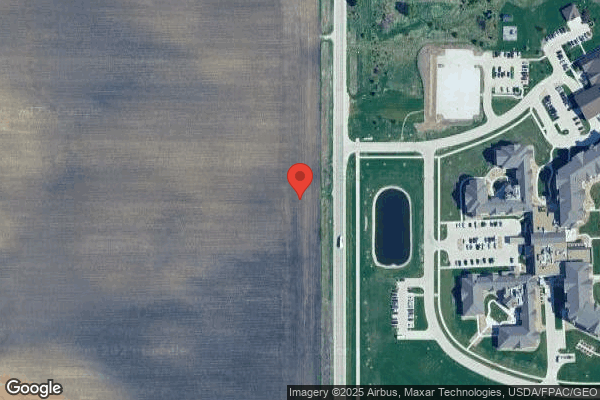
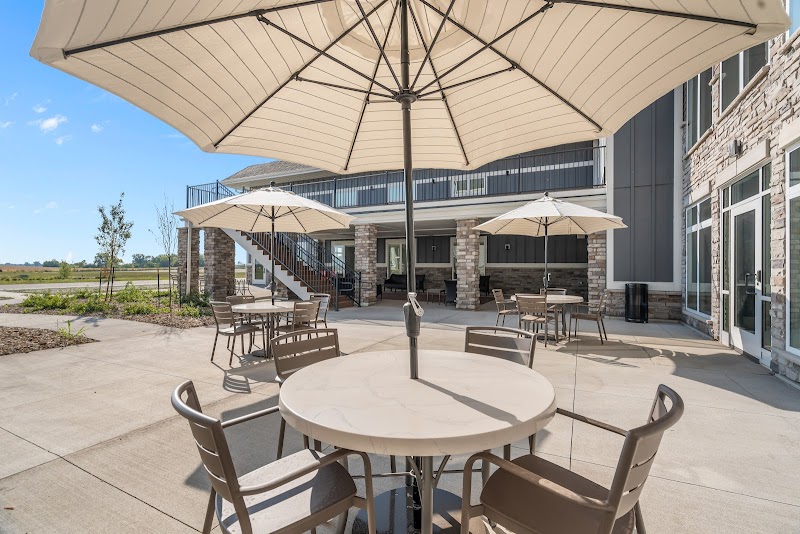
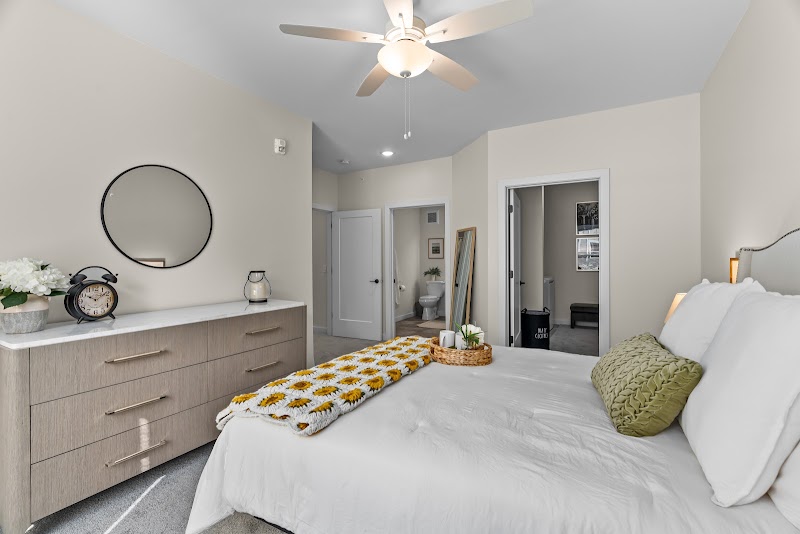
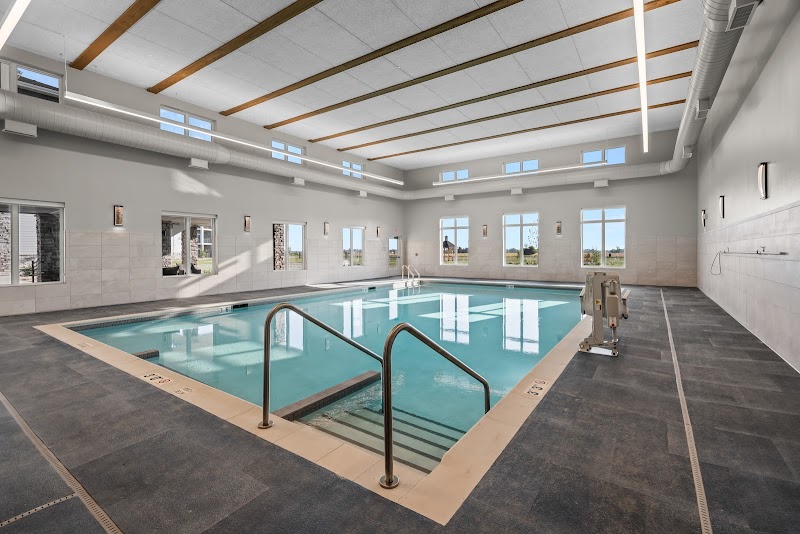
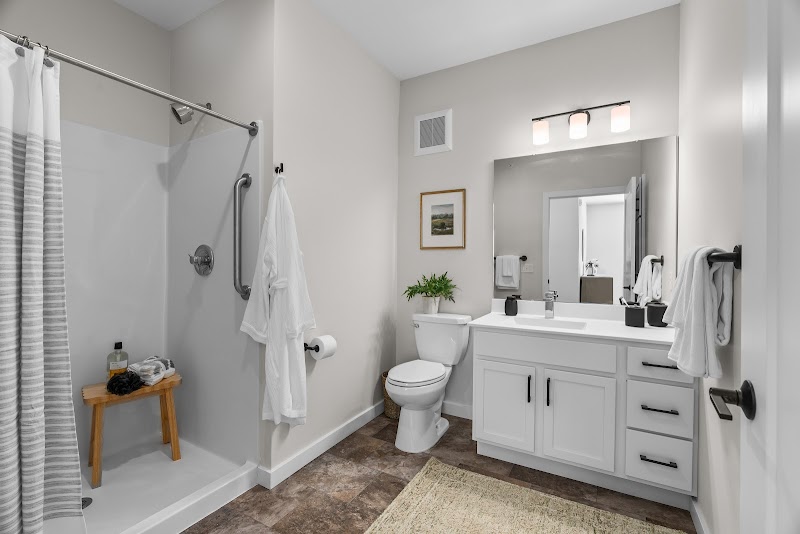
Hallmar Village

8900 C Avenue NE, Marion, IA 52302 (319) 369-4638
Non profit - Corporation 55 Beds PRESBYTERIAN HOMES & SERVICES Data: November 2025
Trust Grade
38/100
#273 of 392 in IA
Last Inspection: September 2024

Within standard 12-15 month inspection cycle. Federal law requires annual inspections.

Overview

Hallmar Village has received a Trust Grade of F, indicating significant concerns about the quality of care provided at this facility. With a state rank of #273 out of 392 in Iowa, they are in the bottom half of facilities, and rank #13 out of 18 in Linn County, meaning there are better local options available. Unfortunately, the facility's trend is worsening, with the number of issues increasing from 6 in 2024 to 7 in 2025. Staffing is a notable strength, holding a perfect 5/5 rating with no turnover, which is well below the Iowa average, suggesting that staff are stable and familiar with the residents. However, the facility has faced $18,400 in fines and has reported serious issues, including a failure to safely transfer residents, which resulted in injuries, and inadequate supervision that led to falls. Overall, while the staffing is commendable, the facility's poor trust grade, increasing issues, and serious incidents raise significant concerns for families considering care options.

Trust Score
F
38/100
In Iowa
#273/392
Bottom 31%
Safety Record
High Risk
Review needed
Inspections
Getting Worse
6 → 7 violations
Staff Stability
○ Average
Turnover data not reported for this facility.
Penalties
⚠ Watch
$18,400 in fines. Higher than 97% of Iowa facilities. Major compliance failures.
Skilled Nurses
✓ Good
Each resident gets 56 minutes of Registered Nurse (RN) attention daily — more than average for Iowa. RNs are trained to catch health problems early.
Violations
⚠ Watch
14 deficiencies on record. Higher than average. Multiple issues found across inspections.
★★☆☆☆
2.0
Overall Rating
★★★★★
5.0
Staff Levels
★☆☆☆☆
1.0
Care Quality
★★☆☆☆
2.0
Inspection Score
Stable
2024: 6 issues
2025: 7 issues

The Good

  • 5-Star Staffing Rating · Excellent nurse staffing levels
  • Full Sprinkler Coverage · Fire safety systems throughout facility
  • No fines on record

Facility shows strength in staffing levels, fire safety.

The Bad

2-Star Overall Rating

Below Iowa average (3.0)

Below average - review inspection findings carefully

Federal Fines: $18,400

Below median ($33,413)

Minor penalties assessed

Chain: PRESBYTERIAN HOMES & SERVICES

Part of a multi-facility chain

Ask about local staffing decisions and management

The Ugly 14 deficiencies on record

3 actual harm
Jul 2025 1 deficiency 1 Harm
SERIOUS (G) 📢 Someone Reported This

A family member, employee, or ombudsman was alarmed enough to file a formal complaint

Actual Harm - a resident was hurt due to facility failures

Accident Prevention (Tag F0689)

A resident was harmed · This affected 1 resident

**NOTE- TERMS IN BRACKETS HAVE BEEN EDITED TO PROTECT CONFIDENTIALITY** Based on observation, clinical record review, facility policy review, and staff interviews, the facility failed to use safe tran...

Read full inspector narrative →
**NOTE- TERMS IN BRACKETS HAVE BEEN EDITED TO PROTECT CONFIDENTIALITY** Based on observation, clinical record review, facility policy review, and staff interviews, the facility failed to use safe transfer techniques when using a mechanical lift to transfer 2 of 3 (Resident #101 and Resident #102) which resulted in one resident incurring bilateral femur fractures. The facility failed to safely transfer 2 of 2 residents (Resident #101 and Resident #102) from the floor after a fall. The facility reported a census of 52 residents. Findings include:1. Review of the Minimum Data Set (MDS) assessment, dated 6/04/25, revealed Resident #101 had a Brief Interview for Mental Status (BIMS) score of 15 out of 15, which indicated intact cognition. The list of diagnoses included type 1 diabetes, congestive heart failure, and neuromuscular dysfunction of the bladder (loss of control due to nerve damage). The MDS indicated Resident #101 dependent for all transfers, which included going from a seated to standing position. The MDS revealed the resident unable to walk and utilized a wheelchair. The MDS documented Resident #101 had no falls since the previous assessment. Review of the Care Plan, date initiated 9/26/23, revealed a Focus area to address I have limited physical mobility d/t (due to) physical weakness DM (diabetes), COPD (chronic obstructive pulmonary disease), ASHD (arteriosclerotic heart disease), HTN (high blood pressure), renal disease and medications. Interventions included, in part:a. Assess my functional ability with bed mobility, transfers, walking, and locomotion upon admission, quarterly, annually, with a significant change and as needed. Date initiated: 10/2/23.b. I wear Draco boot (boot with a hard sole) to left foot with all standing, and blue boot on at other times. Date initiated: 1/4/24.c. PT (Physical Therapy), OT (Occupational Therapy) referrals as ordered, PRN (as needed). Date Initiated: 3/17/25. d. TRANSFERS: I require assist of two with a mechanical full body lift and green sling. Date initiated: 9/26/23.Review of the Care Plan, date initiated 9/26/23, revealed a Focus area to address I am at risk for falls d/t physical weakness, history of falls, diabetes, COPD, ASHD, HTN, renal disease and medications. Interventions included, in part:a. Alert resident of changes to the environment. Date initiated: 9/26/23.b. Be sure my call light is within reach, and encourage her to use it for assistance as needed. Date initiated: 3/17/25. c. Complete a fall risk assessment/evaluation quarterly and as needed. Date initiated: 10/2/23.d. Ensure that I am wearing appropriate footwear. Date initiated: 3/17/25.e. Follow facility fall protocol. Date initiated: 10/2/23f. Give me my pain medication as ordered. Date initiated:10/2/23.g. Orient to new environment, routine, and caregivers. Date initiated: 9/26/23. h. Place call light within reach and answer it promptly. Date initiated: 9/26/23.i. PT (physical therapy) evaluate and treat PRN (as needed). Date initiated: 9/26/23. j. Review information on past falls and attempt to determine the cause of falls. Record possible root causes and alter or remove potential causes if possible. Date initiated: 3/17/25. Review of the clinical record revealed a General Note entered on 6/07/25 at 3:50 AM, which documented This nurse assisted the CNA (Certified Nurse Assistant) with transferring the resident (Resident #101) to the toilet by [NAME] flex (brand name of a sit to stand mechanical device) around 0350 (3:30 AM), resident encouraged to push her call light when finished. Call-light and cell phone in hand. Review of a facility Incident Report, dated 6/07/25 at 5:20 AM, completed by Staff F, Licensed Practical Nurse (LPN), revealed Resident #101 had a controlled landing fall from a mechanical stand lift, in the resident's bathroom, with injuries noted to both right and left knees. The Incident Report identified a causal factor that Resident #101 was unable to support herself with the stand lift due to becoming weak and sliding downwards in the lift. Staff F identified a suggested intervention for Physical/Occupational Therapy to evaluate Resident #101 for an updated transfer status. Review of a General Note entered on 6/07/25 at 5:20 AM, revealed The resident pushed her call-light around 0520 to get off the toilet. This nurse and CNA headed into the residents bedroom to assist her off the toilet and back to her bed. The CNA grabbed the [NAME] flex (lift) and pulled it into the residents bathroom. Before lifting the resident up, this nurse checked the positioning of the resident feet on the [NAME] flex, feet were correctly re-positioned in place on the foot plate. The resident had her orotho shoe and grippy sock on her left foot, and grippy socks on her right foot, residents yellow sling was correctly faceted with both straps and attached to lift, resident red rolled up blanket was positioned in-between her thighs and knees, residents pillow was placed where her knees were resting on the silicone leg support. The resident had her elastic green bands positioned on the handles of the flex. The resident was then lifted from the toilet by this nurse. The resident stated I want to be lifted all the way up in the air. The hoyer was raised all the way up. Wheels were locked in place on the flex and the CNA began peri-care on the resident. the resident was standing for a while and the CNA asked her if she would like to sit, the resident stated I'm okay. The CNA continued peri-care on the resident, the resident then vocalized she needed to sit. We tried to sit the resident down, but her knees had already began to buck and she ended up on her knees on the low footplate of the flex. The resident began having a bowel movement while on her knees. The resident began to yell out ‘My knees, my knees. This nurse told the resident that we needed to lower her off the flex onto the ground and the hoyer (a brand name of a full body mechanical lift, often used to refer to any type of full body mechanical lift) was the safest way to lift her up. The resident refused and began to yell I don't want to use the hoyer, please don't use the hoyer. I educated the resident that the safest way to her off the flex was to lower her down on th ground and that she needs to let of the handles so we can get her knees off the flex. The resident continued to hold onto the handles on the flex. The resident stated ‘she wanted us to lift her up and put her back on the toilet. I explained to the resident that at this time we are unable to lift her. The resident began pleading and screaming no I don't want the hoyer, to pick her up. We called for he [the] second CNA to come and assist with transferring the resident. The resident still wouldn't let go of the handles, we told the resident she had to so we can ger off her knees, when the second CNA entered her room we decided that we would all lift her up as she wasn't trying to get up. The resident finally let go and the CNA grabbed her torso, and this nurse, and the 1st CNA each grabbed her thigh and lifted her back into her bed. We re-positioned the resident back in bed with pillows and blankets. The resident continued to verbalize that [NAME] as in pain and her knees her. The resident facial expressions was grimacing in pain. The nurse offered the resident pain medication several times and she declined. I explained to the resident that I could see she was in a lot of pain, and the medication may take the edge off. The resident agreed. this nurse gave the resident a PRN hydrocodone and a PRN muscle relaxer. VS (vital signs) were taken and a Neuro assessment was completed see VS tab. The resident oxygen fluctuated between 83% - 93%. This nurse auscultated (listed to) the residents lungs and she was diminished in her lower bases. I asked the resident if she would like to go to the ER (emergency room) and she stated The hospital never does anything and I want to settle down for a bit. The resident was given her call-light and the side table was in reach. The CNA staff attempted to do peri-care and the resident declined. This nurse was going to call PCP (primary care provider) and update her on what occurred, will continue to monitor. Review of the clinical record revealed General Noted which documented Resident #101 encouraged to go to the ER on [DATE] at 7:30 AM, 7:50 AM, and 8:35 AM. A General Note entered on 6/07/25 at 11:18 AM, documented CNA called this nurse to the resident's room, the resident requesting to go to the ED (emergency department) as her knee pain is not getting better. Review of a General Note entered on 6/7/25 at 5:26 PM revealed, in part.[name redacted, Resident #101] had been admitted for at least tonight as she has bilateral femur fractures at the knees.Review of a Consult note, dated 6/8/25 at 9:17 AM revealed in part: Chief Complaint: Bilateral leg pain.X-rays of her right knee shows a significantly displaced supracondylar femur fracture. Her bone is extremely osteoporotic.X-rays of her left knee shows a mildly displaced supracondylar femur fracture. Her bone is extremely osteoporotic.Plan: I explained to the patient that her best treatment option for her right leg would be an above-the-knee amputation. She is adamant that she does not want to do that. I did explain to her that fixing this fracture is difficult and trying to get this to heal is difficult and then it would be a lengthy operation and are not sure that she is a surgical candidate with her heart.Review of the hospital Discharge summary, dated [DATE], revealed orders for comfort measures only, re-admission to Nursing Facility, and referral for hospice services. During an interview on 7/08/25 at 3:45 PM, Staff C, CNA, confirmed working on 6/07/25 and had assisted Resident #101 at 5:20 AM with sit to stand lift transfer from toilet. Staff C recalled that Resident #101 typically sat on the toilet for long periods of time and had been very particular about how she liked to transfer in the stand lift. Staff C stated Resident #101 would always use a rolled blanket between her knees and elastic bands on the lift handles and had always refused the leg secure strap (silicone strap used on the sit to stand lift, that goes around the back of legs, and holds lower legs in place). Staff C reported that Resident #101 had also begun using a pillow in front of knees to prevent her knees from touching the lift. Staff C stated that the rolled blanket, pillow in front of knees, elastic bands to handles, and orthopedic boot to left foot were all in place and leg strap was not used during transfer on 6/07/25. Staff C reported that Staff F, LPN, had run the lift controls and lifted resident up from toilet, while Staff C assisted resident with perineal cares following bowel movement. Staff C recalled that Resident #101 had been standing in lift for a long period while cares were performed and Resident #101 was asked if she needed to sit down, to which the resident replied she was okay. Staff C claimed Resident #101's legs then gave out and she slipped downwards, knees landing on the lift foot platform, resident's hands continued to hold onto handles, and sling slid up towards the resident's neck. Staff C explained that herself, and Staff F slowly moved the lift out of bathroom, with the resident still in lift, into the bedroom for more room to assist Resident #101 off the lift. She stated they then called Staff B, CNA into room for additional assistance. Staff C stated Resident #101 continued to refuse to let go of lift handles and was screaming in pain. She stated she and the other 2 staff were able to convince the resident to let go of handles. Staff C explained Staff B held her torso while she and Staff F, LPN removed the sling from lift and then they assisted the resident to the floor next to bed. Staff C stated she then left room and returned with a full body lift and sling to assist Resident #101 up off the floor. Staff C explained Resident #101 refused to use the full body lift. Staff C revealed that Staff F, LPN directed the CNAs to lift Resident #101 into bed without use of mechanical lift. Staff C revealed that Staff B again held Resident #101's torso, while she and Staff F each held a thigh and physically lifted the resident from the floor onto her bed, then repositioned the resident with pillows in bed before leaving the room. During an interview on 7/08/25 at 2:30 PM, Staff B, CNA confirmed working on 6/07/25 at 5:20 AM and was called in to Resident #101's room to assist with fall from mechanical lift. Staff B recalled that upon entering room, she observed that Resident #101 had slid downwards on the sit to stand lift, with sling still attached, resident holding onto the handles, and knees noted to be down on the foot platform. Staff B reported that a regular sized bed pillow also appeared to have slid down during transfer and was noted to be on the foot platform as well. Staff B stated Resident #101 was screaming in pain related to knees, and was holding on to the lift for dear life, afraid to let go of the handles. Staff B recalled she was able to get behind Resident #101 and placed resident's arm around Staff B's shoulder, while sling loops were removed, then all three staff guided Resident #101 down onto the floor next to her bed. Staff B stated Resident #101 had been refusing the full body lift and Staff F, LPN gave direction to physically pick the resident up off the floor. Staff B reported she had again assisted behind Resident #101's torso, Staff C, CNA and Staff F each held a thigh and lifted her into her bed from the floor, then repositioned Resident #101 with pillows where the resident liked before leaving the room. During an interview on 7/09/25 at 3:12 PM, Staff F, LPN, confirmed working as nurse on duty on 6/07/25 at 5:20 AM and assisted with Resident #101's transfer from the toilet using the sit to stand lift with Staff C, CNA. Staff F confirmed that a rolled blanket, hand grips, orthopedic boot to left foot, and pillow in front of knees were used during the sit to stand lift transfer and that leg strap had been omitted. Staff F stated no one had ever put the leg strap on Resident #101 when she transferred in stand lift. Staff F recalled running the lift controls and lifted Resident #101 into a standing position, all the way upright (highest position of handles), while Staff C completed cares on Resident #101. Staff F reported that while Staff C performed cares, Resident #101 denied the need to sit down, then her knees started to go down and she ended up with her knees resting on the lift foot plate. Staff F reported the resident did not want to let go of the lift handles and said that her knees hurt. Staff F stated she called another staff member, Staff B, CNA into the room to assist in getting resident off the lift. Staff F recalled that Staff B stood behind Resident #101 and assisted with holding resident's torso as she and Staff C, CNA removed the sling from lift, and then all three staff members guided Resident #101 onto the floor, laid her on her side. Staff F reported that Resident #101 refused to use the full body lift to assist with getting her up from the floor and into bed, due to knee pain, Staff F stated she decided she and the other two staff members would instead physically lift the resident from the floor to her bed without the full body lift. Staff F, LPN recalled that Staff B, CNA assisted Resident #101 behind her torso while she and Staff C, CNA held each thigh and lifted her from the floor onto the bed. Staff F stated she offered Resident #101 pain medication and hospitalization which were initially both refused. Staff F stated that the resident did decide to accept pain medication but continued to refuse to go to the hospital. Staff F stated a fall assessment was completed after Resident #101 was removed from lift, picked up from the floor, and then put into bed, due to the fall being witnessed and knowing that the resident had not hit her head. Staff F stated that she believed Resident #101 should have been a full body lift for all transfers due to previous transfers in which knees gave out, but resident had refused full body lift and was changed back to sit to stand lift following a prior fall from the lift. During an interview on 7/09/25 at 3:00 PM, the Director of Rehabilitation (DOR), reported therapy had completed a transfer assessment on 12/27/24 and confirmed Resident #101 was able to transfer with a sit to stand lift, with the use of 2 staff and yellow (medium) sized sling. The DOR stated at the time of the assessment, therapy had worked with Resident #101 on standing endurance and maintaining position when mechanical lift is moved. The DOR stated Resident #101 had been assessed and utilized a rolled blanket between knees, an orthopedic boot to left foot, and grips on lift handles. The DOR denied knowledge of Resident #101 using a pillow in front of knees or refusal to use leg strap when transferring with sit to stand lift. The DOR revealed they would expect a new therapy transfer assessment to be completed when modifications are added or removed related to a mechanical lift transfer. The DOR stated therapy had not assessed the use of a pillow in front of knees or omission of leg strap. The DOR stated the use of pillow in front of knees on stand lift might increase her posterior lean but did not believe the pillow would affect her leg position. During an interview on 7/10/25 at 9:30 AM, Staff G, CNA, stated she worked with and transferred Resident #101 several times in the past month. Staff G stated staff had been placing a pillow in front of the resident's knees and did not hook the leg straps when transferring the resident. She stated she had reported a concern regarding the residents' knees not being up against the knee rest due to the use of the pillow, and her concern with the leg strap not being used. Staff G stated she reported these concerns to Staff F, LPN. Staff G reported that Staff F informed her that Resident #101 had requested the modifications to the stand lift and had been transferring like that. Staff G stated that Resident #101's transfers did not look safe and she requested to work on a different floor due to her concerns. Review of the employee files revealed Staff B, CNA; Staff C, CNA; and Staff F, LPN did not have training on the use of a mechanical lift prior to the use of the devices. During an interview on 7/09/25 at 5:00 PM, the Administrator stated the facility identified prior to 5/19/25 the facility had not provided training on the use of mechanical lift training with direct care staff. She stated a mandatory training was held on 5/19/25 to check staff off on the use of both the full body lift and the sit to stand lift. The Administrator stated that Staff B, CNA and Staff C, CNA had been on suspension pending investigation, and would require mechanical lift training prior to returning to work. During an interview on 7/10/25 at 3:30 PM, the Director of Nursing (DON) stated she had been notified on 6/07/25 around 11:00 AM that Resident #101 would be transferred to the hospital due to bilateral lower extremity pain. She stated around 5:00 PM she had been notified of the femur fractures following the fall from the mechanical lift when the resident's knees gave out. The DON reported that she was unaware of modifications (the rolled blanket between legs, elastic bands on handles, pillow in front of knees, or omission of the leg strap) being used on the stand lift when transferring Resident #101. The DON stated she would expect staff to notify her of items added or removed from the lift. The DON stated she would want to know why each item was in place, get therapy involved for an evaluation to make sure transfers were safe, and then get any approved modifications Care Planned. When queried the modifications, the DON stated that no modifications to the stand lift were included in the Care Plan related to transfers for Resident #101. The DON stated that if Resident #101 refused the leg safety strap, the sit to stand lift should not be used, and stated she would provide Resident #101 with a lot of education on the safety purposes of ensuring leg strap was in place during transfers. The DON stated mechanical lift training should be completed during staff orientation, before new hires begin working with residents. The DON reported that Staff F, LPN had been terminated due to failure to appropriately assess Resident #101 when on the floor and failed to utilize a full body lift to pick Resident #101 up from the floor. At 3:40 PM, the DON added the facility had a no lift policy in reference to picking residents up from the floor and expected that a full body lift would be used to assist residents up from the floor following a fall. Review of the undated facility policy titled, Skill Competency: [Brand name redacted] [NAME] Flex Lift, revealed a step to ask or assist the resident to place his or her feet on the foot plate, push the sit to stand lift towards the resident until it gently touches the resident's shin and explained that the leg support is silicone and would adjust itself based on pressure applied by the resident's knees. The document also included a step, prior to transfer, to attach the leg straps and explained that the leg strap was to be attached around the resident's legs, and to ensure the strap was not twisted. 2. Review of the MDS assessment dated [DATE], revealed Resident #102 had both short term and long-term memory problems and cognitive skills for daily decision making were severely impaired. The MDS identified Resident #102 had behaviors such as hallucinations, delusions, physical and verbal symptoms directed towards others which would interfere with resident's care and put resident at risk for physical illness or injury. The MDS revealed that Resident #102 utilized a wheelchair for mobility, was unable to ambulate (walk), and dependent on staff with all transfers. The MDS indicated Resident #102 had two falls without injury, and one fall with injury since the previous assessment. The list of diagnoses included Alzheimer's disease, osteoporosis, and anxiety disorder. Review of the Care Plan, revised date 6/28/25, revealed a Focus area to address I have limited physical mobility, weakness/impaired mobility/self-care abilities, Alz disease/Dementia with mood disturbance/hallucinations/delusions, anxiety, impaired hearing, radiculopathy of lumbar/pain, s/p (post status) fx (fracture) to distal end of left femur (immobilizer prn). Interventions included, in part:a. AMBULATION: I do NOT ambulate. Date initiated: 11/21/23, revised: 6/6/25. b. TRANSFERS: I use a full body lift with assist of 2 and medium (yellow) sling. May have sling under resident. Resident becomes combative when attempting to remove or place. Date initiated: 5/31/24, revised: 6/27/25. The Care Plan also included a Focus area, date initiated 11/23/23, revised 3/27/25 to address I am risk for falls. Cognitive impairment, hearing problems, repeated falls, chronic disease processes/med side effects, hallucinations/delusions. Interventions included, in part:a. Alert resident of changes to environment. Date initiated: 11/21/23.b. I have a non-skid (dycem - name brand of a non-skid material) in my wheelchair. Date initiated: 4/07/25. c. Monitor resident for side effects of medications per policy. Date initiated: 12/08/23. d. Orient to new environment, routine, and caregivers. Date initiated: 11/21/23. e. Place call light within reach and answer promptly. Date initiated: 11/21/23. f. PT evaluate and treat PRN. Date initiated 11/21/23.Review of a Resident Occurrence Report, dated 2/26/25 at 7:15 AM, revealed, in part: a. Location of Occurrence: Bathroomb. Type of Occurrence: Witnessed Fall, Other: assisted fall.c. Nature of injury: None. Medical Attention Required: No. First Aid Required: No.d. Witness/es: Yes. Name: [Redacted, Staff H]. Relationship to resident: CNAe. Analysis as to cause of Occurrence: CNA did not use maxi move with assistance as it was updated yesterday. f. Action to Minimize Reoccurence: update CNA on status change.During an interview on 7/10/25 at 9:45 AM, Staff H, CNA confirmed working with Resident #102 on 2/26/25. Staff H reported that Resident #102 transferred with a mechanical stand lift prior to a hospitalization in February. Staff H stated she was unaware that when the resident returned her transfer status changed. Staff H recalled transferring Resident #102 with stand lift to the bathroom and resident had let go of the lift just before reaching the toilet. Staff H stated Resident #102 slid down to the floor from the stand lift in front of the toilet. Staff H stated that after the fall the nurse informed her Resident #102 was changed to a full body lift. Staff H stated she did not check the Care Plan sheet prior to transferring Resident #102. She added the stand lift sling remained in Resident #102's room.Review of a Resident Occurrence Report, dated 3/13/25 at 3:15 AM, revealed, in part: a. Location of Occurrence: Roomb. Type of Occurrence: Witnessed Fall c. Nature of injury: None. d. Witness/es: Yes. Name: [Redacted, Staff G]. Relationship to resident: CNAe. Analysis as to cause of Occurrence: [no statement on report]f. Action to Minimize Reoccurence: [no statement on report]g. What suggestions do you have to prevent this from occurring again? CNA should read updated Care Plan of the residents every day, start of shift to be updated. During an interview on 7/10/25 at 9:25 AM, Staff G, CNA, confirmed working with Resident #102 on 3/13/25. Staff G reported that she transferred Resident #102 from her bed to a recliner using the mechanical stand lift. She explained upon reaching edge of recliner Resident #102 was unable to sit and instead slid down the front of the recliner onto the floor. Staff G recalled that in shift to shift report she was told that Resident #102 used the stand lift to transfer, and the stand lift sling remained the resident's room. Staff G stated after the fall, the nurse told her Resident #102 was a fully body sling. When queried about Care Plan changes, Staff G reported that the Care Plan sheets were kept at nurse's station and were not always updated timely. During an interview on 7/08/25 at 2:20 PM, Staff I, Clinical Coordinator, stated Care Plan sheets for staff reference are kept at the nurse's station. She explained she would update the sheets with any changes in a resident's care. Review of the electronic health record revealed Resident #102 had the following falls:a. A Resident Occurrence dated 2/11/25 at 4:35 AM, documented an unwitnessed fall out of wheelchair, found in Resident #102's room without injury. Intervention to frequently check on resident and complete a medication review. A Nursing Note entered on 2/11/25 at 6:24 AM, documented Resident b. A Nursing note entered on 4/15/25 at 5:59 AM, documented Resident #102 had unwitnessed fall in her room and was picked up from the floor, physically by a CNA and a Nurse, and transferred to her bed.During an observation on 7/08/25 at 1:45 PM, Resident #102 sat in her wheelchair in the first-floor lounge area with eyes closed and head falling forward. Nursing staff in and out of the area. On 7/10/25 at 9:28 AM, Resident #102 sat in wheelchair in the first-floor lounge area with eyes closed and head falling forward. Nursing staff in and out of the area. At 9:58 AM, a staff member greeted Resident #102 and stated she looked so tired. The resident remained in her wheelchair. During an observation on 7/10/25 at 2:28 PM, Resident #102 sat in wheelchair in the first-floor lounge area with arms forward and head bowed forward, resident's hair at cheeks in front of her face. Nursing staff in and out of the area.During an interview on 7/10/25 at 3:30 PM, the DON stated Resident #102 changed from requiring a one staff assist with a mechanical stand lift transfer to a two staff assist with the mechanical full body lift in February. The DON explained the change had been made due to increased agitation and combative behavior during transfers. When queried about CNA staff not knowing the change in transfer status, The DON stated Care Plan sheets are available at the nurse's station for staff. She added a new system had recently been implemented to electronically update staff of changes made to the Care Plans. The DON stated interventions in place for Resident #102's falls from her wheelchair included non-slip pad to wheelchair, assist her to bed when resident is sleepy, and looked into use of anti-tip bars on wheelchair. 3. During an interview on 7/08/25 at 1:30 PM, Staff A, CNA recalled on 3/08/25 between 6:45 PM and 7:00 PM, Resident #102 needed to use the bathroom. Staff A stated she followed after Staff J, CNA and Staff K, Certified Medication Assistant (CMA) to assist the resident. Staff A explained Resident #102 required a hoyer lift. Staff A stated that when she informed the Staff J and Staff K that she was going to go grab the lift, Staff K stated they didn't have time for that. Staff A stated Staff K then picked Resident #102 up from her wheelchair in a bear hug type hold, with his arms wrapped around the resident's mid-section. Staff A explained neither she or Staff J knew how to react initially and assisted with adjusting Resident #102's clothing for toileting task. Staff A stated that Staff K again assisted Resident #102 off the toilet in a bear hug type hold to transfer her back to the wheelchair as Staff A and Staff J assisted with clothing management. Staff A denied Resident #102 having injury during this transfer. Staff A stated she reported the incident to Charge Nurse, Staff F, LPN. She stated she also wrote a statement of the incident and gave it to DON, as well as a Human Resources staff. Staff A stated she received no follow up. During an interview on 7/10/25 at 2:26 PM, Staff J, CNA stated on 3/08/25, Staff A, CNA asked Staff J to get Resident #102 hooked up to the mechanical lift for transfer to the toilet. Staff J stated that Staff K, CMA, had gone with her into Resident #102's room and Staff A entered the room after. Staff J recalled that Staff K had stated he didn't have time for Staff A to get the mechanical lift and picked Resident #102 up from the wheelchair in a bear hug type hold, with his arms wrapped around the resident's mid-section. Staff J stated Staff K did not use a gait belt or the mechanical lift as required. Staff J stated that she assisted with Resident #102's clothing management as Staff K physically lifted the resident on to and off the toilet. Staff J stated she reported the incident the Charge Nurse, Staff F, wrote a statement of the incident and gave it to the DON, and emailed Human Resources but received no follow up. During an interview on 7/09/25 at 3:12 PM, Staff F, LPN, stated she worked on 3/08/25 and received a report from Staff A, CNA and Staff J, CNA that Staff K, CMA incorrectly transferred Resident #102 by physically lifting her without the use of a mechanical lift when Resident #102 required full body lift. Staff F stated that she confronted Staff K about the transfer of Resident #102 and he responded by saying, they're snitching on me. Staff F stated she wrote a statement of the incident and gave it to the DON but received no follow up. During an interview on 7/10/25 at 12:10 PM, Staff K, CMA confirmed working with Resident #102 approximately 3 months ago. Staff K stated communication related to resident transfer status was through stand-up meetings at the beginning of 1st and 2nd shift or reported verbally between staff. Staff K denied knowledge of resident Care Plan posted at the nurse's station. Staff K revealed that a full body mechanical lift transfer required 2 staff, and a sit to stand mechanical lift transfer would only require 1 staff. Staff K stated he followed Resident #102's transfer status and had not heard of any staff transferring Resident #102 incorrectly. When queried about mechanical lift training, Staff K denied attending any lift training but recalled there may have been a training set up for CNA staff to attend. During an interview on 7/10/25 at 3:12 PM, the DON stated she had a nurse tell her that Staff K, CMA transferred a resident without use of mechanical lift but when queried, Staff K denied such transfer. DON denied having any concerns with Staff K.Review of Staff K, Certified Medication Aide (CMA), employee file lacked documentation of mechanical lift training. Review of the facility policy titled, CC (Care Center) Resident Transfer Assessment Policy, dated April 2025, revealed a Policy statement which declared, in part: The residents.will be properly assessed to assure resi
Apr 2025 2 deficiencies
CONCERN (D) 📢 Someone Reported This

A family member, employee, or ombudsman was alarmed enough to file a formal complaint

Potential for Harm - no one hurt, but risky conditions existed

Resident Rights (Tag F0550)

Could have caused harm · This affected 1 resident

**NOTE- TERMS IN BRACKETS HAVE BEEN EDITED TO PROTECT CONFIDENTIALITY** Based on clinical record review, and staff and resident interviews, the facility failed to ensure 3 of 6 residents reviewed were...

Read full inspector narrative →
**NOTE- TERMS IN BRACKETS HAVE BEEN EDITED TO PROTECT CONFIDENTIALITY** Based on clinical record review, and staff and resident interviews, the facility failed to ensure 3 of 6 residents reviewed were treated with respect and dignity (Residents #2, #3, #7). The facility reported a census of 51 residents. Findings include: 1. On 1/20/2025, Resident #2 had a BIMS (Brief Interview for Mental Status) score of 15, indicating no cognitive impairment. On 3/4/2025 the resident had a score of 10, indicating moderate cognitive impairment. During an interview on 4/29/2025 at 1:00 PM, the resident revealed she reported to the former administrator a concern she had with staff G, C.N.A. The resident observed Staff G assist residents up from dining room chairs in a very harsh manner. Staff G assisted the resident in her room in a rough manner when she asked for bathroom assistance. Staff G told the resident she needed to be independent in her room when she asked for assistance. Staff G jerked the resident up from a seated position without warning or direction. The resident thought the administrator spoke to Staff G but her behavior did not improve, and was glad Staff G no longer worked at the facility. The facility investigation included an interview with Resident #2. The statement included: Staff G is very demanding that I do things on my own and she is not gentle in the shower. She told the resident she could wait when she asked to go to the bathroom. 2. On 3/5/2025, Resident #3 had a BIMS score of 15, indicating no cognitive impairment. During an interview on 4/28/25 at 1:20 pm, the resident voiced she feels the staff do not treat her or others with dignity. She [NAME] they have a lack of sufficient staff as they come in during the night shift and wake her up to complete her weekly skin audits. They wake her up on the night shift to complete her extensive wound treatments, she allows this because otherwise she reports they don't get done. She states when she puts her call light on, the staff will come in and answer it timely but they turn it off stating they will return but do not return, she turns her call light on again as she needs assistance and waits for them to return again. She reports the aides are on their cell phones in her room and some even are listening to music with ear buds when they are providing her cares. Resident #3 stated she recently had an encounter with Staff G, C.N.A., Staff G was rushing one day to get residents up at noon, another staff member requested Staff G help her get Resident #3 up, Staff G, C.N.A. told her she would not assist her, that she had her own people to get up. The resident thought the administrator spoke to Staff G about a concern about a near fall from the Sara lift the resident reported, after this conversation, Staff G entered Resident #3's room called her a liar and stated she would write her up. Resident #3 felt after this incident Staff G purposefully would not answer her call light. 3. The MDS (minimum data set) dated 1/13/2025 revealed Resident #7 had intact cognitive abilities and required extensive staff assistance to transfer from one surface to another. During an interview on 2/28/2025 at approximately 1:00 PM, Resident #7 reported she had a concern with a former C.N.A., and reported it to Staff E, DON (Director of Nursing). The aide had no interest in doing anything to help the resident and treated her like a rag doll. The resident feared she may cause injury. The facility Notice of Termination to Staff G included: Reason for Conference: On 2/25/2025, a resident reported a care concern to the director of nursing in the realm of abuse of dependent adults. Due to the severity of the claim reported, you were immediately placed on administrative leave with an investigation pending. After conducting resident interviews as part of the investigation, it was reported that multiple residents felt like the care they received from you was rough, and they were tossed around and treated like a rag doll. Additionally, on 2/25/2025, it was reported you performed a two person lift with a resident by yourself. The facility investigation included: Statement obtained from resident by Staff E, DON. Resident #7, 2/25/2025 at 8:43 A.M., Resident reported her pants were dirty and she got mad about that and said she should have told the nurse earlier. Staff moved her around like a rag doll, was rough and did not talk much. She was rough when putting on the resident's pants, acted like she did not want to take care of her, and treated her like she did not know what she was doing. She very sternly said Don't touch the Hoyer. It was a bad experience. Employee was asked to go home on administrative leave pending an investigation. Administrator informed and self report initiated. Staff Interviews: 4/28/2025 at 1:55 P.M., Staff H, C.N.A., reported the morning it occurred, Resident #7 said Staff G was rough with her when she was getting her up. Staff H reported it and Staff E spoke to the resident. Staff H indicated Staff G often had rude behavior towards staff and residents, and not always willing to help when asked. 4/28/2025 at 3:20 P.M., Staff E, DON, indicated she found out that Staff G transferred Resident #7 with a Hoyer lift without another staff present. Resident #7 reported it and Staff G confirmed it. Staff G could get loud and agitated, she had a verbal altercation with a kitchen staff at one point and we had a conversation about appropriate behavior in the work place. Resident #7 is very sweet, does not complain about staff or make up complaints. The facility Vulnerable Adult Abuse Prevention Plan modified January 2023 included: Philosophy: The mission of Presbyterian Homes and Services is to provide a broad continuum of care to older adults. The services provided will be of the highest quality and designed to promote independence, dignity and holistic well-being. The emphasis will be on innovation and leadership in providing compassionate and competent care with the inspiration of God's love and word. Policy: Each resident has the right to be free from abuse including but not limited to verbal, sexual, physical and mental abuse, injuries of unknown origin, corporal punishment, misappropriation of resident property, mistreatment, neglect or involuntary seclusion. Any form of resident abuse will not be tolerated.
CONCERN (D) 📢 Someone Reported This

A family member, employee, or ombudsman was alarmed enough to file a formal complaint

Potential for Harm - no one hurt, but risky conditions existed

Infection Control (Tag F0880)

Could have caused harm · This affected 1 resident

**NOTE- TERMS IN BRACKETS HAVE BEEN EDITED TO PROTECT CONFIDENTIALITY** Based on clinical record review, observations, staff interviews, and facility policy review, the facility failed to follow stand...

Read full inspector narrative →
**NOTE- TERMS IN BRACKETS HAVE BEEN EDITED TO PROTECT CONFIDENTIALITY** Based on clinical record review, observations, staff interviews, and facility policy review, the facility failed to follow standard and transmission-based precautions to prevent spread of infections for 3 of 6 residents reviewed (Residents #2,#3,#7). The facility reported a census of 51 residents. Findings include: 1. The MDS (Minimum Data Set) dated 3/26/2025 indicated Resident #2 had memory impairment, transferred and ambulated independently and had diagnoses including peripheral vascular disease, diabetes, and a right lower leg ulcer. The resident had a left iliofemoral endarterectomy with patch angioplasty (a surgical procedure to remove plaque buildup from narrowed or blocked iliac and femoral arteries) on 3/26/2025. The resident's Care Plan dated 8/30/2024 required staff to implement EBP (enhanced barrier precautions) related to wounds. It directed staff to follow EBP in addition to standard precautions: wear gown and gloves during high contact resident care activities. On 3/27/2025 the physician ordered 4x4 gauze applied to groin incision site daily and PRN (as needed). On 4/29/2025 at 10:15 AM, Staff F, RN (Registered Nurse) entered the resident's room to provide wound treatment to the resident's left surgical site. Staff F sanitized her hands, donned gloves, exposed the left groin, removed the current gauze dressing and applied a new dressing. Staff F failed to follow the EBP signage in the resident's room on top of the refrigerator that directed staff to wear gloves and a gown when providing wound care, any skin opening requiring a dressing. Staff F indicated she thought about donning a gown, but decided against it since the resident had a surgical wound and it was not open. 2. Review of the MDS dated [DATE], Resident #3 had diagnoses which includes diabetes, heart disease, and chronic obstructive pulmonary disease. The resident had a BIMS (Brief Interview for Mental Status) score of 15 which indicates they are alert and oriented and gave accurate information. The resident has wounds to her lower extremities and coccyx area. She requires total assistance from staff to transfer from her bed to the wheelchair and has an indwelling Foley catheter in place. Review of the Care Plan dated 9/12/24 directs the staff to use Enhanced Barrier Precautions related to wounds and when they provide cares with the indwelling Foley catheter. The Care Plan directs the staff to follow Enhanced Barrier Precautions in addition to standard precautions which include wearing a gown and gloves during high-contact resident care activities, such as wound care and cares with the indwelling urinary catheter. Observation of the resident's bathroom revealed a sign indicating the staff are to use Enhanced Barrier Precautions when providing high contact cares such as wound treatments and when providing cares to the indwelling Foley catheter. Observations on 4/28/25 at 2:00 pm revealed Staff J, C.N.A. enter the resident's room to empty the urine from the Foley catheter collection bag. The aide put on gloves but failed to put on a protective gown. Staff J placed a barrier on the floor, placed the collection container on the floor and emptied the resident's catheter. She cleaned the end of the tubing, placed it back on the bag and placed the catheter back in the privacy bag under the resident's wheelchair. The staff failed to wear a gown during this procedure as directed per the Enhanced Barrier Precaution policy. During an interview with Staff J on 4/29/25 at 8:05 am, the staff stated she should have worn a gown along with the gloves yesterday when she emptied Resident #3's catheter bag. She indicated there was a sign in the resident's room on the Enhanced Barrier Precautions but didn't put a gown on. 3. The MDS dated [DATE] indicated Resident #7 had intact cognitive abilities, transferred from one surface to another with extensive assistance and a mechanical lift, and had an indwelling urinary catheter. The resident had diagnoses including anxiety, urinary retention, and respiratory failure. The resident's Care Plan dated 1/7/2025 required staff to follow Enhanced Barrier Precautions in addition to standard precautions: wear gown and gloves during high-contact resident care activities. On 1/7/2027 the Care Plan identified the resident had a skin integrity issue and directed staff to provide treatments as ordered. A skin sheet dated 4/1/2025 reported the resident had a stage three inter-gluteal (between the buttocks) pressure ulcer. On 2/28/2025 at 12:37 PM, Staff A, C.N.A., Staff B, C.N.A., and Staff C, RN entered the room to provide cares. Staff A, B, and C washed hands and donned gloves and no gowns. Staff transferred the resident from the wheel chair to the bed and lowered the resident's slacks and brief. Staff C provided incontinence cares and cleansed the coccyx wound using wash cloths. Staff C placed the wash cloths on the resident's bed sheet without a barrier. Staff A placed a graduated cylinder on the bed frame without a barrier, emptied the Foley urinary bag and emptied the contents in the toilet. Staff failed to don gowns during the resident's procedures. The facility Enhanced Barrier Precautions Policy and Procedure modified April, 2024 included: Policy: 1. EBP (targeted gowns and gloves) are used in conjunction with standard precautions and will be implemented during high contact resident care activities for residents who: a. are known to be colonized or infected with CDC-targeted MDRO's (Multidrug-resistant organisms) when contact precautions do not otherwise apply; b. and caring for residents with wounds or indwelling medical devices even if the resident is not known to be colonized or infected with MDRO. High contact resident care activities include dressing, bathing/showering, transferring, providing hygiene, changing briefs, or assisting with toileting changing linens, and indwelling medical device care or use (e.g. central line, dialysis port, urinary catheter, feeding tube, tracheotomy). On 4/29/2025 at 2:00 P.M. Staff D, RN, Infection Preventionist reported if staff is providing catheter care, staff should wear gloves and a gown. If staff is providing wound care, they should also wear gloves and a gown. The gowns and supplies are right inside the room in the cabinet. Gowns should be worn for surgical wound dressing changes even if the wound is not open. Those are all red flags for infections. Staff D planned to review EBP procedures and policies with staff during the daily stand up meeting, and during a skills lab.
Jan 2025 4 deficiencies 1 Harm
SERIOUS (G) 📢 Someone Reported This

A family member, employee, or ombudsman was alarmed enough to file a formal complaint

Actual Harm - a resident was hurt due to facility failures

Deficiency F0725 (Tag F0725)

A resident was harmed · This affected 1 resident

**NOTE- TERMS IN BRACKETS HAVE BEEN EDITED TO PROTECT CONFIDENTIALITY** Based on clinical record review, employee record review, staff and resident interviews, and facility policy review, the facility...

Read full inspector narrative →
**NOTE- TERMS IN BRACKETS HAVE BEEN EDITED TO PROTECT CONFIDENTIALITY** Based on clinical record review, employee record review, staff and resident interviews, and facility policy review, the facility failed to provide adequate supervision for residents who occupied a 14 room shift assignment. This resulted in harm to Resident #3 due to her walker being left out of reach when she was put to bed, leading to a fall with injury. Staff failed to perform safety rounds and the resident was not found by staff for a significant amount of time after the fall. Additionally, other residents of the shift assignment were left without call lights in reach and others with call lights going unanswered. The facility reported a census of 50 residents. Findings include: The Minimum Data Set of Resident #3 dated 12/3/24 identified a Brief Interview for Mental Status (BIMS) score of 10 which indicated moderate cognitive impairment. The MDS indicated the resident had not had any falls since the prior assessment. The Care Plan documented that on 9/6/24 the resident was deemed to be independent in her room with her walker. The General Note dated 1/5/25 at 6:20 am, authored by Staff D, Licensed Practical Nurse (LPN) noted the resident was found lying on the floor with blood all over the carpet, resident lying on her left side. The Note documented the resident's walker was tipped on its side by the dresser and the call light was secured to the side rail of the bed. The resident was bleeding from a wound to her head. Emergency services were called and the resident was transferred to the hospital. On 1/21/25 at 1:21 pm, the Administrator stated the staff on duty for the night shift of 1/4/25 was Staff D, LPN, and Staff A, Certified Nurse Aide (CNA). On 1/21/25 at 3:20 pm, Resident #3 stated that on the night she fell, the person who put her to bed put her walker out of reach. She stated when she went to get up, she tried to reach the walker but it was by her dresser and when she attempted to walk to obtain it, she fell and hit her head. She stated it was dark in the room and she could not see her clock. She said she remembered around 1:00 in the morning, staff had been in the room bringing fresh ice water. She thought it might have been around 2:00 in the morning when she fell. She said her normal routine is to use the toilet every two hours or so. She said she stayed on the floor until she heard footsteps in the hallway and then she called out for help. She stated Staff B, CNA was the first person who found her after she called for help. She thought it was around 6:00 in the morning when she was found. On 1/21/25 at 4:36 pm, Staff B, CNA stated he had arrived for work at 6:00 am on 1/5/25. He was not assigned to Resident #3's room. He said he found Staff A, CNA and received a report on his assigned residents. He then began his morning routine and after assisting another resident, he was transporting soiled linens down the hall when he heard Resident #3 calling for help. He stated he did not immediately know which room the call was coming from and he entered a couple of other rooms trying to locate who was calling out. When he entered the room of Resident #3, he noticed her lying on the floor with blood, and could tell she had been moving around due to the trail of blood on the carpet. He checked on her, found her to be alert, and immediately went to find the nurse for assistance. Staff B stated it was around 6:20 am when he found the resident on the floor. He said that the resident told him she thought she had been on the floor since approximately 4:00 am. He stated he did not see Staff A at any time after he received report from her and he did not know when she had left the building. On 1/22/25 at 7:32 am, the Household Coordinator stated Staff A was investigated following Resident #3's fall. He stated she had been terminated due to conduct. He said in the investigation of the fall, it was reported to him that the resident believed she had fallen in the time frame of 4:00 am. He said the night shift is to make rounds every two hours, and the shift begins at 10:00 pm. He said he would expect first rounds to be around 11:00 pm and then every 2 hours but there is flexibility on that with how long shift exchange takes. He stated the off going and on coming shifts are to do walking rounds together in each room. On 1/22/25 at 9:36 am, Staff C, CNA stated she was assigned to Resident #3 on the morning shift of 1/5/25. She stated she and Staff A began to do walking rounds with Resident #5, in room [ROOM NUMBER]. Resident #3 was in room [ROOM NUMBER]. She stated Staff A told her she had not checked on Resident #5 the entire night because she had not rung her call light. She said she immediately told Staff A all residents had to be rounded on, not only when call lights were rang and instructed her to go and check on Resident #5. She said she then turned back down the hall to wait for Staff A to finish so they could continue report but then started hearing someone calling for help. She said she entered the room of Resident #3 shortly after Staff B had entered. She said when they found Resident #3, Staff A had already left. She did not know when she left and never obtained a report from her on any other residents. Staff C stated that even for residents who are independent in their rooms, staff were still supposed to check on them, verify they have their call light and anything they need. She stated Resident #3 often still calls for help for going to the restroom or assistance with her shoes and other things. On 1/22/25 at 10:00 am, an attempt to reach Staff A by phone was made. The phone number had been disconnected. On 1/22/25 at 10:55 am, Staff D, LPN stated on 1/5/25 around 4:00 or 4:30 am, she had found Staff A sleeping in the lounge. She said for the last hour or so she had been on the other part of the hall, rounding with the other CNA on duty and assisting residents on that side of the hall. She said when she returned to the nurses station, she saw the call light monitor and noted there was a call light that had been ringing for over an hour. She said she went looking for Staff A and found her sleeping in the lounge area of the second floor. Staff D explained she had been the staff member who had assisted Resident #3 to bed the night before. She described she had administered the resident's bedtime insulin and eye drops and helped her to bed. She was unable to recall where the resident's walker had been left when she assisted her to bed. She said at night the CNAs normally do rounds at 1:00 am and 4:00 am. She said prior to 1:00 am, Staff A had told her she was going to go do rounds and Staff D told her to get her if she needed assistance but Staff A never asked for assistance that night. She said when day shift arrived, she instructed them to do walking rounds with Staff A and they stated they would but she was unaware of when Staff A left. Staff D recalled that prior to Resident #3 being found on the floor that morning, she was down the hall with the medication cart administering morning medications. She said she was coming down the hall and the CNAs came and got her explaining they had heard someone calling for help. She stated when she entered the room, the resident was lying on her left side, looking across the room. She described there being blood everywhere from the dresser to where the resident was lying by the bed. She stated she was not sure what the resident had hit her head on and could not recall seeing the walker. She stated she instructed the CNA to apply pressure to the wound, she went to get a second nurse and to call for an ambulance. Staff D commented when she had worked with Staff A on prior shifts, she had never caught her sleeping before. However, she said day shift staff often reported that several residents would be heavily wet with incontinence following shifts that Staff A was on duty on the night shift. On 1/22/25 at 12:39 pm, the Clinical Administrator stated she had spoken to Staff D regarding Resident #3's fall. She stated the conversation was via text and Staff D had notified her about finding Staff A sleeping in the lounge. She said Staff A was immediately suspended pending the outcome of the investigation. She said after reviewing the call light log, their main concern outside of Resident #3's fall was one call light that was on for over an hour prior to Staff D finding and waking up Staff A. The Clinical Administrator also said that Staff D had told her that she didn't think Staff A had ever rounded at all during the entire shift because two of the residents on the hallway required a 2 person assistance for rounds and Staff A never asked for help the entire shift. The Clinical Administrator stated the night shift is to round every 2 hours, which included checking all residents, changing residents who are incontinent, and repositioning those who need assistance to reposition. She stated that while Resident #3 was independent in her room, she would still expect her to be checked on for safety every 2 hours. Review of Staff A's employee file revealed a Notice of Termination. The Notice stated During the NOC (night) shift on 1/4/2025, the charge nurse reported that you were found sleeping in the lounge on the second floor. The charge nurse had to wake you to answer call lights. The Note further documented during a phone call with Human Resources, Staff A stated she was not originally planning to work that night due to low census but ended up picking up the shift for a coworker who asked her to work for her. Staff A reported she was not feeling well and she had an off day. The Notice also documented, after further investigation, that various residents assigned to Staff A were found to not have their call lights in reach, and were not checked and changed, resulting in residents being left in soiled clothing. The Notice documented Resident #3 being found on the floor suffering a head wound by the oncoming shift, and that the oncoming shift reported walking rounds were not completed at shift exchange. Staff A was notified on 1/9/25 via telephone that her employment was terminated. The Device Activity Report (Call Light Report) for the overnight shift on 1/4/25 for Staff A's room assignment revealed room [ROOM NUMBER] call light was triggered at 3:43 am and was answered at 4:44 am. The report revealed three other call lights during the shift were answered greater than 15 minutes after being rang. The Resident Assistant (CNA) Position Description and Performance Review directed the Resident Assistant is responsible for the provision of high-quality care and services to residents to support the choices of the residents, while maintaining consistency with regulations and established best practices. The Supervisor/Manager Coaching Note revealed Staff A had received coaching on 11/3/24 on the importance of rounding on all assigned patients, in addition to removing trash and soiled linens from the rooms. The Role Orientation Checklist of Staff A documented Staff A had received training on 11/12/2023 of maintaining resident room order including call lights and personal items to be kept in reach. The facility policy Call Light Policy, modified November 2022 documented the following: Point 1: All facility personnel must be aware of call lights at all times. Point 2: Answer all call lights promptly, whether or not you are assigned to the resident. Point 4: Answer all call lights in a prompt, calm, courteous manner, turn off the call light as soon as possible.
CONCERN (D) 📢 Someone Reported This

A family member, employee, or ombudsman was alarmed enough to file a formal complaint

Potential for Harm - no one hurt, but risky conditions existed

ADL Care (Tag F0677)

Could have caused harm · This affected 1 resident

Based on clinical record review, review of resident council notes, resident interview, and staff interview, the facility failed to provide consistent bathing for 2 of 5 residents reviewed for bathing ...

Read full inspector narrative →
Based on clinical record review, review of resident council notes, resident interview, and staff interview, the facility failed to provide consistent bathing for 2 of 5 residents reviewed for bathing (Resident #4 and Resident #7) . The facility reported a census of 50 residents. Findings include: 1. The Minimum Data Set (MDS) of Resident #4 dated 1/2/25 identified a Brief Interview for Mental Status (BIMS) score of 15 which indicated cognition intact. The MDS documented the resident required substantial/maximal assistance for showering/bathing. The Care Plan of Resident #4, documented the resident required assistance of 1 staff member to bathe and desired to bathe once a week on Saturdays, dated 12/7/23. On 1/21/25, Resident #4 stated in a recent resident council meeting, getting showers done was one of the topics brought up by the residents in the meeting. She stated her preference is to shower only on Saturdays, and desires her shower to be done by 6:45 am. She stated staff often want to wait until 9:00 or 10:00 am, after she is already dressed. She said she doesn't want to get dressed, then have to get undressed to shower and get dressed a second time. She said getting her shower on the day and time she requests it is the only big request that she makes and she feels staff should provide this. She added that staff regularly tell her they are too busy, they have other residents who need to get to breakfast too. She stated they need to realize she is one of those people too and she needs their help. Resident #4 continued, stating that it shouldn't be hard, only once a week, but it is always that they don't have time, and staff are always rushed. The last 30 days of bathing task record for Resident #4 documented she received bathing on 12/28/24, 1/4/25 and 1/11/25. All were charted between 11:00 am and 2:00 pm. On 1/18/25 at 2:00 pm, bathing was charted as refused. 2. The MDS of Resident #7, dated 10/23/24 documented the resident to be fully dependent on staff for bathing. The last 30 days of bathing task record for Resident #7 documented he received bathing on 12/28/24, 1/1/25, 1/15/25 and 1/18/25. On six dates between 1/1/25 and 1/15/25, his bathing was documented as not applicable. On 1/22/25 at 12:51 pm, the Clinical Administrator stated she was unaware of Resident #7 not receiving baths. She stated she would look at his records and discuss it with floor staff. She stated at that time, all charting for baths is to be done through the Electronic Health Records of the residents. She stated she is working on implementing shower books to start holding staff accountable for completing baths based on complaints from residents during Resident Council Meetings. Review of minutes from the last 3 months of resident council meetings revealed receiving baths as scheduled was discussed at all meetings.
CONCERN (D) 📢 Someone Reported This

A family member, employee, or ombudsman was alarmed enough to file a formal complaint

Potential for Harm - no one hurt, but risky conditions existed

Medical Records (Tag F0842)

Could have caused harm · This affected 1 resident

**NOTE- TERMS IN BRACKETS HAVE BEEN EDITED TO PROTECT CONFIDENTIALITY** Based on clinical record review, staff interview, and facility policy review, the facility failed to retain complete and accurat...

Read full inspector narrative →
**NOTE- TERMS IN BRACKETS HAVE BEEN EDITED TO PROTECT CONFIDENTIALITY** Based on clinical record review, staff interview, and facility policy review, the facility failed to retain complete and accurate medical records for Resident #6. The facility also failed to accurately transcribe orders from a medical provider for Resident #7. The facility reported a census of 50 residents. Findings include: 1. The Minimum Data Set (MDS) of Resident #6, dated 12/5/14 identified a diagnosis of pneumonitis due to inhalation of food. The MDS documented the resident received anti anxiety medication during the 7-day assessment reference period. The Care Plan of Resident #6 identified a Focus Area of use of anticonvulsant, antihistamine, and benzodiazepine medications dated 12/9/24. The Medication Administration Record (MAR) for December of 2024 documented Resident #6 had an order for Lorazepam (also known as Ativan, a benzodiazepine/anti anxiety medication), 0.5 mg, every four hours as needed, start date of 12/2/24, discontinued 12/16/24. The MAR failed to document the resident had been administered a single dose of the medication. On 1/22/25 at 12:39 pm, the Clinical Administrator stated she would look for his records but she recalled the order was discontinued because he had never utilized the medication. She stated the narcotic sheets do not get uploaded to the resident's electronic health record but are stored in a binder in the office of Staff G, scheduler/medical records. On 1/22/25 at 1:15 pm, Staff G, scheduler/medical records, provided one Controlled Drug Receipt/Record/Disposition form for Resident #6 for Lorazepam, 0.5 mg tablets. The form identified the pharmacy had dispensed 30 tablets of medication on 11/29/24. The facility was only able to provide page 2 of the form, start date of 12/21/24 which documented the resident had 28 of 30 tablets remaining. The form documented on 12/30/24 two staff members destroyed the remaining 28 tablets per policy due to the resident not using the medication and the order being discontinued. On 1/22/25 at 2:46 pm, the Administrator stated in an email the facility was unable to locate the missing Page 1 of the the Controlled Drug Receipt/Record/Disposition form for Resident #6. She verified the 28 doses remaining were destroyed using drug buster (a liquid used to destroy unneeded medications). She also stated the pharmacy verified with her the medications were delivered to the facility on [DATE]. 2. The MDS of Resident #7, dated 10/23/24, documented diagnoses that included heart failure, Parkinson's disease, and depression. The Care Plan, revision date of 7/29/24 documented a self performance deficit of Activities of Assisted Living related to weakness, impaired mobility, Parkinson's Disease, Congestive Heart Failure, and cognitive impairments. The Fax cover sheet dated 12/12/24 documented the facility notified the Advanced Registered Nurse Practitioner (ARNP) the resident's Carbidopa-Levodopa (Parkinson's Disease medication) was scheduled to end on 12/12/24 and requested orders regarding an additional medication, Entacapone. The ARNP responded on this sheet the taper was ending but the dosage was to remain the same and to see orders. The sheet was time stamped 12/12/24 at 1:02 pm. On the Note To Attending Provider sheet, time stamped 12/12/24 at 1:03 pm, the ARNP noted to not discontinue the Carbidopa-Levodopa and to remain at the current dose. She gave additional orders for the second medication, Entacapone, on the lower portion of the form. The Medication Administration Record (MAR) for December of 2024 documented that order for the Resident's Carbidopa-Levodopa ended on 12/12/24 and was not given the remainder of the month. The MAR also reflected that the new order for the Entacapone was started on 12/12/24, the date of the order. The Physician's Order Note, authored by Staff E, Registered Nurse (RN) noted an order had been received by the ARNP per response from pharmacy to taper the Entacapone to 100 mg four times a day for 14 days and then discontinue. The ARNP which was named in this note was not the same ARNP who actually wrote the order. On 1/16/25 at 12:38 pm, a family member of resident #7 stated the Resident had been suffering a lot of hallucinations which was thought to be a side effect of his Parkinson's medication. It was recommended to taper the medications to a lower dose to help the side effects. The family member stated during the time he was without the medication, the hallucinations did greatly subside but symptoms of his Parkinson's also worsened. She stated his tremors returned during this time period, but stopped again once the medication was restarted. On 1/22/25 at 12:26 pm, the Clinical Administrator stated she had received an email from the pharmacy stating Resident #7 was tapering off of his Carbidopa-Levodopa and therefore his Entacapone also needed to be discontinued. She stated that it was sent to the ARNP and the facility received clarification of the Entacapone. She stated she had not seen the note from the ARNP stating to continue the Carbidopa-Levodopa until a copy of it was provided to her from the family of Resident #7. The Clinical Administrator was unable to provide a copy of any other order being received regarding the Entacapone. The Clinical Administrator also stated that Staff E wrote the Progress Note regarding receiving orders from an alternate ARNP. She verified the named ARNP in the note was not an attending or prescribing provider for Resident #7 and would not give any orders regarding Resident #7. The Clinical Administrator stated shortly after this error was discovered, Staff E started calling off from work and had not since returned. She stated she had prior concerns regarding Staff E's job performance and had intended to have her start some job shadowing to re-educate on proper procedures. She stated she did not know where Staff E received the order for Entacapone as the facility had no copy of the order on file anywhere. She also stated when the resident's family was made aware Resident #7 was not receiving the medication, they came to the charge nurse with their copy of the order from the Memory Clinic. The charge nurse corrected the order at that time, on 1/6/25. She stated the family also brought the error to her attention and she verified the order was correct at that time. The Clinical Administrator stated the normal process when an order is received via fax is to note the order (sign and date it), then after placing the order in the computer place it in a folder for double noting (another nurse checking the order was correctly placed in the computer). After the order is double noted, it goes into a box to get scanned into the resident's chart. On 1/22/24 at 2:40 pm, Staff E, RN stated she recalled seeing an order for Resident #7's Entacapone to be decreased. She stated it was too long ago and she did not remember details but knew there had been some sort of misunderstanding. She stated she read the order and made the change to the Entacapone but didn't recall anything else specific. She stated double noting of orders was not the procedure at the time of this order. She stated she would have put the order in the resident's electronic health record and faxed it to the pharmacy and then it would go in a box for management to double check it. She said after management looked everything over then it would get scanned into the resident's chart. The facility policy Record Retention Policy, dated 6/8/2018 documented the following: All records of [name of facility] shall be retained in accordance with federal and state regulations and laws. All other documents addressed in this Policy shall comply with the retention periods set forth below, at minimum. In the Appendix to Record Retention Policy, dated 12/12/2022, it identified Narcotic Signature Logs are to be retained for 10 years in the State of Iowa.
CONCERN (E) 📢 Someone Reported This

A family member, employee, or ombudsman was alarmed enough to file a formal complaint

Potential for Harm - no one hurt, but risky conditions existed

Resident Rights (Tag F0550)

Could have caused harm · This affected multiple residents

Based on observations, resident interview, staff interview, review of Resident Council minutes, and facility policy review, the facility failed to treat each resident with dignity and respect. The fac...

Read full inspector narrative →
Based on observations, resident interview, staff interview, review of Resident Council minutes, and facility policy review, the facility failed to treat each resident with dignity and respect. The facility reported a census of 50 residents. Findings include: 1. The Minimum Data Set of Resident #3 dated 12/3/24 identified a Brief Interview for Mental Status (BIMS) score of 10 which indicated moderate cognitive impairment. The Care Plan of Resident #3 identified she was receiving occupational and physical therapy. The Care Plan documented that the resident required the assistance of 1 staff member for ambulation, dated 1/16/25, and assistance of 1 staff member for bed mobility, dated 1/16/25. The Care Plan documented the resident required the assistance of 1 staff member for transfers, dated 1/17/25. On 1/21/25 at 1:30 pm, Staff I, Occupational Therapist, was observed walking into the nursing station after leaving the room of Resident #3. She was heard directing staff J, Certified Nurse Aide not to give assistance to Resident #3. She stated the resident will ask for assistance to put chapstick on and directed Staff J not to do it. She stated the resident is independent and she had deemed her independent the week prior. She stated she needs assistance to go to the dining room but is independent in her room and if she asks the staff to put chapstick on her they are to tell her that she is independent. On 1/21/25 at 1:33 pm, Staff J stated that Resident #3 asks for help for most everything. She stated staff needs to encourage her to do things for herself, or at least try. But if she is unable to do things, then staff does assist her. On 1/21/25 at 1:36 pm, Staff I was back in Resident #3's room and was heard telling her that she is independent and needed to complete tasks on her own. During an interview on 1/21/25 at 1:39 pm, Staff I stated it is ok for staff to remove the lid of the chapstick for Resident #3. She stated the resident can do things for herself but she continues to ask for staff assistance. She stated the resident is back to her baseline following a fall earlier in the month and is getting ready to discharge from therapy. She stated it is ok for the resident to sometimes ask for help, but that she needs to be independent and therapy does not want to discharge her when she continues to ask for help. She stated for trivial things she needs to understand she can do things on her own. Staff I left the interview to take a phone call and did not return. On 1/21/25 at 1:39 pm, Resident #3 stated there is one CNA, who she identified as Staff K who often answers her call light when she rings for restroom assistance. She stated Staff K will turn off her call light and tell her that she doesn't think the resident really needs to go to the bathroom and will leave the room without assisting her. She stated she had reported this to facility management. She stated when she needs assistance for the restroom and then staff tells her she doesn't really need to go to the bathroom, she feels this is ridiculous. Resident #3 then added that Staff I, Occupational Therapist had told her that day that she was independent and to do things for herself. She stated she had had three bowel movements that day and had been incontinent. She stated she asked Staff I for assistance to remove her soiled incontinent brief and Staff I told her she needed to do it herself. She stated she tried and was unable. She said she had to ask Staff I for assistance three times before she helped her. She said that Staff I told her You are independent and you can rip it off of yourself. Resident #3 stated she felt very frustrated, as she was wearing a brief soiled from fecal incontinence and wanted help to get clean. Resident #3 also added to the conversation that she often misses her baths. She stated recently an employee stated she was going to give her a bath but there were not enough towels. She left to go find towels and never returned and the resident did not get her bath. 2. The Minimum Data Set (MDS) of Resident #4 dated 1/2/25 identified a Brief Interview for Mental Status (BIMS) score of 15 which indicated cognition intact. The MDS documented the resident required substantial/maximal assistance for showering/bathing. The Care Plan of Resident #4, documented the resident required assistance of 1 staff member to bathe and desired to bathe once a week on Saturdays, dated 12/7/23. On 1/21/25, Resident #4 stated in a recent resident council meeting, getting showers done was one of the topics brought up by the residents in the meeting. She stated her preference is to shower only on Saturdays, and desires her shower to be done by 6:45 am. She stated staff often want to wait until 9:00 or 10:00 am, after she is already dressed. She said she doesn't want to get dressed, then have to get undressed to shower and get dressed a second time. She said getting her shower on the day and time she requests it is the only big request that she makes and she feels staff should provide this. She added that staff regularly tells her they are too busy, they have other residents who need to get to breakfast too. She stated they need to realize she is one of those people too and she needs their help. Resident #4 continued, stating that it shouldn't be hard, only once a week, but it is always that they don't have time, and staff is always rushed. On 1/22/25 at 7:32 am, the Clinical Coordinator stated he was not aware of any residents having concerns with dignity or respect. When asked specifically about Staff K, he stated she is from another country and at times she needed to be reminded to lower her volume when she communicates. He stated there are cultural differences and she needs to slow down, and speak quieter as it can be perceived as aggressive when it's not intended to be. He stated he had never received any report of her with issues with call lights. In regards to Staff I, he stated her authority as an Occupational Therapist does not include directing the nursing staff. He said it was not her place to instruct the staff to not provide assistance and the nursing staff knows that. He stated this had been addressed with Staff I. He added that if a resident is independent they can still ask for any help they need and staff will be more than happy to help them. On 1/22/25 at 2:08 pm, Staff F, CNA requested to speak to the State Surveyor regarding some staffing concerns in the facility. She stated there are some other CNAs who sit and eat meals when they are not officially on break and don't answer call lights during this time. She stated on a recent shift Resident #5's call light was on for over 45 minutes while the staff member assigned to the room sat in the dining room eating. She stated staff often leave linens soiled with feces in resident rooms and don't take out trash. Resident Council Meeting Notes from 11/11/24 included the following concerns brought up by residents: - Staff not introducing themselves when entering residents' rooms - Staff speaking to each other and not engaging the residents when working with them - Staff not taking residents to the bathroom when needed. Staff will tell residents You just went and make the residents wait - Residents raising their hands for help when in the dining room and staff just walking past them without helping. Resident Council Meeting Notes from 12/9/24 included the following concerns brought up by residents: - Staff who are vision impaired not receiving guidance where to find their food at meal time - Residents being told the person who was to give showers didn't come to work so they can't get a shower - Staff answering a call light, turning it off and telling the resident they will return but then it takes 45 minutes before they come back - Residents want staff to treat them with respect and dignity - When staff say You're lying that is unacceptable - Residents do not want to receive insulin injections at the dining table - Residents do not want to be asked about their pain level at the dining table - Private things should not be discussed in front of others Resident Council Meeting Notes from 1/13/25 included the following concerns brought up by residents: - If residents are given a time for a shower, then is when the shower should be given - When residents put call lights on, staff replied Don't put your call light on so much, I'm busy taking a nap - Residents say they were told by staff when they ask to go to the bathroom she won't come down because this person has already gone enough times - Staff on phone during lunch when they should be helping the residents - Staff sit during meals and don't help residents - Staff leave trash in the room with soiled incontinence briefs The facility policy Resident Rights Policy, Modified November 2022 documented the following: The resident service department or designee informs the resident of Resident's Rights at the time of admission and at periodic intervals throughout the resident's care period. The facility uses person centered care to give personalized attention to the well-being of each resident while enhancing their independence and dignity. Person centered care includes resident's exercising their freedom to decide what their best day looks like. Staff will collaborate with residents on a routine basis to discover what their most pleasing day looks like.
Dec 2024 2 deficiencies
CONCERN (D) 📢 Someone Reported This

A family member, employee, or ombudsman was alarmed enough to file a formal complaint

Potential for Harm - no one hurt, but risky conditions existed

Accident Prevention (Tag F0689)

Could have caused harm · This affected 1 resident

**NOTE- TERMS IN BRACKETS HAVE BEEN EDITED TO PROTECT CONFIDENTIALITY** Based on clinical record review, staff and resident interviews, observations, and policy review, the facility failed to have an ...

Read full inspector narrative →
**NOTE- TERMS IN BRACKETS HAVE BEEN EDITED TO PROTECT CONFIDENTIALITY** Based on clinical record review, staff and resident interviews, observations, and policy review, the facility failed to have an effective process in place to identify residents who left their units for 1 of 3 residents reviewed (Resident #4). The facility reported a census of 41 residents. Findings include: Review of the Minimum Data Set (MDS) dated [DATE] Resident #4 had diagnoses which included poly substance abuse, vascular dementia, and acute kidney failure. The MDS indicated the resident had total independence with ambulation, transfers, and dressing, without the use of devices. The resident had a Brief Interview for Mental Status score of 14 which indicated the resident had intact cognitive ability. Review of the Care Plan updated on 9/26/24 revealed the resident will communicate with nursing staff when he has a need to go outside and get fresh air and will vocalize this to the staff prior to leaving the unit. The Care Plan informed staff the resident will communicate interest with the staff when he needs to step outside and staff will place a sign on the unit exit door to remind the resident to see the nurse prior to leaving. Review of Resident #4's Progress Notes revealed the resident left the unit on two occasions without staff knowledge after the implementation of the 9/26/24 Care Plan intervention: a. On 10/18/24 at 3:47 the resident left the unit without staff and without staff knowledge. The resident failed to sign himself out prior to leaving the unit. b. On 10/19/24 between 2-2:30 pm, the resident left the unit without staff and without staff knowledge. The resident failed to sign himself out prior to leaving the unit. Review of the Wandering and Elopement Policy modified on 12/2022 reveals each unit/ household will maintain a sign-in/sign-out log for residents leaving the unit or building. Review of the second floor sign in/sign out sheet dated 10/15-11/2/2024 failed to include Resident #4's name which would indicated he left and returned to the unit. During an interview with Staff A-RN/Director of Nurses on 12/10/24 at 12:30 pm, Staff A stated Resident #4 failed to sign himself out of the unit when he left on 10/18 and 10/19/24. Staff A stated she would have expected the resident to sign out when leaving so staff were aware of his location.
CONCERN (D) 📢 Someone Reported This

A family member, employee, or ombudsman was alarmed enough to file a formal complaint

Potential for Harm - no one hurt, but risky conditions existed

Deficiency F0925 (Tag F0925)

Could have caused harm · This affected 1 resident

**NOTE- TERMS IN BRACKETS HAVE BEEN EDITED TO PROTECT CONFIDENTIALITY** Based on clinical record review, facility policy review and staff interviews, the facility failed to maintain an effective pest ...

Read full inspector narrative →
**NOTE- TERMS IN BRACKETS HAVE BEEN EDITED TO PROTECT CONFIDENTIALITY** Based on clinical record review, facility policy review and staff interviews, the facility failed to maintain an effective pest control policy to ensure the facility is free of pests. The facility reported a census of 41 residents. Findings include: 1. Resident #5's MDS (Minimum Data Set) dated 9/4/2024 revealed the resident had severely impaired cognitive abilities, required assistance of staff to transfer from one surface to another, and used a wheel chair for locomotion. The resident had diagnoses including dementia and a history of prostate cancer. Resident #5's Progress Notes included: On October 17, 2024, Staff A, DON (Director of Nursing) documented staff observed a bed bug in the resident's room. Staff collected the specimen and sent it to Plunkett's Pest Control. October 19, 2024 skin assessment revealed the resident had scratches on his face and a red groin. October 21, 2024 skin assessment revealed the resident had right forehead and bilateral ear scratches. On 12/9/2024, Staff C, maintenance submitted a copy of a proposal Plunkett's sent to the facility on [DATE] to be signed by the facility giving them permission to treat Resident #5's room. On October 21 Plunkett's administered the initial bedbug treatment for room [ROOM NUMBER]. They administered the second treatment on October 28, and third treatment on November 4. 2. Resident #2's MDS dated [DATE] revealed the resident had severe cognitive impairment and diagnoses including Alzheimer's with late onset and COPD (Chronic Obstructive Pulmonary Disease). The resident required assistance to transfer from one surface to another and used a wheel chair that she could self propel for locomotion. Resident #2's Progress Notes and body audits included: 10/27/2024 - Multiple blisters, bumps scattered on resident's back. The resident reports the rash is itchy. 10/28/2024 - The resident's ARNP (Nurse Practitioner), Staff D visited the resident and ordered Hydrocortisone cream. The facility notified the resident's daughter of the rash and pest control's appointment to treat the room the following week. 11/1/2024 - rash on bilateral arms and hands. New orders received for medication to help relieve the itching. 11/5/2024 - New physician orders received for staff to administer a cream to the affected areas two times a day for the itchy bites until resolved. Staff C submitted a copy of Plunkett's Bedbug proposal sent to the facility on [DATE]. On November 5, 2024 Plunkett's administered the initial bedbug treatment for room [ROOM NUMBER]. They administered the second treatment on November 12 and third treatment on November 18. Plunkett's service reports revealed facility rooms 267, 260, 261, 262, 263, 264, 265, 267, 268, 270 and 273 were also treated as a precaution. On 12/10/2024 at 1:40 P.M., Staff A, DON reported after the facility discovered bedbugs, they implemented PPE (personal protective equipment) for staff, notified families, cleaned resident rooms, laundered resident linens and clothing, and had Plunkett's treat the rooms. Staff A indicated after bedbugs were identified, she would have expected pest control treatment in a more timely manner. When staff found bugs on Resident #5, Staff A took a photo of the bug and reported the findings to Staff C. Staff C reached out to Plunkett's and they initiated treatment. On 12/10/2024 at 11:00 A.M., Plunkett's staff revealed they sent the first proposal on October 17. When the facility signed and returned it, they provided treatment on October 21 to room [ROOM NUMBER]. They sent another proposal to treat room [ROOM NUMBER] on October 28 and the facility signed it on November 4. Plunkett's provided the treatment on November 5. On 12/9/2024 at 12:38 P.M., Staff D, ARNP reported Resident #2 in room [ROOM NUMBER] had bedbug bites when she visited her on October 21. Staff D asked about the resident's room and staff revealed her room had not yet been treated. Staff D reported it seemed the facility failed to have the room treated in a timely manner. Staff D saw the resident again on November 5 and she still complained of itching, and she had new bites on her left arm and face. Staff indicated her room had been treated. The 2020 facility Identification and Management of Bedbugs policy included: Environmental Controls: 1. Perform inspection of resident furniture upon admission to the facility. 2. In resident with an unresolved rash that is not responding to treatment, don appropriate PPE (gloves and gowns) and inspect mattress and bed frame for the presence of bedbugs. Bedbug bites are usually noted on the arms, neck, torso or legs. 3. Provide resident with bath/shower and clean gown. Then place resident in a different room, leaving belongings until treated. 4. Wash all linens and clothing in resident rooms. 5. Review all residents with rashes and perform environmental audits for evidence of bugs. 6. Correctly identify bed bugs. 7. Keep good documentation on dates and location where bedbugs are found. 8. Contact Pest Control Service with bedbug experience to treat room and items in room. More than one treatment may need to be completed. 9. Contact State Department of Health for additional information. The 2020 facility Infection Prevention and Control Program included: MISSION OF PROGRAM: The primary mission is to establish and maintain an Infection Prevention and Control Program (IPCP) designed to provide a safe, sanitary and comfortable environment and to help prevent the development and transmission of communicable diseases and infections. POLICY: It is the policy that this facility's Infection Prevention and Control Program (IPCP), is based upon information from the Facility Assessment including the Infection Control Risk Assessment and follows national standards and guidelines to prevent, recognize and control the onset and spread of infection whenever possible. The Infection Prevention and Control Program includes: 1. A system for preventing, identifying, reporting, investigating, and controlling infections and communicable diseases for all residents, staff, volunteers, visitors, and other individuals providing services under a contractual arrangement based upon the facility assessment conducted according to regulatory requirements and following accepted national standards. 2. Written standards, policies, and procedures for the program, which include: a. A system of surveillance designed to identify possible communicable diseases or infections before they can spread to other persons in the facility; b. When and to whom possible incidents of communicable disease or infections should be reported. c. Standard, transmission-based and enhanced barrier precautions to be followed to prevent the spread of infections. a. Selection and use of PPE d. When and how isolation should be used for a resident; including but not limited to; e. The type and duration of the isolation, depending upon the infectious agent or organism involved. f. A requirement that the isolation should be the least restrictive possible for the resident under the circumstances. g. Occupational Health policies, including a. The circumstances under which the facility must prohibit employees with a communicable disease or infected skin lesions from direct contact with residents or their food if direct contact transmits the disease. b. TB screening of staff c. Education and competency assessment h. The hand hygiene procedures to be followed by staff involved in direct resident contact. i. Resident Care Activities j. Environmental cleaning and disinfection
Sept 2024 1 deficiency
CONCERN (D)

Potential for Harm - no one hurt, but risky conditions existed

Deficiency F0657 (Tag F0657)

Could have caused harm · This affected 1 resident

Based on record review and staff interviews the facility failed to ensure 1 of 1 residents who attempted to leave the facility without staff had their Care Plan updated with interventions to prevent f...

Read full inspector narrative →
Based on record review and staff interviews the facility failed to ensure 1 of 1 residents who attempted to leave the facility without staff had their Care Plan updated with interventions to prevent future attempts (Resident #91). The facility reported a census of 40 residents. Findings include: The Minimum Data Set (MDS) for Resident #91 dated 9/9/24 documented a Brief Interview for Mental Status (BIMS) of 14 indicating no cognitive impairment. The MDS also documented he was independent with ambulation and had diagnoses of vascular dementia and psychoactive substance abuse. Record review of Resident #91 Elopement Risk Assessment, completed 9/6/24 documented he had intermittent confusion and dementia with desire to go home and verbalizes seeking of things (desire to go to the store and to go home) and no Care Plan updates at this time. Record review of a Progress Note dated 9/7/24 at 10:27 AM documented Resident #91 went outside the facility by himself on 9/7/24 at approximately 9:35 AM, heard door alarm sounding, staff investigated and looked out window, noticed resident leaving facility front door. Education provided to Resident #91 to have staff with him outside and we must go inside. Record review of an undated Resident Statement provided by Resident #91 documented the reason for his elopement was because he wanted to head down to the store to find an ATM, and was going to get cash so he could buy a cigar to smoke. He stated he forgot he was supposed to talk to the nurse before going out of the doors. During an interview on 9/26/24 at 11:49 AM with the Director of Nursing (DON) revealed she would expect a residents Care Plan be updated as soon as possible or in a reasonable amount of time when an incident such as a fall or a resident going outside would occur. She also stated she just updated his Care Plan now.
Jul 2024 3 deficiencies 1 Harm
SERIOUS (G) 📢 Someone Reported This

A family member, employee, or ombudsman was alarmed enough to file a formal complaint

Actual Harm - a resident was hurt due to facility failures

Incontinence Care (Tag F0690)

A resident was harmed · This affected 1 resident

**NOTE- TERMS IN BRACKETS HAVE BEEN EDITED TO PROTECT CONFIDENTIALITY** Based on observation, clinical record review, staff interview, resident interview, and family interview the facility staff faile...

Read full inspector narrative →
**NOTE- TERMS IN BRACKETS HAVE BEEN EDITED TO PROTECT CONFIDENTIALITY** Based on observation, clinical record review, staff interview, resident interview, and family interview the facility staff failed to properly insert a catheter for 1 of 3 residents reviewed which resulted in hospitalization (Resident #3). The facility identified a census of 33 residents. Findings include: A Minimum Data Set (MDS) assessment form dated 3.27.24 indicated Resident #3 had diagnoses that included Parkinson's Disease, End Stage Renal Disease (ESRD), Benign Prostatic Hyperplasia with Lower Urinary Tract symptoms, Bladder Neck Obstruction, Urinary Tract Infection (UTI), and Diabetes Mellitus (DM). The assessment indicated the Resident had a Brief Interview for Mental Status (BIMS) score of 8 out of 15 (moderately impaired cognitive status), with the ability to understand others and make himself understood. The assessment indicated the Resident required maximum/substantial assistance to dependent on staff with activities of daily living (ADL's) and had a catheter. A Care Plan identified a Focus area of a catheter (revised 1.8.24). A Treatment Administration Record (TAR) form dated 5.1.24 thru 5.30.24 indicated the Resident's catheter as changed on 5.25.24 by Staff B, Registered Nurse (RN). During an interview 7.3.24 at 9:17 a.m. Staff D, Certified Nursing Assistant (CNA) indicated Staff B requested assistance with the resident's catheter change. Staff B removed the old catheter as Staff D observed thick, cloudy mucus discharge that followed the removal. Staff B used sterile technique with the re-insertion of the new catheter however the process had not appeared correct as the resident grimaced, shook, started sweating, and verbalized pain. Staff B met resistance during insertion so pulled catheter out a bit and pushed the catheter up more at which time there had been yellow urine return without blood in the catheter tubing. Staff B attempted to inflate the balloon but for some reason she met resistance and the fluid returned to the syringe. Staff B again re-adjusted the catheter a bit and pulled it back far enough that it protruded approximately 10 inches from the end of his penis. Staff D knew the catheter had not been placed properly at that point because too much of the catheter appeared exposed. Again, Staff B attempted to inflate the balloon but the fluid returned into the syringe. Staff B stated she had not known what had been going on. At that point Staff B requested Staff D to get Staff C, Licensed Practical Nurse (LPN). Staff C arrived and told Staff B the catheter had not been properly placed as Staff B continued to attempt to manipulate the catheter further into the penis with no urine return. Staff D reiterated the only urine return in the catheter tubing and/or bag had been with the original insertion. At that point Staff B re-inflated the balloon and put all 30 cc into the balloon and that had been the time the resident started continuously dripping, bright red blood from the end of his penis. The resident shook profusely because of the pain. Staff B asked the resident if he wanted something for pain which he agreed too. When Staff B left to retrieve the pain pill Staff D cleaned up the resident, placed a barrier under the resident, covered him up, turned the lights down and told him if he needed anything to use the call button. During an interview 7.2.24 at 4:45 p.m. Staff B, RN indicated on 5.25.24 she changed the resident's catheter with sterile technique. During the process she inserted the catheter to the bifurcation (where the catheter split into two (2) channels) of the catheter tubing, received a slug return followed by clear yellow urine so she inflated the balloon. Following the inflation of the balloon she pulled the catheter back gently to assure placement. The resident complained of pain and spasms so the staff member went and retrieved a pain medication. When she returned to the room she reassessed the resident's pain and catheter at which time she observed blood at the end of his penis. Staff B went and asked Staff C if the resident had ever bled for her during a catheter change. Both staff members returned to the resident's room again and noted the bleeding. Staff B had not been sure of the opinion of Staff C because she had been an LPN so she asked Staff A for another opinion. Staff A arrived in the resident's room with Staff B and at that time there had been a lot of bright red blood around the end of his penis with hematuria in the catheter tubing and bag. Staff A flushed the catheter line which flushed but with no return/back flow back into the catheter tubing. Staff A then removed the catheter. Staff A stayed with the resident as Staff B called the Physician, family, ambulance, and prepared for transport to the hospital. During an interview 7.2.24 at 4:07 p.m. Staff C indicated on 5.25.24 Staff B requested assistance after she changed the resident's catheter. Both nurses entered the resident's room and Staff B asked Staff C if the resident ever bled after she changed his catheter to which she answered no. Staff C indicated she had only been a nurse since July 2023 and the resident had been her 1st male catheter change but she had no problems with the insertion process. At that point they pulled back the resident's covers and noted bright red blood which came out of the tip of the resident's penis and around the catheter itself . Staff C noted the catheter protruded from the end of the resident's penis approximately 10 inches which made it obvious the catheter had not been properly placed. Staff C also noted blood in the catheter bag but could not tell if there had been urine present along with the blood. Staff C informed Staff B she felt the catheter had not been properly placed and she needed to deflate the balloon in the catheter which would have allowed her to guide the catheter into the resident's bladder however Staff B requested another opinion and that she planned to wait for a time to see if the bleeding subsided. Approximately 45 minutes later Staff B approached Staff C again and requested her assistance. Both nurses returned while Staff C deflated the catheter balloon, advanced the catheter close to the bifurcation of the catheter tubing until she observed urine return and re-inflated the balloon without difficulty however the resident continued to express severe pain as noted by his rapid breathing, pale skin, diaphoresis and stating oh, oh, oh through the process. Staff C exited the room and requested the assistance of Staff A. During an interview 7.3.24 at 10:54 a.m. Staff A confirmed on 5.25.24 she got wind of the catheter change situation so she asked Staff B what happened. Both nurses proceeded to the resident's room and when they pulled back the covers a blood clot approximately an inch wide and several inches long presented at the end of the resident's penis. Staff A assessed the catheter tubing and noted blood in tubing but no urine. Staff A also looked at the catheter bag and noted 10-20 milliliters (ml) of bright red blood present with no urine. Staff A then pushed 60 cubic centimeters (cc) of sterile water into the catheter tubing which went right into the tubing with no return however the process had been painful to the resident as noted by his facial expressions and his moaning. Staff A then removed the catheter and immediately after removal a continual flow of bright red blood drained from the resident's penis. At that point Staff A informed Staff B the resident required hospitalization. When the ambulance crew arrived they estimated the amount of blood loss at 100 ml of bright red blood. Staff A indicated she changed the resident's catheter in the past and it inserted without difficulty. A Transfer/Discharge Report form dated 5.25.24 confirmed the resident as transferred to the hospital related to excessive bleeding after a catheter change with complaints of pain. The resident experienced bleeding from the tip of his penis, around the catheter, and in the bag. The staff member deflated and advanced the catheter however the complaints of discomfort continued with no urine output. The catheter had been flushed with no return so staff removed the catheter. Upon removal the tip of the resident's penis became full of clots with a large fluid discharge that followed a stream of blood. The resident's blood pressure measured 117/109, pulse 116, blood sugar 203 and he experienced sweaty/clammy skin. The resident had been alert and oriented times (x) 4 (person, place, time and event). A Pre-hospital Care Report Summary Area Ambulance Service report form dated 5.25.24 with an in-route time of 4:46 p.m. included the following documentation: The patient alert as he laid in bed. The patient's airway patent, breathing rapid and labored with his skin pale, cool, and diaphoretic. Report received from the facility RN who stated that they changed out the patient's permanent catheter. Initial insertion of the catheter went fine. However, no output had been noticed after insertion. The catheter was flushed and the patient reported excruciating pain. No output was noted after flushing saline but the catheter flushed without problem. The catheter was pulled followed by 200 ml of bloody urine per the facility RN. A clot then formed at the end of the penis that stopped the blood flow. Vitals: Blood pressure: 175/91, pulse 129, respirations 36 and labored and pain a 9 on a scale of 0-10 with 10 having been the highest. A hospital Emergency Department Note dated 5.25.24 at 5:32 p.m. included the following: Presented with acute gross hematuria after a catheter had been exchanged at the nursing facility. Catheter no longer in place and currently had only minimal amount of bleeding at the meatus. However, given that he had gross hematuria the Physician had concerns that he may eventually form clots and became obstructed so discussed Lidocaine Uro-Jet (anesthetic) followed by three-way catheter placement which patient agreed upon. A Urology Consultation form dated 5.26.24 at 11:04 a.m. included the following: The patient had been well-known in urology with a chronic indwelling catheter and history of renal cell carcinoma. His catheter had been exchanged 5.25.24 however there had been difficulty. When the nurse called the Physician it sounded as though the catheter had been only advanced as far as the prostate and then inflated there which caused trauma. The patient began to have hematuria at that time as well. The patient had been admitted to the hospital and started on continuous and extensive bladder irrigation with additional hand irrigation 2 times for clot retention. During an interview 7.2.24 at 1:40 p.m. the resident and family indicated on 5.25.24 the family received a telephone call from Staff A, who reported there had been a bad catheter change by Staff B which ultimately resulted in hospitalization. One family member reported she arrived on 5.25.24 at approximately 5 p.m. at which time she found the resident in such pain he presented as diaphoretic (sweating) and shaking to the point when the ambulance crew arrived they asked her if someone had poured water on the resident. The family members also indicated Staff B had a similar incident with the resident when he resided at the previous location of the same nursing facility which also resulted in Physician intervention. On 5.27.24 the areas within the resident's urinary tract which continued to bleed had been cauterized. The family indicated the last traumatic change from Staff B had been on 6.15.23. 2. A Progress Note entry dated 6.10.23 at 2:58 p.m. included the following documentation from Staff B: Catheter replaced today per order. Tolerated the insertion but there had been mild bleeding coming from the Urethra. Good urine output and no clots noted in the urinary bag. Patient complained of penile pain. Physician Progress Notes dated 6.16.23 at 2 p.m. included the following documentation from a Urology Clinic: A [AGE] year old man came in today for an urgent visit as he had been catheter dependent from chronic bladder outlet obstruction. His catheter had been changed out last Saturday with worsening spasms and some hematuria which ultimately had been exchanged two (2) days ago. The Physician suspected a traumatic catheter placement with either the catheter itself caused the trauma during insertion or the balloon had been partially inflated in the bladder neck.
CONCERN (D) 📢 Someone Reported This

A family member, employee, or ombudsman was alarmed enough to file a formal complaint

Potential for Harm - no one hurt, but risky conditions existed

Quality of Care (Tag F0684)

Could have caused harm · This affected 1 resident

Based on clinical record review, staff interview and facility policy review, the facility failed to follow physician's orders for 1 of 3 residents reviewed (Resident #3). The facility identified a cen...

Read full inspector narrative →
Based on clinical record review, staff interview and facility policy review, the facility failed to follow physician's orders for 1 of 3 residents reviewed (Resident #3). The facility identified a census of 33 residents. Findings include: A Medication Administration Record (MAR) form dated 6.1.24 thru 6.30.24 for Resident #3 directed the facility staff to have administered the Resident's Carbidopa-Levodopa (Parkinson's medication) 25-100 milligram (mg) four (4) tablets by mouth (po) five (5) times a day at 2 a.m., 6 a.m., 10 a.m., 2 p.m. and 6 p.m. Review of a Medication Administration Audit Report form dated 7.2.24 at 4.07 p.m. revealed the Resident received the medications on the date and times specified below: a. 6.19.24 the 2 p.m. dose administered at 4:51 p.m. and the 6 p.m. dose at 5:31 p.m. which equated to a late administration at 2 p.m. followed by an administration of the 6 p.m. dose within 40 minutes. The facilities Medication Administration Policy modified 5.21 indicated the Purpose as an insurance of a safe, effective and timely drug therapy. The Procedure included administration of medication at the right time.
CONCERN (E) 📢 Someone Reported This

A family member, employee, or ombudsman was alarmed enough to file a formal complaint

Potential for Harm - no one hurt, but risky conditions existed

Food Safety (Tag F0812)

Could have caused harm · This affected multiple residents

Based on observation, staff interview, and facility policy review the facility failed to store, prepare, distribute, and serve food in accordance with the professional standards for food service safet...

Read full inspector narrative →
Based on observation, staff interview, and facility policy review the facility failed to store, prepare, distribute, and serve food in accordance with the professional standards for food service safety. The facility identified a census of 33 residents. Findings include: During observation 6.28.24 at 10:30 a.m. with the Dietary Manager (DM) revealed the following items located in the stand up fridge in the prep area: 1. Two (2) long squeezable tubes full of whipped topping open and not dated. The DM confirmed the items should have been stored in a zip lock bag, labeled and dated. 2. Icing in squeeze bottle not labeled or dated. 3. Barbeque sauce in squeeze bottle not labeled or dated. The following items had been located in a walk-in cooler located in the prep area in the main kitchen: 1. Five (5) cheese cake bites in a Styrofoam container not labeled or dated. The DM indicated the items must have belonged to a staff member. 2. An open bag full of basil leaves not dated. The following items had been located in a walk-in freezer: 1. An open bag of hash browns not dated. 2. An opened bag of frozen green beans not dated. The following item had been located in a dry storage area: 1. One (1) open and not sealed bag of egg noodles not dated. During an interview at the same time the DM confirmed all of the above observations. Review of the facilities Labeling and Dating Policy updated 8.2019 included the following Procedure: Label and date ready to eat and/or potentially hazardous foods opened and/or prepared with the following information: a. Name of product. b. Date food opened/prepared or when the food must have been used or discarded.
Dec 2023 1 deficiency
CONCERN (E) 📢 Someone Reported This

A family member, employee, or ombudsman was alarmed enough to file a formal complaint

Potential for Harm - no one hurt, but risky conditions existed

Food Safety (Tag F0812)

Could have caused harm · This affected multiple residents

Based on observation, staff interviews, and facility policy review, the facility failed log dish machine, sanitizer, and food temperatures regularly for 1 of 2 kitchen observations. The facility repor...

Read full inspector narrative →
Based on observation, staff interviews, and facility policy review, the facility failed log dish machine, sanitizer, and food temperatures regularly for 1 of 2 kitchen observations. The facility reported a census of 22 residents. Findings Include: A kitchen observation on 12/20/23 at 10:59 AM, revealed the binder used for documentation of chemical and temperature readings in the 2nd floor kitchen lacked proper record keeping on the following dates: a. Sanitizer log - November 1, 2, 3, 5, 6, 8, 9, 11-16, 19-30, 2023. The December 2023 log did not contain any documentation. b. Dish machine log - November 1-7, 9, 10, 12-, 2023. The December 2023 log did not contain any documentation. c. Food temperature log - December 2023 lacked documentation on the 4th and the 10th. Lunch temperatures were missing on the 6th and the 11th through the 17th. Dinner temperatures were not documented on the 3rd, 5th, 6th, and the 11th through the 16th. An interview with Staff F, Lead Cook, on 12/20/23 at 11:45 AM, determined the temperature log was completed for lunch and they were aware the log contained gaps on previous days. Staff F stated some people haven't completed the logs and were still in training. The facility facilitated a training last month and confirmed current staff have been trained. On 12/21/23 at 1:10 PM Staff G, Nutrition and Culinary Director, confirmed Dietary Staff to ensure numbers were in range with logs completed daily. Staff F indicated they communicated expectations with the team last week. Staff A reported a meeting was scheduled for December 28, 2023 to review expectations. A policy entitled Infection Prevention and Control Manual Dietary -F 812 Regulation - Food Safety Requirements dated 2020 documented improper cleaning as a potential cause of foodborne outbreaks. The policy included equipment and utensil cleaning, machine washing and sanitizing, and dishwashers. It failed to address daily documentation in sanitation, dishwasher, and meal temperature logs to monitor for equipment failures, prevent foodborne illness, and ensure resident safety.
Understanding Severity Codes (click to expand)
Life-Threatening (Immediate Jeopardy)
J - Isolated K - Pattern L - Widespread
Actual Harm
G - Isolated H - Pattern I - Widespread
Potential for Harm
D - Isolated E - Pattern F - Widespread
No Harm (Minor)
A - Isolated B - Pattern C - Widespread

Questions to Ask on Your Visit

  • "Can I speak with families of current residents?"
  • "What's your RN coverage like on weekends and overnight?"

Our Honest Assessment

Strengths
  • • Licensed and certified facility. Meets minimum state requirements.
Concerns
  • • Multiple safety concerns identified: 3 harm violation(s). Review inspection reports carefully.
  • • 14 deficiencies on record, including 3 serious (caused harm) violations. Ask about corrective actions taken.
  • • $18,400 in fines. Above average for Iowa. Some compliance problems on record.
  • • Grade F (38/100). Below average facility with significant concerns.
Bottom line: Trust Score of 38/100 indicates significant concerns. Thoroughly evaluate alternatives.

About This Facility

What is Hallmar Village's CMS Rating?

CMS assigns Hallmar Village an overall rating of 2 out of 5 stars, which is considered below average nationally. Within Iowa, this rating places the facility higher than 0% of the state's 100 nursing homes. A rating at this level reflects concerns identified through health inspections, staffing assessments, or quality measures that families should carefully consider.

How is Hallmar Village Staffed?

CMS rates Hallmar Village's staffing level at 5 out of 5 stars, which is much above average compared to other nursing homes.

What Have Inspectors Found at Hallmar Village?

State health inspectors documented 14 deficiencies at Hallmar Village during 2023 to 2025. These included: 3 that caused actual resident harm and 11 with potential for harm. Deficiencies causing actual harm indicate documented cases where residents experienced negative health consequences.

Who Owns and Operates Hallmar Village?

Hallmar Village is owned by a non-profit organization. Non-profit facilities reinvest revenue into operations rather than distributing to shareholders. The facility is operated by PRESBYTERIAN HOMES & SERVICES, a chain that manages multiple nursing homes. With 55 certified beds and approximately 50 residents (about 91% occupancy), it is a smaller facility located in Marion, Iowa.

How Does Hallmar Village Compare to Other Iowa Nursing Homes?

Compared to the 100 nursing homes in Iowa, Hallmar Village's overall rating (2 stars) is below the state average of 3.0 and health inspection rating (2 stars) is below the national benchmark.

What Should Families Ask When Visiting Hallmar Village?

Based on this facility's data, families visiting should ask: "Can I visit during a mealtime to observe dining assistance and food quality?" "How do you handle medical emergencies, and what is your hospital transfer rate?" "Can I speak with family members of current residents about their experience?"

Is Hallmar Village Safe?

Based on CMS inspection data, Hallmar Village has a clean safety record: no substantiated abuse findings (meaning no confirmed cases of resident harm), no Immediate Jeopardy citations (the most serious violation level indicating risk of serious injury or death), and is not on the Special Focus Facility watch list (a federal program monitoring the lowest-performing 1% of nursing homes). The facility has a 2-star overall rating and ranks #100 of 100 nursing homes in Iowa. While no facility is perfect, families should still ask about staff-to-resident ratios and recent inspection results during their visit.

Do Nurses at Hallmar Village Stick Around?

Hallmar Village has not reported staff turnover data to CMS. Staff turnover matters because consistent caregivers learn residents' individual needs, medications, and preferences. When staff frequently change, this institutional knowledge is lost. Families should ask the facility directly about their staff retention rates and average employee tenure.

Was Hallmar Village Ever Fined?

Hallmar Village has been fined $18,400 across 1 penalty action. This is below the Iowa average of $33,263. While any fine indicates a compliance issue, fines under $50,000 are relatively common and typically reflect isolated problems that were subsequently corrected. Families should ask what specific issues led to these fines and confirm they've been resolved.

Is Hallmar Village on Any Federal Watch List?

Hallmar Village is not on any federal watch list. The most significant is the Special Focus Facility (SFF) program, which identifies the bottom 1% of nursing homes nationally based on persistent, serious quality problems. Not being on this list means the facility has avoided the pattern of deficiencies that triggers enhanced federal oversight. This is a positive indicator, though families should still review the facility's inspection history directly.