Oakview Nursing & Rehablitation - Marion
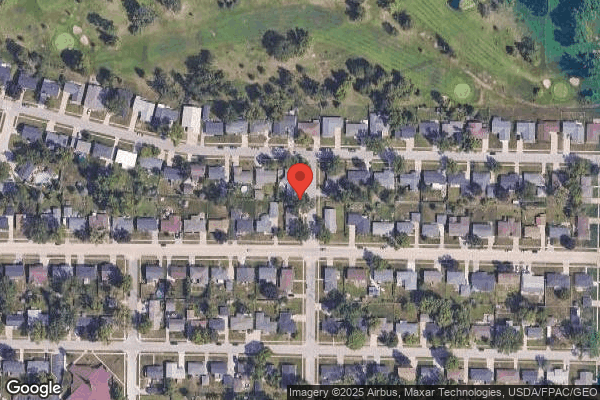
720 Oakbrooko, Marion, IA 52302 (319) 390-8439
For profit - Individual 40 Beds Independent Data: November 2025
Trust Grade
65/100
#215 of 392 in IA
Last Inspection: August 2024

Within standard 12-15 month inspection cycle. Federal law requires annual inspections.

Overview

Oakview Nursing & Rehabilitation in Marion, Iowa, has a Trust Grade of C+, indicating it is slightly above average but still has room for improvement. It ranks #215 out of 392 facilities in Iowa, placing it in the bottom half, and #9 out of 18 in Linn County, meaning there are only a few better local options available. The facility is showing an improving trend, with issues decreasing from 10 in 2024 to just 1 in 2025. Staffing is a strength here with a 4/5 star rating, but the turnover rate is average at 51%. While the facility has no fines on record, there are concerns about food safety, including serving hot food below required temperatures and inadequate sanitation in the kitchen. Additionally, there are issues with the facility's quality assurance practices, which are meant to ensure ongoing improvements in care. Overall, while there are strengths in staffing and no fines, families should be aware of the food safety concerns and the need for better quality assurance measures.

Trust Score
C+
65/100
In Iowa
#215/392
Bottom 46%
Safety Record
Low Risk
No red flags
Inspections
Getting Better
10 → 1 violations
Staff Stability
⚠ Watch
51% turnover. Above average. Higher turnover means staff may not know residents' routines.
Penalties
✓ Good
No fines on record. Clean compliance history, better than most Iowa facilities.
Skilled Nurses
✓ Good
Each resident gets 49 minutes of Registered Nurse (RN) attention daily — more than average for Iowa. RNs are trained to catch health problems early.
Violations
⚠ Watch
16 deficiencies on record. Higher than average. Multiple issues found across inspections.
★★★☆☆
3.0
Overall Rating
★★★★☆
4.0
Staff Levels
★★☆☆☆
2.0
Care Quality
★★★☆☆
3.0
Inspection Score
Stable
2024: 10 issues
2025: 1 issues

The Good

  • 4-Star Staffing Rating · Above-average nurse staffing levels
  • Full Sprinkler Coverage · Fire safety systems throughout facility
  • No fines on record

Facility shows strength in staffing levels, fire safety.

The Bad

3-Star Overall Rating

Near Iowa average (3.1)

Meets federal standards, typical of most facilities

Staff Turnover: 51%

Near Iowa avg (46%)

Higher turnover may affect care consistency

The Ugly 16 deficiencies on record

Mar 2025 1 deficiency
CONCERN (D) 📢 Someone Reported This

A family member, employee, or ombudsman was alarmed enough to file a formal complaint

Potential for Harm - no one hurt, but risky conditions existed

Accident Prevention (Tag F0689)

Could have caused harm · This affected 1 resident

**NOTE- TERMS IN BRACKETS HAVE BEEN EDITED TO PROTECT CONFIDENTIALITY** Based on observation, clinical record review, staff and resident interviews the facility failed to prevent one resident from wan...

Read full inspector narrative →
**NOTE- TERMS IN BRACKETS HAVE BEEN EDITED TO PROTECT CONFIDENTIALITY** Based on observation, clinical record review, staff and resident interviews the facility failed to prevent one resident from wandering into another resident room and putting their hand on a resident for 1 out of 6 residents reviewed (Resident #1). The facility reported a census of 29 residents. Findings include: The Minimum Data Set (MDS) assessment dated [DATE], listed diagnoses of non-Alzheimer's dementia, and stroke. The Brief Interview for Mental Status (BIMS) score of 0 (severe cognitive impairments). The MDS revealed Resident #1 showed verbal and physical behavior towards others on 1-3 days of the look back period. The MDS reflected Resident#1 wandered 2-6 days in the look back period. The Care Plan dated 3/11/25, identified Resident #1 had impaired cognition related/to dementia. Cue, reorient and supervise as needed. The Care Plan dated 3/14/25, identified Resident #1's physical and verbal behavioral symptoms toward others (e.g. hitting, kicking, pushing, scratching). The Care Plan listed a goal that Resident #1 not harm others secondary to physically aggressive behavior. The Care Plan dated 3/14/25, revealed Resident #1 experienced wandering. He will wander safely within specified boundaries. The interventions included: Remove resident from other resident's rooms and unsafe situations. The CAA Worksheet dated 3/14/25, triggered communication identified Resident #1's severe dementia which inhibits his ability to understand others and make himself understood. At baseline, resident resided in a memory care and required assistance with activities of daily living (ADL) and decision making. Resident required interventions focused at dementia vs. communication deficits. The CAA Worksheet dated 3/14/25, reflected Resident #1's behavioral symptoms include physical aggressiveness, verbal, and wandering (see electronic health record documentation from 3/6/25 to 3/13/25). Resident #1's severe dementia that limits ability to understand others and self. He required assistance with ADL's and mobility. The Medication Administration Record (MAR) dated 3/2025, directed check wander guard placement every shift for wandering. The Progress Note dated 3/7/2025 at 2:09 PM, identified Behavior Note, Resident #1 self-transferring to different chairs in the living room. Shortly after found ambulating down the hall by himself and into public bathroom. Staff assisted and able to redirect him to living room after using the toilet. The Progress Note dated 3/8/2025 at 9:51 PM, reflected Resident #1 needed a lot of attention today. Staff walked resident often, found activities for him and 1 on 1. He often wanted to get up without assistance. If not approached carefully he can easily get mad/aggressive. The Progress Note dated 3/9/2025 at 9:50 AM Resident #1 up on own often and if aggressive/behaviors one assist is necessary sometimes. Extra staff over stimulate him, he gets physical et balance is worse. no aggression yet today. Review of the POC Response History for Resident #1 dated 3/2025, showed behaviors on 7 out of days 13 that included hitting/kicking, pushing, grabbing and wandering 9 out of 13 days. The Minimum Data Set (MDS) assessment for Resident #3 dated 2/3/25, listed diagnoses of Multiple Sclerosis, high blood pressure, and malnutrition. The BIMS reflected a score of 15 (intact cognition). The MDS identified Resident #3 required substantial/maximal assistance with upper body dressing, rolling in bed and dependent on staff for lower body dressing, toileting hygiene, and chair to chair transfer. The Care Plan for Resident #3 dated 1/6/25, identified she's non-ambulatory and transferred with the assist of 2 staff and a full boy lift. Observation on 3/24/25 at 1:00 PM, Resident #3 laid in her bed with the head of the bed up approximately 30 degrees, covered with her blankets. The tray table next to her with her items of choice on top of it. Her call light secured to the grab bar to her left. During an interview on 3/24/25 at 1:00 PM, Resident #3 reported Resident #1 entered her room [ROOM NUMBER] times last week. She stated the 1st two times he came in her room he wandered and looked at her things. She said the 3rd time he came in and closed the door, he used one of her stuffed animals to dust the art on the walls. She revealed she thought he may break something. Resident #3 stated then he came over to her while she laid in the bed and tapped her lap and groin like a set of Bongos. Resident #3 reported he pulled on the blankets however they were tucked under her tray table and he couldn't get them to move far. She reported he'd seemed confused and talked nonsensical. She reported she told him to get out several times. She reported as soon as he came in her room she turned on the call light and the Staff A, Certified Nurse Aid (CNA) came and escorted him out of her room. She reported she's not sure how long it took the staff to come, 10, 15, 20 minutes. Resident #3 revealed Resident #1 hit Staff A several times while she took him out of her room. Resident #3 reported she feared he may break her things, and she failed to know what his intention were. She revealed she felt he failed to know his intentions as well. During an interview on 3/25/25 at 2:55 PM, Staff A, reported on 3/19/25 on the evening shift around bedtime Resident #1 went into Resident #3's room and touched her things. She reported and she got him out of her room, and told Resident #3 she would try to keep an eye on him. Staff A said she went and helped another resident to bed. Staff revealed when she came out that room the wife of another resident alerted her that Resident #1 entered Resident #3's room again. Staff A reported she ran to Resident #3's room as she entered the room she saw Resident #1 stood on the right side of Resident #3's bed while his hand sat on her mattress. She reported she removed Resident #1 from the room and told Staff D, Licensed Practical Nurse (LPN) that Resident #1 wandered into Resident #3's room again. Staff A, reported Resident #3 seemed upset that Resident #1 entered her room and touched her things. She stated she reported to the nurse that he got up on his own daily and would wander. During an interview on 3/25/25 at 3:05 PM, Staff B, CNA, stated she reported to the nurses that Resident #1 got up on his own daily and would wander. She reported they failed to keep an eye on him all the time due to caring for other residents. Staff B, stated she thought he needed more supervision to keep him safe. She said Resident #1 hit at the staff sometimes. During an interview on 3/25/25 at 3:45 Staff D, Licensed Piratical Nurse (LPN) reported Resident #1 wandered on the Unit. She knew in the last week he lived here he went into Resident #3's room a few times and messed with her things. She stated on one of the last evenings he lived here a CNA paged her to come help her get him out of Resident #3's room. Staff D reported they did they best they could to keep an eye on him and keep him out of another residents' space. She reported he got resistive with the CNAs when they redirected. During an interview on 3/26/25 at 1:00 PM, the Director of Nursing (DON) reported Resident #1's wandering consisted of walking around and looked at things. She reported the wandering appeared aimless. The DON stated Resident #3 requested her to come and talk to her on 3/20/25. The DON reported Resident #3 told her Resident #1 went into her room, touched her things then went over to her and pulled on the extra cover she always placed on her chest/abdomen. The DON stated Resident #3 said she knew Resident #1 lacked a purpose in the room. The DON revealed she lacked a concern for Resident#1 entering Resident #3's room. She reported he's never shown aggressive behavior to other residents. She acknowledged behaviors to the staff. The DON acknowledged the Care Plan addressed aggressive behaviors. The DON denied knowledge of Resident #1 tapping Resident #3 like a Bongo. The DON denied any knowledge Resident #1 entered her room the day before or earlier on the shift. The DON stated she communicated this situation with the Administrator and the consulting company. On 3/26/25 at 1:35 PM, the Administrator reported the facility failed to have a separate policy for resident to resident incidents. She reported it's covered on the Incident Report policy. The facility provided a policy titled Incident Report Completion of dated 8/10/18, directed a written report shall be maintained on any incident or unusual incident involving residents, visitors, employees or agency staff, occurring within the facility or on the premises. An incident report shall be initiated for any unusual incidents involving residents whether they occur at the facility or not, whether injury is apparent or not. Unusual incidents include but are not limited to: -Resident to resident physical aggression or verbal threat (complete a report for each resident involved). -Resident to resident sexual encounter (complete a report for each resident involved).
Aug 2024 5 deficiencies
CONCERN (D)

Potential for Harm - no one hurt, but risky conditions existed

Resident Rights (Tag F0550)

Could have caused harm · This affected 1 resident

**NOTE- TERMS IN BRACKETS HAVE BEEN EDITED TO PROTECT CONFIDENTIALITY** Based on observation, record review, staff interview, and policy review, the facility failed to ensure dignity was provided to r...

Read full inspector narrative →
**NOTE- TERMS IN BRACKETS HAVE BEEN EDITED TO PROTECT CONFIDENTIALITY** Based on observation, record review, staff interview, and policy review, the facility failed to ensure dignity was provided to residents with catheters by not placing the catheter bags in dignity bags for 2 of 4 residents reviewed for catheters (Residents #8 and #143). The facility reported a census of 39 residents. Findings include: 1. A Minimum Data Set (MDS) assessment dated [DATE] revealed Resident #8 had a Brief Interview for Mental Status (BIMS) of 13 indicating intact cognition. The MDS further documented the resident had diagnoses including neurogenic bladder, chronic kidney disease, congestive heart failure, and diabetes mellitus. The resident required assistance of staff for toileting, personal hygiene, bathing, and transfers. She had an indwelling catheter and was frequently incontinent of bowel. The Care Plan dated 7/3/24 revealed a focus area for Resident #8's need for an indwelling urinary catheter related to a neurogenic bladder with a goal the resident's catheter care would be managed appropriately to prevent signs of infection or urethral trauma. Interventions included: assessing for continued need for the catheter at least quarterly, providing catheter care twice a day and as needed, and the use of a catheter strap. In an observation on 8/13/24 at 7:43 AM, Resident #8 was noted to be lying in bed and the catheter bag was hanging from the bed frame and not in a dignity bag and visible to staff, residents, and visitors that may pass by in the hallway. In an observation on 8/13/24 at 8:30 AM, Resident #8 was noted to be lying in bed and the catheter bag was hanging from the bed frame and not in a dignity bag and visible to staff, residents, and visitors that may pass by in the hallway. In an observation on 8/13/24 at 10:15 AM, Resident #8 noted to be sitting in the recliner in her room and the catheter bag was hanging from the recliner and not in a dignity bag. In an observation on 8/14/24 at 8:03 AM, Resident #8 noted to be sitting in the recliner in her room and the catheter bag was hanging from the recliner and not in a dignity bag. 2. An initial MDS assessment was not completed for Resident #143 related to this resident admitting on 8/1/24 and discharging to home on 8/13/2 prior to completion of the MDS. Resident #143 carried diagnoses of atrial fibrillation, diabetes mellitus, chronic kidney disease, neuromuscular dysfunction of the bladder, multiple sclerosis, and epilepsy. The baseline Care Plan dated 8/3/24 indicated Resident #143 was alert and oriented. The resident required set up assistance with eating, the assistance of 1 staff for personal hygiene and the assistance of 2 staff for bed mobility, transfers, toileting, and bathing. Resident #143 had a Foley catheter. Resident was independent with mobility in an electric wheelchair. In an observation on 8/12/24 at 1:34 PM, Resident #143 noted to be seated in his electric wheelchair in his room with the catheter bag hanging from the elevated leg rest and not in a dignity bag. It was visible to staff, residents, and visitors that may pass by in the hallway. In an observation on 8/13/24 at 8:05 AM, Resident #143 noted to be seated in his electric wheelchair in his room and the catheter bag was hanging from the electric wheelchair and not in a dignity bag and visible to staff, residents, and visitors that may pass by in the hallway. In an observation on 8/13/24 at 12:11 PM, Resident #143 noted to be seated in his electric wheelchair at a table in the dining room for lunch and the catheter bag was hanging from the electric wheelchair and not in a privacy bag. The bag was visible to any staff, residents, and visitors that may have come by. In an interview on 8/15/24 at 8:48 AM, the Director of Nursing (DON) stated it was the expectation that dignity bags be used on urinary catheter bed bags when in the community environment and the staff were educated they only had to be used in the community areas. A facility provided Policy titled Catheter Care effective on 10/1/18 stated the catheter bag must be covered with a dignity cover when in a public area.
CONCERN (D)

Potential for Harm - no one hurt, but risky conditions existed

Free from Abuse/Neglect (Tag F0600)

Could have caused harm · This affected 1 resident

Based on clinical record review, policy review, and staff interviews, the facility failed to ensure residents remained free of physical abuse when a staff member hit a resident on the shoulder for 1 o...

Read full inspector narrative →
Based on clinical record review, policy review, and staff interviews, the facility failed to ensure residents remained free of physical abuse when a staff member hit a resident on the shoulder for 1 of 1 residents reviewed for abuse(Resident #23). The facility reported a census of 39 residents. Findings include: 1. The Minimum Data Set (MDS) assessment tool, dated 6/13/24, listed diagnoses for Resident #23 which included diabetes, non-Alzheimer's dementia, and morbid obesity. The MDS stated the resident required substantial to maximal assistance for dressing and was dependent on staff for toileting hygiene, showering, and transfers. The MDS listed the resident's Brief Interview for Mental Status Score (BIMS) as 6 out of 15, indicating severely impaired cognition. The Nursing Facility Abuse Prevention, Identification, Investigation and Reporting Policy, dated July 2019, stated all residents had the right to be free from abuse and defined physical abuse to include hitting and slapping. Care Plan entries, dated 1/30/23, stated the resident had verbal behavioral symptoms directed toward staff (yelling, name calling) and directed staff to: avoid power struggles with the resident. convey an attitude of acceptance toward the resident. maintain a calm environment and approach to the resident. offer the resident a soda. refocus the conversation when the resident became verbally abusive. A 4/14/23 Care Plan entry stated the resident had a mood problem related to Neurocognitive disorder (a disorder which can affect cognitive abilities). A 3/26/24 Care Plan entry directed staff to redirect the resident's behavior and stated if the resident was resistive to cares, leave him alone and attempt again in a few minutes. A statement written by Staff C, CNA (Certified Nursing Assistant) on 8/5/24 stated as staff helped the resident lie down after his shower at 1:45 p.m., Staff A CNA argued with the resident and he hit her. Staff A then punched the resident in the left shoulder and said to him if you punch me then I will punch you and next time I'll give you a black eye and tell everyone I don't know how it happened. A statement written by Staff A on 8/5/24 stated she helped to put Resident #23 in his chair when he tried to hit her in the chest. She told him to stop trying to hit her and told him that was why [name redacted] was with [name redacted]. A statement written by Staff B CNA on 8/5/24, stated she entered Resident #23's room and he was set up to transfer with Staff A and Staff C. Staff B entered the room and ran the machine. After the transfer, Staff B exited the room and did not witness anything. An 8/5/24 Incident Report stated a shower aide reported that she and another CNA assisted a resident to lie down at approximately 1:45 p.m. and the resident and the other CNA began arguing. The resident then hit the CNA and the CNA punched the resident in the left shoulder. On 8/13/24 at 2:29 p.m., Staff C CNA stated she, Staff A, and Staff B assisted the resident to transfer with the mechanical lift. She stated Staff B ran the lift and she(Staff C) was on the resident's right and Staff A was on the resident's left. Staff C stated the resident and Staff A argued and the resident stated that Staff A didn't like him. Staff C stated Staff A told the resident that his wife didn't love him and cheated on him with [name redacted]. Staff C stated then the resident hit Staff A but she did not see where. Staff C stated Staff A then hit the resident in the left shoulder. She stated the hit was hard enough she could hear it. Staff C stated Staff A then said if he hit her, she would punch him back and next time she would punch him in the face and give him a black eye. Staff C stated she did not observe any red marks on the resident's shoulder after the hit. On 8/15/24 at 4:09 p.m., Staff C stated when Staff A hit the resident she had a closed fist. She stated the hit was not in response to the resident hitting Staff A but occurred after that. On 8/14/24 at 12:56 p.m. Staff A CNA stated on the day of the incident as she lifted the resident up in the mechanical lift, he tried to strike her but she stepped back and his hit did not connect. She stated she put her hand up and blocked his hit and they connected at the forearms. She stated if she had not put her hand up to block him, he would have hit her in the chest. She stated she told the resident that was why [name redacted] was with [name redacted-the resident's wife]. She stated there was no meaning behind this and she said this to try to be funny. Staff A denied that she hit the resident and stated the only thing she was guilty of was making this comment. On 8/15/24 at 10:08 a.m., the Administrator stated she expected staff to treat residents with respect and dignity and to go above and beyond.
CONCERN (E)

Potential for Harm - no one hurt, but risky conditions existed

Deficiency F0804 (Tag F0804)

Could have caused harm · This affected multiple residents

Based on observation, policy review, and staff interview, the facility failed to hold hot foods at an adequate minimum temperature for 1 of 1 meal service observed. The facility reported a census of 3...

Read full inspector narrative →
Based on observation, policy review, and staff interview, the facility failed to hold hot foods at an adequate minimum temperature for 1 of 1 meal service observed. The facility reported a census of 39 residents. Findings include: The 2/24 facility Dietary Policies and Procedures with the subject of Food Temperatures stated the minimum temperature of hot foods was 135 degrees Fahrenheit. On 8/13/24 at 12:29 p.m., Staff D Dietary Aide served the last meal in the B Wing. Immediately after the service, he obtained the following temperatures: Sweet potatoes 119 degrees Fahrenheit Green Beans 120 degrees Fahrenheit Pork 130 degrees Fahrenheit. Pureed meatballs 96 degrees Fahrenheit. Pureed sweet potatoes 99 degrees Fahrenheit. Gravy 90 degrees Fahrenheit. Pureed green beans 108 degrees Fahrenheit. On 8/14/24 at 9:51 a.m. the Dietary Manager stated hot food should be held at a minimum temperature of 135 degrees Fahrenheit. She stated she stood around the corner while Staff D obtained the temperatures on 8/13/24. She stated the facility would order more lids and cover the food in order to ensure adequate hot holding temperatures.
CONCERN (E)

Potential for Harm - no one hurt, but risky conditions existed

Food Safety (Tag F0812)

Could have caused harm · This affected multiple residents

Based on observation, policy review, and staff interviews, the facility failed to store and prepare food under sanitary conditions for 3 of 3 kitchen areas reviewed. The facility reported a census of ...

Read full inspector narrative →
Based on observation, policy review, and staff interviews, the facility failed to store and prepare food under sanitary conditions for 3 of 3 kitchen areas reviewed. The facility reported a census of 39 residents. Findings include: The facility undated [name redacted(name of detergent company)] Detergent Services policy stated (dishwasher) rinse temperatures should reach between 176 degrees Fahrenheit to 185 degrees Fahrenheit. The 2/24 facility Dietary Policies and Procedures with the subject of Good Safety and Sanitation Guidelines stated the facility would utilize the current food code for standards of practice for the dietary department to meet the needs of safe food handling and sanitation of the kitchen. The 2/24 facility Dietary Policies and Procedures with the subject of Personal Hygiene stated food service employees must wear a hair restraint to effectively keep hair from coming in contact with exposed food or clean equipment. The facility 8/14/24 Kitchenette Daily Cleaning List included direction for staff to clean the microwave and refrigerator. The initial main kitchen tour on 8/12/24 at 9:38 a.m., revealed the following concerns: The dishwasher had a thick brown substance on the top of the side panels of the machine. A vent on the ceiling above the dishwasher had dust particles hanging from it. The vent was located above and in close proximity to the location clean dishes exited the dishwasher. Dust particles hung from 3 spigots of the fire suppression system, located directly above stove burners. Multiple boxes in the walk-in freezer covered with thick ice which appeared to come from melted water. The Dietary Manager stated the freezer broke recently and reached in and took out a round object covered with ice. She did not discard the other ice-covered boxes. Observations of the main kitchen on 08/13/24 at 9:58 a.m. revealed the following concerns: Dust-like particles covered a shelf which held spice containers. Dust remained on the fire suppression system spigots. 2 covered pots sat under the spigots on the stove burners. White food debris was present under the microwave and all 6 interior walls were covered with food debris and splatters. The hinges of the door also contained pieces of food debris. The outside of the microwave was covered with greasy looking finger prints. Brown food debris and fingerprints covered the outside control panel of the commercial toaster. Cooking oil bottles sat on a tray covered with multiple crumbs. Dust remained on the ceiling vent above the dishwasher. Multiple ice-covered boxes remained in the walk-in freezer. The Dietary Manager stated the round object she removed yesterday was sugar cookie dough and stated the ice covered boxes which remained included boxes containing 120 cinnamon rolls, crab, and turnovers. She stated these needed removed but she did not have time yet. Observations of the B Wing Kitchenette on 8/13/24 at 11:56 a.m. revealed the following concerns: The second cupboard from the right contained a spilled red liquid in contact with blue plastic lids. The floor of the second left lower cupboard contained onion skins and crumbs. Bowls sat on a plastic sheet of an upper cupboard. Crumbs and what appeared to be an eyelash were present on the plastic sheet. The sides of the door and the interior top of the dishwasher had a white build-up approximately 2 inches thick. Clean dishes were present in the dishwasher in close proximity to the buildup on the sides of the doors and on the top of the interior dishwasher. Fingerprints and splatters were present on the outside of the oven. Two staff members without hair nets entered the kitchenette and washed their hands during the noon meal service. Staff D Dietary Aide placed a disc thermometer into the dishwasher and ran a cycle. Upon completion of the cycle, the thermometer read a maximum temperature of 149 degrees Fahrenheit. Staff E [NAME] stated he would contact the dishwasher company. A toaster sat in a pile of crumbs on a bottom shelf. Staff D stated he utilized the toaster every day. All 6 interior walls of the microwave were covered with brown splatters and the outside of the microwave was sticky to the touch. Observations of the C Wing kitchenette on 8/14/24 at 9:03 a.m. revealed the following concerns. The outside of the dishwasher contained a brown build-up. Dish racks sat in a thick layer of crumbs and pieces of food in a lower cupboard. All 6 interior walls of the microwave were covered with food debris and brown splatters. Plastic cup lids were wet and sat in crumbs in a drawer. Brown splatters covered the outside cabinet doors to the right of the sink. Plates and bowls to the upper left of the stove sat in a cupboard in crumbs. Tongs and scoops sat in crumbs and large food particles in a drawer to the left of the refrigerator. The B Wing Dish Machine Temps sheet directed staff to record the temperatures at the end of the cycle and stated the temperature should read 160 degrees Fahrenheit or above. If the temperature did not reach the minimum, the document directed staff to contact the manager. The log included the following temperatures which were below 160 (in degrees Fahrenheit): 8/1/24 breakfast 149 8/2/24 breakfast 138, dinner 154 8/3/24 breakfast 152, lunch 158 8/4/24 lunch 157 8/5/24 breakfast 152, dinner 155 8/6/24 lunch 153, dinner 143 8/7/24 lunch 145 8/9/24 breakfast 153, lunch 148, dinner 158 8/10/24 dinner 154 8/11/24 breakfast 153, lunch 147, dinner 153 8/12/24 dinner 158 8/13/24 lunch 151 On 8/14/24 at 9:51 a.m. the Dietary Manager stated there was a kink in the hose of the B Wing dishwasher that caused the machine not to reach the adequate temperature. She stated the disc should reach a minimum of 160 degrees. She stated staff should inform her if they obtained temperatures below this. She stated drawers, cabinets, and appliances should be kept clean and free of food debris and splatters. She stated staff should wipe down these surfaces. She stated they had in their books what staff should carry out with regard to cleaning but stated staff did not fulfill these duties. She stated she and Staff E would begin monitoring the completion of this. She stated staff should not enter the kitchen to wash their hands without a hair net.
CONCERN (E)

Potential for Harm - no one hurt, but risky conditions existed

Deficiency F0865 (Tag F0865)

Could have caused harm · This affected multiple residents

Based on review of Quality Assurance and Performance Improvement(QAPI) meeting documentation, policy review, and staff interview, the facility failed to carry out Quality Assurance(QA) activities to o...

Read full inspector narrative →
Based on review of Quality Assurance and Performance Improvement(QAPI) meeting documentation, policy review, and staff interview, the facility failed to carry out Quality Assurance(QA) activities to obtain feedback, use data, and take action to conduct structured, systematic investigations and analysis of underlying causes or contributing factors of problems affecting facility-wide processes that impact quality of care, quality of life, and resident safety. The facility reported a census of 39 residents. Findings include: The Centers for Medicare and Medicaid Services(CMS) 2567, dated 2/15/24, listed, in part, the following concerns: F812 QAPI Sign-In Sheets documented the facility had QAPI meetings on the following dates: 4/19/24 and 7/26/24. The current survey, conducted 8/12/24-8/15/24 also identified the above concern. The undated facility QAPI Plan stated the facility would address key issues to continuously improve services. The plan stated the QAA committee would prioritize areas that were problem-prone. On 8/15/24 at 8:59 am., the Administrator stated with regard to QA activities, the facility hadn't done as much with dietary. She stated they needed to focus on this and focused more on nursing after the last survey.
Feb 2024 5 deficiencies
CONCERN (D)

Potential for Harm - no one hurt, but risky conditions existed

Resident Rights (Tag F0550)

Could have caused harm · This affected 1 resident

Based on clinical record review, observations, staff interviews and facility policy review the facility failed to serve 2 out of 16 resident in the dining room (DR) in a dignified manner when meals se...

Read full inspector narrative →
Based on clinical record review, observations, staff interviews and facility policy review the facility failed to serve 2 out of 16 resident in the dining room (DR) in a dignified manner when meals served on trays (Residents # 12 and 17). The facility reported a census of 39 residents. Findings Include: 1. The Minimum Data Set (MDS) Assessment for Resident #12 dated 12/21/23, included diagnoses of Alzheimer's Disease, and anxiety disorder. The MDS showed the Brief Interview for Mental Status (BIMS) score of 00 out of 15, indicating severely impaired cognition. The MDS identified Resident #12 required partial or moderate assistance for eating. The Care Plan for Resident 12 dated 7/7/23, directed to provide adaptive equipment per the dietary list. The Dietary Seating Chart dated 2/6/24, failed to include a tray for Resident #12 while eating. 2. The MDS Assessment for Resident #17 dated 2/1/24, included diagnoses of non-Alzheimer's dementia, depression and dysphagia (difficulty swallowing). The MDS showed short and long term memory problems, severely impaired decision making skills. The MDS identified Resident #12 required substantial assistance for eating. The Care Plan for Resident 12 dated 10/28/23, directed to provide adaptive equipment s needed. The Dietary Seating Chart dated 2/6/24, failed to include a tray for Resident #17 while eating. The observations in the DR of Resident #12 and #17 at meal times revealed the following: a. On 2/12/24 at 12:18 PM, Resident # 17 sat in a chair at the DR table, his meal and drinks remained on a tray. b. On 2/12/24 at 12:36 PM, Resident #12 sat at the bar while her plate on a tray. c. On 2/13/24 at 08:27 AM, Resident #12 and #17's breakfast sat on trays throughout breakfast. d. On 2/13/24 at 12:34 PM, Resident #12 and Resident # 17's meal sat on a tray during the meal. e. On 2/14/24 at 8:14 AM, Resident # 12 and Resident #17 ate their meals off trays for the breakfast. f. On 2/14/24 at 12:33 PM, Resident #12 and Resident #17 ate their meals off a plate that sat on trays. On 2/14/24 at 1:55 PM, the Dietary Manager reported no one that she knew of needed to have their meals left on a tray while they ate a meal. On 2/15/24 at 8:59 AM, the Director of Nursing(DON) reported unsure why Resident #12 and #17 ate their meals off trays this week in the DR. On 2/15/24 at 9:00 AM, the Restorative Nurse failed to know why 2 residents in the DR ate meals off trays. On 2/15/24 at 9:20 AM, the DON stated she expected the staff to remove resident's food from the tray and place the food dishes in font of them. The Facility admission Packet dated 12/23, included the Resident [NAME] of Rights that directed Residents Rights. The resident has a right to a dignified existence, self-determination, and communication with and access to persons and services inside and outside the facility, including those specified in this section. (a) A facility must treat each resident with respect and dignity and care for each resident in a manner and in an environment, that promotes maintenance or enhancement of his or her quality of life, recognizing each resident's individuality. The facility must protect and promote the rights of the resident. (b) The facility must provide equal access to quality care regardless of diagnosis, severity of condition, or payment source. A facility must establish and maintain identical policies and practices regarding transfer, discharge, and the provision of services under the State plan for all residents regardless of payment source.
CONCERN (D)

Potential for Harm - no one hurt, but risky conditions existed

Deficiency F0657 (Tag F0657)

Could have caused harm · This affected 1 resident

**NOTE- TERMS IN BRACKETS HAVE BEEN EDITED TO PROTECT CONFIDENTIALITY** Based on clinical record review, staff interview, and Facility Assessment Tool review, the facility failed to include anti-depre...

Read full inspector narrative →
**NOTE- TERMS IN BRACKETS HAVE BEEN EDITED TO PROTECT CONFIDENTIALITY** Based on clinical record review, staff interview, and Facility Assessment Tool review, the facility failed to include anti-depressant and diuretic medications in Care Plan for one of five residents (Resident #2) reviewed for unnecessary medications. The facility reported a census of 39 residents. Findings Include: The Medication Administration Record (MAR), dated February 2024, revealed current orders for Furosemide (diuretic) 40 milligrams (mg) one tablet daily for Chronic Diastolic Heart Failure, initiated on 11/28/23, and Trazodone (antidepressant) 50 mg one tablet at bedtime for generalized anxiety disorder, initiated on 11/27/23. The Care Plan, revised on 2/12/24, lacked a focus areas to inform care needs and the side effects related to anti-depressant and diuretic medications. The Minimum Data Set (MDS), dated [DATE], revealed Resident #2 required both anti-depressant and diuretic medications. Diagnoses included: Heart failure and anxiety disorder. On 1/15/24 at 1:15 PM, the Director of Nursing (DON) confirmed that Resident #2's Care Plan lacked anti-depressant and diuretic medications and informed the expectation that these medications are included on resident care plans. The facility provided document titled, Facility Assessment Tool, dated 1/19/24, revealed the expectation of Nursing Staff to assure resident safety and attain or maintain the highest practicable physical, mental, and psychosocial well being of each resident as determined by individual plans of care.
CONCERN (D)

Potential for Harm - no one hurt, but risky conditions existed

Deficiency F0725 (Tag F0725)

Could have caused harm · This affected 1 resident

**NOTE- TERMS IN BRACKETS HAVE BEEN EDITED TO PROTECT CONFIDENTIALITY** Based on clinical record review, observations, resident interview, and Call Light Log review, the facility failed to answer resi...

Read full inspector narrative →
**NOTE- TERMS IN BRACKETS HAVE BEEN EDITED TO PROTECT CONFIDENTIALITY** Based on clinical record review, observations, resident interview, and Call Light Log review, the facility failed to answer resident call lights in a timely manner resulting in long wait times for 2 of 39 residents reviewed for call light response time (Residents #1 and #3). The facility reported a census of 39 residents. Findings Include: 1. The Minimum Data Set (MDS), dated [DATE], revealed a Brief Interview for Mental Status (BIMS) score of 14 out of 15 (intact cognition). Resident required substantial/maximal staff assistance for transfers and dependence on staff for toileting hygiene. Resident #3 diagnoses included: End Stage Renal Disease, Neurogenic bladder, arthritis, seizure disorder, anxiety disorder, and depression. The Care Plan, revised on 01/03/24, revealed focused areas related to risk of falling and deterioration in ability to perform activities of daily living. On 2/12/24 at 10:57 AM, Resident #3 reported waiting a long time for help in the mornings and stated it often took greater than 15 minutes for staff to answer a call light. Resident #3 informed using a clock mounted on wall next to recliner to identify how long the wait time had been. On 2/12/24 at 11:14 AM, during a continuous observation of Resident #3's call light on above doorway to the room as well as from the monitor on the wall of hallway which displayed unanswered call lights with amount of time call light had been on. Noted a Certified Nursing Assistant (CNA) passed Resident #3's call light several times and Dietary Staff had been present in the area. Resident #3's call light answered by a CNA at 11:31 AM, after 17 minutes of wait time. Review of facility provided Call Light Log revealed Resident #3's call light response times included: a. On 2/12/24 at 6:34 AM, response time of 24 minutes and 47 seconds. b. On 2/12/24 at 7:09 AM, response time of 22 minutes and 44 seconds. c. On 2/12/24 at 8:54 AM, response time of 36 minutes and 52 seconds. d. On 2/13/24 at 6:24 AM, response time of 16 minutes and 32 seconds. e. On 2/15/24 at 7:39 AM, response time of 25 minutes and 31 seconds. 2. The MDS for Resident #1 dated 1/17/24, included diagnoses of heart failure, hypertension, and arthritis. The MDS reflected a BIMS score of 15 out of 15, intact cognition. The Resident Council Meeting Minutes dated 1/24/24, reflected residents report sometimes it's a wait to get up in the morning. The Resident Council Meeting Minutes date 11/29/23, reflected under Nursing, residents report sometimes they say they'll be right back and then don't come back for a long time. On 2/25/24 at 7:48 AM, the television screen mounted to the wall by the C Hall Dining room (DR) showed the a call light time of 53 minutes for room [ROOM NUMBER]. On 2/15/24 at 7:50 AM Resident #1 reported she turned on her call light about 7:00 am, she reported it's been on for a long time. She stated it happens a lot that she has to wait a long time for help. She explained maybe because she is at the end of the hall or maybe they don't have enough staff to help. On 2/15/24 at 7:55 AM, the TV monitor read the call light for room [ROOM NUMBER] activated 17 minutes. Staff B, Licensed Practical Nurse (LPN) called for a CNA to get the call light on for extended time. On 2/15/24 09:23 AM, the Director of Nursing (DON) reported she expected call lights be answered in 15 minutes. She reported felt the facility staffed better than other facilities. The facility provided the Staffing Plan that identified 2 Nurses, and 4 CNA's for the day shift for the 2 wings and 1 and a 1/2 shift Bath Aides.
CONCERN (E)

Potential for Harm - no one hurt, but risky conditions existed

Food Safety (Tag F0812)

Could have caused harm · This affected multiple residents

Based on observations, staff interviews, and facility policy review, the facility failed to ensure sanitary conditions of a food service area, failed to monitor and record resident refrigerator temper...

Read full inspector narrative →
Based on observations, staff interviews, and facility policy review, the facility failed to ensure sanitary conditions of a food service area, failed to monitor and record resident refrigerator temperatures according to facility schedule, failed to ensure all staff entering kitchenettes wore a hair covering during food service, and failed to cover all food and drinks transported through the hallway to resident rooms to prevent contamination. The facility further failed to serve one resident, on a pureed texture diet, all menu items when side dish and dessert were omitted for 1 of 1 meal services observed. The facility reported a census of 39 residents. Findings Include: On 2/12/24 at 10:40 AM, observation of the C-Wing kitchenette refrigerator, which contained resident food and drinks, noted with splatters of liquid and crumbs collected on shelves. A log of refrigerator temperatures located on the outside of the kitchenette refrigerator had various shifts and entire days without a temperature recording. The steam table lids had spots of crusted food, water spots, and crumbs across the tops of lids. Noted a cleaning schedule posted on the outside of the kitchenette refrigerator, dated for the week of 2/04/24, missing documentation of kitchenette cleaning on 4 out of the 7 days. On 2/13/24 at 11:58 AM, observation of the lunch meal served to residents from the C-Wing kitchenette steam table. During service, observed a non-dietary staff member enter the kitchenette twice without hairnet covering to retrieve drinks from the refrigerator. One resident served pureed texture diet of the main course gumbo and rice, however pureed side of cornbread and cupcake were omitted and remained in the refrigerator throughout entirety of service. A room tray sent out of kitchenette, noted the plate covered but drinks remained uncovered during transportation through the hallway to resident room. On 2/13/24 at 12:50 PM, Staff D, Dietary Aide, reported that Dietary Staff are responsible for wiping down surfaces and sweeping the floor in the C-Wing kitchenette. On 2/13/24 at 2:50 PM, the C-Wing kitchenette refrigerator remained with splattered liquids and crumbs inside and steam table lids continued to appear soiled with spots of food. On 2/14/24 at 8:40 AM, observed two room trays sent from C-Wing kitchenette and transported through the hallway to resident rooms without a cover over food or drinks. When queried, Staff E, Dietary Aide, indicated plates sent a short distance did not require a cover. On 2/14/24 at 1:50 PM, the Dietary Manager revealed the expectations that refrigerator temperatures are checked by Dietary Staff each shift, hairnets are worn by any staff entering a kitchen during food service, and all items transported from the kitchen to a resident's room, must be covered, even for short distance travel. The Dietary Manager explained plans to update and revise kitchenette cleaning schedules. The facility policy titled, Dietary- Refrigerators and freezers, dated 4/17, informed that the record of refrigeration temperature log should be kept and temperatures monitored daily by the Food Service Supervisor. The facility policy titled, Dietary- Sanitation of the Dietary Department, dated 4/17, directed that all tasks will be addressed as to frequency (day and time or shift) of cleaning and notified a cleaning schedule will be posted with all cleaning tasks listed and employees will initial tasks when completed. The facility policy titled, Dietary- Head covering, dated 4/17, documented food service employees must wear a hair restraint to effectively keep hair from coming in contact with exposed food or clean equipment or utensils.
CONCERN (E)

Potential for Harm - no one hurt, but risky conditions existed

Infection Control (Tag F0880)

Could have caused harm · This affected multiple residents

Based on observations, staff interview, and facility policy review, the facility failed to cover clean linen carts in compliance with infection control protocol while transported through 2 of 2 hallwa...

Read full inspector narrative →
Based on observations, staff interview, and facility policy review, the facility failed to cover clean linen carts in compliance with infection control protocol while transported through 2 of 2 hallways. The facility reported a census of 39 residents. Findings include: 1. On 2/12/24 from 2:10 PM to 2:35 PM, observed a clean linen cart, with all but one side covered, being pushed through C-Wing Hallway as various staff passed through the area. Noted inside the cart were folded bed pads, clean sheets, and towels. The clean linen cart pushed by a Certified Nursing Assistant (CNA) from room to room as it remained uncovered and frequently left unattended throughout the 25 minutes of continuous observation. On 2/13/24 from 2:28 PM to 2:47 PM, observed a clean linen cart with all but one side covered, pushed through C-Wing Hallway as various staff passed through the area. The exposed side contained clean folded bed pads, wash clothes, and towels. The clean linen cart pushed by a CNA from room to room, remained uncovered and frequently left unattended throughout 19 minutes of continuous observation. On 2/14/24 at 2:50 PM, observed a clean linen cart, with all but one side covered, pushed through C-Wing Hallway by Laundry Staff as various staff and 2 residents passed through the area. The exposed side contained clean resident personal clothing. On 2/15/24 at 2:00 PM, the Laundry Supervisor revealed the expectation that all clean linen carts are kept completely covered throughout transportation through hallways. 2. On 2/14/24 at 12:29 PM, Staff A, Laundry Job Coach pushed a laundry basket on wheels down the B-Wing Hallway. The cart passed the dining room (DR) stacked over 12 inches higher then the top of the basket. The basket held a table cloth over the top of the basket. The cloth failed to cover the 4 sides stacked with pads and blankets. On 2/14/24 at 12:32 PM, Staff A, removed the top of the items with the cover and left the side exposed as she pushed the laundry basket to the storage room at the end of the B-Wing Hallway on the left. The facility policy titled, Infection Prevention and Control- Laundry, dated 8/01/2017, informed staff that clean linen shall be handled, transported, and stored by methods that will ensure it's cleanliness.
Oct 2022 5 deficiencies
CONCERN (D)

Potential for Harm - no one hurt, but risky conditions existed

Abuse Prevention Policies (Tag F0607)

Could have caused harm · This affected 1 resident

Based on clinical record review, employee file review, staff interview and facility policy review, the facility failed to implement the facility's Abuse Policy for 1 out of 1 residents reviewed (Resid...

Read full inspector narrative →
Based on clinical record review, employee file review, staff interview and facility policy review, the facility failed to implement the facility's Abuse Policy for 1 out of 1 residents reviewed (Resident #2) and failed to have 1 out of 4 Certified Nursing Assistants (CNA) complete the required Abuse training in the required time frame. The facility reported a census of 39 residents. Findings Include: 1. The Minimum Data Set (MDS) Assessment for Resident # 2 dated 7/7/22, listed diagnoses of Atrial Fibrillation (AFIB) and coronary artery disease (CAD). The MDS showed Resident #2 with a Brief Interview of Mental Status (BIMS) score of 12 out of 15 (moderately impaired cognition). The MDS read Resident #2 required extensive assist of 1 staff for bed mobility, toileting, dressing, and transfers. The MDS revealed Resident #2 exhibited verbal behavioral symptoms directed toward others (e.g., threatening others, screaming at others, cursing at others) 1-3 days in the reference period. Resident #2's Progress Note dated 9/15/22, read Skin/Wound Note at approximately 10:00 AM, when resident was getting undressed for his bath, CNA alerted this nurse to bruising to resident's peri area. Upon further assessment the noted: Underneath scrotum: purple bruise, 4 centimeters (cm) by 6 cm and across penis: purple bruise, 8 cm by 8 cm. Resident's wife present at time of assessment and aware. The facility's undated investigation, included an Confidential Incident Report completed by Staff C Registered Nurse (RN), statements from 1 CNA and 2 other RN's. The facility failed to include the statement or interviews from other CNA's that cared for Resident #2 in the days before the bruised areas were found. The Nursing Facility Abuse Prevention, Identification, Investigation, and Reporting Policy dated 7/2019, read on page 6 Injuries of unknown Source A injury should be classified as injuries of unknown source when both of the following conditions are met: a. The source of the injury was not observed by any person or the source of the injury could not be explained by the resident. b. The injury is suspicious because of the extent of the injury or the location of the injury (e.g., the injury is located in an area that is not generally vulnerable to trauma) or the number of injuries observed at one particular point in time or the incidence of injury overtime. On page 7 of Investigation Protocols directed staff: Should an incident or suspected incident of resident abuse (as defined above) be reported or observed, the Administrator or his/her designee will designate a member of management to investigate the alleged incident. The Administrator or designee will complete documentation of the allegation of the resident abuse and collected any supporting documents relative to the alleged incident and complete the following: a. Review documentation in the resident record. b. Assess the resident for injury if the allegation involved physician or sexual abuse. c. Provide proper notification to the Primary Care Provider and the responsible party. d. Attempt to obtain Witness Statements (oral and/or written) from all known witnesses. e. If there is physical evidence being tampered with. The facility will establish and enforce an environment that encourages individuals to report allegations of abuse with out fear of recrimination or intimidation. Following the investigation, the Administrator or designated agent will be responsible for forwarding the investigation to reporting that to the State Agency (SA). The written report will be sent to the SA within 5 days of the initial report. Review of the Individual Timecard for Staff D, Certified Nursing Assistant (CNA), reflected a hire date of 1/25/22. Review of the Shift Assignment from 9/6/22 though 10/2/22, revealed Staff D worked 19 shifts during that time period. Review of the employee file for Staff D, CNA reflected the completion of the Mandatory Abuse Training completed on 10/5/22, over 8 months after hired. On 10/05/22 at 4:20 PM, the Administrator confirmed that she found Staff D failed to complete the Mandatory Abuse training. The Administrator reported she called Staff D and directed her to complete the Mandatory Abuse training today. The Nursing Facility's Abuse Prevention, Identification, Investigation, and Reporting Policy dated 7/2019, directed new employees will complete a 2 hour Abuse training with in the required 6 months of hire.
CONCERN (D)

Potential for Harm - no one hurt, but risky conditions existed

Report Alleged Abuse (Tag F0609)

Could have caused harm · This affected 1 resident

Based on clinical record review, staff interview and facility policy review the facility failed to report injuries of unknown source to the State Agency (SA) for 1 out of 1 residents reviewed (Residen...

Read full inspector narrative →
Based on clinical record review, staff interview and facility policy review the facility failed to report injuries of unknown source to the State Agency (SA) for 1 out of 1 residents reviewed (Resident # 2). The facility reported a census of 39 residents. Findings Include: 1. The Minimum Data Set (MDS) Assessment for Resident #2 dated 7/7/22, listed diagnoses of Atrial Fibrillation (AFIB) and coronary artery disease (CAD). The MDS showed Resident #2 with a Brief Interview of Mental Status score of 12 out of 15 (moderately impaired cognition). The MDS read the resident required extensive assist of 1 staff for bed mobility, toileting, dressing, and transfers. The MDS revealed Resident 2 exhibited verbal behavioral symptoms directed toward others (e.g., threatening others, screaming at others, cursing at others) 1-3 days in the reference period. Resident #2's Progress Note dated 9/15/22, read Skin/Wound Note at approximately 10:00 AM, when resident was getting undressed for his bath, the Certified Nursing Assistants (CNA's) alerted this nurse to bruising to resident's peri area. Upon further assessment the noted: Underneath scrotum: purple bruise, 4 centimeters (cm) by 6 cm and across penis: purple bruise, 8 cm by 8 cm. Resident's wife present at time of assessment and aware. The facility's Investigation File included an Confidential Incident Report completed by Staff C, Registered Nurse (RN), statements from 1 Certified Nurse Aid (CNA) and 2 other RN's. The facility failed to include statements or interviews from other CNA's that cared for Resident #2 in the days before the bruised areas were found. The Confidential Incident Report dated 9/15/22 at 10:00 AM, identified Resident #15 alert and confused. On 10/10/22 at 9:20 AM, Staff C, Registered Nurse (RN) reported Resident #2's wife is normally here after breakfast by 10:00 AM and leaves before supper (6 PM). The facility provided a policy titled Nursing Facility Abuse Prevention, Identification, Investigation, and Reporting Policy dated 7/2019, on page 5 reflected examples injuries that could indicate abuse include but are not limited to: a. Injuries that are non-accidental or unexplained. b. Bruises that are found in unusual location head, neck, lateral location on the arm, or posterior torso and trunk, or bruises in shapes. Page 6 read Injuries of unknown Source- An injury should be classified as Injuries of unknown Source when both of the following conditions are met: a. The source of the injury was not observed by any person or the source of the injury could not be explained by the resident. b. The injury is suspicious because of the extent of the injury or the location of the injury (e.g., the injury is located in an area that is not generally vulnerable to trauma) or the number of injuries observed at one particular point in time or the incidence of injury overtime. The policy directed on page 7, the facility would report to the SA in 2 hours and complete the investigation in 5 days and sent that to the SA also.
CONCERN (D)

Potential for Harm - no one hurt, but risky conditions existed

Investigate Abuse (Tag F0610)

Could have caused harm · This affected 1 resident

Based on the facility investigation, staff interviews and facility policy review the facility failed to complete a thorough investigation into the bruising found on 1 out of 1 residents reviewed (Resi...

Read full inspector narrative →
Based on the facility investigation, staff interviews and facility policy review the facility failed to complete a thorough investigation into the bruising found on 1 out of 1 residents reviewed (Resident # 2). The facility reported a census of 39 residents. Findings Include: 1. The Minimum Data Set (MDS) Assessment for Resident #2 dated 7/7/22, listed diagnoses of Atrial Fibrillation (AFIB) and coronary artery disease (CAD). The MDS showed Resident #2 with a Brief Interview of Mental Status score of 12 out of 15 (moderately impaired cognition). The MDS read the resident required extensive assist of 1 staff for bed mobility, toileting, dressing, and transfers. The MDS revealed Resident 2 exhibited verbal behavioral symptoms directed toward others (e.g., threatening others, screaming at others, cursing at others) 1-3 days in the reference period. Resident # 2's Progress Note dated 9/15/22, read Skin/Wound Note: At approximately 10:00 AM when resident was getting undressed for his bath, CNAs alerted this nurse to bruising to resident's peri area. Upon further assessment the noted: Underneath scrotum: purple bruise, 4 centimeters (cm) by 6 cm and across penis: purple bruise, 8 cm by 8 cm. Resident's wife present at time of assessment and aware. The facility's investigation included an Incident Report completed by Staff C, Registered Nurse (RN), statements from 1 Certified Nurse Aid (CNA) and 2 other RN's. The facility failed to include statements or interviews from other CNA's that cared for Resident #2 in the days before the bruised areas were found. According to the schedule dated 9/14/22, reflected 6 CNA's on the the B Wing, where Resident #2 resides. The schedule dated 9/13/22 reflected 5 CNA's on the B Wing. On 10/10/22 at 9:20 AM Staff C, RN reported, Resident #2's wife is normally here after breakfast by 10 am and leaves before supper (6 PM). On 10/10/22 at 8:28 AM, the Administrator confirmed the facility lacked additional staff statements about the bruising to R# 2's groin and penis area. The facility policy titled Nursing Facility Abuse Prevention, Identification, Investigation, and Reporting Policy dated 7/2019, read on page 6 Injuries of unknown Source A injury should be classified as injuries of unknown source when both of the following conditions are met: a. The source of the injury was not observed by any person or the source of the injury could not be explained by the resident. b. The injury is suspicious because of the extent of the injury or the location of the injury (e.g., the injury is located in an area that is not generally vulnerable to trauma) or the number of injuries observed at one particular point in time or the incidence of injury overtime. The Nursing Facility Abuse Prevention, Identification, Investigation, and Reporting Policy dated 7/2019, read on page 7 investigation protocols: Should an incident or suspected incident of resident abuse (as defined above) be reported or observed, the administrator or his/her designee will designate a member of management to investigate the alleged incident. The Administrator or designee will complete documentation of the allegation of the resident abuse and collect any supporting documents relative to the alleged incident and then complete the following: a. Review documentation in the resident record. b. Assess the resident for injury if the allegation involved physician or sexual abuse. c. Provide proper notification to the primary care provided and the responsible part. d. Attempt to obtain witness statements (oral and/or written) from all known witness. e. If there is physical evidence being tampered with. The facility will establish and enforce an environment that encourages individuals to report allegations of abuse with out fear of recrimination or intimidation. Following the investigation, the Administrator or designated agent will be responsible for forwarding the investigation to reporting that to the State Agency (SA). The written report will be sent to the SA within 5 days of the initial report.
CONCERN (D)

Potential for Harm - no one hurt, but risky conditions existed

Deficiency F0657 (Tag F0657)

Could have caused harm · This affected 1 resident

**NOTE- TERMS IN BRACKETS HAVE BEEN EDITED TO PROTECT CONFIDENTIALITY** Based on clinical record review, observation, staff and resident interviews, and policy review, the facility failed to revise Re...

Read full inspector narrative →
**NOTE- TERMS IN BRACKETS HAVE BEEN EDITED TO PROTECT CONFIDENTIALITY** Based on clinical record review, observation, staff and resident interviews, and policy review, the facility failed to revise Resident Care Plans with changes in resident needs for 3 of 12 residents reviewed (Resident #15, #19, and #27). The facility reported a census of 39 residents. Findings Include: 1. The Quarterly Minimum Data Set (MDS) assessment dated [DATE] indicated Resident #19 entered the facility on 6/10/21. The resident's Brief Interview for Mental Status (BIMS) score was 15 indicating intact cognition. The MDS revealed diagnoses including multiple sclerosis, gout, hypertension, and neuromuscular dysfunction of bladder. The MDS coded Resident #19 as being independent with set up help only for eating, extensive assist of 2 persons for transfer, bed mobility and toileting, total dependence of 2 persons for bathing, and total dependence of 1 person for mobility. Progress Notes indicated the following relating to the resident's activity of daily living: a. On 10/20/2021 at 4:55 PM, documented Resident #19 was to be up out of bed and in the chair for meals, but refused frequently. Resident stated, I'm ok, I'm not going to choke, I know what I'm doing. b. On 11/4/21 at 11:47 AM, documented Resident #19 had refused to get out of bed for all her meals and that it had been an ongoing refusal for resident. Resident stated I'm not going to choke, I know what I am doing. c. On 11/8/21 at 2:16 PM, documented Resident #19 refused to sit in the recliner for meals as ordered. d. On 8/15/22 at 8:25 AM, documented Resident #19 refused to allow staff to give her scheduled bed bath. The resident stated she would do it the next day but then later stated she would take her bath on Wednesday 8/17/22. e. On 9/2/22 at 1:16 PM, documented the nurse and Bath Aide explained to Resident #19 it was unsafe for her to get into the whirlpool tub or shower chair due to her inability to hold herself sitting upright related to her trunk support getting weaker which could result in her sliding off the chair and onto the floor. The Bath Aide explained it had been tried numerous times and determined unsafe. They explained the facility was looking into a shower chair that would provide the safety she needed in the shower. Resident #19 stated she did not want a bed bath or a shower for the rest of her life and wanted the facility to buy a new tub with a chair that worked for her. The Care Plan dated 8/11/22 revealed a Focus Area related to Resident #19's ability to complete activities of daily living had deteriorated related to chronic pain, multiple sclerosis, wheelchair dependence and weakness, The Care Plan included interventions that the resident was recommended to sit upright in the recliner for all meals and to document if refused (initiated on 7/7/21), the resident prefers to sleep in her recliner (initiated 6/23/21), and the resident was to get a whirlpool/shower two times per week and have hair and nail care as needed (initiated 6/22/21). In an observation on 10/4/22 at 8:58 AM, Resident #19 was lying in bed on her back with the head of the bed elevated eating her breakfast. In an interview on 10/4/22 at 8:58 AM, Resident #19 reported she no longer got a whirlpool bath or a shower related to not being safe in the chairs. The resident reported she got a bed bath once a week. She reported she rarely gets out of bed and eats all of her meals in bed. In an observation on 10/5/22 at 1:57 PM, Resident #19 was lying in bed with the head of the bed elevated watching TV. In an observation of cares on 10/6/22 at 9:18 AM, Resident #19 was lying in bed on her back with the head of her bed elevated when staff entered the room. The facility failed to update the Care Plan Interventions when the resident was no longer able to take a whirlpool bath or shower, when she was no longer getting up in her chair for meals and when she no longer slept in her recliner. 2. The admission MDS assessment dated [DATE] indicated Resident #27 entered the facility on 8/25/22. The resident's BIMS score was 14 indicating intact cognition. The MDS revealed diagnoses including congestive heart failure, anxiety disorder, chronic kidney disease, major depressive disorder, alcohol dependence, pressure ulcer of right buttock, weakness and malignant neoplasm of breast. The MDS was coded as Resident #27 being independent with set up help for eating, and extensive assistance of 2 staff with bed mobility, transferring and toileting. The MDS indicated the resident was frequently incontinent of urine and occasionally incontinent of bowel. She had falls in the 2 to 6 months prior to admission which resulted in a fracture and had 2 or more falls since admission without any major injury. Res #27 received an antidepressant, antibiotic, diuretic and opioid daily during the 7 day observation period. Progress Notes indicated the following related to resident #27 falls since admission: a. On 8/26/22 at 6:05 AM, documented a Certified Nursing Assistant (CNA) reported Resident #27 was on the floor. The resident was noted to be on the floor in her room next to the bottom of the bed in a supine position. Resident #27 reported she had experienced a moment of weakness during a transfer and the CNA was easing her to the floor when she slid out of the CNA's arms. The resident complained of left shoulder pain but had good range of motion to area. b. On 8/26/22 at 9:51 AM, documented Resident #27's husband was notified of the fall and an x-ray of the left shoulder was ordered. c. On 8/29/22 at 5:05 AM, documented Resident #27 walking to the bathroom with a CNA using a gait belt and walker. The resident lost her strength while turning to the toilet and was eased to the floor by the CNA. No new injuries were noted. d. On 8/30/22 at 9:00 PM, documented a CNA reported Resident #27 on the floor. The resident was noted to be sitting on her buttocks on the bathroom floor. It was reported the resident's knees buckled while being assisted to transfer from the toilet and the resident dropped to her knees and with staff assistance, was turned and placed on her buttocks. No new injuries were noted. e. On 8/31/22 at 4:33 PM, documented the Nurse Practitioner noted the left shoulder x-ray was negative for fracture or dislocation. The resident's spouse was notified. f. On 9/15/22 at 9:30 AM, documented Resident #27 ambulating in the hallway with 2 staff from the Therapy Department when her knees buckled and she was lowered to the floor onto her knees. The resident was assisted back to the wheelchair by the 2 staff members using a gait belt. No injuries were noted. The resident's husband notified of the fall. The Care Plan dated 9/2/22, revealed a Focus Area for Resident #27 being at risk for falls related to requiring assistance with activities of daily living and congestive heart failure with a goal the resident would transfer and ambulate with assistance while minimizing the risk for falls. It included the following interventions for the resident: a. To utilize grab bars to assist with bed mobility and repositioning. b. Keep personal items and frequently used items within reach. c. Provide toileting assistance before and after meals, at bed time and as needed. d. Transfer the resident using a pivot transfer with a gait belt and the assistance of 2 staff and a walker. Review of the Incident Reports for each of the 4 falls did not include any new interventions put in place to assist in prevention of further falls. In an interview on 10/10/22 at 9:45 AM, Staff E, Assistant Director of Nursing (ADON)/MDS Nurse, stated all falls were reviewed at the daily stand up meeting and an intervention was put in place and placed in the communication book. The interventions that were reportedly put in place with each fall for Resident #27 were as follows: a. The intervention for the fall on 8/26/22 - follow the resident with a wheelchair during ambulation. b. The intervention for the fall on 8/29/22 - wear socks and shoes when out of bed. c. The intervention for the fall on 8/30/22 - keep a commode in the room for toileting. d. The intervention for the fall on 9/13/22 - therapy to decrease the distance they ambulate the resident. The facility failed to update the Care Plan with the fall interventions put into place after each fall to direct staff in the care of the resident. 3. The Minimum Data Set (MDS) Assessment for Resident # 15 dated 8/4/22, included diagnoses of Non-Alzheimer's Dementia and Diabetes Mellitus (DM). The MDS listed the Resident's BIMS score of 7 out of 15(severe cognitive impairment). The MDS reflected the resident required extensive assist of 1 staff for bed mobility transfers ambulation, dressing and toileting. The MDS documented Resident # 15 received anti-psychotic medication for the 7 days of the reference period. The Medication Administration Record (MAR) dated 10/22, read Seroquel 25 milligrams (mg) daily. The MAR included a start date of 8/1/22. The Care Plan for Resident #15 with a targeted date of 10/27/22, failed to identify the use of the anti-psychotic medication, failed to direct the staff the side effects to monitor and failed to identify the symptom the anti-psychotic is prescribed to treat. 4. On 10/3/22 at 11:04 AM, the top Resident #15's left hand held a clear dressing in place, with red drainage under the dressing. The Skin Condition Record for Resident # 15 dated 8/26/22, identified the left posterior hand skin tear measured 3.5 centimeters (cm) by 1.7 cm and 0.1 cm deep on 9/28/22. The Care Plan for Resident #15 with a targeted date of 10/27/22, failed to identify the skin tear on Resident # 15's left hand. In an interview on 10/6/22 at 3:55 PM, the Administrator stated it was her expectation if something had changed with a resident, it would be discussed in the Daily Stand-Up Meeting and the Care Plans updated as appropriate. In an interview on 10/10/22 at 2:17 PM, Staff E, ADON/MDS Nurse stated it was her expectation the Care Plans be updated with interventions following each fall. She stated it was not the expectation that a one-time intervention be placed on the Care Plan but any intervention to be done on a regular basis should be placed on the Care Plan so staff know how to care for the resident. The facility provided policy titled Comprehensive Care Plan, revised 7/18/22, directed staff are to regularly review and revise the plan of care, treatment and services. It also stated the Care Plan should be updated if the resident's medical, nursing, physical, mental, or psychosocial needs or preferences change.
CONCERN (D)

Potential for Harm - no one hurt, but risky conditions existed

Incontinence Care (Tag F0690)

Could have caused harm · This affected 1 resident

**NOTE- TERMS IN BRACKETS HAVE BEEN EDITED TO PROTECT CONFIDENTIALITY** Based on clinical record review, observation, staff interview and facility policy review the facility failed to provide proper c...

Read full inspector narrative →
**NOTE- TERMS IN BRACKETS HAVE BEEN EDITED TO PROTECT CONFIDENTIALITY** Based on clinical record review, observation, staff interview and facility policy review the facility failed to provide proper catheter care to minimize the occurrence of urinary tract infections for 1 of 1 sampled residents who required a urinary catheter (Resident #28). The facility reported a census of 39 residents. Findings Include: 1. A Significant Change Minimum Data Set (MDS) assessment dated [DATE] for Resident #28 revealed she admitted to the facility on [DATE] and had a Brief Interview for Mental Status (BIMS) score of 11 which indicated moderate cognitive impairment. Resident #28 required extensive assistance of 2 staff for bed mobility, transfers, and toileting. The MDS also revealed the resident had an indwelling catheter, was frequently incontinent of bowel and had a neurogenic bladder. The Care Plan dated 8/12/22 revealed Resident #28 required an indwelling urinary catheter related to her stroke and had a goal to have catheter care managed appropriately as evidenced by not exhibiting signs of infection or urethral trauma. Interventions included keeping the catheter system closed, providing catheter care twice a day and as needed, and to report signs and symptoms of a urinary tract infection. Observation on 10/6/22 at 12:37 PM, during catheter care for Resident #28 revealed staff A, Certified Nursing Assistant (CNA) with the assistance of Staff B, CNA entered the room, closed the door and performed hand hygiene. They set up their supplies on the tray table using a towel as a barrier. The resident was lying in bed on her back watching TV. Staff told resident what they were going to do. They performed hand hygiene again and put gloves on. Staff B removed the blanket from the resident and placed at her feet. Staff A used the one wipe one swipe method for cleaning the resident with washcloths, soap and water. She washed, then rinsed and then dried the areas as she went. Staff washed the pubis area, the groin and then the thighs. She did one swipe down the labia from front to back. Staff B then assisted resident to turn onto her left side and Staff A washed, rinsed and dried her right hip and buttock area as well as anus. Staff B assisted the resident to turn onto her right side and Staff A washed, rinsed and dried her left hip and buttock area. Once completed Resident #28 was placed on her back and covered up. Hand hygiene was completed appropriately throughout the process and good infection control practices maintained. Resident was made comfortable. Staff A failed to cleanse around the urethra or down the catheter tubing during catheter care to help prevent infection. Record review revealed Resident #28 had two urinary tract infections (UTI'S) since her admission to the facility. One on 8/27/22 which was treated with Bactrim DS 800-160 milligrams (mg) 1 tablet by mouth twice a day for 7 days. The second UTI on 9/24/22 which was treated with Cipro 250 mg 1 tablet by mouth twice a day for 3 days. In an interview on 10/6/22 at 12:34 PM, the Director of Nursing (DON) acknowledged staff did not complete catheter care to her expectations. The DON stated it was her expectation staff cleanse around the urethra and down the catheter tubing with every catheter care. A facility provided Prompt for Catheter Care/Measuring Output revised on 3/1/17 indicated staff were to do the following: a. Cleanse with soap and water around the meatus, where the catheter enters the body, using a clean area/side of washcloth with every swipe. b. Hold/anchor the catheter and cleanse tubing with one swipe away from the meatus down the Y or connection site. Do not clean tubing back and forth. c. Rinse with warm water in the same order, and pat dry.
Understanding Severity Codes (click to expand)
Life-Threatening (Immediate Jeopardy)
J - Isolated K - Pattern L - Widespread
Actual Harm
G - Isolated H - Pattern I - Widespread
Potential for Harm
D - Isolated E - Pattern F - Widespread
No Harm (Minor)
A - Isolated B - Pattern C - Widespread

Questions to Ask on Your Visit

  • "Can I speak with families of current residents?"
  • "What's your RN coverage like on weekends and overnight?"

Our Honest Assessment

Strengths
  • • No major safety red flags. No abuse findings, life-threatening violations, or SFF status.
  • • No fines on record. Clean compliance history, better than most Iowa facilities.
Concerns
  • • 16 deficiencies on record. Higher than average. Multiple issues found across inspections.
Bottom line: Mixed indicators with Trust Score of 65/100. Visit in person and ask pointed questions.

About This Facility

What is Oakview Nursing & Rehablitation - Marion's CMS Rating?

CMS assigns Oakview Nursing & Rehablitation - Marion an overall rating of 3 out of 5 stars, which is considered average nationally. Within Iowa, this rating places the facility higher than 0% of the state's 100 nursing homes. This mid-range rating indicates the facility meets federal standards but may have areas for improvement.
How is Oakview Nursing & Rehablitation - Marion Staffed?
CMS rates Oakview Nursing & Rehablitation - Marion's staffing level at 4 out of 5 stars, which is above average compared to other nursing homes. Staff turnover is 51%, compared to the Iowa average of 46%. RN turnover specifically is 62%, which is notably high. RNs provide skilled clinical oversight, so turnover in this role can affect medical care quality.

What Have Inspectors Found at Oakview Nursing & Rehablitation - Marion?

State health inspectors documented 16 deficiencies at Oakview Nursing & Rehablitation - Marion during 2022 to 2025. These included: 16 with potential for harm.
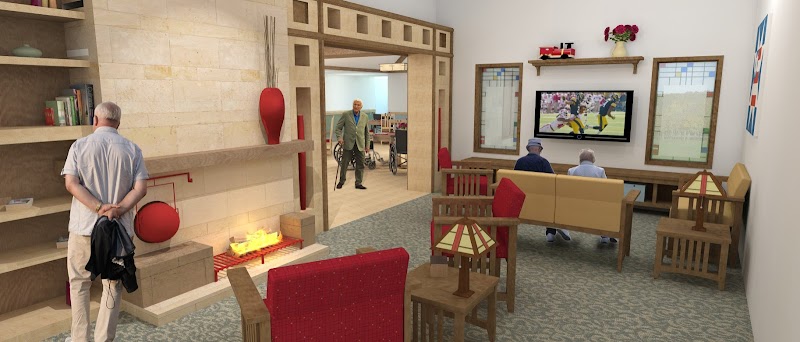
Who Owns and Operates Oakview Nursing & Rehablitation - Marion?

Oakview Nursing & Rehablitation - Marion is owned by a for-profit company. For-profit facilities operate as businesses with obligations to shareholders or private owners. The facility operates independently rather than as part of a larger chain. With 40 certified beds and approximately 34 residents (about 85% occupancy), it is a smaller facility located in Marion, Iowa.

How Does Oakview Nursing & Rehablitation - Marion Compare to Other Iowa Nursing Homes?

Compared to the 100 nursing homes in Iowa, Oakview Nursing & Rehablitation - Marion's overall rating (3 stars) is below the state average of 3.1, staff turnover (51%) is near the state average of 46%, and health inspection rating (3 stars) is at the national benchmark.

What Should Families Ask When Visiting Oakview Nursing & Rehablitation - Marion?

Based on this facility's data, families visiting should ask: "Can I visit during a mealtime to observe dining assistance and food quality?" "How do you handle medical emergencies, and what is your hospital transfer rate?" "Can I speak with family members of current residents about their experience?"

Is Oakview Nursing & Rehablitation - Marion Safe?

Based on CMS inspection data, Oakview Nursing & Rehablitation - Marion has a clean safety record: no substantiated abuse findings (meaning no confirmed cases of resident harm), no Immediate Jeopardy citations (the most serious violation level indicating risk of serious injury or death), and is not on the Special Focus Facility watch list (a federal program monitoring the lowest-performing 1% of nursing homes). The facility has a 3-star overall rating and ranks #100 of 100 nursing homes in Iowa. While no facility is perfect, families should still ask about staff-to-resident ratios and recent inspection results during their visit.

Do Nurses at Oakview Nursing & Rehablitation - Marion Stick Around?

Oakview Nursing & Rehablitation - Marion has a staff turnover rate of 51%, which is about average for Iowa nursing homes (state average: 46%). Moderate turnover is common in nursing homes, but families should still ask about staff tenure and how the facility maintains care continuity when employees leave.

Was Oakview Nursing & Rehablitation - Marion Ever Fined?

Oakview Nursing & Rehablitation - Marion has no federal fines on record. CMS issues fines when nursing homes fail to meet care standards or don't correct problems found during inspections. The absence of fines suggests the facility has either maintained compliance or corrected any issues before penalties were assessed. This is a positive indicator, though families should still review recent inspection reports for the full picture.

Is Oakview Nursing & Rehablitation - Marion on Any Federal Watch List?

Oakview Nursing & Rehablitation - Marion is not on any federal watch list. The most significant is the Special Focus Facility (SFF) program, which identifies the bottom 1% of nursing homes nationally based on persistent, serious quality problems. Not being on this list means the facility has avoided the pattern of deficiencies that triggers enhanced federal oversight. This is a positive indicator, though families should still review the facility's inspection history directly.