Silver Oak Nursing and Rehabilitation Center LLC
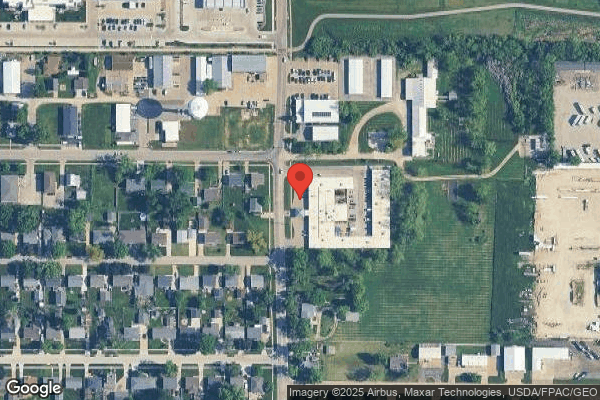

455 31ST STREET, MARION, IA 52302 (319) 377-7363
For profit - Corporation 91 Beds SIMCHA HYMAN & NAFTALI ZANZIPER Data: November 2025 1 Immediate Jeopardy citation
Trust Grade
0/100
#379 of 392 in IA
Last Inspection: April 2025

Within standard 12-15 month inspection cycle. Federal law requires annual inspections.

Overview

Silver Oak Nursing and Rehabilitation Center LLC has received a Trust Grade of F, indicating significant concerns about its operations and care quality. It ranks #379 out of 392 facilities in Iowa, placing it in the bottom half of all nursing homes in the state, and it is last out of 18 facilities in Linn County. The facility's situation is worsening, with the number of issues increasing from 17 in 2024 to 28 in 2025. While staffing received an average rating of 3 out of 5 stars, the 52% turnover rate is concerning, and the facility has high fines totaling $86,310, which is higher than 89% of Iowa facilities. Notably, there were critical incidents, including one where a cognitively impaired resident was allowed to leave the facility unsupervised in freezing temperatures, and another where a resident fell and fractured a hip due to inadequate assistance during care. Overall, while some staffing levels are adequate, the numerous serious and critical issues raise significant concerns for families considering this nursing home.

Trust Score
F
0/100
In Iowa
#379/392
Bottom 4%
Safety Record
High Risk
Review needed
Inspections
Getting Worse
17 → 28 violations
Staff Stability
⚠ Watch
52% turnover. Above average. Higher turnover means staff may not know residents' routines.
Penalties
✓ Good
$86,310 in fines. Lower than most Iowa facilities. Relatively clean record.
Skilled Nurses
⚠ Watch
Each resident gets only 24 minutes of Registered Nurse (RN) attention daily — below average for Iowa. Fewer RN minutes means fewer trained eyes watching for problems.
Violations
⚠ Watch
75 deficiencies on record. Higher than average. Multiple issues found across inspections.
★☆☆☆☆
1.0
Overall Rating
★★★☆☆
3.0
Staff Levels
★★★☆☆
3.0
Care Quality
★☆☆☆☆
1.0
Inspection Score
Stable
2024: 17 issues
2025: 28 issues

The Good

  • Full Sprinkler Coverage · Fire safety systems throughout facility
  • No fines on record

Facility shows strength in fire safety.

The Bad

1-Star Overall Rating

Below Iowa average (3.0)

Significant quality concerns identified by CMS

Staff Turnover: 52%

Near Iowa avg (46%)

Higher turnover may affect care consistency

Federal Fines: $86,310

Well above median ($33,413)

Moderate penalties - review what triggered them

Chain: SIMCHA HYMAN & NAFTALI ZANZIPER

Part of a multi-facility chain

Ask about local staffing decisions and management

The Ugly 75 deficiencies on record

1 life-threatening 4 actual harm
Sept 2025 2 deficiencies
CONCERN (D) 📢 Someone Reported This

A family member, employee, or ombudsman was alarmed enough to file a formal complaint

Potential for Harm - no one hurt, but risky conditions existed

Report Alleged Abuse (Tag F0609)

Could have caused harm · This affected 1 resident

**NOTE- TERMS IN BRACKETS HAVE BEEN EDITED TO PROTECT CONFIDENTIALITY** Based on clinical record review, staff interviews and facility policy review, the facility failed to report an allegation of res...

Read full inspector narrative →
**NOTE- TERMS IN BRACKETS HAVE BEEN EDITED TO PROTECT CONFIDENTIALITY** Based on clinical record review, staff interviews and facility policy review, the facility failed to report an allegation of resident to resident abuse,(Resident #3 and Resident #4). The facility reported a census of 76 residents. Findings include:The MDS (Minimum Data Set) dated 7/26/2025 revealed Resident #4 had severe cognitive impairment, ambulated independently and had a history of physical behaviors. The resident had diagnoses including dementia, depression and mood disorder. The Care Plan indicated the Resident #4 had behaviors including physical aggression towards others. It instructed staff to administer medications as ordered, monitor and document behaviors and intervene as needed. The resident's Progress Notes dated 6/21/2025 at 1:59 p.m. revealed staff heard a resident yell help in the dining room. Resident #4 slapped another resident's face (Resident #3), knocking her glasses off. The other resident also reported Resident #4 pulled her hair. The MDS dated [DATE] revealed Resident #3 had severe cognitive impairment, ambulated independently, and had diagnoses including seizure disorder and dementia. Progress Notes dated 6/21/2025 at 1:59 p.m. revealed staff heard a resident yell help in the dining room, a CNA entered the room, Resident #3 received a slap to her face, knocking her glasses off. On 6/21/2025 at 10:16 p.m. staff documented the resident had a small scratch on her face. On 6/27/2026, Staff B, Nurse Practitioner saw the resident concerning an intact blister on her face and ordered an antibiotic for seven days. On 7/1/2025, staff documented the resident continued on an antibiotic for a left outer eye abscess. Staff B saw the resident on 6/27/2025. In her Progress Note, Staff B documented staff report the recent development of a blister, which has been increasing in size and causing discomfort. The blister is located at the corner of her left eye but does not involve the eye lids or eye lashes. She has attempted to alleviate the discomfort by applying a warm washcloth. An Incident Report dated 6/21/2025 at 1:59 p.m., revealed Resident #4 slapped Resident #3. Staff A, LPN (Licensed Practical Nurse) documented staff heard a resident yell help in the dining room. A CNA (Certified Nurse's Aide) entered the room and Resident #3 reported she received a full slap to her face, knocking her glasses off. The resident also reported Resident #4 pulled her hair. Staff immediately separated the residents. On 9/15/2025 at 8:12 a.m., Staff B, ARNP reported the resident had an infected abscess at the bottom of her left eye, it did not involve the eye lid, it was not a stye, and it cleared up with antibiotics. Staff began notifying her a couple of days prior to her visit on 6/27/2025. Staff B indicated the abscess could have been a result of trauma. Nursing staff failed to inform Staff B of the resident to resident incident at the time of the visit. On 9/15/2025 at 9:10 a.m., Staff D, Administrator and Staff C, Director of Nursing both indicated the incident involving Resident #3 and Resident #4 on 6/21/2025 should have been reported to the state. According to their abuse policy, it should have been reported. On 9/10/2025 at 9:40 a.m., Staff A, LPN reported on 6/21/2025, Resident #4 entered the dining room, came up behind Resident #3 and slapped her. The two residents do not get along and staff try to keep them apart. Staff A verified she documented the incident. The facility Abuse Policy implemented March, 2022 and revised 9/2025 included: Policy: It is the policy of this facility to provide protections for the health, welfare and rights of each resident by developing and implementing written policies and procedures that prohibit and prevent abuse, neglect, exploitation and misappropriation of resident property.Definitions: Abuse means the willful infliction of injury, unreasonable confinement, intimidation, or punishment with resulting physical harm, pain or mental anguish, which can include staff to resident abuse and certain resident to resident altercations. Abuse also includes the deprivation by an individual, including a caretaker, of goods or services that are necessary to attain or maintain physical, mental, and psychosocial well-being. Instances of abuse of all residents, irrespective of any mental or physical condition, cause physical harm, pain or mental anguish. It includes verbal abuse, sexual abuse, physical abuse, and mental abuse including abuse facilitated or enabled through the use of technology.VII. Reporting/ResponseA. The facility will have written procedures that include:1. Reporting of all alleged violations to the Administrator, state agency, adult protective services and to all other required agencies (e.g., law enforcement when applicable) within specified timeframes:a. Immediately, but not later than 2 hours after the allegation is made, if the events that cause the allegation involve abuse or result in serious bodily injury, orb. Not later than 24 hours if the events that cause the allegation do not involve abuse and do not result in serious bodily injury.
CONCERN (E) 📢 Someone Reported This

A family member, employee, or ombudsman was alarmed enough to file a formal complaint

Potential for Harm - no one hurt, but risky conditions existed

Deficiency F0865 (Tag F0865)

Could have caused harm · This affected multiple residents

Based on the Centers for Medicare and Medicaid Services (CMS) Statement of Deficiencies form, the facility Quality Assurance and Performance Improvement (QAPI) Plan, and staff interviews the facility ...

Read full inspector narrative →
Based on the Centers for Medicare and Medicaid Services (CMS) Statement of Deficiencies form, the facility Quality Assurance and Performance Improvement (QAPI) Plan, and staff interviews the facility failed to carry out Quality Assurance activities to ensure effective measures had been taken to correct deficiencies and prevent their ongoing prevalence. The facility reported a census of 76 residents. Findings include:The CMS 2567, dated 4/9/2025 reflected deficiencies identified for failure to report an allegation of abuse. The current complaint survey, conducted 9/8/2025 - 9/15/2025 also identified the above concern. During an interview on 9/15/2025 at 11:31 a.m. with Staff D, Administrator and Staff C, DON, Staff D explained the QAPI team met at least quarterly to discuss Performance Improvement Projects (PIP). The next committee meeting is scheduled for October 6 with administration, heads of departments and the medical director. Issues are discussed in the morning meetings, and those issues are carried over to QA (Quality Assurance). Data is collected via PCC (Point Click Care), grievance forms, and any relevant vender notes such as pharmacy. Staff can leave notes or texts and they can call the compliance line anonymously. The committee decides which issues to work on by ranking them in order with which affect the residents first. Administration held a nurse's meeting regarding the failure to report. Staff were given an opportunity to voice some of the things they reported to prior administration. Things they felt should have been reported but were not. Staff were told they could put notes under the administrator's door if they had a concern. The facility Quality Assurance and Performance Improvement (QAPI) implemented 7/17/2023 included: Policy: It is the policy of this facility to develop, implement, and maintain an effective, comprehensive, data drivenQAPI program that focuses on indicators of the outcomes of care and quality of life and addresses all the care and unique services the facility provides. The QAPI plan will address the following elements:a. Design and scope of the facility's QAPI program and QAA Committee responsibilities and actions.b. Policies and procedures for feedback, data collection systems, and monitoring.c. Process addressing how the committee will conduct activities necessary to identify and correctquality deficiencies. Key components of this process include, but are not limited to, the following:i. Tracking and measuring performance.ii. Establishing goals and thresholds for performance improvements.iii. Identifying and prioritizing quality deficiencies.iv. Systematically analyzing underlying causes of systemic quality deficiencies.v. Developing and implementing corrective action or performance improvement activities.vi. Monitoring and evaluating the effectiveness of corrective action/performance improvementactivities and revising as needed.d. A prioritization of program activities that focus on resident safety, health outcomes, autonomy,choice, and quality of care, as well as, high-risk, high-volume, or problem-prone areas as identifiedin the facility assessment that reflects the specific units, programs, departments, and uniquepopulation the facility serves. The facility must also consider the incidence, prevalence, andseverity of problems or potential problems identified.e. A commitment to quality assessment and performance improvement by the governing body and/orexecutive leaders.f. Process to ensure care and services delivered meet accepted standards of quality. The facility QAPI Plan received from the administratoron 8/25/2025
Apr 2025 23 deficiencies
CONCERN (D)

Potential for Harm - no one hurt, but risky conditions existed

Deficiency F0578 (Tag F0578)

Could have caused harm · This affected 1 resident

**NOTE- TERMS IN BRACKETS HAVE BEEN EDITED TO PROTECT CONFIDENTIALITY** Based on clinical record review, policy review, and staff interviews, the facility failed to ensure resident records included ad...

Read full inspector narrative →
**NOTE- TERMS IN BRACKETS HAVE BEEN EDITED TO PROTECT CONFIDENTIALITY** Based on clinical record review, policy review, and staff interviews, the facility failed to ensure resident records included advance directive wishes for 2 of 24 residents reviewed for code status (Residents #2 and #10). The facility reported a census of 74 residents. Findings: 1. The Minimum Data Set (MDS) assessment tool, dated [DATE], listed diagnoses for Resident #2 which included heart failure, bipolar disorder, and depression. The MDS listed her Brief Interview for Mental Status (BIMS) status score as 15 out of 15, indicating intact cognition. A Care Plan entry, dated [DATE], stated the resident wished to be a Full Code. On [DATE] at 8:45 a.m., the resident's face sheet on her electronic health record (EHR) did not include any information under the heading Code Status. The binder at the nurse's station also did not include her Iowa Physician Orders for Scope of Treatment (IPOST). On [DATE] at 8:46 a.m., the Director of Nursing (DON) confirmed that Resident #2's IPOST was not in the binder nor the EHR. She stated she would correct this today. A [DATE] 9:32 a.m. Order Details report listed the resident as a Full Code. 2. The MDS assessment tool, dated [DATE], listed diagnoses for Resident #10 which included non-Alzheimer's dementia, seizure disorder, and mild intellectual disabilities. The MDS listed the resident's BIMS score as 7 out of 15, indicating severely impaired cognition. A [DATE] Care Plan entry stated the resident requested to be a Do Not Resuscitate (DNR) code status. On [DATE] at 8:19 a.m., Staff B Licensed Practical Nurse (LPN) stated aside from the EHR, resident code status information was located in a binder. She provided the binder which had a tab entitled IPOST. On [DATE] at 8:19 a.m., the binder under the tab entitled IPOST did not include an IPOST for Resident #10. On [DATE] at 8:46 a.m., the DON stated if the IPOST was not in the binder and there was no access to the computer, she would need to check with social work or get a copy from the doctor if it was an immediate situation. She stated if they could not locate a code status, they would work under the assumption the resident was a Full Code. The State Agency (SA) informed the DON that Resident #10's IPOST was not in the binder. Staff B was present and located the IPOST in the binder under a different tab after approximately 2 minutes, at 8:48 a.m. The resident's IPOST, dated [DATE], stated the resident resident's code status was a DNR. The facility policy Cardiopulmonary Resuscitation(CPR), dated [DATE], stated the facility would carry out CPR in accordance with the resident's advance directives or in the absence of advance directives. On [DATE] at 2:38 p.m., the DON stated code statuses should be up to date and in the binder.
CONCERN (D) 📢 Someone Reported This

A family member, employee, or ombudsman was alarmed enough to file a formal complaint

Potential for Harm - no one hurt, but risky conditions existed

Deficiency F0602 (Tag F0602)

Could have caused harm · This affected 1 resident

Based on observation, clinical record review, pharmacy record review, resident interview, police narrative, staff interviews, and policy review the facility failed to protect 1 of 3 residents reviewed...

Read full inspector narrative →
Based on observation, clinical record review, pharmacy record review, resident interview, police narrative, staff interviews, and policy review the facility failed to protect 1 of 3 residents reviewed for abuse from misappropriation of property and exploitation (Resident #51). The facility reported a census of 74 residents. Findings include: The MDS (Minimum Data Set) for Resident #51, dated 2/9/25, included diagnoses of multiple sclerosis, neurogenic bladder, anxiety, and depression. The resident scored 15/15 on the BIMS (Brief Interview for Mental Status assessment) which indicated intact cognition. The Care Plan for Resident #51 with an admission date of 12/9/24 included focus areas, goals, and interventions related to multiple sclerosis care, depression, anxiety, mood, and medication monitoring. Three documents titled Shipment Details indicated the following medication deliveries for the resident from the resident's pharmacy: Sildenafil Citrate 50 mg tablet, quantity 15, filled 8/30/24 (treat erectile dysfunction) Sildenafil Citrate 50 mg tablet, quantity 15, filled 9/8/24 Sildenafil Citrate 50 mg tablet, quantity 15, filled 9/21/24 On 04/08/25 at 9:05 AM the resident revealed he was very close to Staff M, RN (Registered Nurse). He stated he tipped her with 5 or 10 bucks for her birthday. When asked, the resident reported she kept the money and must have really needed it. When asked about a medication order from his urologist, Sildenafil Citrate, Resident #51 stated he knew on a personal level that Staff M had access to it. He thought she was the last one, maybe the only one, to give it to him. Resident #51's Medication Administration Record (MAR) for August 2025 documented the resident received Sildenafil Citrate 50 mg from Staff M 8/31/24 at 6:14 PM. The record did not include documentation that 1 or 2 pills were distributed. The medication was discontinued on 9/7/24. Progress Notes did not include documentation of what happened to the remaining 13 or 14 tablets at that time. No additional documentation was provided by the facility regarding this medication card. The resident's MAR for September 2025 documented an order for Sildenafil Citrate 50 mg tablet. Give 100 mg by mouth as needed for vasculogenic dysfunction of corpus cavernosum, take 1-2 tablets as needed once daily. The resident received this medication from Staff M on the following dates: 9/8 - 9:40 AM 9/11 - 8:56 AM 9/13 - 6:04 PM 9/17 - 5:55 PM 9/21 - 4:57 PM The resident's electronic health record did not document if the resident received 1 or 2 tablets for each administration. Progress Notes did not include documentation of what happened to the other 5-10 tablets. The facility did not have additional information regarding this card. The resident's MAR for October 2025 documented an order for Sildenafil citrate 50 mg tablet. Give 2 tablets by mouth as needed for vasculogenic dysfunction of corpus cavernosum, take 1-2 tablets as needed once daily. The resident received this medication from Staff M on the following dates: 10/4 - 6:17 PM 10/5 - 6:08 PM 10/6 - 6:27 PM 10/15 - 5:16 PM 10/19 - 6:01 PM 10/20 - 5:21 PM The resident's electronic health record did not document if the resident received 1 or 2 tablets for each administration. The facility did not have additional information regarding this card. Progress Notes did not include documentation of what happened to the other 3-9 tablets at that time. No additional administration of this medication was documented in the resident's MAR. In total between 21 and 33 tablets of Sildenafil Citrate were unaccounted for. On 4/1/25 at 8:01 PM the Administrator notified the surveyor they received a call from the local police department requesting information about Staff M and Resident #51. The Administrator stated Staff M was terminated in November (2024) for performance issues. She stated there were two incidents prior to that termination where staff in the facility reported Resident #51 and Staff M hugged and kissed. She stated they investigated and the facility was not able to confirm they occurred because the resident had a BIMS of 15 and denied them when questioned. She stated the denial was why they did not report it to the state. On 4/2/25 at 2:40 PM the surveyor observed Staff N, Licensed Practical Nurse look through the contents of the medication cart. The cart did not contain any of the 3 missing medication cards. Staff N accompanied the surveyor to the medication storage room. The cards were not in the storage room or the pharmacy bin. On 4/6/25 at 1:43 PM a county deputy emailed the surveyor a narrative of an investigation he was conducting. It noted that a backpack owned by Staff M contained a label from an unknown container, identified as a prescription for Sildenafil Citrate 50 mg to Resident #51 by his provider. The deputy provided a picture of the card top that included Resident #51's name. The narrative further documented Resident #51 resided at a care facility where Staff M was previously employed. Staff M refused to answer the deputy's questions regarding having a sexual and/or inappropriate relationship with Resident #51. On 4/7/25 at 5:06 PM the Administrator stated she assumed Staff M took the medication because it wasn't in the medication cart or the storage room. She reported she contacted the pharmacy and none of the medication was returned. Staff M was the only person to give Resident #51 this medication. On 4/9/25 at 9:18 AM Staff F, CNA (Certified Nurses Aide) stated that while she didn't see physical contact personally, Staff M and Resident #51 had a relationship she observed that was not professional and other staff did witness inappropriate things. She reported hearing Staff M took medications that belonged to residents and mentioned insulin because Staff M said she was 'allergic to cake', an anxiety medication when she had a panic attack at work, and the Sildenafil Citrate. Staff F indicated Resident #51 could be inappropriate with female staff, so staff provided cares in pairs. She reported Staff M and Resident #51 had private time together and she was in his room with the door closed when there was not a reason to be. She stated Resident #51 told other staff that Staff M gave him 'hand jobs,' made out with him, gave her money for her birthday, and gave her money for a phone he never got. She stated rumors increased after the two reports by her co-workers. A facility policy titled Abuse, Neglect and Exploitation reviewed/revised October 2022 documented it was the policy of the facility to provide protections for the health, welfare, and rights of each resident by developing and implementing policies and procedures that prohibit and prevent abuse, exploitation, and misappropriation of resident property. The facility would provide ongoing oversight and supervision of staff to ensure policies were implemented as written. Section III. Prevention of Abuse, Neglect, and Exploitation documented the following: B. Identifying, correcting and intervening in situations in which abuse, neglect, exploitation, and/or misappropriation of resident property is more likely to occur; H. Assigning responsibility for the supervision of staff on all shifts for identifying inappropriate staff behaviors. Section V. Investigations of Alleged Abuse, Neglect, and Exploitation included: A. An immediate investigation is warranted when suspicion of abuse, neglect or exploitation, or reports of abuse, neglect or exploitation occur. B. Written procedures for investigations include: 1. Identifying staff responsible for the investigation; 2. Exercising caution in handling evidence that could be used in a criminal investigation (e.g., not tampering or destroying evidence); 3. Investigating different types of alleged violations; 4. Identifying and interviewing all involved persons, including the alleged victim, alleged perpetrator, witnesses, and others who might have knowledge of the allegations; 5. Focusing the investigation on determining if abuse, neglect, exploitation, and/or mistreatment has occurred, the extent, and cause; and 6. Providing complete and thorough documentation of the investigation.
CONCERN (D) 📢 Someone Reported This

A family member, employee, or ombudsman was alarmed enough to file a formal complaint

Potential for Harm - no one hurt, but risky conditions existed

Report Alleged Abuse (Tag F0609)

Could have caused harm · This affected 1 resident

Based on observation, clinical record review, pharmacy record review, resident interview, staff interviews, and policy review the facility failed to report potential misappropriation and exploitation ...

Read full inspector narrative →
Based on observation, clinical record review, pharmacy record review, resident interview, staff interviews, and policy review the facility failed to report potential misappropriation and exploitation for 1 of 3 residents reviewed (Resident #51). Facility staff indicated they were aware of potential incidents as early as July 2024. The facility reported a census of 74 residents. Findings include: The MDS (Minimum Data Set) for Resident #51, dated 2/9/25, included diagnoses of multiple sclerosis, neurogenic bladder, anxiety, and depression. The resident scored 15/15 on the BIMS (Brief Interview for Mental Status assessment) which indicated intact cognition. The Care Plan for Resident #51 with an admission date of 12/9/24 included focus areas, goals, and interventions related to multiple sclerosis care, depression, anxiety, mood, and medication monitoring. According to pharmacy records, the facility received the following medication cards for Resident #51: Sildenafil Citrate 50 mg tablet, quantity 15, filled 8/30/24 (treat erectile dysfunction) Sildenafil Citrate 50 mg tablet, quantity 15, filled 9/8/24 Sildenafil Citrate 50 mg tablet, quantity 15, filled 9/21/24 Resident #51's Medication Administration Records (MAR) for August, September, and October 2025 documented an order for Sildenafil Citrate 50 mg tablet, 100 mg or two tablets by mouth as needed for vasculogenic dysfunction of corpus cavernosum, take 1-2 tablets as needed once daily. He received doses from Staff M (RN) 12 times. No other staff administered the medication. The electronic health record did not include documentation whether 1 or 2 pills were distributed at each administration. In total between 21 and 33 tablets were unaccounted for. The facility was unable to provide documentation regarding the location of the missing cards or audits of the medication carts or storage that would indicate when the medications went missing. On 04/08/25 at 9:05 AM the resident revealed he was very close to Staff M, RN (Registered Nurse). He stated he tipped her with 5 or 10 bucks for her birthday. When asked, the resident reported she kept the money and must have really needed it. When asked about a medication order from his urologist, Sildenafil Citrate, Resident #51 stated he knew on a personal level that Staff M had access to it. He thought she was the last one, maybe the only one, to give it to him. He stated he kissed Staff M, and believed that was a romantic thing to do. He confirmed she was an employee of the facility at the time. He stated they had agreed to 'take it slow.' He told the surveyor Staff M talked about her ex with him and that he was really bothered by the fact that Staff M might have been married at that time because he didn't want to be responsible for her cheating. At the end of the interview the resident was tearful, unable to speak for a moment and covered his mouth with his hand. He said he just missed her and this was hard. He thought he was in love with her, she never came back to see him, and he was confused about all of this. On 4/1/25 at 8:01 PM the Administrator notified the surveyor they received a call from the local police department requesting information about Staff M and Resident #51. The Administrator stated Staff M was terminated in November (2024) for performance issues. She stated there were two incidents prior to that termination where staff in the facility reported Resident #51 and Staff M hugged and kissed. She stated they investigated and the facility was not able to confirm the incidents occurred because the resident had a BIMS of 15 and denied them when questioned. She stated the denial was why they did not report it. On 4/7/25 at 5:06 PM the Administrator added that she assumed Staff M took the medication because it wasn't in the medication cart or the storage room. She reported she contacted the pharmacy and none of the medication was returned. Staff M was the only person to give Resident #51 this medication. On 4/2/25 at 2:40 PM the surveyor observed Staff N, Licensed Practical Nurse (LPN) look through the contents of the medication cart. The cart did not contain the 3 missing medication cards. Staff N accompanied the surveyor to the medication storage room. The cards were not in the storage room or the pharmacy bin. On 4/7/25 at 10:46 AM Staff H, CMA (Certified Medication Aide) stated there was a lot going around when Staff M was still at the facility about an inappropriate relationship. There were comments that she stuck her tongue down his throat, and that he gave her money for a phone. She stated the relationship was different from nurse and patient, and that there was some weird stuff going on. On 4/9/25 at 9:47 AM Staff H added she also heard about Staff M taking medication. She believed it was reported to the Director of Nursing at the time or the Administrator. On 4/7/25 at 11:08 AM Staff G, LPN stated she heard about 'tongue swapping' between Staff M and Resident #51, and money changing hands. She reported seeing Staff M in the building late, between 10 and 11, and Staff M would follow him. Staff G stated Staff M gave Resident #51 special treatment, and that the resident was madly in love with her. She stated he still wasn't over it. She indicated staff 'all' knew about it and Staff M pushed to get the Sildenafil Citrate on board. On 4/9/25 at 9:18 AM Staff F, CNA stated that while she didn't see physical contact personally, Staff M and Resident #51 had a relationship she did observe that was not professional and other staff did witness inappropriate things. She reported hearing Staff M took medications that belonged to residents and mentioned insulin because Staff M said she was 'allergic to cake', an anxiety medication when she had a panic attack at work, and the Sildenafil Citrate. Staff F indicated Resident #51 could be inappropriate with female staff, so staff provided cares in pairs. She reported Staff M and Resident #51 had private time together and she was in his room with the door closed when there was not a reason to be. She stated Resident #51 told other staff that Staff M gave him 'hand jobs,' made out with him, gave her money for her birthday, and gave her money for a phone he never got. She stated rumors increased after the two reports by her co-workers. A facility policy titled Abuse, Neglect and Exploitation reviewed/revised October 2022 documented it was the policy of the facility to provide protections for the health, welfare, and rights of each resident by developing and implementing policies and procedures that prohibit and prevent abuse, exploitation, and misappropriation of resident property. The facility would provide ongoing oversight and supervision of staff to ensure policies were implemented as written. Section V. Investigations of Alleged Abuse, Neglect, and Exploitation included: A. An immediate investigation is warranted when suspicion of abuse, neglect or exploitation, or reports of abuse, neglect or exploitation occur. B. Written procedures for investigations include: 1. Identifying staff responsible for the investigation; 2. Exercising caution in handling evidence that could be used in a criminal investigation (e.g., not tampering or destroying evidence); 3. Investigating different types of alleged violations; 4. Identifying and interviewing all involved persons, including the alleged victim, alleged perpetrator, witnesses, and others who might have knowledge of the allegations; 5. Focusing the investigation on determining if abuse, neglect, exploitation, and/or mistreatment has occurred, the extent, and cause; and 6. Providing complete and thorough documentation of the investigation.
CONCERN (D) 📢 Someone Reported This

A family member, employee, or ombudsman was alarmed enough to file a formal complaint

Potential for Harm - no one hurt, but risky conditions existed

Investigate Abuse (Tag F0610)

Could have caused harm · This affected 1 resident

Based on a police narrative, clinical record review, resident interview, staff interviews, and facility policy review the facility failed to prevent further potential misappropriation of property and ...

Read full inspector narrative →
Based on a police narrative, clinical record review, resident interview, staff interviews, and facility policy review the facility failed to prevent further potential misappropriation of property and exploitation and failed to conduct thorough investigations into two incidents for 1 of 3 residents reviewed (Resident #51). The facility reported a census of 74 residents. Findings include: The MDS (Minimum Data Set) for Resident #51, dated 2/9/25, included diagnoses of multiple sclerosis, neurogenic bladder, anxiety, and depression. The resident scored 15/15 on the BIMS (Brief Interview for Mental Status assessment) which indicated intact cognition. The Care Plan for Resident #51 with an admission date of 12/9/24 included focus areas, goals, and interventions related to multiple sclerosis care, depression, anxiety, mood, and medication monitoring. On 4/1/25 at 8:01 PM the Administrator notified the surveyor they received a call from the local police department requesting information about Staff M (RN) and Resident #51. The Administrator stated Staff M, Registered Nurse (RN) was terminated in November (2024) for performance issues. She stated there were two incidents prior to that termination where staff in the facility reported Resident #51 and Staff M hugged and kissed. She stated they investigated and the facility was not able to confirm either incident occurred because the resident had a BIMS of 15 and denied them when questioned. She stated the denial was why the alleged abuse was not reported to the state. On 4/6/25 at 1:43 PM a county deputy emailed the surveyor a narrative of an investigation he was conducting. It noted that a backpack owned by Staff M contained a label from an unknown container, identified as a prescription for Sildenafil Citrate 50 mg to Resident #51 by his provider. The deputy provided a picture of the card top that included Resident #51's name. Staff M refused to answer questions regarding a sexual or inappropriate relationship with the resident. On 4/7/25 at 5:06 PM the Administrator stated she assumed Staff M took the medication because it wasn't in the medication cart or the storage room. She reported she contacted the pharmacy and none of the medication was returned. Staff M was the only person to give Resident #51 this medication. The facility was unable to provide documentation that cart or storage room audits had been conducted prior to the report from the deputy that would have investigated for the missing Sildenafil Citrate cards. On 04/08/25 at 9:05 AM the resident revealed he was very close to Staff M, RN (Registered Nurse). He stated he tipped her with 5 or 10 bucks for her birthday. When asked, the resident reported she kept the money and must have really needed it. When asked about a medication order from his urologist, Sildenafil Citrate, Resident #51 stated he knew on a personal level that Staff M had access to it. He thought she was the last one, maybe the only one, to give it to him. He stated he kissed Staff M, and believed that was a romantic thing to do. He confirmed she was an employee of the facility at the time. He stated they had agreed to 'take it slow.' He told the surveyor Staff M talked about her ex with him and that he was really bothered by the fact that Staff M might have been married at that time because he didn't want to be responsible for her cheating. At the end of the interview the resident was tearful, unable to speak for a moment and covered his mouth with his hand. He said he just missed her and this was hard. He thought he was in love with her, she never came back to see him, and he was confused about all of this. The facility did not have documentation that Staff M reported a kiss by or with the resident. There was no indication the resident was separated from Resident #51 while either of the two reported staff reports were investigated. No information was provided that documented dates of the staff reports, written statements, interviews with the resident, the staff who reported the incidents, or other facility staff interviews to verify a thorough investigation was conducted. A facility policy titled Abuse, Neglect and Exploitation reviewed/revised October 2022 documented it was the policy of the facility to provide protections for the health, welfare, and rights of each resident by developing and implementing policies and procedures that prohibit and prevent abuse, exploitation, and misappropriation of resident property. The facility would provide ongoing oversight and supervision of staff to ensure policies were implemented as written. Section V. Investigations of Alleged Abuse, Neglect, and Exploitation included: A. An immediate investigation is warranted when suspicion of abuse, neglect or exploitation, or reports of abuse, neglect or exploitation occur. B. Written procedures for investigations include: 1. Identifying staff responsible for the investigation; 2. Exercising caution in handling evidence that could be used in a criminal investigation (e.g., not tampering or destroying evidence); 3. Investigating different types of alleged violations; 4. Identifying and interviewing all involved persons, including the alleged victim, alleged perpetrator, witnesses, and others who might have knowledge of the allegations; 5. Focusing the investigation on determining if abuse, neglect, exploitation, and/or mistreatment has occurred, the extent, and cause; and 6. Providing complete and thorough documentation of the investigation.
CONCERN (D) 📢 Someone Reported This

A family member, employee, or ombudsman was alarmed enough to file a formal complaint

Potential for Harm - no one hurt, but risky conditions existed

Deficiency F0658 (Tag F0658)

Could have caused harm · This affected 1 resident

Based on clinical record review, interview, and facility policy review the facility failed to provide services according to physician orders for 1 of 4 residents reviewed (Residents #49). The facility...

Read full inspector narrative →
Based on clinical record review, interview, and facility policy review the facility failed to provide services according to physician orders for 1 of 4 residents reviewed (Residents #49). The facility reported a census of 74 residents. Findings include: The Minimum Data Set (MDS) assessment for Resident #49 dated 3/16/25 included diagnoses of chronic pain syndrome, arthritis, osteoporosis, and fibromyalgia. It documented a Brief Interview for Mental Status (BIMS) of 15/15 indicating intact cognition. The resident's Care Plan with an admission date of 8/21/23 indicated staff should anticipate pain and respond immediately to complaints of pain, evaluate the effectiveness of pain interventions including review for compliance, dosing schedules, and resident satisfaction with results, and monitor/record/report signs and symptoms of non-verbal pain. On 03/31/25 at 01:40 PM Resident #49 reported her medications were often late and her pain cream was missed some days. She stated she had discussed this with nurses, the Director of Nursing, and the Administrator. The resident's Medication Administration Record and Treatment Administration Record (MAR/TAR) revealed the resident's orders included Diclofenac Sodium External Gel 1% (Diclofenac Sodium (Topical)) Apply to Bilateral knees topically three times a day for pain 4 grams. Treatments were missed during the evening medication pass (labeled 'supper') between 3/1/25 and 4/8/25: 3/2, 3/4, 3/5, 3/7, 3/8, 3/9, 3/10, 3/11, 3/13, 3/18, 3/22, 3/23, 3/24, 3/25, 3/27, 3/31, & 4/5. During the same time frame, in addition to scheduled pain medication, Resident #49 required the following PRN (as needed) pain medications: 3/23/25 - Acetaminophen Oral Tablet 325 MG 3/27/25 - Acetaminophen Oral Tablet 325 MG 4/5/25 - Acetaminophen Oral Tablet 325 On 04/03/25 at 2:50 PM Staff I, Licensed Practical Nurse (LPN) acknowledged that medications had been missed or given outside of the scheduled time range. On 04/07/25 at 11:08 AM Staff G, LPN reported Resident #49 had expressed concerns about showers, medications, and staff who had told her to wait and then not returned. She addressed it the times she was there and stated that she was only part time. When asked about staffing, Staff G stated she thought the facility was short staffed for the care residents needed in the building. A policy titled Medication Administration - General reviewed/revised 9/19/23 indicated medications were administered by licensed nurses, or other staff legally authorized to do so, as ordered by the physician and in accordance with professional standards of practice. Medications were to be administered within 60 minutes prior to or after scheduled times.
CONCERN (D) 📢 Someone Reported This

A family member, employee, or ombudsman was alarmed enough to file a formal complaint

Potential for Harm - no one hurt, but risky conditions existed

Pressure Ulcer Prevention (Tag F0686)

Could have caused harm · This affected 1 resident

**NOTE- TERMS IN BRACKETS HAVE BEEN EDITED TO PROTECT CONFIDENTIALITY** Based on clinical record review, facility policy review, and staff interview, the facility failed to complete regular assessment...

Read full inspector narrative →
**NOTE- TERMS IN BRACKETS HAVE BEEN EDITED TO PROTECT CONFIDENTIALITY** Based on clinical record review, facility policy review, and staff interview, the facility failed to complete regular assessments and treatments to treat a pressure ulcer for 1 of 3 residents reviewed for pressure ulcers (Resident #71). The facility reported a census of 74 residents. Findings include: The MDS (Minimum Data Set) assessment identifies the definition of pressure ulcers: Stage I is an intact skin with non-blanchable redness of a localized area usually over a bony prominence. Darkly pigmented skin may not have a visible blanching; in dark skin tones only it may appear with persistent blue or purple hues. Stage II is partial thickness loss of dermis presenting as a shallow open ulcer with a red or pink wound bed, without slough (dead tissue, usually cream or yellow in color). May also present as an intact or open/ruptured blister. Stage III Full thickness tissue loss. Subcutaneous fat may be visible but bone, tendon or muscle is not exposed. Slough may be present but does not obscure the depth of tissue loss. May include undermining and tunneling. Stage IV is full thickness tissue loss with exposed bone, tendon or muscle. Slough or eschar (dry, black, hard necrotic tissue). may be present on some parts of the wound bed. Often includes undermining and tunneling or eschar. Unstageable Ulcer: inability to see the wound bed. Other staging considerations include: Deep Tissue Pressure Injury (DTPI): Persistent non-blanchable deep red, maroon or purple discoloration. Intact skin with localized area of persistent non-blanchable deep red, maroon, purple discoloration due to damage of underlying soft tissue. This area may be preceded by tissue that is painful, firm, mushy, boggy, warmer or cooler as compared to adjacent tissue. These changes often precede skin color changes and discoloration may appear differently in darkly pigmented skin. This injury results from intense and/or prolonged pressure and shear forces at the bone-muscle interface. The MDS assessment tool, dated 3/14/25, listed diagnoses for Resident #71 which included cellulitis (an infection of the tissues) of the left lower limb, heart failure, and obesity. The MDS stated the resident was at risk for pressure ulcers but had no unhealed pressure ulcers. The MDS listed the resident's Brief Interview for Mental Status (BIMS) score as 15 out of 15, indicating intact cognition. A 3/7/25 hospital note stated the resident had wounds to the left and right heel. A 3/7/25 Health Status Note stated the resident arrived at the facility from the hospital. A 3/7/25 Nursing Admission/readmission Assessment, documented the resident had vascular wounds to the right and left lower legs. A 3/7/25 Weekly Skin Observation documented the resident had left and right lower leg necrosis (referring to dead tissue), a right foot ulcer measuring 3 centimeters x 2 cm, and a left upper leg ulcer measuring 3 cm x 5 cm. The assessment lacked documentation the resident had heel wounds. A 3/8/25 Care Plan entry stated the resident was at risk for developing a pressure ulcer. The March 2025 Treatment Administration Record (TAR) listed an order for skin prep to the bilateral heels every shift and as needed and listed a discontinue date of 3/7/25. The TAR lacked documentation of a heel treatment from the resident's admission on [DATE] until her discharge on [DATE]. The resident's clinical record contained no documentation of wounds on the resident's heels from her admission date on 3/7/25 until 3/21/25. A 3/21/25 Weekly Skin Observation assessment stated the resident had a Stage 3 pressure ulcer to the right heel and a Stage 4 pressure ulcer to the left heel. The document contained no further description or measurements of the wound. A 3/21/25 Care Plan entry stated the resident had a Stage 3 pressure ulcer to the right heel and a Stage 4 pressure ulcer to the left heel. A 3/21/25 Health Status Note stated the resident had a Stage 4 (pressure ulcer) to the left heel and the facility notified the physician. A 3/21/25 Order Note stated the provider visited and observed the resident complete her dressing change. The note did not mention the resident's heel pressure ulcers. The facility lacked documentation of bilateral heel treatments completed from 3/21/25 to the resident's discharge on [DATE]. A 3/25/25 Progress Note stated the resident received orders to discharge. On 4/7/25 at 9:22 a.m., the Director of Nursing (DON) stated staff should carry out treatments and should complete skin assessments weekly. The facility policy Pressure Injury Prevention and Management, revised December 2024, stated the facility would review all relevant documentation regarding skin assessments, pressure injury risks, progression towards healing, and compliance at least weekly, and document a summary of findings in the medical record.
CONCERN (D) 📢 Someone Reported This

A family member, employee, or ombudsman was alarmed enough to file a formal complaint

Potential for Harm - no one hurt, but risky conditions existed

Accident Prevention (Tag F0689)

Could have caused harm · This affected 1 resident

Based on observation, clinical record review, and staff interview, the facility failed to ensure safe wheelchair movement for 1 of 1 residents reviewed for wheelchair safety (Resident #41). The facili...

Read full inspector narrative →
Based on observation, clinical record review, and staff interview, the facility failed to ensure safe wheelchair movement for 1 of 1 residents reviewed for wheelchair safety (Resident #41). The facility reported a census of 74 residents. Findings include: The Minimum Data Set (MDS) assessment tool, dated 1/21/25, listed diagnoses for Resident #41 which included heart failure, non-Alzheimer's dementia, and anxiety. The MDS listed the resident's Brief Interview for Mental Status (BIMS) score as 3 out of 15, indicating severely impaired cognition. A 10/28/23 Care Plan entry stated the resident was dependent on staff to move the wheelchair. On 3/31/25 at 12:53 p.m., Staff A, Certified Nursing Assistant (CNA) pushed Resident #41 down the hall in her wheelchair and her left foot drug on the ground during the transfer. Staff A pushed the resident approximately 50 feet down the hall. On 4/7/25 at 9:22 a.m., the Director of Nursing (DON) stated staff should utilize foot pedals when pushing residents in a wheelchair. On 4/9/25 at approximately 2:00 p.m., the Administrator stated the facility did not have a policy pertaining to the use of wheelchair foot pedals.
CONCERN (D)

Potential for Harm - no one hurt, but risky conditions existed

Deficiency F0728 (Tag F0728)

Could have caused harm · This affected 1 resident

Based on personnel file review, the Health Facility Database (HFD), and interviews the facility failed to ensure 1 of 4 Certified Nursing Aides (CNAs) was certified prior to employment. The facility r...

Read full inspector narrative →
Based on personnel file review, the Health Facility Database (HFD), and interviews the facility failed to ensure 1 of 4 Certified Nursing Aides (CNAs) was certified prior to employment. The facility reported a census of 74 residents. Findings include: A review of staff personnel files on 4/8/25 determined that Staff J did not have an active CNA certification. A note in the file dated 11/6/23 written by Staff K documented that the facility was waiting on his CNA application. A criminal background check documented that on 11/13/23 there was not a record found for a CNA with Staff J's name and date of birth . An additional undated document in the file from the HFD confirmed there was not a certification date for Staff J. On 4/10/25 at 3:27 PM the HFD page titled DCW Details (Direct Care Worker) did not include a certification date for Staff J and documented that he was not currently employed. An interview with the Administrator on 4/8/25 at 3:37 PM confirmed Staff J was not certified. She stated he had told the facility he was certified in another state. She reported there was an Administrator in training responsible for the building the previous summer who must have realized the error and sent him to take the skills test. As soon as the current Administrator and the facility scheduler confirmed Staff J was not a CNA he was asked to clock out and leave the facility. At 3:38 PM on 4/8/25 Staff L, Scheduling, stated she called the DCW hotline and learned that Staff J failed the CNA test 7/25/24. She thought Staff J was aware he had been caught working without certification because of the 'vibe' she got when they called him in to the office to ask him about it.
CONCERN (D)

Potential for Harm - no one hurt, but risky conditions existed

Deficiency F0730 (Tag F0730)

Could have caused harm · This affected 1 resident

Based on personnel file review, staff training records, and interviews the facility failed to ensure 1 of 4 Certified Nursing Aides (CNAs) received a performance evaluation, competency evaluation, or ...

Read full inspector narrative →
Based on personnel file review, staff training records, and interviews the facility failed to ensure 1 of 4 Certified Nursing Aides (CNAs) received a performance evaluation, competency evaluation, or training based on performance reviews. The facility reported a census of 74 residents. Findings include: A review of staff personnel files on 4/8/25 determined that Staff J was not evaluated for performance between his hire date of 12/5/23 and 4/8/25. The personnel file did not include orientation training or competency evaluations. Training records documented a single training on 3/19/24 for 15 minutes of education regarding communicating effectively. During an interview with the Administrator on 4/8/25 at 3:37 PM she confirmed she was not able to locate evaluations or training based on CNA evaluations.
CONCERN (D) 📢 Someone Reported This

A family member, employee, or ombudsman was alarmed enough to file a formal complaint

Potential for Harm - no one hurt, but risky conditions existed

Pharmacy Services (Tag F0755)

Could have caused harm · This affected 1 resident

Based on clinical record review, facility policy review, and staff and resident interviews, the facility failed to ensure the availability of routine medications for 2 of 7 residents reviewed for medi...

Read full inspector narrative →
Based on clinical record review, facility policy review, and staff and resident interviews, the facility failed to ensure the availability of routine medications for 2 of 7 residents reviewed for medications (Resident #17 and #13) The facility reported a census of 74 residents. Findings include: 1. The Minimum Data Set(MDS) assessment tool, dated 1/17/25, listed diagnoses for Resident #17 which included heart failure, diabetes, and anxiety. The MDS listed the resident's Brief Interview for Mental Status (BIMS) score as 15 out of 15, indicating intact cognition. A 9/25/23 Care Plan entry directed staff to administer medications as ordered. On 3/31/25 at approximately 1:00 p.m., the resident stated she missed some pills today. The March 2025 Medication Administration Record (MAR) listed an order for Methocarbamol (a muscle relaxant) 750 milligrams(mgs) three times per day. The following entries lacked a check to indicate staff administered the medication: 3/30/25 supper dose, 3/31/25 lunch and supper doses. eMAR Administration Notes on 3/30/25 at 4:35 p.m., 3/31/25 at 1:08 p.m., and 3/31/25 at 5:02 p.m. stated the resident's medication was not available. 2. The MDS assessment tool, dated 1/20/25, listed diagnoses for Resident #13 which included severe obesity, anxiety, and depression and listed the resident's BIMS score as 15 out of 15, indicating intact cognition. On 3/31/25 at 1:11 p.m., Resident #13 stated she missed some medications today because the facility did not have them. The March 2025 MAR listed the following orders: a. Fesoterodine Fumarate 8 mg one time a day for overactive bladder. b. Lexapro 20 mg one time a day for major depressive disorder. c. Metolazone 2.5 mg once time a day for edema(swelling) d. Spironolactone 100 mg one time a day for hypertension. e. Naproxen 500 mg twice daily for pain. f. Hydroxyzine Pamoate 25 mg three times daily for anxiety. The entries for the morning dose on 3/31/25 lacked a checkmark to indicate staff administered the above medications. The facility policy Medication Administration-General, revised 9/19/23, stated staff administered medications as ordered by the physician and in accordance with professional standards of practice. On 4/8/25 at 2:38 p.m., the Director of Nursing (DON) stated there were issues with medication availability and there was a problem with this last medication changeover (from March to April 2025). She stated routine medications should be available.
CONCERN (D)

Potential for Harm - no one hurt, but risky conditions existed

Menu Adequacy (Tag F0803)

Could have caused harm · This affected 1 resident

Based on observation, facility menus, facility policy review, and staff interview, the facility failed to follow the menu for 2 out of 2 residents on a pureed diet to ensure nutritional needs were met...

Read full inspector narrative →
Based on observation, facility menus, facility policy review, and staff interview, the facility failed to follow the menu for 2 out of 2 residents on a pureed diet to ensure nutritional needs were met. The facility reported a census of 74 residents. Findings include: On 4/1/25 at 11:01 a.m., Staff D, Cook, pureed meatballs. Staff D did not puree any bread with the meatballs. On 4/1/25 at 12:03 p.m., a resident on a pureed diet received the following lunch: pureed meatballs, mashed potatoes, and pureed cake. The tray contained no bread. The Week 2 Therapeutic Spread Report stated resident on a regular diet should receive 1 slice of bread and residents on a pureed diet should receive 1/2 cup of pureed orzo (a type of pasta). On 4/2/25 at 3:56 p.m., the Administrator stated they would order pureed bread mix and add it to the meat during preparation. The facility policy Food Preparation Guidelines, dated 4/9/24, directed staff to follow written menus during food preparation in the form that met individual resident needs.
CONCERN (D) 📢 Someone Reported This

A family member, employee, or ombudsman was alarmed enough to file a formal complaint

Potential for Harm - no one hurt, but risky conditions existed

Deficiency F0804 (Tag F0804)

Could have caused harm · This affected 1 resident

Based on observation, facility policy review, and resident and staff interviews, the facility failed to ensure staff served food at palatable hot holding temperatures for 1 of 1 meal observed. The fac...

Read full inspector narrative →
Based on observation, facility policy review, and resident and staff interviews, the facility failed to ensure staff served food at palatable hot holding temperatures for 1 of 1 meal observed. The facility reported a census of 74 residents. Findings include: 1. The facility policy Food Preparation Guidelines, dated 4/9/24, directed staff to serve food at a safe and appetizing temperature. On 3/31/25 at 1:11 p.m., Resident #13 stated that the food in the East dining room was cold so she preferred to eat in the main dining room. On 4/1/25, the Dietary Manager obtained the following temperatures: Carrots 163 degrees Fahrenheit at 11:32 a.m. Mashed Potatoes 163 degrees Fahrenheit at 11:33 a.m. Meatballs 189 degrees Fahrenheit at 11:33 a.m. On 4/1/25 at 11:35 a.m., Staff D, Cook, began to plate meals for the East hall cart. The State Agency (SA) requested a test tray with a thermometer to be placed on the cart. Staff D placed a test tray on the cart and began plating the rest of the resident meals for the East cart. The plates that Staff D utilized did not come from a plate warmer. At 11:47 a.m., Staff D completed the East cart meals and the Dietary Manager (DM) paged staff to inform them the cart was ready. The DM rolled the cart to the East hall at 11:48 a.m. At 11:50 a.m., staff members including the Activity Director began to serve the trays to residents in their rooms. At 11:57 a.m., staff finished passing the last room tray and took the cart into the East dining room. Staff passed the last dining tray at 11:58 a.m. and the SA immediately obtained the following temperatures from the test tray: Carrots 104 degrees Fahrenheit Mashed Potatoes 113 degrees Fahrenheit Meatballs 107 degrees Fahrenheit The SA tasted the food and it was barely warm. On 4/2/25 at 12:57 p.m. the DM stated she expected hot holding temperatures to be over 140-145 degrees Fahrenheit.
CONCERN (D)

Potential for Harm - no one hurt, but risky conditions existed

Deficiency F0947 (Tag F0947)

Could have caused harm · This affected 1 resident

Based on personnel file review, staff training records, and interviews the facility failed to ensure 1 of 4 Certified Nursing Aides (CNAs) completed 12 hours of in-services per year that included abus...

Read full inspector narrative →
Based on personnel file review, staff training records, and interviews the facility failed to ensure 1 of 4 Certified Nursing Aides (CNAs) completed 12 hours of in-services per year that included abuse and dementia training. The facility reported a census of 74 residents. Findings include: A review of staff personnel files on 4/8/25 determined that Staff J did not complete orientation training, competency evaluations, or annual CNA training between his hire date of 12/5/23 and 4/8/25. The orientation checklist in the file was blank. Training records for this CNA documented one training on 3/19/24 for 15 minutes of education regarding communicating effectively. Staff J's files did not include a record of Dependent Adult Abuse training, abuse prevention, or dementia training for residents with cognitive impairments. During an interview with the Administrator 4/7/25 at 5:06 PM she stated she had to own that the facility was not caught up on training. They had staff meetings but their online training platform was switched and they were not caught up. On 4/8/25 at 3:37 PM the Administrator further confirmed she was not able to locate orientation documentation or additional training information for Staff J. She reported the only reason Staff J completed the training on communication was because another staff person sat with him to make sure it was done. She was not able to provide verification of required Dependent Adult Abuse training or facility directed online training completed by Staff J.
CONCERN (E) 📢 Someone Reported This

A family member, employee, or ombudsman was alarmed enough to file a formal complaint

Potential for Harm - no one hurt, but risky conditions existed

Resident Rights (Tag F0550)

Could have caused harm · This affected multiple residents

Based on observation, record review, resident interviews, staff interviews, and policy review the facility failed to treat 3 of 7 residents reviewed with dignity and respect while providing care and s...

Read full inspector narrative →
Based on observation, record review, resident interviews, staff interviews, and policy review the facility failed to treat 3 of 7 residents reviewed with dignity and respect while providing care and services (Residents #30, #49, and #51). The facility reported a census of 74 residents. Findings include: 1. The Minimum Data Set (MDS) assessment for Resident #30 dated 3/21/25 documented diagnoses of heart failure, weakness, seizure disorder, and anxiety. The MDS included a Brief Interview for Mental Status (BIMS) score of 15/15 which indicated intact cognition. It reported the resident needed assistance with set up for oral care and was dependent for toileting hygiene, sit to stand, and chair/bed transfers. The resident was marked as touch assistance for toileting transfers with the MDS further documenting tub/shower transfers and bathing were not attempted in the look back period due to medical condition or safety concerns. The Care Plan for Resident #30 included interventions dated 7/10/24 to transfer the resident to her wheelchair at night for toileting, as well as to encourage participation in activities that promote exercise and physical activity for strengthening and improved mobility. An intervention dated 10/12/24 indicated the resident used XXL disposable briefs and directed staff to change or offer toileting every 2 hours and PRN (as needed). On 3/31/25 at 11:16 AM the resident was noted to be asleep in her recliner wearing a red plaid nightgown. From the door of her room, her hair appeared oily and there was an odor outside of her room. On 04/01/25 at 07:49 AM the resident was observed in her room, asleep in nearly the same position as the day before. She was wearing the same plaid nightgown as the day before. Her hair remained oily and tight to the side of her head. During an interview on 04/01/25 at 07:54, when asked about staff treating her with dignity and respect, the resident reported certified nursing assistants (CNAs) had told her she had to go (urinate and defecate) in her brief due to 'spells' she had quite a while ago in the bathroom. She said she felt 'nasty' going in her brief, which caused trouble getting it out and constipation. They told her to finish going and call them when she was done. She stated it had happened more than once in the past week, mostly at night. The resident reported an instance when she sat with poop half in and half out all night. She also reported staff did not regularly comb her hair, change her clothes, help her brush her teeth, or bathe her. She reported she had been wearing the current clothing for 3 days. A Progress Note dated 7/12/24 at 8:19 PM documented the resident became upset waiting to use the restroom. She told the nurse she would need to use the toilet versus 'going in the brief' that night. Documentation indicated that would be passed on to the night shift. It did not include that it was passed on to the Director of Nursing or the Administrator to discuss why she thought she had to go in her brief. On 04/01/25 at 07:25 PM observed Staff E, CNA walk into Resident #30's room without knocking or announcing herself. Between 7:25 PM and 8:11 PM Staff E entered and exited resident rooms 7 times without knocking or announcing herself. 3 of the rooms were dark with residents sleeping and the noise Staff E made could be heard in the hallway. During a follow up interview with Resident #30 on 04/01/25 at 08:16 PM she reported she'd had a shower after dinner. The resident stated the briefs they put her in afterwards were too tight. The surveyor observed the open package of briefs on the bed were XL. The resident stated she needed XXL and staff told her they didn't have any. She reported they were 'cutting' in to her front and back. She further stated the evening shift CNAs changed her brief but would not take her to the bathroom. She confirmed using the bathroom was her preference. On 04/03/25 at 02:50 PM Staff I, Licensed Practical Nurse (LPN), stated she was aware of staff refusing to take the resident to the bathroom at night. She thought the CNA was disciplined and didn't think that person worked there anymore. An interview with Staff G, LPN on 04/07/25 at 11:08 AM revealed the resident needed the wheelchair and 2 CNAs to take her to the bathroom and to change her brief. She stated the resident had told her about concerns with 2nd shift staff not taking her to the bathroom. She did not know if that had been reported to anyone. While interviewing Staff H, CMA/CNA on 04/07/25 at 10:46 AM she stated Resident #30 required pretty much full care. She reported the resident had been upset some mornings when she arrived because the resident said staff at night made her go to the bathroom in her brief. She stated the resident did have 'little episodes' but if staff stayed with her in the bathroom it was fine. 2. The MDS for Resident #49 dated 3/16/25 included diagnoses of atrial fibrillation, neurogenic bladder, and fibromyalgia. It documented a BIMS of 15/15 indicating intact cognition. Section GG revealed the resident required substantial to maximal assistance with transfers, toileting, bathing, dressing, and personal hygiene. The resident's Care Plan with an admission date of 8/21/23 indicated the resident used an electronic tablet to assist with communication due to hearing deficit. Interventions included anticipating and meeting needs and monitoring for non-verbal signs of distress and frustration. Focus areas included risk for developing pressure ulcers, bowel and bladder incontinence, risk for falls, and fragile skin. On 03/31/25 at 01:19 PM observed the resident's roommate and a guest who opened and closed the curtain dividing the room. Resident #49 asked to speak with the surveyor somewhere private because she felt her roommate listened to everything. At 01:40 PM the resident was transferred to her wheelchair to move to a private area. She reported she was only getting one bath a week, she had to ask repeatedly to get up in the morning, her medications were often late and her pain cream was missed some days. She stated that on 3/4/25 at 11:50 AM a CNA came in and turned off her call light without helping her leading to a 2.5 hour wait to get changed. When asked if she felt staff were respectful she stated she didn't think having to ask the CNAs to make sure she was clean after going to the bathroom, missing showers, or making residents wait so long for care was respectful at all. Resident #49 also reported staff did not provide appropriate daily care for false teeth and it was sometimes hard to get her clothes changed in the morning unless her significant other helped and shut the door. On 04/03/25 at 2:50 PM Staff I, Licensed Practical Nurse (LPN) stated the resident probably had missed showers due to staffing issues. She was not aware of missing denture cleaning. Staff H, Certified Nursing Aide (CNA), during an interview 04/07/25 at 10:46 AM, indicated residents often complained about missing baths, mostly second shift. Staff H stated oral cares should be provided at least every morning. She stated this resident had spoken to her about her care before. On 04/07/25 at 11:08 AM Staff G, LPN reported Resident #49 had expressed concerns about showers, medications, and staff who have told her to wait and then not returned. She addressed it the times she was there but that was only part time. She thought the facility was short staffed for the care residents needed in the building. 3. The MDS for Resident #51, dated 2/9/25, included diagnoses of multiple sclerosis, neurogenic bladder, anxiety, and depression. The resident scored 15/15 on the BIMS indicating intact cognition. He was dependent on staff for oral hygiene, toileting hygiene, and chair/bed transfers. He required substantial/maximal assistance for toilet transfers and dressing. The Care Plan for Resident #51 with an admission date of 12/9/24 included focus areas, goals, and interventions related to multiple sclerosis care, depression, anxiety, mood, and medication monitoring. On 03/31/25 at 11:30 AM the resident reported he was generally happy with his care. During a follow up interview with the resident on 04/08/25 at 9:05 AM he revealed that sometimes he was confused and embarrassed about some of the things he heard. When asked to explain that, he reported he had heard staff in the building talking about about him and a former employee. He stated he did feel safe but also felt 'under duress.' On 4/7/25 at 11:08 AM Staff G, LPN reported staff had talked about the resident and former employee when they still worked at the facility. On 4/9/25 at 9:47 AM Staff H, CNA confirmed that she had talked about the resident, employee, and possible medication issues with other staff. On 4/9/25 at 9:18 AM Staff F, CNA confirmed that she had talked about possible incidents with other staff and heard rumors among staff about a potential relationship. On 4/7/25 at 9:22 AM the Director of Nursing was asked about resident dignity concerns and stated she expected nurses to check in with residents daily to make sure dressing, toileting, bathing, overall care was being completed and that every resident contact was an opportunity to ensure good care. She stated residents had complained to her about issues related to dignity such as bathing, timeliness, and staffing. She expected staff to knock before entering a room and that CNA's would help with oral care twice a day. On 4/7/25 at 5:06 PM the Administrator reported the facility was continuing their investigation into Resident #51 concerns. She expected staff to remember this was a resident's home and didn't know staff had been talking about this incident. A policy titled Resident Rights revised 3/4/25 revealed the resident had the right to a dignified existence. The resident had the right to be treated with respect and dignity. The resident had the right to reside and receive services in the facility with reasonable accommodation of resident needs and preferences. The resident had a right to choose activities, schedules (including sleeping and waking times), health care and providers of health care services consistent with his or her interests, assessments, and plan of care. The resident had a right to personal privacy and confidentiality of his or her personal and medical records.
CONCERN (E) 📢 Someone Reported This

A family member, employee, or ombudsman was alarmed enough to file a formal complaint

Potential for Harm - no one hurt, but risky conditions existed

ADL Care (Tag F0677)

Could have caused harm · This affected multiple residents

**NOTE- TERMS IN BRACKETS HAVE BEEN EDITED TO PROTECT CONFIDENTIALITY** Based on observation, clinical record review, facility policy review, and staff and resident interviews, the facility failed to ...

Read full inspector narrative →
**NOTE- TERMS IN BRACKETS HAVE BEEN EDITED TO PROTECT CONFIDENTIALITY** Based on observation, clinical record review, facility policy review, and staff and resident interviews, the facility failed to provide bathing and/or grooming assistance for 8 of 13 residents reviewed for activities of daily living assistance (Residents #2, #10, #13, #30, #46, #49, #71, #231). The facility reported a census of 74 residents. Findings include: 1. The Minimum Data Set (MDS) assessment tool, dated 2/18/25, listed diagnoses for Resident #2 which included heart failure, bipolar disorder, and depression. The MDS stated the resident required substantial/maximal assistance with bathing and listed her Brief Interview for Mental Status (BIMS) score as 15 out of 15, indicating intact cognition. The facility policy Activities of Daily Living, dated 12/4/24, stated staff would assist residents with baths, dressing, and oral care. A 2/19/25 Care Plan entry stated the resident usually required assistance to provide supervision, verbal cues, and touching/steadying or contact assistance with bathing. The entry stated the resident required assistance with washing her back and hair. On 3/31/25 at 10:36 a.m., Resident #2 stated she only received one bath per week because the facility was short-staffed. Review of the resident's Documentation Survey Report V2 and paper bath sheets revealed the resident received the following baths or showers between her admission on [DATE] and 4/2/25: 2/22/25 shower documented on paper Resident Bath/Shower Sheet 3/1/25 shower documented on paper Resident Bath/Shower Sheet 3/8/25 shower documented on March 2025 Documentation Survey Report V2 3/12/25 shower documented on March 2025 Documentation Survey Report V2 3/15/25 Resident Bath/Shower Sheet was blank 3/19/25 Resident Bath/Shower Sheet stated the resident did not want to shower and requested if she could shower tomorrow 3/22/25 shower documented on paper Resident Bath/Shower Sheet 3/29/25 shower documented on paper Resident Bath/Shower Sheet The facility lacked documentation of additional tub baths or showers received during the above time period including between 2/12/25 and 2/22/25, a span of 9 days, between 2/22/25 and 3/1/25, a span of 7 days, between 3/1/25 and 3/8/25, a span of 7 days, and between 3/22/25 and 3/29/25, a span of 7 days. The facility lacked documentation staff re-approached the resident on a different day after a refusal. 2. The MDS assessment tool, dated 1/5/25, listed diagnoses for Resident #10 which included non-Alzheimer's dementia, seizure disorder, and mild intellectual disabilities. The MDS stated the resident was dependent of staff for personal hygiene including combing hair. The MDS listed the resident's BIMS score as 7 out of 15, indicating severely impaired cognition. A 10/18/23 Care Plan entry stated the resident was depended on staff for combing hair. On 3/31/25 at approximately 1:00 p.m., Resident #10 walked down the East hall and her hair was disheveled and sticking up in the back. On 4/2/25 at 9:00 a.m., the resident ate breakfast in the dining room. The resident's hair was in a head band but her hair was sticking up on both sides and was matted at the crown of her head. 3. The MDS assessment tool, dated 1/20/25, listed diagnoses for Resident #13 which included severe obesity, anxiety, and depression and listed the resident's BIMS score as 15 out of 15, indicating intact cognition. A 10/12/23 Care Plan entry stated the resident required partial to moderate assistance for bathing. On 3/31/25 at 1:11 p.m., Resident #13 stated she was supposed to receive a bath twice per week but that did not happen. Review of the resident's February and March 2025 Documentation Survey Report V2 and paper bath sheets revealed the resident received the following baths or showers during the period of 2/1/25 and 4/2/25: 2/17/25 partial bed bath or wash up at sink documented on February Documentation Survey Report V2 2/20/25 shower documented on paper Resident Bath/Shower Sheet 2/22/25 shower documented on paper Resident Bath/Shower Sheet 3/3/25 shower documented on March 2025 Documentation Survey Report V2 3/13/25 The paper Resident Bath/Shower sheet was blank. 3/27/25 shower documented on March 2025 Documentation Survey Report V2 3/31/25 The resident refused according to the March Documentation Survey Report V2. The facility lacked documentation of additional tub bath or showers received or offered during the above time period including between 2/1/25 and 2/17/25, a span of 15 days, between 2/22/25 and 3/3/25, a span of 8 days, between 3/3/25 and 3/10/25, a span of 6 days, and between 3/17/25 and 3/27/25, a span of 9 days. The facility lacked documentation staff re-approached the resident on a different day after a refusal. 4. The MDS assessment tool, dated 1/20/25, listed diagnoses for Resident #46 which included heart failure, non-Alzheimer's dementia, and depression and listed the resident's BIMS score as 11 out of 15, indicating moderately impaired cognition. A 10/12/23 Care Plan entry stated the resident required assistance of staff for washing her back and hair and to provide assistance transferring into the tub or shower. On 03/31/25 at 11:12 a.m., Resident #46 stated she went three weeks with no bath. Review of the resident's February and March 2025 Documentation Survey Report V2 and paper bath sheets revealed the resident received the following baths or showers during the period of 2/1/25 and 4/2/25: 2/7/25 shower documented on February Documentation Survey Report V2. 2/25/25 shower documented on February Documentation Survey Report V2. 2/28/25 shower documented on February Documentation Survey Report V2. 3/21/25 documentation of resident refusal of shower on March 2025 Documentation Survey Report V2 3/28/25 shower documented on February Documentation Survey Report V2. The facility lacked documentation of additional tub baths or showers received or offered during the above time period including between 2/1/25 and 2/7/25, a span of 6 days, between 2/7/25 and 2/25/25, a span of 18 days, between 2/28/25 and 3/21/25, a span of 20 days, and between 3/21/25 and 3/28/25, a span of 6 days. The facility lacked documentation staff re-approached the resident on a different day after a refusal. 5. The MDS assessment tool, dated 3/14/25, listed diagnoses for Resident #71 which included cellulitis (infection of the tissue) of the left lower limb, heart failure, and obesity and listed the resident's BIMS score as 15 out of 15, indicating intact cognition. Review of the resident's Documentation Survey Report V2 and paper bath sheets revealed the resident received the following baths or showers between her admission on [DATE] and her discharge on [DATE]: 3/12/25 shower documented on March 2025 Documentation Survey Report V2 3/13/25 shower documented on March 2025 Documentation Survey Report V2 3/15/25 bed bath documented on paper Resident/Bath/Shower Sheet and stated the resident did not want shower due to her leg dressings 3/24/25 shower documented on Resident Bath/Shower Sheet. The facility lacked documentation of additional tub baths or showers received during the above time period including between 3/7/25 and 3/12/25, a span of 4 days and between 3/15/25 and 3/24/25, a span of 8 days. The facility lacked documentation staff re-approached the resident on a different day after a refusal. On 4/7/25 at 10:31 a.m., Staff C Certified Nursing Assistant(CNA) stated Resident #71 needed a shower and she felt like the facility needed to pay attention to how they sent residents out to appointments. She stated she remembered the resident going to dialysis and her hair was matted. On 4/8/25 at 2:38 p.m., the Director of Nursing (DON) stated residents should receive at minimum two baths per week and she had a plan to remedy the concern moving forward. She stated staff should comb a resident's hair before leaving the room. 6. The MDS assessment for Resident #231 dated 2/15/25 listed diagnoses of heart failure, renal failure, and non-Alzheimer's dementia and indicated the resident was unable to complete the BIMS assessment due to short and long term memory problems. The resident's Care Plan with an admission date of 10/30/23 recorded actual skin impairment, risk of pressure ulcer development, nutritional problems, incontinence, and the need for the assistance of two helpers with bathing due to impaired cognition and weakness. On 03/31/25 at 1:40 PM Resident #231's former roommate reported the resident went weeks without a bath, and she thought that was because Resident #231 couldn't speak up for herself like she could. Facility documentation titled South Hall shower schedule listed Resident #231 was scheduled to receive a bath/shower on Mondays and Thursdays. No shower sheets with skin assessments were completed for the resident between 2/1/25 and 3/14/25. Review of the resident's February and March 2025 Documentation Survey Report V2 revealed the resident received the following baths or showers from 2/1/25 through 3/14/25: 2/10/25 #1 documented, which indicated the resident had a partial bed bath. 2/17/25 shower documented. 2/27/25 shower documented. 3/03/25 #1 documented. The facility did not have documentation that staff communicated missed baths/showers or approached the resident on a different day. 7. The MDS for Resident #49 dated 3/16/25 included diagnoses of atrial fibrillation, neurogenic bladder, and fibromyalgia and a BIMS of 15/15 indicating intact cognition. Section GG revealed the resident required substantial to maximal assistance with transfers, toileting, bathing, dressing, and personal hygiene. The resident's Care Plan with an admission date of 8/21/23 included focus areas for risk of developing pressure ulcers, bowel and bladder incontinence, risk for falls, and fragile skin. During an interview on 03/31/25 at 01:40 PM Resident #49 reported receiving 1 bath per week and she didn't want a bed bath to replace her showers. She wanted staff to take the time to dry her well after bathing so she didn't get sores under her breasts. She stated it was hard to get a CNA to find the Administrator or Director of Nursing (DON) when she wanted to talk about her concerns. She added regular bathing was important because 3 CNA's didn't get her completely clean, and sometimes she had to use wipes to clean herself. A document titled Monthly Grievance log contained an entry dated 10/21/24 from Resident #49 that she was not receiving showers. It documented the issue was resolved the same day. Review of the resident's Documentation Survey Report V2 and bathing/skin sheets for March 2025 documented: 3/3/25 #1 which meant washed up, sink bath, or partial bed bath. No shower/skin sheet. 3/5/25 #1. No shower/skin sheet. 3/7/25 shower documented. No shower/skin sheet. 3/10/25 blank. No shower/skin sheet. 3/12/25 #1. No shower/skin sheet. 3/14/25 blank, skin sheet documented a shower 3/17/25 #1. No shower/skin sheet. 3/19/25 blank. No shower/skin sheet. 3/21/25 shower documented, bathing sheet confirmed 3/24/25 not applicable documented. No shower/skin sheet. 3/26/25 #1. No shower/skin sheet. 3/28/25 shower documented. No shower/skin sheet. Facility documentation in Progress Notes and bathing sheets did not include documentation that the resident refused any baths/showers. 8. The MDS for Resident #30 dated 3/21/25 documented diagnoses of heart failure, weakness, seizure disorder, and anxiety. The MDS included a Brief Interview for Mental Status (BIMS) score of 15/15 which indicated intact cognition. It reported the resident needed assistance with set up for oral care and was dependent for toileting hygiene, sit to stand, and chair/bed transfers. The MDS further documented tub/shower transfers and bathing were not attempted in the look back period. The Care Plan for Resident #30 included interventions dated 7/10/24 to transfer the resident to her wheelchair at night for toileting. An intervention dated 10/12/24 directed staff to change or offer toileting every 2 hours and PRN (as needed). On 3/31/25 at 11:16 AM observed the resident asleep in her recliner. From the door of her room, her hair appeared oily and there was a musty urine odor outside of her room. On 04/01/25 at 07:49 AM the resident was observed in her room, asleep in nearly same position as the day before and wore the same plaid nightgown. Her hair remained oily and tight to the side of her head. During an interview on 04/01/25 at 07:54 the resident reported certified nursing assistants (CNAs) told her she had to go (urinate and defecate) in her brief due to 'spells' she had in the bathroom. She said she felt 'nasty' going in her brief, which caused trouble getting it out and constipation. The resident reported an instance when she sat with poop half in and half out all night. She also reported staff did not regularly comb her hair, change her clothes, help her brush her teeth, or bathe her. She reported she had been wearing her current clothing for 3 days. Review of the resident's March 2025 Documentation Survey Report V2 indicated the resident received 1 bath in March on 3/11/25 and refused a bath on 3/7/25. The facility was unable to provide bath/skin sheets to supplement missing days or document additional efforts to offer the resident a bath. Progress Notes for Resident #30 did not document additional baths given, alternate attempts after refusals, or offers of alternate interventions. Additional documentation in the V2 report for March 2025 indicated the resident was not assisted with oral hygiene, hair care, shaving, or washing hands and face the following mornings: 3/4, 3/10, 3/11, 3/13, 3/14, 3/15, 3/16, 3/18, 3/19, 3/22, 3/23, 3/30, and 3/31. During an interview with the DON on 4/7/25 at 9:22 AM she stated the nurses should be checking daily to ensure dressing and toileting were done, and that every contact with the resident was an opportunity to ensure cares were done, including oral care morning and night. She indicated residents had complained to her about bathing and linen changes. She did not think there was currently enough staff for all of the needs residents had. The DON confirmed staff had refused to take the resident to the bathroom at night. Staff had been re-educated 3 weeks before. She was not aware it was still happening. On 4/7/25 at 11:08 AM Staff G, LPN reported acuity impacted completion of tasks, and that call ins affected how much could get done in a day. She stated every resident could have better teeth care here. She expected staff to help with oral cares and other activities of daily living, and there was a [NAME] effect when there was not enough staff.
CONCERN (E) 📢 Someone Reported This

A family member, employee, or ombudsman was alarmed enough to file a formal complaint

Potential for Harm - no one hurt, but risky conditions existed

Quality of Care (Tag F0684)

Could have caused harm · This affected multiple residents

**NOTE- TERMS IN BRACKETS HAVE BEEN EDITED TO PROTECT CONFIDENTIALITY** Based on clinical record review, facility policy review, and staff interviews, the facility failed to carry out wound assessment...

Read full inspector narrative →
**NOTE- TERMS IN BRACKETS HAVE BEEN EDITED TO PROTECT CONFIDENTIALITY** Based on clinical record review, facility policy review, and staff interviews, the facility failed to carry out wound assessments and/or wound treatments for 3 of 6 residents reviewed for non-pressure wounds (Residents #63, #71, and #232). The facility reported a census of 74 residents. Findings include: 1. The Minimum Data Set (MDS) assessment tool, dated 11/5/24, listed diagnoses for Resident #63 which included left foot drop, muscle weakness, and abnormal posture. The MDS listed the resident's Brief Interview for Mental Status (BIMS) score as 14 out of 15, indicating intact cognition. A 7/30/24 Care Plan entry stated the resident had actual impairment to skin integrity related to a left foot surgical wound. An 8/1/24 surgical note stated the resident had a left fourth toe amputation and had a diagnosis of osteomyelitis(infection of the bone). A 12/20/24 Order Note requested the discontinuation of a betadine (an iodine solution used to treat wounds) treatment to the left foot due to the area long since healed. A 12/28/24 Order Note stated the facility received a verbal order for betadine to the left second and third digits. The facility lacked documentation of an assessment of the left foot and a reason for the betadine order. A 1/3/25 Weekly Skin Observation lacked documentation of a current wound. A 1/10/25 Weekly Skin Observation stated the resident had a left foot mark and scar but lacked any further assessment of the foot. A 1/14/25 surgical note stated the resident had a wound on the left second and third toes which he stated began a couple of weeks prior. The facility lacked further documentation of left foot assessments including a description of the wound and wound measurements from the date of the order on 12/28/24 until the 1/14/25 surgical appointment. 2. The MDS assessment tool, dated 3/14/25, listed diagnoses for Resident #71 which included cellulitis (an infection of the tissues) of the left lower limb, heart failure, and obesity. The MDS stated the resident had two venous or arterial ulcers and listed the resident's BIMS score as 15 out of 15, indicating intact cognition. A 3/3/25 hospital note stated the resident had non-healing bilateral lower extremity wounds and had lower left extremity black eschar (a thick, dry, leathery, and often dark-colored (black, brown, or tan) tissue that formed on a wound, typically after a burn or other severe injury) and erythema (redness) with purulent (referring to pus) drainage. A 3/7/25 hospital Summary of Care report listed current medications including silver sulfadiazine 1% cream (used to treat and prevent infections) and [NAME] oxide (used to protect skin) to bilateral lower legs and feet twice daily. A 3/7/25 Health Status Note stated the resident arrived at the facility from the hospital. A 3/7/25 Nursing Admission/readmission Assessment, documented the resident had vascular wounds to the right and left lower legs. A 3/7/25 Weekly Skin Observation documented the resident had left and right lower leg necrosis (referring to dead tissue), a right foot ulcer measuring 3 centimeters (cm) x 2 cm, and a left upper leg ulcer measuring 3 cm x 5 cm. Care Plan entries, dated 3/8/25, stated the resident had potential/actual impairment to the skin integrity of the right and left legs and directed staff to carry out weekly documentation including measurements, tissue type, and other notable changes or observations. The March 2025 Treatment Administration Record (TAR) included the following orders: a. Silver Sulfadiazine Cream 1%, apply to bilateral lower extremities and feet topically every shift, cleanse wound with soap and water, apply zinc oxide paste to peri-wound skin, apply thick layer like frosting of sulfadiazine on 4x4 gauze and apply to wound, cover with abdominal pads, wrap with kerlix (a type of gauze bandage) and secure with 2 inch paper tape. b. Silver Sulfadiazine Cream 1%, apply to left medial (referring to the middle portion) lower leg topically every shift, cleanse wound with saline and gauze, loosely fill wound with sulfadiazine moistened packing strip, cover with an abdominal pad, wrap with Kerlix, and secure with paper tape. c. Zinc Oxide External Paste 40%, apply to legs and feet per orders. The following entries were blank and lacked staff initials to indicated the completion of the above treatments: 3/8/25 6:00 a.m. dose, 3/11/25 night dose, 3/12/25 morning dose, 3/22/25 night dose. The 3/9/25 morning dose documented a 9 which directed to Progress Notes. 3/9/25 eMAR Administration Notes stated the facility waited for the resident's Silver Sulfadiazine Cream 1% and zinc oxide from the pharmacy. A 3/14/25 Nurse Practitioner note stated the resident had cellulitis of the lower extremities with non-healing ulcers and stated the dressings were intact and per nursing, the wounds were stable with no acute signs of infection. A 3/14/25 Weekly Skin Observation sheet stated the resident had vascular wounds to the bilateral lower legs. The document contained no other assessments or measurements of the wounds. A 3/21/25 Health Status Note stated the resident's wounds to the left lower extremity were worsening and the redness extended to mid-thigh bilaterally. A 3/21/25 Weekly Skin Observation stated the resident had pressure ulcers to the right and left heels. The sheet lacked documentation of an assessment to the legs. A 3/21/25 Order Note stated the resident's bilateral lower legs weeped with a moderate amount of serosanguinous(bloody, watery) drainage. The wound beds vary with slough (a yellow, white, or tan, stringy, or thick substance, that overlayed a wound bed and hindered healing) and necrotic areas with surrounding redness noted. The facility lacked further assessments of the residents legs during the time of her admission until her 3/25/25 discharge. A 3/25/25 Progress Note stated the resident received orders to discharge. The facility policy Nurse Services and Sufficient Staff revised 2/5/25, listed nursing duties to include: assessing, evaluating, planning, and implementing resident care plans and responding to resident needs. The facility policy Notification of Changes, revised 10/21/24, stated the facility would promptly consult the resident's physician when there was a change requiring notification. On 4/7/25 at 9:22 a.m., the Director of Nursing (DON) stated staff should carry out treatments and should complete skin assessments weekly. On 4/8/25 at 2:38 p.m., the DON stated they did not locate anything additional for Resident #71 but were still working on it.
CONCERN (E)

Potential for Harm - no one hurt, but risky conditions existed

Food Safety (Tag F0812)

Could have caused harm · This affected multiple residents

Based on observation, facility cleaning schedules, and staff interview, the facility failed to maintain adequate kitchen sanitation for 2 of 2 kitchen observations. The facility reported a census of 7...

Read full inspector narrative →
Based on observation, facility cleaning schedules, and staff interview, the facility failed to maintain adequate kitchen sanitation for 2 of 2 kitchen observations. The facility reported a census of 74 residents. Findings include: The initial kitchen tour, conducted on 3/31/25 at 9:33 a.m., revealed the following concerns: a. a thick layer of dust buildup on the back of the ice machine b. dust particles suspended from the 3 spigots of the fire suppression system located above the stove burners. A follow-up kitchen tour, conducted on 4/1/25 at 10:23 a.m., revealed the following concerns: a. dust particles remained suspended from the 3 spigots of the fire suppression system located above the stove burners. b. a shelf to the right of the three compartment sink covered with a film of dust and hairs, located directly over steam table lids. c. the ceiling above a prep area where staff wrapped silverware had strings of dust hanging down approximately 3 inches in length. d. a thick layer of dust hung from the sprinkler above the prep sink. e. dust particles suspended from the ceiling panels above the steam table and covering a vent above the right hand side of the steam table. The undated facility Weekly Cleaning List directed staff to clean ceiling vents biweekly and clean shelves weekly. On 4/2/25 at 12:57 p.m., the Dietary Manager stated she expected kitchen vents and the ceiling to be clean and stated some of the ceiling panels needed replaced.
CONCERN (E)

Potential for Harm - no one hurt, but risky conditions existed

Deficiency F0883 (Tag F0883)

Could have caused harm · This affected multiple residents

Based on clinical record review, facility policy review, and staff interview, the facility failed to offer influenza vaccines to 4 of 5 residents reviewed for immunizations (Residents #2, #8, #10, and...

Read full inspector narrative →
Based on clinical record review, facility policy review, and staff interview, the facility failed to offer influenza vaccines to 4 of 5 residents reviewed for immunizations (Residents #2, #8, #10, and #63). The facility reported a census of 74 residents. Findings include: The facility policy Influenza Vaccination, dated 6/14/23, stated the facility would offer residents annual immunizations against influenza. 1. The Minimum Data Set (MDS) assessment tool, dated 2/18/25, listed diagnoses for Resident #2 which included heart failure, bipolar disorder, and depression. The MDS stated the resident required substantial/maximal assistance with bathing and listed her Brief Interview for Mental Status (BIMS) status as 15 out of 15, indicating intact cognition. 2. The MDS assessment tool, dated 4/1/25, listed diagnoses for Resident #8 which included diabetes, seizure disorder, and low back pain and listed her BIMS score as 9 out of 15, indicating moderately impaired cognition. 3. The MDS assessment tool, dated 1/5/25, listed diagnoses for Resident #10 which included non-Alzheimer's dementia, seizure disorder, and mild intellectual disabilities. The MDS listed the resident's BIMS score as 7 out of 15, indicating severely impaired cognition. 4. The MDS assessment tool, dated 11/5/24, listed diagnoses for Resident #63 which included left foot drop, muscle weakness, and abnormal posture. The MDS listed the resident's BIMS score as 14 out of 15, indicating intact cognition. The facility lacked documentation they offered influenza vaccines to the above residents during the 2024-2025 influenza season. On 4/8/25 at 2:38 p.m., the Director of Nursing (DON) stated residents should be up to date with their vaccinations. On 4/9/25 at 8:10 a.m., the Regional DON stated she could locate no additional influenza vaccine documentation.
CONCERN (E)

Potential for Harm - no one hurt, but risky conditions existed

Deficiency F0887 (Tag F0887)

Could have caused harm · This affected multiple residents

Based on clinical record review, facility policy review, and staff interview, the facility failed to offer a Covid-19 vaccine for 1 of 5 residents reviewed for vaccinations (Resident #2). The facility...

Read full inspector narrative →
Based on clinical record review, facility policy review, and staff interview, the facility failed to offer a Covid-19 vaccine for 1 of 5 residents reviewed for vaccinations (Resident #2). The facility reported a census of 74 residents. Findings include: The facility policy Covid-19 Vaccination reviewed 11/4/24, stated the facility would offer residents the Covid-19 vaccine. 1. The Minimum Data Set (MDS) assessment tool, dated 2/18/25, listed diagnoses for Resident #2 which included heart failure, bipolar disorder, and depression. The MDS listed her Brief Interview for Mental Status (BIMS) status as 15 out of 15, indicating intact cognition. The resident's clinical record lacked documentation the facility offered the resident a Covid-19 vaccination. On 4/8/25 at 2:38 p.m., the Director of Nursing (DON) stated residents should be up to date with their vaccinations. On 4/9/25 at 8:10 a.m., the Regional DON stated she could locate no additional Covid-19 vaccine documentation.
CONCERN (F) 📢 Someone Reported This

A family member, employee, or ombudsman was alarmed enough to file a formal complaint

Potential for Harm - no one hurt, but risky conditions existed

Deficiency F0725 (Tag F0725)

Could have caused harm · This affected most or all residents

**NOTE- TERMS IN BRACKETS HAVE BEEN EDITED TO PROTECT CONFIDENTIALITY** Based on observation, clinical record review, facility policy review, and staff and resident interviews, the facility failed to ...

Read full inspector narrative →
**NOTE- TERMS IN BRACKETS HAVE BEEN EDITED TO PROTECT CONFIDENTIALITY** Based on observation, clinical record review, facility policy review, and staff and resident interviews, the facility failed to ensure sufficient staff in order to provide bathing and/or grooming assistance for 8 of 13 residents reviewed for activities of daily living assistance (Residents #2, #10, #13, #30, #46, #49, #71, & #231). The facility reported a census of 74 residents. Findings include: 1. The Minimum Data Set (MDS) assessment tool, dated 2/18/25, listed diagnoses for Resident #2 which included heart failure, bipolar disorder, and depression. The MDS stated the resident required substantial/maximal assistance with bathing and listed her Brief Interview for Mental Status (BIMS) score as 15 out of 15, indicating intact cognition. The facility policy Nursing Services and Sufficient Staff, revised 2/5/25, stated the facility would provide sufficient staff with appropriate competencies and skill sets to assure resident safety and attain or maintain the highest practicable physical, mental and psychosocial well-being of each resident, as determined by resident assessments and individual plans of care. The facility policy Activities of Daily Living, dated 12/4/24, stated staff would assist residents with baths, dressing, and oral care. A 2/19/25 Care Plan entry stated Resident #2 usually required assistance to provide supervision, verbal cues, and touching/steadying or contact assistance with bathing. The entry stated the resident required assistance with washing her back and hair. On 3/31/25 at 10:36 a.m., Resident #2 stated she only received one bath per week because the facility was short-staffed. Review of the resident's Documentation Survey Report V2 and paper bath sheets revealed the resident received the following baths or showers between her admission on [DATE] and 4/2/25: 2/22/25 shower documented on paper Resident Bath/Shower Sheet 3/1/25 shower documented on paper Resident Bath/Shower Sheet 3/8/25 shower documented on March 2025 Documentation Survey Report V2 3/12/25 shower documented on March 2025 Documentation Survey Report V2 3/15/25 Resident Bath/Shower Sheet was blank 3/19/25 Resident Bath/Shower Sheet stated the resident did not want to shower and requested if she could shower tomorrow 3/22/25 shower documented on paper Resident Bath/Shower Sheet 3/29/25 shower documented on paper Resident Bath/Shower Sheet The facility lacked documentation of additional tub baths or showers received during the above time period including between 2/12/25 and 2/22/25, a span of 9 days, between 2/22/25 and 3/1/25, a span of 7 days, between 3/1/25 and 3/8/25, a span of 7 days, and between 3/22/25 and 3/29/25, a span of 7 days. The facility lacked documentation staff re-approached the resident on a different day after a refusal. 2. The MDS assessment tool, dated 1/5/25, listed diagnoses for Resident #10 which included non-Alzheimer's dementia, seizure disorder, and mild intellectual disabilities. The MDS stated the resident was dependent of staff for personal hygiene including combing hair. The MDS listed the resident's BIMS score as 7 out of 15, indicating severely impaired cognition. A 10/18/23 Care Plan entry stated the resident was depended on staff for combing hair. On 3/31/25 at approximately 1:00 p.m., Resident #10 walked down the East hall and her hair was disheveled and sticking up in the back. On 4/2/25 at 9:00 a.m., the resident ate breakfast in the dining room. The resident's hair was in a head band but her hair was sticking up on both sides and was matted at the crown of her head. 3. The MDS assessment tool, dated 1/20/25, listed diagnoses for Resident #13 which included severe obesity, anxiety, and depression and listed the resident's BIMS score as 15 out of 15, indicating intact cognition. A 10/12/23 Care Plan entry stated the resident required partial to moderate assistance for bathing. On 3/31/25 at 1:11 p.m., Resident #13 stated she was supposed to receive a bath twice per week but that did not happen. Review of the resident's February and March 2025 Documentation Survey Report V2 and paper bath sheets revealed the resident received the following baths or showers during the period of 2/1/25 and 4/2/25: 2/17/25 partial bed bath or wash up at sink documented on February Documentation Survey Report V2 2/20/25 shower documented on paper Resident Bath/Shower Sheet 2/22/25 shower documented on paper Resident Bath/Shower Sheet 3/3/25 shower documented on March 2025 Documentation Survey Report V2 3/13/25 The paper Resident Bath/Shower sheet was blank. 3/27/25 shower documented on March 2025 Documentation Survey Report V2 3/31/25 The resident refused according to the March Documentation Survey Report V2. The facility lacked documentation of additional tub bath or showers received or offered during the above time period including between 2/1/25 and 2/17/25, a span of 15 days, between 2/22/25 and 3/3/25, a span of 8 days, between 3/3/25 and 3/10/25, a span of 6 days, and between 3/17/25 and 3/27/25, a span of 9 days. The facility lacked documentation staff re-approached the resident on a different day after a refusal. 4. The MDS assessment tool, dated 1/20/25, listed diagnoses for Resident #46 which included heart failure, non-Alzheimer's dementia, and depression and listed the resident's BIMS score as 11 out of 15, indicating moderately impaired cognition. A 10/12/23 Care Plan entry stated the resident required assistance of staff for washing her back and hair and to provide assistance transferring into the tub or shower. On 03/31/25 at 11:12 a.m., Resident #46 stated she went three weeks with no bath. Review of the resident's February and March 2025 Documentation Survey Report V2 and paper bath sheets revealed the resident received the following baths or showers during the period of 2/1/25 and 4/2/25: 2/7/25 shower documented on February Documentation Survey Report V2. 2/25/25 shower documented on February Documentation Survey Report V2. 2/28/25 shower documented on February Documentation Survey Report V2. 3/21/25 documentation of resident refusal of shower on March 2025 Documentation Survey Report V2 3/28/25 shower documented on February Documentation Survey Report V2. The facility lacked documentation of additional tub baths or showers received or offered during the above time period including between 2/1/25 and 2/7/25, a span of 6 days, between 2/7/25 and 2/25/25, a span of 18 days, between 2/28/25 and 3/21/25, a span of 20 days, and between 3/21/25 and 3/28/25, a span of 6 days. The facility lacked documentation staff re-approached the resident on a different day after a refusal. 5. The MDS assessment tool, dated 3/14/25, listed diagnoses for Resident #71 which included cellulitis (infection of the tissue) of the left lower limb, heart failure, and obesity and listed the resident's BIMS score as 15 out of 15, indicating intact cognition. Review of the resident's Documentation Survey Report V2 and paper bath sheets revealed the resident received the following baths or showers between her admission on [DATE] and her discharge on [DATE]: 3/12/25 shower documented on March 2025 Documentation Survey Report V2 3/13/25 shower documented on March 2025 Documentation Survey Report V2 3/15/25 bed bath documented on paper Resident/Bath/Shower Sheet and stated the resident did not want shower due to her leg dressings 3/24/25 shower documented on Resident Bath/Shower Sheet. The facility lacked documentation of additional tub baths or showers received during the above time period including between 3/7/25 and 3/12/25, a span of 4 days and between 3/15/25 and 3/24/25, a span of 8 days. The facility lacked documentation staff re-approached the resident on a different day after a refusal. On 4/7/25 at 10:31 a.m., Staff C Certified Nursing Assistant (CNA) stated Resident #71 needed a shower and she felt like the facility needed to pay attention to how they sent residents out to appointments. She stated she remembered the resident going to dialysis and her hair was matted. On 4/8/25 at 2:38 p.m., the Director of Nursing (DON) stated residents should receive at minimum two baths per week and she had a plan to remedy the concern moving forward. She stated staff should comb a resident's hair before leaving the room. 6. The MDS for Resident #30 dated 3/21/25 documented diagnoses of heart failure, weakness, seizure disorder, and anxiety. The MDS included a Brief Interview for Mental Status (BIMS) score of 15/15 which indicated intact cognition. It reported the resident needed assistance with set up for oral care and was dependent for toileting hygiene, sit to stand, and chair/bed transfers. The MDS further documented tub/shower transfers and bathing were not attempted in the look back period. On 3/31/25 at 11:16 AM observed the resident asleep in her recliner. From the door of her room, her hair appeared oily and there was a musty urine odor outside of her room. On 04/01/25 at 07:49 AM the resident was observed in her room, asleep in nearly same position as the day before and wore the same plaid nightgown. Her hair remained oily and tight to the side of her head. During an interview on 04/01/25 at 07:54 the resident reported certified nursing assistants (CNAs) told her she had to go (urinate and defecate) in her brief due to 'spells' she had in the bathroom. The resident reported an instance when she sat with poop half in and half out all night. She also reported staff did not regularly comb her hair, change her clothes, help her brush her teeth, or bathe her. She did not think the facility had enough staff to take care of the residents. Review of the resident's March 2025 Documentation Survey Report V2 indicated the resident received 1 bath in March on 3/11/25 and refused a bath on 3/7/25. The facility was unable to provide bath/skin sheets to supplement missing days or document additional efforts to offer the resident a bath. Additional documentation in the V2 report for March 2025 indicated the resident was not assisted with oral hygiene, hair care, shaving, or washing hands and face the following mornings: 3/4, 3/10, 3/11, 3/13, 3/14, 3/15, 3/16, 3/18, 3/19, 3/22, 3/23, 3/30, and 3/31. 7. The MDS for Resident #49 dated 3/16/25 included diagnoses of atrial fibrillation, neurogenic bladder, and fibromyalgia and a BIMS of 15/15 indicating intact cognition. Section GG revealed the resident required substantial to maximal assistance with transfers, toileting, bathing, dressing, and personal hygiene. During an interview on 03/31/25 at 01:40 PM the resident reported she received 1 bath per week and she didn't want a bed bath to replace her showers. She wanted staff to take the time to dry her well after bathing so she didn't get sores under her breasts. She stated it was hard to get a CNA to find the Administrator or Director of Nursing (DON) when she wanted to talk about her concerns. A document titled Monthly Grievance log contained an entry dated 10/21/24 from Resident #49 that she was not receiving showers. It documented the issue was resolved the same day. Review of the resident's Documentation Survey Report V2 and bathing/skin sheets for March 2025 revealed the resident received a shower on 3/7/25, 3/21/25, and 3/28/25. Facility documentation in Progress Notes and bathing sheets did not include documentation that the resident refused any baths/showers. 8. The MDS assessment for Resident #231 dated 2/15/25 listed diagnoses of heart failure, renal failure, and non-Alzheimer's dementia and indicated the resident was unable to complete the BIMS assessment due to short and long term memory problems. The resident's Care Plan with an admission date of 10/30/23 recorded the need for the assistance of two helpers with bathing due to impaired cognition and weakness. On 03/31/25 at 1:40 PM Resident #231's former roommate reported the resident went weeks without a bath, and she thought that was because Resident #231 couldn't speak up for herself like she could. Facility documentation titled South Hall shower schedule listed Resident #231 was scheduled to receive a bath/shower on Mondays and Thursdays. No shower sheets with skin assessments were completed for the resident between 2/1/25 and 3/14/25. Review of the resident's February and March 2025 Documentation Survey Report V2 revealed the resident received 2 showers from 2/1/25 through 3/14/25, on 2/17 and 2/27. The facility did not have documentation that staff communicated missed baths/showers or approached the resident on a different day. During an interview with the DON on 4/7/25 at 9:22 AM she stated the nurses should be checking daily to ensure dressing and toileting were done, and that every contact with the resident was an opportunity to ensure cares were done, including oral care morning and night. She indicated residents had complained to her about bathing and linen changes. She did not think there was currently enough staff for all of the needs residents had. On 4/7/25 at 11:08 AM Staff G, LPN reported acuity impacted completion of tasks, and that call ins affected how much they could get done in a day. She stated every resident could have better oral care. She expected staff to help with oral cares and other activities of daily living, and stated there was a [NAME] effect when there were not enough staff.
CONCERN (F) 📢 Someone Reported This

A family member, employee, or ombudsman was alarmed enough to file a formal complaint

Potential for Harm - no one hurt, but risky conditions existed

Infection Control (Tag F0880)

Could have caused harm · This affected most or all residents

Based on facility policy and staff interview, the facility failed to carry out a system of surveillance to track and address infections and potential infections in the facility. The facility reported ...

Read full inspector narrative →
Based on facility policy and staff interview, the facility failed to carry out a system of surveillance to track and address infections and potential infections in the facility. The facility reported a census of 74 residents. Findings include: On 4/8/25 at 11:41 a.m., the Regional Director of Nursing (DON) stated infection control had not been completed well at the facility but they had a new person starting soon. She stated it was her expectation they carry out such activities such as mapping out infections and completing skills fairs. The facility lacked documentation of an infection control surveillance system designed to identify possible communicable diseases or infections before they could spread to other persons in the facility such as: a. systems for the prevention, identification, reporting, investigation, and control of infections and communicable diseases of residents, staff, and visitors. b. an ongoing system of surveillance designed to identify possible communicable diseases c. a system for surveillance based upon national standards of practice and the facility assessment, including the resident population and the services and care provided. d. routine, ongoing, and systematic collection, analysis, interpretation, and dissemination of surveillance data to identify infections. The facility policy Infection Surveillance, revised 6/2024, stated a system of infection surveillance served as a core activity of the facility's infection prevention and control program. The purpose was to identify infections and to monitor adherence to recommended infection prevention and control practices in order to reduce infections and prevent the spread of infections. Data to be collected, including how often and the type of data to be documented, included: a. the infection site, pathogen (type of bacteria or virus) (if available), signs and symptoms, and resident location. b. summary and analysis of the number of residents (and staff, if applicable) who developed infections. c. observations of staff including the identification of ineffective practices, if any. d. the identification of unusual or unexpected outcomes, infection trends and patterns. e. how the data would be used and shared and with appropriate individuals to ensure that staff minimize the spread of the infection or disease.
MINOR (B)

Minor Issue - procedural, no safety impact

Transfer Notice (Tag F0623)

Minor procedural issue · This affected multiple residents

Based on clinical record review, interview, and policy review the facility failed to notify the Office of the State Long-Term Care Ombudsman of resident transfers to the hospital for 3 of 3 residents ...

Read full inspector narrative →
Based on clinical record review, interview, and policy review the facility failed to notify the Office of the State Long-Term Care Ombudsman of resident transfers to the hospital for 3 of 3 residents reviewed for hospitalizations (Residents #31, #43, #70). The facility reported a census of 74 residents. Findings include: 1. The Minimum Data Set (MDS) for Resident #31 dated 3/15/25 documented diagnoses including heart failure, renal failure, and non-rheumatic aortic (valve) stenosis with an admission date of 12/6/24. Clinical record review revealed the resident was transferred to the hospital on the following date: a. 2/19/25 at 8:25 PM 2. The Minimum Data Set (MDS) for Resident #43 dated 3/14/25 documented diagnoses of cancer, Multidrug-Resistant Organism (MDRO) infection, seizure disorder, and respiratory failure with an admission date of 1/1/25. Clinical record review revealed the resident was transferred to the hospital on the following dates: a. 2/7/25 b. 2/27/25 3. The Minimum Data Set (MDS) for Resident #70 dated 3/11/25 documented diagnoses including orthostatic hypotension, diabetes mellitus, and stage 3 chronic kidney disease with an admission date of 11/6/24. Clinical record review revealed the resident was transferred to the hospital on the following dates: a. 3/3/25 b. 3/24/25 On 04/08/25 at 11:08 AM, when asked about documentation of Ombudsman notification for resident transfers and discharges, the Administrator stated she needed to see if the new facility social worker had started doing them. She reported she had called the ombudsman's office in February for the email address to send them to after the former social worker quit. A follow up email from the Administrator on 04/08/25 at 12:25 PM determined the Ombudsman notifications had not been completed for these residents. The facility's Bed Hold Policy, dated 2021, did not include notification of the Ombudsman's office.
MINOR (B)

Minor Issue - procedural, no safety impact

Deficiency F0625 (Tag F0625)

Minor procedural issue · This affected multiple residents

Based on clinical record review, Progress Notes, staff interview, and facility policy review the facility failed to notify a resident and their representative of the cost to hold their bed when the re...

Read full inspector narrative →
Based on clinical record review, Progress Notes, staff interview, and facility policy review the facility failed to notify a resident and their representative of the cost to hold their bed when the resident was transferred out of the facility for 3 of 3 residents reviewed for hospitalization (Residents #31, #43, #70). The facility failed to complete written Bed Hold notices or provide potential costs to the resident or family representative. The facility reported a census of 74 residents. Findings include: 1. The Minimum Data Set (MDS) for Resident #31 dated 3/15/25 documented diagnoses including heart failure, renal failure, and non-rheumatic aortic (valve) stenosis with an admission date of 12/6/24. Clinical record review revealed the resident was transferred to the hospital on the following date: a. 2/19/25 at 8:25 PM A Progress Note dated 2/19/25 at 8:50 PM indicated the power of attorney was updated on the situation. The note did not include information that the Bed Hold policy or potential payment was discussed. 2. The Minimum Data Set (MDS) for Resident #43 dated 3/14/25 documented diagnoses of cancer, Multidrug-Resistant Organism (MDRO) infection, seizure disorder, and respiratory failure with an admission date of 1/1/25. Clinical record review revealed the resident was transferred to the hospital on the following dates: a. 2/7/25 b. 2/27/25 A Progress Note titled health status note dated 2/7/25 at 9:40 AM documented the resident was seen by the advanced registered nurse practitioner and it was determined the resident should be sent to the emergency room. The resident's wife agreed. The Progress Note did not include discussion of a Bed Hold, the policy for holding the bed, or potential cost to hold the room. 3. The Minimum Data Set (MDS) for Resident #70 dated 3/11/25 documented diagnoses including orthostatic hypotension, diabetes mellitus, and stage 3 chronic kidney disease with an admission date of 11/6/24. Clinical record review revealed the resident was transferred to the hospital on the following dates: a. 3/3/25 b. 3/24/25 A Progress Note dated 3/3/25 at 3:39 PM indicated the resident was transported to the hospital. It did not include discussion of Bed Hold policy or potential costs. A Progress Note dated 3/24/25 at 7:24 AM revealed the resident had an order to be sent to the emergency room. It did not include discussion of Bed Hold policy or potential costs. During an interview on 04/07/25 at 1:15 PM the Administrator stated the facility had a Bed Hold form a former Director of Nursing (DON) was going to be using. She needed to look for them. An email from the Administrator dated 4/7/25 at 4:39 PM determined there was not a Bed Hold form for Resident #70. A follow up email 4/7/25 at 6:11 PM revealed there were not Bed Hold forms for Residents #31 or #43. A policy titled Bed Hold Prior to Transfer, dated 2021, documented it was the policy of the facility to provide written information to the resident and/or the resident representative regarding bed hold policies prior to transferring a resident to the hospital. This would include duration of the hold, reserved bed payment policy if any, and conditions for the resident to return to the facility.
Feb 2025 3 deficiencies
CONCERN (D) 📢 Someone Reported This

A family member, employee, or ombudsman was alarmed enough to file a formal complaint

Potential for Harm - no one hurt, but risky conditions existed

Notification of Changes (Tag F0580)

Could have caused harm · This affected 1 resident

Based on clinical record review, facility policy, provider interview, and staff interviews the facility failed to notify resident's representatives and providers in a timely manner of test results rel...

Read full inspector narrative →
Based on clinical record review, facility policy, provider interview, and staff interviews the facility failed to notify resident's representatives and providers in a timely manner of test results related to changes in clinical conditions for 2 of 3 residents reviewed for notification (Residents #2 and #3). The responsible parties were not notified of x-ray results (Resident #2) or a new urinary tract infection (Resident #3). The facility further failed to provide x-ray and urine culture results to providers in a timely manner (Residents #2 and #3). The facility reported a census of 77 residents. Findings include: 1. The Minimum Data Set (MDS) for Resident #2 dated 1/19/25 revealed a Brief Interview for Mental Status (BIMS) score of 5/15 which indicated severely impaired cognition. Active diagnoses included Alzheimer's disease, malnutrition, and essential hypertension. Resident #2's Care Plan (CP) documented altered cardiovascular status related to hypertension and congestive heart failure. Effective 4/30/24 it directed staff to assess for chest pain, shortness of breath, and cyanosis (bluish-purple discoloration due to low oxygen) and to monitor/document/report as needed any signs or symptoms of coronary artery disease. The Care Plan indicated, as of 1/17/25, the resident had altered respiratory status/difficulty breathing related to shortness of breath and wheezing. Staff were directed to administer medication as ordered, and monitor/document/report signs or symptoms of respiratory distress and abnormal breathing patterns to the provider as needed. On 1/16/25 at 6:30 PM a Progress Note (PN) documented that the resident complained of chest pain while taking a deep breath. Nursing assessed the resident, contacted family, and received the following orders from the on call provider: Guaifenesin 600 mg tablet every 12 hours for 7 days, administer 1-4 L (liters) of oxygen as needed for saturations less than 90%, and Albuterol sulfate inhalation nebulization solution 2/5mg/3mg 3 times a day for 7 days in addition to chest x-rays. At 7:05 PM a Progress Note was added to report that after the nebulizer treatment the resident's oxygen saturation was 96% on 2 L of oxygen. Resident #2's electronic health record did not include documentation of completion of the chest x-ray, follow up with the resident's family regarding the x-ray, or communication with the provider regarding the results of the chest x-ray. During an interview on 2/4/25 at 10:47 AM the resident's Advanced Registered Nurse Practitioner (ARNP) stated she came to the facility on 1/17/25 and assessed the resident due to acute (sudden) respiratory concerns, and made sure the order was sent in for the x-ray. She stated she did not receive the results of the chest x-ray until the afternoon of 1/20/25, which was after the resident was sent to the hospital on 1/19/25. When asked if her treatment plan would have been different if the results would have been provided to her when they were received by the facility on 1/17/25, she said she couldn't say. If she would have seen the results of the x-ray she would have asked questions about weight changes, fluid intake, and other questions to determine next steps. The ARNP stated a facility could call after hours, read the report to the on-call staff, and they would determine what to do next if she wasn't available. She also reported the facility did not provide her with the results of another resident's x-rays, taken on the same day, until 1/20/25. The facility was unable to provide documentation that the fax with the chest x-ray results were sent to the provider when received on 1/17/25 or otherwise addressed by facility staff before 1/20/25. During an interview on 2/5/25 at 10:06 AM Staff B, Licensed Practical Nurse (LPN) stated x-ray results usually came in rather quickly. She reported she didn't get Resident #2's results on her shift, but the DON told her to look out for them. Staff B stated she passed the message on to Staff G, Registered Nurse (RN) to watch for them. On 2/4/25 at 2:35 PM the Director of Nursing (DON), when asked about the chest x-ray, stated she took the results off of the fax machine on 1/17/25 and faxed it to the provider some time between 4:00 PM and 5:30 PM. She then told Staff B to follow up or pass it to the next shift and left for the day. She stated there should have been a call made to the provider that evening by Staff B or by Staff G. She had not been able to determine through investigation and interviews why the x-ray results were not addressed by the nursing staff between 1/17/25 and 1/20/25. 2. The Minimum Data Set (MDS) for Resident #3 dated 1/25/25 revealed a Brief Interview for Mental Status (BIMS) score of 9/15 which indicated moderately impaired cognition. Active diagnoses included renal insufficiency, obstructive uropathy (blocked urine flow leading to the accumulation of urine and potential damage to the kidneys), and non-Alzheimer's dementia. Resident #3's Care Plan (CP) documented bowel and bladder incontinence dated 7/28/23 with an intervention to monitor and document signs and symptoms of UTI including but not limited to pain, burning, blood tinged urine, and urinary frequency. Another focus area dated 7/31/23 indicated the resident had impaired cognitive function and staff were expected to communicate with the resident/family/caregivers regarding the resident's needs. A Progress Note (PN) on 1/11/25 at 10:07 AM titled Health Status Note documented the resident had blood in his urine. The provider was notified and ordered a UA (urinalysis) and C&S (culture and sensitivity). A PN dated 1/12/25 at 11:53 PM documented urine was collected that day and scheduled for pickup tomorrow by the lab. The urine appeared red. On 1/13/25 at 1:34 PM a PN documented the sample went to the lab and the provider was faxed the preliminary results. On 1/14/25 at 3:40 AM a PN indicated the resident's nurse practitioner reviewed the lab results and was awaiting the culture. Facility staff were directed to fax them to her. The next urine related PN titled Health Status Note, dated 1/18/25 at 5:21 AM documented the resident was noted with very bloody urine, the urinalysis was positive, and the nurse practitioner was awaiting results. The results were faxed 1/15/25. Received telephone order for Cefdinir Oral Capsule 300 mg for burning, pain, frequency of urination. A document from the laboratory indicated a specimen collected 1/13/25 was reported 1/15/25 at 7:53 AM. Notations on the side of the document by Staff C, Licensed Practical Nurse (LPN) revealed the nurse practitioner was notified on 1/18/25 and a new order was given by telephone. None of the Progress Notes or documents listed included documentation that the resident's responsible party was notified. An interview with Staff C, LPN on 2/4/25 at 3:37 PM revealed there was a folder at the nurses station labeled ' waiting for results. ' Standard practice was to notify the provider as soon as possible with a condition change. The family would be notified with any condition change or new order. Staff C stated she spoke with the provider as soon as she saw the culture report and wasn't sure why it wasn't done before that. On 2/4/25 at 2:35 PM the Director of Nursing (DON) stated the responsible party should have been notified of any health changes the resident was having. She expected nursing staff to follow up with providers if they had not heard from them, for staff to communicate between shifts, and acknowledged the time it took to contact the provider was a long wait for this resident to be treated. A policy titled Notification of Changes, reviewed/revised 11/8/23, indicated the purpose of the policy was to ensure the facility promptly informed the resident, consulted the resident's physician, and notified the resident's representative when there was a change requiring notification. These circumstances included: *significant change in physical, mental, or psychosocial condition such as deterioration in health, mental, or psychosocial status and included clinical complications. *circumstances that required a need to alter treatment which included new treatment or a discontinuation of treatment.
CONCERN (D) 📢 Someone Reported This

A family member, employee, or ombudsman was alarmed enough to file a formal complaint

Potential for Harm - no one hurt, but risky conditions existed

Deficiency F0726 (Tag F0726)

Could have caused harm · This affected 1 resident

Based on review of the electronic health record, hospital reports, facility policy, and interviews the facility failed to provide sufficient resident assessments and interventions to maintain resident...

Read full inspector narrative →
Based on review of the electronic health record, hospital reports, facility policy, and interviews the facility failed to provide sufficient resident assessments and interventions to maintain resident's highest practical physical and psychosocial well-being for 2 of 3 residents reviewed (Residents #2 and #3). The review revealed staff assessed a resident with new orders for as needed (PRN) oxygen and new complaints of breathing and chest discomfort 1 time during a 56 hour period, and did not assess a resident with pending urine culture results for 8 days. The facility reported a census of 77 residents. Findings include: 1. The Minimum Data Set (MDS) for Resident #2 dated 1/19/25 revealed a Brief Interview for Mental Status (BIMS) score of 5/15 which indicated severely impaired cognition. Active diagnoses included Alzheimer's disease, anxiety disorder, and essential hypertension. Resident #2's Care Plan (CP) documented altered cardiovascular status related to hypertension and congestive heart failure. Effective 4/30/24 it directed staff to assess for chest pain, shortness of breath, and cyanosis (bluish-purple discoloration due to low oxygen) and to monitor/document/report as needed any signs or symptoms of coronary artery disease. The Care Plan indicated, as of 1/17/25, the resident had altered respiratory status/difficulty breathing related to shortness of breath and wheezing. Staff were directed to administer medication as ordered, monitor and document changes in orientation, restlessness, anxiety, and air hunger, and to provide oxygen according to provider orders. On 1/16/25 at 6:30 PM a Progress Note (PN) documented that the resident complained of chest pain while taking a deep breath. Nursing assessed the resident, contacted family, and received treatment orders from the on-call provider. Resident #2's Electronic Health Record (EHR) did not include documentation of completion of the chest x-ray or communication with the provider until 1/20/25. The vitals tab of the EHR did not have oxygen saturation assessments between 12/6/25 and 1/23/25. There was no documentation the resident's status was assessed by nursing staff on 1/18/25. During an interview on 2/4/25 at 10:47 AM the resident's Advanced Registered Nurse Practitioner (ARNP) stated she came to the facility the morning of 1/17/25 and assessed the resident due to acute (sudden) respiratory concerns. She stated she did not receive the results of the chest x-ray or updates about the resident's status from the facility until the afternoon of 1/20/25, which was after the resident was sent to the hospital on 1/19/25. On 2/4/25 at 1:11 PM Staff F, Certified Nursing Assistant (CNA) stated she saw some changes in the resident before he went to the hospital. She indicated he was more short of breath. He would start the day doing okay and then by lunch would tell them he was having a hard time breathing. Staff F stated the CNAs told the nurses so they could assess the resident. On 2/4/25 at 1:28 PM Staff D, LPN stated it was standard practice to assess vitals, monitor oxygen, and call the on-call with concerns if a resident was having trouble breathing. She reported she didn't know the results of the chest x-ray and didn't remember seeing them. Staff D stated she worked on 1/18/25 and did monitor and assess the resident. When asked why no assessments or vitals were documented if they were done, Staff D stated sometimes they were busy and just didn't have time. On 2/4/25 at 2:35 PM the Director of Nursing (DON) reported she had not been able to determine through investigation and interviews why the x-ray results were not addressed by the nursing staff between 1/17/25 and 1/20/25. When asked about her documentation and assessment expectations, the DON stated she would want to see documentation of appearance, vitals, symptoms, head to toe assessment, did the resident complain or ask for PRN, and how the resident looked. She stated she thought the nurses were busy, the resident was not unnoticed, but the staff were just not doing their best documentation. She acknowledged it was difficult to prove an assessment was done if there was no record of it. 2. The Minimum Data Set (MDS) for Resident #3 dated 1/25/25 revealed a Brief Interview for Mental Status (BIMS) score of 9/15 which indicated moderately impaired cognition. Active diagnoses included renal insufficiency, obstructive uropathy (blocked urine flow leading to the accumulation of urine and potential damage to the kidneys), and non-Alzheimer's dementia. Resident #3's Care Plan (CP) documented bowel and bladder incontinence dated 7/28/23 with an intervention to monitor and document signs and symptoms of UTI including but not limited to pain, burning, fever, blood tinged urine, and urinary frequency. A Progress Note (PN) on 1/11/25 at 10:07 AM titled Health Status Note documented the resident had blood in his urine. The provider was notified and ordered a UA (urinalysis) and C&S (culture and sensitivity). On 1/14/25 at 3:40 AM a PN indicated the resident's nurse practitioner reviewed the lab results and was awaiting the culture results. The next PN titled Health Status Note, dated 1/18/25 at 5:21 AM, documented the resident was noted with very bloody urine, the urinalysis was positive, and the nurse practitioner was awaiting results. The results were faxed 1/15/25. Received telephone order for Cefdinir Oral Capsule 300 mg for burning, pain, frequency of urination. Between 1/13/25 and 1/21/25 there were no Progress Notes to indicate Resident #3 had been assessed for pain or burning, additional bleeding, or fever while he waited for the results to be read. During an interview 2/5/25 at 10:06 AM Staff B, LPN reported assessments should be done with any antibiotic use, respiratory changes, or other changes in condition. Results could be documented in the EHR as Progress Notes, in the vital signs tab, or added as an assessment if one didn't automatically pop up. Staff B didn't know why assessments were not done every shift while the resident waited for the antibiotic. On 2/4/25 at 2:35 PM the Director of Nursing (DON) stated the resident should have been assessed at a minimum one time per shift and the assessment documented as a Progress Note. She acknowledged that was not done with Resident #3. The DON further stated she knew staff sometimes got busy but it was important to document, and that was nursing 101. The facility did not provide a policy or protocol regarding conducting resident assessments related to changes in condition.
CONCERN (D) 📢 Someone Reported This

A family member, employee, or ombudsman was alarmed enough to file a formal complaint

Potential for Harm - no one hurt, but risky conditions existed

Medical Records (Tag F0842)

Could have caused harm · This affected 1 resident

Based on clinical record review and staff interviews the facility failed to maintain accurate and complete clinical records for 2 of 3 residents reviewed for records (Residents #2 and #3). The medical...

Read full inspector narrative →
Based on clinical record review and staff interviews the facility failed to maintain accurate and complete clinical records for 2 of 3 residents reviewed for records (Residents #2 and #3). The medical records for Resident #2 and Resident #3 failed to reflect the resident's current health conditions and the services provided to ensure communication throughout the interdisciplinary team. The facility reported a census of 77 residents. Findings include: 1. Resident #2 received an order for chest x-rays on the morning of 1/17/25. The resident's clinical record did not contain documentation that the resident received the chest x-rays, the same day results of the x-rays, timely follow up with the provider, or documentation of resident assessments, monitoring, and interventions related to an acute change in condition. On 2/4/25 at 2:35 PM the Director of Nursing (DON) reported she had not been able to determine through investigation and interviews why the chest x-ray results were not addressed by the nursing staff between 1/17/25 and 1/20/25. She confirmed the resident was transferred to the hospital on 1/19/25. She was unable to provide a record of the resident's assessments by nursing staff between 1/17/25 and 1/19/25, communication with responsible parties, services provided to support the resident's change in condition, or confirmation that the chest x-ray report was sent to the ARNP before 1/20/25. 2. Resident #3 received an order for a urinalysis (UA) and C&S (culture and sensitivity) on 1/11/25. Between 1/13/25 and 1/21/25 the resident's clinical record did not provide sufficient information for staff to respond to the needs of the resident. There was no indication Resident #3 had been assessed by nursing staff for bladder related pain or burning, additional blood in the urine, or fever while waiting for the results of the urinalysis to be read. On 2/4/25 at 2:35 PM the DON indicated she was not aware there were no assessments during that time period. She was sure they were monitoring for changes, and acknowledged it was hard to confirm that without Progress Notes or other assessments. She indicated assessments should be done for changes in condition at a minimum every shift and more often if needed. She stated some staff needed better education. An interview with the Administrator on 2/5/25 at 3:59 PM determined she expected the resident's medical record to contain any staff member concerns, assessments, and resident changes in condition. She stated she hoped nurses would be checking residents at least every shift, and some residents would be higher on the priority list based on their needs. The Administrator was not aware the nurses were not making regular assessments of residents with changes in condition part of the medical record.
Nov 2024 2 deficiencies
CONCERN (D) 📢 Someone Reported This

A family member, employee, or ombudsman was alarmed enough to file a formal complaint

Potential for Harm - no one hurt, but risky conditions existed

Quality of Care (Tag F0684)

Could have caused harm · This affected 1 resident

Based on observation, clinical record review, policy review, and resident and staff interview the facility failed to complete pre-dialysis and post-dialysis assessments for 1 of 1 resident on dialysis...

Read full inspector narrative →
Based on observation, clinical record review, policy review, and resident and staff interview the facility failed to complete pre-dialysis and post-dialysis assessments for 1 of 1 resident on dialysis (Resident #2), and the facility failed to routinely assess a resident's skin condition for 1 of 1 resident reviewed for skin impairments (Resident #4). The facility reported a census of 78 residents. Findings include: 1. The Minimum Data Set (MDS) for Resident #2 dated 10/23/25, documented the resident received dialysis while a resident of the facility. The MDS documented diagnoses including renal disease, hyperparathyroidism of renal origin, and dependence on renal dialysis. The clinical record lacked pre-dialysis assessments, post-dialysis assessments, and assessment of the shunt site. Facility policy titled Hemodialysis dated 11/22 directed staff to provide dialysis services consistent with professional standard of practice including assessment of the resident's condition and monitoring for complications before and after dialysis treatments. The policy further directed staff to ensure the dialysis access site is checked before and after treatment and every shift. During an interview on 11/20/24 at 1:09 PM the Clinical Nurse Consultant explained there were no pre and post dialysis assessments being completed. She explained she had contacted one of the nurses that work at the facility and that nurse confirmed assessments were not being completed. She further explained she would expect a pre-dialysis assessment be completed, send the form to dialysis for them to add documentation and when the resident returns to the facility a post-dialysis assessment be completed. She went on to explain she would expect staff to follow policy and best practice. 2. During an interview on 11/25/24 at 11:33 AM, Resident #4 reported having a red, itchy rash on his arm, shoulder, and buttocks. The resident revealed the rash on his arm and shoulder. Areas were red and scabbed over. The resident admitted the scabs may be from scratching. The clinical record lacked documentation of measurements or assessments for the rash. Facility policy titled Skin assessment dated 9/23 directed staff to complete a full body or head to toe skin inspection weekly. During an interview on 11/25/24 at 2:00 PM, the Clinical Nurse Consultant explained skin assessments are to be completed every 7 days and reflect the current status of the resident's skin. She further explained she would expect the Primary Care Provider (PCP) to be notified of any issues and get a treatment order. She explained she would expect measurements to be done every 7 days or with a change in status.
CONCERN (E) 📢 Someone Reported This

A family member, employee, or ombudsman was alarmed enough to file a formal complaint

Potential for Harm - no one hurt, but risky conditions existed

Deficiency F0800 (Tag F0800)

Could have caused harm · This affected multiple residents

Based on observation, policy review, and staff interview the facility failed to serve hot food at least 135 degrees Fahrenheit and provide a palatable meal for 2 of 2 noon meal trays tested. The facil...

Read full inspector narrative →
Based on observation, policy review, and staff interview the facility failed to serve hot food at least 135 degrees Fahrenheit and provide a palatable meal for 2 of 2 noon meal trays tested. The facility reported a census of 78 residents. Findings include: During the noon meal service on 11/19/24 a test tray was provided with the last cart of room trays to be delivered. The temperatures of the food included cauliflower at 117.8 degrees Fahrenheit. The cauliflower tasted cold. The chicken had marinara sauce and parmesan cheese on it. Despite this, the chicken was dry and difficult to chew. During the noon meal service on 11/20/24 a test tray was provided with the last cart of room trays to be delivered, The temperatures of the food included vegetables at 127 degrees Fahrenheit. The vegetables were not tasted for palatability as it took many attempts to get the temperature up to 127 and Staff A, dietary, used her gloved hands in the food to get the temperature. The Salisbury steak appeared dry and crusty around the edge. During an interview on 11/19/24 at 12:34 PM, Staff A explained the hot food should be at least 140 degrees Fahrenheit. During an interview on 11/19/24 at 1:48 PM, a representative from the State Ombudsman office explained that food temperatures have been a chronic problem in the facility. Facility policy titled Food Preparation Guidelines dated 4/9/24 directed staff that food and drinks shall be palatable, attractive and at a safe and appetizing temperature.
Aug 2024 1 deficiency
CONCERN (D) 📢 Someone Reported This

A family member, employee, or ombudsman was alarmed enough to file a formal complaint

Potential for Harm - no one hurt, but risky conditions existed

Quality of Care (Tag F0684)

Could have caused harm · This affected 1 resident

**NOTE- TERMS IN BRACKETS HAVE BEEN EDITED TO PROTECT CONFIDENTIALITY** Based on clinical record review, staff and resident interviews, policy review, and observations the facility failed to provide a...

Read full inspector narrative →
**NOTE- TERMS IN BRACKETS HAVE BEEN EDITED TO PROTECT CONFIDENTIALITY** Based on clinical record review, staff and resident interviews, policy review, and observations the facility failed to provide adequate assessment and timely interventions for 1 of 4 residents reviewed (Resident #2). The facility reported a census of 73 residents. Findings include: According to the Minimum Data Set (MDS) dated [DATE] revealed Resident #2 had diagnoses which included Diabetes Mellitus Type 1, peripheral vascular disease, kidney failure, and heart failure. The MDS indicated the resident had intact cognitive ability and gave accurate information. The resident required total staff assistance for hygiene, toileting, and bathing. Review of the resident Care Plan dated 4/9/24 revealed the resident had a diagnosis of Diabetes Mellitus and directed staff to give diabetic medications as ordered by the physician, to monitor and document for side effects and effectiveness. The Care Plan directed the staff to report any sign and symptoms of hypoglycemia (low blood sugar) sweating, tremors, increased heart rate, pallor, nervousness, slurred speech, lack of coordination and a staggering gait. Review of a Physician's Order dated 8/1/24 revealed the resident had an order for Gyoke HypoPen 2-Pack Subcutaneous Solution Auto injector (Glucagon) Inject 1 milligram subcutaneous as needed for low blood sugar levels. Review of a Nurses Note dated 8/15/24 at 8:10 pm, Staff A-LPN noted the resident went unresponsive and experienced sweating upon checking the resident at 7:15 pm. The nurse performed a blood sugar check and found the resident's blood sugar dropped to 40. Staff A-LPN left the resident and placed a phone call to the resident's primary care provider who directed her to give the resident Glucagon injection and recheck the blood sugar in 15 minutes. The 15 minute blood sugar check revealed the resident now had a glucose level of 46 and remained unresponsive. Staff A placed another call to the primary care physician who ordered the resident be transferred to a local emergency room. The notes indicated the resident returned on 8/16/24 at 3:30 am, the resident returned alert and oriented. During an interview with Staff A-LPN on 8/21/24 at 1:50 pm, Staff A stated at the time Resident #2 experienced a critically low blood sugar and was unresponsive she was confused and didn't know how to treat the resident. She stated she is a new nurse and had not experienced this before. She stated her first instinct was to immediately transfer the resident to the emergency room but was confused and scared, stating she had never seen Resident #2 like this before. During an interview with Resident #2's primary care provider on 8/21/24 at 10:30 am, the provider stated Staff A-LPN should have given Resident #2's Glucagon IM for the critically low blood sugar of 40 on 8/15/24 instead of calling the provider to report the low blood sugar. The provider stated she directed Staff A-LPN to hang up the phone immediately and administer the IM Glucagon to the resident, do it immediately before she did anything else at that moment. Review of the Medication Administration Sheet for August 2024 failed to reveal Resident #2 received an injection of Glucagon on 8/15/24. During an interview with Staff B-RN/Director of Nurses on 8/21/24 at 11:27 am, Staff B-Director of Nurses stated she would have expected Staff A-LPN to immediately administer the Glucagon IM upon finding the resident unresponsive and sweaty. Staff B stated she completed re-education with Staff A-LPN regarding emergency procedures for critically low blood sugars and will do an all nurse re-education regarding low blood sugar treatments.
Apr 2024 2 deficiencies
CONCERN (D) 📢 Someone Reported This

A family member, employee, or ombudsman was alarmed enough to file a formal complaint

Potential for Harm - no one hurt, but risky conditions existed

Deficiency F0658 (Tag F0658)

Could have caused harm · This affected 1 resident

Based on clinical record review, facility policy and staff interview, the facility failed to follow physician orders for 1 of 3 residents reviewed. (Resident #2). The facility reported a census of 70 ...

Read full inspector narrative →
Based on clinical record review, facility policy and staff interview, the facility failed to follow physician orders for 1 of 3 residents reviewed. (Resident #2). The facility reported a census of 70 residents. Findings include: The MDS (Minimum Data Set) dated 4/15/2024 revealed Resident #2 had severe cognitive impairment, dependent on staff for transfers from one surface to another, incontinence of bowel and bladder, and history of falls. The resident diagnoses included falls, encephalopathy, opioid use disorder, depression and COPD (chronic obstructive pulmonary disease). The Care Plan for Resident #2 directed staff to administer psychotropic medications as ordered and observe for side effects. The resident admitted to the facility from the hospital on 4/8/2024 with physician orders that included: a. Buprenorphine HCL - Naloxone HCL (Suboxone) sublingual (under the tongue) 8-2 mg (milligrams). Give one tablet sublingually four times a day for Opioid use disorder. b. Fluoxetine HCL (Prozac) oral capsule, 20 mg tablets, give three tablets (60 mg) by mouth one time a day. Used to treat depression. According to the April MAR (Medication Administration Record), the resident received no Suboxone from 4/8/2024 - 4/24/2024 when she readmitted from the hospital. According to the April MAR the resident also received Fluoxetine 20 mg every day from 4/8 - 4/20/2024 in place of 60 mg daily as the physician ordered. The hospital History and Physical dated 4/24/2024 revealed Resident #2 transferred from the facility to the hospital and admitted with diagnoses including acute metabolic encephalopathy ( brain dysfunction caused by problems with metabolism), urinary tract infection, dementia, hypotensive (low blood pressure). Plan: Opioid use disorder, severe, in early remission (HCC), chronic and stable. Home medications include(s): Suboxone 1 tablet 4 times daily. Hold meds for now given patient is NPO (nothing by mouth). Falls frequently. Head CT: No intracranial (within the skull)abnormality. The hospital Progress Note dated 4/28/2024 revealed the resident had negative blood cultures, and acute and improved UTI (urinary tract infection). In a Progress Note dated 4/19/2024, Staff A, NP (Nurse Practitioner) indicated the facility never arranged for the resident to continue Suboxone treatment which she had been without. The Prozac (Fluoxetine) was accidentally decreased from 60 mg to 20 mg every day. On 4/30/2024 at 12:15 P.M., Staff A, NP reported she met Resident #2 one time at the facility, and the resident did not have clear cognition. On 4/24/2024, the facility reported the resident had altered mental activity, erratic behavior and the resident reported her husband gave her drugs. Staff sent her to the hospital for evaluation. Hospital lab reports revealed a negative drug panel. Staff A indicated since the resident did not receive the Suboxone for some time, it was unlikely that it caused ill effects. Staff A doubted the lower Fluoxetine dose caused anything drastic. On 4/30/2024 at 10:30 A.M., Staff B, DON (Director of Nursing) revealed when the resident admitted from the hospital, they receive the orders and someone must have entered the wrong Fluoxetine order in PCC (Point Click Care), the computerized charting system. The facility made an error when entering the orders into PCC. When they finally got the Suboxone order from the resident's psychiatric provider, the resident had been discharged to the hospital. On 4/30/2024 at 9:10 A.M., Staff D, RN (Registered Nurse) reported on 4/24/2024 Resident #2 had erratic behaviors, which had not been present the day prior. The resident reported her husband gave her drugs the night before. The resident had normal vital signs and the CNA's (Certified Nurse Aides), reported no urinary symptoms. Staff D received an order to transfer the resident to the Emergency Department, and later learned the resident admitted with a UTI. When the resident first admitted with the Suboxone order, Staff D called the pharmacy multiple times to see why they failed to deliver it. The physician revealed the drug needed to be ordered by the resident's psychiatric provider. On 4/29/2024 at 12:40 P.M., Staff C, LPN (Licensed Practical Nurse) reported Resident #2 admitted with the Suboxone order. Eventually they were able to find the provider and get an order. The resident admitted to the hospital before the medication arrived. The facility Medication Administration policy implemented 5/30/2023 included: Medications are administered by licensed nurses, or other staff who are legally authorized to do so in this state, as ordered by the physician and in accordance with professional standards of practice, in a manner to prevent contamination or infection.
CONCERN (D) 📢 Someone Reported This

A family member, employee, or ombudsman was alarmed enough to file a formal complaint

Potential for Harm - no one hurt, but risky conditions existed

Quality of Care (Tag F0684)

Could have caused harm · This affected 1 resident

**NOTE- TERMS IN BRACKETS HAVE BEEN EDITED TO PROTECT CONFIDENTIALITY** Based on clinical record review and staff interviews, the facility failed to provide appropriate assessment and interventions fo...

Read full inspector narrative →
**NOTE- TERMS IN BRACKETS HAVE BEEN EDITED TO PROTECT CONFIDENTIALITY** Based on clinical record review and staff interviews, the facility failed to provide appropriate assessment and interventions for 1 of 3 residents reviewed. (Resident #1). The facility reported a census of 70 residents. Findings include: The MDS (Minimum Data Set) an assessment tool dated 4/15/2024 revealed Resident #1 had intact cognitive abilities, transferred with the assistance of one staff, a history of falls and pain. The MDS reported the resident received dialysis treatment and had IV (intravenous) access. The MDS documented the resident had diagnoses including diabetes, fracture, anemia, heart failure, renal (kidney) insufficiency, epilepsy and depression. The resident admitted to the facility on [DATE]. On 4/17/2024 the Care Plan added the focus: Resident has a PICC ( Peripherally inserted central catheter) line. The care plan directed staff to provide an IV (intravenous) dressing, change dressing and record observation of site per doctor order. Flush PICC line per physician order and monitor for signs of infection. In a Progress Note on 4/8/2023 at 5:03 P.M., Staff E, RN documented Resident #1 arrived from the hospital with her husband. The resident had a port in the left groin and a double lumen right femoral PICC line. The resident's admission orders failed to include orders for the treatment and management of the PICC line on 4/8/2024. In a Progress Note dated 4/16/2024, Staff F, NP (nurse practitioner) documented the resident had an occluded left groin PICC line. The patient stated she had the PICC line for three months. Staff A removed the sutures to remove the PICC line but met resistance and was unable to remove it. Staff A scheduled an appointment with intervention radiology to have the PICC line removed on 4/24/2024 in order to prevent infection source. Staff A ordered staff to change the dressing weekly until the appointment on 4/24/2024. The hospital discharge summary 4/21 - 4/26/2024 indicated Resident #1 had community acquired pneumonia left lower lobe and the removal of the left femoral PICC line. On 4/30/2024 at 11:00 A.M. Staff F, NP revealed she first examined Resident #1 on 4/16/2024 and noticed she had a PICC line. The site had a dressing over it dated 4/1/2024. Staff F called in Staff B, DON to make her aware of the concern. Staff had not been flushing it and it had become completely clogged. Staff F removed the sutures, attempted to remove the line in order to prevent infection at the site, but met resistance. Staff F covered the site with a dressing. The resident told Staff F that nobody flushed it since admission. The resident admitted to the hospital on [DATE] with pneumonia, not related to the PICC line. Staff F observed no sign or symptom of infection at the site on 4/16/2024. The resident had the PICC line removed during her hospital stay. On 4/29/2024 at 11:00 A.M., Staff B, DON indicated the admitting nurse on 4/8/2024 should have reached out to the provider for order for PICC line flush and maintenance. Any subsequent nurse who recognized she had the PICC line should have reached out. Staff B planned to educate staff at May 3rd staff meeting. On 4/24/2024 at 1:40 P.M., Staff C, LPN reported she worked on Sunday, 4/21/2024 and got a physician's order to send Resident #1 to the Emergency Department when she had a change in condition. On Saturday, 4/20/204 the resident had an elevated temperature and Staff C notified the physician. The physician ordered Tylenol and blood work, however the lab would not draw blood after 10 A.M. On Sunday the resident had elevated blood sugars. Staff C notified the physician and requested she be sent to the hospital for evaluation. When the resident's blood sugars remained elevated after additional insulin, Staff C asked the physician for an order to send her to the hospital for evaluation. On 4/29/2024, Staff B, DON submitted an education outline she intended to present to staff on 5/3/2024 that included: PICC/IV Access Education: All residents admitting with IV access need to have proper orders in place. If you note a resident has IV access on admission, please ensure we have orders for site maintenance and flushes. If there is no order in place, we need to reach out to the provider to obtain orders. Please let DON know if we are missing orders so we can follow up timely. The facility Intravenous Therapy policy implemented 8/2/2023 included: The facility will adhere to accepted standards of practice regarding infusion practices including administration by trained personnel that is within licensing scope of practice. Intravenous (IV) Therapy is the administration of parenteral fluids or medications through an IV catheter to treat a condition. Compliance Guidelines: #13. IV sites are checked every shift and PRN (as needed) for signs and symptoms of infection or inflammation.
Feb 2024 12 deficiencies 1 IJ
CRITICAL (J) 📢 Someone Reported This

A family member, employee, or ombudsman was alarmed enough to file a formal complaint

Immediate Jeopardy (IJ) - the most serious Medicare violation

Accident Prevention (Tag F0689)

Someone could have died · This affected 1 resident

Based on observations, clinical record review, staff interviews and facility policy review, the facility failed to complete accurate evaluation, failed to implement interventions and failed to prevent...

Read full inspector narrative →
Based on observations, clinical record review, staff interviews and facility policy review, the facility failed to complete accurate evaluation, failed to implement interventions and failed to prevent a staff member from allowing an exit seeking cognitively impaired resident from leaving the facility at 5:40 AM, walking down the street around the corner, down a main road 0.3 miles (1584 feet) and being outside in below freezing temperatures for 20 minutes. This failure resulted in Immediate Jeopardy to the health, safety, and security of the resident. The Facility reported a census of 67 Residents. The State Agency informed the facility of the Immediate Jeopardy (IJ) that began on February 19, 2024 on February 20, 2024 at 10:45 a.m. Facility staff corrected the Immediate Jeopardy on February 20, 2024 through the following actions: a. All residents were re-evaluated for elopement risk and Care Plans reviewed. b. Resident #67 placed on 1:1 until sent to the hospital for other placement per prior agreement. c. Staff education on elopement risk and procedures; elopement triggers; elopement response plans; not allowing resident/visitors out of the door until verified by a nurse or management staff on 2/20/24. d. Dietary employee provided education on 2/19/24 and 2/20/24. e. All staff were educated on 2/20/24 on the facility protocols for elopement and the requirement to validate with nurse or management who an individual is, if unsure, before helping them exit the facility. f. Root Cause Analysis completed with Quality Assurance (QA) team on 2/20/24. -Dietary staff failed to follow prior education. -Resident admission elopement risk failed to be accurate. -The baseline Care Plan failed to address the risk of elopement. -Wander alert device not placed. The scope was lowered from J to D at the time of the survey after ensuring the facility implemented education and their policy and procedure. Findings include: The admission Record for Resident #67 dated 2/19/24, reflected an admission date of 2/16/24. The admission Record listed diagnoses of dementia with other behavioral disturbances, pneumonia and osteoarthritis. The Brief Interview for Mental Statues (BIMS) dated 2/16/24, reveal a score of 1, severe cognitive impairment. The Elopement/Wandering Risk Evaluation dated 2/16/24, showed a score of 22, moderate risk. The evaluation failed to mark Resident #67's dementia diagnoses and failed to reflect behavioral disturbance The Baseline Care Plan for Resident #67 dated 2/16/24, failed to identify the risk for elopement. Failed to place a wander alert device. The Order Summary dated 2/19/24, failed to include a Wander Alert Device. The General Note for Resident #67 dated 2/17/24 at 5:37 AM, reflected overnight Resident#67 entered other residents room and attempting to evacuate the building. Resident#67 removed all of his belonging out of his room. Resident became aggressive with nursing staff that attempted to redirect. The Behavior Note for Resident #67 dated 2/17/24 at 5:13 PM, identified Resident #67 wandered throughout the facility, often gathered his belonging and of his peers, distributing them randomly throughout the facility. Multiple attempts at re-direction were made and unsuccessful. The Electronic Medication Administration Record (EMAR) Administration Note for Resident #67 dated 2/19/24 at 4:38 AM, reflected Resident #67 declined to allow staff to take his vital signs. Resident #67 awake and wandered in the halls as he expressed a desire to leave and wondered why no one else is up yet. The Behavior Note dated 2/19/2024 at 5:00 AM, revealed Resident #67 awake and at intermittent times throughout the night he wandered in the hallways. Staff reported repetitively re-directed the resident to return to his room. At 4:38 a.m. Resident#67 at the North nurses station asking where everyone was and indicated he had wanted to leave. Staff re-directed him to return to his room and monitored him while he ambulated back down the hall. The Health Statues Note for Resident #67 dated 2/19/22 at 5:40 AM, included Staff H, Certified Nurses Aid (CNA) reported to Staff K, Registered Nurse (RN) she failed to locate Resident#67. Staff H stated she saw him within the last 5 minutes as he sat in the lounge area by the dining room and talked to another resident. The note reflected the nurse saw him ambulate in the the hall at approximately 5:30 AM. Staff H and Staff I, CNA searched the facility for Resident #67. Staff determined Resident#67 self-removed his wander guard device and exited the facility while A.M. staff arrived at work. The note identified Resident#67 dressed in shirt, jeans, brown shoes, a blue coat and a baseball style cap. The note continued Staff K and Staff I left the campus to search for Resident #67. Staff K called 911 and alerted the other staff in the building of Resident #67's elopement. Staff reported Resident #67 located and returned to the facility. Resident #67 ambulated with a steady gait & balance. His speech was clear, he denied pain and was free of any signs/symptoms of injury. Resident#67 indicated he went looking for his wife, whom he hadn't seen for 3 weeks. A Notification Preference for Staff G, [NAME] dated 1/16/23, reflected: The front doors are to remain locked at all times, unless the reception is posted at the front door. For anyone exiting the facility you must ask them if they are a resident or a visitor. If you are unsure, or they cannot answer your question do not let them exit the facility and notify the nurse or management immediately. All resident's exiting the facility must sign out in the sign out binder/book that is blue and located on the front desk by the front door. A Disciplinary Action Form for Staff G, dated 2/20/24, identified she must not let any person out the front door or any other door without verifying they are not a resident. Verification must be conducted with a nurse or management. The Timecard for Staff G, [NAME] dated 2/19/24, revealed the punch in time of 5:38 AM. Review of the facility video surveillance dated 2/19/24 at 5:38 AM, showed Resident #67 approached Staff G, [NAME] they appeared to talk to each other. Staff G pushed buttons on the door alarms, opened the door for Resident #67 and he exited the facility. The video surveillance showed Resident #67 walked back in the building on 2/19/24 at 6:00 AM. On 2/21/24 at 9:26 AM, Staff G stated she got in at 5:40 AM on 2/19/24. Staff G reported she knew the resident that sat in the wheelchair (w/c) and a man that sat next to her in a regular chair. Staff G revealed the man wore a coat and shoes, a visitor she thought. Staff G revealed he told her he wanted to be let out. Staff G indicated she failed to see other staff in the area. Staff G confirmed she punched in the door codes and assisted Resident #67 to exit the building. Staff G stated a short time later Staff H, CNA asked if she let Resident # 67 out of the building. Staff G reported she went outside with Staff H and looked for Resident #67. Staff G revealed Staff H found Resident #67 on the other side of the hotel. Staff G confirmed the facility provided additional education after the incident. On 2/21/24 at 5:36 PM, Staff K, Registered Nurse (RN) stated at about 20 minutes to 6 AM on 2/19/24 Staff I, CNA told her she failed to know the location of Resident #67. Staff K reported staff last saw him about 5:30 AM. Staff K indicated she called to the other staff in the back to call 911 and the Administrative staff. Staff K revealed alarms failed to sound alerting them of an elopement. Staff K revealed the night before Resident #67 wandered the halls. Staff K reported none of Resident #67's chart told her he used a wander alert device. Staff K reported staff found a cut wander alert device on Resident #67's bed, but failed to find a cutting device. On 2/21/24 at 6:09 PM, Staff H, CNA stated Resident #67 wandered all night. She said he sat by the fireplace at 5:15 AM, at 5:40 she noticed she didn't hear him anymore, and didn't see him. She said she looked in all the rooms with Staff I, CNA. Staff H reported Staff I told her she heard a dietary staff at the door earlier. Staff H revealed Staff I went to the kitchen and asked about Resident #67. Staff G told Staff I he looked like a visitor and the resident next to him confirmed that. Staff H confirmed she, Staff I and Staff G looked outside for Resident #67. Staff H revealed she called out for him and he stopped on the far side past the hotel on the side of the roundabout. Staff H reported he came back to the facility without further incident around 6 AM. On 2/21/24 at 6:33 PM, Staff I reported Resident #67 wandered the hall most of the night. She stated she saw him about 5:30 AM he sat in the lounge and listened to the radio. She reported she noticed he wasn't in the lounge she went and looked for him. Staff I confirmed Staff G revealed she let a man out the front door. Staff I reported after reporting to the nurse, they all went outside to look for him. She stated Staff H found him over by the coffee shop past the hotel. On 2/22/24 at 2:12 PM, the Director of Nursing (DON) reported a sign on the front door directed staff to be aware of who is coming in and out of the building before this elopement occurred. The DON confirmed the staff training's almost completed. The DON revealed she cut a wander alert device off a resident and it sat at the nurses station. She stated Resident #67 must have picked it up from the nurses station and taken it to his room. She reported staff failed to place a wander alert on Resident #67. The DON confirmed one staff completed the Elopement assessment and another nurse completed the Baseline Care Plan and there was a lack of communication between them to get things in place. She stated at the time she reviewed the admissions the next day she worked and well Monday morning Resident #67 left. The DON reported if a resident wore a wander alert device the MAR directed the nurses to check the placement and the function of the alarm. On 2/22/24 at 3:22 PM, the Administrator reported education completed for Staff G. She stated the staff searched the building and went outside and found him. She reported she's thankful he lacked injury from the incident. She confirmed some additional parts of the admission process needed addressed. She reported she thought staff knew not to let people out the door without verifying who they are. The facility provided a list of cognitively impaired mobile residents dated 2/20/24, the list included nine residents. The facility provided a policy titled Elopement Policy and Procedure undated, Elopement: When a patient or resident who is cognitively, physically, mentally, emotionally and/or chemically impaired wanders away, walks away, runs away, escapes or otherwise leaves a care giving facility or environment unsupervised, unnoticed and/or prior to their scheduled discharge. a. Identify residents who may be at risk of eloping. b. Perform Risk Assessment. Once a resident has been identified as moderate or high risk to elope, share the information with all staff, not just nurses and other direct care providers via elopement binders. Missing Resident Protocols a. Initiate a systematic search of resident care units and other immediate areas: rooms, closets and stairwells, even those areas that are normally locked, along with the roof if there is roof access. b. Make a thorough search of the grounds. Alert staff of potential hazards, such as parking areas, adjacent roadways or bodies of water, such as lakes or ponds. c. Notify management, family members and physician(s). d. Notify local police to request their assistance. e. Document all actions taken either at the time of the incident or immediately after. f. Once resident is found obtain a complete medical evaluation to identify potential injuries and provide necessary treatment. Also notify any previously contacted individuals (managers, family, physician, etc.) of the residents; return. g. Conduct an investigation to determine how the elopement occurred in order to correct any underlying contributing factors. NOTE: Elopement Binders are located at each Nurses Station, Reception Desk, DON & amp; ADMIN Offices
CONCERN (D)

Potential for Harm - no one hurt, but risky conditions existed

Deficiency F0554 (Tag F0554)

Could have caused harm · This affected 1 resident

Based on observation, resident and staff interviews and clinical record review, the facility failed to complete a resident assessment for 1 of 1 residents reviewed for self-administration of medicatio...

Read full inspector narrative →
Based on observation, resident and staff interviews and clinical record review, the facility failed to complete a resident assessment for 1 of 1 residents reviewed for self-administration of medications, (Resident #19). A resident's medication was left in their possession without a completed assessment to determine if self-administration was clinically appropriate. The facility reported a census of 67 residents. Findings include: The Minimum Data Set (MDS) assessment tool, dated 12/18/2023 listed diagnosis for Resident #19 as End Stage Renal disease, heart failure, hypertension, diabetes mellitus with other diabetic kidney complication and thyroid disorder. The MDS listed the Brief Interview for Mental Status (BIMS) as 15 out of 15, indicating intact cognition. The Care Plan dated 12/13/2023 did not address self-administration of medications. Observations during an the initial interview of Resident #19 on 2/19/24 at 12:20 PM revealed a tablet in a medicine cup on the residents bedside table next to her recliner. On 2/19/24 at 12:20 PM, Resident #19 stated she did not know the name of the tablet on her bed table and did not know what the medication was for. She stated she did not know who set the medication on her bed table or how long it had been there. On 2/19/24 at 12:30 PM Staff E Licensed Practical Nurse (LPN) stated the medication on Resident #19's bed table was Velphoro. She stated she gave the resident the medication at the noon med pass and had left it on the resident's bedside table. The Medication Administration Record (MAR) dated February 2024 documented the resident is prescribed Velphoro Oral Tablet Chewable 500 MG, (Sucroferric Oxyhydroxide) Give 1 tablet by mouth with meals related to END STAGE RENAL DISEASE (N18.6). On 2/19/2024 at the 1200 medication pass this medication was given to the resident by Staff E. The Physician Order Summary dated 12/12/23 documented the resident was prescribed Velphoro Oral Tablet Chewable 500 MG (Sucroferric Oxyhydroxide). Give 1 tablet by mouth with meals related to end stage renal disease. On 2/21/24 at 1:39 PM an interview was conducted with the DON who stated there are no medications Resident #19 is approved to self-administer. The resident's Velphoro should not have been left on the bed side table. The nurse or med aide should have visualized the resident taking their medications. Although this resident is reportedly cognitively intact she would have had to have an order from the physician advising she can self administer medications. If there is not a physician's order in the resident's file all residents should be monitored when taking their medications. The facility policy dated 9/19/2023 and titled Resident Self-Administration of Medication documented the following: It is the policy of this facility to support each resident ' s right to self-administer medication. A resident may only self-administer medications after the facility ' s interdisciplinary team has determined which medications may be self-administered safely.
CONCERN (D) 📢 Someone Reported This

A family member, employee, or ombudsman was alarmed enough to file a formal complaint

Potential for Harm - no one hurt, but risky conditions existed

Deficiency F0658 (Tag F0658)

Could have caused harm · This affected 1 resident

**NOTE- TERMS IN BRACKETS HAVE BEEN EDITED TO PROTECT CONFIDENTIALITY** Based on observation, manufacturer's recommendations and staff interviews, the facility failed to follow manufacturer ' s recomm...

Read full inspector narrative →
**NOTE- TERMS IN BRACKETS HAVE BEEN EDITED TO PROTECT CONFIDENTIALITY** Based on observation, manufacturer's recommendations and staff interviews, the facility failed to follow manufacturer ' s recommendations while administering insulin utilizing a KwikPen, for 1 of 1 residents reviewed for insulin administration (Resident #167). The facility reported a census of 67 residents. Findings include: The Minimum Data Set (MDS) dated [DATE] documented Resident #167 had a Brief Interview for Mental Status of 15 indicating intact cognition. The MDS further revealed the resident had diagnoses including diabetes mellitus (DM) and malnutrition. The Medication Administration Record for Resident #167 dated February 2024 documented the following order: HumaLOG KwikPen Subcutaneous Solution, Pen-injector 100 UNIT/milliliter (ML) (Insulin Lispro), Inject 11 units subcutaneously with meals for DM. Hold if blood sugar is less than 100 During an observation on 2/20/24 at 9:01 AM, Staff B, Licensed Practical Nurse (LPN), injected Resident #167 utilizing a KwikPen with 11 units of Humalog insulin Lispro in the abdomen and held the KwikPen in place for 3 seconds after administration. Following the insulin administration, Staff B stated she thought the KwikPen was to be held in place for 3 or 4 seconds after administration. During an interview on 2/20/24 at 9:50 AM, Staff B, LPN revealed she had Googled how long the KwikPen was to remain in place after administration of insulin and it was 5-10 seconds. Review of the manufacturer ' s recommendations for Humalog KwikPen insulin Lispro injection revealed the following under step 11: a. Insert the needle into skin. b. Push the Dose Knob all the way in. c. Continue to hold the Dose Knob in and slowly count to 5 before removing the needle. Review of facility policy titled, Medication Administration-General, revised 9/19/23 directed staff to administer medication as ordered in accordance with manufacturer specifications. During an interview on 2/21/24 at 1:07 PM, the Director of Nursing revealed it would be an expectation insulin administration with a KwikPen be administered as recommended by the manufacturer.
CONCERN (D) 📢 Someone Reported This

A family member, employee, or ombudsman was alarmed enough to file a formal complaint

Potential for Harm - no one hurt, but risky conditions existed

Quality of Care (Tag F0684)

Could have caused harm · This affected 1 resident

**NOTE- TERMS IN BRACKETS HAVE BEEN EDITED TO PROTECT CONFIDENTIALITY** Based on observation, interview, clinical record review, and facility policy review, the facility failed to assess and document ...

Read full inspector narrative →
**NOTE- TERMS IN BRACKETS HAVE BEEN EDITED TO PROTECT CONFIDENTIALITY** Based on observation, interview, clinical record review, and facility policy review, the facility failed to assess and document an open ulcerated wound and further failed to perform hand hygiene at appropriate times during wound care to prevent infection for 1 of 2 residents reviewed for skin conditions, (Resident #267). The facility reported a census of 67 residents. Findings include: The Minimum Data Set (MDS), dated [DATE], revealed Resident #267 had open lesions on the foot, required a pressure reducing device for bed, and had occasional pain symptoms that limited participation in activities and made it hard to sleep at night. Diagnoses included Diabetes Mellitus, malnutrition, necrosis (dead tissue) of right toes, and pain of both feet. The Care Plan, initiated 1/2/24, revealed a focus area for skin impairment of both legs and the right foot with a goal that skin injury to right foot will be healed by the review date. Interventions included: Follow facility protocol for treatment of injury; Weekly treatment documentation to include measurement of each area of skin breakdown's width, length, depth, type of tissue, exudate, and any other notable changes or observations. Review of a facsimile sent from facility to Physician, dated 12/28/23, revealed an identification of wounds on Resident #267's feet upon admission which included a wound to side of right foot at base of small toe with puss oozing around the edges. Physician responded with referral to Wound Clinic. Review of skin assessment documentation, provided by the facility, for the dates 12/28/23, 2/14/24, and 2/21/24 revealed entries that identified areas of frost bite to right toes, left toes, right heel, and left heel, however, lacked identification or documentation of wound to outer right foot near 5th toe. The Wound Center Progress Notes, dated 2/12/24, revealed ulcer to side of right foot, near 5th toe, measured 2.6 centimeters (cm) in length, 3.7cm in width, and 0.2cm in depth. Ulcer required sharp excisional debridement of dead tissue during appointment by Provider, noted ulcer extended down near joint capsule. Provider identified good prognosis of wounds in progress note. The Medication Administration Record (MAR), dated February 2024, revealed current orders for Betadine solution applied to wounds on feet, cover with gauze, and secure with wrap every day, as well as an order for a weekly skin evaluation and documentation to be completed. On 2/21/24 at 9:44 AM, Staff C, Licensed Practical Nurse (LPN), entered Resident #267 room to complete wound care without initial performance of hand hygiene. LPN applied gloves and wound cleanser on gauze, cleansed areas of skin impairment on right foot. Noted large open area along right outer foot, below the 5th toe, with appearance of sticky yellow/white colored tissue within the wound base. Skin surrounding open area to right outer foot appeared reddened in color. Resident #267 gasped and groaned when open area touched during the wound care. LPN informed Resident #267 that they'd give Tylenol prior to wound care the next day. Additional areas of skin impairment to right foot included necrotic, black colored, tissue on right 3rd and 4th toes and scab to the outside of right big toe, betadine applied via pre-moistened swab to each area before covered with non-stick pad and secured with roll gauze. LPN then performed hand hygiene before exiting room to retrieve tape, no hand hygiene performed upon re-entrance to room. LPN applied gloves and performed treatment of wound cleanser and betadine to areas of skin impairment on left foot which included: open area on left heel, necrotic tissue of left 4th and 5th toes, but excluded treatment to scabbed area on left great toe. Left foot wounds then covered with non-stick dressing and secured with roll gauze. Gloves removed and hand hygiene performed before LPN exited room. When inquired upon the scabbed area of left great toe, LPN re-entered room without hand hygiene, donned gloves, pulled dressing back to expose toe and applied betadine to scab on left great toe, removed gloves, washed hands, and exited room. On 2/21/24 at 10:00 AM, Staff C, LPN, unable to recall if hand hygiene had been performed upon entrance into Resident #267's room but stated they had washed hands 3 times during wound care, denied use of hand sanitizer. LPN informed they would also normally date the dressing. On 2/22/24 at 9:26 AM, Director of Nursing (DON) stated an expectation for Nurses was to perform hand hygiene when entering or exiting a resident room, prior to and after wound treatment, and between dirty and clean areas as well as an expectation for weekly measuring of all wounds. On 2/22/24 at 2:24 PM, the DON stated they were unable to produce any additional documentation related to wound of right outer foot. The facility policy, titled Skin Assessment, dated October 2022, directed Nursing staff to complete skin assessment upon admission, daily for 3 days, then weekly thereafter with documentation to include type of wound, description of wound, and observations of wound with the date and time completed. The facility policy, titled Clean Dressing Change, dated March 2022, instructed nurses to perform hand hygiene prior to and following wound care.
CONCERN (D) 📢 Someone Reported This

A family member, employee, or ombudsman was alarmed enough to file a formal complaint

Potential for Harm - no one hurt, but risky conditions existed

Deficiency F0726 (Tag F0726)

Could have caused harm · This affected 1 resident

**NOTE- TERMS IN BRACKETS HAVE BEEN EDITED TO PROTECT CONFIDENTIALITY** Based on observation, clinical record review, document review and staff interview the facility failed to ensure licensed and cer...

Read full inspector narrative →
**NOTE- TERMS IN BRACKETS HAVE BEEN EDITED TO PROTECT CONFIDENTIALITY** Based on observation, clinical record review, document review and staff interview the facility failed to ensure licensed and certified nursing staff had documented competency skills to show skill proficiency for 2 of 2 employees sampled (Staff B and C). The facility identified a census of 67 residents. Findings include: 1. Resident #167 Minimum Data Set (MDS) assessment dated [DATE] showed a Brief Interview for Mental Status (BIMS) score of 15 indicating intact cognition. The MDS listed a diagnosis of diabetes mellitus, pneumonia and documented Resident #167 received insulin injections 7 days per week. The Care Plan revised 2/21/24 documented Resident #167 with a diagnosis of diabetes mellitus and directed the nursing staff to provide diabetes medication as ordered by the doctor. The Care Plan goal documented Resident #167 to be free from complications of diabetes mellitus. A 2/13/24 Physician Order documented Humalog Kwik Pen subcutaneous solution pen-injector 100 units/milliliter (Insulin Lispro), inject 11 units subcutaneously with meals for diabetes mellitus. Hold if the blood sugar is less than 100. A review of the February 2024 Medication Administration Record (MAR) revealed Staff B, Licensed Practical Nurse (LPN) documented Resident #167 with an AM blood sugar level of 98. During an observation on 2/20/24 at 9:01 AM Staff B administered Humalog insulin (Lispro) 11 units via insulin pen to Resident #167. Staff B held the insulin pen at the injection site in place 3 seconds after the insulin administration. Staff B stated she held the insulin pen in place for 3-4 seconds after administration. On 2/20/24 at 9:50 AM Staff B reported she Googled how long the insulin pen should remain in place after insulin administration and it should be 5-10 seconds. On 2/20/24 at 10:05 AM Staff B acknowledged she had given the insulin to Resident #167 with a blood sugar less than 100. The Humalog Kwik (Insulin) Pen Highlights of Prescribing Information under Dosage and Administration directed to insert the needle into the skin, push the dose knob in and slowly count to five before removing the needle. If a zero is seen in the dose window, then all the insulin has been administered. On 2/22/24 at 8:30 AM the Director of Nursing (DON) reported the facility probably has ineffective competency records. They are currently revamping their competency checklists. All nurses go through an orientation process where they train on the floor going over skills for competency with a training preceptor. She reported she would look to see what they had on file for competency records. Many staff have not returned the competency documents. On 2/22/24 at 9:59 AM Staff D Registered Nurse (RN) reported she received orientation training from another floor nurse when she started at the facility. She had a skills checklist that the floor nurse, DON or assistant director of nursing (ADON) signed off as she completed her training. She voiced she would hope the charge nurse responsible for training would know what she was doing when training a new nurse. The old DON had signed off her medication administration skill checklist which included insulin administration. She verbalized management had been in resident rooms when she had performed wound care, but she didn't specifically recall that they were auditing her skills. On 2/22/24 at 10:05 AM Staff C reported she had received orientation training, but couldn't specifically remember if she had actually performed any skills back to a nurse as part of that training. The old DON did not have good communication skills or any other skills. She is the one that would have done her skill observation a long time ago. She reported management had been in the room when she had done some wound care, but she doesn't recall being specifically auditing for wound care/dressing change techniques. A review of the facility provided education on 2/22/24 lacked documentation Staff B had completed competency training on wound care. During an interview on 2/22/24 at 11:45 AM the DON confirmed she did not have competency skill records for Staff B. She verbalized she expected the nurses to exhibit competency with their nursing skills. On 2/22/24 at 2:45 PM the DON reported the facility did not have a ADON. The ADON had walked off the job last week. During an interview on 2/22/24 at 2:48 PM the Human Resource Director reported the old ADON has been responsible for maintaining the nursing staff orientation and competency training. She didn't know where the ADON had kept the competency/training records. She stated going forward she would ensure the staff competency lists were completed and filed in the employee files. The Orientation Policy revised 10/1/22 documented it is the policy of the facility to develop, implement and maintain an effective orientation process for all staff consistent with their expected roles. The Policy directed general orientation must be completed prior to the employee's formal contact with facility residents. Departmental orientation will continue until the employee has demonstrated competency in all the skills necessary for performing his/her job and to meet the resident needs. Checklists will be used to document the training and competency evaluations conducted during the orientation process. The preceptor, or designee, shall verify competency in each skill or content area at the time competency is demonstrated. The preceptor's initials/signature indicates competency. The completed competency form is forwarded to the Assistant Director of Nursing, or Designee, of the appropriate Department Manager, as applicable, to verify competency in all areas. The Form is forwarded to the Human Resources Manager to place in the employee's personnel file. All documentation to support completion of the orientation process shall be maintain in the employee's personnel file. 2. Resident #267's MDS dated [DATE] showed a BIMS score of 8 indicating a moderate cognitive impairment. The Resident required partial to moderate (a helper does less than half the effort. The helper lifts, holds, or supports trunk or limbs, but provides less than half the effort) assistance with upper/lower body dressing, putting on/taking off footwear and with personal hygiene. The MDS listed diagnoses of peripheral vascular disease, diabetes mellitus, malnutrition and idiopathic aseptic necrosis (a condition in which there is a loss of blood flow to skin, bone, or tissue, which causes cell/tissue death) of the right toes. The MDS further documented Resident #267 had open lesions on the foot and received application of ointments/medications. The Care Plan dated 1/2/24 documented Resident #267 with a potential/actual impairment to skin integrity of the left and right leg/foot and directed the nursing staff to follow facility protocols for treatment of injury. A Physician Order dated 2/3/24 showed an order to apply betadine external solution (Povidone-Iodine), apply to both feet topically every day shift, cover with gauze and secure with kerlix (gauze like bandage) wrap. The February Treatment Administration Record (TAR) listed a physician ordered treatment to apply betadine external solution (Povidone-Iodine) to both feet topically every day shift, cover with gauze and secure with kerlix wrap. During an observation on 2/21/24 at 9:44 AM Staff C, Licensed Practical Nurse (LPN) entered into Resident #267 room and failed to perform hand hygiene prior to starting the physician ordered treatment. She directed Resident #267 to get into bed so she could perform his treatment. Staff C set up a barrier for the wound supplies in the resident's bed. Resident #267's foot of the bed observed with blood stained linens. Resident #267 noted to be gasping and groaning throughout the dressing change procedure. Staff C reported he recently had an increase in his gabapentin that would start today. Staff C informed Resident #267 she would give him Tylenol tomorrow before she started the treatment. Resident #267 questioned pain control today and Staff C stated she was already half way through the treatment. The Resident continued to show signs of pain. Staff C went to dress the Resident's right foot and forgot her tape. Staff C left the room to obtain tape and failed to perform hand hygiene upon re-entering the Resident's room. Upon completing the treatment to the left foot, Staff C failed to treat one area of the foot. Staff C exited the Resident's room to the treatment cart in the hallway. She obtained a betadine swab, entered the Resident's room, donned gloves without performing hand hygiene, peeled back the Resident's left foot dressing, swabbed the scabbed area to the left side of the foot by the big toe, replaced the dressing and reported the scab was starting to come off. Staff C failed to date and initial the foot dressings. A 2/22/24 review of the facility training provided by the facility lacked documentation Staff C had completed a competency for wound care/dressing changes or pain control.
CONCERN (D)

Potential for Harm - no one hurt, but risky conditions existed

Deficiency F0760 (Tag F0760)

Could have caused harm · This affected 1 resident

**NOTE- TERMS IN BRACKETS HAVE BEEN EDITED TO PROTECT CONFIDENTIALITY** Based on observation, clinical record review and staff interviews, the facility failed to follow physician ' s orders for 1 of 1...

Read full inspector narrative →
**NOTE- TERMS IN BRACKETS HAVE BEEN EDITED TO PROTECT CONFIDENTIALITY** Based on observation, clinical record review and staff interviews, the facility failed to follow physician ' s orders for 1 of 1 residents reviewed for insulin administration (Resident #167). The facility reported a census of 67 residents. Findings include: The Minimum Data Set (MDS) dated [DATE] documented Resident #167 had a Brief Interview for Mental Status (BIMS) of 15 indicating intact cognition. The MDS further revealed the resident had diagnoses including diabetes mellitus (DM) and malnutrition. During an observation on 2/20/24 at 9:01 AM, Staff B, Licensed Practical Nurse (LPN), injected Resident #167 with 11 units of Humalog insulin. Review of the February 2024 Medication Administration Record (MAR) for Resident #167, revealed he had a blood sugar obtained by Staff B, Licensed Practical Nurse (LPN) of 98 the morning of 2/20/24 prior to administration of 11 units of Humalog insulin. The February 2024 MAR for Resident #167 documented the following order: HumaLOG KwikPen Subcutaneous Solution, Pen-injector 100 UNIT/milliliter (ML) (Insulin Lispro), Inject 11 units subcutaneously with meals for DM. Hold if blood sugar is less than 100 During an interview on 2/20/24 at 10:05 AM Staff B acknowledged she had not followed the physician order by administering Resident #167 with insulin and his blood sugar had been less than 100. Staff B stated she had planned to contact the physician regarding the error. Review of facility policy titled, Medication Administration-General, revised 9/19/23 revealed medications are to be administered as ordered by the physician. During an interview on 2/21/24 at 1:08 PM , the Director of Nursing revealed it would be an expectation the physician be notified following a medication error.
CONCERN (D)

Potential for Harm - no one hurt, but risky conditions existed

Deficiency F0887 (Tag F0887)

Could have caused harm · This affected 1 resident

Based on record review, interviews, and policy review the facility failed to document education and/or administration of COVID-19 immunizations for 3 of 5 residents reviewed for immunizations (Residen...

Read full inspector narrative →
Based on record review, interviews, and policy review the facility failed to document education and/or administration of COVID-19 immunizations for 3 of 5 residents reviewed for immunizations (Residents #4, #31, and #267). The facility reported a census of 67 residents. Findings include: 1. The Minimum Data Set (MDS) for Resident #4 dated 2/4/24 documented a birth date of 1/26/50 and an admission date of 2/15/23. It included a Brief Interview for Mental Status (BIMS) score of 3, which indicated severe cognitive impairment. The Immunization tab of the electronic health record for Resident #4 indicated no immunizations were found. A document titled COVID-19 Vaccine Consent Form dated 12/21/23 indicated the resident declined the vaccine. The document lacked information regarding who gave the verbal consent and sections titled screening for vaccine eligibility, education, and consent were not completed. The section titled declination was marked with an X and lacked documentation of the reason for declining. Progress Notes lacked documentation that the COVID-19 immunization was offered, declined, or that education was provided to the resident and/or their representative regarding COVID-19 boosters. 2. The MDS for Resident #31 dated 12/7/23 documented a birth date of 8/26/50 and an admission date of 11/21/23. It included a BIMS score of 15, which indicated intact cognition. The Immunization tab of the electronic health record for Resident #31 indicated no immunizations were found. A document titled Patient Information with Immunization indicated the most recent Pfizer COVID-19 booster was administered 8/19/22. Progress Notes lacked documentation that a 2023 COVID-19 immunization booster was offered, declined, or that education was provided to the resident and/or their representative regarding COVID-19 boosters. 3. The MDS for Resident #267 dated 1/4/24 documented a birth date of 8/25/58 and an admission date of 12/28/23. It included a BIMS score of 8, which indicated moderate cognitive impairment. The Immunization tab of the electronic health record for Resident #267 did not include COVID-19 immunization or boosters. Progress Notes lacked documentation that COVID-19 immunizations or boosters were offered, declined, or that education was provided before 2/21/24. On 2/22/24 at 9:20 AM an interview with Resident #267 confirmed staff met with him yesterday to discuss vaccinations. He stated he declined them and was not interested in getting any of them. The resident did not recall having a discussion about vaccinations at admission. On 2/22/24 at 9:45 AM an interview with the Director of Nursing (DON) indicated vaccine offering, education, and documentation was a concern that needed to be cleaned up and a work in progress. Stated she asked Resident #267 on admission and he declined immunizations, but she did not put it in the Progress Notes. She stated it was there now. A policy titled COVID-19 Vaccination revised/reviewed 7/1/23 noted it is the policy of the facility to minimize the risk of acquiring, transmitting, or experiencing complications from COVID-19 by educating and offering residents and staff the COVID-19 vaccine. The facility will educate and offer the COVID-19 vaccine to residents, resident representatives, and staff an maintain documentation of such.
CONCERN (D)

Potential for Harm - no one hurt, but risky conditions existed

Deficiency F0943 (Tag F0943)

Could have caused harm · This affected 1 resident

Based on personnel record review and staff interview, the facility failed to ensure mandatory Dependent Adult Abuse training had been completed within 6 months of employment for 1 of 5 staff reviewed ...

Read full inspector narrative →
Based on personnel record review and staff interview, the facility failed to ensure mandatory Dependent Adult Abuse training had been completed within 6 months of employment for 1 of 5 staff reviewed (Staff F). The facility reported a census of 67 residents. Findings include: Personnel record review for Staff F, Cook, revealed a hire date of 1/16/23. The personnel record lacked verification of completion of mandatory Dependent Adult Abuse training. During an interview on 2/20/24 at 12:45 PM, the Human Resources Director acknowledged Staff F had yet to complete mandatory Dependent Adult Abuse training and she had been employed by the facility for more than 6 months. On 2/21/24 at 1:30 PM via electronic mail, the Administrator revealed the facility did not have a policy that is directly for Dependent Adult Abuse training to be completed in 6 months.
CONCERN (E)

Potential for Harm - no one hurt, but risky conditions existed

Resident Rights (Tag F0550)

Could have caused harm · This affected multiple residents

3. The MDS Assessment for Resident #25, dated 2/3/24, revealed a BIMS score of 10 out of 15, indicative of moderate cognitive impairment. Resident #25 required set up assistance with eating. Diagnoses...

Read full inspector narrative →
3. The MDS Assessment for Resident #25, dated 2/3/24, revealed a BIMS score of 10 out of 15, indicative of moderate cognitive impairment. Resident #25 required set up assistance with eating. Diagnoses included: non-Alzheimer's dementia, aphasia (limited speech), Schizophrenia, malnutrition, anxiety disorder, depression, and adult failure to thrive. The Care Plan, initiated 10/12/23, revealed a focus area for impaired ability to eat independently related to impaired mobility and weakness with an intervention that Resident #25 usually required a helper to provide set-up assistance prior to or following the eating activity, such as opening packets and cutting meat. On 2/19/24 at 12:15 PM, observed Resident #25 in the South hall dining room, Certified Nursing Assistant (CNA), staff delivered meal tray to Resident #25, plate and glasses remained on tray and set in front of resident. Noted in comparison, residents whom sat in main dining room, served meal on plate at table without a tray. On 2/22/24 at 8:38 AM, observed Resident #25 in South hall dining room, breakfast eaten from a tray set in front of resident at dining room table. On 2/22/24 at 1:50 PM, Dietary Manager stated the expectation of staff whom deliver meal trays to South hall dining room, remove plates from trays and place directly on table. 4. The MDS Assessment, for Resident #34 dated 12/12/23, revealed a BIMS score of 9 out of 15, indicative of moderate cognitive impairment. The MDS showed Resident #34 had adequate hearing, clear speech, and moderate visual impairment. Resident #34 had impairment on one side of both upper and lower extremities and required total staff dependence on transfers, hygiene tasks, bed mobility, dressing, and eating. Diagnoses included: Cerebral Vascular Accident (CVA or stroke) with hemiplegia or hemiparesis (immobility or decreased sensation of one side), legal blindness, and unspecified altered mental status. The Care Plan, revised on 12/19/23, revealed a focus area for impaired visual function related to legal blindness, interventions included telling resident where objects are placed and to adapt environment to individual needs to ensure Resident #34 is able to recognize objects and environment. Care Plan identified Resident #34 will call out to staff to express needs and instructed staff to explain all procedures to the resident before starting and allow resident time to adjust to changes. On 2/21/24 at 11:20 AM, Staff L, Licensed Practical Nurse (LPN), entered Resident #34's room to administer medications via gastrointestinal tube (g-tube) route. LPN failed to inform resident prior to touching him or explain the procedure prior to starting. Resident #34 inquired multiple times during procedure to ask what LPN was doing and informed LPN that he needed to use the urinal, urinal not offered upon his request. LPN completed procedure and exited room as Resident #34 continued speaking. Resident #34 not notified of LPN leaving room, LPN had not ensured needs had been met prior to exit. On 2/22/24 at 12:34 PM, Director of Nursing (DON) revealed the expectation of staff to provide verbal prompts for visually impaired residents, inquire if there's anything else the resident needs, and let residents know staff are leaving. DON stated a urinal should be offered to a resident upon request. The facility policy titled Resident's Rights, dated 3/8/23, included the resident has the right to a dignified existence, self-determination, and communication with and access to persons and services inside and outside the facility, which included the right to be informed of and participate in treatment. Policy further informed resident has the right to be treated with respect and dignity. Based on observations, clinical record review, staff and resident interviews and facility policy review the facility failed to treat 4 out of 4 resident reviewed with dignity for cares and meals (Resident #32, 34, 52, and 56). The facility reported a census of 67 residents. Findings include: 1. The Minimum Data Set (MDS) Assessment for Resident # 52 dated 12/278/23, included diagnoses of adult failure to thrive, neurogenic bladder, and cancer. The Brief Interview for Mental Status (BIMS) listed a score of 15, intact cognition. The MDS failed to identify any behaviors for Resident #52. The MDS identified Resident #52 as dependent on staff for toileting and personal hygiene. The Care Plan for Resident #52 dated 8/31/23, directed check for incontinence, wash, rinse and dry the perineum. Change clothing as needed after incontinence. The Behavior Monitoring dated 2/24, failed to show behaviors for Resident #52. On 2/20/24 at 12:26 PM, Resident # 52 reported a staff just came in her room to see why she turned on her call light. Resident #52 stated she told them her underpants needed changed. Resident#52 revealed the staff told her they didn't have time to help her change her underpants. She failed to remember the name of the person. On 2/22/24 at 10:11 AM, the Administrator reported Resident #52's cognitively intact, and no current false allegation. 2. The MDS Assessment for Resident #56 dated 2/15/24, listed diagnoses of non-Alzheimer's dementia and traumatic brain injury (TBI). The MDS identified Resident #56 with short and long term memory problems and severely impaired daily decision making skills. The MDS reflected she required supervision and touching assist with eating. The Care Plan for Resident #56 dated 9/27/23, directed staff to provide setup/supervision/cue and assist at meals as needed. The Care Plan failed to direct staff to keep her meal on a tray, On 2/21/24 12:12 PM, Resident # 56 in the dining room, staff served her lunch on the tray.
CONCERN (E)

Potential for Harm - no one hurt, but risky conditions existed

Food Safety (Tag F0812)

Could have caused harm · This affected multiple residents

Based on observation, interview, and facility policy review the facility failed to cover resident drinks during transportation through the hallways in 2 of 3 hallways observed for resident room tray d...

Read full inspector narrative →
Based on observation, interview, and facility policy review the facility failed to cover resident drinks during transportation through the hallways in 2 of 3 hallways observed for resident room tray delivery. The facility reported a census of 67 residents. Findings include: On 2/20/24 at 12:37 PM, observed Certified Nursing Assistant (CNA) staff transport resident room trays via shelved cart in East hallway with various staff and residents present in the area. Noted 4 trays on the cart contained uncovered glasses filled with various drinks. Observed 3 of the 4 trays removed from cart and taken into resident rooms. On 2/20/24 at 12:40 PM, observed CNA staff transport resident room trays via cart in the North hallway with various staff and residents present in the area. Noted 4 room trays on cart contained uncovered glasses filled with various drinks delivered to resident rooms. On 2/22/24 at 8:25 AM, Staff M, CNA, informed that trays are collected from main kitchen and taken to South hall dining room where staff prepare drinks and place on trays for delivery to resident rooms. Staff M denied education or notification that transported drinks required a cover and stated they probably should be covered. On 2/22/24 at 1:50 PM, Dietary Manager informed that kitchen staff build the room trays in kitchen then call CNA staff for pick up and delivery. Dietary Manager revealed the expectation was that staff pour resident drinks right at resident room so they are not transported uncovered in hallways. Dietary Manager informed this would be addressed either through re-education of staff to pour drinks at resident door or would send lids for the cups. The facility policy titled Assistance with Meals, dated 10/22, informed that all employees who provide resident assistance with meals will be trained and shall demonstrate competency in the prevention of foodborne illness.
CONCERN (E)

Potential for Harm - no one hurt, but risky conditions existed

Deficiency F0883 (Tag F0883)

Could have caused harm · This affected multiple residents

Based on record review, interviews, and policy review the facility failed to document education and/or administration of flu and pneumococcal immunizations for 4 of 5 residents reviewed for immunizati...

Read full inspector narrative →
Based on record review, interviews, and policy review the facility failed to document education and/or administration of flu and pneumococcal immunizations for 4 of 5 residents reviewed for immunizations (Residents #1, #4, #31, and #267). The facility reported a census of 67 residents. Findings include: 1. The Minimum Data Set (MDS) for Resident #1 dated 1/25/24 documented a birth date of 11/24/57 and an admission date of 9/27/18. It included a Brief Interview for Mental Status (BIMS) score of 15, which indicated intact cognition. The Immunization tab of the electronic health record for Resident #1 documented a flu shot on 10/17/23 and a first dose pneumovax 4/24/18. It lacked documentation of a second immunization. A document titled Patient Information with Immunization Records lacked documentation of a pneumococcal vaccine. Progress Notes lacked documentation that pneumococcal immunization was offered, declined, or that education was provided in 2023. 2. The MDS for Resident #4 dated 2/4/24 documented a birth date of 1/26/50 and an admission date of 2/15/23. It included a BIMS score of 3, which indicated severe cognitive impairment. The Immunization tab of the electronic health record for Resident #4 indicated no immunizations were found. An undated document titled 2023-2024 Inactivated Influenza Consent Form indicated the resident declined the vaccine. Progress Notes lacked documentation that flu or pneumococcal immunization was offered, declined, or that education was provided since admission. 3. The MDS for Resident #31 dated 12/7/23 documented a birth date of 8/26/50 and an admission date of 11/21/23. It included a BIMS score of 15, which indicated intact cognition. The Immunization tab of the electronic health record for Resident #31 indicated no immunizations were found. A document titled Patient Information with Immunization indicated the most recent flu shot was 10/2/22 and the pneumococcal vaccine 8/11/18, dose 1 of 2. It lacked documentation of a second immunization. Progress Notes lacked documentation that flu or pneumococcal immunizations were offered, declined, or that education was provided since admission. 4. The MDS for Resident #267 dated 1/4/24 documented a birth date of 8/25/58 and an admission date of 12/28/23. It included a BIMS score of 8, which indicated moderate cognitive impairment. The Immunization tab of the electronic health record for Resident #267 did not include pneumococcal or flu immunizations. Progress Notes lacked documentation that flu or pneumococcal immunizations were offered, declined, or that education was provided since admission. On 2/22/24 at 9:20 AM an interview with Resident #267 confirmed staff met with him yesterday to discuss vaccinations. He stated he declined them and was not interested in getting any of them. The resident did not recall having a discussion about vaccinations at admission. On 2/22/24 at 9:45 AM an interview with the Director of Nursing (DON) indicated vaccine offering, education, and documentation was a concern that needed to be cleaned up and a work in progress. Stated she asked Resident #267 on admission and he declined immunizations, but she did not put it in the Progress Notes. She stated it was there now. A policy titled Influenza Vaccination reviewed/revised 7/1/23 revealed vaccines would be routinely offered between October 1st and March 31st unless medically contraindicated, the individual has already been immunized in that time period, or refused to have the vaccine. Prior to the administration of the influenza vaccine residents or legal representatives would be provided a copy of the current Centers for Disease Control (CDC) information statement. The resident's medical record would include documentation that the resident or their representative was provided education about the benefits and potential side effects of immunization and that the resident did or did not receive the vaccine. A policy titled Pneumococcal Vaccine (Series) reviewed/revised 7/1/23 revealed each resident would be offered a pneumococcal immunization unless medically contraindicated or already immunized. Prior to offering the vaccine each resident or their representative will receive education regarding the potential benefits and side effects including a copy of the CDC's current vaccine information statement relative to the vaccine. The resident's medical record should include at minimum that the resident or their representative were provided education about the benefits and potential side effects of pneumococcal immunization and if they did or did not receive the vaccine.
CONCERN (F)

Potential for Harm - no one hurt, but risky conditions existed

Deficiency F0843 (Tag F0843)

Could have caused harm · This affected most or all residents

Based on record review and staff interview, the facility failed to attempt to enter into a transfer agreement with a hospital in an effort to ensure that the transfer of residents was safe and orderly...

Read full inspector narrative →
Based on record review and staff interview, the facility failed to attempt to enter into a transfer agreement with a hospital in an effort to ensure that the transfer of residents was safe and orderly. The deficient practice had the potential to affect all residents who resided in the facility. The facility identified a census of 67 residents. Findings include: Review of the facility provided records for the Extended Survey on 2/21/24 at 3:30 PM revealed the facility lacked a Transfer Agreement with the local hospital(s). On 2/22/24 at 8:30 PM the Director of Nursing (DON) reported she didn't know anything about hospital transfer agreements and would have to check with the Administrator. During an interview on 2/22/24 at 8:35 AM the Administrator reported she wasn't sure what a transfer agreement was. She reported she had spoke to their Medical Director about the transfer agreement and he stated that since COVID 19 residents go through the emergency room before getting admitted to the hospital. She reported she could talk with the Medical Director to get an agreement in place with him. She reported she didn't know if the facility had any transfer agreements with the actual hospitals, but she would check into it. During an interview on 2/22/24 at 10:10 AM the Administrator reported she had checked and the facility did not have transfer agreements with the local hospitals. She stated she has obtained a blank transfer agreement and will be getting transfer agreements addressed with three local hospitals. On 2/22/24 at 10:41 AM the Director of Clinical Services voiced the facility does have a Transfer Agreement policy that would be provided. The Transfer Agreement Policy, undated, provided by the facility directed the facility had a transfer agreement in place with a designated hospital should the residents need care that is beyond the scope of the available care and services. The Transfer Agreement Policy under Interpretation and Implementation directed the following: 1. The hospital with which we have an agreement is approved for participation under Medicare/Medicaid Certified programs. 2. Our transfer agreement: a. Is in writing and authorized by individuals who are permitted to execute such an agreement on behalf of the institutions; b. Ensures that residents are transferred from the facility to the hospital and admitted in a timely manner when medically appropriate (as determined by the attending physician); c. Ensures that residents are transferred from the facility to the hospital and admitted in a timely manner in an emergency situation by another practitioner, consistent with state law; d. Facilitates the exchange of medical and other information necessary or useful in the care and treatment of residents transferred between the institutions; e. Facilitates the exchange of information necessary or useful in determining if the resident could receive care or services in an environment that is less restrictive than either the hospital or facility; f. Specifies the responsibilities assumed by both the discharging and receiving institutions for: (1) prompt notification of the impending transfer of the resident; (2) the exchange of pertinent clinical information; (3) arranging appropriate and safe transportation and care of the resident during transfer; and (4) the transfer of personal effects, particularly money and valuables, and of information related to such items; g. Specifies restrictions with respect to the types of services available and/or the types of residents or health conditions that will not be accepted by the hospital or the facility; h. Includes any other criteria relating to the transfer of residents (such as priorities for persons on waiting lists); and i. Grants priority in admission or readmission of residents from the health care facility to our facility. 3. Completed copies of our transfer agreements are on file in the business office. 4. Inquiries concerning transfer agreements should be referred to the Administrator.
Oct 2023 7 deficiencies 2 Harm
SERIOUS (G) 📢 Someone Reported This

A family member, employee, or ombudsman was alarmed enough to file a formal complaint

Actual Harm - a resident was hurt due to facility failures

Accident Prevention (Tag F0689)

A resident was harmed · This affected 1 resident

**NOTE- TERMS IN BRACKETS HAVE BEEN EDITED TO PROTECT CONFIDENTIALITY** Based on clinical record review, observation, and staff interviews, the facility failed to adequately provide supervision to kee...

Read full inspector narrative →
**NOTE- TERMS IN BRACKETS HAVE BEEN EDITED TO PROTECT CONFIDENTIALITY** Based on clinical record review, observation, and staff interviews, the facility failed to adequately provide supervision to keep one of three residents safe from an accident with injury (Resident #6). While providing care to a resident in bed who required extensive assistance of two persons with bed mobility, they completed the task with only one person. As they rolled Resident #6, he fell out of bed, and received a hip fracture. In addition, the facility failed to lock the medication cart while unsupervised. During the time the lock remained unlock, at least one resident sat need the medication cart. Findings include: 1. Resident #6's Minimum Data Set (MDS) assessment dated [DATE] listed an admission date of 5/4/23. He had a Brief Interview for Mental Status (BIMS) score of 13, indicating intact cognition. Resident #5 required extensive assistance from two persons to transfer and bed mobility (how resident moves to and from lying position, turns side to side, and positions body while in bed or alternate sleep furniture). He required assistance from one person for dressing, eating, and hygiene. Resident #3 did not ambulate and used a wheelchair for mobility. The MDS included diagnoses of non-traumatic brain dysfunction (impaired thought process not caused by an injury), dementia, anxiety, depression and hydrocephalus (a condition in which fluid accumulates in the brain, sometimes causing brain damage). The MDS indicated Resident #6 fell in the two to six months prior to admission with no falls since admission. The Care Plan Focus dated 5/17/23 indicated that Resident #6 had a self-care performance deficit related to cognitive impairment, dementia, hydrocephalus, polyneuropathy (damage to multiple peripheral nerves), and physical deconditioning. The Interventions included: a. Initiated 5/17/23: Bed Mobility - Resident #6 required extensive assistance by two staff to turn and reposition in bed. b. Initiated 6/10/23. Transfer - dependent on two staff and use of a total lift. The Morse Fall Scale dated 5/4/23 listed a score of 55, indicating a high risk for falls. The Care Plan Focus dated 5/17/23 indicated that Resident #6 had a moderate risk for falls related to his cognitive impairment, dementia, hydrocephalus, and physical deconditioning. The Interventions instructed the following: a. Dated 8/7/23: Staff received reeducation about having two staff present for all activities of daily living (ADLs) with Resident #6. b. Dated 8/14/23: The staff received education on bed mobility and [NAME] (simplified Care Plan). The [NAME] dated 8/14/23 described Resident #6 as non-ambulatory, used a wheel chair with extensive assistance of one person, assist of two with bed mobility, and used a total lift for transfers with two staff. Resident #6's MDS assessment dated [DATE] identified a BIMS score of 12, indicating moderately impaired cognition. He transferred with total dependence from two persons. He needed extensive assistance from two persons for bed mobility and did not ambulate. The MDS reported the resident had a fall since admission with a major injury (bone fracture, joint dislocation, closed head injury with altered consciousness, subdural hematoma). The Initial Federal Report dated 8/7/23 reflected that Resident #6 had a fall in his room while receiving care by Staff H, CNA. On 8/7/23 at approximately 9:15 AM the facility received notification that Resident #6 had a hip fracture. The Immediate Correction/Protection Actions taken listed that the facility started an investigation and pulled Staff H from the floor and schedule pending the investigation. The Final Report Findings detailed that on Friday, August 4, 2023 at approximately 9:20 PM, Staff I, Registered Nurse (RN) / Assistant Director of Nursing (ADON), received a call from Staff G, RN, regarding a resident's fall. She reported that as Staff H, CNA, provided cares to Resident #6 in bed, she assisted him to lay on his side. When she rolled him to the side, he rolled off the bed, and landed on the floor. Upon the nurse's initial assessment, Resident #6 complained of pain of 10 out 10 to his lower back. Staff I received instruction to call the physician to get orders to send Resident #6 to the hospital due to the inability to get X-rays after hours. Around 9:25 PM after contacting the Administrator, the DON called the facility to see if they received an order to send Resident #6 to the hospital. Staff G reported that the physician did not call back yet. At that time, the DON call the afterhours number and spoke with the physician and obtained orders to transfer Resident #6 to the hospital for evaluation and treatment. The DON contacted the facility to let them know they had orders and ensured the facility sent the resident out to the hospital. Around midnight Staff G call to report that the hospital admitted Resident #6 with hypoxia (low blood oxygen levels) and pneumonia. On August 7, the facility reviewed the hospital notes, which indicated that Resident #6's x-rays on August 5th indicated a right hip fracture. At the time, the hospital did not communicate the findings with the nursing home staff. Resident #6's son chose not to pursue a surgical option to repair his right hip at that time. Additionally, during the hospital stay, Resident #6 received a diagnosis of a third degree AV (atrial ventricular) block and received a pacemaker. Prior to the accident, Resident #6 did not walk and required extensive assistance with activities of daily living (ADLs) and transfers. Staff H received education related to the level of care and assistance needed by the residents on her assignment prior to resident contact on her agency shift that included a COVID outbreak status. Resident #6 required extensive assistance with ADL's, including bed mobility and transfers at the time. He could verbalize and could make his needs known to the staff. Staff H helped Resident #6 with bed repositioning to his right side when he rolled off the bed and landed on the floor. The Incident Report dated 8/4/23 at 9:00 PM completed by Staff G, Registered Nurse (RN), indicated that a CNA call the nurse to Resident #6's room because he fell out of bed to the floor. Upon arrival, the nurse observed him lying on the floor in a supine (on his back) position, with his head towards the television, his feet under the bed, and his urinary catheter to the left of him. Resident #6 had a pillow under his head and another under his hip. The nurse preformed a head-to-toe assessment, took his vitals, and completed a neurological (check the functions of the brain) assessment. Resident #6 at first said he had no pain, but while assessing his back and hip, he screamed from pain in his lower back. The nurse call and notified the physician of the situation. The physician gave an order to send him to the hospital. The nurse removed the CNA from the room and instructed them not to go into his room. The Hospital Impression and Plan document dated 8/5/23 included Hospital Problems of acute hypoxic respiratory failure secondary to bilateral COVID-19 pneumonia with possible superimposed bacterial pneumonia and right parapneumonic effusion. Resident #6 received an order to admit to the intensive care unit (ICU). The report continues to indicate that Resident #6 had an acute third-degree AV block with RBBB and prolonged QT interval, and an acute fall at the nursing home, most likely secondary to COVID-19 pneumonia and the third-degree AV block combination. The Hospital Impression and Plan document dated 8/13/23 listed that Resident #6 had an unstable acute close right hip fracture. The document included an order for Resident #6 to be nonambulatory for one year and is bedbound. No surgical intervention at that time per the physician. The orthopedics department called the nursing station and let them know that Resident #6 could be weightbearing as tolerated with a follow-up with them in six weeks. The undated typed statement completed by Staff A, previous Director of Nursing (PDON) indicated that on Friday, August 4, 2023 at approximately 9:20 PM, Staff I, Registered Nurse (RN) / Assistant Director of Nursing (ADON), received a call from Staff G, RN, regarding a resident's fall. She reported that as Staff H, CNA, provided cares to Resident #6 in bed, she assisted him to lay on his side. When she rolled him to the side, he rolled off the bed, and landed on the floor. Upon the nurse's initial assessment, Resident #6 complained of pain of 10 out 10 to his lower back. Staff I received instruction to call the physician to get orders to send Resident #6 to the hospital due to the inability to get X-rays after hours. Around 9:25 PM after contacting the Administrator, the PDON called the facility to see if they received an order to send Resident #6 to the hospital. Staff G reported that the physician did not call back yet. At that time, the PDON call the afterhours number and spoke with the physician and obtained orders to transfer Resident #6 to the hospital for evaluation and treatment. The PDON contacted the facility to let them know they had orders and ensured the facility sent the resident out to the hospital. Around midnight Staff G call to report that the hospital admitted Resident #6 with hypoxia (low blood oxygen levels) and pneumonia. On August 7, the facility reviewed the hospital notes, which indicated that Resident #6's x-rays on August 5th indicated a right hip fracture. At the time, the hospital did not communicate the findings with the nursing home staff. In a written statement dated 8/4/23, Staff H, CNA, reported that she entered Resident #6's room at approximately 9:00 PM on 8/4/23 to provide perineal care. As Staff H finished his cares, she proceeded to change Resident #6's sheets. She turned him onto his left side and began tucking the sheets under him. When she turned him onto his right side, he rolled too far, falling off the bed, and onto the floor, landing on his back with his head on the legs of his bedside table. Resident #6 requested that she place a pillow under his head and left hip. The XR Hip Right 2 Views Portable report dated 8/5/23 at 6:26 PM included the findings of an acute fracture of the right femoral neck (upper portion of the hip) which appears subcapital (fracture line extends through the junction of the head and neck of the femur) in location. There is associate coxa [NAME] angulation (deformity of the hip where the femoral neck-shaft angle is decreased less than 120 degrees). On 10/3/23 at 11:30 AM Staff K, Advanced Registered Nurse Practitioner (ARNP) reported that she knew Resident #6 for over a year. She explained that he resided in multiple facilities prior to his admission to that nursing home. The facility informed Staff K that Resident #6 fell from bed due to a staff member failing to use two staff during care. Resident #6 fractured his hip but was not a candidate for surgery. He was not ambulatory prior to the surgery and would never walk again. Staff K asked the facility to place something in the resident's room that explained the assistance they required. On 10/2/23 at 12:04 PM, Staff D, Administrator, reported that Staff F, CNA an agency aide, worked at the facility on 8/4/23 on the second shift. The off-going day shift aide gave report to the oncoming shift and explained the level of care each resident required. The agency staff have access to the [NAME] if they have questions. On 8/4/23, during a COVID outbreak, the facility staffed two agency aides and one agency nurse on the south and north halls. Resident #6's Care Plan directed staff to use two persons for bed mobility before his fall. After his fall from bed, the facility educated the staff regarding the use of the [NAME]. During the facility investigation, the staff reported they typically used one staff with cares and two staff to transfer the resident since he used a Hoyer mechanical lift. On 10/2/23 at 12:50 PM, Staff I explained that on the evening of 8/4/23, she took the initial call from Staff G, Agency Nurse, who stated Resident #6 rolled out of bed and complained of pain. Staff G obtained a physician's order to send Resident #6 to the emergency room (ER). Resident #6 admitted to the hospital with hypoxia and COVID. Initially, the hospital did a chest x-ray but did not do hip x-rays. On Monday, Staff I read that Resident #6 had a fractured hip and then they began the investigation. The facility educated all the CNA's on bed mobility and reviewed the Care Plans for accuracy. The CNA's fluctuated between the level of care that Resident #6 required based on his ability to assist. Resident #6's Care Plan indicated he required extensive assistance. The facility also completed a skills assessment for all CNA's. On 10/2/23 at 1:10 PM, Staff B, CNA, reported that Resident #6's level of alertness fluctuated. On his alert days, Staff B could provide cares for him without another staff member present. The [NAME] stated the resident required two staff for transfers with the full body mechanical lift (Hoyer lift) and bed mobility. Staff B gave shift to shift report to the two oncoming aides on 8/4/23 at approximately 2:00 PM He went room to room and told Staff H that he required a Hoyer lift and two staff. Staff H did not receive any type of cheat sheet and the rooms did not have resident reference sheets explaining the level of care. After Resident #6 fell, the staff received education about the need to read the [NAME]. On 10/2/23 at 1:40 PM Staff E, CNA, explained that Resident #6 required assistance of two staff to transfer with the use of a Hoyer lift. The resident always turned over in bed without any problems for Staff E, therefore she could provide cares without other staff present. Resident #6 could turn over in bed, could move his legs, but he just could not stand. The facility removed grab bars from the beds of residents who require extensive assistance of two staff. The staff received education after Resident #6 fell from his bed. On 10/2/23 at 2:20 PM, Staff F, agency CNA, reported that she worked on 8/4/23 on second shift, primarily on a different hall than Resident #6's. The other aide went in to provide cares for Resident #6. That evening, they were the only two aides assigned to that area and the other aide never worked at the facility. Staff F reported that she never received report at the change of shift, and nobody went room to room with her. The nurse told her she had the middle hall and the other agency aide had the COVID wing. Staff H knew that the residents had COVID and knew the assistance they required for transfers. Resident #6 fell from bed while Staff F provided his care, not during a transfer. On 10/3/23 at 10:00 AM, Staff A, former DON, reported that Staff I took the call on the evening of 8/4/23. Staff D investigated the fall and determined the day shift aide should have gave the oncoming agency aide a walking tour. The staff do not receive resident reference sheets, but they do access to the [NAME]. On 10/5/23 at 10:30 AM, Staff J, Certified Occupational Therapy Assistant (COTA) explained that therapy evaluated Resident #6 on 6/22/23. At that time, they determined that Resident #6 required partial/moderate assistance with bed mobility. The resident had pneumonia, COVID, a significant decline that required increased physical assistance. The Fall Management policy revised 7/19/23 instructed that it is the policy of the facility to provide an environment that is free from accident hazards over which the facility has control and provides supervision and assistive devices to each resident to prevent avoidable accidents. The policy defines a fall is an event in which an individual unintentionally comes to rest on the ground, floor, or other level, but not because of an overwhelming external force (e.g. resident pushed by another resident). The event may be witnessed, reported, or presumed when a resident is found on the floor or ground, and can occur anywhere. 2. On 9/26/23 at 1:22 PM observed the medication cart unlocked in the south hall. At the time, four residents sat in wheelchairs near the unlocked medication cart, with no facility staff present in the area. The surveyor notified Staff I to secure the medication cart. On 9/26/23 at 1:22 PM Staff I stated she always expected the staff to keep the medication carts locked when they are not at the medication cart. On 9/26/23 at 1:32 PM witnessed the east medication cart unlocked without staff present. At the time, the medication cart had one male resident near. Staff N, Agency Licensed Practical Nurse (LPN) walked to the cart and locked the medication cart at the time. On 9/26/23 at 2:53 PM noted the east hall medication cart unlocked without staff in the area. The Surveyor informed the LPN of the unsecured medication cart, they locked the medication cart. On 9/26/23 at 3:00 PM Staff N stated that she thought it was okay to leave the cart unlocked while she gave a resident their medications inside a resident's room. She did admit that she could not continuously see the medication cart while in a resident's room. The Medication Administration Policy revised 9/19/23 directed that medications are administered by licensed nurses or other staff who are legally authorized to do so in this state, as ordered by a physician and in accordance with professional standards of practice.
SERIOUS (G) 📢 Someone Reported This

A family member, employee, or ombudsman was alarmed enough to file a formal complaint

Actual Harm - a resident was hurt due to facility failures

Deficiency F0697 (Tag F0697)

A resident was harmed · This affected 1 resident

**NOTE- TERMS IN BRACKETS HAVE BEEN EDITED TO PROTECT CONFIDENTIALITY** Based on clinical record review, observations, staff and resident interviews the facility failed to provide pain medications for...

Read full inspector narrative →
**NOTE- TERMS IN BRACKETS HAVE BEEN EDITED TO PROTECT CONFIDENTIALITY** Based on clinical record review, observations, staff and resident interviews the facility failed to provide pain medications for 1 of 10 residents reviewed (Resident #3). Resident #3 missed 14 doses of fentanyl (pain medication) patch. The documented assessments revealed that she had an increase in pain from not every day and mild to everyday and moderate. Findings include: Resident #3's Minimum Data Set (MDS) assessment dated [DATE] identified a Brief Interview for Mental Status (BIMS) of 12, indicating moderate cognitive impairment. Resident #3 required extensive assistance with dressing and total assistance for transfers, personal hygiene, and bathing. The MDS indicated that Resident #3 did not walk and utilized a wheelchair to move about the facility. The MDS included diagnoses of heart failure, major depressive disorder, stroke, fibromyalgia, pain to right and left shoulders and extreme morbid obesity. The Care Plan Focus dated 10/18/22 reflected that Resident #3 had chronic pain due to fibromyalgia. The Interventions directed the following: a. Administer pain medications as ordered b. Anticipate the resident's needs for pain relief c. Evaluate the effectiveness of the pain medication regime d. Notify the resident's physician as needed for increased pain. The Monthly LTC Note dated 6/10/23 at 10:18 PM described Resident #3's pain as occurring less than daily, with the highest level as mild. The pain does not interfere with her daily functioning. The Progress Note written by Resident #3's Advanced Registered Nurse Practitioner (ARNP) on 6/23/23 included orders for the following: a. Oxycodone oral tablet 5 milligrams (mg) immediate release tablet. Take one tablet every 6 hours for pain as needed. b. fentanyl 25 mcg per hour 72-hour patch. Place one patch onto the skin every third day. Resident #3's July 2023 MAR included an order for fentanyl Patch 72-hour 25 mcg per hour. Apply one patch every 72-hours for pain, rotate site, and remove per schedule. The documentation on the 9th, 12th, 15th, 18th, 21st, 24th, 27th, and 30th listed a 9, indicating other / see progress notes, indicating she did not receive her fentanyl patch. The Psych Note dated 7/6/23 at 3:31 PM the ARNP documented that Resident #3 reported that she does not sleep good at night due to pain in her legs. Resident #3's August 2023 MAR included the fentanyl order. The documentation to indicate administration listed a 2 on the 2nd, 5th, and 8th, indicating drug refused. On the 11th, 14th, and 17th the MAR list a 9, indicating other / see progress notes. The MAR indicated that those days, Resident #3 failed to receive her fentanyl patch to relieve her pain. The Monthly LTC Note dated 8/11/23 at 3:05 AM indicated that Resident #3 had daily pain with her highest pain level rated as moderate. The Pharmacy Note dated 8/15/23 at 7:25 AM recorded the facility contacted the pharmacy regarding Resident #3 having no fentanyl patch for two weeks. The pharmacy responded that they needed a new script and they would contact the doctor. The Incident Report dated 8/15/23 at 2:00 PM indicated that Resident #3 did not have her scheduled pain medication available for more than two weeks. The Immediate Action Taken reflected that the nurse assessed Resident #3 for pain and contacted the pharmacy. The pharmacy responded that Resident #3 needed a new prescription to refill her medication. The nurse notified the physician that Resident #3 did not have her fentanyl, how long she did not have her fentanyl, her pain assessment findings, and that they needed a prescription. The nurse interviewed all staff who administered medication to Resident #3 and received education on the process of refilling medication timely, on-going communication with the on-coming and off-going nurse to ensure medication is received timely. The nurse conducted an audit on all residents who receive narcotic pain medication, to ensure availability and timeliness of the medication. The local pharmacy delivery record from 6/17/23 to 9/15/23 for Resident #3 revealed the pharmacy failed to deliver fentanyl patches for her from 6/23/23 - 8/16/23. On 10/2/23 at 12:40 AM Staff B, Certified Nurse Aide (CNA), stated Resident #3's pain comes and goes. When she has pain she will not get out of bed in the morning. Staff B reported that this happens on average about 12 days a month. Resident #3 frequently complained of pain to her shoulders. On 10/2/23 at 10:45 AM, Resident #3 explained that she always had pain but reported it is manageable with her medications. On 9/27/23 at 2:00 PM, Staff I, Registered Nurse (RN) / Assisted Director of Nursing (ADON), said she knew about Resident #3 missing her fentanyl patches for an extended period. Staff I acknowledged that Resident #3 missed at least 14 doses of her pain medication from June 2023 to August 2023.
CONCERN (D) 📢 Someone Reported This

A family member, employee, or ombudsman was alarmed enough to file a formal complaint

Potential for Harm - no one hurt, but risky conditions existed

Deficiency F0658 (Tag F0658)

Could have caused harm · This affected 1 resident

**NOTE- TERMS IN BRACKETS HAVE BEEN EDITED TO PROTECT CONFIDENTIALITY** Based on clinical record review, staff and resident interviews and observations the facility failed to follow physician's orders...

Read full inspector narrative →
**NOTE- TERMS IN BRACKETS HAVE BEEN EDITED TO PROTECT CONFIDENTIALITY** Based on clinical record review, staff and resident interviews and observations the facility failed to follow physician's orders for 1 of 10 residents reviewed (Resident #9). Findings include: Resident #9's Minimum Data Set (MDS) assessment dated [DATE] indicated that they required extensive assistance from one person with transfers, ambulation, dressing, and bathing. Resident #9 required total assistance from one person for eating. The MDS included diagnoses of metachromatic leukodystrophy (rare disorder that affects the brain and nerves), stem cell transplant status, convulsions, and a communication deficit. The use gastric tube (g-tube feeding tube) for nutrition. The Care Plan Focus dated 8/31/21 indicated that Resident #9 is self-determined. She will grab at the staff's hands when they attempt to do treatments such as changing the dressing around the g-tube site. Resident #9 has pulled out her g-tube. The Interventions directed the staff to alert the nurse if Resident #9's g-tube is leaking, to monitor behaviors, and attempt to identify underlying causes. On 10/3/23 at 8:25 AM observed Resident #9 in bed wearing her night clothes. The g-tube site appeared to have a tube connector approximately 12 inches long laying on her abdomen without a covering over her g-tube site. On 10/3/23 at 11:20 AM witnessed Resident #9 lying in bed wearing her night clothes. She has her hands under the sheets. Staff E, Certified Nurse Aide (CNA) entered the room to provide care and get her up. Staff E uncovered Resident #9 revealing the g-tube had a long tube connector on it and is not covered with a large pad. Staff E said that Resident #9 should have a covering over the g-tube so she does not pull it out again. Staff E left the room to alert the responsible nurse. Staff E reported that when she informed the resident's nurse, she told her Resident #9 did not have an order to remove the tubing extender or to cover the g-tube site. On 10/3/23 at 2:00 PM Resident #9's Advanced Registered Nurse Practitioner (ARNP) described Resident #9's wounds on her skin as burns due to her pulling apart her g-tube. This allowed the stomach contents to burn her abdominal skin. The ARNP explained that after the incident she ordered the staff to place a large absorbent pad over Resident #9's g-tube site when the feeding solution is infusing to prevent her from pulling out the tube again. The ARNP stated she gave the order to the staff on 9/26/23 after Resident #9 returned from the hospital. The ARNP reported that it is not okay with the way Staff E found her lying in bed without a covering over her g-tube site. She added that it is very fortunate that she didn't pull out the g-tube again. The Post Hospitalization ARNP visit dated 9/18/23 the ARNP gave the nursing staff the following orders: a. The nursing staff are to wrap the end of the g-tube with an absorbent pad and secure it with paper tape to prevent leakage of gastric juices when tube feeds are not infusing. b. The nursing staff are to wrap the tube feeding connection with an absorbent pad to secure with paper tape to prevent the tubing from being dislodged. The Progress Notes dated 9/26/23 from the ARNP's visit included an order that directed the staff to continue dressing changes to the Mic-Key feeding tube daily and cover with an absorbent pad when not in use to prevent the resident from pulling out the tube. On 10/3/23 at 2:00 PM, Staff P, Director of Nursing (DON), stated Resident #9's Mic-Key feeding tube should not have an extender on it and should be completely covered with a large pad to prevent the resident from pulling out her feeding tube again. Staff P reported that she will do more staff education regarding the expectations of the care for Resident #9's feeding tube and the importance to follow the physician's orders.
CONCERN (E) 📢 Someone Reported This

A family member, employee, or ombudsman was alarmed enough to file a formal complaint

Potential for Harm - no one hurt, but risky conditions existed

Safe Environment (Tag F0584)

Could have caused harm · This affected multiple residents

Based on observation and staff interview, the facility failed to provide housekeeping services in a manner to maintain a safe, clean, comfortable, and homelike environment. The facility reported a cen...

Read full inspector narrative →
Based on observation and staff interview, the facility failed to provide housekeeping services in a manner to maintain a safe, clean, comfortable, and homelike environment. The facility reported a census of 55 residents. Findings include: On 9/27/23 at 10:30 AM and 10/5/23 at 9:00 AM observed the east shower room with a black/brown substance around the perimeter of the tiled shower room, multiple areas of missing paint on the walls, brown substance around the base of the toilet, and cracked tiles in front of the toilet. The exhaust fan had dust buildup on the exterior surface, and four floor strips near the shower entrance appeared tattered and partially removed. The east hall floor had heavy grime throughout. Rooms E-18, E-13, E-11, E-10, E-7, E-20 had heavy grime on the floor. Room S-12 had missing paint, plaster, and a base board near the room entrance door. On 9/27/23 at 10:30 AM, Staff L, Housekeeping Supervisor, reported that the facility had plans to remodel the shower rooms. They planned to start with the south hall shower room. The south hall shower room is currently closed after they identified mold. On 10/5/23, Staff D, Administrator, reported that on 8/30/23 an epidemiologist (health professions who identify the cause of a disease, who's at risk of contracting it, and how to stop or control the spread of it) came in for a non-regulatory survey. Staff D explained that only the South shower room had mold, and they had plan to rectify the problem. Since 8/30/23 they have not used that shower room.
CONCERN (E) 📢 Someone Reported This

A family member, employee, or ombudsman was alarmed enough to file a formal complaint

Potential for Harm - no one hurt, but risky conditions existed

ADL Care (Tag F0677)

Could have caused harm · This affected multiple residents

**NOTE- TERMS IN BRACKETS HAVE BEEN EDITED TO PROTECT CONFIDENTIALITY** Based on clinical record review, observations, staff, and resident interviews the facility failed to provide 4 of 4 residents re...

Read full inspector narrative →
**NOTE- TERMS IN BRACKETS HAVE BEEN EDITED TO PROTECT CONFIDENTIALITY** Based on clinical record review, observations, staff, and resident interviews the facility failed to provide 4 of 4 residents reviewed with two baths a week (Residents #1, #3, #7, and #9). Findings include: 1. Resident #1's Minimum Data Set (MDS) assessment dated [DATE], identified a Brief Interview for Mental Status (BIMS) score of 15, indicating intact cognition. She required total assistance from two persons with transfers and bathing. Resident #1 used a wheelchair to move around the facility. The MDS listed Resident #1 as incontinent of bowel and bladder. The MDS included diagnoses of diabetes, morbid obesity, carotid stenosis (narrowing of the arteries in the neck restricting blood flow to the brain and head) and schizophrenia. The Care Plan Focus dated 2/28/23 indicated that Resident #1 has an activities of daily living (ADLs) self-care deficit. The Intervention dated 2/28/23 directed the staff that she required extensive assistance from 2 persons to shower twice a week. The June 2023 bath records reflected that the staff provided Resident #1 with only two showers in June. The July 2023 bath records reflected that the staff provided Resident #1 with only two showers in July. The August 2023 bath records indicated that the staff provided Resident #1 with only one shower in August. The September 2023 bath records indicated that the staff provided Resident #1 with only three showers in September. 2. According to Resident #3's Minimum Data Set (MDS) dated [DATE] the resident had diagnoses which included heart failure, major depressive disorder, stroke, fibromyalgia, pain to right and left shoulders and extreme morbid obesity. The resident had a Brief Interview for Mental Status (BIMS) of 12 which indicated moderate cognitive impairment. The resident required extensive assistance with dressing and had total dependence for transfers, hygiene/bathing and did not walk. The resident utilized a wheelchair to move about the facility. The Care Plan Focus dated 12/21/21 indicated that Resident #3 had a self-care deficit. The Intervention directed that Resident #3 required total dependence from two persons to receive a bath twice a week. The June 2023 bath records reflected that the staff provided Resident #3 with six baths in June. The July 2023 bath records reflected that the staff provided Resident #3 with only three baths in July. The August 2023 bath records reflected that the staff provided Resident #3 with only two baths in August. The September 2023 bath records reflected that the staff provided Resident #3 with 6 baths in September. 3. Resident #7's MDS assessment dated [DATE] identified a BIMS score of 15, indicating intact cognition. She required extensive assistance from two persons for bathing and used an electric chair to move around the facility. The MDS included diagnoses multiple sclerosis and schizophrenia. The Care Plan Focus dated 9/12/22 reflected that Resident #7 needed assistance of one person for bathing due to mobility issues. The June 2023 bath records indicated that the staff provided Resident #7 six baths in June. The July 2023 bath records indicated that the staff provided Resident #7 with three baths in July. The facility staff failed to provide the August 2023 bath records. The September 2023 bath records indicated that the staff provided Resident #7 with no baths in September. 4. Resident #9's Minimum Data Set (MDS) assessment dated [DATE] indicated that they required extensive assistance from one person with transfers, ambulation, dressing, and bathing. Resident #9 required total assistance from one person for eating. The MDS included diagnoses of metachromatic leukodystrophy (rare disorder that affects the brain and nerves), stem cell transplant status, convulsions, and a communication deficit. The use gastric tube (g-tube feeding tube) for nutrition. The Care Plan Focus dated 6/7/23 indicate that Resident #9 had an ADL self-care deficit. The Interventions directed that she required limited to extensive assistance from one person for personal hygiene due to a self-care deficit. The June 2023 bath records indicated that the staff provided Resident #9 with only two showers in June. The July 2023 bath records indicated that the staff provided Resident #9 seven showers in July. The August 2023 bath records indicated that the staff provided Resident #9 only four showers in August. The September 2023 bath records indicated that the staff provided Resident #9 with seven showers in September. On 10/3/23 at 8:10 am, Staff E, Certified Nurse Aide (CNA), stated they do not have enough staff to provide cares for the residents during the day and complete seven to eight resident showers each day. She said they almost always have only two staff on their wing, and they have many heavy care residents that require total assistance. She explained that she has spoken to the administration staff but nothing seems to be changing, she stated the bottom line is they just do not have enough staff. On 10/2/23 at 3:10 PM Staff D, Administrator, stated she knew of the lack of showers the residents are receiving and stated she felt within the last couple of weeks this has improved. She added that they have formulated an improvement plan and will be working on this issue.
CONCERN (E) 📢 Someone Reported This

A family member, employee, or ombudsman was alarmed enough to file a formal complaint

Potential for Harm - no one hurt, but risky conditions existed

Deficiency F0761 (Tag F0761)

Could have caused harm · This affected multiple residents

Based on clinical record review, observations, staff, and resident interviews the facility failed to complete a shift to shift narcotic count. The facility reported a census of 56. Findings include: ...

Read full inspector narrative →
Based on clinical record review, observations, staff, and resident interviews the facility failed to complete a shift to shift narcotic count. The facility reported a census of 56. Findings include: On 9/26/23 at 1:22 PM observed a building wide narcotic count that reflected 2 of 2 medication carts with incomplete, shift to shift, narcotic counts. The south medication cart reflected that from 7/23/23 - 9/26/23, the staff failed to do shift to shift narcotic count 97 times. The east medication cart reflected that from 8/1/23 - 8/15/23, the staff failed to do shift to shift narcotic count 18 times. According to the Staff P, Director of Nursing (DON), on 9/26/23 medical records could not locate the count sheets for the east hall medication cart for September 2023. All they could find is two hand written sheets that indicated two nurses completed the narcotic count on 9/12/23 and 9/15/23. On 9/26/23 at 6:10 PM, Staff N, Licensed Practical Nurse (LPN) stated she just counts the narcotics but doesn't sign off that she completed the count. On 9/27/23 at 9:00 AM, Staff P denied knowing of the staff's failure until the day before (9/26/23). She explained that they are re-vamping the narcotic count sheets and will begin to audit for compliance. The Controlled Substance Administration and Accountability policy dated 9/21/23 directed the staff if they are without automated dispensing systems they are to utilize a substantially-constructed storage unit with two locks and a paper system for 24-hour recording of controlled substances. The policy further directed the staff to check the amount on hand against the amount used daily from the documentation records.
CONCERN (F) 📢 Someone Reported This

A family member, employee, or ombudsman was alarmed enough to file a formal complaint

Potential for Harm - no one hurt, but risky conditions existed

Deficiency F0727 (Tag F0727)

Could have caused harm · This affected most or all residents

Based on record review, staffing assignment sheets, and staff interviews the facility failed to have eight hours of continuous Registered Nurse (RN) coverage in 24-hours in the month of September. The...

Read full inspector narrative →
Based on record review, staffing assignment sheets, and staff interviews the facility failed to have eight hours of continuous Registered Nurse (RN) coverage in 24-hours in the month of September. The facility reported a census of 56. Findings include: The September 2023 staffing sheets reflected that the facility failed to have the required continuous eight hours of RN coverage for two days. The September staffing sheets provided by the Administrator revealed the facility had six hours and 15 minutes of RN coverage on 9/9/23 and no RN coverage on 9/10/23. On 10/5/23 at 10:30 AM, Staff D, Administrator, said they have been working on sign-on bonus, different staffing options, and having on-call management staff present in the building when they are on-call. She explained that they have recognized that they don't have RN coverage as they should and continue to work on this issue.
Jun 2023 8 deficiencies
CONCERN (D) 📢 Someone Reported This

A family member, employee, or ombudsman was alarmed enough to file a formal complaint

Potential for Harm - no one hurt, but risky conditions existed

Resident Rights (Tag F0550)

Could have caused harm · This affected 1 resident

**NOTE- TERMS IN BRACKETS HAVE BEEN EDITED TO PROTECT CONFIDENTIALITY** Based on observation, clinical record review and staff interviews, the facility failed to address the resident's need to have tr...

Read full inspector narrative →
**NOTE- TERMS IN BRACKETS HAVE BEEN EDITED TO PROTECT CONFIDENTIALITY** Based on observation, clinical record review and staff interviews, the facility failed to address the resident's need to have translator services available as the resident did not speak English for one of one residents interviewed (Resident #6). The facility reported a census of 56 residents, Findings Include: The Minimum Data Set (MDS) dated [DATE] identified Resident #6 as cognitively impaired with a Brief Interview for Mental Status (BIMS) of 99 and with the following diagnoses: Atrial Fibrillation (an abnormal heart rhythm), malnutrition and gangrene. The MDS identified the resident incontinent of bowel and bladder and totally dependent on staff for most activities of daily living. The MDS documented the resident had a feeding tube, required tracheostomy care and suctioning. During an observation of cares and interview on 5/30/23 at 9:34 AM, Staff A, Certified Nursing Assistant (CNA) reported the resident cannot speak any English and spoke Haitian. Staff A explained unable to access that language on our phone. She thought Hospice Staff could access that on their phone. It is really hard to communicate with her because she only knows a few words of English. A review of the resident's Baseline Care Plan dated 4/18/23 identified the resident did not speak English and spoke Haitian Creole. A review of the resident's Comprehensive Care Plan revealed an admission date to the facility of 4/18/23 initiated 5/5/23 and did not identify the resident spoke only Haitian Creole and did not identify what tools the staff should use to communicate with her. In an interview on 5/31/23 at 2:15 PM, the Social Services Designee (SSD) reported the resident spoke French Creole and her daughter instructed staff to call her anytime and she will translate. The SSD explained, some of the staff will use Google Translate. In an interview on 6/1/23 at 10:48 AM, Staff E, Licensed Practical Nurse (LPN) reported the resident spoke Creole French and knew there is an application (app) on the phone that the staff can use. Staff E stated unaware how to download it on her phone. She felt it should be available for all staff for them to communicate with Resident #6 on a tablet. I know I have seen a couple of tablets that were used for Relias training (a computer program utilized by the facility). She did not think anyone had asked if the staff could use that for communicating with the resident. In an interview on 6/8/23 at 7:53 AM, the Director of Nursing (DON) reported she would expect the Care Plan to address easy ways to communicate with the resident such as using translator services. There is also family that is available to translate. A review of the facility policy titled: Promoting/Maintaining Resident Dignity dated as last reviewed April 2023 documented the following: It is the practice of this facility to protect and promote resident rights and treat each resident with respect and dignity as well as care for each resident in a manner and in an environment, that maintains or enhances resident's quality of life by recognizing each resident's individuality. a. Staff members are involved in providing care to residents to promote and maintain resident dignity and respect resident rights. b. During interactions with residents, staff must report, document and act upon information regarding resident preferences. c. The resident's former lifestyle and personal choices will be considered when providing care and services to meet the resident's needs and preferences.
CONCERN (D) 📢 Someone Reported This

A family member, employee, or ombudsman was alarmed enough to file a formal complaint

Potential for Harm - no one hurt, but risky conditions existed

Comprehensive Care Plan (Tag F0656)

Could have caused harm · This affected 1 resident

**NOTE- TERMS IN BRACKETS HAVE BEEN EDITED TO PROTECT CONFIDENTIALITY** Based on observation, clinical record review and staff interviews, the facility failed to ensure the Baseline Care Plan addresse...

Read full inspector narrative →
**NOTE- TERMS IN BRACKETS HAVE BEEN EDITED TO PROTECT CONFIDENTIALITY** Based on observation, clinical record review and staff interviews, the facility failed to ensure the Baseline Care Plan addressed the presence of the Jackson Pratt tube (Jackson Pratt - a closed-suction medical device that is commonly used as a post-operative drain for collecting bodily fluids from surgical sites) and the resident's need for a translation service for one of three residents reviewed (Resident #6). The facility reported a census of 56 residents. Findings Include: The Minimum Data Set (MDS) dated [DATE] identified Resident #6 as cognitively impaired with a Brief Interview for Mental Status (BIMS) of 99 and with the following diagnoses: Atrial Fibrillation (an abnormal heart rhythm), malnutrition and gangrene. The MDS identified the resident incontinent of bowel and bladder and totally dependent on staff for most activities of daily living. The MDS documented the resident had a feeding tube, required tracheostomy care and suctioning. During an observation of cares and interview on 5/30/23 at 9:34 AM, Staff A, Certified Nurse Assistant (CNA) repositioned the resident to lie on her right side, a dressing to her left shoulder area had a dressing covering the Jackson Pratt (Jackson Pratt) insertion site with the date 5/26. Staff F, Certified Medication Aide (CMA) verified the date on the dressing as 5/26. A review of the resident's Baseline Care Plan dated 4/18/23 failed to identify the resident had a Jackson Pratt tube (a closed-suction medical device that is commonly used as a post-operative drain for collecting bodily fluids from surgical sites). A review of the resident's Comprehensive Care Plan revealed an admission date to the facility of 4/18/23 initiated 5/5/23 and did not identify the resident had a Jackson Pratt tube or that she did not speak English. In an interview on 6/1/23 at 10:48 AM, Staff E, Licensed Practical Nurse (LPN) reported the resident had the Jackson Pratt tube when she was admitted to the facility on [DATE]. In an interview on 6/1/23 at 1:09 PM, the Director of Nursing (DON) reported if a resident had a Jackson Pratt tube and the fact she did not speak English, she would expect both be addressed on the resident's Care Plan. In an interview on 6/7/23 at 8:21 AM, the MDS Coordinator reported the Comprehensive Care Plan should have been initiated within 8 to 10 days after her admission date which was 4/18/23. He could not explain why the Comprehensive Care Plan had not been initiated until 5/3/23. He had been aware Resident #6 had a Jackson Pratt, however, did not include it on the Care Plan and verified it should have been on there. He also reported the fact the resident did not speak English should also have been included on the Care Plan. A review of the facility policy titled: Baseline Care Plan dated as last reviewed March 2023 documented the following: The Baseline Care Plan will: a. Be developed within 48 hours of a resident's admission. b. Include the minimum healthcare information necessary to properly care for a resident including, but not limited to: i. Initial goals based on admission Orders. ii. Physician orders. iii. Dietary orders.
CONCERN (D) 📢 Someone Reported This

A family member, employee, or ombudsman was alarmed enough to file a formal complaint

Potential for Harm - no one hurt, but risky conditions existed

Deficiency F0657 (Tag F0657)

Could have caused harm · This affected 1 resident

**NOTE- TERMS IN BRACKETS HAVE BEEN EDITED TO PROTECT CONFIDENTIALITY** Based on observations, clinical record review and staff interviews, the facility failed to update a Care Plan with new intervent...

Read full inspector narrative →
**NOTE- TERMS IN BRACKETS HAVE BEEN EDITED TO PROTECT CONFIDENTIALITY** Based on observations, clinical record review and staff interviews, the facility failed to update a Care Plan with new interventions after the resident had a fall for one of four residents reviewed for falls (Resident #2). The facility reported a census of 56 residents. Findings Include: The Minimum Data Set (MDS) dated [DATE] identified Resident #2 as cognitively impaired with a Brief Interview for Mental Status (BIMS) score of 0 and had the following diagnoses: Osteoporosis, Alzheimer's Disease and Non-Alzheimer's Dementia. The MDS documented the resident now required extensive staff assistance with most activities of daily living. During an observation on 5/30/23 at 9:43 AM, Staff A, Certified Nurse Assistant (CNA) repositioned the resident to turn to her right side. The Care Plan initiated on 3/28/19, identified the resident with the problem of being at risk for falls and directed staff to: place in supervised area during restlessness as resident will comply. A review of the Facility Incident Report dated 3/30/23 at 6:30 PM, documented the resident found lying on the floor in the dining room, alert and moving all extremities without pain. Vital signs stable and neuros within normal limits and no injuries noted. On 4/26/23, the Care Plan identified the resident as at risk for falls , however did not identify the fall that occurred 3/30/23 and did not have new interventions added to the Care Plan after the fall that occurred and after a Significant Change MDS completed 4/6/23 An observation on 5/30/23 at 1:47 PM, revealed the resident sat up in a wheelchair in the hallway across from the Nurse's Station with feet on foot pedals and pressure reducing cushion in her seat. She wore a wanderguard bracelet to her right ankle, properly positioned and appears comfortable. In an interview on 6/6/23 at 7:28 AM, Staff H, Licensed Practical Nurse (LPN) reported when a resident has a fall, the Care Plan should be updated by the MDS Coordinator. In an interview on 6/8/23 at 7:53 AM, the Director of Nursing (DON) reported when a resident has a fall, the MDS Coordinator should update the Care Plan, however, any nurse can update the Care Plan. The DON expected the Care Plan to be updated within 24 hours after a fall as falls are discuss at daily meetings (excluding weekends). A review of the facility policy titled: Comprehensive Care Plans dated as last revised March 2023 had documentation of the following: a. The Comprehensive Care Plan will be reviewed and revised by the interdisciplinary team after each Comprehensive and Quarterly MDS Assessment. b. The Comprehensive Care Plan will include measurable objectives and timeframes to meet the resident's needs as identified in the resident's Comprehensive Assessment. The objectives will be utilized to monitor the resident's progress. Alternative interventions will be documented, as needed.
CONCERN (D) 📢 Someone Reported This

A family member, employee, or ombudsman was alarmed enough to file a formal complaint

Potential for Harm - no one hurt, but risky conditions existed

Deficiency F0658 (Tag F0658)

Could have caused harm · This affected 1 resident

**NOTE- TERMS IN BRACKETS HAVE BEEN EDITED TO PROTECT CONFIDENTIALITY** Based on observation, clinical record review and staff interviews, the facility failed to obtain Physician Orders for the treatm...

Read full inspector narrative →
**NOTE- TERMS IN BRACKETS HAVE BEEN EDITED TO PROTECT CONFIDENTIALITY** Based on observation, clinical record review and staff interviews, the facility failed to obtain Physician Orders for the treatment and dressing change of a Jackson Pratt tube (Jackson Pratt: closed-suction medical device that is commonly used as a post-operative drain for collecting bodily fluids from surgical sites), transcribe the order to the Treatment Administration Record (TAR) and failed to change the dressings as ordered by the physician for one of one residents reviewed. (Resident #6) The facility reported a census of 56 residents. Findings Include: The Minimum Data Set (MDS) dated [DATE] identified Resident #6 as cognitively impaired with a Brief Interview for Mental Status (BIMS) of 99 and with the following diagnoses: Atrial Fibrillation (an abnormal heart rhythm), malnutrition and gangrene. The MDS identified the resident incontinent of bowel and bladder and totally dependent on staff for most activities of daily living. The MDS documented the resident had a feeding tube, required tracheostomy care and suctioning. During an observation of cares and interview on 5/30/23 at 9:34 AM, Staff A, Certified Nurse Assistant (CNA) repositioned the resident to lie on her right side, a dressing to her left shoulder area had a dressing covering the Jackson Pratt insertion site with the date 5/26. Staff F, Certified Medication Aide (CMA) verified the date on the dressing as 5/26. The Nursing admission assessment dated [DATE] at 2:47 PM, revealed Staff E, Licensed Practical Nurse (LPN) did not complete/document the assessment to show the appearance of Gastostomy Tube (GT) insertion site or the presence and appearance of Jackson Pratt insertion site. A review of the Physician Orders revealed the following: a. On 4/18/23 Change cholecystectomy drainage bag as needed (PRN) size 10 French (Fr). b. Telephone order 5/7/23 at 11:08 PM, empty and/or change cholecystectomy drainage bag 10 Fr as needed for drain management c. Telephone order 5/7/23 at 11:11 PM, change cholecystectomy bag PRN 10 Fr. d. Telephone order 5/7/23 at 11:13 PM, empty Jackson Pratt drain as needed for drain management and document output every shift A review of the April 2023 Treatment Administration Records (TAR's) did not have documentation of an order to change dressings to the Jackson Pratt insertion site. A review of the May 2023 TAR's printed 5/30/23 did not have documentation of an order to change dressings to the Jackson Pratt insertion site. A review of the May TARs printed 6/1/23 showed an order dated 5/30/23 - Left side Jackson Pratt Drain site: Cleanse with saline, pat dry, & cover with optifoam daily every day shift for wound care, signed out on TAR on 5/31/23. A review of the Care Plan dated as initiated 5/3/23 (with admission date of 4/18/23) revealed no documentation of the Jackson Pratt tube or interventions to address the Physician Orders for it. In an interview on 6/1/23 at 10:48 AM, Staff E, LPN reported the following: a. The resident was admitted with the Jackson Pratt tube. b. The dressings to the Jackson Pratt insertion site supposed to be changed daily now. The other day, she had been informed that there was one with a date that was more than 3 days old. She looked for orders for it and could not find any. The Hospice Nurse came in 5/30/23 and Staff E told her they needed orders to change the dressings. c. Staff E admitted she was the nurse who entered the orders in when the resident was admitted , but she had not been informed that she had tubes. She also admitted she had completed the admission Assessment and processed the orders. There is no process for a double check system to ensure the all orders were checked. She did not remember receiving report from the facility the resident had been transferred from and the only paperwork she received had been a list of the resident's medications. d. When asked why the order to change the dressings to the Jackson Pratt site weren't written until 5/30/23, Staff E reported the Hospice Nurse swore she gave someone orders for the dressings for the Jackson Pratt. In an interview on 6/1/23 at 1:09 PM, the Director of Nursing (DON) reported the process to ensure all orders are entered into the system is as follows: a. The Admissions Nurse is responsible for entering all orders into Point Click Care (PCC, a computer system the facility utilized). b. The Admitting Floor Nurse is responsible for double checking the orders b. The Hospice Nurse usually changes the dressings to the Jackson Pratt site, she would expect the nurse to follow-up obtaining orders if there were none c. When a resident is admitted with a Jackson Pratt tube, she would you expect that to be addressed on the admission assessment and care plan. In an interview on 6/7/23 at 8:46 AM, Staff M, LPN reported the following: a. When residents are first admitted , our Admissions Nurse is responsible for the orders, the nurse working the floor is responsible for completing the Skin Assessment. The Jackson Pratt should have been addressed on the admission. b. The process for ensuring all new orders were transcribed correctly to the Medication Administration Records (MAR's) or TAR's, the Third shift nurses review daily and double check all orders and if unable to complete all, the next shift should review all new orders written. In an interview on 6/8/23 at 7:53 AM, the DON reported, when asked to explain how the order for the Jackson Pratt did not get transcribed to Resident #6's TAR until May 30th, reported the resident admitted [DATE] by Staff E, LPN and the previous facility who transferred the resident did not give her the information on the Jackson Pratt. A review of the facility policy titled: Physician Orders dated as last reviewed March 2023 had documentation of the following: a. Repeat the order back to the physician or health care provider. b. Use clarification questions to avoid misunderstandings. c. Enter the order into the medical record either manually or electronically. The policy did not address the transcription of the orders into the medication or treatment administration records.
CONCERN (D) 📢 Someone Reported This

A family member, employee, or ombudsman was alarmed enough to file a formal complaint

Potential for Harm - no one hurt, but risky conditions existed

ADL Care (Tag F0677)

Could have caused harm · This affected 1 resident

**NOTE- TERMS IN BRACKETS HAVE BEEN EDITED TO PROTECT CONFIDENTIALITY** Based on observation, clinical record review and staff interview, the facility failed to provide proper incontinence cares when ...

Read full inspector narrative →
**NOTE- TERMS IN BRACKETS HAVE BEEN EDITED TO PROTECT CONFIDENTIALITY** Based on observation, clinical record review and staff interview, the facility failed to provide proper incontinence cares when failed to change glovers or wash hands after handling a soiled brief for one of three residents reviewed for incontinence cares (Resident #6). The facility reported a census of 56 residents. Findings Include: The Minimum Data Set (MDS) dated [DATE] identified Resident #6 as cognitively impaired with a Brief Interview for Mental Status (BIMS) of 99 and with the following diagnoses: Atrial Fibrillation (an abnormal heart rhythm), malnutrition and gangrene. The MDS identified the resident incontinent of bowel and bladder and totally dependent on staff for most activities of daily living. The MDS documented the resident had a feeding tube, required tracheostomy care and suctioning. In an observation of incontinence cares provided on 5/30/23 which began at 2:25 PM, Staff O, Licensed Practical Nurse (LPN) repositioned the resident to lie on her left side, noting the resident incontinent of a moderate amount of bowel movement (BM). Staff B, Certified Nurse Assistant (CNA) used the correct technique to cleanse the rectal crease, however, did not change her gloves after she removed the soiled incontinent brief and before she placed a new incontinent brief under the resident. On 5/3/23 the Care Plan identified the resident with the problem of bowel/bladder incontinence failed to direct staff to remove gloves, wash hands and don new gloves after soiled and prior to applying new incontinent briefs on the resident. In an interview on 6/7/23 at 8:46 AM, Staff M, LPN reported when providing peri cares and a resident had a BM, staff should change gloves after cleaning, wash hands and change gloves again, any time gloves get soiled and also should change before touching clean surfaces. A review of the facility policy titled: Perineal Care dated as last revised March 2023 had documentation of the following: a. Perform hand hygiene and put on gloves. b. If perineum is grossly soiled , turn resident on side, remove any fecal material with toilet paper, then remove and discard. c. Cleanse buttocks and anus front to back using separate washcloths or disposable wipes. d. Reposition resident in supine position. Change gloves if soiled and continue with perineal care.
CONCERN (D) 📢 Someone Reported This

A family member, employee, or ombudsman was alarmed enough to file a formal complaint

Potential for Harm - no one hurt, but risky conditions existed

Quality of Care (Tag F0684)

Could have caused harm · This affected 1 resident

**NOTE- TERMS IN BRACKETS HAVE BEEN EDITED TO PROTECT CONFIDENTIALITY** Based on observation, clinical record review and staff interview, the facility failed to document physical assessments completed...

Read full inspector narrative →
**NOTE- TERMS IN BRACKETS HAVE BEEN EDITED TO PROTECT CONFIDENTIALITY** Based on observation, clinical record review and staff interview, the facility failed to document physical assessments completed after allegations of possible abuse for 3 of 3 residents reviewed. (Residents #4, #9 and #10). The facility reported a census of 56 residents. Findings Include: 1. The Minimum Data Set (MDS) dated [DATE] identified Resident #4 as cognitively intact with a Brief interview for Mental Status (BIMS) score of 15 out of 15 and with the following diagnoses: chronic respiratory failure, congestive heart failure and diabetes. The MDS documented the resident required extensive staff assistance with locomotion on and off the unit, dressing and personal hygiene and totally dependent on staff for assistance with bed mobility, transfers, toileting and bathing. A review of the facility report titled and dated Federal Report dated 5/28/23, identified a staff member witnessed being rough with Resident #4. No injuries were noted. After the allegation of abuse reported 5/28/23, the Nurse's Notes failed to have documentation of a physical assessment completed to rule out any injuries. During observations of cares on 5/31/23 at 9:44 AM, Staff C, Certified Nurse Assistant (CNA) and Staff A, CNA spoke to and treated the resident with dignity and respect. In an interview on 5/31/23 at 9:18 AM, the resident did not want to answer any questions regarding reporting any incidents with staff as she did not want to get anyone in trouble. 2. The MDS dated [DATE] identified Resident #9 as cognitively intact with a BIMS score of 12 out of 15 and had the following diagnoses: Heart Failure, Malnutrition and Chronic Obstructive Pulmonary Disease. The MDS documented the resident required extensive staff assist with most activities of daily living. A review of the facility report titled and dated Federal Report dated 5/28/23 identified a staff member witnessed being rough with Resident #9. No injuries were noted. An observation on 6/6/23 at 11:52 AM, of the resident with Staff C, CNA revealed the resident rested comfortably in a wheelchair as Staff C spoke to her and treated her with dignity and respect. The resident denied that any of the staff had physically hurt her. She could not recall if any of the nurses came to assess her after the alleged incident occurred on 5/28/23. After allegation of abuse reported 5/28/23, the Nurse's Notes failed to have documentation of a physical assessment completed to rule out any injuries. 3. The Minimum Data Set, dated [DATE] identified Resident #10 as cognitively impaired with a BIMS score of 5 out of 15 and with the following diagnoses: Renal Insufficiency, Alzheimer's Disease and Cerebrovascular Accident (stroke). The MDS documented she required extensive staff assistance with most activities of daily living. A review of the facility report titled and dated Federal Report dated 5/28/23 identified a staff member witnessed being rough with Resident #10. No injuries were noted. An observation on 6/6/23 11:50 AM of the resident with Staff C, CNA revealed the resident rested comfortably in a wheelchair as Staff C spoke to her and treated her with dignity and respect. The resident denied that any of the staff had physically hurt her. She could not recall if any of the nurses came to assess her after the alleged incident occurred on 5/28/23. After allegation of abuse reported 5/28/23, the Nurse's Notes failed to have documentation of a physical assessment completed to rule out any injuries. In an interview on 6/6/23 at 1:30 PM to 2:00 PM, the Administrator reported she had instructed Staff L, Registered Nurse (RN) and Staff M, LPN to complete resident assessments to rule out any injuries. In an interview on 6/7/23 at 7:08 AM, Staff L, RN reported the Administrator asked her to complete head to toe assessments on the residents to make sure there were no signs of injury. She assessed the residents on the East hall and documented it on her statement. She did not know that she was supposed to chart the assessments on the resident's charts In an interview on 6/7/23 at 8:46 AM, Staff M, LPN reported the Administrator asked her to complete a head to toe on assessment on Residents #4, #9 and #10. None of the residents had bruising or injuries. She did not document her assessments in their charts as she was not asked to. A review of the facility policy titled: Conducting an Accurate Resident assessment dated as last reviewed January 2023 documented the following: Definition: Accuracy of assessment means that the appropriate, qualified health professionals correctly document the resident's medical, functional, and psychosocial problems and identify resident strengths to maintain or improve medical status, functional abilities, and psychosocial status using the appropriate Resident Assessment Instrument (RAI) (i.e. comprehensive, quarterly, significant change in status). Policy: a. The Administrator will ensure that all participants in the assessment process have the requisite knowledge to complete an accurate assessment. b. Qualified staff who are knowledgeable about the resident will conduct an accurate assessment Addressing each resident's status, needs, strengths, and areas of decline. The assessment will be documented in the medical record. c. The appropriate, qualified health professional will correctly document the resident's medical, functional, and psychosocial problems and identifies resident strengths to maintain or improve medical status, functional abilities, and psychosocial status.
CONCERN (D) 📢 Someone Reported This

A family member, employee, or ombudsman was alarmed enough to file a formal complaint

Potential for Harm - no one hurt, but risky conditions existed

Accident Prevention (Tag F0689)

Could have caused harm · This affected 1 resident

**NOTE- TERMS IN BRACKETS HAVE BEEN EDITED TO PROTECT CONFIDENTIALITY** Based on observation, clinical record review and staff interview, the facility staff failed to prevent a fall in the main dining...

Read full inspector narrative →
**NOTE- TERMS IN BRACKETS HAVE BEEN EDITED TO PROTECT CONFIDENTIALITY** Based on observation, clinical record review and staff interview, the facility staff failed to prevent a fall in the main dining room resulting in an injury, document a complete neurological assessment after the fall for two of four residents reviewed (Residents #1 and #2). The facility reported a census of 56 residents. Findings Include: 1. The Minimum Data Set (MDS) dated [DATE] identified Resident #1 as mildly cognitively impaired with a Brief Interview for Mental Status (BIMS) score of 11 out of 15 and with the following diagnoses: Osteoperosis, Hip Fracture and Non-Alzheimer's Dementia. The MDS documented the resident required staff supervision only for transfers, dressing, toileting and personal hygiene and required extensive staff assistance with bathing. On 12/14/22, the Care Plan identified the resident with the problem of being at risk for falls and directed staff to keep the call light within reach and encourage the resident to use it, if not cognitively impaired, for assistance as needed. A review of the facility form titled: Initial Federal Report and dated 3/30/23 at 6:30 PM, documental the following: Per resident she assisted another resident to sit in a dining room chair and lost her balance which resulted in both residents falling. The licensed nurse evaluated the resident at the time of the incident. The resident reported pain to right hip and unable to move her right leg. The nurse remained with the resident until transported to the hospital who later reported x-ray confirmed right hip fracture. A review of the Incident Report dated at 3/30/23 at 6:30 PM, documented the following: The resident found laying on the floor in the dining room. Stated she tried to help the other resident and they both fell and she hit her hit. The nurse noted no redness or swelling noted and she had a small abrasion to her right elbow. She could not move her right leg as very painful. Two staff assisted her to stand. She could bear weight on right leg and staff assisted her to a chair. Physician, Power of Attorney (POA) and ambulance called. Orders received to send her to the emergency room (ER) for an x-ray. Neuro checks within normal limits and complained of hip pain and rated level as 10 out of 10. A review of the facility form titled: Neuro Flow Sheet only had documentation of vital signs and pupil reaction and no documentation of assessment of range of motion to lower or upper extremities, checking for circulation, motion, sensory function, mental status. On 4/12/23, the Care Plan identified the resident with the problem of being at risk for falls related to an actual fall with right hip fracture, lumbar fracture and directed staff to: Anticipate and meet The resident's needs. Educate the resident/family/caregivers about safety reminders and what to do if a fall occurs Fall on 3/30/23 Sent to ER (Emergency Room) for evaluation and treatment Resident educated on not helping other residents with transfers or when falling. An observation of the resident on 5/30/23 9:13 AM, ambulating independently in hallway using wheeled walker with steady gait, reported she fell 3 years ago, wearing clean clothing and non-skid shoes. 2. The MDS dated [DATE] identified Resident #2 as cognitively impaired with a BIMS score of 0 out of 15 and had the following diagnoses: Osteoporosis, Alzheimer's Disease and Non-Alzheimer's Dementia. The MDS documented the resident now required extensive staff assistance with most activities of daily living. On 3/28/19 the Care Plan identified the resident with the problem of being at risk for falls and directed staff to: place in supervised area during restlessness as resident will comply. A review of the facility Incident Report dated 3/30/23 at 6:30 PM, documented the resident found lying on the floor in the dining room, alert and moving all extremities without pain. Vital signs stable and Neuros within normal limits and no injuries noted. A review of the facility form titled: Neuro Flow Sheet dated 3/30/23 at 6:30 PM only had documentation of vital signs and pupil reaction and no documentation of assessment of range of motion to lower or upper extremities, checking for circulation, motion, sensory function, mental status. On 4/26/23 the Care Plan identified the resident as at risk for falls , however did not identify the fall that occurred 3/30/23 and did not have new interventions added to the Care Plan after the fall that occurred and after a significant change MDS was completed 4/6/23 An observation on 5/30/23 at 1:47 PM, revealed the resident sat up in a wheelchair in the hallway across from the Nurse's Station with feet on foot pedals and pressure reducing cushion in her seat. She wore a wanderguard bracelet to her right ankle, properly positioned and appears comfortable. In an interview on 6/6/23 at 7:28 AM, Staff H, Licensed Practical Nurse (LPN) reported when residents are in the dining room, usually there are Nurse Aides in the main dining room during the meal. Staff H had not been in the dining room when Resident #1 and Resident #2 fell on 3/30/23. She found Resident #1 on the floor after she said she tried to help Resident #2. When she assessed Resident #1, she could see her hip was broken because her right foot was rotated out and couldn't move it. She did not rate her pain. Resident #2 was up and walking and sitting up in a chair. Resident #1 wanted to get up to the chair. She thought Staff I, Certified Nurse Assistant (CNA), assisted her to get the resident up. Resident #1 could not put any weight on that leg, but she wanted to sit her up in the chair, so they helped her up. Staff H explained, when a resident has an unwitnessed fall, the nurse should complete a total head to toe assessment, check vital signs and neuro checks which would include checking for pupil reaction. The resident should not be moved unless the nurse instructs the aides to do so. When the Emergency Medical Technicians (EMTs) arrived, Resident #1 was sitting in a dining room chair. When a resident has a fall, a new intervention should be added to the Care Plan. The MDS Coordinator is responsible for updating the Care Plans. When asked if she suspected the resident had a hip fracture, should the resident have been moved before the EMTs arrived, she reported the resident kept wanting to get up and it was her resident right. In an interview on 6/6/23 at 7:54 AM, Staff J, CNA reported when residents are in the main dining room, Kitchen Staff are there. When residents are in the assisted dining room, usually Nurse Aides are there. Staff J reported she was not in the dining room when both residents fell 3/30/23 and was in the South hall and she heard one of the residents yelling. When she arrived to the dining both residents were on the floor. She did not see any staff in the dining room at the time. The aides were taking residents back to the their rooms as they had finished eating. The nurse asked Staff J to help her move her from the floor to the chair using the the gait belt. Her hip did not look broken. She was able to put weight on her leg. The nurse is the one who makes the decision to move a resident when she decides it is safe to move from the floor. If a resident has a suspected fracture of the hip, the resident should not be moved from the floor before the ambulance arrives. In an interview on 6/6/23 at 9:00 AM, Staff D, LPN reported when a resident has an unwitnessed fall, the nurse should complete a head to toe assessment, check for any bleeding, injuries, pain. Neuros and vitals should be taken every 15 minutes for an hour, every 30 min for one hour, then hourly for 4 hours then every 4 hours for a total of 72 hours. In an interview on 6/6/23 at 9:26 AM, Staff I, CNA reported when residents are in the main dining room, the Kitchen Staff watch the residents and in the assisting dining room, the CNAs watch the residents. When both residents fell 3/30/23, she was not in the dining room. A Housekeeper told her that residents fell. When she arrived to the dining room, she saw both residents on the floor. She did not notice any rotation of Resident #1's hip. Resident #1 kept saying her leg hurts and could not stand on her own. Before the fall, she was independent with a walker. She and Staff J, CNA used a gait belt and helped to put Resident #1 in a wheelchair. Staff I said the nurse did not instruct them to transfer the resident to the chair. She said she told Staff J they needed to put the resident in her bed before they (the EMTs) came to get her. When the EMTs arrived, Resident #1 was in her room. When asked if the nurse suspected the resident has a hip fracture, the resident should not be moved off the floor before EMTs arrived. In an interview on 6/8/23 at 7:53 AM, the Director of Nursing (DON) reported when a resident has an unwitnessed fall, she would expect the nurse to assess the resident, check vitals, neuro checks, notify the doctor and family and complete the risk management form. The DON also asked if after a resident has a fall, should the Care Plan be updated and who is responsible for updating? The [NAME] explained the MDS coordinator, but any nurse can update the Care Plan and would expect the Care Plan to be updated within 24 hours after a fall as we discuss at daily meetings (excluding weekends). If the nurse suspects the resident had a fracture, she would expect the staff to not move the resident before EMTs arrive A review of the facility policy titled: Serving a Meal with the last revision date of June 2023 only addressed the service of a meal in a resident's room, it did not address meals served in the main dining room.
CONCERN (D) 📢 Someone Reported This

A family member, employee, or ombudsman was alarmed enough to file a formal complaint

Potential for Harm - no one hurt, but risky conditions existed

Respiratory Care (Tag F0695)

Could have caused harm · This affected 1 resident

**NOTE- TERMS IN BRACKETS HAVE BEEN EDITED TO PROTECT CONFIDENTIALITY** Based on observation, clinical record review and staff interview, the facility failed to utilize the proper technique to provide...

Read full inspector narrative →
**NOTE- TERMS IN BRACKETS HAVE BEEN EDITED TO PROTECT CONFIDENTIALITY** Based on observation, clinical record review and staff interview, the facility failed to utilize the proper technique to provide tracheostomy care for one of one residents reviewed with a tracheostomy (Resident #6). The facility reported a census of 56 residents. Findings Include: The Minimum Data Set (MDS) dated [DATE] identified Resident #6 as cognitively impaired with a Brief Interview for Mental Status (BIMS) of 99 and with the following diagnoses: Atrial Fibrillation (an abnormal heart rhythm), malnutrition and gangrene. The MDS identified the resident incontinent of bowel and bladder and totally dependent on staff for most activities of daily living. The MDS documented the resident had a feeding tube, required tracheostomy care and suctioning. An observation of tracheostomy care on 6/1/23 at 10:30 AM, Staff D, Licensed Practical Nurse (LPN) washed hands, donned gloves, removed the inner cannula to the tracheostomy trach then used the Yaunker to suction the tracheostomy of a small amount of copious sputum and returned the Yaunkaer to the sleeve it came in and in the resident's nightstand drawer. At 10:35 AM, Staff D then removed gloves, used alcohol hand sanitizer, donned new gloves and used the same Yaunkauer to suction trach again, did not change gloves before she inserted a new inner cannula into the tracheostomy. She did not change gloves to put on new precut 4 x 4 around the trach and under trach ties. A review of the physician orders revealed the following: a. On 4/21/23 provide trach care as needed. b. On 4/21/23 suction tracheostomy tube as needed to clear airway and document in Progress Note (PN). c. On 4/21/23 tracheostomy dressing change every shift. On 5/3/23, the Care Plan identified the resident had a tracheostomy related to impaired breathing mechanics, injury and terminal prognosis and did not direct staff to follow the facility policy as described below. A review of the facility policy titled: Tracheostomy Suctioning dated as last reviewed May 2023 had documentation of the following: a. Wash hands and put on personal protective equipment as appropriate. b. Open bottle of normal saline or sterile water. c. Using sterile technique, open the suction catheter kit and put on the sterile gloves. Consider the glove on your dominant hand sterile and the non-dominant hand clean. d. Using clean hand, pour the normal saline solution into the disposable sterile solution container. e. Remove the suction catheter from the wrapper with sterile hand, coiling it to keep it from touching a non-sterile object. f. Attach the suction catheter to the tubing using the clean hand and turn on the suction machine. g. Suction a small amount of saline through the catheter by occluding the suction control valve with the thumb of the clean hand. h. Insert catheter into tracheostomy tube gently during inspiration until resistance is felt. DO NOT apply suction while inserting. i. Apply suction intermittently by removing and replacing the thumb of non-dominant hand over the suction control valve. Simultaneously withdraw the catheter rolling it in your dominant hand. j. Dispose of supplies and use hand hygiene k. Provide tracheostomy care as per protocol. In an interview on 6/1/23 at 10:48 AM, Staff E, LPN reported when completing tracheostomy care, the nurse should change gloves, after removing the inner cannula. Then the nurse would put on sterile gloves and if she needs to perform suctioning, there should be a suction kit with a suction tube and sterile gloves. The cleaning kit should include a set of sterile gloves, a little brush, split dressings and trach ties. The hard plastic Yankauer suction should not be used to suction the resident's tracheostomy. It should only be used to suction her mouth. In an interview on 6/1/23 at 1:09 PM, the Director of Nursing (DON) reported when completing tracheostomy care, she would expect the nurse to change gloves whenever they are soiled. She would expect the nurse to not use the Yankauer suction to suction a resident's tracheostomy.
Mar 2023 1 deficiency
CONCERN (D) 📢 Someone Reported This

A family member, employee, or ombudsman was alarmed enough to file a formal complaint

Potential for Harm - no one hurt, but risky conditions existed

Quality of Care (Tag F0684)

Could have caused harm · This affected 1 resident

Based on clinical record review, facility policy review and staff interviews, the facility failed to complete appropriate vital signs and Neurological Assessments post unwitnessed resident falls, when...

Read full inspector narrative →
Based on clinical record review, facility policy review and staff interviews, the facility failed to complete appropriate vital signs and Neurological Assessments post unwitnessed resident falls, when the residents were not able to say whether or not they hit their head during the fall, for 3 of 5 residents reviewed with fall histories (Resident's #1, #2 and #6). The facility reported a census of 55 residents. Findings Include: 1. The 1/9/23 Minimum Data Set (MDS) Assessment Tool revealed Resident #1 scored 10 out of 15 points possible on the Brief Interview for Mental Status (BIMS) Cognitive Assessment that indicated moderate cognitive impairment. Diagnoses included cancer, non-Alzheimer's dementia, depression and idiopathic normal pressure hydrocephalus (water accumulation on the brain), and the resident had 2 or more falls since the previous assessment. The MDS revealed the resident required at least 1 staff assist for transfers to and from bed or chair, ambulation and toileting. A High Risk for Falls Problem initiated on the Nursing Care Plan on 7/15/22 directed staff on the following: a. Anticipate and meet my needs. (Initiated: 07/15/2022) b. Be sure my call light is within reach and encourage me to use it for assistance as needed. I need prompt response to all requests for assistance. (Initiated: 07/15/2022) c. Ensure that I am wearing appropriate footwear when ambulating or mobilizing in wheelchair.(Initiated: 07/15/2022) d. Resident to wear Gripper socks to prevent future falls. (Initiated 3/22/23) An Impaired Cognitive Function Problem initiated 10/17/22 on the Nursing Care Plan directed staff on the following: a. Ask yes/no questions in order to determine the resident's needs. (Initiated: 10/17/2022) b. Communication: Face the resident when speaking and make eye contact. Reduce any distractions- turn off TV, radio, close door etc. The resident understands consistent, simple, directive sentences. Provide the resident with necessary cues- stop and return if agitated. (Initiated: 10/17/2022) An Alteration in Neurological Status related to Normal Pressure Hydrocephalus Problem initiated 10/19/22 on the Nursing Care Plan directed staff on the following: a. Monitor/document/report signs or symptoms of tremors, rigidity, dizziness, changes in level of consciousness, slurred speech. (Initiated: 10/19/2022) b. Obtain and monitor lab/diagnostic work as ordered. Report results to MD and follow up as indicated. (Initiated: 10/19/2022) A Nursing Progress Note transcribed by Staff B, Licensed Practical Nurse (LPN), 3/22/23 at 7:20 a.m. stated: Resident found sitting on his buttock's on the floor beside his bed. Reports I slid right off the bed. Full Range of Motion all 4 extremities. Denies hitting head. Neuro's intact. A notation Sleeping, transcribed by Staff C, Registered Nurse (RN), was documented for the required 11:05 p.m. vital sign and neurological assessment on the 3/22/23 Neuro Check form associated to the Resident #1's fall. 2. The 3/1/23 MDS Assessment Tool revealed Resident #2 scored 6 out of 15 points possible on the BIMS Cognitive Assessment that indicated severe cognitive impairment. Diagnoses identified included osteoporosis, generalized muscle weakness and unsteady on feet, and required extensive assistance of at least 1 staff for transfers to and from bed or chair, ambulation and toileting, and had 2 or more falls without injury since the prior assessment completed 1/25/23. A High Risk for Fall related to impulsiveness, gait and balance deficits and unaware of safety needs problem initiated 12/8/21 on the Nursing Care Plan directed staff on the following: a. Additional call don't fall sign placed in room. (Initiated: 03/24/2023) b. Call Don't Fall sign placed in room to remind resident to call for help. (Initiated: 02/02/2023) c. Call light within reach and encourage me to use it, if not cognitively impaired, for assistance as needed. (Initiated: 12/08/2021) d. Ensure resident wears appropriate footwear when ambulating or mobilizing in wheelchair. (Initiated: 12/08/2021) e. I need a safe environment with: floors free from spills and/or clutter; adequate, light; A a working and reachable call light, and personal items within reach. (Initiated: 12/08/2021) f. Offer toileting every hour prompt and cue. (Initiated: 11/01/2022) g. Slip resistant strips to floor In front of toilet. (Initiated: 02/15/2023) An Impaired Cognitive Function Problem initiated 12/15/21 on the Nursing Care Plan directed staff on the following: a. Ask yes/no questions in order to determine my needs. (Initiated: 12/15/2021) b. Communicate with resident/family/caregivers regarding my capabilities and needs. (Initiated: 12/15/2021) c. Communication: Face me when speaking and make eye contact. Reduce any distractions- turn off TV, radio, close door etc. Provide me with necessary cues- stop and return if agitated. (Initiated: 12/15/2021) d. Present just one thought, idea, question or command at a time. (Initiated: 12/15/2021) A Nursing Progress Note transcribed by Staff A, LPN, at 7:08 p.m. on 3/23/23 stated: Found sitting on floor facing toilet with wheelchair behind. Self transferred from toilet. Temperature 97.6 Blood Pressure 148/86 Pulse 100 Respirations 18 Oxygen Saturation 94% on Room Air. Range of Motion all extremities. Denies pain/discomfort. Denies hitting head. A notation Sleeping, transcribed by Staff C, RN, was documented for the required 10:45 p.m. and 11:45 p.m. vital sign and Neurological Assessment on the 3/23/23 Neuro Check form associated to the Resident #2's fall. 3. The 1/18/23 MDS Assessment Tool revealed Resident #6 scored 8 out of 15 points possible on the BIMS Cognitive Assessment, that indicated severe cognitive impairment. Diagnoses identified included Multiple Sclerosis, non-Alzheimer's dementia, anxiety and repeated falls, required assistance of at least 1 staff to transfer to and from bed and chair, ambulation and toileting, and had not had a fall since the 1/12/23 admission to the facility. A Fall Risk Problem initiated 1/24/23 on the Nursing Care Plan directed staff on the following: a. Bed in lowest position when unattended by staff. (Initiated: 02/13/2023) b. Call don't fall sign in room, to remind resident to use call-light to notify staff for assistance. (Initiated: 01/24/2023) c. Call light within reach and encourage the resident to use it, if not cognitively impaired, for assistance as needed. (Initiated: 01/24/2023) An Impaired Cognitive Function related to Dementia Problem initiated 1/24/23 on the Nursing Care Plan directed staff to complete the following: a. Ask yes/no questions in order to determine the resident's needs. (Initiated: 01/25/2023) b. Communication: Face the resident when speaking and make eye contact. Reduce any distractions- turn off TV, radio, close door etc. The resident understands consistent, simple, directive sentences. Provide the resident with necessary cues stop and return if agitated. (Initiated: 01/25/2023) c. Use task segmentation to support short term memory deficits. Break tasks into one step at a time. (Initiated: 01/25/2023) A Nursing Progress Note transcribed by Staff A, LPN at 10:13 p.m. on 2/12/23 stated: Called to room per roommate and stated He fell out of bed. Upon entering room noted resident laying on left side on floor beside bed. Alert and verbalizes no pain it's cold down here. Temperature 96.8 Blood Pressure 108/66 Pulse 60 Respirations 16 Oxygen Saturation 95% on Room Air. Pupils Equal Reactive to Light. Range of Motion all extremities. A form last updated 11/2017, labeled Neuro Checks, with written directives to use if resident hit their head or had an unwitnessed fall, directed staff to complete vital sign and Neurological Assessments every 15 minutes x 4 times, every 30 minutes x 4 times, every hour x 4 times, every 4 hours x 4 times, and then every shift for 2 days. Resident #6's Neuro Checks form dated 2/12/23 revealed sleep recorded by Staff A, LPN, and without any documentation of the required assessments as required and scheduled on 2/12/23 at 11:15 p.m. and 11:45 p.m., and on 2/13/23 at 12:15 a.m., 12:45 a.m., 1:45 a.m., 2:45 a.m., 3:45 a.m. and 4:45 a.m. The next vital sign and Neurological Assessment was completed at 9:45 a.m. on 2/13/23. The facility's Incidents and Accidents policy dated 2022 directed staff on the following: a. Any injuries will be assessed by the licensed nurse or practitioner and the affected individual will not be moved until safe to do so. First aid will be given for minor injuries such as cuts or abrasions. b. In the event of an unwitnessed fall or a blow to the head, the nurse will initiate neurological checks as per protocol and document on the neurological flow sheet. Abnormal findings will be reported to the practitioner. Staff interviews revealed: a. On 3/29/23 at 6:35 a.m., Staff B, LPN, stated staff used the Neuro Checks Form when residents had unwitnessed falls, the frequency of the required assessments were written on the form, nurses were expected to complete the assessments, if a resident was asleep the nurse had to wake the resident to assess their neurological status as increased sleeping/difficulty to awaken the resident was a potential sign of neurological deficits and it was not appropriate to leave the resident asleep. b. On 3/29/23 at 8:08 a.m., Staff D, RN stated staff were supposed to check vital signs and Neuro Assessments and record them on the Neuro Check Form after a resident's fall. The form tells the staff how often to complete the assessments, if a resident was asleep the nurse should wake the resident because the Neuro Assessment requires that and increased lethargy/sleepiness is one of the signs you watch for with a head injury. c. On 3/28/23 at 12:32 p.m., Staff A, LPN, stated Nurses were supposed to use the Neuro Checks form to document vital signs and Neuro checks, the form has the frequency for checks on it, if a resident is asleep when a check as due, and if they could have behaviors she would let the resident sleep and would not wake them, she could assess them if they woke up and would write the time she did it on the form. d. On 3/29/23 at 8:57 a.m., the Director of Nursing (DON) stated she expected Nursing Staff to follow the set protocol on the Neuro Checks Form if a resident had an unwitnessed fall, the assessments should be completed even if the resident was asleep, staff were expected to wake the resident to complete the assessments as that was an important part of the neurological assessment. She expected staff to consult with the Physician for orders if they wanted to deviate from the assessment protocol.
Jan 2023 3 deficiencies 2 Harm
SERIOUS (G) 📢 Someone Reported This

A family member, employee, or ombudsman was alarmed enough to file a formal complaint

Actual Harm - a resident was hurt due to facility failures

Quality of Care (Tag F0684)

A resident was harmed · This affected 1 resident

**NOTE- TERMS IN BRACKETS HAVE BEEN EDITED TO PROTECT CONFIDENTIALITY** Based on clinical record review, facility policy review, and staff interviews, the facility failed to provide adequate nursing a...

Read full inspector narrative →
**NOTE- TERMS IN BRACKETS HAVE BEEN EDITED TO PROTECT CONFIDENTIALITY** Based on clinical record review, facility policy review, and staff interviews, the facility failed to provide adequate nursing assessments for two of three residents reviewed (Residents #2 and #6). On 12/21/22, when Resident #2 admitted to the facility. On 12/23/22, Resident #2 discharged to the hospital. Between Resident #2's admission and discharge, the facility failed to complete and document assessments on his condition at the time. When Resident #2 discharge from the facility to the hospital, he got admitted to the ICU. On 1/20/23, Resident #6 dropped hot chocolate with an unknown temperature on her abdomen and thigh resulting in second to third degree burns. Following the incident, the staff reported that Resident #6 had complained of pain. The review showed that Resident #6 only received pain medication right after the incident and not again for another seven days despite her reports of pain. The facility reported a census of 52 residents. Findings include: 1. Resident #2's Minimum Data Set (MDS) assessment dated [DATE] indicated an admission date of 12/21/22 from an acute hospital. The MDS indicated that on 12/23/22, Resident #2 discharged unplanned from facility to an acute hospital without a return anticipated. The MDS identified that Resident #2 had a Brief Interview for Mental Status (BIMS) score of 00 indicating severe cognitive impairment. Resident #2 required extensive assistance of one to two staff for bed mobility, transfers, locomotion, dressing, toilet use, and personal hygiene. The MDS listed that Resident #2 did not walk and required the total assistance of one person with eating. Resident #2 received their nutrition from a feeding tube. The Care Plan initiated 12/22/22 indicated that Resident #2 had an activities of daily living (ADL) self-care deficit related to muscle weakness, decreased mobility, altered cardiovascular status, encephalopathy, peg tube (feeding tube), and a urinary catheter. The interventions listed that Resident #2 required extensive assistance with bathing/showering, bed mobility, dressing, personal/oral hygiene, toilet use, and transfers. Resident #2 required tube feeding and full assistance with the management of it. The Fall Incident Report dated 12/21/22 at 6:04 PM documented that Resident #2 fell in his room. The staff observed Resident #2's upper body on the floor with his legs on the bed. Resident #2 bled from his G-tube, (gastrostomy tube) a tube used to provide nutrition into the stomach. Resident #2's G-tube and urinary catheter were pulled from their insertion locations. When the staff attempted to provide range of motion (ROM), Resident #2 complained of pain. Staff A, LPN (Licensed Practical Nurse), notified the physician and transferred Resident #2 to the emergency room. Staff A also notified Resident #2's next of kin and the Administrator. On 1/24/23 at 12:05 PM, Staff B, CMA (Medication Aide), reported that they worked on 12/21/22, 12/22/22, and 12/23/22 from 6 o'clock AM until 6 o'clock PM. When Resident #2 fell on [DATE], Staff B already left for home but did hear that his feeding tube and urinary catheter got dislodged when he fell. On 12/22/22 around breakfast time, Staff B observed Resident #2 on the floor in his room, after falling from the bed. Staff B and Staff C, LPN, responded. Staff C provided an assessment and found Resident #2 did not have an injury. They transferred him to a high back wheelchair and brought him to the nurses' station for closer observation. Staff B indicated that Resident #2 had a change in condition on 12/23/22. At that time, Staff H, Registered Nurse (RN)/ADON (Assistant Director of Nursing), assessed him and transferred him to the emergency room (ER). On 1/24/23 at 2:00 PM, Staff C explained that on 12/22/22, Resident #2 rolled out of bed. Staff C assessed the resident and found no injury, so they brought him to the nurses' station. Resident #2 had restless behaviors and did not want to stay in his bed. Staff C said the progress note should have included a post-fall assessment. Resident #2's clinical record lacked progress notes from 12/21/22 - 12/27/22. The clinical record lacked an admission assessment and a skilled assessment from 12/21/22 - 12/23/22. The clinical record lacked any documentation related to Resident #2's condition prior to his discharge to the hospital on [DATE]. On 1/24/23 at 12:30 PM, Staff G, RN, reported that the facility did not have a room available closer to the nurse's station at the time, so they kept Resident #2 at the nurses' station during the day and frequently checked on him during the night. On 12/23/23, Staff G reported that she assessed Resident #2 and found that he had a change in condition with no verbal responses. After this, Staff G sent him to the ER. On 1/24/23 at 12:30 PM, Staff H verified that Resident #2's clinical record included no admission assessment, skilled assessments, and included only one Incident Report for the fall on 12/21/22. The Hospital Emergency Department (ED) records dated 12/23/22 documented that Resident #2 presented with altered mental status, unable to follow commands, had respiratory distress, septic shock, and pneumonia. The ED staff admitted Resident #2 to the intensive care unit (ICU) for further evaluation and management of symptoms. 2. The MDS assessment dated [DATE] identified that Resident #6 had a BIMS score of 14, indicating intact cognition. Resident #6 required supervision with setup help only with eating. The MDS included diagnoses of diabetes mellitus, multiple sclerosis, and arthritis. The Burn Incident Report dated 1/20/23 at 12:30 PM indicated that Resident #6 received hot chocolate from a staff member in the dining room with the warning that it was hot. Resident #6 picked up the cup by herself and spilled it on herself. Staff took her to a room and assisted to her bed. Upon assessment the staff noted a 4.5 by (x) 3 inches of redness to her RLQ (Right Lower Quadrant) of her abdomen and 7 x 3 inches of redness with blisters. The facility reported the incident to Staff J, ARNP (Advanced Registered Nurse Practitioner). Staff J gave a new order to apply silvadene to her burn areas BID (two times a day), until healed. The staff notified Resident #6's daughter by phone and left a message. The Dietary staff who witnessed the spill wrote a statement. Resident #6 could not provide a description of what happened. In 1/20/23 written statement provided by Staff S, Dietary Aide, Staff S documented she gave the resident hot chocolate and warned the resident it was hot. After they turned around the resident spilled it on her lap, about three minutes later. They pulled her pants away from her skin and cleaned what spilled. Then Staff S quickly got Staff O, CNA and the DON. The Weekly Skin Observation - V2 - V3 completed by Staff L, LPN, on 1/23/23, documented an open blister on the abdomen that measured 4.5 inches by 3 inches, and an intact blister on her right thigh that measured 7 inches by 3 inches. The assessment included documentation that Resident #6 indicated that the burn hurts a little bit. The Monthly LTC Note dated 1/25/23 at 3:33 PM documented by Staff L, LPN, Resident #6 had daily moderate pain. The Wound Evaluation and Management Summary dated 1/27/23 listed Resident #6's chief complaint listed multiple wounds. The Focused Wound Exam of the burn wound of the right upper thigh full thickness indicated that the wound measured 6.5 x 30 x not measurable centimeters (CM). The wound had 90% granulation tissue with 10% skin and a fluid filled blister. The Focused Wound Exam of the Burn Wound of the Anterior Abdomen Full Thickness indicated the wound measured 8.5 x 10.8 x not measurable CM. The wound had 100% granulation tissue and a fluid filled blister. The Focused Wound Exam burn wound of the lower abdomen full thickness listed a measurement of 2.5 x 13 x not measurable CM. The wound had 100% granulation tissue and a fluid filled blister. The Advanced Care Planning Note dated 1/27/23 completed by Staff K indicated that Resident #6 rested in bed and generally she is in the chair for breakfast. The nurse informed Staff K that the resident had not been getting in the chair since she experienced a burn, after she received extremely hot chocolate and she accidentally dumped it causing it to burn her abdominal skin as well as the skin on her right lateral (outside) leg/thigh. Resident #6 appeared confused and had a difficult time telling Staff K what happened but did report it was better than it had been. The staff reported that the resident had not been getting out of bed for the last week because she has too much pain. Per the Medications Administration Record (MAR), Resident #6 received a dose of Tylenol on 1/20/23 but has not been getting pain medications. There are no nursing concerns at this time, their report confirms the patient is stable. The note included the following orders to schedule Tylenol 500 milligrams (MG) three times a day and Lortab 5/325 MG twice a day for one week. The note included diagnoses of a third degree burn of her abdominal wall with loss, initial encounter, and burn of her abdominal wall, second degree burn, initial encounter. On 1/30/23 at 8:30 AM observed Resident #6 in bed, fully dressed, and lying on the Hoyer (full-body mechanical lift) sling (material used to lift the resident safely with the Hoyer). Staff H removed Resident #6's clothing to allow for observation and treatment application. Resident #6's skin appeared waxy white with partial sloughing (skin falling away), with pink tissue underneath in some areas. Staff H measured the following wounds: 1. Right upper quadrant abdomen - 11 x 8 CM 2. Right upper thigh - 13 x 2.5 CM and an adjacent area measured 2 x 1.5 CM 3. Right outer thigh - 6.5 x 6.5 CM and an adjacent area measured 1.5 x 1.5 CM. 4. Waistband - 10 x 1 CM. Staff H explained that the Wound Clinic Physician observed the wounds on 1/27/23 and ordered a new treatment. Resident #6 had random, nonsensical speech during the observation. When the surveyor asked the resident if she had pain, she responded inappropriately. During an interview on 1/30/23 at 3:40 PM, Staff K indicated burns can be very painful and when she visited the resident on 1/27/23, the resident began crying, indicating that she had pain, and nobody listened to her. Staff K revealed that Resident #6 remained in bed since the incident, that she experienced pain, and that they had reported it. The facility failed to inform Staff K of the extent of the injury. The leadership did not know the extent of the injury either. Staff H observed the wounds for the first time on 1/27/23 as well. Staff K had concerns regarding the lack of pain medication and assessment of her pain. The resident had an order for a lidocaine patch to her hip daily for osteoarthritis. Resident #6's January 2023 MAR reviewed on 1/30/23 indicated that she received Tylenol 500 MG on 1/20/23 at 12:66 AM and not again until 1/27/23 at 12:03 PM. The MAR included an order to evaluate/monitor for pain every shift and as needed for pain monitoring. The MAR indicated that Resident #6 had a pain score of 10, severe pain on 1/20/23. The MAR listed that Resident #6 only had pain at night on 1/23/23, 1/24/23, and during the day on 1/24/23 until 1/28/23. The documentation showed that Resident rated her pain as a 0, indicating no pain on the other days from 1/20/23 until 1/28/23. Resident #6's January 2023 Treatment Administration Record (TAR) reviewed on 1/30/23 included an order for Silver Sulfadiazine Cream 1 % Apply to RLQ and right thigh topically every shift for burn until healed. The TAR lacked documentation of application of Silver Sulfadiazine Cream for the following a. 1/24/23 at Night b. 1/25/23 at 6:00 AM c. 1/26/23 at Night d. 1/27/23 at 6:00 AM During an interview on 1/30/23 at 9:25 AM with the DON (Director of Nursing) reported that on 1/20/23 during lunch, Resident #6 went to drink her hot chocolate and dropped it on her lap. Resident #6 did not require adaptive dining equipment and ate independently. At the time of the incident, Staff M, Dietary Aide, worked in the dining room. Resident #6 never really yelled out, the Certified Nurse Aides (CNA's) took her to her room and Staff L, LPN, assessed her. The provider ordered Silvadene cream, she never complained of pain, and on 1/28/23 she started receiving scheduled pain medication, Hydrocodone/Acetaminophen 5/325 mg, two times a day and Tylenol 500 mg three times a day. The Wound Clinic Physician saw her on 1/27/23 and ordered her a new treatment. The Administrator reported that she notified DIA (Department of Inspections and Appeals) on 1/27/23. The Medical Director's nurse instructed her to report it due to the staff failing to check the temperature of the hot water prior to serving it. On 1/30/23 at approximately 11:00 AM, the DON reported on 1/20/23 she was nearby speaking to another resident and witnessed the resident spilling the hot chocolate on her lap along with Staff M, Dietary Aide. The DON informed Staff N, CNA, and Staff O, CNA. The DON indicated someone wiped the hot chocolate off Resident #6's lap but could not recall who did it. The DON denied knowing that Resident #6 remained in her room for the following week and confirmed that she had not observed the wounds. Staff L assessed the burn after the incident occurred and notified Staff J. The DON denied communicating with the ARNPs since the incident. On 1/30/23 at approximately 2:45 PM, Staff H reported that on 1/20/23 a CNA informed her that Resident #6 spilled hot chocolate on herself during lunch. Staff H asked Staff L to assess the resident with the assistance of Staff N and Staff O. Staff H never observed the burns until 1/27/23, and thought the burns needed some attention. On 1/27/23 Staff H saw Resident #6's wounds along with the Wound Clinic Physician. Staff H reported that she believed that Resident #6 came out for meals. Staff H reported that as of the previous week, she would assume responsibility for skin assessments and will do the rounds with the wound doctor. The wound doctor ordered a new treatment for the wounds on January 27. On 1/30/23 at approximately 10:30 AM, Staff M reported that since the incident involving Resident #6, the staff received reeducation and were instructed to check the temperature of the water before using it to make tea or hot chocolate. The staff were to make sure the temperature is at 140 degrees or less. Staff M explained that she worked on 1/20/23 when Resident #6 spilled the hot chocolate on her lap. Staff M had her back turned to the resident. When Resident #6 spilled the hot chocolate, she yelled I spilled my hot chocolate. Staff M explained that she immediately grabbed towels, began cleaning her up, and pulled her clothing away from her skin. Staff M grabbed additional staff and the DON who addressed it. That day, another Dietary Aide served Resident #6 hot chocolate using water from the thermos. The dietary staff fill the thermos with water from the coffee maker about an hour prior to dining services. That day, the staff failed to document the water temperature prior to serving the hot chocolate. At 10:30 AM Staff M checked the thermos water temperature, and reported it at 135.4 degrees Fahrenheit. The water that came directly from the coffee maker tempted at 143 degrees Fahrenheit. Staff M indicated that the staff never serve hot water directly from the coffee maker, as they always serve it from the pre-filled thermos containers. Staff M reported that they fill the thermos at least thirty minutes prior to meal service. On 1/30/23 at approximately 1:45 PM, Staff O reported that she worked on 1/20/23 when the incident occurred. Around 11:15 AM she assisted another resident in a wheelchair towards the dining room and observed Staff M from dietary tell the DON something about Resident #6 in the hall. Staff O had to return to her resident's room and then a supply room, to fetch foot pedals for the wheelchair. Staff O returned about fifteen minutes later and heard Resident #6 crying and saying it hurts. Staff O observed a cup on the resident's lap. Staff N also entered the dining room and they removed Resident #6 from the dining room. Staff O informed Staff H and she said to let Staff L know. Staff N and Staff O transferred Resident #6 to bed, undressed her and placed cold washcloths on the burns. Staff O indicated they had the resident in bed by 11:35 AM. The resident cried in pain. The nurse instructed them to leave Resident #6 in bed, covered with a sheet and assist her with eating her meals in bed. Resident #6 expressed pain with movement and said it hurt a lot. Staff O reported that Resident #6 seemed to have less pain at the time of the interview. On 1/30/23 at approximately 1:25 PM, Staff N reported that she worked on 1/20/23 along with Staff O. Staff N heard Resident #6 crying out It's burning at lunch time, as her cup spilled onto her lap. Staff N rolled Resident #6 out of the dining room. Staff M indicated that the DON knew and the DON said the girls would take care of it. Staff N informed Staff H who told Staff N to tell Staff L to complete an incident report. On 1/30/23 at approximately 3:30 PM, Staff L reported that she worked on 1/20/23 when Resident #6 spilled her hot chocolate in the dining room. During lunch, a dietary aide came to Staff L and reported that Resident #6 attempted to feed herself with her glasses. Staff L went to Resident #6, gave her medications, and proper utensils. Next thing she knew, a CNA assisted Resident #6 to her room. Staff L never heard her cry out, but she may have been coming down the hall. The CNA told Staff L, that Staff M told the DON of the incident. The DON never came to Staff L and the DON did not assess Resident #6. The staff got Resident #6 into bed and removed her clothing. Staff L called the provider and received an order for Silvadene Cream. When she returned to Resident #6's room, the burns had already started to blister. Resident #6 said it hurt, but she had difficulty expressing herself at times. Resident #6 had an order for Tylenol as needed for pain. Staff L could not remember if the CNA's reported that Resident #6 had pain. Resident #6 transferred with a Hoyer lift so they decided to have the resident remain in bed to avoid pressure from the sling during transfers. Staff L had no follow up with the ARNPs. On 1/30/23 at approximately 8:00 PM via phone, Staff Q, Medication Aide, reported that she worked on 1/20/23. She explained that Staff N told her that they were keeping Resident #6 in bed to avoid pain or injury from the Hoyer lift. One day Staff Q assisted another aide with positioning Resident #6 in bed before her meal. When they slid Resident #6 up in bed and raised the head of the bed, Resident #6 cried out in pain so they lowered her head a bit. Staff Q explained that she assumed the abdominal burns caused pain when they raised the head up. On 1/31/23 Staff M added that she did not know how much time passed between the time she informed the staff and when they removed Resident #6 from the dining room. Staff M returned to the kitchen after she informed the staff. On 1/31/23 at approximately 10:30 AM, Staff R, Medication Aide reported that when she worked on 1/23/23, Resident #6 experienced pain. It hurt her to bend, to move, everything, and Resident #6 told her that she had pain. Staff R informed the nurse and the DON. Staff R reported that every resident has a daily pain assessment that they document on the MAR. Staff R observed the January MAR and found no daily pain assessments documented. On 1/31/23 at 11:00 AM, Staff C reported that the next time she worked following Resident #6's incident they decided to keep her in bed because of the pain she experienced. Staff C administered the Silvadene cream and instructed the Medication Aides to administer Tylenol as needed. The Hot Liquid Safety policy dated 22 directed that hot liquids are to be served at proper (safe and appetizing) temperatures using appropriate safety precautions. Definitions: Proper (safe and appetizing) temperature means both appetizing to the resident and minimizing the risk for scalding and burns. Scalding is a burn caused by spills, immersion, splashes, or contact with hot water, food and hot beverages, or steam. Policy Explanation and Compliance Guidelines: 1. Hot liquids can cause scalding and burns. The degree of injury depends on the temperature, the amount of skin exposed, and the duration of exposure. Refer to the table attached to this policy for an illustration of the time required for a burn to occur at various temperatures. 2. The temperatures of hot liquids will be checked in the dietary department prior to distribution to the nursing units. If the temperature is greater than 140 degrees Fahrenheit, hold the liquid in the dietary department until it reaches an appropriate temperature. 3. All residents are assessed for their ability to handle containers and consume hot liquids. Residents with difficulties will receive appropriate supervision and use of assistive devices in order to consume hot liquids. Interventions will be individualized and noted on the resident's plan of care. Interventions include, but are not limited to: a. Wide based cups b. Cups with lids and handles c. Limit Styrofoam cups to residents with no difficulties d. Aprons e. Disallow hot liquids while lying in bed 4. Staff shall respond immediately to spills or other accidents with hot liquids to minimize the risk for burns. Follow procedures regarding incidents/accidents should anyone experience exposure to hot liquids. 5. Monitor residents for at least 24 hours following exposure to hot liquids, as redness or blisters may not appear initially. 6. General safety precautions when serving hot liquids include, but are not limited to: a. Make sure resident is alert and in proper positioning to consume hot liquids. b. Use cups, mugs, or other containers that are appropriate for hot beverages. c. Dot not overfill containers. d. Regulate temperature of hot liquids to which residents have direct access. e. Place filled containers directly on the table. Do not hand them directly to residents. f. Keep hot liquids away from edges of the table. g. Do not refill containers while the resident is holding the container. The table labeled Time and Temperature Relationship to Serious Burns indicated the time required for a third degree burn to occur with the following water temperatures. Water Temperature Time Required for a 3rd Degree Burn to Occur 155 degrees 1 second 148 degrees 2 seconds 140 degrees 5 seconds 133 degrees 15 seconds 127 degrees 1 minute 124 degrees 3 minutes 120 degrees 5 minutes Note: Burns can occur even at water temperatures below those identified in the table, depending on an individual.
SERIOUS (G) 📢 Someone Reported This

A family member, employee, or ombudsman was alarmed enough to file a formal complaint

Actual Harm - a resident was hurt due to facility failures

Accident Prevention (Tag F0689)

A resident was harmed · This affected 1 resident

**NOTE- TERMS IN BRACKETS HAVE BEEN EDITED TO PROTECT CONFIDENTIALITY** Based on clinical record review, facility policy review, staff, and resident interviews the facility failed to adequately superv...

Read full inspector narrative →
**NOTE- TERMS IN BRACKETS HAVE BEEN EDITED TO PROTECT CONFIDENTIALITY** Based on clinical record review, facility policy review, staff, and resident interviews the facility failed to adequately supervise one of three residents (Resident #3), to prevent an elopement and a subsequent fall with injury. The facility reported a census of 52 residents. Findings include: Resident #3's Minimum Data Set (MDS) dated [DATE] identified a Brief Interview for Mental Status (BIMS) score of 12, indicating moderately impaired cognition. The MDS indicated that Resident #3 could be independent with ambulation, transfers, personal hygiene, and toilet use. The MDS included diagnoses of tobacco use, anemia, anxiety and depression. Resident #3 use an antianxiety medication for five out of the seven days in the lookback period. In addition, Resident #3 used an antidepressant for four out of the seven days in the lookback period. The Care Plan initiated on 12/22/22 included the resident having an ADL (Activities of Daily Living) self-care performance deficit related to dementia, depression, hypothyroidism, anxiety disorder, and muscle weakness. The Intervention dated 1/18/23 directed the staff to know that Resident #3 could no longer leave the facility independently due to physical limitations related to injuries from a fall causing right femur fracture. The initial Nurse Practitioner Progress Note dated 12/22/22 revealed the resident had past medical history significant for asthma, hypertension, tobacco dependence, depression, anxiety, alcohol abuse, memory loss, and recurrent falls. The Progress Note dated 1/15/23 at 1:19 PM, Staff C, Licensed Practical Nurse (LPN), documented that Resident #3 did not sign herself out of the building. The Morse Fall Scale assessment dated [DATE], post fall, identified a score of 15, indicating a low risk for falling. The Fall Incident Report dated 1/15/23 at 1:21 PM documented by Staff D, LPN, indicated that a CNA (Certified Nurse Aide) found Resident #3 lying on her right side in the parking lot. Staff D assessed and transferred the resident to the emergency room. Resident #3 appeared to be alert and oriented to three (person, place, and time). Resident #3 denied hitting her head and said that she was walking and tripped on the cement. Resident #3 complained of right shoulder, elbow, and hip pain. The Progress Note dated 1/15/23 at 1:23 PM indicated that a CNA found Resident #3 lying on her right side on the ground outside in the parking lot. Resident #3 appeared alert and Oriented to 3 (Person, place, and time). Resident #3 denied hitting her head. Resident #3 reported extreme pain in her right shoulder and elbow. Resident #3 refused to move her right upper extremity (RUE) for range of motion (ROM) with reports of extreme pain in right hip. Resident #3 could not extend her extremity without pain and refused to extend passively (nurse attempting to move it). Resident #3's left palm appeared to have abrasions. The ED Provider Notes dated 1/15/23 at 8:31 PM indicated that Resident #3 fell while walking (Patient states she tripped on a crack in the parking lot at the nursing home). Resident #3 fell while standing on the concrete. The point of impact was the right shoulder and right hip. The pain presented in her right hip, right shoulder, and right elbow. The pain is at a severity of 7/10, indicating moderate pain. The diagnostic testing determined a displaced acute right olecranon fracture (bony point of the elbow) and a nondisplaced right femur fracture, basicervical/proximal intertrochanteric (hip fracture). On 1/23/23 at 10:30 AM, Staff E, Administrator reported that the camera video footage revealed that Resident #3 exited the building at 1:18 PM at the same time visitors came and rang the doorbell. Staff F assisted the visitors inside and let Resident #3 exit. At 1:25 PM staff observed the resident on the ground in the parking lot. Staff E reported that all staff including Staff F were re-educated regarding the need for residents to sign out, and a nurse must be made aware. No current residents are care planned to leave the facility without accompaniment. Staff F made a wrong assumption. On 1/15/23 at 12:42 PM, Staff F, CNA, reported that she worked for an agency. On 1/15/23 she worked on the South unit and Resident #3 resided in the East unit. At approximately 1:15 PM, Staff F sat at the nurse's station and charted. Resident #2 walked by wearing a jacket and appeared to be leaving. Staff F said have a nice day. The front door bell rang, Staff F answered it, allowed visitors to enter and Resident #3 to exit. Five minutes later, a passerby rang the doorbell and reported that someone fell in the parking lot. Staff F observed Resident #3 on the ground, still unaware she was a resident. Staff F called inside and Staff D came out. When she arrived, she assessed the resident and called 911. Staff F said that if she knew that Resident #3 was a resident, she would not have allowed her to exit the facility. Staff F wrote a statement. Staff E, Administrator called her the next day and educated her. On 1/23/23 at 2:30 PM, Staff D reported she worked at the facility for three years, primarily on the weekends. On 1/15/23 she went out to the parking lot after someone called the facility and reported they found a resident on the ground. Staff D observer Resident #3 lying on her right side, she appeared alert and oriented. Resident #3 stated she tripped and fell. Staff D assessed Resident #3 and summoned EMS (Emergency Medical Services). Staff D did not know how Resident #3 got outside or that she could go out alone. Staff received education to be sure no other resident exits the building unattended. On 1/23/23 at 4:14 PM, Staff G, CNA reported that she worked on 1/15/23 during the day shift. Resident #3 asked Staff G to take her outside around lunch time. Staff G told Resident #3 that she would take her outside when the second shift came in at 2:00 PM. Resident #3 indicated she would wait. Staff G observed Resident #3 in bed at approximately 1:00 PM and never saw her leave the unit. Staff G observed the resident on the ground in the parking lot and appeared to be in a lot of pain. The Elopements and Wandering Residents policy revised January 2023 and implemented March 2023 defined Elopement as when a resident leaves the premises or a safe area without authorization (i.e., an order for discharge or leave of absence) and/or any necessary supervision to do so. The section labeled Policy Explanation and Compliance Guidelines instructs that the facility should establish and utilize a systematic approach to monitoring and managing residents at risk for elopement or unsafe wandering, including identification and assessment of risk, evaluation and analysis of hazards and risks, implementing interventions to reduce hazards and risks, and monitoring for effectiveness and modifying interventions when necessary.
CONCERN (D) 📢 Someone Reported This

A family member, employee, or ombudsman was alarmed enough to file a formal complaint

Potential for Harm - no one hurt, but risky conditions existed

Report Alleged Abuse (Tag F0609)

Could have caused harm · This affected 1 resident

**NOTE- TERMS IN BRACKETS HAVE BEEN EDITED TO PROTECT CONFIDENTIALITY** Based on clinical record review, staff interviews, and facility policy, the facility failed to report to DIA (Department of Insp...

Read full inspector narrative →
**NOTE- TERMS IN BRACKETS HAVE BEEN EDITED TO PROTECT CONFIDENTIALITY** Based on clinical record review, staff interviews, and facility policy, the facility failed to report to DIA (Department of Inspections and Appeals) when a resident (Resident #3) exited the facility without staff attendance, and suffered a fall that resulted in injury. The facility reported a census of 52 residents. Findings include: 1. Resident #3's Minimum Data Set (MDS) dated [DATE] identified a Brief Interview for Mental Status (BIMS) score of 12, indicating moderately impaired cognition. The MDS indicated that Resident #3 could be independent with ambulation, transfers, personal hygiene, and toilet use. The MDS included diagnoses of tobacco use, anemia, anxiety and depression. Resident #3 use an antianxiety medication for five out of the seven days in the lookback period. In addition, Resident #3 used an antidepressant for four out of the seven days in the lookback period. The Progress Note dated 1/15/23 at 1:19 PM, Staff C, LPN documented that Resident #3 did not sign herself out of the building. A Fall Report dated 1/15/23 at 1:21 PM revealed a CNA (Certified Nurse Aide) found Resident #3 lying on her right side in the parking lot. Staff D, LPN (Licensed Practical Nurse), assessed and transferred the resident to the emergency room. The Progress Note dated 1/15/23 at 1:23 PM indicated that a CNA found Resident #3 lying on her right side on the ground outside in the parking lot. Resident #3 appeared alert and Oriented to 3 (Person, place, and time). Resident #3 denied hitting her head. Resident #3 reported extreme pain in her right shoulder and elbow. Resident #3 refused to move her right upper extremity (RUE) for range of motion (ROM) with reports of extreme pain in right hip. Resident #3 could not extend her extremity without pain and refused to extend passively (nurse attempting to move it). Resident #3's left palm appeared to have abrasions. The ED Provider Notes dated 1/15/23 at 8:31 PM indicated that Resident #3 had a fall while walking (Patient states she tripped on a crack in the parking lot at the nursing home). Resident fell while standing on the concrete. The point of impact was the right shoulder and right hip. The pain is present in the right hip, right shoulder, and right elbow. The pain is at a severity of 7/10, indicating moderate pain. The diagnostic testing determined a displaced acute right olecranon fracture and a nondisplaced right femur fracture, basicervical/proximal intertrochanteric (hip fracture) During an interview on 1/23/23 at 10:30 AM, Staff E, Administrator, indicated that if a resident is independent without a device and there is a fall with a major injury, the facility is not required to report the incident to DIA. The facility failed to have a policy regarding when to report an incident to DIA. Camera video footage revealed the resident exited the building at 1:18 PM, and at the same time visitors came and rang the doorbell. Staff F, CNA, assisted the visitors inside and the resident exited. At 1:25 PM staff observed the resident on the ground in the parking lot. Staff E reported all staff including Staff F were re-educated regarding the need for residents to sign out, and a nurse must be made aware. No current residents are planning to leave the facility without accompaniment. Staff F made a wrong assumption. During an interview on 1/15/23 at 12:42 PM, Staff F reported that she worked for a staffing agency. On 1/15/23 she worked on the South unit and Resident #3 resided in the East. At approximately 1:15 PM, Staff F sat at the nurse's station and charted. Resident #2 walked by wearing a jacket and appeared to be leaving. Staff F said have a nice day. The front door bell rang, Staff F answered it, allowed visitors to enter and Resident #3 exited. Five minutes later, a passerby rang the doorbell and reported someone fell in the parking lot. Staff F observed the resident on the ground, still unaware she was a resident. Staff F called inside and Staff D came out. After Staff D assessed the resident, they called 911. Staff F said that if she knew Resident #3 was a resident, she would not have allowed her to exit the facility. Staff F wrote a statement and Staff E, Administrator called her the next day to provide her with education. The Elopements and Wandering Residents policy reviewed January 2023 and implemented in March 2023 defines elopement as when a resident leaves the premises or a safe area without authorization (i.e., an order for discharge or leave of absence) and/or any necessary supervision to do so.
Dec 2022 11 deficiencies
CONCERN (D) 📢 Someone Reported This

A family member, employee, or ombudsman was alarmed enough to file a formal complaint

Potential for Harm - no one hurt, but risky conditions existed

Resident Rights (Tag F0550)

Could have caused harm · This affected 1 resident

**NOTE- TERMS IN BRACKETS HAVE BEEN EDITED TO PROTECT CONFIDENTIALITY** 4. The MDS Assessment for Resident #41, dated 11/27/22, revealed a Brief Interview for Mental Status (BIMS) score of 15 out of 1...

Read full inspector narrative →
**NOTE- TERMS IN BRACKETS HAVE BEEN EDITED TO PROTECT CONFIDENTIALITY** 4. The MDS Assessment for Resident #41, dated 11/27/22, revealed a Brief Interview for Mental Status (BIMS) score of 15 out of 15 (intact cognition). On 12/06/22 at 2:09 PM, Resident #41 stated she had shirts taken out of her closet in October. Resident #41 stated they had told the Administrator about it and the facility looked for the shirts and didn't find them so the facility dropped it. Resident #41 stated they had clothes sent to laundry and not returned. On 12/07/22 at 7:16 AM, Staff K, Laundry Aide was asked about the procedure for residents when they cannot find their laundry. Staff K stated all of the residents' laundry should be labeled by the family or facility, but there had been times the laundry was not labeled and made it harder to locate. Staff K stated when a resident had a complaint, the aids went and looked for it and notified Management. Staff K stated that most of the items were found. Staff K also revealed residents had the option to wash their own clothes. During an interview on 12/07/22 at 10:56 AM, Resident #41 stated they had five shirts, a bracelet, and two bras missing in October. Resident #41 stated the bracelet disappeared off the bedside table. Resident #41 stated it could have fallen in the trash. Resident #41 stated she had two bras missing after she sent them to the laundry and they were not returned. Resident #41 stated she didn't label the bras. Resident #41 stated she had two pairs of socks that were taken from her drawer in October. Resident #41 stated she would like to be compensated for her missing items. During an interview on 12/07/22 at 10:16 AM, Staff A, Registered Nurse (RN) reported if a resident had missing property, they instructed staff to go and look for it. Staff A also stated they had not been told of any resident's property had been stolen. During an interview on 12/07/22 11:17 AM, Staff D, Certified Nurse Aide (CNA) stated they didn't recall residents informing them of missing property. Staff D stated they would notify the Nurse or Nurse Manager if a resident's property was missing. During an interview on 12/07/22 at 3:56 PM, the Director of Nursing (DON) stated she was not aware of Resident #41 had personal property misplaced in October. The Interim DON stated she had been working as an Agency Floor Nurse in October and didn't recall anything about items being stolen. The DON stated she didn't know the policy but she would have told the resident to file a grievance. Interim DON stated she would provide the policy. On 12/08/22 at 8:30 AM, reviewed the Resident Personal Property Belongings Policy. The policy revealed all resident personal items were to be inventoried at time of admission and retained in the medical record. The policy also noted possessions brought in after admission would be added to the inventory list. Additionally, the facility would have ensured the resident's belongings be maintained in the resident's room. The policy also stated the facility would have exercised reasonable care for the protection of the resident's property if lost or stolen. On 12/08/22 at 1:02 PM, Administrator was asked for an inventory sheet for Resident #41. Administrator asked if the resident was missing something. Administrator was informed of the items Resident #41 was missing and stated she would review policy and follow up. On 12/08/22 at 1:22 PM, Administrator stated the facility failed to have an inventory sheet for Resident #41. 3. The MDS Assessment for Resident # 28 dated 10/2/22, included diagnoses of end stage renal disease (ESRD) and ulcerative colitis, Crohn's disease, or inflammatory bowel disease (IBS). The MDS reflected the Resident's BIMS score as 15 out of 15 (intact cognition). The MDS read Resident # 28 required extensive assist of 1 staff with toileting and personal hygiene. The Care Plan for Resident # 28 dated 5/16/22, reflected she required extensive assistance of 2 staff for toileting and required extensive assistance by 1 staff with personal hygiene. On 12/05/22 at 1:39 PM, Resident # 28 reported she waited over 15 minutes for staff to help her and because of the wait couldn't hold her bowel movement (BM). Resident # 28 revealed she felt bad after her incontinence of BM form waiting so long, The facility provided the undated admission Agreement, that included Resident Rights and directed each resident shall have the right to: a. To privacy and treatment with personal care. The policy failed to identify the resident right to respect and dignity. Based on observation, record review, resident and staff interview and facility policy review, the facility failed to ensure the resident's dignity had been maintained for three of three residents (who reported episodes of incontinence waiting for staff for assistance) reviewed in the sample (Residents #21, #28 and #47). The facility failed to ensure residents and their property were treated with respect and dignity for 1 of 4 residents reviewed for dignity (Resident #41). The facility reported a census of 45 residents. Findings Include: 1. The Minimum Data Set (MDS) Assessment Tool dated 11/29/22 identified Resident #21 as cognitively intact with a Brief Interview for Mental Status (BIMS) score of 15 out of 15 and had the following diagnoses: Non-Alzheimer's Dementia, schizophrenia and depression and required extensive staff assistance with bed mobility, transfers, locomotion off the unit, dressing, toileting and personal hygiene. The Care Plan identified the resident with the following problems: a. On 2/17/22 had an Activity of Daily Living (ADL) self-care performance deficit and directed staff that she required extensive assistance of two for toileting. b. On 6/10/2019 the resident identified at risk for falls and directed staff to be sure the resident's call light is within reach and encourage the resident to use it for assistance as needed. The resident needs prompt response to requests for assistance. A review of the Physician Orders revealed an order for Lasix (a diuretic which helps with elimination of urine) 40 milligrams (mg) one tablet once a day. In an observation and interview on 12/7/22 at 1:10 PM, Resident #21 sat up in her wheelchair, and noted a wet spot on front of her pants where she said she had an accident waiting for help to the bathroom. She reported that made her feel helpless and very embarrassed. She also reported she usually has to wait more than 15 minutes to get her call light answered on a daily basis and waiting for staff to assist her to the bathroom results in incontinence at least 2 to 3 times a week. She had a digital clock in her room with numbers which measured approximately 3 inches tall and highly visible from her bed and where she sits up in her wheelchair. In an interview on 12/7/22 at 1:16 PM, Staff F, Dietary Aide reported the resident wanted to go to the dining room, her call light was on. Then Staff F walked by the resident's room again and saw the call light had been turned off and the resident remained in her wheelchair and she said she was still waiting for help to the bathroom. Staff F saw that the resident had a stain from urine in her pants. 2. The MDS dated [DATE] identified Resident #47 as cognitively intact with a BIMS score of 15 out of 15, had the following diagnoses: orthopedic aftercare, fractures and chronic obstructive pulmonary disease. He also required extensive staff assistance with bed mobility, locomotion off the unit, personal hygiene and totally dependent on staff for transfers and bathing. In an interview and observation on 12/5/22 at 11:48 AM, the resident reported he had an accident (a bowel movement) waiting for help to the bathroom and that made him feel pretty awful. He also reported the staff will answer the light right away, turn it off, won't help and won't come back for hours. Yesterday, he needed to have a bowel movement (BM) and had his call light on. Staff E, Certified Nursing Assistant (CNA) came in and turned off the call light again, never helped him to the bathroom and did not return until 45 minutes later. The resident sat in his wheelchair with casts to both his legs. A review of the Nurse's Notes and Care Plan did not address the issue as described above or address call lights or dignity. In an interview on 12/7/22 at 9:52 AM, Staff A, Registered Nurse (RN) reported as soon as staff enter a room to answer the call light, he would expect them to ask the resident what they need, turn off the call light and take care of the resident's needs before they leave the room. In an interview on 12/7/22 at 11:39 AM, Staff C, CNA reported the following: a. Staff are expected to answer the call light within 5 minutes, shut off the call light, ask the resident what they need and address it while in the room. b. Over the past couple of days, Resident #47 reported that he was frustrated because a CNA went into his room [ROOM NUMBER] times, would shut off the light and never address what he had asked for. Staff D, CNA worked this past weekend and could tell what happened. In an interview on 12/7/22 at 12:02 PM, Staff D, CNA reported the following: a. Staff are to answer the resident's call light, ask what the resident needs and address those needs or find someone that can help. They are not supposed to turn off the light until the resident's needs are addressed. b. She was in Resident #47's room when Staff E, CNA entered his room, asked him what he needed and said I don't have time for this, turned off the light and walked out of the room. Staff D reported it to the Nurse Manager. In an interview on 12/8/22 at 10:25 AM, the Interim Director of Nursing (DON) reported the following: a. She would expect staff to answer a resident's call light and address the request before they leave the room, however, if there is an emergency happening, they need to convey this to the resident and return in a timely manner b. Resident #47's daughter had called her this past weekend to report that he had to have a BM, the CNA dismissed him and said she would be back and would not return. In an interview on 12/7/22 at 12:50 PM Staff E, CNA reported when asked if she entered Resident #47's room after he turned on the call light, if she turned it off and left the room without addressing his request, she reported he had his call light on for an hour. He had called to use the bedpan. She told him he would have to wait and turned off the call light.
CONCERN (D) 📢 Someone Reported This

A family member, employee, or ombudsman was alarmed enough to file a formal complaint

Potential for Harm - no one hurt, but risky conditions existed

Deficiency F0558 (Tag F0558)

Could have caused harm · This affected 1 resident

**NOTE- TERMS IN BRACKETS HAVE BEEN EDITED TO PROTECT CONFIDENTIALITY** Based on observations, clinical record review, staff and resident interviews the facility failed to ensure call lights were with...

Read full inspector narrative →
**NOTE- TERMS IN BRACKETS HAVE BEEN EDITED TO PROTECT CONFIDENTIALITY** Based on observations, clinical record review, staff and resident interviews the facility failed to ensure call lights were within reach for 2 of 2 residents reviewed for accommodation of needs (Resident #26, and #32). The facility reported a census of 45 residents. Findings Include: 1. The Minimum Data Sheet (MDS) assessment dated [DATE], listed Resident #26 with diagnoses of a stroke, hemiplegia/hemiparesis, and Parkinson's Disease. The MDS revealed the resident required the assistance of two for transfers from bed to chair or wheelchair and required an assist of two for bed mobility to and from lying position, turning from side to side, and repositioning in bed. Resident #26's Care Plan dated 10/19/22, identified the resident at risk for falls related to impaired mobility, impaired cognition, activity intolerance, weakness, and psychotropic drug use and staff needed to ensure call lights were within reach and encouraged the resident used it for assistance as needed. On 12/06/22 at 2:40 PM, Resident #26 wheeled into their room and positioned in front of the TV. Call light not within reach of Resident #26. On 12/06/22 at 2:57 AM, Resident #26 in their wheelchair and call light not within reach. On 12/07/22 at 11:25 AM, Resident #26 in their wheelchair and call light not within reach. On 12/07/22 at 2:48 PM, observed Resident #26 lying in bed with their head leaned over the right side of the bed. Resident #26 stated they were not comfortable and needed help. Resident #26 call light laid on the recliner on the left side of the bed out of reach. 2. The MDS dated [DATE] for Resident #26, listed the diagnoses of a stroke and hemiplegia/hemiparesis. The MDS identified the resident required the assist of two staff for transfers from bed to chair or the wheelchair, and also required an assist of two for bed mobility to and from lying position, turning from side to side, and repositioning in bed. The Care Plan dated 9/27/22 revealed Resident #32 at risk for falls related to unsteady balance, psychotropic drug use, impaired mobility, vision impairment, and cognitive impairment. The Care Plan addressed the need to ensure call light within reach and properly functioning. On 12/05/22 at 2:38 PM, Resident #32's call light wrapped around the bed rail on the right side. Resident #32 stated they couldn't reach it. On 12/06/22 at 9:14 AM, Resident #32 in their bed asked for assistance. The call light sat out of Resident #32's reach. On 12/06/22 at 10:19 AM, Resident #32 call light wrapped around the right bed rail by Resident #32 head. Resident #32 stated he could not reach it and would yell when he needed assistance. On 12/07/22 at 7:10 AM, Resident #32 in bed, Resident #32 stated he needed assistance and when asked if he could reach the call light stated they didn't know where it was. Showed Resident #32 call light was on the bed rail and Resident #32 stated they were unable to reach it. On 12/07/22 at 10:16 AM, Staff A, Registered Nurse (RN) stated the call lights needed to be within reach at all times. Staff A stated he gave the residents their preference of where to place it. Staff A stated he told the staff to do rounds and instructed the aides to ask the resident's preference if the resident had limited range of motion. On 12/07/22 at 7:35 AM Staff I, Licensed Practical Nurse (LPN) stated she didn ' t know where the call light was in Resident #32's room. Staff I stated Resident #32 could voice his needs if the call light was not within reach. Staff I stated she was unsure why Resident #32's was always shut but thought since he had decreased vision he had hypersensitive hearing. On 12/07/22 at 8:47 AM, observed Resident #32 in bed with the call light wrapped around the bed rail out of reach. On 12/07/22 at 10:42 AM, observed Resident #32 in bed with the call light on the bed rail, not within reach. On 12/07/22 at 2:43 PM, observed Resident #32 lying in bed with a call light on the bed rail. Resident #32 stated he needed assistance and couldn't reach the call light. On 12/08/22 at 8:04 AM, observed Resident #32 lying in bed. Call light on the bed rail by his head, not within reach. During an interview on 12/07/22 at 10:49 AM, Staff J, Certified Nurse Aide (CNA), stated call lights needed to be within reach at all times. Staff J stated if residents had limited range of motion they would make sure the call light was on the correct side. Staff J stated the residents would scream or yell if they could not reach their call light. During an interview on 12/07/22 at 11:17 AM Staff D, CNA stated they would make sure the call light was within reach of the resident. Staff D further explained if the resident has limited range of motion, they would go to the Care Plan and if are identified residents couldn reach it, the call light would be attached to their chest. During an interview on 12/07/22 at 3:26 PM, Director of Nursing (DON), stated she expected call lights are within reach was every single time staff did a round, cares, or walked by a room. DON stated if a resident had limited range of motion it is in the Care Plan.
CONCERN (D) 📢 Someone Reported This

A family member, employee, or ombudsman was alarmed enough to file a formal complaint

Potential for Harm - no one hurt, but risky conditions existed

Deficiency F0658 (Tag F0658)

Could have caused harm · This affected 1 resident

**NOTE- TERMS IN BRACKETS HAVE BEEN EDITED TO PROTECT CONFIDENTIALITY** 2. The Minimum Data Set (MDS) assessment dated [DATE], showed Resident # 41's Brief Interview for Mental Status (BIMS) score of ...

Read full inspector narrative →
**NOTE- TERMS IN BRACKETS HAVE BEEN EDITED TO PROTECT CONFIDENTIALITY** 2. The Minimum Data Set (MDS) assessment dated [DATE], showed Resident # 41's Brief Interview for Mental Status (BIMS) score of 15 out of 15 (intact cognition). The MDS assessment dated [DATE], included diagnoses of chronic respiratory failure and chronic obstructive pulmonary disease. revealed Resident #41 received oxygen and unsteadiness on her feet. The Care Plan dated 10/19/22 showed Resident #41 indicated oxygen therapy related to ineffective gas exchange and required oxygen as ordered. The Physician Orders dated 08/25/22, showed oxygen 2 liters per minute every day and night for long term oxygen use. On 12/06/22 at 7:34 AM, Resident #41 asleep in bed. The nasal cannula rested below her nostrils. Observation on 12/07/22 at 8:29 AM, revealed Resident #41 removed her nasal cannula and walked to the bathroom with her walker. Returned from the bathroom, sat on her bed, and applied the nasal cannula. Observation on 12/07/22 at 10:56 AM, observed Resident #41 walked to her bed with her walker. Nasal cannula laid on the bed. The nasal cannula tubing was labeled 11/27/22 and didn't have extension tubing applied. During an interview on 12/07/22 at 10:58 AM, Resident #41 stated the nasal cannula tubing needed to be longer and they put the wrong tubing on. Resident #41 stated at times she got short of breath with activity. In an interview on 12/07/22 at 11:15 AM, Staff A, Registered Nurse (RN) stated they ensured oxygen tubing was long enough for the residents to move around in the room. Observation on 12/08/22 at 9:33, observed Resident #41 asleep in her bed with nasal cannula applied. Tubing labeled with a date of 11/27/22 as previously noted with no changes. 3. The MDS Assessment for Resident #151 dated 12/5/22, included a diagnoses of paraplegia, and septicemia. The MDS showed the BIMS score as 15 out of 15 (intact cognition) The Care Plan for Resident #151 dated 11/30/22, identified the resident with (acute/chronic) pain and directed administer analgesia medications per Physician's orders. The Hospital Discharge Orders dated 11/29/22, directed tizanidine (short-acting muscle relaxer) 4 milligrams (mg) give 1.5 tablets (6 mg) every 4 hours as needed (PRN). The Medication Administration Record (MAR) dated 11/1-30/22, read tizanidne Tablet 4 MG give 1 tablet by mouth every 4 hours as needed for pain. The MAR dated 12/1-31/22, read tizanidne Tablet 4 MG give 1 tablet by mouth every 4 hours as needed for pain. On 12/05/22 at 12:09 PM, Resident # 151 reported the facility failed to provide him the ordered tizanidne at the correct dose. On 12/08/22 at 8:44 AM, the Director of Nursing (DON) reported, she expected the nurses to transcribe the medication orders correctly. The facility provided a policy titled admission Orders dated 102022, the policy directed: A Physician must personally approve, in writing, a recommendation that an individual be admitted to a facility. A physician, physician assistant, nurse practitioner or clinical nurse specialist must provide written and/or verbal orders for the residents' immediate care and needs. Policy Explanation and Compliance Guidelines: 1. The written and/or verbal orders should include at a minimum: a. Dietary. b. Medication orders if indicated. c. Routine care orders. 2. The orders should allow facility staff to provide essential care to the resident consistent with the resident's mental and physical status on admission. 3. The orders should provide information to maintain or improve the resident's functional abilities until staff can conduct a comprehensive assessment and develop an interdisciplinary care plan. Based on observation, record review and staff interview, the facility failed to follow physician orders for three of three residents reviewed in the sample (Residents #34, #41 and #151). The facility reported a census of 45 residents. Findings Include: 1. The Minimum Data Set (MDS) dated [DATE] identified Resident #34 as cognitively intact with a Brief Interview for Mental Status (BIMS) of 12 out of 15, and had the following diagnoses: malnutrition, chronic obstructive pulmonary disease and respiratory failure and only required supervision assistance with bed mobility and eating. The MDS also identified the resident required oxygen therapy. The Care Plan identified the resident with the problem that he required oxygen therapy related to (R/T) end stage COPD, chronic respiratory failure, pulmonary nodule on 2/1/21 and directed staff to administer oxygen as ordered. A review of the Physician Order dated 7/14/22 revealed an order for oxygen at 1 liter at bedtime. A review of the December Medication Administration Record (MAR) and Treatment Administration Record (TAR) failed to include documentation of above order. Observations of the resident revealed the following: a. On 12/5/22 at 12:17 PM, sitting at the edge of his bed with continuous oxygen maintained at 3 liters per nasal cannula per concentrator. b. On 12/5/22 1:21 PM, remains sitting up at edge of bed, remains with continuous oxygen maintained at 3 liters per nasal cannula per concentrator. c. On 12/6/22 at 7:35 AM, asleep in bed lying on back, remains with continuous oxygen maintained at 3 liters per nasal cannula per concentrator. d. On 12/6/22 8:44 AM, sitting at edge of bed, remains with continuous oxygen maintained at 3 liters per nasal cannula per concentrator. e. On 12/6/22 9:10 AM, assessment unchanged. f. On 12/6/22 10:51 AM, asleep in bed with continuous oxygen maintained at 3 liters per nasal cannula per concentrator. g. On 12/6/22 11:55 AM, sitting up at edge of bed remains with continuous oxygen maintained at 3 liters per nasal cannula per concentrator. h. On 12/6/22 2:00 PM, asleep in bed with remains with continuous oxygen maintained at 3 liters per nasal cannula per concentrator. i. On 12/7/22 7:23 AM, asleep in bed lying on back, with continuous oxygen maintained at 3 liters per nasal cannula per concentrator. In an interview on 12/7/22 at 9:52 AM, [NAME] Mammy, Staff A, Registered Nurse (RN) reported the following: a. The resident should have oxygen at 3 liters per minute. b. Verified the order for oxygen had not been transcribed to the MAR or TAR correctly. c. Any nurse should be able to transcribe orders to the MAR's or TAR's. In an interview on 12/8/22 at 10:25 AM, the Interim Director of Nursing (DON) reported the following: a. When orders are received, the nurse taking the order would fax it to pharmacy and enter the order into the electronic record and noted by two nurses. b. She would expect orders to be reviewed for accuracy at least once a month.
CONCERN (D) 📢 Someone Reported This

A family member, employee, or ombudsman was alarmed enough to file a formal complaint

Potential for Harm - no one hurt, but risky conditions existed

Quality of Care (Tag F0684)

Could have caused harm · This affected 1 resident

**NOTE- TERMS IN BRACKETS HAVE BEEN EDITED TO PROTECT CONFIDENTIALITY** 2. The Minimum Data Set (MDS) assessment dated [DATE] revealed Resident #32 requires a feeding tube. The Care Plan dated 09/27/2...

Read full inspector narrative →
**NOTE- TERMS IN BRACKETS HAVE BEEN EDITED TO PROTECT CONFIDENTIALITY** 2. The Minimum Data Set (MDS) assessment dated [DATE] revealed Resident #32 requires a feeding tube. The Care Plan dated 09/27/22, revealed a focus problem of Potential Nutrition Alteration related to the need for Enteral Nutrition via G-tube to meet nutrition and hydration needs. . The Care Plan dated 10/28/22, revealed a focus problem of a rash on Resident #32's torso and interventions included to monitor skin rash for increased spread or signs of infection. The Daily Skilled Note dated 11/25/22 at 11:54 AM, stated Resident #32 had a burn-like breakdown to the left lateral back due to the end of the catheter tube leaking and requested a provider for new orders. The Progress Notes on 11/25/22 at 6:18 PM, revealed the g-tube cap had been open and drained on the left side of the back that caused a burn effect. Area cleaned and dried and the cap taped back on the g-tube. The provider was updated and requested to apply Silvadene to affected areas on the left side and back every shift until healed. Physician orders dated 11/30/22 for silver sulfadiazine cream 1% applied to left lateral torso topically every shift for skin breakdown secondary to leaking g-tube. The Care Plan revealed a focus problem initiated on 12/01/22 of actual skin impairment of the left lateral torso related to the g-tube leaking with interventions to monitor and document the location, size, and treatment of skin injury. Observation on 12/06/22 at 10:34 AM revealed an abrasion on the left middle back that is approximately 5 inches x 2 inches on Resident #32. During an interview on 12/06/22 at 10:37 AM, Staff G, Certified Nurse Aide (CNA) stated stomach acid leaked out of Resident #32's G-tube which caused the wound. On 12/07/22 at 7:20 AM observed Staff I, Licensed Practical Nurse (LPN) dispose of Resident #32 tube feeding supplies. Observed G-tube site covered with a dry 4 x 4 gauze and the cap secured on the g-tube. During an interview on 12/07/22 at 2:52 PM, Staff A, Registered Nurse (RN) stated the wound on Resident #32 back was caused by the g-tube leaking. Staff A stated the g-tube cap was closed, but automatically came open. During an interview on 12/07/22 at 03:26 PM, the Interim Director of Nursing (DON) stated Resident #32 had a faulty g-tube that wouldn't stay closed. The Interim DON stated the facility tried taping it shut and notifying the call provider. She stated Resident #32 was sent to the hospital prior to the incident due to the g-tube being clogged and Resident #32 received a new g-tube that was an issue since Resident #32 returned from the hospital. The Interim DON stated the g-tube leaked for a week and the facility notified the hospital and had the g-tube replaced on 12/2/22. The Interim DON stated no issues since. 3. The MDS Assessment for Resident #151 dated 12/5/22, included a diagnoses of paraplegia, open wound right foot, chronic ulcer on left foot, and septicemia. The MDS showed the Brief Interview for Mental Status (BIMS) as 15 (intact cognition). The Care Plan for Resident #151 dated 11/30/22, identified the resident with (acute/chronic) pain and directed administer analgesia medications per Physician's orders. The Hospital Discharge Orders were dated 11/29/22. Review of the Clinical Assessments in the Electronic Health Record (EHR) dated 11/29/22 through 12/6/22, failed to include an admission Assessment for Resident #151. Review of the Progress Notes for Resident #151 dated from 11/30/33 through 12/6/22, failed to show an admission Assessment completed. The Clinical MDS Tracking dated 12/6/22, showed Resident #151 entered the facility on 11/29/22. On 12/08/22 at 7:40 AM the Unit Manager, reported the facility lacked an admission Checklist. The Unit Manager confirmed a lack of an admission Assessment for Resident #151, and expected admission Assessments completed in 24 hours of a resident's admission. The Unit Manager confirmed she failed to see the admission Assessment in the EHR. On 12/08/22 at 8:46 AM, the Director of Nursing (DON) stated, she expected admission Assessments completed within 24 hours of admission. The facility provided an undated admission Checklist, that directed Nursing Staff to complete Assessments in the EHR, which included Nursing Admission/Readmission. Based on observation, record review, resident and staff interview, the facility failed to document assessments/interventions for a resident with skin breakdown due to tube feeding becoming disconnected (Resident #32), to make arrangements for transportation to a physician appointment for one resident (Resident #47) and failed to complete an admission Assessment for 1 out of 2 residents reviewed (Resident # 151). The facility reported a census of 45 residents. Findings Include: 1. The Minimum Data Set (MDS) Assessment, dated 11/8/22 identified Resident #47 as cognitively intact with a Brief Interview for Mental Status score of 15 out of 15, had the following diagnoses: orthopedic aftercare, fractures and chronic obstructive pulmonary disease. He also required extensive staff assistance with bed mobility, locomotion off the unit, personal hygiene and totally dependent on staff for transfers and bathing. A review of the Care Plan last revised 12/1/22 failed to have documentation to address transportation issues for physician appointments In an interview on 12/5/22 at 11:48 AM, the resident reported he had an appointment to get his casts removed and the facility failed to arrange transportation. They had to reschedule it to have them removed in 2 days. A review of the Nurse's Notes revealed the following: a. On 11/29/22 at 4:13 PM, appointment for ortho rescheduled for today. The Doctor wanted to have him return tomorrow. b. On 11/30/22 at 2:45, however, unable to make transportation arrangements. c. On 11/30/22 at 3:41 PM, resident had his appointment rescheduled for 12/7/22 at 1:00 PM. Resident informed about new appointment and calendar updated. In an interview on 12/7/22 at 9:52 AM, Staff A, Registered Nurse (RN) reported the following: a. The Day Shift Nurse or the nurse who received the order for the appointment is responsible for scheduling transportation for doctor's appointments. b. Resident #47 missed his doctor's appointment because transportation had not been set up. c. When he was admitted , the Director of Nursing (DON) instructed him to completed the admission Paperwork, demographics. The DON at the time told Staff A she was going to transcribe the orders and everything else. She wanted me to do his vitals and assessments. She was supposed to take care of the transportation arrangements. In an interview on 12/8/22 at 10:25 AM, the interim DON reported the following: The process for making transportation arrangements for doctor's appointment out of the facility is the facility would call the transportation company, arrange transportation, put it in the computer and in the schedule book. The nurse who took the order or the Nurse Manager is responsible for making those arrangements. She reported she was here when the resident missed his appointment but could not explain why the transportation arrangements had not been made.
CONCERN (D) 📢 Someone Reported This

A family member, employee, or ombudsman was alarmed enough to file a formal complaint

Potential for Harm - no one hurt, but risky conditions existed

Accident Prevention (Tag F0689)

Could have caused harm · This affected 1 resident

Based on observation , record review and staff interview, the facility failed to provide adequate supervision to prevent a large laceration to a resident's lower leg to occur during a transfer from th...

Read full inspector narrative →
Based on observation , record review and staff interview, the facility failed to provide adequate supervision to prevent a large laceration to a resident's lower leg to occur during a transfer from the bed to the wheelchair. (Resident #14). The facility reported a census of 45 residents. Findings Include: The Minimum Data Set (MDS) Assessment Tool dated 11/23/22 identified Resident #14 as severely cognitively impaired with a Brief Interview for Mental Status (BIMS) score of 5 out of 15 and had the following diagnoses: cancer, atrial fibrillation and renal insufficiency (kidney failure). The MDS also identified that she required extensive staff assistance with all activities of daily living except eating. A review of the Physician Orders revealed the following: a. Eliquis Tablet 5 milligrams (mg) (Apixaban), give 0.5 tablet by mouth two times a day. b. On 7/19/22 - apply Tubigrips on in the morning and remove in the evening. On 10/18/22, the Care Plan identified the resident with orders for an anticoagulant (blood thinner) , however, did not address the order to apply Tubigrips to protect the resident's skin. In an observation on 12/6/22 at 7:40 AM, Staff A, Registered Nurse (RN) donned the required personal protective equipment for transmission based precautions and cleansed a laceration to resident's left outer leg which Staff B, Certified Nursing Assistant (CNA) reported the resident just got when transferring to the wheelchair and pointed to the sharp metal portion of the foot pedals which the resident's leg scraped against. Staff A used the correct technique to cleanse the wound, measured it as 3.5 centimeters (cm) long by 3 cm wide and applied steri strips, an ABD Pad(very absorbent dressing) and Kerlix wrap and secured with tape. In an interview on 12/7/22 at 10:38 AM, Staff B, CNA reported Staff C, CNA had been in the room while she transferred the resident from the bed to the wheelchair using the gait belt, her leg scraped up against the top of the foot pedal where it attaches to the chair and it cut right into it. Staff B stated the resident might need to be transferred with two assist and further explained the resident did not have her Tubigrips on at the time. Staff B said she had just helped the resident up and wanted to get her dressed in the bathroom. Staff B reported the resident is supposed to wear the Tubigrips on day shift. In an interview on 12/7/22 at 11:39 AM, Staff C, CNA reported he had been in the room to help Staff B transfer the resident to the wheelchair when the resident's leg caught on the metal part of the foot pedal where it latches on to the wheelchair. He could not recall how it happened, however, reported she is supposed to wear the Tubigrips whenever she is up.
CONCERN (D) 📢 Someone Reported This

A family member, employee, or ombudsman was alarmed enough to file a formal complaint

Potential for Harm - no one hurt, but risky conditions existed

Tube Feeding (Tag F0693)

Could have caused harm · This affected 1 resident

**NOTE- TERMS IN BRACKETS HAVE BEEN EDITED TO PROTECT CONFIDENTIALITY** Based on observation, record review and staff interview, the facility failed to remove the end of the tube feeding tube from the...

Read full inspector narrative →
**NOTE- TERMS IN BRACKETS HAVE BEEN EDITED TO PROTECT CONFIDENTIALITY** Based on observation, record review and staff interview, the facility failed to remove the end of the tube feeding tube from the floor for 3 hours for one resident reviewed with a gastric tube. (Resident #30). The facility reported a census of 4% residents. Findings Include: The Minimum Data Set (MDS) dated [DATE] identified Resident #30 as cognitively impaired with a Brief Interview for Mental Status (BIMS) score of 0 out of 15, had the following diagnoses: seizure disorder, metachromatic leukodystrophy and adult failure to thrive and required extensive staff assistance with most activities of daily living. The Care Plan identified the resident with the problem of having a tube feeding on 6/20/19, however failed to address the need to ensure the [NAME] extension be secure while Jevity (Tube Feeding) is running or if resident had a history of pulling it out during feeding. A review of the physician orders revealed the following: a. On 9/26/19 - one time a day for g-tube feeding check and record residual before administering enteral feeds. If greater than 100 ml, hold feeding and notify physician. b. On 7/21/20 - [NAME] tube good until it no longer works well. Contact the Doctor when necessary to request approval to change tube. c. On 12/16/20 - every shift for g tube assess g-tube placement and patency with each access by auscultation of air, bolus prior to feeding/medications/flushes each shift. d. On 3/16/22 - two times a day for g-tube feeding flush with 150 ml of water before and after feedings. e. On 8/11/21 - Change enteral syringe set and graduate weekly every night shift every Friday. f. On 9/11/21-Remove [NAME] Tube Extension After Feedings and Medication Pass. One time a day for [NAME] Tube and as needed if feeding starts late due to being out with family. g. On 10/17/21 - G-tube site: cleanse area and apply split gauze dressing. every shift for skin integrity. h. On 8/25/22 - Elevate Head of bed (HOB) 30 to 45 degrees at all times during feeding and at least 30 to 40 minutes after the feeding has stopped every shift. i. On 11/4/22 - Jevity 1.2 Cal Liquid (Nutritional Supplements) Give 128 milliliters per hour (ml/hr) via G-Tube one time a day related to Metachromatic Leukodystrophy and Adult Failure to Thrive. Run feeding for approximately 9 hours with a 60 ml/hr flush until 1160 ml of feeding is administered. Observations of the resident revealed the following: a. On 12/6/22 at 7:04 AM, resident sitting up in recliner in her room a bottle of Jevity 1.2 hung on IV pole, however, Kangaroo pump is not running, also has bag of water for flush hanging. The [NAME] extension tubing still connected to the feeding tube, found lying on the floor, not covered. b. On 12/6/22 8:00 AM, assessment unchanged. c. On 12/6/22 at 8:43 AM, assessment unchanged. d. On 12/6/22 at 9:13 AM, assessment unchanged. e. On 12/6/22 at 10:05 AM, assessment unchanged. In an interview on 12/7/22 at 9:52 AM, Staff A, Registered Nurse (RN) reported once Resident #30's tube feeding is completed, it should be removed from the IV pole and thrown away. He had not been aware that her tubing had laid on the floor, but believed she did not pull it out, that the aides are not allowed to turn the pump off and he could not explain what happened. In an interview on 12/8/22 at 10:25 AM, the interim Director of Nursing (DON) reported when an intermittent tube feeding completed, the nurse should remove it from the IV pole and dispose of it, that she would expect staff to check on the resident while the feeding is running at least hourly and if they found the tubing on the floor, she would expect them to destroy it.
CONCERN (D) 📢 Someone Reported This

A family member, employee, or ombudsman was alarmed enough to file a formal complaint

Potential for Harm - no one hurt, but risky conditions existed

Deficiency F0698 (Tag F0698)

Could have caused harm · This affected 1 resident

Based on clinical record review, resident and staff interviews and facility policy review, the facility failed to complete proper assessments for 1 out of 1 residents reviewed receiving Dialysis (Resi...

Read full inspector narrative →
Based on clinical record review, resident and staff interviews and facility policy review, the facility failed to complete proper assessments for 1 out of 1 residents reviewed receiving Dialysis (Resident #28). The facility reported a census of 45 residents. Findings Include: The Minimum Data Set (MDS) Assessment for Resident #28 dated 10/2/22, included diagnoses of end stage renal disease (ESRD) and hypertension. The MDS reflected the Resident's Brief Interview for Mental Status (BIMS) as 15 out of 15 (intact cognition). The Care Plan for Resident # 28 dated 5/20/22, directed she leaves at 6:00 am on Dialysis days: Monday-Wednesday-Fridays. Monitor/document/report as needed (PRN) any signs/symptoms of infection to access site: redness, swelling, warmth or drainage. The Clinical Assessment in the Electronic Health Record (EHR) dated 12/7/22, showed 2 dialysis assessments in the previous 5 weeks. On 12/05/22 at 1:42 PM, Resident #28 reported the nurses failed to complete a pre and post assessment. She said the nurses failed to obtain her vitals before and after dialysis and reported the facility failed to send any paperwork back and forth with her to Dialysis. On 12/08/22 at 8:41 AM, the Director of Nursing (DON) stated she expected pre and post Dialysis assessments completed. The facility provided a policy titled Hemodialysis dated 11/22 revealed the facility will provide the necessary care and treatment, consistent with professional standards of practice, physician orders, the comprehensive person-centered care plan, and the resident's goals and preferences, to meet the special medical, nursing, mental, and psychosocial needs of residents receiving hemodialysis. The facility will assure that each resident receives care and services for the provision of hemodialysis and/or peritoneal dialysis consistent with professional standards of practice. This will include: a. The ongoing assessment of the resident's condition and monitoring for complications before and after Dialysis treatments received at a certified Dialysis facility. b. Ongoing assessment and oversight of the resident before, during and after Dialysis treatments, including monitoring of the resident's condition during treatments, monitoring for complications, implementation of appropriate interventions, and using appropriate infection control practices. c. On going communication and collaboration with the Dialysis facility regarding Dialysis care and service.
CONCERN (D) 📢 Someone Reported This

A family member, employee, or ombudsman was alarmed enough to file a formal complaint

Potential for Harm - no one hurt, but risky conditions existed

Pharmacy Services (Tag F0755)

Could have caused harm · This affected 1 resident

Based on clinical record review, staff and resident interview and facility policy review, the facility Pharmacy failed to provide the ordered medication to the facility in a timely manor for 1 out of ...

Read full inspector narrative →
Based on clinical record review, staff and resident interview and facility policy review, the facility Pharmacy failed to provide the ordered medication to the facility in a timely manor for 1 out of 1 residents reviewed (Resident # 151). The facility reported a census of 45 residents. Findings Include: The Minimum Data Set (MDS) Assessment for Resident # 151 dated 12/5/22, included a diagnoses of paraplegia, open wound right foot, chronic ulcer on left foot, and septicemia. The MDS showed the Brief Interview for Mental Status (BIMS) as 15 out of 15 (intact cognition). The Medication Administration Record (MAR) dated 11/22, read the facility failed to administer bedtime (HS) medication on 11/29/22. The medications included: a. Divalproex sodium tablet extended release 24 hour give 1000 milligrams (mg) by mouth two times a day or seizure. b. Docusate sodium capsule 100 mg, give 2 capsule by mouth two times a day for constipation. c. Gabapentin capsule 300 mg, give 1 capsule by mouth three times a day related to paraplegia. d. Baclofen tablet 20 mg, give 1 tablet by mouth every 4 hours for pain e. Oxybutynin chloride tablet 5 mg give 2 tablet by mouth two times a day for urination. f. Risperidone tablet give 0.5 mg by mouth two times a day for bipolar. On 12/05/22 at 12:09 PM, Resident #151 said on admission the facility failed to have his medications for the 1st day. Resident #151 said the Pharmacy provided the wrong dose for his tizanidine. On 12/07/22 at 2:22 PM, Staff I , Licensed Practical Nurse (LPN) confirmed Resident #151 ran out of tizanidine. She reported the Pharmacy has been sending the as needed (PRN) card but failed to send the scheduled every 4 hours cards so now he is out. She reported she had talked to them over the weekend to get this problem fixed. On 12/7/22 at 10:31 AM the Unit Manager reported the Pharmacy failed to send Resident #151's medication in a trimly manner. She explained same day delivery is what is expected for a new resident. On 12 /8/22 at 8:50 AM, the Director of Nursing (DON) revealed she expected medication for a new resident be delivered the day of Admission. The facility provided the Pharmacy Contract dated 10/29/19, that read whereas, the facility is a licensed nursing facility that requires Pharmacy products and services and desire to contact with Pharmacy that can provide the sort of specialized, long -term care Pharmacy dispensing necessary to meet the round the clock needs of it's resident; and The contract included the Pharmacy shall provide Pharmacy products and services 24 hours a day 7 days a week.
CONCERN (D) 📢 Someone Reported This

A family member, employee, or ombudsman was alarmed enough to file a formal complaint

Potential for Harm - no one hurt, but risky conditions existed

Deficiency F0761 (Tag F0761)

Could have caused harm · This affected 1 resident

**NOTE- TERMS IN BRACKETS HAVE BEEN EDITED TO PROTECT CONFIDENTIALITY** Based on staff interviews, observations, record review and resident interview, the facility failed to keep medications stored in...

Read full inspector narrative →
**NOTE- TERMS IN BRACKETS HAVE BEEN EDITED TO PROTECT CONFIDENTIALITY** Based on staff interviews, observations, record review and resident interview, the facility failed to keep medications stored in a locked secured area for 1 of 2 residents reviewed for Medication Administration (Residents #41) and failed to date vials of insulin when opened for one of two residents reviewed with insulin during the medication pass task (Resident #101). The facility reported a census of 45 residents. Findings Include: 1. The Physician Orders for Resident #41, dated 8/09/22 revealed an order for Albuterol Sulfate inhaler. Physician orders dated 8/10/22 showed an order for Symbicort inhaler. The Care Plan dated 10/19/22 showed Resident #41 received oxygen therapy related to ineffective gas exchange, secondary to COPD and to administer medications as ordered by physician. The Minimum Data Set (MDS) assessment dated [DATE] revealed Resident #41 received oxygen. On 12/07/22 at 10:56 AM, Resident #41 stated Staff A, Registered Nurse (RN) left Resident #41's inhalers on the bedside table. On 12/07/22 at 10:56 AM, observed Resident #41 pick up a bag with two inhalers in it. The inhalers were labeled Symbicort and Albuterol. On 12/07/22 at 11:15 AM, interviewed Staff A and asked if inhalers were supposed to be left in the resident's room and Staff A responded that inhalers are not to be left in the room. On 12/07/22 at 11:19 AM, observed Staff A walk into Resident #41 room and returned to the Nurse's Station carrying a bag with two inhalers. Staff A stated he had forgot them in Resident #41's room. On 12/07/22 at 3:56 PM, interviewed Interim (Director of Nursing) DON and asked if inhalers were supposed to be left in the resident's room. Interim DON stated medications were not to be left in the resident's room. On 12/08/22 at 8:05 AM, reviewed the facility's Medication Storage Policy dated with a Revised date of October 2022, which revealed all drugs will be stored in locked compartments. It also revealed during a Medication Pass, medications must be under the direct observation of the person administering medications or locked in the Medication Storage Area/Cart. 2. The MDS Assessment Tool dated 12/4/22 identified Resident #101 as cognitively intact with a Brief Interview for Mental Status (BIMS) score of 15 out of 15, had the following diagnoses: heart failure, peripheral vascular disease and diabetes mellitus. The MDS also identified the resident required extensive staff assistance with most activities of daily living. The Care Plan identified the resident with the problem of diabetes on 4/19/19, however, did not direct the staff to date insulin vials when opened or give specific outdates for insulin ordered During an observation on 12/6/22 at 8:00 AM , Staff A, RN removed a vial of Levemir (Insulin) and another vial of Novolog (Insulin), neither vial had been dated when opened. In an interview on 12/7/22 at 9:52 AM, Staff A reported insulin vials should be dated as soon as they are opened and the nurse who opened the vial first is responsible for dating it. In an interview on 12/8/22 at 10:25 AM, the interim DON reported insulin vials should be dated as soon as they are opened and the nurse who opened the vial first is responsible for dating it.
CONCERN (E) 📢 Someone Reported This

A family member, employee, or ombudsman was alarmed enough to file a formal complaint

Potential for Harm - no one hurt, but risky conditions existed

Deficiency F0578 (Tag F0578)

Could have caused harm · This affected multiple residents

**NOTE- TERMS IN BRACKETS HAVE BEEN EDITED TO PROTECT CONFIDENTIALITY** 4. The Physician Orders for Resident #41, dated [DATE], read Do Not Resuscitate (DNR). The Care Plan dated [DATE], addressed Adv...

Read full inspector narrative →
**NOTE- TERMS IN BRACKETS HAVE BEEN EDITED TO PROTECT CONFIDENTIALITY** 4. The Physician Orders for Resident #41, dated [DATE], read Do Not Resuscitate (DNR). The Care Plan dated [DATE], addressed Advanced Directives and revealed if questioned or concerned about Advance Directives, staff referred to the medical record for current information. On [DATE] at 7:23 AM, Resident #41's Electronic Medical Record (EMR) revealed two Iowa Physician's Order for Scope of Treatment (IPOST) . One IPOST was dated [DATE] that stated cardiopulmonary resuscitation (CPR) and the other one dated [DATE] stated DNR. The EMR also had DNR under Resident #41's profile. On [DATE] at 8:10 AM, unable to locate Resident #41 blue folder in the Nurse's Station that contained up-to-date Advanced Directives. On [DATE] at 8:15 AM, the Director of Nursing (DON) went to the Nurse's Station and confirmed the facility failed to have a blue folder for Resident #41. The DON found the original copy of IPOST dated [DATE] which stated Resident #41 was a DNR status On [DATE] at 9:01 AM, Resident #41's blue folder at the Nurse's Station located with an IPOST dated [DATE] stating CPR status for the resident. During an interview on [DATE] at 10:16 AM, Staff A, Registered Nurse (RN) stated Advance Directives were kept in the Nurse's Station in each resident's blue folder. Staff A stated Advance Directives also found on the EMR under the resident's file. Staff A stated if the two places had conflicting information, they would follow Advance Directives in the blue folder because that was where the most up to date information was kept. During an interview on [DATE] at 11:27 AM Staff I, Licensed Practical Nurse (LPN) stated Advanced Directives were on the computer and kept in the Nurse's Station. Staff I stated if the two areas were different, she would perform CPR. During an interview on [DATE] at 3:26 PM, DON responded Advanced Directives are kept in the Nurse's Station and in the resident's chart on the computer. Interim DON stated if both places didn't match, she would clarify with the doctor and family. On [DATE] at 2:35 PM, reviewed the Resident's Right Regarding Treatment-Advance Directives Policy dated 10/2022 that revealed the resident's medical record would be communicated to staff responsible for the resident's care. Based on clinical record review, staff interview and facility policy review the facility failed to have Advanced Directives in place for 4 out of 12 residents reviewed (Resident # 2, #41, #43, and #151). The facility reported a census of 45 residents. Findings Include: 1. The Order Summary Report for Resident #2 dated [DATE], directed Full Code/ Cardio Pulmonary Resuscitation (CPR) status. The Iowa Physician's Order for Scope of Treatment (IPOST) for Resident #2 dated [DATE], directed do not resuscitate (DNR). The Clinical Minimum Data Set (MDS) screen in the Electronic Health Record (EHR) for Resident #2 dated [DATE], directed Full Code/CPR. 2. The IPOST for Resident #43 dated [DATE], directed CPR/ attempt resuscitation. The Order Summary Report for Resident #43 dated [DATE], directed Do Not Resuscitate (DNR). The Clinical MDS screen in the EHR for Resident #43 dated [DATE], directed DNR. 3. The Medical Diagnosis screen in the EHR dated [DATE], lacked a code status for Resident #151. The Order Summary Report for Resident #151 dated [DATE], lacked a code status. The admission record for Resident #151 dated [DATE], directed full code. On [DATE] at 8:48 AM, the Director of Nursing, (DON) reported she expected Advanced Directives completed on admission. The DON said if the resident failed to have advanced directive in place she excepted the staff to perform CPR. The facility provided a policy titled Residents' Rights Regarding Treatment and Advance Directives dated 10/2022, Advance directive is a written instruction, such as a Living Will or Durable Power of Attorney (POA) for health care, recognized under State law (whether statutory or as recognized by the courts of the State), relating to the provision of health care when the individual is incapacitated. The policy directed: a. On admission, the facility will determine if the resident has executed an Advance Directive, and if not, determine whether the resident would like to formulate an advance directive. b. The facility will provide the resident or resident representative information, in a manner that is easy to understand, about the right to refuse medical or surgical treatment and formulate an advance directive. c. Upon admission, should the resident have an Advance Directive, copies will be made and placed on the chart as well as communicated to the staff.
MINOR (B) 📢 Someone Reported This

A family member, employee, or ombudsman was alarmed enough to file a formal complaint

Minor Issue - procedural, no safety impact

Deficiency F0582 (Tag F0582)

Minor procedural issue · This affected multiple residents

Based on clinical record review, and staff interview the facility failed to provide the required Centers for Medicare & Medicaid Services (CMS) forms at the end of the Skilled Facility stay for 2 out ...

Read full inspector narrative →
Based on clinical record review, and staff interview the facility failed to provide the required Centers for Medicare & Medicaid Services (CMS) forms at the end of the Skilled Facility stay for 2 out of 2 residents reviewed (Resident # 2 and #152). The facility reported a census of 45 residents. Findings Include: 1. The facility provided the Centers for Medicare & Medicaid Services (CMS) form 10123 form for Resident # 2 dated 12/1/22, signed 11/29/22. The facility failed to provide the 10055 form for Resident # 2. 2. The CMS 10123 form for Resident #152, dated 8/18, Skilled Nursing Facility (SNF) services to end and over the phone talked to the Power of Attorney (POA) on 8/16/22. The CMS 10055 form contained the facility name and failed to include documentation of the residents name or the care options. On 12/06/22 at 9:56 AM, the Social Services staff reported she started the job 3 weeks ago. She confirmed the facility failed to provide the resident with the 10055 form for Resident #2 and could not speak to the form for Resident #152. The facility provided a policy titled Advance Beneficiary Notices dated 10/22, The current CMS-approved version of the forms shall be used at the time of issuance to the beneficiary (resident or resident representative). Contents of the form shall comply with related instructions and regulations regarding the use of the form. For Part A items and services, the facility shall use the Skilled Nursing Facility/Advance Beneficiary Notice (SNF/ABN), Form CMS-10055.
Understanding Severity Codes (click to expand)
Life-Threatening (Immediate Jeopardy)
J - Isolated K - Pattern L - Widespread
Actual Harm
G - Isolated H - Pattern I - Widespread
Potential for Harm
D - Isolated E - Pattern F - Widespread
No Harm (Minor)
A - Isolated B - Pattern C - Widespread

Questions to Ask on Your Visit

  • "What changes have you made since the serious inspection findings?"
  • "Can I speak with families of current residents?"
  • "What's your RN coverage like on weekends and overnight?"

Our Honest Assessment

Strengths
  • • Licensed and certified facility. Meets minimum state requirements.
Concerns
  • • Multiple safety concerns identified: 1 life-threatening violation(s), 4 harm violation(s), $86,310 in fines, Payment denial on record. Review inspection reports carefully.
  • • 75 deficiencies on record, including 1 critical (life-threatening) violation. These warrant careful review before choosing this facility.
  • • $86,310 in fines. Extremely high, among the most fined facilities in Iowa. Major compliance failures.
  • • Grade F (0/100). Below average facility with significant concerns.
Bottom line: Trust Score of 0/100 indicates significant concerns. Thoroughly evaluate alternatives.

About This Facility

What is Silver Oak Nursing And Rehabilitation Center Llc's CMS Rating?

CMS assigns Silver Oak Nursing and Rehabilitation Center LLC an overall rating of 1 out of 5 stars, which is considered much below average nationally. Within Iowa, this rating places the facility higher than 0% of the state's 100 nursing homes. A rating at this level reflects concerns identified through health inspections, staffing assessments, or quality measures that families should carefully consider.
How is Silver Oak Nursing And Rehabilitation Center Llc Staffed?

CMS rates Silver Oak Nursing and Rehabilitation Center LLC's staffing level at 3 out of 5 stars, which is average compared to other nursing homes. Staff turnover is 52%, compared to the Iowa average of 46%. RN turnover specifically is 91%, which is notably high. RNs provide skilled clinical oversight, so turnover in this role can affect medical care quality.

What Have Inspectors Found at Silver Oak Nursing And Rehabilitation Center Llc?

State health inspectors documented 75 deficiencies at Silver Oak Nursing and Rehabilitation Center LLC during 2022 to 2025. These included: 1 Immediate Jeopardy (the most serious level, indicating potential for serious harm or death), 4 that caused actual resident harm, 67 with potential for harm, and 3 minor or isolated issues. Immediate Jeopardy findings are rare and represent the most serious regulatory concerns. They require immediate corrective action.
Who Owns and Operates Silver Oak Nursing And Rehabilitation Center Llc?

Silver Oak Nursing and Rehabilitation Center LLC is owned by a for-profit company. For-profit facilities operate as businesses with obligations to shareholders or private owners. The facility is operated by SIMCHA HYMAN & NAFTALI ZANZIPER, a chain that manages multiple nursing homes. With 91 certified beds and approximately 73 residents (about 80% occupancy), it is a smaller facility located in MARION, Iowa.

How Does Silver Oak Nursing And Rehabilitation Center Llc Compare to Other Iowa Nursing Homes?

Compared to the 100 nursing homes in Iowa, Silver Oak Nursing and Rehabilitation Center LLC's overall rating (1 stars) is below the state average of 3.0, staff turnover (52%) is near the state average of 46%, and health inspection rating (1 stars) is much below the national benchmark.

What Should Families Ask When Visiting Silver Oak Nursing And Rehabilitation Center Llc?

Based on this facility's data, families visiting should ask: "What changes have been made since the serious inspection findings, and how are you preventing similar issues?" "Can I visit during a mealtime to observe dining assistance and food quality?" "How do you handle medical emergencies, and what is your hospital transfer rate?" "Can I speak with family members of current residents about their experience?" These questions are particularly relevant given the facility's Immediate Jeopardy citations.

Is Silver Oak Nursing And Rehabilitation Center Llc Safe?

Based on CMS inspection data, Silver Oak Nursing and Rehabilitation Center LLC has documented safety concerns. Inspectors have issued 1 Immediate Jeopardy citation (the most serious violation level indicating risk of serious injury or death). The facility has a 1-star overall rating and ranks #100 of 100 nursing homes in Iowa. Families considering this facility should ask detailed questions about what corrective actions have been taken since these incidents.

Do Nurses at Silver Oak Nursing And Rehabilitation Center Llc Stick Around?

Silver Oak Nursing and Rehabilitation Center LLC has a staff turnover rate of 52%, which is 5 percentage points above the Iowa average of 46%. Moderate turnover is common in nursing homes, but families should still ask about staff tenure and how the facility maintains care continuity when employees leave.

Was Silver Oak Nursing And Rehabilitation Center Llc Ever Fined?

Silver Oak Nursing and Rehabilitation Center LLC has been fined $86,310 across 3 penalty actions. This is above the Iowa average of $33,942. Fines in this range indicate compliance issues significant enough for CMS to impose meaningful financial consequences. Common causes include delayed correction of deficiencies, repeat violations, or care failures affecting resident safety. Families should ask facility leadership what changes have been made since these penalties.

Is Silver Oak Nursing And Rehabilitation Center Llc on Any Federal Watch List?

Silver Oak Nursing and Rehabilitation Center LLC is not on any federal watch list. The most significant is the Special Focus Facility (SFF) program, which identifies the bottom 1% of nursing homes nationally based on persistent, serious quality problems. Not being on this list means the facility has avoided the pattern of deficiencies that triggers enhanced federal oversight. This is a positive indicator, though families should still review the facility's inspection history directly.