Winslow House Care Center
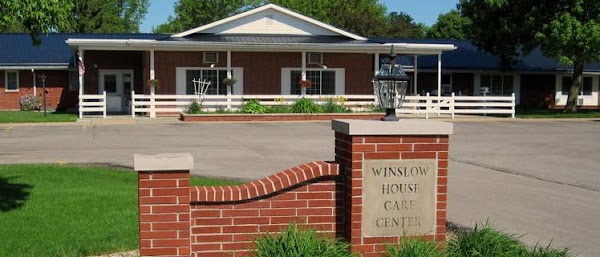
3456 INDIAN CREEK ROAD, MARION, IA 52302 (319) 377-8296
Non profit - Corporation 50 Beds HEALTHCARE OF IOWA Data: November 2025 2 Immediate Jeopardy citations
Trust Grade
31/100
#244 of 392 in IA
Last Inspection: August 2024

Within standard 12-15 month inspection cycle. Federal law requires annual inspections.

Overview

Winslow House Care Center in Marion, Iowa has received a Trust Grade of F, indicating significant concerns about the quality of care provided. Ranking #244 out of 392 facilities in Iowa places it in the bottom half, while its county ranking of #11 out of 18 suggests that only a few local options are better. The facility's trend is improving, with issues decreasing from five in 2024 to one in 2025, but it still has a concerning $43,778 in fines, which is higher than 88% of Iowa facilities. Staffing is a relative strength here, with a rating of 4 out of 5 stars and a turnover rate of 31%, lower than the state average. However, there have been serious incidents, including a failure to prevent a resident from attempting to suffocate another resident and a lack of adequate supervision that resulted in a resident sustaining a fracture during a transfer. While there are positive aspects, such as good RN coverage and quality measures, the critical safety issues highlighted raise significant concerns for families considering this facility.
Trust Score
F
31/100
In Iowa
#244/392
Bottom 38%
Safety Record
High Risk
Review needed
Inspections
Getting Better
5 → 1 violations
Staff Stability
○ Average
31% turnover. Near Iowa's 48% average. Typical for the industry.
Penalties
○ Average
$43,778 in fines. Higher than 58% of Iowa facilities. Some compliance issues.
Skilled Nurses
✓ Good
Each resident gets 56 minutes of Registered Nurse (RN) attention daily — more than average for Iowa. RNs are trained to catch health problems early.
Violations
⚠ Watch
17 deficiencies on record. Higher than average. Multiple issues found across inspections.
★★★☆☆
3.0
Overall Rating
★★★★☆
4.0
Staff Levels
★★★★★
5.0
Care Quality
★★☆☆☆
2.0
Inspection Score
Stable
2024: 5 issues
2025: 1 issues

The Good

  • 4-Star Staffing Rating · Above-average nurse staffing levels
  • 5-Star Quality Measures · Strong clinical quality outcomes
  • Full Sprinkler Coverage · Fire safety systems throughout facility
  • No fines on record
  • Staff turnover below average (31%)

    17 points below Iowa average of 48%

Facility shows strength in staffing levels, quality measures, fire safety.

The Bad

3-Star Overall Rating

Near Iowa average (3.1)

Meets federal standards, typical of most facilities

Staff Turnover: 31%

15pts below Iowa avg (46%)

Typical for the industry

Federal Fines: $43,778

Above median ($33,413)

Moderate penalties - review what triggered them

Chain: HEALTHCARE OF IOWA

Part of a multi-facility chain

Ask about local staffing decisions and management

The Ugly 17 deficiencies on record

2 life-threatening 1 actual harm
Apr 2025 1 deficiency
CONCERN (E) 📢 Someone Reported This

A family member, employee, or ombudsman was alarmed enough to file a formal complaint

Potential for Harm - no one hurt, but risky conditions existed

Pharmacy Services (Tag F0755)

Could have caused harm · This affected multiple residents

**NOTE- TERMS IN BRACKETS HAVE BEEN EDITED TO PROTECT CONFIDENTIALITY** Based on observation, staff and resident interviews, and facility policy and clinical record review, the facility failed to ensu...

Read full inspector narrative →
**NOTE- TERMS IN BRACKETS HAVE BEEN EDITED TO PROTECT CONFIDENTIALITY** Based on observation, staff and resident interviews, and facility policy and clinical record review, the facility failed to ensure an accurate inventory of medications by accounting for controlled medications that have been received, dispensed, and administered for four of four residents reviewed. (Residents #1, #5, #6, & #7). The facility reported a census of 44 residents. Findings include: 1. The MDS (Minimum Data Set) dated 2/5/2025 revealed Resident #1 had intact cognitive skills, transferred with assistance, had diagnoses including diabetes, chronic pain, and heart disease. The MDS indicated the resident had frequent pain rated at #8 on a scale of 1-10. The Care Plan identified the resident had pain and directed staff to administer medications as ordered and assess effectiveness. The physician's order's included an order for Hydrocodone-Acetaminophen Tablet 5-325 mg (milligrams). Give one tablet by mouth every 12 hours as needed for pain dated 12/11/2024. On 12/26/2024 the physician changed the order and instructed staff to administer one tablet every 8 hours. On 1/31/2025, the physician changed the order and directed staff to administer the medication every 4 hours as needed and 1 tablet scheduled at bedtime. A review of the resident's December, 2024 MAR (Medication Administration Record) and the Controlled Substance Shift Count and Usage Record revealed: 12/12/2024 and 12/23/2024, staff signed off Hydrocodone-Acetaminophen 5-325 mg tablets on the count sheet and failed to document the medication administration on the resident's MAR. 1/1/2025 - 1/31/2025, staff signed off the Hydrocodone-Acetaminophen 5-325 mg tablets on 1/6 (two times), 1/7, 1/9, 1/12, 1/14, 1/15, 1/18, 1/19, 1/20, 1/23. The count sheet indicated staff dropped the medication on 1/15/2025. On 3/31/2025 at 12:30 P.M. the resident voiced no concerns with his medications and currently found relief with Tramadol, a recent physician order. On 1/24/2025 the facility self reported to the Department of Inspections and Appeals a concern with Resident #1's Hydrocodone/Acetaminophen. On 1/23/2025 Staff E, Medication Aide identified the resident's medication cassette, the plastic tab that enclosed the medication in the cassette appeared loose and the Hydrocodone/Acetaminophen had been replaced with a Tylenol. The facility followed up with an investigation and reported it to police. The MDS dated [DATE] revealed Resident #5 had intact cognitive skills, had diagnoses including Parkinson's disease and breast cancer, and had constant pain rated as high as #10 on a scale of 1-10. The Care Plan identified the resident had back pain and directed staff to administer medications as ordered and assess the pain and effectiveness. The physician's orders included: Oxycodone 5 mg, every evening at bedtime started on 4/11/2024. Oxycontin ER 10 mg every 12 hours for pain started on 2/23/2025 and discontinued on 3/6/2025. Oxycodone 5 mg every 8 hours as needed for pain started on 3/20/2023. The Usage Record revealed: Oxycodone 5 mg, staff signed off on the count sheet on 1/17/2025 and failed to document the medication administration on the resident's MAR. The facility failed to provide the entire Controlled Substance Shift Count and Usage Records for Oxycodone 5 mg initiated on 1/21/2025 with 30 doses on hand through 1/31/2025 with 39 doses remaining. On 1/28/2025 29 the count sheet added 29 doses delivered from the pharmacy on 1/28/2025 The facility failed to provide the entire Controlled Substance Shift Count and Usage Records for Oxycontin ER 10 mg initiated on 11/17/2024 with 28 doses on hand through 11/22/24 with 13 doses remaining. The MDS dated [DATE] revealed Resident #6 had moderately impaired cognitive skills, diagnoses including dementia and scoliosis, and had frequent pain that affected sleep. The Care Plan identified the resident had pain related to scoliosis and directed staff to administer medications as ordered, assess the effectiveness and monitor signs of pain. The physician orders included an order for Hydrocodone-Acetaminophen 7.5 - 325 mg/15 ml (milliliters). Give 15 ml by mouth every 8 hours as needed. The facility failed to provide complete records of Hydrocodone/Acetaminophen 7.5/325 mg. administration and count sheets for pharmacy deliveries dated: 11/20/2024 - #45 doses 11/22/2024 - #473 doses 12/16/2024 - #90 doses 1/10/2025 - #100 doses 1/15/2025 - #73 doses 2/11/2025 - #473 doses A review of the resident's medication administration records, count sheets and pharmacy delivery sheets revealed incomplete documentation and verification. On 4/1/2025 at 1:15 P.M. the resident sat on the edge of her bed and indicated she often had pain in her legs, and took Lortab (Hydrocodone/Acetaminophen) one or two times a day. The MDS dated [DATE] revealed Resident #7 had severe cognitive impairment, diagnoses including spinal stenosis and diabetes, and received scheduled and as needed pain medication. The Care Plan indicated the resident had pain related to spinal stenosis and received opioid and non opioid medications. The Care Plan directed staff to administer medications as ordered, assess the effectiveness and monitor complaints of pain. They physician's orders included: Morphine 20 mg/ml, 5 mg every 4 hours as needed (0.25 ml). 1/16 - 1/17/2025. 1/17/2025 - new physician order - Give 0.5 ml every 4 hours as needed. 12/6/20204 - Fentanyl patch every 72 hours - 12 mcg (micrograms)/hour. Oxycodone 5 mg, one tablet every 4 hours as needed. 1/10- 1/17/2025 Oxycodone 10 mg - one tablet every 4 hours for pain. 1/10 - 1/17/2025. Hydromorphone 2 mg, one tablet every 6 hours as needed. 1/3- 1/10/2025. Fentanyl patch every 72 hours - 50 mcg/hour. 1/16 - 1/19/2025. Hydrocodone/Acetaminophen 10/325 mg., 1 tablet every 4 hours as needed. 11/8/2024. The Usage Record revealed staff signed off on the count sheet doses of the Hydrocodone/Acetaminophen 10/325 mg 2 doses on 12/11, 2 doses on 12/12, 1 dose on 12/17, and 1 dose on 12/18. Staff failed to sign off administration of the medication on the December MAR. The pharmacy delivery records included: #30 Hydrocodone/APAP 10 -325 mg delivered on 11/19/2024, 11/25/2024 and 12/3/2024. The facility failed to provide the Controlled Substances Shift Count and Usage Records to verify administration and accounting of the medication. 2. Observation on 4/1/2025 at 12:22 PM of a narcotic drug count for medication carts South and North/Northwest with Staff A-RN and Staff B-RN revealed the following: a. At 12:25 PM a bubble pack for Resident #8 labeled Hydro/APAP tab 5-325 milligrams to take 1 tablet by mouth 3 times a day laid on top of the cart empty. Review of the Controlled Drug Receipt record revealed there should have been 2 tablets remaining in the card. Interview with Staff A-RN at this time revealed Staff A gave the resident a dose of Hydro/APAP at 7 am and 1130 am but failed to sign the medication out this am after she administered the medication to the resident. Staff A-RN signed off the 2 narcotic tablets at this time that she gave earlier today. b. At 12:35 PM a bubble pack for Resident #1 revealed 36 Tramadol HCL tabs 50 milligrams to take 1 tablet by mouth 3 times daily. The Tramadol bubble pack revealed 36 Tramadol tablets but the Controlled Drug Receipt Record indicated there should be 37 Tramadol tablets. Staff A-RN stated she gave Resident #1 a Tramadol at 8:00 am today but failed to sign it out on the receipt record. Staff A signed off the narcotic at this time. During an interview on 4/1/25 at 1:00 PM with Staff C-Administrator, Staff C stated she would expect the nurses to sign out the narcotics at the time they dispense them. On 3/31/2024 at 12:35 P.M., Staff F, DON (Director of Nursing) reported working at the facility for one year. Staff E phoned Staff F on 1/23/2025 and reported the concern with Resident #1's Lortab (Hydrocodone/Acetaminophen). The Lortab had a Tylenol in the cassette in it's place. Staff F directed Staff E not to give it, and to give his Lortab. The investigation went from there. They reviewed the resident's pain, and he had no increase in pain, he felt he was getting the right medication and had no concerns. Staff reviewed all cassettes to ensure the medications were correct, and they found no further issues. A narcotic count on all residents failed to reveal any concerns. Nursing staff were re-educated regarding medication administration and narcotic counts. We also followed up with education regarding what a med aide's scope of practice is. Some of the nurses received written disciplines/education regarding signing out the narcotics on the count sheets and also documentation on the MAR in PCC (Point Click Care). Staff F reported she continued with weekly audits to ensure staff document medication administration correctly. The facility received corporate direction to keep medication cart keys with the assigned nurse at all times during the shift. On 4/1 at 3:45 PM - Staff F reported they had no further information related to the narcotics, MARS and count sheets to submit. On 3/31 at 1:08 P.M., Staff A, RN reported working at the facility for two years and had no concerns with narcotic counts. Staff always count with two staff and verify information. Prior to this incident Staff A would hand the keys to her medication cart to another staff RN or DON if she took a lunch break and left the facility, and would not count narcotics prior to leaving. Currently, she keeps the keys with her when she leaves the building during her lunch break. They were told to. Staff A had no concerns with any staff, and they were all re-educated, and the facility now uses medication blister packs instead of the plastic cassettes. Staff destroy narcotics with two staff, and place the discontinued medications in the drug buster. On 3/31/2025 at 10:50 A.M., Staff D, RN reported working at the facility for 6 years. Staff D verified her initials on the January, 2025 Controlled Substance Shift Count and Usage Record for Resident #1. NARCOTIC COUNT AND USAGE RECORD compared to the January 2025 MAR with Staff D: January 1 - two doses signed out at 0700 and 1110. MAR - No 0700 dose on MAR January 6 - two doses signed out at 0630 and 1200 - MAR - Neither dose on MAR January 9 - two doses signed out at 0700 and 1500 - MAR - Neither dose on MAR January 14 - dose signed out at 0800 - Not on MAR January 15 - 0800 dose dropped, one dose given at 0800 - Not on MAR January 19 - 0800 dose signed out at 0800 - Not on MAR January 20 - 0900 dose signed out at 0900 - Not on MAR Staff D indicated she must have forgotten to put in on the MAR. At 3:30 P.M. - Staff D reported on 1/15/2025 she dropped the Lortab as documented on the count sheet. She administered the medications while the resident sat in bed and she dropped the entire cup of his pills. She reported it to housekeeping and they swept and did not find it. Staff D received discipline for documentation errors, including education regarding signing out narcotics. Staff D revealed she used to give the medication cart keys to another nurse when she left the facility and went to lunch. About six weeks ago administration instructed staff to keep the keys on them at all times. Staff D still leaves, but she takes the keys with her. The keys in her possession include keys to the medication room, medication cart, and narcotic drawer. On 4/1/25 2:10 P.M. Staff E, Medication Aide, via phone interview reported working at the facility for four years. Staff E worked every weekend and 6-10 P.M. Monday through Friday. On 1/23/2025 Resident #1 asked for a PRN (as needed) pain medication . Staff E notified Staff H, RN the agency nurse on duty. He instructed Staff E to administer the PRN. When she attempted to open the cassette, the door appeared weak, and the pill did not look correct. It had the appearance of a Tylenol. Staff E reported the concern to Staff H, and notified the DON. The DON instructed her to fill out a form, lock up the medication and not to give it. The remaining pills in the cassette were correct. Currently, medication aides are allowed to count the narcotics along with a nurse at the change of shift. Pharmacy delivers medications during her shift, and both the nurse and medication aide can accept the medications, sign for them and place the delivery record in a folder in the medication room. Review of the undated Controlled Substance - Administration Steps procedure directed the staff to do the following: 1. Medications listed as Schedule II are stored separately from all other medications. 2. The medication aide/nurse on duty maintains possession of the key to controlled storage area. 3. When a controlled substance is administered, the med aide/licensed nurse administering the medication immediately completes the usage record. 4. At shift change, a physical inventory of all schedule II medications is conducted by (2) licensed nurses/med aide. Inventory must be completed with both staff present. 5. The 2 licensed nurse/med aide completing the inventory count, sign together verify the count is accurate. Discrepancies in count are immediately reported to the Director of Nursing. 6. A medication aide must consult with a licensed nurse prior to administration of an as needed medication. The facility Controlled Medication, Disposal Of Long Term Care policy effective 10/10/2029 included: Policy: Medications included in the Drug Enforcement Administration classification as controlled substances are subject to special handling, storage, disposal and record keeping in the facility in accordance with federal and state laws and regulations. All medications will be disposed of in a safe, secure, non-retrievable system. The director of nursing and consultant pharmacist are responsible for the facility's compliance with federal and state laws and regulations in the handling of controlled medications. Only authorized licensed nurses and pharmacy personnel have access to controlled medications.
Aug 2024 2 deficiencies
CONCERN (D)

Potential for Harm - no one hurt, but risky conditions existed

Deficiency F0657 (Tag F0657)

Could have caused harm · This affected 1 resident

Based on observation, record review, resident interviews, staff interviews, and policy review the facility failed to ensure comprehensive Care Plans were reviewed and revised in a timely manner for 2 ...

Read full inspector narrative →
Based on observation, record review, resident interviews, staff interviews, and policy review the facility failed to ensure comprehensive Care Plans were reviewed and revised in a timely manner for 2 of 12 residents reviewed. Resident #27's Care Plan lacked goals, triggers, and interventions related a diagnosis of schizophrenia. Resident #25's Care Plan lacked goals and interventions related to hearing impairment. The facility reported a census of 46 residents. Findings include: 1. The Minimum Data Set (MDS) for Resident #27 dated 7/25/24 documented a Brief Interview for Mental Status score (BIMS) of 15/15 indicating intact cognition. Diagnoses included depression, schizophrenia, and schizoid personality disorder. During an interview with the resident on 08/26/24 at 10:40 AM, the resident confirmed the diagnosis of schizophrenia and indicated he had it for 'a long time.' He said staff didn't do anything about it. On 08/26/24 at 12:27 AM observed resident in the dining room, raising his hand for assistance. Staff responded in less than a minute. At about 12:32 PM the resident put his hand up again. After about a minute he put it down with no response. A document from the resident's mental health provider with a visit date of 12/15/23 documented the resident denied active psychosis but had a history of paranoia and thought processes were questionable at times. A section titled DX (diagnosis)/Assessment Plan included diagnoses of undifferentiated schizophrenia, unspecified anxiety disorder, autism spectrum, and schizoid personality. Resident #27's Care Plan, with an admission date of 9/14/22, included focus areas for Asperger's Syndrome, schizoid personality disorder, and depression as well as for psychotropic medications (antianxiety and antidepressant) and monitoring. The Care Plan lacked reference to the resident's diagnosis of schizophrenia such as focus areas, goals, interventions, or triggers. The resident's Progress Notes lack documentation of the new diagnosis, communication with the provider, or discussion with the resident for care planning. The electronic health record (EHR) diagnosis tab revealed the resident was diagnosed 12/15/23 and the entry created 6/14/24. On 8/28/24 at 9:26 AM Staff C, Social Services, revealed she had been in her social work role since May and was scheduled for one day per week. She received her list of people to visit from the Administrator or the Administrative Assistant. She was not responsible for updating the Care Plan. On 8/28/24 at 9:28 AM Staff B, MDS Nurse Coordinator stated she received information from the Director of Nursing when Care Plans needed to be updated. During an interview Staff A, Registered Nurse (RN) on 8/29/24 at 11:11 AM stated changes that need to be made in a resident's Care Plan were reported to the Director of Nursing. She was responsible for passing the information along to those who needed it. When asked for a policy or procedure for Care Planning, the facility provided a document dated 8/6/24 with a focus area titled comprehensive care plan. It documented the following plan: o MDS Nurse re-educated on the comprehensive care plan policy on 7/17/24. o Comprehensive Care Plan will be completed for each resident per regulation. o MDS Nurse will ensure timely update to the comprehensive care plan as needed. o MDS Nurse will ensure most up to date information is on the care plans through a variety of ways including but not limited to: -Morning meeting -Care Conferences -Therapy recommendations -Change of conditions -Resident preferences/requests -Dr. appointments 2. The Minimum Data Set (MDS) for Resident #25 dated 7/23/24 documented a Brief Interview for Mental Status score (BIMS) of 14/15 indicating intact cognition. Diagnoses included Meniere's disease, bilateral (causes hearing loss, ringing, and dizziness), unspecified hearing loss in the left ear, and anxiety. During an interview with the resident on 8/28/24 at 10:46 AM, when asked if staff accommodated for her hearing, she said 'hell no.' She clarified that the nurses were good about getting close to her, but the aides were in too much of a hurry. They didn't speak clearly or make sure she could hear while providing cares. The resident stated the facility did not ask about her hearing for Care Planning and staff didn't understand what it was like. She also reported concerns with her vision and glasses and indicated family was assisting with that. She revealed the nose pieces of her glasses had been damaged and someone had tried to fix them with pliers. She was currently unable to get them to sit right on her nose, and therefore could not see the small holes in her hearing aide to make sure they were clean. Resident #25's Care Plan included an intervention dated 7/30/24 to ensure the resident was wearing glasses which were clean, free from scratches, and in good repair. Damage should be reported to the nurse/family. The Care Plan lacked documentation related to the resident's hearing, hearing aide care, goals, or interventions. During an interview on 8/29/24 at 10:59 AM Staff E, Nurse Consultant for the facility acknowledged that the Care Plans needed to be reviewed and updated to reflect the resident's needs, and the MDS coordinator had already started working on them.
CONCERN (D)

Potential for Harm - no one hurt, but risky conditions existed

Deficiency F0658 (Tag F0658)

Could have caused harm · This affected 1 resident

**NOTE- TERMS IN BRACKETS HAVE BEEN EDITED TO PROTECT CONFIDENTIALITY** Based on observation, staff interviews, record review, and policy review the facility failed to follow professional standards of...

Read full inspector narrative →
**NOTE- TERMS IN BRACKETS HAVE BEEN EDITED TO PROTECT CONFIDENTIALITY** Based on observation, staff interviews, record review, and policy review the facility failed to follow professional standards of medication administration for 1 of 1 resident that required medications via gastric tube (Resident #20). Medications were given late without physician notification, an extended release tablet was crushed and Enhanced Barrier Precautions (EBP) were not followed appropriately. The facility reported a census of 46 residents. Findings include: The MDS dated [DATE] for Resident #20 was coded for a feeding tube. The Care Plan completed 6/6/24 for Resident #20 documented: Resident NPO status referred to nothing by mouth, directed to provide tube feeding and administer medications as ordered. The Medication Administration Record (MAR) dated August 2024 for Resident #20 documented the following medications to be given at 8:00 AM, enterally or per gastric tube: Potassium chloride solution, give 15 milliliter (ML) via gastric tube Omeprazole suspension, give 10 ML liquid via gastric tube Levetiracetam solution, give 15 ML via gastric tube Metformin 1000 milligram (MG) tablet, give via gastric tube Methenamine 1-gram tablet, give via gastric tube Gabapentin 300 milligram (mg) capsules, give two capsules via gastric tube Aspirin 81 Oral Tablet Chewable, give 1 tablet via gastric tube Vitamin C Oral Tablet 500 MG, give 500 mg via gastric tube Myrbetriq Oral Tablet Extended Release 24 Hour 50 MG, give 50 mg enterally During an observation on 8/28/24 began at 9:56 AM ended at 10:23 AM. Staff F, Registered Nurse, (RN) removed the medications prescribed for 8:00 AM from the medication cart. Staff F measured the liquid medications, added to a cup, opened the Gabapentin capsules and added the powder to the liquids in the cup, crushed the remaining pills and also added them into the cup. Staff F addressed the resident, ensured proper tube placement, flushed the tube with 100 ml of water, administered the medications from the cup into the gastric tube via syringe and flushed with another 100 cc of water. Staff F wore a mask and gloves, she did not wear a protective gown On 8/28/24 at 10:24 AM, Interview with RN, Staff F following medication administration regarding enhanced barrier precautions. Staff F relayed she had forgotten to put on a gown per the EBP education and per directions on the room door. Staff F acknowledged the EBP process with tube feeding included wearing a gown. RN Staff F acknowledged the medication time on the MAR directed medications to be administered at 8:00 AM or one hour before or one hour after 8:00 AM On 08/29/24 at 09:35 AM, interview with RN, Staff G, stated they had prepared 8:00 AM medications in the cup and was ready to administer the 8:00 AM medications via gastric tube. Relayed all pills were crushed, including the extended release, twenty-four-hour medication. Staff G acknowledged extended release medications should not be crushed and had not questioned the physician order. On 8/29/24 at 9:38 AM, Interview with Administrator designee, Staff D and designated Director of Nursing (DON) Staff H relayed medications are to be given within an hour before or an hour after they are scheduled otherwise they expected that staff notify the doctor and confirmed notification was not done on 8/28/24. Staff D and Staff H relayed the expectation is that staff follow EBP that included wearing a gown with tube feeding process, and also acknowledged it is standard of care that extended release medications should not be crushed and planned to reach out to the physician right away. Document titled Help keep our resident safe, Enhanced Barrier Precautions in Nursing homes outlined staff training dated 4/10/24, directed staff to wear a gown and gloves while caring for residents with gastric tubes. Policy titled Medication Administration revised 4/1/23 documented, medications may be administered one hour prior and one hour after the scheduled administration time. If occurred outside the time frame, physician notification is required.
Mar 2024 3 deficiencies 1 Harm
SERIOUS (G) 📢 Someone Reported This

A family member, employee, or ombudsman was alarmed enough to file a formal complaint

Actual Harm - a resident was hurt due to facility failures

Accident Prevention (Tag F0689)

A resident was harmed · This affected 1 resident

**NOTE- TERMS IN BRACKETS HAVE BEEN EDITED TO PROTECT CONFIDENTIALITY** Based on clinical record review, interview, and facility investigation review, the facility failed to maintain an environment as...

Read full inspector narrative →
**NOTE- TERMS IN BRACKETS HAVE BEEN EDITED TO PROTECT CONFIDENTIALITY** Based on clinical record review, interview, and facility investigation review, the facility failed to maintain an environment as free as possible from hazards when wheelchair foot pedals had been omitted prior to transfer resulting in fracture injury for 1 of 3 residents reviewed for accidents (Resident #200). The facility reported a census of 45 residents. Findings include: The Minimum Data Set (MDS), dated [DATE], revealed Resident #200 required a manual wheelchair for mobility, had lower extremity impairment, and dependent on staff for all transfers. Diagnoses included Heart Failure, Peripheral Vascular Disease (PVD), and polyneuropathy. Resident rated pain at 5 out of 10 that occasionally interfered with sleep and daily activities. The Care Plan, revised 01/19/24, revealed Resident #200 had a risk for falls related to a history of falls, limited mobility, and edema, an intervention informed staff that Resident #200 was non-ambulatory and utilized a wheelchair for locomotion. Care Plan included a focus area for pain related to tibia fracture and indicated Resident #200 required opioid and non-opioid pain medications. The Incident Report, completed 10/04/23 by Staff D, Registered Nurse (RN) revealed Resident #200 asked Staff E, Certified Nursing Assistant (CNA), to push her into the dining room with no foot pedals placed on the wheelchair, Resident #200 dropped her left foot and twisted her ankle during transfer. An immediate action taken to place foot pedals on the wheelchair and provide staff education to ensure foot pedals are used. Incident Report informed that Resident #200 sustained left outer ankle injury and swelling, with pain rated 4 out of 10. Review of Nursing Progress Notes revealed the following entries: a.) 10/04/23: Resident #200 asked to be pushed in wheelchair into dining room and did not have foot pedals on due to therapy wanting her to wheel herself. Resident #200 dropped left foot and twisted ankle. Orders obtained for portable x-ray related to left ankle pain and swelling. b.) 10/05/23: Provider ordered Resident #200 non-weightbearing until immobilizing boot arrived and instructed that resident is to wear boot for four weeks with a repeat x-ray at that time. c.) 10/05/23: Follow up to incident revealed left ankle remained painful to touch, slightly swollen, with no bruising noted. d.) 10/06/23: Resident continued to report pain associated with left leg (tibia) fracture and utilized Tramadol (pain medication) with some benefit. Resident #200 utilized a total lift for transfers until arrival of weight-bearing boot. e.) 10/07/23: Left ankle purple, warm to touch, Resident #200 complained of pain rated at 8 on a scale of 1-10 and continued using Tramadol as needed for pain. f.) 10/08/23: Left anterior tibia fracture swelling, surrounding areas purple and warm to touch. Resident #200 complained of pain rated at 10 out of 10 (severe pain). g.) Provider ordered Robaxin (muscle relaxant), 500 milligrams (mg) three times per day to try to break the tension. The Medication Administration Record (MAR), dated October 2023, revealed Resident #200 required an as needed dose of Extra Strength Tylenol 1000 mg on 10/04/23 and 10/05/23 for pain rated at 7 out of 10 following incident on 10/04/23. The pain medication Tramadol 50 mg, initiated 10/06/23, ordered to be given three times per day as needed, administered 13 times between 10/06/23 and 10/10/23 for pain rated between 5 and 10 out of 10, then increased to 100 mg three times per day as needed. The opioid pain medication, Hydrocodone/Tylenol (also known as Lortab), initiated 10/13/23, to be given every 6 hours as needed for pain, administered multiple times between 10/13/23 and 10/31/23. A Provider note, dated 11/28/23, indicated possible fracture, in addition to the tibia fracture, of the left fibula bone, associated with occurrence on 10/04/23. Provider continued order for weightbearing as tolerated and immobilizing boot to left leg and ordered for updated x-rays. A Provider note, dated 01/09/24, revealed Resident #200 continued to require non-weightbearing and immobilization of left leg. A review of Staff E employee file revealed a disciplinary action report issued on 10/05/23 for resident pushed in wheelchair without foot pedals in place and indicated that the infraction resulted in Resident #200 injury and fracture of ankle identified. Report notified Staff E to be suspended pending results of Department of Inspections and Appeals (DIA) investigation which may conclude with recommendation of termination due to seriousness of infraction that resulted in resident injury. The report signed by Staff E (CNA) on 10/05/23 described company policy that residents are to have proper foot pedals in place prior to being assisted by staff. On 03/06/24 at 11:28 AM, Staff D, Registered Nurse (RN) reported that she had been notified by Staff E (CNA) of incident. RN recalled that Staff E claimed Resident #200 had requested to be pushed in wheelchair, foot pedals had not been applied to wheelchair, and that Resident #200's foot got twisted during transfer. RN informed that she responded to incident with assessment of Resident #200's left ankle and noted no obvious injuries initially. RN stated she then notified the Provider and Facility Administrator of incident. RN instructed Staff E to write a statement of incident and RN completed an incident report. On 03/06/24 at 12:50 PM, Staff E (CNA), interviewed via telephone call, informed that she had pushed Resident #200 in wheelchair without foot pedals in place when incident occurred. Staff E informed that she heard Resident #200 say ow and complained that her ankle hurt, stopped transfer, went and got pedals, and reported to Staff D (RN). Staff E indicated there had been a few times prior to incident she had assisted Resident #200 without foot pedals on wheelchair. Staff E stated she returned to work the following day and Resident #200 continued to complain of left foot pain, she recalled that Resident #200 had an x-ray performed and Staff E was put on suspension with the results of x-ray. Staff E reported that facility provided her with education following incident when Corporate Nurse called and went over transfer education, Staff E decided to end employment with facility following incident. On 03/07/24 at 01:30 PM, the Director of Nursing (DON), revealed the expectation that foot pedals are placed on wheelchairs prior to resident transfer and that management continues to monitor for all staff compliance with this. The Facility Document, titled In-Service Education for all Staff, dated 10/05/23, informed staff of company policy that residents are not to be pushed in wheelchairs without foot pedals under any circumstances and informed that failure to follow policy would result in disciplinary action including suspension and, or possible termination.
CONCERN (D)

Potential for Harm - no one hurt, but risky conditions existed

Resident Rights (Tag F0550)

Could have caused harm · This affected 1 resident

**NOTE- TERMS IN BRACKETS HAVE BEEN EDITED TO PROTECT CONFIDENTIALITY** Based on observation, record review, interview, and facility policy review the facility failed to treat 2 out of 3 residents rev...

Read full inspector narrative →
**NOTE- TERMS IN BRACKETS HAVE BEEN EDITED TO PROTECT CONFIDENTIALITY** Based on observation, record review, interview, and facility policy review the facility failed to treat 2 out of 3 residents reviewed with dignity during meals (Residents #42 and #21). The facility reported a census of 45 residents. Findings include: 1. The Minimum Data Set (MDS) assessment for Resident #42 dated 2/22/24 included diagnoses of non-Alzheimer's dementia, gastroesophageal reflux disease without esophagitis (GERD), and Parkinsonism. The Brief Interview for Mental Status (BIMS) documented the resident was not able to complete the Brief Interview for Mental Status with staff documenting inattention and disorganized thinking. The MDS recorded the resident as dependent for eating with the helper completing the activity. The Care Plan for Resident #42, revised 10/11/23, documented a focus area of potential for variable intake and significant weight change due to Parkinson's with severe dementia, anxiety, depression, and GERD. Interventions included assistance at meals with setup, cuing, encouragement, and feeding as needed. On 03/07/24 at 8:40 AM observed Staff C, CNA assisted Resident #42 to eat the morning meal. She provided him a bite of his food and when some came back out of the left side of his mouth, she scraped it off with the spoon and put the spoon back in the resident's mouth. At 8:46 AM food dripped from the spoon onto the resident's right arm, clothing protector, and chin. Staff C scraped the spoon along his arm, up the clothing protector, and on the right side of his chin. She then put that food into his mouth and returned the spoon to the bowl. Staff C continued using the same spoon to feed the resident. At 8:48 AM Staff C scraped food from the resident's chin from left to right and put it in his mouth. At 8:56 AM she scraped the resident's spoon along the upper left half of his chin, causing food to drip on the lower left side of his chin, his clothing, and the clothing protector. Staff C did not use a napkin or wash cloth to clean the resident's arm, clothing, or face during the meal. 2. The Minimum Data Set (MDS), dated [DATE], revealed Resident #21 had severely impaired cognition and memory problems. Resident #21 required dependence on staff for eating. Diagnoses included: Neurocognitive disorder with Lewy bodies, Alzheimer's Disease, seizure disorder, and malnutrition. The Care Plan, revised 02/14/24, revealed Resident #21 at nutritional risk with potential for weight change related to dementia, aphasia (speech impairment), and dysphagia (difficulty swallowing). The Care Plan informed staff that Resident #21 required assistance with intake at all meals. On 03/04/24 at 01:07 PM, Staff C, Certified Nursing Assistant (CNA), gave Resident #21 bites of lunch, additional food on resident's chin and neck had been scooped up with spoon and fed to Resident #21 by Staff C. On 3/7/24 at 10:12 AM an interview with the Director of Nursing (DON) revealed CNAs received feeding assistance training as part of their CNA classes. The facility did not provide additional feeding assistance training that she was aware of. She stated a staff member would receive training if there was a specific concern. She confirmed scraping food from a resident's face, arm, and clothing protector and feeding it to the resident was a dignity concern. A policy titled Resident's [NAME] of Rights revised 12/23 documented the resident's right to a dignified existence. The facility must treat each resident with respect and dignity and care in a manner and in an environment that promotes maintenance or enhancement of quality of life.
CONCERN (D)

Potential for Harm - no one hurt, but risky conditions existed

Deficiency F0658 (Tag F0658)

Could have caused harm · This affected 1 resident

Based on observation, interviews, record review, and facility policy the facility failed to administer medications within the facility scheduled time frame 15 times in 15 days for 1 of 3 residents rev...

Read full inspector narrative →
Based on observation, interviews, record review, and facility policy the facility failed to administer medications within the facility scheduled time frame 15 times in 15 days for 1 of 3 residents reviewed (Resident #10). The facility reported a census of 45 residents. Findings include: The Minimum Data Set (MDS) for Resident #10 dated 12/27/23 documented diagnoses of chronic obstructive pulmonary disease with acute exacerbation (COPD), encounter for palliative care, and heart failure. Section C, Cognitive Patterns, revealed a Brief Interview for Mental Status (BIMS) score of 11, indicative of moderate cognitive impairment. Section D, Mood, revealed a Resident Mood Interview (PHQ-2 to 9) score of 7 which indicated moderate depression. A Care Plan focus area revised 1/2/24 documented the resident had impaired cognition related end stage COPD. Interventions included medications administered as ordered and the resident's routine should be kept consistent to decrease confusion. A focus area revised 1/2/24 documented resident complained of pain related to COPD, scoliosis, spondylosis (abnormal wear on the cartilage and bones of the neck), radiculopathy (damage to nerve roots in the area where they leave the spine), and spinal enthesopathy (inflammation of connective tissue where tendons and ligaments meet bone). A document titled Medication Admin Audit Report dated 3/6/24 revealed between 2/21/24 and 3/6/24 medications were administered outside of facility scheduled time frames 15 of 15 days reviewed and included the following medications: Afrin 12 hour nasal solution .05% Albuterol sulfate inhalation nebulization solution (2.5mg/3ml) .083% decadron oral tablet 4 mg depakote oral tablet delayed release 125 mg fluticasone furoate-vilanterol inhalation aerosol 200-25 mcg/act furosemide oral tablet 40 mg hydroxyzine HCl oral tablet 25 mg ipratropium-albuterol solution .5-2.5 mg/3ml lorazepam concentrate 2 mg/ml methocarbamol oral tablet 500 mg montelukast sodium oral tablet 10 mg morphine sulfate oral solution 20 mg/ml nicotine patch 24 hour 7mg/24hr ocean nasal spray nasal solution .65% omeprazole oral capsule delayed release 40 mg pseudoephedrine HCl ER oral tablet extended release 12 hour 120 mg trazodone HCl oral tablet 100 mg A Progress Note titled Hospice Note dated 1/27/24 at 10:12 AM revealed the facility spoke with hospice regarding changes in medication times to meet residents needs. A Progress Note titled Behavior Note dated 1/31/24 at 9:39 PM documented the resident's complaint regarding medications he expected and the nurse's explanation of the interaction. The Progress Notes lacked documentation that the resident's provider or hospice were notified of the late medications. On 03/04/24 at 10:34 AM Resident #10 stated that his medications had been 3 hours late, and that a nurse argued with him about his medications. He said he knew his medication schedule and he knew they were late. The resident stated the nurses did not like making an extra trip down the hallway. On 3/5/24 at 2:37 PM an interview with Staff B, RN indicated that the resident did not usually sleep in, and that when she was here in the morning he was awake for 7:00 AM medications and usually seated in his wheelchair in the hallway. On 3/6/24 at 2:38 PM an interview with the Director of Nursing (DON) revealed medication administration times depended on the medication and resident's needs. She confirmed if a medication time was listed in the resident's Medication Administration Record (MAR), that was the time it should be given with an allowance of up to an hour before or after. If it could be given in a window, those were the numbers indicated in the MAR. The DON stated they were aware the number of late medications was a concern. On 3/7/24 at 10:02 AM an interview with Staff A, RN confirmed that Resident #10 received his medications late when staff were busy. She acknowledged some of the late medication times matched the resident's concern of 3 hours late. Review of facility policy titled Medication Administration, revised 4/1/23, documented medication may be administered one hour prior and one hour after the scheduled administration times and if administration occurs outside of these time frames, physician notification is required.
Apr 2023 2 deficiencies 2 IJ
CRITICAL (J) 📢 Someone Reported This

A family member, employee, or ombudsman was alarmed enough to file a formal complaint

Immediate Jeopardy (IJ) - the most serious Medicare violation

Free from Abuse/Neglect (Tag F0600)

Someone could have died · This affected 1 resident

**NOTE- TERMS IN BRACKETS HAVE BEEN EDITED TO PROTECT CONFIDENTIALITY** Based on clinical record review, observation, staff and resident interviews and policy review, the facility failed to ensure sta...

Read full inspector narrative →
**NOTE- TERMS IN BRACKETS HAVE BEEN EDITED TO PROTECT CONFIDENTIALITY** Based on clinical record review, observation, staff and resident interviews and policy review, the facility failed to ensure staff protected and prevented potential resident to resident abuse for 2 of 3 residents reviewed (Resident #1 and #2), when Resident #2 attempted to suffocate Resident #1 with a blanket and pillow while she lay in bed sleeping. Resident #2 had a known history of resident to resident altercations and the facility failed to evaluate the effectiveness of interventions implemented to prevent harm to other residents. A serious adverse outcome was likely to occur if the staff had not intervened and stopped Resident #2 from applying pressure with the pillow over another resident's face. The resident could have suffered asphyxia, when the body doesn't get enough oxygen. Without immediate intervention, it can lead to a loss of consciousness, brain injury, or death. This failure resulted in possible physical injury for the resident, therefore causing an Immediate Jeopardy (IJ) to the health, safety, and security of the resident. On April 19, 2023 at 3:30 p.m., the State Agency informed the facility of the Immediate Jeopardy (IJ) which began as of April 10, 2023. The facility removed the Immediate Jeopardy on April 19, 2023 by implementing the following actions: a. As of 04/11/2023 Resident #2 no longer has a roommate. b. Any staff providing 1 on 1 supervision will receive education on how to provide adequate supervision. Education will be provided by administrator, director of nursing, charge nurse or designee. c. Staff members have been scheduled for the next 24 hours for 1 to 1 supervision. The 1-to-1 scheduling will be on-going. d. Upon admission, residents will be evaluated for wandering and behaviors by admitting nurse. We will respond as needed to these behaviors and any issues will be addressed in the care plan. e. Resident #2's Care Plan has been updated to address 1 on 1 supervision as of 4/19/2023. f. All incidents of resident-to-resident violence will be reviewed at Quality Assurance. g. Incident Reports will be reviewed for intervention initiated and effectiveness during morning meeting. h. Resident #2 was sent out for evaluation at a local hospital at 5:30 PM on 4/19/2023. The scope lowered from J to D at the time of the survey after the State Survey Agency staff verified the facility implemented education and additional corrective actions. The facility identified a census of 45 residents. Findings include: 1. Resident #2's Minimum Data Set (MDS) assessment dated [DATE] listed diagnoses that included: Non-Alzheimer's Dementia, arthritis and depression. The Brief Interview for Mental Status (BIMS) had a score of 3 out of 15, indicating severe cognitive impairment. The resident's behavior assessed over a 7-day period and the MDS documented the behaviors exhibited. The MDS documented the resident exhibited physical behaviors directed toward others such as hitting on 1 to 3 days and verbal behaviors directed toward others such as threatening others on 1 to 3 days of the 7-day look back period. The MDS documented the resident exhibited wandering behavior on 1 - 3 days during the 7-day look back period, and Resident #2 independent with transfers and toileting, she needed supervision with personal hygiene. Review of an Incident Report dated 10/9/22, revealed Resident #2 entered another resident's room and argued with the resident and then pushed the resident. No apparent injuries noted. Review of an Incident Report dated 10/14/22, revealed Resident #2 walked to the doorway of Resident #3's room and hit her on both sides of her face. Resident #3 walked away and no injuries noted. A Progress Note dated 10/14/22 at 2:27 PM, indicated Resident #2 involved in a physical altercation with another resident, residents separated, no injuries noted, MD notified, new order to increase Trazodone (antidepressant) to 50 milligrams (mg). The facility failed to develop a Care Plan to address behaviors until 10/27/22, when a Physical Behavior Symptoms Focus Toward Others initiated/implemented 10/27/22 revealed the following interventions: a. Assess whether the behavior endangers the resident and/or others. Intervene if necessary. b. Avoid over-stimulation (for example: noise, crowding, other physically aggressive residents). c. Avoid power struggles with resident. d. Convey an attitude of acceptance toward the resident. e. Maintain a calm environment and approach to the resident. f. Offer one step verbal directions for tasks. Allow for extra time to process the information. g. Praise resident when behavior is appropriate. h. Provide consistent staff and routines as much as possible. i. When a resident becomes physically abusive, keep distance between the resident and others (e.g. staff, other residents, visitors). j. When a resident becomes physically abusive, stop and try task later. Do not force resident to do task. Review of the Incident Report dated 1/23/23, Resident #3 reported Resident #2 had pushed her in the dining room. Review of the Electronic Health Record (EHR) failed to reveal any interventions implemented after this incident. Review of the Progress Note for Resident #2 dated 4/11/23 at 1:06 AM, revealed the resident was found standing over her roommate Resident #1 pushing the pillow down onto the resident's face around 11:55 AM on 4/10/23. When staff approached her she was aggressive, argumentative and kept yelling she hadn't done anything wrong. The residents were separated and 1:1 initiated for safety reasons. 2. Resident #1's MDS assessment dated [DATE] listed diagnoses that included: Non-Alzheimer's Dementia and a BIMS score of 2 out of 15 indicating severe cognitive impairment. The Progress Note for Resident #1 dated 4/11/23 at 1:18 AM, revealed the resident was attempting to call out in a muffled voice through a pillow and blanket due to staff found the resident's roommate (Resident #2) standing over her pushing a pillow and blanket down onto her face around 11:55 AM on 4/10/23. Resident #1's Progress Note dated 4/11/23 at 10:00 AM, revealed the resident developing a bruise to right medial upper arm, resident denies pain but states left foot hurts. Observation on 4/17/23 at 12:11 PM, Resident #2 in a chair in the front lounge across from the dining area. A food tray brought to the resident and she ate independently and stated the food is good. The resident's appearance neat and clean and staff talk to her and responded appropriately. No direct supervision provided to Resident #2. During an interview on 4/18/23 at 10:49 AM, Staff A, Registered Nurse (RN) stated on 4/10/23 at 11:55 AM she was in the lounge area across from the Dining Room and heard a muffled sound and Staff B, Certified Nursing Assistant (CNA) went down the North Hall and she went down the South Hall. Staff A reported she only made it to the top of South Hall when Staff B started yelling it is in here. Staff A went to Resident #2's room where Staff B assisted Resident #2 back to bed and noted she had a pillow and blanket in her hands. Staff A reported the resident became combative with her after the incident. During an interview on 4/18/23 at 11:00 AM, Staff B, CNA stated as she sat in the Dining Room on 4/10/23 at 11:55 AM and she heard a voice so she walked down the North Hall. Staff B walked into Resident #2's room and saw her pushing the pillow into Resident #1's face. Staff B reported she immediately called the nurse. Staff A separated the residents. Staff B stated she had not seen Resident #2 exhibit this behavior but she can be physically aggressive if staff try to stop her. During an interview on 4/19/23 at 7:50 AM, Resident #4 with a BIMS of 15 (intact cognitive status) said she is afraid of Resident #2, she wanders and will come into her room and Resident #4 tells Resident #2 she needs to leave, but Resident #2 will tell her no it is her room and raise her arm and threaten her, but never struck her. Staff can be slow to respond and sometimes takes 20 minutes or longer to get help from the staff. The staff tells the residents there is nothing they can do about Resident #2, stating she doesn't know what she is doing and we need to forgive her. During an interview on 4/19/23 at 9:52 AM with the Administrator states she is aware of the incidents of resident to resident altercations with Resident #2. The Administrator reported we did put interventions into place after each incident but she is not sure if they evaluated the effectiveness of the interventions and would have to ask the Director of Nursing (DON). During an interview on 4/19/23 at 10:10 AM, the DON stated I spoke to Resident #2's physician at the time of the second incident but he was hesitant with which direction to go with medications. We agreed to try some Trazodone (antidepressant). Not sure at what point we increased it. The DON reported she would evaluate the effectiveness of the medication on day one and if we were keeping a close eye on Resident #2. The DON explained, typically it would be in some Progress Notes if we evaluated the effectiveness of medications. Review of an email from the Administrator on 4/19/23 at 1:52 PM, revealed the facility failed to locate documentation they evaluated the effectiveness of interventions from the resident to resident altercations. Review of the undated policy titled, Nursing Facility Abuse Prevention, Identification, Investigation and Reporting Policy documented - Resident-to-resident physical contact that occurs, which includes but is not limited to where residents are hit, slapped, pinched or kicked and results in physical harm, pain or mental anguish is considered resident-to-resident abuse. Resident-to-resident sexual harassment, sexual coercion, or sexual assault is also considered abuse. The facility will presume that instances of abuse cause physical harm, or pain or mental anguish in residents with cognitive and/or physical impairments which may result in a resident unable to communicate physical harm, pain or mental anguish, in the absence of evidence to the contrary. An example would be a resident slapping another resident who is physically or cognitively impaired, even though the resident who was slapped showed no reaction (e.g., yelp or grimace), it is presumed the resident experienced pain. Residents must not be subjected to abuse by anyone, including, but not limited to, facility staff, other residents, consultants or volunteers, staff of other agencies serving the resident, family members or legal guardians, friends, or other individuals.
CRITICAL (J) 📢 Someone Reported This

A family member, employee, or ombudsman was alarmed enough to file a formal complaint

Immediate Jeopardy (IJ) - the most serious Medicare violation

Accident Prevention (Tag F0689)

Someone could have died · This affected 1 resident

**NOTE- TERMS IN BRACKETS HAVE BEEN EDITED TO PROTECT CONFIDENTIALITY** Based on clinical record review, observation, and staff interviews the facility failed to provide adequate supervision to preven...

Read full inspector narrative →
**NOTE- TERMS IN BRACKETS HAVE BEEN EDITED TO PROTECT CONFIDENTIALITY** Based on clinical record review, observation, and staff interviews the facility failed to provide adequate supervision to prevent a potential resident to resident abuse to occur for a resident diagnosed with Dementia and identified to exhibit verbal and physical behaviors to others(Resident #2) for 2 out of 3 residents reviewed (Residents #1 and #2). Resident #2 attempted to suffocate Resident #1 with a blanket and pillow while she lay in bed sleeping. Resident #2 had a known history of resident to resident altercations and the facility failed to evaluate the effectiveness of interventions implemented to prevent harm to other residents. A serious adverse outcome was likely to occur if the staff had not intervened and stopped Resident #2 from applying pressure with the pillow over Resident #1's face. The resident could have suffered asphyxia, when the body doesn't get enough oxygen. Without immediate intervention, it can lead to a loss of consciousness, brain injury, or death. This failure resulted in possible physical injury for the resident, therefore causing an Immediate Jeopardy (IJ) to the health, safety, and security of the resident. On April 19, 2023 at 3:30 PM, the State Agency informed the facility of the Immediate Jeopardy (IJ) which began as of April 10, 2023. The facility staff removed the Immediate Jeopardy on April 19, 2023 by implementing the following actions: a. As of 04/11/2023 resident #2 no longer has a roommate. b. Any staff providing 1 on 1 supervision will receive education on how to provide adequate supervision. Education will be provided by administrator, director of nursing, charge nurse or designee. Staff members have been scheduled for the next 24 hours for 1 to 1 supervision. The 1-to-1 scheduling will be on-going. c. Upon admission, residents will be evaluated for wandering and behaviors by admitting nurse. We will respond as needed to these behaviors and any issues will be addressed in the care plan. d. Resident #2 care plan has been updated to address 1 on 1 supervision as of 04/19/2023. e. All incidents of resident-to-resident violence will be reviewed at Quality Assurance. f. Incident reports will be reviewed for intervention initiated and effectiveness during morning meeting. g. Resident #2 was sent out for evaluation at a local Hospital at 5:30 PM on 04/19/2023. The scope lowered from J to D at the time of the survey after ensuring the facility implemented education and their policy and procedures. The facility reported a census of 45 residents. Findings include: 1. Resident #2's Minimum Data Set (MDS) assessment dated [DATE] listed diagnoses that included: Non-Alzheimer's Dementia, arthritis and depression. The Brief Interview for Mental Status (BIMS) had a score of 3 out of 15, indicating severe cognitive impairment. The resident's behavior assessed over a 7-day period and the MDS documented behaviors exhibited, which consisted of the resident exhibiting physical behaviors directed toward others such as hitting on 1 to 3 days and verbal behaviors directed toward others such as threatening others on 1 to 3 days of the 7-day look back period. The MDS documented the resident exhibited wandering behaviors on 1 - 3 days during the 7-day look back period, and Resident #2 independent with transfers and toileting and needed supervision with personal hygiene. Review of an Incident Report dated 10/9/22, revealed Resident #2 entered another resident's room and argued with the resident and then pushed the resident. No apparent injuries noted. Review of an Incident Report dated 10/14/22, revealed Resident #2 walked to the doorway of Resident #3's room and hit her on both sides of her face. Resident #3 walked away and no injuries noted. A Progress Note dated 10/14/22 at 2:27 PM, revealed Resident #2 involved in a physical altercation with another resident, residents separated, no injuries noted, MD notified, and a new order received to increase Trazodone (antidepressant) to 50 milligrams (mg). The facility failed to develop a Care Plan to address behaviors until 10/27/22, when a Physical Behavior Symptoms Focus Toward Others initiated/implemented 10/27/22 and revealed the following interventions: a. Assess whether the behavior endangers the resident and/or others. Intervene if necessary. b. Avoid over-stimulation (for example: noise, crowding, other physically aggressive residents). c. Avoid power struggles with resident. d. Convey an attitude of acceptance toward the resident. e. Maintain a calm environment and approach to the resident. f. Offer one step verbal directions for tasks. Allow for extra time to process the information. g. Praise resident when behavior is appropriate. h. Provide consistent staff and routines as much as possible. i. When a resident becomes physically abusive, keep distance between the resident and others (e.g. staff, other residents, visitors). j. When a resident becomes physically abusive, stop and try task later. Do not force resident to do task. Review of the Incident Report dated 1/23/23, showed Resident #3 reported Resident #2 had pushed her in the dining room. Review of the Electronic Health Record (EHR) failed to reveal any interventions implemented after this incident. Review of a Progress Note for Resident #2 dated 4/11/23 at 1:06 AM, revealed the resident was found standing over her roommate, Resident #1, pushing a pillow down onto Resident #1's face around 11:55 AM on 4/10/23. When staff approached Resident #2, she was aggressive, argumentative and kept yelling she hadn't done anything wrong. The residents were separated and 1:1 initiated for safety reasons. 2. Resident #1's MDS assessment dated [DATE] listed diagnoses that included: Non-Alzheimer's Dementia and a BIMS score of 2 out of 15, indicating severe cognitive impairment. The Progress Note for Resident #1 dated 4/11/23 at 1:18 AM, revealed the resident was attempting to call out in a muffled voice through a pillow and blanket when staff found the resident's roommate (Resident #2) standing over her pushing a pillow and blanket down onto her face around 11:55 AM on 4/10/23. Resident #1's Progress Note dated 4/11/23 at 10:00 AM, revealed the resident developing a bruise to right medial upper arm, resident denies pain but states left foot hurts. The facility provided 15-Minute Check Documents for Resident #2, completed from 10:00 PM to 6:00 AM 4/13/23 through 4/16/23, after the incident occurred. Observation on 4/17/23 at 12:11 PM, Resident #2 in a chair in the front lounge across from the dining area. A food tray brought to the resident and ate independently and stated the food is good. The Resident's appearance is neat and clean and staff talk to her and responded appropriately. During an interview on 4/18/23 at 10:49 AM, Staff A, Registered Nurse (RN) stated on 4/10/23 at 11:55 AM, she was in the lounge area across from the Dining Room and heard a muffled sound. Staff B, Certified Nursing Assistant (CNA) went down the North Hall and I went down the South Hall. Staff A reported she only made it to the top of South Hall when Staff B started yelling it is in here. Staff A went to Resident #2's room where Staff B assisted Resident #2 back to bed and noted she had a pillow and blanket. Staff A reported the resident became combative with me after the incident. During an interview on 4/18/23 at 11:00 AM, Staff B, CNA stated as she sat in the Dining Room on 4/10/23 at 11:55 AM and she heard a voice so she walked down the North Hall. Staff B walked in Resident #2's room and saw her pushing the pillow into Resident #1's face. Staff B reported she immediately called the nurse. Staff A separated the residents. Staff B Stated she had not seen Resident #2 exhibit this behavior but she can be physically aggressive if staff try to stop her. During an interview on 4/18/23 at 3:00 PM, Staff D, CNA stated being aware of Resident #2's behaviors. Staff D stated, Resident #2 can get aggressive and had been aggressive to the staff. Staff D reported she saw Resident #2 be verbally aggressive to other residents on a whim and never knew what you were going to get with her. Staff D explained interventions for Resident #2 included supervision as needed and try to keep her separate from other residents. Resident #2 is a wanderer and roams the facility so we will attempt to redirect her as able. Staff D reported as a CNA there is nothing for interventions but keeping an eye on her. We attempt to not let her around residents if she has an incident. Resident #2 does wander into rooms and other residents will tell her to get out. During an interview on 4/18/23 at 4:03 PM, Staff C, RN said Resident #2 displayed behaviors and in the evenings it could be worse. Resident #2 doesn't know boundaries related to Dementia. Staff C stated she tried to distract Resident #2 and get her involved with activities or try to get her to sit in her room. The area Resident #2 is at is overstimulating, but when her mood is good she can sit at the table with her peers. Staff C explained sometimes Resident #2 will eat in her room or there is a seating area in the North Hall and staff get her involved in a conversation for distraction. Staff C explained she worked with Resident #2 when she became aggressive with other staff but not with other residents, Resident #2 will threaten other residents but I have not witnessed her become physical with them. During an interview on 4/19/23 at 7:50 AM, Resident #4 with a BIMS of 15 (intact cognitive status) said she is afraid of Resident #2, she wanders and will come into her room and Resident #4 tells Resident #2 she needs to leave, but Resident #2 will tell her no it is her room and raise her arm and threaten her, but never struck her. Resident #4 commented staff can be slow to respond and sometimes takes 20 minutes or longer to get help from the staff. The staff tell the residents there is nothing they can do about Resident #2, she doesn't know what she is doing and we need to forgive her. During an interview on 4/19/23 at 9:52 AM, the Administrator stated she is aware of the incidents of resident to resident altercations with Resident #2. The Administrator reported we did put interventions into place after each incident but she is not sure if they evaluated the effectiveness of the interventions and would have to ask the Director of Nursing (DON). The Administrator reported the facility did not attempt to determine the root cause of the behaviors. After the last incident we did increase supervision just for the next day and did not provide any additional supervision after that. During an interview on 4/19/23 at 10:10 AM, the DON she stated at no time before the last incident did the facility provide any increased supervision. We would try to keep residents separated and if they were around one another we would encourage them to separate. After the last incident we did provide 1:1 supervision for a little over 24 hours but Corporate instructed us we did not need to continue with it. After the previous altercations there was a medication review done. The DON stated I spoke to Resident #2's physician at the time of the second incident but he was hesitant with which direction to go with medications. We agreed to try some Trazodone (antidepressant). Not sure at what point we increased it. The DON reported she would evaluate the effectiveness of the medication on day one and if we were keeping a close eye on Resident #2. The DON explained, typically it would be in some Progress Notes if we evaluated the effectiveness of medications. Review of an email from the Administrator on 4/19/23 at 1:52 PM, revealed the facility failed to locate documentation they evaluated the effectiveness of the interventions attempted after the resident to resident altercations involving Resident #2.
Dec 2022 5 deficiencies
CONCERN (D) 📢 Someone Reported This

A family member, employee, or ombudsman was alarmed enough to file a formal complaint

Potential for Harm - no one hurt, but risky conditions existed

ADL Care (Tag F0677)

Could have caused harm · This affected 1 resident

**NOTE- TERMS IN BRACKETS HAVE BEEN EDITED TO PROTECT CONFIDENTIALITY** Based on observations, staff interviews, and clinical record reviews, the facility failed to provide showers twice a week for 3 ...

Read full inspector narrative →
**NOTE- TERMS IN BRACKETS HAVE BEEN EDITED TO PROTECT CONFIDENTIALITY** Based on observations, staff interviews, and clinical record reviews, the facility failed to provide showers twice a week for 3 out of 3 residents reviewed (Residents #1, #5 and #7). A review of the Shower Records for a 30 day look back period revealed that Resident #1 had 6 out of 9 showers documented as given, Resident #5 had 8 out of 9 showers documented as given and Resident #7 had 0 showers given. The facility reported a census of 44 residents. Findings Include: 1. A Minimum Data Set (MDS) Assessment Tool dated 9/22/22, documented that Resident #1's diagnoses included Alzheimer's dementia and epilepsy. The Brief Interview for Mental Status (BIMS) revealed a score of 00 out of 15, which indicated severe cognitive impairment. This resident was totally dependent on 2 staff for bathing. A Plan of Care (POC) Response History printed on 12/6/22 at 2:45 PM, documented resident required total dependence for Bathing: SELF PERFORMANCE - How resident takes full-body bath/shower, sponge bath, and transfers in/out of tub/shower (excludes washing of back and hair). The look back period was 30 days from 11/6/22 to 12/6/22. The documentation revealed the resident only received a bath/shower on the following days: a. On 11/11/22. b. On 11/21/22. c. On 11/24/22. d. On 11/28/22. e. On 12/1/22. f. On 12/5/2022. This resident should have had 1 shower prior to 11/11/22 documented and 2 showers between 11/11/22 and 11/21/22 documented. All observations of Resident #1 during the survey revealed she was neat, clean and odor free. 2. A MDS dated [DATE], documented that Resident #5's diagnoses included Chronic Obstructive Pulmonary Disease (COPD) and chronic atrial fibrillation (irregular heart beat). A BIMS for Resident #5 revealed a score of 13 out of 15, which indicated intact cognition. This resident was totally dependent on 1 staff for bathing. A POC Response History printed on 12/6/22 at 2:47 PM, documented resident required either total dependence or physical help in part of bathing activity for Bathing: SELF PERFORMANCE - How resident takes full-body bath/shower, sponge bath, and transfers in/out of tub/shower (excludes washing of back and hair). The look back period was 30 days from 11/6/22 to 12/6/22. The documentation revealed the resident received bath/shower on the following days: a. On 11/7/2022. b. On 11/10/2022. c. On 11/17/2022. d. On 11/21/2022. e. On 11/24/2022. f. On 11/28/2022. g. On 12/1/2022. h. On 12/5/2022. Resident #5 should have had 1 shower between 11/10/22 and 11/17/22. All observations of Resident #5 during the survey revealed he was neat, clean and odor free. 3. A MDS dated [DATE], documented Resident #7's diagnoses included Parkinson's disease, Chronic Obstructive Pulmonary Disease (COPD) and a seizure disorder. A BIMS documented a score of 13 out of 15, which indicated intact cognition. This resident was totally dependent on 2 staff for bathing. A POC Response History printed on 12/6/22 at 10:39 AM, lacked any information for Bathing: SELF PERFORMANCE - How resident takes full-body bath/shower, sponge bath, and transfers in/out of tub/shower (excludes washing of back and hair). The look back period was 30 days from 11/6/22 to 12/6/22. The documentation revealed the resident did not receive bath/shower during the 30 day look back period. This Resident should have had 8-9 showers, depending on her shower days, during this period. On 12/5/22 at 2:10 p.m., Resident #7's hall door was open. She was sitting in her wheelchair next to her bed with her socks off. Her hair was disheveled. On 12/6/22 at 11:03 a.m., the resident noted in her bathroom with disheveled hair and she was in a zip up gown. On 12/6/22 at 10:35 a.m., the Administrator stated showers are documented in Point Click Care (PCC - the facility's electronic health system) and on paper. When asked if they are documented in the PCC under tasks, she said she thought so. When asked where to find the paper copies, she stated she will ask the Shower Aides, as they are both were there on this day, to gather them up. On 12/6/22 at 4:30 p.m., the Administrator stated they do not have Shower Sheets or documentation on paper. She stated the Shower Aides use a dry erase board and then document the showers in PCC. The Administrator stated that if the showers are not documented in PCC that would mean showers were not done. The Administrator further explained that the residents are to receive 2 showers a week unless Care Planned differently. When told that 3 residents reviewed did not have twice a week showers consistently documented in the past 30 days and there were no refusals documented, the Administrator acknowledged that it would mean a shower was not done and the resident did not refuse to have one done. An undated Resident Refusal of Bath policy, documented the objective of the policy was to assure residents received hygiene assistance necessary to maintain skin integrity and promote dignity. The policy directed the following: a. Residents will be scheduled for a minimum of 2 baths or showers per week. b. If the resident refuses his/her routine bath or shower, the bath aide will offer to adjust the time and/or method of bathing. c. If resident continues to refuse, bath aide will notify charge nurse of the refusal. d. The Charge Nurse will encourage resident to accept his/her bath and attempt to determine the reason for refusal. e. If unsuccessful in persuading resident to bath, the Director of Nursing (DON) will be notified. f. The facility will facilitate family involvement. Added Points included: **If refusal of bathing compromises skin integrity or puts the resident at risk for infections, the Physician will be notified. **Resident's rights will be respected unless the health and well being of the resident is compromised.
CONCERN (D) 📢 Someone Reported This

A family member, employee, or ombudsman was alarmed enough to file a formal complaint

Potential for Harm - no one hurt, but risky conditions existed

Quality of Care (Tag F0684)

Could have caused harm · This affected 1 resident

Based on observations, interviews, and clinical record reviews, the facility failed to provide accurate and timely assessment and interventions for 1 of 5 residents reviewed (Resident #7 ). Through ob...

Read full inspector narrative →
Based on observations, interviews, and clinical record reviews, the facility failed to provide accurate and timely assessment and interventions for 1 of 5 residents reviewed (Resident #7 ). Through observations it was noted that this resident had 2 open areas and through record review it was noted that these open areas were not documented on accurately, nor was a wound record created documenting when the areas opened or were first noted. The facility reported a census of 44. Findings Include: A Minimum Data Set (MDS) Assessment Tool dated 9/29/22, documented Resident #7's diagnoses included Parkinson's disease, Chronic Obstructive Pulmonary Disease (COPD) and a seizure disorder. A Brief Interview for Mental Status (BIMS) documented a score of 13 out of 15, which indicated intact cognition. Resident #7 required limited assist of 1 for transfer, ambulation and toileting. This MDS documented that Resident #7 was at risk for developing pressure ulcers and was receiving applications of a non-surgical dressing. A Care Plan had a focus area revised on 6/10/21, which documented Resident #7 was at risk for skin breakdown related to incontinence, impaired mobility, and diabetes. The goal revised on 8/16/22 was Resident #7's skin will remain intact. The following interventions initiated on 2/17/21 directed staff to: a. Assess resident for presence of risk factors. Treat, reduce, and eliminate risk factors to extent possible. b. Assist with repositioning. c. Keep clean and dry as possible. Minimize skin exposure to moisture d. Monitor skin during cares. Report redness, breakdown. e. Report any signs of skin breakdown (sore, tender, red or broken areas). f. Skin treatments as ordered for any areas of impaired skin integrity. g. Use incontinence products to maintain personal hygiene and dignity. h. Use moisture barrier product to perineal area PRN (as needed). A Treatment Administration Record (TAR) for the month of December 2022, directed that Resident #7 was to receive the following wound treatment: a. Mepilex AG (antimicrobial foam dressing) to open area on left gluteal fold every 72 hours for open area. Change every 3 days This TAR documented a treatment was due on 12/6/22 at 8:00 p.m., and the last dressing change was done on 12/3/22. This treatment was initially ordered on 6/7/22. On 12/6/22 at 3:53 p.m., Staff D, Registered Nurse (RN), stated this resident's wound treatment was done last night. When Staff D was asked if it was due this night, she looked and said it was due at 8:00 p.m. Staff D stated she would do the treatment now. This RN had put the gait belt on this resident and helped Resident #7 to stand. She then changed the dressing and assisted this resident to sit back down. Staff D then removed the gait belt. When doing the treatment Resident #7 told Staff D that the area was small but she was told it's now gotten bigger. The resident stated the area hurt. The Director of Nursing (DON) observed the dressing change. During the dressing change the resident stated staff had told her there were 2 blisters there. During this observation it was noted there were 2 open areas approximately the size of a penny each. The area surrounding the open areas was discolored. This RN removed the old dressing from the left gluteal fold and without cleaning the areas, measuring the areas, or doing hand hygiene or glove change, this RN put the new dressing on covering the open areas. This resident stated the new dressing felt better. Staff D disposed of the dressing into the trash when she removed the dressing. On 12/6/22 at 4:02 p.m., a Wound Sheet was provided by Staff D and documented there was one wound and it measured 10 centimeters (cm) x 3 cm. When Staff D was asked when she measured the area, Staff D stated the dressing was coming off a little in the shower earlier on this day, so she looked at it then. When asked when this resident had a shower, Staff D stated on this day around 2 p.m Staff D stated that is when she looked at the wound and measured it. The Wound Sheet also documented that the Physician, Dietitian, and Family were notified about the wound. When asked if Staff D had done the notifications, Staff D stated she hadn't but she planned to notify them later. When asked how she came up with 10 cm x 3 cm, as clearly there were 2 open areas when she changed the dressing, Staff D stated she was planning on changing the sheet as she hadn't noticed that where were 2 separate wounds when she looked at the area in the shower. She stated the dressing that was on in the shower was dated 12/5/22 and she was able to reapply it. She stated she was told that the area was healed and that she just needed to put powder under this resident's breasts. When asked if she could see that the measurements being incorrect and the notifications not done were an issue, she acknowledged that it was. When asked about changing gloves, she stated she should have changed gloves after removing the dressing. When asked about sanitizing hands, she stated she should have sanitized hands between removing the gloves and putting on new ones. When asked about cleansing the wound, she stated she could have done that but then pointed out on the Medication Administration Record (MAR) and TAR screen that the Doctor's Order doesn't say to cleanse the wound. Following the above discussion, the dressing was checked as it remained in this resident's trash can in this resident's room. The dressing was dated 12/5/22. 12/6/22 at 4:15 p.m., discussed the above with the DON and the Administrator. Both acknowledged the issue with infection control, wrong wound measurements, and documenting notification of Doctor, Dietitian and family at 2 p.m. when she had not done this yet. 12/6/22 at 4:30 p.m., previous Wound Records were looked through with the DON. The left gluteal fold wound was documented as a Stage 2 pressure ulcer and documented as healed in October of 2022. The last wound record was on 10/10/22. The Mepilex treatment was not discontinued and no new Wound Record was initiated until this day 12/6/22. The DON stated there was an issue with the wound treatment not being discontinued. She acknowledged there was a week of measurements that were missed in the old documentation. She stated she could not see the open areas during the dressing change, but acknowledged there was no way the area could have been 10 cm x 3 cm. A Protocol for Skin Care: MANAGEMENT OF SKIN BREAKS AND PRESSURE ULCERS dated 10/2022, included documentation of the plan to manage pressure ulcers must include both prevention and treatment protocols. The Management Program must be put into effect when an at-risk or actual pressure ulcer problem is identified. Prevention protocol includes: (Refer to Prevention of Skin Breaks and Pressure Ulcers) Risk Assessment, Pressure Reduction, Skin Care, Nutritional care, and Movement of resident. Management Protocol included: a. Assessment-purpose is to evaluate wound to determine appropriate treatment and response to the treatment. b. Visual assessment with every dressing change: documented assessment at least weekly. Documented assessment includes: a. Date of Onset/Date Updated, Location. b. Size in centimeters. c. Depth. d. Stage. e. Condition of surrounding skin: normal, induration (abnormal hardening of tissue), peripheral tissue edema, maceration, rolled edges. f. Presence of drainage, odor, amount. g. Condition of wound bed: normal, pink, granulation tissue, slough, black eschar tissue. h. Current treatment and response. i. Pain. j. Family notification (date). k. Physician notification (date). l. Dietary notification (per review of Skin Book). m. Dressing When assessing an ulcer, it is important to do the following: a. Differentiate the type of ulcer. b. Determine the stage. c. Describe the ulcer's characteristics. d. Monitor progress toward healing. e. Determine of infection is present. f. Assess. g. Treat. h. Monitor pain. i. Monitor dressings and treatments.
CONCERN (D) 📢 Someone Reported This

A family member, employee, or ombudsman was alarmed enough to file a formal complaint

Potential for Harm - no one hurt, but risky conditions existed

Accident Prevention (Tag F0689)

Could have caused harm · This affected 1 resident

**NOTE- TERMS IN BRACKETS HAVE BEEN EDITED TO PROTECT CONFIDENTIALITY** Based on observations, interviews and record review, the facility failed to ensure residents were safe by failing to prevent fal...

Read full inspector narrative →
**NOTE- TERMS IN BRACKETS HAVE BEEN EDITED TO PROTECT CONFIDENTIALITY** Based on observations, interviews and record review, the facility failed to ensure residents were safe by failing to prevent falls for 2 out of 5 residents reviewed (Residents #7 and #8). The facility did not answer call lights in a timely manner for a resident with known risks for falls (Resident #7). The facility staff unaware whether or not a resident with a known risk for falls needed dycem, a non-slip wheelchair pad in the seat of the wheelchair (Resident #8). The facility reported a census of 44 residents. Findings Include: 1. A Minimum Data Set (MDS) Assessment Tool dated 9/29/22, documented Resident #7's diagnoses included Parkinson's disease, Chronic Obstructive Pulmonary Disease (COPD) and a seizure disorder. A Brief Interview for Mental Status (BIMS) documented a score of 13 out of 15, which indicated intact cognition. Resident #7 required limited assist of 1 for transfer, ambulation and toileting. A Care Plan for Resident #7 with a focus area revised on 3/8/20, documented that this resident was at risk for falling related to unspecified abnormalities of gait and mobility, scoliosis, dementia, COPD and asthma, epilepsy, use of diuretic medication, and congestive heart failure. A goal revised on 8/16/22, documented that Resident #7 would transfer and ambulate with assistance while minimizing the risk for falls. Interventions included Resident #7 was non-compliant with waiting for staff assist before getting up in her room. Continue to encourage initiated on 11/01/21 and a sign was placed in room to remind resident to use the call light initiated on 2/16/22. A Fall Risk Assessment date 10/23/22, documented that this resident had a fall within the last 31 to 120 days. A list of falls with added interventions provided by the facility for Resident #7 revealed: a. On 10/23/2022, this resident was found on floor next to recliner. Resident #7 stated she slipped in attempt to transfer into wheelchair. Intervention: encouraged resident to wear non-skid shoes. b. On 2/16/2022, this resident was observed on floor with back against bathroom door. Intervention: a sign was placed in this resident's room reminding resident to call for help. c. On 1/4/2022, this resident was observed sitting on floor after sliding out of recliner. Intervention: encouraged resident to call for help at all times. d. On 12/4/2021, this resident was found on floor by sink trying to put something away. Intervention: encourage resident to sit in wheelchair while putting items away. Observations on 12/6/22 during this survey revealed there was not a sign reminding resident to use the call light in her room and following noted: a. At 9:53 a.m., this resident's door was shut and the white/regular call light was on. b. At 10:08 a.m., 2 staff came out of the residents' room next door. They did not answer this resident's light when they walked by her door. c. At 10:14 a.m., staff knocked on this resident's door. The call light was turned off. The call light had been on for at least 21 minutes. On 12/6/22 at 10:55 a.m., this resident was sitting on the toilet. Her wheelchair (w/c) was in the bathroom doorway perpendicular to her. This resident stated it was okay to come in and talk. At 11:03 a.m., this resident started to transfer herself off of the toilet, when asked if she was to have someone help her, she stated yes, but they won't come. She stated sometimes it takes hours. She said it has taken up to 7 hours before someone would answer her light. When asked if she would wait to transfer and turn on her call light so that she has help with the transfer, she laughed and said that it was a good idea as it would show how long it takes for her call light to be answered. The bathroom call light was turned on at 11:03 a.m Resident #7 stated she was comfortable on the toilet while waiting. On 12/6/22 at 11:28 a.m., Staff D, Registered Nurse (RN), went into Resident #7's room. Staff D verified that the red call light was on, which meant the bathroom call light was on. Staff D stated that she was there to give this resident her 11:00 a.m. medication. She asked the resident if she needed something else and the resident told the RN that she needed assistance getting off of the toilet. The RN asked the resident if it was okay to give her the medicine she had, and then the RN would go get a Certified Nurse Aide (CNA) to assist this resident. The resident stated that would be okay and the RN gave the medicine and left the room. Staff D was then observed to be talking with Staff A, CNA. Staff A then walked down the hall, passed Resident #7's room and went into another resident's room. Staff A then brought the other resident out of her room and ambulated with the other resident down to the dining room. After this observation, Staff D was asked if she had relayed that this resident needed help. Staff D stated she had told Staff A. When asked how Staff A responded, Staff D stated she did not want to get anybody in trouble. When asked again, Staff D stated that Staff A had said this resident didn't need help and this resident could transfer herself. On 12/6/22 at 11:37 a.m., Staff A, entered Resident #7's room. Staff A asked the resident what she wanted. The resident responded that she needed help transferring off the toilet. Staff A said do you need something else? The resident said no, she just needed assistance with the transfer. Staff A then sighed loudly, placed a gait belt around the resident and helped her stand. Staff A assisted the resident to the w/c and then to her recliner. Staff A did not put the call light within this resident's reach. The string for the call light was left hanging on the wall approximately 10 feet away from the resident. On 12/6/22 at 12:00 p.m., Staff A stated she thinks call lights need to be answered within 15 minutes. She asked what she was supposed to do when so many call lights were going off. When asked if Staff D told her that Resident #7 needed help, Staff A acknowledged that Staff D had. Staff A stated that she went and helped this resident after Staff D told her to do so. When asked if she helped another resident first, Staff A stated no. When explained she was observed to have walked past Resident 7's room with the red bathroom call light on, to go to another resident's room who did not have a call light on, then she assisted the other resident to ambulate down the hall and to the dining room. Staff A then acknowledged she did assist another resident first. When asked if she told Staff D that this resident didn't need assistance off of the toilet, she stated she didn't say that. When asked why Staff D would say that she said that, she stated she, Staff A, wasn't the only one that thinks that. Staff A stated that pretty much everyone thinks the resident can transfer herself. On 12/6/22 at 12:30 p.m., the Administrator stated that Resident #7 required assistance of 1 with a gait belt for transfers and ambulation. The Administrator stated this resident definitely needed help and added that at times this resident was non-compliant and would transfer herself. When told the resident stated her call light does not get answered and she had had to wait for 7 hours before staff answered her call light, the Administrator stated she did not know that. The Administrator stated call lights need to be answered timely, she believed it was within 15 minutes. She stated the bathroom call light should be answered quicker. The Administrator was informed of the following in regards to the call light being answered for Resident #7: a. The amount of time the resident's call lights went off before being answered. b. Staff A was told to answer the call light and Staff A told Staff D that the resident could transfer herself. c. Staff A walked past this resident's room after being told to assist this resident and assisted another resident to walk to the dining room who did not have a call light on. d. Staff A left the room without placing the call light within reach. This Administrator stated that Staff A needed education and acknowledged that all of the above actions were not acceptable. The Administrator stated the facility had an archaic call light system and did not have the ability to run call light reports. 2. A MDS dated [DATE], documented diagnoses for Resident #8 included Alzheimer's dementia and blindness in one eye, and had a BIMS score of 4 out of 15, which indicated severe cognitive impairment. This resident required extensive assist of 2 for transfers. This MDS documented that this resident did not ambulate in the observation period for this MDS and the resident had 1 fall since her admission date. A Care Plan with a focus area documenting that Resident #8 was at risk for falling related to dementia, major depressive disorder, blindness in one eye, chronic pain, and frequency of micturition (the action of urinating) dated 6/18/20, documented a goal that Resident #8 will transfer and ambulate with assistance while minimizing the risk for falls, revised on 10/14/22. The Care Plan directed staff to: a. Assist x 1 gait belt and walker with transfers and ambulation throughout the facility. b. Wheelchair to follow with ambulation, revised on 10/14/20. c. Do not leave resident unattended in room in wheelchair, initiated on 7/27/2021. d. Do not leave unattended in bathroom, initiated on 2/11/2021. e. Dycem in recliner, initiated on 1/24/2022. f. If resident is tired, let her be one of the last ones up, initiated on 09/10/2021. g. Keep personal items and frequently used items within reach, initiated on 6/18/20. h. See restorative records for current Restorative Plan of Care, initiated on 9/30/2020. i. Walk to dine initiated on 4/13/2021. A Fall Risk assessment dated [DATE], documented that this resident had fallen within the last 30 days. A list of falls with added intervention provided by the facility for Resident #8 revealed: a. On 1/20/2022 this resident was observed on floor in front of recliner. Intervention: Dycem in recliner. b. On 11/13/22 this resident slid out of recliner in room onto buttock. Intervention: encourage resident to elevate feet while in recliner. On 12/6/22 at 12:00 p.m., Staff C, CNA observed walking quickly, going into a resident's room then coming out of the room with Staff A, CNA. Staff A and Staff C then were observed walking quickly toward the dining room. Staff C was overheard asking Staff A why this resident didn't have dycem on her wheelchair seat. This resident was in the dining room in her wheelchair with her bottom halfway out of the wheelchair seat. These 2 CNA's grabbed this resident under each arm and lifted this resident back up into a seated position in her wheelchair. On 12/6/22 at 12:30 p.m., the Administrator acknowledged the above situation and looked to see if there was dycem on this resident's wheelchair. The resident remained in her wheelchair in the dining room at this time, and the Administrator was unable to tell if there was dycem on Resident #8's chair or not. This resident did not say anything during both of the above interactions. On 12/6/22 at 12:33 p.m., Staff C stated she thought the resident was supposed to have dycem under her when she was in her wheelchair to prevent this resident from sliding out of the wheelchair. Staff C stated there was not dycem in this resident's wheelchair when this resident was sliding out of her chair earlier. When asked if she put dycem in the resident's chair after the above incident, Staff C said she did not. Staff C stated she did not know where to find dycem. The Administrator was present during this interview and acknowledged the resident did not have dycem on her wheelchair seat. A review of this Resident's Progress Notes on 12/7/22, revealed this incident not documented. On 12/13/22 at 4:00 p.m., the Administrator stated no documentation present in the resident's electronic health record, because the resident didn't actually fall. It was her understanding that the resident just needed help to sit up. When told the resident's bottom was coming out of the wheelchair, she stated she didn't think there was much of this resident's body sliding out of the wheelchair. Review of an undated Procedure: Responding To Resident Call Light, directed staff that the objective of this procedure was to provide a method for residents to notify nursing staff of individual requests and needs and to provide Nursing Staff with a method for becoming aware that a resident may have a request or need. It directed staff to answer light promptly. It directed staff that the room light must be answered within fifteen (15) minutes and the bathroom call lights must be answered promptly due to increased risk of potential hazards in a bathroom. The Procedure directed staff to listen patiently to resident's request and to make sure verbal response and body language do not make a resident feel that they are too busy to help with his/her request. It directed staff to assure resident's call light system is accessible to him/her at all times while resident is in room. An undated What To Do When A Resident Falls policy, directed staff to complete the following: a. An immediate head to toe assessment for injury. Include Neuro checks if any head involvement or if the fall was not witnessed. b. Ortho-static blood pressures at the time of the fall in this order (lying, sitting, standing). If there is a 20 point drop in the systolic blood pressure, the physician must be notified. Document in the Nurse's Notes. c. Document pertinent information in the nurse's notes. Include teaching and interventions put into place to prevent falls. Minimal teaching is always required just to remind resident to use caution but implementation of interventions to prevent a future fall should be more extensive. d. Complete an Incident Report. e. Notify the family and the physician. Document this on the incident report and in the nurse's notes. f. Document 24 hour follow-up on the incident report and in the nurse's notes. g. Document additional follow-up on an Incident Report and in the Nurse's Notes. h. Document additional follow-up on an Incident Report and in the Nurse's Notes for minimum of next two days (48 and 72 hours after incident). i. Complete a Fall Risk Assessment Sheet after each fall. j. Keep family and physician notified of all changes and document these contacts.
CONCERN (D) 📢 Someone Reported This

A family member, employee, or ombudsman was alarmed enough to file a formal complaint

Potential for Harm - no one hurt, but risky conditions existed

Deficiency F0725 (Tag F0725)

Could have caused harm · This affected 1 resident

**NOTE- TERMS IN BRACKETS HAVE BEEN EDITED TO PROTECT CONFIDENTIALITY** Based on observations, staff and family interviews and policy review, the facility failed to respond to call lights within a tim...

Read full inspector narrative →
**NOTE- TERMS IN BRACKETS HAVE BEEN EDITED TO PROTECT CONFIDENTIALITY** Based on observations, staff and family interviews and policy review, the facility failed to respond to call lights within a timely manner. Two observations of response time to Resident #7's call light, revealed a response time of over 15 minutes. The facility reported a census of 44. Findings Include: A Minimum Data Set (MDS) dated [DATE], documented Resident #7's diagnoses included Parkinson's disease, Chronic Obstructive Pulmonary Disease (COPD) and a seizure disorder. A Brief Interview for Mental Status documented a score of 13 out of 15, which indicated intact cognition. Resident #7 required limited assist of 1 for transfer, ambulation and toileting. A Care Plan for Resident #7 with a focus area revised on 3/8/20, documented that this resident was at risk for falling related to unspecified abnormalities of gait and mobility, scoliosis, dementia, COPD and asthma, epilepsy, use of diuretic medication, and congestive heart failure. A goal revised on 8/16/22, documented that Resident #7 would transfer and ambulate with assistance while minimizing the risk for falls. Interventions included Resident #7 was noncompliant with waiting for staff assist before getting up in her room and to continue to encourage this resident initiated on 11/01/21 and a sign was placed in this resident's room to remind resident to use the call light initiated on 2/16/22. The following observed on 12/6/22 for Resident #7: a. At 9:53 a.m., this resident's door was shut and the white/regular call light was on. b. At 10:08 a.m., 2 staff came out of the residents' room next door. They did not answer this resident's light when they walked by her door. c. A t 10:14 a.m., staff knocked on this resident's door. The call light was turned off. The call light had been on for at least 21 minutes. On 12/6/22 at 10:55 a.m., this resident was sitting on the toilet. Her wheelchair (w/c) was in the bathroom doorway perpendicular to her. This resident stated it was okay to come in and talk. At 11:03 a.m., this resident started to transfer herself off of the toilet, when asked if she was to have someone help her, she stated yes, but they won't come. She stated sometimes it takes hours. She said it has taken up to 7 hours before someone would answer her light. When asked if she would wait to transfer and turn on her call light so that she has help with the transfer, she laughed and said that it was a good idea as it would show how long it takes for her call light to be answered. The bathroom call light was turned on at 11:03 a.m Resident #7 stated she was comfortable on the toilet while waiting. On 12/6/22 at 11:28 a.m., Staff D, Registered Nurse (RN), went into Resident #7's room. Staff D verified that the red call light was on, which meant the bathroom call light was on. Staff D stated that she was there to give the resident her 11:00 a.m. medication. She asked this resident if she needed something else and the resident told Staff D that she needed assistance getting off of the toilet. Staff D asked the resident if it was okay to give her the medicine she had, and then she would go get a Certified Nurse Aide (CNA) to assist this resident. Resident #7 stated that would be okay. Staff D then gave the medicine and left the room. Staff D was then observed talking with Staff A, CNA. Staff A then walked down the hall, passed this resident's room and went into another resident's room. This CNA then brought the other resident out of her room and ambulated with the other resident down to the dining room. After this observation, Staff D was asked if she had relayed that this resident needed help and she reported she had told Staff A. When asked how Staff A responded, Staff D stated she did not want to get anybody in trouble. When asked again, Staff D stated that Staff A had said this resident didn't need help and this resident could transfer herself. On 12/6/22 at 11:37 a.m., Staff A entered Resident #7's room and asked Resident #7 what she wanted. The resident responded that she needed help transferring off the toilet. Staff A asked, do you need something else? The resident said no, she just needed assistance with the transfer. Staff A then sighed loudly, placed a gait belt around the resident, helped her stand and assisted the resident to the w/c and then to her recliner. Staff A stated she would get this resident more ice then left the room. Staff A did not put the call light within the resident's reach. The string for the call light was left hanging on the wall approximately 10 feet away from the resident. Another CNA, Staff C, when told the resident's call light was not within the resident's reach, placed the call light within reach. On 12/6/22 at 12:00 p.m., Staff A stated she thinks call lights need to be answered within 15 minutes. She asked what she was supposed to do when so many call lights were going off. When asked if Staff D told her that this resident needed help, Staff A acknowledged that Staff D had. Staff A stated that she went and helped this resident after Staff D told her to do so. When asked if she helped another resident first, Staff A stated no. When told she was observed to have walked past this resident's room with the red bathroom call light on, to go to another resident's room who did not have a call light on, then she assisted the other resident to ambulate down the hall and to the dining room. Staff A then acknowledged she did assist another resident first. Staff A stated she answers the call lights in a row. She stated when there are several call lights going off, she will answer one call light first, take care of that resident's needs, then go to the next one and then the next one and so on. When asked if she ever answers the call lights first to find out the residents' needs and tell them she will return, she stated she does that all the time, but then the residents complain and tell her that she is slow. When asked if she told Staff D that this resident didn't need assistance off of the toilet, she stated she didn't say that. When asked why Staff D would say that, Staff A said that she (Staff A) wasn't the only one that thinks that. Staff A stated that pretty much everyone thinks the resident can transfer herself. When told how long this resident's call light had been on, this CNA stated that she had just come off of break. At this time another CNA, Staff B, walked up. Staff B when asked what an acceptable amount of time to answer a call light was, he stated call lights needed to be answered as soon as possible. When asked if he would assist this resident with a transfer, he stated he assumed she would need help because her Care Plan says so. He stated he worked for a Nursing Staff Agency. On 12/6/22 at 12:30 p.m., Administrator stated that this resident requires assistance of 1 with a gait belt for transfers and ambulation. The administrator stated this resident definitely needed help. The Administrator added that at times this resident was non-compliant and would transfer herself. When told this resident stated her call light does not get answered and she had had to wait for 7 hours before staff answered her call light, the Administrator stated she did not know that. The Administrator stated call lights need to be answered timely, she believed it was within 15 minutes. She stated the bathroom call light should be answered quicker. When the administrator was told the following: a. The amount of time this resident's call lights went off before being answered. b. Staff A was told to answer the call light and Staff A told Staff D that the resident could transfer herself, c. Staff A walked past this resident's room after being told to assist this resident and assisted another resident to walk to the dining room who did not have a call light on d. Staff A left the room without placing the call light within reach, The Administrator then stated that Staff A needed education and acknowledged that all of the above actions were not acceptable. The Administrator stated the facility had an archaic call light system and did not have the ability to run call light reports. On 12/6/22 at 1:34 p.m., a daughter of Resident #7 stated her mom had complained about several things, one of them being staff don't answer her call lights. She stated that one time she and another one of Resident #7's daughters were on the phone with Resident #7 and their mom said her call light was on because she was in pain. This daughter stated that it took forever when they were on the phone, and no one came to their mom's room. She said her sister ended up calling the facility and telling them that someone needed to go to this resident's room and answer her call light as her mom was in pain. An undated Procedure: Responding To Resident Call Light, directed staff that the objective of this procedure was to provide a method for residents to notify nursing staff of individual requests and needs and to provide nursing staff with a method for becoming aware that a resident may have a request or need. The Procedure directed the staff do to the following: a. Answer light promptly. b. The room light must be answered within fifteen (15) minutes. c. The bathroom call lights must be answered promptly due to increased risk of potential hazards in a bathroom. d. Staff to listen patiently to resident's request and to make sure verbal response and body language did not make a resident feel that they are too busy to help with his/her request. e. Assure resident's call light system is accessible to him/her at all times while resident is in room.
CONCERN (D) 📢 Someone Reported This

A family member, employee, or ombudsman was alarmed enough to file a formal complaint

Potential for Harm - no one hurt, but risky conditions existed

Infection Control (Tag F0880)

Could have caused harm · This affected 1 resident

**NOTE- TERMS IN BRACKETS HAVE BEEN EDITED TO PROTECT CONFIDENTIALITY** Based on observations, interviews, and record reviews, the facility failed to follow infection control guidelines for 1 of 1 res...

Read full inspector narrative →
**NOTE- TERMS IN BRACKETS HAVE BEEN EDITED TO PROTECT CONFIDENTIALITY** Based on observations, interviews, and record reviews, the facility failed to follow infection control guidelines for 1 of 1 resident (Resident #7) observed. Through observations it was noted that a Certified Nurse Aide (CNA) entered Resident #7's room, did not perform hand hygiene, and assisted the resident off of the toilet and cleaning resident up without applying gloves. Through observations it was noted that a Registered Nurse (RN) provided wound care for Resident #7 without changing gloves or performing hand hygiene between dirty and clean tasks. The facility reported a census of 44 residents. Findings Include: A Minimum Data Set (MDS) dated [DATE], documented Resident #7's diagnoses included Parkinson's disease, Chronic Obstructive Pulmonary Disease (COPD) and a seizure disorder . A Brief Interview for Mental Status documented a score of 13 out of 15, which indicated intact cognition. Resident #7 required limited assist of 1 for transfer, ambulation and toileting. A Care Plan with had a focus area revised on 6/10/21, that documented Resident #7 was at risk for skin breakdown related to incontinence, impaired mobility, and diabetes. The goal revised on 8/16/22 was Resident #7's skin will remain intact. The following interventions initiated on 2/17/21 directed staff to: a. Assess resident for presence of risk factors. Treat, reduce, and eliminate risk factors to extent possible. b. Assist with repositioning. c. Keep clean and dry as possible. Minimize skin exposure to moisture d. Monitor skin during cares. Report redness, breakdown. e. Report any signs of skin breakdown (sore, tender, red or broken areas). f. Skin treatments as ordered for any areas of impaired skin integrity. g. Use incontinence products to maintain personal hygiene and dignity. h. Use moisture barrier product to perineal area PRN (as needed). On 12/6/22 at 11:37 a.m., Staff A, CNA, entered this resident's room. Staff A asked this resident what she wanted. The resident responded that she needed help transferring off of the toilet. Staff A then placed a gait belt around the resident and helped her stand. The CNA did not have gloves on. The CNA asked the resident if she had a bowel movement and the resident said no she had only urinated. Staff A then grabbed some toilet paper and reached around the resident and started wiping her. Staff A did not put gloves on prior to doing this. Noted there was a dressing on this resident's left gluteal fold. The CNA then assisted the resident with pulling her adult briefs up and assisted the resident to transfer into her wheelchair. The CNA then removed the gait belt from the resident and pulled the wheelchair back from the doorway and told the resident that her house coat was wet. The CNA pulled the house coat over this resident's head and asked the resident what she wanted to wear. Staff A did not wash or disinfect hands before or immediately after any of the above interventions. On 12/6//22 at 12:30 p.m., the Administrator stated that this resident required assistance of 1 with a gait belt for transfers and ambulation. The Administrator stated this resident definitely needed help. The Administrator added that at times this resident is non-compliant and will transfer herself. When told Staff A assisted resident to stand from the toilet and wiped resident with toilet paper and no gloves on, nor did she wash hands before or after transferring and changing resident, the Administrator stated Staff A needed education. This administrator acknowledged that these actions were not acceptable. A Treatment Administration Record (TAR) for the month of December 2022, directed that Resident #7 was to receive the following wound treatment: a. Mepilex AG (antimicrobial foam dressing) to open area on left gluteal fold every 72 hours for open area. Change every 3 days The TAR documented that a treatment was due on 12/6/22 at 8:00 p.m., and the last dressing change was done on 12/3/22. The Start Date was documented as 6/7/22. On 12/6/22 at 3:53 p.m., Staff D, RN, stated Resident #7's treatment was done the night before. When asked if it was due on this date, Staff D looked and said it was due at 8:00 p.m. on this day. Staff D stated she would do the treatment now. Resident told RN that the area was small but now it had gotten big and it hurts. The Director of Nursing (DON) went and got a gait belt and stayed to observe the dressing change. Resident #7 stated there were 2 blisters. Noted there were 2 open areas approximately the size of a penny with discolored area around the wounds. Staff D removed the old dressing (Mepilex AG), then put on the new dressing. Staff D did not remove gloves between taking the old dressing off and placing the new dressing on, she did not cleanse the wounds, and she did not place the clean dressing on a clean barrier as she had placed it on the countertop by the sink when she entered the room. After the new dressing was put on, Resident #7 stated the area felt better. Staff D put a gait belt on the resident and helped her to stand prior to the dressing change then changed the dressing as written above. Staff D then assisted this resident to sit back down and then removed the gait belt without removing her gloves. Staff D then took her gloves off and washed her hands. Staff D had disposed of the dressing into the trash when she removed the dressing. On 12/6/22 at 4:02 p.m., when asked about changing gloves, Staff D stated she should have changed gloves after removing the old dressing. When asked about sanitizing hands, she stated she should have sanitized her hands between removing the gloves and putting on new ones. When asked about cleansing the wound, she stated she could have cleansed the wound and then pointed out on the TAR screen that the Doctor's Order did not say to cleanse the wound. 12/6/22 at 4:15 p.m., discussed the above scenario with DON and Administrator. Both acknowledged there was an issue with infection control. An email sent to the Administrator on 12/8/22 at 6:11 p.m., asked the following question: Should the wound be cleansed between the removal of the old dressing and the application of the new dressing? An email sent from the Administrator on 12/8/22 at 6:58 p.m., had the following response: Yes, with soap and water unless another method is physician ordered. A Hand Hygiene CDC Guidelines Department Long Term Care policy that was updated 1/27/22, documented the purpose was to provide guidelines for effective hand hygiene, in order to prevent the transmission of bacteria, germs and infections. The policy directed staff that Healthcare Personnel shall perform hand hygiene in accordance with Centers for Disease Control and Prevention (CDC) recommendations. The Policy directed Healthcare Personnel should use an alcohol-based hand rub or wash with soap and water for the following clinical indications: a. Immediately before touching a patient. b. Before performing an aseptic task (e.g., placing an indwelling device) or handling invasive medical device. c. Before moving from work on a soiled body site to a clean body site on the same patient. d. After touching a patient or the patient's immediate environment. e. After contact with blood, body fluids, or contaminated surfaces. f. Immediately after glove removal. The policy documented the following under the Procedure Section: a. Using antimicrobial soap and water or non-antimicrobial soap and water: b. Keep clothing away from sink and splashes. c. Wear minimal jewelry. d. Keep nails short (1/4 inch in length). e. Turn on water and adjust temperature for your comfort. f. Wet hands and apply manufacturer's recommended amount of soap to hands. Lather well (soap reduces surface tension enabling the removal of bacteria). g. Clean fingernail area (bacteria may be harbored beneath fingernails). h. Wash hands thoroughly, using rigorous scrubbing action for at least 20 seconds. Work lather around fingernails, top of hands, etc. (to facilitate eradication of all bacteria). i. Rinse hands and wrists under running water. j. Repeat hand-hygiene technique, if necessary (to prevent recontamination of hands). k. Dry hands with clean paper towel. (Multiple use towels, i.e., rolling towels, are not recommended for healthcare facilities.) l. Turn off faucets with paper towel and discard. m. Avoid using hot water for hand-hygiene. Repeated use of hot water may increase the healthcare worker's risk of dermatitis. Procedure directed on using an alcohol-based hand rub: a. Apply the manufacturer's recommended amount of alcohol-based hand rub to palm of one (1) hand. b. Rub hands together, covering all areas of the hands and fingers, until hands are dry, per manufacturer's recommendations. c. Always follow Standard Precautions. The Policy recommended to post CDC's Hand Hygiene flyers in conspicuous locations throughout the organization to remind residents and staff to perform proper hand hygiene in the following situations: a. Gloves are to be worn when contact with blood, bodily fluids, mucous membranes, dressings, non-intact skin, etc., is anticipated. b. Change gloves and discard after each resident contact. One (1) pair of gloves - one (1) resident. c. Change gloves when moving from a contaminated body site to a clean body site on the same resident. A Wound Care-Infection Prevention for Long Term Care dated 10/10/19, documented that various types of wounds, including pressure ulcers, diabetic, vascular, and surgical wounds, may be encountered and cared for in nursing homes. Implementing infection prevention practices during wound care is important to reduce the development of infections and the transmission of pathogens. Wounds provide a portal of entry for bacteria and a surface for biofilm formation allowing bacteria to develop, multiply, and share resistance. Presence of wounds increase the likelihood of a person being colonized with multidrug-resistant organisms (MDROs). Because wounds can serve as a reservoir for pathogens like MDROs, lapses in infection prevention practices during wound care can result in transmission. To protect our residents, our staff follow evidence-based infection prevention practices to minimize pathogen transmission during wound care. The following Procedure directed staff: Specific steps will vary depending on the type of wound care being performed (e.g., dressing change; irrigation; debridement; use of vacuum-assisted closure devices). The following practices should be incorporated into all wound care procedures. a. Perform hand hygiene: Before and after wound care, even if gloves will be worn. After removal of PPE, including if gloves are changed during the procedure. b. Select and use appropriate PPE: Gloves should be worn during wound care procedures. Gloves should be changed, and hand hygiene performed when moving from dirty tasks to clean tasks. Gowns should be worn when wound care requires significant contact with the resident or their immediate environment (e.g., turning or positioning resident). Face protection (goggles and facemask, or a face shield) should be worn during procedures that may generate splashes or aerosols (e.g., irrigation). The procedure further directed on how to prevent contamination of wound care supplies: a. Clean supply cart should never enter the resident's immediate care area. b. Clean supplies should only be handled by individuals with clean hands. c. Wound care supplies should be selected and gathered prior to entering the resident care area d. Only gather supplies needed for an individual resident. e. Place supplies on clean surface in the resident room or treatment area. f. Avoid accessing the supply cart during the procedure. g. Maintain separation between clean and dirty supplies. h. Clean, unused disposable supplies that enter the resident's care area should remain dedicated to that resident or be discarded. i. Unused supplies should not be returned to the clean supply cart. The policy explained how to properly handle topical medications: a. Dedicate multi-dose wound care medications to an individual resident, whenever possible. b. Label and store in a manner to prevent cross-contamination or use on another resident. c. If a container is used for more than one resident, allocate a small amount for single-resident use prior to the procedure. d. Remainder of the container should be properly stored in a centralized location. e. Clean and disinfect reusable wound care equipment after each use. f. Clean and disinfect any surface in the treatment area that could have been contaminated during wound care immediately after the procedure.
Aug 2022 4 deficiencies
CONCERN (D)

Potential for Harm - no one hurt, but risky conditions existed

Deficiency F0658 (Tag F0658)

Could have caused harm · This affected 1 resident

**NOTE- TERMS IN BRACKETS HAVE BEEN EDITED TO PROTECT CONFIDENTIALITY** Based on observation, record review, resident and staff interviews, the facility failed to follow professional standards for two...

Read full inspector narrative →
**NOTE- TERMS IN BRACKETS HAVE BEEN EDITED TO PROTECT CONFIDENTIALITY** Based on observation, record review, resident and staff interviews, the facility failed to follow professional standards for two of eight residents reviewed by failing to apply tubigrips to the resident's legs as ordered by the physician (Resident #18) and failed to properly prime the needle of an insulin pen prior administration for another resident (Resident #40) The facility reported a census of 43 residents. Findings Include: 1. The Minimum Data Set (MDS) dated [DATE] identified Resident #18 as cognitively intact with a Brief Interview for Mental Status (BIMS) score of 14 out of 15, had the following diagnoses: heart failure, diabetes with neuropathy and coronary artery disease. The MDS also documented the resident to be independent with most activities of daily living with the exception of bathing/showering. A review of the Physician Orders revealed on 12/29/21 the physician ordered tubigrips, apply from toes to knees bilaterally, on in the morning, off at bedtime. The Care Plan identified the resident with the problem of ability to complete Activities of Daily Living (ADL's), had deteriorated and directed staff to provide assistance with morning and evening cares and apply tubigrips as ordered Observations of the resident revealed the following: a. On 8/4/22 at 8:10 AM, resident sat up in recliner with both feet resting on the floor, wearing clean clothing, however, did not have tubigrips on. b. On 8/4/22 at 8:33 AM, resident ate breakfast, remained without tubigrips on her legs. c. On 8/4/22 at 9:00 AM, remained in recliner in her room, still did not have tubigrips on her legs, remainder of assessment unchanged. d. On 8/4/22 at 9:30 AM, assessment unchanged. e. On 8/4/22 at 9:45 AM, assessment unchanged. f. On 8/4/22 at 10:14 AM, sitting in Main Dining Room (MDR), chair participating in manicure activity, still remained without tubigrips on her legs. g. On 8/4/22 at 10:26 AM, sat in recliner in her room, remained without tubigrips to her legs, otherwise properly positioned and appears comfortable. h. On 8/4/22 at 11:02 AM, assessment unchanged still no tubigrips on her legs. i. On 8/4/22 at 11:30 AM, assessment unchanged. j. On 8/4/22 at 11:58 AM , sat in her recliner now with both feet on the floor and remained without tubigrips to her legs. k. On 8/4/22 at 12:45 PM, assessment unchanged. l. On 8/4/22 at 1:16 PM, assessment unchanged, finished with her meal and remained without the tubigrips to her legs. m. On 8/4/22 at 1:33 PM, assessment unchanged. n. On 8/4/22 at 1:38 PM ,assessment unchanged, Staff G, Certified Nursing Assistant (CNA) in the room assisting the resident's roommate, did not place tubigrips on Resident #18 before she left the room. o. On 8/4/22 at 1:45 PM, resident accompanied by two Nursing Students as she ambulated to the scale using her wheeled walker with steady gait, remained without her tubigrips to her legs. p. On 8/8/22 at 8:17 AM, sat in the recliner in her room, she did not have tubigrips on her legs. Staff I, restorative Licesned Practical Nurse (LPN) in the room making the roommate's bed. Staff H, CNA walked by the resident's room, neither one attempted to place the tubigrips on the resident. q. On 8/8/22 8:50 AM, assessment unchanged. r. On 8/8/22 9:20 AM, assessment unchanged. s. On 8/8/22 9:55 AM, assessment unchanged. t. On 8/8/22 10:15 AM, wore tubigrips to both legs while she sat in the recliner in her room. In an interview on 8/8/22 at 10:18 AM, the Long Term Care State Ombudsman reported the resident stated the staff had not been putting on her tubigrips on to her legs. In an interview on 8/9/22 at 10:03 AM, Staff N, CNA, reported the resident should have her tubigrips on in the morning when she first woke up and removed before she went to bed, the aides who worked with her had the responsibility to put those on her legs. The only reason she would not have them would be if the aide forgot to put them on. In an interview on 8/9/22 at 2:04 PM, the Nurse Consultant/Interim Director Of Nursing (DON) reported the resident had orders to have the tubigrips on in the morning and removed at night, that someone from the Nursing Department had the responsibility to place them on the resident. The only reason for the resident not to have them on would be if the resident refused as there are usually two pairs available for the resident. A review of the facility policy titled: Physician Visits and Medical Orders dated as effective 5/10/2017 documented members of the Interdisciplinary Team shall provide care, services and treatment according to the most recent medical orders. 2. The MDS dated [DATE] identified Resident #40 as cognitively intact with a BIMS of 14, had the following diagnoses: diabetes mellitus, cerebrovascular accident (stroke) and Non-Alzheimer's dementia, Independent with all ADLs and with orders for insulin at least daily. The Care Plan identified the resident with the problem of having diabetes mellitus (identified 5/26/21) and failed to direct staff to prime the insulin pen with two units prior to the administration of insulin. A review of the Physician Orders revealed the following Insulin Order: a. On 10/28/21 Humalog KwikPen Solution Pen-injector 100 UNIT/MILLILITER (Insulin Lispro Inject as per Sliding Scale Blood Sugar: if 150 - 200 = 2 units; 201 - 250 = 4 units; 251 - 300 = 6 units; 301 - 350 = 8 units; 351 - 400 = 10. b. Call Primary Care Physician (PCP) if blood sugar is less than 60. If greater than 400 give additional 5 units so PCP does not need called., subcutaneously before meals During an observation during a Medication Pass on 8/4/22 7:05 AM, Staff A, Registered Nurse (RN) placed a new needle on the Humalog pen, dialed the pen to 6 units, however, did not prime the needle before he administered the insulin. In an interview on 8/9/22 at 9:58 AM, Staff E, Licesned Practical Nurse (LPN) reported before he gave any insulin from a pen he would wipe the end of the pen with alcohol, dial the pen to the correct dosage, make sure it is the correct pen for the correct resident. In an interview on 8/9/22 at 10:31 AM, Staff F, LPN reported before she gave any insulin from a pen, she would check the name, medication and dose, wipe the pen with alcohol, put the needle on the pen, prime the needle with 2 units and then dial up the amount of insulin to be given. In an interview on 8/9/22 at 9:52 AM, Staff A, RN reported before he gave any insulin from a pen, he would check the blood glucose level, check the Medication Administration Record (MAR) to see how many units you need to give. Then he would open the pen, put the needle on, prime the needle with 2 units of insulin and then dial up the correct amount of insulin to be given. In an interview on 8/9/22 at 2:04 PM, the Nurse Consultant/Interim DON reported she would expect the nurse to prime the needle with 2 units before he/she administers insulin from a pen.
CONCERN (D)

Potential for Harm - no one hurt, but risky conditions existed

Accident Prevention (Tag F0689)

Could have caused harm · This affected 1 resident

**NOTE- TERMS IN BRACKETS HAVE BEEN EDITED TO PROTECT CONFIDENTIALITY** Based on observation, record review, resident and staff interviews, the facility failed to provide a safe environment and preven...

Read full inspector narrative →
**NOTE- TERMS IN BRACKETS HAVE BEEN EDITED TO PROTECT CONFIDENTIALITY** Based on observation, record review, resident and staff interviews, the facility failed to provide a safe environment and prevent a fall for one resident (resident #11). The facility reported a census of 43 residents. Findings Include: 1. During an observation of a Medication Pass in the [NAME] Hall revealed the following on 8/4/22: a. At 6:57 AM, [NAME] hallway by room [ROOM NUMBER], Staff B, Certified Nursing Assistant (CNA) asked Staff A, Registered Nurse (RN) to move the Medication Cart to get a shower chair and mechanical lift into room [ROOM NUMBER] as there were five wheelchairs and a Nustep machine (exercise bicycle) in the hall. Noted the entire one side of the hall with odd numbered rooms had wheelchairs or equipment setting along the wall. b. At 7:16 AM Staff D, CNA had to ask Staff A, RN to move as she had to push a mechanical lift past wheelchairs on the odd site of the hall on the [NAME] hall. c. At 7:21 AM Staff B, CNA pushed a resident in a shower chair and asked Staff A, RN to move as there was no room with wheelchairs, Nustep machine and walkers on the odd side of the [NAME] hall. 2. The Minimum Data Set (MDS) assessment dated [DATE] identified Resident #11 as cognitively impaired with a Brief Interview for Mental Status (BIMS) score of 8 out of 15, with the following diagnoses: non-traumatic brain dysfunction and sleep apnea. The MDS documented the resident required limited staff assistance with walking in the hallway, locomotion in and off the unit and required extensive staff assistance with bathing. A review of the Care Plan identified the resident with the problem (created 12/22/21) of at risk for falling related impaired mobility, traumatic subdural hematoma status with post trepanation and clot evacuation, history of fall, and unsteady gait. It failed to address the need to ensure hallways free of clutter. A review of the Incident Report dated 7/31/22 at 2:30 PM, documented the following: The resident had walked in the hallway from his spouse's room and stumbled forward, tried to grab the sit to stand lift, fell to the floor and hit his head on the floor, sustained abrasions to his left forehead which measured 2 centimeters (cm) by 0.3 cm. A review of the Nurse's Notes revealed the following: a. On 7/31/2022 at 2:54 PM - At 2:30 PM, the Resident was observed walking in South Hall leaving his wife's room. b. The resident stumbled forward and attempted to hold onto the [NAME] lift (mechanical lift), which rolled forward. He fell to the floor hitting his left forehead on the floor. Sustained an abrasion 2 cm by 0.3 cm. During the initial tour of residents on 8/3/22 at 8:00 AM, the resident reported he had a fall two days ago in the hallway where there is all this junk stored in the hallway reporting he had hit his head. During observation, the resident noted with a bruise to the left side of head with a small laceration above his left eye. Observations of the resident revealed the following: a. On 8/4/22 at 9:04 AM, resident able to ambulate independently in the main dining room without devices to sit at another table and began to feed his spouse. b. On 8/4/22 at 10:41 AM, resident able to ambulate with slightly unsteady gait down the North hall with a CNA walking in front of him. Able to ambulate to area by Nurse's Station. c. On 8/4/22 at 12:06 PM, resident able to ambulate independently in the North hall, without devices with slightly unsteady gait without any staff in hallway, had stopped a few times to hold on to Sara lift in the hall, ambulated a few more feet, then stopped to hold on to a wheelchair in the hall then able to ambulate to the Main Dining Room. The North hall on the side with odd numbered rooms had 3 walkers, one [NAME] Lift (a mechanical lift) and one wheelchair. d. On 8/8/22 at 10:30 AM, able to ambulate independently in his room without devices with steady gait. In an interview on 8/4/22 at 12:50 PM, Staff C, Nurse Consultant reported that when Resident #11 fell on 7/31/22 she verified the resident had tried to hold on to the sit to stand lift which moved which caused him to fall. Asked to verify who witnessed the fall (form marked as witnessed, no name listed) and unable to read nurse's signature who completed the incident report. In an interview on 8/4/22 at 1:10 PM, Staff C, Nurse Consultant/Interim Infection Preventionist reported the nurse that witnessed the resident's fall to be Staff E, Licensed Practical Nurse (LPN) and the nurse that completed the Incident Report to be Staff F, LPN, who reported when the resident fell, he tried to grab on to the [NAME] Lift in the hallway. In an interview on 8/9/22 at 9:58 AM, Staff E, LPN reported he saw the resident from the Main Dining Room and saw him walk by the [NAME] Lift and tripped, he hit his head on the Sara lift and ended up with a small bruise and abrasion above his left eyebrow. The resident had been independent without devices. Staff E also reported there are no other places in the facility where the equipment could be stored rather than being in the hallway. In an 8/9/22 at 10:31 AM, Staff F, LPN reported she had been outside when the fall occurred and that Staff E reported he saw the resident lose his balance and he went to grab the sit to stand [NAME] Lift which wasn't stable, it rolled away from him. Resident #11 had a little bump and abrasion to the left side of his forehead. He had been independent with walking without devices at the time of the fall. Staff F thought perhaps the fall could have been prevented if his shoes fit better. She did report there are lot of wheelchairs out in the hall and did not think the facility had another place to store all the equipment. In an interview on 8/9/22 at 9:52 AM, Staff A, RN reported the facility did not have a place to store all the equipment in the hallway and verified there are a lot of wheelchairs and equipment in the halls. In an interview on 8/9/22 at 10:03 AM, Staff H, CNA reported the facility did not have any rooms to store the equipment that is in the hallway In an interview on 8/9/22 at 10:25 AM, Staff B, CNA verified there had been a lot of equipment in the hallway and no room to store them. In an interview 8/9/22 at 2:04 PM, Nurse Consultant/Interim DON reported the facility did not have extra rooms to store all the equipment in the hallway and that the fall for Resident #11 probably could not have been prevented as he had been independent and knew the [NAME] lift was going to roll. The facility did not have a policy to address fall prevention.
CONCERN (D)

Potential for Harm - no one hurt, but risky conditions existed

Deficiency F0761 (Tag F0761)

Could have caused harm · This affected 1 resident

Based on observation, record review and staff interview, the facility failed to document the dates on insulin pens when opened for three of sixteen resident pens reviewed (Residents #16, #29 and #40)....

Read full inspector narrative →
Based on observation, record review and staff interview, the facility failed to document the dates on insulin pens when opened for three of sixteen resident pens reviewed (Residents #16, #29 and #40). The facility reported a census of 43 residents. Findings Include: 1. During an observation of a Medication Pass on 8/4/22 at 7:05 AM and again on 8/4/22 at 11:06 and 11:14 AM, Staff A, Registered Nurse (RN) removed a Humalog (insulin) Kwik pen for Resident #40 which did not have a date documented on the pen to indicate when the pen had been opened. 2. During a review of the Medication Carts on 8/9/22 at 10:56 AM, the Nurse Consultant/Interim Infection Preventionist verified the following: a. Resident #29's Basaglar (insulin) Kwik pen which had already been dialed to 1, did not have a date when opened. b. Resident #16's Levemir (insulin) pen which had already been dialed to 14, did not have a sticker or date when opened In an interview on 8/9/22 at 9:58 AM, Staff E, Licensed Practical Nurse (LPN) reported when he would open an insulin pen, he should write the date he opened it on the pen. In an interview on 8/9/22 at 9:52 AM, Staff A, RN reported when he would open an insulin pen, he should write the date he opened it on the pen. In an interview on 8/9/22 at 2:04 PM,the Nurse Consultant/Interim Director of Nursing (DON) reported she would expect the nurses to write the date on the insulin pen when first opened to use. The facility did not have a policy to direct staff on the need to date insulin pens when they open them.
MINOR (B)

Minor Issue - procedural, no safety impact

Deficiency F0582 (Tag F0582)

Minor procedural issue · This affected multiple residents

**NOTE- TERMS IN BRACKETS HAVE BEEN EDITED TO PROTECT CONFIDENTIALITY** Based on clinical record review, staff interviews and facility policy review, the facility failed to document the review of the ...

Read full inspector narrative →
**NOTE- TERMS IN BRACKETS HAVE BEEN EDITED TO PROTECT CONFIDENTIALITY** Based on clinical record review, staff interviews and facility policy review, the facility failed to document the review of the Skilled Nursing Facility of Beneficiary Notice of Non-Coverage with two of two residents reviewed (Residents #19 and #24). The facility reported a census of 43 residents. Findings Include: 1. The Minimum Data Set (MDS) dated [DATE] identified Resident #19 as moderately cognitively impaired with a Brief Interview for Mental Status (BIMS) score of 9 out of 15, had the following diagnoses: arthritis, asthma and benign paroxysmal vertigo (the sudden sensation you are spinning) and required limited staff assistance with most activities of daily living and still receiving Skilled Services. A review of the Advanced Beneficiary Notice (ABN) forms for Resident #19 revealed the following: a. Form 10123 signed and dated as received 6/22/22 with documentation of her last skilled date as 6/24/22. b. Form 10055 with beginning date of 6/25/22 documented, may have to pay out of pocket, signed and dated as received 7/7/22 with request for option #2 to continue services but do not bill Medicare. A review of the Census Tab in the Electronic Medical Record (EMR) revealed documentation resident became private pay on 6/25/22. A review of the Progress Notes for Resident #19 from 6/24/22 to present revealed no documentation to indicate the resident received Skilled Services. 2. The MDS dated [DATE] identified Resident #24 as cognitively intact with a BIMS of 15, with the following diagnoses: osteoporosis, other fracture and Non-Alzheimer's dementia, required extensive staff assistance with most activities of daily living and no longer receiving Skilled Services. A review of the ABN forms for Resident #24 revealed the following: a. Form 10123 with documentation last date of Skilled Services as 3/22/22 - Power of Attorney (POA) contacted by phone and dated as reviewed 3/18/22. b. Form 10055 documented beginning 3/23/22 may need to pay out of pocket - POA requested option #2 to continue services but do not bill Medicare- signed as dated 3/25/22. A review of the Census Tab in the EMR revealed documentation resident became private pay on 3/23/22. A review of the Progress Notes from 3/23/22 revealed the following entries: a. On 3/25/2022 at 11:25 AM, Restorative Program Note: The resident is tolerating the walk to dine program without complaints or signs of distress. b. On 4/1/2022 at 11:23 AM, Restorative Program Note: The resident is a moderate assist of one with gait belt et walker for transfers and ambulation. She has very poor eyesight and needs staff to verbalize directions for her. She is tolerating the walk to dine program without complaints or signs of distress. Documentation completed weekly. In an interview on 8/8/22 at 8:54 AM, Staff J, Administrative Assistant, reported she would need to give the Notice of Non-Coverage within 2 days prior to their last day of receiving Skilled Services. If the resident had been deemed not interviewable, she would contact the Power of Attorney (POA) for the resident. If POA did not reside here, would document on the notice and in Point Click Care (PCC - electronic charting) in the Progress Notes section that that POA had been notified. If the resident stays, she would need to have the resident sign another form which asks if the resident wanted to elect to have more days of therapy. Regarding Resident #19, she had been on vacation when the Administrator reviewed the form with the resident. When Staff J returned from vacation, she had Resident #19's POA sign the form. Regarding Resident #24, she would have documented that she reviewed with the POA in the Additional Information Box and verified the box on her form had not been completed. In an interview on 8/8/22 at 9:20 AM, Staff J reported the ABN Form 10123 for Resident #19 had been reviewed with the POA on 6/22/22, however did not have the signature of the Administrator to acknowledge the date she reviewed with the POA. Upon request for facility policy on Advanced Beneficiary Notice, the facility provided a form titled Beneficiary Notice Matrix 2020 which did not include documentation as to having the resident sign the applicable forms within 48 hours prior to being discharged from receiving skilled services.
Understanding Severity Codes (click to expand)
Life-Threatening (Immediate Jeopardy)
J - Isolated K - Pattern L - Widespread
Actual Harm
G - Isolated H - Pattern I - Widespread
Potential for Harm
D - Isolated E - Pattern F - Widespread
No Harm (Minor)
A - Isolated B - Pattern C - Widespread

Questions to Ask on Your Visit

  • "What changes have you made since the serious inspection findings?"
  • "Can I speak with families of current residents?"
  • "What's your RN coverage like on weekends and overnight?"

Our Honest Assessment

Strengths
  • • 31% turnover. Below Iowa's 48% average. Good staff retention means consistent care.
Concerns
  • • Multiple safety concerns identified: 2 life-threatening violation(s), 1 harm violation(s), $43,778 in fines, Payment denial on record. Review inspection reports carefully.
  • • 17 deficiencies on record, including 2 critical (life-threatening) violations. These warrant careful review before choosing this facility.
  • • $43,778 in fines. Higher than 94% of Iowa facilities, suggesting repeated compliance issues.
  • • Grade F (31/100). Below average facility with significant concerns.
Bottom line: Trust Score of 31/100 indicates significant concerns. Thoroughly evaluate alternatives.

About This Facility

What is Winslow House Care Center's CMS Rating?

CMS assigns Winslow House Care Center an overall rating of 3 out of 5 stars, which is considered average nationally. Within Iowa, this rating places the facility higher than 0% of the state's 100 nursing homes. This mid-range rating indicates the facility meets federal standards but may have areas for improvement.
How is Winslow House Care Center Staffed?
CMS rates Winslow House Care Center's staffing level at 4 out of 5 stars, which is above average compared to other nursing homes. Staff turnover is 31%, compared to the Iowa average of 46%. This relatively stable workforce can support continuity of care.

What Have Inspectors Found at Winslow House Care Center?

State health inspectors documented 17 deficiencies at Winslow House Care Center during 2022 to 2025. These included: 2 Immediate Jeopardy (the most serious level, indicating potential for serious harm or death), 1 that caused actual resident harm, 13 with potential for harm, and 1 minor or isolated issues. Immediate Jeopardy findings are rare and represent the most serious regulatory concerns. They require immediate corrective action.

Who Owns and Operates Winslow House Care Center?

Winslow House Care Center is owned by a non-profit organization. Non-profit facilities reinvest revenue into operations rather than distributing to shareholders. The facility is operated by HEALTHCARE OF IOWA, a chain that manages multiple nursing homes. With 50 certified beds and approximately 44 residents (about 88% occupancy), it is a smaller facility located in MARION, Iowa.

How Does Winslow House Care Center Compare to Other Iowa Nursing Homes?

Compared to the 100 nursing homes in Iowa, Winslow House Care Center's overall rating (3 stars) is below the state average of 3.1, staff turnover (31%) is significantly lower than the state average of 46%, and health inspection rating (2 stars) is below the national benchmark.

What Should Families Ask When Visiting Winslow House Care Center?

Based on this facility's data, families visiting should ask: "What changes have been made since the serious inspection findings, and how are you preventing similar issues?" "Can I visit during a mealtime to observe dining assistance and food quality?" "How do you handle medical emergencies, and what is your hospital transfer rate?" "Can I speak with family members of current residents about their experience?" These questions are particularly relevant given the facility's Immediate Jeopardy citations.

Is Winslow House Care Center Safe?

Based on CMS inspection data, Winslow House Care Center has documented safety concerns. Inspectors have issued 2 Immediate Jeopardy citations (the most serious violation level indicating risk of serious injury or death). The facility has a 3-star overall rating and ranks #100 of 100 nursing homes in Iowa. Families considering this facility should ask detailed questions about what corrective actions have been taken since these incidents.

Do Nurses at Winslow House Care Center Stick Around?

Winslow House Care Center has a staff turnover rate of 31%, which is about average for Iowa nursing homes (state average: 46%). Moderate turnover is common in nursing homes, but families should still ask about staff tenure and how the facility maintains care continuity when employees leave.

Was Winslow House Care Center Ever Fined?

Winslow House Care Center has been fined $43,778 across 1 penalty action. The Iowa average is $33,517. While any fine indicates a compliance issue, fines under $50,000 are relatively common and typically reflect isolated problems that were subsequently corrected. Families should ask what specific issues led to these fines and confirm they've been resolved.

Is Winslow House Care Center on Any Federal Watch List?

Winslow House Care Center is not on any federal watch list. The most significant is the Special Focus Facility (SFF) program, which identifies the bottom 1% of nursing homes nationally based on persistent, serious quality problems. Not being on this list means the facility has avoided the pattern of deficiencies that triggers enhanced federal oversight. This is a positive indicator, though families should still review the facility's inspection history directly.