Accura Healthcare of Marshalltown
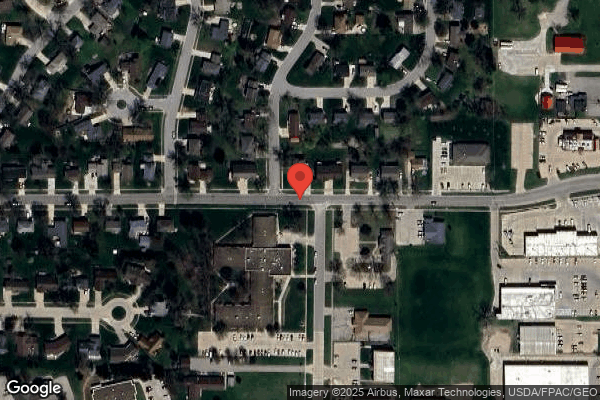
2401 South Second Street, Marshalltown, IA 50158 (641) 752-1553
For profit - Corporation 84 Beds ACCURA HEALTHCARE Data: November 2025
Trust Grade
28/100
#316 of 392 in IA
Last Inspection: April 2025

Within standard 12-15 month inspection cycle. Federal law requires annual inspections.

Overview

Accura Healthcare of Marshalltown has received a Trust Grade of F, indicating significant concerns and a poor quality of care. It ranks #316 out of 392 nursing homes in Iowa, placing it in the bottom half for quality, and #3 out of 5 in Marshall County, meaning only two local options are better. Unfortunately, the facility is worsening, with issues increasing from 9 in 2024 to 16 in 2025. Staffing is a concern, with a low rating of 1 out of 5 stars and a turnover rate of 49%, which is average but indicates instability. Recent incidents include a nurse administering the wrong medications to a resident and another resident being found unsupervised outside in extreme heat, leading to hospitalization for heat exhaustion. While there is some RN coverage, it is lower than 99% of Iowa facilities, which raises further concerns about the quality of care.

Trust Score
F
28/100
In Iowa
#316/392
Bottom 20%
Safety Record
Moderate
Needs review
Inspections
Getting Worse
9 → 16 violations
Staff Stability
⚠ Watch
49% turnover. Above average. Higher turnover means staff may not know residents' routines.
Penalties
○ Average
$9,350 in fines. Higher than 61% of Iowa facilities. Some compliance issues.
Skilled Nurses
⚠ Watch
Each resident gets only 13 minutes of Registered Nurse (RN) attention daily — below average for Iowa. Fewer RN minutes means fewer trained eyes watching for problems.
Violations
⚠ Watch
37 deficiencies on record. Higher than average. Multiple issues found across inspections.
★☆☆☆☆
1.0
Overall Rating
★☆☆☆☆
1.0
Staff Levels
★★☆☆☆
2.0
Care Quality
★☆☆☆☆
1.0
Inspection Score
Stable
2024: 9 issues
2025: 16 issues

The Good

  • Full Sprinkler Coverage · Fire safety systems throughout facility
  • No fines on record

Facility shows strength in fire safety.

The Bad

1-Star Overall Rating

Below Iowa average (3.0)

Significant quality concerns identified by CMS

Staff Turnover: 49%

Near Iowa avg (46%)

Higher turnover may affect care consistency

Federal Fines: $9,350

Below median ($33,413)

Minor penalties assessed

Chain: ACCURA HEALTHCARE

Part of a multi-facility chain

Ask about local staffing decisions and management

The Ugly 37 deficiencies on record

2 actual harm
Apr 2025 10 deficiencies
CONCERN (D) 📢 Someone Reported This

A family member, employee, or ombudsman was alarmed enough to file a formal complaint

Potential for Harm - no one hurt, but risky conditions existed

Accident Prevention (Tag F0689)

Could have caused harm · This affected 1 resident

**NOTE- TERMS IN BRACKETS HAVE BEEN EDITED TO PROTECT CONFIDENTIALITY** Based on clinical record review, staff interview and facility policy review the facility failed to supervise one out of two resi...

Read full inspector narrative →
**NOTE- TERMS IN BRACKETS HAVE BEEN EDITED TO PROTECT CONFIDENTIALITY** Based on clinical record review, staff interview and facility policy review the facility failed to supervise one out of two residents reviewed for elopement (Resident #161). The facility reported a census of 56 residents. Findings Included: Resident #161's Minimum Data Set (MDS) assessment dated [DATE], identified a Brief Interview for Mental Status (BIMS) score of 13, indicating intact cognition. Resident #161 walked independently with cane. The MDS included diagnoses of Alzheimer's dementia and heart failure. The Care Plan Focus dated 3/10/25, identified Resident #161's confusion related to Alzheimer's. The Interventions directed the following: a. Directed to monitor Resident #161's behavior, redirect him as needed (PRN). b. Remind him as needed as he forgets. The Care Area Assessment (CAA) dated 3/21/25, reflected Resident #161 admitted to the facility from home as the family could no longer care for him safely due to his diagnosis of Alzheimer's Dementia. He wandered and needed supervision to keep him safe. The CAA listed him as independent with all of his cares with the exception of bathing. He's ambulatory (able to walk) and walked freely around the facility. He is pleasant and cooperative with all of his cares, is alert, and oriented to self and family. Resident #161's Elopement assessment dated [DATE], reflected he had a moderate risk for elopement with a score of 2. The assessment listed Resident #161 as a new admission and he voiced being happy to be at the facility. He denied wanting to leave. Will monitor due to diagnoses of Alzheimer's, but the assessment reflected Resident #161 didn't have a risk for elopement at that time. The Health Status Note dated 3/15/25 at 8:46 AM written by Staff Q, Assistant Director of Nursing (ADON), identified Resident #161 as missing. Staff E, Licensed Practical Nurse (LPN), reported Resident #161 headed towards the dining room at approximately 7:55 AM, but when she went to the dining room she failed to see him in there. She immediately initiated a head count and 2 staff went outside to check parameters. The staff extended the search to the neighborhood. As Staff E went to call 911, Staff B, Certified Nurse's Aide (CNA), reported they found him. The staff found Resident #161 at approximately 8:05 AM. Resident #161 returned to the building at 8:13 AM. The facility notified the family and started frequent checks. The staff completed a head to toe assessment without no injuries observed. The nurse placed a wander guard to his right ankle. On 4/22/25 at 1:15 PM, Staff D, LPN, reported when Staff G, CNA, heard the door alarm she went to look why the door sounded. Resident #161 walked about 6 blocks away from the facility before staff found him and got him back to the facility. On 4/22/25 at 4:18 PM, Staff E, said she worked the medication cart on 3/15/25. She said she saw Resident #161 up the hall as he walked by she thought he went to breakfast in the dining room. She reported she continued doing her medication pass when she heard the front door alarm go off. She asked the Staff G to check the front door alarm. She reported Staff G said they didn't see anyone at the door or outside, and she failed to know why the alarm went off. She reported she went to the DR and looked for Resident #161, but she failed to see him. Staff E reported she walked down to Resident #161's room to make sure he didn't walk back there, but she failed to see him. Staff E reported she left the building to look around the front door area and didn't see Resident #161. She stated she alerted the staff to complete a head count of the residents and directed 2 staff members to go outside and search the neighborhood. Staff B called and reported she found him and they were on the way back to the facility. Staff E described Resident #161 as absent from the facility for around 15 minutes she thought. Staff E, confirmed Staff G turned off the door alarm and failed to go outside to look for reason the alarm sounded. On 4/23/25 at 11:30 AM, Staff Q reported Staff E called her when Resident #161 left the facility. Staff Q reported she was on her way to the facility and when she got there, Resident #161 already arrived back at the building. She said Staff E told Staff G to check the alarm. Staff G turned off the alarm, looked outside, but failed to see anyone. Staff Q revealed Staff G told the nurse she turned off the alarm and failed to see anyone. Staff Q reported Staff E said she went to the dining room (DR) to see if she could find Resident #161 because he'd walked towards the DR before the front door alarm sounded. Staff E told Staff Q, they didn't see Resident #161 in the DR, so she initiated the Missing Resident Protocol. Staff Q reported she directed Staff E to call the family and the policy, but staff brought him back just then and reported they found Resident #161 a few blocks away. On 4/23/25 at 9:58 AM, Staff G reported that on 3/15/25, she worked the 100-medication cart. She stated she went by the nursing station and Staff E told her to go check the front door alarm. Staff G said she went to front to door looked outside, walked around inside the dining room (DR) and she said she shut off the alarm. She reported she told Staff E she looked in the DR, looked out the door and failed to see anyone so she turned off the alarm. She reported about 5 minutes later Staff E sent Staff B and Staff D outside to look for him. Staff E told her she knew it was him because she saw him walk to the DR and when she went to the DR, she didn't see him there. Staff E reported she failed to go outside and look around for him after the door alarm sounded to see why the door alarm sounded. On 4/23/25 at 6:06 PM, Staff B stated she saw Staff E outside the front windows, she walked back and forth in front of the building. She told her Resident #161 left the facility and she needed to go look for him. Staff B reported she took off out of the building and called her son who lived in the neighborhood to help her look for the man. She reported they found him on 6th street and [NAME]. She reported they got Resident #161 in the car and brought him back to the building. On 4/21/25 at 1:19 PM the Administrator reported they had a resident with a BIMS of 13 leave the facility to see his brother a few blocks away, he came back so they didn't need to report it. On 4/24/25 at 2:25 PM, the Administrator provided the facility provided education to the staff after Resident # 161 left the facility it directed the staff to check for the reason the door alarm sounded and immediately tell the charge nurse and staff will conduct a head count. The facility provided a document that listed 6 wandering residents dated 12/26/24 through 3/26/25. The facility provided a policy titled Missing Resident/Elopement Process updated 10/29/2024, directed when a door alarm sounds the facility staff shall: a. Check the alarm panel to determine which door has been opened. Do not assume someone else has already done this. b. Check the exit door for any existing resident by means of a visual check. Visual check means observing the area around the exit and may require leaving the building. c. If a resident is discovered outside the facility inappropriately, staff will assist them back into the facility. d. Reset the door alarm after it is determined by visual check that no resident has exited the facility inappropriately or is returned to the facility. e. If for any reason, door alarms are turned off, the staff will continually visually monitor the door/doors. Ensure all residents are accounted for. f. If an alarm is discovered de activated, staff will perform an immediate head count to g. The nurse, Director of Nursing, or Executive Director will question staff to determine who de-activated the door alarm and reason for doing so.
CONCERN (D)

Potential for Harm - no one hurt, but risky conditions existed

Incontinence Care (Tag F0690)

Could have caused harm · This affected 1 resident

**NOTE- TERMS IN BRACKETS HAVE BEEN EDITED TO PROTECT CONFIDENTIALITY** Based on clinical record review, observations, staff interviews, and facility policy review the facility failed to maintain cath...

Read full inspector narrative →
**NOTE- TERMS IN BRACKETS HAVE BEEN EDITED TO PROTECT CONFIDENTIALITY** Based on clinical record review, observations, staff interviews, and facility policy review the facility failed to maintain catheter tubing off the floor for 4 out of 4 days reviewed for one out of two residents reviewed (Resident #12). The facility reported a census of 56 residents. Findings include: Resident #12's Minimum Data Set (MDS) assessment dated [DATE], identified a Brief Interview for Mental Status (BIMS) score of 13, indicating intact cognition. Resident #12 required staff assistance of 1 with toileting hygiene and 2 staff with transferring. The MDS included diagnoses of neurogenic bladder (problems with the bladder as the nerves don't function properly), and diabetes mellitus (DM). The Care Plan Focus dated 8/21/23, identified Resident #12's used an indwelling urinary catheter due to wound healing. The Goal reflected she wouldn't develop a urinary tract infection(UTI). Resident #12's Urine culture dated 3/24/25, revealed greater than (>) 100,000 colony forming unit (CFU) per milliliter (ml) of Escherichia coli ESBL (extended spectrum beta lactamase) (happens when bacteria enters the urethra from another source) and 50,000 to 100,000 CFU per ml of pseudomonas aeruginosa (a type of UTI that occurs with catheters). Resident #12's March 2025 Medication Administration Record (MAR) listed an order for Levofloxacin (antibiotic) oral tablet. The order directed to give 500 milligrams (mg) by mouth one time a day for UTI until 3/31/25. On 4/21/25 at 12:36 PM, saw Resident # 12 sat in her wheelchair (w/c) in the dining room with 6 inches of the urinary catheter tubing sat on the floor under her w/c. On 4/21/25 at 1:54 PM, observed Resident #12 sitting at the nurses' station in her w/c, with 6 inches of the catheter tubing sitting on the floor under her w/c. On 4/22/25 at 5:39 PM witnessed 7 inches of Resident #12's catheter tubing drag across the floor as she wheeled herself up the hall. On 4/23/25 at 8:08 AM, saw Resident #12 sat in her w/c with 6 inches of her catheter tubing sitting on the floor under her w/c in the dining room. On 4/23/25 at 10:55 AM, observed Resident #12 sit in her room in her w/c with 6 inches of her catheter tubing sitting on the floor under her w/c. On 4/23/25 at 11:22 AM, witnessed Resident #12 sitting in her w/c in the dining room at the table with her catheter tubing sitting on the floor under her w/c. On 4/23/25 at 1:03 PM, watched Resident #12 sit in her w/c as she sat in the hall by the nurses' station with her catheter tubing dragging on the floor under her w/c . On 4/24/25 at 7:00 AM saw Resident #12 sit in the hall in the w/c while her catheter tubing sat on the floor under the w/c. On 4/24/25 at 8:17 AM, the Staff D, Licensed Practical Nurse (LPN), reported they expected the catheter tubing be kept off the floor. On 4/24/25 at 8:18 AM, Staff F, Certified Nurse Aide (CNA), reported the catheter tubing went in the dignity bag and clipped to the leg so the tubing is short and not on the floor. The facility provided a policy titled Catheter Care dated 11/13/24, failed to directed the placement of the catheter tubing off the floor.
CONCERN (D)

Potential for Harm - no one hurt, but risky conditions existed

Medication Errors (Tag F0758)

Could have caused harm · This affected 1 resident

**NOTE- TERMS IN BRACKETS HAVE BEEN EDITED TO PROTECT CONFIDENTIALITY** Based on clinical record review, staff interview and facility policy review, the facility failed to complete a gradual dose redu...

Read full inspector narrative →
**NOTE- TERMS IN BRACKETS HAVE BEEN EDITED TO PROTECT CONFIDENTIALITY** Based on clinical record review, staff interview and facility policy review, the facility failed to complete a gradual dose reduction (GDR) for an antipsychotic medication for 1 out of 5 residents reviewed for unnecessary medications. (Residents #10). The facility reported a census of 56 residents. Findings include: Resident #10's Minimum Data Set (MDS) assessment dated [DATE] identified a Brief Interview for Mental Status (BIMS) score of 9, indicating moderate cognitive impairment. The MDS identified Resident #10's as independent for bed mobility and transfers. Resident #10's MDS included diagnoses of Alzheimer's disease, non Alzheimer's disease, cerebral palsy, psychotic disorder, and other sexual disorders. The MDS documented Resident #10 took an antipsychotic during the 7-day lookback period. The Care Plan Focus revised 12/18/24 reflected Resident #10 took antipsychotic medication for Alzheimer's dementia and sexual behaviors. The Interventions directed staff to send the Pharmacist's GDR recommendations to Resident #10's Physician. The Order Entry dated 4/29/24 included an order to administer haloperidol (Haldol) (antipsychotic) 2 MG (milligrams) QID (four times a day) related to psychotic disorder with hallucination due to known physiological conditions. Resident #10's Pharmacist's Recommendation to Prescriber dated 9/11/24, indicated he took the following medications: a. Haloperidol 2 MG QID (since April 2024) b. Leuprolide 3.75 MG IM once monthly (since March 2024) c. Medroxyprogesterone 300 MG IM once weekly (since April 2024) d. Sertraline 200 MG every day (since March 2024). The recommendation identified the medications as due for a GDR. The Pharmacist recommended to reduce Haldol to 2 MG three times a day (TID). The form included GDR recommendations for the three other medications. On the bottom of the form there was a hand-written note that documented sexual aggression protocol, leave dose alone. The recommendation lacked a signature from a provider regarding the documentation. Resident #10's Pharmacist's Recommendation to Prescriber dated 9/11/24, signed by an Advanced Registered Nurse Practitioner (ARNP) on 9/20/24 included an X for disagree for the response section. Under the Prescriber's comments section of the form included a new handwritten order to reduce Haldol to 2 MG TID and may hold if sleepy, keep other medications as is to help libido suppression. A Consultant Progress Note dated 9/25/24 documented the ARNP gave approval for a GDR for the Haldol from QID to TID. Resident #10's progress notes lacked documentation of the visit or the ARNP's order approval. Resident #10's September 2024 to April 2025 Medication Administration Records reflected the staff continued to administer Haldol 2 MG QID to him. Resident #10's clinical record lacked documentation or a request to clarify the Haldol order received in September2024. A Consultant Progress Note dated 12/20/24 documented the ARNP gave approval for a GDR for the Haldol from QID to TID, but the staff didn't want the dose changed. On 4/23/25 at 7:30 AM, the ADON (Assistant Director of Nursing) verified the facility didn't decrease Resident #10's Haldol in September. The ADON felt they had conflicting orders on the two pharmacy forms. She reported they had messy physician orders. She reported she couldn't find any documentation that the facility requested or received clarification on the orders. She reported she expected the nursing staff to clarify the physician order for Haldol. On 4/23/25 at 12:55 PM, Staff M, Regional Nurse Specialist, and the ADON reported they couldn't find any more information regarding the Haldol order from September 2024. Staff M said the facility would clarify the Haldol order on 4/23/25. Staff M acknowledged the facility should have clarified the Haldol order back in September 2024. On 4/23/25 at 1:09 PM, Staff M reported the facility didn't have a policy on following Physician orders. The facility followed the standard of care. A facility policy titled Medication Regimen Review Policy updated 10/19/22 instructed the consultant pharmacist to review the resident medication regimen including the resident's chart at least once per month. The consultant pharmacist would report in writing any recommendations and irregularities to the Attending Physician, the community Medical Director, and the Director of Nursing. In addition, if the Physician choose not to act upon the Pharmacy Consultant recommendation, the Physician must document rationale the reason they didn't indicate the change in the resident record. The DON and/or designee will clarify any discrepancies noted on the MAR and/or the Physician Order Summary with the ordering Physician.
CONCERN (D) 📢 Someone Reported This

A family member, employee, or ombudsman was alarmed enough to file a formal complaint

Potential for Harm - no one hurt, but risky conditions existed

Deficiency F0825 (Tag F0825)

Could have caused harm · This affected 1 resident

**NOTE- TERMS IN BRACKETS HAVE BEEN EDITED TO PROTECT CONFIDENTIALITY** Based on clinical record review and staff interviews, the facility failed to provide Occupational Therapy (OT) per Physician ord...

Read full inspector narrative →
**NOTE- TERMS IN BRACKETS HAVE BEEN EDITED TO PROTECT CONFIDENTIALITY** Based on clinical record review and staff interviews, the facility failed to provide Occupational Therapy (OT) per Physician order and failed to start Physical Therapy (PT) in a timely manner for 1 of 1 resident reviewed (Resident #1) for therapy services. The facility reported a census of 56 residents. Findings include: Resident #13's Minimum Data Set (MDS) assessment dated [DATE] identified a BIMS score of 15, indicating intact cognition. The MDS identified Resident #13 as independent with bed mobility. Resident #13 required supervision or touching assistance from 1 staff member with transfers, toilet use, and ambulation. The MDS described Resident #13 as ambulatory and could walk 10 feet. They required a wheelchair for locomotion. Resident #13's MDS included diagnoses of hypertension (high blood pressure), COPD (chronic obstructive pulmonary disease), diabetes mellitus, and muscle weakness. An Incident Report dated 1/11/25 at 10:25 AM reflected Resident #13 fell in her room when she walked from the bathroom. She had ahold of the end of her bed, when the foot board broke, and she landed on the floor. Resident #13 complained of left shoulder and ankle pain. The Health Status Note dated 1/15/25 at 8:00 AM reflected Resident #13 complained of left rib pain from a fall a few days ago. The note indicated the staff gave Resident #13 her regular scheduled pain medication. The Health Status Note dated 1/15/25 at 12:30 PM indicated Resident #13 continued to complain of left sided rib pain. The note documented the facility notified the DOP (Doctorate of Nursing Practice) of her pain. They reported they would see Resident #13 on rounds on 1/16/25. The Health Status Note dated 1/16/25 at 12:58 PM identified while at the facility, the DNP ordered a portable x ray to be completed as soon as possible. The Health Status Note dated 1/16/25 at 11:43 PM reflected Resident #13 had x rays completed. The results identified her as positive for acute (short-term or new) right posterior (back) 8 10 rib fractures. A Progress Note dated 1/28/25 at 1:20 PM documented the staff called the Provider regarding Resident #13's pain. The Provider gave a new order to encourage Resident #13 to use her as needed (PRN) Tramadol as ordered, with a PT/OT evaluation and treatment. The note documented the staff notified therapy of the new order. A Physician order dated 1/28/25 signed by the DNP on 1/30/25 directed PT/OT to evaluate and treat for increased pain. Resident #13's clinical record lacked documentation that she started OT services as ordered by the Physician on 1/28/25. In addition, Resident #13 didn't start PT services until 2/19/25. Resident #13's PT Discharge Summary listed she received services from 2/19/25 to 3/14/25. On 4/22/25 at 2:20 PM, the Administrator reported Resident #13 didn't have therapy notes for January as she didn't receive therapy at that time. On 4/23/25 at 12:50 AM, the ADON verified the facility didn't follow the order for PT/OT on 1/28/25 per facility protocol. She verified the facility didn't initiate OT as ordered and they didn't start PT until 2/19/25. She reported she expected the staff to follow Physician orders. On 4/23/25 at 1:09 PM, Staff M, Regional Nurse Specialist, reported she expected the staff to process Physician orders within 24 hours. She reported the facility didn't have a policy related to following Physician orders as the facility followed the standards of care.
CONCERN (D)

Potential for Harm - no one hurt, but risky conditions existed

Infection Control (Tag F0880)

Could have caused harm · This affected 1 resident

**NOTE- TERMS IN BRACKETS HAVE BEEN EDITED TO PROTECT CONFIDENTIALITY** Based on observation, staff interviews, the Centers for Disease Control and Prevention (CDC), and facility policy review, the fa...

Read full inspector narrative →
**NOTE- TERMS IN BRACKETS HAVE BEEN EDITED TO PROTECT CONFIDENTIALITY** Based on observation, staff interviews, the Centers for Disease Control and Prevention (CDC), and facility policy review, the facility staff failed to follow enhanced barrier precautions (EBP) while doing wound care by not wearing the required person protective equipment for 1 of 2 residents (Resident #15) observed for wound care. The facility reported a census of 56 residents. Findings include: Resident #15's Minimum Data Set (MDS) assessment dated [DATE] identified a Brief Interview for Mental Status (BIMS) score of 12, indicating moderately impaired cognition. Resident #15 required substantial/maximal assistance with bed mobility. The MDS listed Resident #15 as dependent on staff for transfers. Resident #15's MDS included diagnoses of anemia (low iron levels in the blood), hypertension (high blood pressure), renal (kidney) disease, diabetes mellitus, and non Alzheimer's dementia. The MDS reflected Resident #15's had a diabetic foot ulcer. The MDS documented Resident #15 had a pressure reducing device in their chair/bed, nutrition and/or hydration intervention, application of ointments/medications and dressings to their feet. The Care Plan Focus revised 12/18/24 indicated Resident #15 had type 2 diabetes. He managed his diabetes with the use of hypoglycemics (medications to lower blood sugar). The Interventions reflected he had a diabetic ulcer to his right lateral foot. The Care Plan Focus initiated 1/8/25 indicated Resident #15 had an increased risk for colonization of multiple drug resistant organism (MDRO) related to wound. The Interventions directed staff to use EBP related to the wound. On 4/23/25 at 1:35 PM observed an EPB sign posted on Resident #15's door frame. The sign directed everyone must clean their hands, including before entering and when leaving the room. In addition, the sign directed providers and staff to wear gloves and a gown following high contact resident care activities, including wound care with any skin openings that require a dressing. On 4/23/25 at 1:40 PM observed Staff N, LPN (License Practical Nurse), complete a dressing change to Resident #15's right lateral foot ulcer. Staff O, CMA (Certified Medication Aide), assisted during the dressing change to help lift Resident #15's right foot. Staff N and Staff O did not put on gowns prior to the start of treatment and did not wear gowns during the treatment. Staff N acknowledged she didn't wear a gown during the treatment and reported she received education on the need to wear a gown. She said she got nervous and forgot to put the gown on. On 4/23/25 at 2:25 PM, the Administrator reported he expected the staff to follow the infection control policy and signage related to EBP. A facility policy titled Enhance Barrier Precautions updated 11/13/24 described the policy as to implement enhanced barrier precaution for the prevention of transmission of multidrug resistant organisms. The policy defined EBP as an infection control intervention designed to reduce transmission of multidrug resistant organisms that used targeted gown and gloves during high contact resident care activities. Examples of high contact resident care activities include wound care with any skin opening requiring a dressing change. Enhanced barrier precautions should be used for the duration of the affected resident's stay in the facility or until resolution of the wound.
CONCERN (D)

Potential for Harm - no one hurt, but risky conditions existed

Deficiency F0883 (Tag F0883)

Could have caused harm · This affected 1 resident

**NOTE- TERMS IN BRACKETS HAVE BEEN EDITED TO PROTECT CONFIDENTIALITY** Based on clinical record review, staff interview, Centers for Disease Control and Prevention (CDC) guidelines, and facility poli...

Read full inspector narrative →
**NOTE- TERMS IN BRACKETS HAVE BEEN EDITED TO PROTECT CONFIDENTIALITY** Based on clinical record review, staff interview, Centers for Disease Control and Prevention (CDC) guidelines, and facility policy review, the facility failed to conduct eligibility screening, offer, and provide education related to the pneumococcal (pneumonia) immunization. In addition, the facility failed to document the vaccine consent or refusal for the pneumococcal immunization for 1 of 5 resident reviewed (Resident #47) for immunizations. The facility reported a census of 56 residents. Findings include: Resident #47's Minimum Data Set (MDS) assessment dated [DATE] identified a Brief Interview for Mental Status (BIMS) score of 10, indicating moderately impaired cognition. The MDS included diagnoses of Alzheimer's disease, anxiety, and hypertension (high blood pressure). The MDS listed Resident #47's pneumococcal vaccine as up to date. Resident #47's Clinical Census reviewed 4/23/25 listed an admission date of 1/18/24. Resident #47's Immunizations reviewed 4/26/25 reflected she received the pneumococcal polysaccharide (PPV23) on 3/19/14. Resident #47's clinical record lacked documentation the facility offered and educated her about receiving the pneumococcal vaccine (PCV20 or PCV21) (second dose in the pneumococcal series). In addition, Resident #47's clinical record lacked documentation she refused the recommended PCV20 or PCV21 vaccine or any other pneumococcal vaccinations. The CDC recommendations dated October 2024 directed adults age [AGE] and older who received the PCVSV23 should receive the PCV20 or PCV21 vaccination. On 4/23/25 at 10:58 AM Staff Q, Infection Preventionist (IP) nurse, relayed they offered the pneumonia vaccinations at the resident's admission and the physician would order any additional vaccines. Staff Q reported the physician should review the residents' charts and order immunizations accordingly. The staff didn't offer subsequent pneumonia vaccinations after the resident's admission. During an interview on 4/24/25 at 9:56 AM, the Administrator and Staff M, Regional Nurse Specialist, explained they knew the physician may not look at all of the resident's vaccination history to offer vaccinations recommended by the CDC and the facility policy. The facility was reviewing the policy for appropriate updates. The facility policy titled Pneumococcal Vaccinations updated 6/21/21 instructed to provide all residents the opportunity and encourage them to receive the pneumococcal vaccinations.
CONCERN (E) 📢 Someone Reported This

A family member, employee, or ombudsman was alarmed enough to file a formal complaint

Potential for Harm - no one hurt, but risky conditions existed

Resident Rights (Tag F0550)

Could have caused harm · This affected multiple residents

**NOTE- TERMS IN BRACKETS HAVE BEEN EDITED TO PROTECT CONFIDENTIALITY** Based on record review, resident interviews, staff interviews and policy review, the facility failed to be respectful and ensure...

Read full inspector narrative →
**NOTE- TERMS IN BRACKETS HAVE BEEN EDITED TO PROTECT CONFIDENTIALITY** Based on record review, resident interviews, staff interviews and policy review, the facility failed to be respectful and ensure residents' dignity for 5 of 21 residents reviewed (Residents #9, #13, #18, #22, and #28). The facility reported a census of 56 residents. Findings include: 1. Resident #9's Minimum Data Set (MDS) assessment dated [DATE] identified a Brief Interview for Mental Status (BIMS) score of 15, indicating intact cognition. During an interview on 4/21/25 at 12:38 PM, Resident #9's reported Staff A, the previous Director of Nursing (DON), persisted and argued with her when she didn't want to take a shower. Resident #9's stated Staff A called another provider to convince her to shower and the provider didn't side with Staff A. 2. Resident #13's MDS assessment dated [DATE] identified a BIMS score of 15, indicating intact cognition. During an interview on 4/23/25 at 5:40 PM, Resident #13 recalled Staff A argued while at the nurse's station and told Resident #13 to go to their room. 3. Resident #18's Minimum Data Set (MDS) assessment dated [DATE] identified a BIMS score of 14, indicating intact cognition. During an interview on 4/22/25 at 3:18 PM, Resident #18 explained they felt Staff A took advantage when a person felt down and weak. Resident #18 recalled Staff A worked many nights and described her as demanding. For instance, Resident #18 stated the staff directed them to get up and go to the toilet at night. When they responded no repeatedly, Staff A would not listen, she argued and had a superior attitude. 4. Resident #22's MDS assessment dated [DATE] identified a BIMS score of 15, indicating intact cognition. During an interview on 4/22/25 at 5:02 PM, Resident #22's explained Staff A said bluntly they were eating themselves to death and they wouldn't last long, with a family member present. Resident #22 reported they both got upset. Resident #22 reported Staff A would say, you know you could do it (referred to prolonged standing), even though they couldn't. Resident #22 reported they had poor communication, but they didn't need things sugarcoated. The staff didn't need to treat them rudely either. 5. Resident #28's MDS assessment dated [DATE] identified a BIMS score of 15, indicating intact cognition. During an interview on 4/21/25 at 12:35 PM, Resident #28's described the last DON as terrible. They talked down to the staff and would argue. Resident #28's recalled Staff A wanted their roommate to take a shower and they had a bandage that was not supposed to get wet. Staff A yelled they knew what they were doing. Resident #28 reported they heard Staff A tell residents to go to their room. During an interview on 4/21/25 2:43 PM, Staff P, Social Services, explained many didn't like Staff A due to her sergeant style of management. During an interview on 4/24/25 at 9:00 AM, the Administrator, explained they worked on the plan of correction which included staff education and audits regarding dignity. The Administrator indicated Staff A didn't comply with audits and continued to demonstrate dignity concerns. A Facility document titled, Self-Report outlined the allegations that occurred on 2/25/25, including investigative attachments. The report reflected the facility notified the Administrator that Staff A told Resident #22 he would eat himself to death and his family member witnessed the comment. Resident #22's reported Staff A talked to him as if he was a child. Following the allegations, the Administrator interviewed residents with intact cognition. The investigation indicated Resident #13 recalled Staff A yelled and directed them to go to her room. In addition, Resident #13 reported Staff A treated her family member on the phone rude. Resident #13's family submitted a concern to the Administrator. They reported Staff A repeated phrases and talked down them as if they were a child. The interview with Resident #28's identified Staff A wanted to argue all the time. They recalled Staff A yelled and asked, if they said Staff A was a liar. Resident #9 reported they heard Staff A say rude things to residents in the past but couldn't think of specifics. Resident #18 reported they felt Staff A didn't like her and treated her mean. The facility investigation attachments dated 2/26/25 documented the investigation revealed multiple complaints about Staff A regarding inappropriate and unprofessional conduct. The continued reports of inappropriate behavior demonstrated an unacceptable pattern of conduct that didn't align with the expectations of leadership in the facility. The paperwork reflected the facility terminated Staff A on 2/26/25. The facility Compliance policy, Employee Standards and Code of Conduct revised 9/1/23 directed the facility to make every effort to create and maintain a positive work environment, with the expectation to remain professional and respectful to one another with refraining from unbecoming behavior.
CONCERN (E) 📢 Someone Reported This

A family member, employee, or ombudsman was alarmed enough to file a formal complaint

Potential for Harm - no one hurt, but risky conditions existed

Deficiency F0725 (Tag F0725)

Could have caused harm · This affected multiple residents

**NOTE- TERMS IN BRACKETS HAVE BEEN EDITED TO PROTECT CONFIDENTIALITY** Based on clinical record review, Facility Assessment, Payroll Based Journal (PBJ) data, staff and resident interviews, the facil...

Read full inspector narrative →
**NOTE- TERMS IN BRACKETS HAVE BEEN EDITED TO PROTECT CONFIDENTIALITY** Based on clinical record review, Facility Assessment, Payroll Based Journal (PBJ) data, staff and resident interviews, the facility failed to provide enough staff to care for residents in a timely manner for 5 of 17 residents reviewed (Residents #13, #30, #34, #28, and #162). The facility reported a census of 56 residents. Findings include: 1. Resident #13's Minimum Data Set (MDS) assessment dated [DATE] identified a BIMS score of 15, indicating intact cognition. On 4/21/25 at 2:45 PM, Resident #13's reported it can take staff 30 minutes up to an hour to answer her call light. She reported the second shift took the longest to answer her call lights. She added she used the clock on the wall to know the length of time. 2. Resident #30's Minimum Data Set (MDS) assessment dated [DATE] with Brief Interview for Mental Status score of 12 indicated moderate cognitive impairment. On 4/21/25 at 3:48 PM Resident #30 reported he liked to stay up late at night and some of the night staff try to get him to go to bed. He explained at night he could push his call light for staff to change him and it can take an hour before they show up. 3. Resident #34's Minimum Data Set (MDS) assessment dated [DATE] identified a BIMS score of 15, indicating intact cognition. On 4/22/25 at 8:39 AM, Resident #34's reported she had her call light on for at least an hour that morning before the staff answered it. She said she watched the call light times with the clock on the wall. She reported the day shift had the worse call light response times and thought the other shifts had their acts more together. She reported a time in the last 6 months that she had call light on for over 2 hours. 4. Resident #28's MDS assessment dated [DATE] identified a BIMS score of 15, indicating intact cognition. On 4/21/25 at 12:58 PM, Resident #28's reported his spouse needed assistance getting up and has waited a half hour at times up to an hour especially in the morning. Resident #28's voiced, staff say they are busy with getting showers done so they have to wait to get out of bed. Sometimes they bring the breakfast tray and she still didn't have anyone help her out of bed to eat. 5. Resident #162's Minimum Data Set (MDS) assessment dated [DATE] listed her admission date as 4/15/25 from the hospital. The assessment didn't have a BIMS score. On 4/21/25 at 11:54 AM, Resident #162's reported over the weekend, they were short staff. They thought it because it was a weekend and the Easter holiday. The staff said to give them 20 minutes and they would see if they could find someone to help them, but they didn't come back. A Grievance form dated 1/16/25 initiated by Resident #13's family documented call lights on 1/16/25 in the morning took a long time to answer and they didn't have their linens changed. The PBJ Fiscal Year (FY) Quarter 1 2025 (October 1-December 31) data reflected excessively low weekend staffing. The Daily Staff Posting dated reflected staff to include, on 4/20/25 the night shift included 1 Licensed Practical Nurse (LPN), and 2 Certified Nurse Aides (CNA's). The days shift included 1 Registered Nurse (RN), 1 LPN, 1 Certified Medication Aide (CMA) and lacked the number of CNAs. The evening shift included 3 LPNs and 5 CNAs with the census of 56. The Daily Staff Posting dated 4/22/25, listed the night shift had 1 LPN and 2 CNAs. The day shift listed 2 RN, 1 LPN and 5 CNAs. The evening shift included 1 LPN, 2 CMAs, and 4 CNAs with the census of 56 residents. The Daily staff Posting dated 4/23/25, listed the night shift had 1 LPN and 3 CNAs. The day shift listed 2 LPNs, 1 CMA, and 5 CNAs. The evening shift showed 2 LPNs, 1 CMA, and 4 CNAs with the census of 56 residents. The Daily Staff Posting dated 4/24/25, included the night shift had 1 LPN and 2 CNAs. The day shift had 2 LPNs, 1 CMA, and 5 CNAs. The evening shift had 1 LPN, 2 CMAs and 5 CNAs for the census of 56 residents. The Facility assessment dated [DATE], directed the facility needed the following staff per shift (adjust as needed): a. Night Shift included: i. RN: 1 full time employee to 53 residents ii. LPN/Licensed Vocational Nurse (LVN): 1 full time employee to 53 residents iii. CNA 4 full time employees to 53residents. b. Day Shift included: i. RN: 2 full time employees to 53 residents ii. LPN/LVN 1 full time employee to 53 residents iii. CNA 7 full time employees to53 residents iv. Med Tech 1 full time employees to 53 residents. c. Evening shift included: i. RN 1 full time employee to 53 residents ii. LPN/LVN 1full time employee to 53 residents iii. CNA 5 full time employees to 53 residents iv. Med Tech 1 full time employees to 53 residents During an interview on 4/24/25 at 9:46 AM, the Administrator reported they knew about the facility's staffing concerns and stated they needed to amend the Facility Assessment.
CONCERN (E)

Potential for Harm - no one hurt, but risky conditions existed

Food Safety (Tag F0812)

Could have caused harm · This affected multiple residents

Based on observations, staff interviews and policy review, the facility failed to label food and drinks with dates after opening, discard product after recommended date, ensure a male staff member wor...

Read full inspector narrative →
Based on observations, staff interviews and policy review, the facility failed to label food and drinks with dates after opening, discard product after recommended date, ensure a male staff member wore a beard net, and failed to prepare and serve food under sanitary conditions to reduce the risk of contamination and food borne illness. The facility identified a census of 56 residents. Findings include: 1. An initial kitchen tour conducted on 4/21/25 at 9:45 AM, revealed the following items stored in the refrigerator ready for service: a. 1-quart tomato juice - open/not dated b. 1-quart silk soy milk - open/not dated c. 1-quart grape juice - open/not dated d. Container of open apricots - dated 4/13/25 e. Container of open ham salad - dated 4/13/25 f. Container of open mixed berries - dated 4/17/25 2. The kitchen's milk cooler revealed the following stored items: a. 1-gallon white milk - open/not dated b. 1-gallon chocolate mile - open/not dated c. 1-gallon orange juice - open/not dated On 4/21/25 during the initial kitchen tour, observed Staff I, Dietary Aide, with a beard and not wearing a beard net. Staff I said he didn't know if the facility had beard coverings and he hadn't worn one. He reported he worked at the facility for a couple of months. During the initial kitchen tour, observed Staff J, Cook, prepare sandwiches. Staff J wore blue colored gloves while making the peanut butter and jelly sandwiches. Staff J touched multiple items with her gloved hands while making the sandwiches which included the bread, knife, peanut butter jar, and jelly container. After spreading the peanut butter on the bread and squeezing jelly from the container, Staff J put the two pieces of bread together and put the sandwich in plastic baggies while continuing to wear the same gloves. On 4/21/25 during the initial kitchen tour, Staff J reported she thought food items remained good for 3 days after opening. She reported the staff should have discarded the apricots, ham salad, and mixed berries. On 4/21/25 at 10:15 AM, the CDM (Certified Dietary Manager) reported she expected the staff to label and date food items after opening. She reported after opening food items they should be discarded between 3 7 days depending on the type of food items. She verified they should have discarded the apricots; ham salad, and mixed berries after 3 days. The CDM reported she expected the male dietary aide to cover their beard and reported the kitchen had beard nets for him to use. On 4/23/25 at 11:30 AM, observed Staff K, Cook, wear gloves while serving lunch. She touched multiple surfaces with her gloves including the utensils, menus, and plates. While wearing the same gloves, Staff K took a cheese sandwich out of a plastic container and put the sandwich on the grill. After Staff K put the sandwich on the grill, she removed her gloves, washed her hands, and applied new gloves to continue to serve the food. A second time, Staff K went to make a grilled cheese sandwich, she removed her gloves, without hand hygiene she put on a new pair of gloves and took the cheese sandwich from the plastic container and put it on the grill. In addition, observed Staff L, Cook, on 2 occasions put on a pair of gloves without completing hand hygiene, use a spatula and her gloved finger to slide the peanut butter bars off the spatula on to the plates. On 4/23/25 at 12:15 PM, the CDM reported she expected the staff to use gloves for one task and change the gloves to prevent cross contamination. A facility policy titled Food Storage dated 2021 documented all foods should be covered, labeled, dated, and routinely monitored to assure consumption of foods (including leftovers) occur by their safe to use by dates, or frozen (where applicable), or discarded. A facility policy titled Food Safety and Sanitation dated 2021 required staff to wear beard nets with visible facial hair. A facility policy titled Bare Hand Contact with Food and Use of Plastic Gloves dated 2021 considered gloved hands a food contact surface that can become contaminated or soiled. If used, only use single use gloves for one task, for no other purpose, discard when damaged or soiled or when interruptions occur in the operation. The policy instructed to wash hands after removing gloves.
CONCERN (F) 📢 Someone Reported This

A family member, employee, or ombudsman was alarmed enough to file a formal complaint

Potential for Harm - no one hurt, but risky conditions existed

Deficiency F0865 (Tag F0865)

Could have caused harm · This affected most or all residents

Based on review of the facility's Quality Assurance Performance Improvement (QAPI) plan, the facilities past surveys, and staff interview, the facility failed to correct their own deficiencies for 3 o...

Read full inspector narrative →
Based on review of the facility's Quality Assurance Performance Improvement (QAPI) plan, the facilities past surveys, and staff interview, the facility failed to correct their own deficiencies for 3 of 15 areas of concern. The facility reported a census of 56 residents. Findings include: The facility QAPI Plan dated 5/23/23 documented the purpose as to identify and correct quality deficiencies as well as opportunities for improvement in the lives of nursing home residents with a systematic approach. To do this, all employees will participate in ongoing QAPI efforts which support our mission. Principals of the QAPI system included, in summary: a. The outcome of QAPI is for resident quality of care and quality of life. b. Support performance improvement by encouraging our employees to support each other and be accountable for their own professional performance and practice c. Focus on systems and processes, emphasis to identify system gaps d. Make decisions based on data includes input and experiences of others e. Identify root causes of concerns, to monitor and evaluate activities f. To ensure timely services, clinically sound and based on current practices and technology g. Ensure resident confidentiality, services are compliant with regulations h. To establish a culture in which care partners are held accountable for their performance and do not fear retaliation for reporting quality concerns. The survey identified the following concerns cited previously in the past year at the facility: a. Dignity b. Infection Control c. Food Procurement Store/Prepare/Serve/Sanitation On 4/23/25 at 9:00 AM, the Administrator acknowledged the concerns with the repeated deficiencies and had a correction plan in place in regards to dignity however discovered the Staff A, previous Director of Nursing (DON), didn't follow through on audits as directed. Staff A no longer worked for the company. The Administrator acknowledged QAPI concerns with the repeated concerns reviewed included infection control and kitchen process.
Jan 2025 6 deficiencies
CONCERN (D) 📢 Someone Reported This

A family member, employee, or ombudsman was alarmed enough to file a formal complaint

Potential for Harm - no one hurt, but risky conditions existed

Resident Rights (Tag F0550)

Could have caused harm · This affected 1 resident

**NOTE- TERMS IN BRACKETS HAVE BEEN EDITED TO PROTECT CONFIDENTIALITY** 2. Resident #2's MDS assessment dated [DATE] listed an admission date of 9/3/24 from home. The MDS identified a BIMS score of 14...

Read full inspector narrative →
**NOTE- TERMS IN BRACKETS HAVE BEEN EDITED TO PROTECT CONFIDENTIALITY** 2. Resident #2's MDS assessment dated [DATE] listed an admission date of 9/3/24 from home. The MDS identified a BIMS score of 14, indicating intact cognition. The MDS included diagnoses of multiple sclerosis (an autoimmune disorder that affects the nervous system and causes inflammation with damage to the protective covering of the nerves), depression, and adjustment disorder (excessive reactions to stress that involve negative thoughts, strong emotions, and changes in behavior) with mixed disturbance of emotions and conduct. Staff J, Director of Nursing (DON), signed the MDS indicating completion on 12/10/24. The Educational Counseling Form signed 10/7/24 by Staff J and the Administrator reflected Staff J received educational counseling related to being kind and considerate toward residents and staff members. Staff J agreed to remain professional and respectful when communicating with them. The Social Services Note dated 10/9/24 at 10:45 AM indicated on 10/8/24 at approximately 5:29 PM, the Administrator, Staff J, and Staff F, Licensed Practical Nurse (LPN), discussed a self-reported incident between Resident #2 and Staff J. Staff J apologized to Resident #2, who responded they could move forward from the incident. The Administrator followed up with Resident #2. Resident #2 reported doing okay. The Administrator planned to follow-up weekly with Resident #2 to ensure he had no further issues with staff. On 1/12/25 at 9:15 AM, Resident #2 revealed he argued with Staff J for the first 2 weeks after he came to the facility and he has gotten over being upset with Staff J. During an interview on 1/13/25 at 3:45 PM the Staff J acknowledged she received educational counseling. She admitted Resident #2 yelled at her and wouldn't listen to what she was trying to say. She admitted she raised her voice over Resident #2's voice so he would hear her. The undated Employee Acknowledgment of Resident/Patient Rights, instructed the resident rights ensure each resident admitted received treatment with consideration, respect, and full recognition of their dignity and individuality, including privacy in treatment and in care for their personal needs. Based on clinical record review, policy/procedure review, resident and staff interview the facility failed to treat residents with respect and dignity in a manner that promotes maintenance or enhancement of his or her quality of life for 2 out of 5 resident reviewed. (Resident #6 and Resident #2). The facility identified a census of 61 residents. Findings include: 1. Resident #6's Minimum Data Set (MDS) assessment dated [DATE], reflected they could understand others and they could understand them. The MDS identified a Brief Interview for Mental Status (BIMS) score of 15, indicating intact cognition. The MDS listed Resident #6 as dependent with toileting hygiene, upper and lower body dressing. In addition, they required substantial to maximum assistance with personal hygiene and shower/bathing. The MDS included diagnoses of anemia (low blood iron level), hypertension (high blood pressure), anxiety, depression, renal insufficiency (impaired kidney function), renal failure and Bell's Palsy (a condition that causes temporary weakness or paralysis of the muscles in the face). The MDS documented an antianxiety medication used in the last 7 days. The Care Plan Focus dated 5/4/21 indicated Resident #6 had a history of trauma/life event with actual/potential for post-traumatic stress disorder (stroke). The Interventions directed the following: a. Past coping mechanisms include Resident #6 talking to others when she starts to worry b. Please answer any questions she has related to her need for facility placement. c. Assess Resident #6's understanding of verbal information d. One-on-one (1:1) visits as needed e. Allow her to express her concerns and feelings f. Provide reassurance as needed g. Allow Resident #6 adequate time to express her thoughts The Resident Council Minutes dated 11/27/24 at 1:30 PM, documented Staff A, Certified Nursing Assistant (CNA), Staff B, CNA, and Staff C, Nursing Assistant (NA), refused to clean up Resident #6 and leaving her for the next shift. Interview on 1/12/25 at 12:00 PM, Resident #6 confirmed Staff A and Staff C failed to clean her up when she had stool in her brief. She reported it made her feel degraded. Resident #6 added she wanted to feel respected by the staff. Interview on 1/12/25 at 12:15 PM, Resident #7 confirmed Staff A and Staff B failed to clean Resident #6 after someone commented she smelled of bowel movement (poop). Resident #7 stated the staff left the room without cleaning Resident #6. Resident #7 stated they reported the incident to Staff D, Licensed Practical Nurse (LPN), and Staff E, (Social Service Designee SS), the next day. Interview on 1/13/25 at 9:00 AM, Staff E, confirmed that during a resident council meeting on 11/27/24, Resident #6 and Resident #7 discussed the incidents that happened on 11/16/24 and 11/17/24. Staff E stated they forwarded the resident council meetings to the Administrator for review and then distribute them to the right department head to investigate. Interview on 1/13/25 at 10:30 AM, the Administrator explained they didn't know about the incident until the resident council meeting minutes on 11/27/24. They added they forwarded the incident to the Director of Nursing (DON) for review and to follow up with Resident #6 and Resident #7. The Administrator verified they expected the facility staff are to treat all residents with dignity and respect. Interview on 1/13/25 at 11:00 AM, the DON didn't know about the incident that occurred on 11/16/24 with Resident #6. The DON reported she would have investigated the incident if she knew. Interview on 1/13/25 at 12:15 PM, Staff D verified the incident with Resident #6 happened on 11/16/24. They couldn't remember what staff member they told on 11/17/24.
CONCERN (D) 📢 Someone Reported This

A family member, employee, or ombudsman was alarmed enough to file a formal complaint

Potential for Harm - no one hurt, but risky conditions existed

Deficiency F0658 (Tag F0658)

Could have caused harm · This affected 1 resident

**NOTE- TERMS IN BRACKETS HAVE BEEN EDITED TO PROTECT CONFIDENTIALITY** Based on record review and staff interview the facility failed to follow physician orders for 1 of 1 resident (Resident #3). The...

Read full inspector narrative →
**NOTE- TERMS IN BRACKETS HAVE BEEN EDITED TO PROTECT CONFIDENTIALITY** Based on record review and staff interview the facility failed to follow physician orders for 1 of 1 resident (Resident #3). The facility reported a census of 61 residents. Findings include: Resident #3's Minimum Data Set (MDS) assessment dated [DATE] listed an admission date of 6/26/23 from a short-term general hospital. The MDS identified they had a memory problem and severely impaired cognitive skills for daily decision making. The MDS included diagnoses of unspecified severe dementia with psychotic disturbance, cerebral atherosclerosis (the hardening, thickening, and narrowing of arteries in the brain due to plaque buildup inside the artery walls), incontinence of feces (poop) and urinary incontinence. The MDS indicated Resident #3 had risk for developing pressure ulcers/injuries. Resident #3 had one or more unhealed pressure ulcers/injuries. The MDS reflected Resident #3 had a stage 2 pressure ulcer present on admission/entry. The Weekly Pressure Injury Report listed the date of onset as 11/1/24 of a Stage 2 (Partial thickness loss of skin with exposed dermis. The wound bed is viable, pink or red, moist and may also present as an intact or ruptured serum filled blister. Granulation tissue, slough and eschar are not present) measuring 1 centimeters (cm) by 1 cm with a depth of 0.3 cm on the sacrum (a large, triangular bone at the base of the spine that connects the spine to the pelvis). The Wound Treatment Plan dated 12/13/24 identified the following order for the sacrum: a. Discontinue current treatment. b. Start to cleanse with wound cleanser and apply collagen pad into wound bed and cover with a silicone super absorbent dressing. Change daily and as needed c. Please use a disposable chuck with air mattress to promote healing. d. Give Prostat (nutritional supplement) 30 milliliters (mls) or equivalent per mouth (PO) daily to promote wound healing. On 12/16/24, the Assistant Director of Nurses (ADON) noted the Wound Treatment Plan and documented in the Nurses Notes, Medication Administration Record (MAR), Treatment Administration Record (TAR) and notified the family. Resident #3's December 2024 and January 2025 Medication Administration Record (MAR) lacked an order for Prostat 30 mls. Resident #3's Clinical Physician Orders printed on 1/9/25 lacked an order for Prostat 30 mls. The Health Status Note dated 12/16/24 at 2:17 PM written by the ADON indicated the facility received wound notes from the wound center with new orders to discontinue the current treatment, cleanse with wound cleaner, apply collagen pad to wound bed and cover with Mepilex. The ADON updated the orders and notified the Guardian. On 1/13/25 at 3:14 PM, Staff G, Licensed Practical Nurse (LPN), verified the current MAR didn't have the order for Prostat 30 mls PO daily listed. On 1/13/25 at 3:19 PM, the ADON acknowledged she didn't see the order for Prostat 30 mls PO daily on the Wound Treatment Plan received 12/13/24. On 1/13/25 at 3:45 PM, the DON acknowledged they expected the staff to follow the physician orders. The facility failed to provide a policy for following physician orders.
CONCERN (D) 📢 Someone Reported This

A family member, employee, or ombudsman was alarmed enough to file a formal complaint

Potential for Harm - no one hurt, but risky conditions existed

Room Equipment (Tag F0908)

Could have caused harm · This affected 1 resident

**NOTE- TERMS IN BRACKETS HAVE BEEN EDITED TO PROTECT CONFIDENTIALITY** Based on resident and staff interviews the facility failed to operate the full-body mechanical lift (lift) by allowing workers u...

Read full inspector narrative →
**NOTE- TERMS IN BRACKETS HAVE BEEN EDITED TO PROTECT CONFIDENTIALITY** Based on resident and staff interviews the facility failed to operate the full-body mechanical lift (lift) by allowing workers under the age of 18 to operate the lifts without adult supervision. The facility reported a census of 61. Findings Include: Resident #6's Minimum Data Set (MDS) assessment dated [DATE], identified a Brief Interview for Mental Status (BIMS) score of 15, indicating intact cognition. Resident #6 required substantial/maximal to total assistance with activities of daily living (ADLs). Resident #6 had a functional limitation in range of motion to upper and lower extremity on one side. The MDS included diagnoses of stroke, peripheral vascular disease (impaired blood vessels in the extremities), hemiplegia (weakness on one side of the body), and renal insufficiency (impaired kidney function). The Care plan Focus dated 10/14/20 indicated Resident #6 had an ADL deficit due to left sided hemiparesis. The Interventions directed she required assistance from 2 staff with the lift for all transfers. On 11/16/24, Resident #6 identified Staff A, Certified Nursing Assistant (CNA), Staff B, CNA, and Staff C, nursing assistant (NA), used the lift to transfer them. Interview on 1/12/25 at 12:15 PM, Resident #7 confirmed Staff A, CNA and Staff B, CNA transferred Resident #6 with the mechanical lift. They added they didn't have anyone over the age of 18 present during the transfer. Resident #7 reported the CNAs didn't know how to use the lift due to the emergency brake being on. A review of Staff A's personnel record listed their age as [AGE] years old. A review of Staff B's personnel record listed their age as [AGE] years old. A review of Staff C's personnel record listed their age as [AGE] years old. Staff C didn't have training on how to use the facility's lift. On 1/13/25 at 4:00 PM with the Administrator, Director of Nursing (DON), and Assistant Director of Nursing (ADON) present, the DON explained they expected the staff under [AGE] years old to make sure they had someone over [AGE] years old with them while operating a lift. If they couldn't find anyone available at that time, the staff under the age of 18 should wait for someone over the age of 18 to assist them. In the Filed Assistance Bulletin number 2011 3 from the United States Department of Labor, Wage and Hour Division dated July 13, 2011 instructed the Department of Labor's Wage and Hour Division (WHD) is responsible for administering the Fair Labor Standards Act (FLSA), the federal law of most general application concerning wages, hours of work and child labor. The child labor provisions of the FLSA were enacted to ensure that when children work, the work is safe and does not jeopardize their health, well being, or education. To protect children from hazardous employment, the FLSA provided a minimum age of 18 years in occupations found and declared by the Secretary of Labor to be particularly hazardous or detrimental to the health or well being of children 16 and [AGE] years of age. Hazardous Occupations Orders (HOs) are the means by which the Secretary declares certain occupations to be particularly hazardous for children. Child Labor Hazardous Occupations Order No. 7 (Occupations involved in the operation of power driven hoisting apparatus) (HO 7) (29 CFR § 570.58) has for many years prohibited children under [AGE] years of age from operating or assisting in the operation of several types of hoisting apparatus. (1) The child (16 or [AGE] year old) has successfully completed the 75 clock hours of nurse's aide training required by the Federal Nursing Home Reform Act from the Omnibus Budget Reconciliation Act of 1987, as outlined in 42 CFR § 483.152, or a higher state standard where applicable, and has successfully completed the nurse's aide competency evaluation detailed in 42 CFR § 483.154, or a higher state standard where applicable 3. (2) The child is not operating by himself or herself floor based vertical powered patient/resident lift devices, ceiling mounted vertical powered patient/resident lift devices, and powered sit to stand patient/resident lift devices (lifting devices) and the child is assisting in the use of lifting devices as a [NAME] member of at least a two person team that is headed by an employee who is at least [AGE] years of age. All members of the team must be trained in the safe operation of the lifting devices being used. (3) As a [NAME] member of the team, the child may set up, move, position, and secure unoccupied lifting devices. The child may assist trained adult employees in attaching slings to and un attaching slings from lifting devices prior to and after the lift/transfer of the patient/resident is completed. The child may also assist trained adult employees in operating the controls that activate the power to lift/transfer the patient/resident. The child may act as a spotter/observer and may position items such as a chair, wheelchair, bed, and commode under the patient/resident who is being lifted/transferred. (4) As a [NAME] member of the team, the child may not independently engage in hands on physical contact with the patient/resident during the lifting/transferring process (such as placing or removing the sling, including pushing or pulling the sling under/around the patient/resident; adjusting the sling under/around the patient/resident; and manipulating the patient/resident when placing, adjusting or removing a sling under/around the patient/resident), and may only assist in these hands on activities when assisting a trained adult employee while the adult employee is simultaneously engaged in such activities. The child may similarly assist a trained adult employee who is manipulating, guiding, rotating, or otherwise maneuvering the patient while the patient is being lifted/transferred. In addition, the child may similarly assist a trained adult employee who is pushing, pulling or rotating lifting devices when the device is engaged in the process of lifting/transferring a patient/resident. (5) The child is not injured while operating or assisting in the operation of a lifting device. (6) The employer has provided to each child (16 and [AGE] year old) employee who will assist in the operation of lifting devices a copy of the document that is being forwarded with this Field Assistance Bulletin as Attachment A. The undated National Institute for Occupational Safety and Health (NIOSH) completed a risk assessment for 16 and [AGE] year old workers using power driven lifts. Research demonstrates that 16 and [AGE] year old youths lack the ability to recognize the risk associated with performing hazardous tasks, such as handling and transferring patients. The document concluded that based on a review of the relevant scientific literature regarding evaluations of patient handling devices and biomechanical analyses, NIOSH has determined that many 16- and [AGE] year-old employees cannot safely operate power-driven hoists to lift and transfer patients by themselves, although they may be able to safely work as part of a team to assist another caregiver to transfer or move a patient/resident. Independent use of power-driven hoists by 16- and [AGE] year old would put them at increased risk for serious musculoskeletal injuries. The biomechanical analyses indicated that 16- and [AGE] year-old workers do not have the physical strength required to 1) independently manipulate patients/residents when placing slings under them, and 2) safely push, pull, or rotate a portable hoist on wheels when loaded with a patient/resident. Moreover, the scientific literature indicates that most 16- and [AGE] year old workers do not have the ability to properly assess the risks associated with using power-driven lifts. It is recommended that two caregivers (one of whom should be an experienced caregiver at least [AGE] years of age) operate a mechanical lift to transfer a non-weight bearing resident. NIOSH also encourages the Wage and Hour Division to consider regulations prohibiting youth less than [AGE] years of age from manually lifting residents who cannot bear weight or assist when being transferred.
CONCERN (E) 📢 Someone Reported This

A family member, employee, or ombudsman was alarmed enough to file a formal complaint

Potential for Harm - no one hurt, but risky conditions existed

Safe Environment (Tag F0584)

Could have caused harm · This affected multiple residents

On 1/9/25 at 10:11 AM, witnessed Resident #2 sitting in the sun room near the nurse's station in a power wheelchair. The power wheelchair had black electrical tape on the left arm rest by the cup hold...

Read full inspector narrative →
On 1/9/25 at 10:11 AM, witnessed Resident #2 sitting in the sun room near the nurse's station in a power wheelchair. The power wheelchair had black electrical tape on the left arm rest by the cup holder. Resident #2 acknowledged they had the black electrical tape to hold the cup holder on the arm rest. Based on observation, facility policy review, resident, and staff interview, the facility failed to keep a resident's equipment clean and in good repair for 4 of 5 residents reviewed (Residents #13, #5, #15, and #2). The facility reported a census of 61 residents. Findings include: On 1/9/25 at 11:00 AM, observed Resident #13's wheelchair with the right arm covered in torn black vinyl. The edges looked torn with exposed foam. On 1/9/25 at 11:15 AM, witnessed Resident #15's wheelchair with their right arm rest with torn vinyl and wrapped with clear plastic tape. On 1/9/25 at 11:20 AM, saw Resident #5's wheelchair with bilateral wheelchair arm rests covered with torn vinyl, exposed foam, and rough edges. On 1/12/25 at 11:00 AM, observed Resident #15's wheelchair continued to have clear plastic tape over the torn black vinyl. Interview on 1/14/25 at 1:35 PM, the facility's Maintenance Supervisor stated that is it difficult to keep up with all the resident equipment and wheelchairs that need repaired. In addition, he didn't have documentation for the necessary repairs of the resident wheelchairs.
CONCERN (E) 📢 Someone Reported This

A family member, employee, or ombudsman was alarmed enough to file a formal complaint

Potential for Harm - no one hurt, but risky conditions existed

ADL Care (Tag F0677)

Could have caused harm · This affected multiple residents

**NOTE- TERMS IN BRACKETS HAVE BEEN EDITED TO PROTECT CONFIDENTIALITY** Based on clinical document review, facility policy review, resident, and staff interview, the facility failed to provide showers...

Read full inspector narrative →
**NOTE- TERMS IN BRACKETS HAVE BEEN EDITED TO PROTECT CONFIDENTIALITY** Based on clinical document review, facility policy review, resident, and staff interview, the facility failed to provide showers per the residents' request for 4 of 4 residents (Residents #6, #1, #14, and #7) reviewed. The facility identified a census was 61 residents. Findings include: 1. Resident #6's Minimum Data Set (MDS) assessment dated [DATE], reflected they could understand others and they could understand them. The MDS identified a Brief Interview for Mental Status (BIMS) score of 15, indicating intact cognition. Resident #6 required substantial to maximum assistance with personal hygiene and shower/bathing. The MDS included diagnoses of anemia (low blood iron level), hypertension (high blood pressure), anxiety, depression, renal insufficiency (impaired kidney function), renal failure and Bell's Palsy (a condition that causes temporary weakness or paralysis of the muscles in the face). Interview on 1/12/25 at 12:00 PM, Resident #6 reported they only get one shower a week and would like to have a bed bath for the second shower. The Care Plan Focus dated 10/14/20 indicated Resident #6 had an ADL deficit due to left sided hemiparesis (weakness to one side of the body). The Interventions directed: a. Assist of 1 with shower-based ADL's b. Resident #6 preferred to have her showers on Saturday only, don't ask any other days. Resident #6's November 2024 Documentation Survey Report v2 included a task for shower/bathe self on Thursdays only. The form lacked documentation to indicate Resident #6 received a shower for the entire month. On 11/21/24, the documentation listed a -98, indicating she refused. Resident #6's December 2024 Documentation Survey Report v2 included a task for shower/bathe self on Thursdays only. The documentation included only 2 days of documentation indicating Resident #6 received a bath on 12/5/24 and 12/26/24. Resident #6's January 2025 Documentation Survey Report v2 included a task for shower/bathe self on Thursdays only. The documentation included only 1 day of documentation indicating Resident #6 received a bath on 1/9/25. 2. Resident #1's MDS assessment dated [DATE], reflected they understood others and others understood them. The MDS identified a BIMS score of 15, indicating intact cognition. Resident #1 required partial to maximum assistance with personal hygiene and shower/bathing. The MDS included diagnoses of hypertension, depression, seizure disorder, and morbid obesity (unhealthy amount of excess body weight). Interview on 1/13/25 at 8:30 AM, Resident #1 stated they only get one shower a week and sometimes not even the one shower. They would like to have 2 showers per week. Resident #1's November 2024 Documentation Survey Report v2 directed to give a shower/bath on Mondays and Thursdays. The report lacked documentation to indicate Resident #1 received their scheduled bath/shower on 11/7/24, 11/14/24, 11/25/24 and 11/28/24. Resident #1's December 2024 Documentation Survey Report v2 directed to give a shower/bath on Mondays and Thursdays. The report included documentation of only 2 days to indicate Resident #1 received their scheduled bath/shower on 12/5/24 and 12/26/24. Resident #1's January 2025 Documentation Survey Report v2 directed to give a shower/bath on Mondays and Thursdays. The report lacked documentation to indicate Resident #1 received their scheduled bath/shower on 1/2/25, 1/6/25, 1/9/25 and 1/13/25. 3. Resident #14's MDS assessment dated [DATE], identified a BIMS score of 15, indicating intact cognition. Resident #14 required substantial to maximum assistance with personal hygiene and shower/bathing. The MDS included diagnoses of anemia, hypertension, renal failure, diabetes mellitus, cerebrovascular accident (stroke), depression, and seizure disorder. Interview on 1/12/25 at 2:00 PM, Resident #14 confirmed they didn't receive their bath/showers twice a week and would really like to have a shower/bath 2 times a week. Resident #14's November 2024 Documentation Survey Report v2 directed to give a shower/bath on Tuesdays and Saturdays. The report documentation indicated Resident #14 only received a bath/shower on 11/19/24, 11/26/24, and 11/30/24. Resident #14's December 2024 Documentation Survey Report v2 directed to give a shower/bath on Tuesdays and Saturdays. The report lacked documentation to indicate Resident #14 received their scheduled bath/shower on 12/7/24, 12/10/24, 12/21/24, 12/28/24 and 12/31/24. Resident #14's January 2025 Documentation Survey Report v2 directed to give a shower/bath on Mondays and Thursdays. The report lacked documentation to indicate Resident #1 received their scheduled bath/shower in January as of 1/12/25. 4. Resident #7's MDS assessment dated [DATE], identified a BIMS score of 15, indicating intact cognition. The MDS listed Resident #7 as independent for shower/bathing. The MDS included diagnoses of hypertension, asthma and shortness of breath. Interview on 1/12/25 at 12:15 PM, Resident #7 confirmed at times they only get 1 shower a week and would like to have 2. Resident #7's November 2024 Documentation Survey Report v2 directed to give a shower/bath on Wednesdays and Saturdays. The report listed -98 for 11/2/24, 11/9/24, 11/23/24, and 11/30/24, indicating he refused. The only documentation indicating Resident #7 received a shower/bath on 11/6/24. The report lacked any additional documentation indicating he received a shower/bath in the month. Resident #7's December 2024 Documentation Survey Report v2 directed to give a shower/bath on Wednesdays and Saturdays. The report listed -98 for 12/18/24, indicating he refused. The documentation indicated Resident #7 received a shower/bath on 12/4/24, 12/7/24, and 12/8/24. The report lacked any additional documentation indicating he received a shower/bath in the month. During an interview 9/20/23 at 2:43 PM Staff A reported Resident #8 couldn't use the shower chair as he is physically too heavy for the shower chair. Staff A added she expected Resident #8 to get showers when he weighed over 400 lbs. and baths/showers if he weighed under 400 lbs. During an interview 9/20/23 at 3:15 PM the Director of Nursing (DON) explained she expected Resident #8 would get showers when requested and for the staff to document refusals of showers when they do a bed bath. The Resident Showers policy dated April 2022 instructed residents would receive showers as requested or as per facility schedule protocols and based upon resident safety.
CONCERN (E) 📢 Someone Reported This

A family member, employee, or ombudsman was alarmed enough to file a formal complaint

Potential for Harm - no one hurt, but risky conditions existed

Deficiency F0688 (Tag F0688)

Could have caused harm · This affected multiple residents

**NOTE- TERMS IN BRACKETS HAVE BEEN EDITED TO PROTECT CONFIDENTIALITY** Based on clinical record review, resident, and staff interview the facility failed to provide residents with limited mobility se...

Read full inspector narrative →
**NOTE- TERMS IN BRACKETS HAVE BEEN EDITED TO PROTECT CONFIDENTIALITY** Based on clinical record review, resident, and staff interview the facility failed to provide residents with limited mobility services, equipment, and assistance to maintain or improve their mobility with the maximum practicable independence for 4 of 4 residents (Residents #13, #6, #5 and #1) reviewed. The facility identified a census of 61 residents. Findings include: 1. Resident #13's Minimum Data Set (MDS) assessment dated [DATE], identified a Brief Interview for Mental Status (BIMS) score of 14, indicating intact cognition. Resident #13 required substantial/maximal to total assistance with activities of daily living (ADL). The MDS included diagnoses of heart failure (impaired heart performance affecting the pumping of the heart), hypertension (high blood pressure), anxiety, depression, bipolar disorder (mood disorder) and weakness. The MDS reflected Resident #7 didn't have documentation they received a restorative nursing programs in the lookback period. The Care Plan Focus dated 5/19/22 indicated Resident #7 had an ADL deficit due to increased weakness and deconditioning. The Interventions directed the following: a. Active range of motion (ROM) with 1 pound to their upper body and a green band to exercise the arm. b. Resident #7 had a copy of the exercises. Resident #7's December 2024 Documentation Survey Report v2 included an intervention for her to have active ROM to her upper body with 1 pound and a green band her arm exercises. The report lacked documentation indicating Resident #7 had restorative for the whole month. Resident #7's January 2025 Documentation Survey Report v2 included an intervention for her to have active ROM to her upper body with 1 pound and a green band for her arm exercises. In addition, the report included an intervention for active ROM to the lower body. The report lacked documentation indicating Resident #7 had restorative for the whole month. Interview on 1/12/25 at 1:00 PM, Resident #13 confirmed they didn't have ROM exercises and they would love to have restorative therapy. 2. Resident #6's MDS assessment dated [DATE], identified a BIMS score of 15, indicating intact cognition. Resident #6 required substantial/maximal to total assistance with ADLs. Resident #6 had a functional limitation in range of motion to upper and lower extremity on one side. The MDS included diagnoses of anemia (low blood iron level), hypertension (high blood pressure), anxiety, depression, renal insufficiency (impaired kidney function), renal failure and Bell's Palsy (a condition that causes temporary weakness or paralysis of the muscles in the face). The MDS lacked documentation to indicate Resident #6 received a restorative nursing program in the lookback period. The Care Plan Focus dated 10/14/20 indicated Resident #6 had an ADL deficit due to left sided hemiparesis (weakness on half of the body). The Interventions directed the following: a. Elbow flexion, cross elbow flexion, bench overhead, rowing, elbow extension with a green band, moderate to medium level 1 2 for 15 min. b. Therapy referral as needed. Resident #6's December 2024 Documentation Survey Report v2 included an intervention for her to have active ROM to her lower extremities MOTOmed (a form of an exercise bike that can be done from the bed or chair) 15 minutes on level 5 resistance 3-5 times per week as they can tolerate. The report lacked documentation indicating Resident #6 had restorative for the whole month. Resident #6's December 2024 Documentation Survey Report v2 included the following interventions: a. Active ROM to her lower extremities' with the MOTOmed for 15 minutes on level 5 resistance 3-5 times per week as they can tolerate. - As of the print date of 1/9/25 the report lacked documentation indicating Resident #6 had active ROM to her lower extremities. b. Active ROM to upper body with 2 sets, 10 repetitions with a green TheraBand (stretchy material used to strengthen), 3-5 times per week as she can tolerate. - As of the print date of 1/9/25, Resident #6 received 15 minutes on 1/8/25, with -97 documented on 1/9/25, indicating not applicable. Interview on 1/12/25 at 12:00 PM, Resident #6 confirmed they didn't receive restorative therapy and would love to have restorative exercises as therapy recommended. 3. Resident #5's MDS assessment dated [DATE], identified a BIMS score of 15, indicating intact cognition. Resident #5 had a functional limitation in ROM on one side of their upper extremity. They required partial to moderate assistance with ADLs. The MDS included diagnoses of anemia, hypertension, seizure disorder, depression and osteoarthritis (inflammation of one or more joints) of the knee. The MDS reflected Resident #4 received Restorative Nursing Program 4 times in the lookback period. The Care Plan Focus revised 9/19/17 indicated Resident #5 had an ADL deficit due to degenerative joint disease of his left hip. The Interventions directed to provide active ROM to upper and lower extremities MOTOmed 15 minutes at level 5. Resident #5's December 2024 Documentation Survey Report v2, listed an intervention to provide active ROM to upper and lower extremities 3 5 times weekly with the MOTOmed for 15 minutes, at level 5. The report lacked documentation to reflect Resident #5 received ROM exercise for the entire month. 4. Resident #1's MDS assessment dated [DATE], reflected they understood others and others understood them. The MDS identified a BIMS score of 15, indicating intact cognition. Resident #1 required partial to maximum assistance with personal hygiene and shower/bathing. The MDS included diagnoses of hypertension, depression, seizure disorder, and morbid obesity (unhealthy amount of excess body weight). The MDS reflected Resident #1 received ROM 1 time in the lookback period. The Care Plan Focus dated 7/16/21 indicated Resident #1 had an ADL deficit due to weakness. The Interventions instructed the following: a. Resident #1 often refused to work with therapy and didn't have interest in walking. b. Encourage him to exercise c. MOTOmed upper and lower extremities on level 5 for 15 minutes Resident #1's December 2024 Documentation Survey Report v2 included an intervention for him to use the MOTOmed for upper and lower extremities on level 5 for 15 minutes. The report lacked documentation to indicate Resident #1 received or was offered to do the exercises. The record only had documentation on 12/1/24, 12/14/24, 12/15/24, 12/18/24, and 12/29/24 listed at -97, indicating not applicable. Interview on 1/13/25 at 8:30 AM, Resident #1 confirmed he didn't' get exercises daily and he would like to be able to ride the stationary bike again. Interview on 1/14/25 at 2:00 PM, Staff H, Certified Nursing Assistant (CNA), verified the residents didn't get their restorative programs completed as required. Staff H added they just started at the facility one week ago for the restorative position. Interview on 1/14/25 at 5:00 PM, Staff I, Regional Administrative, verified the facility didn't have a Restorative Assistant to complete the programs scheduled for 3 5 times per week. The Facility assessment dated [DATE] indicated it is utilized to determine what resources are necessary to care for residents competently during both day to day operations (including nights and weekends) and emergencies. The assessment was completed at the facility level to serve as a record for staff and management to understand the reasoning for decisions made regarding staffing and other resources. The Facility Assessment included an average daily census 53 with 48 long term care level of care and an average of 5 for skilled level of care. The reflection of nursing services indicated the facility had 1 Restorative Nursing Assistants.
Nov 2024 1 deficiency
CONCERN (D) 📢 Someone Reported This

A family member, employee, or ombudsman was alarmed enough to file a formal complaint

Potential for Harm - no one hurt, but risky conditions existed

Deficiency F0839 (Tag F0839)

Could have caused harm · This affected 1 resident

**NOTE- TERMS IN BRACKETS HAVE BEEN EDITED TO PROTECT CONFIDENTIALITY** Based on clinical record review, staff interviews and policy review, the facility failed to ensure staff certified in cardiopulm...

Read full inspector narrative →
**NOTE- TERMS IN BRACKETS HAVE BEEN EDITED TO PROTECT CONFIDENTIALITY** Based on clinical record review, staff interviews and policy review, the facility failed to ensure staff certified in cardiopulmonary resuscitation (CPR) performed the procedure for 1 of 1 resident reviewed for initiation of CPR (Resident #2). The facility reported a census of 56 residents. Findings include: The Minimum Data Set, dated [DATE] documented Resident #2 had a Brief Interview for Mental Status (BIMS) score of 13, indicating intact cognition. The MDS included diagnoses of coronary artery disease (CAD impaired blood vessels to the heart), hypertension (high blood pressure), and atrial fibrillation (irregular heartbeat). The Care Plan Focus dated [DATE] indicated Resident #2 requested CPR. The Goal identified Resident #2's health care choice would be followed. The Iowa Physician Orders for Scope of Treatment (IPOST) signed by Resident #2 on [DATE] and the physician on [DATE] reflected Resident #2 desired CPR/Attempt Resuscitation. The Health Status Note dated [DATE] at 3:30 PM indicated the staff summoned Staff A, Registered Nurse (RN) to Resident #2's room. When she arrived Resident #2 looked pale with a white chalky substance on his tongue and lips. The assessment revealed a blood pressure of 80/62 (normal 120/80), a pulse of 47 (normal 60-100), and he responded to verbal stimuli. Staff A documented she exited the room to call 911 from the nurse's station when staff yelled Resident #2 wasn't breathing. Staff A documented she ran back to Resident #2's room, and couldn't palpate a pulse on him. At that time, he lacked respirations. At 3:37 PM she initiated CPR. Staff A documented she had been able to switch out with other staff members and after approximately 10 minutes after calling 911 the paramedics arrived and took over the situation. During an interview on [DATE] at 2:15 PM, Staff B, Assistant Director of Nursing (ADON), stated she didn't work on [DATE] when they initiated CPR on Resident #2. Staff B confirmed the 3 Certified Nurse Aides (CNAs) that worked on [DATE] didn't have a certificate for CPR. Staff added Staff D, RN, worked the shift on [DATE] and had their CPR certificate. During an interview on [DATE] at 3:04 PM, Staff C, Certified Nurse Aide (CNA), reported Staff A, RN, left her alone in Resident #2's room on [DATE] Staff E, CNA, walked past his room. Staff C explained she told Staff E she needed help after Staff A told her she needed to do CPR. Staff C said since Staff A is the nurse you are supposed to listen to the nurse so the CNAs took turns doing CPR on Resident #2. When the Emergency Medical Technicians (EMTs) arrived, they still were doing CPR. Staff C confirmed she didn't have her CPR certificate at the time of the incident. Staff C added Staff D stood outside of Resident #2's room, observing while the CNAs performed CPR. During an interview on [DATE] at 2:44 PM, Staff D reported she worked [DATE] when they initiated CPR on Resident #2. Staff D confirmed she didn't assist with the CPR efforts. Staff D's Personnel record reflected she was CPR certified at the time. During an interview [DATE] at 10:07 AM, Staff E revealed Staff C was in Resident #2's room on [DATE] with Resident #2 and when she first walked in the room. Staff E saw Resident #2 sort of breathing but then he eventually stopped breathing. Staff E stated the nurse was at the nurse's station at the time they told the nurse Resident #2 wasn't breathing. Staff E revealed Staff A said Resident #2 was a full code and directed the CNAs to start CPR. Staff E stated she and Staff C began CPR on the resident and continued until the ambulance crew arrived. Staff E revealed she didn't have a CPR certificate at the time of the incident. During an interview [DATE] at 10:42 AM, the Administrator reported they expected the staff certified in CPR complete the CPR. The Administrator added Staff A, an agency nurse, had their certificate in CPR when she worked [DATE] and the CNAs who worked that day didn't have their CPR certificate. During an interview [DATE] at 2:40 PM, Staff A reported she and the CNAs working on [DATE] performed CPR on Resident #2. Staff A stated the CNAs who assisted with CPR never said they weren't certified in the procedure. Staff A confirmed she was CPR certified at the time of the incident. The review of the undated facility policy titled, Cardiopulmonary Resuscitation, directed if CPR is required, it will be immediately initiated by any staff member currently certified to perform CPR.
Jul 2024 8 deficiencies
CONCERN (D)

Potential for Harm - no one hurt, but risky conditions existed

Assessment Accuracy (Tag F0641)

Could have caused harm · This affected 1 resident

**NOTE- TERMS IN BRACKETS HAVE BEEN EDITED TO PROTECT CONFIDENTIALITY** Based on clinical record review, observation, and staff interview, the facility failed to accurately assess residents for the ne...

Read full inspector narrative →
**NOTE- TERMS IN BRACKETS HAVE BEEN EDITED TO PROTECT CONFIDENTIALITY** Based on clinical record review, observation, and staff interview, the facility failed to accurately assess residents for the need of safety smoking equipment for two of three residents reviewed for smoking (Residents #22 and #56). The facility reported a census of 53 residents. Findings include: 1. Resident #56's Minimum Data Set (MDS) assessment dated [DATE] indicated they had unclear speech and usually made themselves understood. The MDS identified a Brief Interview for Mental Status (BIMS) score of 5, indicating severely impaired cognition. Resident #56 utilized a wheelchair. The MDS included diagnoses of tobacco use, non Alzheimer's dementia, stroke, other psychoactive substance abuse (uncomplicated), and unspecified disorder of psychological development. The Care Plan Focus dated 7/1/24 indicated that smoking is important to Resident #56. The Interventions directed the staff to assist her with proper supplies to prevent smoking related injuries. The Smoking Assessment completed 7/1/24 assessed Resident #56 as having no cognitive losses. The Assessment reflected Resident #56 needed adaptive equipment of supervision and a smoking apron. On 7/23/24 at 4:10 PM and 7/24/24 at 1:10 PM observed Resident #56 not wearing a smoking apron during the staff supervised smoking times. 2. Resident #22's MDS assessment dated [DATE] identified a BIMS score of 15, indicating intact cognition. Resident #22 used a manual wheelchair. The MDS included diagnoses of tobacco use, cancer, anemia, end stage renal disease with dialysis, anxiety disorder, bipolar disorder, and age related physical debility. The Care Plan Focus dated 9/5/19 indicated Resident #22 felt being able to smoke cigarettes is extremely important. He is able to smoke as long as he followed the provided guidelines. The Interventions instructed the facility to complete smoking assessments every quarter. The Care Plan lacked interventions related to the use of safety smoking equipment or the level of supervision. The smoking assessment completed on 1/16/24 indicated Resident #22 needing supervision, smoking apron, and 1:1 assistance. The smoking assessment completed on 4/17/24 indicated Resident #22 needing a smoking apron. The Smoking Assessment completed 5/8/24 indicated Resident #22 needed supervision and a smoking apron. On 7/23/24 at 4:10 PM and 7/24/24 at 1:10 PM observed Resident #22 not wearing a smoking apron during the staff supervised smoking times. On 7/24/24 at 1:10 PM Staff I, Certified Nursing Assistant (CNA), denied knowing any residents requiring smoking supplies or safety equipment. Staff I didn't believe the current pocket CNA Care Plan listed any residents needing smoking safety equipment. On 7/24/24 at 3:00 the Assistant Director of Nursing (ADON), Staff A, Registered Nurse, and Staff H, MDS Coordinator indicated all residents who smoke receive a smoking assessment. If any safety interventions indicated, they update the Care Plan and notify the CNAs via the pocket Care Plans. When asked, all reported there were no residents in need of safety smoking equipment. They learned Residents #22 and #56's most recent smoking assessments reflected they needed smoking aprons. All staff members looked surprised at this information and expressed concern of the inaccurate assessment. All staff members indicated Resident #22 didn't ever wear a smoking safety apron. Staff H mentioned the smoking apron may have marked in error with Resident #56's assessment.
CONCERN (D)

Potential for Harm - no one hurt, but risky conditions existed

Comprehensive Care Plan (Tag F0656)

Could have caused harm · This affected 1 resident

**NOTE- TERMS IN BRACKETS HAVE BEEN EDITED TO PROTECT CONFIDENTIALITY** Based on clinical record review, observation and staff interview, the facility failed to develop and implement a comprehensive p...

Read full inspector narrative →
**NOTE- TERMS IN BRACKETS HAVE BEEN EDITED TO PROTECT CONFIDENTIALITY** Based on clinical record review, observation and staff interview, the facility failed to develop and implement a comprehensive person centered Care Plan for 1 of 16 residents reviewed (Residents #56), regarding the use and need of a wander guard due to history of exit seeking. The facility reported a census of 53 residents. Findings include: Resident #56's Minimum Data Set (MDS) assessment dated [DATE] indicated they had unclear speech and usually made themselves understood. The MDS identified a Brief Interview for Mental Status (BIMS) score of 5, indicating severely impaired cognition. Resident #5 didn't exhibit wandering behaviors. Resident #56 utilized a wheelchair. The MDS included diagnoses of tobacco use, non Alzheimer's dementia, stroke, other psychoactive substance abuse (uncomplicated), and unspecified disorder of psychological development. The Care Plan with a target date of 7/7/24 lacked information related to Resident #56 wandering or the need for a wander guard. The clinical record review completed 7/23/24 didn't show an active order for the use of a wander guard or for staff to check placement of a wander guard. The Progress Note dated 6/19/24, reflected Resident #56 attempted to leave the facility building on two separate occasions. The facility placed a wander guard. The Progress Note dated 7/5/24, indicated staff found Resident #56's wander guard in a drawer, it looked cut off. The staff applied a new wander guard. The Progress Note dated 7/17/24, Resident #56 attempted to go out the front door and needed several staff members to bring her back from the door. On 7/23/24 and 7/24/24 witnessed Resident #56 wearing a wander guard on her lower right leg. On 7/23/24 at 3:15 PM Staff A, Registered Nurse, acknowledged Resident #56 had a wander guard. Staff A also recognized Resident #56's Care Plan didn't reflect the use of a wander guard. Staff A added given the fluctuation of Resident #56's exit seeking behaviors and current use of a wander guard, the Care Plan should address the intervention. Per email confirmation from the facility administrator, the facility does not have a policy or procedure specifically related to wander guard use or Care Plan development.
CONCERN (D)

Potential for Harm - no one hurt, but risky conditions existed

Deficiency F0676 (Tag F0676)

Could have caused harm · This affected 1 resident

**NOTE- TERMS IN BRACKETS HAVE BEEN EDITED TO PROTECT CONFIDENTIALITY** Based on direct observation, resident interviews, staff interviews, and document review the facility failed to provide and docum...

Read full inspector narrative →
**NOTE- TERMS IN BRACKETS HAVE BEEN EDITED TO PROTECT CONFIDENTIALITY** Based on direct observation, resident interviews, staff interviews, and document review the facility failed to provide and document restorative cares for 3 of 3 residents reviewed (Residents #7, #24, and #43). The facility reported a census of 53. Findings include: 1. Resident #7's Minimum Data Set (MDS) assessment dated [DATE] identified a Brief Interview for Mental Status score of 15, indicating intact cognition. Resident #7 required full assistance for toilet use and transfers, and required maximal assistance for bed mobility. The MDS recorded Resident #7 didn't have impaired range of motion (ROM) and used a manual wheelchair for mobility. The MDS included diagnoses of congestive heart failure (CHF), respiratory failure, type 2 diabetes, and obesity. Resident #7 started Occupational Therapy (OT) on 6/14/24. Resident #7 received restorative nursing program (RNP) for 0 days in the 30-day look back period. The Care Plan Focus dated 2/12/24 reflected Resident #7 had an activities of daily living (ADL) deficit due to his diagnosis of obesity. The Care Plan Interventions directed the following: a. Resident #7 required assistance with perineal care twice a day and as needed (PRN). b. Resident #7 needed 2 assist with a standing mechanical lift. Resident #7 needed staff assistance with locomotion. c. 2/12/24: Resident #7 worked with Physical Therapy (PT) and OT. The OT Discharge Summary signed 7/12/24, reflected Resident #7 discharged from OT services on 7/12/24. The OT indicated they established an RNP for Resident #7. He had a good prognosis with consistent staff follow through. The OT recommendations included an RNP and ROM program. The Outcome Risk(s) reflected Resident #7 agreed with the discharge plan to start restorative services. The RNP dated 7/12/24 included the following: a. Resident #7 complete upper body exercises with Red/Green TheraBand's (resistance bands) as tolerated. Elbow flexes, elbow extensions, shoulder extension and rotation for 2 3 sets of 10 repetitions. b. Resident #7 complete continuous cycling for upper and lower body for 15 minutes with level 2 3 resistance as tolerated. c. Resident #7 complete choice of catch/toss, ring toss, and/or bean bag toss. d. Noted they should encourage resident to get out of bed and participate in group activities as tolerated. The Response History related to Active ROM to upper and lower extremities 3-5 times a week at medium level for 5 to 15 minutes reviewed on 7/24/24 at 12:29 PM for the previous 30 days reflected Resident #7 received ROM on 7/23/25 for 15 minutes. The report lacked other documentation to reflect Resident #7 received ROM outside of that day. The Response History related to Group Exercise Program reviewed on 7/24/24 at 12:38 PM for the previous 20 days lacked documentation to indicate Resident #7 received group exercise. The electronic health record (EHR) and paper chart lacked further documentation that Resident #7 performed RNP exercises. In an interview on 7/24/24 at 11:00 AM Staff J, Restorative Aide, stated she didn't know why Resident #7's clinical record didn't have documentation, as she believed he participated in restorative services. In an interview on 7/24/24 at 10:32 AM, Resident #7 stated he only participated in restorative services when someone came to get him out of bed and helped him down to the activity room. He indicated he received approximately one opportunity a week to participate in his RNP. On 7/24/24 at 10:42 AM Staff A, Quality Assurance (QA) Nurse, stated she expected the staff to document all participation in the RNP, including refusals. She stated Resident #7 had an RNP set up as a daily task to ensure he received at least three opportunities to participate a week. She confirmed his record didn't have documentation for the RNP outside of 7/23/24. In an interview on 7/25/24 at 11:27 AM the Administrator, stated the facility followed the standards of care for PT, OT, and Restorative services. He acknowledged that meant the facility needed to offer restorative services when recommended. 2. Resident #24's MDS assessment dated [DATE] admitted to the facility on [DATE]. The MDS documented Resident #24 had impaired ROM to their upper and lower extremity on one side. Resident #24 required supervision for eating, partial to moderate assistance for bed mobility, and required total assistance from staff for transfers and toilet use. The MDS included diagnoses of cerebrovascular accident (CVA) (stroke), hemiplegia (paralysis on one side), and hemiparesis (muscle weakness) affecting the right side. The MDS reflected Resident #24 didn't have Occupational Therapy (OT), Physical Therapy (PT), or RNP activities during the 7 day look back period. The Quarterly Nursing assessment dated [DATE] at 1:49 PM, indicated Resident #24 had limitations in ROM to the upper and lower extremities on one side of her body. She didn't participate in an RNP. Resident #24 required extensive assistance of 2 staff for transfers, extensive assistance for dressing, and required assistance for personal hygiene. Resident #24's MDS assessment dated [DATE] reflected she received OT services from 7/18/23 - 7/31/23, PT services from 7/18/23 - 8/2/23, and participated in RNP activities zero (0) days during the 7 day look back period. The Care Plan Focus dated 7/17/23 identified Resident #24 had a deficit in ADLs due to weakness and a contracture. The Care Plan directed Resident #24 need 2 staff assist with transfers. The Intervention instructed to get Resident #24 up and ready for participation with OT and PT. The PT Discharge summary dated on 8/2/23 reflected Resident #24 required maximum assistance from 2 staff for transfers. The therapist documented Resident #24 actively participated consistently for 15 minutes in a lower extremity exercise program to help enhance her coordination and ability to assist with functional transfers. She met the goal on 7/28/23. Resident #24 discharged from PT to a restorative program in order to prevent ADL decline. Resident #24 consistently participated in use of an exercise bicycle (a motorized movement device developed for people with movement restrictions) for her lower extremities. The PT recommended an RNP with the exercise bicycle for 15 minutes at least 2 3 times per week. The Discharge Summary reflected Resident #24 had a good prognosis and ability to maintain her current level of function with consistent staff follow through. Resident #24's May 2024 Documentation Survey Report lacked an RNP except for group exercises. The Documentation indicated Resident #24 refused all documented activities except on 5/9/24 of bingo and social time. Resident #24 June 2024 Documentation Survey Report lacked an RNP except for group exercises. The Documentation indicated Resident #24 refused all documented activities except on 6/17/24 (group exercise) and 6/21/24 (tv/movies). A PT Evaluation and Plan Of Treatment dated 6/25/24 revealed Resident #24 referred to PT due to increased muscle weakness. The PT documented the resident had not previously participated in an RNP. The PT functional mobility assessment revealed the resident had dependence for transfers, and required substantial to maximum assistance for bed mobility. Resident #24's MDS assessment dated [DATE] identified a BIMS score of 14, indicating cognition intact. The MDS indicated Resident #24 had impaired ROM to the upper and lower extremities on one side. Resident #24 required partial to moderate assistance with eating, and substantial to maximum assistance for bed mobility, transfers, and toilet use. The MDS recorded OT started on 6/21/24, PT started on 6/25/24, and she participated in the RNP activities 0 days during the 7 day look back period. The Quarterly Nursing assessment dated [DATE] at 11:26 AM, reflected Resident #24 had limitations in ROM to the upper and lower extremities on one side of her body. Resident #24 didn't participate in an RNP. Resident #24 required extensive assistance for transfers, and needed total assistance from staff for bathing, dressing, and personal hygiene. On 7/22/24 at 11:36 AM, observed Resident #24 sit in a wheelchair in the dining room with a plate of food in front of her. On 7/23/24 at 12:29 PM, watched the staff performed cares for Resident #24., noted a contracture to her left hand. The staff offered to place a pillow under her left arm for comfort. On 7/25/24 at 7:45 AM, witnessed a Certified Nurse Aide (CNA) assist Resident #24 eat breakfast. During an interview 7/23/24 at 12:57 PM, Staff D, CNA, reported Resident #24 sometimes went to group exercise class but she didn't usually do much exercise in the class. Staff D stated Resident #24 had a RNP with ROM exercises but she didn't know how often or how much she participated in the exercises. Resident #24's July 2024 Documentation Survey Report directed the following: a. Please assist her to all group exercises. - First documented on 7/23/24 b. Transfer practice wheelchair to bed stand with 2 assist. - First documented 7/23/24. During an interview 7/23/24 at 1:06 PM, the Restorative Aide reported Staff A, QA and Restorative Nurse, notified her when a resident had a restorative program and what activities they needed her to work with Resident #24. The Restorative Aide stated they documented the restorative program and activities performed in the electronic health record (EHR) under tasks. The Restorative Aide reported Resident #24 participated in the restorative group exercise class Monday through Friday, she enjoyed playing ball. During an interview 7/23/24 at 1:21 PM, Staff A reported she tried to get residents on a restorative program or therapy when they first come to the facility. Therapy make recommendations for the residents' restorative program and give her the information. She entered the program into the computer. She talked to the Restorative Aide about the resident and what program of exercises to do. They develop an exercise program according to the resident's preference. Staff A added the CNA's also performed ROM with the residents. Staff A reported the staff request therapy evaluate a resident whenever they notice a change or decline in the resident's status. During an interview 7/25/24 at 12:56 PM, the Assistant Director of Nursing (ADON), reported Staff A as the responsible person for the restorative program. When Resident #24 arrived to the facility, she couldn't walk and had a contracture in her hand. The staff did all of her ADL's. The ADON explained the staff tried to encourage her to eat but they often had to assist her with eating. During an interview 7/25/24 at 1:02 PM, Staff A reported she didn't find an RNP for Resident #24 prior to July 2024. Staff A stated she added the restorative activity under the tasks in the EHR whenever she received the restorative program information for a resident. She then put the restorative program recommendations from therapy in a folder. Staff A acknowledged Resident #24's EHR didn't have the paper document scanned in, but thought that was a good idea to start doing that. She let the Restorative Aide know whenever they had a new resident for the program. Staff A reported the goal of a restorative program was to maintain the resident's level of function and potentially increase their ability to do better than what they could do. Staff A stated the Restorative Aide documented when the resident performed or refused the RNP in the EHR under tasks. 3. Resident #43's admission MDS assessment dated [DATE] admitted to the facility on [DATE]. Resident #43 required supervision and touch assistance with eating. In addition, Resident #43 needed extensive assistance of two staff for bed mobility and transfers. The MDS included diagnoses of CVA and a hip fracture. The MDS recorded Resident #43 started PT and OT on 3/13/23, and didn't have RNP activities during the 7 day look back period. Resident #43's MDS assessment dated [DATE] reflected he didn't have impaired ROM. Resident #43 required set up assistance for eating, and substantial to maximum assistance for bed mobility and transfers. The MDS recorded Resident #4 had two or more falls without injury during the look back period. The MDS documented PT and OT started on 1/23/24, and he had no RNP activities during the 7 day look back period. Resident #43's MDS assessment dated [DATE] reflected he didn't have impaired ROM. Resident #43 required set up assistance for eating. He needed substantial to maximum assistance for bed mobility and total assistance with transfers. The MDS recorded Resident #43 received OT services from 1/23/24 4/10/24 and PT 1/23/24 - 2/28/24. Resident #43 didn't have RNP activities during the 7 day look back period. The Care Plan Focuses initiated 3/9/23 described Resident #43 with: a. Revised 7/28/23: limited physical mobility related to neurological deficits and weakness. The Care Plan directed: i. Group exercise ii. 7/28/23: Nursing Rehab/Restorative: Exercise bike for lower body level 5 for 15 minutes. b. an ADL deficit due to a history of CVA, anoxic brain damage, and weakness. The Care Plan directed staff i. Do a stand pivot transfer. ii. Assist of 2 staff for bed mobility iii. Encourage Resident #43 to participate in group exercises, and a nursing rehabilitation restorative program with the exercise bike for the lower body for 5 to 15 minutes. The Care Plan lacked the frequency for RNP or group exercises. The PT Discharge summary dated [DATE] reflected Resident #43 had weakness and required partial to moderate assistance for bed mobility. In addition, Resident #43 required substantial to maximum assistance of 1 2 staff for transfers. The PT recommended an RNP and assistance of 1 2 staff for transfers. PT documented they established a RNP for ROM that included a reciprocal activity for the bilateral lower extremities for 5 for 15 minutes. The note reflected the maintenance of Resident #43's current level of function as good with consistent staff follow through on the RNP. Resident #43's March 2024 Documentation Survey Report lacked RNP activities. The Group Exercise Program directed time to complete exercise as Night 10:00 PM - 6:00 AM. All documentation reflected not applicable. Resident #43's April 2024 Documentation Survey Report lacked RNP activities. The Group Exercise Program directed time to complete exercise as Night 10:00 PM - 6:00 AM. The one-time staff documented, reflected not applicable. Resident #43's May 2024 Documentation Survey Report lacked RNP activities. The Activities Participation reflected Resident #43 actively participated in group exercise on 5/13/24. The report didn't contain additional restorative activities. Resident #43's June 2024 Documentation Survey Report directed the following: a. Active ROM (AROM) to the upper body and use the exercise bike for 15 minutes. -First Documented 6/19/24.documented six times in 6/2024. b. Group exercise program - Only documented on 6/5/24, 6/21/24, 6/25/24, and 6/28/24. On 7/25/24 at 11:05 AM, watched Staff E, CNA, and Staff F, CNA, sit Resident #43 on the edge of the bed, placed a gait belt around his waist, and then assisted him to stand, pivot, and transfer into the wheelchair. Staff E used a washcloth and washed his face. Staff E then took a foam swab and provided oral cares for Resident #43. During an interview on 7/23/24 at 1:06 PM, the Restorative Aide reported she performed ROM exercises with Resident #43. He used the exercise bike occasionally but it depended on the day and his mood. She documented his restorative exercise activity performed in his EHR. During an interview on 7/25/24 at 10:55 AM, the Administrator reported the facility didn't have a restorative policy, they followed the standards of care. The Administrator defined the standards of care as the facility should offer restorative programs for residents and the staff should document the resident's restorative activities completed. During an interview 7/25/24 at 12:56 PM, the ADON reported Resident #43 had his days. He could be pretty easy going, but he also had times when he became combative and non compliant for cares. The staff had to perform ADL's for him, except he rarely allowed staff to help him eat.
CONCERN (D)

Potential for Harm - no one hurt, but risky conditions existed

Deficiency F0692 (Tag F0692)

Could have caused harm · This affected 1 resident

**NOTE- TERMS IN BRACKETS HAVE BEEN EDITED TO PROTECT CONFIDENTIALITY** Based on clinical record review, staff interviews, observations, and policy review the facility failed to implement consistent s...

Read full inspector narrative →
**NOTE- TERMS IN BRACKETS HAVE BEEN EDITED TO PROTECT CONFIDENTIALITY** Based on clinical record review, staff interviews, observations, and policy review the facility failed to implement consistent supplement serving amounts for 1 of 3 residents reviewed (Resident #43) for nutrition and weight loss. The facility reported a census of 53 residents. Findings include: Resident #43's MDS assessment dated [DATE] listed an admission date of 3/9/23. The MDS identified a Brief Interview for Mental Status (BIMS) score of 4, indicating severely impaired cognition. Resident #43 required supervision and touch assistance with eating. In addition, Resident #43 needed extensive assistance of two staff for bed mobility and transfers. The MDS included diagnoses of anemia, hypertension (high blood pressure), heart failure (heart muscle does not pump enough blood), renal disease, diabetes mellitus, cerebrovascular accident (CVA), non Alzheimer's disease, malnutrition, dysphagia (difficulty swallowing), and anoxic brain damage (lack of oxygen to the brain). The MDS reflected Resident #43 didn't have a 5% weight loss in the last month or 10% weight loss in the last 6 months. The MDS indicated Resident #43 ate a mechanically altered diet and had a therapeutic diet. The Care Plan Focus revised 3/9/23 indicated Resident #43 had an alteration in his nutrition due to his potential for weight loss due to the diagnosis of anoxic brain damage. The Care Plan directed staff to serve supplements as ordered. Resident 43's weight summary revealed the following weights from 1/10/24 to 7/1/24: a. 1/10/24 = 155 lbs. (pounds) b. 2/2/24 = 150 lbs. c. 2/29/24 = 148 lbs. d. 3/11/24 = 148 lbs. e. 4/3/24 = 146 lbs. f. 5/3/24 = 145 lbs. g. 6/4/24 = 136 lbs. h. 7/1/24 = 131 lbs. Resident #43's Physician Order dated 10/3/23 directed staff to administer a thickened house supplement one time a day for weight management. The order lacked direction on how much of the supplement to give. Resident #43's Physician Order dated 5/1/24 directed staff to administer a thickened house supplement two times a day for weight management. The order lacked direction on the amount to give. Resident #43's February 2024 to July 2024's Medication Administration Records (MAR) reflected the house supplement documented, indicating staff administered it but lacked documentation on how much Resident #43 received or consumed of the supplement. A Progress Note titled Nutrition/Dietary dated 2/15/24 at 8:18 PM reflected Resident #43's annual nutritional assessment revealed a current weight of 150 lbs. with a body mass index (BMI) of 21.5%. The assessment documented a weight loss of 3.2% in 30 and 90 days and 4.5% in 180 days. Resident #43's diet order consisted of a general diet, pureed textures, and nectar thickened liquids. The note documented Resident #43 had an order for house supplement every day with good acceptance and meal intakes averaging 50% or less. A Progress Note titled Nutrition/Dietary dated 3/11/24 documented Resident #43 triggered a significant weight loss of 10.3% in 180 days. Resident #43 current weight of 148 lbs. with a BMI of 21.2%. Resident #43's diet order consisted of a general diet, pureed textures, and nectar thickened liquids. The note documented Resident #43 had an order for house supplement 8 ounces every day with good acceptance per the MAR and meal intakes averaging 50% or less with 240 milliliters of fluid at every meal. The note recommended starting one scoop of protein powder three times a day at meals for unintended weight loss. A Progress Note titled Nutrition/Dietary dated 4/29/24 documented Resident #43's quarterly assessment revealed a current weight of 146 lbs. with a BMI of 20.9%. The noted documented Resident #43 didn't have a significant weight change, but her weight did trend downward. Resident #43's diet order consisted of a general diet, pureed textures and nectar thickened liquids. The note documented Resident #43 had an order for house supplement every day with good acceptance per MAR and meal intakes averaging 50%. The note recommended increasing house supplement to twice a day related to subpar intakes and a trending down weight status. A Progress Note dated 5/1/24 documented the Dietitian recommended to increase house supplement from daily to twice a day due to subpar intakes and weight trending downward. The note documented the facility received a verbal order and updated the MAR. A Progress Note titled Nutrition/Dietary dated 7/23/24 documented Resident #43's quarterly assessment revealed a current weight of 131 lbs. with a BMI of 18.8%. The EHR reflected a significant weight loss of 10.2% in 90 days and 12.6% weight loss in 180 days. Resident #43's diet order consisted of a general diet, pureed textures and nectar thickened liquids. The note documented Resident #43 received a house supplement twice a day with meal intakes averaging 50% 75%. The note recommended increasing house supplement to 4 ounces three times a day. On 7/24/24 at 4 PM, the Director of Nursing (DON) reported the Dietitian directed them to have the house supplement's physician order written generically, as the facility had different types of supplement available at different times such as ensure and boost. The DON acknowledged Resident #43's house supplement orders didn't state how much of the supplement to give. The DON reported the nurses usually give a Styrofoam cup full of the house supplement. On 7/24/23 at 4:05 PM, Staff A, Quality Assurance (QA) Nurse, reported when she received training, her trainer directed her to give a cup full of the house supplement. Staff A stated she watched the residents take the house supplement to make sure they consumed it. Staff A stated she treated the supplement as a medication order and agreed a medication order should have the amount/dose included in the directions of the order. On 7/25/24 at 7:50 AM, Staff B, RN (Registered Nurse) reported she administered the house supplement according to the directions of the physician order. Staff B reviewed Resident #43's house supplement order and verified the order didn't give directions on how much of the supplement to give. Staff B confirmed the physician order should state how much to give. Staff B stated she had worked at the facility a long time and the house supplement orders always have stated how much to give. On 7/25/24 at 8:35 AM, Staff C, Licensed Practical Nurse (LPN), reported when she administered a house supplement she looked at the MAR to see how much to give and then measured the supplement with a medication cup. Staff C acknowledged Resident #43's house supplement order didn't state how much to give. Staff C stated she usually gave Resident #43 what the other residents got. Staff C stated she usually gave Resident #43 4 8 ounces of the house supplement depending on his mood and what he was willing to take. Staff C stated Resident #43 had thrown the cup of supplement at her before and she does not want to wear it. Staff C verified a Styrofoam cup on the medication cart held 6 ounces. On 7/25/24 at 9:30 AM, the DON recognized the concern with Resident #43's house supplement related to inconsistent serving amounts, lack of directions in the physician order, and weight loss. The DON reported she had a concern when the Dietitian requested to change the house supplement orders. She went through all of the resident's physicians' orders for house supplements and updated the orders to include 4 ounces. On 7/25/24 at 11:30 AM, the Administrator reported he expected the house supplement orders to include an amount to give. He also expected the Dietitian to know that. A facility policy titled Resource: Nutrition Interventions for Unintended Weight loss dated 2021 documented the following conclusions about unintended weight changes that may include, but not limited to: *A target range for weight based on the individual's overall condition, goals, prognosis, usual body weight, etc. *Approximate calorie, protein, and other nutrient needs. *Whether and to what extent to anticipate weight stabilization or improvement. *Whether altered weight or nutritional status could be related to an underlying medical condition (e.g., fluid, and electrolyte imbalance, medication related anorexia, or an infection). *Determine if the information obtained is supporting documentation to suggest a malnutrition diagnosis. Based on analysis of relevant information, the facility should identify a clinically pertinent basis for any conclusion that an individual cannot attain or maintain acceptable parameters of nutrition status.
CONCERN (D)

Potential for Harm - no one hurt, but risky conditions existed

Infection Control (Tag F0880)

Could have caused harm · This affected 1 resident

**NOTE- TERMS IN BRACKETS HAVE BEEN EDITED TO PROTECT CONFIDENTIALITY** Based on observation, staff interview, the Centers for Disease Control and Prevention (CDC) and facility policy review, the faci...

Read full inspector narrative →
**NOTE- TERMS IN BRACKETS HAVE BEEN EDITED TO PROTECT CONFIDENTIALITY** Based on observation, staff interview, the Centers for Disease Control and Prevention (CDC) and facility policy review, the facility staff failed to follow infection control practices in order to prevent and control the onset and spread of infection within the facility by not wearing the required personal protection equipment and rinsing resident equipment after use for one of one resident observed (Resident #52). The facility reported a census of 53 residents. Findings include: 1. Resident #52's Minimum Data Set (MDS) assessment dated [DATE] identified a Brief Interview for Mental Status (BIMS) score of 0, indicating severely impaired cognition. Resident #52 required total staff assistance for toilet use and personal hygiene. The MDS reflected Resident #52 had a urinary catheter. The MDS included diagnoses of non Alzheimer's dementia, metabolic encephalopathy (swelling on the brain due to imbalances in the body), and urinary retention. The MDS listed active infections of septicemia (blood infection) and urinary tract infection (UTI). The Care Plan identified Resident #52 used a catheter due to urinary retention. The Interventions directed the protocol for UTI, monitoring signs and symptoms of UTI, providing catheter cares two times daily, and use of enhanced barrier precautions (EBP). During observation on 7/25/24 at 1:20 PM, Staff G, certified nursing assistant (CNA), completed hand hygiene upon entering Resident #52's room to empty the urinary bag. Staff G donned only gloves, no gown, and proceed to gather the necessary supplies. Staff G placed a towel barrier on the floor, put the supplies on the towel, and used an alcohol swab to sanitize the nozzle. Staff G proceed to empty the urinary bag into Resident #52's labeled graduate without the nozzle coming in contact with the graduate. Staff G used a new alcohol swab to sanitize the nozzle afterwards. Staff H gathered the used supplies and threw away disposable items. Staff G emptied the graduate into the toilet and verbalized they couldn't find a cup or another graduate to rinse out the used one. Staff G didn't prefer to rinse out the graduate under the bathroom sink and would get a cup to rinse it out. Without rinsing the graduate, Staff G placed the used graduate by the toilet. Approximately ten minutes after watching Staff G complete the urinary bag cares, observed the used graduate with a small amount of urine present, indicating no one rinsed it out after using. In an interview 7/25/24 at 1:50 PM, the Assistant Director of Nursing (ADON) reported Staff G self reported not wearing a gown during emptying of the urinary bag, signifying non adherence with the EBP standards. The ADON acknowledged Staff G's preference for using a cup to rinse out the used graduate, but didn't know if they did it that time. The Enhanced Barrier Precaution policy, dated 5/6/24, instructed the staff to initiate the use of EBP for residents with an indwelling medical device (urinary catheters). Personal protective equipment (PPE) included gowns and gloves. In addition, observed EBP signage on Resident #52's door which summarizes when staff is to implement EBP and required PPE. The CDC website related to the Guideline for Prevention of Catheter-Associated Urinary Tract Infections (2009) dated 3/25/24 directed to empty the collecting bag regularly using a separate, clean collection container for each patient.
CONCERN (E)

Potential for Harm - no one hurt, but risky conditions existed

Food Safety (Tag F0812)

Could have caused harm · This affected multiple residents

Based on observations, staff interviews, facility documents, and policy review, the dietary staff failed to label and store food items in order to maintain food quality and reduce the risk of contamin...

Read full inspector narrative →
Based on observations, staff interviews, facility documents, and policy review, the dietary staff failed to label and store food items in order to maintain food quality and reduce the risk of contamination and food borne illness. The facility also failed to ensure resident dishes and kitchen equipment reached the appropriate sanitizing temperature when utilizing the dish machine to reduce the risk of bacteria growth and cross contamination. The facility reported a census of 53 residents. Findings include: Initial tour of the main kitchen on 7/22/24 at 10:15 AM revealed the following concerns: a. July 2024's dish machine temperature log lacked entries for seven days, two of the three required entries for four days, and one of the three required entries for one day. b. Several labels reflecting outdated food items found in the cooler: i. Squirt bottle of ranch dated 7/8/24 ii. Squirt bottle of French dated 6/30/24 iii. Bag of bacon bits dated 7/13/24 c. Four of five plastic containers of cereal didn't have a label or had an outdated label d. Plastic containers under the prep table had an incomplete label or no label e. Undated and unlabeled bags of cereal in dry storage f. Two unsecured plastic bags of pasta g. Box labeled cocoa powder had another bag placed on top of a partial opened bag of cocoa powder In an interview on 7/22/25 at 10:14 AM, the Dietary Manager confirmed the lack of documented temperatures for the dish machine. They said the kitchen staff should document the temperatures three times day to correlate with meal service. In an interview on 7/24/25 at 9:40 AM, the Dietary Manager acknowledged the presence of the outdated food items in the cooler, the unlabeled cereal containers/bags as well as the containers under the prep table, the unsecured pasta, and cocoa powder in dry storage. The Dietary Manager reported they expected the facility shouldn't keep food in the coolers longer than three days (then discard it) and food should also have a proper label, date, and securely sealed. An undated policy titled Food Storage revealed the following: a. Food should have a date when placed on the shelves b. Must use plastic containers with tight fitting covers or sealable plastic bags for storing grain products, sugar, dried vegetables, and broken lots of bulk foods, or opened packages. c. All containers or storage bags must be legible and accurately labeled and dated. d. Use or discard leftover food within 7 days.
CONCERN (E)

Potential for Harm - no one hurt, but risky conditions existed

Deficiency F0887 (Tag F0887)

Could have caused harm · This affected multiple residents

**NOTE- TERMS IN BRACKETS HAVE BEEN EDITED TO PROTECT CONFIDENTIALITY** Based on clinical record review, staff interviews, Centers for Disease Control and Prevention (CDC) guidelines and facility poli...

Read full inspector narrative →
**NOTE- TERMS IN BRACKETS HAVE BEEN EDITED TO PROTECT CONFIDENTIALITY** Based on clinical record review, staff interviews, Centers for Disease Control and Prevention (CDC) guidelines and facility policy review, the facility failed to screen for eligibility, offer, provide education and document vaccine consent or refusal for the COVID 19 (coronavirus disease) immunization for 3 of 5 resident reviewed (Resident #23, #43, #22). The facility reported a census of 53 residents. Findings include: 1. Resident #23's Minimum Data Set (MDS) dated [DATE] assessment identified a Brief Interview for Mental Status (BIMS) score of 15, indicating intact cognition. Review of the clinical record revealed Resident #23 had received a COVID vaccination on 8/11/22. The clinical record lacked documentation of education with a consent or refusal provided to Resident #23 for an additional COVID-19 vaccination after 8/11/22. Review of the CDC recommendations for adults aged 65 years and older recommended individuals to get one updated COVID 19 vaccine followed by one additional dose of an updated COVID 19 vaccine at least 4 months after the previous updated dose. The CDC and NHSN (National Healthcare Safety Network) documented adults aged 65 years or older are up to date when the individual had received 2 doses of the updated 2023 2024 COVID 19 vaccine, or received 1 dose of the updated 2023 2024 COVID-19 vaccine within the past 4 months. 2. Resident #43's Minimum Data Set (MDS) dated [DATE] assessment identified a Brief Interview for Mental Status (BIMS) score of 4, indicating severely impaired cognition. Review of the clinical record revealed Resident #43 had received a COVID vaccination on 8/10/22. The clinical record lacked documentation of education with a consent or refusal provided to Resident #43 of an additional COVID-19 vaccination after 8/10/22. The CDC's Website related to Use of an Additional Updated 2023-2024 COVID-19 Vaccine Dose for Adults Aged 65 Years and older: Recommendations of the Advisory Committee on Immunization Practices - United States, 2024 dated 4/25/24 indicated the CDC's Advisory Committee on Immunization Practices (ACIP) recommended that all persons aged 65 years and older receive 1 additional dose of any updated COVID-19 vaccine. The CDC recommended the additional dose given at least 4 months after the previous updated dose. The CDC and NHSN documented adults aged 65 years or older are up to date when the individual had received 2 doses of the updated 2023 2024 COVID 19 vaccine, or received 1 dose of the updated 2023 2024 COVID 19 vaccine within the past 4 months. 3. Resident #22's Minimum Data Set (MDS) dated [DATE] assessment identified a Brief Interview for Mental Status (BIMS) score of 15, indicating intact cognition. Review of the clinical record revealed Resident #22 had received a COVID vaccination on 8/11/22. The clinical record lacked documentation of education with a consent or refusal provided to Resident #8 of an additional COVID 19 vaccination after 8/11/22. The CDC website related to Stay Up to Date with COVID-19 Vaccines last reviewed 5/14/24 recommended people aged 12 years and older who got COVID-19 vaccines before September 12, 2023, should get 1 updated COVID-19 vaccine. On 7/24/24 at 9:00 AM, The Administrator reported the facility didn't have any COVID-19 vaccination clinics to offer the 2023 2024 COVID vaccine. On 7/24/24 at 9:29 AM, the ADON (Assistant Director of Nursing) reported August 2022 as the last COVID 19 vaccination clinic the facility had. On 7/24/24 at 12:35 PM, Staff A, QA (Quality Assurance) Nurse, reported March 2023 as the last documented conversation she had with the Pharmacy to set up a vaccination clinic for the COVID 19 vaccine. On 7/24/24 at 1:10 PM, the Administrator stated he expected the staff offer the residents a COVID 19 vaccination any time a new vaccine comes out. On 7/25/24 at 8:25 AM, the ADON verified the facility didn't offer Residents #23, #22, and #43 the updated COVID 19 vaccine. The facility policy titled COVID 19 Vaccination updated 5/6/24 reflected the facility would provide all residents with the opportunity and encouragement to receive the COVID 19 vaccinations. The policy further documented that if the resident would like to be up to date on the COVID 19 vaccine but is not, the facility would contact the primary physician to get an order, if not contraindicated.
MINOR (C)

Minor Issue - procedural, no safety impact

Staffing Information (Tag F0732)

Minor procedural issue · This affected most or all residents

Based on observation and staff interviews, the facility failed to post the daily nurse staffing information. The facility reported a census of 53 residents. Findings include: On 7/23/24 at 11:50 AM, ...

Read full inspector narrative →
Based on observation and staff interviews, the facility failed to post the daily nurse staffing information. The facility reported a census of 53 residents. Findings include: On 7/23/24 at 11:50 AM, observed the facility didn't have the daily nurse staffing information posted. On 7/23/24 at 12:00 PM, The Administrator acknowledged and confirmed the facility didn't post the daily nurse staffing information and that they didn't have the information readily accessible to residents and visitors. The Administrator reported they kept the daily nurse schedules in a binder at the nurses' station. The Regional Nurse Consultant (RNC) reported the facility would correct the issue and post the daily nurse staffing information. On 7/23/24 at 1:00 PM, The Administrator reported the facility didn't have a policy regarding the daily nurse staffing postings. He stated the facility follows the standard of care in which this case the facility didn't.
Nov 2023 10 deficiencies 1 Harm
SERIOUS (G) 📢 Someone Reported This

A family member, employee, or ombudsman was alarmed enough to file a formal complaint

Actual Harm - a resident was hurt due to facility failures

Deficiency F0760 (Tag F0760)

A resident was harmed · This affected 1 resident

**NOTE- TERMS IN BRACKETS HAVE BEEN EDITED TO PROTECT CONFIDENTIALITY** Based on clinical record review, primary physician and staff interviews, the facility failed to ensure residents were given medi...

Read full inspector narrative →
**NOTE- TERMS IN BRACKETS HAVE BEEN EDITED TO PROTECT CONFIDENTIALITY** Based on clinical record review, primary physician and staff interviews, the facility failed to ensure residents were given medications as prescribed by the physician, when a nurse administered the wrong medications to the wrong resident for 1 of 1 residents reviewed (Resident #52). The facility reported a census of 52 residents. Findings Include: The admission Minimum Data Set (MDS) for Resident #52 dated 10/18/23 documented a Brief Interview for Mental Status (BIMS) score of 15 out of 15 indicating intact cognition for decision making. The MDS revealed he had diagnoses of atrial fibrillation, gastroesophageal reflux disease (GERD), arthritis, compression fracture, and neoplasm of the prostate. The resident received an anticoagulant, diuretic and opioid during the 7-day observation period. The Care Plan initiated 10/12/23 directed staff to medicate Resident #52 as directed by the doctor. Review of Resident #52's Medication Administration Record (MAR) dated October 2023, the resident received his morning medications on 10/31/23 as ordered by the physician by Staff K, Licensed Practical Nurse (LPN). The medications included: a. Calcitonin (Salmon) Nasal Solution - 1 spray alternating nostril one time a day. b. Lidocaine External Patch 4% - apply to lower back topically 2 times a day. c. Miralax Oral Powder 17 grams(gm)/scoop - give 1 scoop by mouth to times a day. d. Spironolactone oral tablet 25 milligrams (mg) - give 1 tablet by mouth 2 times a day. e. Acetaminophen - give 650 mg by mouth 3 times a day. f. Baclofen oral tablet 10 mg - give 1 tablet by mouth 4 times a day. Per the facility Incident Report dated 10/31/23 at 8:00 AM, the wrong medication was administered to the wrong resident. Staff C, Registered Nurse (RN) completed the Incident Report. She indicated on the report that she went to the dining room to give resident #50 his 4 medications that she could not find earlier. Resident #50 appeared to be sitting in his regular spot and had his hat pulled down low over his eyes. She told him she had his medications and administered them to him. He then opened his eyes and Staff C realized it wasn't Resident #50 but instead was Resident #52. She immediately found the Director of Nursing (DON) and advised her of the medication error. The physician was notified by Staff C, and Staff K notified the family. The Incident Report indicated the error resulted in the need for the resident to be transported to the emergency room (ER). Recommendations to prevent further reoccurrence noted on the report were to look at the resident's full face and relax. The incident description indicated Resident #52 received Resident #50's pills by mistake. Resident #52 received metoprolol 25 mg, Lasix 40 mg, spironolactone 25 mg, and Risperdal 2.0 mg. The Incident Report indicated Resident #52 was seated in the dining room where Resident #50 normally sits and was slumped like Resident #50 and had a hat on. Staff C, stated she said his name and gave him the medication and as he was swallowing she saw he did not have a mustache and that it was Resident #52. No injuries observed at the time. Per Resident #52's Progress Note dated 10/31/23 at 8:00 AM, the resident had a medication error this morning. The resident was currently in the dining room eating breakfast. His vital signs were as follows: temperature of 97.5 Fahrenheit (F), pulse of 76 beats per minute, respirations were 20 per minute and his blood pressure was 110/50. The resident's oxygen saturation was 96% on room air. The resident denies pain at this time. The DON was made aware of the situation. The resident finished breakfast and is being taken back to his room. Per Resident #52's Progress Note dated 10/31/23 at 8:12 AM, the resident's primary physician was notified of the medication error. An order was received to send resident to the ER for evaluation and treatment due to medications that resident was given. The physician wanted the resident to be monitored. Per Resident #52's Progress Note dated 10/31/23 at 8:25 AM, the ER Nurse was a given nurse to nurse report and 911 was called. Staff H, LPN notified the resident's family at this time. A bed hold was signed by the resident and hospital transfer paperwork prepared. The resident is in his room resting in his recliner and is aware of the situation. Denies pain at this time. Heart rate is regular and strong. No chest pains. Lungs clear bilaterally. No cough or shortness of breath noted. Per Resident #52's Progress Note dated 10/31/23 at 8:44 AM, the Emergency Medical Service (EMS) from the local hospital is in the room with the resident. Paper work given to the EMS staff. Resident left the facility with EMS. Per Resident #52's Progress Note dated 10/31/23 at 1:13 PM, the Social Worker from the hospital called with an update on the resident. He is being monitored and will be returning to the facility after 2:00 PM today. Nurse is to call with a nurse to nurse report. In an interview on 10/31/23 at 1:57 PM, the Administrator approached writer to inform her there had been a medication error this morning and they had sent the resident out to the hospital ER per Physician Order to be monitored. She reported the hospital called and said the resident would be returning today after 2 PM and they had reported the incident to the Department of Inspections, Appeals and Licensing. She did not feel this error was a reportable incident as the resident only needed monitoring. Per Resident #52 Progress Note dated 10/31/23 at 2:51 PM, the resident returned to the facility at this time via facility transportation. Per Resident #52's Progress Note dated 10/31/23 at 2:58 PM, per Hospital Discharge Orders: a. Hold the second dose of spironolactone today. Resume normal medications tomorrow. b. Orthostatic precautions/fall risk for 2 days (10/31/23 - 11/1/23) using extra precautions with transfers. The resident is aware of these orders and the MAR was updated at this time. Per Resident #52's Progress Note dated 10/31/23 at 4:38 PM, the resident reports double vision and lightheadedness at this time. Vital signs were as follows: temperature of 97.4 F., Respiration of 16 per minute, pulse of 82 to 100 beats per minute, and blood pressure of 143/80. Telephone call placed to the physician at this time. Order received for vital signs hourly until 6 AM. Continue to monitor. Treatment Administration Record (TAR) updated and resident made aware. Per Resident #52's Progress Note dated 10/31/23 at 8:07 PM, the resident has been resting in his recliner this evening. Awakens easily. Voices that he had a very busy day with having to go out to the hospital. He denies having a headache, dizziness, light-headedness, or double vision. He voices that has all gone away. His speech is clear and he is alert and oriented. Vital signs are stable with no irregularities noted. He ate his supper and took all of his medications without an issues. Per the Hospital After Visit Summary dated 10/31/23, the reason for the ER visit was accidental drug ingestion, initial encounter. Medications given were Acetaminophen 1000 mg at 12:15 PM and Sodium Chloride 1000 milliliter (ml) intravenous which was stopped at 11:43 AM. Vital Signs at discharge were: Temperature of 96.3 F, Pulse 82 beats per minute, respirations 15 per minute, blood pressure 144/78 and oxygen saturation 99% on room air. Orders included: a. Hold the second dose of spironolactone today. Resume normal medications tomorrow. b. Orthostatic precautions/fall risk for 2 days (today and tomorrow) use extra caution with transfers. ER Course on 10/31/23 included the following: a. At 9:05 AM - 12 lead Electrocardiogram (EKG) shows atrial fibrillation. No significant changes when compared to 3/3/23. b. At 10:11 AM - Potassium level of 4.2 (normal is 3.6 to 5.2), INR (international normalized ratio) (measurement of blood coagulation) of 2.7 (therapeutic range is 2.0-3.0). Will observe for hypotension, bradyarrhythmia until 2 PM. c. At 10:37 AM - Blood pressure 80/65. Sleeping in bed. Soft pressures are noted. No tachycardia but the beta-blocker would prevent that so we will give a liter of fluid and continue to observe. d. At 11:11 AM - Blood pressure 96/57. e. At 11:31 AM - Blood pressure 128/103. f. At 12:40 PM - Made a Mandatory Repot to the Department of Inspections, Appeals and Licensing regarding the accidental administration of another resident's medications to this resident at the nursing home. g. At 1:43 PM - Blood pressure 144/78, pulse 70-100 beats per minute in atrial fibrillation. He ate lunch, alert and wake indicating that he feels fine. Poison control recommended 6 hours tele-monitoring so we will continue for another 30 minutes or so. h. At 2:06 PM - Pulse in the 80's per minute and his blood pressure has vacillated from the 100's to 130's. He is asymptomatic. As long as we hold this evening's spironolactone he can resume normal medications tomorrow. In a phone interview on 11/1/23 at 3:50 PM, Resident #52's Physician stated he had been made aware of the medication error that occurred yesterday for this resident. He relayed he was quite concerned related to the resident's age being [AGE] years old and his age putting him at even greater risk of side effects. It was his understanding the resident had received his regular morning medications and then had been given another residents meds shortly thereafter. He stated the meds included an anti-hypertensive, diuretic and anti-psychotic medications. He was concerned with hypotension. He stated when he was called on the incident he considered having the facility monitor him closely but it would have required a significant amount of time by the staff and he didn't feel that was reasonable. He felt the resident would be better served being seen by the ER Physician and having the ER staff monitor the resident very closely. He reports he is very happy with his decision as the resident did experience hypotension and the ER was able to administer fluids to assist in raising his BP and he was able to return to the facility. Per review of facility documentation on 11/2/23 at 9:36 AM, Staff C, RN received a written warning for the incident on 10/31/23. Staff C also received the following corrective action in the past: A written warning - final - related to Trileptal 600 mg and Atenolol 25 mg being misplaced and not given to a resident during the evening med pass on 7/10/22. Medications were found the morning of 7/11/22 by a Medication Aide. The resident involved had a seizure on the morning of 7/11/22. Expectation moving forward: Staff C will always follow the 6 rights to medication administration. Staff C will also wait to sign off medications until the resident has been observed to have taken them. On 8/2/21 - Written Warning - Staff C had 2 medication errors in less than 2 weeks. Both of these errors included the drugs warfarin. Expectations moving forward - Staff C will follow the medication policy and observe the 6 rights of medication administration. On 11/2/23 at 10:18 AM, the Administrator reported she had spoken to Staff C and she reported she had given resident #50 all of his medication except for 4, metoprolol, spironolactone, Risperdal, and Lasix. It was the end of the month ([DATE]st) and there were no meds left in the cards for the 4 meds. She reported she gave the others and then went and got the November med cards and punched out the 4 she needed to still give. She punched them out from the 30th of November on each card. She then went to find Resident #50 to give him the rest of the meds and that is when she inadvertently gave them to the wrong resident (Resident #52). This was verified when this writer went to the November medication cards for Resident #50 and those meds had the medication removed from the 30th already. In an email dated 11/2/23 at 12:16 PM, the Administrator reported Staff C had not completed any competencies related to medication administration and the 6 rights of medication administration, however she would be receiving training before her next schedule day to work as part of her corrective action. In an interview on 11/01/23 1:50 PM, the Administrator stated it was the expectation all Medication Aides and nurses follow Physician Orders as written and ensure the right residents receive the right medications by using resident identifiers. In an email dated 11/02/23 10:16 AM, the Administrator reported the facility does not have a policy for medication administration or following the 6 rights of medication administration.
CONCERN (D) 📢 Someone Reported This

A family member, employee, or ombudsman was alarmed enough to file a formal complaint

Potential for Harm - no one hurt, but risky conditions existed

Notification of Changes (Tag F0580)

Could have caused harm · This affected 1 resident

Based on clinical record review, resident representative interview and staff interviews the facility failed to provide notification of changes for 1 of 3 residents reviewed (#24). The facility reporte...

Read full inspector narrative →
Based on clinical record review, resident representative interview and staff interviews the facility failed to provide notification of changes for 1 of 3 residents reviewed (#24). The facility reported a census of 52 Residents. Findings Include: The Minimum Data Set (MDS) for Resident #24 dated 8/10/23 documented diagnoses included renal failure, dependence on renal dialysis, malignant neoplasm of colon and bipolar. The MDS relayed Resident #24 has serious mental illness. The Brief Interview of Mental Status (BIMS) score of 15 out of 15 indicated no cognitive impairment. The Electronic Profile Record updated 1/1/23 for Resident #24 revealed resident has an assigned Guardian as responsible party contact for financial and healthcare issues. The Care Plan, last review date 8/23/23 documented Resident #24 at risk for weight loss, goal to consume 50% of most meals. Staff directed to monitor weight, nutrition and hydration, to assess nutritional status and educate on diet guidelines and effects of not following the diet. The Progress Notes dated 9/29/2023 at 3:42 PM, revealed a Dietary Note from the Dietician, who wrote Resident #24 is triggering for a significant weight loss, no recommendations at this time will continue to monitor. On 11/1/23 at 5:00 PM, Resident #24's responsible party reported the staff does not always provide updates and felt could help the resident with encouragement for compliance and to help him understand repercussions with notifications, relayed was unaware of any weight concerns. On 11/2/23 at 11:20 AM, Staff H, Licensed Practical Nurse (LPN) relayed she was aware of Resident #2's weight loss. Staff H reported that discussions took place at the usual weekly meeting with the Dietician of weight concerns. Staff H recalled the discussion regarding Resident #24's weight loss and voiced she felt the Guardian should have been notified. On 11/2/23 at 12:34 PM, the Administrator voiced updates would be expected on weight changes to a resident's responsible party. On 11/2/23 at 3:15, the Administrator relayed they do not have a specific policy for responsible party notifications but, expected notifications in the event of significant changes, included falls, elopement, change of condition and significant weight loss.
CONCERN (D) 📢 Someone Reported This

A family member, employee, or ombudsman was alarmed enough to file a formal complaint

Potential for Harm - no one hurt, but risky conditions existed

Safe Environment (Tag F0584)

Could have caused harm · This affected 1 resident

**NOTE- TERMS IN BRACKETS HAVE BEEN EDITED TO PROTECT CONFIDENTIALITY** Based on observation, resident, family, and staff interviews, and facility admission Agreement review, the facility failed to en...

Read full inspector narrative →
**NOTE- TERMS IN BRACKETS HAVE BEEN EDITED TO PROTECT CONFIDENTIALITY** Based on observation, resident, family, and staff interviews, and facility admission Agreement review, the facility failed to ensure adequate provisions for housekeeping in a resident room (Resident #30) and failed to create homelike environment with clean carpets throughout the halls and common areas. The facility reported a census of 52 Findings Include: The Minimum Data Set (MDS) dated [DATE] for Resident #30 revealed the Brief Interview for Mental Status (BIMS) score of 15 out of 15, indicating the resident's cognition intact On 11/1/23 at 2:00 PM, Resident#30 reported their roommate went to the hospital on [DATE] and the dried urine still on the floor next to the bed. Resident #30 reported cleanliness is an issue they wanted addressed. On 11/1/23 at 4:04 PM, Resident #30 relayed his roommate had been gone since 10/29/23 and voiced had thought roommate spilled the urine container on the floor pointing to the dried, colored soiled floor. On 11/2/23 at 10:50 AM, observed the floor remained unclean with soiled dried liquid stain next to the bed. On 11/2/23 at 11:25 AM, Staff F, Housekeeper reported a Housekeeper is assigned to the hall every day. She revealed a book that indicated the staff assigned. She looked at the soiled floor in Resident #30's room and acknowledged the dirty floor. Staff F relayed she would of expected the room to be clean. On 11/2/23 at 3:00 PM, observed the carpet in the dining areas with stained carpet circles included red spots from liquid spills and other dark soiled circles. The hallways revealed dark stained circular spots as well. On 11/2/23 at 2:10 PM, the Administrator stated aware of the stained carpets throughout the facility and the facility on a wait list for carpet replacement as per the building owner, reported the facility must rely on the building owner for replacement. The Administrator revealed she would expect resident's rooms to be cleaned and spills addressed right away. The Administrator reported there is not a facility policy addressing cleanliness. The facility admission Agreement documented the resident has a right to a clean, comfortable and homelike environment.
CONCERN (D) 📢 Someone Reported This

A family member, employee, or ombudsman was alarmed enough to file a formal complaint

Potential for Harm - no one hurt, but risky conditions existed

Deficiency F0637 (Tag F0637)

Could have caused harm · This affected 1 resident

**NOTE- TERMS IN BRACKETS HAVE BEEN EDITED TO PROTECT CONFIDENTIALITY** Based on clinical record review, staff interviews and review of the Long-Term Care (LTC) Facility Resident Assessment Instrument...

Read full inspector narrative →
**NOTE- TERMS IN BRACKETS HAVE BEEN EDITED TO PROTECT CONFIDENTIALITY** Based on clinical record review, staff interviews and review of the Long-Term Care (LTC) Facility Resident Assessment Instrument (RAI) 3.0 Manual, the facility failed to complete a Comprehensive Assessment after a significant change for 1 of 3 residents reviewed for Hospice (Resident #20). The facility reported a census of 52 residents. Findings Include: The Admitting Minimum Data Set (MDS) dated [DATE] documented Resident #20's diagnoses included heart failure, diabetes, osteoporosis, and osteomyelitis. A Quarterly MDS with initiation date 11/25/23 for Resident #20, documented status in progress, there was not a Significant Change Assessment to address the change to Hospice Care. The MDS tracking in the Electronic Health Record (EHR) for Resident #20 lacked a Significant Change Assessment for the Hospice admission. The Progress Note dated 10/1/23, documented a Hospice visit with resident and family, admitted resident #20 to Hospice. The Care Plan initiated 8/21/23 for Resident #20 was updated with special instructions documented effective 10/1/23, resident under the care of Hospice for osteomyelitis (infection in the bone). On 11/02/23 at 10:50 AM, Staff I, Regional Clinical Nurse Specialist, acknowledged Significant Change Assessments should be completed when Hospice is initiated. On 11/2/23 at 10:52, the Administrator reported the MDS Nurse's role is an open position and understands how the Significant Change Assessment was missed. The Administrator relayed there is not a specific policy for completing the assessments but, would expect the process to be followed per the regulations governing nursing facilities. The Long-Term Care Facility Resident Assessment Instrument 3.0 (RAI) User's Manual, Version 1.18.11 v6 dated October 20, 2023 documented a Significant Change in Status Assessment (SCSA) is required to be performed when a terminally ill resident enrolls in a Hospice Program.
CONCERN (D)

Potential for Harm - no one hurt, but risky conditions existed

Comprehensive Care Plan (Tag F0656)

Could have caused harm · This affected 1 resident

**NOTE- TERMS IN BRACKETS HAVE BEEN EDITED TO PROTECT CONFIDENTIALITY** Based on clinical record review, staff interview and facility policy review, the facility failed to develop a Comprehensive Pers...

Read full inspector narrative →
**NOTE- TERMS IN BRACKETS HAVE BEEN EDITED TO PROTECT CONFIDENTIALITY** Based on clinical record review, staff interview and facility policy review, the facility failed to develop a Comprehensive Person Centered Care Plan for 1 of 21 residents reviewed (Resident #8). The facility reported a census of 52 residents. Findings Include: The Quarterly Minimum Date Set (MDS) assessment dated [DATE] recorded Resident #8 admitted to the facility on [DATE] and re-admitted on [DATE]. The MDS identified the resident had diagnoses that included congestive heart failure (CHF), renal insufficiency, diabetes mellitus, chronic obstructive pulmonary disease (COPD), non-Alzheimer's dementia, seizure disorder, anxiety disorder, and depression. Resident #8's MDS revealed a Brief Interview for Mental Status (BIMS) score of 9 out of 15, indicating moderate cognitive impairment. Resident #8 required extensive assistance of 2 staff for bed mobility and toileting, total assistance of 2 for transfers and supervision with set-up for eating. The resident received insulin, an antipsychotic, an antidepressant and an opioid daily during the 7 day observation period. The Care Plan dated 9/5/23 revealed Focus Areas for Resident #8 that included: a. Activities of daily living deficit related to weakness. b. Generalized pain due to osteoarthritis. c. Risk for weight change related to COPD and CHF. d. Risk for falls related to weakness. e. Risk for skin breakdown related to immobility. f. The need for the medications sertraline, olanzapine, and trazadone related to depression. The Care Plan lacked a focus area or information related the resident's diabetes mellitus and need for insulin. Review of the October 2023 Medication Administration Record (MAR) for Resident #8 revealed the resident received Lantus 100 units/milliliter (ml) pen-injector - 25 units subcutaneously daily in the morning and Humalog 100 units/ml pen-injector - 5 units subcutaneously three times a day In an interview on 11/2/23 at 1:50 PM, the Administrator stated it was the expectation any resident with diabetes and on insulin should have a Focus Area with goals and interventions identified on the Care Plan. She stated she discussed this with the nurses and they are correcting the Care Plan at this time. In an email dated 11/2/23 at 10:16 AM the Administrator stated the facility did not have a policy on Comprehensive Care Plans and they follow standards of care.
CONCERN (D)

Potential for Harm - no one hurt, but risky conditions existed

Deficiency F0658 (Tag F0658)

Could have caused harm · This affected 1 resident

**NOTE- TERMS IN BRACKETS HAVE BEEN EDITED TO PROTECT CONFIDENTIALITY** Based on observation, staff interview and personnel record review, the facility failed to ensure medications were not set-up and...

Read full inspector narrative →
**NOTE- TERMS IN BRACKETS HAVE BEEN EDITED TO PROTECT CONFIDENTIALITY** Based on observation, staff interview and personnel record review, the facility failed to ensure medications were not set-up and stored in the medication cart to be administered at a later time for 1 of 5 residents reviewed (Resident #33). The facility reported a census of 52 residents. Findings Include: The Minimum Data Set (MDS) dated [DATE] documented Resident #33 had a Brief Interview for Mental Status (BIMS) score of 11 out of 15, indicating moderate cognitive impairment. The MDS further documented the resident had diagnoses including coronary artery disease and hypertension. The October 2023 Medication Administration Record (MAR) documented Resident #33 received the following medications at breakfast time (7 AM-10 AM): a. Amlodipine Besalyte (antihypertensive). b. Calcium Carbonate (antacid). c. Fish Oil. d. metoprolol (antihypertensive). e. Multivitamin. f. Omeprazole (antacid). g. Polyethylene Glycol Powder (laxative). h. Vitamin B Complex. i. Vitamin D3. j. Ascorbic Acid. k. Ferrous Sulfate (iron). l. Ibuprofen (pain reliever) m. Senna Docusate (stool softener). On 11/1/23 at 7:46 AM, observed Staff A, Licensed Practical Nurse (LPN) coming out of Resident #33's room carrying a medication cup full of medications and stating the resident wanted to wait to take her medications. Staff A proceeded to put the resident's initials on the medication cup, then placed the medication cup in the left side of the top drawer of the medication cart and stated she would give the resident her medication later. During an interview 11/1/23 at 8:38 AM, Staff C, Registered Nurse (RN) stated the expectation is to throw out medication if they are set-up and a resident refuses to take them at that time. During an interview 11/1/23 at 8:40 AM, Staff B, RN stated if a resident refused to take their medication and they were already set-up, she would put the resident's initials on the medication cup as she wouldn't want to throw them away. Staff B also revealed if there was a narcotic set-up in the medication cup they would need to make sure the medication cart was locked and that she would pass the information on during report. Review of facility document titled Education Form and signed by Staff B, RN on 11/1/23 and the Administrator documented the following: If the resident refuses the medication or the medication needs to be held, document this on the MAR according to the Medication Records Guidelines and notify the physician. If the medications are already gathered and popped out of the medication cards, the medications should be destroyed immediately and not held for later administration. During an interview 11/2/23 at 12:34 PM, the Administrator revealed there is not a specific facility policy related to setting up medication but she would expect they would be destroyed if a resident refused.
CONCERN (D)

Potential for Harm - no one hurt, but risky conditions existed

Deficiency F0761 (Tag F0761)

Could have caused harm · This affected 1 resident

Based on observation and staff interview, the facility failed to ensure a treatment cart was locked when not supervised in a resident area. The facility reported a census of 52 residents. Findings In...

Read full inspector narrative →
Based on observation and staff interview, the facility failed to ensure a treatment cart was locked when not supervised in a resident area. The facility reported a census of 52 residents. Findings Include: During an observation 11/1/23 at 8:17 AM, observed the Treatment Cart unlocked in the 100 hallway without staff present. The treatment cart contained medicated creams and treatments. During an observation 11/1/23 at 8:24 AM, after preparing medications to be given, Staff C, Registered Nurse (RN) proceeded to go into a resident room (#115) to administer medication and the Treatment Cart remained unlocked. At 8:33 AM, Staff C came out of room (#115) and the Treatment Cart remained unlocked. Staff and residents were present in the hallway. During an interview 11/1/23 at 8:40 AM, Staff C acknowledged the Treatment Cart should have been locked when not supervised and proceeded to lock it. Staff C stated she had unlocked the cart in order for staff to access creams for treatments. During an interview 11/2/23 at 11:05 AM, Staff I, Regional Clinical Nurse Specialist revealed there is not a facility policy for locking Treatment Carts. Staff I further revealed they follow standards of care and expects the Treatment Carts to be locked when not supervised.
CONCERN (D)

Potential for Harm - no one hurt, but risky conditions existed

Medical Records (Tag F0842)

Could have caused harm · This affected 1 resident

**NOTE- TERMS IN BRACKETS HAVE BEEN EDITED TO PROTECT CONFIDENTIALITY** Based on clinical record review, observations, resident and staff interviews and facility policy review, the facility failed to ...

Read full inspector narrative →
**NOTE- TERMS IN BRACKETS HAVE BEEN EDITED TO PROTECT CONFIDENTIALITY** Based on clinical record review, observations, resident and staff interviews and facility policy review, the facility failed to provide accurate documentation of medical records in accordance with acceptable professional standards and practice for 2 of 2 residents reviewed (Residents #6 and #16 ). The record review revealed falsified information. The facility reported a census of 52 residents. Findings Include: 1. The Minimum Data Set (MDS) dated [DATE] documented Resident # 6 has a Brief Interview for Mental Status (BIMS) score of 15 out of 15, indicating intact cognitive response. The MDS further documented the resident has diagnoses including medically complex conditions, heart failure, hypertension, neurogenic bladder, diabetes mellitus and chronic obstructive pulmonary disease (COPD). The special treatments, procedures and programs section of the MDS documented the resident receives oxygen therapy. The Care Plan for Resident #6, revised on 6/30/23, documented under the focus section the resident has COPD and instructed under interventions to change the tubing for the resident's oxygen every Wednesday. The following observations of Resident #6 revealed: a. On 10/30/23 at 11:36 AM, Resident #6's oxygen tubing had a sticker with the date change of 10/11/23. b. On 10/31/23 at 9:00 AM, Resident #6's oxygen tubing had a sticker with the date change of 10/11/23. c. On 11/1/23 at 9:30 AM, Resident #6's oxygen tubing had a sticker with the date change of 10/11/23. d. On 11/2/23 at 9:10 AM, Resident #6 ' s oxygen tubing had a sticker with the date change of 10/11/23. During an interview 11/2/23 at 9:10 AM, Resident #6 reported a nurse attempted to change the oxygen tubing on 11/1/23, however the resident did not know the nurse and requested another nurse that she knew and trusted to change the tubing. The oxygen tubing did not get changed on 11/1/23 and the resident is not sure when the tubing was last changed, the tubing is to be changed weekly. Clinical record review of the Medication Administration Record (MAR) for Resident #6 showed documentation of the order from the physician to change oxygen (O2) tubing once a week in the evening every Wednesday for infection control. Further review of the MAR showed documentation the oxygen tubing was changed on 10/18/23 (Wednesday) and again on 10/25/23 (Wednesday). The MAR indicated the tubing was not changed on 11/1/23 (Wednesday). During an interview 11/2/23 at 10:34 AM, Staff E, Quality Assurance (QA) Nurse, acknowledged documenting on the MAR on the 25th of October that the tubing was changed for Resident #6, even though she did not change the oxygen tubing. Staff E stated intended to change the oxygen tubing, however it was not in fact changed. Staff E further acknowledged the documentation for the 18th of October on the MAR was erroneous, the MAR indicated the oxygen tubing was changed for the resident on 10/18/23 when in fact it was not changed. Staff E stated the oxygen tubing was last changed on the 11th of October as the sticker indicated, even though the MAR documented otherwise. 2. The Annual MDS dated [DATE] documented Resident #16 had a BIMS score of out of 15, indicating intact cognition. The MDS further documented the resident had diagnoses including peripheral vascular disease, gastroesophageal reflux disease, end-stage renal disease, thyroid disorder, hemiplegia, anxiety disorder, depression, COPD and dependence on renal dialysis. The special treatments, procedures and programs section of the MDS documented the resident received oxygen therapy. The Care Plan for Resident #16, dated 10/14/20 and revised on 10/15/22, documented under the focus section the resident had COPD and instructed staff to change the oxygen tubing every Wednesday night and to date and initial the tubing. During observations of Resident #16's oxygen tubing the following was noted: a. On 10/30/23 at 9:23 AM, Resident #16's oxygen tubing had a sticker with the date change of 10/18/23. b. On 10/31/23 at 7:41 AM, Resident #16's oxygen tubing had a sticker with the date change of 10/18/23. c On 11/1/23 at 7:03 AM, Resident #16's oxygen tubing had a sticker with the date change of 10/18/23. d. On 11/2/23 at 7:19 AM, Resident #16's oxygen tubing had been changed and had a sticker with the date change of 11/1/23. Clinical record review of the Treatment Administration Record (TAR) for Resident #16 showed documentation of the order to change O2 tubing weekly (label with date and initials) in the evening every Wednesday for maintenance. Further review of the TAR showed documentation the oxygen tubing was changed on 10/25/23 (Wednesday). The TAR indicated the tubing was not changed on 11/1/23 (Wednesday) but the tubing itself was dated as being changed on 11/1/23. During an interview on 11/1/23 at 1:50 PM, the Administrator stated it was the expectation the staff follow policy and change the tubing as ordered and update the tape applied to the tubing with the date changed. It is expected the date on the tubing match the date signed on the MAR/TAR. Staff should not sign the MAR/TAR that tubing was changed unless they actually change it. Per email correspondence on 11/2/23 at 10:16 AM, the Administrator reported the facility did not have a policy relating to falsification of records and the facility followed best practice.
CONCERN (E)

Potential for Harm - no one hurt, but risky conditions existed

Food Safety (Tag F0812)

Could have caused harm · This affected multiple residents

Based on observation, staff interviews and facility policy review, the facility failed to ensure open food items were dated, covered and labeled. The facility reported a census of 52 residents. Findin...

Read full inspector narrative →
Based on observation, staff interviews and facility policy review, the facility failed to ensure open food items were dated, covered and labeled. The facility reported a census of 52 residents. Findings Include: Observation on 10/30/23 at 9:15 AM in the main kitchen with Staff D, [NAME] present revealed the following: a. Open undated bag of approximately 32 ounces of powdered cheese sauce. b. Open 6 pound box of candy sprinkles, not sealed and contents exposed. c. Open undated bag of approximately 10 pounds of spaghetti pasta. d. Open undated bag of approximately 5 pounds of pasta. During an interview 10/30/23 at 9:20 AM, Staff D revealed the items should have been dated when opened, as well as labeled and sealed. During an interview 10/30/23 at 9:51 AM, the Administrator stated the expectation is the items of food should have been dated when opened, as well as labeled and sealed. Review of the facility Food Storage policy, dated 2021, documented under the procedure, plastic containers with tight-fitting covers or sealable plastic bags must be used for storing grain products, sugar, dried vegetables, and broken lots of bulk foods or opened packages. All containers or storage bags must be legible and accurately labeled and dated.
CONCERN (E)

Potential for Harm - no one hurt, but risky conditions existed

Infection Control (Tag F0880)

Could have caused harm · This affected multiple residents

**NOTE- TERMS IN BRACKETS HAVE BEEN EDITED TO PROTECT CONFIDENTIALITY** 2. The MDS dated [DATE], documented Resident #33 had a BIMS score of 11 out of 15, indicating moderate impairment. The MDS furth...

Read full inspector narrative →
**NOTE- TERMS IN BRACKETS HAVE BEEN EDITED TO PROTECT CONFIDENTIALITY** 2. The MDS dated [DATE], documented Resident #33 had a BIMS score of 11 out of 15, indicating moderate impairment. The MDS further documented the resident with diagnoses including fractures and other multiple trauma, coronary artery disease and hypertension. The bladder and bowel section of the MDS documented the resident has an indwelling catheter. The Care Plan for Resident #33, initiated on 10/12/23, documented the resident with a catheter due to acute cystitis and instructed under interventions to change the catheter bag every 14 days, follow the Catheter-Associated Urinary Tract Infections (CAUTI) protocol for Urinary Tract Infection (UTI) and provide catheter care twice a day (BID) and as needed (PRN). During an observation 10/30/23 at 10:41 AM, Resident #33's catheter bag was placed directly on the floor and the tubing was partially attached to the trash can. The catheter bag was not placed in a privacy bag. During an observation 10/30/23 at 12:30 PM, Resident #33's catheter bag was placed directly on the floor with the tubing partially attached to the trash can. The catheter bag was not placed in a privacy bag. Review of the CAUTI protocol, dated 2009, and issued by the Healthcare Infection Control Practices Advisory Committee (HICPAC) and the Centers for Disease Control (CDC), under the section titled Proper Techniques for Urinary Catheter Maintenance, instructed to keep the collection bag below the level of the bladder at all times and do not rest the bag on the floor. 3. The MDS dated [DATE] documented Resident # 6 had a BIMS score of 15 out of 15, indicating intact cognition. The MDS further documented the resident with diagnoses including medically complex conditions, heart failure, hypertension, neurogenic bladder, diabetes mellitus and chronic obstructive pulmonary disease (COPD). The special treatments, procedures and programs section of the MDS documented the resident receives oxygen therapy. The Care Plan for Resident #6, revised on 6//30/23, documented under the focus section the resident had COPD and instructed under interventions to change the tubing for the resident's oxygen every Wednesday. The following observations of Resident #6 revealed: a. On 10/30/23 at 11:36 AM, Resident #6's oxygen tubing had a sticker with the date change of 10/11/23. b. On 10/31/23 at 9:00 AM, Resident #6's oxygen tubing had a sticker with the date change of 10/11/23. c. On 11/1/23 at 9:30 AM, Resident #6's oxygen tubing had a sticker with the date change of 10/11/23. d. On 11/2/23 at 9:10 AM, Resident #6 ' s oxygen tubing had a sticker with the date change of 10/11/23. Clinical record review of the Medication Administration Record (MAR) for Resident #6 showed documentation of the order from the physician to change oxygen (O2) tubing once a week in the evening every Wednesday for infection control. Further review showed documentation the oxygen tubing was changed on 10/18/23 (Wednesday) and again on 10/25/23 (Wednesday). The MAR indicated the tubing was not changed on 11/1/23 (Wednesday). Based on clinical record review, observations, staff interviews and facility policy review, the facility failed to avoid possible cross contamination to prevent potential infections for 6 of 8 residents reviewed for dressing changes, catheters and oxygen. (Residents #1, #6, #16, #20, #33, and #46,). The facility reported a census of 52 residents. Findings Include: 1. The Admitting Minimum Data Set (MDS) dated [DATE] for Resident #20 documented diagnoses included heart failure, diabetes, osteomyelitis and pressure ulcer of sacral region. The Care Plan initiated 8/21/23 documented Resident #20 with pressure ulcer to coccyx. Interventions included following the physician treatment instructions with the goal noted, resident will have no signs or symptoms of infection in the wound. A Progress Note dated 10/31/23 relayed new wound order received from the Primary Care Physician (PCP) to cleanse wound, lightly pack with calcium alginate and cover with sacral border dressing every other day and as needed. The Medication Administration Record (MAR) documented the Physician Order dated 10/31/23 directed wound care to coccyx, cleanse wound, lightly pack with calcium alginate and cover with sacral border dressing every other day and as needed. Observations on 10/31/23 at 3:50 PM, Staff J, Licensed Practical Nurse (LPN) reported items brought to the bed side table included, normal saline syringe, gauze squares for cleansing, gauze square with calcium alginate, border dressing, gloves and sterile swab. Staff H, Quality Assurance Nurse present and assisted Resident #20 with rolling to side lying position and held resident in place. Staff J positioned at resident back side proceeded with dressing change process, donned gloves cleansed the coccyx wound with gauze saturated with normal saline, swiped wound inside to outside, threw dressing away, donned new gloves swiped wound again with saline soaked gauze, repeated same technique again, twice more and measured the wound using the swab for depth. Staff H changed gloves again, packed wound with the calcium alginate gauze, applied dated border dressing, threw all supplies away and then went into the resident bathroom to wash hands. No other hand sanitation between any glove changes was observed. Interview on 10/31/23 at 4:00 PM, Staff H explained hand sanitizing should have been completed with glove changes. Staff H acknowledged there was no hand sanitation between cleaning the wound and applying the new clean dressing. Facility provided form titled Competency for Dressing Change updated 5/11/21 documented steps to follow for dressing change beginning with wash hands, position resident with bed protector as needed, wash hands, put gloves on, clean field for supplies, remove soiled dressing place in bag, remove gloves and place in bag, wash hands, put on new gloves, perform treatment included wound measuring, clean from inner edge to out, perform treatment according to orders, apply dated dressing, discard waste in bag, remove gloves and again wash hands. 4. The Significant Change MDS dated [DATE] documented Resident #1 had a BIMS score of 15 out of 15, indicating intact cognition. The MDS further documented the resident had diagnoses including coronary artery disease, peripheral vascular disease, Neurogenic bladder, diabetes mellitus, paraplegia, depression, Pressure ulcers of right and left buttocks and sacral region (stage 4), and right above the knee amputation. The bladder and bowel section of the MDS documented the resident has an indwelling catheter and an ostomy. The Care Plan for Resident #1 dated 8/2/23, documented the resident has a catheter due to paraplegia and instructed the staff to change the catheter bag every 14 days, follow the CAUTI protocol for UTI and provide catheter care twice a day and as needed. During an observation on 10/31/23 at 7:55 AM Resident #1's catheter bag was laying on floor beside the resident's bed 5. The Quarterly MDS dated [DATE] documented Resident #46 had a BIMS score of 15 out of 15, indicating intact cognition. The MDS further documented the resident had diagnoses including obstructive and reflux uropathy, cerebrovascular accident (CVA), Hemiplegia, and anemia. The bladder and bowel section of the MDS documented the resident has an indwelling catheter. The Care Plan for Resident #46 dated 2/10/23, documented the resident has a catheter due to obstructive and reflux uropathy and instructed the staff to change the catheter bag every 14 days, follow the CAUTI protocol for UTI, and to provide catheter care twice a day and as needed. During an observation on 10/30/23 at 2:03 PM, Resident #46's catheter bag was not in a dignity bag, and was hanging from a garbage can and partially laying on the floor. During an observation on 11/1/23 at 9:05 AM, Resident #46's catheter bag was not in a dignity bag and was hanging from a garbage can and partially laying on the floor. During an interview on 11/1/23 at 1:45 PM, the Administrator stated it was the expectation catheter bags be placed in dignity bags and not hung from garbage cans or touch the floor. The catheter bag should be hung from a chair or somewhere that doesn't allow the catheter bag to touch the floor. The Administrator stated education would be provided to staff to keep the catheter bag in a dignity bag and off the floor and to not hang from the garbage can. The facility provided a Competency for Catheter Care document that instructed staff to properly secure down the catheter bag. 6. The Annual MDS dated [DATE], documented Resident #16 had a BIMS score of 15 out of 15, indicating intact cognition. The MDS further documented the resident had diagnoses including peripheral vascular disease, gastroesophageal reflux disease, end-stage renal disease, thyroid disorder, hemiplegia, anxiety disorder, depression, COPD and dependence on renal dialysis. The special treatments, procedures and programs section of the MDS documented the resident received oxygen therapy. The Care Plan for Resident #16, dated 10/14/20 and revised on 10/15/22, documented under the focus section the resident had COPD and instructed staff to change the oxygen tubing every Wednesday night and to date and initial the tubing. During observations of Resident #16's oxygen tubing the following was noted: a. On 10/30/23 at 9:23 AM, Resident #16's oxygen tubing had a sticker with the date change of 10/18/23. b. On 10/31/23 at 7:41 AM, Resident #16's oxygen tubing had a sticker with the date change of 10/18/23. c On 11/1/23 at 7:03 AM, Resident #16's oxygen tubing had a sticker with the date change of 10/18/23. d. On 11/2/23 at 7:19 AM, Resident #16's oxygen tubing had been changed and had a sticker with the date change of 11/1/23. Clinical record review of the Treatment Administration Record (TAR) for Resident #16 showed documentation of the order to change O2 tubing weekly (label with date and initials) in the evening every Wednesday for maintenance. Further review of the TAR showed documentation the oxygen tubing was changed on 10/25/23 (Wednesday). The TAR indicated the tubing was not changed on 11/1/23 (Wednesday) but the tubing itself was dated as being changed on 11/1/23. During an interview on 11/1/23 at 1:50 PM, the Administrator stated it was the expectation the staff follow policy and change the tubing as ordered and update the tape applied to the tubing with the date changed. Per email correspondence on 11/2/23 at 10:16 AM, the Administrator reported the facility did not have a policy relating to changing the oxygen tubing and the facility followed best practice.
Jul 2023 2 deficiencies 1 Harm
SERIOUS (G) 📢 Someone Reported This

A family member, employee, or ombudsman was alarmed enough to file a formal complaint

Actual Harm - a resident was hurt due to facility failures

Accident Prevention (Tag F0689)

A resident was harmed · This affected 1 resident

**NOTE- TERMS IN BRACKETS HAVE BEEN EDITED TO PROTECT CONFIDENTIALITY** Based on clinical record review, observations, staff interviews and facility policy review, the facility failed to accurately re...

Read full inspector narrative →
**NOTE- TERMS IN BRACKETS HAVE BEEN EDITED TO PROTECT CONFIDENTIALITY** Based on clinical record review, observations, staff interviews and facility policy review, the facility failed to accurately reflect the needs for 1 out of 3 residents reviewed in regards to supervision and care (Resident #1). Resident #1 was found outside lying on the ground unsupervised in hot weather wearing sweaters. Resident #1 required hospitalization related to heat exhaustion and dehydration. The resident's cognition had declined and the Care Plan was not updated to direct staff on how to keep Resident #1 safe. The facility reported a census of 51 residents. Findings Include: A Minimum Data Set (MDS), dated [DATE], documented diagnoses for Resident #1 that included early onset Alzheimer's disease, abnormalities of gait and mobility, and heart failure. A Brief Interview of Mental Status (BIMS) revealed a score of 3 out of 15, which indicated severely impaired cognition. The resident required supervision of 1 for locomotion on and off the unit, dressing and toileting. An MDS dated [DATE], documented that this resident's BIMS score was a 10 out of 15, which indicated moderately impaired cognition. A Care Plan with a Focus Area dated 10/9/19, documented that Resident #1 had an Activity of Daily Living (ADL) deficit due to Alzheimer's disease. An intervention date 6/28/21, directed staff that Resident #1 was now allowed to go out (to) the courtyard with his forward wheeled [NAME] (FWW) independently. The edge of the sidewalks had been painted yellow to show his boundaries. This resident had been educated on the use of his walkie talkie and to call for assist on channel 6 if he should need help outside. He was to check in with nursing prior to going outside and getting his walkie talkie and then when he came back in, he was to report to the nurse and turn his walkie talkie back in. The above Care Plan Focus Area and intervention were discontinued on 7/5/23. Review of Progress Notes for Resident #1 documented the following: a. On 7/2/23 at 3:43 p.m., another resident went to nursing staff and said that someone was outside with their pants down. Resident #1 was standing at the tree with pants to his knees. Staff went outside and noted this resident's wheelchair was in the grass. Staff advised Resident #1 that he could not be outside. They were able to get his pants on and get him inside. Resident #1 had his coat on and his 2 shirts. Water was given and resident was alert and smiling. This resident's skin was pink, warm, and dry. There was no cyanosis (blueness to skin related to decrease in oxygen) noted. Staff advised this resident not to go outside without help. b. On 7/2/23 at 4:00 p.m., staff had a conversation with this resident about not urinating outside. This resident verbalized understanding and used the restroom indoors. c. On 7/4/23 at 6:00 p.m., Resident #1 found outside in the courtyard when staff were looking for the resident because he did not come out for supper. Staff A, Certified Nurse Aide (CNA), found Resident #1. The resident was lying face down on his right side with feet stretched out in front of him with 1 shoe on and 1 shoe off. Resident #1 was wearing his dress shoes and noted outside for approximately 40 minutes. Staff did not move the resident and Staff B, Licensed Practical Nurse (LPN), stayed with Resident #1 until the Emergency Medical Services (EMS) arrived. Staff were unable to obtain vital signs. When the resident was turned over it was found he vomited and soiled himself. EMS moved and assessed the resident. The resident was lying on the right side of his body with his face on the concrete and his feet stretched out in front of him with the wheelchair behind his head. Resident #1 was unable to give a description of what had happened. Resident #1's range of motion was not checked until EMS arrived. Resident #1 told the nurse that he was having pain but wouldn't tell the nurse where it was located. The resident's skin was warm and he was wearing a coat and 2 shirts on with pants and dress shoes. The resident was to be an assist of 1 with walker and or wheelchair. Resident #1 had an order to go outside to the courtyard with a walkie talkie but didn't have one on him today. The resident was sent to the emergency room (ER) for evaluation and treatment. d. On 7/4/23 at 9:50 p.m., staff spoke with the ER nurse. He voiced that Resident #1 was being admitted related to unresponsive episode. The ER nurse voiced that they needed to run more tests so they could figure out what happened. The Director of Nursing (DON), was informed of the resident's admission to the hospital. e. On 7/5/23 at 5:34 p.m., received a call from the hospital and they are keeping the resident for another day. The hospital staff stated they are reporting this incident to the Department of Inspection and Appeals (DIA). Advised the DON was going to also. f. On 7/8/23 at 9:53 p.m., an admission Assessment documented Resident #1 admitted to nursing facility in a wheelchair from the hospital. Resident #1 was oriented to facility meal times, visiting hours, room and staff. The resident's ADL needs were extensive assist from staff for bed mobility, transfers, dressing, toileting and limited staff assist to complete personal hygiene. Resident #1 was oriented to person and disoriented to place, time, and situation. A Hospital Summary Report dated 7/8/23 documented the following diagnoses were noted on 7/4/23 and resolved on 7/8/23: a. Encephalopathy acute (a disease that affects brain structure or function and causes altered mental state and confusion). b. Rhabdomyolysis (a breakdown of skeletal muscle due to direct or indirect muscle injury, if not treated immediately if can lead to kidney damage). c. Heat exhaustion. d. Dehydration. e. Lactic acidosis (condition where there is too much acid in the body). The Summary of Hospitalization documented that an [AGE] year-old male with advanced Alzheimer's dementia was apparently found down in the courtyard of the facility on a hot day wearing winter clothing for an unknown period of time. Upon arrival to the ER the patient was minimally responsive and febrile to 101 (degrees Fahrenheit). Responsiveness improved once the patient was cooled and given intravenous (IV) hydration. The resident was unable to provide any history due to his dementia and thought he was still at the nursing home. The resident did not remember going outside wearing winter clothing at all. Initial Vital Signs (VS) were positive for fever and mild hypoxia (low oxygen level) with the resident needing oxygen at 2 liters per a nasal cannula. Review of an email sent on 7/25/23 at 12:16 p.m., the State Climatologist of Iowa reported the following weather conditions in response to a request for the weather on 7/2/23 at 3:45 p.m. and for 7/4/23 from 4:00 p.m. to 6:00 p.m.: On July 2, 2023: a. Temperature: 85 degrees F. b. Relative humidity: 48%. c. Heat Index: 86 degrees F. d. Winds out of the Northwest (NW) at 14 miles per hour (mph). e. Mostly cloudy with no rainfall detected. On July 4, 2023: a. Temperature: 86-88 degrees F. b. Relative humidity: 48-53%. c. Heat Index: 92 degrees F. d. Winds out of the South-Southwest (SSW) to [NAME] 7-12 mph. e. Fair conditions with no rainfall detected. On 7/10/23 at 9:30 a.m., no residents were noted to be outside. The Nursing Home Administrator stated they put a Facility Self-Report in today for an incident that happened last week involving Resident #1. She said there was some confusion regarding whether he was in observation at the hospital or not, but they found out he was admitted . When asked how long can a resident be in the hospital before they are considered admitted ? The Administrator stated it depends-sometimes 24 to 48 hours. She said that Resident #1 had fallen outside and went to the hospital. On 7/10/23 at 12:10 p.m., Staff C, Restorative Aide, stated the door alarm sounds at the Nurse's Station. She stated about 2 years ago she had to go outside to get a resident who went outside. She knew about the resident going outside, because of the call light system and she went to check, then saw the resident outside. Staff C reported she has had no other residents that she has had to retrieve since then. On 7/10/23 at 1:00 p.m., the DON stated that there are no residents in the facility that currently use the Wander guard system (a system that has residents wearing a bracelet which will alert staff when a resident is near an exit door). She stated no other residents have been outside that they have had a concern with. The DON reported she would get the timeline for Resident #1's fall outside. When asked if the door alarm sounded alerting the call light system and staff, the DON stated it would have. The DON stated at that time Resident #1 was able to go outside, so staff would have seen him go out and would not have had a problem with that. She stated that on the day he went outside and fell, Resident #1 had a supplement drink around 4:30 and after passing trays, staff noticed he wasn't in the dining room, so went to find him and found him outside, lying on his side. The DON said they wondered if there was something else going on with him like a potential urinary tract infection (UTI), because he was trying to pee outside and he normally didn't do things like that. The DON said he always wears a coat outside and is one who can get combative if you would try to remove his coat. She said he needs help getting over the hump and outside the door usually but on that day, he must have gone over the hump by himself because they could not find any staff that reported they helped him outside. The DON stated he no longer was able to go outside on his own after this incident. Throughout the survey, Resident #1 noted lying in bed with all observations so far of him. On 7/10/23 at 1:22 p.m., Staff A, CNA stated she had got to work a little late so she didn't take report from anybody (on the day of the incident). She stated her partner had taken report. That day Resident #1 was in bed around 3:00 p.m. He usually was in bed for lunch and supper. She stated that day she arrived to the facility about 2:10 p.m. or 2:15 p.m. Staff A stated she was supposed to leave that day at 6:00 p.m., so she was giving report to another CNA and was telling her what happened during the 4 hours Staff A had worked. Staff A stated she was ready to leave, in the breakroom when a staff member who worked in the kitchen, asked about where Resident #1 was. Staff A stated she then went back to his room. Staff A told the other CNA to walk with Staff A so she could finish giving report. Staff A stated that Resident #1 was not in his room and he was not in his bed. Staff A stated a resident across the hall had her curtains open and Staff A saw a wheelchair out in the courtyard. Staff A stated they then went outside, saw Resident #1 on the ground, had the other CNA go check on him while Staff A ran to get a nurse. Staff B, LPN was the nurse on the other side and she came right away. Staff A stated this resident's nurse and his other nurse were arguing about who was going to take care of him. When asked how Resident #1 seemed to be doing, Staff A stated that Resident #1 was lying on the ground. She stated he responded to them. Staff A stated she thought Resident #1 was hot because it was hot outside. Staff A stated Resident #1 usually wore about 5 jackets. Staff A reported Resident #1 could go outside by himself. She stated she had seen him go outside by himself before, but she did not see him go outside by himself on that day. She said he was lying on the cement area without any obvious injuries. Staff A stated the Paramedics removed Resident #1's jacket after responding quickly after they called the Paramedics. Staff A stated she ended up leaving around 8:00 p.m. Staff A stated that she wasn't sure what time Resident #1 left the facility. She stated the Paramedics cut off Resident #1's clothes and they were out there for about 10-20 minutes. Staff A stated that because Resident #1 was laying like facing the cement, Staff B had said she did not want to move him because of the way he was lying. Staff A stated that half of his face was facing the ground and his arm was under him, so they didn't know if he had a broken arm or anything like that. Staff A stated when she said Resident #1's name he said yes, but he was moaning like he was in pain. Staff A stated that Resident #1 was in his room when she had seen him earlier and had heard the (door) alarm. Staff A did not know if anyone saw him and she did not know who shut off the alarm. Staff A stated that it was very busy that day and she was used to working on the other side. It was different because they have new residents. She stated they have another resident who was trying to open the door. Staff A repeated that they did not know who shut off the main box that is at the Nurse's Station. Staff A said the facility had a few residents who go outside without asking and the nurse that is usually behind the desk is supposed to be checking the box. When asked about a walkie talkie, Staff A stated that Resident #1 used to carry a walkie talkie when he was walking but it had been a long time since he walked. Staff A stated she worked as needed (PRN) so she did not know for sure how long it had been since he was walking, thought it had been a few months. Staff A stated she had not seen Resident #1 carry that walkie talkie for a long time. Staff A repeated that she last saw him about 3 something that day, it was probably 3:30. Staff A reported that supper was served at 5:00/5:30 p.m. On 7/10/23 at 2:00 the Administrator stated Resident #1 did not have a walkie talkie on him. She stated Resident #1 probably hadn't used a walkie in a long time. The Administrator stated Resident #1 used to go up to the Nurse's Station and ask for a walkie. The Administrator stated everyone should be aware of the alarms. We all know what times the smoke times are. The Administrator stated if staff do not see anyone at a door that triggered an alarm then staff are to go down the hall to find who went out. She stated that if staff aren't able to see who went out the door, then staff should go into the facility's Elopement Protocol and make sure all residents are accounted for. She stated that the facility needed to get clarification on if anyone saw him go outside. Initially Staff D, Registered Nurse (RN), stated she did see him go outside but then when the DON asked her the next day, Staff D stated she did not see him go outside. The Administrator stated that Staff D was coming in later that day and they were trying to get down to the bottom of it, whether or not Staff D let him out. When asked about him being outside on 7/2/23, the Administrator stated she was unaware of this incident. The Administrator stated that Resident #1 has had to be redirected before when he had urinated inappropriately outside. The Administrator stated that was when Resident #1 was walking. The Administrator stated that she was unaware of him urinating inappropriately since he's been using a wheelchair. The Administrator stated she wanted to say it had been 3 to 6 months since Resident #1 had been using a wheelchair. She stated Resident #1 was starting to use his walker unsafely so the facility switched him to a wheelchair. The Administrator stated that Resident #1 could still transfer and pivot. On 7/10/23 at 2:24 p.m., Staff F, RN, stated that (on 7/2/23), another resident had come to Staff F and said that Resident #1 was outside by a tree peeing. Staff F stated she went out and sure enough he was peeing and had his pants down. She stated they were able to get his pants back up and get him back on to the hard surfaces as he was on the grass. Staff F stated that Resident #1 had not gone outside for the longest time. Staff F stated she did not know if he had recently gone outside before that. Staff F said Resident #1 used to bring a walkie talkie with him. Staff F stated she got Resident #1 all checked out and made sure he had clean clothes on. She said he was acting fine. She stated it happened around midafternoon. Staff F stated she did look at his Care Plan and it did say he could go outside with a radio. Staff F stated she reported it on to the Night Nurses on the 24-hour report. Staff F stated that Staff E, Quality Assurance Nurse, had to come in because someone called in sick on the night shift. Staff F stated Staff E came in and Staff F told Staff E what had happened. Staff F stated she had no idea about whether the alarm had sounded. Staff F stated she had just sat down and was getting ready to chart when the other resident came up and told her about a Resident peeing outside. Staff F stated she just finished passing the 2:00 p.m. medications. Staff F stated there was no alarm going off then. Staff F stated that originally Resident #1 would go out with people that would go out smoking, but that was a long time ago. Staff F stated she worked 3 days a week. On 7/10/23 at 3:15 p.m., Staff G, LPN, stated that she had only been working at the facility for a short while and mostly worked days. Staff G stated that Resident #1 did not really go outside much during the day hours. Staff G stated when she worked a 2nd shift a couple of weeks prior and Resident #1 went in and out a few times on that shift, he would let himself out and then let himself back in. Staff G reported that staff told her that Resident #1 does that all the time. Staff G reported that Resident #1 opened the door safely when she saw him. On 7/10/23 following the above conversation, Staff H, CNA, stated she had worked at the facility for over a year. Staff H stated she had just recently come back to the 2-10 shift from nights about a week prior. Staff H stated that she heard about Resident #1 falling. Staff H stated that Resident #1 used to have a walkie and she wouldn't have thought anything about him going outside because he did that all the time last year. Staff G stated she had not seen him go outside this year though. On 7/10/23 at 3:44 p.m., Staff I, LPN, stated that she was not working either day this resident was found outside but it was something he would do fairly regularly. Staff I reported she had not seen him go out lately, but he had gone out and sat in the courtyard. Resident #1 was out for a classic car show. She stated if she would have saw him going out it would not raise an alarm to her. Staff I stated Resident #1 would go outside with another resident as well. Staff I stated Resident #1 wears his coat constantly. Staff I stated when this resident was out at the car show she tried to get him to come in. Staff I stated Resident was wearing a hat and gloves and he refused to take them off. She stated this resident sleeps all day and gets up at night. He wakes up during the day and will ask for a supplement drink. Staff I stated Resident #1 would be awake during the day, you can go in and talk with him. Staff I stated as far as getting out of bed this resident would wait to get up until after supper. Then he would go down and play cards. On 7/10/23 at 4:08 p.m., Staff J, CNA, stated she wasn't working when Resident #1 was found outside. Staff J stated she worked full time on 2nd shift, and Resident #1 would normally go outside so she wouldn't have thought twice about him going outside. Staff J stated she had worked at the facility for 9 years. Staff J stated that Resident #1 was able to get in and out of the door without any issues. Staff J reported that she knew one time he went out with the jacket on and it was in the 70's. Staff J stated that she made a comment to the nurse and Resident #1 came right back in though. Staff J explained Resident #1 used to use a walkie talkie outside with him but that had been a while ago. She stated he used to come up to the Nurse's Station and get the walkie talkie. Staff J stated the last time she saw him do that was a few months ago. Staff J stated the resident stopped telling us he was going out recently. Staff J stated she hadn't seen a change cognitively. He still takes care of himself. Staff J stated that she personally did not know if the wheelchair was something Resident #1 wanted to be in. On 7/10/23 at 4:23 p.m., the DON stated she had received a text message saying to call the facility. The DON called the facility back and was told that Resident #1 was on the ground outside and was told what was going on. The DON came in around 7:40 p.m. to 8:00 p.m., and started her investigation on what had happened. The DON stated that Staff B, LPN said she had seen this resident around lunchtime. The DON stated that Staff D said she saw him around 4:30 p.m., at the desk when this resident received a supplement and then around the 5:40ish p.m., staff went to look for him and that's when they found him outside. The DON stated she was not aware of the incident of him urinating outside. The DON stated she looked at the Care Plan and had gotten it all updated. The DON stated she understood the concerns. On 7/10/23 at 4:31 p.m., Staff D, RN stated she had worked the dayshift when Resident #1 had fallen. Staff D stated she had seen Resident #1 when he came up for a Boost (dietary supplement). She stated that 4:30 p.m. was probably the right time as this resident wants a Boost before supper. Staff D stated she honestly did not know what time it was, but was afternoon before supper. Staff D reported Resident #1 did not show up for supper and one of the girls was going and getting the residents up for supper. Staff D stated that Staff B, LPN was working also and Staff B ended up going out and taking care of him. Staff D stated that both she and Staff D were getting ready to leave. Staff D stated she did not see Resident #1 go outside. Staff D stated she honestly did not remember the alarm going off on the door and added that it gets so noisy and the alarm goes off all day long. She stated 2 other residents go out all the time and they were care planned to go out. Staff D stated that if she was at the Nurse's Station and heard the alarm go off, she would see who was going out and if it's okay, then she would shut the alarm off. Staff D stated that if they staff did not know where the alarm was coming from they would go and check to see if someone accidentally went out. Staff D did not think any of these people have any business going in or out. She stated the facility did not have enough staff to ensure that the residents are safe. Staff D stated she did not think a resident could be Care Planned to go out there safely. Staff D stated that the last she knew, Resident #1 was care planned to go in and out by himself. Directly following this interview, the Administrator and the DON stated they understood the concerns with the level of this resident's impaired cognition and the facility allowing him to independently go outside. They acknowledged that the Care Plan should have been updated to reflect his changing needs. The facility reported they did not have policies on Care Plans, Nursing Supervision, or Rounding and Resident Checks. The facility reported they follow regulations and Nursing Standards of Practice. Review of the Missing Resident/Elopement Process policy revised on 7/12/21, directed staff under the Assessment and Identification of Wandering Residents Section: a. An elopement risk assessment will be completed upon admission, readmission, quarterly, annually, and with any significant change MDS. b. Care Plan will be modified as needed based on risk assessment. c. You will complete a missing resident identification form. d. Activities will be in charge of having a missing resident identification form completed for each resident on admission and annually by the end of the first quarter (March 31st). Under the Residents identified at Risk for Elopement Section: a. Residents whose assessment identifies them at risk for elopement, the following steps will be taken: i) An alarm bracelet may be placed on the resident to audibly alert the staff of attempts by the resident to exit the facility. ii) The resident's Care Plan shall address behaviors using resident specific goals and/or approaches as assessed by the Interdisciplinary Team (IDT). iii) A current picture of the resident will be maintained in the facility. iv) Facility staff will ensure that all exit alarms are responded to immediately. v) Staff will encourage activities which the resident enjoys in order to occupy/distract the resident. WHEN THE DOOR ALARM SOUNDS; the facility staff shall: a. Check the alarm panel to determine which door has been opened. DO NOT assume someone else has already done this. b. Check the exit door for any existing resident by means of a visual check. Visual check means observing the area around the exit and may require leaving the building. c. If a resident is discovered outside the facility inappropriately, staff will assist them back into the facility. d. Reset the door alarm after it is determined by visual check that no resident has exited the facility inappropriately or is returned to the facility. e. If for any reason, door alarms are turned off, the staff will continually visually monitor the door/doors. f. If an alarm is discovered de-activated, staff will perform an immediate head count to ensure all residents are accounted for. The Nurse, DON, or Executive Director will question staff to determine who de-activated the door alarm and reason for doing so. If the Nurse, DON, or Executive Director in advance did not approve the de-activation, the person responsible for de-activating the alarm may face disciplinary action. Disciplinary action issued for such occurrence shall be maintained by the DON or Executive Director. Elopement Process (Missing Resident): 1) When it is determined that a resident is missing, the following will occur: i) Alert the nurse in charge and all shift personnel to search the facility. If the resident is not located, institute a grounds search. ii) If the resident is unaccounted for after a thorough grounds search of the building and grounds, the following will be immediately notified: a) Executive Director/ Director of Nursing b) Family and/or Legal Representative c) Attending Physician d) Police A complete description of the resident will be given to police along with a current photo of the resident. Provide law enforcement the Missing Resident Identification Form. When the resident is located, the following procedures will be followed: a. Head to toe assessment of the resident will be completed to determine if medical attention is required. Document in Nurse's Notes - Head to Toe Assessment completed and findings. b. After assessment is completed, the attending physician will be notified, and results of assessment reported. The Physician's Plan of Care will be documented in the resident's record. c. The resident's family/legal representative shall be notified of the resident's condition. d. The resident's condition will be monitored every shift x 72 hours. e. A detailed Incident Report will be completed. f. An Elopement/Missing Resident Investigation Form will be completed by the DON and/or designee. g. The Incident Report will be reviewed at the Monthly Safety Committee meeting and each quarter with the QA Committee. Education and Training: a. All staff will be educated on proper identification, assessment, and treatment of residents identified as an exit seeking risk. This education will occur during orientation and annually thereafter. B. Missing Resident Drill will be completed on ALL shifts quarterly. Attachments: a) Missing Resident Identification Form. b) Elopement/Missing Resident Investigation. c) Missing Resident Drill.
CONCERN (D) 📢 Someone Reported This

A family member, employee, or ombudsman was alarmed enough to file a formal complaint

Potential for Harm - no one hurt, but risky conditions existed

Deficiency F0657 (Tag F0657)

Could have caused harm · This affected 1 resident

**NOTE- TERMS IN BRACKETS HAVE BEEN EDITED TO PROTECT CONFIDENTIALITY** Based on clinical record review, review of Hospital Records and staff interviews, the facility staff failed to revise Plan of Ca...

Read full inspector narrative →
**NOTE- TERMS IN BRACKETS HAVE BEEN EDITED TO PROTECT CONFIDENTIALITY** Based on clinical record review, review of Hospital Records and staff interviews, the facility staff failed to revise Plan of Care needs for 1 out of 3 residents reviewed (Resident #1). Resident #1 had a decline in his cognitive functioning over a 2 year period where he went from moderately impaired to severely impaired. The resident's Care Plan was not updated to reflect the decline and to appropriately show his current care needs. The facility reported a census of 51 residents. Findings Include: A Minimum Data Set (MDS), dated [DATE], documented diagnoses for Resident #1 that included early onset Alzheimer's disease, abnormalities of gait and mobility, and heart failure. A Brief Interview of Mental Status (BIMS) revealed a score of 3 out of 15, which indicated severely impaired cognition. The resident required supervision of 1 for locomotion on and off the unit, dressing and toileting. An MDS dated [DATE], documented the resident's BIMS score was a 10 out of 15, which indicated moderately impaired cognition. A Care Plan with a focus area dated 10/9/19, documented that Resident #1 had an Activity of Daily Living (ADL) deficit due to Alzheimer's disease. An intervention date 6/28/21, directed staff that Resident #1 was now allowed to go out (to) the courtyard with his forward wheeled [NAME] (FWW) independently. The edge of the sidewalks had been painted yellow to show his boundaries. This resident had been educated on the use of his walkie talkie and to call for assist on channel 6 if he should need help outside. He was to check in with nursing prior to going outside and getting his walkie talkie and then when he came back in, he was to report to the nurse and turn his walkie talkie back in. The above Care Plan Focus Area and intervention were discontinued on 7/5/23. Review of Progress Notes for Resident #1 documented the following: a. On 7/2/23 at 3:43 p.m., another resident went to nursing staff and said that someone was outside with their pants down. Resident #1 was standing at the tree with pants to his knees. Staff went outside and noted this resident's wheelchair was in the grass. Staff advised Resident #1 that he could not be outside. They were able to get his pants on and get him inside. Resident #1 had his coat on and his 2 shirts. Water was given and resident was alert and smiling. This resident's skin was pink, warm, and dry. There was no cyanosis (blueness to skin related to decrease in oxygen) noted. Staff advised this resident not to go outside without help. b. On 7/2/23 at 4:00 p.m., staff had a conversation with this resident about not urinating outside. This resident verbalized understanding and used the restroom indoors. c. On 7/4/23 at 6:00 p.m., Resident #1 found outside in the courtyard when staff were looking for the resident because he did not come out for supper. Staff A, Certified Nurse Aide (CNA), found Resident #1. The resident was lying face down on his right side with feet stretched out in front of him with 1 shoe on and 1 shoe off. Resident #1 was wearing his dress shoes and noted outside for approximately 40 minutes. Staff did not move the resident and Staff B, Licensed Practical Nurse (LPN), stayed with Resident #1 until the Emergency Medical Services (EMS) arrived. Staff were unable to obtain vital signs. When the resident was turned over it was found he vomited and soiled himself. EMS moved and assessed the resident. The resident was lying on the right side of his body with his face on the concrete and his feet stretched out in front of him with the wheelchair behind his head. Resident #1 was unable to give a description of what had happened. Resident #1's range of motion was not checked until EMS arrived. Resident #1 told the nurse that he was having pain but wouldn't tell the nurse where it was located. The resident's skin was warm and he was wearing a coat and 2 shirts on with pants and dress shoes. The resident was to be an assist of 1 with walker and or wheelchair. Resident #1 had an order to go outside to the courtyard with a walkie talkie but didn't have one on him today. The resident was sent to the emergency room (ER) for evaluation and treatment. Review of the Summary of Hospitalization documented that an [AGE] year old male with advanced Alzheimer's dementia was apparently found down in the courtyard of the facility on a hot day wearing winter clothing for an unknown period of time. Upon arrival to the ER the patient was minimally responsive and febrile to 101 (degrees Fahrenheit). Responsiveness improved once the patient was cooled and given intravenous (IV) hydration. This resident was unable to provide any history due to his dementia. The resident thought he was still at the nursing home and did not remember going outside wearing winter clothing at all. Initial Vital Signs (VS) were positive for fever and mild hypoxia (low oxygen level) with the resident needing oxygen at 2 liters per a nasal cannula. On 7/10/23 at 1:22 p.m., Staff A, CNA said the facility had a few residents who go outside without asking. Staff A stated the nurse that is usually behind the desk is supposed to be checking the box. When asked about a walkie talkie, Staff A stated that Resident #1 used to carry a walkie talkie when he was walking but it had been a long time since he walked. Staff A stated she worked as needed (PRN) so she did not know for sure how long it had been since he was walking, it's been a few months. Staff A stated she had not seen Resident #1 carry that walkie talkie for a long time. On 7/10/23 at 2:00 the Administrator stated Resident #1 did not have a walkie talkie on him. She stated Resident #1 probably hadn't used a walkie in a long time. The Administrator stated Resident #1 used to go up to the Nurse's Station and ask for a walkie. The Administrator stated everyone should be aware of the alarms. We all know what times the smoke times are. The Administrator stated if staff do not see anyone at a door that triggered an alarm then staff are to go down the hall to find who went out. She stated that if staff aren't able to see who went out the door, then staff should go into the facility's elopement protocol and make sure all residents are accounted for. She stated that the facility needed to get clarification on if anyone saw him go outside. When asked about Resident #1 being outside on 7/2/23, the Administrator stated she was unaware of this incident. The Administrator stated Resident #1 has had to be redirected before when he had urinated outside inappropriately. The Administrator stated that was when Resident #1 was walking. The Administrator stated that she was unaware of him urinating inappropriately since he's been using a wheelchair (W/C). The Administrator stated she wanted to say it had been 3 to 6 months since Resident #1 had been using a wheelchair. She stated Resident #1 was starting to use his walker unsafely so the facility switched him to a wheelchair. 7/10/23 at 2:24 p.m., Staff F, Registered Nurse (RN), stated that (on 7/2/23), another resident had come to Staff F and said that Resident #1 was outside by a tree peeing. Staff F stated she went out and sure enough he was peeing and had his pants down. She stated they were able to get his pants back up and get him back on to the hard surfaces as he was on the grass. Staff F stated that Resident #1 had not gone outside for the longest time. Staff F stated she did not know if he had recently gone outside before that. Staff F said Resident #1 used to bring a walkie talkie with him. Staff F stated she got Resident #1 all checked out and made sure he had clean clothes on. She said he was acting fine. She stated it happened around mid-afternoon. Staff F stated she did look at his Care Plan and it did say he could go outside with a radio. Staff F stated she reported it on to the Night Nurses on the 24-hour report. Staff F stated she had no idea about whether the alarm had sounded. Staff F stated she had just sat down and was getting ready to chart when the other resident came up and told her about a Resident peeing outside. Staff F stated she had just finished passing the 2:00 p.m. medications. Staff F stated there was no alarm going off then. Staff F stated that originally Resident #1 would go out with people that would go out smoking, but that was a long time ago. On 7/10/23 at 3:15 p.m., Staff G, LPN, stated that she had only been working at the facility for a short while and mostly worked days. Staff G stated that Resident #1 did not really go outside much during the day hours. Staff G stated when she worked a 2nd shift a couple of weeks prior, Resident #1 went in and out a few times on that shift, he would let himself out and then let himself back in. Staff G reported that staff told her that Resident #1 does that all the time. Staff G reported that Resident #1 opened the door safely when she saw him. On 7/10/23, following the above conversation, Staff H, CNA, stated she had worked at the facility for over a year. Staff H stated she had just recently come back to the 2-10 shift from nights about a week prior. Staff H stated that she heard about Resident #1 falling. Staff H stated that Resident #1 used to have a walkie and she wouldn't have thought anything about him going outside because he did that all the time last year. Staff G stated she had not seen him go outside this year though. On 7/10/23 at 4:23 p.m., the Director of Nursing (DON) stated she was not aware of the incident of him urinating outside. The DON stated she looked at the Care Plan and had gotten it all updated. The DON stated she understood the concerns related to an outdated Care Plan. On 7/10/23 at 4:31 p.m., Staff D stated she had worked the Day Shift when Resident #1 had fallen. Staff D reported she did not see Resident #1 go outside and stated she honestly did not remember the alarm going off on the door. Staff D added that it gets so noisy and the alarm goes off all day long. She explained 2 other residents go out all the time and they were Care Planned to go out. Staff D stated that if she was at the Nurses' Station and heard the alarm go off, she would see who was going out and if it's okay then she would shut the alarm off. Staff D stated that if staff do not know where the door alarm was coming from they would go and check to see if someone accidentally went out. Staff D did not think any of these people have any business going in or out. She stated the facility did not have enough staff to ensure that the residents are safe. Staff D stated she did not think a resident could be care planned to go out there safely. Staff D repeated that she did not think the residents had any business being out there by themselves. Staff D stated that the last she knew, Resident #1 was Care Planned to go in and out by himself. Directly following this interview, the Administrator and the DON stated they understood the concerns with the level of this resident's impaired cognition and the facility allowing him to independently go outside. They acknowledged that the Care Plan should have been updated to reflect his changing needs. The Administrator reported the facility did not have policies on Care Plan Revision and reported they follow regulations.
Understanding Severity Codes (click to expand)
Life-Threatening (Immediate Jeopardy)
J - Isolated K - Pattern L - Widespread
Actual Harm
G - Isolated H - Pattern I - Widespread
Potential for Harm
D - Isolated E - Pattern F - Widespread
No Harm (Minor)
A - Isolated B - Pattern C - Widespread

Questions to Ask on Your Visit

  • "Can I speak with families of current residents?"
  • "What's your RN coverage like on weekends and overnight?"

Our Honest Assessment

Strengths
  • • Licensed and certified facility. Meets minimum state requirements.
Concerns
  • • Multiple safety concerns identified: 2 harm violation(s), Payment denial on record. Review inspection reports carefully.
  • • 37 deficiencies on record, including 2 serious (caused harm) violations. Ask about corrective actions taken.
  • • Grade F (28/100). Below average facility with significant concerns.
Bottom line: Trust Score of 28/100 indicates significant concerns. Thoroughly evaluate alternatives.

About This Facility

What is Accura Healthcare Of Marshalltown's CMS Rating?

CMS assigns Accura Healthcare of Marshalltown an overall rating of 1 out of 5 stars, which is considered much below average nationally. Within Iowa, this rating places the facility higher than 0% of the state's 100 nursing homes. A rating at this level reflects concerns identified through health inspections, staffing assessments, or quality measures that families should carefully consider.

How is Accura Healthcare Of Marshalltown Staffed?

CMS rates Accura Healthcare of Marshalltown's staffing level at 1 out of 5 stars, which is much below average compared to other nursing homes. Staff turnover is 49%, compared to the Iowa average of 46%. RN turnover specifically is 71%, which is notably high. RNs provide skilled clinical oversight, so turnover in this role can affect medical care quality.

What Have Inspectors Found at Accura Healthcare Of Marshalltown?

State health inspectors documented 37 deficiencies at Accura Healthcare of Marshalltown during 2023 to 2025. These included: 2 that caused actual resident harm, 34 with potential for harm, and 1 minor or isolated issues. Deficiencies causing actual harm indicate documented cases where residents experienced negative health consequences.

Who Owns and Operates Accura Healthcare Of Marshalltown?

Accura Healthcare of Marshalltown is owned by a for-profit company. For-profit facilities operate as businesses with obligations to shareholders or private owners. The facility is operated by ACCURA HEALTHCARE, a chain that manages multiple nursing homes. With 84 certified beds and approximately 54 residents (about 64% occupancy), it is a smaller facility located in Marshalltown, Iowa.

How Does Accura Healthcare Of Marshalltown Compare to Other Iowa Nursing Homes?

Compared to the 100 nursing homes in Iowa, Accura Healthcare of Marshalltown's overall rating (1 stars) is below the state average of 3.0, staff turnover (49%) is near the state average of 46%, and health inspection rating (1 stars) is much below the national benchmark.

What Should Families Ask When Visiting Accura Healthcare Of Marshalltown?

Based on this facility's data, families visiting should ask: "Can you walk me through typical staffing levels on day, evening, and night shifts?" "Can I visit during a mealtime to observe dining assistance and food quality?" "How do you handle medical emergencies, and what is your hospital transfer rate?" "Can I speak with family members of current residents about their experience?" These questions are particularly relevant given the below-average staffing rating.

Is Accura Healthcare Of Marshalltown Safe?

Based on CMS inspection data, Accura Healthcare of Marshalltown has a clean safety record: no substantiated abuse findings (meaning no confirmed cases of resident harm), no Immediate Jeopardy citations (the most serious violation level indicating risk of serious injury or death), and is not on the Special Focus Facility watch list (a federal program monitoring the lowest-performing 1% of nursing homes). The facility has a 1-star overall rating and ranks #100 of 100 nursing homes in Iowa. While no facility is perfect, families should still ask about staff-to-resident ratios and recent inspection results during their visit.

Do Nurses at Accura Healthcare Of Marshalltown Stick Around?

Accura Healthcare of Marshalltown has a staff turnover rate of 49%, which is about average for Iowa nursing homes (state average: 46%). Moderate turnover is common in nursing homes, but families should still ask about staff tenure and how the facility maintains care continuity when employees leave.

Was Accura Healthcare Of Marshalltown Ever Fined?

Accura Healthcare of Marshalltown has been fined $9,350 across 1 penalty action. This is below the Iowa average of $33,172. While any fine indicates a compliance issue, fines under $50,000 are relatively common and typically reflect isolated problems that were subsequently corrected. Families should ask what specific issues led to these fines and confirm they've been resolved.

Is Accura Healthcare Of Marshalltown on Any Federal Watch List?

Accura Healthcare of Marshalltown is not on any federal watch list. The most significant is the Special Focus Facility (SFF) program, which identifies the bottom 1% of nursing homes nationally based on persistent, serious quality problems. Not being on this list means the facility has avoided the pattern of deficiencies that triggers enhanced federal oversight. This is a positive indicator, though families should still review the facility's inspection history directly.