Harmony Marshalltown
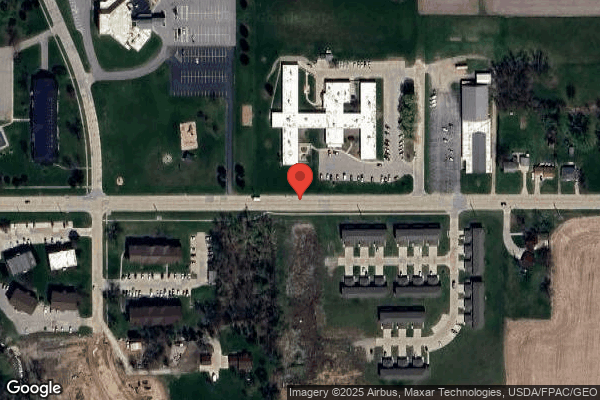

910 East Olive, Marshalltown, IA 50158 (641) 752-4581
For profit - Limited Liability company 78 Beds LEGACY HEALTHCARE Data: November 2025 2 Immediate Jeopardy citations
Trust Grade
6/100
#351 of 392 in IA
Last Inspection: December 2024

Within standard 12-15 month inspection cycle. Federal law requires annual inspections.

Overview

Families considering Harmony Marshalltown should be aware that it has received a Trust Grade of F, indicating significant concerns about the quality of care provided. Ranking #351 out of 392 nursing homes in Iowa places it in the bottom half of the state, and #4 out of 5 in Marshall County means only one local option is better. While the facility is showing improvement, reducing issues from 27 in 2024 to 12 in 2025, there are still serious problems, including two critical incidents where residents were not safely supervised after leaving the facility. Staffing is a concern as well, with lower RN coverage than 95% of Iowa facilities, suggesting that residents may not receive adequate medical oversight. On a positive note, the facility has not incurred any fines and boasts a low staff turnover rate of 0%, which indicates that staff members are likely to be familiar with the residents' needs.

Trust Score
F
6/100
In Iowa
#351/392
Bottom 11%
Safety Record
High Risk
Review needed
Inspections
Getting Better
27 → 12 violations
Staff Stability
○ Average
Turnover data not reported for this facility.
Penalties
✓ Good
No fines on record. Clean compliance history, better than most Iowa facilities.
Skilled Nurses
⚠ Watch
Each resident gets only 23 minutes of Registered Nurse (RN) attention daily — below average for Iowa. Fewer RN minutes means fewer trained eyes watching for problems.
Violations
⚠ Watch
58 deficiencies on record. Higher than average. Multiple issues found across inspections.
★☆☆☆☆
1.0
Overall Rating
★☆☆☆☆
1.0
Staff Levels
★★★★☆
4.0
Care Quality
★☆☆☆☆
1.0
Inspection Score
Stable
2024: 27 issues
2025: 12 issues

The Good

  • 4-Star Quality Measures · Strong clinical quality outcomes
  • Full Sprinkler Coverage · Fire safety systems throughout facility
  • No fines on record

Facility shows strength in quality measures, fire safety.

The Bad

1-Star Overall Rating

Below Iowa average (3.0)

Significant quality concerns identified by CMS

Chain: LEGACY HEALTHCARE

Part of a multi-facility chain

Ask about local staffing decisions and management

The Ugly 58 deficiencies on record

2 life-threatening 2 actual harm
Aug 2025 8 deficiencies 2 IJ
CRITICAL (J) 📢 Someone Reported This

A family member, employee, or ombudsman was alarmed enough to file a formal complaint

Immediate Jeopardy (IJ) - the most serious Medicare violation

Deficiency F0627 (Tag F0627)

Someone could have died · This affected 1 resident

**NOTE- TERMS IN BRACKETS HAVE BEEN EDITED TO PROTECT CONFIDENTIALITY** Based on clinical record review, resident interview, and staff interviews, the facility failed to provide a safe discharge for 1...

Read full inspector narrative →
**NOTE- TERMS IN BRACKETS HAVE BEEN EDITED TO PROTECT CONFIDENTIALITY** Based on clinical record review, resident interview, and staff interviews, the facility failed to provide a safe discharge for 1 out of 1 resident reviewed (Resident #2). On 7/3/25 at approximately 6:15 PM, Resident #2 exited the building to go see his support animal without staff knowledge. On 7/4/25 around 3:00 AM, Resident #2 requested to return to the facility. Due to the frustration of not being able to get a ride back to the facility, Resident #2 used his electric wheelchair and transported himself to a convenience store at 3:00 AM. At 5:30 AM the police notified the Administrator they found Resident #2. On 7/4/25 at 5:50 AM, the Administrator went to the convenience store and had Resident #2 sign a form indicating he left the facility against medical advice (AMA). The facility lacked documentation of education provided to Resident #2 for leaving AMA.On 7/23/25 at 3:30 PM, the Iowa Department of Inspections and Appeals and Licensing (DIAL) staff contacted the facility staff to notify them the Department staff determined an Immediate Jeopardy (IJ) situation existed at the facility. The facility staff removed the immediacy on 7/25/25 at 1:30 PM, after the staff competed the following:The facility updated their Point of Contact form on 7/17/25 to include additional resident emergency contacts to reach if an emergency situation occurs, such as elopement, or a potentially unsafe resident-initiated discharge.The facility provided staff education on 7/23/25 regarding the Point Of Contact form and the process regarding the chain of command if a resident refused to return from an elopement or their therapeutic leave including calling law enforcement if the resident left the premises and refused to return.The facility added administrative oversight regarding every facility or resident initiated discharge (including AMA) must be reviewed and cosigned by an administrative leader (i.e. Administrator, DON, SW, MDS or designee) before the resident leaves or AMA paperwork is initiated to verify full compliance with the Federal Regulations regarding notice and discharge planning requirements. The administrative team leader would verify the following checklist: Administrative Reviewer -Unplanned Discharge Checklist prior to resident discharge from facility:Right to remain: Verify resident (and representative, if any) was clearly told they may stay at the facility and receive continued care; discussion is documented. Offer root cause analysis and appropriate alternatives concerning their desire to leave the facility in order for the facility to encourage the resident to stay at the facility.Refusal captured: If the resident still chooses to leave, ensure refusal / AMA form is completed and scanned into the record.Medication safety: Confirm medication reconciliation is done and an adequate supply-or prescription-plus written instructions were offered/provided.Post-discharge supports: Confirm offers to arrange / initiate:Home-health or other appropriate community care services.b. A safe place to stay (e.g., confirmed address, shelter, family).Transportation: Ensure safe transportation to the chosen destination is arranged or offered and documented (method, driver, address). The facility educated the nursing staff and social services on 7/25/25 regarding a safe return escort:Any resident off premises who calls or appears without transport is met by facility staff and escorted back in a facility vehicle if available, family member, authorized representative, law enforcement, or emergency services.Staff must immediately notify the facility administrative staff to ensure no resident reentered the facility alone or is stranded and they complete an unplanned discharge checklist to ensure the resident's safety.The scope was lowered from an IJ to a G (harm that is not immediate) on 7/25/25 after ensuring the facility implemented the removal plan. The facility identified a census of 51 residents.Finding include:Resident #2's Minimum Data Set (MDS) assessment dated [DATE] identified a Brief Interview for Mental Status (BIMS) score of 15, indicating no cognitive impairment. Resident #2 required partial to moderate assistance with transfers. In addition, listed Resident #2 as dependent with dressing and personal hygiene. The MDS included a diagnosis of need assistance with activities of daily living (ADLs). The MDS indicated Resident #2 didn't smoke.Resident #3's Clinical Census listed an admission date of 7/3/25.The BIMS evaluation conducted 7/3/25 listed a score of 15.Resident #2's admission assessment dated [DATE] at 3:04 PM identified a BIMS score of 15. The assessment listed Resident #2 as dependent with activities of daily living and used a motorized wheelchair mobility. The assessment included diagnoses of diabetes mellitus, muscle weakness, need for assistance with personal cares, anxiety, chronic atrial fibrillation (an irregular often rapid heart rate that commonly causes poor blood flow), bilateral (both sides) below knee amputation, and substance abuse.The Care Plan included the following Focuses initiated7/3/25 indicated Resident #2 used tobacco. The Goal listed he would adhere to the smoking policy. The Interventions directed:7/14/25: Complete a smoking evaluation as needed.7/14/25: Inform Resident and/or Responsible party of the smoking policy.7/14/25: Must keep smoking accessories secured when not in use by the facility staff.7/18/25: Dependent SmokerStaff to assist him to smoke in the designated areas at the designated smoking times.Staff to supervise while smoking.If needed must wear a protective smoking vest or apron.Resident #2 had a risk for ineffective breathing related to wheezing (caused by tightness in the lungs that make breathing difficult). The Intervention directed to provide medications as ordered.Resident #2 required assistance with ADLs. The Interventions directed the following:Assist with showers/bathing per scheduleDependent on staff for dressing, grooming, transferring, and bed mobility.Resident #2 received an anticoagulant (blood thinner) medication. The Intervention instructed to monitor for signs and symptoms of bleeding, bruising, headaches, bloody stool, bloody emesis or sputum.Resident #2 received psychotropic medications related to an anxiety disorder related to the targeted behaviors of restlessness, irritability, muscle tension, and sleep problems. The Intervention directed to provide medications as ordered.Resident #2's July 2025 Medication Administration Record (MAR) lacked documentation to reflect Resident #2 received the following medications on the evening of 7/3/25:Ramelteon (a medication used to help with sleep),Simvastatin (a medication used to help reduce the risk of a heart attack and stroke),Eliquis (medication to reduce risk of stroke or blood clots)Gabapentin (medication used to prevent and control partial seizures and reduce nerve pain).On 7/21/25 at 11:30 AM, observed Resident #2 lying in bed with a fan on him and covered with a sheet. He had his motorized wheelchair next to his bed and his blinds closed to the outside for privacy. Resident #2 stated he left the faciity on 7/3/25 around 6:15 PM, to go see his dog at a friend's house. He didn't know how long it took him to get to his friend's house or the direction he went but he got there. He told his friend he didn't want anyone to know where he was at until he had time with his dog. On 7/4/25 at 3:00 AM Resident #2 told his friend to call the facility to tell them he'd like to return to the facility because he got to see his dog. His friend called and told someone at the facility about him being ready to return to the facility. Resident #2 reported he waited, attempted to use the bathroom and became incontinent with stool. He added this made him mad as he had to clean his friend's bathroom and sit in his own stool. He started to make his back to the facility on his electric wheelchair. He got to a convenience store around 5:30 AM, as he already had the cops looking for him, they found him there. The next thing he knew, the Administrator came and got upset with him because he left the facility without telling anyone where he went. Resident #2 reported he got upset because he felt like the Administrator tried to make him feel bad for wanting to see his dog. The Administrator then told him if he didn't want to come back, he could sign the AMA paperwork. At this point, they told him he wouldn't come back to the facility. By that time, he reported being so angry sitting in his own stool and being unable to get clean, he just signed the paper work. Resident #2 explained after he calmed down for a little while, he realized he needed to go back to the facility for their help. Resident #2 added if someone would have gone to his friend's house and picked him up when his friend called, he would have returned to the facility. Resident #2 explained he left because he got so upset because he couldn't see his dog and no one came outside to help him while he smoked, so he left on his electric wheelchair to go to his friend's house. Resident #2 verified he didn't receive medications on 7/3/25 during the evening shift and he had orders to get medications at that time.On 7/16/25 at 12:30 PM, Resident #7 reported she knew about Resident #2 being out of the facility for 2 hours and the staff didn't even realize he left. She added it happened twice and the facility just wanted to cover it up and not do anything about it.On 7/16/25 at 2:20 PM, Staff L, Certified Medication Aide (CMA), stated she didn't know Resident #2 left the premises until staff came around and asked if anyone saw the new resident (Resident #2) on 7/3/25 at 8:30 PM. Staff L said she didn't see him at all since he ate in the dining room at a table by himself around 5:30 PM. Staff L explained she knew Resident #2 from high school and they knew some of the same people. Staff L attempted to contact a few of the mutual people. Staff L explained she attempted to call Resident #2's friend around 3 times without an answer. At 10:46 PM, Staff L sent him a text message to see if he saw Resident #2. At 2:43 AM, Staff L received a message back from Resident #2's friend about him being at his house and that he called the facility to report Resident #2 wanted to come back to the facility. Staff L explained they went home at 10:00 PM that night but knew Staff O, Licensed Practical Nurse (LPN), received the call about Resident #2 wanting to return to the facility.On 7/16/25 at 2:45 PM, Staff D, Certified Nurse Aide (CNA), said she last saw Resident #2 at the dining room table on 7/3/25 at 5:30 PM when he ate supper. When Staff D, took Resident #5 outside to smoke around 5:45 PM, she saw Resident #2 already out there smoking.On 7/16/25 at 3:00 PM, Staff E, CNA, said she last saw Resident #2 at 5:30 PM, in the dining room eating supper before she went back to her hallway to start passing room trays.On 7/16/25 at 3:15 PM, Resident #5 said when he went outside to smoke in the front of the facility on 7/3/25 at 5:45 PM, he saw Resident #2 already outside smoking. Resident #5 said around 6:00 PM, he came back in the facility and Resident #2 stayed outside still smoking.On 7/17/25 at 1:30 PM inquired with the Administrator and DON in regard to how the AMA came up with Resident #2 at the convenience store, the Administrator replied she got a phone call from the police stating they located Resident #2 at the convenience store. The Administrator went to the convenience store and Resident #2 told her he didn't want to go back to the facility, that it was a prison. The Administrator called the DON and told her to get a AMA form to fill out so that the facility didn't have any responsibility for Resident #2 leaving. Then around 9:23 AM on 7/4/25, Resident #2 showed up at the facility and wanted to come back so they readmitted him. When questioned about what happened related to the notes documenting Resident #2 called the facility 2:00 AM on 7/4/25 and wanted to come back, the Administrator replied that she and the DON were exhausted. She verbalized excuse her if she went to bed, let the police handle the situation, and didn't hear her phone go off when Staff O called that Resident #2 wanted to come back. She added when the police called her she went to the convenience store, she got very upset about the questioning of her chain of command with the nurse that attempted to call her at 3:00 AM to have Resident #2 come back. The Administrator then said well the facility didn't have transportation to bring him back at that time of the morning and asked what were they supposed to do. When questioned again and asked if he could transfer into a car and have the electric wheelchair stay there until someone could get it back to the facility, she got very upset and asked if she could leave to get someone else. The DON said they should have stayed up and kept looking for Resident #2. She added the nurses needed to have a chain of command so that another staff member could of went and got Resident #2 from his location. Staff R, Corporate Staff, came in and discussed the situation, she responded she understood and would look into it and get back.On 7/22/25 at 10:30 AM attempted to call Staff O, no answer voicemail left to return call. On 7/22/25 at 515 PM, Staff P, Corporate Staff, and Staff Q, Corporate Staff, reported they couldn't contact Staff O and thought she couldn't return the call in regards to a personal situation. Staff P said she had questions also in regards to how come no one went to Resident #2's friend's house to pick him up and why did the facility sign him out AMA if he wanted to return to the facility at 3 in the morning. Staff P added someone could of went and picked him up in a car, left the electric wheelchair at his friend's house and he would have been back safe. Staff P felt the Administration and Resident #2 must have had a confrontation, and Resident #2 felt they blamed him for leaving the facility. Staff P added the Administrator probably accused Resident #2 of leaving. This probably upset Resident #2, resulting in him saying he didn't want to come back to the facility and agreeing to sign the AMA form to live his life the way he wanted. Staff P said she got a telephone call from the Administrator stating Resident #2 returned to the facility at 9:30 AM and wanted to come back. Staff P told the Administrator to do everything she could to get him back and readmit him. They agreed the facility could have handled the incident better, adding someone from the facility could of went and got Resident #2 to bring him back when he called. They agreed the facility lacked documentation of the physician being involved in the AMA, the staff could have handled the education differently and Resident #2 would of came back.On 7/23/25 at 8:15 AM, the facility's physician verified that he was not involved with the education portion of Resident #2 discharged AMA. The Administrator told him Resident #2 signed out AMA. The physician said he expected the facility to follow the policy/procedure for discharging residents.On 7/23/25 at 9:10 AM Resident #2 stated he heard his friend talk to someone at the facility, he didn't know who he talked to but, his friend told them that he wanted to come back. He explained he waited and waited and got pissed off because no one came and got him so he left his friend's house. He went to the convenience store where the cops found him. He reported the Administrator came and had him sign AMA paperwork.On 7/23/25 at 12:45 AM, Resident #2 reported he became angry, upset, pissed off, that no one would listen to him about pooping his pants, being incontinent of urine and bowel. He added he felt embarrassed at his friend's home and that no one came to get him when he called at 3 AM. Resident #2 verbalized being scared, fearful, and upset that he had nowhere to go when Administrator had him sign the AMA papers. He calmed down while riding his electric wheelchair around town and realized he had nowhere to go, so he went back to the facility hoping that they would take him back, and he had somewhere to stay. On 7/23/25 at 5:00 PM, Staff M, Licensed Practical Nurse (LPN) explained Resident #2 came back to the facility on 7/4/25 about 9:30 AM. He had an odor of body sweat, bowel, and bladder incontinence. Staff M reported Staff H gave Resident #2 a shower.A review of an online map service for directions, reflected walking from the facility to Resident #2's payee's house via the east south street and south 7th avenue would take 1 hour and 14 minutes for 3 miles.The undated and untitled facility timeline of attempts to contact Resident #2, documented:7/3/25 at 8:50 PM, Administrator aware of inability to locate Resident #27/3/25 at 8:52 PM, the Administrator notified the DON Resident #2 left the building. The staff last saw Resident #2 when he went out to smoke. Resident #2 never came back in the facility.7/3/25 at 8:56 PM - 9:51 PM, the DON and Administrator left in vehicles to look for Resident #2 at various addresses familiar to him (mother's previous address, payee home).7/3/25 at 9:26 PM, the Administrator notified the [NAME] President of Operations.7/3/25 at 9:52 PM - 10:22 PM, the Administrator notified the police. The DON and Administrator regrouped at the facility and spoke to the police. The police posted an updated photo of Resident #2 on their Facebook page. The police reported they would perform their own search. The Administrator provided the police department with her business card for any contact needed. The police assigned a case number and completed a welfare check at the of Resident #2's payee. Resident #2's payee only allowed the police in the front living room of their home and denied Resident #2 being there.7/3/25 at 10:22 PM until 7/4/25 at 1:30 AM, the DON and Administrator returned to their vehicles to continue looking for Resident #2 in his familiar locations.The DON and Administrator couldn't locate Resident #2 and made a decision to stop the search. The DON and Administrator believed Resident #2 stayed at his payee's house, a handicap accessible house where Resident #2's therapy dog resided. 7/4/25 at 2:00 AM, Resident #2 called the facility to request a ride from his brother's home where staff looked for him several times.7/4/25 at 5:30 AM, the police notified the Administrator they located Resident #2 at a gas station7/4/25 at 5:50 AM, when the Administrator and DON arrived at gas station, Resident #2 stated he wanted to live his life and he wouldn't go back to the center. Resident #2 signed AMA paperwork.7/4/25 at 9:23 AM, Resident #2 returned to facility, apologized for his behavior on 7/3/25 and went to his room.7/5/25 at 9:33 AM, after arriving at the facility, the Administrator to speak with Resident #2 about expectations of living in the nursing facility. Resident #2 agreed he would follow the facility's expectations. The facility readmitted Resident #2 to the facility.The Police Department Report dated 7/3/25 at 9:53 PM, documented the facility reported a missing person, Resident #2. The note reflected they found Resident #2 and closed the case on 7/7/25 at 6:51 PM.The untitled typed statement from the Administrator dated 7/18/25 at 1:40 PM, indicated Staff L, Registered Nurse (RN), notified the Administrator that the staff couldn't find Resident #2 at the facility on 7/3/25 at 8:50 PM. The Administrator immediately notified the DON. They met at the facility and initiated a search for Resident #2 at 8:56 PM, in familiar places to him in town. The Administrator notified the police department to assist with searching for a resident. When the Administrator and DON regrouped at the facility at 1:30 AM, they spoke with the police department who stated they would continue to search for Resident #2 and notify them if they located Resident #2. On 7/4/25, the police notified the Administrator per phone at 5:30 AM, they found Resident #2 located at a gas station. The Administrator and DON went to the gas station to speak with Resident #2. The Administrator spoke with Resident #2. They discussed options for Resident #2 and offered him to return to the facility, which he declined. The Administrator discussed Resident #2's safety and best placement options for him. The Administrator attempted to convince Resident #2 several times to return to the facility and Resident #2 declined. Resident #2 told the Administrator and DON, he wanted to live his life, and he wouldn't go back to the center. The Administrator and DON offered a detailed explanation of discharging AMA and the possible consequences of the decision. Resident #2 chose to sign the AMA paperwork, and before leaving the gas station, Administrator told Resident #2, Be careful, if you need anything, please reach out to the facility. On 7/4/25 at approximately 9:30 AM, the Administrator returned to facility after the staff notified her Resident #2 returned to facility, apologized for his behaviors, and wanted to readmit to the facility. The Administrator went to Resident #2's room and spoke with him about the rules of living in a facility, and the rule of leaving the facility grounds, and the requirements if he wanted to do that. The conversation included, signing out at nurses' station in the sign out book, notifying nursing staff he wished to leave, letting the nursing staff know where he'll visit. Resident agreed to the said rules and wished to continue to stay in the facility. The staff readmitted Resident #2 to the facility. The facility policy title Discharge Against Medical Advice revised February 2024, instructed staff to ensure they followed the standard procedures for residents who choose to discharge against medical advice. The staff should provide the appropriate attention and make a reasonable effort to prevent a resident from leaving AMA. The staff must call the physician to notify of the pending AMA discharge. If the resident requested to leave facility against the advice of the attending physician, the facility should document a resident's discharge AMA order in the clinical record. In addition, the facility should assist in arranging post-discharge planning and care to the extent possible.
CRITICAL (J) 📢 Someone Reported This

A family member, employee, or ombudsman was alarmed enough to file a formal complaint

Immediate Jeopardy (IJ) - the most serious Medicare violation

Accident Prevention (Tag F0689)

Someone could have died · This affected 1 resident

**NOTE- TERMS IN BRACKETS HAVE BEEN EDITED TO PROTECT CONFIDENTIALITY** Based on observation, clinical record review, staff and resident interviews, and facility policy, the facility failed to ensure ...

Read full inspector narrative →
**NOTE- TERMS IN BRACKETS HAVE BEEN EDITED TO PROTECT CONFIDENTIALITY** Based on observation, clinical record review, staff and resident interviews, and facility policy, the facility failed to ensure residents safely returned to the building from smoking for 3 of 5 residents reviewed (Residents #1, #2, and #5). On 7/7/25 around 8:00 PM Resident #1 went outside to smoke. After smoking, she couldn't get back into the to the building and remained outside on 7/7/25 at 8:00 PM until 7/8/25 at 6:00 AM. The staff failed to do visual checks on Resident #1 for 10 hours. During the time Resident #1 couldn't get back into the building, the weather had a forecast of heavy rain shower with thunder and lightning. The rain began at 5:00 AM to 6:00 AM, this resulted in a temperature drop from 90 degrees Fahrenheit (F) to 72 degrees F. At that Resident #1 began to panic, became fearful, scared, and crying. Resident #1 reported she wouldn't go out alone to smoke in the evening in fear of it happening again. Resident #1 experienced serious actual psychosocial harm due to being left outside overnight and refused to go outside without another person. While touring the facility and courtyard with the Administrator, the door from the courtyard back in the building failed to open without excess force to move the handle on the door. This resulted in a serious likelihood of serious injury, impairment, or death to occur due the weather conditions and hazards in the courtyard. In addition, on 7/17/25 at 12:40 PM, observed Resident #5 yelling at staff because he couldn't open the courtyard door to come back in from smoking. He reported he rang the doorbell and no staff responded. The incident resulted in an immediate jeopardy situation to the safety of residents who went out to the courtyard.On 7/17/25 at 1:45 PM, the Iowa Department of Inspection, Appeals, and Licensing (DIAL) staff notified the facility staff the Department staff determined an Immediate Jeopardy (IJ) situation existed at the facility. The facility placed a doorbell in the courtyard area that can be heard at both nurses' stations. The designated smoking area has been moved from this courtyard.The facility changed the designated smoking area to the front of the building.The facility completed checks on all entrance/exit doors to ensure functionality. The front door functioned and any resident who couldn't independently open the door would have staff escort or supervision.The facility identified like residents who resided in the facility that smoke. The facility completed a smoking program on 7/17/25 and updated the residents' Care Plans. The facility completed assessment on safety with their ability to exit and enter the designated smoke area independently. The facility deemed any resident who couldn't enter or exit the door independently to the designated smoke area as a dependent smoker and would be supervised by staff during the designated smoking hours.The facility started to educate staff on 7/17/25 specific to visual rounds of residents, the smoking policy, and the change to designated smoking area.The courtyard door continued to have a functioning door alarm system to alert staff if any resident attempted to exit.In addition, the facility failed to ensure the safety of a cognitive resident (Resident #2) who left the facility unsupervised. When the Resident #2 attempted to call the facility to return, the facility failed to ensure he returned safely to the facility. The facility didn't go to Resident #2 until the police called around 5:30 AM. Due to Resident #2 not returning to the facility independently until around 9:30 AM, he missed his evening medications. The investigation determined Resident #2 used his electric wheelchair to go approximately 3 miles to return to the facility. The incident resulted in an immediate jeopardy situation.On 7/23/25 at 3:30 PM, the Iowa Department of Inspections and Appeals and Licensing (DIAL) staff contacted the facility staff to notify them the Department staff determined an Immediate Jeopardy (IJ) situation existed at the facility. The facility staff removed the immediacy on 7/25/25 at 1:30 PM, after the staff completed the following:The facility updated their Point of Contact form on 7/17/25 to include additional resident emergency contacts to reach if an emergency situation occurs, such as elopement, or a potentially unsafe resident-initiated discharge.The facility provided staff education on 7/23/25 regarding the Point of Contact form and the process regarding the chain of command if a resident refused to return from an elopement or their therapeutic leave including calling law enforcement if the resident left the premises and refused to return.The facility added administrative oversight regarding every facility or resident-initiated discharge (including AMA) must be reviewed and cosigned by an administrative leader (i.e. Administrator, DON, SW, MDS or designee) before the resident leaves or AMA paperwork is initiated to verify full compliance with the Federal Regulations regarding notice and discharge planning requirements. The administrative team leader would verify the following checklist: Transportation: Ensure safe transportation to the chosen destination is arranged or offered and documented (method, driver, address). The facility educated the nursing staff and social services on 7/25/25 regarding a safe return escort:Any resident off premises who calls or appears without transport is met by facility staff and escorted back in a facility vehicle if available, family member, authorized representative, law enforcement, or emergency services.Staff must immediately notify the facility administrative staff to ensure no resident reentered the facility alone or is stranded and they complete an unplanned discharge checklist to ensure the resident's safety.The scope was lowered from a J to a G on 7/25/25 after ensuring the facility implemented the removal plan. The facility identified a census of 51 residents.Finding include:1. Resident #1's Minimum Data Set (MDS) assessment dated [DATE] identified a Brief Interview for Mental Status (BIMS) score of 14, indicating intact cognition. The MDS documented Resident #1 didn't have behaviors during the lookback period. The MDS listed Resident #1 as independent with activities of daily living (ADLs). The MDS included diagnoses of non-Alzheimer's dementia, anxiety, depression and dizziness.The Care Plan Focus related to tobacco use initiated 5/16/25 included the following Interventions:5/16/25: Smoking evaluation will be completed as needed.7/14/25: As of 7/8/2025 Independent Smoker: Must keep smoking accessories secured when not in use control of facility staff.7/14/25: Resident would check in and out and carry a cell phone while smoking.5/16/25: Independent Smoker: Must smoke only in designated areas/designated times (unless able to independently get to and from the designated areas).The Concern Form dated 7/8/25 reflected Staff A, Dietary Aide, heard pounding on the courtyard door. When she opened the door, Resident #1 told her she got locked outside all night. The Administrator and Director of Nursing (DON) visited with Resident #1, who educated her the facility didn't have the door locked. Resident #1 described the door as heavy and she couldn't open it fully to get back in facility. The form labeled Resident #1 as cognitively intact. The form reflected they educated Resident #1 to take her cellphone when she went out to smoke moving forward. Additionally, they installed a doorbell with receivers at each nurses' station. They educated the staff and smoking residents. They ordered the doorbell on 7/11/25 and installed it 7/16/25.The General Progress Notes dated 7/8/25 at 2:00 PM, documented Resident #1 reported she had difficulty opening the door. She described herself as too weak to pull it open as she normally had before. The nurse notified the doctor of her reported weakness. The nurse waited for a call back from the doctor to see if he would like to complete any labs for Resident #1.The handwritten document completed by Staff F, Licensed Practical Nurse (LPN), on 7/8/25 at 6:30 AM, reflected Resident #1 didn't have injuries to her head, her pupils reacted equally on both sides to light, she had speech clear, she didn't have any redness, bruising, or other injuries. The note described her skin as pink, warm, and intact. Resident #1 could bend and straighten extremities without difficulty. She denied pain. The assessment showed clear lung sounds, a strong unremarkable apical (a location on the chest over the heart) pulse. The note described Resident #1 as alert and walked with a wheelchair. When Resident #1 entered the facility, she voiced concerns that the door wouldn't open. She denied discomfort. The staff escorted her to her room where Staff F completed a thorough exam. Resident #1 changed her clothes and requested to go to dining room for breakfast. The nurse documented Resident #1's mood improved as she socialized with her peers. The Local Conditions Report from the localconditions.com website for Marshalltown printed 7/15/25 at 4:25 PM, documented the weather on 7/7/25 as an overcast with a high of 82 degrees and a low of 69 degrees Fahrenheit (F). The report listed the wind as moderate, blowing around 11 miles per hour (mph) and a gust of 14.1 mph at 12:00 AM. The report detailed the average humidity as higher around 79%, the maximum being 93% at 7:00 AM. The review of the hourly conditions reflected the following:8:00 PM, temperature 78 degrees, felt like 81 degrees with wind speeds at 3.1 mph out of the southeast and gusts up to 5.8 mph.9:00 PM, temperature 76 degrees, felt like 79 degrees with wind speeds at 4.9 mph out of the southeast and gusts up to 10.3 mph.10:00 PM, temperature 73 degrees, felt like 76 degrees with wind speeds at 6 mph out of the southeast and gusts up to 12.7 mph.11:00 PM, temperature 73 degrees, felt like 76 degrees with wind speeds at 6.7 mph out of the southeast with gusts up to 14.1 mph.The Local Condition Report for Marshalltown dated 7/15/25 at 4:25 PM, for 7/8/25 documented the weather had moderate or heavy rain shower with a high of 76 degrees F and a low of 68 degrees. The overall forecast listed rain as having 100% chance of a rainfall total of 1.8 inches. The report identified the wind as light at 8 mph at times with gusts up to 13.8 mph at 3:00 AM. The review of the hourly conditions reflected the following:12:00 AM, temperature 72 degrees, felt like 76 degrees with wind speeds at 5.6 mph out of the southeast and gusts up to 11.7 mph.1:00 AM, temperature 72 degrees, felt like 76 degrees with wind speeds at 5.4 mph out of the south and gusts up to 11.3 mph2:00 AM, temperature 72 degrees, felt like 76 degrees, with wind speeds at 4.5 mph out of the south with gusts up to 9.4 mph.3:00 AM, temperature 72 degrees, felt like 76 degrees, with wind speeds at 6.9 mph out of the west south west with gusts up to 13.8 mph.4:00 AM, temperature 72 degrees, felt like 76 degrees, with wind speeds at 4.9 mph out of the southwest with gusts up to 9.6 mph.5:00 AM, temperature 72 degrees, felt like 76 degrees, with wind speeds of 6.5 mph out of the east south east with gust up to 13.1 mph and a precipitation of 0.02 inches of rainfall.6:00 AM, temperature 72 degrees, felt like 77 degrees with wind speeds of 4 mph out of the east northeast with gusts up to 7.2 mph and precipitation of 0.03 inches of rainfall.On 7/14/25 at 3:30 PM, observed Resident #1 sit on her bed with the head of bed elevated, doing a word puzzle and watching jeopardy on the television, dressed in capris, shoes, short sleeve t-shirt, wheelchair outside of the door to her room, and walker next to her bed.On 7/16/25 at 1:30 PM, the Administrator, Director of Nursing and the Surveyor went out to the courtyard on the east side of the dining room. Noted the door going to the courtyard didn't completely shut all the way, so staff asked over the walkie if anyone went outside and to make sure and check the dining room door, the Administrator pushed the door shut so that the alarm would stop sounding. During the walk through the courtyard, observed various hazards in the courtyard. The facility had a disconnected and nonfunctioning white button doorbell with a new black doorbell placed on the outside of the door frame of the door to the courtyard. In the yard, noted a white gate that didn't allow any resident to leave the facility from the outside courtyard. When attempting push down on the top of the door handle to open the door to go back in the facility, the door failed to open. The Administrator explained the door shouldn't have locked and verified the difficulty of opening the door. On 7/14/25 at 3:30 PM, Resident #1 said that on 7/7/25 at 7:00 PM, she went outside to have her last cigarette. She went out by herself through the dining room doors to the patio area designated for smoking. She said after she completed smoking, she proceeded to pull on the door to come in the facility but couldn't pull the door open. She saw a door bell and she rang it, but no one came. She rang it and pulled on the door again, and still no one came. She reported she stayed outside all night long in her wheelchair until someone from the kitchen came at 6:00 AM on 7/8/25. They saw her pounding on the door and asked her what she was doing outside. Resident #1 told her that she went out for a smoke and couldn't get back into the facility. She added she stayed out in the thunderstorm/lightning soaking wet. Staff A, Dietary Aide, let her in and took her to the nurse. She changed her clothes and got warm. At the time she wore shorts, shoes, and a t-shirt, as sat in her wheelchair outside. In order to keep warm, she pulled her arms inside of her shirt and tried to bring her knees up to her chest and still couldn't keep warm. Resident #1 explained being so scared and cold. She sat by the gas grill but didn't want to touch it due to the lightening. She just tried to huddle against the door to keep warm. Resident #1 reported they told her the door opened easy, it didn't lock, and she could get back in. Resident #1 declared well that didn't happen. She couldn't pull on the door to get it to open. She kept pushing on the door bell, she later learned that door bell was broken and it didn't work. Across from her bed had a calendar on the wall with blue dots on the date 7/7/25. The space had writing, that said outside all night long.On 7/16/25 at 1:10 PM, Staff A said that on 7/8/25 at 5:50 AM, she came into work in the kitchen. When she opened the double doors into the dining room, went over and turned on the lights to the dining room, she heard pounding on the window/door, and looked around the dining room and saw Resident #1 standing up at the door pounding on the window on the back-patio area where the smokers went. Staff A, went to the door and let Resident #1 inside. The door usually had a Velcro stop sign across, but it wasn't attached to the frame of the door. Staff A explained the alarm box with the code inside was turned off so the alarm didn't sound. Staff A explained Resident #1 was crying and shaking from being wet, scared, visibly upset, and shaking from being cold. Staff A explained when she came to work it was thundering and lightening outside.On 7/16/25 at 5:20 PM, Staff F, Licensed Practical Nurse (LPN) verified worked 6:00 PM - 6:00 AM on 7/7/25 to 7/8/25. She said around 8:00 PM, on 7/7/25, she looked outside and noticed Resident #1 sitting outside underneath the gazebo having a cigarette. She noted the Velcro side of the stop sign was down. She went to the lock box and opened it, finding the alarm off. She thought she should turn the alarm on, but with Resident #1 being outside she left the alarm off. On 7/8/25, at 6:00 AM, Staff A, brought Resident #1 to the east nurses' station. She reported Resident #1 was outside all night long and was cold, shivering, scared, frightened, and was hysterical. Staff F, LPN, and Staff G, LPN, proceeded to take Resident #1 to her room to put warm clothes on. They completed vitals and did a head-to-toe assessment.On 7/17/25 at 7:45 AM, Staff G verified on 7/8/25 at 6:00 AM, Resident #1 was left outside from 8:00 PM, on 7/7/25 until 6:00 AM, 7/8/25, when Staff A brought her to the east nurses' station. Staff G, added Resident #1 was soaking wet, cold, shivering, frightened, scared, and upset about being left outside in the thunderstorm, lightning, and rain. Staff G described Resident #1 as emotionally and psychosocially devasted about being outside all night long in the cold rain, with thunder and lightning. On 7/16/25 at 4:25 PM, Staff L, Certified Nursing Assistant (CNA), reported on 7/15/25, when they took Resident #18 out to smoke in the courtyard, they attempted to come back into the facility, but couldn't open the door and started to panic. Staff L, didn't know what to do and just about started pounding on the window in hopes someone would come and let them in. Staff L started to pound on the latch on top of the door handle and it finally let loose, letting her back in. Staff L reported being scared.2. Resident #2's Minimum Data Set (MDS) assessment dated [DATE] identified a Brief Interview for Mental Status (BIMS) score of 15, indicating no cognitive impairment. Resident #2 required partial to moderate assistance with transfers. In addition, listed Resident #2 as dependent with dressing and personal hygiene. The MDS included a diagnosis of need assistance with activities of daily living (ADLs). The MDS indicated Resident #2 didn't smoke.Resident #3's Clinical Census listed an admission date of 7/3/25.The BIMS evaluation conducted 7/3/25 listed a score of 15.Resident #2's admission assessment dated [DATE] at 3:04 PM identified a BIMS score of 15. The assessment listed Resident #2 as dependent with activities of daily living and used a motorized wheelchair mobility. The assessment included diagnoses of diabetes mellitus, muscle weakness, need for assistance with personal cares, anxiety, chronic atrial fibrillation (an irregular often rapid heart rate that commonly causes poor blood flow), bilateral (both sides) below knee amputation, and substance abuse.The Care Plan included the following Focuses:Resident #2 required assistance with ADLs. The Interventions directed the following:Assist with showers/bathing per scheduleDependent on staff for dressing, grooming, transferring, and bed mobility.Resident #2 received an anticoagulant (blood thinner) medication. The Intervention instructed to monitor for signs and symptoms of bleeding, bruising, headaches, bloody stool, bloody emesis or sputum.Resident #2 received psychotropic medications related to an anxiety disorder related to the targeted behaviors of restlessness, irritability, muscle tension, and sleep problems. The Intervention directed to provide medications as ordered.Resident #2's July 2025 Medication Administration Record (MAR) lacked documentation to reflect Resident #2 received the following medications on the evening of 7/3/25:Ramelteon (a medication used to help with sleep),Simvastatin (a medication used to help reduce the risk of a heart attack and stroke),Eliquis (medication to reduce risk of stroke or blood clots)Gabapentin (medication used to prevent and control partial seizures and reduce nerve pain).On 7/21/25 at 11:30 AM, observed Resident #2 lying in bed with a fan on him and covered with a sheet. He had his motorized wheelchair next to his bed and his blinds closed to the outside for privacy. Resident #2 stated he left the faciity on 7/3/25 around 6:15 PM, to go see his dog at a friend's house. He didn't know how long it took him to get to his friend's house or the direction he went but he got there. He told his friend he didn't want anyone to know where he was at until he had time with his dog. On 7/4/25 at 3:00 AM Resident #2 told his friend to call the facility to tell them he'd like to return to the facility because he got to see his dog. His friend called and told someone at the facility about him being ready to return to the facility. Resident #2 reported he waited, attempted to use the bathroom and became incontinent with stool. He added this made him mad as he had to clean his friend's bathroom and sit in his own stool. He started to make his back to the facility on his electric wheelchair. He got to a convenience store around 5:30 AM, as he already had the cops looking for him, they found him there. The next thing he knew, the Administrator came and got upset with him because he left the facility without telling anyone where he went. Resident #2 reported he got upset because he felt like the Administrator tried to make him feel bad for wanting to see his dog. The Administrator then told him if he didn't want to come back, he could sign the AMA paperwork. At this point, they told him he wouldn't come back to the facility. By that time, he reported being so angry sitting in his own stool and being unable to get clean, he just signed the paper work. Resident #2 explained after he calmed down for a little while, he realized he needed to go back to the facility for their help. Resident #2 added if someone would have gone to his friend's house and picked him up when his friend called, he would have returned to the facility. Resident #2 explained he left because he got so upset because he couldn't see his dog and no one came outside to help him while he smoked, so he left on his electric wheelchair to go to his friend's house. Resident #2 verified he didn't receive medications on 7/3/25 during the evening shift and he had orders to get medications at that time.On 7/16/25 at 12:30 PM, Resident #7 reported she knew about Resident #2 being out of the facility for 2 hours and the staff didn't even realize he left. She added it happened twice and the facility just wanted to cover it up and not do anything about it.On 7/16/25 at 2:20 PM, Staff L, Certified Medication Aide (CMA), stated she didn't know Resident #2 left the premises until staff came around and asked if anyone saw the new resident (Resident #2) on 7/3/25 at 8:30 PM. Staff L said she didn't see him at all since he ate in the dining room at a table by himself around 5:30 PM. Staff L explained she knew Resident #2 from high school and they knew some of the same people. Staff L attempted to contact a few of the mutual people. Staff L explained she attempted to call Resident #2's friend around 3 times without an answer. At 10:46 PM, Staff L sent him a text message to see if he saw Resident #2. At 2:43 AM, Staff L received a message back from Resident #2's friend about him being at his house and that he called the facility to report Resident #2 wanted to come back to the facility. Staff L explained they went home at 10:00 PM that night but knew Staff O, Licensed Practical Nurse (LPN), received the call about Resident #2 wanting to return to the facility.On 7/16/25 at 2:45 PM, Staff D, Certified Nurse Aide (CNA), said she last saw Resident #2 at the dining room table on 7/3/25 at 5:30 PM when he ate supper. When Staff D, took Resident #5 outside to smoke around 5:45 PM, she saw Resident #2 already out there smoking.On 7/16/25 at 3:00 PM, Staff E, CNA, said she last saw Resident #2 at 5:30 PM, in the dining room eating supper before she went back to her hallway to start passing room trays.On 7/16/25 at 3:15 PM, Resident #5 said when he went outside to smoke in the front of the facility on 7/3/25 at 5:45 PM, he saw Resident #2 already outside smoking. Resident #5 said around 6:00 PM, he came back in the facility and Resident #2 stayed outside still smoking.On 7/17/25 at 1:30 PM inquired with the Administrator and DON in regards to how the AMA came up with Resident #2 at the convenience store, the Administrator replied she got a phone call from the police stating they located Resident #2 at the convenience store. The Administrator went to the convenience store and Resident #2 told her he didn't want to go back to the facility, that it was a prison. The Administrator called the DON and told her to get a AMA form to fill out so that the facility didn't have any responsibility for Resident #2 leaving. Then around 9:23 AM on 7/4/25, Resident #2 showed up at the facility and wanted to come back so they readmitted him. When questioned about what happened related to the notes documenting Resident #2 called the facility 2:00 AM on 7/4/25 and wanted to come back, the Administrator replied that she and the DON were exhausted. She verbalized excuse her if she went to bed, let the police handle the situation, and didn't hear her phone go off when Staff O called that Resident #2 wanted to come back. She added when the police called her she went to the convenience store, she got very upset about the questioning of her chain of command with the nurse that attempted to call her at 3:00 AM to have Resident #2 come back. The Administrator then said well the facility didn't have transportation to bring him back at that time of the morning and asked what were they supposed to do. When questioned again and asked if he could transfer into a car and have the electric wheelchair stay there until someone could get it back to the facility, she got very upset and asked if she could leave to get someone else. The DON said they should have stayed up and kept looking for Resident #2. She added the nurses needed to have a chain of command so that another staff member could of went and got Resident #2 from his location. Staff R, Corporate Staff, came in and discussed the situation, she responded she understood and would look into it and get back.On 7/22/25 at 515 PM, Staff P, Corporate Staff, and Staff Q, Corporate Staff, reported they couldn't contact Staff O and thought she couldn't return the call in regards to a personal situation. Staff P said she had questions also in regards to how come no one went to Resident #2's friend's house to pick him up and why did the facility sign him out AMA if he wanted to return to the facility at 3 in the morning. Staff P added someone could of went and picked him up in a car, left the electric wheelchair at his friend's house and he would have been back safe. Staff P felt the Administration and Resident #2 must have had a confrontation, and Resident #2 felt they blamed him for leaving the facility. Staff P added the Administrator probably accused Resident #2 of leaving. This probably upset Resident #2, resulting in him saying he didn't want to come back to the facility and agreeing to sign the AMA form to live his life the way he wanted. Staff P said she got a telephone call from the Administrator stating Resident #2 returned to the facility at 9:30 AM and wanted to come back. Staff P told the Administrator to do everything she could to get him back and readmit him. They agreed the facility could have handled the incident better, adding someone from the facility could of went and got Resident #2 to bring him back when he called. They agreed the facility lacked documentation of the physician being involved in the AMA, the staff could have handled the education differently and Resident #2 would of came back.On 7/22/25 at 10:30 AM attempted to call Staff O, no answer voicemail left to return call.On 7/23/25 at 8:55 AM, Staff H, CNA, verified Resident #2 received a shower on 7/4/25, due to have an odor of sweat, bladder, and bowel incontinence. Staff H reported Resident #2 appreciated the shower.On 7/23/25 at 9:10 AM Resident #2 stated he heard his friend talk to someone at the facility, he didn't know who he talked to but, his friend told them that he wanted to come back. He explained he waited and waited and got pissed off because no one came and got him, so he left his friend's house. He went to the convenience store where the cops found him. He reported the Administrator came and had him sign AMA paperwork.On 7/23/24 at 12:45 AM, Resident #2 reported he became angry, upset, and pissed off, that no one would listen to him about pooping his pants, being incontinent of urine and bowel. He added he felt embarrassed at his friend's home and that no one came to get him when he called at 3 AM. Resident #2 verbalized being scared, fearful, and upset that he had nowhere to go when Administrator had him sign the AMA papers. He calmed down while riding his electric wheelchair around town and realized he had nowhere to go, so he went back to the facility hoping that they would take him back, and he had somewhere to stay. On 7/23/25 at 5:00 PM, Staff M, Licensed Practical Nurse (LPN) explained Resident #2 came back to the facility on 7/4/25 about 9:30 AM. He had an odor of body sweat, bowel, and bladder incontinence. Staff M reported Staff H gave Resident #2 a shower.The undated and untitled facility timeline of attempts to contact Resident #2, documented:7/3/25 at 8:50 PM, Administrator aware of inability to locate Resident #27/3/25 at 8:52 PM, the Administrator notified the DON Resident #2 left the building. The staff last saw Resident #2 when he went out to smoke. Resident #2 never came back in the facility.7/3/25 at 8:56 PM - 9:51 PM, the DON and Administrator left in vehicles to look for Resident #2 at various addresses familiar to him (mother's previous address, payee home).7/3/25 at 9:26 PM, the Administrator notified the [NAME] President of Operations.7/3/25 at 9:52 PM - 10:22 PM, the Administrator notified the police. The DON and Administrator regrouped at the facility and spoke to the police. The police posted an updated photo of Resident #2 on their Facebook page. The police reported they would perform their own search. The Administrator provided the police department with her business card for any contact needed. The police assigned a case number and completed a welfare check at the of Resident #2's payee. Resident #2's payee only allowed the police in the front living room of their home and denied Resident #2 being there.7/3/25 at 10:22 PM until 7/4/25 at 1:30 AM, the DON and Administrator returned to their vehicles to continue looking for Resident #2 in his familiar locations.The DON and Administrator couldn't locate Resident #2 and made a decision to stop the search. The DON and Administrator believed Resident #2 stayed at his payee's house, a handicap accessible house where Resident #2's therapy dog resided. 7/4/25 at 2:00 AM, Resident #2 called the facility to request a ride from his brother's home where staff looked for him several times.7/4/25 at 5:30 AM, the police notified the Administrator they located Resident #2 at a gas station7/4/25 at 5:50 AM, when the Administrator and DON arrived at gas station, Resident #2 stated he wanted to live his life and he wouldn't go back to the center. Resident #2 signed AMA paperwork.7/4/25 at 9:23 AM, Resident #2 returned to facility, apologized for his behavior on 7/3/25 and went to his room.7/5/25 at 9:33 AM, after arriving at the facility, the Administrator to speak with Resident #2 about expectations of living in the nursing facility. Resident #2 agreed he would follow the facility's expectations. The facility readmitted Resident #2 to the facility.The Police Department Report dated 7/3/25 at 9:53 PM, documented the facility reported Resident #2 missing. The report reflected they found Resident #2 and closed the case on 7/7/25 at 6:51 PM.A review of an online map service for directions, reflected walking from the facility to Resident #2's payee's house via the east south street and south 7th avenue would take 1 hour and 14 minutes for 3 miles.The website titled timeanddate.com reflected weather information from CustomWeather. The website indicated on 7/3/25 at 6:35 PM, the city of Marshalltown had a temperature of 90 degrees Fahrenheit (F) with sunny skies and wind at 10 miles per hour. In addition, on 7/4/25 at 8:55 AM the website showed a temperature of 81 degrees F with sunny skies and wind at 8 miles per hour.The untitled typed statement from the Administrator dated 7/18/25 at 1:40 PM, indicated Staff L, Registered Nurse (RN), notified the Administrator that the staff couldn't find Resident #2 at the facility on 7/3/25 at 8:50 PM. The Administrator immediately notified the DON. They met at the facility and initiated a search for Resident #2 at 8:56 PM, in familiar places to him in town. The Administrator notified the police department to assist with searching for a resident. When the Administrator and DON regrouped at the facility at 1:30 AM, they spoke with the police department who stated they would continue to search for Resident #2 and notify them if they located Resident #2. On 7/4/25, the police notified the Administrator per phone at 5:30
SERIOUS (G) 📢 Someone Reported This

A family member, employee, or ombudsman was alarmed enough to file a formal complaint

Actual Harm - a resident was hurt due to facility failures

Pressure Ulcer Prevention (Tag F0686)

A resident was harmed · This affected 1 resident

**NOTE- TERMS IN BRACKETS HAVE BEEN EDITED TO PROTECT CONFIDENTIALITY** Based on staff interviews, clinical record review and policy review the facility failed to provide interventions to prevent a de...

Read full inspector narrative →
**NOTE- TERMS IN BRACKETS HAVE BEEN EDITED TO PROTECT CONFIDENTIALITY** Based on staff interviews, clinical record review and policy review the facility failed to provide interventions to prevent a deep tissue injury (a type of pressure injury that occurs when underlying soft tissue is damaged due to prolonged pressure, often over bony prominence.) from performing for 1 of 2 residents reviewed (Resident #3). The facility identified a census of 51 residents. Findings include: Determining the Stage of Pressure Injury:Stage 1 Pressure Injury: Non-blanchable erythema of intact skin Intact skin with a localized area of non-blanchable erythema, which may appear differently in darkly pigmented skin. Presence of blanchable erythema or changes in sensation, temperature, or firmness may precede visual changes. Color changes do not include purple or maroon discoloration; these may indicate deep tissue pressure injury.Stage 2 Pressure Injury: Partial-thickness skin loss with exposed dermis Partial-thickness loss of skin with exposed dermis. The wound bed is viable, pink or red, moist, and may also present as an intact or ruptured serum-filled blister. Adipose (fat) is not visible and deeper tissues are not visible. Granulation tissue, slough and eschar are not present. These injuries commonly result from adverse microclimate and shear in the skin over the pelvis and shear in the heel. This stage should not be used to describe moisture associated skin damage (MASD) including incontinence associated dermatitis (IAD), intertriginous dermatitis (ITD), medical adhesive related skin injury (MARSI), or traumatic wounds (skin tears, burns, abrasions).Stage 3 Pressure Injury: Full-thickness skin loss Full-thickness loss of skin, in which adipose (fat) is visible in the ulcer and granulation tissue and epibole (rolled wound edges) are often present. Slough and/or eschar may be visible. The depth of tissue damage varies by anatomical location; areas of significant adiposity can develop deep wounds. Undermining and tunneling may occur. Fascia, muscle, tendon, ligament, cartilage and/or bone are not exposed. If slough or eschar obscures the extent of tissue loss this is an Unstageable Pressure Injury.Stage 4 Pressure Injury: Full-thickness skin and tissue loss Full-thickness skin and tissue loss with exposed or directly palpable fascia, muscle, tendon, ligament, cartilage or bone in the ulcer. Slough and/or eschar may be visible. Epibole (rolled edges), undermining and/or tunneling often occur. Depth varies by anatomical location. If slough or eschar obscures the extent of tissue loss this is an Unstageable Pressure Injury.Unstageable Pressure Injury: Obscured full-thickness skin and tissue loss Full-thickness skin and tissue loss in which the extent of tissue damage within the ulcer cannot be confirmed because it is obscured by slough or eschar. If slough or eschar is removed, a Stage 3 or Stage 4 pressure injury will be revealed. Stable eschar (i.e. dry, adherent, intact without erythema or fluctuance) on the heel or ischemic limb should not be softened or removed.Deep Tissue Pressure Injury: Persistent non-blanchable deep red, maroon or purple discoloration Intact or non-intact skin with localized area of persistent non-blanchable deep red, maroon, purple discoloration or epidermal separation revealing a dark wound bed or blood-filled blister. Pain and temperature change often precede skin color changes. Discoloration may appear differently in darkly pigmented skin. This injury results from intense and/or prolonged pressure and shear forces at the bone-muscle interface. The wound may evolve rapidly to reveal the actual extent of tissue injury, or may resolve without tissue loss. If necrotic tissue, subcutaneous tissue, granulation tissue, fascia, muscle or other underlying structures are visible, this indicates a full thickness pressure injury (Unstageable, Stage 3 or Stage 4). Do not use DTPI to describe vascular, traumatic, neuropathic, or dermatologic conditions.Resident #3's Minimum Data Set (MDS) assessment dated [DATE] identified they had memory problems with severely impaired daily decision-making abilities. Resident #3 required substantial to maximal assistance for all activities of daily living (ADLs), except listed them as totally dependent on putting on/off of footwear and moving from one position to another. The MDS reflected Resident #3 admitted with a Stage 2 and a Stage 3 pressure area.Resident #3's Medical Diagnoses reviewed 7/21/25 included diagnoses of anxiety, mild cognitive impairment, osteoarthritis,(type of arthritis that occurs when flexible tissue at the ends of bones wears down), osteoporosis (a disease that weakens bones that gets worse over time and increases the risk for a bone fracture) and restless leg syndrome (a condition characterized by a nearly irresistible urge to move the legs, typically in the evenings), and chronic pain.The Care Plan Focus initiated 5/12/25, identified Resident #3 had a risk for alteration in skin integrity related to cognitive impairment, osteoporosis with limited mobility, pressure areas to coccyx (a small triangular bone located at the bottom of the spine, just below the sacrum, also known as the tail bone), and right buttock on admit. The Focus included the go for Resident #3 to not develop skin alterations outside of the disease process. The Interventions directed staff the following:Encourage good nutrition and hydration in order to promote healthier skinEncourage Resident #3 to reposition.Resident #3's admission Orders dated 5/12/25, lacked treatment orders for the pressure areas on her coccyx and right buttock.The admission Summary Note dated 5/12/25 at 3:24 PM, documented, Resident #3 arrived via private vehicle. The note described Resident #3 as alert and oriented with intermittent (comes and goes) confusion at times. The note included the following assessment:Abdomen is soft, non-tender.Pressure areas Coccyx 1.0 cm X 1.0 cmRight buttock 5.0 cm x 5.0 cmScattered bruising noted throughout body.Resident #3 denied pain or discomfort at that time. Resident #3 required the assistance of 2 staff for transfers.Resident #3's Nursing - Admission/readmission assessment dated [DATE] at 8:12 PM, identified the following skin alterations:Stage 2 pressure area to coccyx that measured a length of 1.0 centimeter (cm) by a width of 1.0 cm by a depth of 0.1 cm. Stage 3 pressure ulcer to her right buttock that measured a length of 5.0 cm by a width of 5.0 cm by a depth of 0.2 cm. The Assessment included the following Interventions not marked: Administer treatment per physician's orderObserve skin condition with ADLs caresProvide preventive skin care Use pillow/positioning devices as needed.Resident #3's May 2025 Medication Administration Record (MAR), lacked treatment orders for her coccyx and/or her right buttock pressure areas.The Skin Evaluation-Pressure Wound form dated 5/16/25 at 11:36 AM, documented a new alteration to left heel-pressure ulcer that measured a length of 6.0 cm by a width of 7.0 cm, suspected deep tissue injury, fluid filled blister/ boggy (abnormal texture of tissues characterized by sponginess, usually because of high fluid content) heel. The skin assessment described the skin temperature as cool and dry. The note indicated Resident #3 had a pressure ulcer/blister area noted to her left heel area with the skin intact. They staged the wound as a suspected deep tissue injury that measured 6 cm x 7 cm. The note described the appearance of the wound bed as dark red/purple in color with the skin intact and dry at the time. The surrounding skin appeared intact but slightly reddened. The nurse applied skin prep and a dressing for protection.The Skin Evaluation-Pressure Wound form dated 5/16/25 at 11:36 AM, documented a new alteration to Resident #3's right heel of a pressure ulcer that measured a length of 2.5 cm by a width of 3.5 cm. The noted described the area as a suspected deep tissue injury with a blister no longer intact, with an irregular shape and scant amount of serous (clear) drainage from wound. The note indicated they applied Skin prep to the peri (outer) wound and a dressing. The Skin/Wound Note dated 5/16/25 at 1:35 PM, labeled as a late entry reflected the day shift nurse notified the wound nurse of a new area to Resident #3's left heel. The wound nurse observed a fluid filled blister to her left heel area, Resident #3 didn't reported pain at the time. The note reflected they would treat the area as a pressure area. The facility notified the Primary Care Provider (PCP) and planned to complete a new alteration weekly assessment. The area measured 6.0 cm x 7.0 cm.The Alert Note dated 5/16/25 at 7:33 PM, documented the nurse received notification Resident #3 had a noted change in condition. The nurse assessed Resident #3 revealing the following assessment, she responded to her name, had cold hands, placed on continuous oxygen at 2 liters per nasal cannula (L/NC) and notified the on-call physician. The on-call physician gave new orders to send Resident #3 to the hospital for further evaluation.The Emergency Department admission notes dated 5/17/25 at 4:42 AM, revealed multiple wounds present on admission: Pressure injury to right back at the shoulder with a Mepilex with border dressing. The assessment reflected dry; eschar (dead tissue that eventually sloughs off healthy skin after an injury) tissue.Pressure injury to the right heel with a Mepilex with border dressing. The assessment reflected the site appeared red, pink, purple, and fragile.Pressure injury left heel with a Mepilex with border dressing. The assessment reflected the site appeared to have a Fragile fluid filled blister area with a scant amount of serous (clear) drainageThe General Progress Note dated 5/19/25 at 10:52 AM, identified the local hospital visited with the facility and Resident #3 would transfer to the Hospice house that day.On 7/22/25 at 1:45 PM, Staff B, Certified Nursing Assistant (CNA), verified Resident #3 had loose stools. She didn't have a dressing or ointments applied to her coccyx or right buttock pressure area when Resident #3 went to the bathroom. Staff B added Resident #3 said ouch that hurts when they provide care to clean her up. In addition, Staff B reported she didn't have a pressure reduction cushion in the seat of her wheelchair or in the recliner. Resident #3 like to sit and sleep in her recliner. Staff B explained Resident #3 didn't have protective heel boots or pillows used to float or elevate her heels and they rested on the footrest of the recliner. On 7/22/25 at 1:55 PM, Staff C, CNA, stated Resident #3 didn't receive a dressing or ointments to her coccyx or right buttock pressure areas when they completed incontinent care. In addition, Staff C, verified Resident #3 liked to sit up in her recliner to sleep. Staff C added she didn't have protective heel boots or pillows used to off load or elevate her heels, they rested on the foot rest of the recliner.On 7/22/25 at 2:10 PM, Staff G, Licensed Practical Nurse (LPN), verified Resident #3 didn't have treatments or a dressing ordered for her coccyx or right buttock pressure areas when she admitted to the facility.On 7/22/25 at 2:30 PM, Staff D, CNA, reported Resident #3 didn't have protective heel boots to elevate or keep her heels off loaded from the foot rest of the recliner. Staff D added her heels would rest on the foot rest. In addition, Staff D explained Resident #3 liked to sleep in her recliner and didn't like to lay down in bed.On 7/22/25 at 2:45 PM, Staff E, CNA, expressed Resident #3 liked to sleep in her recliner and she didn't use protective heel boots or pillows to off load her heels. Resident #3 rested her heels on the recliner's foot rest.On 7/22/25 at 3:15 PM, The Director of Nursing (DON), confirmed Resident #3's clinical record lacked any orders, treatments, or dressings to Resident #3 coccyx or right buttock pressure areas. The DON expected the nurses to obtain treatment orders from the physician. On 7/23/25 at 8:10 AM, the facility physician verified he didn't know Resident #3 had any open areas to her coccyx or right buttock. He would expect the nurses at the facility to inform him of those areas so he could order treatments or dressings to start right away. An email from the Administrator dated 8/5/25 at 2:23 PM, identified they decided Interventions for resident's skin on an individual basis, due to the possibility of scenarios.
CONCERN (D) 📢 Someone Reported This

A family member, employee, or ombudsman was alarmed enough to file a formal complaint

Potential for Harm - no one hurt, but risky conditions existed

Resident Rights (Tag F0550)

Could have caused harm · This affected 1 resident

**NOTE- TERMS IN BRACKETS HAVE BEEN EDITED TO PROTECT CONFIDENTIALITY** Based on facility policy review, resident, and staff interviews, the facility failed to treat a resident with respect and dignit...

Read full inspector narrative →
**NOTE- TERMS IN BRACKETS HAVE BEEN EDITED TO PROTECT CONFIDENTIALITY** Based on facility policy review, resident, and staff interviews, the facility failed to treat a resident with respect and dignity in a manner that promotes maintenance or enhancement of his or her quality of life for 1 out of 4 resident reviewed (Resident #1). The facility identified a census of 51 residents. Findings include:Resident #1's Minimum Data Set (MDS) assessment dated [DATE] identified a Brief Interview for Mental Status (BIMS) score of 14, indicating intact cognition. The MDS documented Resident #1 didn't have behaviors during the lookback period. The MDS listed Resident #1 as independent with activities of daily living (ADLs). The MDS included diagnoses of non-Alzheimer's dementia, anxiety, depression and dizziness.The Care Plan Focus related to tobacco use initiated 5/16/25 included the following Interventions:5/16/25: Smoking evaluation will be completed as needed.7/14/25: As of 7/8/2025 Independent Smoker: Must keep smoking accessories secured when not in use control of facility staff.7/14/25: Resident would check in and out and carry a cell phone while smoking.5/16/25: Independent Smoker: Must smoke only in designated areas/designated times (unless able to independently get to and from the designated areas).Interview on 7/14/25 at 3:30 PM, Resident #1, reported when she got left her outside all night long on 7/7/25-7/8/25, the Director of Nursing (DON) and Administrator told her, she needed to make sure to take her cell phone with her at all times so she could get back into the facility. Resident #1 stated she felt degraded and disrespected for not taking her cell phone with her. She felt the facility thought it was her fault. Now she didn't go outside alone. Interview on 7/16/25 at 1:30 PM, the Administrator and DON, stated they expected Resident #1 to make sure she had her cellphone with her at all times. It is Resident #1's responsibility to make sure she had a way back into the facility.Interview on 7/17/25 at 12:30 PM, the DON reported they expected the staff to treat all residents with dignity and respect.The facility policy titled Resident Rights - Dignity and Respect revised date April 2024, instructed staff to treat all residents with dignity and respect while maintaining and enhancing his or her self-esteem and self-worth. Each Resident has the right to considerate and respectful care and to be treated with honesty, dignity, respect and with reasonable accommodation of individual needs except where the health, safety, or rights of the resident or other individuals in the facility would be endangered.
CONCERN (D) 📢 Someone Reported This

A family member, employee, or ombudsman was alarmed enough to file a formal complaint

Potential for Harm - no one hurt, but risky conditions existed

Notification of Changes (Tag F0580)

Could have caused harm · This affected 1 resident

**NOTE- TERMS IN BRACKETS HAVE BEEN EDITED TO PROTECT CONFIDENTIALITY** Based on clinical record review, facility policy review, and staff interview, the facility failed to notify the facility's physi...

Read full inspector narrative →
**NOTE- TERMS IN BRACKETS HAVE BEEN EDITED TO PROTECT CONFIDENTIALITY** Based on clinical record review, facility policy review, and staff interview, the facility failed to notify the facility's physician of a incident related to a resident left outside all night long for 1 of 3 residents reviewed (Resident #1). The facility identified a census of 51 residents.Finding include:Resident #1's Minimum Data Set (MDS) assessment dated [DATE] identified a Brief Interview for Mental Status (BIMS) score of 14, indicating intact cognition. The MDS documented Resident #1 didn't have behaviors during the lookback period. The MDS listed Resident #1 as independent with activities of daily living (ADLs). The MDS included diagnoses of non-Alzheimer's dementia, anxiety, depression and dizziness.The Care Plan Focus related to tobacco use initiated 5/16/25 included the following Interventions:5/16/25: Smoking evaluation will be completed as needed.7/14/25: As of 7/8/2025 Independent Smoker: Must keep smoking accessories secured when not in use control of facility staff.7/14/25: Resident would check in and out and carry a cell phone while smoking.5/16/25: Independent Smoker: Must smoke only in designated areas/designated times (unless able to independently get to and from the designated areas).The Concern Form dated 7/8/25 reflected Staff A, Dietary Aide, heard pounding on the courtyard door. When she opened the door, Resident #1 told her she got locked outside all night. The Administrator and Director of Nursing (DON) visited with Resident #1, who educated her the facility didn't have the door locked. Resident #1 described the door as heavy and she couldn't open it fully to get back in facility. The form labeled Resident #1 as cognitively intact. The form reflected they educated Resident #1 to take her cellphone when she went out to smoke moving forward. Additionally, they installed a doorbell with receivers at each nurses' station. They educated the staff and smoking residents. They ordered the doorbell on 7/11/25 and installed it 7/16/25.The General Progress Notes dated 7/8/25 at 2:00 PM, documented Resident #1 reported she had difficulty opening the door. She described herself as to weak to pull it open as she normally had before. The nurse notified the doctor of her reported weakness. The nurse waited for a call back from the doctor to see if he would like to complete any labs for Resident #1.Interview on 7/23/25 at 8:15 AM, the facility physician reported they didn't know Resident #1 got left outside all night long. They expected the facility to notify him of the incident and added what a horrible thing to happen to Resident #1.Interview on 8/4/25 at 10:20 AM, the DON verified the clinical record lacked documentation that the facility notified the physician of Resident #1 being left outside. They expected the staff to notify the physician of any changes in a resident, an incident, a fall, or if they need a treatment.The facility policy titled Notification for Change of Condition revised June 2023, listed the purpose as the facility would provide care to residents and provide notification of resident change in status. The facility must immediately inform the resident; consult with the resident's physician; and if known, notify the resident's legal representative or an interested family member when an accident occurred involving the resident which resulted in injury and had the potential for requiring physician intervention, health, mental, or psychosocial status in either life-threatening conditions or clinical complications.
CONCERN (D) 📢 Someone Reported This

A family member, employee, or ombudsman was alarmed enough to file a formal complaint

Potential for Harm - no one hurt, but risky conditions existed

Medical Records (Tag F0842)

Could have caused harm · This affected 1 resident

**NOTE- TERMS IN BRACKETS HAVE BEEN EDITED TO PROTECT CONFIDENTIALITY** Based on staff interview, clinical record review, facility document review, and policy review, the facility failed to maintain c...

Read full inspector narrative →
**NOTE- TERMS IN BRACKETS HAVE BEEN EDITED TO PROTECT CONFIDENTIALITY** Based on staff interview, clinical record review, facility document review, and policy review, the facility failed to maintain complete and accurate medical records for each resident. The facility failed to document an incident when a resident got left outside all night long in the electronic health record (EHR) for 1 of 3 residents reviewed (Resident #1). The facility reported a census of 51 residents.Finding include:Resident #1's Minimum Data Set (MDS) assessment dated [DATE] identified a Brief Interview for Mental Status (BIMS) score of 14, indicating intact cognition. The MDS documented Resident #1 didn't have behaviors during the lookback period. The MDS listed Resident #1 as independent with activities of daily living (ADLs). The MDS included diagnoses of non-Alzheimer's dementia, anxiety, depression and dizziness.The Care Plan Focus related to tobacco use initiated 5/16/25 included the following Interventions:5/16/25: Smoking evaluation will be completed as needed.7/14/25: As of 7/8/2025 Independent Smoker: Must keep smoking accessories secured when not in use control of facility staff.7/14/25: Resident would check in and out and carry a cell phone while smoking.5/16/25: Independent Smoker: Must smoke only in designated areas/designated times (unless able to independently get to and from the designated areas).The Concern Form dated 7/8/25, with no time, described the concern, Staff A (dietary Aide) heard pounding on courtyard door. Opened door for Resident #1 who stated she was locked out and has been outside all night. Administrator and Director of Nursing (DON) visited with resident, educated resident door was not locked. Resident states it was heavy and unable to open fully to get back in facility. Resident cognitively intact, Educated resident to take cell phone out smoking moving forward. Additionally, door bell installed, receivers at each nurses station. Educated staff and smoking residents ordered 7/11/25 and installed 7/16/25.The General Progress Notes dated 7/8/25 at 2:00 PM, documented Resident #1 reported she had difficulty opening the door. She described herself as to weak to pull it open as she normally had before. The nurse notified the doctor of her reported weakness. The nurse waited for a call back from the doctor to see if he would like to complete any labs for Resident #1.Review of a handwritten document dated 7/8/25 at 6:30 AM, reflected Resident #1 had no injuries to her head, had equal pupils to both eyes that reacted to light, had clear speech, had pink, warm, intact skin, without redness, bruising or other injuries to arms, legs, or torso. Resident #1 could bend and straighten extremities without difficulty. She denied pain, had clear lung sounds auscultation (listened to), they heard a strong and unremarkable apical pulse (specific location of the chest to listen to the heart). The note described Resident #1 as alert and walked with a wheelchair. When Resident #1 entered the facility , she voiced concerns that the door wouldn't open. She denied discomfort, the staff escorted her to her room to perform a thorough examination. Resident #1 changed her clothes and requested to go to dining room for breakfast. The note reflected Resident #1 had an improved mood and socialized with her peers.On 7/16/25 at 5:20 PM, Staff F, Licensed Practical Nurse (LPN), stated they received a directive to chart the incident on a concern form and administration would take care of it. They added to not to chart in Resident #1's clinical record. Staff F explained they didn't feel comfortable with not charting the incident but they did as a directed and charted on a plain piece of paper.On 7/17/25 at 7:45 AM, Staff G, LPN, reported the Administrator directed to not chart the incident with Resident #1 in the clinical record, do a concern form, and administration would handle the incident. Staff G, felt this went against professional standards of practice but followed the directive.On 7/22/25 at 4:30 PM, the DON acknowledged the staff should have charted the incident with Resident #3 in the clinical record and not just on a concern form. The DON reported they would provide education to all nursing staff to chart incidents, an unusual occurrence, or anything to do with a resident in the clinical record. The facility policy titled Alert Charting Guidelines revised October 2023 instructed staff to provide a guide to monitor documentation that may be needed following a change in a resident's condition or status. Residents are entered on the Alert Charting Log when they are identified as requiring continued follow-up and documentation. Residents should remain on the log for a minimum period of 72-hours unless their condition improved. Documentation in the electronic clinical record may include, but is not limited to patient evaluation findings, interventions planned to manage the patient's condition, physician notification and response.
CONCERN (E) 📢 Someone Reported This

A family member, employee, or ombudsman was alarmed enough to file a formal complaint

Potential for Harm - no one hurt, but risky conditions existed

Deficiency F0725 (Tag F0725)

Could have caused harm · This affected multiple residents

**NOTE- TERMS IN BRACKETS HAVE BEEN EDITED TO PROTECT CONFIDENTIALITY** Based on resident interview, staff interview, and the facility policy review, the facility failed to consistently answer call li...

Read full inspector narrative →
**NOTE- TERMS IN BRACKETS HAVE BEEN EDITED TO PROTECT CONFIDENTIALITY** Based on resident interview, staff interview, and the facility policy review, the facility failed to consistently answer call lights within a reasonable amount of time (defined as 15 minutes or less) for 4 of 4 residents reviewed (Residents #2, #5, #18 and #19). The residents and staff reported low staffing caused missed or delayed resident care. The facility reported a census of 51 residents. Finding include:1. Resident #2's Minimum Data Set (MDS) assessment dated [DATE] identified a Brief Interview for Mental Status (BIMS) score of 15, indicating no cognitive impairment. Resident #2 required partial to moderate assistance with transfers. In addition, listed Resident #2 as dependent with dressing and personal hygiene. The MDS included a diagnosis of need assistance with activities of daily living (ADLs). On 7/21/25 at 11:30 AM, Resident #2 verified it took staff over 15 minutes to answer his call light to get him up for meals. He added he arrived late for some meals.2. Resident #5's MDS assessment dated [DATE] identified a BIMS score of 14, indicating no cognitive impairment. Resident #5 required substantial to maximal assistance with all ADLs. The MDS included diagnoses of muscle weakness and multiple sclerosis. On 7/17/25 at 1:15 PM, Resident #5 verified it took staff over 15 minutes to answer his call light. He added getting upset and arrived late to some meals.3. Resident #18's MDS assessment dated [DATE] identified a BIMS score of 15, indicating no cognitive impairment. Resident #18 required partial to moderate assistance with transfers, dressing and personal hygiene. The MDS included diagnoses of diabetes mellitus and anxiety.On 7/21/25 at 1:10 PM, Resident #18 verified it took over 15 minutes for staff to answer her call light. She described it as upsetting.4. Resident #19's MDS assessment dated [DATE] identified a BIMS score of 15, indicating no cognitive impairment. Resident #19 required partial to maximal assistance with ADLs. The MDS included diagnoses of congested heart failure (impaired heart function that results in a build up of fluid in the body) and muscle weakness. On 8/5/25 at 1:00 PM, Resident #19 reported being upset a couple of days ago she had her call light on from 6:23 AM -7:36 AM. She added being angry because the staff have to take the smokers outside, which resulted in her having to wait for someone to answer her call light. On 7/21/25 at 10:10 AM, Staff I, Certified Medication Aide (CMA), verified call lights can go unanswered for longer than 15 minutes. Staff I described it as frustrating the other residents didn't get the care they deserve because the facility worried about the rights of the residents who go out and smoke. On 7/21/25 at 10:30 AM, Staff K, Certified Nursing Assistant (CNA), reported having difficulty being able to answer the call lights within 15 minutes when you have to take one staff off the floor to take a resident outside to smoke. The facility policy titled Call Light Policy revised September 2023 instructed staff to ensure a prompt response to the resident's call for assistance. The facility also ensured proper working order of the call system. The facility shall answer call lights in a timely manner.
CONCERN (E) 📢 Someone Reported This

A family member, employee, or ombudsman was alarmed enough to file a formal complaint

Potential for Harm - no one hurt, but risky conditions existed

Smoking Policies (Tag F0926)

Could have caused harm · This affected multiple residents

**NOTE- TERMS IN BRACKETS HAVE BEEN EDITED TO PROTECT CONFIDENTIALITY** Based on resident and staff interviews, facility policy, the facility failed to provide adequate smoking policies for residents ...

Read full inspector narrative →
**NOTE- TERMS IN BRACKETS HAVE BEEN EDITED TO PROTECT CONFIDENTIALITY** Based on resident and staff interviews, facility policy, the facility failed to provide adequate smoking policies for residents in regards to smoking times, smoking areas, and smoking safety for 4 of 4 resident reviewed (Residents #1, #2, #17, and #18). The facility identified a census of 51 residents.Finding include1. Resident #1's Minimum Data Set (MDS) assessment dated [DATE] identified a Brief Interview for Mental Status (BIMS) score of 14, indicating intact cognition. The MDS documented Resident #1 didn't have behaviors during the lookback period. The MDS listed Resident #1 as independent with activities of daily living (ADLs). The MDS included diagnoses of non-Alzheimer's dementia, anxiety, depression and dizziness.The Care Plan Focus related to tobacco use initiated 5/16/25 included the following Interventions:5/16/25: Smoking evaluation will be completed as needed.7/14/25: As of 7/8/2025 Independent Smoker: Must keep smoking accessories secured when not in use control of facility staff.7/14/25: Resident would check in and out and carry a cell phone while smoking.5/16/25: Independent Smoker: Must smoke only in designated areas/designated times (unless able to independently get to and from the designated areas).On 7/16/25 at 11:35 AM, Resident #1 reported the smokers used to smoked out front of the facility and didn't have any time frames. She added staff and visitors complained about the smoke when they came into the facility, so they moved the smoking area to the back court yard by the dining room. Resident #1 added, since she got left outside over night, they went back to the front of the building. She explained they had smoking times and needed an assessment to see if they could smoke by themselves without staff supervision. She expressed confusion and she didn't know where to go anymore.2. Resident #2's Minimum Data Set (MDS) assessment dated [DATE] identified a Brief Interview for Mental Status (BIMS) score of 15, indicating no cognitive impairment. Resident #2 required partial to moderate assistance with transfers. In addition, listed Resident #2 as dependent with dressing and personal hygiene. The MDS included a diagnosis of need assistance with activities of daily living (ADLs). The Care Plan initiated date 7/14/25, the resident will adhere to smoking policy and interventions include to, smoking evaluation will be completed as needed, Inform resident and/or responsible party of smoking policy, Dependent Smoker: Staff to assist resident to designated smoking areas atdesignated smoking times, Dependent Smoker: Staff to supervise while smoking, Wear protective smoking vest or apron if needed, dependent Smoker: Must keep smoking accessories secured when not in use in control of facility staff.On 7/21/25 at 11:45 a.m., Resident #2, said that a couple of days ago around the 7:00 p.m. smoke times, a staff member took him out for a smoke, there were no smoking aprons available so she took me out anyway. Resident #2 stated that the smoking area once was out front, then it was changed to the court yard by the dining room, now it is back out front of the facility and that times vary depending on who is working and if they have time to take me out, due to being supervised by staff, I depend on their schedule when smoke breaks are. 3. Resident #17's MDS assessment dated [DATE] identified a BIMS score of 14, indicating no cognitive impairment. The MDS reflected they didn't have behaviors during the lookback period. Resident #17 required substantial to maximal assistance with transfers. The MDS listed Resident #17 as independent in the facility with an electric wheelchair for mobility.The Care Plan Focus related to tobacco use initiated 4/17/25 included the following Interventions:Smoking evaluation will be completed as neededResident #17 received education to sign himself in and out of facility when he left the premise.Resident #17 received education the facility is a smoke free facility, and he would leave the property to use tobacco product.Inform resident and/or responsible party of smoking policy.Dependent Smoker:Staff to assist resident to designated smoking areas at designated smoking times.Dependent Smoker: Staff to supervise while smoking.Wear protective smoking vest or apron if needed. Must keep smoking accessories secured in lock box when not in use.On 7/17/25 at 1:15 PM, Resident #17, sat in his room in his electric wheelchair. He reported being very upset the facility moved the smoking area to the front of the facility, as the visitors got upset because they had to walk through secondhand smoke. The facility moved the smoking area to the courtyard by the dining room, but then a lady got left outside all night. Now they moved the smoking area again, he never had smoke times, and now the facility would be enforcing smoke times. Resident #17 reported he had no idea what is going on. He used to be able to go out and smoke by himself, now they changed the rules again, so he needed supervision with a smoking apron. 4. Resident #18's MDS assessment dated [DATE] identified a BIMS score of 15, indicating no cognitive impairment. Resident #18 required partial to moderate assistance with transfers, dressing and personal hygiene. The MDS included diagnoses of diabetes mellitus and anxiety.The Care Plan Focus initiated 11/11/24 reflected Resident #18 had a risk for health complications related to smoking and a history of smoking. The Care Plan included the following Interventions:11/11/24: Smoking evaluation will be completed as needed11/11/24: Inform resident and/or responsible party of smoking policy.11/11/24: Must keep smoking accessories secured by facility staff when not in use.Dependent Smoker:7/17/25: Staff to assist resident to designated smoking areas at designated smoking times.7/17/25: Staff to supervise while smoking.7/17/25: Wear protective smoking vest or apron if needed.On 7/21/25 at 1:10 PM, observed Resident #18 out front of the facility wearing a smoking apron with staff supervising. Resident #18 held a cigarette, as the staff member sat next to her on an iron bench.On 7/21/25 at 1:10 PM, witnessed Resident #18 visibly upset. She said the rules changed so many times at the facility that no one knew what is going on or happening. She expressed it got so frustrating, as seemed the facility had smoking out front of the facility, then changed it to the court yard by the dining room, and now moved it back out front of the facility. Resident #18 described it as hard to keep track of all the changes. She added they never had a time schedule and now the facility put one in place. The can't find staff anywhere around to take them out at the designated times. On 7/21/25 at 10:00 AM, Staff H, Certified Medication Aide (CMA), said they received some education but still didn't know what to do with smokers. She explained if they are independent then they can go out and smoke by themselves, if they need assistance than staff are to go out with them, and if they are dependent then they need to have a smokers apron on with them. Staff H added they changed the smokers' area to the front of the building on the right side with a smoking container in between two bench chairs. Staff H explained they don't allow anyone to go out by the dining room courtyard to smoke. Staff H reported it being hard to get stuff completed when they don't really have smoke times in place. The residents get upset and the call lights don't get answered when they have to take residents out to smoke. Then the residents who want to get up or go to an activity are late. Staff H expressed it shouldn't be that difficult for the facility to fix and put smoke times in place, then designate someone to go out with them.On 7/21/25 at 10:10 AM, Staff I, CMA, stated they received some education and training on smoking times the previous week, but still didn't know what they expect. The independent smokers can go outside as long as they sign themselves in and out any time of the day. The residents deemed dependent need staff assistance and a smoking apron, but the facility only had 2 smoking aprons. The facility had the smoking times posted on the corner of the west nurses' station. The times are 7:00 AM, 12:30 PM, 3:00 PM, and 7:00 PM, however, when residents hollered and yelled then they have to take them out even though they are deemed dependent.On 7/21/25 at 10:30 AM, Staff K, CNA, stated they received education in regards to smoke times and independent and dependent residents. However, the facility didn't make it very clear on where and when the resident go out to smoke. They had the smoke times posted at the corner of the west nurses' station and read 7:00 AM, 12:30 PM, 3:00 PM, and 7:00 PM, but they received direction, the resident got a 1/2 hour before and 1/2 hour after the posted time. They had to take out the dependent residents who smoke and have them put on a smoker's apron, but they only had 2 aprons to use at the facility.On 7/21/25 at 10:50 AM, Staff J, CNA, reported she didn't know for sure the current smoking policy. All the facility told them the week before about completion of a smoking assessment on all the smokers and they deemed everyone except for Resident #1 as dependent smokers. They needed to wear a smoker's apron, have staff assistance in and out of the facility, however, they only had 2 aprons. Supposedly the facility would order more aprons. They had the smoking times posted at the west corner of the nurses' station and say 7:00 AM, 12:30 PM, 3:00 PM and 7:00 PM. They didn't know for sure of who, what, or where the residents go to smoke. The administration said the smoking area moved from the dining room courtyard to the front of the building to the right.The facility policy titled Smoking Policy revised January 2024, instructed the facility may impose smoking restrictions at any time if determined that the resident can't smoke safely with the available levels of support and supervision. Resident could only smoke in the designated center locations outside of the center and at designated times set by the center. The designated smoking areas would consider protection of non-smoking residents from secondhand smoke.
Apr 2025 4 deficiencies
CONCERN (D) 📢 Someone Reported This

A family member, employee, or ombudsman was alarmed enough to file a formal complaint

Potential for Harm - no one hurt, but risky conditions existed

Quality of Care (Tag F0684)

Could have caused harm · This affected 1 resident

Based on electronic health record review, staff interview, and state regulation review, the facility failed to initiate and complete resident assessments in a timely manner for 1 of 3 residents review...

Read full inspector narrative →
Based on electronic health record review, staff interview, and state regulation review, the facility failed to initiate and complete resident assessments in a timely manner for 1 of 3 residents reviewed nursing for supervision (Resident #1). On 2/17/25, the facility staff observed a bruise to Resident #1's face. The facility failed to conduct neurological assessments following the injury to Resident #1's face, even after Resident #1 reported someone knocked her into the wall. Then on 4/7/25, after Resident #1 returned to the facility from exiting independently without staff knowledge, the facility failed to conduct a thorough assessment of her. The facility reported a census of 52. Findings include: Resident #1's Minimum Data Set (MDS) assessment, dated 3/6/25, identified a Brief Interview for Mental Status (BIMS) score of 7, indicating severe cognitive impairment. Resident #1 required substantial to maximum assistance with transfers and moving from sitting to standing. The MDS included diagnoses of Alzheimer's disease, generalized muscle weakness, history of an ischium (the bones humans sit on that connect 3 strong bones together) fracture, and respiratory failure. The Care Plan last reviewed 3/7/25 included the following Focus areas: a. 9/16/24: Resident #1 required assistance with activities of daily living (ADLs). i. Transfer with substantial to maximal assistance of 2 staff with a front wheeled walker (FWW). ii. Resident #1 walked with partial to moderate assistance of 2 staff with her FWW in her room, only to complete the walking ADL. b. 10/7/24: Resident #1 had a risk for falls related to dementia, weakness, and impaired safety awareness. i. Encourage the use of assistive devices as needed (PRN). ii. Assist Resident #1 with ambulation and transfers PRN. The General Progress Noted dated 2/17/25 at 7:30 AM, labeled Late Entry reflection a completion date of 2/18/25 at 1:38 PM, identified Staff A, Registered Nurse (RN), observed Resident #1 with facial bruising to her right eye and temple area. Resident #1 indicated another resident knocked her into a wall. Staff A documented Resident#1 denied pain and vision issues. The clinical record lacked an in depth nursing head to toe assessment or initiation of neurological checks with a start date of 2/17/25, when staff first identified Resident #1's facial bruising. A Neurological Evaluation Flow Sheet initiated 2/18/25 listed one entry completed by a staff member on 2/18/25 at 3:00 PM. Another staff member completed an entry on 2/18/25 without time identified. The flowsheet lacked further entries completed as staff, documented Resident #1 went to the hospital. Resident #1's electronic medical record lacked consistent documentation of vitals. The Incident Note dated 2/22/25 at 5:57 AM reflected Resident #1's roommate called for help due to Resident #1 lying on her back on the floor in front of the bedroom door. The assessment reflected Resident #1 hit her head and had a large bump on the right backside of her head. After notifying the provider, the facility received an order to transfer Resident #1 to the hospital. The General Progress Note dated 2/22/25 at 11:10 AM identified the hospital admitted Resident #1 to the hospital due to a fractured right hip. The Physician's Order Note dated 4/7/25 at 3:07 PM documented the nurse notified the physician Resident #1 eloped on the third shift. The clinical record lacked an in depth head-to-toe nursing assessment related to the elopement. During an interview on 4/8/25 at 10:40 AM, Staff B, Licensed Practical Nurse (LPN), reported they complete neurological (neuro) checks with falls (witnessed or unwitnessed) or with any head strike. They complete the checks every 30 minutes for 4 times, every 1 hour for 4 times, every 2 hours for 2 times, and every shift for 3 days. Staff B indicated they didn't need a physician order to initiate neurological checks. During an interview on 4/8/25 at 4:25 PM Staff C, RN, confirmed no one conducted an in depth head to toe assessment after they located Resident #1 after she eloped on 4/7/25. Staff C described Resident #1 as their normal self and didn't appear to have any acute medical concerns. Staff C voiced they didn't know they needed to do further resident assessment. During an interview on 4/9/25 at 9:00 AM, Staff D, RN, reported they worked as the nurse on call during the overnight hours on 4/6/25. At approximately 5:30 AM on 4/7/25, the facility staff called to inform them of Resident #1's elopement. Staff D acknowledged they should have informed the nurse on duty (Staff C) to complete a physical assessment on Resident #1. During an interview on 4/9/25 at 3:15 PM, Staff A confirmed they first saw the facial bruising on Resident #1 on 2/17/25. They described the bruising as newer with a puffy eye lid. Staff A assumed someone previously identified the area and didn't assess it further besides a brief physical overview. Staff A described Resident #1 as a little tearful but otherwise their usual self. Staff A explained they would have done an assessment if they knew Resident #1 didn't have facial bruising before. During an interview on 4/10/25 at 11:30 AM, the Director of Nursing (DON) explained the staff need to complete a nursing head-to-toe assessment with any falls (witness or unwitnessed), significant changes, resident-to-resident altercations, or elopements. The DON confirmed they didn't need a physician's order to initiate neurological checks. They record the checks on paper and not in the electronic health record. Per an email dated 4/8/25, the Administrator confirmed the facility didn't have policy related to the completion of nursing head-to-toe assessments or neurological checks.
CONCERN (D) 📢 Someone Reported This

A family member, employee, or ombudsman was alarmed enough to file a formal complaint

Potential for Harm - no one hurt, but risky conditions existed

Accident Prevention (Tag F0689)

Could have caused harm · This affected 1 resident

Based on electronic health record review, facility document review, staff interviews, and policy review, the facility failed to provide adequate supervision resulting in a resident elopement for 1 of ...

Read full inspector narrative →
Based on electronic health record review, facility document review, staff interviews, and policy review, the facility failed to provide adequate supervision resulting in a resident elopement for 1 of 1 resident reviewed (Resident #1). The facility reported a census of 52. Findings include: Resident #1's Minimum Data Set (MDS) assessment, dated 3/6/25, identified a Brief Interview for Mental Status (BIMS) score of 7, indicating severe cognitive impairment. Resident #1 required substantial to maximum assistance with transfers and moving from sitting to standing. The MDS included diagnoses of anxiety, Alzheimer's disease, generalized muscle weakness, history of an ischium (the bones humans sit on that connect 3 strong bones together) fracture, and respiratory failure. The MDS reflected Resident #1 used a wander/elopement alarm. The Care Plan last reviewed 3/7/25 included the following Focus areas: a. 9/16/24: Resident #1 required assistance with activities of daily living (ADLs). i. Transfer with substantial to maximal assistance of 2 staff with a front wheeled walker (FWW). ii. Resident #1 walked with partial to moderate assistance of 2 staff with her FWW in her room, only to complete the walking ADL. b. 10/7/24: Resident #1 had a risk for falls related to dementia, weakness, and impaired safety awareness. i. Encourage the use of assistive devices as needed (PRN). ii. Assist Resident #1 with ambulation and transfers PRN. c. 8/26/24: Resident #1 had a risk for elopement/wandering related to dementia. i. Resident #1 had a left ankle wander guard ii. Check wander guard placement every shift and function every day. iii. Provide care in a calm and reassuring manner. iv. Providing reorientation to the surroundings and environment. v. Resident #1 is non compliant with the wander guard and at times attempted to remove the bracelet. The Elopement Risk Evaluation, completed 11/25/24, indicated Resident #1 had a known history of elopement, roamed/wandered throughout the facility and has attempted to leave the facility unsupervised. In addition, Resident #1 didn't respond favorably to staff redirection. The evaluation directed if a response of yes to the questions 2, 3, 4, or 5, assess the use of an alert bracelet and complete the Elopement Care Plan. The Physician's Order Note dated 4/7/25 at 3:07 PM documented the nurse notified the physician Resident #1 eloped on the third shift. Staff E's, Certified Nursing Assistant (CNA), written staff statement and investigation questionnaire dated 4/7/25 reflected at approximately 5:00 AM on 4/7/25 as Staff E assisted other residents she heard a door alarm sound. At the time, Staff E walked down the hallway and didn't notice Resident #1 in their room. Staff E checked outside and in Resident #1's room again without finding her. Staff E notified the nurse on duty (Staff C) as well one of the other CNAs. Staff E looked around the inside of the building as well as outside again. As Staff E looked in every resident's room, she heard the wander guard alarm sound at approximately 5:30 AM. When Staff E went to the front door, she discovered Resident #1 standing there. Staff E placed Resident #1 in a wheelchair. Resident #1 wore a 2 piece jumpsuit, socks, and shoes. Staff E described Resident #1 as extremely cold and cold to the touch with her wander guard on her ankle. Resident #1 tried to elope the previous morning/afternoon. Another resident reported he saw Resident #1 going down the hall around 4:00 AM very fast. Staff F's, CNA, written staff statement and investigation questionnaire dated 4/7/25 identified at 5:15 AM on 4/7/25, Staff E asked if they saw Resident #1 as they did their rounds. At that time, the 2 CNAs began looking for Resident #1. At 5:30 AM, Resident #1 casually walked in the front door without her walker with a runny nose, cold hands, and appeared very confused. Staff F reported Resident #1 attempted to leave the facility (exit seek) all day the previous day. Staff C's, Registered Nurse (RN), written staff statement and investigation questionnaire dated 4/7/25 indicated at approximately 5:00 AM on 4/7/25, he left the building to place belongings in his car. Staff C reported he entered the code to exit the building, waiting until the light turned green before proceeding. Staff C quickly placed his belongings in the car and re entered the building through the front door without triggering the alarm. As Staff C verify the narcotic count, Staff F alerted him about Resident #1 missing. Staff C searched the building and couldn't locate Resident #1. At approximately 5:45 AM, Staff C heard an alarm. The CNAs (Staff E and Staff F) ran to the front door where Resident #1 stood. Staff C described Resident #1 as cold and unable to say where or how they could exit the building. Resident #1 wore her wander guard on her left ankle and he verified it worked. Resident #1 wore a long-sleeved shirt and pants. During an interview on 4/8/25 at 10:20 AM, Staff G, CNA, voiced she understood Resident #1 may have went outside by herself but came back on their own over the weekend. During an interview on 4/8/25 at 10:40 AM, Staff B, Licensed Practical Nurse (LPN), stated during the end of shift report on 4/7/25, Staff C reported Resident #1 got out at approximately 5:00 AM and they found her at the front door. During an interview on 4/8/25 at 11:45 AM, Staff E stated Resident #1 eloped the morning of 4/7/25. Staff E reported they saw Resident #1 sitting in their recliner in their room at 3:45 AM. At 5:00 AM the front door alarm went off and she assumed Staff C set it off going out to their car. Staff E went to the front door, looked outside and didn't notice anything. While she walked down the hallway, Staff E didn't see Resident #1 in their room. Staff E alerted Staff C and the staff on the other side of the facility. Staff E reported they looked in Resident #1's room again before they looked outside the facility. At 5:30 AM, Staff E heard the wander guard alarm go off and they found Resident#1 at the front door. During an interview on 4/8/25 at 1:20 PM, Staff H, LPN, reported Resident #1 told the staff they were going home and she stood close enough to the front door the wander guard alarmed. This was towards the end of their 6:00 AM to 2:00 PM shift on 4/6/25. During an interview on 4/8/25 at 3:15 PM, Staff J, RN Consultant, explained all the doors are alarmed to a panel. The front door had the only wander guard alarm and they didn't have operational cameras. During an interview on 4/8/25 at 3:15 PM, Staff K, Administrative Assistant, explained they lock the outside sun room door nightly under the previous facility management, per policy. With the new management company in place, Staff K didn't know if they still had the procedure in place. During an interview on 4/8/25 at 4:25 PM, Staff C reported he went out to his car at approximately 5:00 AM on 4/7/25. Staff C denied hearing or seeing anyone behind them. Staff C returned to the building immediately after he placed his personal belongings in the car. They didn't see anything upon entering the building. Shortly after, Staff E alerted him about Resident #1 missing. Staff C and Staff E began looking for Resident #1 outside the building and in the parking lot. While he searched the inside of the building, Staff C heard an alarm go off as Staff E attended to it. Staff C saw Resident #1 in a wheelchair with other staff members. He described Resident #1 as cold and she couldn't remember what happened. Resident #1 wore sweatpants, hoodie, and shoes. During an interview on 4/9/25 at 8:00 AM, Staff I, CNA, reported they worked the day shift on 4/7/25. Towards the end of their shift, Resident #1 set off the wander guard alarm twice. The first time, Resident #1 didn't make it out the door as staff could redirect her. The second time, Resident #1 made it out the front door to the sun room but not out the door that lead to the outside. The staff managed to redirect Resident #1 back inside which set off the alarm. The Missing Patient Response Plan, revised January 2024, outlined the following staff procedures: a. Upon determining that a patient cannot be located, the nursing supervisor will notify the Administrator and the Director of Nursing b. All nursing staff will return to their area and search all areas accessible to patients c. Maintenance and available staff will search exterior areas once released from their own department
CONCERN (D) 📢 Someone Reported This

A family member, employee, or ombudsman was alarmed enough to file a formal complaint

Potential for Harm - no one hurt, but risky conditions existed

Deficiency F0726 (Tag F0726)

Could have caused harm · This affected 1 resident

Based on electronic health record review, staff interview and policy review, the facility failed to ensure the nursing staff had the knowledge to initiate appropriate responses during resident care fo...

Read full inspector narrative →
Based on electronic health record review, staff interview and policy review, the facility failed to ensure the nursing staff had the knowledge to initiate appropriate responses during resident care for 1 of 3 residents reviewed for nursing supervision (Resident #1). The facility reported a census of 52. Findings include: Resident #1's Minimum Data Set (MDS) assessment, dated 3/6/25, identified a Brief Interview for Mental Status (BIMS) score of 7, indicating severe cognitive impairment. Resident #1 required substantial to maximum assistance with transfers and moving from sitting to standing. The MDS included diagnoses of anxiety, Alzheimer's disease, generalized muscle weakness, history of an ischium (the bones humans sit on that connect 3 strong bones together) fracture, and respiratory failure. The MDS reflected Resident #1 used a wander/elopement alarm. The Care Plan last reviewed 3/7/25 included the following Focus areas: a. 9/16/24: Resident #1 required assistance with activities of daily living (ADLs). i. Transfer with substantial to maximal assistance of 2 staff with a front wheeled walker (FWW). ii. Resident #1 walked with partial to moderate assistance of 2 staff with her FWW in her room, only to complete the walking ADL. b. 10/7/24: Resident #1 had a risk for falls related to dementia, weakness, and impaired safety awareness. i. Encourage the use of assistive devices as needed (PRN). ii. Assist Resident #1 with ambulation and transfers PRN. c. 8/26/24: Resident #1 had a risk for elopement/wandering related to dementia. i. Resident #1 had a left ankle wander guard ii. Check wander guard placement every shift and function every day. iii. Provide care in a calm and reassuring manner. iv. Providing reorientation to the surroundings and environment. v. Resident #1 is non compliant with the wander guard and at times attempted to remove the bracelet. The General Progress Noted dated 2/17/25 at 7:30 AM, labeled Late Entry reflection a completion date of 2/18/25 at 1:38 PM, identified Staff A, Registered Nurse (RN), observed Resident #1 with facial bruising to her right eye and temple area. Resident #1 indicated another resident knocked her into a wall. Staff A documented Resident#1 denied pain and vision issues. The clinical record lacked an in depth nursing head to toe assessment or initiation of neurological checks with a start date of 2/17/25, when staff first identified Resident #1's facial bruising. The Physician's Order Note dated 4/7/25 at 3:07 PM documented the nurse notified the physician Resident #1 eloped on the third shift. The clinical record lacked an in depth nursing head-to-toe assessment within 1 hour of when the staff located Resident #1 during the third shift elopement. In addition, the clinical record lacked neurological checks. During an interview on 4/9/25 at 3:15 PM, Staff A, Registered Nurse (RN), confirmed they first saw the facial bruising on Resident #1 on 2/17/25. They described the bruising as newer with a puffy eye lid. Staff A assumed someone previously identified the area and didn't assess it further besides a brief physical overview. Staff A described Resident #1 as a little tearful but otherwise their usual self. Staff A explained they would have done an assessment if they knew Resident #1 didn't have facial bruising before. During an interview on 4/8/25 at 4:25 PM, Staff C, RN, reported they didn't know they needed to do a head to toe nursing assessment after they found Resident #1 after they left the faciity on their own on 4/7/25. Staff C described Resident #1 as cold and appeared to be her normal self. During an interview on 4/9/25, Staff D, RN, explained they directed Staff C to complete alarm checks and provide a written statement when he notified them of Resident #1's elopement. Staff D later realized they should have directed Staff C to also complete a head to toe nursing assessment. Per an email dated 4/8/25, the Administrator confirmed the facility didn't have policy related to the completion of nursing head-to-toe assessments or neurological checks. The Missing Patient Response Plan, revised January 2024, instructed the staff to examine the patient and record findings in the chart. Based on electronic health record review, staff interview and policy review, the facility failed to ensure the nursing staff had the knowledge to initiate appropriate responses during resident care for 1 of 3 residents reviewed for nursing supervision (Resident #1). The facility reported a census of 52. Findings include: Resident #1's Minimum Data Set (MDS) assessment, dated 3/6/25, identified a Brief Interview for Mental Status (BIMS) score of 7, indicating severe cognitive impairment. Resident #1 required substantial to maximum assistance with transfers and moving from sitting to standing. The MDS included diagnoses of anxiety, Alzheimer's disease, generalized muscle weakness, history of an ischium (the bones humans sit on that connect 3 strong bones together) fracture, and respiratory failure. The MDS reflected Resident #1 used a wander/elopement alarm. The Care Plan last reviewed 3/7/25 included the following Focus areas: a. 9/16/24: Resident #1 required assistance with activities of daily living (ADLs). i. Transfer with substantial to maximal assistance of 2 staff with a front wheeled walker (FWW). ii. Resident #1 walked with partial to moderate assistance of 2 staff with her FWW in her room, only to complete the walking ADL. b. 10/7/24: Resident #1 had a risk for falls related to dementia, weakness, and impaired safety awareness. i. Encourage the use of assistive devices as needed (PRN). ii. Assist Resident #1 with ambulation and transfers PRN. c. 8/26/24: Resident #1 had a risk for elopement/wandering related to dementia. i. Resident #1 had a left ankle wander guard ii. Check wander guard placement every shift and function every day. iii. Provide care in a calm and reassuring manner. iv. Providing reorientation to the surroundings and environment. v. Resident #1 is non compliant with the wander guard and at times attempted to remove the bracelet. The General Progress Noted dated 2/17/25 at 7:30 AM, labeled Late Entry reflection a completion date of 2/18/25 at 1:38 PM, identified Staff A, Registered Nurse (RN), observed Resident #1 with facial bruising to her right eye and temple area. Resident #1 indicated another resident knocked her into a wall. Staff A documented Resident#1 denied pain and vision issues. The clinical record lacked an in depth nursing head to toe assessment or initiation of neurological checks with a start date of 2/17/25, when staff first identified Resident #1's facial bruising. The Physician's Order Note dated 4/7/25 at 3:07 PM documented the nurse notified the physician Resident #1 eloped on the third shift. The clinical record lacked an in depth nursing head-to-toe assessment within 1 hour of when the staff located Resident #1 during the third shift elopement. In addition, the clinical record lacked neurological checks. During an interview on 4/9/25 at 3:15 PM, Staff A, Registered Nurse (RN), confirmed they first saw the facial bruising on Resident #1 on 2/17/25. They described the bruising as newer with a puffy eye lid. Staff A assumed someone previously identified the area and didn't assess it further besides a brief physical overview. Staff A described Resident #1 as a little tearful but otherwise their usual self. Staff A explained they would have done an assessment if they knew Resident #1 didn't have facial bruising before. During an interview on 4/8/25 at 4:25 PM, Staff C, RN, reported they didn't know they needed to do a head to toe nursing assessment after they found Resident #1 after they left the faciity on their own on 4/7/25. Staff C described Resident #1 as cold and appeared to be her normal self. During an interview on 4/9/25, Staff D, RN, explained they directed Staff C to complete alarm checks and provide a written statement when he notified them of Resident #1's elopement. Staff D later realized they should have directed Staff C to also complete a head to toe nursing assessment. Per an email dated 4/8/25, the Administrator confirmed the facility didn't have policy related to the completion of nursing head-to-toe assessments or neurological checks. The Missing Patient Response Plan, revised January 2024, instructed the staff to examine the patient and record findings in the chart.
CONCERN (D) 📢 Someone Reported This

A family member, employee, or ombudsman was alarmed enough to file a formal complaint

Potential for Harm - no one hurt, but risky conditions existed

Medical Records (Tag F0842)

Could have caused harm · This affected 1 resident

Based on electronic health record review, staff interviews, and policy review, the facility failed to ensure the resident's medical record contained sufficient and adequate medical information for 2 o...

Read full inspector narrative →
Based on electronic health record review, staff interviews, and policy review, the facility failed to ensure the resident's medical record contained sufficient and adequate medical information for 2 of 3 residents reviewed for nursing supervision (Residents #1 and #3). The facility reported a census of 52. Findings include: 1. Resident #1's Minimum Data Set (MDS) assessment, dated 3/6/25, identified a Brief Interview for Mental Status (BIMS) score of 7, indicating severe cognitive impairment. Resident #1 required substantial to maximum assistance with transfers and moving from sitting to standing. The MDS included diagnoses of anxiety, Alzheimer's disease, generalized muscle weakness, history of an ischium (the bones humans sit on that connect 3 strong bones together) fracture, and respiratory failure. The MDS reflected Resident #1 used a wander/elopement alarm. The Care Plan last reviewed 3/7/25 included the following Focus areas: a. 9/16/24: Resident #1 required assistance with activities of daily living (ADLs). i. Transfer with substantial to maximal assistance of 2 staff with a front wheeled walker (FWW). ii. Resident #1 walked with partial to moderate assistance of 2 staff with her FWW in her room, only to complete the walking ADL. b. 10/7/24: Resident #1 had a risk for falls related to dementia, weakness, and impaired safety awareness. i. Encourage the use of assistive devices as needed (PRN). ii. Assist Resident #1 with ambulation and transfers PRN. c. 8/26/24: Resident #1 had a risk for elopement/wandering related to dementia. i. Resident #1 had a left ankle wander guard ii. Check wander guard placement every shift and function every day. iii. Provide care in a calm and reassuring manner. iv. Providing reorientation to the surroundings and environment. v. Resident #1 is non compliant with the wander guard and at times attempted to remove the bracelet The Progress Noted dated 4/7/25 at 3:07 PM documented the physician communication of Resident #1's elopement on the third shift. No further Progress Note identified in the medical record detailing the elopement event (time, summary of event, resident condition, etc.,). The Incident Report #2819 dated 4/7/25 at 5:00 AM, reflected a Certified Nurse Aide (CNA) reported to the nurse they didn't know the location of Resident #1. At the bottom of the report had a disclaimer stating Privileged and Confidential Not part of the Clinical Record Quality Assurance Only Not Discoverable. During an interview on 4/10/25 at 11:30 AM, the Administrator declared the Progress Note dated 4/7/25 at 3:07 PM as sufficient documentation of Resident #1's elopement event. The Administrator added the late entry Progress Note dated 4/7/25 at 12:19 PM should have linked to the Incident Report within the facility's electronic health record. The Progress Note didn't get properly formatted, leaving the link non operational, and caused it to not link to the Incident Report. 2. Resident #3's MDS assessment, dated 1/22/25, identified a BIMS score of 6, indicating severe cognitive impairment. Resident #3 used a wheelchair for mobility. The MDS listed her as dependent on staff for transfers and bed mobility. The MDS included diagnoses of non Alzheimer's dementia and age related physical debility. The Care Plan Focus initiated 9/16/24 indicated Resident #3 required assistance with activities of daily living (ADLs). The Interventions reflected the following: a. Bathing: Dependent on assistance from 1 staff member b. Bed Mobility: Dependent with assistance from 2 staff members c. Transferring: Dependent with assistance from 2 staff members and a full-body mechanical lift. The Progress Noted dated 12/10/24 at 2:15 PM, identified Resident #3 had a skin tear to her left lower shin. The note reflected Resident #3 hit her leg on the full-body mechanical lift and tore open her skin. The nurse cleaned the area and applied steri strips. A Non Pressure Skin Condition Report, dated 12/10/24, reflected Resident #3 had a skin tear to her left shin. Resident #3's clinical record lacked further skin assessments or documentation of the skin tear on her left shin. The Skin/Wound Note dated 2/21/25 at 4:59 PM, identified Resident #3 had 2 3 bruises to the left shin. She reported they happened during a transfer. The note indicated they initiated a skin sheet to monitor the area. Resident #3's clinical record lacked a skin condition report for bruises to her left shin. In addition, the clinical record didn't have assessments or documentation of bruising identified. The Progress Noted dated 3/11/25 at 10:53 AM, identified a skin tear to the left outer calf measuring 2.5 x 1.5 cm. The area was cleansed with a triple antibiotic applied and covered. A Non Pressure Skin Condition Report for the injury wasn't initiated. No further assessment or documentation for the injury identified in the medical record. During an interview on 4/10/25 at 11:30 AM, the Director of Nursing (DON) explained the nursing staff complete the weekly skin audits. They document in the Treatment Administration Record, if they don't identify skin injuries, or by the Non Pressure Skin Condition Report, if they identify a skin injury. If a Non Pressure Skin Condition Report is initiated, the nursing staff documents further assessments of the injury, if present, on that report. If the injury resolves by the time nursing completes the weekly assessment, the staff document on the skin condition report or writes a Progress Note listing the injury as healed or resolved, thus, closing out the injury assessments/documentation. The DON reported she expected the nursing staff moving forward to close out all skin injuries. Per an email dated 4/10/25, the Administrator confirmed the facility didn't have a policy related to staff documentation. The Skin Management Guide, revised November 2023, instructed skin alterations are evaluated and documented by the licensed nurse. The Skin Evaluation Non-Pressure form is initiated upon identification of a skin injury, used to document healing status, and wound details weekly.
Dec 2024 10 deficiencies
CONCERN (D) 📢 Someone Reported This

A family member, employee, or ombudsman was alarmed enough to file a formal complaint

Potential for Harm - no one hurt, but risky conditions existed

Deficiency F0583 (Tag F0583)

Could have caused harm · This affected 1 resident

Based on resident, family and staff interviews and policy review, the facility failed to maintain the confidentiality of a resident's private personal and medical records for 1 of 1 resident reviewed ...

Read full inspector narrative →
Based on resident, family and staff interviews and policy review, the facility failed to maintain the confidentiality of a resident's private personal and medical records for 1 of 1 resident reviewed (Resident #27). The facility reported a census of 55 residents. Findings included: In an interview on 12/10/24 at 10:39 AM, Resident #27 reported their family member found another resident of the facility's death certificate who passed away on 11/23/34 on a bedside table in his room. He stated the family member turned it into the head nurse. He reported he didn't know it was there and didn't look at it prior to their family member finding the document. In an interview on 12/10/24 at 1:00 PM, Resident #27's family member reported a couple of weeks before they saw a paper on Resident #27's night stand below his television (TV). They thought it was a list of his upcoming appointments. When they opened it, they found it was actually another resident from the facility's death certificate. They explained they took the paper to the Director of Nursing (DON) and reported finding it in Resident #27's room. They added the DON told them that shouldn't be left in Resident #27's room. In an interview on 12/12/24 at 8:35 AM, the DON stated she remembered Resident #27's family member bringing her another resident from the facility's death certificate from 11/23/24. Resident #27's family member reported they worked in the health care field and knew finding the Death Certification was a confidentiality issue. The DON reported she didn't know how the certificate ended up in Resident #27's room and stated no staff admitted to leaving it in his room. She stated she expected everything resident related remain confidential. In a facility document labeled Compliance Plan last revised 1/1/24, instructed the facility and facility staff would protect the confidentiality of Protected Health Information (PHI) in accordance with state and federal privacy laws. This included all information about the facility's residents, including the fact if they are or were a resident of the facility.
CONCERN (D)

Potential for Harm - no one hurt, but risky conditions existed

PASARR Coordination (Tag F0644)

Could have caused harm · This affected 1 resident

**NOTE- TERMS IN BRACKETS HAVE BEEN EDITED TO PROTECT CONFIDENTIALITY** Based on staff interview, clinical record review and Preadmission Screening and Resident Review (PASRR) evaluation, the facility...

Read full inspector narrative →
**NOTE- TERMS IN BRACKETS HAVE BEEN EDITED TO PROTECT CONFIDENTIALITY** Based on staff interview, clinical record review and Preadmission Screening and Resident Review (PASRR) evaluation, the facility failed to complete a PASRR screening for 1 out of 2 residents reviewed in the current sample who had mental health changes (Resident #40). The facility reported a census of 55 residents. Findings include: Resident #40's Minimum Data Set (MDS) assessment dated [DATE] identified an incomplete Brief Interview for Mental Status (BIMS), due to being unable to complete the interview. The MDS included diagnoses of psychiatric/mood disorders including anxiety, depression, psychotic disorders. Resident #40 used antipsychotic and antidepressant medications within the lookback period. The Care Plan Focus dated 10/7/24 identified Resident #40 used psychotropic medications related to depression. The Care Plan lacked the updated mental health diagnosis. The Notice of PASRR Level I Screen Outcome dated 11/1/22 reflected the facility completed the assessment due to Resident #40's admission to the nursing facility. The PASRR indicated Resident #40 didn't have a mental health diagnosis known or suspected, and didn't receive mental health services. The PASRR directed, if changes occur or new information refutes these findings a new screen must be submitted. Resident #40's Medical Diagnosis reviewed on 12/11/24 included several updated diagnoses of the following: a. 10/31/22 - Delusional disorders classified as admission. b. 11/16/23 - Major depressive disorder no classification. c. 11/16/23 - Generalized anxiety disorder no classification. d. 10/31/22 - Hallucinations classified as admission. The clinical record didn't reveal a new PASRR screening. On 12/11/24 at 2:19 PM Staff C, Licensed Practical Nurse (LPN), explained they knew of the expectation to resubmit a PASRR with a new mental health diagnosis and would complete a new submission. On 12/11/24 at 3:11 PM The Administrator reported they follow the regulation and didn't have a specific policy for PASRR's.
CONCERN (D)

Potential for Harm - no one hurt, but risky conditions existed

Deficiency F0657 (Tag F0657)

Could have caused harm · This affected 1 resident

**NOTE- TERMS IN BRACKETS HAVE BEEN EDITED TO PROTECT CONFIDENTIALITY** Based on clinical record review, staff interview, and policy review, the facility failed to fully review and revise the comprehe...

Read full inspector narrative →
**NOTE- TERMS IN BRACKETS HAVE BEEN EDITED TO PROTECT CONFIDENTIALITY** Based on clinical record review, staff interview, and policy review, the facility failed to fully review and revise the comprehensive Care Plan for 3 of 20 residents (Residents #1, #2 and #40) sampled for Care Plan review. The facility reported a census of 55 residents. Findings include: 1. Resident #1's Minimum Data Set (MDS) assessment dated [DATE], identified a Brief Interview for Mental Status (BIMS) score of 13, indicating intact cognition. The MDS included diagnoses of medically complex conditions, heart failure, non Alzheimer's dementia, anxiety disorder, bipolar disorder and post-traumatic stress disorder (PTSD). Resident #1's electronic health record included an order dated 11/19/24 for sertraline HCI oral tablet 150 milligrams (mg) one time a day related to generalized anxiety disorder and unspecified dementia. Resident #1's Medical Diagnosis reviewed 12/11/24 reflected a diagnosis dated 7/18/24 of unspecified dementia, mild, without behavioral disturbance, psychotic disturbance, mood disturbance and anxiety. The Care Plan lacked information related to the diagnosis of dementia. During an interview 12/11/24 at 1:37 PM, the MDS Coordinator reported the Care Plan should include a focus area, goal and interventions related to Resident #1's dementia. The MDS Coordinator added she missed this. She explained the Care Plan should include interventions and approaches after her diagnosis of dementia. The MDS Coordinator said they expected Resident #1's Care Plan to include dementia. During an interview 12/11/24 at 3:00 PM, the Administrator reported they expected Resident #1's Care Plan to include a focus area, goal and interventions related to dementia. The Administrator added they expected someone to update the Care Plan after the diagnosis in July 2024. The facility's Care Plan Policy, revised July 2023, instructed the facility to review and review the comprehensive Care Plan by the interdisciplinary team after completion of MDS assessments when applicable and with changes that warrant a Care Plan revision. 2. Resident #40's MDS assessment dated [DATE] identified an incomplete BIMS, due to being unable to complete the interview. The MDS included diagnoses of psychiatric/mood disorders including anxiety, depression, psychotic disorders. Resident #40 used antipsychotic and antidepressant medications within the lookback period. The Care Plan Focus dated 10/7/24 identified Resident #40 used psychotropic medications related to depression. The Care Plan lacked the updated mental health diagnosis. Resident #40's Medical Diagnosis reviewed on 12/11/24 included several updated diagnoses of the following: a. 10/31/22 - Delusional disorders classified as admission. b. 11/16/23 - Major depressive disorder no classification. c. 11/16/23 - Generalized anxiety disorder no classification. d. 10/31/22 - Hallucinations classified as admission. On 12/11/24 at 2:19 PM during an interview with Staff C, Licensed Practical Nurse (LPN), and the Administrator. Staff C reported she missed adding the mental health diagnosis on the Care Plan. She added the Care Plan should have addressed the diagnosis. 3. Resident #38's MDS assessment, dated 11/5/24, identified a BIMS score of 14, indicating intact cognition. The MDS included diagnoses of cholecystitis (inflamed gall bladder), sepsis (serious infection in the blood), history of urinary tract infections, diabetes, kidney disease, depression, anxiety disorder, and tachycardia (elevated heart rate). Resident #38's Clinical Physician Orders reviewed on 12/11/24 included an order dated 11/1/24 for cephalexin 250 milligrams (mg) one time a day at bedtime prophylactically (used to prevent infections) related to history of urinary tract Infections (UTI's). The Care Plan lacked information related to Resident #38's history of UTI's or the need for a prophylactic antibiotic. During an interview on 12/12/24 at 12:48 PM, the MDS Coordinator reported she Care Planned Resident #38's history of UTI's but she resolved it as she didn't think about the use of the prophylactic antibiotic. She added the facility expected the Care Plan to include the prophylactic antibiotic with a history of UTI's and she planned to correct it right away.
CONCERN (D)

Potential for Harm - no one hurt, but risky conditions existed

Incontinence Care (Tag F0690)

Could have caused harm · This affected 1 resident

**NOTE- TERMS IN BRACKETS HAVE BEEN EDITED TO PROTECT CONFIDENTIALITY** Based on clinical record review, observation, family interview, staff interview and facility policy the facility failed to adequ...

Read full inspector narrative →
**NOTE- TERMS IN BRACKETS HAVE BEEN EDITED TO PROTECT CONFIDENTIALITY** Based on clinical record review, observation, family interview, staff interview and facility policy the facility failed to adequately manage a resident's urinary catheter to minimize risk for infections for 1 of 2 residents reviewed for catheters (Resident #56). The facility reported a census of 55 residents. Findings include: Resident #56's Minimum Data Set (MDS) assessment dated [DATE] identified a Brief Interview for Mental Status (BIMS) score of 5, indicating severe cognitive impairment. The MDS listed Resident #40 had an indwelling catheter. The MDS included diagnoses of diabetes mellitus, obstructive uropathy (blockage affecting urination), and retention of urine. The Care Plan Focus dated 9/13/24 documented Resident #56 required the use of an indwelling catheter related to obstructive uropathy. The Goal indicated he would remain free of complications related to the catheter. On 12/9/24 at 11:29 AM observed Resident #56 sitting in a wheel chair, with his catheter bag on the floor and under the wheel chair wheel. The surveyor summoned the staff. On 12/9/24 at 11:30 AM witnessed Staff D, Certified Nursing Assistant (CNA), exit Resident #56's room. They reported Resident #56's catheter bag had two hooks and if only one is hooked, the catheter bag wouldn't stay in place. Staff D voiced they had both hooks appropriately connected under the wheel chair. On 12/11/24 at 11:28 AM observed Resident #56 in the wheel chair holding his catheter bag. When inquired about the catheter, Resident #56 replied it came loose was dragging, so he got a hold of it. Resident #56 placed the catheter bag on the ground in front of him. On 12/11/24 at 11:30 AM observed Staff H, CNA, walk past Resident #56 and wave. They returned again before they passed Resident #56, bent down to his level and conversed then stood to leave. The Surveyor requested Staff H to address the catheter on the floor. Staff H explained the catheter bag usually hanged on the bottom of wheelchair and they knew it shouldn't be on the ground. Staff H felt the tubing is too short and summoned the nurse. On 12/11/24 at 11:42 AM Staff C, Nurse Manager, approached Resident #56 and asked if the catheter pulled and if he wanted it adjusted. Staff C offered to change the catheter bag. Resident #56 responded he didn't want it changed, it didn't pull, and for some reason it came loose. Staff C replied they would alert the hall nurse about Resident #56 not wanting the bag changed and they would honor his choice. Staff C returned a moment later with a catheter bag cover, and said since it touched the ground, they wanted to cover the catheter with the dignity bag. Staff C proceeded when Resident #56 agreed. On 12/11/24 at 12:00 PM Resident #56 voiced he would welcome a catheter bag change. He thought Staff C wanted to change the whole catheter. On 12/11/24 at 2:19 PM the Administrator acknowledged the importance of preventing catheter related infections. They expected they catheter bags to not be on the floor. The facility policy titled Catheter Care, Indwelling Catheter revised December 2023 directed to secure the catheter to the leg using a securement device or Velcro leg strap to prevent tension on the urethra, to check that tubing is not kinked, looped, clamped, or positioned above the level of the bladder, to validate drainage bag is off the floor and in a dignity bag.
CONCERN (D) 📢 Someone Reported This

A family member, employee, or ombudsman was alarmed enough to file a formal complaint

Potential for Harm - no one hurt, but risky conditions existed

Respiratory Care (Tag F0695)

Could have caused harm · This affected 1 resident

**NOTE- TERMS IN BRACKETS HAVE BEEN EDITED TO PROTECT CONFIDENTIALITY** Based on observations, clinical record review, staff interviews, resident interview and facility policy, the facility failed to ...

Read full inspector narrative →
**NOTE- TERMS IN BRACKETS HAVE BEEN EDITED TO PROTECT CONFIDENTIALITY** Based on observations, clinical record review, staff interviews, resident interview and facility policy, the facility failed to follow physician orders and manage oxygen use for 1 of 1 resident sampled for respiratory care (Resident #5). The facility reported a census of 55 residents. Findings include: Resident #5's Minimum Data Set (MDS) assessment dated [DATE] identified a Brief Interview for Mental Status (BIMS) score of 13, indicating intact cognition. The MDS included diagnoses of acute and chronic respiratory failure with hypoxia (low blood oxygen levels), unspecified cardiac arrest, and ventricular fibrillation (abnormal heart rate). The MDS reflected Resident #5 used special treatments of oxygen therapy while a resident. Resident #5's Physician Order dated 10/11/24 instructed to use oxygen (O2) at 3 liters per nasal cannula (L/NC). Resident #5's December 2024 Medication Administration Record (MAR) included an order dated 10/11/24 to use 3 L/NC of O2 as needed for shortness of breath (SOB). The MAR lacked documentation of administration of the O2 for Resident #5, indicating they didn't use the O2. Resident #5's December 2024 Treatment Administration Record (TAR) included an order dated 10/10/24 for the staff to complete a respiratory assessment every night shift for congestive heart failure, respiratory failure acute or chronic. The initials indicated the nurse completed an assessment of a minimum of five minutes of Resident #5's respiratory system. The assessment included auscultation (listening) of lung sounds, pulse, respirations and O2 saturation monitoring. The TAR lacked documentation about if Resident #5 breathed room air or received O2 at the time of assessment. The Care Plan Focus dated 11/11/24 indicated Resident #5 had a risk for an ineffective breathing pattern related to acute on chronic respiratory. The Interventions directed the following: a. Elevate head of bed b. Encourage coughing, deep breathing and forced expiratory c. Monitor use of accessory muscles d. Provide calm, reassurance and administer O2 as ordered. On 12/9/24 at 2:43 PM, observed Resident #5 sitting in her room with O2 per nasal cannula. The O2 machine delivered O2 at a rate of 4.5 L/NC. Resident #5 reported the staff ensure the setting. Resident #5 explained she needed oxygen most of the time. On 12/11/24 at 12:48 PM, witnessed Resident #5 sitting in her wheel chair in the common area without oxygen. Resident #5 reported doing well and she could be off of the O2 about an hour before becoming SOB. During an observation on 12/12/24 at 8:59 AM Resident #5 sitting in her room with O2 per nasal cannula, O2 setting at 4.5 liters. During an interview on 12/9/24 at 2:43 PM, Resident #5 relayed staff ensure the O2 cannister setting and needed oxygen most of the time. During an interview on 12/12/24 at 9:10 AM, Staff A, Licensed Practical Nurse, stated they needed to look at the physician's order regarding Resident #5's oxygen order, as they didn't know details of her orders. Staff A looked at the orders and stated O2 should be kept at 3 L/NC to keep saturation above 90% saturation. Staff A confirmed the order didn't include a titrate order, instructing to change the oxygen delivery rate. On 12/12/24 at 9:15 AM the Administrator reported the staff should follow the physician orders, and question if needed. The facility policy titled Physician Orders, Transcription of Ordered revised July 2023 directed orders must contain name, strength, route, dose, quantity, diagnosis, indication for use, and specific duration of therapy indicated. The order must contain specific and clear parameters if parameters are indicated. Active orders should be followed and carried out as written.
CONCERN (D)

Potential for Harm - no one hurt, but risky conditions existed

Deficiency F0727 (Tag F0727)

Could have caused harm · This affected 1 resident

Based on daily staffing review and staff interview the facility failed to provide a Registered Nurse (RN) in the facility for eight (8) consecutive hours per day as required by Federal Regulations. Th...

Read full inspector narrative →
Based on daily staffing review and staff interview the facility failed to provide a Registered Nurse (RN) in the facility for eight (8) consecutive hours per day as required by Federal Regulations. The facility reported a census of 55 residents. Findings include: Review of the facility's Daily Staffing Sheets from 11/9/24 to 12/9/24 lacked an RN on Saturday 11/23/24. On Sunday 11/24/24 an agency RN worked from 10:00 PM to 6:00 AM, only providing two hours of RN staffing for the full day on 11/24/24. An Email communication on 12/12/24 at 10:34 AM, the Administrator reported they identified the lack of RN coverage the week prior to survey. The Administrator acknowledged the facility didn't have RN coverage on Saturday 11/23/24 and they only had 2 of the 8 required consecutive hours provided on Sunday 11/24/24. On 12/12/24 at 10:45 AM, the Administrator stated the facility didn't have a specific policy for RN staffing, as they followed the Federal Regulations.
CONCERN (D)

Potential for Harm - no one hurt, but risky conditions existed

Infection Control (Tag F0880)

Could have caused harm · This affected 1 resident

**NOTE- TERMS IN BRACKETS HAVE BEEN EDITED TO PROTECT CONFIDENTIALITY** Based on record review, observation, staff interview, resident interview and provided Center of Disease Control (CDC) protocol, ...

Read full inspector narrative →
**NOTE- TERMS IN BRACKETS HAVE BEEN EDITED TO PROTECT CONFIDENTIALITY** Based on record review, observation, staff interview, resident interview and provided Center of Disease Control (CDC) protocol, the facility failed to maintain infection control interventions for 1 of 1 resident on transmission based precautions (Resident #56). The facility reported a census of 55 residents. Findings include: Resident #56's Minimum Data Set (MDS) assessment dated [DATE] identified a Brief Interview for Mental Status (BIMS) score of 5, indicating severe cognitive impairment. The MDS listed Resident #40 had an indwelling catheter. The MDS included diagnoses of diabetes mellitus, pain, anemia (low blood iron), obstructive uropathy (blockage affecting urination), and retention of urine. The Care Plan Focus dated 11/25/24 identified Resident #56 received antibiotic therapy related to C diff (refers to Clostridium difficile, a bacterial, highly contagious intestinal infection, common symptoms include diarrhea). The Goal added 12/9/24 Resident #56 would remain free of complications related to the use of antibiotics throughout the duration of use. The General Progress Note dated 12/9/24 at 5:53 PM indicated the facility faxed the provider for an order to collect stool sample on 12/10/24 to clear Resident #56 of C diff and remove from isolation. Resident #56 scheduled to complete antibiotics on 12/9/24 at bedtime. On 12/10/24 at 2:44 PM observed a sign posted on Resident #56's door titled, Contact Precautions. The signed directed visitors must report to the nursing station before entering. In addition, perform hand hygiene before entering and leaving, wear gloves when entering the room, and when touching patient's intact skin, surfaces, or articles in close proximity. Wear gown when entering room and whenever anticipating clothing would touch patient items or potentially contaminated environmental surfaces. On 12/10/24 at 2:46 PM Staff I, Certified Nurse's Assistant (CNA), reported they haven't cleared Resident #56 from contact precautions protocol. On 12/11/24 at 11:18 AM Staff A, Licensed Practical Nurse (LPN), reported in order for Resident #56 to be cleared of C diff, they needed to send the final stool sample for testing per the physician's order. Staff A added they haven't done that yet. On 12/11/24 at 12:05 PM observed Resident #56 sitting in the doorway of his room. Staff B, Social Services, approached Resident #56, explained he had mail, handed him a card, he couldn't open the card and gave it back. Staff B opened and read the card. Staff B proceeded to Resident #56's room, they entered the room and came out after leaving the card. On 12/11/24 at 12:07 PM when questioned, Staff B replied they only needed to follow the transmission based precautions if worked they directly with Resident #56's catheter. Staff B reported they would go check with the charge nurse in regards to transmission based precautions for Resident #56. On 12/11/24 at 12:23 PM Staff A, reported they redirected Staff B since she thought she only needed gloves and gown if she did direct cares. Staff B explained the nursing staff knew of precautions to take, and they didn't know how others knew aside from the signs on the door. Staff A reported Staff B knew and they directed her to wash her hands. The facility provided document titled Infection Control, 2007 guide adapted from the Center of Disease Control (CDC) for Disease Specific Guidelines documented, type and duration of precautions recommended for infections and conditions, guideline for isolation precautions: preventing transmission of infectious agents in the healthcare setting. Listed Clostridium difficile (gastroenteritis, C. diff) use contact and standard precautions for duration of illness. Precautions included: discontinue antibiotics if appropriate; don't share electronic thermometers; ensure consistent environmental cleaning and disinfection; hypochlorite solutions (disinfectant) may be required for cleaning if transmission continues. Handwashing with soap and water preferred because of the absence of sporicidal activity of alcohol in waterless antiseptic hand rubs.
CONCERN (D)

Potential for Harm - no one hurt, but risky conditions existed

Deficiency F0883 (Tag F0883)

Could have caused harm · This affected 1 resident

**NOTE- TERMS IN BRACKETS HAVE BEEN EDITED TO PROTECT CONFIDENTIALITY** Based on clinical record review, staff interview, Centers for Disease Control and Prevention (CDC) guidelines, and facility poli...

Read full inspector narrative →
**NOTE- TERMS IN BRACKETS HAVE BEEN EDITED TO PROTECT CONFIDENTIALITY** Based on clinical record review, staff interview, Centers for Disease Control and Prevention (CDC) guidelines, and facility policy review, the facility failed to screen for eligibility, offer, provide education, and document vaccine consent or refusal for the pneumococcal immunizations for 2 of 5 resident reviewed (Residents #33 and #24) for immunizations. The facility reported a census of 55 residents. Findings include: 1. Resident #33's Minimum Data Set (MDS) assessment dated [DATE] identified a Brief Interview for Mental Status (BIMS) score of 7, indicating moderately impaired cognition. The Clinical Census reflected Resident #33 admitted to the facility on [DATE]. Resident #33's Clinical - Immunizations reviewed on 12/12/24 identified he received the PCV13 (pneumonia vaccine) on 6/11/15. The clinical record lacked documentation someone educated, offered a consent or a refusal about pneumonia vaccinations (PPSV23, PCV20 or PVC21). 2. Resident #24's MDS assessment dated [DATE] identified a BIMS score of 15, indicating intact cognition. The Clinical Census listed Resident #24 admission date as 5/21/24. Resident #24's Clinical - Immunizations dated 12/12/24 identified PCV13 administered on 12/13/16. The clinical record lacked documentation someone educated, offered a consent or a refusal about pneumonia vaccinations (PPSV23, PCV20 or PVC21). The CDC Recommendations dated 3/15/23 for adults 65 years or older who received the PCV13 recommended to give the PCV20 or PPSV23 at least one year after the PCV13. The CDC Recommendations dated October 2024 for adults 50 years or older who have received the PCV13 recommended to give one dose of PCV20 or PVC21 at least one year after the PCV13. On 12/12/24 at 10:35 AM, the IP (Infection Preventionist) verified she couldn't locate documentation that someone offered and/or the resident's declined an additional pneumonia vaccination for Resident #33 and Resident #24. The IP reported she offered the vaccinations to the residents but failed to complete the documentation or declinations forms. A facility policy titled Infection Control Manual Screening and Vaccination dated September 2023 instructed to review upon admission a resident's immunization status to determine the need for vaccinations. The policy directed if the resident received a PCV13 vaccination to wait one year and offer the PPSV23 vaccine. The facility policy didn't reflect the new CDC recommendations.
CONCERN (D)

Potential for Harm - no one hurt, but risky conditions existed

Deficiency F0887 (Tag F0887)

Could have caused harm · This affected 1 resident

**NOTE- TERMS IN BRACKETS HAVE BEEN EDITED TO PROTECT CONFIDENTIALITY** Based on clinical record review, staff interviews, Centers for Disease Control and Prevention (CDC) guidelines, and facility pol...

Read full inspector narrative →
**NOTE- TERMS IN BRACKETS HAVE BEEN EDITED TO PROTECT CONFIDENTIALITY** Based on clinical record review, staff interviews, Centers for Disease Control and Prevention (CDC) guidelines, and facility policy review, the facility failed to screen for eligibility, offer, provide education and document vaccine consent or refusal for the COVID-19 (coronavirus disease) immunization for 2 of 5 resident reviewed (Residents #56 and #24). The facility reported a census of 55 residents. Findings include: 1. Resident #56's Minimum Data Set (MDS) assessment dated [DATE] identified a Brief Interview for Mental Status (BIMS) score of 5, indicating severe cognitive impairment. The Clinical Census listed Resident #56's admission date as 8/29/24. Resident #56's Clinical - Immunizations reviewed on 12/12/24 identified he received a COVID vaccination on 7/6/22. The clinical record lacked documentation that someone offered, educated, or Resident #56 refused an additional COVID-19 vaccination since admission to the facility on 8/29/24. 2. Resident #24's MDS assessment dated [DATE] identified a BIMS score of 15, indicating intact cognition. The Clinical Census listed Resident #24 admission date as 5/21/24. Resident #24's Clinical - Immunizations reviewed 12/12/24 identified she received a COVID vaccination on 11/17/23. The clinical record lacked documentation that someone offered, educated, or Resident #24 refused an additional COVID-19 vaccination since admission to the facility on 5/21/24. On 12/12/24 at 10:35 AM, the IP (Infection Preventionist) verified she couldn't locate documentation that someone offered or the resident's declined an additional COVID booster for Resident #56 and Resident #24. The IP reported she offered the vaccinations to the residents but failed to complete the documentation or declinations forms. The CDC Vaccines and Immunizations last updated 10/31/24 instructed people 65 years and older, vaccinated under the routine schedule, are recommended to receive 2 dose of any 2024-2025 COVID-19 vaccine separated by 6 months regardless of vaccination history, with one exception. Unvaccinated people who initiate vaccination with the 2024-2025 Novavax COVID-19 vaccine are recommend to receive 2 doses of Novavax followed by a third dose of any COVID-19 vaccine 6 months later. The NHSN (National Healthcare Safety Network) dated 6/21/24 documented adults aged 65 years or older are up to date when the individual received 2 doses of the updated 2023 2024 COVID-19 vaccine, or received 1 dose of the updated 2023 2024 COVID-19 vaccine within the past 4 months. Review of the current CDC Recommendations dated 10/31/24 for adults aged 65 years and older, indicated the CDC recommended them to receive 2 doses of any 2024 2025 COVID-19 vaccine regardless of vaccination history. A facility policy titled Infection Control Manual Screening and Vaccination dated September 2023 documented to review upon admission a resident's immunization status to determine the need for vaccinations. The policy documented residents are screened prior to administering COVID-19 vaccination to determine if they are eligible to receive the vaccination. If the resident is unsure of receiving the vaccination in the current year or the responsible party is unsure of the current COVID-19 vaccination status, consult the physician and unless contraindicated, offer the resident the vaccination. The policy directed staff to document in the medical record, if the resident or responsible party either gave consent, refused, declined or if the resident is ineligible to receive the vaccine. The policy further directed staff to obtain Physician's orders if the resident agreed to receive the vaccine. The documentation of administration to be placed on the medication administration record and recorded in the electronic medical record under the immunization tab. The date of the vaccination, consent, refusal, or not eligible status to be identified on tracking information and reviewed by the QAPI (quality assurance performance committee) committee.
CONCERN (E)

Potential for Harm - no one hurt, but risky conditions existed

Food Safety (Tag F0812)

Could have caused harm · This affected multiple residents

Based on observation, staff interview, and facility policy, the facility failed to protect food from contamination during meal service. The facility reported a census of 55 residents. Findings include...

Read full inspector narrative →
Based on observation, staff interview, and facility policy, the facility failed to protect food from contamination during meal service. The facility reported a census of 55 residents. Findings include: On 12/11/24 at 11:20 AM, observed Staff F, Dietary Aide, prepare multiple peanut butter and jelly sandwiches. Under constant observation Staff F repeatedly touched the bread with gloved hands while making the sandwiches. In addition, Staff F touched a variety of surfaces with their gloved hands including, but not limited to: the outside of the bread bag, the surface of the counter, pen pulled and replaced in Staff F's pocket, the peanut butter container, jelly squeeze bottle, and storage bags. On 12/11/24 at 12:20 PM, watched Staff G, Cook, prepare toast. Under constant observation Staff G touched the bread when placing slices in the toaster after touching a variety of surfaces with gloved hands including, the counter top, drawer handle, and toaster. On 12/11/24 at 12:25 PM, Staff E, Dietary Aide, prepared a grilled turkey and cheese sandwich. Under constant observation Staff E repeatedly touched the bread, cheese, and turkey while making the sandwich. In addition, Staff E touched a variety of surfaces with gloved hands including, but not limited to: the surface of the counter, refrigerator doors, items inside the refrigerator, containers of butter and cheese slices, and turkey packaging. Staff E, also used the same knife to spread butter on the bread after using it to open the plastic turkey package. During an interview on 12/12/24 at 10:18 AM, the Dietary Supervisor stated they expected the staff to wear gloves when handling ready to eat food and to handle food to prevent food borne illness by not touching food with bare hands or contaminated gloves. The facility policy labeled Disposable Glove Use dated January 2023 instructed disposable gloves shall be worn while handling ready to eat foods that don't require further cooking and for single task only. Gloves shall be discarded after each use and if they are soiled, torn, or contaminated.
Sept 2024 1 deficiency
CONCERN (D) 📢 Someone Reported This

A family member, employee, or ombudsman was alarmed enough to file a formal complaint

Potential for Harm - no one hurt, but risky conditions existed

Safe Environment (Tag F0584)

Could have caused harm · This affected 1 resident

Based on observation of equipment, staff interview, and Smart Stand Lift (a sit to stand machine used to help move a resident) Manual, the facility failed to have adequate equipment to ensure resident...

Read full inspector narrative →
Based on observation of equipment, staff interview, and Smart Stand Lift (a sit to stand machine used to help move a resident) Manual, the facility failed to have adequate equipment to ensure residents safety during transfers for 2 of 4 lifts observed. The facility reported a census of 59 residents. Findings include: The Smart Stand Lift Service Manual dated 6/7/24 directed to check the safety tabs to make sure they are installed correctly, not missing or torn. Any detected deficiency must be rectified before the stand is put back into service. On 9/21/24 at 11:00 AM observed one Smart Stand Lift missing the safety hook spring tab on one side and the other both tabs missing the safety hook spring tabs. In an interview on 9/21/24 Staff A, Certified Nurse Aide (CNA), and Staff B, CNA, reported the Smart Stand Lift didn't have any safety tabs since they have worked at the facility. In an interview on 9/23/24 at 11:20 AM, the Maintenance Man reported the Smart Stand Lifts should have the safety tabs on the machine for safety where the loops connect to the harness.
Sept 2024 7 deficiencies
CONCERN (D) 📢 Someone Reported This

A family member, employee, or ombudsman was alarmed enough to file a formal complaint

Potential for Harm - no one hurt, but risky conditions existed

Deficiency F0658 (Tag F0658)

Could have caused harm · This affected 1 resident

**NOTE- TERMS IN BRACKETS HAVE BEEN EDITED TO PROTECT CONFIDENTIALITY** Based on clinical record review, facility policy and procedure, and staff and resident interviews, the facility failed to follow...

Read full inspector narrative →
**NOTE- TERMS IN BRACKETS HAVE BEEN EDITED TO PROTECT CONFIDENTIALITY** Based on clinical record review, facility policy and procedure, and staff and resident interviews, the facility failed to follow physicians' orders for 2 of 3 residents reviewed. (Residents #3 and #4). The facility reported a census of 62 residents. Finding include: 1. Resident #3's Minimum Data Set (MDS) assessment dated [DATE] documented Resident #3 identified a Brief Interview for Mental Status (BIMS) score of 4, indicating severely impaired cognition. Resident #3 required partial to moderate assistance with all activities of daily living. In addition, they used a walker or wheelchair for mobility. The MDS included diagnoses of coronary artery disease (heart disease), hypertension (high blood pressure), renal (kidney) failure, non Alzheimer's dementia, and heart failure. Resident #3 used a diuretic (pill used to remove excess fluid from the body) during the lookback period. The Care Plan Focus dated 10/31/21 indicated Resident #3 had altered cardiovascular (heart) status related to atrial fibrillation (abnormal heart rate), congestive heart failure (impaired heart function causing a backup o fluid in the body), hypertension, hyperlipidemia (high cholesterol), and the use of a pacemaker. The Interventions instructed to obtain and monitor weights per schedule/per physician's order. The Physicians orders dated 4/2/24, instructed staff to obtain daily weights and call the physician if they gain 3 pounds in 1 day or 5 pounds in 1 week. The Medication Administration Note in Resident #3's Progress Notes reflect the facility didn't get their daily weight due to them having Covid and required isolation. a. 8/30/24 at 9:30 AM b. 8/31/24 at 9:10 AM c. 9/1/24 at 7:15 AM d. 9/2/24 at 12:45 PM e. 9/3/24 at 9:54 AM f. 9/4/24 at 8:11 AM g. 9/5/24 at 11:53 AM 2. Resident #4's MDS assessment dated [DATE], reflected they could make themselves understood and could understand others. The MDS identified a BIMS score of 13, indicating no cognitive impairment. The MDS included diagnoses of cancer, heart failure, hypertension, diabetes mellitus, depression and respiratory failure. Resident #4 required total dependence with toileting hygiene and transfers. They didn't walk and used a wheelchair for mobility. The Physician's Order Note dated 8/29/24 at 3:11 PM documented Resident #4 returned from the wound clinic that afternoon with new treatment orders for both of their lower extremities (BLE). In addition, the Physician ordered Resident #4 to wear compression stockings every day. On 9/10/24 at 1:00 PM Resident #4 confirmed the facility didn't measure their legs for compression stockings and the physician gave an order to wear them on their legs every day. On 9/11/24 at 12:35 PM Staff D, Registered Nurse (RN), verified the facility expected the staff to follow the physician's orders as written. The Policy/Procedure for Physician Orders/Transcription of Orders dated July 2023, directed the staff to correctly and safely receive/transcribe physician's orders. To ensure that patient medications, treatments, and plan of care are in accordance with the licensed providers orders. The Procedure instructed active orders should be followed and carried out as written or transcribed.
CONCERN (D) 📢 Someone Reported This

A family member, employee, or ombudsman was alarmed enough to file a formal complaint

Potential for Harm - no one hurt, but risky conditions existed

Deficiency F0725 (Tag F0725)

Could have caused harm · This affected 1 resident

**NOTE- TERMS IN BRACKETS HAVE BEEN EDITED TO PROTECT CONFIDENTIALITY** Based on resident and staff interviews, along with the facility policy, the facility staff failed to answer resident call lights...

Read full inspector narrative →
**NOTE- TERMS IN BRACKETS HAVE BEEN EDITED TO PROTECT CONFIDENTIALITY** Based on resident and staff interviews, along with the facility policy, the facility staff failed to answer resident call lights in a timely manner (not longer than 15 minutes) for 2 of 3 residents reviewed (Residents #2 and #4). The facility identified a census of 62 residents. Findings include: 1. Resident #2's Minimum Data Set (MDS) assessment dated [DATE] identified a Brief Interview for Mental Status (BIMS) score of 13, indicating intact cognition. Resident #2 required partial assistance with bed mobility, toilet use, and personal hygiene. In addition, they required total assistance of one-person physical assist with bathing. The MDS included diagnoses of hypertension (high blood pressure), diabetes mellitus, depression and chronic back pain. On 9/9/24 at 1:25 PM Resident #2 stated the staff take over a half an hour to answer the call light. On 9/9/24 at 2:00 AM Resident #2 put on her call light, she reported the staff didn't answer it until 2:45 AM. She explained this bothered her due to being diabetic and needing her blood sugar checked at 2:00 AM because her blood sugars tend to run low. The Blood Sugar Summary reflected on 9/9/24 at 2:45 AM, Resident #2 had a blood sugar level of 200. On 9/9/24 at 2:00 PM Staff C, Certified Nursing Assistant (CNA), confirmed it took over 15 minutes to answer a call light. The reported the expectation is to answer the call light within 15 minutes. 2. Resident #4's MDS assessment dated [DATE], reflected they could make themselves understood and could understand others. The MDS identified a BIMS score of 13, indicating no cognitive impairment. The MDS included diagnoses of cancer, heart failure, hypertension, diabetes mellitus, depression and respiratory failure. Resident #4 required total dependence with toileting hygiene and transfers. They didn't walk and used a wheelchair for mobility. On 9/9/24 at 4:00 PM Resident #4 verified the call light is on for longer than 15 minutes. On 9/11/24 at 10:40 AM the Administrator confirmed they expected the staff to answer the resident's call light within 15 minutes. The Call Light Policy dated September 2023, instructed staff to ensure a prompt response to the resident's call for assistance. The Procedure directed the facility shall answer call lights in a timely manner. When answering a call light, respond to the request. If immediate assistance cannot be provided and there is not an emergent need, call light may be turned off and resident informed that a staff member will be back to assist them shortly.
CONCERN (D) 📢 Someone Reported This

A family member, employee, or ombudsman was alarmed enough to file a formal complaint

Potential for Harm - no one hurt, but risky conditions existed

Menu Adequacy (Tag F0803)

Could have caused harm · This affected 1 resident

Based on observation, facility menu review, staff interview and policy review the facility failed to follow the dietician approved menu as written. The facility reported a census of 62 residents. Find...

Read full inspector narrative →
Based on observation, facility menu review, staff interview and policy review the facility failed to follow the dietician approved menu as written. The facility reported a census of 62 residents. Findings include: 1. Review of the 9/9/24 dietician approved menu for lunch, the menu directed to give the residents: a. Fire braised pork on a bun b. Baked yams c. Pea Salad d. Bread/margarine e. Fruit crisp The residents received instead at lunch on 9/9/24: a. Fire braised pork ribs b. Baked yams c. Buttered peas d. Pudding 2. Review of the 9/10/24 Dietitian approved menu for lunch, the menu directed to give the residents: a. Cheeseburger on a bun b. French fries c. Creamy coleslaw d. scotcheroo The residents received instead at lunch on 9/10/24: a. Cheeseburger on a bun b. French fries c. Creamy coleslaw d. Ice cream cone or ice cream sandwich 3. Review of the 9/11/24 Dietitian approved menu for lunch, the menu directed to give the residents. a. Italian pasta bake b. Seasonal vegetables c. Garlic toast d. Pears The residents received instead at lunch on 9/11/24: a. Italian pasta bake b. [NAME] beans c. Dinner roll d. Pears On 9/10/24 at 4:00 PM, the Corporate Dietitian reported the facility expected the staff to follow the Dietitian approved menu as written. She reported the facility didn't currently have a Dietary Supervisor and the Administrator ordered the food supplies at that time. They explained the facility has a Dietary Supervisor starting at the end of the month. The Menu Planning and Requirements dated 2020, indicated the facility planned the menus in advance and varied for the same day of consecutive weeks. The facility must plan the cycle menus for a minimum of one week or based upon specific state regulations. The facility must revise the cycle menus semi annually (twice a year) and take the residents' input into consideration.
CONCERN (D) 📢 Someone Reported This

A family member, employee, or ombudsman was alarmed enough to file a formal complaint

Potential for Harm - no one hurt, but risky conditions existed

Deficiency F0804 (Tag F0804)

Could have caused harm · This affected 1 resident

Based on observation, staff interview, and policy review, the facility failed to maintain hot food items at 135 degrees or greater to prevent potential for food borne illness and to keep the food pala...

Read full inspector narrative →
Based on observation, staff interview, and policy review, the facility failed to maintain hot food items at 135 degrees or greater to prevent potential for food borne illness and to keep the food palatable for resident's satisfaction. The facility reported a census of 62 residents. Findings include: During an observation of the noon meal on 9/10/24, the post temperatures completed at 12:25 PM reflected the temperature of French fries of 127 degrees Fahrenheit (F), below the required 135 degrees F. On 9/10/24 at 12:30 PM the facility provided a test tray in an insulated plate cover to sample. The tray contained a cheeseburger on a bun, coleslaw and French fries. The tray contained palatable food of a warm cheeseburger on a bun and chilled coleslaw. In addition, the tray contained food not considered palatable of cool, chewy French fries. On 9/10/24 at 4:00 PM, the Corporate Dietitian acknowledged the French fries didn't have a compliant temperature. They voiced they understood the test tray contained cool French fries for consumption. She reported the kitchen would get a new steam table to replace the current older one. She said that should help maintain more consistent temperatures. The Serving Temperatures for Hot and Cold Foods policy dated 2020 listed the minimum/holding temperatures of 135 degrees F. to 170 degrees F for vegetables/potatoes. The Monitoring Food Temperatures for Meal Service policy dated 2020 directed a serving/holding temperature of hot food items of 135 degrees F.
CONCERN (D) 📢 Someone Reported This

A family member, employee, or ombudsman was alarmed enough to file a formal complaint

Potential for Harm - no one hurt, but risky conditions existed

Food Safety (Tag F0812)

Could have caused harm · This affected 1 resident

Based on observation, staff interview and policy review, the facility failed to ensure they didn't serve expired food items. In addition, the facility failed to label open food items, date open food i...

Read full inspector narrative →
Based on observation, staff interview and policy review, the facility failed to ensure they didn't serve expired food items. In addition, the facility failed to label open food items, date open food items, ensure a clean, sanitary kitchen and equipment to reduce the risk of contamination and food borne illness. The facility reported a census of 62 residents. Findings include: On 9/9/24 at 9:48 AM during the initial tour of the facility kitchen, observed the following: a. Refrigerated items: i. An open tub, not labeled or dated, of covered potato salad. ii. An open tub, not labeled or dated, of covered ham salad. iii. 11 gallons of chocolate milk with a best by date of 9/8/24. b. Freezer items: i. An open not labeled or dated, bag of meat patties. ii. An open not labeled or dated, bag of taco shells. iii. An open not labeled of date, bag of buns. On 9/9/24 at 9:48 AM during the initial tour of the facility kitchen, observed the following sanitary concerns: a. The handwashing station sink had chunks of food debris on it. b. The Prep counter across from the stove very dirty with food debris scattered all over it. c. The oven griddle dirty with food debris on and around it. d. The steam table had food debris scattered in the basins and on the serving shelf. e. The outside of the 3 door refrigerator along the west wall dirty f. The bottom of the 3 door refrigerator along the west wall had dried debris and crumbs in it. g. The 2 door freezer along the east wall had a lot of crumbs and debris in the bottom of it. On 9/10/24 at 4:00 PM, the Corporate Dietitian confirmed they expected the facility to keep the kitchen area clean, tidy, with all food items labeled, and dated when opened. In addition, they expected the staff discarded expired items. She reported the didn't have a Dietary Supervisor, but, the facility hired one who would start at the end of the month. The Food Handling policy revised October 2023, instructed all food prepared in operation must be covered and labeled with a date of preparation prior to storage in the refrigerators and freezers, with a specified use by date. The policy directed to follow kitchen sanitation guidelines and center specific cleaning. The Cleaning Rotation policy, instructed to clean work tables and counters after each use. Then clean the stove top, grill, steam table and hand washing sink daily, with the refrigerators and freezers cleaned monthly.
CONCERN (D) 📢 Someone Reported This

A family member, employee, or ombudsman was alarmed enough to file a formal complaint

Potential for Harm - no one hurt, but risky conditions existed

Infection Control (Tag F0880)

Could have caused harm · This affected 1 resident

**NOTE- TERMS IN BRACKETS HAVE BEEN EDITED TO PROTECT CONFIDENTIALITY** Based on observation, clinical record review, and staff interview the facility failed to maintain infection control practices, i...

Read full inspector narrative →
**NOTE- TERMS IN BRACKETS HAVE BEEN EDITED TO PROTECT CONFIDENTIALITY** Based on observation, clinical record review, and staff interview the facility failed to maintain infection control practices, including failing to complete hand hygiene for 1 of 3 residents reviewed (Resident #4). The facility reported a census of 62 residents. Finding include: Resident #4's MDS assessment dated [DATE], reflected they could make themselves understood and could understand others. The MDS identified a BIMS score of 13, indicating no cognitive impairment. The MDS included diagnoses of cancer, heart failure, hypertension, diabetes mellitus, depression and respiratory failure. Resident #4 required total dependence with toileting hygiene and transfers. They didn't walk and used a wheelchair for mobility. The Care Plan Focus initiated 3/2/23 indicated Resident #4 had a risk for potential decline in functional range of motion (ROM) and activity daily living (ADL) related to weakness related to their medical diagnosis. The Interventions directed Resident #4 used a full-body mechanical lift with 2 staff assist for transfers. Resident #4 required extensive staff assistance for their personal hygiene, grooming, and dressing. On 9/9/24 at 4:00 PM watch Staff E, Certified Nursing Assistant (CNA), and Staff F, CNA, connect Resident #4 to the full-body mechanical lift. Observed Resident #4 soiled with urine. Staff E removed the soiled pad with their gloved hands, threw the soiled pad away in the garbage can. Without removing her gloves, Staff E touched the bar of the full-body mechanical lift, the remote to lift, the full-body mechanical lift sling, a clean soaker pad (pad used for incontinence management) on the wheelchair seat, and the arms of the wheelchair. When Resident #4 sat on the commode, Staff E, with the same gloved hands removed the soiled pad, then continued to touch the full-body mechanical lift sling, bars on the full-body mechanical lift, and remote. After touching everything, Staff E removed her soiled gloves. Interview on 9/11/24 at 10:35 AM the facility Administrator verified they expected the facility staff to follow the infection control policy/procedure and change gloves as required.
CONCERN (E) 📢 Someone Reported This

A family member, employee, or ombudsman was alarmed enough to file a formal complaint

Potential for Harm - no one hurt, but risky conditions existed

Safe Environment (Tag F0584)

Could have caused harm · This affected multiple residents

Based on observations, environmental tour, resident, staff and laundry personnel interviews, the facility failed to provide clean, available linen soaker pads (pads used to protect furniture from inco...

Read full inspector narrative →
Based on observations, environmental tour, resident, staff and laundry personnel interviews, the facility failed to provide clean, available linen soaker pads (pads used to protect furniture from incontinence) for resident care. The facility reported a census of 62 residents. Findings include: On 9/9/24 at 2:00 PM Staff C, Certified Nursing Assistant (CNA), stated that the facility didn't have enough wash cloths and gloves. Staff C added the learned new management is taking over and once the current supplies run out then the new management will order what they want. Staff C said it is hard to get work done and do good cares without the needed supplies, such as soaker pads, red, or white washcloths for peri cares, and no washcloths to clean face and hands. On 9/9/24 at 4:00 PM Resident #4 stated the facility didn't have enough washcloths, soaker pads, and linens for the staff to take care of her. On 9/10/24 at 9:26 AM, Staff G, CNA, reported the floor staff need to go to laundry at times to get washcloths/towels etc. to provide cares to the residents as they can't do their job until they do. She stated they used to stock these items in the rooms but they don't do that much anymore. The staff had to go to the linen closet to get the supplies. They take them in the room with them when need to provide care to a resident. She didn't feel they were necessarily short on the items but they were not readily accessible to the staff. She stated sometimes they called down to laundry but didn't get an answer so they have to go down and get the supplies themselves. On 9/11/24 at 11:10 AM, the Quality Assurance (QA) nurse took the surveyor to the facility linen rooms. Observation of the east wing linen room revealed no washcloths or towels on the shelves and the east side linen cart appeared nearly empty with only a couple of washcloths sitting on top of the linen cart in the hallway. The west side linen room had no towels or washcloths noted in the room and none on the linen cart parked in the linen room either. The west side shower room had a few large towels but no washcloths noted. On 9/11/24 at 11:15 AM, the Housekeeping Supervisor provided a tour of the linen area of the laundry area in the basement. Witnessed several stacks of brand new red and green washcloths on a shelf. The shelf only a small stack of white washcloths. Noted the laundry worker folding clean laundry and placing them in carts for delivery to the linen rooms before the end of her shift. The Housekeeping Supervisor reported they only delivered the linens once a day but the staff could call if they need something. He felt they had plenty of washcloths and towels available to the staff. He explained he ordered when needed.
Feb 2024 9 deficiencies
CONCERN (D) 📢 Someone Reported This

A family member, employee, or ombudsman was alarmed enough to file a formal complaint

Potential for Harm - no one hurt, but risky conditions existed

Resident Rights (Tag F0550)

Could have caused harm · This affected 1 resident

**NOTE- TERMS IN BRACKETS HAVE BEEN EDITED TO PROTECT CONFIDENTIALITY** 2. The MDS for Resident #14, dated 11/8/23, reflected a BIMS score of 13 out of 15, indicating intact cognition. The MDS further...

Read full inspector narrative →
**NOTE- TERMS IN BRACKETS HAVE BEEN EDITED TO PROTECT CONFIDENTIALITY** 2. The MDS for Resident #14, dated 11/8/23, reflected a BIMS score of 13 out of 15, indicating intact cognition. The MDS further documented diagnoses to include medically complex conditions, heart failure and diabetes. The Care Plan for Resident #14, with a revision date of 5/22/23, reflected the resident dependent on staff for activities, cognitive stimulation and social interaction due to immobility and physical limitations. The Care Plan directed staff to please be kind and considerate with all interactions. On 1/29/24 at 1:05 PM, Resident #14 stated during an interview there is a staff person, Staff D, CNA, who made her feel degraded when the resident had an accident. The staff person will make comments such as that is not what I wanted to do today, pick up your bowel movement or clean up your urine. Resident #14 stated she felt degraded by this staff as unable control her urine or bowel movement at times. Staff D commented she doesn't want to clean up after her, and makes comments in front of other staff that this is why she puts a towel on the floor, because the resident urinates on the floor, or she will say leave her over the bed because she urinates and then they won't have to clean the floor. Resident #14 stated it is degrading the way Staff D talks to her, the way she makes her feel. Resident #14 is tearful while recounting this, stating Staff D has rolled her eyes and seems upset with the resident if she urinates after the shower, that she has to clean her up again. During an interview 2/01/24 at 10:10 AM, Staff H, CNA/Certified Medication Aide, stated she worked with Staff D for a few years and noticed that there was a resident on the East wing that Staff D was not as patient with, Resident #14. Staff H advised she witnessed Staff D cause Resident #14 to cry twice. Both times this happened while giving Resident #14 a shower, and both times took place last year, within the last six months. Staff H was assisting Staff D give Resident #14 a shower, the resident cannot control her bladder, especially during Hoyer lifts and in the shower, this seemed to bother Staff D. Staff D would say things to the resident about not being able to control her bladder and that now Staff D had to clean up the mess. Staff D would tell the resident she was making a big mess and Staff H had heard Staff D say to the resident that this is not what she wanted to do today, clean up the resident's mess. Staff H stated she had not heard Staff D say this to other residents or talk this way to other residents, just Resident #14. During an interview 2/01/24 at 10:50 AM, the MDS Coordinator stated Resident #14 came to her maybe once or twice, saying Staff D can be gruff with her. The MDS Coordinator talked to Staff D, who said she did not mean to be gruff with Resident #14, it was not her intention and it was a misunderstanding by the resident. Staff D gave directions to the resident in a direct manner. This was last year, in the fall that this was brought up. The MDS Coordinator stated Administration had not received a report that Staff D made the resident cry in the shower. During an interview 2/01/24 at 12:00 PM, Staff D stated she worked at this facility for two years, and worked in different areas of the building as a CNA. Staff D advised she provided care to Resident #14, stating their relationship was up and down. Staff D stated a couple of times Resident #14 did not want Staff D in her room and asked her to leave. Staff D stated she and Resident #14 did not see eye to eye. Staff D stated Resident #14 was using a bedpan and it wasn't working, she wouldn't lay flat on the bed and she is a larger person and the bedpan would overflow and get on the resident and on the bed, they would then have to do a full bed change. Staff D told the resident the bedpan wasn't working and told her maybe she should try a commode. The resident took offense to this statement and asked Staff D to leave her room, saying Staff D was being mean to her. Staff D stated she cannot remember the resident getting upset with her in the shower room. Staff D admitted to saying things to the resident about having to clean up her mess, a mess the resident made. Staff D stated when they use the sling it causes the resident to empty her bladder and sometimes her bowels, this then goes all over the floor and the lift and the sling and they have to clean it all up. Staff D stated she is vocal about saying this does not work, she says it in front of the resident, that the resident is emptying her bladder and bowels all over the floor and lift and sling and they have to clean it up and clean her up; Staff D said this is an ongoing issue and she says it out loud. She will say there is a better way. She will say this isn't working, this is unsanitary, we have to clean everything up. Staff D stated the resident is in denial about her incontinence and gets offended. Staff D acknowledged getting frustrated with having to clean up the mess multiple times a day. During an interview 2/01/24 at 2:00 PM, the Administrator acknowledged this is a dignity concern with what Staff D is admitting to with regard to her interactions with Resident #14. The Administrator does not feel this is appropriate for Staff D to speak this way to a resident. 3. The MDS for Resident #35, dated 11/1/23, documented a BIMS score of 12 out of 15, indicating moderate cognitive impairment. The MDS further documented the resident with diagnoses to include medically complex conditions, coronary artery disease and renal insufficiency. The Care Plan for Resident #35, with a revision date of 3/23/23, documented the resident at risk for potential declines in functional range of motion and activities of daily living related to Hemiparesis (muscle weakness or partial paralysis on one side of the body that can affect the arms, legs, and facial muscles). The resident required an assist of one staff for transfers and ambulation with a front wheeled walker. The Care Plan documented the resident can be non compliant with assistance. During an interview 2/01/24 at 10:50 AM, the Administrator stated she did have a resident come to her with concerns about a staff member, Staff D, CNA. This was a few weeks ago, and the resident who came to her was Resident #35. The Administrator advised she followed up with this and talked to Staff D who said the resident would be fine one minute and then not fine the next minute. The Administrator said she had a meeting with the resident and Staff D together, the resident wanted a different approach at times then what Staff D was giving, Staff D said she did not always know what approach the resident wanted. Sometimes the resident wanted compassion and sometimes she wanted a direct approach. The Administrator did not feel this was a dignity issue, she felt it was an issue about cares. The Administrator said other staff have come to her and said Staff D can be grumpy, but not rude. The Administrator typed up her notes, but did not do an official write up or any disciplinary action with Staff D. During an interview 2/01/24 at 12:00 PM, Staff D, when asked if there have been any concerns brought to her attention regarding resident interactions, Staff D said recently the Administrator talked to her about Resident #35. The resident reported she felt unsafe with Staff D, and felt Staff D might harm her or retaliate against her. Staff D said the resident had behaviors and will put herself down on the floor and on the day in question, she put herself down on the floor several times. At one point, the resident threw her walker across the room. The resident said she could not stand on her own, Staff D told her to take a few steps back to sit in a chair and told her she could have hurt staff by throwing her walker. Staff D said she talked to the resident in a direct way, but not in a threatening way. Staff D said the resident reported feeling intimidated by her. Staff D said they all had a meeting together, her and the resident and the Administrator. Staff D felt things were resolved, the resident will let staff know if she needs encouragement or directness. Staff D did not feel she was intimidating to Resident #35. During an interview 2/01/24 at 12:30 PM, Resident #35 reported Staff D provided care to her, stating Staff D always had to be in charge. The resident said Staff D got in her face one day about the resident taking a few steps to sit down on her own. The resident said Staff D was verbally pushing her and Resident #35 got so upset she threw her walker. Resident #35 said she knew she shouldn't have thrown her own walker, she was just so upset. Resident #35 said Staff D was not literally in her face, but she kept telling her what to do over and over, telling her to take a step over and over again. Resident #35 said she couldn't take a step because sometimes her legs just give out and she does not have the strength to take a step, but Staff D kept telling her she could take a step and to do it. Resident #35 said she felt intimidated by Staff D that day. Resident #35 stated no other staff has made her feel this way. She said other staff are compassionate with her and help her and are slower with her. Resident #35 stated Staff D had a tone in her voice that day, telling the resident repeatedly to take a step, she used her tone of voice to try to get the resident to take a step. During an interview 2/01/24 at 2:00 PM, the Administrator acknowledged this is a dignity concern with what Resident #35 stated during the interview, the Administrator does not feel it is appropriate for Staff D to speak this way to a resident or use a tone of voice to intimidate or scare a resident. Review of the facility Dignity Policy, with a revision date of February 2021, documented residents are to be treated with dignity and respect at all times. Based on clinical record review, staff and resident interviews, and facility policy review, the facility failed to treat residents with dignity and respect throughout all cares provided for 3 out 7 residents reviewed (Residents #2, #14 and #35).The facility reported a census of 56 residents. Findings Include: 1. Record Review of Resident #2's Minimum Data Set (MDS) dated [DATE], documented a Brief Interview of Mental Status (BIMS) of 13 out of 15, indicating intact cognition. The MDS reflected Resident #2 diagnoses of diabetes mellitus (DM), non-Alzheimer ' s dementia, anxiety disorder, and depression. The MDS further documented Resident #2 required partial/moderate dependence on staff for performing activities of daily living. During an interview on 1/31/24 at 3:40 PM, Resident #2 recalled a recent event during the night time when he requested staff's assistance with emptying his bedside hand-held urinal and Staff I, Certified Nursing Assistant (CNA) came in to assist him but was not kind to him, calling him names and acted in a manner that made the resident fearful and he called the local authorities to seek their help. He further stated that this staff member was no longer employed there. During an interview on 2/1/24 at 10:00 AM, Staff C, Licensed Practical Nurse (LPN) stated Resident #2 reported to her the incident that night and she reported it to the Charge Nurse. During an interview on 2/01/24 at 12:49 PM, the Administrator confirmed Staff I was no longer employed at the facility after the incident with Resident #2. She stated her expectations were that all residents were to be treated with kindness and respect by all staff members. A review of the facility provided policy titled Dignity revised February 2021 documented residents were to be treated with respect and dignity at all times.
CONCERN (D)

Potential for Harm - no one hurt, but risky conditions existed

Abuse Prevention Policies (Tag F0607)

Could have caused harm · This affected 1 resident

Based on review of employee files and staff interviews the facility failed to complete a criminal background check for 3 of 3 hired employees prior to the employee being allowed to work alone with res...

Read full inspector narrative →
Based on review of employee files and staff interviews the facility failed to complete a criminal background check for 3 of 3 hired employees prior to the employee being allowed to work alone with residents in the facility (Staff D, Staff F and Staff G). The facility reported a census of 56 residents. Findings Include: 1. Review of the employee file for Staff D, Certified Nursing Assistant (CNA), revealed Staff D hired and employed by the facility on 4/16/2018 to 7/2/2018. A document dated 3/26/2018 revealed the results of a criminal background check showed Criminal History found. On 4/8/2018 a document titled Record Check Evaluation (RCE) received from the Iowa Department of Human Services (DHS) indicating DHS had completed RCE on the criminal history of the applicant and the results indicated applicant may work for the agency. Noted on this document from DHS, Staff D has disposition on her pending court case, if she receives a conviction and or deferred judgment then a new RCE must be done. No further documentation for this background check found for Staff D. Staff D was rehired at the facility on 6/29/2022, Background check dated 5/10/2022 indicated further research required. Please await Iowa Division of Criminal Investigation's (DCI) final response for criminal history. On 5/11/2022 DCI's criminal investigation was received, indicating 4 misdemeanors. RCE request evaluation documents dated 6/2/2022 were completed by the facility and Staff D, it is unknown if this was submitted to DHS, no further documentation received indicating Staff D was approved by DHS to work for the facility. 2. Review of the employee file for Staff F, Licensed Practical Nurse (LPN) revealed Staff F hired and employed by the facility on 4/15/2020 to 11/8/2022. A document dated 4/8/2020 revealed the results of a criminal background check showed Criminal History record found, results to be faxed. On 4/10/2020, a document titled Record Check Evaluation (RCE) received from the Iowa Department of Human Services (DHS) indicating DHS completed a RCE on the criminal history of the applicant and the results indicated applicant may work for the agency. Staff F was rehired at the facility on 4/17/2023, Background check dated 4/3/2023 indicated further research required for criminal history. On 4/7/2023 DCI's criminal investigation received, and no further documentation indicating Staff F was approved by DHS to work for the facility. 3. Review of the employee file for Staff G, Certified Medication Aide (CMA), revealed hired on 3/31/2023. Criminal Background Check was completed on 3/31/2023 10:39 AM, with no concerns of criminal history. Time Card for Staff G, shows a time card punch in time on 3/31/2023 of 10:27 AM, indicating Staff G had been working prior to completed background check confirmation. During interview on 1/31/2024 at 1:30 PM, the facility Administrator and Human Resources (HR) Representative verified these background checks had not been completed. Their expectations are to have the background checks completed properly before any applicant is hired. They would be resubmitting 2 or 3 background checks. Staff D and Staff F would not be working until background checks completed and approval from DHS to work at the facility confirmed and received. Documentation received on 1/31/2024 3:20 PM, from the Administrator, confirming resubmission for background check submitted for Staff D and Staff F, with both stating further research is required, please await DCI's final response for criminal history. The Administrator confirmed both Employees are no longer working until appropriate documentation is received from DHS with approval to work at the facility.
CONCERN (D)

Potential for Harm - no one hurt, but risky conditions existed

Comprehensive Care Plan (Tag F0656)

Could have caused harm · This affected 1 resident

**NOTE- TERMS IN BRACKETS HAVE BEEN EDITED TO PROTECT CONFIDENTIALITY** 2. The MDS assessment dated [DATE], indicated Resident #19 with diagnoses of malnutrition, Alzheimer's Disease, impaired cogniti...

Read full inspector narrative →
**NOTE- TERMS IN BRACKETS HAVE BEEN EDITED TO PROTECT CONFIDENTIALITY** 2. The MDS assessment dated [DATE], indicated Resident #19 with diagnoses of malnutrition, Alzheimer's Disease, impaired cognition, and non-traumatic Brain Dysfunction. Resident able to eat independently without assistance, uses a wheelchair and are Substantial/maximal assistance for transfers and cares. The Care Plan dated 11/16/23, indicated having impaired physical mobility, Resident #19 is non-ambulatory, requiring transfers with EZ Stand (a mechanical lift) and assistance of two. Resident able to feed independently with setup, prompting and cueing. Resident eats at an over the bed table in the dining room, as Resident's wheelchair is too high for dining room tables. Also indicated in Care Plan, a revision dated 12/24/23, burn to right thigh with interventions to refer to Wound Clinic. An Incident Report dated 12/24/23, revealed Resident #19 spilled coffee on her lap at breakfast causing a burn. Progress Notes dated 12/24/23 revealed Resident had a fluid filled blister on her right thigh from the coffee spill. On 12/25/23, Physician notified of blister, Nursing Staff to continue monitoring site twice daily until further orders from physician were received. On 1/2/24, order received from Physician with orders to cleanse site and cover with telfa pad and medipore tape daily. On 1/4/24 Resident was evaluated by Physician, referral order placed to Wound Clinic for further treatment to burn. Resident continues to receive treatment at the Wound Clinic. Observation on 1/31/24 2:29 PM of wound dressing change, revealed healing scabbed area at burn site of right thigh. In an interview on 1/31/24 MDS Coordinator confirmed the burn and referral to the Wound Clinic were noted in the Care Plan, with no interventions in place to prevent or reduce risk of this type of incident occurring again. 3. During interview with Resident #28 on 1/29/24 12:16 PM, the resident revealed he has a urinary catheter. Resident has left side weakness due to previous stroke. Review of Resident #28's admission MDS dated [DATE] indicated diagnoses of Benign Prostatic Hyperplasia (BPH), Flaccid neuropathic bladder, Chronic Obstructive Pulmonary Disease (COPD), Sleep Apnea, Muscle weakness. Resident needs partial assistance with self-care and ambulation and does use a walker. Resident is noted to have indwelling urinary catheter. The Care Plan dated 11/9/23, does not indicate Resident #28 having an indwelling urinary catheter or plan of care for this. Record review for Resident #28, indicated multiple Physician Orders dated 11/9/23: a. Catheter cares every shift and as needed. b. Record urinary outputs each shift. c. Foley catheter changes every 4 weeks and as needed for obstruction or dislodgement. In an interview on 1/31/24, the MDS Coordinator confirmed the urinary catheter not noted on Resident #28's Care Plan and should be. Based on observation, clinical record review, staff interview, and policy review, the facility failed to develop, fully review and revise a Comprehensive Care Plan for 3 of 23 residents who were sampled for Care Plan review (Residents #19, #28, and #55). The facility reported a census of 54 residents. Findings Include: 1. The Minimum Data Set (MDS) assessment dated [DATE] for Resident #55 documented the resident had diagnoses to include medically complex conditions and renal insufficiency. The MDS further documented the resident with an indwelling catheter and urinary continence was not rated due to the resident having a catheter. During an observation on 1/29/24 at 12:54 PM, noted Resident #55 with an indwelling catheter. The Care Plan for Resident #55 revised 1/3/24 failed to contain a Focus Area for an indwelling catheter. The Care Plan for Resident #55 documented the resident had incontinence of the bladder and directed staff to assist the resident with peri-care after each incontinent episode as needed. During an interview 1/31/24 at 1:45 PM, the MDS Coordinator acknowledged if a resident has a catheter, this should be addressed in their Care Plan with a focus area, goals and interventions/tasks completed. The MDS Coordinator acknowledged the Care Plan for Resident #55 did not have a Care Area for the indwelling catheter. Review of the facility Care Plan Policy, revised April of 2009, documented Care Plans shall incorporate goals and objectives that lead to the resident's highest obtainable level of independence.
CONCERN (D)

Potential for Harm - no one hurt, but risky conditions existed

Deficiency F0698 (Tag F0698)

Could have caused harm · This affected 1 resident

**NOTE- TERMS IN BRACKETS HAVE BEEN EDITED TO PROTECT CONFIDENTIALITY** Based on clinical record review, Electronic Health Records (EHR) review, staff interviews and facility policy review, the facili...

Read full inspector narrative →
**NOTE- TERMS IN BRACKETS HAVE BEEN EDITED TO PROTECT CONFIDENTIALITY** Based on clinical record review, Electronic Health Records (EHR) review, staff interviews and facility policy review, the facility failed to provide Dialysis services consistent with professional standards by not completing a Dialysis Assessment to 1 of 1 residents reviewed (Resident #63). The facility reported a census of 56 residents. Findings Include: 1. The Minimum Data Set (MDS) dated [DATE] for Resident #63 documented an admission date of 1/19/24 and a diagnosis of end stage renal disease (ESRD). Review of the EHR for Resident #63 revealed Nursing Assessments Pre/Post Dialysis treatments were not completed. A weight gain since admission of +5 lbs was not addressed by the nurses nor reported to the Primary Care Physician (PCP). Review of Resident #63's Care Plan lacked documentation of Dialysis services, Nursing Assessments, monitoring, interventions or goals. On 1/31/24 at 1:26 PM, Staff A, Registered Nurse (RN) stated she knew Resident #63 had Dialysis services three times a week from the Post-It notes displayed at the Nurse's Station. She reported there were no special assessments completed by the nurses for this resident in regards to Dialysis. During an interview on 1/31/24 at 1:49 PM Staff B, RN, and the Quality Assurance (QA) Nurse, confirmed the Care Plan for Resident #63 lacked Dialysis specific treatment and interventions. She stated her expectation was that the nurses immediately report a weight gain or loss greater than 3 lbs to the PCP. The facility provided a policy titled Hemodialysis Catheters-Access and Care of, revised February 2023, documented guidelines for types of hemodialysis catheters, care of fistulas and/or grafts, sites assessments, and care immediately after Dialysis treatments.
CONCERN (D) 📢 Someone Reported This

A family member, employee, or ombudsman was alarmed enough to file a formal complaint

Potential for Harm - no one hurt, but risky conditions existed

Pharmacy Services (Tag F0755)

Could have caused harm · This affected 1 resident

**NOTE- TERMS IN BRACKETS HAVE BEEN EDITED TO PROTECT CONFIDENTIALITY** Based on clinical record review, staff interviews and policy review, the facility failed to ensure the resident narcotics were c...

Read full inspector narrative →
**NOTE- TERMS IN BRACKETS HAVE BEEN EDITED TO PROTECT CONFIDENTIALITY** Based on clinical record review, staff interviews and policy review, the facility failed to ensure the resident narcotics were counted between shifts for 1 of 1 residents reviewed (Resident #48). The facility reported a census of 56 residents. Findings Include: The Minimum Data Set (MDS) assessment dated [DATE] documented Resident #48 with diagnoses of hip fracture, cancer and had a mild (1) intensity of pain in the previous five (5) days. The Pharmacy delivered 30 tablets of Hydrocodone-Acetaminophen 5-325 milligram (MG) on 8/1/23. The Electronic Health Record (EHR) review revealed Resident #48 received Hydrocodone-Acetaminophen 5-325 milligram (MG) 1 tablet by mouth every 4 hours on as needed basis 18 times between 8/1/23 and 10/27/23. Facility completed a routine audit of controlled substances on 11/13/23 and discovered Resident #48 did not have remaining medications of 12 tablets of Hydrocodone-Acetaminophen 5-325 milligram (MG). The Controlled Substance Count Sheet for every shift change was also missing. During an interview with the Administrator on 1/30/24 at 2:18 PM she stated the facility's internal investigation did not reveal when the medication and paperwork was last located or counted in the facility. During an interview with Staff B, Quality Assurance (QA) Nurse on 1/30/24 2:24 PM, she reported the 11/13/23 audit was the first one she completed at the facility as she was new in her role. She stated since discovering the discrepancy with Resident #48's controlled substance, she's completing frequent audits on all controlled substances. A review of the facility provided policy titled Controlled Substances, revised in November 2022, documented the facility will comply with all laws and regulations related to handling and documentation of controlled substances. The inventory of controlled substances is monitored and reconciled in a manner to timely identify loss or potential diversion.
CONCERN (D) 📢 Someone Reported This

A family member, employee, or ombudsman was alarmed enough to file a formal complaint

Potential for Harm - no one hurt, but risky conditions existed

Menu Adequacy (Tag F0803)

Could have caused harm · This affected 1 resident

Based on observation, staff interviews and facility policy review, the facility's Dietary Staff failed to perform the proper functions of food and nutrition services for the pureed food process for 2 ...

Read full inspector narrative →
Based on observation, staff interviews and facility policy review, the facility's Dietary Staff failed to perform the proper functions of food and nutrition services for the pureed food process for 2 of 2 residents requiring a pureed diet. The facility reported a census of 54 residents. Findings Include: During an observation 1/31/24 at 9:00 AM, Staff E, Cook, began the process to puree the lunch meal for residents at the facility on a pureed diet. Staff E was unsure of the entire puree process, inquiring if water could be used for the liquid added while pureeing and if the food should be measured after it is pureed. Initially Staff E did not measure the amount of food pureed, but then did get a measuring bowl to measure the amount of food pureed. Staff E was then unsure how to read the chart for pureed food and initially did not read the chart correctly for the size of scoop to use for the proper amount to give each resident during the meal service. During an interview 1/31/23 at 9:10 AM, Staff E acknowledged not using the chart previously to determine what size scoop to use to measure out the proper amount of food to give each resident on a pureed diet at meal time. Staff E explained she normally does not measure out the pureed food after pureeing, and will just pour it into a container and use a regular scoop, calling it a blue scoop. Staff E stated water is used sometimes for the liquid added during the pureed process and broth is also used during the process. Broth was used for today's puree process. During an interview 1/31/24 at 1:45 PM, the Administrator reported the Dietician trained staff on the puree process and any staff performing the puree process had training prior to performing this task. The Administrator stated the expectation for those who perform the puree process have knowledge and perform this according to policy and procedure. Review of the undated Puree Preparation Policy, documented controlling the production of pureed food is necessary to assure that only the appropriate consistency and portion is served. The policy outlined the steps to take during the puree process, including what liquids can be added, which does not include water, as well as the chart for determining the size of scoop to use for the portion size.
CONCERN (E)

Potential for Harm - no one hurt, but risky conditions existed

Deficiency F0804 (Tag F0804)

Could have caused harm · This affected multiple residents

Based on observations, staff interview, and facility policy review, the facility failed to serve food within an appropriate temperature range and palatable manner. The facility reported a census of 56...

Read full inspector narrative →
Based on observations, staff interview, and facility policy review, the facility failed to serve food within an appropriate temperature range and palatable manner. The facility reported a census of 56 residents. Findings include: On 1/29/24 at 10:40 AM, observed Staff E, Cook, obtain temperatures of the food items located in the serving table: a. A container with lettuce displayed a holding temperature of 52 degrees Fahrenheit (F). b. A container with shredded cheese displayed a holding temperature of 42 F degrees. Staff E, documented the temperatures in the Temperature Log and verbalized the temperatures for cold foods must be below 40 F degrees. A review of the facility's undated policy titled Food Temperatures, documented cold foods stay below 41 F degrees until received by the customer.
CONCERN (E)

Potential for Harm - no one hurt, but risky conditions existed

Food Safety (Tag F0812)

Could have caused harm · This affected multiple residents

4. Observation 1/31/24 at 9:00 AM, in the main kitchen with Staff E, [NAME] present revealed the following: a. The stove top grill and burners had food debris and grease present. Grease was running d...

Read full inspector narrative →
4. Observation 1/31/24 at 9:00 AM, in the main kitchen with Staff E, [NAME] present revealed the following: a. The stove top grill and burners had food debris and grease present. Grease was running down the front of the oven, both hardened and fresh. Food crumbs were observed on top of the bottom panel of the oven. The trays under each stove top burner had food present, to include french fries, rice and food burned to the point it was no longer recognizable. b. The main steam table observed to have foil lining the bottom that was blackened with debris and burnt food on top of the foil. During an interview 1/31/24 at 9:10 AM, Staff E acknowledged not cleaning the trays under the burners for approximately a month and not cleaning out the bottom of the steam table for at least a month. Staff E stated kitchen personnel attempt to clean the oven and burners after each meal preparation, however acknowledged this is not always taking place. During an interview 1/31/24 at 1:45 PM, the Administrator reported expected the burners, grill and oven be cleaned daily and cleaned after use, especially if food is present on the appliance. The Administrator stated an expectation of the steam table to be cleaned daily as well, and for the foil at the bottom to be removed and replaced when food is present or other debris. Based on observations, staff interviews, and policy review, the facility failed to store and prepare food in accordance with professional standards for 56 residents. The facility reported a census of 56 residents. Findings Include: 1. On 1/29/24 from 10:00 AM -11:00 AM, a continuous observation during the initial Primary Kitchen Tour revealed the following: a. The upright stainless steel refrigerators and freezer units exterior door handles were covered with a sticky dark substance. b. A buildup of debris noted on the bottom of all units. c. Multiple shelves inside the units were covered with yellow colored sticky substance. d. All units had several items not labeled/dated: lettuce, carrots, diced tomatoes. e. The 2-compartment industrial oil deep fryer had a buildup of solid brown substance on the top and all sides. f. A gas range with 16 grates had a buildup of dark brown substance and debris. g. The tile floor underneath the food prep equipment was covered with layers of debris. h. Stainless steel tables and shelves storing clean dishes, pots and pans, noted to have debris accumulated on the surfaces and underneath the storage equipment. 2. Observation of the dry food storage area revealed: a. A box of mini M&M candy stored on the lowest shelf, open to air, lid not shut tight. b. A bag of french onions opened to air, not labeled/dated. c. A zip-lock bag with tortilla shells not labeled/dated. 3. At 10:40 AM Staff E, Cook, obtained temperatures of the food items located in the serving table. She proceeded to check the temperatures in 3 containers, not sanitizing the thermometer in-between, and submerging the thermometer deep into the containers, along with her ungloved hands, making contact with food items. During the food temperature checks Staff E, Cook, completed, the Dietary Supervisor was present and verbally stopped Staff E, Cook, reminded her to sanitize the thermometer after the first food item was checked with an alcohol wipe, but Staff E, Cook, did not repeat the same practice between other food items during temperatures checks. A review of the undated facility policy titled Cleaning Instructions: Space and Prep Stations, documented instructions for cleaning counter spaces and sanitizing prior to and following food preparation and as needed.
MINOR (B)

Minor Issue - procedural, no safety impact

Deficiency F0801 (Tag F0801)

Minor procedural issue · This affected multiple residents

Based on staff interviews and employee record review, the facility failed to employ sufficient staff with the appropriate competencies and skills sets to carry out the functions of the food and nutrit...

Read full inspector narrative →
Based on staff interviews and employee record review, the facility failed to employ sufficient staff with the appropriate competencies and skills sets to carry out the functions of the food and nutrition service by not having a qualified professional serve as the Dietary Manager. The facility reported a census of 56 residents. Findings Include: During an interview 1/29/24 at 10:32 AM with the facilities Dietary Manager, revealed she had been in the position for eight (8) months but did not have education and training completed to be a qualified professional to serve as the Dietary Manager at the facility. She further stated that the Administrator had talked with her about taking a Certified Dietary Manager (CDM) course but had not set up a date. She reported the facility Dietician made weekly onsite visits and was not employed on a full-time basis at the facility. A review of an employee record revealed the Dietary Manager received only a ServSafe certification dated 5/24/2023. During an interview 2/1/24 at 11:45 AM, the Administrator confirmed the facility did not employ a CDM or a Dietician on a full-time basis. She stated her future plans were to enroll the current Dietary Manager in the CDM course.
Sept 2023 2 deficiencies 1 Harm
SERIOUS (G) 📢 Someone Reported This

A family member, employee, or ombudsman was alarmed enough to file a formal complaint

Actual Harm - a resident was hurt due to facility failures

Accident Prevention (Tag F0689)

A resident was harmed · This affected 1 resident

**NOTE- TERMS IN BRACKETS HAVE BEEN EDITED TO PROTECT CONFIDENTIALITY** Based on interviews, observations, and record review, the facility failed to provide appropriate nursing supervision to ensure s...

Read full inspector narrative →
**NOTE- TERMS IN BRACKETS HAVE BEEN EDITED TO PROTECT CONFIDENTIALITY** Based on interviews, observations, and record review, the facility failed to provide appropriate nursing supervision to ensure safety for 1 of 3 residents sampled (Resident #1). Resident #1 required assist of 1 for transfers and ambulation. The facility failed to provide the assist of 1 resulting in Resident #1 falling in her room and fracturing her hip. The facility reported a census of 51 residents. Findings include: A Minimum Data Set (MDS) dated [DATE], documented that diagnoses for Resident #1 included: malignant neoplasm of right breast (breast cancer) and age related cognitive decline. A Brief Interview for Mental Status (BIMS) was not assessed. Resident #1 required extensive assist of 1 for transfers, toilet use, and ambulation. This MDS documented that Resident #1 was admitted to the facility on [DATE]. An MDS dated [DATE], documented that a BIMS score for Resident #1 was 10 out of 15, which indicated moderately impaired cognition. It documented that Resident #1 required an extensive assist of 2 for transfers, toilet use, and ambulation. This MDS documented that Resident #1 was a reentry to the facility on 7/25/23, after an acute hospitalization. A Care Plan for Resident #1 documented: A Focus area revised on 7/18/23, directed staff that Resident #1 was at an increased risk for falls related to weakness. It documented that she had a fall on 6/5/23 with no injury, a fall on 6/18/2023 with no injury, and a fall on 7/18/2023 that resulted in a hip fracture that required Resident #1 to be admitted to the hospital. A Progress Note dated 7/18/23 at 8:30 a.m., documented that the nurse was called into Resident #1's room. She observed this resident sitting on the floor near the bathroom on her bottom with her head against the wall. This resident's pants were down around her ankles and her right shoe was off. This resident stated she did hit the back right side of her head. This resident's right leg had external rotation and was painful with movement. This resident's range of motion (ROM) was within normal limits with the exception of her right leg and hip. Per nursing judgement this resident was sent to the ER for evaluation. A call was placed to 911 and a report was called to the ER. This resident's daughter was aware and would meet this resident in the ER. A Progress Note from 7/18/23 at 8:45 a.m., documented that the EMT's (Emergency Medical Technician's) were at the facility to transport this resident to the ER. She was assisted on to the gurney. She had a neck brace and leg immobilizer placed. A message was sent to the on-call provider. A Progress Note dated 7/18/23 at 11:43 a.m., documented that a call was received from the ER and this resident had a fracture of the right hip. She was going to be admitted and was to be evaluated for surgery. A Progress Note dated 7/23/23 at 1:17 p.m., documented that a call was received from the hospital's medical surgical unit reporting that this resident was to be discharged back to the facility on this day. The facility's nurse informed the caller that they had not received a call about readmission at all that weekend. The nurse asked if this resident was to be skilled care and she said yes. The nurse informed the caller that this resident would have to return on the following day. The caller stated that the facility nurse did not need to be rude and the caller will not be rude back, but she would let the provider know that the nurse was refusing to take this resident back and the caller would be reporting this to state. The nurse called the Director of Nursing (DON) and the DON stated that on Friday the Social Worker said the plan was for this resident to return on Monday. The nurse also called the daughter, and the daughter stated that she had been with this resident all day and the daughter had heard nothing about her being discharged on this day. The daughter said that she also had talked with the Social Worker and the plan was to have this resident discharged back to the facility on Monday. A Progress Note dated as a late entry on 7/25/23 at 3:30 p.m., documented that this resident was re-admitted to the facility. This resident was transported to the facility by this resident's family and was brought into the building by wheelchair (w/c). This resident had been at the hospital and was post operative for a right hip pinning on 7/19/23. The surgical dressing was dry and intact. This resident voiced her pain level to be at a 4 on a scale from 0-10 (with 10 being the worst pain). It documented that this resident was to be an assist of 1. It documented that this resident was happy to be back and was in a pleasant mood. A Final Result for an X-ray of Resident #1's right hip dated 7/18/23 at 10:20 a.m., documented that the impression was a right hip fracture. The reason for the X-ray was documented as right hip pain, fell that morning. On 9/14/23 at 10:53 a.m., the DON, when asked what interventions the facility had put into place to keep this resident form falling again, stated that the facility has signs up in this resident's room to remind her to ask for assistance when transferring or ambulating. The DON stated that they have asked Resident #1 to keep her door open in her room when she is in there. The DON stated that Resident #1 really liked to change clothes and look at her clothes. The DON stated the biggest thing the facility was doing was to make sure Resident #1's door was open as before she liked to keep her door shut. The DON stated that the facility had also sent out letters to families asking them not to have their loved ones wear Croc shoes. The DON stated this resident was wearing Croc shoes at the time of her fall. The DON stated that everyone was aware that Resident #1 needed to be assisted, and checked on. The DON stated that if staff see Resident #1 up in her room they know to go into the room. The DON stated that therapy was working with Resident #1. The DON stated that this resident did not like to use her walker appropriately. Resident #1 liked to grab the bars down low, so the staff encourage her to use her walker appropriately. The DON stated that this resident would take her walker and move it with one hand. The DON stated that her expectation was that the staff leave her walker in front of her (in her room). The DON stated that Resident #1 would become very frustrated with staff trying to help. The DON stated that she felt Resident #1 viewed staff trying to help her as staff trying to stop her from doing things. The DON stated that staff offer Resident #1 assistance to the toilet, before and after meals, and if they see Resident #1 in her room trying to go to the bathroom they go in and help her. The DON stated they also do rounds before and after meals for toileting and night shift does rounds. The DON stated this resident is toileted before bed and in the morning. The DON stated that she didn't see a lot of documentation on Resident #1 getting up at night, so the DON didn't know if this resident was continent through the night or if it was a routine rounding. The DON stated that Resident #1's falls had been during the day. On 9/14/23 at 11:58 a.m., the MDS Nurse stated that non-compliance should have been documented on this resident's Care Plan. The MDS nurse stated she was going to add it to this resident's Care Plan right away. The MDS nurse stated that Resident #1 was non-compliant with transfers and ambulation with assist of 1. She stated that the tasks (direction for the Certified Nurse Aides(CNAs) regarding resident care needs) would not say anything about non-compliance either as the tasks flow from the resident's Care Plan. She acknowledged that the CNAs would not know by looking at the Care Plan that this resident was non-compliant. On 9/14/23 at 12:15 p.m., the MDS Nurse stated that Resident #1 was non-compliant at the time of her fall. The MDS nurse stated that she knew that the report was submitted saying Resident #1 was independent but she was not. Resident #1 required an assist of 1 but was non-compliant with asking for assistance. On 9/14/23 at 12:16 PM, the DON stated that she was the one that submitted the report to DIA stating that this resident was independent in her room at the time of her fall with fracture. She stated that she wasn't the only one who thought that this resident was independent and did not know where she heard that this resident was independent in her room. The DON stated that she honestly thought that Resident #1 was independent in her room up to the point of her fall with fracture. The DON stated she had went to therapy and asked them about it, and therapy told this DON that this resident was not independent in her room and hadn't been since admission. Both the MDS Nurse and the DON, acknowledged during the above 2 conversations, that this resident should have been Care Planned to show that she was non-compliant with the interventions for assist of 1 for transfers and ambulation. On 9/14/23 at 12:23 p.m., Staff A, Physical Therapy Aide (PTA), stated that she had been working at the facility full time for over a year. Staff A stated that when Resident #1 first came in to the facility, Resident #1 was on Hospice, so they did not know Resident #1's abilities. Staff A stated that rehabilitation had picked Resident #1 up on their caseload when Resident #1 came off of Hospice for Part B to set her up on Restorative programs for PT (Physical Therapy) and OT (Occupational Therapy). Staff A stated that Resident #1 was a stand by to contact guard assist. Staff A stated that 'assist of 1' would be how nursing would say it for transfers and ambulation. Staff A stated that Resident #1 was using a four wheeled walker at that time. Staff A stated that at the time of this interview Resident #1 was to use a front wheeled walker and remained a stand by to contact guard assist/assist of 1. Staff A stated that this resident's daughter was not happy and had showed Staff A a picture of this resident standing in her room with no one else around. Staff A stated that this resident's daughter also knew that her mom was non compliant. Staff A stated that PT/OT were going to make Resident #1 independent when she came back this last time after her hip fracture, but they didn't because of confusion trying to push the walker backwards and also had tried to push the walker sideways. Staff A stated that was why Resident #1 remained an assist of 1. On 9/14/23 at 12:33 p.m., Staff B, CNA was walking with the resident down the hall to her room. He was using a Gait belt and this resident was pushing her walker. They entered this resident's room and this resident then sat in her recliner and stated she saw a nap in her future and laughed a little. Staff B stated he had worked at the facility for about a month and a half to 2 months. He said that he thought he started after she had the fall. Staff B stated that this resident needed help going to bathroom and walking down to dining. Staff B stated he had not worked with this resident too much. Staff B stated that he believed they were supposed to help her with transfers as well. When asked how he knows what each resident's care needs were, Staff B then apologized and stated that he was still trying to get everybody's routine down. He stated he could check the Care Plan at the nurse's desk if he didn't know. On 9/14/23 at 12:38 p.m., Resident #1's daughter stated that when her mom fell and broke her hip, her mom was trying to get herself dressed when she wasn't supposed to, she was supposed to get assist of 1 from staff. She had her pants down around her legs and that's how she tripped and fell. She will tell you that she slipped on water but that is not true. Resident #1's daughter stated that her mom likes to get dressed on her own and won't wait for someone. This resident's daughter stated that she wished they would alarm her mom's chair but know that can't be done. This daughter stated that staff were supposed to help her mom. This resident's daughter stated she knew staff were checking on her more frequently and intervene when they find her standing. This daughter stated her mom has a will of her own and is a tough one because she thinks she can do everything she used to do 20 years ago and she just can't. This resident's daughter stated that staff were doing what they could within their means. She stated that Hospice were using side rails in her mom's bed and an alarm pad on her mom's chair so they could respond immediately. Resident #1's daughter stated that she was at the facility all the time, once or twice a day and this daughter catches her mom doing all kinds of things. This daughter stated her mom goes to the bathroom by herself and her mom will push her walker sideways thinking it will strengthen her legs. This daughter stated that her mom just doesn't know what she is doing. The daughter stated that her mom was completely non-compliant. This daughter stated that her mom wasn't trying to be non-compliant, she just didn't know what she was doing. This daughter stated that her mom doesn't become really upset but she tells this daughter and her brothers that the staff are so nosy and she can do what she wants to in her own room. The daughter stated every nursing home in the history was short staffed but they are handling it well and do a good job. On 9/14/23 at 4:26 p.m., Staff C, CNA stated she had worked at the facility for 13 years. Staff C stated she had worked with Resident #1 and Resident #1 was supposed to be an assist of 1. Staff C stated that this resident remained an assist of 1 and remained non-compliant. Staff C stated that upon admission, she believes they thought Resident #1 was independent. Staff C stated that this resident wasn't real steady but did pretty well. Staff C stated that when she looked into this resident's room and the bathroom door is shut, She will go in and 9 times out of 10 this resident would be in the bathroom. 9/14/23 at 4:29 p.m., Staff D, CNA stated she had worked at the facility for 4 years in June. Staff D stated this resident did not need much prior to her fall. Staff D stated this resident really just needed set up and monitored to dress. Staff D stated she was able to transfer herself and ambulate in her room, but quite honestly Staff D did not remember if Resident #1 was independent to ambulate in the hall or not. Staff D stated that since Resident #1's hip fracture staff assist her with her peri cares and brushing her teeth, although some of it Resident #1 will do herself but they stand by her. Staff D stated they are to use a gait belt in her room and walk her in the halls with 1 assist with a gait belt. On 9/14/23 at 4:33 p.m., Staff E CNA/Certified Medication Aide (CMA), stated that she had worked at the facility for almost a year. Staff E stated that she honestly could not say what Resident #1's needs were prior to the fall with fracture because Staff E worked primarily in the Dementia unit. Staff E stated she knew at this time, Resident #1 was a limited assist of 1 with a gait belt and staff were to stand there with this resident. Staff E stated that staff were to assist this resident. She stated Resident #1 could do the majority of the work. Staff E stated that this resident was to use her walker in the room and in the hall too. On 9/14/23 at 4:40 p.m., the DON stated that the facility was a no alarm facility, which meant there were to be no bed alarms and no chair alarms. She stated she had not seen anything about being a no alarm facility in the Admissions packet. She stated she wished they could use alarms. On 9/18/23 at 12:43 p.m., Staff F, CMA stated that what she remembered from the day that Resident #1 fell and broke her hip was that Resident #1's door was closed that day. Staff F believed Resident #1 probably shut the door herself. Staff F stated she usually worked on the other side of the facility. Staff F stated she really did not know what this resident's typical day was like. Staff F just knew she had worked with this resident a few times prior to that, when she walked around. Staff F stated that before the fall Staff F knew that this resident was an assist of 1 on the floor and then in her room she was able to walk around by herself. On the day she fell, Staff F stated she saw that this resident was on the floor and her pants were half down. Staff F stated she then radioed the nurse. Staff F said that Resident #1 was by the bathroom door, the bathroom door was already closed and she was on the bedroom side of the door. Staff F stated that this resident told Staff F that she tried to pull up her pants and it didn't work out as she wanted and she ended up falling down. Staff F stated that Resident #1 was pointing at her hip and said it hurt and she couldn't move it. Staff F thought it was her right hip that this resident was pointing at. Staff F stated that Staff G, Licensed Practical Nurse (LPN) was the nurse that responded. Staff F stated that Staff G assessed Resident #1, took her vital signs as she was supposed to do and then Staff G called the ambulance. Staff F stated the ambulance then came and picked this resident up. On 9/14/23 at 5:10 p.m., the DON and the Administrator acknowledged understanding of this resident not receiving assistance of 1 staff as Care Planned for transfers and ambulation for Resident #1. They acknowledged there was confusion by staff with what assistance this resident required, as some staff believed this resident to be independent with transfers and ambulation in her room. On 9/18/23 at 1:39 p.m., Staff G stated that Resident #1 was an assist of 1 at the time of the fall, but she was non-compliant. Staff G stated that this resident had to have a lot of reminders. Staff G stated that morning Staff G was training another nurse on the memory unit. Staff G stated as soon as they came out of the unit, Staff G got called and went in to Resident #1's room. Staff G said that this resident was sitting on the floor. Staff G stated that she instantly knew not to move her because her right leg was externally rotated. Staff G did not remember what level this resident rated her pain. Staff G said that Resident #1 was talking to us normally and kept saying she hurt there (right hip and leg). Staff G stated that this resident was calm. Staff G believed that this resident had a little stool in her pants and she was trying to change her pants. Staff G stated that this resident's leg looked shorter as well. Staff G stated that the nurse that Staff G was training stayed with Resident #1, and then Staff G went and called 911 and then Staff G called the daughter. Staff G stated the ambulance came and staff G was going to give this resident something for pain. Staff G stated that when this resident was first admitted to this facility she was Hospice and had a morphine order, so Staff G looked to see if there was something she could give Resident #1 for pain, but her morphine order had been discontinued as Hospice had been discontinued. Staff G stated that when Resident #1 returned from the hospital, Staff G wasn't there. Staff G stated she did not remember, but Staff G believed the next time Staff G took care of this resident, this resident was a 1 assist with a walker and a gait belt. Staff G stated that the interventions at this time to prevent falls for Resident #1 were that this resident was still an assist, but she was non-compliant, so she had to be reminded. Staff G stated that this resident has had therapy. Staff G stated that this resident's family rearranged this resident's room so she could get around a little better but other than that Staff G did not know of any other changes. Staff G stated she was not at work so she could not look at this resident's Care Plan at this time. An OT-Therapist Progress & Discharge summary dated [DATE], documented start of care 6/2/23 and end of care 6/14/23. It documented that Resident #1 was to be a stand by assist for safe functional ambulation with a 4 wheeled walker. An OT-Therapist Progress & Discharge summary dated [DATE], documented start of care was 7/26/23 and end of care was 8/12/23. It documented that Resident #1's discharge plans were to discharge to restorative and #1 to remain in Long Term care and wait for staff assistance. A Fall Clinical Protocol policy dated 3/2018, directed the following: Assessment and Recognition l. The physician will help identify individuals with a history of falls and risk factors for falling. a. Staff will ask the resident and the caregiver or family about a history of falling. b. The staff and physician will document in the medical record a history of one or more recent falls (for example, within 90 days). c. While many falls are isolated individual incidents, a few individuals fall repeatedly. Those individuals often have an identifiable underlying cause. 2. In addition, the nurse shall assess and document/report the following: a. Vital signs; b. Recent injury, especially fracture or head injury; c. Musculoskeletal function, observing for change in normal range of motion, weight bearing, etc.; d. Change in cognition or level of consciousness; e. Neurological status; g. Frequency and number of falls since last physician visit; h. Precipitating factors, details on how fall occurred; i. All current medications, especially those associated with dizziness or lethargy; and j. All active diagnoses. 3. The staff and practitioner will review each resident's risk factors for falling and document in the medical record. a. Examples of risk factors for falling include lightheadedness or dizziness, multiple medications, musculoskeletal abnormalities, peripheral neuropathy, gait and balance disorders, cognitive impairment, weakness, environmental hazards, confusion, visual impairment, hypotension, and medical conditions affecting the central nervous system. b. After a first fall, the staff (and physician, if possible) should watch the individual rise from a chair without using his or her arms, walk several paces, and return to sitting. If the individual has no difficulty or unsteadiness, additional evaluation may not be needed. If the individual has difficulty or is unsteady in performing this test, additional evaluation should occur. 4. The physician will identify medical conditions affecting fall risk (for example, a recent stroke or medications that cause dizziness or hypotension) and the risk for significant complications of falls (for example, increased fracture risk in someone with osteoporosis or increased risk of bleeding in someone taking an anticoagulant). a. Falls often have medical causes; they are not just a nursing issue. 5. The staff will evaluate and document falls that occur while the individual is in the facility; for example, when and where they happen, any observations of the events, etc. 6. Falls should be categorized as: a. Those that occur while trying to rise from a sitting or lying to an upright position; b. Those that occur while upright and attempting to ambulate; and c. Other circumstances such as sliding out of a chair or rolling from a low bed to the floor. Cause Identification 1. For an individual who has fallen, the staff and practitioner will begin to try to identify possible causes within 24 hours of the fall. a. Often, multiple factors contribute to a falling problem. 2. If the cause of a fall is unclear, or if a fall may have a significant medical cause such as a stroke or an adverse drug reaction (ADR), or if the individual continues to fall despite attempted interventions, a physician will review the situation and help further identify causes and contributing factors. a. After a fall, the physician should review the resident's gait, balance, and current medications that may be associated with dizziness or falling. b. Many categories of medications, and especially combinations of medications in several of those categories, increase the risk of falling. 3. The staff and physician will continue to collect and evaluate information until either the cause of the falling is identified, or it is determined that the cause cannot be found or is not correctable. Treatment/Management 1. Based on the preceding assessment, the staff and physician will identify pertinent interventions to try to prevent subsequent falls and to address the risks of clinically significant consequences of falling. a. Examples of such interventions may include calcium and vitamin D supplementation to address osteoporosis, use of hip protectors, addressing medical issues such as hypotension and dizziness, and tapering, discontinuing, or changing problematic medications (for example, those that could make the resident dizzy or cause blood pressure to drop significantly on standing). 2. If underlying causes cannot be readily identified or corrected, staff will try various relevant interventions, based on assessment of the nature or category of falling, until falling reduces or stops or until a reason is identified for its continuation (for example, if the individual continues to try to get up and walk without waiting for assistance). Monitoring and Follow-Up 1. The staff, with the physician's guidance, will follow up on any fall with associated injury until the resident is stable and delayed complications such as late fracture or subdural hematoma have been ruled out or resolved. a. Delayed complications such as late fractures and major bruising may occur hours or days after a fall, while signs of subdural hematomas or other intracranial bleeding could occur up to several weeks after. 2. The staff and physician will monitor and document the individual's response to interventions intended to reduce falling or the consequences of falling. a. Frail elderly individuals are often at greater risk for serious adverse consequences of falls. b. Risks of serious adverse consequences can sometimes be minimized even if falls cannot be prevented. 3. If interventions have been successful in fall prevention, the staff will continue with current approaches and will discuss periodically with the physician whether these measures are still needed; for example, if the problem that required the intervention has resolved by addressing the underlying cause. 4. If the individual continues to fall, the staff and physician will re-evaluate the situation and reconsider possible reasons for the resident's falling (instead of, or in addition to those that have already been identified) and also reconsider the current interventions. 5. As needed, and after an appropriately thorough review, the physician will document any uncorrectable risk factors and underling causes. A Fall and Falls Risk, Managing Policy dated 3/2018, directed the following: Policy Statement Based on previous evaluations and current data, the staff will identify interventions related to the resident's specific risks and causes to try to prevent the resident from falling and to try to minimize complications from falling. Policy Interpretation and Implementation Definition According to the NOS, a fall is defined as: Unintentionally coming to rest on the ground, floor or other lower level, but not as a result of an overwhelming external force (e.g., a resident pushes another resident). An episode where a resident lost his/her balance and would have fallen, if not for another person or if he or she had not caught him/her self is considered a fall. A fall without injury is still a fall. Unless there is evidence suggesting otherwise, when a resident is found on the floor, a fall is considered to have occurred. Challenging a resident's balance and training him/her to recover from loss of balance is an intentional therapeutic intervention. The losses of balance that occur during supervised therapeutic interventions are not considered a fall. Fall Risk Factors l. Environmental factors that contribute to the risk of falls include: a. wet floors; b. poor lighting; c. incorrect bed height or width; d. obstacles in the footpath; e. improperly fitted or maintained wheelchairs; and f. footwear that is unsafe or absent. 2. Resident conditions that may contribute to the risk of falls include: a. fever; b. infection; c. delirium and other cognitive impairment; pain; e. lower extremity weakness; f. poor grip strength; g. medication side effects; h. orthostatic hypotension; functional impairments; j. visual deficits; and incontinence. 3. Medical factors that contribute to the risk of falls include: a. arthritis; b. heart failure; c. anemia; d. neurological disorders; and e. balance and gait disorders; etc. Resident-Centered Approaches to Managing Falls and Fall Risk 1. The staff, with the input of the attending physician, will implement a resident-centered fall prevention plan to reduce the specific risk factor(s) of falls for each resident at risk or with a history of falls. 2. If a systematic evaluation of a resident's fall risk identifies several possible interventions, the staff may choose to prioritize interventions (i.e., to try one or a few at a time, rather than many at once). 3. Examples of initial approaches might include exercise and balance training, a rearrangement of room furniture, improving footwear, changing the lighting, etc. 4. In conjunction with the consultant pharmacist and nursing staff, the attending physician will identify and adjust medications that may be associated with an increased risk of falling, or indicate why those medications could not be tapered or stopped, even for a trial period. 5. If falling recurs despite initial interventions, staff will implement additional or different interventions, or indicate w
CONCERN (D)

Potential for Harm - no one hurt, but risky conditions existed

Deficiency F0883 (Tag F0883)

Could have caused harm · This affected 1 resident

**NOTE- TERMS IN BRACKETS HAVE BEEN EDITED TO PROTECT CONFIDENTIALITY** Based on interviews and clinical record review, the facility failed to offer and administer a 2nd dose of pneumococcol vaccine f...

Read full inspector narrative →
**NOTE- TERMS IN BRACKETS HAVE BEEN EDITED TO PROTECT CONFIDENTIALITY** Based on interviews and clinical record review, the facility failed to offer and administer a 2nd dose of pneumococcol vaccine for 1 of 5 residents reviewed (Resident #3). Resident #3 received 1 of the 2 recommended doses. The facility reported a census of 51 residents. Findings include: A Minimum Data Set, dated [DATE], documented that Resident #3 was admitted to the facility on [DATE]. A Clinical Immunizations record, documented that Resident #3's birth date was 7/28/1929. This record documented that this resident had her first pneumococcal vaccine dose on 8/13/14. It lacked documentation of a 2nd pneumococcal vaccine dose. On 9/14/23 at 5:10 p.m., the Administrator and the DON questioned what the guidelines were for a 2nd pneumococcal vaccination. They stated understanding that the guidelines differ regarding age and comorbidities. The Administrator and the DON stated they would look into the guidelines to see if the facility was following them. In an email sent on 9/18/23 at 10:14 a.m., the Administrator responded with the following to an email asking if they had found any further information on the pneumococcal vaccinations: (they) hadn't found any signed consent from when Resident #1 moved in several years ago but the vaccine has been ordered & ready to be given (with her consent). An undated Vaccines/Immunizations policy, directed the following: Facility will offer vaccines per physician order and following the current recommendations by the CDC or Iowa Department of Public Health. Residents or their legal guardians will receive education regarding the benefits and potential side effects of the immunization before they are offered the immunization. Residents or their legal representative has the right to refuse the immunization after reviewing the education on the benefit and side effects of the immunization. Each time the facility offers immunizations they will provide education regarding the benefits and potential side effects of the immunizations to the Residents and to their legal representative, whether or not the Resident elects to receive the immunization. As appropriate, Residents will be offered the opportunity to receive the immunization annually (Oct. 1 through March 31) for influenza; and a one-time dose vaccine of pneumococcal pneumonia after the age of 65.
Dec 2022 17 deficiencies
CONCERN (D) 📢 Someone Reported This

A family member, employee, or ombudsman was alarmed enough to file a formal complaint

Potential for Harm - no one hurt, but risky conditions existed

Deficiency F0552 (Tag F0552)

Could have caused harm · This affected 1 resident

**NOTE- TERMS IN BRACKETS HAVE BEEN EDITED TO PROTECT CONFIDENTIALITY** Based on record review, policy review and staff interview, the facility failed to notify family or residents of risks and benefi...

Read full inspector narrative →
**NOTE- TERMS IN BRACKETS HAVE BEEN EDITED TO PROTECT CONFIDENTIALITY** Based on record review, policy review and staff interview, the facility failed to notify family or residents of risks and benefits of starting antipsychotic medications on 2 of 2 residents reviewed. (Resident #27 and #44). The facility reported a census of 53. Findings Include: 1. Minimum Data Set (MDS) assessment dated [DATE] documented a Brief Interview for Mental Status (BIMS) score of 6 out of 15 for Resident #27, indicating severe cognitive impairment. Diagnoses included dementia, depression and weakness. Active orders dated 12/5/22 revealed Sertraline 50 milligrams (mg), 1.5 tablets daily, Ativan 2 mg every four hours as needed for anxiety and Olanzipine 5 mg daily. Progress Notes lacked documentation related to education provided to family or resident regarding the use of the medication ordered. The chart lacked consents from the family or resident agreeing to the use of antipsychotic medications with documentation regarding risks and benefits of such medications. 2. The MDS dated [DATE] documented a BIMS score of 4 out of 15 for Resident #44, indicating severe cognitive impairment. Diagnoses included dementia, anxiety and renal failure. Active Orders dated 12/5/22 revealed Haldol 2 mg every six hours as needed for agitation, Risperidone 0.5 mg two times daily, Trazadone 25 mg at bedtime, and Zoloft 100 mg daily. An interview on 12/1/2023 at 12:25 PM, Staff E, Licensed Practical Nurse (LPN) stated family members were notified of the start of a new medication and encouraged to call the facility with any questions or concerns. She was unaware of any consents that were required upon starting a new medication. An interview on 12/1/2023 at 2:10 PM, Staff D, LPN stated she was unaware of any specific education related to new orders with medications that was to be communicated with family and residents. An interview on 12/1/2023 at 3:00 PM, the Administrator revealed no consents or education being provided for family members or residents related to antipsychotic use. A facility documented titled Psychotropic Medication Use dated July 2022 documented the following categories of medications are considered antipsychotic medications; antipsychotics, antidepressants, antianxiety and hypnotics. The policy documented when determining to initiate, decrease or discontinue medication therapy the risks and intended benefits will be understood by the resident or resident representative.
CONCERN (D)

Potential for Harm - no one hurt, but risky conditions existed

Safe Environment (Tag F0584)

Could have caused harm · This affected 1 resident

Based on resident and staff interviews, observations, record review and Policy review, the facility failed to provide a safe environment by failing to exercise reasonable care for the protection of th...

Read full inspector narrative →
Based on resident and staff interviews, observations, record review and Policy review, the facility failed to provide a safe environment by failing to exercise reasonable care for the protection of the resident's property from loss or theft. The facility reported a census of 53 residents. Findings Include: In an interview on 11/28/22 at 12:06 PM, Resident #38 stated she was missing a black turtleneck shirt months ago. A relative of Resident #14's on 11/28/22 at 3:24 PM, stated that a neck pillow and shirts have been missing and the resident has had on shirts that were not property of the resident. In an interview with Staff F, Certified Nurse Aide (CNA) on 11/30/22 at 11:00 AM, stated that only Registered Nurses (RN's) can handle money but if resident's personal belongings are missing, staff are to check the donation area and lost & found. In an interview on 11/30/22 at 11:04 AM, Staff H, CNA revealed that CNAs do not touch money but, if a resident has a missing item, the staff looks for it in the resident's room. If not located, the family is called and if not taken home by family, staff look in lost & found located in the laundry area. She was not sure what procedure to follow if an item is demanded to be replaced. Staff H stated that an item not belonging to a resident is removed from the resident's environment. She stated that items are identified by placing the resident's name on it. She also stated a Missing Clothes/Item Form is completed and taken to Administration. She stated she didn't know what happened to it from there. In an interview on 11/30/22 at 1:15 PM, the Office Manager revealed that the Missing Item/Clothing Forms are sent from Administration to the Laundry Department. In an observation in the Laundry Department on 11/30/22 at 3:30 PM, it was noted that no completed Missing Clothing Forms were located in the holding tray labeled for that purpose. On 12/1/22 at 8:30 AM, a review of the Resident Council Minutes from 10/6/22 revealed missing items of Resident #38 and Resident #19 were still missing. An interview with the Maintenance Supervisor on 12/1/22 at 9:22 AM, revealed the Missing Item/Clothing Forms are stored in laundry until the item is found and there was no log to track Lost Item Forms. In an interview on 12/1/22 at 9:30 AM, Staff C, RN/Co-Director of Nursing (DON) stated that the Personal Belongings List was in the resident's chart and completed on admission and updated as needed. An interview on 12/1/22 at 9:35 AM, the Administrator indicated that the Personal Items List was in the resident's chart and should be updated if staff were aware of new items brought in by family members. On 12/1/22 at 9:41 AM, a review of the clothes list for Resident #14 revealed the Personal Belongings List was not updated reflecting the presence of the missing neck pillow and the clothes list for Resident #38 listed a turtleneck shirt that was inventoried at the time of admission. On 12/1/22 at 9:55 AM, an interview with the relative of resident #14 revealed that staff was notified of the item, when it was brought in. On 12/1/22 at 10:00 AM, a review of a Personal Property Policy dated 8/22 revealed the residents' personal belongings and clothing are inventoried and documented upon admission and updated as necessary. On 12/1/22 at 10:30 AM, record review indicated no documentation of a missing item for Resident #14.
CONCERN (D) 📢 Someone Reported This

A family member, employee, or ombudsman was alarmed enough to file a formal complaint

Potential for Harm - no one hurt, but risky conditions existed

Report Alleged Abuse (Tag F0609)

Could have caused harm · This affected 1 resident

**NOTE- TERMS IN BRACKETS HAVE BEEN EDITED TO PROTECT CONFIDENTIALITY** Based on clinical record review, staff interviews, and review of Facility Self-Reported Incidents, the facility failed to report...

Read full inspector narrative →
**NOTE- TERMS IN BRACKETS HAVE BEEN EDITED TO PROTECT CONFIDENTIALITY** Based on clinical record review, staff interviews, and review of Facility Self-Reported Incidents, the facility failed to report two different residents who had falls with a fracture to the Iowa Department of Inspections & Appeals (DIA) within 24 hours for two of four residents reviewed for falls (Residents #39 and #56). The facility also failed to report a resident elopement to the DIA for one of two residents reviewed for elopement (Resident #56). The facility reported a census of 53 residents. Findings Include: 1. The Minimum Data Set (MDS) assessment dated [DATE] for Resident #39 had diagnoses of non-Alzheimer's dementia, cerebrovascular accident (CVA) (stroke), osteoporosis, and spinal stenosis. The MDS identified the resident had a Brief Interview for Mental Status (BIMS) score of 12 out of 15, which indicated moderately impaired cognition. The MDS indicated the resident required extensive assistance of one for transfers and toileting, supervision of one person for ambulation in the room and corridor, and locomotion on and off the unit. The MDS dated [DATE] revealed the resident readmitted to the hospital on [DATE], and had diagnoses of right hip fracture, anemia, and a history of COVID-19. The resident required extensive assistance of two for transfers and toileting, and extensive assistance of one for bed mobility. The MDS revealed the resident had recent surgery and required a Skilled Level of Care, and Physical and Occupational Therapy services. The Care Plan initiated 3/18/22 and revised on 6/8/22 revealed the resident had an Activities of Daily Living (ADL) self-care deficit, limited physical mobility, and a history of falls. The Care Plan staff directives included provide assistance of one for transfers and ambulation, use a 4 wheeled walker, and prompt the resident for safety. The Care Plan also revealed the resident readmitted to the facility on [DATE] after she had surgical repair on her right femur fracture. Progress Notes revealed the following: a. On 6/26/22 at 11:44 PM, resident observed sitting on the floor next to her bed and walker next to the resident. Staff report she attempted to get up from bed and slipped out of bed. Resident reports some discomfort to her right leg. No new injuries observed. Range of Motion (ROM) within normal limits (WNL) and resident able to move all extremities without issues or yelling out. b. On 6/27/22 at 3:52 AM, resident diaphoretic and moaning, and had facial grimacing when staff attempted to do ROM to her legs. The resident stated she fell and broke her hip. Resident not able to tell writer which hip, but the right leg appeared shortened. Order received and resident transferred to the Emergency Department (ED). c. On 6/27/22 at 6:36 AM, resident admitted to hospital for right femoral head fracture. Review of Incident Reports 5/2022 - 11/2022 revealed no incident reports for fall(s) in 6/2022. In an interview on 12/1/22 at 2:04 PM, Staff C, Registered Nurse (RN)/Co-Director of Nursing (DON) reported she only found two Investigations/Self-Report Files left by the former DON, and no other Investigative Files found. On 12/1/22 at 3:25 PM, the Administrator reported no Incident Reports or Self Reports for Resident #39 in 6/2022 were located. Review of Facility Self-Reported Incidents provided to the Survey Team on 11/28/22 revealed no report for Resident #39 when she had a fall with fracture and transferred to a higher level of care. 2. The admission Minimum Data Set (MDS) assessment dated [DATE] identified Resident #56 had diagnoses of cancer, seizure disorder, and repeated falls. The MDS documented the resident had a BIMS score of 6 out of 15, which indicated severely impaired cognition. The MDS revealed the resident had other behavioral symptoms that put him at significant risk for physical injury, wandered 1-3 days during the lookback period, and wandering placed him at significant risk of getting to a potentially dangerous place such as outside of the facility. The MDS documented the resident required limited assistance of one for transfers, ambulation in his room and corridor, and locomotion on and off the unit. A Baseline Care Plan dated 8/18/22 documented the resident independent with transfers and stand by assistance for safety as resident forgetful in using his Front Wheeled [NAME] (FWW). The Care Plan revealed a Wanderguard placed and resident moved to the Memory Care Unit on 8/20/22. The Comprehensive Care Plan updated 10/17/22 revealed the resident had a risk for falls related to safety unawareness and wandering. The Care Plan listed the resident had falls on 9/23/22, 10/10/22, 10/11/22, and 10/17/22 (a fall with left hip fracture). Staff directives included follow facility fall protocol (added 8/30/22), ensure the resident had proper footwear when up (added 9/7/22), provide diversional/distraction activities to minimize falls (added 9/27/22), and send resident to the Emergency Department (ED) for evaluation and treatment (added 10/17/22). The Care Plan also revealed the resident had an ADL self-care deficit related to a terminal prognosis, confusion, and pain. The Comprehensive Care Plan lacked information regarding the resident's ambulation and transfer status. The Care Plan included an Elopement Event had occurred on 8/20/22 and the resident relocated to the Memory Care Unit, but lacked information regarding an Elopement Event on 8/28/22. The progress notes revealed the following: a. On 8/22/22 at 12:51 PM, resident exit seeking at times, and he physically approached door and windows. Staff redirected the resident. Routine Xanax effective. b. On 8/23/22 at 9:27 PM, resident very anxious, and has had nonverbal signs and symptoms of pain. Morphine given as ordered. Bilateral lower extremities swollen. RN removed Wanderguard due to swelling and increased agitation from trying to pull the device off. Resident remains in a secured unit and all doors alarmed. c. On 8/26/22 at 11:04 AM, Rapid COVID test positive. Resident moved to a room on the Quarantine Hallway. d. On 8/26/22 at 11:20 PM, resident alert and wanting to leave. Redirection provided. e. On 8/28/22 at 6:46 PM, while staff in the COVID Wing were transferring a two assist resident to the restroom, Resident #56 went around the divider located in the front of the exit door, triggered the alarm stop sign, opened the side door, and also triggered the alarm panel. Staff immediately observed resident, responded to the alarms sounding, and got resident into the building within a minute of the alarms. All staff in the COVID Wing notified if they had to be in a room with a 2-person to radio for help to monitor the hallway. Staff on the outside of the COVID Wing were told to respond to any call for assistance. No injuries observed, resident in a pleasant mood and laughing with staff. All alarms, signs, and dividers returned to position. f. On 10/16/22 at 11:30 PM, at approximately 10:30 PM, resident found lying on the floor. The resident yelled his left leg hurt when staff assisted him off the floor. Resident unable to bear weight and order received to send resident to the ED for x-rays. g. On 10/17/22 at 2:45 AM, resident returned from the hospital with diagnoses of a left hip fracture. Resident not a surgical candidate, and on Hospice. An Incident Report dated 10/17/22 revealed the resident had a fall and sent to the ED for evaluation of leg pain. The facility failed to report the Elopement Incident on 8/28/22 and the fall with fracture incident on 10/16/22 to the Iowa DIA within 24 hours of receiving the report. In an interview on 12/1/22 at 10:18 AM, Staff E, Licensed Practical Nurse (LPN), reported Resident #56 escaped from the facility twice, but it was less than five minutes and they got him back into the facility. Staff E stated the resident wandered. When he got out the first time, they put up barriers. One day he sat in the alcove. Staff E reported she signed for medications from Pharmacy at the front entrance. The door alarm triggered and she advised staff she set off the alarm and reset the alarm. Later, a staff person reported the resident was outside, he went out the side door. The next time Resident #56 eloped, he resided on the Dementia Unit but tested positive for COVID, so he was moved to the 300 hall. Two Certified Nursing Assistants (CNA's) in the 300 hall /COVID Unit took another resident to the bathroom, and Resident #56 got out. Staff in the dining room recognized him and went and got him. After the incidents occurred, they checked the door alarms, checked and counted all of the residents, provided education to staff and agency staff on what the alarms meant and where the alarms went to. In an interview on 12/1/22 at 10:39 AM, Staff N, Certified Medication Aide (CMA), reported Resident #56 was a standby assist. He got out of the facility twice during the time he resided at the facility. One time he sat in the alcove and went out the front door. He kept telling them he wanted to go home, and wanted a cigarette. Everyone said they would just watch him. Another time, she heard beeping in the 300 hall. She went down and saw the stop sign normally kept across the door was down. Staff N reported also heard a louder alarm going off at the East side Nurse's Desk panel but thought the alarm was the front door. Staff only checked the front door as they assumed it was the front door. The only time the 300 hall door got checked was at night. She had a walkie on, and heard kitchen staff say someone was outside but not sure who it was. The resident was in the back parking lot and told Staff N he was looking for his car and trying to go home. She brought the resident back into the building. The nurse put a Wanderguard on him and moved him to the Memory Care Unit. In an interview on 12/1/22 at 10:48 AM, Staff O, CNA, reported she didn't take care of Resident #56 much but knew what he looked like. On the day of the incident when he eloped, she stood outside the serving door in the Dining Room feeding a resident and charting. She looked up and thought the person outside looked familiar. She didn't think too much about it at first but then it dawned on her it was a resident, she booked out of the Dining Room with Staff P, CNA, and alerted staff the resident was outside. The resident had got out by the 300 hall (East) door. The 300 hall was designated for COVID positive residents, but the 300 hall was empty at the time. She is not sure if the alarm went off, it was on the East side. The resident looked confused and said he was going for a walk. Staff O brought him inside, and thinks they put him in the Memory Care Unit or monitored him 1:1. In an interview on 12/1/22 at 2:04 PM, Staff C, RN/Co-DON, reported Resident #56 was independent in ambulation. She recalled when the resident had a fall with fractured hip it wasn't reported to the State DIA because he was independent and didn't meet criteria for reporting. Staff C stated a Care Plan posted in the resident's room for staff to know what cares needed and how a resident transferred and ambulated. In an interview on 12/5/22 10:00 AM, Staff L, RN, reported Resident #56 independent with ambulation. A Facility Self-Report to the State was completed when the resident had an elopement in 8/2022. The resident resided with the general population initially but then they moved him into the Memory Care Unit after he eloped. When he eloped, she told staff to keep an eye on him, and to call family or Hospice in to help watch him if needed. The first time he eloped, staff were aware right away and quickly went to get him so she didn't report it. The resident had falls, and had a time when he fell out of bed and had a fracture, then he went to Hospice.
CONCERN (D)

Potential for Harm - no one hurt, but risky conditions existed

PASARR Coordination (Tag F0644)

Could have caused harm · This affected 1 resident

**NOTE- TERMS IN BRACKETS HAVE BEEN EDITED TO PROTECT CONFIDENTIALITY** Based on clinical record review, staff interview, and policy review, the facility failed to refer two of two residents with new ...

Read full inspector narrative →
**NOTE- TERMS IN BRACKETS HAVE BEEN EDITED TO PROTECT CONFIDENTIALITY** Based on clinical record review, staff interview, and policy review, the facility failed to refer two of two residents with new mental health diagnoses to the state designated authority for Level II Pre admission Screening and Resident Review (PASRR) evaluation and determination (Residents #33 and #18). The facility reported a census of 53. Findings Include: 1. The Minimum Data Set (MDS) dated [DATE] for Resident #33 identified a Brief Interview for Mental Status (BIMS) score of 3 out of 15, which indicated severe cognitive impairment. The MDS documented the resident exhibited hallucinations and delusions and the resident wandered daily during the lookback period. The MDS identified diagnoses that included anxiety disorder, depression and psychotic disorder. The Comprehensive Care Plan identified a focus area initiated on 9/26/22 for use of psychotropic medications. The Care Plan documented use of multiple psychotropic medications and conditions of delirium, delusions, hallucinations and anxiety. Review of the resident's PASRR, dated 10/12/2020 lacked documentation of any listed mental health diagnoses. The PASRR also listed the dosage for the antipsychotic medication Seroquel as 50 milligrams (mg) a day and lacked documentation of the antidepressant medication Sertraline. Clinical record review of the Electronic Health Record (EHR) for Resident #33 revealed the diagnoses of: a. Anxiety, unspecified. b. Major Depressive Disorder. c. Unspecified Psychosis were added to the resident's record on 2/12/2021. The Clinical Record also revealed the order for Seroquel was increased to 150 mg a day on 5/25/2022 and an order for sertraline 175 mg a day was ordered on 6/15/22. On 12/05/2022 at 11:49 am, the facility Social Worker stated her protocol regarding PASRR is to get a PASRR on every new resident at admission. Once a resident is established, she and the MDS Coordinator have started reviewing/auditing during the MDS lookback period to see if the PASRR is up to date and if it needs further evaluation. A review of a document titled Preadmission Screening and Resident Review Policy, dated 11/30/2022 revealed the following procedures for the facility: 1. Will obtain a PASRR prior to all admissions. 2. Will audit all residents quarterly to ensure most up to date information and the audit will be noted in the Care Conference Note. 3. MDS Coordinator will use best nursing judgment in terms of significant change that requires PASRR update 4. All necessary updates will be completed within 1 week into the PASRR system. 2. The Annual MDS assessment dated [DATE] for Resident #18 identified the resident not considered by the State Level II PASRR process to have a serious mental illness and/or intellectual disability or a related condition. The MDS documented diagnoses that included anxiety disorder, depression, and psychotic disorder. The Assessment documented the resident took antianxiety, antipsychotic, and antidepressant medications 7 of 7 days during the lookback period. Review of Resident #18's Care Plan revised 7/4/22 revealed she had a psychiatry diagnoses of depression, anxiety, and psychotic disorder. Review of EHR diagnoses list revealed Resident #18 had diagnoses of major depressive disorder (added 4/20/15), anxiety disorder (added 7/10/17, and psychotic disorder with hallucinations (added 1/11/22). Review of the Clinical Record revealed a Level 1 form PASRR dated 8/19/21 revealed diagnoses of anxiety disorder, depression, and dementia. The form indicated Resident #18 had a negative Level 1 Screening outcome. An updated Level I must be submitted by the nursing facility if the resident had a change in mental health diagnoses or status. The Clinical Record lacked documentation the facility staff referred Resident #18 for Level II evaluation and determination when she had a change in mental health diagnoses. In an interview 12/1/22 at 11:43 AM, the Social Worker verified Resident #18's last PASRR completed on 8/19/21. An PASRR Policy dated 11/30/22 revealed the PASRR program is an Advocacy Program mandated by CMS (Center for Medicare Services) to ensure the Nursing Home applicants and residents with mental illness and intellectual/developmental disabilities are appropriately placed and receive necessary services to meet their needs. The PASRR obtained prior to admission to the facility, and audits performed quarterly to ensure the most up to date information maintained. The MDS Coordinator used their best nursing judgement, in terms of ' significant changes ' that required a PASRR update.
CONCERN (D) 📢 Someone Reported This

A family member, employee, or ombudsman was alarmed enough to file a formal complaint

Potential for Harm - no one hurt, but risky conditions existed

Comprehensive Care Plan (Tag F0656)

Could have caused harm · This affected 1 resident

**NOTE- TERMS IN BRACKETS HAVE BEEN EDITED TO PROTECT CONFIDENTIALITY** Based on clinical record review, staff interviews, and policy review, the facility failed to develop a Comprehensive Care Plan f...

Read full inspector narrative →
**NOTE- TERMS IN BRACKETS HAVE BEEN EDITED TO PROTECT CONFIDENTIALITY** Based on clinical record review, staff interviews, and policy review, the facility failed to develop a Comprehensive Care Plan for one of fifteen residents reviewed (Resident #56). The facility reported a census of 53 residents. Findings Include: The admission Minimum Data Set (MDS) assessment dated [DATE] identified Resident #56 had diagnoses of cancer, seizure disorder, and repeated falls. The MDS documented the resident required limited assistance of one for transfers, ambulation in his room and corridor, and locomotion on and off the unit. The Care Plan updated on 9/20/22 and 10/17/22 revealed the resident had an Activity of Daily Living (ADL) self-care deficit related to a terminal prognosis, confusion, and pain. The Care Plan revealed the resident had a risk for falls related to safety unawareness and wandering. The Care Plan listed the resident had falls on 9/23/22, 10/10/22, 10/11/22, and 10/17/22. The Care Plan lacked information regarding the resident's ambulation and transfer status. An Incident Report dated 10/17/22 revealed the resident had a fall and sent to the emergency room (ER) for evaluation of leg pain. Progress Notes revealed the following: a. On 10/16/22 at 11:30 PM, at approximately 10:30 PM, resident found lying on the floor. The resident yelled his left leg hurt when staff assisted him off the floor. Resident unable to bear weight. Order received to send resident to the ER for x-rays. b. On 10/17/22 at 2:45 AM, resident returned from the hospital with diagnoses of a left hip fracture. Resident not a surgical candidate, and on Hospice. c. On 10/17/22 at 10:30 AM, Director of Nursing (DON) met with a Hospice Registered Nurse (RN) and discussed the fall incident. Resident a high risk for falls since admission, and independent in ambulation since admission. Hospice aware resident a high risk for falls due to his history, medications related to cancer diagnosis, and dementia. Unfortunately he is not a surgical candidate and resident taken to Hospice house to provide end of life care. In an interview 12/01/22 at 2:04 PM, Staff C, RN/Co-DON reported Resident #56 was independent in ambulation. She recalled when the resident had a fall with fractured hip it wasn't reported to the State DIA because he was independent and didn't meet criteria for reporting. Staff C stated a Care Plan posted in the resident's room for staff to know what cares needed and how a resident transferred and ambulated. Staff C reported if the ADL status for ambulation and transfers not on the EHR Care Plan, it would be on the written Care Plan posted in the resident's room. In an interview 12/05/22 10:00 AM, Staff L, RN, reported Resident #56 independent with ambulation. The resident had falls, and had a time when he fell out of bed and had a fracture, then he went to Hospice. Staff L reported incidents and interventions for falls added to Care Plan by the MDS Nurse. Staff M, Licensed Practical Nurse (LPN), took over Care Plans after the MDS Nurse retired, but then Staff M left, and Staff N, RN, helped update resident Care Plans. Review of Resident 56's paper medical records provided to the surveyor lacked a written Care Plan that had been posted in the resident's room.
CONCERN (D)

Potential for Harm - no one hurt, but risky conditions existed

Deficiency F0658 (Tag F0658)

Could have caused harm · This affected 1 resident

**NOTE- TERMS IN BRACKETS HAVE BEEN EDITED TO PROTECT CONFIDENTIALITY** Based on observation, clinical record review, licensed Pharmacist interview, and policy review the facility failed to assure a r...

Read full inspector narrative →
**NOTE- TERMS IN BRACKETS HAVE BEEN EDITED TO PROTECT CONFIDENTIALITY** Based on observation, clinical record review, licensed Pharmacist interview, and policy review the facility failed to assure a resident given a medication according to Physician Orders for 1 of 9 residents observed for medication pass (Resident #8). The facility identified a census of 53 residents. Findings Include: The Minimum Data Set (MDS) dated [DATE] for Resident #8 identified the resident with a diagnosis of Asthma, Chronic Obstructive Pulmonary Disease (COPD) or Chronic lung disease. The Comprehensive Care Plan identified a focus area initiated on 6/9/22 stating the resident has a diagnosis of COPD. The Care Plan directs the staff to administer medications as ordered. On the morning of 11/30/2022, the administration of morning medications for Resident #8 by Staff G, Certified Medication Aide (CMA) was observed. During the Medication Pass for Resident #8, it was observed that Staff G, administered the resident an inhalant medication labeled Breo Ellipta, which is a combination medication containing fluticasone furoate 200 micrograms (mcg) & vilanterol 25 mcg. Clinical record review of the resident's medication orders revealed the resident did not have an order for this medication. The Resident #8 did have an order for the inhalant medication Trelegy Ellipta, which is a combination medication containing fluticasone furoate 100 mcg, umeclidinim 62.5 mcg & vilanterol 25 mcg. Review of the resident's Medication Administration Record for the date of 11/30/22 revealed it was documented by Staff G the resident was administered Trelegy during the morning medication pass. On 11/30/22 at 11:00 a.m., a licensed Pharmacist for the facility's current Pharmacy stated these are two different medications and are not interchangeable. The Pharmacist further stated the Pharmacy had not filled the order for Trelegy or sent the medication Breo Ellipta to the facility for the resident. Review of a document titled Medication Administration Protocol, dated 01/14/2015 directs that all medications administered to a resident are ordered by the resident's physician. Review of policy titled Administering Medications with a revision date of April 2019 directs at item #10 that the individual administering the medication checks the label three times to verify the right resident, right medication, right dosage, right time and right method of administering medication before giving the medication.
CONCERN (D)

Potential for Harm - no one hurt, but risky conditions existed

Deficiency F0661 (Tag F0661)

Could have caused harm · This affected 1 resident

**NOTE- TERMS IN BRACKETS HAVE BEEN EDITED TO PROTECT CONFIDENTIALITY** Based on record review, direct staff and management staff interviews the facility failed to provide a Summary of Care and Discha...

Read full inspector narrative →
**NOTE- TERMS IN BRACKETS HAVE BEEN EDITED TO PROTECT CONFIDENTIALITY** Based on record review, direct staff and management staff interviews the facility failed to provide a Summary of Care and Discharge Instructions to one of two residents sampled (Resident #54). The facility reported a census of 53. Findings Include: A Minimum Data Set, dated [DATE] documented a Brief Interview for Mental Status Score of 5 out of 15 for Resident #54, indicating severe cognitive impairment. Diagnoses included anxiety, depression and chronic pain. The census documented an admission date of 9/27/22 and a discharge date of 10/17/22. The Progress Notes lacked documentation related to education, medication list, and follow up appointments provided to the family upon discharge. In an interview on 12/01/22 at 12:25 PM, Staff E, Licensed Practical Nurse (LPN) stated discharged residents are provided a medication list, information regarding follow up appointments, and their personal belongings sheet. She stated the information would be charted in Progress Notes. In an interview on 12/1/22 at 12:25 PM the Administrator was unable to produce documentation of a Discharge Summary for Resident 54. The facility lacked a policy for discharged residents.
CONCERN (D) 📢 Someone Reported This

A family member, employee, or ombudsman was alarmed enough to file a formal complaint

Potential for Harm - no one hurt, but risky conditions existed

Quality of Care (Tag F0684)

Could have caused harm · This affected 1 resident

**NOTE- TERMS IN BRACKETS HAVE BEEN EDITED TO PROTECT CONFIDENTIALITY** Based on clinical record review, observations, staff interviews, and policy review, the facility failed to document skin assessm...

Read full inspector narrative →
**NOTE- TERMS IN BRACKETS HAVE BEEN EDITED TO PROTECT CONFIDENTIALITY** Based on clinical record review, observations, staff interviews, and policy review, the facility failed to document skin assessments for 1 of 5 residents reviewed who had a wound or skin conditions (Resident # 29). The facility reported a census of 53 residents. Findings Include: The Minimum Data Set (MDS) assessment dated [DATE] revealed Resident #29 with diagnoses of non-Alzheimer's dementia and malnutrition. The MDS indicated the resident had a risk for pressure ulcers but had no skin problems or conditions. The MDS documented the resident admitted to the facility on [DATE]. The Treatment Administration Record (TAR) dated 11/2022 had a Wound Care Treatment Order to apply bacitracin ointment to Resident #29's right forehead laceration daily, and leave steristrips in place until the area healed started on 11/19/22. Progress Notes revealed on 11/18/22 at 7:36 PM, resident lying on floor in front of her recliner and had bleeding from her right forehead. Staff reported the resident got out of her recliner and fell. The wound noted with skin hanging off of it and appeared deep. Resident sent to the Emergency Department (ED). At 8:45 PM, the resident returned to the facility with steristrips to her right forehead wound. Review of facility Skin Assessment Forms and Electronic Health Record (EHR) revealed no Skin Assessments for the wound on the resident's right temple. Observation on 11/30/22 at 10:23 AM, revealed Resident #29 with a wound to her right temple. At the time, Staff A, Registered Nurse (RN), reported the resident's injury occurred when she had a fall. During observation on 11/30/22 at 1:18 PM, Resident #29 had picked at the wound on her right temple and nose, and had blood on her face. In an interview 12/1/22 at 10:18 AM, Staff E, Licensed Practical Nurse (LPN) reported Skin Assessments completed daily for 7 days after a resident admitted to the facility, then weekly for 3 weeks. Skin Assessments documented on the TAR whenever a Skin Assessment completed. In an interview 12/1/22 at 1:07 PM, Staff C, Co-Director of Nursing (DON) reported Skin Assessments were located in a book at the [NAME] Nurse's Station. Staff C reported skin injury information also could be found in the Progress Notes. Staff C reported Resident #29 had steri-strips to a wound on her right temple but the resident pulled the steristrips off. Staff C confirmed Resident #29 without a Skin Assessment documented measurements or an assessment of the right temple wound. Staff C stated she expected a Skin Assessment filled out whenever a skin concern observed on a resident. A facility's Skin Care Protocol revised 8/31/22 revealed Skin Sheets implemented and given to the DON or designee to review daily. The Quality Assurance (QA) Nurse addressed all new open areas, ensured the physician notified, a skin treatment in place, and wound interventions and outcomes monitored and documented. The goal included promotion of wound healing and prevention of infection.
CONCERN (D) 📢 Someone Reported This

A family member, employee, or ombudsman was alarmed enough to file a formal complaint

Potential for Harm - no one hurt, but risky conditions existed

Medication Errors (Tag F0758)

Could have caused harm · This affected 1 resident

**NOTE- TERMS IN BRACKETS HAVE BEEN EDITED TO PROTECT CONFIDENTIALITY** Based on record review, policy review and staff interviews, the facility failed to ensure an as needed (PRN) psychotropic medica...

Read full inspector narrative →
**NOTE- TERMS IN BRACKETS HAVE BEEN EDITED TO PROTECT CONFIDENTIALITY** Based on record review, policy review and staff interviews, the facility failed to ensure an as needed (PRN) psychotropic medications were properly managed and evaluated for administration of no longer than fourteen days of use for two of two residents reviewed.(#27 and #44) The facility reported a census of 53. Findings Include: Minimum Data Set (MDS) dated [DATE] documented a Brief Interview for Mental Status(BIMS) score of 6 out of 15 for Resident #27, indicating severe cognitive impairment. Diagnoses included dementia, depression and weakness. Active orders dated 12/5/22 revealed Ativan 2 milligrams (mg) every four hours as needed for anxiety began on 9/6/22 with no end date. 2. The MDS dated [DATE] documented a BIMS 4 out of 15 for Resident #44, indicating severe cognitive impairment. Diagnoses included dementia, anxiety and renal failure. Active Orders dated 12/5/22 revealed Haldol 2 mg every six hours as needed for agitation began on 11/3/22 with no end date for the order. An interview on 12/1/2023 at 12:25 PM, Staff E, Licensed Practical Nurse (LPN) stated family notified of the start of a new medication and encouraged to call the facility with any questions or concerns. She was unaware of any consents that were required upon starting a new medication or any limits on quantity or time limits on administration. An interview on 12/1/2023 at 2:10 PM, Staff D, LPN stated she was unaware of any specific education related to new orders, side effects or limitations of duration with medication orders. An interview on 12/5//2023 at 11:30 AM, the Administrator stated that the fourteen day regulation was enforced beginning October 2022. A facility documented titled Psychotropic Medication Use dated July 2022 documented the following categories of medications are considered antipsychotic medications; antipsychotics, antidepressants, antianxiety and hypnotics. The policy documented as needed psychotropic medications that are not antipsychotics the physician would document the rationale for extended use past fourteen days. As needed psychotropic medications that are antipsychotics cannot be renewed without the an evaluation from the Physician.
CONCERN (D)

Potential for Harm - no one hurt, but risky conditions existed

Unnecessary Medications (Tag F0759)

Could have caused harm · This affected 1 resident

**NOTE- TERMS IN BRACKETS HAVE BEEN EDITED TO PROTECT CONFIDENTIALITY** Based on observations, clinical record review, staff interview, licensed Pharmacist interview, manufacturer recommendations, and...

Read full inspector narrative →
**NOTE- TERMS IN BRACKETS HAVE BEEN EDITED TO PROTECT CONFIDENTIALITY** Based on observations, clinical record review, staff interview, licensed Pharmacist interview, manufacturer recommendations, and policy review the facility failed to assure a medication error rate of less than 5% occured. During observations of medication administration, the facility had 3 errors out of 43 opportunities resulting in an error rate of 6.98% (Residents #8, #9, and #18). The facility identified a census of 53 residents. 1. On 11/30/2022 beginning at 8:05 am, the administration of 40 medications were observed. Two medication errors were observed during this time. During the Medication Pass for Resident #8, it was observed that Staff G, Certified Medication Aide (CMA), administered the resident an inhalent medication labeled Breo Ellipta, which is a combination medication containing fluticasone furoate 200 micrograms (mcg) and vilanterol 25 mcg. Clinical record review of the resident's Medication Orders revealed the resident did not have an order for this medication. The resident did have an order for the inhalent medication Trelegy Ellipta, which is a combination medication containing fluticasone furoate 100 mcg, umeclidinim 62.5 mcg & vilanterol 25 mcg. Review of the resident's Medication Administration Record (MAR) for the date of 11/30/22 revealed it was documented by Staff G the resident was administered Trelegy during the morning medication pass. On 11/30/22 at 11:00 am, a licensed Pharmacist for the facility's current Pharmacy stated these are two different medications and are not interchangable. The Pharmacist further stated the Pharmacy had not filled the order for Trelegy or sent the medication Breo Ellipta to the facility for the resident. 2. During the Medication Pass for Resident #9, it was observed the resident was administered two tablets of Vitamin B12, 100 mcg per tablet by Staff G. Clinical record review of the resident's Medication Orders revealed the resident to have an order for cyanocobalamin (Vitamin B12) tablet, 500 mcg, 2 tablets each morning. Review of the resident's MAR for the date of 11/30/22 revealed it was documented by Staff G the resident was administered two 500 mcg tablets during the morning medication pass. On 11/30/2022 at 2:32 pm, Staff C, RN/Co-Director of Nursing (DON) stated it is listed in the facility's Standing Orders that generic substitutions (such as Acetaminophen for Tylenol) are authorized for all residents of the faciity. She stated she is not aware of any other medications that have been substituted or of any policy if a medication needs to be substituted or changed other than to use a generic medication. Review of a document titled Medication Administration Protocol, dated 01/14/2015 directs that all medications administered to a resident are ordered by the resident's Physician. Review of policy titled Administering Medications with a revision date of April 2019 directs at item #10 that the individual administering the medication checks the label three times to verify the right resident, right medication, right dosage, right time and right method of administering medication before giving the medication. 3. The Minimum Data Set (MDS) assessment dated [DATE] revealed Resident #18 with diagnoses of diabetes mellitus, and had received insulin injections seven of the seven days during the lookback period. The Order Summary Report dated 11/30/22, included a Physician's Order for novolog flexpen 5 units subcutaneously (SQ) three times a day and novolog flexpen per sliding scale based on blood sugar reading before meals and at bedtime for diabetes. The Diabetic Administration Record (MAR) dated 11/1- 11/30/22 revealed novolog insulin 5 units and novolog insulin 4 units administered SQ. During observation on 11/30/22 at 10:10 AM, Staff A, Registered Nurse (RN) prepared to administer novolog insulin flexpen for Resident #18. Staff A reported the resident's blood sugar at 270, and planned to administer 4 units of novolog insulin per sliding scale, plus a scheduled dose of 5 units of novolog insulin for a total of 9 units. Staff A attached a needle onto the end of the novolog insulin flexpen and dialed the flexpen to 9 (units). At 10:16 AM, Staff A administered the insulin to the resident's left lower abdomen, then removed the needle. Staff A did not prime the flexpen prior to medication administered. In an interview 12/1/22 at 10:18 AM, Staff E, Licensed Practical Nurse (LPN) reported whenever insulin administered via a flexpen, she dialed the flexpen to 2 and pushed the button to ensure the needle clear and primed, then dialed the flexpen to the insulin dose needed for the resident. In an interview 12/1/22 at 1:00 PM, Staff B, Co-Director of Nursing, reported the SQ injection policy as the only policy they had that pertained to insulin administration but no policy specific to insulin pens. Staff B stated they followed the manufacturer instructions regarding proper use and administration of the insulin flexpen. Staff B stated she expected staff dial the flexpen to 2 to prime the needle, then dial the dose of insulin needed, and administer the medication. Staff B reported the resident may not get the proper dose of insulin if the insulin pen not primed. In a manufacturer's instructions on the Novolog Flexpen, revealed the following steps in ensure proper dosing of insulin injected every time: a. Remove pen cap. b. Attach the needle. c. Dial the pen to 2 units. d. Hold the syringe with the needle pointed up and tap the syringe gently with finger so air bubbles are collected in the top of the cartridge. e. Press the injection button as far as it will go and check for a drop of insulin at the end of the needle. If not, repeat the procedure until insulin appears. f. Always perform safety test before each injection, and never use pen if no insulin comes out of the needle. g. Turn the dose selector to the number of units needed. h. Deliver the dose by pressing injection button all the way in. i. Keep the needle in the skin for at least 6 seconds, and keep the push-button presses all the way in until the needle pulled out from the skin to ensure the full dose delivered. j. Remove and dispose needle in sharps container.
CONCERN (E)

Potential for Harm - no one hurt, but risky conditions existed

Food Safety (Tag F0812)

Could have caused harm · This affected multiple residents

**NOTE- TERMS IN BRACKETS HAVE BEEN EDITED TO PROTECT CONFIDENTIALITY** Based on observation, interview, and record review, the facility failed to maintain sanitary practices by improperly storing foo...

Read full inspector narrative →
**NOTE- TERMS IN BRACKETS HAVE BEEN EDITED TO PROTECT CONFIDENTIALITY** Based on observation, interview, and record review, the facility failed to maintain sanitary practices by improperly storing food containers, failing to discard diminished quality food, and failed to ensure the appropriate amount of sanitization solution was used to effectively sanitize food preparation surfaces. The facility reported a census of 53 residents. Findings Include: 1. During an observation on 11/28/2022 at 8:40 A.M., an initial kitchen survey was performed in the presence of Staff I, Dietary Aide and Staff J, Cook. The following items/concerns were noted in a storage cabinet: a. An open, undated container of onion powder; southwest seasoning; and garlic powder. b. An open, undated container of vanilla extract and almond extract. c. The cabinet with a sticky exterior at the corner near the access handle. The following items/concerns noted ion the Food serving area: a. 4 covered resident serving bowls dated 11/27/22 no contents identifiers. b. A plate with one piece of uncovered cake on top of containers on tiered stocking tray. c. A covered, plastic container of Ready-to-Flavor -Minors Pork Base with an open date of 11/23/2022 and a Best if used by date of 2/16/2022. d. An uncovered breakfast meal in heating pans with torn aluminum foil on top and no staff within eyesight of food. The following items/concerns noted in the Norlake Refrigerator: a. An uncovered, undated, unlabeled, 8-ounce, Styrofoam cup with brown fluid claimed by Staff I. b. Pitcher labeled orange but liquid inside was pink and undated. c. An undated cup of tea. The following items/concerns noted in the [NAME] Refrigerator: a. La Choy Sweet & Sour sauce date opened 3/24/22. b. Sweet pickled relish with dried, crusty contents on outside of lid rim. c. Opened Hyvee Lime Juice dated 3/1/22 with use by date of 8/10/22. d. Opened [NAME] lemon juice dated 12/9/21 with use by date of 2/21/22. e. Eggs in left side of carton had portion of broken egg shell in containing slot. The following items/concerns noted in the Central Rest freezer: a. Opened, undated, bag of chicken zips. b. Clear, opened, undated bag of chicken legs with plastic clip on it. The following items/concerns noted in the Norlake freezer: a. Orange push-ups with no date (out of packaging). The following items/concerns noted in the Dry Storage area: a. Grey Poupon jar dated 10/11/21. b. Pineapple juice from concentrate dated best if used by 5/31/22. c. Bread loaves with no expiration date and no interpretive data sheet to determine expiration date nor shelf life. 2. During an observation on 11/30/22 09:48 AM, Staff J tested the sanitizing bucket mixture. Staff J dunked a strip (hydrion QT-40) in one bucket for 10 seconds and removed the strip. The strip did not change color to identify proper dilution (parts per million) of the sanitizing agent. Staff J then attempted the same procedure on the same bucket 2 more times. Staff J obtained a second set of testing strips and attempted the same process on the same bucket two more times. Staff J tried the same process on a second bucket after changing the water & solution mixture and the results were similar as previously noted. Staff J stated the correct concentration should be at least 150 parts-per-million (PPM). Staff J stated that the facility was using new Sertun sanitizing rags (blue rags) but had been using established red rags. Staff J stated their vendor provided the sanitizer. Staff J obtained the TMA quaternary sanitizer jug - 150ppm = 0.25 oz / gal and dunked a strip into the mixture. The strip turned green indicating a 500 ppm concentration. 3. During observation on 12/1/22 at 08:40 AM, a subsequent kitchen survey was conducted. The following items were noted with some items unchanged and still in place where last noted on the initial kitchen survey: The following items/concerns noted in the Storage cabinet: a. An open container of onion powder, southwest seasoning, basil, and garlic powder. b. An open, undated container of vanilla extract and almond extract. c. A cabinet with a sticky exterior at the corner near the access handle. The following items/concerns noted in the Food serving area: a. A covered, plastic container of Ready-to-Flavor-Minors Pork Base with an open date of 11/23/2022 and a Best if used by date of 2/16/2022. b. Uncovered breakfast in heating pans with torn aluminum foil on top and no staff within eyesight of food. The following items/concerns noted in the Dry storage: a. Grey Poupon jar dated 10/11/21. b. Pineapple juice from concentrate dated best if used by 5/31/22. c. Bread loaves with no expiration date. d. Opened package of green tea with best if used by date of 11/9/21. e. Opened, undated, package of Sunvalley California raisins. f. [NAME] snowflake coconut dated 11/18/21. During an interview on 12/1/2022 at 9:00 AM, the Dietary Supervisor stated Staff I and Staff K, Dietary Aide were responsible for rotating stock on Wednesdays and Fridays but all staff are responsible for expired items and ensuring stored items are closed. The Dietary Supervisor stated she was unaware how to identify the expiration date of the loaves of bread but noted it was not from frozen stock. During a review of the Kitchen Policy on 11/30/22 at 3:00 PM, noted the Policy dated 2010 and on page 10 of the policy revealed that the [NAME] is responsible for properly storing, preparing, and handling food. During a review of the Supplier Product Sheet on 12/1/22 at 11:40 AM, the sheet dated 9/2020 from the supplier revealed the coding on the bread indicated that the bread had a 5-day expiration after thawing. A review of the Sanitizing Policy dated 12/5/2022 revealed a sanitizing method to place the sanitizer rag in appropriate bucket. Use quat test strip to measure sanitization concentration (PPM). Make sure water is 65-75 degrees. If the PPM is not correct, add quaternary sanitizer, one capful at a time until it reaches 200 PPM.
CONCERN (E) 📢 Someone Reported This

A family member, employee, or ombudsman was alarmed enough to file a formal complaint

Potential for Harm - no one hurt, but risky conditions existed

Deficiency F0925 (Tag F0925)

Could have caused harm · This affected multiple residents

**NOTE- TERMS IN BRACKETS HAVE BEEN EDITED TO PROTECT CONFIDENTIALITY** Based on record review, staff interviews and policy review the facility failed to maintain a pest free environment with a bed bu...

Read full inspector narrative →
**NOTE- TERMS IN BRACKETS HAVE BEEN EDITED TO PROTECT CONFIDENTIALITY** Based on record review, staff interviews and policy review the facility failed to maintain a pest free environment with a bed bug infestation for one of three residents sampled (Resident #57). The facility reported a census of 53. Findings Include: The Minimum Data Set, dated [DATE] documented a Brief Interview for Mental Status (BIMS) of 15 out of 15 for Resident #57, indicating intact cognition. Diagnoses included dementia, hypertention and Parkinsons Disease. An Order Summary Report documented an order for Bactrim DS 800-160 milligrams (mg) twice a day for leg wounds that began on 10/24/22. A Progress Note dated 10/29/2022 at 8:21 AM, documented antibiotic use bilateral lower leg wounds. A Progress Note dated 10/29/2022 at 12:00 PM, Resident #57 discharged against medical advice. The daughter refused to take any of the resident's personal belongings home. An email dated 11/30/22 at 2:35 PM documented pest control services: a. On 8/23/22, Bed Bug Treatment Memory Care Unit, 10 rooms and common area. b. On 9/1/22, Perimeter Exterior Treatment for general crawling pests including crickets. c. On 9/26/22, Bed Bug Chemical Treatment, Memory Care Common area. d. On 10/20/22, Bed Bug Chemical Treatment room [ROOM NUMBER]. 10/28/22, Preventative crawling pests, Memory Care unit, all rooms and hallways. 11/18/22, Preventative, crawling pests, Memory Care unit, all rooms, and hallways. An invoice from C&C Bedbug and Pest Control documented services on 11/14/22. An undated facility document labeled Bed Bugs 2022 documented 10/29/22 a recliner was identified with eggs and baby bugs. In an interview on 12/01/22 at 12:25 PM Staff E, Licensed Practical Nurse (LPN) stated late summer the facility became aware of bed bugs. Stated a protocol used to be in place but felt it had fallen by the way side during time of transitioning upper management, stated facility has gotten rid of the recliner and have had multiple sprays as well as powders to eliminate bugs. In an interview on 12/01/22 at 12:30 PM, the Administrator stated she was aware residents had developed insect bites. A facility document dated 11/30/22 named Pest Policy lacked documentation regarding bed bug prevention.
MINOR (B)

Minor Issue - procedural, no safety impact

MDS Data Transmission (Tag F0640)

Minor procedural issue · This affected multiple residents

**NOTE- TERMS IN BRACKETS HAVE BEEN EDITED TO PROTECT CONFIDENTIALITY** Based on clinical record review, staff interview, and Resident Assessment Instrument 3.0 User Manual, the facility failed to com...

Read full inspector narrative →
**NOTE- TERMS IN BRACKETS HAVE BEEN EDITED TO PROTECT CONFIDENTIALITY** Based on clinical record review, staff interview, and Resident Assessment Instrument 3.0 User Manual, the facility failed to complete and transmit a resident's Minimum Data Set (MDS) Assessment within the required timeframe for 1 of 15 sampled residents reviewed (Resident #16). The facility reported a census of 53 residents. Findings Include: The Annual MDS Assessment tool dated 10/12/22, revealed the Nurse Assessment Coordinator completed the assessment on 10/13/22. The Electronic Health Record (EHR) software program revealed Resident #16's MDS assessment dated [DATE] completed on 10/13/22. The EHR software program revealed the unit not Medicare or Medicaid certified, MDS data not required by the State, and MDS submission to CMS not required. In an interview 12/1/22 at 11:45 AM, the MDS Nurse reported MDS Assessments were completed whenever a resident admitted , discharged , quarterly, and whenever a resident had a significant change. The MDS Nurse stated MDS Assessments should be completed and transmitted within 14 days. At the time, the MDS Nurse checked the EHR and confirmed Resident #16's MDS completed on 10/13/22 but noted the record marked as do not submit to CMS. The MDS Nurse stated she wasn't sure why the MDS was not submitted to CMS, but reported the facility's EHR software had a glitch. They submitted the problem to their EHR Vendor and the issue got resolved. The MDS Nurse stated Resident #16's MDS appeared to have been missed and she planned to update Resident #16's MDS information and submit the MDS when completed. In an email on 12/5/22 at 11:32 AM, the Administrator wrote they had no policy for completion of Resident MDS Assessments but they followed the Resident Assessment Instrument (RAI) Manual and go by the guidelines for completion and transmission of the MDS. The October 2019 Center for Medicare and Medicaid Long-term Care Resident Assessment instrument 3.0 User Manual directed the MDS must be transmitted (submitted and accepted into the QIES ASAP system) electronically no later than 14 calendar days after the MDS completion date.
MINOR (C)

Minor Issue - procedural, no safety impact

Deficiency F0568 (Tag F0568)

Minor procedural issue · This affected most or all residents

Based on facility document review, resident and staff interviews, the facility failed to comply with applicable Federal Regulations CMS 483.10(f)(10)(iii) regarding Medicare requirements governing res...

Read full inspector narrative →
Based on facility document review, resident and staff interviews, the facility failed to comply with applicable Federal Regulations CMS 483.10(f)(10)(iii) regarding Medicare requirements governing resident's rights to individual financial records through quarterly statements for 1 of 53 residents. The facility identified a census of 53 residents. Findings Include: Review of facility documentation for Resident #3 on 11/30/2022 at 11:04 AM revealed the resident did not receive a Quarterly Financial Statement for Quarter 3 of 2022 = July 1, 2022 - September 30, 2022. The facility provided cumulative statement information upon request on 12/01/2022. In an Interview with Resident #3 on 11/28/22 at 2:41 PM, the resident indicated the facility took control of her money and denied getting a statement, despite asking for one. In an interview with the Office Manager on 12/01/2022 at 10:38 AM, revealed Quarterly Statements were not sent to any resident for Quarter 3 of 2022. In an interview with the Administrator on 12/01/2022 at 10:50 AM, confirmed Quarterly Financial Statements were not provided to residents for Quarter 3 of 2022. An interview with the Administrator on 12/05/2022 at 10:51 AM, the Administrator indicated the facility did not have a policy regarding providing Resident Financial Statements.
MINOR (C)

Minor Issue - procedural, no safety impact

Deficiency F0582 (Tag F0582)

Minor procedural issue · This affected most or all residents

Based on facility document review and staff interviews, the facility failed to comply with all applicable Federal Regulations regarding Medicare requirements governing Skilled Nursing Facility Advance...

Read full inspector narrative →
Based on facility document review and staff interviews, the facility failed to comply with all applicable Federal Regulations regarding Medicare requirements governing Skilled Nursing Facility Advance Beneficiary Notice for 2 of 3 residents reviewed for continued Skilled Services (Residents #21 and #50). The facility identified a census of 53 residents. Findings Include: 1. Review of facility documentation for Resident #21 revealed the resident received the Medicare benefits for Skilled Services from 10/28/22 through 12/01/22. The facility provided the required Skilled Nursing Facility (SNF) Advance Beneficiary Notice (CMS form 10055), to inform the resident of the potential liability if Skilled Services continued but failed to identify the selection of an option for continuation of services, the option for an appeal, or termination of services. 2. Review of facility documentation for Resident #50 revealed the resident received the Medicare benefits for Skilled Services from 10/26/22 through 11/28/22. The facility provided the required Skilled Nursing Facility (SNF) Advance Beneficiary Notice (CMS form 10055), to inform the resident of the potential liability if skilled services continued but failed to identify the selection of an option for continuation of services, the option for an appeal, or termination of services. In an interview 12/05/2022 at 1:45 PM, the Social Worker reported she failed to document the selection of an option for continuation of services, the option for an appeal, or termination of services. She acknowledged no option marked on CMS form 10055 for Resident # 21 and #50, but one of the boxes should've been marked by the resident or representative.
MINOR (C)

Minor Issue - procedural, no safety impact

Transfer Notice (Tag F0623)

Minor procedural issue · This affected most or all residents

**NOTE- TERMS IN BRACKETS HAVE BEEN EDITED TO PROTECT CONFIDENTIALITY** Based on record review, direct staff and management interviews the facility failed to notify the Long term Care (LTC) Ombudsman ...

Read full inspector narrative →
**NOTE- TERMS IN BRACKETS HAVE BEEN EDITED TO PROTECT CONFIDENTIALITY** Based on record review, direct staff and management interviews the facility failed to notify the Long term Care (LTC) Ombudsman of discharged residents for two of two residents sampled (Residents #54 and #57). The facility reported a census of 53. Findings Include: 1. Minimum Data Set MDS) dated [DATE] documented a Brief Interview for Mental Status (BIMS) Score of 5 out of 15 for Resident #54, indicating severe cognitive impairment. Diagnoses included anxiety, depression and chronic pain. The census documented an admission date of 9/27/22 and a discharge date of 10/17/22. 2. MDS dated [DATE] documented a BIMS of 15 out of 15 for Resident #57, indicating intact cognition. Diagnoses included dementia, hypertension and Parkinson's Disease. The census documented an admission on [DATE] and a discharge on [DATE]. An interview on 12/01/22 at 12:25 PM Staff E, Licensed Practical Nurse (LPN) unable to identify the LTC Ombudsman as a person to notify upon discharge. An interview on 12/1/22 at 12:30 PM, the Administrator stated the LTC Ombudsman not notified about discharges or hospitalizations. She reported the facility failed to establish a process for this task. The facility lacked a policy on discharged residents
MINOR (C)

Minor Issue - procedural, no safety impact

Deficiency F0882 (Tag F0882)

Minor procedural issue · This affected most or all residents

Based on staff interviews and record review, the facility failed to designate a qualified Infection Preventionist for the facility's Infection Prevention Control Program (IPCP) by failing to ensure th...

Read full inspector narrative →
Based on staff interviews and record review, the facility failed to designate a qualified Infection Preventionist for the facility's Infection Prevention Control Program (IPCP) by failing to ensure the designee's completion of specialized training in Infection Prevention and Control. The facility reported a census of 53 residents. Findings Include: An interview with Staff B, Registered Nurse (RN)/Co-Director of Nursing (DON) and Staff C, RN/Co-DON on 12/1/2022 at 4:08 PM revealed that Staff B designated as the facility's Infection Control Preventionist (ICP) but had only completed ½ of the necessary specialized training through the Center for Disease Control and Prevention (CDC) to obtain qualifying certification. Staff B stated that she tracked infections, updated Reference Manuals at the Nursing Stations, and attended Quality Assurance (QA) Meetings as the ICP but was not certified in Infection Control/Prevention. Staff B stated that the facility Administrator completed National Healthcare Safety Network (NHSN) reporting. In an interview on 12/5/2022 at 10:51 AM, the facility Administrator stated that Staff Q, previous DON, who left in June 2022, was a certified ICP but Staff L, RN was not. The Administrator confirmed that there is no Physician who oversees the IPCP. A record review on 12/6/2022 at 9:52 AM, revealed a Quality Assurance Committee Attendance Sheet identified Staff L as the designated ICP.
Understanding Severity Codes (click to expand)
Life-Threatening (Immediate Jeopardy)
J - Isolated K - Pattern L - Widespread
Actual Harm
G - Isolated H - Pattern I - Widespread
Potential for Harm
D - Isolated E - Pattern F - Widespread
No Harm (Minor)
A - Isolated B - Pattern C - Widespread

Questions to Ask on Your Visit

  • "What changes have you made since the serious inspection findings?"
  • "Can I speak with families of current residents?"
  • "What's your RN coverage like on weekends and overnight?"

Our Honest Assessment

Strengths
  • • No fines on record. Clean compliance history, better than most Iowa facilities.
Concerns
  • • Multiple safety concerns identified: 2 life-threatening violation(s), 2 harm violation(s). Review inspection reports carefully.
  • • 58 deficiencies on record, including 2 critical (life-threatening) violations. These warrant careful review before choosing this facility.
  • • Grade F (6/100). Below average facility with significant concerns.
Bottom line: Trust Score of 6/100 indicates significant concerns. Thoroughly evaluate alternatives.

About This Facility

What is Harmony Marshalltown's CMS Rating?

CMS assigns Harmony Marshalltown an overall rating of 1 out of 5 stars, which is considered much below average nationally. Within Iowa, this rating places the facility higher than 0% of the state's 100 nursing homes. A rating at this level reflects concerns identified through health inspections, staffing assessments, or quality measures that families should carefully consider.

How is Harmony Marshalltown Staffed?

CMS rates Harmony Marshalltown's staffing level at 1 out of 5 stars, which is much below average compared to other nursing homes.

What Have Inspectors Found at Harmony Marshalltown?

State health inspectors documented 58 deficiencies at Harmony Marshalltown during 2022 to 2025. These included: 2 Immediate Jeopardy (the most serious level, indicating potential for serious harm or death), 2 that caused actual resident harm, 48 with potential for harm, and 6 minor or isolated issues. Immediate Jeopardy findings are rare and represent the most serious regulatory concerns. They require immediate corrective action.

Who Owns and Operates Harmony Marshalltown?

Harmony Marshalltown is owned by a for-profit company. For-profit facilities operate as businesses with obligations to shareholders or private owners. The facility is operated by LEGACY HEALTHCARE, a chain that manages multiple nursing homes. With 78 certified beds and approximately 51 residents (about 65% occupancy), it is a smaller facility located in Marshalltown, Iowa.

How Does Harmony Marshalltown Compare to Other Iowa Nursing Homes?

Compared to the 100 nursing homes in Iowa, Harmony Marshalltown's overall rating (1 stars) is below the state average of 3.0 and health inspection rating (1 stars) is much below the national benchmark.

What Should Families Ask When Visiting Harmony Marshalltown?

Based on this facility's data, families visiting should ask: "What changes have been made since the serious inspection findings, and how are you preventing similar issues?" "Can you walk me through typical staffing levels on day, evening, and night shifts?" "Can I visit during a mealtime to observe dining assistance and food quality?" "How do you handle medical emergencies, and what is your hospital transfer rate?" These questions are particularly relevant given the facility's Immediate Jeopardy citations and the below-average staffing rating.

Is Harmony Marshalltown Safe?

Based on CMS inspection data, Harmony Marshalltown has documented safety concerns. Inspectors have issued 2 Immediate Jeopardy citations (the most serious violation level indicating risk of serious injury or death). The facility has a 1-star overall rating and ranks #100 of 100 nursing homes in Iowa. Families considering this facility should ask detailed questions about what corrective actions have been taken since these incidents.

Do Nurses at Harmony Marshalltown Stick Around?

Harmony Marshalltown has not reported staff turnover data to CMS. Staff turnover matters because consistent caregivers learn residents' individual needs, medications, and preferences. When staff frequently change, this institutional knowledge is lost. Families should ask the facility directly about their staff retention rates and average employee tenure.

Was Harmony Marshalltown Ever Fined?

Harmony Marshalltown has no federal fines on record. CMS issues fines when nursing homes fail to meet care standards or don't correct problems found during inspections. The absence of fines suggests the facility has either maintained compliance or corrected any issues before penalties were assessed. This is a positive indicator, though families should still review recent inspection reports for the full picture.

Is Harmony Marshalltown on Any Federal Watch List?

Harmony Marshalltown is not on any federal watch list. The most significant is the Special Focus Facility (SFF) program, which identifies the bottom 1% of nursing homes nationally based on persistent, serious quality problems. Not being on this list means the facility has avoided the pattern of deficiencies that triggers enhanced federal oversight. This is a positive indicator, though families should still review the facility's inspection history directly.