Southridge Specialty Care
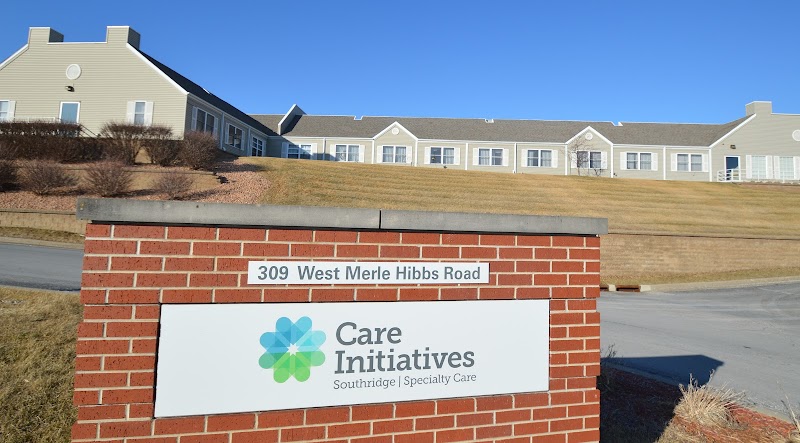
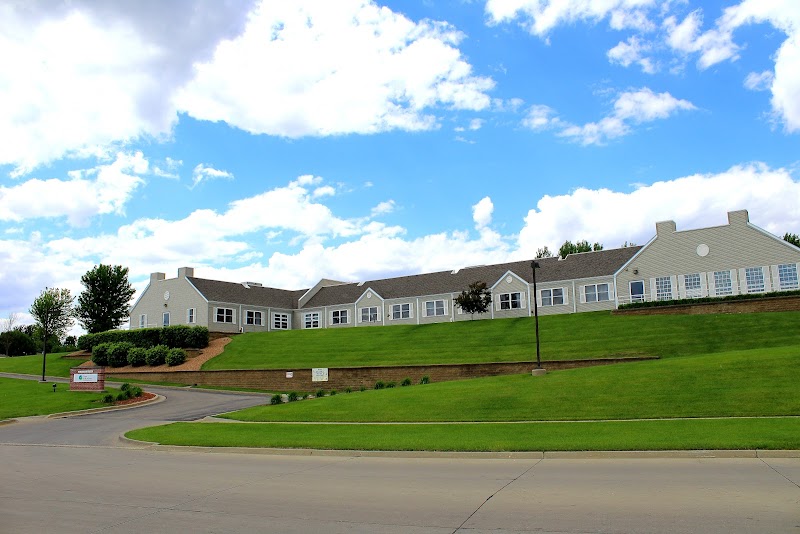
309 WEST MERLE HIBBS BOULEVARD, MARSHALLTOWN, IA 50158 (641) 752-4553
Non profit - Corporation 82 Beds CARE INITIATIVES Data: November 2025 1 Immediate Jeopardy citation
Trust Grade
13/100
#381 of 392 in IA
Last Inspection: May 2025

Inspected within the last 6 months. Data reflects current conditions.

Overview

Southridge Specialty Care in Marshalltown, Iowa has a Trust Grade of F, indicating serious concerns about the facility's overall quality and care. It ranks #381 out of 392 in Iowa, placing it in the bottom half of nursing homes in the state, and is the lowest-ranked facility in Marshall County. Although the facility is on an improving trend, reducing issues from 11 in 2024 to 6 in 2025, it still faced significant problems, including a critical medication error that led to a resident being sent to the emergency room and another resident experiencing unnecessary pain due to neglected dental care. Staffing is a relative strength with a 4 out of 5 rating and a turnover rate of 36%, which is better than the state average, but the facility has concerning fines totaling $45,406, higher than 81% of Iowa facilities. The coverage by registered nurses is average, meaning residents may not receive the enhanced oversight that RNs can provide.
Trust Score
F
13/100
In Iowa
#381/392
Bottom 3%
Safety Record
High Risk
Review needed
Inspections
Getting Better
11 → 6 violations
Staff Stability
○ Average
36% turnover. Near Iowa's 48% average. Typical for the industry.
Penalties
✓ Good
$45,406 in fines. Lower than most Iowa facilities. Relatively clean record.
Skilled Nurses
○ Average
Each resident gets 38 minutes of Registered Nurse (RN) attention daily — about average for Iowa. RNs are the most trained staff who monitor for health changes.
Violations
⚠ Watch
27 deficiencies on record. Higher than average. Multiple issues found across inspections.
★☆☆☆☆
1.0
Overall Rating
★★★★☆
4.0
Staff Levels
★★★★☆
4.0
Care Quality
★☆☆☆☆
1.0
Inspection Score
Stable
2024: 11 issues
2025: 6 issues

The Good

  • 4-Star Staffing Rating · Above-average nurse staffing levels
  • 4-Star Quality Measures · Strong clinical quality outcomes
  • Full Sprinkler Coverage · Fire safety systems throughout facility
  • No fines on record
  • Staff turnover below average (36%)

    12 points below Iowa average of 48%

Facility shows strength in staffing levels, quality measures, fire safety.

The Bad

1-Star Overall Rating

Below Iowa average (3.0)

Significant quality concerns identified by CMS

Staff Turnover: 36%

10pts below Iowa avg (46%)

Typical for the industry

Federal Fines: $45,406

Above median ($33,413)

Moderate penalties - review what triggered them

Chain: CARE INITIATIVES

Part of a multi-facility chain

Ask about local staffing decisions and management

The Ugly 27 deficiencies on record

1 life-threatening 2 actual harm
May 2025 6 deficiencies
CONCERN (D) 📢 Someone Reported This

A family member, employee, or ombudsman was alarmed enough to file a formal complaint

Potential for Harm - no one hurt, but risky conditions existed

Notification of Changes (Tag F0580)

Could have caused harm · This affected 1 resident

**NOTE- TERMS IN BRACKETS HAVE BEEN EDITED TO PROTECT CONFIDENTIALITY** Based on observations, interviews and record review, the facility failed to notify 1 resident's family after a fall (Resident #8...

Read full inspector narrative →
**NOTE- TERMS IN BRACKETS HAVE BEEN EDITED TO PROTECT CONFIDENTIALITY** Based on observations, interviews and record review, the facility failed to notify 1 resident's family after a fall (Resident #8). The facility reported a census of 71 residents. The facility took corrective action on the day following the fall by providing education to the nurses regarding notifying the family the day that a resident has fallen. Findings include: Resident #8's Minimum Data Set (MDS) assessment dated [DATE] identified a Brief Interview for Mental Status (BIMS) score of 5, indicating severely impaired cognitive functioning. Resident #8 required substantial/maximal assistance for upper body dressing and bathing. The MDS listed her as dependent on staff for lower body dressing, putting on, and taking off footwear. The MDS included diagnoses of non Alzheimer's disease, anxiety, and depression. The Care Plan Focus initiated 3/8/24 indicated Resident #8 had a safety concern. The Goal listed she would remain safe in her environment. The Care Plan Focus revised 4/17/25 reflected Resident #8 had a risk for falls. The Goal directed Resident #8 wouldn't experience any major injuries related to falls. The Care Plan Focus initiated 3/5/25 identified Resident #8 had open areas on her arms and face from picking her skin. The Interventions directed to complete a full skin assessment each week with Resident #8's bath and/or shower. The Incident, Accident, Unusual Occurrence Progress Note dated 3/17/25 at 7:10 PM, documented a Certified Medication Aide (CMA) requested Staff E, Licensed Practical Nurse (LPN), go to Resident #8's bathroom. Upon entering the bathroom, they noted Resident #8 lying on the floor with the lower left extremity by the foot riser and her right knee bent and lower extremity by the base of the toilet. In addition, Staff E found Resident #8 lying on the wheelchair cushion with a disposable incontinence pad under her head and back. When asked Resident #8 what happened, she couldn't reply due to her increased confusion. At the time, Resident #8 didn't wear any non skid socks. Three staff members assisted Resident #8 to her feet with the use of a gait belt. Resident #8 stood up by the hand rail while the nurse did a head-to-toe assessment, that revealed no bruising or injuries. The staff then assisted Resident #8 to sit on the toilet. Resident #8 complained of right hip pain and bilateral knee pain. The assessment showed no redness or any swelling to her extremities. Resident #8 stood without any complaints of pain. A staff member transferred Resident #8 off of the toilet to her wheelchair then transferred her to the recliner. Resident #8 voiced no complaints of pain at that time. The nurse-initiated neuro (neurological) checks and measured within normal limits. Resident #8 had equal and strong grips with symmetrical legs. On 5/15/25 at 8:57 AM, Resident #8's Daughter reported her mother fell on 3/17/25. She added the facility didn't notify her of her mother's fall until the next day at 3:45 PM. Resident #8's Daughter said Staff E called her the following day. Staff E told her daughter, her mother fell late at night the night before and she didn't want to call her. Resident #8 fell around 7:10 PM. On 5/15/25 at 10:42 AM, the Assistant Director of Nursing (ADON), reported the nurse didn't notify Resident #8's family after she fall on 3/17/25. The ADON said they found out the next morning the staff didn't notify the family. They educated the nurses that very day they needed to notify a family after a fall. The Accidents and Incidents Investigating and Reporting policy revised July 2017, directed to document the date/time when the staff notified the injured person's family and by whom.
CONCERN (D)

Potential for Harm - no one hurt, but risky conditions existed

PASARR Coordination (Tag F0644)

Could have caused harm · This affected 1 resident

**NOTE- TERMS IN BRACKETS HAVE BEEN EDITED TO PROTECT CONFIDENTIALITY** Based on clinical record review, staff interviews, policy and Preadmission Screening and Resident Review (PASARR) the facility f...

Read full inspector narrative →
**NOTE- TERMS IN BRACKETS HAVE BEEN EDITED TO PROTECT CONFIDENTIALITY** Based on clinical record review, staff interviews, policy and Preadmission Screening and Resident Review (PASARR) the facility failed submit a status change in mental health PASRR when 1 of 2 residents (Resident #19) received new mental health diagnoses. The facility reported a census of 71 residents. Findings include: Resident #19's Minimum Data Set (MDS) assessment dated [DATE] identified a Brief Interview for Mental Status (BIMS) score of 12, indicating moderate cognitive impairment. The MDS included diagnoses of psychiatric/mood disorders, anxiety, depression and bipolar. The MDS listed Resident #19 took antipsychotic, antianxiety, and antidepressant medications during the lookback period. The Physician documented a gradual dose reduction as clinically contraindicated on 2/10/25. The Care Plan Focus initiated 3/6/21 indicated Resident #19 took antidepressants related to major depression. The Care Plan focus initiated 3/22/24 documented Resident #19 took psychotropic medications due to diagnoses of bipolar and paranoid disorder. Resident #19 experienced tactile hallucinations (feeling things that aren't actually happening). The Notice of PASRR Level I Screen Outcome dated 3/4/21 documented Resident #19 had suspected depression, with a diagnosis of major depressive disorder. The PASRR listed Resident #19 didn't have known recent or current mental health symptoms and didn't receive any mental health services. The form reflected she received Risperdal (antipsychotropic medication) and Zoloft (antidepressant). Resident #19's May 2025 Medication Administration Record (MAR) included the following psychotropic/anti psychotic medications: a. Sertraline, 25 milligrams (mg) tablet by mouth one time a day related to major depressive disorder. b. Buspirone, 5 mg tablet by mouth two times a day related to generalized anxiety disorder c. Olanzapine 5 mg tablet by mouth two times a day related to generalized anxiety disorder The Electronic Health Record, report titled Medical Diagnosis revealed mental health diagnosis included: a. Major depressive disorder, single episode, unspecified created 3/5/21 b. Unspecified dementia, moderate without behavior al disturbance, psychotic disturbance, mood disturbance and anxiety created 10/25/22 c. Bipolar disorder, unspecified created 6/7/24 d. Paranoid personality disorder created 6/7/24 During an interview on 5/15/25 at 1:51 PM Staff D, Social Services, reported the staff informed her of new diagnosis and resident changes at the Quality Assurance (QA) meetings if attended. Staff D didn't know for sure when Resident #19 received the new diagnosis in addition relayed PASRR's management is new for Staff D, was aware that an update is the expectation with new mental health diagnoses. During an interview on 5/15/25 at 2:00 PM the Administrator agreed the staff should have updated the PASRR. The facilities Policy titled Antipsychotic Medication Use revised December 2016 instructed to evaluate residents admitted who received antipsychotic medications for the appropriateness and indications for use, to complete a PASRR screening, preadmission screening for mentally ill and intellectually disabled individuals.
CONCERN (D) 📢 Someone Reported This

A family member, employee, or ombudsman was alarmed enough to file a formal complaint

Potential for Harm - no one hurt, but risky conditions existed

Deficiency F0658 (Tag F0658)

Could have caused harm · This affected 1 resident

**NOTE- TERMS IN BRACKETS HAVE BEEN EDITED TO PROTECT CONFIDENTIALITY** Based on clinical record review, facility policy review, staff and resident interviews the facility failed follow a physician's ...

Read full inspector narrative →
**NOTE- TERMS IN BRACKETS HAVE BEEN EDITED TO PROTECT CONFIDENTIALITY** Based on clinical record review, facility policy review, staff and resident interviews the facility failed follow a physician's order when the failed to arrange a dermatology appointment within a reasonable timeframe for 1 of 2 residents reviewed for wounds (Resident #64). The facility reported a census of 71. Findings include: Resident #64's Minimum Data Set (MDS) assessment dated [DATE] identified a Brief Review for Mental Status (BIMS) score of 14, indicating intact cognition. The Care Plan Focus updated 5/14/25, listed Resident #64 had an open lesion on their left cheek. The lesion was biopsied with results of basal cell carcinoma (skin cancer). The Physician's Order, dated 2/14/25 at 3:58 PM, via telephone instructed to get Resident #64 a dermatology referral due to an unhealable lesion of the left side of her face. The scanned copy of the order revealed nursing staff signed off the order on 2/14/25. The Order Note dated 2/14/25 at 4:10 PM documented the nurse notified the Physician due to Resident #64's lesion on the left side of her face. The staff notified Resident #64 and her family of the order for a dermatology referral. The Appointment/Visit Note dated 4/14/25 at 3:16 PM documented Resident #64 had a dermatology appointment on 4/17/25 at 9:30 AM. Resident #64's clinical record lacked documentation of attempts to make a dermatology appointment or rationale for the two month gap between the order for the referral and the actual appointment. During an interview on 5/15/25 at 9:10 AM, Staff C, Assistant Director of Nursing, explained the facility sent a dermatology referral on 2/14/25. They added the specialty clinics typically review resident records as well as insurance coverage before proceeding with an appointment. At an unknown point in time, Staff C questioned if Resident #64 had the dermatology referral completed. Upon further review, they learned the insurance denied the initial referral and They didn't schedule an appointment. Staff C didn't know if the dermatology office called Resident #64 or her family directly to inform of the denial or if they called the facility. Once Staff C knew Resident #64 didn't have an appointment made, they sent out a second dermatology referral. Resident #64's clinical record didn't have a timeframe provided when they made the second referral. During an interview on 5/15/25 at 10:30 AM, Resident #64 acknowledged she had a personal cell phone. Resident #64 didn't know of any calls from a dermatology office. During a phone interview on 5/15/25 at 11:10 AM, Resident #64's Daughter denied receiving a call from the dermatology office. The Medication and Treatment Orders policy, revised July 2016, instructed to have consistent orders for medications and treatments, with principles of safe and effective order writing.
CONCERN (D) 📢 Someone Reported This

A family member, employee, or ombudsman was alarmed enough to file a formal complaint

Potential for Harm - no one hurt, but risky conditions existed

Quality of Care (Tag F0684)

Could have caused harm · This affected 1 resident

**NOTE- TERMS IN BRACKETS HAVE BEEN EDITED TO PROTECT CONFIDENTIALITY** Based on observation, interviews, and record review, the facility failed to identify, assess, and put interventions in place for...

Read full inspector narrative →
**NOTE- TERMS IN BRACKETS HAVE BEEN EDITED TO PROTECT CONFIDENTIALITY** Based on observation, interviews, and record review, the facility failed to identify, assess, and put interventions in place for 1 of 1 resident reviewed for undocumented bruises on her body (Resident #8). The facility reported a census of 71 residents. Findings include: Resident #8's Minimum Data Set (MDS) assessment dated [DATE] identified a Brief Interview for Mental Status (BIMS) score of 5, indicating severely impaired cognitive functioning. Resident #8 required substantial/maximal assistance for upper body dressing and bathing. The MDS listed her as dependent on staff for lower body dressing, putting on, and taking off footwear. The MDS included diagnoses of non Alzheimer's disease, anxiety, and depression. The Care Plan Focus initiated 3/8/24 indicated Resident #8 had a safety concern. The Goal listed she would remain safe in her environment. The Care Plan Focus revised 4/17/25 reflected Resident #8 had a risk for falls. The Goal directed Resident #8 wouldn't experience any major injuries related to falls. The Care Plan Focus initiated 3/5/25 identified Resident #8 had open areas on her arms and face from picking her skin. The Interventions directed to complete a full skin assessment each week with Resident #8's bath and/or shower. The Incident, Accident, Unusual Occurrence Progress Note dated 3/8/25 at 6:10 PM, documented that someone called for help and on arrival, they found Resident #8 lying on her right side on the floor in front of her recliner next to her wheelchair. Resident #8 wore socks and shoes on her feet. Resident #8 didn't have a call light on. The nurse completed a head-to-toe assessment. The assessment revealed a hematoma (bruise) on her right forehead. She had normal range of motion for her. The nurse started Neuro checks (assessments to monitor neurological status). Two staff assisted Resident #8 to her recliner. The nurse called the on call provider due to her hitting her head and notified her family. Resident #8 had pictures that revealed the following bruising: a. 3/15/25 at 10:33 AM, bruise on forehead over right eye. b. 3/16/25 at 5:04 PM, faint bruising on right and left knees. c. 3/17/25 at 8:16 AM, bruising on right lateral lower buttocks. An NSG(nursing):Weekly Skin Observation Tool V2 documented that Resident #8 had no new skin issues on 3/3/25, 3/10/25, and 3/17/25. On 5/20/25 at 3:28 PM, the Nurse Consultant acknowledged the bruises in the pictures. The Nurse Consultant stated she couldn't find any documentation of bruising on Resident #8's legs or knees. When the surveyor showed the Nurse Consultant The NSG: Skin Observation Tool V 2 indicated the Certified Nurse Aide (CNA) marked no new skin issues for the dates of 3/3/25, 3/10/25 and 3/17/25. The Nurse Consultant stated they started the form for the CNAs to alert the nurses when they find a new skin concern. When they mark yes, the nurses become aware. They need to go and assess the new skin area. She stated what happened is that the CNAs felt the nurses already assessed the resident after a fall, therefore they knew about the skin area. The Nurse Consultant stated that after a fall, bruising may not show up right away, therefore the nurse would not see an area during their initial assessment. She stated they would provide education on that matter. A Skin Tears Abrasions and Minor Breaks policy revised September 2013, defined the purpose of the procedure is to guide the prevention and treatment of abrasions, skin tears, and minor breaks in the skin. Preparation: a. Obtain a physician's order as needed. Document physician notification in medical record. b. Review the resident's Care Plan, current orders, and diagnoses to determine resident needs. c. Check the treatment record. d. Generate Non Pressure form and complete. e. Assemble the equipment and supplies as needed. Documentation - Record the following information in the resident's medical record: a. Complete in house investigation of causation. b. Generate Non Pressure form. c. Document physician and family notification, and resident education (if completed) in medical record. d. How the resident tolerated the procedure. e. Any problems or resident complaints related to the procedure. f. Any complications related to the abrasion (e.g., pain, redness, drainage, swelling, bleeding, decreased movement). g. Interventions implemented or modified to prevent additional abrasions (e.g., clothes that cover arms and legs). h. When an abrasion/skin tear/bruise is discovered, complete a Report of Incident/ Accident.
CONCERN (D) 📢 Someone Reported This

A family member, employee, or ombudsman was alarmed enough to file a formal complaint

Potential for Harm - no one hurt, but risky conditions existed

Deficiency F0805 (Tag F0805)

Could have caused harm · This affected 1 resident

**NOTE- TERMS IN BRACKETS HAVE BEEN EDITED TO PROTECT CONFIDENTIALITY** Based on observation, interviews and record review, the facility failed to provide the correct diet for 1 resident during a meal...

Read full inspector narrative →
**NOTE- TERMS IN BRACKETS HAVE BEEN EDITED TO PROTECT CONFIDENTIALITY** Based on observation, interviews and record review, the facility failed to provide the correct diet for 1 resident during a meal service (Resident #39). Resident #1 received a regular textured diet during the meal service. This resident's diet order was for a mechanically soft textured diet. The facility reported a census of 71. Findings include: Resident #39's Minimum Data Set (MDS) assessment dated [DATE] identified a Brief Interview for Mental Status (BIMS) score of 15, indicating intact cognition. The MDS reflected Resident #39 ate independently. The MDS included a diagnosis of a seizure disorder. The MDS listed Resident #39 received a mechanically altered diet which required a change in texture of food or liquids. A Physician's Order dated 12/10/24 documented Resident #39 had a mechanical soft textured diet. The facility received an order to discontinued the diet on 5/14/25 at 1:08 PM. A Physician's Order dated 5/14/25 at 1:51 PM, directed to start Resident #39 on a regular texture diet. A Dietary Progress Note dated 5/14/25 at 12:26 PM, documented the Dietitian visited with Resident #39. Resident #39 reported she had a good appetite and ate 3 meals daily although she reported she didn't care for the mechanical soft meat. She described her weight loss as not intentional but also reported she had a goal to weigh 170 pounds. Resident #39 stated she felt better after she lost the weight. The Dietitian encouraged her to have adequate meal intakes and gradual weight loss as desired. On 5/14/25 starting at 12:13 PM, observed the lunch meal service. Witnessed Resident #39 receive a large lettuce salad with ham rolled up on it. The Licensed Nursing Home Administrator (LNHA) stated she had an order stating she could have a more relaxed diet and ham is one of the foods she could choose to eat. On 5/14/25 at 1:09 PM, the LNHA stated he would look into this more and find the order. During the service watched Resident #39 as she sat just outside the doorway in the dining room. She had no difficulties with eating the salad with ham. On 5/14/25 at 1:36 PM, the LNHA and the Assistant Director of Nursing (ADON), stated no one put Resident #39's order of a regular diet as ordered in her clinical record. The LNHA stated Resident #39 had difficulty with dental problems but they problem had healed. They had an order that directed to advanced back to a general diet. The ADON stated she obtained an order for a regular diet. When asked if she obtained the order for the regular diet after the observation today during lunch hour, she responded yes. When asked if they could show documentation somewhere that the doctor wanted her to be on a regular textured diet, they stated they would look into it further. On 5/14/25 at 2:00 PM, the Nurse Consultant and the LNHA acknowledged the concern of serving the incorrect diet. They stated they would look for more documentation. At the time of survey, the facility couldn't provide further documentation. A Therapeutic Diets policy revised October 2017, directed the attending physician to prescribe therapeutic diets to support the resident's treatment and plan of care and in accordance with his or her goals and preferences. Policy Interpretation and Implementation a. Diet will be determined in accordance with the resident's informed choices, preferences, treatment goals and wishes. Diagnosis alone will not determine whether the resident is prescribed a therapeutic diet. b. If a mechanically altered diet is ordered, the provider will specify the texture modification. c. The resident has the right to not comply with therapeutic diets. d. The Dietitian, nursing staff, and attending physician will regularly review the need for, and resident's acceptance of, prescribed therapeutic diets. e. The dietitian and nursing staff will document significant information relating to the resident's response to his/her therapeutic diet in the resident's medical record.
CONCERN (D)

Potential for Harm - no one hurt, but risky conditions existed

Infection Control (Tag F0880)

Could have caused harm · This affected 1 resident

**NOTE- TERMS IN BRACKETS HAVE BEEN EDITED TO PROTECT CONFIDENTIALITY** Based on observations, interviews, and record review, the facility failed to follow infection control guidelines for 3 of 3 resi...

Read full inspector narrative →
**NOTE- TERMS IN BRACKETS HAVE BEEN EDITED TO PROTECT CONFIDENTIALITY** Based on observations, interviews, and record review, the facility failed to follow infection control guidelines for 3 of 3 residents (Residents #24, #45, and #68). 1. During an observation of Staff A, Licensed Practical Nurse (LPN), providing tracheostomy (a hole that surgeons make through the front of the neck and into the windpipe, also known as the trachea) care to Resident #45, after she finished the tracheostomy (trach) care, while wearing the same gloves and without completing hand hygiene, she pulled off the dressing over their resident's gastrostomy (surgical hole in the abdomen in which a feeding tube is inserted). Staff A left Resident #45's room with a gown, walked down the hall and returned to the room with tape while still wearing the gown. 2. Witnessed Staff A provided a wound dressing change on Resident #68. She failed to complete hand hygiene between removing the old dressing and applying new gloves. 3. Watched a Certified Nurse Aide (CNA) drain Resident #24's catheter bag without following enhanced barrier precautions (EBP) by failing to wearing a gown. The facility reported a census of 71. Findings include: 1. Resident #45's Minimum Data Set (MDS) assessment dated [DATE] identified a Brief Interview for Mental Status (BIMS) didn't occur as they rarely or never understood. The MDS included diagnoses of stroke, quadriplegia (extreme weakness to allow 4 extremities), and respiratory failure (poor lung function). Resident #4 had a feeding tube and required tracheostomy care. A Doctor's Order dated 1/6/25, directed the licensed staff to replace Resident #45's dressing every shift and clean around their trach with normal saline every shift. A Doctor's Order dated 1/6/25, directed staff to clean the gastrostomy tube area with soap and water, then change the split gauze dressing twice a day (BID) and as needed (PRN). Monitor for signs and symptoms of infection every shift. On 5/14/25 at 9:41 AM, watched Staff A put on gloves and gown. Staff A cleaned the area between the trach appliance and the tracheostomy with sterile water-soaked gauze and then sterile water-soaked swab. Resident #45 coughed up thick mucus from his trach. Staff A removed the inner cannula from the outer trach appliance and threw it in the garbage. Staff A placed a new inner cannula into the outer cannula. Without changing gloves or completing hand hygiene, Staff A removed a dressing around Resident #45's gastrostomy tube site. She cleaned around the gastrostomy then applied a clean dressing. Staff A stated she needed to go grab some tape. She removed her gloves, kept her gown on, and left the room. Staff A returned to the room wearing the same gown. She applied new gloves and taped the open end of the dressing closed. Directly after the observation Staff A stated, she didn't know about leaving the room with her gown on, but thought maybe she shouldn't have done that. She explained should remove her gloves, sanitize her hands, then place new gloves on between trach care and gastrostomy care. Directly after the above conversation, the Director of Nursing (DON) stated Staff A should have removed the gown prior to leaving the room, and put a new one back on upon reentering the room to finish Resident #45's care. She stated Staff A should have removed her gloves, sanitized her hands, and applied new gloves between the trach care and gastrostomy care. 2. Resident #68's MDS assessment dated [DATE] identified a BIMS score of 13, indicating intact cognition. The MDS listed Resident #68 as dependent on staff for lower body dressing (below the waist). The MDS included diagnoses of cancer and coronary artery disease (impaired blood vessels of the heart). This MDS documented Resident #68 had 2 Stage II Pressure Ulcers. A Doctor's Order dated 5/9/25, directed to clean the right buttock wound with normal saline, pat dry, apply hydrogel (wound healing gel) to wound bed, and cover wound with a dressing every day shift for wound care. On 5/14/25 at 2:09 PM, watched Staff A sanitize her hands and apply gloves. She removed Resident #68's dressing from their right buttock and threw the dressing away. Staff A applied new gloves and cleaned the wound. Staff A grabbed a pen out of her pocket and wrote that day's date on the new dressing with her initials, then applied the dressing. Staff A removed her gloves and threw them away, then sanitized her hands. This LPN then laughed, shook her head and said that she just realized she didn't sanitize her hands between glove change after removing the old dressing and applying the new gloves. Resident #68 didn't have an EBP sign outside her door. On 5/15/25 at 3:28 PM, the Nurse Consultant and the Licensed Nursing Home Administrator (LNHA), acknowledged the concern of Staff A not sanitizing her hands between removal of dirty gloves and application of new gloves. 3. Resident #24's MDS assessment dated [DATE] listed Resident #24 had an indwelling urinary catheter. The MDS included diagnoses of cerebrovascular accident (stroke), hemiplegia (paralysis or weakness on one side of the body), and seizure disorder. The Care Plan Focus revised 5/13/25, indicated Resident #24 had a urinary catheter. The Interventions directed to provide catheter care every shift and use EBP. Resident #24's Kardex, obtained 5/14/25, alerted staff to use EBP when performing high contact care activities. On 5/14/25 at 1:35 PM, observed Staff B, CNA, provide Resident #24's catheter care. As Staff B provided Resident #24's catheter care, they failed to wear a gown. Resident #24's room had a sign outside the room which alerted staff to use EPB and the need for additional personal protective equipment (PPE). Resident #24's room had gowns for staff use inside the doorway. During an interview on 5/14/25 at 1:50 PM, Staff B stated they wore a gown sometimes when completing catheter care. Staff B added they need to wear gowns when a resident has an infection, such as a urinary tract infection. On 5/15/25 at 3:15 PM, the Administrator acknowledged Staff B should have wore a gown during Resident #24's catheter care per EBP. The policy Enhanced Barrier Precautions, revised 3/28/24, directed to initiate EBP for residents with pressure ulcers and indwelling medical devices, such as feeding tubes, tracheostomies, and urinary catheters. PPE is necessary when performing high contact care activities such as device care or use. The policy Enteral Tube Feeding via Gravity Bag, revised November 2018, outlined aseptic technique used when preparing or administrating enteral feedings. The policy instructed staff to wash and dry their hands thoroughly and wear clean gloves. The policy Tracheostomy Care, revised August 2013, outlined aseptic (clean) technique used during all dressing changes, tracheostomy tube changes, and cleaning/sterilization (cleanliness by removal of bacteria) of reusable tracheostomy tubes. Glove use on both hands during any or all manipulation of the tracheostomy. Sterile gloves must be worn during aseptic procedures. The policy Wound Care, revised October 2010, directed the staff: a. Put on exam gloves, loose tape, and remove the wound dressing b. Pull the glove over the dressing and discard. Staff must wash and dry hands thoroughly c. Put on gloves and continue wound treatment as ordered
Nov 2024 4 deficiencies 1 Harm
SERIOUS (G) 📢 Someone Reported This

A family member, employee, or ombudsman was alarmed enough to file a formal complaint

Actual Harm - a resident was hurt due to facility failures

Deficiency F0697 (Tag F0697)

A resident was harmed · This affected 1 resident

**NOTE- TERMS IN BRACKETS HAVE BEEN EDITED TO PROTECT CONFIDENTIALITY** Based on observation, record review, facility policy review, resident, staff, and physician interviews, the facility failed to t...

Read full inspector narrative →
**NOTE- TERMS IN BRACKETS HAVE BEEN EDITED TO PROTECT CONFIDENTIALITY** Based on observation, record review, facility policy review, resident, staff, and physician interviews, the facility failed to thoroughly assess and follow through on interventions to maintain Resident #1's highest practical physical well being and function for 1 or 5 residents reviewed (Resident #1). Resident #1 experienced unnecessary pain, due to grossly decayed and non-restorable teeth. Resident #1 reported mouth pain in July 2024. She saw a dentist in August 2024. The dentist referred her to the University dental office at her appointment on 8/16/24. The facility failed to arrange an appointment. Resident #1 continued to have oral pain and saw the dentist again on 9/4/24. At this time, the dentist ordered to send Resident #1 to the University Hospital Emergency Room. On 9/8/24, Resident #1 experienced a change in mental status, difficulty breathing, and heart irregularities. Once she returned from the hospital, the facility still failed to transport Resident #1 to the University Hospital Emergency Room. The only pain relievers Resident #1 received was Tylenol, mouthwash, Orajel, and viscous lidocaine. Resident #1's mouth pain resulted in a change in condition that affected her eating and drinking. The facility reported a census of 72 residents. Findings include: Resident #1's Minimum Data Set (MDS) assessment dated [DATE] identified a Brief Interview for Mental Status (BIMS) score of 15, indicating intact cognition. The MDS listed them as independent with eating. The MDS included diagnoses of diabetes, seizure disorder, alcoholic cirrhosis (liver failure), and chronic obstructive pulmonary disease (COPD). Resident #1 rated their pain at a 5 out 10 (0 being no pain, 10 being the worst pain ever). They experienced their pain frequently in the previous 5 days. It affected their sleep and day-to-day activities occasionally. The MDS indicated Resident #1 received a mechanically altered diet. The oral/dental status was not marked, indicating Resident #1 had no mouth or facial pain. The MDS assessment dated [DATE] identified Resident #1 had a BIMS score of 15, indicating cognition intact. The MDS listed Resident #1 independent with eating and oral hygiene. The MDS indicated Resident #1 received a mechanically altered diet and had no mouth or facial pain. The MDS documented Resident #1 had moderate pain frequently that affected her sleep, therapy, and day-to-day activities frequently. The Care Plan Focuses: a. Initiated 9/29/23: related to activities of daily living (ADLs). The Interventions listed Resident #1 as having her own teeth and independent with oral hygiene and eating. b. Revised 1/19/24: indicated Resident #1 had chronic pain related to arthritis all over her body. She reported she learned to live with the pain because she got used to having pain. c. Initiated 10/24/24: Resident #1 had an appointment to have 3 teeth extracted due to pain. The Care Plan lacked information about dental care/services. Resident #1's Medication Administration Records (MAR) included an order to document her pain level every shift. The Order Note dated 7/19/24 at 2:24 PM, identified Resident #1 complained of mouth sores. The facility notified the Physician's Assistant (PA) who gave new orders for magic mouthwash twice a day (BID) for 7 days. The SPN - Focused Evaluation Note dated 7/31/24 at 8:50 AM, indicated Resident #1 continued to complain of mouth pain. The evaluation revealed no open sores in the oral cavity, any redness, or any white patches to back of throat. Resident #1's August 2024 MAR indicated she rated her pain between 0 to 6, with the most frequent ratings at 0 (47 times), 2 (12 times), and 5 (17 times). An Infection Control Surveillance of a Skin and Soft Tissue Infection dated 8/5/24 at 11:47 AM revealed Resident #1 had presence of raised white patches on an inflamed mucosa or plaques on oral mucosa noted in her chart on 8/5/24. The physician prescribed magic mouthwash on 8/5/24. The Order Note dated 8/5/24 at 4:24 PM, reflected the facility notified the PA that Resident #1 complained of mouth pain. The PA gave orders for magic mouthwash 5 milliliters (ml) BID for 7 days. The E Interact Change in Condition Evaluation dated 8/15/24 indicated Resident #1 had new or worsening pain. Resident #1 reported as she ate something, her left upper tooth filling may have fell out. Resident #1 had no redness, drainage, bleeding or any increased swelling to her left outer mouth. The recommendation included a referral to emergency dental appointment for evaluation and repair. The (paper) Physician Order Form noted by Staff A, Licensed Practical Nurse (LPN), on 8/15/24 included an order to refer Resident #1 to the dentist for a routine exam and evaluation of mouth and tooth pain. The SPN - Focused Evaluation dated 8/15/24 at 9:27 PM, indicated the facility monitored Resident #1 for mouth pain related to a left upper tooth filling. She reported pain 4 out of 10, adding her tongue and the left side of her mouth is sore. The evaluation determined no redness or swelling noted. Resident #1 aware of referral to dentist for pain related to filling. The Dental Office Visit Note on 8/16/24 indicated Resident #1 complained of pain to the upper left teeth. Resident thought the fillings fell out a couple of months ago. Area is painful with eating and sensitive to hot and cold. Exam findings revealed non-restorable carious (cavities) teeth #14 and #15. Recommendations for Resident #1 to follow up with oral surgeon at University hospital dentistry due to complexity of treatment and teeth extractions required. The Appointment/Visit Note dated 8/16/24 at 9:28 AM, identified the facility scheduled a dental appointment that day at 2:45 PM due to Resident #1's mouth pain and filling repair. The Appointment/Visit Note dated 8/16/24 at 5:47 PM, reflected Resident #1 left the facility for a dental appointment. She had images (x-rays) taken and received a referral to Iowa City for oral evaluation and teeth extractions. Facility to call back to schedule after 9/1/24. The SPN - Focused Evaluation dated 8/17/24 at 11:24 AM, indicated Resident #1 rated her pain at 7 on a 0 to 10 scale. The evaluation revealed Resident #1's tongue and left side of her mouth appeared red and swollen. Resident #1's September 2024 MAR identified she rated her pain between 0 to 6, with the most frequent pain rating at 0 (31 times), 4 (12 times), and 6 (9 times). The (paper) Physician's Order Form noted by Staff B, LPN, on 9/3/24, reflected a referral for Resident #1 to the dentist and begin Keflex 500 milligrams (mg) PO four times a day (QID) for 7 days. The Encounter Note dated 9/3/24 at 12:00 AM, the PA documented Resident #1 complained of a sore mouth. They noted small white lesions inside of her mouth. The lesions didn't appear raised and could be scrapped. Resident #1 used routine inhales for COPD. The PA educated the nursing staff about the importance of rinsing out her mouth after use. Referral made for Resident #1 to go to the dentist to further evaluate mouth pain but it hasn't been scheduled yet. The PA diagnosed Resident #1 with oral thrush and mouth pain. The PA suspected the oral thrush contributed to Resident #1's mouth discomfort. She gave an order to start nystatin (antifungal medicine) QID for 10 days and rinse mouth after using inhalers. Continue to monitor for new or worsening symptoms. The Nurses Note dated 9/4/24 at 4:20 PM, identified Resident #1 left the facility earlier in the shift to go to a dental appointment and returned at that time with instructions to send her to the University hospital emergency room (ER) to be evaluated by the ER oral surgeon. The Dental Office Visit Note on 9/4/24, reflected Resident #1 still complained of significant pain in the upper left (teeth) with a white coating on her tongue and cheeks. Resident #1 reported no one set up the appointment for her to have the teeth removed in Iowa City and she now had gum pain. The pain prevented her ability to eat. She received a diagnosis of grossly decayed, non restorable teeth #14, #15, and #29, and a potential candida (yeast) infection. Referral sent on 8/16/24 to hospital dentistry for extraction of teeth. Resident #1 didn't receive any contact from the hospital dentistry. The Dentist (local) called hospital dentistry and spoke with the charge nurse. The charge nurse recommended Resident #1 walk into the University hospital ER for evaluation. The oral surgeon on-call could evaluate Resident #1 if needed and do extractions there, or schedule her to come back for the extractions. Written instructions given on the discharge sheet for the nursing home today (9/4/24) on what needed to be done. The Infection Control Surveillance Skin & Soft Tissue Infection assessment dated [DATE] at 7:54 AM reflected Resident #1 started Bactrim DS (antibiotic) on 9/3/24 due to pus at wound, skin, or tissue site with warmth, redness, swelling and pain at the affected site. The Physician Order Form noted by Staff A on 9/5/24 revealed an order to begin nystatin suspension 5 ml PO QID for 10 days. The Report of Consultation on 9/4/24, Resident #1 referred to University hospital dentistry on 8/16/24. Resident #1 didn't hear back to schedule appointment. The Dentist called and spoke with the charge nurse in the hospital dentistry on 9/4/24. The charge nurse recommended sending Resident #1 for evaluation in the University hospital ER and if needed, she may be evaluated by the on call oral surgeon. The Dentist documented Resident #1 needed to go to the University hospital ER for evaluation of severe pain. The SPN - Focused Evaluation dated 9/5/24 at 8:20 PM, indicated Resident #1 started on oral nystatin suspension for thrush (yeast infection in the mouth). Resident complained of pain to mouth and still rated pain a 4 out of 10. Resident's tongue red but no white patches noted. The eInteract SBAR Summary for Providers dated 9/8/24 at 1:29 AM, identified Resident #1 transferred to hospital for high potassium. Resident #1 had abdominal pain and shortness of breath. A Hospital Note dated 9/8/24 at 1:30 AM revealed Resident #1 presented to the ER with hypotension (low blood pressure) and not very responsive. The facility called the Emergency Medical Services (EMS) due to Resident #1 having shortness of breath and diaphoretic (excessive sweating). Resident intubated and pacemaker started due to her being in complete heart block. Resident #1 diagnosed with chronic hypoxic (low blood oxygen levels) respiratory failure, hyperkalemia (high potassium in the blood) and cardiogenic shock (life-threatening condition due to the body not pumping enough blood to meet the body's needs). She had a white blood cell count of 15 (normal 5 10), potassium 7.8 (normal 3.5 5.2), glucose 392 (normal 70 100), and d dimer 1,059 (normal less than 0.5). The hospital admitted Resident #1 to the Coronary Care Unit. The Physician's Orders revealed the following: a. On 7/19/24, magic mouthwash 5 ml PO BID for 7 days for mouth sores. b. On 8/5/24, magic mouthwash 5 ml PO BID for 7 days for mouth pain. c. On 8/15/24 refer to dentist for exam and evaluation of mouth/teeth pain. d. On 9/3/24, refer to dentist. Bactrim DS (antibiotic) BID for 5 days for an abscess. e. On 9/5/25 nystatin suspension QID for 10 days. f. On 9/7/24, transfer to the ER (Emergency Room) for evaluation and treatment. The Nursing Dental Evaluations dated 4/14/24, 7/15/24, and 9/13/24 reflected Resident #1's upper and lower teeth in good condition, without loose teeth or decay present. The gums, tongue and cheeks were pink and the mouth had no sores present. The SPN - Admit/Readmit Note dated 9/13/24 at 12:33 PM identified Resident #1 readmitted to the facility. Staff L, LPN, documented Resident #1's upper and lower teeth in good condition. The Encounter Note dated 9/16/24 at 12:00 AM, reflected the PA evaluated Resident #1 following her recent hospitalization. She went to the hospital on 9/8/24 with shortness of breath. While there, they diagnosed her with acute pulmonary edema, hyperkalemia with potassium of 7.8, and noted to have complete heart block. They started her on transcutaneous pacing and transferred to another hospital for a cardiology evaluation. She was transitioned to transvenous pacing (external technique used in emergencies to treat severe low heart rate or heart blockages). They treated her hyperkalemia (high potassium) with medication. The listed her as in cardiogenic shock. She developed a fever and had blood cultures positive for Pseudomonas (infection). They started her on cefepime (antibiotic) and IV fluids. Her hospitalization was complicated by respiratory failure requiring intubation (a tube down the throat to help with breathing), anemia (low iron in the blood) requiring a blood transfusion, and hypertension (high blood pressure). Resident #1 eventually improved and the hospital discharged her back to the facility on 9/13/24 in stable condition. Resident #1's October 2024 MAR indicated her pain ratings increased from 4 to 9. 4 (10 times), 5 (15 times), 6 (4 times), 7 (4 times), 8 (3 times), and 9 (2 times). Resident #1's MAR reflected the following orders: a. Magic mouthwash 5 milliliters (ml) by mouth (PO) two times a day (BID) for mouth pain for 7 Days had a start date 7/19/24. b. Magic mouthwash 5 ml by mouth BID for mouth pain for 7 Days had a start date 8/5/24. c. Bactrim DS (antibiotic) one tablet PO BID for an abscess for 5 Days had a start date 9/3/24, and on hold 9/7/24 to 9/9/24. d. Lidocaine viscous (mouth throat) solution 15 ml PO every 4 hours as needed (PRN) for mouth pain had a start date 8/11/23 and on hold 9/7 9/13/24. - Resident #1 received the medication once on 8/16, 8/25, 8/30, 9/1, and 10/22/24. e. Tylenol 650 mg PO every 4 hours PRN for pain had a start date 9/13/24. - The [DATE]/1/24 to 10/24/24 revealed Tylenol administered on 8/28, 10/1, 10/15, 10/18, 10/21, and 10/22. f. Orajel 2X Toothache and Gum Gel to buccal (inside the mouth/cheek) every 4 hours PRN for mouth pain started on 9/16/24. - The MAR revealed no PRN Orajel documented 9/16/24 to 10/29/24. g. Orajel 2X Toothache & Gum gel every 2 hours PRN for tooth/mouth pain had a start date 10/16/24. The MAR documented - Resident #1 received the medication on 10/21 at 8:25 PM. h. Warm salt water rinse every 4 hours PRN for oral discomfort had a start date 9/16/24. - The MAR revealed no PRN warm salt water rinses documented 9/16/24 to 10/29/24. The Order Note dated 10/16/24 at 11:26 AM reflected Resident #1 had a new order for Orajel toothache and gum/mouth gel every 2 hours as needed (PRN) The Nurses Note labeled Late Entry documented on 10/18/24 at 3:22 PM, identified the facility made an appointment with a local dentist for 10/23/24. The Nurses Note dated 10/22/24 at 5:00 AM, identified Resident #1 complained of left sided tooth pain throughout the night. She requested Orajel twice, Tylenol once, and viscous lidocaine once. She had her cheek slightly swollen but didn't have drainage noted. She had an appointment scheduled to see the dentist on 10/23/24. The Orders - Administration Note dated 10/23/24 at 12:57 PM, indicated Resident #1 saw the local dentist related to increased tooth pain. Resident #1 received referral for extraction of 3 teeth immediately at the University hospital. A call placed to University (hospital) and the soonest they can schedule Resident #1 is 1/16/25 at 11 AM. They will call the facility if anything else becomes available sooner. The Report of Consultation on 10/23/24, resident has had pain since 8/16/24, and now had significant pain and difficulty eating. She was diagnosed with grossly decayed, and non restorable teeth and recommended Resident #1 be immediately referred to the University hospital dentistry for immediate extraction of teeth #14, #15, and #29. The dentist made a referral on 8/16/24 and 9/4/24. The Dental Office Visit Note on 10/23/24, Resident #1 still having pain to the upper left teeth and a sharp tooth cutting her tongue. She complained of having a hard time eating. Resident #1 referred to have teeth removed at the University hospital dentistry but the nursing home hadn't set up the appointment yet. Resident #1's teeth #14, #15, and #29 grossly decayed and non restorable and needed to be extracted. Oral surgery referral required for extractions due to the complexity of treatment. Teeth #14, #15 and #5 smoothed due to sharp edges cutting her tongue. Consultation report filled out and sent back to the nursing home stating Resident #1 needed transported to the University hospital dentistry immediately for extraction of teeth. The Orders - Administration Note dated 10/24/24 at 7:04 PM identified Resident #1 went to the Iowa City ER related to a broken tooth. The Orders - Administration Note dated 10/24/24 at 7:51 PM, reflected Resident #1 went to the Iowa City ER related to dental concerns. The Nurses Note dated 10/24/24 at 10:02 PM identified Resident #1 returned from the University hospital. They reported they didn't do anything and didn't get any new orders. An E Interact Change in Condition Evaluation dated 10/24/24 revealed Resident #1 broke a tooth and had uncontrolled pain since 10/24/24. Resident #1 saw a dentist on 10/23/24 and the dentist recommended a referral to the ER in Iowa City. An E Interact Change in Condition Evaluation dated 10/26/24 revealed Resident #1 had a blood glucose reading of 51 (low - expected 70-100). Blood sugar rechecked after Resident #1 consumed a glass of orange juice and ate supper, with a result of 165. On 10/24/24 at 4:05 PM, observed Resident #1 self propel her wheelchair from her room to the nurse's station and requested Tylenol for pain. Resident #1 opened her mouth and showed the CMA where it hurt. Resident #1 rated her pain at a 5. During an interview on 10/29/24 at 8:25 AM, Resident #1 reported she couldn't eat or drink because she had pain in her mouth and teeth. She had 2 upper left and 1 lower right back teeth that hurt. Resident #1 reported the pain got worse in the past 1 2 weeks since the tooth cracked and broke off. Resident #1 stated she saw a dentist but the dentist wanted her to go to Iowa City to see the dentist there but she needed a referral. She didn't know if she could wait a few months to have her teeth removed. She couldn't eat or drink, and it hurt a lot. Resident #1 reported she took Tylenol and used Orajel for the pain but it is not helping. Resident #1 reported having the pain there all of time, throbbing. Resident #1 reported she stay in the hospital in September 2024, because her heart stopped, they had to shock her heart back, and put a pacemaker in. During an interview on 10/29/24 at 10:15 AM, the Dentist reported he saw Resident #1 on 8/16/24 because she had pain in her left upper teeth and had a filling fall out of her tooth. He described her upper left teeth as decayed and sensitive to cold. He explained the teeth needed to be extracted. He referred her to the hospital dentistry but no one at the facility made her an appointment. He saw Resident #1 again on 9/4/24. Resident #1 told him she didn't have an appointment set up for her. Resident #1 had significant pain to her gums, upper left teeth, and lower right teeth. She reported she couldn't eat due to the pain. By that time, she had another tooth (#29) that needed extracted. She had a white coating with sores in her mouth. The upper molars were decayed. He couldn't retract the gum to look at her tooth due to her having too much pain. He spoke to the charge nurse in the University hospital ER and wrote an order on the yellow form to send her directly to the ER, but nobody took her to the ER. He saw her again on 10/23/24, Resident #1 had pain to her upper left teeth. He observed her teeth broken, sharp, and cutting her tongue. He smoothed off the area so it wasn't so sharp. She had significant pain in her left upper and right lower mouth. Resident #1 complained she had a hard time eating. He referred her to go to the University hospital but no one set up the appointment. He wrote on the yellow consult report (orders for the facility) Resident #1 was in pain and needed transported directly to the University hospital ER immediately for extraction of teeth. The facility needed to expedite her to go to the University hospital ER, and then the dentist/surgeon could possibly see her that day or the following day. During an interview on 10/29/24 at 12:30 PM, Staff A, LPN, reported the provider wrote the summary of their visit and orders on the yellow consultation form. The yellow consultation form is given to the nurse when Resident #1 returned to the facility, and then they entered any orders into the computer. Staff A reported Resident #1 went to the dentist because she had thrush and had different things going on in her mouth. She was supposed to have teeth extractions done. She called Iowa City (dentistry) when she got a referral from the local dentist office. The dentist in Iowa City asked her to send information to them, and then they would call back to set things up. The surveyor advised Staff A of the progress note she wrote on 8/16/24 about resident out for a dental appointment and was referred to hospital dentist for oral evaluation and teeth extraction. The surveyor inquired as to which facility was to call back to schedule after 9/1, Staff A responded the nursing home staff was to call the hospital dental office back after 9/1/24. Staff A stated she knew it was written on a paper for the (nursing home) facility to call back after 9/1/24. She stated she didn't know for sure what happened. Staff A stated she would have to look at Resident #1's chart for documentation and dates. Staff A reported whenever a resident had a change in condition, she filled out a change in condition assessment and notified the provider. On 10/29/24 at 1:00 PM, Staff A confirmed she just charted whatever note was written on the form from the dentist office. The note written on the After Visit Summary showed Facility to call back to schedule after 9/1. She didn't know what happened. The facility was supposed to call back after 9/1 but she didn't know if it happened. She passed it on in report but didn't know if someone followed up. During an interview 10/29/24 at 11:55 PM, Staff B, LPN, reported Resident #1 went to a dentist in August 2024 and again in October 2024. After the 8/16/24 dental appointment, they didn't follow up like they should have when the dentist referred Resident #1 to see a provider in Iowa City. She called to let the dentist know Resident #1 went to the ER on [DATE]. On 8/16/24 the facility staff called Iowa City but the staff dropped the ball. Someone was supposed to call them back but it didn't get done. Resident #1 had orders for Orajel, lidocaine swish, and nystatin mouth rinse for pain. Staff B said Resident #1 ate a lot of ice and she told her not to chew on ice because she didn't think that helped her teeth. During an interview 10/29/24 at 12:40 PM, the Director of Nursing (DON) reported Resident #1 saw the dentist on 8/16/24. The DON explained whenever someone made a referral to Iowa City, they had to wait 7 days to call for a referral. She didn't know for sure when they made the appointment to Iowa City dentist. When the surveyor advised no one made the appointment and asked her if she knew why, the DON responded she couldn't answer why no one followed up. Resident #1 went back to see the local dentist two weeks later (on 9/4/24). She went to the hospital ER for shortness of breath and abdominal pain. While there they found she had a heart blockage. During an interview 10/29/24 at 2:10 PM, the Director of Clinical Services (DCS) reported to the surveyor when she saw a dental concern listed on the letter the facility received from the State Department on 10/24/24, she began to do some follow up on things at the facility, and then began to provide staff education on 10/25/24. A systemic change was made in the past week for staff to write any pending appointments on the communication page (dashboard) in the computer. Staff education included to contact the physician if a resident had new swelling or edema to the face in addition to pain. During an interview 10/30/24 at 11:30 AM, Staff C, LPN, reported they placed the order in the appointment whenever the resident had an appointment when they processed the orders. Staff C reported she passed it on in report to set up Resident #1's appointment or transportation because she didn't usually make those calls at night. Staff C reported Resident #1 complained of a sore mouth. Staff C thought the soreness was related to dental stuff. She didn't know how long Resident #1 had the pain, but she gave her magic mouthwash and lidocaine to use for the pain. During an interview 10/30/24 at 2:45 PM, Staff D, certified medication aide (CMA), reported she told the nurse if she noticed a change in a resident's condition. During an interview 10/31/24 at 2:20 PM, Staff E, PA, reported she saw residents at the facility every Tuesday and Thursday. Staff E reported she assessed a resident's pain by getting a good history and then determined if the pain is new or chronic. She checked what medications Resident #1 took, and looked at her kidney function. Staff E stated she tried to offer different pain modalities besides medications. She offered scheduled or PRN pain medications but asked Resident #1 what they wanted to do. She tried to ask Resident #1 about pain when she saw her. Staff E reported Resident #1 had tooth pain recently and got canker sores in her mouth. The sores in her mouth went on a little bit longer than the tooth pain. She talked to her about doing Orajel, magic mouthwash, and a lidocaine solution. Staff E reported she provided education to Resident #1 to stay away from acidic foods. She also had Tylenol she could take for the pain. The goal for pain level management is hard to put a number on it because residents perceive pain differently. She expected staff to call her if Resident #1 had worsening pain, if there she had anything new going on, and for more urgent concerns. She saw Resident #1 when she had mouth pain, she made the initial referral to the dentist in August 2024. Staff E reported a resident experiencing tooth pain could get an infection, end up with a worsened condition if not cared for, and/or the resident could end up going to the ER. During an interview 10/31/24 at 3:05 PM, the DON reported she expected staff to call the provider for new orders if a resident had a change in condition, if a resident needed to go to the ER, or any complaints of chest pain. The DON reported they documented pain assessments under the evaluation tab in the computer, as well as on the MAR whenever staff gave a PRN pain medication. In addition, the system generated a progress note whenever someone documented an assessment. The DON explained Resident #1's pain level goal may be listed on the Care Plan but every resident's pain is different. A resident may rate pain at a 3 daily, which may be Resident #1's normal pain level but another resident's normal pain level could be a 5. The DON reported she doesn't do much with Resident #1 and preferred the surveyor talk to Staff F, ADON. The DON acknowledged Resident #1 went to the hospital for her heart. When she came back from the hospital, she saw Staff E on 9/3/24. Resident #1 went to the dentist again on 9/4/24. The facility sent her to the ER in Iowa City last week (October 2024), they didn't do anything, and they sent her back. They didn't get any paperwork from the ER visit and she is trying to get it. During an interview 10/31/24 at 3:30 PM, Staff F, Assistant Director of Nursing (ADON) reported when staff called to set up an appointment at the University hospital, they often got a recording to wait 5 to 7 days and then call back for a referral. The recording also directed the caller to stay on the line to talk to someone if it had been after 7 days. Staff F reported Resident #1 complained about something every day. If the nurse inquired about what hurt or asked her if a certain area hurt such as her abdomen or another area, she always told the nurse yes. Staff F stated you don't know with her, it's something new every day. Resident #1 could tell the nurse whenever she had pain too. Resident #1 saw a number of specialists. She had a lot of complaints about having pain. She took Lyrica and used to take tramadol but when they switched providers, they discontinued the tramadol. She is not on Tylenol due to a history of cirrhosis. They just got a new order for ibuprofen. She also had Orajel (pain medicine applied to the gums), lidocaine, and magic mouthwash (a mouthwash with lidocaine to ease pain) for her mouth pain. Resident #1 had to ask for medication when she needed them. Staff F reported assessments and pain assessments documented in a focused evaluation on the computer under the evaluations tab. They reviewed the Care Plan quarterly and updated it with things such as pain. Staff F reported pain is different for different people so no set rate or goal for pain level, as pain is resident specific. A Change in a Resident's Condition or Status policy revised [DATE] revealed the facility promptly notify the resident, their attending physician, and the resident's representative of changes in the resident's medical/mental condition and/or status. The nurse will notify the resident attending physician or the on call physician when they to transfer the resident to a hospital/treatment center. An Orders for Consultants policy revised September 2017 revealed residents will receive appropriate and timely consultations when needed. A Resident Examination and Assessment policy revised February 2014 revealed the physician notified of any abnormalities such as, but not limited to worsening pain as reported by the resident. A Pain Assessment and Management policy revised March 2020 revealed the procedure to help the staff identify pain in the resident, and to develop interventions consistent with the resident's goals and needs and that address the underlying causes of pain. Pain management is a multidisciplinary care process that includes recognizing the presence of pain, addressing the underlying causes of pain, developing and implementing approaches to pain management, monitoring the effectiveness of interventions, and modifying approaches as necessary. The policy also revealed to ask the resident if he/she is experiencing pain and be aware that the resident may avoid the term pain and use other descriptors such as throbbing, aching, hurting, or numbness/tingling. Prolonged, unrelieved pain despite Care Plan interventions reported to the physician.
CONCERN (D) 📢 Someone Reported This

A family member, employee, or ombudsman was alarmed enough to file a formal complaint

Potential for Harm - no one hurt, but risky conditions existed

Pharmacy Services (Tag F0755)

Could have caused harm · This affected 1 resident

Based on record review, staff interview, and facility policy review, the facility failed to ensure accurate records for the administration of controlled substance medications for 1 of 6 residents (Res...

Read full inspector narrative →
Based on record review, staff interview, and facility policy review, the facility failed to ensure accurate records for the administration of controlled substance medications for 1 of 6 residents (Resident #8) reviewed for medication administration. The facility reported a census of 72. Findings include: Resident #8's October 2024 Medication Administration Sheet (MAR) included orders for Morphine 0.25 milliliters (ml) 3 times a day related to chronic pain and Morphine 0.25 ml every 8 hours as needed (PRN) for pain. a. On 10/2/24: scheduled Morphine 0.25ml administered at 8:00 AM, 2:00 PM, and 8:10 PM. b. On 10/2/24: A PRN dose of Morphine 0.25ml administered at 11:56 PM for a pain rating of 8 on a scale from 1 to 10. The Order Administration Note dated 10/2/24 at 11:56 PM, Order Administration Note for Morphine 0.25 ml by mouth every 8 hours as needed for Pain. The Order Administration Note dated 10/3/24 at 3:02 AM listed Resident #8's PRN Morphine 0.25 ml as effective with a follow up pain scale of 4. Review of Resident #8's Liquid Controlled Narcotic log book on 10/2/24 revealed Morphine 0.25 ml signed out at 8:00 AM, 2:00 PM, and 8:10 PM. The Liquid Controlled Narcotic log book lacked documentation of PRN Morphine administered at 11:56 PM. The Liquid Controlled Narcotic log book is a separate log from the one used for patches or pill form narcotics. During an interview on 11/5/24 at 10:30 AM, the Director of Nursing (DON), acknowledged the lack of documentation in the controlled narcotic log book for the PRN Morphine 0.25 ml administration on 10/2/24 at 11:56 PM for Resident #8. The DON reported the staff who administered the medication was training on that particular night. During an interview 11/5/24 at 11:15 AM, Staff G, Registered Nurse, reported working at the facility for approximately 3 months. Staff G explained their orientation included documentation for narcotic administration, which consisted of charting in the computer and signing the narcotic book when given. Staff G unable to specifically recall the lack of documentation in the narcotic book/record on 10/2/24 but agreed it was feasible given how new she was to the position. Review of the undated policy Controlled Substances, the facility complies with all laws, regulations, and other requirements related to the handling, storage, disposal, and documentation of controlled medications. The policy outlined the following: 1. Upon receipt of a resident's-controlled substance, an individual resident's controlled-substance record is made for each resident who is receiving a controlled substance. The record contains: a. Name of resident b. Name and strength of the medication c. Quantity received d. Number on hand e. Name of physician f. Prescription number g. Name of issuing pharmacy h. Date and time received 2. The nurse administering the medication is responsible for recording the following: a. Name of the resident receiving the medication b. Name, strength, and dose of the medication c. Time of administration d. Method of administration e. Quantity of the medication f. Signature of the nurse administering the medication
CONCERN (D) 📢 Someone Reported This

A family member, employee, or ombudsman was alarmed enough to file a formal complaint

Potential for Harm - no one hurt, but risky conditions existed

Dental Services (Tag F0791)

Could have caused harm · This affected 1 resident

**NOTE- TERMS IN BRACKETS HAVE BEEN EDITED TO PROTECT CONFIDENTIALITY** Based on record review, resident, staff and physician interviews, and policy review, the facility failed to schedule routine and...

Read full inspector narrative →
**NOTE- TERMS IN BRACKETS HAVE BEEN EDITED TO PROTECT CONFIDENTIALITY** Based on record review, resident, staff and physician interviews, and policy review, the facility failed to schedule routine and emergency dental service appointment for 2 of 3 residents reviewed for dental concerns (Resident #1 and #3). The facility reported a census of 72 residents. Findings include: 1. Resident #1's Minimum Data Set (MDS) assessment dated [DATE] identified a Brief Interview for Mental Status (BIMS) score of 15, indicating intact cognition. The MDS listed them as independent with eating. The MDS included diagnoses of diabetes, seizure disorder, alcoholic cirrhosis (liver failure), and chronic obstructive pulmonary disease (COPD). Resident #1 rated their pain at a 5 out 10 (0 being no pain, 10 being the worst pain ever). The MDS indicated Resident #1 received a mechanically altered diet. The oral/dental status was not marked, indicating Resident #1 had no broken or loose teeth or mouth/facial pain. The Care Plan Focuses: a. Initiated 9/29/23: related to activities of daily living (ADLs). The Interventions listed Resident #1 as having her own teeth and independent with oral hygiene and eating. b. Revised 1/19/24: indicated Resident #1 had chronic pain related to arthritis all over her body. She reported she learned to live with the pain because she got used to having pain. c. Initiated 10/24/24: Resident #1 had an appointment to have 3 teeth extracted due to pain. The Care Plan lacked information about dental care/services. The Order Note dated 8/5/24 at 4:24 PM, reflected the facility notified the PA that Resident #1 complained of mouth pain. The (paper) Physician Order Form noted by Staff A, Licensed Practical Nurse (LPN), on 8/15/24 included an order to refer Resident #1 to the dentist for a routine exam and evaluation of mouth and tooth pain. The SPN - Focused Evaluation dated 8/15/24 at 9:27 PM indicated Resident #1 reported pain 4 out of 10 and reported her tongue and left side of her mouth as sore. The nurse didn't see redness or swelling to the left upper tooth area or tongue or swelling to the left side of her face noted. Resident aware of referral to dentist for pain. The SPN - Focused Evaluation dated 8/16/24 at 11:09 AM, reflected Resident #1 complained of a toothache to her left upper mouth. The evaluation found Resident #1's gums swollen with a reported pain of 4 out of 10. She had a dental appointment scheduled for 8/16/24. Resident doing salt water rinses as needed (PRN). The Dental Office Visit Note on 8/16/24 indicated Resident #1 complained of pain to the upper left teeth. Resident thought the fillings fell out a couple of months ago. Area is painful with eating and sensitive to hot and cold. Exam findings revealed non-restorable carious (cavities) teeth #14 and #15. Recommendations for Resident #1 to follow up with oral surgeon at University hospital dentistry due to complexity of treatment and teeth extractions required. A Referral to Hospital Dentistry form dated 8/16/24 included an order for Resident #1 to request a consultation and treatment to extract teeth #14 and #15. Another handwritten note on the backside of the form directed to wait 5 7 days to call for referral. The Order Note dated 9/3/24 at 4:15 PM reflected Resident #1 received new orders and a referral to the dentist. The Nurses Note dated 9/4/24 at 4:20 PM, indicated Resident #1 went to a dental appointment earlier in the shift and returned at that time with instructions to send her to the University hospital ER to be evaluated by the ER oral surgeon. The Report of Consultation on 9/4/24, Resident #1 referred to University hospital dentistry on 8/16/24. Resident #1 didn't hear back to schedule appointment. The Dentist called and spoke with the charge nurse in the hospital dentistry on 9/4/24. The charge nurse recommended sending Resident #1 for evaluation in the University hospital ER and if needed, she may be evaluated by the on call oral surgeon. The Dentist documented Resident #1 needed to go to the University hospital ER for evaluation of severe pain. The Nurses Note labeled Late Entry documented on 10/18/24 at 3:22 PM, identified the facility made an appointment with a local dentist for 10/23/24. The Orders - Administration Note dated 10/23/24 at 12:57 PM, indicated Resident #1 saw the local dentist related to increased tooth pain. Resident #1 received referral for extraction of 3 teeth immediately at the University hospital. A call placed to University (hospital) and the soonest they can schedule Resident #1 is 1/16/25 at 11 AM. They will call the facility if anything else becomes available sooner. The Report of Consultation on 10/23/24, Resident #1 had pain since 8/16/24, and now had significant pain and difficulty eating. She was diagnosed with grossly decayed, and non restorable teeth and recommended Resident #1 be immediately referred to the University hospital dentistry for immediate extraction of teeth #14, #15, and #29. The dentist made a referral on 8/16/24 and 9/4/24. The Orders - Administration Note dated 10/24/24 at 7:04 PM identified Resident #1 went to the Iowa City ER related to a broken tooth. The Orders - Administration Note dated 10/24/24 at 7:51 PM, reflected Resident #1 went to the Iowa City ER related to dental concerns. An EInteract Change in Condition Evaluation dated 10/24/24 revealed Resident #1 broke a tooth and had uncontrolled pain since 10/24/24. Resident #1 saw a dentist on 10/23/24 and the dentist recommended a referral to the ER in Iowa City. During an interview on 10/29/24 at 8:25 AM, Resident #1 reported she couldn't eat or drink because she had pain in her mouth and teeth. She had 2 upper left and 1 lower right back teeth that hurt. Resident #1 reported the pain got worse in the past 1 2 weeks since the tooth cracked and broke off. Resident #1 stated she saw a dentist but the dentist wanted her to go to Iowa City to see the dentist there but she needed a referral. During an interview on 10/29/24 at 10:15 AM, the Dentist reported he saw Resident #1 on 8/16/24 because she had pain in her left upper teeth and had a filling fall out of her tooth. He described her upper left teeth as decayed and sensitive to cold. He explained the teeth needed to be extracted. He referred her to the hospital dentistry but no one at the facility made her an appointment. He saw Resident #1 again on 9/4/24. Resident #1 told him she didn't have an appointment set up for her. Resident #1 had significant pain to her gums, upper left teeth, and lower right teeth. She reported she couldn't eat due to the pain. By that time, she had another tooth (#29) that needed extracted. She had a white coating with sores in her mouth. The upper molars were decayed. He couldn't retract the gum to look at her tooth due to her having too much pain. He spoke to the charge nurse in the University hospital ER and wrote an order on the yellow form to send her directly to the ER, but nobody took her to the ER. He saw her again on 10/23/24, Resident #1 had pain to her upper left teeth. He observed her teeth broken, sharp, and cutting her tongue. He smoothed off the area so it wasn't so sharp. She had significant pain in her left upper and right lower mouth. Resident #1 complained she had a hard time eating. He referred her to go to the University hospital but no one set up the appointment. He wrote on the yellow consult report (orders for the facility) Resident #1 was in pain and needed transported directly to the University hospital ER immediately for extraction of teeth. The facility needed to expedite her to go to the University hospital ER, and then the dentist/surgeon could possibly see her that day or the following day. During an interview 10/29/24 at 11:55 AM, Staff B, LPN, reported she helped set up appointments for the residents. Resident #1 went to a dentist in August 2024 and again in October 2024. After the 8/16/24 dental appointment, they didn't follow up like they should have when the dentist referred Resident #1 to see a provider in Iowa City. She called to let the dentist know Resident #1 went to the ER on [DATE]. On 8/16/24, the facility staff called Iowa City but the staff dropped the ball. Someone was supposed to call them back but it didn't get done. During an interview 10/29/24 at 12:30 PM, Staff A, LPN, reported the nurses set up appointments for the residents, along with the Assistant Director of Nursing (ADON) and the admission's coordinator. Whenever a resident needed an appointment, she first got an order for the appointment and checked to see where the resident went before (such as a specialist). She then called the office to set up the appointment and sent whatever information the doctor's office needed. Staff A stated the nurse should write on the report sheet and pass the information on in report if the doctor's office not open to make the appointment. The night shift got the paperwork ready for residents that had appointments for that day. The yellow consultation form is an appointment paper sent with the residents to the appointment. The provider wrote on the yellow consultation form a summary of their visit and any orders. The yellow consultation form is given to the nurse when the resident returned to the facility, and then they entered any orders into the computer. Staff A reported it's a challenge to get transportation and appointment set up with the number of residents at the facility and all of the appointments they went to. She correlated the facility's transportation and worked to coordinate transportation availability with the available appointment date/time to set up an appointment. Staff A stated they needed everyone to help out and it's all of the nurses' responsibility to help. Staff A reported Resident #1 went to the dentist because she had thrush and different things going on in her mouth. She was supposed to have teeth extractions done. Staff A reported she called Iowa City (dentistry) when she got a referral from the local dentist office. The dentist in Iowa City asked her to send information to them, and then they would call back to set things up. She had incidents when a resident had been a prior patient at the University and the University contacted the residents at their number instead of calling the facility back. The surveyor advised Staff A of the progress note she wrote on 8/16/24 regarding Resident #1 out for a dental appointment and received a referral to the hospital dentist for oral evaluation and teeth extraction. The surveyor inquired as to which facility to call back to schedule after 9/1/24. Staff A responded the nursing home staff was to call the hospital dental office back after 9/1/24. Staff A stated she knew it was written on a paper for the (nursing home) facility to call back after 9/1/24. She stated she didn't know for sure what happened, and added she would have to look at Resident #1's chart for documentation and dates. During an interview 10/29/24 at 12:40 PM, the Director of Nursing (DON) reported Resident #1 saw the dentist on 8/16/24. The DON explained whenever someone made a referral to Iowa City, they had to wait 7 days to call for a referral. She didn't know for sure when they made the appointment to Iowa City dentist. When the surveyor advised no one made the appointment and asked her if she knew why, the DON responded she couldn't answer why no one followed up. Resident #1 went back to see the local dentist two weeks later (on 9/4/24). She went to the hospital ER for shortness of breath and abdominal pain. While there they found she had a heart blockage and they placed a pacemaker. Resident #1 recently started complaining of mouth pain again and the staff called the local dentist again. Resident #1 saw the Dentist on 10/23/24, and went to Iowa City on 10/24/24. On 10/29/24 at 1:00 PM, Staff A confirmed she just charted whatever note was written on the form from the dentist office. The note written on the After Visit Summary showed Facility to call back to schedule after 9/1. She didn't know what happened, as the facility was supposed to call back after 9/1/24, she passed it on in report but didn't know if it got followed up on. During an interview 10/29/24 at 2:10 PM, the Director of Clinical Services (DCS) reported when she saw a dental concern listed on the letter the facility received from the State Department on 10/24/24, she began to do some follow up on things at the facility. She also began to provide staff education on 10/25/24. The DCS reported the facility wrote appointments in the calendar book whenever a resident had a referral or an appointment. They made a systemic change in the past week for staff to write any pending appointments on the communication page (dashboard) in the computer. The DCS provided an in service form dated 10/25/24 to the surveyor. The education included the following: a. If an external provider made recommendations (dentist, podiatry, etc.), the recommendation needed followed. If unable to do so, the staff should follow up with the provider and notify them. b. If a clinic requested staff to call back to schedule an appointment, this will be added to the electronic communication board on the computer in addition to the scheduling book at the nurse's station. During an interview 10/31/24 at 3:05 PM, the DON reported she didn't know who wrote on the back of the Hospital Dentistry document from the dentist office to wait 5 7 days to call for a referral to the University Hospital dentist office. She just knows it wasn't done. The DON acknowledged Resident #1 went to the hospital for her heart, came back from the hospital, and saw Staff E, PA, on 9/3/24. Resident #1 went to the dentist again on 9/4/24. The facility sent her to the ER last week (October 2024). A Routine Dental Care policy revised April 2007 instructed each resident will receive routine dental care. The attending physician will be notified of a resident's need for dental treatment and order dental consultation as appropriate. 2. Resident #3's MDS assessment dated [DATE] identified a BIMS score of 15, indicating intact cognition. The MDS included diagnoses of progressive neurological condition (muscular dystrophy) and diabetes. The MDS indicated Resident #3 didn't have natural teeth (edentulous). The Care Plan Focus dated 11/3/23 related to activities of daily living (ADLs) include an Intervention of Resident #1 independent with oral hygiene with a full set of dentures. The Care Plan Focus revised 9/20/24 indicated Resident #3 had intermittent episodes of mild pain related to her muscular dystrophy. The Intervention directed the staff to administer her pain medications as ordered by the physician. The Care Plan lacked information about dental services or concerns. Resident #3's September 2024 and October 2024 Medication Administration Record (MAR) included the following orders dated 9/16/24: a. Orajel 2X Toothache and Gum Gel to buccal (inside the mouth/cheek) every 4 hours PRN for mouth pain. - The MAR revealed no PRN Orajel documented from 9/16/24 to 10/29/24. b. Warm salt water rinse every 4 hours PRN for oral discomfort had a start date 9/16/24. - The MAR revealed no PRN warm salt water rinses documented from 9/16/24 to 10/29/24. The Nursing Dental Evaluation 9/9/24 revealed Resident #3 edentulous. The Order Note dated 6/27/24 at 6:45 PM, reflected Resident #3 received new orders from the PA for a referral to the dentist for routine exam and new dentures. The Encounter Note dated 8/5/24 at 12:00 AM, identified Resident #3 complained of her lower dentures hurting her since they placed them one week ago. PA tried to reassure Resident #3 the pain typically recedes in time. However, Resident #3 requested a referral back to her dentist for refitting. Resident #3 referred back to the dentist for management of ill fitting dentures. The Nurses Note dated 8/5/24 at 2:20 PM, reflected the facility called the dental office and made an appointment made for 8/14/24 at 11 AM. The Nurses Note dated 9/24/24 at 9:41 AM, indicated Resident #3 didn't wear her lower denture related to pain. Resident #3 stated she thought a bone is rubbing on it, so she couldn't wear it. Resident #3 went to the dental clinic on 9/9/24 and thought they had it fixed but now it's bothering her again. The facility made an appointment with the Dentist on 10/9/24 at 10 AM. The Appointment Calendar book at the nurse's station reflected Resident #3 had a dental appointment on 10/9/24. Resident #3's clinical record lacked a dental appointment between 10/7/24 10/9/24. During an interview 10/31/24 at 12:30 PM, Resident #3 reported she had some sores in her mouth for at least 1 2 weeks. She thought her dentures rubbed and caused the sores in her mouth. She got Orajel when the staff brought it to her but she had to ask for the Orajel. She thought Staff H, Registered Nurse (RN), would make her an appointment with the dentist but she didn't know if she ever did. It was a week ago when someone told her they were going to see about getting her an appointment. She had sores in her mouth in the past, they get better but then the sores came back. She really thought the dentures caused the sores. During an interview 11/4/24 at 3:45 PM, Staff H, Registered Nurse (RN), reported Resident #3 saw the PA last week. She got dentures and saw the dentist on 9/9/24. On 9/16/24, she got Orajel. Resident #3 had to request Orajel when she wanted it. Staff H reported Resident #3's dentures bothered her again as the bottom dentures didn't fit right and rubbed. She had a dental appointment on 10/9/24. When the surveyor inquired about Staff H's follow up after Resident #3 reported sores in her mouth the previous week, Staff H denied knowing anything about it. At 4:15 PM, Staff H approached the surveyor and reported Resident #3 had a dental appointment set up for 11/8/24 to follow up. The Nurses Note dated 11/4/24 at 4:00 PM (note created 11/4/2024 at 4:02 PM), reflected Resident #3 had a dental appointment scheduled for 11/8/24 at 1:00 PM for dentures. Resident #3 notified. During an interview 11/5/24 at 1:00 PM, Staff M, LPN, reported Resident #3 requested Orajel on 11/4/24. When she asked Resident #3 what was going on, she told her she thought her denture rubbed and caused a sore in her mouth. Resident #3 went to the dentist a couple of times for new dentures. Staff M reported she called on 11/4/24 to make an appointment for the dentist to see her again.
CONCERN (E) 📢 Someone Reported This

A family member, employee, or ombudsman was alarmed enough to file a formal complaint

Potential for Harm - no one hurt, but risky conditions existed

Deficiency F0725 (Tag F0725)

Could have caused harm · This affected multiple residents

**NOTE- TERMS IN BRACKETS HAVE BEEN EDITED TO PROTECT CONFIDENTIALITY** Based on observation, resident and staff interviews, and facility assessment review, the facility staff failed to consistently a...

Read full inspector narrative →
**NOTE- TERMS IN BRACKETS HAVE BEEN EDITED TO PROTECT CONFIDENTIALITY** Based on observation, resident and staff interviews, and facility assessment review, the facility staff failed to consistently answer call lights within a reasonable amount of time, within 15 minutes, for 2 of 2 nursing units. The facility reported a census of 72 residents. Findings include: On 11/4/24 at 9:02 AM, observed 6 call lights on in the south (200) nursing unit. By 9:30 AM, 1 of the 6 initial call lights remained with an additional 3 call lights on. During a confidential resident interview starting on 10/29/24 at 9:50 AM, 5 of 5 interviewable residents reported prolonged responses to call lights and receiving the requested cares. Residents reported staff come to their room and turn off the call light without providing cares. The staff may or may not inform the resident why they couldn't provide the cares at that specific time. Several residents stated the staff told them additional help is needed but may not return for another 30 45 minutes if they returned at all. Residents reported a common practice of putting on the call light again after staff turn off the light and leave the room without providing cares as they know staff will not return otherwise. One resident reported being left on a bed pan for approximately one hour before staff returned. Residents reported prolonged call light times throughout the day and night but several voiced the overnights were worse than during the daytime. During an interview 11/4/24 at 2:05 PM, Staff I, Certified Nursing Assistant (CNA), reported they typically have a total of 3 CNAs for the facility during the overnight shift. One CNA for each unit and then a float CNA who may rotate between the 2 units every hour. Staff I reported on several occasions, the float hasn't been certified and couldn't provide direct resident care or assist with lifting and/or repositioning. Staff I acknowledged the resident's call lights may go unanswered for more than 15 minutes due to attending to other residents and some staff electing not to answer call lights. During an interview on 11/4/24 at 2:35 PM Staff J, CNA, reported several residents have complained about prolonged call light time, over 15 minutes. Staff J voiced some staff turned off resident call lights without providing cares, in part out of annoyance. Staff J stated the facility staffed 1 CNA for each nursing unit on the overnight shift with a float between the 2 units. If a staff called in, the float staff would be assigned to that person's unit. The float aide could be non certified and unable to provide direct resident cares. Staff J explained they have residents who prefer to get up for the day at 5:00 AM, some of which required the use of a mechanical lift, which needed 2 staff present to operate. When a non certified aide worked, they cannot assist with lifting assistance, and the residents have to wait until they have the appropriate staff available. During an interview on 11/4/24 at 4:40 PM, Staff K, Registered Nurse (RN), reported resident complaints about call light times, especially those who require 2 staff for assistance. During overnights, they staffed each nursing unit with 1 nurse and 2 aides. One of the aides may be non certified and unable to provide direct resident cares or assist with lifting. This made providing resident cares in a timely manner difficult, especially with the acuity of residents. During an interview on 11/5/24 at 11:15 AM, Staff G, RN, acknowledged the response to call lights took longer due to the time of day and having less staff. During overnights, typically they have 2 CNAs and 1 float CNA for the facility to cover the 2 nursing units. When the RN passed early morning medications, they are unable to assist with routine resident cares. Staff G reported providing timely resident cares and responding to call lights is hard given the number of residents who require 2 staff members for assistance. During an interview on 11/5/24 at 11:00 AM, the Director of Nursing (DON) reported the following staffing patterns for the facility: Day/Evening Shifts: 1 nurse on each unit with an occasional float nurse, 1 certified medication aide (CMA) on each unit, 2 3 CNAs on each unit or 2 CNAs on each unit, and 1 float CNA, with 2 bath aides during day shift (Monday Friday only). Overnight Shifts have 1 nurse on each unit, 1 CNA on each unit, with 1 float CNA. The facility utilized as needed (PRN) staff or volunteer staff to pick up the vacant shift if there was a call in. The DON acknowledged they typically scheduled the CNAs to work from 10PM to 6AM. Upon review of October's staff schedule, the DON acknowledged the schedule days with 1 of the 3 overnight CNAs scheduled till 5AM (19 days between October 1st thru 23rd). It is expected staff shouldn't leave if they didn't have enough staff remaining. The DON explained the 1 of the 3 evening CNA shifts recently adjusted to 11PM to 6AM. The evening shift remained from 2PM to 10PM. The change started October 24th. During an interview on 11/5/24 at 11:30 AM, the Administrator explained staffing levels based on resident acuity, resident census, and budget. Staffing increased with more skilled residents or high acutely ill residents. They had a staffing program they used to assist with staffing patterns as it accounts for acuity levels and budget. Daily staffing sheets laid out as if the facility had a full census. This number is 76 but will implement cost controlling measures to be closer to budget if the census does not support. This included staff leaving early or other schedule adjustments. The Facility assessment dated [DATE] revealed the assessment is utilized to serve as a resource to assist in decision making regarding key components of operation such as staffing allocations. They reviewed the Facility Assessment at each Quality Assurance and Performance Improvement (QAPI) meeting. If the resident population, contractual agreement, or large operation change, an immediate update is made to the Facility Assessment to reflect changes needed to operational structure including, but not limited to, staffing, and educational update. The Facility Assessment included the following: 1.Facility Overview a. Average daily census of 73.7 b. Short stay residents 10 15% of facility census c. Long stay residents 85 90% of facility census 2. Type of Residents Include: a .Muscle weakness: 65 residents b. Major depressive disorder: 33 residents c. Specialty diagnoses: Parkinson's and Alzheimer's d. Facility Assessment lacked specific information on the acuity of residents and the amount ADL (Activities of daily living) assistance required for residents 3. Services and Care Offered Include: a. ADLs b. Mobility and fall/fall with injury prevention c. Bowel/Bladder d. Skin integrity e. Mental health and behavior f. Medications g. Pain management h. Infection prevention and control i. Management of medical conditions j. Other special care needs (hospice/palliative/end of life care, ostomy care, tracheostomy care, bariatric care, intravenous care) 4. Daily Staffing Patterns: a. Staffing based on residents' acuity and staffing strengths b. Number of staff available to meet resident needs include: i. Licensed Nurse providing direct care 2 nurses 6AM to 6PM 2 nurses 6PM to 6AM ii. Nurse Aides/Restorative 9 CNAs on 1st shift 6 CNAs on 2nd shift 3 CNAs on 3rd shift iii. Medication Aides (CMA) 2 CMAs on 1st shift 2 CMAs on 2nd shift
Sept 2024 2 deficiencies 1 IJ (1 affecting multiple)
CRITICAL (K) 📢 Someone Reported This

A family member, employee, or ombudsman was alarmed enough to file a formal complaint

Immediate Jeopardy (IJ) - the most serious Medicare violation

Deficiency F0760 (Tag F0760)

Someone could have died · This affected multiple residents

**NOTE- TERMS IN BRACKETS HAVE BEEN EDITED TO PROTECT CONFIDENTIALITY** Based on observation, staff, resident and physician interview along with the facility policy/procedure, the facility failed to p...

Read full inspector narrative →
**NOTE- TERMS IN BRACKETS HAVE BEEN EDITED TO PROTECT CONFIDENTIALITY** Based on observation, staff, resident and physician interview along with the facility policy/procedure, the facility failed to prevent a significant medication error from occurring. On 9/16/24, during the morning medication pass, a Certified Medication Aide took Resident #1 and Resident #2 oral medications in clear plastic medication cups into the room in one hand and proceeded to sit down Resident #2 medications on the bedside table and then proceeded to go to Resident #1 bedside table and sat them down. Resident #1 received Resident #2 medications for which resulted in Resident #1 becoming lethargic and difficult to arouse during a morning activity. This warranted an intervention from the physician and ultimately Resident #1 was sent to the nearest emergency room and was admitted with adverse effect of drug, hypoglycemia (low blood sugar) and lethargy. Resident #2 had more anxiousness and crying episodes and required monitoring throughout the day. This failure resulted in Immediate Jeopardy to the health, safety, and security of the resident. The facility reported a census of 68 residents. On September 24th, 2024 at 4:15 PM, the Iowa Department of Inspections, Appeals, and Licensing (DIAL) staff contacted the facility staff to notify them the Department staff determined an Immediate Jeopardy (IJ) situation existed at the facility. The facility staff removed the immediacy after the facility staff completed the following: a. Medication Administration Education i. Has Medication Administration Record (MAR) with medication cart ii. Checks medication against MAR for the following iii. Right Medication, Right resident, right route, Right time, Right dose iv. Completes 3 checks against MAR: 1. Before removing form drawer 2. As medication is being removed from card 3. Before returning drug to drawer v. Locks Cart and provides privacy screen to computer vi. Delivers medication to ONE resident and visualizes medication being swallowed vii. Performs hand hygiene viii. Returns to med cart and signs off medications b. The staff will follow the Medication Administration policy, the facility educated the nursing staff who administer medication regarding the policy. i. Medication will be administered to one resident at a time. c. The facility will conduct audits to assure staff perform the medication pass appropriately for 4 Audits per week for 4 weeks, then 2 audits per week for 2 weeks, and then submit the results of the audits to QAPI team for further review. d. The facility educated the nursing staff, who pass residents' medication, regarding medication administration expectations regarding the 5 rights e. Corrective action taken for resident(s) affected: Resident #1 sent to hospital for treatment. i. Risk management completed for Resident #1 and Resident #2. ii. The nursing staff monitored Resident #2 for any changes in condition. The facility implemented their plan of correction and removed the immediacy on 9/19/24 and the scope was lowered from a K to a G. Findings include: 1. Resident #1's Minimum Data Set (MDS) assessment dated [DATE], reflected they had no difficulty in making themselves understood or the ability to understand others The MDS identified a Brief Interview for Mental Status of 14, indicating intact cognition. The MDS listed Resident #1 as independent with ambulation with a walker. The MDS included diagnoses of heart failure, hypertension (high blood pressure), asthma and cerebrovascular accident (stroke). Resident #1 received a diuretic (water pill) within the lookback period. The Care Plan Focuses initiated: a. Activities of daily living (ADL's). The Interventions directed: i. She walked independent in her room and in the hallway with her 2 wheeled-walker. ii. She transferred independently. b. Resident #1 had hypertension and utilized Maxzide. Furosemide started 2/22/24. The Interventions directed: i. Give anti-hypertensive medications as ordered, then monitor for side effects such as orthostatic hypotension (drop in blood pressure with position changes) and increased heart rate (tachycardia). The Clinical Physician orders reviewed 9/1/24, instructed staff to give: *Cardizem LA tablet, (hypertension) extended release 24-hour, 360 milligrams (mg), every morning (am) medication (med) pass for high blood pressure. *Cyanocobalamin tablet (Vitamin B 12) 500 mcg (2) tablets one time a day, every am med pass. *Ferrous Sulfate tablet 325 mg (66 Fe) (iron supplement) one tablet one time a day at am med pass. *Furosemide give 60 mg one time a day for edema, every am med pass. *Imatinib mesylate tablet 100 mg, give 300 mg by mouth one time a day for cancer, every am med pass *Maxzide 25 tablet, 37.5 25 mg (hypertension) give one capsule one time a day am med pass. *Metoprolol Succinate ER, (hypertension) release 24-hour 100 mg give one tablet one time a day at am med pass. *Miralax packet (constipation) 17 grams (gm) give one packet by mouth one time a day, am med pass. *Omeprazole oral capsule, give 40 mg one time a day, for GERD, am med pass. *Vitamin D3 tablet 50 micrograms (mcg), give one tablet one time a day for supplement, am med pass *Magnesium oxide tablet, 400 mg by mouth two times a day for hypomagnesemia, am med pass. *Potassium Chloride ER tablet extended release 10 MEq by mouth two times a day for hypokalemia. *Tylenol Extra Strength Oral tablet 500 mg, give 2 tablet my mouth TID, am med pass, for discomfort. The Medication Error Incident Report dated 9/16/24 at 10:29 AM indicated someone summoned the nurse to the activity room. Upon arriving, the nurse found Resident #1 sitting in chair near window eating a bacon, lettuce, tomato (BLT) sandwich. The staff described her as being very tired and not like herself that day. Resident #2 sitting next to Resident #1 stated she thought she might have received the wrong medications that morning. Resident #1 difficult to arouse and said to the nurse, there are two of you in front of her. Resident #1 unable to grasp and feed herself like she normally would. Resident #1 appeared pale in color. Blood sugar checked: 112. When the nurse spoke with the CMA, they didn't know for sure if they misplaced the medications or not. Resident #1 reported she didn't know, she felt tired, and wanted to know why there was 2 nurses. The nurse assessed Resident #1's vitals, and notified the provider. The provider instructed to check vitals every 30 minutes for 4 hours and if Resident #1 continued to be drowsy or had unstable vitals send to ED after 6 hours of monitoring. Resident brought to nurses' station for monitoring. The Incident, Accident, Unusual Occurrence Note dated 9/16/24 at 11:10 AM, when summoned to the activity room, the nurse found Resident #1 having a BLT as an activity. The staff reported Resident #1 didn't act like herself and appeared very lethargic. After the nurse entered the room, she found Resident #1 difficult to arouse. Resident #2 sat next to Resident #1 and said she thought Resident #1 might have taken the wrong medications on accident. The nurse took Resident #1's vitals at that time and notified the Primary Care Provider (PCP). The PCP instructed to monitor vital signs closely and send to the Emergency Department (ED) if she continued to be lethargic after 6 hours. The Summary for Providers Situation Note dated 9/16/24 at 11:10 AM reflected Resident #1 had an altered mental status (hyper alert, drowsy but easily aroused, difficult to arouse) with the following vital signs: blood pressure: 84/56 (average 120/80), pulse: 80 (average 80-100), pulse oximetry: 98.0 % (average 90-100%) on room air. Resident #1 had a primary diagnosis of cancer. The assessment indicated Resident #1 had general weakness. The PCP directed to monitor vital signs every 30 minutes for 4 hours and send to ED for evaluation if lethargy and weakness continued. The Emergency Medicine Report dated 9/16/24 at 12:36 PM, listed her Chief Complaint as medication administration. The note continued indicating Resident #1 received the wrong medication. Resident #1 mistakenly received her roommates' medications at 8:00 AM, that morning. The medications she received included: Jardiance 25 mg (diabetes medication), Lasix 40 mg (hypertension medication), meloxicam 15 mg (arthritis medication), Protonix 40 mg (stomach protection from acid), metoprolol 50 mg (hypertension medication), Seroquel 50 mg (antipsychotic medication), gabapentin 300 mg (nerve pain medication), Metformin 1000 mg (diabetes medication), lorazepam 1 mg (antianxiety medication), Tizanidine 4 mg (hypertension medication), Glimepiride 3 mg (diabetes medication), and duloxetine 90 mg (antidepressant medication). Resident #1 arrived somnolent (sleepy) but arousable to painful stimuli. She is lethargic (extremely tired), but withdraws to pain. Contacted poison control, listed medications she received, they advised to monitor blood glucose for 24 hours due to intake of glyburide, watch for respiratory depression (decreased breathing), Central Nervous System depression (the brain slows, causing the body to slow heart rate, breathing, and/or a loss of consciousness) due to gabapentin, lorazepam, tizanidine, and duloxetine. They recommended to repeat an EKG (heart monitoring) in 6 to 8 hours. Resident #1 was critically ill and required the provider's constant attention, providing direct management of acute potentially life-threatening situations involving acute impairment or failure of one or more vital organ systems, and/or likelihood of imminent or rapid deterioration. Resident #1 received critical care for a total of 45 minutes independent of time spent in caring for other patients. She mistakenly received her roommates' medications, leading to significant drowsiness. The differential diagnoses included: 1. Medication overdose 2. Drug interaction effects 3. Hypoglycemia. Resident #1 had a risk for adverse effects (negative effects) from the medications she received, including excessive sedation and potential cardiovascular effects due to the incorrect dosage of metoprolol and other medications. Immediate actions included: monitoring vital signs, blood glucose levels, performing an EKG to assess cardiac status, supportive care to manage sedation, and potential adverse effects. The hospital contacted Poison Control for further recommendations. She required observation to ensure her stability and to prevent complications from the medication error. The Acute/Follow Up Note dated 9/16/24 at 2:30 PM reflected the PCP emergently evaluated Resident #1 at the request of nursing staff due to persistent lethargy. The nursing staff reported a staff member incorrectly gave Resident #1 her roommate's medications. The staff reported her in a normal state of health prior to receiving the medications. A few hours afterwards, Resident #1 became lethargic and difficult to arouse. Her initial vital signs assessed within normal limits and she didn't appear in acute distress. Unfortunately, after 30 minutes, she became hypotensive (low blood pressure) and much more difficult to arouse. On medication review, She received: *50 mg of metoprolol, (hypertension) *50 mg of Seroquel, (sedative) *gabapentin 300 mg, (nerve pain) *metformin 1000 mg, (diabetes mellitus) *lorazepam 1 mg, (sedative) *tizanidine 4 mg, (sedative) *glimepiride 3 mg, (diabetes mellitus) *duloxetine 90 mg, (depression, sedative) *Jardiance 25 mg (diabetes mellitus) *furosemide 40 mg. (hypertension) Resident #1 had a blood pressure on recheck of 84/56 and blood glucose within normal limits. Resident #1 transferred to the ER emergently for further evaluation. The PCP couldn't obtain a review of systems due to mental status. The physical Exam revealed Resident #1 as very lethargic and difficult to arouse. Neurological: Lethargic and very difficult to arouse. Diagnoses: Toxic metabolic encephalopathy, hypotension. Plan: Acute toxic metabolic encephalopathy. Received multiple sedating medications including quetiapine, gabapentin, lorazepam and tizanidine. Resident #1 went to the ER for observation in case she needed airway protection. Also, for risk of hypoglycemia due to receiving antidiabetic medications, Jardiance and glimepiride. Resident #2's MDS assessment dated [DATE], reflected she had no difficulty in making herself understood or the ability to understand others. The MDS identified a BIMS score of 15, indicating no cognitive impairment. The MDS listed Resident #2 as independent with ambulation with a wheelchair. The MDS included diagnoses of hypertension, gastroesophageal reflux disease (GERD), diabetes mellitus, anxiety, and depression. Resident #2 received antipsychotics, antianxiety, antidepressant, and hypoglycemic medications in the lookback period. The Care Plan Focuses reflected the following: a. Initiated 11/3/23: Resident #2 received anti-anxiety medications related to anxiety. The Interventions directed: i. Administer anti-anxiety medications as ordered by physician. Monitor for side effects and effectiveness every shift. ii. Monitor for side effects (Sedation, Lethargy, Dry Mouth, Constipation, Diarrhea, Blurred Vision, Tardive Dyskinesia, Orthostatic Hypotension, Nausea and Insomnia) and effectiveness. iii. This medication has a black box warning b. Revised: Resident #2 used antidepressant medication related to depression and insomnia. The Interventions instructed the following: i. Administer antidepressant medication as ordered by physician. Monitor and document side effects and effectiveness every shift. ii. Monitor behaviors such as: crying, insomnia, and anger c. Resident #2 used antipsychotic medications related to anxiety and depression. The Interventions directed the following: i. Administer antipsychotic medications as ordered by physician. ii. Attempt one or several of the following as allows: 1:1, Talk in a calm voice, Music Therapy: iii. Ask what kind of music he/she likes and play on cell phone if able. Walk around facility or take wheelchair ride. Show activities in a little box of calm, offer food, and/or drink d. Resident #2 used insulin and hypoglycemic medications related to diabetes. The Interventions instructed the following: i. Administer insulin medications as ordered by physician. ii. Resident #2 had diabetes. iii. Monitor blood glucose as ordered. iv. Monitor for side effects (low blood sugar, headache, weakness, sweating and fainting) and effectiveness. The Focused Evaluation Note dated 9/16/24 at 12:20 PM listed the reason for evaluation as Resident #2 had a possible medication error. The assessment reflected normal vitals her. She reported having some facial flushing and anxiety. The Focused Evaluation Note dated 9/17/24 at 7:33 AM indicated the reason for evaluation as Resident #2 had a medication error. She reported a headache that morning. The Incident, Accident, Unusual/ Occurrence Note dated 9/17/24 at 11:02 AM indicated Resident #2 reported she received a green pill during the AM medication pass on 9/16/24 that she never took before. With her morning meds, she received a green pill, and she didn't take a green pill. The nurse observed the morning medication bubble packs and noted two bubble packs with light green colored pills prescribed to Resident #2 that matched orders on the Medication Administration Record (MAR). The nurse took the bubble packs Resident #2's room to show her. She explained she didn't take those medications, she took a green capsule. The nurse notified the on-site provider of report from Resident #2. The Medication Error Form dated 9/16/24 at 8:18 AM, indicated Resident #2 reported on 9/17/24 she received a green pill during the AM medication pass on 9/16/24 that she never took before. Resident #2 reported she received a green pill during the AM medication pass on 9/16/24 that she never took before. With her morning meds, she received a green pill, and she didn't take a green pill. The nurse observed the morning medication bubble packs and noted two bubble packs with light green colored pills prescribed to Resident #2 that matched orders on the Medication Administration Record (MAR). The nurse took the bubble packs Resident #2's room to show her. She explained she didn't take those medications, she took a green capsule. Interview on 9/24/24 at 9:04 AM, Resident #2 stated on 9/16/24 around 8:30 AM, Staff B, CMA, came into her with two plastic clear medication cups in one hand. Staff B, set down one medication cup on her over bedside table and then went to Resident #1. Resident #2 stated she swallowed the medications in the medication cup without looking at them. Resident #1 asked Staff B, if the medication cup had her cancer medications in it, as she couldn't identify the medications in the cup. Staff B, replied the medication cup had metformin and diabetes medications. Resident #1 said she didn't take any medications for diabetes, Staff B, responded, those are your ordered medications and left the room. Staff B came back in and said here are your cancer medications, then left again. Resident #1 and Resident #2 went to the activity room to enjoy BLT sandwiches. Resident #1 sat across from Resident #2 in a regular chair. She described Resident #1 as alert and oriented, the she started to get really sleepy and tired. Resident #2 stated she started to cry and was felt anxious all day long. When Resident #2 took the right medications, she reported being calm, no crying and felt really good. On 9/16/24, she described herself, as not like herself. She described herself as more anxious, tearful, sad, and felt down. Interview on 9/23/23 at 3:30 PM, Staff A, Licensed Practical Nurse (LPN), stated that on 9/16/24 around 11:00 AM, the activity staff came and said Resident #1 didn't act right in the activity room. Staff A went to the activity room, and found Resident #1 pale, lethargic, and not acting right. Staff A described Resident #1 earlier that afternoon as alert and happy. Staff A explained when they went into the activity room, they discovered Resident #1 leaning on the table and unable to lift a sandwich to her lips to eat. Staff A asked Resident #1 if she knew who they were, Resident #1 responded yes, but she saw two of her. Resident #2 reported Resident #1 may have received Resident #2 meds instead of her own. Staff A explained she got really concerned knowing Resident #2 got diabetes and depression medication. The facility physician was at the facility so Staff A, proceeded to get them. They completed an assessment on Resident #1 and gave orders while in the activity room. Staff A said no sooner than they left the activity room to chart, the activity staff brought Resident #1 out of the activity room and made a comment of Resident #1 not doing well. They positioned Resident #1 in front of the north nurses' station, Staff A confirmed Resident #1 didn't look good and called 911. Staff A questioned Staff B related to what Resident #2 told Staff A. Staff B, stated they had both Resident #1 and Resident #2 meds in a plastic med cup in one hand and took the medications into their room. They sat a med cup on the bedside table by each resident, Staff B couldn't for sure say each resident got their right medications. Staff A said they counseled Staff B on the proper medication pass. Staff A told Staff B to give one resident their meds, then go and do the other resident's med. She added to not to take two meds in at the same time. Staff A, stated that the proper procedure is to follow the medication administration policy, to do the 6 rights and only do one resident at a time, not two at once. Interview on 9/24/24 at 9:30 AM, Staff D, Activity Assistant described Resident #1 as happy, alert, oriented, and able to converse with the other resident in the activity room. Staff B stated they looked over at Resident #1 and noted her falling asleep at the table. When Staff D, asked Resident #1 if they were ok, she replied yes, she was just really tired, sleepy, and she couldn't stay awake. Staff D described this as unusual for Resident #1, as she was always awake during activities and never slept through them. Around 10:15 AM 10:30 AM, as Resident #1 started to eat her BLT and she kept leaning to the right on the table, slowly dozing off. Staff D went and got the nurse. Staff D did an assessment on Resident #1 and left the activity room. Staff D kept a close eye on Resident #1 and finally said something is not right, so she found a staff member to help her transfer a very lethargic and sleepy Resident #1 from the chair to the wheelchair. Staff D stated when they got back to the activity room, Resident #2 said she hoped Resident #1 didn't get her medications, as the CMA came in with both med cups in one hand and set one down on her bedside table and one on the other bedside table. Interview on 9/24/24 at 8:10 AM, Staff C, CMA, confirmed the expectation is to give one resident their medications at a time and to follow the 5 rights for medication administration according to the policy/procedures. Interview on 9/24/24 at 11:00 AM, Staff E, CMA, verified the expectation is to give one resident their medications at a time and to follow the 5 rights for medication administration according to the facility policy/procedures. Interview on 9/25/24 at 9:15 AM, Resident #3 and Resident #4, stated that it is very common for Staff B to bring in their medications in one hand and then set one plastic medication cup on one bedside table, go to the other and set their medications down on their bedside table, then leave the room. Interview on 9/25/24 at 2:00 PM, Resident #5, stated that Staff B would come into her room and sometimes would have two clear plastic medication cups in one hand and leave one on her bedside table and then take the other one to her roommate. Interview on 9/25/24 at 4:00 PM, the Director Of Nursing confirmed they expected the nursing staff to follow the physician's orders as written. The Administrating Oral Medications Policy/Procedure dated October 2010, instructed to provide guidelines for the safe administration of oral medications by: a. Verify that they have a physician's medication order. b. Review the resident's care plan to assess if they have any special needs c. Assemble the equipment and supplies as needed. The steps included to check the label on the medication, confirm the medication name, and dose with the MAR. Check and re-check the medication to confirm the proper dose. Confirm the identity of the resident. Place medications on the bedside table or tray and remain with the resident until they took all of their medications. The Documentation of Medication Administration Policy/Procedure dated April 2007, had a policy statement that the facility shall maintain a medication administration record to document all medications administered. The policy instructed administering of medication must be documented immediately after (never before) it is given. An In Service Form dated 9/19/24, regarding Medication Administration directed to deliver medication to ONE resident and visualize them swallowing the medication.
CONCERN (D) 📢 Someone Reported This

A family member, employee, or ombudsman was alarmed enough to file a formal complaint

Potential for Harm - no one hurt, but risky conditions existed

Medical Records (Tag F0842)

Could have caused harm · This affected 1 resident

**NOTE- TERMS IN BRACKETS HAVE BEEN EDITED TO PROTECT CONFIDENTIALITY** Based on clinical record review, staff interview, and facility policy/procedure review at the time of the investigation, the fac...

Read full inspector narrative →
**NOTE- TERMS IN BRACKETS HAVE BEEN EDITED TO PROTECT CONFIDENTIALITY** Based on clinical record review, staff interview, and facility policy/procedure review at the time of the investigation, the facility failed to provide needed services in accordance with professional standards for 1 of 4 residents reviewed for assessment and intervention (Resident #11). The facility identified a census of 68 residents. Findings include: Resident #11's Minimum Data Set (MDS) assessment dated [DATE], identified a Brief Interview for Mental Status (BIMS) score of 14, indicating intact cognition. The MDS listed Resident #11 as independent in the facility with activities of daily living. The MDS included diagnoses of hypertension (high blood pressure), anemia (low blood volume), cerebral palsy (brain damage before birth that causes a movement disorder), asthma, and chronic pulmonary edema (long-term swelling in the lungs. Resident #11 required continuous oxygen during the lookback period. The Care Plan Focuses reflected the following: a. 5/14/24: Resident #11 had hypertension. The Interventions directed the following: i. He wore tension/compression wraps every day. ii. Avoid taking his blood pressure reading after physical activity or emotion distress. iii. Give him anti-hypertensive medications as ordered. Monitor me for side effects such as orthostatic hypotension and increased heart rate (Tachycardia) and effectiveness. iv. Monitor for and document abnormalities. Report significant changes to the physician. v. Monitor him for and document any edema. Notify the physician. b. 2/21/24: Resident #11 received diuretic therapy related to pulmonary edema and hypertension. In addition, Resident #11 had lower extremity edema, that he used a sequential compression pump (air bags wrapped around legs to increase circulation) once a day on both legs. The Interventions instructed the following: i. Administer diuretic medications as ordered by physician. ii. Monitor for side effects (low sodium levels, headaches, dizziness, thirst, muscle cramps and low potassium) and effectiveness. iii. Report pertinent lab results to physician (especially HCT, Na+, K+). c. Resident #11 used oxygen therapy related to respiratory illness, he had low oxygen saturation levels. Resident #11 had diagnoses of pulmonary edema and asthma. The Interventions directed the following: i. Administer my oxygen as ordered. ii. Keep the head of the bed (HOB) elevated due to shortness of breath. Resident #11 could control how high he wanted the bed. iii. Oxygen settings: Oxygen via Nasal Cannula (NC) at 5 liters (L) continuously. The Nurses Note dated 9/22/24 at 10:09 PM, documented the nurse called the emergency room (ER) due to Resident #11 transferred to hospital for COPD (chronic lung disease), exacerbation (worsening of symptoms), pneumonia and hypoxia (low blood oxygen levels). The Nurses Note dated 9/23/24 at 6:05 PM, reflected the hospital called to let the facility know Resident #11 passed away. The Nurses Note dated 9/26/24 at 12:34 AM, indicated the documentation didn't save for the day of 9/22/24. During lunch, as the nurse gave insulin to other residents, Resident #11 appeared drowsy and lethargic. When asked if they were okay, Resident #11 nodded and said yes. The nurse found the oxygen tank almost empty. They went to get a new tank and changed it in there in the dining room. Around 9:10 AM when the nurse went into Resident #11's room to flush his suprapubic catheter, measure oxygen, and put his leg sleeves on for his sequential compression pumps on, during interaction resident appeared sleepy but responded to questions. Resident went on with his day and around 3:00 PM, while near the nursing station a certified medication aide (CMA) gave him his medications. The CMA went to the nurse and reported Resident #11 had their left hand swollen. When asked if it hurt, he said no. Resident #11 sat in a chair on the other side of the nursing station sleeping and appeared lethargic. When the nurse assessed Resident #11, he had clear lung sounds, he complained of some shortness of breath, he had his left hand and arm swollen. The assessment revealed no redness to left hand, lips purple in color, skin pale, and intact. When the nurse took vital signs, they immediately changed the NC to a mask and increased oxygen from 6 L to 8 L, oxygen level remained 92%. The nurse called the on-call nurse practitioner (NP), who knew about Resident #11's situation. The NP asked if the nurse thought they should send him out. The nurse replied yes, this is not usual for him. The NP stated to go ahead and send him out. She added, if they needed anything they could call back. The nurse made Resident #11 aware and he agreed to go to the ER. The nurse called 911. When the emergency medical technicians (EMT) go Resident #11's oxygen reading of 97%, they questioned why they were sending him out. The nurse responded Resident #11 didn't act normal, and he had a change. The EMTs took Resident #11 around 5:00 PM to the ER. Interview on 9/25/24 at 5:15 PM, the facility Assistant Director of Nursing (ADON) confirmed the clinical record lacked documentation of an on going assessment with Resident #11's change in condition. The ADON expected the nurses to follow the federal rules and guidelines with documentation, along with the facility policy and procedure. The Charting and Documentation policy dated, July 2017, directed to provide all services to the resident, progress toward the Care Plan goals, or any changes in the resident's medical, physical, functional or psychosocial condition, shall be documented in the resident's medical record. The medical record should facilitate communication between the interdisciplinary team regarding the resident's condition and response to care. The following information is to be documented in the resident medical record: a. Objective observations b. Changes in the resident's condition
Jun 2024 3 deficiencies
CONCERN (D) 📢 Someone Reported This

A family member, employee, or ombudsman was alarmed enough to file a formal complaint

Potential for Harm - no one hurt, but risky conditions existed

Resident Rights (Tag F0550)

Could have caused harm · This affected 1 resident

**NOTE- TERMS IN BRACKETS HAVE BEEN EDITED TO PROTECT CONFIDENTIALITY** Based on observation, clinical record review, policy review, staff and resident interviews, the facility failed to ensure a dign...

Read full inspector narrative →
**NOTE- TERMS IN BRACKETS HAVE BEEN EDITED TO PROTECT CONFIDENTIALITY** Based on observation, clinical record review, policy review, staff and resident interviews, the facility failed to ensure a dignified existence for 2 of 24 residents reviewed by failing to speak to a resident in a respectful and dignified manner (Resident #32) and by placing a resident's disposable incontinent pad in view of others (Resident #21). The facility reported a census of 73 residents. Findings: 1. Resident #32's Minimum Data Set (MDS) assessment dated [DATE], identified a Brief Interview for Mental Status (BIMS) score of 15, indicating intact cognition. The MDS included diagnoses of heart failure, non Alzheimer's dementia, and morbid obesity. A 12/28/22 Care Plan entry directed staff to speak to her in a calm manor. On 6/19/24 at 12:55 PM, via phone, Staff A Certified Nursing Assistant (CNA), stated she and Staff B, CNA, cared for Resident #32 and Resident #32 told them that she alerted her call light several times prior to them coming to help her. Staff A stated that Staff B told Resident #32 that the aides were on their time and not on her time. Staff A stated she felt the comment was rude. On 6/20/24 at 9:12 AM, Resident #32 stated a staff member told her that she had other residents to see that were sicker than she was. She stated the staff member told her this after she was in the hospital and was really sick. She stated this made her feel like she didn't count. 2. Resident #21's MDS assessment dated [DATE], identified a BIMS score of 12, indicating moderately impaired cognition. The MDS listed Resident #21 as occasionally incontinent of urine. The MDS included diagnoses of heart failure, seizure disorder, and schizophrenia. On 6/17/24 at 11:13 AM, Resident #21 wheeled himself down the hallway in his wheelchair. He had a disposable incontinent pad under him which protruded out from under him several inches. Resident # was in a common area where staff and other residents were present. At 2:40 PM, the pad remained under him and was visible to others. Care Plan entries, dated 3/22/22, reflected Resident #21 had occasional incontinence of urine. The facility policy Dignity revised February 2021, stated the facility would care for residents in a manner which promoted and enhanced the sense of well being and feelings of self worth and self-esteem. The policy directed staff to treat residents with dignity and respect at all times. On 6/20/24 at 12:07 PM, the Director of Nursing (DON) acknowledged staff should speak to residents in a dignified manner. She stated the incontinent pads do usually stick out because the residents wanted the larger size.
CONCERN (D)

Potential for Harm - no one hurt, but risky conditions existed

Grievances (Tag F0585)

Could have caused harm · This affected 1 resident

**NOTE- TERMS IN BRACKETS HAVE BEEN EDITED TO PROTECT CONFIDENTIALITY** Based on grievance forms, policy review, staff, and resident interviews, the facility failed to make a prompt effort to resolve ...

Read full inspector narrative →
**NOTE- TERMS IN BRACKETS HAVE BEEN EDITED TO PROTECT CONFIDENTIALITY** Based on grievance forms, policy review, staff, and resident interviews, the facility failed to make a prompt effort to resolve a grievance related to missing items for 1 of 1 resident reviewed for missing property (Resident #23). The facility reported a census of 73 residents. Findings: Resident #23's Minimum Data Set (MDS) assessment dated [DATE], identified a Brief Interview for Mental Status (BIMS) score of 15, indicating intact cognition. The MDS included diagnoses of anxiety disorder, diabetes, and depression. On 6/18/24 at 9:16 AM, Resident #23 stated she had a lot of clothes disappear including 7 T shirts and a couple pairs of pants. She stated she provided the Administrator with a list of missing items but they hadn't done anything. A Grievance/Concern Investigation Form, dated 5/2/24, stated Resident #23 had a missing a pair of pants. A 5/14/24 addendum stated the pants were located and the facility would replace other missing items when Resident #23 provided a list. The facility policy Grievances/Complaints, Recording and Investigating revised April 2017, stated the facility would investigate all grievances and complaints filed and would carry out corrective actions. On 6/20/24 at 12:20 PM, the Administrator stated with regard to missing items, the facility would investigate and look into replacing them. He stated he had a list from Resident #23 but needed to purchase the replacements.
CONCERN (E)

Potential for Harm - no one hurt, but risky conditions existed

Deficiency F0725 (Tag F0725)

Could have caused harm · This affected multiple residents

**NOTE- TERMS IN BRACKETS HAVE BEEN EDITED TO PROTECT CONFIDENTIALITY** Based on observation, resident and staff interviews, the Payroll Based Journal (PBJ) Staffing Report, and policy review the faci...

Read full inspector narrative →
**NOTE- TERMS IN BRACKETS HAVE BEEN EDITED TO PROTECT CONFIDENTIALITY** Based on observation, resident and staff interviews, the Payroll Based Journal (PBJ) Staffing Report, and policy review the facility failed to maintain staffing levels to consistently answer call lights within a reasonable amount of time for 5 of 24 residents reviewed for staffing (Residents #24, #30, #32, and #56). Residents and staff reported low staffing caused delayed cares. The facility reported a census of 73 residents. Findings include: 1. A document titled PBJ Staffing Report revealed the facility reported Excessively Low Weekend Staffing data to the Centers for Medicare and Medicaid Services. An interview with the Administrator on 6/19/24 at 11:20 AM determined one Scheduling Coordinator did the staffing. At 11:26 AM on 6/19/24 the Scheduling Coordinator stated the facility staffed based on census for each side. They completed the schedule about a month in advance. A typical schedule included 3 aides on the north side, 3 aides on the south side, and a float during the day, with 1 aide on each side and a float overnight. She stated staffing was the same on the weekends, but no restorative or shower aides. The Coordinator stated staff were supposed to find their own coverage if they had to call in, but it was management's responsibility if they could not. She also said they might have only 2 aides per side and a float if they could not find coverage, and confirmed that could slow down cares. On 6/19/24 at 2:31 PM the Director of Nursing stated the facility had a manager on duty on the weekends. They worked 4 hours a day and mostly day shift. If someone called in, they tried to replace them. She stated they were short staffed on second shift for a while, then on third, and thought it was getting better. She reported no weekend staffing concerns at the time of the interview. The Daily Staffing Sheet, reviewed 6/19/24, revealed the following weekend shifts with empty circles and/or crossed out names: a. 6/16/24: 11:30 AM 2:00 PM north 3 CNA b. 6/16/24: 2:00 PM 6:00 PM south 2 CNA c. 6/16/24: 10:00 PM 6:00 AM south CNA d. 6/15/24: 6:00 AM 10:00 AM north 1 CNA e. 6/2/24: 4:00 AM 6:00 AM float CNA f. 6/1/24: 2:00 PM 10:00 PM north 3 CNA g. 5/26/24: 2:00 PM 6:00 PM north 2 CNA h. 5/26/24: 6:00 PM 10:00 PM south CNA i. 5/25/24: 2:00 AM 6:00 AM float CNA An interview with the Administrator on 6/20/24 at 9:55 AM confirmed the circled sections of the Daily Staffing Sheet without a name were shifts not filled. He further stated staff should answer the call lights as soon as possible, no later than 15 minutes. 2. Resident #24's Minimum Data Set (MDS) dated [DATE] identified a Brief Interview of Mental Status (BIMS) score of 15, indicating intact cognition. Resident #24 total staff assistance for toilet use, hygiene, and substantial/maximal assist with bathing and upper body dressing. An interview with Resident #24 on 6/17/24 at 11:38 AM revealed she waited between one to one and a half hours on Saturday (6/15/24) for someone to answer her call light. In addition, she explained some staff came in, turned off the light saying they needed to get more help, and then didn't come back. Other staff told her their help would have to be quick and hurried through cares. She felt staff were in too big of a hurry to get out of her room and made excuses not to take care of everything she needed. Resident # stated staff made her feel like she was too picky. Resident #25 reported staff got upset if she told them everything she needed up front, and other staff got upset if she waited until after they completed her first request. She stated staff have walked out of her door while she was still talking to them and asking for more help, and said they had too much to do. She just wanted them to slow down and make sure she had everything she needed. A facility policy titled Answering the Call Light, revised March 2021, documented the purpose of the procedure was to ensure timely responses to resident's requests. The policy lacked a time frame for call light response. 3. In an interview on 6/17/24 at 11:38 AM, Resident #30 relayed the facility didn't have enough staff, the wait is unpredictable and could be over a half hour. She explained she timed wait via her computer or phone. Resident #30's Minimum Data Set (MDS) assessment dated [DATE] identified a BIMS score of 15, indicating intact cognition. 4. In an interview on 6/17/24 at 12:31 PM, Resident #32 reported usually having to wait about 30 minutes for someone to answer her call light. She relayed she used the wall clock and television clock to time the wait. Resident #32's Minimum Data Set (MDS) assessment dated [DATE] identified a BIMS score of 15, indicating intact cognition. 5. In an interview on 6/17/24 at 12:54 PM, Resident #56 stated the weekends staffing is the worst, you won't see cars in the parking lot, there may be one staff on each side and one float staff sometimes. It can take a long time for the response to the call light. Last weekend (6/15/24 to 6/16/24) it was short staffed, and is usual for most weekends. Resident #56's Minimum Data Set (MDS) assessment dated [DATE] identified a BIMS score of 15, indicating intact cognition.
Mar 2024 2 deficiencies
CONCERN (D) 📢 Someone Reported This

A family member, employee, or ombudsman was alarmed enough to file a formal complaint

Potential for Harm - no one hurt, but risky conditions existed

Deficiency F0658 (Tag F0658)

Could have caused harm · This affected 1 resident

**NOTE- TERMS IN BRACKETS HAVE BEEN EDITED TO PROTECT CONFIDENTIALITY** Based on observation, clinical record review, resident and staff interview, and facility policy and procedure review, the facili...

Read full inspector narrative →
**NOTE- TERMS IN BRACKETS HAVE BEEN EDITED TO PROTECT CONFIDENTIALITY** Based on observation, clinical record review, resident and staff interview, and facility policy and procedure review, the facility failed to follow physician orders for 1 of 4 resident reviewed (Resident #3). Resident #3 had orders of daily weights with specific parameters to notify the provider of a 3 lbs. (pounds) weight gain in 1 day or 5 lbs. in 1 week. The facility failed to complete daily weights in February and March. In addition, the facility failed to notify the provider when directed parameters were met. Findings include: Resident #3's Minimum Data Set (MDS) assessment dated [DATE] identified a Brief Interview for Mental Status (BIMS) score of 13, indicating intact cognition. The MDS indicated Resident #3 required total assistance to transfer. The MDS included diagnoses of fracture, heart failure, hypertension (high blood pressure), and cirrhosis (impaired liver function caused by scar tissue). On 3/18/24 at 4:30 p.m. observed Resident #3 seated in her recliner with her extremely swollen legs elevated. Resident #3 explained she took diuretics for the fluid in her lower legs. Resident #3's order dated 11/3/23 directed to complete daily weights and notify the provider of 3 lbs. weight gain in 1 day or 5 lbs. in 1 week. The February 2024 Treatment Administration Record (TAR) included an order 11/4/24 to obtain daily weights every day shift for monitoring. Then, notify the provider of 3 lbs. weight gain in 1 day or 5 lbs. in 1 week. The TAR lacked documentation of weights on 2/17/24, 2/18/24, and 2/21/24. In addition, documentation of Resident #3's weight revealed the following changes that needed provider notification. a. 2/9/24: 178.3 lbs. 2/10/24: 187.4 lbs. Weight change 1 day: 9.1 lbs. b. 2/20/24: 172.3 lbs. 2/22/24: 178.2 lbs. Weight change 2 days: 5.9 lbs. c. 2/27/24: 173.8 lbs. 2/28/24: 180.4 lbs. Weight change 1 day: 6.6 lbs. The March 2024 TAR included an order 11/4/24 to obtain daily weights every day shift for monitoring. Then, notify the provider of 3 lbs. weight gain in 1 day or 5 lbs. in 1 week. The TAR lacked documentation of weights on 3/2/24, 3/3/24, 3/13/24, 3/15/24, 3/16/24 and 3/17/24. In addition, documentation of Resident #3's weight revealed the following changes that needed provider notification. a. 3/6/24: 174.8 lbs. 3/7/24: 179.6 lbs. Weight change 1 day: 4.8 lbs. b. 3/14/24: 182.6 lbs. 3/18/24: 188 lbs. 3/19/24: 190 lbs. Weight change 4 days: 5.4 lbs., 5 days: 7.4 On 3/21/24 at 1:22 p.m. the Assistant Director of Nursing (ADON) reported the facility didn't have a policy that directed the staff to follow the provider orders for obtaining weights and notification of changes with parameters. She added she expected the nurse to direct the staff to get weights as directed on the TAR so that could document and evaluate if the provider required notification of the change based on the parameters directed in the order. When inquired about provider notification, she responded she reviewed Resident #3's record and couldn't provide documentation of the facility notifying the provider of weight changes on the identified dates as she would expect. In addition, she identified and educated the nurse who failed to complete the weights and notifications. The ADON reported Resident #3 required monitoring of her daily weights due to the usage of diuretics for fluid retention and heart failure.
CONCERN (D) 📢 Someone Reported This

A family member, employee, or ombudsman was alarmed enough to file a formal complaint

Potential for Harm - no one hurt, but risky conditions existed

Accident Prevention (Tag F0689)

Could have caused harm · This affected 1 resident

**NOTE- TERMS IN BRACKETS HAVE BEEN EDITED TO PROTECT CONFIDENTIALITY** Based on observations, record review, policy review, resident, and staff interview the facility failed to ensure the facility ha...

Read full inspector narrative →
**NOTE- TERMS IN BRACKETS HAVE BEEN EDITED TO PROTECT CONFIDENTIALITY** Based on observations, record review, policy review, resident, and staff interview the facility failed to ensure the facility had certified and compete staff to transfer residents with the mechanical lift for 1 of 3 residents reviewed (Resident #3). The uncertified aide didn't demonstrate competency prior to using the mechanical lift, completed a resident's transfer, and failed to have Resident #3 wear the correct footwear for the transfer as directed on the [NAME]. After the staff eased Resident #3 to the floor, they assessed a skin tear on their right forearm. Findings include: Resident #3's Minimum Data Set (MDS) assessment dated [DATE] identified a Brief Interview for Mental Status (BIMS) score of 13, indicating intact cognition. The MDS indicated Resident #3 was dependent for transfer. The MDS included diagnoses of fracture, heart failure, hypertension, and cirrhosis. The Care Plan initiated 11/3/23 identified a focus area related to Activities of Daily living (ADL's) with a goal to participate during ADL's as condition allows. The Interventions directed the staff to: transfer Resident #3 with a mechanical lift stand and black Velcro (grip fastener) shoes on while transferring. A facility document titled, Visual/Bedside [NAME] Report directed staff to transfer with a mechanical lift stand with black Velcro shoes on while transferring. The Witnessed Fall Report dated 3/17/24 at 9:46 p.m. reflected an aide called the nurse Resident #3's room. The nurse observed Resident #3 sitting on the floor in front of her recliner with the mechanical stand lift in front of her. She had her legs laying on the foot rest of the lift. As the aide provided care to Resident #3, her feet began to slip as she didn't have gripper socks or shoes on during the transfer. The assessment revealed a skin tear on her right forearm. The immediate action taken listed to have Resident #3 wear gripper socks with all transfers and have all straps adjusted to the size of the resident using the mechanical stand lift. In addition, the nurse educated the aide on 3/17/24 about the importance of wearing proper footwear. The aide received corrective action regarding their job duties on 3/18/24. On 3/19/24 at 9:57 a.m. observed two staff transfer Resident #3 with the mechanical stand lift. The staff removed Resident #3's pressure reduction boots and applied her black Velcro shoes prior to the transfer. On 3/20/24 at 4:00 p.m. Resident #3 reported she had an incident earlier in the week with her transfer and the mechanical stand lift. She explained only one staff person completed the transfer and they left her pressure reduction boots on rather than putting on her shoes. Her feet slipped, they had to lower her to the floor, and she sustained a skin tear on her right arm. Resident #3 described the boots as just so slippery, she couldn't stop sliding out of her chair. She denied being afraid to use the mechanical stand lift following the incident. Review of a facility document dated as revised on 8/26/19, titled Aide Skills Checklist for Staff A, Uncertified Nurse Aide, reflected the mechanical lift (full and mechanical stand transfer) blocked out and not completed. In an interview on 3/21/24 at 1:22 p.m. the Assistant Director of Nursing (ADON) reported that Staff A received instruction prior to the incident to not use a mechanical lift while still uncertified, as they hadn't completed their tested or got observed doing a mechanical lift for that reason. The ADON explained she wouldn't expect an uncertified staff to perform skills they didn't demonstrate competency in. In addition, She expected the staff to follow the directives on the [NAME], facility protocol and have shoes or gripper socks on when completing a mechanical stand transfer. She added if the staff had a question they should seek clarification. Review of a facility memo titled Usage of Stand Lifts dated as effective 9/14/21 included the following guidance: In order to provide a safe environment, we follow manufacturer guidelines which includes that the stand lift can be operated with one assist. Staff should complete the competency for the stand operation with one assist prior to making this change. Review of a Corrective Action Form dated 3/18/24 documented Staff A received a verbal warning for putting a resident into bed that required a med stand transfer, which resulted in a fall. Corrective action included: Staff A educated that no mechanical lifts can be used when uncertified. In an interview on 3/6/24 at 2:17 PM Staff A reported she received training to lock the wheels of the full mechanical lift while putting the sling under and while lifting the resident prior to working at the facility. Staff A added she always performed the mechanical lift transfer as observed and denied that anyone at the facility ever corrected her even though staff had audited her while completing the mechanical lift transfer. Staff A denied she received education at the facility regarding the proper way to complete a safe mechanical lift transfer. Staff A further stated that she didn't know the lift had a warning label affixed to it that instructed to not lock the wheels/castors while lifting a resident. In an interview on 3/6/24 at 2:35 PM, Staff D, Registered Nurse reported she previously assisted with training of the staff on how to properly complete a mechanical lift transfer when a previous survey found a concern. Staff D said she expected the staff to follow the manufacturers recommendations, including not locking the wheels of the mechanical lift while lifting a resident. Staff D responded that she knew the lift had a warning label affixed to it that contained a warning to not lock the wheels of the lift while lifting the resident. Staff D recalled the education previously provided to the staff included directions to not lock the wheels while lifting. However, she reviewed the facility policy and education documentation, then remarked the instruction was not clearly stated.
Dec 2023 3 deficiencies
CONCERN (D) 📢 Someone Reported This

A family member, employee, or ombudsman was alarmed enough to file a formal complaint

Potential for Harm - no one hurt, but risky conditions existed

Free from Abuse/Neglect (Tag F0600)

Could have caused harm · This affected 1 resident

**NOTE- TERMS IN BRACKETS HAVE BEEN EDITED TO PROTECT CONFIDENTIALITY** Based on clinical record review, observations, resident, family and staff interviews, and facility policy review, the facility f...

Read full inspector narrative →
**NOTE- TERMS IN BRACKETS HAVE BEEN EDITED TO PROTECT CONFIDENTIALITY** Based on clinical record review, observations, resident, family and staff interviews, and facility policy review, the facility failed to prevent a male resident (Resident #2) from inappropriately touching a female resident (Resident #1). The facility reported a census of 76 residents Findings Include: 1. The Minimum Data Set (MDS) dated [DATE] identified Resident #1 as severely cognitively impaired with a Brief Interview for Mental Status (BIMS) score of 0 out of 15 and with the following diagnoses: Epilepsy, Intellectual Disabilities and Anxiety Disorder. The MDS also identified Resident #1 required partial/moderate staff assistance with toileting, showers, dressing and personal hygiene and independent with the remaining activities of daily living. In an interview on 12/11/23 at 11:47 AM, Resident #1's Power of Attorney (POA) reported an incident occurred a few months ago (could not recall exact date) where Resident #1 told her that Resident #2 touched her private parts. The POA then reported another incident occurred in the beginning of December 2023 where Resident #1 reported Resident #2 touched her breasts and private parts again. A review of the Incident Report dated 8/20/23 at 3:43 PM, completed by the Director of Nursing (DON) documented a Nurse was told by Certified Nurse Aide (CNA) who heard from another CNA that Resident #1 made a statement about another resident being a bad man. Investigation started, resident assessed, physician notified, police notified, family notified. A review of the Facility Investigation dated 8/20/23, documented the following: a. Details of Reporting Event: On 8 /21/23 at 11:00 AM, Resident #1 reported a bad man sticks his hands down other people's pants. She described the other resident as Resident #2. b. Immediate Corrective Action: Resident #2 was placed on line-of-sight vision. Police were contacted. c. Past history/Last 6 months: None d. Ongoing Corrective Action: Resident #2 will remain on line-of-sight vision. Facility will follow up with police accordingly. Other interviewable female residents had been interviewed. e. Root-Cause Analysis: Resident interviews conducted on females with a BIMS of 13 or higher. All said they had never been touched inappropriately by another resident, and they all said they feel safe. When Resident #1 was asked about the situation, she said that she never said that. Resident #1 is being monitored for signs of trauma through daily check ups with the Social Worker. A Trauma Evaluation was completed on Resident #1 and found no signs of mental anguish or fear. A review of the Nurse's Progress Notes revealed an entry dated 8/20/23 at 3:43 PM by Staff F, Licensed Practical Nurse (LPN), resident stated that a male resident who plays cards with her told the CNA that he was a bad man because he puts his hands down people's pants. The former Physician's Assistant completed an assessment on Resident #1 on 8/22/23, (2 days after the incident). The note included documentation of the following: Resident #1 reported another resident was a bad man and puts his hands down people's pants. She was very visibly upset and teary eyed when asked what happened. A review of the Nurse's Progress Notes completed by the DON on 8/22/23 at 9:15 AM, documented a Nurse Aide reported to the Nurse a resident stated allegations against another resident. Investigation started, family notified, Primary Care Physician (PCP) notified and police department notified. The entry did include documentation of interventions to address the incident as documented on 8/22/23. A review of the facility Incident Report dated 12/4/23 at 4:20 PM, documented a resident (Resident #5) reported she saw Resident #2 touch Resident #1 inappropriately. No injuries noted. A review of the Facility Investigation dated 12/4/23 had documentation of the following: a. Details of Reporting: On 12/4/23, Resident #5 reported to the Social Services coordinator she saw Resident #2 claim is that touch Resident #1's thigh and right breast while they sat in the common room by the nurse's station. At that time, Resident #1 reported Resident #2 did not touch her breast and thigh. Police were contacted. b. Immediate Corrective Action: Resident #2 was placed on one on one supervision. Staff were made aware that Resident #1 and Resident #2 should have zero contact. Skin assessment conducted on Resident #1 and no injuries noted. c. Prior history/last 6 months: Incident involving the two on 8/22/23 d. Ongoing Corrective Action: Resident #2 remains 1:1 supervision as of 12/8/23. Staff education provided to facility regarding male and female residents entering into opposite sex rooms without supervision. Staff interviews conducted to determine if staff had any knowledge of occurrence prior to resident presenting concern. No staff had any knowledge of any occurrences before the one brought forth by resident. Social Services Coordinator (SSC)) is following up with Resident #1 daily. Both residents were referred for psychiatric services. e. Root-Cause Analysis: Resident #1 often wanders the building and likes to sit out in common areas and play games such as cards. She will play cards with Resident #2 and Resident #5 (who have been involved in a relationship and now no longer involved). A review of the Nurse's Progress Note dated 12/4/23 at 4:40 PM, completed by the DON, documented Resident #5 reported she saw Resident #2 touch Resident #1 inappropriately. A review of the most current Care Plan in the medical record, dated as last revised 10/16/23 and did not address the incident which occurred 12/4/23. A review of a Psychiatric Service Note dated 12/5/23, revealed documentation Resident #1 was experiencing trauma due to an incident which occurred last week when another resident touched her. The results of the trauma screening revealed positive trauma history and patient reports current associated emotional symptoms. It also identified Resident #1 with the following: a. Chronicity of the conditions: 4- Moderate to Severe. b. Co-morbid medical health problems: 4- Moderate to Severe. c. Intensity of the current symptoms: 4- Moderate to Severe. 2. The MDS dated [DATE] identified Resident #2 as cognitively intact with a BIMS score of 12 out of 15 and had the following diagnoses: Atrial Fibrillation (an abnormal heart rhythm), Non-Alzheimer's Dementia and Depression. The MDS also identified Resident #2 as independent with all activities of daily living. *Refer to the documentation of the Incident Reports and Facility Investigations for Resident #1 referenced above. A review of the Care Plans dated as last revised 9/29/23 and 10/18/23 failed to document any references to identify the above incidents involving resident #1. A review of the Progress Notes for Resident #2 revealed the following: a. On 8/20/23 at 3:44 PM, Another resident made the statement that Resident #2 put his hand down another resident's pants. The entry did not include an assessment of the resident or documentation that the POA or Administrative Staff had been notified. b. On 12/4/23 at 4:20 PM, Resident #5 reported seeing Resident #2 touch Resident #1 inappropriately. 3. The MDS dated [DATE], identified Resident #5 as cognitively intact with a BIMS score of 14 out of 15 and had the following diagnoses: Coronary Artery Disease, Diabetes Mellitus and Chronic Obstructive Pulmonary Disease. The MDS also identified Resident #5 required only setup or cleanup assistance with showers and independent with all other activities of daily living. In an interview on 12/11/12 at 2:29 PM, Resident #5 reported she saw Resident #2 put his hand in Resident #1's pants. She also reported another incident which occurred probably around August, where Resident #1 was in Resident #2's room and he looked like he was going to unfasten her bra. When Resident #2 saw Resident #5, he stopped what he was doing. Resident #5 reported Resident #2 touched a lot of women, both residents and staff. She also reported she does not leave her room as she does not want to run into Resident #2. In an interview and observation on 12/12/23 at 8:11 AM, Resident #1 would not answer any questions about the incident and kept crying. In an interview on 12/12/23 at 9:00 AM, Staff A, LPN reported she did not witness the incident which occurred on 8/20/23. After the incident which occurred on 12/4/23, she and the POA talked to Resident #1. When they asked her if Resident #2 touched her, she started to cry, cupped her left breast and put her hand in her crotch area. She reported it to the DON and Administrator and was told not to chart anything about the incident until they heard from the Nurse Consultant. She still had not heard back from the consultant. When asked if she knew what new interventions were added to the Care Plans for either resident, Staff A reported both residents were to be separated and redirect Resident #1 if she approached Resident #2. She also reported this should be addressed on the Care Plan. When asked what could have been done to prevent the second incident, she reported she suggested a Depo-Provera (a female hormone sometimes used to treat sex offending behavior) injection for Resident #2, however, no new orders for that were received. In an interview on 12/12/23 at 10:11 AM, the Social Worker (SW) reported, Resident #2 did commit sexual abuse with Resident #1 when he touched her. The nurse who was made aware of the incident should have reported it to the Assistant Director of Nursing (ADON), DON and Administrator right away. The Administrator or DON should then have reported it to the state within 2 hours. This should be documented in the Progress Notes. The nurse should have assessed Resident #1 and notified her family before their shift ended. Regarding the 12/4/23 incident, she reported Resident #5 told her that she witnessed Resident #2 touch Resident #1's upper thigh and was ready to touch Resident #1's crotch. The SW also reported in November, Resident #5 stated she witnessed Resident #2 reach under Resident #1's blouse and tried to unhook her bra. She did not talk to Resident #1 after the incident in August as she was not sure which staff member did. She also reported she did not chart any of the conversation in the residents' charts. In an interview on 12/12/23 at 11:39 AM, the DON reported regarding the incident which occurred in August, she had been informed of it through a note left for her stating Resident #1 said Resident #2 was a bad man. A review of the Facility Policy titled: Abuse and Neglect - Clinical Protocol dated as last revised March 2018 documented the following: 1. The nurse will assess the individual and document related findings. Assessment data will include: a. Injury assessment (bleeding, bruising, deformity, swelling, etc.); b. Pain assessment; c. Current behavior; d. Patient's age and sex; e. All current medications, especially anticoagulants, NSAIDS, salicylate; f. Other platelet inhibitors; g. Vital signs; h. Behavior over last 24 hours (bruise cold be related to movement disorder or aggressive behavior); i. History of any tendency towards bruising; j. All active diagnoses: and k. Any recent labs 2. The nurse will report findings to the physician as needed, the physician will assess the resident/patient to verify or clarify such findings, especially if the cause or source of the problem is unclear. 3. Treatment and Management: a. The facility management and staff will institute measures to address the needs of residents and minimize the possibility of abuse and neglect. b. The management and staff, with physician support, will address situations of suspected or identified abuse and report them in a timely manner to appropriate agencies, consistent with applicable laws and regulations. A review of the Facility Policy titled: Protection of Residents During Abuse Investigations dated as last revised: April 2021 documented the following: a. If the alleged abuse involves another resident there may be restrictions on the resident's freedom to visit other resident rooms unattended. b. The victim is evaluated for his or her feelings of safety. If he or she communicates fear, insecurity etc., measure are taken to alleviate this (e.g., changing the room assignment or providing more supervision).
CONCERN (D) 📢 Someone Reported This

A family member, employee, or ombudsman was alarmed enough to file a formal complaint

Potential for Harm - no one hurt, but risky conditions existed

Report Alleged Abuse (Tag F0609)

Could have caused harm · This affected 1 resident

**NOTE- TERMS IN BRACKETS HAVE BEEN EDITED TO PROTECT CONFIDENTIALITY** Based on clinical record review, family, resident and staff interviews, and facility policy review, the facility failed to repor...

Read full inspector narrative →
**NOTE- TERMS IN BRACKETS HAVE BEEN EDITED TO PROTECT CONFIDENTIALITY** Based on clinical record review, family, resident and staff interviews, and facility policy review, the facility failed to report an allegation of abuse in a timely manner to the State Agency for two of five residents reviewed (Residents #1 and #2). The facility reported a census of 76 residents. Findings Include: 1. The Minimum Data Set (MDS) dated [DATE] identified Resident #1 as severely cognitively impaired with a Brief Interview for Mental Status (BIMS) score of 0 out of 15 and with the following diagnoses: Epilepsy, Intellectual Disabilities and Anxiety Disorder. The MDS also identified Resident #1 required partial/moderate staff assistance with toileting, showers, dressing and personal hygiene and independent with the remaining activities of daily living. In an interview on 12/11/23 at 11:47 AM, Resident #1's Power of Attorney (POA) reported an incident occurred a few months ago (could not recall exact date) where Resident #1 told her that Resident #2 touched her private parts. The POA then reported another incident occurred in the beginning of December 2023 where Resident #1 reported Resident #2 touched her breasts and private parts again. A review of the Incident Report dated 8/20/23 at 3:43 PM, completed by the Director of Nursing (DON) documented a Nurse was told by Certified Nurse Aide (CNA) who heard from another CNA that Resident #1 made a statement about another resident being a bad man. Investigation started, resident assessed, physician notified, police notified, family notified. The incident was not reported to the State Agency until 8/22/23. A review of the Nurse's Progress Notes revealed an entry dated 8/20/23 at 3:43 PM by Staff F, Licensed Practical Nurse (LPN), resident stated that a male resident who plays cards with her told the CNA that he was a bad man because he puts his hands down people's pants. The former Physician's Assistant completed an assessment on Resident #1 on 8/22/23, (2 days after the incident). The note included documentation of the following: Resident #1 reported another resident was a bad man and puts his hands down people's pants. She was very visibly upset and teary eyed when asked what happened. 2. The MDS dated [DATE] identified Resident #2 as cognitively intact with a BIMS score of 12 out of 15 and had the following diagnoses: Atrial Fibrillation (an abnormal heart rhythm), Non-Alzheimer's Dementia and Depression. The MDS also identified Resident #2 as independent with all activities of daily living. *Refer to the documentation of the Incident Report for Resident #1 referenced above. A review of the Care Plans dated as last revised 9/29/23 and 10/18/23 failed to document any references to identify the above incident involving resident #1. A review of the Progress Notes for Resident #2 revealed the following: a. On 8/20/23 at 3:44 PM, another resident made the statement that Resident #2 put his hand down another resident's pants. The entry did not include an assessment of the resident or documentation that the POA or Administrative Staff had been notified. 3. The MDS dated [DATE], identified Resident #5 as cognitively intact with a BIMS score of 14 out of 15 and had the following diagnoses: Coronary Artery Disease, Diabetes Mellitus and Chronic Obstructive Pulmonary Disease. The MDS also identified Resident #5 required only setup or cleanup assistance with showers and independent with all other activities of daily living. In an interview on 12/11/12 at 2:29 PM, Resident #5 reported an incident which occurred probably around August, where Resident #1 was in Resident #2's room and he looked like he was going to unfasten her bra. When he saw Resident #5, he stopped what he was doing. Resident #5 reported Resident #2 touched a lot of women, both residents and staff. She stayed in her room as she does not want to run into Resident #2. In an interview on 12/12/23 at 10:47 AM, Staff B, Assistant Director of Nursing (ADON) reported she did not work when the incident in August occurred. She was first made aware of the incident when she came to work the next day and read the 24-hour report, and Staff F, LPN charted on Resident #1's chart that a bad man touched her. Staff B explained, Staff F should have notified the Administrative Staff right away. In an interview on 12/12/23 at 11:39 AM, the DON reported she had not been informed of the incident which occurred in August until she found a note, she could not recall the date. She also reported if a male resident touched a female resident inappropriately, she would expect the staff to notify her immediately. Then either she or the Administrator would need to report the Incident to the State Agency within 2 hours. She would expect this to be documented in the Progress Notes with an assessment and a description of what happened. In an interview on 12/12/23 at 12:23 PM, Staff D, MDS Coordinator reported if a staff member witnessed inappropriate behavior, staff should report it immediately to the Charge Nurse, then the Charge Nurse would report it to the DON or Administrator. In an interview on 12/12/23 at 12:53 AM, the Administrator reported regarding the 8/20/23 incident, he reported the incident and during the investigation, had the Physician Assistant assess Resident #1 on 8/22/23. The staff should have contacted him immediately which would mean within 2 hours, then he would need to submit the report to the State Agency. A review of the Facility Policy titled: Abuse, Neglect, Exploitation and Misappropriation Prevention Program dated as last revised April 2021 documented the following: a. Investigate and report any allegations within timeframes required by federal requirements.
CONCERN (D) 📢 Someone Reported This

A family member, employee, or ombudsman was alarmed enough to file a formal complaint

Potential for Harm - no one hurt, but risky conditions existed

Deficiency F0657 (Tag F0657)

Could have caused harm · This affected 1 resident

**NOTE- TERMS IN BRACKETS HAVE BEEN EDITED TO PROTECT CONFIDENTIALITY** Based on clinical record review, resident (Resident #5), family and staff interviews, and facility policy review, the facility f...

Read full inspector narrative →
**NOTE- TERMS IN BRACKETS HAVE BEEN EDITED TO PROTECT CONFIDENTIALITY** Based on clinical record review, resident (Resident #5), family and staff interviews, and facility policy review, the facility failed to update Care Plans for 2 of 3 residents reviewed after an incident when inappropriate behavior occurred (Residents #1 and #2 ). The facility reported a census of 76 residents. Findings Include: 1. The Minimum Data Set (MDS) dated [DATE] identified Resident #1 as severely cognitively impaired with a Brief Interview for Mental Status (BIMS) score of 0 out of 15 and with the following diagnoses: Epilepsy, Intellectual Disabilities and Anxiety Disorder. The MDS also identified Resident #1 required partial/moderate staff assistance with toileting, showers, dressing and personal hygiene and independent with the remaining activities of daily living. In an interview on 12/11/23 at 11:47 AM, Resident #1's Power of Attorney (POA) reported an incident occurred a few months ago (could not recall exact date) where Resident #1 told her that Resident #2 touched her private parts. The POA then reported another incident occurred in the beginning of December 2023 where Resident #1 reported Resident #2 touched her breasts and private parts again. A review of the Incident Report dated 8/20/23 at 3:43 PM, completed by the Director of Nursing (DON) documented a Nurse was told by Certified Nurse Aide (CNA) who heard from another CNA that Resident #1 made a statement about another resident being a bad man. Investigation started, resident assessed, physician notified, police notified, and family notified. A review of the Care Plans for resident #1 dated as last revised 8/13/23 and 10/16/23 did not address the above incident and new interventions not added. 2. The MDS dated [DATE] identified Resident #2 as cognitively intact with a BIMS score of 12 out of 15 and had the following diagnoses: Atrial Fibrillation (an abnormal heart rhythm), Non-Alzheimer's Dementia and Depression. The MDS also identified Resident #2 as independent with all activities of daily living. *Refer to the documentation of the Incident Report for Resident #1 referenced above. A review of the Care Plans for Resident #2 dated as last revised 9/29/23 and 10/18/23 failed to document any references to identify the above incidents involving resident #1, not if any new interventions were implemented. A review of the Progress Notes for Resident #2 revealed the following: a. On 8/20/23 at 3:44 PM, another resident made the statement that Resident #2 put his hand down another resident's pants. The entry did not include an assessment of the resident or documentation that the POA or Administrative Staff had been notified. b. On 12/4/23 at 4:20 PM, Resident #5 reported seeing Resident #2 touch Resident #1 inappropriately. 3. The MDS dated [DATE] identified Resident #5 as cognitively intact with a BIMS score of 14 out of 15 and with the following diagnoses: Coronary Artery Disease, Diabetes Mellitus and Chronic Obstructive Pulmonary Disease. The MDS also identified Resident #5 required only setup or cleanup assistance with showers and independent with all other activities of daily living. In an interview on 12/11/12 at 2:29 PM, Resident #5 reported an incident which occurred probably around August, where Resident #1 was in Resident #2's room and he looked like he was going to unfasten her bra. When he saw Resident #5, he stopped what he was doing. Resident #5 reported Resident #2 touched a lot of women, both residents and staff. She did not want to leave her room as she did not want to run into Resident #2. In an interview on 12/12/23 at 9:00 AM, Staff A, Licensed Practical Nurse reported she did not know what or if any new interventions were added to the Care Plans for Residents #1 and Resident #2. Staff A reported she thought if there were new interventions, they should be addressed on the Care Plan. In an interview on 12/12/23 at 10:11 AM, the Social Worker verified Care Plans should have been updated after the incident occurred in August. She was not sure if the Care Plans were updated after the December incident, however she and the MDS Coordinator usually updated the care plans. In an interview on 12/12/23 at 10:47 AM. Staff B, Assistant Director of Nursing (ADON) reported she expected the nurses to chart the incident before they leave the building, complete an assessment of both residents and have the Social Worker follow up on them daily. Any new interventions should have been added to the Care Plan and can be done by any nurse, but the MDS Coordinator is responsible for updating Care Plans along with the Social Worker. In an interview on 12/12/23 at 12:23 PM, Staff D, MDS Coordinator reported on 12/4/23 when all this happened with Resident #1 and Resident #2. Staff D reported she had been told to put a stop sign on Resident #1's door and another sign stating only Resident #1 was allowed in her room. Staff D also reported she forgot to add those interventions to both Care Plans and should have. Staff D also reported any nurse can update the Care Plan. A review of the Facility Policy titled: Care Plans, Comprehensive Person-Centered, dated as last revised December 2016, documented the following: 1. Assessments of residents are ongoing and Care Plans are revised as information about the residents and the residents' conditions change. 2. The Interdisciplinary Team must review and update the Care Plan: a. When there has been a significant change in the resident's condition; b. When the desired outcome is not met; c. When the resident has been readmitted to the facility from a hospital stay; and d. At least quarterly, in conjunction with the required Quarterly MDS Assessment.
May 2023 5 deficiencies
CONCERN (D) 📢 Someone Reported This

A family member, employee, or ombudsman was alarmed enough to file a formal complaint

Potential for Harm - no one hurt, but risky conditions existed

Deficiency F0658 (Tag F0658)

Could have caused harm · This affected 1 resident

Based on clinical record review, family and staff interviews and facility policy review the facility failed to administer medications as prescribed for 1 of 3 residents reviewed (Resident #121). The r...

Read full inspector narrative →
Based on clinical record review, family and staff interviews and facility policy review the facility failed to administer medications as prescribed for 1 of 3 residents reviewed (Resident #121). The resident was administered 2 doses of Tylenol within minutes, by two different Nursing Staff. The facility reported a census of 71 residents. Findings include: According to the Minimum Data Set (MDS), Resident #121 had a Brief Interview for Mental Status (BIMS) score of 9 out of 15 indicating moderate cognitive deficits. The resident required extensive assistance with help of one staff for bed mobility, transfers, dressing and toileting. The resident diagnosed with cancer, occasional pain and was receiving Hospice services. On 5/16/23 at 1:54 PM, a family member for Resident #121 stated she had been in the room with the resident when a Certified Medication Aide (CMA) came in and gave the resident a dose of Tylenol. Minutes later, a second CMA handled him some pills that looked like Tylenol. She asked the CMA what it was and told her that the resident had just had a dose. While they were talking, the resident consumed the medication. She said that there was a Certified Nurse Assistant (CNA) in the room at the same time and witnessed the medication error. On 5/16/23 at 4:15 PM, Staff D, CNA reported she had been working with the roommate for Resident #121 when she witnessed two CMA's administer Tylenol one right after the other. Staff D said a family member had been in the room at the time. Staff D also reported the two CMA's were working on the same Medication Cart because they were anxious to get done for the day. A CMA entered the room and gave the resident a cup with a couple of pills in it, and the daughter asked what that was for and explained the resident just had a couple of Tylenol. While they were talking, the resident went ahead and swallowed the pills. Staff D said that she told the Charge Nurse on duty (Registered Nurse Staff E) but she did not know if there was any follow up actions. On 5/17/23 at 4:12 PM, Staff E said that she remembered Resident #121 and that he did have a lot of pain and many medications. She said that there were many times when 2 CMA's were on the same Medication Cart because they would help each other catch up. Staff E reported she did not remember a medication error where two CMA's gave the resident Tylenol. She said that if it had happened, she would have contacted the doctor. On 5/18/23 at 7:10 AM, the Director of Nursing (DON) said that they allow two CMA's to be on the same Medication Cart and as long as they sign the medications out under their own name. The DON stated she was not aware of the medication error for Resident #121. According to a facility policy titled: Administrating Medications dated April 2019, medication errors were to be documented, reported and reviewed by the Quality Assurance (QA) committee to review the need for process changes and or the need for additional staff training.
CONCERN (D) 📢 Someone Reported This

A family member, employee, or ombudsman was alarmed enough to file a formal complaint

Potential for Harm - no one hurt, but risky conditions existed

Quality of Care (Tag F0684)

Could have caused harm · This affected 1 resident

**NOTE- TERMS IN BRACKETS HAVE BEEN EDITED TO PROTECT CONFIDENTIALITY** Based on clinical record review, observations, staff interviews and facility policy review, the facility failed to ensure facili...

Read full inspector narrative →
**NOTE- TERMS IN BRACKETS HAVE BEEN EDITED TO PROTECT CONFIDENTIALITY** Based on clinical record review, observations, staff interviews and facility policy review, the facility failed to ensure facility staff were providing accurate assessments and timely interventions for 1 of 3 residents reviewed with skin issues (Resident #22). In an observation on 5/16/23, Resident #22 found to have several skin issues. The Skin Observation Assessment for the same day showed Resident #22 with no skin concerns. The facility reported a census of 71 residents. Findings Include: According to the Minimum Data Set (MDS) dated [DATE], Resident #22 had a Brief Interview for Mental Status (BIMS) score of 15 out of 15 indicating intact cognitive ability. The resident identified as totally dependent with help of 2 staff for transfers and toileting. He required extensive assistance with the help of 1 for dressing and hygiene. Diagnoses included: chronic respiratory failure, adult failure to thrive and urinary retention. The Care Plan for Resident #22 dated 5/4/23 showed that he had venous insufficiency of the lower extremities. Resident #22 identified at risk for pressure ulcers related to impaired mobility and had chronic skin breakdown in the abdominal folds. In an observation on 5/16/23 at 9:42 AM, Certified Nurse Assistants (CNA) Staff B and Staff C provided morning cares for Resident #22. His lower legs were very reddened and he expressed pain as they moved him from side to side. On the back of his legs he had several areas where the skin was torn and open. He had a spot on his buttocks that also looked to be open and he stated that it was sore and painful. The top of his right foot was bruised. Under the abdominal folds on the right side he had a reddened, rash area and he had several scratches on his back that left blood on the bedding. Registered Nurse (RN) Staff A put powder in the fold and cream on buttocks. The resident also had an open sore on his head. A Skin assessment dated [DATE] at 2:00 PM, indicated that the resident had no skin issues. On 5/18/23 8:50 AM, The Assistant Director of Nursing (ADON) Staff F and the Director of Nursing (DON) stated that when a resident had a new skin issue, they would expect it to be documented on the Skin Assessment Form. The resident had chronic areas; under the fold, in the groin, on his legs and bottom and when they are putting on preventative lotion they don't necessarily document those reddened areas. If there were any open spots, then they would document. The spot on his head and the scratches on his back were new areas and they would have expected that those would have been documented as such. A facility policy titled; Skin Tears and Abrasions and Minor Breaks, dated September 2013, directed staff to record when an abrasion/skin tear/ bruise discovered and document the information in the Medical Record.
CONCERN (D) 📢 Someone Reported This

A family member, employee, or ombudsman was alarmed enough to file a formal complaint

Potential for Harm - no one hurt, but risky conditions existed

Deficiency F0697 (Tag F0697)

Could have caused harm · This affected 1 resident

**NOTE- TERMS IN BRACKETS HAVE BEEN EDITED TO PROTECT CONFIDENTIALITY** Based on clinical record review, observation, staff interviews and policy review the facility failed to effectively control resi...

Read full inspector narrative →
**NOTE- TERMS IN BRACKETS HAVE BEEN EDITED TO PROTECT CONFIDENTIALITY** Based on clinical record review, observation, staff interviews and policy review the facility failed to effectively control residents' pain for 2 of 3 residents reviewed (Residents #16 and #66) with pain control issues. The facility reported a census of 71 residents. Findings Include: 1. According to the Minimum Data Set (MDS) dated [DATE] Resident #16 had a Brief Interview for Mental Status (BIMS) of 15 out of 15, indicating intact cognitive ability. The resident identified independent with transfers, toileting and eating and required extensive assistance with help of one for dressing. Her diagnose included spinal cord dysfunction in Chronic Obstructive Pulmonary Disease (COPD) anxiety and diabetes mellitus. The Care Plan for Resident #16 dated 1/18/23 showed that she had chronic pain related to arthritis. Staff were directed to administer analgesics as ordered, and the resident was able to ask for extra pain medication as needed. On 5/15/23 at 11:22, observed Resident #16 sitting in her wheel chair in her room. She had a large bruise on her jaw and said that she recently had a tooth pulled and it was very painful. Resident #16 reported she hadn't been able to get the pain medication that had been prescribed to her from the Dentist. A review of the Resident Record revealed an order dated 5/11/23 at 6:30 PM for hydrocodone 5/325 milligram (mg) give 1 tablet every 6 hours as needed for severe pain. The Medication Administration Record (MAR) showed that the medication had not been given or offered to the resident. On 5/16/23 at 11:47 AM, Registered Nurse (RN) Staff A stated the dentist sent the prescription to the wrong Pharmacy and the mistake had not been corrected until 5/15/23 when the doctor saw her and provided a new order to go to the right Pharmacy. On 5/18/23 at 7:48 AM, The Director of Nursing (DON) acknowledged that when they discovered that there was a mistake on the prescription on Friday 4/12/23, the error should have been resolved at that time. 2. According to the MDS dated [DATE], Resident #66 had a BIMS score of 15 out of 15, indicating intact cognitive ability. The resident required limited assistance with the help of one staff for bed mobility, transfers, dressing and toileting. The resident identified with a displaced fracture of the fibula and had frequent, severe pain. On 5/15/23 11:53 AM, observed Resident #66 in bed with her left leg in a support boot. She said that when she first arrived to the facility on 4/28/23 it had been taking 1-2 hours to get the pain medications. She said that one person would answer the call light and when she would ask for the medications it would take another hour for the nurse to come in and administer the medication. The resident understood that she had an order for 5 mg - 10 mg of hydrocodone but the overnight nurse would only give her 5 mg and said that she couldn't give her any more. On 5/18/23 at 7:48 AM, the DON reported the resident was trying not to ask for too many pain pills because it was upsetting her intestines. The DON stated unaware Resident #66 hadn't been offered the 10 mg of hydrocodone initially. According to the facility policy titled: Pain Assessment and Management dated March 2020, directed staff to assess for acute pain (or significant worsening of chronic pain) every 30-60 minutes after the onset and reassess as indicated until relief was obtained. Review the Medication Administration Record to determine how often the individual requested and received as-needed pain medication and to what extent the administered medication relieved the resident's pain.
CONCERN (D) 📢 Someone Reported This

A family member, employee, or ombudsman was alarmed enough to file a formal complaint

Potential for Harm - no one hurt, but risky conditions existed

Pharmacy Services (Tag F0755)

Could have caused harm · This affected 1 resident

Based on observations, staff and resident interviews, clinical record review and facility policy review, the facility failed to accurately document and account for narcotic medications for 1 of 3 resi...

Read full inspector narrative →
Based on observations, staff and resident interviews, clinical record review and facility policy review, the facility failed to accurately document and account for narcotic medications for 1 of 3 residents reviewed (Resident #66). The facility reported a census of 71 residents. Findings Include: In an observation on 5/16/23 at 7:22 AM it was discovered that from 4/28/23 - 5/16/23, 5 staff signatures were missing from the Daily Shift Change Narcotic Count Book. When brought to the attention of the Staff F, Assistant Director of Nursing (ADON), she reported the nurses were expected to count all of the narcotics at shift change and the oncoming and outgoing nurse was to sign the book, indicating that all pills had been accounted for. On 5/16/23 at 7:46 AM, it was discovered that two of the missing signatures from 5/14/23 and 5/15/23 had been filled in by the ADON. On 5/16/23 at 1:15 PM, ADON said that she filled in the signature line on those days because she was the one that had worked those shifts. She said that she did count the narcotic at shift change but had neglected to sign the book. She also sent a message to the other nurses that worked on the days where there were signatures missing, and told them that if they did the count, they should come in and sign the book. On 5/17/23 at 6:45 AM, Resident #66 reported she hadn't sleep very well the previous night and that her pain had not been very well managed. She said that she had her pain medication 3 times throughout the previous day. According to the Medication Administration Record (MAR) Resident #66 received her pain medication twice on 5/16/23. The Narcotic Sign-Off Sheet indicated that the medication had been used three times on that date. A review of the Narcotic Sign-Off Record and the MAR revealed the following discrepancies for Resident #66: a. From 4/28/23 - 4/30/23 the Sign-Off Book showed that 12 doses had been used, the MAR showed that it had been administered 9 times. b. From 5/1/23 - 5/15/23 the Sign-Off Book showed that 46 doses were used and the MAR showed it had been administered 26 times. On 5/18/23 at 7:10 AM, the Director of Nursing (DON) reported they looked at the Narcotic Signature Book and determined that it was mostly one or two nurses that were not entering the medication into the MAR but signing in the book when it was given. She said that they were going to have them come in and enter a late entry in the MAR to match the Signature Book. On 5/17/23 at 2:12 PM, the DON and Corporate Nurse stated the staff were expected to sign on the narcotic count at the time of counting, which was shift change. A policy titled: Controlled Substance Record Book, dated February 14, 2022, indicated that staff were to use the Individual Narcotic Sheet with date, time, dose, that was given and the number of remaining doses. The MAR and the electronic chart should have documentation of controlled substances according to the date and time of administration which should match the entry made in the Controlled Substance Record Book.
CONCERN (D) 📢 Someone Reported This

A family member, employee, or ombudsman was alarmed enough to file a formal complaint

Potential for Harm - no one hurt, but risky conditions existed

Medical Records (Tag F0842)

Could have caused harm · This affected 1 resident

Based on observation, staff interviews, clinical record review and facility policy review, the facility failed to accurately document resident records for 1 of 3 residents reviewed (Resident #66). The...

Read full inspector narrative →
Based on observation, staff interviews, clinical record review and facility policy review, the facility failed to accurately document resident records for 1 of 3 residents reviewed (Resident #66). The facility reported a census of 71 residents. Findings Include: In an observation on 5/16/23 at 7:22 AM, it was discovered that from 4/28/23 - 5/16/23, 5 staff signatures were missing from the Daily Shift Change Narcotic Count Book. When brought to the attention of Staff F, Assistant Director of Nursing (ADON), she said that the nurses were expected to count all of the narcotics at shift change and the oncoming and outgoing nurse was to sign the book, indicating that all pills had been accounted for. On 5/16/23 at 7:46 AM, it was discovered that two of the missing signatures from 5/14/23 and 5/15/23 had been filled in by the ADON. On 5/16/23 at 1:15 PM, the ADON reported she filled in the signature line on those days because she was the one that had worked those shifts. She said that she did count the narcotic at shift change but had neglected to sign the book. She also sent a message to the other nurses that worked on the days where there were signatures missing, and told them that if they did the count, they should come in and sign the book. On 5/17/23 at 2:12 PM, the DON and Corporate Nurse said that the staff were expected to sign on the Narcotic Count Book at the time of counting. They would expect that staff would sign at that time and not days later. On 5/18/23 at 7:10 AM, the Director of Nursing (DON) explained they looked at the Narcotic Signature Book and determined that it was mostly one or two nurse that were not entering the medication into the MAR but signing in the book when it was given. She said that they were going to have them come in and enter a late entry in the Medication Administration Record (MAR) to match the Signature Book. According to the policy titled Chart and Documentation dated July 2017, information to be documented in the resident's record included medication administration, treatment and services performed, and documentation in the Medical Record will be complete and accurate.
Dec 2022 2 deficiencies 1 Harm
SERIOUS (G) 📢 Someone Reported This

A family member, employee, or ombudsman was alarmed enough to file a formal complaint

Actual Harm - a resident was hurt due to facility failures

Accident Prevention (Tag F0689)

A resident was harmed · This affected 1 resident

**NOTE- TERMS IN BRACKETS HAVE BEEN EDITED TO PROTECT CONFIDENTIALITY** Based on observations, interviews, and record review, the facility failed to ensure 1 out of 3 residents was transferred properl...

Read full inspector narrative →
**NOTE- TERMS IN BRACKETS HAVE BEEN EDITED TO PROTECT CONFIDENTIALITY** Based on observations, interviews, and record review, the facility failed to ensure 1 out of 3 residents was transferred properly per the resident's Care Plan (Resident #1). The facility failed to provide assistance of 1 Nursing Staff to transfer the resident in and out of the facility's transport van, resulting in a fall with injury. An untrained driver attempted to transfer Resident #1 into the van when her leg gave out. The facility reported a census of 74 residents. Findings Include: A Minimum Data Set (MDS) Assessment Tool dated 8/1/22, documented that Resident #1's diagnoses included history of fracture, arthritis and diabetes. Resident #1 documented with a Brief Interview for Mental Status (BIMS) score of 15 out of 15, indicating intact cognition. The resident identified needing limited assist of 1 staff for transfers. A Care Plan for Resident #1 had a focus area revised on 10/11/21, which directed staff that Resident #1 was at risk for falls. She had several back surgeries and had back pain. She had two left shoulder surgeries and continued to have pain in her left shoulder and back. She was non-compliant with waiting for assistance with transfers, as she didn't like to wait more than a few minutes. Resident #1 voiced no desire to ambulate with all of her arthritis and back/shoulder problems. She had no desire to participate in a Restorative Program since in too much pain. The Care Plan had a goal revised on 8/15/22, which documented Resident #1 would have no injury related to fall. An intervention dated 6/11/21, directed staff to transfer this resident with assist of one, wheelchair pivots.(assist resident to stand and pivot into and out of wheelchair). An Incident Report dated 10/20/22 at 10:59 a.m., documented the resident was stepping up on a curb at another facility and her leg gave out, the resident lost her balance and the Van Driver lowered the resident to the ground. It documented this resident was not taken to the hospital. A Progress Note dated 10/20/2022 at 11:45 p.m., documented that Resident #1 transferred to Emergency Department (ED) around 6:50 p.m A staff member at the ED called the facility and stated Resident #1 was being admitted related to an urinary tract infection (UTI) and pneumonia. On 12/19/22 at 3:30 p.m., the Administrator and the Director of Nursing (DON), stated Resident #1 required assistance of 1 staff to transfer. They stated that the Van Driver failed to assist the resident to transfer and was not trained to transfer the resident. They stated Resident #1 was transferring back into the van after visiting a resident at another facility when her leg gave out and the Van Driver eased her to the ground. Both reported the resident did not tell the driver that she needed assistance when transferring. On 12/20/22 at 4:24 p.m., Resident #1 stated she remembered the fall well. She stated that the Driver helped her get into the van at the facility and out of the van at a local facility, then back into the van from the local facility and out of the van when they arrived back to the facility. Resident #1 explained she was trying to get into the van and her leg gave out and never knows when that was going to happen. She stated the Driver was behind her and helped her to the ground. When asked if he assisted her to transfer from her wheelchair (W/C) into the van, she stated he had her walk from the facility in which she was visiting back to the van as he had parked the van near the curb. She stated the driver had her sit up front as he thought it would be easier that way. She stated he had her do the same thing the week before. When asked if she normally walks or transfers independently, she stated no. When asked how long it had been since she had transferred independently, she stated it had been a very long time. She stated that the van accommodates a wheelchair. She reported she hadn't been in the van for over a year, but the last time she went in the van was to another city and she rode in her wheelchair all the way there. Resident #1 stated she preferred to ride in the van in her wheelchair and it was difficult for her to get up into the van. The resident stated she did not want to get this driver in trouble. On 12/21/22 at 10:59 a.m., Staff A, Van Driver, stated he had taken Resident #1 before to another facility as she had a cousin there. He stated he thought this was around 3 weeks to 1 month prior to the day that she fell. Staff A stated on the day of the fall he had put Resident #1's foot pedals on her wheelchair (W/C) and then pushed her out to the van. Staff A stated Resident #1 then got up into the van, he put the W/C in the van and drove Resident #1 to the other facility. Staff A then got the W/C out of the van and brought it to the van door and Resident #1 transferred herself into the W/C. Staff A stated he did not have to help the resident transfer at all and he had only showed Resident #1 where the bar was inside the van to grab a hold of when she was getting into the van. Staff A stated the resident was waiting at the door in her wheelchair both times he took her to the other facility. Staff A explained the van had 2 spots that could be buckled down with a resident in his or her wheelchair. Staff A reported that he had taken Resident #1 on a trip before and she transferred into the van by herself. It was probably 3-4 months before this incident. Staff A stated he normally was in contact with the nurse in charge if he had any questions about transferring a resident. Staff A stated this incident was partially his fault. He stated he had taken Resident #1 on a trip before and they had gone to a different city. He stated on that trip there were 2 Certified Nurse Aides (CNA's) that went along. He stated the CNAs had assisted with getting the residents going on that trip into the van and assisted getting Resident #1 in and out of the van. He stated when the other facility that was in town trips came up, he just remembered that Resident #1 wasn't in her wheelchair for the trip they had went on to another city. In hindsight, Staff A stated he realized that the CNAs were there to help with the transfer. Staff A stated he should have checked with the Charge Nurse to see how Resident #1 transferred. Staff A stated that Resident #1 and he did not have a conversation with the local trips about how she transferred. Staff A stated he had just assumed that she could transfer. He reported when he picked her up from the local facility he had pulled the van up so she could get into the passenger side. He explained there was like a metal running board piece that she stepped on to get into the van. He stated Resident #1 then put her other leg into the van, and one of her legs gave out. Staff A was not sure which leg gave out but he guessed it was the one leg on the running board because that's where most of her weight would have been. Staff A stated he then grabbed a hold of Resident #1 from behind as he was standing behind her when she was getting into the van. Staff A said he asked this resident what she wanted him to do and she said just put her down on the ground and then go get a nurse or someone to help from the local facility she had visited. He stated he lowered her to the ground and then went and got help from the facility that this resident was visiting. He stated the transfer back into the vehicle was a little rough because she said the leg that gave out on her was hurting. Staff A stated the person who had came out to help transfer this resident back into the van had a gait belt. He stated he did not help Resident #1 into the van. Staff A stated the only help that he did was to hold the door open and then he moved the wheelchair out of the way. Staff A then drove back to the facility, went into the building and got a CNA. Staff A stated the CNA came out and transferred Resident #1 into the wheelchair utilizing a gait belt. Staff A did not believe this resident complained of any more pain. He stated he got her back to her room in her wheelchair. He stated the next time he heard anything about her complaining of pain was a day or two later. Staff A stated he went directly to a Charge Nurse when they had returned to this facility to let the nurse know what happened and they had him fill out an Incident Report. Staff A stated he had told the nurse that Resident #1 didn't really fall, but the nurse said yes, but it is still considered a fall. Staff A stated the facility had several meetings after this incident and implemented a Sign Out Sheet and a piece of paper that is written down how a resident transfers. Staff A stated he had never transferred anybody, and it is not in his job description. He stated he was not licensed to do so and he can just put the W/c onto the lift and into the van, that's all he can do. In a Hospital Discharge summary dated [DATE], documented Resident #1 admitted on [DATE] and was discharged on 10/24/22. The Discharge Summary documented the resident admitted for acute respiratory failure with hypoxia. The Summary documented the resident was confused during the ER visit and the resident reported she had a fall while visiting a friend but did not hit her head or lose consciousness. The Summary documented that an x-ray of her left leg middle thigh showed a possible hematoma (bruise), and a new T 9 (thoracic vertebrae) compression fracture and possible UTI. The Summary showed the resident was treated inpatient for UTI and did have an abnormal Computed Tomography (CT) Scan of the chest with a compression fracture involving the T 9 as well as a chronic T 12 fracture and possible left thigh small hematoma. The Summary documented the resident's pain was much better than it was on admission and she was ready for discharge. A Safe Lifting and Movement of Residents Policy revised on 7/2017, directed the following: a. In order to protect the safety and well-being of staff and residents, and to promote quality care, this facility uses appropriate techniques and devices to lift and move residents. Policy Interpretation and Implementation: a. Resident safety, dignity, comfort and medical condition will be incorporated into goals and decisions regarding the safe lifting and moving of residents. b. Nursing staff, in conjunction with the rehabilitation staff, shall assess individual residents' needs for transfer assistance on an ongoing basis. Staff will document resident transferring and lifting needs in the Care Plan. Such assessments shall include: a. Resident's preferences for assistance. b. Resident's mobility (degree of dependency). c. Resident's size. d. Weight-bearing ability. e. Cognitive status. f. Whether the resident is usually cooperative with staff. g. The resident's goals for rehabilitation, including restoring or maintaining functional abilities. Staff responsible for direct resident care will be trained in the use of manual (gait/transfer belts, lateral boards) and mechanical lifting devices. Safe lifting and movement of residents is part of an overall facility Employee Health and Safety Program, which involves the following: a. Employees in identifying problem areas and implementing workplace safety and injury-prevention strategies. b. Addresses reports of workplace injuries. c. Provides training on safety, ergonomics and proper use of equipment. d. Continually evaluates the effectiveness of workplace safety and injury-prevention strategies. The facility corrected the deficient practice on October 28, 2022 by conducting training and education to the Nursing Staff and any personnel involved in transporting residents, as well as updated the process to improve communication between Nursing and the Van Drivers to improve sharing of transfer status information when a resident needed to be transported. Because the facility corrected the deficient practice prior to the Facility Self-Reported Incident investigation, the situation was identified as Past Non-Compliance.
CONCERN (D) 📢 Someone Reported This

A family member, employee, or ombudsman was alarmed enough to file a formal complaint

Potential for Harm - no one hurt, but risky conditions existed

Respiratory Care (Tag F0695)

Could have caused harm · This affected 1 resident

**NOTE- TERMS IN BRACKETS HAVE BEEN EDITED TO PROTECT CONFIDENTIALITY** Based on observation, interviews and record review, the facility failed to ensure that 1 of 3 residents (Resident #8) received r...

Read full inspector narrative →
**NOTE- TERMS IN BRACKETS HAVE BEEN EDITED TO PROTECT CONFIDENTIALITY** Based on observation, interviews and record review, the facility failed to ensure that 1 of 3 residents (Resident #8) received respiratory care consistent with professional standards of practice. Resident #8 had a routine oxygen (O2) order that was signed for as being continually administered and the oxygen was not being administered for at least part of the time the order was in place. The facility reported a census of 74. Findings Include: A Minimum Data Set (MDS) Assessment Tool dated 12/11/22, documented Resident #8 readmitted to the facility on [DATE] from an acute hospital stay. The Brief Interview for Mental Status (BIMS) documented the resident scored 14 out of 15, which indicated intact cognition. This MDS did not have oxygen use checked as part of her treatment. A Census Sheet for Resident #8, documented the resident was discharged from the facility to the hospital on [DATE] and returned to the facility on [DATE]. A Physician's Order dated 12/7/22, directed that Oxygen be delivered at 2 liters (L) per minute per nasal cannula to keep oxygen saturations at 90% or greater. A Treatment Administration Record (TAR) for the month of December of 2022 and printed on 12/19/22, documented Resident #8 received oxygen continuously at 2 liters starting on 12/7/22 evening shift with oxygen saturations documented on all 3 shifts through the day this record was printed. On 12/20/22 at 12:25 p.m., observed Resident #8 sitting in her room, not receiving oxygen per nasal cannula as she did not have a nasal cannula on. Resident #8 stated that she did not receive oxygen anymore. She reported having diagnoses of Congestive Heart Failure (CHF) and asthma and on O2 for a little while when she returned from the hospital as she was wheezing, but had not needed it for a while now. Resident #8 had family in the room who concurred that Resident had not been using oxygen for a while. On 12/20/22 at 1:00 p.m., when asked why this resident wasn't receiving oxygen, the Director of Nursing (DON) reviewed the order and stated that it showed this resident's oxygen saturation was above 90% therefore she didn't need oxygen. When asked how a person would know if she was on room air (no oxygen) or O2 at the time when they took the oxygen saturation reading, the DON stated because the record revealed her oxygen saturations were above 90 % and this meant this resident was on room air. The DON stated she thought the order was written that way for insurance purposes because insurance doesn't pay for as needed (PRN) O2 orders. The DON acknowledged that the TAR does look like she is getting 2 L of O2 continuously daily and the oxygen saturations are recorded with O2 being administered at 2 liters. The DON stated she was going to discontinue the order as she does not think this resident had ever even been on O2. The DON concurred that the order was not written as a PRN order and that it was written as a routine order. The Physician's Order dated 12/7/22, directed that Oxygen be delivered at 2 liters (L) per nasal cannula to keep oxygen saturations at 90% or greater was discontinued on 12/20/22 after the above conversation. The Oxygen Administration Policy revised October 2010, documented the following: Purpose: a. The purpose of this procedure is to provide guidelines for safe oxygen administration. Procedure: a. Verify that there is a physician's order for this procedure. Review the physician's orders or facility protocol for oxygen administration. b. Review the resident's care plan to assess for any special needs of the resident. c. Assemble the equipment and supplies as needed. General Guidelines: a. Oxygen therapy is administered by way of an oxygen mask, nasal cannula, and/or nasal catheter. b. The oxygen mask is a device that fits over the resident's nose and mouth. It is held in place by an elastic band placed around the resident's head. c. The nasal cannula is a tube that is placed approximately one-half inch into the resident's nose. It is held in place by an elastic band placed around the resident's head. d. The nasal catheter is a piece of tubing inserted through the resident's nostrils into the back of his/her mouth. It is held in place by a piece of skin tape attached to the resident's forehead and/or cheek. Equipment and Supplies The following equipment and supplies will be necessary when performing this procedure: a. Portable oxygen cylinder (strapped to the stand). b. Nasal cannula, nasal catheter, mask (as ordered). c. Humidifier bottle. d. No Smoking/Oxygen in Use signs; if applicable. e. Regulator. f. Personal protective equipment (e.g., gowns, gloves, mask, etc., as needed). Assessment Before administering oxygen, and while the resident is receiving oxygen therapy, assess for the following: a. Signs or symptoms of cyanosis (i.e., blue tone to the skin and mucous membranes). b. Signs or symptoms of hypoxia (i.e., rapid breathing, rapid pulse rate, restlessness, confusion). c. Signs or symptoms of oxygen toxicity (i.e., tracheal irritation, difficulty breathing, or slow, shallow rate of breathing). d. Vital signs. e. Lung sounds. f. Arterial blood gases and oxygen saturation, if applicable. g. Other laboratory results (hemoglobin, hematocrit, and complete blood count), if applicable. Steps in the Procedure: a. Wash and dry your hands thoroughly. b. Place an Oxygen in Use sign on the outside of the room entrance door, if applicable. c. Remove all potentially flammable items (e.g., lotions, oils, alcohol, smoking articles, etc.) from the immediate area where the oxygen is to be administered. d. Check the tubing connected to the oxygen cylinder to assure that it is free of kinks. e. Turn on the oxygen. Unless otherwise ordered, start the flow of oxygen at the rate of 2 to 3 liters per minute. f. Place appropriate oxygen device on the resident (i.e., mask, nasal cannula and/or nasal catheter). g. Adjust the oxygen delivery device so that it is comfortable for the resident and the proper flow of oxygen is being administered. h. Securely anchor the tubing so that it does not rub or irritate the resident's nose, behind the resident's ears, etc. i. Check the mask, tank, humidifying jar, etc., to be sure they are in good working order and are securely fastened. Be sure there is water in the humidifying jar and that the water level is high enough that the water bubbles as oxygen flows through. j. Observe the resident upon setup and periodically thereafter to be sure oxygen is being tolerated (see Assessment). k. Periodically re-check water level in humidifying jar. l. Discard used supplies into designated containers. m. Discard personal protective equipment in designated receptacles. Wash and dry your hands thoroughly. n. Reposition the bed covers. Make the resident comfortable. o. Place the call light within easy reach of the resident. p. If the resident desires, return the curtains to the open position and if visitors are waiting, tell them that they may now enter the room. q. Wash and dry your hands thoroughly. Documentation After completing the oxygen setup or adjustment, the following information should be recorded in the resident's medical record: a. The date and time that the procedure was performed. b. The name and title of the individual who performed the procedure. c. The rate of oxygen flow, route, and rationale. d. The frequency and duration of the treatment. e. The reason for PRN administration. f. All assessment data obtained before, during, and after the procedure. g. How the resident tolerated the procedure. h. If the resident refused the procedure, the reason(s) why and the intervention taken. i. The signature and title of the person recording the data. Reporting: a. Notify the supervisor if the resident refuses the procedure. b. Report other information in accordance with facility policy and professional standards of practice.
Understanding Severity Codes (click to expand)
Life-Threatening (Immediate Jeopardy)
J - Isolated K - Pattern L - Widespread
Actual Harm
G - Isolated H - Pattern I - Widespread
Potential for Harm
D - Isolated E - Pattern F - Widespread
No Harm (Minor)
A - Isolated B - Pattern C - Widespread

Questions to Ask on Your Visit

  • "What changes have you made since the serious inspection findings?"
  • "Can I speak with families of current residents?"
  • "What's your RN coverage like on weekends and overnight?"

Our Honest Assessment

Strengths
  • • 36% turnover. Below Iowa's 48% average. Good staff retention means consistent care.
Concerns
  • • Multiple safety concerns identified: 1 life-threatening violation(s), 2 harm violation(s), $45,406 in fines, Payment denial on record. Review inspection reports carefully.
  • • 27 deficiencies on record, including 1 critical (life-threatening) violation. These warrant careful review before choosing this facility.
  • • $45,406 in fines. Higher than 94% of Iowa facilities, suggesting repeated compliance issues.
  • • Grade F (13/100). Below average facility with significant concerns.
Bottom line: Trust Score of 13/100 indicates significant concerns. Thoroughly evaluate alternatives.

About This Facility

What is Southridge Specialty Care's CMS Rating?

CMS assigns Southridge Specialty Care an overall rating of 1 out of 5 stars, which is considered much below average nationally. Within Iowa, this rating places the facility higher than 0% of the state's 100 nursing homes. A rating at this level reflects concerns identified through health inspections, staffing assessments, or quality measures that families should carefully consider.
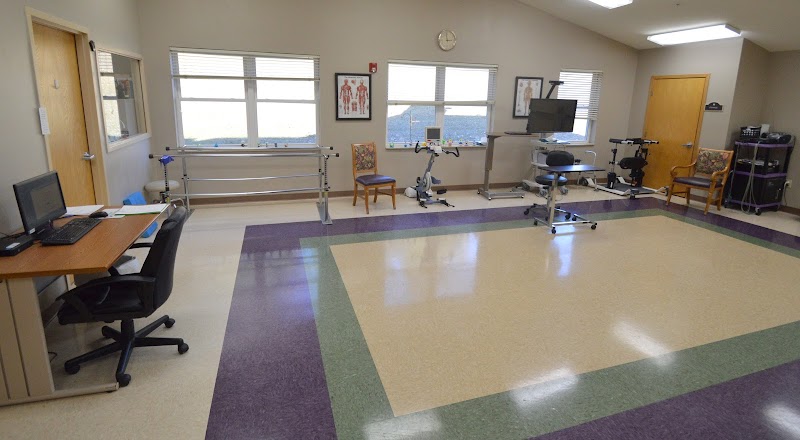
How is Southridge Specialty Care Staffed?
CMS rates Southridge Specialty Care's staffing level at 4 out of 5 stars, which is above average compared to other nursing homes. Staff turnover is 36%, compared to the Iowa average of 46%. This relatively stable workforce can support continuity of care.

What Have Inspectors Found at Southridge Specialty Care?

State health inspectors documented 27 deficiencies at Southridge Specialty Care during 2022 to 2025. These included: 1 Immediate Jeopardy (the most serious level, indicating potential for serious harm or death), 2 that caused actual resident harm, and 24 with potential for harm. Immediate Jeopardy findings are rare and represent the most serious regulatory concerns. They require immediate corrective action.

Who Owns and Operates Southridge Specialty Care?

Southridge Specialty Care is owned by a non-profit organization. Non-profit facilities reinvest revenue into operations rather than distributing to shareholders. The facility is operated by CARE INITIATIVES, a chain that manages multiple nursing homes. With 82 certified beds and approximately 71 residents (about 87% occupancy), it is a smaller facility located in MARSHALLTOWN, Iowa.

How Does Southridge Specialty Care Compare to Other Iowa Nursing Homes?

Compared to the 100 nursing homes in Iowa, Southridge Specialty Care's overall rating (1 stars) is below the state average of 3.0, staff turnover (36%) is significantly lower than the state average of 46%, and health inspection rating (1 stars) is much below the national benchmark.

What Should Families Ask When Visiting Southridge Specialty Care?

Based on this facility's data, families visiting should ask: "What changes have been made since the serious inspection findings, and how are you preventing similar issues?" "Can I visit during a mealtime to observe dining assistance and food quality?" "How do you handle medical emergencies, and what is your hospital transfer rate?" "Can I speak with family members of current residents about their experience?" These questions are particularly relevant given the facility's Immediate Jeopardy citations.

Is Southridge Specialty Care Safe?

Based on CMS inspection data, Southridge Specialty Care has documented safety concerns. Inspectors have issued 1 Immediate Jeopardy citation (the most serious violation level indicating risk of serious injury or death). The facility has a 1-star overall rating and ranks #100 of 100 nursing homes in Iowa. Families considering this facility should ask detailed questions about what corrective actions have been taken since these incidents.

Do Nurses at Southridge Specialty Care Stick Around?

Southridge Specialty Care has a staff turnover rate of 36%, which is about average for Iowa nursing homes (state average: 46%). Moderate turnover is common in nursing homes, but families should still ask about staff tenure and how the facility maintains care continuity when employees leave.

Was Southridge Specialty Care Ever Fined?

Southridge Specialty Care has been fined $45,406 across 1 penalty action. The Iowa average is $33,533. While any fine indicates a compliance issue, fines under $50,000 are relatively common and typically reflect isolated problems that were subsequently corrected. Families should ask what specific issues led to these fines and confirm they've been resolved.

Is Southridge Specialty Care on Any Federal Watch List?

Southridge Specialty Care is not on any federal watch list. The most significant is the Special Focus Facility (SFF) program, which identifies the bottom 1% of nursing homes nationally based on persistent, serious quality problems. Not being on this list means the facility has avoided the pattern of deficiencies that triggers enhanced federal oversight. This is a positive indicator, though families should still review the facility's inspection history directly.