Azria Health Longview
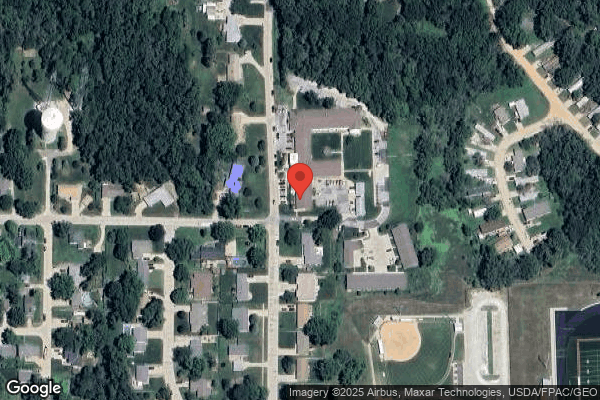
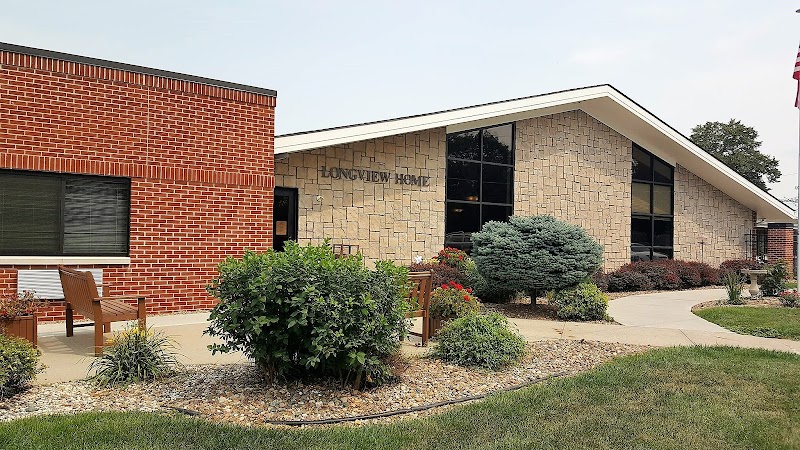
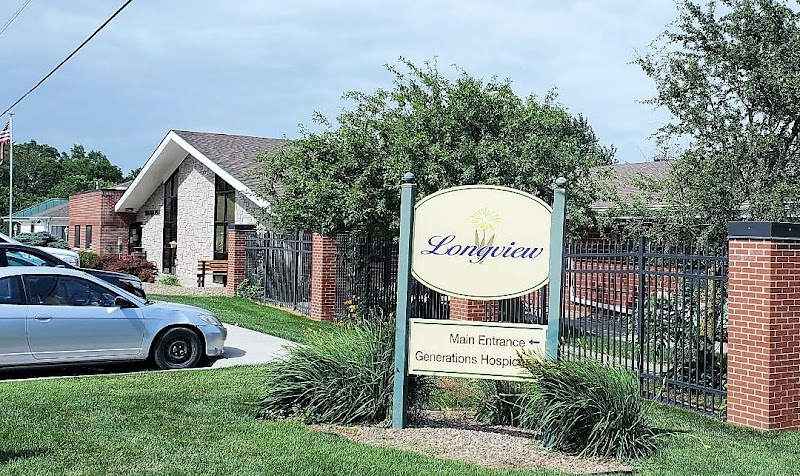
1010 Longview Road, Missouri Valley, IA 51555 (712) 642-2264
For profit - Partnership 100 Beds AZRIA HEALTH Data: November 2025
Trust Grade
20/100
#329 of 392 in IA
Last Inspection: June 2025

Inspected within the last 6 months. Data reflects current conditions.

Overview

Azria Health Longview has received a Trust Grade of F, indicating significant concerns about the quality of care provided. This places the facility at #329 out of 392 nursing homes in Iowa, meaning it ranks in the bottom half of all facilities in the state and #2 of 3 in Harrison County, suggesting that only one other local option is slightly better. The situation is worsening, with issues increasing from 9 in 2024 to 15 in 2025. Staffing is a critical area of concern, with a poor rating of 1 out of 5 stars and a high turnover rate of 55%, which is above the Iowa average of 44%. Although the facility has no fines on record, specific incidents have raised alarms, such as a resident self-administering medication without proper assessment and staff failing to prevent the worsening of pressure sores for multiple residents. Overall, while the absence of fines is a positive point, the facility's low grades and serious care deficiencies indicate significant weaknesses that families should consider carefully.
Trust Score
F
20/100
In Iowa
#329/392
Bottom 17%
Safety Record
High Risk
Review needed
Inspections
Getting Worse
9 → 15 violations
Staff Stability
⚠ Watch
55% turnover. Above average. Higher turnover means staff may not know residents' routines.
Penalties
✓ Good
No fines on record. Clean compliance history, better than most Iowa facilities.
Skilled Nurses
⚠ Watch
Each resident gets only 26 minutes of Registered Nurse (RN) attention daily — below average for Iowa. Fewer RN minutes means fewer trained eyes watching for problems.
Violations
⚠ Watch
39 deficiencies on record. Higher than average. Multiple issues found across inspections.
★☆☆☆☆
1.0
Overall Rating
★☆☆☆☆
1.0
Staff Levels
★☆☆☆☆
1.0
Care Quality
★★☆☆☆
2.0
Inspection Score
Stable
2024: 9 issues
2025: 15 issues

The Good

  • Full Sprinkler Coverage · Fire safety systems throughout facility
  • No fines on record

Facility shows strength in fire safety.

The Bad

1-Star Overall Rating

Below Iowa average (3.0)

Significant quality concerns identified by CMS

Staff Turnover: 55%

Near Iowa avg (46%)

Frequent staff changes - ask about care continuity

Chain: AZRIA HEALTH

Part of a multi-facility chain

Ask about local staffing decisions and management

Staff turnover is elevated (55%)

7 points above Iowa average of 48%

The Ugly 39 deficiencies on record

3 actual harm
Jul 2025 1 deficiency
CONCERN (D) 📢 Someone Reported This

A family member, employee, or ombudsman was alarmed enough to file a formal complaint

Potential for Harm - no one hurt, but risky conditions existed

Accident Prevention (Tag F0689)

Could have caused harm · This affected 1 resident

Based on observations, record review, staff interviews and facility policy review the facility failed to ensure fall interventions were in place after 1 of 3 residents (Resident #8) sustained a fall. ...

Read full inspector narrative →
Based on observations, record review, staff interviews and facility policy review the facility failed to ensure fall interventions were in place after 1 of 3 residents (Resident #8) sustained a fall. Resident #8 had a fall on 6/30/2025 that resulted in a hematoma on the right side of his head. Staff updated his care plan to include the placement of non-skid strips in front of his bed. A work order was developed to have the non-skid strip placed but the work order documented the wrong bed number. Resident #8 did not have non-skid strips placed when he sustained a fall on 7/14/2025 and suffered multiple facial fractures and had to be hospitalized . When the survey ended on 7/16/2025, Resident #8 was still in the hospital. The facility reported a census of 82 residents. Findings include:According to the 5-day admission Minimum Data Set (MDS) with a reference date of 6/13/2025, Resident #8 had a Brief Interview of Mental Status (MDS) score of 7. A BIMS score of 7 suggested mild cognitive impairment. Resident #8 utilized a walker for mobility and had an impairment on one side of his upper extremity. He required partial/moderate assistance for lying to sitting on the side of his bed, was dependent on staff to go from a sitting to standing position, chair/bed to chair transfer, toilet transfers, walking 10 feet and walking 50 feet with two turns. The MDS documented he was frequently incontinent of urine and always incontinent of bowel. The MDS documented he did not have any falls since admission/entry or reentry or the prior assessment whichever is more recent. The MDS listed the following diagnoses for Resident #8: metabolic encephalopathy, hypertension, renal failure, Alzheimer's disease, anxiety disorder, constipation, and rhabdomyolysis.The Care Plan Focus Area with an initiation date of 6/11/2025 and revision date of 6/30/2025 documented the resident was at risk for falls related to deconditioning, gait/balance problems, psychoactive drug use and falls at home. Resident #8 sustained a fall on 6/30/2025 that resulted in a hematoma to his forehead. The Care Plan documented on 6/30/2025 non-skid strips are to be placed in front of his bed and place a scoop mattress for edge identification. The Care Plan Focus Area with an initiation date of 6/18/2025 documented Resident #8 had an Activities of Daily Living (ADLs) self-care performance deficit related to activity intolerance, Alzheimer's, limited mobility, and pain. The Care Plan documented he required the assistance of one staff member for positioning in bed, toileting hygiene and incontinence management. He required the assistance of one staff and a gait belt for transfers. Staff were directed to encourage him to use his call light for assistance.Fall Risk Evaluations were completed on 6/10/2025 and 6/19/2025 and Resident #8 was determined to be at risk for falls.Record review revealed the following Progress Notes:a) On 6/10/2025 at 3:00 PM Resident #8 was admitted to the facility following a hospitalization.b) On 6/13/2025 at 11:22 PM the nurse noted the resident was getting more confused, hypoxic, audible gurgles sound, rhonchi, feeling very congested, feverish and had thrown up. Resident #8 was sent to the emergency room (ER) for evaluation.c) On 6/19/2025 at 3:00 PM Resident #8 returned from the hospital.d) On 6/22/2025 at 4:19 PM the resident had a change in condition: unresponsiveness, required more assistance with ADLs, general weakness and decreased mobility. He was admitted for observation.e) On 6/23/2025 at 3:47 PM Resident #8 was admitted back to the facility.f) On 6/24/2025 at 4:24 PM Resident #8 refused to leave his oxygen on and kept throwing his call light on the floor. Staff had gone in several ties to replace the call light and apply his oxygen.g) On 6/25/2025 at 8:37 PM Resident #8 continued to remove his oxygen and call light from reach by throwing them on the floor, staff replaced call light within reach and oxygen in place several times.h) On 6/30/2025 at 12:46 AM a Certified Nursing Assistant (CNA) reported to the nurse that he was on the floor, after the CNA went in to answer his call light. Resident was observed to be sitting on his bottom with his back against the bed; resident had non-skid socks on his feet and was continent. His oxygen machine is to the left of him and oxygen was not on, bedside tray was in front of him and slight to the left. Resident stated he woke up and was confused where he was and was trying to figure it out. He denied pain at that time, had a hematoma to the right side of his forehead; 5.5-centimeter (cm) x 3cm; no other injuries related to fall were observed at that time.i) On 6/30/2025 at 6:02 PM Resident #8 was on fall follow-up with a new intervention to have a nightlight on during the night; appears to have been effective through this shift.j) On 7/1/2025 at 10:38 AM Resident #8 had a fall on 6/30/2025. Resident woke up confused as to where he was at and tried to get up to find out where he was. Resident was not wearing his oxygen as he tends to remove it. Intervention is frequent rounding to monitor oxygen and call light placement. Non-skid strips placed on floor next to bed.k) On 7/14/2025 at 10:00 PM Resident #8 had a fall at 9:40 PM that was not witnessed. Fall occurred in the resident's room and was attempting to self-toilet at time of the fall and tripped over oxygen tubing. He stated he tripped on a rope and fell. Resident's oxygen tubing noted to be around his ankles. Resident sustained skin tear to area above right eyebrow and was sent to the ER for evaluation.Review of Resident #8's census tab documented he resided in room TH6-A.Observation on 7/16/2025 at 12:07 PM revealed Resident #8's bed was against the wall to the left of the doorway. The floor did not contain non-skid strips in front of his bed.Clinical record review revealed a Plastic and Reconstructive Surgery Consult Noted with an encounter date of 7/14/2025 documenting a head CT without contrast was completed with the following results: found to have an acute nondisplaced right frontal bone fracture with associated fairly large right frontal scalp hematoma. A small volume right frontotemporal subarachnoid hemorrhage and small volume right frontal pneumocephalus. Partially visualized nonplaced inferior orbital/anterior maxillary wall fracture with associated right maxillary hemosinus. The following plan was documented: non-operatable at this time, will continue to evaluate for clinical changes, elevate head of bed, sinus precautions, no use of straws, avoid blowing nose, sneeze with mouth open.On 7/16/2025 at 2:00 PM the Regional Maintenance Director provided a work order that as created by the Administrator on 6/30/2025 at 10:15 AM. The work order documented skid strips to be placed in front of the bed in room TH6-B. The work order was documented as being completed by Staff A Maintenance Director II on 7/1/2025 at 10:57 AM.On 7/16/2025 at 12:58 PM Staff A indicated he is currently the facility's transportation driver because they do not have someone to do take residents to their appointment. When asked if he places the non-skid strips in resident's rooms he stated right now he does not because he is the driver. He added the Regional Maintenance Director handles those things.On 7/16/2025 at 1:12 PM Staff B Certified Nursing Assistance (CNA) stated Resident #8's roommate had his call light on. When she went in to answer the call light, she found Resident #8 on the floor lying next to his bed. His head was by the foot of his bed. She acknowledged he was in bed A, the one by the door as you walk in to the room. She indicated his call light was clipped to his sheets but he would not use it when he needed help. Staff B thought he has a regular mattress, no fall mat on the floor, he had non-slip socks on but was unsure if he had non-skid strips on the floor by his bed. Resident #8 told her he tripped over the ropes from his boat and fell. He was fishing at the lake on the rocks when this happened is what he told her. Staff B stated the right side of his head was bleeding and had a cut to his nose. The nurse came in and sent him to the hospital.On 7/16/2025 at 1:27 PM the Regional Director of Maintenance stated he travels around to other buildings within their company. When asked if he would be the one to apply non-skid strips in resident's rooms he stated right now, yes, because the other maintenance staff member is currently on transports for appointment and the other maintenance work is off on medical leave. When asked if he placed non-skid strips in Resident #8's room, she stated he did not personally do it but will check their work order system to see if it's done or ever been completed. He returned at 1:37 PM and indicated the work order had been initiated on 6/30/2025 to put anti slip strips in room TH6. The order documented it has been completed on 7/1/2025. He added he went down to the room and found one strip in front of the resident's bed; although he usually puts three strips. Went down to Resident #8's room and verified the strips were placed on bed A's side of the room not bed B's side of the room. At 1:42 PM he brought in his computer to review the work order with the surveyor. The work order listed bed B as needing the non-skid strip as ordered by the Administrator. He indicated the Administrator mistyped and he would go down now and put the non-skid strips on bed B's floor.On 7/16/2025 at 2:15 PM the Director of Nursing (DON) stated it was her understanding Resident #8 thought he was fishing in the rocks, tripped over the rocks; which was actually his oxygen tubing. When asked if he had non-skid strip in place she opened his Care Plan and stated they were put there on 6/30/2025; so he initially fell on the 29th or 30th. When non-skid strips are needed they fill out a work order and maintenance will complete the request. When asked if anyone verifies if the task had been completed she stated usually someone from the stand-up meeting will double check. The DON was made aware that Resident #8 did not have non-skid strips placed on his floor by his bed, she stated he doesn't and stated she knew someone went down there and looked. The DON indicated it's a group/team effort to update the Care Plan and put interventions in place after a resident has a fall.On 7/16/2025 at 3:00 PM the Administration acknowledged she put the work order in for Resident #8 to have non-skid strips placed by this bed. She added they usually follow up with maintenance when a work order has been completed but they rely on the work order having the correct information. She acknowledged it was her fault the non-skid strips were not in place.The facility provided a document titled Falls and Fall Risk, Managing with revision date of March 2018. The policy documented based on previous evaluations and current date, the staff will identify interventions related to the resident's specific risks and causes to try to prevent the resident from following and to try to minimize complications from falling.-Resident-Centered Approaches to Managing Falls and Fall Risk5. If falling recurs despite initial interventions, staff will implement additional or different interventions or indicate why the current approach remains relevant.-Monitoring Subsequent Falls and Fall Risk3. If the resident continues to fall, staff will re-evaluate the situation and whether it is appropriate to continue or change current interventions.The facility provide a document titled Care Plans, Comprehensive Person-Centered with a revision date of March 2022 documented a comprehensive, person-centered care plan that includes measurable objectives and timetables to meet the resident's physical, psychosocial and functional needs is developed and implemented for each resident.
Jun 2025 11 deficiencies 1 Harm
SERIOUS (G) 📢 Someone Reported This

A family member, employee, or ombudsman was alarmed enough to file a formal complaint

Actual Harm - a resident was hurt due to facility failures

Quality of Care (Tag F0684)

A resident was harmed · This affected 1 resident

**NOTE- TERMS IN BRACKETS HAVE BEEN EDITED TO PROTECT CONFIDENTIALITY** 2. The Minimum Data Set (MDS) dated [DATE] for Resident #39 documented a Brief Interview for Mental Status (BIMS) score of 13 in...

Read full inspector narrative →
**NOTE- TERMS IN BRACKETS HAVE BEEN EDITED TO PROTECT CONFIDENTIALITY** 2. The Minimum Data Set (MDS) dated [DATE] for Resident #39 documented a Brief Interview for Mental Status (BIMS) score of 13 indicating no cognitive impairment. The MDS documented diagnoses of acute and chronic respiratory failure with hypercapnia. Review of Resident #39's EHR titled, Orders documented a physicians order for albuterol sulfate inhalation aerosol solution 2 puffs inhaled orally every 4 hours as needed as needed for 2-4 puffs may keep at bedside. Review of Resident #39's EHR titled, Assessments revealed no medication self administration assessment completed. Review of Resident #39's EHR titled, Care Plan documented no medication self administration plan in place. On 6/9/25 at 1:18 PM an observation in Resident #39's room revealed an albuterol inhaler present on the bed side table next to the resident's bed. On 6/9/25 at 1:18 PM Resident #39 stated she self administered the albuterol when she needed it. On 6/10/25 at 3:10 PM the DON stated Resident #39 recently requested to self administer her own medications. The DON explained to Resident #39 she would have to have a self administration assessment completed. The DON stated Resident #39 had not had an assessment completed and did not know how Resident #39 had the medication. The DON stated medications should not be left in the room for the resident to self administer without a self administration assessment. The DON explained Resident #39 should not have medications left in her room and should have the self administration assessment completed. 3. The MDS dated [DATE] for Resident #77 documented a BIMS score of 15 indicating no cognitive impairment. The MDS documented diagnoses of severe persistent asthma with (acute) exacerbation and morbid (severe) obesity due to excess calories. Review of Resident #77's EHR titled, Orders documented a physicians order for Nystatin external powder 100000 unit/GM applied to abdominal fold and groin topically one time a day for open areas and redness and an order for albuterol sulfate inhalation aerosol solution 2 puffs inhale orally every 4 hours as needed for wheezing. Review of Resident #77's EHR titled, Assessments revealed no medication self administration assessment completed. Review of Resident #77's EHR titled, Care Plan documented no medication self administration plan in place. On 6/10/25 at 8:23 AM an observation in Resident #77's room revealed an inhaler and powder next to the bed on the bed side table. On 6/10/25 at 8:23 AM Resident #77 stated the powder was for under his abdomen and was left in the room by the overnight nurse. Resident #77 stated he liked to apply the powder himself. Resident #77 stated he has had his inhaler in his room since he first entered the facility. Resident #77 stated he administered it when he needed it. On 6/10/25 at 8:24 AM Staff L, Assistant Administrator / CNA stated she did not know what the powder was. Staff L stated it should not have been left in Resident #77's room. On 6/10/25 at 3:33 PM the DON acknowledged Resident #77 did not have a self administration assessment completed and should not have medication left in his room. The DON stated Resident #77 should have had a self administration assessment completed. The DON explained Resident #77 would not be happy without the Albuterol inhaler in his room. The DON stated a self-administration assessment should have been completed. Review of policy revised 2/21 titled, Self-Administration of Medications documented that residents had the right to self-administer medications if the interdisciplinary team had determined that it was clinically appropriate and safe for the resident to do so. If it was deemed safe and appropriate for a resident to self-administer medications, this was documented in the medical record and the care plan. The decision that a resident could safely self-administer medications should be re-assessed periodically based on changes in the resident's medical and/or decision-making status. Based on observations, interviews of residents, family and staff, Electronic Health Record (EHR) reviews, and review of policies the facility failed to provide the needed services in accordance with professional standards by not completing assessments for 3 of 26 residents (Resident #14, Resident #39 and Resident #77). The facility failed to complete thorough assessments for a resident following a fall with a subsequent fracture, and completion of self administration of medication assessments for 2 residents. The facility reported a census of 86 residents. Findings include: 1. According to the Minimum Data Set (MDS) assessment dated [DATE] Resident #14 scored 2/15 on the Brief Interview for Mental Status (BIMS) indicating severe cognitive impairment. The document revealed diagnoses of cerebrovascular accident/transient ischemic attack/stroke, hemiplegia or hemiparesis, and anxiety disorder. The assessment disclosed the resident required substantial/maximal assistance for rolling, sitting to/from lying, sit to stand, and transfers, and partial/moderate assistance for walking up to 50' with 2 turns. The document indicated the resident utilized a manual wheelchair with substantial/maximal assistance. The MDS documented the resident had fallen since admission/entry or reentry. The Care Plan dated 6/5/25 revealed a focus area related to Activities of Daily Living (ADLs). The interventions provided for staff use included: provide staff 1 assist -partial revised on 8/13/24, and toileting with 1 staff assist - partial revision on 8/13/24. A Falls Focus Area provided staff interventions of assistance of 2 staff members for transfers and ambulation initiated on 5/12/25. The EHR Witnessed Fall Without Injury dated 5/9/25 revealed the Resident #14 was lowered to the floor when the resident's legs got weak and gave out. The document disclosed the resident ambulated with assistance with a walker and had a gait imbalance. The EHR Fall Risk Evaluation completed on 5/9/25 revealed a score of 12 indicating At Risk. The document identified the resident had sustained 1-2 falls in the past 3 months, and was ambulatory and incontinent. The EHR Unwitnessed Fall with Injury dated 5/28/25 revealed Resident #14 was found lying on her left side by the bedside table, a blanket wrapped around her legs, and the lift recliner was all the way up. The resident had a skin tear on the left side. The resident range of motion (ROM) was within normal limits (WNL). The document did not identify any pain. The EHR Fall Risk Evaluation completed 5/28/25 revealed a score of 22 indicating At Risk. The document identified the resident had 3 or more falls in the past 3 months and was ambulatory/incontinent. The document further revealed the resident had balance problems while standing and walking, decreased muscular coordination, and required use of assistive devices. The 5/25 Medication Administration Record (MAR)/Treatment Administration Record (TAR) revealed documentation for Pain Evaluation for 2 shifts daily initiated 7/1/24. The document revealed the Resident #14 had 0/10 pain from 5/1 to 5/30/25 during both shifts. On 5/30 the first shift identified pain at 3/5 and the second shift 5/10. On 5/31 the document indicated the resident had pain 4/10 during the first shift. The document further revealed Resident #14 had an order for as needed (PRN) Tylenol Extra Strength 500 mg (Acetaminophen). Give 1 tablet by mouth every 6 hours as needed for mild pain or fever initiated 8/17/22. The resident required the PRN on 5/3, 5/28, and 5/29/25. The 6/25 MAR/TAR revealed the resident required the PRN Tylenol Extra Strength 500 mg (Acetaminophen) on 6/1/25. The EHR Progress Notes provided the following: -On 5/28/25 at 6:30 PM Resident #14 sustained a fall with the physician notified. -On 5/29/25 at 1:09 PM the eINTERACT SBAR summary for providers revealed a change in condition with functional decline. The document indicated the resident required more assistance with ADLS, general weakness and decreased mobility, and the resident had pain. The document revealed awaiting response from the provider. -On 5/29/25 at 5:17 PM the resident has pain in wound when ambulating. -On 5/30/25 at 3:00 PM the resident will be admitted to hospice on 6/2/25. -On 6/1/25 at 3:54 PM the resident complained of pain in the left hip in the morning and the physician contacted. X-rays were ordered and completed approximately 3:45 PM. -On 6/2/25 at 3:46 AM X-ray findings returned with notifications completed. A fax dated 5/30/25 to the physician revealed Resident #14 had a decline. The document revealed the resident had increased pain with ambulation and generalized overall weakness. The document contained a time stamp of 6/2/25 2:01 PM with a statement of hospice consult? by the physician. The Trident Care Radiology Report dated 6/1/25 revealed Resident #14 had a left intertrochanteric (hip) fracture with minimal callus and modest displacement. The joint shows no dislocation. Pubic rami were intact. On 6/10/25 at 8:52 AM the resident's family member stated the resident had complained of pain during visits on 5/29 and 6/1/25. On 6/11/25 at 8:54 AM Staff N, Certified Nurses Aide (CNA) stated upon finding Resident #14 on her left side on the floor she had complaints of pain, but when repositioned with the nurse onto her back the resident had no further complaints of pain. The staff stated the resident continued to transfer with the use of a gait belt and walker during the rest of the shift. The staff stated on the next shift worked 5/31/25 the resident had increased complaints of pain and was using an EZ Stand (weight bearing lift) for all transfers. Staff N stated the resident had more bruising on the right side of her body; the opposite side from the original injury of the fall. The staff stated she reported the increase in pain and bruising to the nurse on duty who stated the resident had bruising all over. On 6/11/24 at 9:40 AM Staff O, Social Services Designee/PRSC, and the Administrator stated the resident had no complaints of pain at the time of the fall on 5/28/25. The staff acknowledged there was a change in condition on 5/29/25 where the resident was more lethargic and a fax communication was sent to the provider. When asked if a call to the physician should have been made to the physician for further assessment, the Administrator acknowledged a call should have been made. On 6/11/25 at 11:00 AM Staff Q, Licensed Practical Nurse (LPN), stated on 5/28/25 Resident #14 stated her left hip hurt upon initial contact following the fall. However when the resident was repositioned on her back the resident had no further complaints of pain. The staff stated the only injury was the skin tear on the left elbow. The staff stated PRN Tylenol was provided for the resident's complaint of pain in her back. The staff stated the resident required assistance of 2 staff for ambulation with a gait belt and walker to and from the bathroom. On 6/11/25 at 11:35 AM the Medical Director (MD) stated he was notified of the resident's fall on 5/28/25 while he was at the facility. The MD stated he did not see the resident as she was not on his schedule. The MD stated he left instructions with the notifying nurse to obtain an x-ray if it was thought one was needed. On 6/11/25 at 11:56 AM Staff R, Physical Therapist, stated the Resident #14 was receiving physical therapy services twice weekly. The staff stated the resident was transferring with assistance of staff with the use of a walker, and the resident was not using an EZ Stand consistently. On 6/11/25 at 1:25 PM Staff Q acknowledged the physician had stated the resident could have an X-ray if needed. The staff stated she did not think the resident required one at that time. The staff confirmed she verbally notified the next shift of the doctor's statement, but did not put it into the written exchange document. On 6/11/25 at 2:44 PM Staff S, CNA, stated Resident #14 had complaints of pain during repositioning and transfers during her shifts on 5/28 and 5/29/25. The staff stated she notified the nurses that were on duty. The staff stated she did not use an EZ Stand with the resident before or after the fall. On 6/12/25 at 10:30 AM Staff T, LPN, stated he was not aware of the physician statement to obtain an X-ray if one was needed. The staff stated he would look in the written shift exchange nursing documentation for information on residents. The staff stated he was notified by the prior shift nurse that the Resident #14 was using the EZ Stand for all transfers at the time of the scheduled shift on 5/29/25. Staff T acknowledged there was more bruising on the resident on 5/29, but did not document the additional bruises since a skin assessment had been completed after the fall. On 6/12/25 at 10:53 AM the Director of Nursing (DON), stated if the physician indicated to obtain an X-ray if needed, it should have been documented on the nurses written shift exchange for all nurses to know. The DON acknowledged if there had been a change in pain level as indicated on the MAR-TAR a call should have been made to the physician for further assessment of the resident's pain. The staff stated the increase in bruising should have had a root cause analysis initiated as to the cause, especially if it was not noted on the skin assessment after the fall. The DON stated with the resident having plans for transitioning to hospice services on 6/2/25 the facility was trying to navigate the gray area. The staff did acknowledge that the plan for transition to hospice services should not change how a resident was treated. On 6/12/25 at 11:37 AM the Administrator stated a skin assessment should be performed when there is new bruising noted and try to find the cause of it. The facility Assessing Falls and Their Causes Policy, dated 3/18, revealed assessments and documentation should continue for approximately 72 hours after the fall for changes in mobility, pain, swelling and bruising. The document indicated relevant risk factors including underlying medical conditions and overall functional decline must be addressed promptly.
CONCERN (D)

Potential for Harm - no one hurt, but risky conditions existed

Resident Rights (Tag F0550)

Could have caused harm · This affected 1 resident

**NOTE- TERMS IN BRACKETS HAVE BEEN EDITED TO PROTECT CONFIDENTIALITY** Based on observation, Electronic Health Record (EHR) review, resident interviews, staff interviews and policy review, the facili...

Read full inspector narrative →
**NOTE- TERMS IN BRACKETS HAVE BEEN EDITED TO PROTECT CONFIDENTIALITY** Based on observation, Electronic Health Record (EHR) review, resident interviews, staff interviews and policy review, the facility failed to provide dignity and respect to 1 of 3 residents reviewed (Resident #54). The facility reported a census of 86 residents. Finding include: The Minimum Data Set (MDS) dated [DATE] for Resident #54 documented a Brief Interview for Mental Status (BIMS) score of 15 indicating no cognitive impairment. The MDS also documented diagnoses of hemiplegia and hemiparesis following other nontraumatic intracranial hemorrhage affecting an unspecified side, anxiety disorder, unspecified, need for assistance with personal care and generalized muscle weakness. Review of EHR for Resident #54 revealed the resident resided in room [ROOM NUMBER]-B. A continuous observation on 6/9/25 at 1:49 PM revealed the call light on in room [ROOM NUMBER]. On 6/9/25 at 1:55 PM Staff M, Regional Director of Operations entered the room and shut off the call light. Staff M left the room and spoke to Staff G about the need for Resident #54 to use the toilet. On 6/9/25 at 2:05 PM Resident #54 stated she wanted to be taken to the toilet that is why she had the call light on. Resident #54 stated staff entered the room asked her and her roommate if and what they needed and Resident #54 told the staff that she wanted to use the toilet. Resident #54 stated the staff told her that they would be right in to take her to the toilet. Resident #54 stated it frequently took longer than 15 minutes to answer her call light. Resident #54 stated it took longer than 15 minutes this morning 6/9/25. Resident #54 stated she had her light on and it was shut off but she turned the call light on longer than 15 minutes ago right now. On 6/9/25 at 2:13 PM Staff G, Certified Medication Aide explained that Staff M had told him that Resident #54 needed to use the bathroom. Staff G stated he had spoken to another staff member to let them know Resident #54 needed to use the bathroom. Staff G stated he did not remember which staff he told Resident #54 needed to use the bathroom. Staff G stated he thought the call light would have been left on but Staff G must have shut it off. Staff G stated the facility's expectation was a call light should be answered in less than 15 minutes. Staff G stated usually the staff get to Resident #54 pretty quickly. Staff G acknowledged it was longer than 15 minutes that Resident #54 had been waiting to go to the bathroom. On 6/09/25 at 2:15 PM Staff G told Staff K, Licensed Practical Nurse that Resident #54 needed to use the toilet. An observation on 6/9/25 at 2:21 PM revealed staff entered Resident #54 room and offered to take her to the bathroom. On 6/11/25 at 12:24 PM Resident #54 acknowledged that she waited longer than 20 minutes on 6/9/25 at 1:49 PM. Resident #54 stated she waited about a 1/2 hour for staff to help her with toileting. Resident #54 stated she was incontinent on 6/9/25 as a result of waiting for staff to assist her with toilet use. Resident #54 stated when this happens she is very embarrassed. Resident #54 stated she was incontinent at times. Resident #54 stated she could tell when she had to urinate though. Resident #54 stated when she was incontinent after having to wait an extended period of time she felt like she was not being provided dignity. Resident #54 stated she felt ashamed, sad, and upset that staff did not assist her in a timely manner and she ended up having an accident. On 6/11/25 at 1:45 PM the DON stated she could understand a resident's embarrassment with incontinence when the resident's call light was not answered in a timely manner. Review of policy revised 2/21 titled, Dignity documented Each resident shall be cared for in a manner that promotes and enhances his or her sense of well-being, level of satisfaction with life, and feelings of self-worth and self-esteem. Demeaning practices and standards of care that compromise dignity are prohibited. Staff are expected to promote dignity and assist residents; for example promptly responding to a resident's request for toileting assistance.
CONCERN (D)

Potential for Harm - no one hurt, but risky conditions existed

Comprehensive Care Plan (Tag F0656)

Could have caused harm · This affected 1 resident

**NOTE- TERMS IN BRACKETS HAVE BEEN EDITED TO PROTECT CONFIDENTIALITY** Based on clinical document review, staff interview, and policy review the facility failed to provide a comprehensive care plan r...

Read full inspector narrative →
**NOTE- TERMS IN BRACKETS HAVE BEEN EDITED TO PROTECT CONFIDENTIALITY** Based on clinical document review, staff interview, and policy review the facility failed to provide a comprehensive care plan related to high risk medications for residents with an order for diuretics for 1 of 5 residents (Resident# 12) reviewed. The facility reported a census of 86 residents. Findings include: Review of Resident #12's Minimum Data Set (MDS) dated [DATE] revealed diagnoses of cancer, diabetes mellitus, and hyperlipidemia. The MDS further revealed that during the look back period Resident #12 received diuretic medication daily. Review of the Electronic Healthcare Record (EHR) page titled, Physician's Orders revealed an order for Furosemide 20 mg 1 tablet daily. Review of Resident #12's Care Plan with a revision date of 5/21/25 revealed no documentation of diuretic medications usage. Interview on 6/11/25 at 8:07 AM with the Director of Nursing (DON) revealed that diuretics should be in the Care Plan for Resident #12. Review of a facility provided policy titled, Care plans, Comprehensive Person-Centered with a revision date of 3/2022 revealed: a. Assessments of residents are ongoing and care plans are revised as information about the residents and the residents' conditions change.
CONCERN (D) 📢 Someone Reported This

A family member, employee, or ombudsman was alarmed enough to file a formal complaint

Potential for Harm - no one hurt, but risky conditions existed

Deficiency F0658 (Tag F0658)

Could have caused harm · This affected 1 resident

**NOTE- TERMS IN BRACKETS HAVE BEEN EDITED TO PROTECT CONFIDENTIALITY** 2. According to the Minimum Data Set (MDS) dated [DATE], Resident #136 was independent with self-care and mobile with the use of...

Read full inspector narrative →
**NOTE- TERMS IN BRACKETS HAVE BEEN EDITED TO PROTECT CONFIDENTIALITY** 2. According to the Minimum Data Set (MDS) dated [DATE], Resident #136 was independent with self-care and mobile with the use of a wheel chair. His diagnoses included heart failure, renal insufficiency, diabetes mellitus, anxiety disorder and respiratory failure. The following was found in the nursing progress notes for Resident #136: a. On 1/30/25 at 3:35 PM, mental status upon admission oriented x 3 communicated verbally, speech clear, is able to understand and be understood when speaking. Mood was pleasant no unwanted behaviors witnessed. Arrived by private transportation, reported shortness of breath, b. On 1/30/25 at 4:20 PM, he was admitted to the facility from the hospital at 3:00 PM. He had difficulty ambulating and shortness of breath. The resident required 3-4 liters of supplemental oxygen, stated that he wanted physical therapy to evaluate him in the morning. c. On 1/31/25 at 10:00 AM, Resident #136 wanted to leave Against Medical Advice (AMA) and he signed the required paperwork. He said he was leaving because he wasn't able to stay at the facility. The discharge paperwork from the hospital to the facility, dated 1/30/25 at 2:32 PM, showed that his evening medications included the following: a. Albuterol inhalation 2 puffs 2 times a day the next dose to be given on 1/30 evening dose. b. Chlorhexidine, oral rinse, 15 milliliters, rinse and spit twice daily, the next dose to given on 1/30 evening dose. c. Furosemide, 20 milligrams (mg) one tab, 2 times a day, the next dose to be given on 1/30, evening dose. d. Hydroxychloroquine, 200 mg 2 times a day, the next dose to be given on 1/30, evening dose. A review of the Medication Administration Record (MAR) showed that Resident #136 did not get any of the above medications on 1/30/25. The chart lacked documentation that the doctor had been notified of the omission. On 6/11/25 at 8:27 AM, a Family Member (FM) for Resident #136 said that he signed himself out of the facility the day after admission because he wasn't getting good care. The family member said that he wasn't getting his medications and his oxygen tank ran out and no one came to replace the tank until he called the FM, and she had to call the facility to let them know the oxygen tank was empty. The FM said that he called her again later that night, around 9:00 PM and told her that he didn't get his night medications. On 6/11/25 at 10:00 AM, a representative for the pharmacy said that most of the medications for Resident #136 were delivered on 1/31/25 at 2:58 AM. Another delivery went out at 8:01 PM on 1/31/25. The representative said that the fax they received for the medication order was sent on 1/30/25 at 9:38 PM and they sent a driver out to deliver them at 1:20 AM. On 6/11/25 at 2:30 PM, the Director of Nursing (DON) said that as soon as they get medication orders for a new admission, they fax those over to the pharmacy as soon as possible. She said that they have had some glitches with the pharmacy service especially if the admission is later in the day. She said that she would expect a nurse to let the doctor know if a resident had missed his evening medications. On 6/12/25 at 4:00 PM, Staff D, Nurse Consultant, said that she remembered the situation with Resident #136 and from the moment that he came into the facility, he was telling staff that he was going to leave AMA that was why they didn't get the medications ordered from the pharmacy until later that evening. She said she would expect that this would be documented in the nursing notes. A facility policy titled: admission Criteria, dated 2019, showed that prior to an admission the residents attending physician provided the facility with information needed for the immediate care of the resident, including orders covering at least: medication orders, and medical condition associated with each medication. Based on observations, clinical record review, resident interview, pharmacy interview, staff interviews and policy review, the facility failed to follow physician's orders for 2 of 4 residents (Resident #38 and #136). The facility failed to follow physician orders for wound care for Resident #38 resulting in increased edema and detioration of the wound. Resident #136 was admitted to the facility in the afternoon of 1/30/25 and the medication orders were not faxed to the pharmacy until later that evening. The resident missed his night medications and the physician was not notified. The facility reported a censes of 86 residents. Findings include 1. Review of Resident #38's Minimum Data Set (MDS) dated [DATE] revealed a Brief Interview for Mental Status (BIMS) score of 11/15 indicating moderate cognitive impairment. The document revealed diagnoses of coronary artery disease, heart failure, and peripheral vascular disease. Resident #38's Care Plan dated 5/27/25 revealed a Focus Area for potential for pressure ulcer development with a revision on 4/2/25 for non pressure chronic vascular ulcer right lower leg. Interventions for staff included administration of treatments as ordered and monitor for effectiveness, monitor/document/report any changes as needed (PRN). Observed on 6/9/25 at 12:37 PM Resident #38 wore compression stockings on bilateral lower extremities (BLE). Observed on 6/10/25 at 9:00 AM the resident had compression stockings on BLE. Observed on 6/10/25 at 3:11 PM the resident had compression stockings on BLE. Observed on 6/12/25 at 8:30 AM Staff U, Licensed Practical Nurse (LPN) with Staff P, Assistant Director of Nursing (ADON) present. Staff U removed the resident's right lower extremity (RLE) compression stocking to complete the dressing change. Upon removal of the stocking there was no dressing observed on the outside RLE. On 6/9/25 at 11:25 AM Staff V, Registered Nurse (RN) with Southwest (SW) Iowa Program of All-inclusive Care for the Elderly (PACE) stated Resident #38 was admitted to the facility with a wound to the RLE outer calf. The staff stated the facility had been inconsistent with following the wound care orders as written by the PACE provider. The staff stated when the resident had an order for Kerlix and Coban the staff would only apply at the wound site, instead of wrapping the RLE to minimize edema (swelling). The staff stated when they were present the Kerlix/Coban would be at the wound site causing significant edema above and below the wound. Staff V stated the resident developed cellulitis and was provided antibiotics (Cephalexin 500 mg 4 times/day until 6/6/25). On 6/9/25 at 11:45 AM Staff T, Licensed Practical Nurse (LPN), stated the resident did not have a facility acquired wound. The staff stated they had not received any specific training/education on the resident's wound care. Staff T stated the resident utilized Vaseline gauze for the wound and it was changed every 3 days. On 6/11/25 at 3:54 PM Staff W, Advanced Registered Nurse Practitioner (ARNP)/SW Iowa PACE, stated she did have concerns with the treatments being provided by the facility as they were not following the orders for quite awhile. The staff stated she had been notified by other staff from SW Iowa PACE of the facility not following orders. The staff stated she had witnessed the resident not wearing compression stockings as ordered. On 6/12/25 at 6:30 AM Staff X, RN, stated she had not completed the wound dressing for the overnight as she did not have the time to do so. The staff further acknowledged that a treatment had not been completed on a different date due to time constraints. On 6/12/25 at 8:30 AM Staff U stated Resident #38 only had a Xeroform dressing in place on 6/12/25 when getting up as the resident stated the foam dressing had fallen off. The staff stated they did not replace the foam dressing as the resident would be having a dressing change observation, and left the Xeroform dressing as was with putting compression stockings over it and it was present at the time of the dressing change. On 6/12/25 at 10:00 AM, Staff Y, LPN/SW Iowa PACE, stated she had observed incorrect dressings applied by the facility involving Kerlix and Coban. The staff stated with the incorrect dressing application the resident had increased edema above and below the wound. On 6/12/25 at 10:49 AM Staff T stated the resident had not refused to wear compression stockings. The staff stated dressing supplies were available. On 6/12/25 at 11:00 AM the Director of Nursing (DON) stated she had conversations with SW Iowa PACE staff regarding the resident not having the correct dressings on per orders. The staff stated she had corrected the orders on the Treatment Administration Record (TAR). The DON stated she expected Xeroform to be covered with an additional dressing unless immediately stepping out of the room to obtain additional supplies. The DON was unaware of supplies not being available. On 6/12/25 at 11:25 AM the Administrator stated she had knowledge of missed treatments due to needs within the facility. The Administrator stated the nurse should have asked for assistance from another nurse on duty to complete the treatment rather than not complete per orders. On 6/12/25 at 12:47 PM Staff W, ARNP, stated the facility not consistently completing treatments as ordered, did not promote healing of the wound and did not benefit the resident's wound healing. The Medication Administration Record (MAR)/TAR for 6/10/25 revealed no documentation for the left ischium treatment. The document disclosed an order for applying edema wear to the left leg in the morning and off at night every shift related to localized edema with a start date of 4/4/25. The document provided each shift marking off the use of edema wear to the left lower extremity. The SW Iowa PACE Health and Physical note dated 3/4/25 revealed the resident was concerned her wound care was not completed as needed. The document further revealed the resident was not wearing compression stockings as ordered. The wound care order dated 3/25/25 provided: Cleanse with Vashe, pat dry, apply skin prep to surrounding intact skin. Vaseline gauze to wound base in double layer, cover with Mepilex border dressing 4x4. Change Q3 days and PRN. The SW Iowa PACE Clinic Progress Note dated 4/1/25 revealed Resident #38's right lateral above ankle site with ankle irregular border shallow oval wound bed with yellowish exudate, surrounding area is red/inflamed - more intense under adhesive area. Lower legs were tight but not pitting per se, not wearing compression stockings. The resident's cellulitis was resolved and the inflammation was from dressing adhesive. The wound care order dated 4/1/25 provided: cleanse with normal saline/Vashe if available, pat dry. Apply Vaseline gauze to the wound bed in a double layer. Cover with foam dressing, no border. Secure with compression dressing such as Kerlix wrap then Coban wrap. Change Q 3 days and PRN. Continue edema ware to the left lower extremity (LLE). The SW Iowa PACE Progress Note dated 4/3/25 revealed new orders provided to the facility with education. The document revealed a statement by an unidentified facility staff stating the Kerlix/Coban order may not be completed as ordered. The SW Iowa PACE Treatment-Wound Care document dated 4/3/25 revealed a blister with an area of 1.5 cm (-63% - decreased), length 1.46 cm (-57%), width 1.32 cm (-38%). The SW Iowa PACE Progress Note dated 4/7/25 revealed an unidentified facility nurse stated the facility did not have Alleveyn, Coban, or Kerlix and inquired if SW Iowa PACE could provide. The SW Iowa PACE Progress Note dated 4/14/25 noted the treatment was provided with Staff T in attendance. The note indicated the dressing changed from what was applied from previous treatment by SW Iowa PACE nurse. The document revealed the facility was not following wound care orders as noted to not have Xeroform applied and the use of a border dressing, noted redness to peri-wound bed from border dressing. The SW Iowa PACE Treatment-Wound Care document dated 4/14/25 revealed the area 1.62 cm (+19% - increased), length 1.42 cm (+25%), width (-8%), and depth - (-100%). The SW Iowa PACE Treatment-Wound Care document dated 4/21/25 revealed the area 2.15 cm (+43%), 1.57 cm (+8%), weight 1.76 cm (+33%), and depth 0.19 cm (+100%). The wound care order dated 4/21/25 provided: right lower leg, venous stasis ulcer. 1. Cleanse with normal saline/Vashe if available, pat dry. 2. Apply Vaseline gauze to the wound bed in a double layer. 3. Cover with foam dressing. 4. Change every 3 days and as needed if soiled. Facility to complete. 5. Cont to encourage to elevate LEs to level of heart BID to decrease peripheral edema. The SW Iowa PACE Progress Note dated 5/1/25 revealed old treatment being provided and current orders were not being followed. The document further revealed the DON was made aware of current orders not being followed. The SW Iowa PACE PCP Progress Note dated 5/5/25 revealed Resident #38's right lateral leg wound was wrapped in Coban and the bandage was dated 5/2/25. The document further revealed the resident was not wearing compression stockings and had stated if she didn't ask for them to be put on the staff didn't do it. The SW Iowa PACE Progress Note dated 5/8/25 revealed the resident did not have the appropriate dressing as noted in the current orders with the facility continuing to utilize Coban and the resident was not wearing compression stockings. The document further revealed contact made with the DON who voiced she was on her way to orientation so she would have to check about his at a later time. The SW Iowa PACE Progress Note-Facility Collaboration document dated 5/15/25 revealed treatment provided with the DON in attendance. The SW Iowa PACE Treatment-Wound Care document dated 5/13/25 revealed the area 2.95 cm (+25%), 1.99 cm (+14%), width 2.08 cm (+14%), and depth - (+100%). The SW Iowa Progress Note dated 5/23/25 revealed the resident had incorrect dressing on the RLE with Kerlix, Telfa, and Xeroform. The document indicated education will continue regarding the correct wound care orders, and the DON was notified. The SW Iowa PACE Treatment-Wound Care document dated 5/23/25 revealed the area 2.4 cm (-19%), 1.83 cm (-8%), width 1.94 cm (-7%). The SW Iowa PACE Progress Note dated 5/29/25 revealed possible infection, wound care was incorrect with Kerlix utilized instead of Allevyn per order. The SW Iowa PACE Treatment-Wound Care document dated 5/29/25 revealed the area 2.08 cm (-13%), 1.95 cm (+6%), width 1.38 cm (-29%). The document revealed the resident had intermittent pain 5/10, the periwound temperature was hot (localized heat), progress stalled, and suspected infection. The SW Iowa PACE PCP Progress Note dated 6/2/25 revealed the resident's chronic wound on the RLE was managed with difficulty due to the facility challenges in maintaining dressing regimens. The facility compliance with donning compression socks was inconsistent and the resident was currently on antibiotic treatment for suspected cellulitis. The document included the plan for the chronic right lower leg wound was complicated by nursing facility issues with compliance. The SW Iowa PACE Progress Note dated 6/5/25 revealed the wrong wound dressing was in place with border gauze dressing in place instead of Allevyn dressing. The note included the PACE staff meeting with the DON and reconciling the current order with the TAR was correct. The document noted the DON would continue to provide ongoing education to staff regarding the correct dressing. The facility Medication and Treatment Order Practice Level III Policy, dated 11/14) revealed physician orders shall be followed and if unable to follow the DON/designee and physician shall be notified.
CONCERN (D) 📢 Someone Reported This

A family member, employee, or ombudsman was alarmed enough to file a formal complaint

Potential for Harm - no one hurt, but risky conditions existed

Pressure Ulcer Prevention (Tag F0686)

Could have caused harm · This affected 1 resident

**NOTE- TERMS IN BRACKETS HAVE BEEN EDITED TO PROTECT CONFIDENTIALITY** Based on observation, resident interview, staff interviews, Electronic Health Record (EHR) review and policy review the facility...

Read full inspector narrative →
**NOTE- TERMS IN BRACKETS HAVE BEEN EDITED TO PROTECT CONFIDENTIALITY** Based on observation, resident interview, staff interviews, Electronic Health Record (EHR) review and policy review the facility failed to provide timely and adequate treatment and interventions to prevent the worsening of pressure ulcers for 1 of 4 residents reviewed (Resident #61.) The facility failed to request or apply any treatment or dressing to Resident #61's right heel for 8 days until seen by the visiting wound care nurse, to prevent the worsening of the wound. The facility reported a census of 86 residents. Findings include: The MDS (Minimum Data Set) assessment identifies the definition of pressure ulcers: Stage I is an intact skin with non-blanchable redness of a localized area usually over a bony prominence. Darkly pigmented skin may not have a visible blanching; in dark skin tones only it may appear with persistent blue or purple hues. Stage II is partial thickness loss of dermis presenting as a shallow open ulcer with a red or pink wound bed, without slough (dead tissue, usually cream or yellow in color). May also present as an intact or open/ruptured blister. Stage III Full thickness tissue loss. Subcutaneous fat may be visible but bone, tendon or muscle is not exposed. Slough may be present but does not obscure the depth of tissue loss. May include undermining and tunneling. Stage IV is full thickness tissue loss with exposed bone, tendon or muscle. Slough or eschar (dry,black, hard necrotic tissue). may be present on some parts of the wound bed. Often includes undermining and tunneling or eschar. Unstageable Ulcer: inability to see the wound bed. The MDS dated [DATE] documented Resident #61 admitted to the facility on [DATE]. The MDS documented the resident required partial to moderate assistance with chair transfers, required substantial/maximum assistance with toilet transfers, bed mobility and walking 10 feet. Walking more than 10 feet not attempted. On 6/10/25 at 8:56 AM Resident #61 stated he had an open area on his right heel. Resident #61 stated the facility completed a treatment daily. Resident #61 stated he was not sure what the area looked like. Resident #61 stated he did not know if the area was getting better. Review of the EHR dated 5/20/25 and titled, Fax, documented Resident #61 had an open area on the right heel. Wound started as a bruise soft with a dark center. Can we have the visiting wound care nurse practitioner see the resident? Provider responded, yes on 5/20/25. Review of the document dated 6/9/25 titled, Resident Matrix identified Resident #61 had a Stage II pressure ulcer that was facility acquired. On 6/11/25 at 8:18 AM an observation of Resident #61's pressure ulcer on the right foot revealed a white wound bed present with some depth. Pressure ulcer was the size of the entire right heel with slough present on the surrounding areas. Moderate amount of drainage was noted on previous dressing. Review of Resident #61's EHR titled, Care Plan documented on 5/20/25 pressure to the right heel was added. EHR also documented to float the right heel initiated on 3/22/25 and to remove foot board from bed per wound provider recommendations. Review of Resident #61's EHR titled, Orders documented minimal weight bearing to right foot started 5/29/25, no submersion baths, showers only, keep wound covered with waterproof barrier during showers started 5/30/25, right foot heel wound cleans with wound cleanser of choice use to irrigate and scrub wound bed apply Santyl to wound base cover with bordered gauze daily and PRN started 6/11/25, Prevalon boot at all times except transfers minimal weight bearing to right foot started 5/29/25, heel protector boots on bilateral feet at all times in bed, wheelchair and recliner. May remove for short amount of time at the residents request for transfers and or cleaning, and a discontinued order of right foot heel wound cleanse with wound cleanser of choice used to irrigate and scrub wound bed apply calcium alginate to wound base (cut to fit) and cover with border gauze and kerlix every other day and PRN started 5/29/25. Review of EHR titled, Assessments dated 4/29/25 documented the first discovery of the wound on the right heel. Right heel described as bruising that measured 5 cm x 2 cm. The wound was also described as purple discoloration. Interventions were pressure reducing device mattress, incontinence management, moisture barrier, encouraging small, frequent position changes, providing assistance as needed and no new additional interventions implemented. Review of EHR titled, Assessments dated 5/9/25 documented right heel described as bruising that measured 5 cm x 2 cm. The wound was also described as purple discoloration fading. Assessment further described a bruise related to resident hangs leg over the side of the bed and hits foot on the foot board/rail of bed. Interventions were pressure reducing device mattress, incontinence management, moisture barrier, encouraging small, frequent position changes, providing assistance as needed and no new additional interventions implemented. Review of EHR titled, Assessments dated 5/16/25 documented right heel described as bruising that measured 5 cm x 2 cm. The wound was also described as purple discoloration fading. Interventions were pressure reducing device mattress, incontinence management, moisture barrier, encouraging small, frequent position changes, providing assistance as needed and other was checked for new additional interventions implemented. Area charted as, Other Specified documented to increase frequency of peri care. Review of EHR titled, Assessments dated 5/20/25 documented change in right heel described right heel identified initially as a bruise. The heel had changed in condition and the provider was aware. The wound was described as a new issue. The wound was also described as a stage 2 pressure ulcer that measured 7 cm x 4.5 cm. Wound bed described as purple, brown (necrosis) with 40% of wound covered. The wound was also described as edges regular and well defined without odors. Other relevant information described the area as a bruise from trauma from hitting the heel on the bed frame. Interventions were pressure reducing device mattress, incontinence management, moisture barrier, encouraging small, frequent position changes, providing assistance as needed and areas for new additional interventions implemented were heel suspension / protection device and will add a low loss air mattress. Review of EHR titled, Assessments dated 5/29/25 documented right heel identified pressure ulcer/injury. The wound was also described as an unstageable pressure ulcer that measured 3/4cm length x 4.9cm width x 0.1 depth. Wound bed was described as beefy red (granulation tissue), yellow slough, brown (necrosis) with 20% of wound covered with granulation 60% covered with slough and 20% covered with necrosis. The wound was also described with edges that were regular and well defined without odors. The wounds exudate was serosanguinous (thin, watery, pale and red/pink). Dressing described as heavy saturation with odor. Assessment stated Staff AA, Nurse Practitioner (NP) from visiting wound care service was present at the bedside and agreed with measurements. New wound care orders given at that time. Other relevant information described the area as a bruise from trauma from hitting the heel on the bed frame. Interventions were pressure reducing device mattress, incontinence management, moisture barrier, encouraging small, frequent position changes and providing assistance as needed. That was the first treatment order for the pressure area on Resident #61's right heel and the first time the wound nurse made an observation of the wound on Resident #61's right heel. Review of Resident #61's EHR dated 5/28/25 titled, Progress Note from visiting wound care service completed by Staff AA, NP from visiting wound care service documented Resident #61 was observed for initial assessment/admission to services in his room in bed. Initial report and dates of wounds obtained from DON and rounded w/ bedside nurse, Staff L, Assistant Administrator. Resident #61 had 2 pressure injuries - 1 on his buttocks, full thickness with slough obscuring base and very tender to patient and - 1 on his R heel. The heel was noted to be dressing w/ a bordered gauze, completely saturated, and the heel was resting on the baseboard of his bed without a Prevalon boot on - Prevalon boot present on L foot, however. It would be advisable to remove the baseboard, if possible, unless this causes patient unsafe positioning in bed. The wound was tender, though not acutely as he does have notable neuropathy - did not feel any of the monofilament testing today. There is necrotic tissue in the wound base, debrided away today, will most likely need weekly debridement's. He is diabetic with neuropathy so this is a multifactorial wound, though do believe that pressure was the primary cause of the wound as observed today to have a point of pressure directly over the wound. D/t large amount of drainage, apply calcium alginate only over open wound bed not in periwound, and change EOD. This will allow moisture control while still facilitating autolytic debridement of wound face. He also has uncontrolled 2-3+ edema in his BLE w/ no compression - start ACE wraps apply daily from toe to knee bilaterally. His coccyx was too tender to be debrided today, ordered topical Lidocaine to be applied prior to my next visit, to allow him to tolerate a sharp debridement - see orders tab. For now, order TRIAD (see orders tab), to protect and facilitate autolytic debridement in the meantime. See specific application instructions in the specific wound orders. Ensure offloading measures are in place - regular turns to offload the coccyx, floating his heels, keeping the R foot in Prevalon boot at all times. He should bear weight on this foot as little as possible, and should be assisted while up to accomplish this. Continue to follow weekly - anticipate debridement's on both wounds next week. Document described pressure ulcer as unstageable due to slough and/or eschar obscuring the base of the wound. Review of Resident #61's EHR dated 6/9/25 titled, Progress Note from visiting wound care service completed by Staff AA, NP from visiting wound care service documented Resident #61 was observed in bed that day, rounded with the ADON. Resident #61 denied pain at either wound site that day. Resident #61's bilateral lower extremities were appropriately in Prevalon boots. Resident #61's right heel wound was noted to be too dry throughout last week, so ADON reached out to me and I gave her OK to use Hydrogel as Santyl was not in yet. That day the wound remained too dry with only a small amount of serious drainage on the dressing. The wound was nearly completely covered with dry, unstable eschar and nearly dry slough. It is ringed with epithelial tissue and some minimal granular tissue can be noted peppered throughout the wound bed. The wound was effectively debrided, removing all slough & eschar, revealing underlying adipose tissue, though no other underlying structures are identified post debridement. As such, we can diagnose this as a stage three pressure ulcer. Santyl was present today, so this was applied to the wound and it was properly dressed and replaced in a Prevalon boot. Ordered arterial ultrasound studies with ABI's as Resident #61 had multiple risk factors for arterial disease, a very slow healing ulcer that remains full of necrotic tissue week to week, and has need for compression. Need to identify the level of arterial disease, if any, before deciding on the appropriate level of compression. He has tolerated Ace wraps OK so will order edema wear stockings to be applied for this week as the lightest level of compression until arterial studies are complete. He only has 1+ edema in the right foot as of today. He does remain on a specialty offloading mattress. Continue to follow weekly. Anticipate continued weekly debridement's. Hopefully Staff AA could get away from those soon with use of daily Santyl, though this can sometimes take a week or 2 to see improvement. On 6/12/25 at 8:04 AM the DON acknowledged she completed numerous wound assessments for Resident #61's right heel since the area was noticed. The DON stated when it was first identified she looked at the area it was purple and looked like a bruise. The DON stated Resident #61's mattress was off to the side a little and the frame of the bed was exposed and when he got out he would flop his legs over. The DON stated Resident #61 likely hit the right heel on the rail of the bed. The DON stated Resident #61 stated he really could not recall what had happened. The DON stated the area was not open at that time. The DON explained on 5/20/25 it was reported to her that there was a change in the wound on Resident #61's right heel. The DON stated at that time there was a blister over it with a crack and the nurse reported a little blood on the sock. The DON stated an assessment was completed and physician was notified at that time. The DON explained that was when the order was obtained for the visiting wound care nurse to come see the heel. The DON stated the visiting wound care nurse came on Mondays but she came on Wednesday that next week because of the holiday. The DON stated the fax was sent with description of wound and request for wound care plus. The DON stated there were no new orders for the open area on the right heel. The DON stated the visiting wound care nurse, Staff AA, NP arrived on 5/29/25 and orders were started at that time. The DON acknowledged the facility probably should have had a dressing in place at the time when the area opened on 5/20/25. The DON explained a request for a treatment to the right foot should have been sent to the physician because the area was at that time a stage 2 pressure ulcer. The DON acknowledged the wound on Resident #61's right foot was staged as a stage 2 on 5/20/25 because there was a crack and a blister with drainage. On 6/12/25 at 9:09 AM Staff Z, Nurse Practitioner (NP) stated she did not know Resident #61 had a stage 3 pressure ulcer on his right foot. Staff Z stated she had last seen Resident #61 on 5/16/25. Staff Z stated she clarified with the nursing home for her to receive all notifications for Resident #61. Staff Z stated the facility had been going back and forth between her and Staff BB, the facility's Medical Director. Staff Z stated she had seen Resident #61 on 5/16/25 and was not informed of the bruise on his right heel at that time. Staff Z stated when she saw Resident #61 on 5/16/25 the facility was in the process of determining that Staff Z was supposed to be Resident #61's primary provider. Staff Z stated if she would have known the resident had a wound on his right heel she would have come to assess the wound. Staff Z stated her concern was primarily in communication because if Resident #61 wanted a specific provider then the provider should be getting all the information. On 6/12/25 at 9:38 AM Staff BB, the facility's Medical Director stated Resident #61 kind of picks and chooses who he wants to see between Staff Z and Staff BB. Staff BB acknowledged he had not seen Resident #61 in a while. Staff BB explained the fax was signed by another physician in the office that was not Staff Z or Staff BB. Staff BB stated he had not seen the wound on Resident #61's right heel Staff BB stated he could say that it came to the top of his mind that Resident #61 had a wound. Staff BB stated Resident #61 wanted to see Staff Z as a patient preference. Staff BB stated he would expect that Resident #61 would have any plan or wound care treatment in place for the pressure ulcer / wound. Staff BB stated any wound care would have been appropriate until seen by outside wound care service. On 6/12/25 at 10:03 AM Staff K, Licensed Practical Nurse (LPN) stated she had worked at the facility for about 10 years. Staff K stated she did not measure the wound for Resident #61 but she did complete the wound treatment. Staff K stated when Resident #61's wound on his right heel was first noticed; it was described as a bruise and one day the bottom of the heel was bleeding. Staff K stated management did look at the area. Staff K stated she spoke with Staff L, Assistant Administrator about the area. Staff K stated she told Staff L that Staff G, Certified Medication Aide told her that Resident #61's right foot was bleeding. Staff L stated she told Staff L the wound was definitely not a bruise. Staff K stated the area on Resident #61's right foot was purple on the heel area and towards the middle of the area it had a light layer of skin peeling and was stuck to the sock that he was wearing and it looked like a popped blister. Staff K stated the area on Resident #61's right foot was bleeding. Staff K stated she applied the Prevalon boot. Staff K stated the boot was on as to release the pressure on the heel. Staff K stated there was no treatment until Staff AA came to the facility to assess the area. On 6/12/25 at 11:37 AM the DON stated she believed Resident #61's physician was Staff Z, NP. The DON acknowledged a dressing should have been requested from the physician and / or applied from 5/20/25 through 5-29-25 before the visiting wound nurse (Staff AA) came to the facility. The DON stated Resident #61's primary physician should have been notified and a request for treatment should have been completed. The DON acknowledged she could not find documentation of notification of the wound to primary physician or request for treatment in Resident #61's EHR. On 6/12/25 at 12:38 PM Staff AA, NP stated she was familiar with Resident #61. Staff AA acknowledged she worked for the visiting wound care service. Staff AA explained when she first came the wound on Resident #61's right heel was mostly eschar covered. Staff AA described the wound at that time as Deep Tissue Injury (DTI). Staff AA stated the wound was surrounded by slough and draining out of the wound edges. Staff AA stated it had concerned her that the facility did not start a treatment or a dressing until she arrived. Staff AA stated it was dressed and the facility should have got orders from the primary in the meantime. Staff AA stated it was staged at a stage 3 the last visit and was unstageable when first time she arrived. Staff AA stated once the necrotic tissue was removed it was staged as a stage 3. Staff AA stated the wound was possible of mixed etiology. Staff AA stated when she came in the first time Resident #61 was resting his right foot on the top of the baseboard of his bed. Staff AA stated that day Resident #61 was supposed to have boots on both feet but did not have any on his right foot. Review of policy revised 2/14 titled, Resident Examination and Assessment documented to notify the physician of any abnormalities such as wounds. Report other information in accordance with facility policy and professional standards of practice. Review of policy revised 10/10 titled, Wound Care documented the purpose of the procedure was to provide guidelines for the care of wounds to promote healing. Verify that there was a physician's order for the procedure.
CONCERN (D)

Potential for Harm - no one hurt, but risky conditions existed

Accident Prevention (Tag F0689)

Could have caused harm · This affected 1 resident

**NOTE- TERMS IN BRACKETS HAVE BEEN EDITED TO PROTECT CONFIDENTIALITY** Based on clinical record review, observation, staff interview, and policy review the facility failed to assess a resident for sa...

Read full inspector narrative →
**NOTE- TERMS IN BRACKETS HAVE BEEN EDITED TO PROTECT CONFIDENTIALITY** Based on clinical record review, observation, staff interview, and policy review the facility failed to assess a resident for safety while smoking for 1 of 2 residents reviewed (Resident #16). The facility reported a census of 86 residents. Findings include: Review of Resident #16's Minimum Data Set (MDS) dated [DATE] revealed a Brief Interview for Mental Status (BIMS) score of 15 indicating intact cognition. The MDS further revealed that Resident #16 uses tobacco products. The MDS then revealed an admission date of 3/6/25 from a skilled nursing facility. The MDS revealed diagnoses of hypertension, peripheral vascular disease, renal failure, respiratory failure, and acquired absence of left leg above the knee. Review of Resident #16's Electronic Healthcare Record (EHR) page titled, Progress Notes revealed an entry 5/9/25 at 1:45 PM documenting Resident #16 requested to have his cigarettes and a lighter to take with him to his appointment. The Administrator advised Resident #16 these items would be given to the driver for appropriate smoking times while out. The Director of Nursing (DON), and Administrator re-reviewed the smoking policy with Resident #16. Review of Resident #16's Care Plan revealed no information of Resident #16 smoking. Review of Resident #16's EHR page titled, Assessments revealed no smoking assessment was completed. During continuous observation 6/10/25 at 3:45 PM until 3:54 PM Staff G, Certified Medication Aide (CMA), brought cigarettes and lighters out for the residents. Staff H Certified Nurses Aide (CNA), then gave Resident #16 a cigarette and lit it. At 3:48 PM Staff H then disposed of Resident #16's cigarette and lit another cigarette for Resident #16 at Resident #16's request. When Resident #16 was done with the second cigarette Staff H disposed of Resident #16's cigarette. Interview 6/11/25 at 8:11 AM with the Director of Nursing (DON) revealed that a smoking assessment should have been completed for Resident #16. The DON further revealed that all residents who smoke should have a smoking assessment completed, and that it should be in their care plans. Interview 6/11/25 at 8:23 AM with the Administrator revealed that Resident #16 should have had an assessment prior to smoking to make sure that the resident was safe when doing so. Review of facility provided policy titled, Smoking Policy-Residents with a revision date of 8/2022 revealed: a. Resident smoking status is evaluated on admission. b. A resident's ability to smoke safely is re-evaluated routinely.
CONCERN (D)

Potential for Harm - no one hurt, but risky conditions existed

Deficiency F0698 (Tag F0698)

Could have caused harm · This affected 1 resident

**NOTE- TERMS IN BRACKETS HAVE BEEN EDITED TO PROTECT CONFIDENTIALITY** Based on Electronic Health Records (EHR) review, resident interview, policy review and staff interviews the facility failed to p...

Read full inspector narrative →
**NOTE- TERMS IN BRACKETS HAVE BEEN EDITED TO PROTECT CONFIDENTIALITY** Based on Electronic Health Records (EHR) review, resident interview, policy review and staff interviews the facility failed to provide dialysis services consistent with professional standards by not completing a post dialysis assessment to 1 of 1 residents reviewed (Resident #39). The facility reported a census of 86 residents. Finding include: The Minimum Data Set (MDS) dated [DATE] for Resident #39 documented a Brief Interview for Mental Status (BIMS) score of 13 indicating no cognitive impairment. The MDS documented diagnoses of type 2 diabetes mellitus with diabetic chronic kidney disease, dependence on renal dialysis, and end stage renal disease. On 6/9/25 at 1:00 PM Resident #36 stated she goes to dialysis appointments every Monday, Wednesday and Friday. Review of Resident #39's EHR titled, Orders documented an order for a complete pre/post vital signs, weight and evaluation. The EHR titled, Orders also revealed an order for dialysis schedule 3 times a week on Monday, Wednesday and Friday. Review of Resident #39's EHR titled, Assessments Pre/Post Evaluation Complete for the last 60 days documented post dialysis assessments were not completed on 4/11/25, 4/18/25, 4/21/25, 4/23/25, 4/28/25, 5/2/25, 5/5/25, 5/7/25, 5/14/25, 5/16/25 and 6/6/25. On 6/11/25 at 10:48 PM Staff I, Licensed Practical Nurse (LPN) stated she was familiar with Resident #39. Staff I stated Resident #39 had dialysis every Monday, Wednesday and Friday. Staff I stated pre and post dialysis assessments are completed every day Resident #39 had dialysis. Staff I stated the post assessment would be completed by nurses on the am shift. On 6/12/25 at 8:34 AM Staff J, Registered Nurse (RN) stated dialysis assessments were supposed to be completed before and after dialysis going to dialysis treatments. On 6/12/25 at 10:03 AM Staff K, Licensed Practical Nurse (LPN) stated she had worked at the facility for about 10 years. She stated there should be a pre and post dialysis assessment completed on the days Resident #39 attends dialysis. Staff K stated she did not remember missing any post dialysis assessments for Resident #39. On 6/12/25 at 8:20 AM the DON stated her expectation was that dialysis assessments would be completed prior and after each dialysis. The DON stated the assessments were charted in the assessment tab. The DON stated some of the assessment was documented in the TAR. The DON explained she would have expected the post assessments would have been completed on all dialysis days. The DON acknowledged the days identified did not have a post assessment completed. The DON explained the post dialysis assessments should have been completed on those days. Review of policy revised 9/10 titled, End-Stage Renal Disease, Care of a Resident with documented that education and training of staff includes, specifically the type of assessment data that was to be gathered about the resident ' s condition on a daily or per shift basis.
CONCERN (D)

Potential for Harm - no one hurt, but risky conditions existed

Deficiency F0805 (Tag F0805)

Could have caused harm · This affected 1 resident

**NOTE- TERMS IN BRACKETS HAVE BEEN EDITED TO PROTECT CONFIDENTIALITY** Based on observation, interview and record review the facility failed to serve residents their therapeutic menu as ordered, for ...

Read full inspector narrative →
**NOTE- TERMS IN BRACKETS HAVE BEEN EDITED TO PROTECT CONFIDENTIALITY** Based on observation, interview and record review the facility failed to serve residents their therapeutic menu as ordered, for 3 of 22 residents (Residents #31, #69 and #6) with mechanically altered diets. The dietary staff ran out of the scheduled vegetable of the day and served corn to residents that required a mechanical soft diet. The facility reported a census of 86 residents. Findings include: According to the Diet Spreadsheet for week 4, the mechanical soft menu on 6/10/25 included; ground sweet and sour chicken with sauce, soft steamed rice w/gravy, soft and chopped steamed broccoli and chopped fruit fluff. 1) According to the Minimum Data Set (MDS) dated [DATE], Resident #31 had a Brief Interview for Mental Status (BIMS) score of 2 (severe cognitive deficits) and he required partial assistance with eating. The Care Plan for Resident #31, updated on 1/25/24, showed that he was at risk for nutritional deficits related to dysphagia, and had diet texture modifications; with a mechanical soft diet. An order dated 4/14/25 at 1:25 PM, show that Resident #31 had a regular diet, mechanical soft texture. 2) The MDS dated [DATE] for Resident #69, showed that she had a BIMS of 8 (moderate cognitive deficits) She required supervision with eating and was on a therapeutic diet. The Care Plan updated on 2/11/25 showed that the resident was at risk for weight loss due to a diagnosis of Alzheimer's disease. The resident was able to feed herself. An order dated 5/27/25 at 10:19 AM, showed that she was on a general diet with pureed texture. The order was changed to mechanical soft texture on 6/11/25 at 8:45 PM. 3) The MDS dated [DATE], showed that Resident #6 had a BIMS score of 10 (moderate cognitive ability). She required supervision with eating and was on a mechanically altered diet. The Care Plan last updated on 10/11/24, showed that Resident #6 required assistance with eating and had swallowing problems related to coughing or choking during meals. An order dated 12/26/24 at 3:07 PM, indicated that Resident #6 was on a regular diet mechanical soft texture. She required assist with eating due to difficulty swallowing. In an observation of the lunch service on 6/10/25, Staff C, Dietary Aide/Cook served the meals and at 12:40 PM, he said that he ran out of broccoli so he would need to serve the remaining meals corn as a replacement. Staff C served corn to Resident #31, #69 and #6. On 6/10/25 at 1:30 PM, the Dietician said that she would not recommend corn on a mechanical soft diet. She said that creamed corn would be acceptable. On 6/10/25 at 1:16 PM, Staff C said that he does occasionally run out of vegetables and will need to use a substitute. He said that he wasn't aware that regular corn is not a good option for mechanically soft therapeutic diets. On 6/11/25 at 3:17 PM, the Director of Nursing (DON) said that there was a communication from Speech Therapy to nursing that the diet orders for Resident #69 had changed from pureed to mechanical soft, but the orders had not been transcribed in a timely manner. The facility policy titled: Therapeutic Diets dated 2010, showed that a therapeutic diet must be prescribed by the resident attending physician. If the mechanically altered diet was ordered, the provider would specify the texture modification.
CONCERN (E) 📢 Someone Reported This

A family member, employee, or ombudsman was alarmed enough to file a formal complaint

Potential for Harm - no one hurt, but risky conditions existed

Deficiency F0725 (Tag F0725)

Could have caused harm · This affected multiple residents

**NOTE- TERMS IN BRACKETS HAVE BEEN EDITED TO PROTECT CONFIDENTIALITY** Based on observations, call light log review, Electronic Health Record (EHR) review, policy review, resident interview, and staf...

Read full inspector narrative →
**NOTE- TERMS IN BRACKETS HAVE BEEN EDITED TO PROTECT CONFIDENTIALITY** Based on observations, call light log review, Electronic Health Record (EHR) review, policy review, resident interview, and staff interview the facility failed to provide nursing staff to assure residents safety by not responding to call lights in a timely manner for 4 of 24 residents reviewed (Resident #25, #29, #39 and #54). The facility reported a census of 86 residents. Findings include: 1. The Minimum Data Set (MDS) dated [DATE] for Resident #39 documented a Brief Interview for Mental Status (BIMS) score of 13 indicating no cognitive impairment. The MDS documented diagnoses of type 2 diabetes mellitus with diabetic chronic kidney disease, dependence on renal dialysis, end stage renal disease, vascular dementia, unspecified severity, with anxiety and flaccid neuropathic bladder. Review of the EHR for Resident #39 revealed the resident resided in room [ROOM NUMBER]-B. On 6/9/25 at 12:55 PM Resident #39 stated at least 3 times a week it takes longer than 15 minutes to answer the call light and stated it had happened this weekend. Resident #39 stated she asked to be put to bed and the staff told her they did not have time to put her to bed. Review of document titled, Past Calls 6/6/25-6/9/25 for room [ROOM NUMBER] documented call light response longer than 15 minutes on: 6/6/25 at 5:38 PM 18 minutes 41 seconds. 6/6/25 at 9:11 PM 16 minutes 45 seconds. 6/7/25 at 5:04 AM 21 minutes 43 seconds. 6/7/25 at 6:36 AM 26 minutes 33 seconds. 6/7/25 at 7:20 AM 31 minutes 49 seconds. 6/7/25 at 1:33 PM 19 minutes 29 seconds. 6/7/25 at 5:39 PM 21 minutes 50 seconds. 6/8/25 at 7:11 AM 29 minutes 26 seconds. 6/8/25 at 8:05 AM 23 minutes 15 seconds. 6/8/25 at 1:37 PM 45 minutes 35 seconds. 6/9/25 at 4:31 AM 35 minutes 40 seconds. 6/9/25 at 11:28 PM 16 minutes 1 second. 2. The MDS dated [DATE] for Resident #54 documented a BIMS of 15 indicating no cognitive impairment. The MDS also documented diagnoses of hemiplegia and hemiparesis following other nontraumatic intracranial hemorrhage affecting an unspecified side, anxiety disorder, unspecified, need for assistance with personal care and generalized muscle weakness. Review of the EHR for Resident #54 revealed the resident resided in room [ROOM NUMBER]-B. A continuous observation on 6/9/25 at 1:49 PM revealed the call light on in room [ROOM NUMBER]. On 6/9/25 at 1:55 PM Staff M, Regional Director of Operations entered the room and shut off the call light. Staff M left the room and spoke to Staff G about the need for Resident #54 to use the toilet. On 6/9/25 at 2:05 PM Resident #54 stated she wanted to be taken to the toilet that is why she had the call light on. Resident #54 stated staff entered the room asked her and her roommate if and what they needed and Resident #54 told the staff that she wanted to use the toilet. Resident #54 stated the staff told her that they would be right in to take her to the toilet. Resident #54 stated it frequently took longer than 15 minutes to answer her call light. Resident #54 stated it took longer than 15 minutes this morning 6/9/25. Resident #54 stated she had her light on and it was shut off but she turned the call light on longer than 15 minutes ago right now. On 6/9/25 at 2:13 PM Staff G, Certified Medication Aide explained that Staff M had told him that Resident #54 needed to use the bathroom. Staff G stated he had spoken to another staff member to let them know Resident #54 needed to use the bathroom. Staff G stated he did not remember which staff he told Resident #54 needed to use the bathroom. Staff G stated he thought the call light would have been left on but Staff G must have shut it off. Staff G stated the facility's expectation was a call light should be answered in less than 15 minutes. Staff G stated usually the staff get to Resident #54 pretty quickly. Staff G acknowledged it was longer than 15 minutes that Resident #54 had been waiting to go to the bathroom. On 6/9/25 at 2:15 PM Staff G told Staff K, Licensed Practical Nurse that Resident #54 needed to use the toilet. An observation on 6/9/25 at 2:21 PM revealed staff entered Resident #54 room and offer to take her to the bathroom. Review of document titled, Past Calls 6/6/25-6/9/25 for room [ROOM NUMBER] documented call light response longer than 15 minutes on: 6/6/25 at 11:53 AM 23 minutes 46 seconds. 6/7/25 at 7:32 AM 21 minutes 11 seconds. 6/8/25 at 9:37 AM 17 minutes 16 seconds. 6/8/25 at 11:25 AM 42 minutes 50 seconds. 6/8/25 at 1:20 PM 30 minutes 1 seconds. 6/8/25 at 4:10 PM 20 minutes 17 seconds. 6/9/25 at 11:17 AM 20 minutes 59 seconds. 6/9/25 at 6:55 PM 24 minutes 45 seconds. On 6/11/25 at 1:01 PM the DON stated depending on what she sees with the staff on the floor at times she will answer call lights. The DON stated if the staff are busy she will answer the call lights. The DON acknowledged call light reports are available for the east wing. The DON stated there have been grievances about call lights. The DON stated if she could not provide the care she would leave the call light on and then talk to a staff member about what is needed by that resident. The DON stated if she could provide the care at that time she just did. The DON stated the facility's expectation was that call lights would be answered in 15 minutes or less. The DON stated if the staff are unable to provide care, the expectation was that the call light would be left on and explain why the help could not be provided at that time to the resident. On 6/11/25 at 3:36 PM the Administrator stated she expected if anyone was able to answer the call light at that time then the call light would be answered. The Administrator stated she would like to see call lights answered as soon as possible. 3. Review of Resident #25's MDS revealed a BIMS score of 15 indicating intact cognition. Interview 6/9/25 at 1:45 PM with Resident #25 revealed at shift change he had to sit on the toilet for 45 minutes. Resident #25 further revealed call lights are constantly taking 15 minutes or longer. 4. Review of Resident #29's MDS revealed a BIMS score of 14 indicating intact cognition. Interview 6/9/25 at 12:40 PM with Resident #29 revealed that call lights can take over 15 minutes to be answered. Review of a facility provided policy titled, Answering the Call Light with a revision date of 9/2022 revealed: a. Staff are to answer the call light system in a timely manner.
CONCERN (E)

Potential for Harm - no one hurt, but risky conditions existed

Deficiency F0865 (Tag F0865)

Could have caused harm · This affected multiple residents

Based on the previous Centers for Medicare and Medicaid Services (CMS) form 2567 review, staff interviews and facility policy review, the facility failed to ensure they provided a comprehensive, effec...

Read full inspector narrative →
Based on the previous Centers for Medicare and Medicaid Services (CMS) form 2567 review, staff interviews and facility policy review, the facility failed to ensure they provided a comprehensive, effective Quality Assessment and Performance Improvement (QAPI) program. The facility reported a census of 86 residents. Findings include: A review of the Department of Inspections Appeals and Licensing website revealed that the facility had repeat deficient practices identified during the annual surveys and complaint investigations from 1/16/25 and 7/18/24. The repeat deficiencies cited include: 686 Treatment/Services to Prevent/Heal Pressure Ulcers 880 Infection Control On 6/12/25 at 12:58 PM the Administrator said that they had not reviewed or addressed Enhanced Barrier Precautions (EBP) in the Quality Assurance meetings. She acknowledged that prevention and treatment of pressure ulcers has been an on-going challenge. According to the facility policy titled: Quality Assurance and Performance Improvement (QAPI) Program, revised in February of 2020, the facility would develop, implement and maintain an ongoing facility wide data-driven QAPI program that was focused on indicators of the outcomes of care and quality of life for the residents. The committee would meet monthly to review reports and make adjustments to the plan.
CONCERN (E)

Potential for Harm - no one hurt, but risky conditions existed

Infection Control (Tag F0880)

Could have caused harm · This affected multiple residents

**NOTE- TERMS IN BRACKETS HAVE BEEN EDITED TO PROTECT CONFIDENTIALITY** Based on observation, staff interview, and policy review the facility failed to use universal infection control measures and Enh...

Read full inspector narrative →
**NOTE- TERMS IN BRACKETS HAVE BEEN EDITED TO PROTECT CONFIDENTIALITY** Based on observation, staff interview, and policy review the facility failed to use universal infection control measures and Enhanced Barrier Precautions (EBP) during cares for 4 of 5 residents reviewed for infection control (Residents #38, #57, #61, and #189). The Facility reported a census of 86 residents. Findings include: 1. Review of Resident #61's Minimum Data Set (MDS) dated [DATE] revealed diagnoses of renal insufficiency, Multidrug-Resistant Organism (MDR), and stroke. Review of Resident #61's Electronic Healthcare Record (EHR) page titled, Physician's Orders revealed treatments to a wound on Resident #61's coccyx as well as a treatment to Resident #61's right heel. Further review of the Physician Orders revealed an order for the implementation of EBP related to wounds and positive MRSA. Review of Resident #61's Care Plan with a revision date of 4/21/25 revealed Resident #12 required EBP related to a wound. The Care Plan further revealed interventions for staff to utilize proper personal protective equipment (PPE), and for staff to utilize proper hand hygiene techniques. Observation 6/11/25 at 9:52 AM Staff A Certified Nursing Aide (CNA) and Staff B Registered Nurse (RN) completed hand hygiene and donned gloves. Staff A and Staff B then prepared Resident #61 for a two person whole body mechanical lift. Staff A and Staff B then repositioned Resident #61 into bed. Staff A helped reposition Resident #61's foot with wound dressings into bed without changing gloves or hand hygiene. Staff B was then observed placing heel protector boots onto Resident #61 without changing gloves or completing hand hygiene. No gowns were observed for EBP while repositioning Resident #61. 2. Review of Resident #189's MDS dated [DATE] revealed Resident #189 utilizes the usage of an indwelling catheter. The MDS further revealed diagnoses of Urinary Tract Infection (UTI), Non-Alzheimer's dementia, and urine retention. Review of Resident #189's EHR page titled, Physician's Orders revealed orders for catheter care every shift, as well as an order for the implementation of EBP related to catheter cares. Further review of the Physician Orders revealed an order for hot charting related to positive Methicillin-resistant Staphylococcus aureus (MRSA). Observation 6/11/25 at 10:02 AM Staff A and Staff E CNA completed hand hygiene and donned gloves. Staff A and Staff E then prepared Resident #189 for transfer to the bathroom utilizing a mechanical sit to stand lift. Resident was transferred to the bathroom and then from the bathroom to Resident #189's bed. Staff A then repositioned Resident #189's feet into bed, and repositioned Resident #189's catheter bag to the side of the bed while wearing the same gloves with no hand hygiene completed. No gowns were observed during the transfers related to EBP. Interview 6/11/25 at 10:11 AM with Staff A and Staff E revealed that they should have worn gowns while transferring Resident #61, and Resident #189 as they both are on EBP precautions. Interview 6/11/25 at 10:44 AM with the Assistant Director of Nursing (ADON) and the Director of Nursing (DON) revealed their expectations would be for hand hygiene to be completed at the appropriate times and for proper PPE to be worn while completing cares. Interview 6/11/25 at 10:54 AM with the Administrator revealed that her expectation would be for proper hand hygiene at the appropriate times, and for PPE to be worn at appropriate times. 3. Review of Resident #38's MDS dated [DATE] revealed a BIMS score of 11/15 indicating moderate cognitive impairment. The document revealed diagnoses of coronary artery disease, heart failure, and peripheral vascular disease. Resident #38's Care Plan dated 5/27/25 revealed a Focus Area for potential for pressure ulcer development with a revision on 4/2/25 for pressure chronic vascular ulcer right lower leg. The document further revealed a Focus Area for Enhanced Barrier Precautions (EBP) related to wounds initiated on 4/16/25. The Electronic Health Record (EHR) Clinical Physician Orders revealed an order started on 6/9/25 for implementation of EBP due to wounds. The 6/25 Treatment Administration Record (TAR) revealed 1. Cleanse with Normal Saline/Vashe wound wash if available, pat dry. 2. Apply Vaseline Gauze to the wound bed in Double Layer. 3. Cover with Foam Dressing such as Allevyn or Mepilex (bordered foam dressing). Change every 3 days and as needed if soiled every night shift every 3 day(s) for Right Lower Leg Wound Care-Order Date 5/23/2025. Observed on 6/9/25 at 12:37 PM a sign for EBP Resident B on the Resident #38's door. Continuous observation on 6/12/25 at 8:30 AM of Staff U, Licensed Practical Nurse (LPN), performed wound care to Resident #38's right lower extremity (RLE) lateral calf wound. Staff P, Assistant Director of Nursing (ADON) also present. A. Staff U completed hand hygiene, applied gown and gloves, and assisted the resident with application of gripper socks. B. Staff U removed gloves, and donned new gloves without hand hygiene. The staff disinfected a tote lid and applied paper towels as a barrier for placement of dressing supplies. C. Staff U changed gloves without hand hygiene, completed setup for dressing change, and changed gloves with hand hygiene completed. D. Staff U completed removal of compression garment on RLE, completed glove change with hand hygiene. E. Staff U completed saline wash followed by glove change with hand hygiene. F. Staff U utilizing scissors that had been disinfected cut through Xeroform packing to cut the appropriate size of dressing needed for the wound. The staff completed this technique twice as the Xeroform fell on the floor. G. Staff U completed glove change with hand sanitizer used. The staff dated the foam dressing and applied. The staff replaced the compression stocking and gripper sock. The staff gathered the trash, completed glove change with hand hygiene and placed the resident's wheelchair within reach. The staff completed hand hygiene at the end of the interaction. During the treatment on 6/12/25 at 8:30 AM Resident #38 stated no one but Staff U and the PACE girls wore gowns during her treatments. During an interview on 6/12/25 at 8:45 AM Staff P expected the staff utilize a chuck pad for a barrier and not paper towels. The staff stated sanitized scissors should not be used to cut through packaging of dressing. The staff expected hand hygiene with all glove changes. The staff further stated was concerning that Resident #38 stated Personal Protective Equipment (PPE) was not utilized during dressing changes or personal care. On 6/12/25 at 9:22 AM Staff V, Registered Nurse (RN)/Southwest (SW) Iowa Program of All-inclusive Care for the Elderly (PACE), stated she was not aware of an EBP sign posted on Resident #38's door until this week. The staff stated PPE had not been used prior to the current week's treatment even when the facility's staff were present. On 6/12/25 at 10:00 AM Staff Y, LPN/SW Iowa PACE, stated there was no sign on Resident #38's door regarding EBP until 6/9/25. The staff stated when she asked Staff T, LPN, about the sign, Staff T was unable to provide details as to why the resident required PPE. Staff Y stated the PPE had to be obtained from an unidentified staff member who stated PPE was only required during personal care. On 6/12/25 at 11:00 AM the Director of Nursing (DON) stated gloves were to be changed between tasks or when soiled with hand hygiene completed between gloves. The staff stated sanitized scissors should not be used to cut through packaging of dressings for wounds, and gloves should not touch packaging and dressing without changing and sanitizing. 4. Resident #57's MDS dated [DATE] revealed a BIMS score of 9/15 indicating moderate cognitive impairment. The document revealed diagnoses of cancer (with or without metastasis), anemia, and other specified polyneuropathy. The document provided the resident had 1 or more unhealed pressure ulcers/injuries with the resident having a Stage 4 (full thickness tissue loss with exposed bone, tendon, or muscle; slough or eschar may be present on some parts of the wound bed). The resident's Care Plan dated 6/10/25 revealed a Focus Area for EBP related to wounds dated 11/12/24. The document further revealed a Focus Area related to admission with a Stage 3 chronic pressure ulcer to the right buttock and Moisture Associated Skin Damage (MASD) to the left buttock initiated on 11/12/24. A revision on 2/27/25 revealed the right inner buttock deteriorated to a Stage IV on 12/12/24. Interventions provided for staff included treatment, position changes to offload pressure, diet and labs. The TAR 6/25 revealed Silvadene External Cream 1 % (Silver Sulfadiazine) Apply to Buttock topically every day shift for Wound care apply to wound bed to right inner buttock-Order Date 2/11/2025 and Triad Hydrophilic Wound Dress External Paste (Wound Dressings) Apply to peri-anal area topically every day shift for excoriation-Order Date 1/15/2025. Observed on 6/10/25 at 7:57 AM a sign on the resident's door for EBP Resident B. Continuous observation on 6/12/25 at 7:37 AM of Staff J, RN, provided wound care to Resident #57. Staff P present during observation. A. Staff J obtained supplies (treatment, gloves) before entering the resident's room. B. Upon entry Staff J began setting up treatment in the bathroom (resident was already in there). Staff P reminded Staff J to obtain a gown prior to beginning the treatment. C. Staff P reminded Staff J to complete hand hygiene prior to donning gloves. D. Staff J completed cleansing of the resident's buttocks maintaining a clean hand and dirty hand. Staff J's technique included wiping back to front. E. Staff J completed glove change with hand hygiene and wiped the area. Glove change completed without hand hygiene. F. Staff J applied Silvadine front to back using the same hand in multiple areas on the right and left buttocks. Glove change completed without hand hygiene. G. Staff J cleansed the resident's front peri area, placed cream on the back of the left glove and used the right to apply cream. H. The staff completed glove change without hand hygiene, assisted the resident with garment management, bagged trash, removed gloves and washed hands. On 8/12/25 at 8:00 AM Staff P stated her expectation for proper techniques for wound care and peri care included cleansing and ointment application from front to back techniques. The staff further expected hand hygiene to be completed between all glove changes. On 8/12/25 at 11:00 AM the DON stated peri hygiene and treatment application should be completed in a front to back technique. On 8/12/25 at 11:25 AM the Administrator stated EBP signs had been posted on resident doors, but recently been changed to include either Resident A or Resident B. The staff stated gloves should be changed after cleaning a resident, between tasks, and when changing a dressing. The Administrator expected that hand hygiene be completed between gloves. The Administrator stated hygiene should be completed in a front to back method. The facility Handwashing/Hand Hygiene Policy dated 8/19 revealed hand hygiene should be performed after removing gloves. The document further stated the use of gloves did not replace hand washing/hygiene, and gloves should be used when in contact with a resident who is on contact precautions.
Jan 2025 3 deficiencies
CONCERN (D) 📢 Someone Reported This

A family member, employee, or ombudsman was alarmed enough to file a formal complaint

Potential for Harm - no one hurt, but risky conditions existed

Deficiency F0658 (Tag F0658)

Could have caused harm · This affected 1 resident

**NOTE- TERMS IN BRACKETS HAVE BEEN EDITED TO PROTECT CONFIDENTIALITY** Based on clinical record review, staff interviews, physician interview, and policy review the facility failed to complete physic...

Read full inspector narrative →
**NOTE- TERMS IN BRACKETS HAVE BEEN EDITED TO PROTECT CONFIDENTIALITY** Based on clinical record review, staff interviews, physician interview, and policy review the facility failed to complete physician's orders for 2 of 3 residents (Resident #3 and #4) reviewed. The facility reported a census of 72 residents. Findings include: 1. According to the Quarterly Minimum Data Set (MDS) with a reference date of 10/23/24 documented a Brief Interview of Mental Status (BIMS) score of 15. A BIMS score of 15 suggested Resident #3 had no cognitive impairment. No rejection of care was noted during the review period. The MDS listed the following diagnoses for Resident #3: Parkinson's Disease, coronary artery disease, diabetes mellitus, anxiety, depression, post traumatic stress disorder (PTSD) and insomnia. The following Progress Notes were documented for Resident #3: -On 11/20/22 at 11:33 AM the nurse practitioner (ARNP) saw Resident #3 today. Resident indicated his knee is a lot better since surgery. Resident indicated he had a sore throat, PCP ordered strep test, flu test and COVID-19 test. -On 11/22/24 at 12:03 PM strep test was collected. PCP aware. -On 11/22/24 at 5:51 PM strep test was negative, resident denied having a short throat. PCP office aware. Review of the November 2024 Medication Administration Record (MAR) documented the following order: strep test, flu test, and COVID-19 test, one time only for mild pain, until 11/20/24 at 11:59 PM. The order date was documented as 11/20/24 at 11:36 AM. The order was not signed out as being completed. Clinical record review revealed a document titled Nursing Home Visit, dated 11/25/24, resident was seen for his routine care. He did report having a sore throat and it hurting to swallow. The Assessment/Plan included strep test, flu test and COVID-19 test. In the results section the following notes were documented by the ARNP's Medical Assistant (MA): -On 11/21/24 at 11:58 AM spoke with the Medical Records Director at the facility. She stated the order for the strep test was laying by the fax machine this morning when she got to work. She gave the orders to a nurse, so hopefully it will get done\today. -On 11/22/24 at 6:59 AM spoke with staff member and she stated the order is there for the strep test, but no record of it being completed. -On 11/22/24 at 12:40 PM the ARNP spoke with Staff A Licensed Practical Nurse (LPN) and Director of Nursing (DON) about getting the strep test. Monitor and if it does not appear at the lab by 2:00 PM, let the ARNP know so she can call the nursing home again. The test has not been posted as of 12:40 PM. -On 11/22/24 at 2:24 PM the ARNP documented the strep test was negative. Does the resident still have a sore throat or is he feeling ill in any way, please find out from the facility. -On 11/22/24 at 2:36 PM spoke with staff at the nursing home, resident is not having a sore throat any more and is feeling fine. Clinical record review revealed a document titled Molecular Report with a collected date and time of 11/20/24 at 2:50 PM. The report documented the following tests were negative: respiratory syncytial virus (RSV), influenza A and B, and COVID-19. 2. According to the quarterly MDS, with a reference date of 11/6/24, Resident #4 had a BIMS score of 3. A BIMS score of 3 suggested severe cognitive impairment. The MDS documented Resident #4 had no rejection of care during the review period. Resident #4 did not have a pressure ulcer or injury, but it was documented she had an open lesion on her foot. There was an order for a dressing to be applied to her foot (with or without topical medications). The following diagnoses were documented for Resident #4: dementia, renal failure, diabetes mellitus, anxiety, depression and insomnia. The Care Plan focus area documented Resident #4 was at risk for impaired skin integrity due to a diagnosis of eczema and incontinence, history of picking at skin and lesions located on her back. On 11/2/24 open blister to left heel; 11/9/24 blister to left heel is cultured and grew gram negative rods, no new orders given; 11/11/24 changed to Stage II Pressure Injury; and 11/22/24-12/2/24 antibiotic treatment for wound infection due to resident being non-compliant with dressing. The Care Plan documented to complete treatments to her left heel as ordered, with an initiation date of 11/4/24. The following Progress Notes documented for Resident #4: -On 11/9/24 at 10:05 AM this writer removed opti foam dressing. Peri wound is red with white wet flaps covering peri wound. Small amount of yellow drainage noted. No pain, no odor, and small amount of yellow drainage noted. Treatment done per doctor's orders and sterile border gauze is on; -On 11/9/24 at 11:13 AM received culture results, no new orders; -On 11/12/24 at 3:48 PM antibiotic Cefdinir for infection, no signs and symptoms of reaction. Dressing changed to left heel as resident keeps taking it off to pick her heel. Encouraged resident to not pick at area or dressing; -On 11/14/24 at 2:59 PM received a facsimile (fax) from primary care provider (PCP) to contact wound care due to her picking at her wound. Wound care was faxed; -On 11/20/24 at 4:38 PM call to wound care to set up evaluation and treatment, left a voicemail; -On 11/22/24 at 6:33 PM assessment of left heel wound, noting wound to be boggy, dark with slough, see comprehensive skin assessment dated today by this nurse. Call placed to PCP with notification of wound status. New orders given to culture wound, start Omnicef, wound to be monitored and measured daily, and new treatment to cleanse with house cleanser, rinse, pat dry, apply thera honey and cover with bordered gauze daily and refer to wound care clinic. Email sent to wound care clinic for referral; -On 12/4/24 at 12:39 PM PCP saw resident today, Resident was sitting at dining room table with no bandage noted to heel. If resident takes off bandage staff need to reapply bandage. PCP was wondering if wound clinic came, this nurse asked around no one was aware of this order. Reviewed notes, notes stated DON placed order for wound clinic to see this resident dated 11/22/24. Review of the November 2024 Treatment Administration Record (TAR) revealed the following orders: -Keep left heel blister covered and monitor every shift, order start date of 11/2/24 and discontinued date of 11/22/24; -culture wound on left heel, one time only to rule out infection for one day, order start date of 11/22/24; -cleanse left heel wound with house cleanser, rinse, pat, dray and apply thera honey sheet (cut to size) and cover with border gauze daily. Monitor and measure wound daily and document on the comprehensive skin assessment in the assessment tab in the Electronic Health Record (EHR), order date of 11/22/24, discontinued date of 12/2/24. The November 2024 TAR lacked the duoderm order that was ordered by the ARNP on 11/6/24. The facility provided a document titled MD/Nursing Communication dated 11/6/24 at 8:23 AM. In the nursing concern section staff documented: left heel red and open, painful and is without odor or drainage. In the ARNP response it was documented: culture wound to left heel, duoderm to be changed every 3 days, and wound care consult. The document was signed by facility nursing staff as noted on 11/6/24 at 10:12 AM. Clinical record review revealed a Nursing Home Visit, dated 11/7/24, documented a nurse home visit was made on 11/6/24 as nursing staff reported the resident had a large open area on her left heel. This started out as a blister, is now sloughed off and has beef red wound underneath. The Assessment/Plan documented: return if symptoms worsen or fail to improve for recheck, wound culture, wound care consult and apply duoderm. The document contained a message dated 11/8/24 at 7:14 AM, from the ARNP to call the nursing home and found out why the wound culture has not been obtained on this resident. In the additional information section, it was documented a specimen date taken on 11/8/24 at 3:45 PM and specimen date received on 11/8/24 at 8:00 PM. On 1/14/25 at 12:52 PM the ARNP stated she saw Resident #3 on 11/20/24 and he complained of a sore throat. She ordered tests for strep, flu and COVID-19. She had asked for two days in a row why the strep test was not done as the test should have been completed the same day it was ordered. There was no adverse outcome and his symptoms resolved without treatment. She later learned that when the nurse ordered the tests she ordered a 4 plex to be done but that panel does not include the strep test. The nurse that collected the 4 plex swabs, she did not see the strep test had been ordered but not on the 4 plex panel. The ARNP stated she saw Resident #4 on 11/6/24 to assess her left heel wound. She ordered for a wound culture, wound consult and to apply a duoderm dressing to the left heel. After she completed her visit and wrote the orders, she sent them via fax to the facility. She also wrote orders on the facility forms while onsite. On 11/8/24 she called the facility and asked why the culture had not been completed yet, it was completed later that day. She received the results on the 11th and started the resident on the appropriate medications. She also noted at that time the wound consult was not yet set up and they had not initiated the duoderm dressing. She spoke with the DON about the consult still not being set up and took her orders for a dressing treatment. She followed up with the facility on 12/4/24 and the consult had still not been set up. The ARNP indicated at the time of assessment and orders, the DON was on vacation and no one followed up with the orders in her absence. She added the DON is trying to get this pattern fixed as she indicated she looked in to it, identified the problem. On 1/15/25 at 9:17 AM Staff A stated when physicians complete in house visits, one of the nurse managers will round with them. They will give verbal orders and they are put in their system. Otherwise, the physician will do their dictation and send over the orders to the facility within 24 hours. The nurse will take the orders from the printer and put them in for the pharmacy to fill. If the orders include wound orders they will check the facility to see if they have the supplies, put in the order, get the supplies, do the swab and send to the hospital to be processed quicker. If the physician orders a wound consult, she would consult the nurse manager or primary care provider (PCP) to ask what was going it, then get the order to have them seen at the wound clinic. When a physician orders tests such as strep, flu and COVID they should all be done that same day as any nurse can complete the tests. On 1/15/25 at 1:28 PM the DON stated she looked at Resident #4's records and noted the wound consult that was ordered did not occur. Staff were completing the assessments to her left heel, was in communication with the physician, they were doing everything. The DON indicated she attempted to get wound care in the facility but the resident fell, broke her hip and came back to the facility on hospice. When asked about the duoderm order that was not completed she indicated that order got changed on 11/20/24 or 11/22/24. She indicated she would need to look further in to why the duoderm order did not get initiated. The wound is improving. During a follow up interview at 2:42 PM with corporate staff present, the DON stated they did miss the duoderm order and obtained a new treatment/dressing order on the 20th or 22nd. When she noticed the duoderm was not ordered she called the physician and obtained a new order for treatment. They also did another culture and ordered an antibiotic prophylactically. The DON was informed Resident #4 went to the hospital on [DATE] due to an injury after a fall, a month after the wound consult was ordered. When asked if it should have been set up prior to her going to the hospital, she stated it got missed and she tried to get the consult set up. She indicated she made multiple attempts to reach the wound clinic. On 1/16/25 at 1:48 PM the DON indicated she did not know what prompted her but she had reviewed order and noticed the wound consult was never done. She had reached out to the wound care clinic with the number she was given. They gave her an email address to use, she sent an email about Resident #4 needing an appointment. They sent her documents to complete and to be sent back. She had asked the ADON to complete them as she as on her way out to go on vacation. She added the ADON did not follow up to have them complete a consult for Resident #4. When the DON returned to work Resident #4 had sustained an injury that required a hospitalization, that lead to her being admitted back to the facility on hospice. At that time hospice took over her wound treatments and cares. The DON was asked to walk through the process when a physician comes to the facility and write new orders: a nurse will complete rounds with they physician, will make notes, if they make new orders the nurse will wait for them and process them. At times, like this situation, the physician will come for the visit and give orders to the nurse that as caring for the resident that day and those orders got missed. Once the orders are processed they will go through and do a second check on the order. The Assistant Directors of Nursing (ADON's) will do the second checks. When a physician orders lab, some of their swabs are in house. When Resident #3's labs were ordered the nurse that put the order in put it in as a 4 plex panel not realizing it did not include the strep test. She's not sure how the strep test got delayed but is looking in to it now. She would expect staff to follow and process the orders as they come in. Need to make sure the nurse or Infection Preventionist checks the orders to ensure the strep portion of the tests was completed. The DON indicated she was not sure if there was a communication issue or if she misread the order that was in front of her when putting it in. The facility provided a document titled Medication and Treatment Order Practice with a revision date of November 2014, documented the purpose of this procedure is to establish uniform guidelines in the receiving, recording and the following of medication/treatment orders. Physician orders shall be followed, if unable to follow physician orders, notify the DON/designee and physician as appropriate.
CONCERN (D) 📢 Someone Reported This

A family member, employee, or ombudsman was alarmed enough to file a formal complaint

Potential for Harm - no one hurt, but risky conditions existed

ADL Care (Tag F0677)

Could have caused harm · This affected 1 resident

Based on clinical record review, staff and resident interviews, and policy review the facility failed to assist 3 of 3 residents (Resident #5, #7 and #8) that were dependent on staff for Activities of...

Read full inspector narrative →
Based on clinical record review, staff and resident interviews, and policy review the facility failed to assist 3 of 3 residents (Resident #5, #7 and #8) that were dependent on staff for Activities of Daily Living (ADLs) care when they were incontinent of urine and/or bowel. The facility reported a census of 72 residents. Findings include: 1. The quarterly Minimum Data Set (MDS) with a reference date of 10/22/24 documented Resident #5 had a Brief Interview of Mental Status (BIMS) score of 15. A BIMS score of 15 suggested no cognitive impairment. Resident #5 did not experience rejection of care during the review period. The MDS documented she was frequently incontinent of bowel. The MDS documented the following diagnoses for Resident #5: metabolic encephalopathy, diabetes mellitus, malnutrition, depression, schizophrenia, palliative care, stage 4 pressure ulcer to sacral region, and obesity. The Care Plan with a revision date of 11/7/23 documented Resident #5 had activities of daily living (ADLs) self care performance deficit and impaired mobility related to activity intolerance, limited mobility, confusion, pain, and physician inactivity. The Care Plan documented she required substantial assistance of 1 staff for bed mobility and was dependent of one staff for toilet hygiene. The Care Plan with a revision date of 6/7/24 documented Resident #5 displayed bowel incontinence related to confusion, impaired mobility, inability to communicate needs. The Care Plan documented she may use disposable briefs/pull-up briefs. Staff are to assist to change when wet/soiled as needed. The Care Plan documented Resident #5 would like staff to check her for incontinence episodes often. She required assistance to wash, rinse and dry her perineum. On 1/14/25 at 2:07 PM Resident #5 sat in her wheelchair in her room, reading a book. Resident #5 stated last night she needed her pants changed because she sh*t them. She added she slept all night in her own sh*t because they came in twice and told her she was not dirty. She told them she was, she knew she was dirty and needed changed. 2. According to the annual MDS assessment with a reference date of 10/19/24 documented Resident #7 had a BIMS score of 11. A BIMS score of 11 suggested Resident #7 had mild cognitive impairment. The MDS documented he was always incontinent of urine and frequently incontinent of bowel. The MDS documented the following diagnoses for Resident #7: stroke, atrial fibrillation, aphasia, seizure disorder, and depression. The Care Plan with a revision date of 11/16/22 documented Resident #7 had a history of a stroke resulting in left sided (non-dominant) hemiplegia and was dependent on staff for most cares. The Care Plan documented he required a total of 2 staff assistance for bed mobility and toileting. He also required assistance of 1 staff for toileting hygiene. The Care Plan with a revision date of 1/25/24 documented Resident #7 was in continent of bowel and bladder and wore a brief. The Care Plan directed staff to ensure the resident was clean and dry with each check and change. On 1/16/25 at 10:53 AM Resident #7 was tilted back in his wheelchair in his room. He indicated that he does have incontinent episodes and staff assist his to be changed. When asked if he ever needed to have his bedding changed because he was incontinent he shook his hand at the wrist to indicated so-so. When asked if he is gesturing so-so, he shook his head yes. 3. According to the quarterly MDS assessment with a reference date of 11/15/24 documented Resident #8 had a BIMS score of 15. A BIMS score of 15 suggested no cognitive impairment. The MDS documented the resident did not reject care during the review period and she was always incontinent of bowel and bladder. The MDS listed the following diagnoses for Resident #8: chronic obstructive pulmonary disease (COPD), heart failure, quadriplegia, obesity, and rheumatoid arthritis. The Care Plan with a revision date of 5/18/24 documented Resident #8 had ADL self care performance deficit related to limited mobility, rheumatoid arthritis, sever aortic stenosis and chronic heart failure. The Care Plan documented she depended on two staff for repositioning and turning in bed. On 1/16/25 at 10:59 AM Resident #8 was sitting in her wheelchair in her room working on a word search puzzle. She stated if she becomes incontinent at night, she usually has to wait 30 minutes to get cleaned up. Staff either come around and check on her during the overnight shift or she will use her call light to get their attention. On 1/16/25 at 8:53 AM Staff B Certified Nursing Assistant/Certified Medication Aide (CNA/CMA) stated when she comes on shift after the overnight shift she has noticed residents to be soaked in urine or feces. She indicated there are 3 residents that come to mind that this happens frequently with. She added once resident you have to encourage her repeatedly to be changed. On 1/16/25 at 9:48 AM Staff C CNA stated when she follows the overnight shift she has found residents have soaked their beds with urine. She listed 3 residents that this commonly happens to with one resident that constantly goes to the bathroom at night. Staff C added they have started doing rounds with the off going and on going shifts, this has helped with the number of residents that are found soaked in bed. She indicated there is one staff in particular that works overnights, where it's a continuous issue. One 1/16/25 at 1:48 PM the Director of Nursing (DON) stated she had heard on occasion staff finding residents soaked in their beds after replacing the overnight shift. When she hears this, she interviews staff members to see what the root cause is. She added they do have residents that are heavy wetters and if staff start their rounds at 4 am by the time the AM shift starts their rounds at 6 am, residents will be wet. She has been doing education with staff and had a staff meeting but not a lot of people showed up. They talked about making sure staff are getting in their rooms and checking on the residents. The facility provided a document titled Continence and Incontinence-Assessment and Management with a revision date of August 2022. If the resident does not respond and does not try to toilet, or for those with severe cognitive impairment that they cannot either point to an object or say their own name, still will use a check and change strategy. A check and change strategy involves checking the resident's continence status at regular intervals and using incontinent devices or garments. The primary goals are to maintain dignity and comfort and to protect the skin. The DON added they have started to do walking rounds with the oncoming and off going staff where they go to each room and talk about each resident's day. This helps hold everyone accountable. If they do notice residents need changed, they will go in there together to get it done. She indicated staff should be doing check and changes with residents that need to be checked on more frequently and should be doing rounds every 2 hours that includes checking and changing residents.
CONCERN (E) 📢 Someone Reported This

A family member, employee, or ombudsman was alarmed enough to file a formal complaint

Potential for Harm - no one hurt, but risky conditions existed

Deficiency F0725 (Tag F0725)

Could have caused harm · This affected multiple residents

**NOTE- TERMS IN BRACKETS HAVE BEEN EDITED TO PROTECT CONFIDENTIALITY** Based on observations, review of resident council notes and grievance/complaint logs, resident and staff interviews and facility...

Read full inspector narrative →
**NOTE- TERMS IN BRACKETS HAVE BEEN EDITED TO PROTECT CONFIDENTIALITY** Based on observations, review of resident council notes and grievance/complaint logs, resident and staff interviews and facility policy review the facility failed to answer call lights in a timely manner. The facility reported a census of 72 residents. Findings include: On 1/15/25 at 7:58 AM noted room [ROOM NUMBER] had their call light on. At the nurse's station is a computer with a program displayed called Visonlink that displayed room [ROOM NUMBER] activated their call light at 7:40 AM and response was waiting. Staff walked in to the room at 8:03 AM, call light was turned off. The call light was activated for 23 minutes. On 1/15/25 at 2:02 PM noted room [ROOM NUMBER] had their call light on. Observed staff had assisted the resident and turned the call light off at 2:24 PM. The call light was activated for 22 minutes. Review of the resident council notes included the following resident council concern: - On 9/3/24 residents expressed concerns in regards to Certified Nursing Assistants (CNAs) turning off the call light and not returning in a timely manner. -On 10/2/24 residents expressed concerns in regards to call lights being on for an extended amount of time. -On 11/3/24 residents expressed concerns in regards to call lights being on for an extended amount of time (Main and East Court), residents expressed concerns in regards to staffing. East Court needs more CNAs. -On 12/3/24 residents expressed concerns in regards to call lights being on for an extended amount of time (Main, East Court and Terrace Hall). Terrace hall residents expressed concerns in regards to staffing. When there is one staff working there is extended wait time on call lights being answered and showers are not always being done. If showers are being done, there is no one to answer the call lights during those times. When the resident who needs assistance eating his meals is being helped there is no one in the dining room or no one to answer call lights. Review of the document titled resident grievance/complaint log documented the following: -August 2024 log documented in the nature of the grievance/complaint section 13 logged concerns about call lights/waiting long time for help -September 2024 documented in the nature of the grievance/complaint section two logged concerns about call lights. -October 2024 documented in the nature of the grievance/complaint section seven logged concerns about call lights. - November 2024 documented in the nature of the grievance/complaint section six logged concerns about call lights. - December 2024 documented in the nature of the grievance/complaint section two logged concerns about call lights. On 1/14/25 at 2:07 PM Resident #5 stated they do answer her call light timely, that has gotten better lately. She indicated before it could take 15 minutes to 1 hour. This was about a month ago on the overnight shift. Observed a digital clock on the wall to the right of her bed. On 1/15/25 at 11:01 AM Resident #1 stated it takes about 15 minutes for staff to answer her call light. She added their response times have gotten better recently. On 1/15/25 at 11:08 AM Resident #3 indicated call lights are not answered timely. He has had to wait over an hour and it happens more than it should. This typically happens after lunch and has had accidents while waiting for help, he usually wets himself. Resident observed to have a clock on the walk on the left side of his bed. On 1/16/25 at 8:53 AM Staff B Certified Nursing Assistant/Certified Medication Aide CNA/CMA stated staffing can be short at times. When they are short on staff call lights do take longer than 15 minutes to answer. When asked roughly how long it takes to answer call lights she stated she could not speak on a definite time but it is longer than 15 minutes. On 1/16/25 at 9:48 AM Staff C CNA stated they try to get to call lights within 15 minutes but that all depends if something bigger is going on at that time. On 1/16/25 at 10:28 AM the Administrator indicated they do not have the means to pull call light response time reports. She indicated they have ben talking with staff about when call lights are the heaviest and will assign a float staff during that time to help with response times. They also started doing weekly rounds with residents and since they started that, call light response times have gotten better. On 1/16/25 at 1:48 PM the Director of Nursing (DON) stated once there has been a grievance about call light response times, she will talk with residents to find out specific information then she will talk with staff members and provide education. They have started doing rounding angels where management is assigned to specific residents. They talk to their assigned residents once a week to talk about concerns. Staff will then follow the grievance process. She expects staff to answer call lights within 15 minutes of it being turned on. The facility provided a document titled Answering the Call Light with a revision date of September 2022, documented the purpose of this procedure is to ensure timely responses to the resident's requests and needs. Steps in the procedure: 1. Answer the resident call system timely. a. if the resident needs assistance, indicate the approximate time it will take for you to response. 2. If assistance is needed when you enter the room, summon help by using the call signal.
Jul 2024 8 deficiencies 2 Harm
SERIOUS (G)

Actual Harm - a resident was hurt due to facility failures

Pressure Ulcer Prevention (Tag F0686)

A resident was harmed · This affected 1 resident

**NOTE- TERMS IN BRACKETS HAVE BEEN EDITED TO PROTECT CONFIDENTIALITY** Based on observations, staff interviews, resident interview and clinical record review the facility failed to implement interven...

Read full inspector narrative →
**NOTE- TERMS IN BRACKETS HAVE BEEN EDITED TO PROTECT CONFIDENTIALITY** Based on observations, staff interviews, resident interview and clinical record review the facility failed to implement interventions to prevent the worsening of pressure sores for 2 of 3 residents reviewed. While Resident #16 was a resident at the facility, she developed on a pressure sore on her heel. Staff failed to implement orders in a timely manner, failed to use the recommended pressure relieving boots, and failed to apply the treatment properly. Resident #17 had a chronic pressure area on his buttocks and staff failed to use the protective barrier creams as recommended. The facility reported a census of 65 residents. Findings include: The MDS (Minimum Data Set) assessment identifies the definition of pressure ulcers: Stage I is an intact skin with non-blanchable redness of a localized area usually over a bony prominence. Darkly pigmented skin may not have a visible blanching; in dark skin tones only it may appear with persistent blue or purple hues. Stage II is partial thickness loss of dermis presenting as a shallow open ulcer with a red or pink wound bed, without slough (dead tissue, usually cream or yellow in color). May also present as an intact or open/ruptured blister. Stage III Full thickness tissue loss. Subcutaneous fat may be visible but bone, tendon or muscle is not exposed. Slough may be present but does not obscure the depth of tissue loss. May include undermining and tunneling. Stage IV is full thickness tissue loss with exposed bone, tendon or muscle. Slough or eschar (dry, black, hard necrotic tissue). may be present on some parts of the wound bed. Often includes undermining and tunneling or eschar. Unstageable Ulcer: inability to see the wound bed. Other staging considerations include: Deep Tissue Pressure Injury (DTPI): Persistent non-blanchable deep red, maroon or purple discoloration. Intact skin with localized area of persistent non-blanchable deep red, maroon, purple discoloration due to damage of underlying soft tissue. This area may be preceded by tissue that is painful, firm, mushy, boggy, warmer or cooler as compared to adjacent tissue. These changes often precede skin color changes and discoloration may appear differently in darkly pigmented skin. This injury results from intense and/or prolonged pressure and shear forces at the bone-muscle interface. 1) According to the MDS assessment dated [DATE], Resident #16 had a Brief Interview for Mental Status (BIMS) score of 12 (moderate cognitive deficit). She was totally dependent on staff for dressing, hygiene, toileting and transfers. She was always in continent of urine and bowel. Diagnosis included atrial fibrillation, heart failure, renal insufficiency, chronic pain and morbid obesity. The Care Plan dated 12/12/23, showed that Resident #16 was at risk for impaired skin integrity due to limited mobility and cardiovascular disease. Staff were directed to observe for signs and symptoms of worsening and to encourage the resident to shift weight evaluate [NAME] integrity, utilize pressure relieving devices on appropriate surfaces. The Care Plan for Resident #16, updated on 3/22/24, showed that the resident had developed a foot ulcer on her right heel that was surgically debrided. She was non-weight bearing and staff were to ensure that her right heel was off-loaded at all times, and that she had Prevalon boots (protective boots with a cushioned bottom that help reduce the risk of bedsores by keeping the heel floated, relieving pressure) to bilateral heels. According to a Comprehensive Skin Evaluation, dated 3/5/24 at 10:34 AM, Resident #16 did not have any identified skin concerns on her heels. A New Skin Alteration Evaluation dated 3/19/24 at 10:56 PM, showed that she had a right heel sore, Stage 2, with a scant amount of serous drainage that measured 2 centimeters (cm) x 3 cm x 0.1 cm. The physician was notified. A Physician's Order was entered on 3/23/24 at 7:00 AM, to clean the heel wound with wound cleanser, pat day and apply collagen pad to the heel. Cover area with Allevyn (foam wound dressing) until healed. The Treatment Administration Record (TAR) showed that the first treatment for the developing wound was on 3/23/24, four days after it was first discovered. On 3/25/24 an order was entered for a specialize wound care service to evaluate and treat. A Wound Care Visit Detail Report, (WCVDR) dated 3/26/24, showed that Resident #16 had been seen on that date and reported that she did not have much feeling in her feet so, initially, she was unaware she had a wound on her heel. She was found to have a Deep Tissue Injury (DTI) that most likely started with a small area. The resident was a sit to stand for all transfers and spent a majority of time in her recliner. She was to continue to wear the Prevalon boots at all times. Orders at this visit included; cleanse the wound with soap and water, pat dry, scrub the wound bed to mechanically debride. Apply skin prep to the entire heel, and change the dressing daily and as needed for soiling. Keep the right foot in Prevalon boot or heels floated at all times. The electronic Physician Order Set showed that the wound order had not been entered until 4/3/24 at 11:30 AM and indicated that the dressings were to be changed every 3 days and as needed if dressing soiled. A WCVDR, dated 4/9/24 showed that while cleansing the wound, the resident indicated it being very sore. There was maceration (lighter in color, wrinkly, soft or soggy, occurs when skin is in contact with moisture too long) in surrounding peri wound. Orders include an addition of calcium alginate to dressing due to drainage and slough. The wound specialist stated that she preferred the Prevalon boot applied going forward as it covers more proximity of the right lower extremity, and was better for off-loading the heels. The ulcer was consistent with pressure as the primary etiology. The heel laid on the foot rests of recliner, very heavy legs with chronic lymphedema. Wound drainage and peri-wound status deteriorated compared to the conclusion of the previous visit. Change dressing every three days and as needed for soiling. The order was to cleanse the wound, scrub the wound bed and apply Fibracol Collagen/Alginate (103 sq. cm or less) and cover with bordered gauze (103 sq. cm or less) and change the dressing every three days and as needed. Keep the right foot in Prevalon boot or heel floated at all times. The orders entered into the electronic chart on 4/10/24 at 6:15 PM, failed to include the measurement of the Alginate medication. The WCVDR dated 4/16/24, showed that the patient was complaining of more pain to the right heel in last few days. Wound assessment revealed a change in status with increase in length and width, and an odor with increased slough. The area was debrided (procedure to remove infected/dead tissue). Notes included direction to staff to ensure that they cut the calcium alginate to borders of wound, today it was extending over all the maceration of the wound borders, which encouraged the spread of bacteria. The resident asked why the wound was worsening and the Nurse Practitioner (NP) answered that she suspected it was because of non application of Prevalon boots as ordered. Staff were aware and were coming up with a plan to ensure staff was placing the boots on as directed. Staff were also educated to ensure that the nurses understood that primary wound dressing needed to fit within the borders of wound. Frequency of dressing change every other day and as needed for soiling, saturation or unscheduled removal. Odor improved post debridement. Order entered into the electronic chart included instructions to ensure Alginate was cut to size, but indicated dressing changes every 3 days rather than every other day. The WCVDR dated 4/23/24, showed that the wound appeared smaller, but was more concerning for infection. There was an odor that was not eliminate after cleaning. The NP decided to start an antibiotic, and to change treatment. She was unable to clear slough from wound base due to patients pain and increased drainage. Stage 3 full thickness tissue loss subcutaneous fat may be visible but bone tendon or muscle is not exposed. A nursing note dated 4/24/24 at 9:43 PM showed that earlier in the day, Resident #16 had been anxious, crying and feeling like she was going to die. She was sent to the emergency room where they determined she had fluid overload and was being transferred to a different hospital to deal with the infection in her right foot. According to the hospital report dated 4/24/24, the chief complaint was shortness of breath but the doctor was concerned about the necrotic skin on her right heel due to a pressure ulcer with a foul smell. She was given an antibiotic and transfer to hospital at 5:12 PM. According to the Hospital Encounter Summery dated 4/30/24, upon admission on [DATE], the patient had a stage 3 pressure ulcer on the right heel. She was referred to surgery for irrigation and debridement right heel ulcer and went to the operating room on 4/27/24. A nursing note dated 4/30/24 at 8:34 PM showed that she was readmitted to the nursing home on that date with surgical wound with 5 staples. On 7/17/24 at 10:56 AM, the Wound Care Nurse Practitioner (WCNP) said that she first saw Resident #16 on 3/26/24, and the resident had a Deep Tissue Injury (DTI). The WCNP recommended that Prevalon Boots be used at all times. She saw the resident again on 4/2/24, at that time, the wound was partially open, so she added an order for Collagen/Allginate. On the 4/9 visit, the heel was macerated with sloth and the resident reported more pain. At that visit, the resident was wearing blue heeled booties for protection, and the staff said that they didn't have the Prevalon boots, so the WCNP recommended that they should at least try to float the heels. On the 4/16 visit, when she took that dressing off to look at the wound, there was a distinct odor with increased sloth, and was determined to be a Stage 3 pressure. The WCNP said that the Alginate had been cut bigger than the open wound so she educated the staff on ensuring that that fabric was cut to the size of the wound because when it was bigger, bacteria tends to spread. Again, the resident was not wearing the Prevalon boots at this visit. On 4/23 the resident was in a lot of pain, the wound was odorous and she could smell it as soon as she walked in the room. She did some debriding, but was unable to continue due to the resident's pain. The WCNP started the resident on an antibiotic and ordered labs. She said that she would have wanted a phone call sooner, when the odor and infection had gotten worse through the week. She said that the wound had a very rapid deterioration and quick intervention was the key. If they could have gotten an antibiotic sooner, it may have changed the outcome. The resident was unable to lift her legs and the boots that they were using did not provide adequate support to her heel as the Prevalon boots could. On 7/17/24 at 9:39 AM Staff C Licensed Practical Nurse (LPN) said that she had changed the residents bandage on her heel several times. She did not remember the dates, but did remember that there was an odor at one point. She reported to the next shift and knew that the resident would be seen by wound care. On 7/17/24 at 12:33 PM Staff D, Certified Nurse Aide (CNA) said that she did work with Resident #16 during the time that the spot on her heel was getting bad. She said that she told at least two nurses that there was increased in odor, and she thought that they had assessed it, but she wasn't sure. Staff D said that she noticed the odor about a week or 2 before the resident went to the hospital. On 7/18/24 at 9:17 AM Staff A, CNA said that she had worked with Resident #16 quite a bit during the time the ulcer was developing on her heel. She said they were using the small blue boots for protection, and they didn't fit her very well, I just used what they gave me to use. She thought they had used them for about a month. Staff A had given the resident bed baths during that time, and she was told not to unwrap the bandage on the heel, so she hadn't seen the wound. On 7/17/24 at 3:25 PM Staff G, CAN, remembered when the blister started on the heel of Resident #16. Staff G said that the resident had a lot of swelling in her feet and legs, and the protective boots that they put on her for support were too small. On 7/17/24 at 12:49 PM, Staff J, Assistant Director of Nursing (ADON), and wound care nurse said that he had no knowledge of signs of infection in the heel wound, and none of the staff reported an odor. He said that he would have contacted the Primary Care Physician (PCP) or the wound care services, but there was no report of odor or worsening of the ulcer. He maintained that the heel was getting better. According to the WCVDR notes, Staff J was present for the wound care visit on 4/16/24 and on 4/23/24 when there was mention of an odor. On 7/18/24 at 9:10 AM Staff J, and Staff Z, Nurse Consultant, said that there was just one time when the wound nurse came and the resident was not wearing the Prevalon boots and that was because they were soiled, and in the laundry. They maintained that the heels were always floated. On 7/18/24 at 11:00 AM, Staff J and Staff Z said that while doing rounds, they found that they needed to do some education with staff because some pressure prevention interventions were not being implemented. They had the in-service on 4/18/24 and educated the nurses on how to apply the Calcium/Alginate treatments. 2) According to the MDS assessment dated [DATE], Resident #17 had a BIMS score of 15 (intact cognitive ability). He was totally dependent on staff for dressing, and toileting hygiene. He was frequently incontinent of urine and always incontinent of bowel. His diagnosis included; anemia, benign prostatic hyperplasia, neurogenic bladder, wound infection, paraplegia, anxiety disorder, and unspecified intellectual disability. The Care Plan revised on 5/29/24 showed that he had urinary incontinence related to a neurogenic bladder and spinal cord injury. Staff were directed to apply barrier cream to peri area after each incontinent episode, to monitor for incontinence episodes and to keep the skin clean and dry. On 7/15/24 at 1:03 PM, Resident #17 said that he had a pressure area to his bottom and it hurt sometimes. According to a Comprehensive Skin Evaluation dated 7/14/24 at 12:15 AM the resident did not have any skin concerns and they were applying barrier cream as preventative measure. On 7/15/24 at 1:07 PM, Staff A CNA, and Staff B CNA transferred Resident #17 to his bed and provided incontinence cares. When they removed his brief and cleaned his buttocks, it was revealed that the resident had three reddened spots on the upper right thigh and a small open area. They asked him if he wanted lotion or house powder. The resident replied you tell me. They then said that they would have the nurse come in later and proceeded to apply a clean brief without barrier cream on his sores. A nursing note dated 7/15/24 at 4:00 PM showed that the resident had a fluid filled blister on the right thigh measuring 1.5 cm x 1.0 cm. On 7/17/24 at 1:10 PM, the Director of Nursing (DON) said that she would expect staff to apply a barrier cream after every incontinence episode. On 7/18/24 at 11:47 AM, Staff J said that the resident had a heavy cream that was used three times a day on the resident's buttocks and thighs. He said it was very thick and stayed on between incontinence episodes, so there was no need to use a barrier cream unless the resident was getting a bath. When pointed out that there was no cream on the resident at the time of observation, he said he couldn't speak to that, and the aides should have gotten the nurse to put on the cream. According to a facility policy titled: Prevention of Pressure Injuries, revised in 2020, the prevention of pressure injury included cleaning promptly after episodes of incontinence. Use a barrier product to protect skin from moisture. Staff were to select appropriate support surfaces based on the residents risk factors.
SERIOUS (G) 📢 Someone Reported This

A family member, employee, or ombudsman was alarmed enough to file a formal complaint

Actual Harm - a resident was hurt due to facility failures

Incontinence Care (Tag F0690)

A resident was harmed · This affected 1 resident

**NOTE- TERMS IN BRACKETS HAVE BEEN EDITED TO PROTECT CONFIDENTIALITY** Based on clinical record review, staff interviews, provider interview and policy review the facility failed to provide a profess...

Read full inspector narrative →
**NOTE- TERMS IN BRACKETS HAVE BEEN EDITED TO PROTECT CONFIDENTIALITY** Based on clinical record review, staff interviews, provider interview and policy review the facility failed to provide a professional standard of quality of care by not following physician orders and failing to maintain continence for 2 of 4 residents reviewed (Resident #61, #17). The facility reported a census of 65 residents. Findings include: 1. Review of Resident #61's MDS assessment dated [DATE] indicated no bladder or bowel appliances, and occasional incontinence. The resident required partial to moderate assistance for toileting transfers and dependence for toileting hygiene. Review of Resident #61's Minimum Data Set (MDS) assessment dated [DATE] revealed a Brief Interview for Mental Status (BIMS) score of 15 indicating no cognitive deficit. The MDS further revealed diagnoses of urinary tract infection (UTI), and septicemia. The resident had an indwelling catheter and urinary continence was not rated. Resident #61's Care Plan revealed a focus area of bladder incontinence related to confusion, impaired mobility, inability to communicate needs, hypoxia with exertion, urinary retention on tamsulosin, and saw gynecology related to a pelvic mass - initiated on 11/7/23 and revised on 6/27/28. Interventions for staff included the following: -Use of disposable briefs/pull up briefs, -Monitoring and documentation of signs/symptoms (s/sx) for UTI: pain, burning, blood tinged urine, cloudiness, no output, deepening of urine color, increased pulse, increased temp, urinary frequency, foul smelling urine, fever, chills, altered mental status, change in behavior, and change in eating patterns with initiation date of 11/07/2023. -Staff were to monitor/document/report to the provider as necessary possible medical causes of incontinence: bladder infection, constipation, loss of bladder tone, weakening of control muscles, decreased bladder capacity, diabetes, stroke, and medication side effects with date initiated of 11/07/2023. -Staff were to check for incontinence episodes often, assist to wash, rinse and dry the perineum and change clothing after incontinence episodes as needed with the initiation date of 11/07/2023. An additional focus area of risk for dehydration or potential fluid deficit related to sepsis, recurring UTI's, and respiratory infections was initiated on 7/1/24. Interventions for staff included monitoring/documenting, reporting s/sx of dehydration. Review of Resident 61's electronic health record (EHR) Progress Notes provided the following: On 6/10/24 to 6/16/24 revealed no complaints of pain, decreased fluid intake or increased confusion. On 6/16/24 at 2:55 PM Resident #61's daughter contacted the facility with a request for a urinary analysis (UA) due to concerns the resident had a urinary tract infection (UTI) as the resident was complaining of pain and had increased confusion. The nurse faxed a request for a UA with culture and sensitivity (C&S) if indicated. On 6/17/24 at 11:30 AM the document titled, eINTERACT SBAR, indicated the resident's temperature was 98.0, resident had an increase in morphine, no changes in mental status evaluation, was alert and oriented, had no tremors, and lung sounds were diminished. The provider's response to the document was a fax was sent for order dated 6/16/24. On 6/18/24 at 12:52 PM the record indicated a one time UA with C&S was ordered. On 6/19/24 at 8:18 AM it was documented the resident was lying in bed with her head hanging over the bed touching the floor and complained of pain in the left side that made her jump. On 6/19/24 at 7:15 PM Resident #61 was found to be lethargic and weak, and was transferred to the emergency room. The resident was admitted to the hospital for Acute Kidney Injury, Pneumonia, and UTI. On 6/20/24 at 8:11 PM the facility received the results from the UA and faxed the results to the provider. On 6/21/24 at 9:10 the results of the C&S were received and faxed to the provider. On 6/24/24 Resident #61 readmitted to the facility with diagnoses of Sepsis and UTI, and antibiotics of Doxycycline and Metronidazole. The EHR indicated a prescriber written order entered on 6/18/24 for a one time UA with C&S with a start date of 6/18/24 at 1:00 PM and end date of 6/19/24 at 12:59 PM. The Hospital Discharge Record dated 6/24/24 revealed the principal problem for Resident #61 was Sepsis due to UTI and active problems of acute metabolic encephalopathy and anemia requiring transfusions. The document revealed there was a component of polypharmacy to her mentation, although the UTI was the main reason for encephalopathy at presentation. Resident #61 had a urinary Foley catheter placed during the hospitalization with a voiding trial in 1 week. Resident's hemoglobin was stable at discharge, mentation had improved to baseline, and acute kidney injury was improving. The resident received Cefepime and Rocephin IV as well as Flagyl orally during hospitalization. On 7/17/24 at 9:40 AM the Advanced Registered Nurse Practitioner (ARNP) stated there were multiple missed opportunities for prevention of Resident #61's hospitalization. The ARNP stated the family called the facility on the morning of 6/16/24 indicating Resident #61 complained of back pain and decreased mental abilities, which were signs of the resident developing a UTI. The facility nurse proceeded to send a fax requesting a UA rather than calling the on-call provider and getting a verbal order due to a change in condition. The ARNP indicated on 6/17/24 she signed the order for the UA and faxed it back to the facility. On 6/18/24 the provider completed rounds at the facility and was notified the UA had not been completed. The facility stated they had not received an order for the UA. The ARNP stated she provided the order for completion on 6/18/24. On 6/19/24 the provider received a notification in the morning that the resident had fallen in her room and hit her head. At the time of the fall the ARNP stated the UA had not yet been completed. The ARNP received a call later in the evening indicating the resident had a further decline in mental status. The provider ordered Resident #61 be sent to the emergency room by 911. The provider believed had the staff called with the initial change in status on 6/16/24 the outcome of falling and hospitalization would have been prevented. The provider expected that the facility would notify the provider by phone with any change in status, especially with changes of mental/cognition and shortness of breath. The provider stated there was always a staff on call for notification of change in status, including after hours and weekends. The expectation with UA orders would be to complete with a straight catheterization if the resident is unable to move or complete toileting and correctly utilize a hat for urine capture. The ARNP stated since this incident communication has improved with the facility and had no further concerns. On 7/17/24 at 2:09 PM Staff K, Director of Nursing, Registered Nurse, indicated the order for the UA was faxed as the request for it was on the weekend. The staff indicated another request for a UA was obtained as she was unsure if the first order got passed along. Staff K stated a nurse's response if there was a change in condition would be to complete a full change of condition assessment, call the physician, and carry out the orders. The staff expected orders would be carried out within an hour or 2, write a hard note, place it in Point Click Care (PCC) and note the order. If the order involved medications a call would be placed to the pharmacy, especially if it was a new medication or change in medication. On 7/17/24 at 3:21 PM Staff Q, the Administrator, stated orders should be followed as urgent as needed based on the severity and diagnosis. With regards to Resident #61 the staff indicated there had been a break in communication, obtaining and completing the orders for the UA. The facility met with the Provider on 6/20/24 and a plan was put into place for prevention of further breakdown including training nurses and auditing of orders. On 07/18/24 at 10:48 AM Staff L, LPN, stated nurses should be calling the on call provider on the weekend with any changes in conditions noted to residents. Orders frequently were faxed over the weekend as no one is in the providers' office. Staff L stated there was an in-service on this incident where all the nurses participated in an in-service and signed the education. On 7/18/24 at 10:50 AM Staff M, RN, indicated had just started working in the facility on this date. Staff stated if a physician was needed on the weekend, would check the profile page for the on-call doctor. On 07/18/24 at 11:12 AM Staff N, Assistant Administrator / Certified Nursing Assistant (CNA)/Certified Medication Aide (CMA) stated the staff should be calling physicians with any changes in conditions and not faxing. The unnamed facility training form revealed faxes come through the main fax. The DON or designee M-F during normal business hours will hand the orders to the day shift nurses. Weekends, nights, holiday's and outside normal business hours it is the nurses responsibility to check the fax machine for any new orders. It further revealed obtaining orders for physicians whether it is a telephone order, verbal order, or written order. ( if need for order on the weekend occurs, contact the on call physician. The on-call physician list is at each nurses station and above the fax machine). Place order into Point Click Care. Complete the order - If it is a medication order, fax and call pharmacy to get the medication sent to facility. If it is a lab order, collect the blood draw or urine sample as soon as possible. If it is an x-ray order, go onto trident care and place order for x-ray, then print requisition off to fax to physician to sign and send back. Once a lab specimen is collected, the specimen needs to be taken down to the lab. Document that the lab specimen was obtained and who took the lab specimen down to lab. Once lab results are obtained, call the physician for further orders. (if it is the weekend, call the on-call physician). Ensuring that the nurse is using the SBAR note for communicating with the physician. 2. According to the MDS assessment dated [DATE], Resident #17 had a BIMS score of 15 (intact cognitive ability). He was totally dependent on staff for dressing, toileting hygiene. He was frequently incontinent of urine and always incontinent of bowel. His diagnosis included; anemia, benign prostatic hyperplasia, neurogenic bladder, wound infection, paraplegia, anxiety disorder, and unspecified intellectual disability. The Care Plan revised on 5/29/24 showed that Resident #17 had urinary incontinence related to a neurogenic bladder and spinal cord injury. Staff were directed to apply barrier cream to peri area after each incontinent episode, to monitor for incontinence episodes and to keep the skin clean and dry. On 7/15/24 at 1:03 PM, Resident #17 said that he had a pressure to his bottom and it hurts sometimes. On 7/15/24 at 1:07 PM, Staff A CNA, and Staff B CNA transferred Resident #17 to his bed and provided incontinence cares. They transferred the resident with the use of the Mechanical Lift and as they lifted him from the wheelchair, it was revealed that there was a protective pad in the wheelchair soaked with urine and his shorts were soiled. They asked him what time he had gotten up that morning and he said he had been in his chair since after his bath at 8:30 AM. On 7/17/24 at 10:07 AM, Staff X CNA said that at one time, Resident #17 would use his urinal more throughout the day and would ask for help, but recently he hadn't been asking and so he was usually incontinent, and he needed help with the urinal. On 7/17/24 at 10:08 AM, Staff Y CNA said that in the past, Resident #17 would ask for help with the urinal or he would tell staff when he needed to use the toilet. But most recently, he didn't ask, and he would be in his wheelchair all day. Because he had a large belly, it was difficult for him to use the urinal while sitting in his chair so he mostly was incontinent throughout the day and used the urinal at night. On 7/17/24 at 1:10 PM, the Director of Nursing (DON) said that she would expect staff to offer to toilet the resident at least every 2 hours. According to the facility policy dated August 2022 titled: Continence and Incontinence - Assessment and Management. The physician and staff would provide appropriate services and treatment to help residents improve bladder function and prevent urinary tract infections. Staff and physicians will evaluate the effectiveness of interventions and implement additional pertinent interventions as indicated.
CONCERN (D) 📢 Someone Reported This

A family member, employee, or ombudsman was alarmed enough to file a formal complaint

Potential for Harm - no one hurt, but risky conditions existed

Grievances (Tag F0585)

Could have caused harm · This affected 1 resident

**NOTE- TERMS IN BRACKETS HAVE BEEN EDITED TO PROTECT CONFIDENTIALITY** Based on clincal record review, resident interview, staff interview, and policy review the facility failed to make prompt effort...

Read full inspector narrative →
**NOTE- TERMS IN BRACKETS HAVE BEEN EDITED TO PROTECT CONFIDENTIALITY** Based on clincal record review, resident interview, staff interview, and policy review the facility failed to make prompt efforts to resolve grievances the resident may have for 1 of 1 residents reviewed (Resident #52). The facility reported a census of 65 residents. Findings include: The Minimum Data Set (MDS) assessment dated [DATE] revealed Resident #52 had a Brief Interview for Mental Status (BIMS) score of 15 indicating no cognitive impairment. On 7/15/24 at 1:17 PM Resident #52 stated she reported to Staff O, Social Service Designee and Staff P, Business Office Manager that she was missing $5.00 worth of change, $100.00 in $20 bills, $50.00 in $1 bills, and a couple [NAME] tickets that were no good. Resident #52 stated nothing was done about it. Resident #52 stated she was told by Staff P that she shouldn't have had that much money laying around. Resident #52 stated the facility did not replace the money. Resident #52 stated this happened a couple months ago. On 7/16/24 at 11:42 AM Staff O, Social Service Designee stated that she had heard nothing of Resident #52 missing $165.00. Staff O stated when she reviewed the grievance book there was no grievance filled out related to the missing money for Resident #52. Staff O stated the process should have been that the staff that were notified should go and look through the room and then the police would be notified. Staff O stated the staff that was notified should have filled out a grievance for the Resident #52. On 7/16/24 at 11:42 AM Staff P, Business Office Manager stated Resident #52 did mention missing money. Staff P stated she talked about the missing money during stand up or stand down meeting the day she was told by Resident #52. Staff P stated Resident #52 did not say how much money was missing, but Resident #52 did mention the money was missing. Staff P stated it was hard to say who was present during the stand up or the stand down that day she did not remember. Staff P stated she had mentioned it in the meeting but thought that someone else was going to fill out the grievance but from now on she will do it herself. Staff P stated she thought that Staff O was going to fill out the grievance but if she was not present then thought the Administrator or Staff N would have filled out the grievance. Staff P stated when a resident reported missing items this concern would be discussed in stand up, a grievance would be filled out, and then would be assigned to a staff to investigate the concern. Staff P stated that person was then expected to write up an investigation about the concern. Staff P stated this occurred 4 - 6 months ago. On 7/16/24 at 11:55 AM the Administrator stated she was not aware of the incident. The Administrator stated she spoke to Resident #52 and the resident reported that there was $170.00 missing. The Administrator stated the facility would be replacing the money. The Administrator stated Resident #52 only wanted $7.00 replaced. The Administrator stated the facility would be replacing the full amount. The Administrator stated when the resident reports a missing item, the staff should notify management. The Administrator stated she would expect the staff that was notified of the concern would fill out a grievance form. The Administrator stated then she would follow up with the POA or guardian for resolution. On 7/16/24 at 1:00 PM the Administrator stated $300.00 was found in the residents room when searching for missing money. Stated Resident #52 was offered a lock box but refused. Review of policy titled, Grievances with reviewed date of 5/23 documented the staff member who receives a grievance (whether in person or by telephone) that is not immediately resolved as described above, completes the Grievance Report Form with assistance and input from the complaining person. The Form should be signed by the individual filing the Grievance. If a written Grievance is received, it is attached to the Form. The completed Form is provided to the Director of Social Services, or designee, either in person, or if the Director or designee is not immediately available in person, by placing the completed form in a sealed envelope and placing it either in the Director of Social Services mailbox or under his/her door. If the Director of Social Services is unavailable for an extended period of time, the Form should be provided to the Administrator or Manager on Duty.
CONCERN (D)

Potential for Harm - no one hurt, but risky conditions existed

PASARR Coordination (Tag F0644)

Could have caused harm · This affected 1 resident

**NOTE- TERMS IN BRACKETS HAVE BEEN EDITED TO PROTECT CONFIDENTIALITY** Based on clinical record review, staff interview, and policy review the facility failed to complete a Pre-admission Screening an...

Read full inspector narrative →
**NOTE- TERMS IN BRACKETS HAVE BEEN EDITED TO PROTECT CONFIDENTIALITY** Based on clinical record review, staff interview, and policy review the facility failed to complete a Pre-admission Screening and Resident Review (PASRR) for 1 of 1 residents (Resident #25), who was diagnosed with new mental disorder diagnoses since admission to the facility. The facility reported a census of 65 residents. Findings include: Review of Resident #25's Minimum Data Set (MDS) assessment dated [DATE] revealed a Brief Interview for Mental Status (BIMS) score of 15 indicating no cognitive deficit. The MDS further revealed diagnoses of anxiety disorder, depression, and post traumatic stress disorder (PTSD). Review of a facility provided document titled, PASRR Notice of Nursing Facility Approval, dated 10/11/22 revealed a summary of findings indicating that Resident #25 that did not show evidence of a serious mental illness or an intellectual or developmental disability (IDD) that appears to require PASRR intervention. The document further revealed the screen remained valid for the stay at the nursing facility. The document revealed the diagnosis of major depression and medication of Escitalopram 10 mg/day. The Electronic Health Record Review (EHR) revealed Resident #25 admitted to the facility on [DATE] from another facility. The EHR review of medical diagnoses for Resident #25 revealed generalized anxiety disorder diagnosed 10/24/23, PTSD 10/24/23, Insomnia, and major depressive disorder, recurrent, mild. Clinical Physician Orders documented the following orders: Escitalopram Oxalate oral tablet 15 MG one time a day for depression and Melatonin Oral Tablet 10 MG one time a day for sleep aid. During an interview on 7/17/24 at 11:41 AM PM Staff O, Social Service Designee, stated the new diagnoses had been missed and a new PASRR had not been completed. The staff confirmed Resident #18 did not have a PASRR newer than 6/3/21. Staff O indicated that the resident should have had a new PASRR completed with the new mental health diagnoses. On 7/17/24 at 3:21 PM Staff Q, Administrator, stated during an audit 6-9 months ago the facility discovered there was a need for 25-30 PASRR updates due to a provider adding diagnoses for residents and not notifying the facility. The facility missed updating Resident #25's PASRR with the new diagnoses. The facility did not have a policy regarding residents requiring a new PASRR when they were current residents in the facility and had an addition of a mental health diagnosis.
CONCERN (D)

Potential for Harm - no one hurt, but risky conditions existed

Medical Records (Tag F0842)

Could have caused harm · This affected 1 resident

**NOTE- TERMS IN BRACKETS HAVE BEEN EDITED TO PROTECT CONFIDENTIALITY** Based on resident interview, staff interview, electronic health records (EHR) review, and policy review the facility failed to m...

Read full inspector narrative →
**NOTE- TERMS IN BRACKETS HAVE BEEN EDITED TO PROTECT CONFIDENTIALITY** Based on resident interview, staff interview, electronic health records (EHR) review, and policy review the facility failed to maintain medical records on each resident that were complete and accurate by not signing medication administration records when the enteral feeding was given for 1 of 2 residents reviewed (Resident #52). The facility reported a census of 65 residents. Findings include: The Minimum Data Set (MDS) assessment dated [DATE] revealed Resident #15 had a Brief Interview for Mental Status (BIMS) score of 13 indicating no cognitive impairment. The MDS also revealed Resident #15 required use of an enteral feeding tube for nutritional intake. On 7/15/24 at 3:09 PM Resident #15 stated the evening nurse forgets to turn the pump on sometimes and the am nurse finds it in the morning. Resident #15 stated she did not miss any feedings. On 7/17/24 at 9:00 AM Resident #15 stated when the enteral feedings were not started on time she would notify the nurse and the feeding would be started or sometimes she would fall asleep and not notice and the am shift nurse would ask her in the morning and feedings would be started then. Review of Resident #15's Medication Administration Records (MAR) and Treatment Administration Records (TAR) documented for the month of February 2024 enteral feedings were not signed off on the 8th, 20th, 22nd, 27th, and 29th. For the month of March 2024 enteral feeding were not signed off on the 6th, 14th, 20th, 21st, 25th, 27th, and 28th. For the month of April 2024 enteral feeding were not signed off on the 1st, 3rd, 11th, 16th, 21st, 25th, and 30th. For the month of May 1st, 2nd, 9th, 14th, 16th, 23rd, 29th, and 30th. On 7/17/24 at 6:04 AM Staff T, Licensed Practical Nurse (LPN) stated she works overnight and took care of Resident #15 last night. Staff T stated Resident #15's enteral feedings were ordered to be started at 6 pm. Staff T stated for the most part she starts the enteral feedings on time. Staff T stated the morning shift unusually shuts the feeding off. Staff T stated Resident #15 had never missed a feeding that she had heard of or knew of. On 7/17/24 at 9:38 AM Staff C, Licensed Practical Nurse (LPN) stated she worked 6 am - 6 pm. Staff C stated Resident #15's enteral feedings used to be started on the am shift. Staff C stated she never started Resident #15's enteral feedings on the am shift because Resident #15 was usually at supper or not in bed yet. Staff C stated she thought if she did not sign the MAR that it would be left open for the PM shift to sign and would leave the MAR pink. Staff C stated she never missed starting any of the feedings. Staff C stated she would occasionally chart in PCC that the feeding had not started because the resident was unavailable. On 7/17/24 at 10:19 AM Staff V, Registered Nurse (RN) stated she worked the hall that Resident #15's room was on all the time. Staff V stated she worked 6 pm - 6 am. Staff V stated Resident #15's enteral feedings were usually around 7 pm unless Resident #15 was in the dining room late. Staff V stated Resident #15's enteral feeding times were moved but the enteral feedings were never set up when she arrived. Staff V stated Resident #15 stated she didn't like the feeding being set up late. Staff V stated Resident #15 never missed a feeding. Staff V stated the way the MAR was set up she would only see the 6 pm orders. Staff V stated she would start Resident #15's enteral feedings every night she worked but did not always sign the feedings off if it was set to be signed prior to 6 pm. Staff V stated she always started Resident #15's enteral feeding every night that she worked just after narcotic count. Staff V stated Resident #15 never missed a feeding. Staff V stated she may have not signed the MAR off appropriately every time. On 7/17/24 at 10:56 AM the DON stated Resident #15 had not reported that her enteral feeding was being started late. The DON stated the facility's expectation was that the nurse that started the feeding would have documented in the MAR - TAR. The DON stated the facility's expectation was that a progress note would have been entered if the enteral feeding was not started or not started on time. Review of policy titled, Administering Medications revised 4/19 documented when administering medication it was required that the individual administering the medication must sign the MAR with signature and title.
CONCERN (D)

Potential for Harm - no one hurt, but risky conditions existed

Infection Control (Tag F0880)

Could have caused harm · This affected 1 resident

**NOTE- TERMS IN BRACKETS HAVE BEEN EDITED TO PROTECT CONFIDENTIALITY** 2. Review of Resident #25's Minimum Data Set (MDS) dated [DATE] revealed a BIMS score of 15 indicating no cognitive deficit. The...

Read full inspector narrative →
**NOTE- TERMS IN BRACKETS HAVE BEEN EDITED TO PROTECT CONFIDENTIALITY** 2. Review of Resident #25's Minimum Data Set (MDS) dated [DATE] revealed a BIMS score of 15 indicating no cognitive deficit. The MDS revealed diagnoses of renal insufficiency, renal failure or end stage renal disease, multidrug-resistant organism (MDRO) and dependence on renal dialysis. Resident #25's Care Plan revealed a focus area related to dialysis with a failed arteriovenous (AV) fistula in the left forearm and a permacath placed 6/22/23 in the chest. Interventions for staff included the following: Nurse completion of pre and post dialysis assessments and report abnormalities. Additional focus area revealed the resident required Enhanced Barrier Precautions (EBP) related to MDRO - extended-spectrum beta-lactamase (ESBL - producing Enterobacterales) with an initiation date on 4/25/24 and revision on 7/15/24. A goal included the resident remaining on EBP through the next review with date initiated 4/25/24 and target date of 9/1/24. Interventions for staff included: Use appropriate personal protective equipment (PPE), and maintain EBP in accordance with Centers for Disease Control (CDC) guidelines On 7/17/24 at 10:36 AM Staff J, Licensed Practical Nurse (LPN) Assistant Director of Nursing/Wound Nurse, entered Resident #25 to complete the post dialysis assessment. Staff J entered the resident's bathroom and completed hand hygiene. The staff proceeded to ask the resident questions regarding breakfast, snacks, and transportation while entering the information into a laptop computer. Staff J proceeded to take the resident's temperature, blood pressure using a manual cuff and stethoscope, pulse, listen to the resident's heart, and respirations. Staff J placed the blood pressure cuff around his neck and continued with the assessment. The staff and resident discussed the resident's pain (location, intensity, and medications). Staff J utilized hand sanitizer and proceeded to assess the resident's AV fistula and permacath site. Throughout the assessment the staff did not utilize any PPE. The Administrator, on 7/17/24 at 3:30 PM stated staff were to follow EBP as required. The Director of Nursing (DON), stated when completing a post dialysis assessment the nurse should utilize EBP including gown, gloves, and mask. The DON stated EBP with Resident #25 were especially important as the resident had a perma-cath and increased risk for infection. The facility policy, Enhanced Barrier Precautions 8/22, indicated targeted gown and glove use during high contact resident care activities. Gloves and gown are applied prior to performing high contact resident care activity and face protection may be used. EBP were indicated for residents with indwelling medical devices regardless of MDRO colonization and remained in place until discontinuation of the indwelling medical device. 3. The MDS assessment dated [DATE] revealed Resident #21 had a BIMS score of 10 indicating moderate cognitive impairment. The MDS documented use of an indwelling catheter. An observation on 7/16/24 at 1:38 PM of Resident #21's catheter cares completed by Staff B, CNA with Staff J, LPN, ADON, Wound Nurse present revealed hand hygiene was completed by both staff and gloves were applied. Staff B utilized clean warm wash cloths to provide catheter care. Staff B completed catheter cares and removed gloves and completed hand hygiene. Staff B did not apply a gown when completing catheter cares on Resident #21. Review of Resident #21's electronic health records (EHR) titled, Care Plan documented Resident #21 requires Enhanced Barrier Precautions related to: Indwelling Medical Device (Indwelling Catheter). Review of ERH titled, Medication Administration Record and Treatment Administration Record documented a physician's order for a Foley catheter. On 7/16/24 at 1:46 PM Staff J stated enhanced barrier precautions (EBP) should have been followed. Staff J stated a gown should have been donned when catheter cares were completed. On 7/16/24 at 4:44 PM the DON stated with enhanced barrier precautions there should be gowns and gloves worn. The DON stated a gown should have been worn by Staff B when completing catheter cares on Resident #21. Review of document titled, Enhanced Barrier Precautions (EBP) revised 8/22 documented EBPs are indicated (when contact precautions do not otherwise apply) for residents with wounds and/or indwelling medical devices regardless of MDRO colonization. Centers for Disease Control and Prevention website titled, Implementation of Personal Protective Equipment (PPE) Use in Nursing Homes to Prevent Spread of Multidrug-resistant Organisms (MDROs), visited 7/11/24 and updated 7/12/22 revealed recent changes included, additional rationale for the use of Enhanced Barrier Precautions (EBP) in nursing homes, including the high prevalence of multidrug-resistant organism (MDRO) colonization among residents in this setting. Expanded residents for whom EBP applies to include any resident with an indwelling medical device or wound (regardless of MDRO colonization or infection status). Expanded MDROs for which EBP applies. Clarified that, in the majority of situations, EBP are to be continued for the duration of a resident's admission. EBP may be indicated (when Contact Precautions do not otherwise apply) for residents with any of the following: Wounds or indwelling medical devices, regardless of MDRO colonization status and Infection or colonization with an MDRO. Effective implementation of EBP requires staff training on the proper use of personal protective equipment (PPE) and the availability of PPE and hand hygiene supplies at the point of care. Based on observations, staff interviews, clinical record review and facility policy review the facility failed to provide adequate hand hygiene and Enhanced Barrier Precautions (EBP) for 3 of 9 residents reviewed for precaution. Staff failed to change gloves during incontinence cares for Resident #17, and failed to use proper Personal Protective Equipment (PPE) during catheter cares for Residents #25 and #21. The facility reported a census of 65 resident. Findings include: 1. According to the Minimum Data Set (MDS) assessment dated [DATE], Resident #17 had a Brief Interview for Mental Status (BIMS) score of 15 (intact cognitive ability). He was totally dependent on staff for dressing, and toileting hygiene. He was frequently incontinent of urine and always incontinent of bowel. His diagnosis included; anemia, benign prostatic hyperplasia, neurogenic bladder, wound infection, paraplegia, anxiety disorder, and unspecified intellectual disability. The Care Plan revised on 5/29/24 showed that he had urinary incontinence related to a neurogenic bladder and spinal cord injury. Staff were directed to apply barrier cream to peri area after each incontinent episode, to monitor for incontinence episodes and to keep the skin clean and dry. On 7/15/24 at 1:07 PM, Staff A CNA, and Staff B CNA transferred Resident #17 to his bed and provided incontinence cares. They transferred the resident with the use of the Mechanical Lift and as they lifted him from the wheelchair, it was revealed that there was a protective pad in the wheelchair soaked with urine and his shorts were soiled. With gloved hands, they removed his soiled brief and Staff B wiped the feces from his buttocks. With the same gloves, she then held onto the resident's hip area to roll him over. On 7/17/24 at 1:10 PM the Director of Nursing (DON) said that she would expect staff to change gloves after wiping resident and before touching other surfaces.
CONCERN (E)

Potential for Harm - no one hurt, but risky conditions existed

Deficiency F0804 (Tag F0804)

Could have caused harm · This affected multiple residents

**NOTE- TERMS IN BRACKETS HAVE BEEN EDITED TO PROTECT CONFIDENTIALITY** 3. Review of Resident #25's Minimum Data Set (MDS) assessment dated [DATE] revealed a Brief Interview for Mental Status (BIMS) s...

Read full inspector narrative →
**NOTE- TERMS IN BRACKETS HAVE BEEN EDITED TO PROTECT CONFIDENTIALITY** 3. Review of Resident #25's Minimum Data Set (MDS) assessment dated [DATE] revealed a Brief Interview for Mental Status (BIMS) score of 15 indicating no cognitive deficit. The resident required setup for meals. On 7/15/24 at 11:50 AM Resident #25 stated she always consumes her meals in her room. The food is often cold and pasta is mushy. At 1:03 PM the resident stated the pasta was sort of warm and she did not eat the vegetable as it was not part of her diet. 4. Review of Resident #61's MDS assessment dated [DATE] revealed a BIMS score of 15 indicating no cognitive deficit. On 7/15/24 at 11:20 AM Resident #61 stated she ate the majority of her meals in her room and they were not always hot. At 1:12 PM the resident had left the majority of her food on her plate and indicated she had not wanted to eat the meal. Resident #61 stated the meal was warm but not really hot. On 7/16/24 at 10:46 AM Staff H, AM Cook, stated the kitchen started using hot plates to assist with maintaining temperatures on the room trays/delivery of meals due to concerns with food temperatures from the previous day. During continuous observation on 7/16/24 at 11:30 AM of the kitchen service of room trays, Staff H removed the heated hot plates from the steam oven, placed a single plate on each tray, placed the plate with food on the heated plate, covered it with an insulated warmer, and Staff R, cook, placed the tray in the delivery cart. On 7/17/24 at 12:35 PM Staff S, Dietary Manager I, stated foods should be served at the appropriate temperatures and the kitchen had implemented a new process for delivery of trays including the use of heated plates to maintain the temperature of the food. The facility policy, Food Preparation and Service revised 4/19, indicated proper hot and cold temperatures were maintained during food service. Based on observations, resident interviews, staff interviews, resident council notes, and policy review the facility failed to provide food at an appetizing temperature to 4 of 20 residents reviewed (Resident #25, #52, #59, and #61). The facility reported a census of 65 residents. Findings include: 1. The Minimum Data Set (MDS) assessment dated [DATE] revealed Resident #52 had a Brief Interview for Mental Status (BIMS) score of 15 indicating no cognitive impairment. On 7/15/24 at 1:13 PM Resident #52 stated the food is cold half the time when it should be warm. 2. The Minimum Data Set (MDS) dated [DATE] revealed Resident #59 had a Brief Interview for Mental Status (BIMS) score of 13 indicating no cognitive impairment. On 7/15/24 at 10:56 AM Resident #59 stated the corn dogs were served cold a couple nights ago. Resident #59 stated the manager in the kitchen will not listen to the residents about the food. Resident #59 stated when she first came to the facility she told the kitchen manager the food was slop and was cold. Resident #59 stated the food is frequently cold. Resident #59 stated the food had been served cold in the last week. Resident #59 stated the facility had a resident meeting once a month. Resident #59 stated a lot of people complain about the food at these meetings. On 7/15/24 at 12:06 PM an observation revealed a room tray being delivered from the dietary cart by Staff I. Request for remake of the tray and temperature check of food on the plate. Temperature check completed revealed temperature of 132 degree for beef stroganoff and temperature of 111 degrees for brussels sprouts. On 7/17/24 at 1:17 PM Staff H, [NAME] stated he had worked at the facility for 12 years. Staff H stated he did not remember any complaints from residents at the facility about the food being served cold. Staff H stated he would expect the brussels sprouts would have been warmer than 111 and that the dietary cart was gone for 20 minutes prior to the plate returning to the kitchen for temperature check. On 7/17/24 at 1:20 PM Staff I, Dietary Aide stated the dietary cart had been out of the kitchen for about 20 minutes when the tray was obtained for temperature check. Staff I stated it was his intention to deliver the tray to Resident #59 when asked to obtain a temperature and remake the plate. Staff I stated the plate was taken directly to the kitchen to obtain a new plate and test the temperature. Review of document titled, Resident Council Concerns 4-1-24 documented that residents expressed concerns that the hamburgers are often over cooked, dry, and cold. Also eggs and oatmeal are often cold when served. On 7/16/24 at 12:32 PM the Administrator stated ideally the tray would go right to the residents room. The Administrator stated obviously the temperature would decrease with any length of delivery hold up. The Administrator stated the facility's expectation was the brussels sprouts would have been delivered to the room at a higher temperature than 111 degree. Review of document titled, Food Preparation and Service revised 4/19 documented that proper hot and cold temperatures are maintained during food service.
CONCERN (E)

Potential for Harm - no one hurt, but risky conditions existed

Food Safety (Tag F0812)

Could have caused harm · This affected multiple residents

Based on observations, staff interviews, and policy review the facility failed to follow proper sanitation, food safety and food handling practices in accordance with professional standards. The facil...

Read full inspector narrative →
Based on observations, staff interviews, and policy review the facility failed to follow proper sanitation, food safety and food handling practices in accordance with professional standards. The facility reported a census of 65 residents. Findings include: Observation on 7/15/24 at 9:30 AM noted Staff H, cook, to have facial hair but not a facial covering. Continuous observation on 7/15/24 at 10:38 AM noted Staff H, cook, to have facial hair and no covering, Staff I, Dietary Aide, observed to have facial hair and no facial covering, and Staff U, Dietary Aide, to have facial hair and no facial covering. Continued continuous observations revealed the following: Staff H, served food items from the steam table using gloves and scoops and placed the plates on the trays with insulated covers. Staff S, cook, took the tray with hot food, added uncovered cold beverages and uncovered desserts to the trays, and placed the trays in the transportation carts for delivery to Memory Care, assisted living which resides on the bottom floor of the building and room tray delivery. Staff S wore gloves during handling of the trays, dessert plates, and cups. A total of 48 trays were delivered without dessert covering or cold beverage coverings. Staff S was observed to remove gloves, leave the kitchen area, return, and don gloves without hand hygiene following glove removal, re-entry into the kitchen or donning gloves. Staff I was observed to enter the kitchen several times following delivery of meal carts and proceed to load/unload the dishwasher, manage clean plates without hand hygiene. Observed the staff touch face and hair multiple times and continued with kitchen tasks without hand hygiene. Staff W, Dietary Aide, left the kitchen, returned, donned gloves, and proceeded with drink management without hand hygiene. Staff W utilized individual glasses to scoop ice and fill with beverages. Staff W did not utilize a scoop for adding ice to cups. On 7/17/24 at 12:35 PM Staff S, Dietary Manager I, stated staff should be completing hand hygiene upon entering the kitchen, before, after and with glove changes. The kitchen did have 2 sinks for hand hygiene. One sink was located by the dishwasher and one by the food preparation area. Staff S indicated staff with facial hair must wear coverings or shave. The staff provided personal hygiene education to the staff regarding facial hair and hands. Staff S stated staff must use a scoop for placing ice in glasses and not use the glass itself. Food and drink items placed on trays for room or wing delivery must have coverings over them before placement in the tray carts. The facility policy, Food Preparation and Service revised 4/19, revealed staff must perform hand hygiene before serving food to residents, after collecting soiled plates and food waste prior to handling food trays. Staff must wear hair restraints including hair and beard restraints. It further revealed staff should adhere to proper hygiene and sanitary practices to prevent the spread of foodborne illness. The facility policy, Handwashing/Hand Hygiene Revised 8/19, revealed hand hygiene should be performed before applying gloves and upon removal of gloves.
Feb 2024 1 deficiency
CONCERN (D) 📢 Someone Reported This

A family member, employee, or ombudsman was alarmed enough to file a formal complaint

Potential for Harm - no one hurt, but risky conditions existed

Quality of Care (Tag F0684)

Could have caused harm · This affected 1 resident

**NOTE- TERMS IN BRACKETS HAVE BEEN EDITED TO PROTECT CONFIDENTIALITY** Based on clinical record review, facility policy review, and staff interviews, the facility failed to complete comprehensive, we...

Read full inspector narrative →
**NOTE- TERMS IN BRACKETS HAVE BEEN EDITED TO PROTECT CONFIDENTIALITY** Based on clinical record review, facility policy review, and staff interviews, the facility failed to complete comprehensive, weekly wound assessments of the resident's skin for 2 of 3 residents sampled (Residents #1 and #2). The facility reported a census of 71 residents. Findings include: 1. The Minimum Data Set (MDS) dated [DATE] for Resident #1 revealed that she had modified independence with cognitive skills for daily decision making. The MDS revealed the resident had Parkinson's disease and bipolar disease. The MDS also revealed she required extensive assistance of 2 with bed mobility, toileting, transfers and personal hygiene. The Incident Report dated 10/30/23 revealed, the resident inadvertently received a burn to her forehead while a HHA (hospice health assistant) was curling her hair. The Skin Assessment on 10/31/23 lacked assessment of the resident's burn to her forehead. Review of the clinical record revealed the record lacked a skin assessment of the burn until 11/10/23. In an interview on 2/27/24 at 1:50 PM, the Director of Nursing (DON) reported that an incident report is not part of a resident's clinical record and agreed that when a new wound is identified, the assessment should be documented in the clinical record. 2. The MDS dated [DATE] for Resident #2 revealed a Brief Interview of Mental Status (BIMS) score of 4 which indicated severely impaired cognition. The MDS revealed the resident had diagnoses of diabetes mellitus, dementia, morbid obesity, and vitamin d deficiency. The MDS also revealed the resident had moisture associated skin damage (MASD). The Care Plan last revised on 1/2/24 documented the resident had a risk for impaired skin integrity: obesity, skin fold, moisture, history of redness/excoriation under breasts and abdomen. The untitled facility document dated 10/2/23, signed by a physician, revealed in pertinent part, an order for treatment for area under the resident's left breast. The Progress Notes for Resident #2 documented the following: On 10/2/24 at 7:25 PM noted area under resident left breast open, 1 x 1.7 cm. Physician aware, see order for Nystatin cream to area TID until healed. Family aware. On 10/31/24 at 8:36 AM cleaned area under left breast, redness decreased. Continue to monitor. Review of the Comprehensive Skin Evaluations 10/2/23 through 1/9/24 revealed the resident had MASD under her left breast. The skin evaluations dated 10/10/23, 10/17/23 and 10/24/23 did not contain a complete assessment of the resident's MASD to her left breast. On 10/10/23 the evaluation documented the left breast area open, no measurements, beefy wound bed, 100 percent of the wound bed covered. On 10/17/23 left breast not assessed. On 10/24/23 no skin issues documented. The Skin Tears - Abrasions and Minor Breaks, Care of Policy, revised September 2013 documented to assess the wound and surrounding skin for edema, redness, drainage, tissue healing progress and wound stage. In an interview on 2/27/24 at 1:50 PM, the Director of Nursing (DON) reported that comprehensive wound assessments should include measurements, appearance, treatment, and physician notification.
May 2023 15 deficiencies
CONCERN (D)

Potential for Harm - no one hurt, but risky conditions existed

Resident Rights (Tag F0550)

Could have caused harm · This affected 1 resident

**NOTE- TERMS IN BRACKETS HAVE BEEN EDITED TO PROTECT CONFIDENTIALITY** Based on observation and staff interview, the facility failed to ensure resident privacy for 1 of 24 residents reviewed (Residen...

Read full inspector narrative →
**NOTE- TERMS IN BRACKETS HAVE BEEN EDITED TO PROTECT CONFIDENTIALITY** Based on observation and staff interview, the facility failed to ensure resident privacy for 1 of 24 residents reviewed (Resident #34). The facility reported a census of 69 residents. Findings include: The Minimum Data Set (MDS) assessment dated [DATE] for Resident #34 identified a Brief Interview for Mental Status (BIMS) score of 15 out of 15, indicating intact cognition. The MDS indicated that Resident #34 required extensive assistance of two persons with bed mobility and toilet use, extensive assistance of one person for dressing, and was totally dependent for transfers with a Hoyer and two persons. The MDS included diagnoses of diabetes mellitus, end stage renal disease, hypertension, asthma, atrial fibrillation, and [NAME]-Danlos syndrome (a connective tissue disorder). During an observation of a Hoyer transfer on 5/4/23 at 10:45 AM, Resident #34 was being prepared to be transferred from bed to her motorized wheelchair with a Hoyer lift to go for her shower. The Director of Nursing (DON) was also observing. Resident was unclothed from the waist up and covered with a bath blanket. Staff I and Staff J, both Certified Nursing Assistants (CNA ' s), removed resident ' s disposable brief in preparation to place mesh shower lift beneath her. Resident had been incontinent of bowel and Staff J cleaned resident ' s bottom before putting the mesh lift under her. Resident was laying on her back uncovered from the waist down when Staff J opened resident ' s door to step into the hallway to get the hoyer. Staff J left the door wide open as he crossed the hall the get the Hoyer lift. The DON made a gasping noise and Staff I quickly grabbed a sheet and covered the resident ' s pelvis. In an interview with the DON on 5/8/23 at 1:45 PM, she stated that her expectation was that the resident would have been covered prior to staff opening the door.
CONCERN (D) 📢 Someone Reported This

A family member, employee, or ombudsman was alarmed enough to file a formal complaint

Potential for Harm - no one hurt, but risky conditions existed

Notification of Changes (Tag F0580)

Could have caused harm · This affected 1 resident

**NOTE- TERMS IN BRACKETS HAVE BEEN EDITED TO PROTECT CONFIDENTIALITY** Based on clinical record review and staff interview, the facility failed to notify the physician of family reported concerns for...

Read full inspector narrative →
**NOTE- TERMS IN BRACKETS HAVE BEEN EDITED TO PROTECT CONFIDENTIALITY** Based on clinical record review and staff interview, the facility failed to notify the physician of family reported concerns for 1 of 5 residents reviewed (Resident #70). The facility reported a census of 69 residents. Findings include: According to the Minimum Data Set (MDS) assessment dated [DATE] Resident #70 scored 15 out of 15 on the Brief Interview for Mental Status (BIMS) indicating no cognitive impairment. The MDS documented the resident required extensive assistance with transfer, dressing, and toilet use, and depended on staff for personal hygiene. The MDS documented the resident's diagnoses to include chronic respiratory failure with hypoxia (low level of oxygen in tissues). The Care Plan dated 8/20/20 identified a focus of respiratory issues related to chronic obstructive pulmonary disease (COPD), hypoxia, and oxygen dependant. Goals included the resident would not need a hospital stay related to hypoxia, with a target date of 8/6/22. The Progress Notes for the resident documented the following: On 5/10/22 at 11:51 a.m. the resident had a weight change, an increase of 7% or 13# in 30 days, and 8.6% or 15.8# in 3 months. They were faxing the Doctor and notifying the family and Dietician. On 5/10/22 at 2:51 p.m. the facility called a family member, and he mentioned he thought Resident #70 had lots of edema in her feet. They were letting the nurse on duty know. On 5/10/22 at 4:30 p.m. the Doctor ordered to check thyroid stimulating hormone (TSH) due to weight gain, family aware. The Weight Change Notification Form dated 5/10/22 notified the physician that Resident #70 had weight gain. The fax did not notify the physician of the family members concern about edema in the resident's feet. The Progress Notes dated 5/16/22 at 7:45 a.m. documented the resident was out of the facility for a knee pain clinic. A Consultation/Office Visit Form dated 5/16/22 at 9:15 a.m. documented the resident seen for bilateral knee arthritis. Besides the orders for Resident #70's knees the provider also recommended the resident see her primary care provider (PCP) for dyspnea (difficult or labored breathing). The Progress Notes for the resident documented the following: On 5/16/22 at 10:30 a.m. Resident #70 returned from the appointment with new orders to start injections again. The provider also suggested to get resident seen by her PCP. An appointment was made for the PCP at the end of the week. Due to the long wait for an appointment, a fax was sent to the clinic about Resident #70's complaints of a cough and congestion, with some wheezing, but lung sounds clear. On 5/16/22 at 1:44 p.m. Resident #70's family here wanting face sheet and medication sheets to take to the emergency room (ER) due to the family taking the resident to the ER. On 5/16/22 at 3:35 p.m. resident's son called and informed the facility the resident would not be back for a few days and might not come back at all due to family is very upset about her cares here as lungs full of fluid. A hospital History and Physical dated 5/16/22 at 5:44 p.m. documented Resident #70 with a history of COPD, and chronic respiratory failure, on 3 liters (of oxygen) baseline, presented to the emergency department with shortness of breath. The resident was tachypneic (abnormally rapid breathing) and had a lactate of 3.2 (elevated) from suspected hypoxia. The resident had respiratory distress and wheezing present. Edema was present in both lower legs. They would treat for COPD exacerbation and congestive heart failure (CHF) exacerbation. The resident was diuresed with 80 mg intravenous (IV) lasix in the ED, and they planned to repeat the next a.m. On 5/9/23 at 10:07 a.m. the Regional Nurse Consultant stated she would expect an assessment done if someone had a significant weight gain that would include lung sounds and checking for edema. She said if a family reported an observation of edema she would expect an assessment, and she would also expect the physician to be notified of the family's concern.
CONCERN (D)

Potential for Harm - no one hurt, but risky conditions existed

Deficiency F0582 (Tag F0582)

Could have caused harm · This affected 1 resident

Based on clinical record review, staff interview and facility policy review the facility failed to provide residents or their representatives the appropriate written notices in a timely manner when th...

Read full inspector narrative →
Based on clinical record review, staff interview and facility policy review the facility failed to provide residents or their representatives the appropriate written notices in a timely manner when they no longer qualified for services covered by Medicare for 2 of 3 residents reviewed (Resident #40 and #59). The facility reported a census of 69 residents. Findings include: 1) Resident #40's Census page showed she was on Medicare A (skilled care) from 1/10/23 to 3/28/23. A Notice of Medicare Non Coverage (NOMNC) documented Resident #40's Skilled Nursing Services would end 3/28/23. The notice showed the resident signed on 3/27/23. The notice documented if the resident/representative wanted an appeal they should do so as soon as possible, but no later than noon the day before the effective date indicated above (3/28/23). 2) Resident #59's Census page showed she was on Medicare A (skilled care) from 3/22/23 to 4/19/23. A Notice of Medicare Non Coverage (NOMNC) documented Resident #59's Skilled Nursing Services would end 4/19/23. The notice revealed the facility notified the resident's Power of Attorney (POA) on 4/18/23. The notice documented if the resident/representative wanted an appeal they should do so as soon as possible, but no later than noon the day before the effective date indicated above (4/19/23). On 5/8/23 at 11:26 a.m. the Regional Nurse Consultant stated the NOMNC should be given 48 hours before services would end. The facility policy Medicare Advanced Beneficiary Notice dated April 2021 documented the NOMNC would be issued at least 2 calendar days before the resident's Medicare Part A stay ended.
CONCERN (D)

Potential for Harm - no one hurt, but risky conditions existed

PASARR Coordination (Tag F0644)

Could have caused harm · This affected 1 resident

Based on clinical record review and staff interviews, the facility failed to refer a resident to the appropriate state-designated authority for a Level II Preadmission Screening and Resident Review (P...

Read full inspector narrative →
Based on clinical record review and staff interviews, the facility failed to refer a resident to the appropriate state-designated authority for a Level II Preadmission Screening and Resident Review (PASARR) evaluation and determination who was identified with a newly evident mental disorder for one of three residents reviewed (Resident #36). The facility reported a census of 69 residents. Findings include: The Minimum Data Set assessment for Resident #36, dated 2/15/23, included diagnoses of anxiety disorder, depression, and psychotic disorder. Review of PASARR Level I Screen form dated 1/3/22 for Resident #36, documented no major mental illnesses and no mental disorders. Review of Medication Administration Records dated 5/1/23 - 5/31/23, documented the resident received Risperdal (antipsychotic medication) 0.5 milligrams (mg) 1 tablet daily related to depression and Sertraline (antidepressant medication) 50 mg 1 tablet daily for Major Depressive Disorder. Review of Behavioral Health visit progress note dated 11/23/22, documented presenting problems of delusions with paranoid ideation's, hallucinations, and depression and documented past psychiatric hospitalizations from 6/25/20 through 7/2/21. During an interview on 5/03/23 at 3:59 PM, the Social Services Director confirmed the only PASARR for Resident #36 was completed on 1/3/22 and no changes submitted with the current diagnoses. On 5/03/23 at 4:35 PM, the Administrator stated it was an expectation to complete a new PASARR with new diagnoses.
CONCERN (D)

Potential for Harm - no one hurt, but risky conditions existed

Deficiency F0657 (Tag F0657)

Could have caused harm · This affected 1 resident

**NOTE- TERMS IN BRACKETS HAVE BEEN EDITED TO PROTECT CONFIDENTIALITY** Based on clinical record review, resident and staff interviews and facility policy review, the facility failed to revise the Car...

Read full inspector narrative →
**NOTE- TERMS IN BRACKETS HAVE BEEN EDITED TO PROTECT CONFIDENTIALITY** Based on clinical record review, resident and staff interviews and facility policy review, the facility failed to revise the Care Plan with resident specific data after a urinary catheter related hospitalization for 1 of 1 resident reviewed (Resident #40). The facility reported a census of 69 residents. Findings include: The discharge Minimum Data Set (MDS) dated [DATE] for Resident #40 documented the type of assessment as unplanned. The MDS documented her memory as ok with modified independence for cognitive skills. The MDS documented the resident had a urinary catheter and required extensive assistance with toileting which included catheter maintenance and supervision for personal hygiene. The MDS documented diagnoses to include hemiplegia and overactive bladder. The quarterly MDS dated [DATE] for Resident #40 documented an entry date of 01/10/23. The MDS documented the resident entered from an acute hospital. The MDS documented the resident scored 15 out of 15 possible points indicating she is cognitively intact. The MDS revealed she required extensive, two-person assistance with personal hygiene and was totally dependent with toileting. The MDS documented she had an indwelling catheter. The MDS documented she had diagnoses to include septicemia, hemiplegia and overactive bladder. The Care Plan dated 11/11/2022 for Resident #40 documented the resident had a foley catheter 16 french. The Care Plan listed a goal that the resident will not have an adverse event related to urinary catheter use, through the 06/08/2023 review date. The Care Plan lacked any documentation of the hospitalization for sepsis and lacked any revision of current interventions. The Progress Notes for the resident documented the following: On 01/04/23 at 09:34 AM, resident slurring words and not making sense. Pulse 138, blood pressure 101/60, respirations 14, temperature 102.8, and oxygen saturation 94% on room air. Resident sent to the emergency room (ER). On 01/6/23 at 01:22 PM, the hospital staff called the facility and informed that the resident will likely return to the facility on Monday 01/09/23. On 01/10/23 at 01:23 AM resident to start on keflex 1000 milligrams (mg) three times a day for 7 days when out of the hospital. On 01/10/23 at 02:45 PM the resident arrived back at the facility. On 01/11/23 at 11:33 PM resident on antibiotic, keflex, for urinary tract infection. On 01/12/23 at 12:58 PM the skilled evaluation documented the resident returned from the hospital with diagnoses of sepsis, is alert and oriented, extensive assist with all cares and has a foley catheter. On 01/14/23 at 03:19 PM order note to flush catheter with 30 milliliters (ml) of sterile water twice a day to decrease build up of sediment in her catheter. On 05/02/23 at 12:09 PM, Resident #40 stated she had been in the hospital with sepsis but does not know how it occurred. She stated her urinary catheter sometimes gets clogged with sediment and does not drain properly. On 05/03/23 at 3:57 PM, the Director of Nursing (DON), stated the Care Plan updates were a continuous process and were expected to be updated as soon as possible. On 05/08/23 at 02:27 PM, the DON, stated the expectation was for Care Plan entries to be updated in a timely manner. The facility policy titled Care Plans, Comprehensive Person-Centered with the revised date 03/2022 directed staff to update the Care Plan when: a) there has been a significant change in the resident's care plan b) the desired outcome is not met c) the resident has been readmitted to the facility from a hospital stay; and d) at least quarterly, and in conjunction with the required quarterly MDS assessment.
CONCERN (D)

Potential for Harm - no one hurt, but risky conditions existed

Deficiency F0658 (Tag F0658)

Could have caused harm · This affected 1 resident

**NOTE- TERMS IN BRACKETS HAVE BEEN EDITED TO PROTECT CONFIDENTIALITY** 2. The MDS assessment dated [DATE] for Resident #80 identified a BIMS score of 8 out of 15 possible points, indicating moderate ...

Read full inspector narrative →
**NOTE- TERMS IN BRACKETS HAVE BEEN EDITED TO PROTECT CONFIDENTIALITY** 2. The MDS assessment dated [DATE] for Resident #80 identified a BIMS score of 8 out of 15 possible points, indicating moderate cognitive impairment. The MDS indicated the resident required extensive assistance of one person with bed mobility, dressing, and toileting and limited assistance of one person for transferring, ambulation, and personal hygiene. The MDS included diagnoses of non-traumatic brain dysfunction, atrial fibrillation, heart failure, high blood pressure, peripheral vascular disease, kidney dysfunction, diabetes, arthritis, and non-Alzheimer's dementia. The Clinical Physician Order dated 4/19/23 documented an order for compression stockings, 10-20 mmHg to be put on in the morning and taken off at bedtime. The Care Plan initiated 4/23/23 for Resident #80, lacked documentation of resident having lower leg edema or use of compression stockings. The Treatment Administration Record (TAR) dated April 2023 lacked documentation of compression stockings being put on resident for 4/21, 4/22, 4/24, 4/25, 4/28, and 4/30/23. The TAR dated 4/27/23 documented NA. The TAR for May 2023 day shift lacked documentation of compression stockings being put on resident for 5/4, 5/6, 5/7, and 5/8/23. The TAR dated 5/9/23 documented X. Resident #80 was observed on the following days not wearing compression stockings: a. 5/2/23 at 10:10 AM - dressed, sleeping in recliner by nurse's station. b. 5/8/23 at 10:14 AM - dressed, ambulating in hallway with walker and staff assist, wearing red, non-skid slipper socks. c. 5/8/23 at 3:53 PM - dressed, napping in chair in his room, wearing red non-skid slipper socks. During an interview with the Direction of Nursing (DON) on 5/8/23 at 1:45 PM, she stated it would be her expectation that staff would follow physician orders and put the compression stockings on and document it each day. Based on clinical record review and staff interview, the facility failed to follow a physician's order for weekly weights, due to weight loss, for 1 of 17 residents reviewed (Resident #57); and failed to apply compression stockings per physician's orders for 1 of 1 residents reviewed (Resident #80). The facility reported a census of 69 residents. Findings include: 1. The Minimum Data Set (MDS) for Resident #57, dated 4/6/23, included diagnoses of schizophrenia and hemiplegia (paralysis of one side of the body). The MDS identified the resident required setup and supervision with eating and extensive assistance of two staff for bed mobility, transfers, dressing, and personal hygiene. The MDS also documented a weight loss of 5% or more in the last month or 10% or more in the last 6 months and not on a physician-prescribed weight-loss regimen. The MDS documented the resident had a Brief Interview for Mental Status score of 13 out of 15 possible points, indicating mild cognitive impairment. The Care Plan with the revised date 2/16/23 for Resident #57 documented a potential for alteration in nutrition related to unintentional weight loss. The Care Plan directed staff to obtain weights per Medical Doctor (MD) orders. The Clinical Physician Orders for the resident documented an order for weight weekly, every Monday, with start date of 1/9/23. Review of the resident's Medication Administration Records for January, February, March, April, and May 2023, lacked documentation of any weights completed. Review of resident's weight summary report documented weights completed on the following dates: a. 10/10/22 - 243.8 pounds (lbs.) b. 11/9/22 - 237 lbs. c. 12/2/22 - 236.8 lbs. d. 1/2/23 - 220 lbs. e. 1/9/23 - 213.5 lbs. f. 1/16/23 - 210.5 lbs. g. 1/22/23 - 212.3 lbs. h. 2/7/23 - 207 lbs. i. 2/8/23 - 210 lbs. j. 3/6/23 - 212 lbs. k. 4/1/23 - 208.3 lbs. l. 4/3/23 - 208.3 lbs. m. 4/13/23 - 208.3 lbs. n. 5/1/23 - 203.9 lbs. During an interview on 5/08/23 at 3:13 PM, the Director of Nursing stated it is her expectation that staff follow physician's orders.
CONCERN (D) 📢 Someone Reported This

A family member, employee, or ombudsman was alarmed enough to file a formal complaint

Potential for Harm - no one hurt, but risky conditions existed

ADL Care (Tag F0677)

Could have caused harm · This affected 1 resident

**NOTE- TERMS IN BRACKETS HAVE BEEN EDITED TO PROTECT CONFIDENTIALITY** Based on observations, clinical record review, family and staff interviews and facility policy review, the facility failed to pr...

Read full inspector narrative →
**NOTE- TERMS IN BRACKETS HAVE BEEN EDITED TO PROTECT CONFIDENTIALITY** Based on observations, clinical record review, family and staff interviews and facility policy review, the facility failed to provide nail care that resulted in a palm and nose wounds, and failed to provide showers per resident preference for 2 of 24 residents reviewed (Resident #23 and #72). The facility reported a census of 69 residents. Findings include: 1. The Minimum Data Set (MDS) assessment dated [DATE] for Resident #23 identified the presence of short and long-term memory impairment. The MDS indicated that Resident #23 was totally dependent and needed assistance of two persons with bed mobility, transfers, dressing, eating, personal hygiene, and toilet use. The MDS included diagnoses of stroke, cancer, aphasia (inability to verbally communicate), seizure disorder, dysphagia (difficulty swallowing), and mood disorder. The MDS also revealed the resident had functional limitations in range of motion to an upper extremity and both lower extremities. The Care Plan revised 4/25/23 identified Resident #23 as having bilateral hand and leg contractures at time of admit, and had history of bruising often on face and/or upper body due to self-inflicting harm (rubs right fist across ear/face/ head. The care plan also identified the resident as non-ambulatory and required total assist for all cares. The care plan directed nail care was to be completed as needed and rolled up wash cloths to be placed in hands as resident allows. The Progress Notes for Resident #23 documented the following: On 2/7/23 the resident scratched the top of her nose with her right hand while moving it around her head and face, causing a small amount of bleeding. On 3/8/23 a 1 cm open area was noted on residents right palm, and her fingernails were cut with antibiotic ointment applied and gauze placed in hand. On 5/2/23 at 4:17 PM observed Resident 23's bilateral hands contractured with the right hand being contractured tighter than left and no wash clothes in resident's hands. The Clinical Physician Orders dated 11/18/22 documented an order for rolled up washcloths to be applied in hands for protection. The order documented the resident has been refusing to let staff put in the splint or hand protector. Review of the Treatment Administration Record dated March 2023 to May 2023 revealed documentation of the resident refusal frequently on day shift but only occasionally on night shift. The records revealed staff initialed acknowledging treatment completed. Interview on 5/3/23 at 1:35 PM with Administrator and Regional Nursing Consultant who stated that resident has had increased behaviors over the last 6 months, and that washcloths often increased resident's agitation resulting in increased hitting of face/head. Review of the clinical records failed to provide documentation of any nail care provided for the resident. Review of the facility policy Fingernails/Toenails, Care Of, revised February 2018, documented the following: -The purposes of this procedure are to clean the nail bed, to keep nails trimmed, and to prevent infections. -General guidelines of nail cares includes daily cleaning and regular trimming. -Trimmed nails prevented the resident from accidentally scratching and injuring his or her skin. -Report to nursing supervisor if nails are too thick or hard to cut with ease. -Documentation to be recorded in the resident's medical record of date and time nail care was given. In an interview with the Assistant Director of Nursing on 5/4/23 at 3:05 PM, she stated that the facility had switched charting over to Point Click Care (PCC) and that in error, the nail care task had not been entered as a task to be documented. On 5/10/23 at 10:10 AM observed Resident #23's fingernails on both hands extended well past the tips of her fingers and several were thick and misshapen. 2. The MDS assessment dated [DATE] for Resident #72 identified a Brief Interview for Mental Status (BIMS) of 14 out of 15 possible points indicating intact cognition. The MDS indicated the resident needed extensive assistance of two persons with bed mobility, transfers, and toilet use, extensive assist of one for personal hygiene, and was totally dependent on one person for bathing. The MDS included diagnoses of heart failure, atrial fibrillation, anemia, neurogenic bladder (lack of bladder control), hip fracture, depression, legal blindness, right side weakness secondary to stroke. The Care Plan revised 3/20/23 identified Resident #72 was to receive showers two times per week. On 5/9/23 at 7:50 AM Resident #72's family stated the resident reported to her that he had not had his hands or face washed in a week and received only one shower. The facility document titled SNF Follow Up Question Report dated 5/9/23 revealed Resident #72 had received a bath/shower on 3/9/23 and 3/18/23. Review of the clinical record revealed the resident admitted to the facility on [DATE] and transferred to the hospital on 3/20/23. During an interview on 5/9/23 at 9:03 AM with the Regional Nurse Consultant, she stated the facility did not have a bathing policy. During an interview on 5/10/23 at 9:55 with Regional Nurse Consultant, she stated her expectation would be for residents to have baths the number of times per week per their preference.
CONCERN (D) 📢 Someone Reported This

A family member, employee, or ombudsman was alarmed enough to file a formal complaint

Potential for Harm - no one hurt, but risky conditions existed

Quality of Care (Tag F0684)

Could have caused harm · This affected 1 resident

**NOTE- TERMS IN BRACKETS HAVE BEEN EDITED TO PROTECT CONFIDENTIALITY** Based on clinical record review, family and staff interviews the facility failed to provide adequate assessment and timely inter...

Read full inspector narrative →
**NOTE- TERMS IN BRACKETS HAVE BEEN EDITED TO PROTECT CONFIDENTIALITY** Based on clinical record review, family and staff interviews the facility failed to provide adequate assessment and timely intervention for 1 of 5 residents reviewed (Resident #70). The facility reported a census of 69 residents. Findings include: According to the Minimum Data Set (MDS) assessment dated [DATE] Resident #70 scored 15 out of 15 possible points on the Brief Interview for Mental Status (BIMS) indicating no cognitive impairment. The MDS documented the resident required extensive assistance with transfer, dressing, and toilet use, and depended on staff for personal hygiene. The resident's diagnoses included chronic respiratory failure with hypoxia (low level of oxygen in tissues). The Care Plan for Resident #70 identified a focus of respiratory related to chronic obstructive pulmonary disease (COPD), hypoxia, and oxygen dependant initiated 8/20/20. Goals included the resident would not need a hospital stay related to hypoxia with a target date of 8/6/22. The Progress Notes for the resident documented the following: On 5/10/22 at 11:51 a.m. the resident had a weight change, an increase of 7% or 13# in 30 days, and 8.6% or 15.8# in 3 months. They were faxing the Doctor and notifying the family and Dietician. On 5/10/22 at 2:51 p.m. the facility called a family member and he mentioned he thought Resident #70 had lots of edema (swelling) in her feet. They were letting the nurse on duty, Staff D Registered Nurse (RN), know. The Weight Change Notification Form dated 5/10/22 for Resident #70 documented the facility notified the Doctor of the resident weight gain. The fax did not notify the Doctor of the family members concern about edema in the resident's feet. The Progress Notes for the resident documented the following: On 5/10/22 at 4:30 p.m. the Doctor ordered to check Resident #70's thyroid stimulating hormone (TSH) due to her weight gain, family aware. On 5/16/22 at 7:45 the resident was out of the facility for a knee pain clinic. The Consultation/Office Visit Form dated 5/16/22 at 9:15 a.m. documented the resident seen for bilateral knee arthritis. The Visit Form included recommendations for Resident #70 to see her primary care provider (PCP) for dyspnea (difficult or labored breathing). The Progress Notes dated 5/16/22 at 10:30 a.m. documented Resident #70 returned from the appointment with new orders to start injections again. The provider also suggested to get resident seen by her PCP. Appointment made for PCP at the end of the week. Due to the long wait for an appointment, a fax was sent to the clinic about Resident #70's complaints of a cough and congestion, with some wheezing, but lung sounds clear. The hospital History and Physical dated 5/16/22 at 5:44 p.m. documented Resident #70 with a history of COPD, and chronic respiratory failure on 3 liters (of oxygen) baseline presented to the emergency department with shortness of breath. The resident was tachypneic and had a lactate of 3.2 (elevated) from suspected hypoxia. The resident had respiratory distress and wheezing present. Edema was present in both lower legs. They would treat for COPD exacerbation and congestive heart failure (CHF) exacerbation. The resident was diuresed with 80 mg intravenous (IV) lasix in the emergency department (ED), and they planned to repeat the following a.m. On 5/8/23 at 10:54 a.m. Resident #70's family member stated she had been in to see Resident #70 earlier that week and she told the nurses she needed to be seen. Her ankles were swollen and she should have been wearing some kind of edema wear but they couldn't find it. The family member stated when she still hadn't been seen by the doctor or notified the doctor of her issues the family decided they were going to take her to the emergency room. On 5/8/23 at 5:12 p.m. the previous Director of Nursing said she had been gone over six months from the facility. She said a year ago was a long time ago to try and remember something. She did remember the resident but not the events. She said if a resident had a significant weight gain it should trigger an assessment which would include assessing edema and lung sounds. She would expect the assessment would be documented in the resident's record and the physician would be notified of the assessment, when they notified him of the significant weight change. On 5/9/23 at 10:07 p.m. the Regional Nurse Consultant stated she would expect an assessment would be done if someone had a significant weight gain that would include lung sounds and checking for edema. She said if a family member reported an observation of edema she would expect it to be assessed and she would also expect the physician would be notified of the families concern. On 5/9/23 at 11:04 a.m. Staff D Registered Nurse RN stated normally if a resident had a significant weight gain she would assess them for fluid accumulation assessing edema and checking lung sounds. She would also notify the physician of the families observations.
CONCERN (D) 📢 Someone Reported This

A family member, employee, or ombudsman was alarmed enough to file a formal complaint

Potential for Harm - no one hurt, but risky conditions existed

Pressure Ulcer Prevention (Tag F0686)

Could have caused harm · This affected 1 resident

**NOTE- TERMS IN BRACKETS HAVE BEEN EDITED TO PROTECT CONFIDENTIALITY** Based on clinical record review, resident and staff interviews and facility policy review, the facility failed to prevent pressu...

Read full inspector narrative →
**NOTE- TERMS IN BRACKETS HAVE BEEN EDITED TO PROTECT CONFIDENTIALITY** Based on clinical record review, resident and staff interviews and facility policy review, the facility failed to prevent pressure ulcer development for 1 of 3 resident reviewed for pressure ulcers (Resident #21). The facility reported a census of 69 residents. Findings include: The admission Minimum Data Set (MDS) dated [DATE] documented the resident required extensive, one-person assistance with personal hygiene, dressing, and bed mobility and extensive, two-person assistance with toileting, ambulating, and transfers. The MDS documented the resident had diagnoses to include heart failure, renal insufficiency, arthritis, edema, muscle weakness and need for assistance with personal care. The MDS documented the resident was did not have any pressure ulcers on admission but was at risk for developing pressure ulcers. The quarterly MDS dated [DATE] for Resident #21 documented she scored 15 out of 15 possible points on the Brief Interview of Mental Status (BIMS), indicating intact cognitively. The MDS documented the resident required extensive, one-person assistance with toileting, dressing, walking, transfers and bed mobility. The MDS documented the resident was did not have any pressure ulcers on admission but was at risk for developing pressure ulcers. The Care Plan date initiated 7/2/20 for Resident #21, documented skin problems related to edema. The care plan lacked pressure ulcer prevention interventions for the resident until 2/9/23. The Weekly Skin Check dated 10/26/22 indicated the resident had intact skin. The Progress Notes for the resident documented the following: On 10/26/22 at 11:00 AM the Braden Scale for Predicting Pressure Ulcer Risk score of 16 which indicated a risk of developing a pressure ulcer. On 11/18/22 at 3:02 PM head to toe skin assessment completed with no new skin issues noted. On 2/1/23 at 10:53 AM revealed a Braden Scale for Predicting Pressure Ulcer Risk score of 16 which indicated the resident was at risk of developing a pressure ulcer. On 2/2/23 at 6:10 AM nutrition quarterly noted 3% weight loss in 30 days. On 2/9/23 at 8:52 AM resident noted to have a Stage I pressure area to her coccyx. It measures 2centimeters (cm) x 2cm. House barrier cream applied and Roho cushion initially placed in her recliner. The resident did not like the cushion and asked for it to be removed but stated she would try it again later. Fax to Primary Care Provider (PCP). Staff to encourage the resident to offload pressure area and change position throughout the day. Will explore cushion options with interdisciplinary team. Family notified. The Skin Alteration Evaluation dated 2/9/23 revealed the resident had a stage 1 sacral pressure ulcer. 1. Stage I - Intact skin with non-blanchable redness of a localized area usually over a bony prominence. Darkly pigmented skin may not have visible blanching; its color may differ from the surrounding area. 2. Stage II - Partial thickness loss of dermis presenting as a shallow open ulcer with a red pink wound bed, without slough. May also present as an intact or open/ruptured serum-filled blister. 3. Stage III - Full thickness tissue loss. Subcutaneous fat may be visible but bone, tendon or muscle are not exposed. Slough may be present but does not obscure the depth of tissue loss. May include undermining and tunneling. 4. Stage IV - Full thickness tissue loss with exposed bone, tendon or muscle. Slough or eschar may be present on some parts of the wound bed. Often include undermining and tunneling. 5. Unstageable - Full thickness tissue loss in which the base of the ulcer is covered by slough (yellow, tan, gray, green or brown) and/or eschar (tan, brown or black) in the wound bed. On 5/2/23 at 3:22 PM the resident stated she sat too much but it was because she needed help with mobility. She stated she was not able to turn herself in bed. On 5/8/23 at 2:28 PM, the Director of Nursing stated she expected interventions to prevent pressure ulcers should be included in the resident's Care Plan if they were at risk. The facility policy titled Prevention of Pressure Injuries revised 4/2020 documented the purpose of this procedure is to provide information regarding identification of pressure injury risk factors and interventions for specific risk factors. The policy directed staff to review the resident's Care Plan and identify the risk factors as well as the interventions designed to reduce or eliminate those considered modifiable.
CONCERN (D) 📢 Someone Reported This

A family member, employee, or ombudsman was alarmed enough to file a formal complaint

Potential for Harm - no one hurt, but risky conditions existed

Accident Prevention (Tag F0689)

Could have caused harm · This affected 1 resident

**NOTE- TERMS IN BRACKETS HAVE BEEN EDITED TO PROTECT CONFIDENTIALITY** 2. The MDS dated [DATE] documented Resident # 21 had a BIMS of 15 out of 15 possible points, indicating intact cognition. The MD...

Read full inspector narrative →
**NOTE- TERMS IN BRACKETS HAVE BEEN EDITED TO PROTECT CONFIDENTIALITY** 2. The MDS dated [DATE] documented Resident # 21 had a BIMS of 15 out of 15 possible points, indicating intact cognition. The MDS revealed the resident had a prior fall and required extensive assistance of one person with transfers, bed mobility, walking, dressing and toilet use. The MDS documented diagnoses to include heart failure, renal insufficiency, muscle weakness, abnormalities of gait and mobility, and arthritis. A Fall Risk Evaluation dated 2/1/23 revealed the resident had one to two prior falls within the last three months. The Progress Notes for the resident documented the following: On 3/23/23 at 4:30 PM the resident fell with injury. On 3/24/23 at 8:53 AM root cause analysis of fall revealed the resident experienced orthostatic hypotension. The Care Plan updated for the resident to be one assist with a gait belt and walker at all times. [NAME] printed and binder updated. The Care Plan revised on 3/24/23 revealed the resident had two prior falls; one with injury. The Care Plan directed staff to transfer resident with a gait belt and walker for all transfers and ambulation. The Care Plan documented education provided. On 05/04/23 at 10:39 AM, Staff C, Licensed Practical Nurse (LPN) assisted resident to a standing position using left hand under the resident's right armpit without using a gait belt. Based on observations, clinical record review, and staff interviews, the facility failed to ensure safe transfer techniques used for 2 of 3 residents reviewed (Resident # 21, #24). The facility reported a census of 69 residents. Findings include: 1. The Minimum Data Set (MDS) assessment for Resident #24, dated 3/11/23, included diagnoses of hip fracture and Non-Alzheimer's Dementia. The MDS identified the resident required extensive assist of two staff for bed mobility, transfers, dressing, and toilet use. The MDS identified the resident was always incontinent of bladder and bowel and a Brief Interview for Mental Status score of 5 out of 15 possible points, indicated severe cognitive impairment for decision-making. During an observation on 5/08/23 at 10:45 AM, Staff G, Certified Nurse Aide (CNA) and Staff H, CNA transferred Resident #24 from a Broda chair (adjustable padded wheelchair) to the bed with a gait belt and assist of both staff. Staff G and Staff H provided incontinence care to the resident. Staff G and Staff H transferred Resident #24 back to the Broda chair, with the gait belt in place, Staff G used her left arm and lifted under Resident #24's left arm, not using the gait belt to lift and transfer Resident #24. The facility policy titled, Safe Lifting and Movement of Residents revised 7/2017, directed staff shall not lift/move/position resident by pulling on hands, arms or other body parts. An interview on 5/08/23 at 3:50 PM, the Director of Nursing stated expectation for staff to use gait belt to transfer residents.
CONCERN (D)

Potential for Harm - no one hurt, but risky conditions existed

Incontinence Care (Tag F0690)

Could have caused harm · This affected 1 resident

Based on clinical record review, observation, staff interview, and facility policy review the facility failed to provide appropriate incontinence care for one of three residents reviewed (Resident #24...

Read full inspector narrative →
Based on clinical record review, observation, staff interview, and facility policy review the facility failed to provide appropriate incontinence care for one of three residents reviewed (Resident #24) . The facility reported a census of 69 residents. Findings include: The Minimum Data Set (MDS) assessment for Resident #24, dated 3/11/23, included diagnoses of hip fracture and Non-Alzheimer's Dementia. The MDS identified the resident required extensive assist of two staff for bed mobility, transfers, dressing, and toilet use. The MDS identified the resident was always incontinent of urine and bowel and a Brief Interview for Mental Status score of 5 out of 15 possible points, indicated severe cognitive impairment for decision-making. The Care Plan with the revised date 4/3/23 documented Resident #24's skin problems related bowel and bladder incontinence. The Care Plan directed staff to keep her skin clean and dry. During an observation on 5/08/23 at 10:45 AM, Staff G, Certified Nurse Aide (CNA) and Staff H, CNA transferred Resident #24 from a Broda chair (adjustable padded wheelchair) to the bed, washed hands and applied gloves. With the resident lying in bed, Staff H, lowered the wet disposable brief and cleansed the front peri area, folding the cloth for each wipe. Staff G dried the peri area and turned the resident to her left side. Staff H wiped between the buttocks only, folding the cloth and wiping 4 times with visible bowel movement smear. Staff H did not cleanse the buttocks and hips. Staff H confirmed the brief was wet. The facility policy titled, Perineal Care revised 2/2018, directed the staff to wash the rectal area thoroughly, wiping from the base of the labia (vaginal area) toward and extending over the buttocks. During an interview on 5/08/23 at 1:44 PM, the Director of Nursing stated an expectation to cleanse any area that was wet.
CONCERN (D)

Potential for Harm - no one hurt, but risky conditions existed

Deficiency F0698 (Tag F0698)

Could have caused harm · This affected 1 resident

**NOTE- TERMS IN BRACKETS HAVE BEEN EDITED TO PROTECT CONFIDENTIALITY** Based on clinical record review, staff interview, and facility policy review the facility failed to consistently assess and obta...

Read full inspector narrative →
**NOTE- TERMS IN BRACKETS HAVE BEEN EDITED TO PROTECT CONFIDENTIALITY** Based on clinical record review, staff interview, and facility policy review the facility failed to consistently assess and obtain vitals before and after dialysis for 1 of 1 resident reviewed (Resident #34). The facility reported a census of 69 residents. Findings include: The Minimum Data Set (MDS) assessment dated [DATE] for Resident #34 identified a Brief Interview for Mental Status (BIMS) score of 15 out of 15 possible points indicating intact cognition. The MDS indicated the resident required extensive assistance of two persons with bed mobility and toilet use, extensive assistance of one person for dressing, and was totally dependent for transfers with two persons. The MDS included diagnoses of diabetes mellitus, end stage renal disease, hypertension, asthma, atrial fibrillation, and [NAME]-Danlos syndrome (a connective tissue disorder). The MDS documented the resident received dialysis. The Care Plan dated 11/13/22 identified Resident #34 went to dialysis three times a week on Monday, Wednesday, and Friday. The Care Plan directed the nurse to complete pre and post dialysis assessments and to report abnormalities. Review of clinical record revealed the lack of the following assessments and vitals: On 1/4/23 no pre dialysis assessment. On 1/11/23 no pre dialysis assessment. On 1/23/23 no pre dialysis assessment. On 1/25/23 no pre dialysis assessment. On 2/1/23 no pre or post dialysis assessment. On 2/3/23 no pre or post dialysis assessment. On 2/6/23 no pre dialysis assessment. On 2/15/23 no pre dialysis assessment. On 2/17/23 no post dialysis assessment. On 3/1/23 no pre dialysis assessment. On 3/13/23 no pre or post dialysis assessment. On 3/15/23 no pre dialysis assessment. On 3/22/23 no pre or post dialysis assessment. On 4/10/23 no pre dialysis assessment. On 4/24/23 no post dialysis assessment. The facility policy titled Hemodialysis Access Care revised September 2010, stated that the nurse should document in the resident's medical record if dialysis was done during the shift, any part of the report from dialysis nurse post-dialysis being given, and observations post-dialysis. In an interview with Director of Nursing on 5/8/23 at 1:45 PM, she stated that her expectation was that dialysis residents would have both pre and post dialysis assessments and vitals documented in the medical record.
CONCERN (D)

Potential for Harm - no one hurt, but risky conditions existed

Infection Control (Tag F0880)

Could have caused harm · This affected 1 resident

**NOTE- TERMS IN BRACKETS HAVE BEEN EDITED TO PROTECT CONFIDENTIALITY** Based on clinical record review, observation and staff interview the facility failed to ensure staff performed proper hand hygie...

Read full inspector narrative →
**NOTE- TERMS IN BRACKETS HAVE BEEN EDITED TO PROTECT CONFIDENTIALITY** Based on clinical record review, observation and staff interview the facility failed to ensure staff performed proper hand hygiene during patient care for 1 of 24 residents reviewed (Resident #34). The facility reported a census of 69 residents. Findings include: The Minimum Data Set (MDS) assessment dated [DATE] for Resident #34 identified a Brief Interview for Mental Status (BIMS) score of 15 out of 15 possible points, indicating intact cognition. The MDS documented the resident required extensive assistance of two persons with bed mobility and toilet use, extensive assistance of one person for dressing, and was totally dependent for transfers with a Hoyer and two persons. The MDS documented the resident had an indwelling catheter and was frequently incontinent of bowel. The MDS included diagnoses of diabetes mellitus, end stage renal disease, hypertension, asthma, atrial fibrillation, and [NAME]-Danlos syndrome (a connective tissue disorder). During an observation of a Hoyer transfer on 5/4/23 at 10:45 AM, Resident #34 was being prepared to be transferred from bed to her motorized wheelchair with a Hoyer mechanical lift to go for her shower. The Director of Nursing (DON) was also observing. Staff I and Staff J, both Certified Nursing Assistants (CNA's), washed their hands and put on disposable gloves to remove resident's disposable brief in preparation to place mesh shower lift beneath her. Resident had been incontinent of bowel and Staff J cleaned resident's bottom with wash cloths and dropped them in a waste basket by the bed before finishing putting the mesh lift under her. Staff J removed his gloves, tossed them in the waste basket, opened the resident's door and stepped into the hallway to get the Hoyer lift. Before touching the Hoyer, Staff J used hand sanitizer from his pocket. As Staff J brought the Hoyer into the room, he accidentally knocked the waste basket over and quickly reached down to pick it up with bare hands. The DON made a gasping noise and reached for the waste basket saying that she would get it at the same time Staff J touched it. After touching the waste basket, Staff J proceeded to push the Hoyer to the bed and transferred the resident to her wheelchair without performing hand hygiene or wearing gloves. The facility policy titled Handwashing/Hand Hygiene, revised August 2019, revealed that all staff shall follow the handwashing/hand hygiene procedures which include after touching contaminated items and before direct contact with residents. In an interview with DON on 5/8/23 at 1:45 PM, she stated that her expectation was that Staff J should have performed hand hygiene before continuing with transfer.
CONCERN (E)

Potential for Harm - no one hurt, but risky conditions existed

Menu Adequacy (Tag F0803)

Could have caused harm · This affected multiple residents

Based on observations, clinical record review, and staff interviews, the facility failed to assure residents on pureed diets received appropriate portions for 5 of 5 residents reviewed (Resident #24, ...

Read full inspector narrative →
Based on observations, clinical record review, and staff interviews, the facility failed to assure residents on pureed diets received appropriate portions for 5 of 5 residents reviewed (Resident #24, #26, #27, #36, and #63). The facility reported a census of 69 residents. Findings include: 1) Resident #24's Clinical Physician's Orders dated 4/28/23 included a regular diet, pureed texture. 2) Resident #26's Clinical Physician's Orders dated 10/26/22 included a regular diet, pureed texture. 3) Resident #27's Clinical Physician's Orders dated 11/2/22 included a general diet, pureed texture. 4) Resident #36's Clinical Physician's Orders dated 1/4/22 included a general diet, pureed texture. 5) Resident #63's Clinical Physician's Orders dated 2/16/23 included a general diet, pureed texture. The Diet Spreadsheet Week 3 indicated the noon pureed menu on 5/3/23, consisted of: -A pureed taco burger on a bun, (a #10 dipper of taco meat and a bun), -A #8 dipper of pureed Mexican rice, and -A 4 ounce serving of pureed creamed corn. On 5/3/23 at 10:40 a.m. the Dietary Manager (DM) pureed 5 portions of ground meat (#10 scoop), cheese, lettuce, tomato, and a bun. The DM added some beef broth to the mixture to get it to blend down smoothly. She added between one and two cups of the broth and when it was smooth she placed the total of the amount that she blended into a pan, covered it with foil, and put it in the oven. Another staff member pureed cake. The DM pureed 5 #12 scoops of rice, added chicken broth, put the contents of the blender into a pan, covered it with foil, and put it in the oven. She pureed 5 #10 scoops of creamed corn, put in a pan, covered it with foil, and put it in the oven. On 5/3/23 at 12:18 p.m. the DM served in the main dining room including one pureed plate to Resident #24. When finished serving on Main the DM helped staff get everything ready to go to East Court where they had a steam table waiting. After transferring the food to the steam table and temping the food, Staff B [NAME] came from the kitchen and started serving the meal. During the service he served 4 residents pureed food (Resident #26, #27, #36, and #63) and he served them all the same scoop of each item. At 12:48 p.m. when all residents were served, Staff B stated he used a #10 scoop for the pureed taco burger, and measured 2 plus scoops remained. He used a #12 scoop for the pureed creamed corn, and 2 plus scoops remained. He used a #10 scoop for the pureed rice with 1 scoop remaining. On 5/3/23 at 1:40 p.m. the DM stated that was the way they had always done the pureed food. She understood if she made 5 servings, and served the pureed to 5 people there should not be any remaining. She said they followed the serving sizes on the menu. On 5/8/23 at 2:50 p.m. the DM stated (on 5/3/23 at the noon meal) she gave residents on a pureed diet a #10 scoop of the taco burger. She said if they would have given a #6 scoop per the menu they probably would have run out. She thought a #8 probably would have been about right. She said the Dietician was going to work with them on their pureed diets, and figuring a way to give the right portions. She said they did not have a policy for pureed food.
CONCERN (E)

Potential for Harm - no one hurt, but risky conditions existed

Food Safety (Tag F0812)

Could have caused harm · This affected multiple residents

Based on observations, staff interview and facility policy review the facility failed to serve food in accordance with professional standards for food service safety. The facility reported a census of...

Read full inspector narrative →
Based on observations, staff interview and facility policy review the facility failed to serve food in accordance with professional standards for food service safety. The facility reported a census of 69 residents. Findings include: During an observation on 5/3/23 at 12:31 p.m. Staff B Cook, served the meal on East Court. He served the meal wearing gloves, touching the steam table, serving utensils, plates, and menus. Staff B intermittently touched buns with his gloved hands that he had touched multiple surfaces and items with. Staff E Dietary Aide also touched a bun with gloved hands. Menus that laid on the front of the steam table fell in on the soft shell tortillas. Staff F [NAME] pulled them off the tortillas and Staff B used the tortilla the menus had contact with. Staff B picked up the last 7 tortillas he served from the steam table with his gloved hand. On 5/3/23 at 1:40 p.m. the Dietary Manager, stated food should be served with utensils to avoid contamination. The facility policy Food Preparation and Service revised April 2019 documented bare hand contact with food was prohibited. Gloves were worn when handling food directly and changed between tasks. Disposable gloves were single use items and discarded after each use.
Understanding Severity Codes (click to expand)
Life-Threatening (Immediate Jeopardy)
J - Isolated K - Pattern L - Widespread
Actual Harm
G - Isolated H - Pattern I - Widespread
Potential for Harm
D - Isolated E - Pattern F - Widespread
No Harm (Minor)
A - Isolated B - Pattern C - Widespread

Questions to Ask on Your Visit

  • "Why is there high staff turnover? How do you retain staff?"
  • "Can I speak with families of current residents?"
  • "What's your RN coverage like on weekends and overnight?"

Our Honest Assessment

Strengths
  • • No fines on record. Clean compliance history, better than most Iowa facilities.
Concerns
  • • Multiple safety concerns identified: 3 harm violation(s), Payment denial on record. Review inspection reports carefully.
  • • 39 deficiencies on record, including 3 serious (caused harm) violations. Ask about corrective actions taken.
  • • Grade F (20/100). Below average facility with significant concerns.
  • • 55% turnover. Above average. Higher turnover means staff may not know residents' routines.
Bottom line: Trust Score of 20/100 indicates significant concerns. Thoroughly evaluate alternatives.

About This Facility

What is Azria Health Longview's CMS Rating?

CMS assigns Azria Health Longview an overall rating of 1 out of 5 stars, which is considered much below average nationally. Within Iowa, this rating places the facility higher than 0% of the state's 100 nursing homes. A rating at this level reflects concerns identified through health inspections, staffing assessments, or quality measures that families should carefully consider.
How is Azria Health Longview Staffed?

CMS rates Azria Health Longview's staffing level at 1 out of 5 stars, which is much below average compared to other nursing homes. Staff turnover is 55%, which is 9 percentage points above the Iowa average of 46%. High turnover can affect care consistency as new staff learn residents' individual needs. RN turnover specifically is 77%, which is notably high. RNs provide skilled clinical oversight, so turnover in this role can affect medical care quality.

What Have Inspectors Found at Azria Health Longview?

State health inspectors documented 39 deficiencies at Azria Health Longview during 2023 to 2025. These included: 3 that caused actual resident harm and 36 with potential for harm. Deficiencies causing actual harm indicate documented cases where residents experienced negative health consequences.

Who Owns and Operates Azria Health Longview?

Azria Health Longview is owned by a for-profit company. For-profit facilities operate as businesses with obligations to shareholders or private owners. The facility is operated by AZRIA HEALTH, a chain that manages multiple nursing homes. With 100 certified beds and approximately 83 residents (about 83% occupancy), it is a mid-sized facility located in Missouri Valley, Iowa.

How Does Azria Health Longview Compare to Other Iowa Nursing Homes?

Compared to the 100 nursing homes in Iowa, Azria Health Longview's overall rating (1 stars) is below the state average of 3.0, staff turnover (55%) is near the state average of 46%, and health inspection rating (2 stars) is below the national benchmark.

What Should Families Ask When Visiting Azria Health Longview?

Based on this facility's data, families visiting should ask: "How do you ensure continuity of care given staff turnover, and what is your staff retention strategy?" "Can you walk me through typical staffing levels on day, evening, and night shifts?" "Can I visit during a mealtime to observe dining assistance and food quality?" "How do you handle medical emergencies, and what is your hospital transfer rate?" These questions are particularly relevant given the facility's high staff turnover rate and the below-average staffing rating.

Is Azria Health Longview Safe?

Based on CMS inspection data, Azria Health Longview has a clean safety record: no substantiated abuse findings (meaning no confirmed cases of resident harm), no Immediate Jeopardy citations (the most serious violation level indicating risk of serious injury or death), and is not on the Special Focus Facility watch list (a federal program monitoring the lowest-performing 1% of nursing homes). The facility has a 1-star overall rating and ranks #100 of 100 nursing homes in Iowa. While no facility is perfect, families should still ask about staff-to-resident ratios and recent inspection results during their visit.

Do Nurses at Azria Health Longview Stick Around?

Staff turnover at Azria Health Longview is high. At 55%, the facility is 9 percentage points above the Iowa average of 46%. Registered Nurse turnover is particularly concerning at 77%. RNs handle complex medical decisions and coordinate care — frequent RN changes can directly impact care quality. High turnover means new staff may not know residents' individual needs, medications, or preferences. It can also be disorienting for residents, especially those with dementia who rely on familiar faces. Families should ask: What is causing the turnover? What retention programs are in place? How do you ensure care continuity during staff transitions?

Was Azria Health Longview Ever Fined?

Azria Health Longview has no federal fines on record. CMS issues fines when nursing homes fail to meet care standards or don't correct problems found during inspections. The absence of fines suggests the facility has either maintained compliance or corrected any issues before penalties were assessed. This is a positive indicator, though families should still review recent inspection reports for the full picture.

Is Azria Health Longview on Any Federal Watch List?

Azria Health Longview is not on any federal watch list. The most significant is the Special Focus Facility (SFF) program, which identifies the bottom 1% of nursing homes nationally based on persistent, serious quality problems. Not being on this list means the facility has avoided the pattern of deficiencies that triggers enhanced federal oversight. This is a positive indicator, though families should still review the facility's inspection history directly.