Mount Ayr Health Care Center
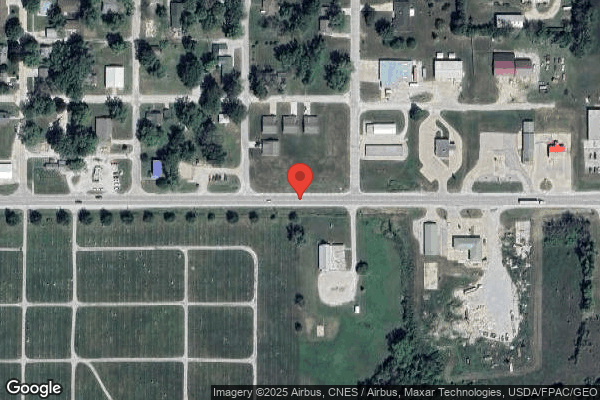

1504 East South Street, Mount Ayr, IA 50854 (641) 464-3204
For profit - Corporation 46 Beds Independent Data: November 2025
Trust Grade
70/100
#212 of 392 in IA
Last Inspection: April 2025

Within standard 12-15 month inspection cycle. Federal law requires annual inspections.

Overview

Mount Ayr Health Care Center has a Trust Grade of B, indicating it is a good choice for care, though not top-tier. It ranks #212 out of 392 facilities in Iowa, placing it in the bottom half, and is the second-ranked facility in Ringgold County, meaning there is only one other local option available. Unfortunately, the facility is worsening, with issues increasing from 2 in 2024 to 4 in 2025. Staffing is a strength, rated 4 out of 5 stars, with a turnover rate that matches the state average at 44%. Notably, there have been no fines, and it has more RN coverage than 95% of Iowa facilities, which is a positive sign for resident care. However, there are some concerning incidents noted by inspectors. For example, staff failed to follow proper sanitary practices by handling raw food without adequate hand hygiene, which could pose a risk for foodborne illnesses. Additionally, the facility did not ensure that several residents received the recommended pneumococcal vaccine, which is a missed opportunity for preventive health care. Lastly, infection control policies were outdated, indicating a need for more rigorous adherence to safety practices. While the nursing home has strengths in staffing and RN coverage, these issues highlight important areas for improvement.

Trust Score
B
70/100
In Iowa
#212/392
Bottom 46%
Safety Record
Low Risk
No red flags
Inspections
Getting Worse
2 → 4 violations
Staff Stability
○ Average
44% turnover. Near Iowa's 48% average. Typical for the industry.
Penalties
✓ Good
No fines on record. Clean compliance history, better than most Iowa facilities.
Skilled Nurses
✓ Good
Each resident gets 55 minutes of Registered Nurse (RN) attention daily — more than average for Iowa. RNs are trained to catch health problems early.
Violations
○ Average
6 deficiencies on record. Average for a facility this size. Mostly minor or procedural issues.
★★★☆☆
3.0
Overall Rating
★★★★☆
4.0
Staff Levels
★☆☆☆☆
1.0
Care Quality
★★★★☆
4.0
Inspection Score
Stable
2024: 2 issues
2025: 4 issues

The Good

  • 4-Star Staffing Rating · Above-average nurse staffing levels
  • Full Sprinkler Coverage · Fire safety systems throughout facility
  • No fines on record
  • Staff turnover below average (44%)

    4 points below Iowa average of 48%

Facility shows strength in staffing levels, fire safety.

The Bad

3-Star Overall Rating

Near Iowa average (3.1)

Meets federal standards, typical of most facilities

Staff Turnover: 44%

Near Iowa avg (46%)

Typical for the industry

The Ugly 6 deficiencies on record

Apr 2025 4 deficiencies
CONCERN (D)

Potential for Harm - no one hurt, but risky conditions existed

Comprehensive Care Plan (Tag F0656)

Could have caused harm · This affected 1 resident

Based on observations, clinical record review, resident and staff interview, and facility policy review, the facility failed to follow the comprehensive care plan for 1 of 12 residents reviewed (Resid...

Read full inspector narrative →
Based on observations, clinical record review, resident and staff interview, and facility policy review, the facility failed to follow the comprehensive care plan for 1 of 12 residents reviewed (Resident #13). Additionally, the facility failed to fully develop a comprehensive, resident centered care plan for 2 residents (Resident #28, Resident #12). The facility reported a census of 34 residents. Findings Include: 1. The Minimum Data Set (MDS) of Resident #13, dated 2/27/25 identified a Brief Interview for Mental Status (BIMS) score of 15 which indicated cognition intact. The MDS documented diagnoses that included anxiety disorder and depression, neurocognitive disorder with Lewy bodies and borderline personality disorder. The Care Plan, last reviewed 3/2/25, identified a Focus area of All About Me - Care/ADL (Activities of Daily Living) Preferences. Interventions included: - I like to nap often, usually in the morning and early afternoon then more of a night owl - This helps me feel better when I am upset: To talk to somewhat about what is bothering me The Care Plan identified a Focus area of chronic anxiety and depression, insomnia related to chronic health problems/pain, dementia and a stressed relationship with family. Interventions included: - Behavioral health consults as needed (psycho-geriatric team, psychiatrist, etc.). Resident refuses at this time. January 2023- Resident agreed to try Encounter Telehealth for mental health services but refuses appointments when approached. To see Advanced Registered Nurse Practitioner (ARNP) for med management and tele talk therapy - with Licensed Social Worker but refuses every time - Facility Designated Social Service staff doing weekly visits - revision date 12/7/24. Observations on 4/6/25 at 11:21 am and 4/6/25 at 1:06 pm, resident was observed to be in her room with the lights off, lying in bed under the covers, appearing to be sleeping. On 4/7/25 at 9:20 am, resident was again observed in bed under the covers with the lights off. On 4/7/25 multiple residents were observed participating in group activities in the common area of the facility beginning at 10:00 am. Staff were observed going room to room inviting residents to attend. No observation was seen of any staff inviting Resident #13 to see if she desired to participate. On 4/7/25 at 11:41 am, Resident #13 was observed still in bed prior to lunch trays arriving. On 4/7/25 at 11:44 am, Staff A, Certified Nurse Aide (CNA) delivered a lunch tray to Resident #13. After exiting the room, Staff A stated Resident #13 will sit on the side of the bed to eat but she generally is in bed all day and all night. On 4/7/25 at 4:12 pm, the Director of Nursing (DON) stated this was the time of day that Resident #13 normally starts to wake up. She stated she prefers to keep the lights off all the time but she gets more awake around 4:00 or 4:30 in the afternoon and stays up most of the night. Review of the Social Services Notes for the care planned weekly visits revealed visits were documented on 12/4/24, 1/9/25, 2/6/25, 2/27/25 and 3/14/25. On 4/7/25 at 4:39 pm, the Social Service designee stated she was instructed to make notes of when Resident #13 refused the weekly visits but she stated she had failed to do that. She stated the weeks of no documentation were all times the resident had refused visits. She also stated she had completed a visit the week prior but had not yet documented that visit. She stated she thought Resident #13 did have depression, and felt she had been this way most of her life but it was better prior to her retirement. On 4/8/25 at 4:20 pm, Resident #13 stated she has cataracts in both of her eyes and the lights bother her. She stated she likes to lay down a lot and have her eyes closed but she is not necessarily asleep. She stated she has dealt with depression for many years but it was much worse when she was younger and still raising her children. She stated spending her time laying down in bed is more about her eyes than about depression. She added there are only two other residents in the building who she knows and she just prefers to be alone in her room. She stated a lot of residents like to spend their days out in the common area but she doesn't know them and she felt there was an age difference as well. She stated she had gotten divorced nearly 30 years ago and was used to being alone and she didn't find it challenging to be alone. Resident #13 stated the Social Services designee came to visit her probably once a month or so. She said she wears many hats in the facility and also assists with housekeeping in the facility. She stated they did visit when she was cleaning her room but they weren't sit down visits. She denied ever refusing a visit. She said the Social Services designee also works in the facility's Assisted Living area and is busy. On 4/9/25 at 10:28 am, the ADON stated they had spoken with the Social Services designee about the visits with Resident #13. She stated it was reiterated to document all visits including if the resident refused a visit. 2. The MDS of Resident #28, dated 3/27/25 identified a BIMS score of 0, which indicated severe cognitive impairment. The MDS documented the resident exhibited behavioral symptoms not directed toward others on 1 to 3 days of the 7-day look back period. The MDS documented diagnoses that included non-Alzheimer's Dementia and cancer. The MDS documented the resident received antipsychotic and antidepressant medications during the 7-day lookback period. The Care Plan, last reviewed 4/2/25, identified a Focus area of the resident having dementia. Interventions included: -Administer Seroquel (an antipsychotic medication) and Zoloft (an anti depressant medication) for dementia behaviors. Monitor for effectiveness. The Care Plan failed to identify any target behaviors for the medications. Review of Progress Notes revealed the following: -10/6/24 - A CNA reported to a nurse the resident was making several sexual comments towards her and laughing about it including asking her to climb into bed with him. -10/6/24 - An additional note of the resident attempting multiple times to touch young female staff members on their breasts and groin areas along with sexual verbal comments. -10/7/24 - Note of increasing sexual comments towards staff and attempts to inappropriately touch staff. Note stated due to his dementia, the resident does not remember these episodes a few minutes after they happen. The note stated the resident had also become very disruptive during activities calling other people stupid, telling them to shut up and using the F*** word. The note detailed the resident also expressed the same behaviors towards his hospice staff during a visit. -10/8/24 - Noted resident to be yelling and disruptive to other residents -10/9/24 - Noted outburst during church service, yelling and cursing at the pastor. When staff removed the resident from the area, he continued to be loud from down the hall. -10/23/24 - Noted the resident continued to be disruptive during activities, yelling at the activity director, calling other residents derogatory names and continued sexual behaviors towards female staff. -11/15/24 - Noted the resident was awake all night, yelling, pulling his alarm. Was noted he was being disruptive to other residents and was attempting to grab female staff inappropriately. -1/17/25 - Noted resident was alert, continuously hitting staff and claiming staff were bad people. The resident was mocking other residents and attempting to trip them. Resident taking spoons off of the medication cart and mixing the clean and dirty spoons together, and knocking clean cups off of the medications cart. While in the dining room, pounding his fists on the table. -1/23/25 - Noted increased behaviors. Resident screaming help me continuously for no apparent reason, wheeling himself around the facility and into the rooms of other residents, going through their belongings. Opening the shower door while it was in use. Trying to get other residents riled up. -1/26/25 - Noted resident to be combative, groping female staff, offering staff money for sexual favors. Resident also mocking staff and calling them derogatory names. -2/1/25 - Noted resident had been yelling, hitting and kicking. Threw water at a nurse. Removed alarm box off of the bedside stand and threw it into the bathroom. -2/7/25 - Grabbed a staff member's neck firmly when staff was providing cares. Another staff member had to assist to remove his hands and the resident attempted to hit the staff. -2/8/25 - Resident combative with staff, grabbing a staff member's hand and bending fingers backwards. -2/9/25 - Yelling at staff, swinging arms and hitting and then kicking the staff -2/25/25 - Multiple occurrences of grabbing female staff in inappropriate places during the shift. Review of the Comprehensive Care Plan performed on 4/8/25 failed to reveal documentation of the resident's sexual inappropriateness, combativeness, or other disruptive behaviors. On 4/8/25 at 4:17 pm the Assistant Director of Nursing stated she would add the behaviors to the resident's care plan. She stated the nurse aides chart behaviors on their daily tasks charting but she could add to the care plan to make it more specific. On 4/8/25 at 5:19 pm, the Administrator stated the staff does a good job of communicating with one another and all staff are aware of the Resident #28's behaviors. He stated if things come up, staff talk to one another about it. 3. On 4/06/25 at 10:45 AM, Resident #12 was observed lying in her bed with her head at the footboard. The MDS of Resident #12, dated 4/03/25 revealed a BIMS score of 03 out of 15 which indicated severely impaired cognition. It included diagnoses of Chronic Kidney Disease (CKD), Non-Alzheimer's Dementia, unspecified dementia moderate with anxiety, depression, and insomnia. It also revealed the resident received antipsychotic (AP), antianxiety (AA), and antidepressant (AD) medications during the last 7 days. The Electronic Health Record (EHR) included the following physician's orders: a) Escitalopram oxalate oral tablet 10 mg dated 1/02/25; Give one (1) tablet by mouth in the evening related to unspecified dementia moderate with anxiety. b) Lorazepam oral tablet 0.5 mg dated 9/26/24; Give one (1) tablet by mouth four (4) times a day related to unspecified dementia moderate with anxiety. c) Seroquel oral tablet 25 mg dated 4/03/25; Give one (1) tablet by mouth one (1) time a day related to unspecified dementia moderate with anxiety. The Progress Notes included an entry dated 8/28/24 that identified the behaviors for lorazepam as resident is anxious/restless. Pacing up and down hallways, reports unable to sleep. A progress note dated 9/30/24 identified the resident's behavior for Seroquel as hallucinations. Another progress note dated 7/25/24 identified the resident's behavior for escitalopram as sleeping late and refusing to eat. The Care Plan revised 1/10/25 included the resident's antidepressant, antianxiety, and antipsychotic medication use but did not include the resident's individualized target behaviors for staff to monitor nor the non-pharmacological interventions for staff to attempt if the behaviors were observed. On 4/08/25 at 4:07 PM, Staff E, Licensed Practical Nurse (LPN) stated she didn't know if the behaviors should be in the resident's care plan but stated the care plan is what the facility used to drive the resident's care. On 4/09/25 at 9:30 AM, the Assistant Director of Nursing (ADON) stated the target behaviors should have been included in the resident's Care Plan. A policy titled admission and Comprehensive Care Planning reviewed 4/08/25 included the following: This care plan must be individualized and developed with interdisciplinary input, incorporating information from the initial assessment, resident preferences, family input (if applicable), and medical documentation. The comprehensive plan must address, but is not limited to: o Fall risk and prevention strategies o Skin integrity and wound care o Nutrition and hydration needs o Activities of Daily Living (ADLs) and functional support o Discharge planning, including goals o Code status and advanced directives o Pain management o Psychosocial and activity interests o Behavioral and emotional health needs o Trauma history or trauma-informed care planning o Medical diagnoses that significantly impact care delivery
CONCERN (D)

Potential for Harm - no one hurt, but risky conditions existed

Quality of Care (Tag F0684)

Could have caused harm · This affected 1 resident

**NOTE- TERMS IN BRACKETS HAVE BEEN EDITED TO PROTECT CONFIDENTIALITY** Based on clinical record review, staff and resident interviews, and policy review, the facility failed to provide follow-up asse...

Read full inspector narrative →
**NOTE- TERMS IN BRACKETS HAVE BEEN EDITED TO PROTECT CONFIDENTIALITY** Based on clinical record review, staff and resident interviews, and policy review, the facility failed to provide follow-up assessment and intervention for 1 of 1 diabetic resident blood sugar (BS) result of 30 milligrams/deciliter (mg/dL) (#19). The facility reported a census of 34 residents. Findings include: On 4/06/25 at 10:57 AM, Resident #19 stated his blood sugar level dropped below 41 mg/dL within the last few days. The quarterly Minimum Data Set (MDS) dated [DATE] indicated the resident had a Brief Interview for Mental Status (BIMS) score of 15 out of 15 which indicated completely intact cognition. It included diagnoses of peripheral vascular disease, diabetes mellitus (DM), non-Alzheimer's dementia, paraplegia, anxiety, and depression. It also revealed the resident required setup assistance with eating and oral hygiene, required moderate to maximal assistance with personal hygiene, dressing, bathing, and mobility, and was dependent with toileting and putting on and removing footwear. The Electronic Health Record (EHR) included a physician's order dated 7/14/24 that staff may check BS using accu-check fingerstick as needed when Dexcom not available. It also included a physician's order dated 3/31/25 for 10-day sensor Dexcom 6: change sensor every 10 days per instructions. apply to abdomen, back of arms, upper chest. blood sugar monitor for collection of blood sugar readings for SSI results every day shift every 10 day(s) for facility quality control. There was no physician order that identified a resident specific low BS level. It directed staff to follow the Care Plan as written. Blood Sugar Summary dated 4/01/25 at 4:28 PM revealed the resident's blood sugar result was 30 mg/dL and was signed by Staff B, Licensed Practical Nurse (LPN). The Medication Administration Record (MAR) dated April 2025 for the resident's sliding-scale insulin (SSI) indicated the resident's BS was 30 (mg/dL) on 4/01/25 at 5:00 PM. It referred to the EHR Progress Notes. The Progress Notes included an entry dated 4/01/25 at 4:28 PM that indicated the resident BS was 30 on our glucometer and 57 on his meter. No subsequent progress notes or BS results were entered on 4/01/25. The Nutrition Amount Eaten Response History indicated the resident ate 76%-100% of his lunch at 12:51 PM and 26%-50% of his dinner at 9:52 PM on 4/01/25. The Nutrition Snack Response History indicted the resident did not receive a snack on 4/01/25 until 9:52 PM. The Care Plan revised 7/14/24 directed staff that resident may have BS checked using Accu-Check Finger stick when machine isn't functioning due to resetting during changes, or when a questionable BS is obtained. On 4/07/25 at 2:46 PM, Staff C, LPN stated if a resident's BS is low, staff should get them some carbohydrates such as a peanut butter sandwich or some quick-acting sugar such as orange juice, or protein. She further stated staff should document the intervention in the progress notes and recheck the resident's BS one (1) hour later to ensure it is increasing. If it was still low, the nurse would repeat the food intervention and notify doctor. On 4/09/25 at 7:19 AM, Staff D, Registered Nurse (RN) stated the facility does not have a protocol identifying low blood sugars. She stated nurses are to document interventions in the nursing notes. She confirmed she uses the facility blood sugar results if there is a discrepancy between the resident's Dexcom and the glucometer. She further stated follow up blood sugar checks should be documented in the progress notes. Staff B, LPN was not available for an interview. On 4/09/25 at 8:27 AM, the Director of Nursing (DON) stated staff should have provided an intervention and rechecked the BS 30 minutes after. An undated document titled Blood Sugar Monitoring directed staff to utilize the American Diabetic Association (ADA) suggested treatment for hypoglycemic events (low BS). The ADA defines hypoglycemia as blood glucose levels below 70 mg/dL.
CONCERN (E)

Potential for Harm - no one hurt, but risky conditions existed

Food Safety (Tag F0812)

Could have caused harm · This affected multiple residents

Based on observation, staff interview, and policy review, the facility failed to maintain sanitary practices by failing to perform hand hygiene between touching non-food items and handling raw food in...

Read full inspector narrative →
Based on observation, staff interview, and policy review, the facility failed to maintain sanitary practices by failing to perform hand hygiene between touching non-food items and handling raw food in the kitchen. The facility reported a census of 34 residents. Findings include: On 4/08/25 at 8:25 AM, a kitchen observation revealed the Certified Dietary Manager (CDM) opened several packages of raw pork chops, grabbed a can of cooking spray with her gloved right hand and sprayed the grill. She then grabbed a bottle of Olive Oil blend with the same hand and poured some on the grill. Afterward, she grabbed a pork chop in each hand, gloved right hand and ungloved left hand, and placed them on the grill. She repeated this process for eight (8) pork chops. At 8:42 AM, a second observation revealed the CDM donned gloves, grabbed the Olive Oil blend with her right hand and poured oil on grill then handled more raw pork chops. At 12:20 PM, the CDM stated she was told touching raw food with bare hands was permitted. She acknowledged she didn't perform hand hygiene and change gloves after handling non-food items. On 4/09/25 at 9:01 AM, the Administrator stated staff should have performed hand hygiene and donned new gloves between touching non-food items and handling food. An undated document titled Hand Washing & Glove Usage indicated: 4) Employees will wash hands before and after handling foods, after touching any part of the uniform, face, or hair, and before and after working with an individual resident. 5) Gloves are to be used whenever direct food contact is required. 6) Hands are washed before donning gloves and after removing gloves.
CONCERN (E)

Potential for Harm - no one hurt, but risky conditions existed

Deficiency F0883 (Tag F0883)

Could have caused harm · This affected multiple residents

Based on clinical record review, staff interview, guidance from the Centers for Disease Control and Prevention (CDC) and facility policy review, the facility failed to offer the recommended pneumococc...

Read full inspector narrative →
Based on clinical record review, staff interview, guidance from the Centers for Disease Control and Prevention (CDC) and facility policy review, the facility failed to offer the recommended pneumococcal vaccine to 4 of 8 residents reviewed for vaccines (#06, #11, #23, and #29). The facility reported a census of 34 residents. Findings include: 1) The vaccine record of Resident #06 indicated the resident had not received or refused the appropriate pneumococcal vaccine. The Electronic Health Record (EHR) revealed an 8/14/50 date of birth . 2) The vaccine record of Resident #11 indicated the resident had not received or refused the appropriate pneumococcal vaccine. The Electronic Health Record (EHR) revealed a 4/03/26 date of birth . 3) The vaccine record of Resident #23 indicated the resident had not received or refused the appropriate pneumococcal vaccine. The Electronic Health Record (EHR) revealed a 5/16/46 date of birth . 4) The vaccine record of Resident #29 indicated the resident had not received or refused the appropriate pneumococcal vaccine. The Electronic Health Record (EHR) revealed an 7/19/47 date of birth . On 4/08/25 at 3:11 PM, the Assistant Director of Nursing (ADON) stated the physicians haven't addressed it yet and there was no rationale for why residents didn't get offered the pneumonia vaccine. She added the facility had focused on COVID 19 and influenza vaccinations. On 4/09/25 at 8:48 AM, the Administrator stated staff should have coordinated an interdisciplinary approach to identify residents who meet criteria to receive appropriate vaccinations. The CDC document titled Adult Immunization Schedule Notes, dated 11/21/24 documented the following: Age 50 years or older who have: Not previously received a dose of PCV13, PCV15, PCV20, or PCV21 or whose previous vaccination history is unknown: 1 dose PCV15 or 1 dose PCV20 or 1 dose PCV21. If PCV15 is used, administer 1 dose PPSV23 at least 1 year after the PCV15 dose. Previously received only PCV13: 1 dose PCV20 or 1 dose PCV21 at least 1 year after the last PCV13 dose. Previously received only PPSV23: 1 dose of PCV15 or 1 dose PCV20 or 1 dose PCV21 at least 1 year after the last PPSV23 dose. An undated facility policy titled Policy and Procedure for Pneumovacs, Flu, & COVID Vaccinations indicated the following: It is the policy of our facility that upon admission, new residents will be screened for their last pneumovac when admitted to our facility. If the resident is unable to specify date of pneumovac, their family and/or physician may be asked. If it is found that the resident had not had the pneumovac, the physician will be contacted to see if the wants the resident to have the injection or if it is medically contraindicated. If the physician orders for the resident to have the pneumovac, the resident and/or family will be educated on the benefits and potential side effects of the pneumovac through information provided by public health. If the resident and/or family choose for the resident to receive the vaccination it will be obtained from their primary care physician and note din the chart. If the resident and/or family refused the pneumovac, the refusal will be noted in the chart. For residents at high risk for pneumonia or whom are frequently contracting respiratory illnesses, should the doctor feel a booster or 2nd pneumovac needed, it will be given per his direction.
Jun 2024 2 deficiencies
CONCERN (D)

Potential for Harm - no one hurt, but risky conditions existed

Deficiency F0657 (Tag F0657)

Could have caused harm · This affected 1 resident

**NOTE- TERMS IN BRACKETS HAVE BEEN EDITED TO PROTECT CONFIDENTIALITY** Based on clinical record review, resident interviews and staff interviews, the facility failed to include the resident in the ca...

Read full inspector narrative →
**NOTE- TERMS IN BRACKETS HAVE BEEN EDITED TO PROTECT CONFIDENTIALITY** Based on clinical record review, resident interviews and staff interviews, the facility failed to include the resident in the care plan participation conference for two (Residents #4 and #12) of twelve residents reviewed. The facility reported a census of 33 residents. Findings include: 1. A Minimum Data Set (MDS) assessment dated [DATE] for Resident #4, documented the resident admitted on [DATE] and a Brief Interview for Mental Status (BIMS) score of 15 indicated no cognitive impairment for decision-making. The Care Plan Conference Note dated 6/6/24 documented the resident attended the meeting. Interview on 6/25/24 at 10:01 AM, Resident #4 stated she had never been invited to or attended a care conference and she would attend if invited. 2. A MDS assessment dated [DATE] for Resident #12, documented the resident admitted on [DATE] and a BIMS score of 11 indicated mild cognitive impairment for decision-making. The Care Plan Conferecne Note dated 4/18/24 documented the resident attended the meeting. Interview on 6/24/24 at 1:57 PM, Resident #12 stated she was unsure of attending any care plan conferences. Interview on 6/25/24 at 1:40 PM, Staff B, Certified Nurse Aide stated resident care conferences are on Thursday afternoons and the residents and families do not attend as they are only for the staff. Interview on 6/25/24 at 1:47 PM, Staff B stated she misunderstood and the residents are invited but do not want to attend and when asked again if residents or families attend, Staff B stated no the families don't want to come either. Interview on 6/25/24 at 3:35 PM, the Activity Director stated she attends residents' care conferences, sometimes the staff are not all together at the same time, the facility does not have conferences on a specific day, and the residents are not at their care conference. Interview on 6/26/24 at 3:49 PM, Staff A, Director of Nursing stated they do meet with the residents and discuss if everything is going ok and confirmed the team doesn't meet with the resident and whole care plan team at the same time. Staff A also stated the facility does not have a care conference policy.
CONCERN (E)

Potential for Harm - no one hurt, but risky conditions existed

Infection Control (Tag F0880)

Could have caused harm · This affected multiple residents

Based on observations, clinical record review, staff interviews, and facility policy review the facility failed to update the infection control policy and failed to maintain infection control practice...

Read full inspector narrative →
Based on observations, clinical record review, staff interviews, and facility policy review the facility failed to update the infection control policy and failed to maintain infection control practices for catheter cares for 1 of 2 residents reviewed (Resident #4). The facility reported a census of 33 residents. Findings include: 1. Review of the facility policy titled Infection Control Policy, revealed it was last reviewed and dated on 4/8/20 by Staff D and the Director of Nursing (DON). On 6/26/24 at 7:56 AM Staff A, the current DON/Infection Preventionist (IP) stated the infection control policies were reviewed annually at the first Infection Control Committee/Quality Assurance and Performance Improvement (QAPI) meeting. Staff A concurred the facility Infection Control Policy was dated as last reviewed on 4/8/20. The staff stated the facility did not use signature sheets to indicate policies were reviewed. On 6/27/24 at 7:14 AM the Administrator stated the facility policies were reviewed annually but may not have signatures indicating they were reviewed within the past year. 2. A Minimum Data Set (MDS) assessment for Resident #4, dated 5/30/24, included diagnosis of renal insufficiency and documented resident had an indwelling catheter (tube to drain bladder). The MDS documented a Brief Interview for Mental Status score of 15, indicating no cognitive impairment for decision making. Observation on 6/26/24 at 9:25 AM, with the Director of Nursing (DON) observing, Staff B, Certified Nurse Aide (CNA) and Staff C, CNA applied gowns and gloves and entered Resident #4's room. Staff C proceeded with her gloved hands and touched the door, cabinet and pulled a curtain and with the same gloved hands proceeded to cleanse the catheter bag drainage port tube with an alcohol swab, empty the catheter bag into the measuring graduate, cleanse the port again, and empty and rinse the graduate. Staff C then removed her gloves and gown and sanitized her hands. Facility policy, Closed System Drainage Bag and Leg Bag Procedure reviewed 10/2/19, directed staff to wash hands and apply gloves, empty the drainage bag into appropriate receptacle. Interview on 6/26/24 at 9:30 AM, the DON confirmed she observed Staff C touch contaminated items with gloves prior to catheter care with the same gloves and stated expectation for staff to use clean gloves prior to emptying the catheter and not touching other contaminated surfaces with gloves prior to providing care of the catheter.
Understanding Severity Codes (click to expand)
Life-Threatening (Immediate Jeopardy)
J - Isolated K - Pattern L - Widespread
Actual Harm
G - Isolated H - Pattern I - Widespread
Potential for Harm
D - Isolated E - Pattern F - Widespread
No Harm (Minor)
A - Isolated B - Pattern C - Widespread

Questions to Ask on Your Visit

  • "Can I speak with families of current residents?"
  • "What's your RN coverage like on weekends and overnight?"

Our Honest Assessment

Strengths
  • • No major safety red flags. No abuse findings, life-threatening violations, or SFF status.
  • • No fines on record. Clean compliance history, better than most Iowa facilities.
  • • 44% turnover. Below Iowa's 48% average. Good staff retention means consistent care.
Concerns
  • • No major red flags. Standard due diligence and a personal visit recommended.
Bottom line: Mixed indicators with Trust Score of 70/100. Visit in person and ask pointed questions.

About This Facility

What is Mount Ayr Health Care Center's CMS Rating?

CMS assigns Mount Ayr Health Care Center an overall rating of 3 out of 5 stars, which is considered average nationally. Within Iowa, this rating places the facility higher than 0% of the state's 100 nursing homes. This mid-range rating indicates the facility meets federal standards but may have areas for improvement.

How is Mount Ayr Health Care Center Staffed?

CMS rates Mount Ayr Health Care Center's staffing level at 4 out of 5 stars, which is above average compared to other nursing homes. Staff turnover is 44%, compared to the Iowa average of 46%. This relatively stable workforce can support continuity of care.

What Have Inspectors Found at Mount Ayr Health Care Center?

State health inspectors documented 6 deficiencies at Mount Ayr Health Care Center during 2024 to 2025. These included: 6 with potential for harm.

Who Owns and Operates Mount Ayr Health Care Center?

Mount Ayr Health Care Center is owned by a for-profit company. For-profit facilities operate as businesses with obligations to shareholders or private owners. The facility operates independently rather than as part of a larger chain. With 46 certified beds and approximately 31 residents (about 67% occupancy), it is a smaller facility located in Mount Ayr, Iowa.

How Does Mount Ayr Health Care Center Compare to Other Iowa Nursing Homes?

Compared to the 100 nursing homes in Iowa, Mount Ayr Health Care Center's overall rating (3 stars) is below the state average of 3.1, staff turnover (44%) is near the state average of 46%, and health inspection rating (4 stars) is above the national benchmark.

What Should Families Ask When Visiting Mount Ayr Health Care Center?

Based on this facility's data, families visiting should ask: "Can I visit during a mealtime to observe dining assistance and food quality?" "How do you handle medical emergencies, and what is your hospital transfer rate?" "Can I speak with family members of current residents about their experience?"

Is Mount Ayr Health Care Center Safe?

Based on CMS inspection data, Mount Ayr Health Care Center has a clean safety record: no substantiated abuse findings (meaning no confirmed cases of resident harm), no Immediate Jeopardy citations (the most serious violation level indicating risk of serious injury or death), and is not on the Special Focus Facility watch list (a federal program monitoring the lowest-performing 1% of nursing homes). The facility has a 3-star overall rating and ranks #100 of 100 nursing homes in Iowa. While no facility is perfect, families should still ask about staff-to-resident ratios and recent inspection results during their visit.

Do Nurses at Mount Ayr Health Care Center Stick Around?

Mount Ayr Health Care Center has a staff turnover rate of 44%, which is about average for Iowa nursing homes (state average: 46%). Moderate turnover is common in nursing homes, but families should still ask about staff tenure and how the facility maintains care continuity when employees leave.

Was Mount Ayr Health Care Center Ever Fined?

Mount Ayr Health Care Center has no federal fines on record. CMS issues fines when nursing homes fail to meet care standards or don't correct problems found during inspections. The absence of fines suggests the facility has either maintained compliance or corrected any issues before penalties were assessed. This is a positive indicator, though families should still review recent inspection reports for the full picture.

Is Mount Ayr Health Care Center on Any Federal Watch List?

Mount Ayr Health Care Center is not on any federal watch list. The most significant is the Special Focus Facility (SFF) program, which identifies the bottom 1% of nursing homes nationally based on persistent, serious quality problems. Not being on this list means the facility has avoided the pattern of deficiencies that triggers enhanced federal oversight. This is a positive indicator, though families should still review the facility's inspection history directly.