Hallmark Care Center
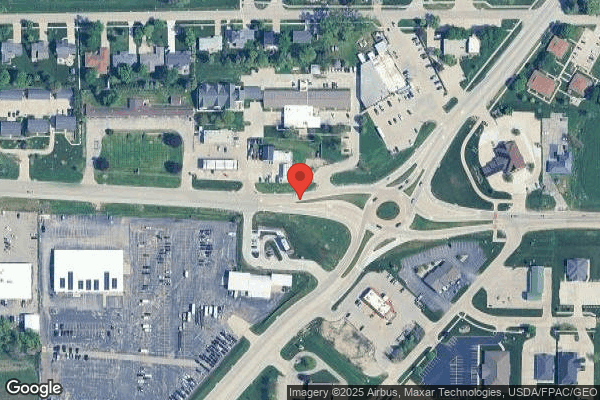
215 Highway 30 SW, Mount Vernon, IA 52314 (319) 895-8891
For profit - Limited Liability company 55 Beds LEGACY HEALTHCARE Data: November 2025
Trust Grade
90/100
#33 of 392 in IA
Last Inspection: March 2025

Within standard 12-15 month inspection cycle. Federal law requires annual inspections.

Overview

Hallmark Care Center in Mount Vernon, Iowa, has received an impressive Trust Grade of A, indicating it is an excellent choice for families seeking care. It ranks #33 out of 392 nursing homes in Iowa, placing it comfortably in the top half of facilities statewide, and it is the best option among 18 local facilities in Linn County. However, the facility's trend is concerning, as the number of reported issues has worsened from 2 in 2024 to 5 in 2025. Staffing at the center is rated as average with a 3/5 star rating and a turnover rate of 43%, slightly below the state average. Notably, there have been no fines reported, which is a positive sign, but the center has less RN coverage than 87% of Iowa facilities, meaning potential gaps in critical care. Specific incidents include uncovered food items in the kitchen, a failure to accurately report a resident's mental health diagnoses, and inadequate pain management for a resident who fell and injured their wrist. While the facility has strengths, such as high quality measures and no fines, these weaknesses in care and compliance should be considered by families.

Trust Score
A
90/100
In Iowa
#33/392
Top 8%
Safety Record
Low Risk
No red flags
Inspections
Getting Worse
2 → 5 violations
Staff Stability
○ Average
43% turnover. Near Iowa's 48% average. Typical for the industry.
Penalties
✓ Good
No fines on record. Clean compliance history, better than most Iowa facilities.
Skilled Nurses
⚠ Watch
Each resident gets only 28 minutes of Registered Nurse (RN) attention daily — below average for Iowa. Fewer RN minutes means fewer trained eyes watching for problems.
Violations
○ Average
8 deficiencies on record. Average for a facility this size. Mostly minor or procedural issues.
★★★★★
5.0
Overall Rating
★★★☆☆
3.0
Staff Levels
★★★★★
5.0
Care Quality
★★★★☆
4.0
Inspection Score
Stable
2024: 2 issues
2025: 5 issues

The Good

  • 5-Star Quality Measures · Strong clinical quality outcomes
  • Full Sprinkler Coverage · Fire safety systems throughout facility
  • No fines on record
  • Staff turnover below average (43%)

    5 points below Iowa average of 48%

Facility shows strength in quality measures, fire safety.

The Bad

Staff Turnover: 43%

Near Iowa avg (46%)

Typical for the industry

Chain: LEGACY HEALTHCARE

Part of a multi-facility chain

Ask about local staffing decisions and management

The Ugly 8 deficiencies on record

Mar 2025 5 deficiencies
CONCERN (D)

Potential for Harm - no one hurt, but risky conditions existed

PASARR Coordination (Tag F0644)

Could have caused harm · This affected 1 resident

Based on electronic health record review, Pre-admission Screening and Resident Review (PASRR) review, resident interview, staff interview, and policy review the facility failed to ensure a resident's ...

Read full inspector narrative →
Based on electronic health record review, Pre-admission Screening and Resident Review (PASRR) review, resident interview, staff interview, and policy review the facility failed to ensure a resident's mental health diagnoses and medications were accurately reported to the designated state agency for 1 of 3 residents diagnosed with PTSD (Post Traumatic Stress Disorder) (Resident #17). The facility reported a census of 38 residents. Findings include: The Minimum Data Set (MDS) for Resident #17 dated March 3, 2025 included diagnoses of depression, anxiety disorder, and PTSD. The Brief Interview for Mental Status (BIMS) indicated the resident scored 15/15 which indicated intact cognition. The resident's Electronic Health Record (EHR) confirmed they had diagnoses of anxiety disorder, unspecified dated 9/20/24; post-traumatic stress disorder, unspecified dated 9/20/24; and depression, unspecified dated 9/20/24 which indicated they were present at admission. On 9/23/24 the resident signed medication consent forms for Alprazolam aka (also known as) Xanax (anxiety), Duloxetine aka Cymbalta (PTSD), Lamotrigine aka Lamictal (depression), and Aripiprazole aka Abilify (anxiety). Resident #17's EHR included a document titled Notice of PASRR Level I Screen Outcome, based on information submitted by the hospital, dated 9/20/24. Mental health diagnoses included Anxiety Disorder and Depression/Depressive Disorder. It did not include PTSD. The PASRR included medications Abilify and Cymbalta for depression and anxiety. It did not include Alprazolam or Lamictal, or behaviors associated with the resident's mental health medications. During an interview on 3/19/25 at 10:21 AM Resident #17 reported talking to social services during her admission regarding her mental health including PTSD. Further discussion revealed staff had spoken to the resident about some of her actions and behaviors since she moved in. She felt her medications were stable, but also revealed she continued to experience anxiety and stress related to her diagnoses. During an interview on 03/19/25 at 09:21 AM Staff A, Licensed Practical Nurse (LPN) stated she did not know a lot about Resident #17's mental health diagnoses. She reported behaviors of being manipulative, saying things that were untrue, yelling at staff, needing to be right no matter what, and scratching herself. She thought the PASRR would be reviewed and/or completed by social services or the Director of Nursing (DON). On 03/19/25 at 09:52 AM the DON indicated the facility would complete a new PASRR if a resident had a new diagnosis and maybe for new medications. She reported that social services would complete a PASRR form review on admission. The DON acknowledged they missed that there was not a PTSD diagnosis and some of the medications on the initial form, and stated they needed to start a new PASRR for this resident. On 03/20/25 at 01:09 PM the facility Administrator stated the facility had gotten better with PASRRs but didn't see PTSD wasn't addressed on the PASRR the hospital submitted for this resident. She acknowledged they didn't catch it and stated they try to look at the PASRRs during the referrals process. During a follow up on 03/20/25 at 01:34 PM the Administrator stated the facility did not have a PASRR policy and just followed the regulations.
CONCERN (D)

Potential for Harm - no one hurt, but risky conditions existed

Deficiency F0697 (Tag F0697)

Could have caused harm · This affected 1 resident

Based on resident and staff interviews, clinical record review, and facility policy review, the facility failed to ensure interventions for pain management provided resident with effective pain relief...

Read full inspector narrative →
Based on resident and staff interviews, clinical record review, and facility policy review, the facility failed to ensure interventions for pain management provided resident with effective pain relief following a fall with injury to right wrist for 1 of 3 resident reviewed for pain management (Resident #8). The facility reported a census of 38 residents. Findings include: The Care Plan revealed Resident #8 had been at risk for falling related to decreased safety awareness and impulsiveness with an intervention initiated on 2/13/25 for pain evaluation to be completed with Primary Care Provider, elastic bandage wrap (ACE wrap), and ice to be applied to right wrist for swelling and pain control. The Care Plan revealed Resident #8 had impaired cognition related to a traumatic brain injury that affected short term and long term memory. The Care Plan lacked a focused area for pain management, goals for pain, or identification of ongoing pain symptoms following the fall on 2/11/25 with injury to the right wrist. Review of Nursing Notes revealed the following entries: 1. On 2/11/25 at 6:10 AM, Resident #8 had fallen after self transferring in room and was found sitting on floor against the wall underneath television with blood observed coming from Resident #8's nose. Resident #8 rated pain a 9 on a scale of 1 to 10 (from least pain to worst pain) in right wrist. Resident was transported via ambulance to Emergency Department for possible nasal fracture and a possible right wrist fracture. 2. On 2/11/25 at 9:44 AM, Hospital notified facility that Resident #8 had fractured nose and a soft tissue injury to right wrist. Resident #8 transferred back to facility. 3. On 2/12/25 at 3:32 PM, Resident #8 rated pain 9 out of 10 to right wrist, Nursing Note lacked interventions attempted or follow up assessment. 4. On 2/13/25 at 9:30 AM, Resident #8's right wrist documented as painful and swollen from fall, nursing to review with Primary Care Provider on rounds this day and therapy to evaluate for wrist splint and ice as needed for pain. 5. On 2/14/25 at 2:03 PM, Resident #8's right hand had swelling from previous fall and resident reported pain at 8 out of 10. 6. On 3/05/25 at 8:44 PM, a recommendation received from therapy for ace wrap to the left upper extremity, starting at resident's fingers and up to elbow, on in morning and off at bed time and instructed that once swelling is down, therapy would evaluate a use of cock up wrist splint. Note lacked recommendation for injured right wrist. A Hospital note, dated 2/11/25, revealed an x-ray had been completed on right wrist, indicated for right wrist pain and deformity after fall, findings revealed old fracture deformity in distal right radius without an acute fracture and soft tissues swollen throughout the wrist. A Computed Tomography (CT) scan also completed on Resident #8's face and jaw, revealed a small, comminuted, mildly displaced fracture of the right nasal bone. The Medication Administration Record (MAR), dated February 2025, revealed Resident #8 had the following orders in place for pain: -Gabapentin 300 milligrams (mg) with instructions to give 300 mg by mouth one time per day for pain, order initiated on 1/24/2022. -Acetaminophen (Tylenol) 650 mg with instructions to give 650 mg every 6 hours as needed for pain, order initiated on 1/24/2022. The February MAR revealed Resident #8 had not utilized as needed (PRN) Tylenol 650 mg between 2/01/25 and 2/11/25. Resident #8 required a dose of PRN Tylenol 650 mg for pain on the following dates: 2/11/25 at 7:53 PM, pain rated 8 out of 10, noted with an E, or effective, for pain. 2/12/25 at 2:00 AM, pain rated 9, noted as effective. At 2:29 PM pain rated 8, noted with I, or ineffective, for pain relief. At 8:29 PM, rated 8, noted to be effective. 2/13/25 at 8:14 AM, pain rated 9, noted as ineffective. At 4:53 PM, pain rated 9, noted as effective. 2/14/25 at 9:04 AM, pain rated 9, noted as effective. 2/15/25 at 1:16 PM, pain rated 9, noted as effective. 2/16/25 at 1:00 AM, pain rated 8, noted as effective. At 10:19 AM, pain rated 5, noted effective. At 5:19 PM, pain rated 9, with ineffective relief. 2/17/25 at 6:04 AM, pain rated 3, noted to be ineffective. At 7:10 PM, pain rated 9, noted effective. 2/21/25 at 7:46 PM, pain rated 9, noted to be effective. 2/22/25 at 12:38 PM, pain rated 5, noted as effective. At 6:39 PM, pain rated 9, noted effective. 2/23/25 at 5:21 PM, pain rated 8, noted effective. 2/24/25 at 6:47 PM, pain rated 9, noted effective. 2/25/25 at 12:35 PM, pain rated 7, noted effective. 2/28/25 at 12:43 PM, pain rated 7, noted effective. The MAR lacked a follow up pain number rating following doses noted to be effective or ineffective. The Treatment Administration Record (TAR), dated February 2025, revealed Resident #8 had the following orders in place for wrist pain: -Apply ice to right wrist/hand with instructions to apply for 20 minutes and remove for 20 minutes, every one hour as needed for pain. The February TAR indicated as needed ice order utilized 8 times, each noted to provide effective pain relief. The MAR, dated March 2025, revealed no changes made to Resident #8's pain medication regimen. The March 2025 MAR revealed Resident #8 required a dose of as needed Tylenol 650 mg for pain on the following dates: 3/01/25 at 6:41 PM, pain rated 9 out of 10, Tylenol noted with a U or unknown pain relief. 3/02/25 at 7:52 AM, pain rated 8, noted to be effective. At 5:06 PM, pain rated 9 with unknown effectiveness. 3/03/25 at 9:10 AM, pain rated 9, noted effective. At 5:10 PM, pain rated 6 with unknown effectiveness. 3/04/25 at 12:27 PM, pain rated 8, noted effective. 3/06/25 at 2:36 PM, pain rated 7, noted effective. 3/07/25 at 12:20 PM, pain rated 7, noted effective. 3/14/25 at 6:25 PM, pain rated 9 with unknown effectiveness. 3/15/25 at 6:56 PM, pain rated 9, noted effective. 3/17/25 at 6:32 PM, pain rated 9, noted effective. 3/18/25 at 2:34 PM, pain rated 9, no documentation of effectiveness charted. Resident #8's Electronic Health Records (EHR) lacked documentation of physician notification related to pain rated 9 out of 10 or ineffective pain relief following pharmacological intervention. On 3/18/25 at 2:33 PM, Resident #8 sat in recliner in their room, noted to have cloth sleeve (tubigrip) covering right wrist and forearm. Resident #8 reported right wrist still painful after fall and requested pain medicine from surveyor. Staff A, Licensed Practical Nurse (LPN) gave Resident #8 dose of as needed pain medicine. On 3/19/25 9:18 AM, Staff B, Certified Nursing Assistant (CNA), reported Resident #8 wears a right wrist splint at night and cloth sleeve during the day. Staff B stated Resident #8 had not recently complained of wrist pain and informed that resident had been improving with transfers using the walker since fall. Staff B reported that Resident #8 would request pain medicine if she needed and stated the Tylenol or ice had been effective in providing resident with pain relief. Staff B claimed Resident #8's sleep and day to day activities had not been affected by wrist pain. On 3/19/25 at 9:25 AM, Staff A, Licensed Practical Nurse (LPN), confirmed as needed Tylenol 650 mg had been given to Resident #8 on 3/18/25 at 2:33 PM upon request of pain medicine for pain rated 9 out of 10. Staff A stated Resident #8 would always ask for pain medicine when needed and informed that resident's pain typically was related to right wrist. Staff A reported she would follow up with Resident #8 about 45 minutes after giving Tylenol by verbally asking if pain had improved, Staff A denied documentation of verbal follow up assessment for Resident #8's pain but stated the MAR would reflect if Tylenol had been effective. On 3/20/25 at 1:30 PM, Facility Administrator stated Resident #8 had shown symptoms of pain such as guarding of right wrist with swelling and tenderness following fall with injury to the area which has since improved. Administrator acknowledged that nursing documentation was needed to take credit for the work they do, but did feel they were adequately managing Resident #8's pain. The facility policy, titled Pain Policy, dated 9/2023, revealed the purpose of the policy is to ensure that pain management is provided to residents who require such services, consistent with professional standards of practice, the comprehensive person-centered care plan, and the resident's goals and preferences. The policy instructed staff to assess the resident for effectiveness of pain medication following as needed (PRN) pain medication and if pain is unrelieved despite pharmacologic and nursing measures, the resident's physician will be notified.
CONCERN (D)

Potential for Harm - no one hurt, but risky conditions existed

Deficiency F0699 (Tag F0699)

Could have caused harm · This affected 1 resident

**NOTE- TERMS IN BRACKETS HAVE BEEN EDITED TO PROTECT CONFIDENTIALITY** Based on observation, record review, resident interview, staff interview, and policy review the facility failed to account for a...

Read full inspector narrative →
**NOTE- TERMS IN BRACKETS HAVE BEEN EDITED TO PROTECT CONFIDENTIALITY** Based on observation, record review, resident interview, staff interview, and policy review the facility failed to account for a resident's experiences, preferences, and potential triggers that might cause re-traumatization for 1 of 3 residents diagnosed with PTSD (Post Traumatic Stress Disorder) (Resident #17). The facility reported a census of 38 residents. Findings include: Resident #17's Social History, dated 09/23/24 at 12:34 PM for an admission on [DATE], documented the resident suffered a lot of abuse as a child. She indicated she didn't like to sleep with her door closed, was nervous around people, had difficulty trusting others, felt sadness, lost family connection, and had a lot of traumatic experiences as an adult. The document included recognition of her PTSD diagnosis. The Minimum Data Set (MDS) for Resident #17 dated March 3, 2025 included diagnoses of depression, anxiety disorder, and PTSD. The Brief Interview for Mental Status indicated the resident scored 15/15 which indicated intact cognition. The Care Plan for Resident #17, admission date 09/20/24, did not address her mental health diagnoses, mental health medications, triggers, goals, focus areas, or interventions. During an observation on 03/17/25 at 02:01 PM the resident was sitting in her recliner next to her roommate. She was scratching at her right shoulder, put her hand down, and started scratching her calf. She answered a few questions and asked for a return visit for her interview. During the follow up interview on 3/19/25 at 10:21 AM observed the resident lounging in her recliner, scratching at the top of her leg. She reported talking to Social Services during her admission regarding past trauma and some of her mental health triggers. Further discussion regarding her mental health revealed staff had spoken to her about some of her actions and behaviors since she moved in. She recalled a couple of times she yelled at staff if she thought they were rushed or in a bad mood. She reported she felt more down and frustrated, and needed more attention, when her health changed including when staff 'made me use' the sit to stand lift to get up. The resident stated staff didn't really talk to her about health changes affecting her mental health, and she thought she needed more support at those times. An interview with Staff B, Certified Nurses Aide (CNA) on 03/19/25 at 09:05 AM revealed she was not aware of the resident's diagnoses or triggers. She stated she knew the resident didn't like male caregivers but didn't know if that was written anywhere. She didn't know if her scratching was medical or behavioral. Her primary non-pharmacological intervention was talking to the resident, and she reported she would tell the nurse if Resident #17 needed more support. During an interview with Staff B, Licensed Practical Nurse (LPN) at 09:21 AM on 03/19/25 she stated she did not know a lot about the resident's mental health diagnoses. She stated the resident could be manipulative and had said things that were not true, and reported the staff just knew that, said okay, and moved on. She reported the resident had a lot of behaviors including scratching herself, yelling at staff, and had to be right no matter what. On 03/18/25 at 1:52 PM Staff C, Social Services, stated she started trauma informed care discussions with residents at admission as part of the resident's social history. They would discuss triggers and non-pharmacological interventions. Sometimes the DON would assist with this as well. One of them would make sure new information would get into the Care Plan. During an interview on 03/19/25 at 09:52 AM with the Director of Nursing (DON) she reported Staff C would assess trauma triggers as part of admission and usually put mental health information into resident Care Plans. She was not sure why the diagnoses, triggers, medications, and non-pharmacological interventions were not in the Care Plan. She stated adding triggers was a 'new one' they were working on and needed to be added to the Care Plan. The DON expected non-pharmacological interventions in Care Plans to include things such as repositioning, pain management, toileting, addressing hunger, walking, activities, hydration, addressing potential overstimulation. She reported some behaviors for Resident #17 were related to declines in functional status and acknowledged that could impact mental health. On 03/20/25 at 01:09 the Administrator reported there was not a policy for trauma informed care and stated the facility followed regulations.
MINOR (B)

Minor Issue - procedural, no safety impact

Deficiency F0625 (Tag F0625)

Minor procedural issue · This affected multiple residents

**NOTE- TERMS IN BRACKETS HAVE BEEN EDITED TO PROTECT CONFIDENTIALITY** Based on staff interview, clinical record review, and facility policy review, the facility failed to provide bed hold notice to ...

Read full inspector narrative →
**NOTE- TERMS IN BRACKETS HAVE BEEN EDITED TO PROTECT CONFIDENTIALITY** Based on staff interview, clinical record review, and facility policy review, the facility failed to provide bed hold notice to resident or resident representative prior to transferring 2 of 3 residents to the hospital (Resident #35 and Resident #27). The facility reported a census of 38 residents. Findings include: 1. Resident #35: The Minimum Data Set (MDS), dated [DATE], revealed the most recent reentry to facility dated 1/26/25 from acute/short-term general hospital. The Electronic Health Records (EHR) census tab informed that on 1/22/25 Resident #35 had a hospital paid leave and on 1/26/25 Resident #35 readmitted to facility. Review of the Nursing Notes revealed the following entries: On 1/22/25 at 3:11 AM, Resident #35 had unwitnessed fall with head injury and vital signs out of normal range. Resident #35 transferred to the hospital via ambulance. Family, physician, and Director of Nursing notified of transfer. On 1/22/25 at 3:57 AM, Nursing Note included reason for transfer and personal belongings sent but lacked documentation for the questions: -Does resident and/or resident representative want to hold the bed? -Was the Bed Hold notice sent with resident representative or to the hospital? In a Hospital History and Physical, dated 1/22/25, revealed Resident #35 presented to the hospital with a mechanical, unwitnessed, fall from her Nursing Home with head trauma, unknown if loss of consciousness. In Emergency Department Resident #35 found to be hypertensive with blood pressure 180/70 and unable to provide any history regarding fall. In a Hospital Discharge summary, dated [DATE], revealed Resident #35 admitted to the hospital for unwitnessed fall, found to have fever due to pneumonia human metapneumovirus positive, required oxygen and antibiotics. Resident #35 improved and stable, discharged back to facility. Facility provided document, titled Private Pay Reserved Bed Form, dated 1/25/25, identified an amount to be charged rate per day to reserve the bed for Resident #35. Resident #35 signed and dated form on 1/27/25 in request for bed to be reserved during absence from facility and agreed to pay the rate identified per day. 2. Resident #27: The Minimum Data Set (MDS), dated [DATE], revealed the most recent reentry to facility on 1/18/25 from acute/short-term general hospital. The Electronic Health Records (EHR) census tab revealed on 1/12/25, Resident #27 had a hospital paid leave and on 1/18/25, Resident #27 returned to the facility. Review of Nursing Notes revealed the following entries: 1. On 1/12/25, Resident #27 experienced change of condition when nursing documented assessment of adventitious lung sounds, bilateral lower extremity edema, wet sounding non-productive cough, and decrease in appetite. Family and physician notified of condition with order received from physician to send Resident #27 to the hospital for evaluation and treatment. 2. On 1/18/25, Resident #27 returned to the facility following acute hospitalization for viral pneumonia. In a hospital History and Physical Note, dated 1/13/25, Resident #27 diagnosed with acute hypoxemia secondary to human metapneumovirus infection with shortness of breath and cough for 1 week. In a hospital Discharge summary, dated [DATE] through 1/18/25 for meta-pneumovirus infection. The facility lacked documentation of a Bed Hold notice provided to Resident #27 or resident representative prior to hospitalization 1/12/25. On 3/19/25 at 10:30 AM, Facility Administrator confirmed that facility lacked documentation of notice of Bed Hold for Resident #35 or Resident #27 provided prior to transfer, or within 24 hours of transfer to hospital. The facility policy, titled Bed Hold and Return Policy, dated 10/2023, revealed the purpose of policy is to ensure that residents are made aware of facility's bed hold and return policy before and upon transfer or when taking a therapeutic leave of absence from the facility. The policy instructed staff to provide bed hold notice to residents and/or resident representative upon admission and at the time of transfer or within 24 hours of transfer if the transfer is emergent/urgent. The policy additionally instructed the facility to inform the resident and/or resident representative in writing in a language and manner they understand prior to transferring a resident to a hospital or the resident going on therapeutic leave of the bed hold and return policy.
MINOR (B)

Minor Issue - procedural, no safety impact

MDS Data Transmission (Tag F0640)

Minor procedural issue · This affected multiple residents

Based on MDS (Minimum Data Set) review, resident census data, the Resident Assessment Instrument (RAI) manual, staff interview, and policy review the facility failed to submit a discharge MDS for 1 of...

Read full inspector narrative →
Based on MDS (Minimum Data Set) review, resident census data, the Resident Assessment Instrument (RAI) manual, staff interview, and policy review the facility failed to submit a discharge MDS for 1 of 1 residents reviewed (Resident #25). The facility reported a census of 38 residents. Findings include: The MDS for resident #25 dated 01/02/25 documented the resident admitted to the facility 11/01/24, discharged from the facility on 01/02/25 to the community, and return was not anticipated. The census tab of the electronic health record indicated the facility stopped billing on 01/02/25. The MDS Summary screen documented the facility completed the MDS with a note that read 'Do not submit to CMS (Centers for Medicare and Medicaid Services)'. During and interview on 03/19/25 at 12:57 PM the Director of Nursing (DON) stated the MDS should have been submitted. She was not sure what happened to trigger the do not submit indicator or how this had been missed. The DON reported that based on the resident's insurance and discharge status they had to submit the discharge MDS and confirmed it would be late. On 03/18/25 at 1:39 PM the Administrator reported the facility did not have a policy for MDS or Care Plan assessments. She stated they followed the RAI manual. The RAI manual dated October 2024, page 2-45 with a section titled Tracking Records and Discharge Assessments Reporting, indicated tracking records and discharge assessment reporting was required for all residents in skilled nursing facilities. The section further documented the discharge assessment must be submitted within 14 days after the completion date.
May 2024 2 deficiencies
CONCERN (D) 📢 Someone Reported This

A family member, employee, or ombudsman was alarmed enough to file a formal complaint

Potential for Harm - no one hurt, but risky conditions existed

PASARR Coordination (Tag F0644)

Could have caused harm · This affected 1 resident

**NOTE- TERMS IN BRACKETS HAVE BEEN EDITED TO PROTECT CONFIDENTIALITY** Based on clinical record review, staff interview, and state designated authority direction for Preadmission Screening and Reside...

Read full inspector narrative →
**NOTE- TERMS IN BRACKETS HAVE BEEN EDITED TO PROTECT CONFIDENTIALITY** Based on clinical record review, staff interview, and state designated authority direction for Preadmission Screening and Resident Review (PASRR) the facility failed to complete a follow-up PASRR screening for one out of one resident reviewed in the current sample who had a change in mental health status (Resident #17). The facility reported a census of 40 residents. Findings include: The Minimum Data Set (MDS) assessment dated [DATE] did not reveal a completed score for the Brief Interview for Mental Status (BIMS). The MDS recorded Resident #17 with Psychiatric/Mood disorders that included anxiety disorder, depression, and bipolar disorder. The MDS revealed antipsychotics received by Resident #17 on a routine basis. The Care Plan, revised date 5/8/24 documented for Resident #17 psychotropic medication used, included potential for adverse reactions related to psychotropic, antidepressant and antipsychotic medications due to obsessive-compulsive disorder, anxiety, depression, post-traumatic stress disorder, and bipolar disorder interventions. On 05/21/24 at 02:32 PM the Administrator relayed some mental health diagnoses were not discovered until after Resident #17 admitted to the facility, they did not resubmit for a new PASRR and acknowledged that should have been done. The Administrator relayed the facility used the guidelines provided by the state verses a facility policy. The Notice of PASRR Level 1 screen outcome, dated 8/5/2016 from state contracted company for screening documented Resident #17 does not have a major mental illness included does not have bipolar or major depression. The Level 1 screen relayed no psychotropic medications have been prescribed. The document directed the nursing facility to submit a status change for further evaluation with changes.
CONCERN (E) 📢 Someone Reported This

A family member, employee, or ombudsman was alarmed enough to file a formal complaint

Potential for Harm - no one hurt, but risky conditions existed

Food Safety (Tag F0812)

Could have caused harm · This affected multiple residents

Based on observation, staff interviews, and policy review, the facility failed to ensure food items covered, dated, and stored to prevent possible cross-contamination. The facility reported a census o...

Read full inspector narrative →
Based on observation, staff interviews, and policy review, the facility failed to ensure food items covered, dated, and stored to prevent possible cross-contamination. The facility reported a census of 40 residents. Findings include: During an observation on 05/19/24 at 9:30 AM, initial tour of the kitchen revealed the walk-in refrigerator with a four wheeled cart, on top glasses of various poured drinks included, 3 white milks, 2 chocolate milks, 3 apple juices, and 3 orange juices. The glasses were uncovered. The cart had two opened milk jugs without open dates. Another larger tiered cart contained two trays of individual plated pies slices, also uncovered, without a label or date. During an interview on 5/19/24 at 9:32 AM dietary Staff B, stated the pies were to be served for lunch today, did not know when they were cut. Staff B revealed the four wheeled cart in the refrigerator was used for breakfast and pushed into the refrigerator after the breakfast meal. On 5/20/24 at 11:54 AM Certified Dietary Manager, Staff A relayed was not sure why the cart was in the refrigerator with the poured juice cups, acknowledge the drinks on the cart should have been discarded. On 5/21/24 at 3:00 PM the Administrator relayed the four wheeled cart is put in the refrigerator after the meal service to keep the milk cold. The Administrator acknowledged the milk jugs were not dated. The Administrator voiced the other cups on the cart would have been disposed of and relayed the pies were discarded. The Administrator acknowledged the pies should have been covered. Policy titled, Refrigerated Food Storage dated 4/15/05 documented food will be stored, properly labeled, and dated per the regulatory requirements and maintenance of food quality.
Mar 2023 1 deficiency
CONCERN (D)

Potential for Harm - no one hurt, but risky conditions existed

Deficiency F0883 (Tag F0883)

Could have caused harm · This affected 1 resident

**NOTE- TERMS IN BRACKETS HAVE BEEN EDITED TO PROTECT CONFIDENTIALITY** Based on record review, interviews, and facility policy review, the facility failed to ensure pneumococcal vaccines were offered...

Read full inspector narrative →
**NOTE- TERMS IN BRACKETS HAVE BEEN EDITED TO PROTECT CONFIDENTIALITY** Based on record review, interviews, and facility policy review, the facility failed to ensure pneumococcal vaccines were offered to 2 (Resident #21 and Resident #38) of 5 sampled residents reviewed for immunizations. Findings included: A review of a facility policy titled, Influenza and Pneumococcal Pneumonia Vaccines, updated 08/29/2022, revealed, 1. Upon admission, determine when the resident last received the influenza and pneumococcal vaccines by assisting the resident/responsible party with completing the admission Influenza and Pneumococcal Vaccination Information form. The policy also indicated, ii. If previously vaccinated with a pneumococcal vaccine, determine which one(s) were given and include the date administered if known. If the resident received the pneumococcal vaccine prior to September 2014 then they probably received only the PPSV [pneumococcal polysaccharide vaccine] 23 vaccine and will be eligible to receive the PCV [pneumococcal conjugate vaccine] 15 or PCV20 vaccine - if desired - once 12 months have passed. Additionally, the policy indicated, e. The need for pneumococcal vaccination will be assessed upon admission and administered following an order from the medical provider for the type of pneumococcal vaccination needed. Further review of the policy revealed, 12. Those who have received PCV13 with or without PPSV23 b. Adults [AGE] years of age i. Give PPSV23 at least one year after PCV13 to those who have no underlying medical conditions or risk factors or have medical conditions or risk factors excluding cochlear implants, cerebral spinal leak or immunocompromising in 5ci above. The policy also indicated, 5.11. Those who have only received PPSV23 a. May give 1 dose of PCV15 or PCV20 at least 1 year from the last dose of PPSV23 administered. 1. A review of the admission Record for Resident #21 indicated the facility admitted the resident in January 2018 with diagnoses which included congestive heart failure, type 2 diabetes mellitus without complications, stage 3 chronic kidney disease, and obesity. The record indicated the resident was greater than [AGE] years of age. An annual Minimum Data Set (MDS) dated [DATE] revealed Resident #21 had a Brief Interview for Mental Status (BIMS) score of 14 which indicated the resident was cognitively intact. According to the MDS, Resident #21 was not up to date on the pneumococcal vaccine and the vaccine was not offered. A review of Resident #21's immunization record in the electronic health record (EHR) revealed the resident had a PCV13 pneumococcal vaccine on 01/04/2016. There was no documentation in the resident's medical record to indicate the facility had offered Resident #21 the PPSV23 vaccine upon or since admission to the facility. During an interview on 03/07/2023 at 2:04 PM, the Director of Nursing (DON) stated there was no documentation which indicated Resident #21 had been offered a second pneumococcal vaccine upon or since admission to the facility. The DON stated residents were generally offered the pneumococcal vaccine upon admission. During an interview on 03/08/2023 at 11:21 AM, Licensed Practical Nurse (LPN) #1 stated the admission Influenza and Pneumococcal Vaccination Information form was completed prior to a resident's admission. She stated she had never reviewed the immunization form. LPN #1 stated she did not know how Resident #21's second pneumococcal vaccine had been missed. During an interview on 03/08/2023 at 11:40 AM, the Administrator stated no admission Influenza and Pneumococcal Vaccination Information form could be found for Resident #21. She stated the failure to offer a second vaccine to the resident was an oversight. 2. Review of an admission Record revealed the facility admitted Resident #38 in October 2022 with diagnoses which included chronic obstructive pulmonary disease and stage 3 chronic kidney disease. According to the admission record, Resident #38 was greater than [AGE] years of age. A review of an Order Summary Report revealed Resident #38 had a physician's order dated 10/24/2022 for a pneumococcal vaccine to be administered. A quarterly Minimum Data Set (MDS) dated [DATE] indicated Resident #38 had severely impaired cognitive skills per a staff assessment for mental status. According to the MDS, the resident was up to date on the pneumococcal vaccine. Review of Resident #38's immunization record in the electronic health record (EHR) indicated the resident received a pneumococcal vaccine on 08/07/2009. There was no documentation in the resident's medical record to indicate the facility had offered the resident a second pneumonia vaccine upon or since admission to the facility. During an interview on 03/07/2023 at 2:04 PM, the Director of Nursing (DON) stated there was no documentation which indicated Resident #38 had been offered a second pneumococcal vaccine upon or since admission to the facility. The DON stated residents were generally offered the pneumococcal vaccine upon admission. During an interview on 03/08/2023 at 11:21 AM, Licensed Practical Nurse (LPN) #1 stated the admission Influenza and Pneumococcal Vaccination Information form was completed prior to a resident's admission. She stated she had never reviewed the immunization form. LPN #1 stated she did not know how Resident #38 had been missed for a second pneumococcal vaccine. During an interview on 03/08/2023 at 11:40 AM, the Administrator stated no admission Influenza and Pneumococcal Vaccination Information form could be found for Resident #38. She stated the failure to offer a second pneumococcal vaccine to the resident was an oversight.
Understanding Severity Codes (click to expand)
Life-Threatening (Immediate Jeopardy)
J - Isolated K - Pattern L - Widespread
Actual Harm
G - Isolated H - Pattern I - Widespread
Potential for Harm
D - Isolated E - Pattern F - Widespread
No Harm (Minor)
A - Isolated B - Pattern C - Widespread

Questions to Ask on Your Visit

  • "Can I speak with families of current residents?"
  • "What's your RN coverage like on weekends and overnight?"

Our Honest Assessment

Strengths
  • • Grade A (90/100). Above average facility, better than most options in Iowa.
  • • No major safety red flags. No abuse findings, life-threatening violations, or SFF status.
  • • No fines on record. Clean compliance history, better than most Iowa facilities.
  • • 43% turnover. Below Iowa's 48% average. Good staff retention means consistent care.
Concerns
  • • No significant concerns identified. This facility shows no red flags across CMS ratings, staff turnover, or federal penalties.
Bottom line: Generally positive indicators. Standard due diligence and a personal visit recommended.

About This Facility

What is Hallmark Care Center's CMS Rating?

CMS assigns Hallmark Care Center an overall rating of 5 out of 5 stars, which is considered much above average nationally. Within Iowa, this rating places the facility higher than 99% of the state's 100 nursing homes. This rating reflects solid performance across the metrics CMS uses to evaluate nursing home quality.

How is Hallmark Care Center Staffed?

CMS rates Hallmark Care Center's staffing level at 3 out of 5 stars, which is average compared to other nursing homes. Staff turnover is 43%, compared to the Iowa average of 46%. This relatively stable workforce can support continuity of care. RN turnover specifically is 67%, which is notably high. RNs provide skilled clinical oversight, so turnover in this role can affect medical care quality.

What Have Inspectors Found at Hallmark Care Center?

State health inspectors documented 8 deficiencies at Hallmark Care Center during 2023 to 2025. These included: 6 with potential for harm and 2 minor or isolated issues.

Who Owns and Operates Hallmark Care Center?

Hallmark Care Center is owned by a for-profit company. For-profit facilities operate as businesses with obligations to shareholders or private owners. The facility is operated by LEGACY HEALTHCARE, a chain that manages multiple nursing homes. With 55 certified beds and approximately 40 residents (about 73% occupancy), it is a smaller facility located in Mount Vernon, Iowa.

How Does Hallmark Care Center Compare to Other Iowa Nursing Homes?

Compared to the 100 nursing homes in Iowa, Hallmark Care Center's overall rating (5 stars) is above the state average of 3.1, staff turnover (43%) is near the state average of 46%, and health inspection rating (4 stars) is above the national benchmark.

What Should Families Ask When Visiting Hallmark Care Center?

Based on this facility's data, families visiting should ask: "Can I visit during a mealtime to observe dining assistance and food quality?" "How do you handle medical emergencies, and what is your hospital transfer rate?" "Can I speak with family members of current residents about their experience?"

Is Hallmark Care Center Safe?

Based on CMS inspection data, Hallmark Care Center has a clean safety record: no substantiated abuse findings (meaning no confirmed cases of resident harm), no Immediate Jeopardy citations (the most serious violation level indicating risk of serious injury or death), and is not on the Special Focus Facility watch list (a federal program monitoring the lowest-performing 1% of nursing homes). The facility has a 5-star overall rating and ranks #1 of 100 nursing homes in Iowa. While no facility is perfect, families should still ask about staff-to-resident ratios and recent inspection results during their visit.

Do Nurses at Hallmark Care Center Stick Around?

Hallmark Care Center has a staff turnover rate of 43%, which is about average for Iowa nursing homes (state average: 46%). Moderate turnover is common in nursing homes, but families should still ask about staff tenure and how the facility maintains care continuity when employees leave.

Was Hallmark Care Center Ever Fined?

Hallmark Care Center has no federal fines on record. CMS issues fines when nursing homes fail to meet care standards or don't correct problems found during inspections. The absence of fines suggests the facility has either maintained compliance or corrected any issues before penalties were assessed. This is a positive indicator, though families should still review recent inspection reports for the full picture.

Is Hallmark Care Center on Any Federal Watch List?

Hallmark Care Center is not on any federal watch list. The most significant is the Special Focus Facility (SFF) program, which identifies the bottom 1% of nursing homes nationally based on persistent, serious quality problems. Not being on this list means the facility has avoided the pattern of deficiencies that triggers enhanced federal oversight. This is a positive indicator, though families should still review the facility's inspection history directly.